
BMW has officially announced its iDrive version 8 – the new operating system that will be used in every new car from the brand, starting with the all-electric iX SUV.
Naturally, the new OS is full of buzzwords designed to move the brand’s technology forward – it’s more connected in various ways, offers a more sophisticated voice assistant and offers more personalisation.
What is it all based on?
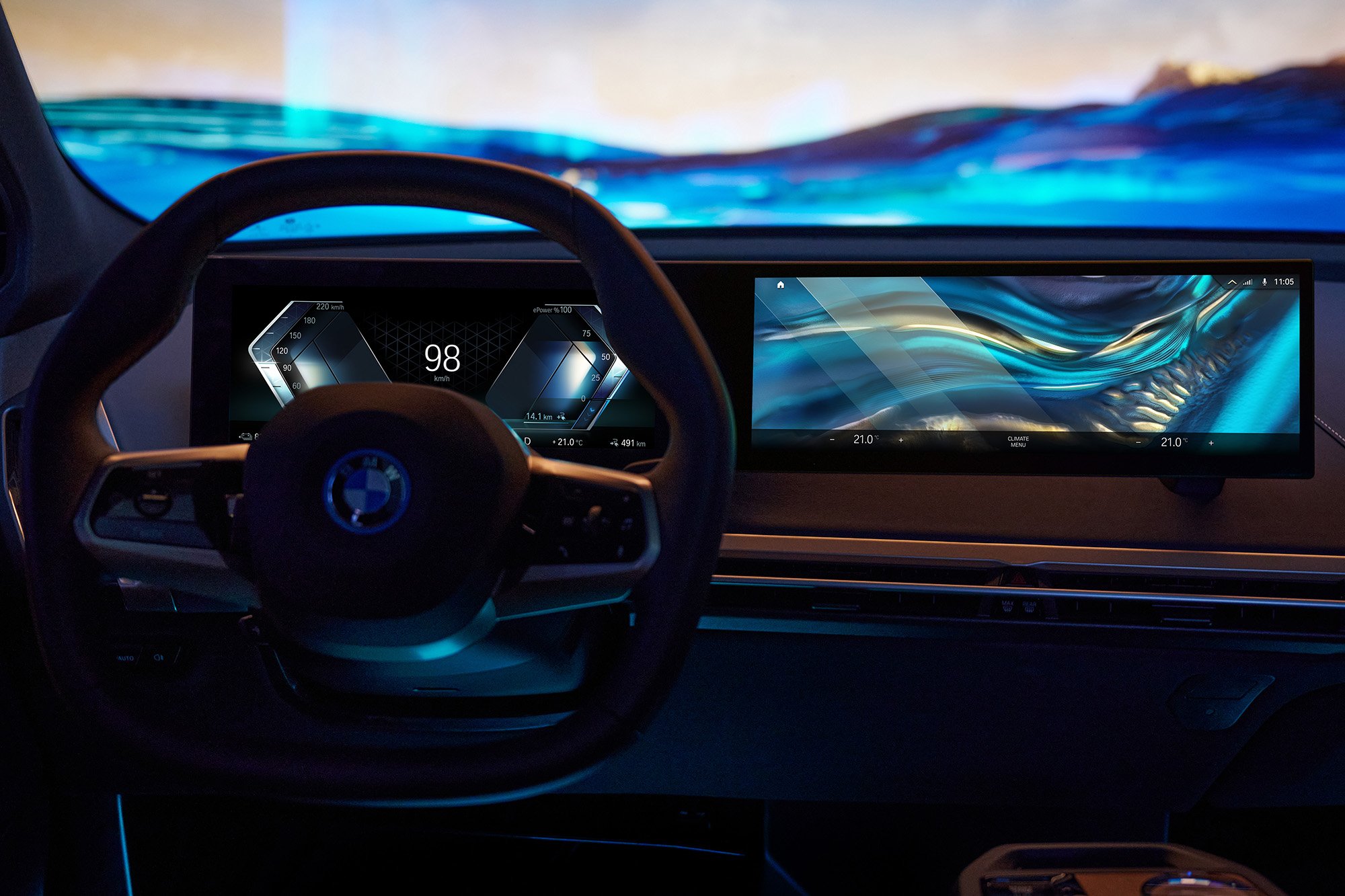
BMW’s new curved display – again, first seen on the new iX. Sizing of the screens may differ in future models but, for the iX, the display is essentially two screens linked together – a 12.3-inch one for the instruments and a larger 14.9-inch one used in the centre.
Frank Weber, head of development at BMW, says the new iDrive 8 has five “super-brains” controlling the software, which allows between 20 and 30 times the processing power of iDrive 7.
One of the key benefits of this new system is better over-the-air update capabilities, with Weber pointing out that BMW will have the largest fleet of updateable cars on the roads by the end of 2021 – more than 2.5 million.
I still spot a rotary controller…
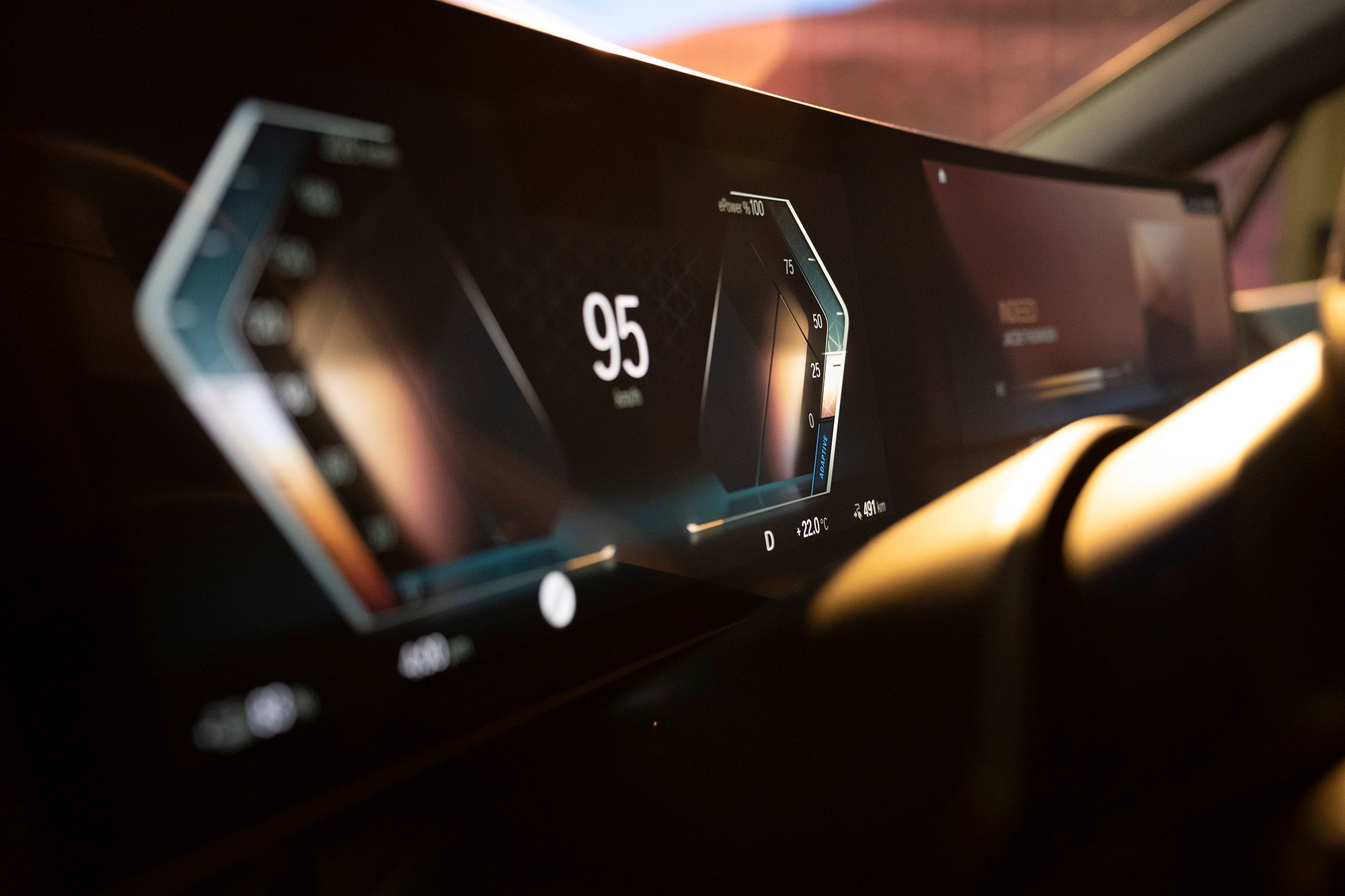
One of the few things that remains from previous generations, the iDrive’s tactile rotary controller lives on. But more functions have been moved to the screens, including the air-con. BMW says that it thinks users actually use ventilation controls so infrequently that it can get away with not incorporating separate switchgear for the ventilation controls.
While individuals can set these controls via the screen, BMW also points out that iDrive 8 will actually automate as much of the climate control as it can, based on data from more than 400 million journeys around the world in BMWs. If it’s cold, the seat, steering and air heating will turn on automatically, for example.

How else can I control it?
By voice, for a start. That in itself is nothing new, but BMW says it has developed a new, more natural voice assistant akin to Merc’s MBUX. You can name the assistant whatever you like, and appears like a bunch of orbs on the screen when it’s awake. It distinguishes who is asking it and from what seat of the car, and respond to that area more accurately.
Gesture control, a gimmick of iDrive 7, has taken a back seat, with Weber saying it’s “not a primary way” of controlling the car and only useful for certain functions. You’ll still be able to twiddle your fingers to turn up or down the audio volume, or answer a call with it, but BMW is focusing more on voice control here.
How is it more personal?
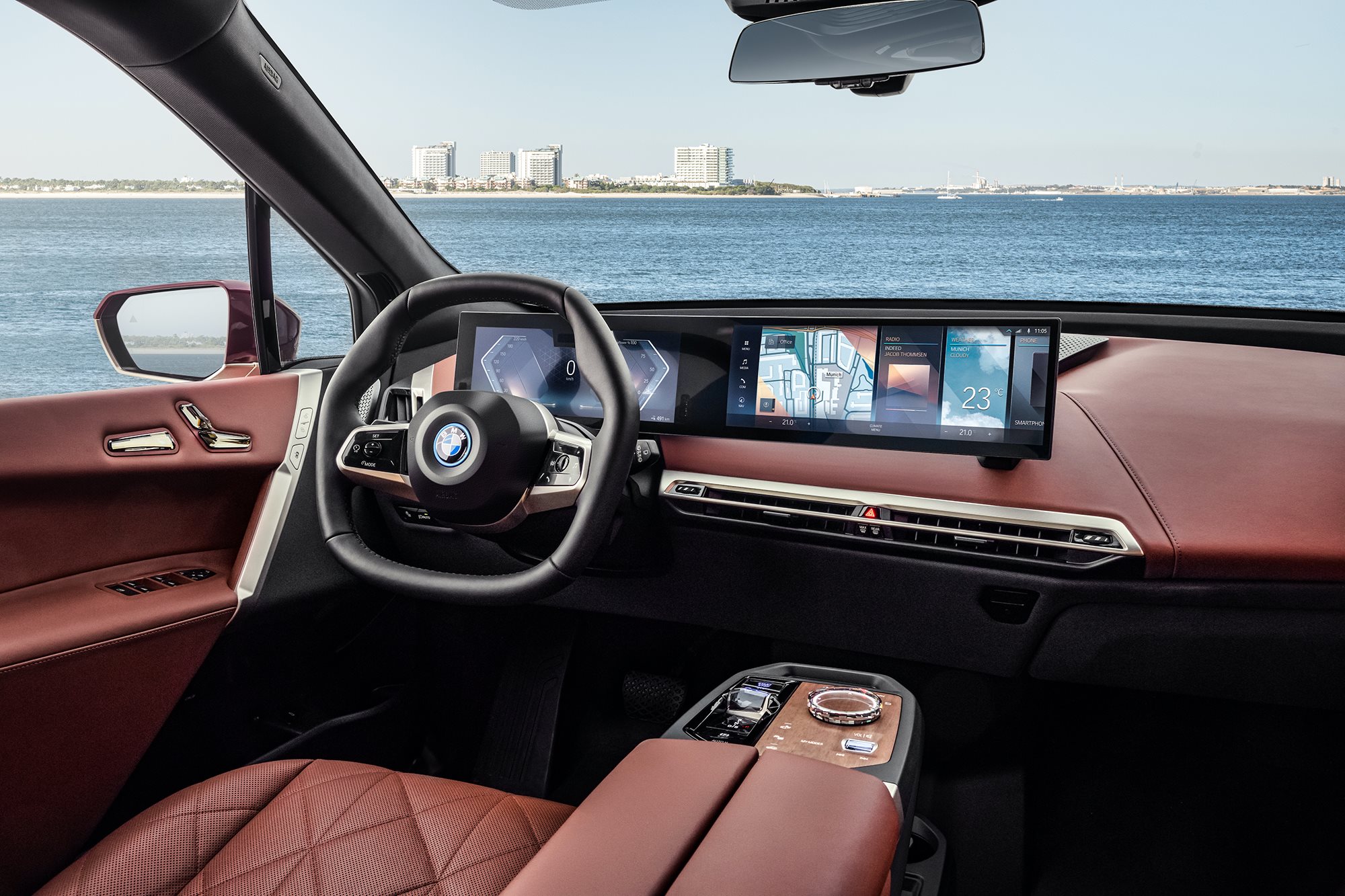
On top of the voice assistant recognising individuals, the new OS introduces BMW ID, locked via a PIN. The account is set up via the My BMW app, and the car responds personally to each person with an ID account. When they get in the car, their personal settings (like climate preferences) are applied.
There is also something called “Great Entrance Moments”. Ultra-wideband radio tech means the car will unlock when you get within 1.5 metres of it, slowly switches on both the exterior and interior lights and activates the climate control to your personal preferences.
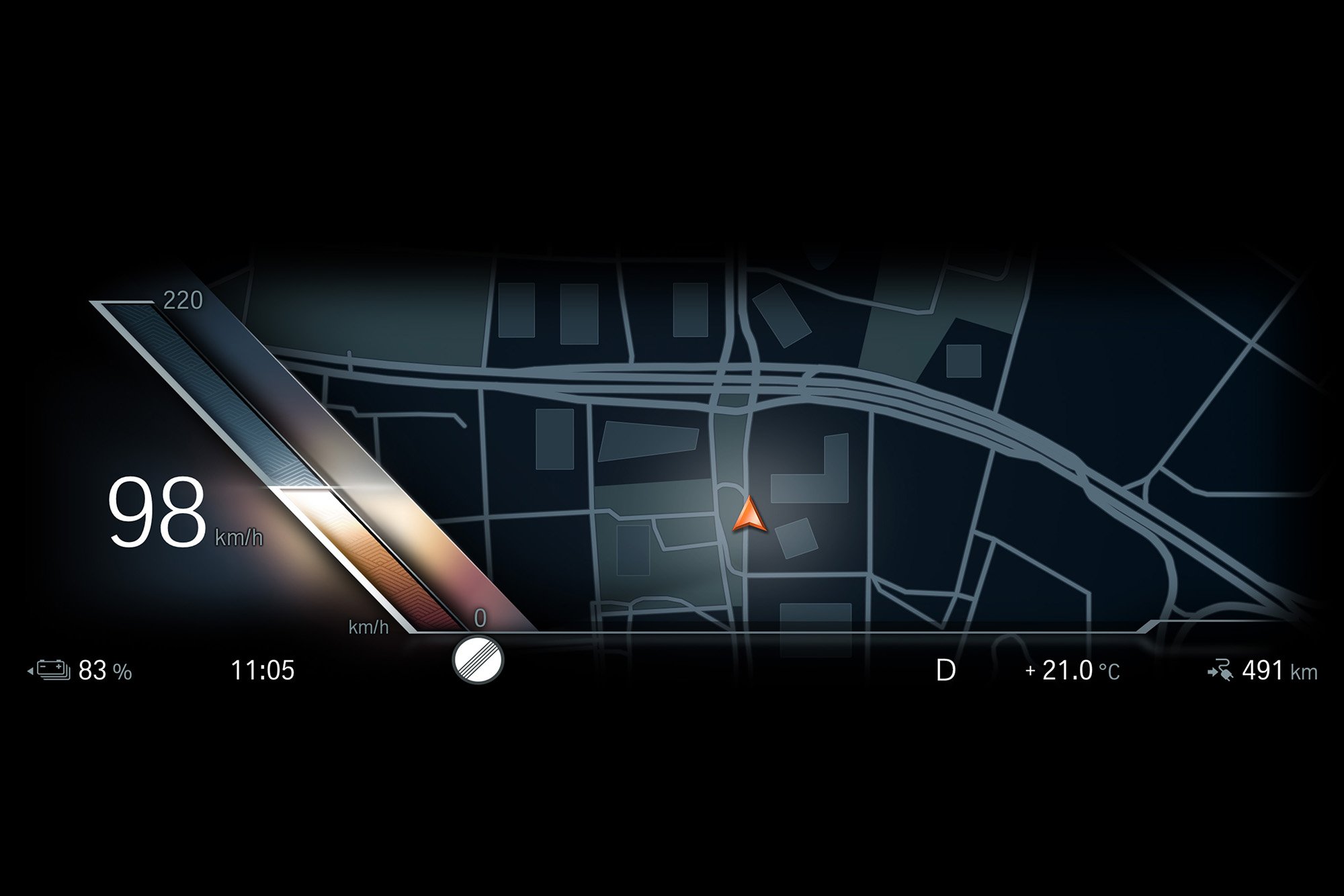
Along with this, iDrive 8 introcudes My Modes. Gone are the usual BMW drive modes of EcoPro, Comfort and Sport, replaced with Efficient, Sport and Personal. They still work roughly the same way; Efficient will be designed to maximise fuel and/or electric range, Sport is for driving situations that require sharper handling dynamics and Personal allows you to tweak parameters to your liking.
This story was originally published at carmagazine.co.uk.
Pagani has slipped its marketing machine into top gear over the past week, as the Italian hypercar manufacturer readies the automotive world for its next multi-million dollar release – the Huayra R.
Teaser images and a very emotive three minute clip on YouTube promise that the long-awaited successor to the ballistic Zonda R will be just as – if not more – raucous than its 14-year-old descendant.
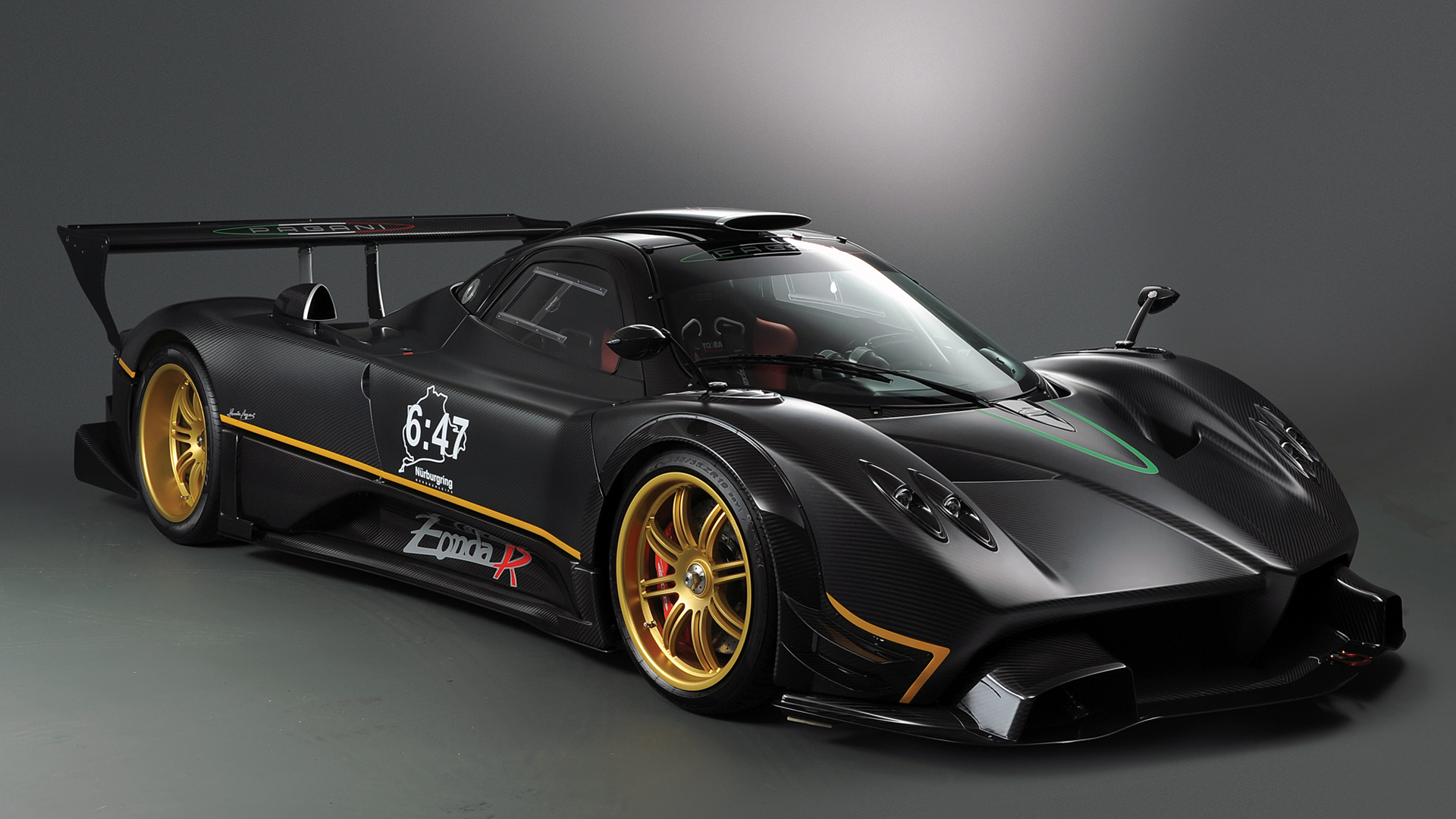
Details about the new track-only weapon are still thin on the ground right now, but the biggest and likely-to-be-confirmed rumour is that Pagani will ditch the 6.0-litre twin-turbocharged Mercedes-AMG M158 V12 used in the regular Huayra in favour of a naturally-aspirated V12.
Not much else is known about the engine, and it’s unclear whether Pagani will again use the prolific Mercedes-Benz M120 V12 found in Zondas of the past.
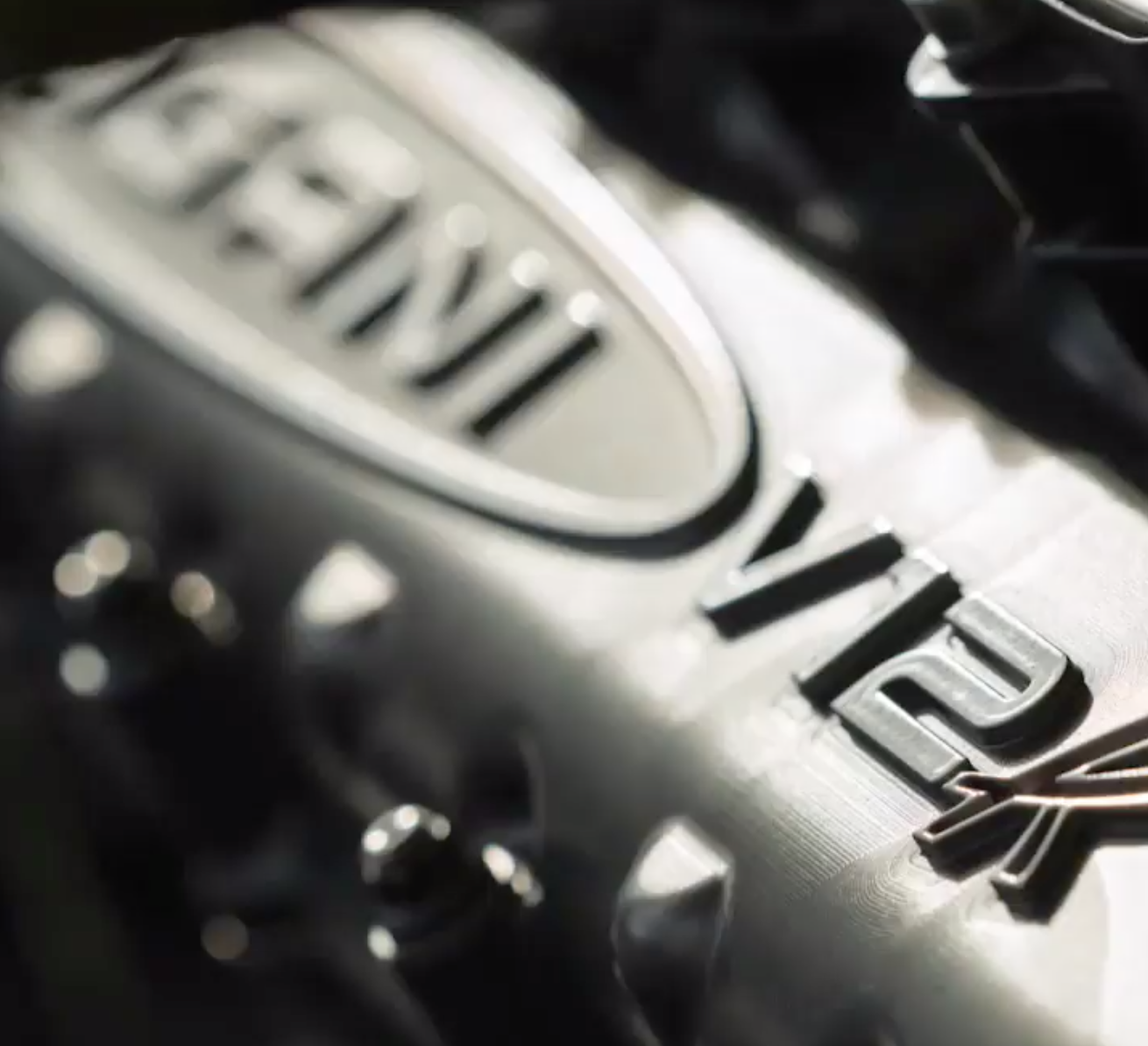
However, given Pagani’s long-standing relationship with Mercedes-AMG, the likelihood that the engine will be constructed by Mercedes-AMG is strong.
The automaker has even teased the new powerplant testing at full chat in a video on Instagram. The sound of 12 cylinders roaring above 9000rpm is borderline intoxicating and reminiscent of a circa-1990s Formula 1 car.
According to Horacio Pagani, the company’s founder, the other big focus of the Huayra R is its styling and aerodynamics.
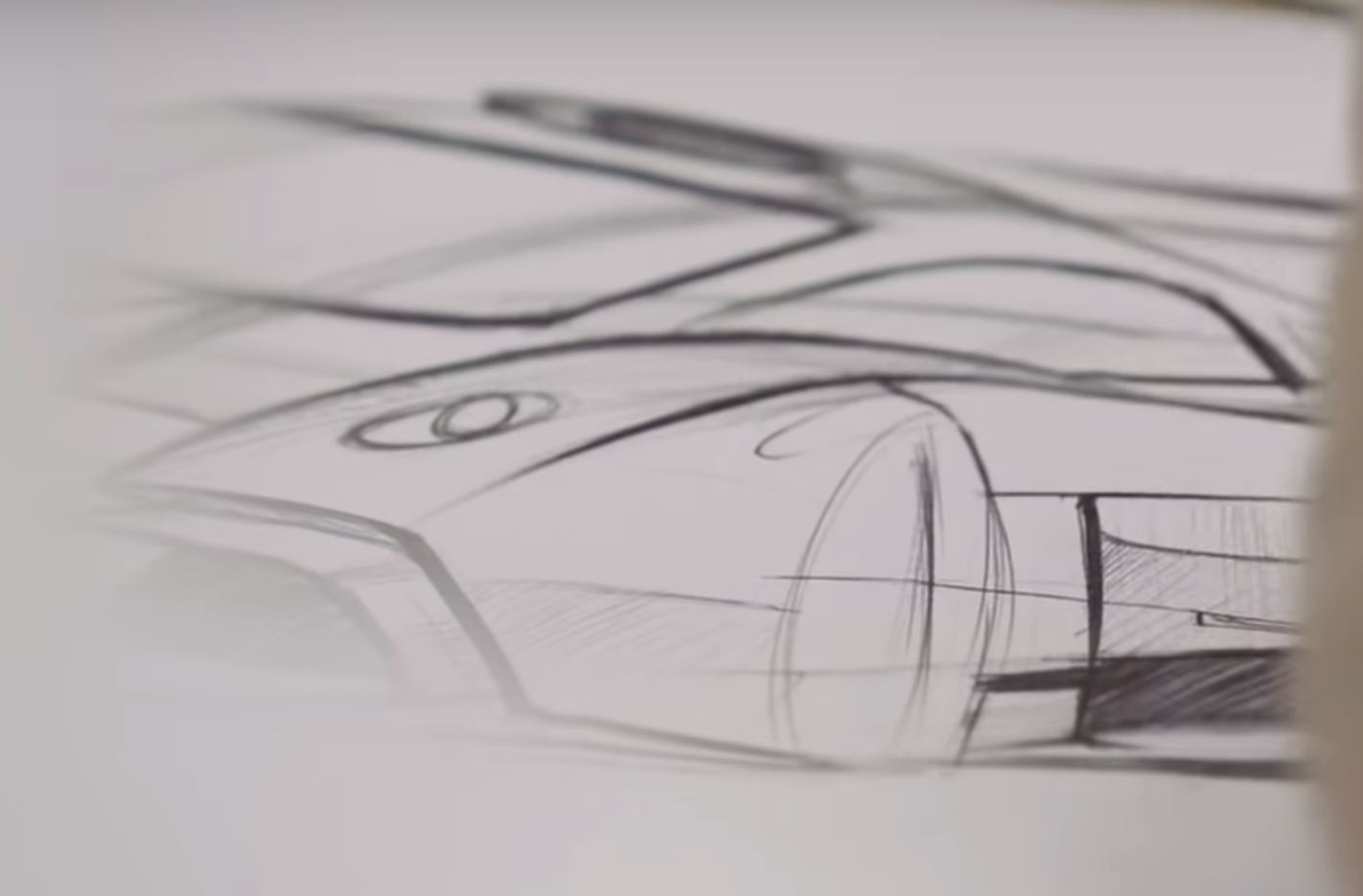
Racing cars from the golden era of motorsport like the Porsche 917, Ford GT and Ferrari P4 have served as inspiration for the Huayra R’s styling.
“Today race cars are offspring of the wind tunnel, in that they are devoted to aerodynamics only,” said Pagani.
“Whereas in the ‘60s-’70s cars were really fast, maybe dangerous yet absolutely stunning.
“From the experience of the Zonda R, from the cars of old, and from a new need for freedom, the idea for the Huayra R was born, like a breath of fresh air.”
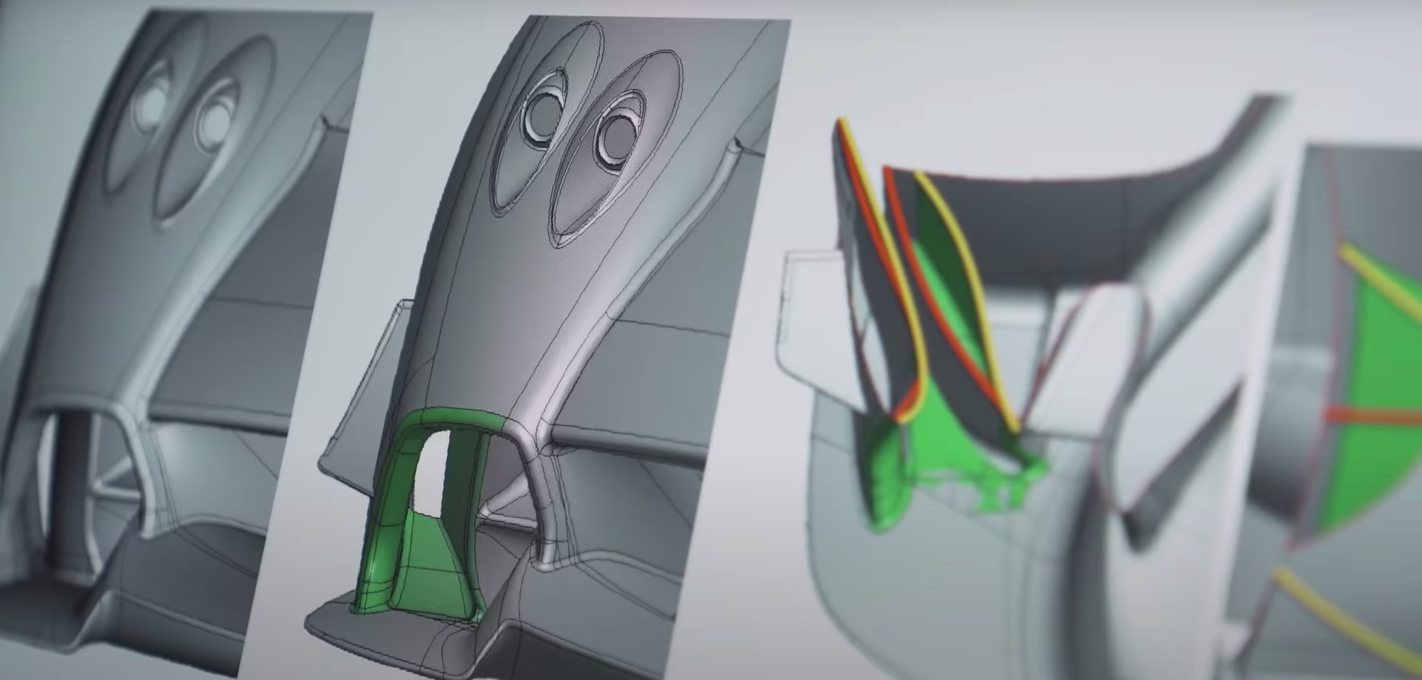
Pagani explained the Huayra R’s early designs were too heavily focused on aerodynamics, and not enough emphasis had been placed on aesthetics.
So, the mercurial automaker and his team instead focused on the appearance of the R, and the automaker now believes that in doing so, they have created a car that offers extreme aero performance and true beauty.
And judging from the glimpses of CAD modelling seen in the aforementioned YouTube video, and the R’s stygian silhouette posted on Pagani’s Instagram page, the Modena-based firm may well have succeeded. A prominent roof scoop, muscular lines and a sizeable integrated rear wing all point to a good-looking car.
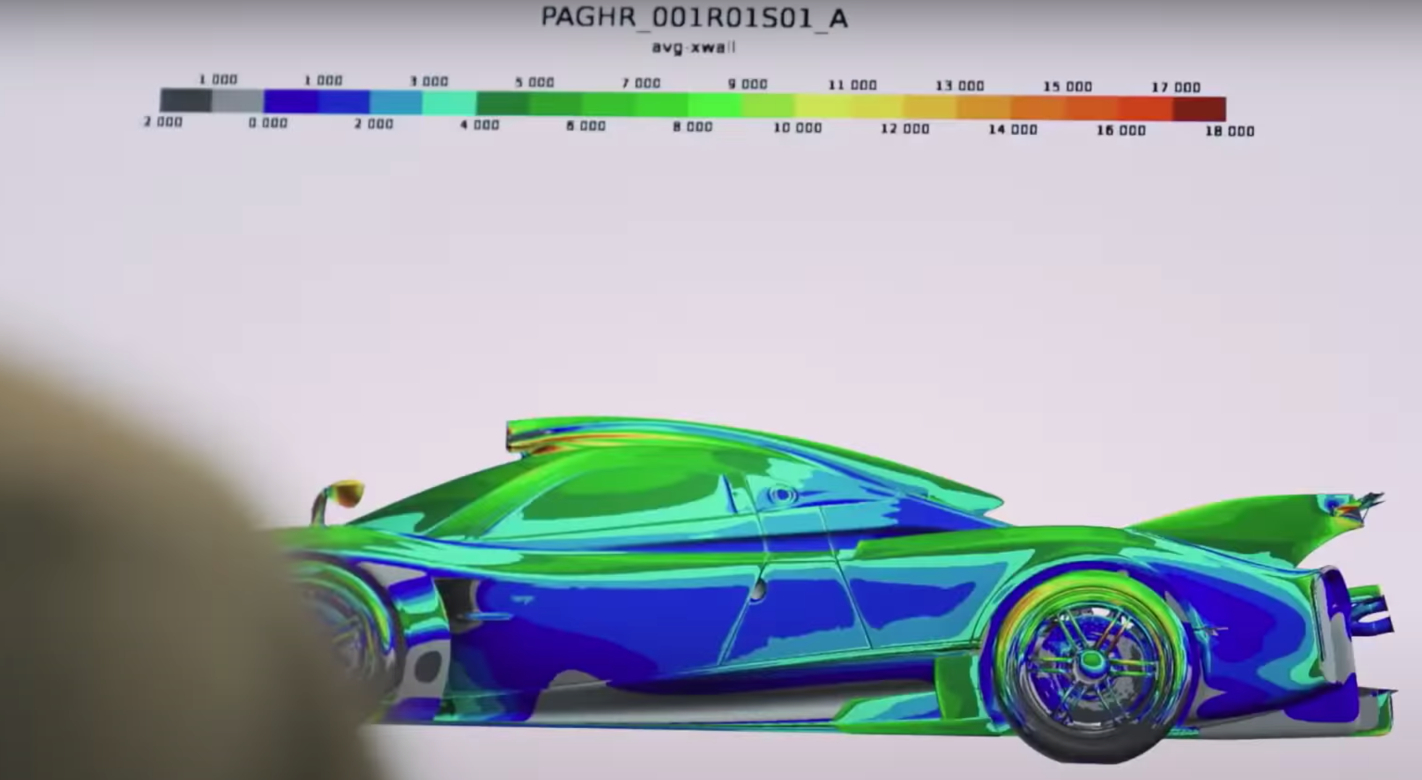
There’s no word yet as to whether or not the Huayra R will be thrust at Nurburg’s feared Nordschleife to shatter the lap record, just like its Zonda R kin did before it. With the car’s March 18 launch just around the corner that question plus many more will surely be answered.
What is the Subaru Forester 2.5i Sport?
Introduced in October 2020, this latest variant of Subaru’s popular all-wheel-drive SUV bridges the gap between the mid-range 2.5i Premium and range-topping 2.5i-S spec.
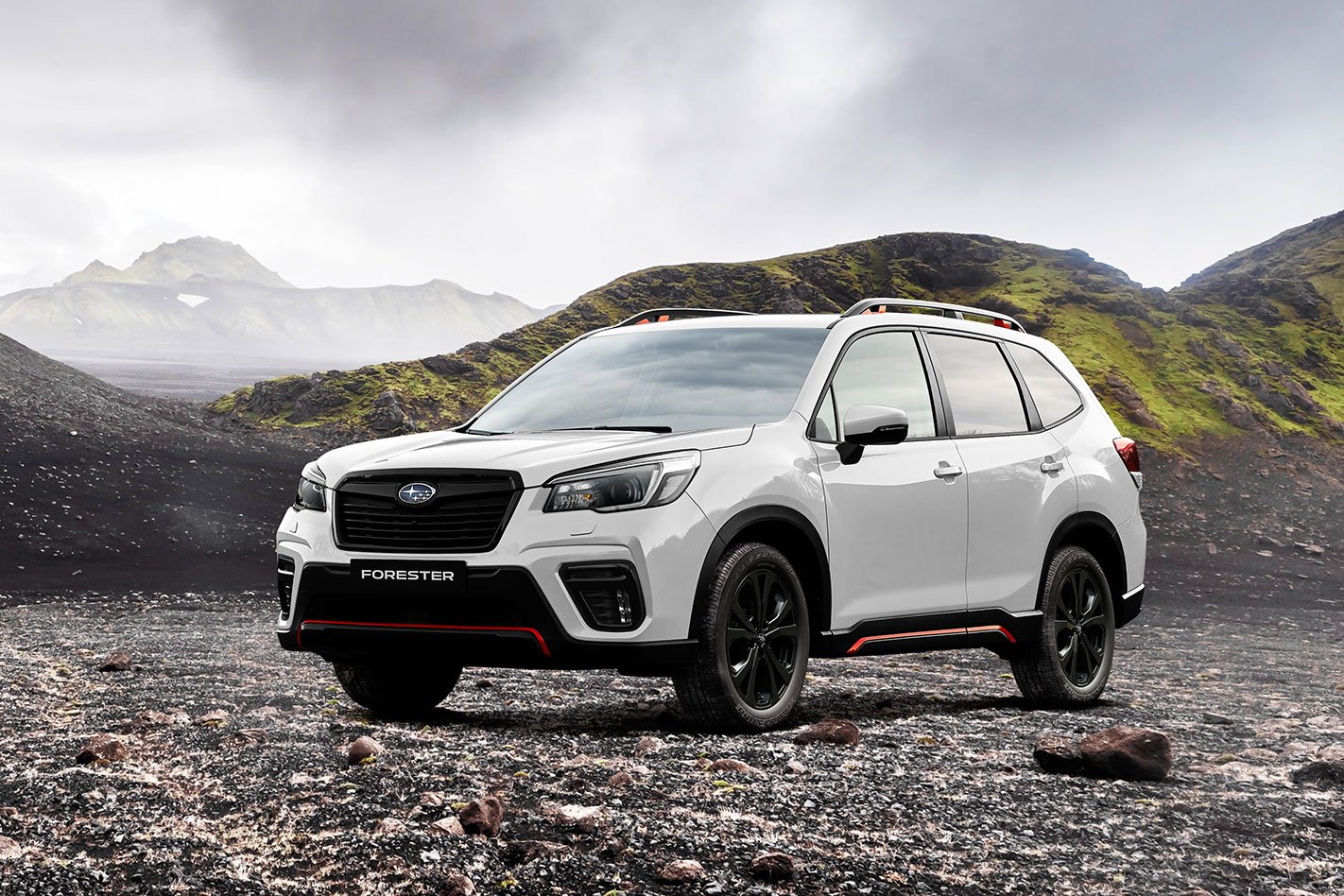
Priced at $41,490 before on-roads, it costs $1500 more than the Premium with the extra coin bringing athletic exterior embellishments including dark metallic 18-inch alloy wheels, LED front fog lights with black surrounds, under guards with orange highlights, roof rails with orange inserts, ‘Sport’ badging and an electric sunroof
The interior is similarly enhanced, with water-repellent two-tone grey cloth trim, orange stitching, and metallic orange highlights around the air vents and shift panel.
The result is, as the name suggests, a more sporty-looking Forester with decent off-road capability that appears to have been styled to compete with Toyota RAV4 Edge.
What is the Subaru Forester 2.5i Sport like to live with?
This is a well-equipped SUV that, sporty trim aside, has the same equipment-level as the mid-spec Premium, which includes Subaru’s Driver Monitoring System that uses facial recognition to detect if you’re drowsy or distracted and also personally greets you when you get in the car, sets the climate control to where you had it last and the driver’s seat and door mirrors to your preferred positions.
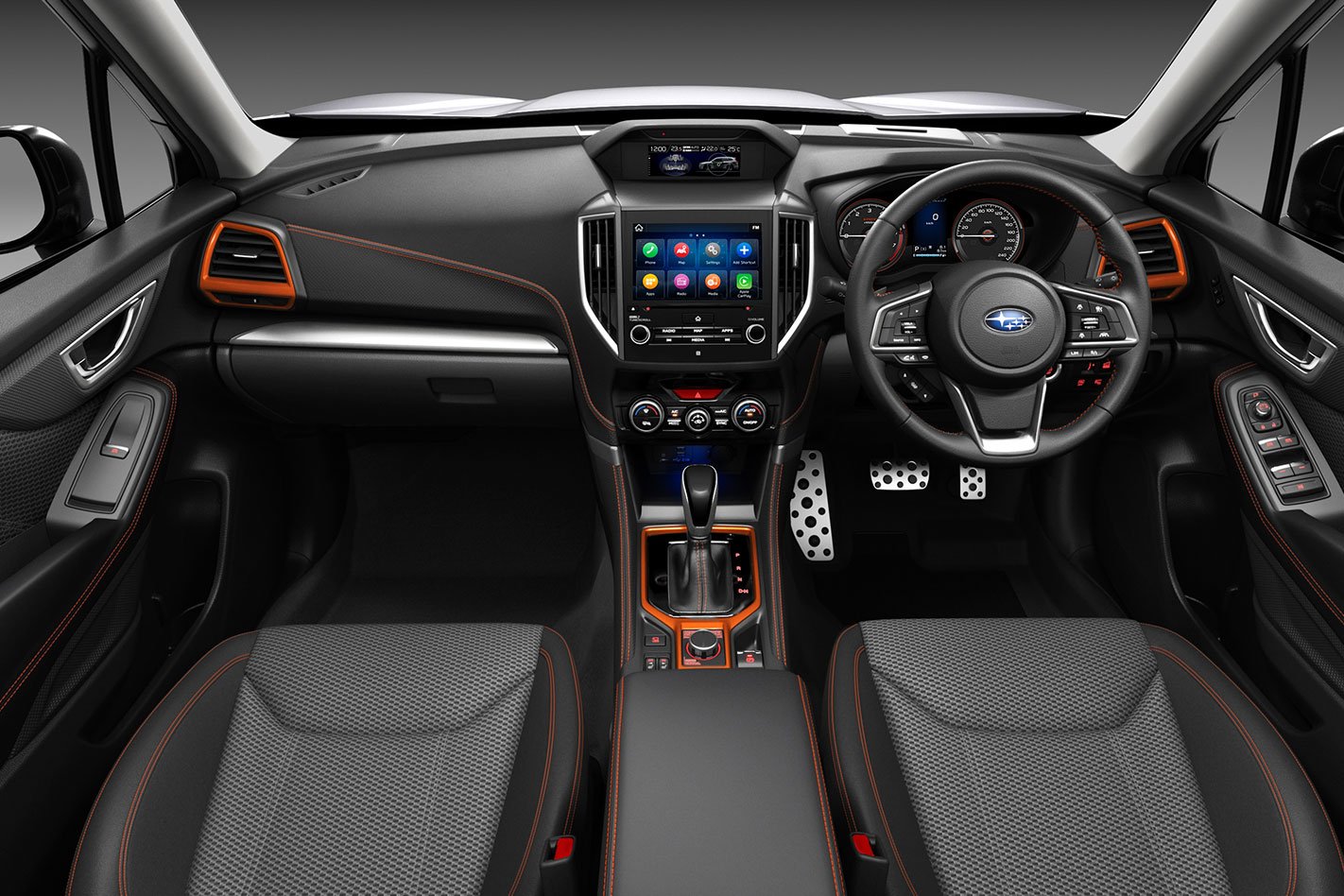
Other features include in-built satellite navigation, powered tailgate, eight-way powered front seats, front seat heaters and a tilting passenger-side door mirror that lets you see the kerb and other obstacles when you’re in reverse.
That’s on top of the Forester’s generous standard features list, which includes all-wheel-drive traction with X-Mode, EyeSight driver assist with autonomous emergency braking (AEB), and other active safety technology, blind-spot monitor and rear-cross traffic alert, 8.0-inch touchscreen, Apple CarPlay/Android Auto phone pairing, AM/FM/Digital (DAB+) radio, a CD player, aux and USB inputs, dual-zone air-conditioning, rain-sensing windscreen wipers, and a full-sized spare wheel.
The Forester has a comfortable, roomy cabin with quality fit and finish. The Sport’s durable cloth seats are very comfortable and offer great back and hip support – I actually prefer Subaru’s cloth seats to the leather-appointed ones in the range-topping Forester 2.5i S. The driving position feels very natural, and there’s excellent all-round vision.
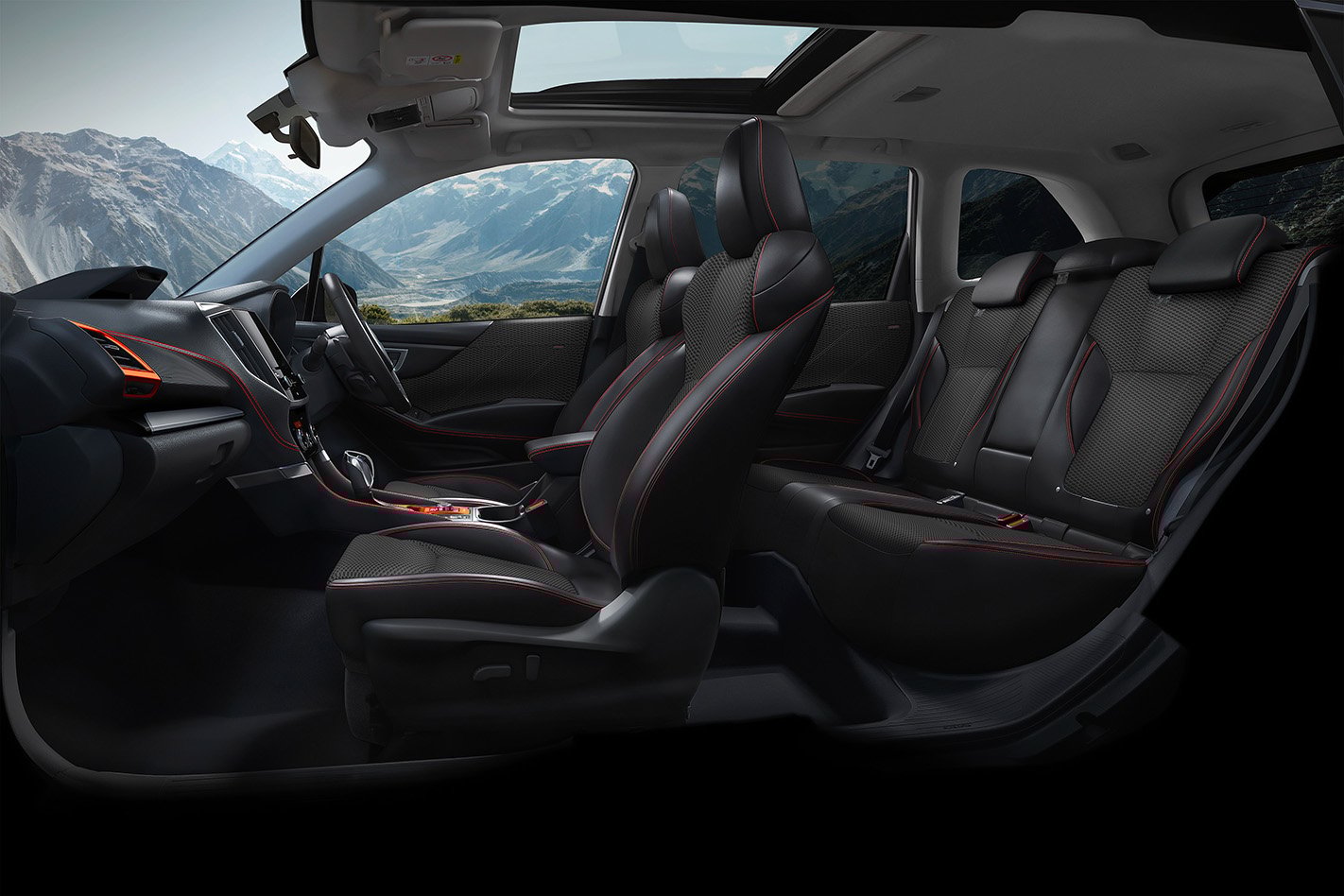
Down back, the Forester’s rear-seat legroom is plentiful even when the front seats are pushed back and there’s plenty of headroom too. The seats themselves are ergonomically well finished, though putting someone other than a child in the middle seat might be asking a bit much on extended trips.
Rear-seat occupants get their own air vents and two USB sockets to charge their electronic devices.
The Forester’s boot accommodates 498 litres of cargo, about average for a medium SUV, which expands up to 1768 litres with the 60:40 split seat-backs are pushed down.
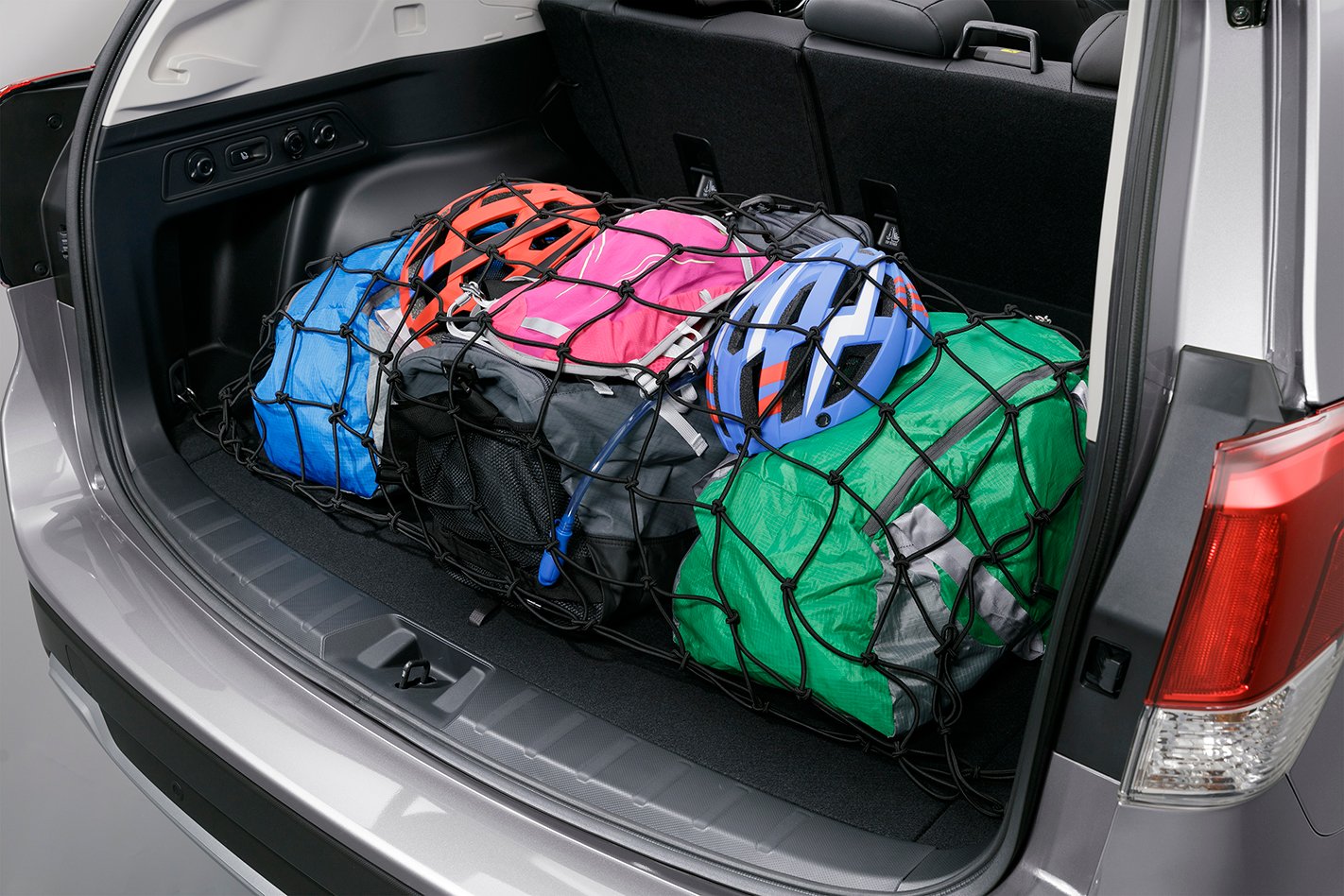
The load opening measures 1258mm wide between the tail-lights and the widest point of the luggage area is up to 1300mm – enough to fit a golf bag sideways.
The 2.5-litre petrol Foresters had their braked towing capacity increased by 300kg to 1800kg for the 2021 model year, thanks to an upgraded cooling fan. Unbraked towing capacity remains at 750kg.
The 136kW/239Nm 2.5-litre ‘Boxer’ engine, so-called because its four cylinders are laid flat in pairs and oppose each other, is mated to a continuously variable transmission (CVT) that drives all four wheels.
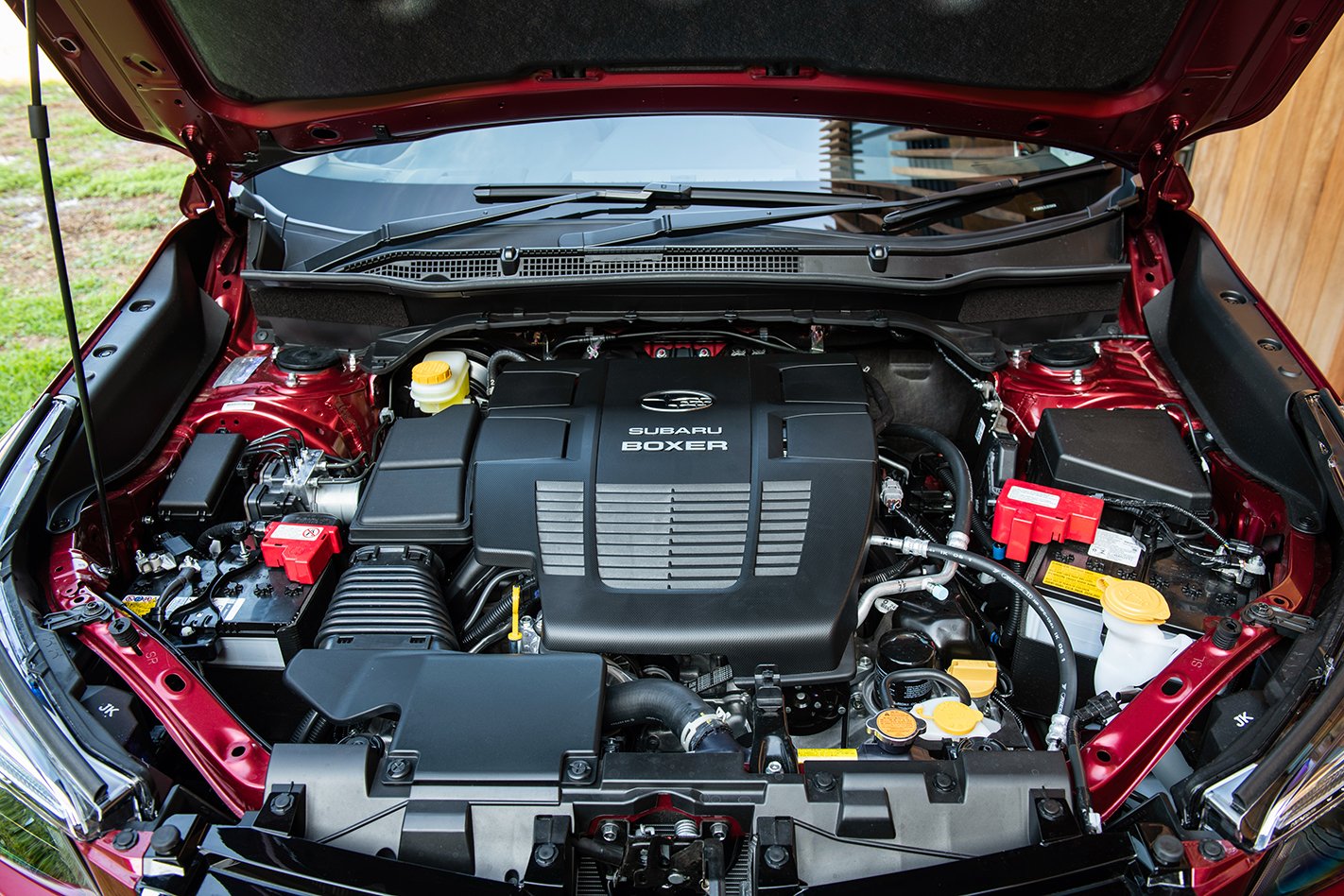
It has an official fuel economy rating of 7.4L/100km for combined urban and country driving, which is quite frugal for a non-turbocharged mid-sized SUV.
Also worth noting is that fuel consumption is just 0.7L/100km more than the lesser-powered 2.0-litre Hybrid Foresters, which in my opinion aren’t worth the additional outlay.
Foresters require servicing every 12 months or 12,500km, whichever occurs first, with reduced fixed pricing if you select a three or five-year service plan that cost $1269.15 and $2413.63 respectively. The five-year plan includes the major ‘D’ service that costs $794.17.
All Subaru Foresters are covered by the brand’s five-year, unlimited-kilometre warranty.
What is the Subaru Forester 2.5i Sport like to live drive?
The 2.5-litre Boxer engine is in its happy place when cruising. It feels smooth and is reasonably responsive but can struggle a little when fully loaded with cargo and passengers.
Performance is enhanced by ‘Subaru Intelligent Drive’ that offers two driving modes including Sport that changes the gearbox settings to upshift at higher revs for quicker take-off acceleration.
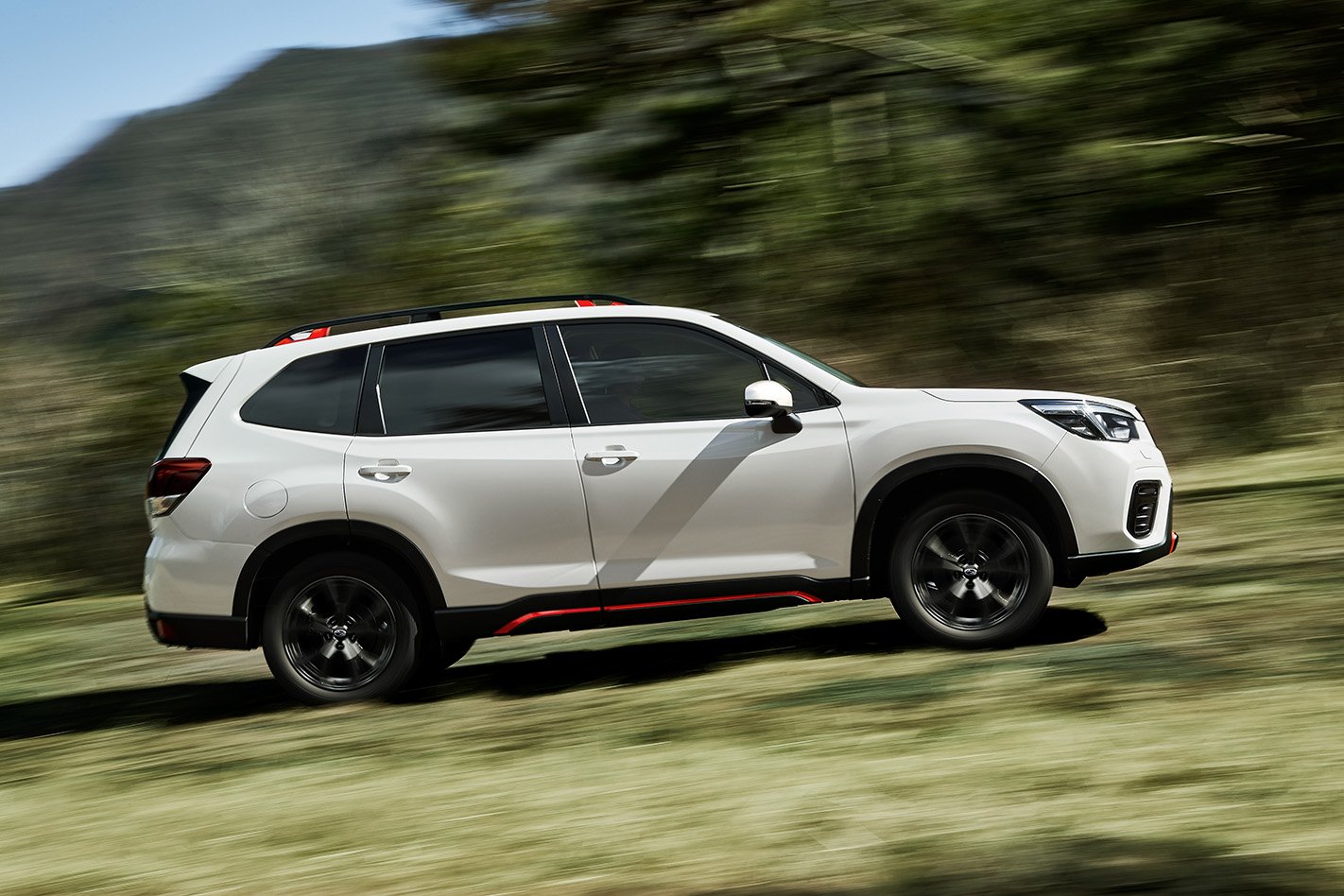
Even then, the CVT automatic gearbox isn’t as revvy as other such units as it uses synthesised steps to feel more like a conventional torque-converter automatic.
Because the ‘Boxer’ engine’s four cylinders are laid flat, there is a reduced centre of gravity that, along with excellent steering and chassis compliance, helps achieve an excellent balance between ride comfort and handling without having to stiffen the suspension.
The result is an incredibly smooth ride on most road surfaces.
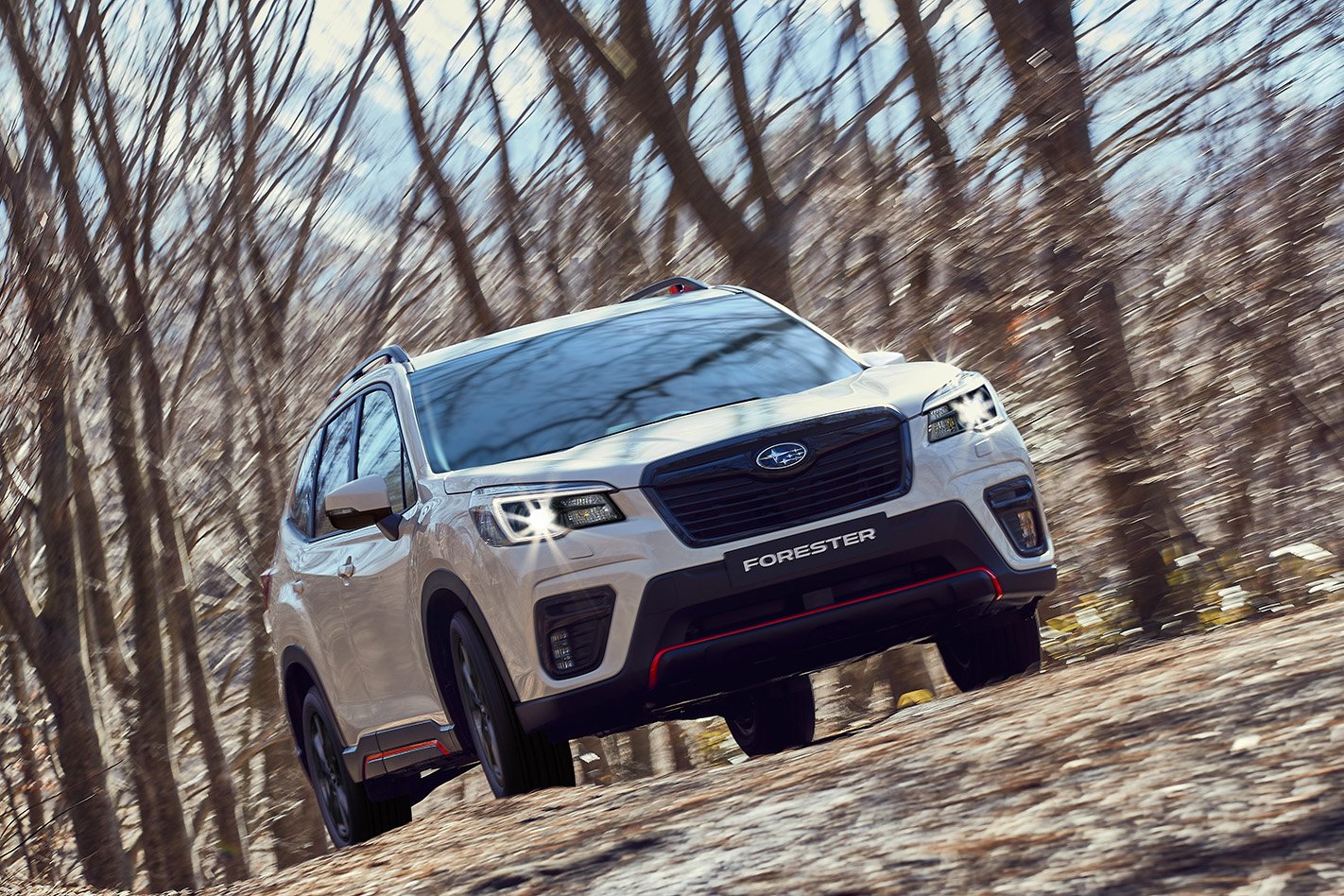
The Forester’s all-wheel-drive system and 220mm ground clearance gives it better off-road capability than most SUVs too. It is excellent on gravel roads and handles sand well, and you can negotiate very steep and slippery terrain with the help of the X-Mode traction system.
How safe is the Subaru Forester 2.5i Sport?
The Forester has one of the better active safety systems in its price range in the form Subaru’s ‘EyeSight’ package that relies on stereo cameras. It brings AEB, which works at city and highway speeds and detects pedestrians, warning you first and then braking automatically to prevent or mitigate the impact if a collision seems imminent.
EyeSight also supplies adaptive cruise control, lane-keeping assist, brake light recognition that provides an additional sign that the car in front is stopping, and lane-drift assistance – alerting you if you start to drift out of your lane on the highway, perhaps from distraction, and gently attempting to steer the car out of trouble.
Other active safety features include blind-spot monitoring and rear-cross traffic alert. The Forester takes the latter a step further with reverse automatic braking that stops the vehicle to help prevent collisions while parking or when backing out of a driveway.
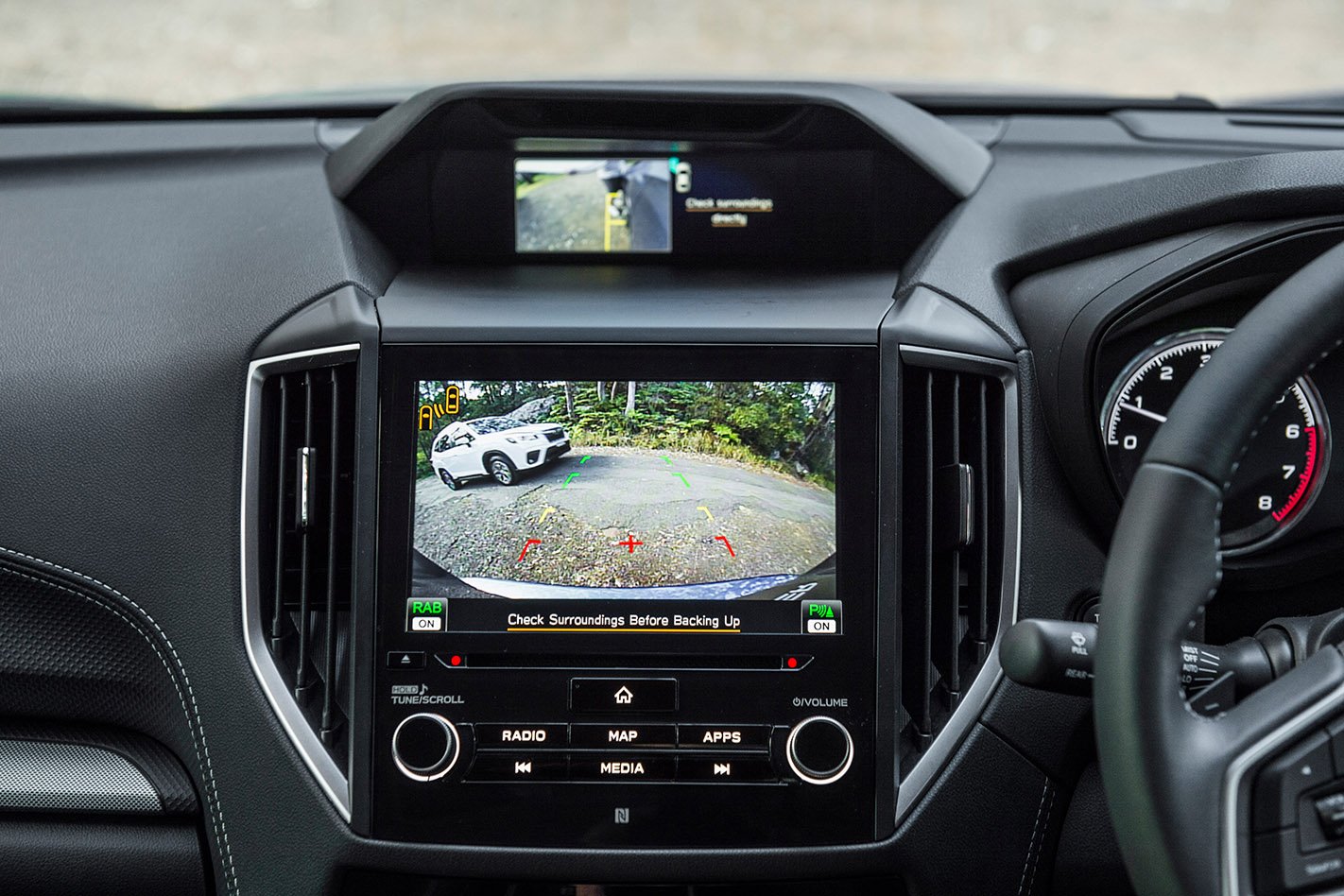
A passenger-side mirror that dips to allow you to see the kerb or hidden obstacles is also a great help when reversing in tight spots (especially as you don’t want to scuff those black alloy wheels) and likewise the reversing camera with guidelines and front-view monitor.
The Forester also employs facial recognition technology to detect if the driver takes their eyes off the road or is becoming drowsy.
Another feature, new to the 2021 Forester range, is the ‘collision detection unlock’ function that unlocks the doors and tailgate in the event of a heavy collision, reducing the possibility of occupants being trapped in the vehicle.
Passive safety includes seatbelt reminders and seven airbags: two directly in front of the driver and passenger; an airbag in front of the driver’s knees; airbags immediately outside the driver and front passenger that protect at chest level; and curtain airbags extending down each side of the car at head level to protect passengers front and rear from side impacts.
Second-row ISOFIX anchor points for two child seats are also standard.
The Australasian New Car Assessment Program (ANCAP) awarded the Subaru Forester a 5-Star safety rating in March 2019.
The Verdict
The new-kid on the Forester block offers excellent value. Until now, we considered the Forester 2.5i Premium to be the sweet-spot of the range, coming with most of the important features available in the pricier 2.5i-S.
The 2.5i Sport comes will all the Premium’s features and then some for just $1500 extra, which certainly gives it bragging rights as the new pick of the Forester bunch.
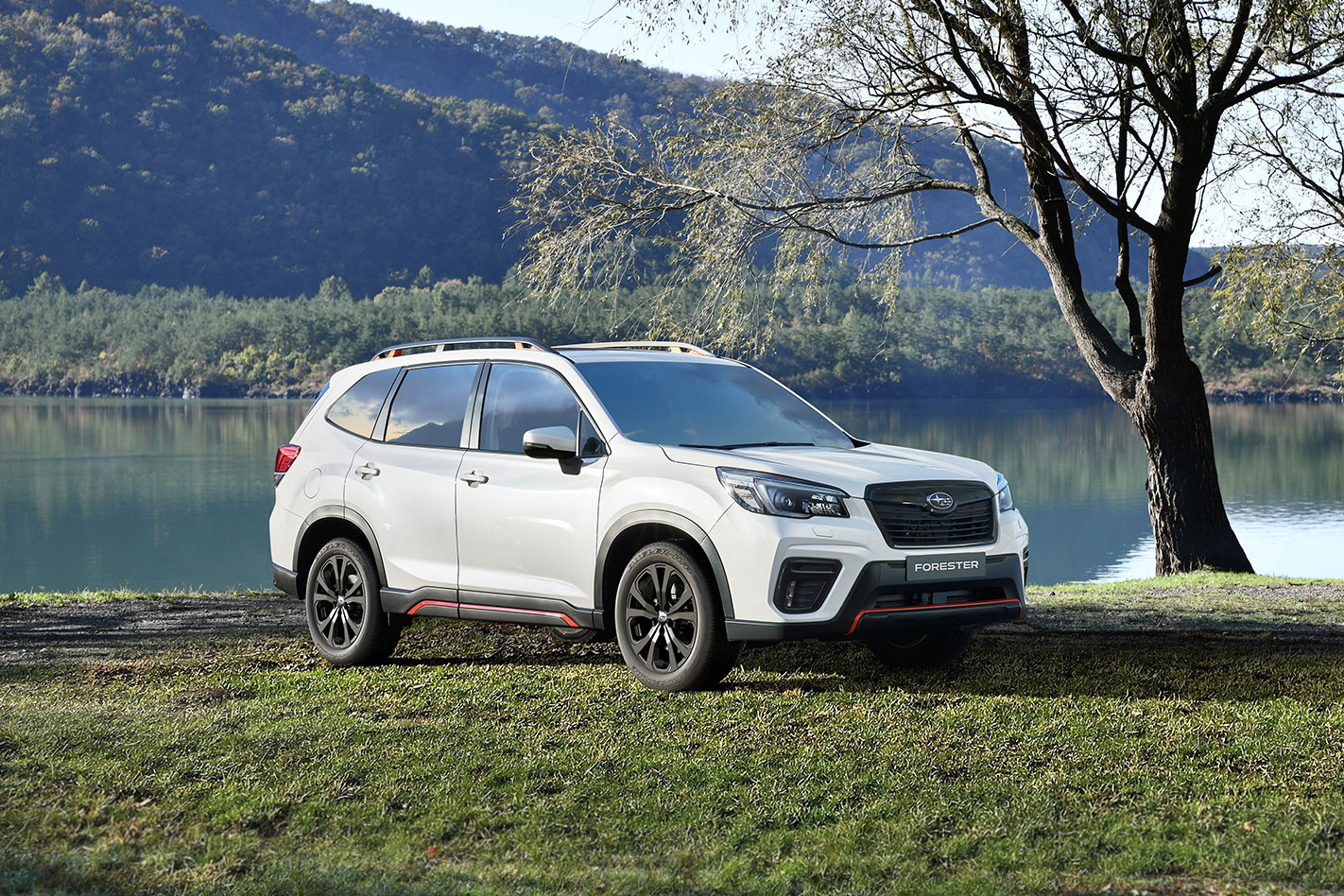
At just under $42,000 before on-roads you get plenty of medium SUV for the price, and it compares very well against similarly powered AWD medium-SUV rivals such as the Mazda CX-5 Touring, Nissan X-Trail ST-L and the pricier RAV4 Edge.
Score 8.5/10
Plus Safety, handling, AWD traction, space and comfort Minus Relatively plain looks, no diesel option
Subaru Forester 2.5i Sport specifications
Body: 5-door, 5-seat SUV Drive: All-wheel Engine: 2489cc 4-cyl, DOHC, 16v Bore/stroke: 94 x 90mm Compression: 12:1 Power: 136kW @ 5800rpm Torque: 239Nm @ 4400rpm 0-100km/h: 9.5sec (claimed) Fuel consumption: 7.4L/100km (combined) Weight: 1551kg Power/weight: 86.0kW/tonne Transmission: CVT Suspension: Front – MacPherson struts/coil spring with stabiliser bar; Rear – double wishbone, independent L/W/H: 4625/1815/1730mm Wheelbase: 2670mm Tracks: 1565/1570mm Steering: Electrically assisted rack-and-pinion Brakes: Ventilated discs, tandem boosters Tyres: 225/55 R18 Bridgestone Dueller H/P Price: $41.990
Jaguar’s restomod skunkworks, Jaguar Classic, has unveiled a pair of factory-built E-Types that celebrate the iconic model’s 60 birthday.
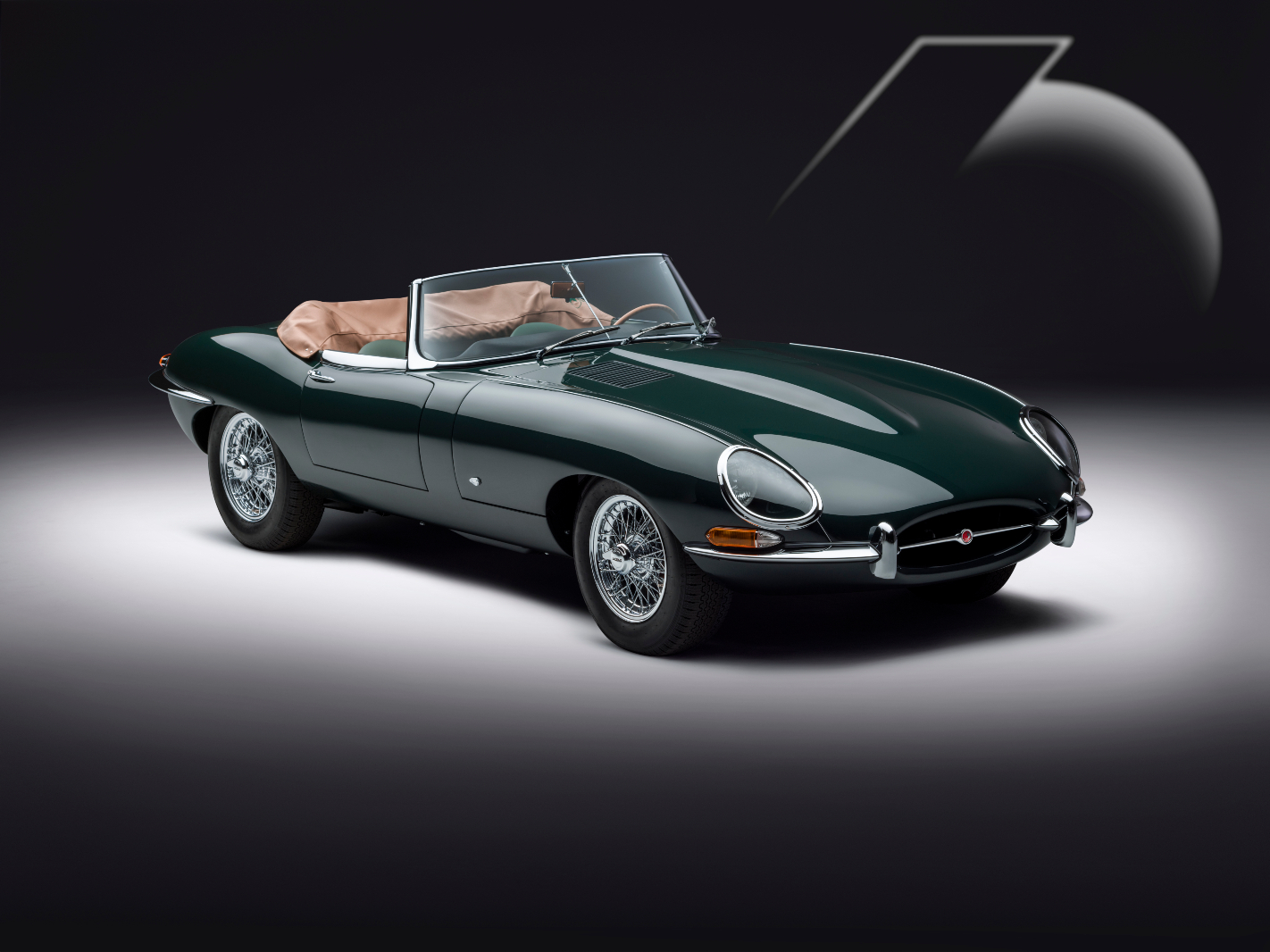
Called the E-Type 60 Collection, the limited-edition sports cars will be sold in pairs comprising a hardtop coupe and a roadster, which pay homage to two of the moniker’s most iconic models.
The special duo will also be fitted with several stylistic cues that aim to remind owners of the fabled story of how the E-Type made its eventful and lauded debut at the 1961 Geneva motor show.
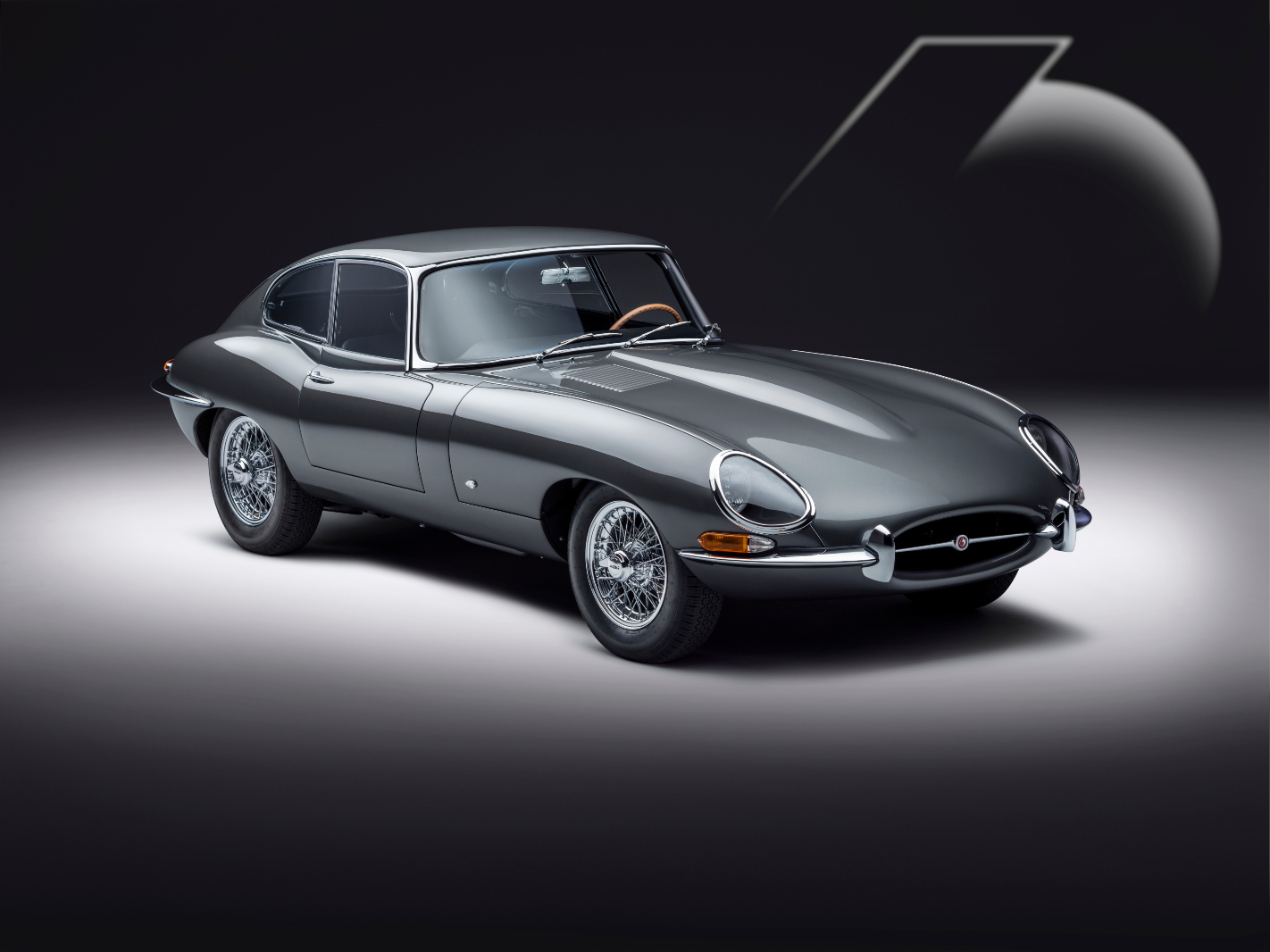
The coupe variant will be finished in an opalescent gunmetal grey that Jaguar Classic has coined “Flat Out Grey”, which harkens back to the ‘9600 HP’ coupé Bob Berry drove “flat out” from Coventry to Geneva in order to make it to the ‘61 undertaking of the auto show.
The roadster will be painted in an exclusive paint scheme called “Drop Everything Green”, which symbolises when Jaguar founder Sir William Lyons told company test driver Norman Dewis to “drop everything” and drive the roadster variant of the E-Type overnight from the carmaker’s factory in the UK to Geneva to be alongside the coupe variant at the auto show.
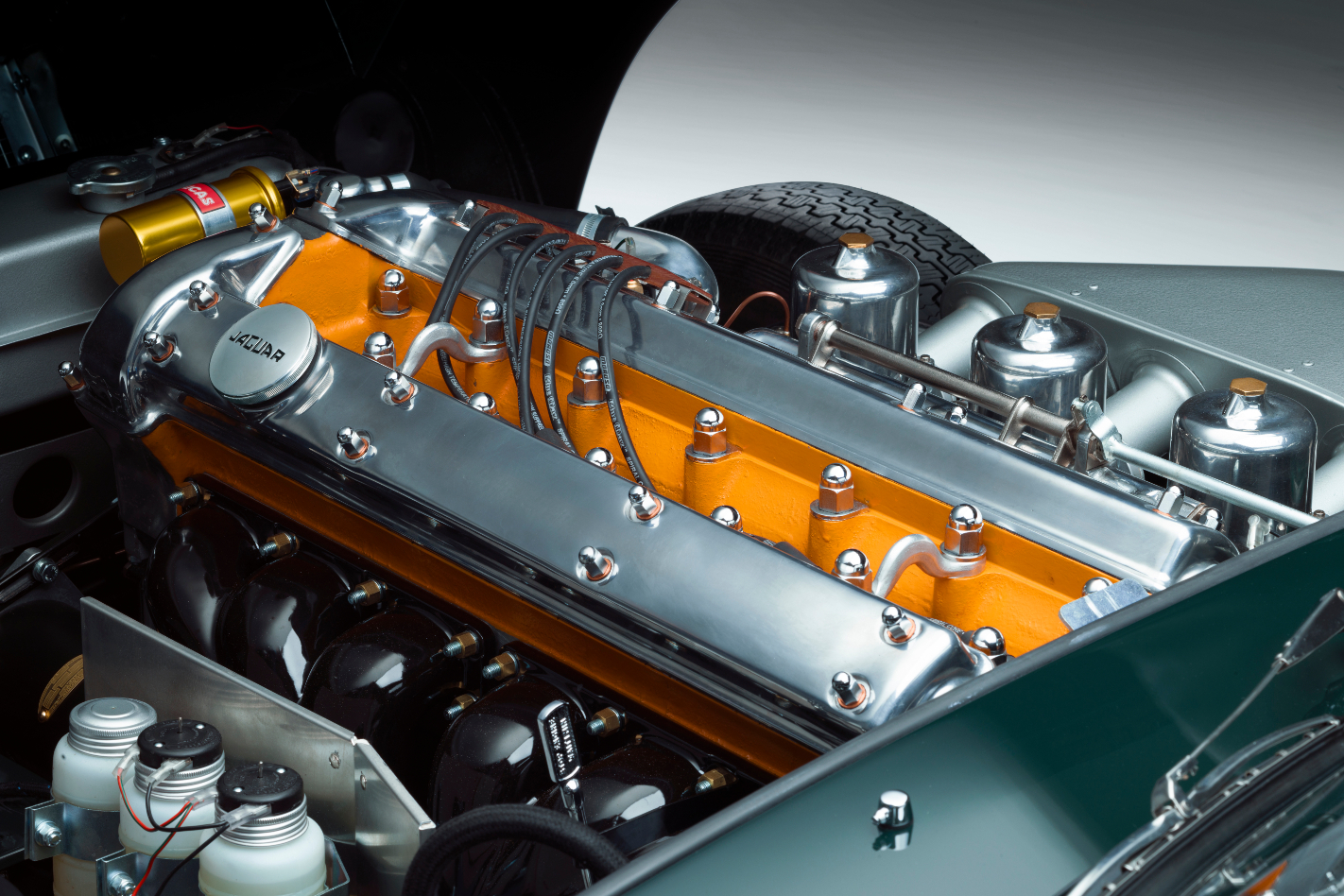
Both cars have been fitted with a 3.8-litre inline six-cylinder XK motor that produces 200kW and features an exacting, period-correct alloy radiator, electric cooling fan and electronic ignition, and a polished stainless steel exhaust system.
The hot-six will be mated to a specifically-developed close-ratio five-speed manual gearbox, which should make both cars quite accelerative, even by modern standards.
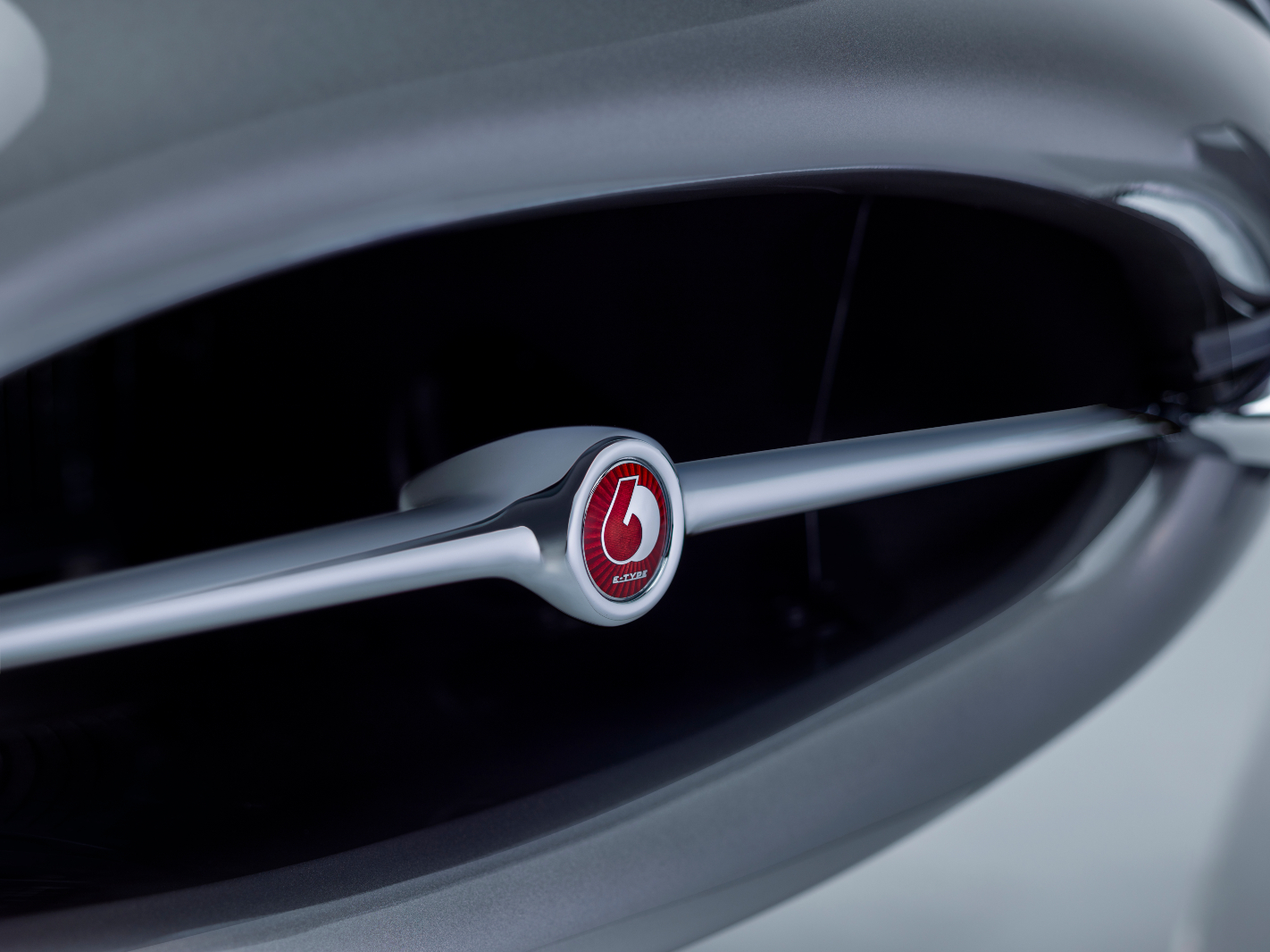
The limited sports cars have been adorned with a number of bespoke commemorative E-type 60 logos, which can be found on the chassis plate, clock face, bonnet badge and fuel cap.
The interiors have also been fitted with a number of mod-cons aimed at making them more usable for owners – most notably a Jaguar Classic Infotainment System with built-in satellite navigation and Bluetooth connectivity.
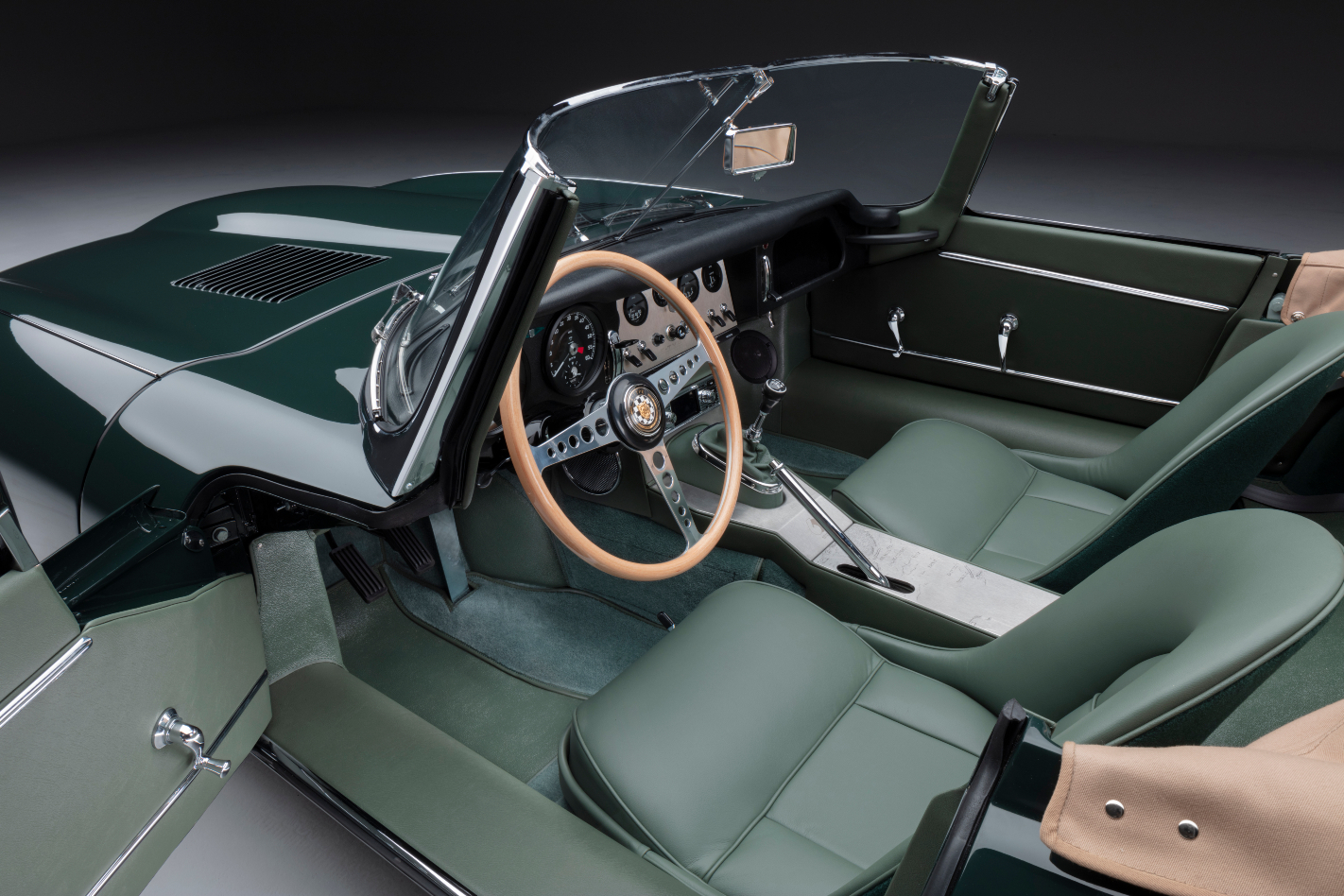
Jaguar Classic is making just 12 cars in total for six lucky owners, and while no prices have been confirmed, expect the cost of admission to be in the seven-figure ballpark.
UPDATE, March 16 2021: The upcoming 2022 BMW i4 electric sedan will be revealed this week, the company has confirmed, with an official unveiling due for March 17 in Germany.
Stay tuned to WhichCar for all the details.
The story to here
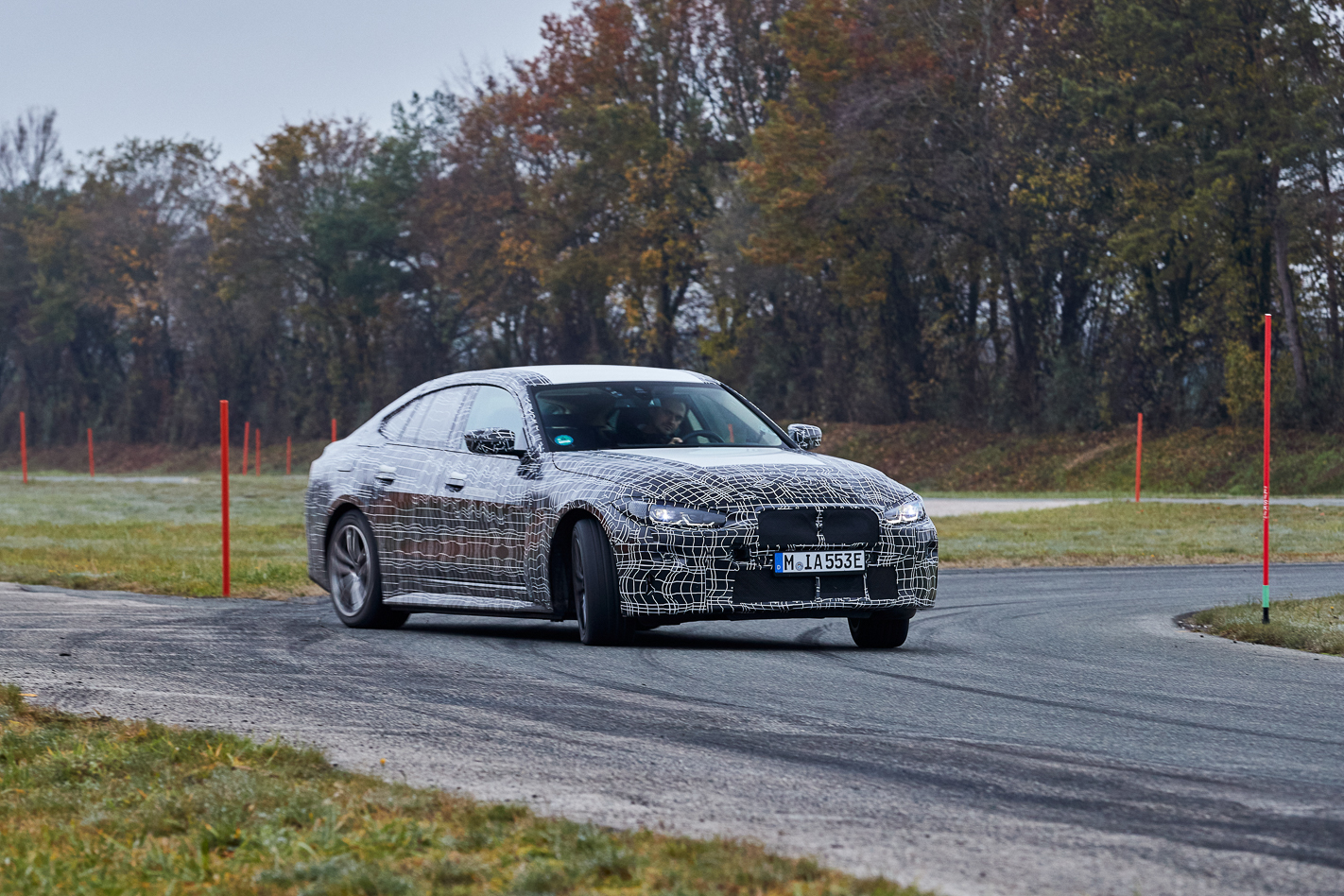
BMW is keen to prove its forthcoming i4 electric vehicle will stay true to the brand’s dynamic roots, revealing imagery of a prototype car sliding sideways around a track during final testing.
Final touches are being made to the BMW i4 which will sit under the BMW i electric vehicle sub-brand as its fourth fully-electric production model, following on from the i3 and i8 (plug-in hybrid) electric cars released in 2013.
When the i4 launches in just a few short months’ time, it will join the iX3 electric crossover and iX electric SUV to form the second generation models of BMW i.
Production is expected to start in the second half of the year for European and North American customers, with an Australian launch likely in the first half of 2022.
BMW Australia is remaining tight-lipped on the subject, with a spokesperson saying it’s “too early to say” regarding a launch date or expected price.
That said, if BMW wants it to be competitive against established rivals such as the Tesla Model 3 then a $70K price tag is a must. We think the i4 is more likely to carry a six-figure price like the Audi E-tron GT.
“No mistakes in our EV strategy” says BMW
While the drifting flagship performance variant with its 390kW power output and 80kWh battery pack seems to be getting all the attention at the moment, it’s likely BMW will introduce lesser-powered variants under the flagship – much like BMW 3 Series line, for example.
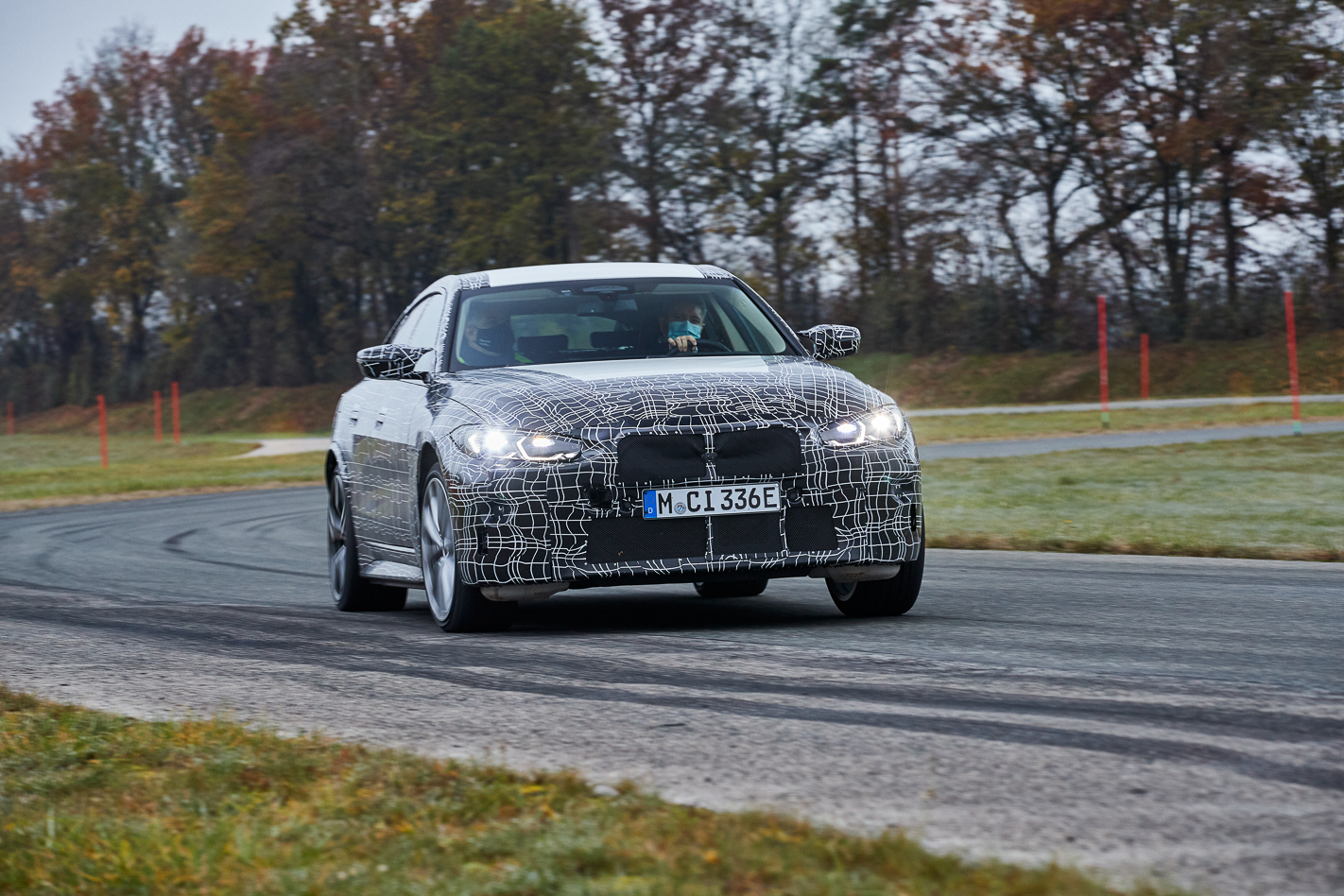
Much of the i4’s camouflage has been stripped away in the lead-up to its launch, but we can see the design will partly take the form of a 4 Series Gran Coupe, combining that shape with attributes from the Concept i4.
We know that the flagship i4 will pack 390kW, sprint from zero to 100km/h in four seconds, and stock an impressive 600km touring range.
BMW’s challenge is to translate those figures into a car that can perform as well, dynamically, as the 4 Series Gran Coupe on which it’s based.
BMW says these final stages of dynamic calibration testing will see that the car’s suspension componentry and drivetrain’s ‘spontaneous’ power delivery operate in harmony.
Emphasis is placed on the electric i4’s ability to behave like BMWs of old, drawing upon BMW’s “decades of experience” to provide a unique driving character in the electric vehicle market.
Model-specific damping technology ensures the body doesn’t pitch backwards when accelerating and a wheel slip control system is said to provide optimum traction and stability no matter the surface underneath.
While the i4 looks set to stock a powerful electric powertrain just like every other high-end EV, BMW insists it’s not all about the straight line performance, in a subtle dig at other EV manufacturers.
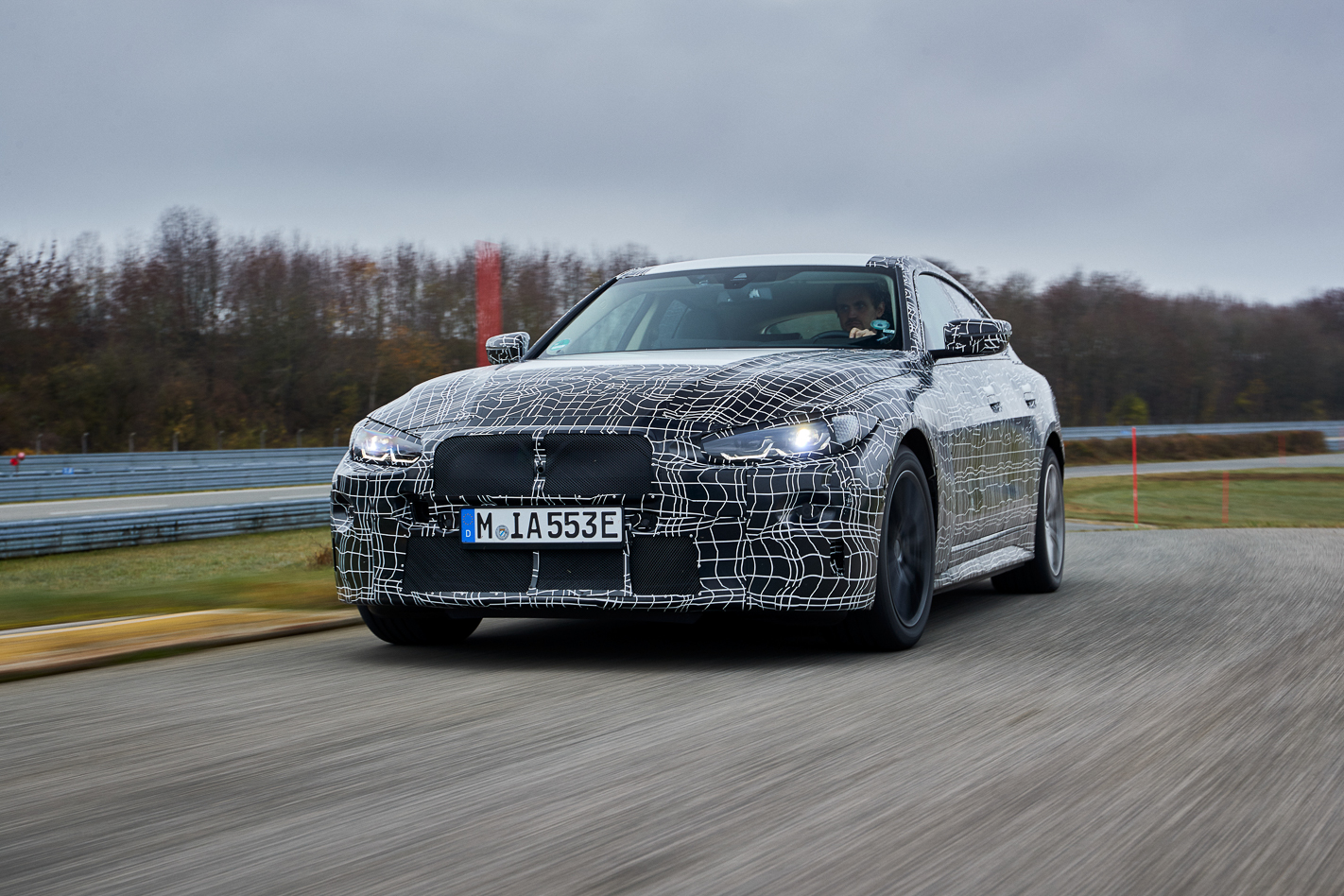
“All electric vehicles are capable of fast straight-line acceleration. But that’s not enough for us at BMW,” says BMW i4 project lead David Ferrufino.
“For the first time, we’ve developed a BMW with sporty DNA for purely electric driving entirely from scratch. The BMW i4 offers everything BMW stands for – and it’s fully electric, too.”
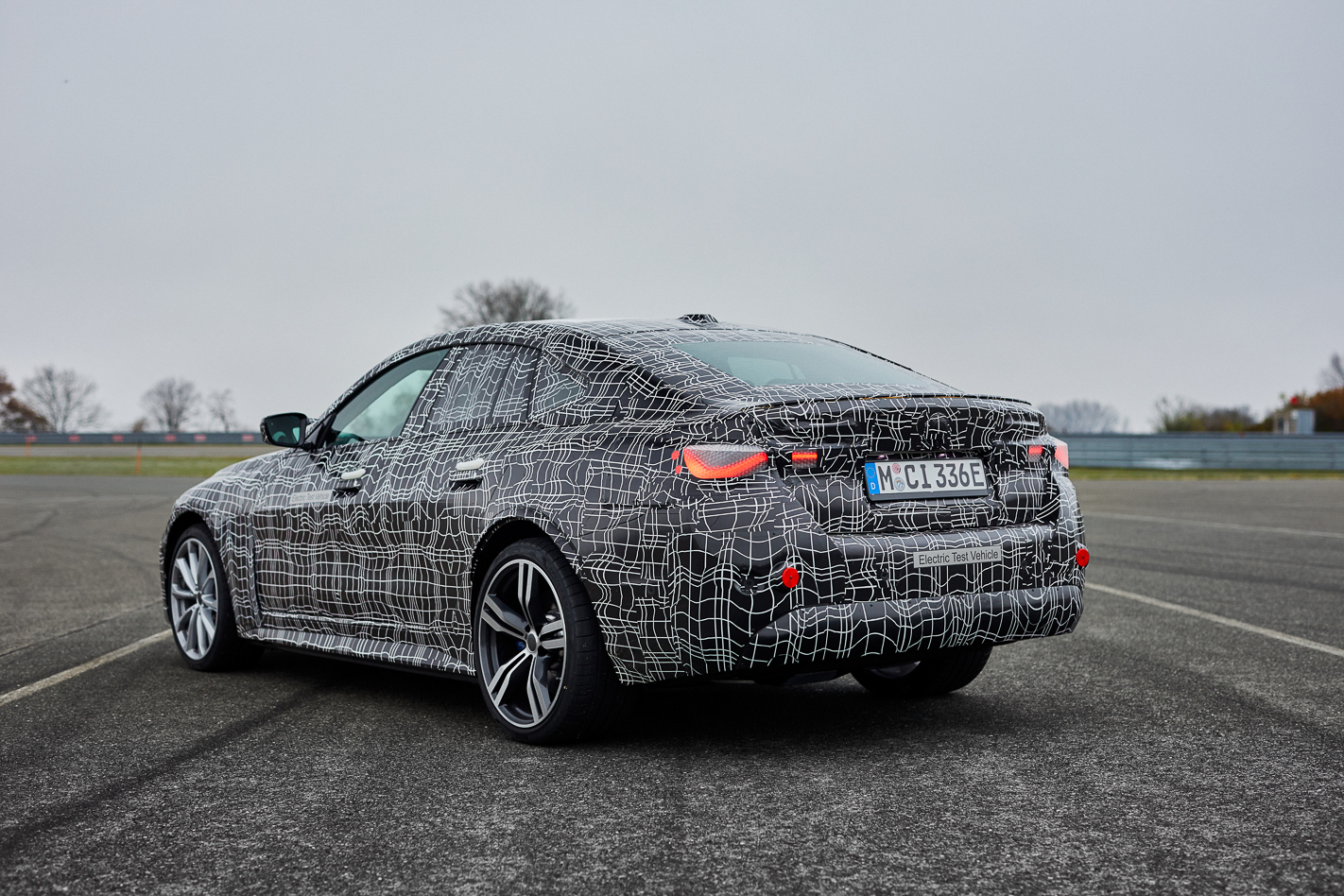
Ferrufino can be seen in the video above sliding the i4 around a test track insisting that it’s as easy as placing two fingers on the wheel to hold a skid.
A full model reveal is expected in Q2 2021, with the carmaker preparing its Munich factory for i4 production later this year.
It’s deadly quiet in this little pocket of Victorian wilderness near Healesville, east of Melbourne. Neon-green ferns hide at the bottom of faded eucalypts that themselves slump under a typical Victorian sky – grey, white and more shades of grey, all the colours of the German rainbow.
Pulled over on the side of Chum Creek Road in my fat-stanced BMW M2 CS, engine off, door open, I can hear the distant growing-then-subsiding bark of what could be nothing but a Porsche flat-six. (I suppose it could be a very hot naturally aspirated flat-six Subaru Liberty… or a lyrebird doing one hell of an impression.)
Former editor turned YouTube star Alex Inwood is giving the 718 Cayman GTS 4.0 plenty of curry. Without a turbocharger (or two) stimulating the engine’s mid-range, it’s a case of stretch the legs and chase the redline to extract maximum thrills.
Not that that’s anyone’s chore today. Forgetting perhaps the brilliant (yet flawed) offerings from a little British brand called Lotus, we have assembled the two best manual-equipped compact six-cylinder sports cars you can buy, boasting very different recipes despite similar ingredients.
In the white corner, BMW’s CS is the hottest iteration of the rear-drive M2 yet – and promises a proper send-off for Munich’s ageing rear-drive 1 Series platform. Channelling a little bit of CSL – we love the E46 M3, but then who doesn’t – the CS is the boss version of the M2 Competition, which itself scored a detuned example of the previous-gen M3’s S55 3.0-litre twin-turbo inline six.
But where the Competition packed ‘just’ 302kW, the CS gets the full-fat 331kW (both CS and Comp have 550Nm). The CS comes with a six-speed manual, which we have today, or a seven-speed dual-clutch auto.
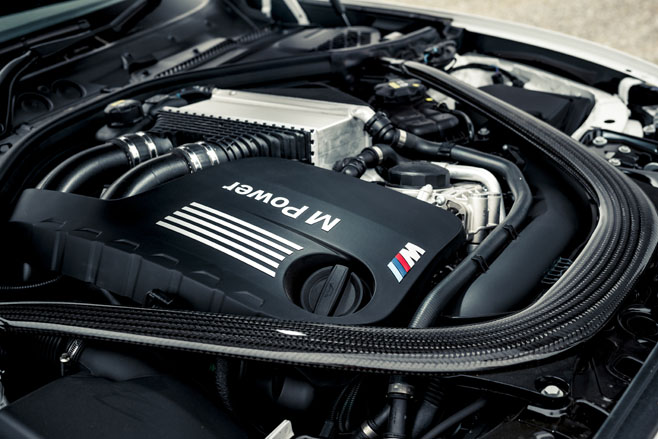
That extra power is warmly welcomed, while visually the CS is subtly but easily identifiable by its myriad styling tweaks – and extensive use of carbonfibre. Open the bespoke vented carbon bonnet and you will be astounded how light it is (ignoring the heavy-looking metal hinges at its base). On the roof there’s a wider, beefier chequer to the carbonfibre’s weave.
The front lip, rear diffuser, aero mirror caps and chunkier Gurney-style rear spoiler are all fashioned from the clear-coated black weave; while at each corner sit spindly forged 19-inch wheels available in either Jet Black or optional ($1000) matte Gold.
And behind those you can have carbon-ceramic brakes (a $15K option). Our test car wears super-soft Michelin Pilot Sport Cup 2 tyres, but Pilot Super Sports are a no-cost option.
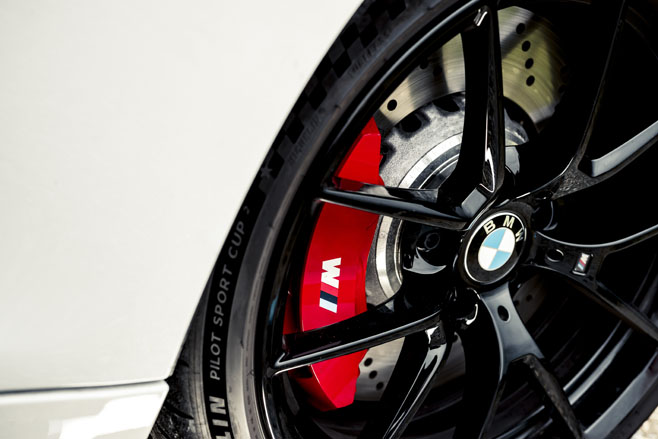
Despite all the carbonfibre bits, unless you spec the ceramic brakes, which save 25kg, the M2 CS weighs the same as the M2 Competition (1550kg). Some can be attributed to the fitment of new items such as adaptive dampers, a new oil cooler and, in the auto, a new transmission cooler.
All this extra gear comes at a price (of course), the CS swooping in at $139,900 for the manual and $147,400 for the auto.
Or $37,000 and $37,500 pricier than the M2 Competition in manual and auto respectively. But with just 86 examples of the M2 CS coming to Australia (47 DCT, 39 manual; with only a handful left of the total allocation), BMW would argue that exclusivity costs. And in this day and age there’s always the potential for appreciation with that CS badge.
Even at $150K it still seems cheap next to our six-speed manual Carmine Red Porsche 718 Cayman GTS 4.0. Despite a $172,000 MSRP, this test car packs $26,330 of options to come in at a lofty $198,330. Some of the options should definitely be standard as well, such as blind-spot monitoring ($1550) and keyless start ($1470); and if you want the full GTS Alcantara interior treatment, that will be another $9910 as well.
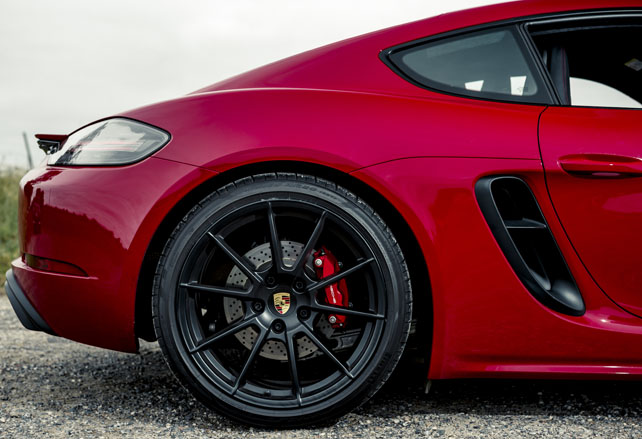
However, near $50K price difference aside, compared to the M2 – a hot-rodded 1 Series – the Cayman is a purpose-built mid-engined sports car from the ground up. Outside of the GT Division-developed GT4, the GTS is also the most aesthetic, and driver-focused Cayman of them all.
The big news with this 4.0 variant is hidden completely out of sight behind the passenger compartment. Porsche had buried the free-breathing engine for its sex-bomb GTS Boxster and Cayman in favour of fitting the fruity-sounding 2.5-litre flat-four turbo. But while this high-tech powerplant packed enough punch to turn Porsche’s junior sports cars into baby supercars, the ‘purists’ weren’t having any of it.
And so Stuttgart resurrected the atmo flat-six for what will likely be one last hurrah, in this case a big-bore 4.0-litre created, ostensibly, by dropping the turbos off the 9A2 Evo 3.0-litre in the 911 Carrera and increasing the bore and stroke. The end result is 294kW (a nice round 400 horsepower) at 7000rpm, 420Nm from 5000 to 6500rpm and a 7800rpm redline.
Elsewhere, the standard GTS treatment means 20-inch wheels front and rear, a 20mm drop in ride height, a mechanical limited-slip differential and dark highlights inside and out driving home the smoky, seductive GTS vibe. And subtly but clearly telegraphing its specialness to others, to the point that on our test the Porsche turned way more heads and attracted far more stares than its white Bavarian foe.
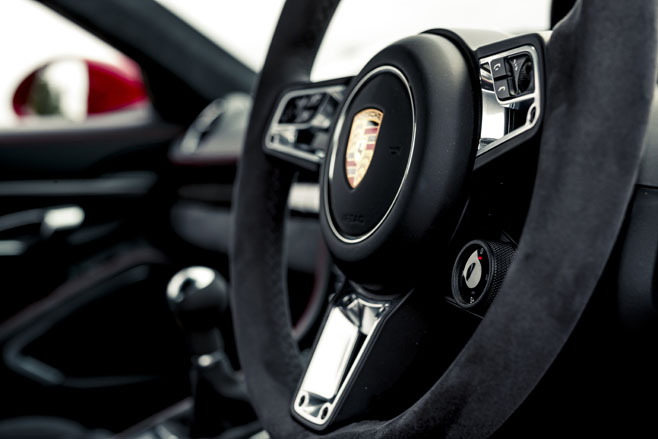
The same vibe continues in the cabin, where dark trim contrasts against red stitching and plenty of Alcantara. In classic sports car style, the Cayman positions your hips low and snug in the seats. You sit very much ‘in’ the Cayman GTS, differing from the BMW’s airier, more open cabin.
If you also own a 992, Cayenne or Panamera, you will think the 718’s interior overall is looking a bit last-generation, and it is, but it remains charmingly simple, quality-feeling, well appointed and comfortable. It feels its price – just.
You can’t quite say the same about the BMW. It tries hard, with generous swathes of soft Alcantara trim, inserts of carbonfibre and sumptuous Merino leather, but this just creates even stronger a contrast to the budget-based materials you would have found in the cheapest of 1 Series.
On the upside, unlike other halo M models, BMW does treat M2 CS owners to regular door cards with generous bins and actual interior doorhandles (rather than straps). The custom CS carbonfibre centre console looks cool and retains two USB outlets but means you lose a centre storage compartment. No biggie.
The BMW’s quirks continue as you start it up and get underway. Its loud, buzzy idle sounds like… well, a large water pump. Compared to the low and wide Porsche, it feels humorously tall, narrow and upright.
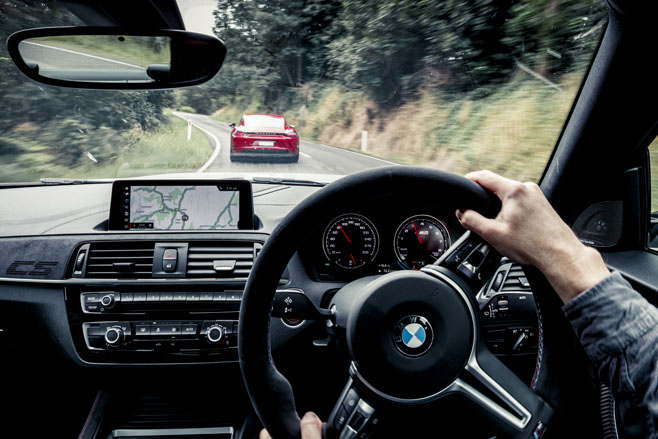
The manual gear-action probably won’t be remembered as one of the greatest, either, with its excessively sprung, long-throw, slightly notchy and imprecise action, like stirring a bucket of tightly packed rubber bushes. For many, though, even an average manual trumps a great automatic.
Despite its adaptive dampers, the CS remains a very focused machine with plenty of tyre rumble. Owing as well to all its solid-mounted suspension joints, cat’s eyes thud firmly through the car’s entire superstructure.
There is a muted suppleness to the ride we don’t remember of the M2 Competition, but the adaptive dampers’ effect is hardly transformative, the softness not changing much between its Comfort, Sport and Sport Plus modes. Over a long distance, the M2 CS offers the bare minimum comfort, possibly slightly less. It would be better on more regular performance tyres.
Despite not being the GT4, and on less-aggressive Pirelli P-Zero tyres, the same is true of the GTS 4.0. With plenty of tyre noise, it also offers minimal comfort, though slightly more than the BMW. You wouldn’t want the dampers any firmer or with any less stroke. The Porsche has its own useability quirks, too.
The fairly soft plastic front chin spoiler is about as low as that on a GT2 or GT3 RS, but the 4.0 has no front lifting system, requiring extra care around driveways and speed humps. The electric park brake isn’t automatic, so if you park on a hill not in gear and forget to apply it, well, get ready to bolt… On the freeway on part throttle, the GTS can also be heard, and ever-so-slightly felt, deactivating from six to three cylinders to save fuel, clearing your green conscious at least a small amount.
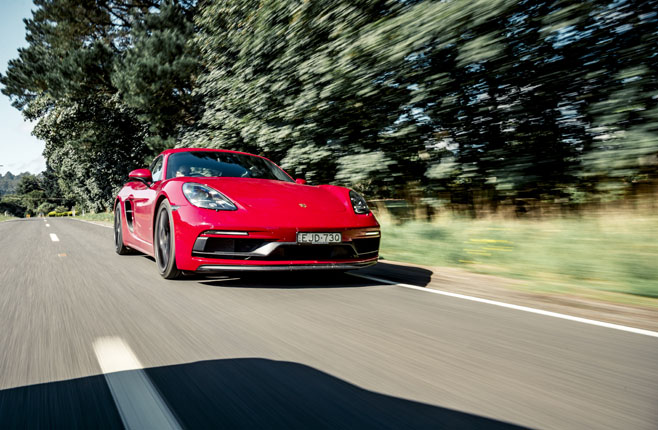
There is also a well-judged weightiness to all the Porsche’s controls – be they the meaty clutch, the precise shifter, the syrupy steering – that just makes it satisfying to drive at all times. It’s an easy, pleasant and forgiving manual to use everyday as well.
Entirely redeeming the Porsche for any comfort criticisms is that engine. And then some. It’s a masterpiece of tractability at any rpm, in any situation. Around town, you can drive off from second; you can shift from second to fourth, fourth to six, and it just pulls, no complaints.
Flex the throttle just a little bit and there’s the sensation of a big-capacity atmo engine at your disposal. While it can’t match anything with turbos for mid-range oomph, in isolation the GTS’s 4.0-litre has more than enough torque, pulling cleanly and keenly from anywhere in the revs.
A torque graph buried in one of the menus reveals that this is an engine built for old-school, big-bore, long-stroke torque. And it’s this wave of crisp muscularity that hurls you into a frenzied powerband on the way to redline.
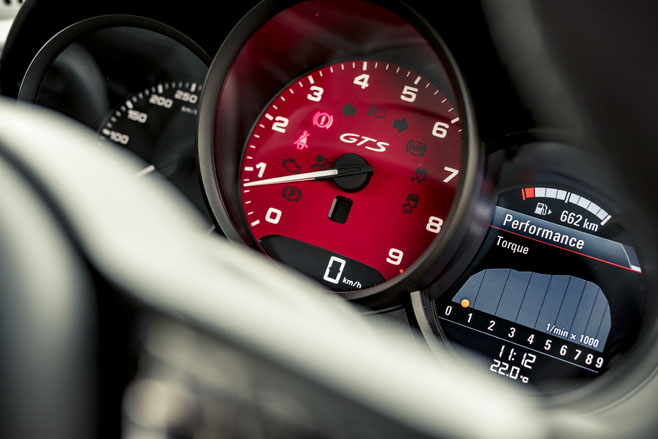
You will absolutely be wanting to chase every last rev, as the entire cabin floods with a clear, melodic, racy flat-six noise that scratches itches you didn’t know you had. And, owing to its dual-mass flywheel, this engine is deliciously free-revving. One of the greatest engines ever? It’s hard to think of reasons why not.
The M2’s twin-turbo straight-six couldn’t be more different in character. Where new turbocharged engines like AMG’s 2.0-litre M139 are now achieving almost zero lag, BMW’s S55 water-to-air intercooled unit remains wickedly old-school in its power delivery.
Flatten the throttle at 1500rpm and you’re pulling a pin out of two grenades, set to go off at 5000-6000rpm. The S55, with its acquired-taste, technical-sounding exhaust note, mixes sudden incredible mid-range turbo torque and a punchy top-end to its 7600rpm redline. But absolutely this is an engine whose torque you surf, rather than whose redline you chase.
Where the Porsche feels to have power and traction (from its rear 265-section Pirellis) in equilibrium, the BMW is constantly surprising its rear 265-section Michelin Pilot Sport Cup 2s, especially if they’re cold, which will tend to always be the case in the urban jungle.
With our home dragstrip Heathcote Park unavailable, we didn’t get to performance-test our two combatants this time around. Porsche claims 0-100km/h in 4.5sec and a top speed of 293km/h; BMW, 4.2sec for the manual CS on to a limited 280km/h.
In a clutch-dropping, away-from-the-lights contest, the mid-engined Porsche would be certain to show up traction woes on the part of the BMW, but we suspect it would be a different story for 80-120km/h rolling punch.
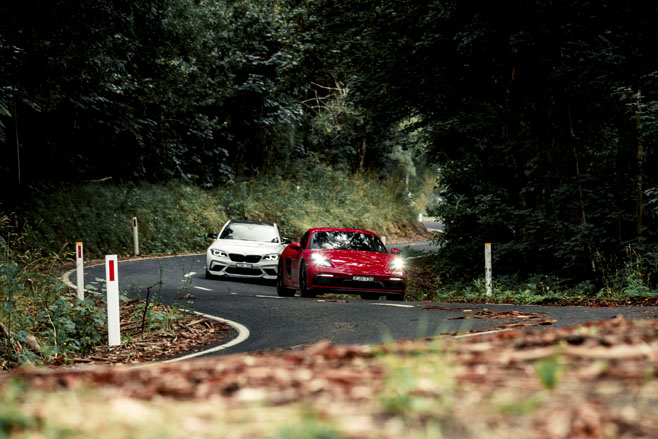
Throw some corners into the mix and it’s down to the road surface as to who will edge away from who. In the damp conditions early in our test, the Pirelli-shod Porsche eked slowly away from the BMW as it struggled to turn its sticky Michelins ‘on’.
But as the day dried up the BMW became the car to catch, almost exclusively owing to its tyres, the Cup 2s offering phenomenal tenacity and confidence-inspiring feedback and feel. In dry conditions these are truly mind-blowing performance tyres. In fact, they dominate the CS handling experience on a dry road. All you can think about is the grip.
But there are other CS virtues to enjoy. The brakes are incredible, and there is something special about the supple, expensive-feeling damping at high speed. Despite slightly numb steering no matter which of the three modes you’re in, the solid-mounted suspension grants beautiful rear-axle feel, as if the rear wheels are bolted to your hips.
Combine this with all that power, an accuracy and predictability about the throttle, and an especially lenient ‘M Driver’s Mode’ ESC, and in the CS you have a devil at your shoulder, egging you into easy and hilarious second-gear tail-wags out of every corner. If that’s what you like.
The Porsche couldn’t be more different. While the BMW is all about maximising corner entry speeds and managing traction on exit, the beautifully cohesive Cayman GTS is about flowing from corner to corner and trying to avoid pushing those skinny 235-section front tyres into understeer.
Power oversteer, which requires serious coaxing, feels a most uncouth request of the Cayman GTS. This is a car that carves up the road in harmony, sitting a lot lower and more flat than the BMW, its sublime controls feeling like cheese to the BMW’s chalk. It is very much the more puristic experience.
Picking an objective winner of these two is fairly easy. One car is a scalpel, the other a hammer. One car feels like a cohesive performance package, the other a ‘greatest hits’ of a performance parts bin (and what a performance parts bin). They’re both exceptionally fast cars in very different ways.
The BMW brutalises the road with fat wads of torque and super-sticky tyres. It’s more exciting. You have to manhandle it a bit, hammer into the corner, brake hard, get it turned, then hammer back out again.
The Porsche muscles through long gears to the point where you get a rude shock at how fast you’re going. It’s a seriously, deceptively fast car. But it also asks that you are more delicate and deft with your inputs.
There is no subjective winner, though. The Porsche is a car you master; the BMW a car you tame. It’s difficult to think of ways to improve the Porsche, but it’s easy to think of ways to improve the cheeky, rapscallion BMW. Many will find that endearing. I know I do.
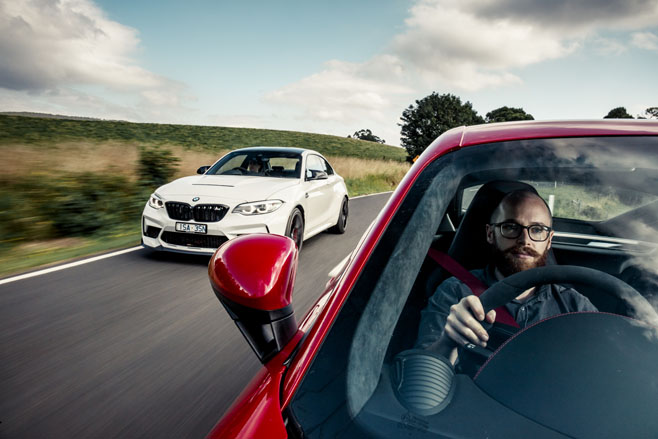
Specifications
u00a0 | Porsche Cayman GTS 4.0 | BMW M2 CS |
u00a0 | $172,000/Tested $198,330 | $139,900/ no options |
u00a0 | Drivetrain | u00a0 |
Engine | flat-6cyl, dohc 24v | inline-6cyl, dohc, 24v, twin-turbo |
Layout | mid engine (north-south) RWD | front engine (north-south) RWD |
Capacity | 3995cc | 2979cc |
u00a0Power | 294kW @ 7000rpm | 331kW @ 6250rpm |
Torque | 420Nm @ 5000-6500rpm | 550Nm @ 2350-5000rpm |
Gearbox | 6-speed manual | 6-speed manual |
u00a0 | Chassis | u00a0 |
Body | aluminium/steel, 2 doors, 2 seats | steel/ carbonfibre, 2 doors, 4 seats |
L/W/H/Wu2013B | 4405/1801/1276/2475mm | 4461/1871/1414/2693mm |
Track (F/R) | 1527/1532mm | 1579/1601mm |
Weight | 1405kg | 1550kg |
Boot | 420L | 390L |
Fuel/tank | petrol/64 litres | petrol/52 litres |
Economy | 11.0L/100km (claimed, combined) | 10.3L/100km (claimed, combined) |
Suspension | Front: struts, adaptive dampers, anti-roll bar. Rear: multi-links, adaptive dampers, coil springs, anti-roll bar | Front: struts, adaptive dampers, anti-roll bar. Rear: multi-links, adaptive dampers, coil springs, anti-roll bar |
Steering | electric rack-and-pinion | electric rack-and-pinion |
Front brakes | ventilated discs (350mm) | ventilated discs (400mm) |
Rear brakes | ventilated discs (330mm) | ventilated discs (380mm) |
Tyres | Pirelli P Zero | Michelin Pilot Sport Cup 2 |
Tyre size | 235/35 ZR20 (f) 265/35 ZR20 (r) | 245/35 ZR19 (f) 265/35 ZR19 (r) |
u00a0 | Safety | u00a0 |
ANCAP rating | Not tested | Not tested |
Verdict | 8.0/10 | 7.5/10 |
Australian customers will soon be able to add a 615kW-plus Mega Mustang to their shopping list, thanks to Shelby American and Mustang Motorsports.
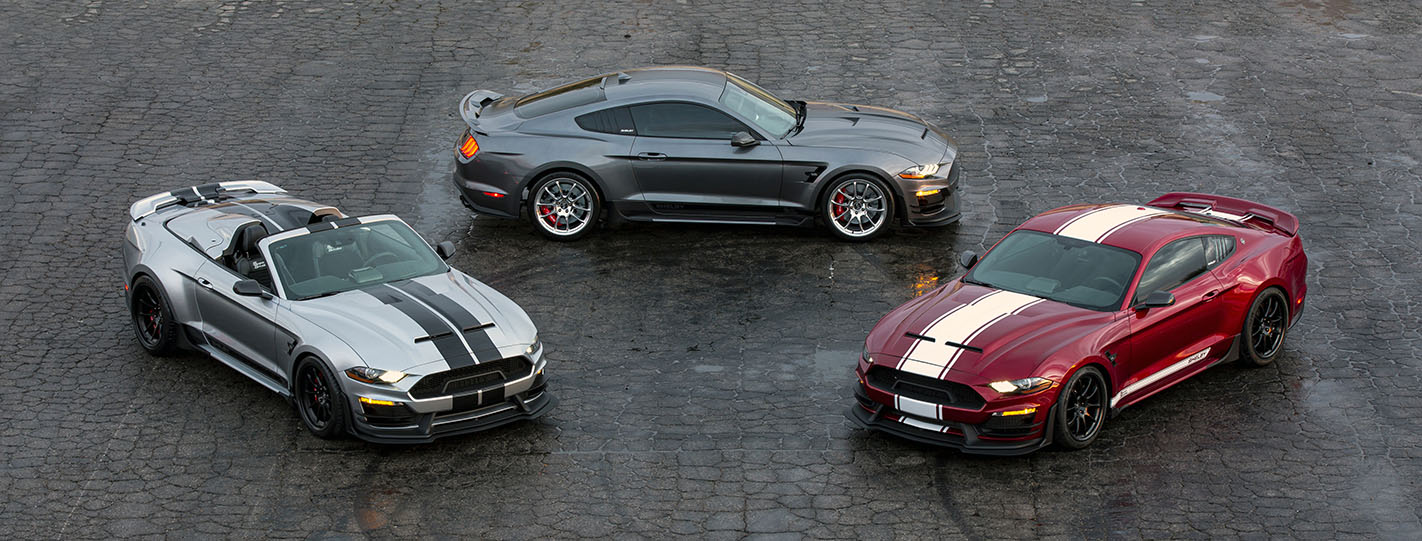
Shelby American have revealed its 2021 line-up, featuring a trio of GT500-based Mustangs with wider front guards, meatier rubber, and even more power (somehow!).
The halo of the range is the new Shelby Super Snake, which features a monstrous 615kW from a supercharged 5.0-litre V8 engine.
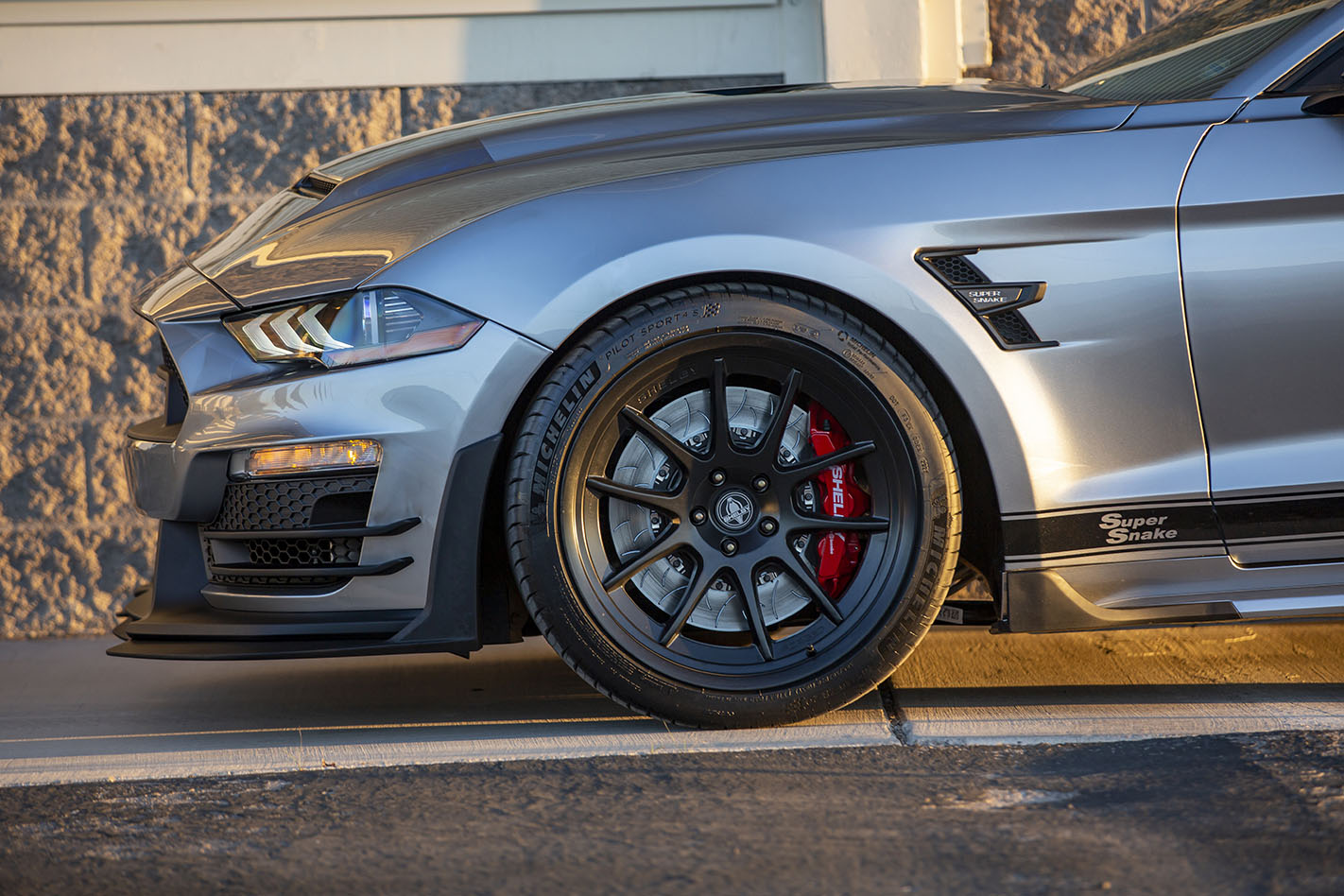
With widebody front guards, the Shelby Super Snake also boasts an impressive footprint to put all that power to the ground, using 305/30R20 rubber on all four corners.
The new Super Snake also features forged one piece wheels, and improved brakes and suspension.
“Collaborating with Ford Motor Company, Penske, Borla, Brembo and other key companies, we dialled in a unique personality for each car targeted to a specific type of driver,” said Vince LaViolette, Shelby American Vice President of Operations and Chief Designer.
“And then we spent countless hours, miles and laps refining the vehicles. That quality shows in every car we build today.”
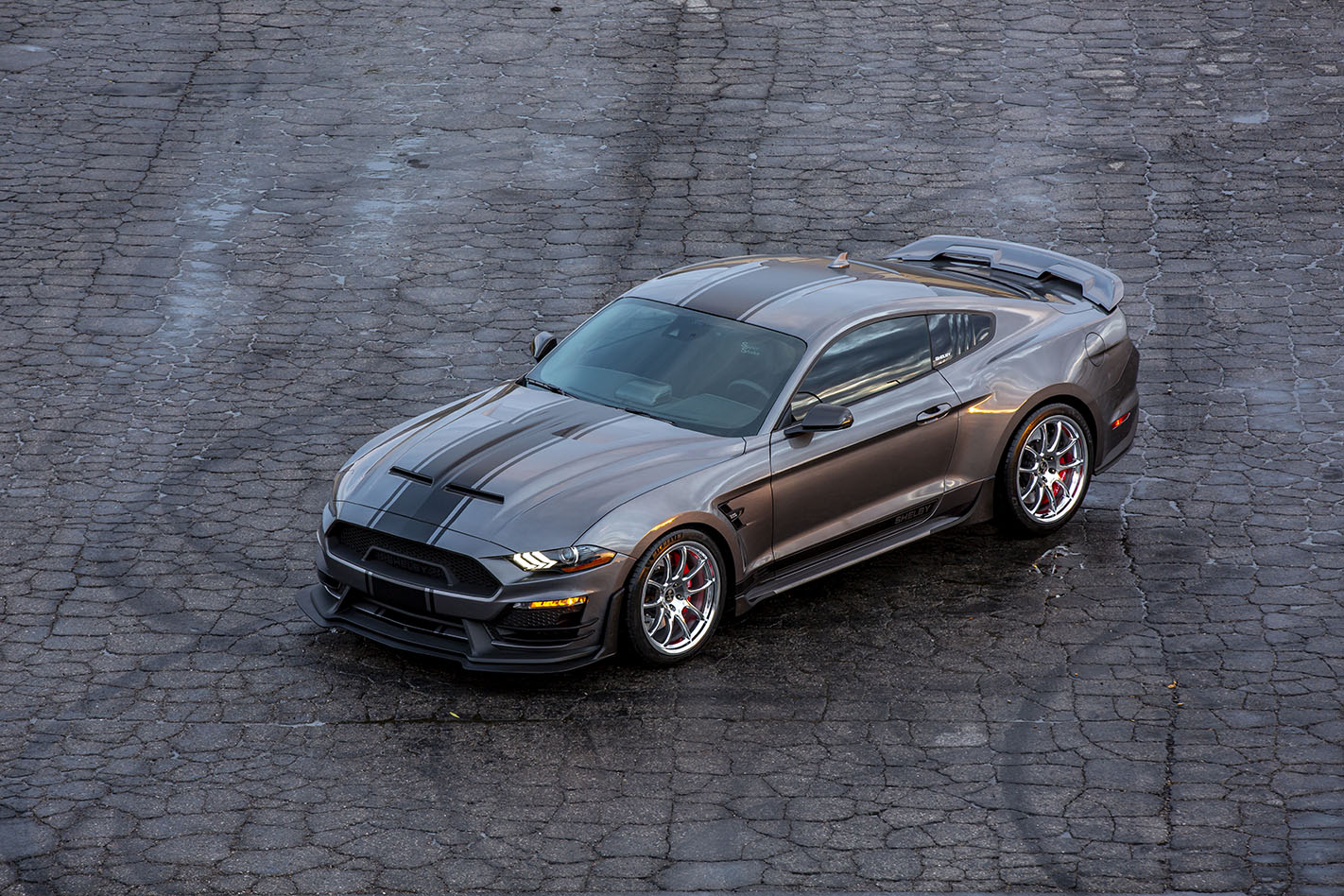
New for 2021 is the Shelby GT500 Signature Edition (SE), which benefits from a redesigned bonnet made from carbon fibre, along with modified suspension.
“We enjoy a very close relationship with the team at Ford,” added LaViolette.
“This helped us maximize our design for the functional hood, as well as tune suspension dynamics and even determine the impact of additional power on the dual clutch transmission.
“Our SE package takes the new Shelby GT500 and gives it a sharper edge with even greater capabilities, without voiding the warranty.”
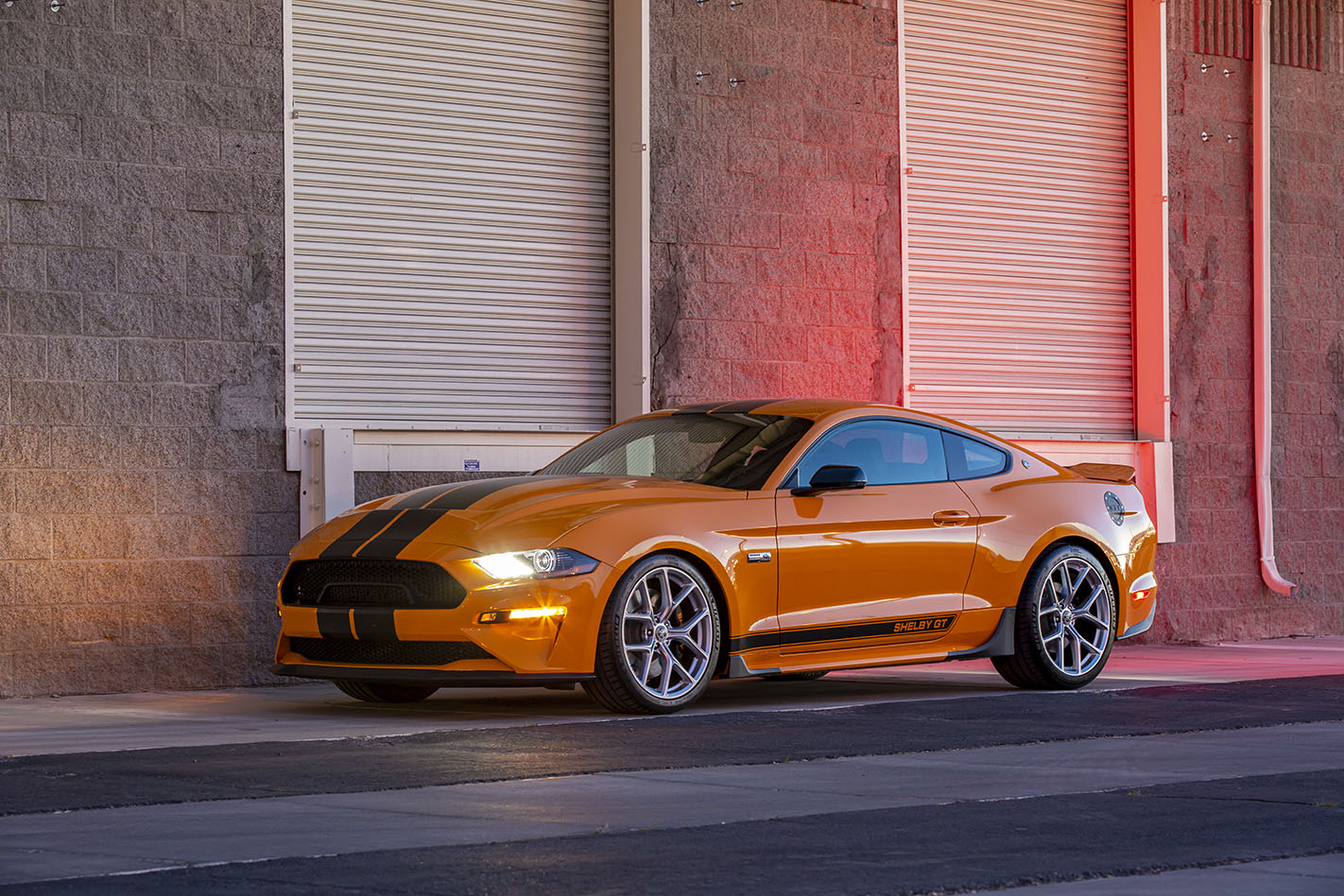
If you are after something a little more unique, Shelby American is also offering a ‘Speedster’ version of the Super Snake, which can be optioned for convertible variants.
This adds a convertible tonneau, Penske track suspension, and rear seat delete with harness bar.
Just 98 units of both the GT500 SE, Shelby Super Snake, and Speedster variants will be made, that number paying homage to what would be Carroll Shelby’s 98th birthday this year.
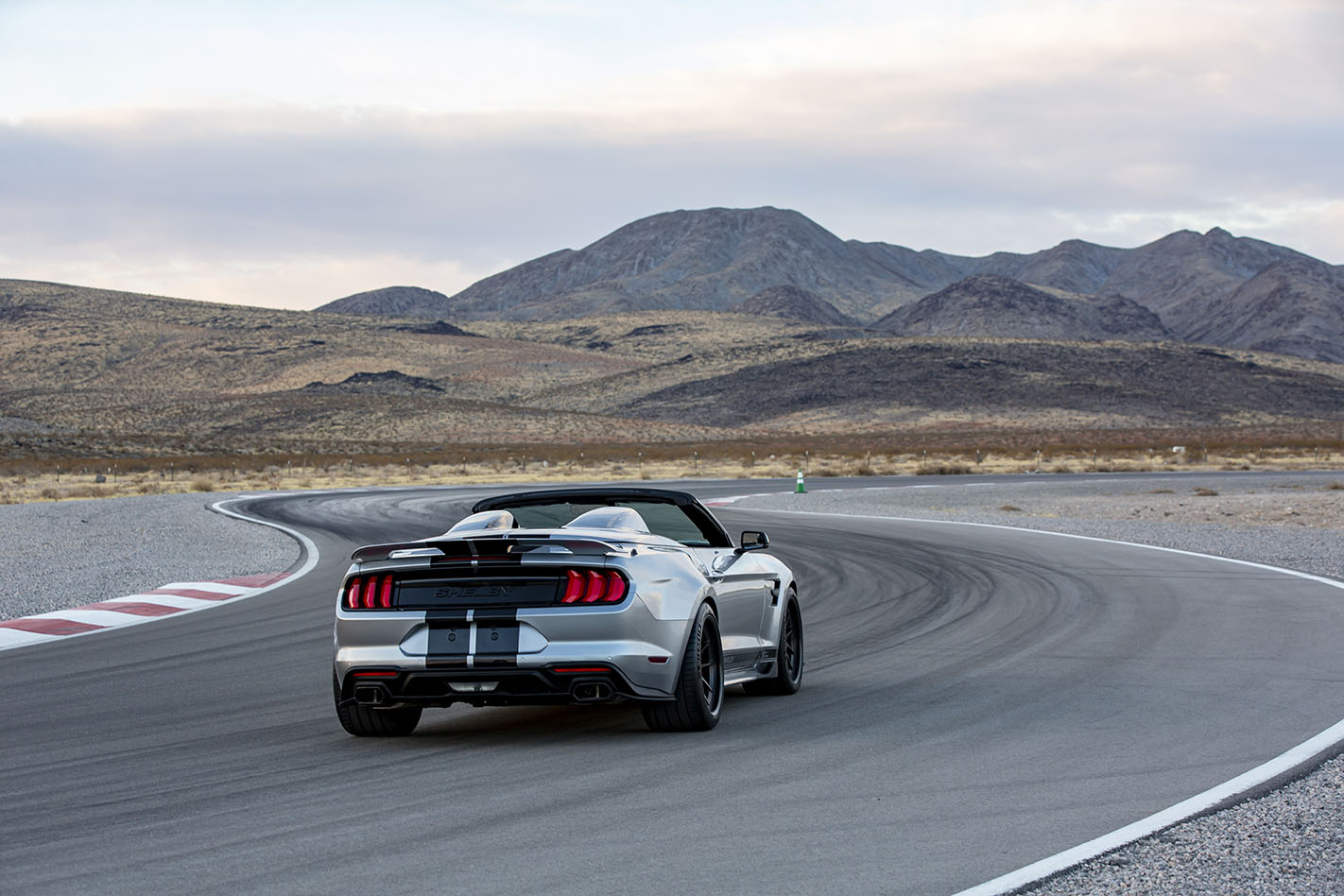
Mustang Motorsport Australia is able to bring these cars to Australia for willing customers, and convert them to right-hand drive.
While it’s not cheap, putting a Shelby Super Snake in your garage would transfer you immediately to the top of the Mustang owner food chain thanks to its rarity and prodigious performance.
We tested a Shelby Super Snake in 2019, with the 600kW/980Nm monster costing $183,649.
While final pricing hasn’t been confirmed, Mustang Motorsport says customers can expect a slight bump compared to the previous model due to the increase in power and new widebody guards. The 2020 Super Snake started at $95,000, plus the price of the base car.
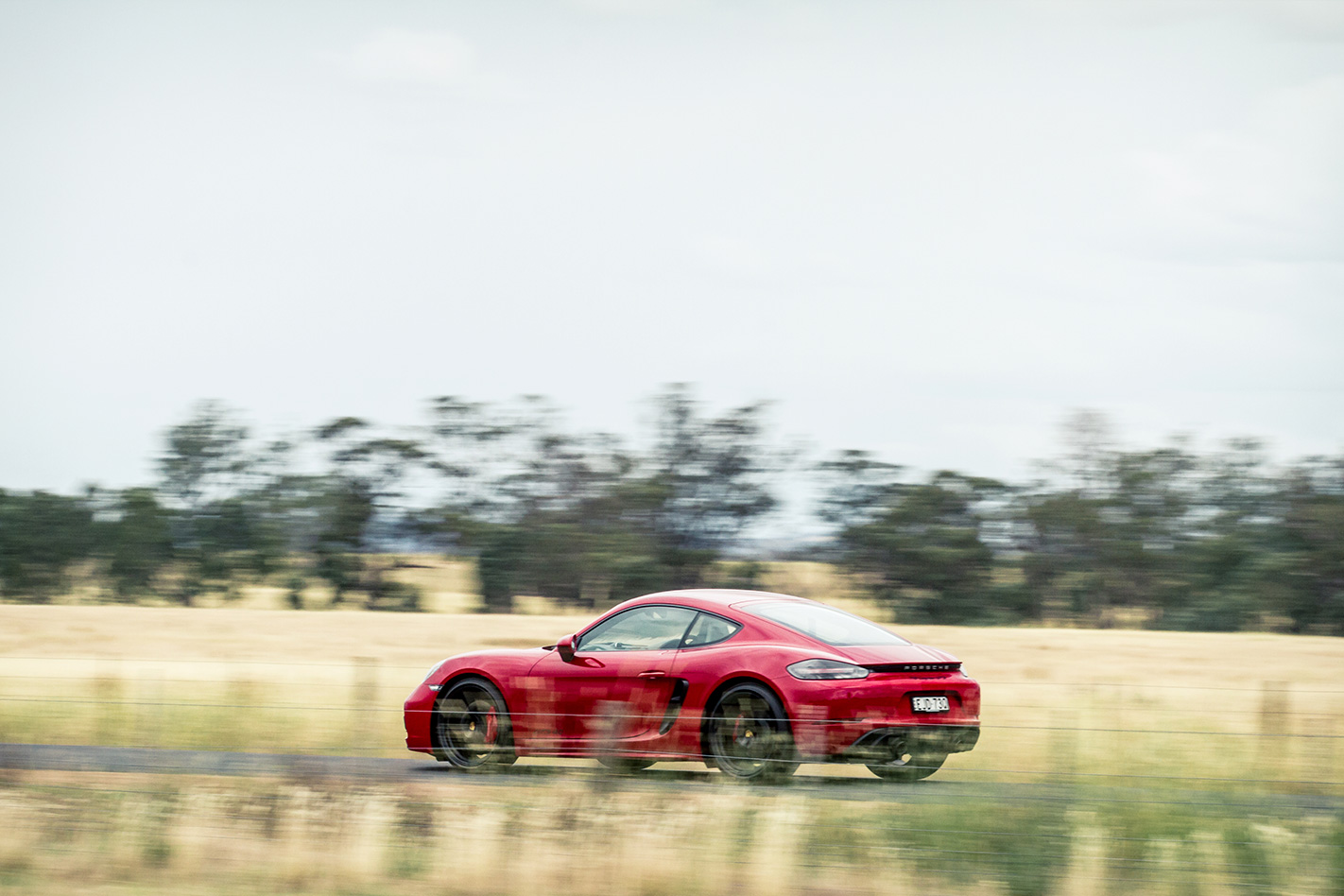
Like a wristwatch, a manual gearbox is an irrational choice, a decision of the heart not the head. But you can debate all you want the performance merits of a modern automatic versus three pedals because the new Porsche Cayman GTS is a car that’s all about the experience.
The Cayman puts the driver at the nexus of sight, sound and feel. The driving position is Goldilocks right down to pedal placement and feel. The steering weighting and the way it loads up to match the front-end stress is a sensory feast perfectly matched to the feedback flowing from the rear end.
The 4.0-litre flat six’s sound is superb as it chases the 7800rpm cutout, and the way it responds to the tiniest throttle inputs speaks to the purity and willingness of its atmo engine.
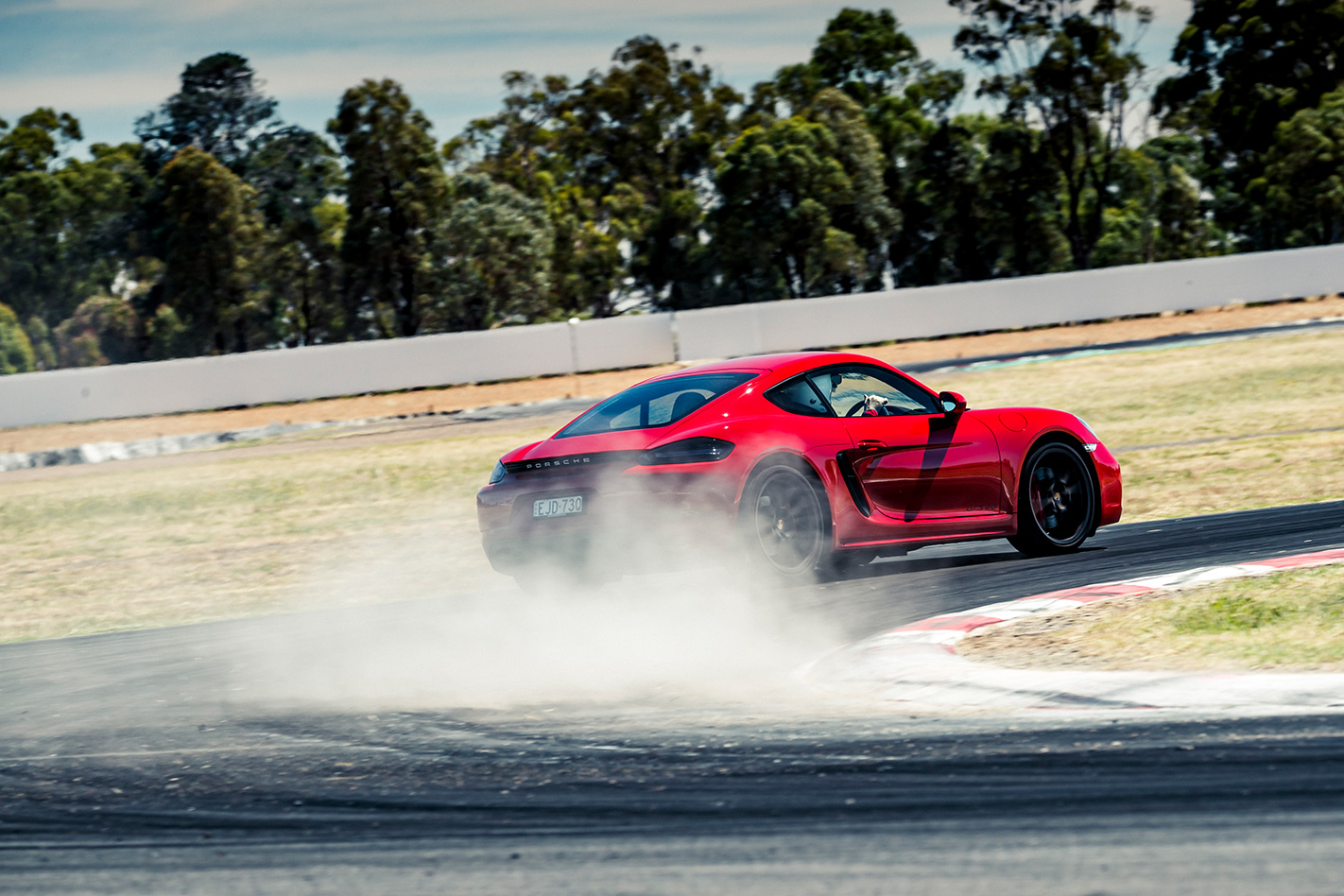
Even at the limits of adhesion there is nothing ‘knife edge’ about the Cayman; it is progressive and communicative in a way that builds the driver’s confidence further.
That unflappable composure and willingness to dance is one of the reasons the GTS sets a Winton lap time within a couple of seconds of the Audi R8. The Cayman’s brakes are another. They’re 20mm bigger on this model and with two extra pistons grabbing the disc, which means that despite being one of the least powerful vehicles in the field, it carries speed longer and brakes much later.
But there are flaws that leave the Cayman short of perfection. As potent as the GTS’s new 4.0-litre engine is, in-gear response below its 5000-6500rpm torque peak is not strong despite the coupe’s relatively light weight (1405kg). The engine note down there is far less glorious, too. Perhaps this is Porsche’s way of forcing engagement with the manual transmission. It’s also not helped by a wide gear spread that drops too many revs between shifts.
This wasn’t so much of a problem on track where the Cayman’s traction and tactility meant you could easily keep it on the limit. On the road it was a challenge to be driven around, a flaw that forced you into a more frenetic driving style than the conditions might otherwise warrant. If this car is the grand tourer alter ego to the GT4, then the drivetrain needs more shove down low.
The Cayman GTS’s ageing cabin came in for some criticism, too, although in this area it wasn’t helped by the presence of the vastly more expensive 911 Turbo S.
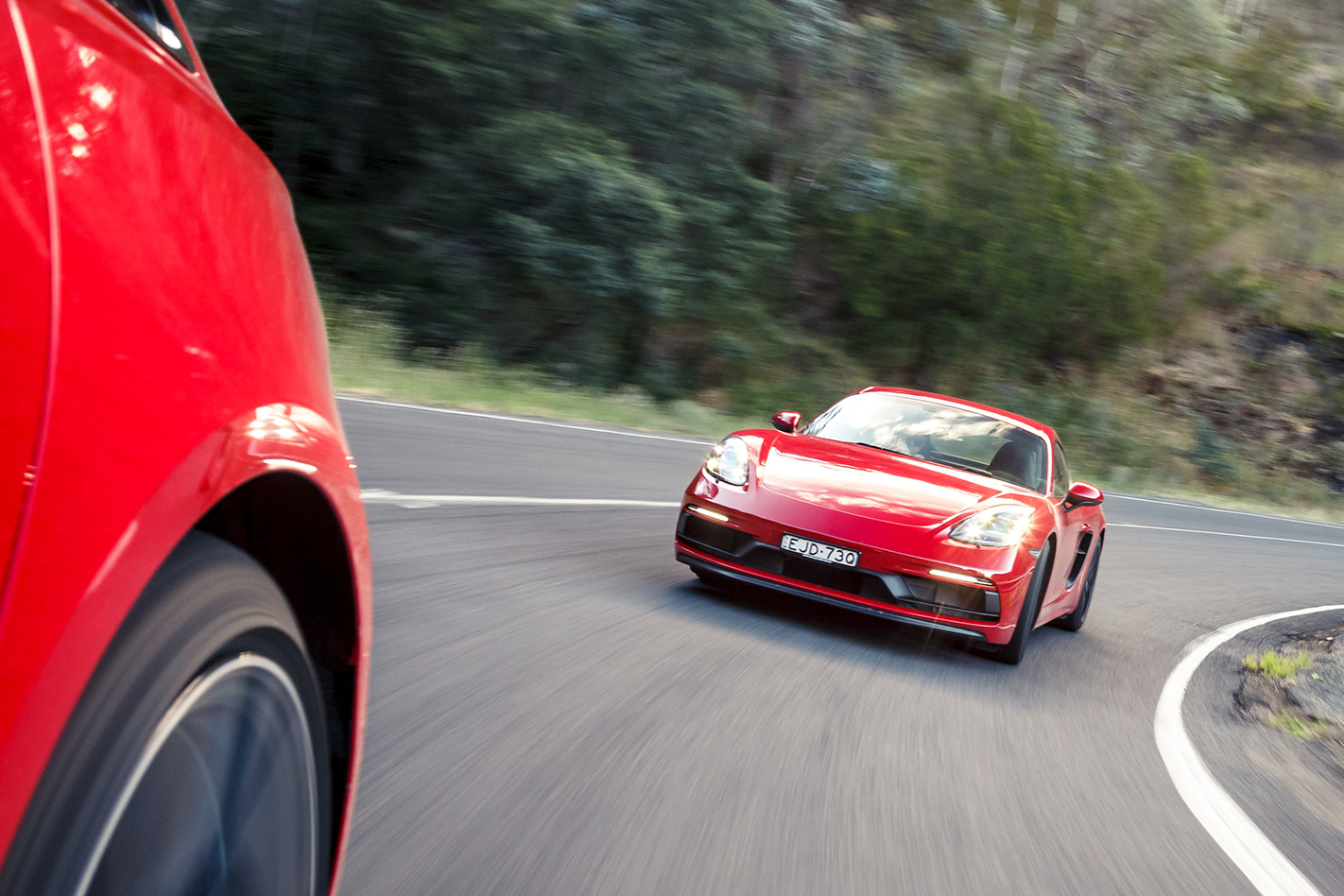
Ultimately, the record books will show the Cayman GTS did not win PCOTY in 2021. What they should also show is that the Cayman was one of the better driver’s cars in the field. In fact, looking just at the judges’ scores for Dynamics, it came second only to the eventual winner. And that deserves recognition. – GB
THE NUMBERS
0-100km/h: 4.68 sec 0-400m: 12.67 sec @ 181.43km/h Lap Time: 1:35.4
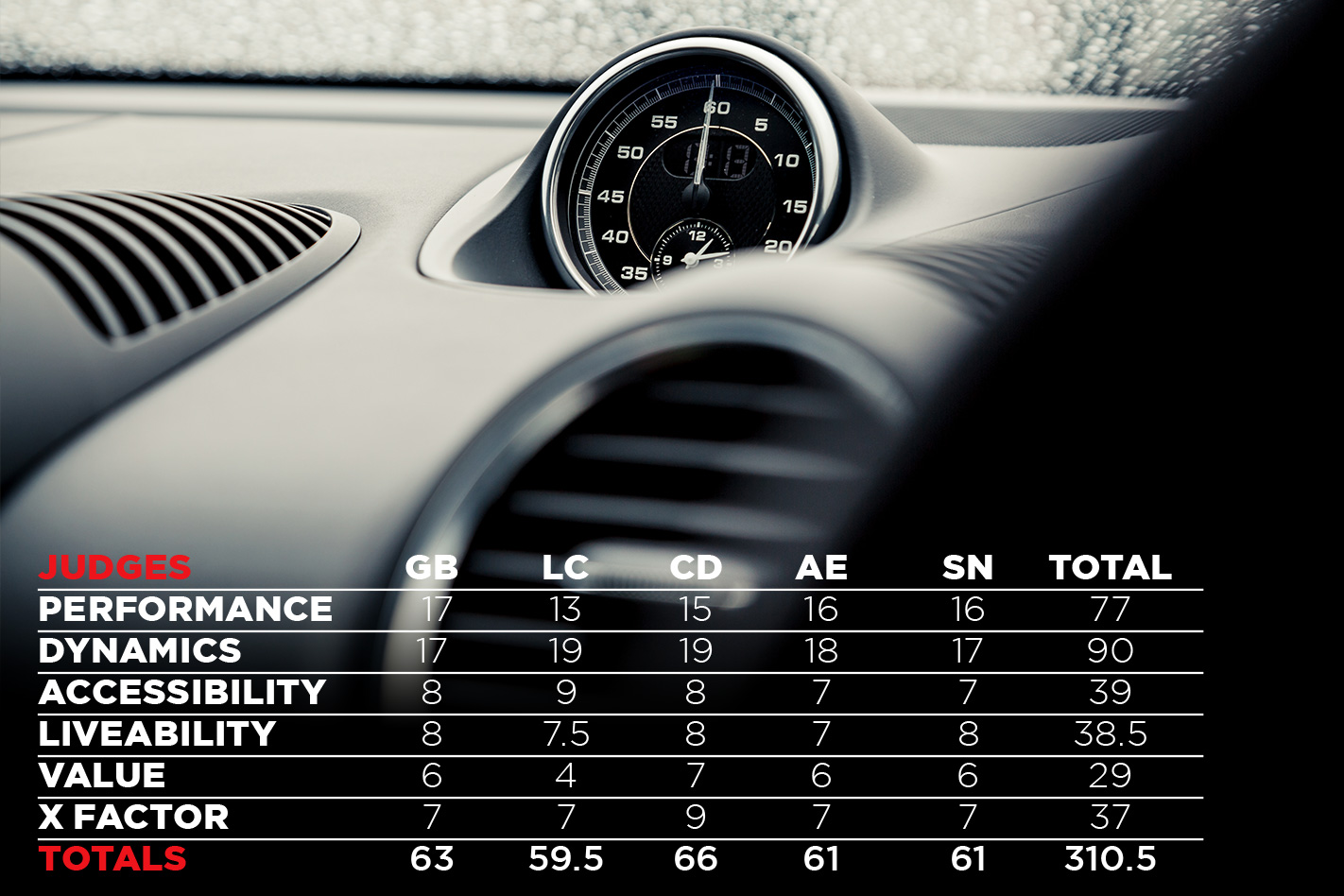
JUDGE’S RANK
Butler 5th Pure and purposeful. My choice for a Sunday morning blast
Cordony 3rd Who cares if it’s probably slower than the old turbocharged Cayman GTS? This is bliss
Dupriez 3rd The most organic contender of the field. Some get it, some don’t. I could easily hot lap the GTS nonstop until the tank runs dry
Enright 6th So sweetly balanced, yet so compromised by its gearing and, as a result, its discordant off-cam acoustics
Newman 6th Lovely to drive but the gearing kills the fun. The PDK will be better
The original draft of this article opened with a verbatim quote of the very first words released from my mouth during Performance Car of the Year 2021. It was the kind of expletive that’d make a sailor blush, and get me hauled into the publisher’s office for a ‘please explain’. As a result, I’ll leave it up to your imagination what was actually said.
It was unpleasantly early on a crisp December morning, I had already been awake for several hours, and just clapped eyes on the indomitable Mercedes-AMG GT R Pro. Left gawping like a goldfish dropped onto concrete the withering obscenity was let loose from my lips. In my defence it was an involuntary reaction. One prompted by the sheer sight of the Pro’s rear-end. Hot damn!

Newman had to throw some boxes in the Boston Harbor before making his way to PCOTY
My very first PCOTY got off to an innocuous start, schlepping from Melbourne to Winton Raceway in the pre-dawn Tradie Grand Prix, an unremarkable Fiat Ducato my steed. While the track portion of testing wasn’t for another couple days, I needed to be at the circuit to meet the trucks that would be hauling the extremely precious cargo that was our contenders. Not long after my unbecoming ogling of the Pro, Winton’s pit area becomes a hive of activity. Judges and crew members are arriving in a flurry, along with the remaining contenders.
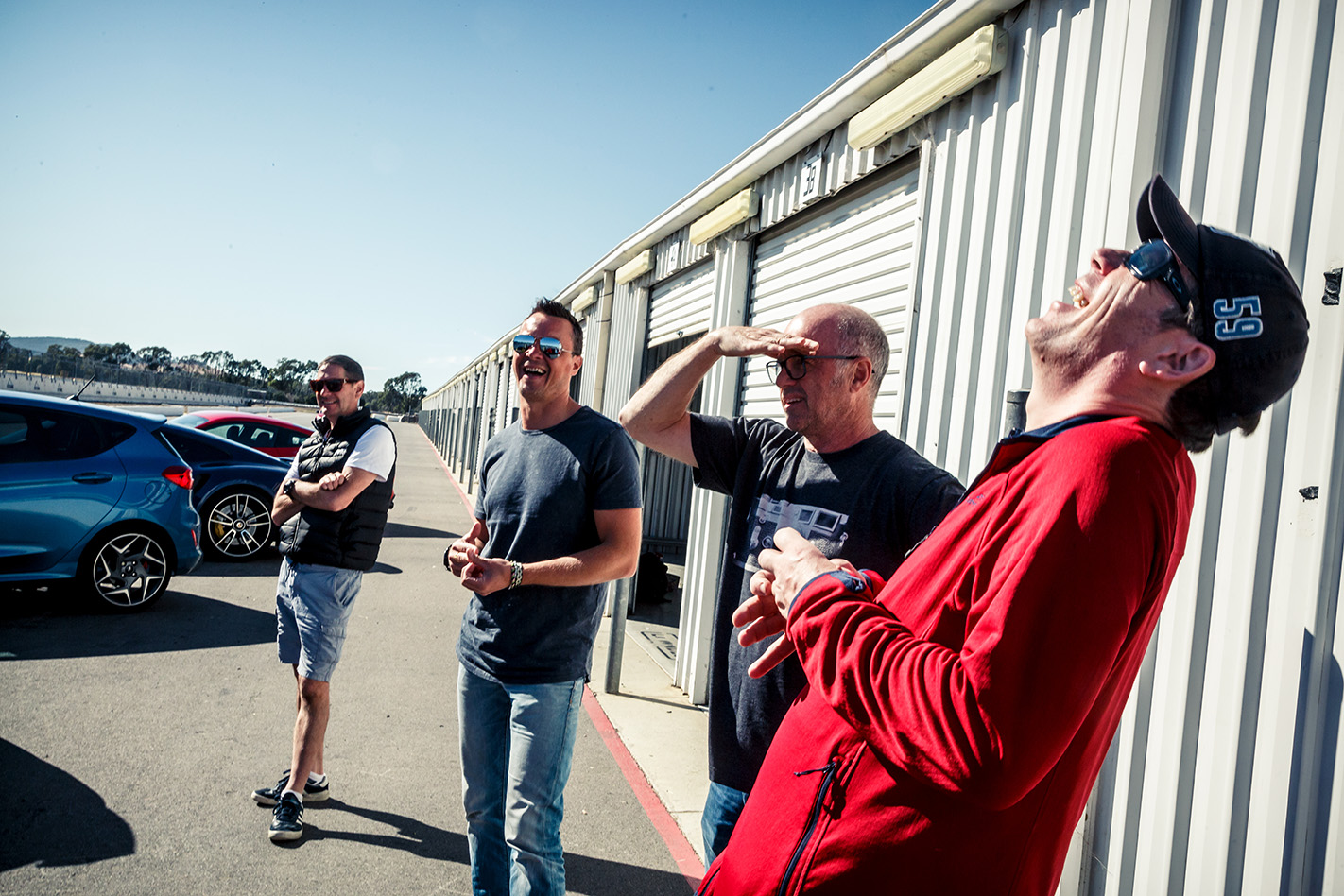
The ‘Turn 10 Understeer Challenge’ is Winton’s most entertaining spectator sport
This is the only day entirely dedicated to capturing images (both still and moving), so immediately after Enright delivers his opening ‘don’t be a dingus’ safety briefing the photographers begin barking their orders. They aren’t alone. MOTOR is more than just a magazine, with a website and social media to feed, meaning a full video crew is also in attendance. Watching the photo and video teams work is akin to a pack of seagulls on an unattended fisherman’s basket.
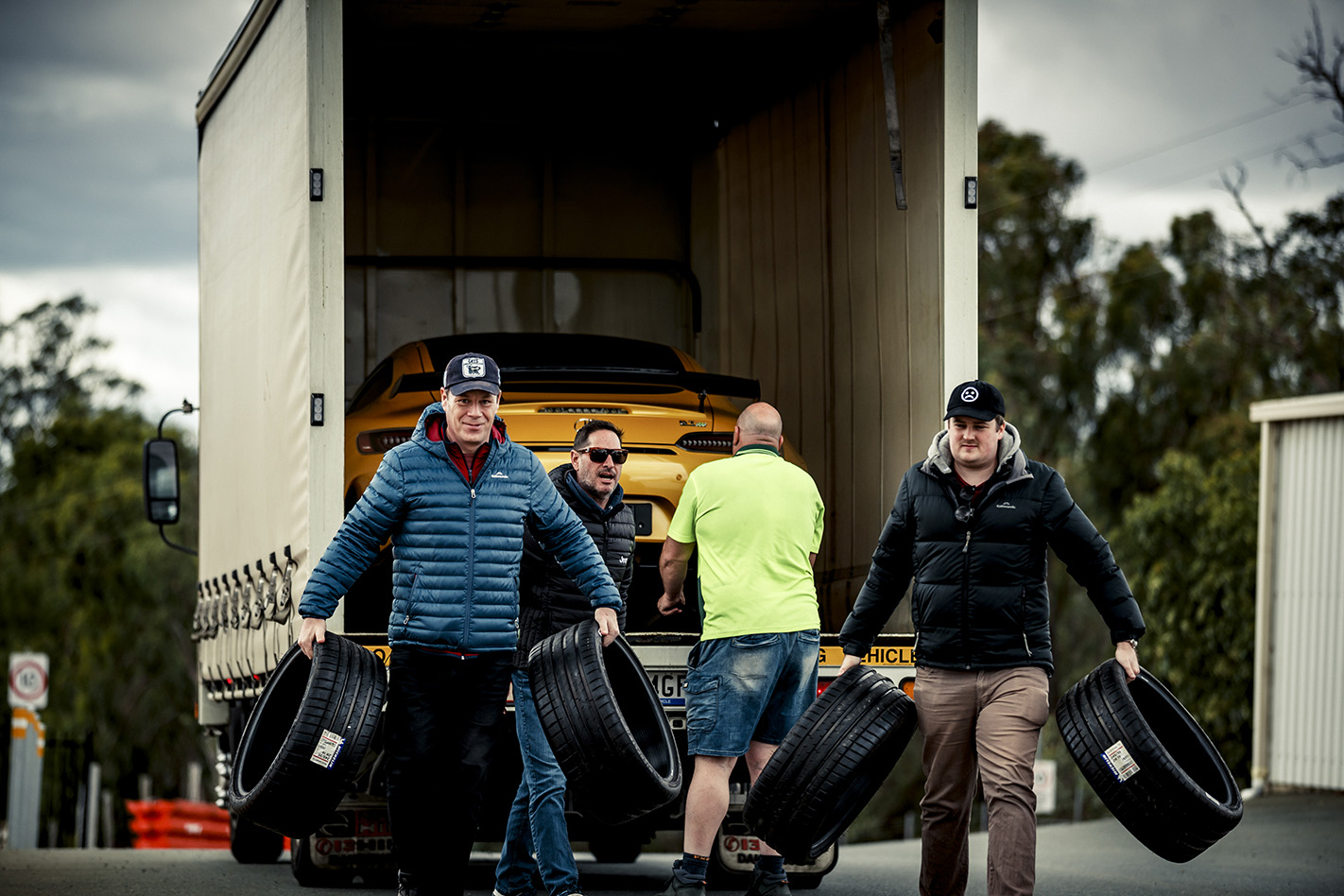
“Quick, someone help me hide these spare tyres before Newman finds them!” Lucky for you guys, he found them
Squabbling over which crew gets what car is put on hold as a storm rapidly rolls into our location beside a dry lake bed unannounced. The scene is pure chaos. Journalists are diving into supercars, photographers are frantically trying to keep their cameras dry, and the video team scatter in an attempt to find cover. Weather that had just a few minutes ago been perfectly pleasant, was suddenly apocalyptic. Branches are falling from trees, leaves whipped into a frenzy. In the midst of it all, a Pajero enters the carpark and a young boy forces his mother out of their car to take photos of the assembled fleet.
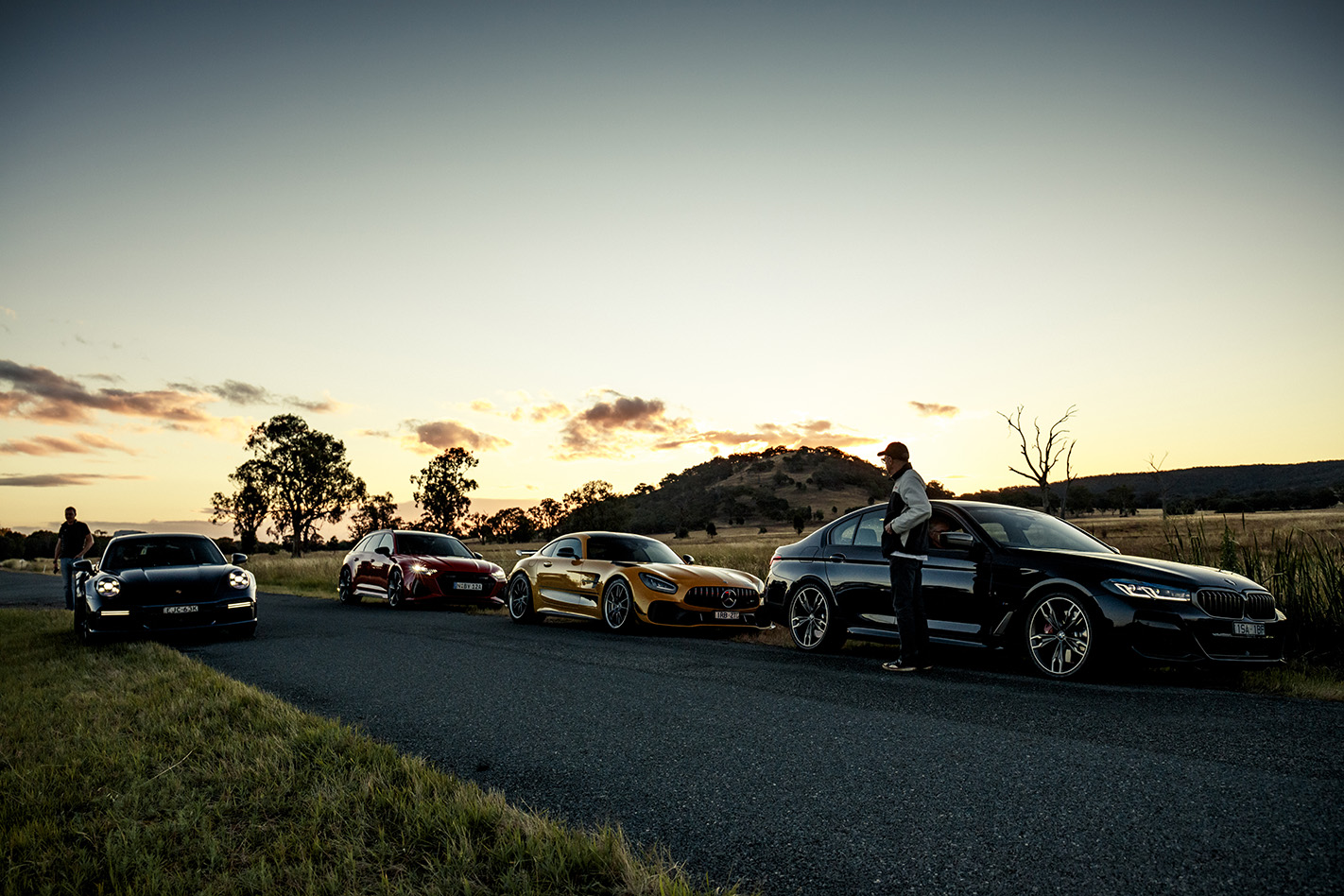
Golden hour, the fleeting few minutes of perfect light when journos mill about ruining the shot
This sets an ominous tone for the event. In an ideal situation PCOTY would be run ‘under the radar’, with local residents undisturbed by our goings on. The finalists alone are worth roughly $2.2 million between them, with 3907kW of deployable firepower, making that goal difficult but not impossible. However, if the sheer magnitude of presence exuded by our fleet while sitting still in pouring rain was enough to get us papped, what hope do we have when the road testing finally gets under way in earnest? This, folks, is what we call foreshadowing.
Alex Affat’s fundamental balance is good, but displays a little too much nearside toe out
Day Two moves us from our base in Wangaratta, south toward Mansfield for back-to-back road testing. A friend of a friend of a friend of Newman’s has offered up part of a paddock so we can store cars off the road and away from the eyes of the passing public. From this location the judges head in one direction, the video and photo teams the other, leaving me in the middle to hold down the fort.
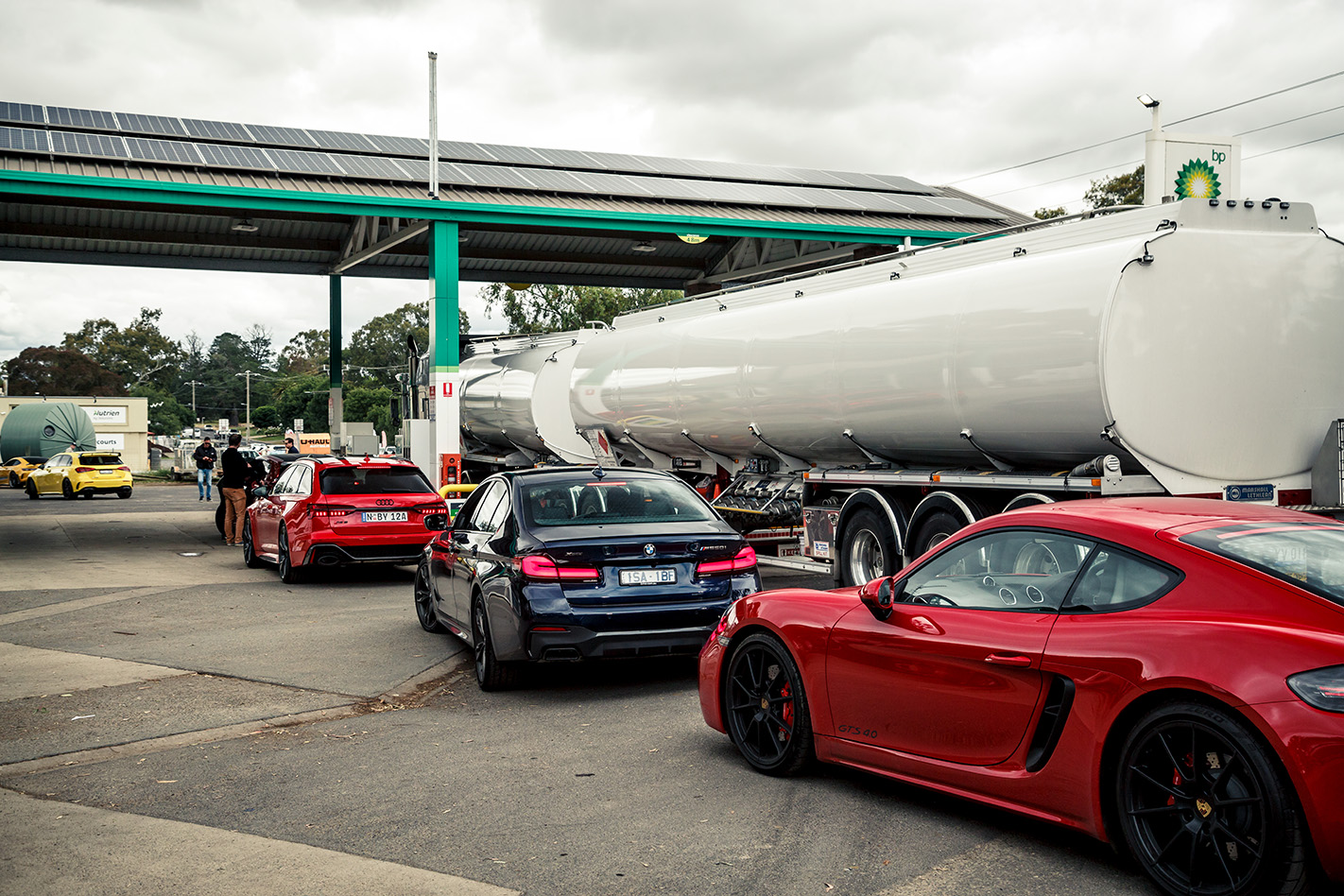
You should have seen the truckie’s face when the tanks he’d just filled were consumed immediately by the assembled masses… now, who wants to pay?
From my position I get to look on as the judges compare notes at the end of every run. Enright casually mentions that he got the Turbo S’s tyres off the deck over one of the nastier bumps. Dupriez confirms the feat from his front-row seat in the SM17, before commenting on how the Mustang was more than happy to spin its tyres at frightening speeds. The plucky Fiesta is endearing itself to everyone that nestles into its snug Recaros, while the RS6’s sheer size is proving hard to overcome. Some were sceptical about the M550i’s inclusion, but the BMW quickly convinces the detractors. Meanwhile, the most hyped car of the competition quickly begins its arc to terra firma, with judges crestfallen by the GR Yaris’ persistent understeer. But even in these early stages we get the suspicion PCOTY 2021 could prove a two-horse race at the front of the pack. Turbo v Pro. Porsche v AMG. Ol’ 15-time vs never won before. This should be good.
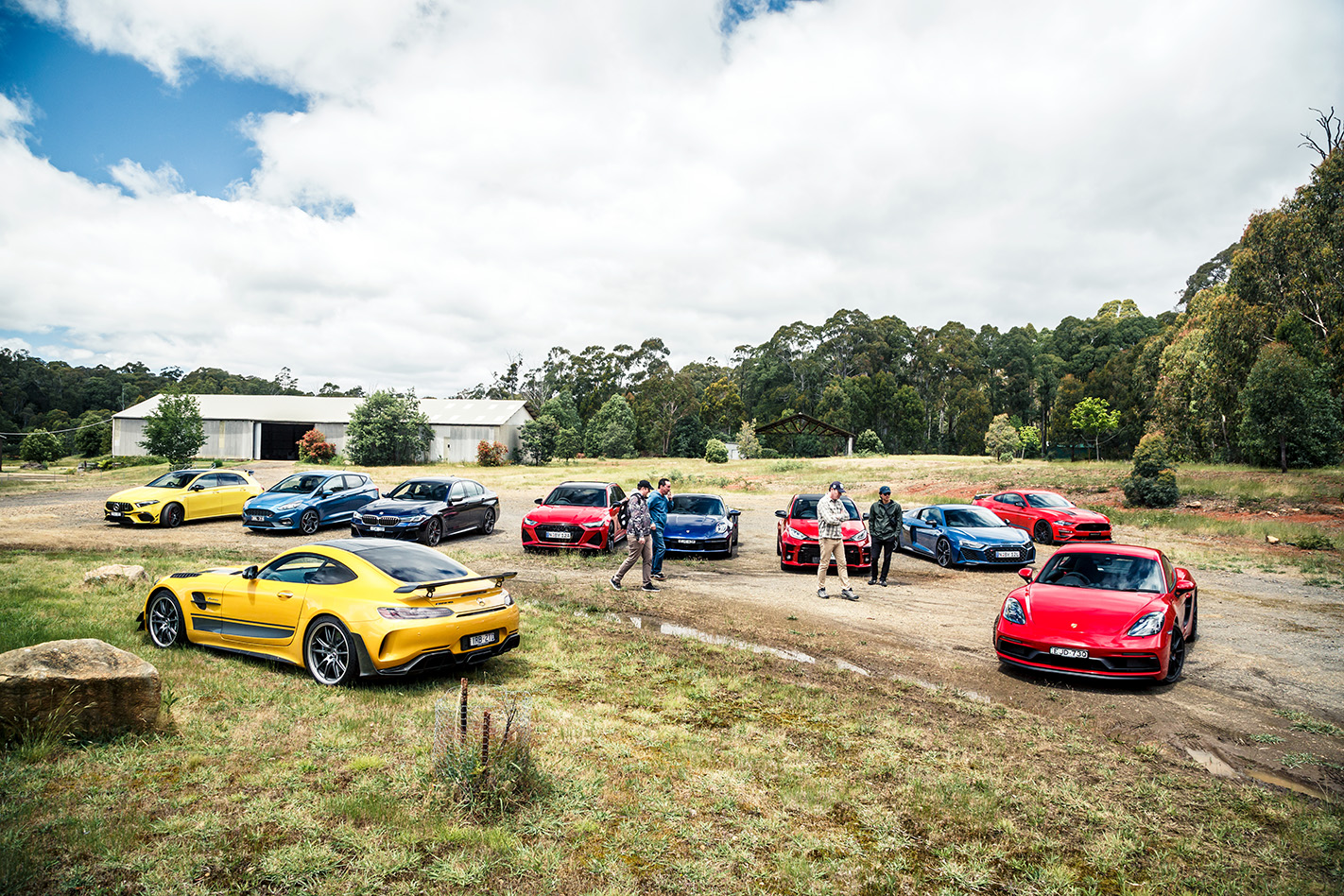
Turns out old logging yards are great for parking millions of dollars worth of performance brilliance, as well as building your own private rally stage. Everyone was left waiting while Newman went full Loeb in a Kia Sorento
A handy side benefit of our hidden location is that members of the local constabulary miss the harem of exotics entirely as they pass by. We catch the Boys in Blue a few hundred metres down the road giving a stern lecture to our old friend, the RX-8 driver. The look on the face of the constable as our convoy passes suggests he wasn’t out looking for a little rotary when he left the station.
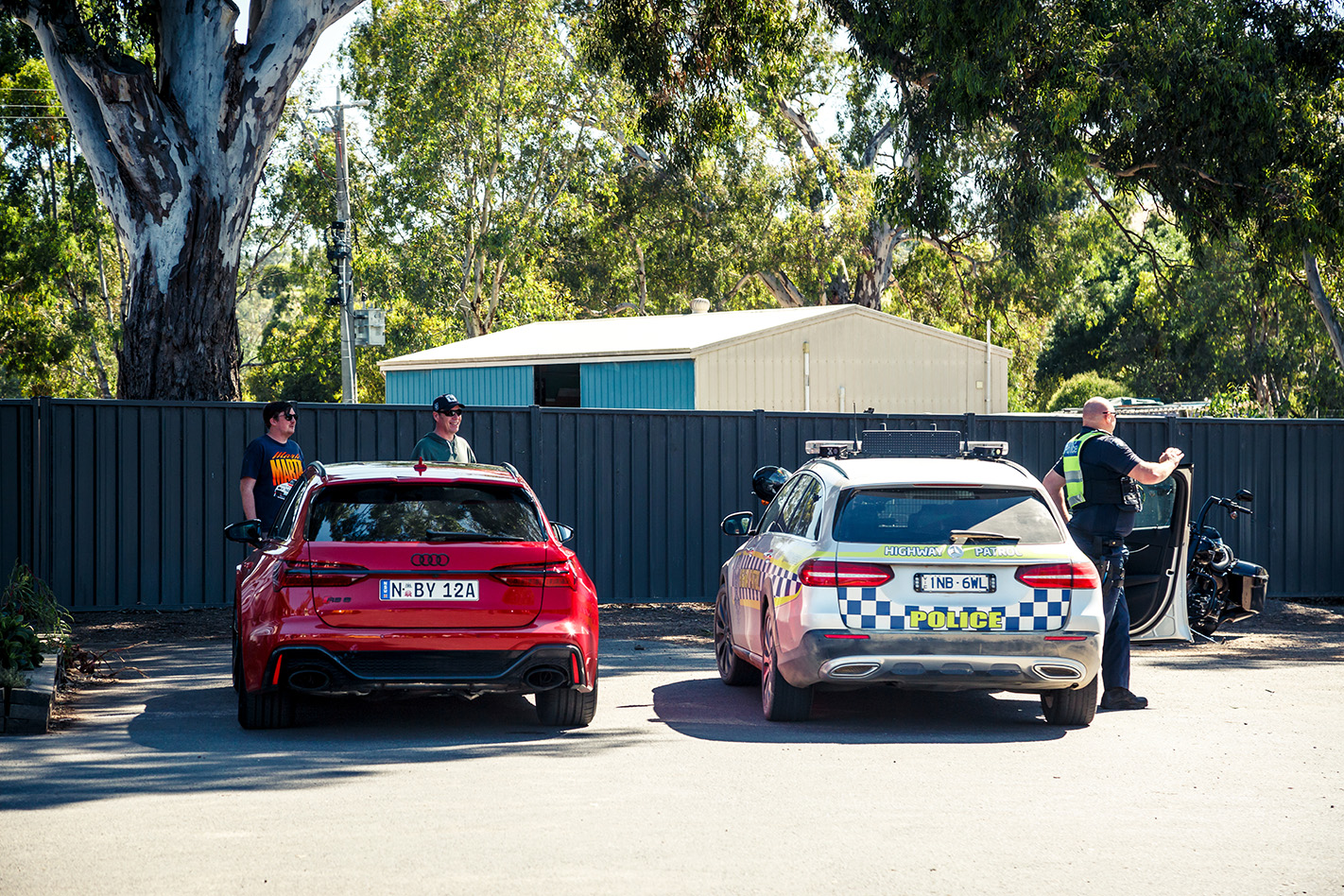
The German Wagon Owners Club in Mansfield is small, and incredibly well behaved for some reason
With the road portion of the event complete, it’s time to head back to Winton. Hot shoe Karl Reindler arrives without a flourish, introducing himself personally to each of the team members, making careful note to remember everyone by name. As kind as he may be, he is here to do a job, and he completes it with impressive intent. The fastest man on the property is relentless in his progression through the contenders. It seems cruelly unfair that one man should be that handsome, searingly fast, and charmingly down to earth.
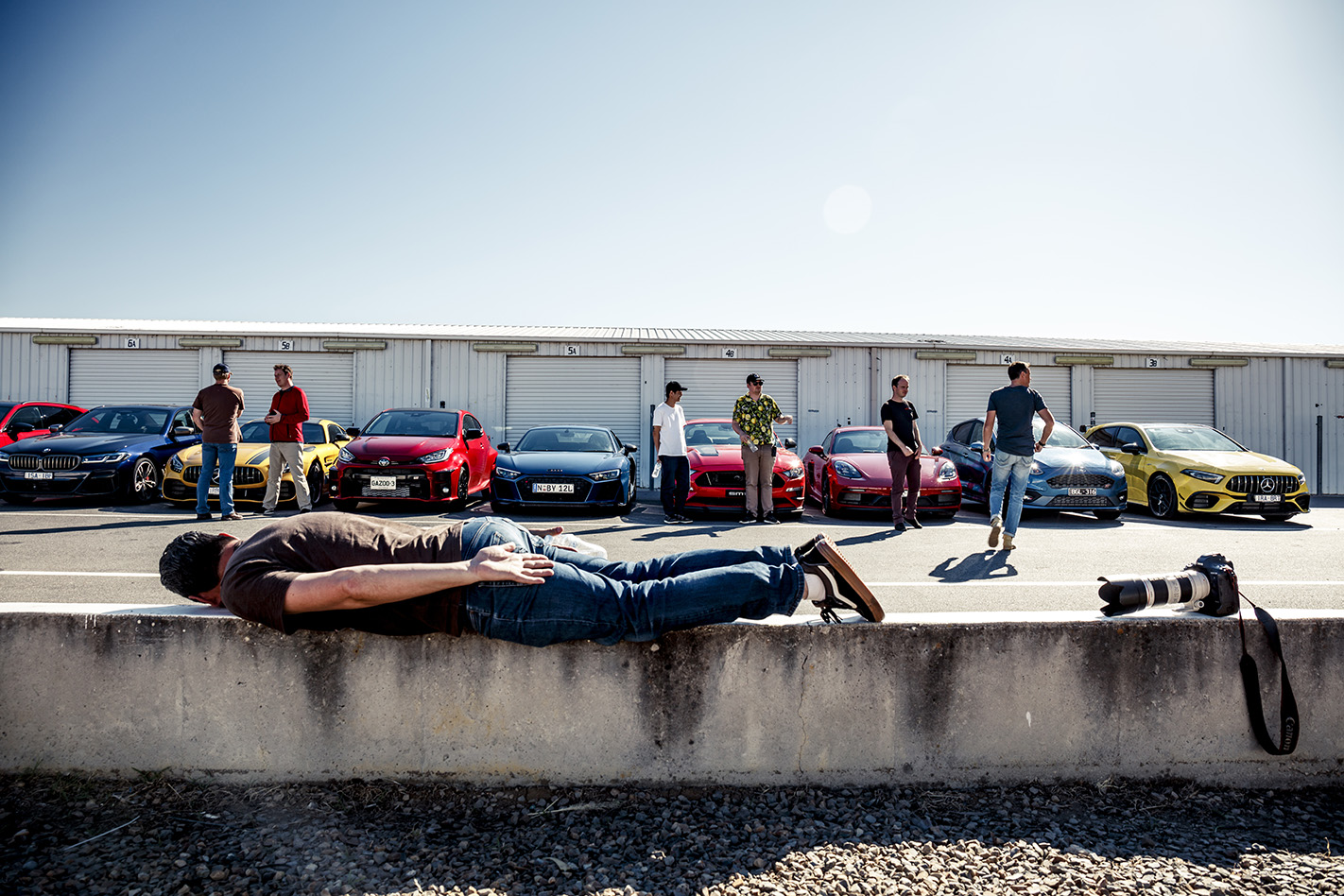
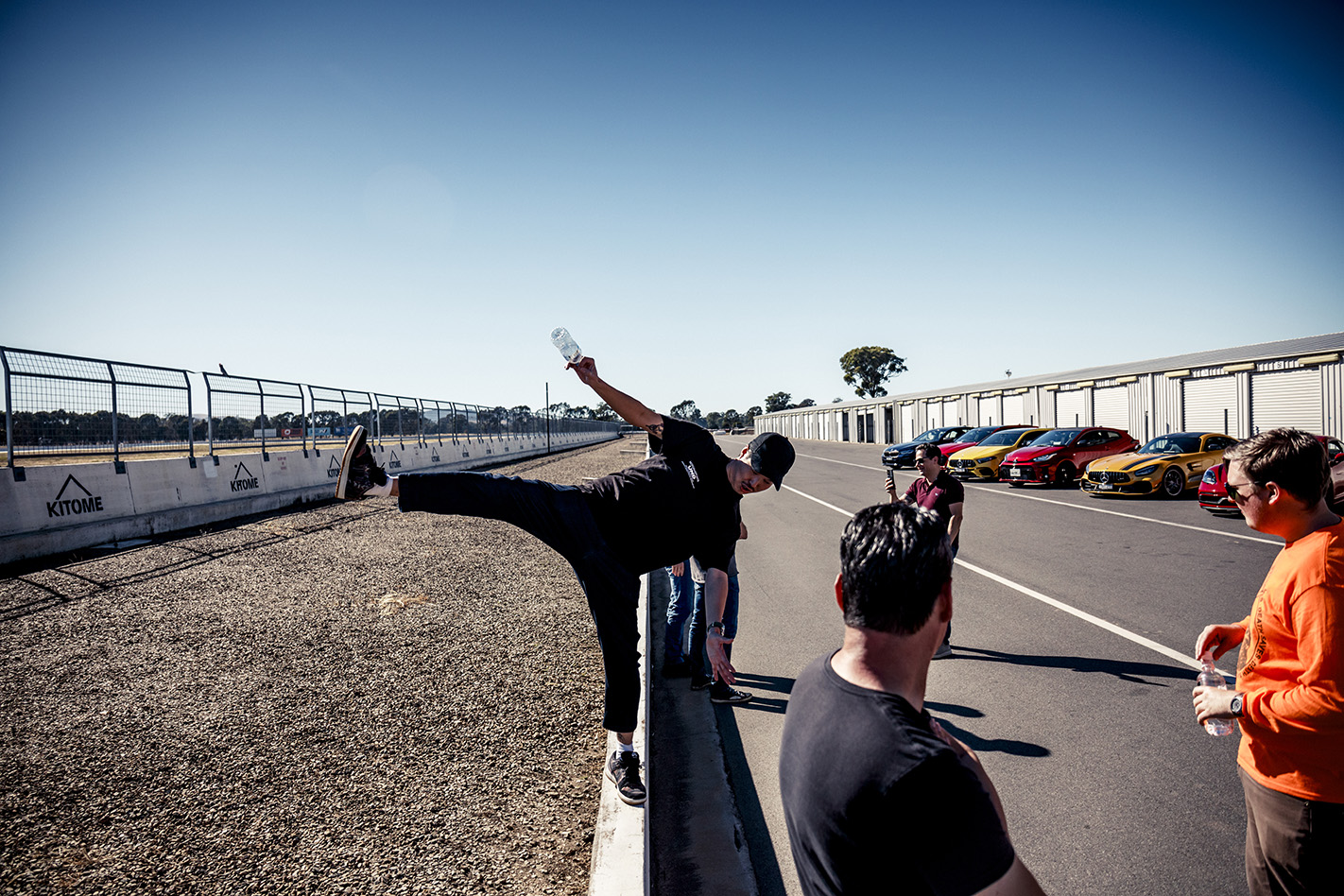
Hello Curt, 2011 called, it was wondering when you were going to stop it with the planking?
All the attention in pit lane turns to Karl near the end of the day. The Turbo S and Pro are the last cars to attempt timed laps, and it’s not by mistake. Anticipation is running high and talk of a new PCOTY record is rampant. There’s even whispers of a production car lap record being possible. The huddled mass erupts as the Pro’s time is reported.
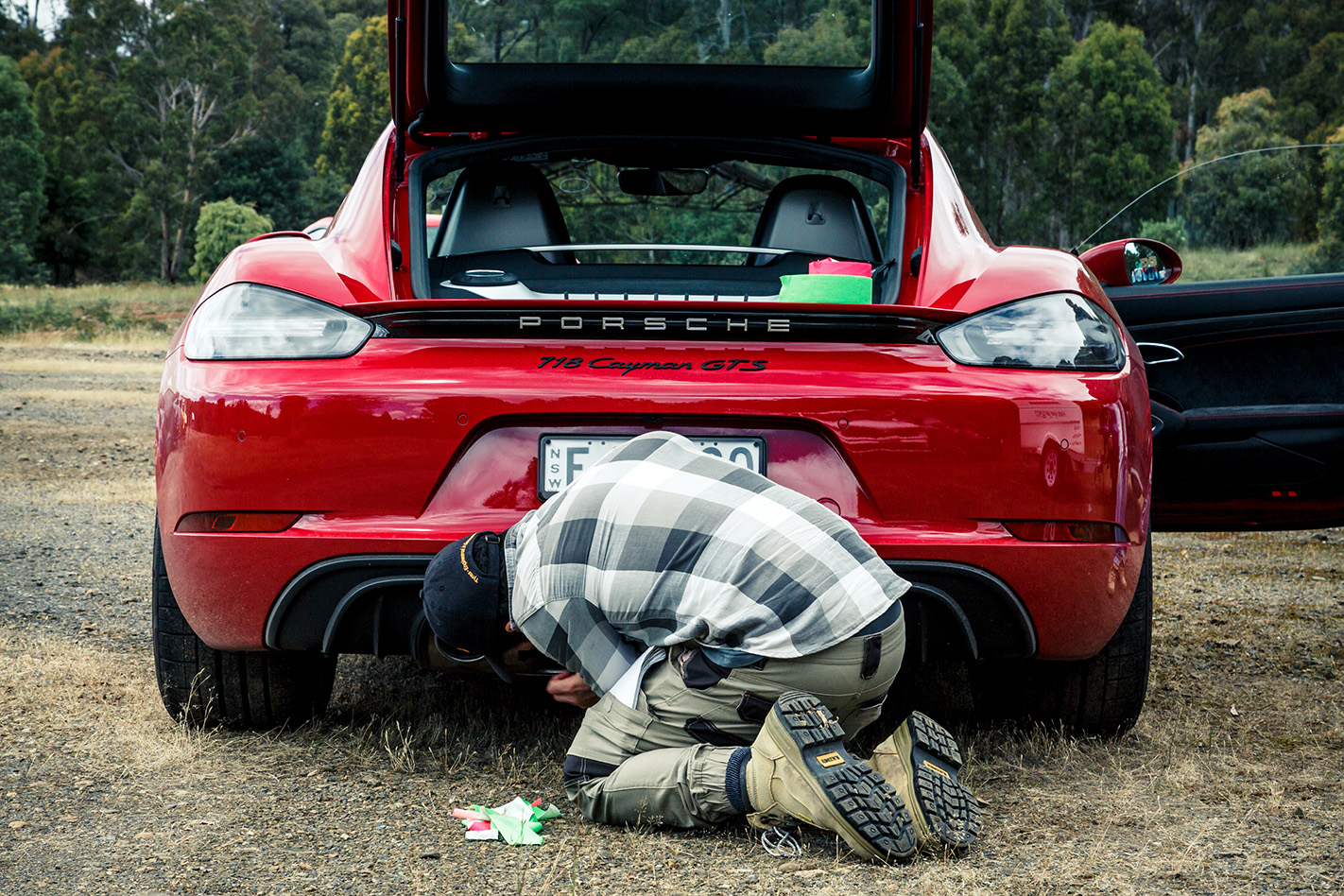
“Show me where the video man touched you”… after a week together, everyone needs a little personal space
When his official duties are complete, Reindler jumps back into the R8 to give some hot laps. The vocal Audi returns to the pits with its passenger’s adrenal glands at bursting point and synapses thoroughly fried. Reindler’s work is done, and he humbly exits stage left. Bastard.
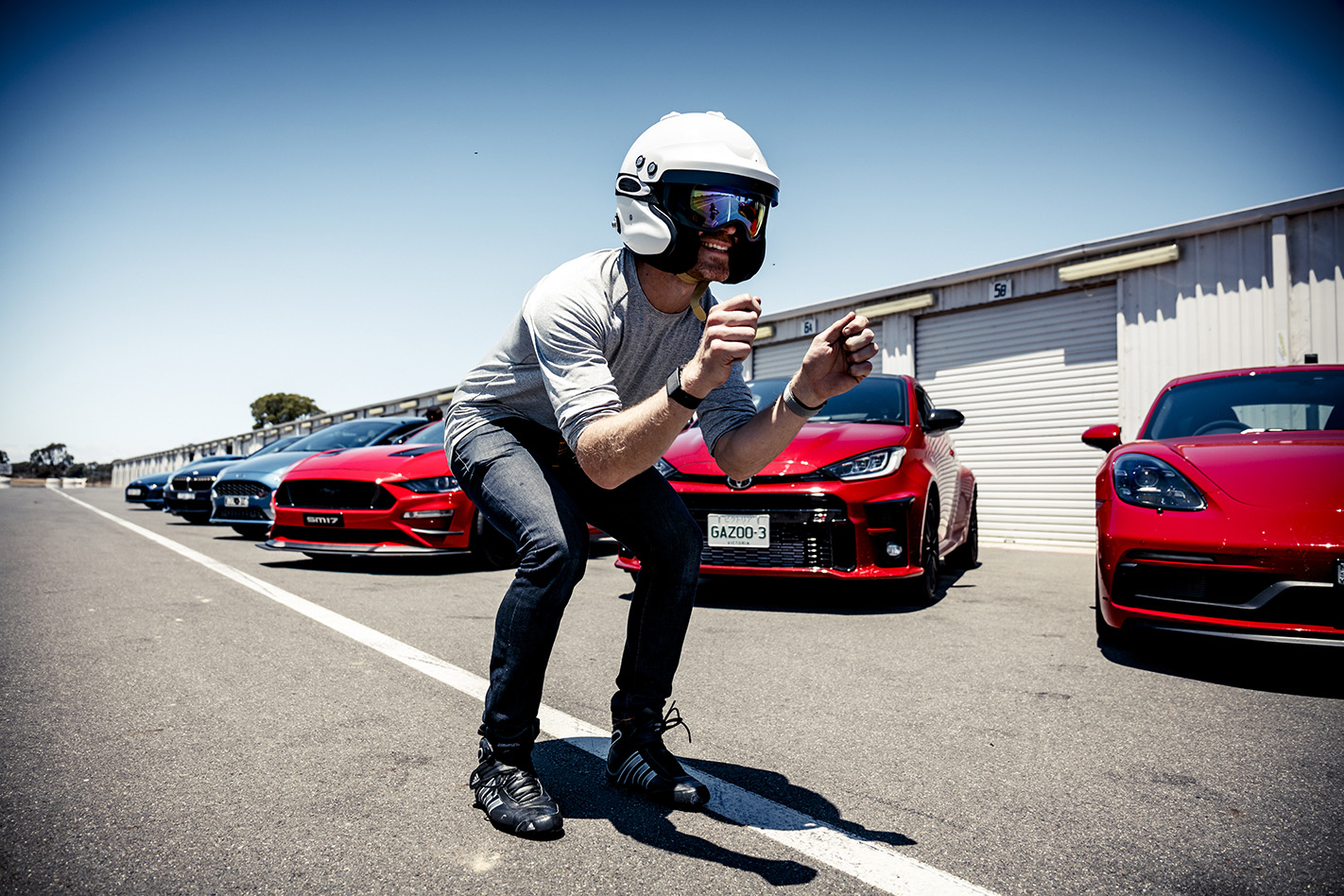
Reindler does his best Earnhardt impression. Luckily Karl can turn left AND right
The next day we return to the track so The Creatives can capture everything they need to fill a magazine and keep the internet video goblins fed. It is here, on day four, that the non-stop pace of PCOTY starts to show and the silliness begins. I’m helping with tracking shots in the Fiesta when the Pro barrels past at full chat. I feel like I’m being strafed by a WWII fighter. Newman is flicking the RS6 into a massive and unwilling slide, inches from the tail of Enright in the BMW who has snapper Dewar harnessed into its open boot. I keep Butler distracted lest he have an OH&S-induced aneurysm.
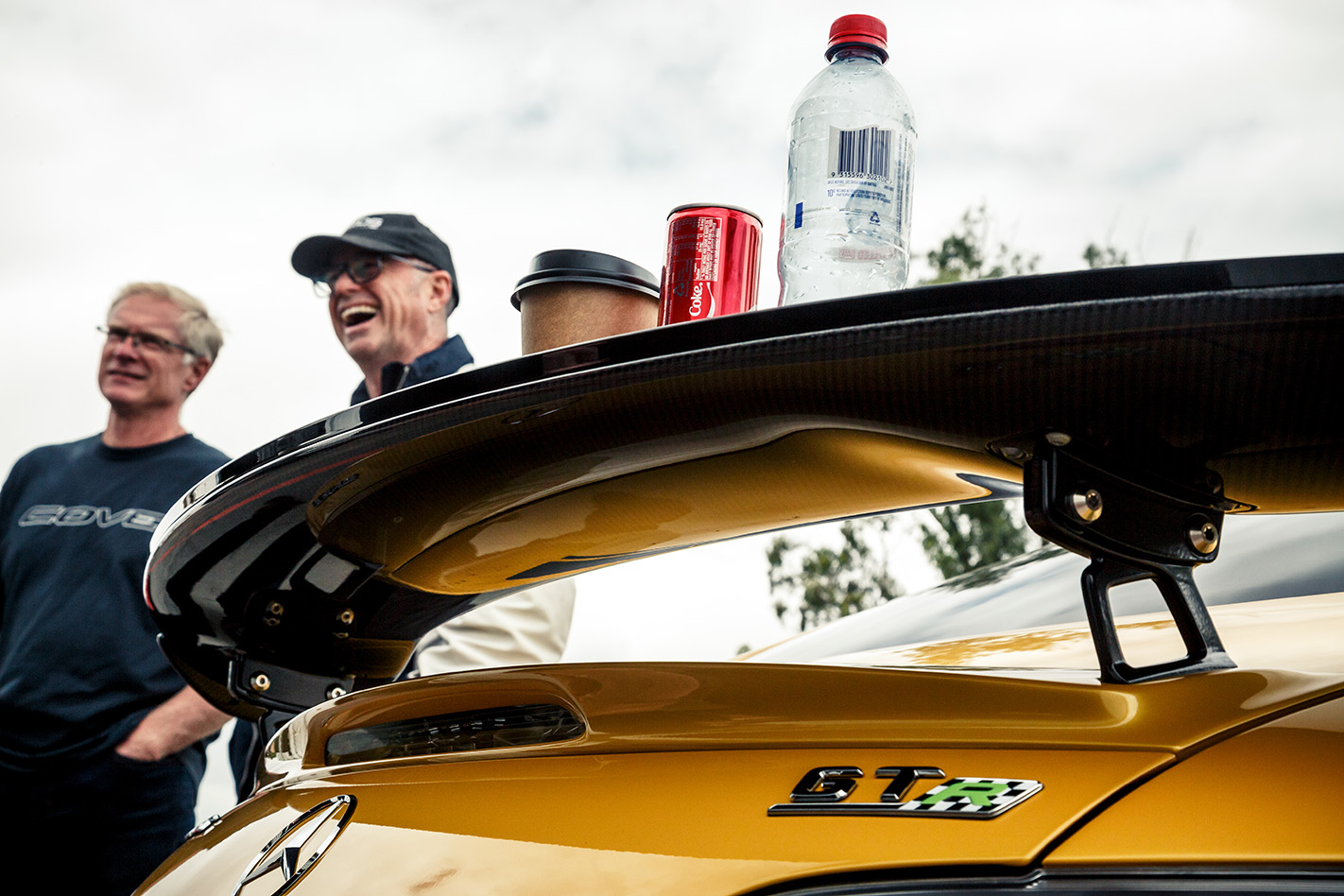
Few images sum up PCOTY better than using the fastest production car to ever lap Winton to hold your beverages
PCOTY is an endless barrage of these clip-show moments. Writing this now, months later, I can vividly recall the final transit stage to Mansfield, driving the Turbo and watching the brake lights of the R8 and Pro ahead crest a hill, cutting a path through the warm high country night. The trio’s engines sing a baleful tune to the empty forest as each in turn picks up the gas in a harmonic melisma, diving giddily into the next river valley. It’s a beautiful end stop to the hardest and best week of the year and one that’s indelibly seared into my memory. Now we look forward to 2022, when you could be one of the lucky ones along for the ride.
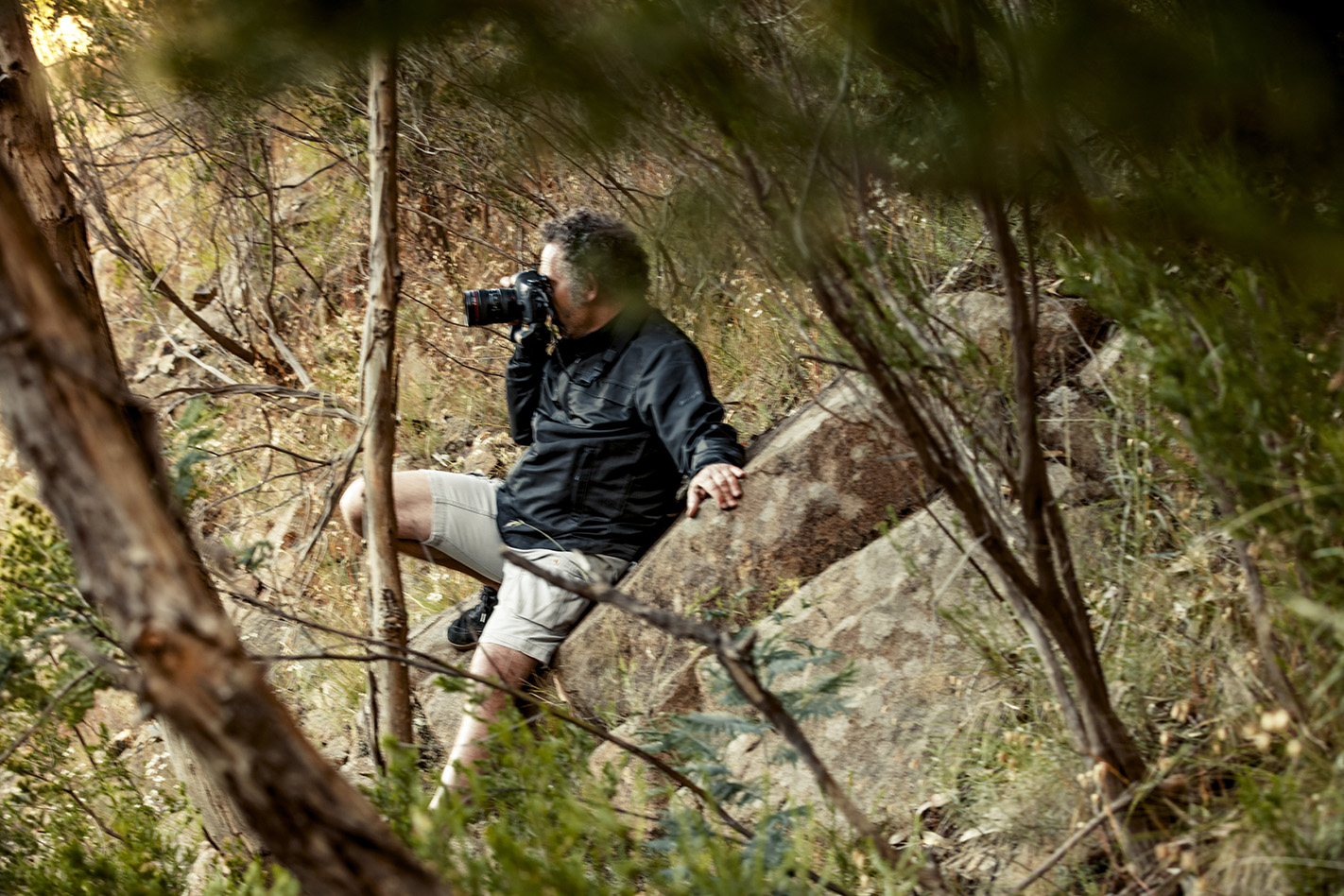
Wielecki climbs cliffs, Enright throws rocks off them, these are just the rules of life
THE REAL PCOTY WINNER
It’s not just the judges that get to opine which of the contenders is the best. At this year’s running, the support crew got their four collective brain cells fired up and ranked each of the cars to find the winner of the inaugural PPPCOTY (Packer’s Pick Performance Car of the Year). Did someone skew their own votes, torpedoing a front-runner on purpose, so their favourite could take the crown? Absolutely. Did yours truly fiddle with the points system to scupper their devious plan? You betcha. In a sign that great minds truly do think alike, the team that keeps the judges fed, watered, and pampered also picked the Mercedes-AMG GT R Pro as the best of the field. I’m sure Mr Schiemer will be overjoyed when he hears the news.
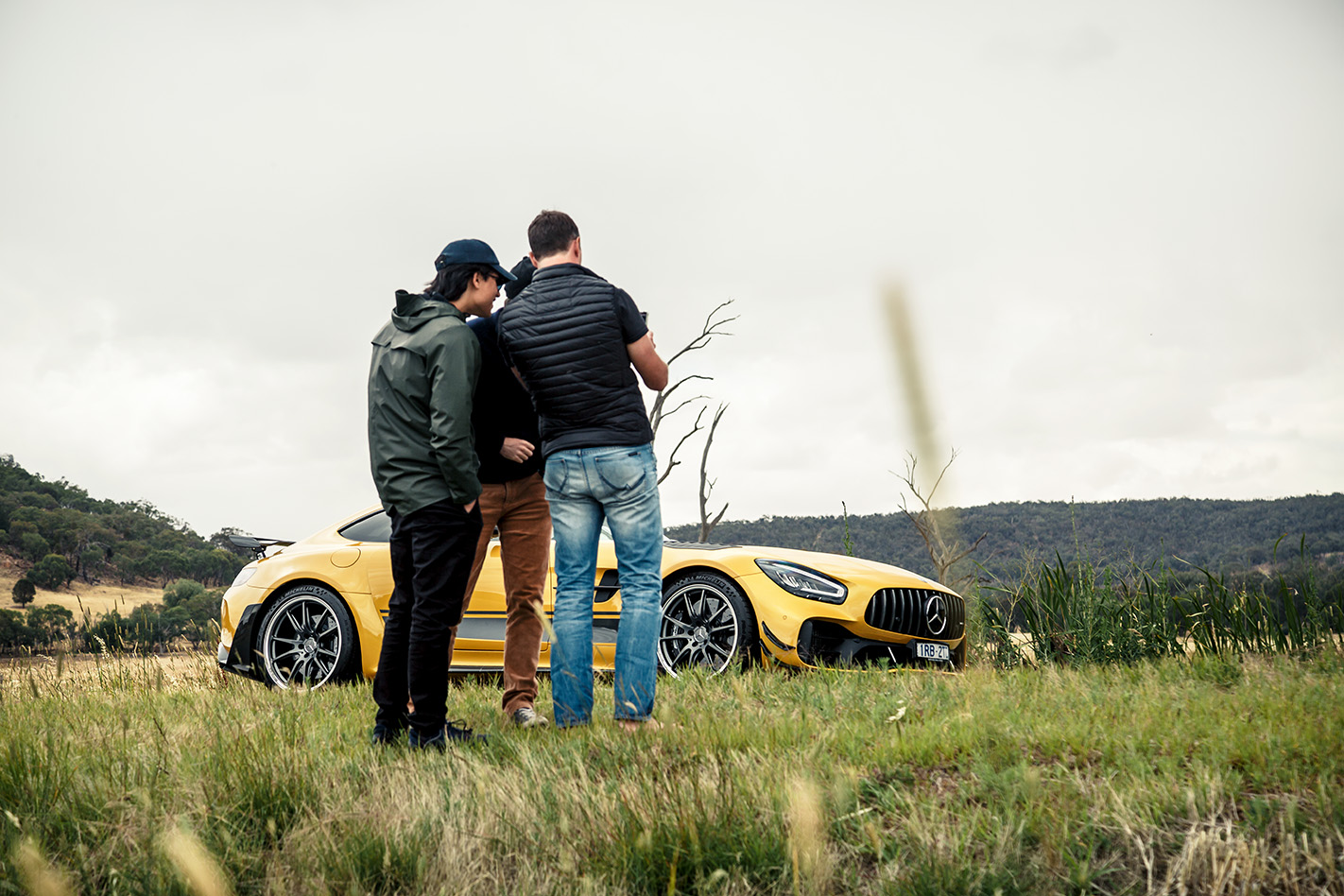
Louis, Scott and Dan draw straws for who will be left behind after the trio realise they are late to lunch and the only car left is the Pro. Well, they would have been late, had we stopped for lunch. Who said we don’t work hard?
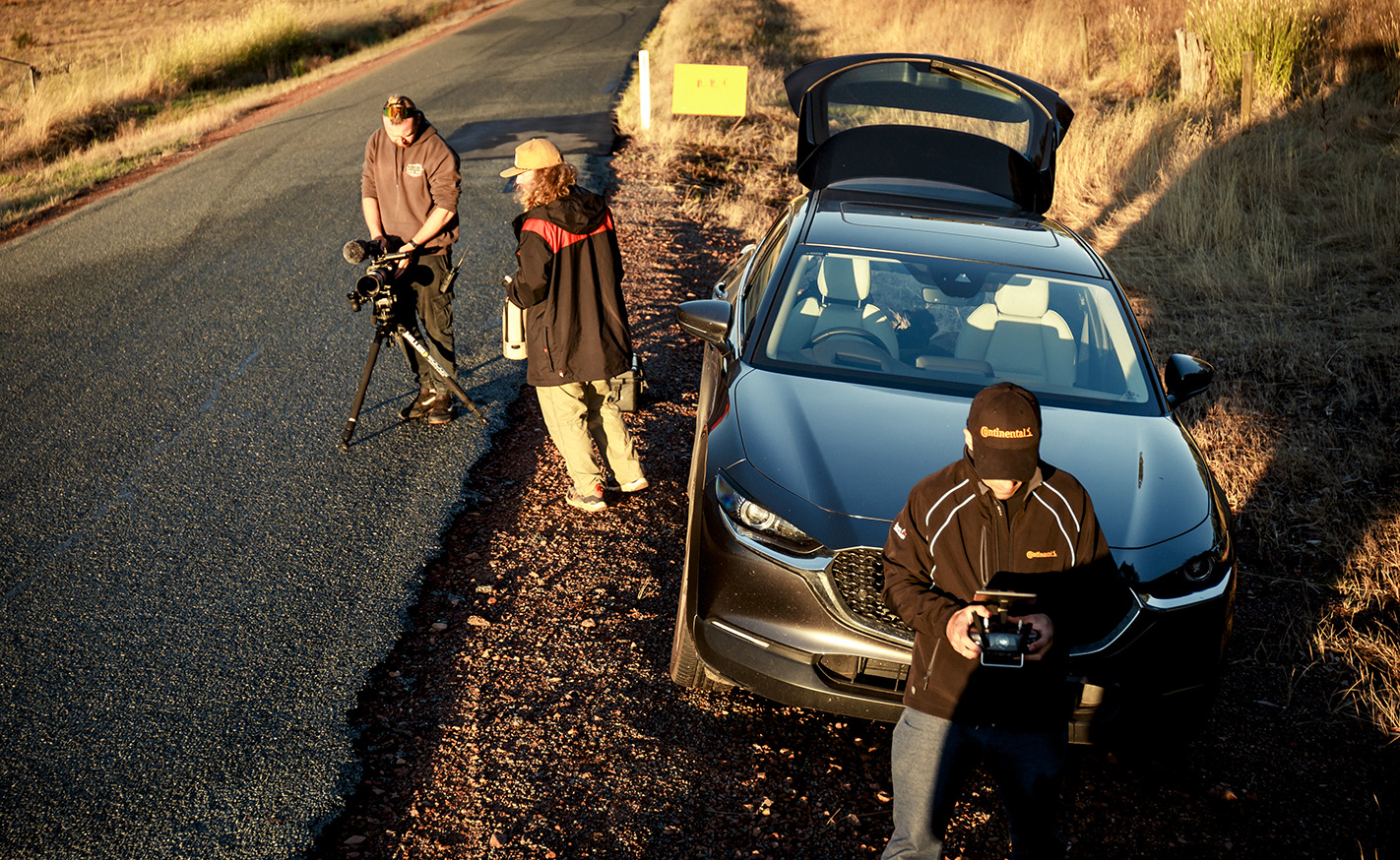
“Hey Josh, do you think anything could go wrong if I leave the tripod here while a convoy of supercars drives toward us with the setting sun in their eyes?”
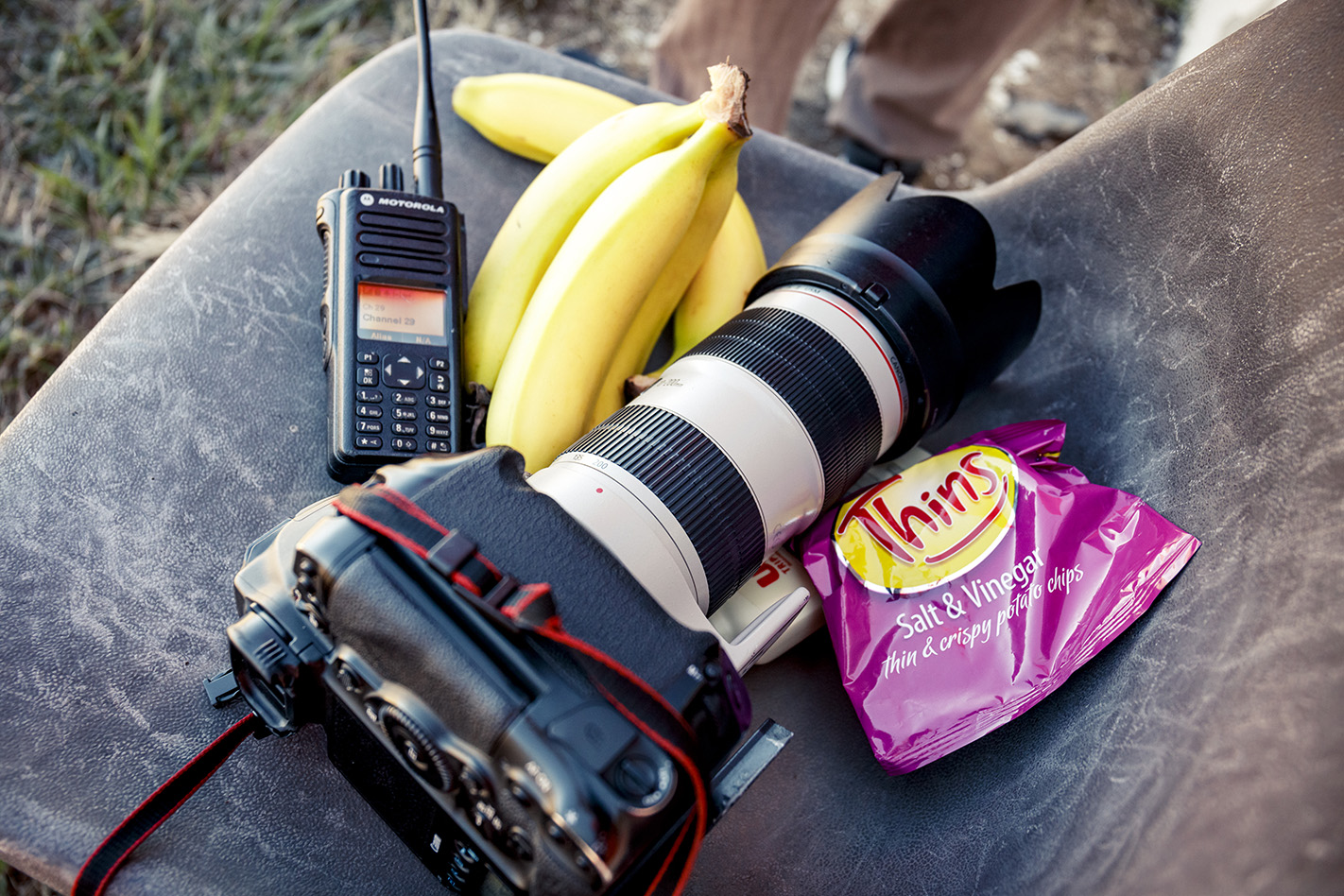
We only feed our photographers chips and bananas to slow growth. Helps them hide in the bushes easier
The world of Formula 1 is in mourning as it was announced that legendary commentator Murray Walker has passed away at age 97.
Walker’s signature style of excitable reporting provided the background to Formula 1 for generations of race fans who ostensibly considered the affable British commentator ‘the voice of F1’.
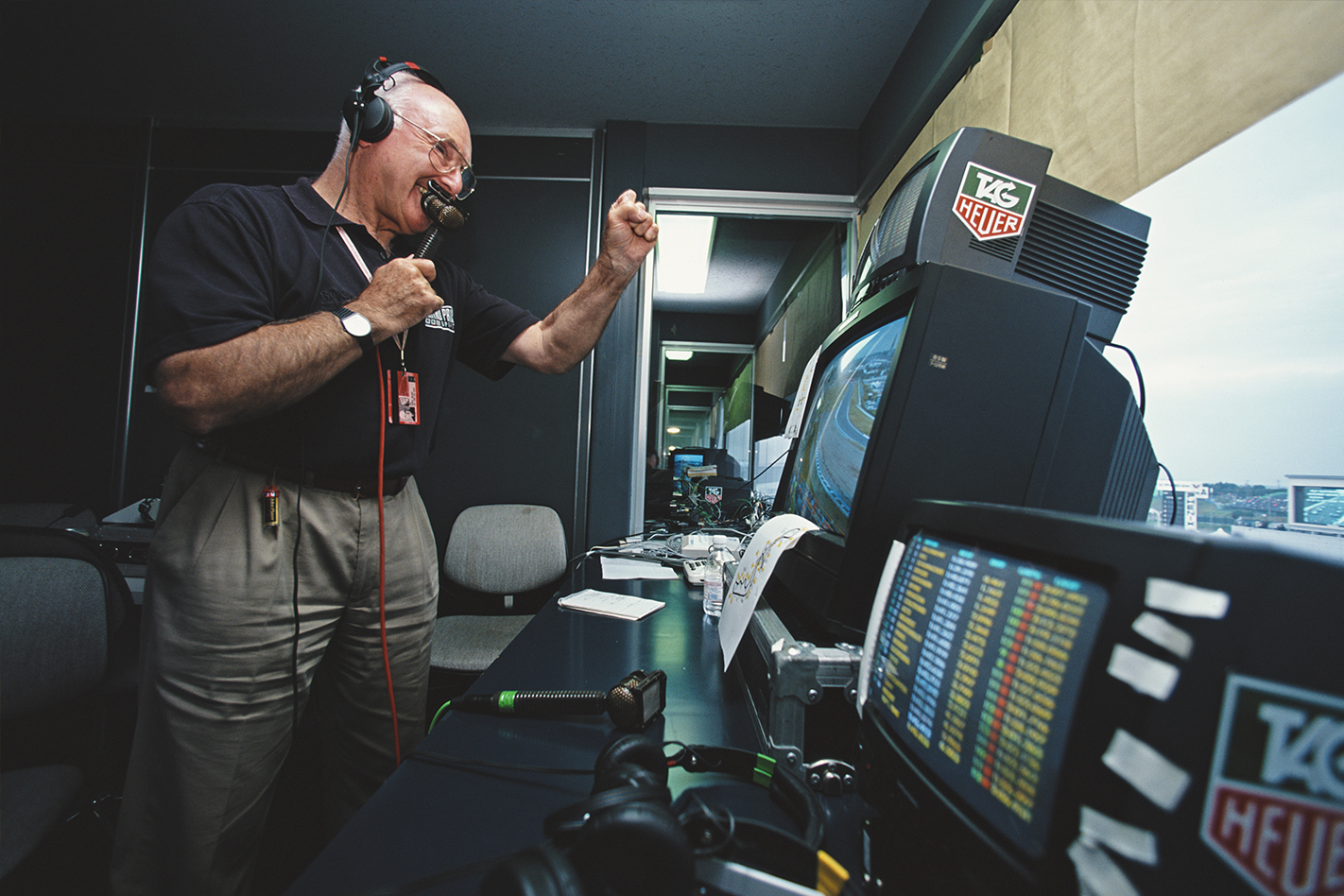
The British Racing Driver’s Club announced Walker’s passing on Saturday prompting an outpouring of tributes from around the paddock.
“A friend, a true motorsport legend, the nation’s favourite commentator and a contagious smile. We thank Murray for all he has done for our community” said the BRDC.
Murray Walker was born an only child in October 1923 to parents Elsie Spratt and Graham Walker. Graham Walker himself was an accomplished motorcyclist campaigning in 15 Isle of Man TT’s between 1920 and 1934.
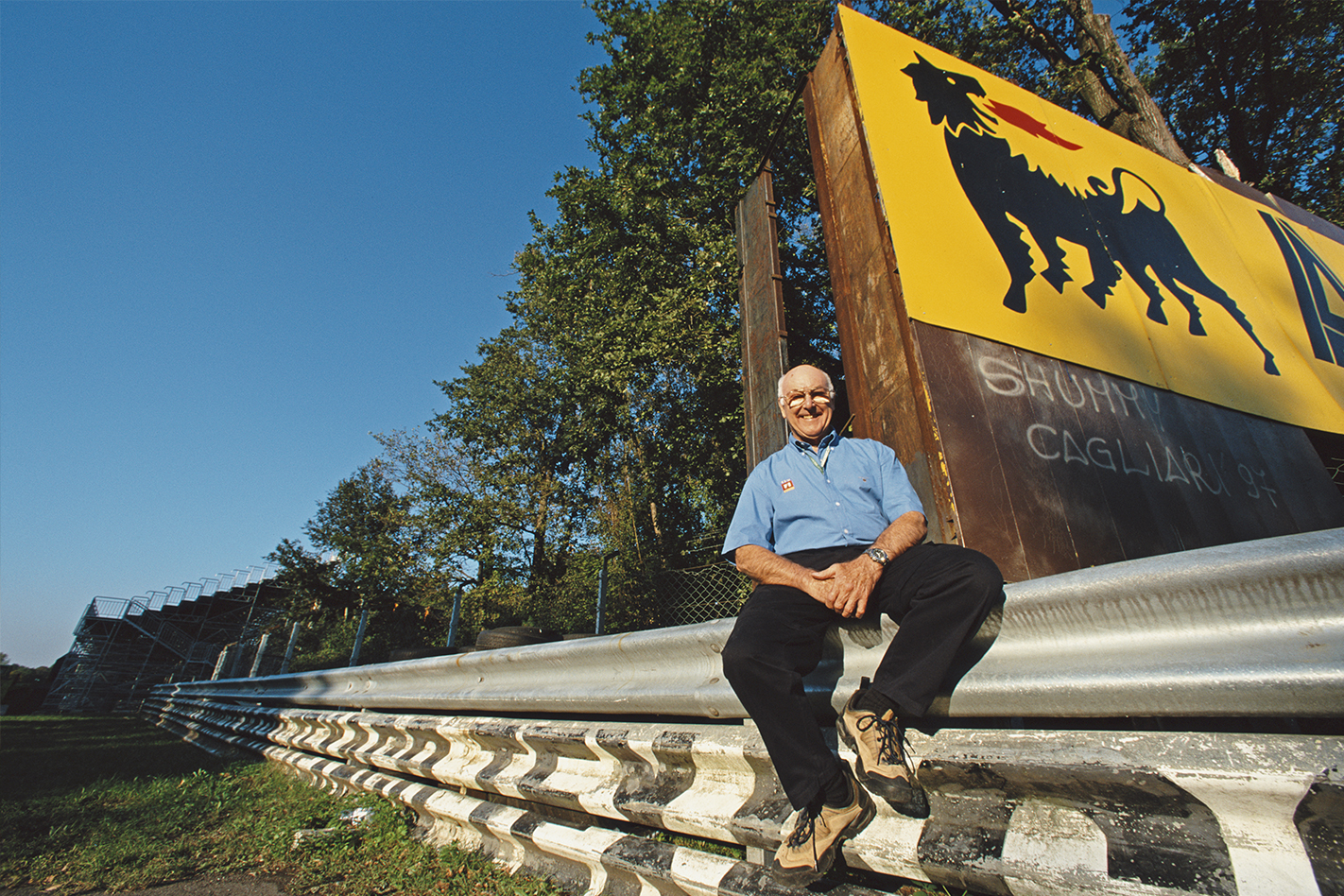
Following his schooling career, and some years of military service amidst WWII conscription, Walker made his first public broadcast at the Shelsley Walsh hillclimb in 1948, and made his F1 debut on BBC radio covering the 1949 British Grand Prix.
From 1949, Murray and his father Graham provided coverage of the Isle of Man TT as a team for the BBC until his father’s passing in 1962, after which he became the BBC’s chief motorcycle commentator.
Walker dabbled in F1 commentary during the ’70s, before being enlisted full-time for the 1978 season.

Over the years Walker would be accompanied in the commentary box by a number of equally legendary F1 figures; including James Hunt, Jackie Stewart, Alan Jones and Martin Brundle.
And while it’s not often that F1 legends are forged outside of the cockpit or team garages, it was Walker’s wit, charm and – most of all – his enthusiasm that won hearts and minds around the globe.
Walker retired from full-time broadcasting after the 2001 United States Grand Prix, and yet his infamous ‘Murrayisms’ are still echoed around the world to this day. Walker is virtually synonymous F1’s bygone era, and his unabashed passion for the sport inspired millions of fans around the world.
An affable larrikin yet a consummate professional; Walker’s contributions to the sport are unparalleled in his field. We thank him for all of the memories.
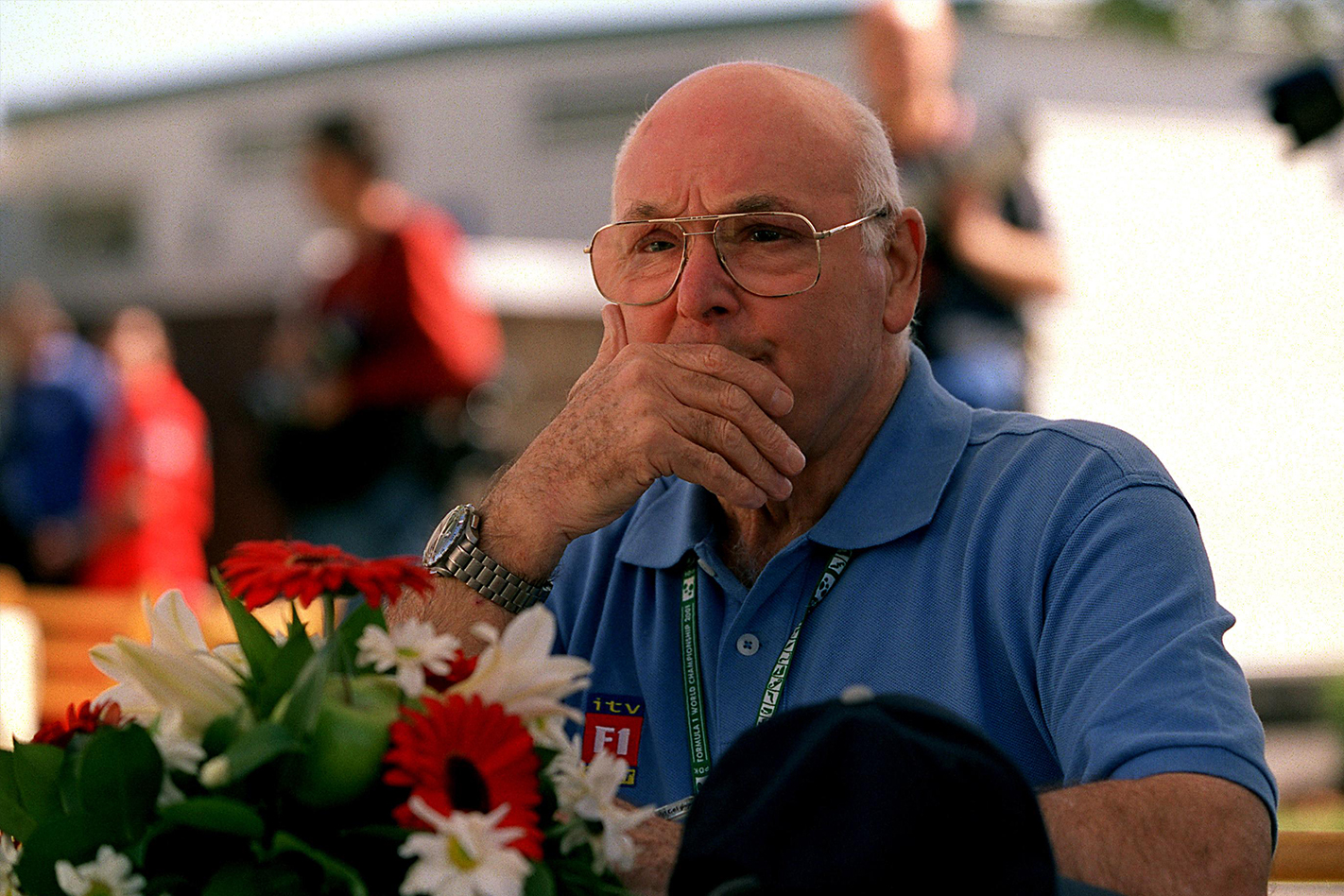
He is survived by his wife Elizabeth.
Vale Murray Walker, 1923-2021
