Features

Gallery 1
Way back in June 2009, local distribution company Ateco shocked Australian consumers by launching the first Chinese brand on to the local market. GWM – or Great Wall Motors as it was then known – launched with two products in Australia. It’s now quite a distance from its first incarnation and as of June 2025, is now the top-selling Chinese brand in Australia.
Great Wall Motors is headquartered in Baoding in the Hebei Province in China. It was founded in 1984, though has roots as far back as 1976 with an agricultural vehicle workshop in Baoding started by Wei Deliang, who is the uncle of the current GWM chairman Wei Jianjun, through a collaboration with the local government of the Nandayuan Township.
By 1984, the workshop started to produce its own commercial vehicles, and the workshop’s name was changed to Great Wall Industry Company.
4
Jianjun had started with the company in 1989 and by 1993, it was producing several models, including the CC1020S sedan, but a change in national vehicle regulations forced Great Wall to shift towards commercial vehicles, including the 1996 Deer ute.
The Deer was a big success for the company and enabled it to export its products for the first time in 1997 to the Middle East. The Nandayuan Township privatised the company in 1998, forming the Great Wall Motor Group with Jianjun owning a 25 per cent stake.
In 2003, GWM became the first private Chinese car manufacturer to become a public company through the Hong Kong Stock Exchange and in 2006, entered the European market for the first time with a series of small vans, and in Australia in 2009.
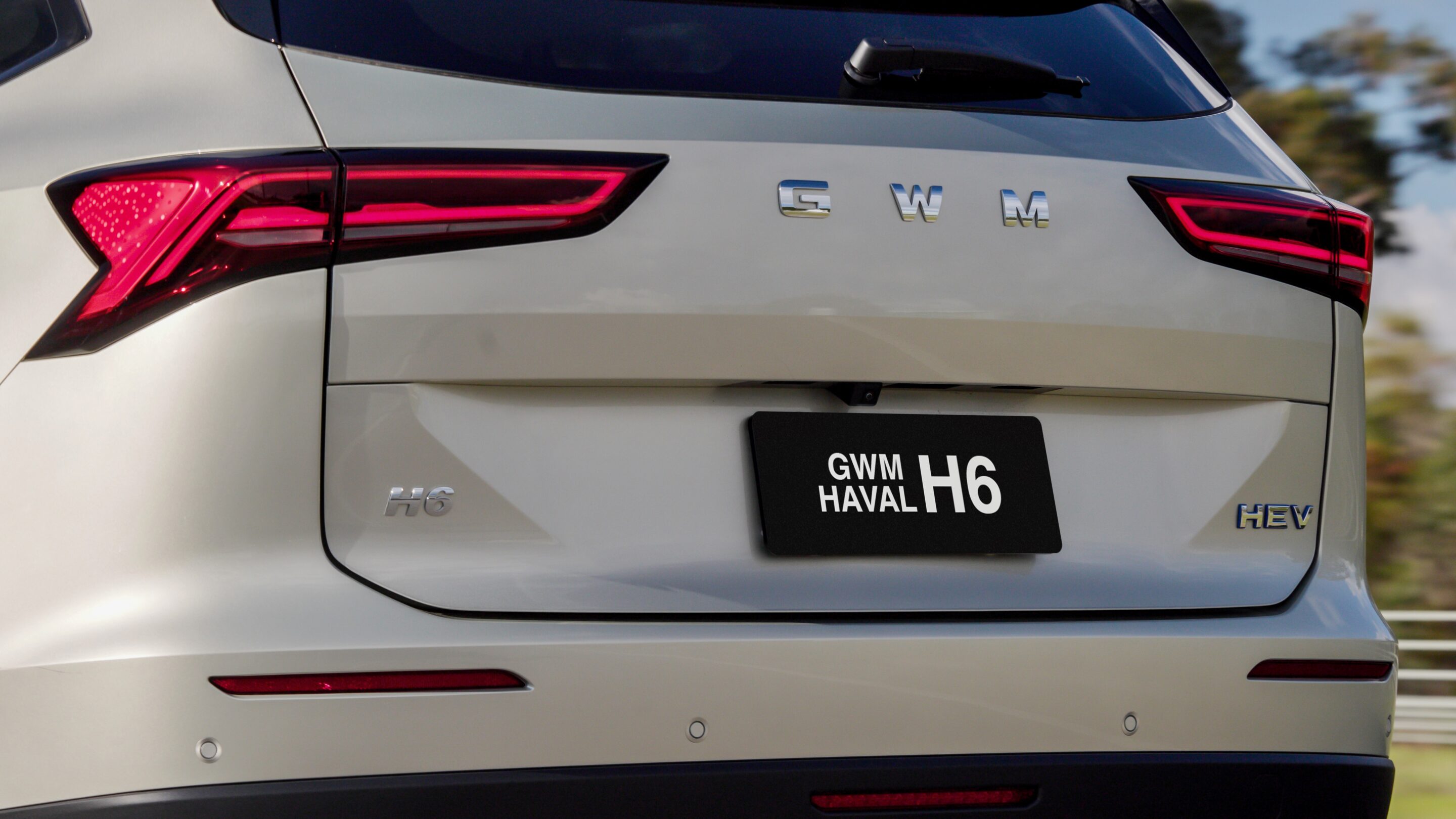
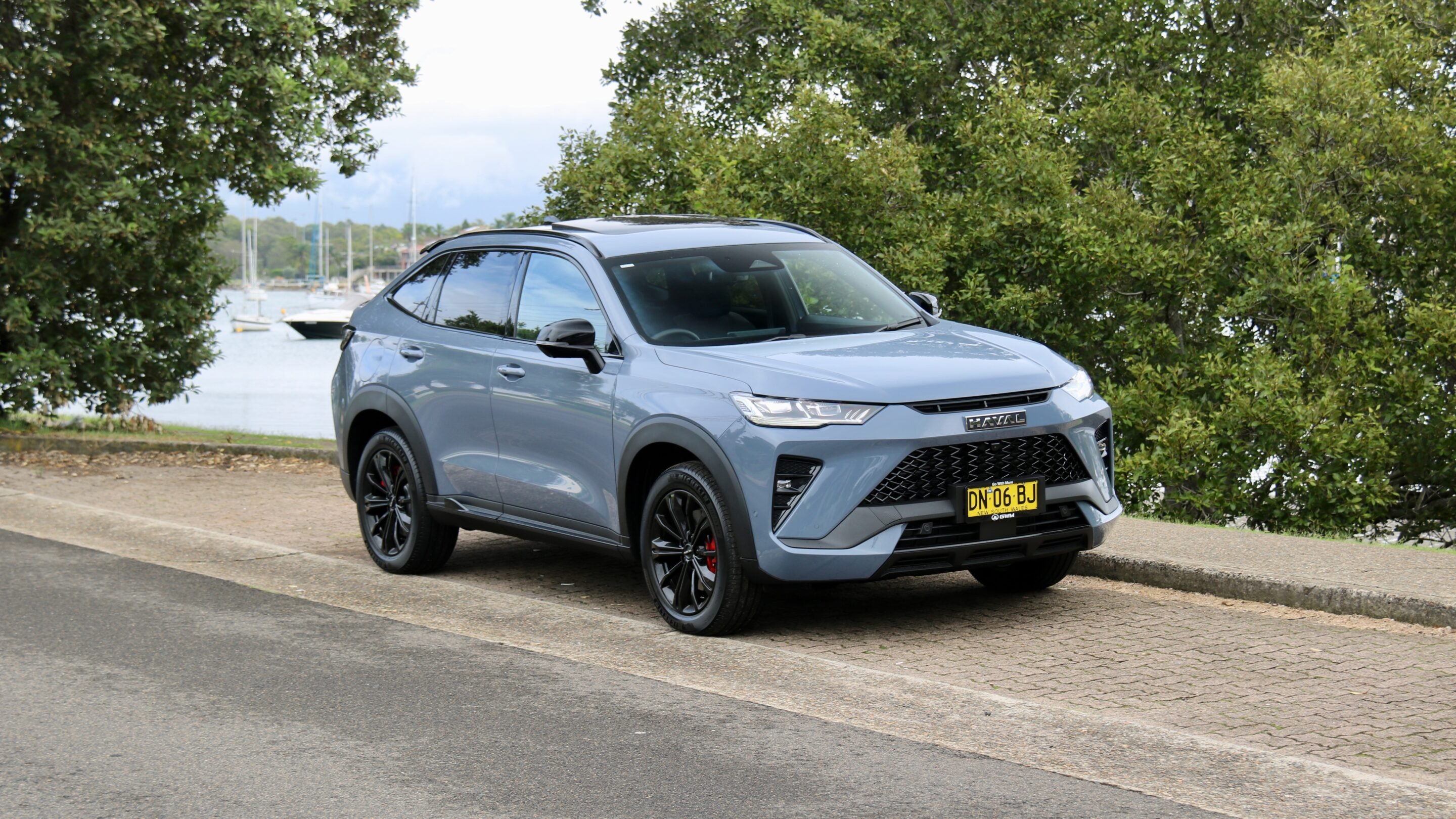
The first-generation Haval H6 was launched in 2011, immediately becoming China’s best-selling SUV for eight consecutive years. Its success contributed massively to GWM’s profits, leading the company to focus on SUVs. To the end of 2024, more than four million H6s have been produced. Even though it only launched in Australia in 2020 in third-generation form, the H6 has sold almost 50,000 units locally.
In 2011, GWM was listed on the Shanghai Stock Exchange and went public again, merging the ownerships of the Wei family and Nandayuan Township into a single investment fund, which is the current corporate structure of the company.
5
While its focus was on internal combustion engined products, GWM introduced its first EV in China in 2016 and acquired a 25 per cent stake in the Hebei Yujie Vehicle Industry company in 2017, which was a key player in China’s EV market. GWM spun off its battery business into an independent battery manufacture in 2018 and in the same year, established the Ora EV brand as well as signing a joint venture agreement with BMW to produce electric Mini products in China.
In 2020, GWM purchased General Motors’ Thailand plant – the factory where the Holden Colorado used to be produced for Australia – and Great Wall Motors’ official rebranding to GWM also occurred.
In 2023, GWM announced that it would be adjusting its multi-brand strategy for export markets. Under the new strategy, GWM was the parent company and previously-standalone brands such as Haval, Ora, Tank and Wey were now sub-brands. This change made it easier for export markets, which received select products from all the brands, with – for example – the Haval H6 becoming the GWM Haval H6. Instead of a Haval logo, a new GWM badge appeared.
2
As of 2025, GWM has 10 production facilities across China, Thailand, Brazil and Russia, and plants in countries such as Pakistan assembling vehicles from knock-down kits.
The brand has also just employed former-Holden ride and handling guru Rob Trubiani to enhance the way its products feel on the road in a number of areas, including active safety systems and even towing. Trubiani’s knowledge in those areas will eventually be applied to global GWM products.
GWM’s total 2024 sales tally reached 1,233,292 units in 2024, with the Haval brand selling 706,234 units and 453,141 units exported. In Australia to the end of June 2025, GWM has sold 25,189 units, an increase of 17 per cent over the same period in 2024 and puts the brand in a good position to hit its 50,000 sales target for the whole of this year.
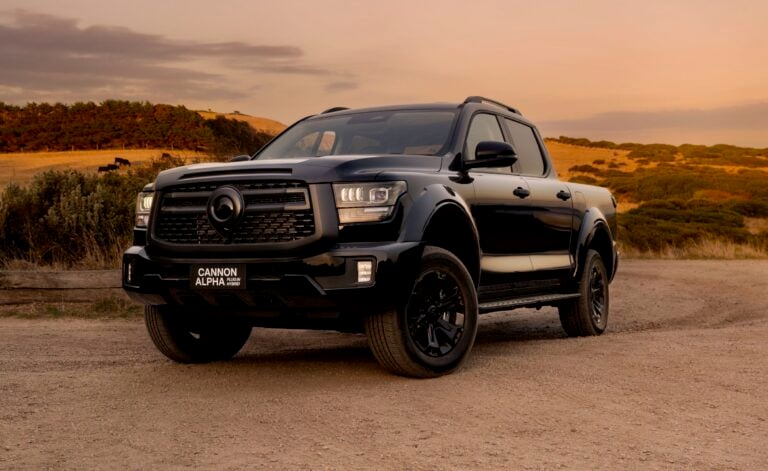
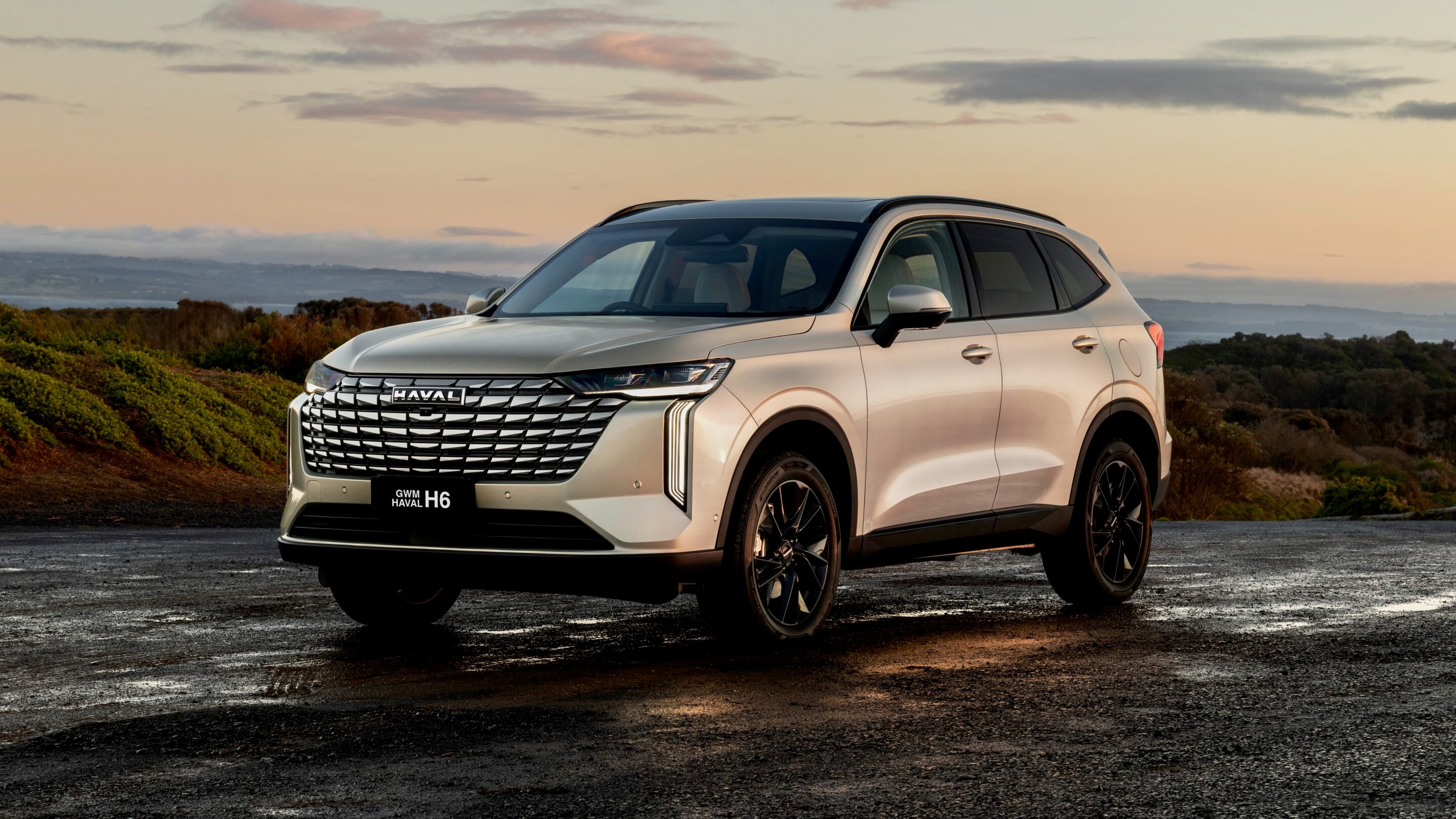
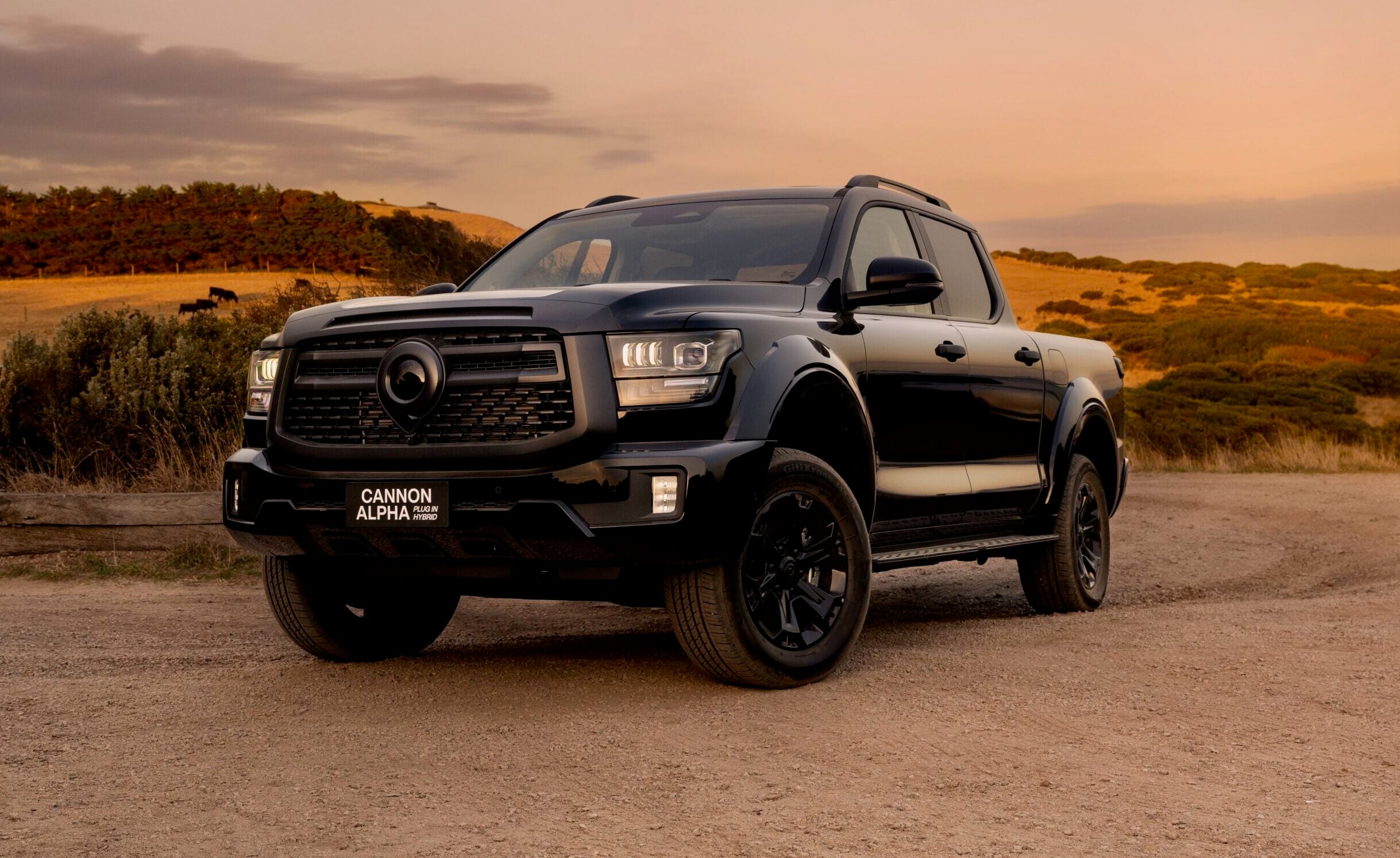
Healthy sales should come as no surprise as it’s been a busy period for the brand in Australia. It’s recently launched a new plug-in hybrid variant of the Cannon Alpha ute (above), a diesel variant of the popular Tank 300 off-roader and the updated Haval H6 mid-size SUV, which has just gone on sale.
1
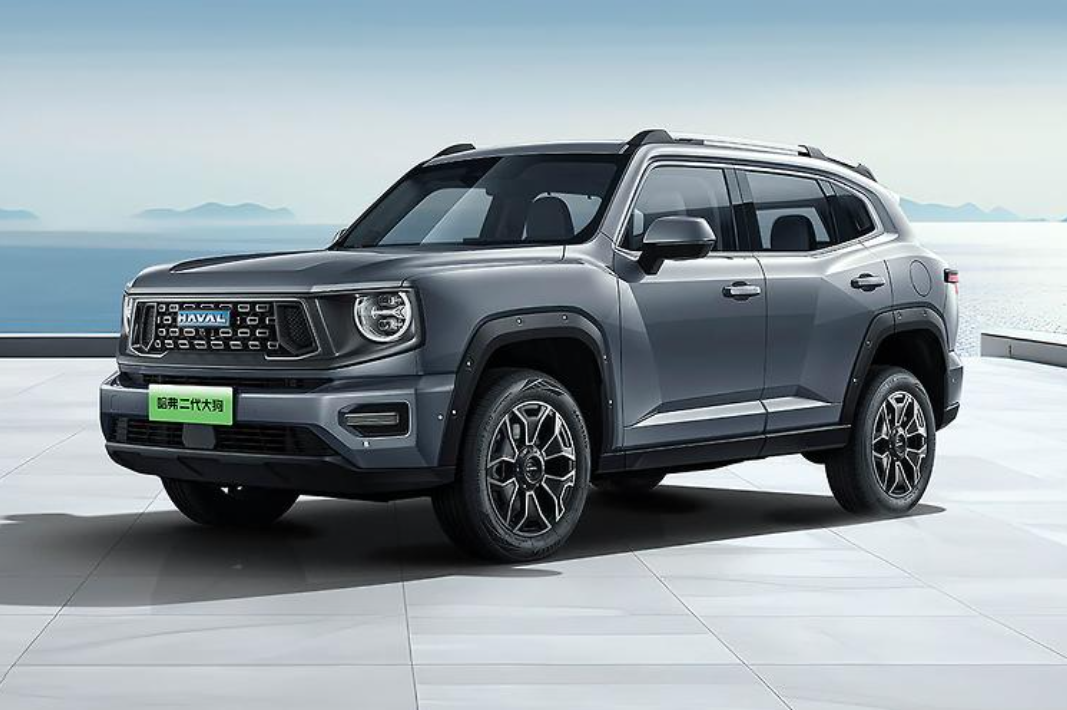
What’s next for GWM in Australia? First cab off the rank is the new Haval H7 mid-size SUV (above), which will be launching in the third quarter of 2025 to sit in between the H6 and Tank 300 SUVs. Afterwards, a new plug-in hybrid version of the Tank 500 large SUV will also be launched.
The brand will reportedly have three EVs in its showrooms by the end of 2026, while new hybrid and plug-in hybrids will also be added to the range to further bolster its NVES compliance.
Looking further into the future, the brand recently revealed a new plug-in hybrid powertrain with a V8 engine that may also allow it to develop a larger ute than the Cannon Alpha, potentially for the North American market.
According to local GWM staff, the brand is at the beginning of its journey, with “plenty more to come”.
1
Who owns GWM?
GWM (Great Wall Motors) is a Chinese automotive manufacturer founded by the Wei family and later combined its ownership into an investment fund, which now controls the company. Wei Jianjun started the company as a small repair shop in 1984
Where are GWM cars made?
Aside from its home market China, where all Australian-spec products are produced, GWM produces cars around the world, including places such as Thailand, Bulgaria, Russia and Brazil with a facility in Spain planned for the future.
Are GWM and Haval the same company?
Haval is one of GWM’s sub brands, much like Tank and Ora. In China, these brands are sold under the GWM umbrella with many products for each brand, but in export markets like Australia, all are sold under the GWM brand.
How many cars does GWM sell each year in Australia?
GWM sold 42,782 cars in Australia in 2024, a record number that placed the brand in the top 10 for sales for the first time. So far in 2025, GWM’s sales are even stronger and are sitting at around 35,000 sales to the end of October 2025 for a predicted 52,000 unit result by the end of December.
Which cars does GWM sell in Australia?
GWM Haval Jolion
The Jolion is GWM’s small SUV product that appeals to small families and those looking for a second car. Pricing starts at $26,990 drive away for the base Premium model. Both 1.5-litre turbo-petrol and 1.5-litre hybrid drivetrains are on offer and the hybrid is one of the cheapest on sale in Australia.
GWM Haval H6
The H6 has been one of the best-selling GWM products in Australia since it launched in 2021. Competing in the mid-size SUV segment, the H6 is priced from $35,990 drive away and it has a wide range of powertrain options: a 2.0-litre turbo-petrol, 1.5-litre turbo hybrid and two forms of 1.5-litre turbo plug-in hybrid with the most powerful capable of a 4.9-second 0-100km/h sprint time.
GWM Haval H6GT
The H6GT is the sportier-looking coupe version of the H6, and is available with either the 2.0-litre turbo-petrol or a 321kW 1.5-litre turbo-petrol plug-in hybrid. Pricing starts from $45,990 drive away, and the H6GT line-up is quite well equipped as standard.
GWM Haval H7
The H7 is the newcomer to the GWM Australia range. It takes the underpinnings of the H6 and H6GT but puts them underneath a boxier and more rugged-looking body. The H7 is only available with the 1.5-litre turbo hybrid in Australia, giving it good performance (it makes 179kW of power and 530Nm of torque) yet good claimed fuel economy too (it’s rated at 5.7L/100km).
GWM Tank 300
The Tank 300 is one of GWM’s biggest success stories in Australia as it provides rugged styling, strong four-wheel drive ability and excellent value for money. It’s priced from $47,990 drive away and offers 2.4-litre turbo-diesel, 2.0-litre turbo-petrol or 2.0-litre turbo-petrol hybrid drivetrain options, as well as generous standard equipment.
GWM Tank 500
The Tank 500 is GWM’s large SUV in Australia, offering seating for seven and the choice of either a 2.0-litre turbo-petrol hybrid or plug-in hybrid drivetrain, the latter making a serious 300kW of power but also capable of travelling 120km on electric power.
GWM Cannon
The Cannon is GWM’s ute offering in Australia. Pricing starts at $36,490 drive away for the single cab chassis variant, ranging to $51,990 drive away for the top-spec off-road themed XSR. Engine choices are either a 2.0-litre or larger 2.4-litre turbo-diesel, and a nine-speed automatic transmission is standard with the larger engine.
GWM Cannon Alpha
GWM is unusual in that it offers not one but two mid-size utes in Australia, and the larger Cannon Alpha is one of the most luxurious utes you can buy. It’s available with a 2.4-litre turbo-diesel engine or a 2.0-litre turbo plug-in hybrid drivetrain, as well as features like a panoramic sunroof, a split-opening tailgate and even electric-reclining rear seats.
GWM Ora
The Ora is GWM’s electric car in Australia. It’s a small hatchback that’s priced from $35,990 drive away, making it one of the cheapest new EVs on sale. It features a 57.7kWh battery for a claimed WLTP driving range of 400km, as well as a long list of standard features.
Follow WhichCar/Wheels on Google
Click the button below to make WhichCar by Wheels a preferred source for your news.