
The Federal Government’s Luxury Car Tax (LCT) is set to undergo the biggest restructure since its 1999 introduction next year, in line with changes proposed under a new Australia-European Union Free Trade Agreement.
Rather than an across-the-board change, European-sourced vehicles would no longer be subject to import duties, and the LCT threshold for zero-emissions vehicles from the region would be subject to a much higher $120,000 threshold.
The proposal could see dozens of prestige European-built electric vehicles drop in price, and could result in automakers shifting their pricing strategies to best fit with the LCT changes.
Right now, the changes are tabled as a proposal, and yet to be officially adopted, however Federal Government documents point to an expected July 1st, 2027, introduction for the new regime.
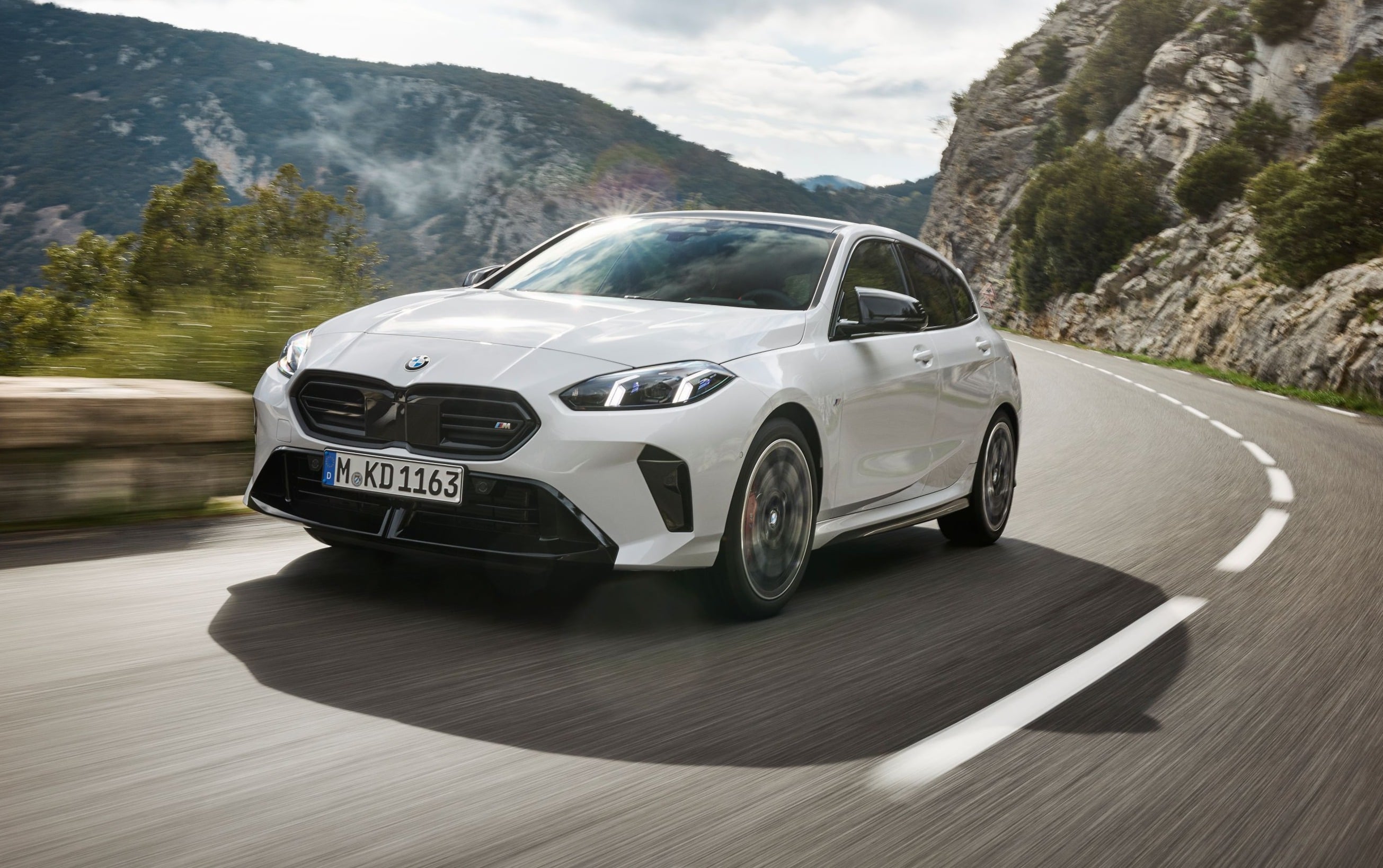
Current LCT thresholds are set to increase from July this year, in line with annual indexing linked to the Consumer Price Index as an indicator of inflation. LCT is calculated across two categories, with fuel-efficient vehicles (those that use under 3.5L/100km of fuel) and non-fuel-efficient vehicles calculated at a different rate.
LCT is charged at 33 per cent on the value above the respective threshold. In the current 2025-2026 financial year, non-fuel-efficient vehicles are taxed on their value above $80,567. For fuel-efficient vehicles, the threshold kicks in above $91,387.
From July 1, 2026, those thresholds will rise by $242 for non-efficient vehicles to $80,809. Fuel-efficient vehicles have a $274 higher threshold, starting from $91,661.
The revised thresholds increase by only $82.20 and $72.60 respectively, making them the smallest annual adjustments to the fuel-efficient and standard caps since 2016 and 2008.
As part of the newly proposed European Free Trade Agreement, the higher threshold from 2027 would not be applied to luxury vehicles universally, and creates a third category for LCT calculations.
The change means that zero-emission vehicles from Europe will have a rate separate from low-emission vehicles (those which use up to 3.5L/100km), essentially separating EVs and PHEVs into different categories. Vehicles sourced from regions like China, Japan, the USA, or other areas outside of the European Union will be subject to next year’s regular LCT adjustments, with no distinction between zero- and low-emission vehicles for taxation purposes.
Automakers are yet to reveal how they plan to integrate the LCT change into their pricing structures of applicable vehicles, with the final pricing adjustments and potential savings calculations to be calculated based on next year’s regular LCT indexing.
For a small subset of buyers, however, the change will be significant enough that sales are likely to be impacted on applicable models in the lead-up to the changeover.
ANCAP (the Australasian New Car Assessment Program) has revealed new safety ratings for vans under its Commercial Van Safety Comparison program, including the new Kia PV5 Cargo. Undertaken as a parallel consumer information program to ANCAP’s traditional star rating program, the Commercial Van Safety Comparison was designed for consumers and fleets to compare the availability and performance of advanced driver assistance systems (ADAS) across the commercial van market (NA and NB category vehicles).
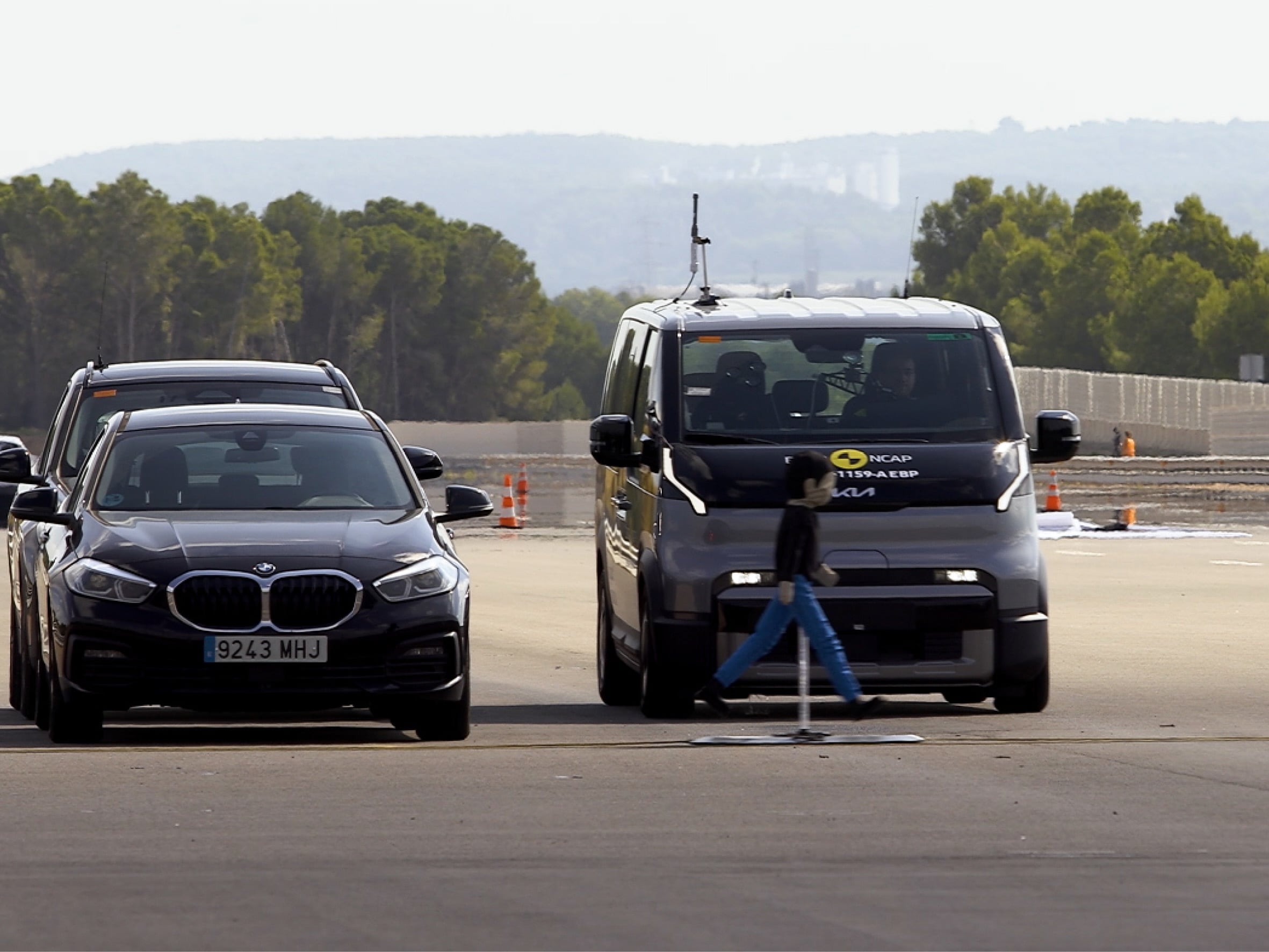
The new Kia PV5 Cargo, which is about to be released in Australia, is the newest model tested under the program and was awarded a 91 per cent or platinum rating. According to ANCAP, its testing showed the PV5 provided good levels of performance across the majority of autonomous emergency braking (AEB), lane support, and speed assistance test scenarios.
Adequate performance was observed in AEB scenarios involving pedestrians, while it lost points for not being available with automatic braking in reverse.
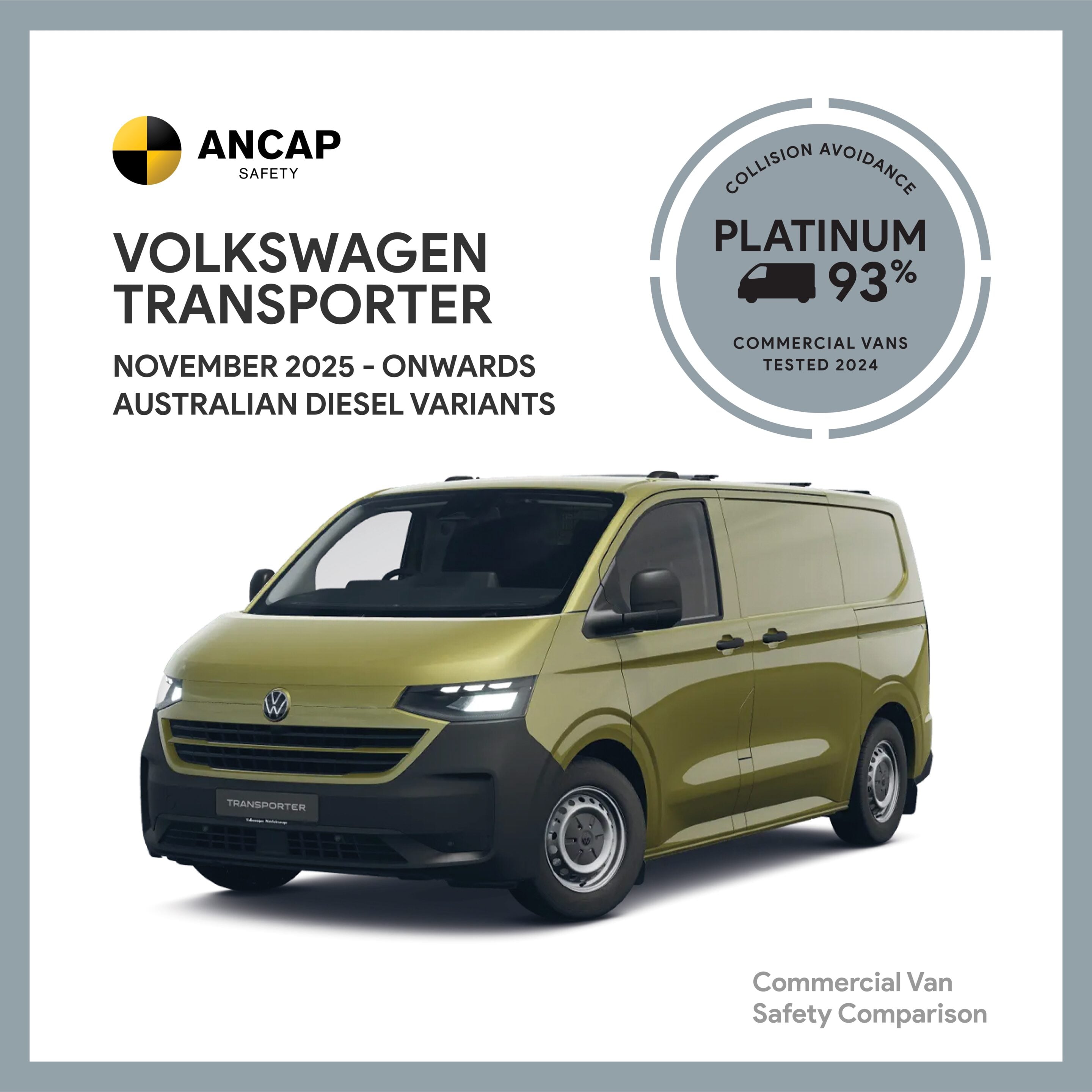
While the PV5 is the newest van on the block, it didn’t score quite as high as the Volkswagen Transporter (and the related Ford Transit Custom), which earned a 93 per cent or platinum rating. ANCAP said that its assessment of the Volkswagen Transporter confirmed good performance across all areas and unlike the PV5, it features reverse automatic braking.
The latest generation Transporter improved on the result of the previous model, which achieved a silver grading when assessed in 2022.
Under the latest release, the Fiat Scudo recently reintroduced to the Australian market earned an ANCAP safety grading for the first time, achieving a gold level of active safety performance (67%). As with all other vans in this latest assessment batch, the Scudo is equipped with autonomous braking, emergency lane keeping, blind spot monitoring, speed assistance, and a driver monitoring system. Its performance across these systems, however, was mixed – offering reduced overall capability to that of the Kia PV5 Cargo and VW Transporter.
Other new scores given by ANCAP for the Commercial Van Safety Comparison included the Peugeot Boxer and Fiat Ducato twins, which were given a gold or 77 per cent rating.
Highest-rated vans under ANCAP Commercial Van Safety Comparison:
- Volkswagen Transporter/Ford Transit Custom and Ford Transit: 93%
- Kia PV5 Cargo: 91%
- Toyota HiAce, Hyundai Staria Load and Mercedes-Benz Vito/eVito: 90%
- Mercedes-Benz Sprinter/eSprinter: 89%
- LDV Deliver 7: 86%
- Farizon SV: 84%
- Volkswagen ID. Buzz Cargo: 80%
- Peugeot Boxer/Fiat Ducato: 77%
- Fiat Scudo: 67%
Toyota is set to revive the MR2 formula, having confirmed earlier in 2026 that an affordable mid-engined sports car is under development.
The latest news to filter through about the new model, as revealed by Auto Express, reveals that Toyota’s open-air testing of the mid-engine platform will result in a major change to the new model, compared to the three generations that came before it.
With a modified version of the GR Yaris, called the Concept M, converted to a mid-engine layout, Toyota has been actively prototype testing the next MR2 in Japan’s Super Taikyu racing series.
The latest information to surface reveals that, as expected, the new mid-engine car will be powered by Toyota’s new ‘G20E’ 2.0-litre four-cylinder turbo petrol engine. In racing trim, the new engine produces up to 370kW, although production versions are expected to sit closer to 300kW in flagship GR cars.
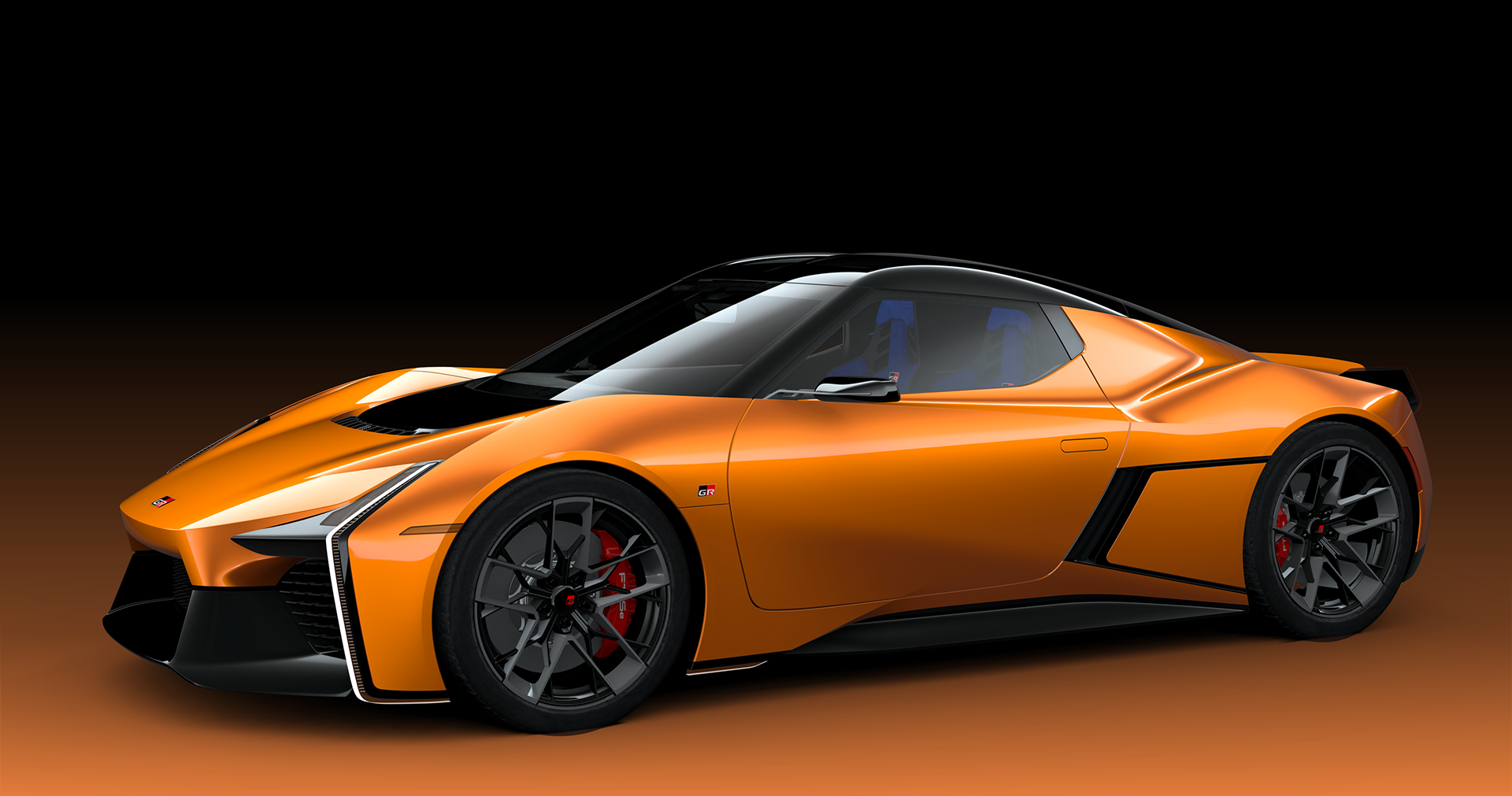
The eye-opener, for the new MR2, is confirmation that, unlike its predecessors, the fourth-generation MR2 will adopt all-wheel drive to help it harness the new engine’s power. The chief engineer of Toyota’s GR performance car division, Naohiko Saito, is reported as saying that “This layout is new for us, but we have found in our initial testing that the combination of an all-wheel-drive mid-ship layout offers the best layout for high-performance driving”.
The new engine is set to appear not just in the MR2, but also become the basis for other future GR models, like the next-generation GR Corolla. Its larger capacity gives Toyota greater tuning freedom compared to the current size-restricted G16E 1.6-litre three-cylinder, which was designed with WRC homologation in mind.
As with its predecessors, the next MR is tipped to retain a transverse engine layout. A format similar to the Lotus Emira, but distinct from other all-wheel drive mid-engine cars, like the Lamborghini Temerario, which use a longitudinally-mounted mid-engine layout.
The lowlight among these latest details is that the new 2.0-litre, mid-engine, all-wheel-drive MR2 has been designed to pair with a version of the eight-speed automatic already available in the GR Yaris and GR Corolla, rather than a six-speed manual.
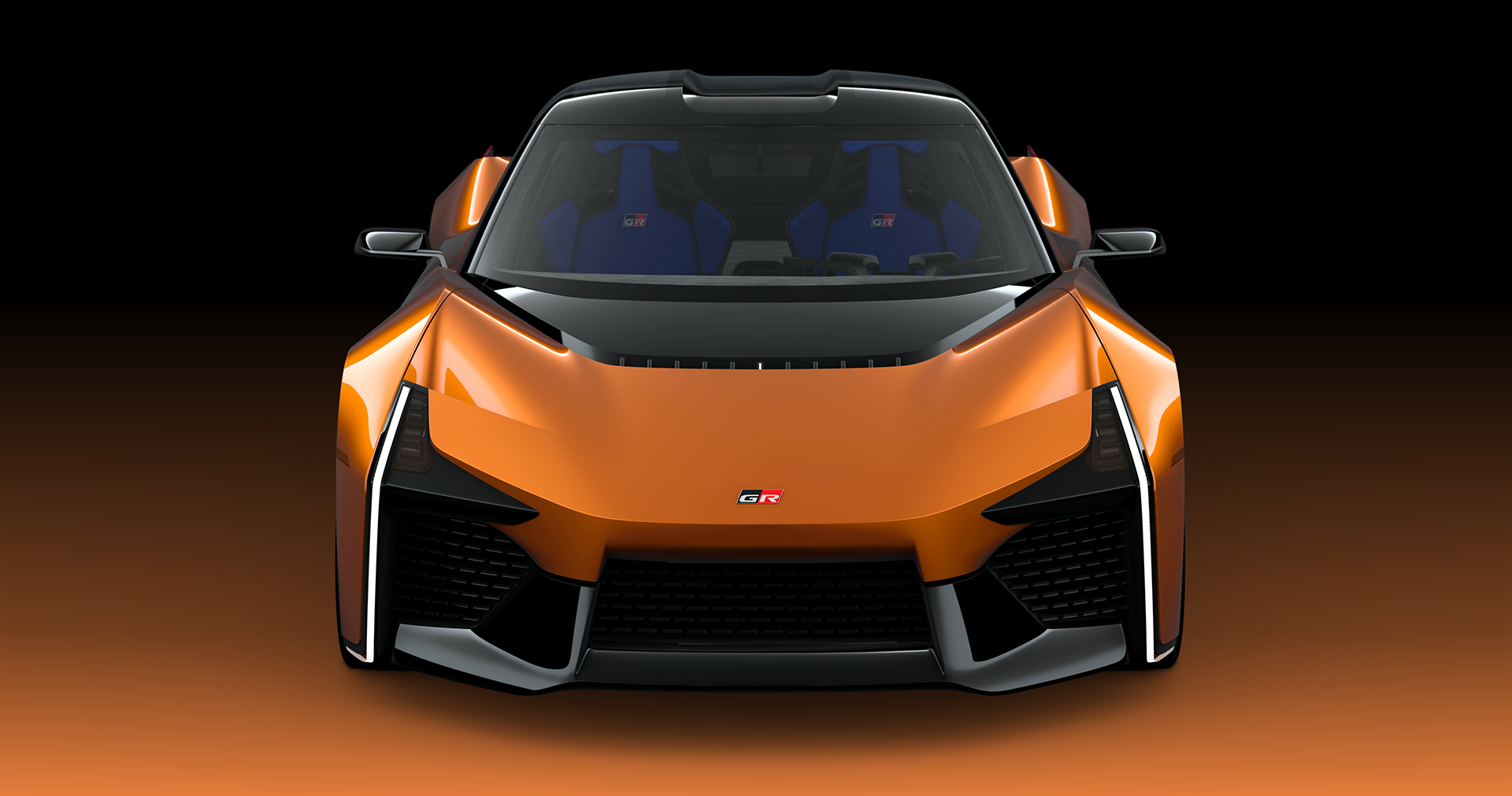
Styling for the new mid-engined sports car is expected to adhere to the design first proposed for the electric FT-Se concept (pictured here) in 2023, despite the switch to a combustion powertrain.
While this latest information provides a glimpse of what to expect from the new MR2 when it finally reaches production, Toyota is still no closer to formalising an expected timeframe for the new model’s arrival.
Mazda undoubtedly knows a thing or two about selling medium SUVs in the Australian market, with more than 330,000 CX-5s sold here and more than 20,000 current customers having owned more than one CX-5. So, Mazda’s sales leader is as popular as it is attractive the second time around.
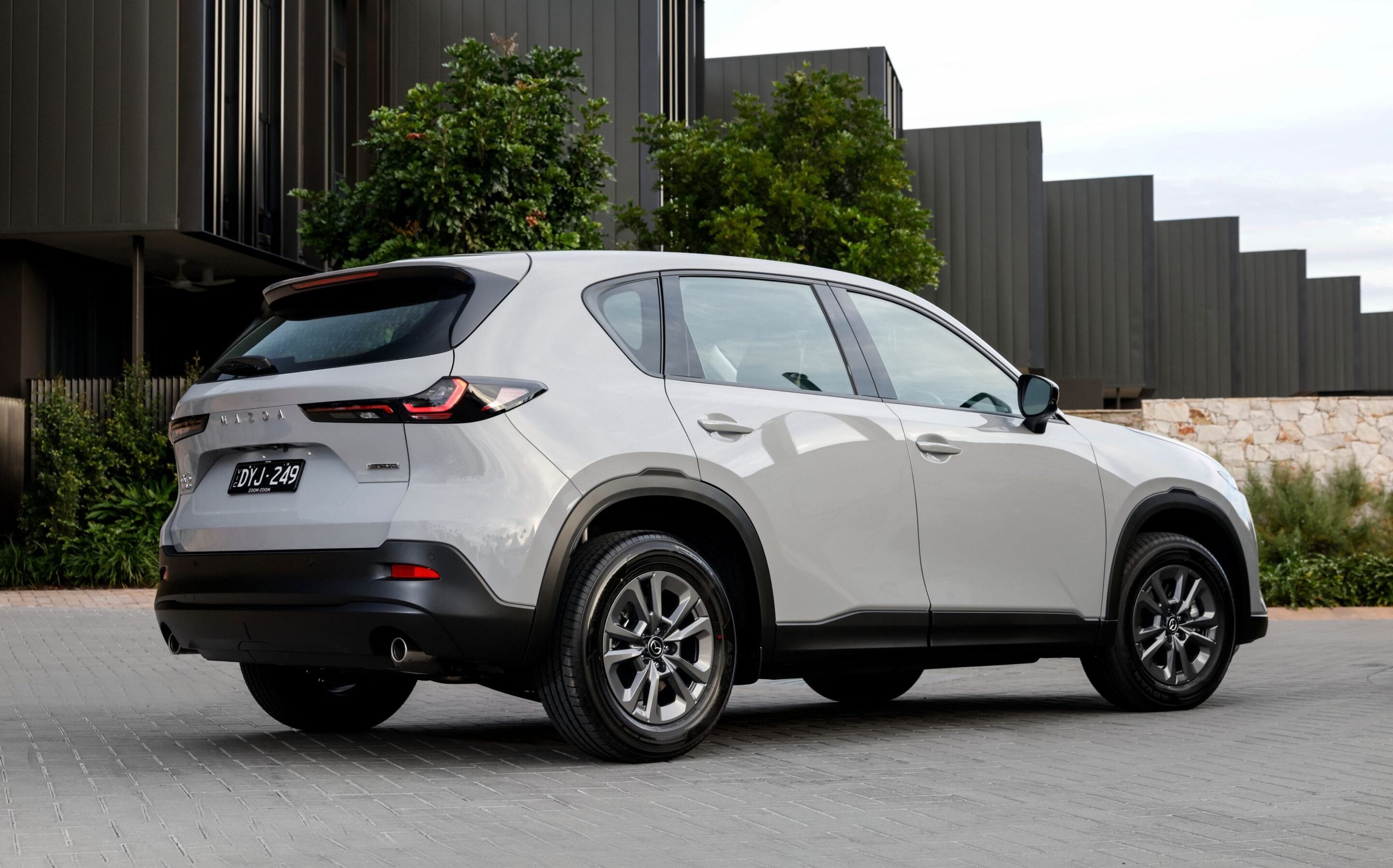
Making up approximately 25 per cent of Mazda’s Australian sales – and topping the brand’s sales charts for the last seven years running – the CX-5 (below) is once again projected to crest 25,000 sales in 2026, with the outgoing model and new model combined.
But can that success be sustained in the face of increasing competition – specifically from China but also elsewhere? Mazda Australia’s boss, Vinesh Bhindi, reckons the current sales climate is a reflection of how it’s always been in Australia.
“When you go back in time, there are always others available that are cheap, or cheaper,” Bhindi told WhichCar by Wheels. “But Australians do understand the economics, and how purchasing a car works – that other implications outside of the sticker price should be taken into consideration.”
Bhindi reiterates that those ‘other implications’ should be taken into account before the purchase of something as expensive as a motor vehicle.
“The support, the warranty, the resale value, and the feeling… if you do want a Mazda drive, you’re only going to get it from a Mazda, not from any other product that’s around,” Bhindi said. “So there are customers who are still in tune with that thinking. We have to continue to make sure that our value package remains right, not over, not under, but we have to offer something that is different.”
That point of difference, according to Mazda, is in the range of vehicles you can access with its badge on them. While it’s unlikely sedans will have a resurgence similar to that seen in the USA of the last 12 to 24 months, Mazda will continue to offer cars like Mazda 2 and Mazda 3 which are still attractive to Australian buyers if not as popular as they once were.
“We haven’t gotten any indication that there will be a resurgence, but it won’t dip any further,” Mazda Australia Director of Sales and Marketing, Jarrod Gieschen said.
“There’s a market for those cars, but there are really different reasons for why people have made those choices,” Bhindi said. “And our plan is to offer as much choice as we can.”
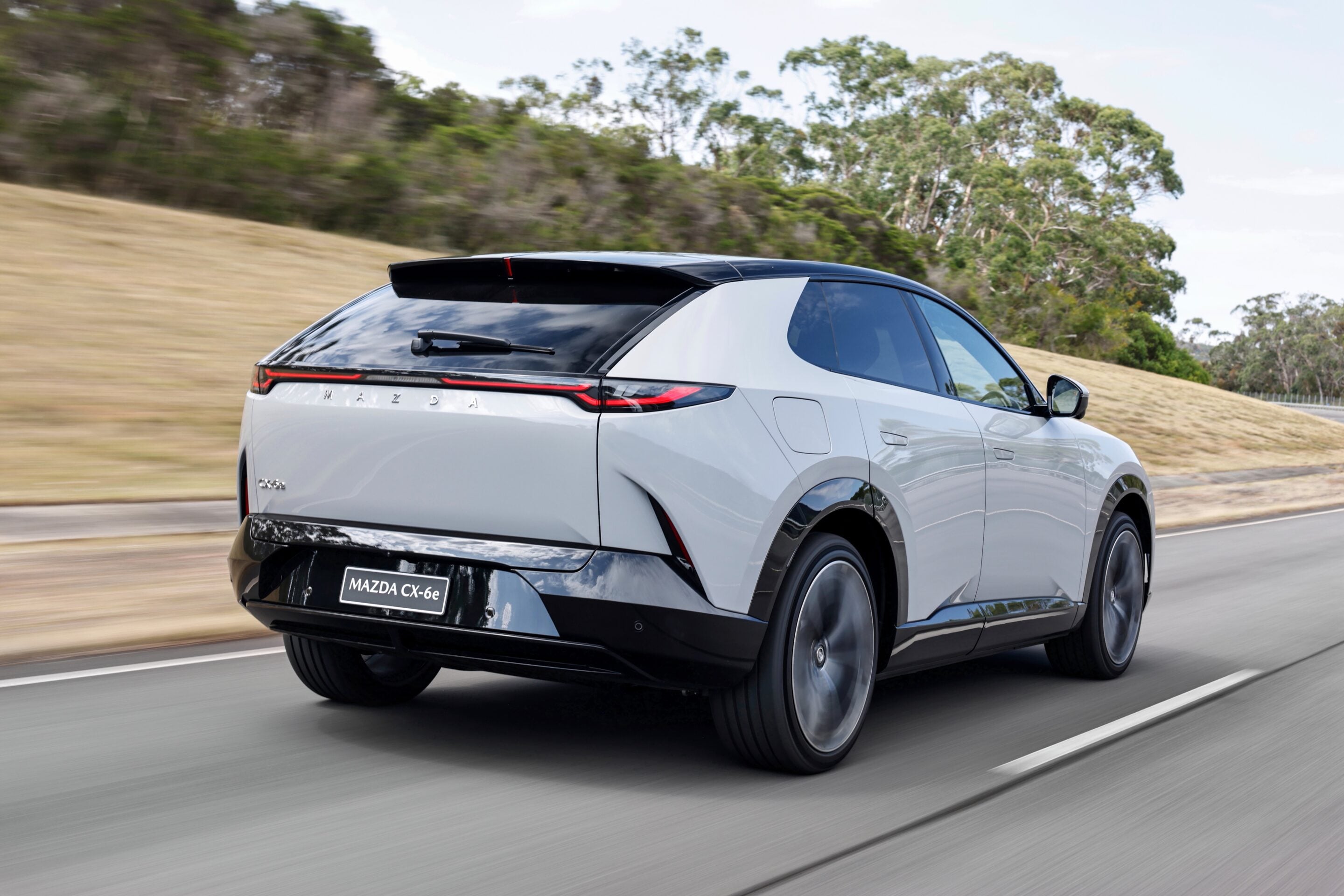
The addition of two soon-to-be released electric vehicles, the 6e and CX-6e (above), will again broaden that choice within the Mazda showroom.
“It’s been really interesting with 6e and CX-6e, where the 6e has appealed more to our traditional database (of owners), whereas the CX-6e has been new customers to the brand,” Gieschen said.
“So it just goes to show that Mazda, with our history of passenger cars, is still obviously appealing.”
For many Australians, the Mitsubishi Magna was more than just a family car. Built locally and engineered with Australian conditions in mind, it earned a reputation for practicality and value for money. As a result, over 750,000 units were built over its 20-year production span. While the nameplate sadly disappeared in 2005, it still holds a special place in the hearts of enthusiasts and former owners alike, with many enthusiast events still taking place each year celebrating Mitsu’s homegrown Australian icon.
But what if the Magna were still produced today? Well, isn’t this what AI is for? We’ve imagined what a modern-day Magna range might look like in 2026, from an affordable LS sedan to a flagship VR-X wagon.
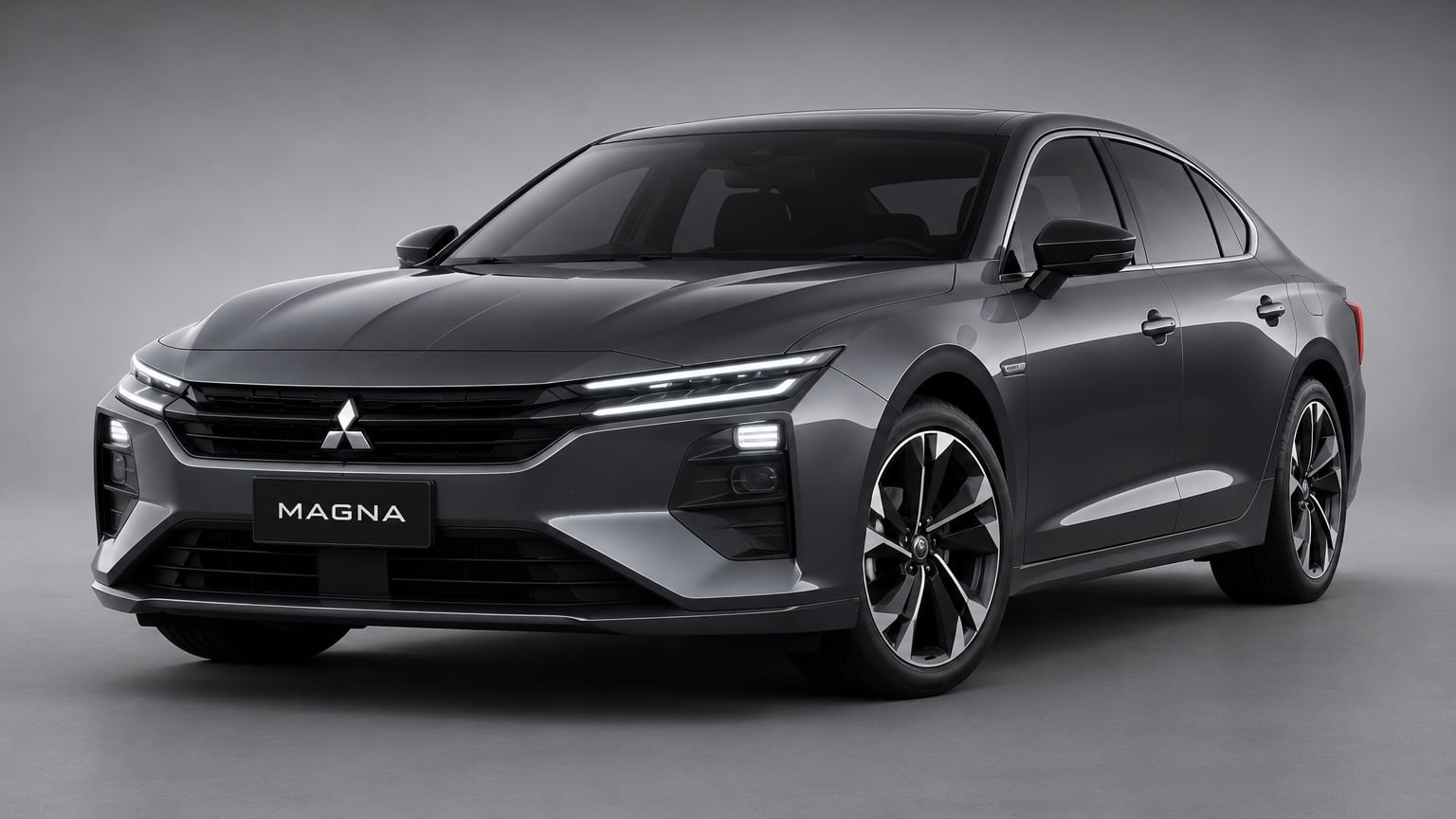
We have to say that AI delivered the goods when designing a 2027 Magna. It looks sharp, modern and like a current Mitsubishi product, with sharp headlights and a big grille. AI rendered both sedan and wagon versions of the Magna, as both bodystyles were big parts of the line-up throughout its life.
Both the sedan and wagon look somewhat European, with great proportions and detailing. AI designed the sedan and wagon in Exceed Tourer specification, which would be the luxury model in the line-up. As such, they feature large 19-inch wheels, LED exterior lighting, panoramic roofs and long wheelbases for plenty of rear seat legroom.
Under the bonnet, given the current Australian new car market, electrification would be the central drivetrain propulsion choice. Overseas, Mitsubishi sells the Outlander medium SUV with a mid-hybrid 1.5-litre turbo-petrol engine, so that could be the drivetrain choice for the entry-level models.
Above that, we would likely see a full-hybrid system, potentially the 1.8-litre hybrid drivetrain used in some Renault products, and above that, the 221kW 2.4-litre plug-in hybrid found in the Outlander PHEV. Could that be turbocharged for a return of the Magna Ralliart? Let’s hope so.
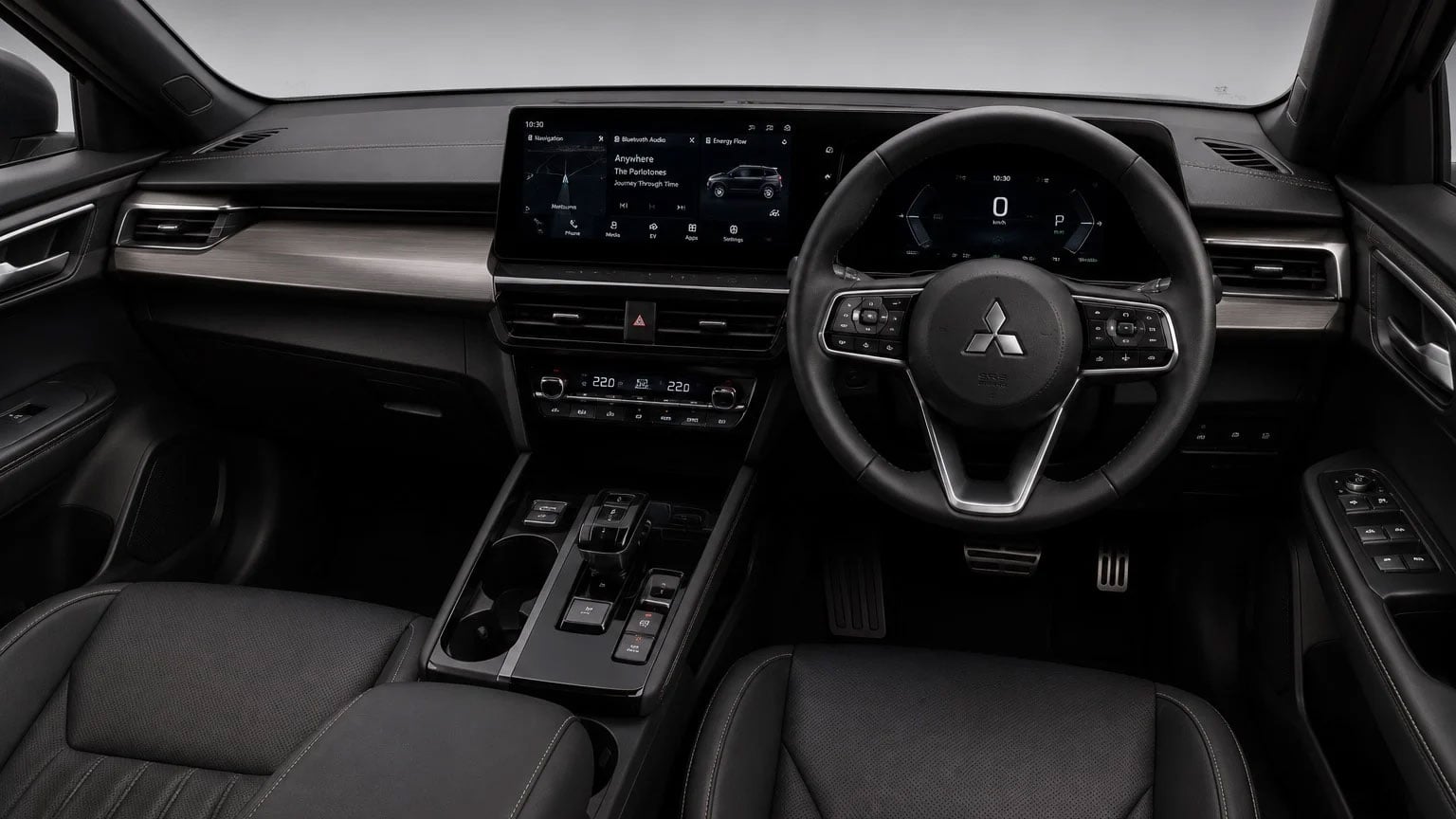
Inside, AI has rendered a classy and high quality cabin for the 2027 Magna range. Shown in both Exceed (black) and Exceed Tourer (tan) models, the dashboard layout takes from the Mitsubishi Expander that’s not sold in Australia with a joined panel featuring both a large infotainment screen and a large digital driver’s display.
The steering wheel takes from the Triton with a nice leather finish and buttons for features like the cruise control, while below the touchscreen is a dual-zone automatic climate control and a centre console with storage, cup holders, the gear selector and parking brake.
The new Magna’s rear seat looks huge, with ample space for taller adults, and it’s well featured with kit including a separate climate zone, heated seats, air vents and a central arm rest. The wagon’s boot measures over 600 litres with the rear seats up and over 1800 litres with the rear seats folded, and we’re sure the sedan would be quite practical for that body style.
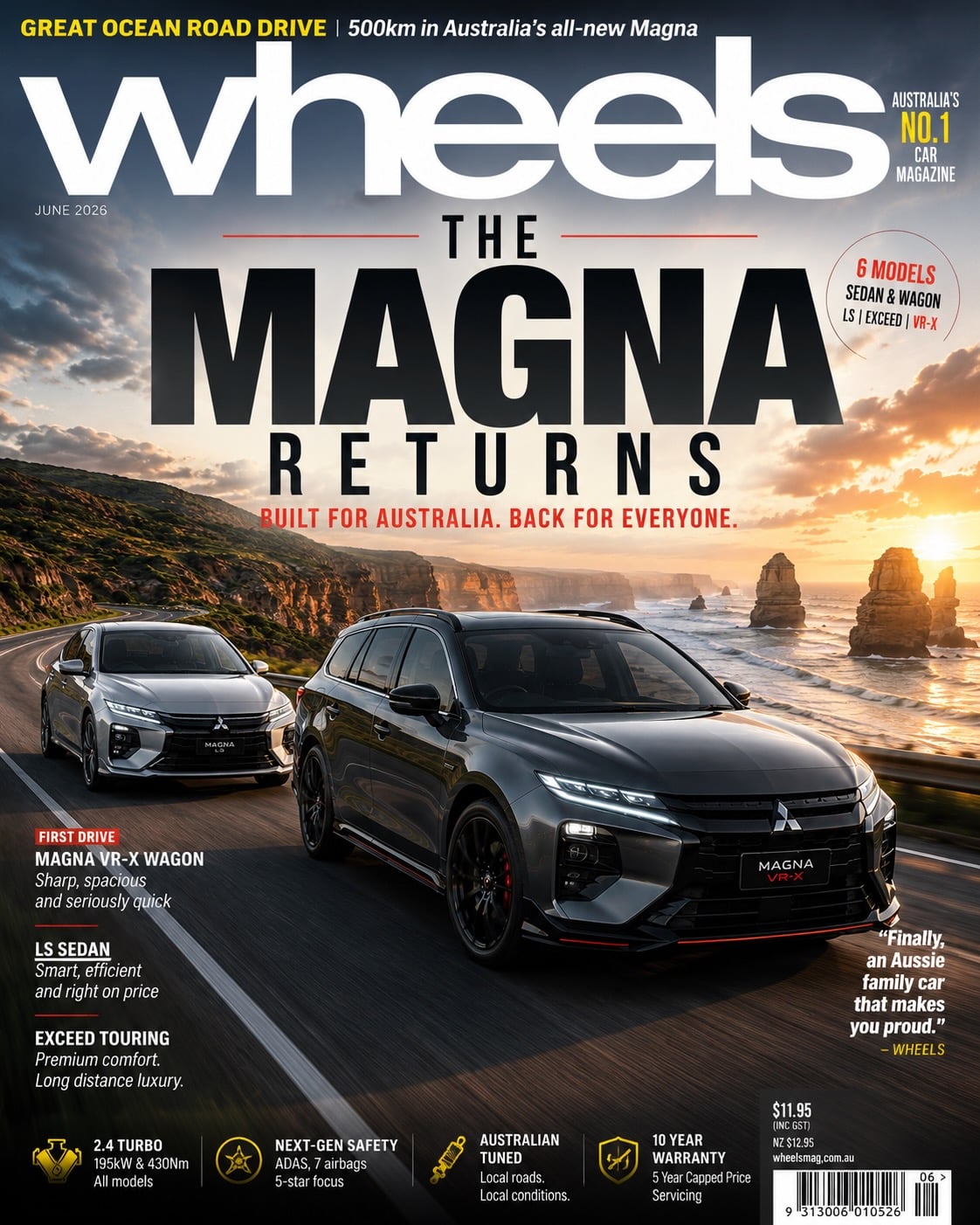
AI also rendered a Wheels-style cover for our enjoyment showing both the VR-X wagon and LS sedan driving along the Great Ocean Road, which looks really cool. Plus, it also rendered the same cars with the Sydney Harbour Bridge in the background for a “distinctly Australian flavour.”
Unfortunately, there is almost zero chance that we’ll ever see the Magna ever produced again. But these renders give us a look into a future that still offers Australian made products, as well as a Mitsubishi line-up that isn’t dominated by SUVs. One can only hope that happens again someday.
Honda will not leave the product gap left by its cancelled EVs empty for long, with the announcement that a new multi-energy platform will take its place.
As part of its financial reporting, Honda revealed that it will introduce a new platform, with a focus on the North American market, that will be EV-capable but with the flexibility to offer all-electric and hybrid electric versions.
In March this year, the Japanese company announced that it was cancelling plans for three dedicated EVs and subsequently, Sony’s EV plans, based on the same underpinnings, were also later announced as cancelled.
At the time, Honda cited changing market conditions and concerns about profitability. The move comes as a result of continued changes in the North American market, led by shifting regulations and emissions targets in the United States.
“The market could change depending on the Trump administration over the next two and a half years and the outcome of the November midterm elections,” Honda president Toshihiro Mibe said.
“We are studying systems and next-generation EV concepts that would work no matter which way things evolve.”
The new platform appears to be a stand-alone architecture, distinct from Honda’s existing plans for an all-new hybrid system and platform, which is set to spawn 15 new models for the brand between now and 2030.
Honda’s new hybrid platform aims to reduce production costs by 30 per cent and improve fuel efficiency by 10 per cent.
Details of the new multi-energy platform that will underpin future electric vehicles have not yet been published. Honda calls its new architecture a ‘highly competitive EV hardware platform’, which hints that it could result in products that prioritise electrification, including EVs and extended-range plug-in hybrids.
Honda announced that its new platform program was designed to “address country-specific differences”, pointing to the changing landscape between the brand’s key markets and the role varying emissions and electrification mandates play in shaping future products.
Honda’s previously stated target of becoming carbon neutral by 2050 will see hybrids take a leading role in the near-to-mid term. Honda is set to introduce hybrid versions to all model lines in the brand’s portfolio.
Product plans for North America include the introduction of a hybrid system on engines up to 3.5-litres, opening the door to more efficient versions of Honda’s large Pilot and Passport SUVs and Ridgeline pick-up.
Audi has taken the wraps off the third-generation Q7 large SUV, which has been made larger and even more luxurious than before. There’s a whole host of new features, including trick lighting tech, self-closing doors and a range of mild-hybrid drivetrains.
One of Audi’s biggest-selling models globally since its original debut in 2007, the Q7 has debuted just ahead of the next BMW X5 and will launch in Australia before the end of 2026.
Using the same design language as other new Audi SUVs like the smaller Q5 and Q3, the new Q7 uses a split headlight front end and large grille that’s illuminated for the first time. The headlights feature optional Digital Matrix tech with 25,600 micro-LEDs that not only use adaptive high beam functionality but can also light up pedestrians to make them more visible to the driver.
There are also optional OLED tailights that can switch lighting patterns and also automatically switch to warning symbols if somebody is getting too close. With both lighting units ticked, there’s also a new turn signal system that projects the symbols onto the ground to make the car’s intended direction more obvious to those around it.
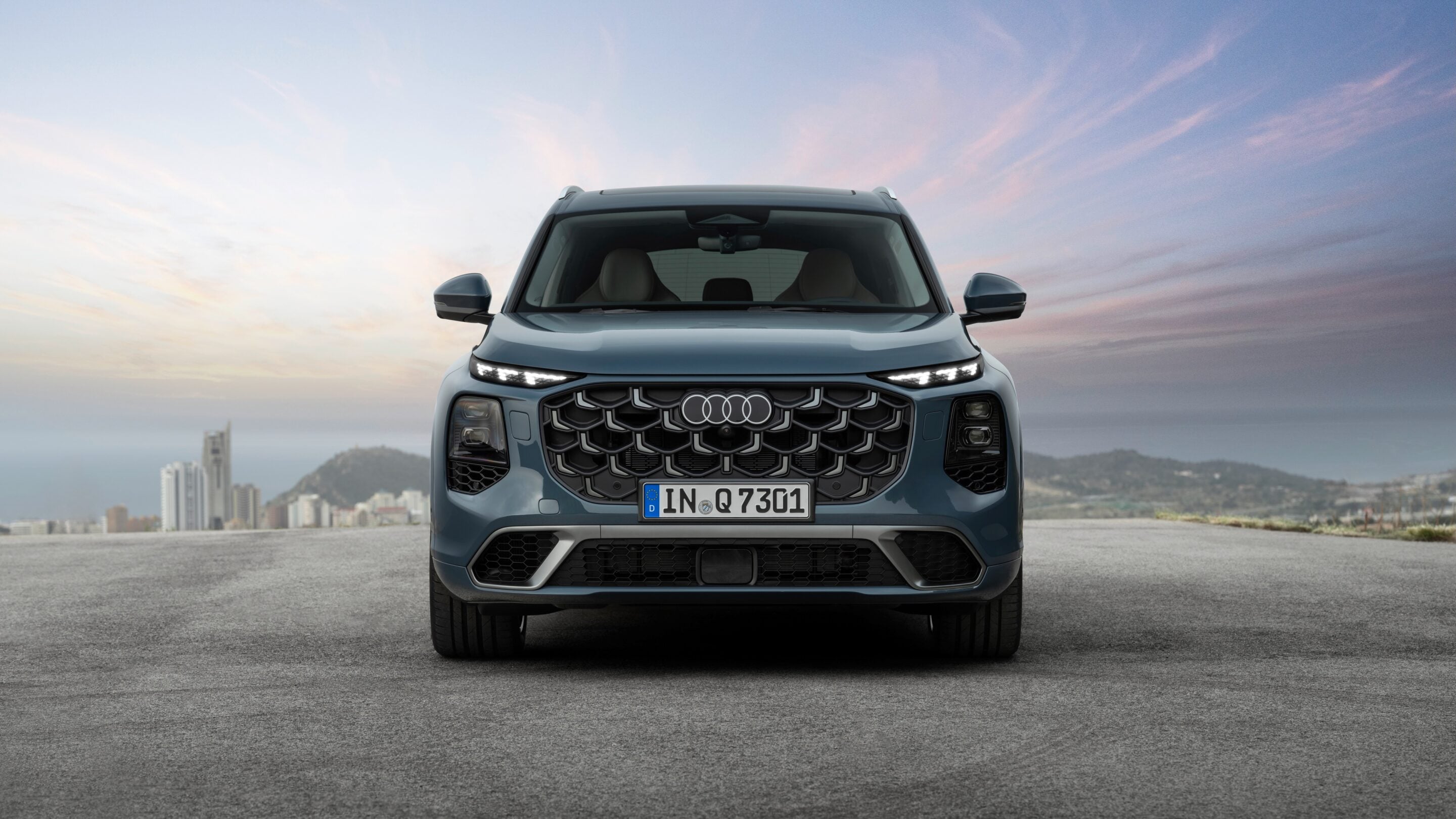
Larger in every direction than the previous Q7, the new model measures 5056mm long, 2010mm wide and 1800mm tall, making it 4mm longer but a significant 42mm wider and 59mm taller than before. The extra boxiness in the rear end is noticeable compared with the previous model, as is the new extra width: The new Q7 looks noticeably more planted.
Adding to the planted look are new alloy wheel designs, which start at 20-inches in size, with three 21-inch and four 22-inch designs available. For those wanting the largest size, factory 23-inch wheels are available for the first time, and six-piston 400mm front and 350mm rear brakes are standard. Other cool tech for the exterior includes automatic doors, much like in a Rolls-Royce, and an opacifying panoramic glass roof.
Inside, the new Q7 uses a similar dashboard layout to the Q3 and Q5, though its materials are more high end and luxurious than before. As we’ve seen in other new Audi products, screens make up a big portion of the interior: The driver’s display measures 12.3-inches, and the central touchscreen 14.5-inches, and both are integrated into a single curved display. In addition, there’s also an optional third display for the front passenger.
The centre console is wide and features two wireless phone chargers with magnetic pads to hold devices in place, while there is also a variety of new trims and upholsteries such as open pore wood and soft cloth around the cabin. A new 22-speaker Bang & Olufsen 4D sound system will be optional, this time featuring speakers in the front headrests for passengers to really experience the music.
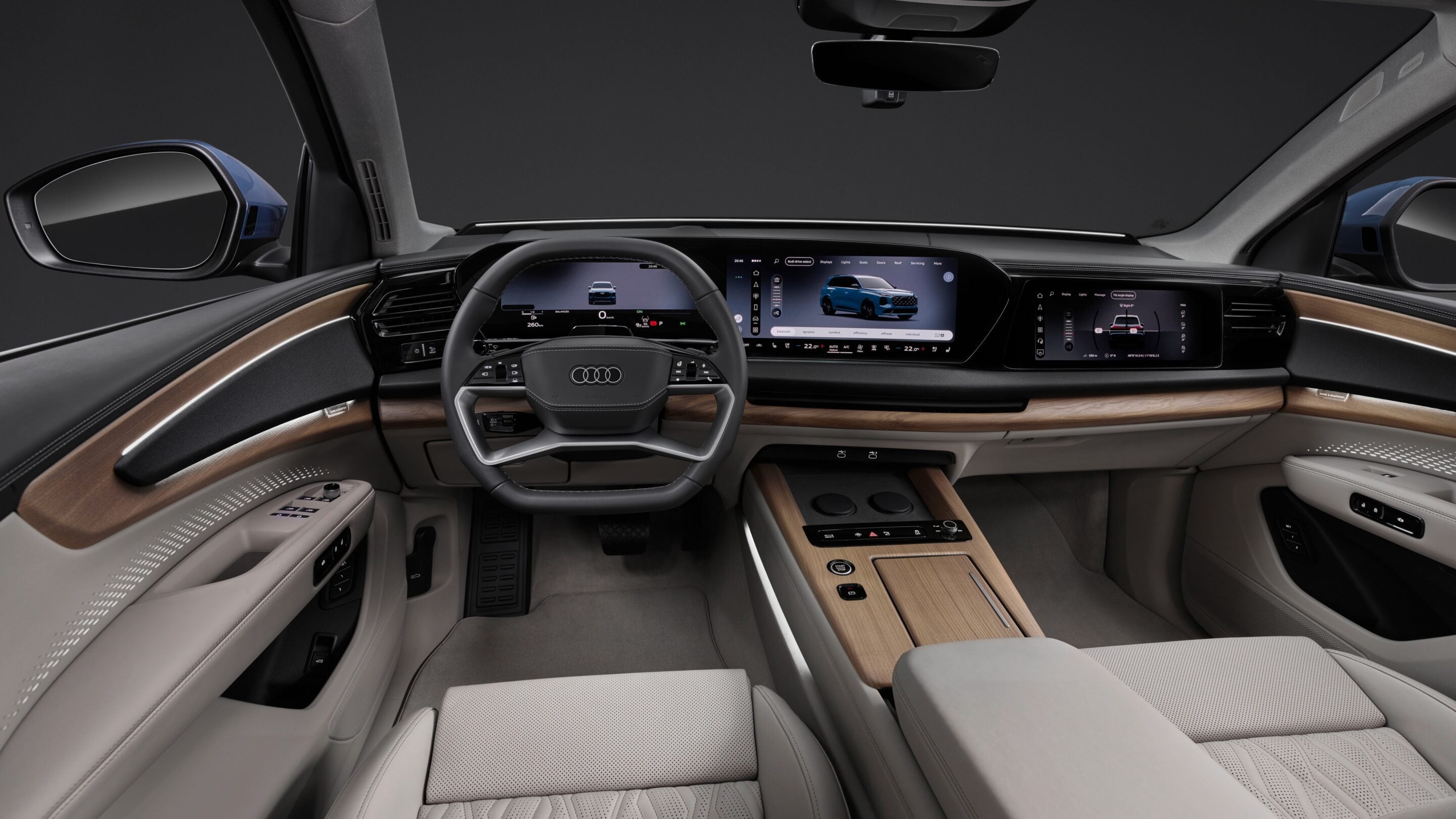
Overseas, five-, six- and seven-seat variants will be available and Audi quotes boot spaces figures from between 722-litres with the third row folded (in the seven-seat model) to 2075 litres with all rear seats folded (in the five-seater). All rear seats are electrically operated, and they also all feature ISOFIX child seat points.
Drivetrains are yet to be announced for Australia, but European models use a 3.0-litre V6 turbo-diesel engine with mild-hybrid tech in either 180kW/500Nm or 220kW/630Nm tunes. North American models use a 2.9-litre V6 turbo-petrol engine making 320kW, and there’s also a 4.0-litre V8 turbo-petrol making 441kW in the SQ7, enabling it to sprint to 100km/h in under four seconds. A plug-in hybrid is also due to be added somewhere in the future.
The current Q7 is available with both petrol and diesel V6 (as well as petrol V8 in the SQ7) engine options in Australia, so we’re expecting all of the above to be offered locally.
Pricing and specifications for the new Audi Q7 will be announced closer to its Australian arrival, which is due before the end of 2026.
Mazda is about to release an updated version of its popular CX-5 medium SUV but much of the commentary around the event has focused on the lack of a hybrid option for the model, given the growing relevance of the form for fuel-conscious Australians.
In response, Mazda Australia boss, Vinesh Bhindi, told WhichCar by Wheels back in March that the brand’s delay in doing so is to preserve the true Mazda drive experience valued by its customers.
“Look, we would love to have a hybrid today, and to talk to you about it,” Bhindi said. “But what was on the table as an option… we felt like Mazda needs to create a Mazda hybrid system that will deliver the Mazda feeling.”
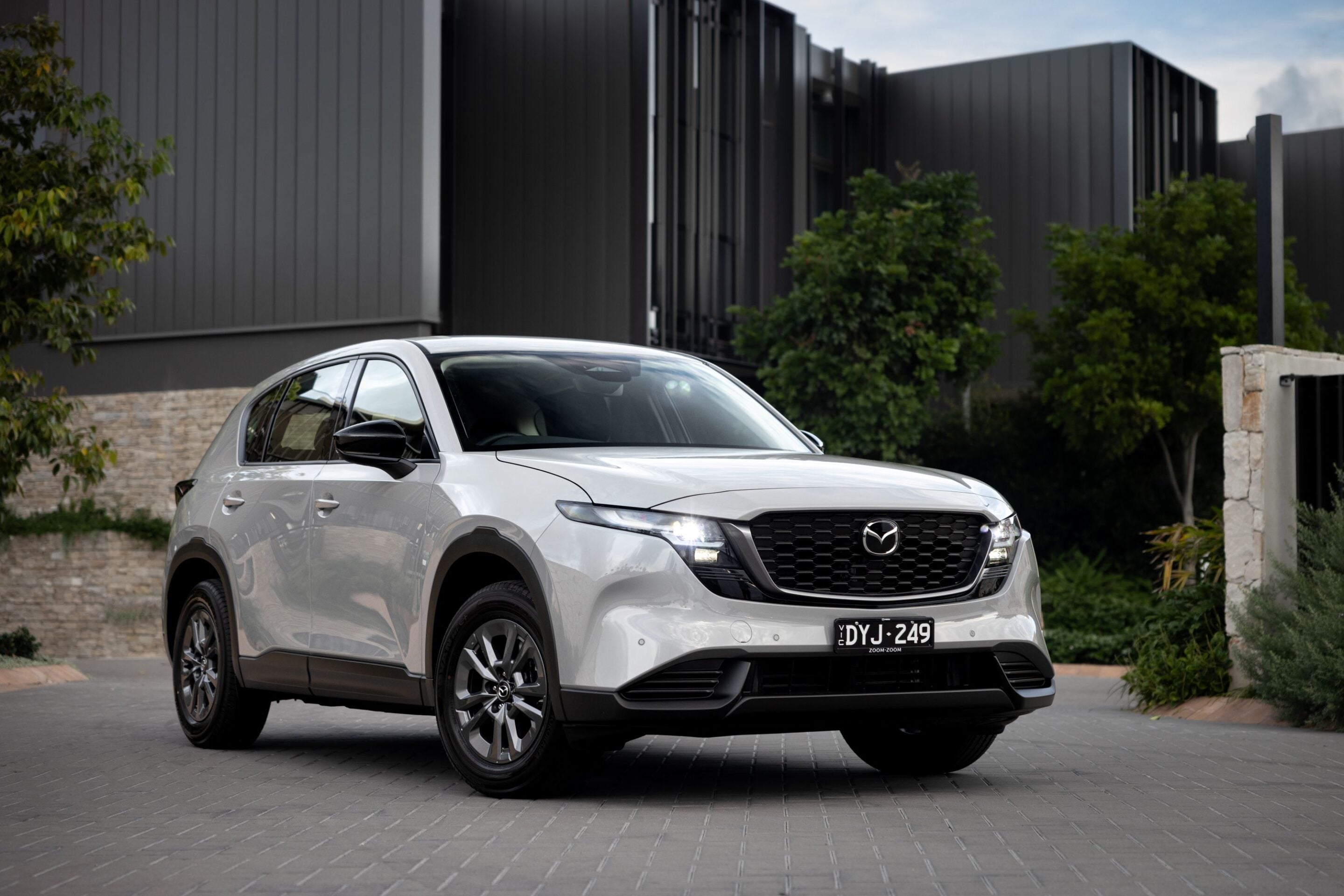
The statement was recently backed up by Mazda’s Program Manager for the CX-5, Koichiro Yamaguchi, during his visit to Australia for the first drive of the revised 2026 Mazda CX-5.
“I think the customers will care,” Yamaguchi told WhichCar by Wheels, when asked if Mazda buyers would actually be concerned whether their CX-5 “drives like a Mazda”. “For example, I told my engineers with this new CX-5, with the dampers, that they must behave and respond in a way that we see as the world’s best.”
According to Yamaguchi, that will deliver the kind of response and engagement that is synonymous with driving a Mazda.
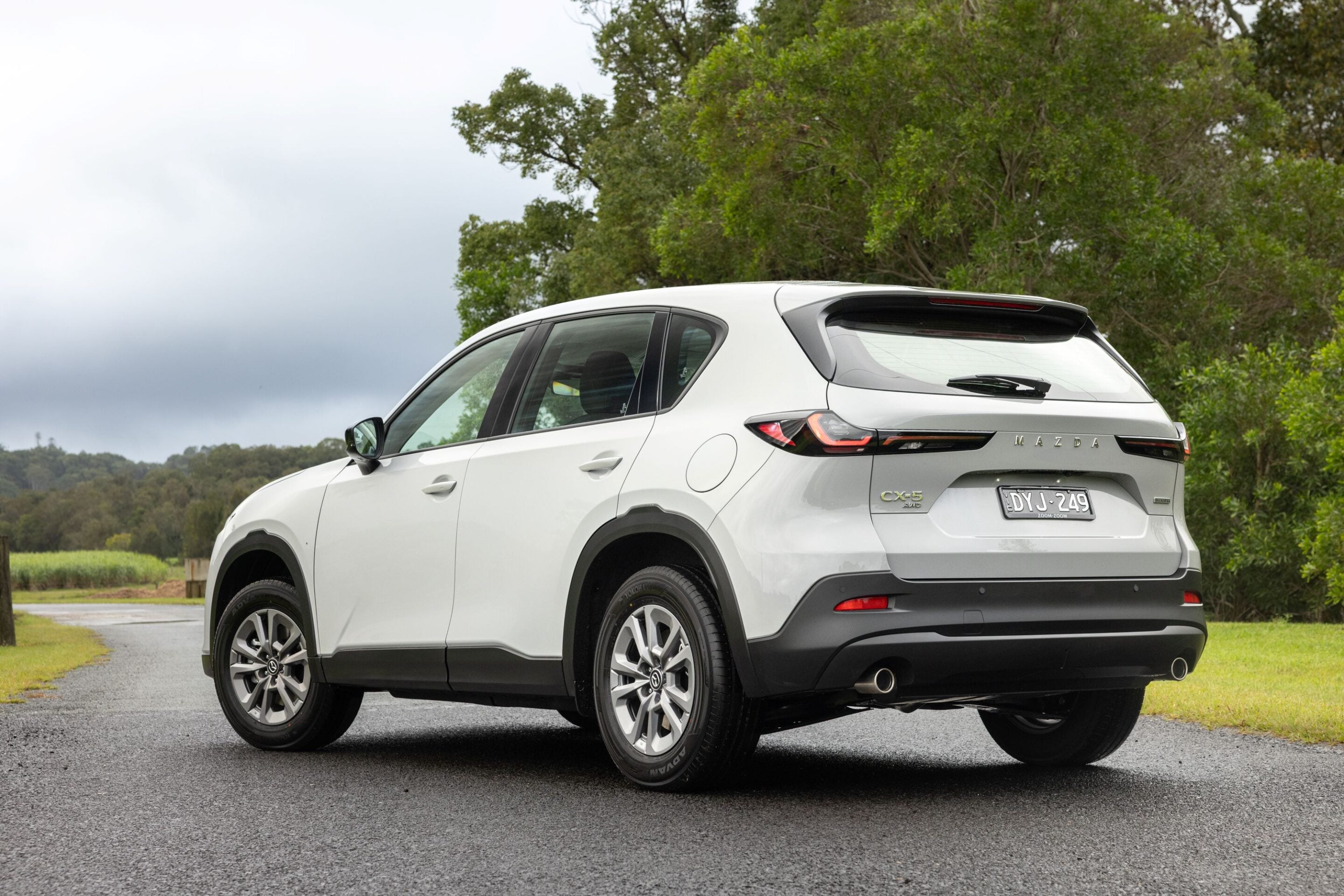
Bhindi, who has driven the Mazda-developed CX-5 hybrid prototype, was keen to emphasise that a Mazda hybrid might not be what we expect it to be – certainly in the traditional sense.
“Not all customers say we want a particular technology… so there are opportunities, and from a Mazda point of view, the hybrid will come and will join the portfolio,” Bhindi told WhichCar by Wheels. “But we have got many variations currently for a customer who says, ‘I want a midsize SUV.’
“We will have the CX-5 here as brand new, we will have the CX-6E in a few months time, but we also have a CX-60 with both pure internal combustion, mild-hybrid and plug-in hybrid. So the options are there under CX5… the hybrid will come.”
The link between Mazda and Changan Automobile has already borne fruit in the form of the soon to be released electric 6e and CX-6e. Could Mazda not have opted for an engineering or platform-sharing arrangement to bring a hybrid CX-5 to market sooner?
“One option was there for Mazda Corporation to plug and play, buy an off-the-shelf hybrid system and be done with it,” Bhindi said. “But… customers really care that it needs to feel and drive like a Mazda. And that option was given to markets, and we all said no, [let’s] spend the time and resource and energy to make it feel like a Mazda drive for the customer. That’s what we’re doing.”
The response suggests Mazda is looking at hybrid a little differently to its Japanese and South Korean competitors who have, thus far at least, considered the technology to be wholly about fuel saving. That’s in contrast to a manufacturer like Lamborghini, which looks at hybrid technology as a way to prolong its internal combustion engines, and make a fast car, even faster. It’s news that could even be exciting for the next generation of sporty Mazdas – like MX-5.
“Driving the prototype only a little while ago, I’ve got to say, it’s going to be amazing.,” Bhindi said. “And it’ll be different. It’s not about hybrid [focusing] on fuel efficiency and fuel efficiency only. Mazda is not going for that – Mazda is going for something that Mazda customers will appreciate.”
Chinese automaker BYD has set itself the goal of becoming the world’s largest car brand within five years.
At the company’s annual general meeting recently, BYD chairman and president, Wang Chuanfu, declared the brand’s intention as part of its continuing growth plans, CarNewsChina reports.
Based on 2025 production numbers, BYD currently sits in seventh place – the highest of any Chinese car company, with 4.6 million units sold, up from 4.27 in 2024. Ahead of it sit Ford (4.65m), Stellantis (5.6m), General Motors (6.18m), Hyundai Motor Group (7.27m), Volkswagen Group 8.98m), and Toyota tops the list with 11.32 million vehicles.

The ambitious five-year growth plan would mean BYD would need to more than double its capacity to surpass the likes of Toyota and Volkswagen outright, although the calculation more than likely includes conquest sales from other brands ahead of it on the list.
The growth wouldn’t be entirely unprecedented, with BYD having increased global sales by over 144 per cent since 2022, from a reported 1.88 million in 2022, its first year on the top 10 list, up to 4.6 million for 2025.
For now, BYD is the only Chinese automaker inside the top 10, with Chinese rivals Geely and Changan ranked in 11th and 12th place in 2025.
According to Wang Chuanfu, BYD’s overseas sales target of 1.6 million units sold outside of China in 2026 is set to be surpassed. BYD’s overseas strategy includes products specifically targeted at key international markets, including a small plug-in hybrid hatch for Europe, and soon a kei-class car developed for sale in Japan.
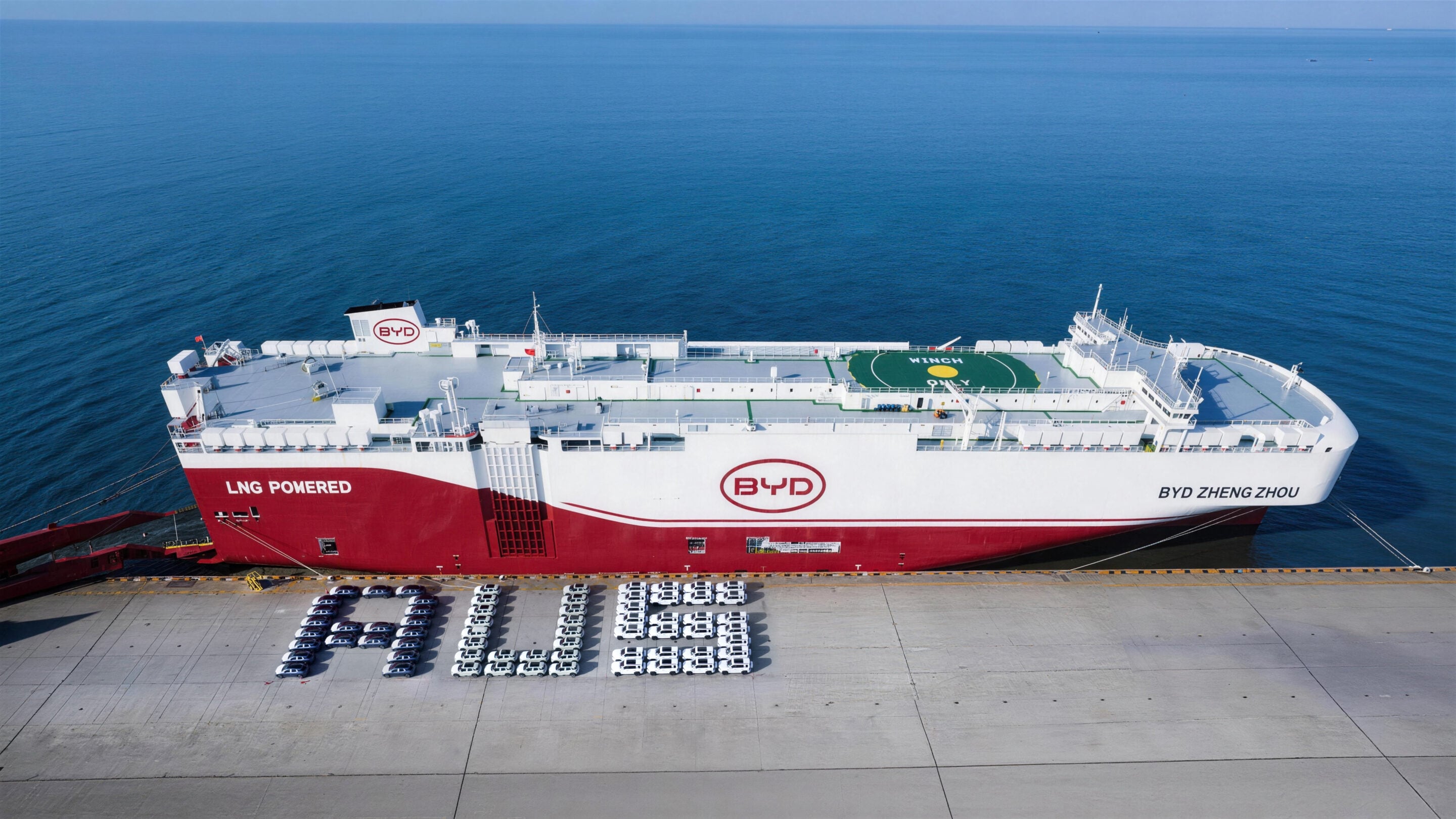
As Chinese automakers look to counter slowing domestic sales, BYD has revealed ultra-fast Flash Charging technology allowing 10-97 per cent recharging in as little as nine minutes. The company has continued work on advanced self-driving technologies and promised a new wave of “stunning” assisted driving technologies next year.
As with other Chinese brands, BYD has also begun to concentrate on more premium models in the Chinese market, moving away from the low-margin, high-volume sales model that defined the market in its early days. This change also helps brand perception in overseas markets.
In Australia, BYD finished second on the sales chart for the month of May 2026, for the second time. Year-to-date sales have BYD in third position on 33,454 sales, just behind second-placed Kia on 33,841 units, but still a long way off the pace of first-placed Toyota with 76,017 sales so far, down from 100,753 for the same period in 2025.
Remember when small cars were affordable?
So does Wheels, but it seems those days are well and truly gone. At a time when everything costs more than it ever has, the concept of the affordable small car has shifted significantly.
Going back to when small cars were affordable, let’s look back at the first thoughts of Wheels testers when driving both of this issue’s combatants.
Yaris first graced the pages of Wheels in February 2006, with Peter Robinson and John Carey both getting behind the wheel. “It feels a very mature, responsible car that you’d recommend to anybody,” Robbo wrote.
“The 1.3-litre is elastic and enthusiastic, if a little uncharismatic,” Carey said. “While the light-shifting manual transmission is a pleasure to use, the indecisive four-speed auto isn’t so smart.”
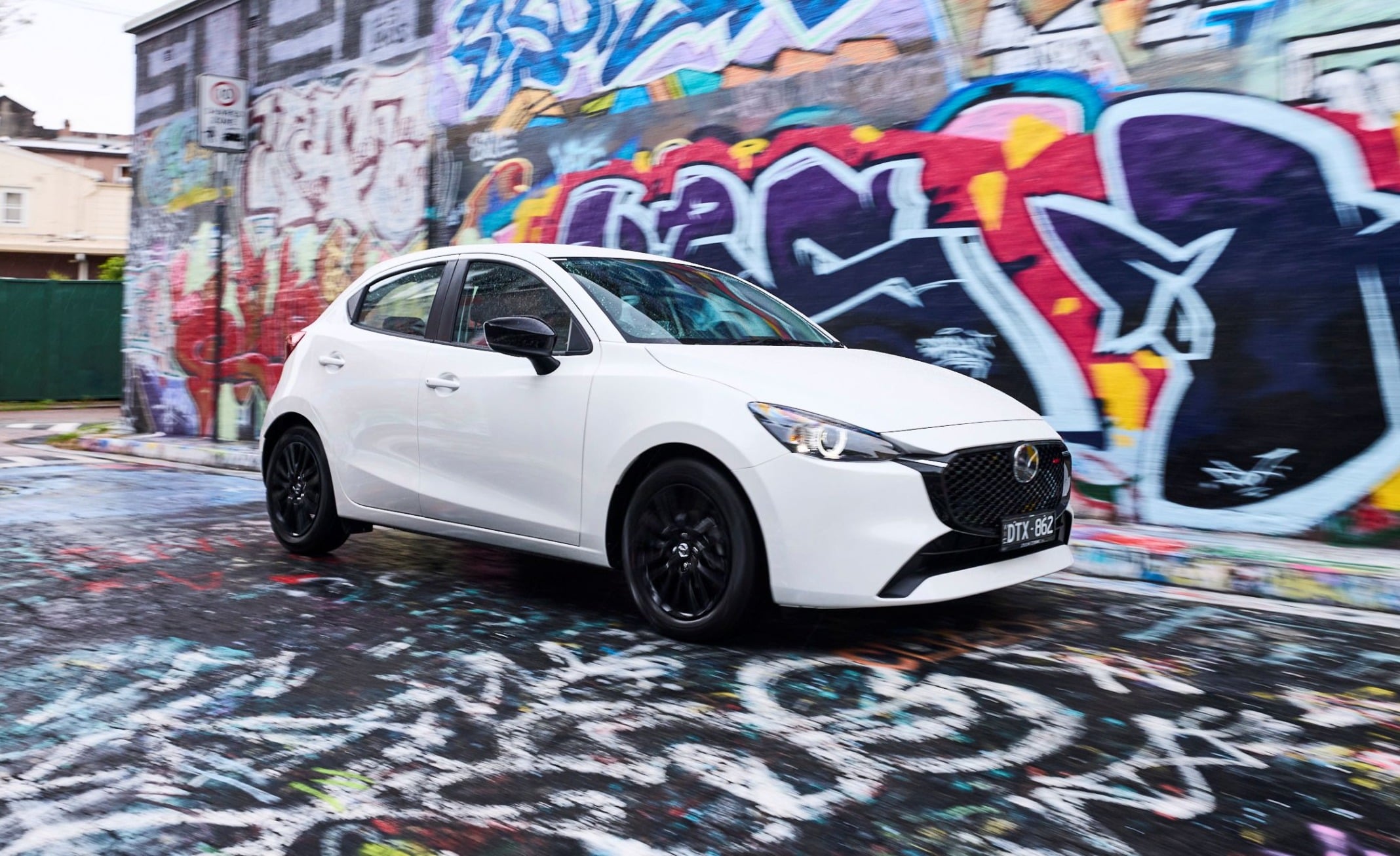
It was the Mazda 2’s turn in August 2004, with Nathan Ponchard testing this time.
“The Mazda 2 responds well to a fast-spinning crank and a driver with intent,” Ponch wrote. “The specs say it produces 90 per cent of its maximum torque from just 1900rpm, but the reality is that the 2’s all-alloy MZR engine is a fairly peaky unit that needs at least 3500rpm showing on its tacho to feel perky.”
More than two decades on, the concept of an affordable car with a manual transmission has almost gone the way of the dodo, but the formula remains genuinely close to the original. That is, deliver
as much as a manufacturer can, in a package as diminutive as possible. Time to find out whether that works beyond the theory.
The cost breakdown
It’s at the cash register where things get really interesting. The concept that any Yaris is ‘cheap’ is long gone, with the starting price for our tester a hefty $34,590 before on-road costs. At the time of testing, that equated to a driveaway price of $34,590.
And if you’re thinking that mid-thirties is a big ask for a compact city car, you’re not alone. You do get a healthy serving of standard equipment, and we’ll get to that in a minute. Rewind back to 2006 as we did above, though, and you’ll remember that Yaris launched as an attractive three-door manual, starting at just $18,990. Haven’t times changed?
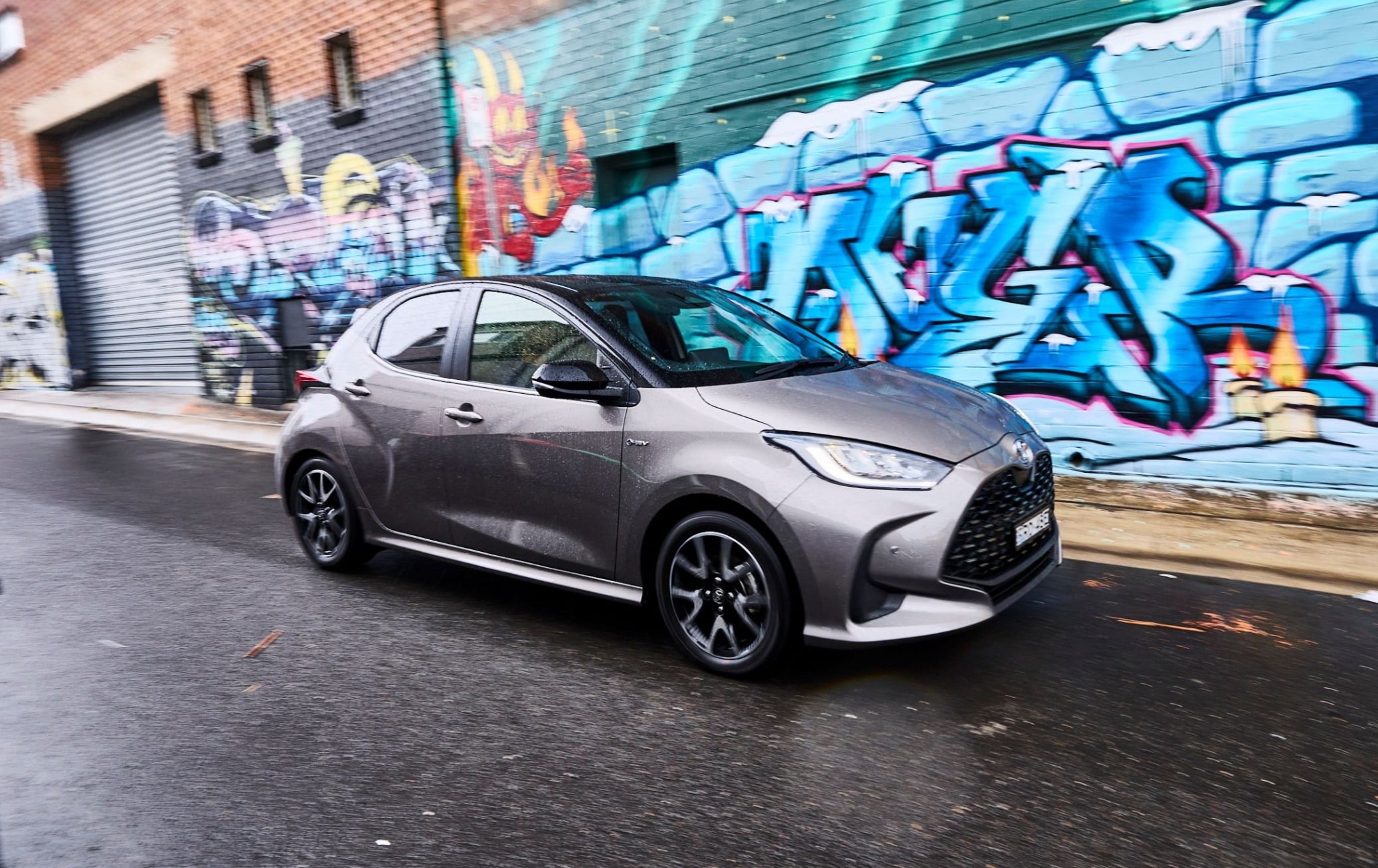
The Yaris range starts from $28,990 before on-road costs for the Ascent Sport, while the mid-grade SX starts from $32,390 before on-road costs, and the next step is to the range-topper we have here. Why is all this interesting? Put simply, it’s the asking price of the Mazda that spices things up.
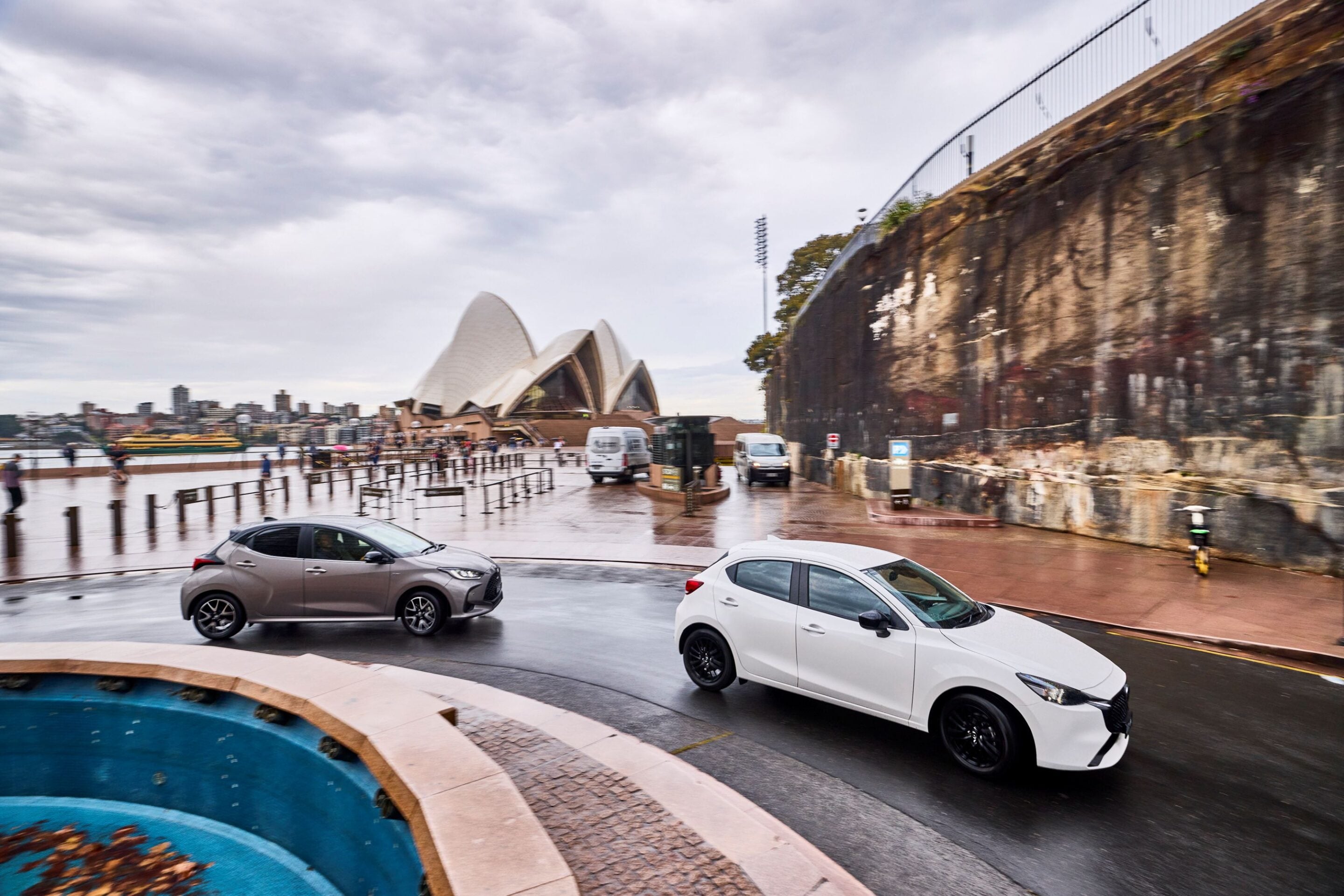
On test, we have the more affordable – in the two-grade range – Mazda 2, which starts from $27,290 before on-road costs, or $28,990 driveaway at the time of testing. As such, this comparison seeks to answer the following question. Is the most affordable 2 all the city car you need? Or do you really get ‘more for more’ with the most expensive Yaris?
There’s no doubt that $34,590 versus $28,990 might, in theory, answer the question for you, but the reality runs a little deeper. The Yaris promises to be significantly more frugal thanks to its efficient hybrid drivetrain, and while you won’t save the buy-in price difference in fuel in the first three to five years, Toyota would be banking on brand loyalty and standard equipment to entice buyers.
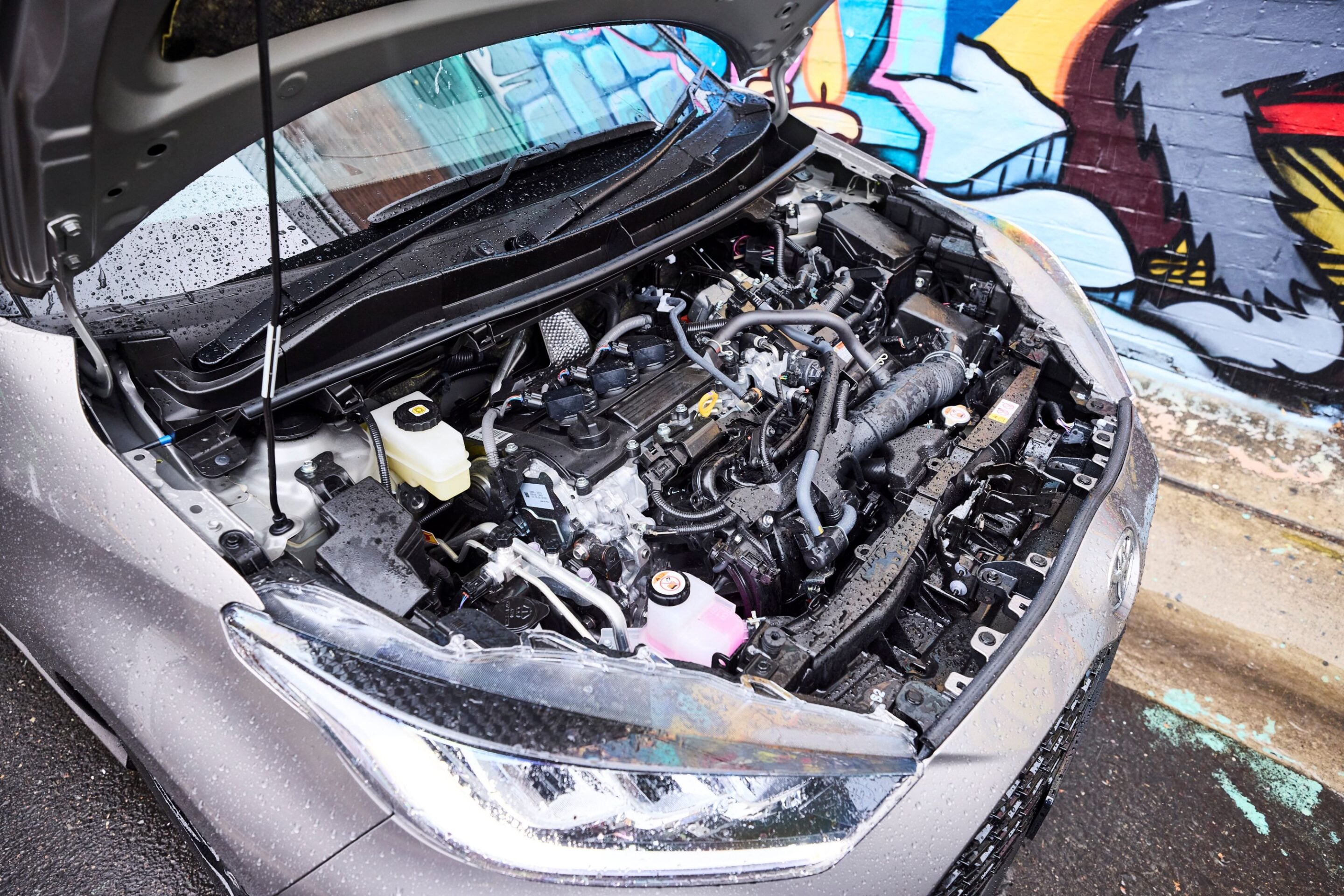
Under the bonnet, Yaris gets a zesty 1.5-litre three-cylinder DOHC petrol engine, running an electric motor and Toyota’s long-serving hybrid technology by way of a 4.3Ah lithium-ion battery.
Yaris uses an e-CVT and front-wheel drive, and Toyota claims a peak combined power output of 85kW. While the petrol engine generates 120Nm and the electric motor tips in 141Nm, the total torque
figure matches the electric motor’s 141Nm.
The combined fuel-use claim is low to say the least, with Yaris consuming just 3.3L/100km on the test cycle. Against that, under real-world Wheels testing, with our usual 70:30 city versus highway mix, Yaris used 4.1L/100km.
Mazda 2 Evolve costs less, and is less technologically complex beneath the stubby bonnet as well, with a more traditional take on the city car segment. There’s no hybrid tech, or associated weight, only stop/start to assist the little Mazda in reducing fuel use. For some, that lack of complexity might be enough to sway the purchase decision.
There’s a 1.5-litre, naturally aspirated, DOHC petrol four-cylinder, which makes 81kW and 142Nm, driving through a traditional six-speed automatic and on to the front wheels. Mazda quotes 5.0L/100km on the combined cycle, and over the same testing loop as the Yaris, Wheels saw a return of 6.7L/100km.
While the lack of hybrid technology might lead you to think the Mazda is significantly lighter than the Toyota, that doesn’t play out in the real world. The Yaris tips the scales at 1130kg, while the Mazda doesn’t undercut it anywhere near as much as you might think, weighing 1109kg. That means the fuel
efficiency of the Toyota is as real as it is tangible, given it’s hauling around almost the same weight.
Both will run on 91RON fuel, and warranty coverage is five years/unlimited kilometres for both cars. Both also ask for a service every 12 months of 15,000km. Across the first five years, the Mazda 2 will cost $2290 to service, while the Yaris costs just $1325 over the same period.
The spec battle
A surfeit of equipment isn’t necessarily the key driver when buyers are looking at this segment, but it certainly doesn’t hinder the sealing of the deal if your focus is on the specification sheet. First up, let’s look at the equipment that both these compact city cars share.
That list includes automatic dusk-sensing LED headlights, 16-inch alloy wheels, temporary spare wheels, auto-folding mirrors, push button start, single-zone automatic climate control, leather-wrapped steering wheels (the Toyota’s is synthetic), touchscreens with wireless Apple CarPlay and Android Auto, satellite navigation, AM/FM/DAB+ radio, autonomous emergency braking with pedestrian detection, adaptive cruise control, lane keeping assistance, blind-spot monitoring with rear cross-traffic alert (with braking), traffic sign recognition, reversing cameras, rear parking sensors, head-up displays, and driving modes.
Drilling into the specification sheet a little deeper indicates that the Mazda gets rain-sensing automatic wipers, a leather-wrapped gear selector and handbrake, and five years of roadside assistance – features the Yaris doesn’t get, with Toyota requiring owners to pay for roadside assistance.
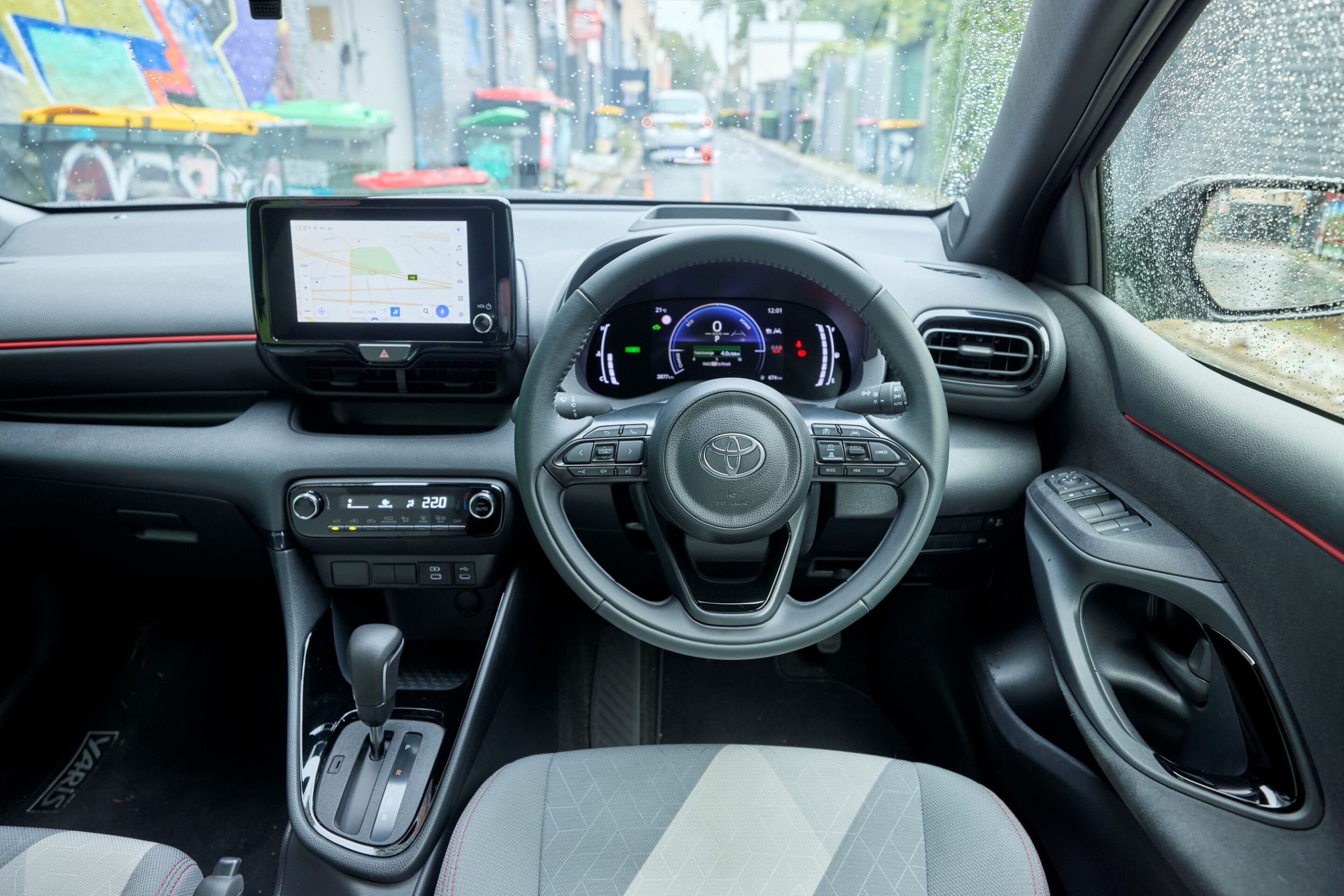
However, Yaris counters with the following equipment that 2 misses out on: smart keyless entry, adaptive lane guidance, a digital driver’s display, live services, automatic calling after a crash, two extra airbags for eight in total, front parking sensors, a more advanced AEB system with cyclist detection and daytime intersection assistance, four automatic windows, a larger touchscreen – 8.0-inch v 7.0-inch – a dual-level boot floor, Eco and EV driving modes and cabin air purification.
Outside of roadside assistance, there isn’t anything Mazda brings to the party (that Toyota doesn’t)
that you genuinely need to enjoy your daily drive. However, in the case of the Yaris – which it’s worth remembering, is a more expensive proposition – the inclusion of extra airbags, extra sensors, and a larger touchscreen for example, are material benefits that absolutely convey a sense of value.
Cabin Fever
The Yaris cabin is light and breezy, but that attractive light grey seat trim is prone to stains, something Wheels can attest to, given the time we spent cleaning them post collection before the photos were taken. The seats are comfortable, visibility is excellent, and there’s room for six-footers up front, but you’ll then need to assume the rear seats are for show only.
There are some hard plastics throughout, but not in the high contact areas to the point it becomes annoying. Toyota claims 270 litres storage space in the boot, which is useful for city dwellers or weekends away for two. Fold the second row down and the adjustable floor base allows you to have a decent, flat space.
In terms of cabin tech, a bigger screen is one thing, but it needs to work efficiently and in the case of the Yaris, it does. Wireless Apple CarPlay was easy to connect and works well, and the interaction between driver and car is an easy one. Toyota’s head-up display beats Mazda’s, not so much in terms of the information displayed or clarity, but in terms of physical execution.
The small storage shelf at the top of the centre stack is a clever place to stow your smartphone. Yaris is first and foremost a compact car, and that’s never more evident than inside the cabin, where there’s not a huge amount of storage space, but the daily requirements you’ll want – bottle holders in the door, safe houses for takeaway coffee in the centre console and somewhere to keep your phone and personal items tucked away – are all accounted for.
Open the door to the Mazda 2, and despite the sharper starting price, you’ll find a muted, classy, and premium-looking cabin. Unanimously, everyone who poked their head into the two hatches commented that the Mazda conveyed a luxurious air the Toyota couldn’t quite match.
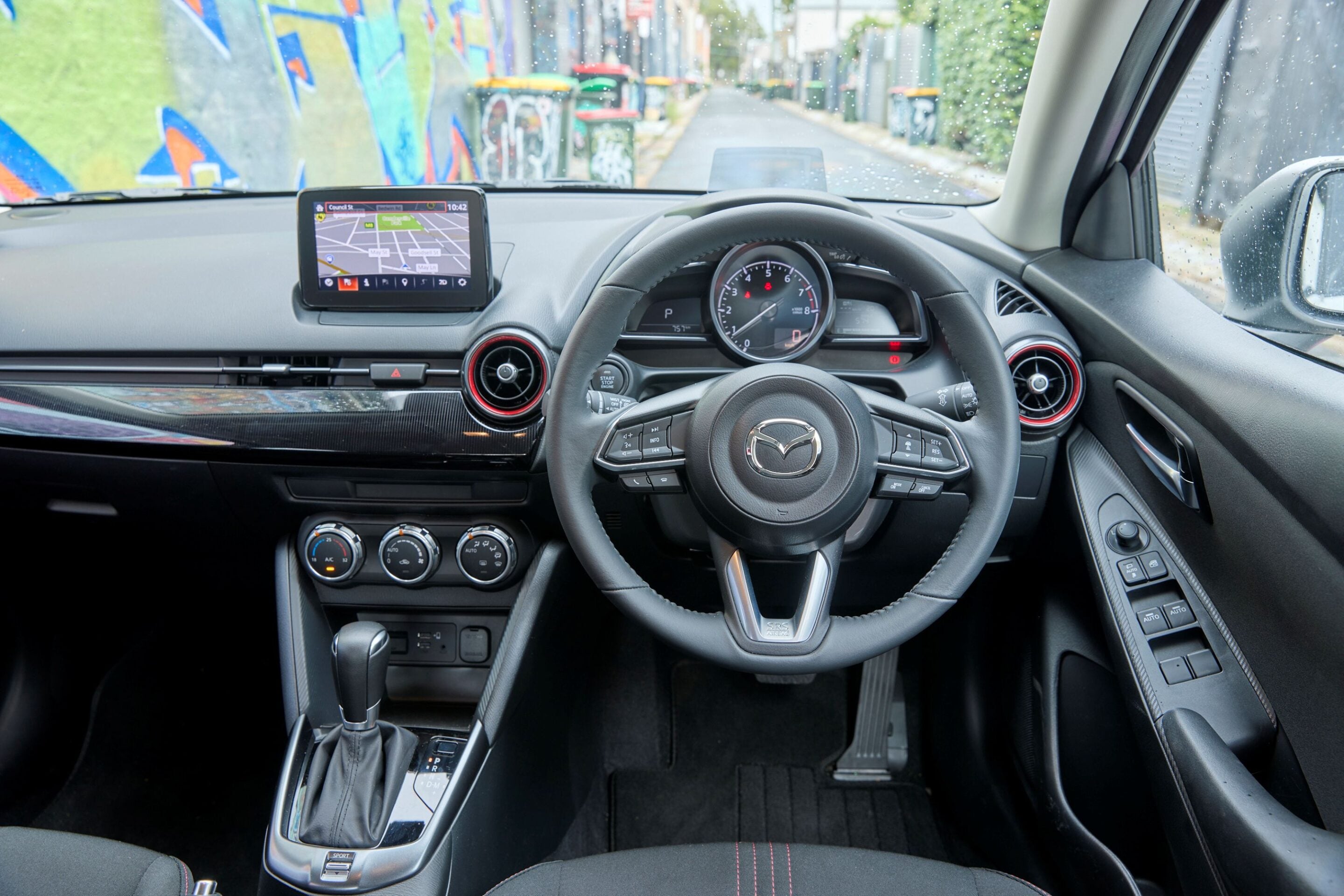
Like Yaris, there are still hard plastics in evidence, but again, not in areas where they will be annoying. Neither car feels built down to a price, but the 2 does a better job – with its black cabin trim and contrast red stitching – of feeling the more premium of the two. It certainly feels sportier, even though that’s more based on looks than anything you can measure.
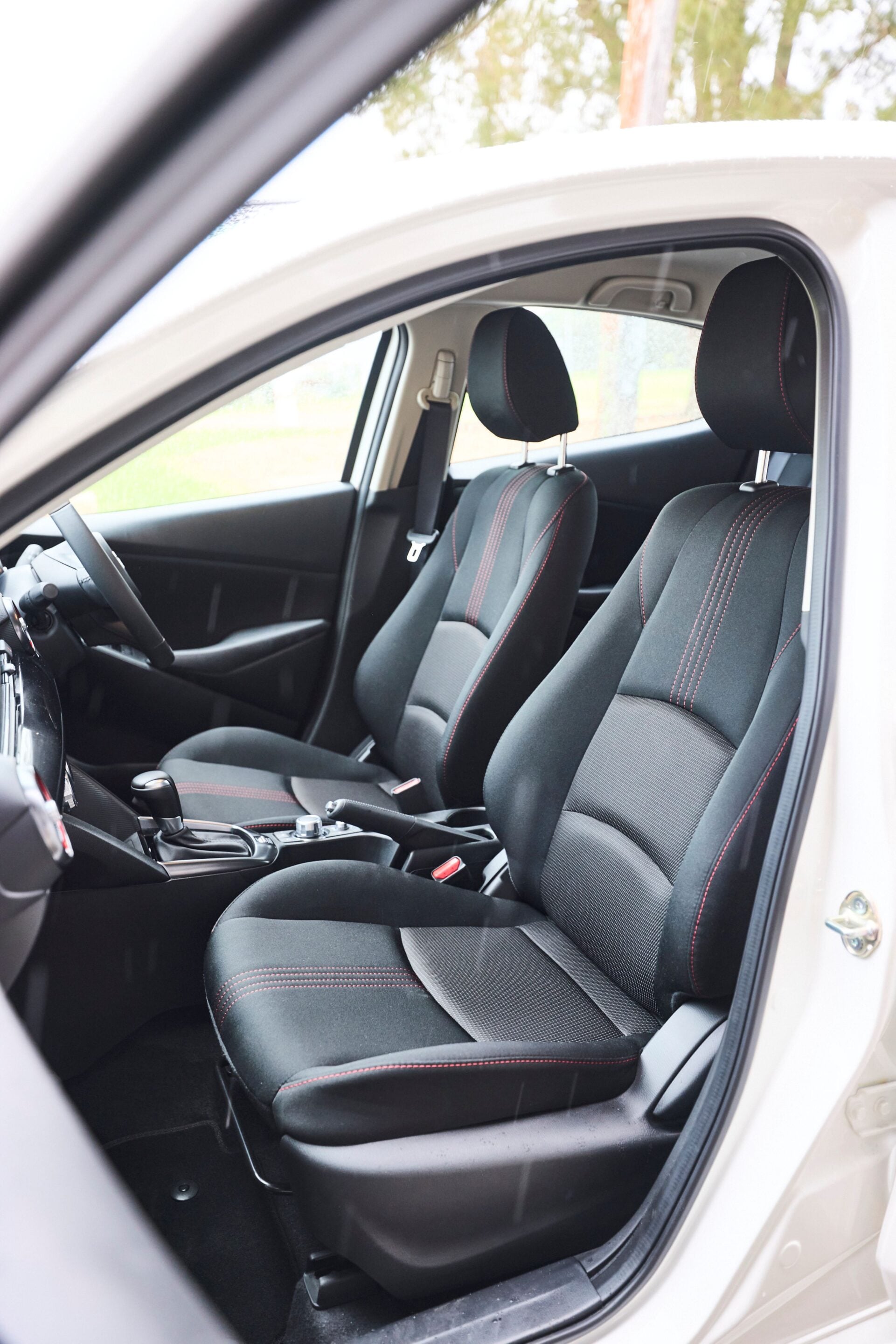
If you’re looking for the more hard-wearing interior, the Mazda’s black trim is the obvious choice. The fact you can adjust the height of the 2’s seatbelts – something you can’t do in the Yaris – is something Wheels’ testers of varying heights appreciated.
Mazda’s screen is an inch smaller, but still works well to clearly display the information you need. There is, however, a control hangover that Wheels is regularly annoyed by. It is a touchscreen, with a catch. Touch inputs work so long as you’re not moving, because once you take off, it’s over to the console-mounted rotary dial to control infotainment features. Yes, you’ll get used to it if you’re an owner, but it’s neither simple nor intuitive.
Mazda’s steering wheel controls are neatly arranged, and have a robust feel to their action, but the way the head-up display relies on a pop-up plastic screen feels a little bit last generation compared to the slicker display of the Yaris.
The front seats are comfortable, on par with the Toyota’s but it’s the same story with tall occupants knocking out the effectiveness of the rear seats. Storage feels the same when you look at the cabin, but looks are deceiving, with the Mazda offering 250 litres and thus losing out to the Toyota.
Comparing the two back-to-back, the Mazda’s cabin feels tighter than the Toyota’s. The storage bin ahead of the shifter isn’t large enough to accommodate a smartphone, perhaps showing the age of the 2 platform.
Behind the wheel
Both these hatches are in their absolute element dealing with the cut and thrust of city traffic, with sharp steering, excellent ride quality, predictable brakes and decent power delivery – a heady recipe for city success.
Manoeuvrability – despite a 20mm longer wheelbase – goes in favour of the Mazda 2 with its compact 9.8-metre turning circle making easy work of the urban grind, against the Yaris’ 10.2m turning circle. If you’re frequently driving bigger, heavier SUVs, as the Wheels testing team often is, the lightness, change of direction and general fun these city cars provide is a revelation.
The Yaris is an interesting conundrum in that the transition from electric propulsion to petrol is as smooth as any Toyota we’ve tested. So much so that you hardly notice it and have to pay attention if you’re looking for it. Likewise, the working of the e-CVT, which dulls some of the sensation of speed increasing, is significantly better than the CVTs of old.
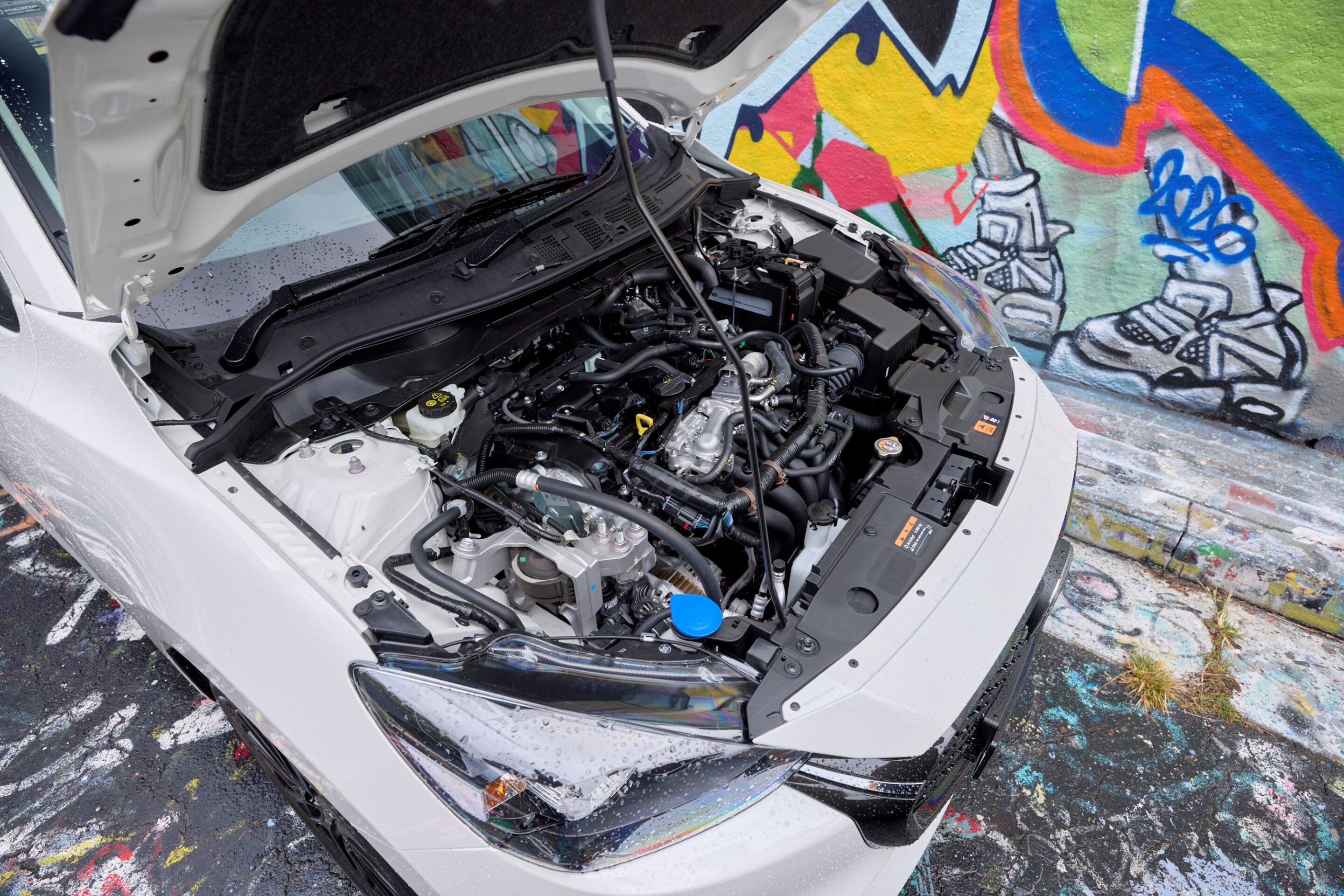
Against that smoothness, though, is the gruff, throaty edge to the 1.5-litre three-cylinder. We’d
appreciate the slightly unrefined nature of the way only a three-pot can work in a sporty application, but it jars with the otherwise smooth progress of the hybrid Yaris. It’s something you only notice under load, but such is the nature of both these cars that you need to get the engine spinning to really get moving.
As such, and when you do, you’ll hear the little three-cylinder belting out its song a little louder than you might like. Cranking up to highway speed, for example, you’re asking the Yaris to work a little harder than it wants to.
Yaris delivers a beautiful mix of bump absorption and handling competence, with none of the choppiness or harsh ride some small cars are guilty of. Riding on 185/55/16 tyres against the chubbier 60-profile rubber of the Mazda, you might expect the Yaris to ride firmer, harsher even, but it doesn’t. Even loaded up with photo gear and two adults, the ride remains nicely controlled. Sharp speed bumps are easily
dealt with, ensuring that whatever you need to tackle in the city won’t see the Yaris lose composure inside the cabin.
Readying itself in silence and with the ability to crawl up to 30km/h on electric power alone, the Yaris is focused nicely on exactly the type of driving the urban buyer needs. Leave the confines of the city and the 36-litre fuel tank and low consumption mean you can tackle longer distances just as easily. The light, city-focused steering works well on a twisty road, too, and the Yaris is deceptively nimble – and fun – as speed increases.
Most of you would assume the Mazda 2 is the sportier of the two options here, and that’s borne out by the driving experience. Despite both power and torque sitting lineball in terms of the numbers, it’s the 2 that feels sharper, punchier, and more inclined to want to be let off the leash.
The four-cylinder makes some noise as the revs increase, and they will often if you want to keep the Mazda 2 accelerating, but it’s a quieter engine under load than the three-cylinder in the Yaris. Both lack punch off the mark though, and the Mazda 2’s gearbox, traditional as it is, isn’t as precise as some conventional automatics under enthusiastic acceleration.
While neither of these hatches are fast in real terms, it’s the 2 that delivers more urgency. However, like the Yaris, it doesn’t love highway speed, or getting there too quickly. The auto can feel slow to react to downshift requests, and we noticed it moving between sixth and fifth a little too much as we worked between 100km/h and 110km/h zones on the highway.
Braking and steering are excellent, and the Mazda’s tight turning circle makes it a joy to thread through traffic and into parking spaces – no matter how compact they might be. Like the Yaris, the 2 is more
direct and fun than you’d expect of this segment, and while it may not encourage you to really hustle it along, it is capable of such folly.
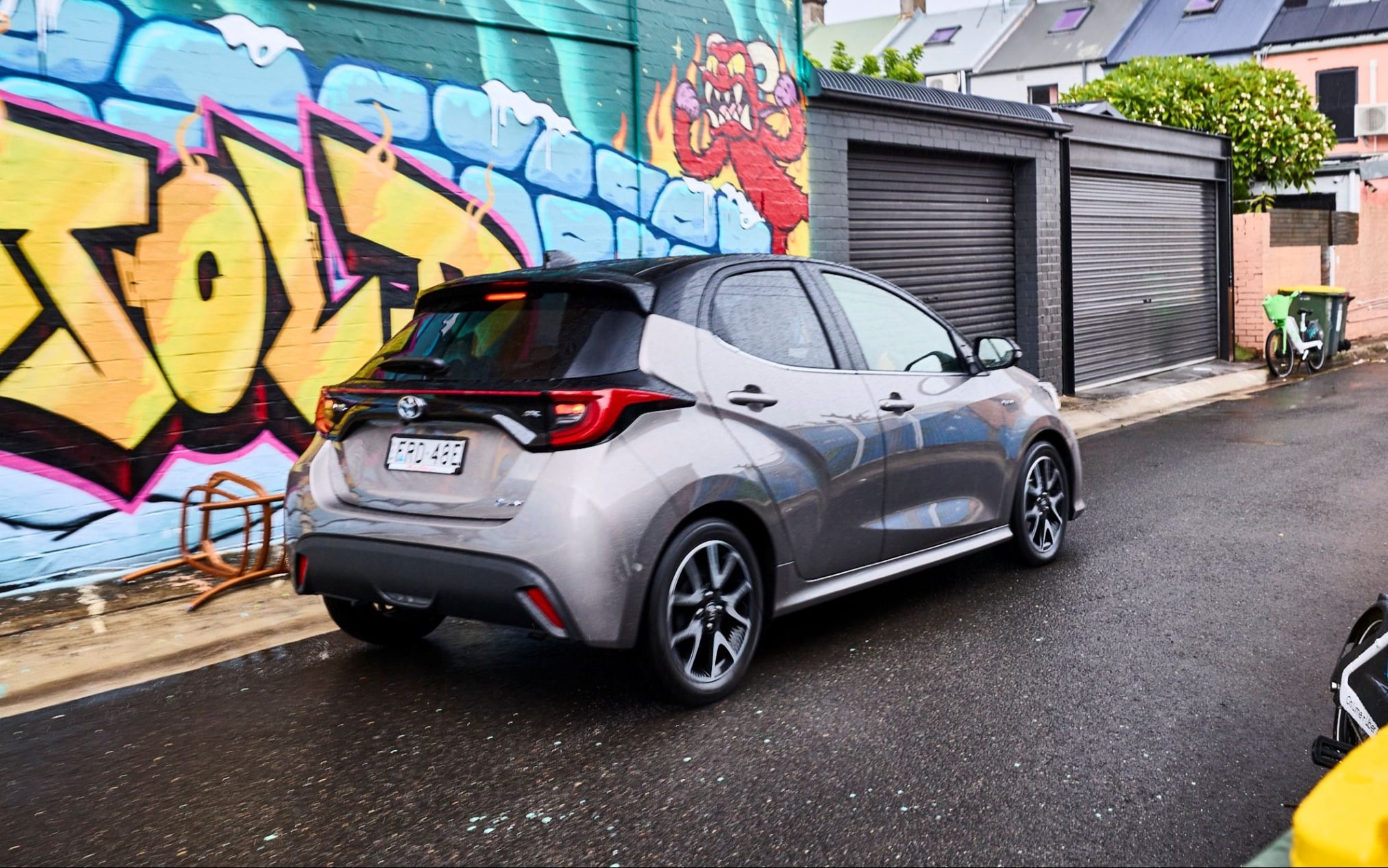
The ride is a fascinating comparison back-to-back on the same choppy inner-city surfaces. Mazda gives the 2 marginally more sidewall (60 profile v 55) on the same 185 width and 16-inch wheel diameter. So, you’d expect the 2 to be slightly cushier, but it’s not. The ride is actually a little firmer, but somehow even more composed and comfortable. Kudos to Mazda’s engineers for that one, especially on our pathetic road network.
Of the two, the Mazda is the driver’s pick – more engaging, less removed from the driving experience, and more fun – but the Yaris is more frugal, and is the better roadtrip tool, especially over longer distances.
The Wheels Verdict
If you put the asking price and fuel consumption to one side, these two are so closely lined up, it’s difficult to split them. However, where the Toyota costs more to buy, it uses less fuel and is cheaper to service than the Mazda. And, there’s no doubt you do get more for more in terms of the extra standard equipment loaded into the more expensive Toyota. The Toyota also feels newer than the Mazda and looks it from inside the cabin.
The 2, as has been the case for quite some time now, remains the better driver’s car. It’s not so important in this segment, but if you value the engagement of the drive, the Mazda 2 is the more competent, connected and enjoyable of the two. So on that count, Wheels would direct you to your nearest Mazda showroom.
However, if you can extend your spend at the point of purchase, the Yaris shines. It uses less fuel, is just as competent around town, and the extra standard equipment is something you see, feel and use every day, which makes the case for spending the extra money.
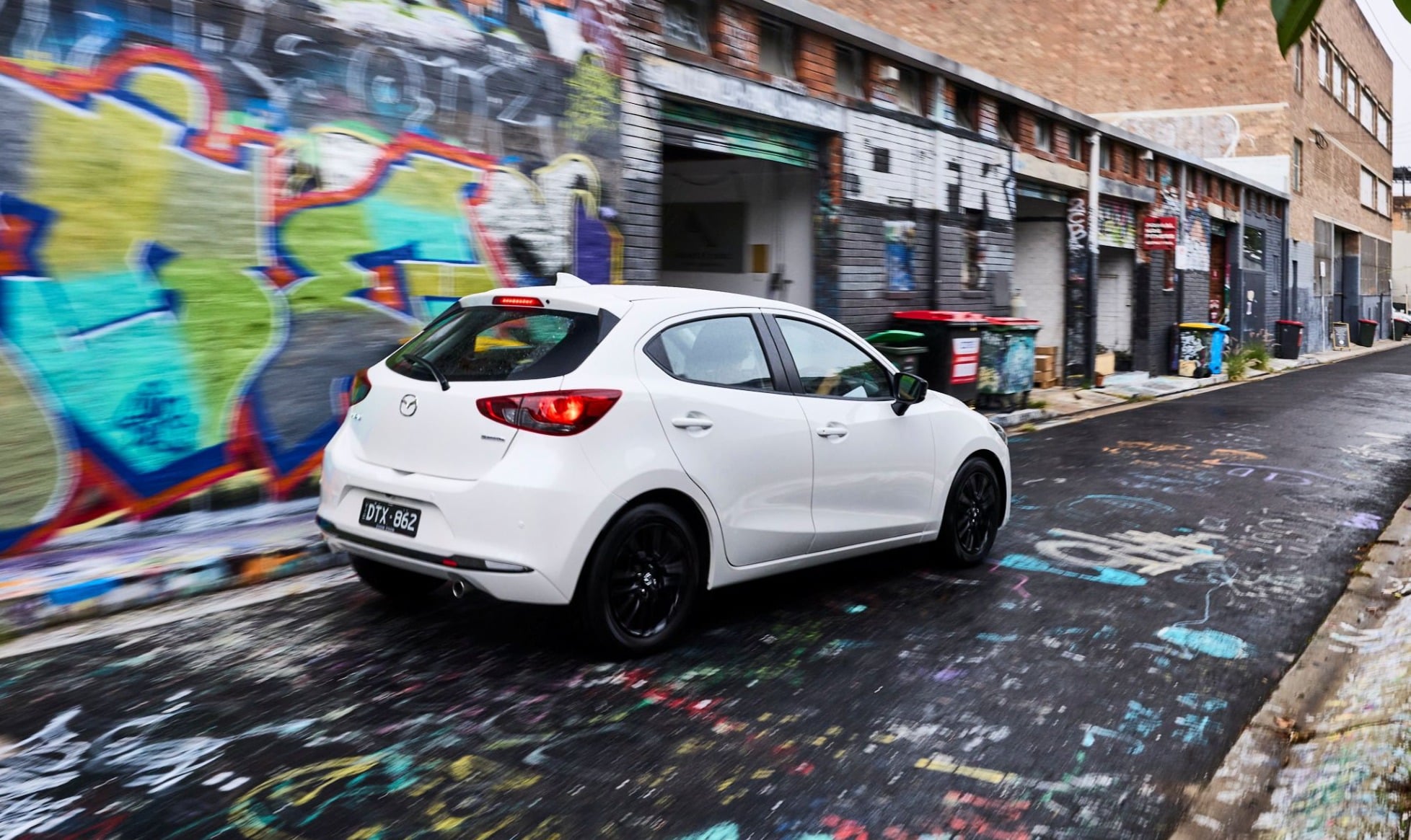
But if Wheels could pick only one, we’d opt for the Mazda 2 and save the extra money, such is the driving enjoyment and engagement it brings in what could be a much more boring platform. It’s a comparison of splitting hairs between these two, there’s no doubt about that, but the Mazda 2 – just – hangs onto the top step of the podium.
Toyota Yaris ZR: Specs
| Price | $34,590 plus on-road costs |
|---|---|
| Engine | 1490cc three-cylinder DOHC petrol + electric motor |
| Engine outputs | 67kW/120Nm |
| E-motor outputs | 59kW/141Nm |
| Peak system power | 85kW |
| Peak system torque | 141Nm |
| Transmission | e-CVT automatic, front-wheel drive |
| Claimed fuel economy | 3.3L/100km |
| Claimed CO2 emissions | 76g/km |
| Fuel type | 91RON regular unleaded |
| Fuel tank | 36 litres |
| Dimensions (l/w/h/wb) | 3950/1695/1495/2550mm |
| Boot size | 270 litres (rear seats up) |
| Kerb weight | 1130kg |
| Warranty | Five-year/unlimited km |
| On sale | Now |
| Overall rating | 7.5/10 |
Mazda2 G15 Evolve: Specs
| Price | $27,290 plus on-road costs |
|---|---|
| Engine | 1496cc four-cylinder DOHC petrol |
| Peak power | 81kW (@ 6000rpm) |
| Peak torque | 142Nm (@ 3500rpm) |
| Transmission | Six-speed automatic, front-wheel drive |
| Claimed fuel economy | 5.0L/100km |
| Claimed CO2 emissions | 117g/km |
| Fuel type | 91RON regular unleaded |
| Fuel tank | 44 litres |
| Dimensions (l/w/h/wb) | 4085/1695/1495/2570mm |
| Boot size | 250 litres (rear seats up) |
| Kerb weight | 1109kg |
| Warranty | Five-year/unlimited km |
| On sale | Now |
| Overall rating | 7.7/10 |
This story first appeared in the June 2026 issue of Wheels magazine, now on sale. Subscribe here and gain access to 12 issues for $109 plus online access to every Wheels issue since 1953.
