
A P-plate driver has been fined $1104 after Queensland police allegedly busted him steering his car with his knees while he buttered a bagel earlier this week. The 29-year-old was captured in footage from an officer’s body-worn camera as he admitted he’d been “stupid” after he was pulled over.
The man was allegedly caught in the act in Toowoomba at about 3.50pm on September 7. The sergeant who handed out the fine asked him, “Can you explain to me why, in four lanes of traffic that’s quite busy at this time of day, that you thought steering a motor vehicle on your Ps with your knees while you buttered a bagel would be a great idea?”

The P-plater replied, “I know that was stupid, but I was hungry. I’ve been working since this morning.” The officer then delivered more bad news as he told the driver his registration had expired three days beforehand.
The policeman then fines the motorist for driving an unregistered vehicle, and driving without due care and attention, before telling him, “I can’t understand how you thought that would be a great idea in all that traffic.”
In addition to the $1104 fine, the 29-year-old lost three demerit points – and another stern reminder from one of the sergeant’s colleagues, Darling Downs Officer Acting Superintendent Kelly Hanlen.
“Taking your hands and focus away from the task of driving, even for something as seemingly harmless as preparing food, can have serious consequences,” Hanlen said.
“I want to remind motorists there is no meal, message or other distraction worth risking your safety or the safety of other road users. If you’re driving, keep your attention on the road and your hands where they belong – on the wheel.”
The BMW M350 xDrive is a Jekyll-and-Hyde car in the best possible way. The performance hero of the eighth generation of the legendary 3 Series – at least until the new M3 drops – can switch instantly from a relaxed cruiser to a fiery and agile sports sedan.
Proof that BMW has dragged the classic 3 into the modern era in fine style, the M350 also brings blade-sharp handling, cutting-edge connectivity great safety features to the table. The new models are combustion-powered relatives of the upcoming Neue Klasse EVs, and the near-production example we tested left a great first impression.
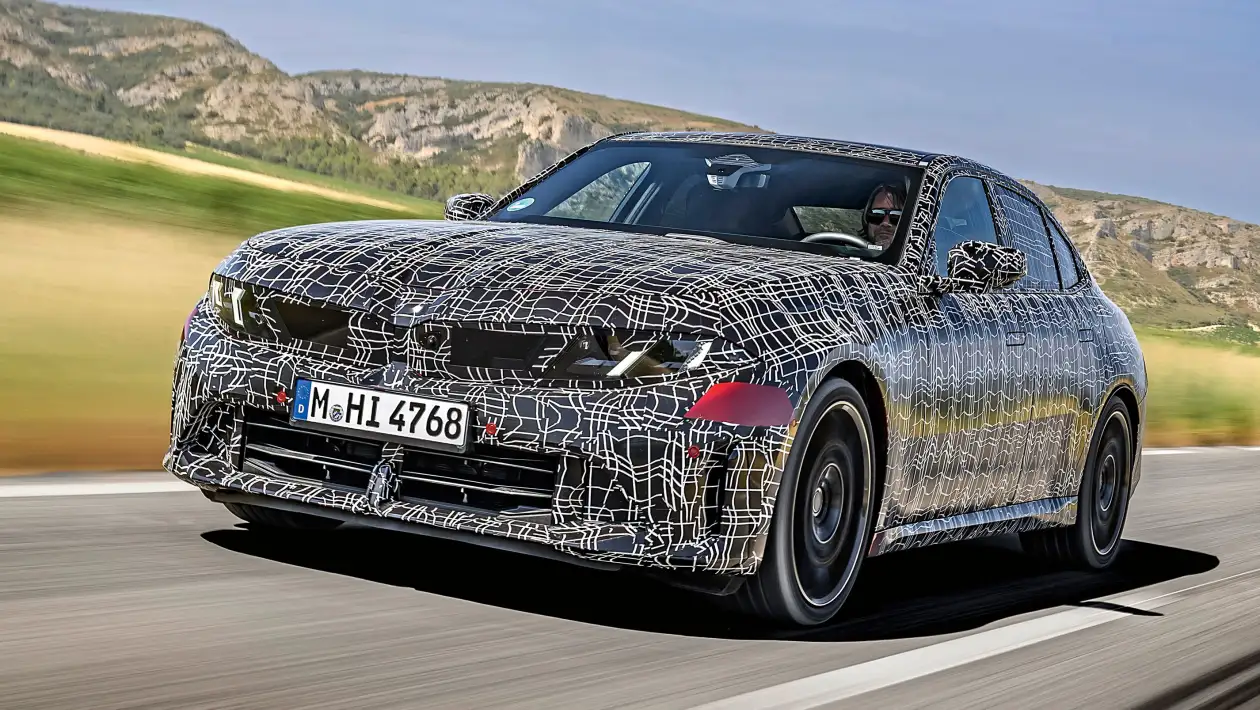
Known internally as the G50, the new 3 Series is due to launch internationally later in 2026, more than 50 years after the original arrived in 1975. While BMW is simultaneously developing the battery-electric i3, the new 3 Series will continue to offer combustion power, with four- and six-cylinder engines supported by 48V mild-hybrid technology.
Sitting at the top of the range is the new M350 xDrive, which effectively replaces the current M340i xDrive as the performance flagship below the full-fat M3. Its turbocharged 3.0-litre inline-six produces a healthy 326kW and 580Nm, sending its power through an eight-speed automatic transmission and specially calibrated all-wheel-drive system.
That AWD system can constantly vary the amount of power sent to each axle, but there’s an entertaining party trick hidden in its electronics: drivers can select a dedicated mode that sends power exclusively to the rear wheels. Known as “Drift Moment”, it won’t be available at launch, instead coming as an over-the-air update at some stage next year.
Performance is suitably potent. With launch control engaged, BMW claims the approximately 1.8-tonne M350 can ace the 0-100km/h sprint in 4.1 seconds. A mild-hybrid electric motor contributes an additional 40Nm before the turbocharger is fully on song, helping sharpen response from low engine speeds.
The changes go much deeper than the powertrain. BMW has lengthened the wheelbase and widened the track while fitting thicker anti-roll bars, increasing caster and stiffening the wishbone mounting points. The aim is to give the new 3 Series an even broader spread of abilities without sacrificing the handling characteristics that have defined the model for decades.
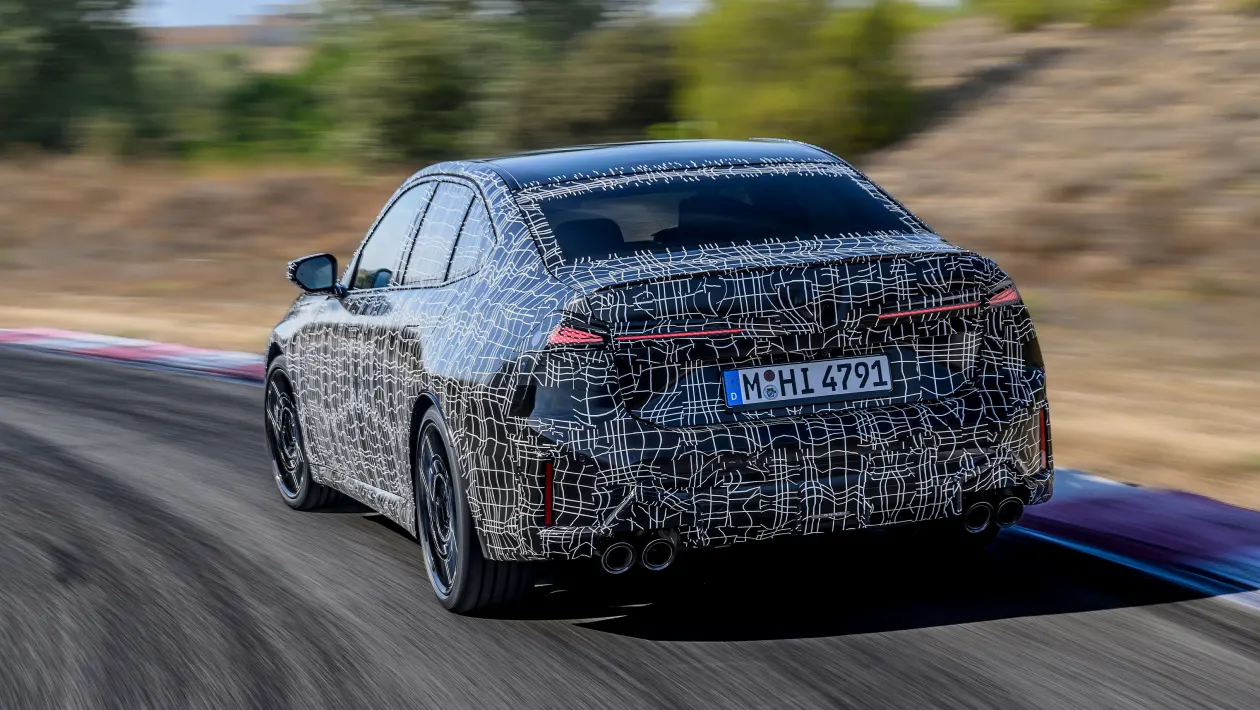
An available M package adds variable-ratio steering, adaptive dampers and upgraded brakes, along with heavily bolstered front seats and 20-inch wheels wearing 245/35 R20 tyres at the front and 275/30 R20 rubber at the rear.
Early impressions suggest those changes have worked. The M350 can settle into comfortable cruising before transforming into a keen and highly engaging sports sedan when the road becomes more interesting.
Despite sharing plenty of technology with BMW’s Neue Klasse electric models, the combustion-powered 3 Series uses different physical underpinnings. Without a large battery beneath the floor, its seats can be mounted lower, leaving space through the centre of the car for a conventional exhaust and driveshaft. The technological ties remain strong, however. The new 3 Series inherits BMW’s latest electronic architecture and will feature Panoramic iDrive, Operating System X and AI-enhanced voice control.
That combination of new-generation technology and old-school BMW performance means the new 3 Series looks a sure bet to continue its reign as the best-driving mid-size sedan money can buy.
Ford has announced it is extending its new-vehicle unlimited-kilometre warranty from five years to seven, with the change taking effect back on September 1. The new plan stretches across the brand’s entire Aussie line-up, but customers must get their servicing done through the dealer network.
Unlike many other warranties, the Blue Oval’s extended plan applies to fleet, commercial and government customers as well as private buyers. Authorised accessories that are bought and installed through the dealer network are also covered.

The two-year increase matches the warranties offered in Australia by rival manufacturers like GWM, Skoda, Chery, Geely and Kia, although some of those brands don’t put conditions on where the vehicles are serviced. On the plus side for Ford, some of its competitors limit coverage to 150,000km for some commercial vehicles.
“Our seven-year warranty is a strong commitment to our retail and commercial customers that we’ve got their backs for longer,” Ford Australia customer service director Greg Davidson said.
“That’s a century of trust, earned one repair, one service, one honest conversation at a time, and Ford Pro builds on that legacy to keep our commercial customers’ businesses moving. Ultimately, this is about giving Ford owners real confidence, not just in the vehicle they’ve bought, but in the brand they’ve bought into.”
The warranty announcement was part of a huge reveal at the Ford Uncovered event, with the brand outlining plans to double its market coverage with two new electrified models and a track-sharpened Mustang variant.
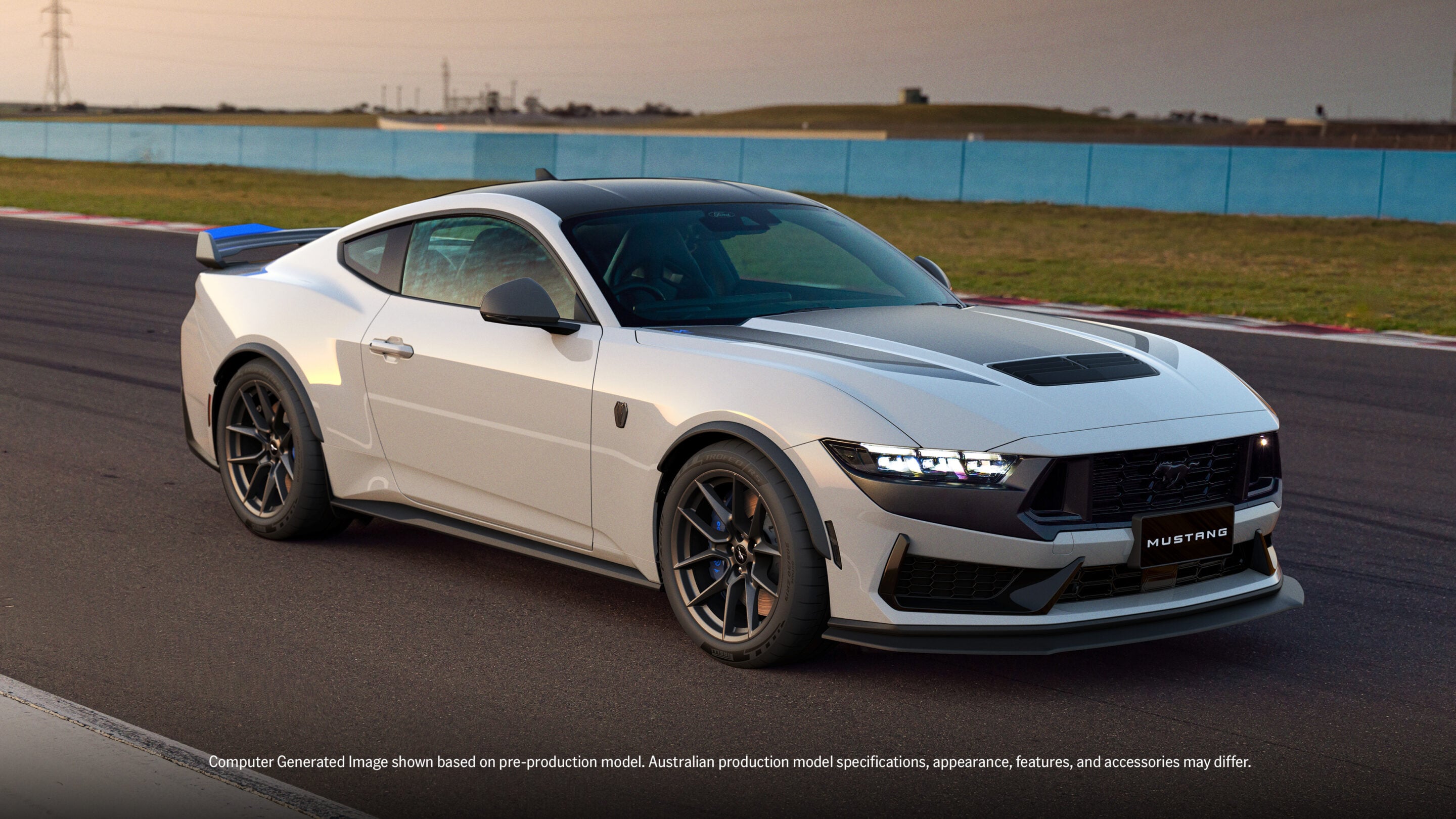
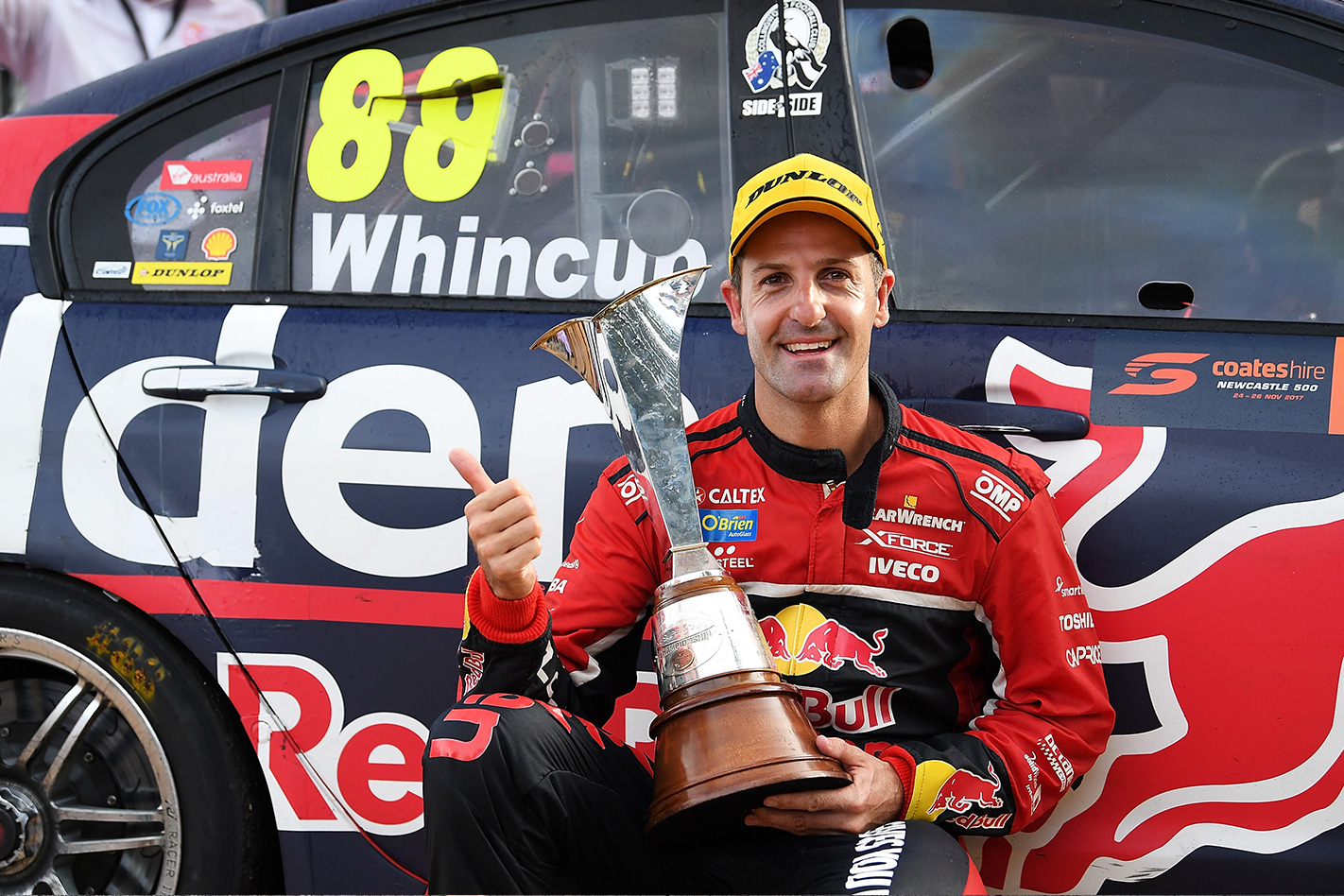
Headlining the new sales drive is the Bronco Basecamp hybrid SUV (pictured top), which sports a cabin that can be converted into a double bed with a back-door kitchen. It’s joined by the battery-electric Transit City, and the Mustang Dark Horse T8 (pictured above), which has been developed in partnership with the Triple Eight Supercars team and record-breaking champion driver Jamie Whincup.
The warranty announcement comes at a time when Ford has continued to reel from a long period of problems with huge recalls, not just in Australia, but right around the globe. Henry’s company has had 19 recalls down under so far this year, putting it on track to break the mark of 25 it set in 2025.
Polestar Australia has revealed local pricing for the updated MY27 version of its 4 coupe, with a nice surprise for potential buyers. The model will now set you back $4600 less than before at $73,900 plus on-road costs, bringing it in line with the recently-revealed Polestar 4 SUV, of which will enter Australia in late 2026.
In addition to the pricing cut, Polestar has upgraded the 4 coupe with a recalibrated chassis with high-capacity passive dampers, new spring and anti-roll bar settings, and polyurethane rebound stops replacing internal rebound coil springs. The driving experience is further enhanced by improved steering precision, giving the 4 coupe “more controlled ride in all driving conditions with improvements to both agility and comfort”.
For the 2027 model year, the 4 coupe also adopts a revised trim level structure and naming convention, with Rear motor, Dual motor, and Dual motor with Performance pack now available for both bodystyles.to
Polestar says the new line-up brings a “clear progression” to the 4 range, with subtle visual details to differentiate model versions, including seatbelt and rotary control design in black on the Rear motor, black with Swedish gold stripe on the Dual motor, and full Swedish gold for Dual motor cars with the Performance pack.
Polestar CEO Michael Lohscheller said: “The upgraded 4 coupe is better than ever, offering a more refined ride with enhanced driving pleasure, and stronger sustainability credentials. Overall, the Polestar 4 coupé delivers an even more compelling package without compromise.”
MY27 Polestar 4 pricing (excluding on-road costs):
- Coupe Rear motor: $73,900
- SUV Rear motor: $73,900
- Coupe Rear motor: $81,750
- SUV Dual motor: $81,750
MY27 Polestar 4 options:
- Comfort pack with a heated steering wheel, power-operated steering column, easy entry/exit, 12-way electrical seats with mechanical cushion extension): $1200
- Nappa leather upgrade (requires Plus pack): $5700 for charcoal, $6100 for zinc
- Bridge of Weir animal welfare-secured leather with Charcoal deco, ventilated front seats with massage, Harman Kardon headrest speakers in front seats, rear comfort headrests, brushed textile headlining.
- Plus pack with 1320W Harman Kardon audio, head-up display, zinc deco, Star knit illuminated deco, Illuminated front Polestar logo, upgraded LED headlights with adaptive high beam, hands-free operated tailgate, rear touchscreen, 12-way powered sport seats with mechanical cushion extension, easy entry/exit driver’s seat, power reclining rear seats, heated steering wheel and rear seats, tri-zone climate control, PM2.5 air filtration: $6500
- Performance pack (available on Dual motor with Plus pack) with 22-inch Performance wheels, Polestar Engineered chassis tuning, Brembo brakes, Swedish gold accents: $7200
- 22kW AC charging: $900
- Tailored Knit in Mist with Zinc deco: $1400
- Electrochromic glass roof: $2200
- Digital rear-view mirror (SUV only): $1000
- Privacy glass on rear side windows: $700
- Fully electric retractable towbar: $4070
The first deliveries of the updated Polestar 4 coupe will reach Australia later this month, a few months ahead of the new SUV bodystyle.
One. Just one. Exactly one.
That’s how many new cars in Australia are priced under $20,000. A solitary one.
Ten years ago, that number was 148, running the spectrum from the $11,990 Mitsubishi Mirage (with a manual gearbox) to the $19,990 Tata Xenon. The what now? The Tata Xenon, a ute from India which in single-cab chassis 4X2 trim came in at a tenner under the psychological $20k barrier.
In between, a smorgasbord of affordable options from established brands, including a smattering of Europeans – hatchbacks, city cars, small sedans, and even the occasional dual-cab ute, all priced under $20,000.
The rapid advancement in technology over the intervening decade has, unsurprisingly, pushed up prices. Cheap ain’t what it used to be and any new car buyer looking to get a foot in the new-car-small door needs to budget anywhere between $20k to $30k.
And it’s a fallow field too, with just 51 available models coming in under $30k, the new normal that underscores the changing definition of what it means to be an ‘affordable new car’.
So what do Australia’s affordable new cars look like now? What does ‘value’ mean? And what do you get for your new twenty-something-thousand dollar car?
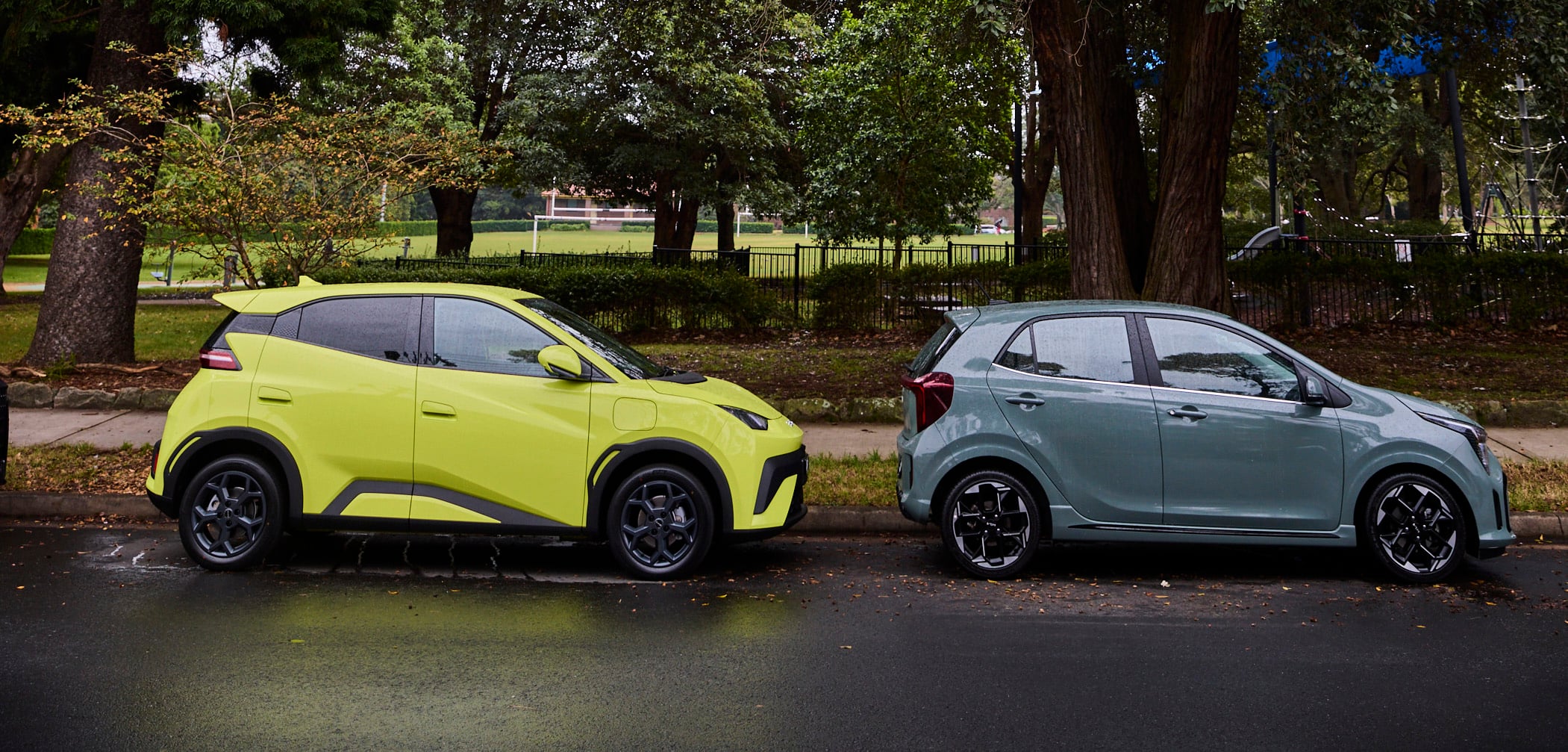
That’s what we wanted to find out so we assembled two of the most affordable new cars your money can buy right now. One, the Kia Picanto, is steadfastly traditional, a petrol-powered city car that has proven popular with Aussie new car buyers for over a decade. The other, the BYD Atto 1, embraces the modern age of motoring, a battery-electric city car that smashes through the ‘EVs are too expensive’ dichotomy… and by some margin.
Korea versus China, traditional versus new-age, petrol versus electric. So which one comes out on top? Let’s find out.
The Contenders
The Kia Picanto is no stranger to our roads. Launched locally back in 2016, some 13 years after its global debut, the little South Korean has gone on to become a city car mainstay.
With total sales in excess of 55,000 since its launch in 2016, the Picanto has long been lauded for its affordable and simple formula on modern motoring. Priced at $14,990 when launched in 2016, the Picanto was right in the thick of the fight for affordability, trading blows with the identically-priced Honda Jazz, Hyundai Accent, Mazda 2, and MG3. They weren’t Australia’s most affordable cars that year – the gawky Mitsubishi Mirage and its $11,990 sticker held that distinction – but they did come in under the psychological $15,000 ceiling.
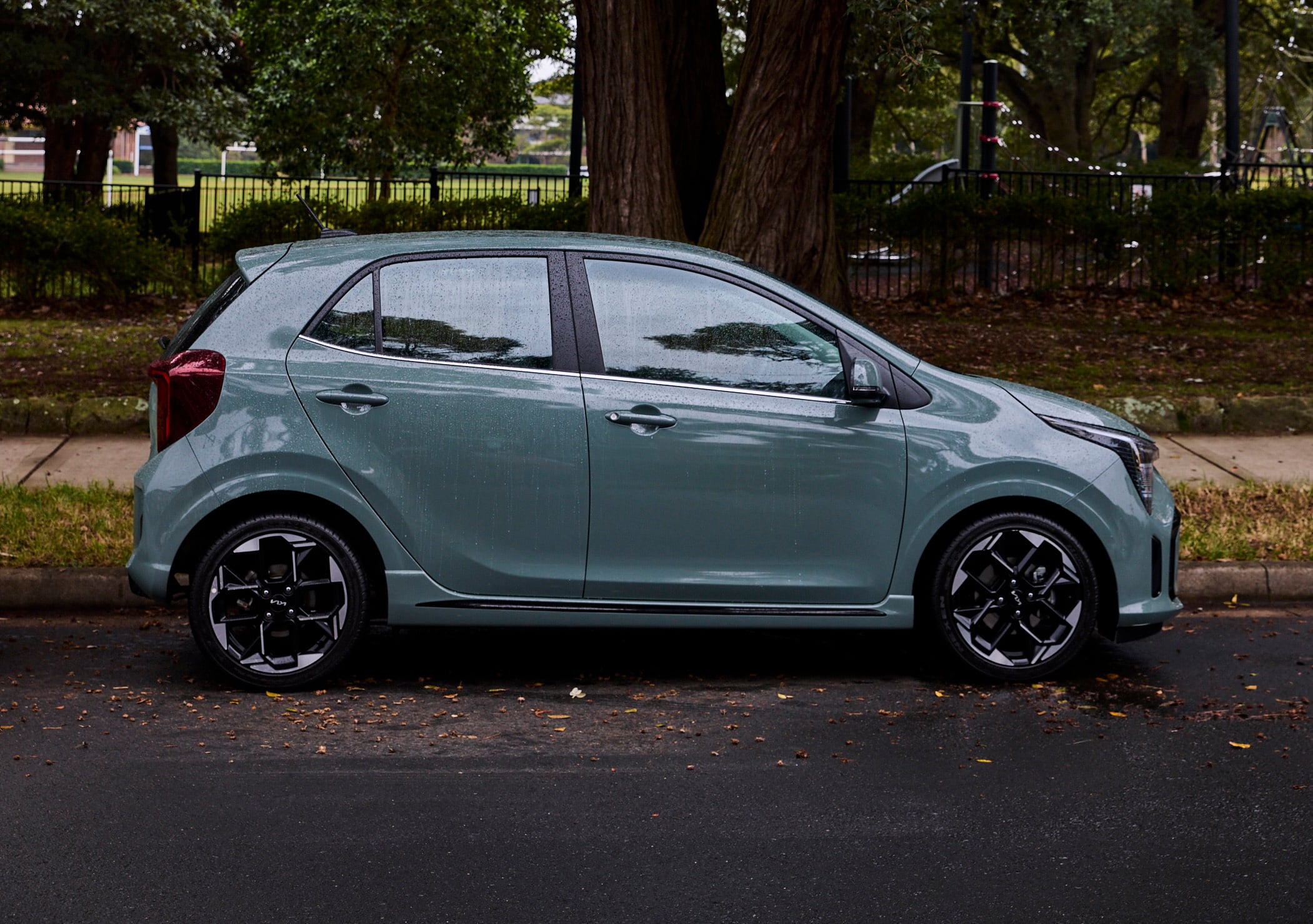
Fast forward to 2026, and the $19,190 Picanto stands alone in a new car landscape more diverse than ever before. It’s the only new car, period, priced under $20k.
The BYD Atto 1 is a baby, a newcomer to Australia that arrived here in November 2025 with much fanfare and expectation on its diminutive haunches.
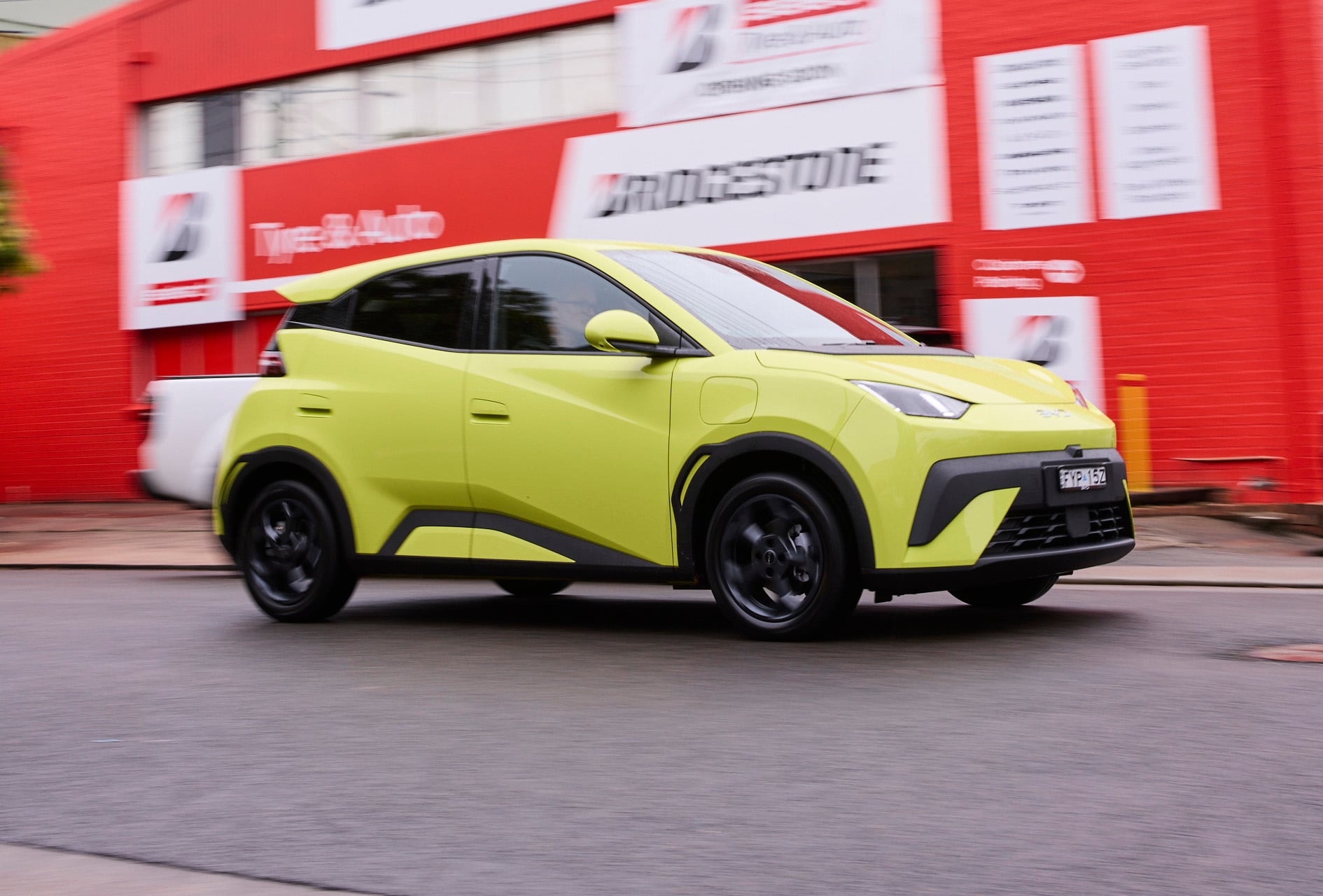
Why the hullabaloo? Because at $23,990 before on-road costs when it launched, the Atto 1 instantly became the ‘most affordable electric car’ in Australia. And in a climate where critics of electric cars cited ‘affordability’ and ‘lack of price parity’ as primary reasons for snubbing EVs, the Atto 1 reshaped the conversation.
The price war
We haven’t opted for the out-and-out cheapest variants of either for our comparison here. Instead, we’ve jumped straight to the top of the range tree of both models, our argument being that the extra few grand for either model is money well spent in terms of what you get.
First up, the Kia Picanto GT-Line on test here starts from $22,590 before on-road costs, translating to around $25,190 driveaway nationally, according to Kia Australia’s website.
The BYD Atto 1, even in its most affordable Essential specification, can’t match the Picanto’s circa $25k driveaway price, asking for around $27,000 before landing in your driveway. But on test here we have the flagship $27,990 plus on-road costs Atto 1 Premium which parks in your garage for around $31,200.
That gives the edge to the Kia, and handsomely, on price alone. So does delving into their respective spec sheets paint a different picture?
Our Picanto wears a $550 coat of Adventurous Green metallic paint, bumping the as-tested price to $25,756 driveaway. It’s one of six cost-plus colours, leaving just plain old appliance White as the only ‘free’ shade.
BYD’s colour palette is much simpler, comprising just four hues, three of which command a $500 premium, including the Pine Lime of our test car. As-tested price? $31,731 driveaway. As it is on the Picanto, the only no-cost colour is white, or, as BYD calls it, Apricity White. Apricity: noun, the warmth of sun in winter, in case you were wondering (I had to look it up).
Both city slickers are generously equipped with the type of gear young and savvy urban buyers expect. Standard kit across both models includes 16-inch alloy wheels, dusk-sensing headlights, heated auto-folding mirrors, keyless entry, faux leather seat upholstery and steering wheel trim, power windows, wireless smartphone mirroring, manual air conditioning, and Bluetooth connectivity.
There are some differences, though. The Kia comes with a space-saver spare wheel, trumping the Atto 1’s tyre repair kit. But the BYD counters with native satellite navigation, absent from Picanto, where route guidance is only available through Apple CarPlay or Android Auto.
The Picanto’s six-speaker audio system trumps the four-speaker count of the Atto 1. Both systems offer thin sound quality.
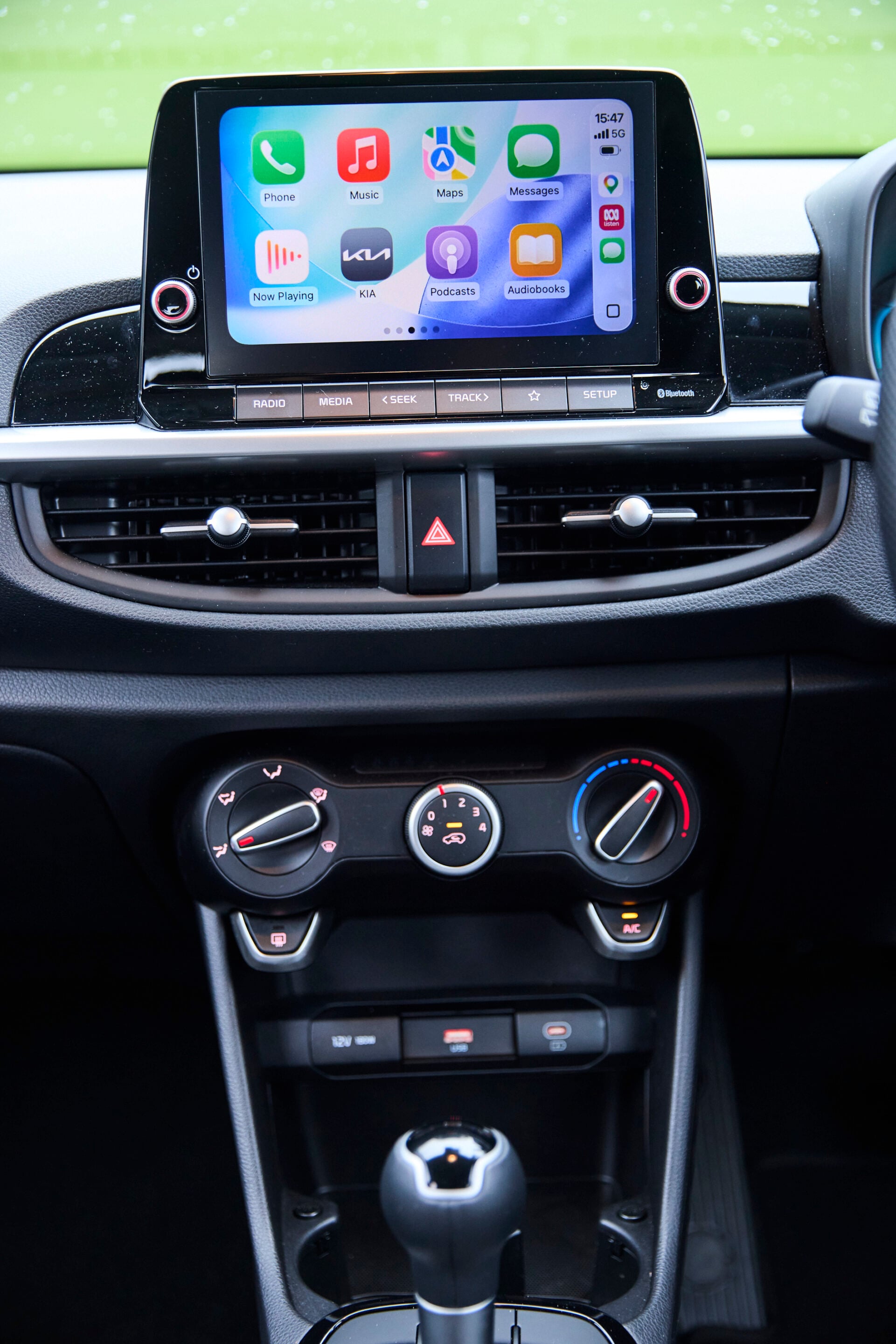
As a tech-forward company, the BYD’s 10.1-inch touchscreen sees off Kia’s 8-inch screen while the digital driver display score reads 7-inch to 4.2-inch in favour of the BYD.
The Atto 1 is alone in offering adaptive cruise control and front and rear parking sensors, besting the Picanto’s regular cruise control and rear parking sensors only. Similarly, the Atto 1’s 360-degree camera trumps Kia’s reversing camera. BYD also scores tyre pressure monitoring. Picanto doesn’t.
So, a little bit of give and take (and arguably not enough, at least on paper) to counter the circa six grand price difference between this pair. Not yet, anyway.
Power struggles
This, of course, is where the difference between the two urbanites is at its starkest – petrol versus electric.
There’s nothing modern about the Picanto’s powertrain, which marries a 1.2-litre naturally-aspirated four-cylinder petrol engine with a rudimentary four-speed automatic transmission. Power outputs are meagre, with just 62kW and 122Nm channelled to the front wheels.
The Atto 1’s modern take on motoring brings a single electric motor with 115kW and 220Nm powering the front wheels. Those numbers easily dwarf the Picanto’s but they do have to work harder to shift 1390kg of Atto 1. The Kia, in comparison, is a positive lightweight, tipping the scales at just 936kg, more than 400kg lighter than its rival here.
Cabin fever
Despite their compact dimensions, neither car feels particularly small inside, both making good use of the available space.
The Picanto’s cabin does feel a little dated alongside the BYD’s, hardly surprising considering its decade-old underpinnings.
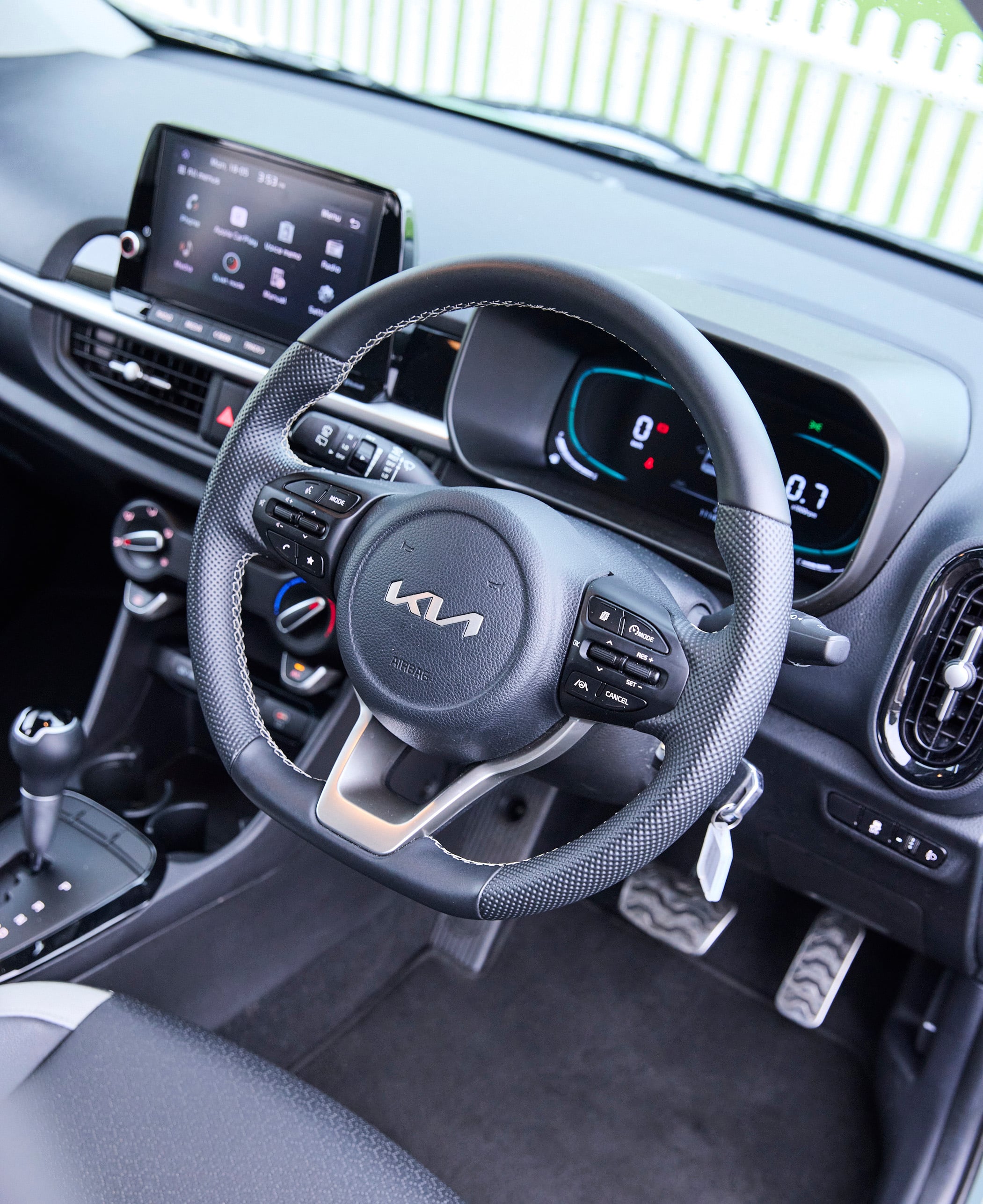
Both are draped in artificial leather but it’s the BYD’s that does the best impression of being the real stuff, the Picanto’s looking and feeling like the vinyl it is.
Kia has tried to inject some visual interest with perforations and light grey accents on the seats, and contrast stitching on the leather-wrapped steering wheel, but at its heart, the Picanto’s cabin remains pretty basic.
The manually adjustable front seats are comfortable enough but lack the creature comforts of the BYD’s, which bring heating and ventilation to the small car party. There’s a paucity of storage options in the Picanto, as you’d expect from the segment, with the usual cupholders, a serviceable glovebox, door pockets that can take small bottles, and not much else.
The Kia’s rudimentary cabin layout does bring some benefit, including chunky dials for air conditioning – something the BYD doesn’t offer, its climate controls housed inside its 10.1-inch touchscreen.
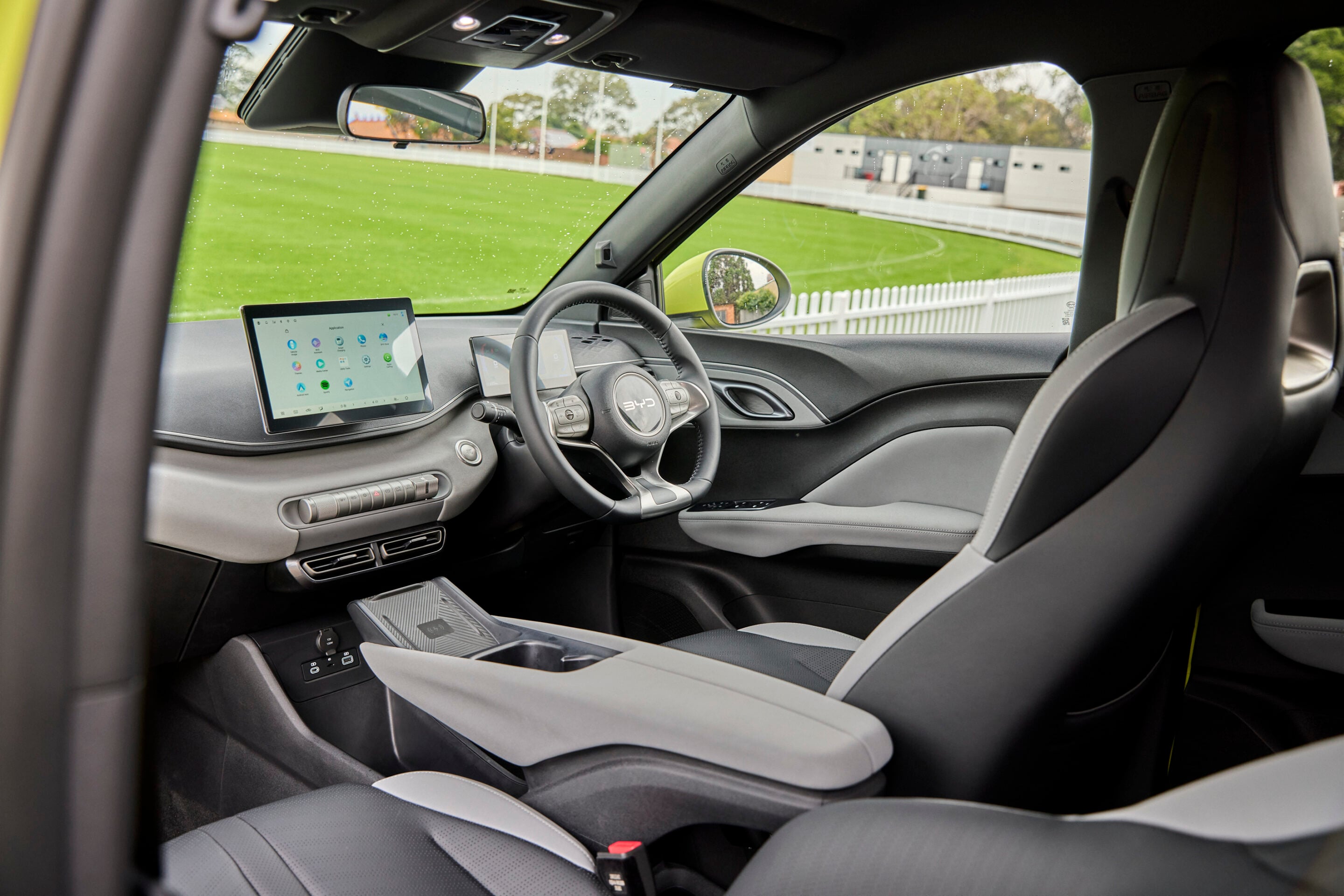
Slide into the Atto 1 and it’s immediately apparent this is a car for now. The overall design is significantly sharper and cleaner than the Kia’s, a fresh and contemporary look that trades tactility for minimalism.
The materials throughout the BYD are a cut above the Kia’s, its synthetic leather closer to the real stuff than the Picanto’s. Both are compact cars, of course, but the Atto 1, at least up front, feels bigger, more spacious, lighter.
The front seats are on a par with the Picanto’s, at least in terms of comfort, and have the added benefit of heating and cooling. The driver’s seat is power adjustable, something the Picanto can’t match.
Storage options are limited, with cupholders, door pockets, and a small glove compartment along with a wireless smartphone charging pad, something the Kia doesn’t offer.
Second-row comfort is always going to be a compromise in cars of this size. And it’s here where the Atto 1 is a clear-cut winner, its back-seat comfort superior to the Picanto’s. The seats feel nicer to sit in and there’s more available room in key areas such as foot, knee and leg. Headroom is a touch compromised by the Atto 1’s sloping roofline but the differences are marginal.
There is a caveat, though – the Atto 1 is a four-seater only, with no middle seat in row two. This isn’t as a big a deal as it sounds on paper, with city cars rarely the domain of families of five, or even three. We’d venture the majority of buyers in this segment are singles or couples.
The Picanto at least makes a pretence of squeezing three across in row two, although we wouldn’t recommend it. It’s tight back there, even for two people.
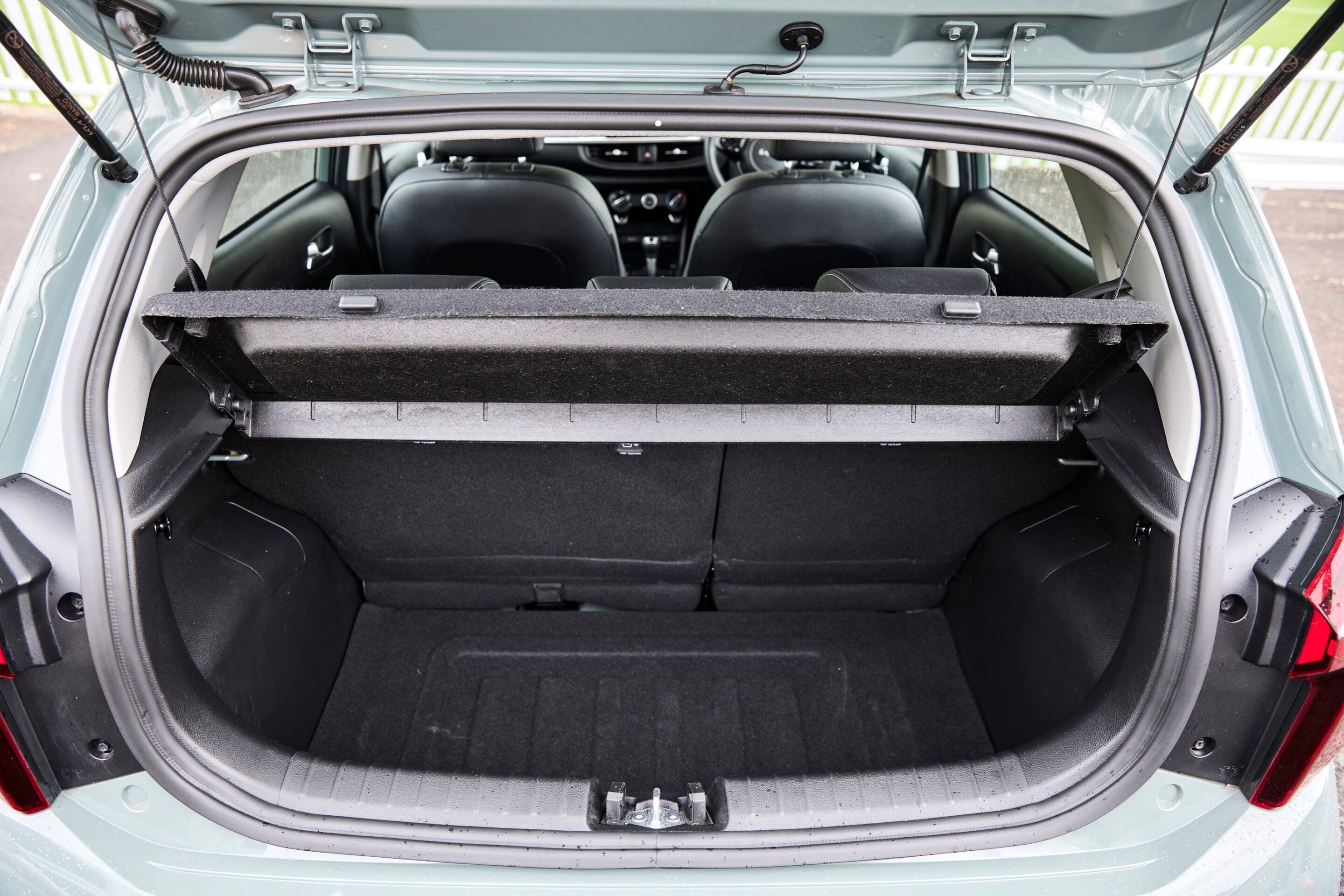
Boot space is as you’d expect of the segment, although here the BYD, with 308L/1037L, easily accounts for its rival’s 255L/1010L storage capacity. The bonus here is that the Picanto is alone in offering a spare wheel, even if it is a space-saver. Score a puncture in the BYD and you’ll be filling your tyre with goop and hoping like hell it makes it to the nearest tyre retailer.
Tech warfare
The Kia’s 8-inch touchscreen is small by today’s standards and its user interface feels a generation behind. Not that most buyers will notice, with smartphone mirroring likely the preferred options. Here the Kia brings wireless (or cabled) Apple CarPlay and Android Auto to the party and while it works well for the most part, we did experience the occasional drop-out.
The Atto 1’s 10.1-inch screen looks altogether more modern with a slim frame (the Kia’s chunky surround is showing its age) and a better user interface. And it needs to, because most of the BYD’s critical functions are accessed via the screen. Tech nerds will feel right at home.
Wireless Apple CarPlay and Android Auto are standard, as is wireless smartphone charging. Unlike the Kia, we had no issues connecting to CarPlay, which proved stable throughout.
We’re not massive fans of accessing key features via a touchscreen (seat heating or cooling in the BYD takes a minimum of four presses) which makes the simplicity of the Picanto’s chunky dials a reminder of what we have lost in this day and age. The simple things, hey.
Road warriors
It’s on the road where these two illustrate the widening gulf between old-school combustion and modern electrification.
The Picanto does nothing particularly wrong when it comes to the driving experience. The 1.2-litre four-pot might not be the last word in power and torque, but for the most part, the 62kW and 122Nm it makes are perfectly acceptable.
It’s not the sharpest tool in the garage, with acceleration best described as leisurely. But it’s sharp enough to blend in with the flow of urban traffic with minimal fuss, even if the four-speed auto transmission has to work harder than say a six-, seven- or eight-speed tranny. But that’s expensive technology and at this end of the new car market, buyers are less likely to care that a few cogs are M.I.A.
Around town, the little Picanto is brisk enough but once out on the highway at motorway speeds, things start to become decidedly less pleasurable. Yes, the Kia can handle 100-110km/h but it does so noisily and hungrily, the engine roaring at 3000rpm, the result of only having four gears to play with.
Road noise is intrusive too, occupants the victim of those 16-inch alloys and their accompanying slim-sidewalled rubber. The ride can feel a little harsh too, telegraphing minor bumps and lumps into the cabin while larger road messes like potholes or speed bumps result in a loud thud inside the cabin.
The steering remains light and quick, while the Picanto’s sub-1000kg kerb weight pays dividends in urban and suburban surroundings where the little city dweller proves agile and light on its wheels. Maneuverability is good, as you’d expect from a car this size.
It’s in the urban jungle where the Picanto is at its best, nimble and lithe, and with enough pep to not feel like it’s totally floundering.
The Atto 1 strikes a different note on the road. For starters, its far more powerful electric motor results in better acceleration off the mark and a quieter time out on the motorway.
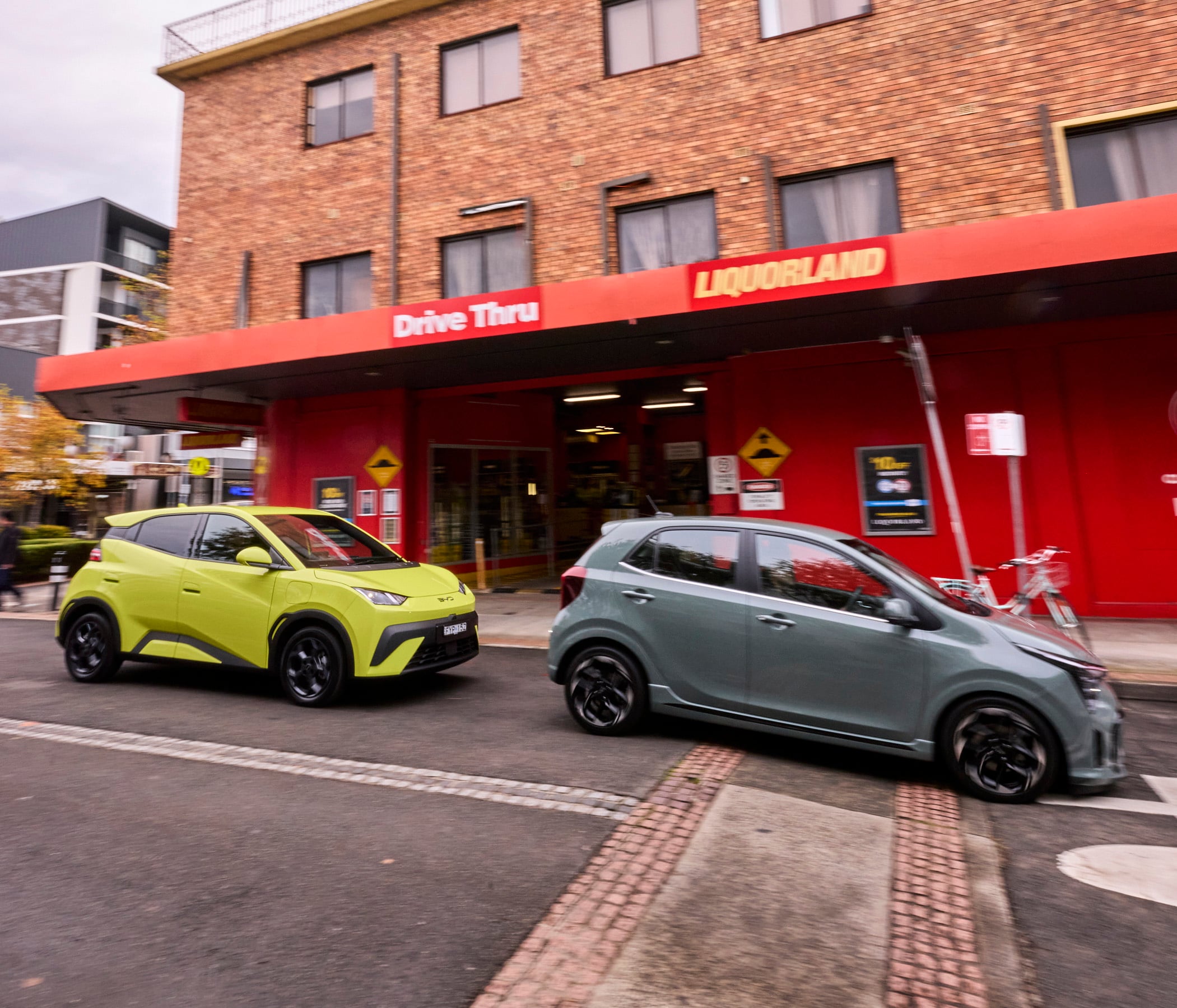
Acceleration is brisk without resorting to the back-in-the-seat shove some EVs are known for. Instead, the Atto 1 simply hums along with the flow of traffic in an orderly and quiet manner.
BYD claims a 0-100km/h time of 9.1 seconds, which isn’t especially fast, but we’d suggest the first surge to 30-40km/h is much quicker than the average petrol-powered car.
Kia, for its part, doesn’t offer a 0-100km/h claim but multiple independent tests in Australia have recorded times in the 13-to-14-second bracket.
The Atto 1 is more accomplished than the Kia on the highway too, feeling less stressed at motorway speeds than its petrol-powered rival. The ride quality is better as well, less busy and more compliant than the Kia’s. That becomes especially noticeable over patchier road surfaces, the BYD absorbing potholes and bumps with a level of composure missing from the Picanto.
The steering feels light and direct too, and like the Kia, the Atto 1 does its best work in the city, feeling lithe and nimble despite carrying a weight penalty of more than 400kg over its Korean rival.
Running on empty
Neither combatant here is especially heavy on energy use. In the case of the Picanto, a claimed 6.0L/100km of 91-octane regular unleaded comes close to the 6.4L we recorded out in the real world. That translates to a typical driving range of around 546km from its 35-litre tank.
The Atto 1’s 43.2kWh battery pack is claimed to deliver around 310km of driving range, according to WLTP lab testing. BYD says the Atto 1 will chew through electrons at the rate of 16kWh per 100km.
Our week with the little EV smashed through that barrier, with an indicated 12.7kWh/100km achieved over a wide variety of typical driving conditions, including an energy-sapping motorway haul at 110km/h. That frugal use of electrons should, in theory, extend the Atto 1’s range to around 340km, well shy of the Picanto’s petrol tank, but adequate for the majority of urban and suburbanites who rarely cover more than 30-40km a day.
BYD says the battery can be replenished at a maximum DC rate of 85kW, resulting in a 30-100 per cent top-up in just 22 minutes. AC charging is capped at 11kW, translating to a five-hour refill from 0-100 per cent. The Picanto, of course, takes a couple of minutes to refuel.
The verdict
The redrawing of the ‘affordable new car’ boundaries has thrown up some interesting questions and offered some different answers.
Traditional petrol-powered cars continue to set the tone for first-car buyers and downsizers, which, like the Picanto here, offer fuss-free motoring with few disruptions to how we’ve always gone about our motoring lives.
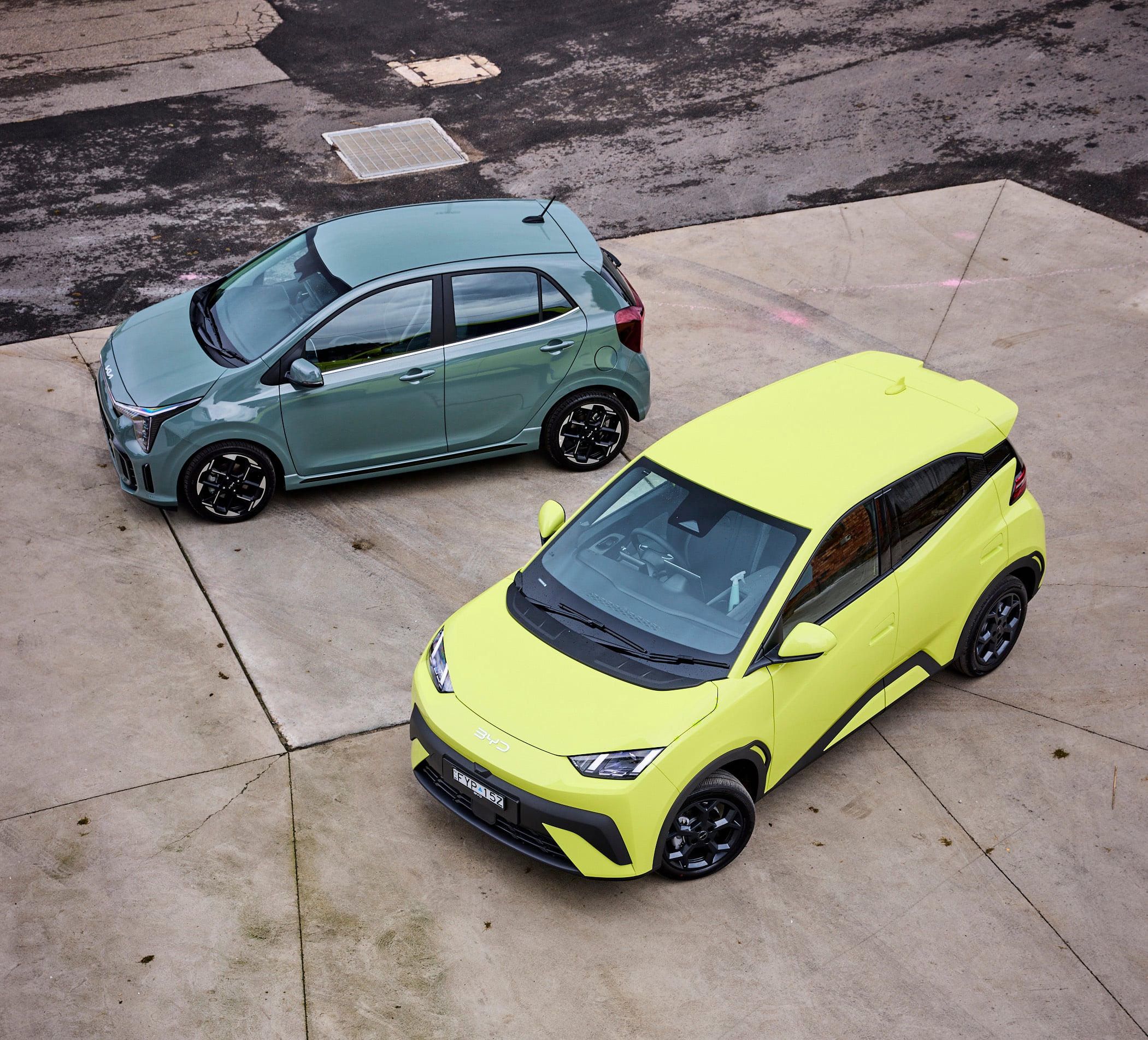
The Kia Picanto’s place as ‘the most affordable car in Australia’ carries some considerable weight when it comes time to take the leap. For around $25,000, buyers are treated to a car that’s familiar and doesn’t require changes to habits to extract the most from it.
It’s easy to drive around town, nimble and fuss-free, and has enough technology bundled into its diminutive package to appeal to a large swathe of buyers in the segment.
But where the Picanto is starting to show its age, the BYD Atto 1 shines a light on the future. Yes, the buy-in for this Premium spec is considerably more than what Kia asks. But it’s easy to see where that extra cash has been splashed, and not just in its electric technology.
A nicer cabin, finished in better-quality materials and married to a quicker overall powertrain, make a compelling case for switching to electric.
Ultimately, the Kia Picanto and BYD Atto 1 offer two different answers to the same question – what is the most affordable car money can buy today? For traditionalists the Picanto flies the flag for those not ready to take the leap into electrification. But for those who are willing, the BYD Atto 1 offers an easy buy-in to the future.
So which one wins? For our – admittedly more – money, the Atto 1 takes the trophy, primarily for its contemporary cabin, better road manners and overall more resolved driving experience.
Specifications
Kia Picanto GT-Line
| Price | $22,590 plus on-road costs ($25,190 driveaway nationally) |
|---|---|
| Engine | 1248cc naturally aspirated four-cylinder petrol |
| Power | 62kW @ 6000rpm |
| Torque | 122Nm @ 4000rpm |
| Transmission | Four-speed automatic, front-wheel drive |
| Claimed fuel consumption | 6.0L/100km |
| Claimed CO2 emissions | 140g/km |
| Fuel type/tank size | 91 RON regular unleaded, 35 litres |
| Dimensions (l/w/h/wb) | 3595/1595/1485/2400mm |
| Boot capacity | 255 litres (rear seats up), 1010 litres (rear seats folded) |
| Kerb weight | 936kg |
| Warranty | Seven-year/unlimited km |
| Servicing costs | $2079 5 years/75,000km |
| Overall rating | 7.2 |
BYD Atto 1 Premium
| Price | $27,990 plus on-road costs |
|---|---|
| Drivetrain | Single-motor electric |
| Transmission | Single-speed, front-wheel drive |
| Peak outputs | 115kW/220Nm |
| Claimed | 0-100km/h 9.1 seconds |
| Battery | 43.2kWh lithium-ion |
| Claimed range | 310km (WLTP) |
| Claimed efficiency | 16kWh/100km |
| Claimed peak charge speed | 11kW (AC), 85kW (DC) |
| Claimed 10-100% DC charge time | 22 minutes |
| Dimensions (l/w/h/wb) | 3990/1720/1590/2500mm |
| Boot capacity | 308 litres (rear seats up), 1037 litres (rear seats folded) |
| Kerb weight | 1390kg |
| Warranty | Six-year/150,000km (car), eight-year/160,000km (battery) |
| Servicing costs | $1391 5 years/100,000km |
| Overall rating | 7.5 |
This story first appeared in the September 2026 issue of Wheels magazine, now on sale. Subscribe here and gain access to 12 issues for $109 plus online access to every Wheels issue since 1953.
If there’s one thing seven-time Supercars champion Jamie Whincup and Ford want you to know about the new Mustang Dark Horse T8 Spec pack, it’s that it is not, repeat not, a branding exercise. And they have the goods to back that up.
Ford Australia has partnered with Whincup’s Triple Eight racing team to give the Mustang a track-focused shot in the arm not by increasing its power, but by giving it a bit of Supercars DNA to help it do a better job of gripping the road.
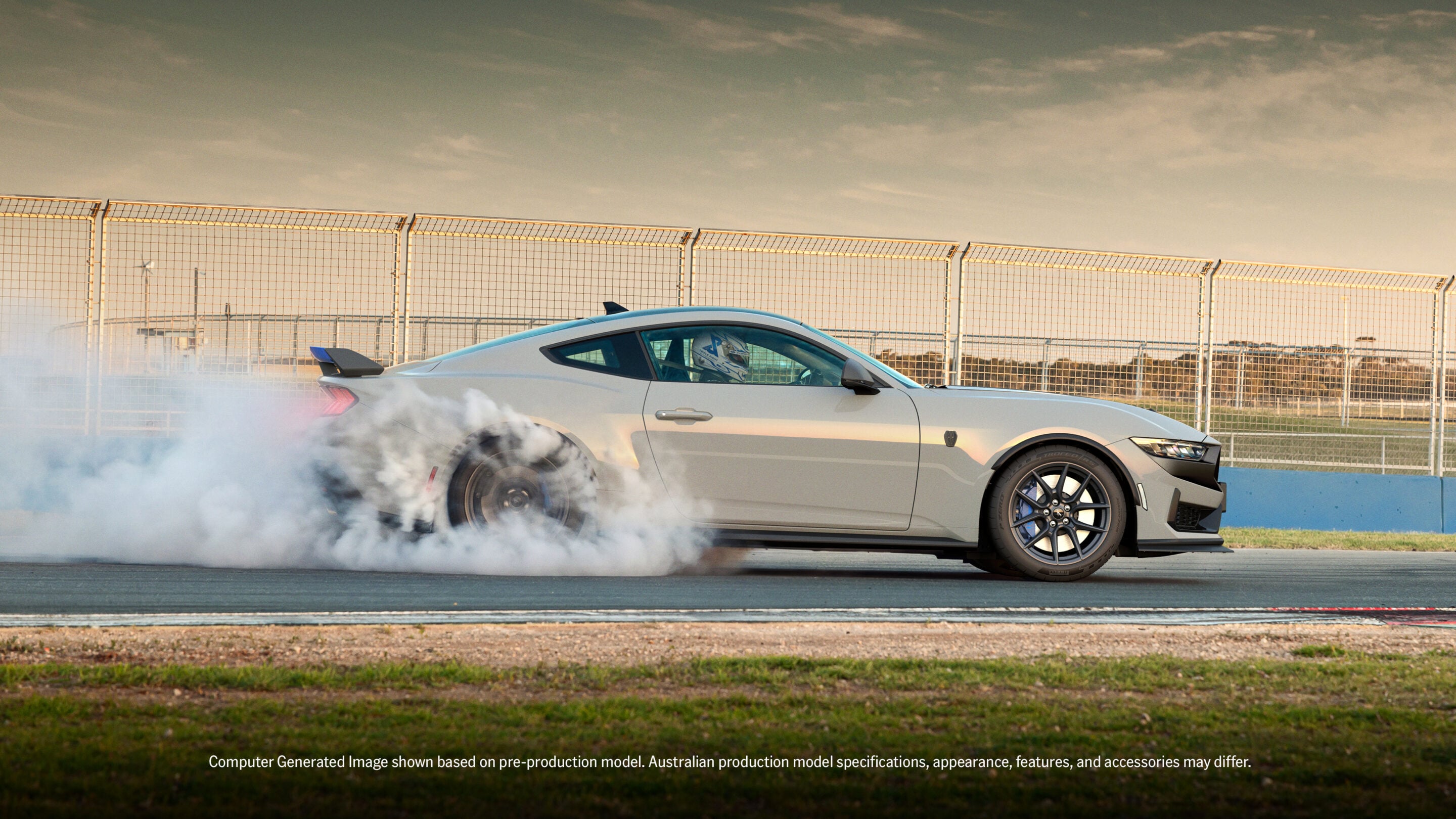
That meant improving the roll bar, springs, ride suspension and steering rack, as well as fitting the T8 with semi-slick Pirelli tyres. The process, which also involved Triple Eight team manager Mark Dutton and Ford Special Vehicles engineer James Holloway, took months to complete, with heavy input from Whincup.
“After 20 years of going round-and-round in circles we’ve worked out what the key elements are to make a car handle well on the racetrack and be balanced overall,” Whincup said. “Suspension is what keeps the tyre on the ground. It’s a critical part, particularly over bumps and under braking.
“That’s where we’ve been able to bring our knowledge and experience to the Mustang Dark Horse. It’s already a nicely balanced car. It not only handles well, but it gives great feedback to the driver, so they enjoy the experience. We wanted to help take that to the next level with T8 Spec 1.
“We’ve recently celebrated our 20-year history as Triple Eight Race Engineering Australia. We like to think we know a little bit about setting up a race car.”
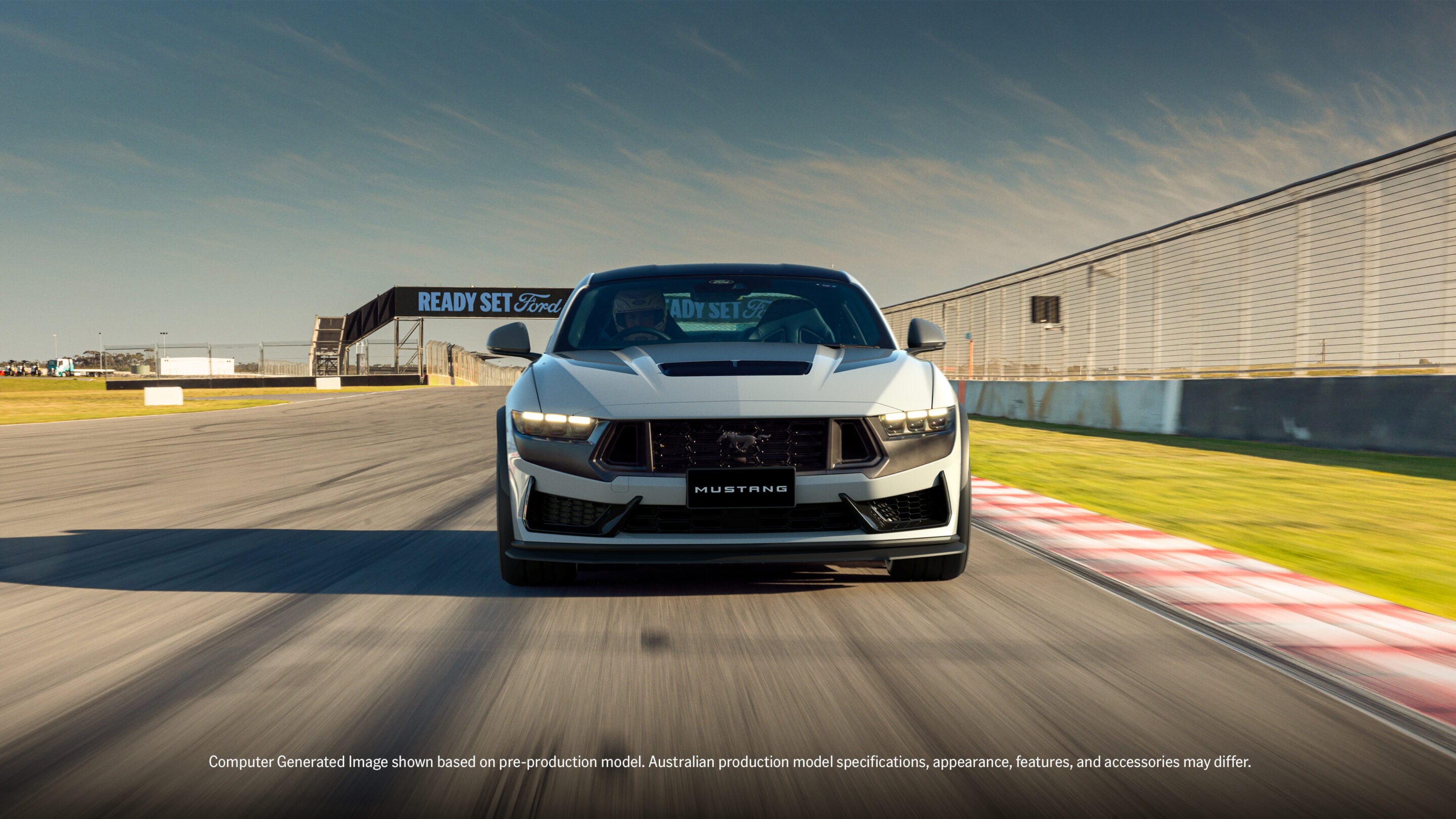
Tom Dohrmann, Ford’s supervisor for Special Vehicles Engineering, said Whincup spent time in a Dark Horse in Queensland as the T8 was developed, resulting in “some very helpful feedback”. Ford, meanwhile, tested at the You Yangs Proving Ground outside Geelong. He also pinpointed what he sees as the most important change from the stock Mustang.
“This vehicle package is truly the sum of its parts, but the tip of the spear are the tyres,” Dohrmann said. “The Pirellis are basically a semi-slick, track-based tyre. Around that we’ve made changes to the springs, the roll bar, the ride suspension and the steering rack. It’s a whole package that comes comes together for a big uplift in handling performance.”
No more than 250 T8 Dark Horses will be made. They’ll come in exclusive Avalanche Prestige paint with a manual transmission. The 19×10.5-inch (front) and 19.11-inch (rear) alloys are clad in Pirelli P Zero Trofeo RS rubber, 305/30R19 at the front, 315/30R19 at the rear.
There’s also a larger rear spoiler, enhanced front aero splitter, Grabber Blue Triple Eight branding, Notorious Blue Brembo brakes, and a bespoke interior featuring Recaro sports seats with indigo bolsters, a unique gearshift knob and sequentially numbered build plates.
If you buy one, you’ll get an exclusive track experience at Queensland Raceway in the first half of next year. The T8’s manufacturer listed price is $138,888, which is a nice callback to Triple Eight’s involvement.
Driving through deep water can be catastrophic for a combustion engine, but a new hybrid powertrain developed for rugged SUVs and utes has been designed specifically to keep running while submerged.
Horse Powertrain, the powertrain specialist backed by Renault and Geely, has revealed its new B20 engine, which it says can operate in water as deep as 1100mm.
The company develops engines, hybrid systems and transmissions for a range of manufacturers, including Renault, Geely, Volvo and Mitsubishi, and says the B20 has been designed for vehicles tackling extreme off-road conditions and deep-water crossings.
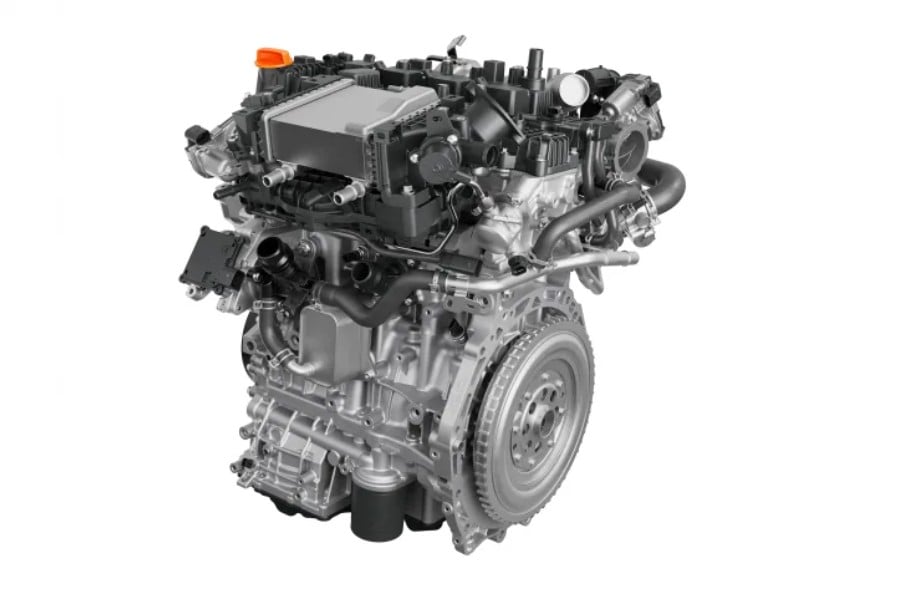
At its heart is a turbocharged 2.0-litre four-cylinder petrol engine producing between 140kW and 185kW, depending on specification, with torque ranging from 300Nm to 380Nm.
The engine can be incorporated into conventional hybrid, plug-in hybrid and range-extender powertrains, while Horse claims thermal efficiency of up to 48.7 per cent.
Its headline feature, however, is IPX8 waterproofing.
Horse says the engine is fully sealed and incorporates waterproof components and sensors that monitor conditions surrounding the powertrain. It can operate while submerged at depths of up to 1.1 metres.
For perspective, the current Land Rover Defender has a maximum claimed wading depth of 900mm, while the Jeep Wrangler can tackle water up to approximately 760mm deep. Those figures relate to the vehicles’ overall wading capabilities rather than their engines being completely waterproof.
When the B20 detects that it is submerged, its electronic controls can automatically adjust parameters including throttle response and power output according to information supplied by its sensors.
Horse says these measures allow the engine to continue operating reliably during deep-water crossings.
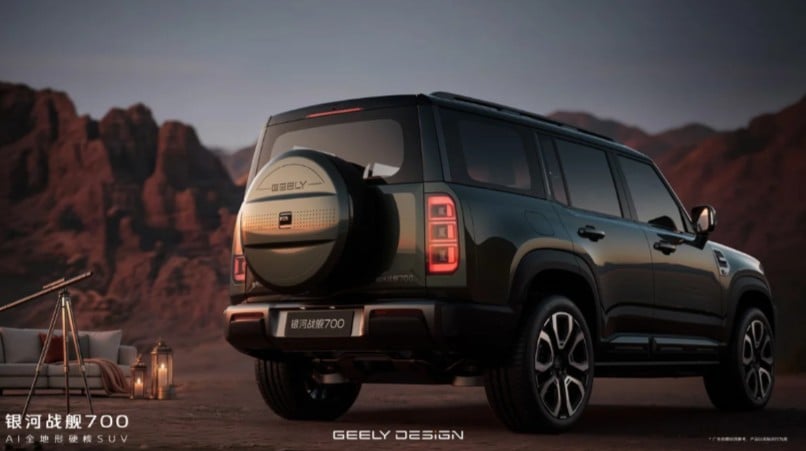
The first production vehicle to receive the technology is the Geely Galaxy Cruiser 700 (above), also previously known as the Galaxy Battleship 700.
The large Chinese off-roader combines traditional 4×4 construction with an electrified drivetrain, using a ladder-frame chassis and the B20 engine paired with a three-speed hybrid transmission.
The Cruiser 700 is expected to spearhead a broader push by Geely into rugged electrified off-roaders, potentially putting future models into territory traditionally occupied by vehicles such as the Defender and Toyota LandCruiser.
Australian EV owners can save as much as $1900 a year by taking advantage of the three hours of free electricity available each day under the federal government’s Solar Sharer Offer, new modelling shows.
The offer, which started on July 1 this year, forces power retailers to offer at least one plan that includes three hours of free electricity per day, capped at 24kWh. The discount is made possible by Australia’s daytime solar power surplus, which occurs around the middle of the day.
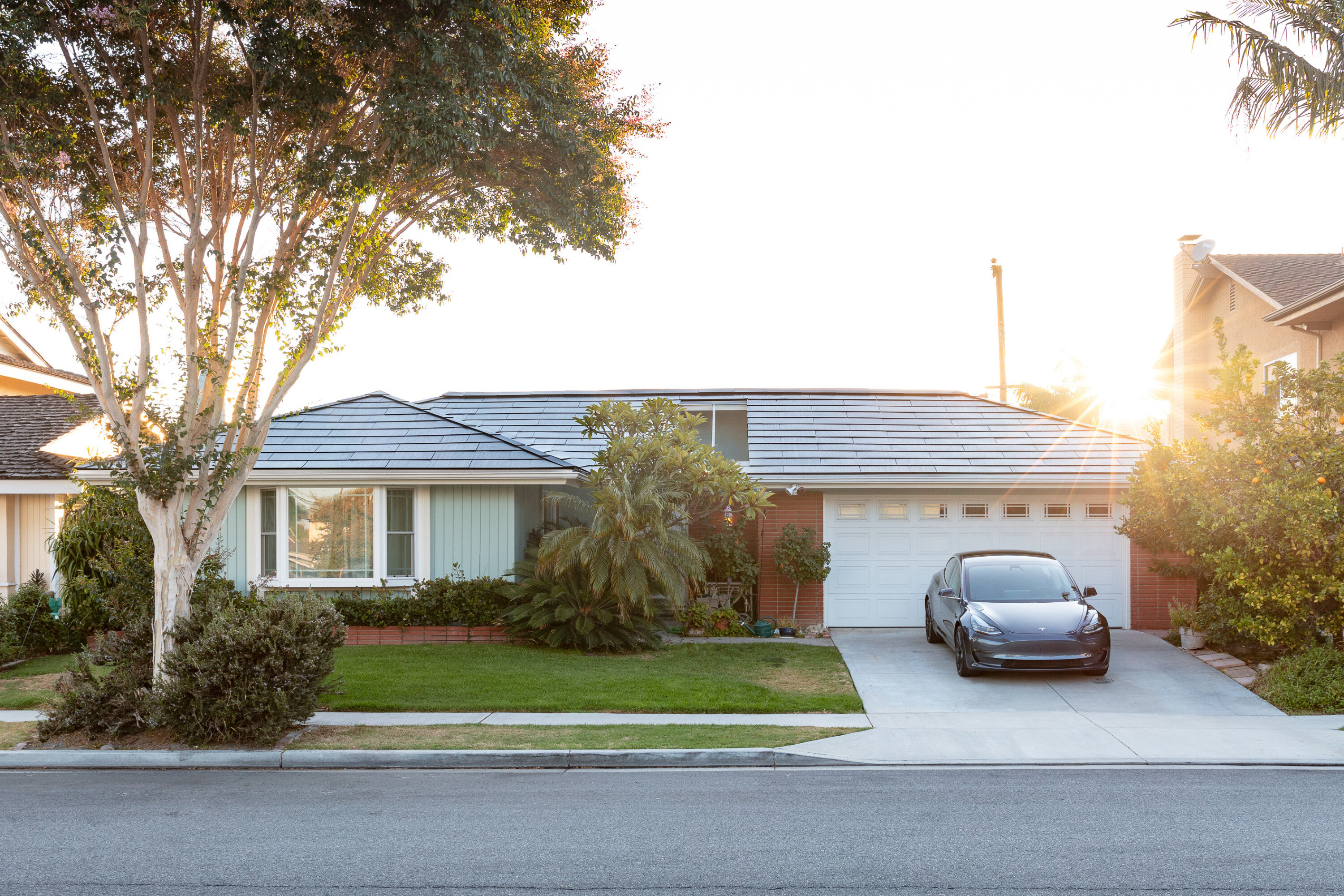
That means EV owners who can charge at home at that time are able to shave a significant amount off their power bill, according to modelling by the Institute for Energy Economics and Financial Analysis (IEEFA). Its numbers show that households with one electric vehicle can save up to $800 a year, rising to $1900 for homes with two EVs.
“If you’re able to charge that EV in the middle of the day, you can take advantage of the free power period and lower the running costs even more [compared to petrol and diesel cars],” said IEEFA energy analyst Jay Gordon.
“If, of course, you’re a larger household that had two EVs – and we know the majority of Australian homes do have more than one vehicle – you could be seeing double those savings, so you’re easily exceeding $1000 a year on that regulated solar sharer offer.”
According to federal government figures, Aussie EV owners charge their cars at home around 80 per cent of the time, meaning the offer should be wildly popular. The discount is available regardless of whether you own or rent, and you don’t need to have solar panels installed at your residence to qualify for it.
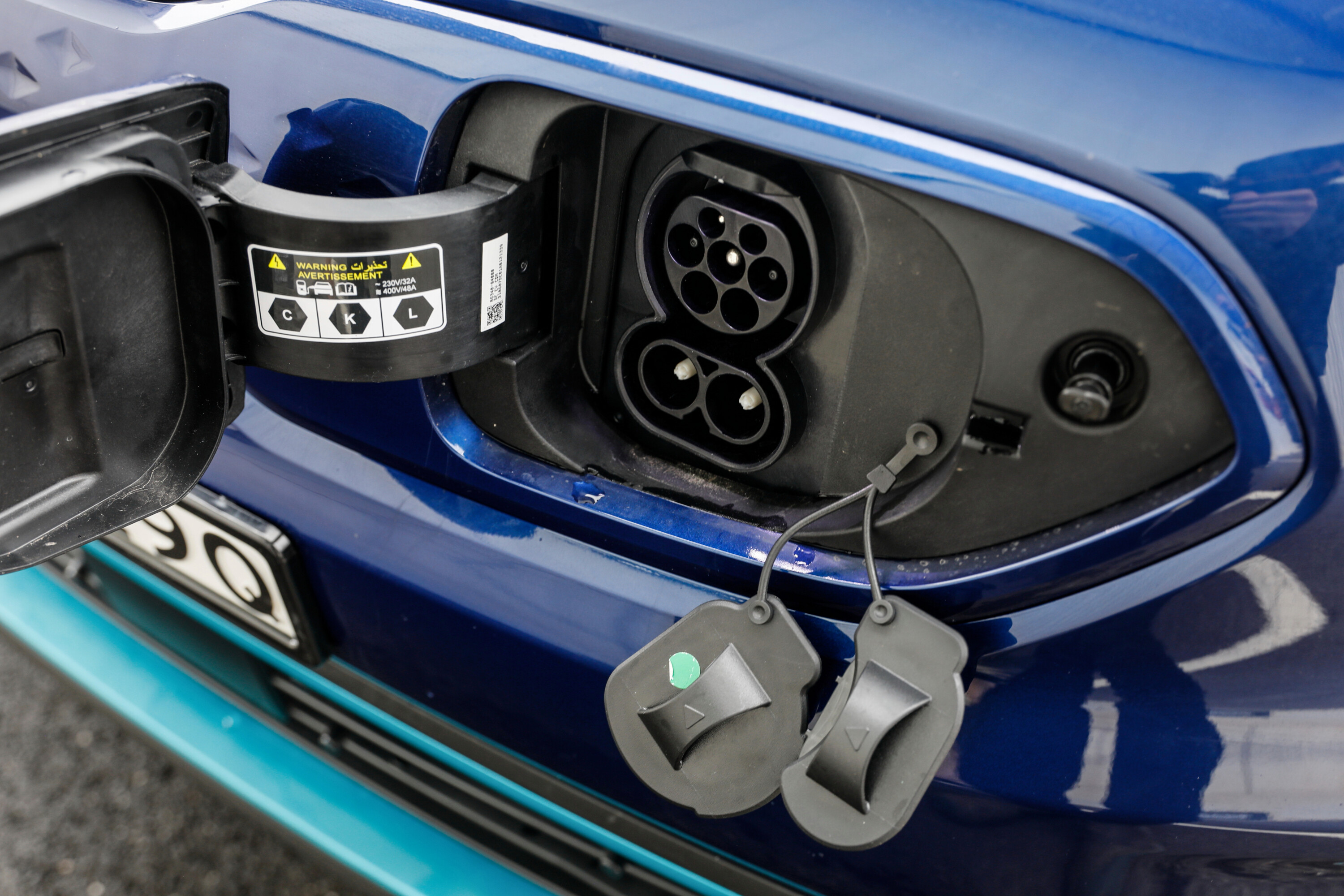
However, it does come with a catch: it’s not currently available right across the country. The offer only applies to eligible households in Default Market Offer areas, where customers aren’t as able to shop around for better deals. This means only NSW, South Australia and south-east Queensland qualify.
The period of free power differs depending on your location, too. In NSW and south-east Queensland it’s 11am to 2pm, while South Australians can access it from 12pm to 3pm. You’ll also need a smart meter installed at your residence in order to qualify, and you’ll need to opt in to access the offer.
Two surprising new electrified models are about to lead a massive product push by Ford Australia.
The new blue oval hero is the Bronco Basecamp, a hybrid SUV that promises a new style of weekend getaways including a cabin that can be transformed into a double bed with a back-door kitchen.
It’s joined by a fully battery-electric Transit City, an urban-focussed vehicle intended to cash-in on the booming demand for short-haul delivery work.

In addition to the product drive, which includes a Mustang Dark Horse with enhancement by the Triple Eight Supercars team and a stronger emphasis on factory-developed accessory packs for the Ranger Super Duty, Ford is moving on several customer fronts.
It is lifting its standard warranty to seven years – up from five – for vehicles which are serviced within its dealer network, while touting 220 service outlets with 180 dealerships.
Ford promises to more than double its showroom line-up within five years, moving from 30 to 60 per cent of market coverage, as it shifts away from its overwhelming reliance on the Ranger and Everest. Ninety percent of its model range will be new or refreshed by 2030.
“We’re on a growth plan and we’re moving forward. There is more to come,” the president of Ford Australia, Fadi Mawai, told Wheels.
He was speaking at Ford Uncovered, a multi-day event with a six-figure budget intended as a showcase and rallying point for the blue oval brand. The event was staged at the Melbourne Exhibition Centre, once the home to major motor shows in Australia, and guests included Ford employees, media, dealer staff and other company insiders.
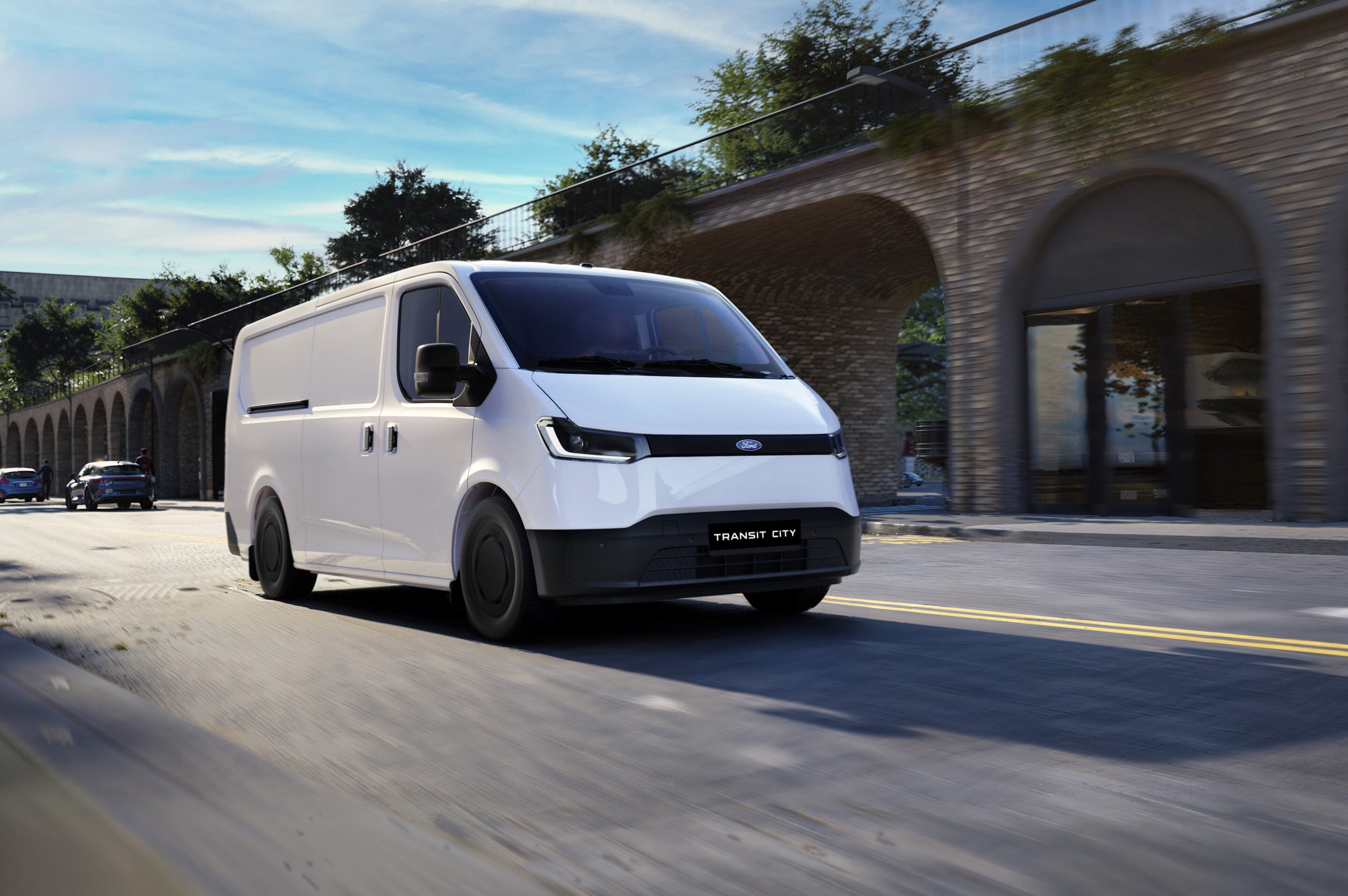
Not surprisingly, given their electrification, the roots of the new Bronco and Transit can be traced back to China, and Ford’s long-term technical tie-up with JMC – Jiangling Motors Corporation. Both vehicles sit on a JMC platform, although Ford is claiming considerable Australian development work on the Basecamp and local tweaking for the Evolution.
“It’s built from the campsite out. The destination is part of the design,” is the way Simon Brook, Ford studio design director, described the Bronco Basecamp.
It’s not coming until the second half of 2027, and there was not even a sniff of the price point, but Ford was clear in highlighting the Australian engineering work going into the new hybrid.
It uses a range-extender hybrid package called ’super hybrid’ – similar to Nissan’s e-Power – with a 1.5-litre turbocharged combustion engine that only charges the battery, never driving the wheels. There are twin electric motors for all-wheel drive, a 49kWh drive battery, and another 6.6 kiloWatts of ‘Pro Power Onboard’ to act as a small-scale power station for plug-in accessories.
Ford claims a combined driving range of 800-900 kilometres, although that is yet to be verified.
The range for the Transit Evolution is only 380 kilometres, but the price-tag – $50,000 drive-away – is just as important for the small fleets and government agencies who are targeted buyers. It could easily have been displayed at Ford Uncovered with a double-sided wrap, with Woolworths on one side and Coles on the other.
The specification for the new BEV workhorse includes a single 110 kiloWatt front driving motor, a 56 kiloWatthour battery with lithium-ion phosphate chemistry for fast charging, a payload up to 1085 kilograms and a 10-80 per cent fast-charge time of 33 minutes. First deliveries are planned for November.
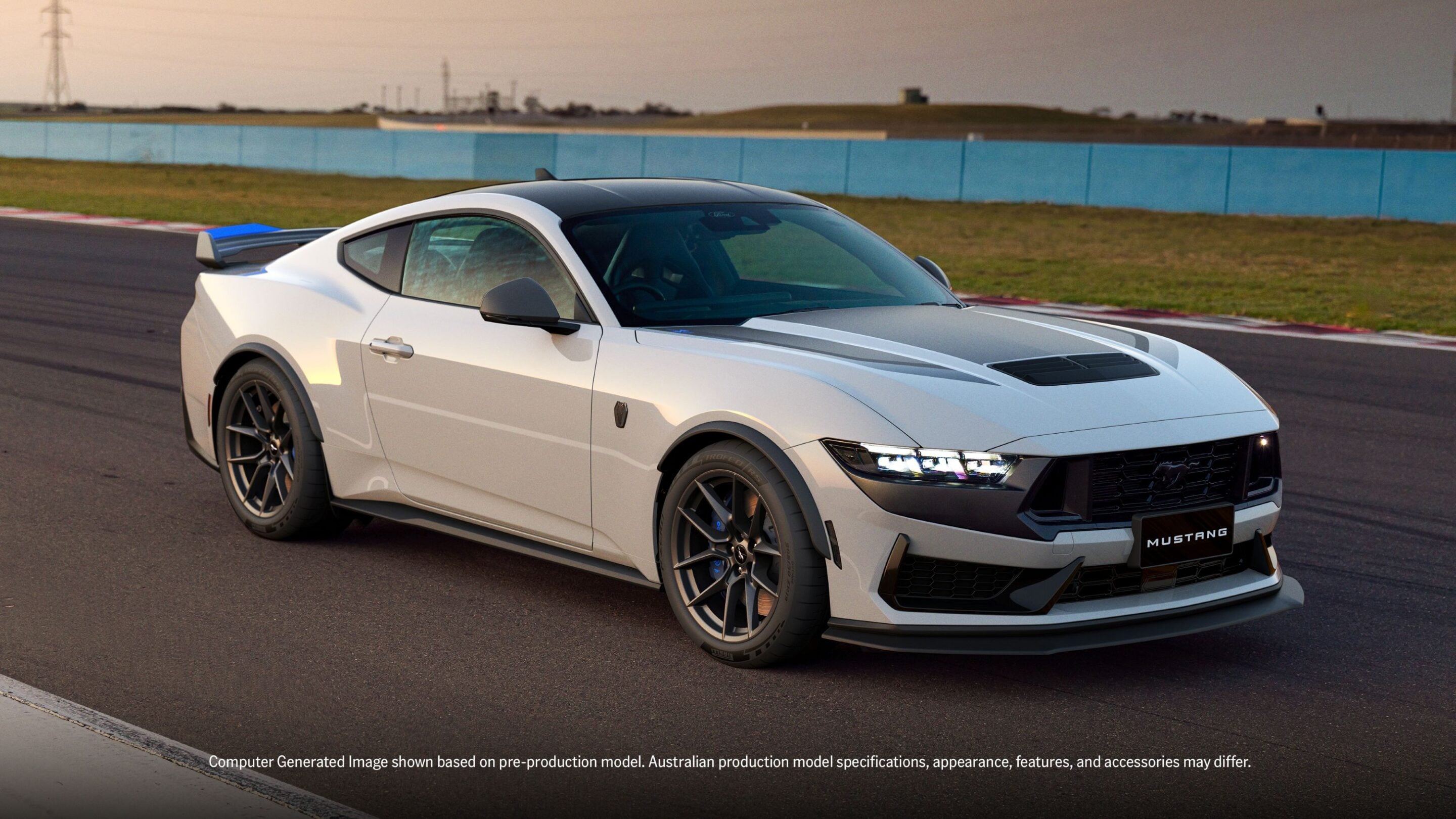
Away from the electric newcomers, Ford also provided details of the T8-Spec Mustang Dark Horse – a go-faster package developed by the Triple Eight team in Supercars racing – price at $138,888 with production capped at 250 cars.
The T8-Spec Pack includes retuned MagneRide suspension, exhaust tips and a sticker pack, and T8 CEO Jamie Whincup told Wheels there had been specific track testing at Queensland Raceway including a front splitter with big handling benefits that is likely to be “delivered in the boot so it doesn’t get damaged”.
The new 3 Series range from BMW has broken cover, with the next generation to be powered by four- and six-cylinder engines paired with mild hybrid systems – and the top-of-the-tree M350 xDrive is the unmistakable hero with impressive turbo power and a new drift mode.
Internally codenamed G50, the eighth generation of the famous 3 family has been captured in official pictures while going through some testing at the company’s proving grounds in southern France during the final phase of production development.
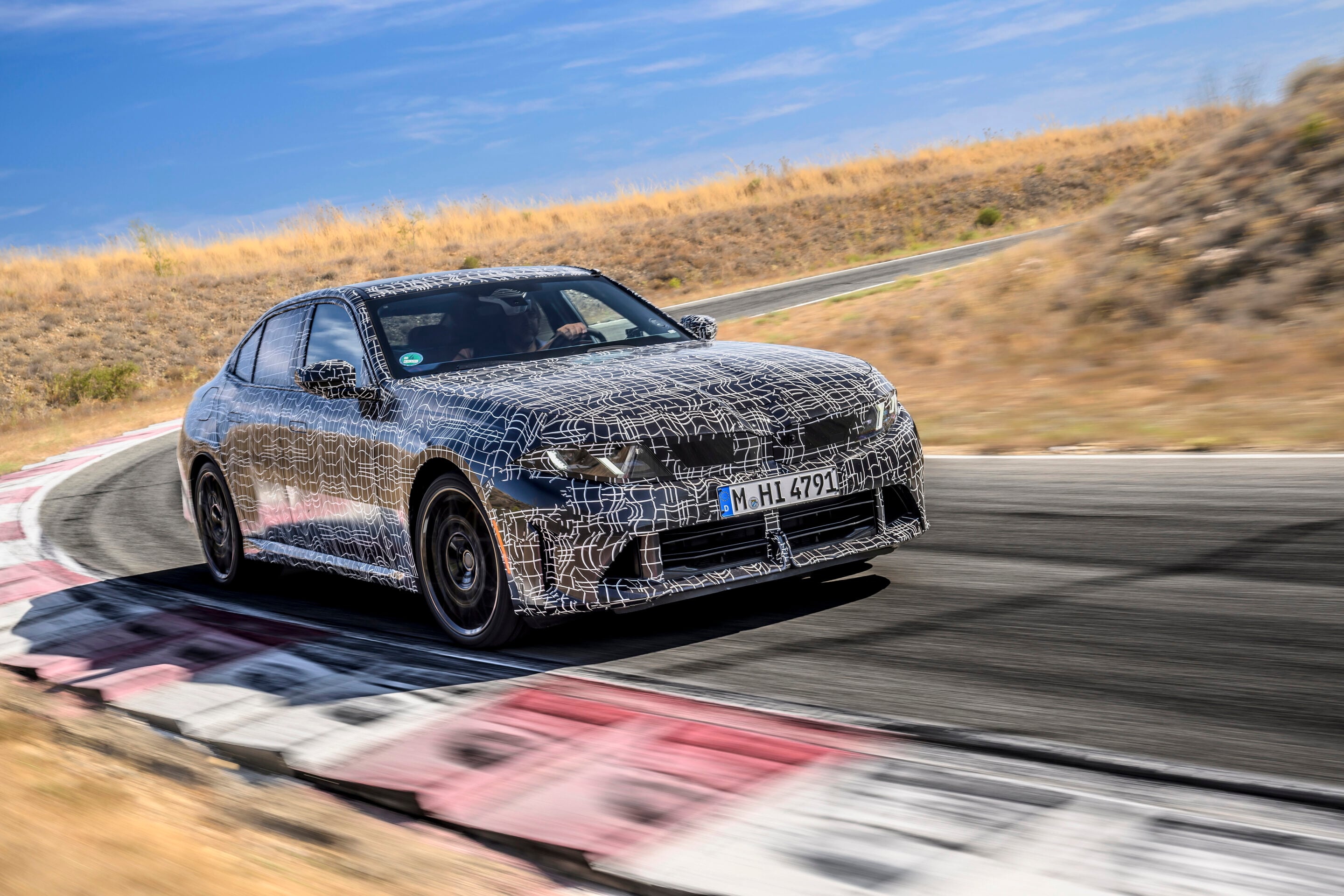
While the models are pictured in a degree of camouflage, it can’t hide BMW’s Neue Klasse design language, which includes a new interpretation of the marque’s famous four-headlight face. The 3’s hallmark short overhangs remain, the wheelbase will be longer than the 2851mm found on the current range, and the overall styling is quite similar to that of the upcoming i3 electric sedan.
The new 3 Series will also have wider front and rear tracks to add to its sporty stance, plus an upgraded integrated braking system and a revised steering ratio to make handling even more precise.
The suspension features a double-joint spring strut on the front axle and a five-link rear axle, with new lift-related dampers, and in a first for the 3 Series, customers can order optional sports tyres in 245/35 R20 (front) and 275/30 R20 (rear).
The M350 xDrive is the only next-gen 3 Series to get a six-pot engine – more on that in a minute – with the rest of the range powered by four-cylinder units that should be updated versions of the B48 petrol mills found in the current line-up. Every upcoming model will get a 48V mild-hybrid system, and there has been no confirmation about new diesel and plug-in hybrid drivetrains.
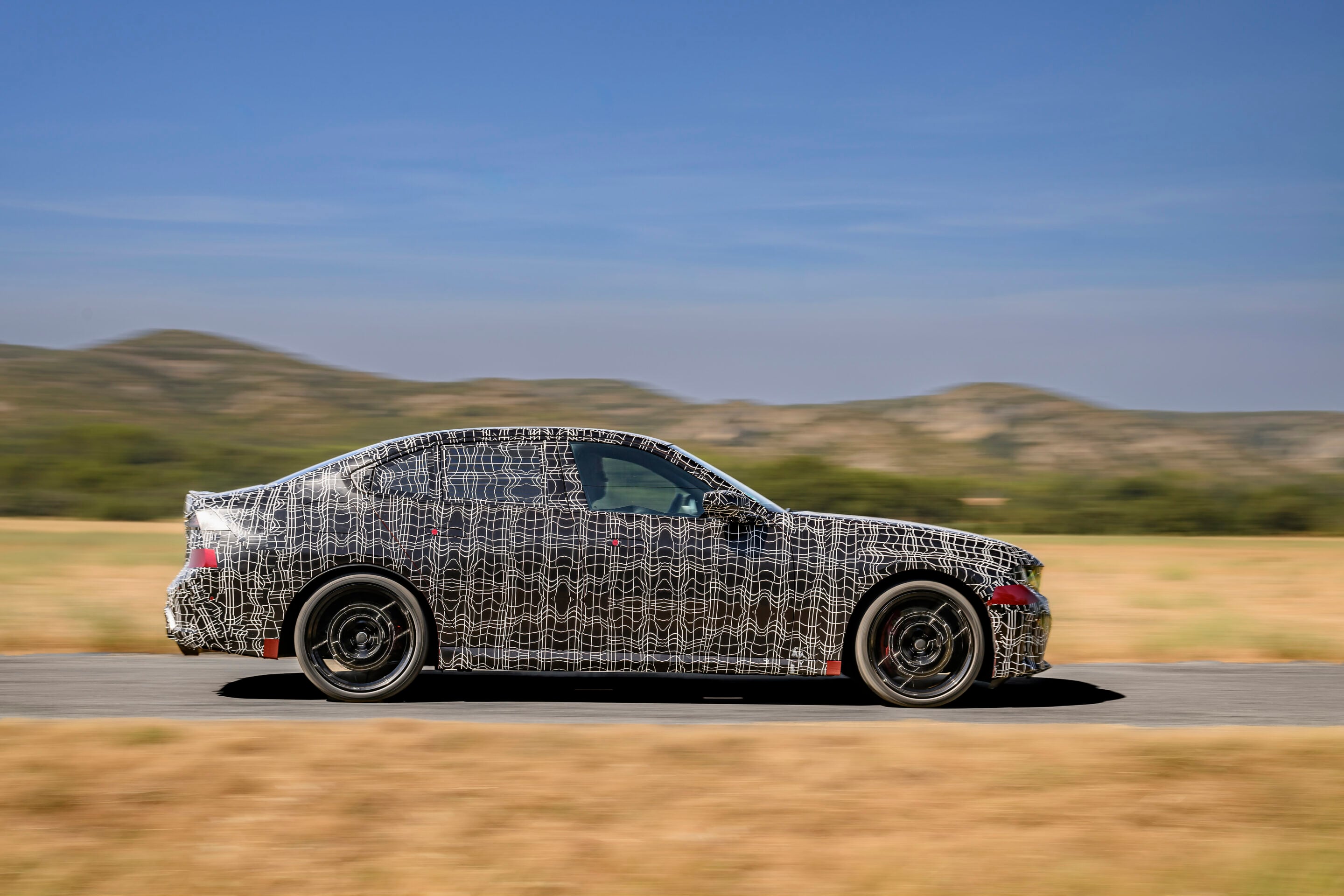
In addition to an eight-speed automatic gearbox and specially tuned four-wheel drive system, the M350 gets a turbocharged in-line six with total outputs of 326kW and 580Nm for a claimed 0-100km/h time of 41. seconds. That’s a big improvement on the model it replaces, the M340i xDrive, which makes 285kW and 500Nm and takes 4.3 seconds for the 0-100 sprint.
BMW is also installing its “Drift Moment” tech in the M350. Activated via the central display, it sends all power to the rear wheels for what the manufacturer calls “a completely new kind of driving experience” that is “dedicated to maximising the joy of going sideways”.
No details or images of the interior have surfaced, but the new 3 Series family will use BMW Operating System X and the new Panoramic iDrive cabin architecture. The new cars’ close relation to the i3 and iX3 models means they should also get AI-integrated voice control.
Stay tuned to WhichCar by Wheels for details on Australian pricing and delivery timings.
