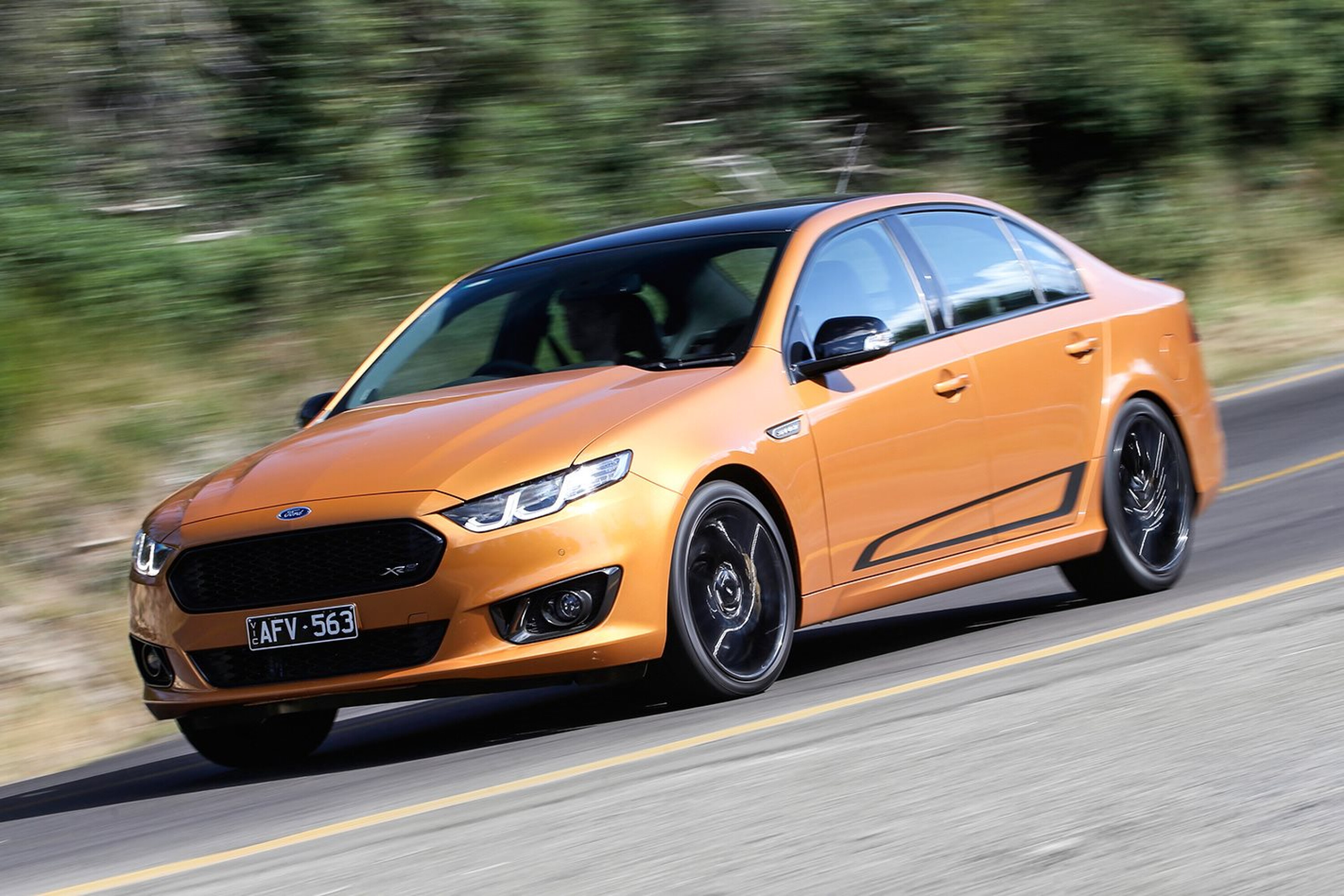
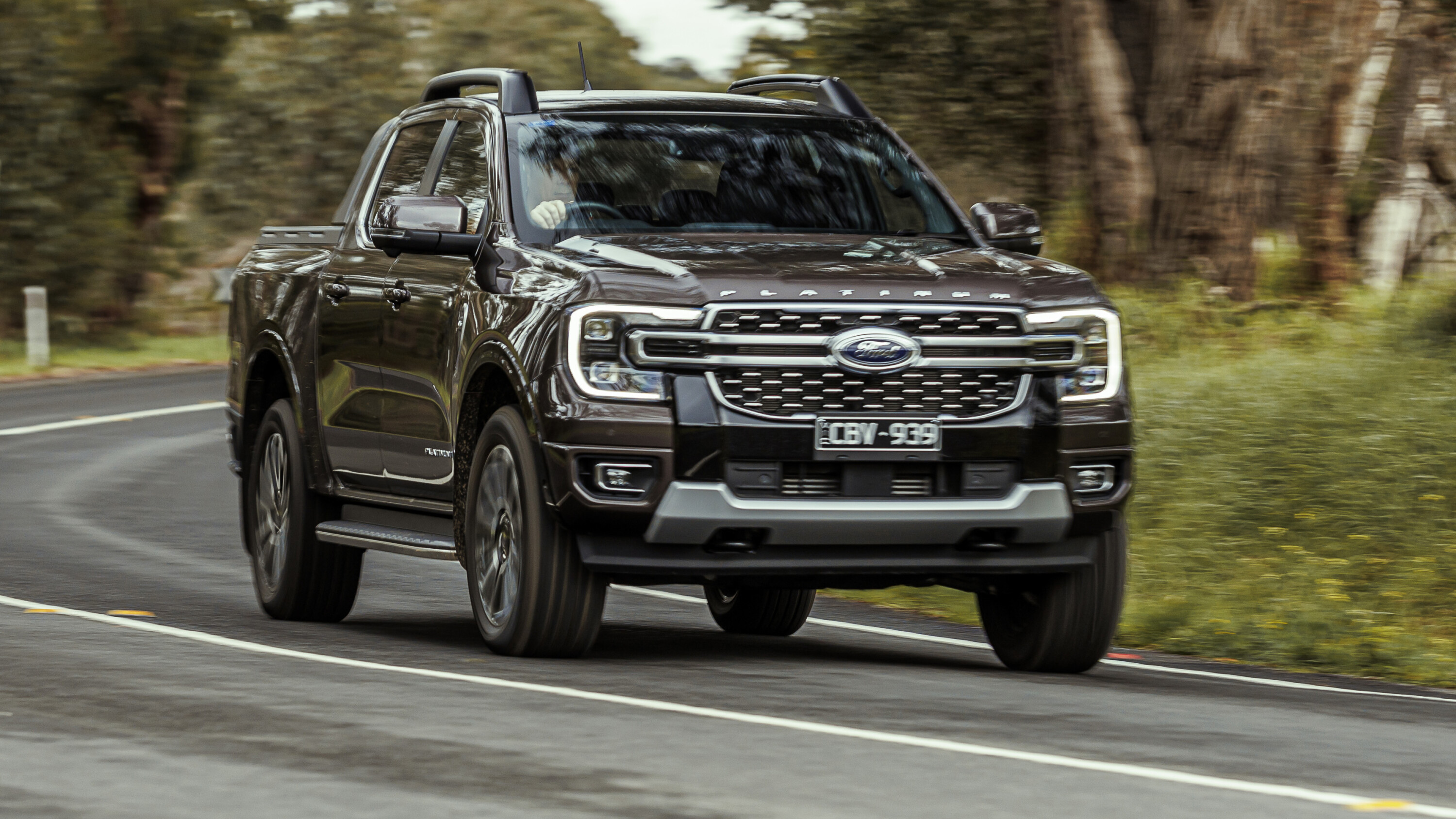
Ford “almost pulled out of Australia” at an undisclosed period in recent years, it has been revealed.
Ford Authority [↗] reports Ford CEO Jim Farley said at a recent industry conference that the brand once considered leaving Australia – like once arch-rival Holden did in 2020 – following similar moves in Brazil and India.
It is unclear when Ford bosses in Detroit were considering shutting down the Australian operation, but it was likely around the time local Falcon and Territory production ended in 2016 – before sales of the Ranger ute steadily rose to eventually become Australia’s top-selling vehicle in 2023.
“We don’t really talk about Ford anymore overseas, but we should because our Pro business is very profitable in Europe now,” said Farley. “We have a very small footprint in China. So, we’re totally unique among the other OEMs. Not a lot of risk, not a lot of reward, but we have a very profitable Ranger business. People wouldn’t realise this.”
“The second highest volume vehicle at Ford is Ranger. Ranger globally outsells Super Duty. We are now number two in pickups outside of the U.S. and pickups are growing big time. We sell 5000 Raptors in China for US$150,000 each, and we’re the best-selling vehicle in Australia. We almost pulled out of Australia.
“The Ranger is number one in South Africa, huge pickup market. We’re number one in pickups in Europe. The Ranger is growing and super profitable in South America. It is our only vehicle in South America.”
1
In 2016, Ford Australia sold 81,207 vehicles with a 6.9 per cent market share before falling to 59,601 in COVID-affected 2020 with a 6.5 per cent market share.
In 2023, Ford sold 87,200 cars in Australia – mostly Rangers and Everests – with a 7.2 per cent market share, which was its best result since 2012.
Former Ford Australia boss Graeme Whickman told Wheels in a 2016 interview that the brand had been “in decline” and its “reliance on certain products had been obvious to everybody as it is with Holden [with Commodore]”.
In its shift from a local manufacturer to a full importer, Ford Australia promised a better customer experience, better dealer relations, fewer fleet sales, removing loss-leader models from its line-up, and rejecting volume for volume’s sake. It introduced a five-year/unlimited-kilometre warranty in mid-2018.
It also invested significantly in improving its local facilities, which were used to develop the latest Ranger and Everest – as well as its Volkswagen Amaroktwin-under-the-skin – introduced in 2022.
It also axed the Focus ST and Fiesta ST hot hatches in 2022, following the deletion of standard Focus variants and the slow-selling, diesel-only Endura large SUV in 2020.
Ford has introduced the Mustang Mach-E,E-Transit and E-Transit Customelectric cars in Australia, while the segment-first Ranger Plug-In Hybrid will arrive in early 2025. The full-size F-150 ute – converted from left- to right-hand drive in Melbourne – was re-introduced in late 2023.
Additionally, the latest-generation Mustang sports car is due here soon, while the Tourneo – a people-mover version of the Transit Custom commercial van – will be introduced in Australia later this year.
In recent years, MG has made a significant impact with a lineup of new, cost-effective, and technologically advanced models in the Australian market.
The brand has been lauded for advancing the adoption of electric vehicles, particularly with the introduction of the new MG4.
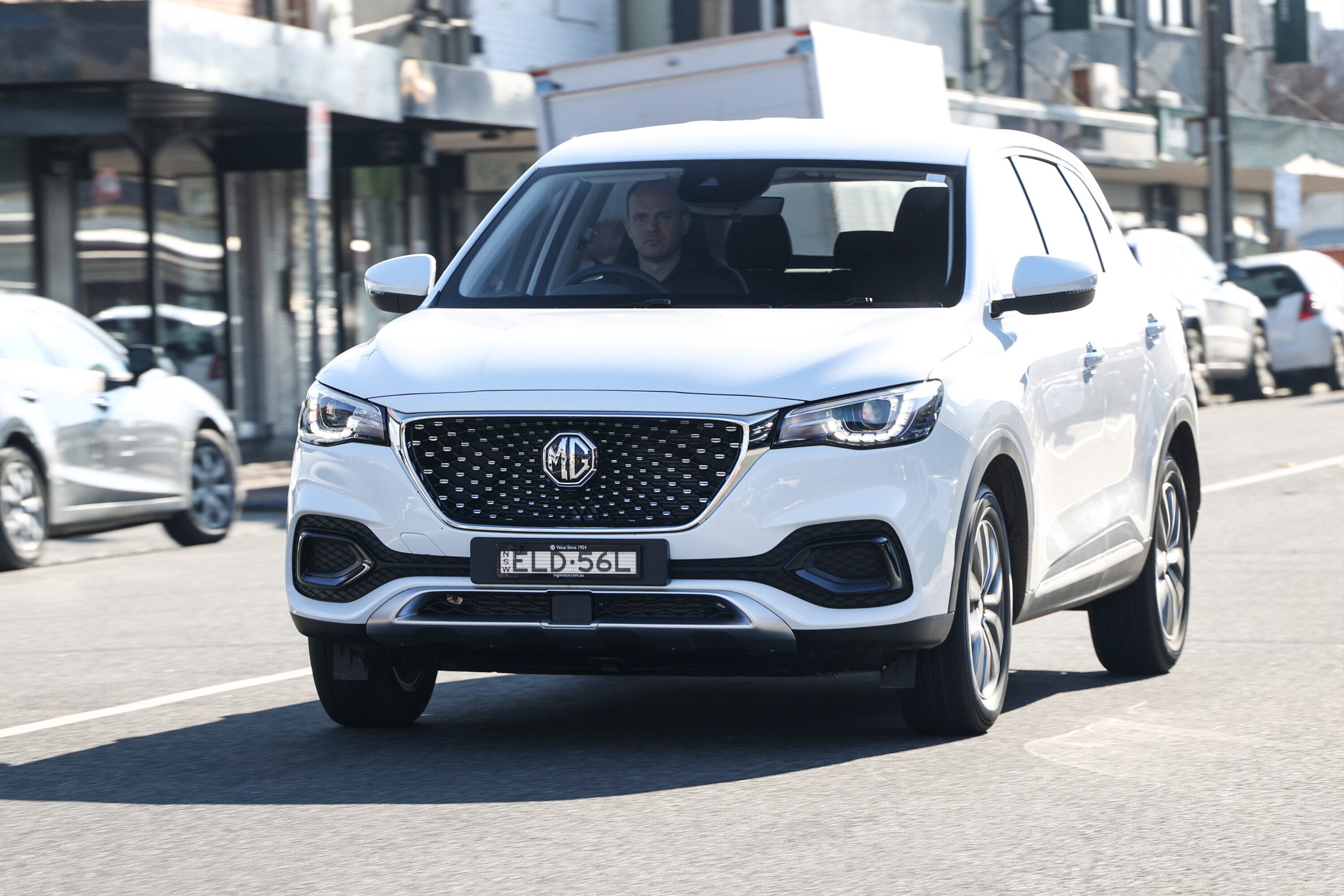
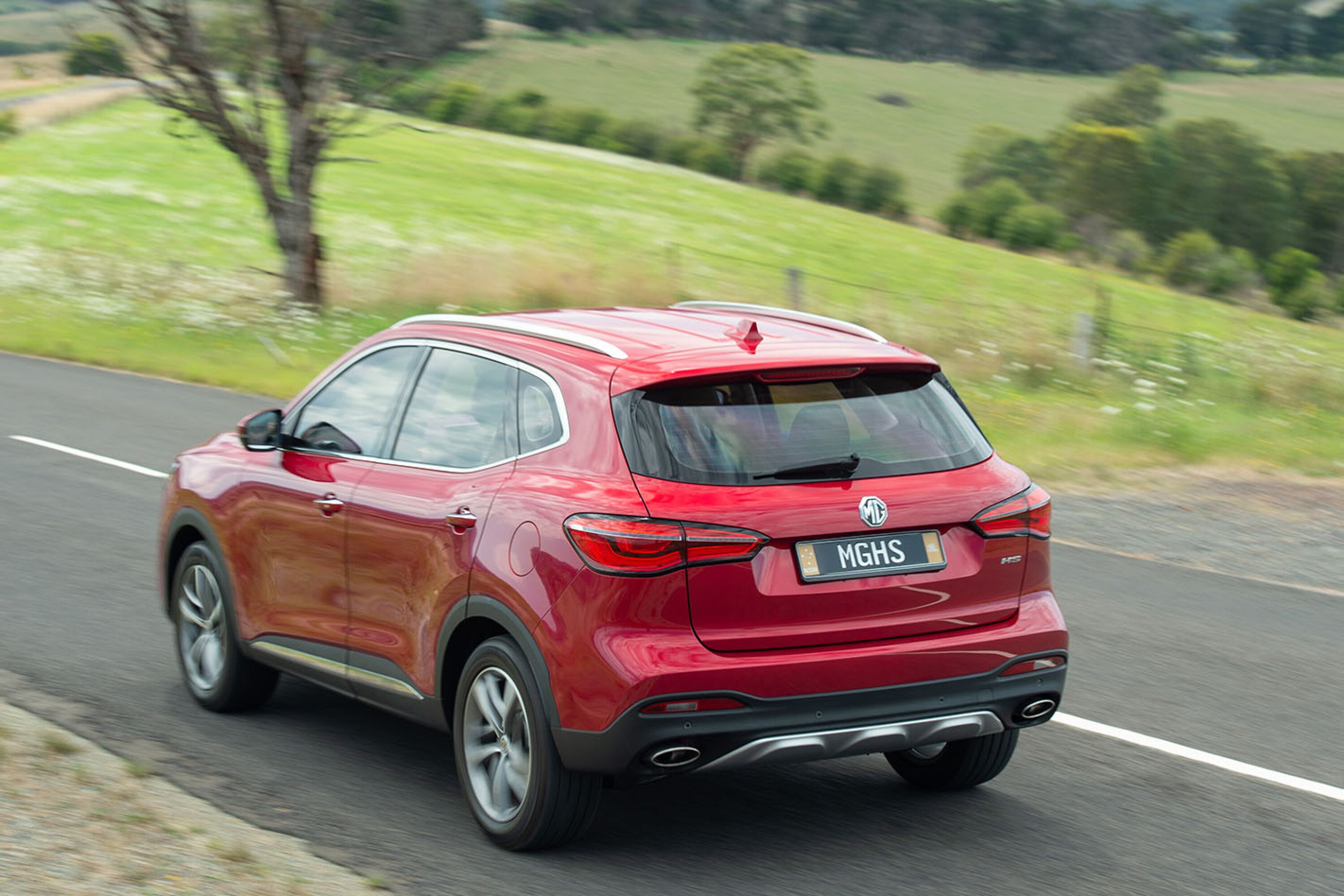
For those in the market for a medium SUV, MG offers the HS, with the HS +EV catering to those seeking plug-in hybrid options.
However, our focus today is on the Excite, the mid-level model in the HS petrol range.
1
Pricing and features
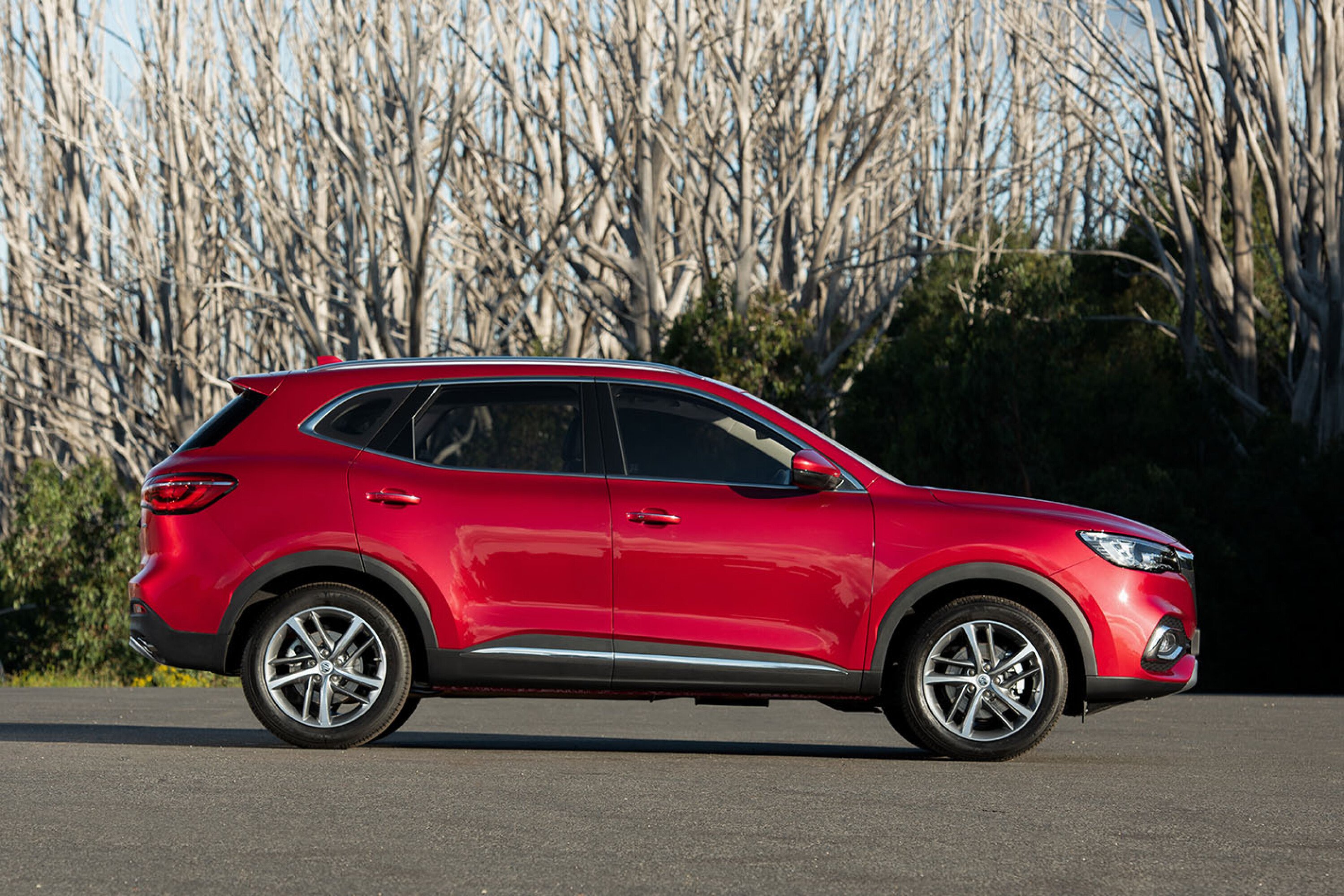
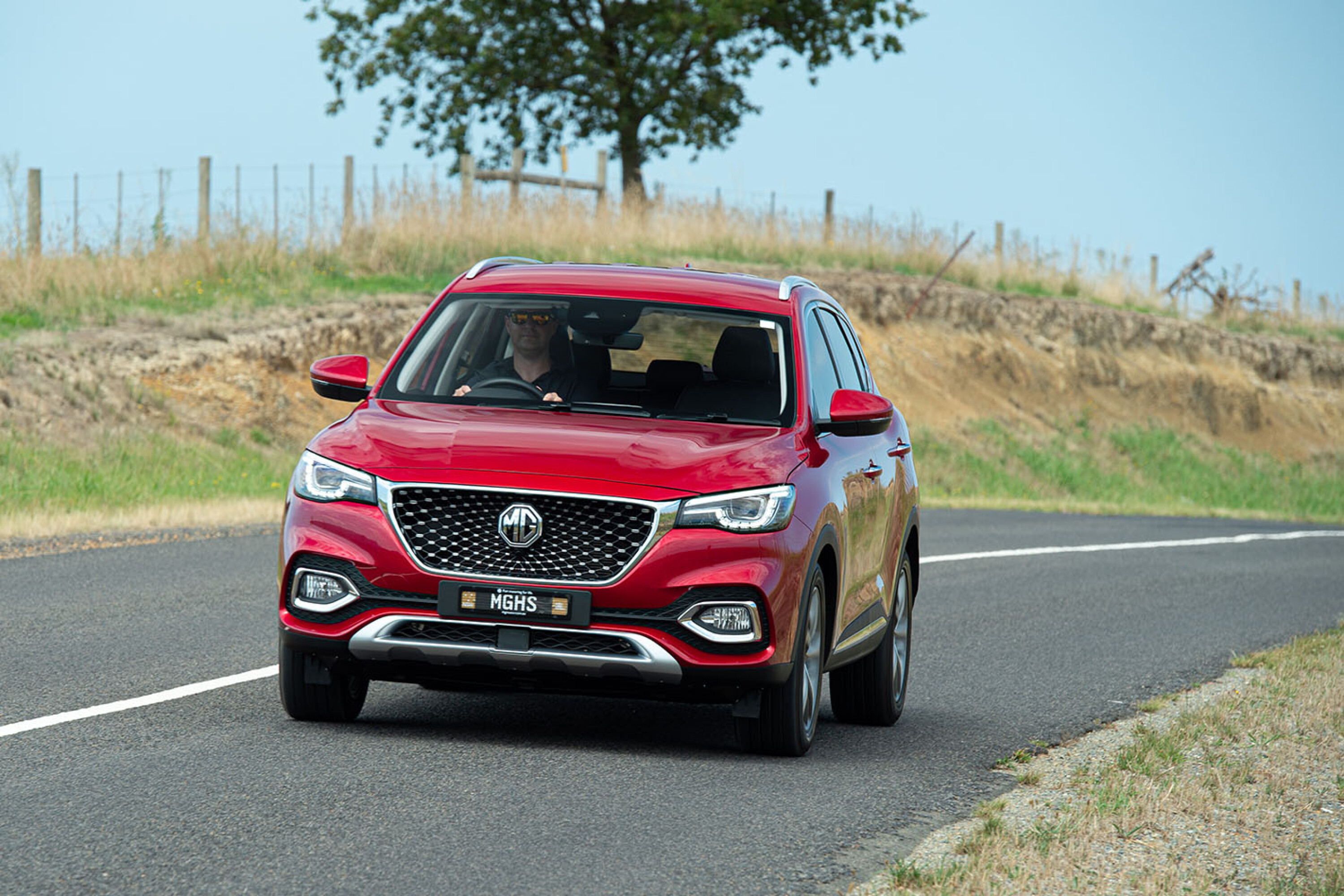
The MG HS features a five-door, SUV-style wagon design, with capacity to seat five passengers comfortably.
Available in both front-wheel and all-wheel drive options, it is classified as a medium SUV in the mainstream market, priced under $60K.
Within the petrol lineup, the mid-range Excite model is priced starting at $35,990 drive-away.
It comes equipped with a 1.5-litre turbo-petrol engine that delivers 119kW of power and 250Nm of torque. For those seeking higher performance, more power and torque are offered in the upper-range Excite X AWD and Essence X AWD models.
1
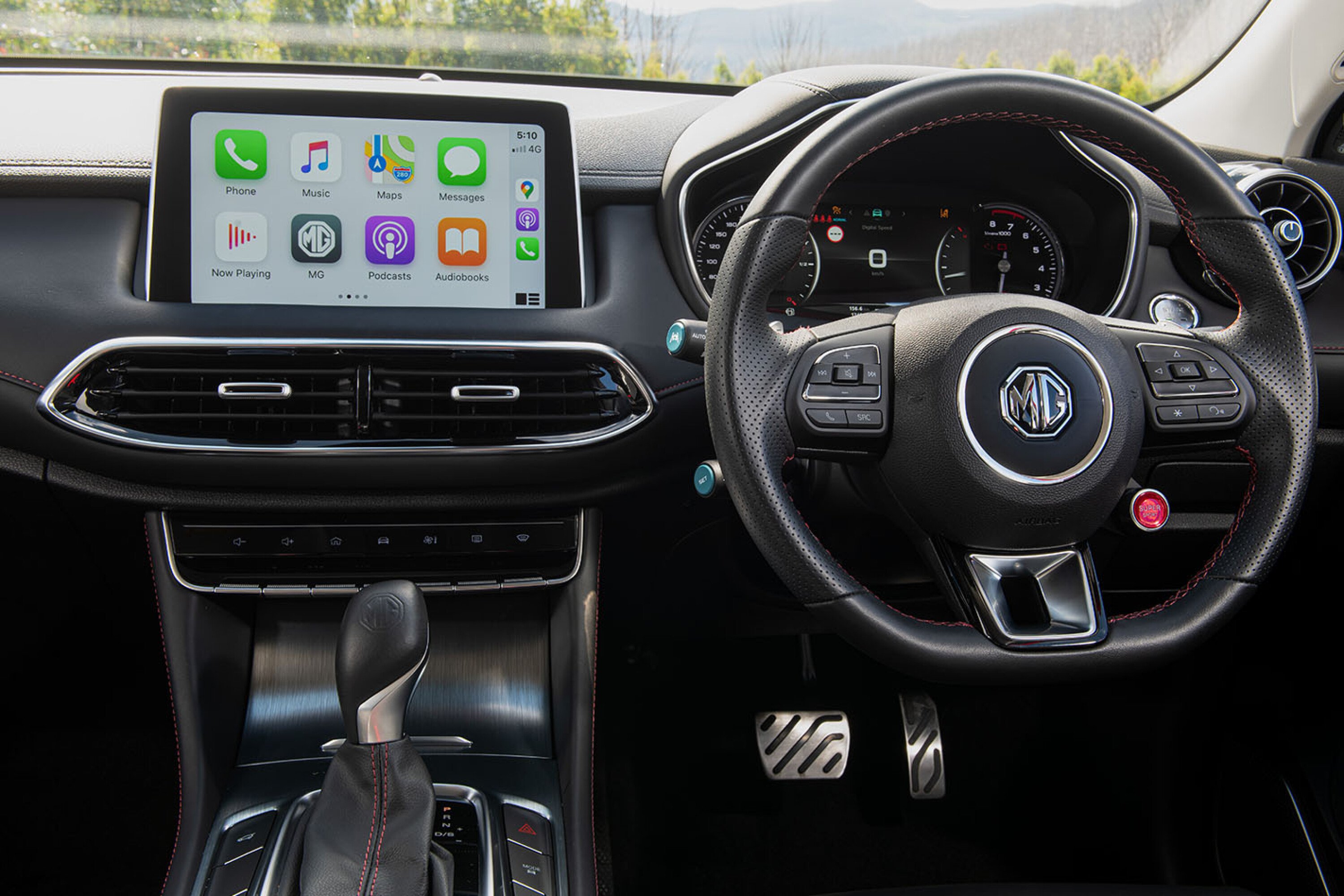
2024 MG HS Excite standard features
10.1-inch infotainment system
Leather-wrapped steering wheel and gear shifter
18-inch alloy wheels
LED daytime running lamps
Air conditioning
LED tail lights
Ambient interior lighting
MG Pilot Driver Safety Suite
Apple CarPlay and Android Auto (wired)
Rear air vents
Continuous LED indicators
Rear parking sensors
Electric Tailgate
Reverse camera
Four USB-A ports (2x front and rear)
Roof rails
Front centre console with cooling
Satellite navigation
Front fog lights
Semi-digital instrument cluster
Halogen headlights
Six-speaker audio system
Heated, electrically-operated door mirrors.
Super sports mode
Keyless entry with push-button start
Synthetic leather seats
1
Safety
The MG HS Excite has received a five-star safety rating from ANCAP, following Euro-NCAP testing in 2019.
Each variant of the MG HS comes standard with six airbags (dual front, side, and curtain) to bolster passenger safety.
Additionally, the entire lineup benefits from the inclusion of the MG Pilot safety suite.
This extensive safety package features various active safety technologies, including autonomous emergency braking, lane-keeping assistance, forward collision warning, adaptive cruise control, traffic jam assist, blind-spot detection, rear-cross traffic alert, traffic sign recognition, automatic high beams, and a door opening alert.
1
Key rivals
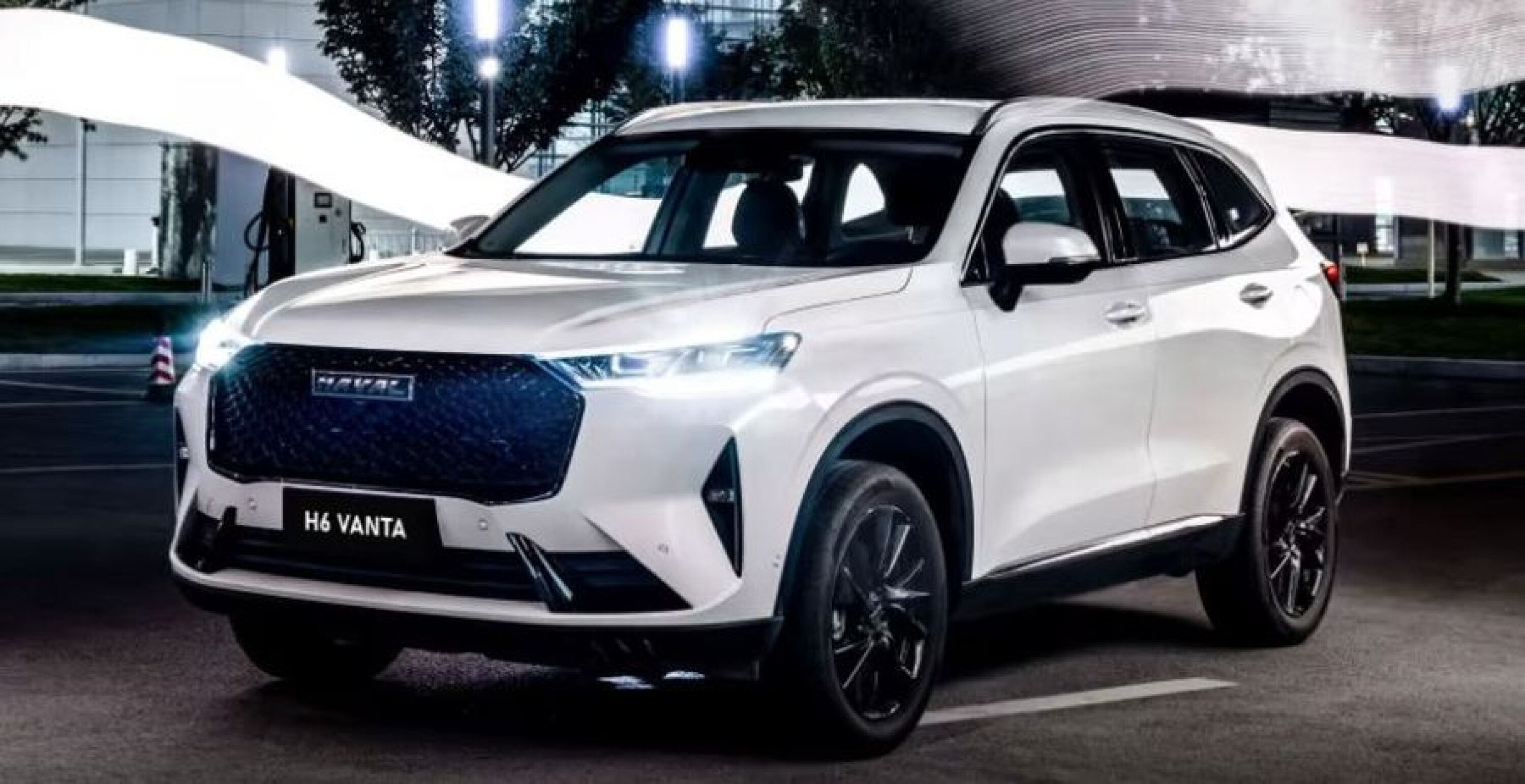
Directly competing with the MG HS are other well-equipped budget models like the Haval H6 and SsangYong Koran.
But at the Excite price-point there is plenty of competition from entry-level versions of much-loved favourites, such as:
The MG HS Excite is a pretty value-packed option. This affordability factor significantly contributes to its appeal, especially for buyers looking to enter the medium SUV segment without breaking the bank.
At only $3,000 higher than the base Vibe model, the Excite brings a good amount of spec that really makes the car feel more premium both inside and out.
MG has hit the ground running in recent years, with an array of new, affordable, tech forward models in the Australian market.
They’ve been praised for leaping electric vehicle adoption forward with cars like the new MG4.
If you’re after a medium SUV, the HS is what MG has brought to the table, with the HS +EV covering the market for plug-in versions.
But today we’re looking at the Vibe, the entry into the HS petrol family.
1
Pricing and features
The MG HS is a five-door, SUV-style wagon, offering seating for up to five passengers.
This model comes in both front-wheel and all-wheel-drive configurations, positioning it within the medium SUV category in the mainstream segment under $60K.
Kicking off the HS range, the Vibe starts from $32,990 drive-away.
It is available in a single 1.5-litre turbo-petrol engine, producing 119kW and 250Nm. More power and torque is available higher up in the range with the Excite X and Essence X models.
1
2024 MG HS Vibe standard features
10.1-inch infotainment system
LED daytime running lamps
17-inch alloy wheels
LED tail lights
Air conditioning
MG Pilot Driver Safety Suite
Apple CarPlay and Android Auto (wired)
Rear air vents
Four USB-A ports (2x front and rear)
Rear parking sensors
Front centre console with cooling
Reverse camera
Front fog lights
Roof rails
Halogen headlights
Semi-digital instrument cluster
Heated, electrically-operated door mirrors.
Six-speaker audio system
Keyless entry with push-button start
Synthetic leather seats
Leather-wrapped steering wheel and gear shifter
Additional features are available higher up the range such as a 360-degree camera, a panoramic sunroof and heated front seats.
1
Safety
The MG HS Vibe has been awarded a five-star ANCAP safety rating, based on Euro-NCAP assessments conducted in 2019.
Across all variants, the MG HS is equipped with six airbags, including dual front, side, and curtain airbags, enhancing passenger protection.
Furthermore, every model in the lineup is outfitted with the MG Pilot driver safety suite.
This comprehensive package includes a range of active safety features as standard, such as autonomous emergency braking, lane-keep assist, forward collision warning, adaptive cruise control, traffic jam assist, blind-spot alert, rear-cross traffic alert, traffic sign recognition, auto high-beam, and a door opening warning, ensuring a high level of safety and driver assistance across the range.
1
Key rivals
Directly competing with the MG HS are other well-equipped budget models like the Haval H6 and SsangYong Koran.
But key players in the segment, and indirect competition come from the:
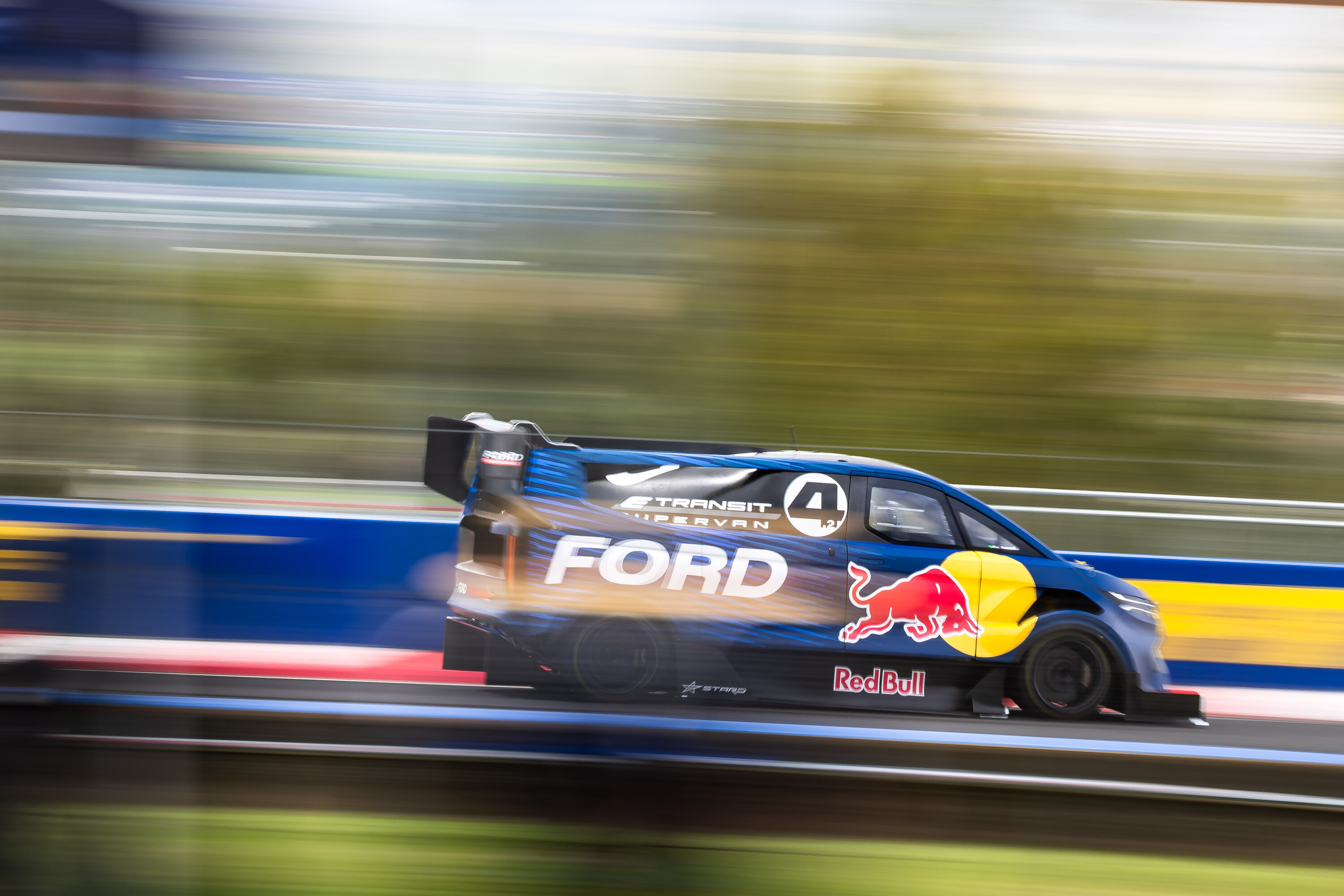
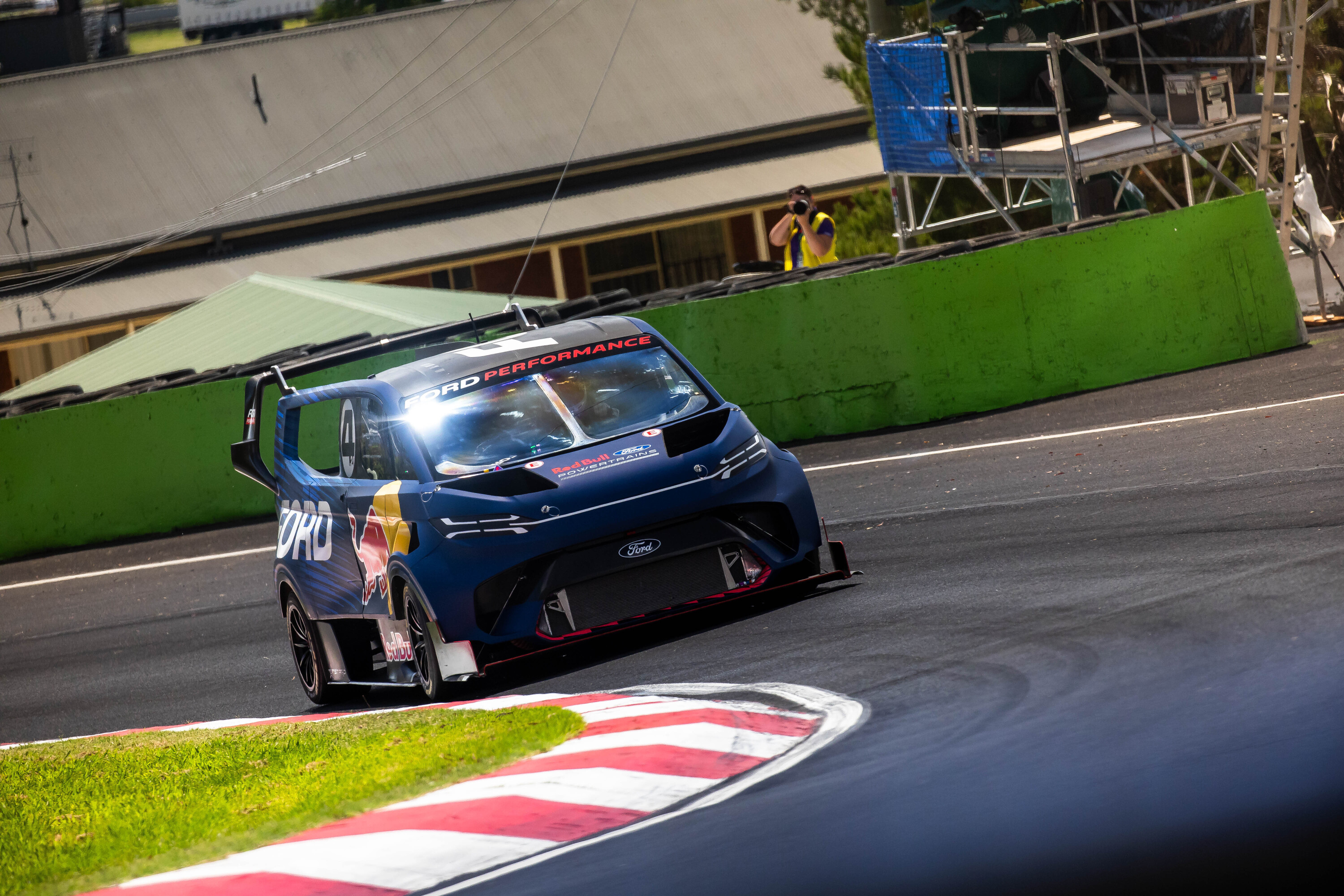
The world’s most powerful electric racing car has beaten a V8-powered, derestricted GT3 racer to claim the new unofficial lap record at Mount Panorama.
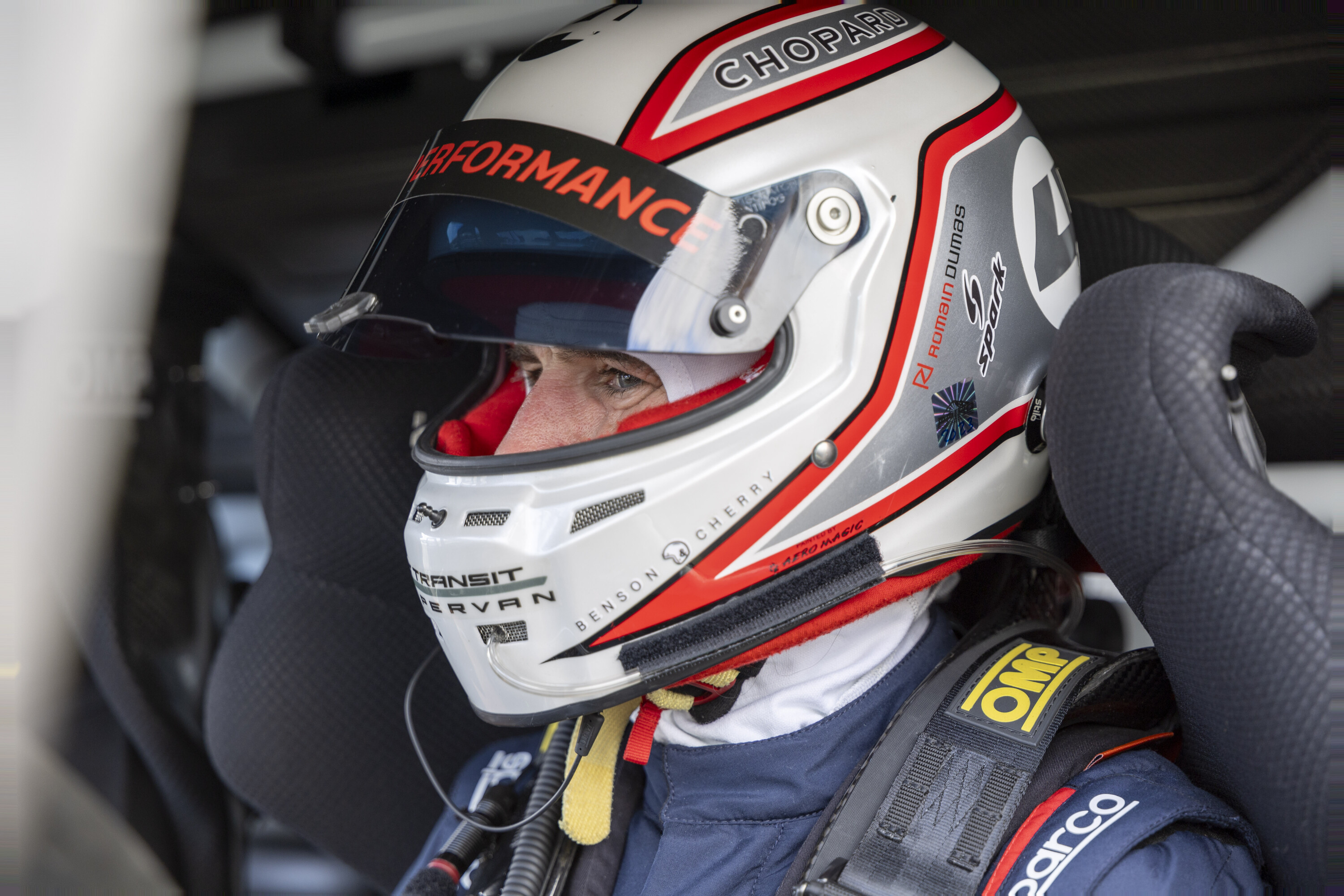
With endurance racing legend Romain Dumas at the wheel, the 2000hp Ford Supervan 4.2clocked a time of 1:56.28 to set a new benchmark for a tin-top vehicle by just over three tenths of a second.
It took Dumas two shots at the record today with the Frenchman’s first tilt at the record falling agonisingly short with a time of 1:56.764.
1
But with the record just one tenth away, Ford requested an additional slot of track time for one last, no-holds barred tilt at a record time.
The resulting final lap saw Dumas set the new unofficial lap record just before 1pm today.
The lap edged out the existing benchmark for a tin-top racing car which had recently been set by AMG during the Bathurst 12 Hour in a derestricted GT3 racing car.
Piloted by three-time Bathurst 12 Hour winner, Jules Gounon, the AMG boasted active aerodynamics (including an F1-style drag reduction system), sticky ‘super soft’ tyres and a derestricted powertrain to help it beat the previous marker and claim top honours for a GT car around the famous 6.2km circuit.
That lap time was incredibly impressive given AMG’s limited prep-time – the onboard video of Gounon’s fully committed lap is worth a watch – although both AMG and Ford’s laps fall short of Bathurst’s other ‘unofficial’ lap record set by a McLaren F1 car in 2011. Then, Jenson Button recorded a 1:48.88.
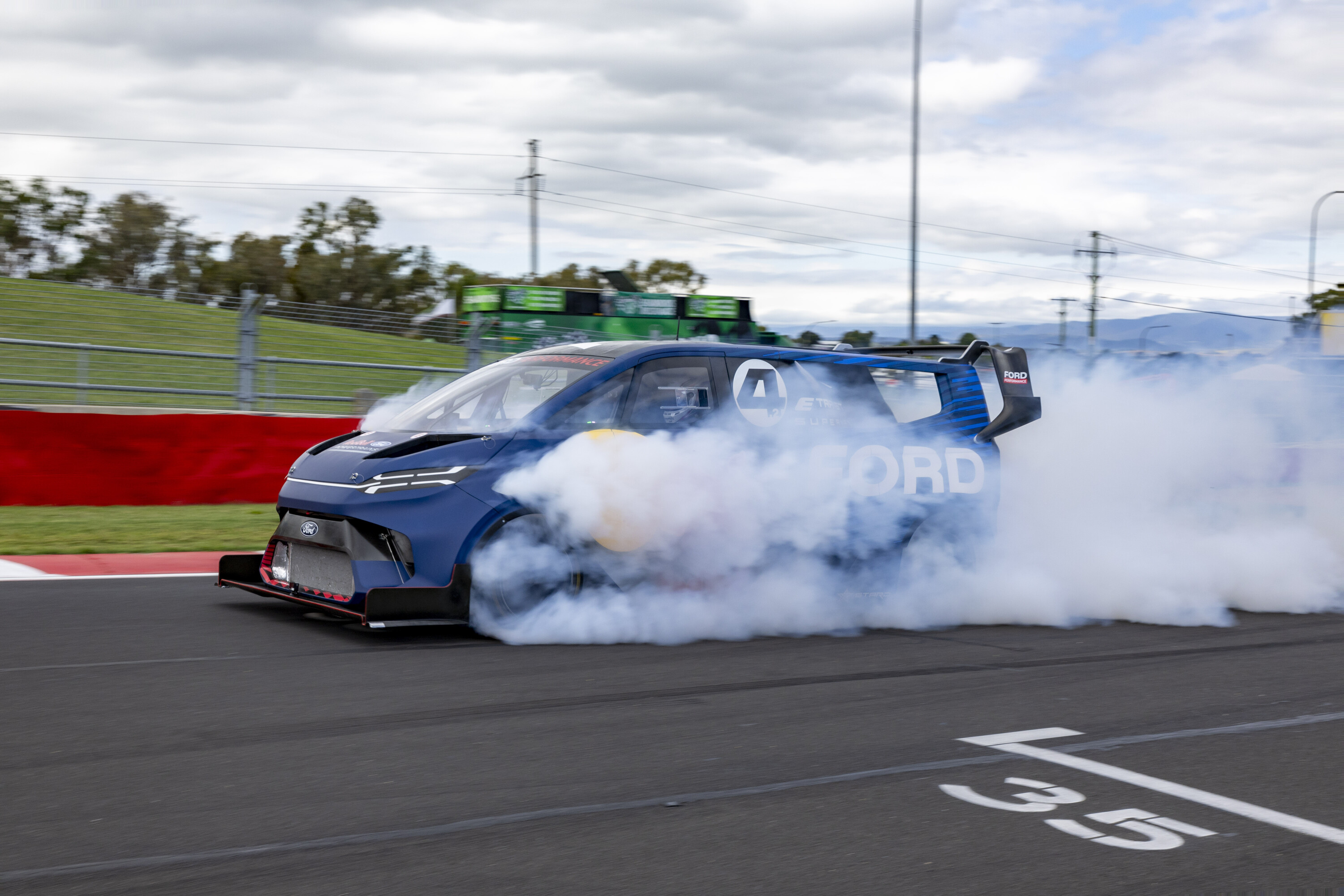
Ford and Dumas have been completing multiple demonstration runs in the Supervan at Bathurst, with the experimental EV racer cutting laps at last weekend’s Bathurst 12 Hour and again at this weekend’s Bathurst 500.
Until now, Ford had been treating the runs as ‘test sessions’ as it looked to hone the Supervan’s set-up and iron out multiple teething issues it encountered during its short windows of track time.
With so much power and torque available, Dumas was encountering wheel spin over the track’s top section as the van’s front axle would get light over crests.
“We are spinning the front axle over crests,” Dumas told Wheels. “It’s exciting. I’m telling you, you need to have your eyes wide open.”
1
Transponder issues also plagued Ford’s record tilt, with strong electrical interference meaning the crucial timing gear was failing to record.
But after making several key set-up changes this weekend, including fitting a new steering rack, tweaking the regenerative braking and flying in new parts from Japan, Dumas felt ready to properly attack Australia’s toughest racing circuit.
With 1050kW on tap the Supervan is vastly more powerful that a GT3 racing car, however its kerb weight of 1800kg is also far heavier and its wide and tall dimensions made it a unique challenge for Dumas.
“We have a lot of downforce, so in a fast corner it’s really fast,” said Dumas. “It’s heavy, too, and the central gravity is high. But we have so much downforce and on a fast corner, it’s quite impressive.
1
“Acceleration is also impressive. Compared to a Le Mans prototype? At the time of the good prototype, 2016 or so, it’s more or less than same.
“The top section [at Bathurst] is very narrow, so you need a car very agile for sure, and compared to what I’m used to, let’s say it’s a wider car, more heavy, so for sure, you adapt.”
Ford is giving the Supervan an Australian Tour and it will make an appearance at both the Adelaide Motorsport Festival and the Australian Grand Prix in March.
Everything you need to know about 2024 Mitsubishi Pajero Sport
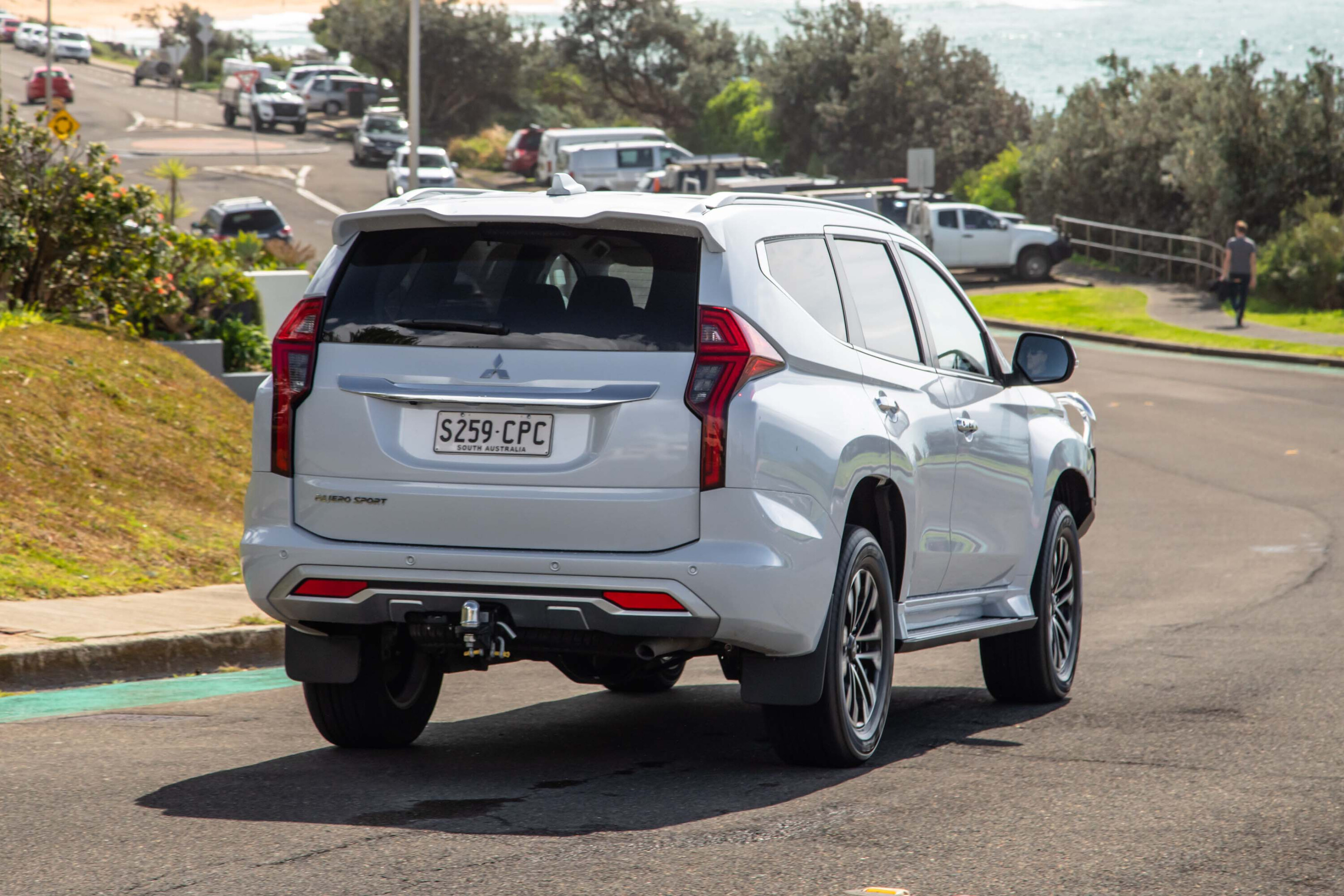
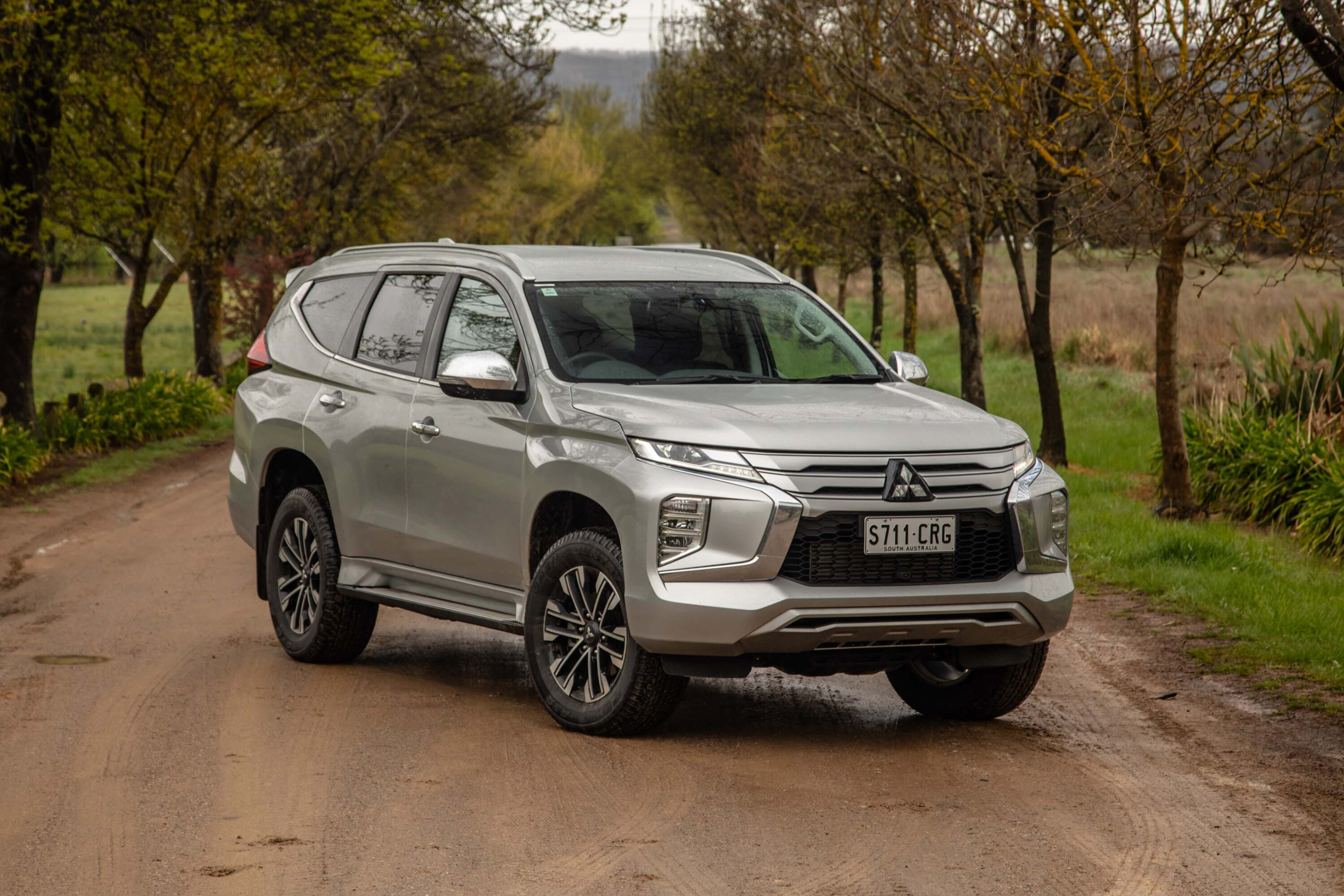
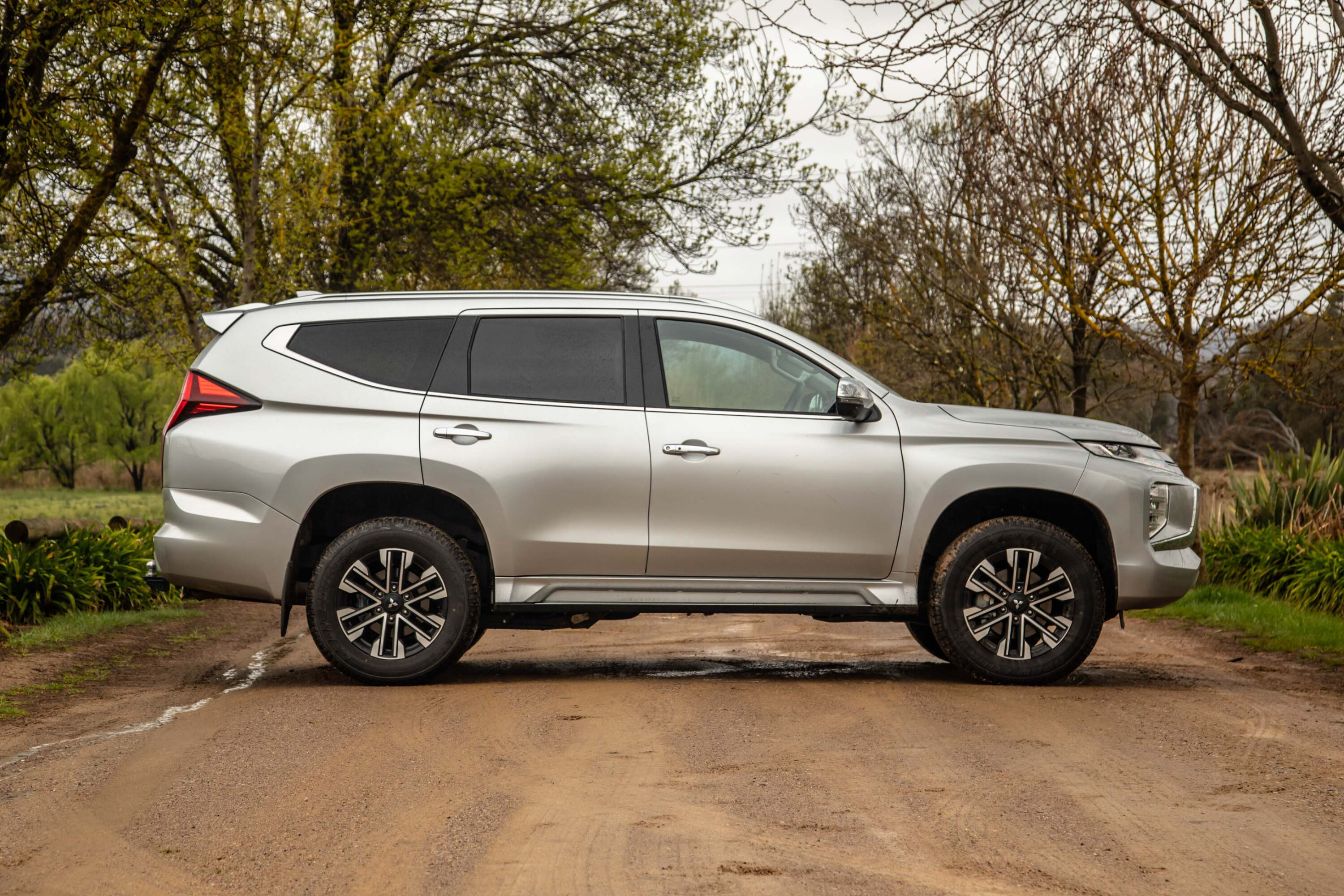
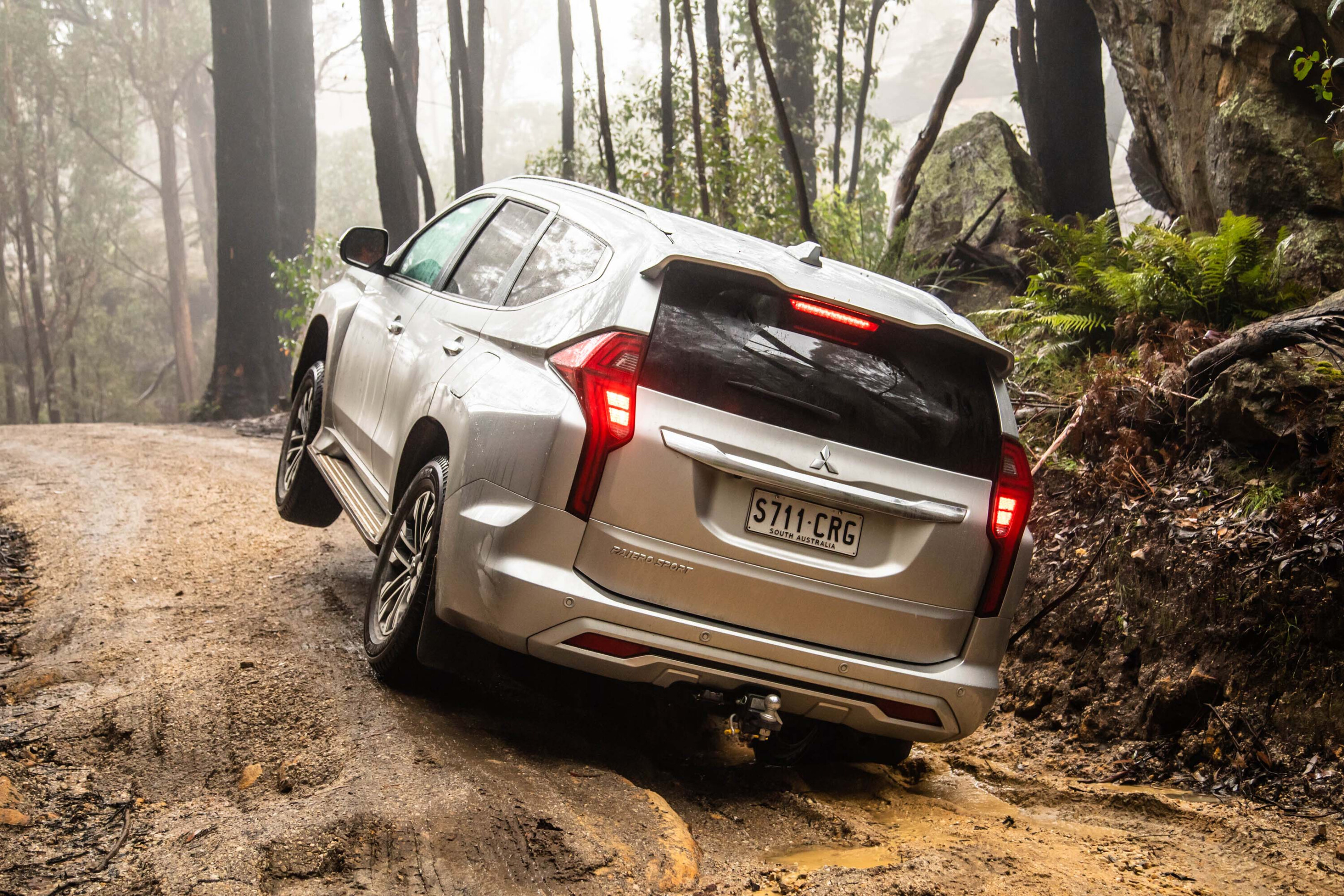
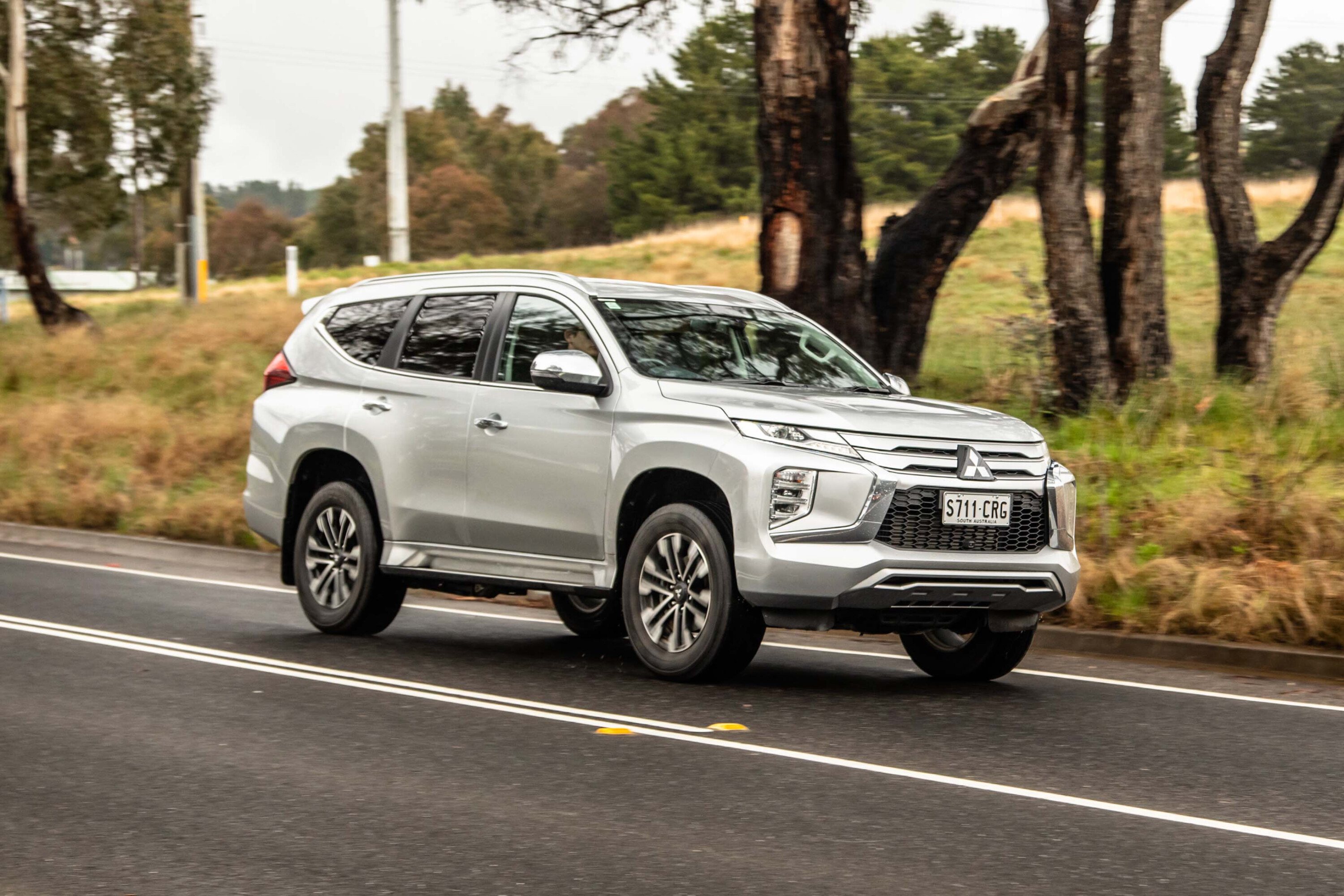
As a popular model for school runs, family holidays and the workday commute, the Pajero Sport is also a solid prospect for towing a boat or caravan.
The Mitsubishi Pajero Sport has soldiered on since arrival in 2015 as a SUV based on the Triton ute platform. It has been refreshed most recently in 2020, and has one further minor upgrade imminent before heading off into retirement in 2025.
While offered in 2WD, it’s the (slightly) more towing-capable 4×4 models we are considering here (3000kg for 2WD versus 3100kg for 4×4).
1
The standard safety equipment list for Pajero Sport is mostly up to date, which is more than can be said of its ANCAP safety rating.
The ANCAP five star result achieved in 2015 is now considered as not current by the safety body, as the way it measures the star ratings has changed since.
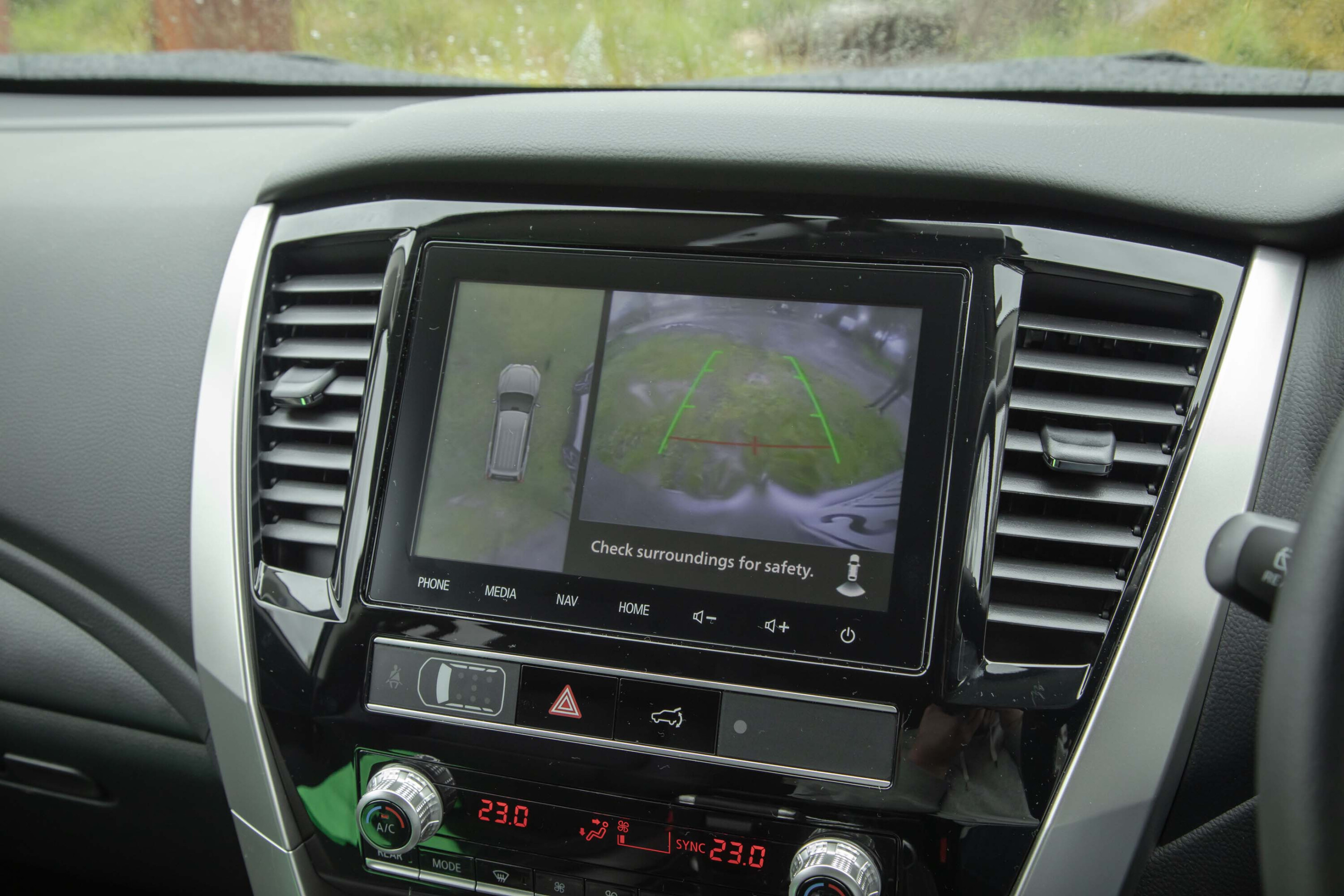
But on the positive side, the GLS spec and up include forward auto emergency braking (AEB) with pedestrian detection, adaptive cruise control, front and rear parking sensors, a low-resolution 360-degree monitor and a reversing camera.
1
You’ll need to buy the Exceed or GSR to get the benefit of standard front parking sensors, blind-spot monitoring, lane-change assist and rear cross-traffic alert.
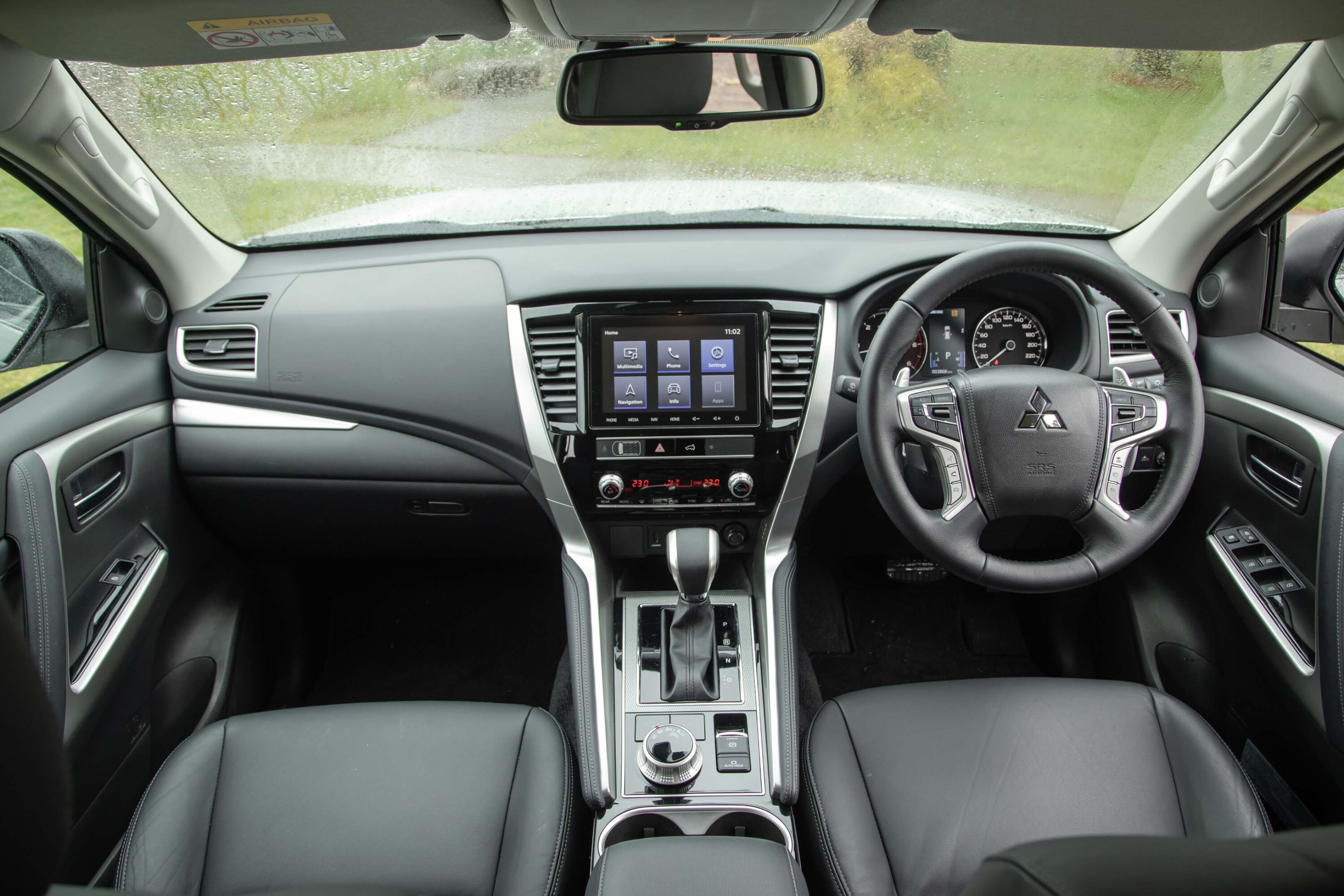
The Mitsubishi from GLX 4WD grade up offers the unique full-time/part-time Super Select II transfer case as standard, as well as features such as dusk-sensing bi-LED headlights, power-folding side mirrors, roof rails, rain-sensing wipers, keyless entry and push-button start, three 12-volt accessory ports, built-in sat-nav, side steps, rear-view camera, rear parking sensors, lane-change assist, autonomous emergency braking and a rear differential lock.
The stories below will give you a guide on everything to do with the 2024 Mitsubishi Pajero Sport. All fresh stories will be found on our Mitsubishi Pajero Sport page.
How much can the 2024 Mitsubishi Pajero Sport tow?
In the early 1970s, we had a performance war as manufacturers tried to out-do each other with increasingly fast and powerful sedans; in the 2000s, we have had a towing capacity war.
The apparent target has been to reach a maximum 3500kg legal towing performance, and now most larger SUVs and mid-size utes can accomplish this. Of course the compromise, in some instances, is a drastically reduced legal payload maximum when towing a heavy trailer.
Some vehicles really seem to have to work hard up near 3500kg, and don’t feel all that stable when doing it. However, the Pajero Sport 4×4 has a 3100kg maximum braked towing capacity (with a 310kg maximum on the ball) or 750kg unbraked.
1
While this is 400kg less than some competitors, the bonus is that this is one of few vehicles that can carry a substantial payload as well as towing a heavy trailer at the same time.
It also suggests the company’s engineering department saw 3100kg as a realistic maximum and put their foot down. No doubt Mitsubishi marketing would have really preferred a 3500kg capacity.
On the heaviest, premium Exceed and GSR models, the Pajero Sport has a maximum 566kg payload, 2775kg GVM, and 5565kg GCM details. This means, if you had 310kg maximum towball download (which is then part of payload calculations), you have 256kg payload remaining.
1
To not cross the 5565kg GCM threshold, you can tow up to 3100kg maximum – assuming that 310kg of the trailer mass is towball download.
With tow-capable SUVs and utes increasingly offering factory-fitted towing equipment as standard, it’s worth noting that the Pajero Sport is quite sparse on that front. Unlike some of the competition, a towbar is not standard on any Pajero Sport.
You must tick the $1495 (including fitting) towbar kit option if you want the Mitsubishi-approved gear to tow with, and $41 for the 50mm towball. Likewise, you need to delve into the accessories list to have a Redarc electric brake controller fitted by Mitsubishi ($689, including fitment).
1
While Trailer Stability Assist (which senses trailer sway and controls individual wheel slip) is bundled into every Pajero Sport’s safety suite, there is little else in terms of dedicated towing assist features off the shelf.
With a heavy trailer approaching the 3100kg maximum behind it, the Pajero Sport’s 2.4-litre diesel has to work hard to maintain speed when climbing in hilly terrain. The engine’s peak torque not kicking in until a relatively high 2500rpm doesn’t help.
While not the quietest diesel, the transmission is smooth and there’s enough torque that the auto doesn’t have to get the engine into the powerband all the time when towing. With a balanced trailer behind, the Pajero Sport is not susceptible to yawing or pitching, and offer a comfortable towing ride.
There are a few large SUVs in the market with healthy towing capacity and buyers expect them to offer high levels of towing features and ability. The Pajero Sport needs to be on top of its towing game.
The Ford Everest, Isuzu MU-X, SsangYong Rexton and Toyota Fortuner are all key large SUV towing competitors. While all offer a four-cylinder turbo-diesel, the Ford also has a more powerful and torquey V6 diesel option.
The Everest is the best of the bunch here, in either four-cylinder or V6, while the Isuzu is a close runner-up as a tow vehicle. The Rexton is a capable tow vehicle, but is slightly lacking in terms of towing refinement and ride.
Hyundai i30 N and i20 N to continue in Australia following European axing
Minor update for i30 N hatch expected here later this year
i30 Sedan N & Ioniq 5 N also available; Kona N axed in 2023
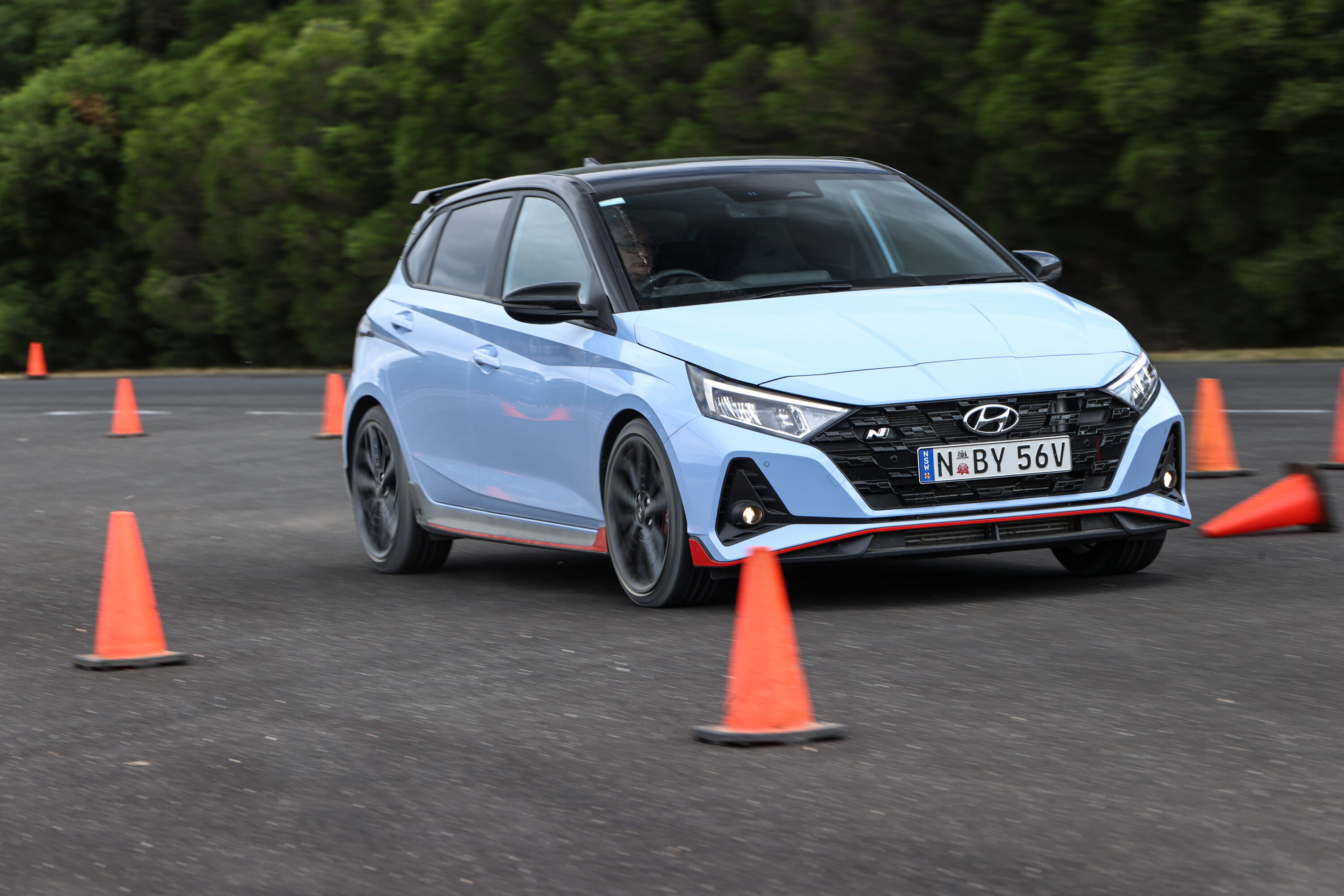
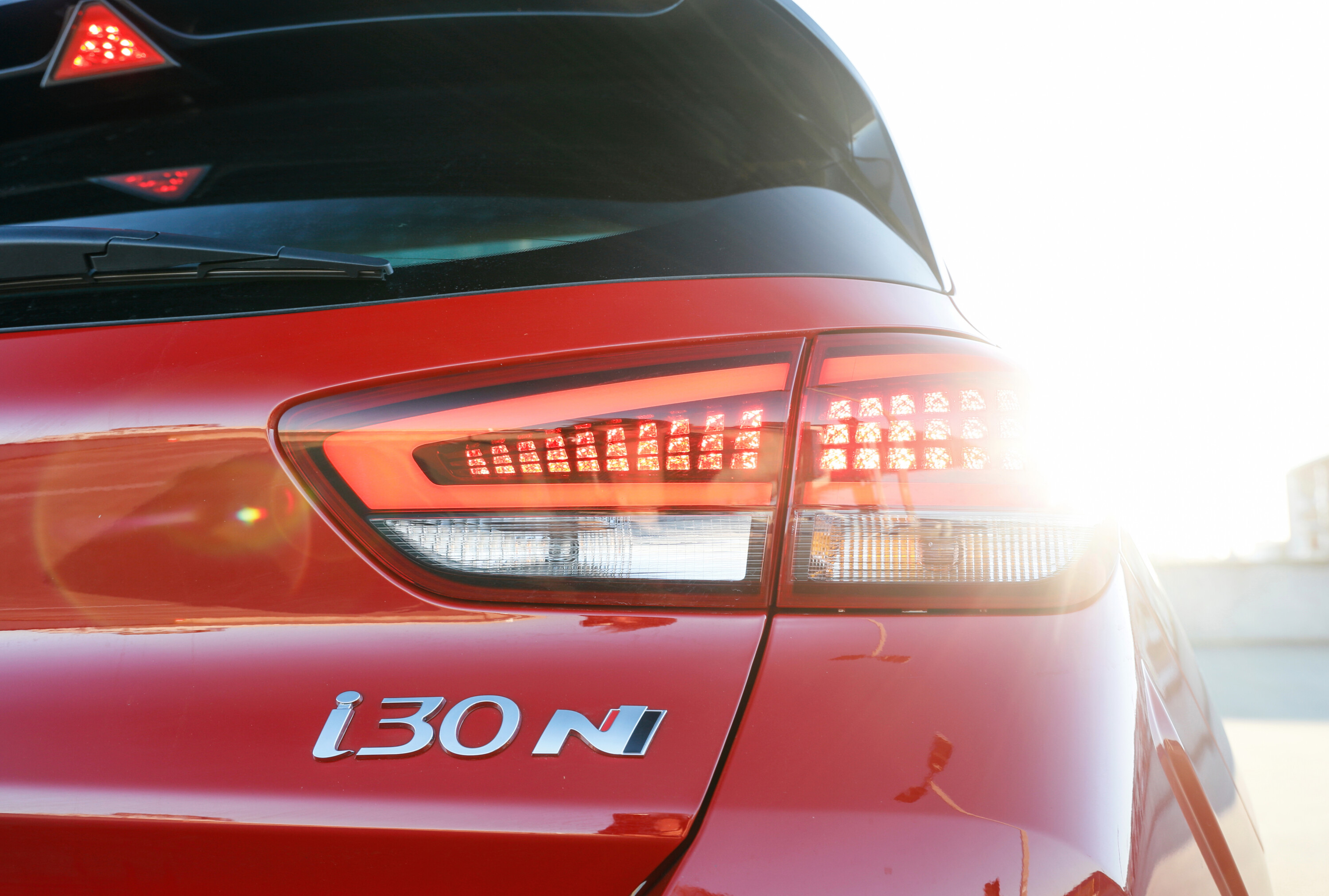
The Hyundai i30 N and Hyundai i20 N hot hatches have been axed in Europe – but both models will continue for Australia.
Hyundai has confirmed production of the Czech-built i30 Nhatch and Turkish-builti20 N for the European market will end this month as it continues its shift towards an electric-focused line-up in the region.
“Production of the ICE N models [i20 N and i30 N] has ceased for the European market starting from February, in line with our commitment to offering a zero-tailpipe-emission line-up to our customers by 2035 and to operating 100 per cent carbon neutrally by 2045,” said Hyundai in a statement released to European media.
1
“Going forward in Europe, Hyundai is developing Hyundai N as a pioneer of high-performance EVs. Our customers will benefit from technological developments that will make EVs even more attractive in the future.”
A Hyundai Australia spokesperson told Wheelsthe decision to axe the i30 N hatch and i20 N in Europe would have no implication for the local market, with both models to remain available to order for the immediate future.
The current Hyundai i30 N hatch launched in 2017 with a Golf GTI-rivalling 2.0-litre turbo-petrol four-cylinder, initially matched to a six-speed manual and later joined by an eight-speed dual-clutch automatic.
Meanwhile, the smaller i20 N launched in 2021 as a rival to the Volkswagen Polo GTI and now-discontinued Ford Fiesta ST, with a 1.6-litre turbo-petrol four-cylinder mated to a six-speed manual.
The i20 N was off-sale in Australia for even longer, between mid-2022 and September 2023.
A facelifted version of the Korean-built Hyundai i30 Sedan Nis now arriving in Australia, while the all-electric Hyundai Ioniq 5 N is also now available as the flagship of Hyundai’s N line-up.
There are no plans to replace the first-generation Hyundai Kona N SUV sold between 2021 and 2023 following the launch of the bigger and electric-focused second-generation model.
VW hasn’t exactly been knocking it out of the park recently. Is Tiguan gen-three a return to form?
REVIEW: Subaru’s new Impreza tested
Secure dynamics and value prevail but more punch would be nice.
PRICING: New-look HiLux gets 48V hybrid tech
Pricing for the updated HiLux ute has been confirmed ahead of its arrival next month, as well as the name for its new drivetrain-enhancing tech.
The truth to Aussie fuel efficiency
Some cars drink up to 20 per cent more fuel than claimed while others are actually more efficient than their lab figures.
REVEALED: Cupra’s Born EV gets fast VZ flagship
New flagship version of Spanish brand’s electric hatch beefs up performance and dynamics and is expected here in early 2025.
REVIEW: Renault’s next EV is here at last
Renault’s return to electric power in Australia’s passenger car space is an outing full of flair & tech, but can it steal buyers away from popular price rivals?
The facelifted i30 Sedan range covers just about every base when it comes to looks and driving flavour. But for most people, it’ll be this newly introduced, hyper-efficient hybrid model that stands out.
Benz back-pedalling on EV targets
German giant becomes the latest to delay its EV plans amid weakening demand.
Is this the new Navara
It’ll share its DNA with the all-new Triton, so is this what the 2025 Navara will look like?
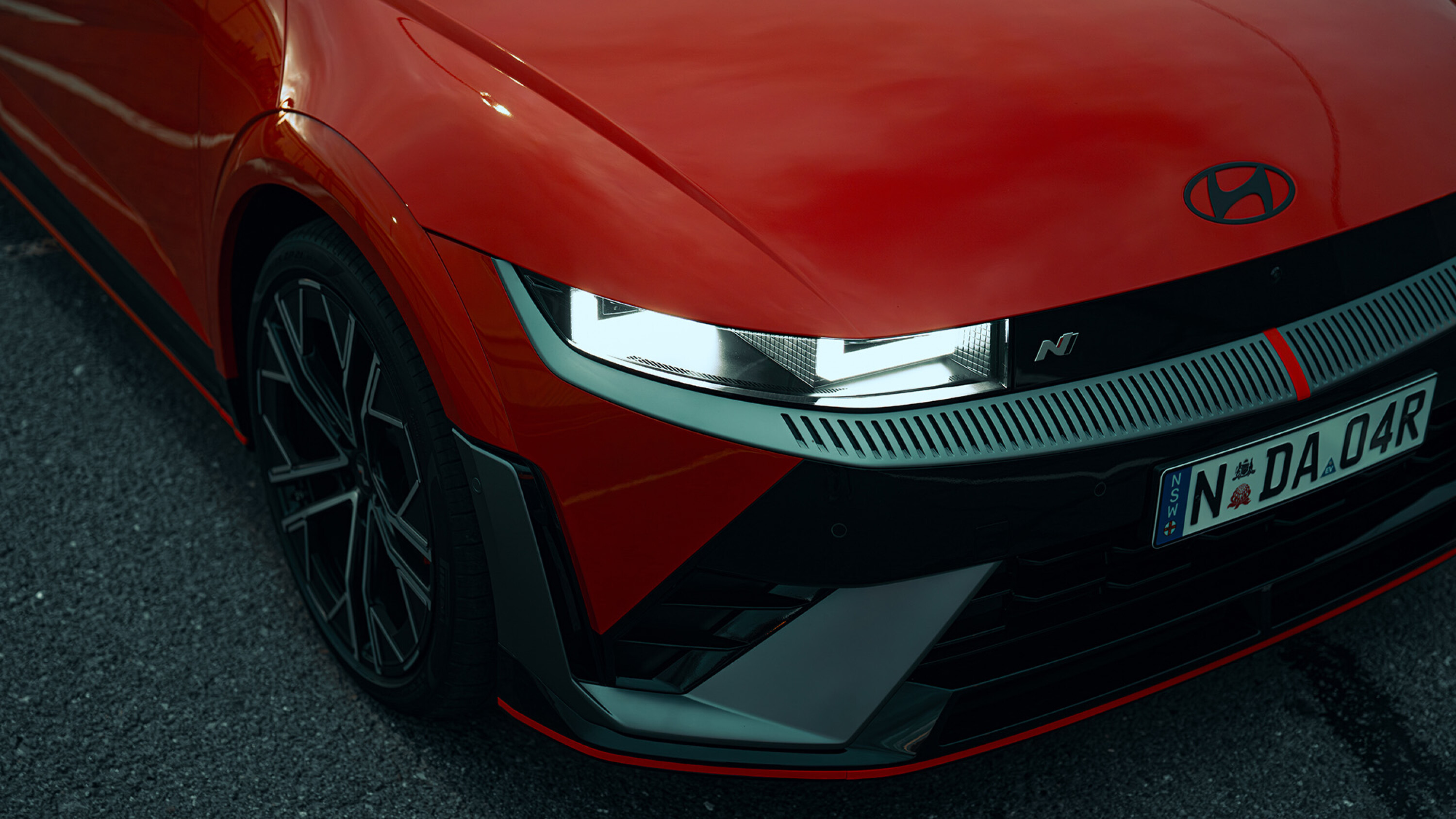
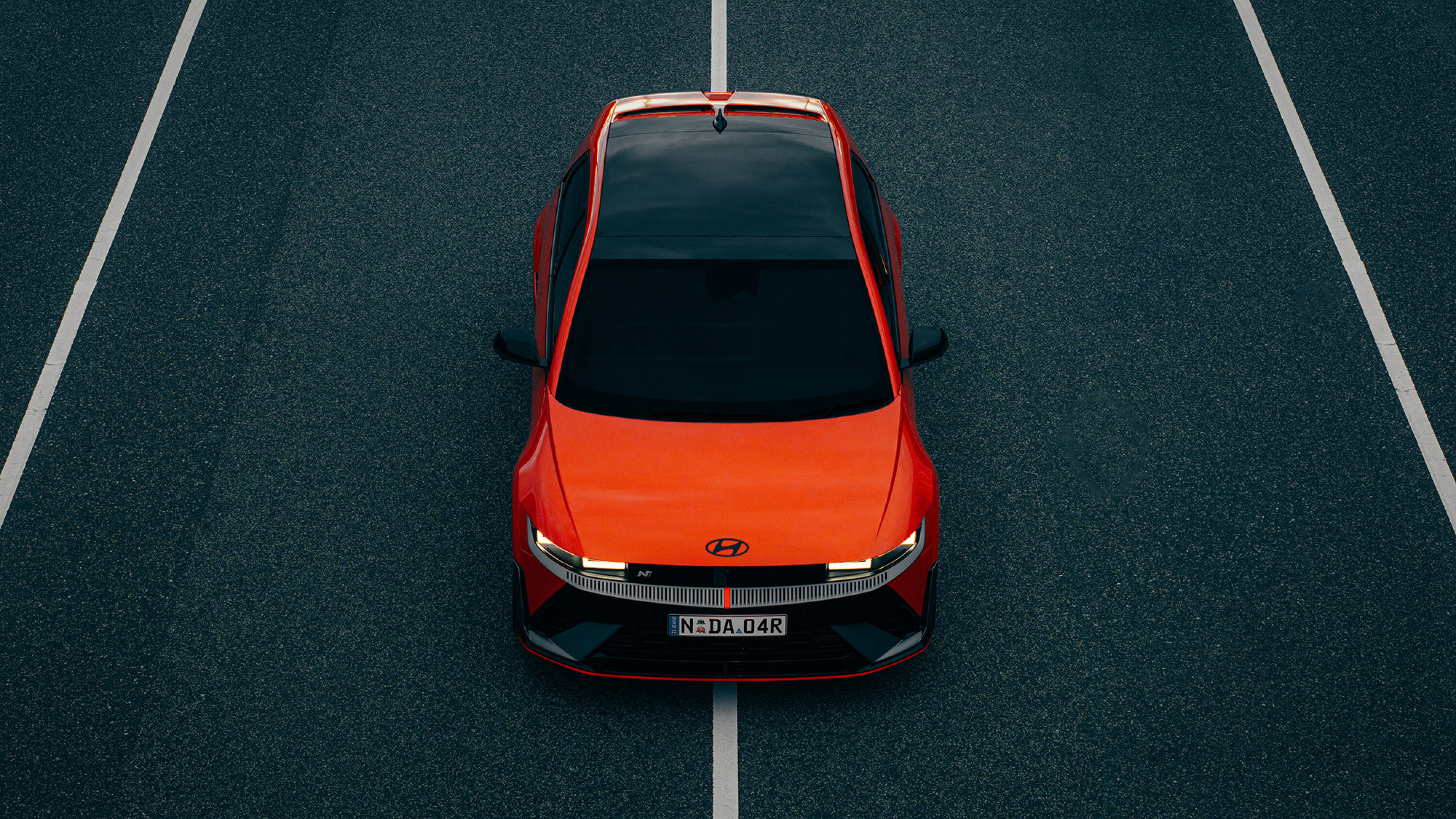
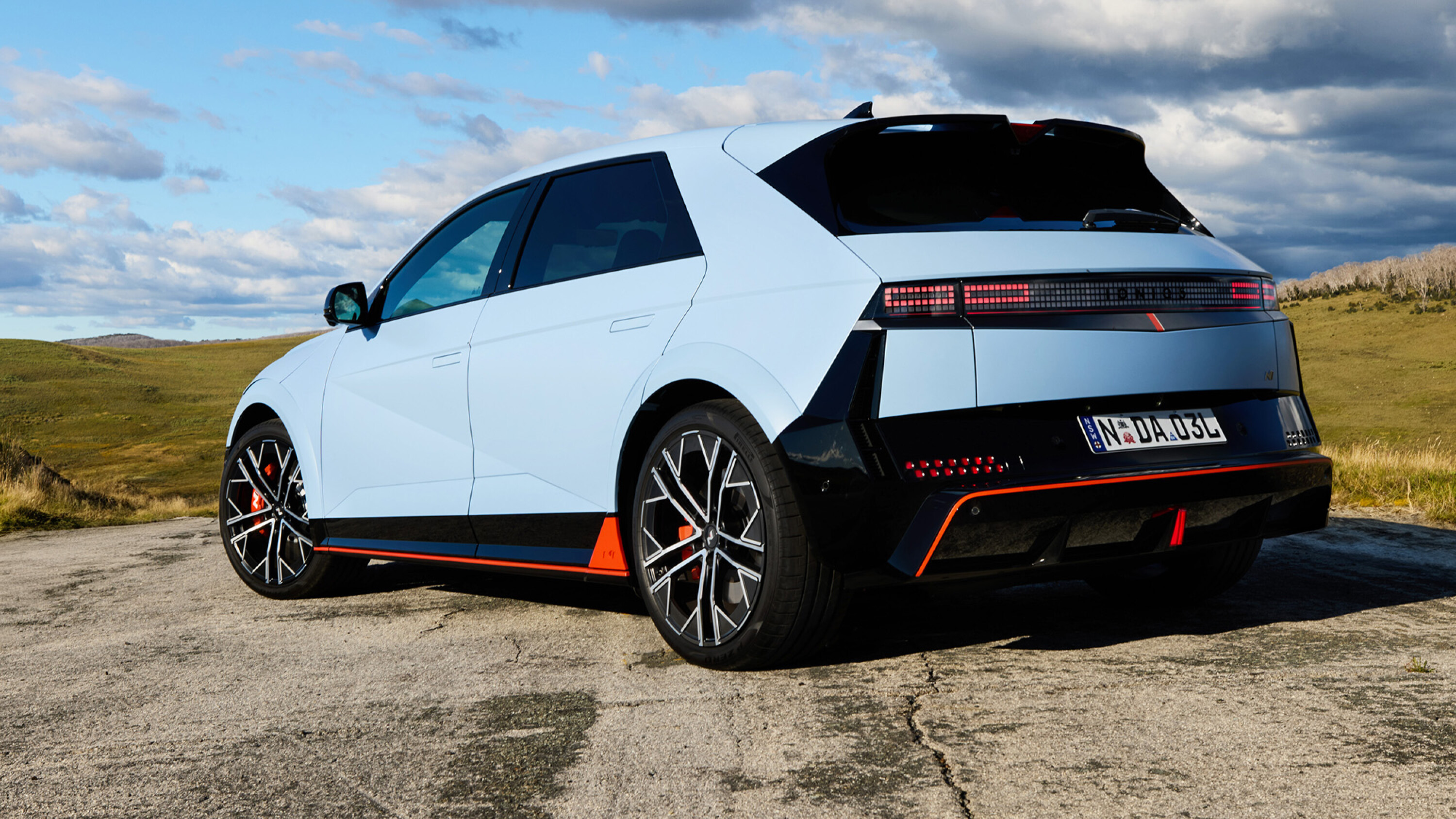
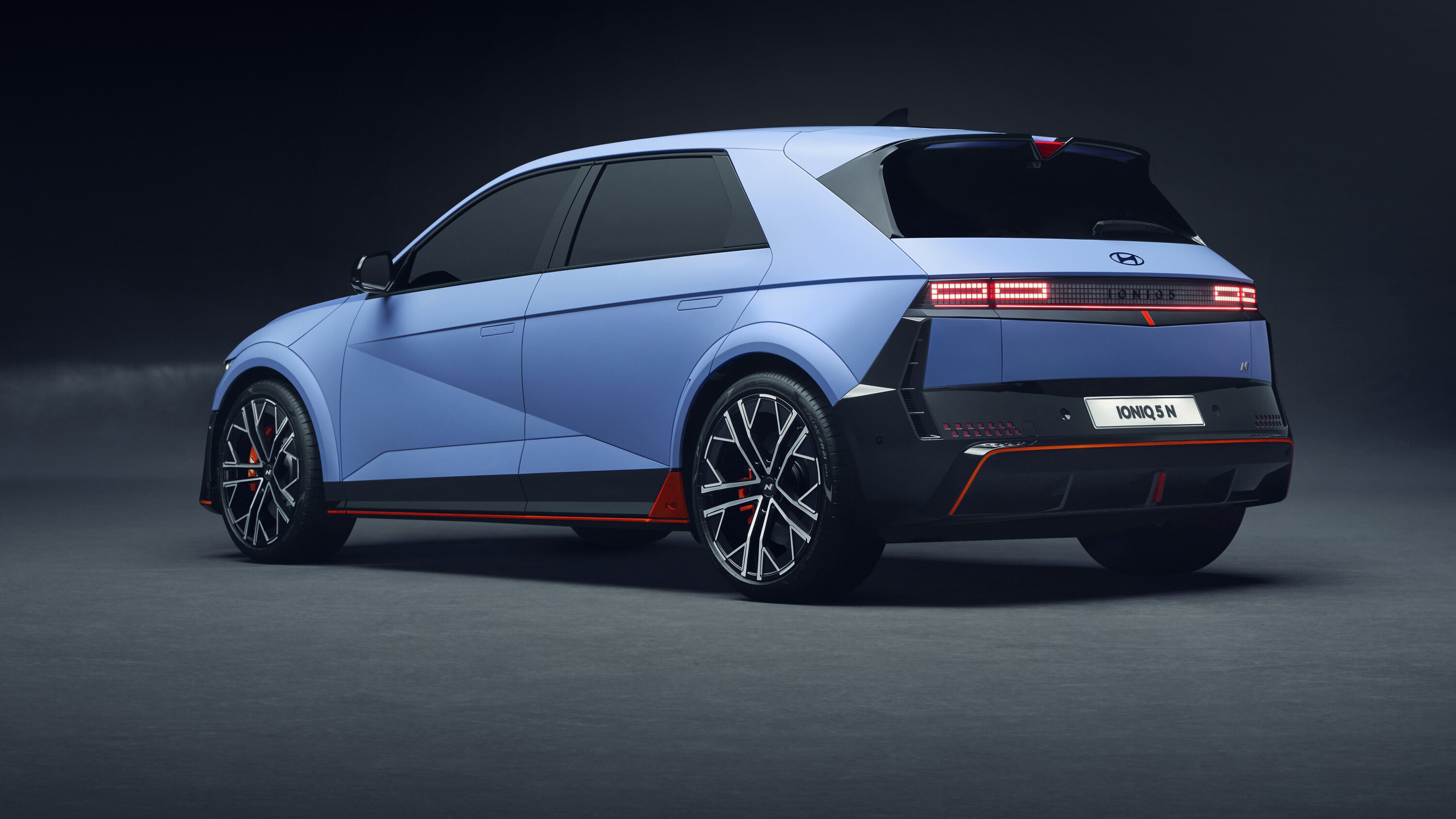
Following its initial pre-launch pricing announcement in September, the monstrous new 2024 Hyundai Ioniq 5 N is now on sale in Australia.
We’ve driven the Ioniq 5 N twice since that first announcement. Catch up on our coverage below, and continue down the page for the full pricing and features rundown – and watch for more reviews and comparisons to come very soon.
‘N Active Sound’ and convincing simulated gear shifts
$111,000 before on-road costs
Stiffer, faster, more powerful and engineered to feel like an old-school, petrol-powered performance car: these are the headlines for the first ever EV produced by Hyundai N.
Hyundai is also promising that unlike the first year of sales for the regular Ioniq 5, orders for the N model “will remain open for the foreseeable future”. The brand will no longer pause sales on any Ioniq 5 variant, including the N.
1
The big details up front
Yes it’s huge money at $111k, but the Hyundai Ioniq 5 N packs up to 478kW and 740Nm in ‘N Grin Boost’ mode.
Despite its 2230kg kerb weigh, the Koreans claim a 0-100km/h time of just 3.4 seconds, thanks to its dual-motor AWD setup.
2024 Hyundai Ioniq 5 N: Motors
Motor type
Permanent magnet synchronous motor x 2 (front & rear)
Maximum power – front motor / rear motor (with N Grin Boost)
166 kW / 282 kW (175 kW / 303 kW)
Maximum torque – front motor / rear motor (with N Grin Boost)
350 Nm / 390 Nm (370 Nm / 400 Nm)
Maximum power – total (with N Grin Boost)
448 kW (478 kW)
Maximum torque – total (with N Grin Boost)
740 Nm (770 Nm)
2024 Hyundai Ioniq 5 N acceleration
0 ~ 100 km/h (with N Grin Boost)
3.5 sec (3.4 sec)
80 ~ 120 km/h (with N Grin Boost)
1.9 sec (1.8 sec)
0 ~ 400 m (with N Grin Boost)
11.7 sec (11.5 sec)
100 ~ 0 km/h
40.2 m
1
THAT PRICE
The Ioniq 5 N’s starting price makes it around $11,000 more expensive than the similarly powerful but less focused Kia EV6 GT.
Handily, it’s a whopping $170,000 more affordable than a Porsche Taycan Turbo, which offers similar performance and was benchmarked by Hyundai during the N’s development.
1
THE POWER
They’re big numbers, that 478kW/740Nm combo – and Hyundai says the N’s outputs played only a small part in the design brief.
The true goal was to create an EV that’s engaging enough to satisfy proper petrol heads.
N’s boffins understand they’re the hardest bunch to win over with a performance EV – so instead of chasing straight-line performance, they’ve engineered solutions to help make their futuristic electric rocket feel and drive like an engaging, petrol-powered hot hatch.
“EV power is the great equalizer. Ultra-fast EVs are a known formula, and in a sense they’re relatively easy to do: big battery, big power, big tyres, zero to 100 in less than four seconds. With IONIQ 5 N, we wanted to go to market with something that was much more than that,” says Tim Rodgers, Hyundai Australia’s product development manager.
“The question was, ‘How do we differentiate?’ The answer was a focus for IONIQ 5 N on driving character, emotion and engagement. They are three simple words, but so hard to deliver: ‘fun to drive’.”
1
Hot-hatch solutions? N e-shift and N Active Sound are two such tricks
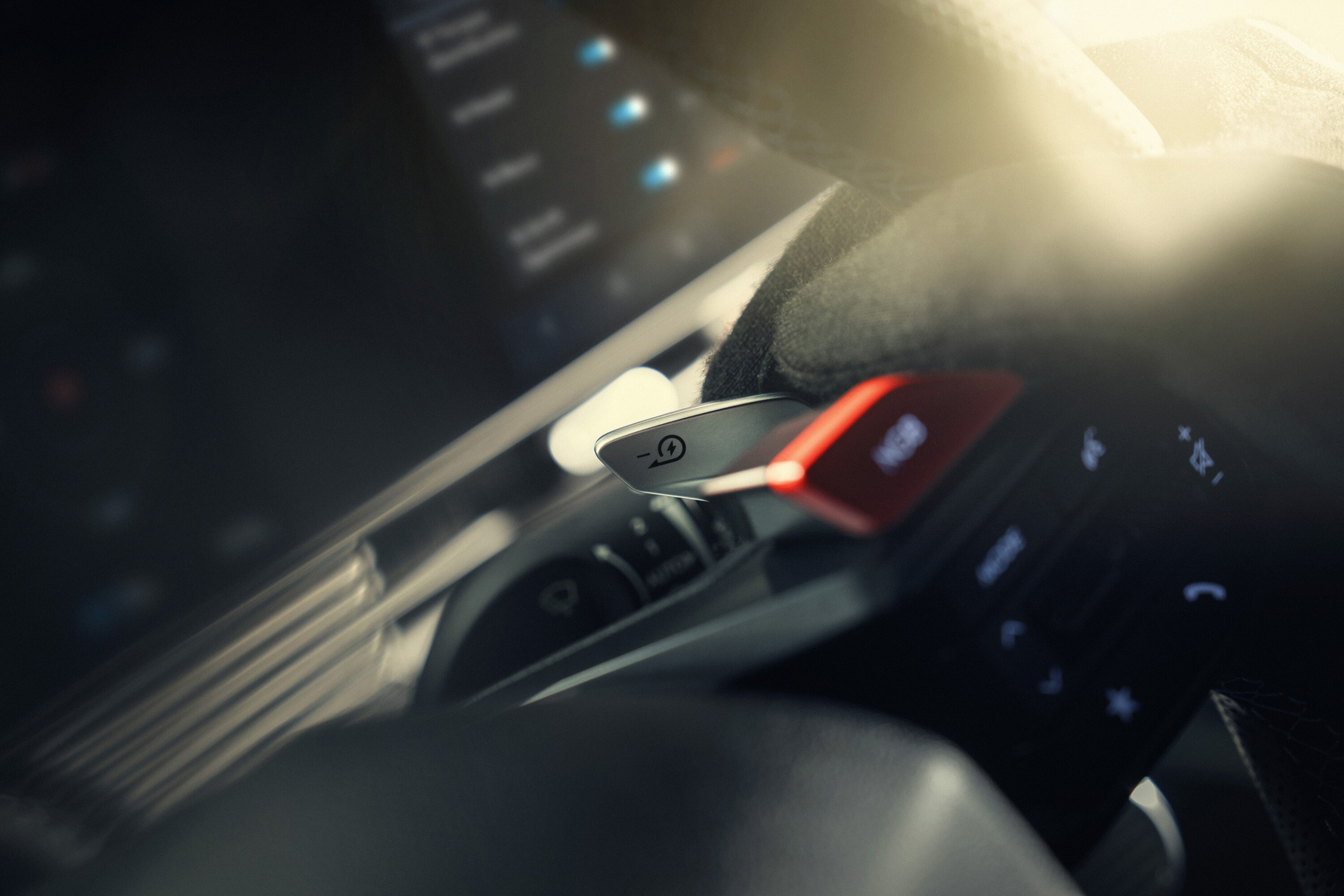
N e-shift is designed to mimic the shift action of an eight-speed dual-clutch and simulates the ‘jolt’ of up- and downshifts by cutting drive to the electric motors.
The digital instrument cluster even includes a tachometer that runs to 8000rpm and you shift ‘gear’ via the paddles behind the steering wheel.
1
N Active Sound, meanwhile, uses eight internal and two external speakers to deliver an “emotional” soundtrack that sounds like a combustion car.
It even pops and bangs during downshifts. Three sound ‘themes’ are available: ‘Ignition’ sounds like the 2.0-litre turbo in an i30 N, ‘Evolution’ copies the noise of the RN22e concept, while ‘Supersonic’ sounds like a twin-engine fighter jet.
We’ve experienced it a few times now and no Kool-Aid was drunk when we tell you: it’s very cool.
“The challenge was to capture hearts and minds with a high-performance car that behaves in some ways like a captivating and intuitive sports car, rather than just another ‘ballistic-in-a-straight-line’ EV,” Rodgers said.
Watch the N e-shift gear system in action
The goal of the shift and sound systems is to imbue the Ioniq 5 N with the same vibrations, sensations and dynamic calling cards that drivers rely on to judge speed, grip and how close they are to the limit.
Greater connection, basically – which is typically in short supply in a fast EV.
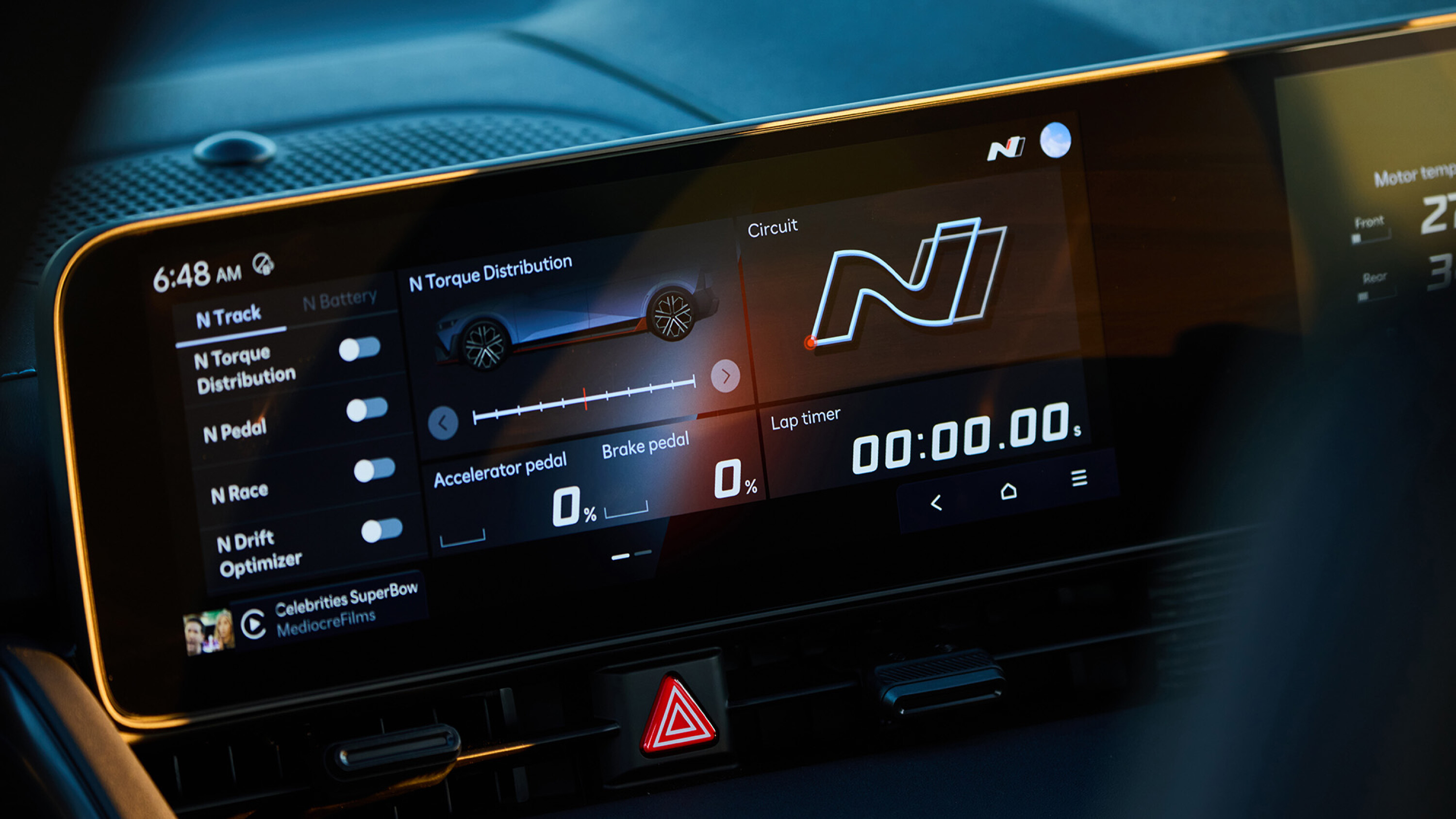
There’s even an integrated ‘Torque Kick Drift’ function, which is part of the Ioniq 5 N’s drift mode designed to simulate the clutch kick action of a rear-drive car, and push the back of the car out more aggressively.
1
The rest of the Ioniq 5 N’s recipe is performance car 101
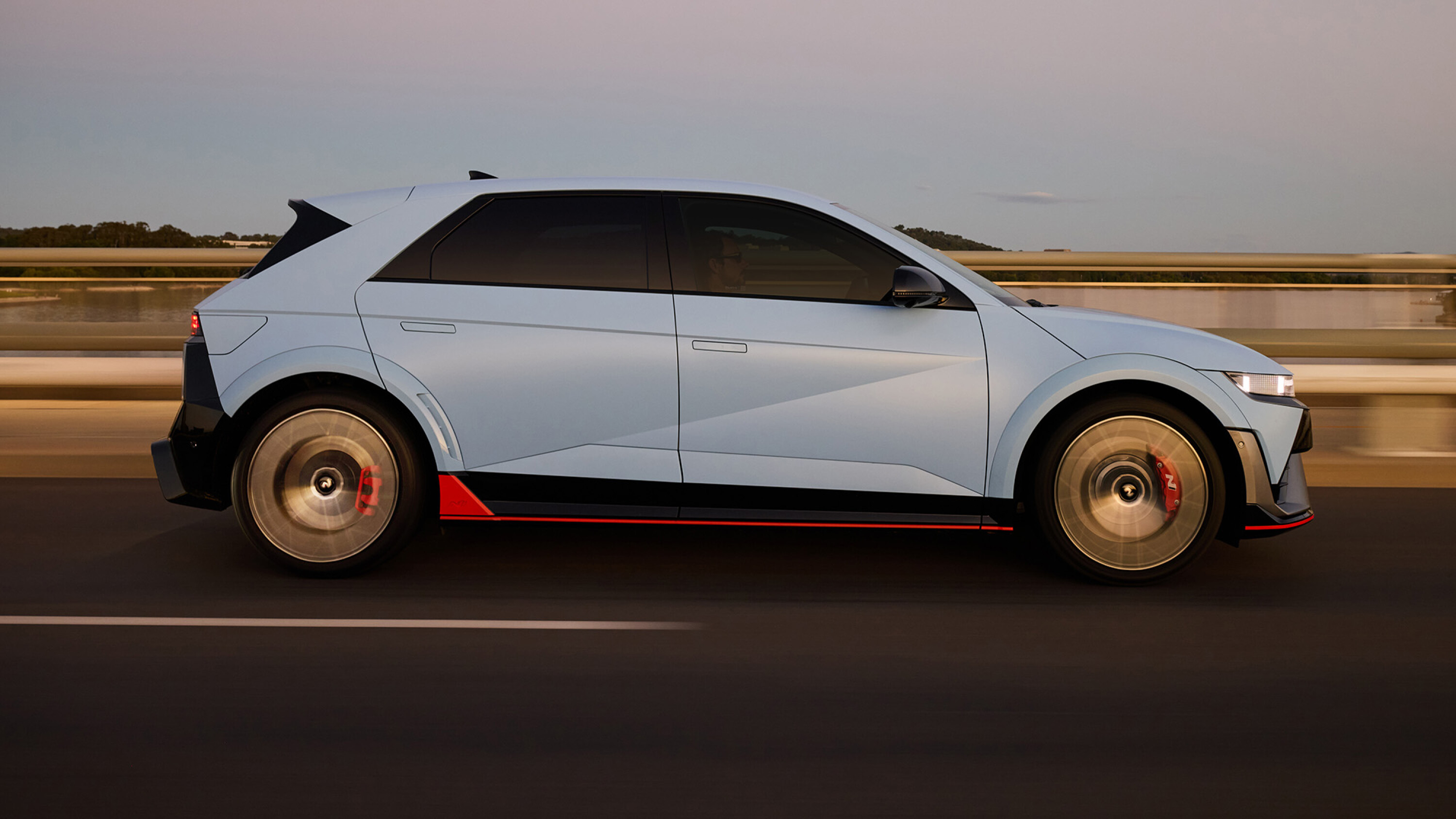
Huge 400m front brakes, a stiffer body in white thanks to 42 additional welds and 2.1 extra metres of adhesives, bespoke suspension, and specially tuned steering with a strengthened steering column.
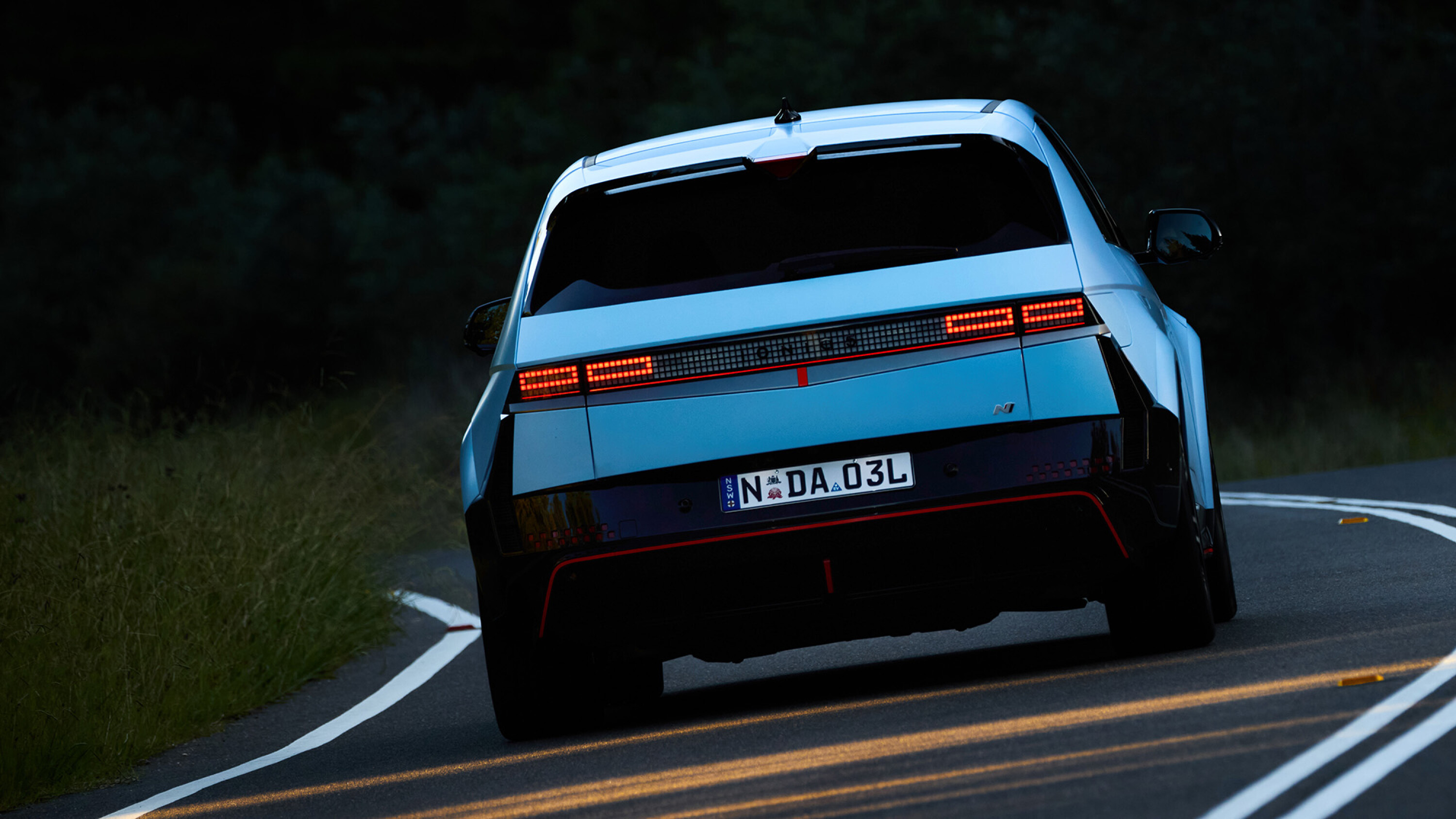
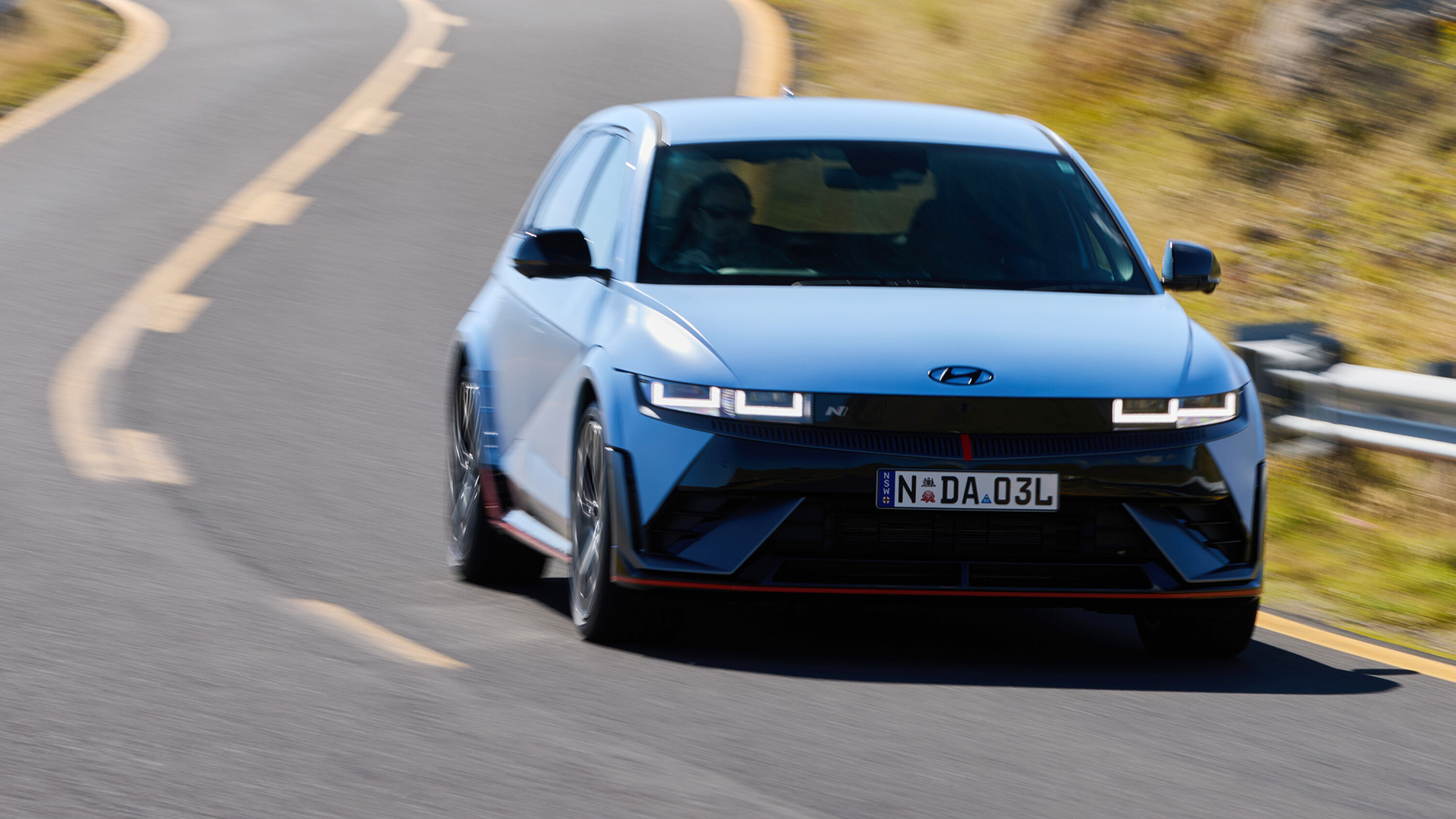
Power is up to 478kW (or 650ps) in boost mode, wheel sizes are up to 21-inches – the alloys are forged aluminium wrapped in specially developed 275/35 R21 Pirelli P Zeros – and overall size is up, too, courtesy of a body that’s 50mm wider, 80mm longer and 20mm lower.
1
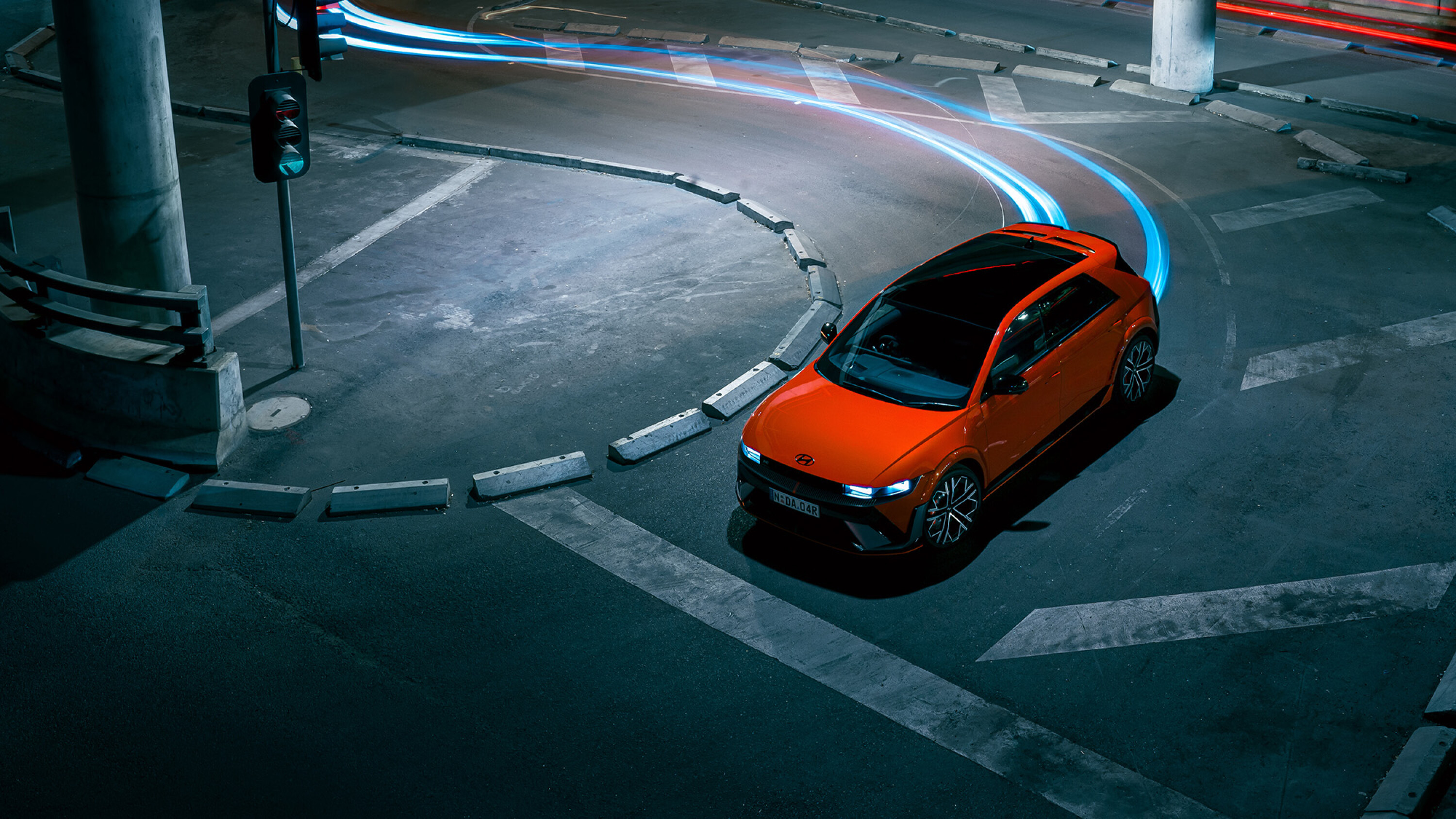
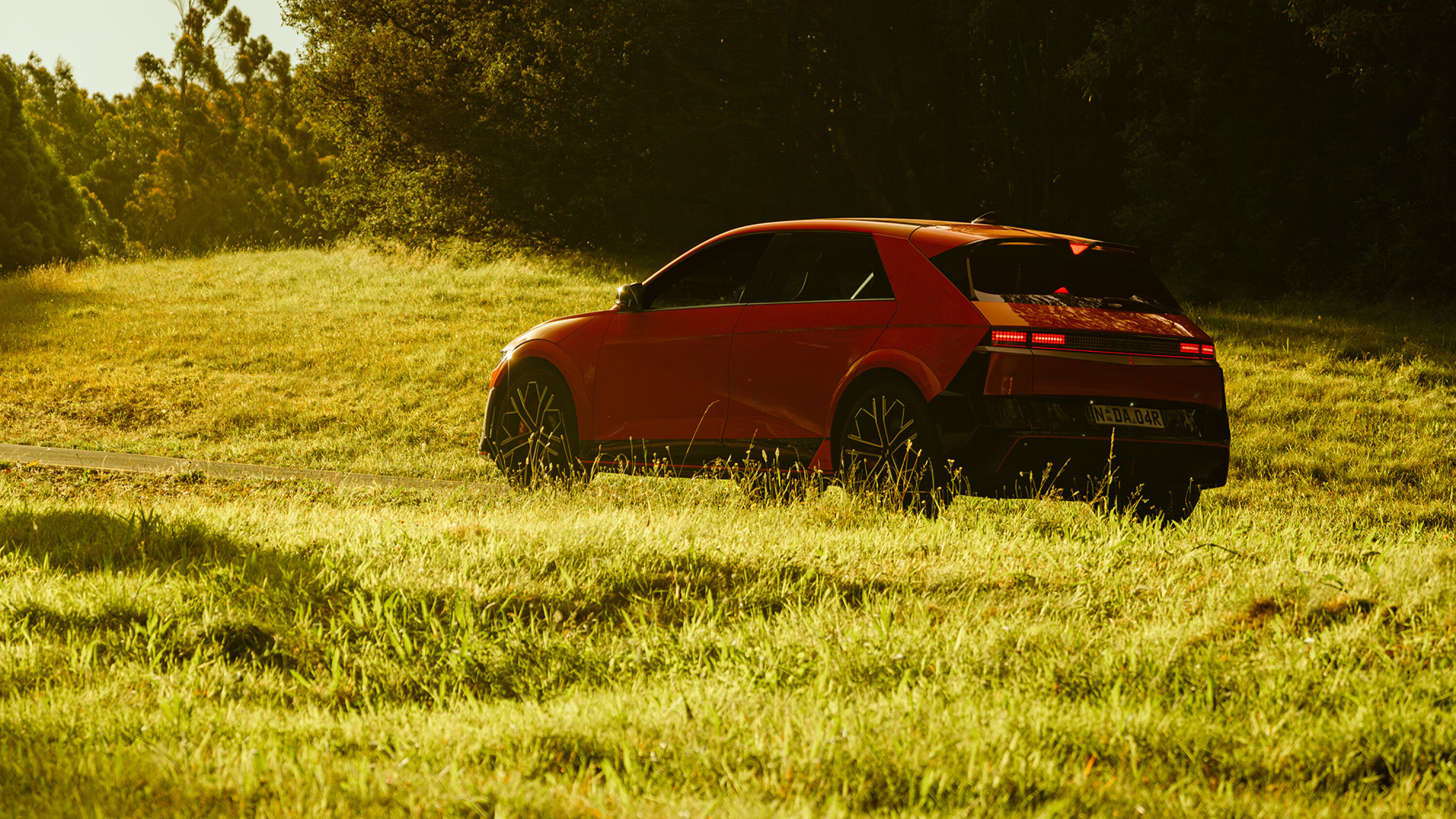
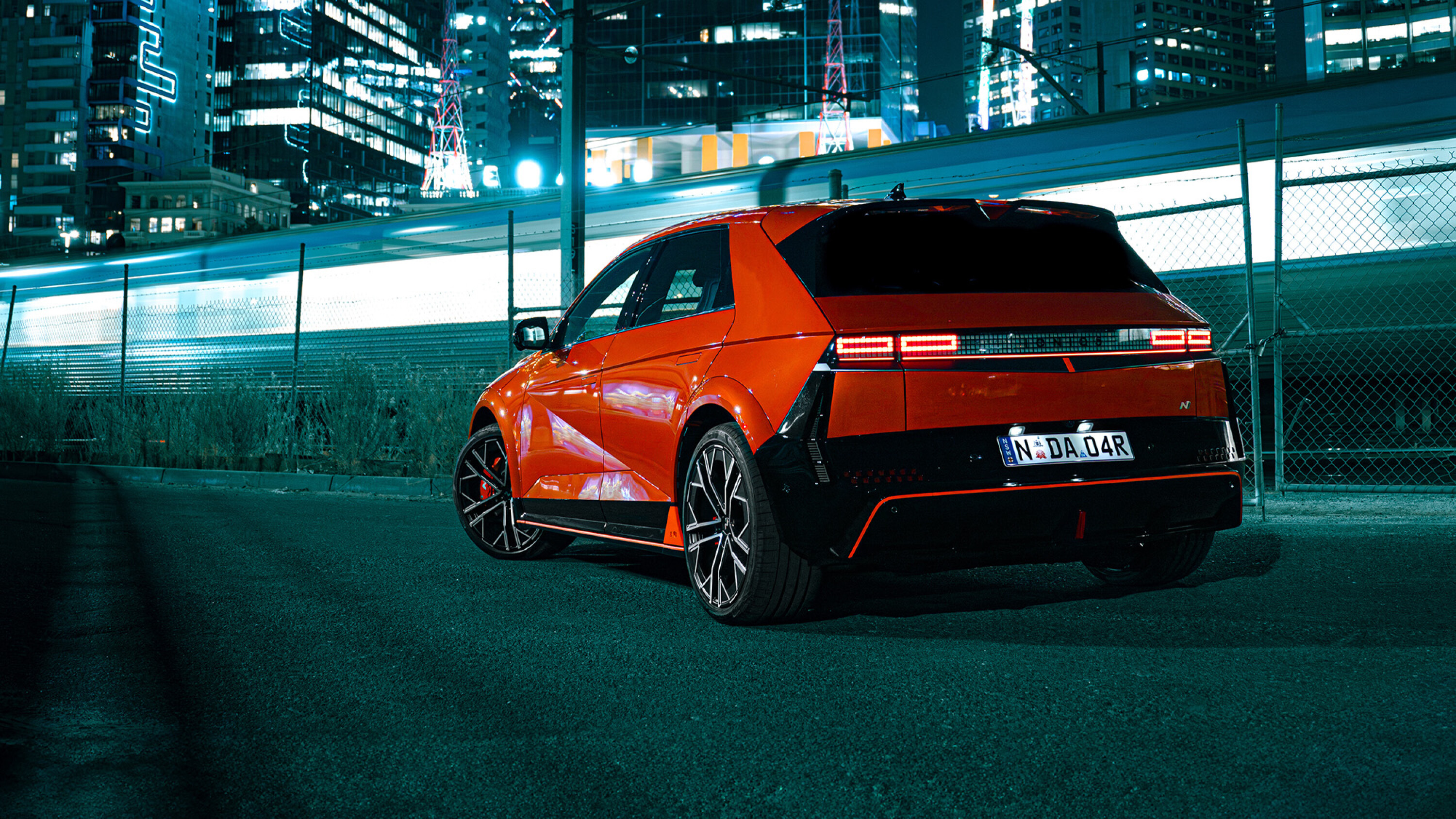
Also new are the ‘Luminous Orange’ highlights, the signature colour for an N electric car.
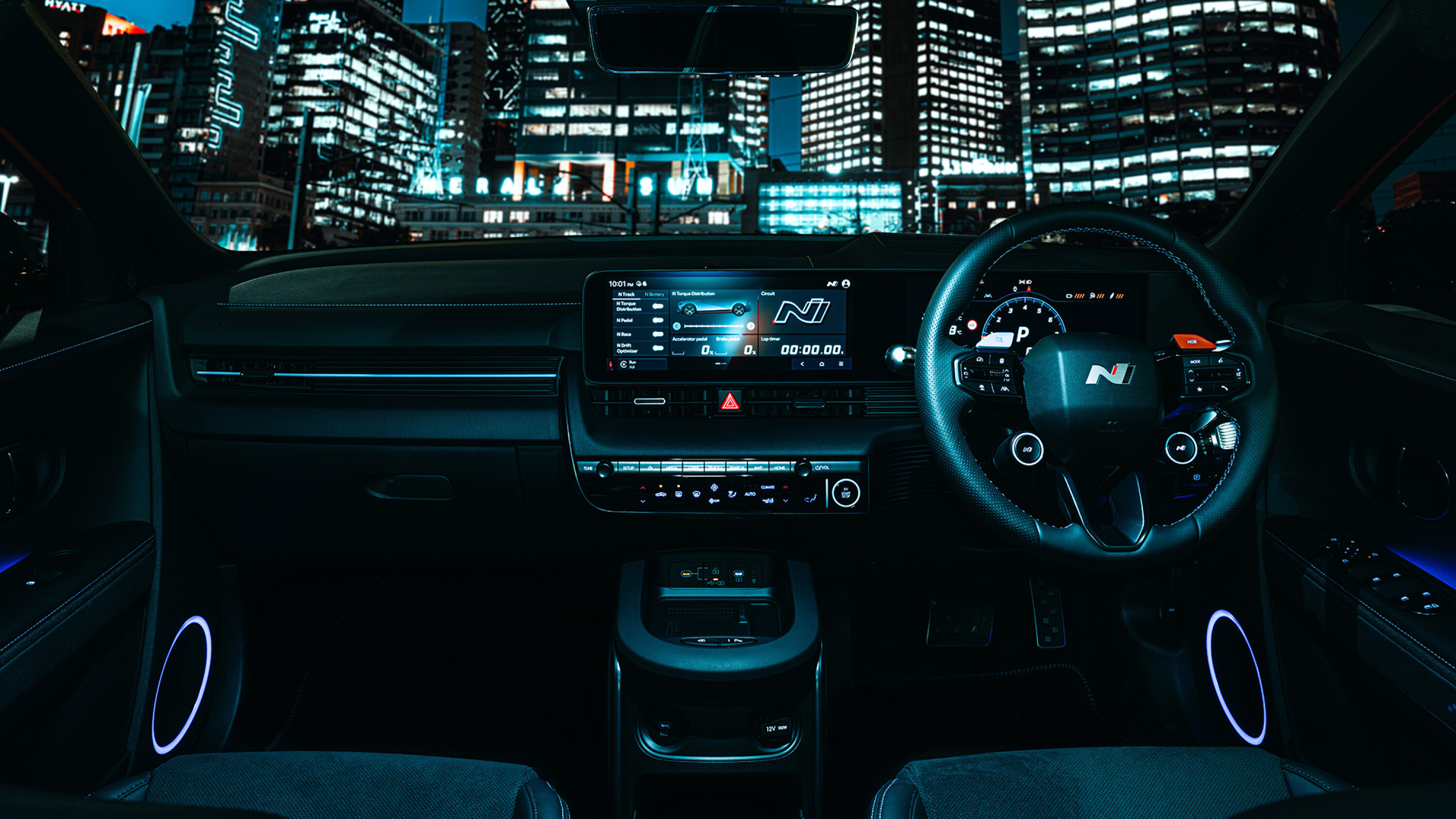
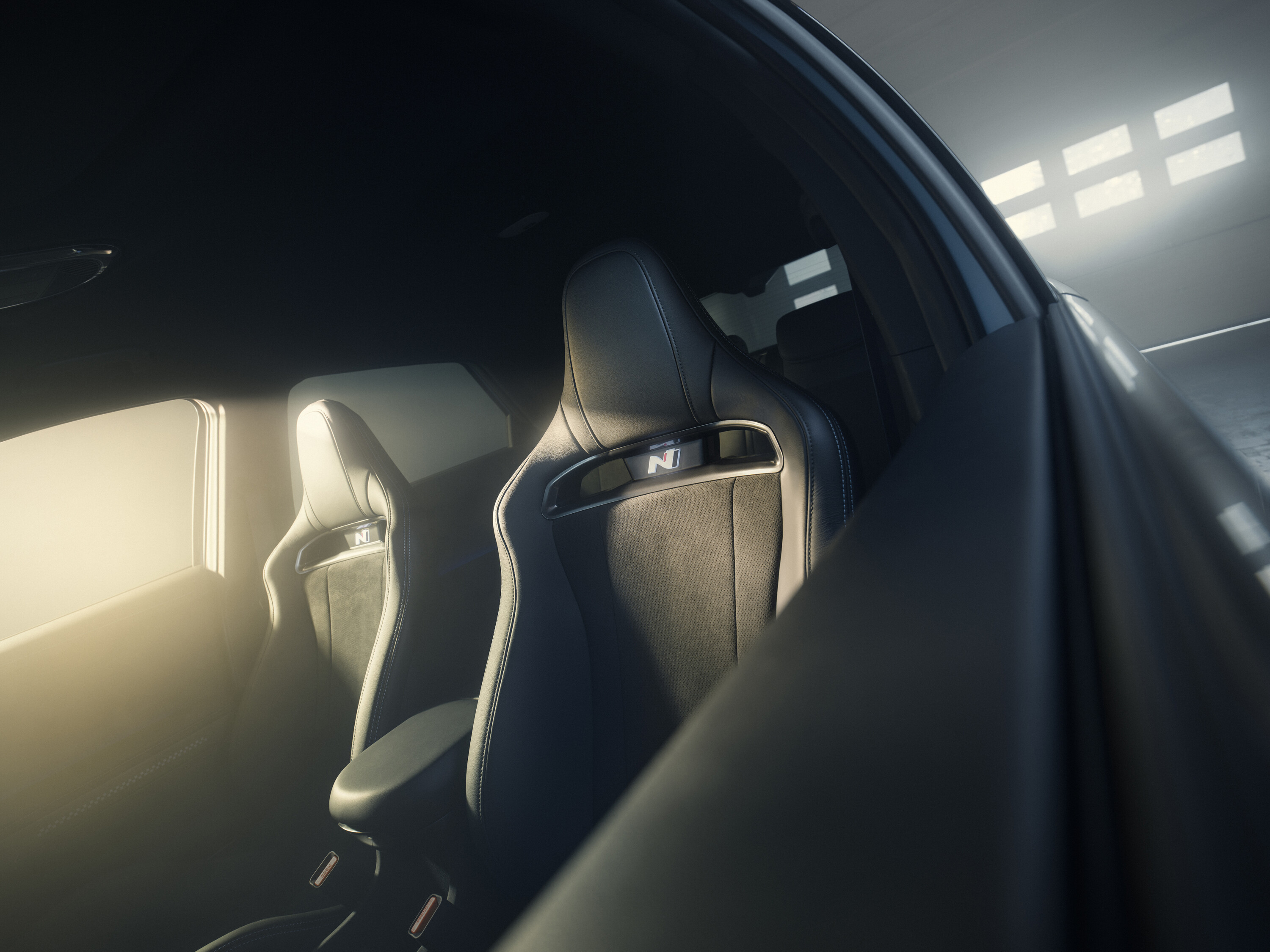
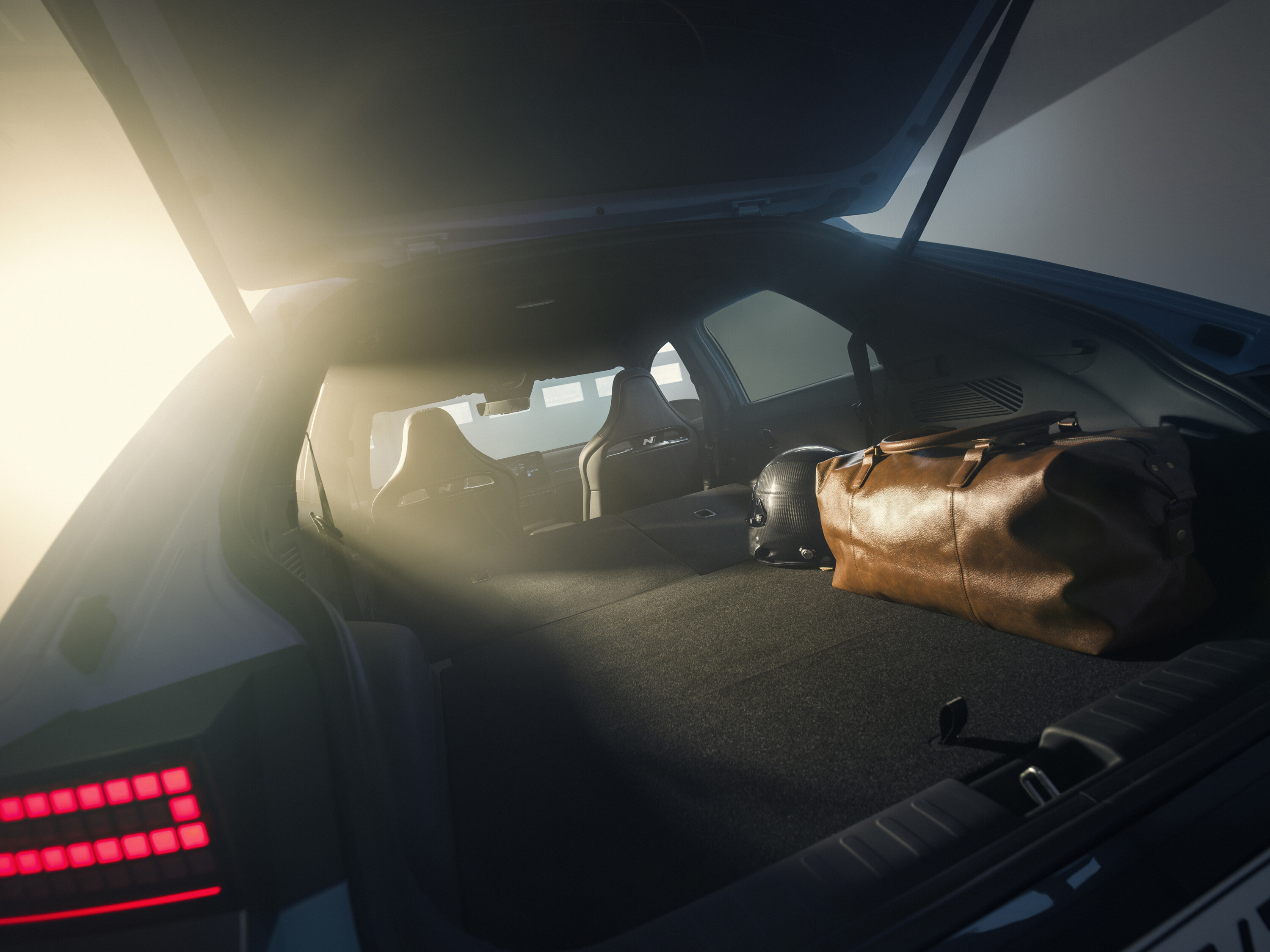
Inside there are bolstered sports bucket seats that are 20mm lower than the regular Ioniq 5 and a chunky centre console fitted with shin pads has been added to stop your legs swinging around wildly during hard corning.
There’s an increased use of eco-friendly materials, too, like sugarcane yarn and recycled Alcantara on the seats.
The widescreen digital display also has loads of fresh functions like a slider that allows drivers to adjust the torque distribution (fully variable through 11 different levels) and to engage the N Drift Optimiser (Drift mode).
1
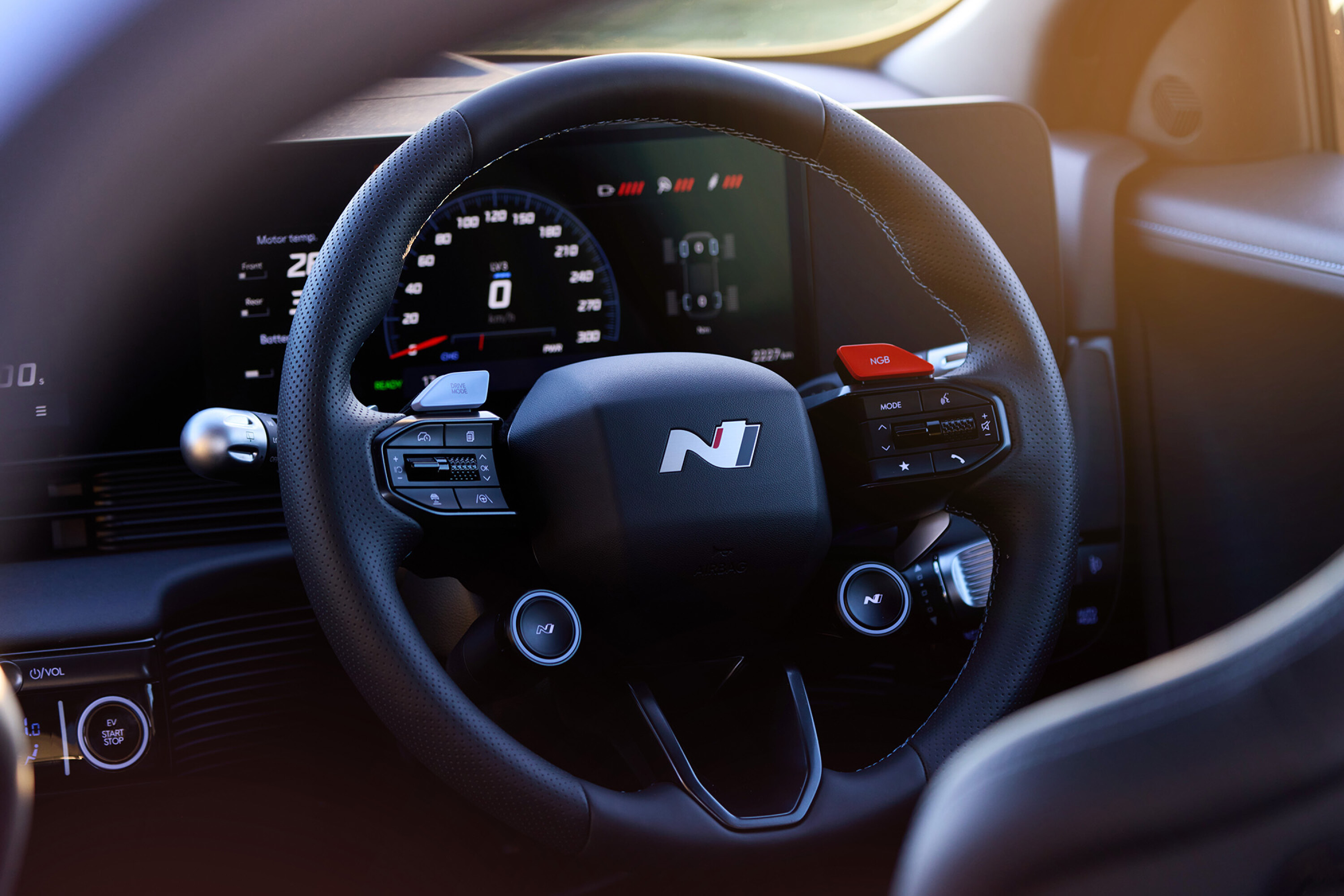
The steering wheel is new, too, and includes no fewer than three N logos. The two hanging below the steering wheel spokes are hot keys for your favourite mix of drive modes (similar to M1 and M2 in a BMW M car) and they pair with a regular ‘drive mode’ button and another labelled NGB for N Grin Boost.
NGB, or boost mode, works with the Ioniq 5 N’s more powerful two-stage inverter to increase peak power from 448kW/350Nm in regular driving (166kW from the front motor; 282kW from the rear) to 478kW/370Nm for 10-second bursts.
That makes the Hyundai marginally more powerful than its Korean sibling, the Kia EV6 GT, which produces 430kW/740Nm.
1
Australian input
Hyundai’s Australian team was deeply involved with the Ioniq 5 N’s development, in recognition of how successful the N brand has been with Aussie enthusiasts.
“Australian Product Development went to the Nürburgring Test Centre in Germany, and to the HATCI (Hyundai America Technical Centre Inc.) California Proving Ground, and we were liaising constantly with Namyang throughout this period,” Rodgers said.
“We were able to advocate for specific characteristics with the engineers who were making the changes at the proving grounds – in America, Korea, and at the Nürburgring.”
“For example, we would look at a change with the potential to make IONIQ 5 N more racetrack capable and ask: ‘Does this make it a better everyday sports car?’” Rodgers said. “These points were often very strongly debated and not easily resolved. But in the end, we trust the decisions we made were the correct ones.”
1
So what differs?
“In Europe you can be on a really nice road, or really poor road; there’s not much in between. In Australia you can go down one stretch of road and go from really good, to patches of average, to really terrible, and back to good again in the space of 300 metres,” Rodgers said.
“Because of that we have massaged the logic and settings for Normal and Sport mode to work with our spectrum of roads, while keeping the taut and responsive character the same,” Rodgers said.
“However N mode is N mode; it’s the same in Europe as it is in Australia. It was really important to us that we kept that flavour.”
1
Configurability is core to the Ioniq 5 N driving experience
There are three stages for the adaptive dampers, three for the weight of the steering, four for the battery and even three settings for the launch control to “allow drivers to launch their vehicle like a professional race car”.
Pick the right setting for the grip available and Hyundai says the Ioniq 5 N will hit three figures in 3.4 seconds, which is about the same as a Porsche Taycan Turbo.
Hyundai says the upgraded brake discs are the strongest it has ever fitted to a production car, and they’re colossal – 400mm discs clamped by four-piston callipers up front, 360mm/single-piston out back – but it’s actually re-gen that provides most of the stopping power.
Dubbed ‘N Brake Regen’ the system can deliver 0.6Gs of deceleration and should provide up to 80-90 percent of the braking performance in day-to-day driving. Even on a circuit as demanding as the Nurburgring, Hyundai says regen will account for 40-50 percent of the braking force.
1
The Nurburgring
Track driving is typically kryptonite for electric cars, but Hyundai has worked hard to ensure the Ioniq 5 N offers repeatable performance over extended runs.
The new battery, for example, is said to be less susceptible to power loss from overheating, and owners can also pre-condition the battery either for drag racing (Drag = shorter hits of full power) or track driving (Track = battery kept at the lowest temp possible for more laps).
The track setting can be further configured via two addition settings: Endurance of Sprint. Endurance maximises range by limiting peak power whereas Sprint is like a ‘qualifying mode’ designed to use over a single lap.
How about a lap record?
“We’re not interested in setting a benchmark Nürburgring lap time – nor lap times around any circuit,” Rodgers said. “Because outright performance is secondary to the core mission, which is fun, character, emotion, connection with the machine.”
1
Ioniq 5 N driving range and charging
Depending on how you drive it, the Ioniq 5 N promises up to 448km off a single charge (Ioniq 5 Equip AWD claims 454km). Efficiency is listed at 21.2kWh/100km.
The hero Ioniq 5 N features the same 800V architecture as the wider range, along with the same bigger new-generation 84kWh battery.
In-cable control box (ICCB) with domestic 3-pin plug input
Output capacity (maximum)
230 V, 10 A
Charging plug
Type 2 (IEC 62196-2 Type 2)
Standard charging time (230 V at maximum charging capacity – 10 to 100%)
Approx. 40hr
2024 Hyundai Ioniq 5 N: Vehicle To Load (V2L)
Output capacity (maximum)
250 V, 3.6 kW, 15 A
Connector – inside
Domestic 3-pin plug output
Hyundai’s disclaimer on range
*Based on a full charge. Figures based on WLTP (Worldwide Harmonised Light-Duty Vehicles Test Procedure) static laboratory combined average city and highway cycle test, which measure, energy consumption, range and emissions in passenger vehicles, designed to provide figures closer to real-world driving behaviour.
Real life driving results will vary depending on a combination of driving style, type of journey, vehicle configuration, battery age and condition, use of vehicle features (such as heating and air conditioning), as well as operating, environmental and climate conditions.
1
Interior space and features
2024 Hyundai Ioniq 5 N: Interior space
Head room front / rear (with optional Vision roof)
1010 / 982 mm (993 mm / 953 mm)
Leg room front / rear
1060 mm / 1013 mm
Shoulder room front / rear
1465 mm / 1470 mm
Hip room front / rear
1368 mm / 1362 mm
Cargo area front – VDA
N/A
Cargo area rear – VDA (minimum / maximum)
480 L / 1540 L
Safety
As with the Kia EV9, the 2024 Ioniq 5 range gets Highway Driving Assist (HDA2), designed to build on the existing Smart Cruise Control suite.
The system can support the driver’s lane position and lane changes when activated on a highway.
Hyundai also lists the following active safety features.
Remote Smart Parking Assist (RSPA) u2013 inc. SPAS
Lane Keeping Assist – Line/Road-Edge (LKA-L/R)
Safe Exit Assist (SEA)
Lane Following Assist (LFA)
Multi-Collision Braking
Highway Driving Assist 2 (HDA2) with:
Lane change assist control
Junction Turning / Crossing
Lane following off-set control
Direct Oncoming
Smart Cruise Control (SCC) w. Stop&Go
Lane Change Oncoming / Side
Forward Collision-Avoidance Assist (FCA2) with:
Evasive Steering Assist
Car / Pedestrian / Cyclist detection
Features
EXTERIOR
INTERIOR
LED headlights (Dual Projection type), tail lights, indicators, reverse
Alcantara and leather appointed interior
Power flush type door handles w. capacitive touch
N light seats, manual adjustment
Gloss black window frame moulding (DLO)
Metal N scuff plates
Gloss black door frame moulding
Metal pedals
Gloss black side mirror covers
Premium bio-PET carpet
N styling with luminous orange inserts
LED interior lighting
Heated & folding electric side mirrors
Luggage net
Rain sensing aero wipers
Cargo cover
Rear wiper
480L Rear cargo capacity
Power tailgate
Solar control windscreen & front door glass
Privacy rear door & tailgate glass
Climate control
Dual zone climate control
Cabin air filter
Rear air vents (B-pillar mounted)
Heat pump u2013 high efficiency heater
1
What does the Ioniq 5 N cost in Australia?
In Australia, the Ioniq 5 N is priced from $111,000 before on-road costs.
That makes it about $11,000 more expensive than the Kia EV6 GT, but a whopping $170,000 more affordable than a Porsche Taycan Turbo – which offers similar performance and was benchmarked by Hyundai during the N’s development.
1
You can have it in any colour you want, as long as it’s… one of these nine.
Performance Blue matte, Performance Blue, Abyss Black, Cyber Grey, Ecotronic Gray, Atlas White matte, Atlas White, Gravity Gold matts and Soultronic Orange.
Just two options are available: a ‘Vision Roof’ for $2000 and matte paint for $1000.
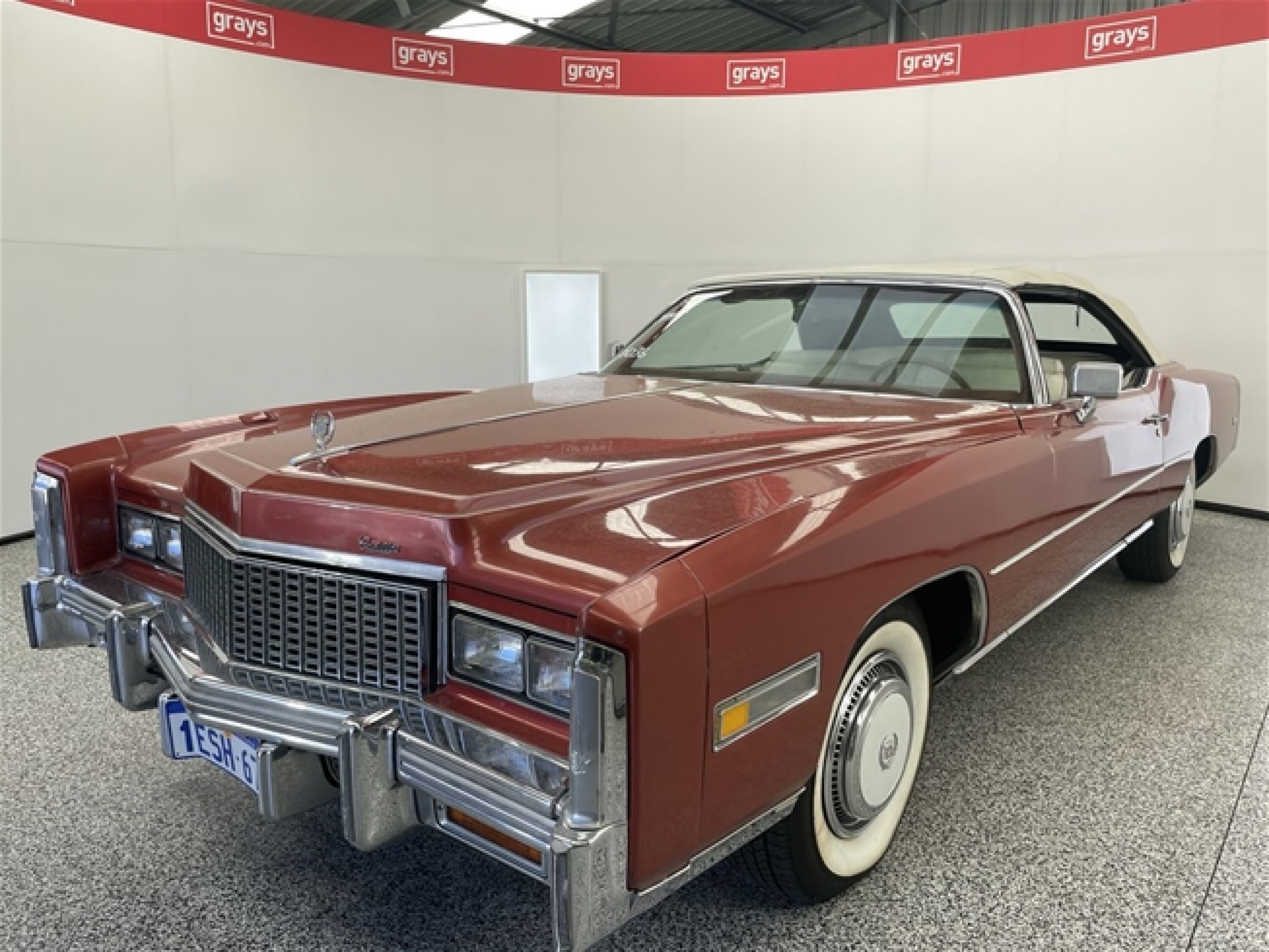
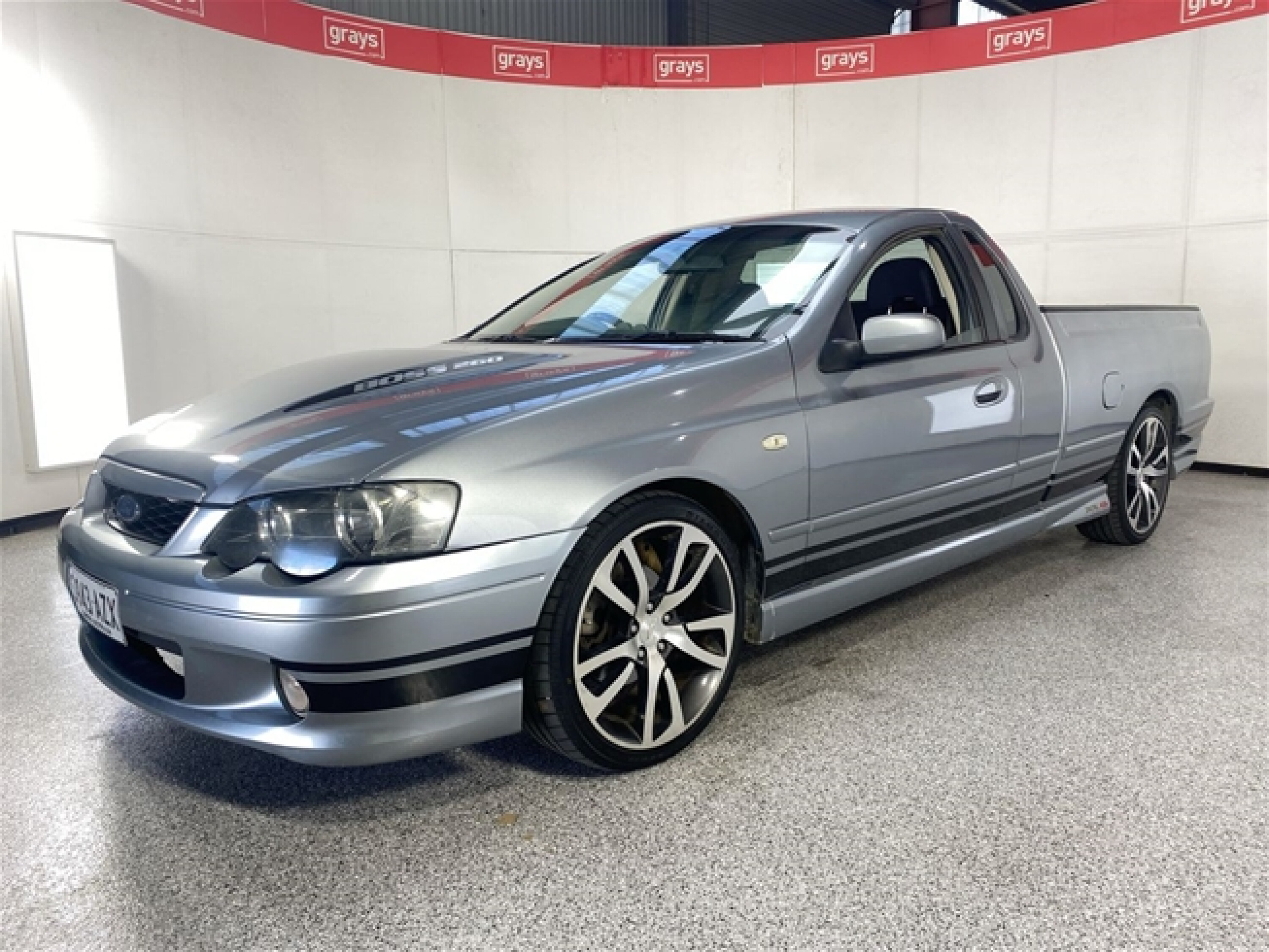
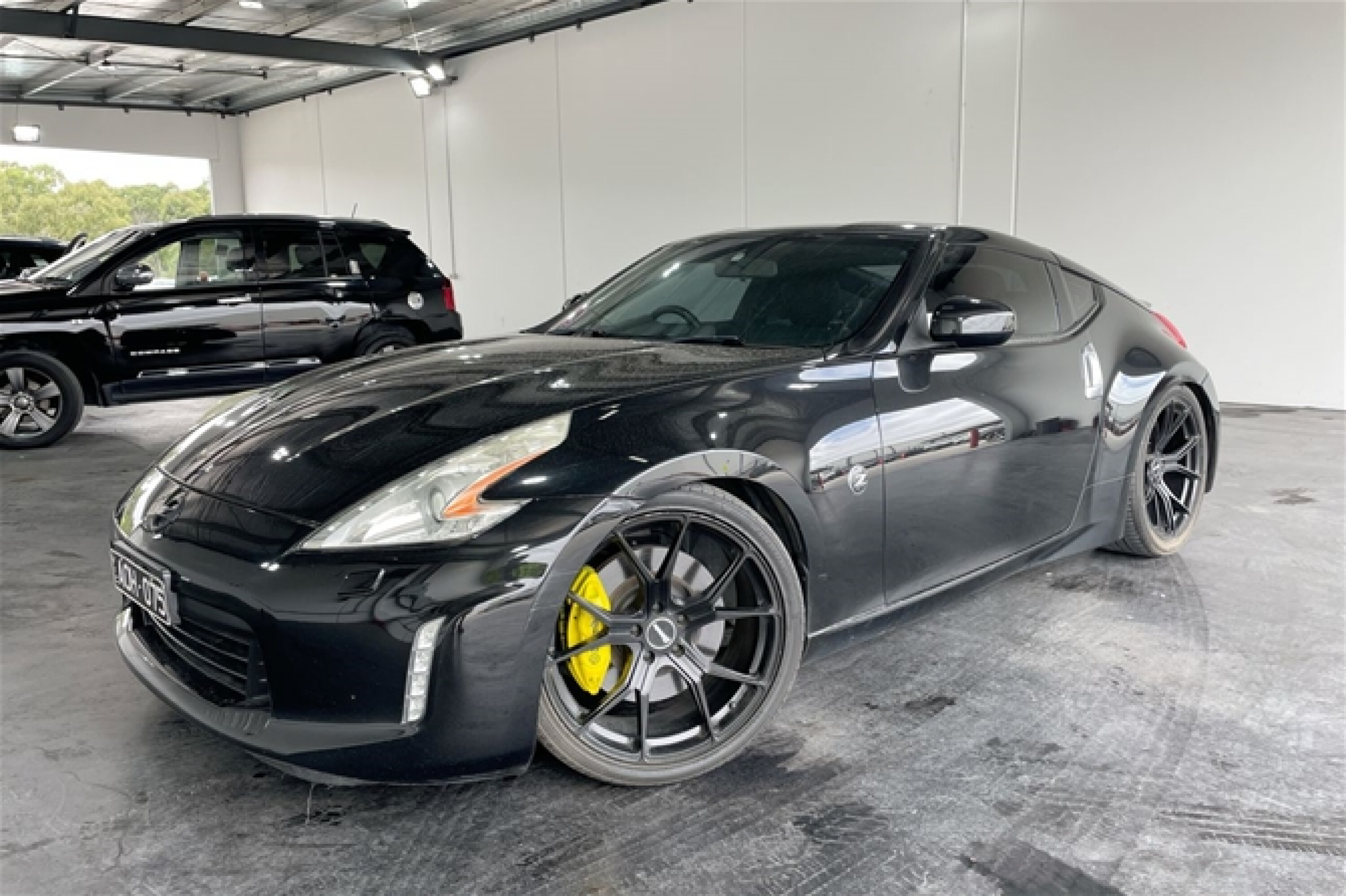
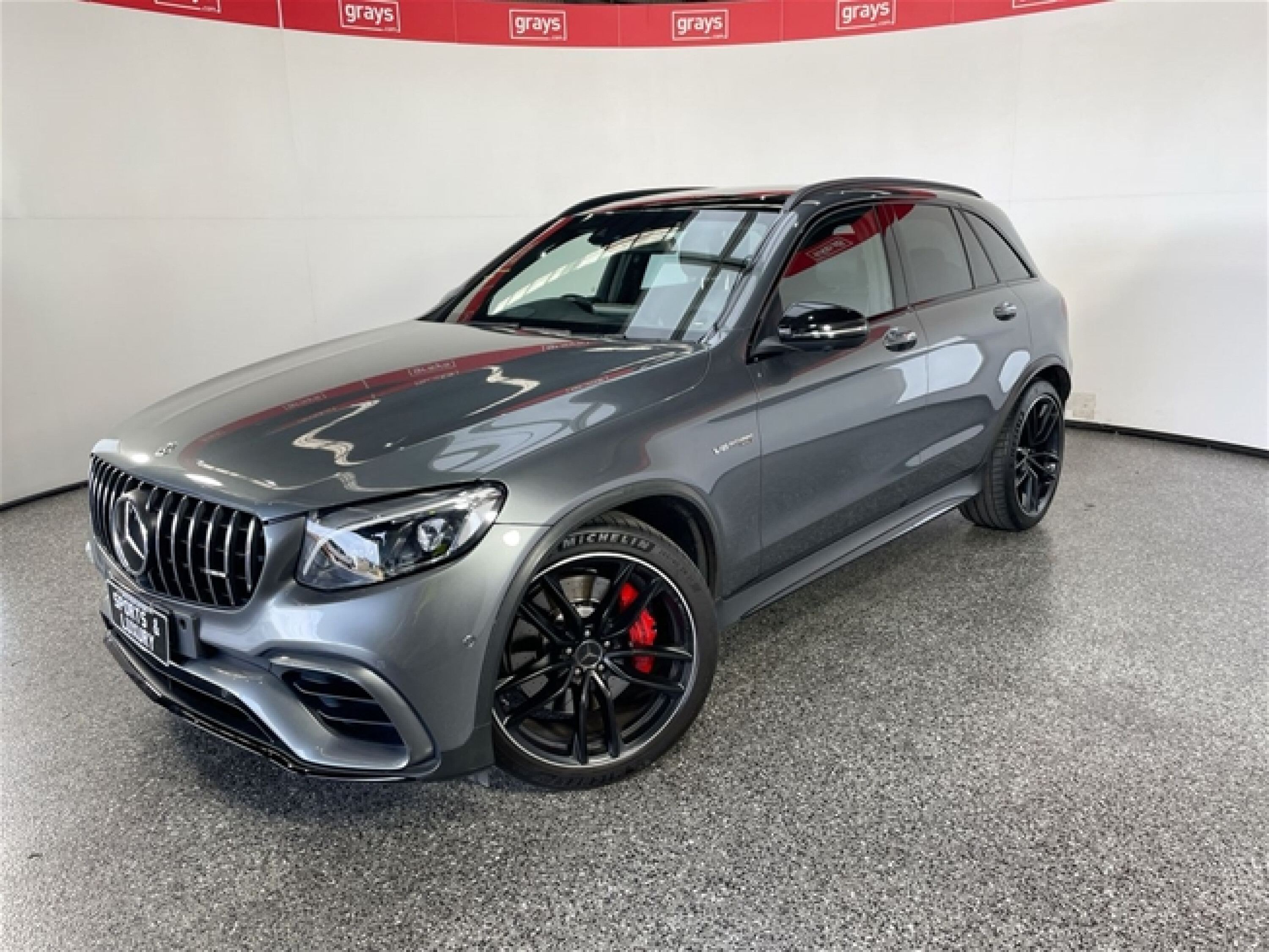
Grays continues to offer up many different curios and cars, all for those looking for a bargain, or something a little more unique. Here’s the latest we’ve selected.
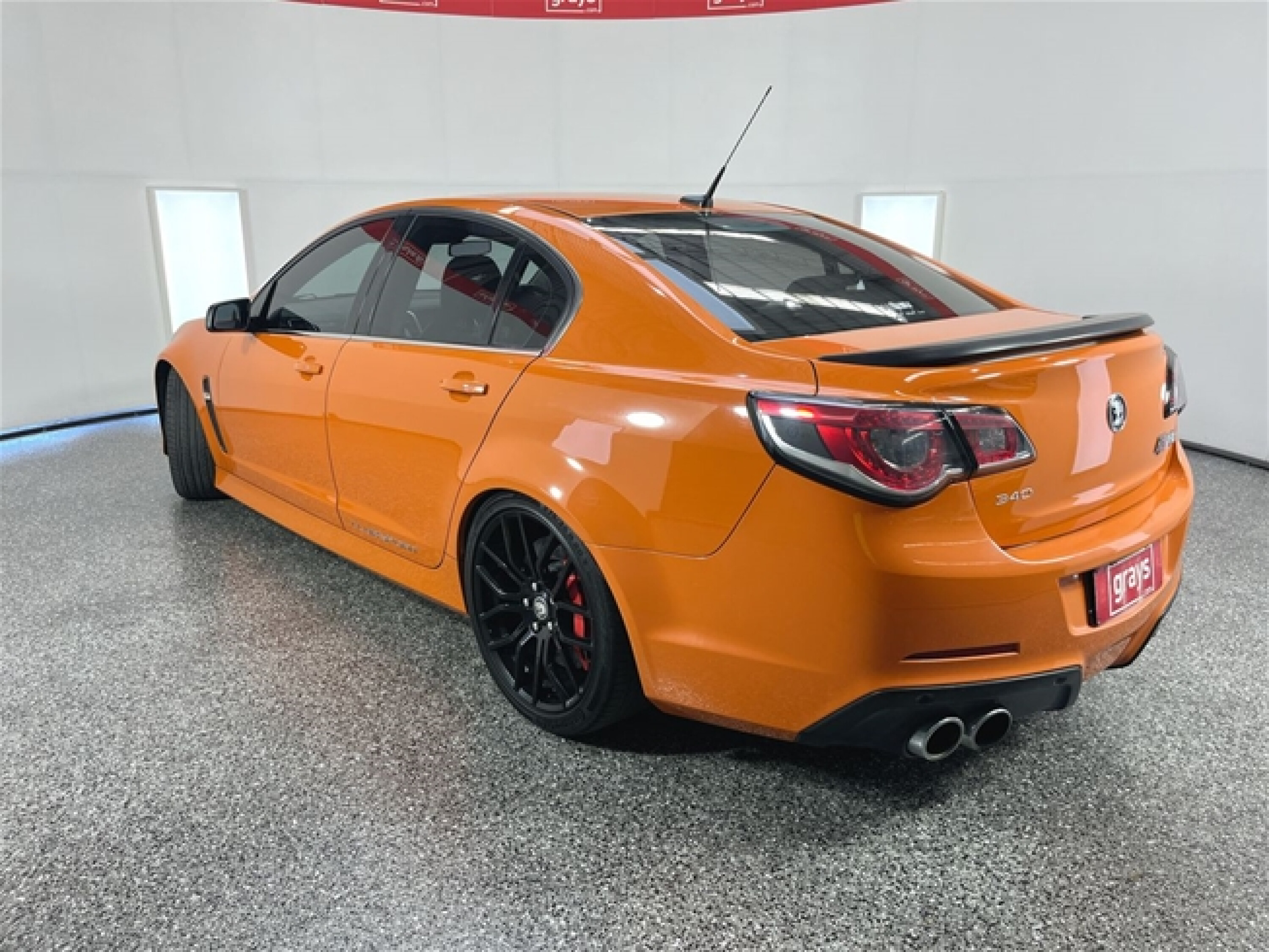
2014 HSV Clubsport R8 Gen F
Getting into a manual V8 has become increasingly difficult, so here’s a little slice of Australian muscle history.
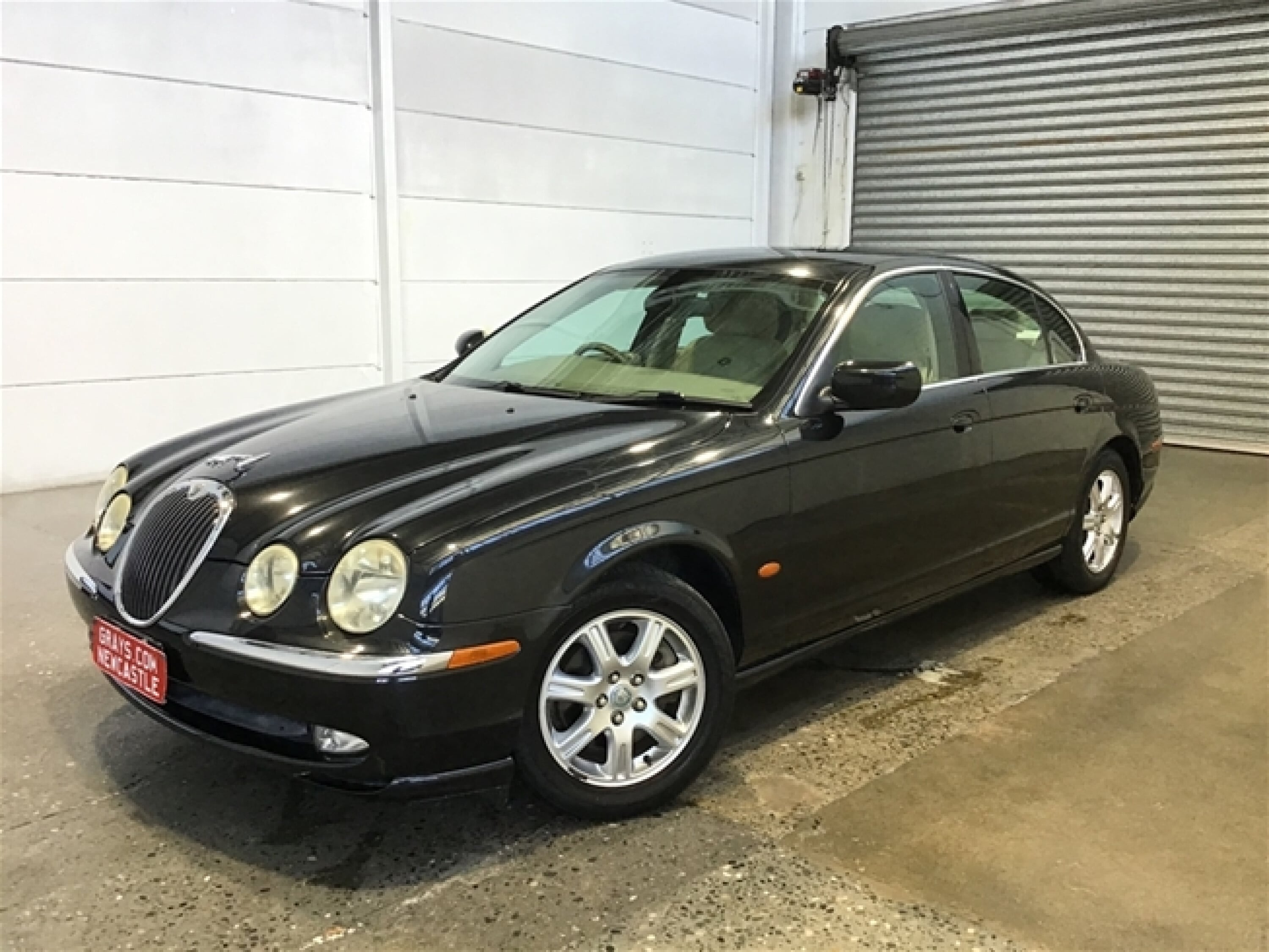
Jaguar desperately clung to its heritage and maintained a retro styling for a long while in the early 2000s, and this S Type is a prime example of keeping to the classics.
Mercedes has pulled back on plans to be EV only by 2030
The goal of EVs and hybrids accounting for 50% of sales has also been delayed by five years
Company CEO instead says Mercedes will adopt a flexible strategy to meet u201cpeaks and troughsu201d in EV transition
Mercedes-Benz has delayed its goal of becoming an EV-only brand by 2030 and now says it will produce combustion powered engines “well into” the next decade.
Weaker than expected demand for electric vehicles has driven the change, with Mercedes also pushing back its target of making EVs and hybrids 50 per cent of its sales by five years.
In 2023, electric cars made up 11 per cent of Mercedes sales in Europe while combined EV/hybrid sales accounted for 19 per cent.
Instead, Mercedes will adopt a flexible strategy as it reacts to “peaks and troughs” in the transition towards battery-powered vehicles says company CEO Ola Kallenius.
“We want to make clear to customers and investors that we will make use of strategic flexibility,” Ola Kallenius said. “As an incumbent you need to have a double hedge.”
1
Speaking to Reuters, Kallenius added further context around when Mercedes could make the transition to be fully EV: “It’s not going to be 100 per cent in 2030, obviously… from the whole European market, but probably from the Mercedes side as well,” he said.
Mercedes is the latest in a growing number of brands to react to slower than expected demand for electric cars.
Ford and General Motors have both delayed plans to build new EV manufacturing plants, while Ford has also slashed production of the electric version of the iconic F-150. After an initial surge in demand, sales of the F-150 Lightning have plummeted, forcing Ford to cut its planned production numbers by half.
Even EV heavyweight Tesla has warned it is expecting sales to grow at a much slower rate in 2024.
And while EV demand continues to grow from a low base in Australia, there are signs the local market could also be entering a bumpy period.
Several brands have made large pricing adjustments to key electric models, with Subaru being the latest to slash the price of the soon-to-arrive Solterra by $8000.
The Ford Mustang Mach-E, Tesla Model Y, Hyundai Ioniq 5 and Ioniq 6, GWM Ora and MG ZS have also received big price drops, sometimes by up to $10,500.
Mercedes currently sells seven electric-only passenger car models in Australia, with sales totalling 3118 units in 2023 or just under 13% of the brand’s total volume. Mercedes’ most popular EV model in Australia is the EQA which recorded 1196 sales last year.
Despite the shift in Mercedes’ global strategy, the brand’s local arm told Wheels “In Australia, the take up of Mercedes-Benz electric vehicles matches our planning and reflects what is happening in our market in general.”