The Federal Government has halved the fuel consumption figure needed for a ‘fuel-efficient’ vehicle to be exempt from the Luxury Car Tax (LCT) from 7.0L/100km to 3.5L/100km.
To be enacted from 1 July 2025, this figure is only realistic for pure EVs or plug-in hybrids and is one of the main talking points from the government’s Mid Year Economic and Fiscal Outlook (MYEFO).
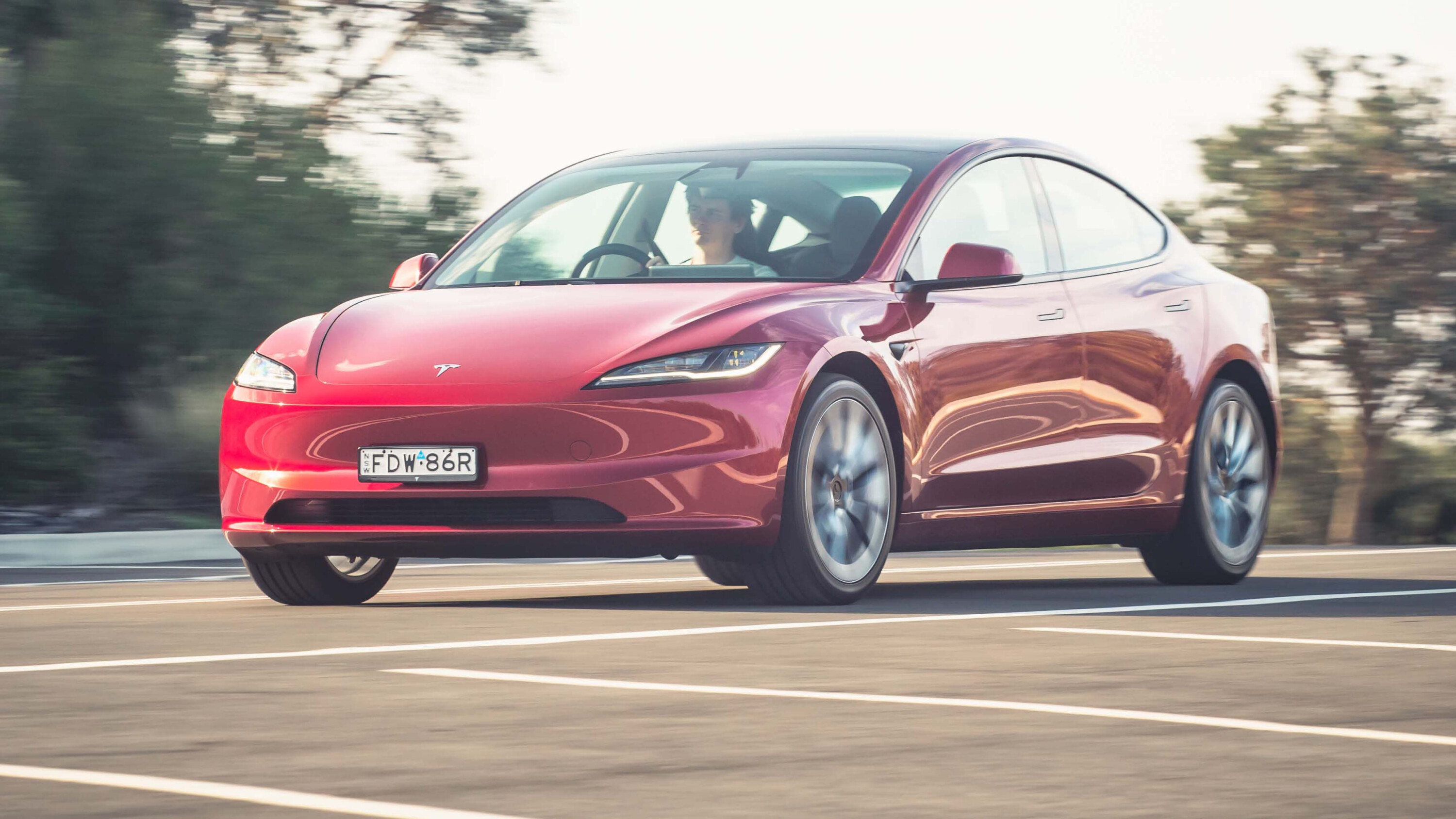
The difference in the LCT threshold between normal and ‘fuel efficient’ vehicles became $13,282 last financial year – more than ever before – with the intent of increasing EV and PHEV uptake ahead of incoming fuel efficiency standards.
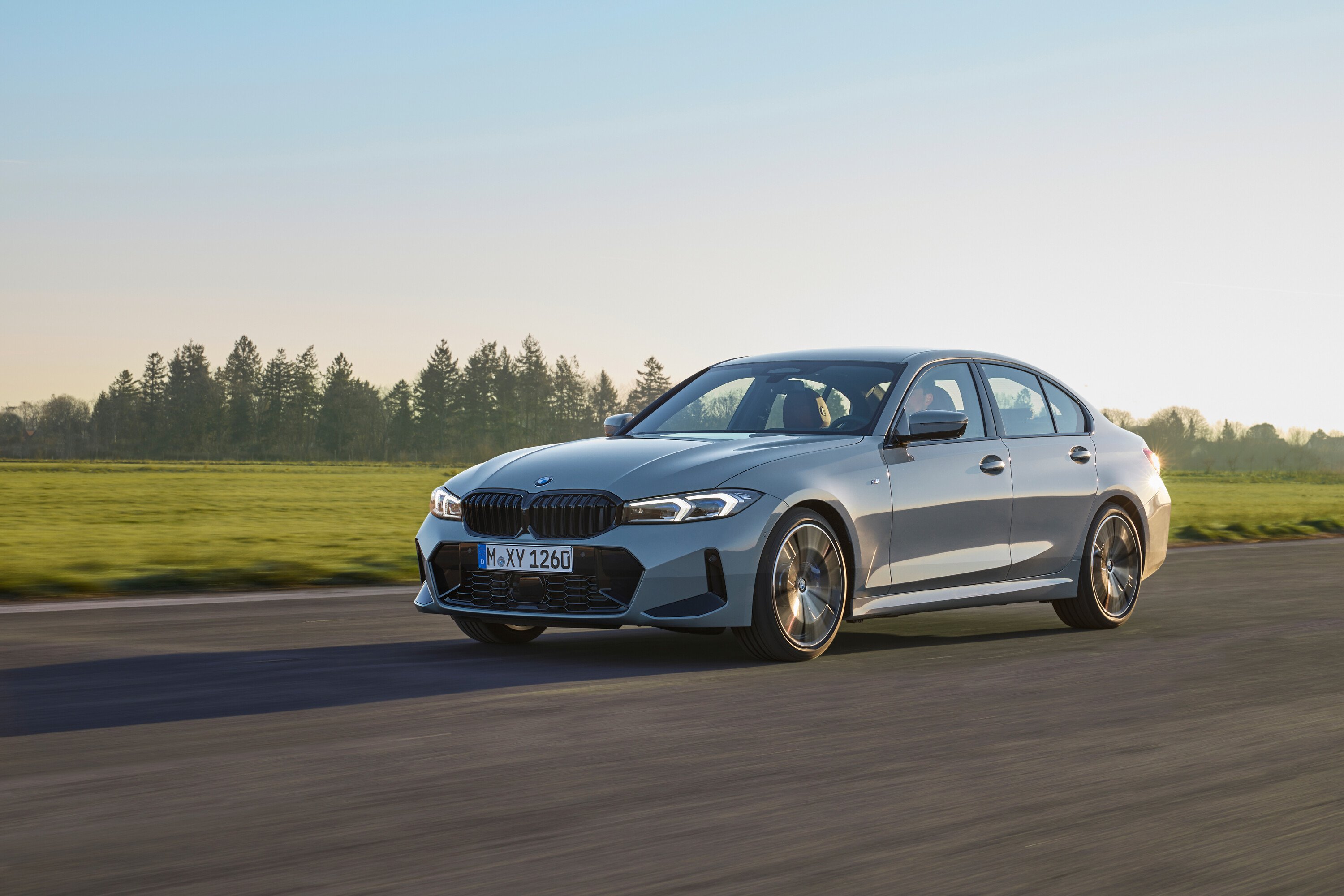
The increased threshold, though, means efficient European petrol and diesel-engined vehicles (yep, the very ones the LCT was designed for in the first place) such as the BMW 320i ($80,200 and 6.5L/100km) are exempt from the tax.
Meanwhile, a seven-seat Toyota Kluger Grande Hybrid ($80,230 before on-road costs) which is remarkably efficient for its size will be hit with LCT at 33 per cent for each dollar over $76,950.
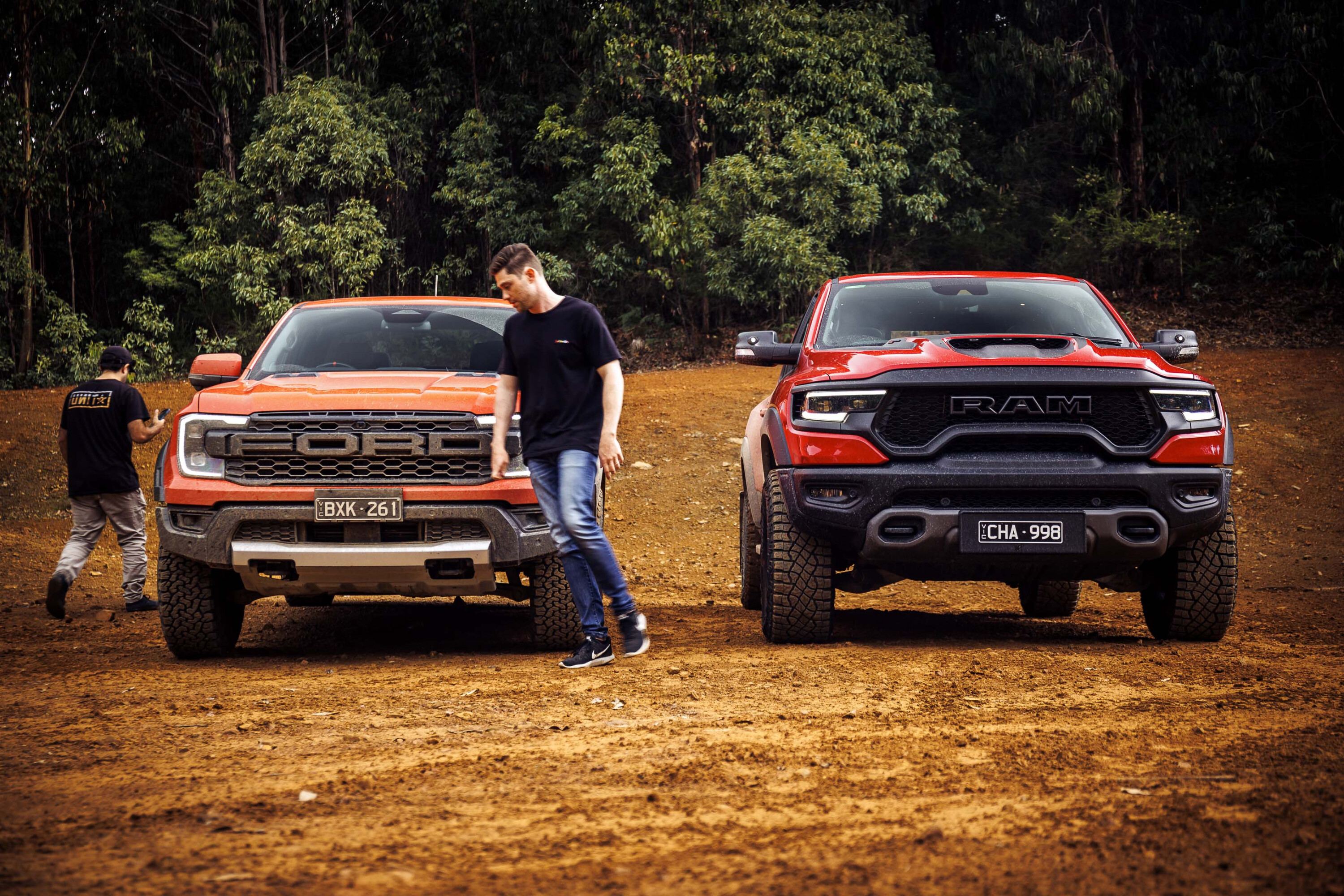
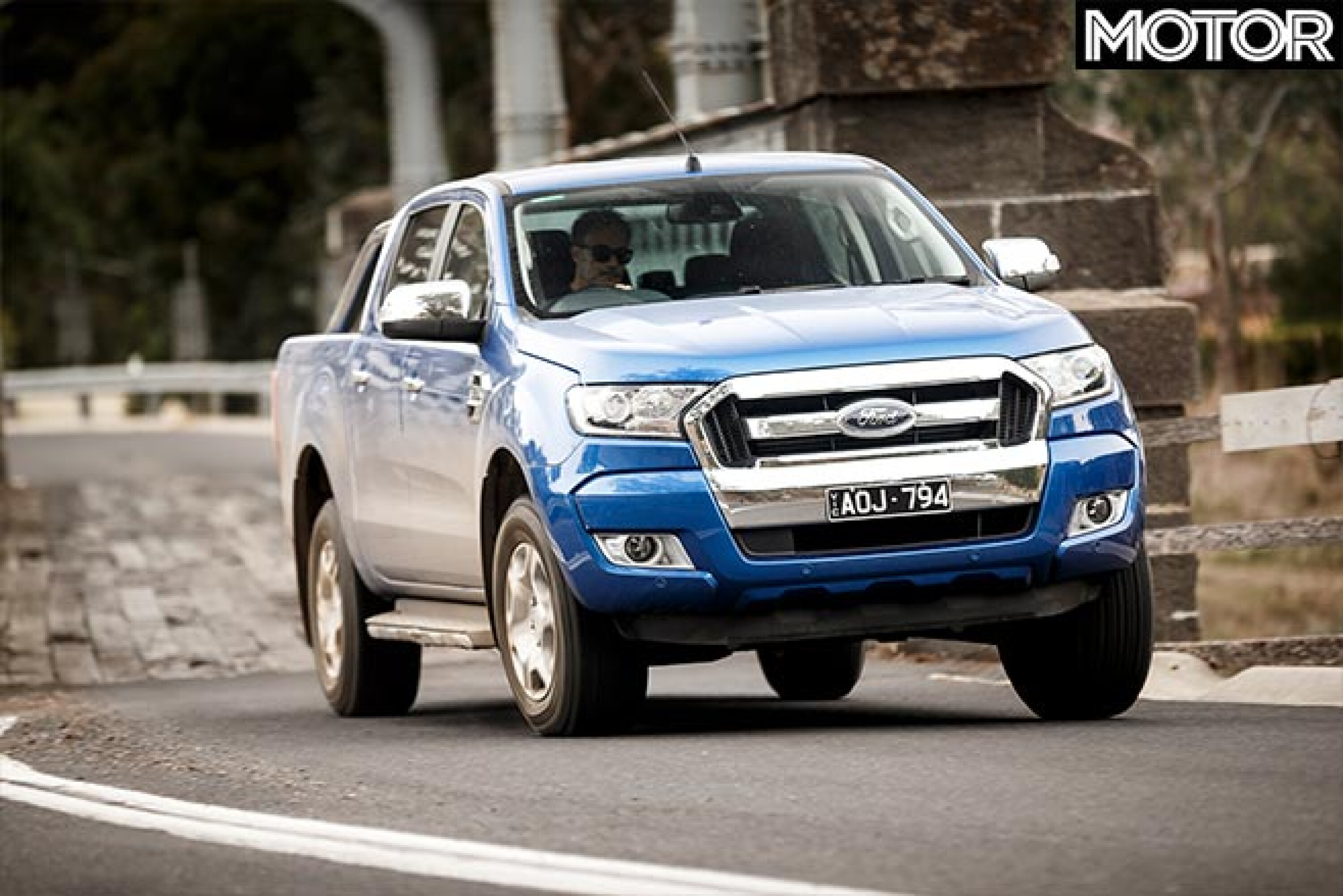
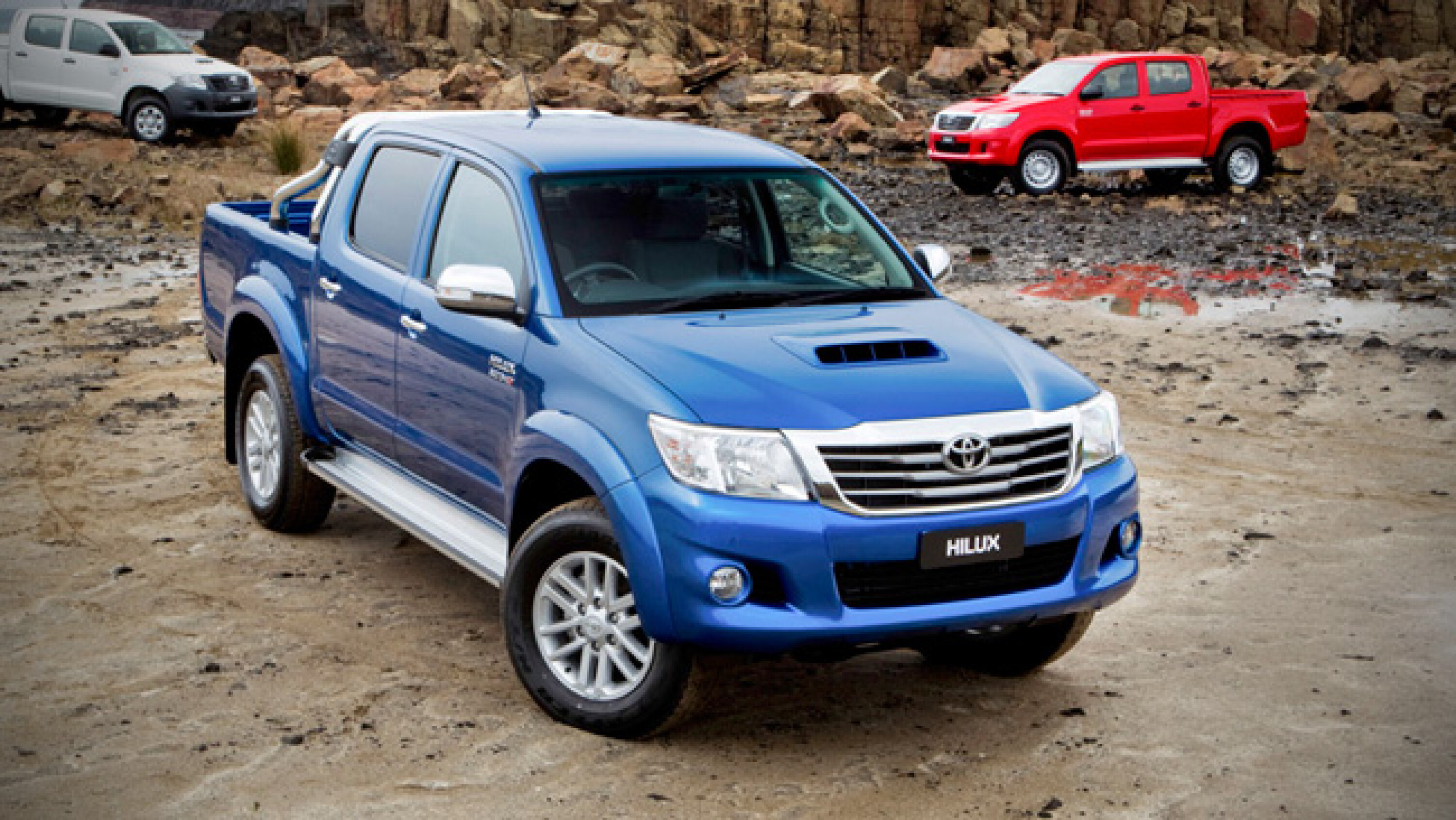
All utes – Australia’s best-selling vehicles – remain exempt from LCT. This includes the $87,990 Ford Ranger Raptor which returns 11.5L/100km in the ADR combined cycle and the $87,250 Jeep Gladiator rated at 12.4L/100km.
The government’s fuel efficiency standards – expected to arrive sometime in 2024 – will aim to incentivise buyers to make more efficient choices.
1
The industry responds
Since the end of Australian manufacturing, the LCT (introduced in 2001 by the Howard government) has come under intense scrutiny, and the latest change is no different.
Automotive industry bodies and figures have waded in with their views, and they range from positive to downright damning.
AADA CEO James Voortman said “Changes [to the LCT] have made a bad tax even worse… The LCT is an outdated tax meant for a time when Australia still manufactured cars – it should have been abolished years ago, but now it’s being used to further tax fuel-efficient cars”.
Mr Voortman pointed out that the LCT costs motorists over $100 million each year, and that the way to encourage greener purchases is to abolish the tax altogether.
1
However, Electric Vehicle Council CEO Behyad Jafari approves of the change.
“Whatever your view on the LCT, this change represents two things. First, a recognition that auto tech has changed considerably since the thresholds were first designed and recognises that our expectations of ‘fuel-efficient vehicles’ today are rightly quite different”, Jafari wrote on LinkedIn.
Meanwhile, FCAI CEO Tony Weber labeled the LCT archaic. “The LCT penalises Australian consumers, as it imposes unnecessary additional taxes on many low-emission technology vehicles,” he said.
“The changes announced today in MYEFO slug Australians with more taxes and make vehicles less affordable…. If the Australian government wants to modernise the LCT, they should remove it as part of true tax reform for the transport sector including consideration of a road user charge”, Weber added.
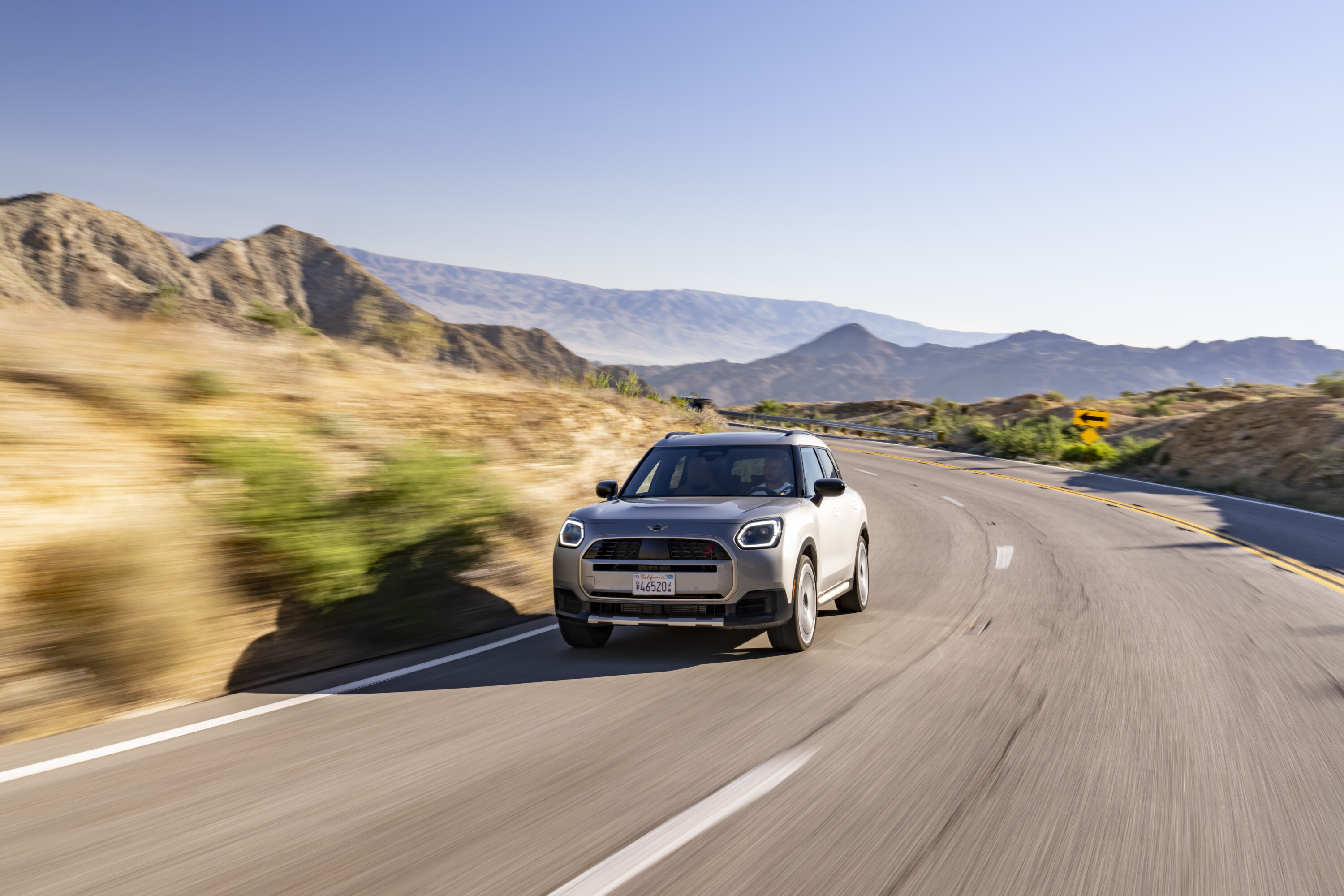
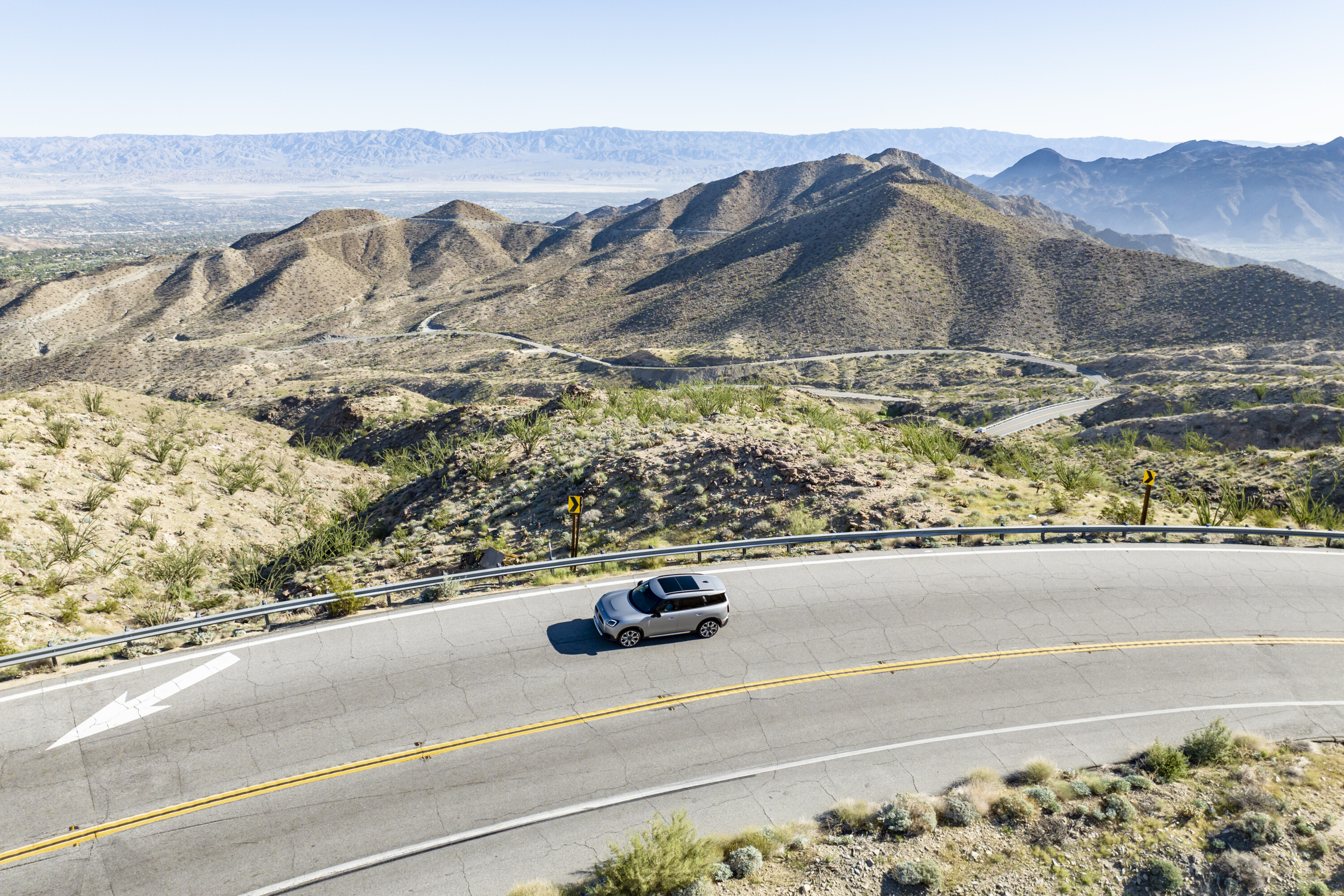
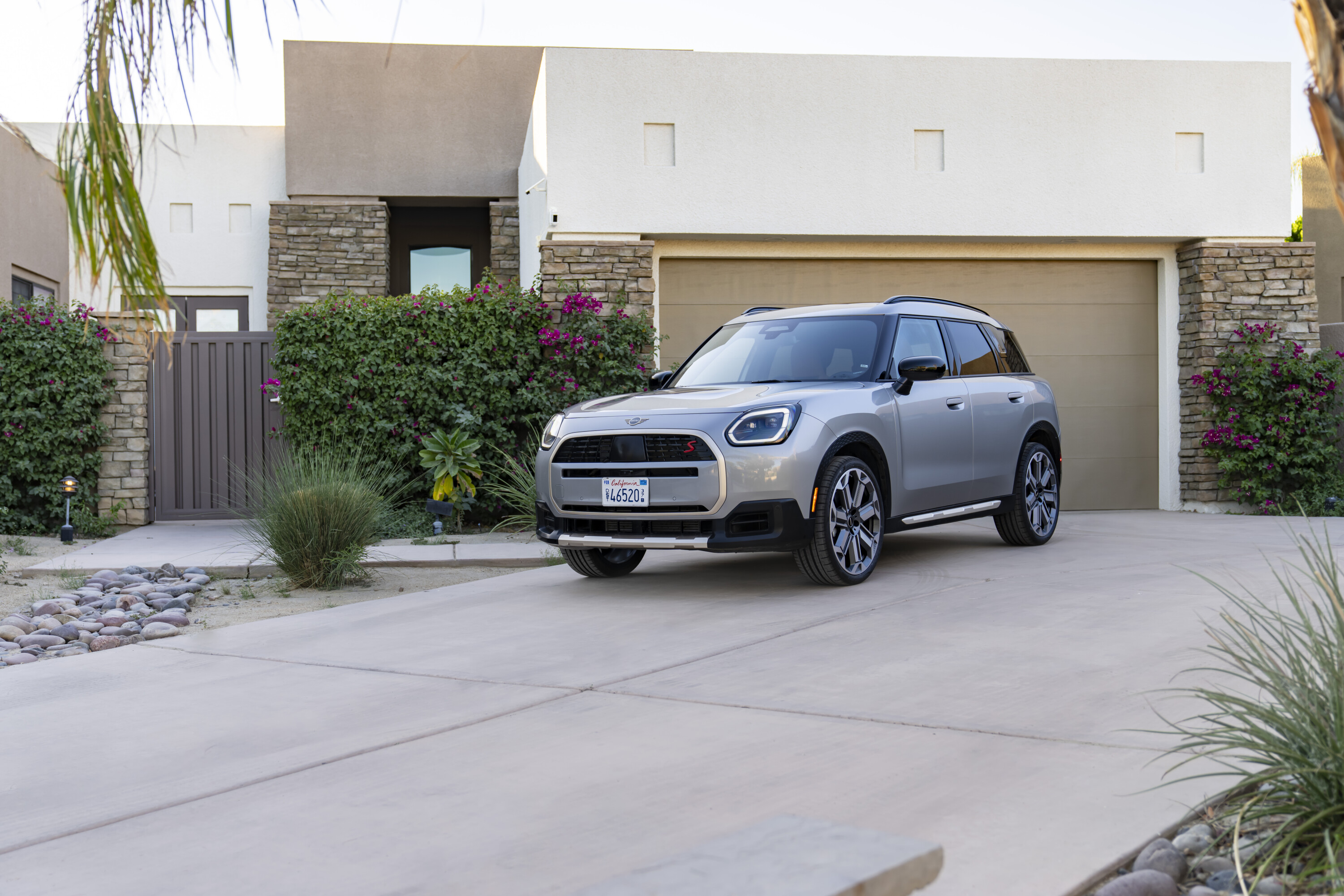
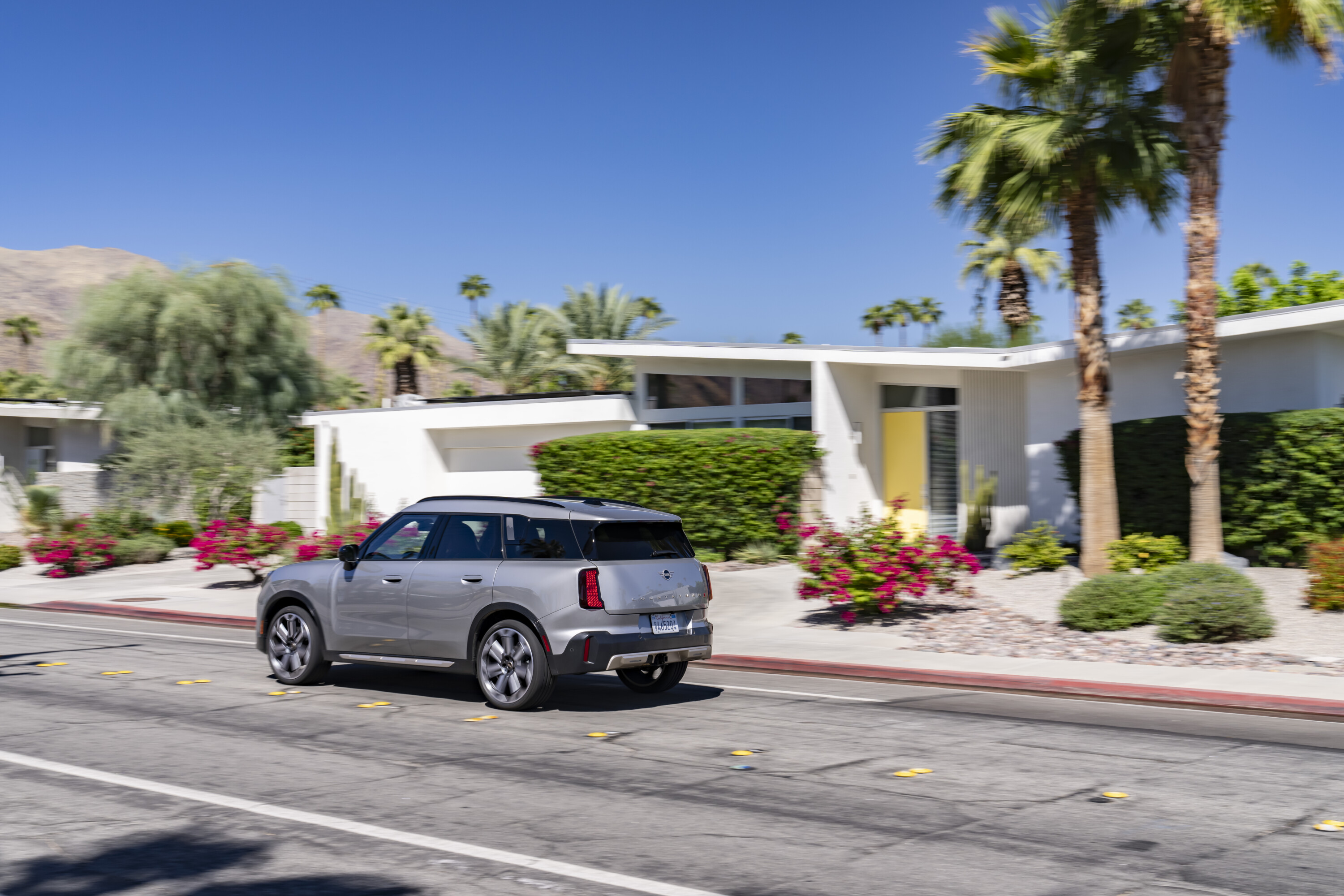
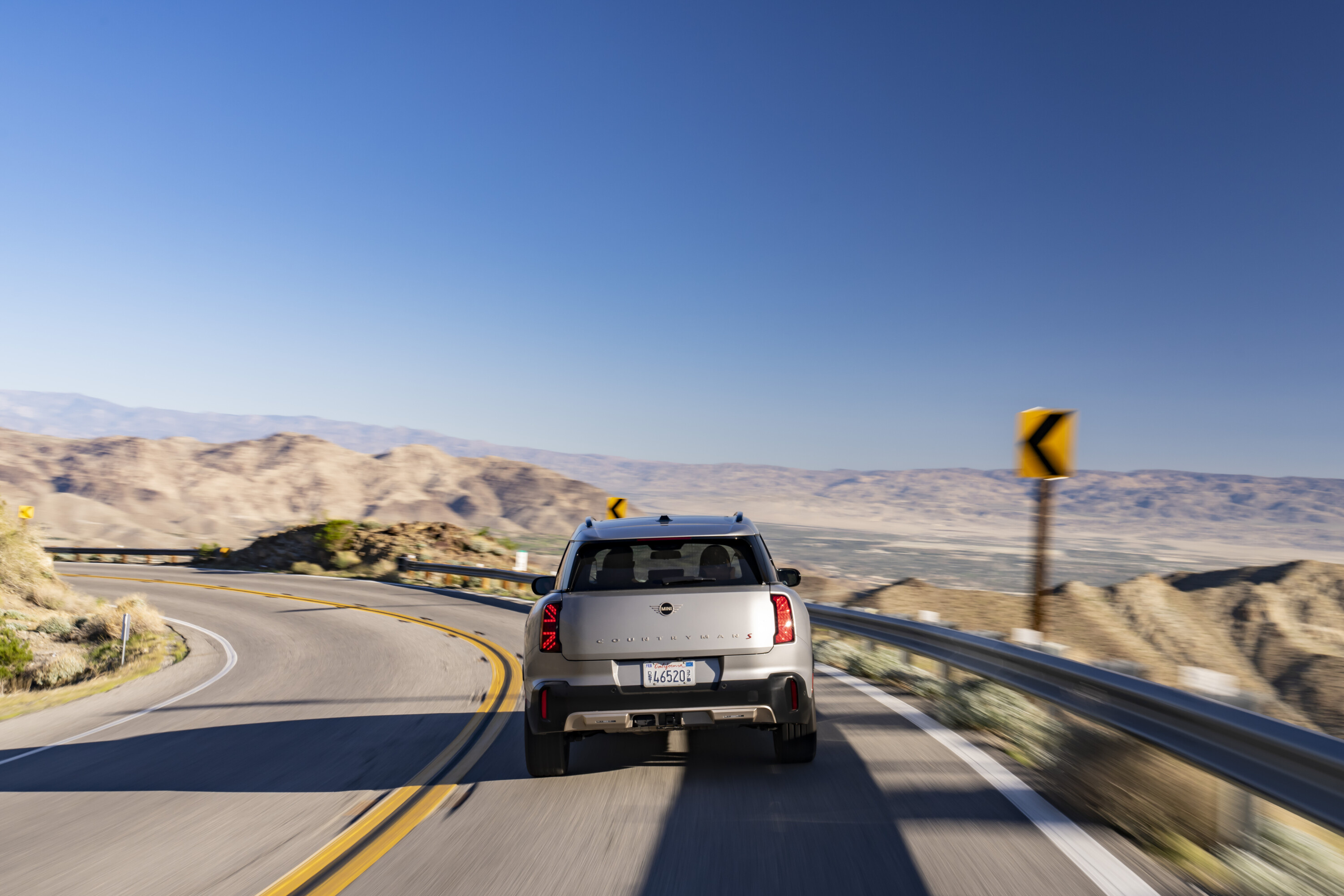
The new Mini Countryman has been priced for Australia ahead of its arrival in the first quarter of 2024.
Snapshot
New Countryman price for Australia with two engines initially
Price-of-entry only up $1140, with minor changes elsewhere
More power, more space, and all-electric electric variant on the way
Initially, Mini will offer two powertrains – a 115kW three-cylinder and 150kW four-cylinder – each with three variants priced from $49,990 before on-road costs, a $1140 increase on the previous model.
Based on updated underpinnings shared with the , the Countryman is 130mm longer and 60mm taller than the car it replaces.
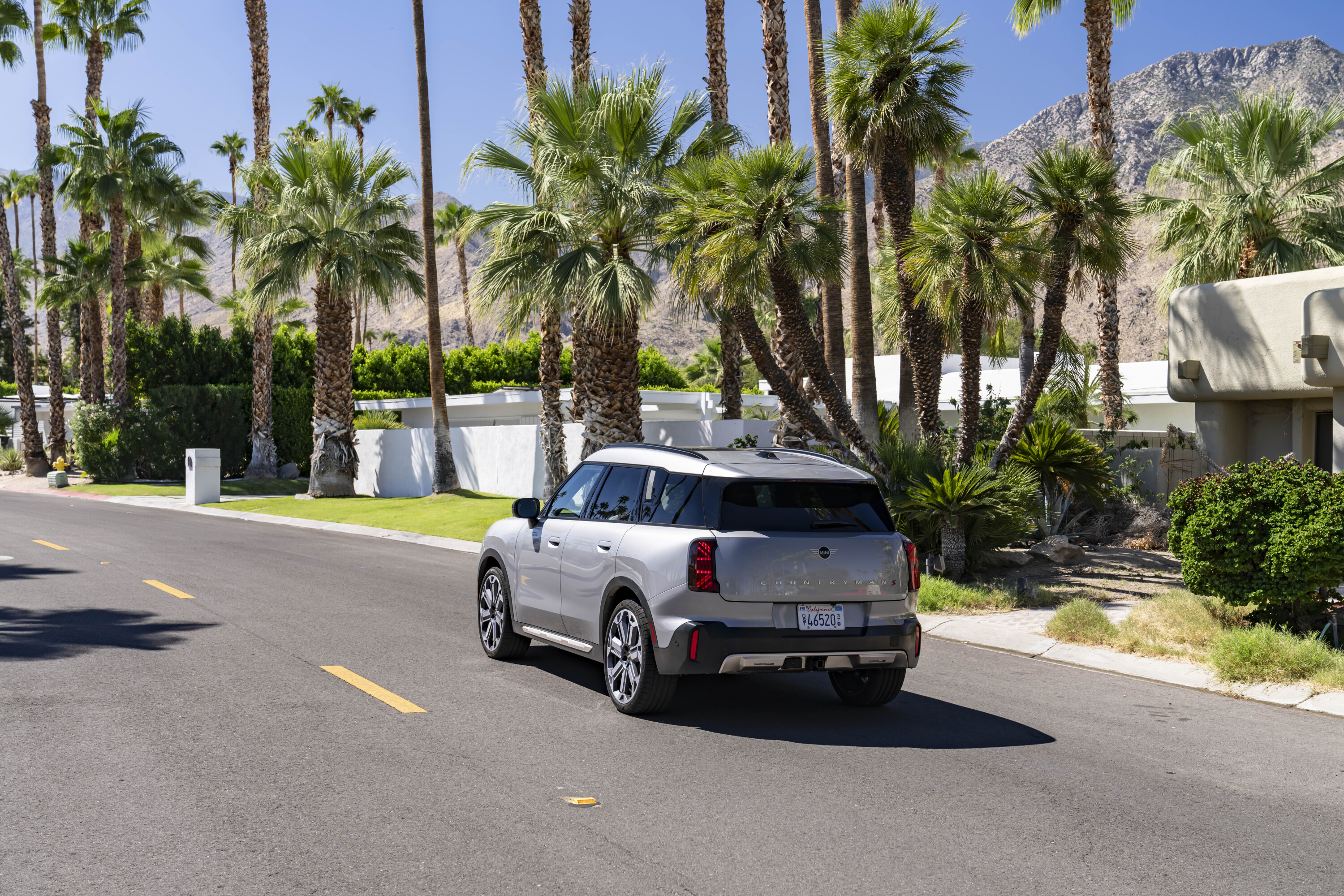
The combustion-engine and EV-friendly Countryman adopts a sharp new look with circular daytime running lights and Union Jack rear signatures linking the new SUV to Mini’s heritage, while in profile the new vehicle is more squared off and aggressive.
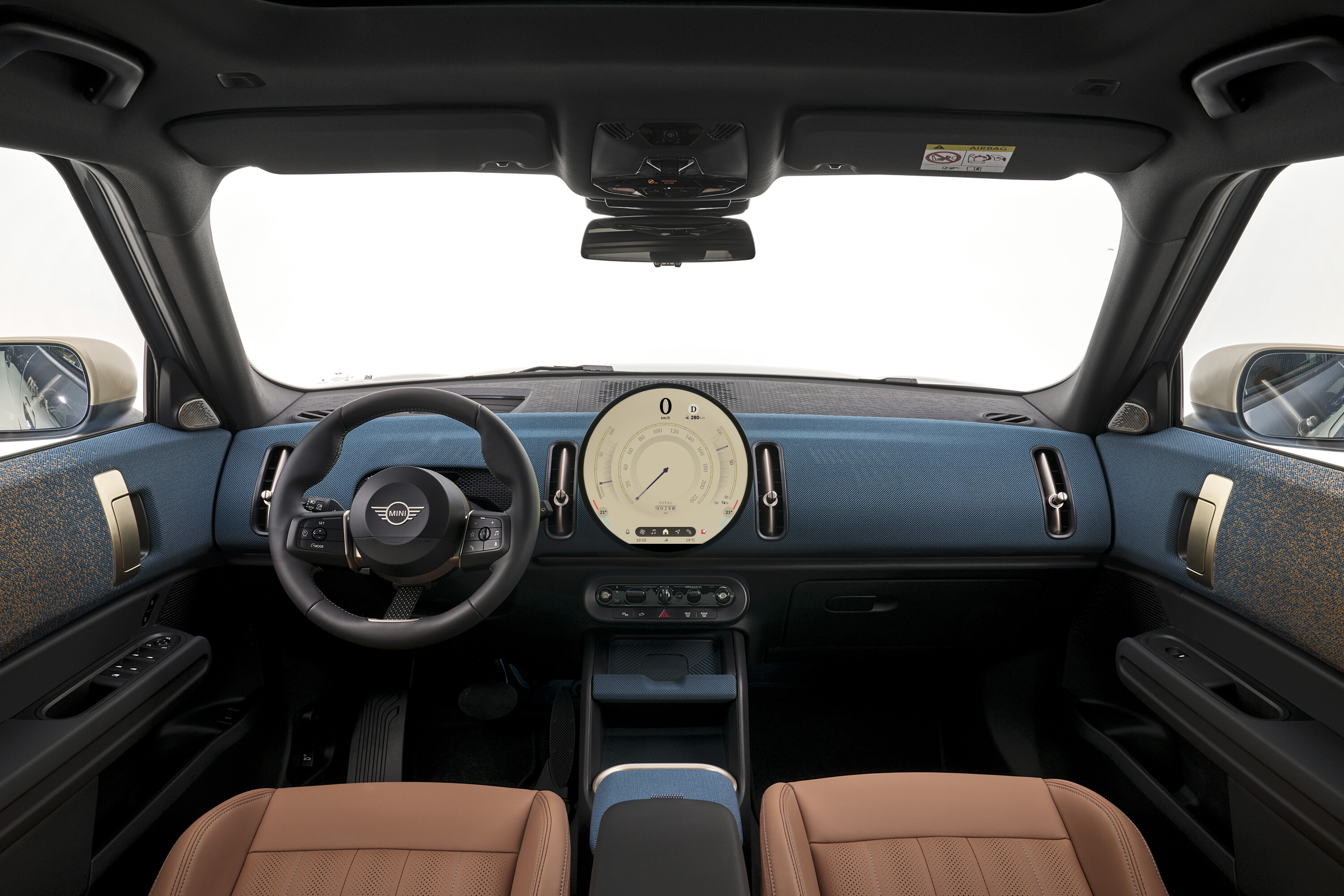
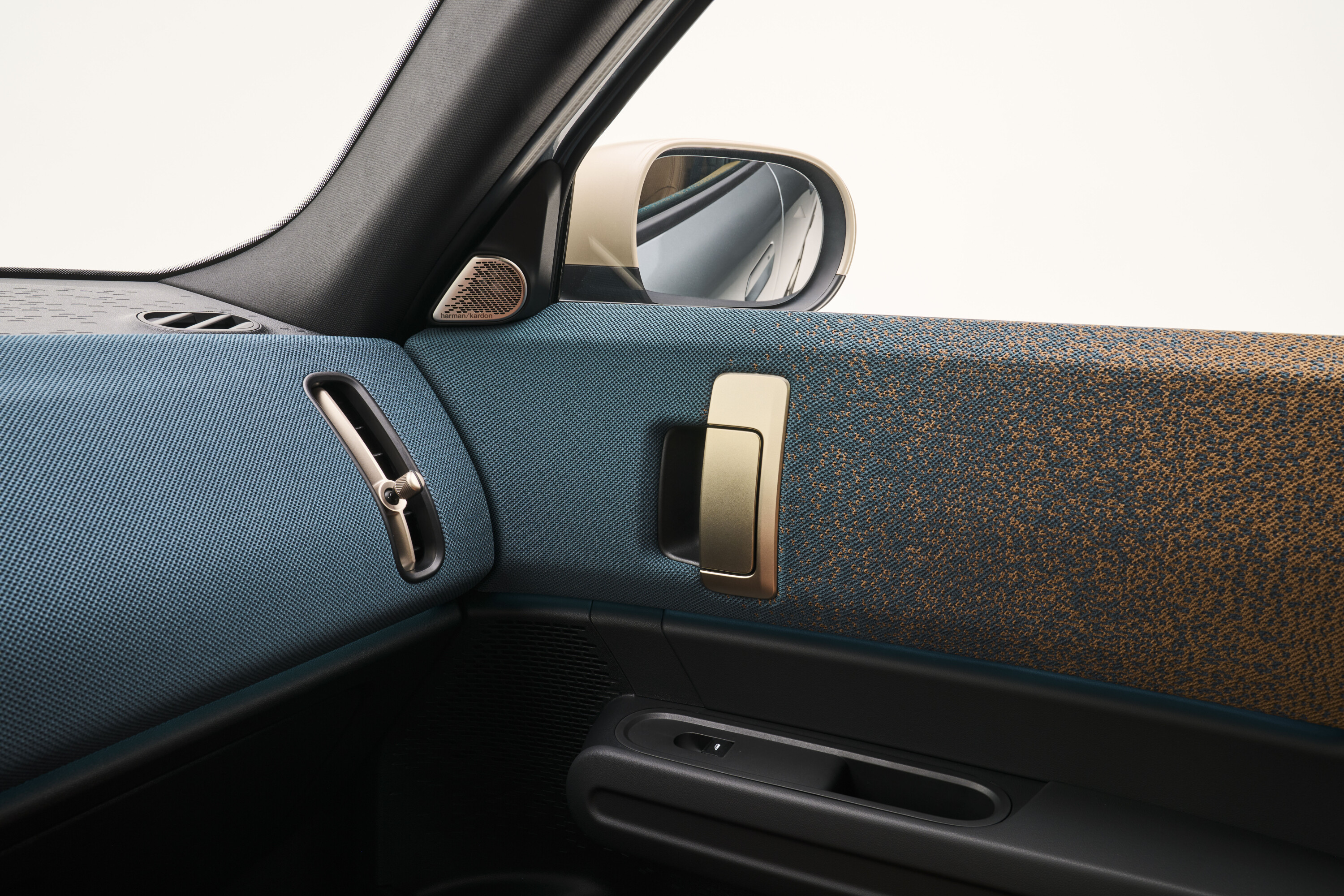
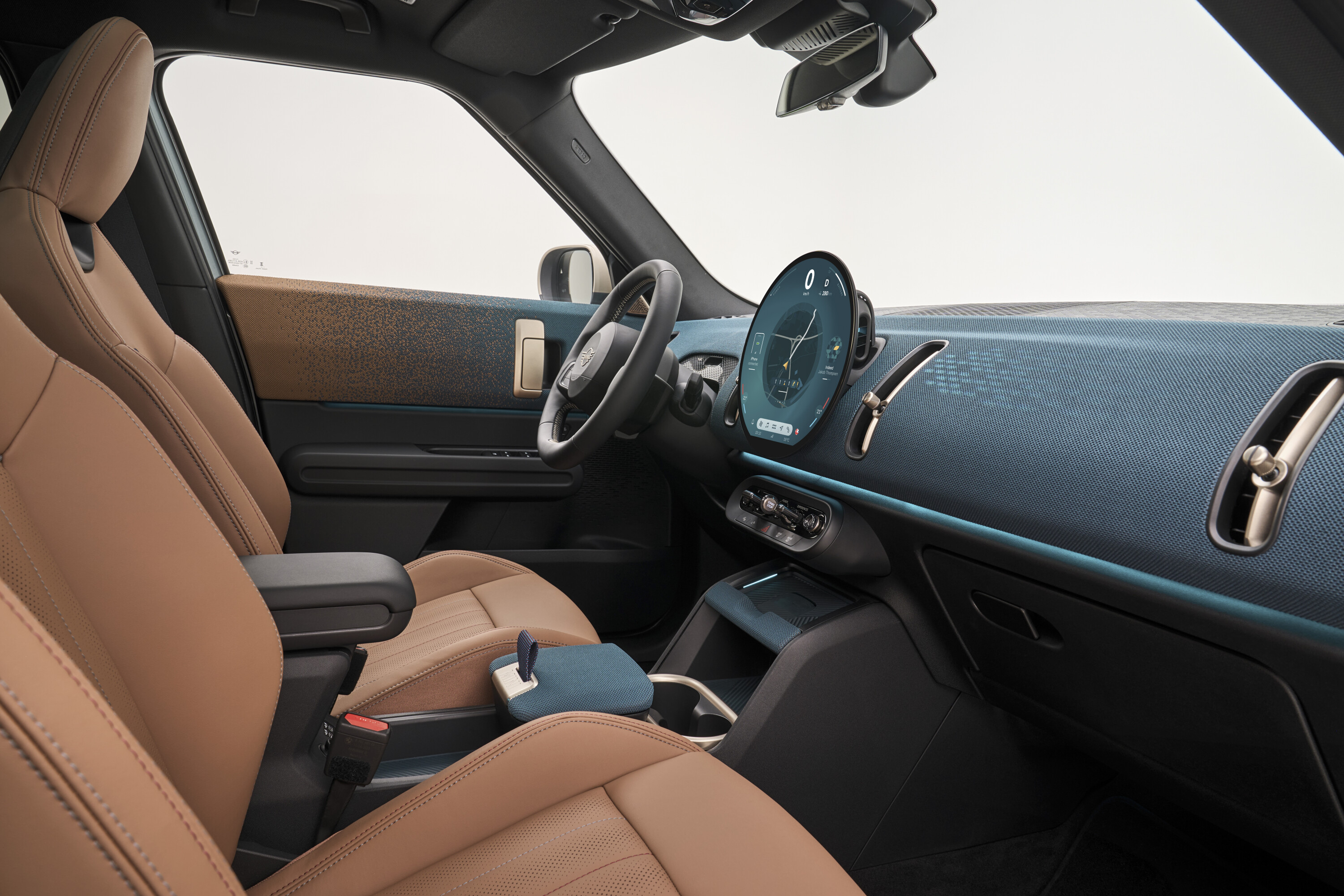
Inside, the Countryman’s airy cabin features vertical vents, plenty of storage space and a futuristic vibe. There’s no digital driver’s display, only a small head-up display with additional info on the centre screen. For sustainability reasons, the Countryman is entirely free of leather and chrome in its construction.
There’s also a larger 240mm diameter circular touchscreen in the centre (that finally uses all the real estate!) running Mini operating System 9 that features wireless Apple CarPlay and Android Auto alongside voice control.
1
During 2024, Mini will grow the countryman lineup with the addition of a more powerful JCW model, as well as adding electric E and SE grades.
“Now, with the new generation model, we are confident the MINI Countryman will offer even more appeal thanks to its innovative technology including a host of new driver assistant technologies”, said Matt Schmidt, General Manager of Mini Australia and New Zealand.
Mini offers choices of upholstery colour on all grades. Either Grey or Black cloth with blue highlights are available on the Core and Classic trims, with leather-look ‘Vescin’ upholstery in Beige, Dark Petrol or Vintage Brown for the Favoured.
The JCW Sport gets a mix of black Vescin and Cord upholstery.
All trim levels can be optioned with contrast black mirror caps and roof, while the style-forward Favoured is available with Vibrant Silver exterior highlights.
Both Mini Countryman trims are powered by developments of existing turbo-petrol engines.
The 1.5-litre three-cylinder now produces an extra 15kW and 10Nm, for 115kW/230Nm outputs that’ll get the front-drive SUV to 100km/h in nine seconds – seven tenths faster than before.
Moving to the Cooper S now brings all-wheel drive with Mini’s ALL4 front-biased system. The 2.0-litre turbo-petrol four-cylinder’s outputs are up 9kW and 20Nm (now 150kW and 300Nm).
It’s quicker to 100km/h, taking 7.4 seconds according to Mini. Both vehicles use a seven-speed dual-clutch automatic transmission.
1
Coming in 2024 is the 221kW Mini Countryman JCW, as well as the twin-motor electric SE that develops 230kW and can travel 433km on a single charge of its 66.4kWh (gross) battery.
Fuel consumption figures are yet to be confirmed for Australia – expect improvements on the 6.3L/100km (Cooper) and 6.7L/100km (Cooper S) combined results.
The Mini Countryman is yet to be evaluated by an independent safety testing body.
It’s fitted with lane-departure warning, blind-spot monitoring, rear cross-traffic alert with braking and collision warning as standard.
Mini’s Driving Assistant Plus pack – that adds a camera to assist radar sensors – is optional on the Core and standard on the Classic. It adds adaptive cruise control, lane-trace assist, collision prevention, 360-degree camera and auto parking.
It’s 4433mm long, 1843mm wide, 1656mm tall and rides on a 2692mm wheelbase – overall it’s 130mm longer and 60mm taller than the car it replaces.
2024 Mini Countryman boot space
The new Countryman’s extra size bestows it with 52L more boot space with both rows of seating up. Fold the 60:40 split second row and space grows from 502L to 1530L.
The Mini Countryman is now covered by a five-year unlimited-kilometre warranty in Australia. Service pricing is yet to be confirmed.
Availability
The Countryman Cooper and Cooper S are available to order now with customer deliveries beginning in the first quarter (January-March inclusive) of 2024.
Mini will add the powerful JCW and eco-friendly electric SE models later in 2024.
Mixed in amongst the reveal details for its new 2024 look, the refreshed Hyundai Tucson has also been shown in upgraded N Line form.
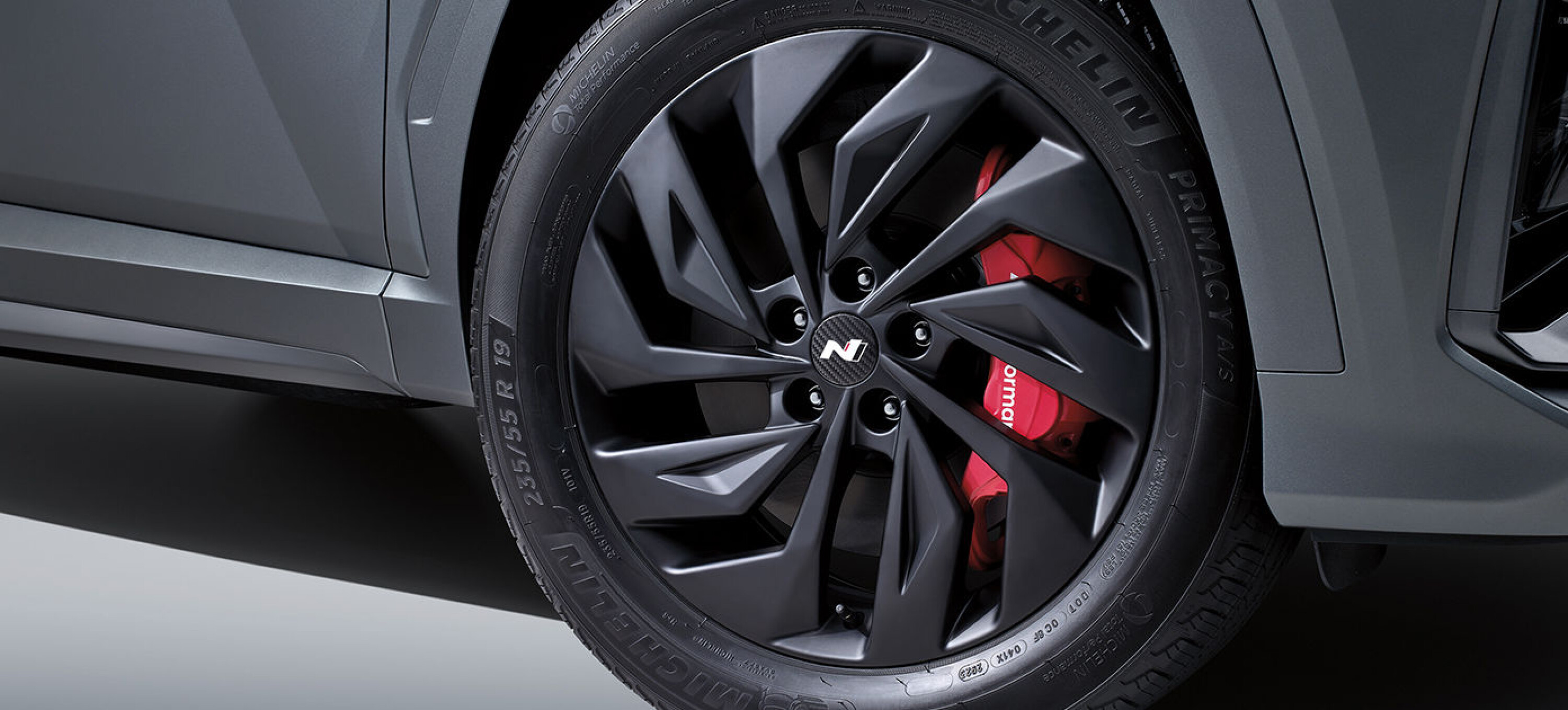
As before, the N Line doesn’t get any additional power, but its new styling will at least be joined by one not insignificant performance enhancement: optional new lightweight 19-inch wheels and an aluminium four-piston monoblock brake caliper design up front, wrapping a “large-diameter” disc. The exact size hasn’t been revealed yet, however.
For its part, Hyundai Australia has yet to confirm if this option will be offered with the Australian model, although the N Line models and equipment have always been among the most popular in its line-up.
1
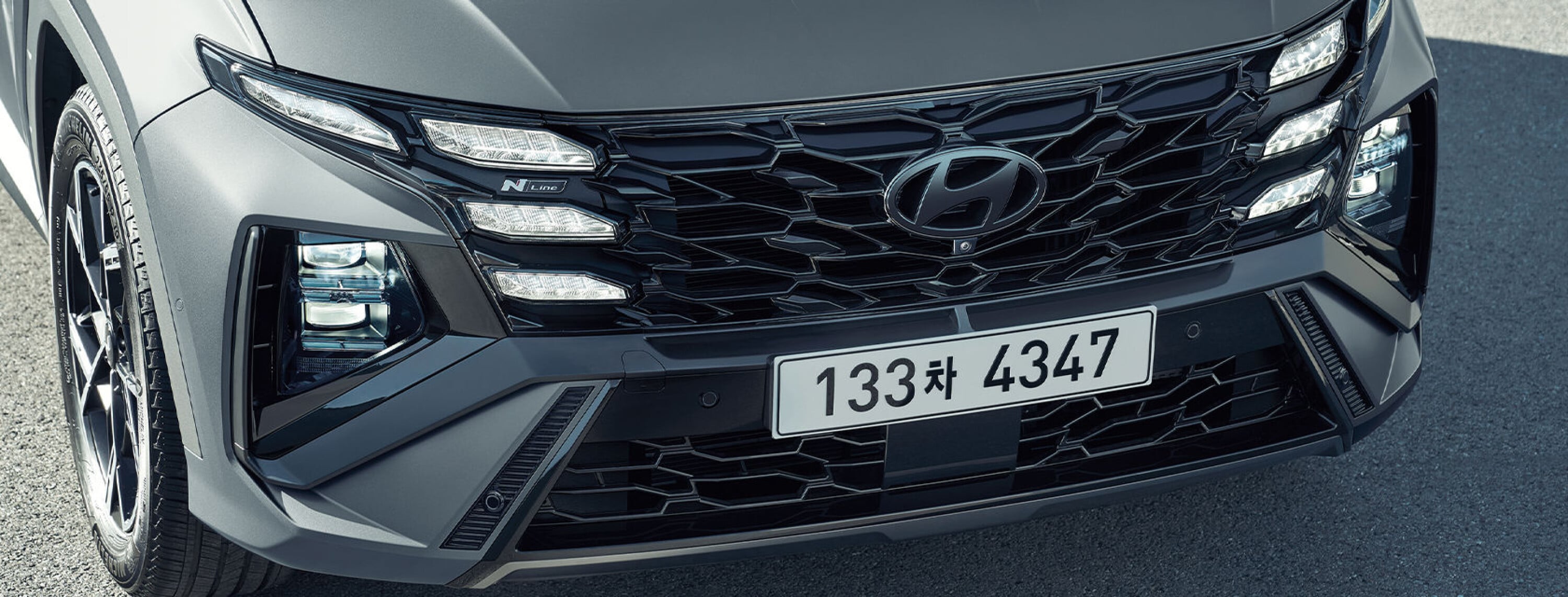
Styling is again enhanced not only with its own unique wheel and brake package, but also a sports-themed kit inside and out.
That means a specific grille design and front bumper, side skirts, rear spoiler, rear bumper and exhaust tips.
1
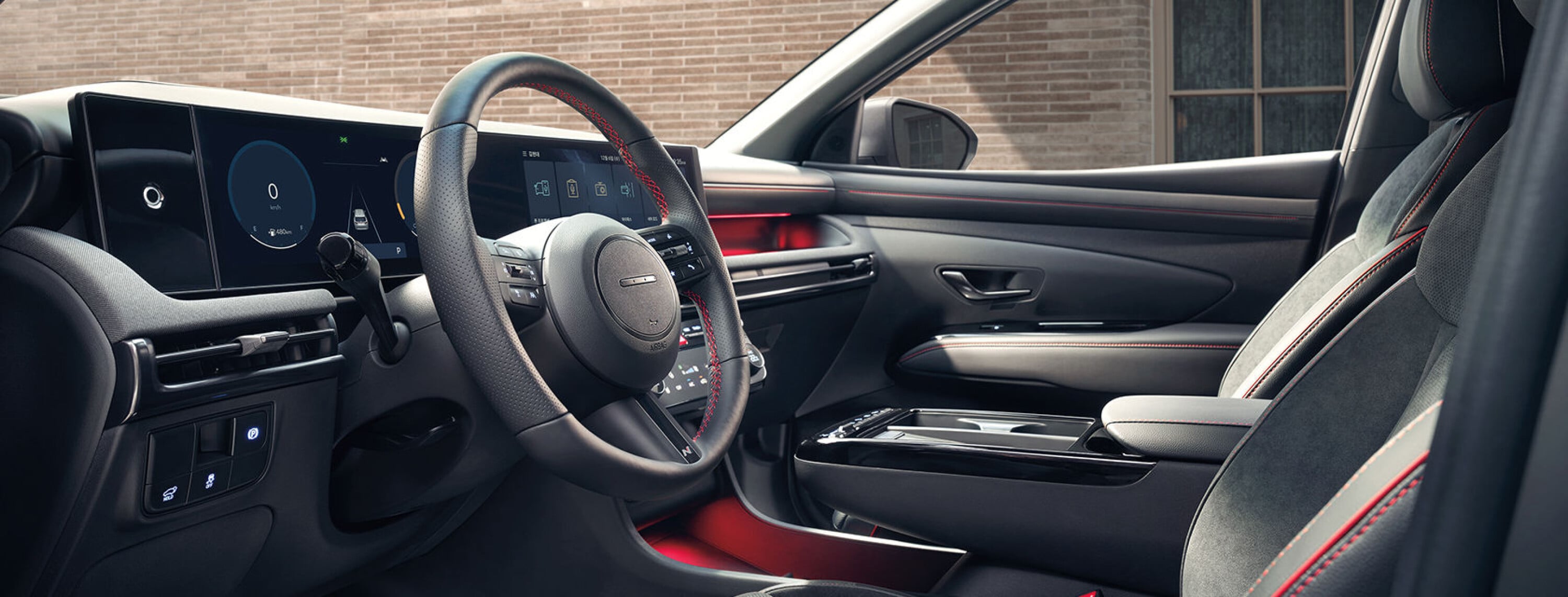
Inside, there’s suede and leather seats trim with red stitching throughout the cabin, and a dedicated N version of Hyundai’s new steering wheel. (Yes, the one with four dots representing H in morse code, in place of the dated H logo still featured on the outside.)
Learn more about the updated Tucson range in our evolving story below.
1
November: New-look 2024 Hyundai Tucson revealed, hybrid model coming to Australia
Snapshot
2024 Hyundai Tucson facelift unveiled
Minor exterior revisions, plus new Santa Fe-like dashboard
Due in Australia in mid-2024 with added hybrid powertrain
The facelifted 2024 Hyundai Tucson medium SUV has been revealed today, ahead of an Australian debut that will finally see a hybrid option join the range.
Hyundai Australia has confirmed it’ll arrive here in mid-2024, coinciding with the launch of the hybrid variant announced for our market earlier this year.
1
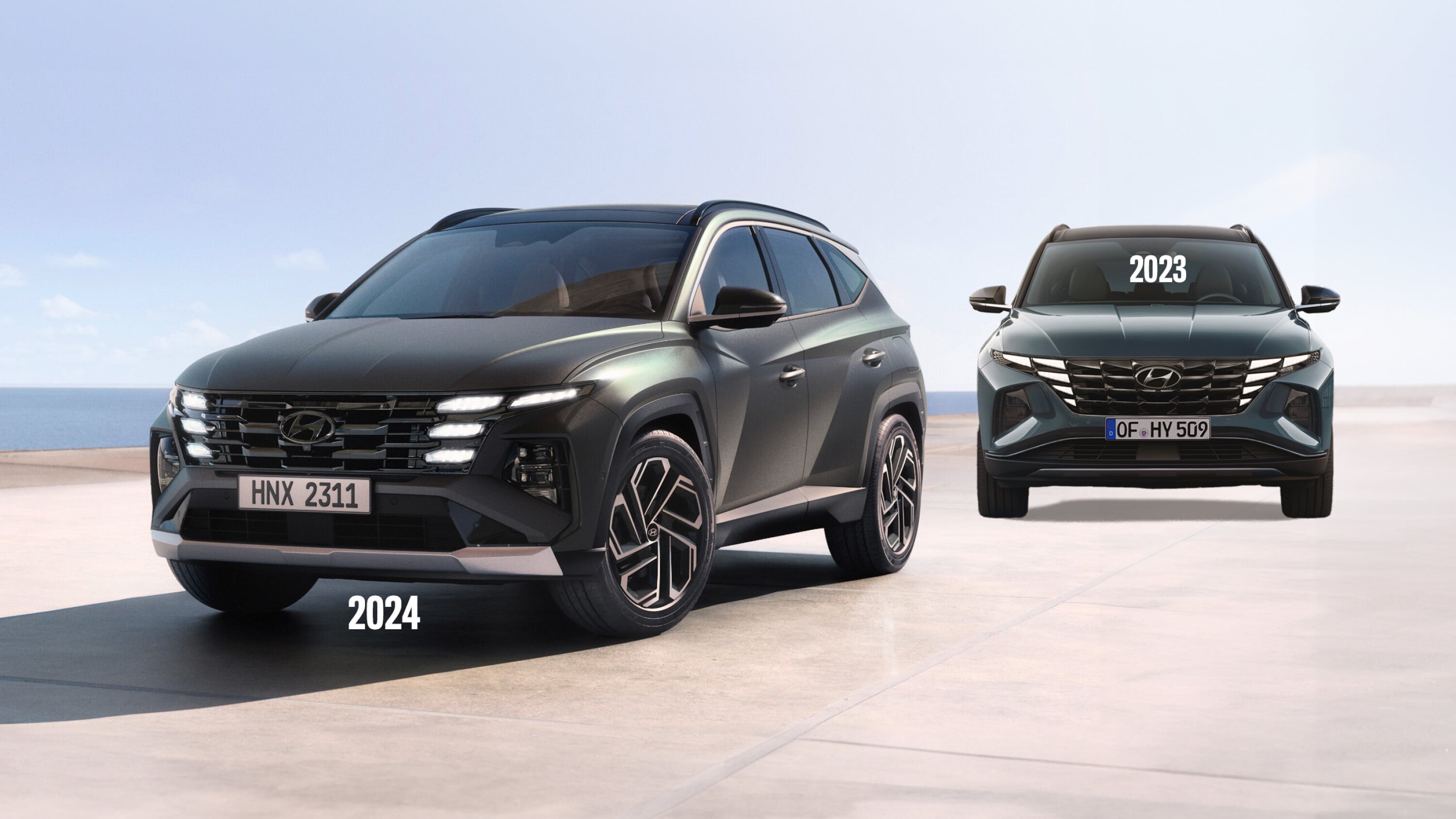
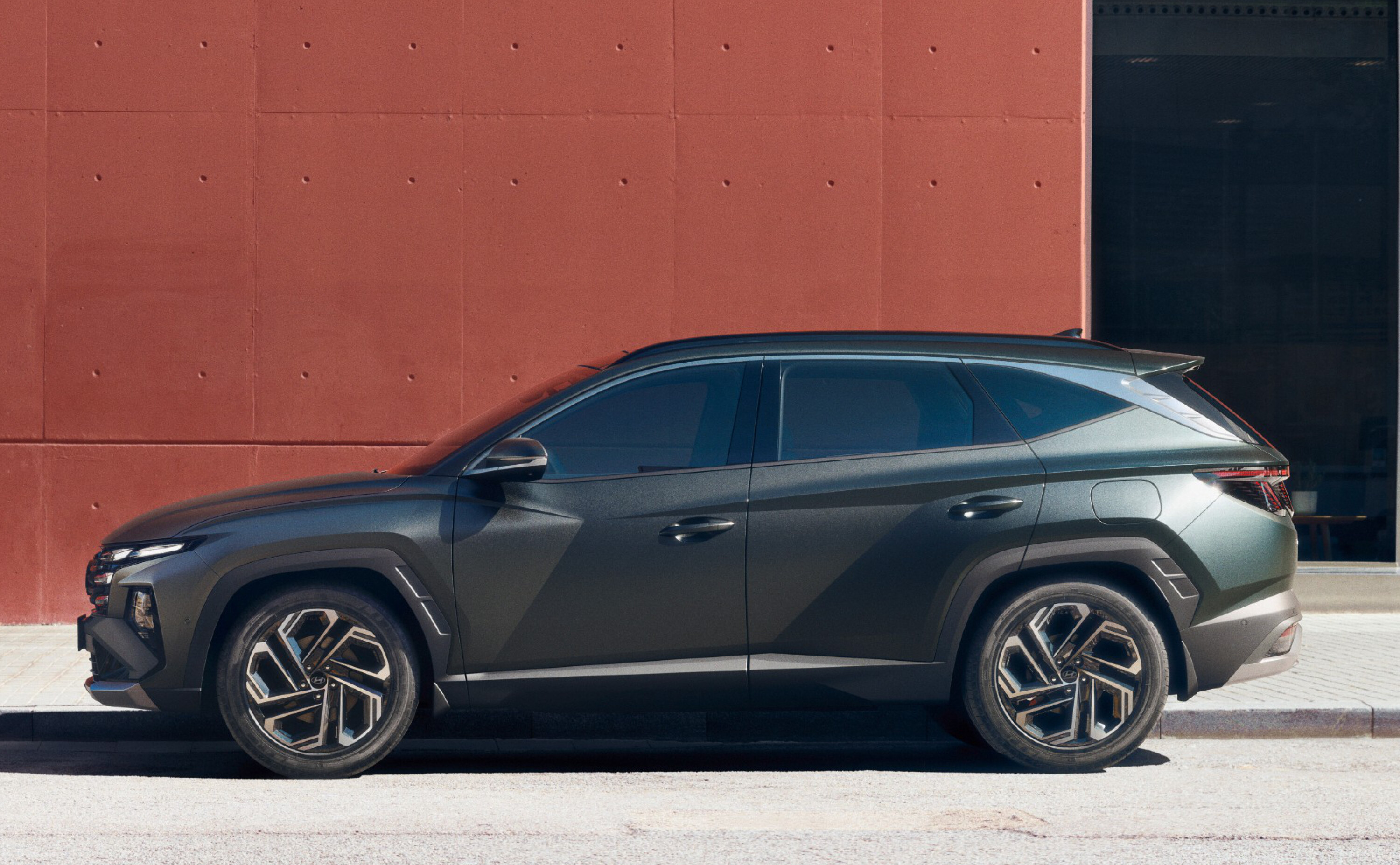
The Tucson’s new look sees its exterior design get only minor tweaks, retaining the ‘parametric dynamics’ look introduced with the current, fourth-generation Tucson in 2020.
Design revisions include a squared-off shape for the grille and daytime running lights, which appear to be derived from its Santa Cruz ute twin sold in North America, as well as redesigned bumpers and alloy wheels.
1
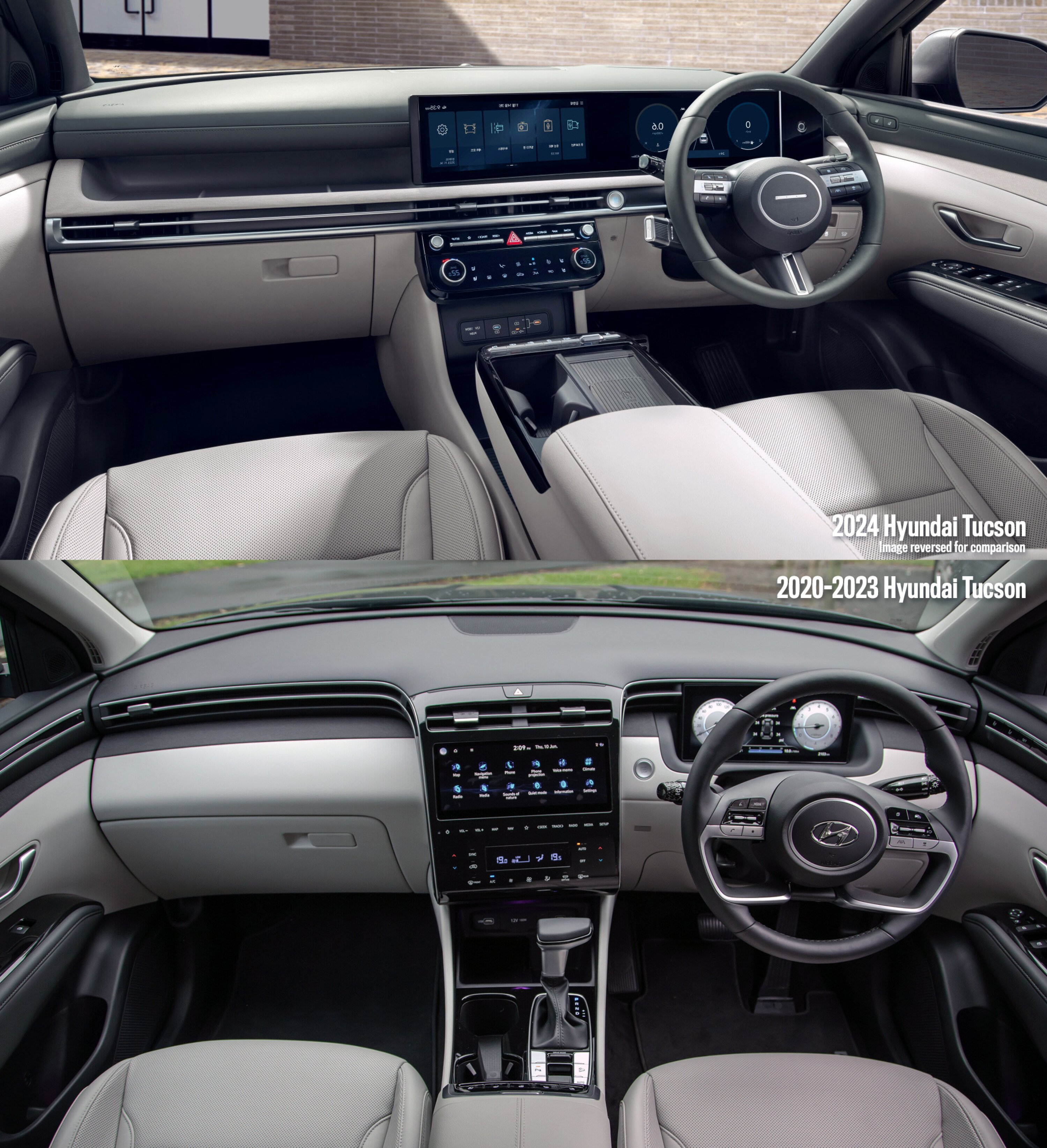
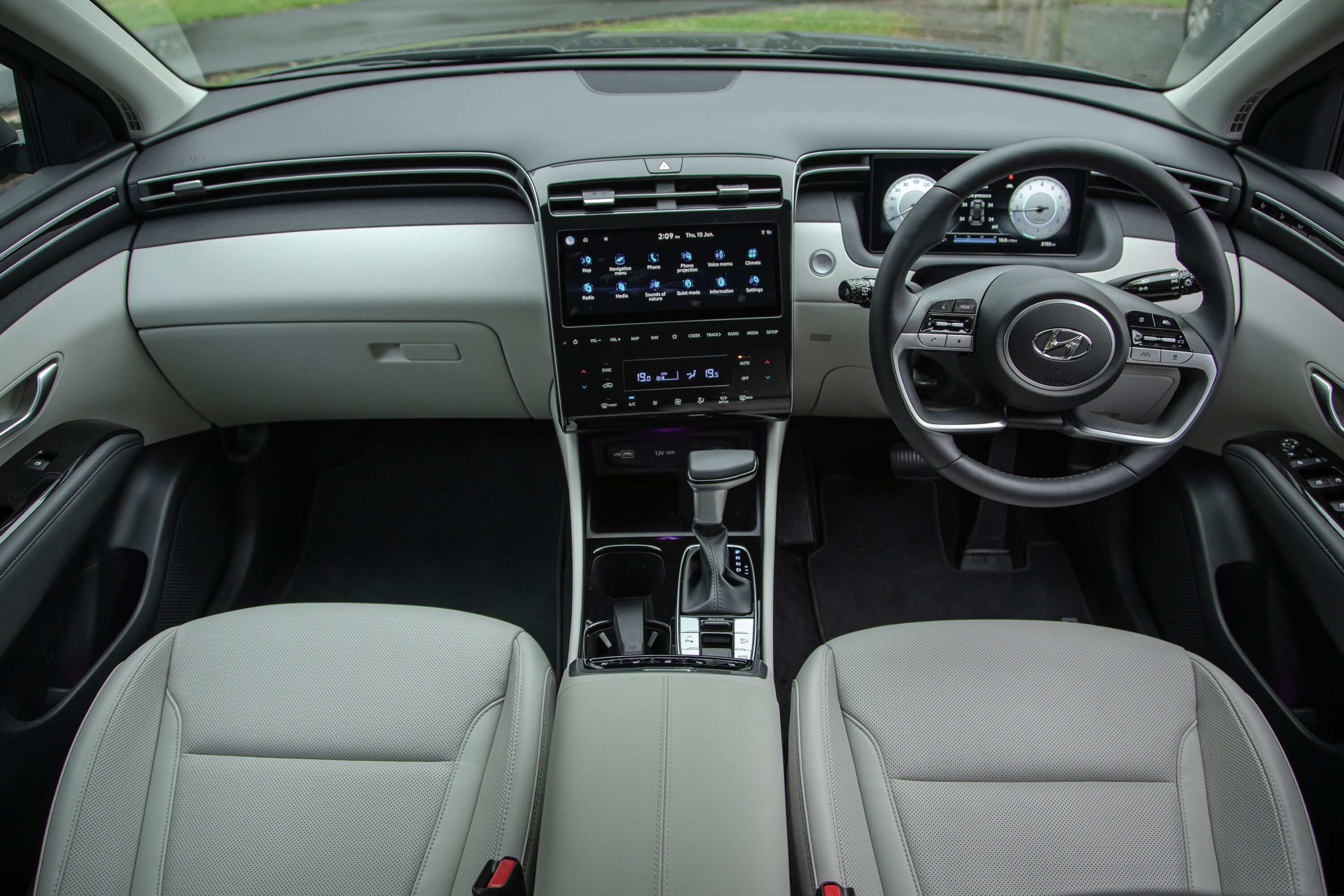
Inside, the changes are more drastic, with a completely new dashboard – inspired by the Kona and Santa Fe – featuring dual 12.3-inch displays running the brand’s latest ‘CCOS’ software, a touch-type climate control panel, a column-mounted gear selector, a new steering wheel, and USB-C ports.
There’s also a revised, floating-look centre console with a repositioned wireless phone charger and cup-holders, along with a lower storage area – joined by a new storage cubby on the passenger side of the dashboard intended to create “a sense of openness”.
1
Hyundai Tucson hybrid efficiency
The hybrid version of the Tucson shares the same 1.6-litre turbo-petrol engine from the larger Santa Fe, combined with an electric motor for a 171kW/350Nm total system output.
The Tucson Hybrid claims a WLTP-rated combined fuel economy figure of 5.9L/100km for the front-wheel-drive model, and 6.6L/100km for the all-wheel-drive.
By comparison, Toyota’s RAV4 Hybrid claims a combined figure of 4.8L/100km in front-wheel-drive form.
At least two variants of the hybrid are expected – likely centred around the existing mid- and top-spec Elite and Highlander grades – priced similarly to the flagship diesel AWD powertrain.
When will the new Hyundai Tucson come to Australia?
The facelifted 2024 Hyundai Tucson is due in Australia mid-year, with local details – including pricing, features and exact timing – to be confirmed closer to its launch.
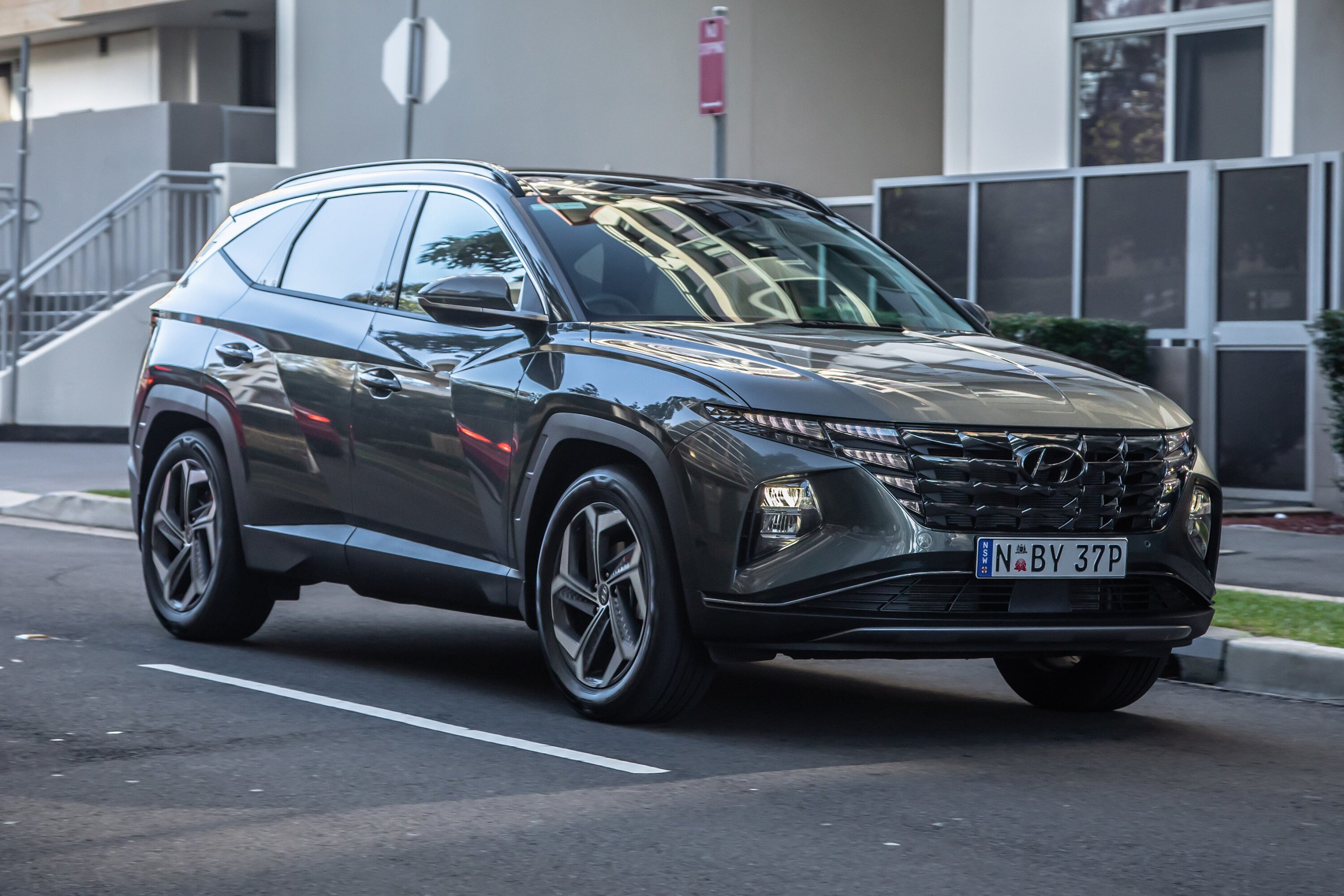
Below: The current 2023 Hyundai Tucson, in Highlander form
December 2023: Range Rover Electric nears Australian launch
JLR has opened up the wait list for its new Range Rover Electric as it confirms the final prototype testing phase has begun.
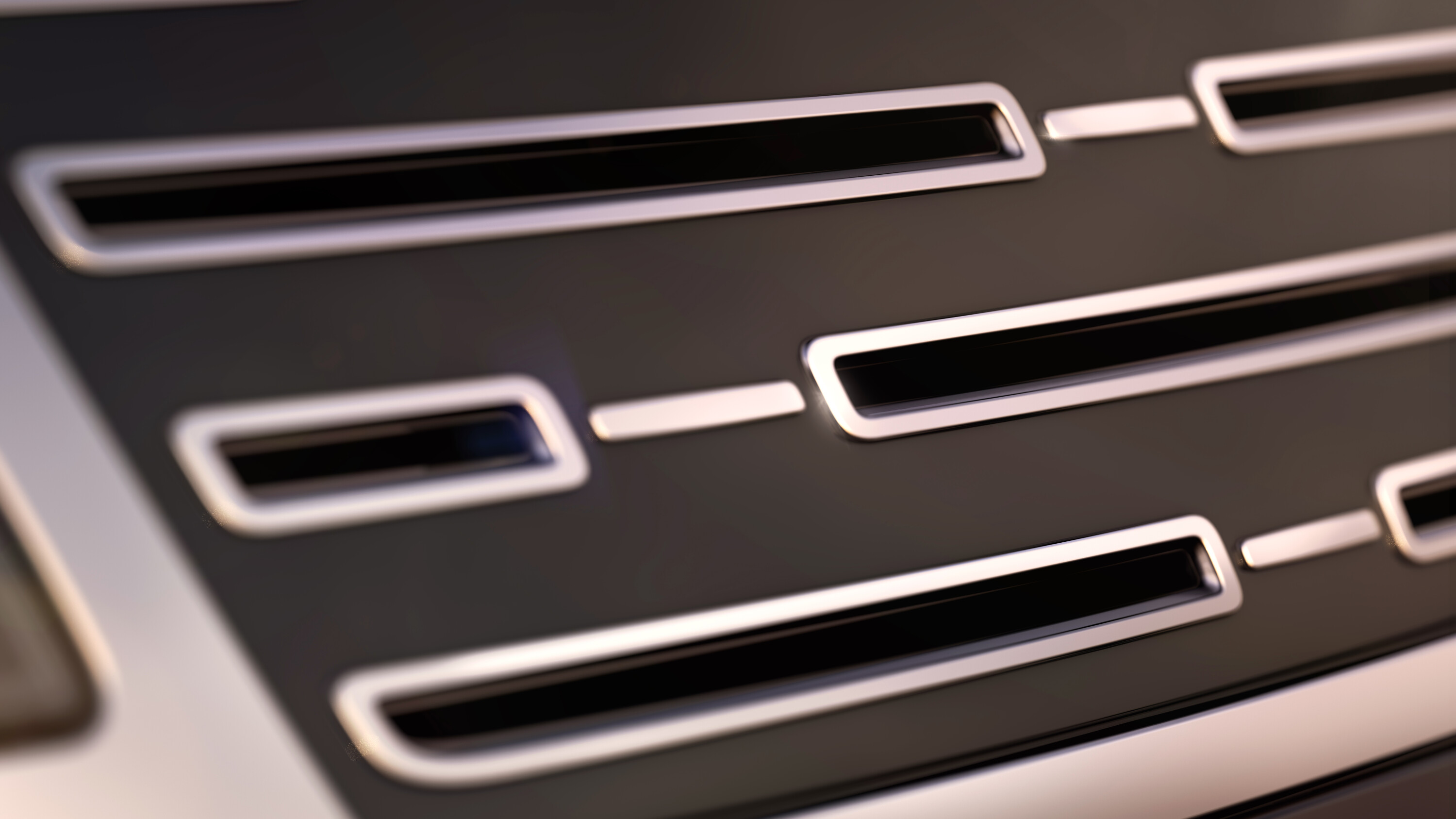
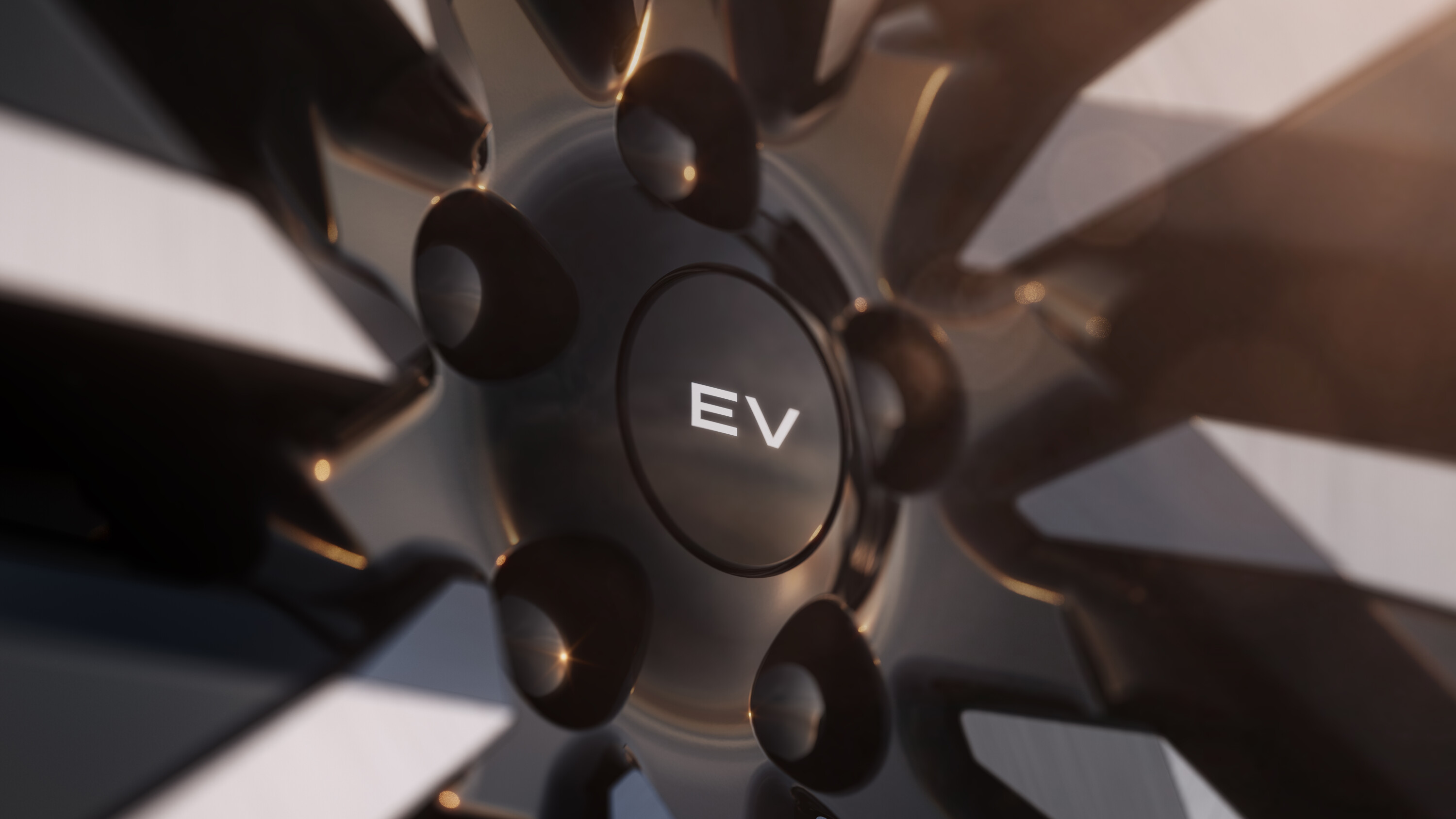
The announcement coincides with the release of a first batch of teaser images from the Indian-owned British carmaker – although the gallery reveals little new apart from a charging port, partially closed grille design and EV-badged wheels.
1
JLR has previously confirmed the Range Rover Electric will utilise an 800V architecture, allowing it to charge faster and consume less energy.
Other 800V-equipped EVs include the Hyundai Ioniq 5 and Ioniq 6, Kia EV6 and EV9, among others from German and American brands.
“Created in the heart of the United Kingdom, the Range Rover Electric will slot into the range alongside its mild hybrid [MHEV] and plug-in electric hybrid [PHEV] siblings, offering a breadth of options to meet our clients’ needs,” JLR engineering boss Thomas Müller said.
1
Little else has been revealed about the Range Rover Electric, however, with no details available on battery capacity, outputs, or driving range.
But, given its mammoth dimensions, buyers can likely expect a battery pack larger than the BMW i7’s 101.7kWh, with a claimed driving range upwards of 550 kilometres.
The company has at least confirmed the big new electric SUV’s batteries and motors will be assembled at its new Electric Propulsion Manufacturing Centre in Wolverhampton, United Kingdom.
When will the Range Rover Electric come to Australia?
JLR isn’t making any promises on debut or delivery timing for the Range Rover Electric, given it is still in the prototyping phase.
Speaking with Wheels today, JLR Australia communications boss James Scrimshaw said: “As we start the physical testing phase, it is too early to make a commitment to specific client delivery dates, which will of course vary globally.
“However, by signing up to the waiting list, clients will have the opportunity to be among the first to place a pre-order.”
Watch for more on the new electric Rangey to surface in the coming year.
1
April 2023: Jaguar Land Rover rebrands, more EVs coming
Range Rover, Discovery and Defender to become sub-brands with own vehicle families
Electric Range Rover to be followed by electric versions of Evoque, Discovery Sport and Velar
An electric Range Rover was confirmed this week at a UK media event in which Jaguar Land Rover announced it would rebrand as JLR, creating a “House of Brands” that would comprise Range Rover, Defender, Discovery, and Jaguar.
Invite-only orders will begin later this year with the electric Rangie expected to go on sale in late 2024. It will be built at JLR’s Solihull, UK, plant – alongside an electric Jaguar GT that has also been confirmed.
JLR will continue to offer petrol, diesel and hybrid versions of its flagship vehicle, with the electric variant also utilising the company’s flexible Modular Longitudinal Architecture (MLA) – shared with the Range Rover Sport.
The electric Range Rover will become a rival for models such as the BMW iX and Mercedes-Benz EQS.
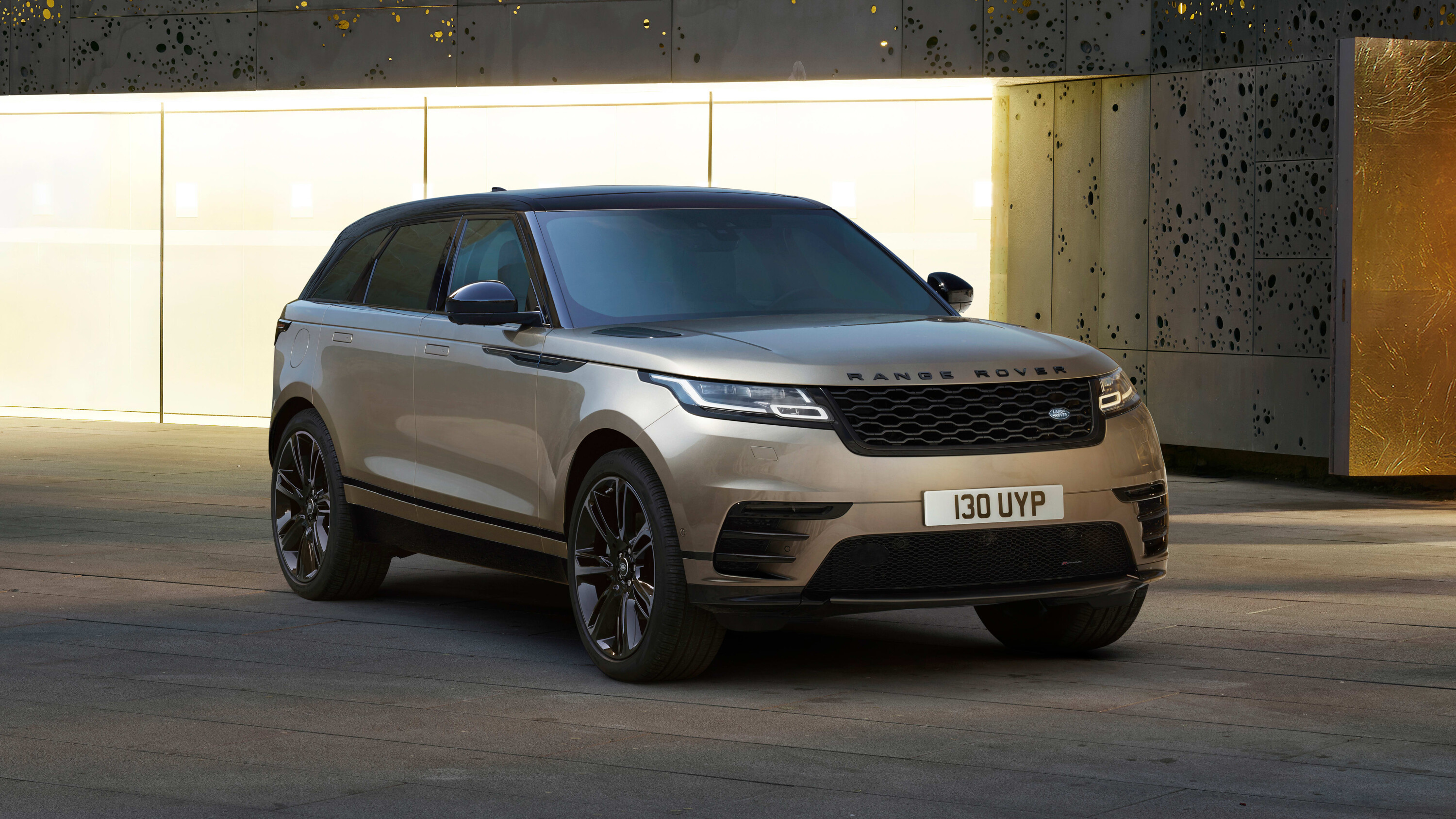
The electric versions of the next-generation Evoque, Discovery Sport, and Velar (current model pictured above) are due from 2025 and will sit on JLR’s new Electric Modular Architecture (EMA) and be built in Halewood, UK.
UK media is reporting that the Range Rover Velar will be the first of JLR’s medium-sized SUVs to get the EV treatment, as part of the company’s plan to offer an EV option on all Land Rovers by 2030.
JLR hasn’t released an EV since the company’s first in 2018 – the Jaguar i-Pace – but regulatory pressures and increasing competition, particularly in China, are forcing manufacturers to speed up their move into electrification.
1
The company will invest £15 billion ($28b) over the next five years to accelerate what it calls its “modern luxury electric-first future”.
Range Rover, Discovery, and Defender will all become sub-brands – along with Jaguar – under the JLR banner.
JLR has confirmed to media, however, that the famous, green-oval Land Rover badge will continue to adorn vehicles under each of the above model families.
“Pivotal to our Reimagine strategy is the formation of the House of Brands, which is a natural evolution, with a purpose of elevating and amplifying the uniqueness of our characterful British marques,” said JLR’s chief creative officer, Gerry McGovern.
“Our ultimate ambition is to build truly emotionally engaging experiences for our clients that, overtime, will build long-term high equity for our brands and long-term sustainability for JLR.”
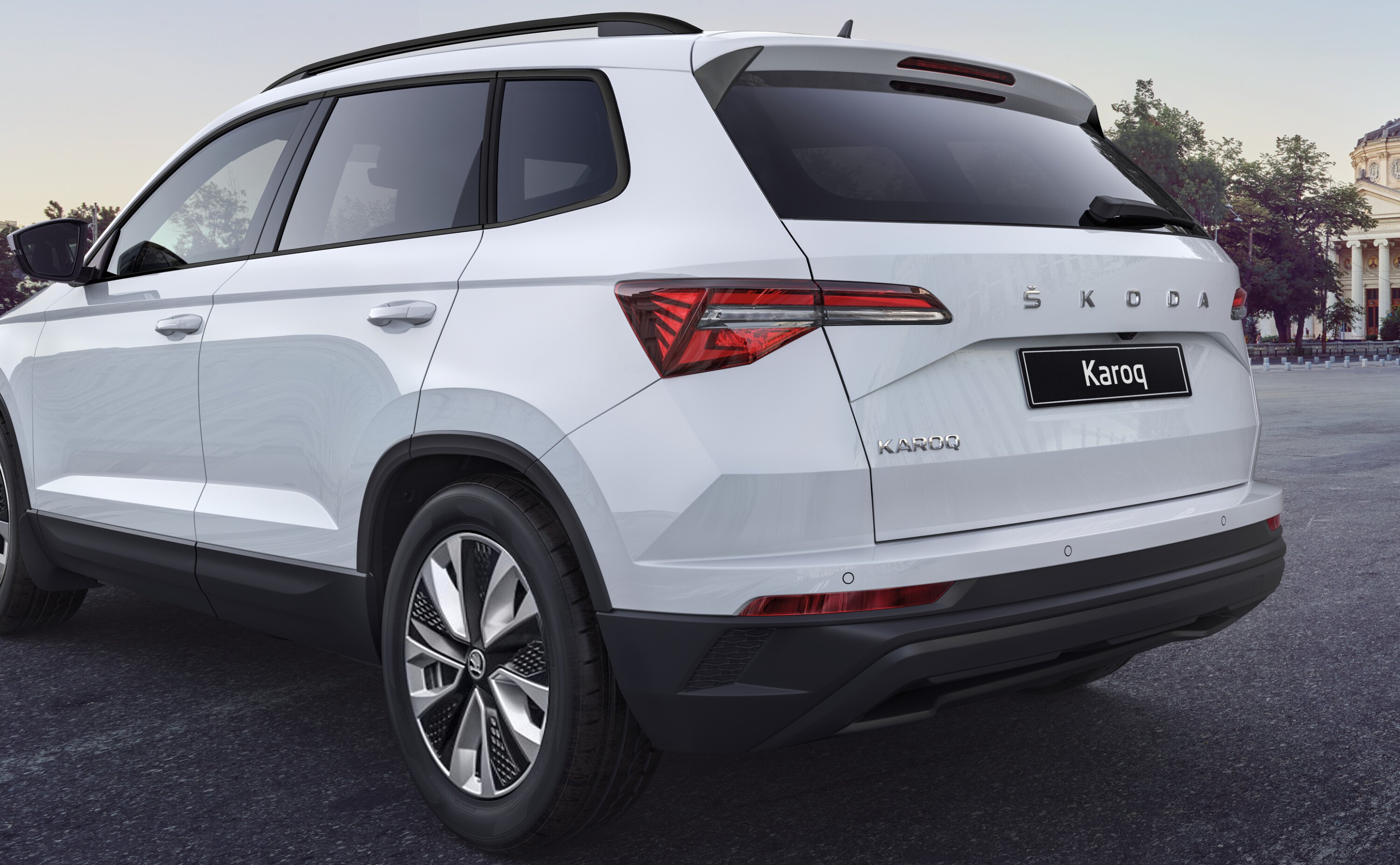
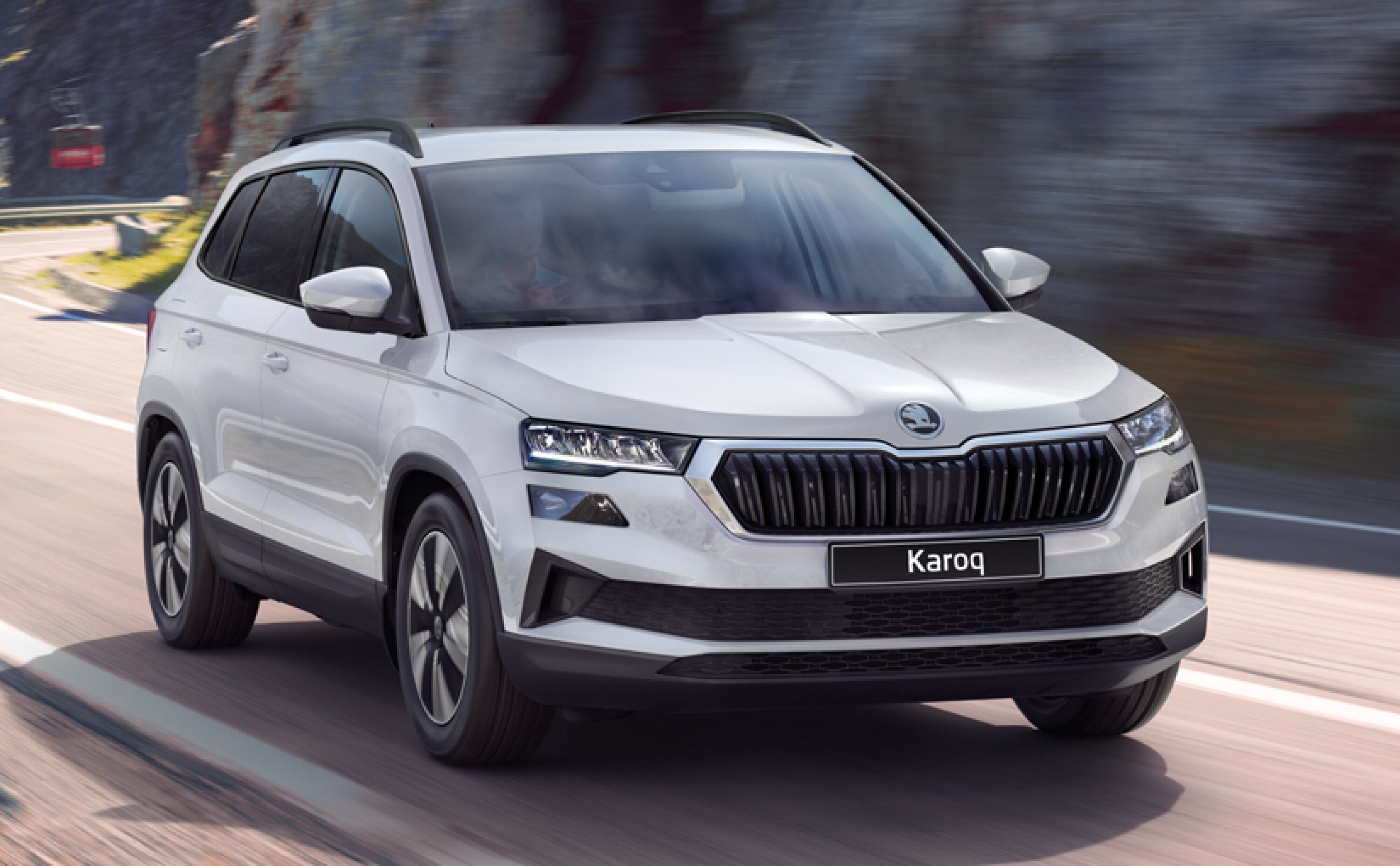
The 2024 Skoda Karoq mid-size SUV line-up has expanded with a new sub-$40k entry-level variant.
Priced from $39,990 drive-away nationally, the eponymous Karoq features less equipment than the $45,490 drive-away Karoq 110TSI Style – but retains the 110kW/250Nm 1.4-litre turbo-petrol matched to an eight-speed torque-converter automatic and front-wheel-drive.
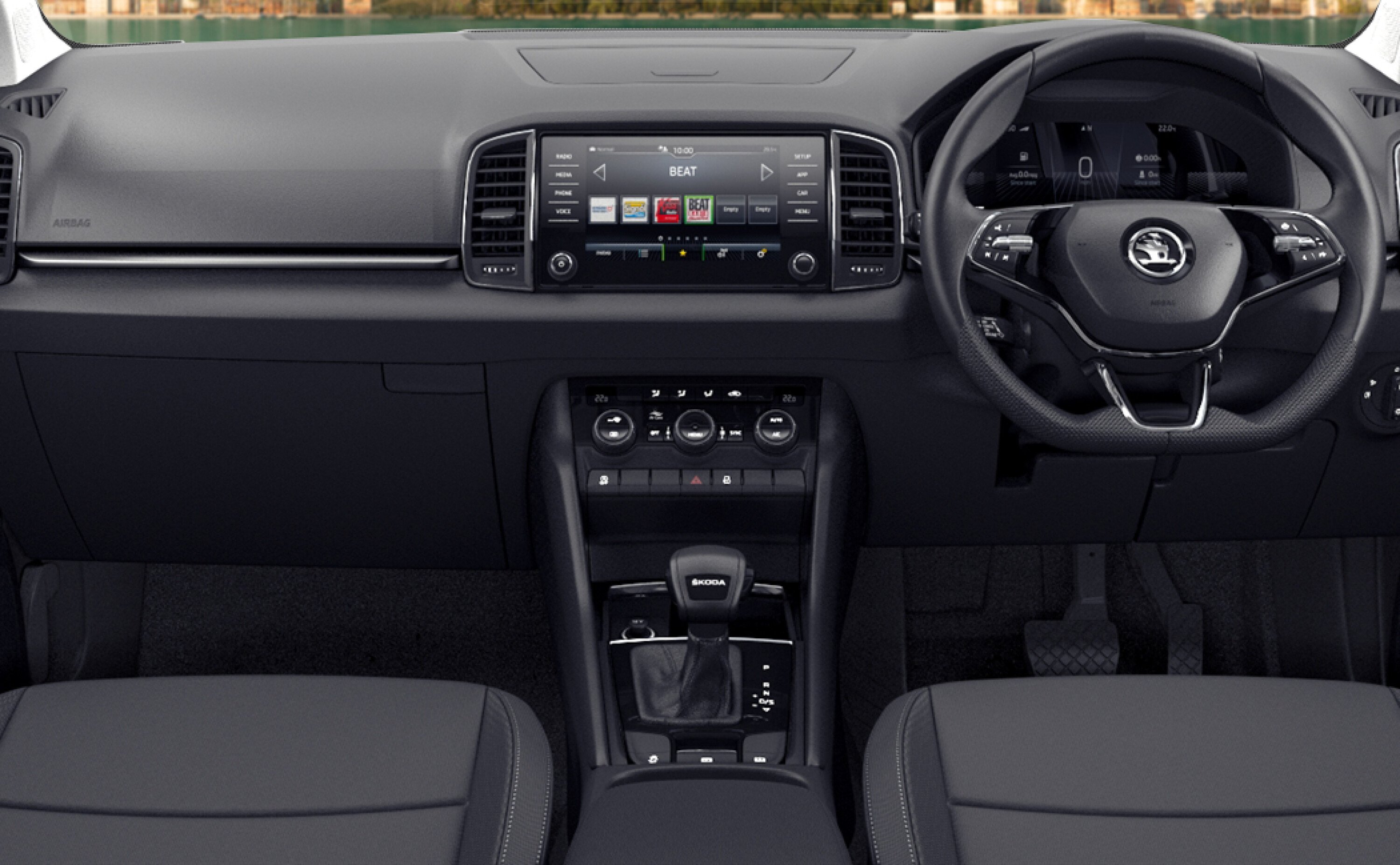
Standard equipment includes 18-inch alloy wheels, an 8-inch infotainment system, wireless Apple CarPlay and Android Auto, a smaller 8-inch digital instrument cluster, push-button start, front and rear parking sensors, and LED exterior lighting with sequential rear indicators.
1
It also sports an auto-dimming rear-view mirror, dual-zone climate control, rain-sensing wipers, and power-folding heated side mirrors with driver’s side auto-dimming.
The Karoq Style adds a full 10.25-inch digital instrument cluster, DAB+ digital radio, a wireless phone charger, keyless entry, an anti-theft alarm system, chrome exterior trim, comfort front seats with lumbar support, a drive mode selector, privacy glass, and a hands-free electric tailgate.
It also adds some of Skoda’s practical ‘simply clever’ touches, including VarioFlex removable rear seats, a driver’s door bin, and a double-sided luggage net and cargo divider.
Skoda said the new Karoq variant is aimed at “savvy” buyers considering similarly-priced entry-level mid-size SUVs, calling out the Mazda CX-5 G20 Maxx ($38,888 drive-away with a Sydney postcode), a base Hyundai Tucson($39,215 drive-away in Sydney), and the Kia Sportage S automatic ($39,958 drive-away in Sydney).
“The new Karoq combines a large 521-litre boot volume with much more torque and lower fuel usage than a comparably priced entry Kia Sportage, Hyundai Tucson or Mazda CX-5 Maxx,” said Skoda Australia marketing and product boss Kieran Merrigan.
1
“Features such as an auto-dimming rear-view mirror and dual-zone climate control air-conditioning are simply not found with new Karoq’s ‘base’ and basic rivals.
“Add a seven-year warranty and affordable seven-year servicing, and you have a compelling value package that undoubtedly earns its place on the shortlist of the savvy buyer who has done their homework, eagerly anticipating a test drive.”
The 2024 Skoda Karoq base variant is available to order now. It can be optioned with $770 premium paint or a $2750 seven-year/105,000-kilometre dealer service plan.
Ranger and HiLux top the charts u2013 is anyone surprised?
Small cars changing hands quicker than SUVs
The new-car market has always been easy to gather data on with an industry body (the FCAI) dedicating its time to tracking sales figures. The second-hand market, though, has been more opaque.
The Australian Automotive Dealer Association (AADA) has teamed up with Australian company Autograb, which provides used car valuation and market tracking software, to reveal the best-selling used cars.
This data excludes vehicles older than 15 years and those that have been written off, so while it’s not as complete as the whole market, it gives a good indication of the most popular second-hand vehicles.
More than 65% of car sales occur in the used market, with 303,732 vehicles for sale (42.2% at dealers), and 206,417 sold (37.8% by dealers) in November.
Of the states and territories, ACT and NSW account for the most sales (when combined) followed by VIC, QLD, WA, SA, TAS, and the NT.
While there were more SUVs (125,055) for sale than passenger cars (110,390), 86,985 used passenger cars changed hands compared to 78,097 SUVs. Utes accounted for 35,064 sales in November.
Petrol was the dominant fuel source (135,141 sales) ahead of diesel (62,813) and hybrid (6755).
Battery-electric vehicles made up 1395 of November’s sales – though it’s worth pointing out that’s an increase of 6.7% compared to October when all other fuel sources (bar plug-in hybrids) lost share.
Following the Triton is another sales stalwart, the Toyota Camry (2324), then the Toyota RAV4 (2159), Mazda CX-5 (2023), and the Toyota Prado (1849). Data provided for the best-selling cars covers models up to 10 years old (to 2013).
Make and model
Nov-23 Sales
Oct-23 Sales
Variance (%)
Days to sell (average)
Ford Ranger
4683
4619
1.40%
52.6
Toyota HiLux
4066
4004
1.50%
52.3
Toyota Corolla
3371
3456
-2.50%
39.7
Hyundai i30
2624
2711
-3.20%
38.4
Mazda 3
2354
2465
-4.50%
35.9
Mitsubishi Triton
2324
2357
-1.40%
42.6
Toyota Camry
2324
2463
-5.60%
49.4
Toyota RAV4
2159
2203
-2%
45.2
Mazda CX-5
2023
1922
5.30%
43.2
Toyota Prado
1849
1860
-0.60%
53.7
1
Another interesting statistic provided is the average vehicle sale time, which has grown from a minimum of 40.5 days in March 2023 to 52 days in November.
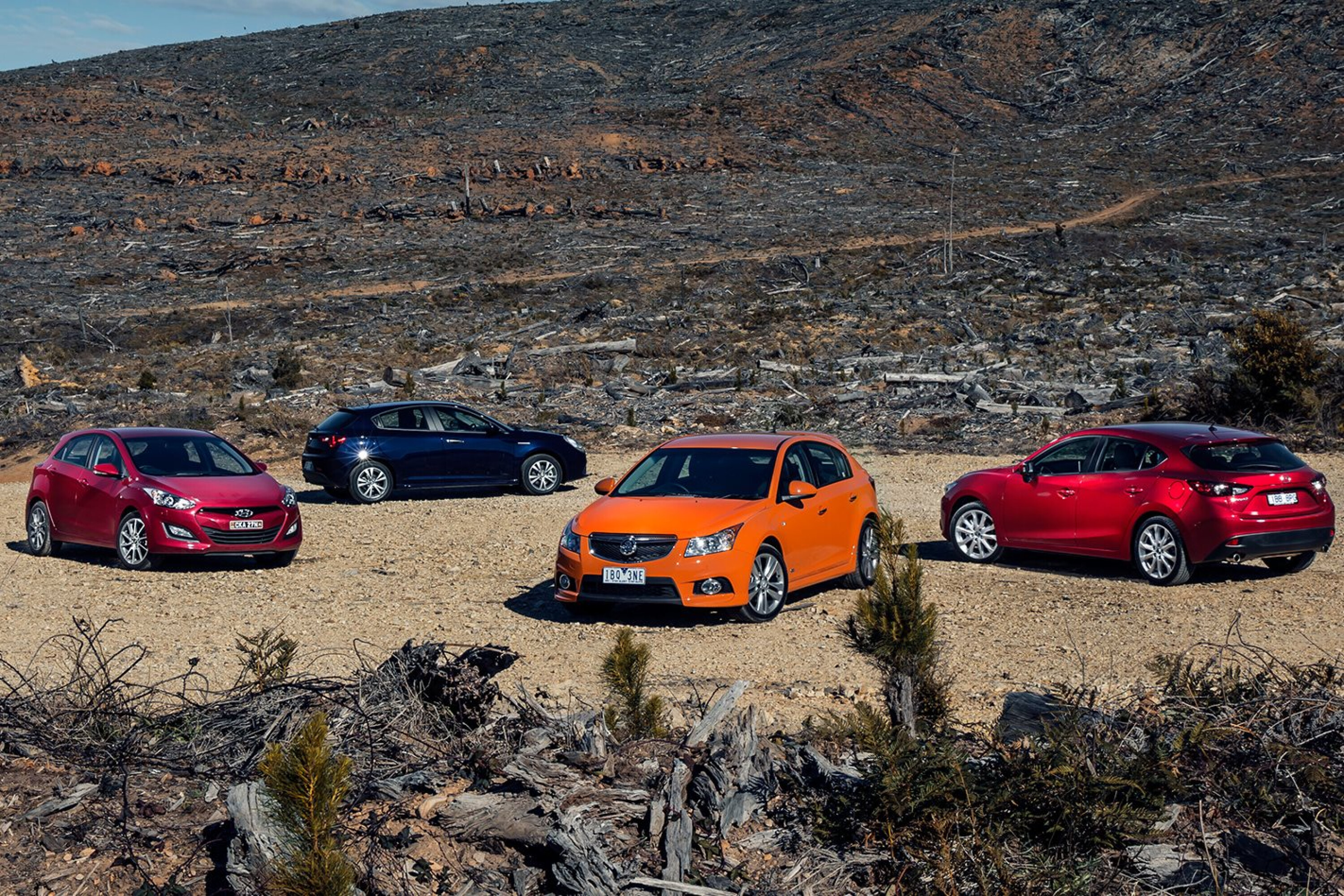
Of the best-sellers list, it was small cars such as the Mazda 3, Toyota Corolla, and Hyundai i30 with the quickest average sales times.
Residual values are the single largest component of car ownership. If you’re only getting 50% of your new car’s $50K value at trade-in time, that’s a $25,000 loss. A more reasonable 65% residual saves you $7500 when it’s time to get rid.
Along with revealing the most popular second-hand cars, the Australian Automotive Dealer Association (AADA) and Autograb have provided real-world values of popular second-hand models.
With roughly 200,000 used cars sold each month in Australia, it’s a significant market, and predicted residual figures rarely correlate with real values.
This has been especially pronounced since 2020, as supply shortages, shipping delays, and price rises have affected new-car availability.
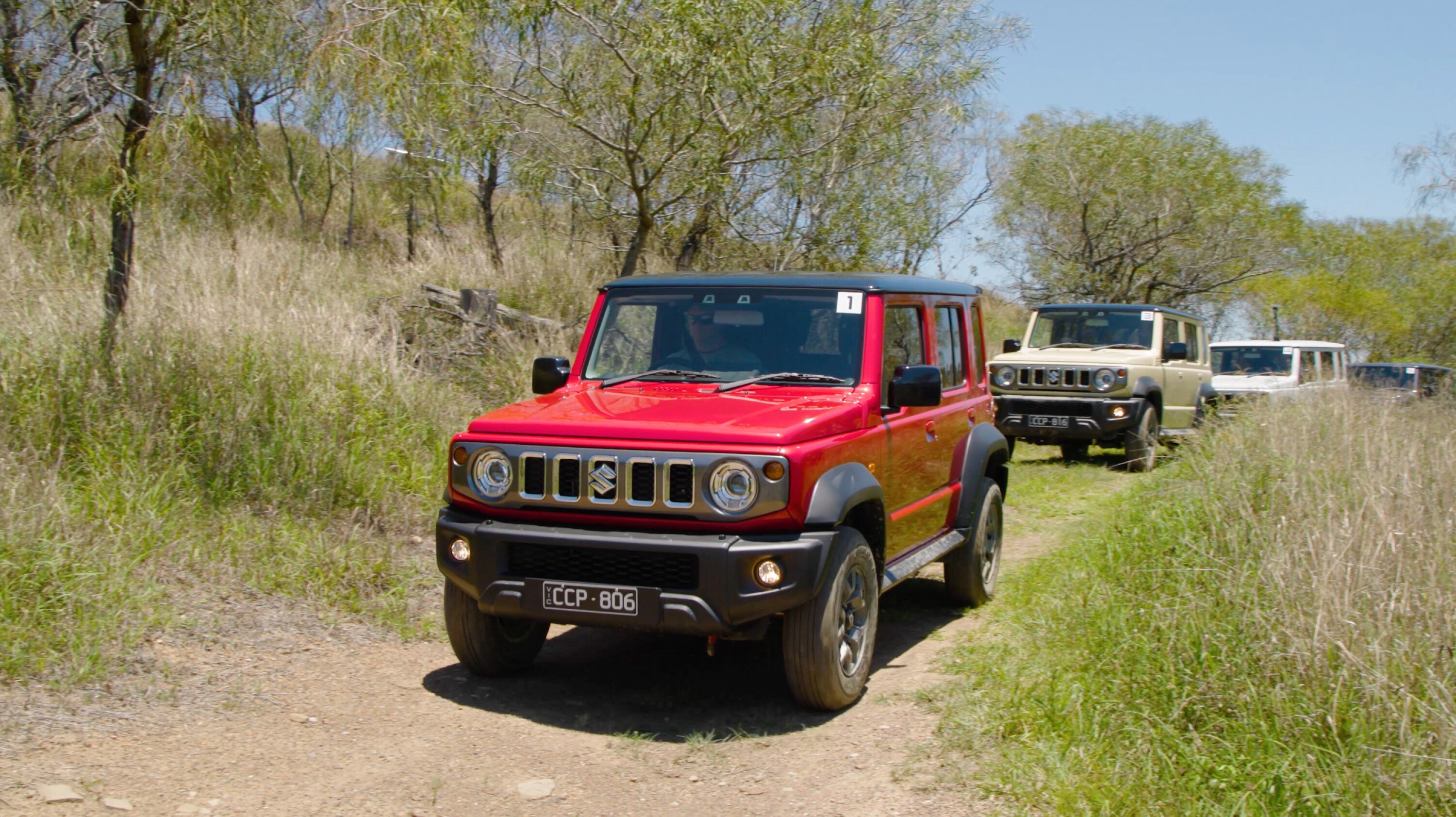
Take the Suzuki Jimny for example. AADA and Autograb found that two to four year-old examples of the plucky 4×4 were trading hands at an average of 136.1% of their original purchase price. That compares to Redbook’s predicted 61.5% residual value after three years.
There are a few extra factors with the Jimny; for example many have been modified and this is reflected in their price. Additionally, since launching in 2019, the Jimny’s jumped from $23,990 to $31,990 before on-road costs.
If you’re looking to trade your car in, a dealer will err on the side of the predicted residual rather than what you can get on the market so consider all your options before selling up.
These lists are not definitive, but ought to provide a helpful insight into which cars might be best buys for those looking to drive their dollar further. Read on for a list of the 10 best across several categories.
Second-hand cars with the highest retained value
First, we’ll cover newer second-hand vehicles, those between two and four years old.
The data here combines dealer and private listings and only includes models with more than 20 variants sold, keeping appreciating ‘collector cars’ such as Porsche 911 GT3s out of the rankings.
Passenger cars are relatively self-explanatory. Plenty of Toyotas and Mazdas with Subaru and Kia sprinkled in. In the case of SUVs, enthusiast vehicles such as Landcruisers, Patrols, and Jimnys hold their value very well. Perhaps more surprisingly, so too does the Yaris cross.
It’s nice to know that sports cars such as the Toyota 86 hold value better than your crotchety uncle said they would.
Moving to older second-hand vehicles – those between five and seven years of age – makes things a little more interesting.
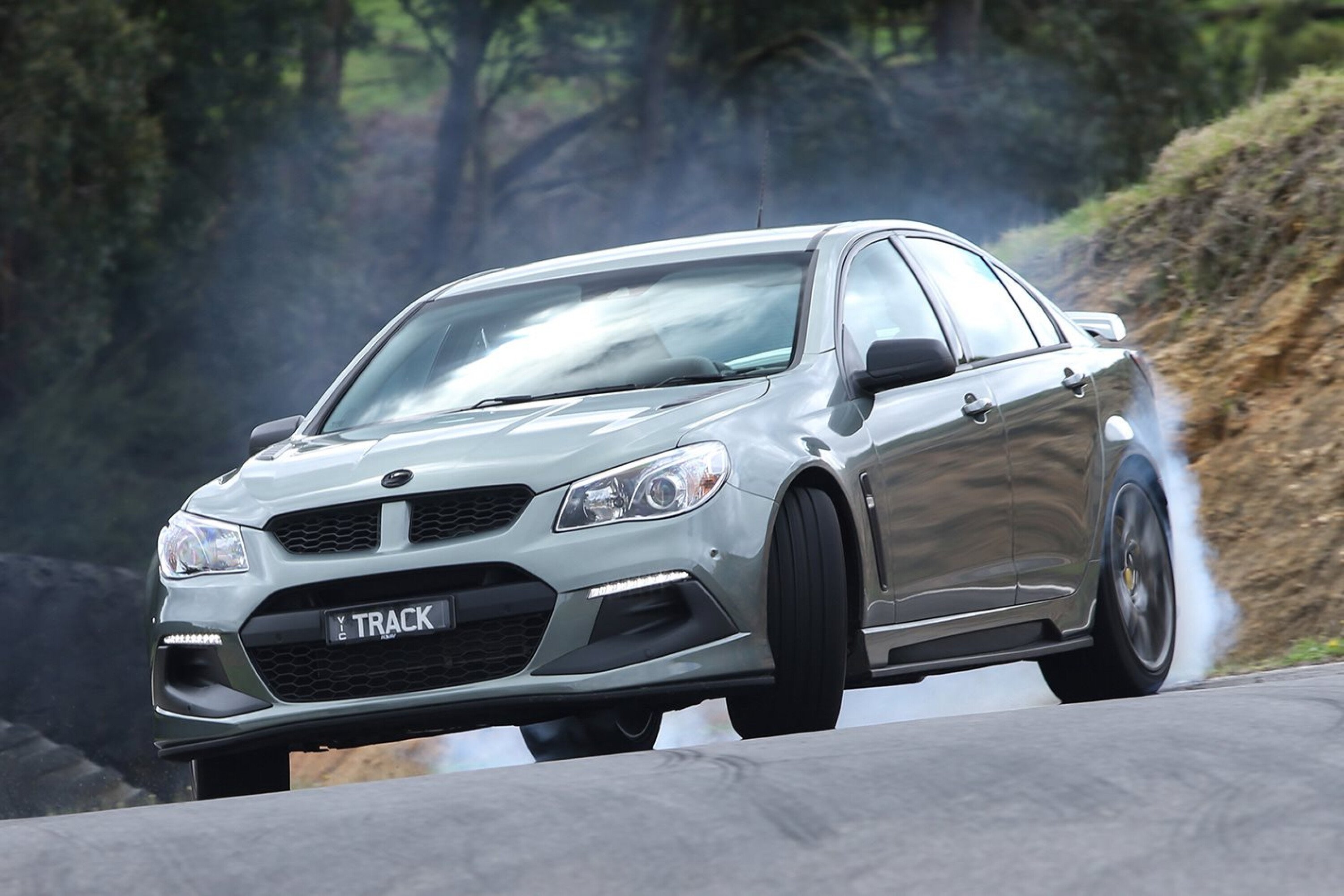
Although the HSV Clubsport is a winner for retained value on the second-hand market, you should also take into account the average time to sell.
At 118.9 days, the average VF ‘Clubby’ spends twice the time on market as others in the list, suggesting speculators are playing the waiting game to get a good price.
Passenger cars
Make and model
Retained value (average)
Days to sell (average)
HSV Clubsport
120.20%
118.9
Mitsubishi Mirage
117.20%
47.5
Toyota Yaris
96.20%
29.1
Kia Picanto
90.10%
34.6
Honda City
89.20%
15.1
Toyota 86
87.10%
54.6
Mazda 2
86.90%
33.3
Ford Falcon
86.70%
80.4
Ford Mustang
85.20%
54.9
Honda Civic
83.80%
41.4
For those with practical minds looking to keep a car around that’s easy to offload in the event of financial hardship – or quick to get rid of when the new car on order finally arrives – a balance of high retained value and fast sell time is ideal. Look to the Mazda 2 and CX-3, Honda City, and Toyota Yaris for the best options.
By the time SUVs go beyond four years, the trend shows that values fall more significantly.
Toyotas and Nissans rule the roost, though the Jeep Wrangler and MG ZS display that taking a chance on a marque that isn’t Toyota can sometimes pay off.
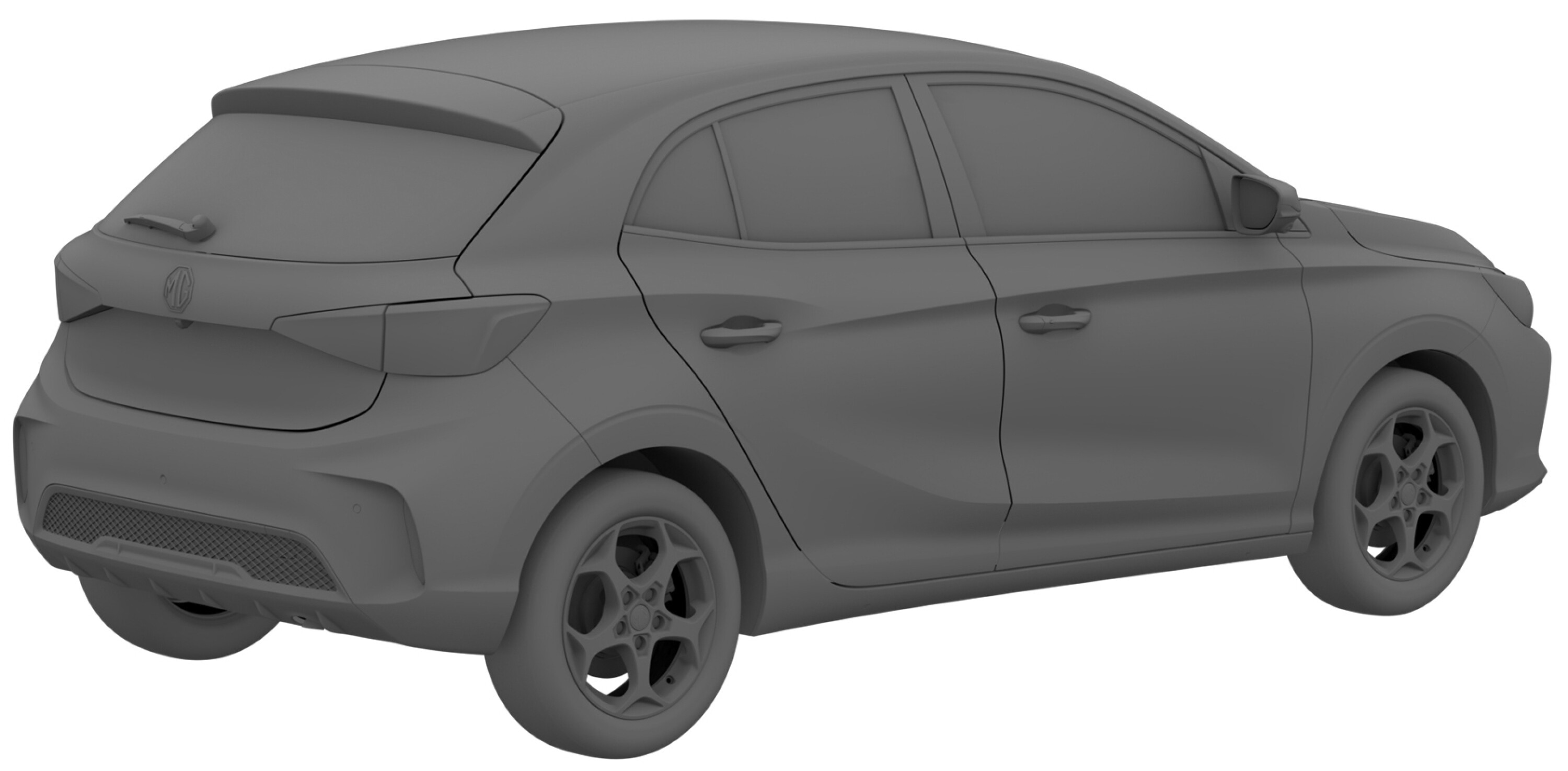
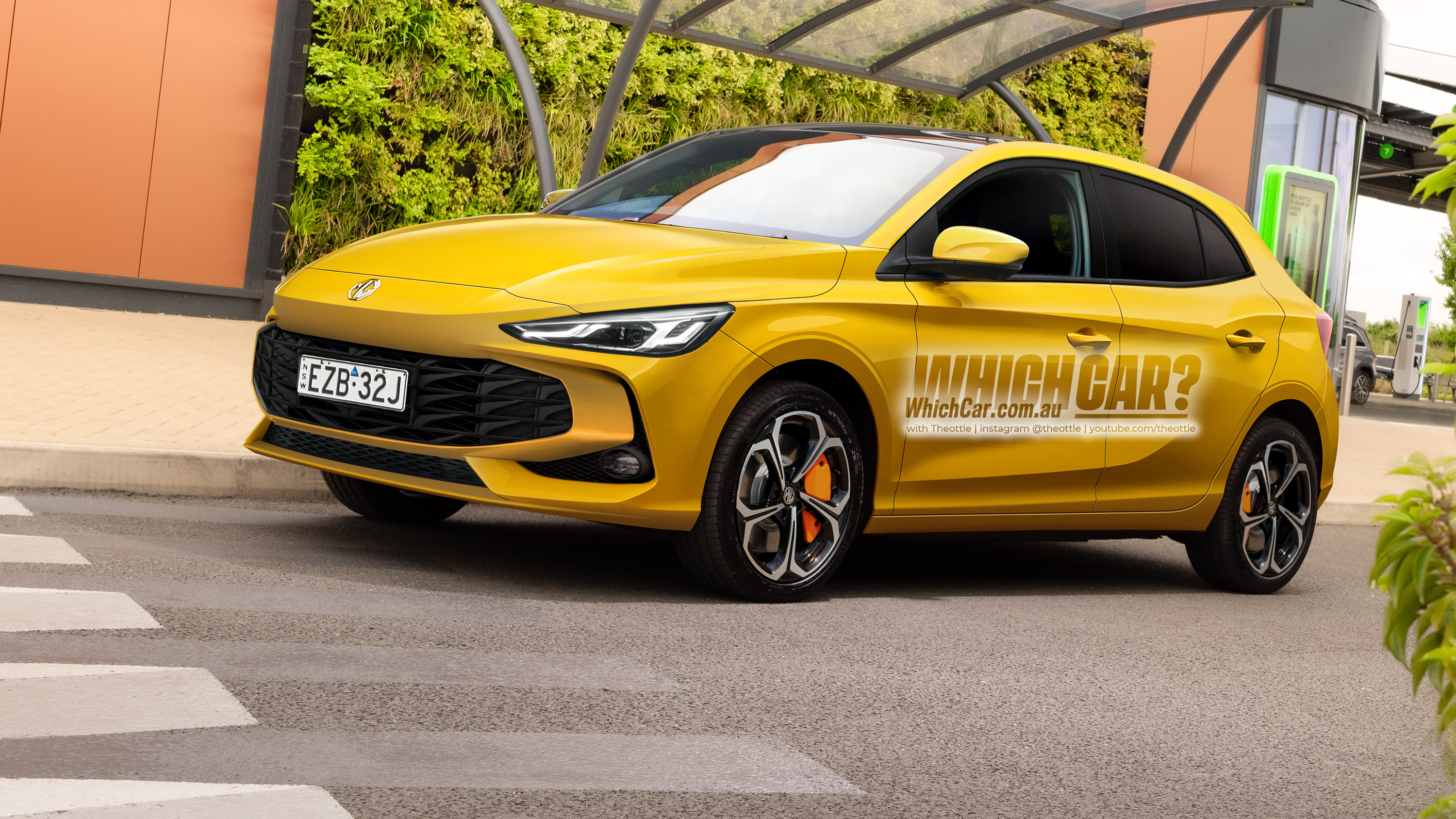
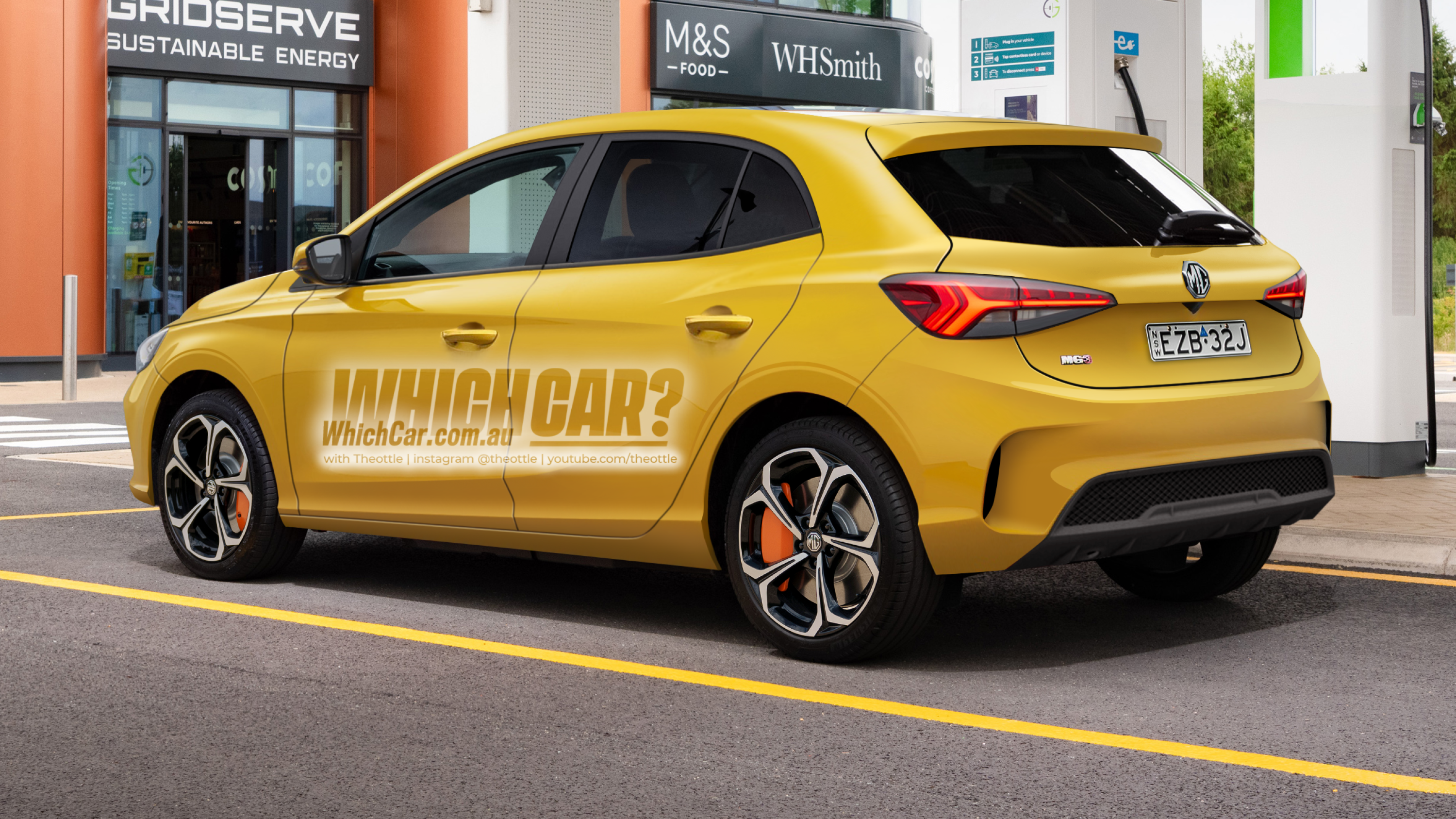
MG has confirmed when the next-generation MG 3 city car will arrive in Australia and that it will be available with both petrol and hybrid power.
The all-new city car, which is currently Australia’s cheapest vehicle thanks to a drive-away price of $19,990, has been gearing up for an Aussie release some time in 2024.
And now we know when it will launch, with an MG spokesperson confirming the new model will arrive in Q2 2024.
“MG Motor can confirm our line up for next year (2024) to include an all new MG3 available in both ICE and Hybrid, as well as the all new HS and Cyberster,” said the spokesperson. “The all new MG3 is an all new platform with different driveline options including hybrid and petrol.
We look forward to sharing specifications and pricing closer to launch time which is earmarked for Q2 in 2024 at this current time.”
Exactly what engines the new MG 3 will use remains to be seen, though it’s likely the hybrid system will combine a 70kW/200Nm e-motor and 2.1kWh battery pack with a 1.5-litre four-cylinder petrol engine.
Continue reading below for more details.
August: New MG 3 confirmed; initial details
The 2024 MG3 small car is gearing up for an Australian release in 2024 and the all-new car is likely to remain the Chinese-owned brand’s most affordable model.
Snapshot
MG 3 likely for local launch next year
Fresh design and platform, potentially with hybrid power
Five-star ANCAP rating unlikely
Wheels understands that the MG 3 won’t be based on MG’s new Modular Scalable Platform (MSP) that sits beneath the brand’s electric MG 4 and will underpin the Cyberster EV sports car. The MG 3 is expected to launch with combustion, and potentially hybrid, powertrains.
When Wheels asked MG Motor Australia CEO Peter Cia, directly about the MG3’s arrival date and ANCAP rating status, he declined to answer.
“MG has many models coming in the next two-three years, we will have lots of chances to sit together and talk. Today, I welcome any questions about the MG 4”, he said.
Moments later, when asked about how MG intends to grow its market share Mr Ciao replied with MG3 confirmation in 2024, among other things.
“For 2024, we have more models coming. Not just MG4 and MG5 – we have the new-generation MG 3, new-generation HS, and one more SUV.” Confirmation of the light hatch’s arrival, then.
There was also discussion about the potential ANCAP ratings for the new MG 3, given the current car’s no-rating status after the pre-facelift’s 2014 three-star Euro NCAP expired.
In response to a question on the MG 5’s safety rating, Ciao said it comes down to a business decision. If the MG 3 were developed as a five-star car, the brand would be unable to achieve its signature affordable pricing.
1
“With each model, what [a five-star safety rating] really is, is a business decision, not a technical one. Because when we develop each model, we will decide, we will make a choice: How much? And what kind of technology to provide?
“We can provide any model with five-star [credentials] but that costs money, you know, and now in Australia this safety requirement is now so high it’s ridiculous”, said Mr Ciao.
1
Expect a base MG 3 to undercut the larger MG 5 sedan ($24,990 drive-away) when it arrives next year.
We do anticipate an increase over the current car’s $19,990 drive-away pricing to reflect added low-speed AEB and newer features. A drive-away price between $22-24K is our best estimate right now.
Well, yes, actually. They’re not getting any cheaper as a brand-new option, and the waits can be long. Getting into a used EV right now could be just what you need.
Snapshot
More affordable used EV options are slowly flowing into the market
But, pay attention to battery health, brake corrosion, tyres
Imported used EVs are an option, but buyer beware
Brand-new electric cars won’t be less than $30,000 anytime soon in Australia. But, as more new EVs are sold, the range of affordable used market EVs is growing.
If you can find a reasonably well-priced example in good condition – and if it suits your driving needs – the answer could easily be ‘yes’. But, there are some important considerations when looking for a used EV.
Electric vehicles generally depreciate quicker than traditional internal combustion engine (ICE) models today, which is a win for would-be used EV buyers.
New EVs are also generally more expensive to buy, especially older models, which have contributed to how they lose their residual values. However, some are on par – if not better – than ICE rivals, according to Redbook data.
“There’s a depreciation cliff coming for [ICE cars]” – Luke Todd, EVDirect CEO (BYD distributor).
EV model
Minimum trade-in depreciation
ICE model
Minimum trade-in depreciation
2012 Nissan Leaf
– 88%
2012 Hyundai i30 Premium (petrol)
– 70%
2016 Tesla Model S 75 (RWD)
– 59%
2016 BMW 520d Luxury Line
– 64%
2018 Hyundai Kona Electric Highlander
– 39%
2018 Hyundai Kona Highlander (FWD)
– 41%
2019 Tesla Model 3 Standard Range Plus
– 51%
2019 Mercedes-Benz C200 sedan
– 43%
Data estimated based on minimum dealer trade-in residual values, according to Redbook. Redbook tends to give more conservative depreciation estimates and the above serves as a rough guide only.
Residual values fluctuate depending on the market and selling privately will likely fare better.
On the other hand, ICE cars – especially diesel – are falling out of favour, and the tide is expected to turn in favour of EVs.
Almost every car brand has committed to only sell zero exhaust emission EVs in the coming years to comply with increasingly strict emissions, fuel economy and noise mandates globally.
EVDirect chief executive executive Luke Todd (the distributor of BYD electric cars in Australia) previously told WhichCar: “There’s a depreciation cliff coming for [ICE cars].”
1
✅ Used EV checklist: Here’s everything you need to know
This includes; checking its roadworthiness, exterior and interior condition, history and servicing logbook records.
EVs still need some routine maintenance as they share many ‘consumables’ with petrol and diesel vehicles, including tyres, brakes, suspension, lights, electronics, and the 12-volt electronics battery.
? Battery health: Electric car batteries degrade over time
The good
EV batteries are designed to last beyond 10 years with minimal range loss
All new EVs are covered by a dedicated battery warranty
The not so good
Used EVs inevitably have degraded batteries
There’s no straightforward way to check battery health, but there are signs
Similar to petrol and diesel combustion engines becoming less efficient over time, electric car batteries do naturally degrade.
This especially applies when the vehicle has been driven more and subject to harsher environments – such as extreme low or high temperatures – for extended periods.
Nearly all EV models – except for the including the first- and second-generation Nissan Leaf small hatchback – have sophisticated liquid-cooling systems to actively keep the battery in its optimum temperature range to prevent excessive degradation.
A used model that has a bigger, longer range battery would simply give more degradation leeway and the confidence of providing enough driving range for your daily needs down the line.
Additionally, all brands provide dedicated battery warranty coverage (typically eight years/160,000km), so it’s worth looking at a used EV that has some remaining.
Some brands even promise they won’t degrade more than 30 per cent of its capacity in the coverage period.
If there’s an issue – and if deemed eligible – car brands can replace individual modules (or the whole pack if needed) for free.
Unfortunately, there is currently no easy way to accurately check an EV’s battery health.
However, an emerging number of EV-centric used car dealers are providing an estimated state-of-health reading by plugging in an on-board diagnostic (OBD) device.
Technicians also usually diagnose and generate a battery health report when it comes to scheduled logbook servicing.
But, be aware that the battery management system (BMS) may not be calibrated properly and show accurate battery percentage and remaining range indicators.
For example, first-gen Nissan Leafs feature a 12-bar state-of-health indicator in the driver instruments, but they aren’t linear and aren’t always accurate, according to battery electrochemist Dr Euan McTurk [Mr. EV YouTube↗].
1
⚡️ Charging habits: AC or DC, 80% or full?
The good
Manufacturers generally recommend 80% everyday charging limits for lithium-ion batteries
LFP batteries can generally be fully charged everyday
The not so good
Itu2019s difficult to reliably know previous owner/s charging habits
Frequent DC charging isnu2019t ideal (particularly previous owners who couldnu2019t home charge)
How previous owners charge their electric car is also a sign of the battery condition.
To maintain good battery health, it’s best practice to predominantly charge on slow AC power. This includes standard three-pin home power plugs and installed AC wall boxes.
This leads to a higher chance of degradation, especially when charged in more extreme cold or hot climates.
Additionally, car brands generally recommend recharging lithium-ion batteries up to 80 per cent only, as it’s unhealthy to be in a high state for extended periods.
Likewise, keeping the battery too low under 20 per cent all the time isn’t ideal.
If you’re able, ask the owner’s AC/DC charging habits and see whether a charge limit has been set previously (an automatic cut-off feature is offered in most models).
However, it’s difficult to get a reliable answer from a dealer or retailer.
Also consider where the vehicle has regularly been driven and where it’s been usually parked, as extreme cold or hot climates can signal a chance of higher degradation.
Powerful and instant torque, heavier weight contribute to wearing out tyres quicker
Since EVs are naturally heavier and feature instant torque, their tyres are typically under more stress than the average car.
Tyres can simply wear quicker than an equivalent petrol or diesel car’s tyres – especially if previous owner/s often drive and accelerate harder (a compulsion that is hard to avoid in an EV).
However, dedicated EV tyre models have emerged with a more durable structure and, while electric cars are typically heavier due to their large batteries, they’re not too dissimilar to the most popular vehicle models today.
A Tesla Model Y medium electric SUV is around 400kg heavier than the comparably-sized Toyota RAV4, but is roughly 400kg lighter than the also top-selling Ford Ranger 4×4 ute.
? How to check tyre health
When looking at a used electric car, check whether the tyre grooves are on the same level as the built-in nub which indicates tread wear.
Alternatively, measure the tread depth by putting a 20-cent coin into the tyre groove to see if it reaches the front bill of the platypus.
Electric cars are more efficient than conventional ICE cars thanks in part to regenerative braking, but there is a downside.
It’s the EV version of engine braking and owners gain back some ‘fuel’ in return. Conversely, this also means EV owners don’t use the proper hydraulic brake as often and the disc can corrode over time.
All EVs use regen exclusively at the top of the pedal before applying the hydraulic brake, and some offer a one-pedal driving (strong regen) function.
Therefore, it’s good practice for owners to occasionally turn off the regen function to clean the brake disc.
1
A rarely used and unloved brake may cause corrosion and need a replacement, so be wary when buying an used electric car.
? How to check for brake corrosion
Look for signs of brown rust on brake discs behind each alloy wheel. If there’s a plastic cover, you may need to remove it to inspect its condition.
Some corrosion can be cleaned off (and may simply be caused by high humidity), but intense rust may require a disc replacement.
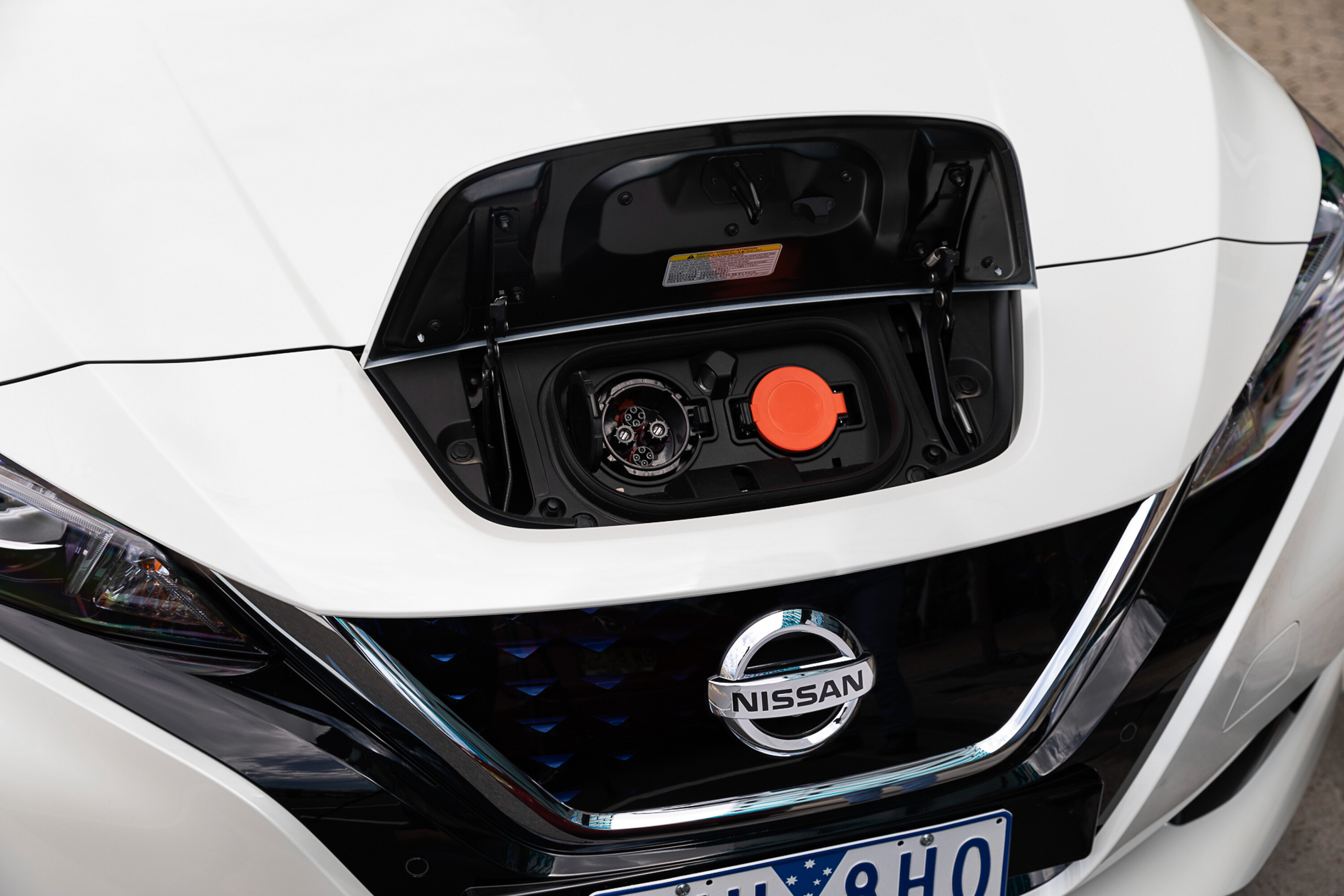
Most car brands have adopted the charging connector type as the universal standard in Australia and Europe, but some are outliers.
Older used EV models may use an outdated plug type that won’t be compatible with public charging stations today and may require a sold-separately adapter.
While many DC fast charging stations still offer a CHAdeMO cable, an increasing number of newly-installed stalls from operators such as Engie (under the Chargefox platform), Evie Networks and BP Pulse are only providing CCS2 plugs at some sites.
1
Used EV buyers should also check whether essential charging cables (eg: three-pin trickle charger, Type 2 to Type 2) and any other adapters are included with the vehicle.
If not, buying them separately can cost hundreds.
? Note to self
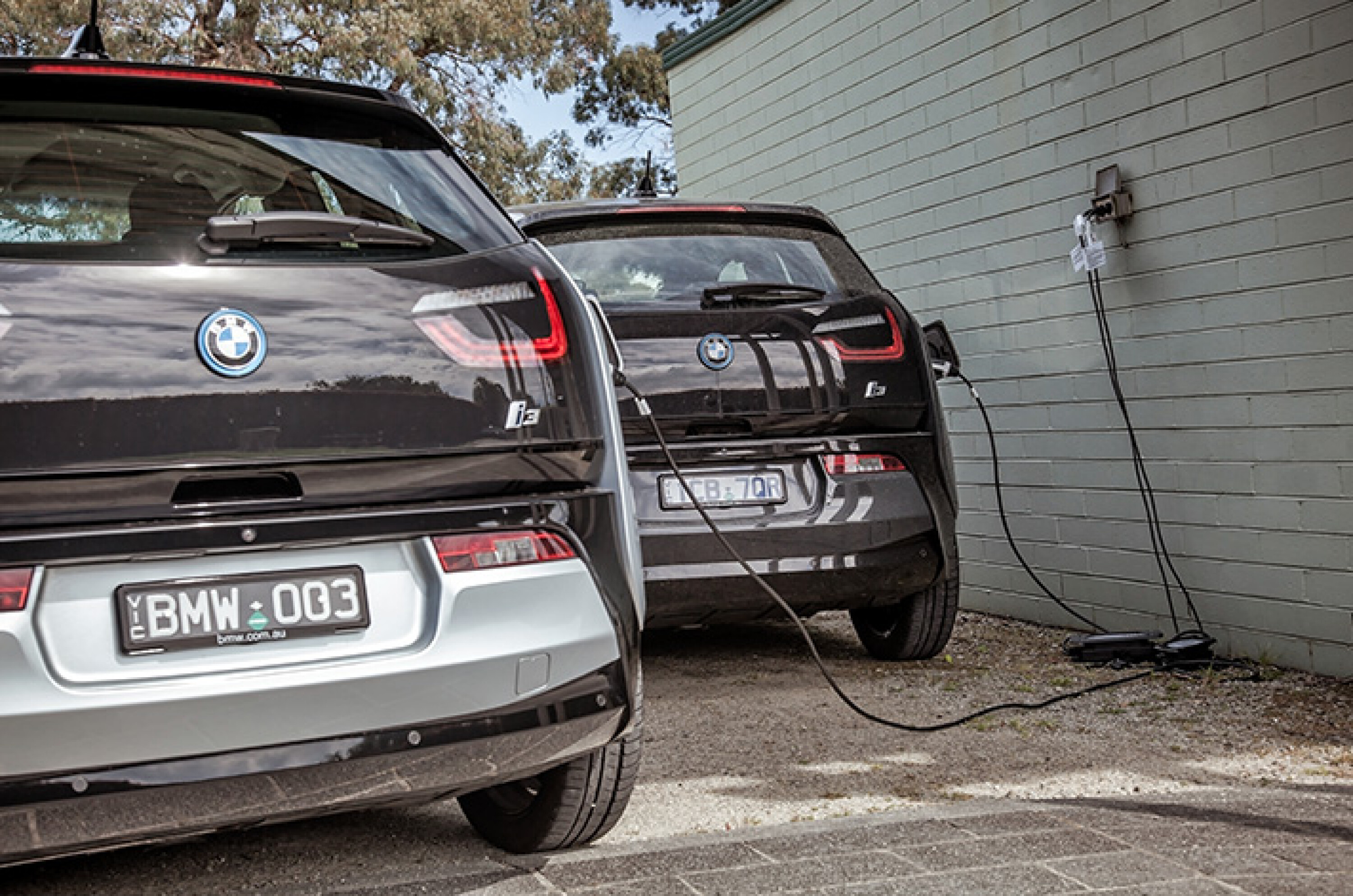
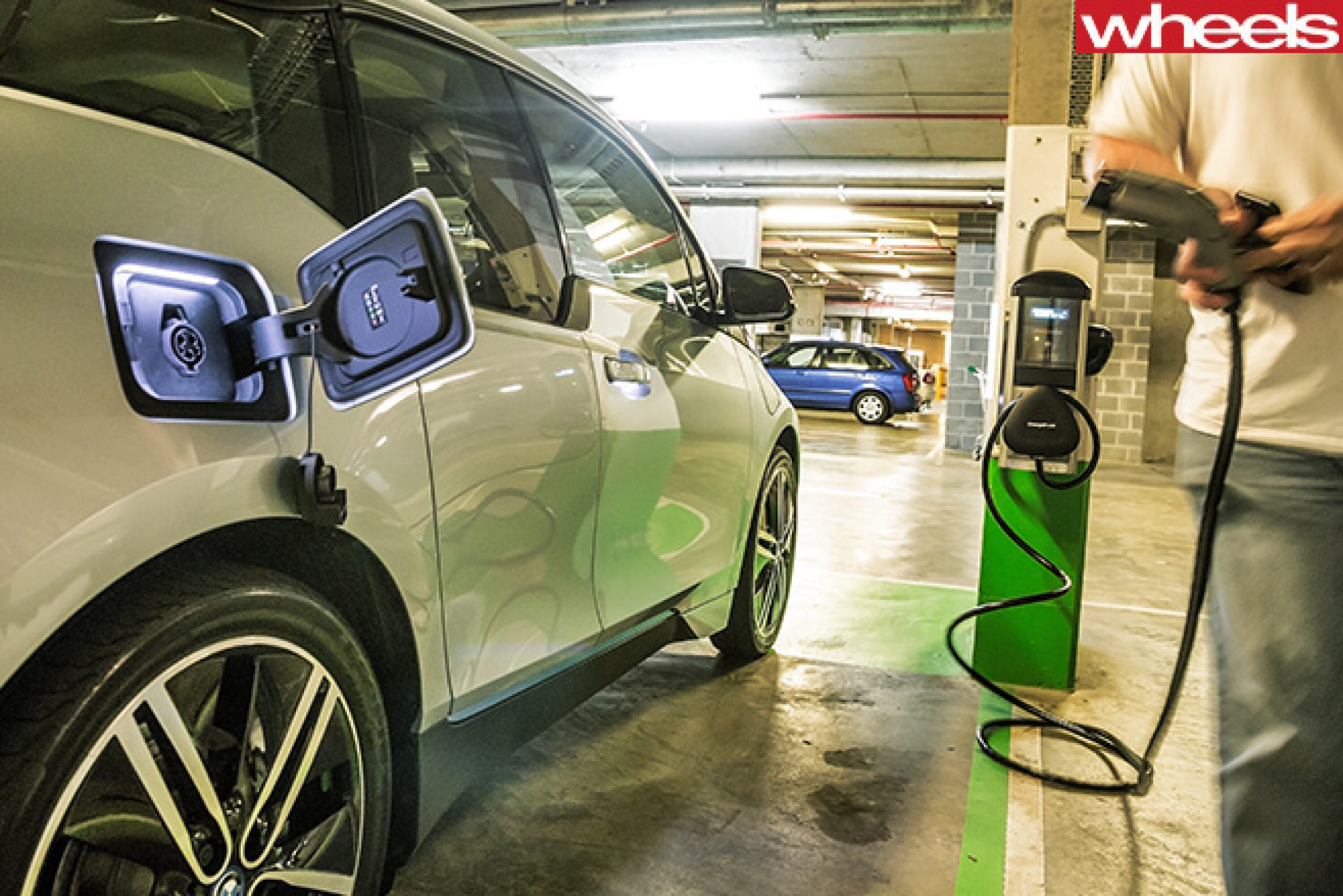
For example, the pre-2018 BMW i3 adopts the older Type 1 CCSstandard and older pre-2020 Tesla Model S and Model X EVs have a modified Type 2port.
Therefore, a Type 2 CCS adapter is required to use almost all AC and DC public charging stations in Australia.
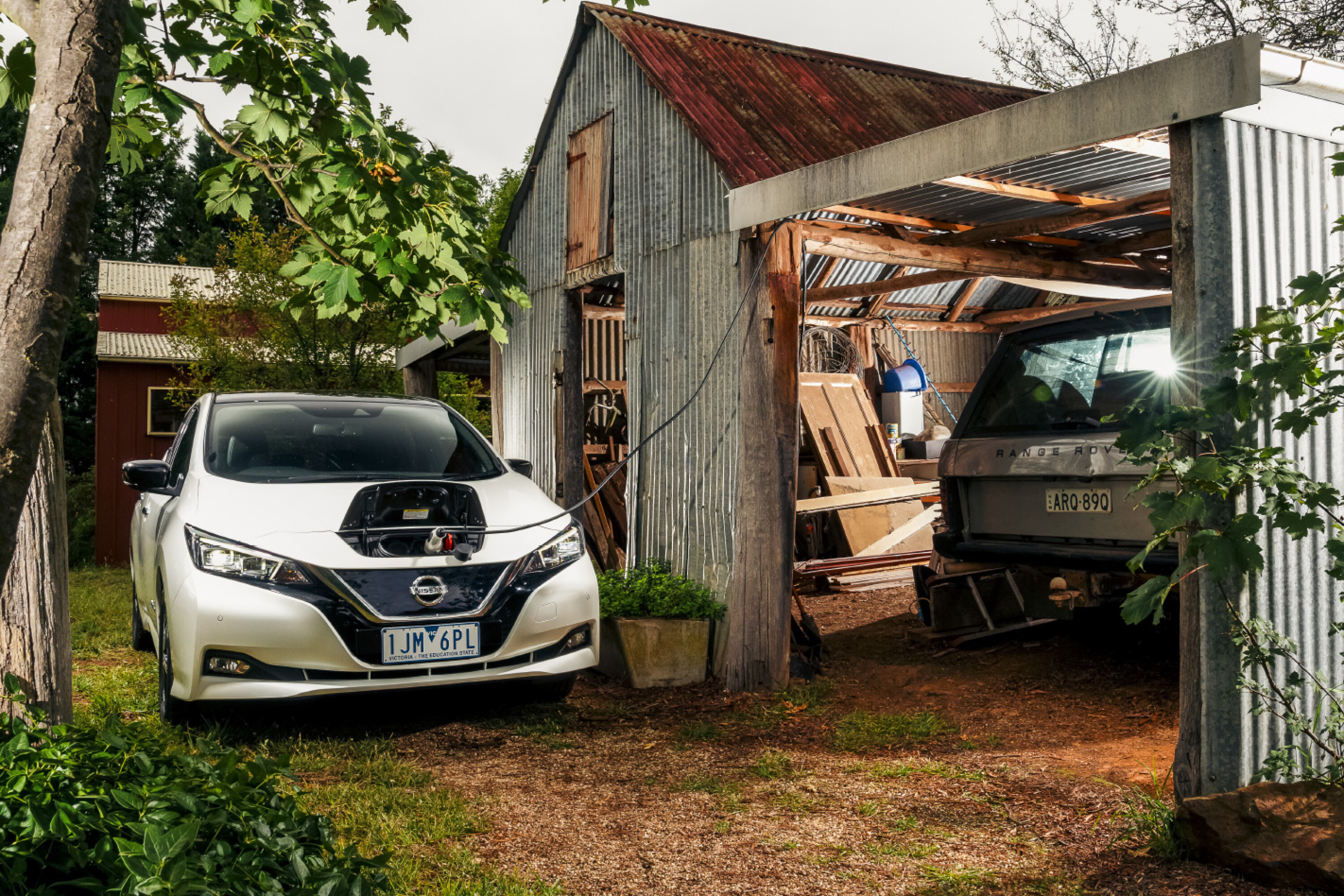
Similarly, the first-gen Nissan Leaf uses the Type 1port for slow AC charging and a Japanese-standard CHAdeMO port for fast DC charging. The latter is still found on second-gen Leafs, the Lexus UX300e, Mitsubishi Eclipse Cross PHEV and Outlander PHEV today, albeit using the common Type 2 plug for AC power.
However, there is no CHAdeMO to CCS2 adapter currently available.
Although the niche model and budget-friendly price tag may entice some from purchasing at a local dealer, imported EVs don’t enjoy the same manufacturer warranties, servicing and support.
Still, imported examples are the most affordable way to get into an EV right now, so you’ll need to weigh up the pros and cons.
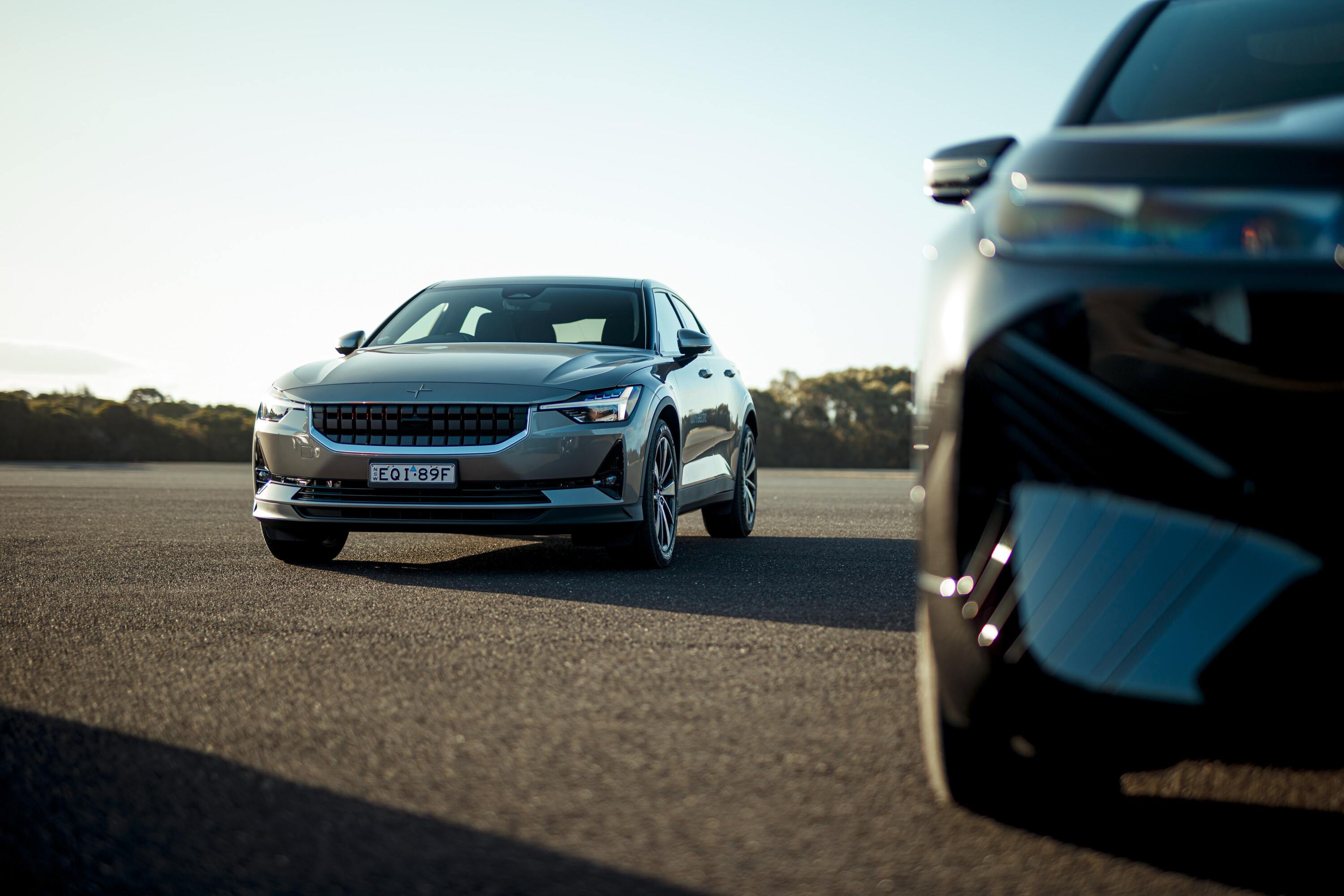
Government fleets, car rental and subscription companies – particularly for rideshare drivers – have taken on electric cars such as the Nissan Leaf, discontinued Hyundai Ioniq Electric, and Polestar 2. These will all flow onto the second-hand market in the coming years.
Likewise, the federal government’s fringe benefits tax (FBT) exemption scheme is designed to encourage company fleets and employees on novated leases to choose an EV today in order to ultimately contribute to a larger and more affordable used EV market in the future.
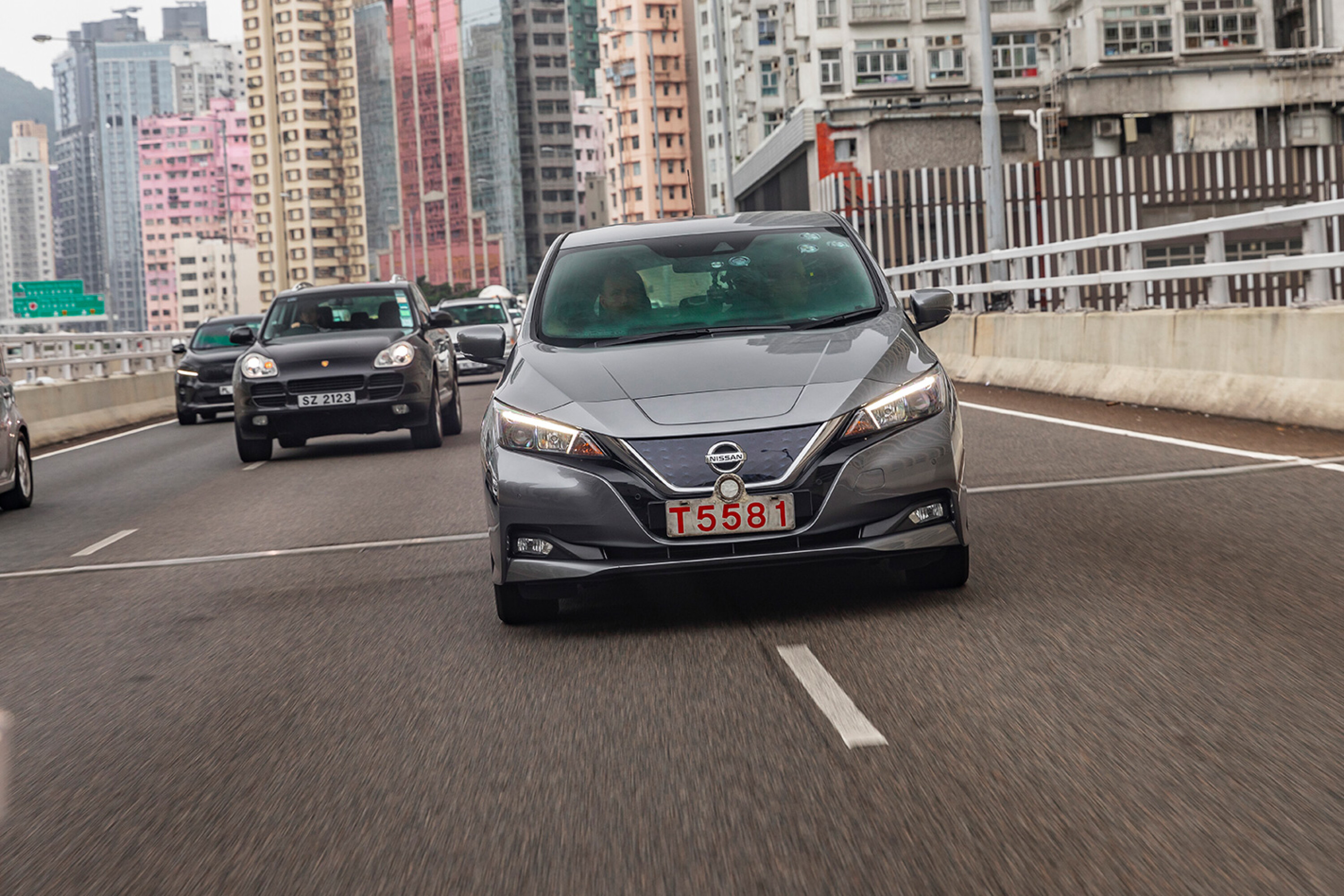
Unfortunately, most first-car buyers can mainly choose the Nissan Leaf hatch for now, as the most common affordable used EV in Australia priced less than $30K. But, expect this list to grow.
Buyer beware
Some private and dealer used car listings are priced higher than buying new, primarily due to high demand and limited supply continuing on some models.
Estimated prices listed below are for key used models based on Carsales listings as at the time of publication. Table is sorted by cheapest to priciest.
Australia’s used electric car market is still in its infancy, but that’s set to change in the coming years.
There are still a limited number of options today but, as EV sales continue to increase, more new models are arriving to lower the price barrier and they’ll be even cheaper in the second-hand market.
2024 Mercedes-Benz GLB facelift: Full Australian details
Updated 7-seat mid-size SUV receives mild design revisions, more tech
Price rises of up to $5900
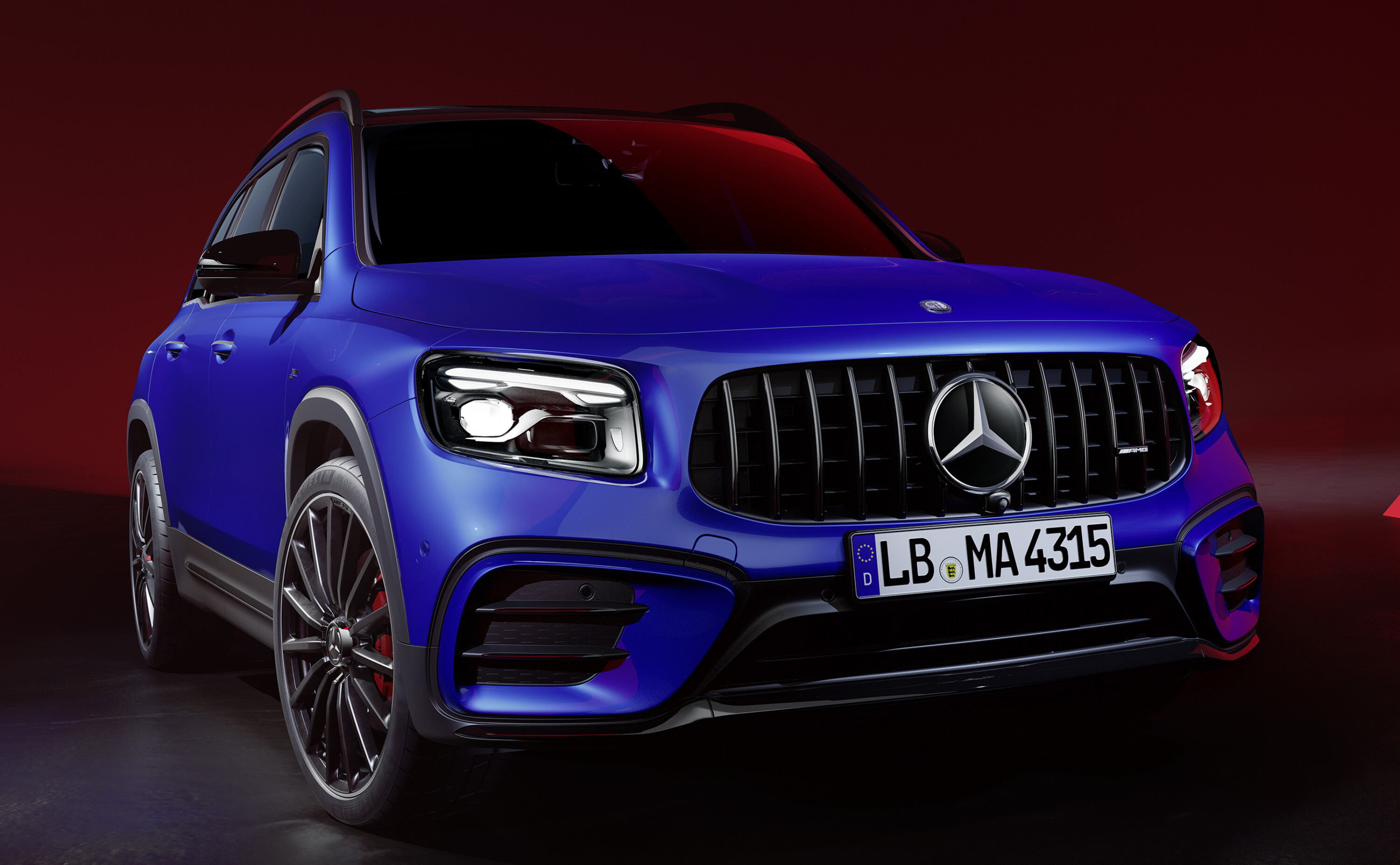
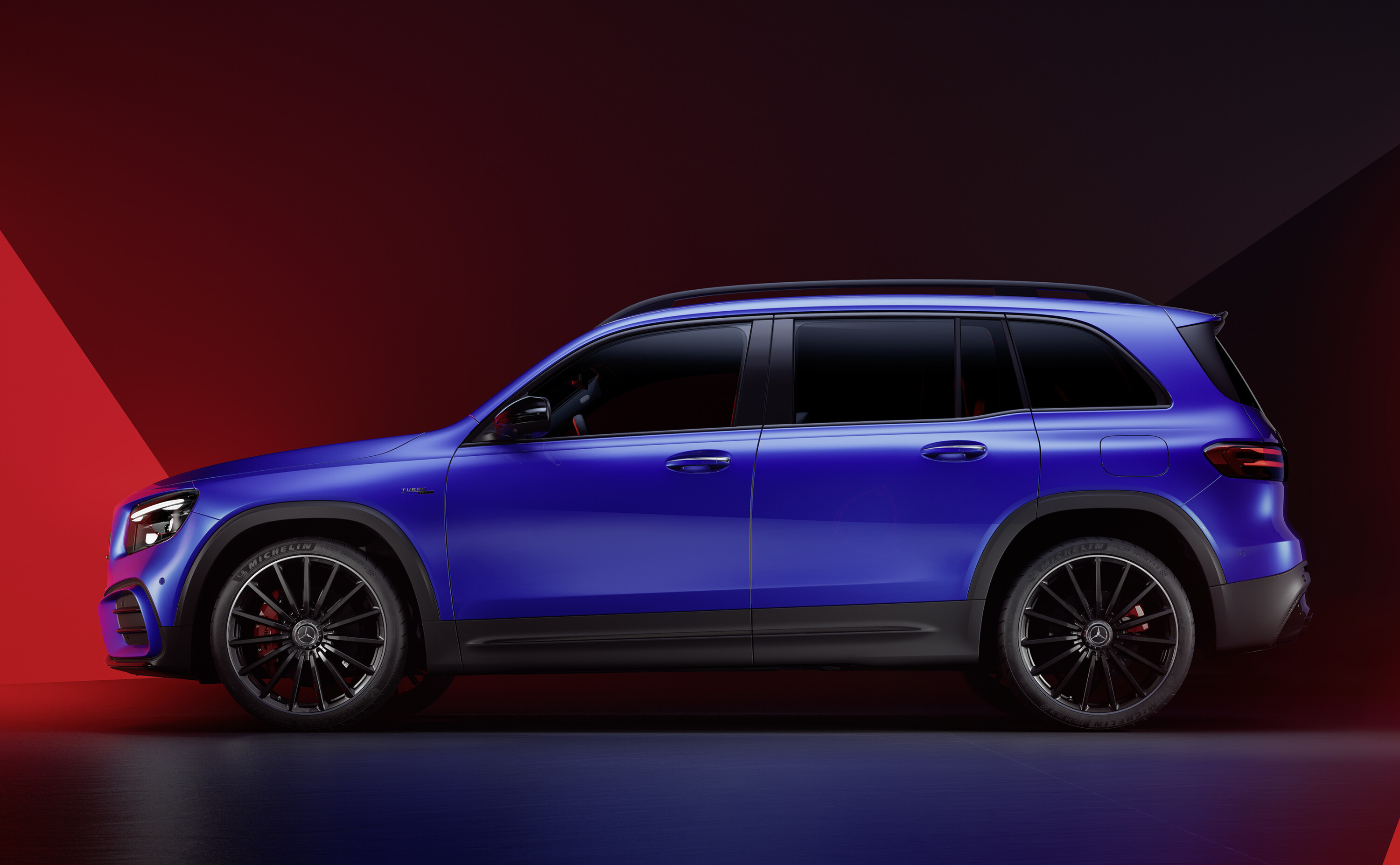
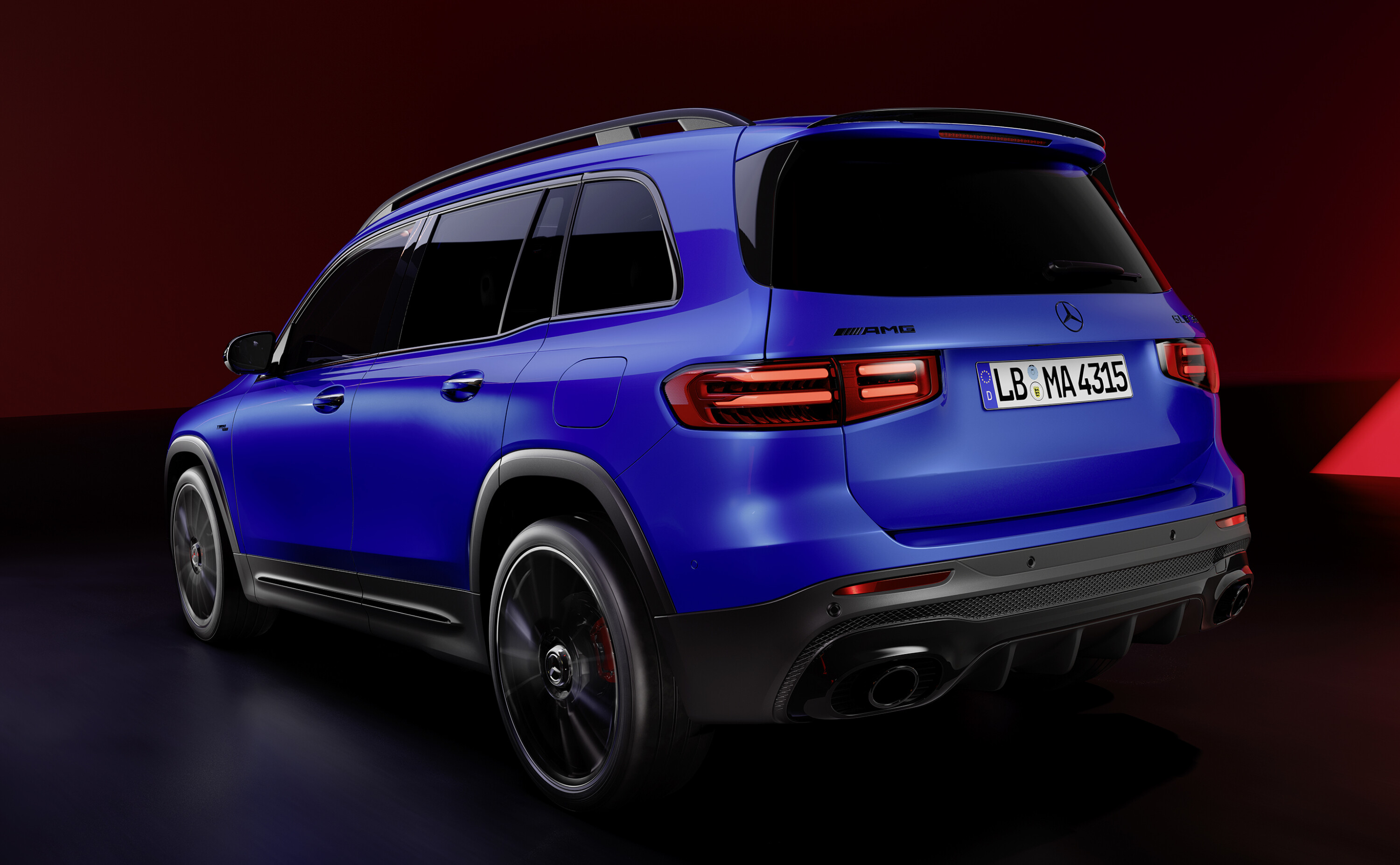
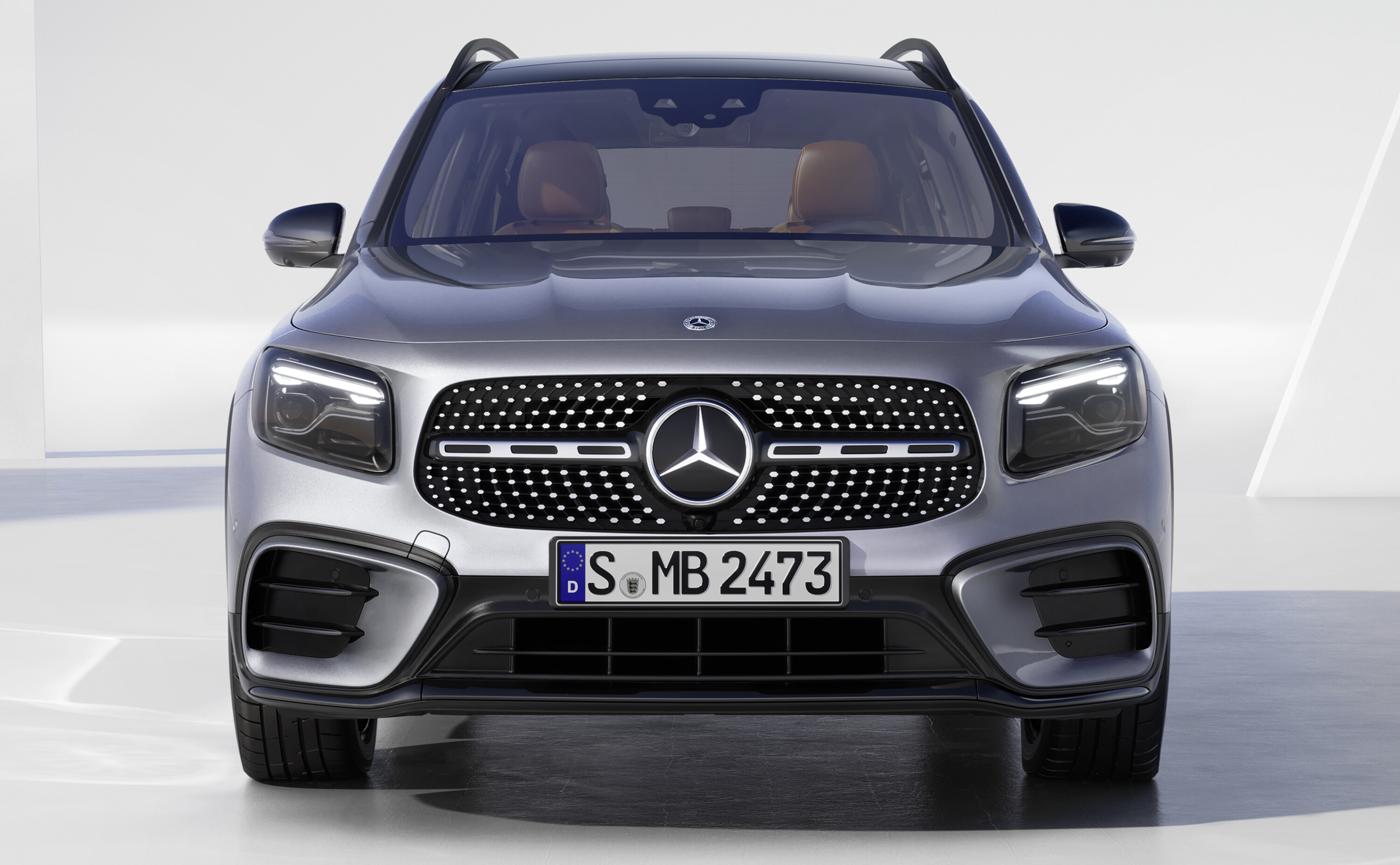
The facelifted 2024 Mercedes-Benz GLB small SUV is now available to order in Australia.
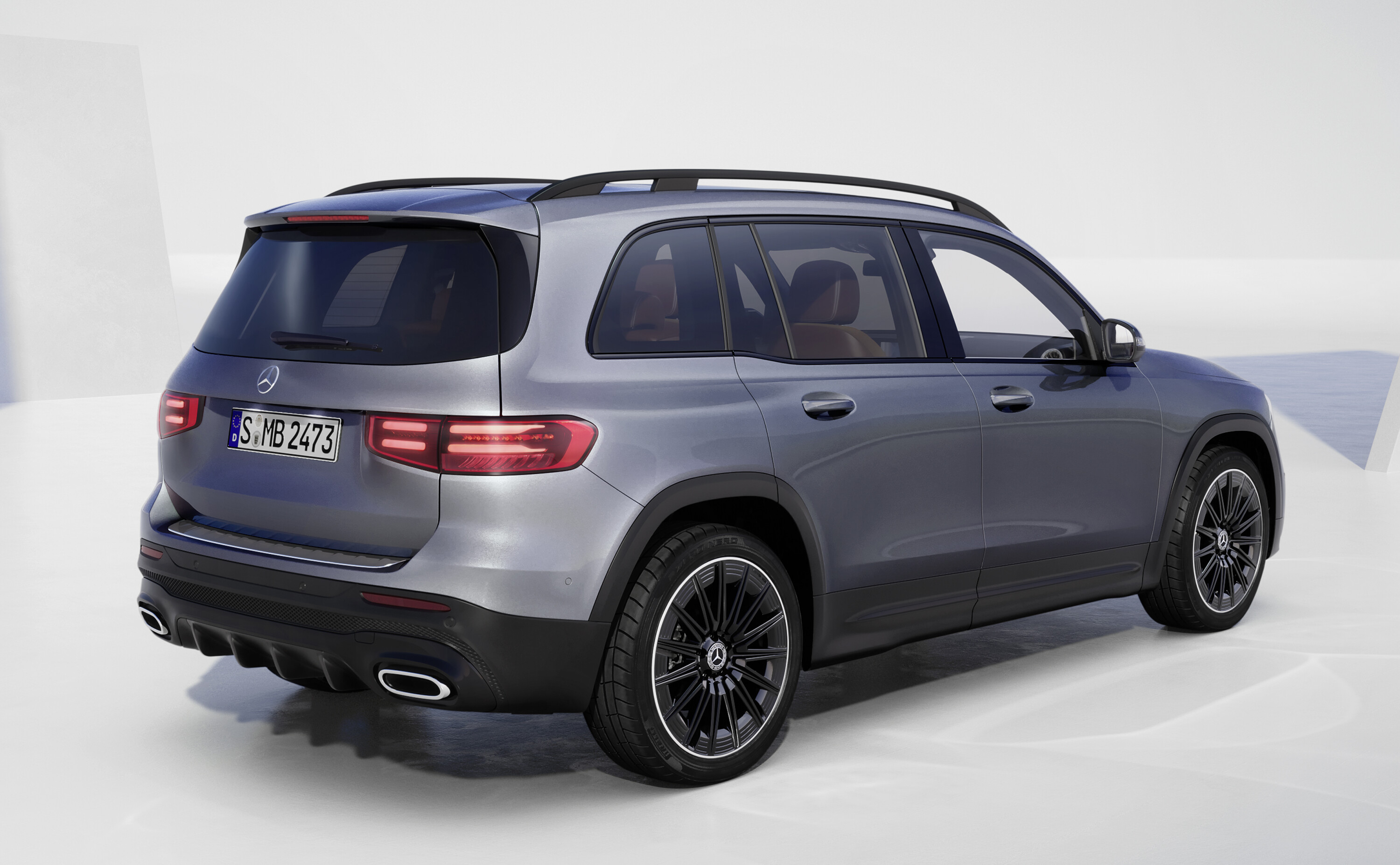
Mirroring the updated A-Class launched in mid-2023, design changes include redesigned headlight internals, modified tail-lights, and new alloy wheel designs.
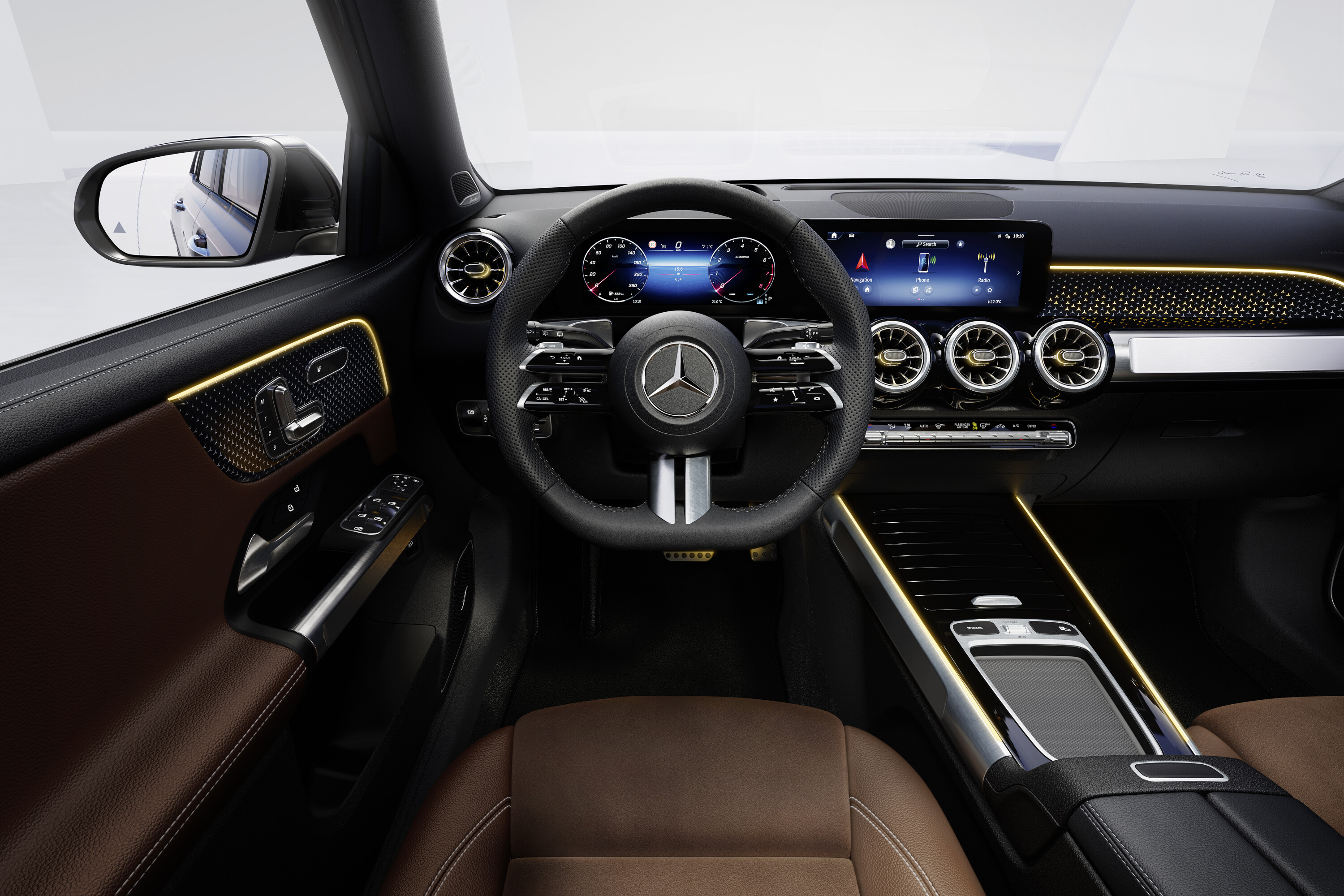
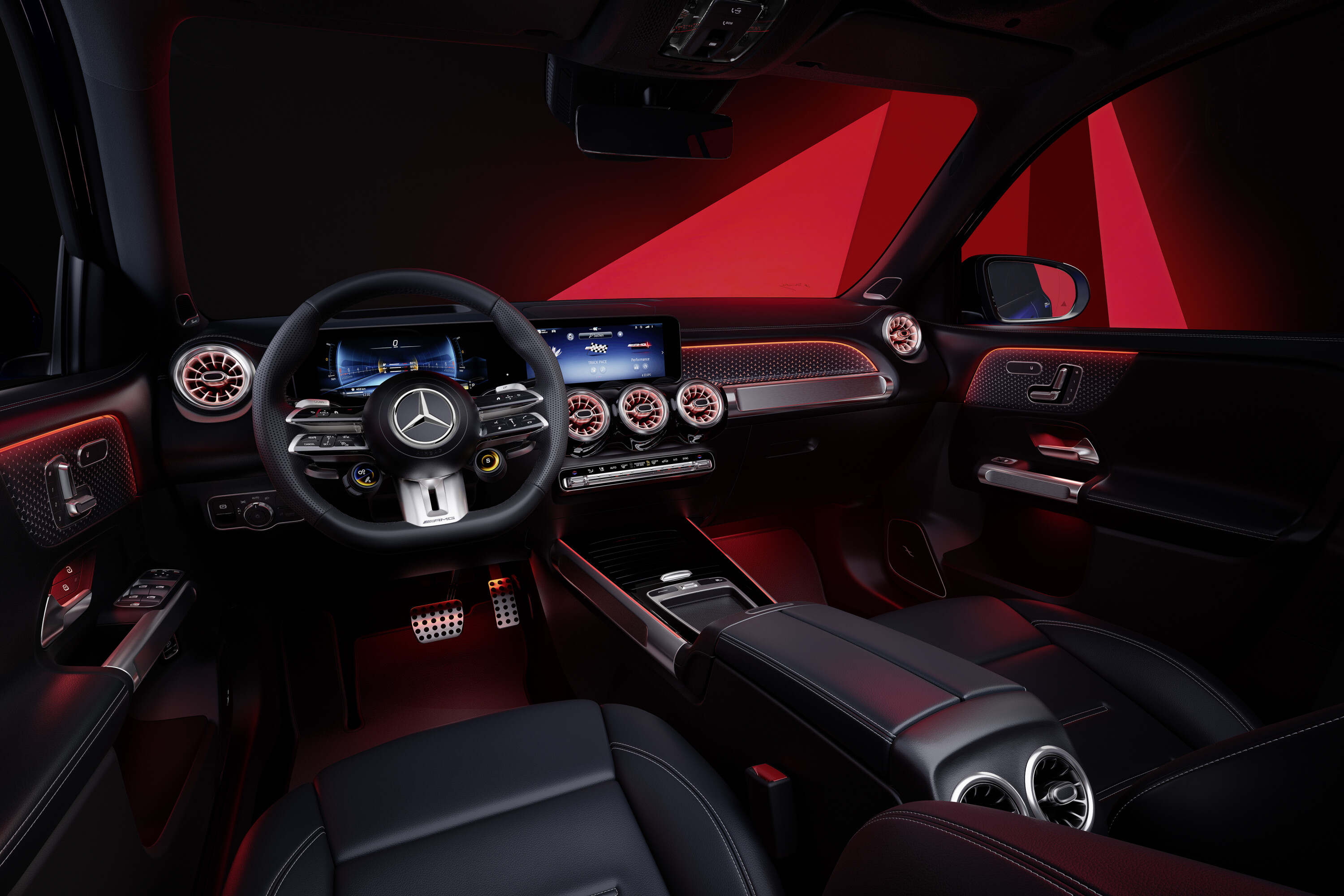
Inside, it features an AMG twin-spoke steering wheel, a simplified centre console with the touchpad removed and repositioned controls, along with an additional USB-C port.
1
While the current 10.25-inch MBUX infotainment system remains, it has been revised with new features, including wireless Apple CarPlay and Android Auto and a higher-resolution 360-degree camera.
There are also newly designed display styles, machine learning, and the ability to speak to the voice assistant without saying ‘Hey, Mercedes’ first in some instances.
A fingerprint sensor on the centre console to identify and authenticate the driver is not available in Australia.
1
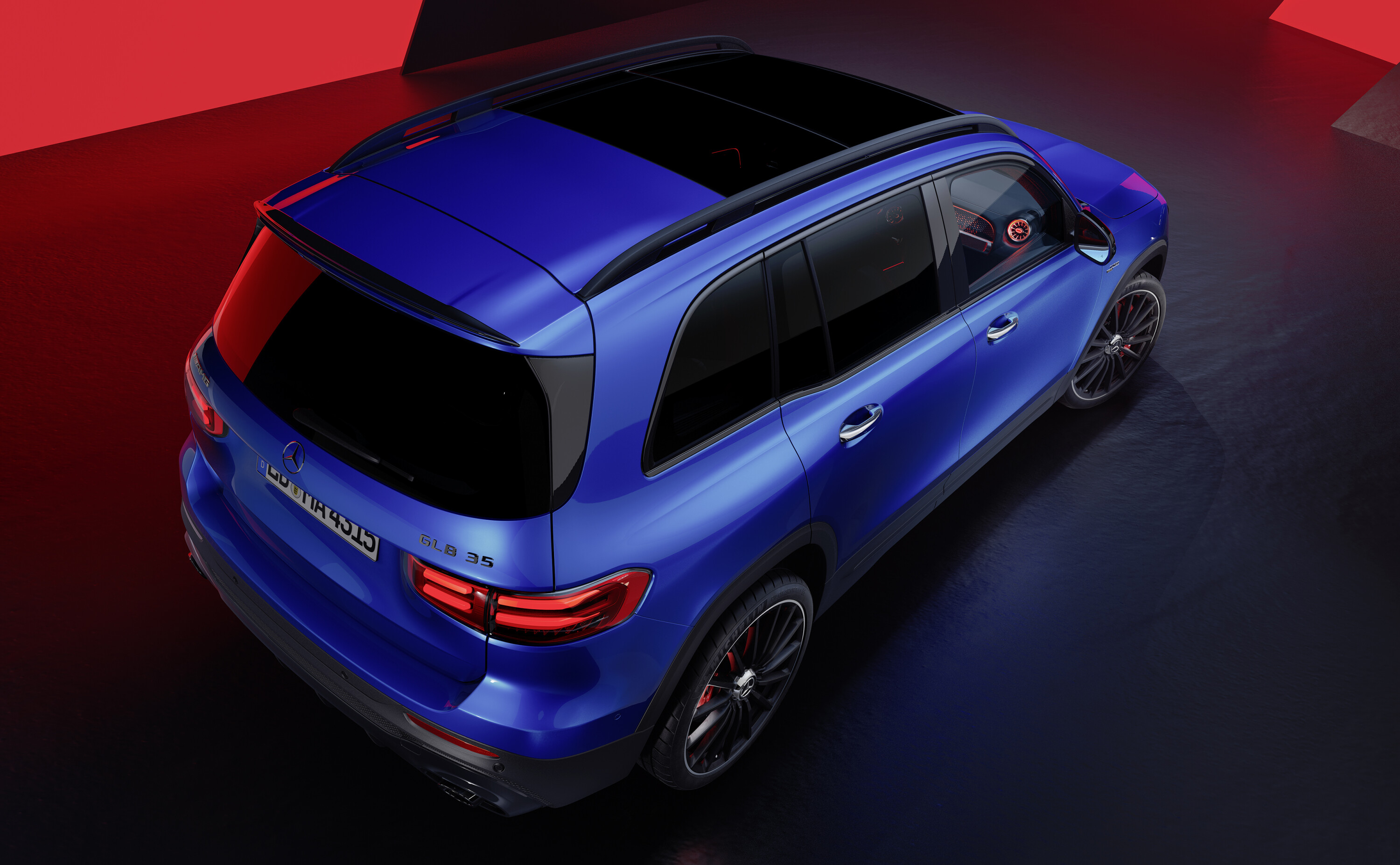
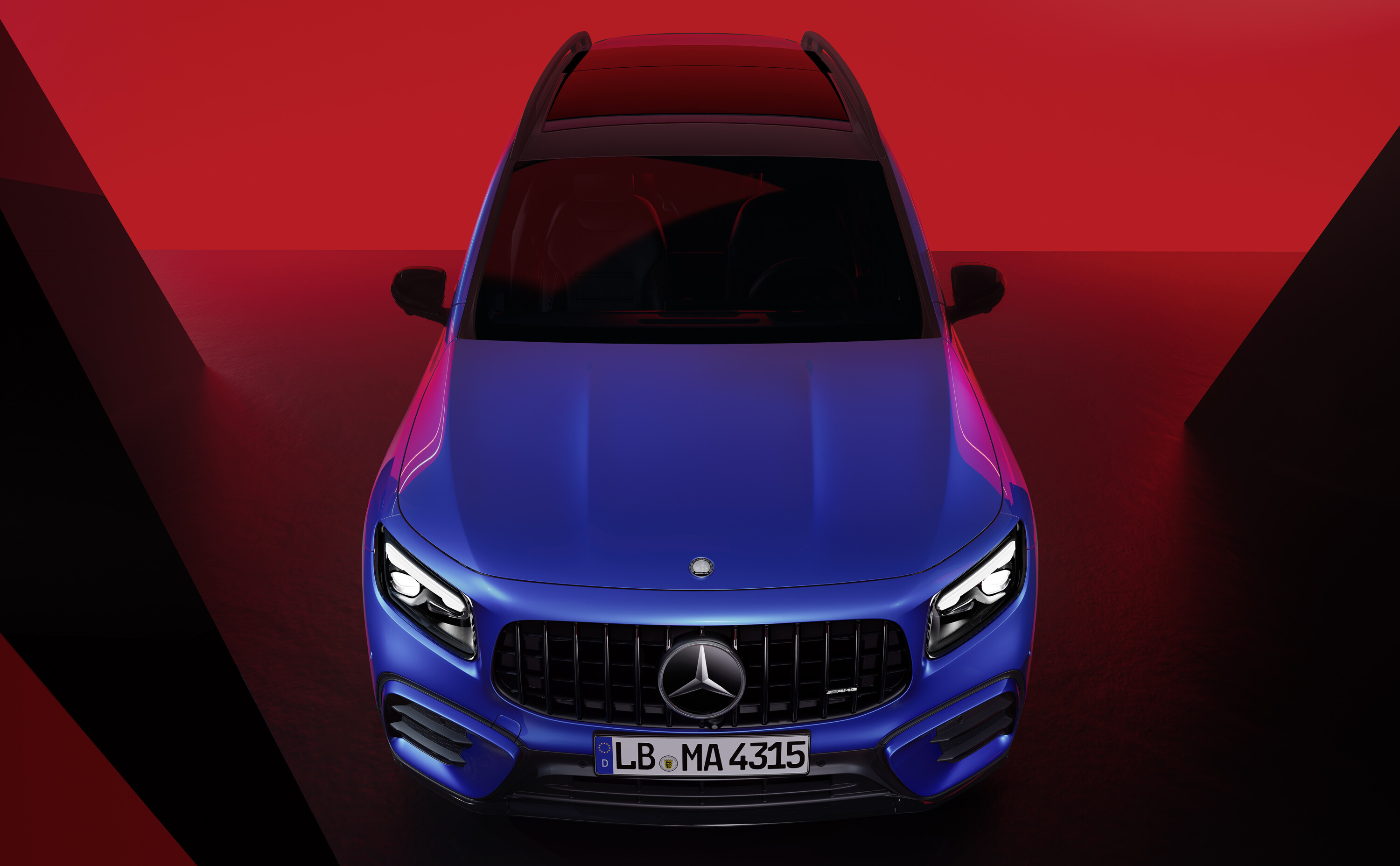
The GLB 35 receives the round AMG emblem to replace the Mercedes star with a laurel wreath that remains fixed to the bonnet on non-AMG variants.
Under the bonnet, all petrol engines – including the AMG 35 – are fitted with a 48-volt mild-hybrid system for the belt-driven starter generator.
This system brings an additional 10kW with faster acceleration, added refinement with low-noise engine starting and reduced vibration, and regenerative braking.
1
While the GLB 35 has unchanged outputs at 225kW and 400Nm, it receives an eight-speed dual-clutch automatic transmission, replacing the previous seven-speed unit.
Pricing for the GLB 200 has increased by $5900, while the GLB 250 AWD is up $3531. The AMG GLB 35 has increased by $431 compared to the pre-facelift version.
The GLB 200 features a 1.3-litre turbocharged mild-hybrid four-cylinder petrol engine producing 120kW and 270Nm. It is matched to a seven-speed dual-clutch automatic transmission, sending power to the front wheels.
Mercedes-Benz claims a 9.3-second 0-100km/h sprint time.
The GLB 250 has a 2.0-litre mild-hybrid turbo-petrol four, with 165kW and 350Nm, all-wheel-drive, a 7.0-second 0-100km/h sprint time, and a new eight-speed dual-clutch automatic transmission.
1
In the AMG GLB 35, the 2.0-litre turbo is uprated to 225kW and 400Nm. It has a 5.5-second 0-100km/h sprint time.
Front-wheel drive variants have multi-link rear suspension and a 43-litre fuel tank, while all-wheel drive models sport a larger 60-litre tank.
GLB 200 and GLB 250 require premium unleaded (95 RON or higher), while the AMG GLB 35 requires 98RON.
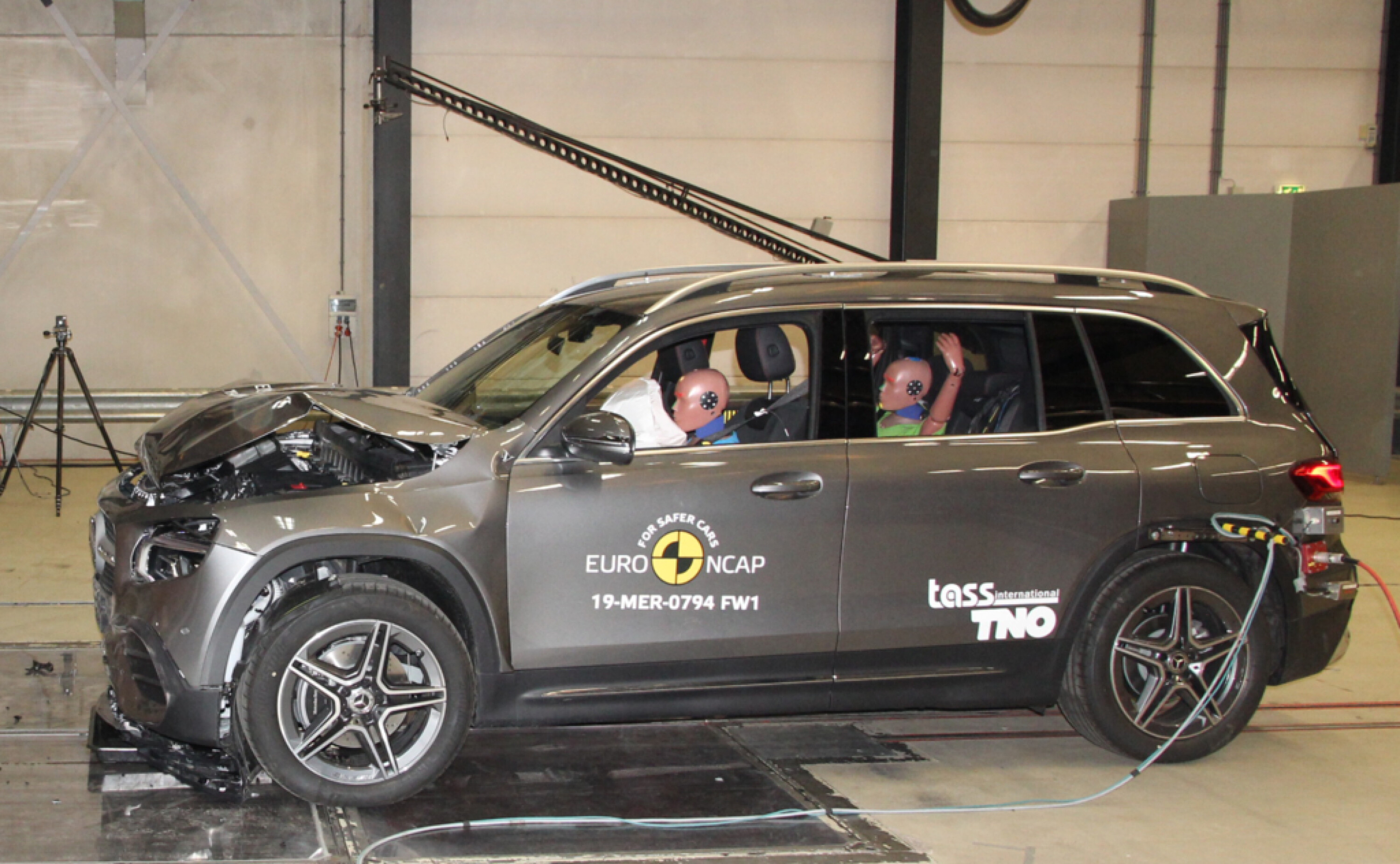
The Mercedes-Benz GLB is covered by a five-star ANCAP safety rating, based on testing conducted in 2019. This rating does not apply to the AMG GLB 35.
It scored 92 per cent for adult occupant protection, 88 per cent for child occupant protection, 78 per cent for vulnerable road user protection, and 76 per cent for safety assistance.
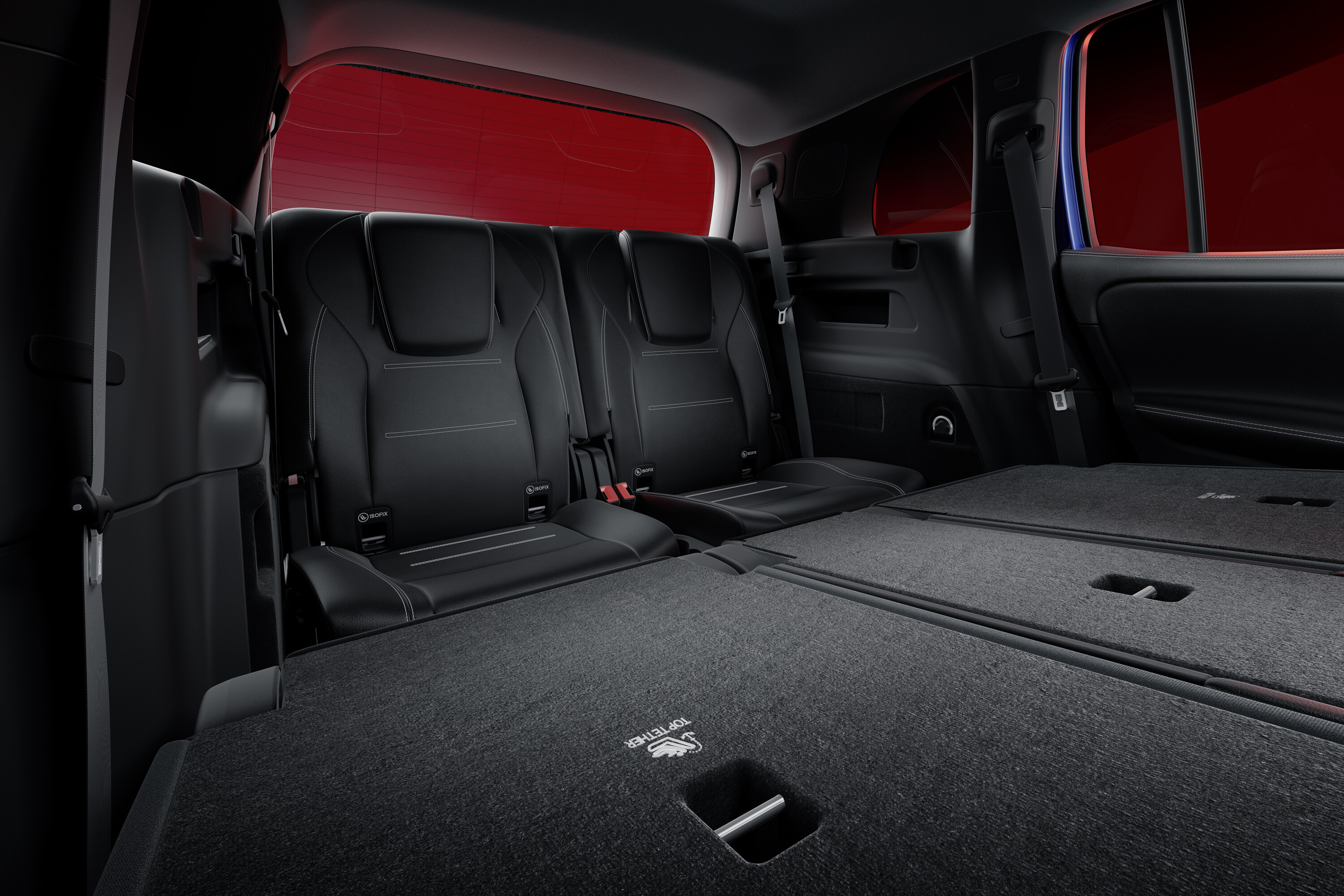
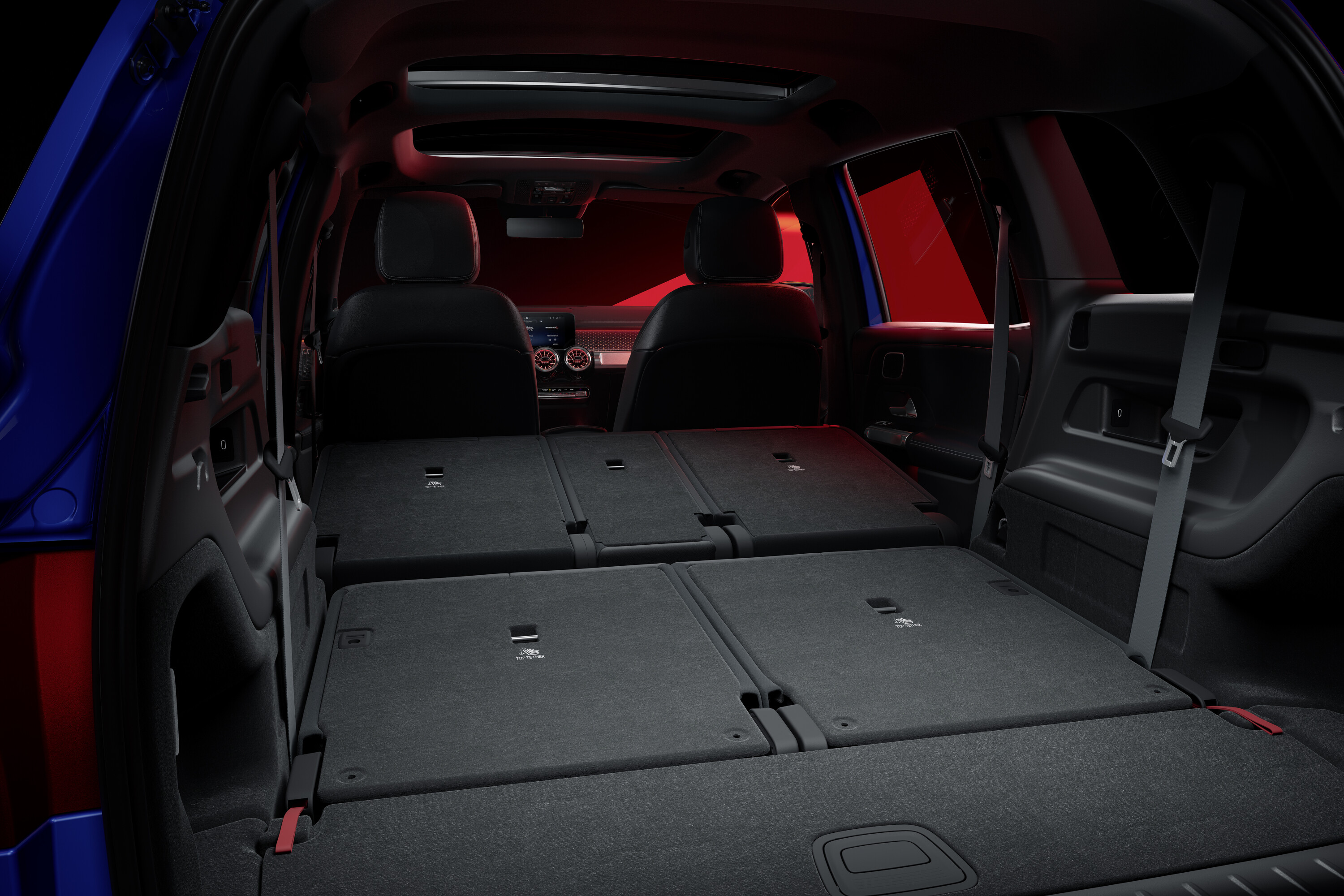
Seven airbags (dual front, side-head, side-chest and driver’s knee) are fitted as standard, including side-head coverage for the third-row.