
Table scrolls horizontally to reveal more columns.
“Electric cars are unaffordable.”
Snapshot
- 12 new EVs on sale for under $60K excluding on-roads in Australia
- Most are Chinese-made, with exceptions
- Some already match the price of petrol-powered cars
The purchase price has been perceived as one of the key barriers for first-time electric vehicle buyers, but the tide is quickly turning.
Half a decade ago, the sub-$60K ‘affordable’ local EV market was merely populated by a few players – the Nissan Leaf small hatchback, Renault Zoe, BMW i3 city car, and Hyundai Ioniq Electric liftback.
Now, with more than 100,000 EVs officially on Australian roads, it’s hard to go outside without seeing the Tesla Model 3 sedan, Model Y or BYD Atto 3 SUV – with a handful of new EVs costing from around $40K.
Cheaper EVs have mainly been driven by Chinese-made models (read why here) and some have already matched the price with comparable petrol- or diesel-powered internal combustion engine (ICE) vehicles.
These are the most attainable EVs available in Australia priced below $60K – or comparable to the price of a top-spec ICE-powered small or medium SUV.
JUMP AHEAD
Every new EV under $60K detailed: Pricing, features, range, warranty & servicing
- BYD Dolphin
- MG 4
- GWM Ora
- MG ZS EV
- BYD Atto 3
- BYD Seal
- Nissan Leaf
- Fiat 500e
- Cupra Born
- Peugeot E-2008
- Peugeot E-Partner
- Volvo EX30
1
BYD Dolphin
Things we like
- Full-featured as standard
- Interesting interior design
- Efficient drive unit, LFP Blade Battery
Not so much
- Base model lacks power on paper
- Tight rear headroom
- Warranty quirks, limited servicing network
| 2024 BYD Dolphin variant | Dynamic | Premium |
|---|---|---|
| Price (before on-road costs) | $38,890 | $44,990 |
| Claimed range (combined WLTP) | 340km | 427km |
| Battery size and type | 44.9kWh usable LFP | 60.48kWh usable LFP |
| Recommended daily charging limit | 100% | 100% |
| Max slow AC / fast DC charging speed | 7.4kW / 60kW | 11kW / 80kW |
| Power / Torque | 70kW / 180Nm | 150kW / 310Nm |
| Claimed 0-100km/h | 12.3 seconds | 7.0 seconds |
| Drive type | FWD | FWD |
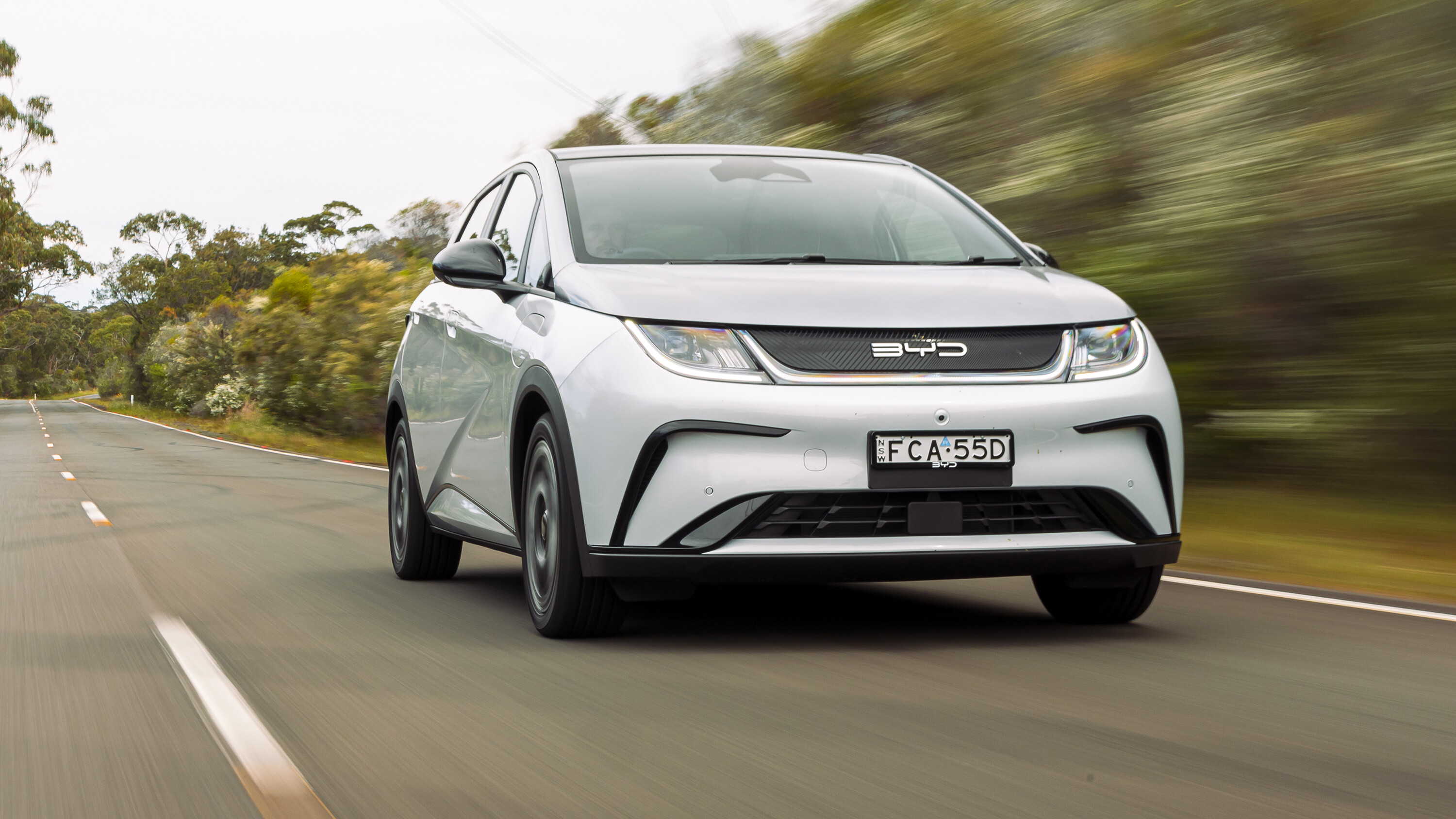
The BYD Dolphin is Australia’s cheapest new electric car (as at the time of publication), priced from $38,890 before on-road costs.
The quirky-designed Dolphin EV range is split in two variants, with the base Dynamic coming with a highly-specified features list and the Premium only gaining a larger battery, more power, and cosmetic upgrades.
Both come with the company’s lauded lithium-iron-phosphate (LFP) Blade Battery cells.
Key features include; a 12.8-inch rotating touchscreen with wired Apple CarPlay and wireless Android Auto, a two-tone synthetic leather interior, an energy-efficient heat pump, and a full safety assistance suite as standard.
The BYD Dolphin is covered by a six-year/150,000km vehicle warranty and an eight-year/160,000km battery warranty.
Roadside assistance is only included for one year.
Servicing is required every one year/20,000km at BYD dealers and select MyCar mechanics, with the first five years/100,000km averaging to $276.80 per visit.
1
MG 4
Things we like
- Sharp pricing
- Enjoyable to drive
- Arguably less polarising design compared to rivals
Not so much
- Lacks rear interior light, air vents
- More physical climate controls would be welcome
- Small LFP battery only on base variant
| 2024 MG 4 variant | Excite 51 | Excite 64 | Essence 64 | Long Range 77 | XPower |
|---|---|---|---|---|---|
| Price (before on-road costs) | $38,990 | $44,990 | $47,990 | $55,990 | $59,990 |
| Claimed range (combined WLTP) | 350km | 450km | 435km | 530km | 400km |
| Battery size and type | 50.8kWh usable (51kWh gross) LFP | 62.1kWh usable (64kWh gross) NMC | 62.1kWh usable (64kWh gross) NMC | 74.4kWh usable (77kWh gross) NMC | 62.1kWh usable (64kWh gross) NMC |
| Recommended daily charging limit | 100% | 80% | 80% | 80% | 80% |
| Max slow AC / fast DC charging speed | 6.6kW / 88kW | 6.6kW / 140kW | 6.6kW / 140kW | 11kW / 144kW | 6.6kW / 140kW |
| Power / Torque | 125kW / 250Nm | 150kW / 250Nm | 150kW / 250Nm | 180kW / 350Nm | 320kW / 600Nm |
| Drive type | RWD | RWD | RWD | RWD | AWD |
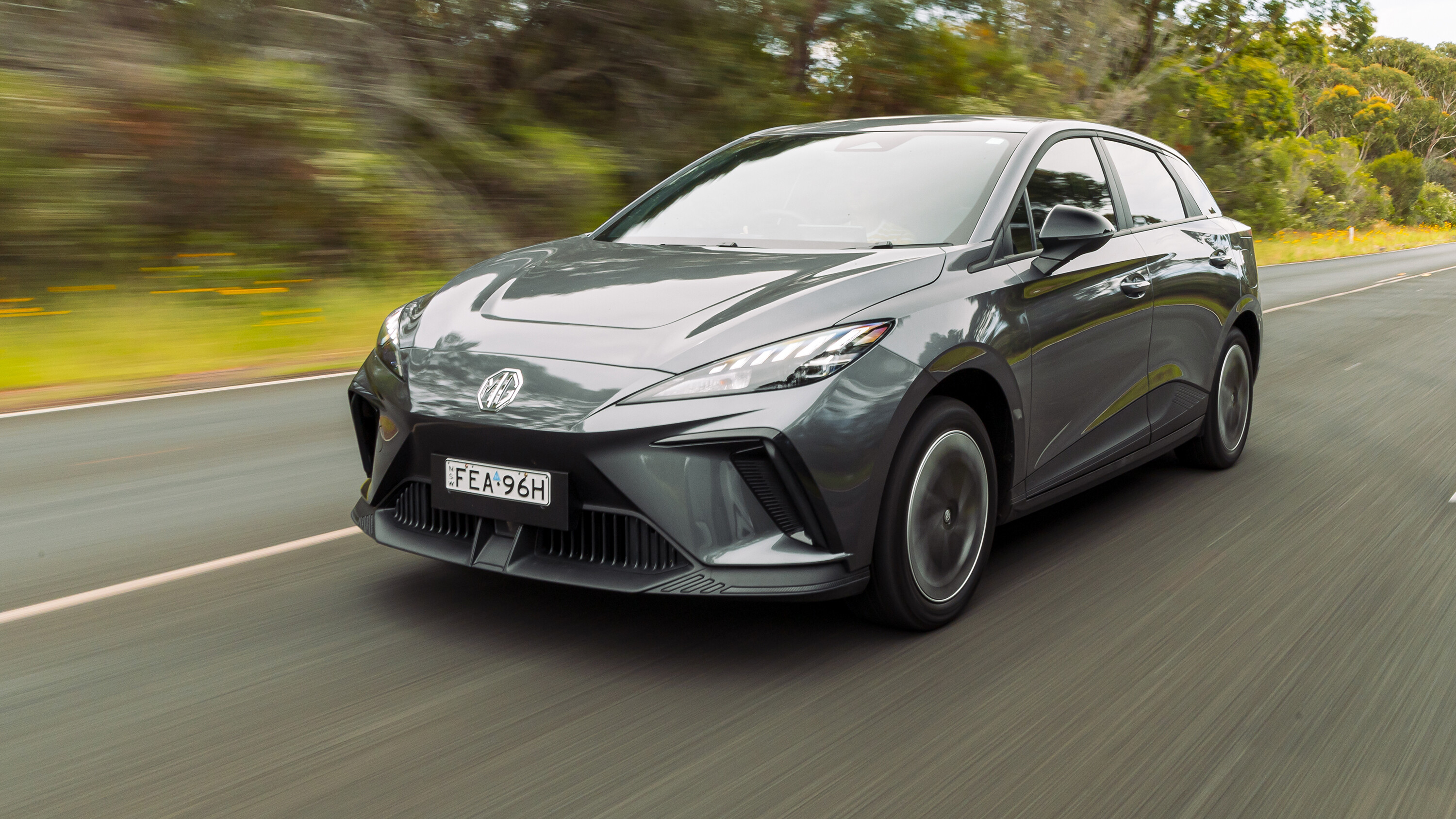
The MG 4 electric hatch represents the Chinese brand’s first global ground-up EV, with a budget-friendly $38,990 before on-roads starting price.
The electric small car is separated by two spec variants and three battery sizes – plus a high-performance XPower flagship. Only the base Excite 51 houses the longer lifespan LFP-type battery, but all other models adopt a nickel-manganese-cobalt (NMC) lithium-ion battery with a recommended 80 per cent everyday charge limit to maintain good health.
Highlight MG 4 standard features include; a 10.25-inch touchscreen with wired Apple CarPlay and wired Android Auto, remote smartphone app connectivity, keyless start/stop, and one-pedal driving regenerative braking ability.
The Chinese carmaker backs the 4 with a seven-year/unlimited kilometre vehicle and battery warranty.
Roadside assistance is also included for that period, provided owners service it with a MG dealer on time.
Servicing is only required every two years/40,000km. After the first six years/120,000km, it averages to $500 per checkup for regular models or $518 for the hot XPower.
1
GWM Ora
Things we like
- Stylish retro interior
- Good ride quality
- Three-phase AC charge capability standard
Not so much
- No Android Auto
- Small boot with high load lip
- Slow pedal response, vague steering
| 2024 GWM Ora variant | Standard Range | Extended Range | Ultra | GT |
|---|---|---|---|---|
| Price (before on-road costs) | $39,990 | $45,990 | $48,990 | $51,990 |
| Claimed range (combined WLTP) | 310km | 420km | 420km | 420km |
| Battery size and type | 45.4kWh usable (48kWh gross) LFP | 59.3kWh usable (63kWh gross) NMC | 59.3kWh usable (63kWh gross) NMC | 59.3kWh usable (63kWh gross) NMC |
| Max slow AC / fast DC charging speed | 11kW / 80kW | 11kW / 80kW | 11kW / 80kW | 11kW / 80kW |
| Power / Torque | 126kW / 250Nm | 126kW / 250Nm | 126kW / 250Nm | 126kW / 250Nm |
| Claimed 0-100km/h | 8.4 seconds | 8.4 seconds | 8.4 seconds | 8.4 seconds |
| Drive type | FWD | FWD | FWD | FWD |
Table scrolls horizontally to reveal more columns.
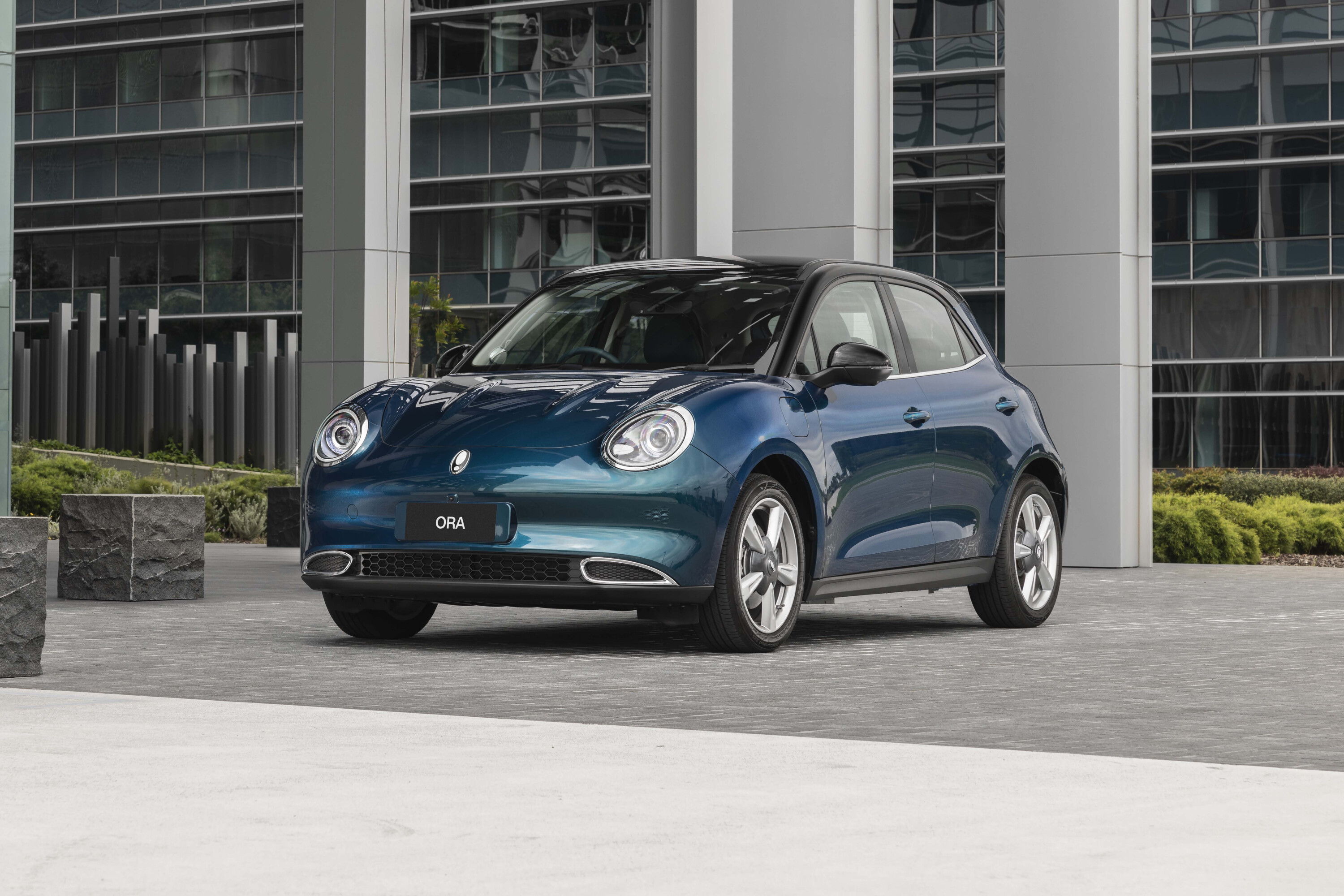
The GWM Ora is another cut-price electric hatch offering with a unique retro Mini-esque design, priced from $39,990 before on-road costs.
Four variants are available with the same drivetrain, but only the base model features the longer lasting and thermally safer LFP battery.
Key GWM Ora features include; dual 10.25-inch displays, wireless Apple CarPlay, two-tone exterior paint, and pricier variants uniquely gain a hands-free electric tailgate, and ventilated and massaging front seats.
The electric hatch is backed by a seven-year/unlimited kilometre vehicle warranty and an eight-year/unlimited kilometre battery warranty.
Roadside assistance is included for the first five years when serviced with a GWM dealer.
While servicing intervals are set at every one year/15,000km, the Chinese automaker is offering a sharp $99 capped-cost for the first five years/60,000km.
1
MG ZS EV
Things we like
- Practical interior
- Quick acceleration response
- Long servicing intervals
Not so much
- Dated, lower quality interior
- Steering wheel lacks reach adjustment
- The MG 4 is the better option
| 2024 MG ZS EV variant | Excite | Essence | Long Range |
|---|---|---|---|
| Price (before on-road costs) | $40,990 | $43,990 | $49,990 |
| Claimed range (combined WLTP) | 320km | 320km | 440km |
| Battery size and type | 49kWh usable (51.1kWh gross) LFP | 49kWh usable (51.1kWh gross) LFP | 68.3kWh usable (72.6kWh gross) NMC |
| Max slow AC / fast DC charging speed | 11kW / 80kW | 11kW / 80kW | 11kW / 80kW |
| Power / Torque | 130kW / 280Nm | 130kW / 280Nm | 115kW / 280Nm |
| Claimed 0-100km/h | 8.2 seconds | 8.2 seconds | 8.5 seconds |
| Drive type | FWD | FWD | FWD |
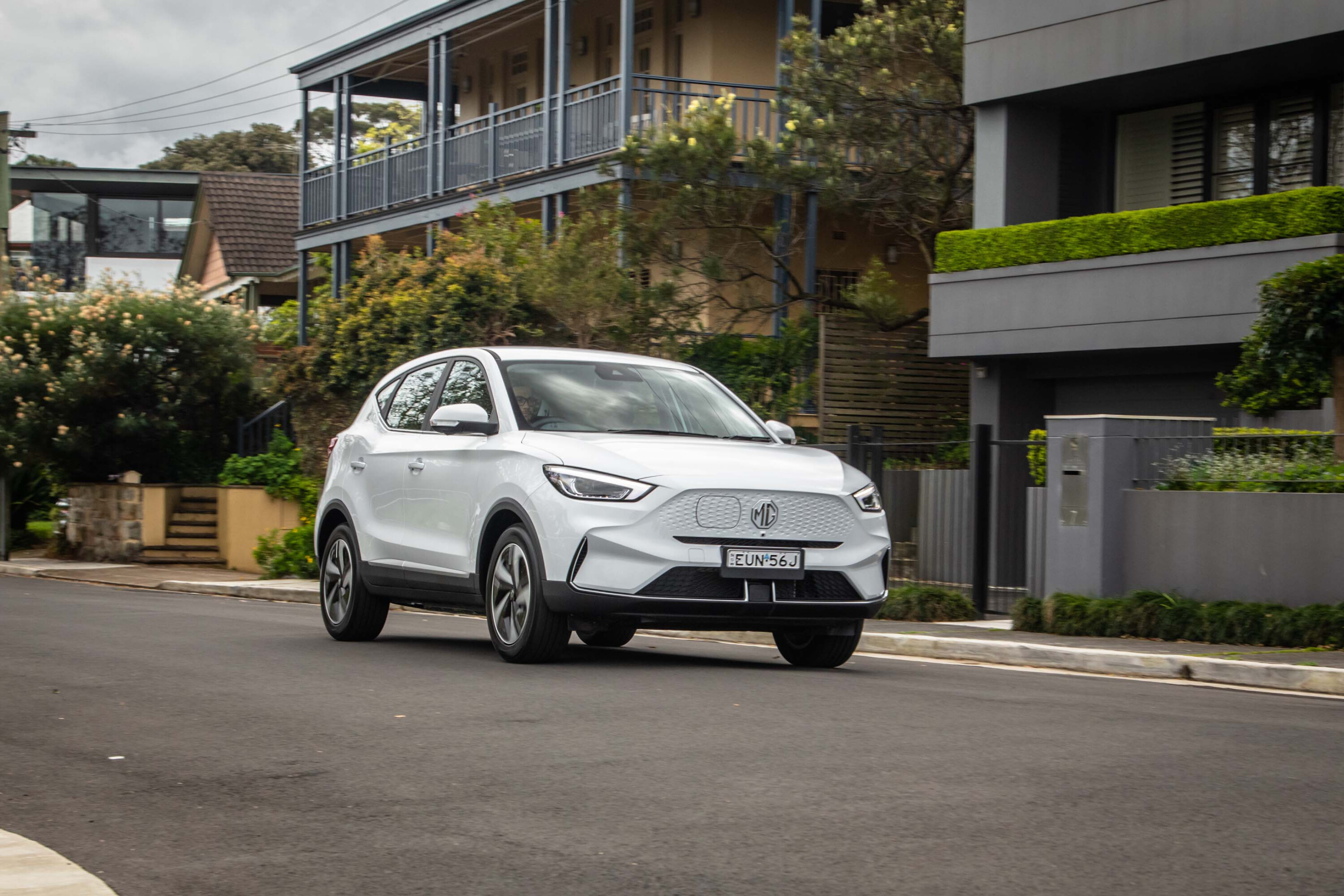
The facelifted MG ZS EV is Australia’s cheapest small electric SUV, priced from $40,990 before on-roads after a recent price cut.
It’s offered in three variants and is split by two battery sizes.
Key ZS EV standard features include; a 10.1-inch touchscreen with wired Apple CarPlay and wired Android Auto, synthetic leather seats with faux carbon fibre bolsters and red stitching, PM2.5 air filter, and full LED headlights.
The Chinese carmaker provides a seven-year/unlimited kilometre vehicle and battery warranty.
Roadside assistance is also included for that period when serviced at a MG dealer.
Servicing is only needed every two years/40,000km, with the first six years/120,000km averaging to $466.67 per visit.
1
BYD Atto 3
Things we like
- Fully-equipped as standard
- Small price jump for more range
- Fun, spacious, quality interior
Not so much
- Sub-par standard tyres
- No three-phase AC charge capability option
- Warranty exclusions, limited servicing network
| 2024 BYD Atto 3 variant | Standard Range | Extended Range |
|---|---|---|
| Price (before on-road costs) | $48,011 | $51,011 |
| Claimed range (combined WLTP) | 345km | 420km |
| Battery size and type | 49.92kWh usable LFP | 60.48kWh usable LFP |
| Recommended daily charging limit | 100% | 100% |
| Max slow AC / fast DC charging speed | 7.4kW / 70kW | 7.4kW / 80kW |
| Power / Torque | 150kW / 310Nm | 150kW / 310Nm |
| Claimed 0-100km/h | 7.3 seconds | 7.3 seconds |
| Drive type | FWD | FWD |
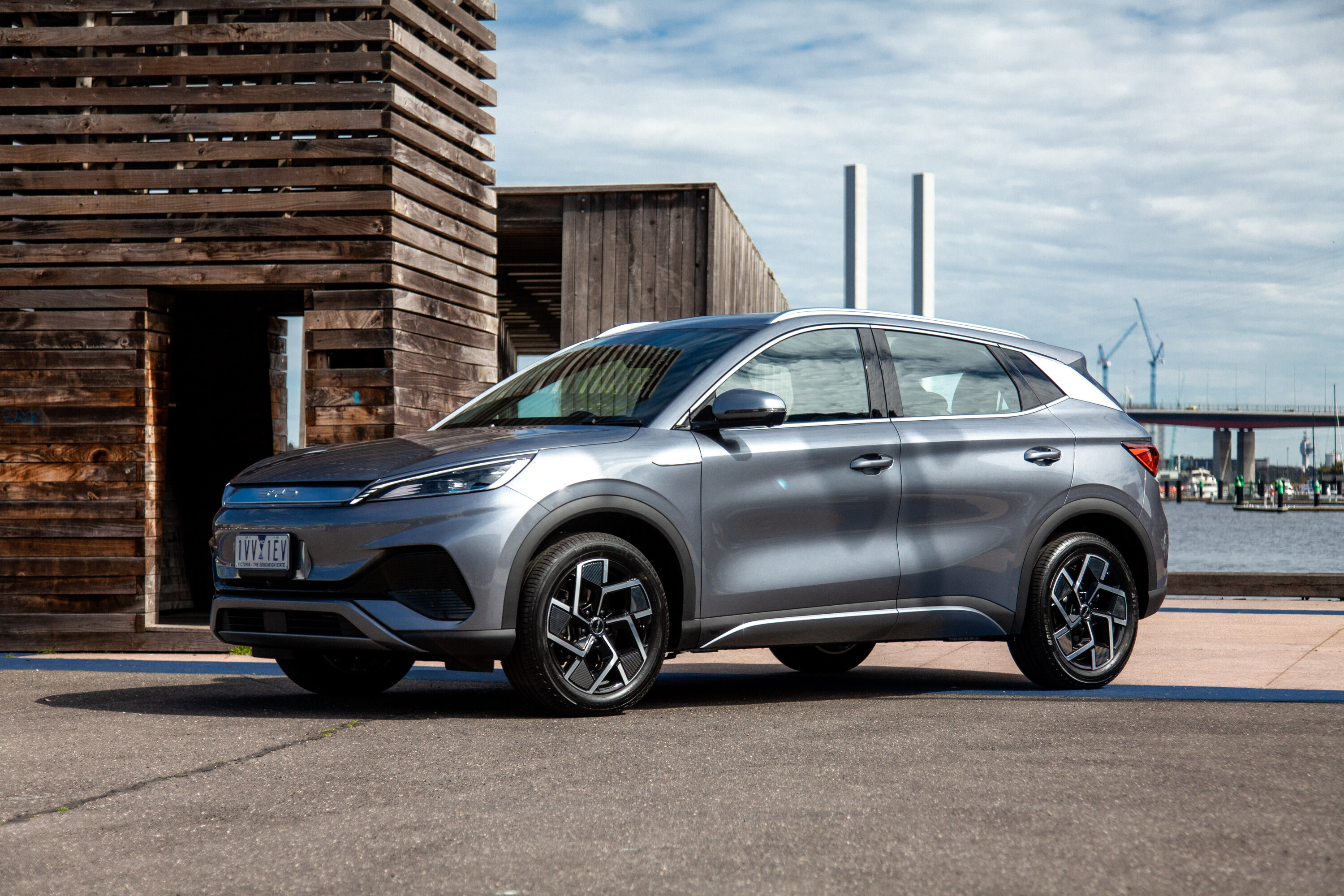
The BYD Atto 3 continues to be a top-selling EV in Australia, priced from $48,011 before on-road costs.
It is fully-equipped as standard and is only split by two battery sizes – both of which use the Chinese automaker’s LFP-based Blade Battery cells that’s claimed to be safer and more durable than conventional LFP packs.
Despite a few controversies clouding its initial launch and a relatively nascent brand reputation, it has quickly become a common sight on Australian roads – but is still fairly behind the more expensive Tesla Model Y medium electric SUV.
The Atto 3 includes all features as standard, including; a 12.8-inch rotating touchscreen with wired Apple CarPlay and wireless Android Auto, over-the-air (OTA) software update capability, mobile app connectivity, an electric tailgate, and a panoramic sunroof.
The BYD electric SUV is backed by six-year/150,000km vehicle warranty and an eight-year/160,000km battery warranty.
Roadside assistance is included for one year only.
Standard servicing is required every one year/20,000km at BYD dealers and select MyCar mechanics, with the first five years/100,000km averaging to $276.80 per service.
Alternatively, shorter distance drivers can opt for a light servicing tier, which reduces servicing intervals to every one year/10,000km and caps the first five visits to $189 each. The capped-price scheme reverts to the standard tier afterwards.
1
BYD Seal
Things we like
- Strong value for money for base model
- High quality interior
- Impressive range and power
Not so much
- Tech and active safety niggles
- Limited regen brake adjustment
- Warranty exclusions, limited servicing network
| 2024 BYD Seal variant | Dynamic | Premium | Performance |
|---|---|---|---|
| Price (before on-road costs) | $49,888 | $58,798 | $68,748 |
| Claimed range (combined WLTP) | 427km | 570km | 520km |
| Battery size and type | 61.44kWh usable LFP | 82.56kWh usable LFP | 82.56kWh usable LFP |
| Recommended daily charging limit | 100% | 100% | 100% |
| Max slow AC / fast DC charging speed | 11kW / 110kW | 11kW / 150kW | 11kW / 150kW |
| Power / Torque | 150kW / 310Nm | 230kW / 360Nm | 390kW / 670Nm |
| Claimed 0-100km/h | 7.5 seconds | 5.9 seconds | 3.8 seconds |
| Drive type | RWD | RWD | AWD |
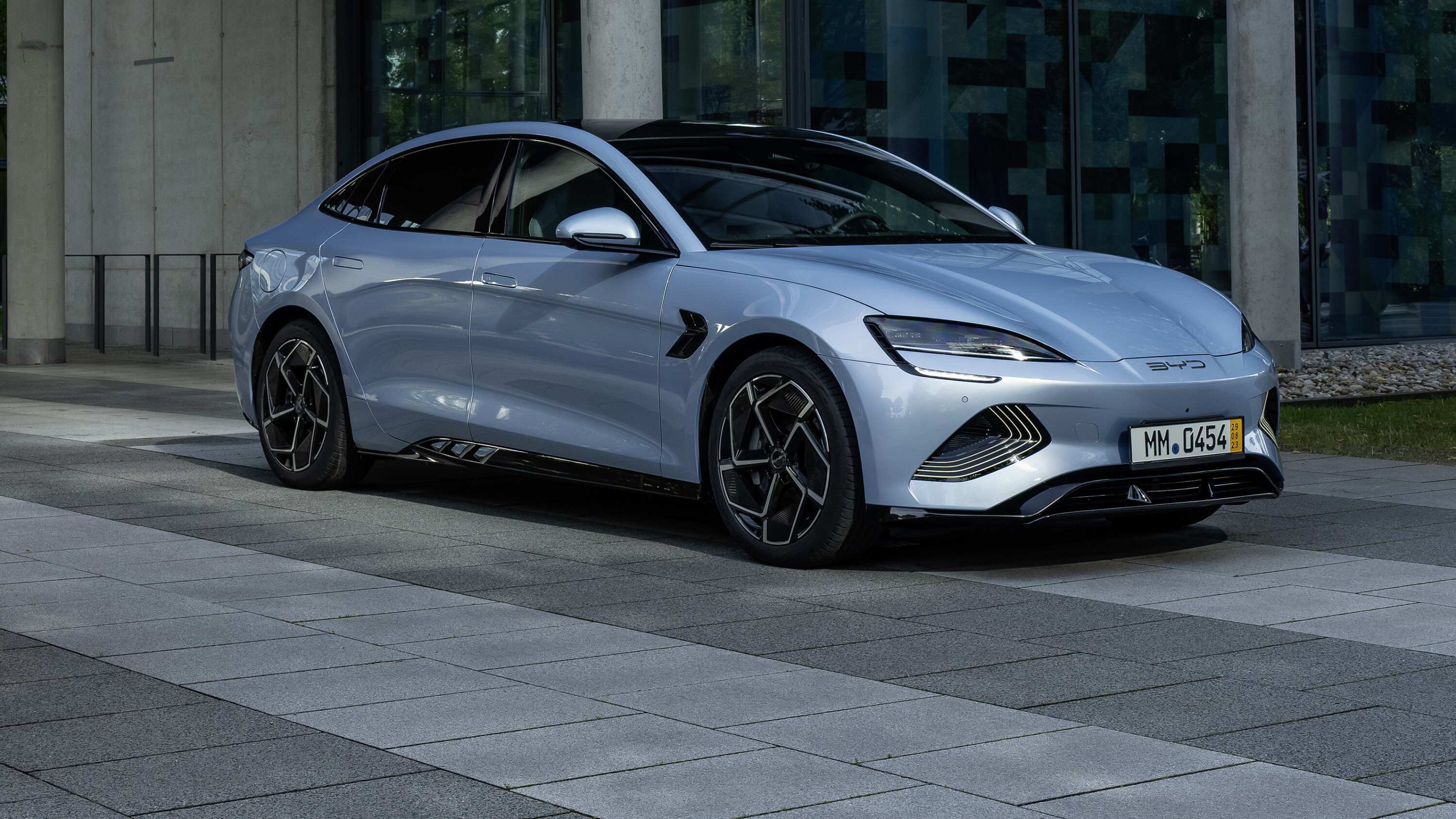
The BYD Seal electric sedan is coming with a low $49,888 before on-roads starting price tag.
Three variants are offered with different power outputs and two battery sizes, but the Toyota Camry and Tesla Model 3-rivalling EV is fully-featured as standard.
Key BYD Seal features include; a 15.6-inch rotating touchscreen with wired Apple CarPlay and wireless Android Auto, OTA software update capability, front heated and ventilated seats, and a fixed panoramic glass roof.
The BYD electric car is backed by six-year/150,000km vehicle warranty and an eight-year/160,000km battery warranty.
Roadside assistance is included for one year only.
Servicing is required every one year/20,000km at BYD dealers and select MyCar mechanics, with the first five years/100,000km averaging to $276.80 per visit.
1
Nissan Leaf
Things we like
- Practical interior
- Fun to drive
- One-pedal driving setting
Not so much
- Not as good value anymore
- Dated interior, uses rare CHAdeMO fast charging plug
- Lacks active battery cooling
| 2024 Nissan Leaf variant | Leaf | Leaf E+ |
|---|---|---|
| Price (before on-road costs) | $50,990 | $61,490 |
| Claimed range (combined WLTP) | 270km | 385km |
| Battery size and type | 39kWh usable (40kWh gross) NMC | 59kWh usable (62kWh gross) NMC |
| Max slow AC / fast DC charging speed | 6.6kW / 50kW | 6.6kW / 100kW |
| Power / Torque | 110kW / 320Nm | 160kW / 340Nm |
| Claimed 0-100km/h | 7.9 seconds | 6.9 seconds |
| Drive type | FWD | FWD |
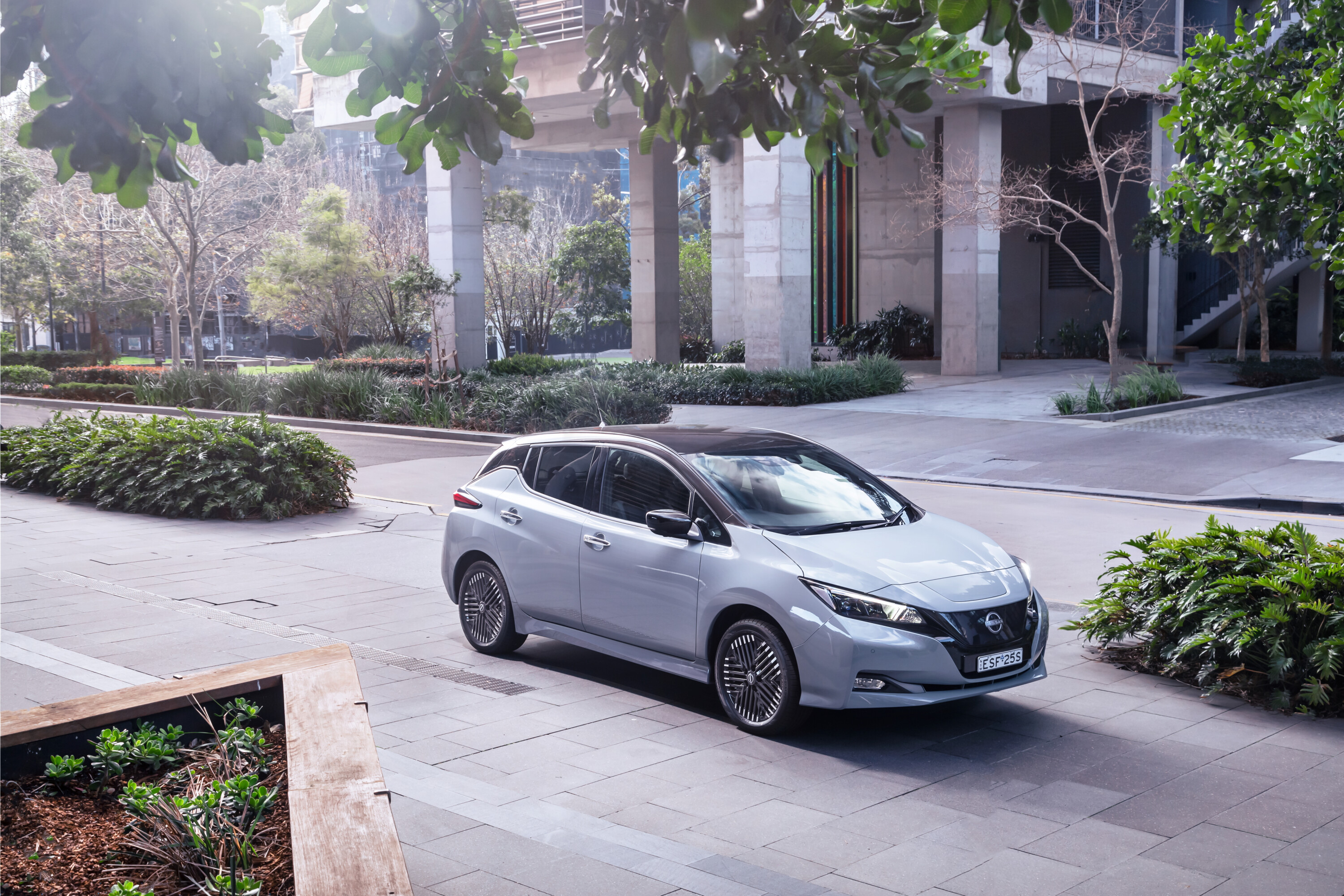
The Nissan Leaf electric hatch is one of the oldest new EVs on sale, yet represents the cheapest non-Chinese made EV in Australia, starting from $50,990 before on-road costs.
Despite the Japanese badge, the Leaf (an acronym for Leading, Environmentally Friendly, Affordable, Family Car) is made at Nissan’s Sunderland factory in the United Kingdom.
The Nissan Leaf includes all features as standard, including; an 8.0-inch touchscreen with wired Apple CarPlay and wired Android Auto, rear view mirror camera, and heated front and rear leather seats with suede trim.
The UK-made EV is covered by a five-year/unlimited kilometre vehicle warranty and an eight-year/160,000km battery warranty.
Nissan promises the lithium-ion battery won’t degrade by more than three bars (out of 12) within the battery warranty period. Five years of roadside assistance is included, provided owners service it with Nissan on time.
Servicing intervals are set at every one year/20,000km, with the first five-years/100,000km averaging to $345.20 per checkup.
1
Fiat 500e
Things we like
- Unique charismatic Italian design
- Good urban-friendly range
- Long capped-price servicing coverage
Not so much
- Limited range, compact size wonu2019t suit everyone
- Short vehicle warranty
| 2024 Fiat 500e variant | La Prima |
|---|---|
| Price (before on-road costs) | $52,500 |
| Claimed range (combined WLTP) | 311km |
| Battery size and type | 37.3kWh usable (42kWh gross) Li-ion (unknown cathode) |
| Max slow AC / fast DC charging speed | 11kW / 85kW |
| Power / Torque | 87kW / 220Nm |
| Claimed 0-100km/h | 9.0 seconds |
| Drive type | FWD |
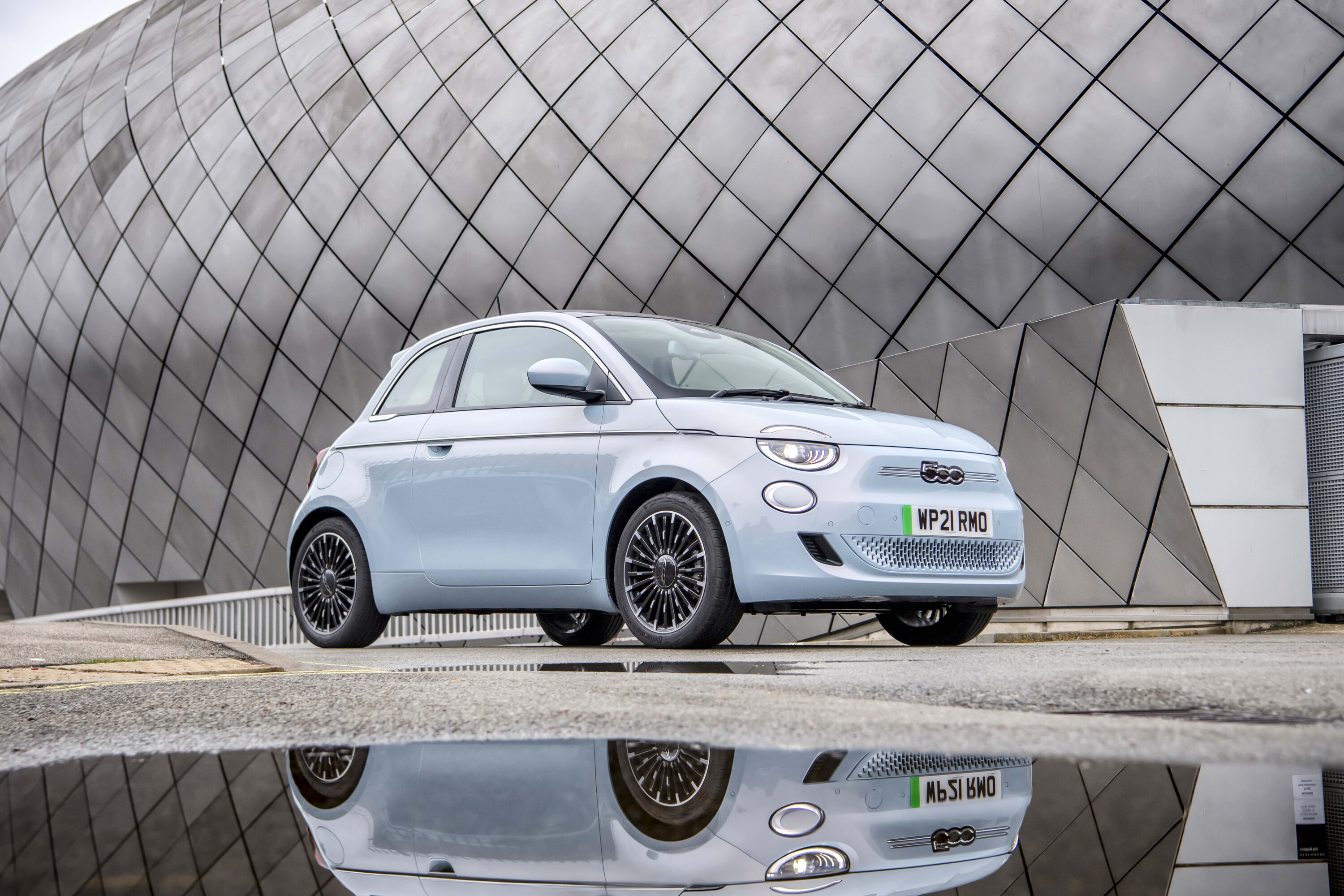
The Fiat 500e offers a city-friendly electric car size and requisite Italian design charms, costing from $52,500 before on-road costs.
Available in a flagship La Prima trim only, key standard features include; a 10.25-inch touchscreen with wireless Apple CarPlay and wireless Android Auto, eco leather seats, a fixed panoramic glass roof, and a Type 2 to Type 2 portable AC charging cable.
The 500e is covered by a shorter three-year/150,000km vehicle warranty and an industry-standard eight-year/160,000km battery warranty.
Roadside assistance is included for three years, provided it’s serviced with a Fiat dealer.
Fiat’s parent company, Stellantis Australia, confirmed to WhichCar that servicing is needed every one year/15,000km, with prices capped at just $250 per visit up to 10 years/150,000km.
1
Cupra Born
Things we like
- Long range in small package
- Sporty looks
- Competitive price
Not so much
- Performance is warm, not hot
- Lacks several tech and safety features at launch
- Option packs remove a seat, trickle charging cable not included
| 2024 Cupra Born variant | Born |
|---|---|
| Price (before on-road costs) | $59,990 |
| Claimed range (combined WLTP) | 511km |
| Battery size and type | 77kWh usable (82kWh gross) Li-ion (unknown cathode) |
| Recommended daily charging limit | 80% |
| Max slow AC / fast DC charging speed | 11kW / 170kW |
| Power / Torque | 170kW / 310Nm |
| Claimed 0-100km/h | 7.0 seconds |
| Drive type | RWD |
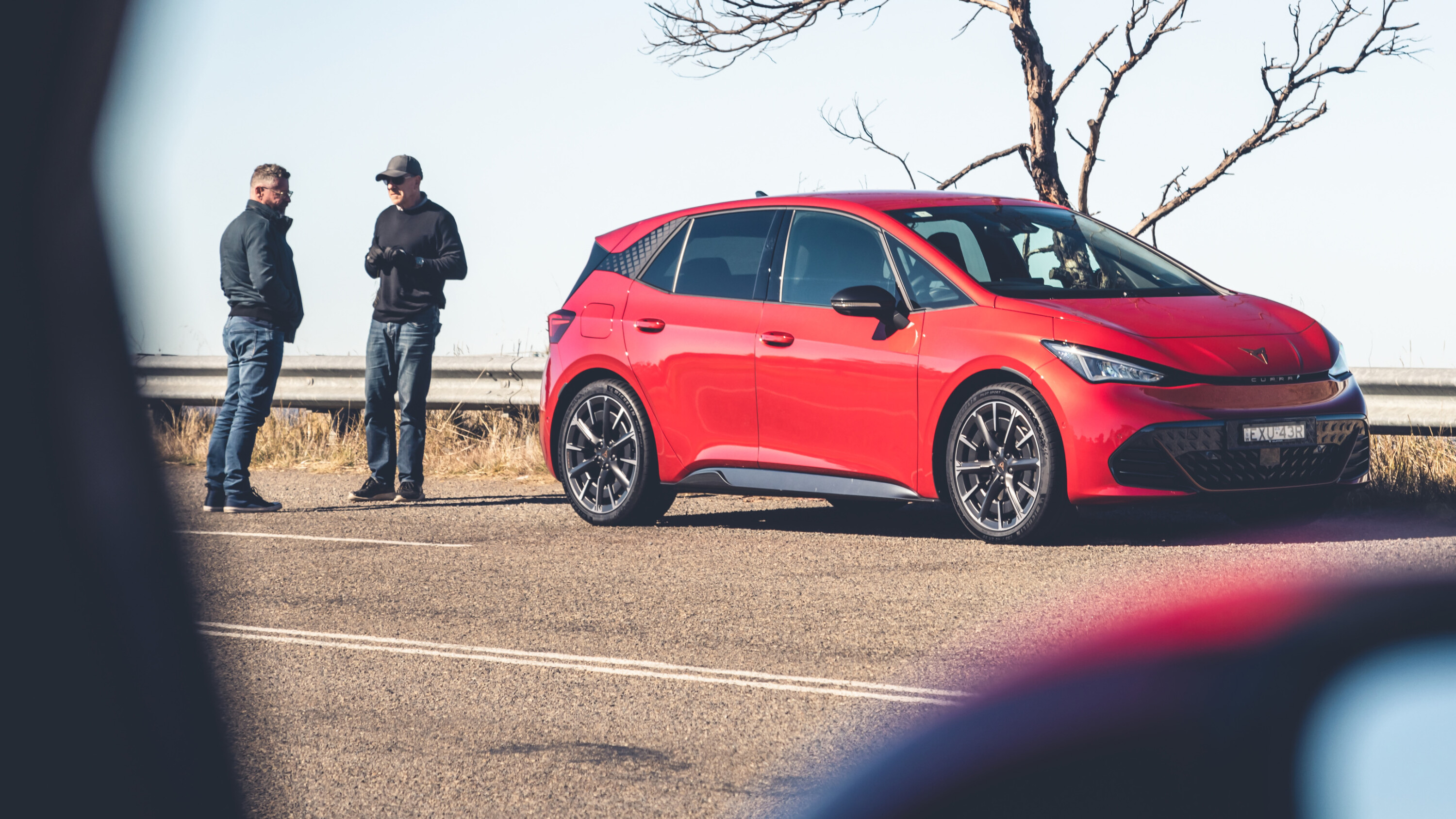
The sporty, long range Cupra Born electric hatch marks the Volkswagen Group’s first mainstream EV in Australia, priced from $59,990 before on-road costs.
Available in one high spec, large battery variant, it wears a price tag on par with the petrol-powered Cupra Leon VZe plug-in hybrid and VZx hot hatch, although it offers less power and weighs heavier.
Key standard features include; a 12.0-inch touchscreen with wired Apple CarPlay and wired Android Auto, 5.3-inch driver instruments display, full LED lights, and auto keyless start/stop.
The Born electric hatch is backed by a five-year/unlimited kilometre vehicle warranty and an eight-year/160,000km battery warranty.
Roadside assistance is included for the first five years.
Servicing is needed every one year/15,000km. Cupra Australia hasn’t outlined capped-price servicing costs, but sells three- and five-year pre-paid servicing packages costing $990 and $1590 respectively.
1
Peugeot E-2008
Things we like
- Unique EV option
- Sharp design
Not so much
- Less range than cheaper-priced rivals
- Facelift is already sold overseas
| 2024 Peugeot E-2008 variant | E-2008 |
|---|---|
| Price (before on-road costs) | $59,990 |
| Claimed range (combined WLTP) | 328km |
| Battery size and type | 46.3kWh usable (45kWh gross) Li-ion (unknown cathode) |
| Max slow AC / fast DC charging speed | 11kW / 100kW |
| Power / Torque | 100kW / 260Nm |
| Claimed 0-100km/h | 9.9 seconds |
| Drive type | FWD |
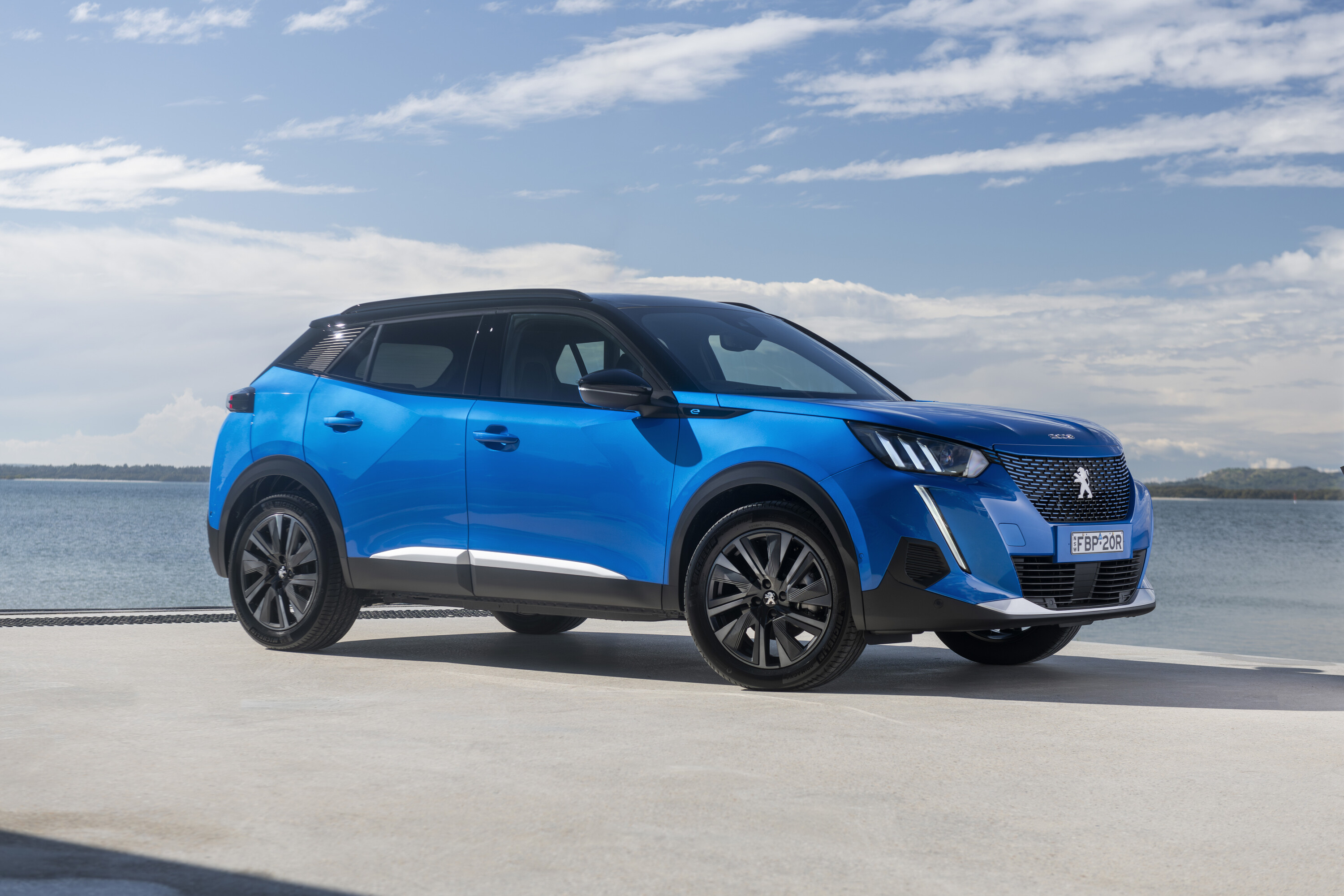
The Peugeot E-2008 is the French brand’s first small electric SUV offering in Australia for just under $60K before on-road costs.
While the electric pug is just launching in Australia, it has already been overshadowed by a newer facelifted model in Europe which gains more driving range, new technology, and a bolder exterior.
Highlight E-2008 features include; a 10.0-inch touchscreen with wired Apple CarPlay and wired Android Auto, three-dimensional ‘i-Cockpit’ instrument display, gloss black 18-inch alloy wheels, and a heat pump.
The Peugeot E-2008 is covered by a five-year/unlimited kilometre vehicle warranty and an eight-year/160,000km battery warranty.
Five years of roadside assistance is included when serviced with a Peugeot dealer.
Servicing intervals are set at every one year/25,000km, with capped-prices going up to the first five-years/125,000km and averaging $304.40 per checkup.
Pre-paid servicing plans are also offered at $600 for three years or $1000 for five years.
1
Peugeot E-Partner
Things we like
- The only small electric van in Oz (for now)
- Same payload as diesel version
Not so much
- Expect a range drop when loaded
| 2024 Peugeot E-Partner variant | E-Partner |
|---|---|
| Price (before on-road costs) | $59,990 |
| Claimed range (combined WLTP) | 258km |
| Battery size and type | 46.3kWh usable (50kWh gross) Li-ion (unknown cathode) |
| Max slow AC / fast DC charging speed | 7.4kW / 100kW |
| Power / Torque | 100kW / 260Nm |
| Claimed 0-100km/h | 9.9 seconds |
| Drive type | FWD |
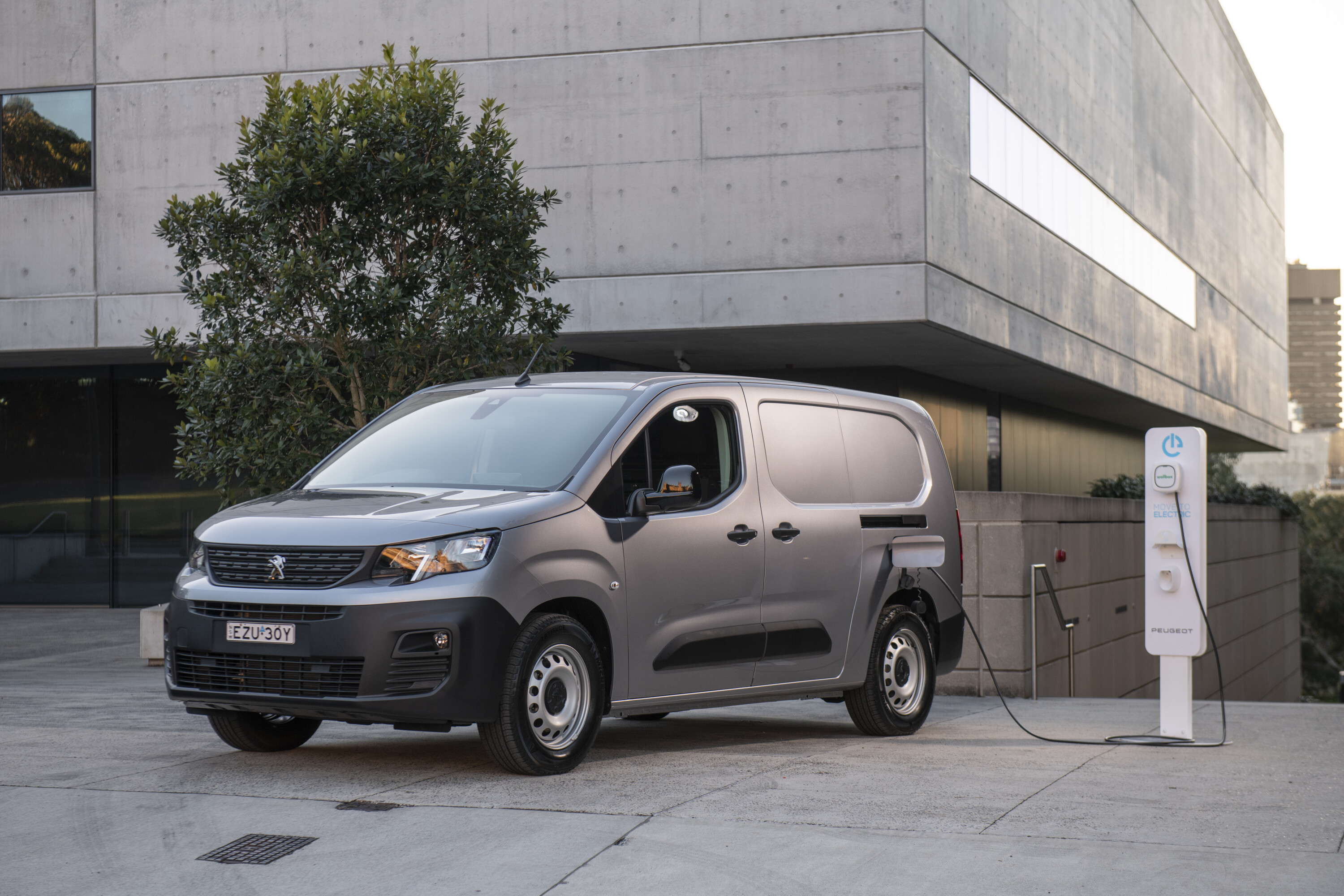
With the all-new Renault Kangoo E-Tech delayed until 2024, the Peugeot E-Partner remains the only new electric light commercial vehicle under $60K in Australia.
The small electric cargo van is sold in a single Pro, two-seater, long wheelbase variant.
Key standard features include; an 8.0-inch touchscreen with wired Apple CarPlay and wired Android Auto, dual sliding doors, 180-degree swinging rear doors, front auto emergency braking, and lane-keep assist.
The French electric van is backed by a five-year/200,000km vehicle warranty and an eight-year/160,000km battery warranty.
Roadside assistance is bundled for five years when owners service it with a Peugeot dealer.
Servicing is required every one year/25,000km. Capped-price servicing extends to the first five visits – averaging $346 per service.
Pre-paid servicing packages are also available to buy at $600 for three years or $1000 for five years.
1
Volvo EX30
Things we like
- Competitive price for a premium-badged EV
- Impressive range and power on paper
Not so much
- Smaller LFP battery, Cross Country not for Oz at launch
- Youu2019ll need to wait until 2024u2026
| 2024 Volvo EX30 variant | Single Motor Extended Plus | Single Motor Extended Ultra | Twin Motor Extended Ultra |
|---|---|---|---|
| Price (before on-road costs) | $59,990 | $64,990 | $69,990 |
| Claimed range (combined WLTP) | 480km | 480km | 460km |
| Battery size and type | 64kWh usable (69kWh gross) NMC | 64kWh usable (69kWh gross) NMC | 64kWh usable (69kWh gross) NMC |
| Recommended daily charging limit | 90% | 90% | 90% |
| Max slow AC / fast DC charging speed | 11kW / 153kW | 11kW / 153kW | 11kW / 153kW |
| Power / Torque | 200kW / 343Nm | 200kW / 343Nm | 315kW / 543Nm |
| Claimed 0-100km/h | 5.3 seconds | 5.3 seconds | 3.6 seconds |
| Drive type | RWD | RWD | AWD |
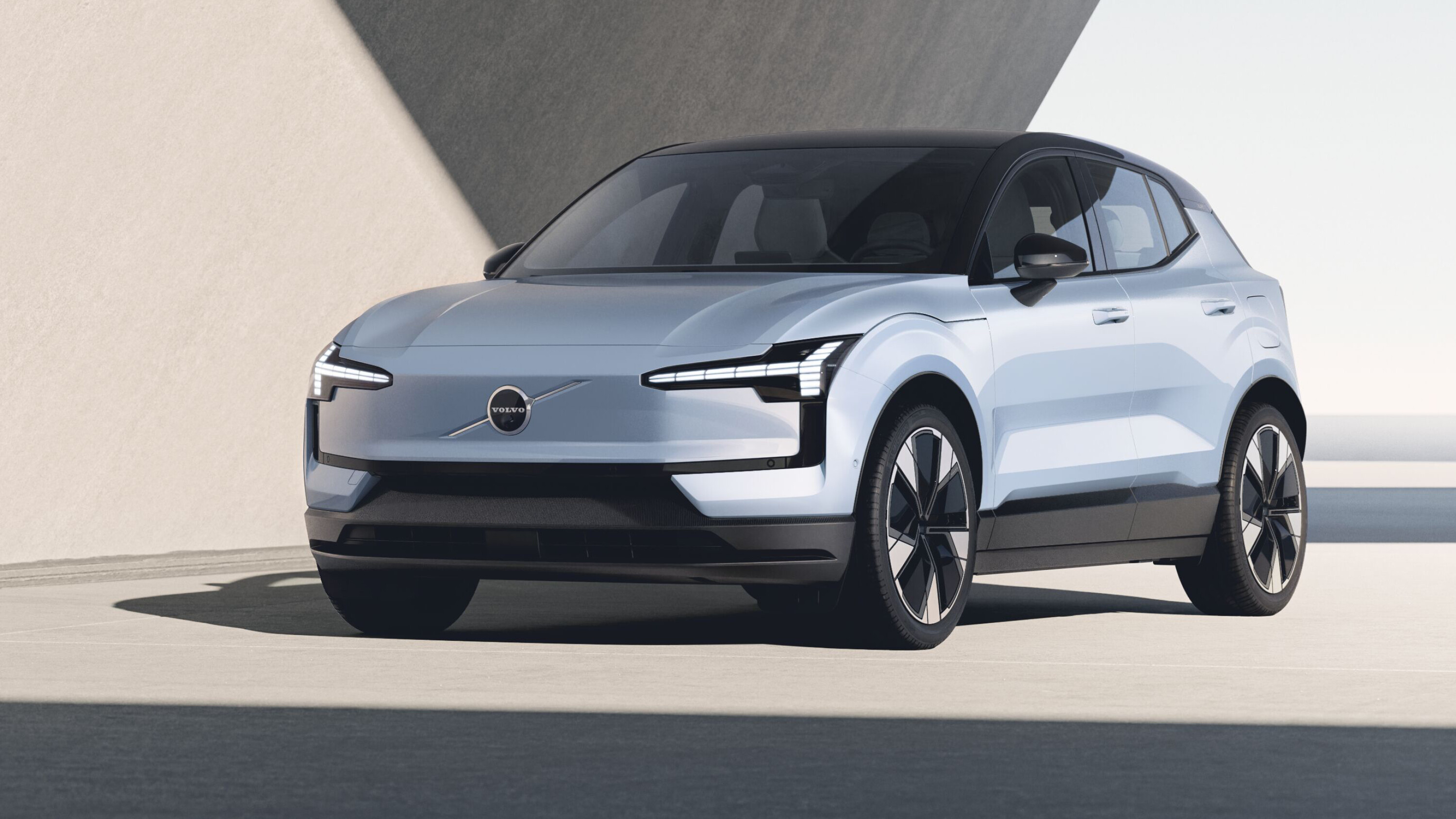
The Volvo EX30 is the Sino-Swedish automaker’s smallest, yet fastest model to date – with a sharp $59,990 before on-roads starting price.
The luxury-badged small electric SUV will start deliveries in early 2024, with pre-orders now open for the three-prong line-up.
Key standard features include; a 12.3-inch portrait-orientated touchscreen powered by Google’s Android Automotive operating system, wireless Apple CarPlay, eco-friendly interior materials, front soundbar speaker, and smartphone key functionality.
The EX30 EV is backed by a five-year/unlimited kilometre vehicle warranty and an eight-year/160,000km battery warranty.
Roadside assistance is included for the first eight years, provided owners service it with Volvo.
Servicing details haven’t been announced for the Volvo EX30 yet, but for reference, the slightly larger XC40 and C40 Recharge electric SUVs only need scheduled maintenance every two-years/30,000km.
? The best cheapest EVs
This story has outlined every new EV on sale in Australia under $60K before on-roads, but which are the best? Check out our 2022 EV Megatest linked below for more.
You won’t find the BYD Dolphin, MG 4 or GWM Ora in the below test yet, but they’ll be added soon. In the meantime, you can find our coverage of those models at the links below.
? Is it time to make the electric switch?
EVs are not for everyone (for now), but they are right for most.
Battery longevity, thermal safety, and servicing remain key perceived issues. For more, check out our /Electric hub guides below.
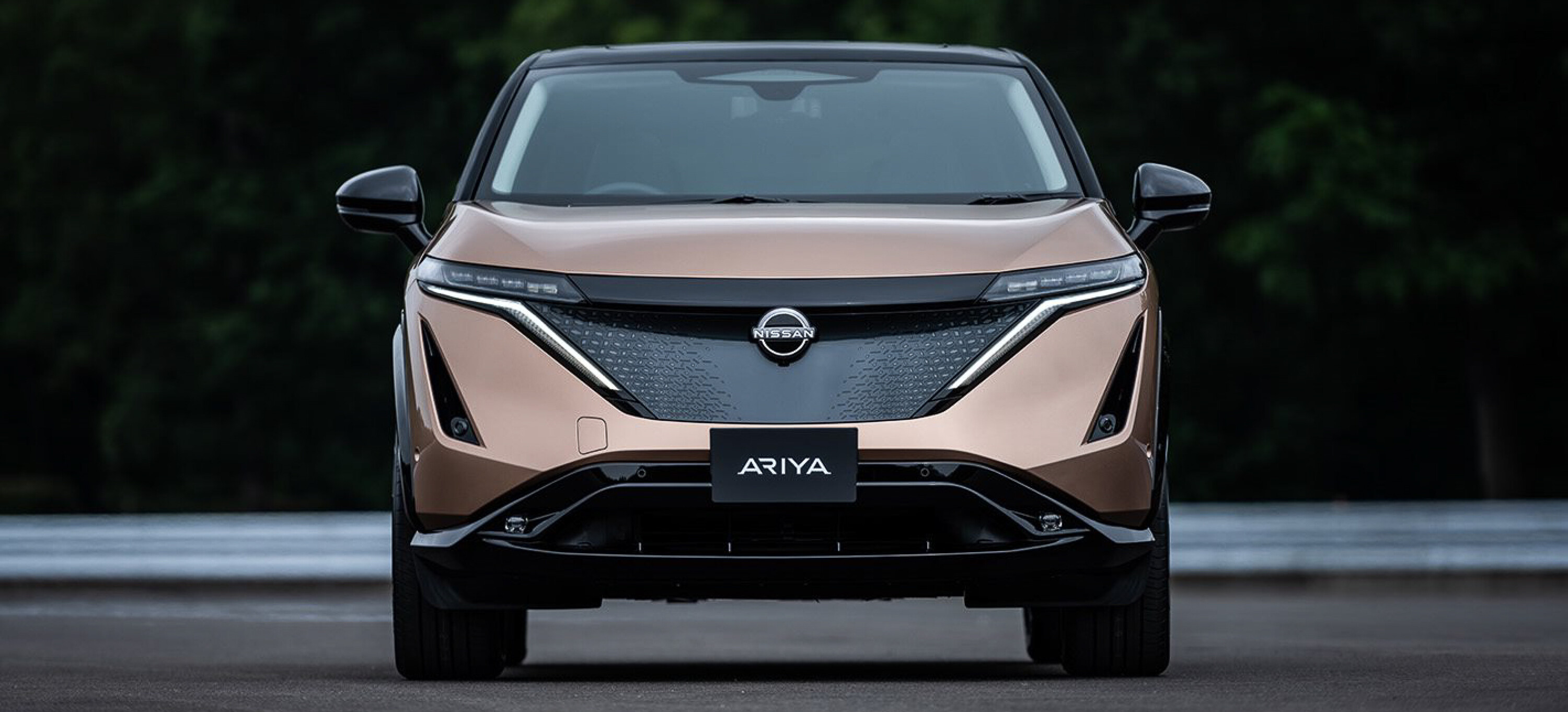
Nissan is about to double its all-electric offering in the mainstream, with the current ‘new’ Ariya SUV and Leaf hatch to be joined by a Juke EV and Qashqai EV. The Leaf is also confirmed for a new third generation.
Snapshot
- Three new Nissan EVs announced
- No news for Australia, although they’ll likely come here eventually
The news, announced Friday evening Australian time, comes as part of a $5 billion investment into its UK manufacturing program that will see Nissan’s EV36Zero ‘hub’ expanded to include a third EV-specific factory.
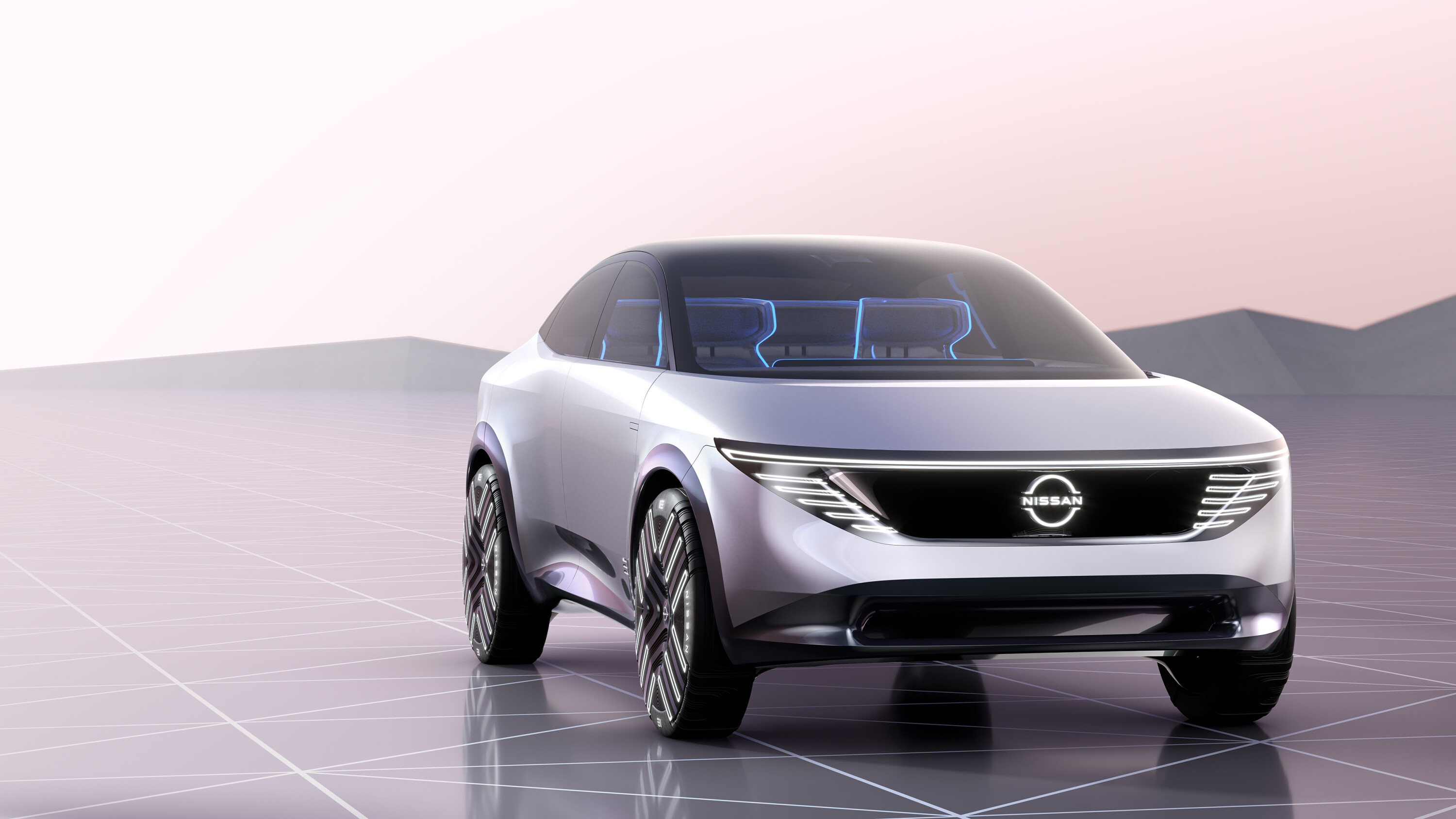
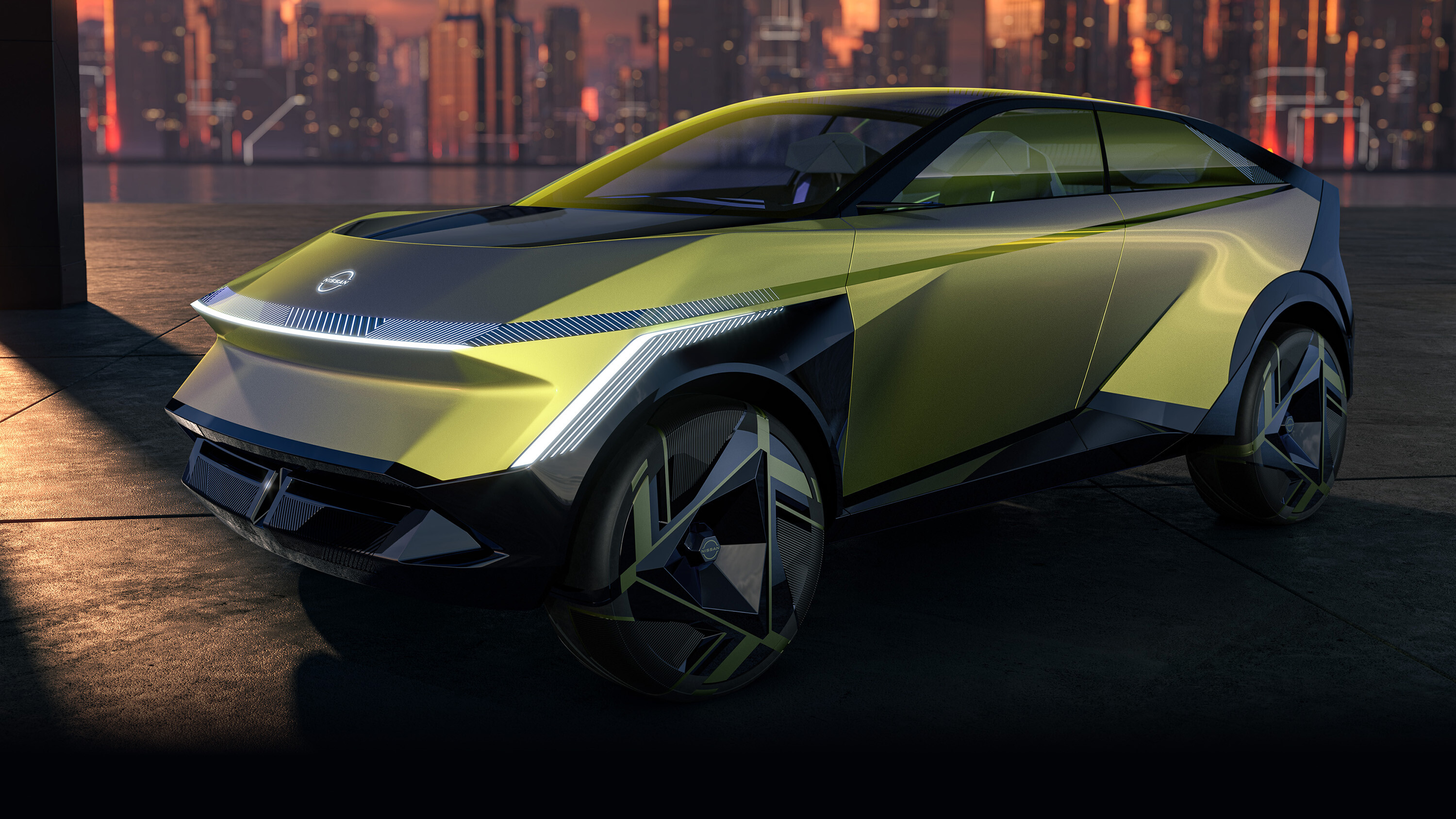
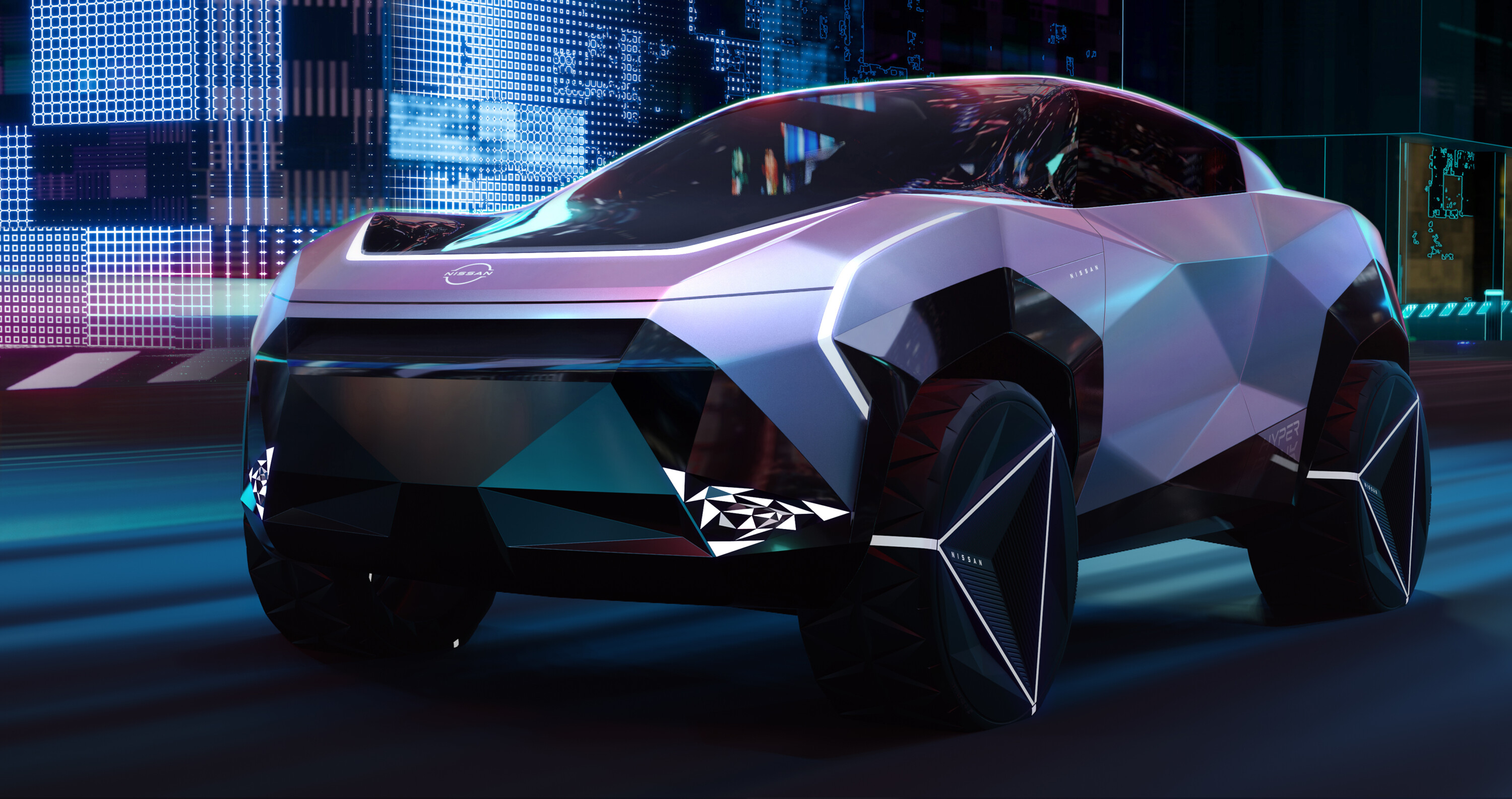
The new models are next-generation programs, with Nissan confirming all three will be “inspired by three exciting all-electric concept models, two of which were recently unveiled at the Japan Mobility Show.”
The company then goes on to list three of its recent concepts, named with “how do you do, fellow kids?” energy: the Hyper Urban, Hyper Punk and the 2021 Chill-Out.
These three new models, plus the Ariya, are representative of Nissan’s plan for its new European (and UK) models to be exclusively electric.
4
As for Australia..?
For now, Nissan remains reticent to reveal any firm plans for future electric models in Australia, with only the ageing and expensive second-generation Leaf on its current roster.
In June, the company’s regional boss Guillaume Cartier said the Ariya is a “not this year” proposition for Australia, despite launching overseas in 2020 and Nissan confirming in 2021 that it will (eventually) come here.
Like Mitsubishi (and unlike just about every other volume-selling brand here, although Toyota is being dragged kicking and screaming into EVs), Nissan says the Australian market isn’t ready for EVs, pointing the finger primarily at our achingly slow crawl towards new fuel regulations.
6
The company also claims overseas demand is inhibiting its ability to make the Ariya available here.
This is a familiar line, but, economically, a valid excuse: manufacturers operating in Europe (and California) are required to sell a volume of EVs sufficient to offset the carbon emissions of their petrol and diesel models, or else face stiff financial penalties. If Nissan’s production capacity is only able to meet its European obligations – while facing no such consequences here in Australia – it can hardly be blamed for prioritising those markets.
The company’s third new EV plant should help to overcome that issue, but its Australian arm is still unable to offer anything but the most vague comment – likely the result of a gag from global headquarters, as the local office must surely be seething at its almost complete and very conspicuous absence in the EV segment.
15
Asked for an update on its plans, a Nissan Australia spokesperson could say only: “This is a very exciting announcement for Nissan and further supports our vision for Ambition 2030. Further information about the three models will be released at a later time”.
As next-generation models, there is little doubt that at least the Qashqai EV and Juke EV will come to Australia, while the Ariya we get will likely be an updated model more suited to the battle the competition it will face in 2024. Or 2025? Your guess is as good as ours.
When we’ll see the three new EVs revealed is unclear, with Nissan saying only that “further information about the three models, including names, specifications and launch dates, will be released at a later time”.
9
We can guess, though, based on each current model’s life cycle.
The second-gen Juke was unveiled in late 2019, suggesting a replacement will be due by around 2025 or 2026. The third-generation, still very fresh in Australia, debuted overseas in early 2021 – pointing to sometime around 2027 for a successor. However, the first-gen Juke and second-gen Qashqai soldiered on for nine and eight years respectively, so we could be in for waits just as long.
Nissan intends for its European passenger line-up to be exclusively electric by 2030.
MORE
Everything Nissan
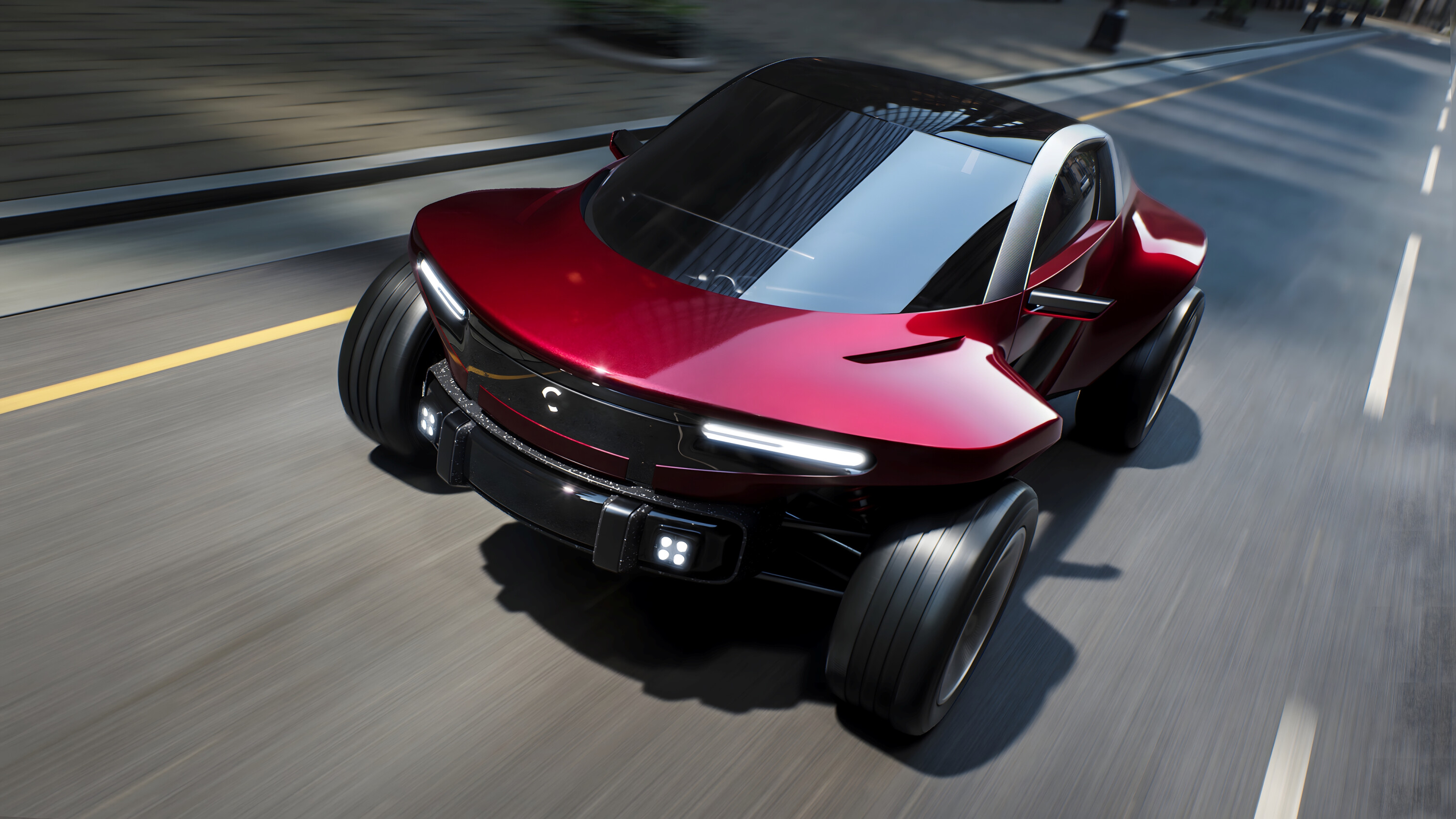
The wild Callum Skye electric-off roader is the first car to bear the name of legendary designer and company founder Ian Callum.
The Skye will go into production in the first half of 2024 as the first product conceptualised, engineered and sold under the Callum name – the company the automotive designer set up in 2019 after a renowned career.
The Scot is well known for reshaping the Jaguar brand’s design and boasts a resume including the Aston Martin Vanquish, Ford RS200 and even several iterations of Holden Special Vehicles models for Australia.
Now, his name adorns a production vehicle for the first time – the Callum Skye, an electric-off roader with a spaceframe chassis and composite panels that the company says sits in a new niche.
“Some thought our first would be a sports car, but Skye is different, quite unique,” Ian Callum told Wheels.
1
“We wanted to explore different automotive territory and bridge the gap between off-road performance and on-road comforts. Crucially, it’s about fun – that’s what Callum is about. A sense of freedom with escapism, integrity, and capability at its core.”
That capability sees the Skye measuring just over four metres (4070mm) long – shorter than a Volkswagen Golf – but with a similar width to a Ford Ranger at 1900mm.
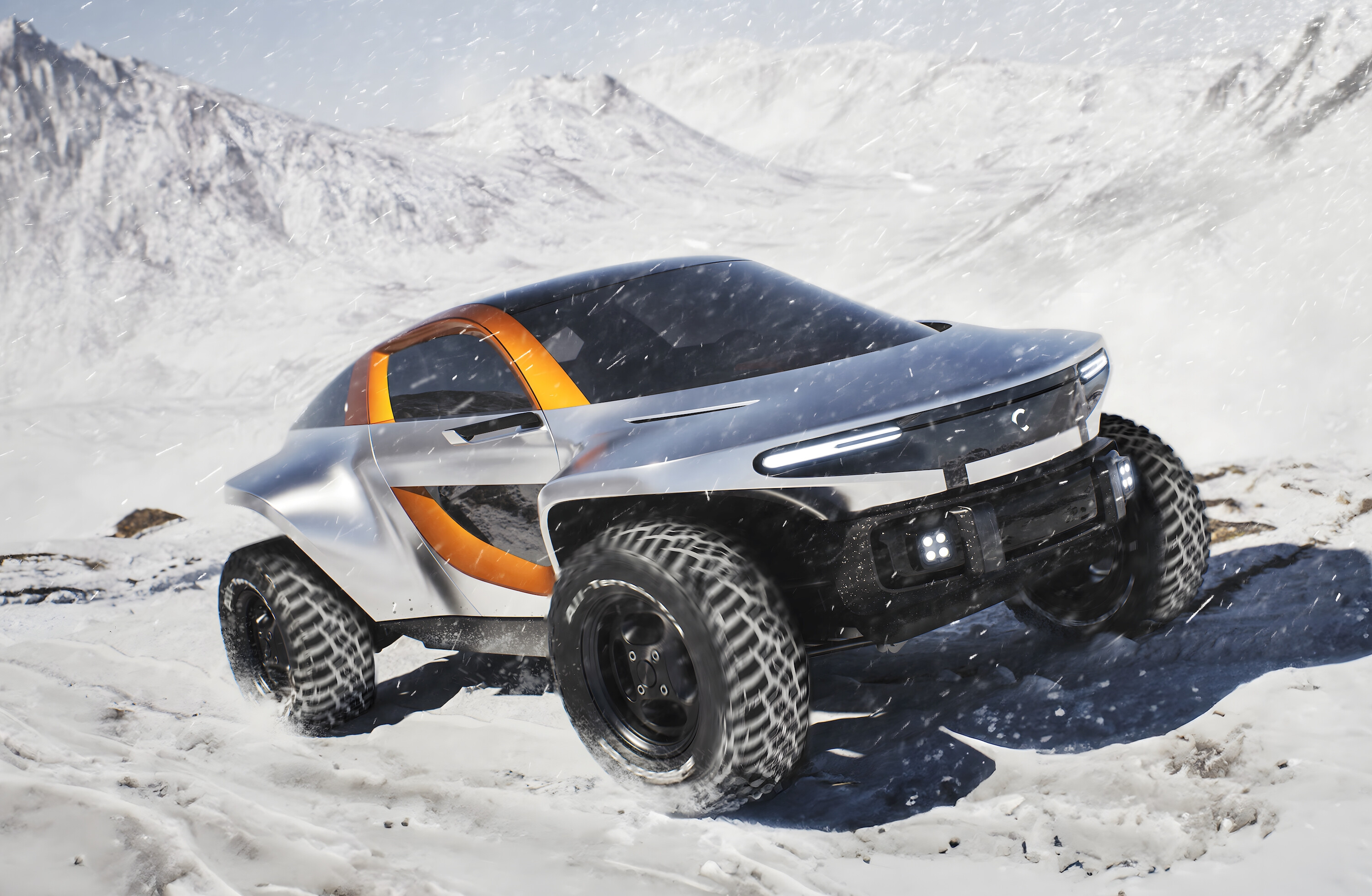
Sitting on chunky off-road rubber, the proportions deliver muscular styling with composite body panels draped over a spaceframe chassis and a 2+2 seating configuration, although images of the interior are yet to be revealed.
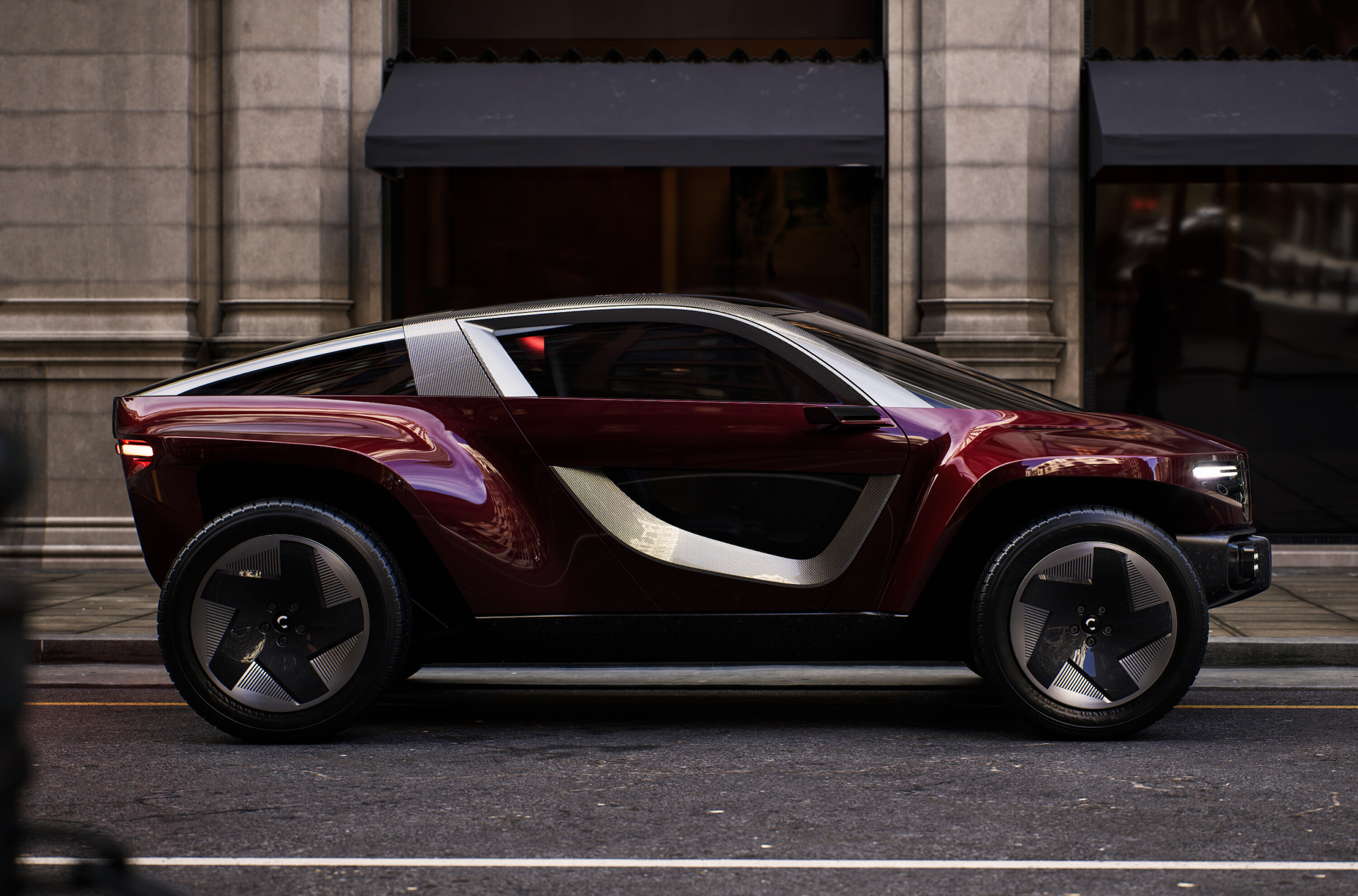
“The exterior features a striking accent loop, intersected by a strong horizontal structure, flanked by organic forms front and rear,” said Callum.
“It is pared down to a level of necessity and understatement. At the heart of its story is its performance, style and capability, and a design integral to the engineering elements.
1
“For example, the lower section of the doors have beautifully integrated glass, offering outstanding visibility in all conditions. I believe the Skye is truly authentic – unique in concept and presence in the market.”
Engineering on the Skye is led by Callum technical director, Adam Donfrancesco, whose background includes projects for Noble, Jaguar Land Rover and Aston Martin.
His team has achieved an impressively light 1150kg dry weight for the Skye, balanced 50/50 between front and rear, with a twin 42kWh electric motor arrangement and all-wheel drive.
Performance claims see 0-60mph (0-96km/h) in less than four seconds, while a full battery recharge from empty can be completed in 10 minutes for an estimated 273km range.
1
The company has not revealed its battery and component set supplier, with further details to be announced in 2024.
Pricing is still to be determined, though Wheels can confirm customers will be able to choose from two versions: one with an on-road bias, the other with an off-road tilt.
“It has been designed to exceed expectations: minimal mass, maximum capability – exceptionally usable and an absolute joy to drive,” said Callum.
Around 50 will be built per year, all coming from Callum’s 1858-square metre facility in Warwick, United Kingdom.
Callum intends to develop more models under its own name but will continue designing and engineering ‘white label’ products for OEMs across the automotive and broader sectors.
Ford is one of Australia’s most popular car brands and has had a busy 2023 introducing new models including its first electric SUV, the Mustang Mach-E, and a return of the F-150 full-size pick-up (via a local right-hand-drive conversion).
Although it is saying goodbye to the Escape midsized SUV at the end of the 2023, there’s plenty of more new metal to come from the Blue Oval in 2024 and beyond.
Here’s Wheels’ quick guide to the new Ford models coming to Australia, as well as other vehicles that have the potential to head down-under.
1
JUMP AHEAD
Confirmed models
Potential models
✅ Confirmed models
Mustang
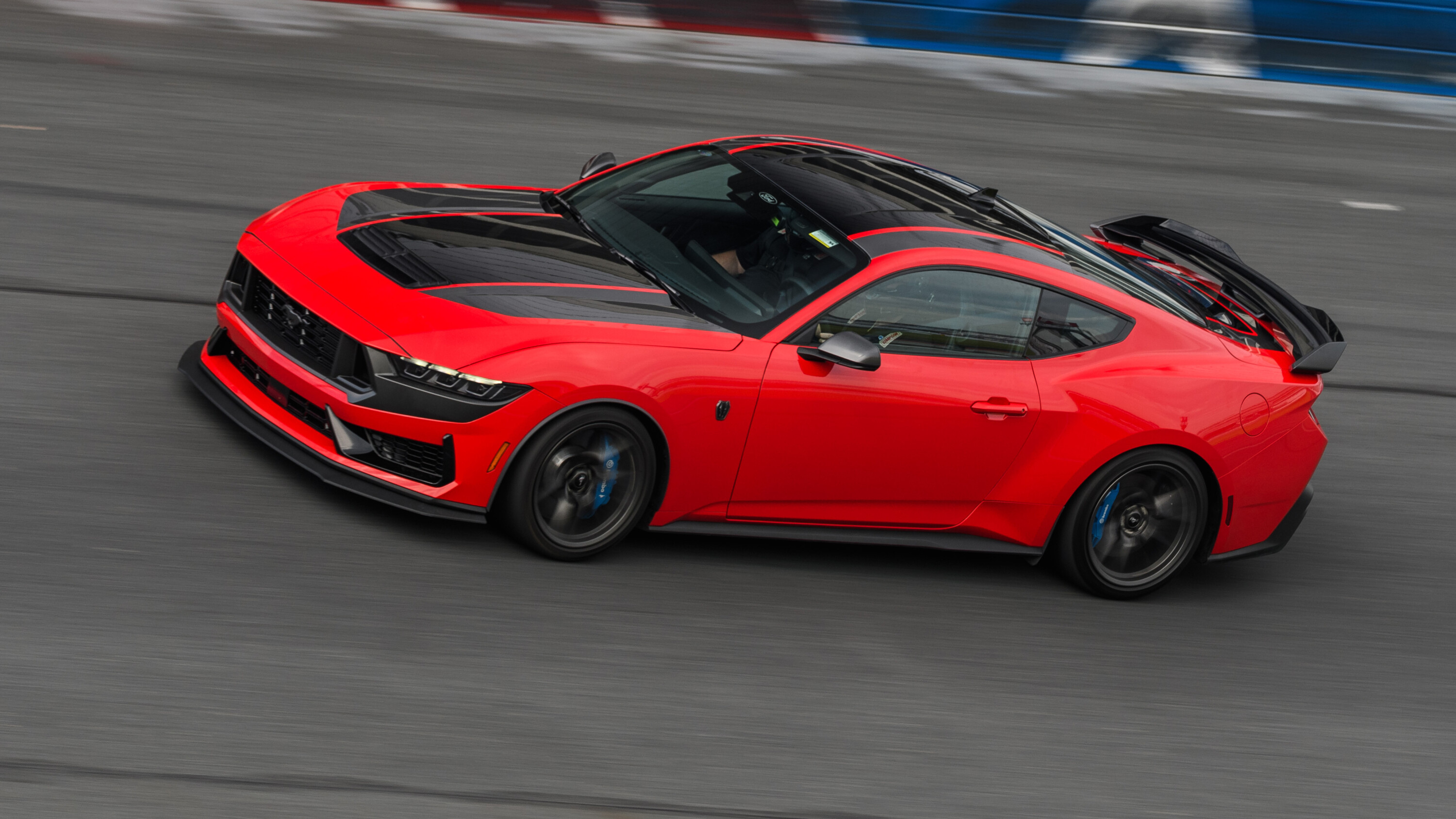
The world’s and Australia’s favourite sports car of recent years will enter local showrooms in early 2024 in sixth-generation form – the perfect way to celebrate the nameplate’s 60th birthday.
EcoBoost turbo four-cylinder and GT V8 models return, but the headline act is the harder-core, track-ready Dark Horse variant – which takes Mustang pricing to the $100K mark, while prices across the range are up by as much as 24 per cent.
F-150 facelift
Ford’s biggest-selling model has only just made a return to Australia, brought to showrooms via local right-hand drive conversion.
In slightly inconvenient timing around the local launch, the Ford Motor Company in the US announced an upgraded model.
This won’t reach here until late 2024, with updates including subtle styling changes, more cabin tech, and new options such as a side-swing tailgate.
Puma / Puma EV
The demise of the Fiesta city car has left the Fiesta-based Puma crossover as Ford’s entry model, and one of our favourite compact SUVs is due for a facelift in 2024.
That will coincide with a new, fully electric version of the Puma that’s already confirmed for Australia for late 2024.
It’s understood the Puma EV will share its platform with the E-Transit Courier compact van, with a 55kWh battery and approximate range of 370km speculated.
Unfortunately for keen drivers, Ford Australia continues to snub the Puma ST high-performance variant.
Ranger Plug-in Hybrid
A PHEV version of the ridiculously popular Range ute is coming in early 2025, promising a 45kW electric-only range and a range-anxiety-free experience courtesy of its turbo petrol engine and electric motor combination.
Ford says the plug-in hybrid Ranger will produce the biggest torque in the line-up.
The ute will also be a ‘moving generator’ capable of powering work tools or camping electronics/equipment.
To be built in South Africa, the one downside is that the Ranger PHEV will miss out on the pricing benefits of the free trade agreement that applies to the rest of the line-up built in Thailand.
E-Transit Custom
Following the 2023 launch of the E-Transit large electric van, Ford Australia will import the smaller E-Transit Custom in 2024.
The medium-sized electric van will follow the renewed Custom range arriving in late 2023, taking its place at the top of the line-up.
Pricing has yet to be confirmed, but the cost of the larger E-Transit ($104,990 rrp) suggests there will be a significant premium for the electric version over the diesel-powered Transit Custom.
? Potential future models
Bronco
The sixth-generation Bronco is a cool-looking retro off-roader that may currently be produced in left-hand drive only but continues to be the subject of RHD speculation – if via conversion rather than the original assembly line.
It’s a natural rival for the Jeep Wrangler – including the ability to remove the Bronco’s roof and doors for an open-air motoring experience.
Related to the Ranger and Everest we know so well, the Bronco is available with four-cylinder turbo and V6 petrol engines as well as permanent AWD.
There’s even a hardcore Raptor edition.
Explorer
The next-generation Explorer is a fully electric SUV due to go on sale globally in mid 2024, though for now it is ruled out for Australia.
As another vehicle formed out of the 2020-announced Ford–Volkswagen alliance – which includes the current Ranger and Amarok ute twins – the Explorer uses VW’s MEB (modular electric) architecture.
As a twin to the VW ID.4, the 2024 Ford Explorer is a midsized SUV.
F-150 Lightning
Ford Australia is studying the business case for adding the all-electric Lightning to its newly launched F-150 full-size pick-up range.
The company has already trademarked the F-150 Lightning name locally, boosting hopes for a model that offers up to 433kW and 1050Nm, a 515km claimed range, and 0-100km/h performance of 4.5 seconds.
The dual-motor, all-wheel drive Lightning also claims to do the business when it comes to towing and carrying, with a payload of up to 1014kg and a towing capacity of up to 4.5 tonnes.
1
Capri
Yet to be revealed but spotted testing is Ford’s “sport crossover” that is expected to adopt a famous sports car nameplate.
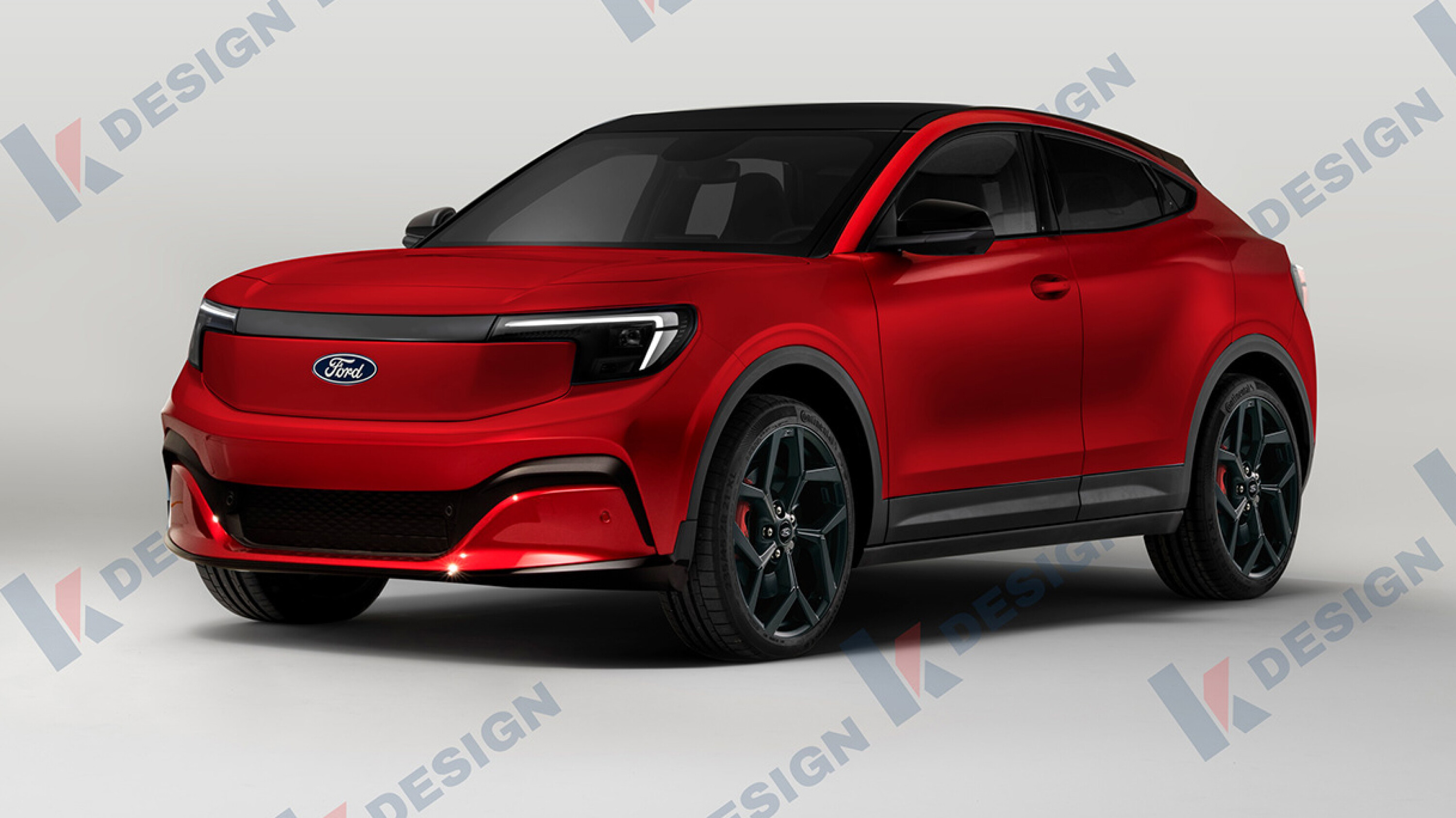
With a length of about 4.6 metres – as a twin to VW’s ID.5 coupe-SUV – the latter-day Capri would sit below Ford’s Mustang Mach-E electric SUV.
We’ll have to wait and see if Ford Australia chooses to fill the EV gap that would exist between the electric Puma and Mach-E.
MORE
Everything Ford
When the SUV boom began in Australia, OEM’s began to introduce light and small SUVs as alternatives to hatchback and sedan options.
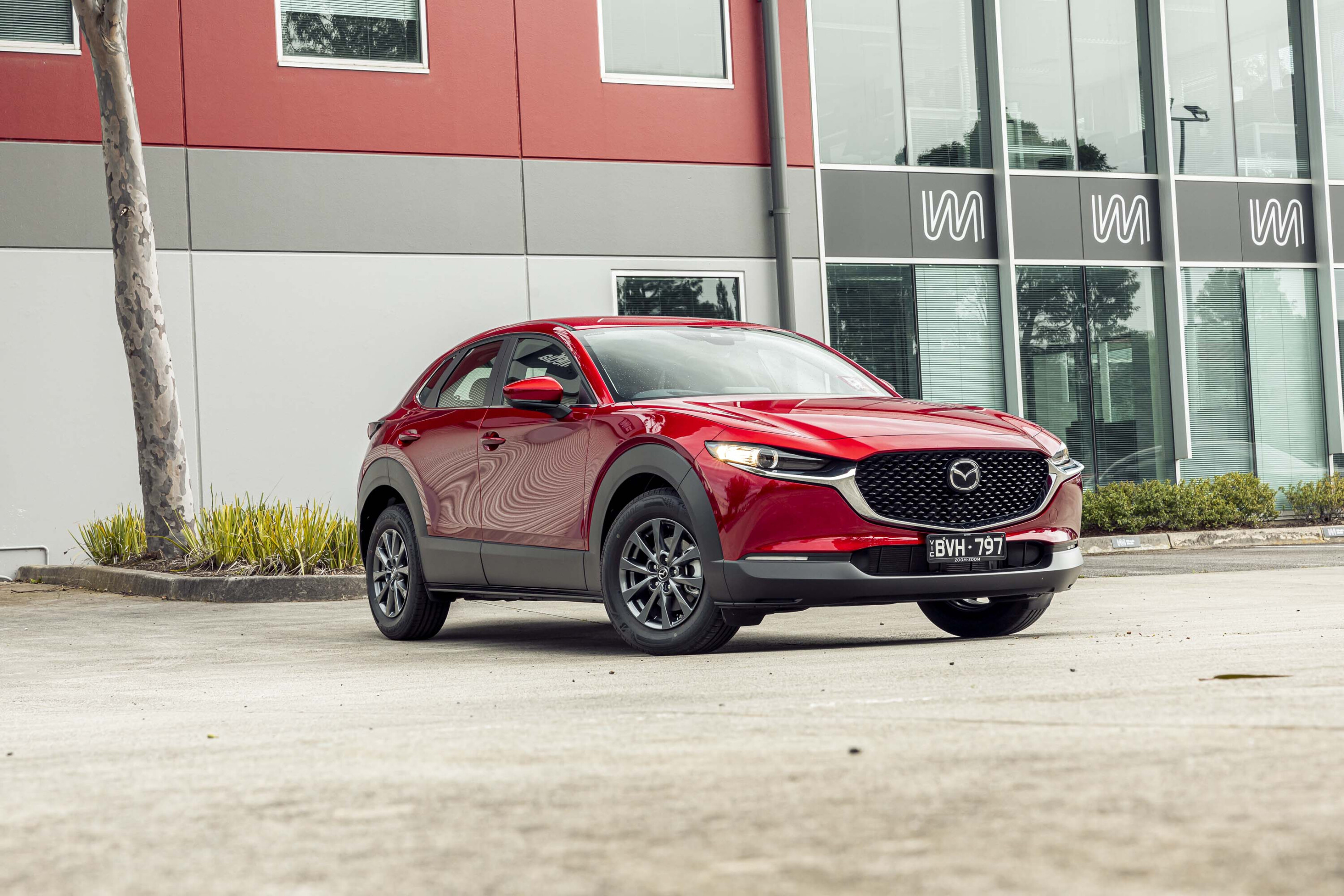
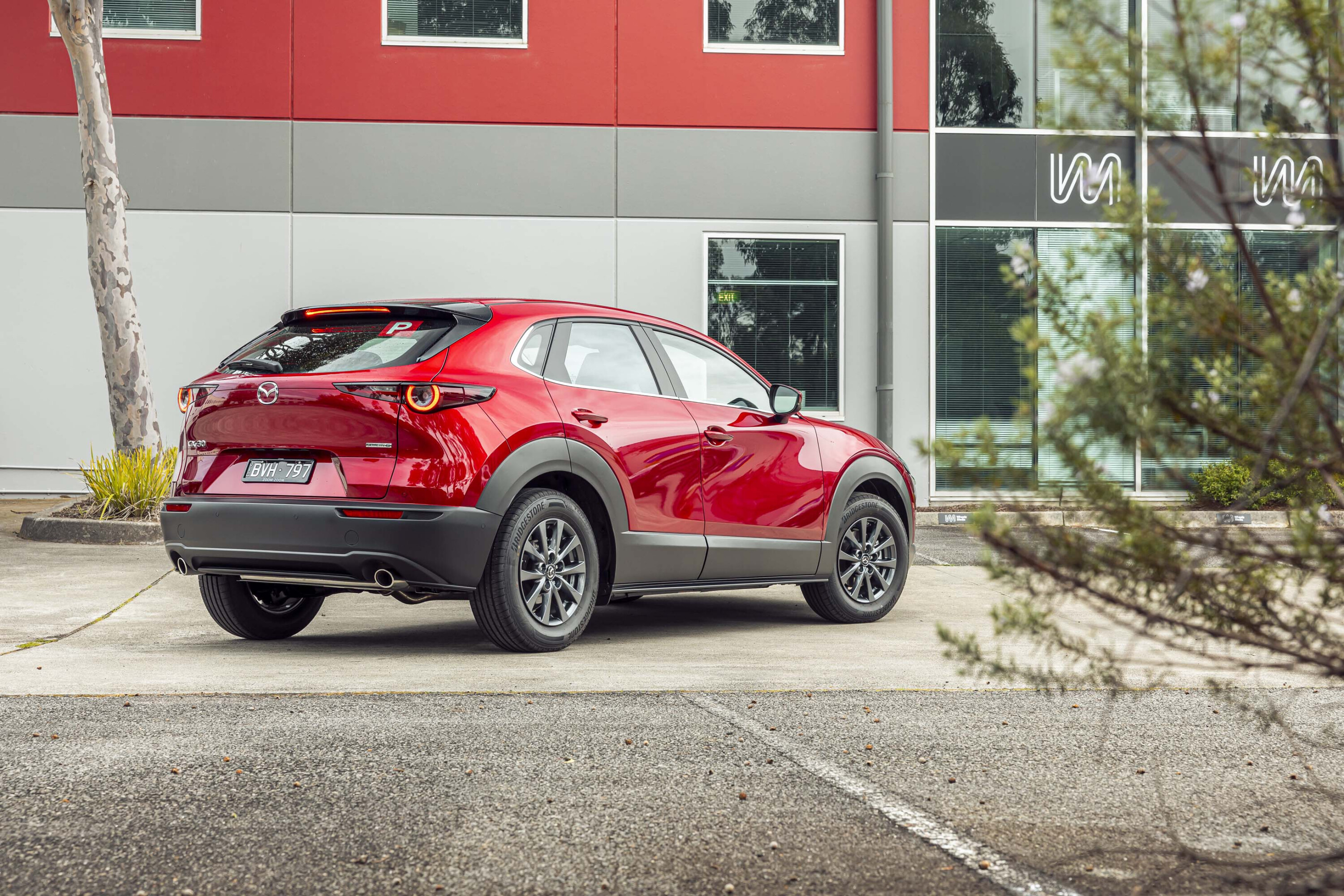
With the previous success of the family-sized CX-5 and smaller CX-3, the CX-30 popped up in 2020 to bridge the gap between both models, and is based on the same platform as the Mazda 3.
Its price range begins at $32,990 for the entry-level G20 Pure, escalating to $47,390 for the top-tier G25 Astina, which features a six-speed automatic transmission and all-wheel drive system.
1
Pricing and Features
The entry-level G20 Pure is offered in a single automatic powertrain with manual having been recently deleted due to slow sales) and is priced at $32,990 before on-road costs.
it is powered by a 2.0-litre petrol engine producing 114kW and 200Nm. There is other powertrain available higher up in the range a beefier 2.5-litre petrol engine. The mild hybrid is no longer available in the range, as the already available 2.0-litre is more efficient.
There are nine paint colour options with four colours costing an extra $595.
1
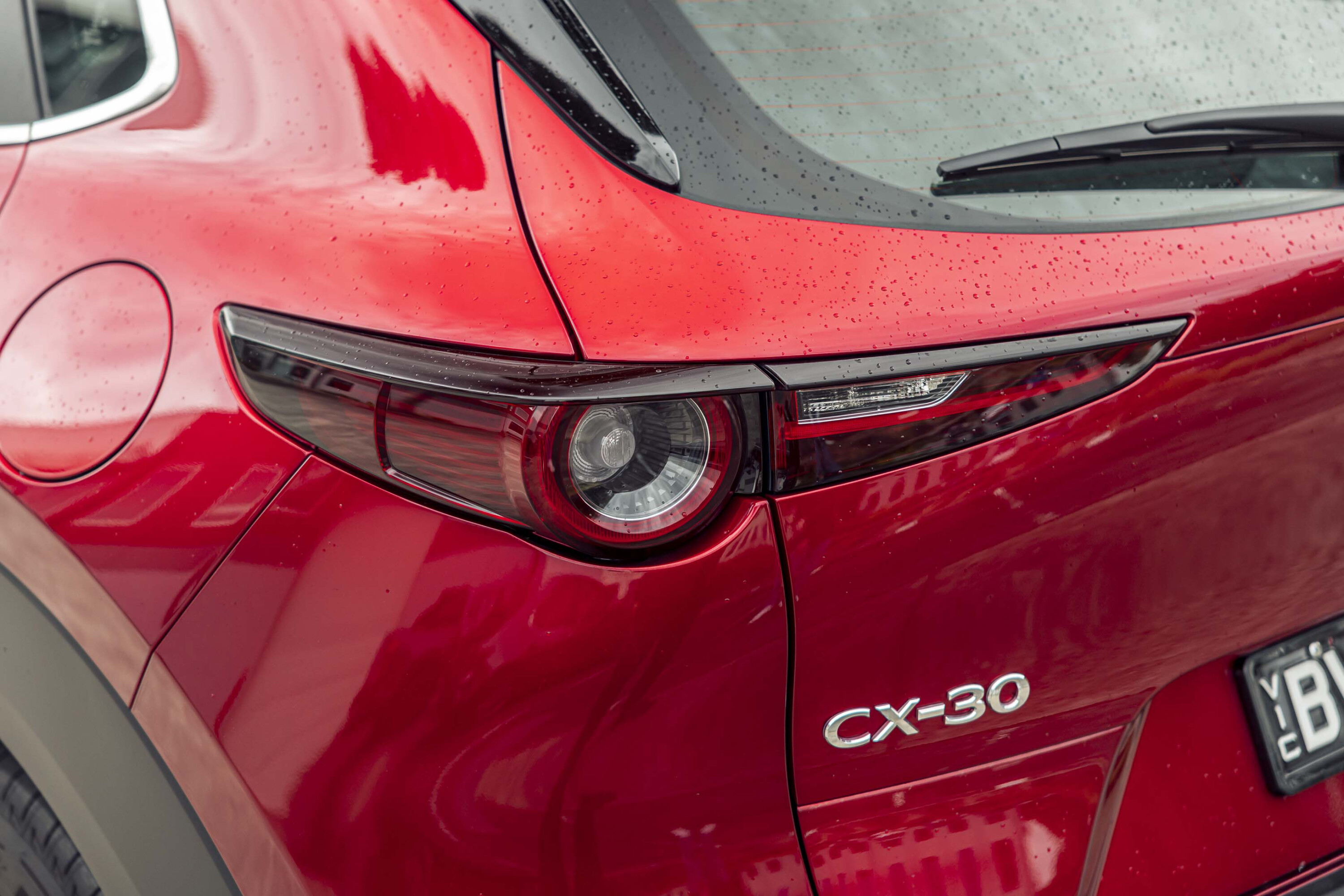
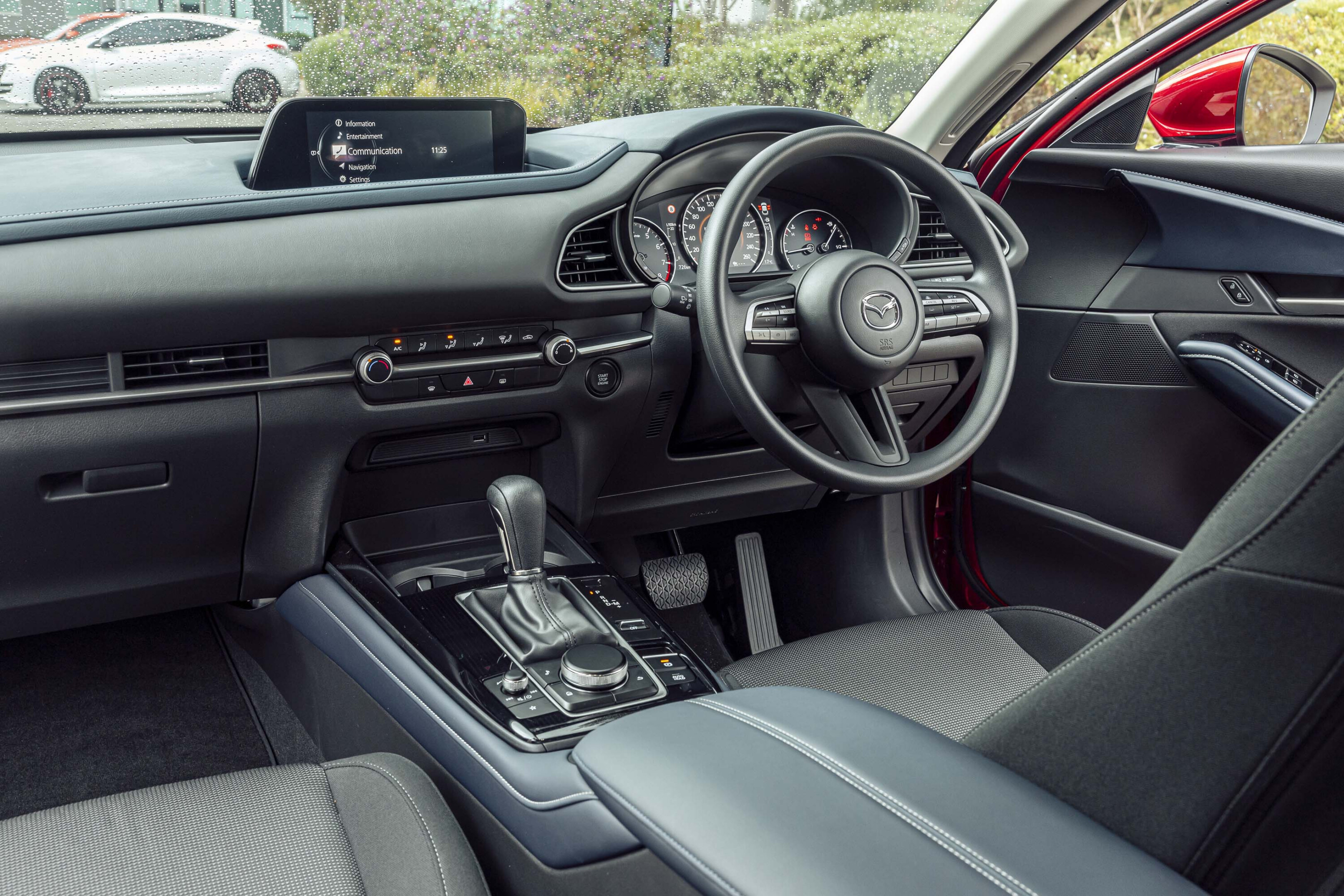
| 2023 Mazda CX-30 Pure features | |
|---|---|
| 16-inch alloy wheels | Keyless entry with push-button start |
| 7.0-inch digital instrument display | Leather-wrapped gear shift knob and steering wheel |
| 8-speaker audio with Bluetooth and DAB digital radio | Parking sensors (rear) |
| 8.8-inch infotainment touchscreen with Apple CarPlay and Android Auto | Rain-sensing front wipers |
| Adaptive cruise control | Rear Cross Traffic Alert (RCTA) |
| Blind spot monitoring | Rear wiper |
| Cloth seats | Reverse camera |
| Driver Attention Alert (DAA) | Satellite navigation |
| Electric parking brake | Tilt and telescopic adjustable steering wheel |
| Electrically adjustable and folding exterior mirrors | Traffic Sign Recognition (TSR) |
| Head-up display | Tyre Pressure Monitoring System (TPMS) |
1
For an extra $2000 you can add a Vision Technology option package which includes :
- 360° view monitor
- Driver Monitoring
- Front Cross Traffic Alert (FCTA)
- Adaptive cruise control
- Front parking sensors
- 10.25-inch widescreen colour display
Mazda has indicated that the mid-spec G20 Evolve and G20 Touring models are their most popular variants, with the entry-level G20 Pure following closely in popularity.
Safety
The Mazda CX-30 range boasts a five-star ANCAP safety rating from 2019 testing.
Standard safety features include seven airbags (dual front, side, curtain, and driver’s knee).
Even the base model comes equipped with a robust set of active safety technologies, such as autonomous emergency braking with detection capabilities for vehicles, pedestrians, cyclists, and while reversing, as well as adaptive cruise control, lane-keeping assist, lane departure warning, blind-spot monitoring, rear cross-traffic alert, driver attention alert, and traffic sign recognition.
Standard safety equipment also includes a reversing camera and rear parking sensors. As mentioned, the Vision Technology package offers an enhanced range of safety at additional cost, but the standard safety is plentiful on its own.
1
Key Rivals
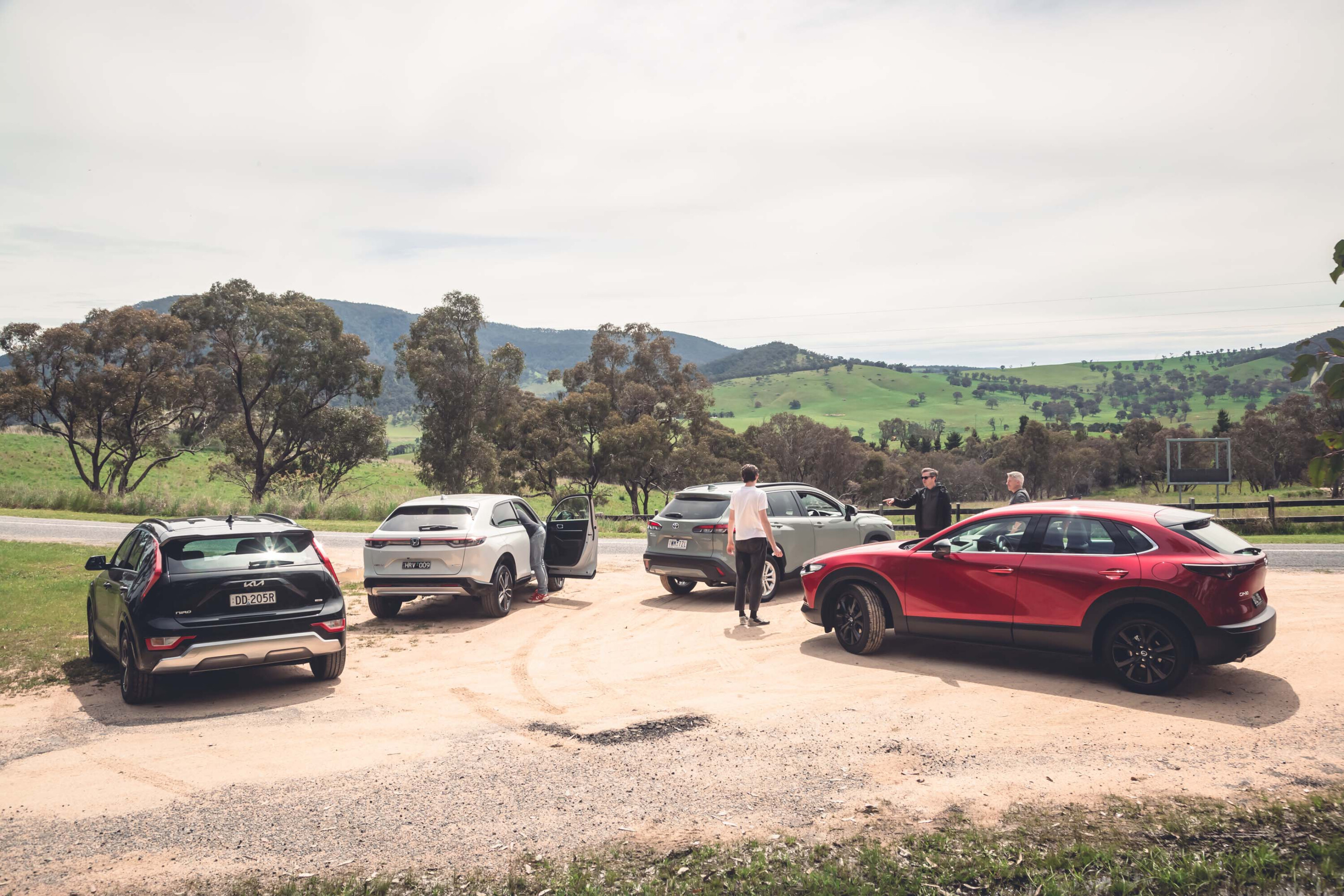
The CX-30 competes against other high selling small SUVS like:
1
Should I Put It On My Shortlist?
The CX-30 sits as a capable and stylish small SUV for those not needing a huge amount of space, but still offers more flexibility than a standard hatchback or sedan.
For a younger buyer or first car, the base G20 Pure is an excellent choice, boasting an extensive list of equipment and safety features.
But if you’re looking for a vehicle with more upscale features, the Evolve or Touring models are great options. However, it’s advisable to skip the G20 Evolve mild hybrid and instead opt for the standard 2.0-litre variant, saving yourself $2,000.
MORE
Everything Mazda
Subaru and Mazda have partnered with Toyota for the supply of petrol-electric hybrid components.
The latest Subaru Forester mid-size SUV, unveiled last week and due in Australia later in 2024, will include a full-hybrid powertrain in the United States around one year after standard petrol variants launch.
Subaru of America president Jeffrey Walters told Automotive News [↗] that the electrified Forester will utilise a “Toyota-sourced battery [and electric components] joined with a boxer engine”.
The latest partnership between Toyota and Subaru follows the GR86 and BRZ sports cars, BZ4x and Solterra EVs, and the Subaru Crosstrek plug-in hybrid derived from the Toyota Prius Prime’s system.
Toyota and Subaru are also expected to sell three new closely-related EVs between now and 2028, likely as badge-engineered Toyotas like the Solterra.
In Australia, the current Subaru Forester is marketed with an available ‘E-Boxer Hybrid’ powertrain, however, it is a mild-hybrid system that delivers less fuel savings.
1
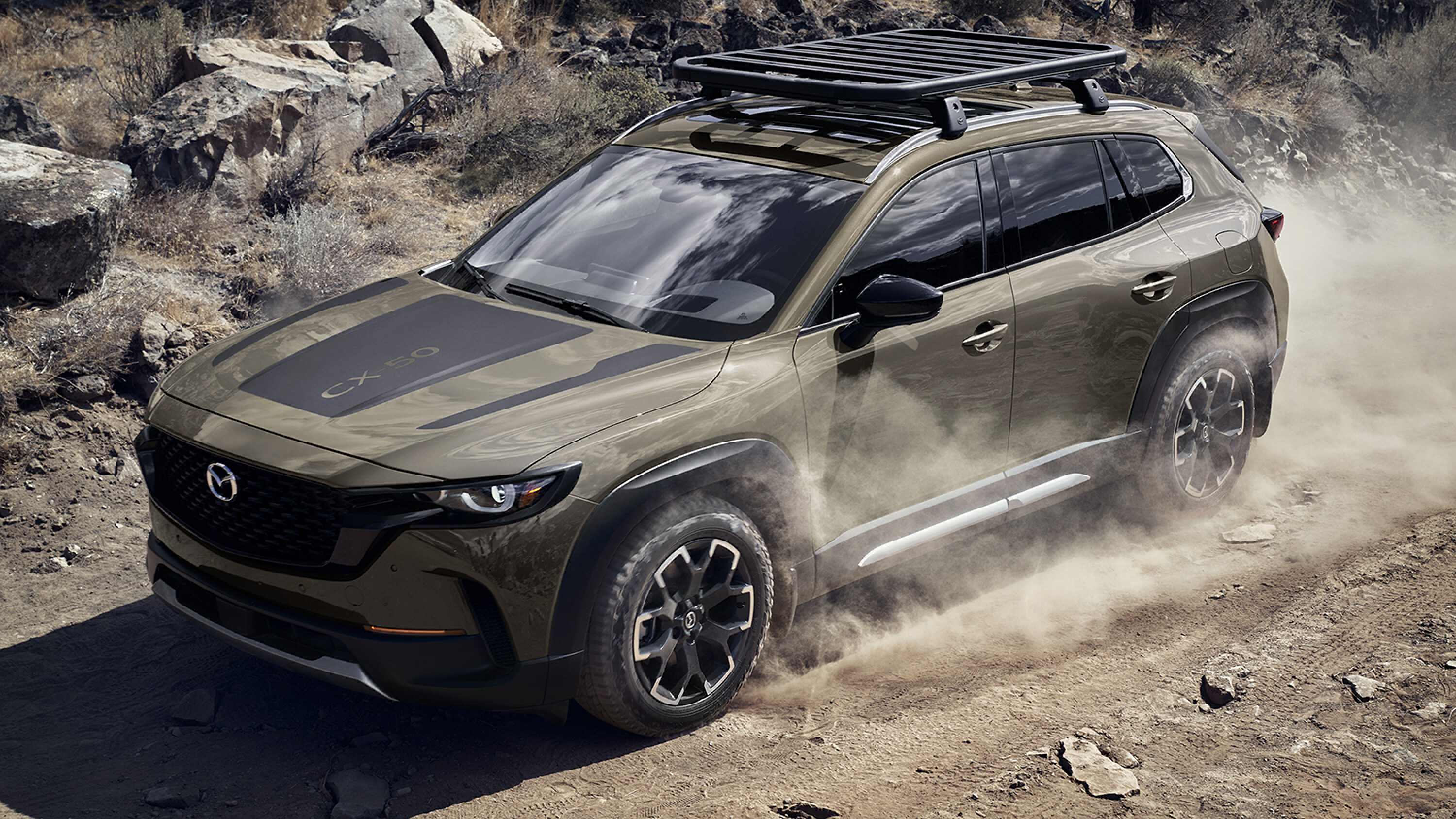
Mazda has also partnered with Toyota to develop a hybrid system for its CX-50 mid-size SUV, following a previous deal for the last-generation Mazda 3 Hybrid in Japan.
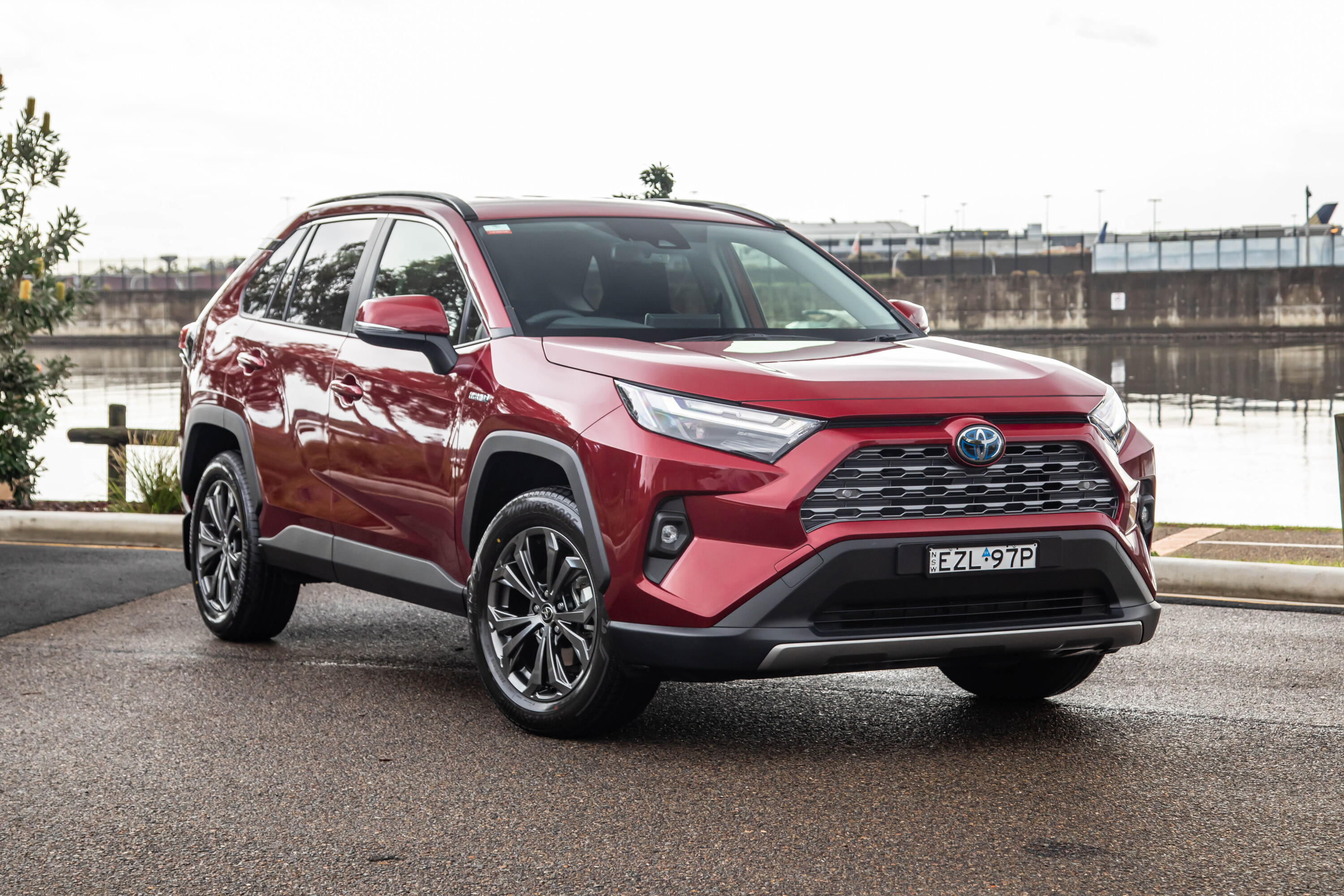
Detailed in China this month – and due in North America in 2024 – the CX-50 hybrid receives the RAV4’s 2.5-litre non-turbo powertrain, electric motor, CVT automatic transmission, and all-wheel drive.
The all-wheel-drive RAV4 hybrid has a 163kW total system output – compared to 139kW/252Nm for the naturally-aspirated 2.5-litre CX-50 and 186kW/434Nm for the CX-50 2.5-litre turbo.
1
Yes okay, but how about CX-50 for Australia?
Unfortunately, the Mazda CX-50 remains off-limits for Australia due to it being produced in the United States and China.
Mazda Australia’s marketing boss Alastair Doak told Wheels the CX-50 is “still on the wish list,” as it is currently limited to “left-hand drive production in Huntsville, [United States]” and China.
However, the third-generation Mazda CX-5 could adopt hybrid technology when it launches around 2025.
MORE
Everything Subaru
MORE
Everything Mazda
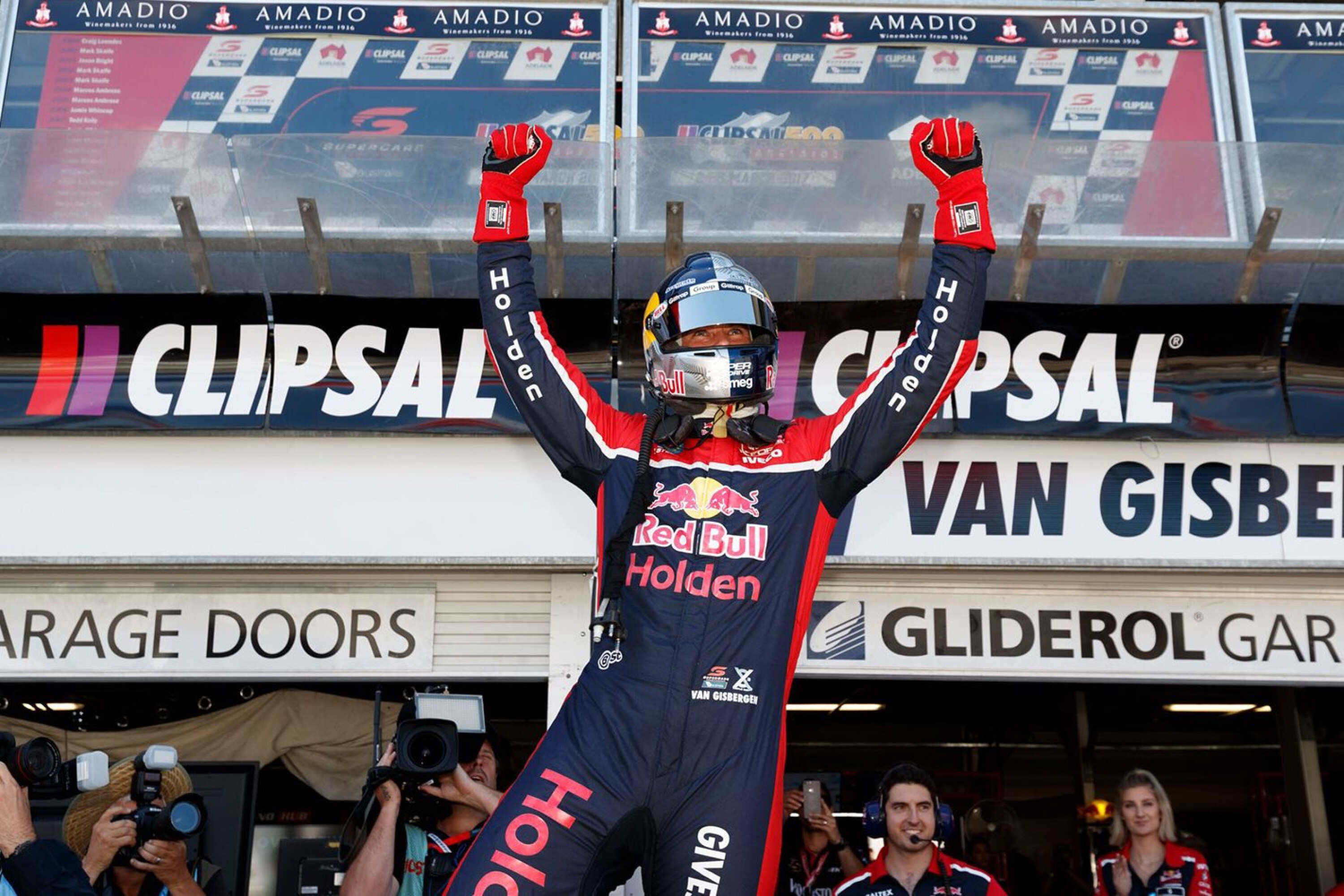
And so we bid farewell to one of the most enigmatic racers in Supercars history. The sport will absolutely be poorer for his departure.
Born in Auckland, New Zealand in 1989, Shane van Gisbergen lobbed into V8 Supercars aboard a Kiwi-backed Ford Falcon in 2007, finishing 19th on debut at the now defunct Oran Park Raceway in Sydney.
Tall, gangly and painfully shy, van Gisbergen is the epitome of letting actions speak louder than words. It’s not that he has nothing to say; he just says it with his right foot.
1
His racing in an era still dominated by names like Mark Skaife and Craig Lowndes developed steadily, under the tutelage of legendary team owners Ross and Jimmy Stone.
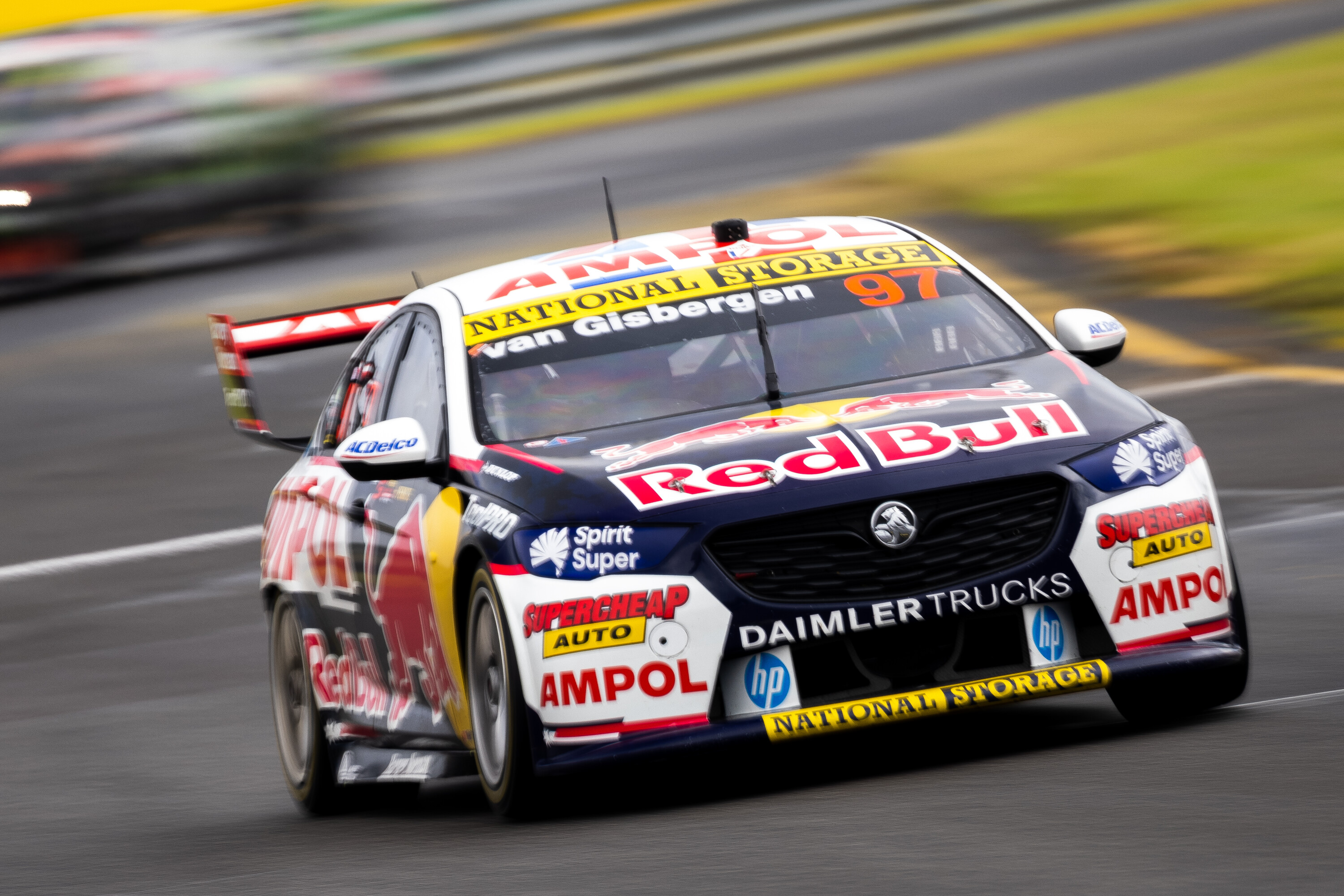
The brothers, themselves quietly spoken and as intolerant of bullshit as their young charge, put their faith in van Gisbergen to help rebuild the team’s fortunes after the heady years of Marcos Ambrose and Russell Ingall – and SVG repaid them with a win at home in New Zealand in 2012.
However, it was at the end of this season that van Gisbergen’s quiet nature clashed head-on with his raw racing ambitions.
1
After finding a buyer for their eponymous team in billionaire Betty Klimenko in 2012, the Stones were set to wind out of the sport on a high.
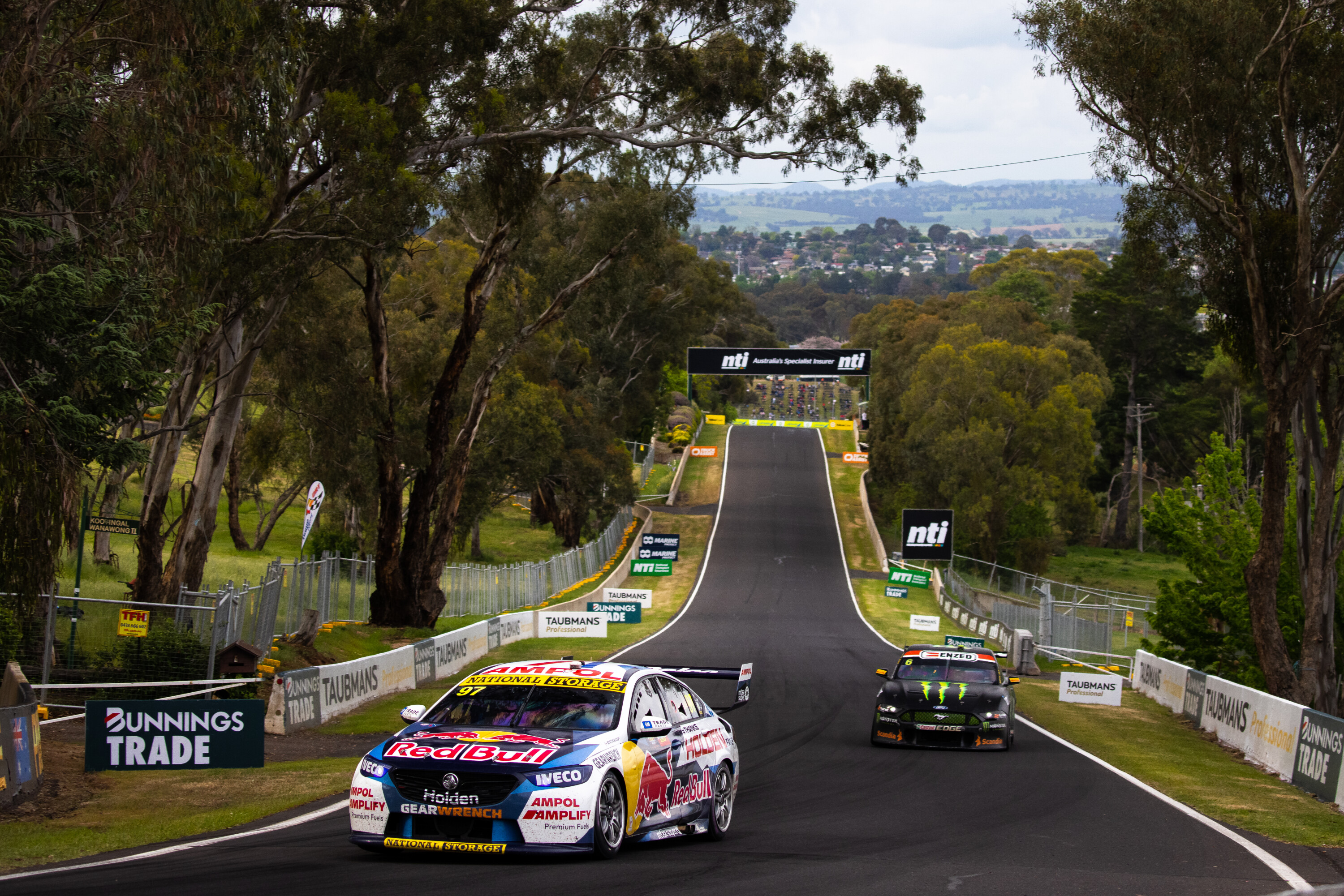
However, van Gisbergen – rightly as it turned out – was concerned that the team’s new owners, combined with a well-intentioned but ultimately misguided switch to Mercedes-AMG V8 Supercars, would be a recipe for disaster.
He would announce his retirement and his plans to move back to New Zealand to reset to a shocked racing community, who rallied behind the youngster as the season wore on.
1
Unfortunately, van Gisbergen allowed the narrative to get away from him.
The unconvincing retirement story ultimately blew up in the young man’s face, as he sensationally joined rookie outfit Tekno Autosports for the following season, racing under a legal cloud that would last almost two years.
Van Gisbergen would later profess to wishing he had handled the situation better, realising a moment of self-growth that many in the sport could learn from.

1
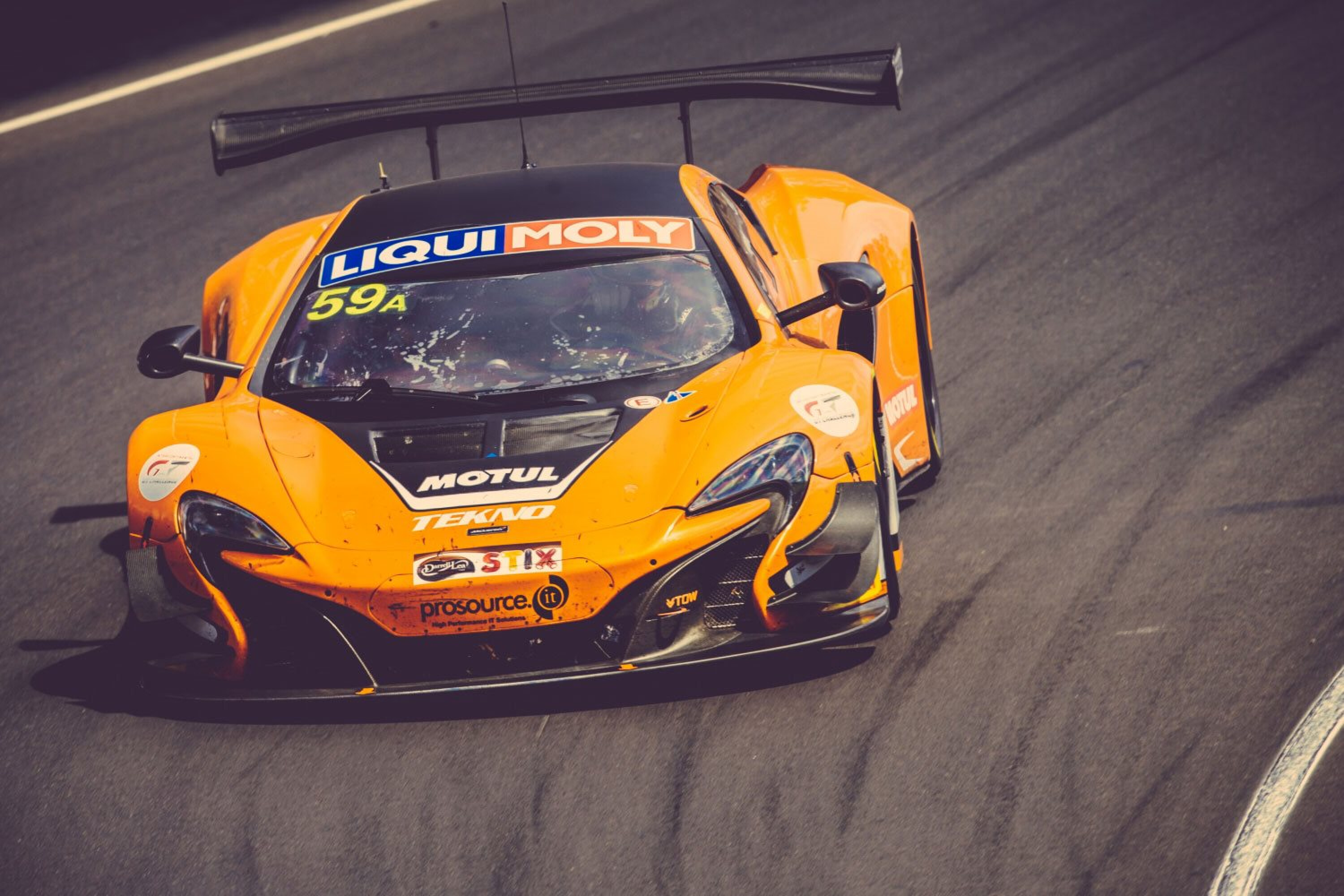
The rest, as they say, is history, as SVG parlayed the Tekno drive into a berth at Supercars powerhouse Triple Eight Racing in 2016, claiming his first of three titles in his first year.
His palmares of 80 wins, 46 poles and three Bathurst 1000 crowns puts him fourth on the all-time leaderboard; not to mention his success in numerous extra-curricular activities in disciplines as diverse as gravel rallying, speedway, GT3, open wheelers, endurance racing and even Aussie Racing cars and Hyundai Excels.
SVG doesn’t just have a racing brain; he has a supercomputer whirring away quietly inside his Bell helmet, working the angles, crunching the numbers and weighing up the odds in the heat of battle, way ahead of even the best of his on-track foes.
1
He takes what he’s got, maximises it absolutely and is relentlessly consistent, lap after lap after lap.
His use of on-board tech to get the absolute best from his car set standards around the world, too.
Take, for example, his use of the brake bias tool. Shane pioneered the practice of changing the proportion of brake pressure front to rear on multiple occasions in a single lap, in order to get the very best tyre performance he can get from the car he has underneath him.
1
His uncanny ability to simultaneously get the maximum performance from a tyre while also prolonging its useful life, too, also put him in the box seat for well-planned wins across a variety of circuits.
Some will say his driving style verges on the aggressive side, but in reality, it’s a ‘take no prisoners’ approach that puts the defending driver in a no-win situation. If SVG is in your mirrors, you’re in for a hard afternoon, and he knows it.
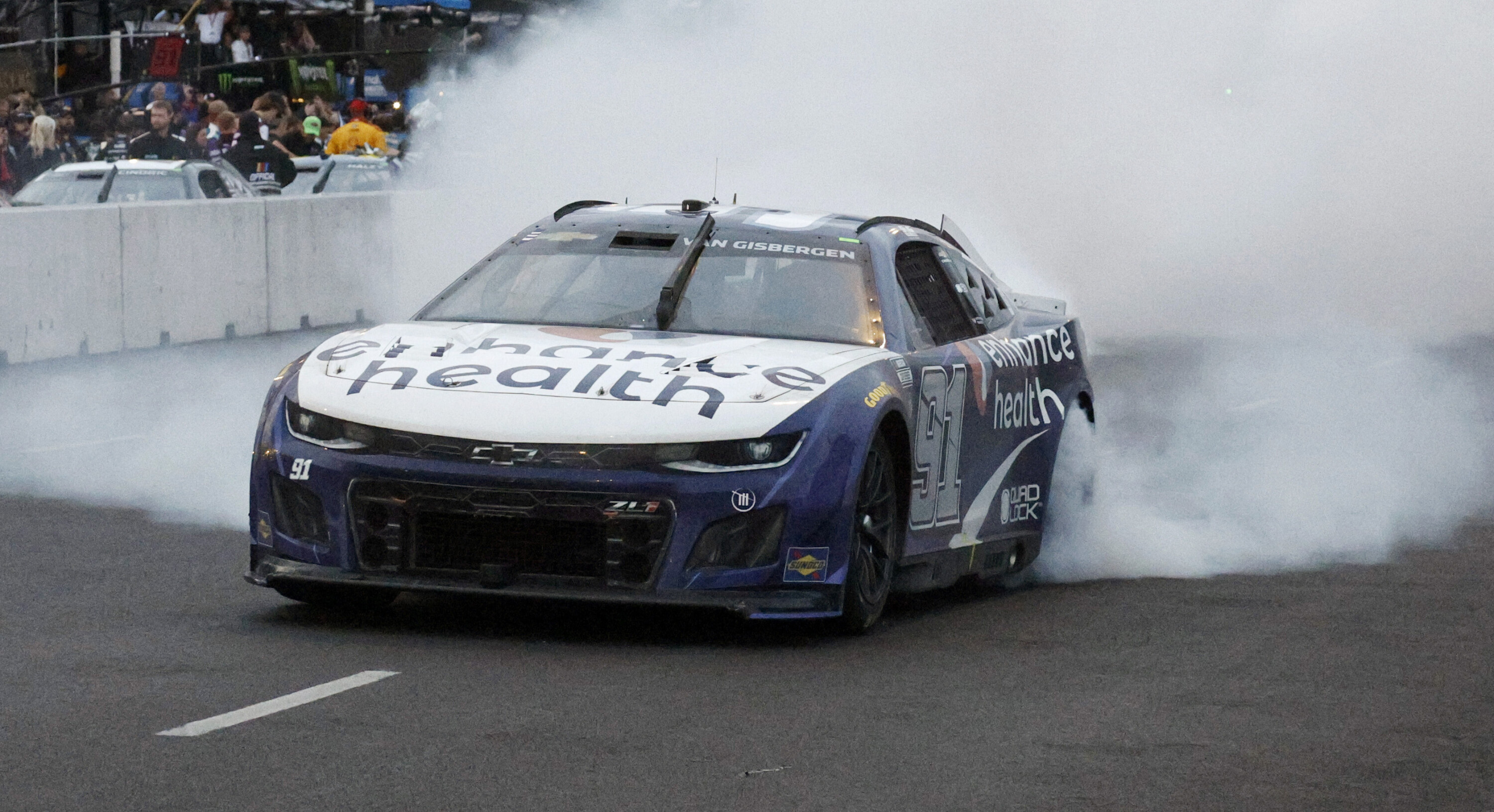
For me, though, van Gisbergen’s win on debut this year in NASCAR’s street race debut in Chicago sums up the Kiwi charger best. New track? Sure. New car? No problem. Rain? Sure, why not.
His calm, measured and joyful approach to the weekend, joining forces with a relatively rookie team with a heart the size of Phar Lap, summed up the coming of age of one of the world’s most versatile race car drivers, as he put on a race driver’s clinic ahead of some of the planet’s best-paid race car stars.

1
The 2023 season hasn’t been especially kind to the Giz… though I wonder if the lustre of Supercars had worn off long before his busman’s holiday in Illinois.
Unceremoniously – and in my personal view, unfairly – rubbed out of title contention in round one after a technical DQ, the SVG of old only emerged in the back half of the season, as he finally came to grips with a car he’s described in less than glowing terms on a number of occasions.
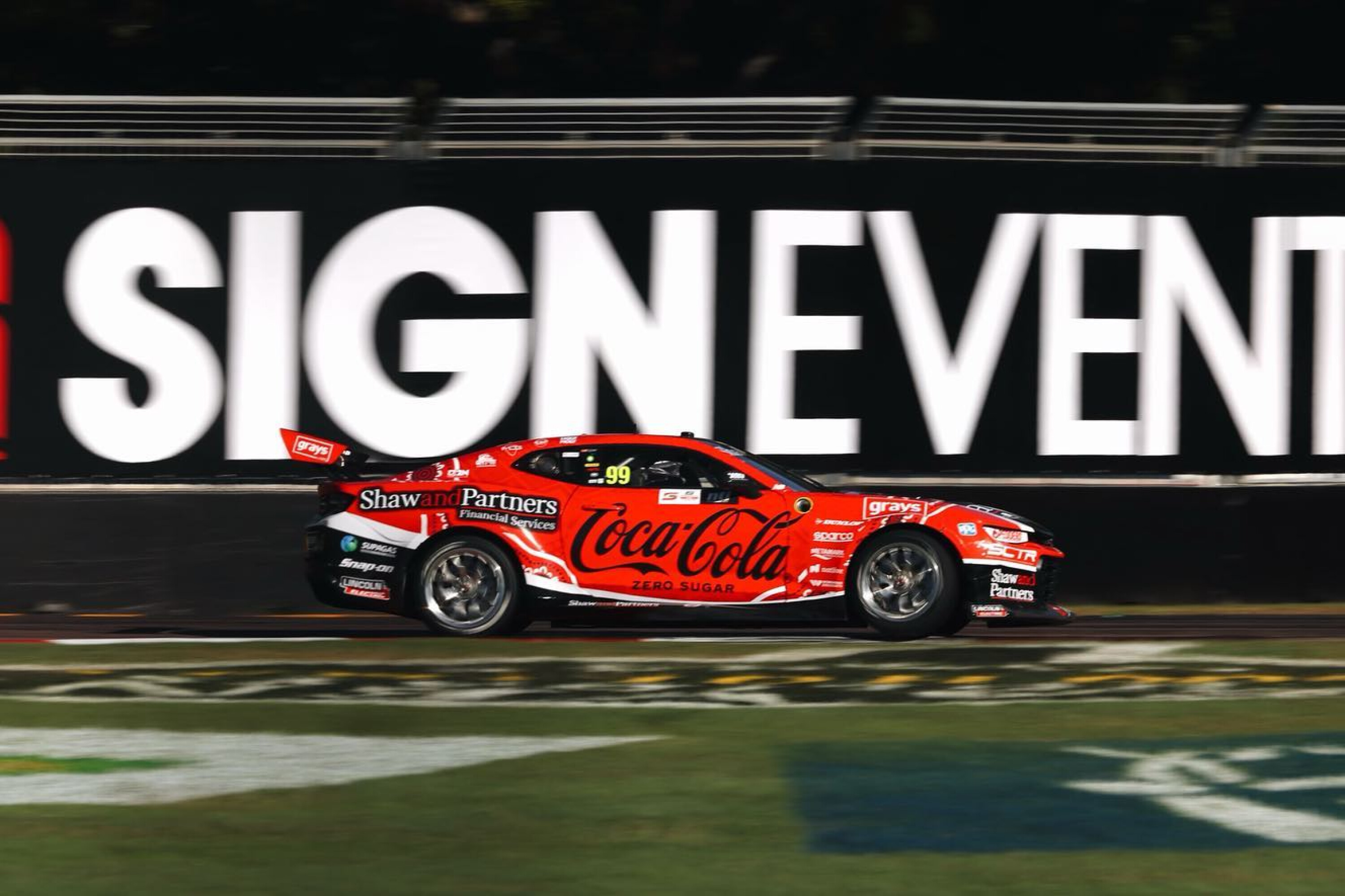
He’ll enter his final weekend of Supercars competition with a mathematical shot at title number four, but I get the feeling he’d rather see his mate Brodie Kostecki go on with his stellar 2023 season and lift the championship trophy.
1
Shane will head to the US in December with his partner Jess, their dog and a 16-year Supercars career in his rear-view mirror, as he tackles the next challenge in his racing career.
Will he return to Supercars? My guess is that it would have to be the right drive at the right time – and that, honestly, may never come again.
Kia ora, SVG. You were bloody spectacular.
MORE
Motorsport
In the world of vehicle customisation, headlights have evolved from mere functional components to canvases of personal expression and technological innovation.
Gone are the days when headlights were only about lighting the path ahead; today, they are about making a statement, turning heads, and pushing the boundaries of design and technology.
From patriotic displays to futuristic projections, the world of custom headlights is dazzling.
So let’s delve into the craziest custom headlights we’ve seen, showcasing the creative genius and technological prowess that transform ordinary vehicles into rolling masterpieces of light and colour.
While these creative marvels skate past the edge of legality, they are still undeniably cool.
Angry Eyes
1
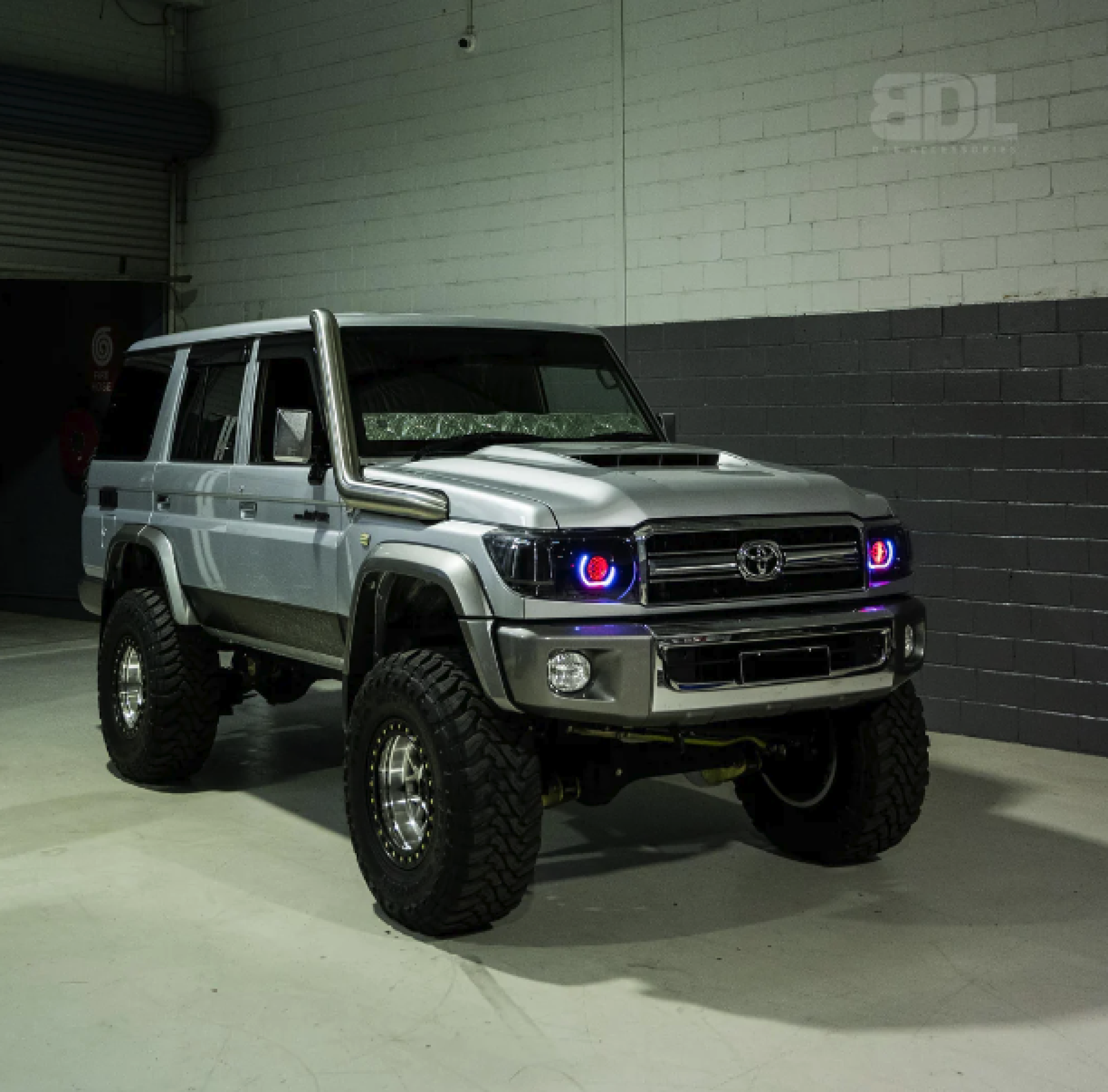
These custom “Angry Eye” headlight kits take the personality of your vehicle to the next level. These kits often feature running RGB lights that create an animated effect, making it look like your car is glaring down the road with an aggressive stare.
Suffice it to say, if I saw a LandCruiser with these headlights in my rearview mirror there’s a high chance I’d start praying and repenting for my sins.
DIY Magic
For the hands-on enthusiast, DIY animated turn signal kits offer a chance to truly personalise a vehicle. These custom-built signals can display dynamic, flowing light patterns, adding a touch of elegance and high-tech flair to any turn signal. It’s a fun and creative way to enhance a vehicle’s functionality and style.
Lucas Builds Stuff on YouTube developed his panel-style headlights using a 3D scanner and printer to fit colour-changing headlights to his Chevrolet Silverado in time for a car show. The results are mesmerising.
Controlled via a smartphone app, the driver can select and customise their light display.
Beauty is in the detail
1
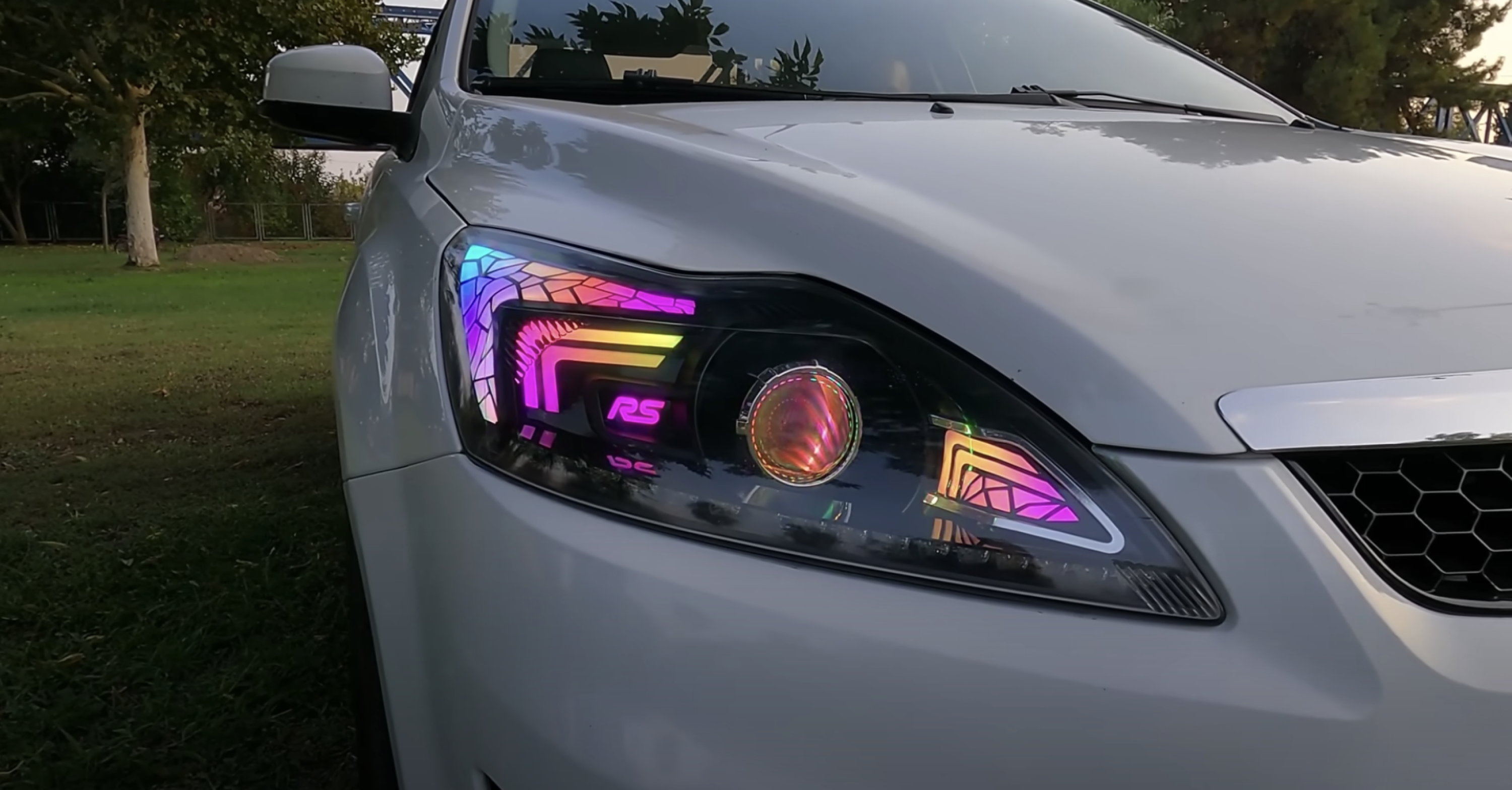
One of the most detail driven headlight designs we’ve seen comes from Azc Car Style in Turkey who rebuilt his Ford Focus custom headlights by hand.
The attention to detail is unmatched and watching through the video shows the sheer amount of work put into this build.
If you’ve got the time and energy, a project like this could take up quite a few hours over the holidays.
From computer imaging, cutting, welding, heating, glueing, drawing, shaving, spraying and all the electrical work involved, there’s not a lot of craft that hasn’t been put into these custom pieces of art
Angel Eyes
1
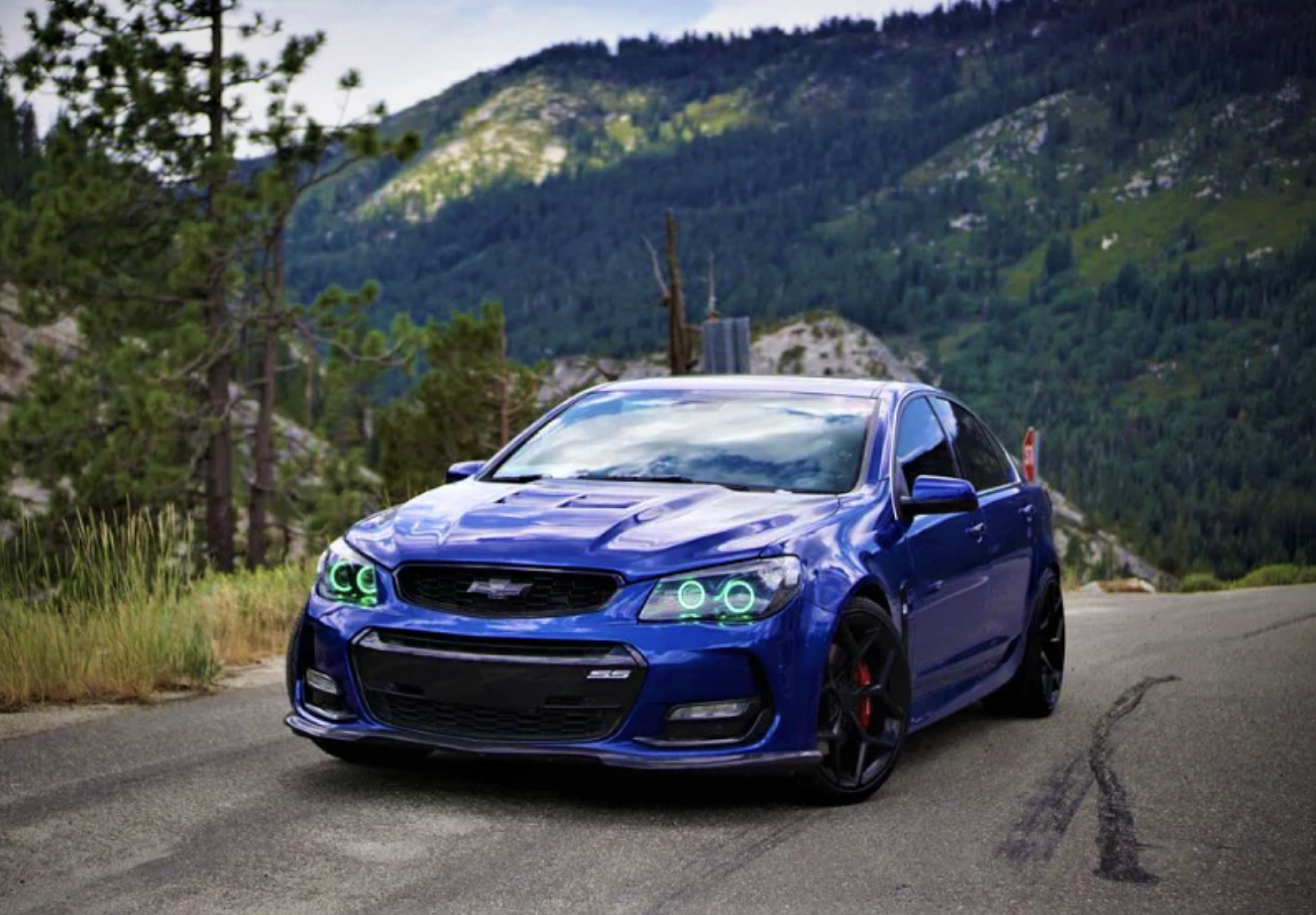
Halo ring headlights, also known as “Angel Eyes,” are a type of automotive lighting that adds a distinctive ring of light around the main headlight beam.
They were first introduced by BMW in the late 1990s and have since become popular in car customisation for their stylish and modern appearance.
Angel eyes are available in various colours and can be installed as an aftermarket customisation to give vehicles a unique and eye-catching look.
For those in Queensland, Dan’s Custom Car Lights can install your custom halo ring headlights and more. If you’re not in the state, you can have them shipped to your door, along with a range of custom light options like door lights and underbody lighting.
(Note that under ADR regulations, all these options are actually illegal for road use, but we can still appreciate them anyways.)
This week, the BBC cancelled its long-running Top Gear TV series after host Freddie Flintoff’s disastrous crash sent the government-funded network into a spin over safety concerns.
As fans of the iconic British TV series process the news, it seems the perfect time to look back at the episodes that have made this series a staple in the world of automotive entertainment.
The show’s specials, in particular, are a treasure trove of exhilarating road trips, daunting challenges, and the camaraderie of its hosts – especially back in the Clarkson, Hammond and May days. (It probably says something that none of our all-time faves include any of the new hosts…)
Let’s journey back to some of its most memorable moments and take a quick look at some favourite specials from over the years!
Bolivia
Series 14, Episode 6
This special features a gruelling journey through South America, starting in Bolivia and ending at the Pacific Ocean in Chile.
Africa
Series 19, Episodes 6-7
Each armed with a used estate car bought in the UK for less than £1500, the team trek to Uganda for an African adventure.
Botswana
Series 10, Episode 4
With £1500 each, the trio set off to buy a vehicle in Africa that isn’t allowed to be 4WD or built to go off-road – and then proceed to, you guessed it, go off-road.
USA
Series 9, Episode 3
The lads head stateside with the challenge of buying a car each for less than $1000, or what it would cost to hire a car for a fortnight.
Vietnam
Series 12, Episode 8
Tasked with buying a motorcycle each for less than 15 million Vietnamese dong (approximately $950 AUD), Clarkson, Hammond and May take their two-wheelers on a hilarious journey through Vietnam.
How to watch Top Gear in Australia
Seasons of Top Gear are available to watch across Prime Video, Stan and Apple+, although the seasons available vary between providers.
A new BMW 5 Series used to be a Big Deal.
We’d publish spy shots of the next-gen version, speculate at length about performance and specifications, attend the international first drives and then pitch the car into a comparo against an E-Class or an A6 when it arrived in Australia.
Last year, on these shores, the 5 Series shifted 457 units. Yes, that still represented the biggest share in its sector, but it’s not a lot of cars. In bald terms, each BMW dealer in Australia will sell one 5 Series per quarter.
1
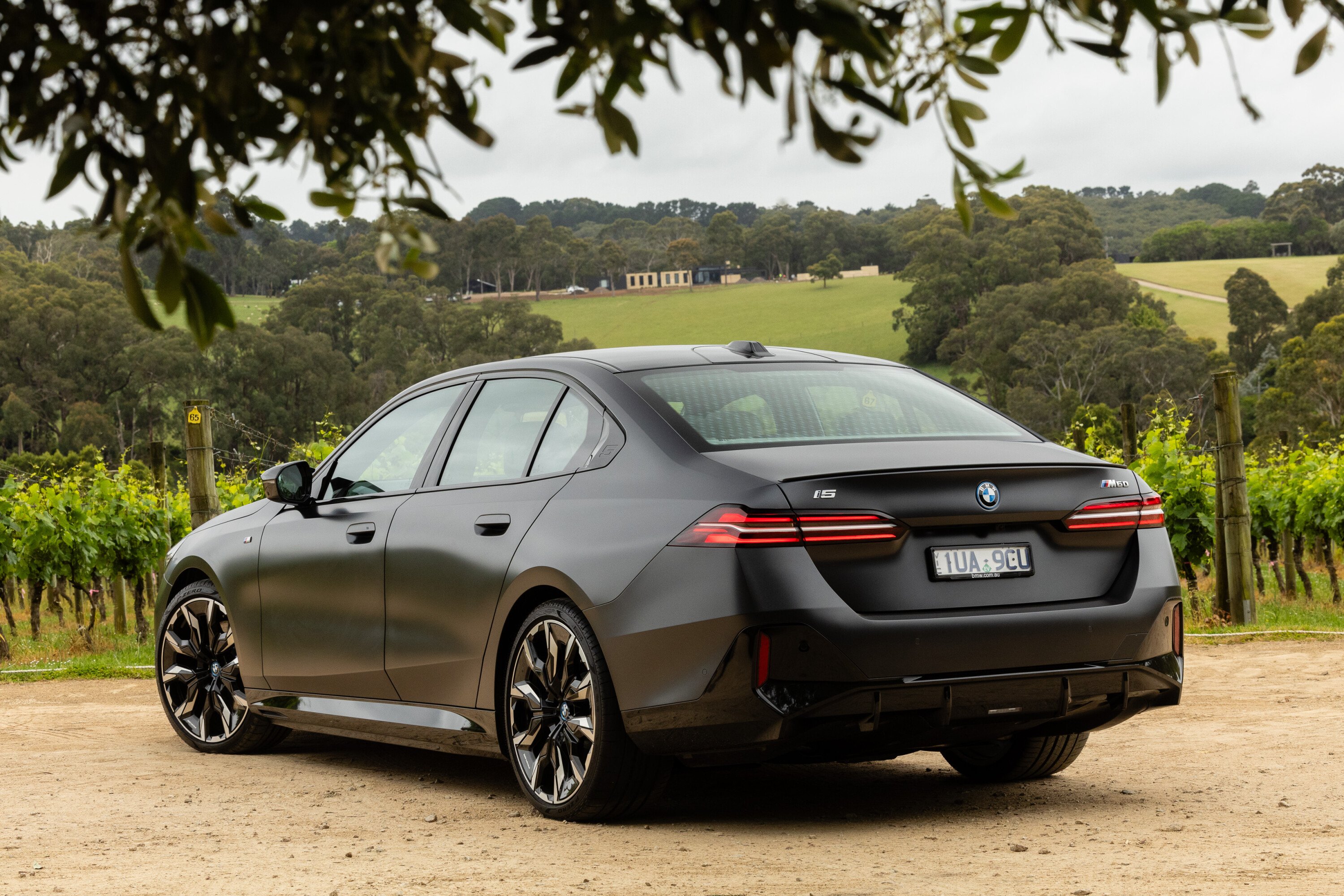
Therefore, it’s understandable if the launch of the latest 5 Series, dubbed the G60 generation, has slipped under your radar.
The make up of the range is unusual too. Here in Australia, we get a sole entry-level 520i, powered by an unspectacular 147kW 2.0-litre turbo four, and a pair of electric i5 variants. Not wishing to issue any spoilers, but these are quite hilariously superior to the one with a tailpipe, which we’ll ignore for the time being.
You’ll need deep pockets though. When the last G30 5 Series launched in 2017, there were a couple of sub-$100k options and the range-topper – at least until the M5 arrived – was the $136,900 540i.
1
That won’t even buy you the entry-level i5 today. For that privilege, you’ll need to set aside $155,900 before you start ticking boxes. It does buy you a very special car though.
The BMW i5 eDrive40 is a single-motor, rear-drive sedan that develops 250kW and 430Nm, which, coincidentally, is virtually lineball with the previous-gen 540i. It draws charge from an 84kWh battery pack (81.2kWh net) and features a driving range of up to 550km. Flog it from standstill and it’ll reach 100km/h in 6.0 seconds. Quick then, but not one of these EVs that threatens to detach your retinas when you mat the right-hand pedal.
Should you feel that retinas are largely superfluous addenda, budget $215,900 for the erstwhile range-topper, the i5 M60 xDrive. If you’re fluent in BMW-speak, you’ll realise that this is a dual-motor, all-wheel drive confection, in this case generating a vast 442kW and 880Nm, and will smash its way to 100km/h in a vanishing 3.8 seconds.
1
The range dips somewhat to 506km, due to the fact that you have an increased draw from the same-sized 84kWh suite of lithium-ion modules. Pesky physics/chemistry.
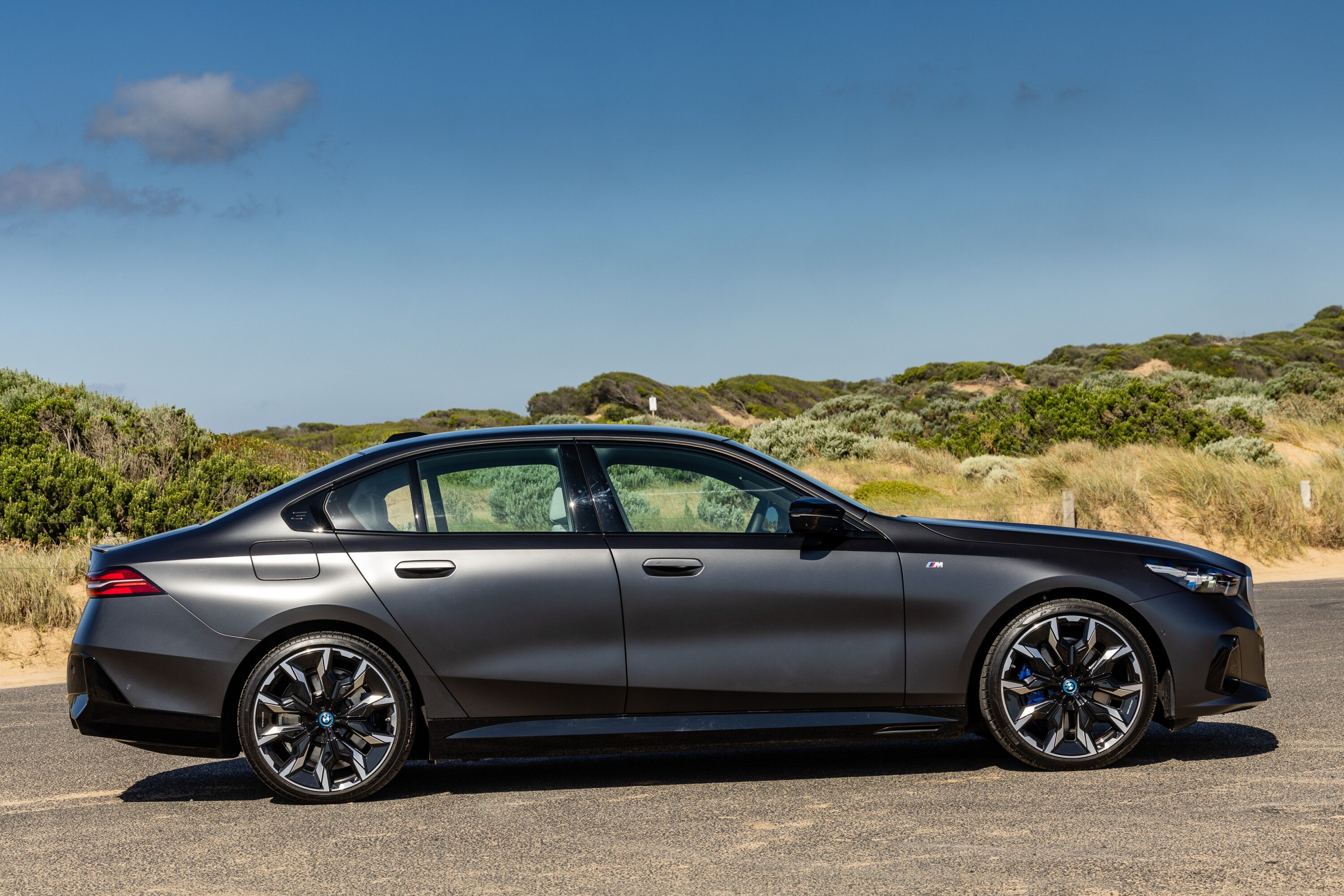
The i5 is a big car. For those of you who measure things in terms of Chris Bangle-era cars, it’s the size of his aesthetically challenging E65 7 series sold from 2002 to 2008. For those who don’t, it’s 5060mm long, which is 97mm longer than its G30 5 Series predecessor.
Unfortunately that length doesn’t translate fully to cabin space, as rear leg room increases by 5mm. Width is up 32mm, height rises by 36mm and wheelbase by 20mm.
1
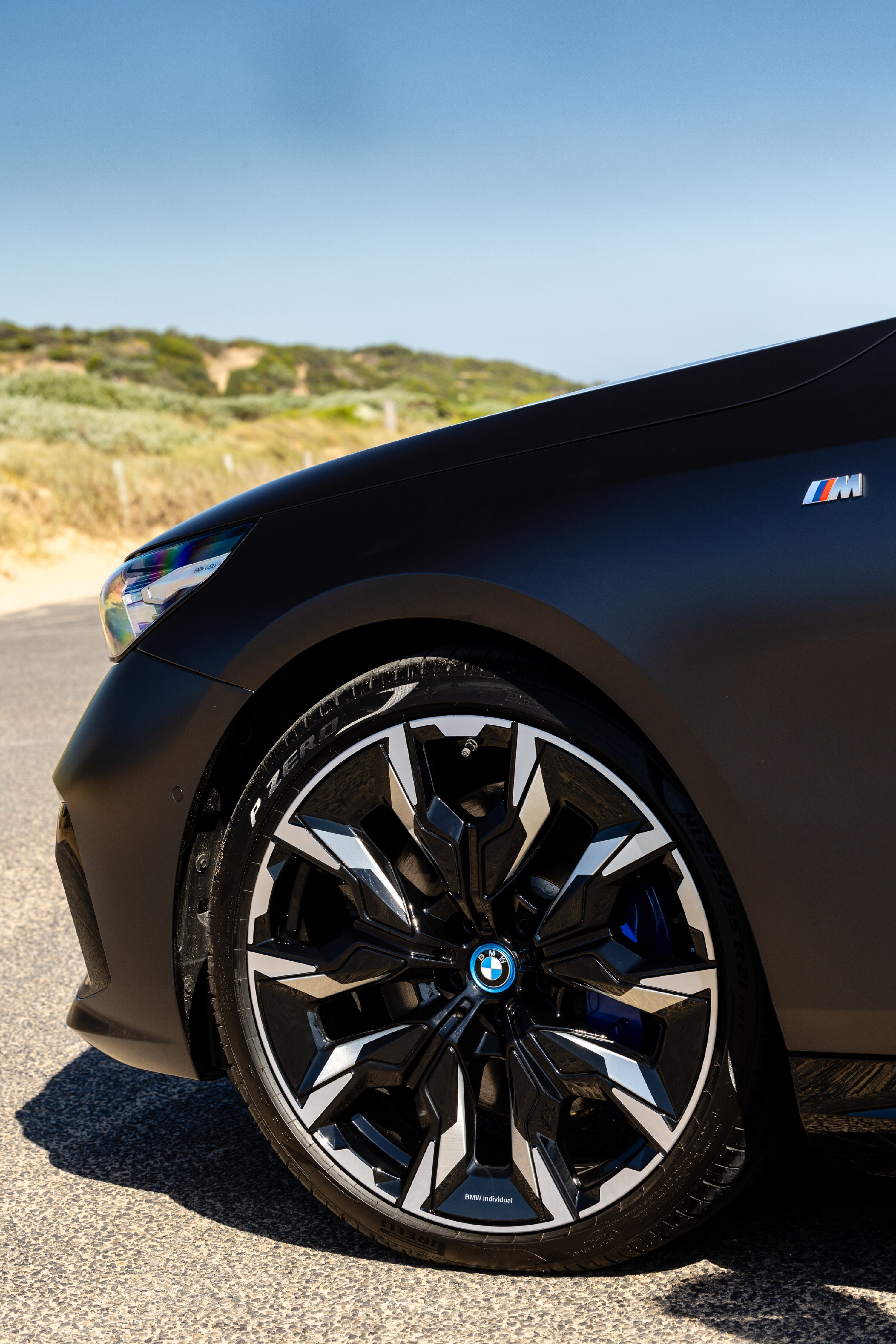
It’s also – to this eye at least – a fairly handsome thing. That extra length lends the i5 a certain sleekness, with a clean and deft blend of trapezoids and Beziers to its detailing.
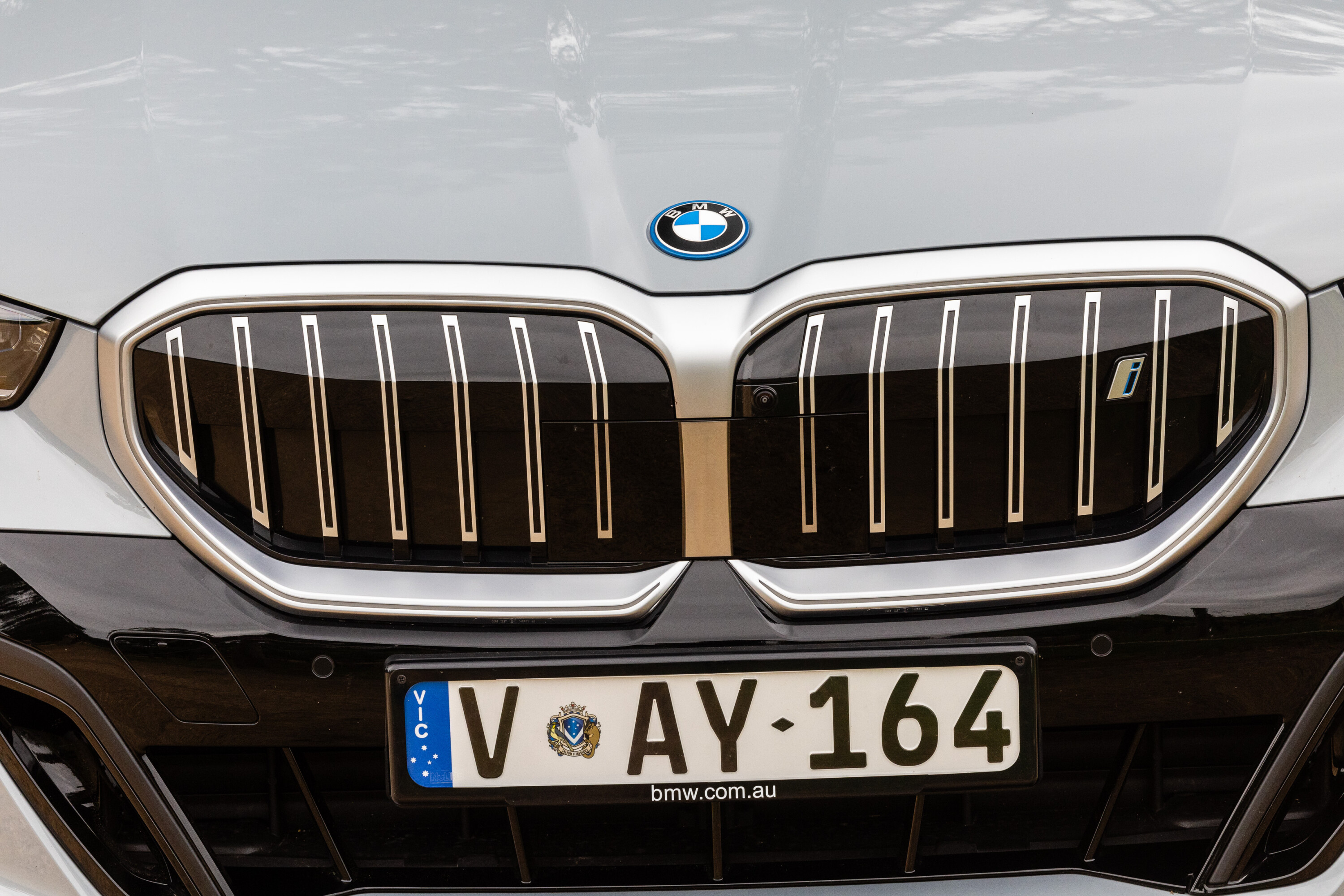
The grille is nowhere near as prominent as on certain other BMW models, which the more conservative 5 Series clientele will doubtless approve of. Should you feel the subtler grille is starving you of attention, you’l be reassured to hear that it features the Iconic Glow function from the 7 Series. Yes, it’s illuminated.
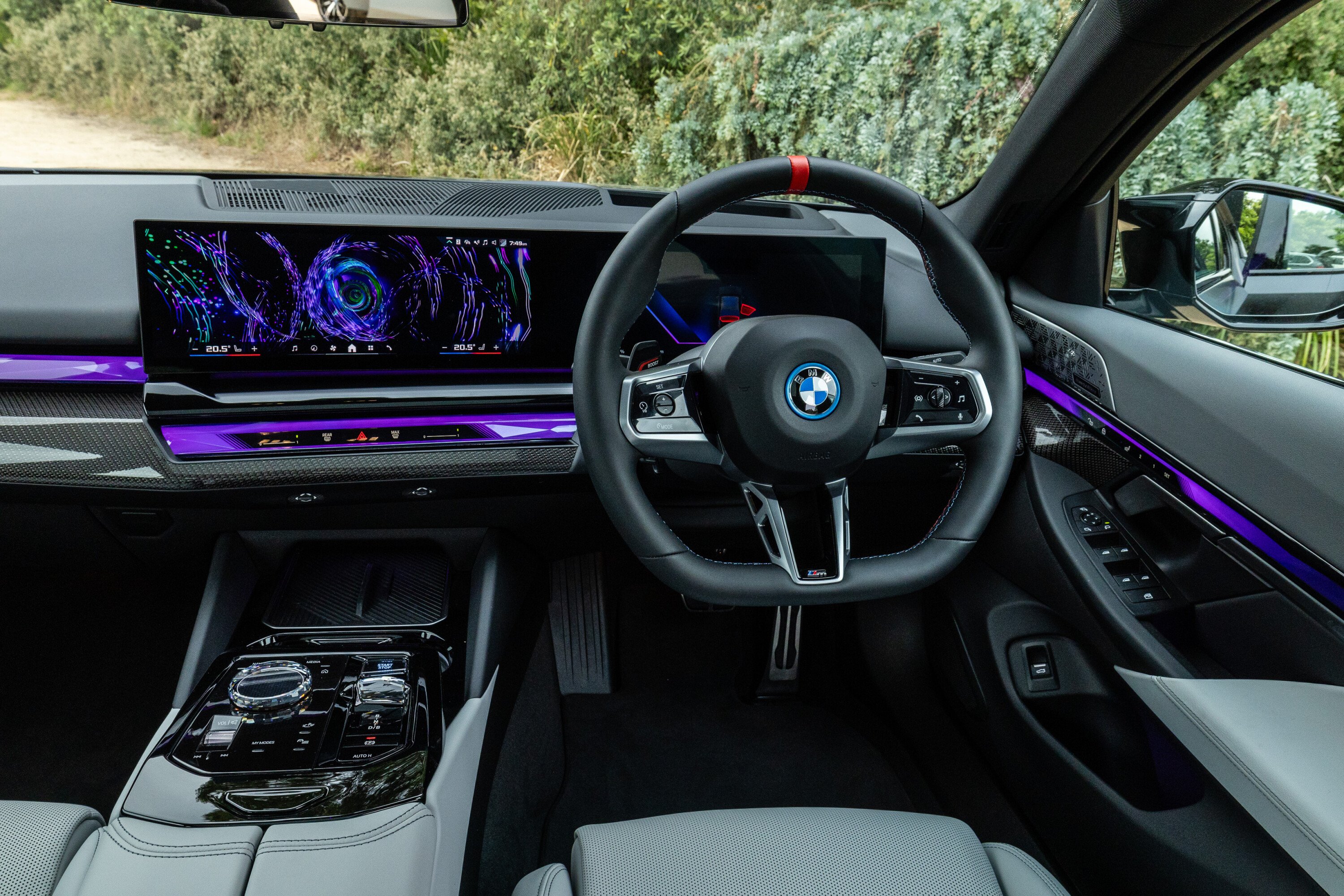
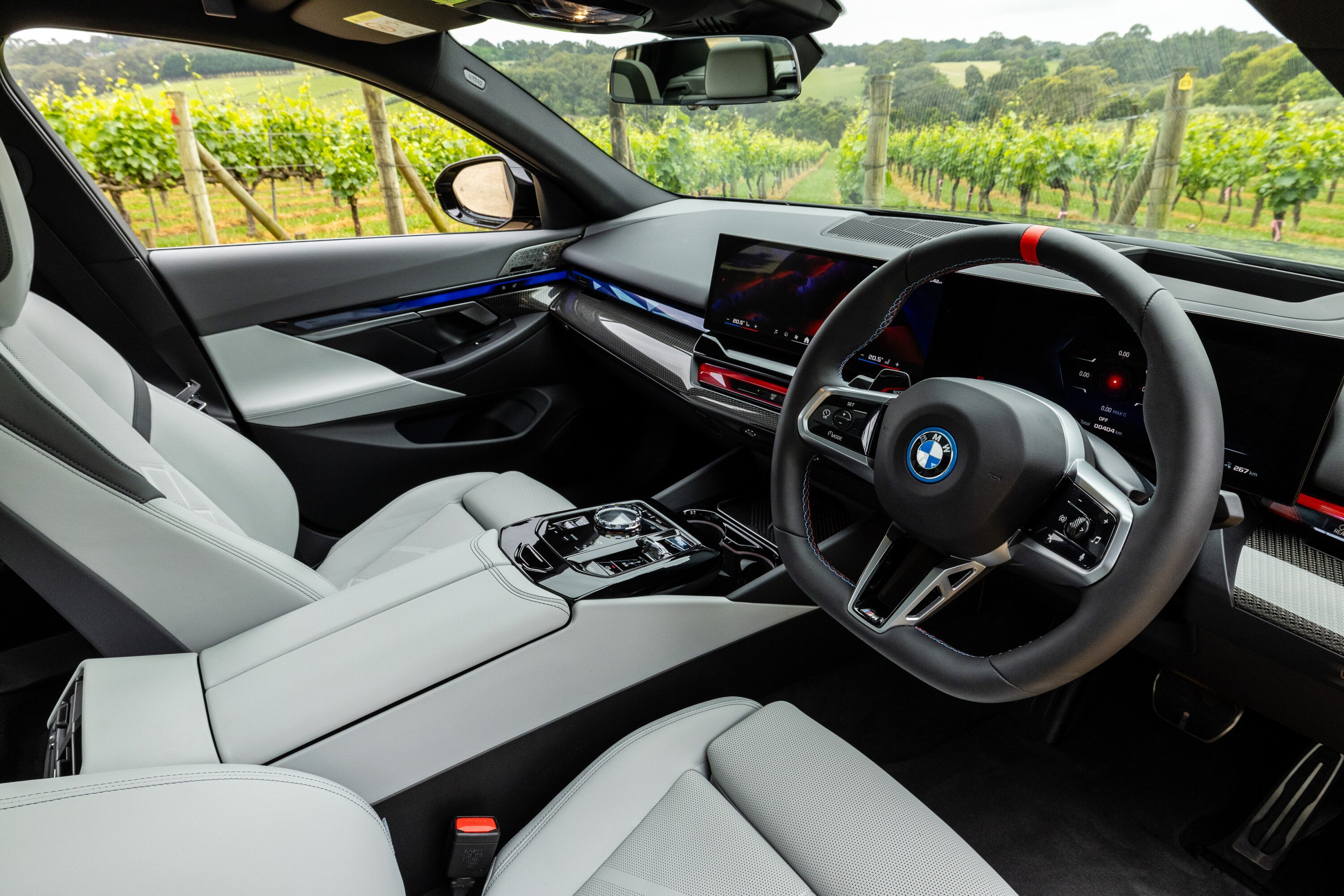
Step inside and the cabin is similarly slick. There’s a lot of materials, textures and depth of design to take in. Compared to something like a Tesla, it feels as if the investment into the cabin is from another dimension and the materials quality is superb.
1
February 2024: i5 Touring pricing
BMW’s gone and revealed an electric wagon – and it’s coming to Australia. Get all the details at the featured story linked below.
Story continues…
It’s a shame that BMW saw fit to install possibly the ugliest speaker grille cum air vent in automotive history right atop the dash, a hideous riot of circles and bisecting angles which reflects in the windscreen.
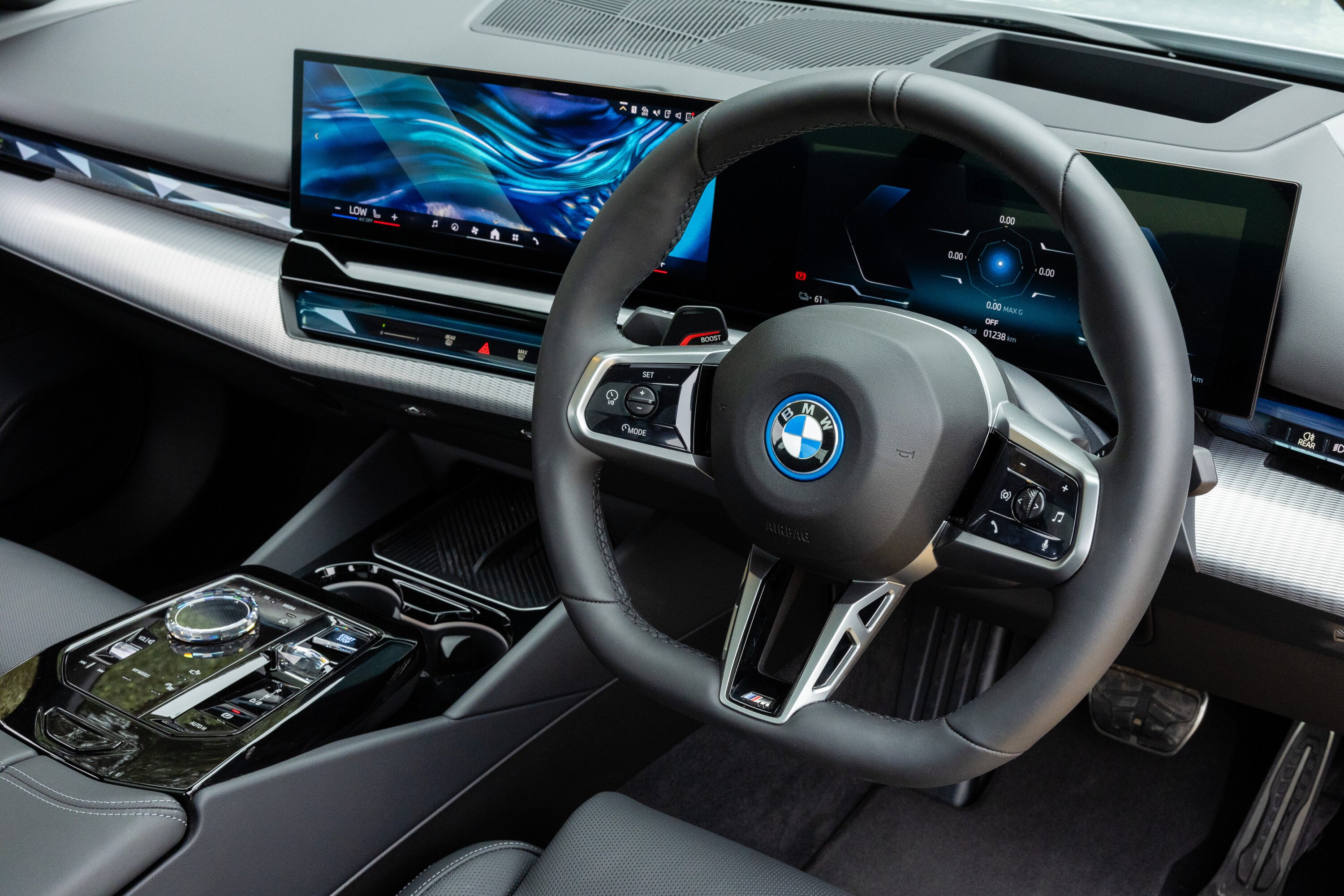
Ergonomically, things are good. There’s a dual wireless phone charger, plenty of storage, a hugely adjustable steering column and the main 12.3” digital dial pack is hugely configurable.
BMW’s latest Operating System 8.5 features Youtube video streaming on the big 14.9” centre screen as well as a feature the kids will absolutely adore – AirConsole in-car gaming where you can use smartphones as wireless controller. This utilises local wifi and the latency when playing is reassuringly low.
1
I’d prefer it if the driver’s seat could be set a little lower, but otherwise, it’s a solid cabin.
Our test i5 40 was fitted with BMW’s optional $5700 Comfort Package, which seems a bit of a no-brainer, adding a heated steering wheel, roller sunblinds, ventilated Comfort seats up front, seat heating in the back, and four-zone air conditioning.
It also introduces BMW CraftedClarity Glass, which sounds esoteric, but which replaces many of the plastic touchpoints on the centre stack with Swarovski cut glass. The glass rotary controller for the infotainment feels beautiful in the hand and its damped detents are reminiscent of boutique hi-fi hardware.
1
Those numbers make the electric Five seem about as sporting as dynamiting fish in a barrel.
The equipment list is extensive and all i5s include a 17-speaker, 655-watt Bowers and Wilkins stereo, adaptive matrix LED headlights, a panoramic glass roof, Parking Assistant Professional,BMW Connected drive functionality, head-up display, Driving Assistant Professional pack and M High Gloss Shadowline body styling.
BMW claims that this generation Five offers the luxury and comfort of a 7 Series and the sportiness of a 3 Series. It comes closer to the former, but the latter claim’s a bit of a stretch when the i5 eDrive 40 tips the scales at 2205kg and the M60 is a hefty 2380kg. Those numbers make the electric Five seem about as sporting as dynamiting fish in a barrel.
We get to drive the eDrive 40 first. Throttle tip-in is silky, the steering office a pleasant little vibe through the rim, but is otherwise accurate but somewhat inert, an elastic steering gear mount mopping up the lion’s share of undesirable feedback such as electric motor ripple.
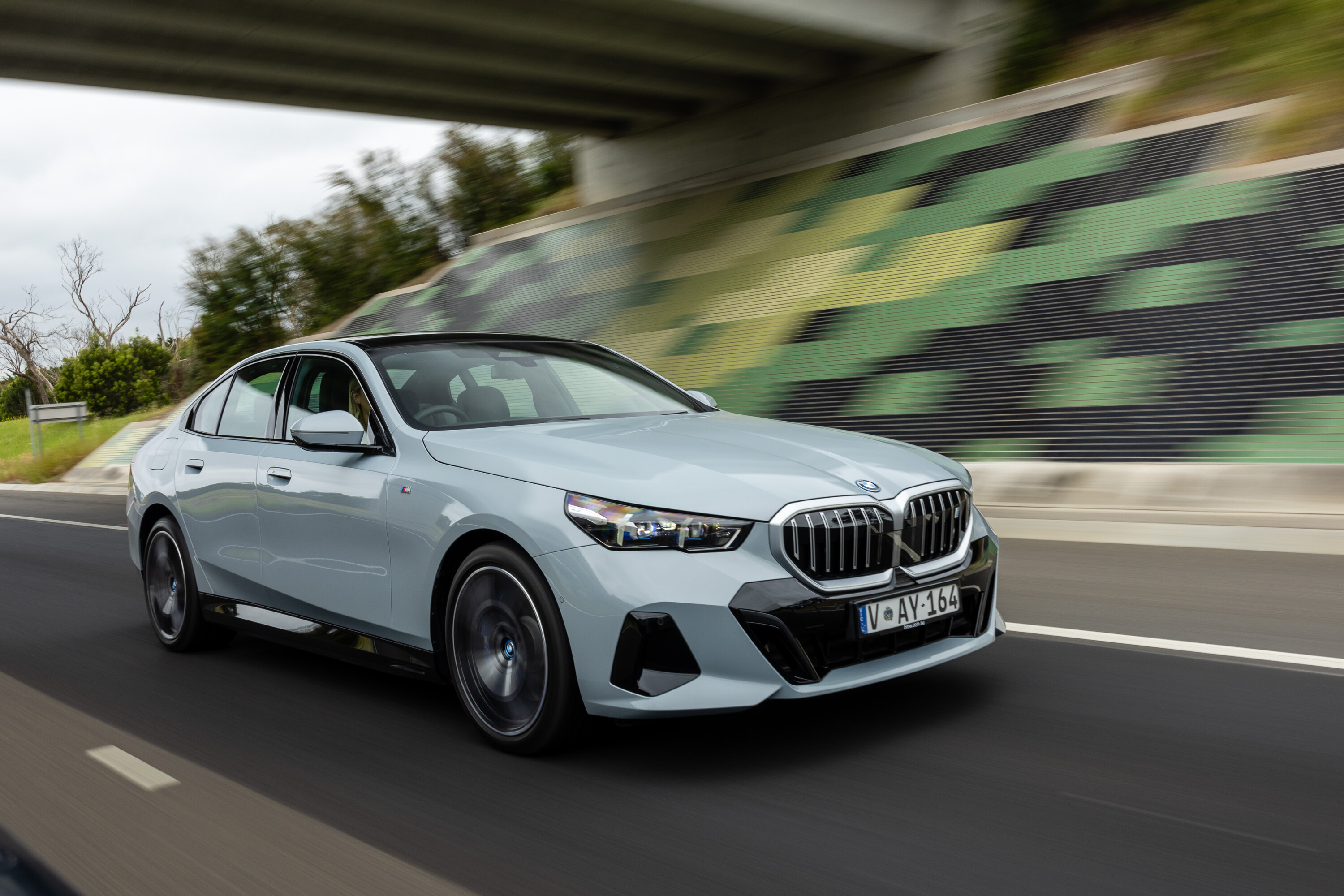
1
The brakes deliver an excellent handover between re-gen and friction retardation.
It’s a genuinely well-calibrated package. Ride quality is good too, the i5 riding on an air-suspended rear end with adaptive dampers. Agility is helped by Integral Active Steering, or four-wheel steering, which turns up to 2.5 degrees.
The variance between the different drive modes are surprisingly subtle, and the 20-inch Pirelli P Zero tyres offer far more tenacious grip and reassuring response than the Conti EcoContact 6 disasters we’d tried on the 520i. It’s punchy enough to feel as if the torque is somewhat neutralising the impression of weight, but it pays to remember that this is a big sedan and judge it accordingly.
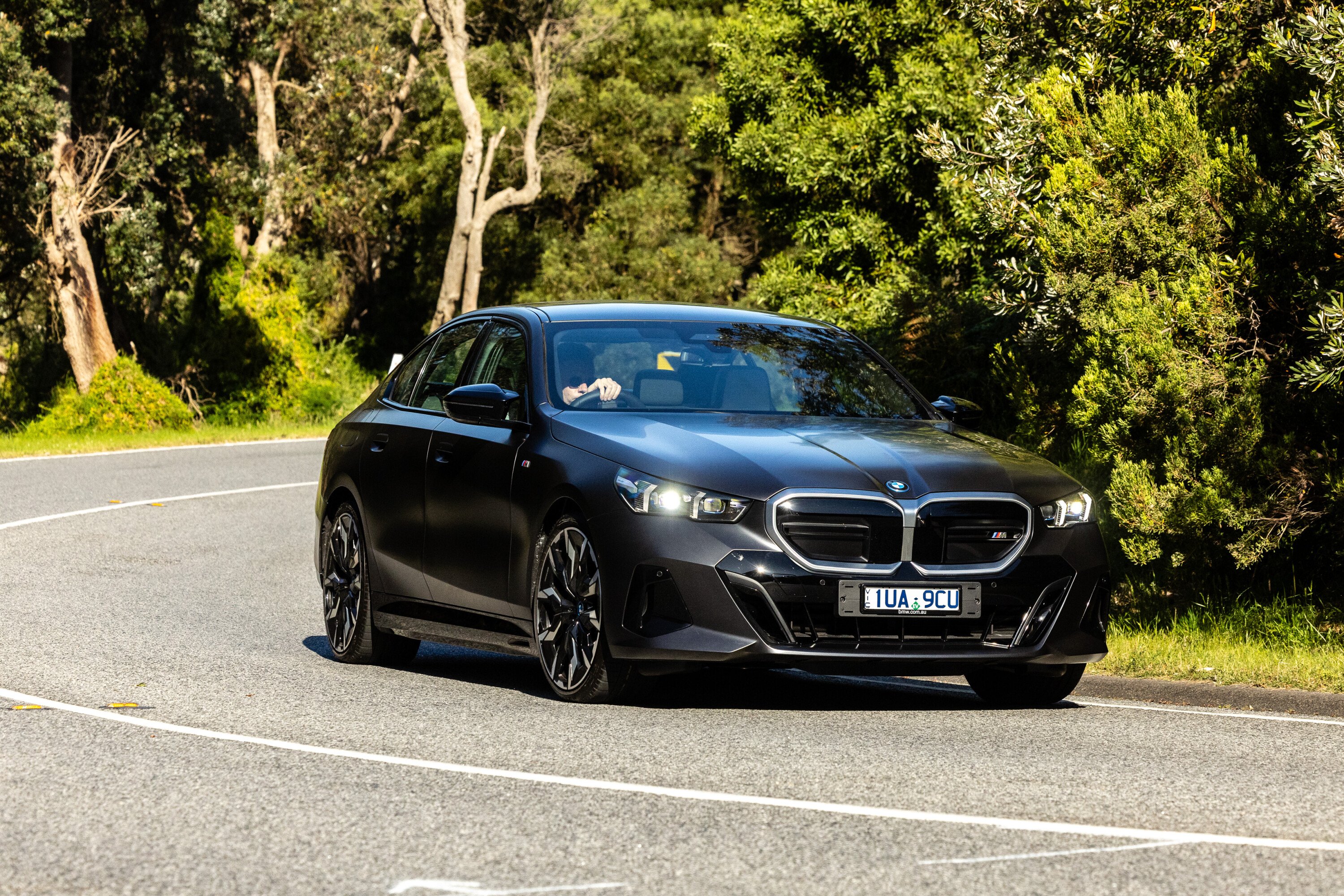
1
Plant the throttle and it sounds agreeably exciting.
No, it’s not a six-pot howl, but the Hans Zimmer-designed Iconic Sound Electric delivers a rising whoosh as you accelerate that’s neither irritating nor offensively gratuitous. Exceed the speed limit and there’s an ultra-subtle double buzz applied to the steering that’s helpful and not overly intrusive.
Step into the i5 M60 xDrive and it all feels a bit more serious. That sweet balance of the 40 gets somewhat sledgehammered by the sheer torque of this powertrain. 820Nm will do that for you. It’s an addictive experience just to zip down on-ramps, but I have to wonder how soon that novelty would pall and leave you wondering whether it was entirely wise to cross your BMW dealer’s palm with another $60K.

1
The heavier M60 does get a few items missing from the M60, aside from another 6-phase electric motor.
The Comfort Package is fitted as standard, as is Adaptive M Suspension and Active Roll Stabilisation. Twenty-inch wheels are fitted as standard and will eke the most out of that claimed 506km range, but it’s likely that most customers will choose the no-cost option of 21s.
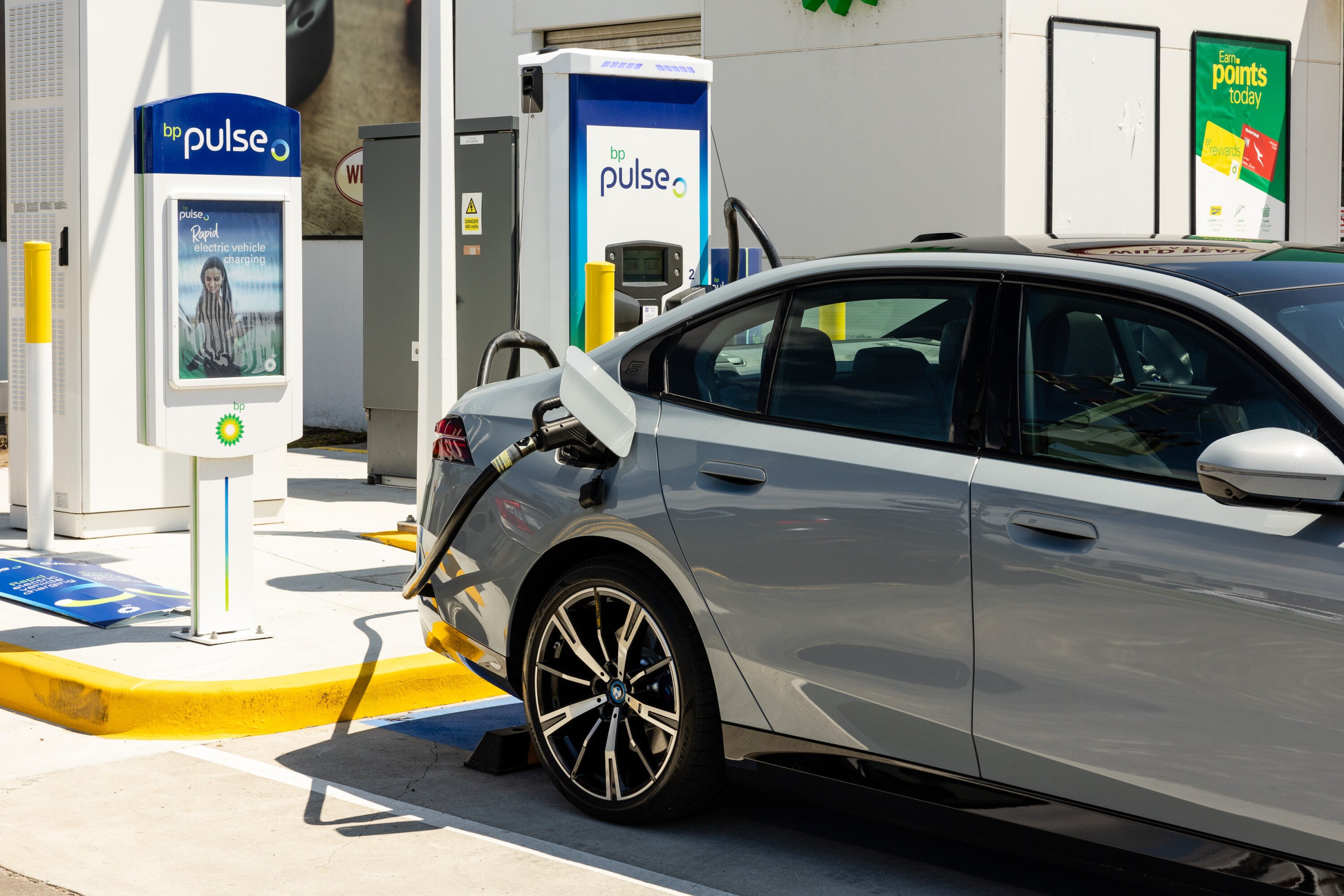
Talking of range, the i5 features a neat function called Max Range Function. Should you arrive at a public charger which is out of order or busy, this function then disables all extraneous draws on the battery and increases range by up to 25 percent in order to get you to the next available charger.
1
The DC charging rate of all i5s is a maximum of 205kW, with 22kW AC onboard.
A battery pre-conditioning function is fitted to help you get the max speed out of your charger, and BMW claims a 10-80 percent charging time of 30 minutes, with a 10 minute charge adding 156km.
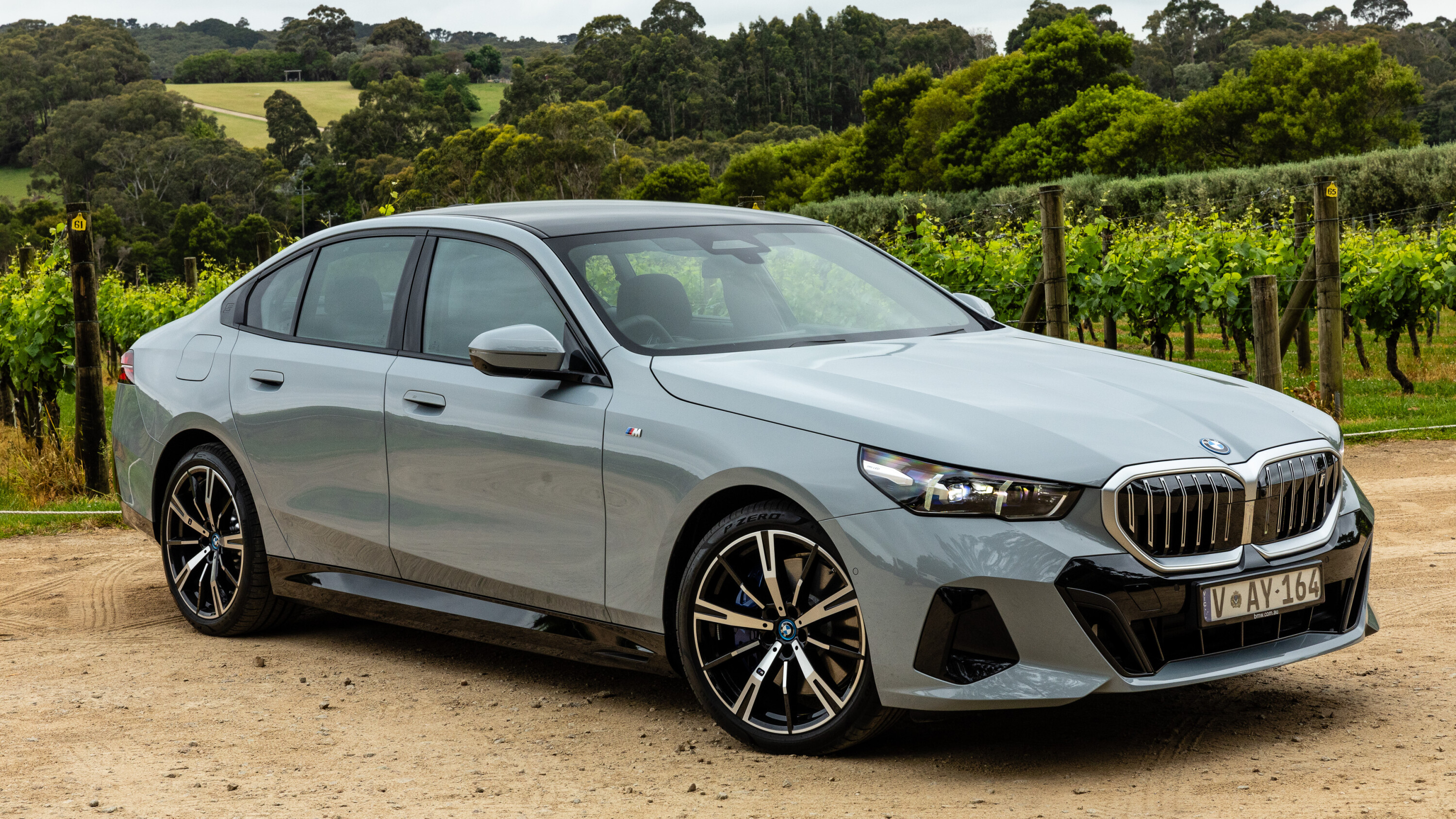
Range is helped by an ultra-aggressive aero figure from just 0.23Cd, helped by a flat floor, active vents, air curtains in the wheelarches and aerodynamic alloy wheel designs.
There’s also an Efficiency Trainer in the iDrive system which will offer tips on eco driving, if you feel you’re not getting the best from the car’s range. A five-year Chargefox subscription is included, and BMW also offers a Gen 3 wallbox for fitting at home that will run you $1199 including GST.
1
The i5 feels a mature product, following on from the excellent iX1, i4 and i7 electric vehicles.
Drive one back to back with an ICE 5 Series and it feels as if this car is just better suited to battery power, leaning into the luxury, refinement and smooth step-off required of an executive sedan. What’s more, BMW doesn’t make a great song and dance about its electrification and that will doubtless appeal to a certain class of buyer.
Sit inside and there’s no particular learning curve to shin up. It all just works. The i5 eDrive40 feels like a more cohesive and better value package than the range-topping M60 xDrive, but the latter deserves credit for not trying to be an electric M5.
As good as the i5 is, it’ll likely remain a rare sight on our roads. The price and form factor will see to that. BMW seems undeterred. It has 12 battery electric vehicles on its books and will have 15 by mid 2024. Quietly and unobtrusively, BMW is pushing for genuine market authority in this space.
MORE
Everything BMW
| 2024 BMW i5 eDrive40 specifications | |
|---|---|
| Body | 4-door, 5-seat sedan |
| Motor | Single rear-mounted permanently-excited synchronous |
| Power | 250kW |
| Torque | 430Nm |
| Transmission | Single-speed reduction gear |
| 0-100km/h | 6.0 seconds (claimed) |
| L/W/H | 5060/1900/1515mm |
| Wheelbase | 2995mm |
| Boot space | 490L |
| Weight | 1725kg |
| Battery size | 84kWh (gross) 81.2kWh (useable) |
| Driving range | 550km |
| Suspension | Struts, coil springs, adaptive dampers, anti-roll bar (front) Multi-links, air springs, adaptive dampers, anti-roll bar (r) |
| Steering | Electric rack-and-pinion |
| Tyres | Pirelli P Zero 245/40 R20 (f) 275/35 R20 (r) |
| Price | $155,900 + on-road costs |
