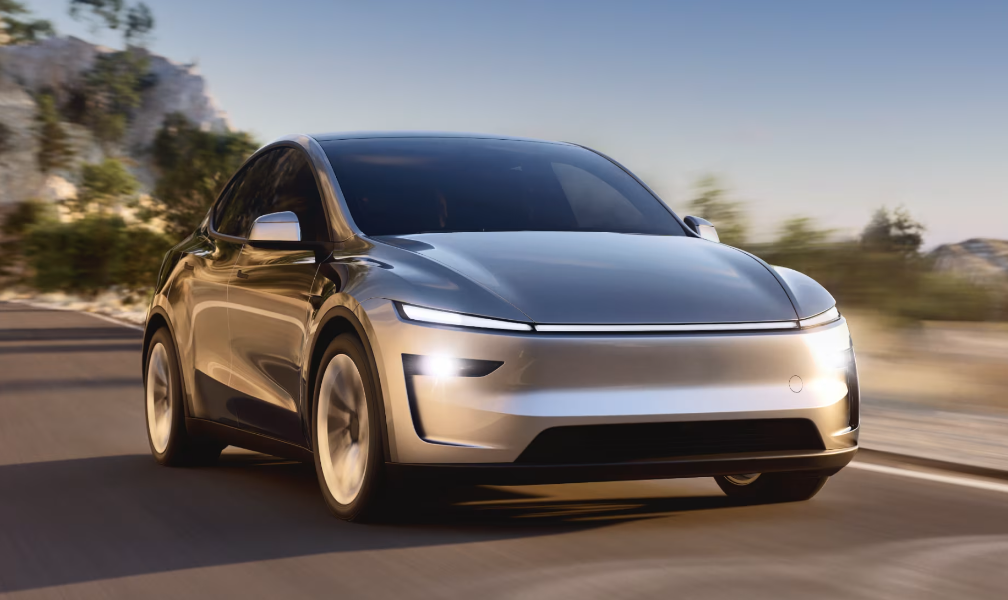
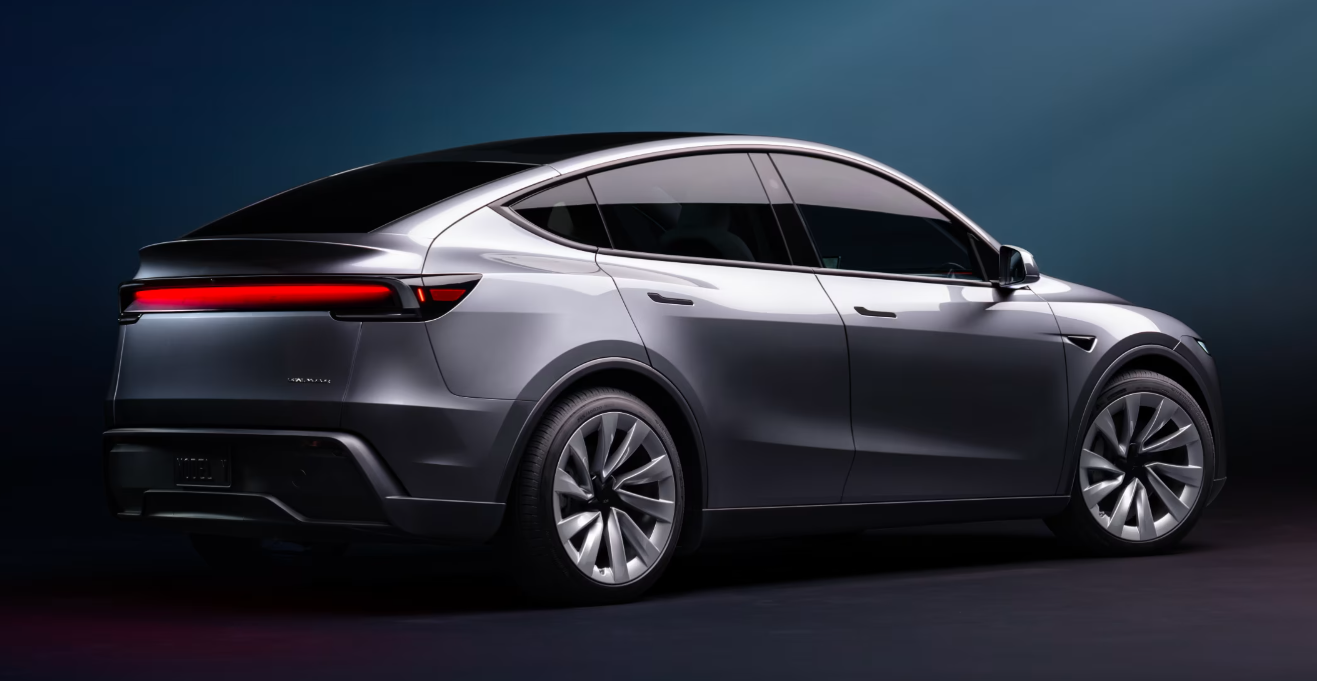
As most manufacturers struggled to generate buyer interest in electric vehicles, one vehicle continually bucked that trend, the Tesla Model Y. It was a scenario that played out worldwide as the all-electric mid-size SUV became the world’s best-selling passenger car.
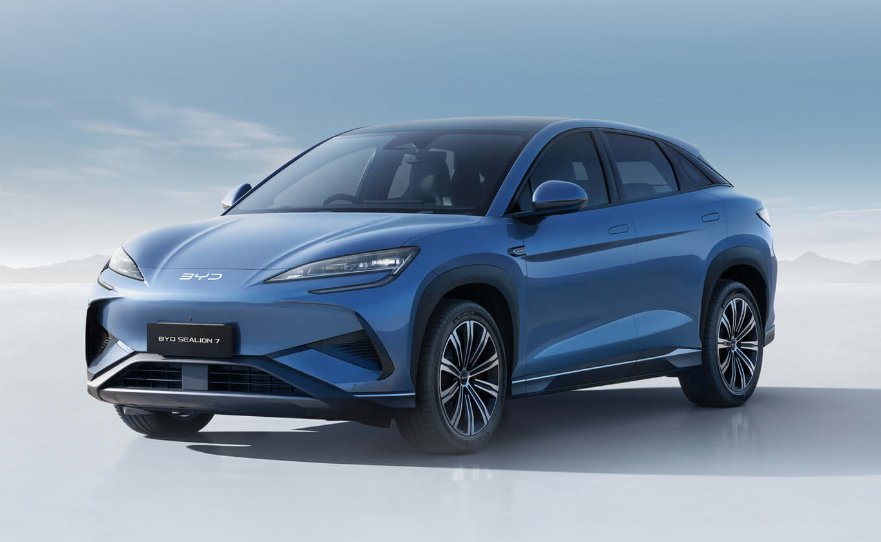
But as stock levels dwindled a new challenger arose, the BYD Sealion 7 grabbing the title of Australia’s most popular EV. It was a short-lived situation, with the updated Tesla Model Y ‘Juniper’ wrestling its top spot back once the first shipment hit local shores.
Nevertheless, if you’re considering a mid-size electric SUV, chances are you have these two on your shopping list, so let’s take a look at how they stack up against each other.
Pricing
The BYD Sealion 7 is the cheaper of the two, kicking off at $54,990 plus on-road costs (ORCs) for the single motor Premium, the dual-motor Performance costing $63,990 (+ORCs).
Tesla has upped the price of the RWD to $58,900 (+ORCs) but reduced the price of the Long Range AWD slightly to $68,900 (+ORCs), but it’s important to note you need to add another $400 for Tesla’s order fees.
For the purposes of this article we’ll concentrate on the much more popular single-motor variants, but in both cases the equipment levels of the dual-motor variants differ little, so you’re either buying more grunt in the case of the BYD, or more grunt and range in the case of the Tesla.
The only BYD option is colour, white being standard while Atlantis Grey and Cosmos Black add $1500 and Shark Grey $2000. There’s a bit more choice in Tesla-land, with white once again standard, blue and grey another $2300 and silver and red $2600. Model Y buyers can also choose 20-inch wheels for $2400 and a white interior for $1500.
BYD now offers a comprehensive vehicle warranty of six years or 150,000km, with eight years and 160,000km of coverage for the battery, but while Tesla matches the latter for the battery and drive unit, its vehicle warranty is only four years or 80,000km. Something to consider.
The Model Y turns the tables when it comes to servicing, with just cabin filters every couple of years and the occasional brake fluid change required. In contrast, the BYD will set you back a bit over $300/year on average over the first five years with services due every 12 months or 20,000km.
Dimensions
Dimensionally the BYD Sealion 7 and Tesla Model Y are very similar, with a handful of centimetres (at most) separating them. The BYD has an extra 38mm in length and 40mm in wheelbase but is 57mm narrower than the Tesla, but it’s all somewhat academic as both offer plenty of interior space.
The Model Y’s trump card is space efficiency. The Sealion 7 is by no means deficient, with 500 litres of luggage space in the boot and another 58 litres under the bonnet, but the Tesla smashes this with 822 litres in the rear – including a huge underfloor area – and another 116 litres in the front.
| BYD Sealion 7 | Tesla Model Y | |
|---|---|---|
| Length | 4830mm | 4792mm |
| Width | 1925mm | 1982mm |
| Height | 1620mm | 1624mm |
| Wheelbase | 2930mm | 2890mm |
| Boot (rear) | 500 litres | 822 litres |
| Boot (front) | 58 litres | 116 litres |
Equipment
Both the standard BYD Sealion 7 and Tesla Model Y have bulging standard equipment lists, so much so that stretching to the higher variants brings little change. The below table isn’t exhaustive, but should cover the features most buyers would be interested in.
Equipment
| Equipment | BYD Sealion 7 Premium | Tesla Model Y RWD |
|---|---|---|
| Keyless entry | X | X |
| Digital Key | X | X |
| Electric seats | Eight-way driver, six-way passenger | Eight-way driver, six-way passenger |
| Heated seats | Front | Front and outboard rear |
| Ventilated seats | Front | Front |
| Heated steering wheel | X | X |
| Head-up display | X | – |
| Panoramic glass roof | X | X |
| Power tailgate | X | X |
| Leather upholstery | X | Synthetic |
| Climate control | Dual-zone | Dual-zone |
| Stereo | 12-speaker | Nine-speaker |
| USB ports | 2 x USB-C, 2 x USB-A | 3 x USB-C, 1 x USB-A |
| LED headlights | X | Matrix |
Technology
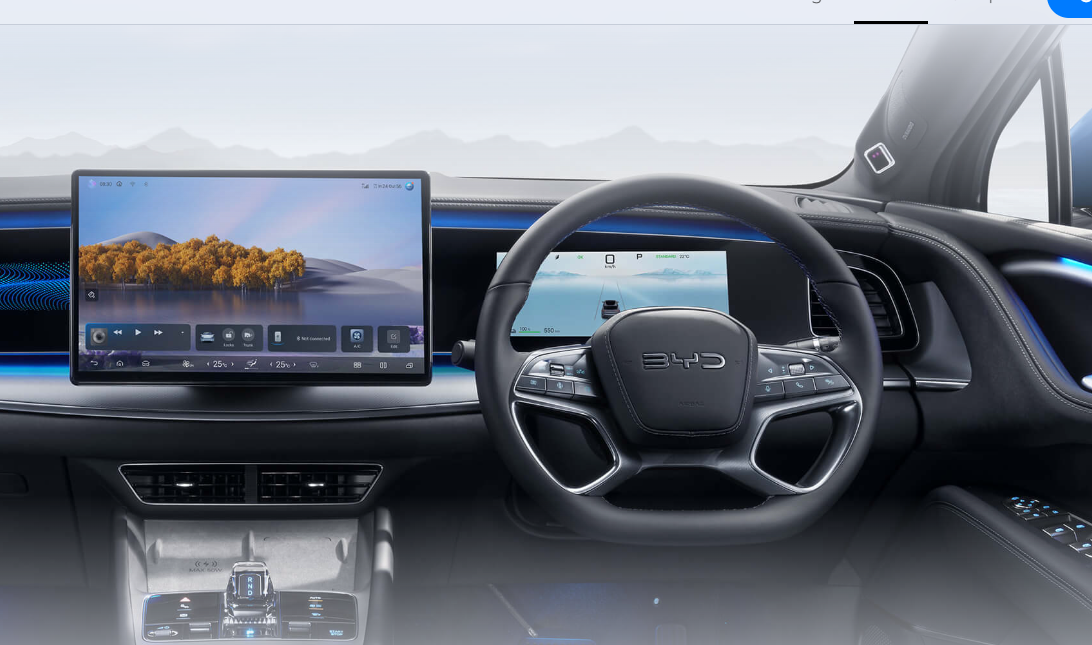
If bigger is better, the BYD Sealion 7 and Tesla Model Y have some of the best infotainment touchscreens around. The Tesla’s 15.4-inch screen is slightly thinner than before and while it doesn’t support smartphone mirroring, the slickness of the interface and its ability to support apps such as Spotify, YouTube, Netflix and the like make that largely redundant.
In addition, there’s now an 8.0-inch rear screen in the back of the centre console that can adjust ventilation and also play video, while connecting to Bluetooth headphones so as not to disturb those in the front. Dual wireless phone charging pads also feature.
The BYD’s 15.6-inch screen is slightly bigger and has the neat party trick of being able to rotate through portrait or landscape orientations. It supports wireless Apple CarPlay and wired Android Auto and has in-built satellite navigation as well as a 10.25-inch digital driver’s display, whereas the Tesla offers the speed in the top-right corner of the central screen.
Both vehicles have the ability to receive over-the-air updates but only the BYD has V2L (vehicle-to-load) capability to power external devices. The Sealion 7 only has a single wireless charging pad.
Safety
Five-star ANCAP ratings are common to both the BYD Sealion 7 and Tesla Model Y. As a newer vehicle the former’s is more current, carrying a 2025 date stamp when it scored 87 per cent for adult occupant protection, 93 per cent for child occupant protection, 76 per cent for vulnerable road user protection and 78 per cent for safety assist.
The Model Y’s rating is from 2022, carrying over from the old model, but its scores were incredibly impressive, with 97 per cent for adult occupant protection, 89 per cent for child occupant protection, 82 per cent for vulnerable road user protection and 98 per cent for safety assist.
In addition to plenty of airbags (eight for the BYD, seven for the Tesla), both have all the safety assist systems you’d expect in a modern car, including active cruise control, autonomous emergency braking in forward and reverse, lane-keep assist, lane-departure warning, blind-spot monitoring, traffic sign recognition and rear cross-traffic alert.
Only the Sealion 7 has a 360-degree camera – though the Model Y’s front and rear cameras can keep an eye on it while you’re away thank to Tesla’s Sentry Mode – but local BYDs currently don’t offer auto-park and Tesla requires another $5100 for Enhanced Autopilot to enable the feature.
Charging
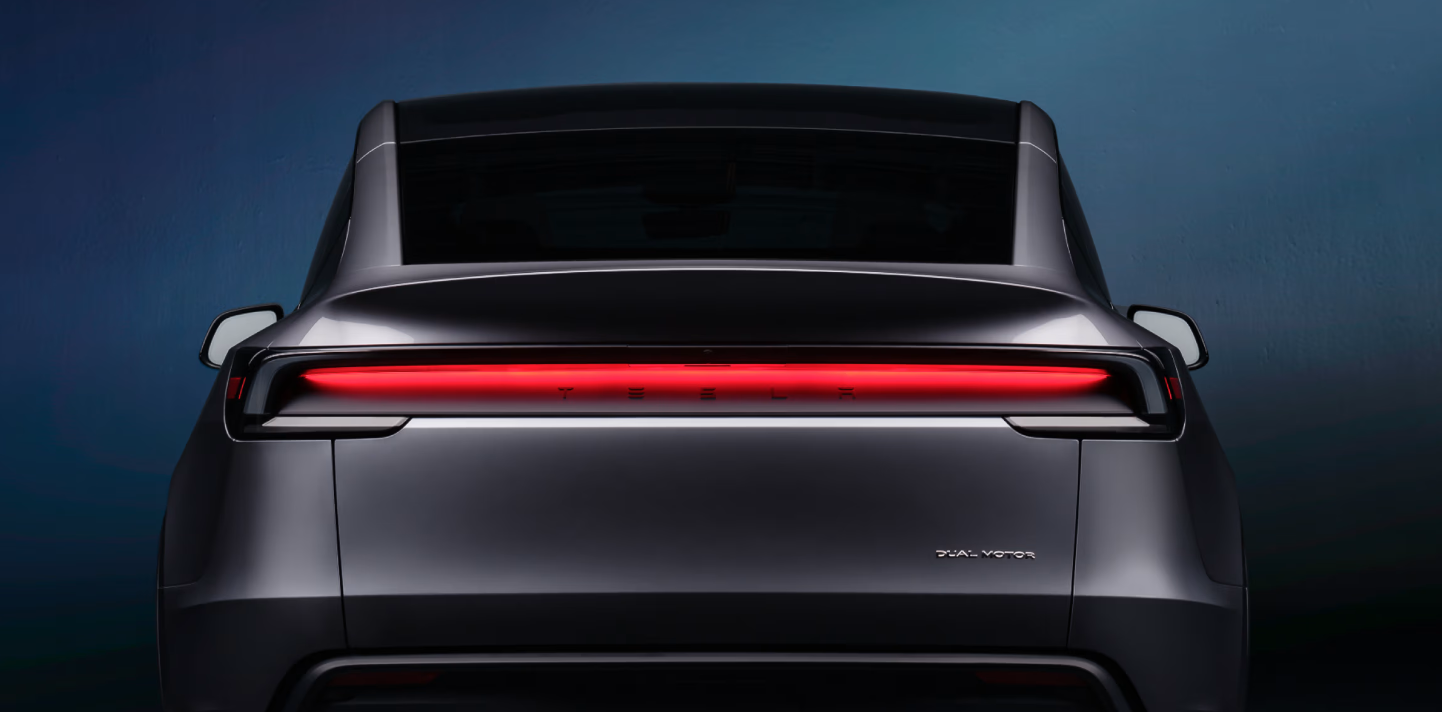
In terms of their battery systems it appears the two are very similar, the BYD offering 482km of WLTP-tested range to the Tesla’s 466km. As such, both should cover around 400km in the real world without the battery getting down into the danger zone.
Once again, however, the Tesla shows remarkable efficiency by extracting this range from a 62.5kWh battery, whereas the BYD’s 82.56kWh pack is almost a third bigger.
This efficiency has a number of benefits. The smaller battery pack saves cost and weight – the Model Y is around 300kg lighter than the Sealion 7 – and it means that you’ll get more range back for a given period of charging.
This would be the case if they had identical charging rates, but the Tesla supports up to 175kW DC and 22kW AC.
It’s the Model Y that also has a performance advantage, its 220kW/350Nm jetting it to 100km/h in a claimed 5.9sec, versus 6.7sec for the more powerful (230kW/380Nm) but heavier Sealion 7.
| BYD Sealion 7 | Tesla Model Y | |
|---|---|---|
| Outputs | 230kW/380Nm | 220kW/350Nm |
| Claimed 0-100km/h | 6.7sec | 5.9sec |
| Battery size | 82.56kWh | 62.5kWh |
| Claimed range (WLTP) | 482km | 466km |
| Max AC charge rate | 11kW | 22kW |
| Max DC charge rate | 150kW | 175kW |
| Charge time 10-80 per cent* | 23min | 15min |
*assuming constant maximum charge rate
Driving
The driving experience was the original Tesla Model Y’s Achilles heel, primarily thanks to its jarring, brittle ride – not what you want in a family SUV. New suspension has calmed it significantly, which combined with less reactive steering and increased sound deadening make the revised Model Y a much smoother, more relaxing car to drive.
In contrast, the Sealion 7 is acceptable but lacks some of the same polish. The ride can be unsettled at lower speeds and it doesn’t have the same dynamic cohesion as the Tesla. For undemanding drivers it will be fine, but it could be improved. Both cars are more than rapid enough given their usage briefs, but once again the lighter Tesla possesses acceleration the BYD can’t match.
Conclusion
The original Tesla Model Y’s success wasn’t just marketing magic – it was a practical and efficient family car that made the transition to electric propulsion painless for many people.
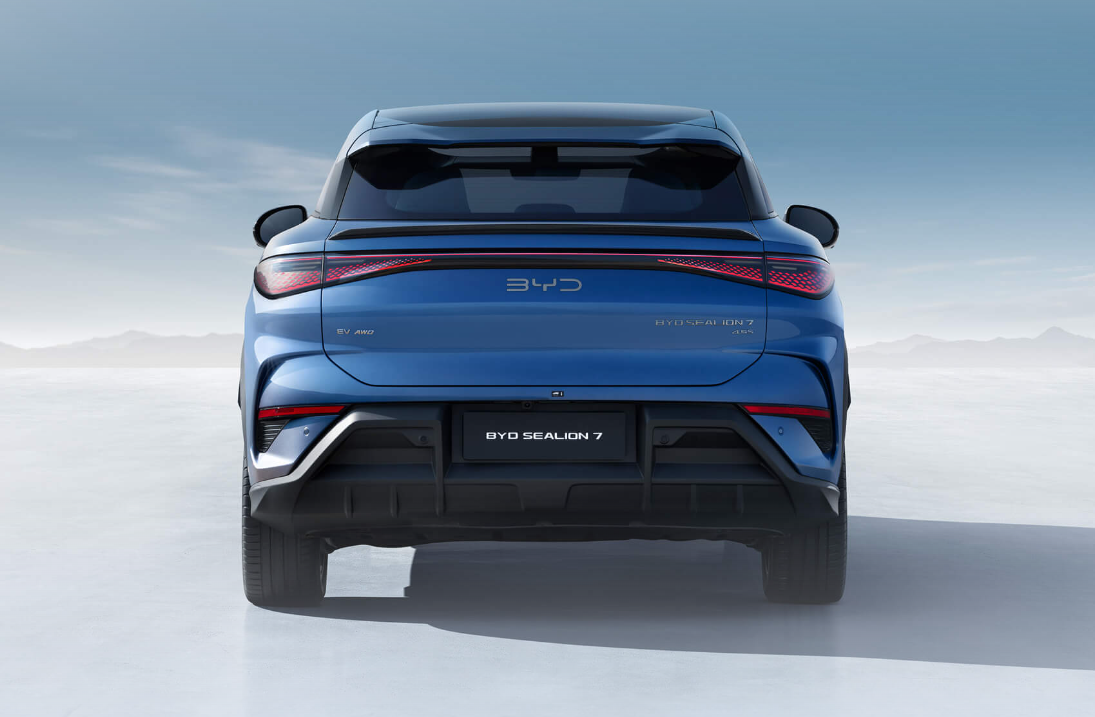
The updated ‘Juniper’ model only cements this by rectifying the original’s faults, with a higher quality interior, more equipment and significantly improved driving experience. It’s more expensive than the BYD, but it’s the better car.
However, that doesn’t mean the Sealion 7 is without merit. If the budget doesn’t quite stretch or you simply don’t want to be associated with the Tesla brand given Elon’s recent political forays (a concern for some people), the BYD is one of the stronger electric SUV offerings in the market, with lots of equipment, sufficient range, a nice interior and acceptable driving manners.
From July 1, drivers across Australia will face sweeping changes to road rules, with a strong emphasis on enhanced enforcement, stricter penalties, and uniform speed reductions in high-risk areas. The nationwide overhaul is part of a broader campaign to reduce road trauma and crack down on dangerous driving behaviour.
High-tech AI surveillance cameras will be active or expanded across multiple states, targeting illegal mobile phone use. These systems can detect drivers holding or touching phones, even while stationary at red lights. Penalties vary by state but can reach over $1,000 and five demerit points. Authorities warn that non-compliance could also result in licence suspension for repeat offenders.
Victoria
Victoria will expand its Road Rule 79A, requiring drivers to slow to 40 km/h when passing roadside assistance vehicles (tow trucks, breakdown units) where flashing lights and visible workers are present. The fine is up to $961, with no associated demerit points. There’s also growing momentum to reduce speed limits to 30 km/h in high-pedestrian and school zones.
New South Wales
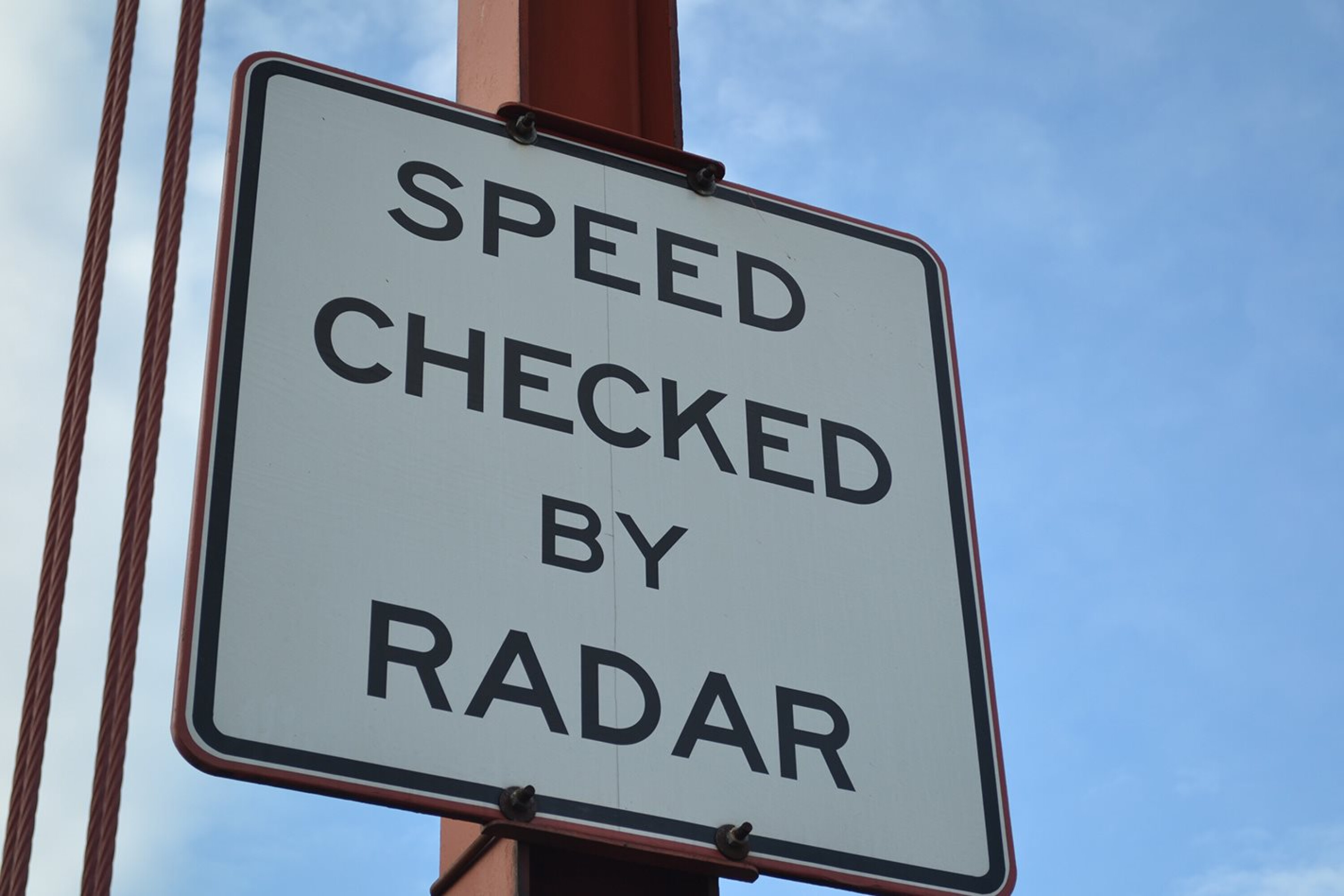
NSW will become the first state to apply average speed cameras to light vehicles, including cars and motorbikes, from July 1. These will initially operate on the Hume and Pacific Highways, following a trial and grace period. Fines will now apply. NSW is also phasing out ticketless parking fines, ensuring drivers receive immediate notice of infringements.
Queensland
A 3.5 per cent increase in traffic fines will apply across common offences like speeding, seatbelt misuse, and mobile phone use. Enhanced tech will back enforcement, especially for distracted driving. The state will also lower speed limits from 50 to 40 km/h in popular tourist and residential areas such as Hervey Bay Esplanade.
South Australia
SA extended its emergency vehicle rule to include roadside assistance. Drivers must slow to 25km/h when passing breakdown services displaying amber flashing lights. The state is also introducing 40km/h limits in inner-city Adelaide and 10km/h shared pedestrian zones.
Western Australia
WA will roll out major changes, including fines of up to $700 for mobile phone use and over $1600 for excessive speeding. New AI cameras will enforce speeding, seatbelt, and phone violations. A three-year trial will lower speed limits on over 1,800 regional roads, and off-road vehicle registration will move online.
Motorists are urged to familiarise themselves with these updates to avoid costly penalties.
Volvo has unveiled a significant update to its best-selling mid-size SUV, the Volvo XC60, delivering a range of enhancements to design, technology and comfort for the 2025 model year.
The updated XC60, which remains the brand’s global top-seller and one of Europe’s leading plug-in hybrid models, introduces a next-generation user experience, improved infotainment, and a range of luxury and safety features.
Stephen Connor, Managing Director of Volvo Car Australia, described the XC60 as a vehicle that delivers “a cutting-edge user experience and a more luxurious interior,” adding that the improvements are designed to reflect the priorities of modern drivers. “With these upgrades, it’s an even more enjoyable and exclusive experience – and one that will continue to improve via over-the-air software updates,” he said.
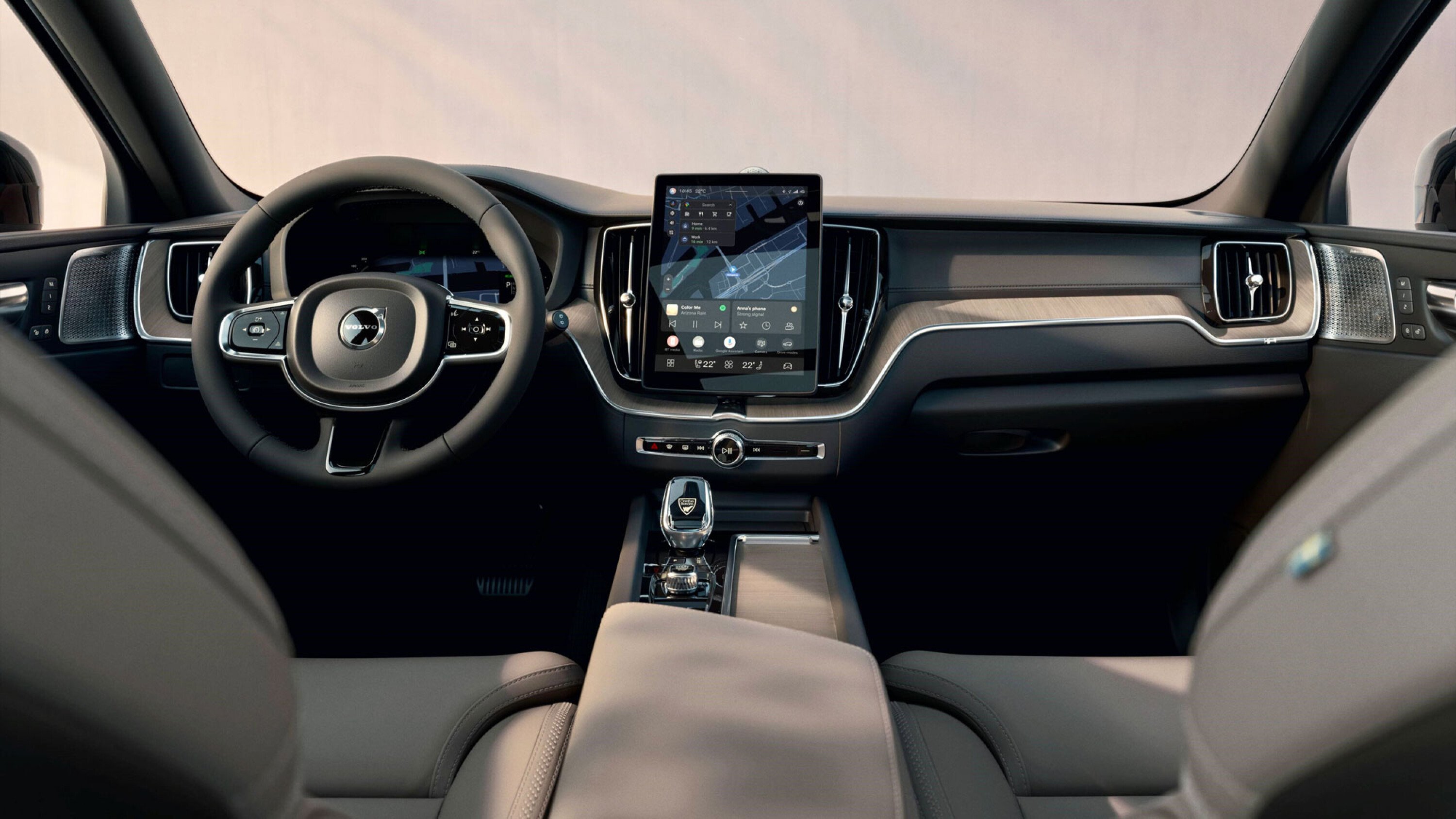
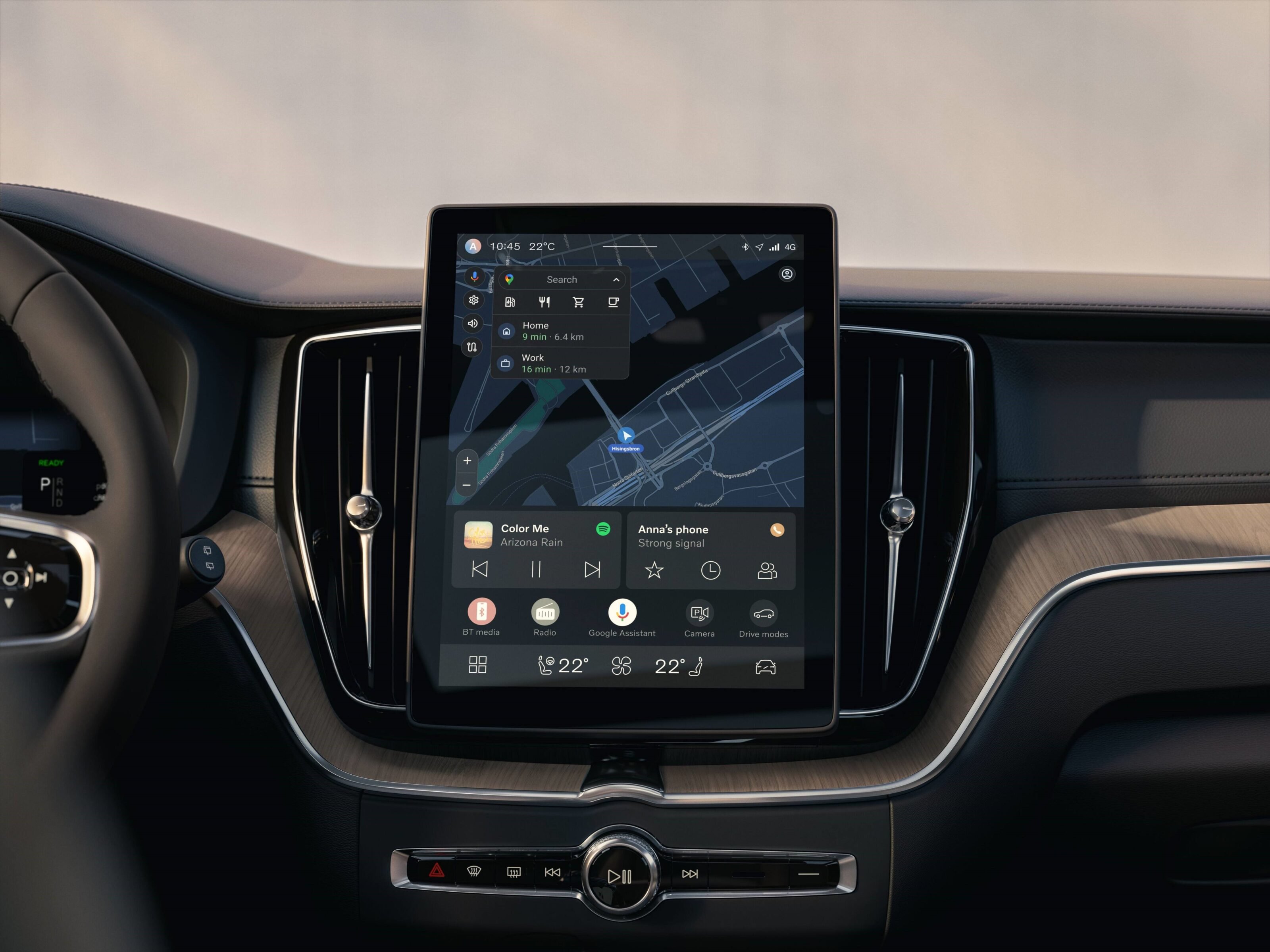
At the heart of the refresh is a new infotainment system powered by the Snapdragon Cockpit Platform from Qualcomm Technologies, offering a more than twofold increase in speed and 10 times faster graphics than its predecessor. A new 11.2-inch free-standing touchscreen with 21 per cent higher pixel density delivers a sharper, more intuitive interface, complemented by integrated Google services and voice assistant functionality.
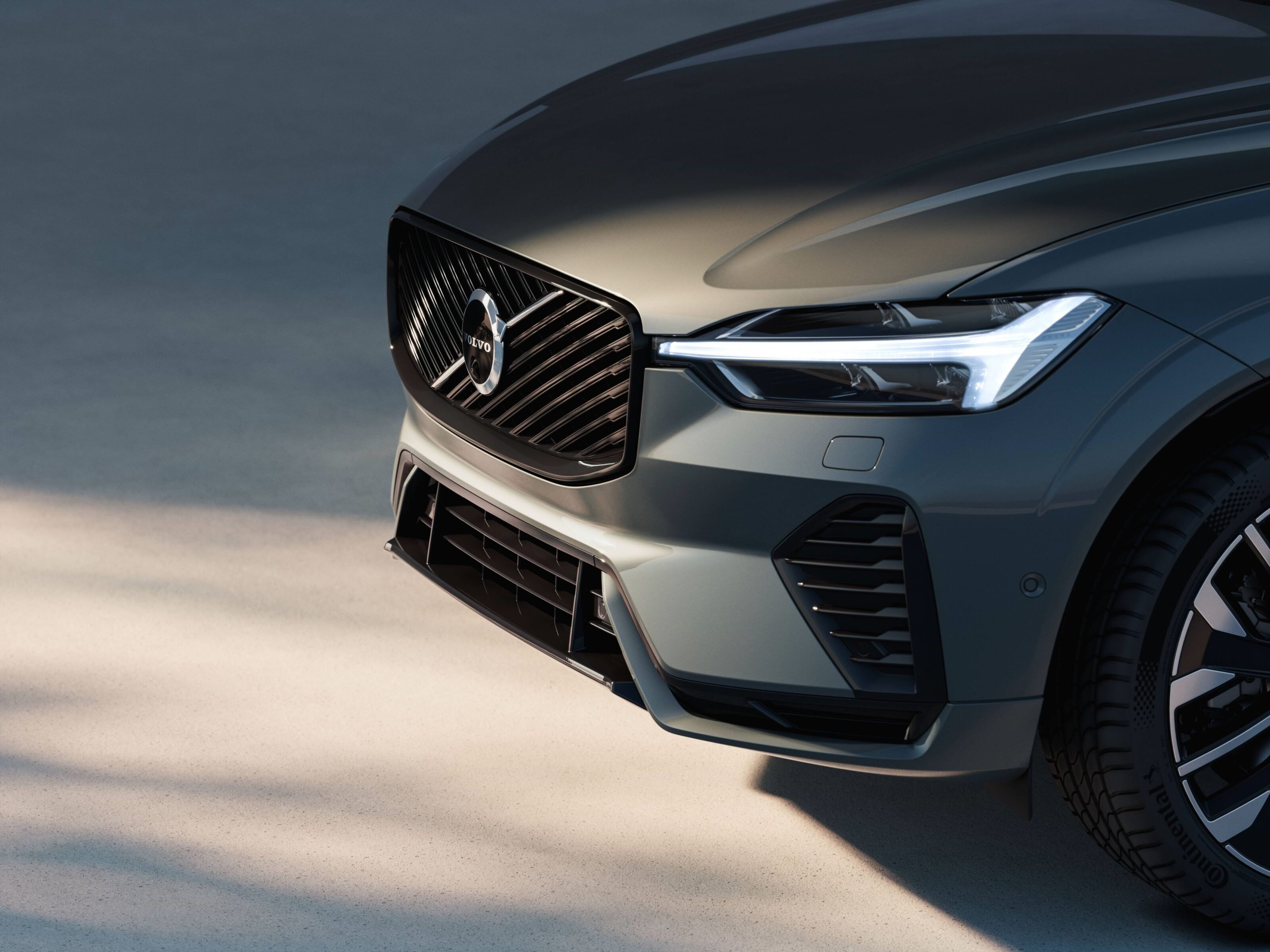
The XC60 also benefits from enhanced material choices and updated interior styling, including the use of premium Quilted Nordico trim, revised inlays, smart storage solutions, and upgraded wireless phone charging. New paint options – Forest Lake, Aurora Silver, and Mulberry Red – bring fresh exterior appeal, while new wheels and darker rear lights give the SUV a more modern look. The revised front air intake also nods to the larger XC90’s design language.
Cabin refinement is further improved with increased sound insulation and Volvo’s signature ergonomic seats, while available air suspension and optional Harman Kardon or Bowers & Wilkins audio systems offer a more refined ride.
The XC60 is available in four variants:
| XC60 Plus B5 Bright | $74,990 |
|---|---|
| XC60 Ultra B5 Dark | $81,990 |
| XC60 Plus T8 Plug-in Hybrid Dark | $92,990 |
| XC60 Ultra T8 Plug-in Hybrid Dark | $101,990 |
All models are all-wheel drive, with the B5 variants featuring a 4-cylinder turbo petrol mild hybrid engine, and the T8 plug-in hybrids offering electric-only driving capabilities via a 107kW motor paired with a 233kW petrol engine.
Standard equipment across the range includes power-adjustable memory front seats, integrated rear booster cushions, a 360° camera, crystal gear lever, head-up display, BLIS (Blind Spot Information System), and signature Thor’s Hammer LED headlights. All models are available now nationwide.
Sydney Motorsport Park will come alive on Saturday June 28 and Sunday June 29, 2025, as the Ferrari Festival takes over the iconic circuit for a weekend of speed, style, and the unmistakable energy of the Prancing Horse.
The two-day event marks the arrival of Round 4 of the Ferrari Challenge Trofeo Pirelli Australasia, Ferrari’s exclusive one-make racing series which made its regional debut earlier this year. Drivers from across Australia and abroad will take to the grid in the Ferrari 296 Challenge and Ferrari 488 Challenge Evo, delivering edge-of-the-seat racing with qualifying and main races scheduled on both days.

Spectators can expect non-stop action on track, as competitors push the limits of Ferrari engineering in a battle for championship points, accompanied by the unmistakable soundtrack of high-performance V6 and V8 engines echoing through the grandstands.
Adding to the excitement, the festival will feature an array of dynamic on-track demonstrations, including the crowd-favourite Ferrari Parade. This showcase will bring together some of the most iconic Ferrari models ever built, representing multiple decades of design and performance excellence.
Beyond the racing, the festival offers an immersive journey into the Ferrari lifestyle, with a wide range of paddock activations designed to engage fans of all ages. Attendees can explore road and race car displays, go behind the scenes with pit garage tours, and get behind the virtual wheel in the Next Level Racing simulator zone. Italian coffee lovers can also indulge in a special activation from L’OR coffee.

Entry to the festival is free with registration, making it a rare opportunity for the public to experience Ferrari’s motorsport DNA and community-driven culture up close. Children under 14 receive free entry when accompanied by a paying adult, making it a family-friendly event.
For those seeking a premium experience, VIP hospitality packages are available through Ferrari’s official dealer network. These exclusive options offer reserved trackside seating, gourmet catering, event-only access, and dedicated parking.
The Ferrari Festival isn’t just about racing, it’s a celebration of the brand’s reputation for innovation, passion and community.
Toyota has revealed a LandCruiser 300 Series hybrid and confirmed an Australian release for the first half of 2026. Using the same “performance hybrid” system as the Tundra truck, the LC300 Hybrid makes 336kW of power and 790Nm of torque in Middle Eastern markets.
The LC300’s hybrid system combines a twin-turbocharged 3.4-litre petrol V6 engine with an electric motor. However, unlike some other hybrid Toyota models such as the Camry where the electric motor drives the car for as long as possible, the LC300’s hybrid system is intended for short bursts of low-speed driving or aiding the engine at certain times.
In the United Arab Emirates, the LC300 Hybrid’s combined fuel consumption is rated at 9.1L/100km, which is only 0.2L/100km more than the Australian-spec 3.3-litre V6 diesel, though that figure is likely achieved through a different fuel consumption testing cycle.
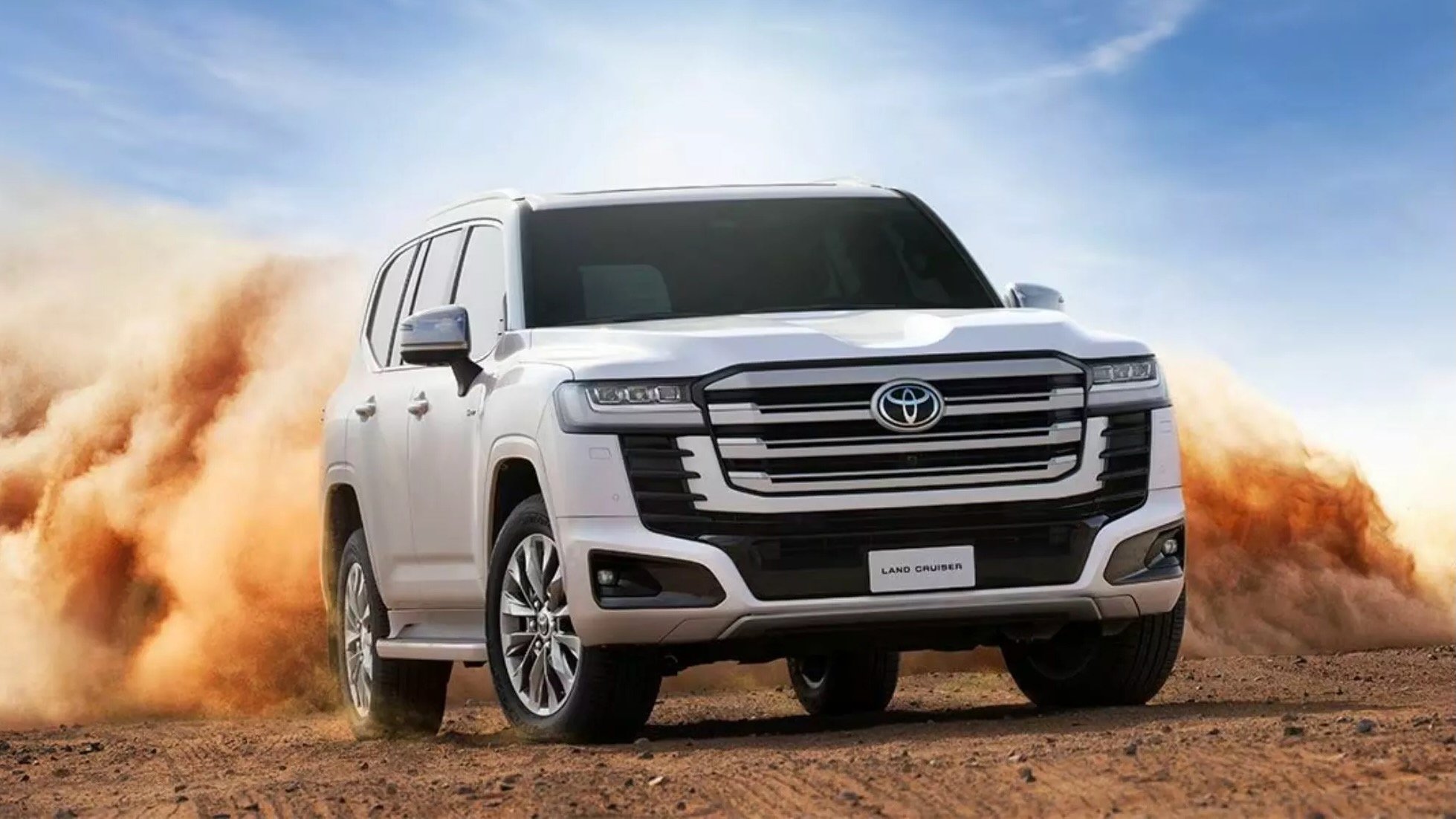
Compared to the same petrol twin-turbo V6 without the hybrid system that’s also offered in the UAE, the hybrid saves about 1.7L/100km of fuel, but also offers 25kW/140Nm more grunt.
Compared to the V6 diesel engine in Australia, the new hybrid makes 109kW/90Nm more grunt. In the UAE, the LandCruiser 300 Series Hybrid also received a revised exterior design, with new front and rear bumpers. A key difference between the hybrid and non-hybrid models is that the hybrid uses a 98-litre fuel tank, which is 12 litres smaller.
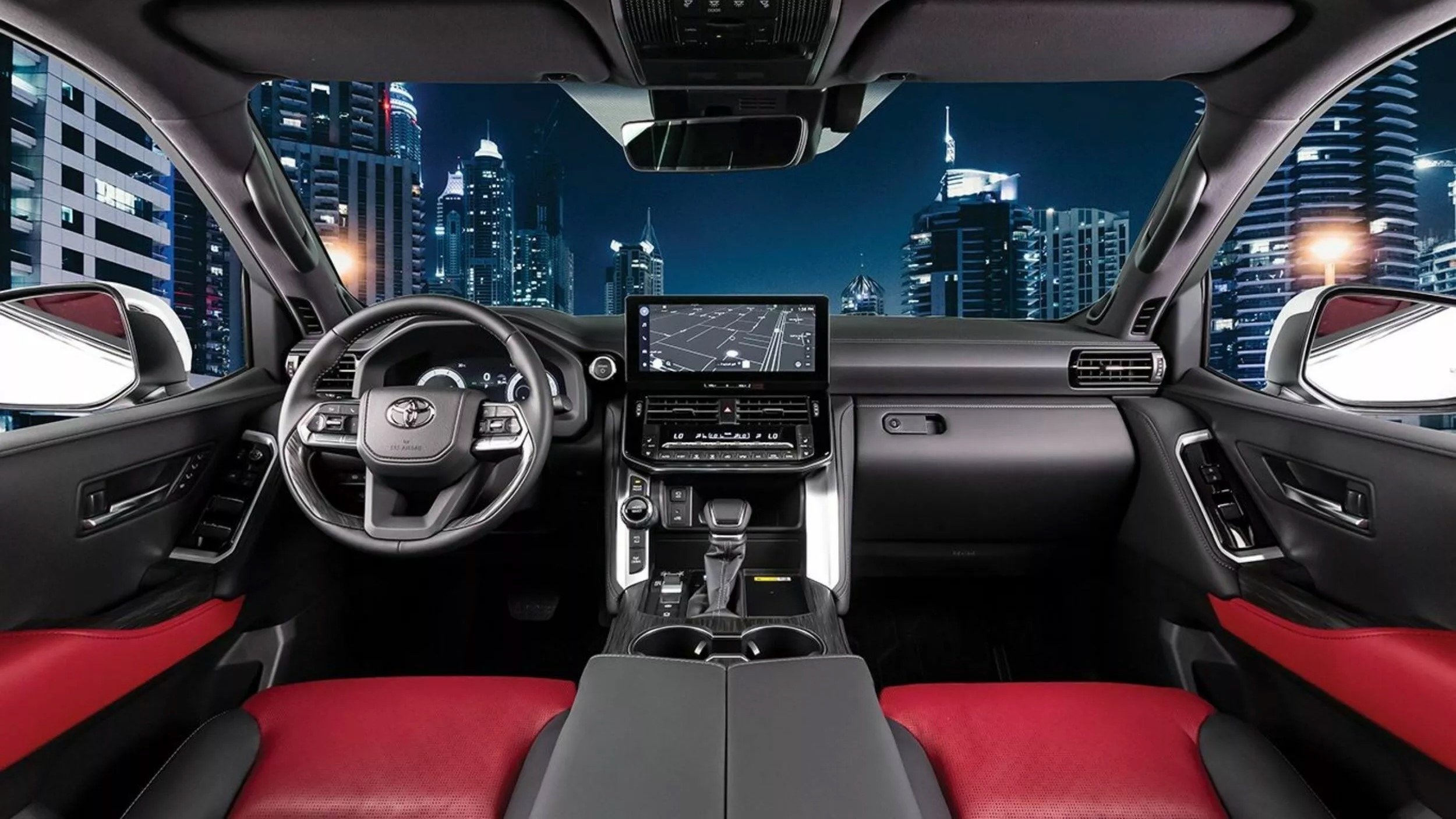
While Australian pricing and specifications are yet to be announced, in the UAE, the LandCruiser 300 Series is priced around A$6000 more than the equivalent twin-turbo petrol V6, potentially leading to a starting price in Australia of around $95,000 if the new drivetrain is offered on all models.
The Toyota LandCruiser 300 Series Hybrid will go on sale in Australia in the first half of 2026, with local pricing and specifications to be confirmed.
Tesla has officially launched its long-awaited robotaxi service in Austin, Texas following years of promises, signalling the start of what could be a major transformation in urban mobility.
The initial rollout is modest but highly symbolic. A small fleet of Model Y SUVs, equipped with Tesla’s camera-only Full Self-Driving software, began ferrying early users in a geofenced area of Austin’s south and southeast districts. The vehicles operate without a driver in the front seat – though a Tesla employee sits in the passenger seat as a safety monitor during this early access phase.
According to Musk, early riders are being charged a flat US$4.20 per ride, and the service operates between 6 a.m. and midnight daily. The fleet currently consists of 10–20 vehicles, with plans to scale to 1000 in coming months before introducing a purpose-built Cybercab that will lack pedals or a steering wheel entirely.
Tesla hand-picked the first wave of users, many of whom are prominent supporters and influencers. One such user, known online as “Bearded Tesla,” live-streamed a ride, showing the empty driver’s seat and describing the experience as “smooth.” Buttons visible in the cabin allow the safety monitor to stop the vehicle, pull over, or contact Tesla support if needed.
The robotaxi service arrives at a critical time for Tesla. The company faces slowing EV sales and rising investor pressure to diversify its offerings. Musk has increasingly emphasized autonomy and AI as the cornerstones of Tesla’s future, and this launch is seen as a real-world test of those ambitions.
However, the rollout hasn’t been without controversy. Democratic lawmakers in Texas recently urged state regulators to delay Tesla’s driverless service until new safety regulations take effect in September 2025. Still, under current Texas law, driverless vehicles are legal as long as they carry insurance, have proper safety equipment, and follow road rules.
Tesla’s debut joins a growing roster of autonomous services in Austin, including Waymo and Zoox, as the city becomes a hotspot for self-driving innovation. With Tesla now in the race, the pressure – and scrutiny – will only intensify.
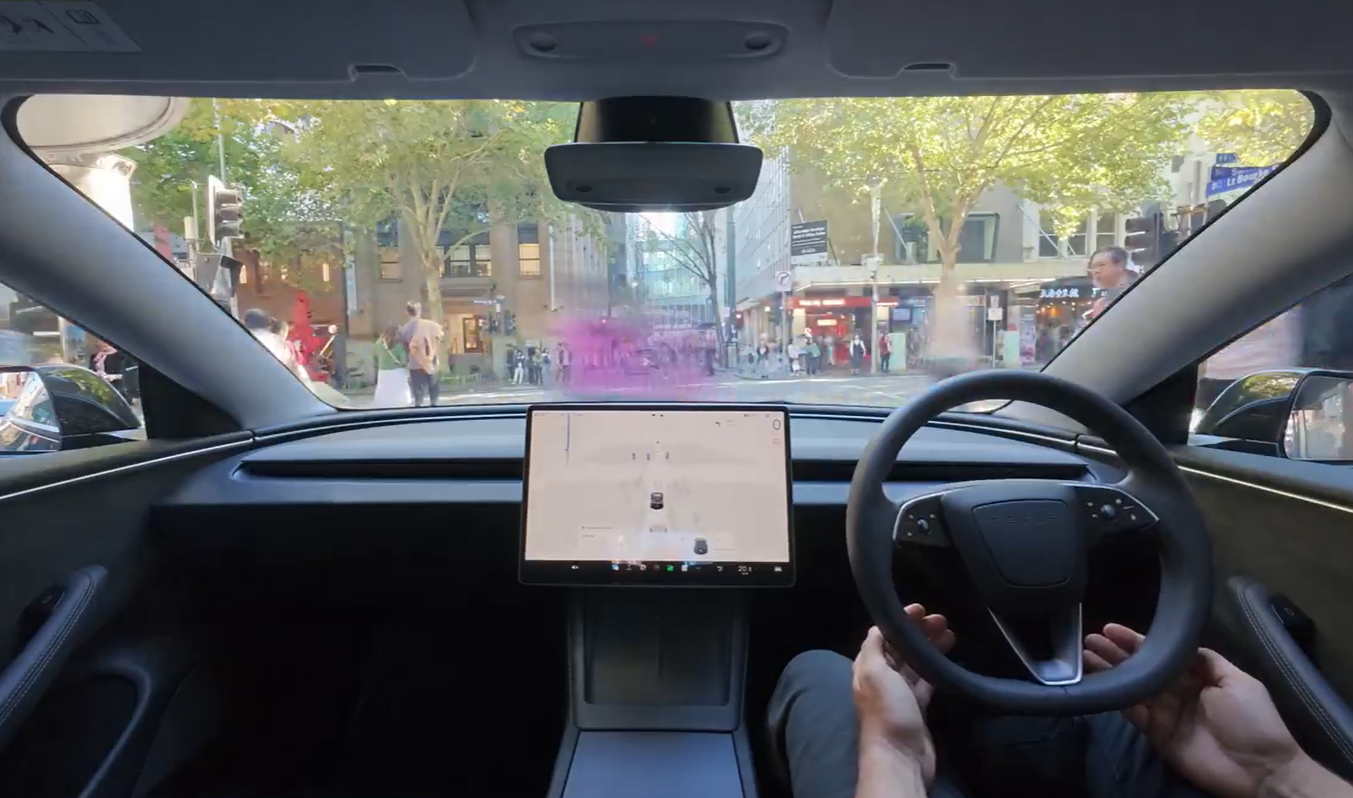
WhichCar recently noted that Tesla’s most advanced self-driving system – named ‘Full Self-Driving’ by the company – had started testing in Australia after a video was released showing an Australian-spec right-hand drive car self-driving through the Melbourne CBD.
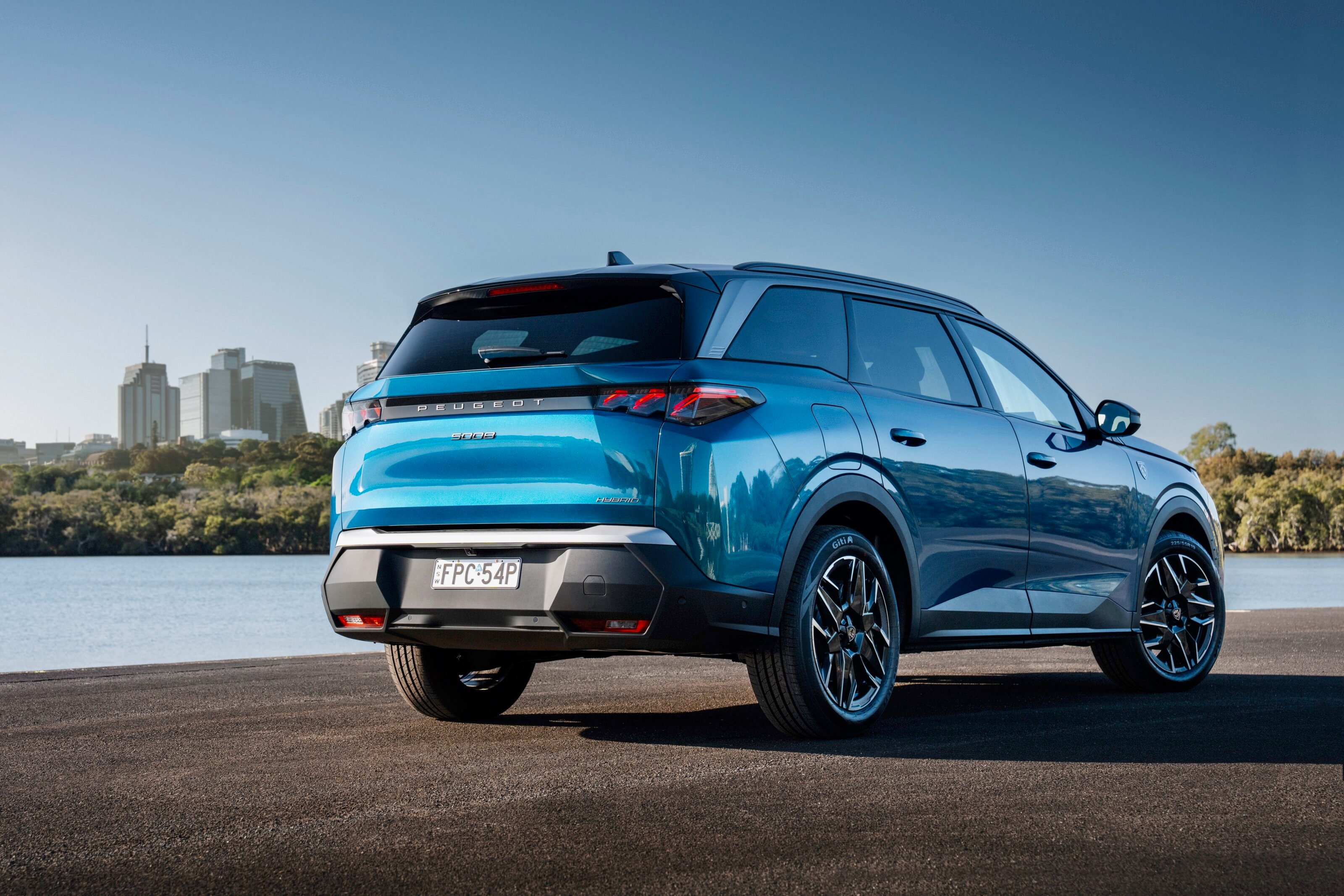
Peugeot Australia has launched the second-generation 5008 seven-seat SUV, with pricing starting at $55,990 plus on-road costs. Two specifications will be offered – Allure and GT Premium – with both using a turbocharged hybrid drivetrain capable of using just 5.1L/100km on a combined fuel consumption cycle.
Essentially a larger seven-seat version of the 3008 mid-size SUV that launched locally earlier this year, the new Peugeot 5008 is only available with a new 1.2-litre turbocharged three-cylinder hybrid drivetrain, mated to a six-speed dual-clutch transmission driving only the front wheels. The engine makes 100kW of power and 230Nm of torque, with the electric motor adding 15.6kW/51Nm at certain times for a total output of 107kW.
The 5008 hits 100km/h in 11.3 seconds and is rated at just 5.1L/100km on the combined cycle for fuel consumption, with claimed CO2 emissions of 116g/km.
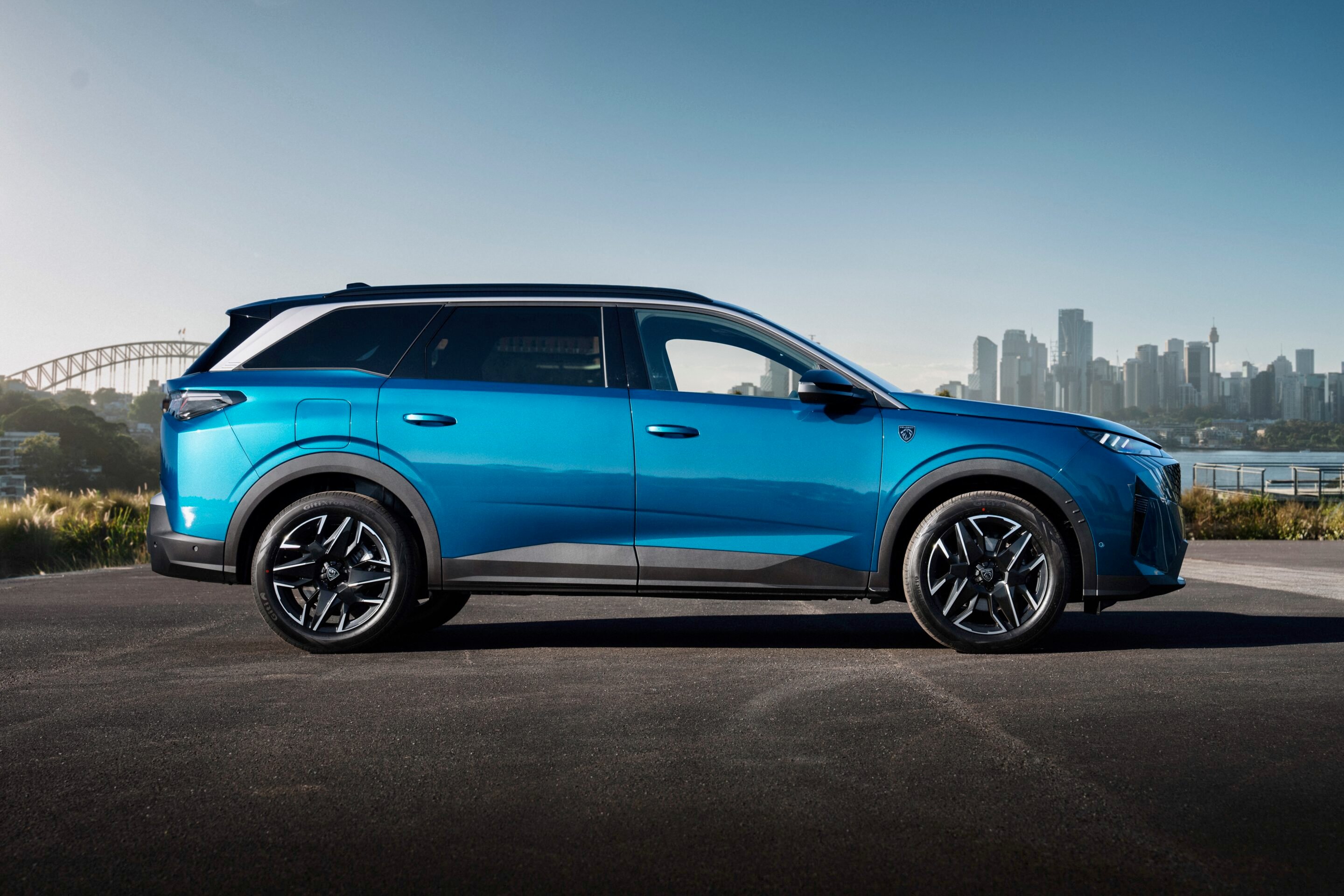
Measuring 4790mm long, 1934mm wide, 1735mm tall and riding on a 2895mm long wheelbase, the new 5008 is 32mm longer than the Skoda Kodiaq. Its boot measures 348 litres with the rear seats erect, which opens up to a huge 2232L with all the rear seats folded.
The 5008 is covered by Peugeot’s five-year/200,000km warranty and a five-year service plan costs
$1995 ($399 per service).
2025 Peugeot 5008 pricing (plus on-road costs):
| Allure | $55,990 |
|---|---|
| GT Premium | $67,990 |
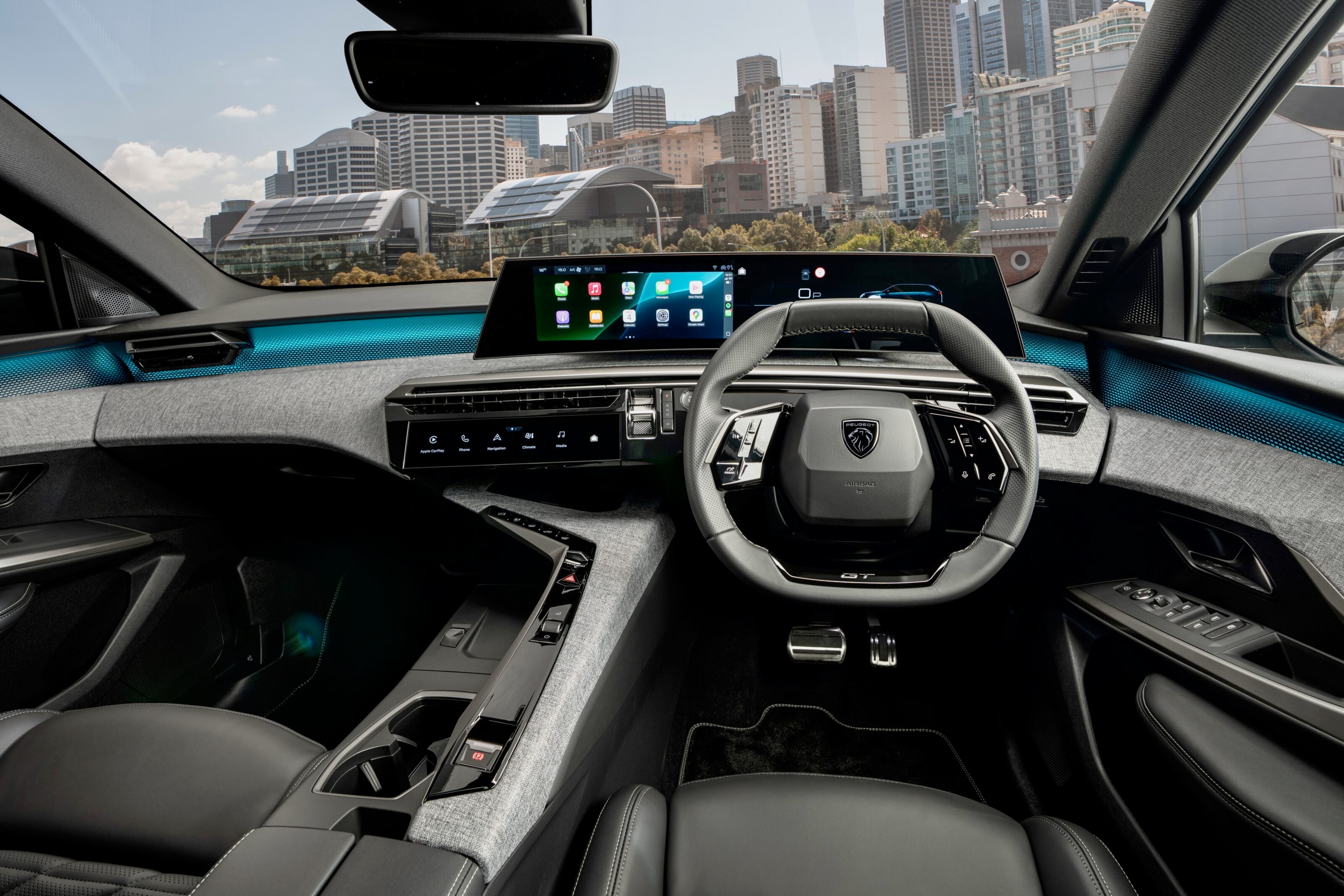
Peugeot 5008 Allure standard equipment:
- 19-inch alloy wheels with a tyre repair kit
- Automatic LED exterior lighting with ‘3-claw’ front and rear daytime running lights
- Automatic rain-sensing wipers
- Keyless entry with push button start
- Heated and auto-folding mirrors with auto-dipping in reverse
- Rear privacy glass
- Fabric and leather upholstery
- Tri-zone automatic climate control
- 21-inch landscape touchscreen with live services and over-the-air updates
- Satellite navigation with live traffic
- Wireless Apple CarPlay and Android Auto
- AM/FM/DAB+ digital radio
- Wireless phone charger
- Six-speaker sound system
- 8-colour cabin ambient lighting
- Eco, normal, sport, snow, sand and mud driving modes
- 6x airbags (including third row coverage)
- Autonomous emergency braking with pedestrian and cyclist detection
- Adaptive cruise control with stop and go functionality
- Lane keeping assist with adaptive lane guidance
- Long-range blind-spot monitoring with rear cross-traffic alert
- Speed limit and traffic sign recognition
- Driver attention monitoring
- Front and rear parking sensors
- 360-degree camera
- Alarm
- Tyre pressure monitoring
5008 GT Premium model adds:
- Nappa leather upholstery
- 10-way electric front seats with driver’s memory
- Heated and cooled front seats with multi-point massaging functionality
- Heated second row outer seats
- Integrated rear door sunshades
- Aluminium dashboard trim
- Black roof
- Panoramic sunroof
- Hands-free electric tailgate
- Pixel LED headlights with adaptive high beam
The Peugeot 5008 is now on sale in Australia, with the first local deliveries due to commence soon.
The text from my sister made me gasp. It was a photo of a muddied badge, “351 GT”, on a burgundy-coloured background. But even after nearly four decades, the recognition was so immediate that I said out loud: “Nev’s car.”
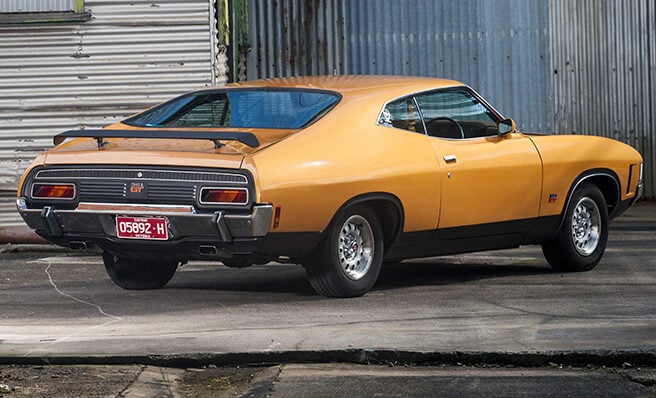
Many will have guessed that my late stepfather’s car was a Falcon GT. In fact, it was an XA GT hardtop, one of only 120 with the RPO 83 equipment from the stillborn Phase IV, and the sole XA GT delivered in Sogo Port Wine, a Fairlane colour.
The image linked to an online story about this barn find GT that had been wheeled out of a shed in rural Queensland for the first time since 1991 and was now, in May 2021, the subject of an online auction.
The car even made the television news, mainly because less than 12 months earlier, a rattier XA GT RPO 83 barn find dubbed the “Chicken Coupe” (pictured), had fetched just over $300,000 at auction.
What was news to me, as I started to read more online about it, were the gushing phrases like “one-owner”, “time capsule”, “purchased new by our seller …”
There was even an interview with the very elderly owner, whose name I recognised at once, recounting the day he bought the car from a Sydney dealer. None of which was how I or my sisters remember it.
In the early 1970s, my step-dad, Nev Harlow, was the NSW distributor for the SA-based Magnum and Globe alloy wheel brands. He would soon start an even more successful 4WD wheel and accessory business, Sunraysia.
It’s part of family lore how, in late 1973, Nev was driving along Sydney’s Canterbury Road when this brand new GT hardtop outside Nuford Motors caught his eye. Nev knew his GTs and the non-Falcon colour got his attention.
A look under the bonnet revealed it as an RPO 83. Best of all, the salesman had no idea how special this GT was. Nev bought it on the spot.
He always said there could be no better touring car in the world for his regular trips between Sydney and Adelaide, the big 5.8-litre V8 galloping across the grasslands at an effortless 120mph. Nev died in 1999, but I still like to imagine him, focused and smiling, out on the Hay Plain in the glow of the
dashboard lights.
Modern Motor even did a story on Nev and his GT in 1976, a one-pager about an owner who’d found his perfect car. It detailed his mods of a high-rise inlet manifold, new Holley 780 carb, Mallory ignition, front and rear sway bars, Magnum alloys and, perhaps uniquely, a custom bullbar. Inside he’d added Recaro seats and a Mk.IV under-dash air conditioner.
All up, the GT owed him around $5500.
In the article, Nev said there was no way he’d get rid of the “old car” (it was only two years old) for a new one.
I suppose never saying never also applies to “no way”, because towards the end of the 1970s he did let it go. Recollections as to what prompted this decision again vary between my family and the seller’s. But what’s certain is that Alan, Nev’s loyal general manager at Sunraysia, had always loved and wanted the GT.
Sunraysia was going gangbusters, with a fl eet of decked-out 4WDs, and Nev had just imported a 400ci Chevrolet K5 Blazer for himself. By selling the GT to Alan, he got to keep it close.
Alan was just as proud an owner, right up until he parked it in that Queensland shed in 1991.
All of which left me, 30 years later, with a quandary. I’m compelled to learn the histories of old cars and motorcycles when I buy them. But do I contact the guy who’d just paid $276,000 for his “one owner, time capsule” and tell him my story?
Yeah, well, I did – and fittingly, he’s as decent a bloke as the previous two owners. He’d already figured there was more to it, a non-issue had the manuals not gone missing. He was just stoked to have the car. And I believe Alan would have been delighted that it moved on; he passed away only 10 months after the sale.
I have an open invitation to drive the car, which I never did in period. I reckon it ended up as a good-news story.
This article originally appeared in the June 2025 issue of Wheels magazine. Subscribe here.
MG’s rise to sales stardom in the Australian new car market has been nothing short of gobsmacking. A big departure from the former-British MG that folded in 2005, “MG 2.0” under Chinese ownership has been flying up the sales charts since it relaunched locally in 2016, with over 50,000 units sold in 2024 alone.
Unlike the MG of old, new MG’s chief appeal has been its strong value equation. Nowadays, it’s disappointingly difficult to find a new car for under $30,000 but MG offers three, in the process claiming buyers who used to be lining up for new sub-$20k Toyota. Considering that the cheapest new Toyota now asks comfortably over $30,000 to drive away, it’s no surprise to see a strong value-for-money brand like MG doing so well. While many manufacturers don’t want to hear it, there’s clearly demand for cheap new cars.
But MG is only just getting started in Australia. Until last year, it was selling first-generation products that were cheap but a bit rough around the edges. Cars like the first MG3 light hatch and ZS small SUV sold largely on value – a South Korean or Japanese competitor drove better, but was it worth at least $5000 more? Many buyers said no, and as a result, the ZS has been the best-selling small SUV in the land for a long time.
Now we’re in the second phase of the brand’s rollout, with more sophisticated products on the floor of MG’s showrooms. They’re more expensive to buy, granted, but they’re also much better cars – for
example, the new HS mid-size SUV is worlds apart compared with the model it replaced.
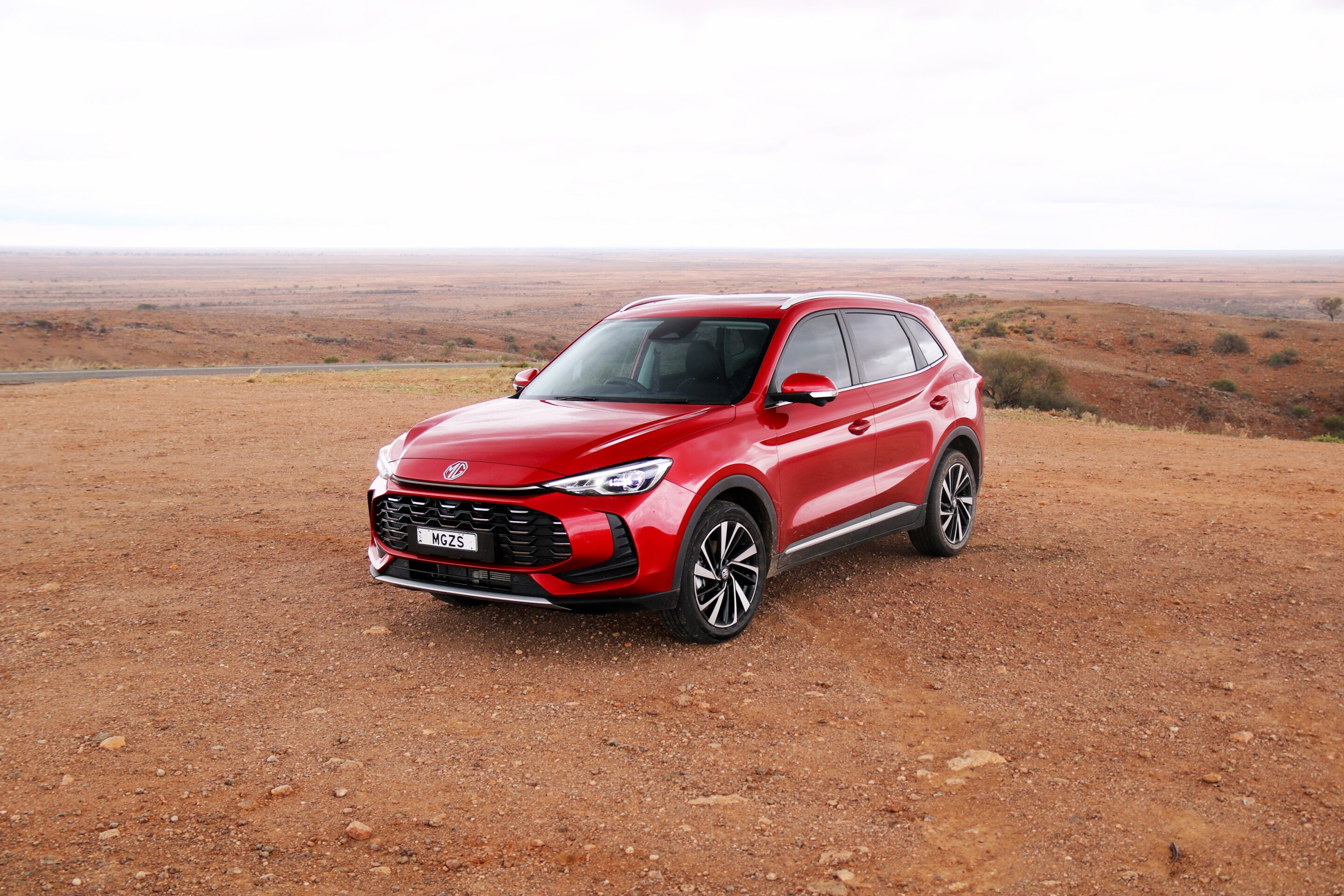
New MG’s talent in making a car is reflected in the fact the new-generation ZS recently won multiple categories in the recent Wheels Best Small SUV awards for 2025, including the overall award. That’s thanks to its newfound all-round capability, yet it still offers the strong value that the brand is known for. It’s this capability that we were keen to explore more of by taking an MG ZS Essence Turbo on a long drive out of the city and out of its comfort zone.
Could the MG ZS handle such a trip? My father Jeff and I decided to find out by driving one from Sydney to Broken Hill in far western New South Wales, then down to Mildura through the NSW Riverina region to Albury before heading back home to Sydney. An almost-3000km trip – or more than 10 weeks of
motoring for the average driver – but in just five days. Could the ZS back up its recent accolades?
Day 1: Sydney to Cobar: 725km
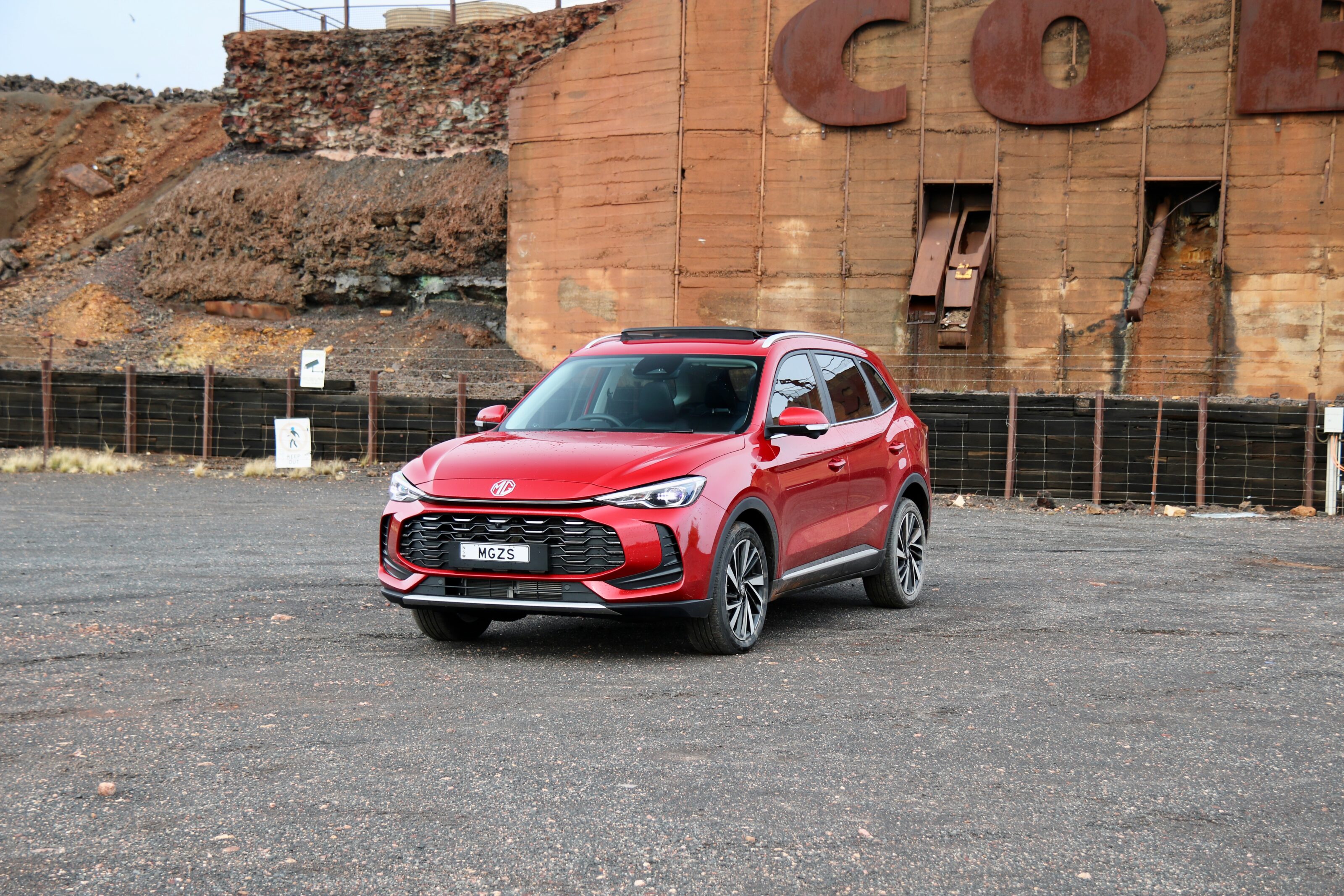
Day one starts nice and early. Dad arrived in Sydney the night before and is up at dawn’s crack to inform me that the weather is less than favourable. Put simply: it’s pissing down. We get away from home just before 8am with a good 725 km of driving ahead of us. Rain or shine, we had places to be. Unsurprisingly with such bad weather, the traffic isn’t great – is it that hard to switch on your headlights on rainy days? – but even in this weather, the ZS copes well.
With our average speed barely touching 20km/h, we’re hardly exploring the ZS’s ability to conquer the Australian terrain. But the seats are comfortable so far, and the adaptive cruise control works well in stop-start traffic. Heading along the M4 motorway towards the Blue Mountains gives us a chance to experience the ZS Turbo’s 125kW of grunt. Unsurprisingly, it’s no powerhouse and the dozy CVT transmission zaps some power, but it gets up to speed totally fine for its target market. The long hill at the end of the M4 is no match for the ZS Turbo, and it effortlessly powers to the top.
The Blue Mountains pass quickly and quietly and suddenly we’re going down the Mount Victoria Pass towards Lithgow. I hope that once-planned tunnel comes to fruition because this piece of road can be scary. While the ZS’s brake feel is good, we’d love to see paddle shifters for more manual control, particularly for more engine braking. The non-turbo models get a manual mode on their transmission selector, so why not the gutsier turbo?
We pass through Mudgee with a quick detour to Kmart – note to self: always pack a jumper for a road trip – and head slightly out of the way north to Dunedoo. Dad tells me that the pies at the Dunedoo Pie Shop are “bloody beautiful”, and I’m not one to turn down a nice pie. I reckon it was a solid 7/10.
Another reason for detouring to Dunedoo is the beautiful silo art. Painted by artist Peter Mortimore, the eastern side depicts local jockey Hugh Bowman with his winning racehorse Winx. On the southern and western sides, the silo depicts the landscapes of Dunedoo, including Black Swans flying overhead. It’s gorgeous, and really adds to the local scene.
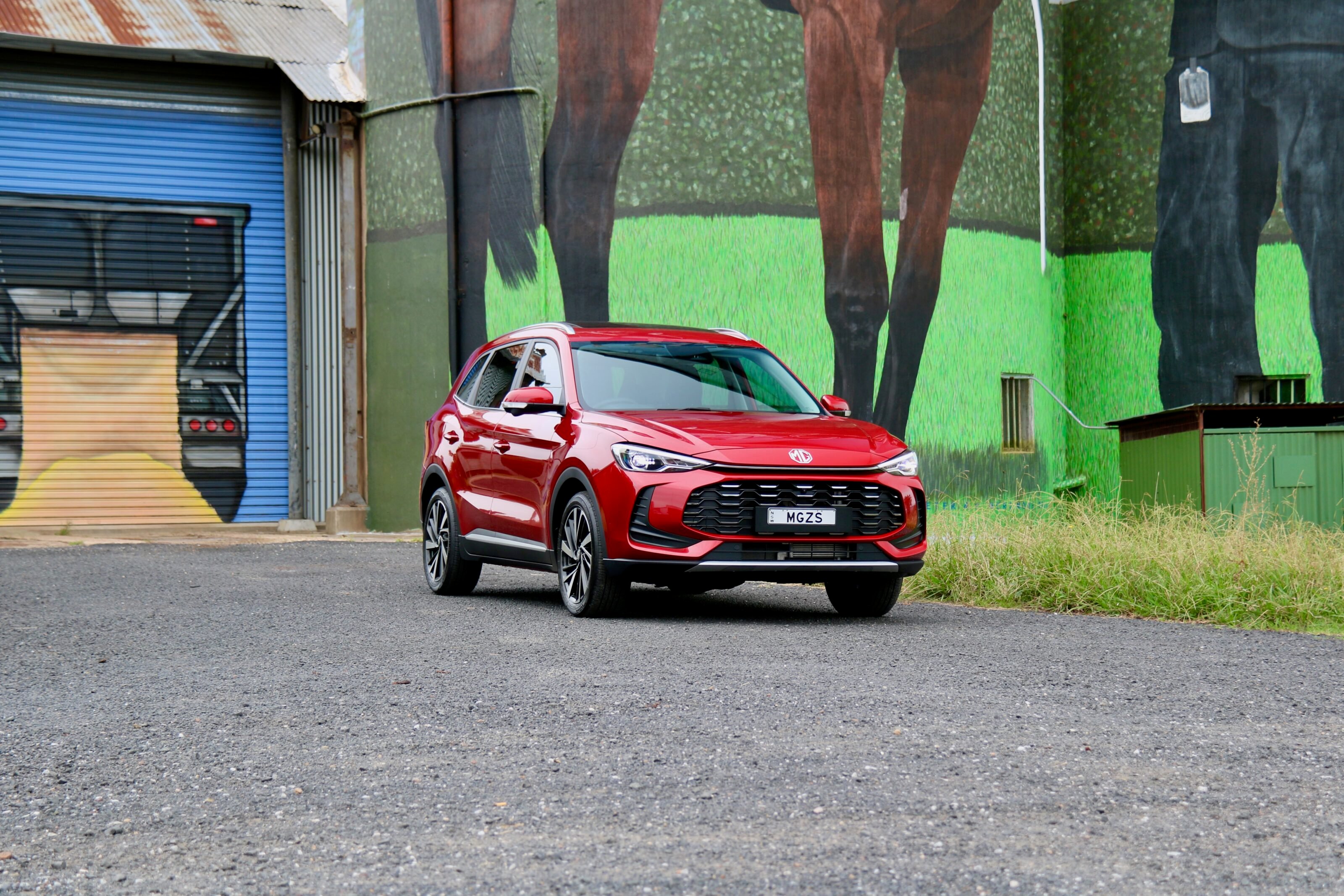
Next stop: Dubbo Bunnings, because somebody – me, again – forgot to bring an umbrella and considering some of the weather we soon experience the rest of that day, it becomes a wise purchase. The sheer size of Dubbo surprises me, as does the 15-storey building that is being constructed there, which is a real point of difference from the otherwise flat terrain. I imagine the locals are outraged.
Leaving Dubbo, you get the distinct impression that it is the final point of civilisation heading west towards Nyngan. A quick stop to see the famous ‘Dubvegas’ car wash – shame we don’t actually need to use it – and then an hour or so later, Nyngan is our first fuel stop and gives us a chance to see the ZS Turbo’s efficiency: 8.2L/100km. Not brilliant, but then again, the first section of the trip was quite hilly.
After a quick detour to both the Iroquois 1022 helicopter donated to the town after the 1990 flood and the Big Bogan statue – Dad just had to get a shot in front of it – we leave and head further north-west towards Cobar. It’s only 131km but proves to be one of the more challenging parts of the drive thanks to torrential rain. The ZS takes it all in its stride with barely a fuss: it feels mature, planted and solid.
A well-earned steak and sleep awaits us that night.
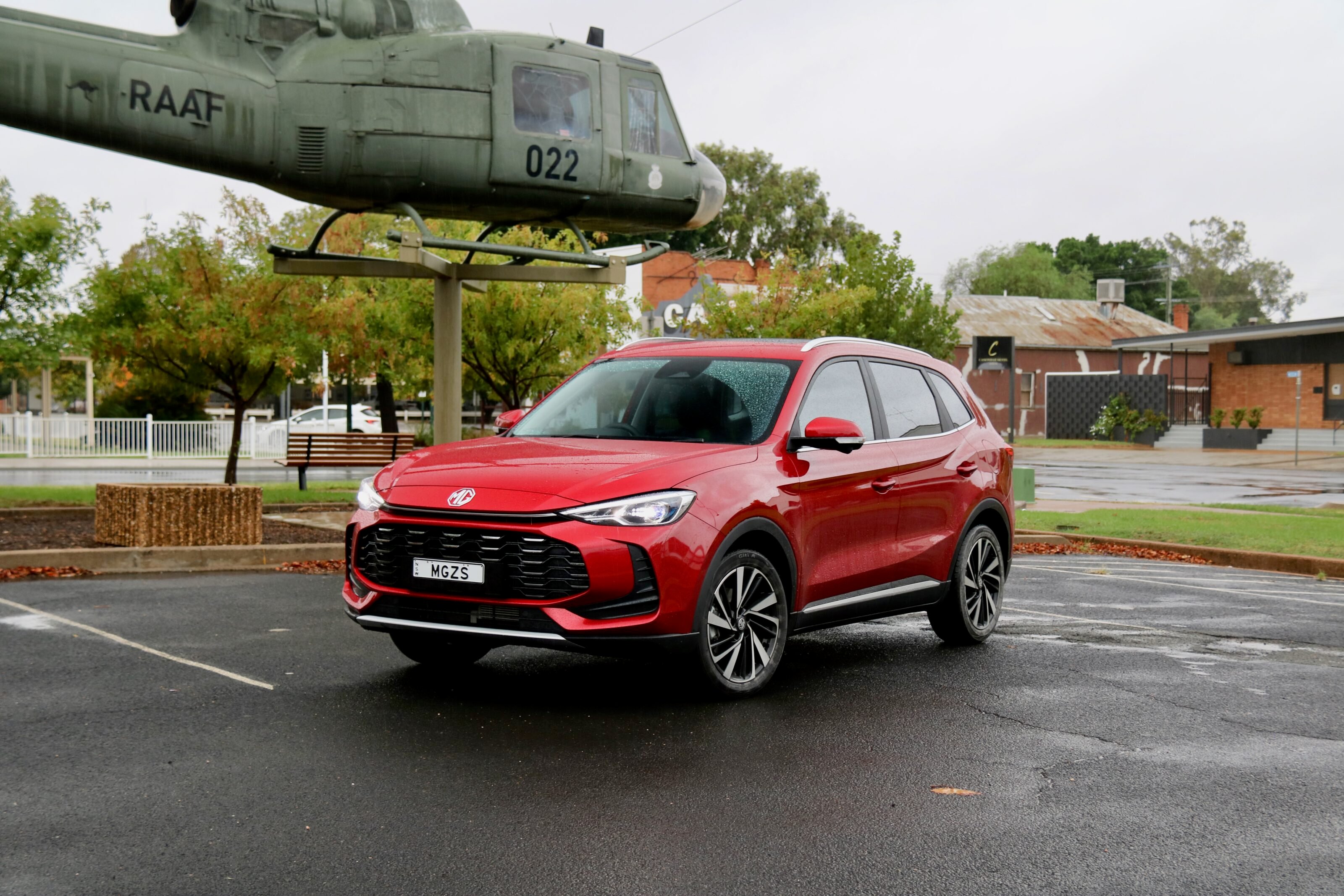
Day 2: Cobar to Broken Hill (via Silverton); 482km
Day two starts early with a quick trip to Fort Bourke Hill Lookout to learn about the copper and gold mining, which started in Cobar in 1870. Afterwards, Dad makes sure to get a donut from the Cobar Hot Bake and if you’re ever in town, they are delicious. A quick toilet stop just outside of town reveals that one of the public toilets was recently bowled over by – I assume – some sort of large vehicle. Hopefully nobody was in there at the time…
After seeing endless goats and a few kangaroos that thankfully stay off the road for the next few hours, we reach the town of Wilcannia for a fuel stop – this tank was a better 7.4L/100km – and a bite to eat at the Wilcannia Cafe, which turns out to be the only cafe in the town. The local school principal gets talking to Dad and before long, he knows why we’re in town and pretty much the story of our lives. Cheers, Dad…
After a great schnitzel burger, we head towards the EV chargers for a look – there’s no reception, so if you’re looking to charge there, make sure to take your charging card – and then we’re back to the Barrier Highway looking at more goats for the next few hours.
The further we travel, the more I realise just how beautiful the outback landscape is, with only plants, rocks, sand and a single piece of tarmac as far as the eye can see. Aside from a few drivers and many goats, there’s nobody around. We stop at the Little Topar Roadhouse for a break to find it closed that day, but it still gives us a great opportunity to just stop, breathe and take in a whole lot of quiet. It’s serene.
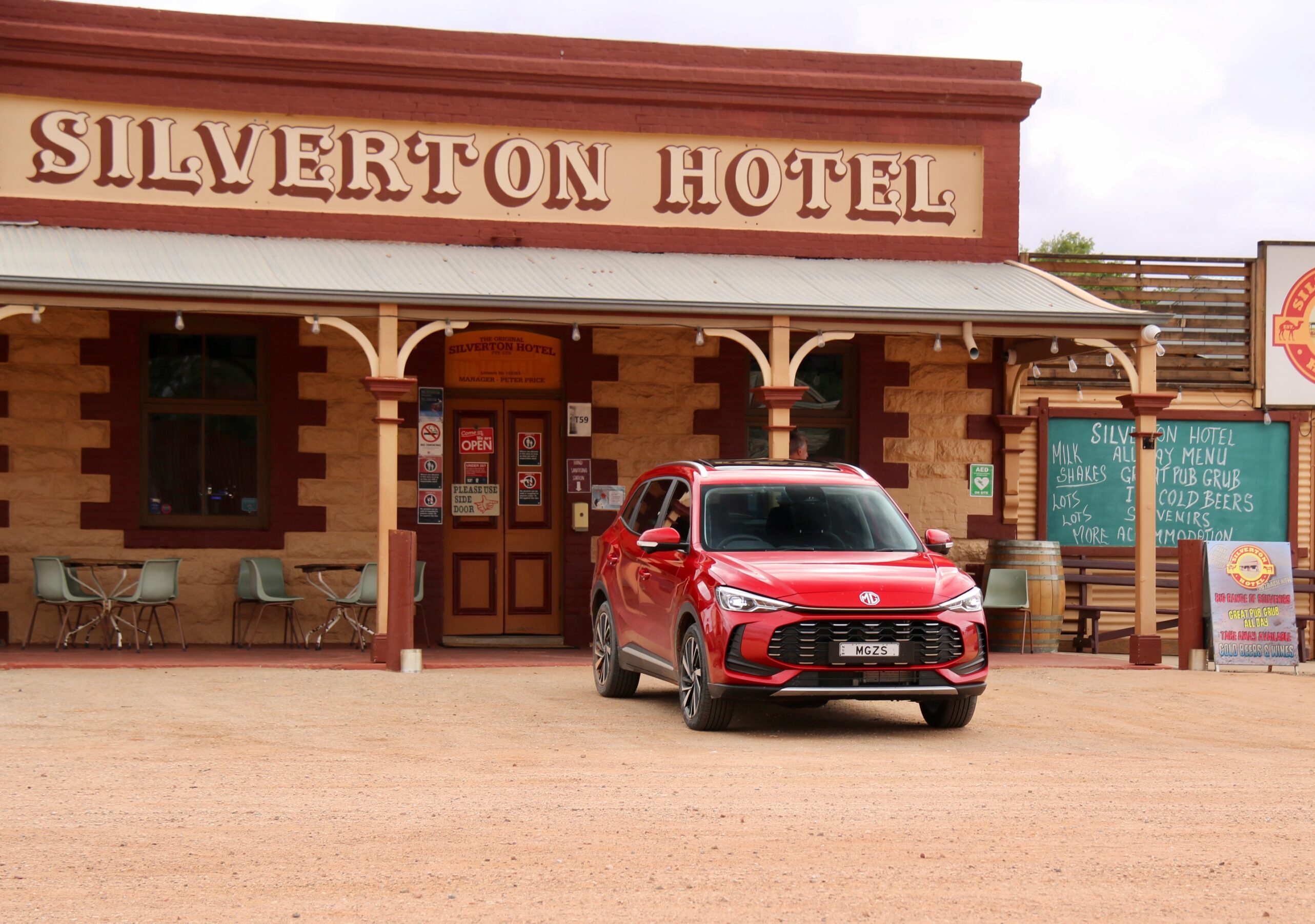
After checking out the Mullockers Memorial and the view of Broken Hill, we check into our motel in the centre of town and decide that a little journey to Silverton is in order. Only 26km north-west from Broken Hill, Silverton is famous thanks to the discovery of rich silver deposits – hence its name – and, of course, acting as the backdrop to many Australian films, most notably Mad Max II.
Outside the Silverton Hotel, established in 1884, is a pumped-up original Volkswagen Beetle as a homage to the film that has brought many tourists in Silverton’s direction. It’d be rude not to have a cheeky schooner and we sit down for a moment of reflection. Dad then suggests a drive further north-west to the Mundi Mundi Lookout – my favourite view of the entire trip.
Put simply, it’s breathtaking, especially at the late afternoon time of day that we’re there, with moody clouds overhead. Want to get a real sense of the vastness of the Aussie outback? Head up to here for a view over the endless Mundi Mundi Plains over towards South Australia – then turn around for a close view of wind turbines on the hills north of Silverton. It’s a surreal and stunning location, and I could’ve kept staring forever. But quite quickly, the moody clouds turn into rain and we’re back in the ZS on our way back to Broken Hill.
Travelling out of Silverton at about 50km/h, a kangaroo – who I later name Angus – jumps out in front of us. I slam on the brakes – the ZS thankfully stops quite quickly and effortlessly – but there’s no avoiding the poor ’roo. I get out of the car, pick him up off the road and move him over to the shrubbery where he passes away in my arms. I’m absolutely gutted.
Thankfully, the MG escapes its brush with Angus quite well. Just a cracked lower lip and a lower grille that’s been moved a bit out of place. Unless you were standing very close to it, you’d never know what happened and we were impressed at how well the car took the impact.
But soon we realise the air-conditioning feels different on the drive back to Broken Hill and an engine emissions warning light makes itself known later that evening. Thankfully, an under-bonnet check has revealed no damage or fluid lost, but instead, the engine air sensor (we discover later) has been knocked about and damaged in the impact.
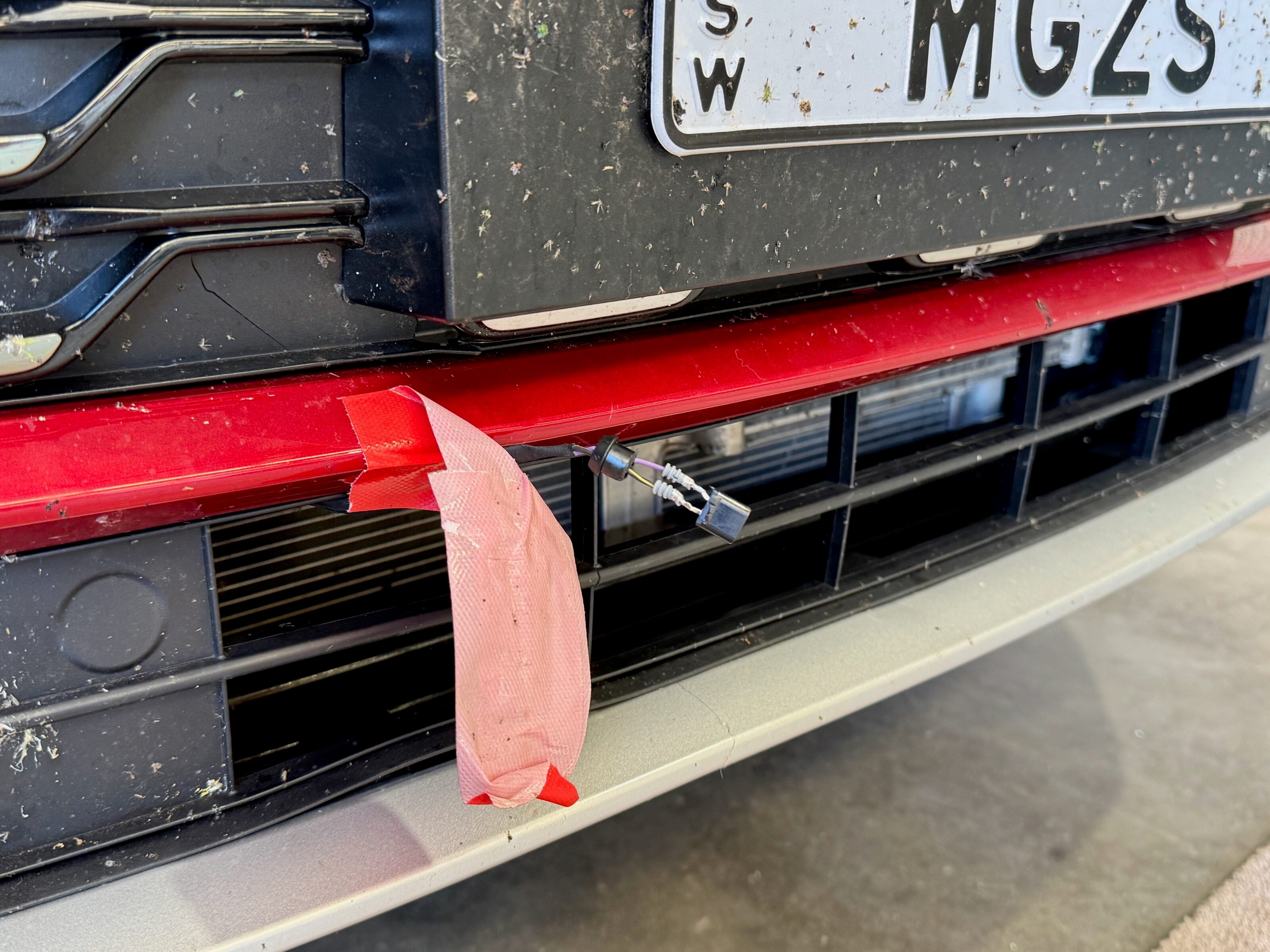
Needless to say, our mood is not great for the rest of that day, but we decide to try and enjoy our only night in Broken Hill, and we do so at the Astra Hotel with another tasty steak – cooked medium rare, of course. After a few drinks watching the youth of Broken Hill doing their endless ‘blockies’ on Argent Street – with everything from a few MG3s to utes, V8 Commodores and Falcons being hooned – we head to bed as tomorrow is another big day.
Day 3: Broken Hill to Echuca: 665km
Dad and I are up nice and fresh, and over breakfast decide that while there’s nothing seriously wrong with the ZS, we should probably try and fix the broken air temperature sensor. The only motoring-related place open on a Sunday in Broken Hill is a shop called ‘7 Day Spares & Accessories’ – the closest MG dealership is in Mildura – so we see if they can provide some solutions. Without a soldering tool handy, the sheared pins prove difficult to tape together, so we’re forced to tape it all up into its spot and hopefully we’ll find a place to help along the way.
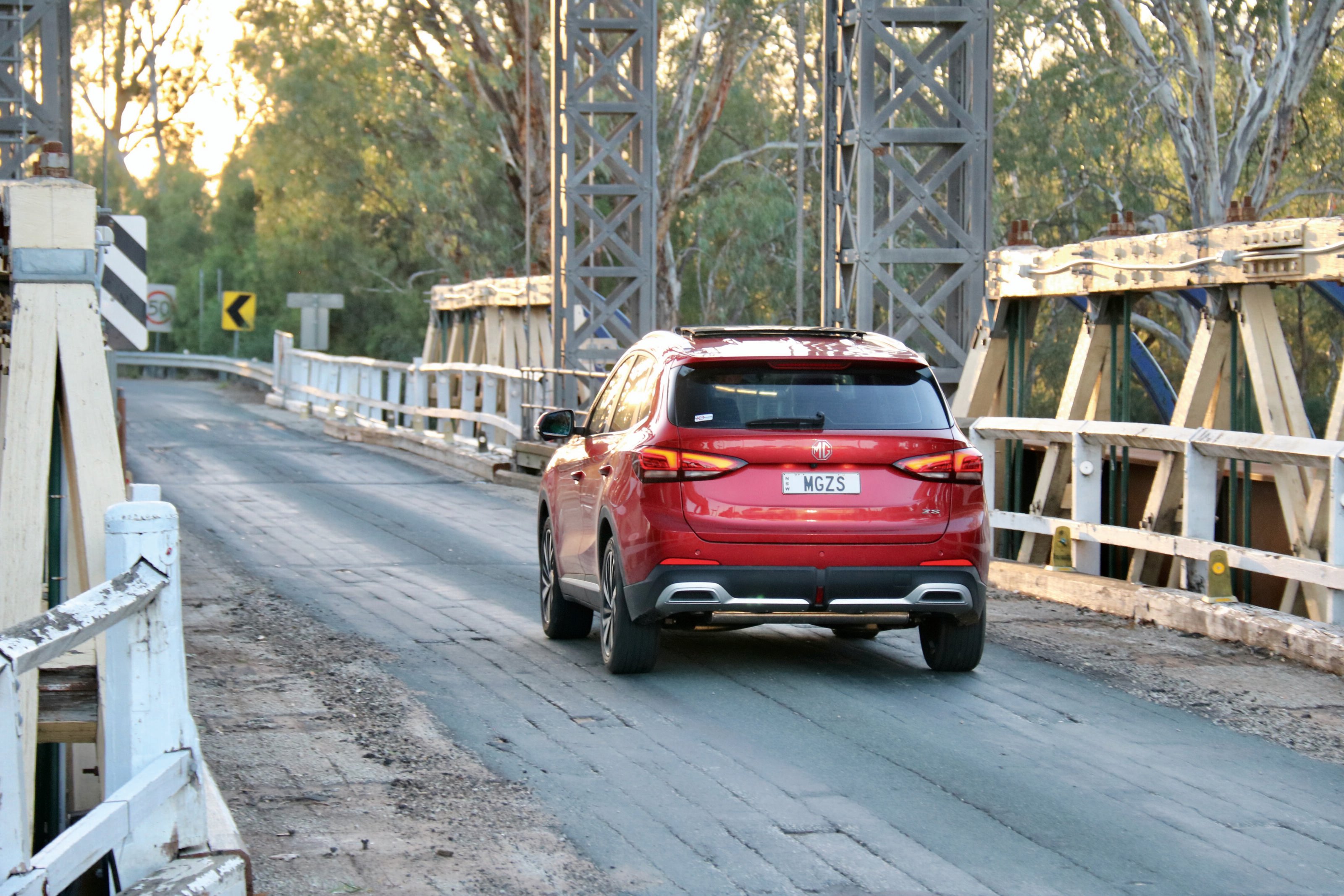
We leave Broken Hill with news that my sister is in hospital in Albury and we’ll need to spend a night there instead of the originally planned lunch stop. After a fuel stop, we head south down the Silver City Highway into scenery packed with huge power line towers, more goats and a slightly different view with more sand than rock. The air sensor issue means that the ZS has no idea what the weather is like outside, and the automatic climate control doesn’t want to work properly too, so it gets pretty hot in the cabin – especially with the synthetic leather trim, lack of a proper sunroof blind and hot air protruding from both of our mouths.
A quick stop at the Popiltah Lake Rest Area introduces us to people who were almost carbon copies of my parents; I nicknamed the bloke Dad’s new best friend, as they didn’t stop talking for a good 45 minutes. Soon we’re back on our way towards Wentworth on the mighty Murray River. By the time we get there, the restaurants are closed for food – I didn’t realise how hangry I got until then – so we keep driving, this time towards Mildura. After some food, we’re back in the car towards our next stop: Tooleybuc, which is on the NSW side of the Murray, and in particular, the cool Country Club Hotel. My parents visited here not long ago and Dad told me that it was a “must see”. He wasn’t wrong. Sitting in the beer garden at sunset brought a classy, chilled vibe, interrupted by the fact we had another few hours to drive.
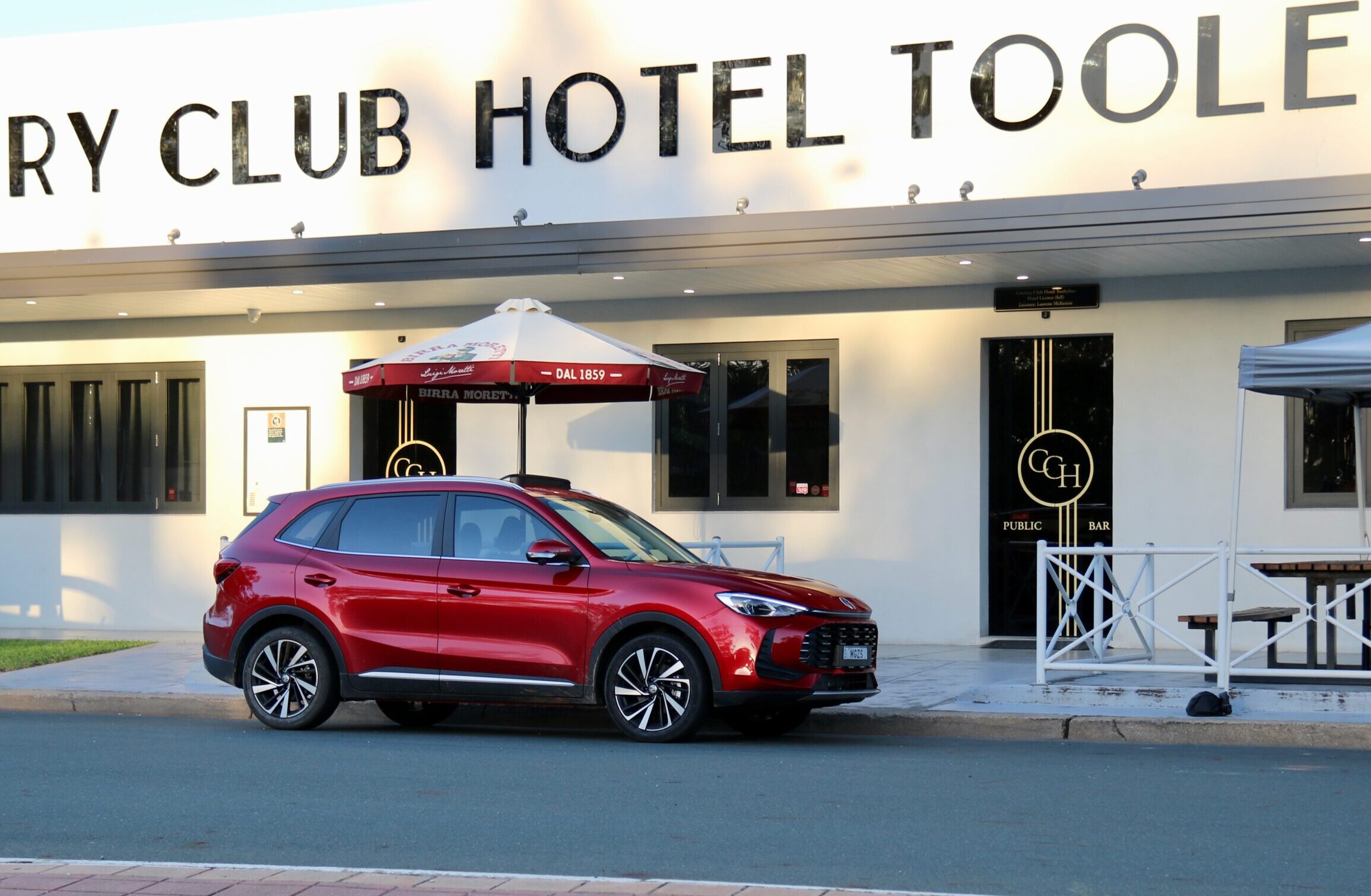
After a tasty chicken salad, we’re back on the road and heading towards Echuca another 203km away, giving us the first opportunity to check out the ZS’s night driving capability. I’ve driven a lot of Chinese cars with below average headlights, but the ZS’s are better than expected – though the auto high beam loves to blind other drivers. Best to keep that switched off.
Previous-generation MG products had a lot to learn with their active safety features – the new ZS is much better having received more tuning. The lane keeping assistance is noticeably better than the ZST it replaces, though the adaptive cruise control is still too sensitive for our tastes and slows down quite far from other cars, even at the closest set distance. The speed limit warning is also infuriating, particularly because it gets it so wrong at times but also because one must press the touchscreen a few times to switch it off. We pull into Echuca at about 10pm after a largely dark drive, Dire Straits blaring from the ZS’s reasonably punchy six-speaker sound system.
Day 4: Echuca to Albury: 230km
By far the easiest day of the trip, driving 233km for a day in Albury. After a casual stroll along the Echuca waterfront, we head to ‘Westside Auto Electrics’ to see Vinnie, who solders the air temperature sensor and we cross our fingers that the ZS is back to mint condition. Starting the engine gives us reason to celebrate: the cold cycle has returned, having been absent since the accident. The air-conditioning also feels much colder. Thank goodness for that… We tuck the sensor back into its spot behind the bumper and pray that’s the last we see of it.
The trip to Albury through the Victorian countryside is far more interesting than outback New South Wales. The Katamatite Silo Art en route is impressive, painted by artist Tim Bowtell and celebrating the rich local history. It’s a great place to stop and admire – especially from under the panoramic sunroof of the ZS. The last hour of the drive to Albury is covered in lovely greenery and many wineries trying to tempt us away from the road.
The chance to have a slower-paced afternoon in Albury further emphasises the ZS’s strengths as an urban runabout. Even though it’s less congested than somewhere like Sydney, the ZS still deals admirably with its version of traffic. The extra grunt of the turbo variant is also welcomed during the trip up Monument Hill to the Albury War Memorial.
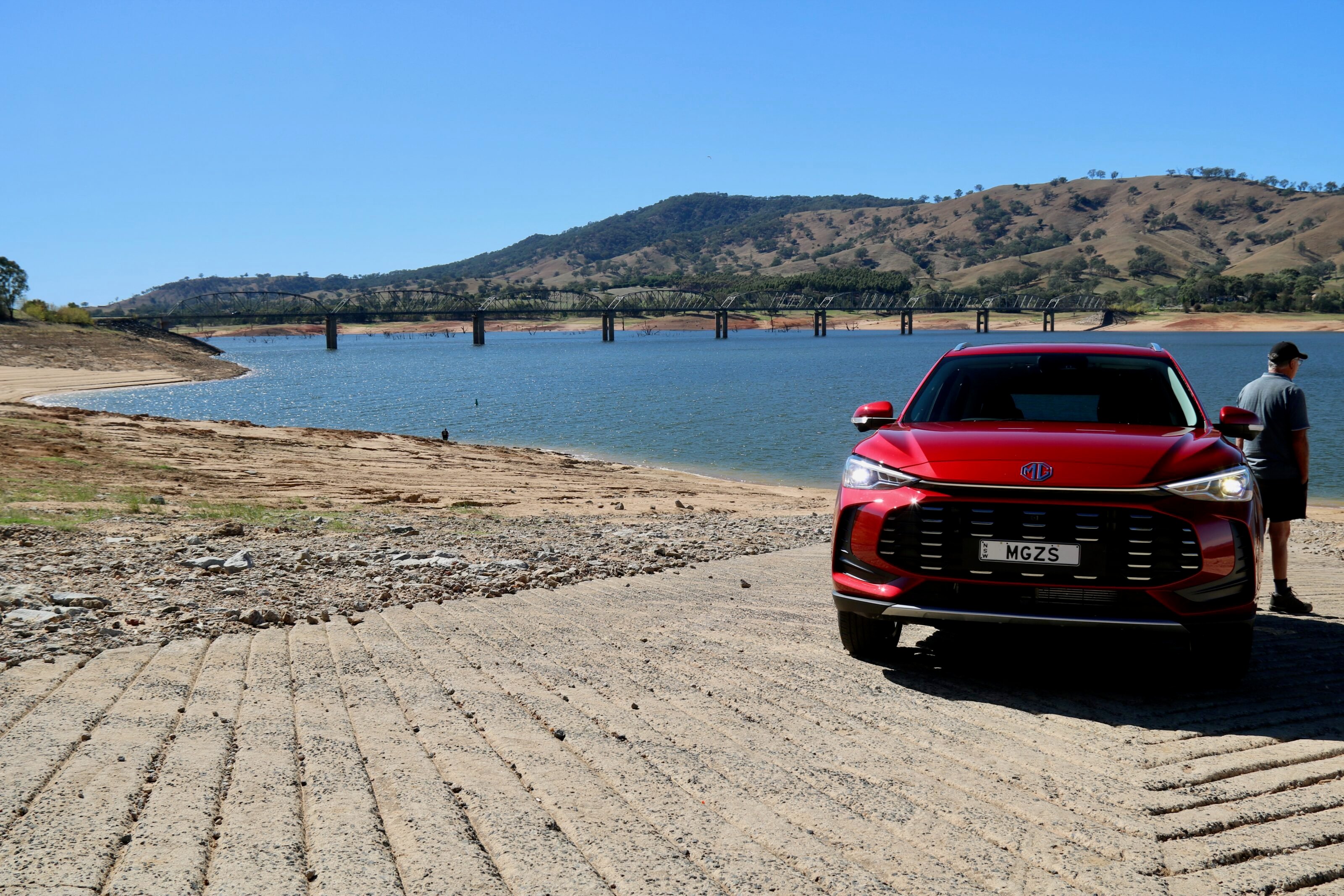
Day 5: Albury to Sydney (via Lake Hume): 580km
After a very pleasant overnight stay with Aunty Sue in Albury, we have breakfast and give the ZS a well-deserved wash. Therapeutic is the perfect way to describe debugging the ZS, and it actually looks like a new car now thanks to Dad’s car washing skills.
We head out towards the Hume Dam – a place I’ve wanted to visit since seeing it used as a backdrop for Wheels tests – and over the Bethanga Bridge to check out the view. Located just 16km east of Albury, the Hume Dam was finished in 1936 and is one of the largest dams in the world with a huge 2982GL capacity. As well as irrigation, the dam supplies stock and household needs for towns and landholders along the Murray River across three states, and is used for flood mitigation and hydro-electricity.
We stop at the dam for a good hour or so, enjoying a chinwag with a local and his mutt, and then we have a final fuel stop and head back to the Hume. On the five-hour slog back to Sydney, the ZS Turbo’s mile munching capability is further proven thanks to its low-ish road noise levels and solidity at higher speeds, making it a pretty good highway cruiser.
We make a quick stop at Holbrook for a sandwich, to buy a chicken kitchen ornament – or “wife pleaser and dust gatherer” as Dad puts it – and to see the awesome Submarine HMAS Otway that’s been in the ground there since 1995. Whoever managed the logistics to get it there is much smarter than I am.
Back in the car, both Dad and I start pondering the trip and the now re-bug-splattered ZS. It’s clear that the new MG knows how to make a good car – aside from the little incident with Angus, the ZS didn’t put a foot wrong in the almost-3000 km we’ve driven.MG adds petrol-powered ZS SUV to lineup.
After showing the ZS love throughout the trip, Dad is still impressed by it by the time we finally get home. He likes how well equipped it is, how solid it feels at higher speeds and how inexpensively it’s priced – plus, its 10-year warranty. Will he be trading Mum’s Skoda Karoq for it? Not just yet, he says, but their Karoq cost significantly more than the ZS Turbo’s $33,990 drive away asking price, and it’s not much better equipped. In this regard, it’s easy to see why the MG brand has become so popular.
When the ZS was selected, I had faith that it would be able to make the trip fine without breaking down or falling to pieces – but would we have been driven mad by road noise, ergonomic quirks or general discomfort? Thankfully, the answer to that question is a resounding no, because the ZS is quite comfortable and the noise levels were surprisingly low despite the awful roads we drove on.
What do we still have reservations about? Well, more shortcut buttons to better access the touchscreen would be great. The part-digital driver’s display relegates the speedometer to the left in a small non-digital area. And the fuel consumption of 7.9L/100km over the whole trip is just too high, especially considering that a lot of the trip was cruising at 100km/h+. It also needs premium unleaded fuel.
But overall, we think that the MG ZS has backed up its recent Wheels Best Small SUV award on this challenging long drive. Its appeal comes from more than just its great value equation: it drives and rides well, it’s refined and practical, it’s loaded with standard equipment, it’s quite comfortable and it’s built tough enough to withstand a kangaroo attack. Over to you, small SUV buyers of Australia, I’m off to plan my next road trip.
This article originally appeared in the June 2025 issue of Wheels magazine. Subscribe here.
Things we like
- Handsome styling
- Best-in-class interior quality
- Loaded with safety features
Not so much
- Pure isn’t the model to choose
- Thirsty engine
- Spartan and small rear cabin
| Rating |
|---|
Ever since its Australian release in 2004, the Mazda3 has been one of the country’s favourite cars.
One of the first ‘Zoom Zoom’ products that started Mazda’s sales upwards trajectory locally, the Mazda3 has always combined a fun attitude, good value for money and a good driving experience.
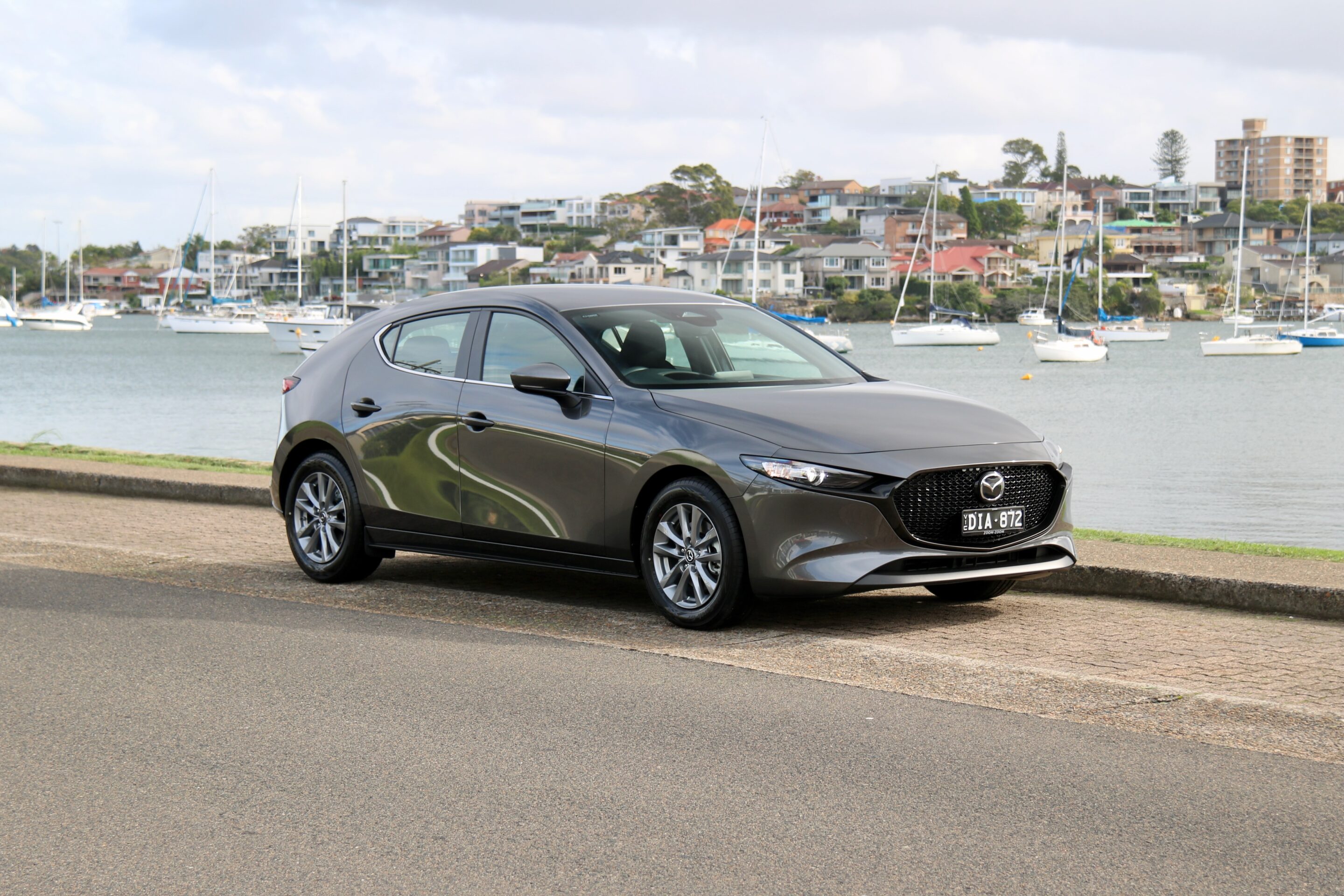
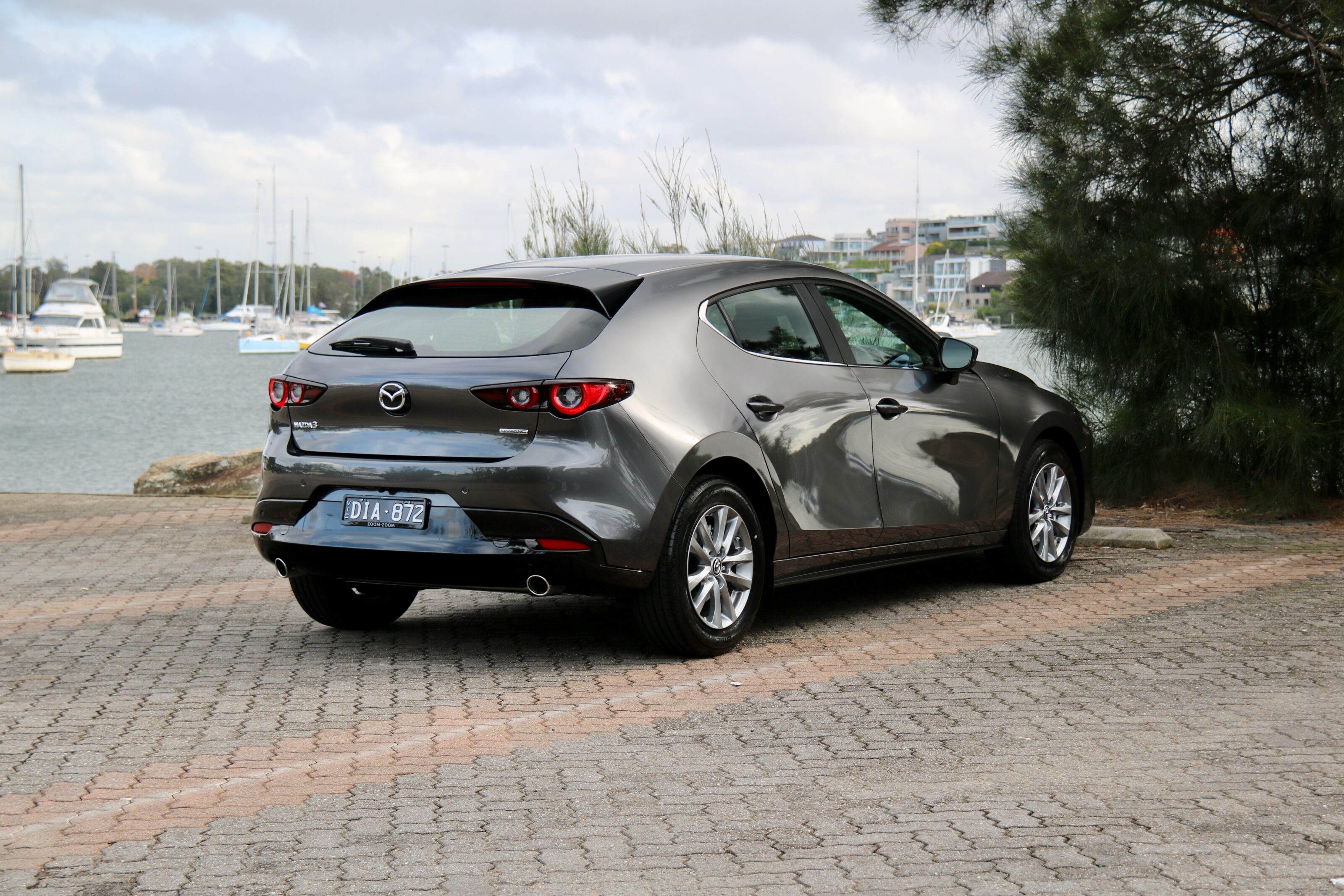
The latest ‘BP’ series Mazda3, however, toned down the driving fun a touch but added more of a luxury feel thanks to a decidedly upmarket interior and far better refinement than Mazda3s of the past. How does the latest Mazda3 stack up in base Pure form?
Price and equipment
While it has been more widespread in the past with more engine and transmission options, the Mazda3 range in Australia comprises of just six models and the Pure is the entry spec. It’s priced from $31,310 plus on-road costs and the range stretches $12,000 higher to $43,310 for the top-spec Astina.
As before, both hatchback and sedan bodystyles are available throughout the Mazda3 range and a six-speed automatic transmission is standard. The Pure, Evolve and Touring are fitted with a ‘G20′ 2.0-litre petrol engine, while the Evolve SP, GT and Astina use a larger ‘G25’ 2.5-litre petrol engine.
We tested the entry-level G20 Pure hatchback for this review.
Mazda3 Pure standard equipment:
- 16-inch alloy wheels with a space saver spare
- Dusk-sensing automatic LED headlights
- Rain-sensing automatic wipers
- Remote keyless entry with push button start
- Auto-folding mirrors
- Manual air-conditioning
- Leather-wrapped steering wheel and gear knob
- 8-way manual driver’s seat
- 7-inch digital driver’s display
- 8.8-inch infotainment screen
- Satellite navigation
- Wired Apple CarPlay and Android Auto
- AM/FM/DAB+ digital radio
- Bluetooth audio and phone connectivity
- 2x USB-C ports
- 8-speaker sound system
- Head-up display
Mazda3 Pure safety features:
- 7x airbags
- Autonomous emergency braking with pedestrian and cyclist detection
- Adaptive cruise control with stop and go functionality
- Lane keeping assistance with lane departure warning
- Blind-spot monitoring with rear cross-traffic alert
- Automatic rear braking
- Auto high beam
- Traffic sign recognition
- Driver attention monitoring
- Rear parking sensors
- Reversing camera
- Tyre pressure monitoring
The Mazda3 range earned a five-star ANCAP safety rating in 2019 against older testing criteria with scores of 98 per cent in adult protection, 89 per cent in child protection, 81 per cent in vulnerable road user protection and 76 per cent for safety assist.
Mazda3 Pure options:
- Premium paint: $595
- Vision Technology package with a 360-degree camera, adaptive lane guidance, driver monitoring, front cross-traffic alert, front parking sensors and a 10.25-inch touchscreen: $2000
Interior, practicality and bootspace
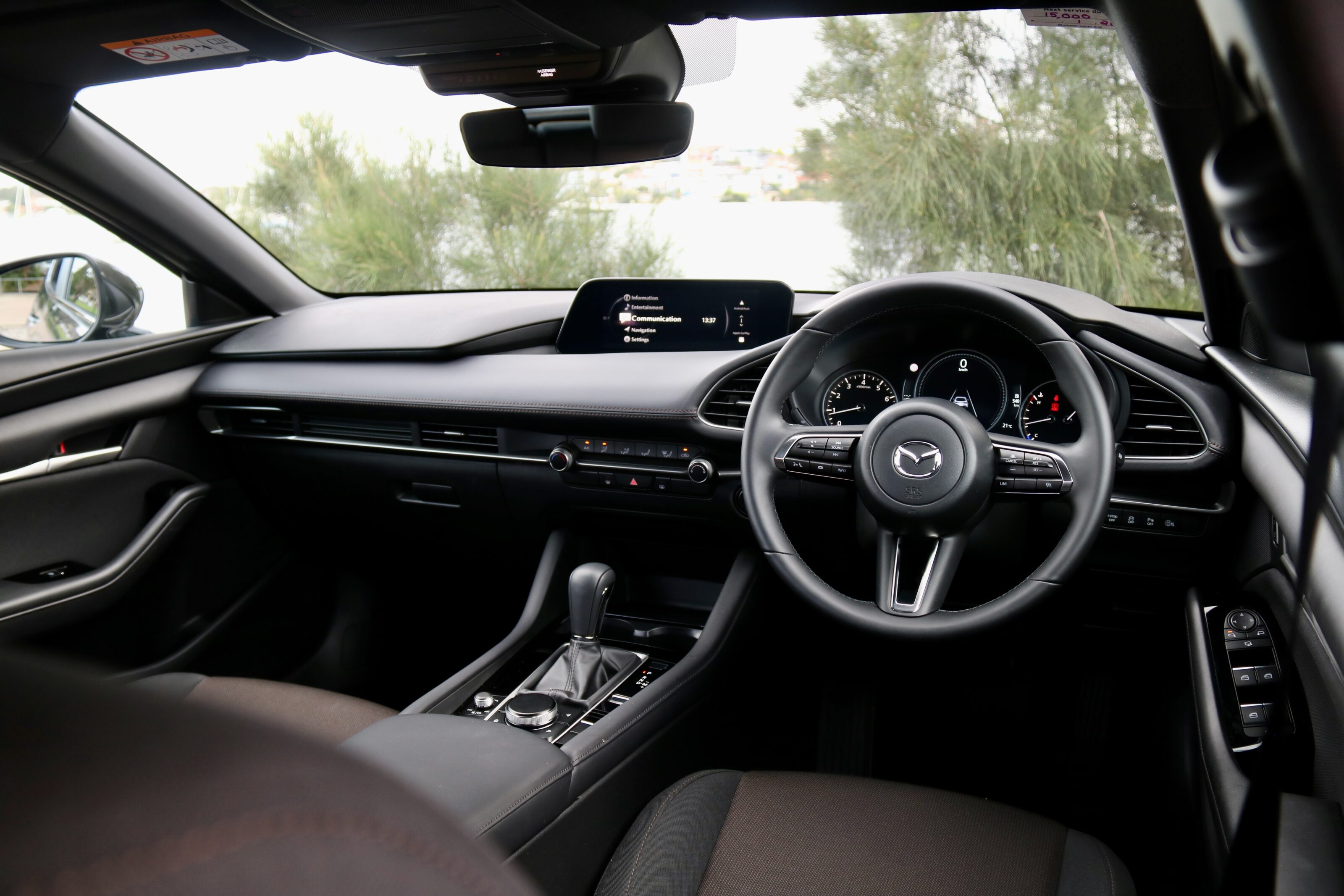
As was the case when the current generation Mazda3 was released back in 2019, the interior blows the competition away for quality with lots of soft touch materials throughout the cabin. The switchgear – such as the window controls and stalks – is also softly damped and makes it feel like it’s from a luxury brand. We also love the synthetic leather trim on the centre console and armrests, which are perfect for resting limbs against.
The 3’s cabin is also somewhat practical, at least in the front, with big door bins, a big box underneath the central armrest, average cupholders ahead of the gearbox, a secret tray to the right of the driver’s legs and a tray underneath the centre console that’s a wireless charger in higher-end models.
Centre of the 3’s cabin is an 8.8-inch infotainment screen that’s controlled by the wheel in the centre console – in this spec of Mazda3, you can’t touch the screen to control it, though the smartphone mirroring alone can be controlled by touch in higher-end models. While that may bother some, the controller wheel is safer to use while driving and it means you’re not reaching over to touch the screen.
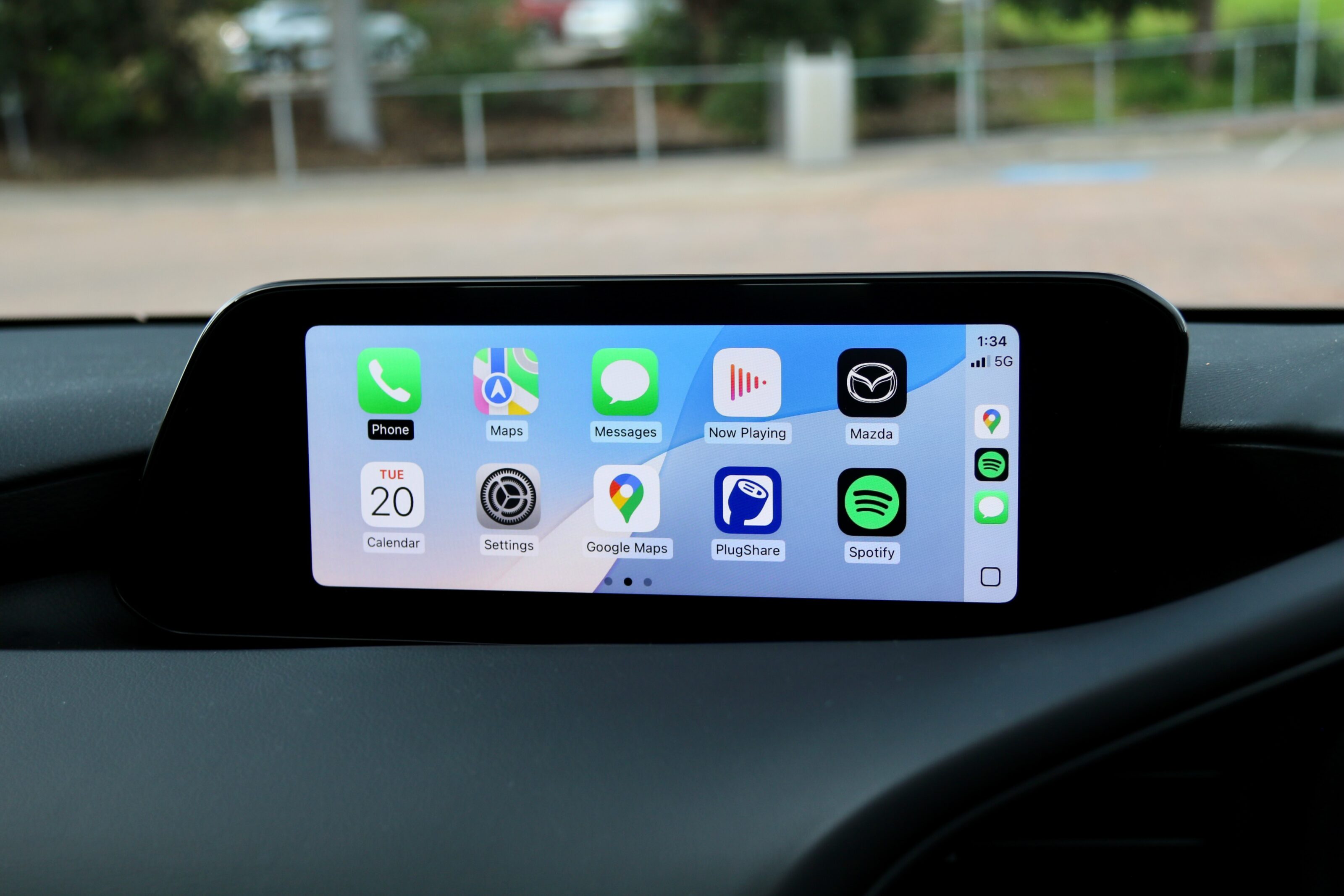
The screen itself is minimalist in layout, easy to use and features good graphics. The eight-speaker sound system also gives above average sound quality, better than you’d expect for a base model small hatchback.
The driving position, even in the base model Mazda3, is great with ample adjustment in the steering wheel and driver’s seat, impressively including both height and under-thigh angle adjustment. Rear vision, however, is not good thanks to the thick pillars and sloping roofline. But there must be sacrifices for this much style, right?
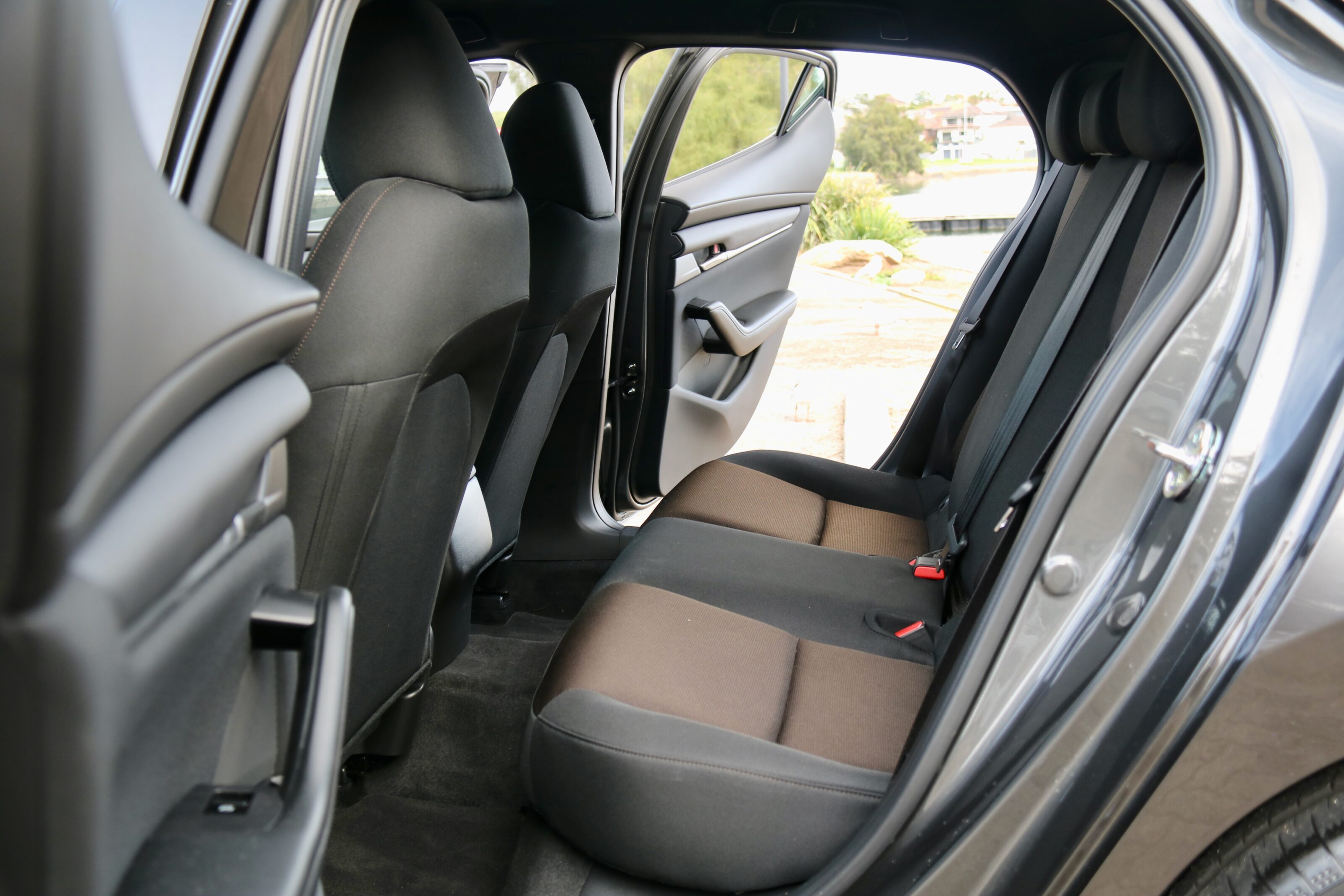
Thanks to the aforementioned style and the small windows it provides, the rear seat of the Mazda3 hatchback is not its strongest point, and the Pure is the worst in the range because it misses out on features such as air vents and a central armrest. For amenities, occupants get just one map pocket and a door pocket and that’s it. Legroom is tight for taller adults, though headroom is fine, and there are three top-tether points and two ISOFIX points for child seats.
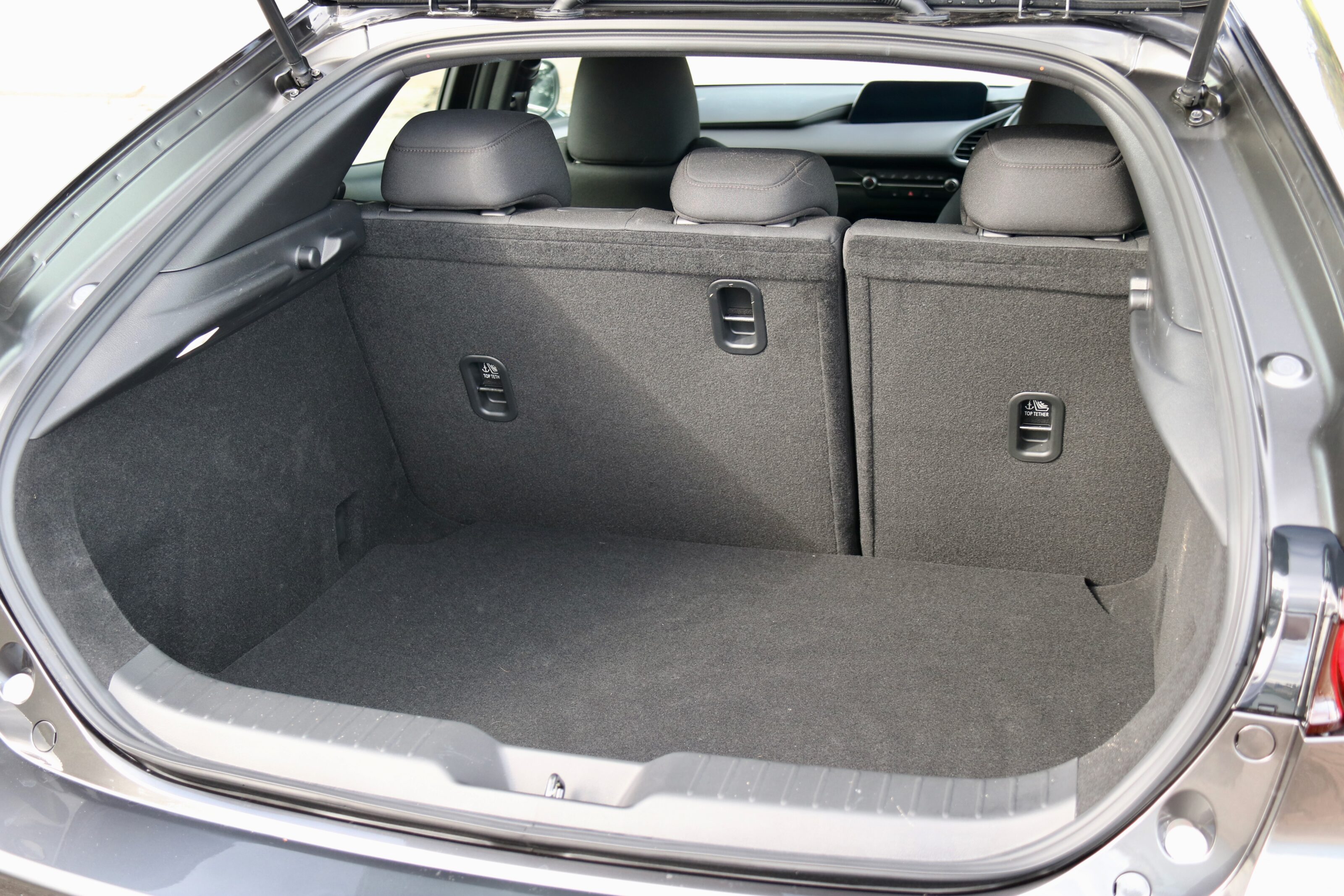
The boot of the Mazda3 measures 295 litres with the seats up (Mazda doesn’t provide a figure for them folded) and like the rear seat, it’s a spartan space with no hooks, tie down points or extra storage. While the boot lip is high, folding the seats gives a flat loadspace for trips to Ikea, and it’s also finished with high quality carpeting. If you’re looking for more practicality from your Mazda3, consider the sedan as its boot is larger and the larger windows give a more spacious feel in the rear seat.
Performance and economy
The Mazda3 G20 Pure uses a 2.0-litre four-cylinder naturally aspirated petrol engine making 114kW of power and 200Nm of torque. Power is sent to the front wheels via a six-speed torque converter automatic transmission – the former six-speed manual option is no longer available, same with the former 2.0-litre ‘SkyActiv-X’ engine that sat the top of the range. Crucially for some buyers as well, there’s no hybrid drivetrain available either, though Mazda has put a lot of effort in to shaving fuel use – this engine now has cylinder deactivation tech, for example.
Mazda claims that the 2.0-litre Mazda3 will use 5.9L/100km on a combined cycle, but we found that difficult to achieve and reported 6.8L/100km in combined driving – or almost double of what a Corolla hybrid can achieve. Mazda also claims that the 2.0-litre Mazda3 will emit 138g/km of CO2, while its 51-litre fuel tank can be filled with 91RON regular unleaded fuel.
On the road
As you’d expect from Mazda’s current premium attitude, the driving experience of the Mazda3 is calm, mature and comfortable and makes the car feel like it costs a lot more than it actually does.
As we’ve seen in the cabin, the driving experience of the 3 is considered, from the excellent refinement with low road noise levels to the steering that offers excellent weighting. In both urban and highway driving, the Mazda3 is a great companion.
Despite featuring a relatively unsophisticated torsion beam rear suspension set up compared to the multi-link set ups of some rivals, the Mazda3’s ride quality is generally well sorted. While it can feel a touch firm, and larger bumps are felt, it settles quickly afterwards. It’s also a great handling car, as you’d expect from a Mazda product. Of course, it’s no MX-5, but it comfortably shades its rivals for behind the wheel fun. The chassis is tight and it feels light on its feet too.
If there’s a chink in the 3’s armour, it’s the engine. The 2.0-litre ‘SkyActiv-G’ donk has been around in different tunes since 2011 and for most people, it’s a totally fine engine: grunty enough for in-town driving, relatively fuel efficient and it sounds good as well. But against newer turbocharged and hybrid rivals, it’s a bit slow and feels a bit dated. Again, it’s totally fine for most people but we’d upgrade to the larger ‘G25’ 2.5-litre engine for its extra low end grunt.
Where Mazda piles on more premium feel is in the tuning of its active safety features. Even the entry-level Pure is very well equipped for safety features – a head-up display on a base model!? Wow – and each one is expertly tuned to alert but not annoy. The lane keeping assistance, for example, is accurate and subtle and the traffic sign recognition can be set to permanently visually alert you to exceeding the speed limit but not audibly. Want the audible alerts to switch off? Press the button for that function to the right of the driver. A lot of manufacturers could learn from Mazda’s active safety features, in our opinion.
Service and warranty
Mazda covers the Mazda3 with a five-year/unlimited km warranty with five years of roadside assistance.
Unlike a lot of previous Mazda products, the 3’s service intervals are once-yearly/every 15,000km and five years/75,000km of servicing costs $2251 ($450 per service).
Verdict: should I buy a Mazda3 G20 Pure?
While there are less small hatchback buyers than there have been in the past, they are still popular and one of the best options is undoubtedly the Mazda3. Let’s start with the negatives: the back seat and boot are smaller than most rivals, the 2.0-litre engine can be thirsty and feels a bit slow, there’s no more manual option and it’s not the cheapest to service.
On the flip side however, it looks like a Japanese Alfa Romeo Brera, it’s fun to drive, comfortable, well equipped for a base model – especially with safety features – and its interior quality is excellent. The Mazda3 is a great car but we’d jump up to minimum Evolve level (+ $1800) to gain features such as rear air vents, larger wheels and wireless smartphone mirroring for a more complete overall package.
Mazda3 rivals
Specifications
| Model | Mazda3 G20 Pure hatchback |
|---|---|
| Price | $31,310 plus on-road costs |
| Engine | 1998cc 4-cylinder petrol with cylinder deactivation |
| Transmission | 6-speed auto, front-wheel drive |
| Peak power | 114kW (@ 6000rpm) |
| Peak torque | 200Nm (@ 4000rpm) |
| Combined fuel consumption (claimed, as tested): | 5.9L/100km, 6.8L/100km |
| Claimed CO2 emissions | 138g/km |
| Fuel type/tank size | 91RON, 51 litres |
| Dimensions (length/width/height/wheelbase): | 4460/1795/1435/2725mm |
| Boot size | 295 litres |
| Tare weight | 1355kg |
| 0-100km/h | 10 seconds (estimated) |
| On sale | Now |