
It’s official. The Chevrolet Camaro is entering Supercars.
Triple Eight Race Engineering has announced it will race a Chevrolet Camaro in 2022 under the incoming Gen3 rules, ending worries the championship would default into a Ford Mustang-dependent series once the Holden ZB Commodore retires.
Triple Eight also revealed it’s been developing the Camaro for Supercars with GM’s blessing, building upon its development of the new flexible Gen3 chassis for the series and continuing a relationship with the marque that stretches back to the ’90s.
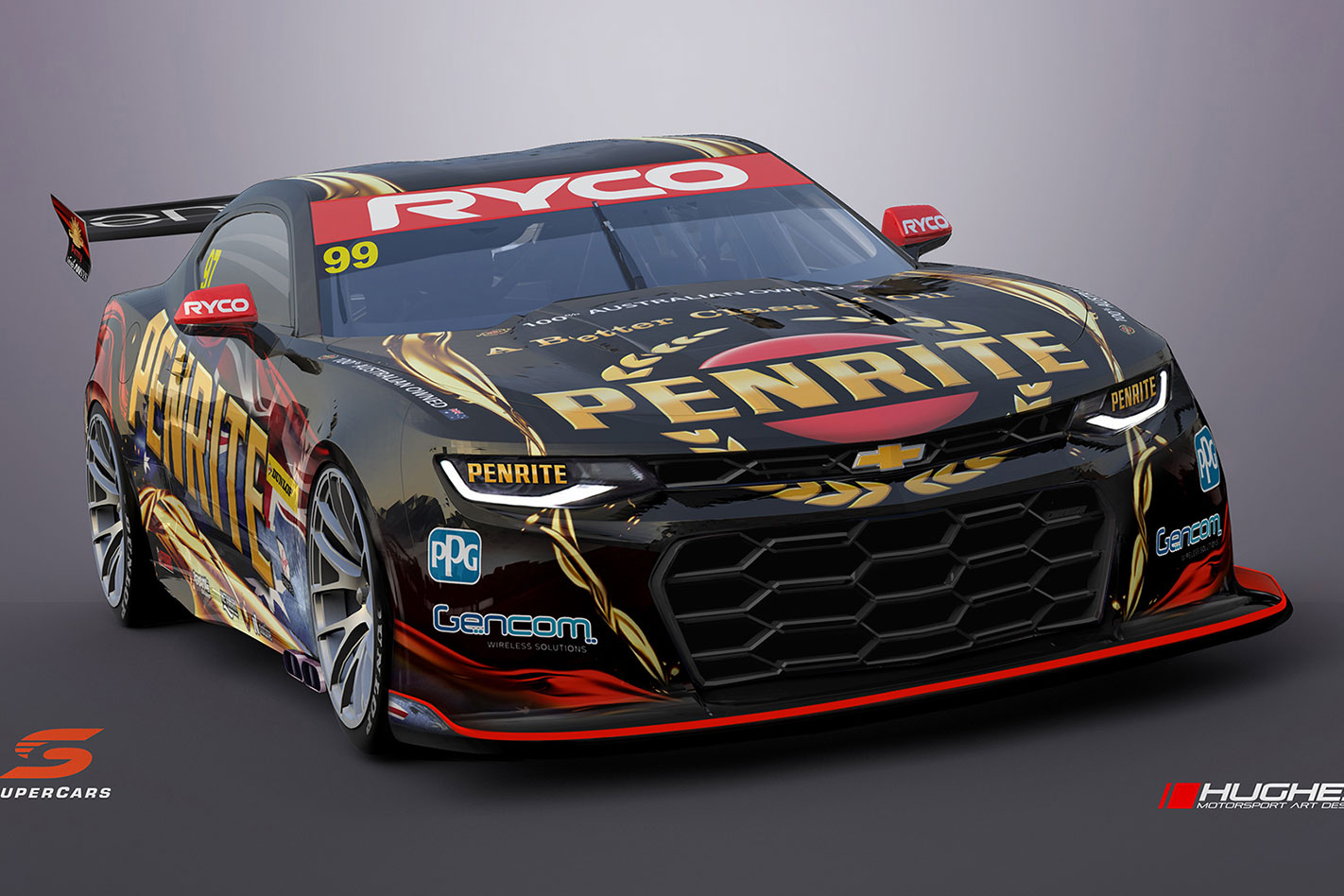
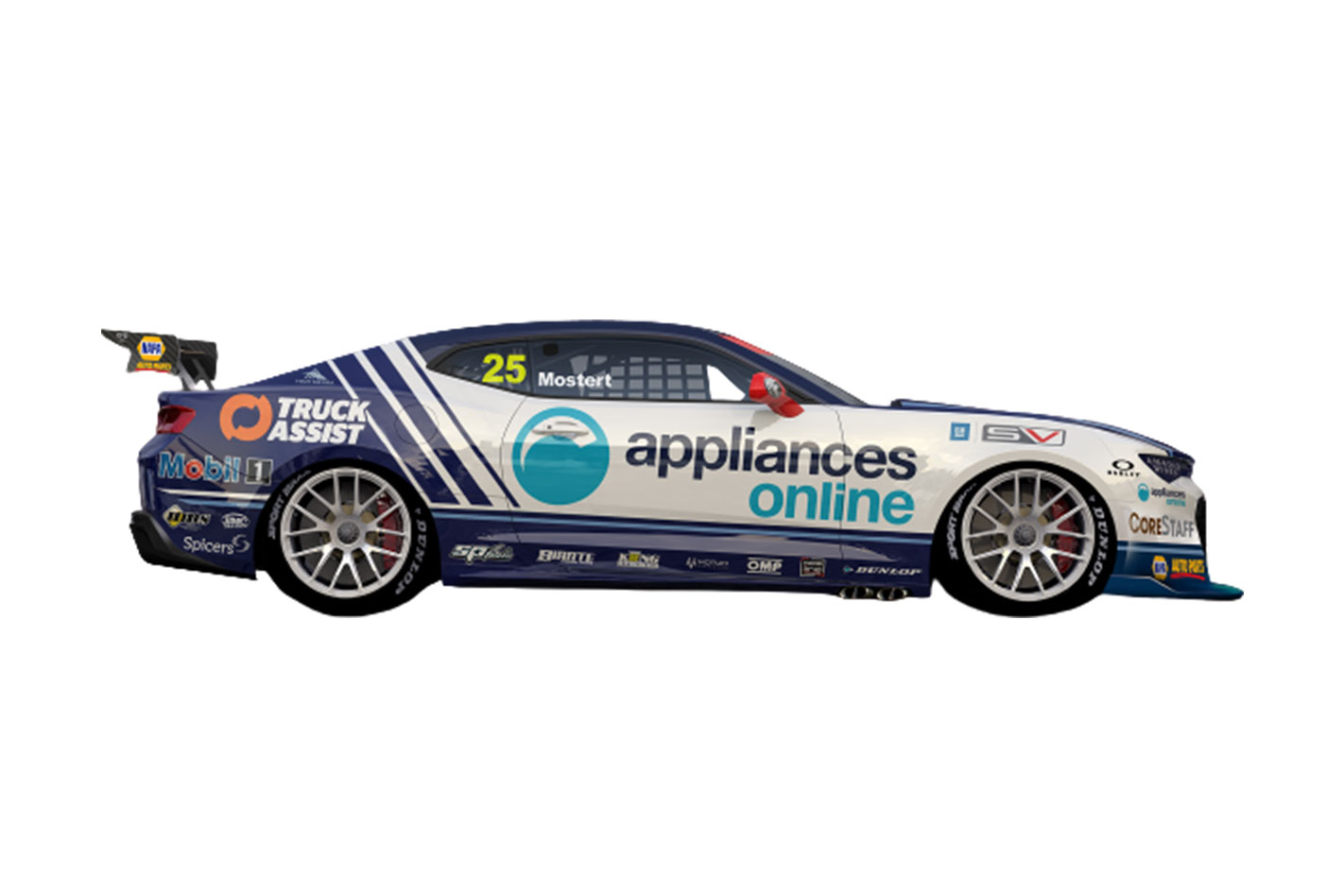
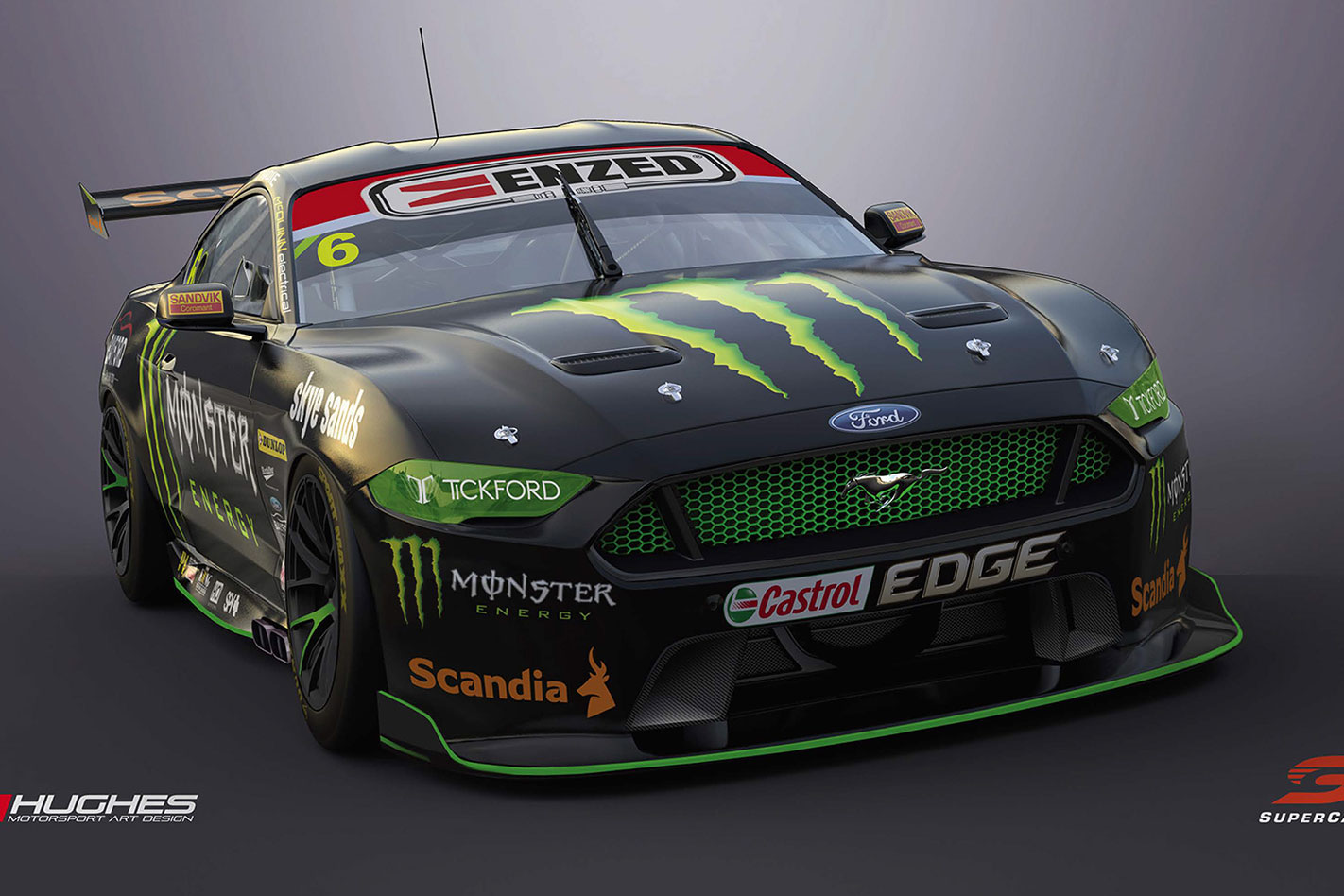
Both Triple Eight and Supercars released renders of what the Camaro will look like, along with Supercars renders of a Gen3 Mustang. A Triple Eight spokesperson told WhichCar the Chevrolet racer will replicate the road car as much as possible, given that’s what the Gen 3 rules aim for. Here’s to hoping.
“The Camaro looks fantastic as a road car and there’s no doubt that it will make a spectacular, aggressive race car,” Triple Eight Race Engineering’s managing director Roland Dane said in the official press release.
“Preparations for the introduction of Gen3 regulations are well under way, but our sights this week are fully focused on delivering the best results possible for Holden and Holden fans.”
But General Motors president and former Holden executive Mark Reuss has said the parent company is behind the Camaro’s involvement in Supercars in 2022.
“Chevy Camaro [sic] will be an exciting addition to the track, and we have every confidence Triple Eight will ensure the race-going version will be a faithful representation of the road-going Camaro ZL1’s DNA.” This does not, however, mean factory team support.
The news should go a long way to placating Ford, which has been anxious about the prospect of a Supercars that offered no significant rivals to compete with and justify its involvement.
It also puts pressure on Walkinshaw Andretti United to reveal what it will field from 2022 given it reaffirmed itself to the series earlier this week but declined to reveal what car it will use. We’ve reached out for comment on whether it’ll be a Chevrolet Camaro.
What stands out?
The Toyota LandCruiser is as good as it gets if you want to head Outback in a big and comfortable four-wheel drive wagon. Even if Outback travel is not on your to-do list, the 200 Series is surprisingly friendly in the city for a vehicle this big. Most versions seat at least seven.
What might bug me?
Manoeuvring in tight city carparks. This is a big vehicle.Having to scrape up the cash to pay for the fuel bill.
What body styles are there?
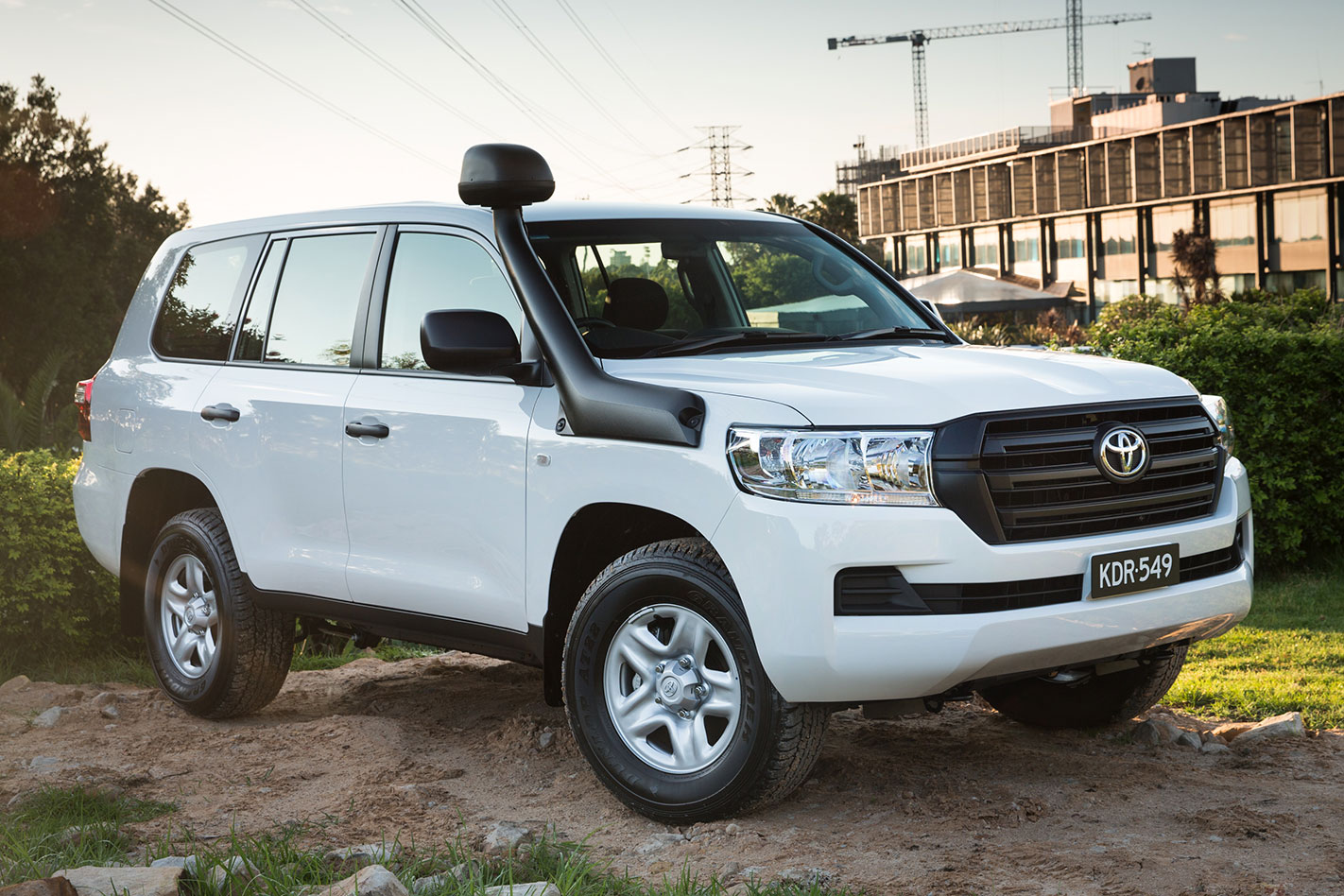
There is just one basic body, a large SUV-type wagon. Every model except one has a horizontally split tailgate and three rows of seats, and is designed for families. The exception is the GX, a commercial vehicle designed primarily for fleet use, which has a vertically split, barn-door tailgate and only two rows of seats.
What features do all LandCruiser 200s have?
- Cruise control
- Tilt and reach steering-wheel adjustment
- Bluetooth phone connectivity
- Power windows
- Crawl Control, which helps when driving off road. It automatically controls the accelerator and brakes to maintain a speed you select, so that you can concentrate on steering.
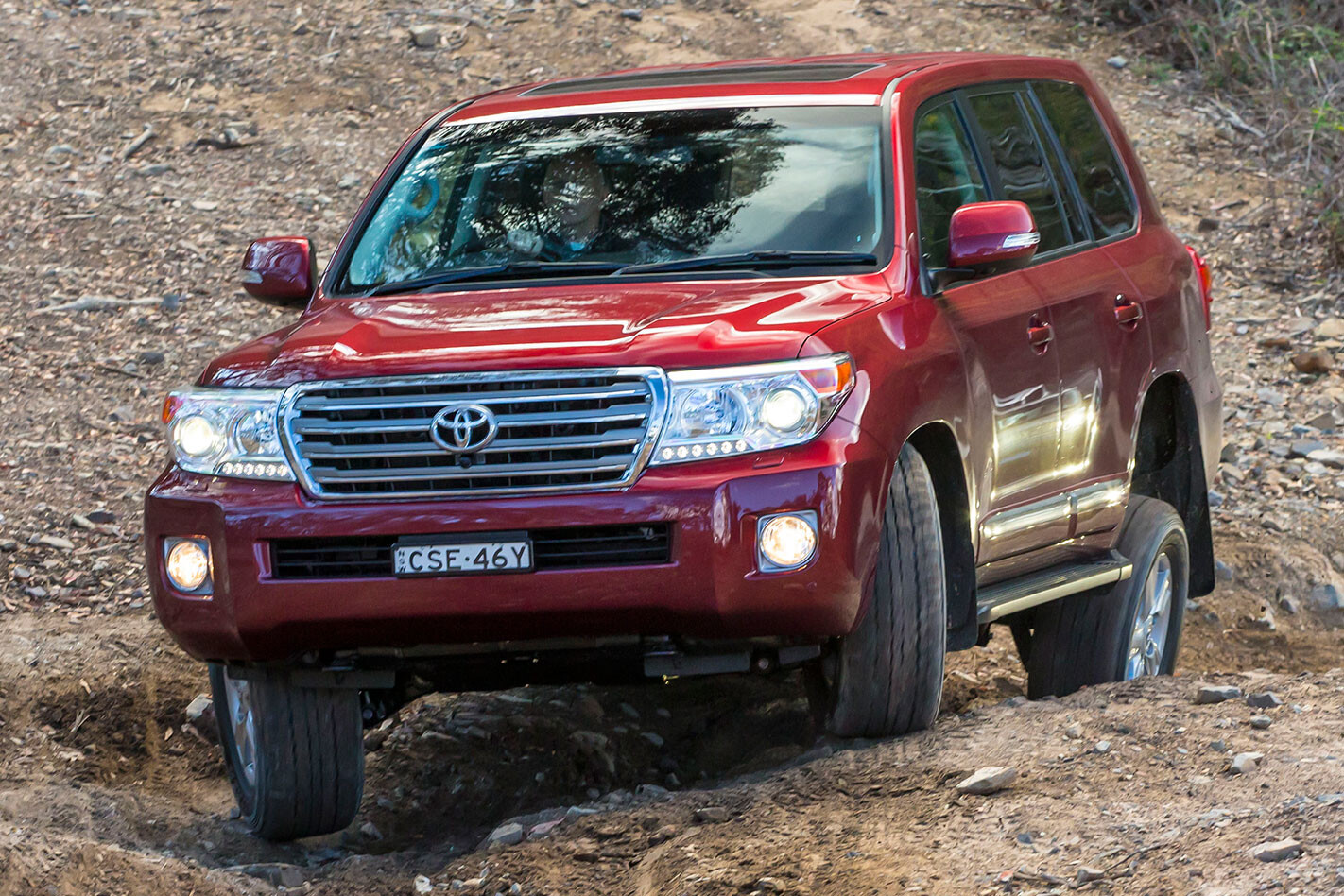
- Electronic Traction Control, which helps you go further in difficult off-road conditions.
- Electronic Stability Control, which helps the driver control the vehicle in a skid. All new cars must have this feature.
- Trailer Sway Control, which helps settle the vehicle if a trailer you are towing is swaying from side to side.
- At least eight airbags: frontal and knee airbags for the driver and front passenger; side airbags to protect the upper body of the driver and front passenger; and curtain airbags to protect the heads of outer passengers in all three rows of seats.
- This standard features list may seem a little thin but it’s skewed by the GX, which is stripped for its work-vehicle role.
- All models carry Toyota’s five-year, unlimited kilometre warranty.
Which engine uses least fuel, and why wouldn’t I choose it?
The 4.5-litre V8 turbo-diesel is the only engine available in a LandCruiser 200, and uses 9.5 litres/100km (city and country combined) in the official test, though expect this to rise by about 20 percent in real-world driving.The V8 diesel is fitted with a six-speed automatic gearbox, the only gearbox on offer.There was a 4.6-litre petrol V8, but this accounted for a fraction of sales and was dropped from the range in August 2019.
What key features do I get if I spend more?
Prices start with the commercial grade LandCruiser GX, but this model is unique not just because it seats only five and has vertically split doors at the rear. It’s the only model with vinyl floor coverings instead of carpets, and 17-inch pressed-steel wheels.The GX is also the only model with a snorkel-style engine air intake standard. This draws air from just above the roofline on the driver’s side, and allows you to ford creeks without fear of water getting into the engine and damaging it. And you can’t get a GX with the petrol engine.Spend more for a LandCruiser GXL and you get:
- Carpets on the floor, audio.
- Phone and trip-computer switches on the leather-appointed steering wheel.
- Fancier looking wheels made from aluminium alloy.
- A 6.1-inch touchscreen with a reversing camera (backed up by rear parking sensors) and satellite navigation.
- A 4.2-inch multi-information display (MID) which shows visual alerts, odometer, trip meter, fuel consumption, eco driving indicator, cruising range, shift position and various warnings.
- Dual zone air-conditioning allows different temperatures to be set for each side of the cabin.
- Sidesteps help you get in.
- A third row of seats.
- Roof rails make it easier to add roof racks.
- A proximity key that allows you to unlock and start the car with the key safe in a pocket or bag.
- Headlamps use extremely long-lasting LEDs for low beam.
- Body-protecting side-impact airbags for outer passengers on the middle-row seats, for a total of 10 airbags.
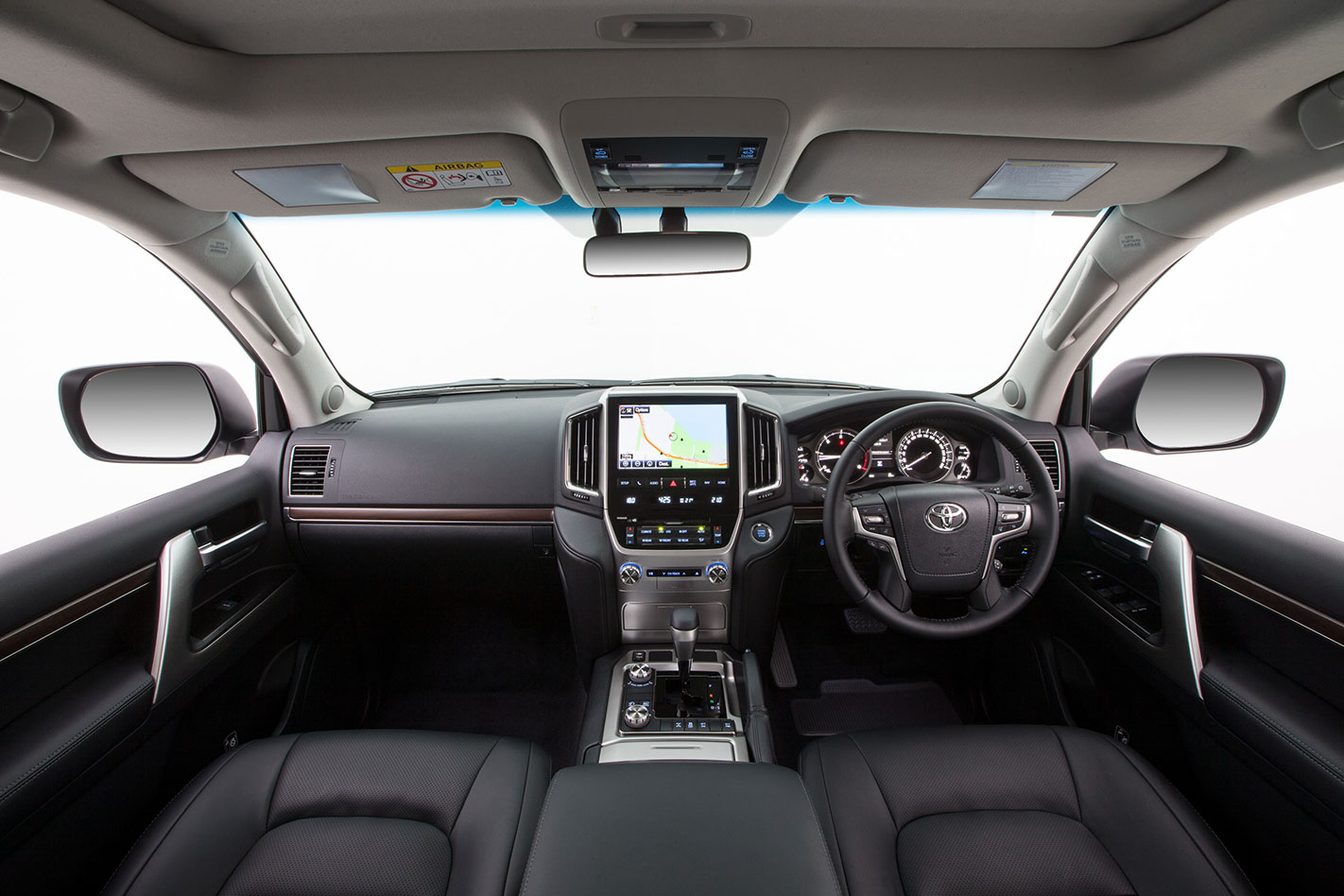
- Bigger 9.0 inches touchscreen.
- Front and rear parking sensors.
- Blind-spot monitor and rear-cross traffic alert.
- Interior and door mirrors and dim automatically.
- Rain-sensing windscreen wipers.
- LED headlamps that switch on automatically when it’s dark.
- LED daytime running lights.
- A sunroof.
- Seats are trimmed partially in leather, and are power-adjustable up front.
- Bigger 18-inch alloy wheels with lower profile tyres.
- KDSS suspension.
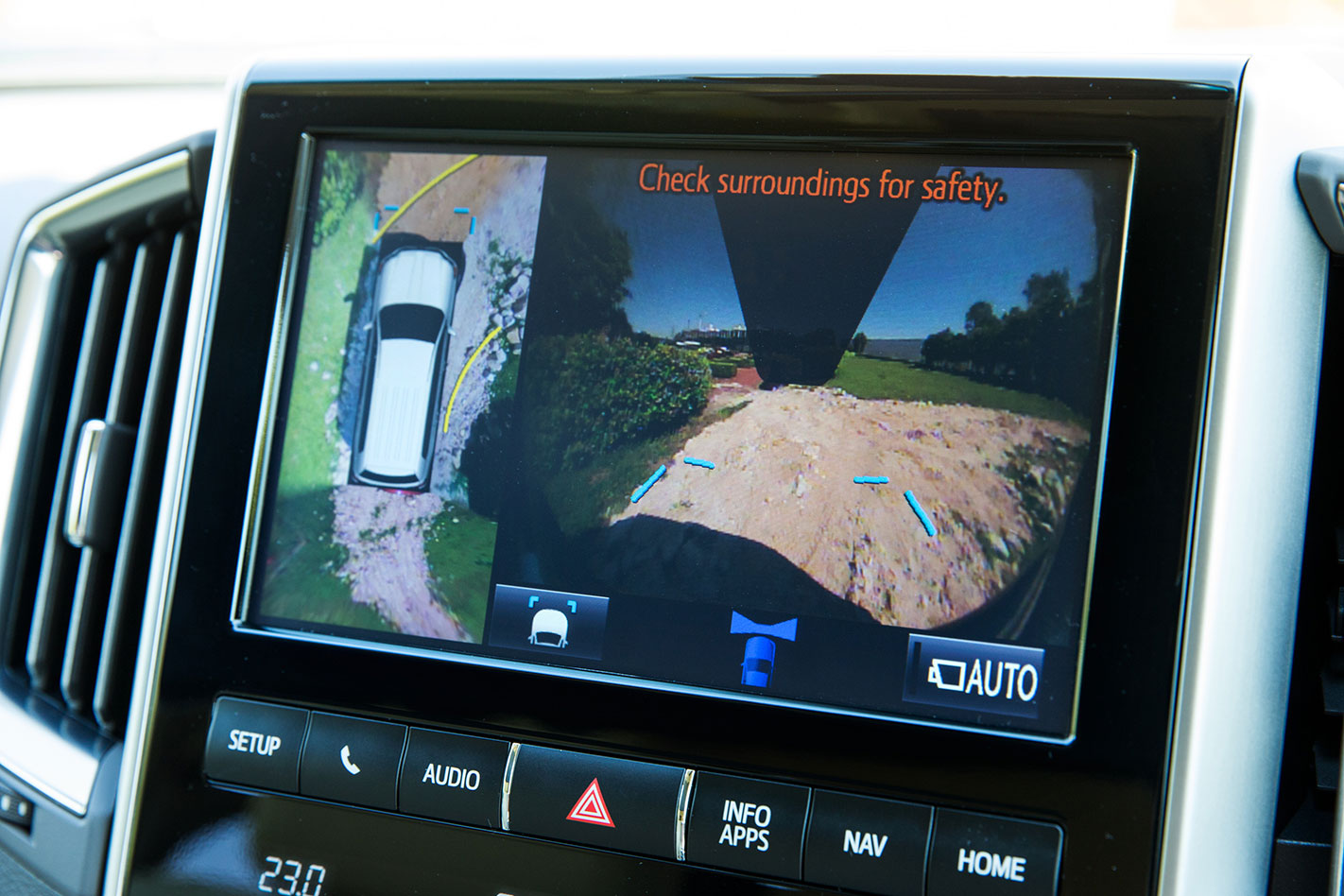
- A Multi-Terrain Monitor, which helps with off-road driving by using four cameras to show you obstacles that might otherwise be obscured. A wheels’ eye view, if you like.
- Heated and cooled front seats and heated outboard second-row seats.
- Four-zone air-conditioning (rear-seat passengers too can set their own temperatures).
- Memory for adjustments to the driver’s seat, steering wheel and exterior mirrors.
- DVD entertainment for rear-seat passengers.
- Wireless charger for smartphones.
- A cooler box in the centre console.The Sahara also active cruise control (which will slow you to match the speed of a vehicle in front), as well as a suite of active safety aids comprising autonomous emergency braking, lane departure warning, as well as the blind-spot alert, and rear cross-traffic alert available in the VX. (For more on these systems, please open the Safety section below.)
Does any upgrade have a down side?
Every model except for the GX loses significant cargo space to the third-row seats.Moving up the feature levels also brings an increasingly heavy car, which is less responsive to drive.The more expensively equipped models also have a reduced payload – they can carry less weight in cargo and passengers. This is very relevant for trips in remote areas, where often you need to carry extra fuel, wheels and water.The alloy wheels on most LandCruisers are less sturdy in rough terrain than the steel wheels on the GX.If you choose a VX or Sahara, the third-row seats accommodate only two people. In other LandCruisers they accommodate three.
Multi-Terrain Select does not offer significant off-road benefits and is fussy to use. Likewise the Multi-Terrain Monitor is more gimmick than benefit, even if it can be useful at times.Every colour except white is an extra-cost option.
How comfortable is the Toyota LandCruiser?
The Spartan look of the GX outside is mirrored inside with its vinyl floors. Otherwise it doesn’t present badly and is very user friendly, with simple controls and big dashboard buttons. And every LandCruiser has a large, roomy and comfortable cabin with excellent seating.More costly models provide increasing luxury, even opulence. However the most costly, particularly the Sahara, host myriad switches, not all of which fall readily to the driver’s eye.On the road the LandCruiser 200 feels like a big limousine, with a comfortable and ultra-quiet ride – even if the truck-style rear suspension layout allows bumps to affect your heading on some rough roads.
The engine offers fuss-free driving with ample power on hand at all times, and works in contented harmony with the six-speed automatic gearbox.The GX has some wind noise produced by the snorkel.
What about safety in a LandCruiser?
All LandCruiser 200s bar the commercial-grade GX rate as Excellent for safety, with head-protecting side-curtain airbags extending past all outer passengers.The basic GX still rates as Very Good, the key difference being the absence of a reversing camera.The most expensive LandCruisers – the VX and Sahara – get an additional two airbags, for a total of 10. These are positioned outside the middle seat row and below the side-curtain airbags, to cushion the chests of middle-row outer passengers from side-impacts.The LandCruiser Sahara (only) gained active cruise control and an active safety suite that draws on radar and camera based sensors. A couple of these, blind-spot monitoring and rear-cross traffic alert, were added to the VX in October 2018.
I like driving – will I enjoy this car?
The LandCruiser 200 isn’t a driver’s car as such, as it doesn’t like to be driven hard. It’s simply too big and heavy, and the suspension is tuned for comfort and not precision.
Models with KDSS automatic suspension adjustment handle noticeably better on sealed surfaces, due to reduced body roll. The 200 responds best to a smooth driving style.
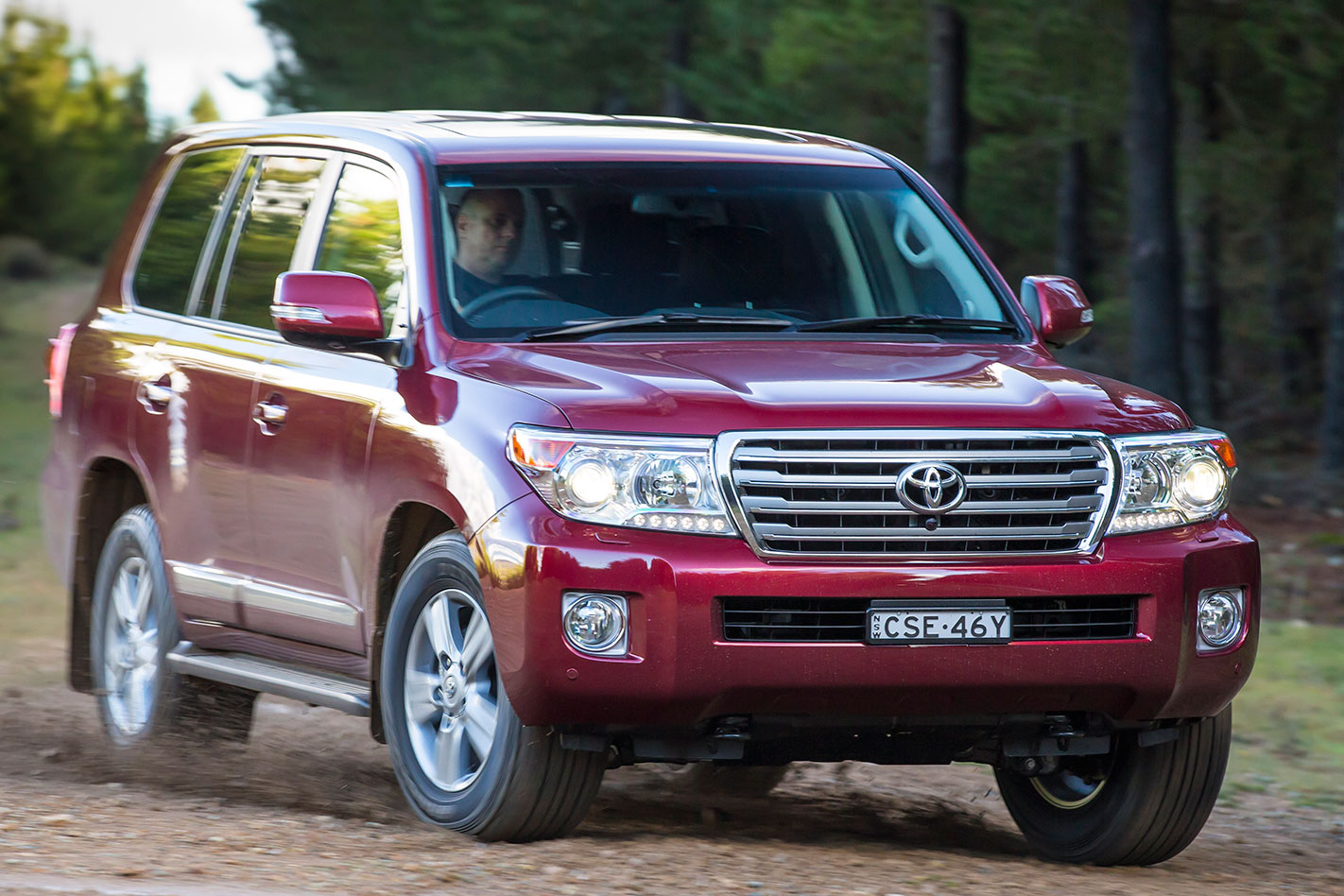
If you want an extremely capable and comfortable wagon that’s at home in the bush and the outback, the 200 is impossible to go past.
How is life in the rear seats?
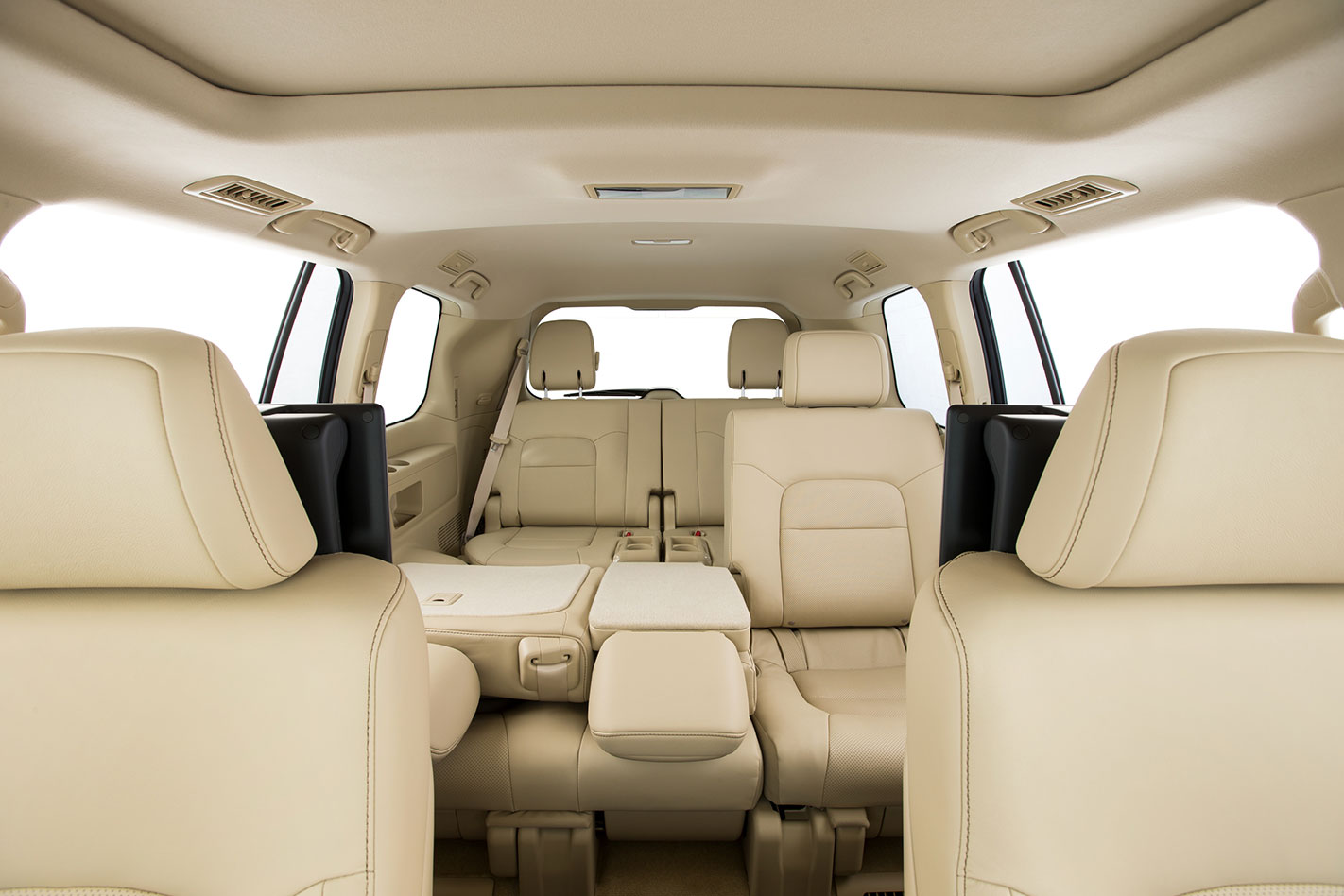
Rear seats don’t come much more roomy or comfortable than with the LandCruiser 200. The Sahara’s heated rear seats and separate air-conditioning controls for the rear of the cabin add up to a major comfort bonus.
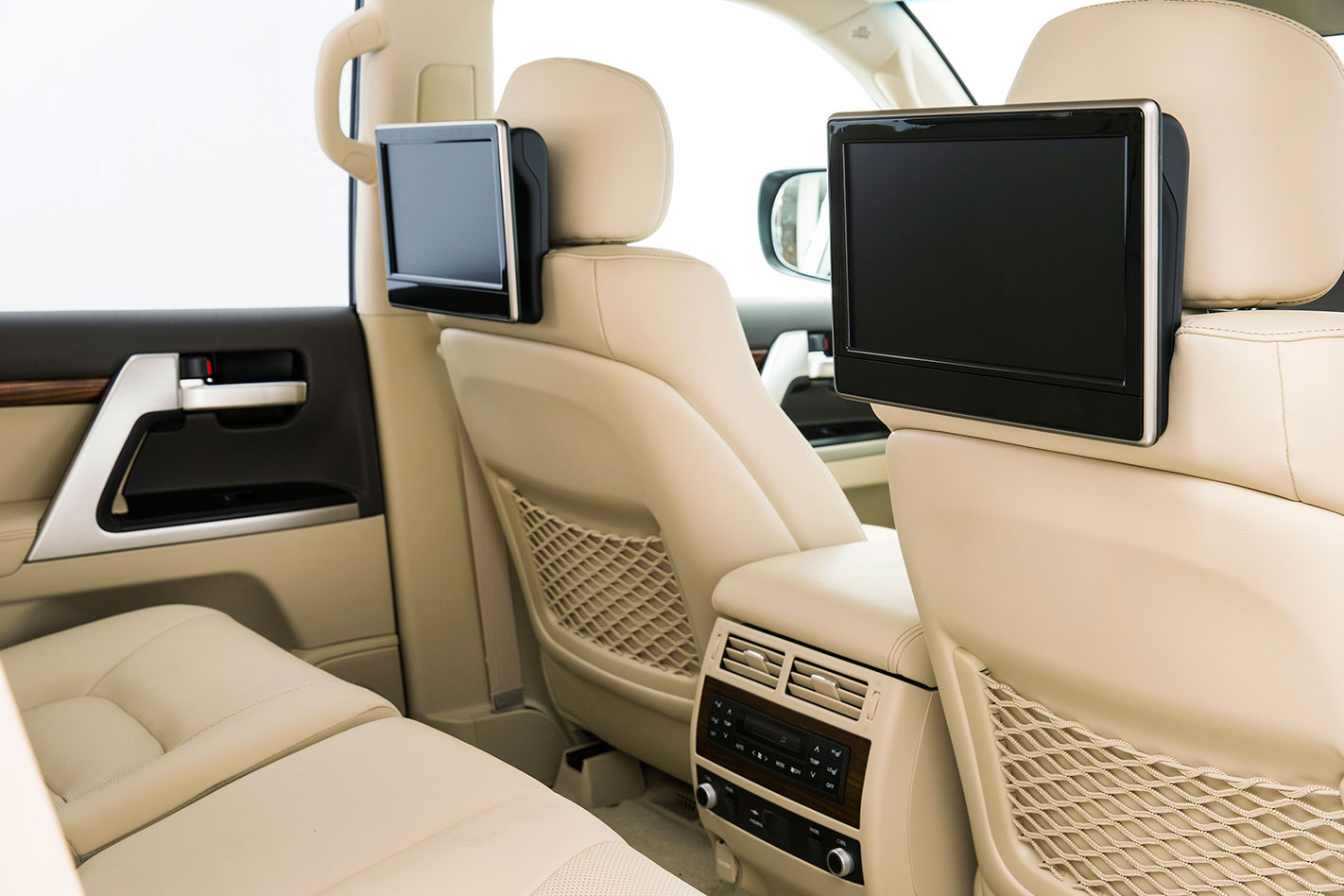
The third-row seats, accessed by folding the backrest and then sliding forward the base of the second-row seats, are best suited for children or small, agile adults.
How is it for carrying stuff?
The LandCruiser, especially the GX with its cavernous cargo area, is great for carrying stuff. Models with third-row seats still have generous luggage space.The full-sized spare wheel is carried under the car, so that in the event of a flat tyre, luggage does not have to be unpacked to get to the spare.
All models are rated to tow 3500kg – as much as any big 4WD – and make great tow vehicles. Both engines, but especially the diesel, offer plenty of power at low engine speeds, which is needed for towing.
Where is the LandCruiser 200 made?
All LandCruiser 200s are made in Japan.
What might I miss that similar cars have?
Not much in a car as complete. The Land Rover Discovery offers sharper on-road handling.There are seven-seat, off-road capable SUVs available at lower prices, among them Toyota’s own Prado and Fortuner. But none matches the LandCruiser’s big V8 diesel engine, interior space and comfort, effortless towing, tough build, and off-road performance.The Nissan Patrol is comparable for size but not for the strength of its diesel. The most recent, Y62 Patrol is available only with a big petrol V8.Another off-road capable, seven-seat SUV you might consider is the Ford Everest, which is based on the Ford Ranger ute. However, like the Prado and Fortuner it won’t haul as hard as the LandCruiser.
Are there plans to update the LandCruiser soon?
The 200 Series appeared in late 2007. A minor update about November 2015 brought a reshaped nose, slightly reduced fuel consumption from the diesel engine, larger touchscreens on most models, and active safety aids for the Sahara.In October 2018 Toyota added front and rear parking sensors, and new instrument cluster to the GLX while the VX adopted some Sahara features including blind-spot monitor, rear cross-traffic alert, multi-terrain monitor and auto-dimming mirrors.In August 2019 Toyota dropped the low-selling and thirstier V8 petrol engine from the range.The LandCruiser 200 will be around until 2021 by which time it’s expected to be replaced by the LandCruiser 300 that’s seems set to bring more economical turbo V6 and hybrid powertrains.
I like this car, but I can’t choose which version. Can you help?
The GXL fitted with the optional KDSS is comfortably the pick of the range.
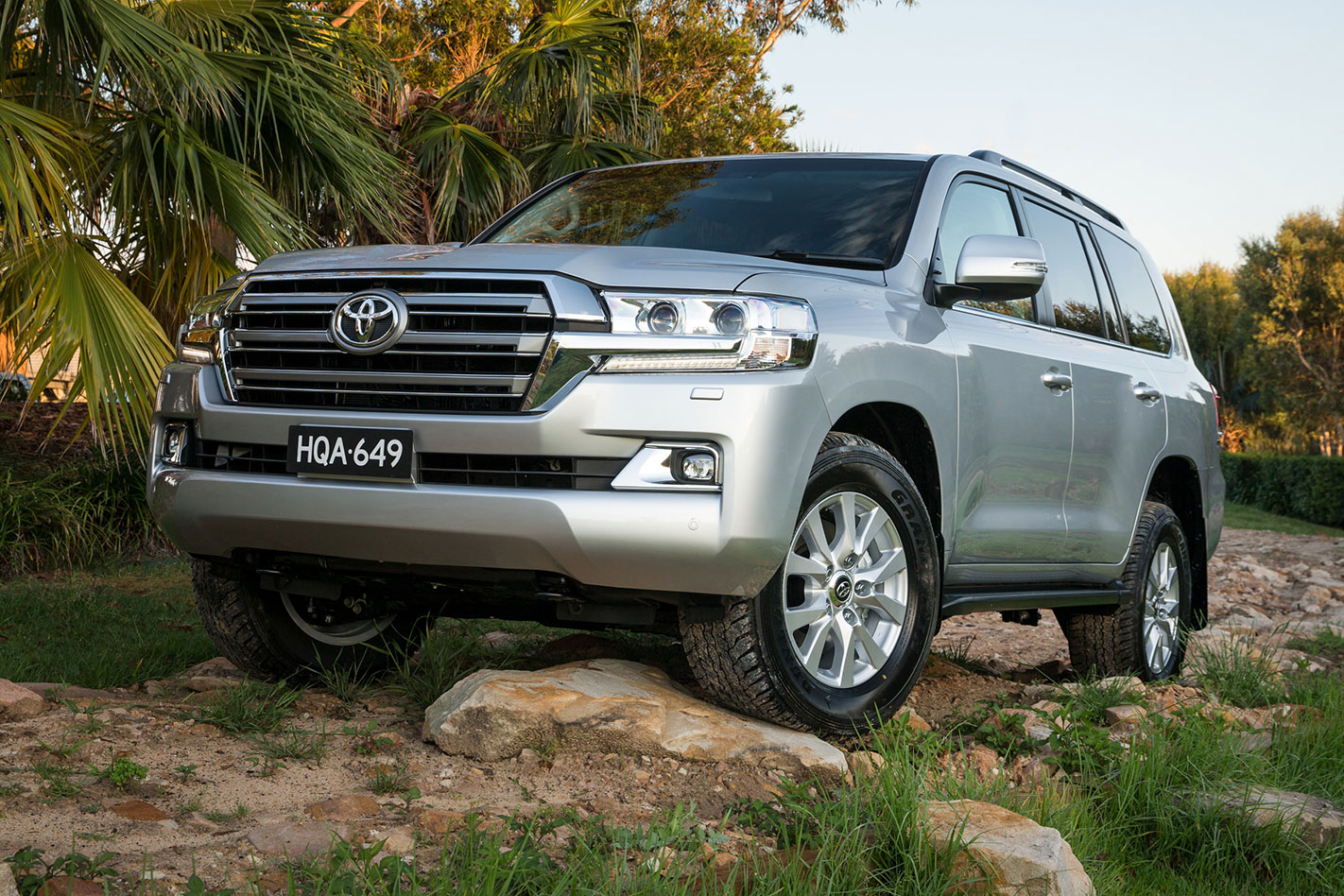
However, the GX is a better starting point as a specialist remote-area touring and off-road vehicle.
LDV has thumped a large fist on the commercial van table with its brand new Deliver 9 large van, pitching it as a safer, cheaper alternative to the category-leading Mercedes-Benz Sprinter.
The Deliver 9 is the company’s first entrant into the space, and sits above the G10 petrol-powered one-tonne van and the V80 one-tonne diesel van.
“The all-new LDV Deliver 9 wins on three key product truths,” said Dinesh Chinnappa, LDV’s general manager. “It carries more for less, it’s loaded with technology and safety, and it’s the segment price leader.
“We know our value proposition is better than the opposition, and that we’re more than comparable across a range of key criteria – which is why the all-new Deliver 9 delivers more for Australian businesses.”
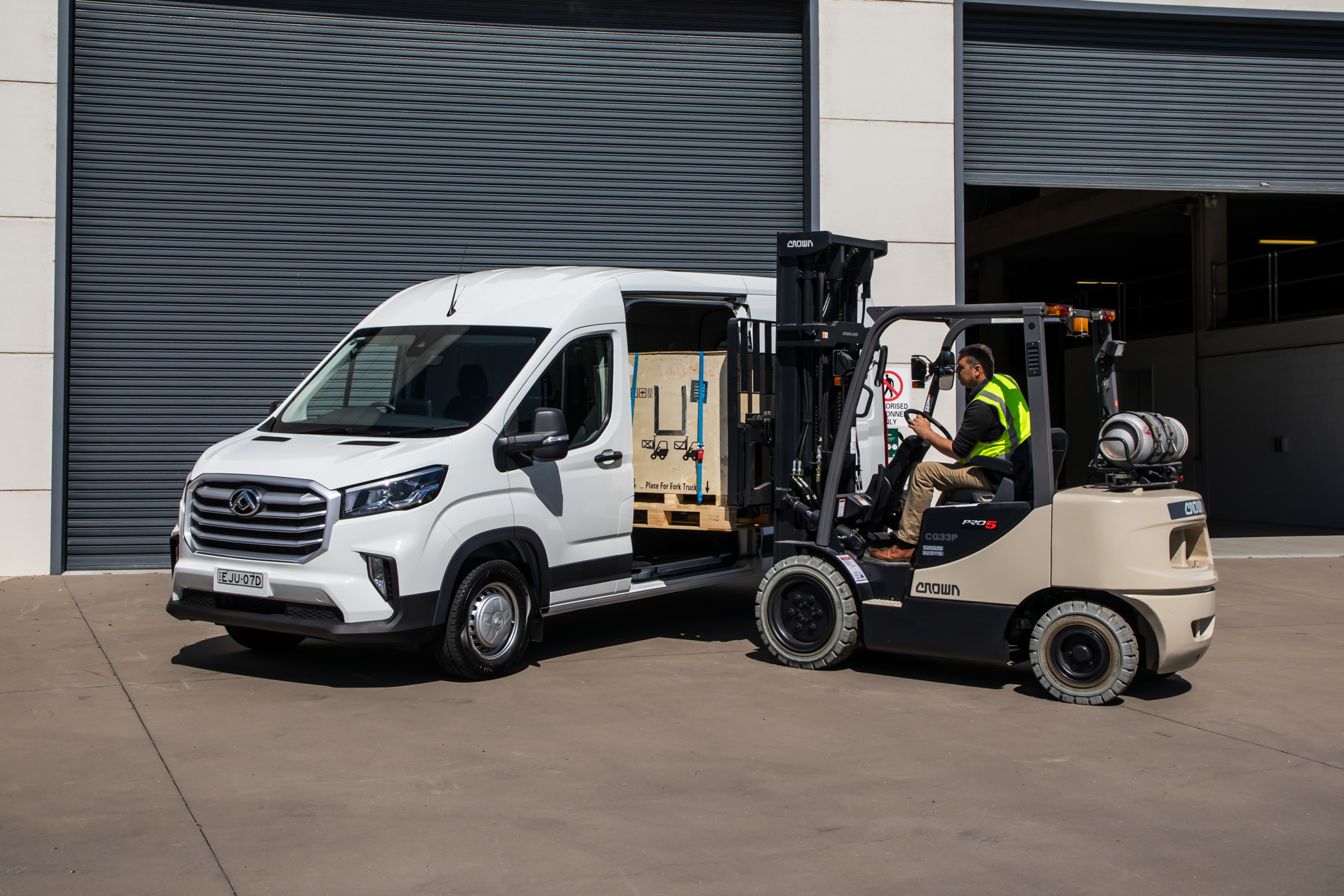
“We want to go head to head with the segment sales leader, the Mercedes-Benz Sprinter,” said ATECO spokesperson Oliver Peagam during the launch of the Deliver 9.
“And the reason we’re going to do that is because despite our massive price advantage – we’re 61.6 pecent cheaper – we also have nothing to fear when it comes to a specification face-off.”
The range kicks off from $39,990 to ABN holders ($42,095 otherwise) for a long wheelbase, mid-height roof manual-equipped van, with an auto transmission adding a little over $2600 to that total. The cab-chassis version – which will be aimed at campervan makers – will cost the same.
A high-roof long-wheelbase Deliver 9, meanwhile, starts at $44,200 in manual guise and rises to $46,831 in auto trim.
There is also a single mid-roof/mid-wheelbase auto Deliver 9 which costs $43,148.
Based on a brand new platform and powered by a 2.0-litre four-cylinder diesel engine, the Deliver 9 comes in three body styles as well as cab-chassis and bus variants.
In terms of payload, the Deliver 9 kicks off at 1500kg for the auto mid-roof/mid-wheelbase auto, rising to a maximum of 1670kg for the high-roof/long-wheelbase manual (30kg for auto).
All variants can tow up to 2800kg of braked trailer.
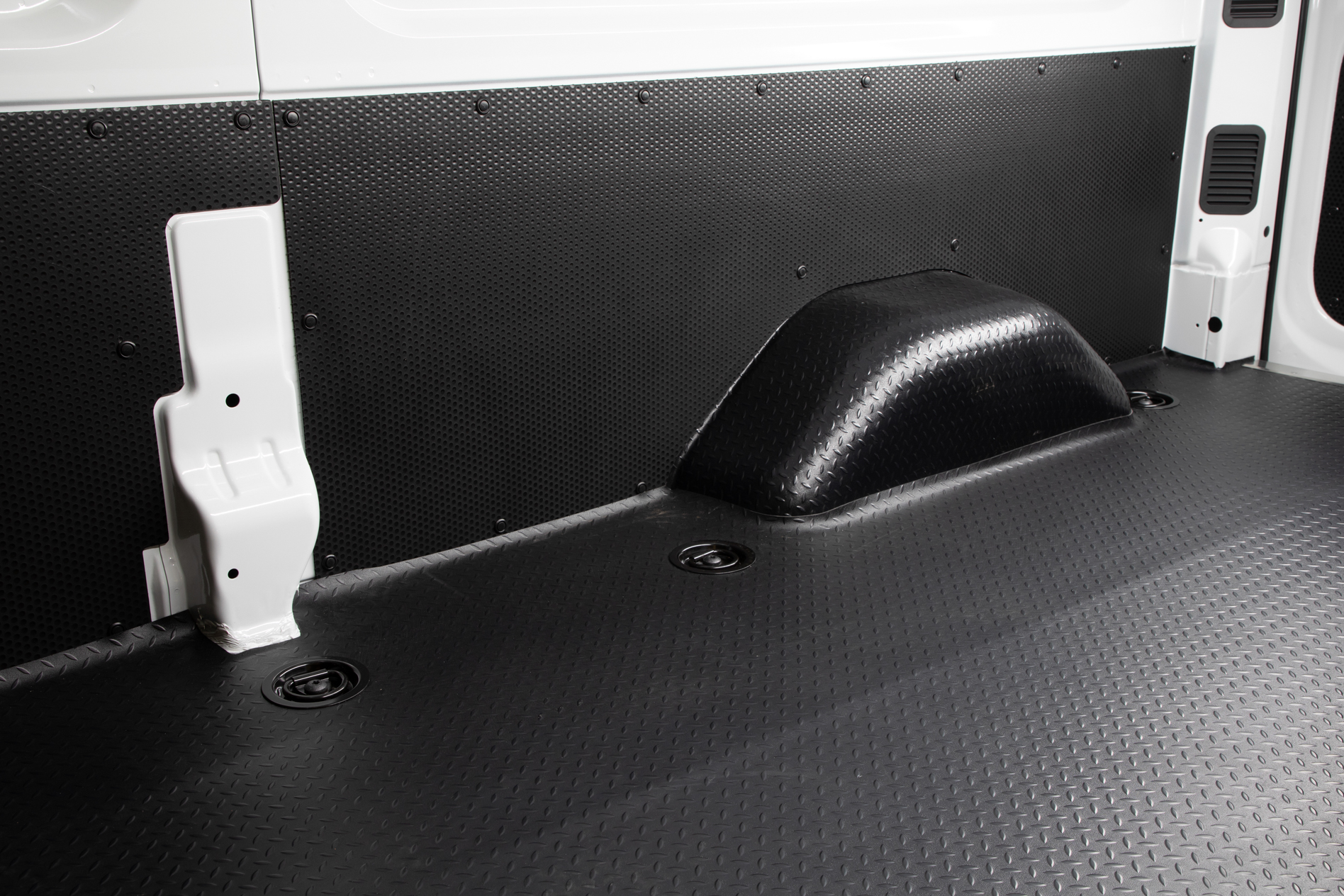
A 1366mm wide gap between the wheel arches can cope with two Australian-standard pallets, and 180-degree doors are standard. LED lights and rubberised flooring are also standard fitment in the van variants, which include a mid- and high-roof offering. The vans all feature a single sliding door on the driver’s side.
Driver assist systems from Bosch offers stability control and hill-hold, while six airbags (including double curtain bags) and four rear view sensors are standard, while a $1500 option pack provides lane change assist, blind spot monitoring, keyless entry and rear doors that open out at 236 degrees.
The 110kW/375Nm 2.0-litre four-cylinder diesel engine combines with either a six-speed auto or manual transmissions that send power to the rear wheels.
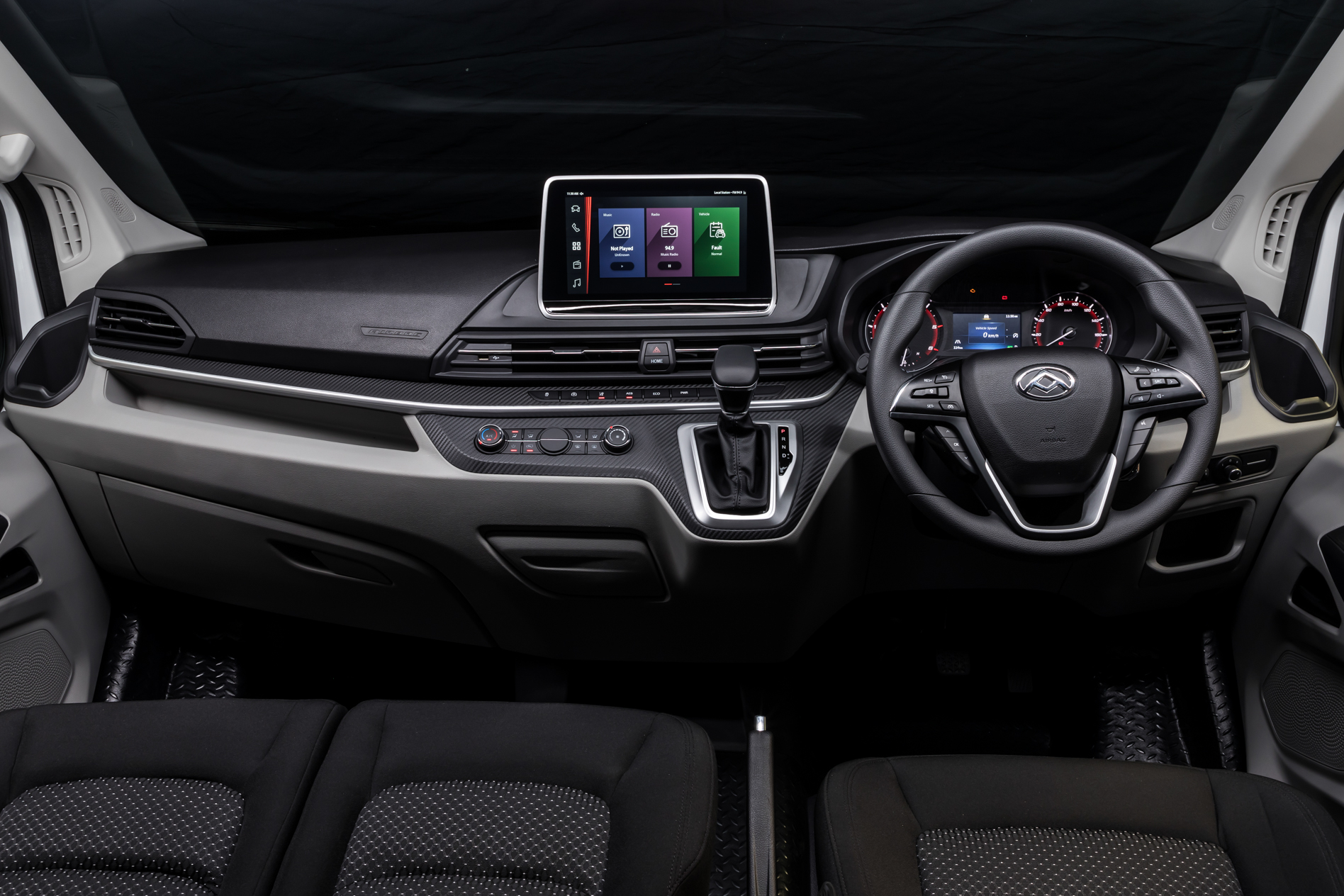
Central locking and cruise control (adaptive on the auto) is also standard, along with a multi-function steering wheel, two USB ports and a 10.0-inch touchscreen with Apple CarPlay and Android Auto.
Servicing starts with a 5000km first service, before pushing out to 30,000km/12-month intervals.
A capped-price servicing plan will cost $1895 for three years or 95,000km (whichever comes first).
LDV claims the Deliver 9 has more power and torque than the equivalent Sprinter, better infotainment, but not quite as much cargo space. Double curtain bags are also not available on the Sprinter.
“Normally, we stay away from the higher-priced, higher specified players because our message gets diluted somewhat by their high spec and technology levels,” said Peagam. “But nothing is normal in 2020, and we’re not going to do that this time.”
The Sprinter currently holds a 30 percent share of the large commercial van market in Australia, twice that of its next competitors which include the Ford Transit, Renault Master, Volkswagen Crafter and Fiat Ducato.
“We know the competitive set in terms of price, spec and sales volume and we know and the Deliver 9 can beat the opposition and offer more to Australian businesses both big and small,” said Peagam.
- The EQC 4×4² is around 200mm higher than the standard ECQ
- More ground clearance and fording depth than G-Class
- This is the third Mercedes-Benz 4×4² model
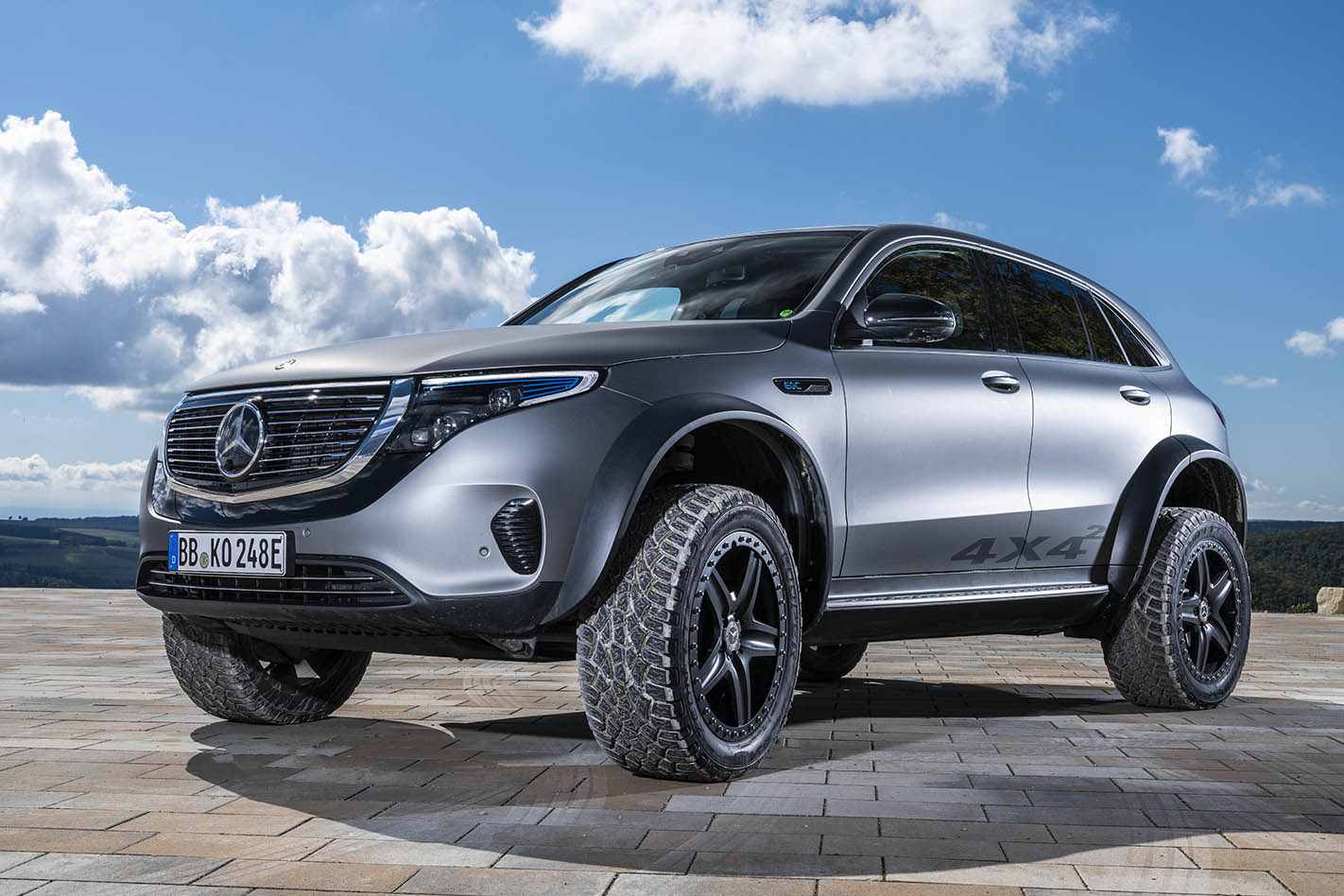
The EQC 4×4² looks like an EQC 400 with fatter and chunkier 285/50 R 20 rubber draped by black wheel arches.
But there is a series of advanced technical enhancements beneath its facade to make a formidable off-roader, including multi-link portal axles for ground clearance up to 292mm, which is 140mm more than a standard ECQ and 58mm more than the formidable G-Class.
As well as being able to negotiate rough terrain, the EQC 4×4² has a 400mm fording depth (150mm more than ECQ) that allows it to get its feet and knees wet.
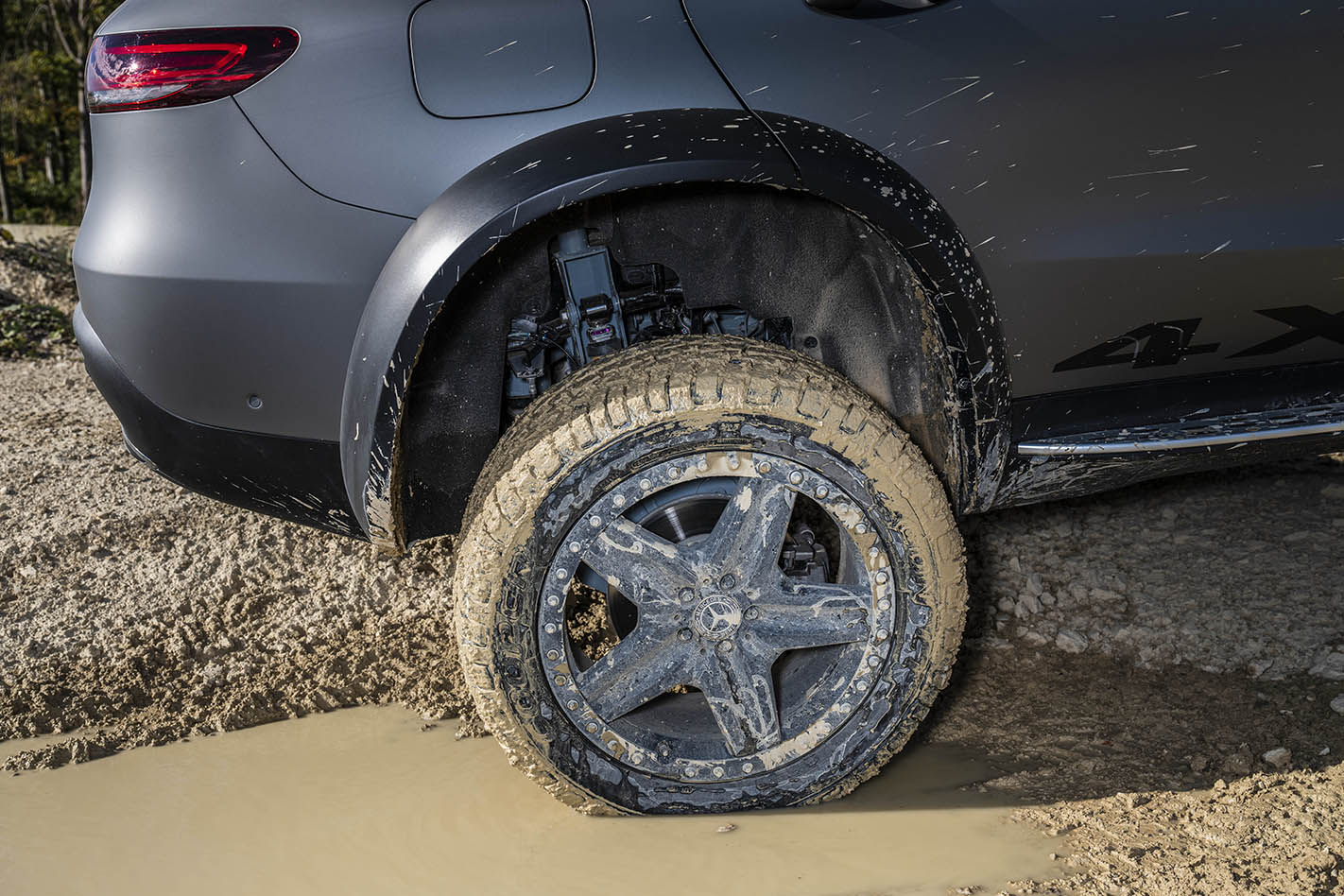
The bodywork has also been redesigned, allowing for 31.8- and 33-degree approach and departure angles that are steeper than the G-Class’s and about 20 degrees steeper than the EQC 400.
Just like the 2020 Wheels Car of the Year-winning EQC, the EQC 4×4² technology concept makes its own external sound, in lieu of engine noise (Acoustic Vehicle Alert System, AVAS), to alert pedestrians and animals of its presence.
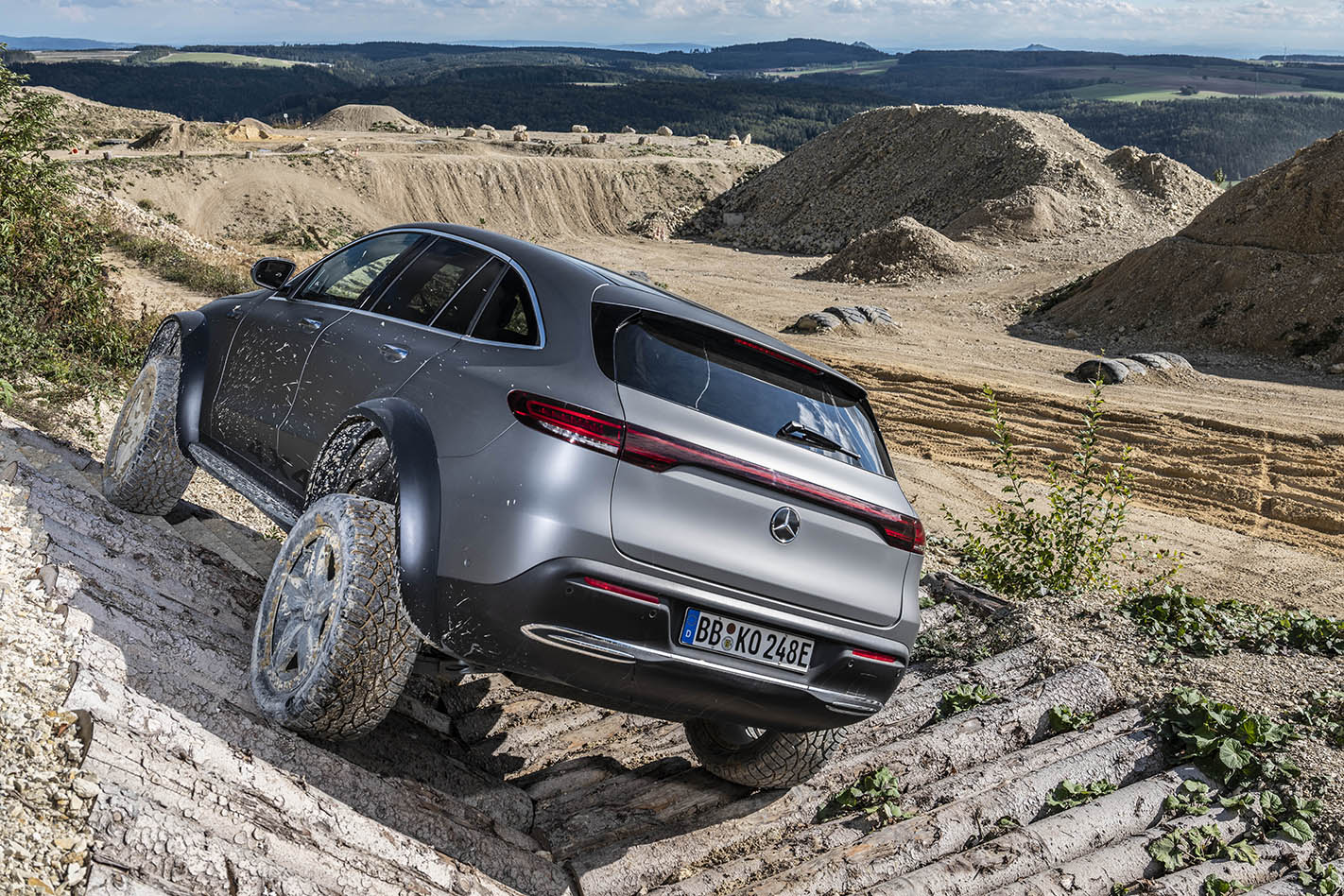
It’s a more powerful din, however, with the headlights actually doubling as external speakers – Benz calls them Lampspeakers – to convey a combination of tones generated by the real-time position of the accelerator, the SUV’s speed, and its energy recovery rate.
On top of all that the EQC 4×4² comes with the benefits of electrification including more precise traction control and torque adjustment to all four wheels, and better braking control on loose surfaces.
Then there’s the fact you can quietly sneak out of campsites early in the morning without disturbing fellow campers.
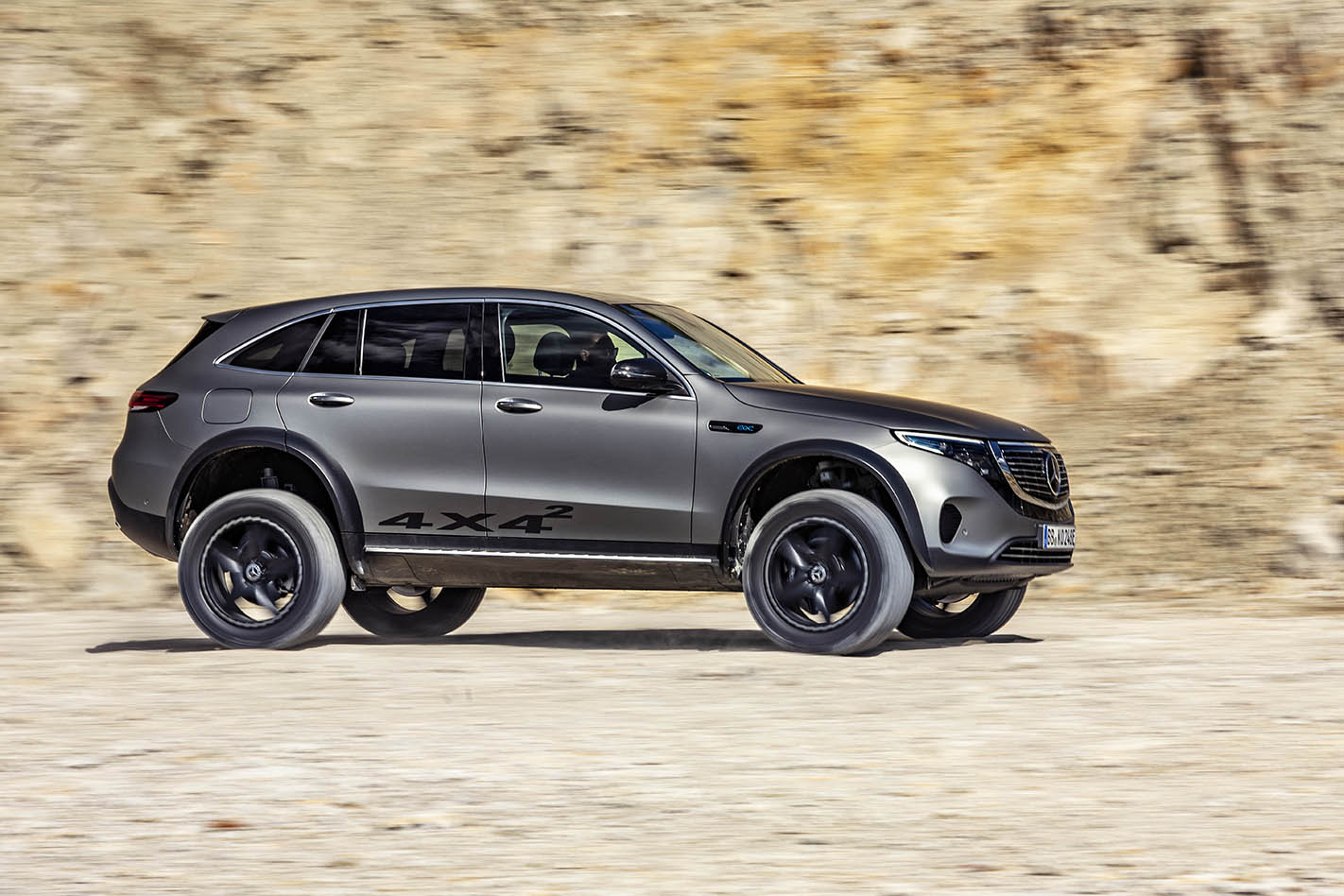
Off-road performance details, including battery range, haven’t been revealed.
The EQC 4×4² was developed by a cross-departmental team under development engineer Jürgen Eberle with an aim to show how enjoyable sustainable mobility can be.
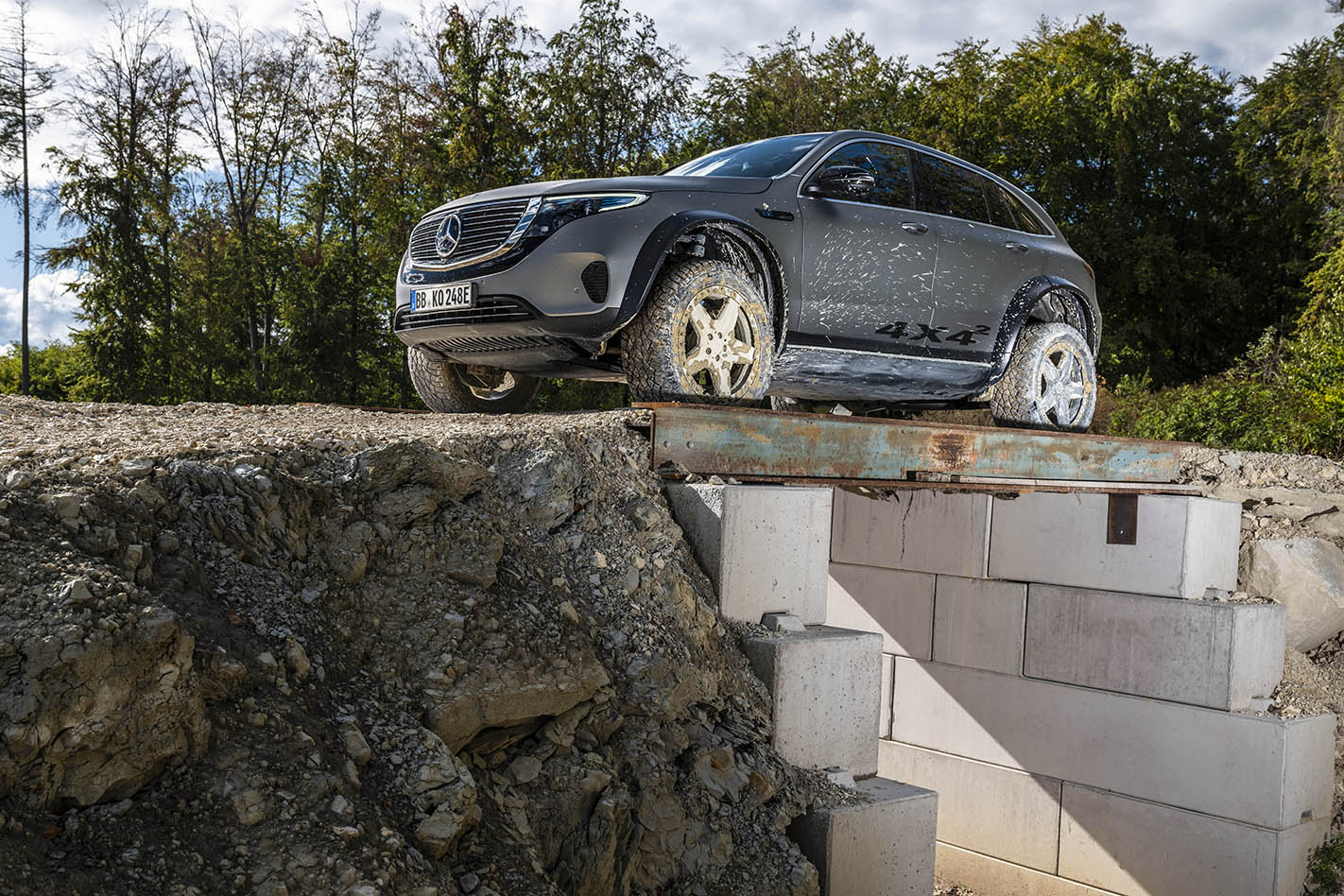
Unfortunately, this third model of Benz’s 4×4² family is just a ‘drivable study’, much like the E 400 All-Terrain 4×4² before it, and won’t be joining the G500 4×4² in series production.
Australia will soon have another option in the bustling one-tonne ute market to choose from and at the more affordable end of the spectrum, with the GMW Cannon set to blast in late this year.
Since its reveal at the Shanghai motor show last year, Great Wall Motors’ latest model has been enigmatically code named Model P, but the Chinese carmaker has now revealed its evocative moniker.
Australians will get their first look in local showrooms in the fourth quarter of 2020, when the Cannon joins the company’s single existing model – the Steed ute.

But while the Steed will continue to cater for customers at the bargain-basement and agricultural end of the market, the Cannon rams a significant amount of extra technology and features into its breech and has the firepower to compete with the big guns, says GWM.
Exact features, specification and pricing is yet to be confirmed for the local market, but GWM has revealed three variants will lead the charge. An entry-level Cannon will be complemented by a mid-range Cannon-L, while the Cannon-X sits at the top of the magazine.

If the show car that was revealed in April last year is anything to go by, the Cannon will arrive with a compelling list of kit and a number of drivetrain options including multilink rear suspension with optional coil springs, petrol and diesel engines, and plenty of comfort and convenience features.
The dual cab version is available in both long and short wheelbases, while a single cab may also be introduced. There’s even a toughened ‘Recreational’ grade Cannon on the cards that could compete with kit-rich models such as the Toyota Hilux Rugged and Ford Ranger Wildtrak.

Levels of technology are also promising with 5G connectivity, voice commands, and advanced driver assistance technology GWM refers to as ‘level-three autonomy’, which could hint at adaptive cruise control and autonomous emergency braking.

Looking even further down the line, GWM is even considering a full electric battery powered Cannon as well as a hydrogen fuel cell option, although don’t expect to see those on Australian roads for some time.
But while the company is promising a ute that can compete with the most popular models in Australia, don’t expect the Cannon to ask the same premium. For context, Toyota’s Hilux kicks off from about the $47,000 mark, while the GWM Cannon could have you shelling out as little as $30,000.
Keep an eye on WhichCar for more details including exact pricing, arrival timing, variants and options closer to the arrival of this potential ute market bombshell.

The Audi A1 40 TFSI is like one of those sports award dinners. Well, not so much the dinner itself but the people who attend it.
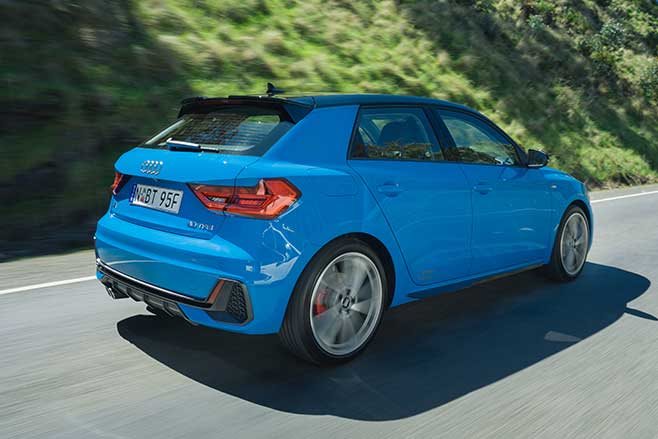
Resplendent in their glitzy Sunday best, it’s easy to forget there are hard-edged athletes underneath.Like those athletes, it takes a little work to get the Audi A1 looking its best, but it looks undeniably snazzy in its turbo blue paint ($490) with contrasting black roof ($890), black exterior styling pack ($790) and 18-inch Audi Sport alloys (18s are standard, this design an extra $1100).
The S-line bodykit, LED headlights and red brake calipers are yours for free.
What is the Audi A1 40 TFSI?
Consider it the entry-level Audi, and a natural competitor to cars like BMW’s 1-Series and Mercedes-Benz’s A-Class.
The latest A1 has a squarer, more butch stance than its predecessor, mostly because of a sizeable growth spurt.
It’s actually 15mm lower and 6mm narrower than the previous A1, but length has increased by 64mm with an extra 106mm in the wheelbase.
Living with the Audi A1 40 TFSI
As you’d hope, practicality has improved accordingly. Boot space grows by more than 25 per cent to a useful 335L and there’s enough room for 180cm me to sit comfortably behind myself.
It’s a bit of a Spartan environment, though. The rear bench is short, there are no air vents or USB ports or even map pockets.
The A1’s interior is a bit like one of those comedy newsreaders that wears a suit jacket for the benefit of the cameras but shorts underneath the desk.
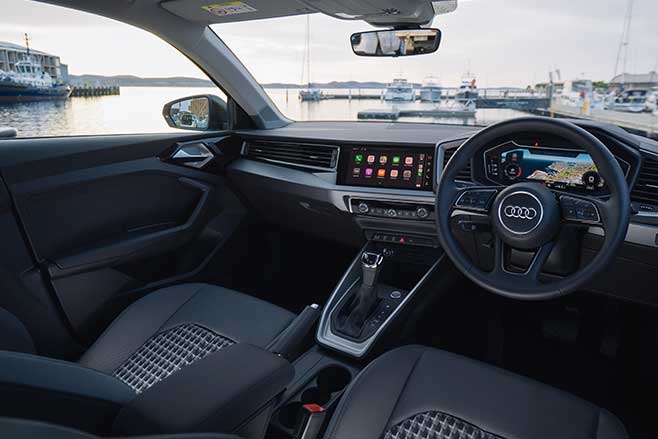
The rear is a bare-bones affair but up front it’s more luxurious, more ‘Audi’. High-touch surfaces are quality, Audi’s 10.25-inch Virtual Cockpit instrument display is standard, as is a 10.1-inch infotainment touchscreen with wireless Apple CarPlay and Audi connect online for up-to-date information on the move.
Driving the Audi A1
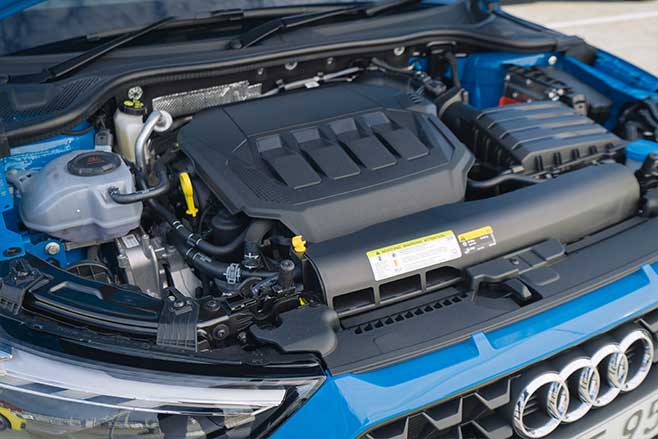
One place the range-topping A1 doesn’t skimp is under the bonnet, its 2.0-litre turbo four pumping out 147kW/320Nm, sufficient to pull the 40 TFSI’s 1260kg mass to 100km/h in 6.5 seconds and on to 235km/h.
It’s a torque-rich powerplant, peak power plateauing from 4400rpm, but still revs happily enough to the 6200rpm auto-upchange point.The grunt causes traction issues at slow speeds, the electronics working hard from a standstill but once rolling it’s satisfyingly brisk with a decently rorty note at higher rpm.
Its six-speed dual-clutch is slick on the move but second gear is too short for even most tight corners and it can be jerky in stop-start traffic.
Corners are relished, and the A1 is happy to bring its rear into play on a trailed brake or lifted throttle.
Dynamic mode is required to stiffen the dampers but thankfully it doesn’t turn the ride rock hard or the steering to syrup.
Verdict
It’s fun, but as-tested it’s also $50K and at this price point there are plenty of faster, more exciting choices for keen drivers.
And if you’re not a keen driver, save yourself $10K and buy the A1 35 TFSI.
3.5/5
Likes: Punchy performance; snazzy looks; agile handling Dislikes: Pricey; dual-clutch niggles; basic rear at premium priceAudi A1 40 TFSI
Engine: 1984cc inline-4, DOHC, 16v, turbo
Power: 147kW @ 4400-6000rpm
Torque: 320Nm @ 1500-4400rpm
Weight: 1260kg
0-100km/h: 6.5sec (claimed)
Price: $46,450 ($49,720 as tested)
Car makers that produce high-performance vehicles with large combustion engines are going to find it increasingly hard to compete with low emissions models, as the world’s governments ramp-up regulations that hit consumers where it hurts most – the wallet.
Australians may bemoan LCT, fuel tax and registration charges but, for now, our nation’s policies intended to encourage drivers out of petrol and diesel cars and into electric transport are relatively mild. For how long though?
If Europe, parts of the US and Japan are early previews of what we can expect for Australia in the not too distant future, then the cost of buying and owning combustion-powered cars is about to skyrocket.
France already has the strictest vehicle carbon emission strategies in Europe, but the nation is on the brink of doubling the ‘malus’ (penalty) charge customers must foot when buying any new vehicle that produces carbon dioxide.
At current rates, the owner of a new car that produces 225 grams of CO2 per kilometer or more must stump €20,000 (A$33,000) for the government on top of the price of the car, but as of next year that sum is doubling to €40,000 (A$66,000).
However, a draft budget law already in the system is proposing that figure rises again to €50,000 in 2022, meaning French customers will have the equivalent of another A$80,000 to find if they are shopping for aspirational vehicles with large petrol and diesel engines.
But just because you don’t have a Lamborghini or Ferrari on your car bucket list, it doesn’t mean you would escape the charge if a similar policy was introduced to Australia.
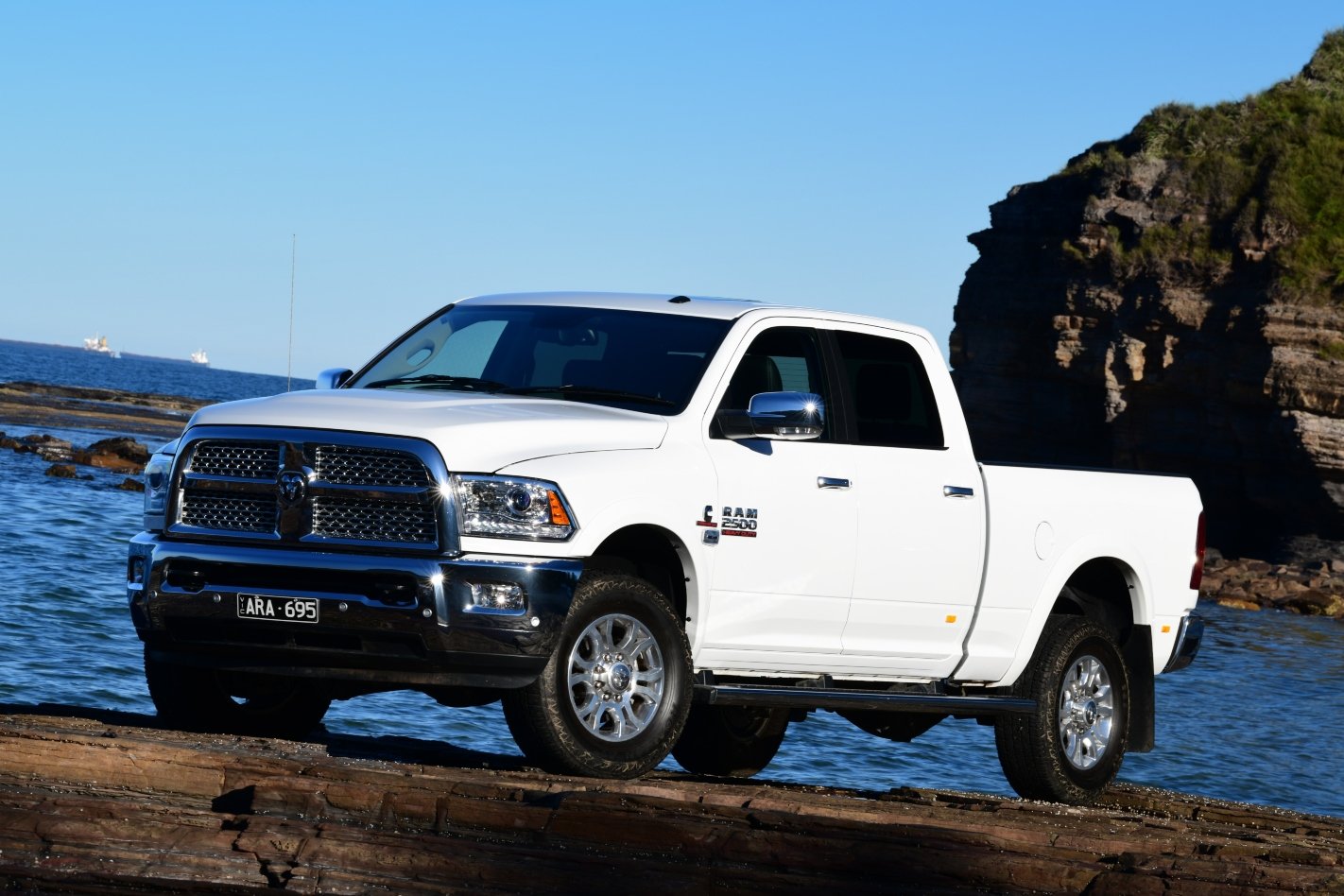
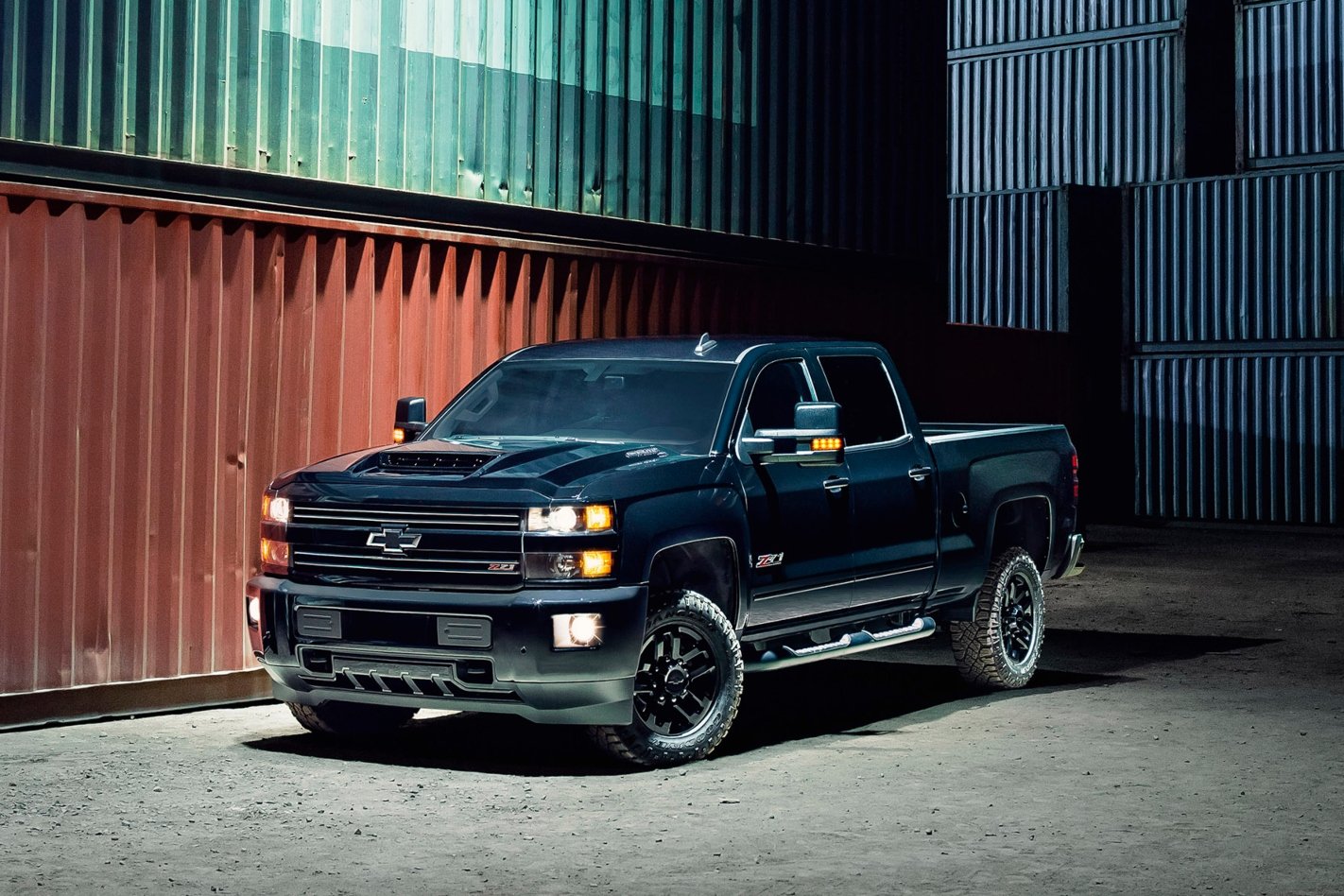
With their stonking, high-output V8s, popular American trucks such as the Ram and Silverado would be right in the firing line.
The 5.7-litre petrol V8 under the Ram 1500’s bonnet chucks out 283g/km, while its larger 2500 sibling manages a whopping 386g/km thanks to its massive 6.7-litre diesel.
Don’t expect much better from the Silverado, which is also available as a big V8 petrol 1500 or 6.6-litre diesel 2500.
France may seem a long way from Australia both geographically and in its transport policies, but as more countries introduce strategies that favour plug-in hybrids and full-electric vehicles, Australia’s government will be under increasing pressure to follow suit.
Furthermore, as EV leaders such as France, Norway and California succeed in stimulating the EV market the drying-up well of combustion vehicles will eventually start to impact the choices available for Australia’s new-car showrooms.
It’s not all bad news for pistons and cranks, and the electrification strategies and petrol and diesel technology development by various vehicle manufacturers is making every drop of fuel go further and slashing carbon emissions.
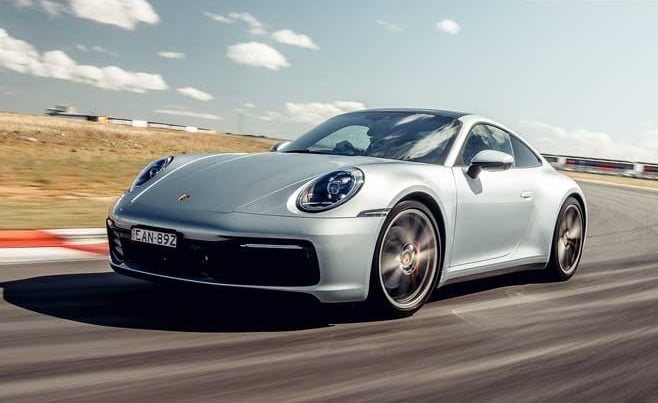
For example, Porsche’s venerable 911 produces 190g/km at the 3.0-litre turbo entry point, and it’s only when dabbling in the deranged RS variants that the 225g limit is completely obliterated.
Likewise, Mercedes-AMG’s GT just sneaks in at the entry level, but it’s new G-Class does not.
Got your eye on a Ferrari or Lamborghini? Sorry, nothing in either range comes close to the 225g threshold.
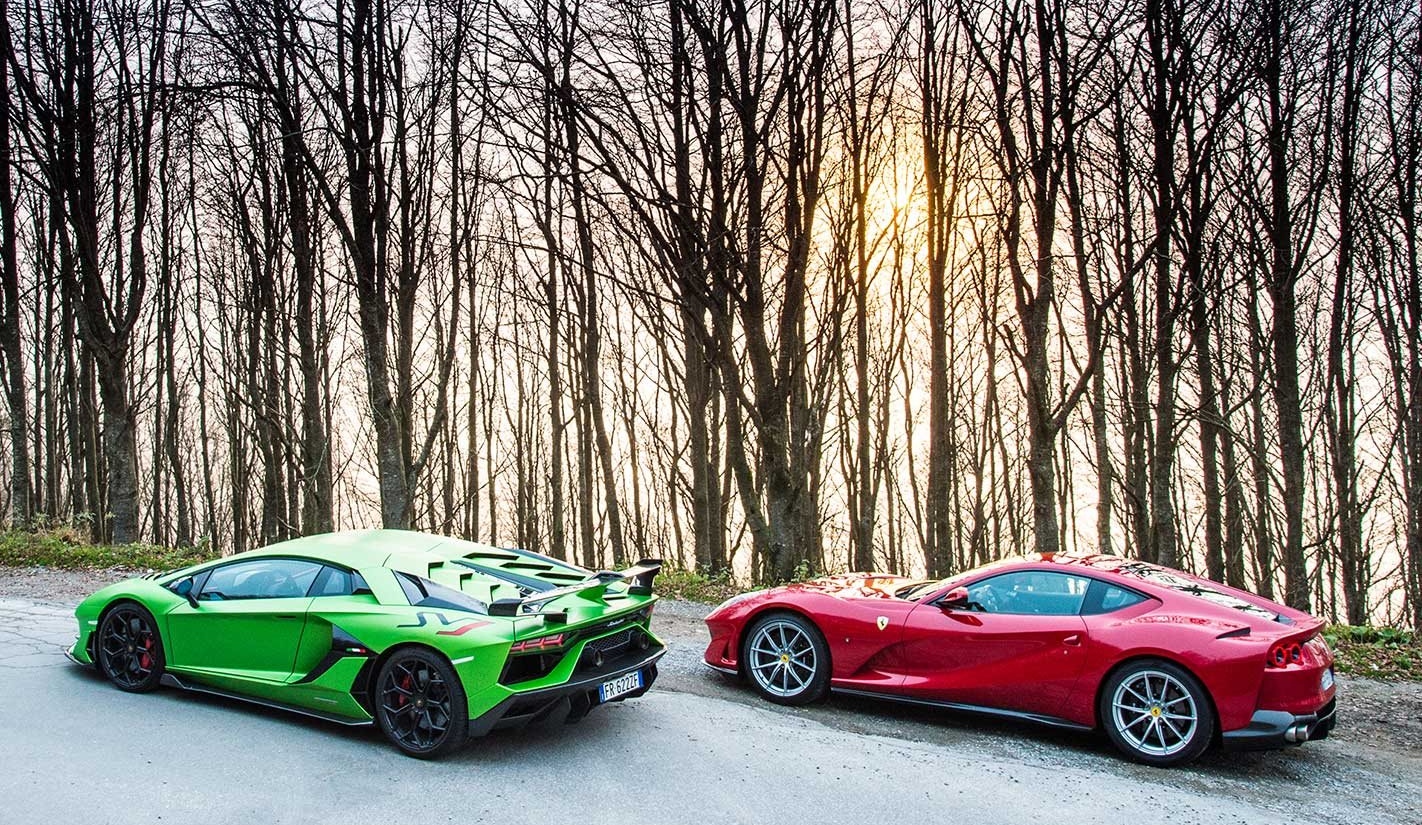
Interestingly though, while many believe the last bastion of petrol and diesel power will be in the ultra-high-end realm of low-volume, high-priced vehicles, the tightening regulations currently under discussion in Europe suggests that’s exactly where combustion power’s decay will start.
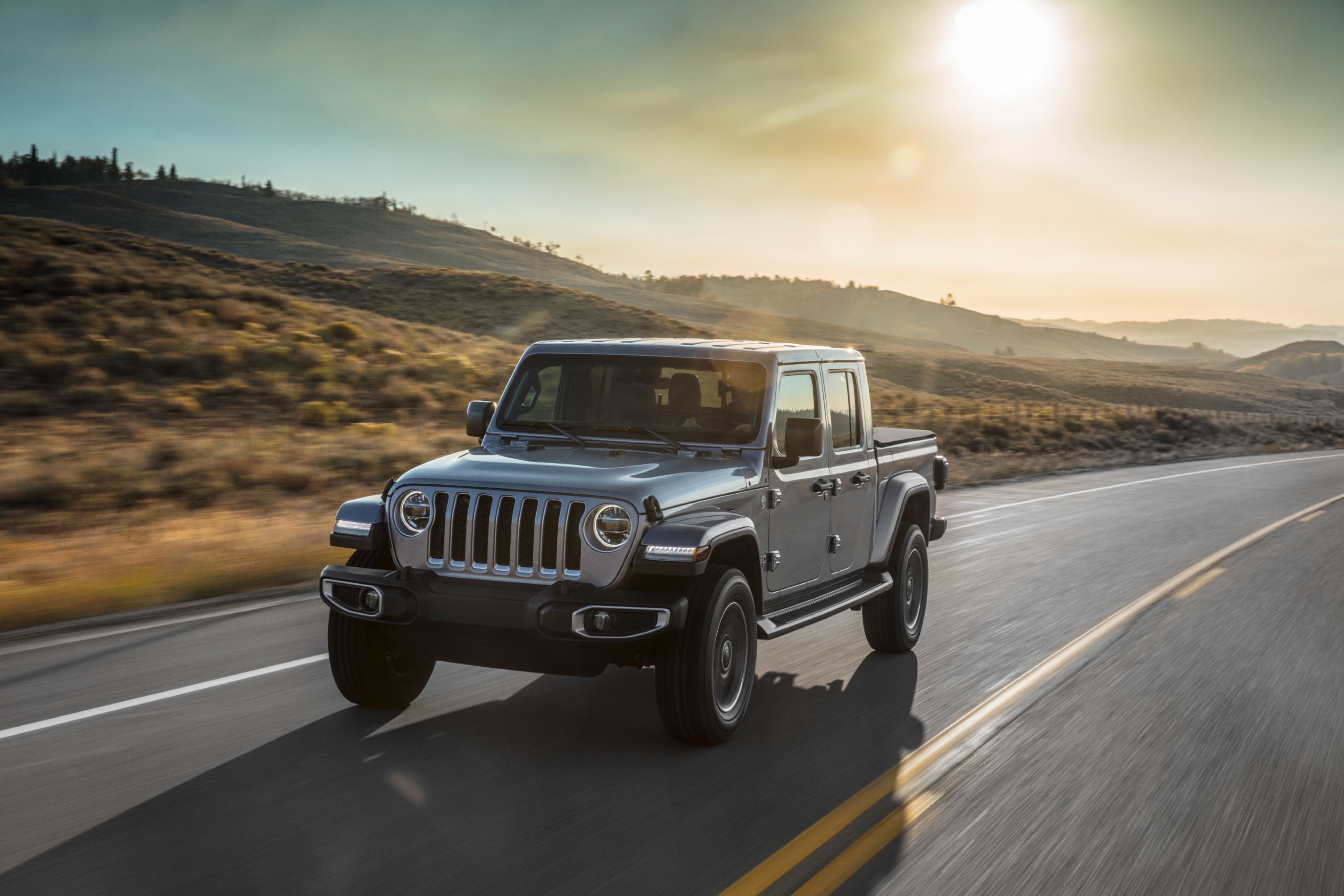
The 2020 Jeep Gladiator has followed in the Wrangler’s footsteps and fallen short on safety, with independent safety body ANCAP awarding the five-seat dual-cab a three-star safety rating from a possible five.
A key reason for the Gladiator’s sub-par safety score, much like it was for the Jeep Wrangler, is its lack of protection for other road users, pedestrians and cyclists.
According to the safety report, the bonnet of the Jeep Wrangler (on which the results of the Jeep Gladiator are based) afforded only ‘poor’ or ‘adequate’ protection to the head of a struck pedestrian over most of its surface.
“Autonomous emergency braking (AEB) is available on the Jeep Gladiator; however, the system is not designed to react to vulnerable road users such as pedestrians and cyclists,” the report continued.
Also impacting the disappointing score is the lack of active lane support.
Using the same collision avoidance hardware as the Wrangler, the Gladiator achieved a Safety Assist score of just 51 percent.
Also below standard were the scores achieved for the level of protection for adult occupants (60 percent) and protection for vulnerable road users (49 percent).
“The structural issues we saw with the originally-tested Wrangler also apply to the Gladiator including A-pillar and cross-facia beam failure, footwell intrusion, high seatbelt loads and excessive pedal movement.These remain an increased risk for occupants,” said Rhianne Robson, ANCAP’s director of communications and advocacy.
“Consumers have come to expect a high level of safety regardless of price-point and market segment,” Robson added.
“Safety should remain a priority in all vehicle purchases, and this is no different for a vehicle of this type – particularly at this price-point.”
Currently, the Gladiator retails for $75,450 (Overland) and $76,450 (Rubicon).
In response, Jeep acknowledged the Gladiator would carry over the JL Wrangler’s three-star ANCAP rating.
“The Gladiator is a specialist off-road performance vehicle that has more than 70 advanced safety systems,” an FCA spokesperson told WhichCar.
“This includes front and side airbags, blind-spot monitoring, rear cross-path detection, parking sensors, a rear-view camera and autonomous emergency braking.”
The Gladiator and the Wrangler are the only two cars in the local Jeep range not to have earned a five-star ANCAP rating. This includes the Grand Cherokee, Compass and Cherokee.
NSW power distributor Ausgrid has partnered with Sydney-based EV charging network company JOLT to providing free charging in multiple locations to encourage more people to enter the EV market.
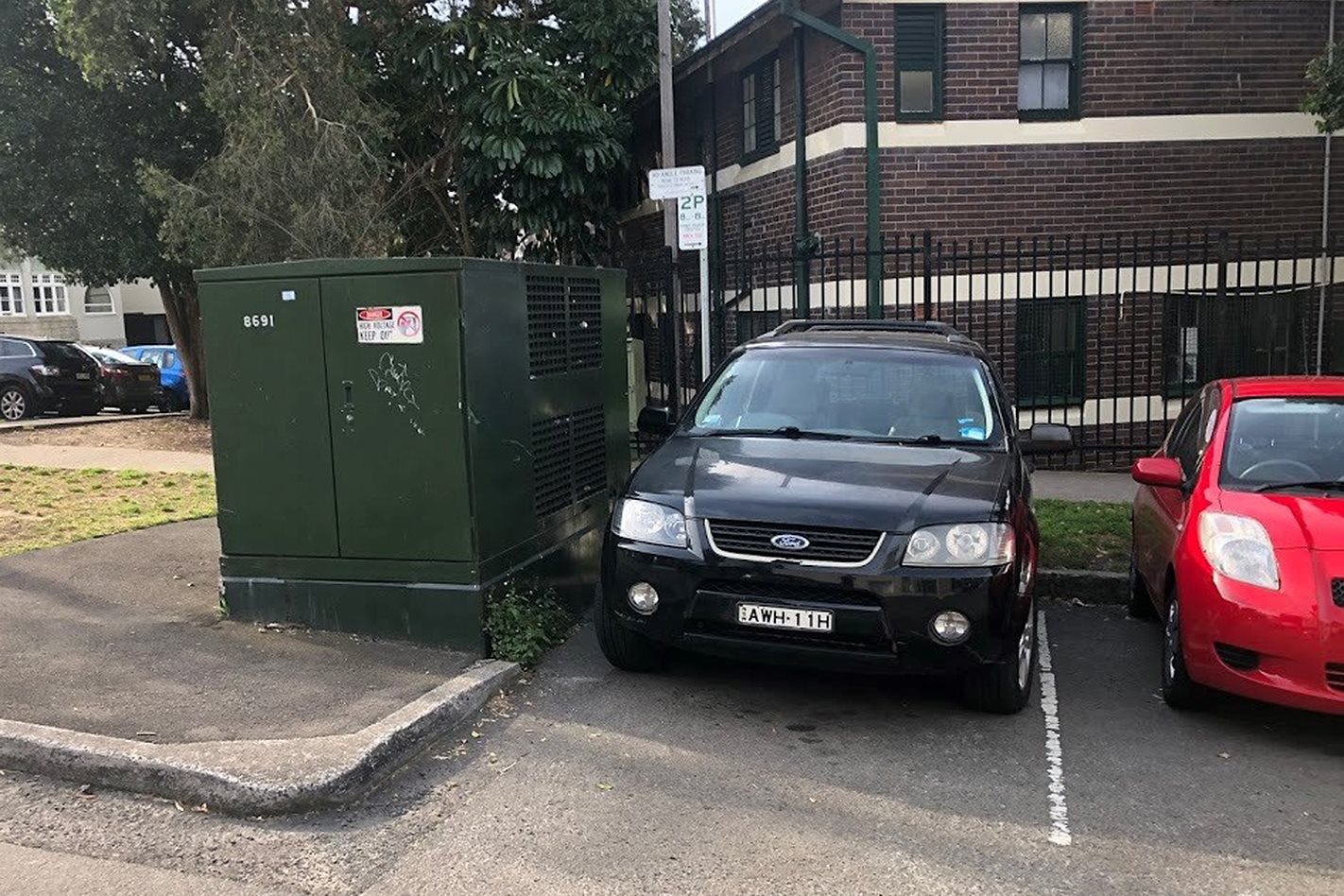
The free network, claimed to be a world-first, will be created by tapping into Ausgrid’s existing street-side kiosks, which are common in every suburb.
It will offer a free 7kWh charge, which equates to an average of 15min/45kms free charging per day that, depending on battery power, will get you about 40km range.
Extended charging will also be made available for additional cost via the JOLT App.
“Most people are familiar with our green kiosks on street sides across Sydney. They’re essential for Ausgrid operations but most people don’t give them a second thought,” said Ausgrid CEO Richard Gross.
JOLT CEO Doug McNamee said there is significant demand for electric vehicles locally but there are several barriers holding people back.
“We want to change this and make owning an EV as easy as possible.
“Our network of on-street fast chargers will help reduce vehicle ownership costs, eliminate range-anxiety and provide charging options for those that don’t have access to charging at home.
“This will help speed up the transition to the widespread use of electric vehicles. We look forward to unveiling the first charging stations with Ausgrid in the near future.”JOLT and Ausgrid are now negotiating with local councils to allocate designated EV parking spots alongside the kiosks.
It is hoped first charging stations will be installed in early 2021.
Subaru America is calling Travis Pastrana’s new Subaru WRX STI Gymkhana car “the most outrageous WRX STI ever,” and it’s not hard to see why.
With Nitro Circus creator Pastrana taking over the wildly popular Gymkhana series made famous by Ken Block, the Hoonigan team has revealed his new car via a video, above.
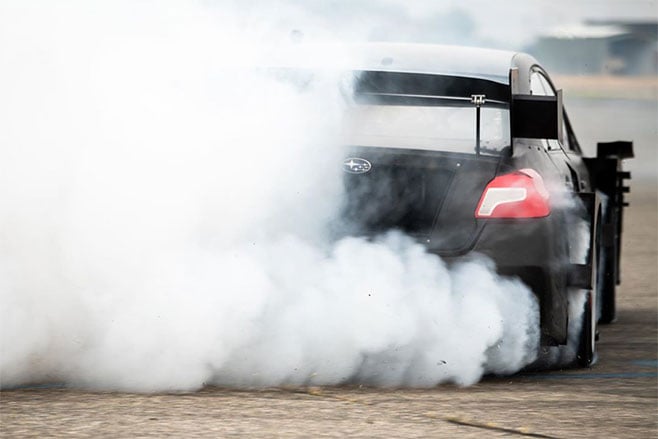
The car, built by Subaru and technical partner Vermont SportsCar, is a carbon fibre-bodied, aero-focussed tyre shredding machine, though its specifications haven’t been revealed officially yet.
In the first segment of the video created by Hoonigan, featuring 37-year-old Pastrana testing the car, Hoonigan marketing head Ron Zaras describes the build idea as “flames coming out the hood, all-carbon everything, a bespoke car built just for this video.”
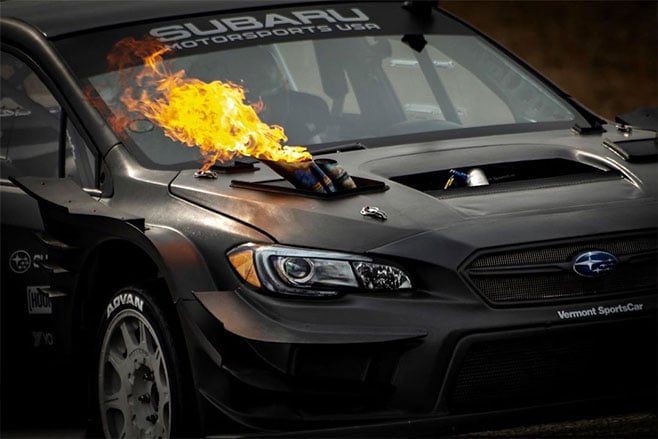
He also calls it “one part DTM, one part modern WRC, and a whole lotta engineering from the boys at Subaru Motorsport and Vermont SportsCar.”
The aero package on the STI, which is yet to be bestowed a name, has even been wind-tunnel tested.
Its engine, still a Subaru Boxer flat-four, is custom made just for the Gymkhana car, while its suspension has been upgraded to a more suitable long-travel set, and the interior is built to Pastrana’s specs.
The result? The man driving the car calls it “unbelievable!”
“I asked for a car that could shatter the record at Mt Washington after this Gymkhana shoot was over but still fly a 200-foot gap. It’s the lightest and quickest vehicle I’ve ever driven.”
“We’ve never had the opportunity to do this before,” Pastrana adds, “to build a car with no restrictions. Engine, suspension, aero… everything is unlimited, clean sheet.
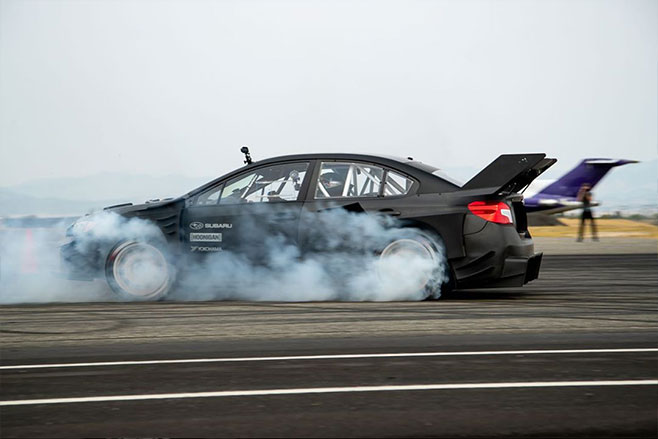
“It’s crazy fast, easy to control and get sideways and it was perfect out of the box in testing. Gymkhana is a new challenge for me but I want to raise the bar, and this is the car to do it.”
Pastrana says his car has an adjustable rear wing that allows him to control the angle in mid-air, adjusting landing approached for particularly long jumps.
“The nose started to drop on my first jump so I hit the rear wing to max and almost looped out! A few jumps later and we learned to use the wing and hand brake to literally fly my car.”
The wild STI will mark a return to origins for the Gymkhana series, with Ken Block’s first couple of Gymkhana videos having been with Subaru rather than Ford as the starring vehicle manufacturer.
Subaru America’s motorsport boss William Stokes says Subaru returning to Gymhkana had to involve “something outrageous.”
“Travis always wants to push the limits, so we knew from the outset we weren’t going to do this with a rally or rallycross car.”
Pastrana’s career as a race driver in rally and rallycross (not to mention supercross and motocross) meant he had to get back into the swing of driving for the spectacle rather than driving for speed, as the video at the top of this page explores.
Pastrana has also driven in NASCAR with intermittent but limited success for a couple of years in the early 2010s, and has even dipped his toe into the waters of sports car racing and endurance racing, in the form of a 2012 24 Hours of Daytona tilt.
