
Chinese automaker Foton has re-entered the Australian passenger vehicle market with the launch of its new Tunland ute range, marking its first local offering in several years. The new models aim to fill the gap between compact dual-cab utilities and larger full-size pickups, focusing on practicality, towing ability, and competitive pricing.
The Tunland line-up consists of two models, the V7 and V9, each offered in multiple grades. Both are powered by a 2.0-litre Aucan turbo-diesel engine paired with a 48-volt mild-hybrid system and ZF eight-speed automatic transmission, producing up to 120 kW and 450 Nm. Depending on the variant, the Tunland can tow up to 3500 kg and carry a payload of more than one tonne.
The V7-C, priced from $39,990 before on-road costs, is available in 4×2 and 4×4 configurations and is aimed primarily at trades and fleet operators. The V9, available in L and S grades (both 4×4), features a multi-link rear suspension system, upgraded cabin materials, and additional technology, positioning it as a dual-purpose ute for both work and recreational use.
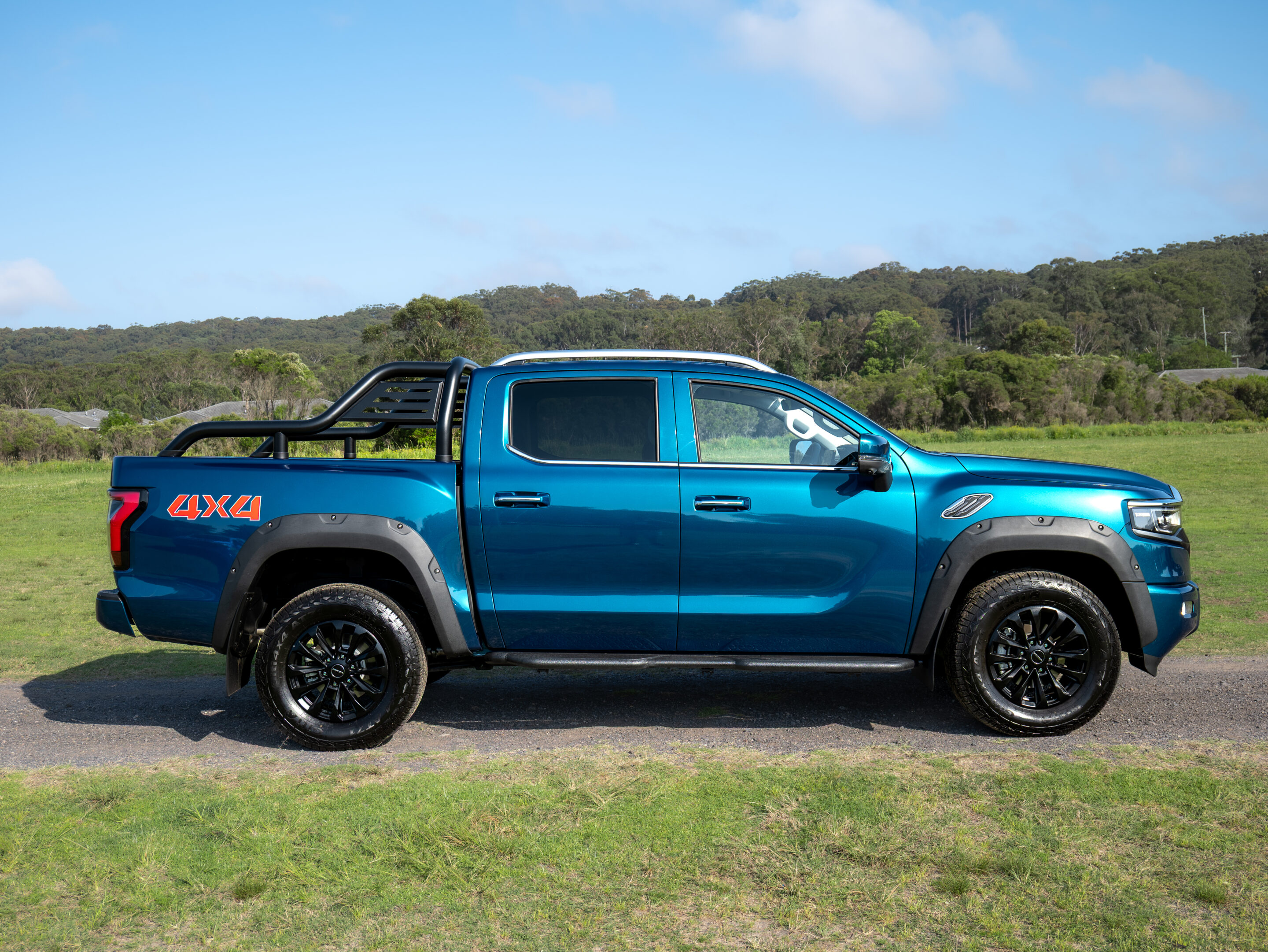
Visually, the two variants are distinguished by their front-end designs. The V7 adopts a square, utility-style grille with horizontal bars, while the V9 features a wider hexagonal grille and smoother detailing intended to appeal to lifestyle buyers.
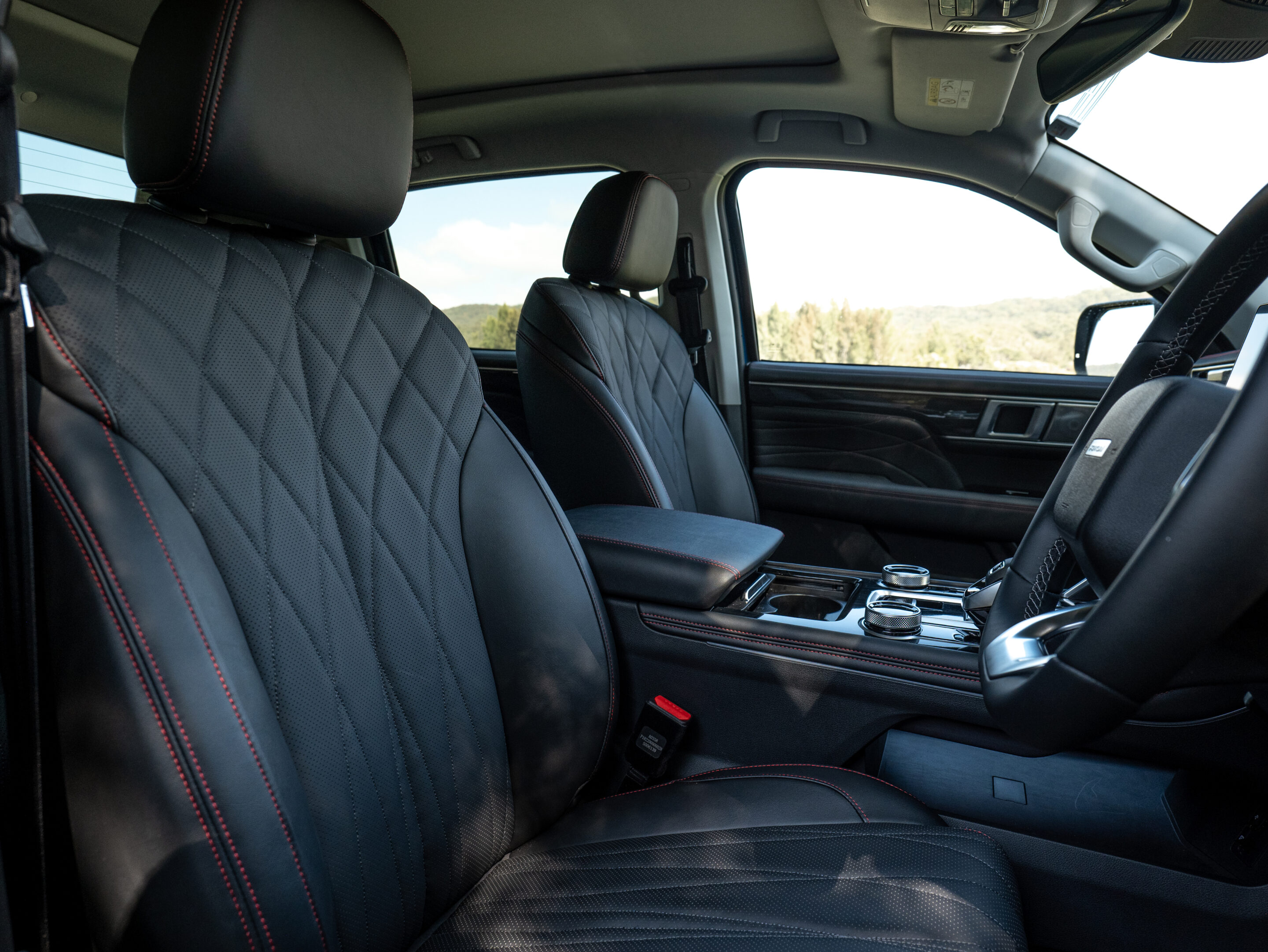
Inside, both versions share a modern cabin layout, headlined by a 12.3-inch digital instrument cluster and a 14.6-inch central touchscreen. Physical controls remain for key functions, while cabin noise suppression and wide seating dimensions are designed to improve comfort.
Standard safety features across the range include Autonomous Emergency Braking (AEB), Lane Keep Assist (LKA), and Blind Spot Monitoring (BSM). All models come with a seven-year/unlimited-kilometre warranty and seven years of roadside assistance, with service intervals set at 15,000 km or 12 months.
Foton’s Australian general manager, Glen Cooper, said the new Tunland models were designed to balance practicality and refinement, reflecting the brand’s background in commercial vehicles while meeting current passenger expectations.
The Tunland range is now on sale and available for test drives through Foton Light Commercial Vehicle dealers nationwide.
Artificial intelligence is showing surprising competence when it comes to diagnosing vehicle problems and advising on repairs, according to a new study by the UK’s largest vehicle-recycling company, Scrap Car Comparison (SCC).
The investigation tested three of the most widely used AI systems – OpenAI’s ChatGPT, Google AI Overview, and Microsoft Copilot – by asking each a range of realistic questions about common car faults and maintenance issues. The results were reviewed by Tim Singer, a workshop manager at BMS Cars, one of SCC’s partner garages.
Each chatbot’s responses were graded on four criteria: safety, legality, accuracy, and usefulness. Singer admitted he was “very surprised” by how capable the AI systems were at offering balanced, responsible advice.
“They were much better than I expected,” he said. “There was nothing in the answers that would put a motorist in danger. I think AI could genuinely change how people seek help with car issues.”
One test question involved a worn-out 2010 Renault Clio with a slipping clutch, broken air-conditioning, and a failed safety inspection – a scenario similar to an ageing hatchback in Australia needing a roadworthy certificate. Other questions asked whether it was worth checking an engine warning light or simply scrapping the vehicle.
Among the three platforms tested, ChatGPT produced the most thorough responses, offering “lots of context to help make a more informed decision,” according to Singer. Google AI Overview provided shorter, factual answers, while Microsoft Copilot’s replies were described as more conversational and less precise.
Despite the overall quality of the responses, SCC cautioned that AI advice should not replace professional expertise. Some chatbots suggested do-it-yourself repairs, which could pose risks if users lack technical knowledge or proper equipment.
Singer echoed that concern, warning that AI could give motorists “a false sense of confidence” about fixing their cars. “If people start relying too heavily on AI without checking with a qualified mechanic,” he said, “they could make expensive or unsafe mistakes.”
The findings suggest that while AI can be a useful first step for drivers seeking guidance, professional inspection remains essential – especially when safety or major mechanical faults are involved.
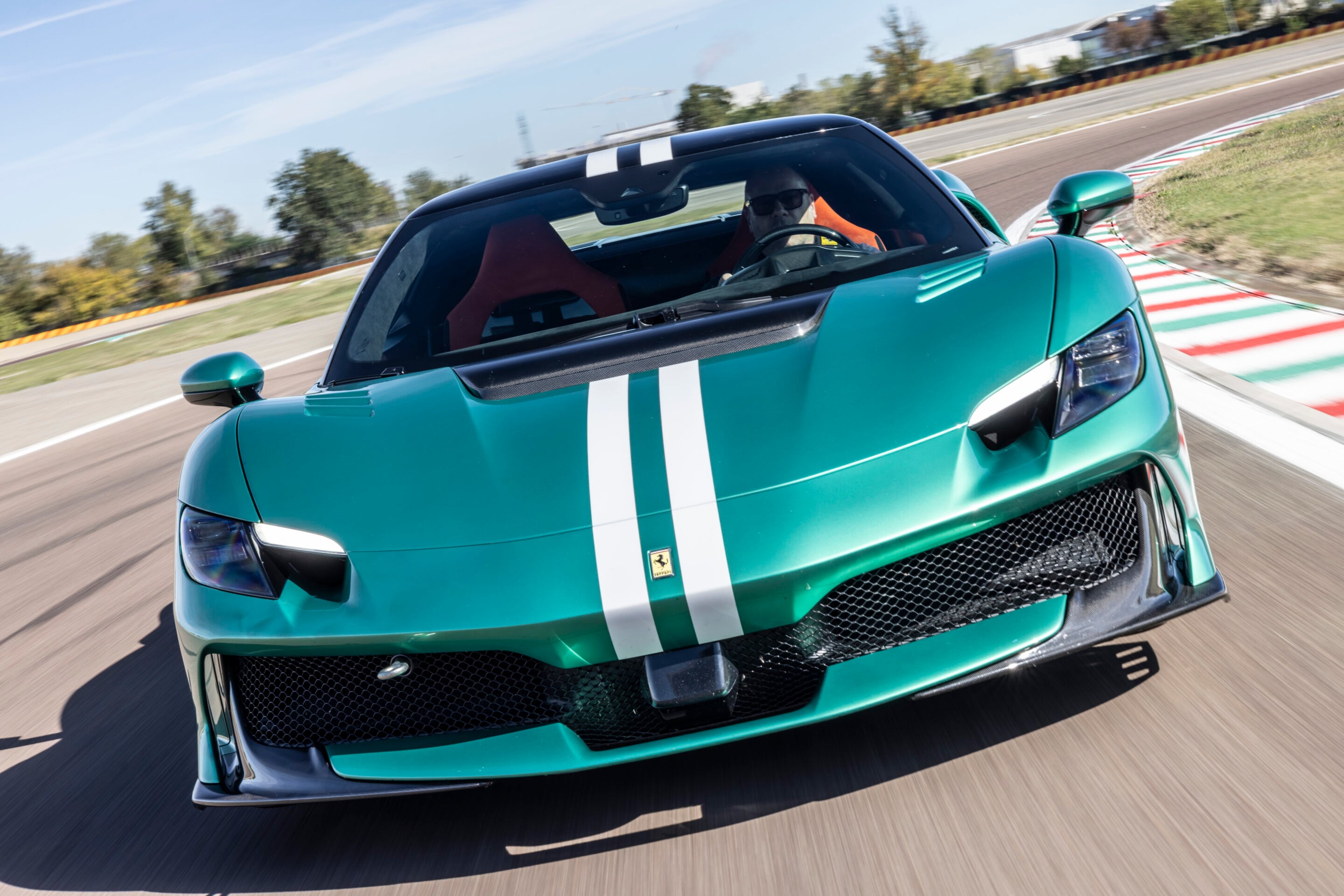
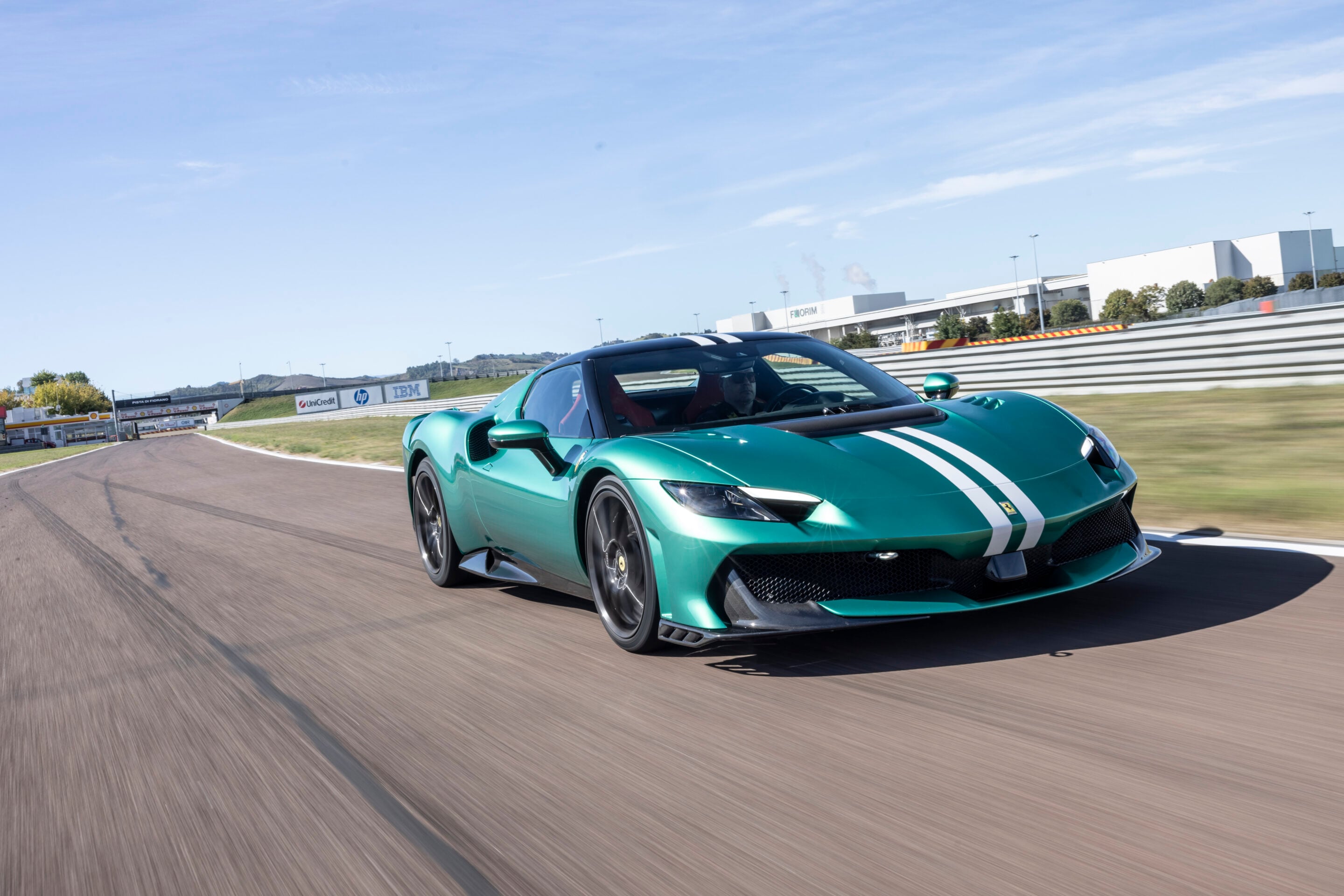
As I exit turn 6 of the legendary Pista di Fiorano, the nose of the 296 Speciale points skyward as it climbs the blind crest, crossing the bridge over the straight below, hitting a cross track rut that does its best to unsettle the Speciale. The mid range acceleration is utterly, eye-blurringly violent. The savagery of the way the Speciale delivers its power is brutal, scary even, for the first few laps, as my brain tries to catch up to just how fast this new 296 is. In the blink of an eye, I’m hard on the brakes – really hard – as I steady the nose for the tight, right-hand turn seven and the run down through the gentle eight and into the hairpin nine.
In my periphery at the point of turning into seven, I notice something a little alarming, to say the least. Two thick black lines head straight off at the entry to seven and on, into a concrete wall where they come to an abrupt end. They are a stark reminder of technology and development finally overpowering a test track that has faithfully served the Scuderia since 1972.
Let’s first go back to the beginning though, before we return to what is surely one of the finest road-going Ferraris ever – and at Wheels we’ve driven just about all of them. If you’re looking for the encouragement to find more than $800,000 you don’t have, take a 296 Speciale for a test drive – it really is that brilliant.
Entering the grounds of the Ferrari test circuit at Fiorano, not too far from Modena, is a momentous occasion regardless of the car you’re driving. Small, humble, kissed by the urban sprawl that now surrounds it, Fiorano is a place of myth, legend, legends themselves and the ever-present aura of the great man himself. Whether you love Ferrari or not, the history of this place, its origins, the very soul of why it exists is evident in every brick, every stretch of bitumen, every sign and every building.
You walk past Enzo’s house – currently under renovation – toward the small pit facility and event centre that sits adjacent to the track and if you hadn’t passed through the security gates as you entered, you could be sitting down for a coffee in any small Italian village, it really is that unassuming. The photos though, the tiny snippets of history point to the significance. Schumacher, Raikkonen, Massa, Alesi, Massa, Badoer and Perez have all set lap records here in F1 development cars.
The iconic photo of Lewis Hamilton when he switched allegiance was taken here, keen to amplify a move he had wanted to make since he was a young man, such is the significance of this hallowed ground.
It’s not just race car drivers either, my personal favourite being the photo on the track wall of Michael Jordan test driving the Ferrari 599 he was about to take delivery of. A car that would later influence the design of one of his signature shoe releases. This is a very special place, steeped in history and that history is written everywhere you look.
That’s a fitting segue too, because the 296 Speciale is – ahem – very special indeed, just like the place of its birth. If you thought a Ferrari of less than eight cylinders was a pretender, think again. The 296, with it’s turbocharged 3.0-litre V6 combined with hybrid sorcery sounds and drives exactly the way a Ferrari should. That is, blindingly fast with a soundtrack to match. At speed as it passes us halfway down the main straight, the sound wash is that of a jet taking off. If there’s a more composed RWD supercar at this level, I haven’t driven it, such is the way in which the Speciale uses its prodigious power. The 296 was already a sensational car to drive, and the Speciale raises that heady bar. Special by name, and special by nature.
The hybrid V6 powertrain combines to deliver a formidable 648kW (880hp in the old money), there’s a 20 percent increase in downforce over the standard 296 GTB, and weight has been reduced down to a svelte 1410kg (dry) to ensure the Speciale can accelerate from 0-100km/h in 2.8 seconds, and take flight on to a top speed of more than 330km/h. The Speciale is 60kg lighter than the regular 296 GTB, and while the 0-100km/h figure is impressive enough, the 0-200km/h run takes just 7.0 seconds. These are serious numbers, for a serious performance car.
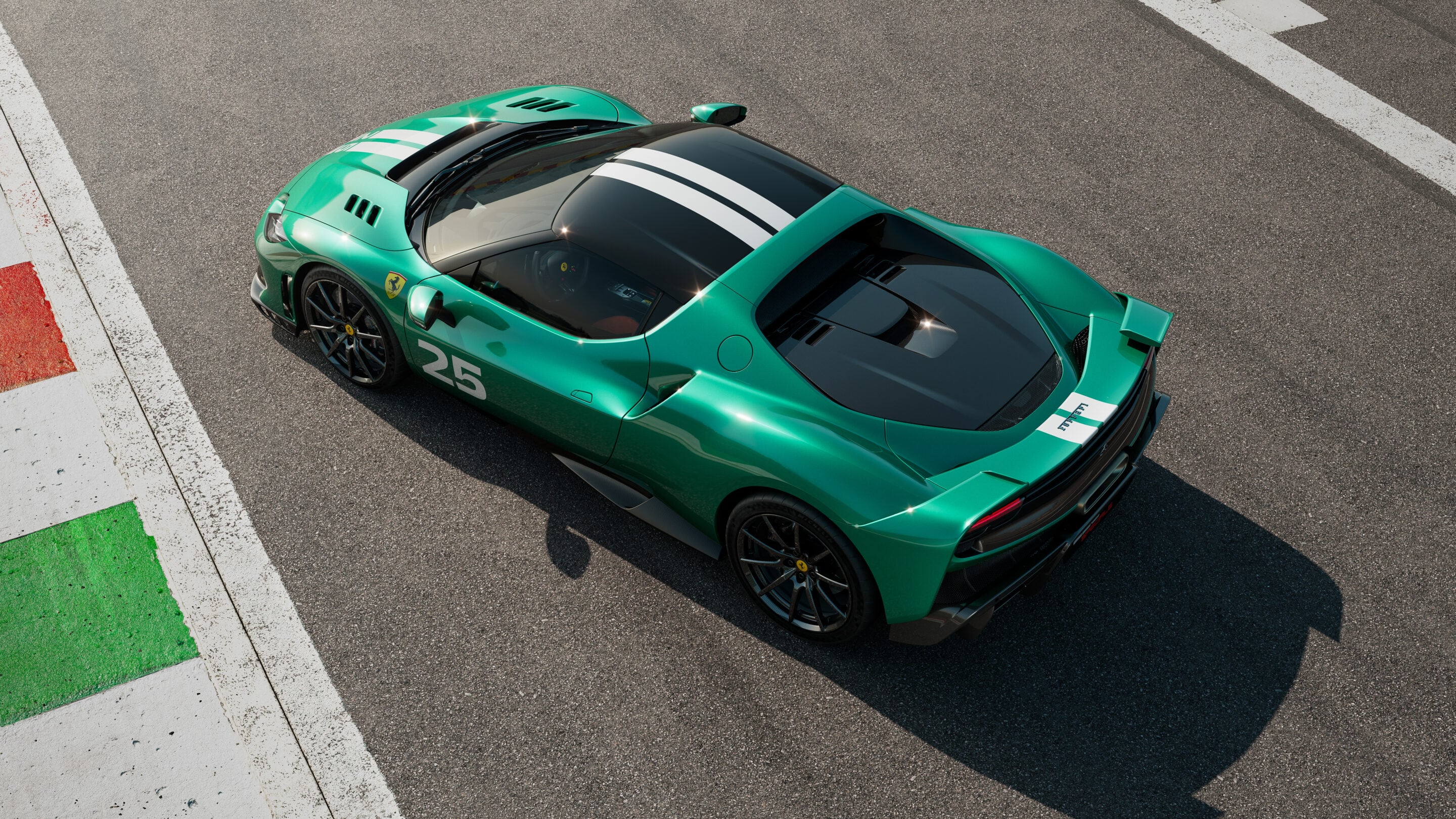
While the petrol engine will sing to a stratospheric 8500rpm, it’s the electric motor that really kicks things up, chiming in with 134kW and 315Nm of mid range thunder, which is what really sends the 296 Speciale into a different realm. This is the most powerful powertrain ever in a rear-wheel drive Ferrari, and it’s a fact that’s apparent every time you nail the accelerator pedal.
I ask Ferrari test driver, and my circuit guide for the track session, Fabrizio Toschi how much development was undertaken on the track as opposed to the road. And, if you think we have the best jobs in the world at Wheels, I present Exhibit A, your Honour, a Ferrari test driver. Back to Fabrizio. “I would say 60 per cent road, maybe 70 per cent,” Fabrizio explains. “The track part is easy. It’s the road that is harder to account for.” His explanation makes sense, this is a street car after all. And, as we find out after our track drive – and a sensational lunch at the factory of course – the 296 Speciale is quite the road-car, too.
The road drive is a stunner, leaving the factory and heading out into the hills surrounding Modena, a 200km loop that I wish would never end. The track cars we drive have non adjustable suspension, the road cars get the optional dynamic suspension and lift kit, which is not available with the track package. You’ll want that option if you’re driving the 296 Speciale on our poor excuse for a road network.
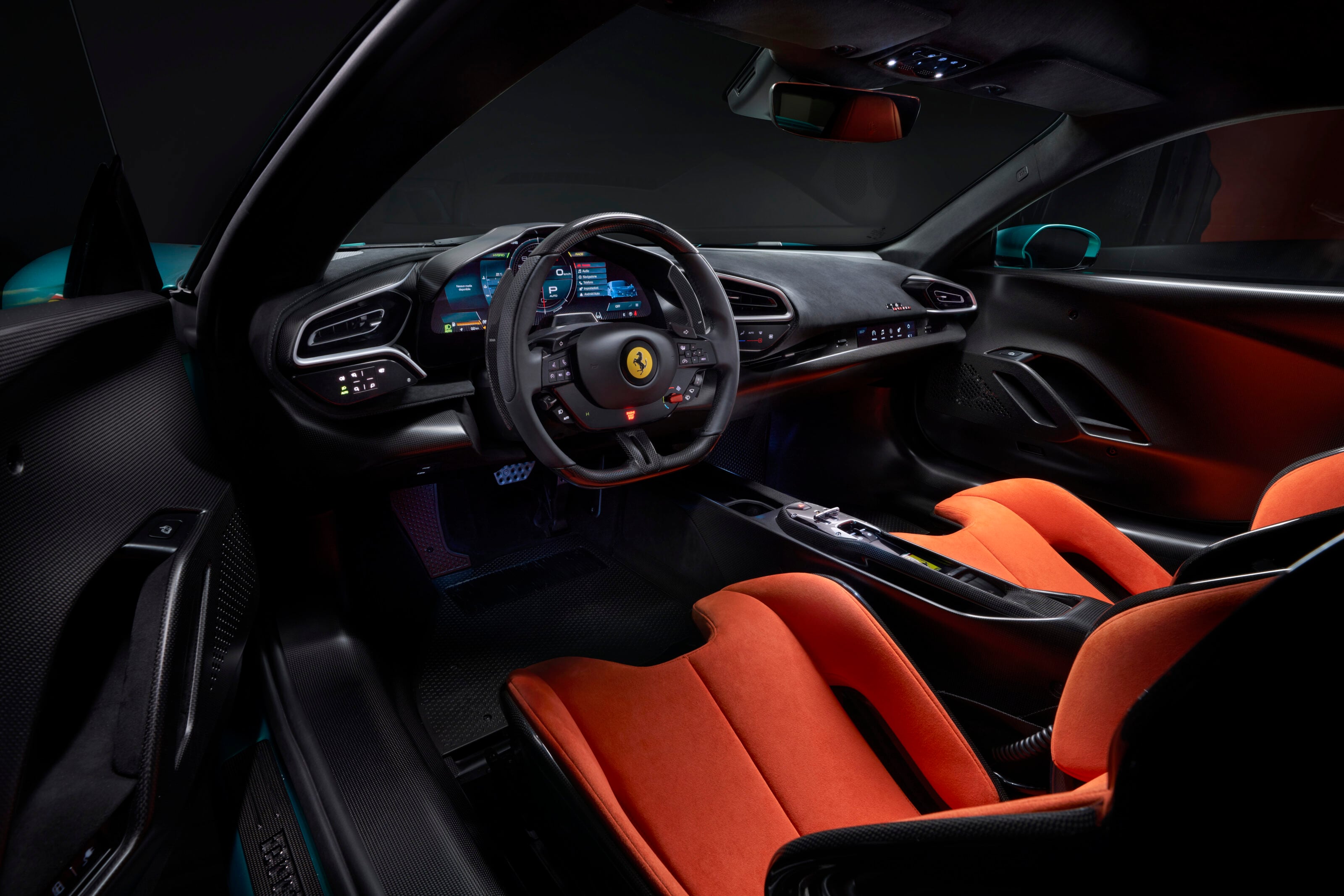
Out of the confines of the test track, the Speciale is a glorious cruiser, comfortable, with solid visibility, and the ability to cruise through the countryside like you’re behind the wheel of a Fiat Panda if you so wish. It’s as easy as it is monstrous, as quiet as it is outrageous; not a car for shrinking violets, but capable of acting like one itself.
The steering, brakes, ride quality, and gearbox are all sensational whether you’re working them hard on a twisty mountain run, or gliding through traffic at walking pace. Every drive brings with it a sense of occasion, a sense of of just how brilliant this car is. I’ll have mine in Verde Nurburgring, thank you.
Valentino Rossi, fresh from one of his momentous victories, once famously exclaimed in a press conference, “after a race like this, in Italian we say ‘mamma mia’.” It’s a fitting way to describe any drive in the 296 Speciale – mamma mia indeed. This is one hell of a supercar, a true Ferrari to its very core, displaying the DNA and raw ability befitting any creation wearing a prancing horse badge.
Ferrari faces an intriguing future, dragged into an electric world, with a fan base wanting anything but. According to the legendary Italian manufacturer, the 296 Speciale is anything but a swansong, with plenty more internal combustion genius to come. We’ve written this before in Wheels, and it’s worth revisiting here again. We should be thankful that this car, in this form, with the performance capability, exists.

Specs
| Model | Ferrari 296 Speciale |
|---|---|
| Price | From $865,569 |
| Battery capacity | 7.45kWh |
| Electric range | 25km (claimed) |
| Drivetrain | 3.0-litre twin-turbo V6 PHEV |
| Transmission | Eight-speed dual-clutch automatic |
| Engine outputs | 648kW/755Nm |
| 0-100km/h | 2.8 seconds |
| Combined fuel consumption | 11.4L/100km |
| Emissions | 259g/km |
| Fuel type/tank size | 95 RON/65 litres |
| Dimensions (l/w/h/wb) | 4625mm/1968mm/1181mm/2600mm |
| Kerb Weight | 1410kg (dry) |
| Bootspace | 169L |
| Warranty/service intervals | Three-year warranty/12 months or 20,000km |
| Seven-year service cost | Included |
| On sale | Early 2026 |
The Ford Mustang GTD stands out as a bold reinterpretation of the classic Mustang formula: broader, lighter, more aggressively aerodynamic and engineered to rival high-end sports cars. Designed in collaboration with Multimatic, this limited-edition machine is built in Canada and destined for left-hand-drive markets only – meaning it won’t be officially offered in Australia.
At more than two metres wide (over 2,000 mm) – about 120 mm wider than the standard Mustang – the GTD’s visual transformation is dramatic. It features a race-inspired wide-body kit, flared wings, carbon-fibre roof, bonnet and doors, and an aggressive aero package including a swan-neck rear wing and under-floor diffuser. These enhancements underline the car’s serious performance intent.
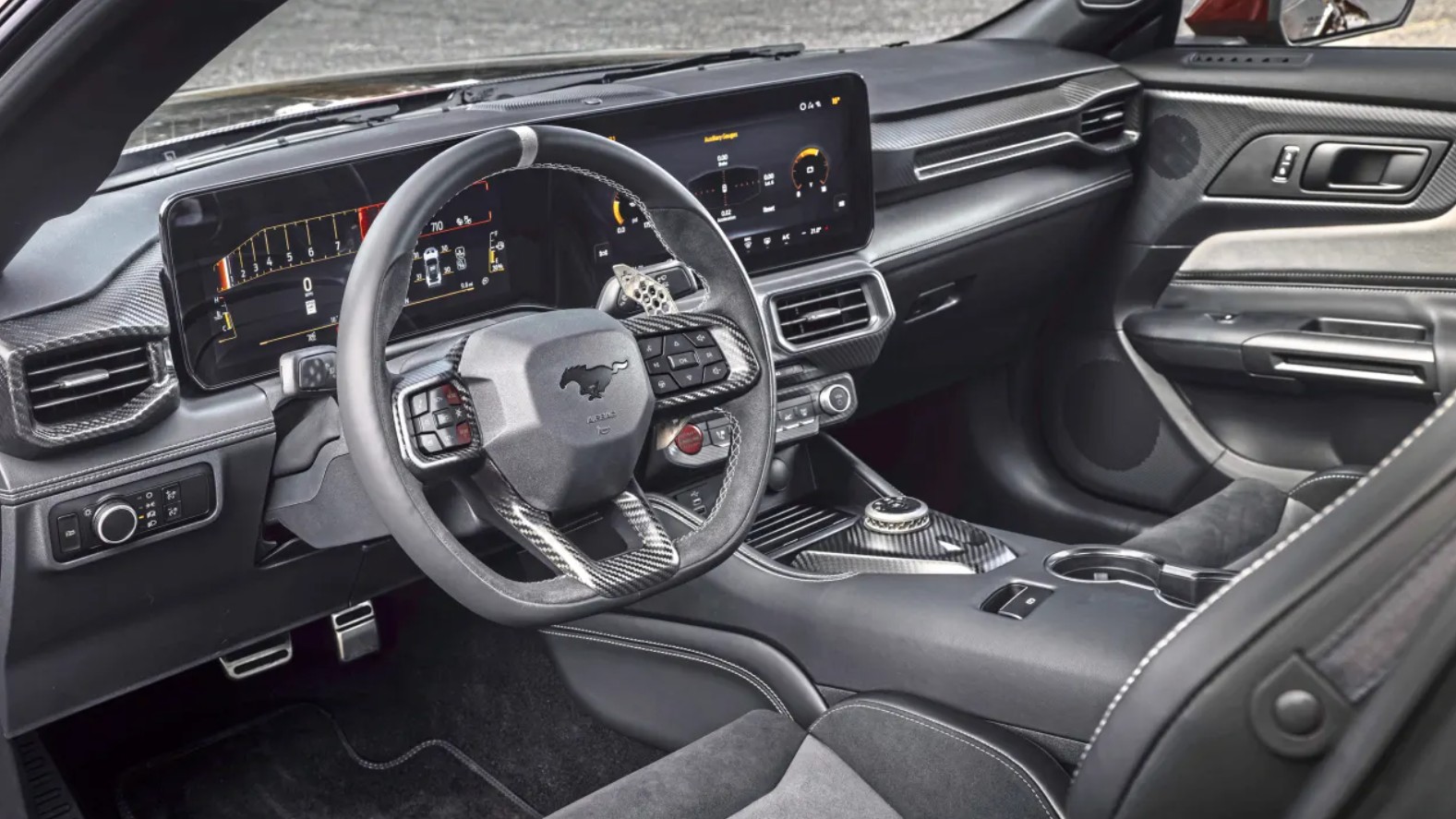
Inside, the cabin mixes familiar Mustang touches with high-end upgrade cues: although you won’t find a full roll-cage or hardcore bucket seats, the GTD is marked by its handcrafted serial-number plaque, GTD-specific graphics in the instrument cluster, and racing-derived materials throughout.
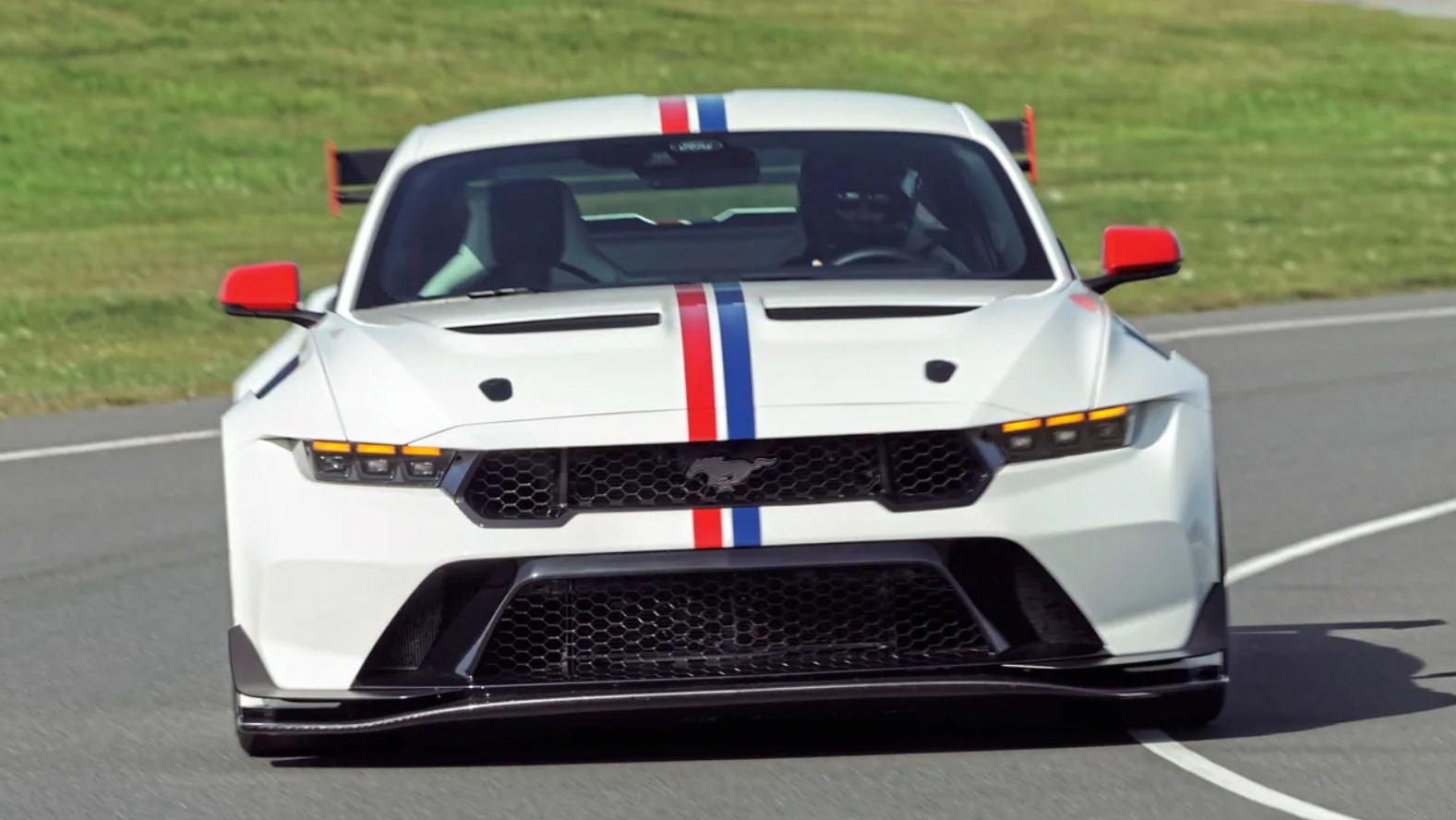
In “Sport” driving mode the car feels surprisingly composed for something so extreme. But when you switch into “Track” mode (which can only be selected from standstill), the GTD transforms outright: the adaptive suspension drops the ride height (by about 40 mm at the front and 30 mm at the rear), hydraulic spring pre-loads increase, and the full active aero kicks in – delivering substantial downforce, razor-sharp responses and serious cornering capability.
Under the bonnet is a supercharged 5.2-litre V8 developed from Ford’s GT3 racing programme. In U.S. testing it is credited with 815 bhp (~607 kW) and a top speed of around 325 km/h. The drivetrain features a rear-mounted dual-clutch 8-speed transaxle and carbon-fibre driveshaft, enabling near 50/50 weight distribution. Stopping power comes from carbon-ceramic brakes, and the aero system includes a DRS-style drag-reduction mode for straights.
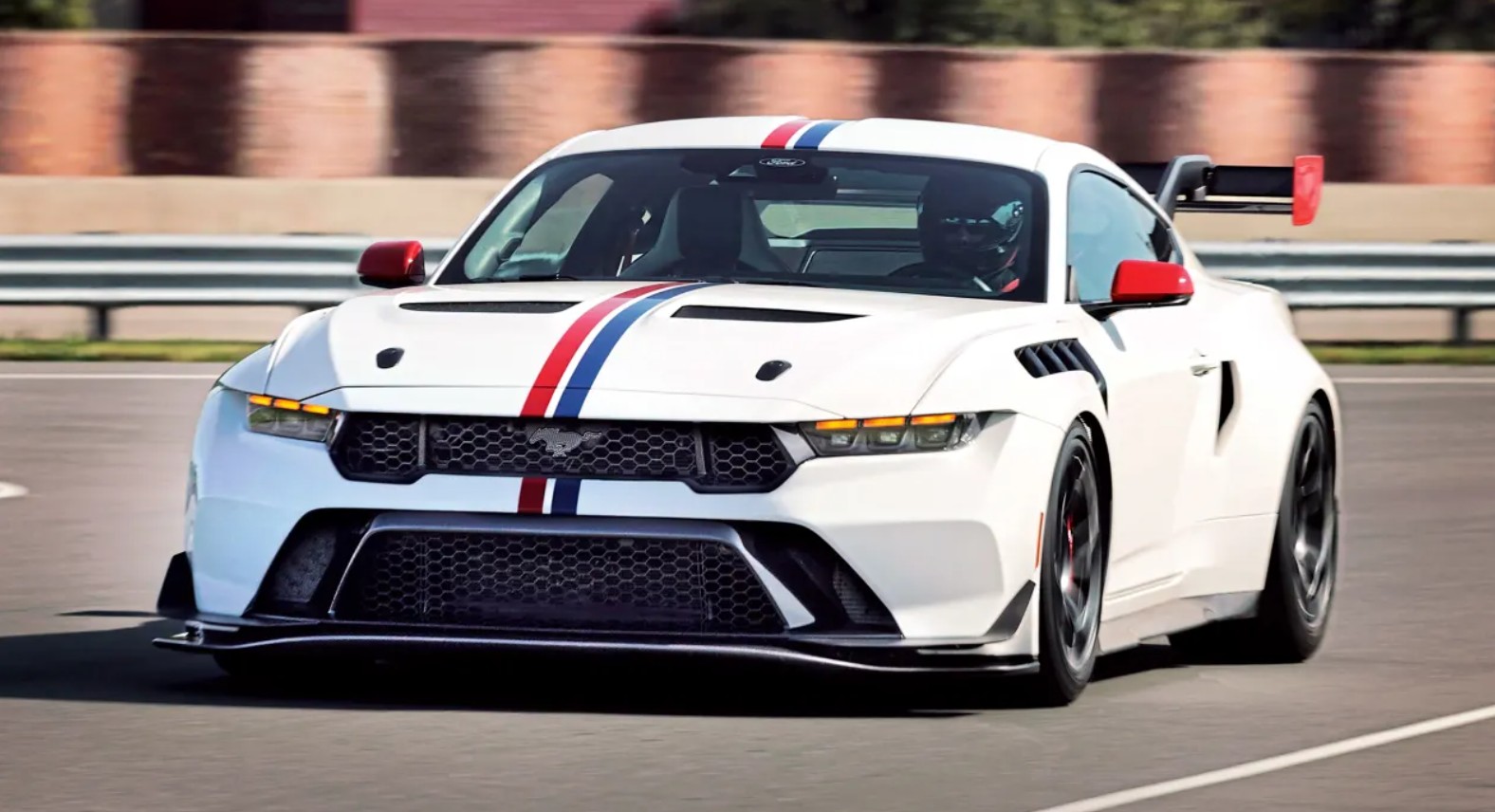
Driving it hard on track reveals the GTD’s capacity: Michelin Pilot Sport Cup 2 R tyres find grip quickly, chassis responses are sharp and unyielding, and the overall package feels far removed from any ordinary muscle car. Some might prefer the textbook precision of a rival like the Porsche 911 GT3 RS, but the Mustang GTD delivers character, rawness and personality in abundance.
While Australia-based buyers cannot access the model via the local importer, some enthusiasts may import privately. Either way, the Mustang GTD remains an extraordinary effort by Ford to re-engineer an icon for the highest levels of performance.
GWM’s Hi4 hybrid powertrain has been awarded the Grand Prize of the 2025 Science and Technology Award by the China Society of Automotive Engineers (China SAE) – the first time in more than three decades that a hybrid system has received the country’s highest automotive engineering distinction.
The award, which is endorsed by the Chinese government and assessed by an expert panel of engineers, academics and industry specialists, recognises the Hi4 system for its technical innovation, safety improvements and intelligent four-wheel-drive capability.
Developed in-house by Great Wall Motor, Hi4 – short for “Hybrid Intelligent 4WD” – combines two electric motors with a multi-gear series-parallel architecture. The system integrates three power sources and nine adaptive operating modes, designed to balance performance, efficiency and control across a range of conditions.
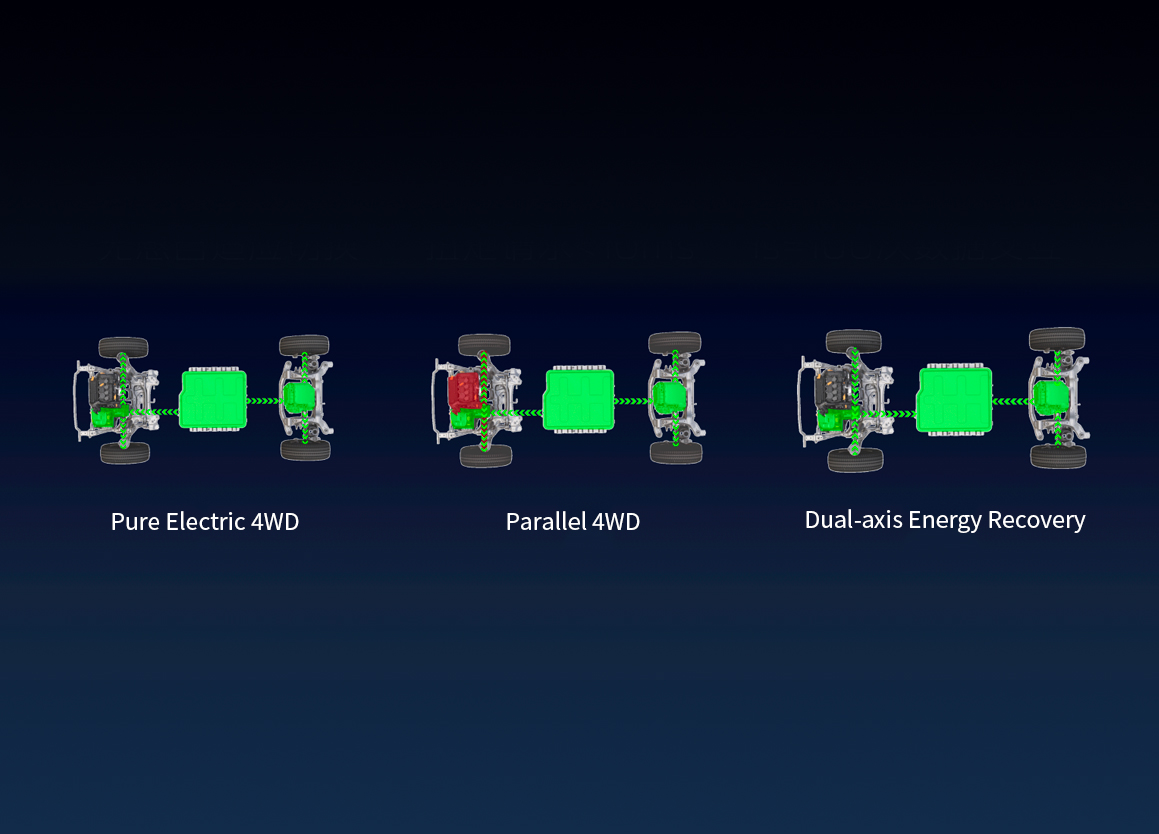
Unlike conventional hybrids, which typically prioritise efficiency over traction, Hi4 was engineered to provide genuine all-wheel-drive functionality. Its software can automatically detect road surfaces and driving environments – including 32 off-road terrains and several urban conditions – and adjust power distribution accordingly. A high-protection battery pack supports full power delivery in both extreme heat and cold, while its integrated control system reduces the risk of driver error when selecting terrain modes.
Since its introduction in 2023, the Hi4 setup has been fitted to multiple GWM models, including hybrid SUVs and off-road vehicles. By the end of 2024, GWM reported global cumulative sales of more than 410,000 vehicles equipped with the technology. In China, Hi4-based models have lifted the company’s share of the new-energy off-road market from 10 per cent in 2020 to more than 50 per cent in 2024.
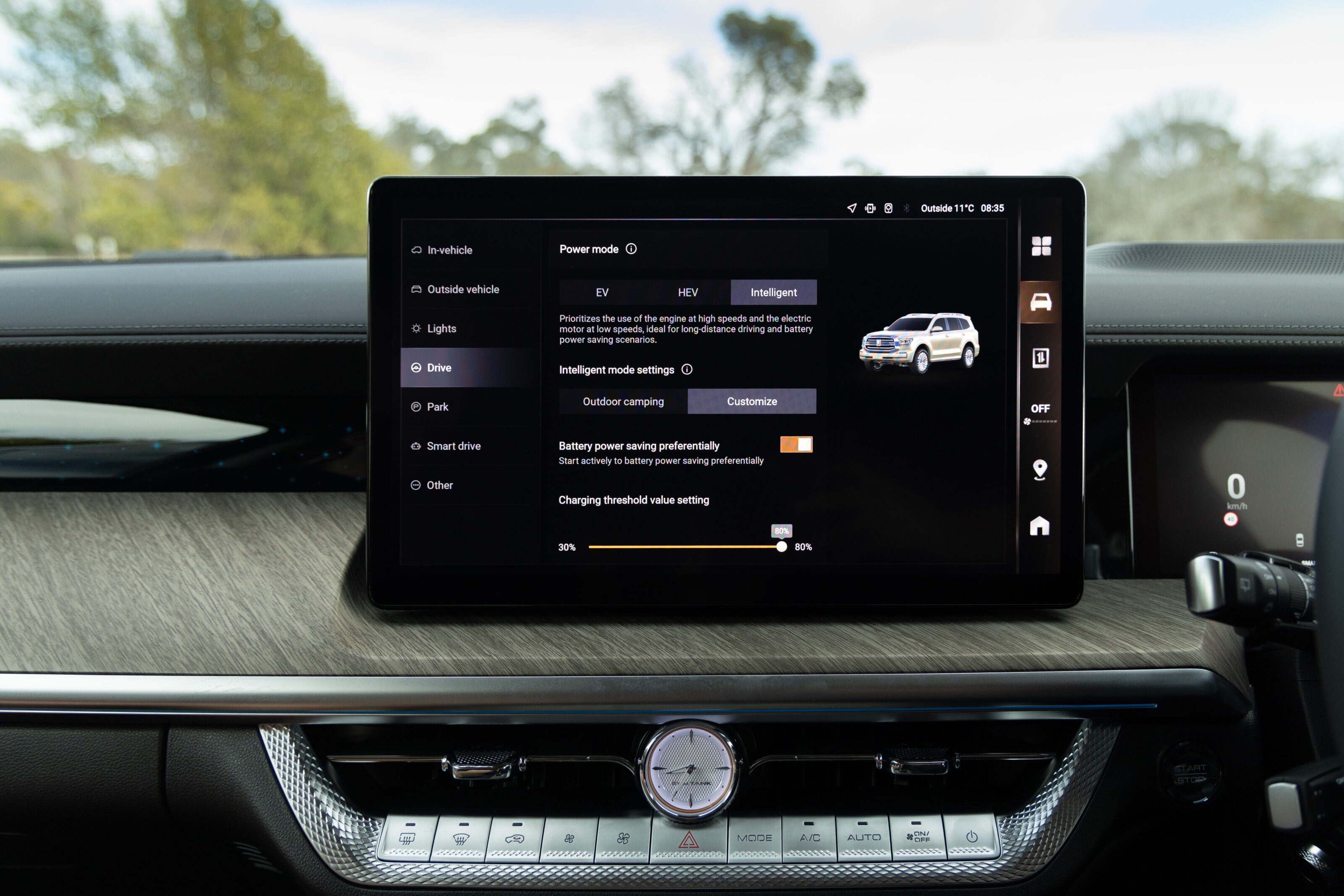
Locally, the brand plans to expand its Hi4-equipped range in Australia and New Zealand through 2025, with more hybrid SUVs expected to join the current lineup. It recently announced that its new Tank 500 Hi4-T Plug-in Hybrid Electric Vehicle (PHEV) will launch in Australia in the fourth quarter of 2025.
The Hi4-T system pairs a 2.0-litre turbocharged petrol engine with a 120kW electric motor, delivering a combined 300kW and 750Nm through a nine-speed hybrid automatic transmission. GWM claims the Tank 500 accelerates from 0–100 km/h in 6.9 seconds, while returning combined fuel consumption of 2.1L/100km.
While the recognition was granted in China, the technology’s growing global rollout underscores its strategic role in GWM’s transition to advanced, electrified four-wheel-drive vehicles.
MG Motor has begun a new chapter in Australia with the arrival of its first-ever dual-cab ute, the MGU9, now on display and available for test drives at dealerships nationwide.
The MGU9 enters one of Australia’s most competitive segments, joining long-established rivals from Toyota, Ford, and Isuzu. It will be offered in three variants – the Explore, Explore X, and Explore Pro – with deliveries and public evaluations beginning ahead of its full sales rollout later this year.
To mark its arrival, MG dealerships are hosting a test-drive event from October 24 to November 9, allowing potential buyers to experience the vehicle’s performance and equipment before wider availability. Customers who place an order during the event will receive $1,000 off accessories, along with an additional bonus package that may include tow bar kits, roof racks, or complimentary servicing.
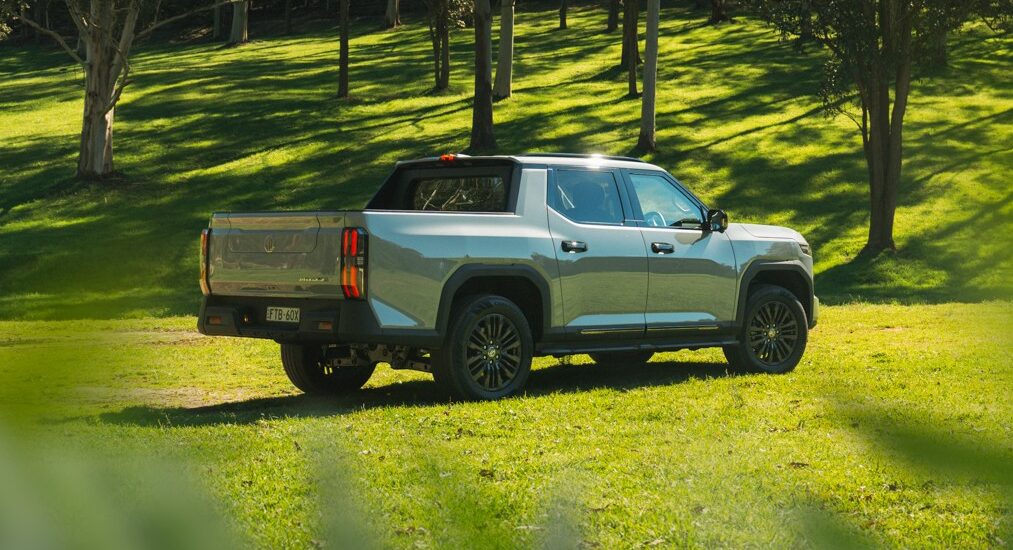
Beyond the launch offer, MG has also released details of an official accessory range for the MGU9. The line-up includes 18-inch and 20-inch sport alloy wheels, a selection of ladder-rack and roof-rack systems, and towing packages developed in partnership with established accessory makers such as HSP Vehicle Accessories and Thule. Owners will also be able to choose from soft, manual, or electric tonneau covers, tub load bars, and other equipment aimed at improving practicality for both work and recreational use. Full details are available on MG’s official accessories website.
While detailed technical specifications are yet to be released, the MGU9 has been developed with a focus on versatility, combining passenger comfort with off-road and towing capability. It features an electric tailgate, flexible cabin layouts, and the safety technology expected in modern dual-cab utes.
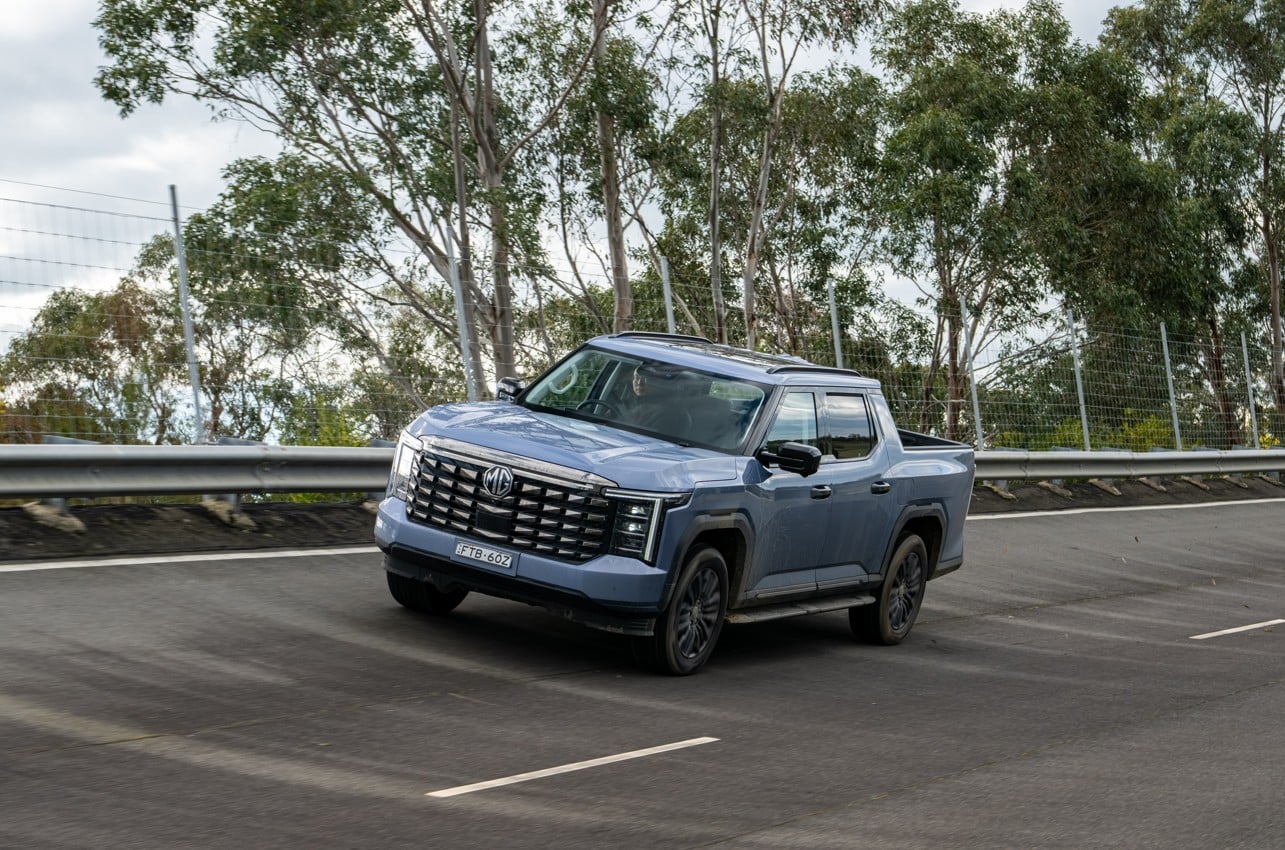
The introduction of the MGU9 marks MG’s expansion beyond its core passenger car and SUV lineup into the high-volume light-commercial market. The company says it intends the new model to appeal equally to trade buyers and families seeking a dual-purpose vehicle for everyday use and weekend activities.
MG’s entry into the ute market comes as competition intensifies across the segment, with buyers increasingly looking for vehicles that balance work capability with comfort and technology.
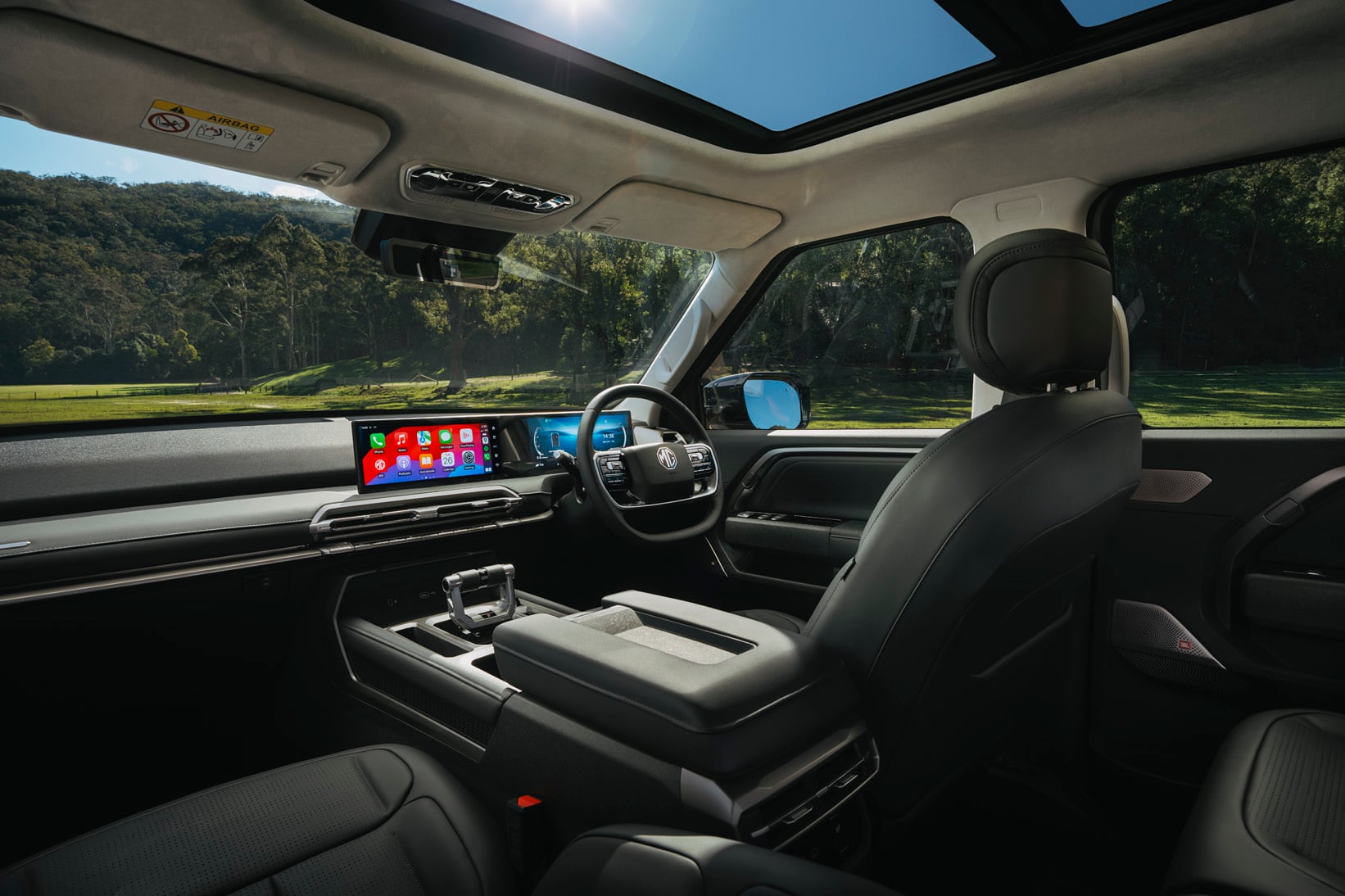
Pricing
| MGU9 Explore | $52,990 AUD Drive Away |
|---|---|
| MGU9 Explore | $55,990 AUD Drive Away |
| MGU9 Explore Pro | $60,990 AUD Drive Away |
Hyundai has revealed the first official images of the next-generation Venue, ahead of its global debut on November 4, 2025. The compact SUV has undergone a dramatic transformation, emerging with a larger footprint, a tougher road presence, and a suite of technology upgrades designed to lift its appeal in one of the brand’s most important global segments.
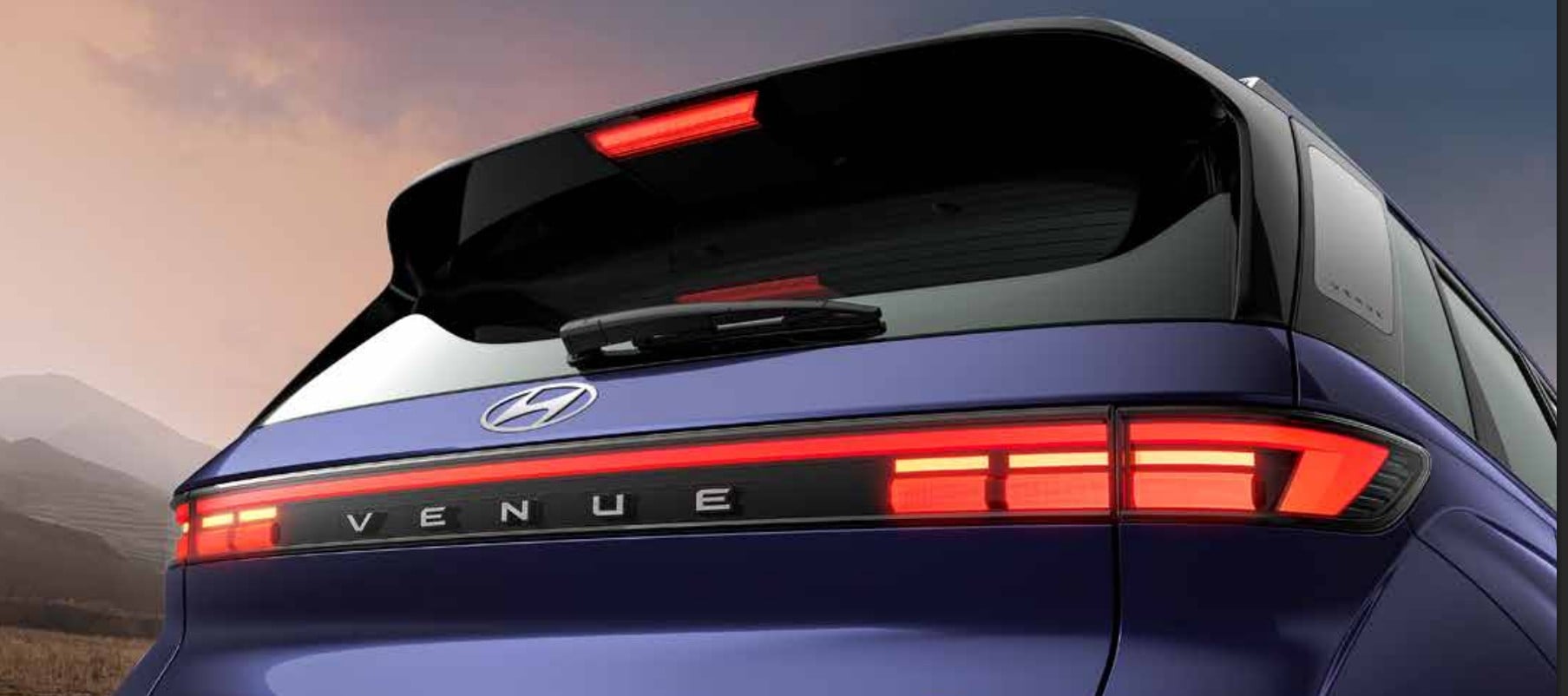
The new Venue is taller, wider, and longer than before, giving it a more commanding stance that aligns it closer to Hyundai’s larger SUVs such as the Creta and Tucson. The design overhaul introduces a striking dark chrome grille, Quad Beam LED headlights, and twin vertical LED daytime running lights, creating a more futuristic and premium appearance. Muscular arches and a sculpted bonnet emphasize strength and presence, while subtle detailing around the bumpers and tailgate refines its overall look.
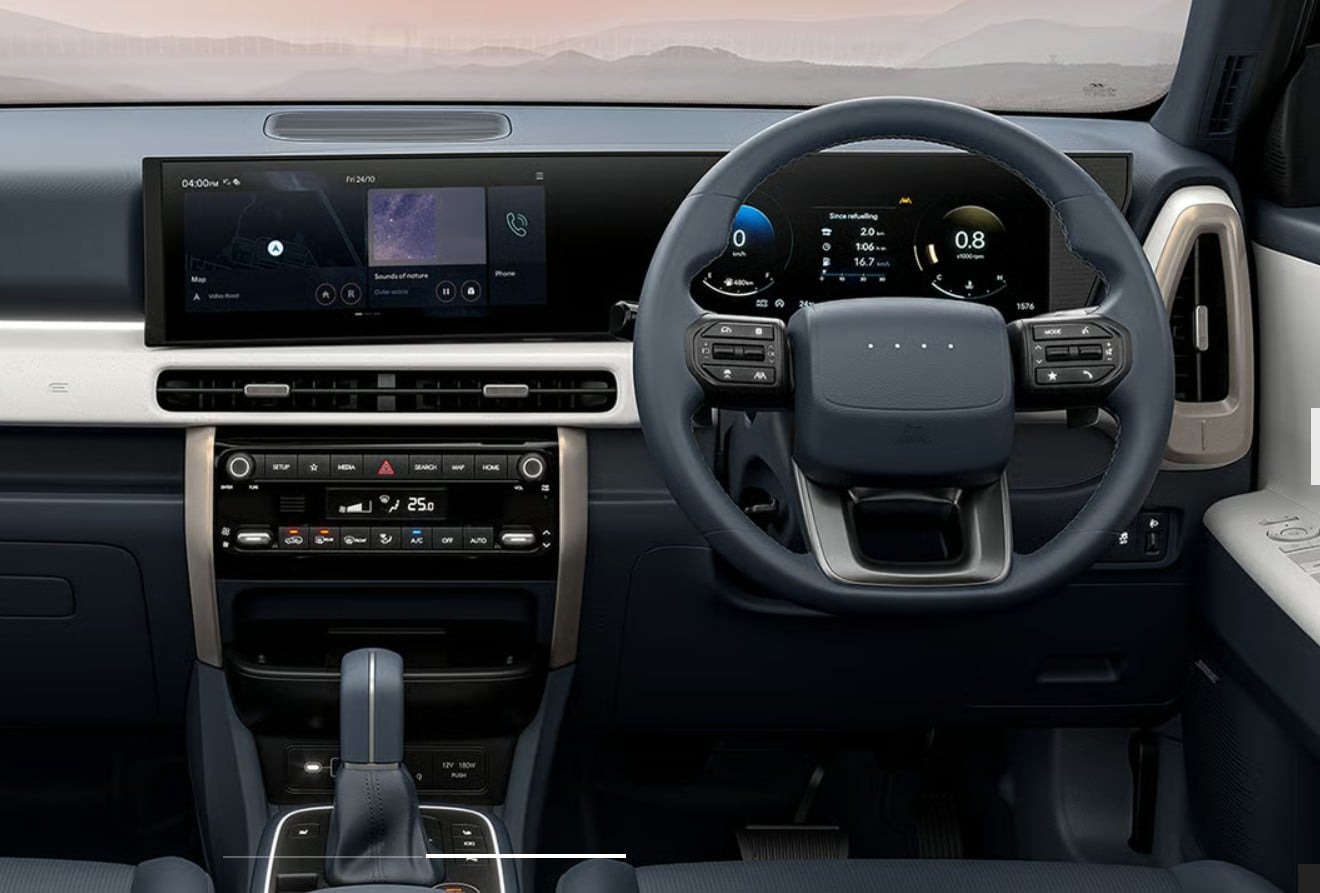
Inside, the Venue has undergone just as radical a change. A new dual 12.3-inch curved display integrates both the digital instrument cluster and infotainment system, giving the cabin a high-tech, seamless aesthetic. The interior adopts a Dark Navy and Dove Grey dual-tone theme, complemented by ambient lighting and optional leather upholstery. For the first time, reclining rear seats have been added, boosting comfort for passengers on longer trips.
Under the bonnet, Hyundai will offer the Venue with three powertrains tailored to different driving needs: a 1.2-litre petrol engine for efficiency, a 1.0-litre turbo-petrol for extra punch, and a 1.5-litre diesel aimed at long-distance drivers. Transmission options include manual, automatic, and dual-clutch (DCT) variants. The lineup will also adopt Hyundai’s new “HX” variant structure, simplifying trim levels and improving value packaging.
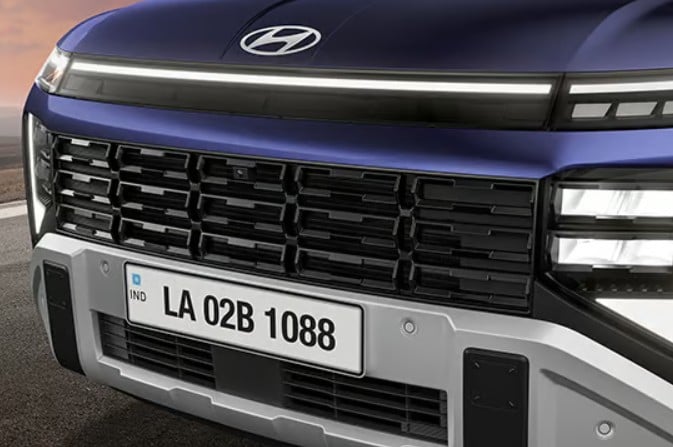
Buyers will have a choice of six single-tone and two dual-tone exterior colours, including fresh additions Hazel Blue and Mystic Sapphire, enhancing the SUV’s youthful image.
While Hyundai Australia has not yet confirmed the new Venue for local release, the current version remains Hyundai’s most affordable SUV in the market – a key entry point for buyers looking to step into the brand’s SUV family. If the new model does arrive, it’s poised to bring a more premium look and feel to Hyundai’s smallest SUV offering.
By the time you read this, Toyota will have closed the order books on the GR Supra in Australia. The timing does seem strange, given that as recently as July, the company had launched a new Track Edition of the car and the competition version of the fifth-gen Supra is in the process of being soft-launched for the 2026 Supercars season.
First launched here in September 2019, the GR Supra logged sales of just over 1400 cars and endeared itself to Wheels testers, who loved its pugnacious attitude and unapologetic focus. However, in hitching its cart to BMW in the development of the vehicle, Toyota ceded control of manufacturing. Sharing its underpinnings with the BMW Z4 roadster enabled Toyota to bring the GR Supra to market in a cost-effective manner, but the slow-selling Z4 has fallen victim to Munich’s bean counters and is set to be deleted at the start of 2026.
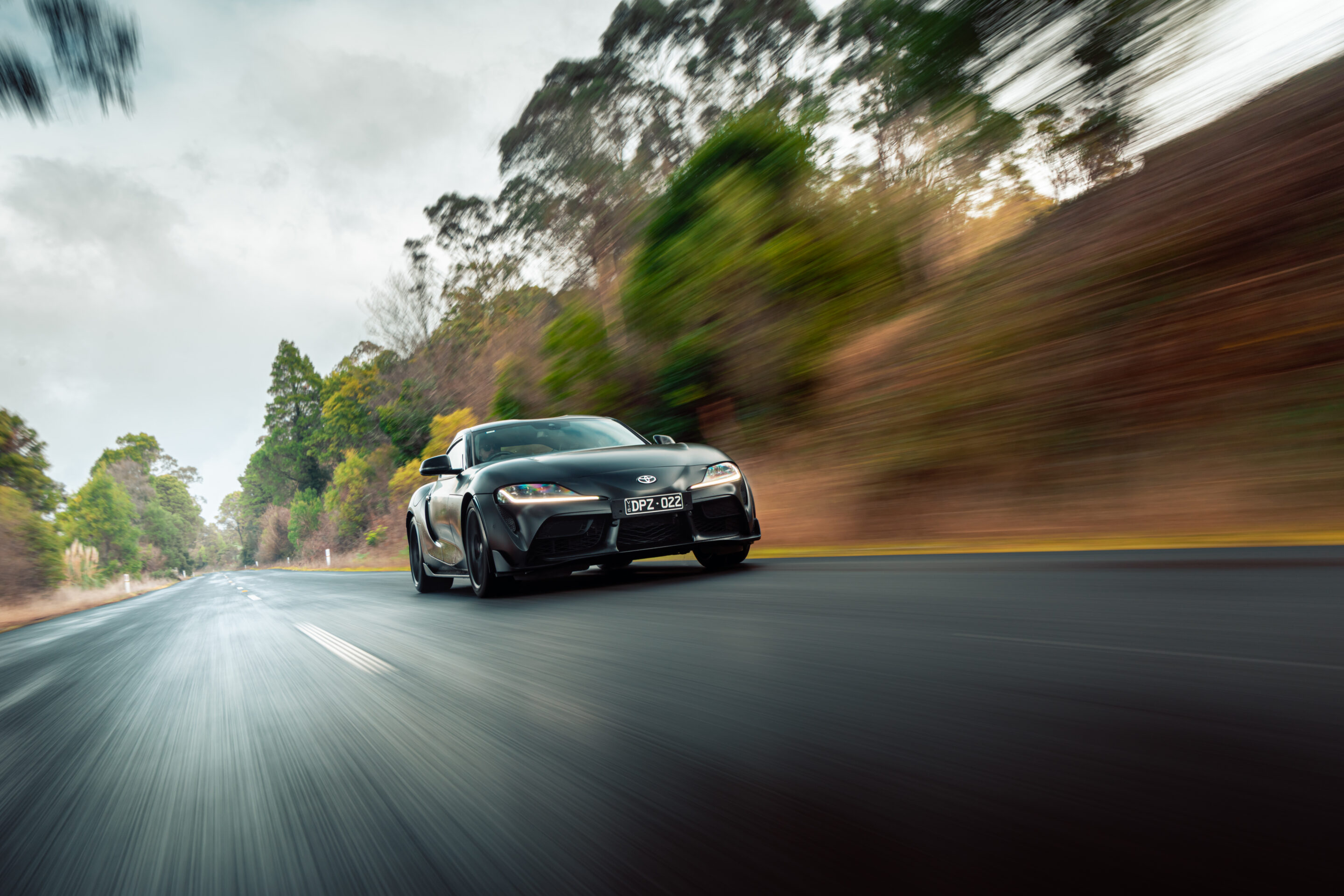
The Austrian Steyr manufacturing facility will no longer build Z4s or GR Supras, and it’s been rumoured that Toyota will take greater control of its own destiny for a sixth-gen replacement.
“It would be logical that we would have a next-gen Supra. But when and how is still TBD,” senior VP of Product Planning and Strategy for Toyota Motor North America, Cooper Ericksen told Motor Trend. “Definitely, there will be a gap. The question is how big that gap will be. It is our goal to have a gap that is significantly less [than the last one].”
Of course, Mr Ericksen isn’t promising a great deal there given that the last gap between Supra generations spanned more than two decades. Latterly, Toyota has pursued a canny and effective strategy in conforming to the minefield of changing emissions regulations while still maintaining sales by giving customers what they want. A new Supra would doubtless be a similarly smart compromise, but it would be understandable if the Japanese mothership wanted to sit and read the tea leaves for a while before committing to a new product launch.
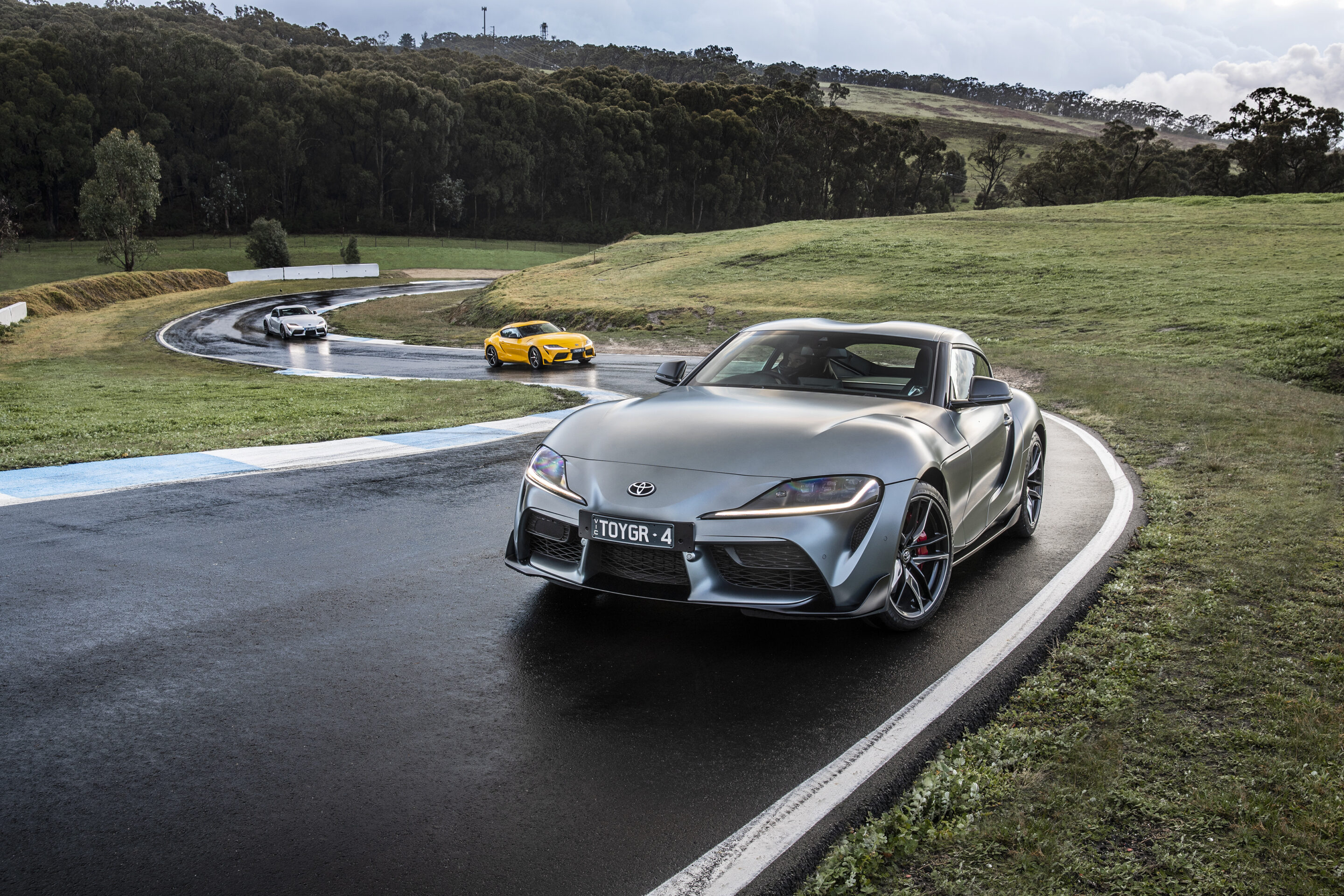
Rumours of a partnership with Mazda, who would donate their 3.3-litre straight-six petrol engine, have refused to die down and that would appear to make sense, given that Toyota owns a five per cent stake in Mazda. In May 2015 the two companies formed a strategic business and capital alliance to collaborate on joint projects and share resources and in January 2018, Toyota and Mazda announced a joint venture plant called Mazda Toyota Manufacturing USA that is now producing CX-50s and Corolla Cross models in Huntsville, Alabama, US. A Japanese plant and a tariff-dodging US facility would appear the ideal solution for sixth-gen Supra fabrication.
In the meantime we’re left to ponder the legacy of the fifth-gen car. Purists dismissed it at first as a badge-engineered BMW, and while the BMW influence was never disguised with any great enthusiasm, it emerged as a likeable and purposeful thing. Spiky, angry and always an event, the GR Supra could well be one of those cars whose light burns ever brighter with each passing year. Roll on the next generation.
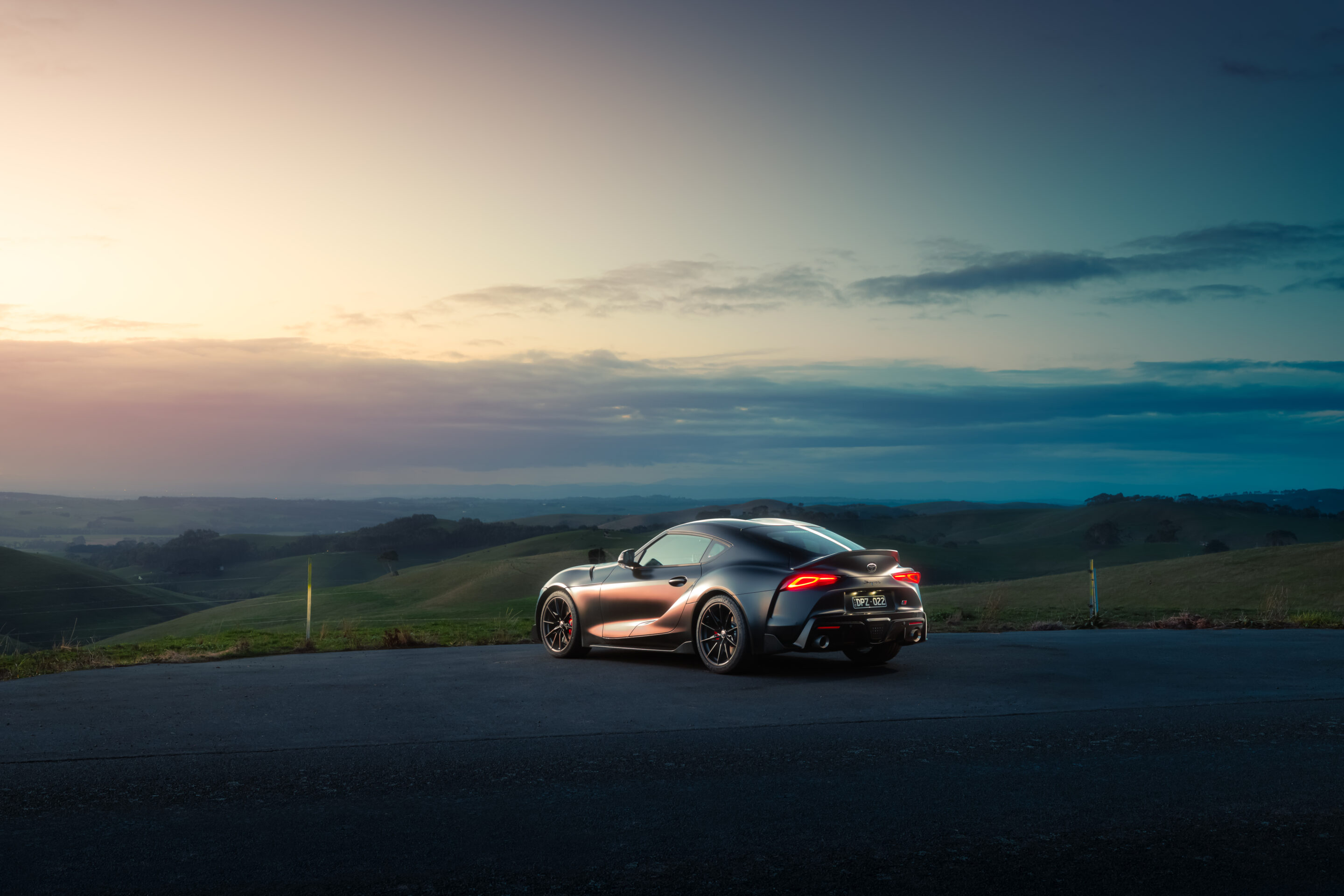
GR Supra sales in Australia
| 2019 | 327 |
|---|---|
| 2020 | 198 |
| 2021 | 155 |
| 2022 | 141 |
| 2023 | 276 |
| 2024 | 222 |
| 2025 | 132 (to August) |
Serious sign-off
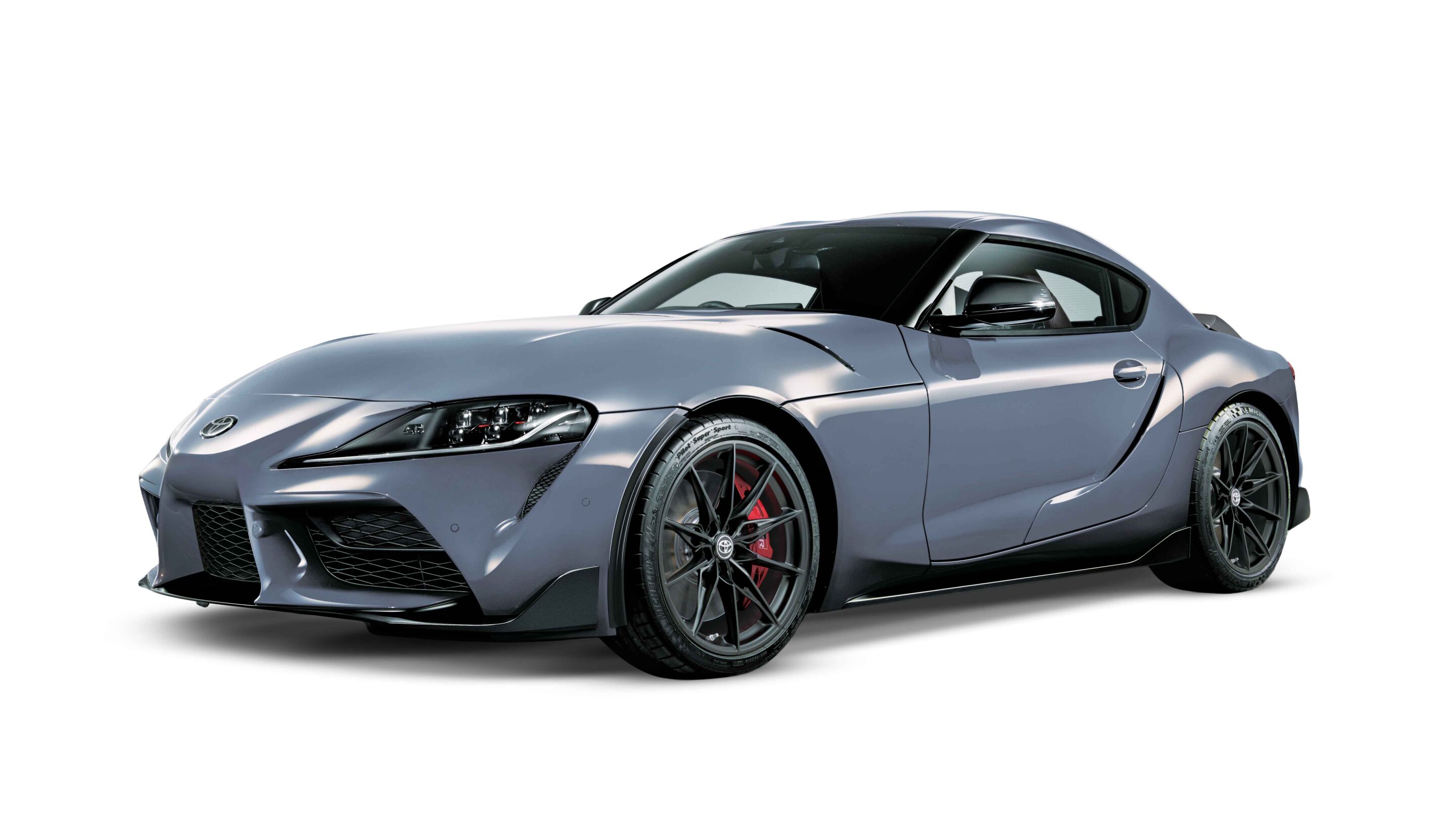
There’s no doubt that the manual Track Edition will prove to be the definitive A90 Supra, at least on these shores. Priced at $105,295 before on-roads, it still makes the same 285kW/500Nm as its lesser siblings but adds black Alcantara upholstery (a $2500 option on the GTS), beefed-up suspension, a carbon-fibre ducktail spoiler, a tweaked LSD, revised steering mapping, bigger front brakes, wheelarch aero flaps and front tyre spats.
This article originally appeared in the November 2025 issue of Wheels. Subscribe here and gain access to 12 issues for $109 plus online access to every Wheels issue since 1953.
General Motors is preparing to phase out Apple CarPlay and Android Auto across all its future vehicles – both petrol-powered and electric – as it transitions toward a unified, in-house infotainment and computing system.
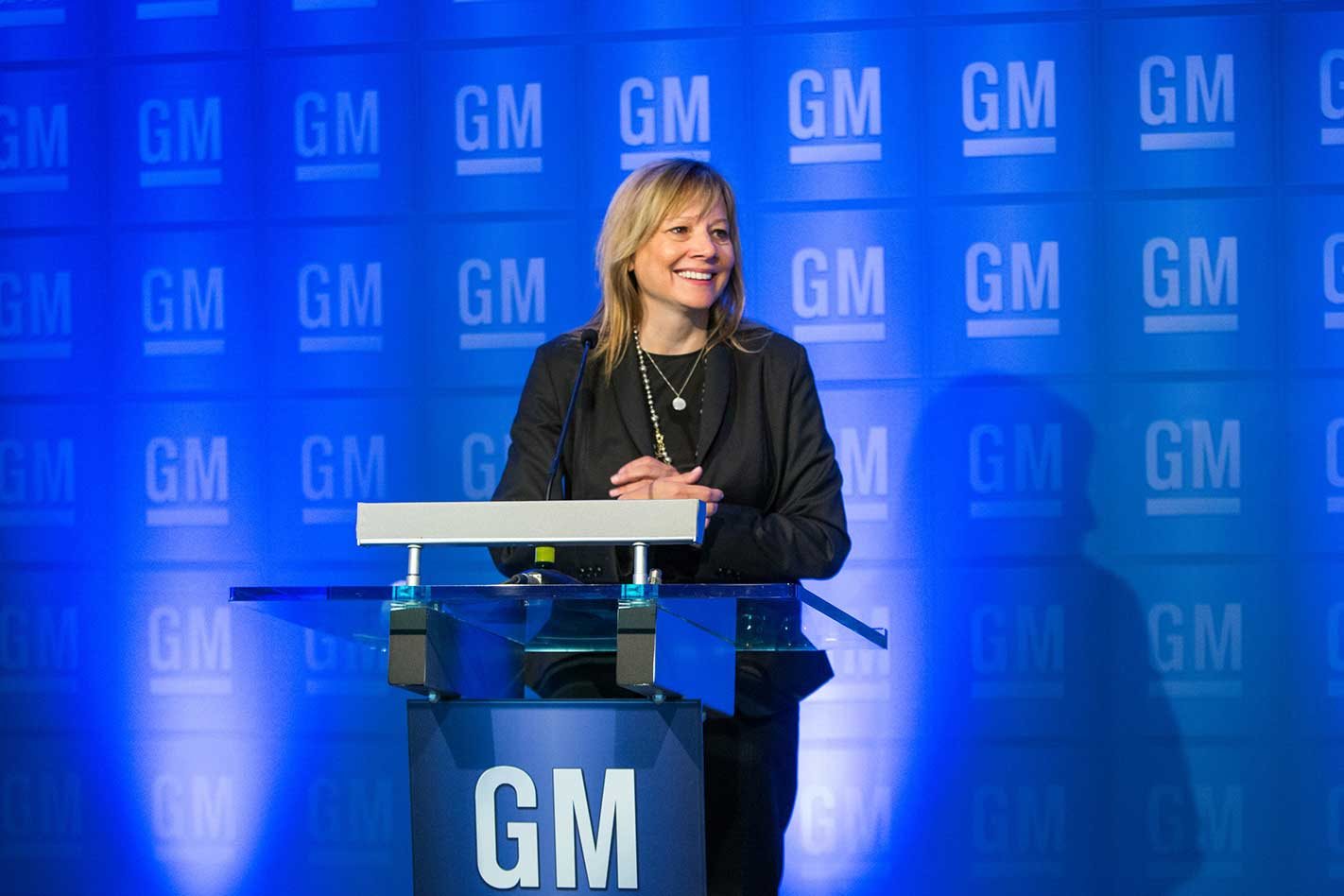
The news, revealed during a series of GM technology announcements this week and first highlighted by The Verge’s Nilay Patel in a podcast interview with CEO Mary Barra (below) and Chief Product Officer Sterling Anderson, confirms a significant shift in how GM sees the future of in-car connectivity.
Although GM has not provided an exact date, industry sources indicate that the change will begin with 2028 model-year vehicles, coinciding with the rollout of the company’s new centralized computing architecture. The first vehicle expected to feature this platform is the 2028 Cadillac Escalade IQ.

This next-generation electronic architecture will reportedly deliver huge increases in processing power, enabling advanced features such as the upcoming “hands-off, eyes-off” version of Super Cruise, GM’s semi-autonomous driving system. It will also support a wide range of software-driven enhancements compatible with both internal combustion and electric powertrains.
The move away from smartphone projection systems continues a trend GM began in 2023 when it removed CarPlay and Android Auto from its latest EVs in favor of its Google Built-In infotainment platform (based on Android Automotive OS). That decision drew sharp criticism from analysts and consumers alike. A McKinsey & Company report found that nearly half of car buyers would reject a model lacking CarPlay functionality – underscoring the risk of alienating a loyal user base.
Despite that, GM appears determined to control its digital ecosystem. Beginning in 2026, its vehicles will integrate a more conversational version of Google Gemini AI, with plans to introduce GM’s own proprietary AI voice assistant later in the decade.
The announcement also comes as Apple’s next-generation CarPlay Ultra experiences sluggish adoption. So far, Aston Martin remains the only automaker to offer it, while others have delayed rollout.
For customers who value Apple or Android smartphone connectivity, the message is clear: buy a Buick, Cadillac, Chevrolet, or GMC with CarPlay soon – because by 2028, GM vehicles will exclusively feature GM + Google on board.
In a statement to WhichCar by Wheels, a GM spokesperson added: “We are not making any changes to existing vehicles. If your car supports Apple CarPlay or Android Auto, that will continue. Both will remain available in all GM gas-powered vehicles for the foreseeable future. As we advance toward our centralized computing platform, we’ll gradually move to a better, more deeply integrated experience — a direction the broader industry is taking as vehicles become more software-defined.
“This will happen over time, not overnight. We value our collaboration with Apple and Google and remain focused on delivering experiences customers love.“
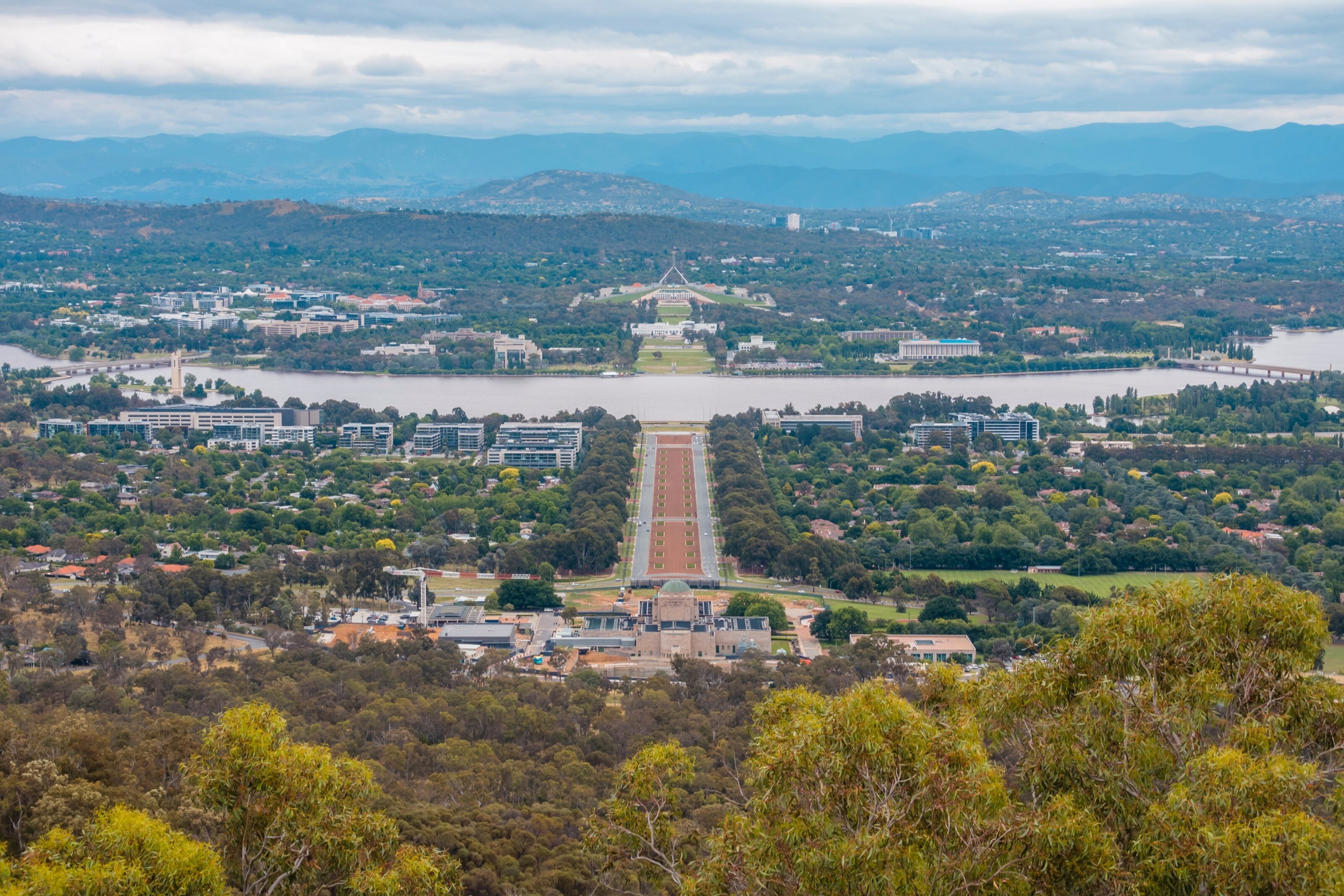
Drivers in the Australian Capital Territory are being warned to buckle up, with authorities confirming that seatbelt detection cameras will begin operating across Canberra from November 3.
The update marks the next phase of the ACT’s expanding artificial intelligence road safety program, which already detects drivers using mobile phones, speeding, or driving unregistered vehicles. From this weekend, the same cameras will also capture drivers and passengers not wearing seatbelts — or not wearing them correctly.
Under the new rules, failing to wear a seatbelt properly fastened and adjusted carries a $574 fine, while drivers can also be penalised for passengers who aren’t properly restrained.
The changes follow the unanimous passage of the Road Transport (Safety and Traffic Management) Amendment Bill 2025, which broadens the detection powers of Canberra’s mobile and fixed traffic cameras. The ACT Government says the measure supports its long-term goal of reducing serious injuries and fatalities on local roads.
“Seatbelts save lives,” said ACT Attorney-General Tara Cheyne, announcing the changes. “This isn’t just about catching offenders — it’s about raising awareness and preventing avoidable tragedies on our roads.”
The ACT’s mobile traffic detection network currently consists of three portable units and two fixed cameras. According to an ACT Government spokesperson, all five devices will now be capable of identifying both seatbelt and mobile phone offences simultaneously.
“If multiple offences take place at the same time — for example, a seatbelt breach and mobile phone use — both can be detected in one image and separate infringements issued,” Ms Cheyne said.
An explanatory note issued with the amendment confirms that drivers with medical exemptions can provide documentation directly to Access Canberra rather than to a rideshare driver or vehicle owner.
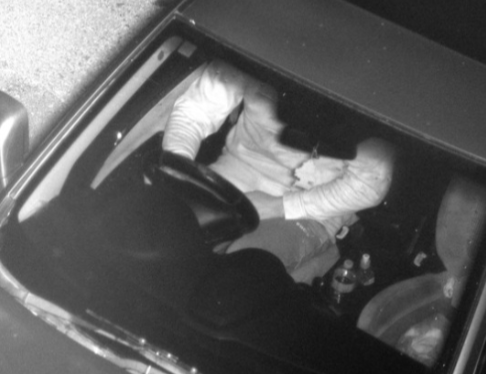
A seatbelt is deemed “properly adjusted and fastened” when the buckle is secured, the lap belt rests low across the hips, and the sash crosses the shoulder.
Road safety advocates have welcomed the initiative, saying AI-enabled cameras act as both a deterrent and enforcement tool, helping to catch high-risk behaviour that is difficult for police to monitor in real time.
The ACT Government says the expanded system is another step toward its Vision Zero strategy — eliminating deaths and serious injuries from Canberra’s roads.
