
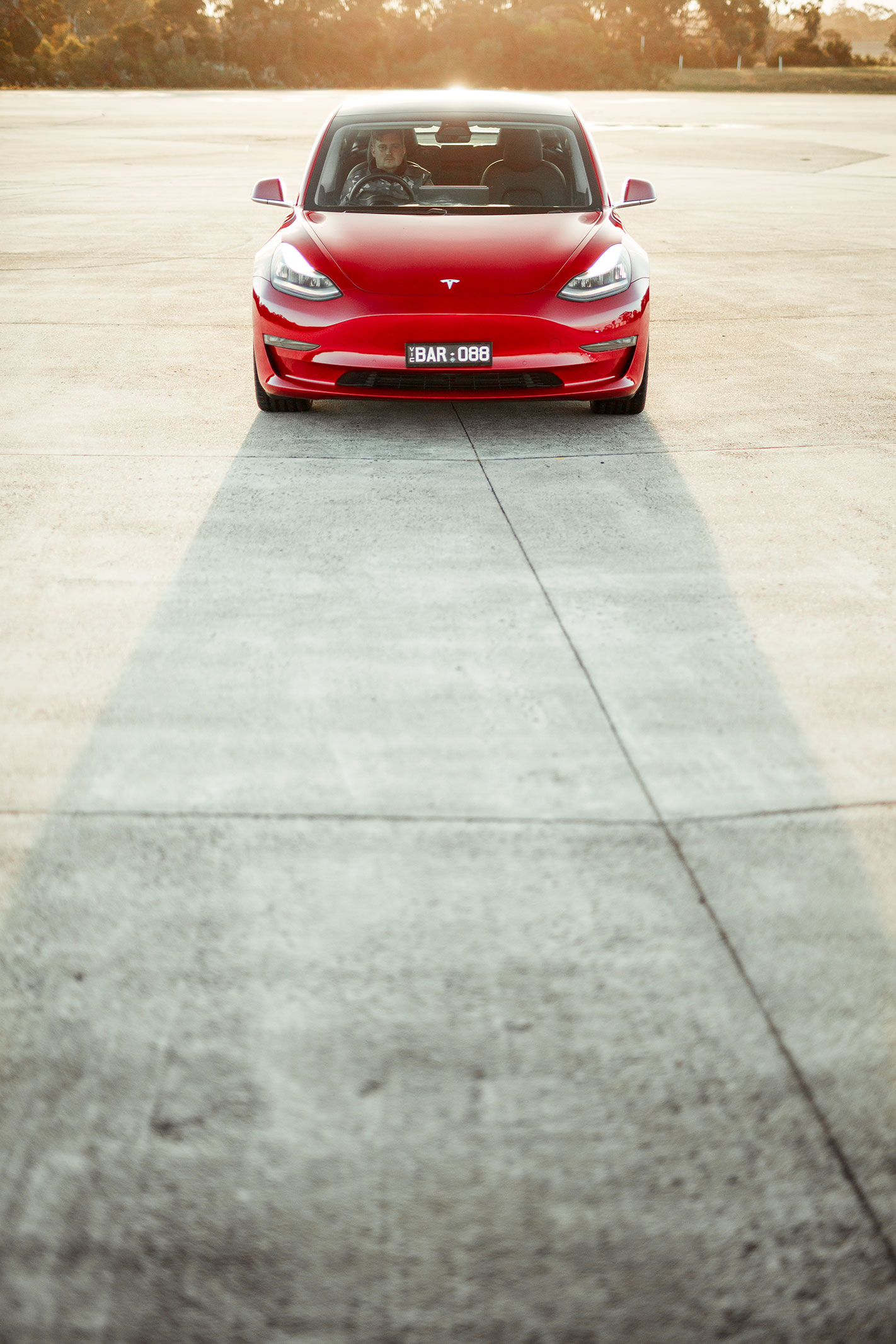
The red Tesla Model 3 Performance clawed momentarily at Lang Lang’s bitumen, then, like a slightly odd-looking aquarium fish fired from a slingshot, it flung itself to 100km/h in a scalding 3.5 seconds. That figure made it just 0.1sec slower than the fastest car in the COTY field, Porsche’s 911 Carrera S. But with the view from the Tesla a widescreen panorama across an ultra-low scuttle, the road appears closer and it actually feels faster than the German thoroughbred.
So considering that a sports sedan needs to provide suitably sporting performance, it was unanimous that the Model 3 got off to a screaming start against the Function criteria. Inwood, normally a bit of a hard man when it comes to supercar brutality, described the accelerative force as borderline uncomfortable.
He wasn’t alone. Several judges thought the Standard Plus version (powered by a single rear-mounted electric motor) was a more rounded, liveable proposition, and, with 0-100km/h in 5.3sec, one that still packs ample performance for daily duty.
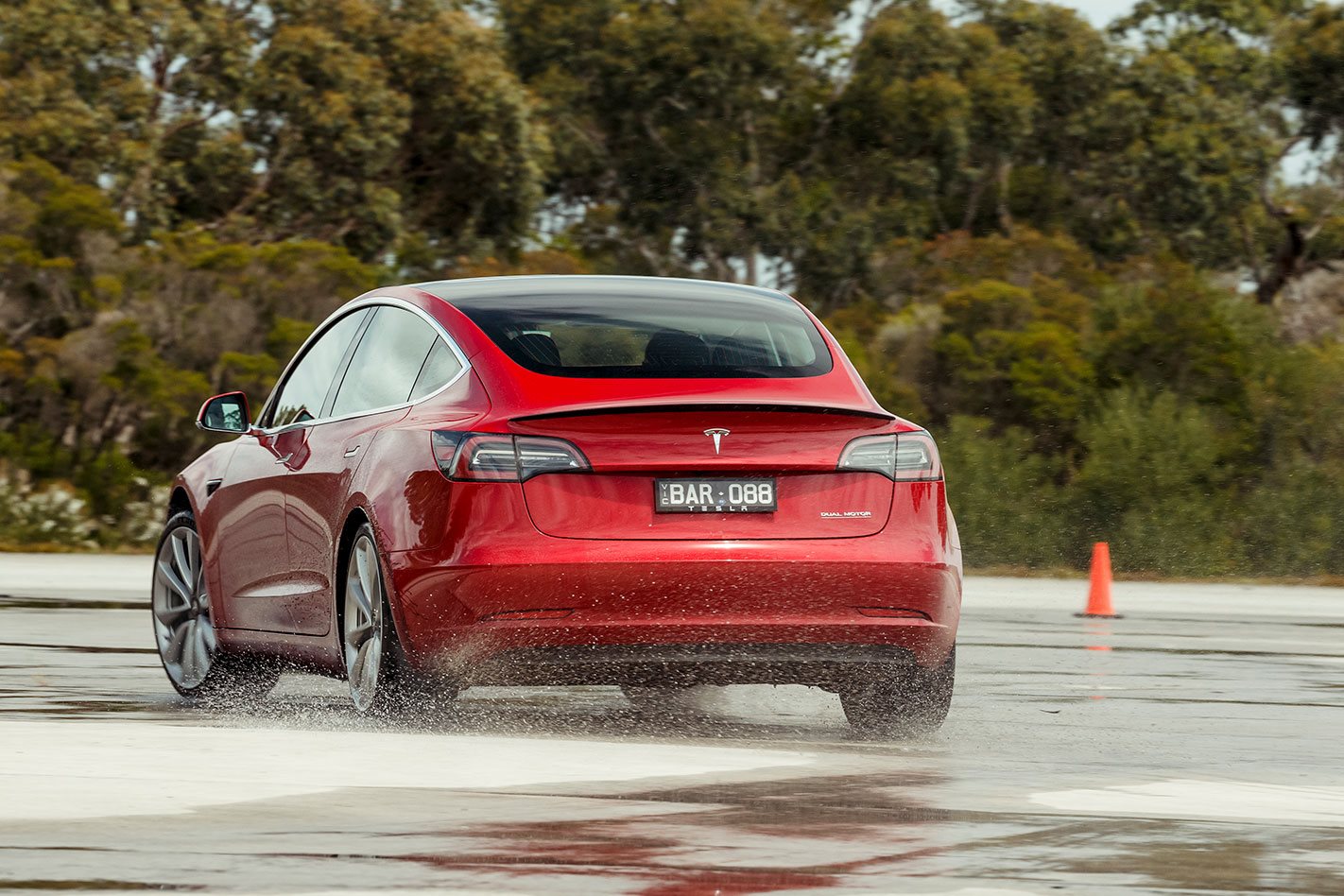
But the Performance variant is no straight-line one-trick pony. The panel was unanimous in expressing praise (and a degree of surprise) as to how thoroughly sorted its outer-limit dynamics are, and the deft calibration of its traction and ESC systems. The ultra-quick steering and flat, composed handling all brought positive comments. “Amazing pace and dynamic grace,” noted Carey. Stopping power from the Performance was equally impressive: 37.2m from 100km/h in the dry, and a mere 0.5m further when the surface was wet.
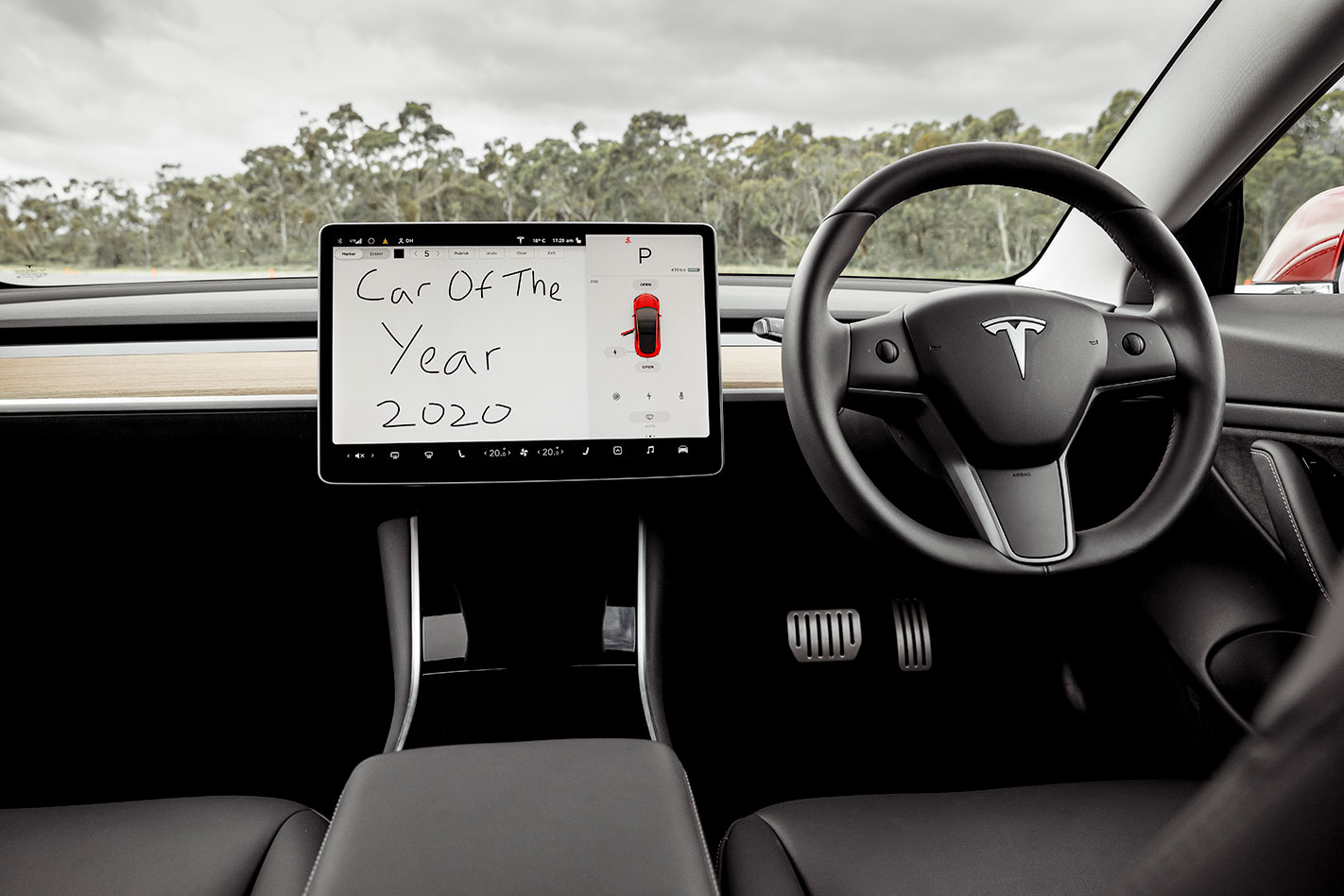
Inside, the Model 3’s ultra-minimalist dash was less well received. While there was broad acknowledgment for the single-mindedness of the interior design, pretty much all judges felt having to glance down and sideways to see the speedo, and having to reach far left to the screen to poke at a small icon to change drive modes on the move, was a fail.
Then there was a clear use of budget materials in the cabin – everything from the upholstery to the steering wheel – as well as the lack of support from the spongey, cheap-feeling front seats. “It’s the Fantastic Furniture of car interiors,” quipped Noelle Faulkner.
This all chipped away at the otherwise strong-looking value case, as the price tag of the entry-level Standard Plus – $67,900 before on-road costs – was deemed keen given the technology and performance. More than one judge noted this mid-size sedan was $18,000 more expensive than the Nissan Leaf, but a whole galaxy ahead in terms of speed, space and sophistication.
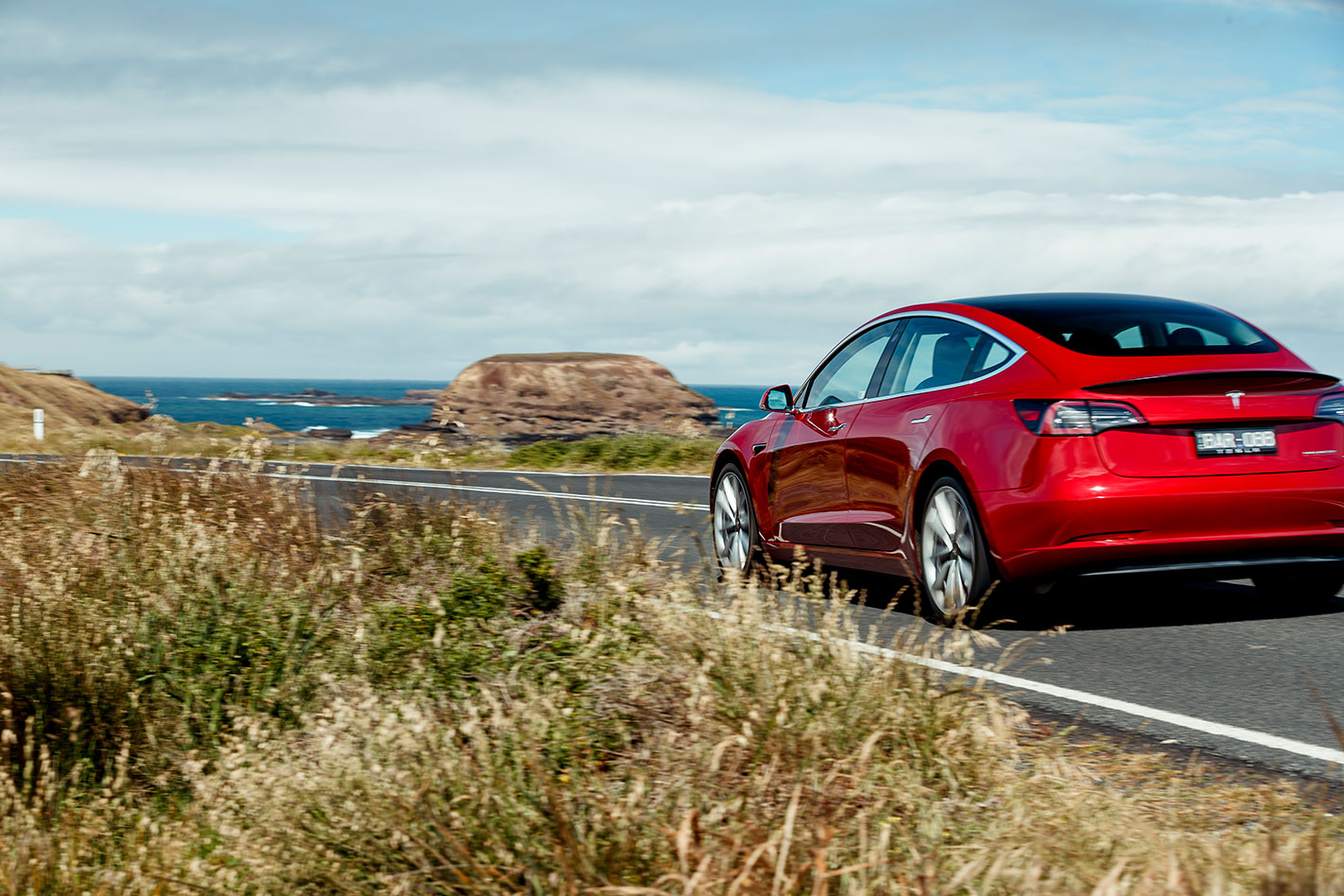
So the Model 3’s passage out of Lang Lang and through to the final five was assured. Then it survived the second-round cull that claimed the 911 and RAV4, leaving it jostling among the top three. Suddenly the Yank EV disruptor was demanding consideration as to whether it was worthy of going all the way.
No question Efficiency was on its side. Both test cars consumed around 25kWh per 100km, which makes them more efficient than, say, the heavier Jaguar I-Pace and, as an aside, would translate in energy-consumption terms to using just 2.5L/100km. The inexpensive servicing (on long intervals) and low running costs also counted in the Model 3’s favour.
But ultimately it was a steady and growing collection of let-downs, rather than a major criteria fail, that kept the Model 3 from the COTY top step. The lack of knee airbags and no rear cross-traffic alert dented its safety cred. The low-rent cabin; the rattles and squeaks on rough roads; the apparent lack of sound deadening to quell road noise – all these were deemed not good enough for a car well north of $100K on the road in Performance spec, no matter how startling its point-to-point ability.
It was Carey who nailed Tesla’s apparent hubris that may need to be addressed before the company can make the next step in quality. “They tout this message: ‘We’re going to change the way cars are made; we’re going to do it better than any of the legacy car makers’,” said Carey. “But time is proving, actually, no they can’t. They have a lot to learn.”
THE JUDGE’S SCORECARD
Function: 3.3 Efficiency: 4.9 Safety: 3.4 Technology: 3.6 Value: 3.4
TESLA MODEL 3 SPECS
BODY
Type: 4-door sedan, 5 seats Boot capacity: 542L Weight: 1612 – 1847kg
DRIVETRAIN
Layout: Rear electric motor (east-west), RWD; front and rear electric motors (east-west), AWD Motors: 3-phase AC permanent magnet synchronous (190kW/400Nm); dual 3-phase AC permanent magnet synchronous (335kW/640Nm total) Transmission: Single-speed reduction gear
OTHER
Tyres: 245/45R18 – 245/35R20 Energy consumption: 24.2kWh/100km CO2 emissions: 0g/km Prices: $67,900 – $99,412
Really, we should have known. After all, the writing was on the wall 12 months ago when the Jaguar I-Pace rocketed to the front of the pack during COTY 2019. The Jaguar’s advantage was so clear at the end of round one that deputy editor Andy Enright asked if we should all just go home.
“Do we really need another four days of testing?” he mused, only half jokingly. “I just can’t see how the I-Pace can lose.”
But lose the Jaguar did. Issues with its real-world range, various technical gremlins, plus packaging shortfalls saw the I-Pace’s seemingly unassailable lead cut away at the knees. But the stage was set. Any manufacturer who could field a comparable EV in a more complete package would surely be a shoo-in…
Enter the Mercedes-Benz EQC.
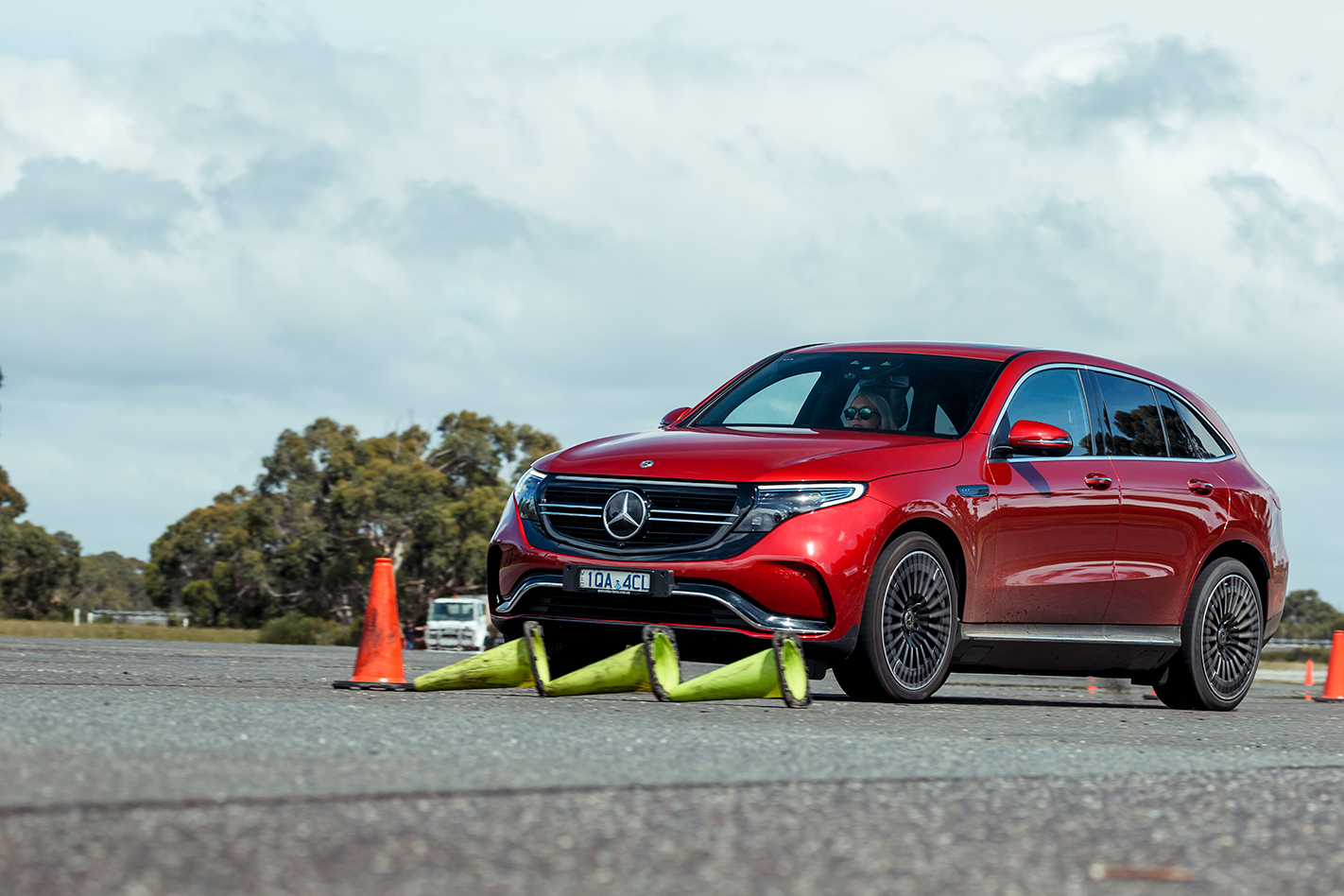
Weirdly, however, the Merc’s COTY journey couldn’t have been more different. Where the Jaguar swooshed silently and confidently onto centre stage from day one (only to wilt spectacularly under harsher scrutiny) the EQC arrived at Lang Lang carrying no such expectations. The early money was on the BMW 3 Series, Toyota RAV4 and Tesla Model 3, leaving the relatively plain-looking EQC to fade into the background. It was easy to see why.
Compared to its clearest rivals – the genre-busting and bravely designed I-Pace and Tesla Model X – the Mercedes is remarkably unadventurous. Only its subtly honed proportions, eye-catching wheel designs and unique LED light signatures distinguish it from Mercedes’ conventionally powered SUV range. And on paper, the EQC’s basic formula doesn’t exactly scream “ground-breaking innovator”, either.
Despite being 85 percent new, the EQC draws heavily from Merc’s existing ICE-powered mid-size SUV, the GLC. The two are built on the same platform, in the same factory, and share wheelbase dimensions and suspension hard points.
Some judges saw this as a clever manufacturing decision, as in these transitory times it allows Mercedes to up- or down-scale EQC production depending on demand. Others were less charitable, deriding the EQC as a halfway house. “Packaging and design is a stepping stone from ICE to EV,” quipped Byron. The fact the EQC is a whopping 420kg heavier than the I-Pace is another telling compromise evident from Mercedes’ decision not to invest in a bespoke EV platform.
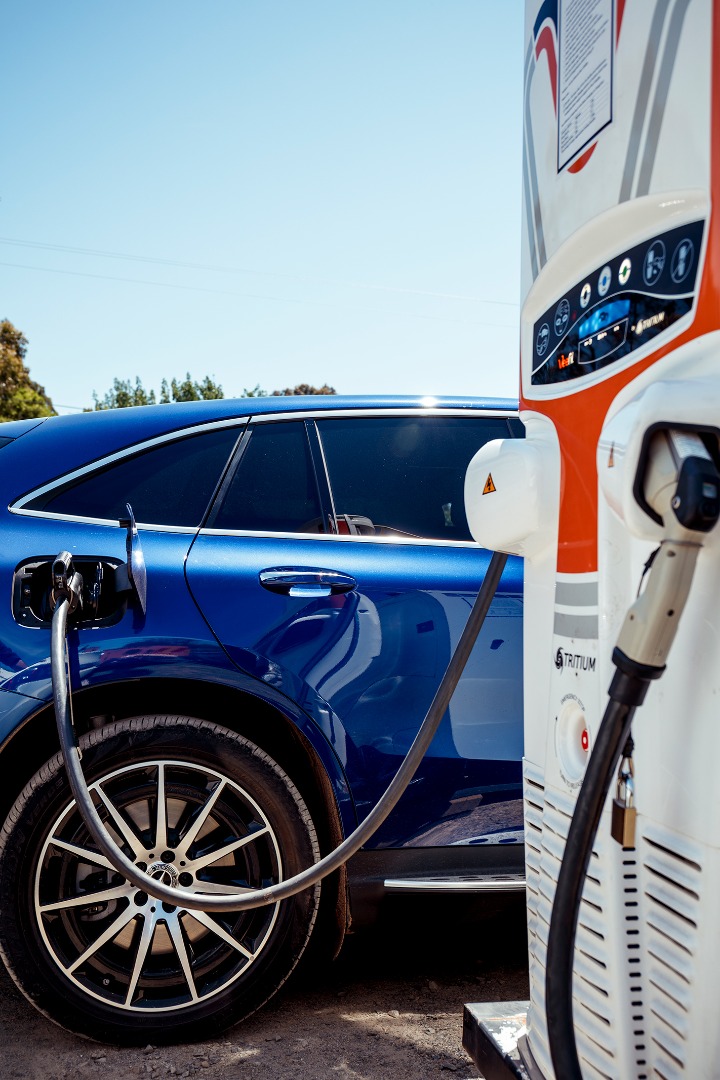
The EQC’s EV powertrain also copped some light criticism, at least initially. Utilising an 80kWh battery with twin electric motors for outputs of 300kW and 760Nm (the latter being some 64Nm more than an I-Pace), the EQC has a claimed WLTP range of 353km – a figure less than the I-Pace and Model X, but more than the yet-to-arrive Audi e-tron.
As Ash Westerman remarked: “Does this tech move the game on from the Tesla Model S and X? In terms of battery density, motors and range, they’re either on par or inferior, five years on. Is that good enough from Mercedes-Benz?”
Valid points, but then the EQC started to land some clean blows against the COTY criteria. And they landed heavily.
Efficiency is an obvious EV strong suit, and the EQC’s ability to shut down the rear motor under light loads also earned points for innovation. There were high marks for Technology too, and the EQC scored highly for Safety thanks to the standard inclusion of Mercedes’ advanced safety suite which brings adaptive cruise, lane-keep assist, blindspot monitoring, traffic-sign recognition and a 360-degree camera. A five-star ANCAP result cemented the EQC’s place as the safest car in this year’s field, with a strong
96 percent result for adult protection and 92 percent for children. The latter figure is the equal highest recorded by the safety body.

Further exploration of the rear seat also tempered any initial packaging concerns, and the (high-lipped) boot is a useful 500L.
“Great rear-seat comfort!” enthused Andy. “Vision from the back is excellent, there’s lots of knee- and toe-room, plus good seats.”
“Much better than an I-Pace’s,” agreed Ash.
Then the judges started to pound around Lang Lang’s ride and handling loop. No internal combustion engine has an answer for this level of instant torque and response. Full-bore acceleration is addictive and deceptively quick. Our 0-100km/h figure of 4.7sec beat Merc’s claim by almost half a second. And like the rest of the EQC, the performance is delivered with a cultured edge. There’s none of the unrelenting (and at times unpleasant) savagery you get from a Tesla Model 3 Performance. Instead, the EQC simply ladles on speed in effortless, muscular surges. It’s effective at washing pace off, too, despite its considerable 2480kg kerb weight. Of the two EQC 400s we had at COTY (the only difference being wheel size and tyre type), the one wearing 21-inch wheels recorded a dry stopping distance from 100km/h of 37.4m. For context, the similarly sized and significantly lighter Volkswagen Touareg recorded 38.5m.
The real highlight, however, is the softness of the chassis tune. Given the EQC’s rapid performance, there must have been a temptation to firm up the suspension (comprising struts with conventional coil springs up front, multi-links with air springs out back) to make the rest of the dynamics similarly sporty. Yet in a stroke of engineering brilliance, the chassis team fitted long-travel dampers and relatively soft springs. The result is the best-riding Mercedes-Benz SUV bar none.
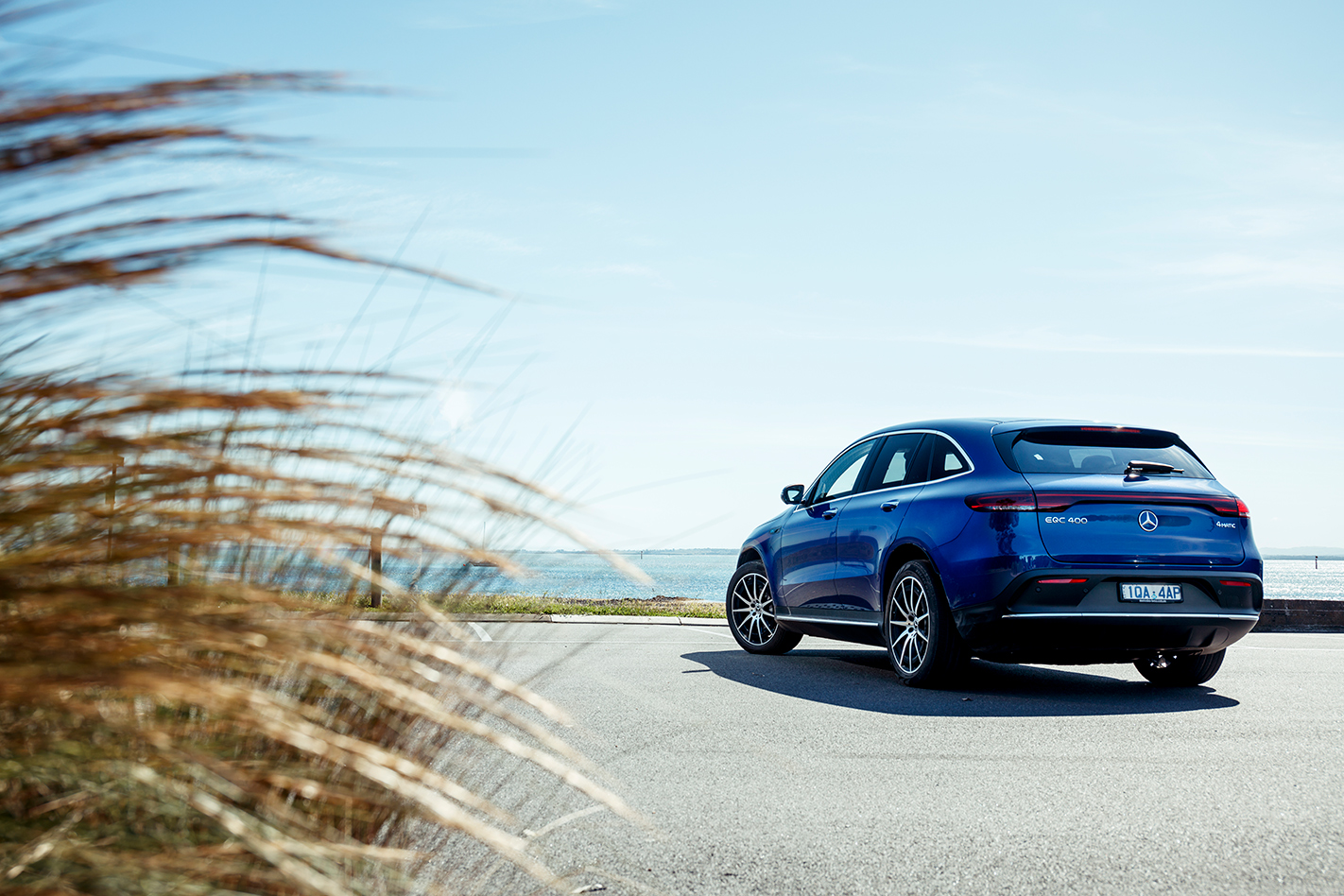
“Soft, but not sloppy,” noted Carey. “Brilliant wheel control. The best ride of any vehicle at COTY this year.”
Better yet, this overriding suppleness is paired with excellent body control to create a ride/handling balance that isn’t only comfortable, but also fluid, responsive and decently agile. Only the 911 and Tesla Model 3 topped the EQC for unfussed and planted changes of direction through the lane-change exercise. Couple this with deftly calibrated electronic safety systems and five levels of genuinely useful braking regeneration (which can be easily adjusted on the fly via wheel-mounted paddles from heavy regen to coasting) and the EQC delivers a driving experience that is both comfortable and engaging. Strong scores for Function, then.
Refinement is top drawer, too. Mercedes has been fastidious in its elimination of noise and vibration pathways – a prime example is a double bushing system that isolates the electric motors from the subframe and then the subframe from the body – and this attention to detail has produced one of the quietest cabins on sale. Only some wind rustle from the exterior mirrors above 100km/h mars the EQC’s eerie tranquillity, leaving the Mercedes in a class of its own compared to the other EVs at COTY for cabin refinement, especially when it comes to isolating tyre roar.
The EQC also neatly sidestepped the range pitfalls and system glitches that destroyed the I-Pace’s 2019 chances. Our official road-loop consumption average was 30kWh/100km. Further real-world testing saw that figure hover in the low 20s during less spirited driving. Customers will easily extract 340km from a full battery.
“Simply one of the most complete and competent vehicles I’ve ever tested on the COTY route,” wrote Byron. “Just so deeply impressive.”
Consensus can be hard to achieve at Wheels COTY, yet the EQC was anything but divisive. It was the only contender to score a unanimous vote from the judges in rounds one and two, and only one judge voted against it when deciding the winner. That last vote tallied six for the EQC and one for the Tesla Model 3.
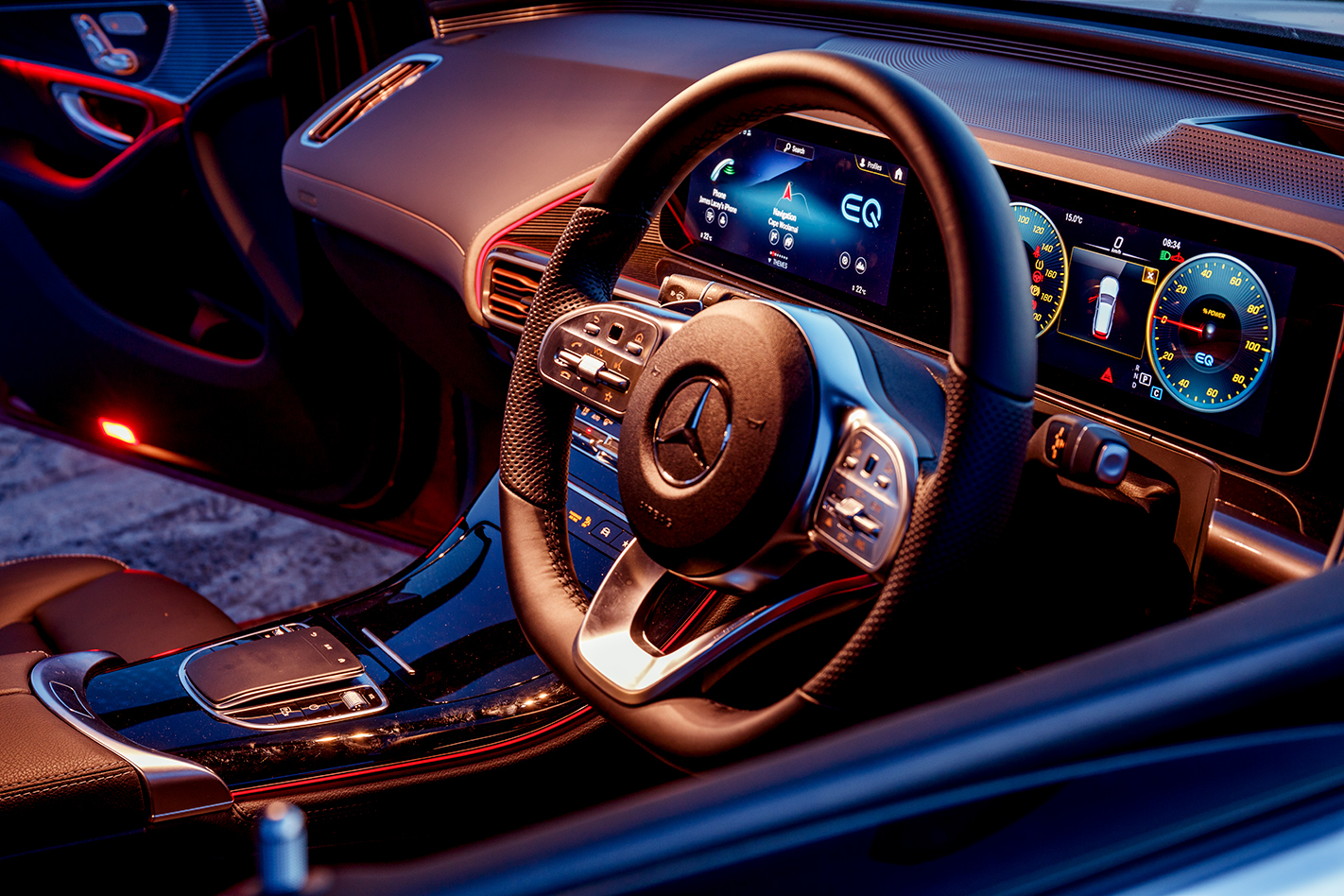
The only real point of contention came when discussing the EQC’s value proposition. In typical Mercedes Australia style, our EQCs arrive bursting with standard equipment, including the aforementioned safety gear, AMG body styling and a richly specced interior. Customers also gain five years of free charging on the Chargefox ultra-rapid network.
Yet there’s no escaping that the EQC’s $137,900 price tag is a significant ask, which dilutes its outright value proposition. Measure the EQC against its direct rivals, however, and the equation is easier to swallow. A Tesla Model X Long Range is both more expensive ($152,842) and not as richly equipped. And while an I-Pace has a lower initial asking price ($124,100), you need to spend north of $145K to achieve a similar spec level to the EQC. Viewed this way, most judges reasoned the Mercedes represents decent value.
So what does the EQC tell us about the future of driving in Australia? It tells us that it can be fast, luxurious and quiet.
That our gradual but inevitable transition from ICE to EV can be not only painless, but beneficial, both to the environment and to the task of day-to-day driving. But here’s the thing: the fact that the EQC is electric isn’t what clinched it the title. Regardless of its powertrain, the EQC’s fundamental strength is that it’s an excellent luxury SUV. It rides with surprising suppleness, it’s as quiet as a church mouse, and it delivers a level of polish and completeness that has been lacking from any Mercedes SUV that’s gone before it.
And crucially, it isn’t a moonshot. Wheels has never shied away from making brave decisions at COTY that applaud innovative thinking – the BMW i3 leaps to mind – but where that car felt ahead of its time, the EQC is an EV for the now. Sure, its powertrain tech might be industry standard rather than cutting edge, but nor does it feel like an experiment pitched at a reality years into the future. This is an SUV that affords no excuses or apologies, and one that finally refines the EV formula to such a polished degree that there are no sacrifices to the levels of quality, luxury and useability customers expect at this price point. And that, dear reader, is the masterstroke that’s been missing until now.

THE JUDGES’ COTY SCORECARD
Function: 3.8
Efficiency: 4.8
Safety: 4.0
Technology: 4.0
Value: 3.4
MERCEDES-BENZ EQC SPECS
BODY
Type: 5-door SUV, five seats
Boot capacity: 500L
Weight: 2480kg
DRIVETRAIN
Layout: Front and rear electric motors (east-west), AWD
Motors: 3-phase AC permanent magnet asynchronous (300kW/760Nm)
Transmission: Single-speed reduction gear
OTHER
Tyres: 235/50R20 – 255/40R21
Energy consumption: 21.4kWh/100km
CO2 emissions: 0g/km
Crash rating: 5-stars (ANCAP)
Price: $137,900
Last night saw the Australian motoring industry descend upon Flemington Racecourse to witness the 2020 Australian Motoring Awards. It’s the night the Australian automotive has been waiting for, with WhichCar, Wheels, Motor and 4×4 Australia joining VIPs of the motoring industry to present four of the country’s most coveted automotive awards.
Not even a trademark Melburnian heatwave could dampen the spirits of the 270-odd attendees, and the excitement levels stayed high from the moment the Jeep Wrangler leapt onto the stage as the winner of 4×4 Of The Year, right up until the Mercedes-Benz EQC – the 2020 Wheels Car Of The Year – rolled off, flanked by a wall of fireworks.
For a taste of what it was like to be there, and to view a ‘who’s who’ of Australia’s motoring media and industry, click through our gallery above.
The winners…
2020 WhichCar Style Award winner
The 2020 4×4 Of The Year is…
Tune in to our social feeds to check out the party!
WhichCar Facebook, Instagram
Wheels Facebook, Instagram
Motor Facebook, Instagram
4×4 Australia Facebook, Instagram
Bigger fines for people using their phones while driving or riding come into effect from tomorrow in Queensland, with the maximum penalty set to become the biggest in the country for distracted drivers.
Incur the maximum fine and you’ll be slugged $1000 and see four demerit points cleaved off your licence. The previous fine was $400 per offence.
It’s a harsh penalty given South Australia had the previous highest fine at $534 per offence, but it’s a move the Queensland Police say has become necessary to discourage what they see is a rising problem of distracted driving.
According to Queensland Police, around 25 people die on the state’s roads per year in accidents where distraction is a contributing factor. On top of that, 1300 people become hospitalised in Queensland every year in distracted-driving accidents.
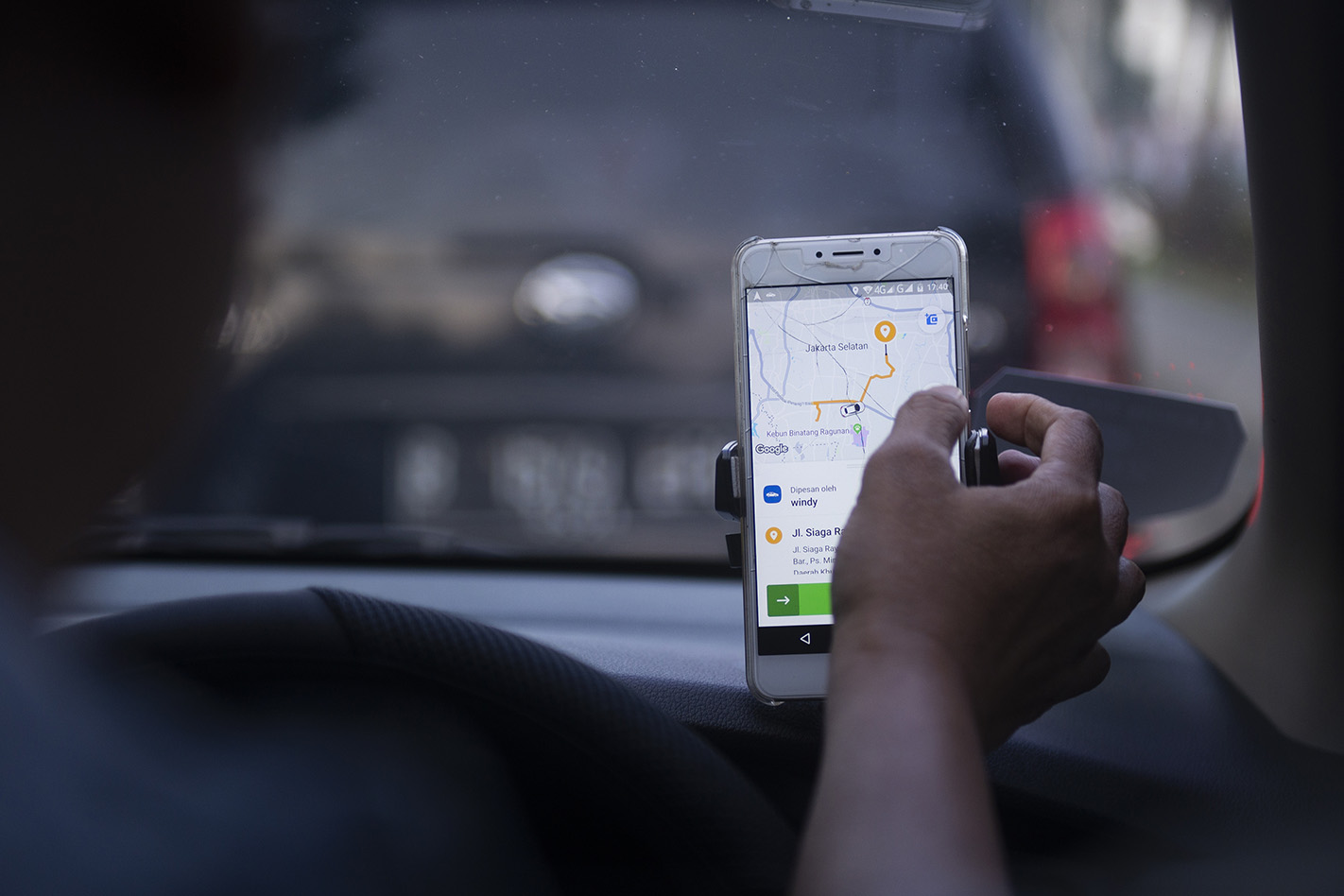
“People are literally killing themselves and killing others because they can’t keep their hands off their phone,” said Queensland Transport Minister Mark Bailey last year, when the increase in phone penalties was first tabled.
“Governments across Australia introduced random breath testing, increased penalties, and slashed the legal blood alcohol limit. While some complained at the time, these reforms saved thousands of lives, with the road toll falling from 638 in 1973 to 245 last year.”
Double-demerits apply for drivers committing a second offence within 12 months of their first, along with another $1000 fine. That means you could lose your licence AND two grand just for touching you phone a grand total of two times while behind the wheel.
What’s more, the penalty applies to other road users, with motorcyclists, scooter riders and cyclists all facing the same penalty for using phones while on the road.
Crushing completeness, surprising suppleness and ripping refinement. These are just a few of the attributes that contributed to the fully electric Mercedes-Benz EQC winning the 2020 Wheels Car of the Year award.
This EV, the panel of seven judges agreed, was a premium family SUV that demanded no real concessions in terms of operational ease, comfort, performance, build quality, nor safety.
But before we delve further into its winning attributes, let’s deal with likely criticisms and potential shortfalls.
Yes, its price tag of $137,900 is a hefty one, so this is not an ‘everyman’s’ family wagon. But in the context of its competitor set – specifically, the Jaguar I-Pace and Tesla Model X – and its high level of standard equipment, the judges were convinced that the EQC represents solid value.
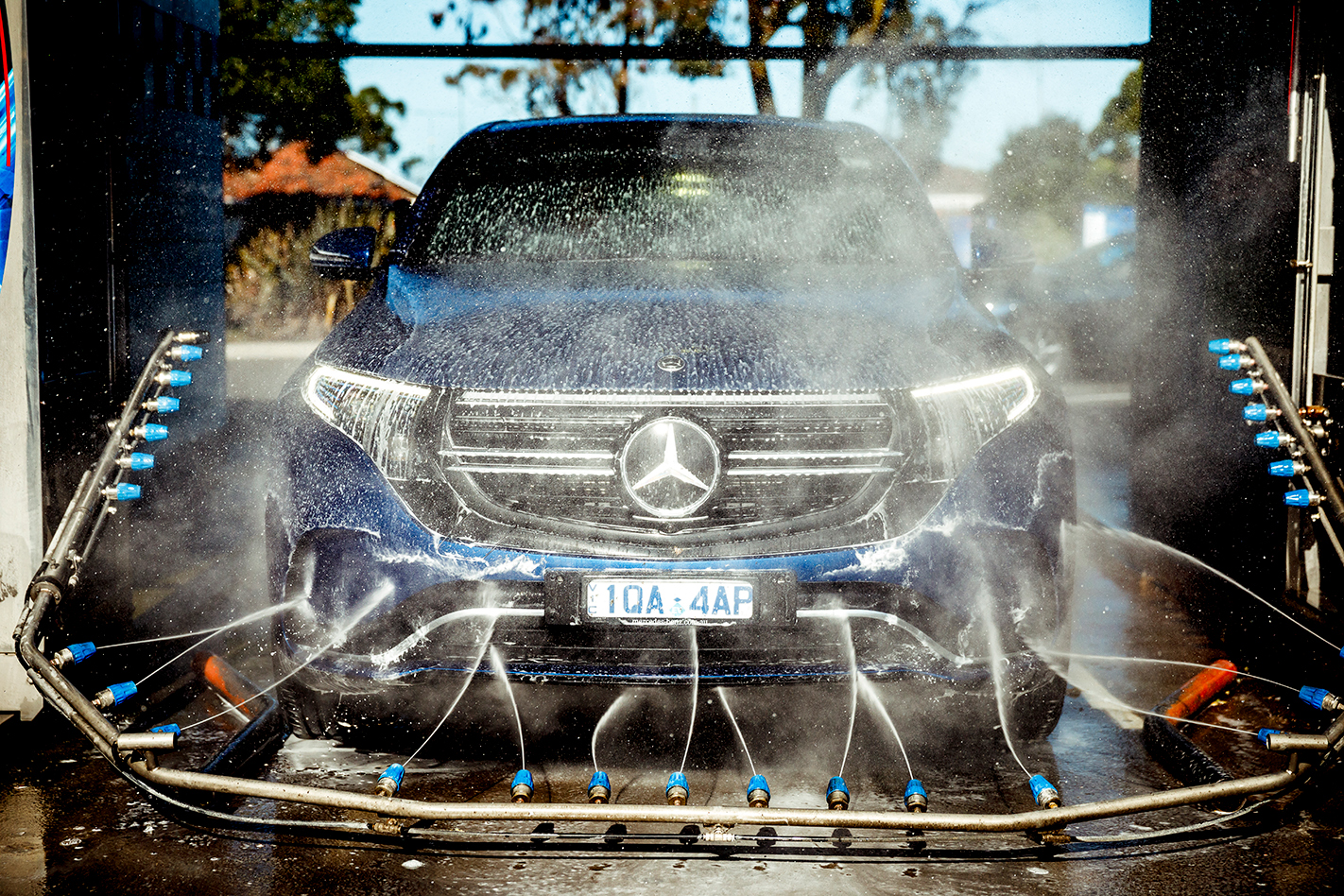
Be reminded too, that Wheels’ COTY aims to recognise automotive excellence, not just reward relative affordability.
“It’s by some margin the best SUV Mercedes has ever made” said veteran judge Byron Mathioudakis.
Compared to those two aforementioned rivals from Jaguar and Tesla, the design of the Mercedes is quite conventional. Downsides? It’s heavier, and doesn’t maximise the potential packaging advantages that the electric powertrain offers. But in the real world, its cabin provides ample space for a family of five and luggage, while its extra weight isn’t the handicap to performance or consumption that it may appear on paper.
As for the EQC’s EV powertrain, it could be argued that it’s not a radical game-changer in terms of outputs, battery density or range. Utilising an 80kWh battery with twin electric motors for outputs of 300kW and 760Nm, the EQC has a claimed WLTP range of 353km – a figure less than both the I-Pace and Model X, but more than the yet-to-arrive Audi e-tron. Our official road-loop consumption average was 30kWh/100km with spirited driving conditions. Further real-world testing saw that figure settle in the low 20s with more representative daily use. Customers will easily extract a driving range of 340km from a full charge, which will be ample for the vast majority in this segment.
Then there’s the EQC’s instant torque and eager response as it piles on speed in an effortless, muscular, near-silent surge. Full-bore acceleration is deceptively quick; our 0-100km/h figure of 4.7sec beat Merc’s claim by almost half a second.
The other dynamic highlight is the suppleness of the chassis tune. With the long-travel dampers and relatively soft springs, it was agreed that this the best-riding Mercedes-Benz SUV bar none. “Soft, but not sloppy, with brilliant wheel control,” noted judge John Carey.
And did we mention it’s quiet? Only some wind rustle from the exterior mirrors above 100km/h mars the EQC’s eerie tranquillity, Tyre roar, which is a major shortcoming on the Tesla Model 3 (along with a pervading sense of cheapness for everything from seats, to trim, and build quality) is brilliantly supressed in the Mercedes.
“Simply one of the most complete and competent vehicles I’ve ever tested on the COTY route,” stated Byron. “Just so deeply impressive.”
Themes that were echoed by the other judges, as the EQC quietly glided to near-unanimous COTY victory.
After a 12-year hiatus, Mercedes-Benz once again has ownership of the Wheels Car of the Year trophy with its all-electric EQC.
Somewhat of a surprise packet, the seven judges deemed the Merc EV as the cream of the 31-car crop for 2020.
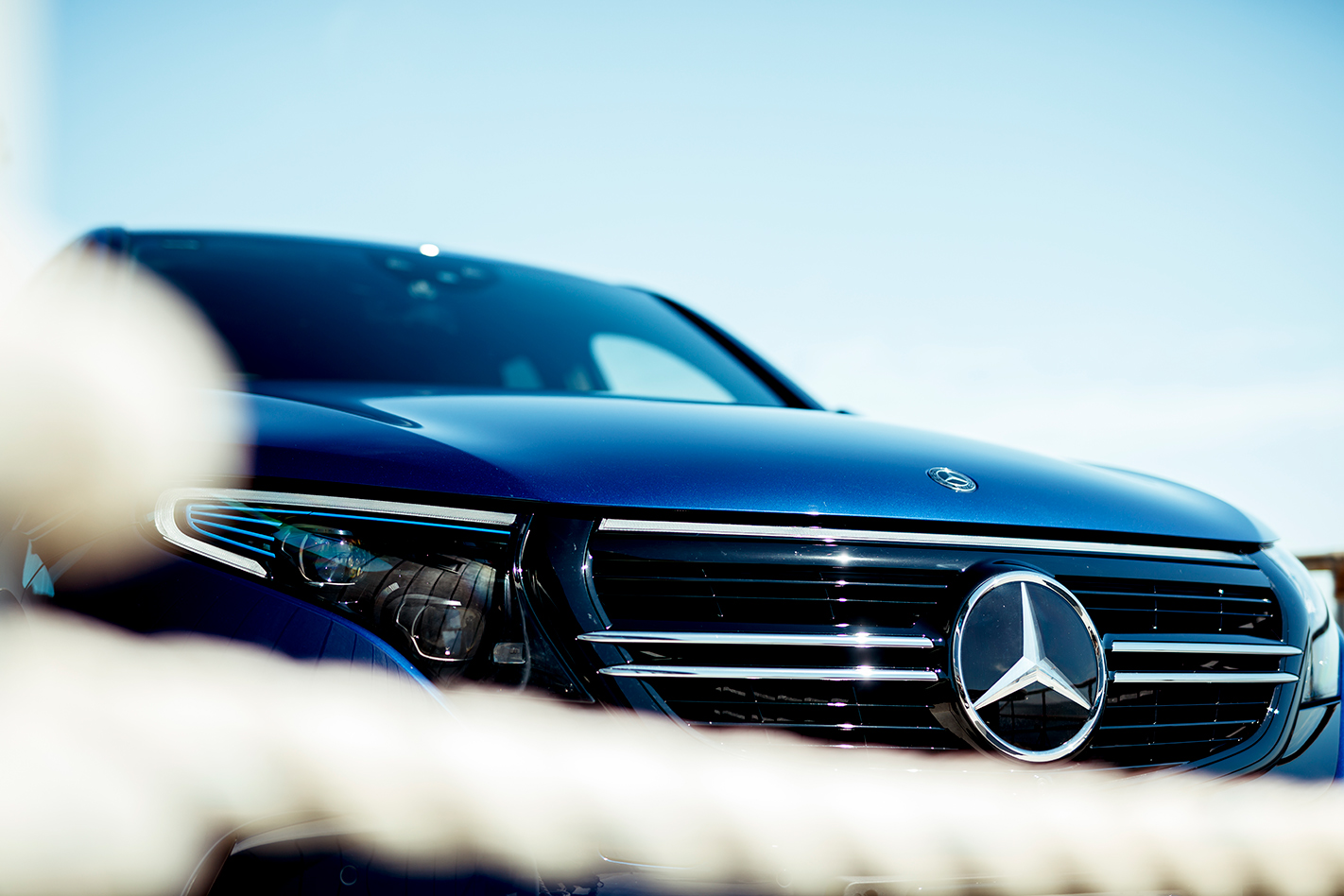
Where other EVs have failed at the final hurdle with range issues (think Jaguar I-Pace), the Mercedes proved it could all-but match its WLTP claim of 353km, while cocooning its occupants in traditional Three Pointed Star luxury.
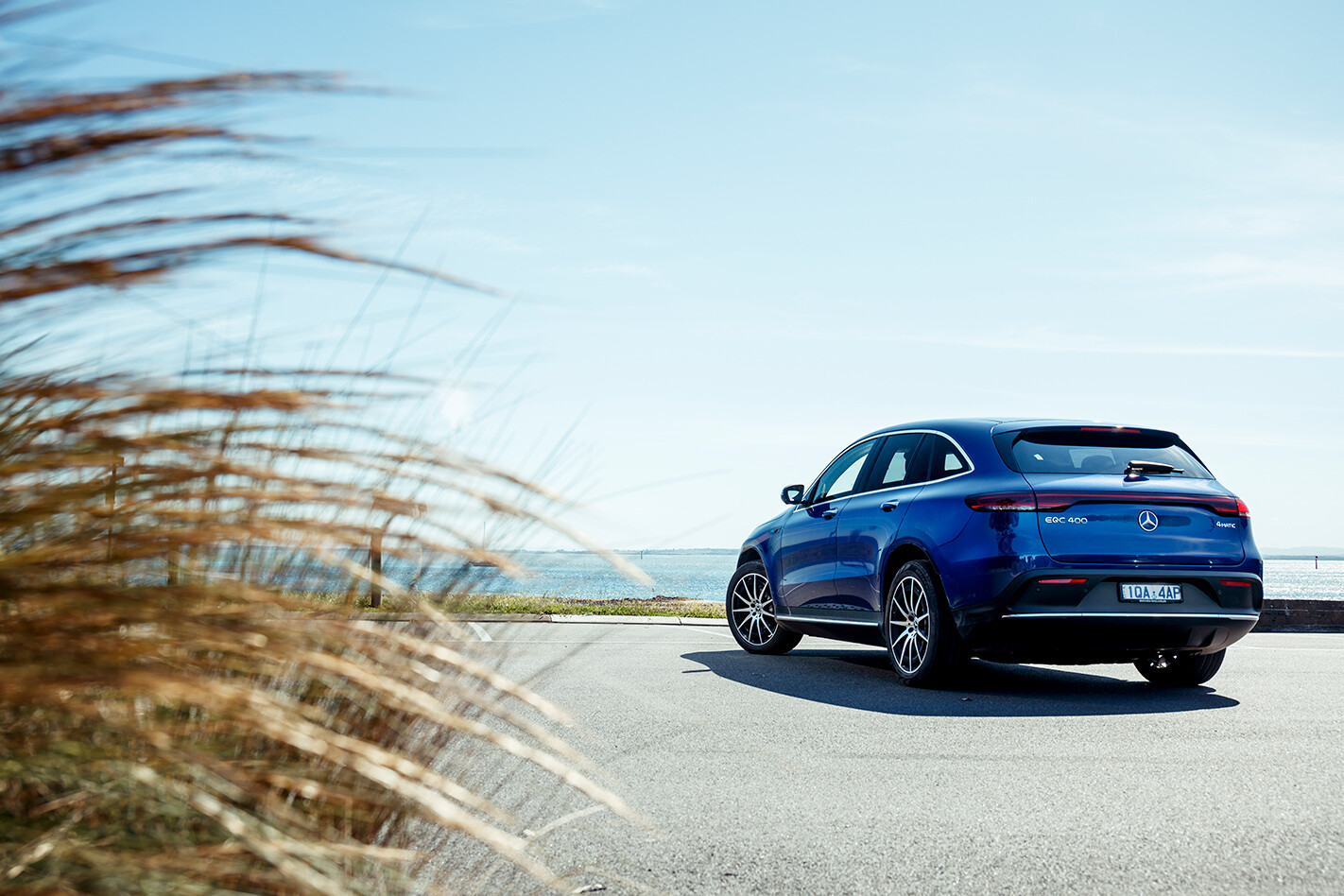
However, the crucial factor that got the EQC over the line is its normalcy in the face of futuristic technology – this is an EV without compromise.
There’s no quirk, apart from some space-age displays and design elements, while the SUV practicality remains. One judge went as far as to say that the EQC is the best SUV Mercedes-Benz makes.
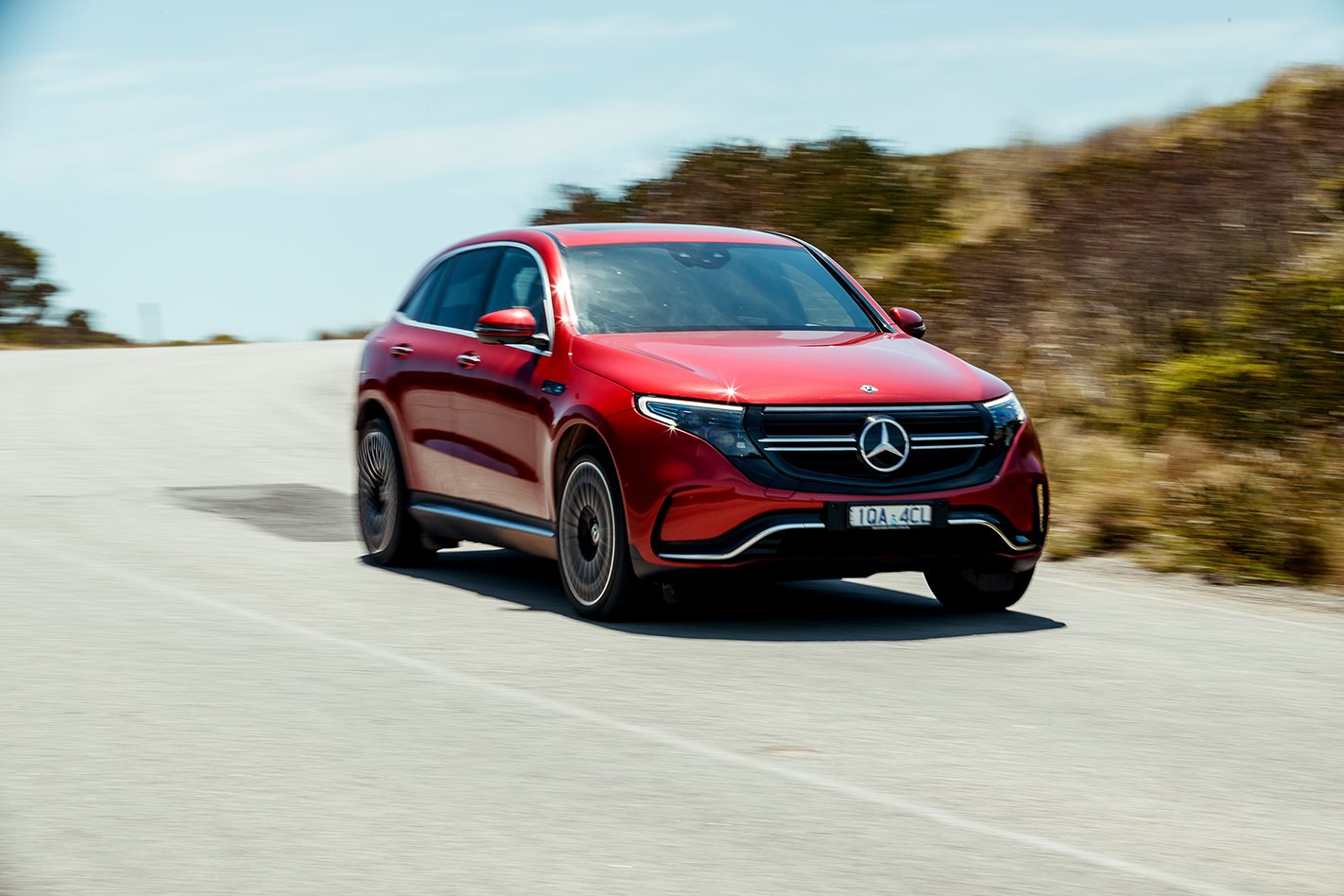
That rhetoric slowly became commonplace on the eight-day test as the EQC kept ticking COTY criteria, sneaking its way into the judges’ final reckoning among a group of heavy hitters.
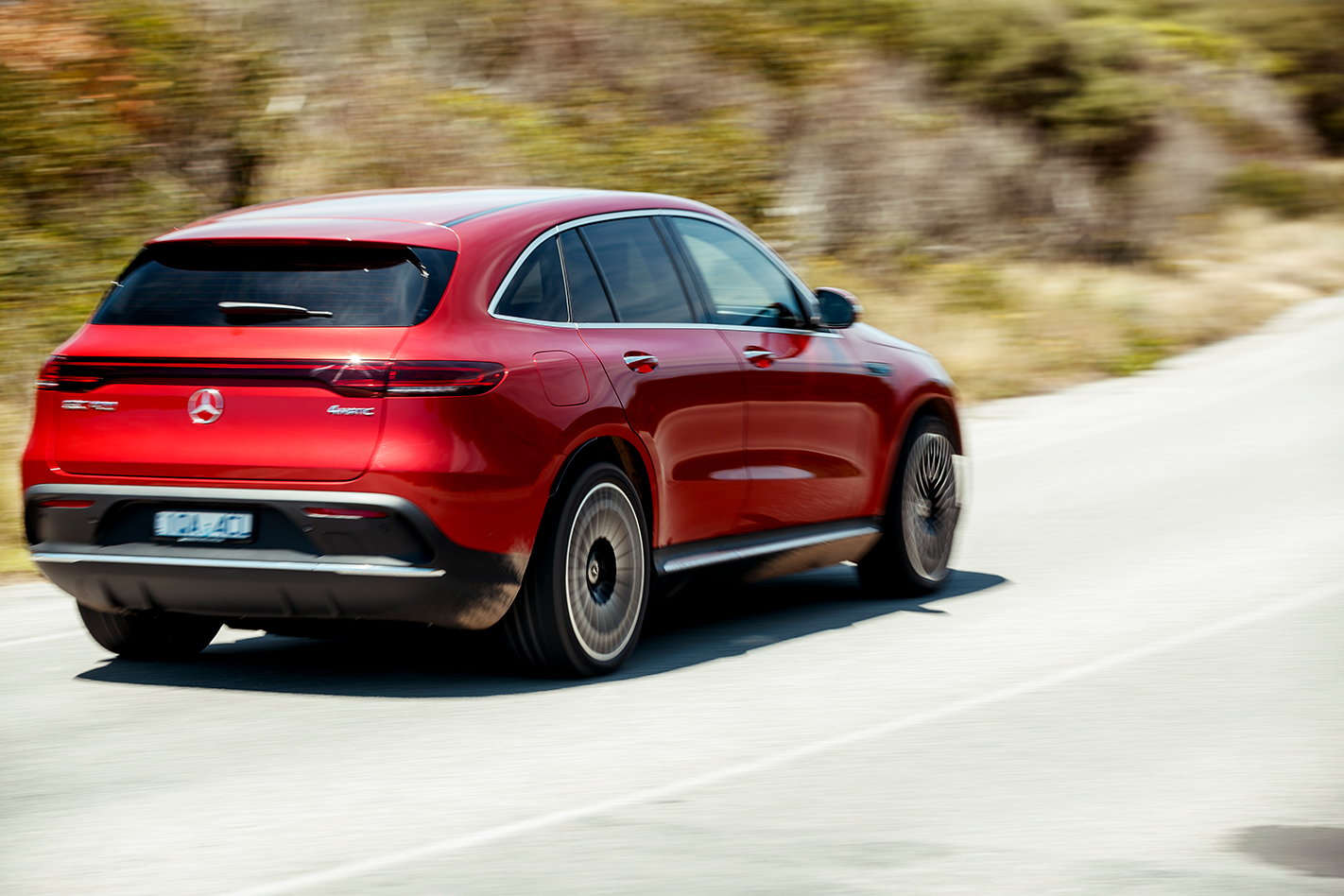
And by then, most were enamoured with the Mercedes-Benz EQC as it continued to impress on the open roads of country Victoria, just as it did at Holden’s Lang Lang proving ground.
Interestingly, the EQC is the first winner to be completely sans an internal-combustion engine. The Honda CR-Z utilises a hybrid powertrain (and with a manual gearbox), while the BMW i3 was offered with a range-extender variant when it won in 2014.
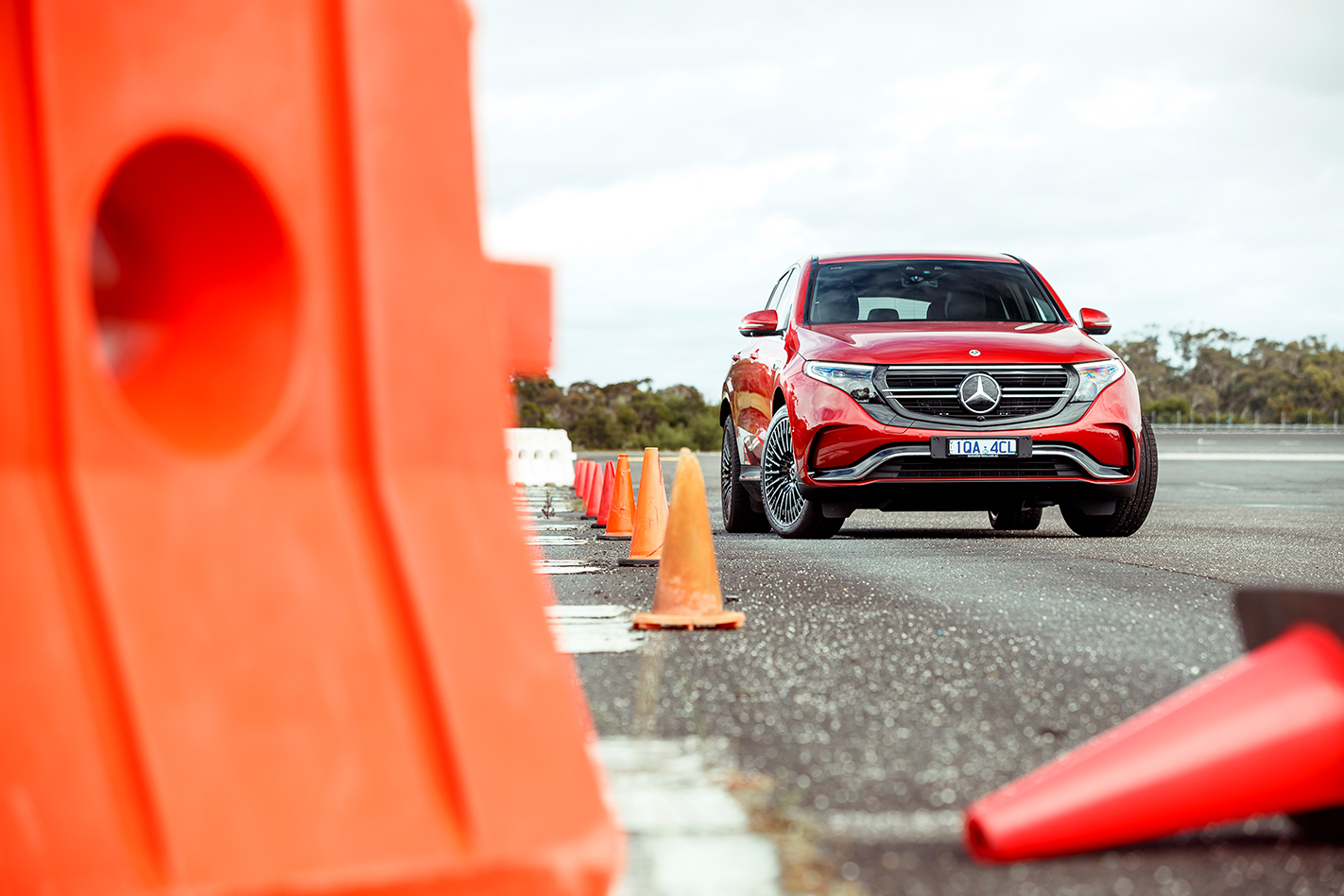
For a full rundown of the how and why the EQC became the 2020 COTY winner, check out the next issue of Wheels magazine, on stands from February 3.
Elon Musk is the very definition of that most overused of corporate doublespeak terms, the disruptor. It’s his reason for getting up in the morning.
Sending rockets to Mars? Reinventing the banking system? Totally upending the very paradigm of car manufacturing? For Musk, that’s just a regular Tuesday.
It’s this renegade attitude that resulted in the Tesla Model 3, a project that’s been on Tesla’s drawing board since the company began in 2003. The premise? A simple, affordable electric car that’s accessible to everyone.
Musk once said that the “auto biz is hell,” acknowledging that the real-world compromises required to bring to the Model 3 to life have been harder to overcome than he thought.
That original premise has dictated its design; while the overall aesthetic is in line with the Model S and Model X, the 3 is designed with one eye on the final price and the other on ease of use. It’s a tricky balance to get right.
However, the final design – penned by US-born Franz von Holzhausen, whose previous credits include the Pontiac Solstice – is a nod to the present, an acknowledgment of simpler times and a cheeky wink to a future where style will always be in fashion.
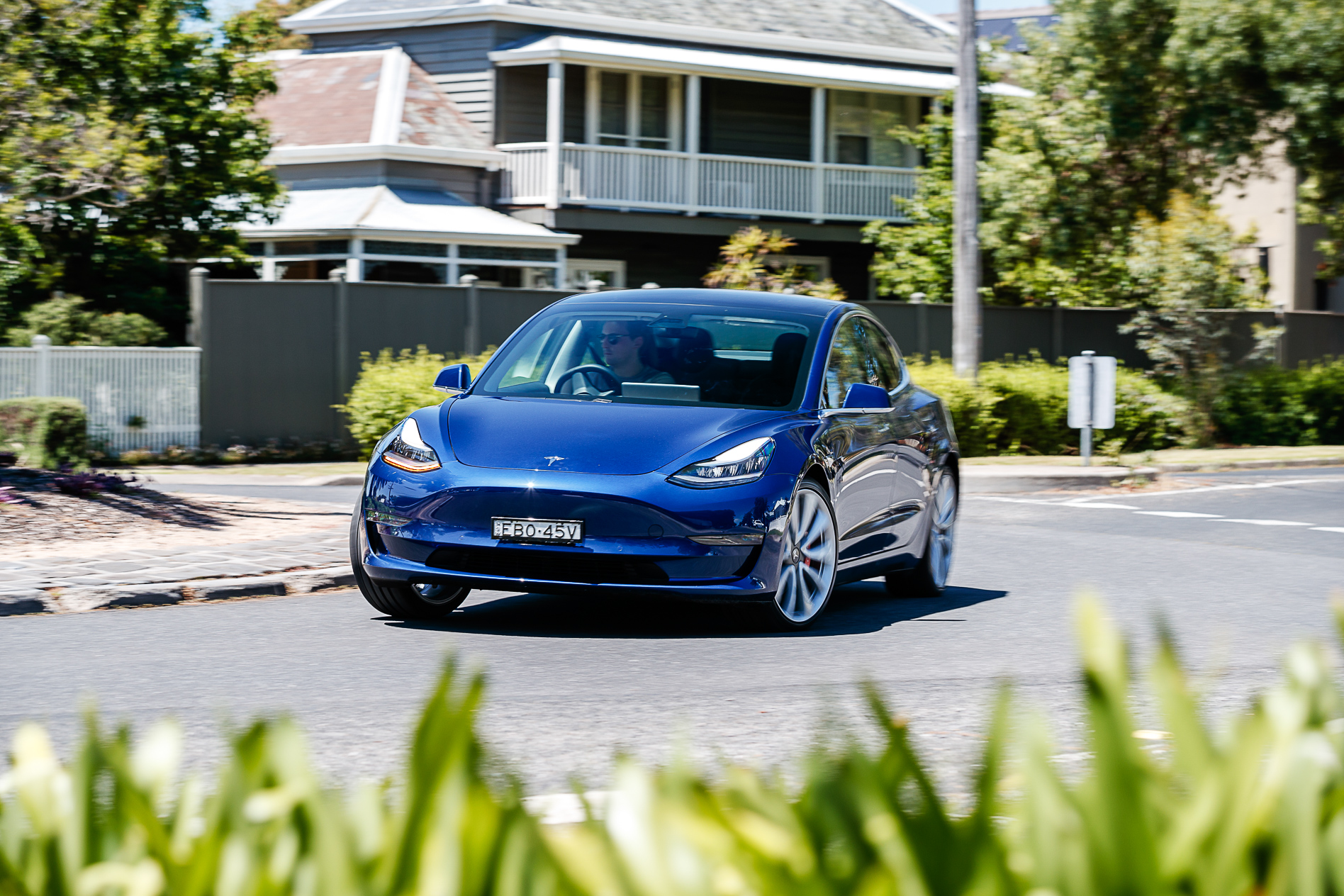
Classic proportions are intersected with new-world solutions, like the huge panoramic windscreen and boot-lidded fastback design.
The front end is unapologetically Tesla, proudly eschewing any frame of reference to engine cooling or convention with its smooth snout, but the rear three-quarter design is bound by the requirements of people and luggage.
Inside, too, the shocking simplicity of the barren interior is offset with futuristic seat design and that all-pervading portrait-aligned touchscreen.
The 3’s price may be higher than the figure he first conceived, but the Model 3 has people talking about electric cars like no other in the history of EVs – and not just car nerds, either.
“As a mass-market car, Tesla has played it pretty conservatively,” notes Paul Beranger.
“It’s a BMW 3-Series competitor, a Mercedes-Benz C-Class competitor, so it can’t move too far from customer expectations.”
The renowned auto designer also noted that the design of this car is “very, very simple.”
“It’s very clean, which is very much a Tesla signature,” he says. “The interior carries over that exterior simplicity in spades.”
WhichCar Style Award 2020: the finalists
Our judging panel is briefed to review each finalist through the prism of design, technology and innovation. It’s fair to say that the very notion of the Model 3 challenged our panel early on, with many struggling to reconcile the hype with the Deep Blue metallic reality parked quietly in Canvas House.
“It’s totally bipolar, this car,” says judge and real estate disruptor Marty Fox. “It’s a combination of hectic and plain.”
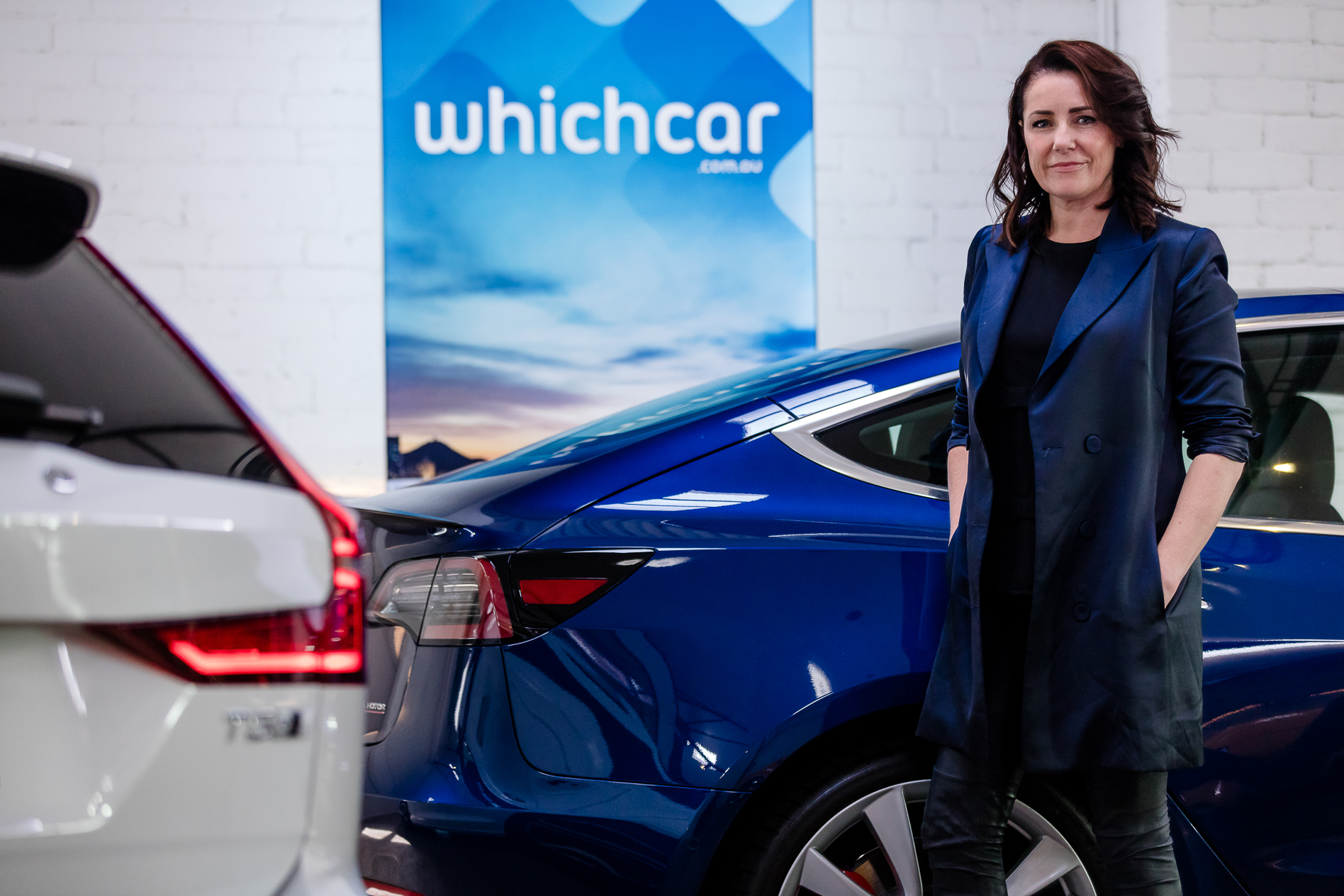
“The simplicity is actually a bit confusing and confronting for me,” agrees Woman’s Day editor-in-chief Fiona Connolly (below).
Others, though, are able to peer straight into the soul of the simple yet powerful Model 3.
“What I like about the Tesla is that it knows what it wants to be,” says Alex McBride, founder and CEO of The Fifth Watches. “It feels cohesive in its design and in every sense. When I first looked at it, I thought it was plain and boring, but then I drove it and experienced it, and it all made sense.
“It’s a real light bulb moment for me.”
The proof of the EV concept, though, is in the driving – and it’s where the Model 3 jumped from the websites and into the consciousness of our judging team in no uncertain terms.
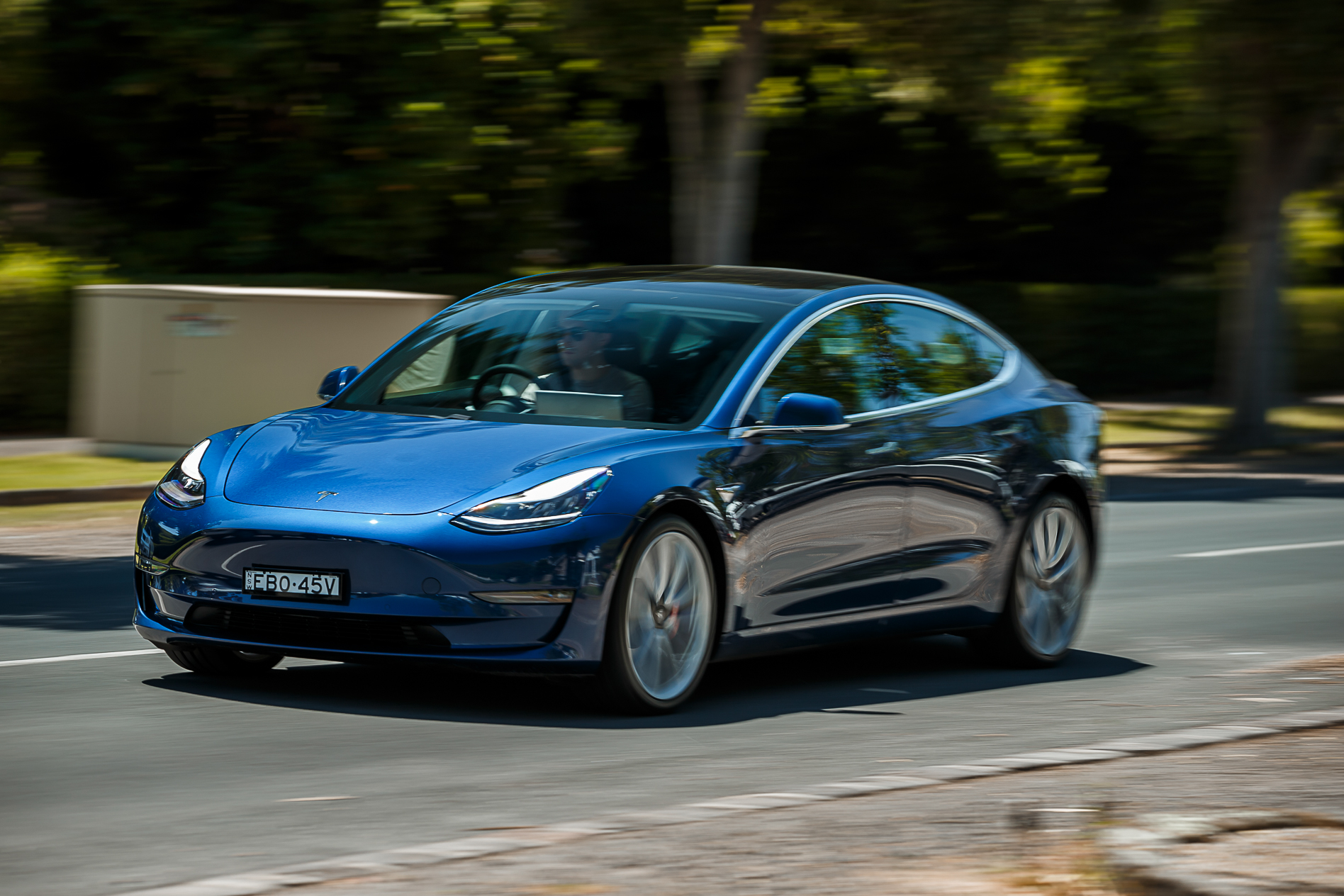
“I can’t believe I loved it,” says Marty, shaking his head. “It makes me feel a bit sick that I love it. I get my energy from driving, and this is almost a Zen moment for me.”
Recording artist Arrnott Olsen makes a telling remark about the Model 3’s lack of auditory output. “You might call the noise it makes the sound of the future,” he observes. “It is unapologetic about what it is, and it is extremely comfortable.
“On the outside, it is clean and simple, but underneath there is a lot more going on.”
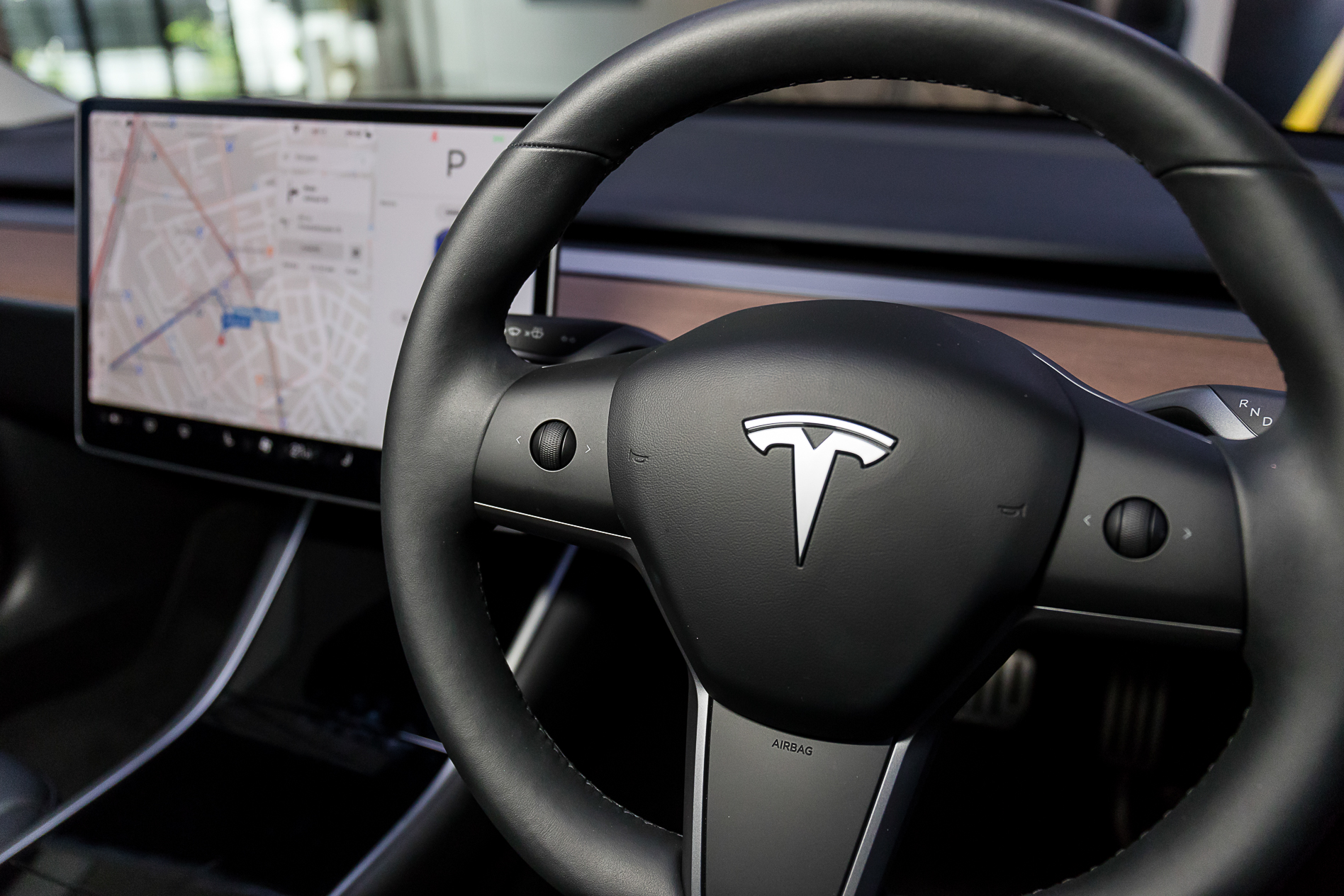
Veronica Maine consultant Beth Levis agrees. “Its minimalism is its biggest feature,” she says. “Clean lines, streamlined…it’s like a new modern minimalist hotel where you can’t find the button to turn the light off!
“For me, it’s like moving from a PC to a Mac – it takes a bit of time to get used to the change, but once you do, it’s fine. It’s a very intuitive car.”
Alex notes that the Model 3 isn’t the final word quite yet. “The Tesla can’t be all things. It can’t really go for those long drives up to Sydney and back – well, easily, anyway,” he counters. “You can’t do absolutely everything in it.”
Marty, though, believes that once someone has had the experience of driving the Model 3, it will be a difficult one to forget.
“I think once you fall in love with this kind of driving,” he says, “it will be hard to go back to a ‘normal’ car.”
What do you think – is the Tesla Model 3 a worthy winner? Let us know below!
This is it. After thrashing a Camaro ZL1 along some open roads and blasting a Lotus Exige around The Bend Motorsport Park.
After cruising past Adelaide in a Toyota Supra and being completely bewildered by the abilities of a certain very large AMG.
We can announce the Performance Car of the Year for 2020.
Go no further if you don’t want to find out that the winner of the PCOTY 2020 trophy is…
The Porsche 992 911 Carrera S.
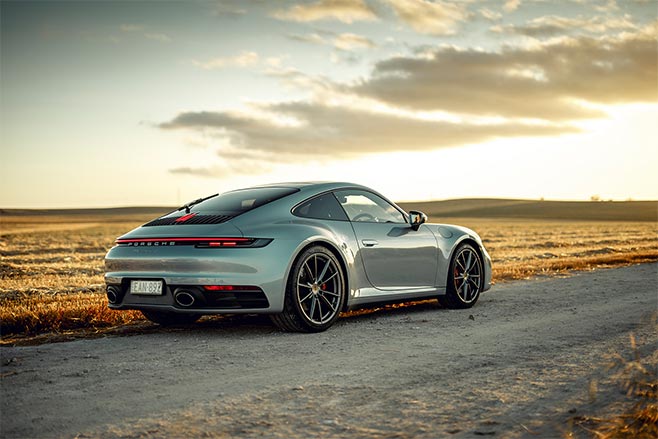
We won’t give you all the details here, you’ll have to read the February issue of MOTOR Magazine for that, which goes on sale Feb 6, but what we can tell you is the judges were blown away by how consistent the 911’s improvement is generation by generation.
Our first look: the 992 911 Carrera S driven
It’s only a ‘low-spec’ for a 911, with Turbos and GT cars still on the way, but the Carrera S managed to pip its opponents by pretty much just being good at everything, in true 911 style.
It lapped The Bend’s West Circuit in 1:30.4 with Michael Almond at the wheel, after which he said the car was “quite nice” to drive.
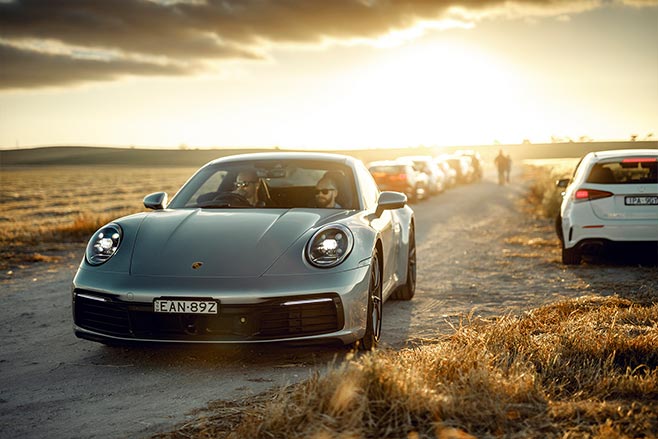
Okay so he was holding back a little, but there were really no complaints from Almond, where other cars had at least minor issues that stopped his speed-focused racing driver brain from being able to really get in tune with them on track.
MOTOR Editor Dylan Campbell made the announcement on Thursday January 30 in front of a crowd of industry VIPs at the Australian Motoring Awards, where Wheels Magazine, 4X4 Australia, and WhichCar all also announced their biggest annual awards.
We all know HKS is capable of creating wild race cars and supplying performance gear to those who wish to build their own, but HKS is also pretty nifty when it comes to taking existing engines and making them ‘HKS approved’ so to speak.
The HKS Complete Engine range, available to customers, is a way for HKS to supply the demand for properly built race engines based on designs already proven to fit into popular Japanese performance cars.
HKS’ wild widebody drift Supra
Announced this week, the new products are designed by HKS’ engineers and produced at facilities where the company’s racing engines are built, with engines from Nissan and Subaru providing the base for five different engine builds.

HKS doesn’t quote potential outputs for any of these builds, as you’d expect each engine to be tuned for a specific application.
Most exciting for fans of Japanese performance cars will likely be the RB26DETT-based engines, one of which is yet to be released.
HKS widebody Supra concept at TAS 2020
The one that’s already available is the ‘level 3’, 2.8-litre version of Nissan’s twin-turbo inline six which features a host of upgrades from stronger bearings and con-rods, to better oil pumps and high-performance cams.
A ‘pro’ version is due for July this year, which has the same capacity but with lighter, stronger parts and even more upgraded elements.
https://www.instagram.com/p/B7zxS2oBk_w/?utm_source=ig_embed&utm_campaign=loading
Another Nissan engine, the VR38DETT known for being the GT-R’s powerplant, has a similar two options from HKS, with the ‘pro’ version of this one due for August. While the version available now comes with stronger and higher-performance upgrades, the Pro version will feature parts made from materials like chrome molybdenum and beryllium.
Finally, Subaru’s FA20 flat four comes as a bored-out 2.2-litre capacity engine after HKS has had its way with it, extra oil jets built into the cylinders, a closed deck, altered valves and stronger head bolts, as well as higher angle cams and low compression pistons.
This engine can be had in three versions, ranging from mild to the full-fat level 3 build.

HKS also offers a range of capacity upgrade kits which have been designed for a wider variety of engines, from EJ20, RB26DETT, to the iconic 2JZ-GTE (which gets bored out to 3.4-litres!)
In Australia, Queensland-based Performance Wholesale is the best point of contact for importing HKS parts. If it’s available here, Performance Wholesale can import it, telling MOTOR it has access to the entire HKS range.
Emma has been on our television screens for more than a decade. She spends most of her time at racetracks reporting on Touring Car Racing and Shannons Nationals, and also hosts Australian Superbikes. She brings her passion for cars and a unique perspective to this space.
A field-full of some of the most talented race teams will battle it out at the Liqui-Moly Bathurst 12 Hour this weekend at Mt Panorama.
The 2020 grid is, without a doubt, one of the most competitive, most star-studded line-ups in the event’s history. With drivers from 21 countries and 11 different manufacturers, it is set to be one of the greatest battles to take place at the mountain.
Consider this; the grid includes nine former 12-Hour winners, including two defending champions (Matt Campbell and Dirk Werner) and there are 12 Supercar drivers in the field with 360 race wins between them.
There are nine winners from the Nürburgring 24 Hour, eight drivers have tasted victory at the Spa 24 Hour and two have even taken the Le Mans 24 Hour title.
Just like a Bathurst 1000, people from all walks of life want to be a part of an event like this. Whether you’re a local, camping on the mountain or tuning in from around the world, it’s events like these that have put motorsport in Australia on the map.
Seasoned veteran and noted MOTOR tester Warren Luff, returning for his tenth year, agrees. “There’s no other circuit racing like this in Australia,” he told me. “It’s no surprise that as much as we want to race overseas, these internationals want to take part in an event that’s held in such high regard.”
So who has a chance of taking home this prestigious trophy on Sunday? Here are my top five picks.
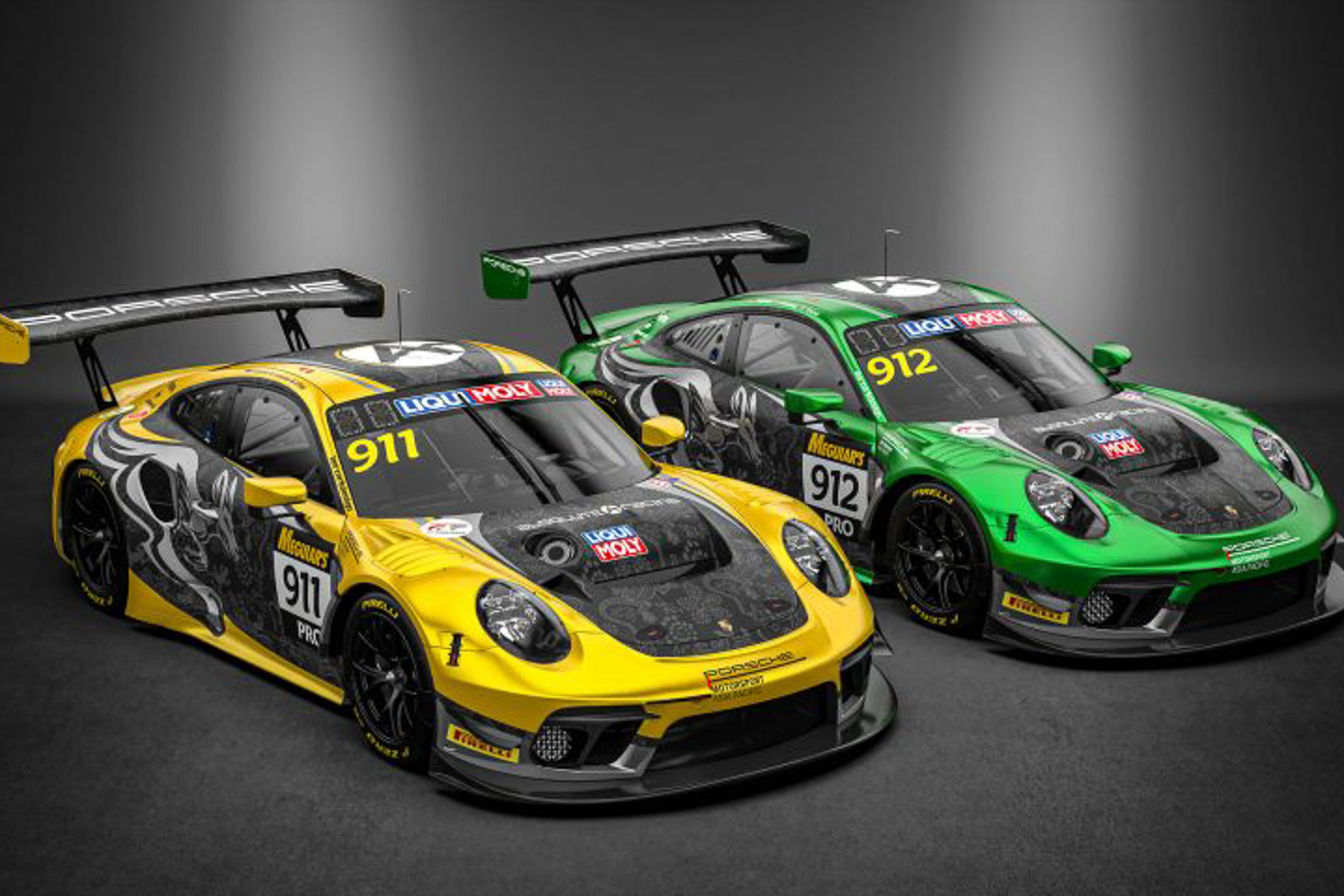
TEAM: Absolute Racing
CAR: #911, Porsche 911 GT3 R
DRIVERS: Mathieu Jaminet, Patrick Pilet, Matt Campbell
WHICHCAR RATING: 10 /10
It’s no surprise I’ve picked the defending champion in Matt Campbell to go back to back for 2020. As a recently promoted factory Porsche driver, the young Aussie gun was a part of the Suzuka 10 Hour podium line up with Absolute Racing in 2019. He’ll be joining forces with Nürburgring 24 Hour winner Patrick Pilet and 24-year-old Frenchman Mathieu Jaminet.
Absolute racing will be running the 2019 spec 911 GT3 R and after a successful 2019, this team is looking to continue that momentum at the mountain. Luckily, they’ve got three very capable candidates behind the wheel of a weapon.
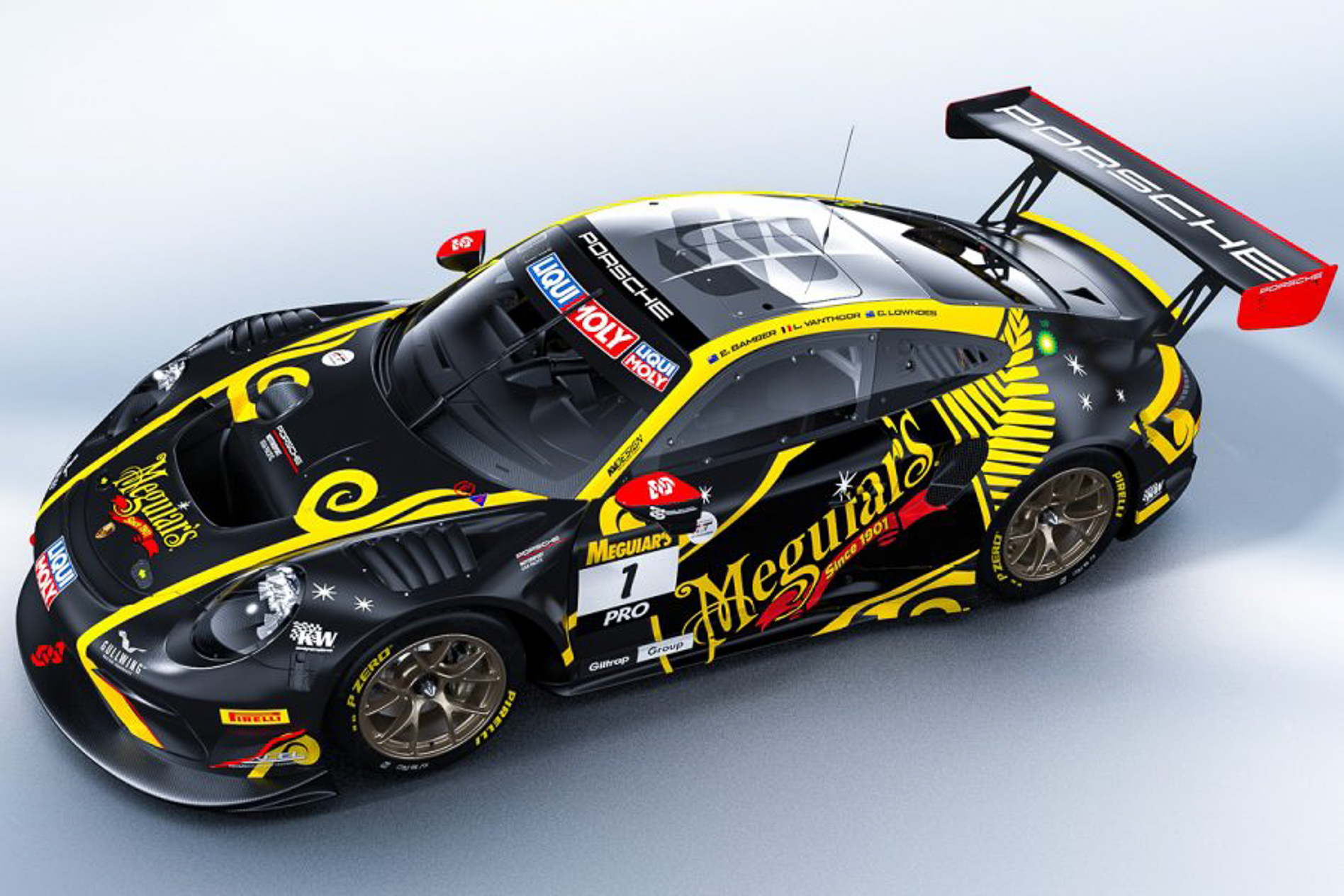
TEAM: Earl Bamber Motorsport
CAR: #1, Porsche 911 GT3 R
DRIVERS: Earl Bamber, Laurens Vanthoor, Craig Lowndes
WHICHCAR RATING: 9 /10
All eyes will be on Bathurst legend Lowndes and Porsche factory teammates Bamber and Vanthoor as they line up in the #1 Meguiar’s-liveried 911 Porsche GT3 R. Lowndes – who is racing against his own Triple Eight team – is obviously no stranger to the mountain with seven Bathurst 1000 wins under his belt, as well as two 12-hour victories.
Lowndes may know the mountain well and has even been teammates with Earl in the past, but it will be his first time racing Porsche’s B12-winning 911. While that may pose a challenge for him, it doesn’t change my mind as a top choice. You’ve got a real quality entry here including the team boss himself, a legend of the mountain and a sportscar champion.
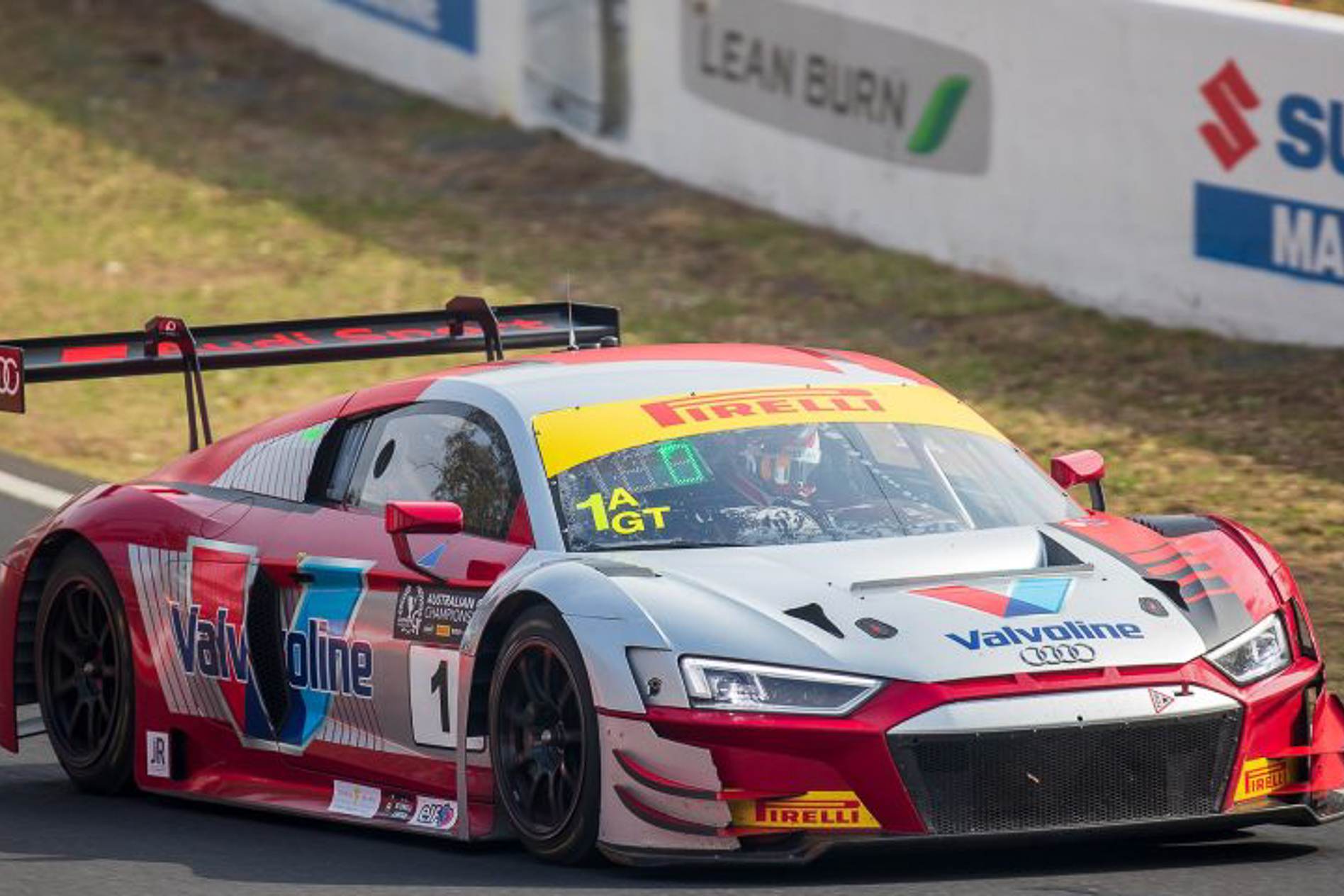
TEAM: Audi Sport Team Valvoline
CAR: #22, Audi R8 LMS GT3
DRIVERS: Garth Tander, Chris Mies, Mirko Bortolotii
WHICHCAR RATING: 8 /10
Another likely candidate to take the trophy is headed up by a legend of Australian motorsport in Garth Tander. He’s had just a few laps around Mt Panorama, winning the 12-Hour in 2002 and he has three Bathurst 1000 wins on his resume.
This year marks the tenth anniversary of Audi’s first win at the mountain and with three factory-supported entries on the grid, these guys aren’t messing around, “We’re better prepared this year than ever before. We’ve showed that we’ve got the pace but have just been unlucky in the past couple of years. With three entries and great preparation, we’re confident we can take the win this year,” says team boss Lee Burley.
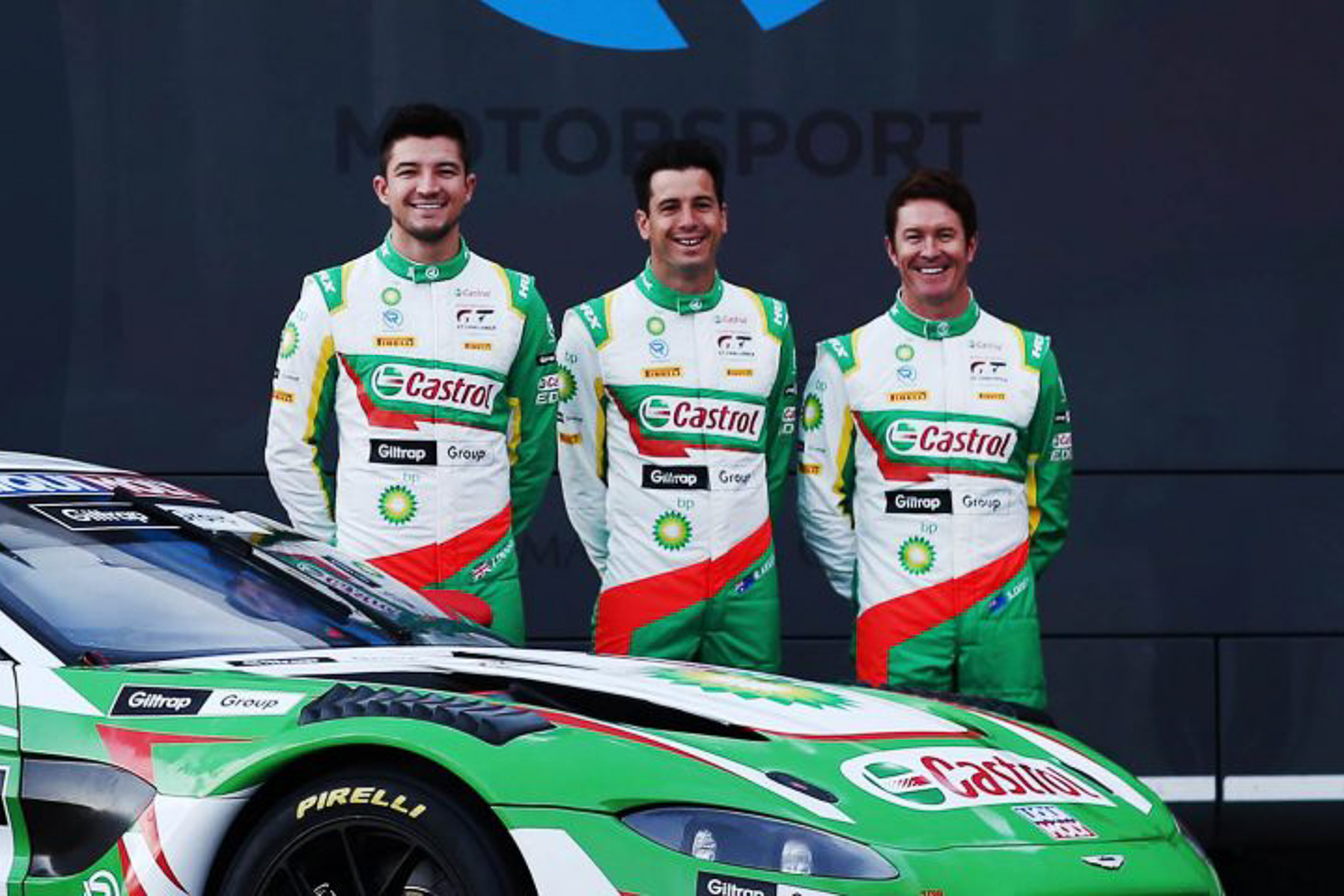
TEAM: R – Motorsport
CAR: #76, Aston Martin Vantage AMR GT3
DRIVERS: Jake Dennis, Rick Kelly, Scott Dixon
WHICHCAR RATING: 7 /10
This is another all-star combo with 2006 Supercar champion Rick Kelly returning to the 12-hour alongside five-time Indy Car champion Scott Dixon and DTM star Jake Dennis. New Zealander Dixon finished second in his debut last year and is in fine form coming off the back of a Rolex 24 hr ourtright win last weekend in Daytona, Florida.
This is also the debut of the new Aston Martin Vantage, which should be a big improvement on last year’s car. Look out for the #76 blazing around the mountain.
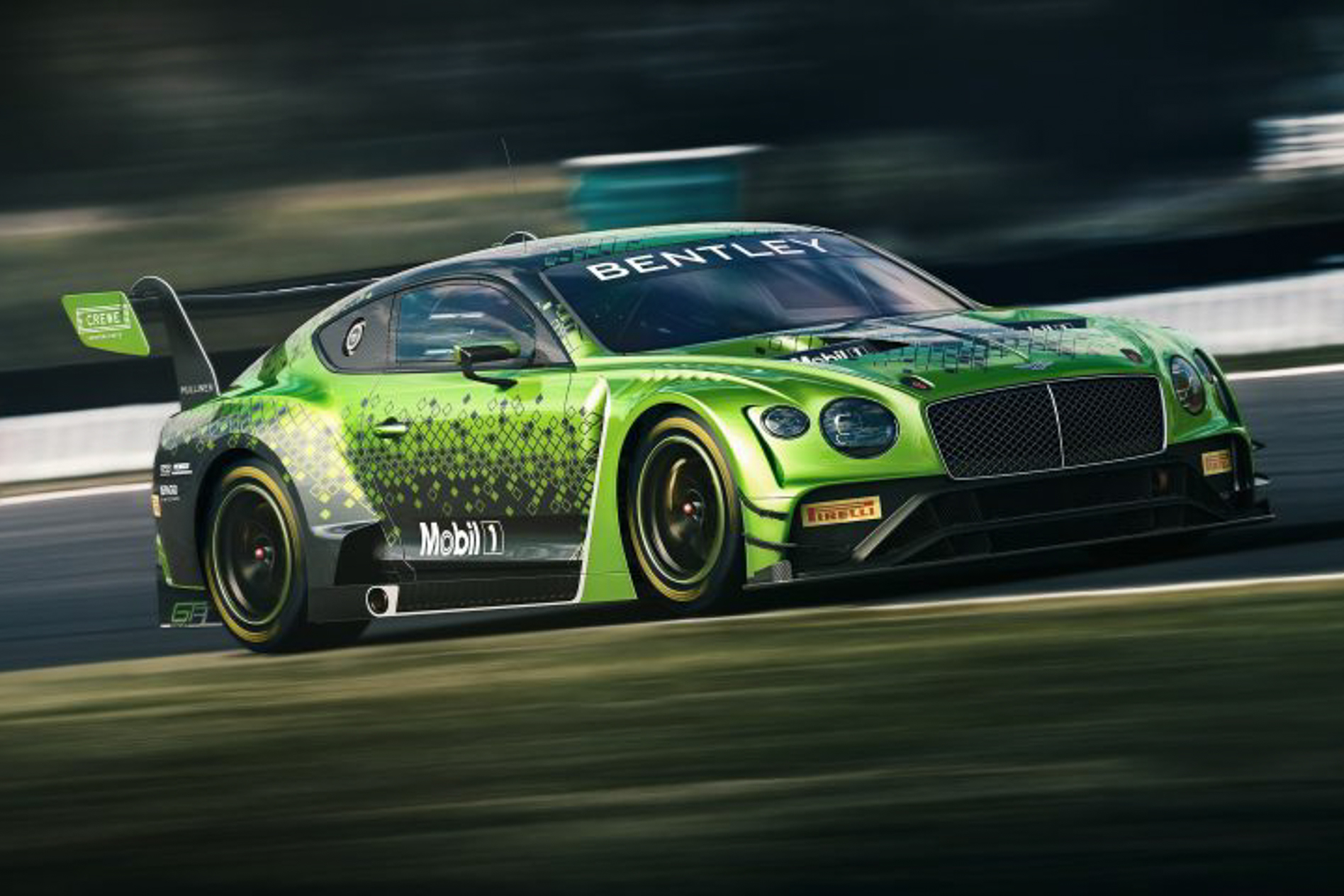
TEAM: Bentley Team M-Sport
CAR: #7, Bentley Continental GT3
DRIVERS: Jules Gounon, Maxime Soulet, Jordan Pepper
WHICHCAR RATING: 6 /10
It was a tough one separating the two Bentleys, but just based on driver experience I’ve gone with car #7 as my final choice. Bentley has been a quick, strong contender in the 12-hour in the past, so could 2020 finally be their year?
Soulet will return for his sixth season with Bentley alongside factory aces Jules Gounon, who is well known for his 2019 Spa 24 Hour win, and young gun from South Africa, Jordan Pepper. Keep your eyes peeled for the striking new green livery from Bentley Team M-Sport, too.
Check out an awesome 360-degree camera view with Rick Kelly aboard the Nissan GT-R from a couple of years back
The 2020 Liqui-Moly Bathurst 12 Hour takes place from 31 January to 2 February. WhichCar will be on the mountain, bringing you the colour and noise via our social channels.
