
Eight separate listings on an online auction site suggest Holden is clearing some space in its heritage garage, with several ‘first’ and ‘last’ versions of some of its models joining some notable cars in being sold off.
According to the listings, the auction is set to begin on midday, November 18.
Holden has responded to MOTOR‘s inquiry about the auction with a statement clarifying its reason for the auction. It says the sale of several cars is “necessary to ensure the safe storage and display” of the rest of its fleet.
“We would keep them all if there was room to do it sensibly, but the fact is some of them have to be found new homes,” says heritage curator Vic Garra.
“It has led to some difficult decisions, but when we have two examples of the same car, a first and last built for example, the decision is almost always the keep the last one built.”
Of the eight cars for sale, five are duplicates of others Holden already has. Holden also has long-term plans to “acquire one or two cars missing from its collection.”
Amongst the cars for sale is the first-ever Holden VFII Commodore Motorsport Edition, resplendent in Holden’s traditional red and showing only 9km on the odometer. The starting bid for the six-speed auto is listed at $65,000.
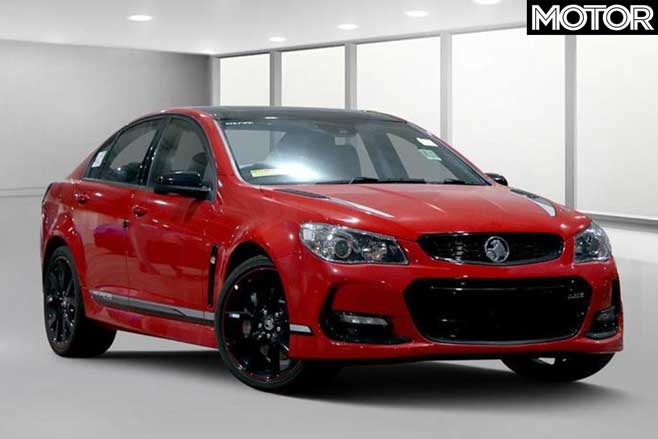
Car number one of 1200 built for Australia (another 151 went to NZ) is listed with ‘SOLD ON BEHALF OF HOLDEN AUSTRALIA‘ in its description, as are the others Manheim is offering for auction.
Similarly, the first VFII Director, the Calais-V based executive sedan, is up for grabs (also starting at $65,000) also with just nine klicks on the clock.
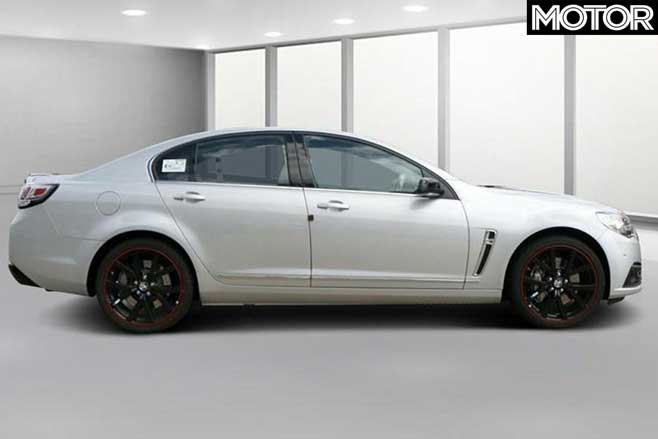
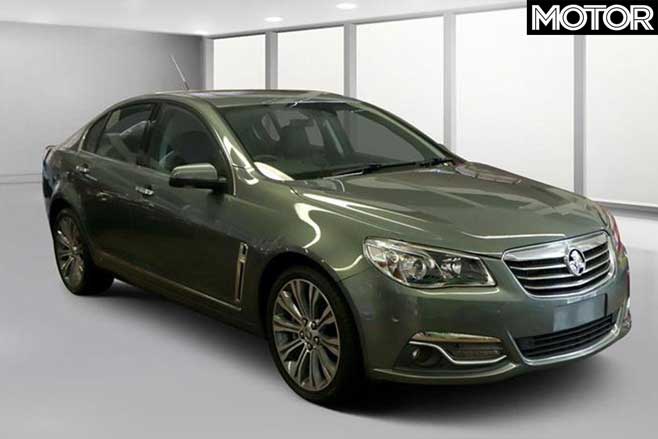
The first copy of Holden’s acclaimed VF series, built in 2013, is also for auction, with a $30,000 starting bid and a mere 56km on its odometer. Also a six-speed auto, the first VF is a Calais-V painted in Prussian Steel.
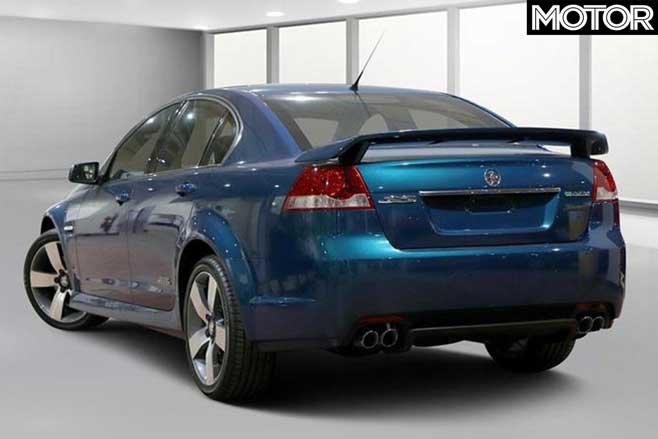
Its VEII predecessor is also represented here, with the last VEII built (a 2012 SS in Chlorophyll Blue) up for grabs with a $45,000 opening bid.
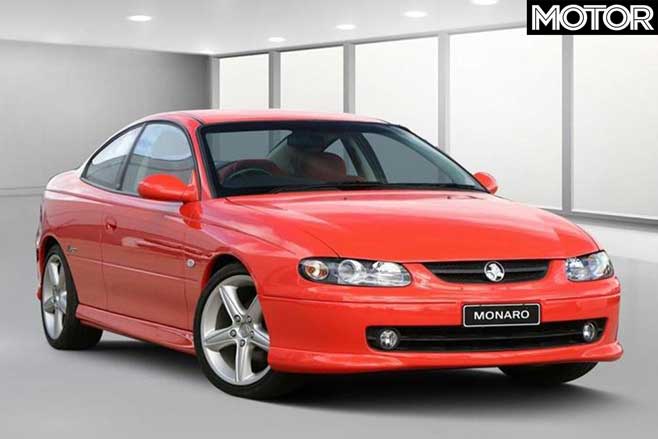
If something a little rarer might take your fancy, Holden is also offloading its first V2 Monaro CV8, this one with 3742km travelled under the power of its 5.7-litre LS1 V8.
Bidding for the CV8 is set to begin at $40,000.
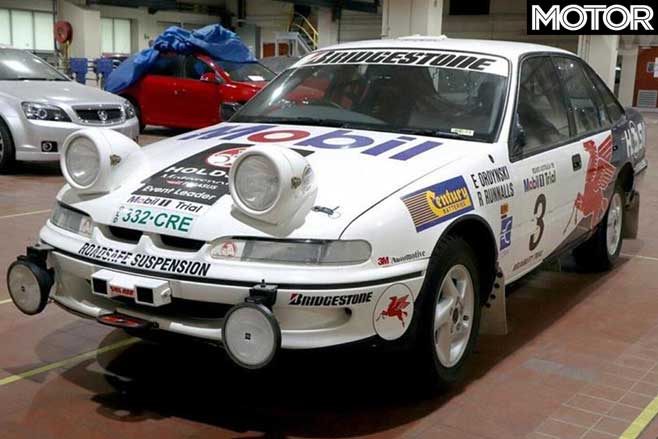
Some cars which have also undergone significant achievements are also included in the auction, like the 1995 Commodore VRII rally car driven by Ed Ordynski to victory in the 1995 Round Australia Trial, covering around 19,000km. The odometer shows 47,306km and bidding starts at $12,000.
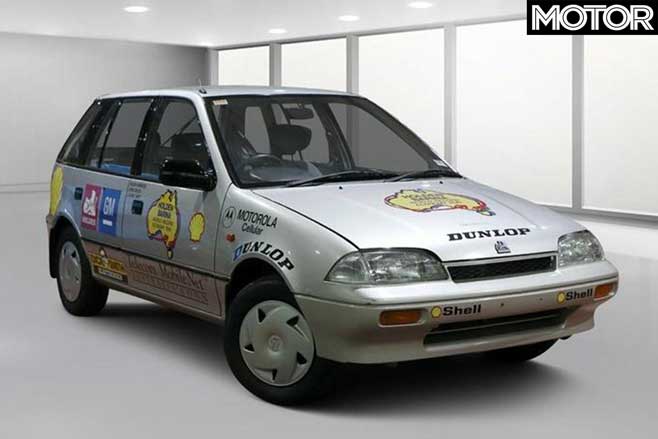
A 1990 Barina which Holden used for a world record economy run and as a Round Australia Trial car is included in the auction, with a $5000 starting price.
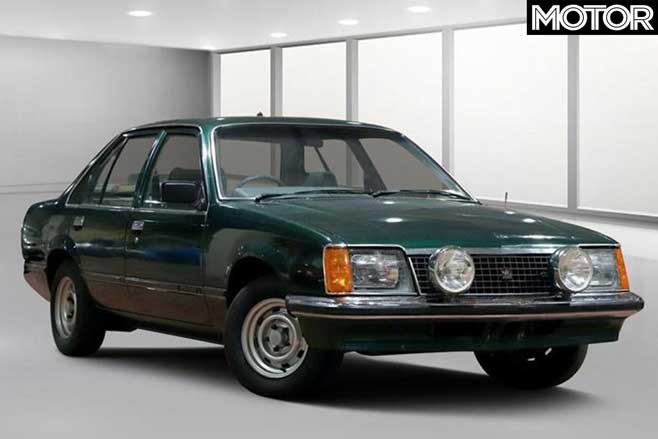
Lastly, A 1980 VC Commodore driven around the country in 10 days by two motoring writers, Evan Green and Matt Whelan, features as the oldest member of the auction lineup, with $10,000 as its starting bid and with a relatively low (given where it’s been) 20,235km showing.
So, what do you think of Holden shuffling eight of its heritage motors out the door? Will you be online, wallet in hand? Let us know in the comments below!
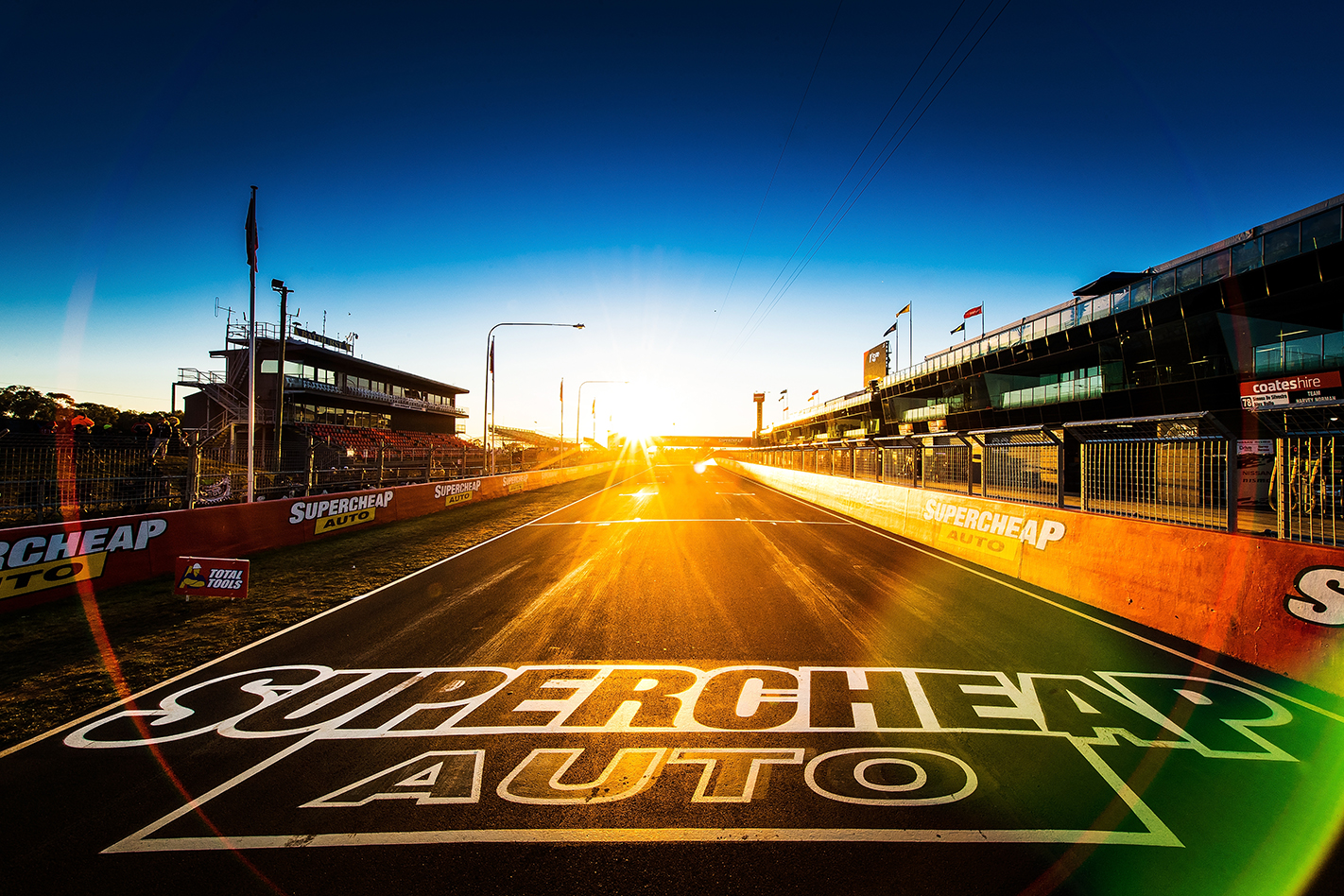
“Win on Sunday, sell on Monday” may long have been the marketing catchcry of the Bathurst 1000 – justifying the multi-million-dollar spends in race cars and the teams that keep them blasting up Mount Panorama.
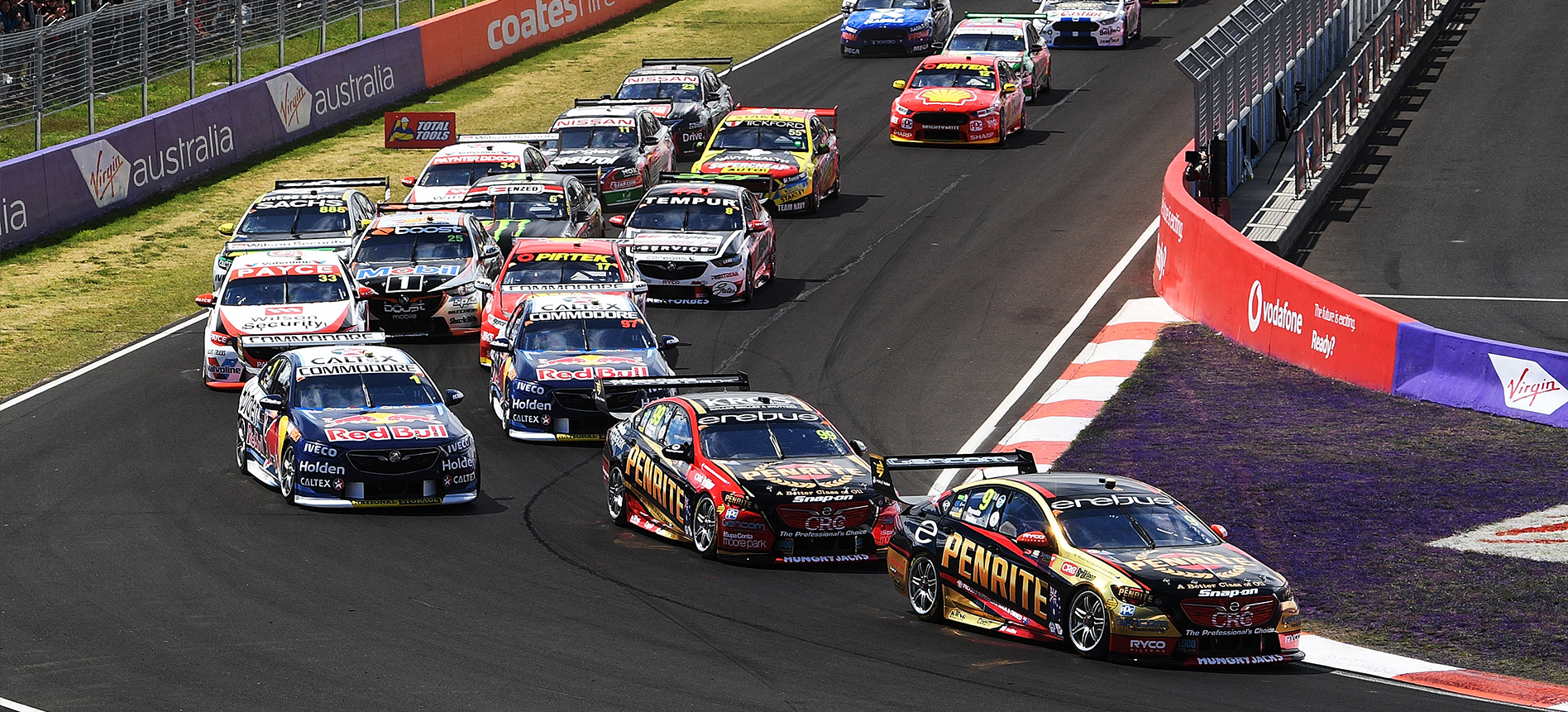
But the October sales figures that incorporate the crucial Monday when punters apparently flock to their dealerships tell a different story, following a massive sales slump for the Ford Mustang and Holden Commodore that headline the V8 Supercars show at Bathurst.
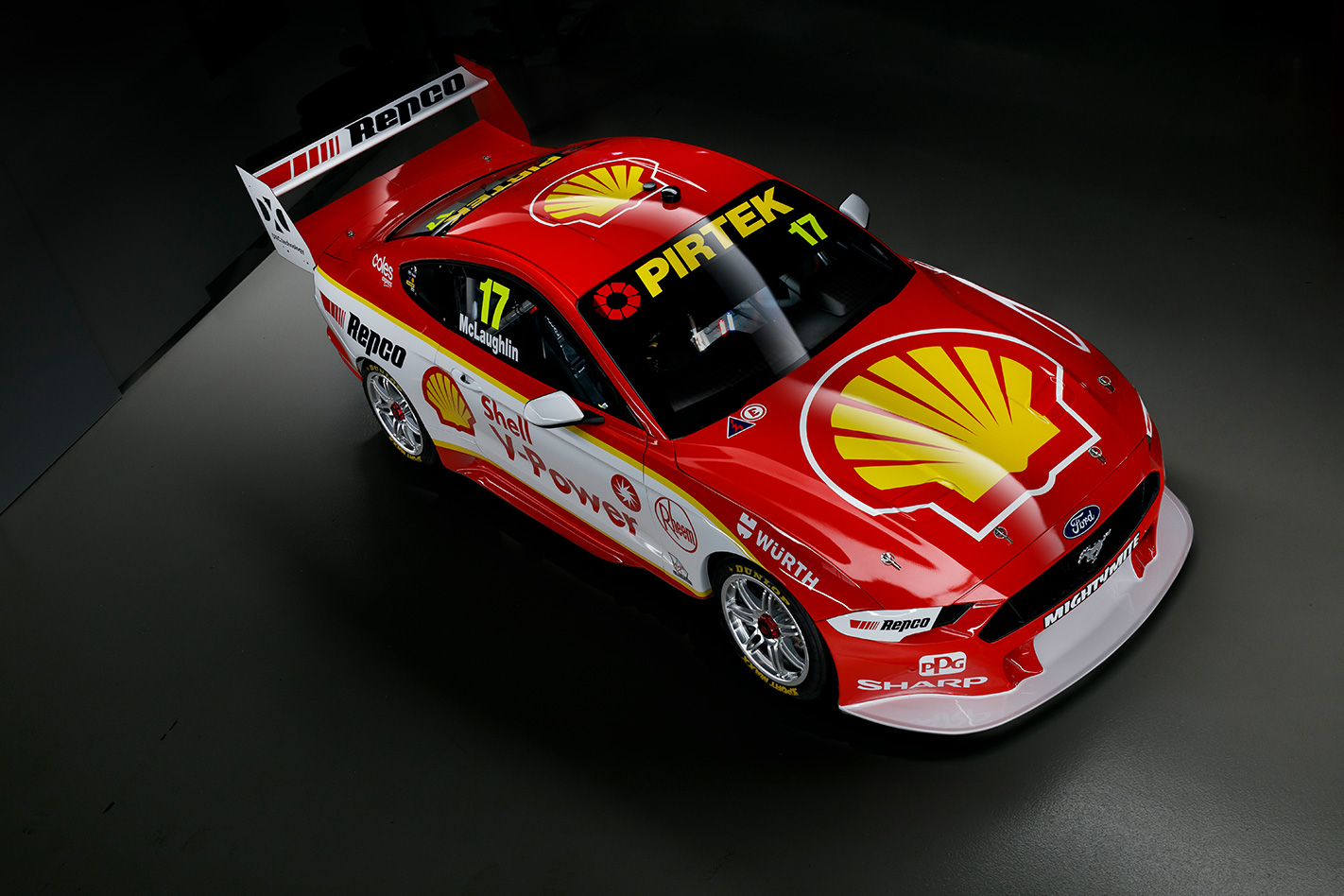
In its first year competing at Bathurst as a V8 Supercar, the Mustang recorded its worst October sales since arriving in Australia in 2016.
Just 219 were listed as sold, less than half the typical monthly figure.
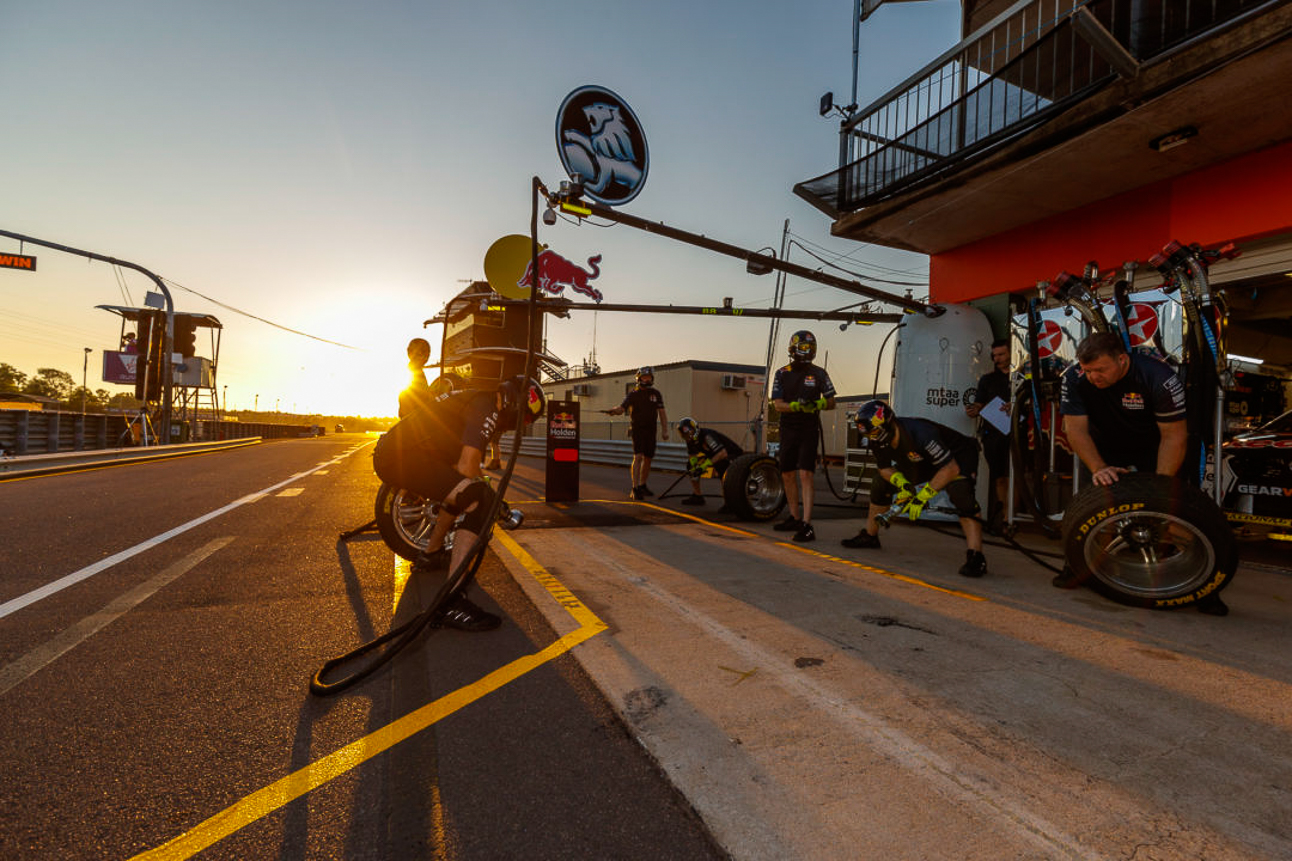
The Holden Commodore – which made up almost three-quarters of the 2019 Bathurst 1000 field and filled the other two podium positions – also had a subdued month, its 469 sales not far above record lows for the nameplate.
To be fair, car makers haven’t spruiked the win-on-Sunday-sell-on-Monday line for years, but that hasn’t stopped the official Bathurst 1000 broadcasters from running with it.
In a promo that ran numerous times in the lead up to the October 13 endurance race, Fox Sports and Channel 10 made it a key part of the marketing pitch.
The poignant promo was delivered by actor Matthew Nable, who talked up the history of Australia’s most famous motor race and its apparent success at selling cars.
“Here’s the thing: at Bathurst you’re either first or you’re forgotten,” said Nable. “Win Sunday, sell Monday, that’s the chant of the manufacturers.”
Ford disputes the simplicity of the phrase but still believes motorsport is a key piece of the brand’s marketing message.
“We still think motorsport sells vehicles but it’s not as literal as a Mustang wins Bathurst and you buy a Mustang,” said Ford Australia product communications manager Damion Smy, also highlighting the innovations and technical expertise that can help build better road cars.
He also pointed to the overall branding message.
“It brings the brand presence to people’s mind … they may end up buying a Ranger.”
While Ford’s October sales picked up slightly from September, the growth wasn’t as big as Ford’s growth in the same month in 2018 – when a Holden won the Bathurst 1000.
Besides, Holden’s sales from September to October 2019 grew by more than Ford’s, even though it didn’t win the race – a race the broadcaster says you must win to be remembered.
And the 2019 experience isn’t a one-off.
In the most recent 24 years that reliable sales data is available for, Ford has won the Great Race seven times and Holden 17 times.
In Ford’s seven years of standing on top of the podium only twice did its sales pick up in October compared with September.
Similarly, only twice were Ford’s sales better in the October of the Bathurst victory compared with the previous year.
In Holden’s 17 most recent Bathurst 1000 victories it’s a tale of two halves.
Prior to the local manufacturing boom years of the late 1990s and 2000s most of Holden’s victories resulted in an October sales boom (nine of the 10 wins between 1996 and 2009 saw sales jump, with only a slight slump in 2005. The figures also suggest it was Holden as a brand that benefited rather than the Commodore specifically.
But from 2010 onwards it’s mostly red ink, with four of the seven wins leading to big sales drops, especially for the Commodore that headlines the race track activities.
When comparing October sales with October from the previous year Holden’s fortunes are almost as mixed, although the Lion brand does tend to experience a sales increase compared with a non-Bathurst-winning year.
All of which points to very few people rushing to their dealerships straight after Australia’s premiere motorsport event.
The announcement that Audi would introduce the rear-drive R8 RWS was only dulled by the fact it would be a limited edition model, but now the Ingolstadt car maker has announced a car to make drift addicts everywhere happy. Meet the Audi R8 RWD.
Only slightly differently named – RWS stood for ‘rear wheel series’, where RWD is fairly self-explanatory – the new rear-drive R8 is a permanent fixture in Audi’s range. It’s also available as a drop-top Spyder.
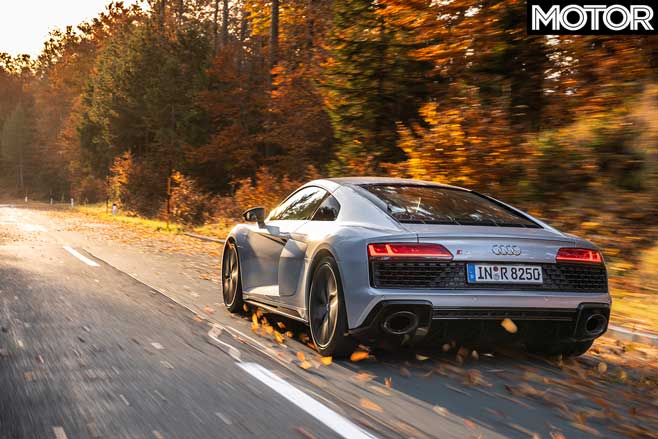
Its 5.2-litre V10 still produces the same 397kW at 6500rpm as the standard R8 V10, with 540Nm and a 7-speed S-Tronic gearbox. Power is transferred through a mechanical diff, to the rear wheels only. Obviously.
Audi claims 3.7 seconds to hit 100km/h from standstill, with a top speed set at 320km/h. The Spyder version takes an extra tenth to the ton, and hits top speed 2km/h earlier.
At 1595kg, the R8 RWD’s claimed weight is 5kg heavier than its RWS predecessor, though this could come down to redesigned bodywork, additional aero, or altered interior treatment.
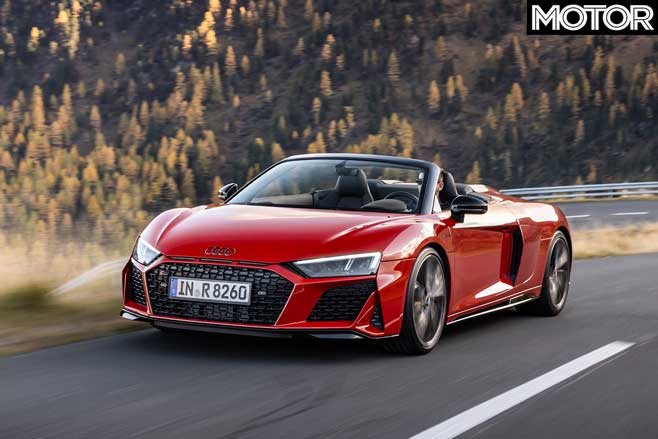
19-inch wheels are standard, though Audi offers 20-inch wheels with more focused tyres (of an unspecified nature)are available as an option.
Audi Sport managing director Oliver Hoffmann says the excitement ignited by the RWS was enough to convince Audi it needed to bring another rear-drive R8 to its showrooms.
“Its rear-wheel drive [system is] derived from the R8-LMS racing car, and the special dynamics sparked our customers’ enthusiasm right away.
“Now it will become part of the R8 family as a separate model, the R8 V10 RWD. And we are giving it the same sharp look with which we designed the new R8 quattro models,” Hoffmann says.
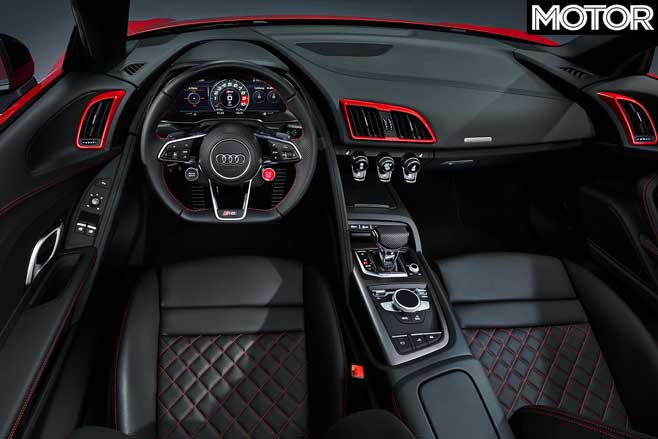
That look, specifically for the RWD, includes a set of ‘side blades’ or vents behind the windows and doors, which are painted in gloss black and the car’s body colour respectively.
Audi offers a carbon styling package as an option which swaps gloss black for a carbon finish.
“At the same time as we are releasing the series production model,” Hoffmann adds, “we are also offering the R8 LMS GT4 racing car with a new look.”
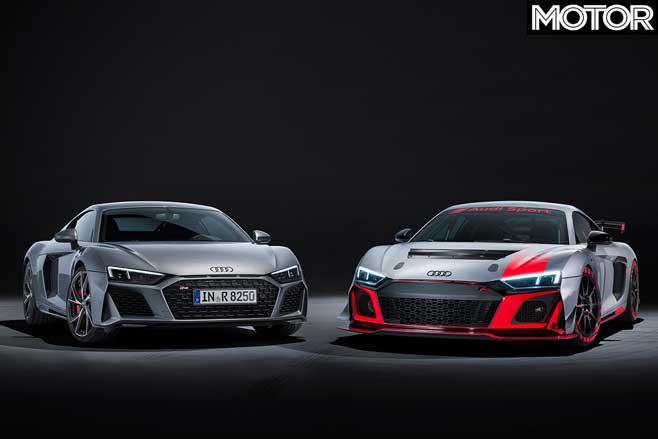
The R8 LMS GT4 now sports plenty of ‘visual cues’ borrowed from its road-going sibling, with some dynamic adjustments over the previous version.
ABS braking and traction control can be adjusted more specifically, with switched on a wheel taken from the GT2 race car.
MOTOR has contacted Audi Australia to determine local R8 RWD availability and will update the story with information as it comes.
Honda is celebrating 60 years of its heritage at this year’s SEMA show, but four cars stuck out to us as the cars you, dear MOTOR reader, are most likely to love.
Honda Civic Si Drift Car
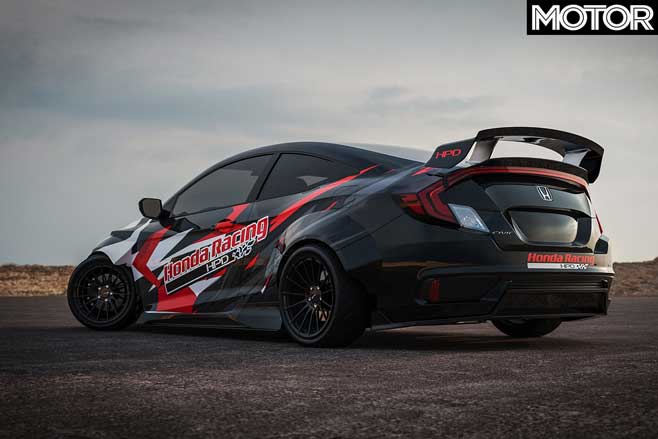
The first is a Civic that goes sideways, built by Jeanneret Racing and Olson Kustom Works. It’s been converted to Formula Drift specification from the original FWD platform, with the engine re-mounted to power the rears – obviously.
Oh, and while it was out, the engine was given a little tickle. A 691kW tickle. We have to imagine this would be a lot more fun than a stock Civic Si.
1968 Honda S800 Coupe “Outlaw”
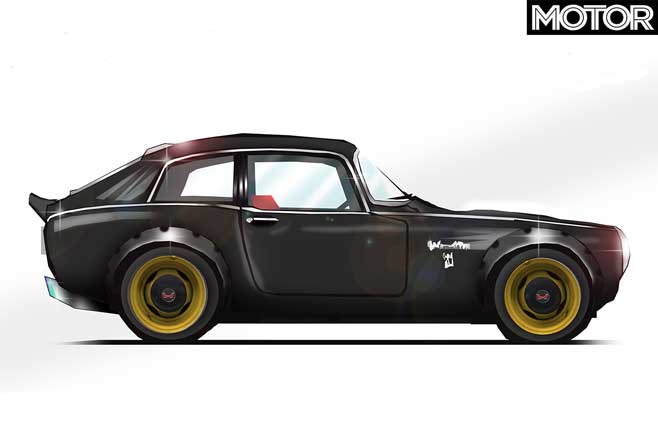
Injecting a bit of old school cool into the Honda stand is this tough ‘outlaw’ inspired S800. Built in the same vein as the Outlaw Porsche 911s favoured by the likes of Magnus Walker, this S800 was built by actor Daniel Wu.
Wu decided to retain the original engine and have it completely restored, while customising the rest of the car around it.
https://www.instagram.com/p/B4gcXcInNfo/?utm_source=ig_embed&utm_campaign=loading
A GReddy exhaust with middle-exit pipes and a body kit built by Pandem’s Kei Miura (think rocketbunny) make the S800 look and sound tough, but its paint and interior are quite reserved and tidy.
Super Street 2000 Civic Si Challenge Winner
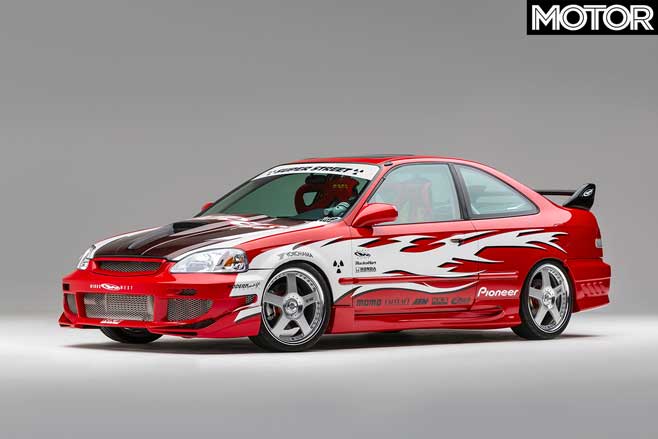
If you wanted to be reminded that Need for Speed: Underground 2 exists, this car is for you.
Built by US publication Super Street, which oddly enough now has its own game, the goal for the Civic was, with a $10,000 budget, to turn it into “a show, drag, or race car, or a combination of all three.”
This 1999 car ended up winning the ‘Civic Si Challenge’ in 2000, and was then turned into a 1:18-scale model by Mattel.
Honda N600
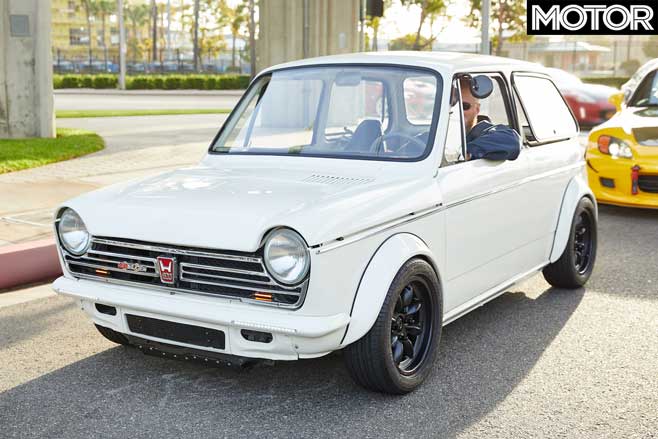
We’ve already covered this one, but it was worth mentioning again here because it is so very cool.
It’s packing MX-5-derived suspension, a Honda VFR800 V4 engine capable of 12,000rpm, and weighs just 635kg with about 250 per cent more power than stock – 86kW over the original engine’s 34kW.
The Wheels Verdict: The BMW X5 xDrive45e is a great solution for those who commute within city limits during the week, but still want to be able to saunter through the countryside on a longer drive at the weekend. Ultimately, the PHEV variant is big, spacious and positively premium – in product and price. But if a plug-in hybrid SUV with a luxury badge is your thing, then there’s little to deter you here.
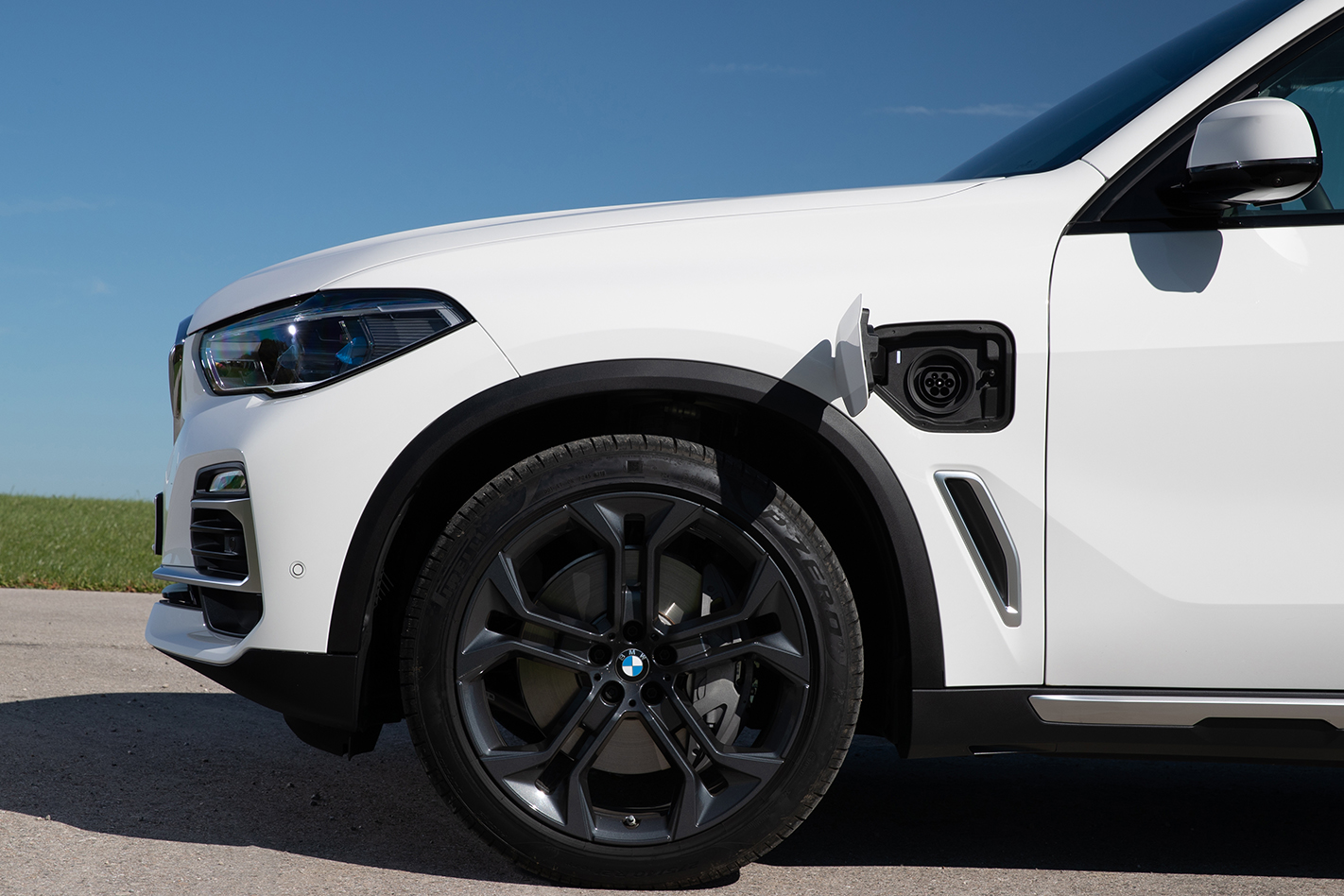
WHAT IS THE BMW X5 xDrive45e?
This is a petrol-powered BMW X5, using the venerable 3.0-litre turbo straight-six, that’s aided by an electric motor and a 24kWh lithium-ion battery pack. It has a maximum electric-only range of 87km with a 69-litre petrol tank to get you to the next charge point. It even comes with an app with BMW-specific eDrive zones to help you optimise and cater for electric driving – although this function is not confirmed for Australia as yet.
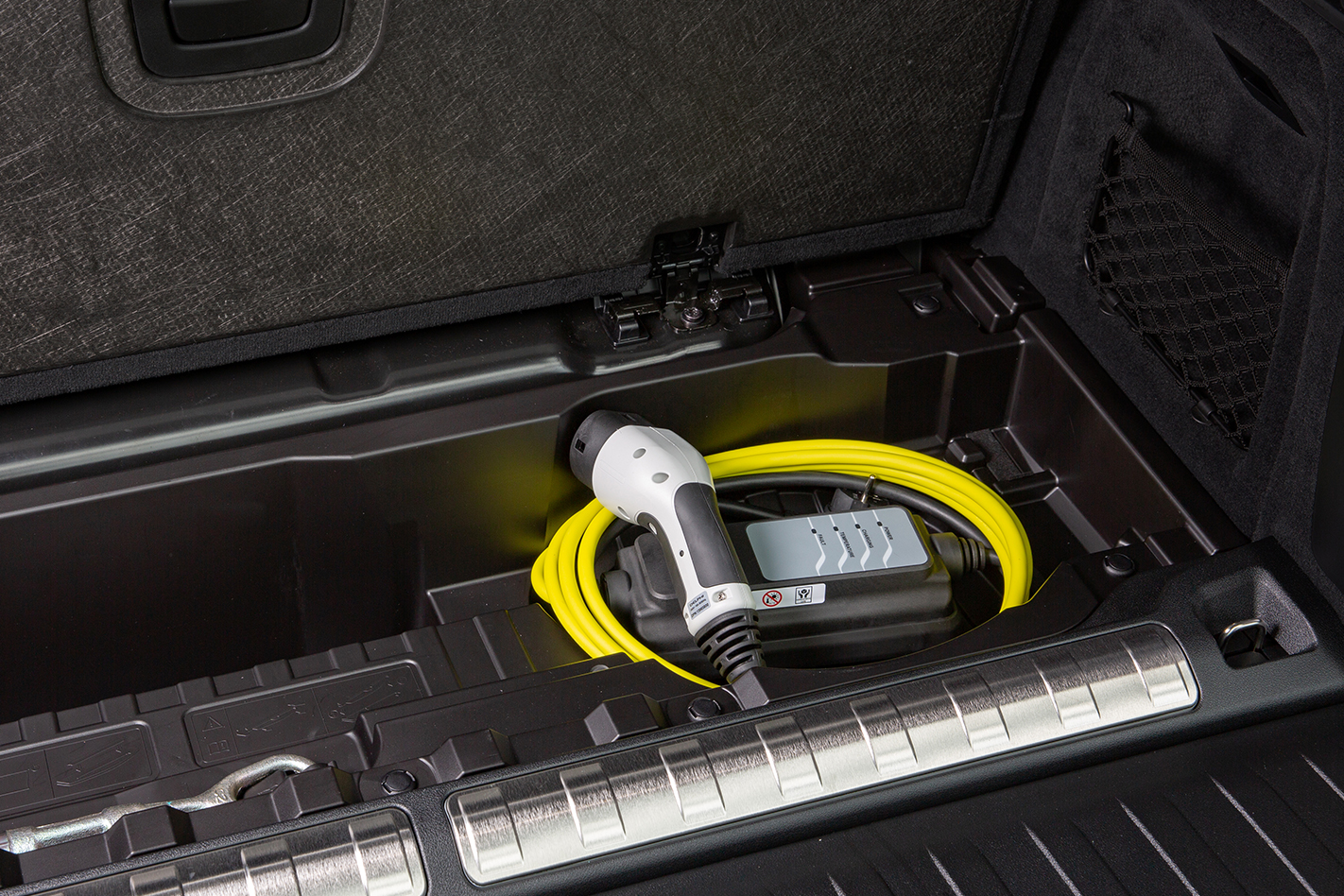
WHY WE’RE TESTING IT?
The European brands seem to be jumping head-first into plug-in hybrid (PHEV) technology to satiate buyer demands. The BMW xDrive45e is the German marque’s first foray into this market down under with an SUV – with the just-announced X3 PHEV set to join down the track. With buyer focus shifting to PHEVs, this looks set to be an important model for BMW.
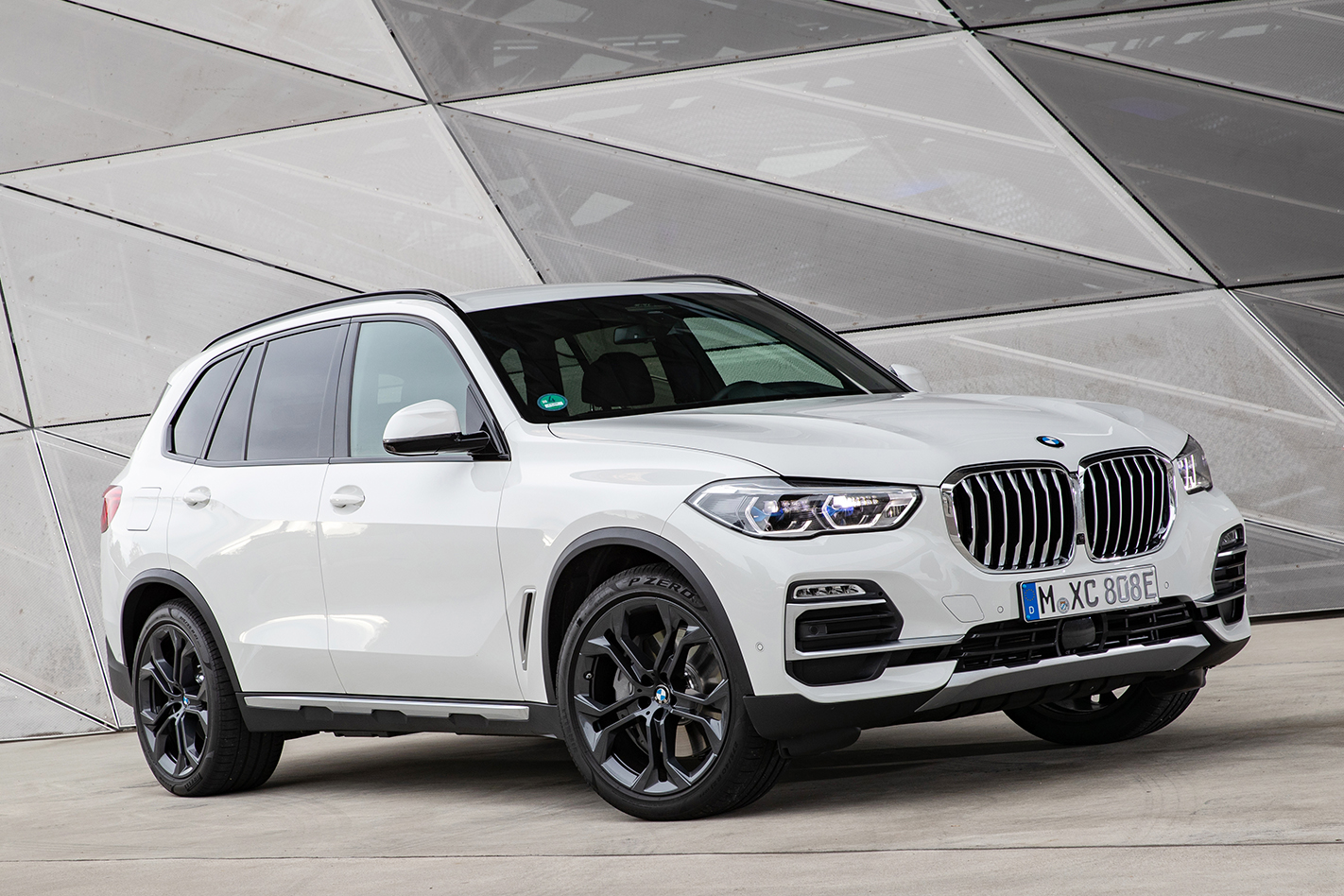
THE WHEELS REVIEW
It’s early morning and frightfully cold. Munich has turned on the fog. It cloaks the Alpine White BMW X5, rendering it almost indistinguishable. Unlocking the handsome Bavarian SUV activates the traditional LED headlights and they cut through the misty haze. Depressing the start button doesn’t disrupt the eerie silence. All that can be heard is the distant whir of an electric motor then the slight screeching of the tyres on the hotel forecourt as we set off. This is a different kind of X5.
Joining the morning rush hour as the fog ascends need not activate the petrol engine. The electric motor, which is powered by a beefed-up 24kWh lithium-ion battery pack, initially suffices. As the traffic mercifully dissipates, the petrol engine ignites and the autobahn beckons. Soon numbers surpassing the claimed electronically limited top speed of 235km/h appear on the new digital instrument cluster. But then, it’s all over. A nasty crash has clogged the derestricted super highway. The clever X5 kills the combustion engine and, once more, silence befalls the lavish cabin as the xDrive45e uses more of its 87km pure-electric range (WLTP).
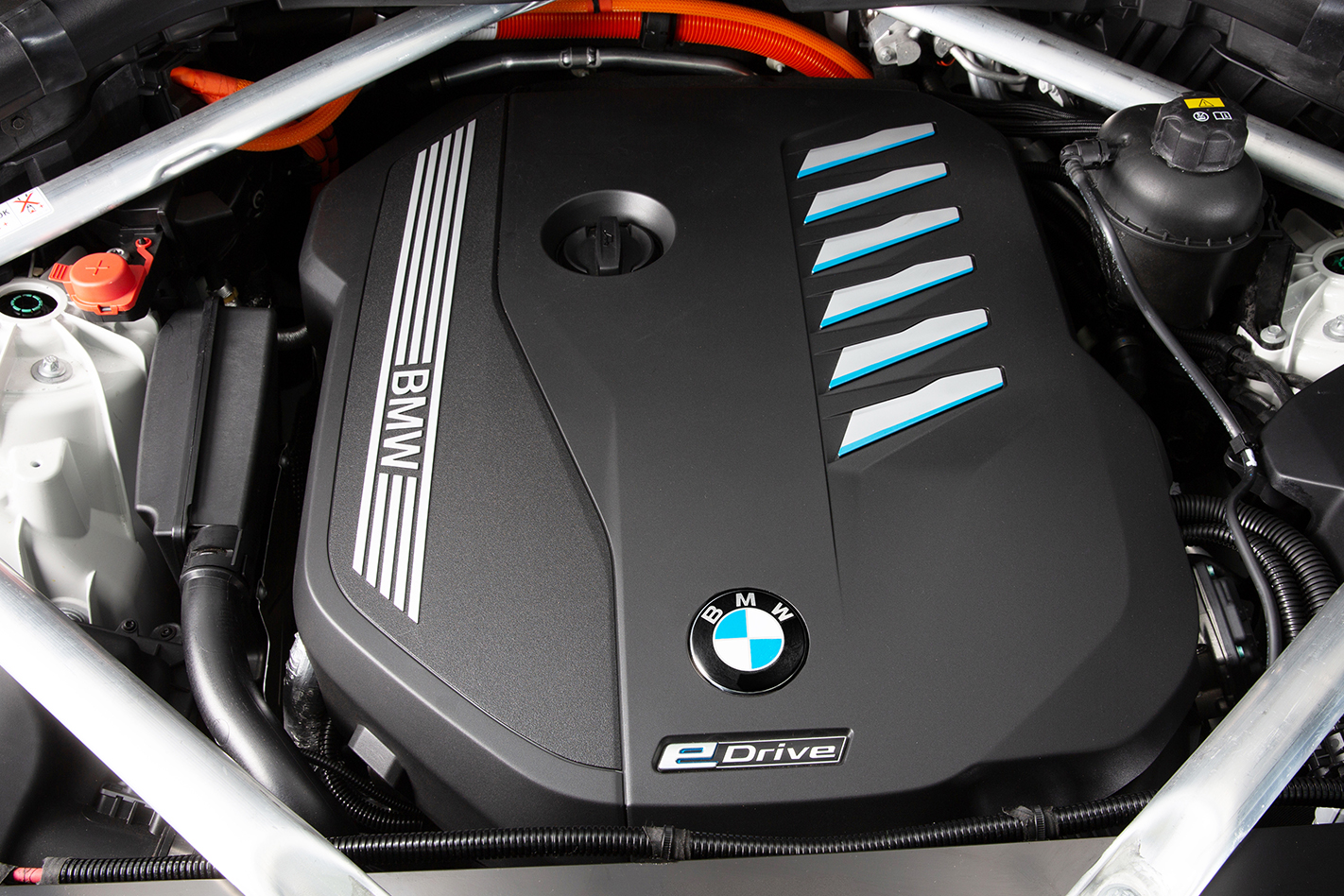
That’s the beauty of the new X5 plug-in hybrid (or PHEV in industry-speak). It can anonymously skulk through traffic in deft silence or power on past commuters when using its combined 290kW and 600Nm of total system output. Its claimed 0-100km/h time of 5.6 seconds feels utterly feasible, if not a little underrated, and the 3.0-litre turbo six sounds muscular when called upon. You’re never left wanting for performance, with instant torque from the electric motor being backed up by the twin-scroll turbo higher in the rev range. What’s more, the xDrive45e will return an ultra-frugal 2.0L/100km – if you’re not a lead-foot.
The electric motor, developed in conjunction with ZF, resides where the rear converter would be located within the traditional eight-speed automatic gearbox. It takes over the functionalities of the converter with special clutches. The transition between ICE and electric is so seamless that you’re often hard pressed to notice any change. The conventional auto also works as well as ever, with a creamy smoothness when left to its own devices, and a sporty nature when the mood takes you via the steering wheel-mounted paddles.
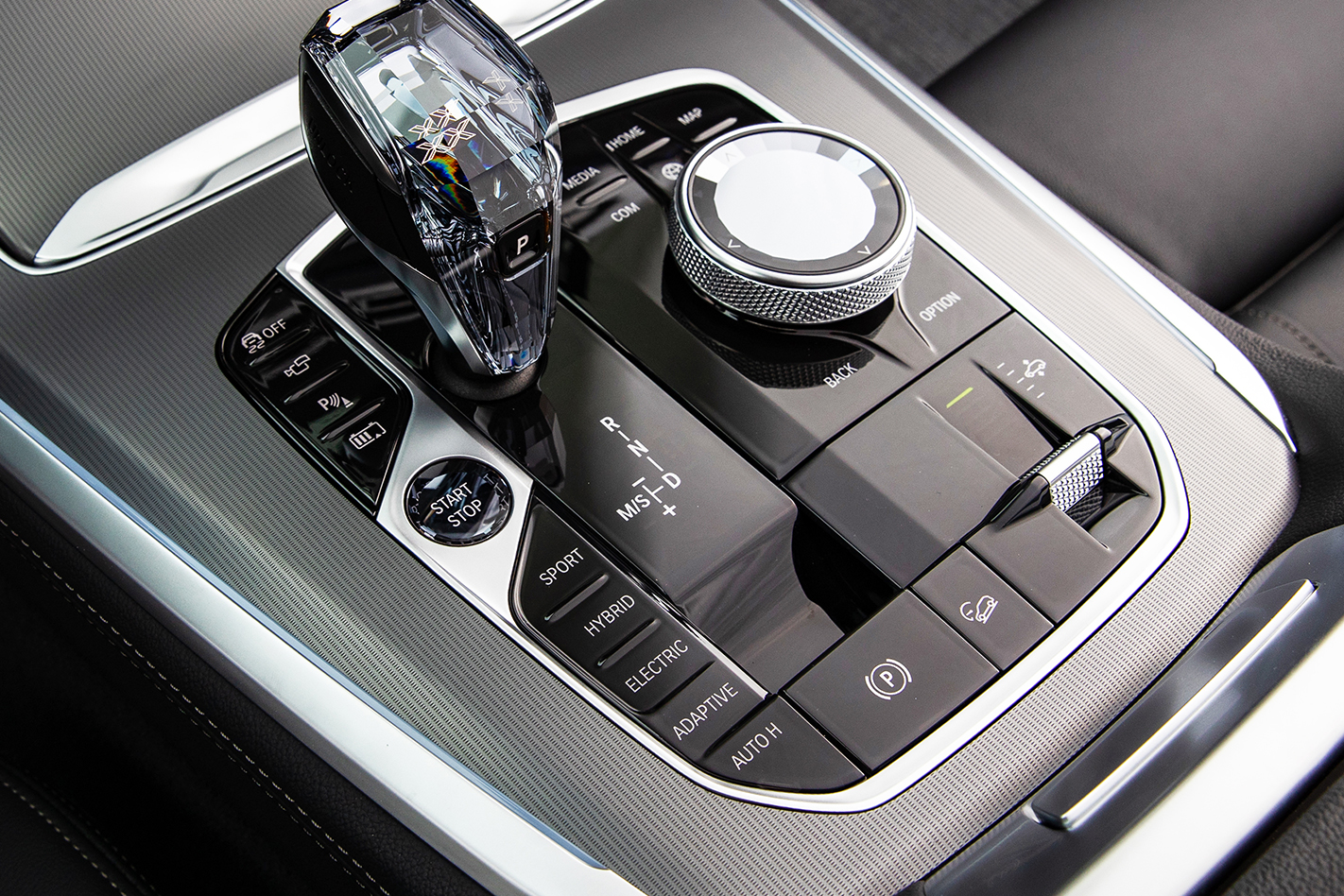
A number of modes are available to get the most out of the PHEV experience. Sport gives you everything the xDrive45e has to offer, Electric is essentially what it says on the packet – pure EV. Adaptive toggles between these two modes to find the best balance, while Hybrid can actually recharge the battery pack. The latter afforded an extra 11km of electric driving after using that function for only a short time. Regenerative braking also sends charge to join the electric reserves, but thankfully it doesn’t kill the feel through the pedal, and coming to a halt is largely progressive and jerk-free.
While the drive route, in the postcard-perfect autumn greenery surrounding Munich, doesn’t offer too many dynamic challenges, the X5 PHEV astounds by how well it manages its heft. Although the centre of gravity remains low due to the placement of the battery in the X5’s floor, the almost 2.5 tonne kerb weight is hard to ignore. Yet, with only minimal tweaks to the bushings and dampers over garden-variety X5s, the PHEV handles remarkably well and defies that bulk. Two-axle air suspension with adaptive dampers is standard – and it shows its worth with a supple ride, confidence inspiring body control and minimal road noise. The xDrive moniker stands for all-wheel drive, so there is an abundance of grip and an ability to go off-road. Most won’t.
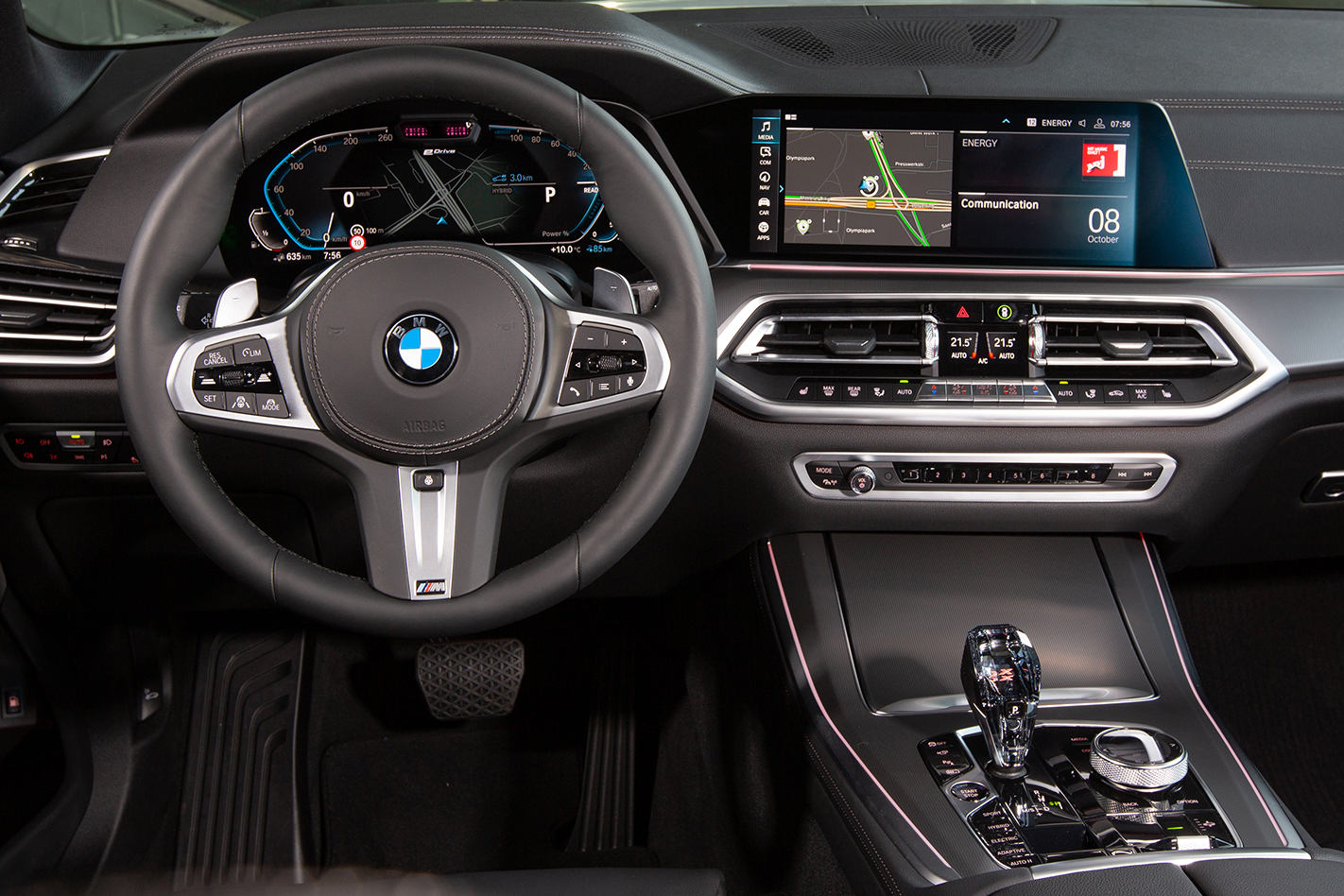
Inside, the xDrive45e is much the same as the updated G05 X5 we already have in Australia. Plush materials abound, with high-quality leathers cloaking the seats and dashboard. It’s an elegant and detailed cabin. A 12.3-inch infotainment touchscreen housing smartphone mirroring capabilities and navigated via the latest iDrive controller dominates the experience. It’s crisp, clear and has the capability to showcase EV-specific menus. The digital instrument cluster is a bit hit-and-miss, but overall looks modern and couples well with a clear head-up display.
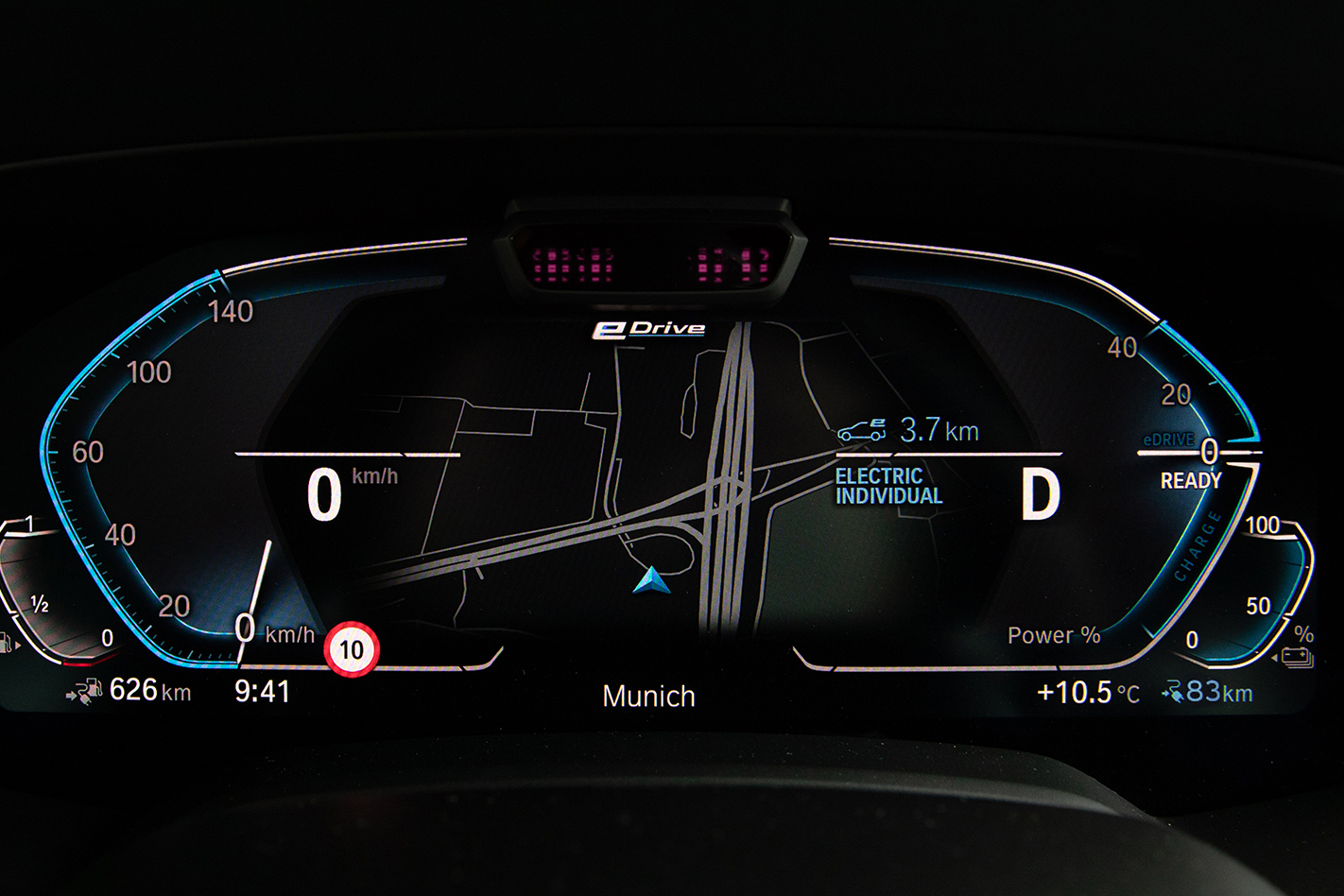
There’s ample space for heads, legs, knees and toes, although it’s worth noting that the PHEV version of the X5 can’t be optioned with third-row seating – it’s strictly a five-seater. Boot space has decreased thanks to the hybrid gubbins, leaving the xDrive45e with 500L of cargo capacity compared to 650L in a ‘normal’ X5. The cool split tailgate remains.
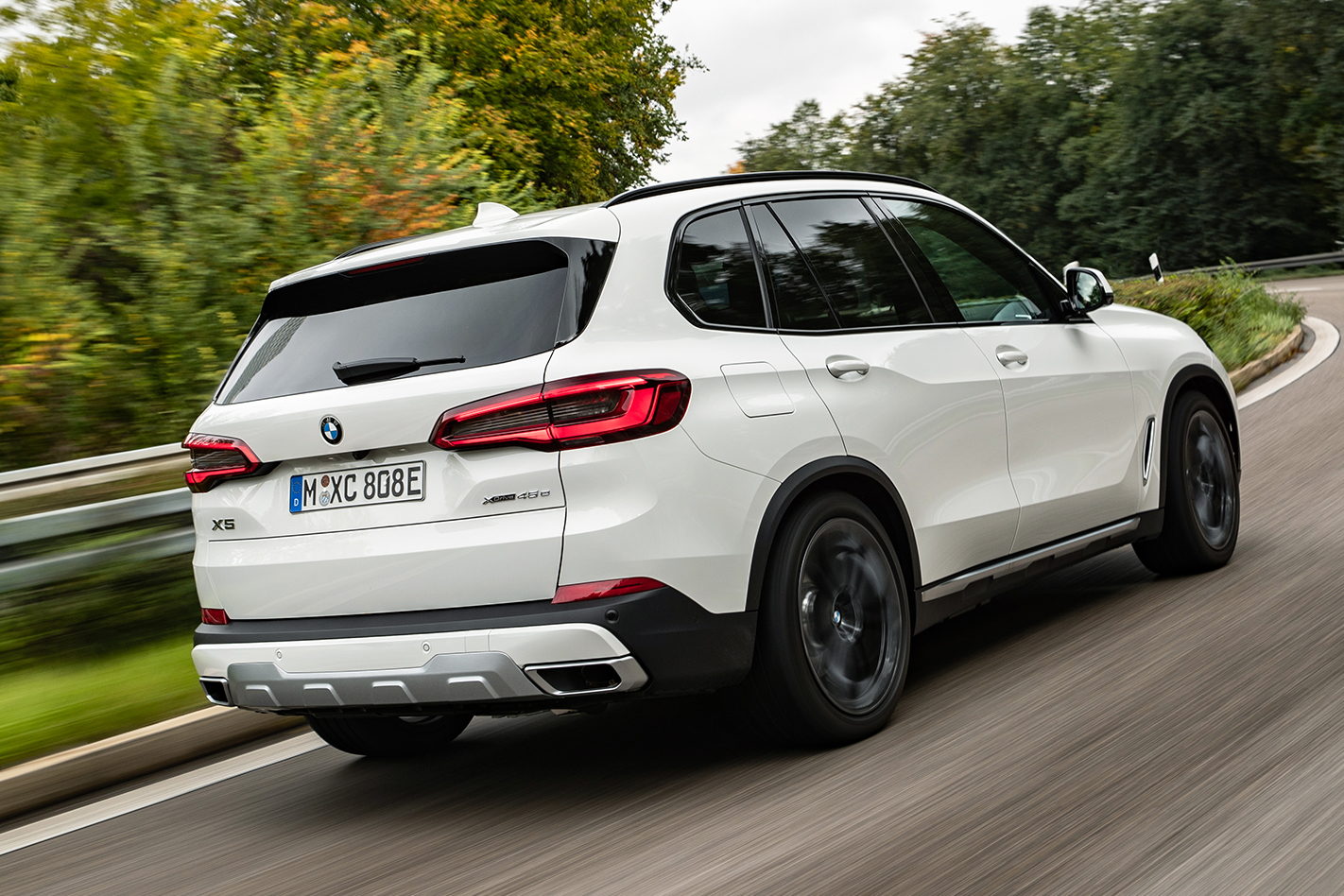
Returning to the city and to BMW Welt, you forget just how silent the X5 PHEV is. Tourists are simply unawares. However, all the quiet time allows for thinking, and you have to wonder whether the $129,900 xDrive45e is worth the $17,000 price jump over the X5 30d – even with diesel now being somewhat on the nose. You have to really want the benefits the PHEV offers to justify the extra spend. For instance, you could feasibly cover the daily commute on the 87km of electric range, comfortable in the knowledge that there’s petrol power to back you up on longer trips if needed. Plug in when you get home and you’re back to full charge in less than seven hours.
As a premium SUV, the X5 already ticks a lot of boxes. With the xDrvie45e, there now is an added layer of forward-thinking flexibility.
MAIN RIVALS
Mercedes-Benz EQC; Audi Q7 e-tron; Jaguar i-Pace.
Price and specs
- Model: BMW X5 xDrive45e
- Engine: 2998cc in-line 6, dohc, 24v, turbo
- Battery: 24kWh lithium-ion
- Max power: 290kW combined
- Max torque: 600Nm combined
- Transmission: 8-speed auto
- Weight: 2435kg
- 0-100km/h: 5.6sec (claimed)
- Economy: 2.0L/100km
- Price: $129,900
- On sale: Now
Hennessey is calling its latest creation, the Hennessey ‘Resurrection’ Camaro ZL1 1LE, “the first hyper-muscle car.”
With 895kW at the Resurrection’s disposal, we’re not sure we can argue with that.
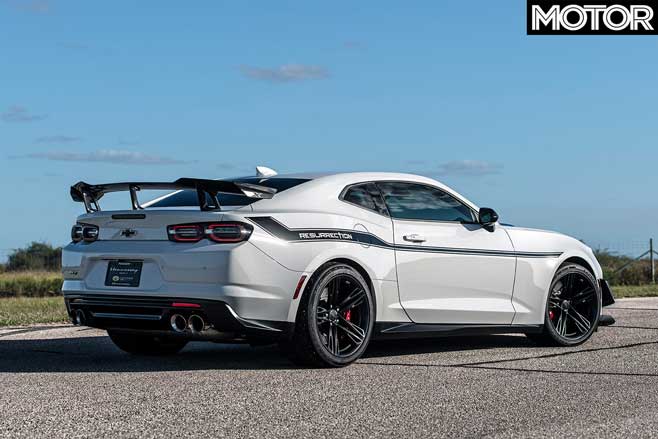
Created as a successor to the Dodge Demon-fighting Exorcist Camaro ZL1, the Resurrection is a beast capable of, according to Hennessey’s claim, a sprint to 97km/h (60mph) in less than 2.3 seconds.
This is owing to its heart transplant, the replacement of its Camaro ZL1 LT4 V8 with the LT5 from a Corvette ZR1.
And as with most of Hennessey’s high-powered builds, almost everything mechanical has been upgraded or altered to allow a higher tolerance for power.
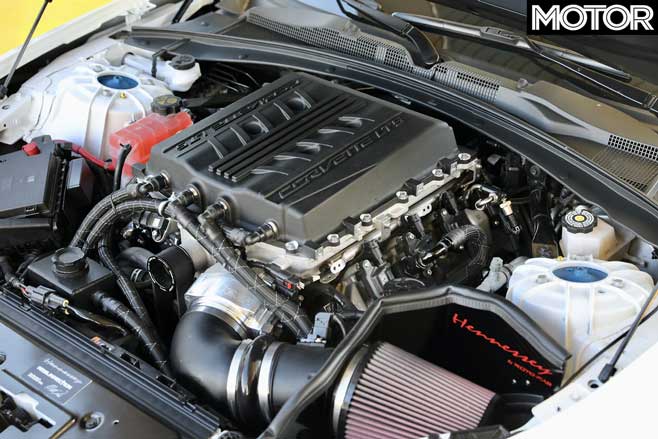
Everything from the new high-flow induction system to the catalytic converters, and from the intercooler to the camshaft, has been tweaked to allow more air through, to withstand higher temperatures, to move more freely, or to move less.
Hennessey says you can even have it with your choice of 6-speed manual or 10-speed auto, and they’ll give you a 1 year to 12,000-mile warranty, whichever arrives first.
“Our team has been waiting to offer a more powerful version of the Exorcist.We’ve built several 1200 horsepower C7 ZR1 Corvettes, so we knew we could deliver this same power level in the ZL1 1LE, but we just needed a cool name to fit the car.
“The Resurrection seemed to be the perfect evolution of the Exorcist, which was a name that was ultimately inspired by the Dodge Demon.”
That explains the “he is risen” tagline Hennessey is using for the reveal of the Resurrection.
Finally, how much? Hennessey says USD$200,000 covers it, with that price (mercifully) including the Camaro ZL1 1LE.
Ford engineers have joined forces with auto electrical outfit Webasto to debut a one-off, 671kW electric Ford Mustang at the 2019 SEMA Show.
According to the American carmaker’s press release, the Mustang Lithium can draw over 1356Nm of torque from an 800-volt battery system and dual-core motor.
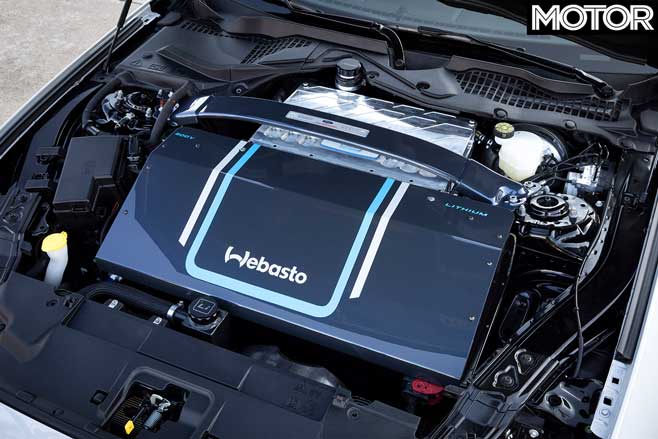
As a unique tribute to the Mustang’s driver-oriented pedigree, the collaborators chose a Getrag 6-speed manual transmission in place of the automatics typically favoured by EVs. Ford Performance’s Track Handling Pack also made the cut, along with Shelby GT350R six-pot Brembo brakes nestled behind 20-inch Forgeline wheels.
Much like the current crop of consumer-purchasable Mustangs, several torque-modulating drive modes are available on the Lithium, ranging from ‘Valet’ to ‘Beast’.
Don’t hold your breath for a six-cog electric Mustang to appear at your local dealership, though. According to Ford’s chief product development and purchasing officer Hau Thai-Tang, the one-of-one prototype was built to showcase “what new electrified powertrains can do for performance in a car they already know and love.” For now, road-going Mustangs will continue to drink unleaded juice.
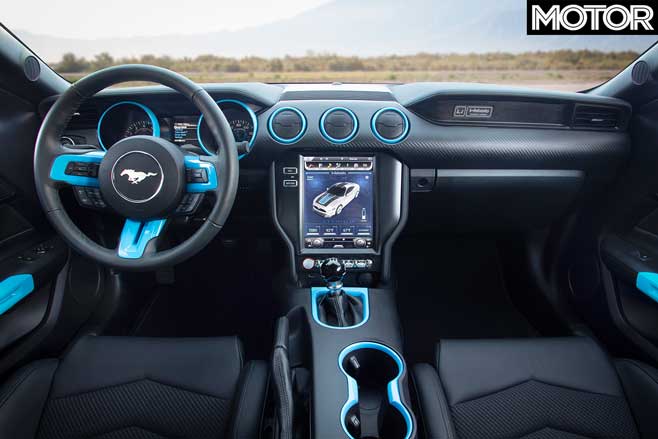
Despite being best described as a concept car, the Mustang Lithium fits neatly with Ford’s projected lineup over the next few years. Ford’s all-electric range will kick off with their Mustang-inspired SUV, due to be revealed on November 17 for a 2020 release.
Longer-term products such as the slated battery-powered F-150 will also likely use technology gleaned from the unique Lithium – even if in an arguably less extreme form.
Speedkore Performance Group has unveiled their latest creation at SEMA 2019 – a twin-turbo, carbon fibre-bodied Dodge Charger Widebody with all-wheel drive.
If that sounds all too familiar, that is because Speedkore is the same tuner behind the twin-turbo carbon-fibre Dodge Challenger Demon that laid down a record-breaking 8.77sec quarter-mile time.
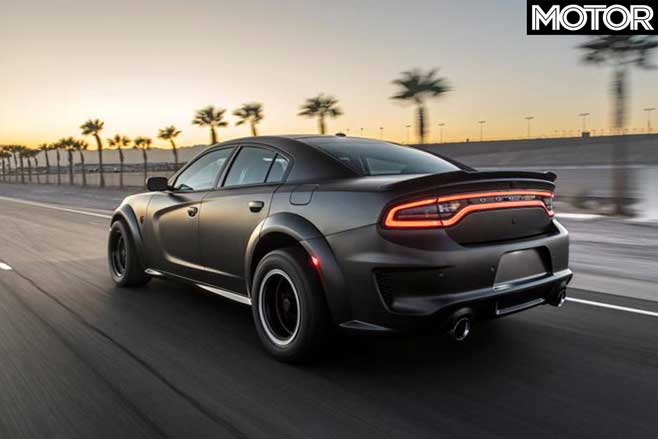
Like the carbon-fibre Demon, the custom Charger Widebody features much of the same engineering works and elements.
Once again, the twin-turbo 6.2-litre HEMI V8 mill in the Charger is the work of Gearhead Fabrications and is basically a reworked Demon engine with its supercharger discharged in favour of a pair of new Precision 6466 turbochargers squeezed behind the front bumper.
According to Car and Driver, the engine is tuned to produce 1137kW, more than double the standard 527kW output of the most powerful stock Charger Widebody and a whole lot more compared to its 897kW-strong Demon relation. Unlike Speekore’s Demon, power from the Charger’s engine is sent through all four wheels via a custom billet transfer case.
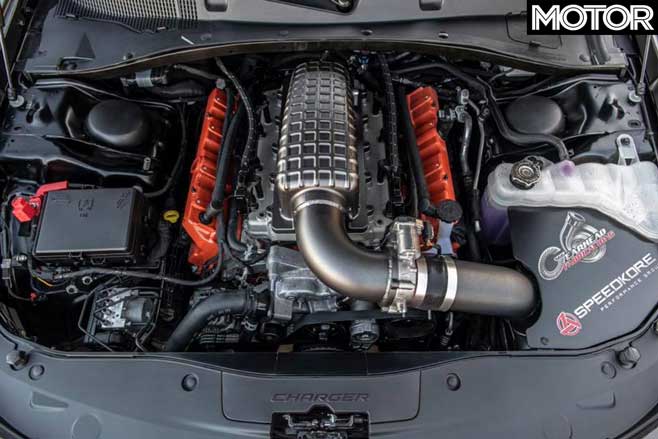
In creating the carbon-fibre widebody kit, Speedkore worked with Dodge to create moulds based on the newly unveiled Charger Widebody.
Like the carbon-fibre Demon, Speedkore’s Charger also features front exit exhaust that emerge from a front bumper cut out, ahead of the front wheels. This being a four-door family car, Magnaflow also installed a secondary exhaust system that is routed to the back to bring noise levels down to a civil level on the street.
According to Speedkore, the custom carbon-fibre Charger Widebody was commissioned by the owner of the twin-turbo carbon-fibre Demon for his brother. For now Speedkore has yet to verify its performance figures on the drag circuit, and will be putting it through its paces to get some numbers out soon. Stay tuned.
Aussies continue to tighten their belts as the local new-car market suffered its 19th-consecutive month of decreasing sales, slipping to 82,456 units for October.
While more than a million total sales for 2019 is still achievable, the market fell by 9.1 percent (8262 cars) compared to October 2018.
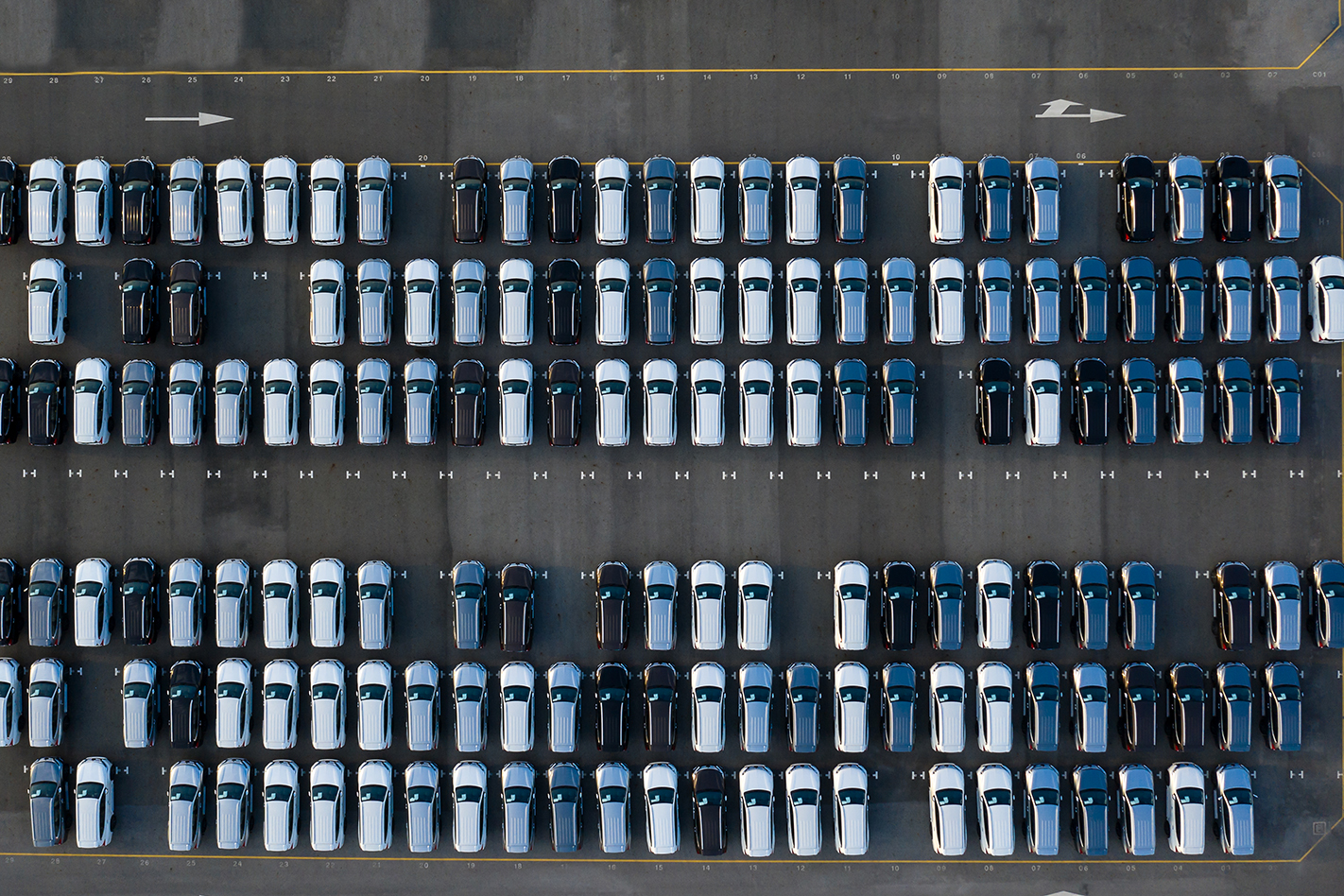
Chief executive of the FCAI, Tony Webber, said that 2019 has seen almost 78,000 fewer units sold to date compared to 2018, which is an 8 percent decrease, and believes that there are several factors accounting for the decline.
“While the drought and other domestic conditions are impacting the market, our key concern is the effect over-regulation of the financial sector is having on new vehicle sales.
“The FCAI and our members have been concerned about the risk-averse approach to lending in Australia for some time and see improved access to finance as a key to driving economic growth in 2020,” Webber said.
Even the popular SUV segment is down 3 percent (1201 vehicles).
Looking at the top 10 brands for the month, all manufacturers are struggling to increase sales compared to this time last year.
“Of particular interest is the fact that sales are down across all buyer types, with private sales down 5.2 percent compared to October 2018, business sales are down 8.2 percent and government sales are down 7.3 percent.”
However, Kia seems to be bucking the trend and continues to rise up the ranks. The Korean brand has risen to fourth within the rankings with 5062 sales in October – put into perspective, parent company Hyundai sold 7455 cars to be second on the list.
Toyota continues to top the market (16,988) with Mazda (6370) rounding out the podium behind Hyundai.
Interestingly, Holden is clinging on to a top-10 position in ninth with 3086 sales, with Honda nipping at its heels with 2761.
There is a persistent urban myth among Australian motorists in rural areas that police use conniving, sneaky tactics to catch speeding drivers, even going so far as to camouflage themselves within roadside flora.
Well, a video posted to social media confirms the urban legend remains true.
“This is what it’s come too. Cops hiding in the bushes with a speed camera to make some money,” says the caption of the video, below, which was uploaded to Facebook.
Even knowing what you are looking for, it is difficult at first to identify the officer in question, who, along with his radar, is hidden behind a bush on the side of the road.
While the footage is bound to get your blood boiling, it’s likely what the officer is doing is perfectly legal.
This is because Queensland Police can only use radar guns at pre-determined locations, all of which are publicly listed.
According to the Queensland Government, there are “up to 3000 mobile speed camera sites throughout Queensland”.
These locations are selected according to a “strict criteria, including an assessment of speed related crash history,” states the Queensland Government’s own website.
“Other reasons to establish a mobile speed camera site include a known high-risk of speeding, in school zones, or at roadwork sites where the road workers health and safety may be at risk.”
According to the Facebook user that posted the video, the footage was taken “near the Hinze Dam boat ramp”.
The western boat ramp at Hinze Dam is only accessible via Nerang Murwillumbah Road, which is regarded as a local black spot for fatalities.
According to the list, there are eight locations police can use to set up a mobile speed camera on the Nerang Murwillumbah Road, with three located in Advancetown, three in Numinbah Valley, and a pair in Natural Bridge.
The Queensland Government website states that officers operating hand held speed cameras can position themselves at an approved location at any time of day or night, on any day of the year, wearing either their uniform or plain clothes.
In the video it appears that the hand-held radar being used by the officer is mounted on a tripod, which is also perfectly legal.
A similar operation by Victorian police officers was exposed on an episode of Highway Patrol in 2017.
