
Toyota’s played in the hotted-up ute sandpit before, but it didn’t go particularly well. So we’ve come up with a new idea for a Toyota TRD Hilux (or even a GR Hilux, as it’d now be called).
This Sweet Dream was first published in the August 2016 issue of MOTOR Magazine.
Its first stab at a TRD-badged Hilux was back in 2008, when it jammed a 225kW/453Nm 4.0-litre supercharged V6 in the front, bunged in a set of tweaked Bilstein dampers underneath, stuck a few stickers on the side and charged $64,990 for the pleasure.

Now, choosing the previous TRD Hilux for its performance credentials was about as sensible as, say, choosing Trump as a presidential candidate, but what might surprise you is that in recent years the Hilux has been honing its motorsport chops.
Each year numerous V8-powered Hiluxes line up to tackle the gruelling Dakar endurance rally, with Fernando Alonso set to have a steer in 2020. These brutal sounding trucks are powered by a re-tuned version of the Lexus RC F’s 5.0-litre V8, producing around 285kW/600Nm.
Full-size utes are exploding in popularity in Australia, with punters proving they are willing to drop big money on their trucks. The Porsche-powered Volkswagen Amarok V6 is the best-selling variant in the Amarok line-up, while Ford Ranger Raptor is, despite a relatively paltry 2.0-litre turbo four under the bonnet, setting new standards for chassis tuning for a street-bound ute.
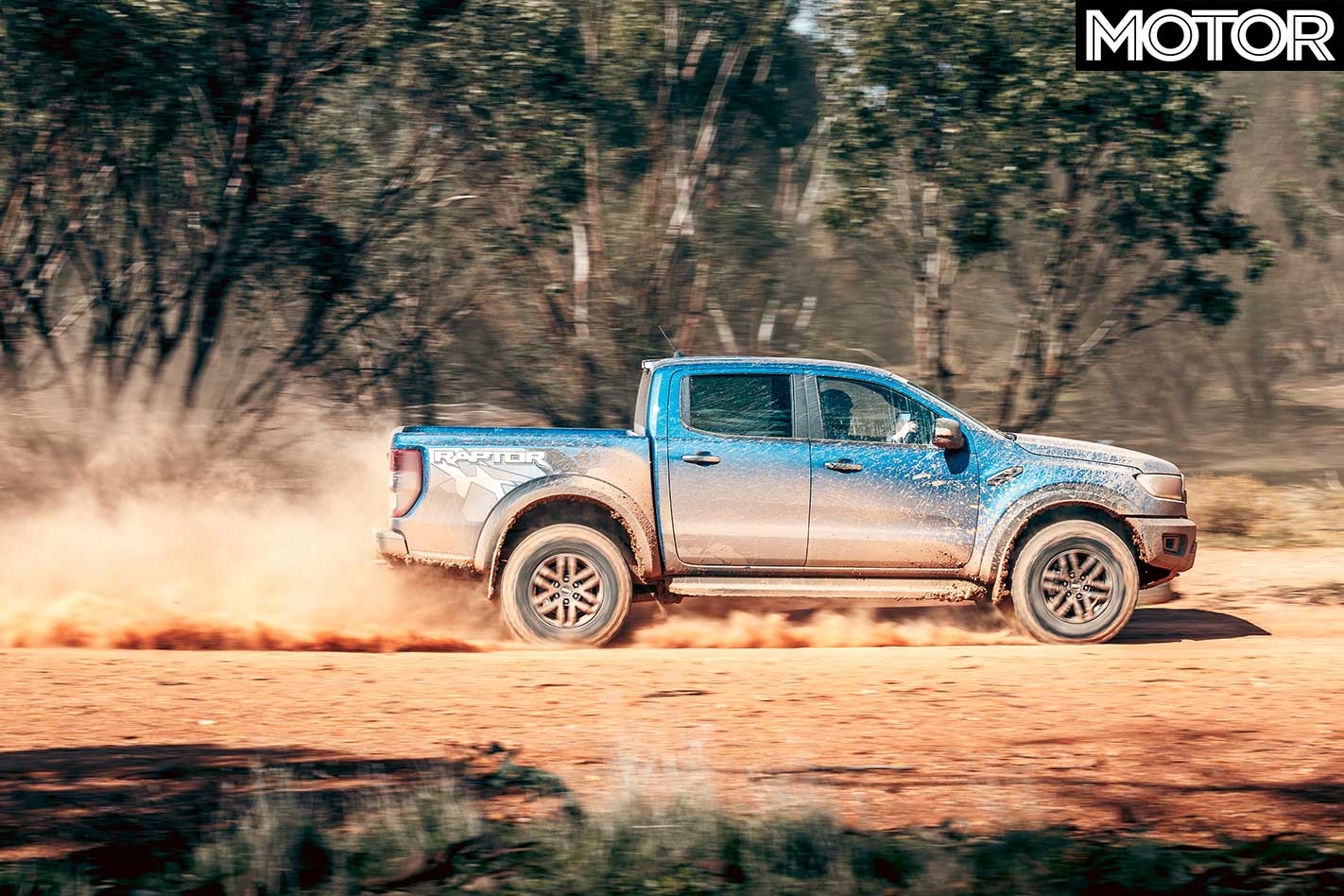
Combine that with Australia’s traditional love of performance utes and the demise of our own V8 hay haulers and you have a golden sales opportunity.
Here’s how we’d do it
1. EIGHT IS GREAT It’ll surprise no one to learn there’s a dirty great V8 lurking under the bonnet of the TRD Hilux.
It’s not the 5.0-litre Lexus unit like the Dakar racers use, that would be much too costly. But the US Toyota Tundra offers a 284kW/543Nm 5.7-litre V8, linked to a six-speed automatic, which will fulfil our needs nicely.
2. TUNE IT UP With a 2150kg kerb weight, the TRD Hilux won’t be a rocketship, but it’ll make an awesome noise and those craving extra speed can always turn to any number of aftermarket tuners to supercharge their new toy, just as Tundra enthusiasts in the US have done.
3. GO AHEAD, JUMP If you’re going to build a high-performance off-road ute, Fox Racing, the company that supplies the shocks for Ford’s Raptor, are the people to turn to. If it can survive 120km/h jumps through the desert, you’re sure not going to break it on the daily commute.
4. GUARD FILLERS Wheels are 17 inches all ’round, with 35-inch BF Goodrich All Terrains providing grip in the slippery stuff, though they’ll struggle on-road.
The larger wheels will allow fitment of larger brake discs and calipers, which will be required to pull this beast up from unfamiliar speeds.
5. PUSHING UP The benchmark really is the Raptor, which sells for $75,990. That, and the number of punters putting up $60K-plus for top-spec Rangers and Amaroks (before aftermarket gear) makes us confident Toyota would find plenty of buyers at $75,000.
UPDATE, January 2023: New HiLux GR Sport revealed
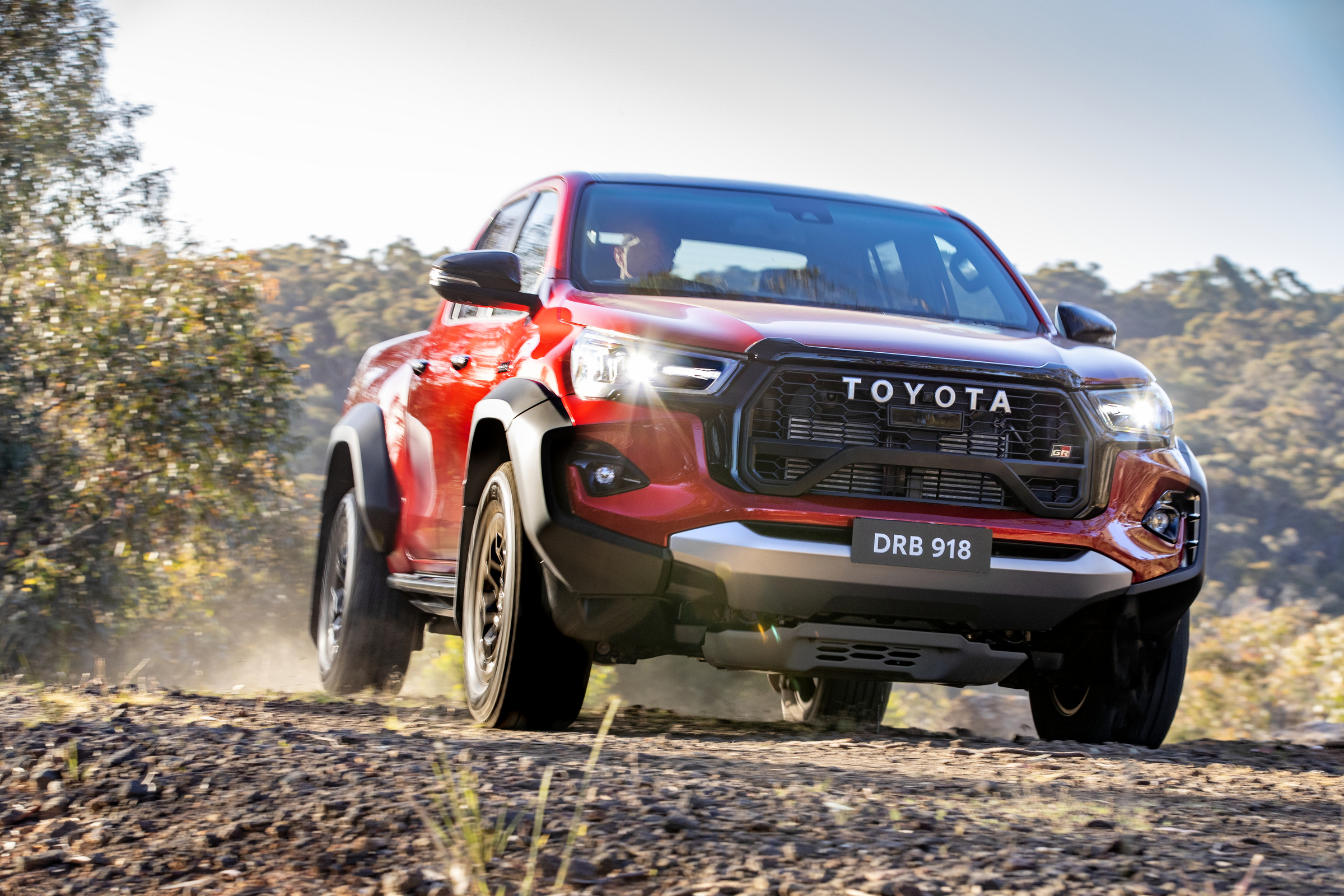
It’s no full-bottle high-powered GR HiLux, but the new 2023 HiLux GR Sport does get more power and torque than the regular model – making it a rival, of sorts, to the Navara Warrior and Ranger Raptor. In the meantime, we’ll keep hoping for a proper performance upgrade in future GR HiLux. Details below.
The story to here
Toyota Australia is pondering how it might tweak the Toyota Hilux family to keep its hugely popular ute at the top of sales charts – and it’s not ruling out a performance model to do battle with the Ford Ranger Raptor, HSV Colorado SportsCat and Nissan’s incoming Navara Warrior.
“We don’t have firm plans outside of the lineup we have currently, which is doing quite well in its own right, but certainly we’re watching that market very carefully and it’s moving quickly, and it’s ultra-competitive and products are coming seemingly by the month at the moment,” said Toyota Australia sales and marketing director Sean Hanley.
The company was keeping a close eye on its key rivals, and while performance-oriented utes aren’t necessarily something that would secure a significant boost to market share, the halo effect such a vehicle – which we’d expect to wear the name “Hilux GR” to follow in the footsteps of the Toyota Supra GR – generates for the rest of the range would be hard to ignore.
“We’re acutely aware of the competition out there, and we’re acutely aware of the importance of the Hilux to the Australian market. So you can be sure we won’t be surrendering any time soon, that position of leadership.”
“Does that mean we’re looking towards these things for the future? You’d better believe we are.”
According to Hanley, Australia’s sizable contribution to global Hilux sales (last year it moved over 51,000 of them) means our market has a say in the direction of future products. Which is good, because in order for a Hilux to be worthy of the GR badge it would have to provide tangible improvements to at least one of the following: acceleration, braking or handling.
“It would have to have performance, in a dynamic sense,” Hanley said. “We don’t have any plans around [Hilux GR] right now, but that’s my thinking going forward. When it comes to performance, it needs to run, stop and turn – at least one of those things has to be improved.”
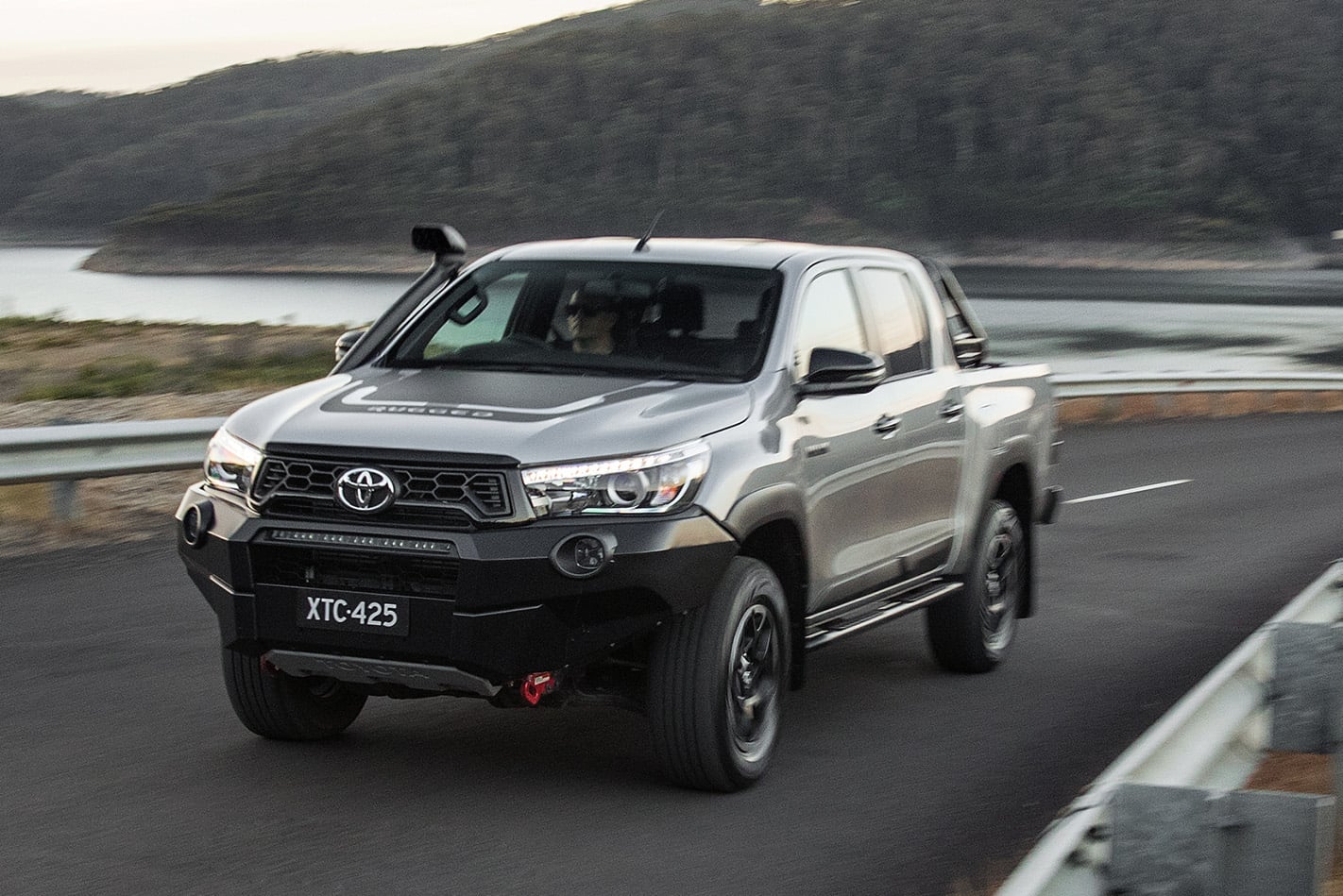
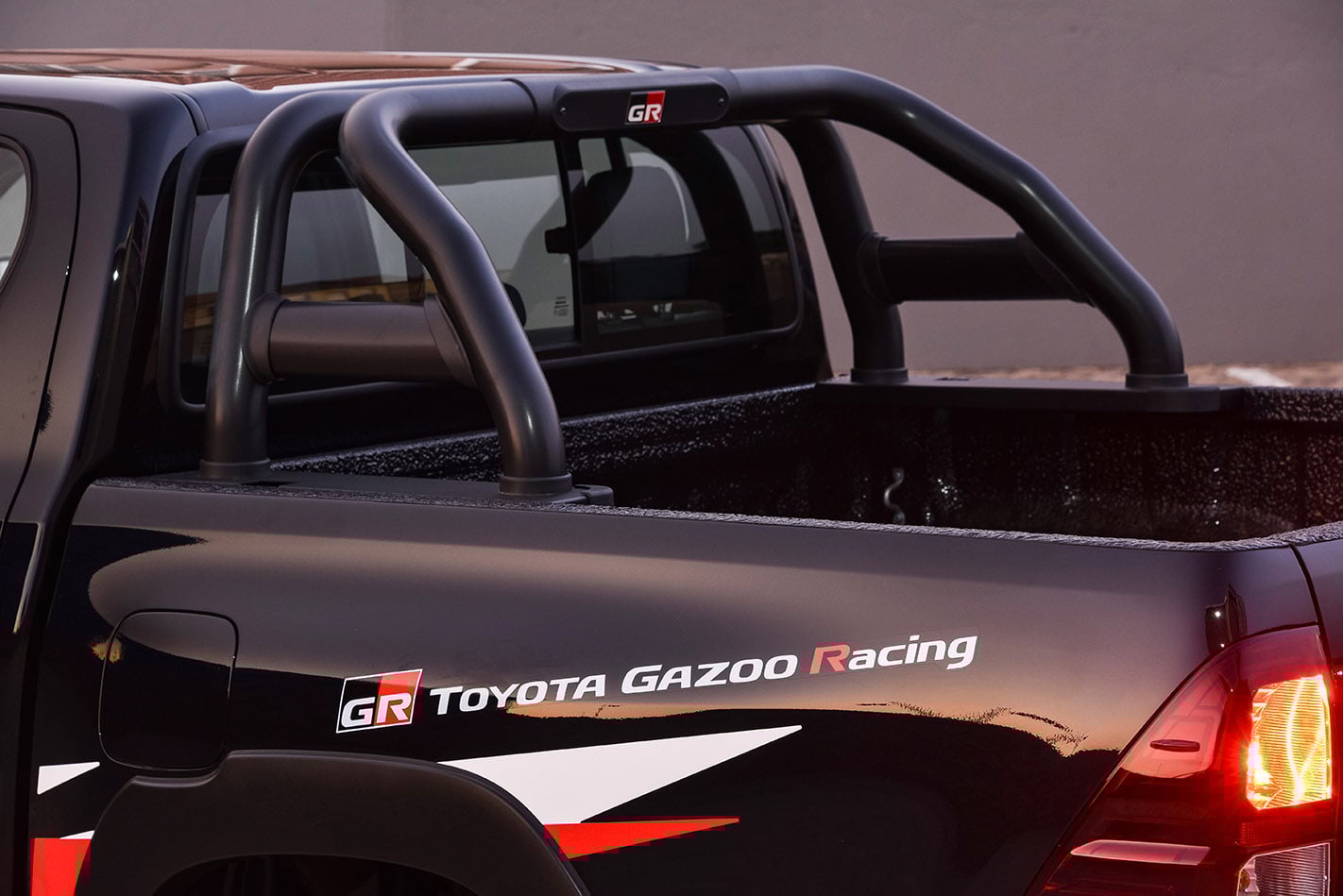
And that means the Hilux GR Sport revealed for the South American and South African markets is a no-go for us. As a styling-only package it doesn’t satisfy the “credible performance product” criteria Toyota Australia has as a non-negotiable prerequisite for GR-branded variants, and doesn’t provide enough of a step up over the cosmetically-enhanced Hilux Rogue and Rugged X that are already on sale (above).
However if you’re keen on going Raptor-hunting in a factory-tuned Hilux, maybe curb your enthusiasm. With no formal plan to bring out such a vehicle and no clarity on whether Toyota Australia would go it alone – as Nissan has with the Navara Warrior – or wait for a global product to become available, we don’t know when such a vehicle might roll into Australian showrooms, or what specific form it might take.
Sign up here to get the free weekly WhichCar eNewsletter
The Dodge Charger has always been the best bang-for-your-buck four-door saloon on sale in the US, but it just got a whole heap better thanks to the addition of the 2020 Dodge Charger Widebody.
After a couple of years of Dodge focussing its development efforts on the two-door Challenger, now it’s the Charger’s turn to get the go-faster treatment.
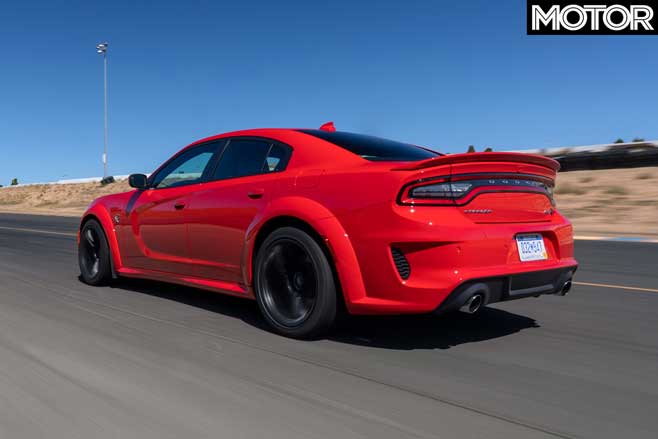
You just need to look at the Challenger line-up to see how this will play out. That now comprises a performance range that rises in firepower from the 6.4-litre N/A Scat Pack to the supercharged Hellcat, up to the Widebody Scat Pack and Hellcat, then the narrow and wide versions of the 594kW Hellcat Redeye, before topping it all off with the limited-edition Satan’s sled itself, the 626kW Demon.
While there’s no reason to doubt that the Charger will have the same model progression, the Demon-equivalent Charger is looking like it might be even more evil than the ready-to-race drag car. Early shots from Fast ‘n’ Furious 9 show Dom getting about in a Charger wearing a set of Demon wheels. This is rumoured to be the coming out of a 746kW version of the four-door. We can only hope that’s true.
That said, the Widebody Charger – the 2020 Hellcat version is now only available in broad spec, the Scat Pack can still be had in narrow or wide formats – will more than do for now. Created by kicking the wheels out by 3.5-inches front and rear then fitting 305/20-inch tyres all round, it gives the car a whole new, much-needed level of grip and control.
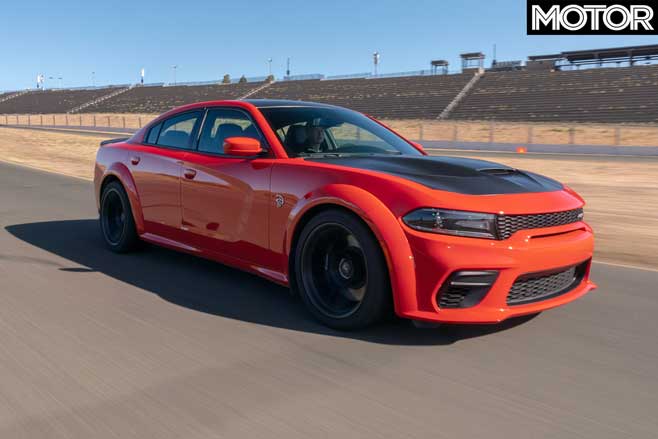
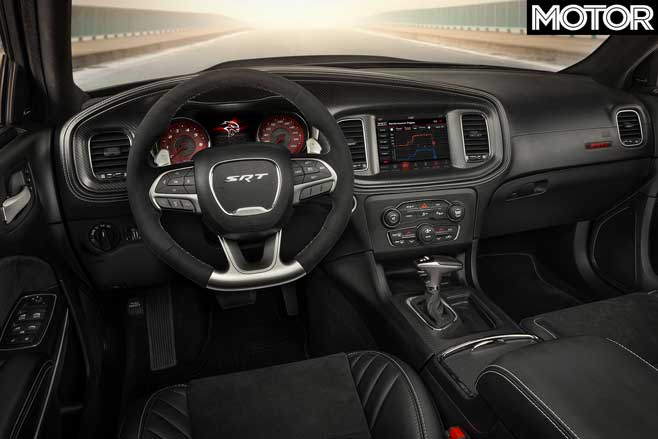
But it takes more than the wider wheels alone to create the effect. Front and rear sway bars are thicker and stiffer than before, as are the springs which are 32 per cent harder – although, as per the company handbook, not as stiff as the Challenger – so that you can make the most of all that extra grip. Other than these mods, Dodge has also fitted the WB Hellcat Charger with three-mode electric power steering for the first time.
On WB Hellcat models four new race-derived technologies have also been added to the arsenal. Launch Control and Launch Assist manage tyre slip and wheel hop, while Line Lock allows instant burnouts at the press of a button. Race Cooldown, which we first saw on the Demon, keeps the supercharger charge air cooler running even after the engine has been shut down.
Dodge claims the above changes shave a few km/h off the top speed, which is still a healthy 272km/h, but more than make up for that with the following figures: 0-97km/h (0-60mph) takes 3.6secs; the quarter mile is dispatched in 10.96 seconds; and it now pulls 0.96G on the skid pan. All improvements on the narrow-bodied car. As are the braking figures, the bigger tyres shaving four feet off a stop from 97km/h.
So it’s perhaps no surprise to hear that it shaves a ‘which-way-did-it-go?’ 2.1 seconds off the narrow-bodied Charger Hellcats lap time around a 2.1-mile track. The improvements are similar on the WB Scat Pack cars: 0-97km/h in 4.4secs, 12.4 second quarter mile, 0.98G on the skid pan and a 1.3 second improvement in lap time.
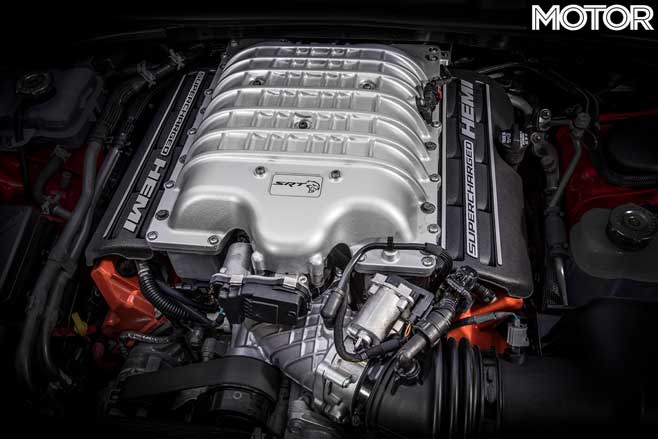
But it’s still a shock to feel how at home these big cars feel going fast on road and track. There is a huge improvement in steering feel and grip at both ends.
The Hellcat will still light up its tyres if you give it a smidge too much out of a corner, but you’re traveling appreciably quicker when it happens. The Scat Pack is the easier car to drive fast and extend to the edge of its abilities. But the Hellcat’s supercharger whine is so addictive, that’s the one we’d have to have. At least until the next version appears…
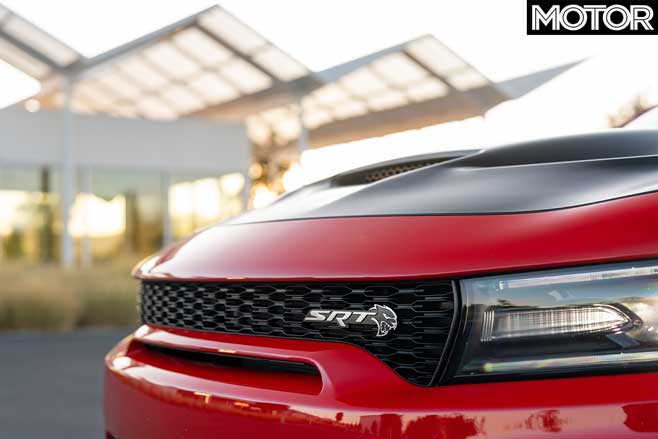
2020 DODGE CHARGER SRT HELLCAT WIDEBODY SPECS
Engine: 6166cc V8, OHV, 16v, supercharger Power: 527kW @ 6,000rpm Torque: 881Nm @ 4,000rpm Weight: 2080kg 0-100km/h: 3.6sec (claim) Price: USD$74,140
Early in October, hundreds of Berlin residents gathered in a vigil for four people who were killed in a traffic accident the previous day.
The focus of their ire? The fact that the vehicle involved was an SUV, which had mounted the pavement and killed a three-year-old, his grandmother and two young men.

Politicians called for restrictions on the size of SUVs allowed into the city, while newspaper headlines shouted ‘SUV Insanity!’ from their front pages.
While the car involved was only a Porsche Macan, the protests underline a simmering resentment – in Europe at least – about the rise and rise of the larger car.
And it’s for a variety of reasons, including a perceived increase in pedestrian injuries and deaths inflicted by larger cars, as well as the larger, less ecological footprint of an SUV.
Recent climate change protests were targeted at the Frankfurt Motor Show, where activists stood on the roofs of several display models within the halls, unfurling ‘Climate Killer’-emblazoned banners.
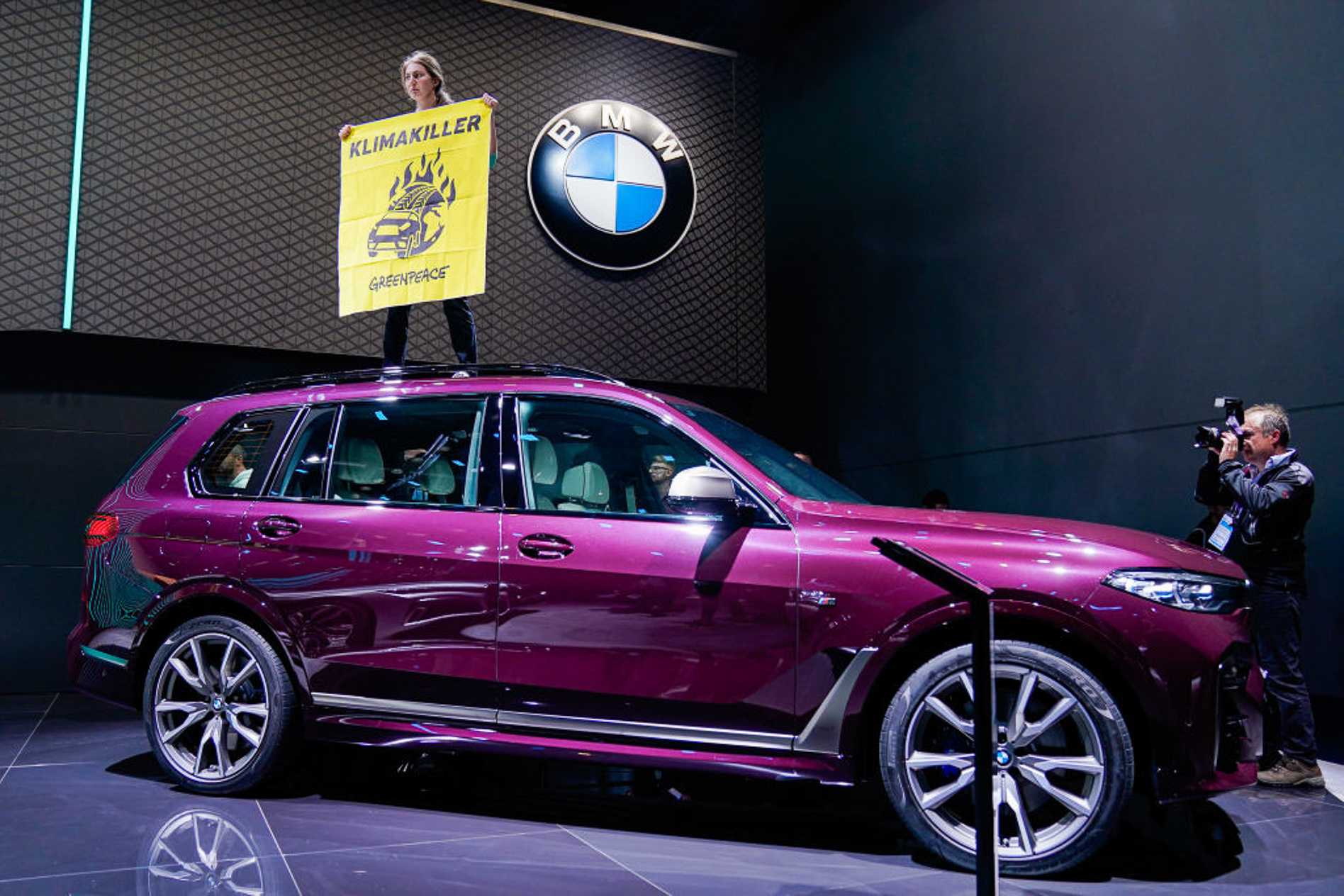
There’s also another reason that the SUV’s seemingly all-dominant days may be coming to an end, though – fashion.
“The sedan is the middle finger of the future,” Nissan senior vice president for global design, Alfonso Albaisa, told website Automotive News Europe at the Tokyo auto show last week. “It’s the tattoo of the future.”
Albaisa’s theory is that the next generation of car buyers won’t want to buy the same kind of cars that their parents owned, and will look to make a statement by looking elsewhere in the automotive industry for their car.
It’s a view shared by others in the industry.
“I don’t believe that SUVs will overwhelm the market,” Skoda’s Board Member for Sales and Marketing, Alain Favey, told WhichCar earlier this year.
“For us, there is no doubt that in the future there will be a demand for cars like the Octavia, irrespective of what’s happening with SUVs and electric vehicles. There will always be a demand for other types of cars; otherwise, we would not develop them. And we believe in the future like cars like the Octavia and Scala [hatch].”
The recent introduction of the Volvo S60 also prompted the brand’s CEO Hakan Samuelsson to suggest that the sedan’s inherent aerodynamic advantage over the larger, boxier SUV shape will give designers of alternate-power cars a notable advantage when it comes to hitting drag-coefficient and emissions targets.
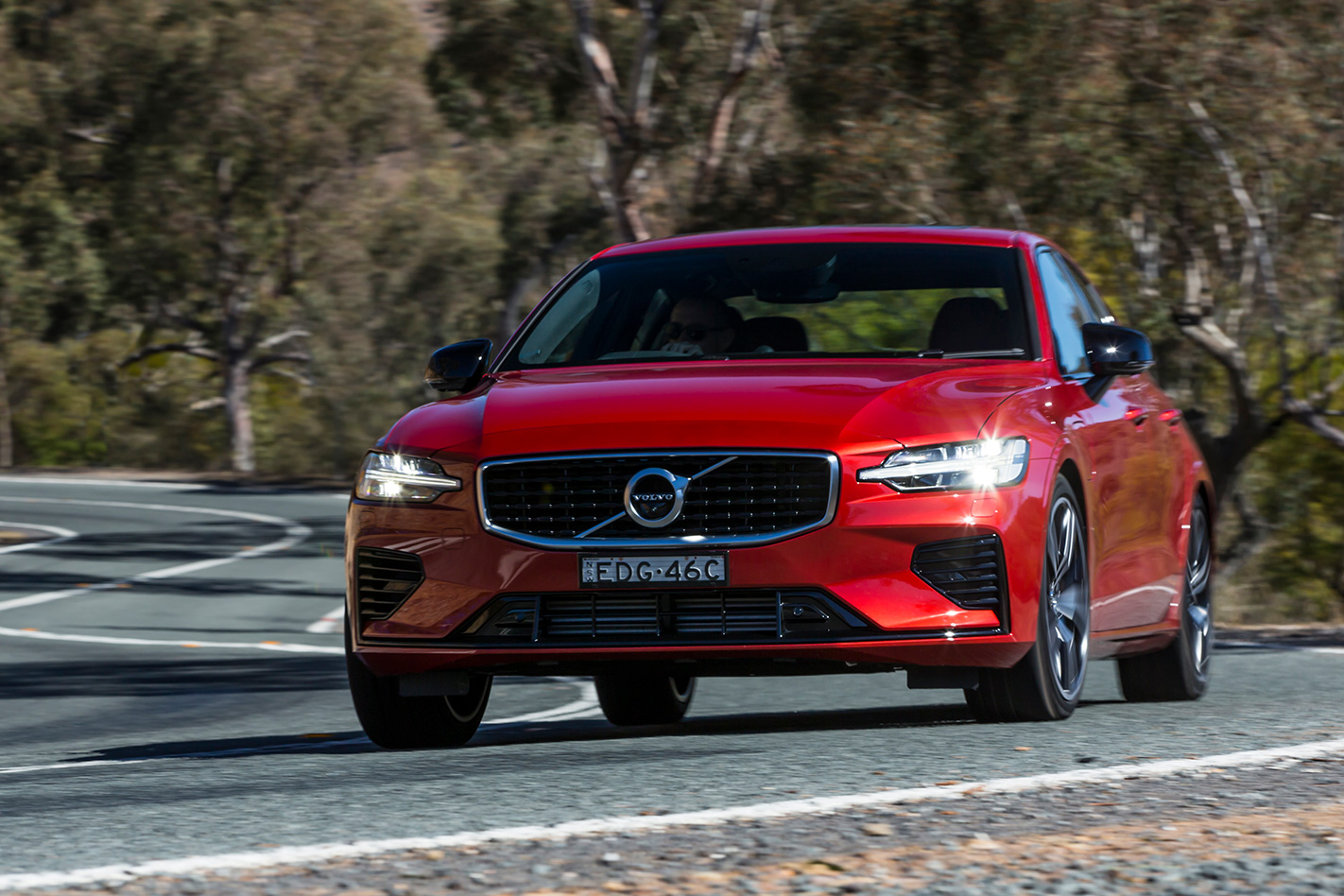
“I wouldn’t be surprised if those market forces cause a comeback for smaller sedans, especially if you don’t need the size of an SUV,” he said.
Car buyers in large world markets like South America and China still see the sedan as a sign of prestige, which will encourage the continued development of the notchback, as the sedan is known in the industry.
Locally, the sedan is definitely still off the menu when it comes to new car buyers, with former favourites like the Holden Commodore well and truly out of favour, while solid, reliable performers like the Ford Mondeo are overlooked for cars like the Mazda CX-5.
For carmakers like Hyundai, who enjoys huge success with sedans in its home market and the US, the case to bring the once-popular Sonata sedan back to Australia is still up in the air.
BMW is enjoying a slight resurgence with its new 3-Series, but its sales are eclipsed by the X3 and X5. It’s a similar situation for Mercedes-Benz and Audi, whose C-Class and A4 models are outsold by their GLC and Q5 siblings.
However, companies like Volkswagen – while mindful of the state of play in the pure passenger car segment – are forging ahead with plans to bring in newer, more technically advanced versions of its most popular passenger cars.
“It’s true the sedan market has shrunk in recent years, having given way to the ever-increasing popularity of SUVs,” said Volkswagen Australia public relations manager Kurt McGuiness. “But there is still a place for a well-equipped, genuinely spacious Euro sedan and wagon derivative, which is why Passat remains a part of our lineup.”
An Australia-only special edition of one of England’s most-loved sports cars has been revealed to celebrate an iconic racetrack – the Lotus Elise Cup 250 Bathurst Edition.
With only six units to be sold, the Bathurst Edition comes with a few additional features to set it apart from more garden variety Cup 250s, including carbon fibre racing seats trimmed in Alcantara and red interior accents.
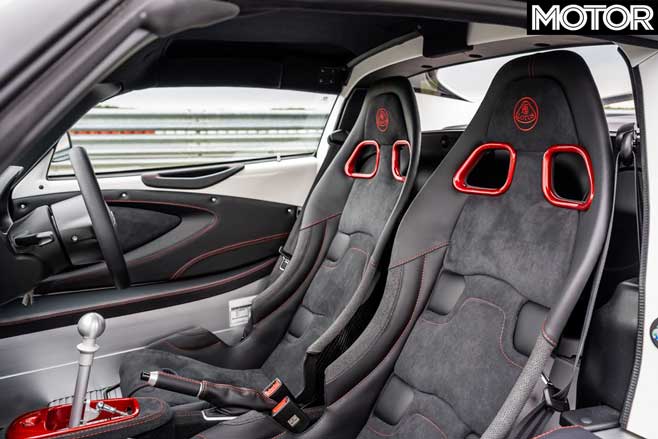
On the outside, the Monaco White paint is special as Lotus claims it hasn’t been used since the Esprit seen in the Bond film The Spy Who Loved Me. Contrasting this, 16-inch front and 17-inch rear alloy wheels in black are specific to the Bathurst Edition, as well as red wing mounts.
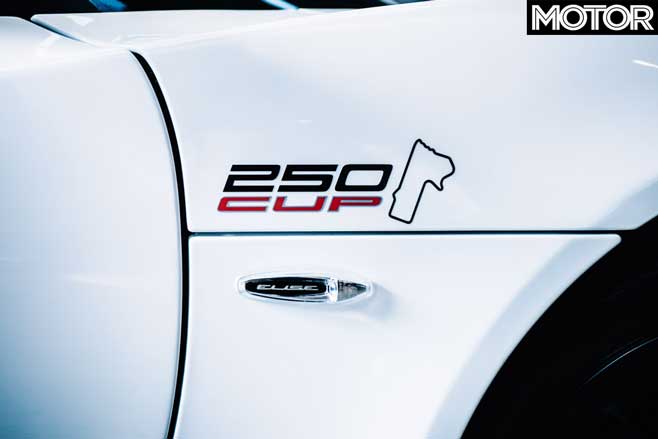
Of course, ‘Bathurst map’ badging and a numbered plaque are the finishing touches.
Mechanically, the Bathurst Edition is standard Cup 250, with 181kW and 250Nm from its supercharged 1.8-litre mid-mounted engine. Kerb weight is at 931kg.
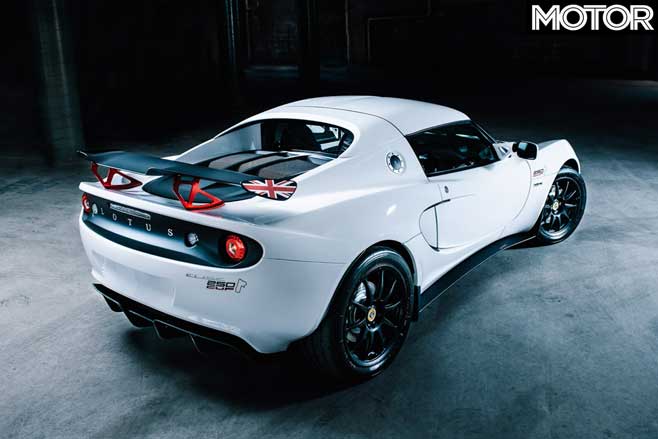
At $109,990 before on-roads the Bathurst Edition represents a $2000 increase in price over the standard Elise Cup 250, but the six buyers of this model will score free entry to the next Lotus Bathurst track day, set for February 5 2020.
Lotus Cars Australia managing director, Lee Knappett says the special edition is a way to thank customers and their participation in the Lotus Australia community.
“Lotus Cars Australia has built a strong enthusiast and track day community, and our Lotus-only Bathurst days are the centrepiece,” says Knappett.
“In February 2019, over 100 cars and 150-plus customers participated in our day and we decided to celebrate this with a special edition car”.
“We are delighted to pay tribute to Australia’s iconic circuit with the Elise Cup 250 Bathurst Edition. With only six built, it’s truly exclusive, while retaining the Cup 250’s incredible performance capabilities.”
Better late than never, as they say, as Jaguar becomes the latest marque to throw its lot into Gran Turismo’s “Vision Gran Turismo” virtual concept car series.
Envisioned as an all-electric, triple-motor, all-wheel drive race car, the Jaguar Vision Gran Turismo Coupe is said to be the work of the company’s young designers and incorporates several styling cues from its rich racing legacy.
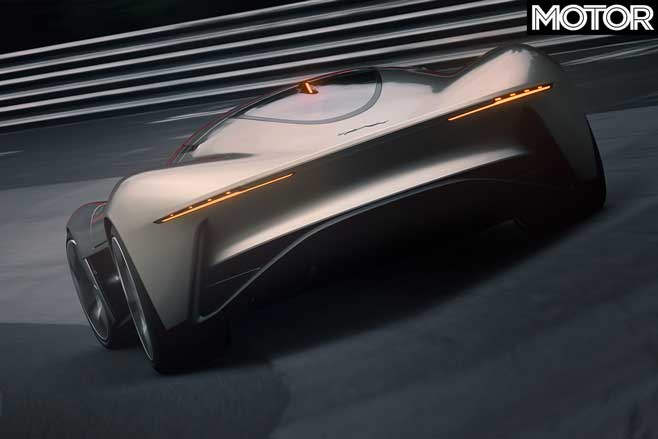
According to Jaguar, the Vision Gran Turismo Coupe’s voluptuous shape takes its inspiration from the Le Mans-winning C-Type and D-Type race cars, with the long flowing bonnet and cabin bearing a resemblance to the E-Type.
On top of that, the Coupe’s electric soundtrack is said to have been augmented by the engine noise of the 1957 Le Mans winning Long Nose D-Type.
Jaguar’s designers also went to great lengths in designing a futuristic cockpit, complete with its own holographic artificial intelligence companion known as “KITT-E”. Whether this character will play a role in the gameplay and be as irritating as videogame companions are known to be, remains to be seen.
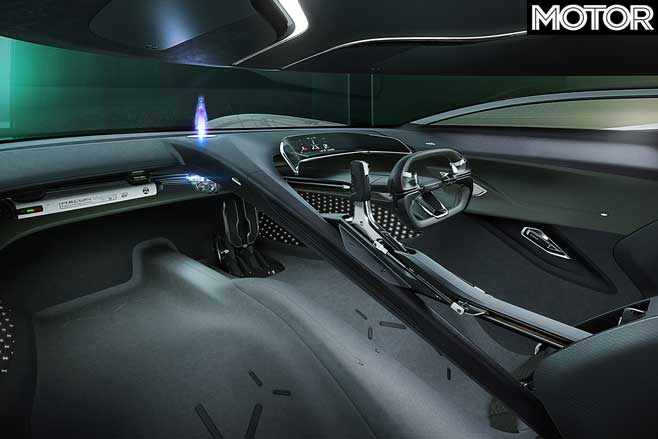
As for its proposed all-electric drivetrain, Jaguar turned to its Formula E and i-Pace eTrophy engineers who accurately modelled a three motor system that delivers 750kW and 1200Nm of torque for Gran Turismo players to toy with.
Weighing in at 1400kg in the virtual world, players would be able to launch the Coupe from 0-100km/h in “less than two seconds” and hit a Vmax figure of “more than 320km/h”.
Jaguar’s Vision Gran Turismo Coupe made its debut last weekend at Sony’s Gran Turismo World Tour at the Tokyo Motor Show, though players would have to wait a while longer for the car to be available for download in Gran Turismo Sport for the Sony PlayStation 4 from the end of November.
Equipment and value
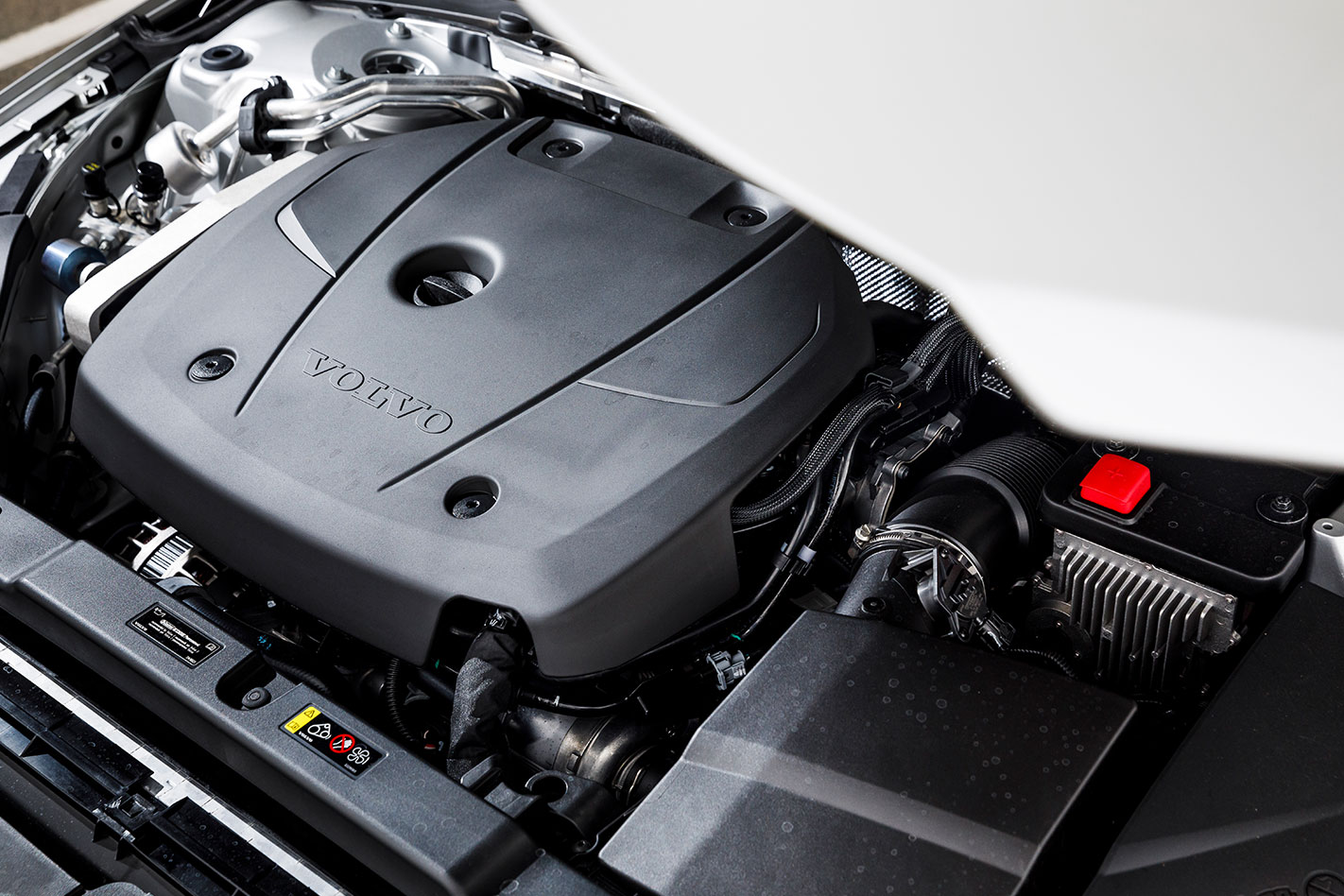
The Volvo S60 line-up consists of four model grades: the T5 Momentum (on test), T5 Inscription, T5 R-Design and T8 R-Design, with prices starting at $54,990 and topping out at $85,990. The V60 (Volvo-speak for wagon) adds a $2000 premium to each of the four variants. All S60s are powered by four-cylinder petrol engines with various types of forced induction – and electrification for the T8. All come as standard with all-wheel drive.
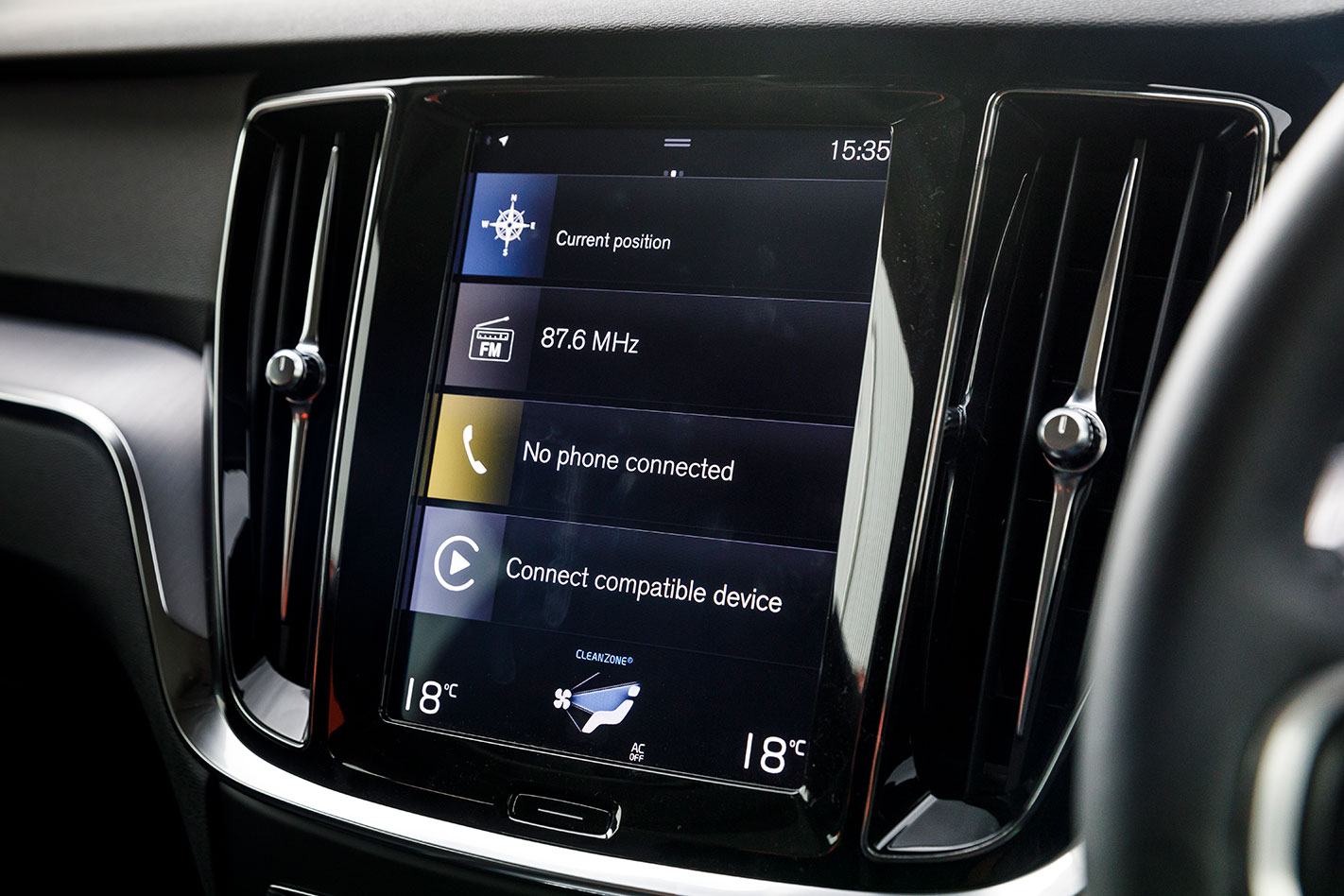
The 9.0-inch central infotainment screen works much like a large smartphone and houses just about all the S60’s vital functions – frustratingly, the climate controls, too. Apple CarPlay and Android Auto are supported. The instrument cluster is a clear TFT screen, while other features like adaptive cruise control, lane keeping, blindspot monitoring and AEB are standard. The S60 comes with a three-year, unlimited-kilometre warranty.
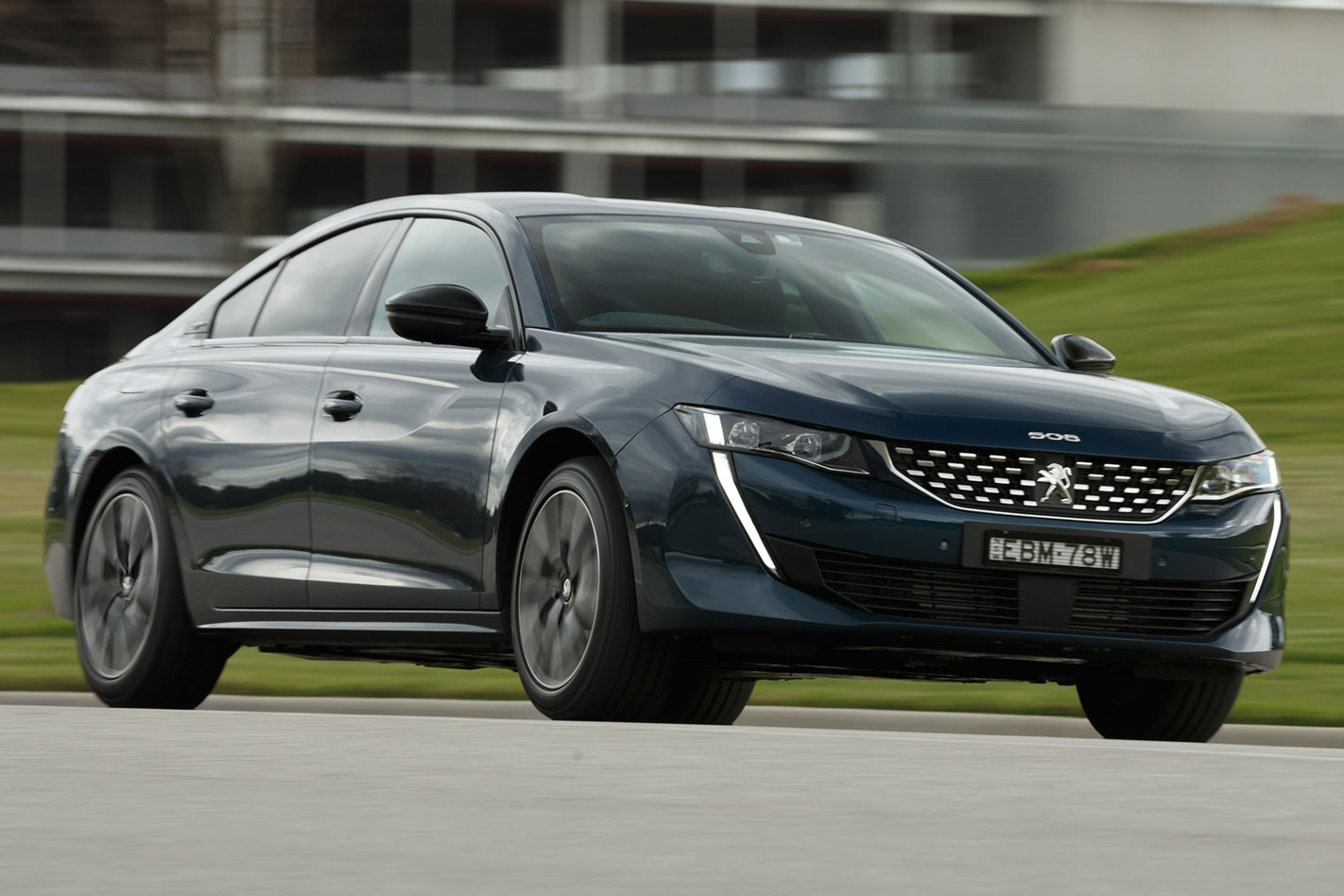
For the moment, only one highly specified variant is available for the 508 in both Fastback (on test) and Sportswagon. The five-door ‘sedan’ is $53,990 and the wagon adds $2000 to come in at $55,990. Both are powered by a four-cylinder petrol, which drives the front wheels.
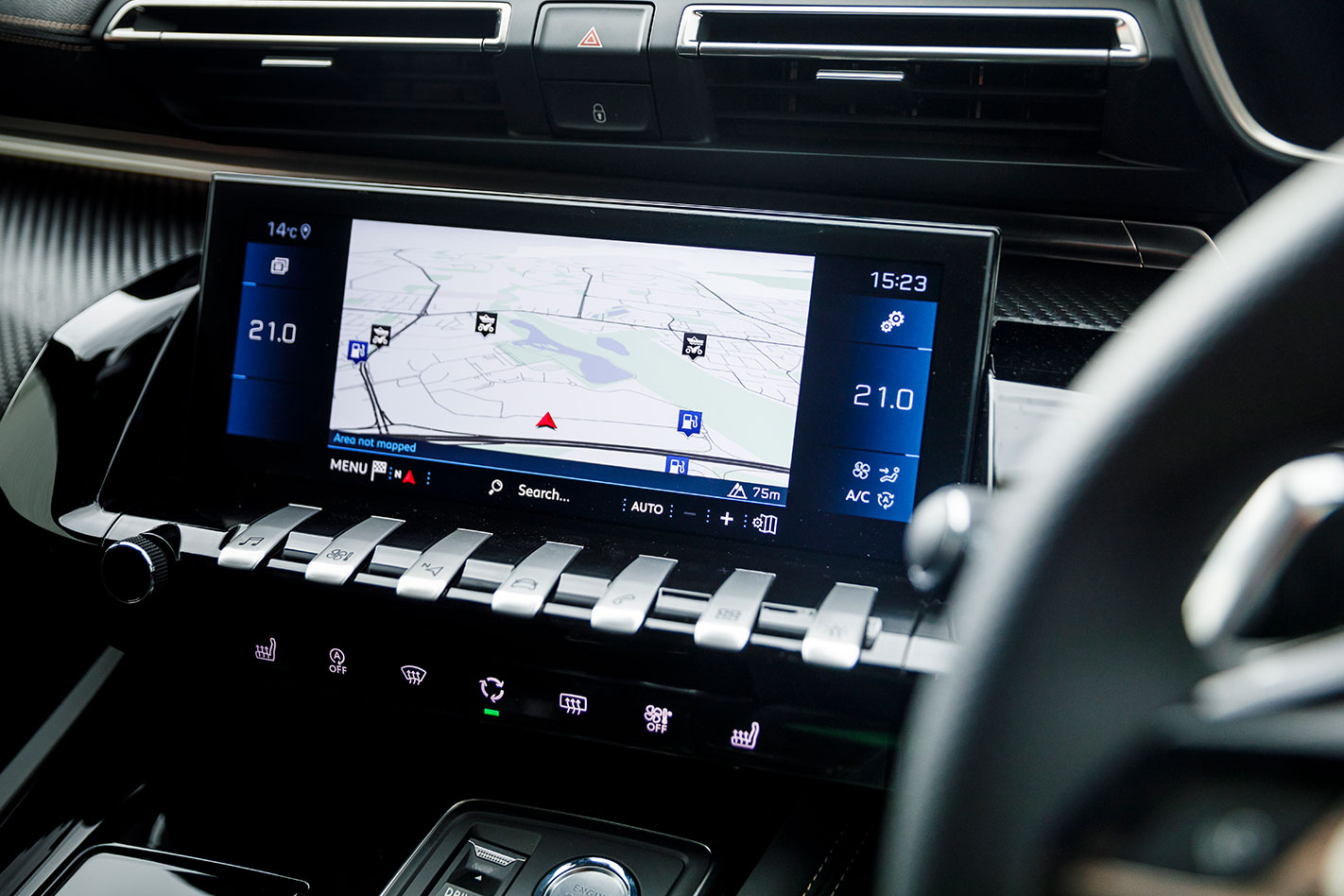
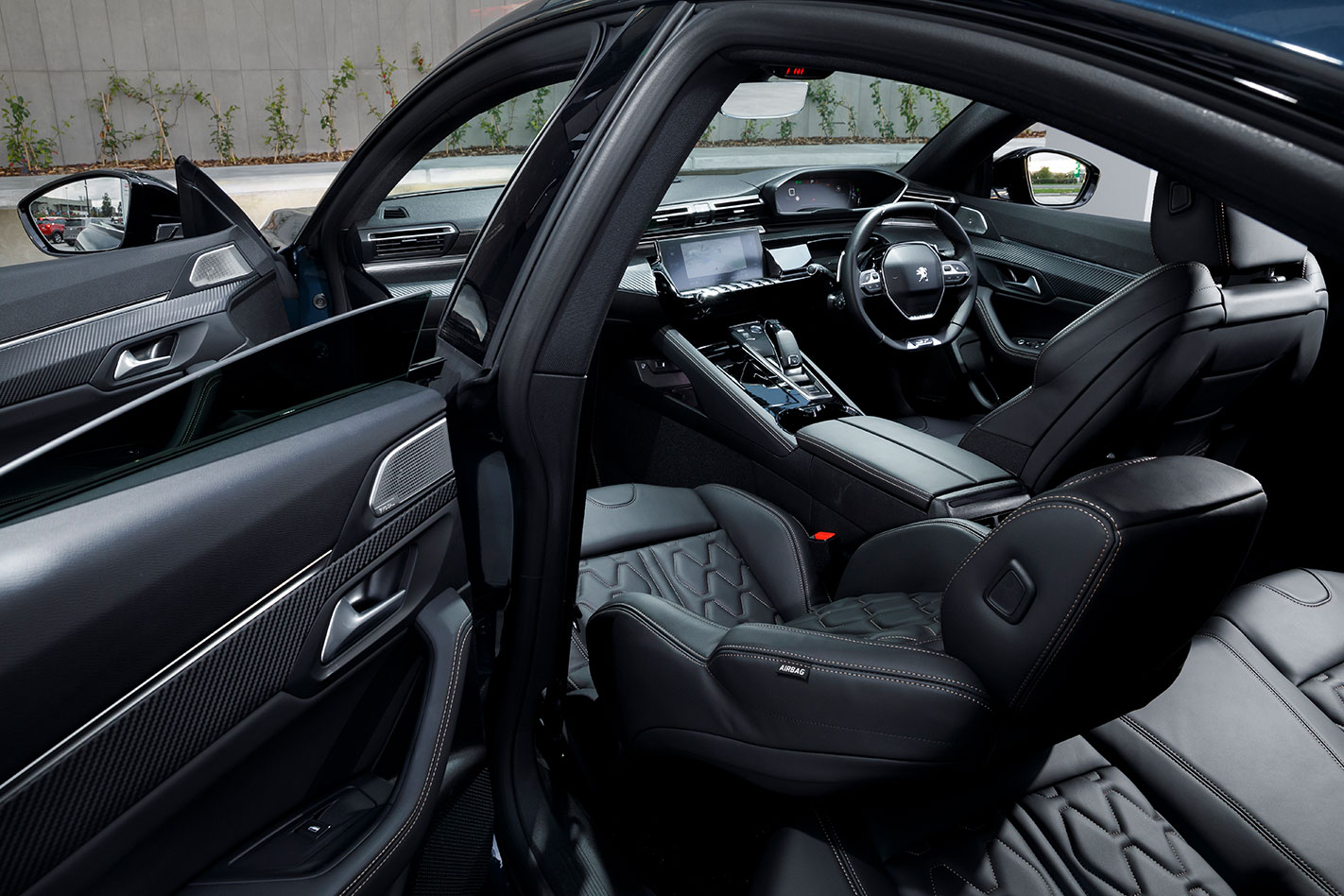
While the interior is a little form over function, requiring an acclimatisation period and some patience, the 508 is well equipped and full of modern tech. Like the Swede, the Frenchie’s 10.0-inch touchscreen (now with a three-finger function to access the Home screen) also takes care of most of the controls. Thankfully, it is not as laggy as Pugs of the past. Apple CarPlay and Android Auto are standard. Adaptive cruise control, lane keeping, blindspot monitoring and AEB are also standard in the 508. However, for the cheaper monetary outlay, the Pug packs in more goodies – the heated, electric Nappa leather front seats even come with a massage function and there is a 10-speaker Focal sound system. The 508 comes with a five-year, unlimited-kilometre warranty.
WINNER: Peugeot 508
Space and comfort
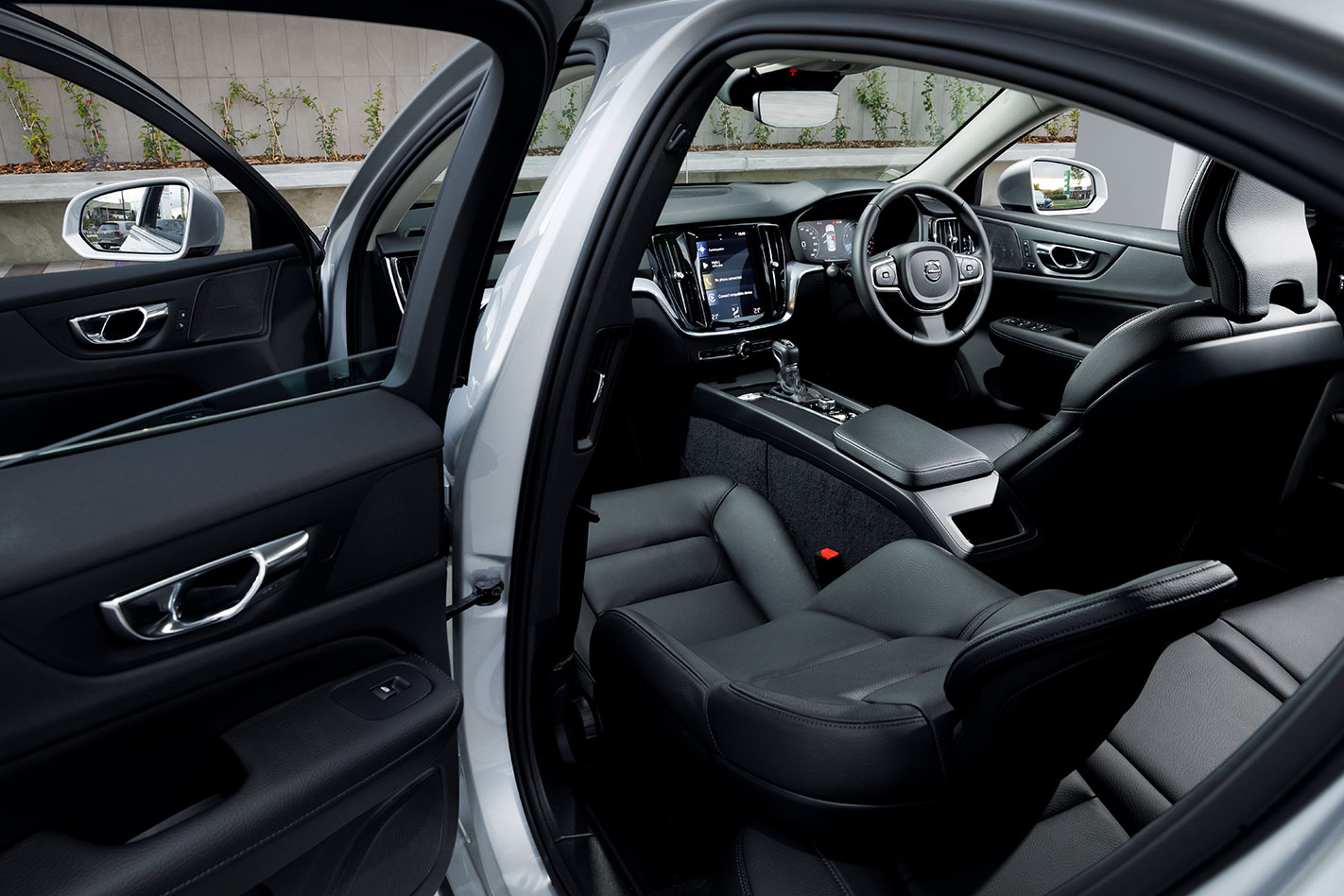
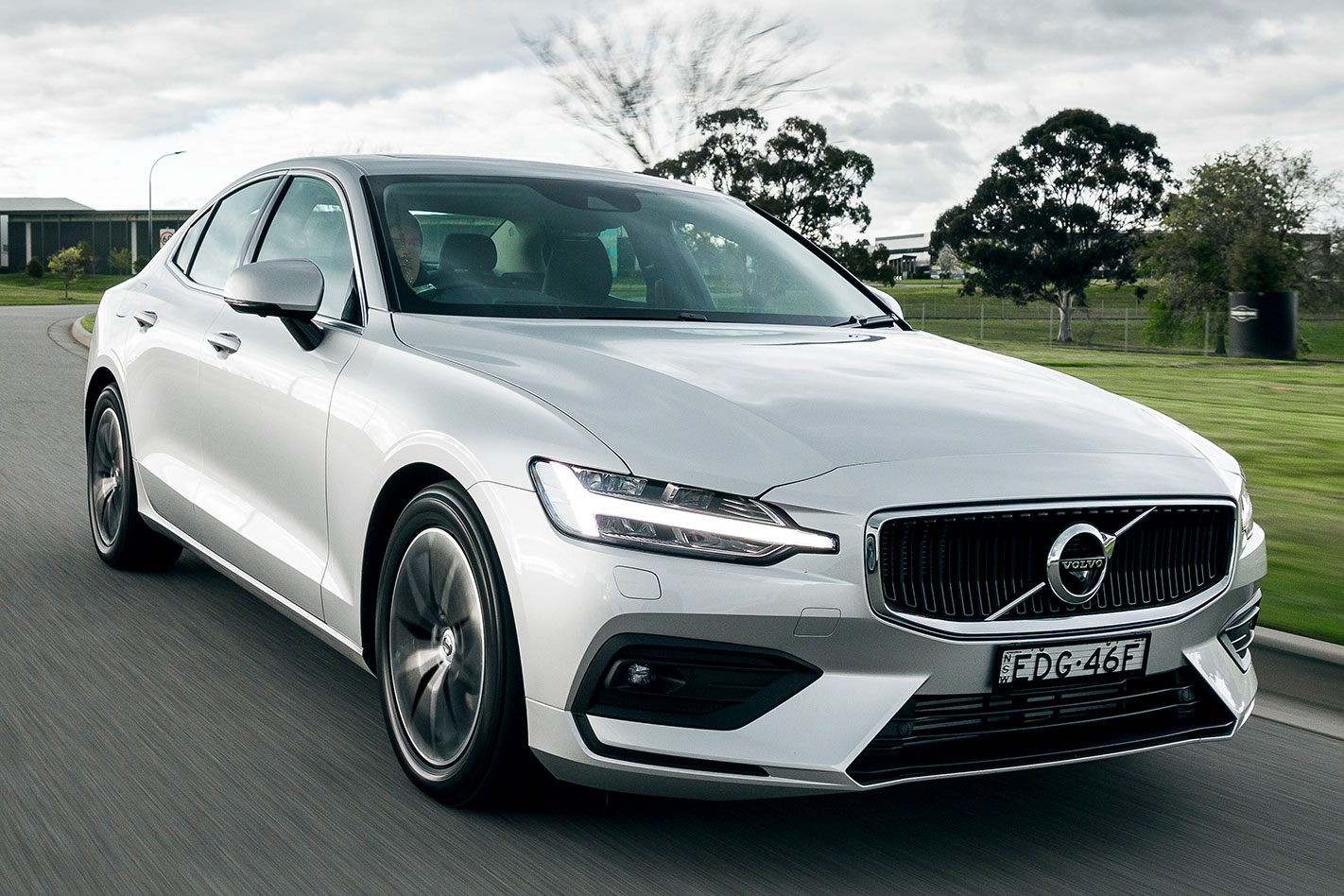
For anyone who has owned a Volvo in the recent past, the new S60’s cabin will seem familiar. And that is not a bad thing at all. The dash design is clutter-free, while the tablet-style screen dominates the aesthetic. The S60 is a bigger car, and overall space for all occupants is reflected in the increased dimensions. Head and legroom is generous, you could genuinely seat four adults on a long trip, while the traditional roofline affords easier access to the rear pews. It’s also comfortable back there, with pillar-mounted air vents and seats you sink into. Overall road noise and NVH is also a step above the Peugeot. However, being a traditional sedan hampers its luggage capacity, with the S60 offering up a 442L boot.
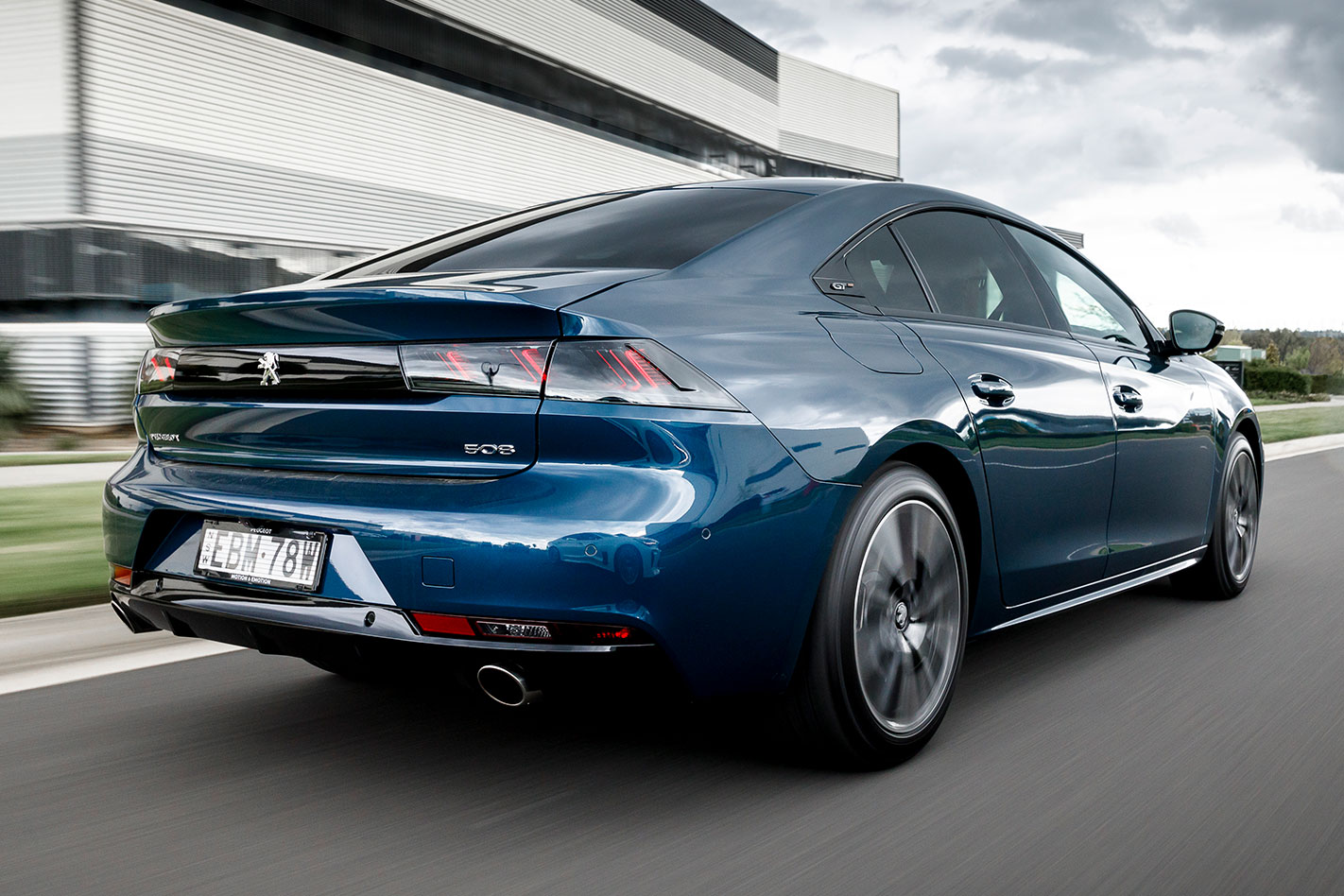
For a car with a price tag around the $50K mark, the 508 packs a massive visual punch. It is one of those interiors where you keep finding a new, intricate detail every time you get in. You have to applaud its luxe nature as it feels like a genuinely premium product ‑ although space is something that certainly is not at a premium. The sloping roofline that creates such an impressive external silhouette hampers headroom in the back. If you’re not careful, you can even whack your head on the roof entering the back seat. Once in place, legroom falls short of the S60. However, the liftback design generates a bigger boot at 487L. And the elephant in the room… the driving position. Peugeot’s fourth-generation i-Cockpit won’t be to everyone’s taste. For some it requires compromising.
WINNER: Dead heat
Ride and handling
Like many modern cars and SUVs, the S60 is one that requires adaptive dampers. And while our Volvo four-door came with refreshingly chubby sidewalls wrapping ‘small’ 17-inch alloys, the suspension is of the fixed-rate, steel sprung variety. Still, those springy sidewalls prove a saving grace, with the T5 Momentum’s ride quality verging on comfortable, if not quite achieving wafting status; although from our point of view, the 17s look a little bland… which, funnily enough, also describes handling. The S60 pitches and rolls on those sidewalls, the steering is lacking outright feel and overall it isn’t as agile as its front-wheel-drive French rival. We’d be speccing the optional Four-C Chassis control (which includes adaptive dampers) for $1250.
Roll out the cliché, but the 508 has a refreshing air of joie de vivre – genuinely. It is light on its feet, weighing in at 1430kg compared to the 1802kg S60, with a will to attack corners and country roads with abandon. That’s not something we’d often say about a humble liftback. The 508’s dynamic ability certainly meets the visual drama of the exterior – claw-like LEDs and all. The small wheel tricks you into thinking the rack is quicker than it is, but overall the steering offers great feel. The brake pedal is softer than the Volvo, but the eight-speed auto is more in tune with its powerplant than the Swede. With Michelin Pilot Sport 4-wrapped 18-inch alloys, the Pug has ample grip, which it uses to great effect with engaging dynamics. The adaptive dampers work a treat, too, giving the 508 a real duality of character between comfort and performance. The pick for drivers.
WINNER: Peugeot 508
Performance and economy
The Volvo S60 T5’s 2.0-litre four-cylinder turbo is a bit of a powerhouse. On paper it sees figures of 187kW and 350Nm, which result in a claimed 0-100km/h time of 6.4 seconds. Brisk stuff indeed, with the standard all-wheel-drive systems helping the four-door sedan bite into the tarmac off the line. It keeps a heady steam of grunt for overtaking, too, while there are three modes to play with: Eco, Normal and Dynamic. The eight-speed auto can sometimes get a bit confused and the engine is aurally limp, but it’s a quick unit. At 6.6L/100km it’s not as frugal as the Peugeot, but it cruises at highways speeds with ease.
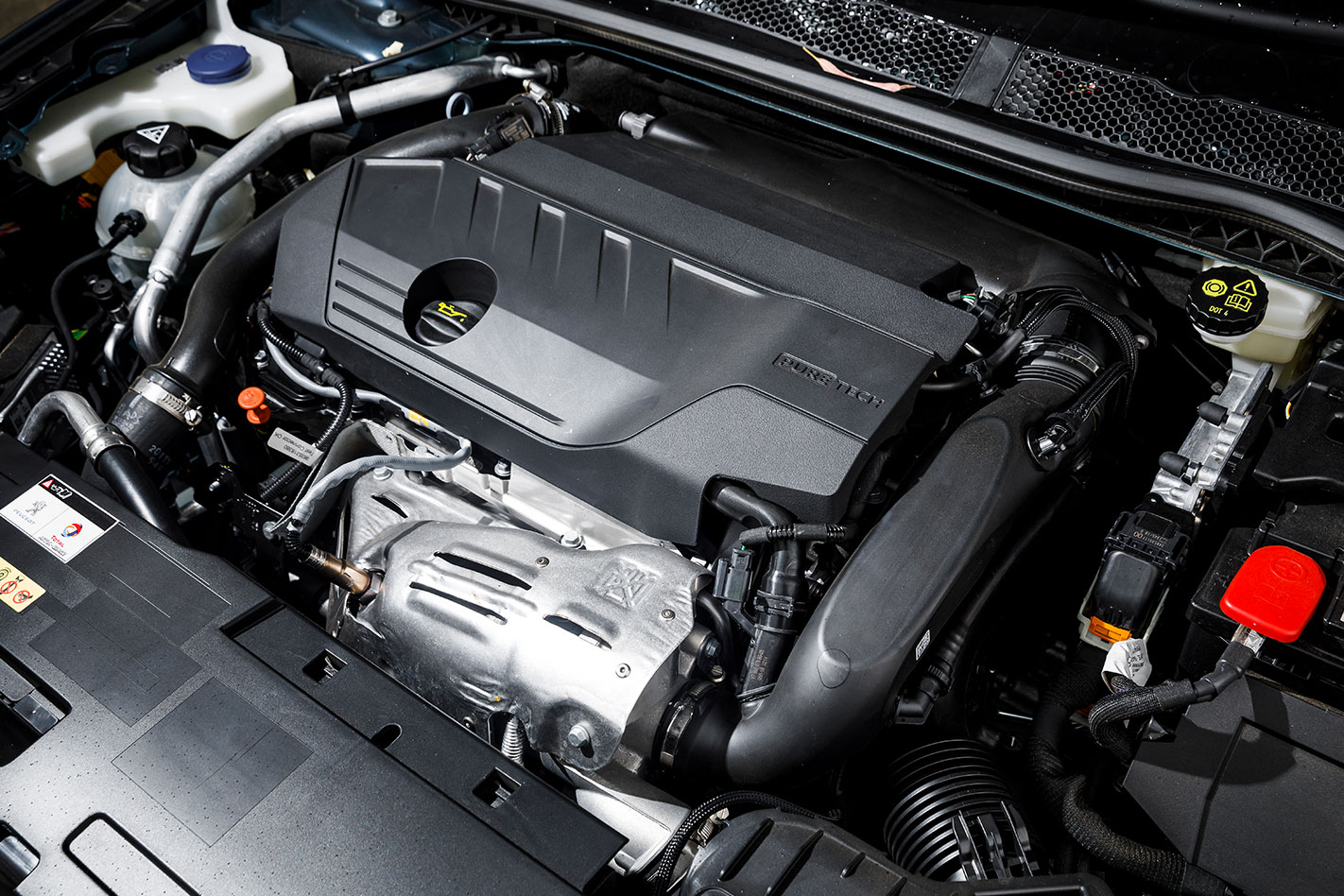
For a motor lacking in size, the Pug’s 1.6-litre four really punches above its weight – you struggle to believe it is down on cubic capacity. Yes, it lags behind the Volvo for outright grunt with 165kW and 300Nm, but the deficit is greater on the stopwatch (8.1sec 0-100km/ claimed) than in reality. Now called PureTech, the engine is a development of the venerable Prince engine and, in Sport mode, there are hints of GTi within its pleasing engine/exhaust tones. The eight-speed automatic, with paddles, is keen to kick down in Sport, but remains intuitive when left to its own devices in Normal and Comfort modes. It is also the more fuel-efficient option at 6.3L/100km.
WINNER: Volvo S60
Verdict
Volvo is kicking goals left, right and centre of late. After all, the past two Wheels Car of the Year gongs have gone its way. The Swedes have plenty to spruik ‑ although that’s in regards to its SUV line-up. Come closer to the ground, away from the high-riding four-wheel-drives, and the narrative changes. The S60 is out to rectify that. However, the script doesn’t go entirely to plan. As an executive sedan it makes a lot of sense, but the Volvo is outclassed by an unlikely foe.
Fans of the Peugeot lion will be branding the 508 a renaissance of the iconic French marque. Is it though? Yes and no. At the very least, it’s a positive move in the right direction, one that appears to be flowing from Pug SUVs right down to the upcoming 208. There is certainly a level of luxury, drama (those frameless doors) and dynamic prowess at play in the 508 that is very enjoyable. Its presence, performance and price make it hard to ignore and, ultimately, the Peugeot is the one we’d take home. A deserving winner.
OVERALL WINNER: Peugeot 508
Price and specs
| u00a0 | VOLVO S60 T5 MOMENTUM | PEUGEOT 508 GT |
| Engine | 1969cc 4cyl, dohc, 16v, turbo | 1598 4cyl, dohc, 16v, turbo |
| Max power | 187kW @ 5500rpm | 165kW @ 5500rpm |
| Max torque | 350Nm @ 1500-4800rpm | 300Nm @ 2750rpm |
| Transmission | 8-speed automatic | 8-speed automatic |
| Weight | 1802kg | 1430kg |
| 0-100km/h | 6.4sec (claimed) | 8.1sec (claimed) |
| Economy | 6.6L/100km | 6.3L/100km |
| Price | $54,990 | $53,990 |
| On sale | Now | Now |
DJR Team Penske has a busy week ahead of it, as the team races against the clock to build its champion-in-waiting Scott McLaughlin a brand-new Mustang Supercar in less than a week.
The Supercars series leader and defending champion was forced to sit out of the Sunday race on the Gold Coast after a spectacular wreck during qualifying.
McLaughlin attended a local hospital yesterday, but returned to the track once given the all-clear.
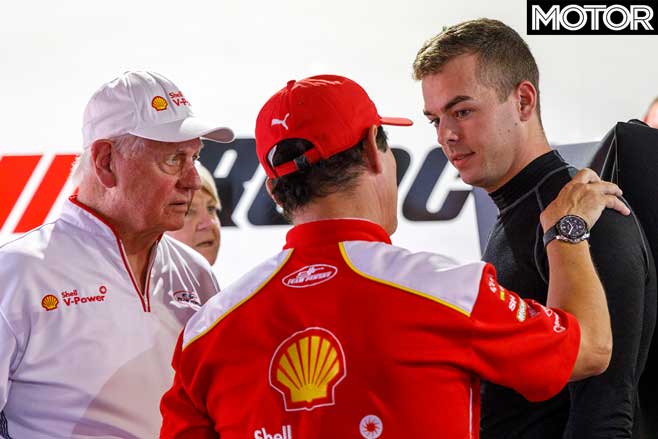
“That was the biggest shunt of my career, and its testament to the work put into these cars that I was able to walk away,” said McLaughlin. “Thanks to all the marshals and officials that helped me, and to Dr Carl and the Supercars medical team.
“I’m really sorry to my team, they’re going to have to put in some hard yards over the next week or so to get us ready for Sandown, but they are the best in the business so I’m sure we’ll be good as new in two weeks.”
There were fears that the chassis – which was on track to claim the most race wins in a single year – was a write-off, but given its importance to the team as its first Bathurst winner, it will be repaired and rebuilt in the same specs that it won the endurance classic in.
The team had, according to its director Ryan Story, planned to retire the car at the end of 2019.
Now, though, the heat is on to build McLaughlin a new car for the upcoming Sandown 500 in early November. A fresh chassis will be built from the ground up, according to the team, but it will have to be done in just seven days.
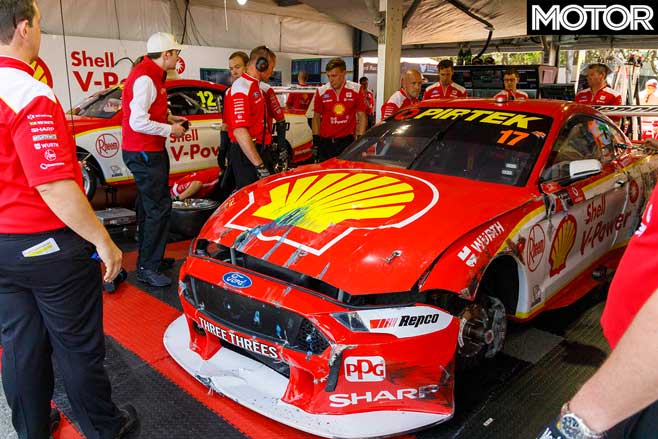
“It’s a bare chassis, so it’s a full build,” confirmed a team spokesperson. “It would have been built up across the next couple of months to be ready for 2020.”
The wrecked car arrived back in the team’s base in Staplyton, Queensland on Monday, where any salvageable parts will be stripped.
Meanwhile, investigations are continuing into how a piece of suspension from the car ended up being found several stories up on a resident’s balcony. The damper/spring unit crashed through a table and damaged tiles on a verandah, but no one in the occupied apartment was hurt.
A statement released by Supercars yesterday confirmed the incident. “Supercars can confirm it is aware of an unofficial report regarding suspected debris going over the fence following the car 17 incident this afternoon,” it read. “CAMS and Supercars will conduct an investigation in to this incident. No further information is available at this time.”
Set aside seven minutes, and watch one of the greatest drivers in the world ply his talents at the wheel of a high-revving retro Honda Civic.
This rare footage is from 1989, and includes over two and a half minutes of unbroken, raw, onboard footage of Ayrton Senna going all-out in a touring car.
How did one of F1’s greatest ever drivers find himself at the wheel of a small hatchback racer? Well, it’s all thanks to Honda, whose engines powered Senna’s McLaren race car.
Senna, along with a number of high-profile Japanese drivers, took part in a promotional event that included an EF9 Civic and EF8 CR-X at Suzuka
Side-by-side comparisons show that Senna used a unique driving style to hustle the hatchback around the circuit quicker than anyone else.
This isn’t any regular EF9 Civic either, with the car set to compete in the N1 class of the N1 Japanese Touring Car Championship. It was fitted with a B16 engine, which utilised the relatively new VTEC technology.
What makes this particular promotion so unique is that it happened just a day after Senna and McLaren teammate Alain Prost collided during the ’89 Japanese Grand Prix.
The incident is known as one of the most controversial in F1 history, and remains iconic 30 years later.
For some context, Senna and Prost didn’t get along (to put it lightly), with the duo dominating the ’89 championship. Going into the race at Suzuka, Prost had won four races to Senna’s six, but the Frenchman led the Brazilian by 16 points in the championship.
Senna would have to win both the Japanese Grand Prix and the next race in Australia to have any chance of retaining the World Drivers’ Championship crown.
What followed was a titanic battle between the pair that ultimately resulted in a collision on lap 46. Both McLarens came to a stop, and while Prost left his car, Senna had the marshals push his MP4/5 back onto the track.
Senna would go on to win the race, before being disqualified by the FIA for completing less than the official race distance, even if it was only by a few metres. Prost was handed the ’89 championship as a result.
Seeing Senna push the Civic to its limits just a day after going through that emotional turmoil makes the driving skill on display even more impressive.
At his core, the Brazilian icon was a racer in the purest sense, and this footage shows that beautifully.
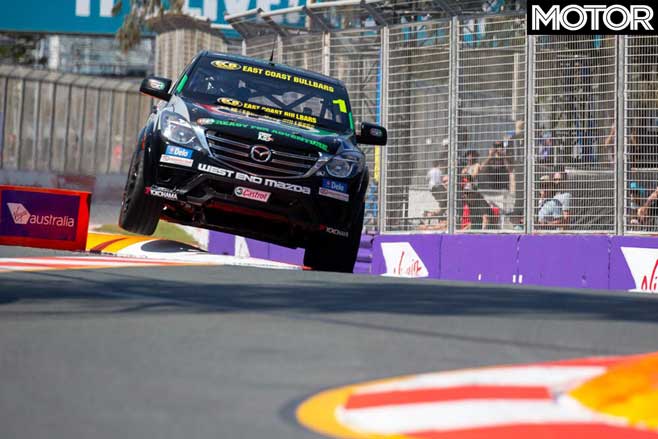
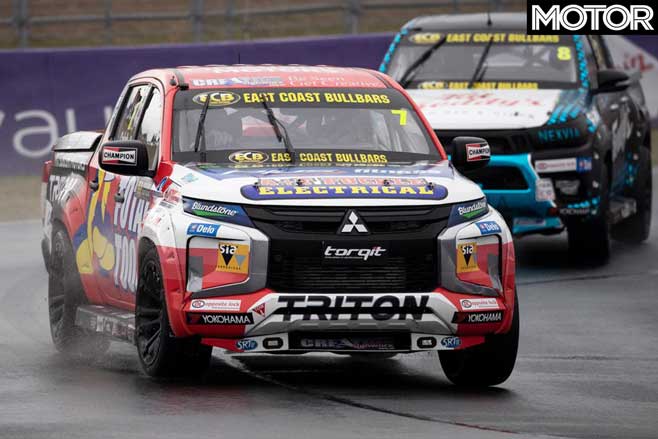
New management is set to bring V8 utes back to racetracks in Australia with changes to the SuperUtes series.
In the 2020 season, SuperUtes is set to bring V8 engines in to replace the turbo diesel units currently powering the dual-cab racers, a move expected to “rejuvenate” the series.
Rather than being under control of Supercars Australia, the series will be handed over to be managed by a group of team owners, which will work closely with the Confederation of Australian Motorsport (CAMS) after the change.
Further insight regarding the changes, from Peters Motorsport manager Brett Peters as quoted by Speedcafe.com, reveals the series also wishes to use the switch to V8s (likely GM’s LS engines) to lower the cost of running in the series.
“…put a V8 in them, make them have good horsepower, make the right sound, make them look cool, and then the category can grow,” he told Speedcafe.
Supercars chief operating officer Shane Howard says Supercars is to allow the series to continue as a support category and use the ‘S’ branding affiliated with Supercars.
“Supercars recognises the investment made by SuperUtes teams in establishing the Series,” says Howard.
“The teams are now able to determine their future independently. The competitors are best equipped to move the category forward.
“Supercars will assist in the transition to an independent entity, including supplying all technical data and commercial information and we look forward to having them continue to be part of support category program.”
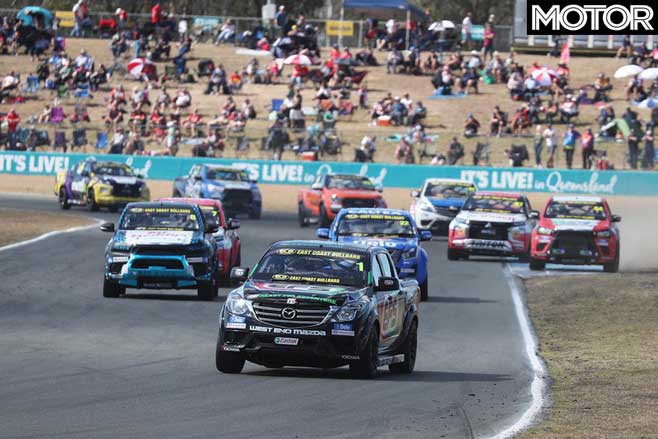
SuperUtes began in 2018 as a spiritual successor to the V8 Ute racing series, which mirrored V8 Supercars by using Holden Commodore and Ford Falcon utes. The move to V8 engines could bridge the gap between some disenfranchised fans of V8 Utes and those who’ve become interested in SuperUtes.
At the weekend, only 10 positions on the grid were filled for each of the three SuperUtes races at the Gold Coast 600. Only nine entrants competed in the Townsville 400 this year, though 14 utes qualified at Bathurst.
