
Want to know why this year’s Bathurst 1000 is worth watching? Here are four storylines to get you excited.
Scott McLaughlin throws caution to the wind
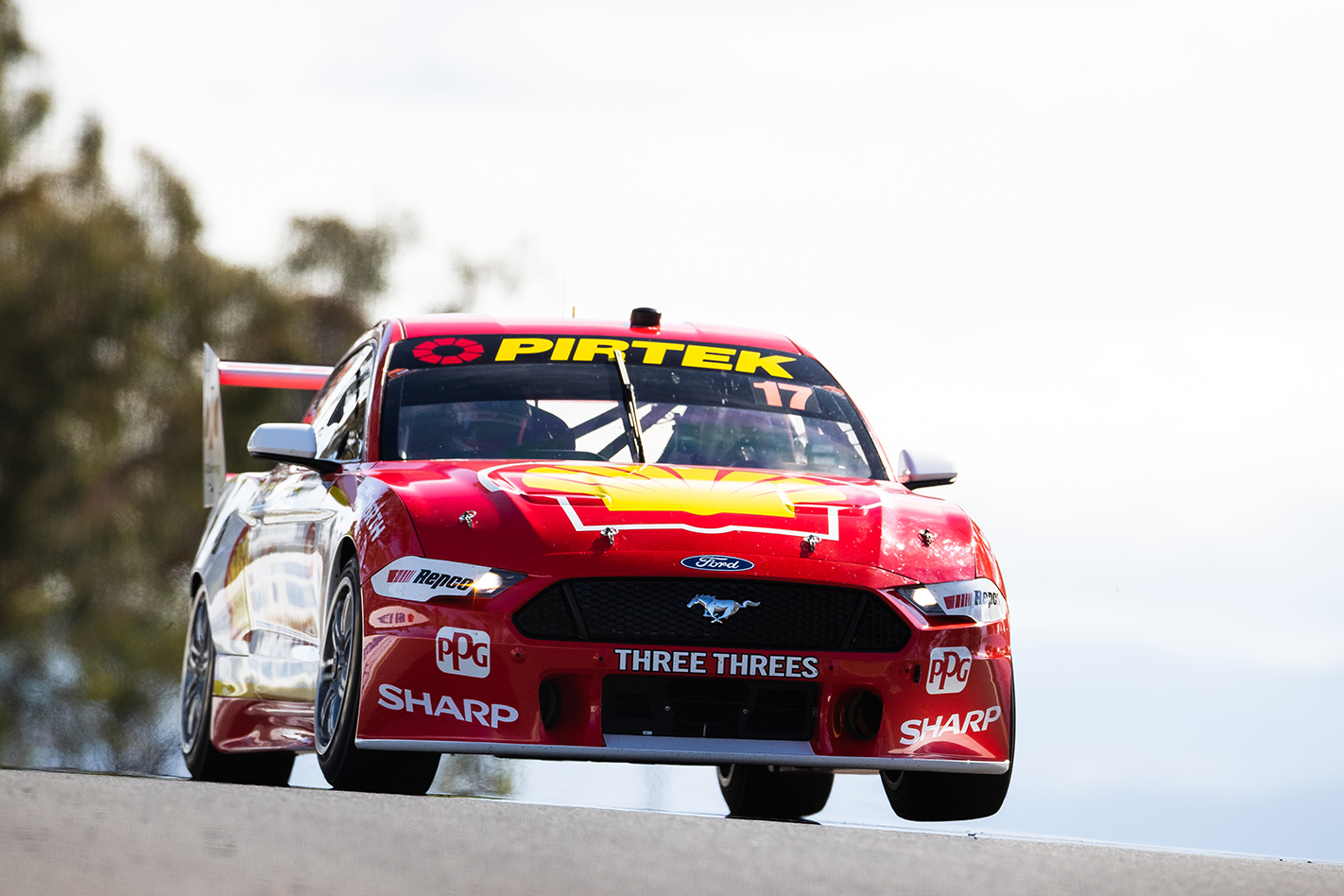
Scott McLaughlin is sitting pretty in the 2019 Supercars championship heading into Bathurst. His nearest rival is Shane van Gisbergen, 598 points adrift of the DJR Team Penske driver.
Both the Bathurst 1000 and following Sandown 500 events award 300 points to the winner, meaning McLaughlin could crash out of both, and only relinquish the lead of the championship if van Gisbergen has the good fortune to win each race.
Why is this important? Well, traditionally the championship leader going into Bathurst will keep things on the conservative side, because they don’t want to give up all-important points. McLaughlin is having the most dominant season in Supercars history, meaning he can go all-out to win his first Bathurst title.
The 2017 Supercars champion has already given his Bathurst rivals an ominous warning in the first day of running for the 2019 race, lowering his existing lap record from two years prior.
Ford fans will be supporting McLaughlin, with the Mustang having zero Bathurst 1000 victories against its name in the record books, despite having raced at The Mountain multiple times throughout history.
Instead of playing it safe, expect McLaughlin and his co-driver Alex Premat to adopt a ‘win it or bin it’ mentality on Sunday, in order to give Ford fans their first Bathurst win in five years
David Reynold’s redemption
Erebus Motorsport is named after the Greek God of Darkness, and has somewhat fittingly become the dark horse of the Supercars paddock.
It hasn’t had the consistent success of the big two teams Triple Eight and DJR Team Penske, but Erebus consistently punches above its weight and keeps the front runners looking over their shoulders.
In 2017, Erebus claimed victory in a rain-soaked race with their star driver David Reynolds. It was one of the most popular victories in recent history.
It looked like the Little Team That Could was set to go back-to-back last year, with Reynolds starting the race in pole position, and running at the front of the pack for most of the race.
However, in the closing stages, things took a turn for the worse, with Reynolds suffering from severe exhaustion and cramps. He was forced out of the car, with his co-driver Luke Youlden finishing the race instead. The footage of the obviously distressed and disoriented Reynolds as he sits in the pits is harrowing to see.
This year, the pit lane joker will be looking for redemption, and his early weekend pace looks promising!

The Dream Team is back together
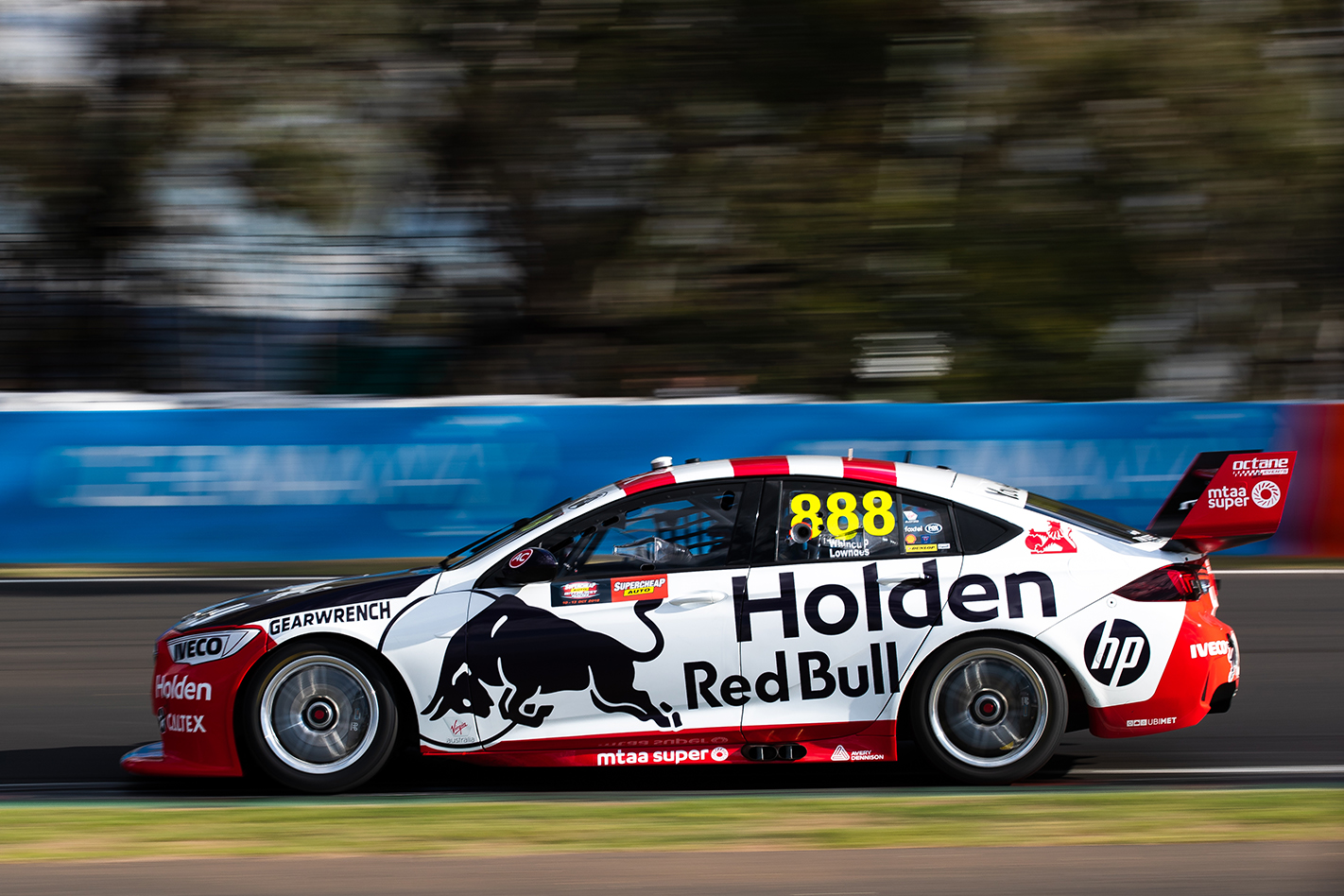
One of the most successful driver pairings in Bathurst 1000 history is Jamie Whincup and Craig Lowndes.
The duo spent four year’s racing together between 2006 and 2009. In that period they won the first three in a row, and never finished outside the top five.
Now, with Lowndes retired from full-time racing, the Dream Team are back together. Lowndes is the reigning race winner, while Whincup hasn’t tasted victory at The Mountain since 2012 following a series of blunders in recent years.
Pre-race favourites? You bet.
Record book writers to be busy
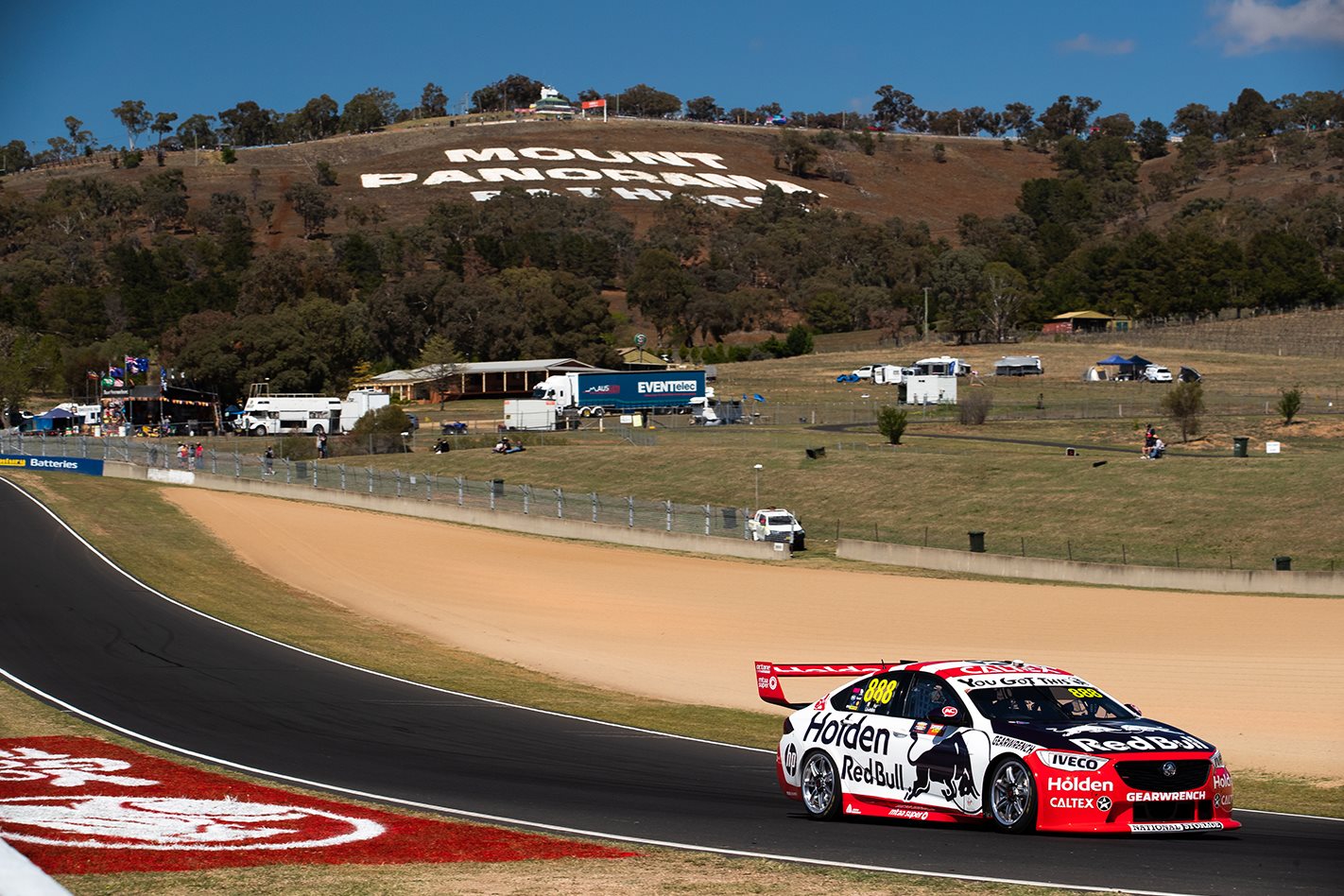
This year’s Bathurst 1000 looks set to be one for the ages, with a number of key stats and records being threatened.
The race is forecast to be run in clear conditions, and the early pace indicates last year’s record for the quickest Bathurst 1000 could be usurped. Currently standing at 6 hours and 1 minute, 44 seconds, if the race record is beaten it could be the first time a Bathurst 1000 is completed in under six hours.
Practice pace has also indicated that a 2:02 lap in a Supercar could happen this weekend, which was once thought impossible.
Historic stuff. Make sure to watch all the action on Sunday.
Chevrolet Performance has revealed more details of its Corvette C8.R, including confirmation of its engine specs.
The C8.R will run on a 5.5-litre V8 with 373kW and 651Nm of torque, with no forced induction helping it along. A new six-speed sequential gearbox was developed to take up as little space as possible to allow room for its diffuser.
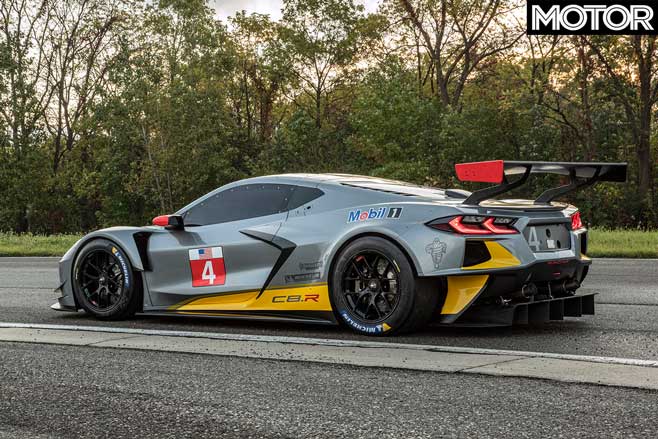
It also replaced the storage space from the road car with a central radiator, and uses the space where the road car’s side radiators were on the front for brighter racing lights. Grip is provided by Michelin Pilot Sport GT rubber.
Corvette chief engineer Ed Piatek says the race car and road car shared the development process so that each could benefit from the new layout rather than trying to build a racecar from an already complete road car.
“It was important for us to develop the new race car alongside the production car, so that each product could properly take advantage of the new architecture,” says Piatek.
“The benefits of this mid-engine supercar, including its incredible balance and connected-to-the-road feel, will be obvious on the street and the track.”
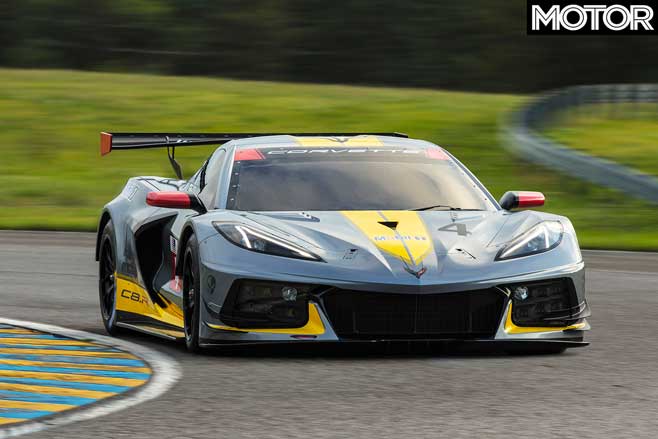
Two liveries have been already revealed for the Chevrolet’s factory-backed cars due to debut in January, both featuring strong silver and yellow elements.
The Corvette’s racing heritage very strong inspired the livery which the car pictured wears, says Chevrolet Performance lead creative designer Vlad Kapitonov.
“Since the mid-engine race car is such a revolutionary vehicle, we felt it would be fitting to honor Corvette Racing’s legacy with both a redesigned, modern livery along with a traditional livery in Corvette yellow,” says Kapitonov.
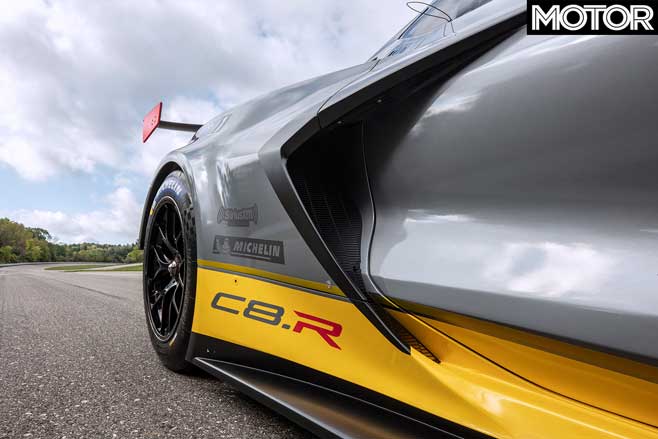
The #4 car is silver and yellow, inspired by the 1973 Chevrolet Aerovette and the 1959 Corvette Stingray Racer respectively, while car #3 is yellow with silver accents.
“Both liveries pay homage to Corvette’s Racing storied heritage, as well as the impressive engineering and design milestones that led to up to this extraordinary race car.”
Sir James Dyson has a Hawker Harrier jump jet in the car park of his Hullavington HQ in Wiltshire, UK.
Some wags have suggested that it’s back up in case the hand dryers in the staff toilets go on the fritz. The truth is a lot more poignant given Dyson’s shuttering of its electric car business.
The Harrier is there as a reminder of what happens when you lose your corporate resolve. British engineers developed an amazing concept and then meekly surrendered it to Boeing. It sits there as a testament to fiscal short-sightedness.
There is no shortage of commentators looking to put the boot into Mr Dyson. He’s made himself an easy target. An ardent Brexiter, Dyson announced in January of this year that the company was to move its headquarter from Malmesbury to Singapore, itself hardly a vote of confidence in the prospects for post-Brexit Britain.
Now 523 jobs will be lost from the vehicle development project.
“This is not a product failure, or a failure of the team, for whom this news will be hard to hear and digest,” Sir James wrote. “We have tried very hard throughout the development process, we simply can no longer see a way to make it commercially viable.
“The Dyson automotive team has developed a fantastic car; they have been ingenious in their approach while remaining faithful to our philosophies.”
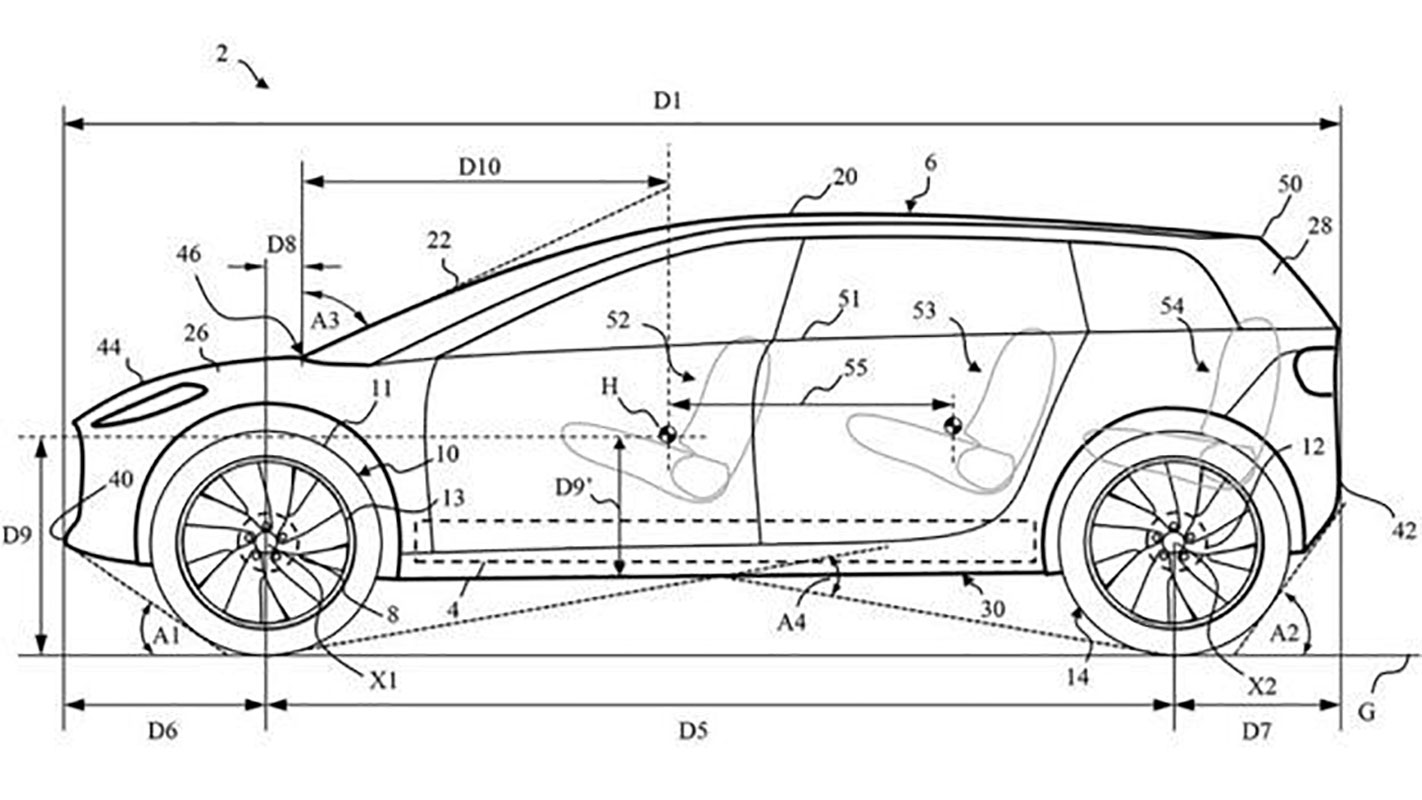
He said the firm was trying to find alternative roles for the workers in its home division, which makes things such as vacuum cleaners, fans and hairdryers.
“This is not the first project which has changed direction and it will not be the last,” he claimed.
Dyson is discovering what the likes of Tesla and NIO have experienced in recent years: turning a profit on electric cars is tough. In 2018 note, UBS calculated that the big-selling Tesla Model 3 would remain unprofitable, even with the Long Range battery pack, the company realising a loss of USD $5,900 per car. Few companies have the cash reserves that have been available to Tesla. Dyson is certainly not one of them.
Shares in NIO, a Chinese EV innovator, have slumped by a massive 86 percent from a post-IPO peak last year. Faraday Future, a much-hyped U.S.-based rival, has only just avoided insolvency. Unless it can bring product to market its name will soon be on the list of casualties.
A gargantuan investment into the EV sector from Volkswagen brings the full power of legacy car manufacturers as the Germans go full Emperor Palpatine/fully operational Death Star on fledgling EV startups.
Apple realised that the writing was on the wall for industry outsiders back in 2016. Its well-funded Project Titan hit the skids when the numbers suggested that that its software engineering team would be more gainfully employed developing operating systems for phones, tablets and computers.
Dyson has belatedly realised that it can’t level with the investment Volkswagen and other car manufacturers are making. The company had earmarked $460m for research and development and test track facilities and much of that cash has already been spent. A couple of driveable prototypes exist. Dyson now claims that the Hullavington facility will be repurposed for other projects.
Perhaps it always should have been so. Building an electric car is one thing, building one that’s a viable financial proposition another thing completely. Dyson should have leveraged its expertise in becoming a Tier Two supplier, specialising in battery technology as a partner to major manufacturers. It’s a strategy that has borne fruit for Rimac, whose technology is licensed to many car makers. So keen are manufacturers to access Rimac’s intellectual property that Porsche, Hyundai and Kia have all bought shares in the business.
This should have been Dyson’s path. Hindsight is obviously beneficial, but perhaps the existence of an aircraft that stands as a salutary lesson in not understanding what you are and what you have should have kept Dyson a little more grounded.
As the rest of Australia winds down for the weekend, Bathurst is ramping up for its biggest event of the year.
More Bathurst 1000 goodness
- How to watch the 2019 Bathurst 1000
- Winning ugly: the new Mustang Supercar
- Why there is no Camaro on the Supercars grid
- Could Penske Indy 500 winners pair up for Bathurst?
On a cool, overcast October day, tens of thousands of fans have flocked to Mt Panorama, where dominant outfit DJR Team Penske is ready to set the place alight.
Team insiders tell us that all of the team members have had a screensaver on their computers since March, with a map of Mt Panorama emblazoned with the word ‘Focus’.
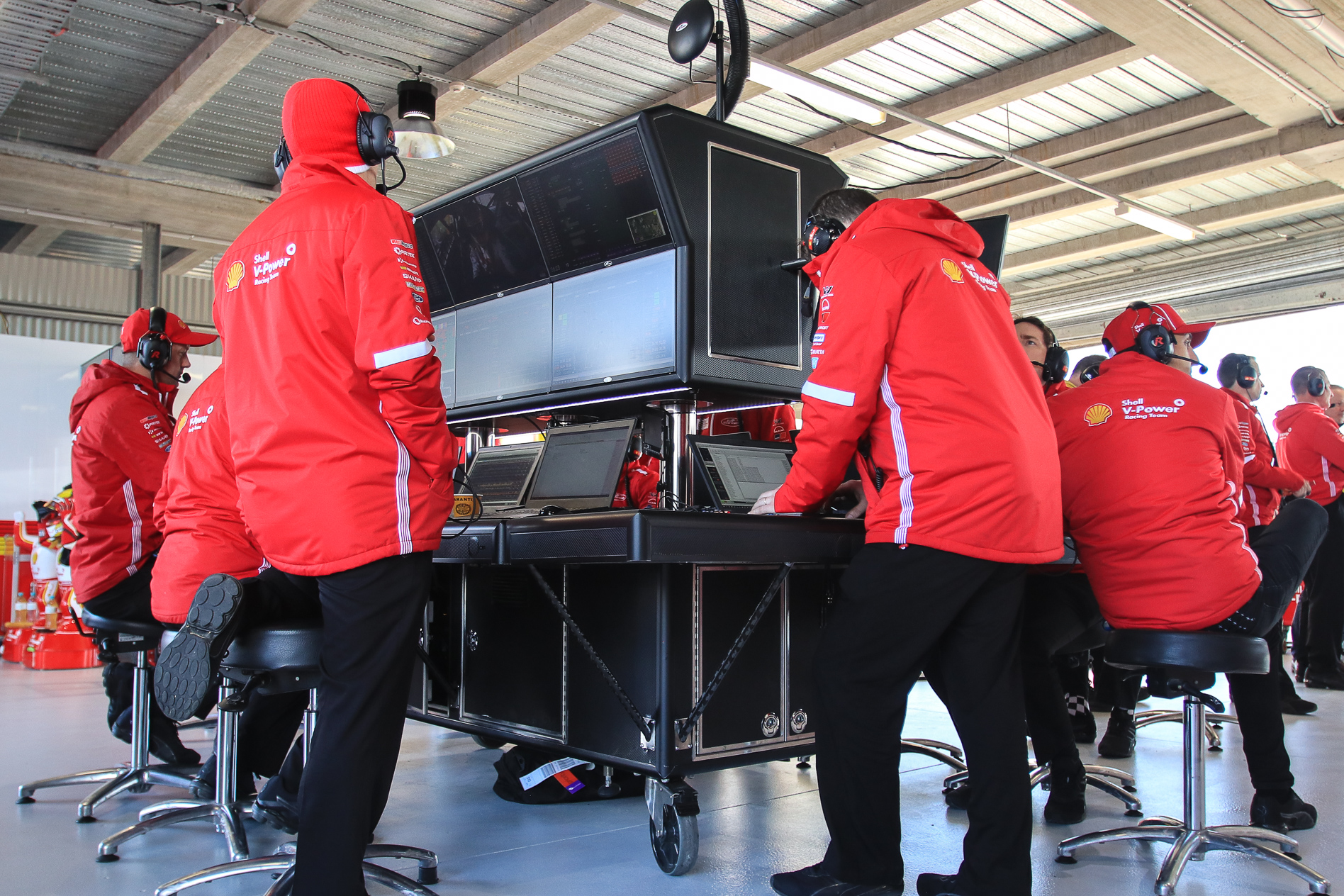
The DJR Team Penkse huddle
“All Scott [McLaughlin] has wanted to do this year is to win Bathurst,” said our insider. “If we arrived here with a big enough lead, then he was going for it. And he’s going for it.”
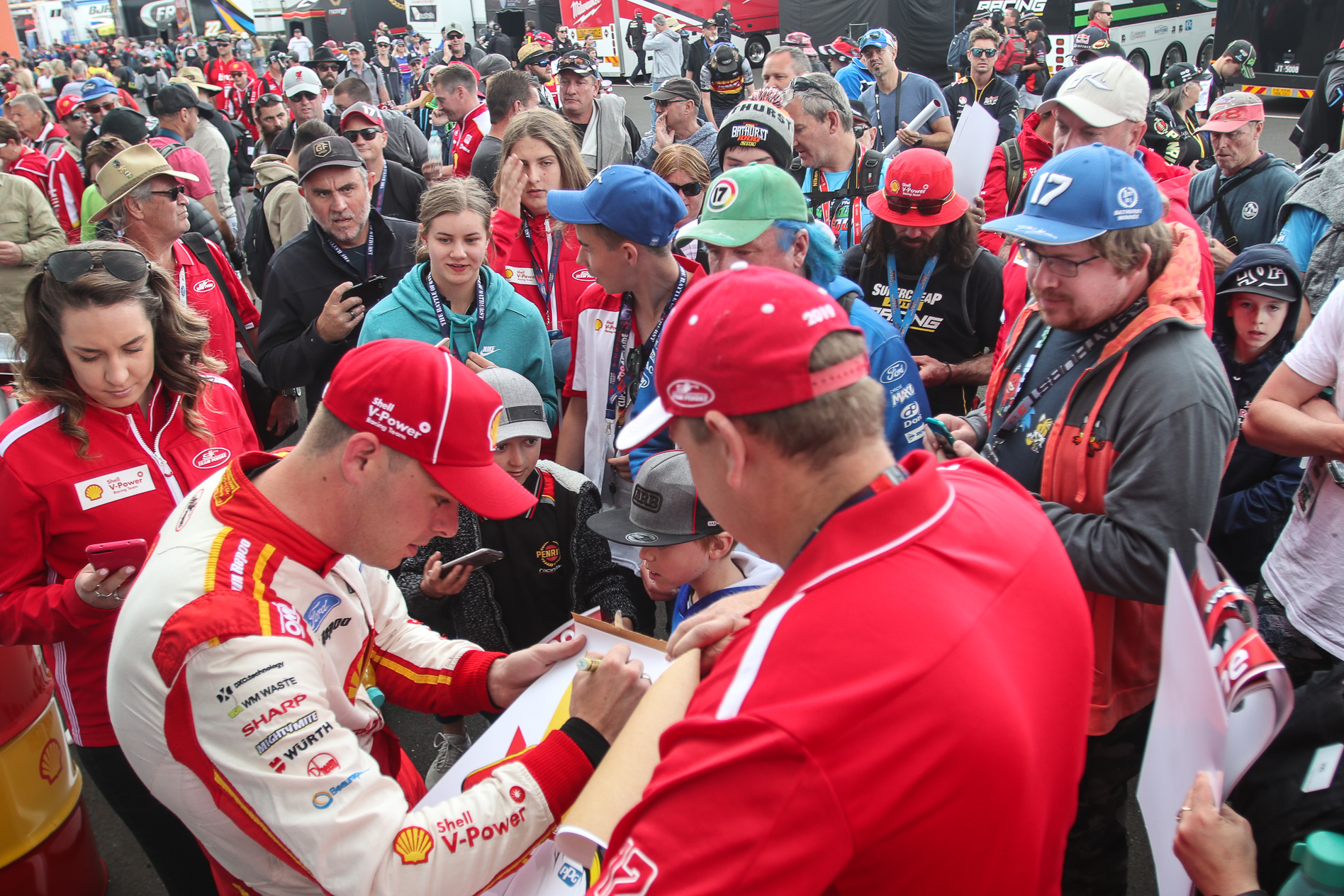
The young Kiwi is a firm fan favourite, with people lining up for three hours to get a signature on a shirt. The crowd is huge but respectful, and Scott does his best to sign everything – to the chagrin of his minders (below)!
Track times continue to tumble. A Dunlop tech tell us that the resurfaced track has now bedded in; “but the cars are damn fast, too,” he added.
The barriers have reached out for a few people, too, including favourites Jamie Whincup and Craig Lowndes. Whincup hit the wall avoiding another crashing car, but the team got the Commodore repaired in time for qualy.
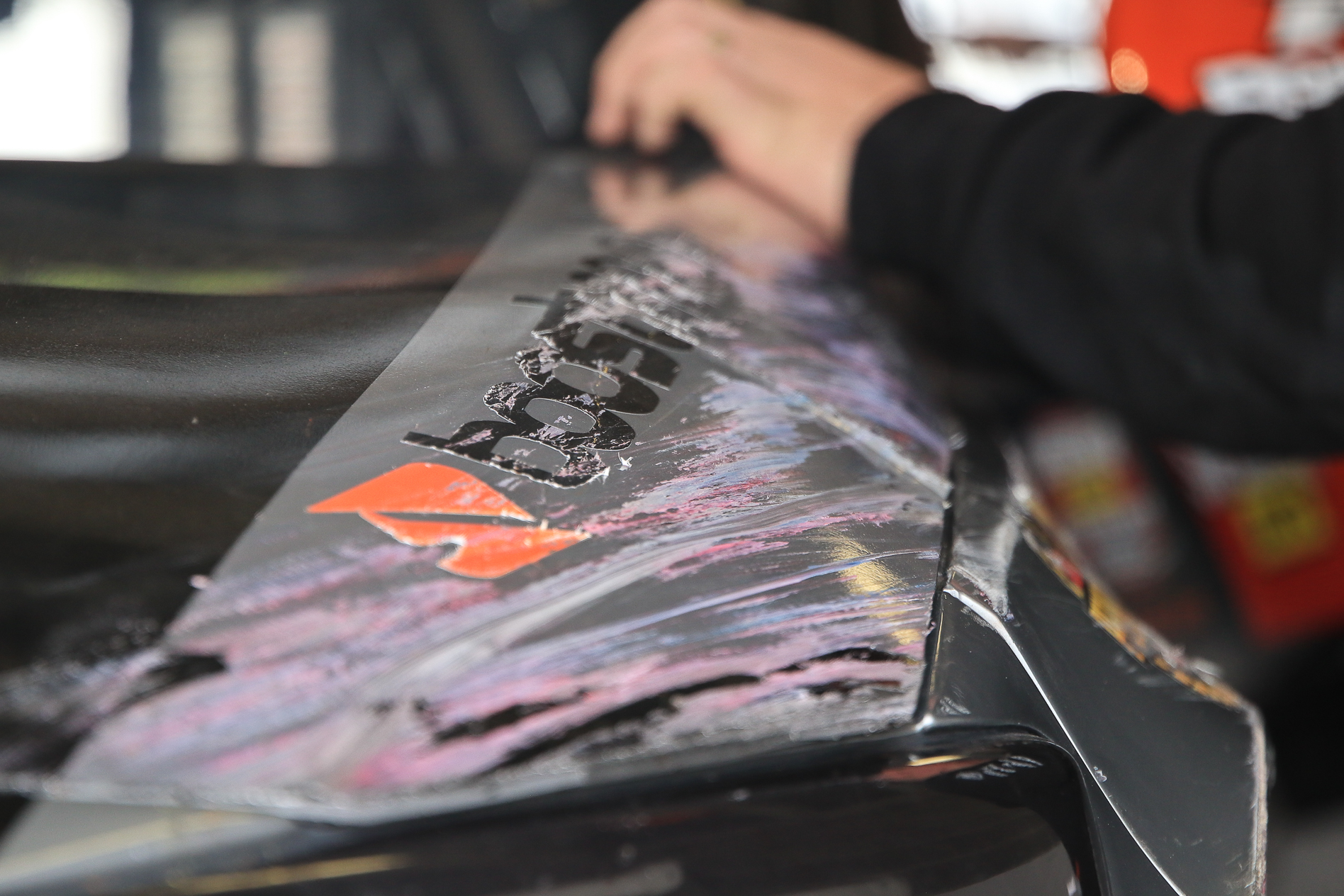
A similar amazing recovery story comes from the Erebus garage, with the Penrite Commodore of David Reynolds and Luke Youlden back in the running after a huge crunch on Thursday.
There are whispers that the team received help from other squads, including Ford!
Stay tuned to WhichCar’s social feeds, including our Facebook page, for more updates throughout the weekend.
It’s a WhichCar Weekly special excursion! We pack up the car and head to one of Australia’s most iconic pubs – the Hotel Esplanade.
In our first outside recording, the WCW team set up camp at the famous Espy in St Kilda for a chat about all things motoring, and it’s just a coincidence that there’s beer on tap.
Kicking off the show this week, WhichCar content director Glenn joins the team for his WCW debut – definitely not just a coincidence with the beer thing. We open the chat with a look at a new supercharged Pony in the Ford corral and its significance to Australia.
It might not completely heal the wounds left by the end of local vehicle manufacturing but it sure helps.
Then the guys talk about how unlikely it is that Dan spent the entire weekend at the Deni Ute Muster and isn’t:
- Wearing an Akubra
- Styled with a mullet
- Dead
Finally, we round up our inaugural Espy special reviewing Andy’s recent trip to Phillip Island to drive the entire current Lamborghini line-up. His day trashing tyres wasn’t just a jolly and he came back with some intriguing news and anecdotes, but Dan still hasn’t forgiven him for taking it instead of the Ute Muster gig.
If you’re on the go, you can find WhichCar Weekly on all manner of podcast apps including iTunes and Podbean. Please rate, subscribe and leave a review! You can also follow the day-to-day happenings of the WhichCar team on Facebook, Twitter and Instagram @whichcarau.
Listened to the show? Help us out:
- Leave a note in the comment section below.
- Leave a review on Apple Podcasts/iTunes
- Subscribe to our podcast
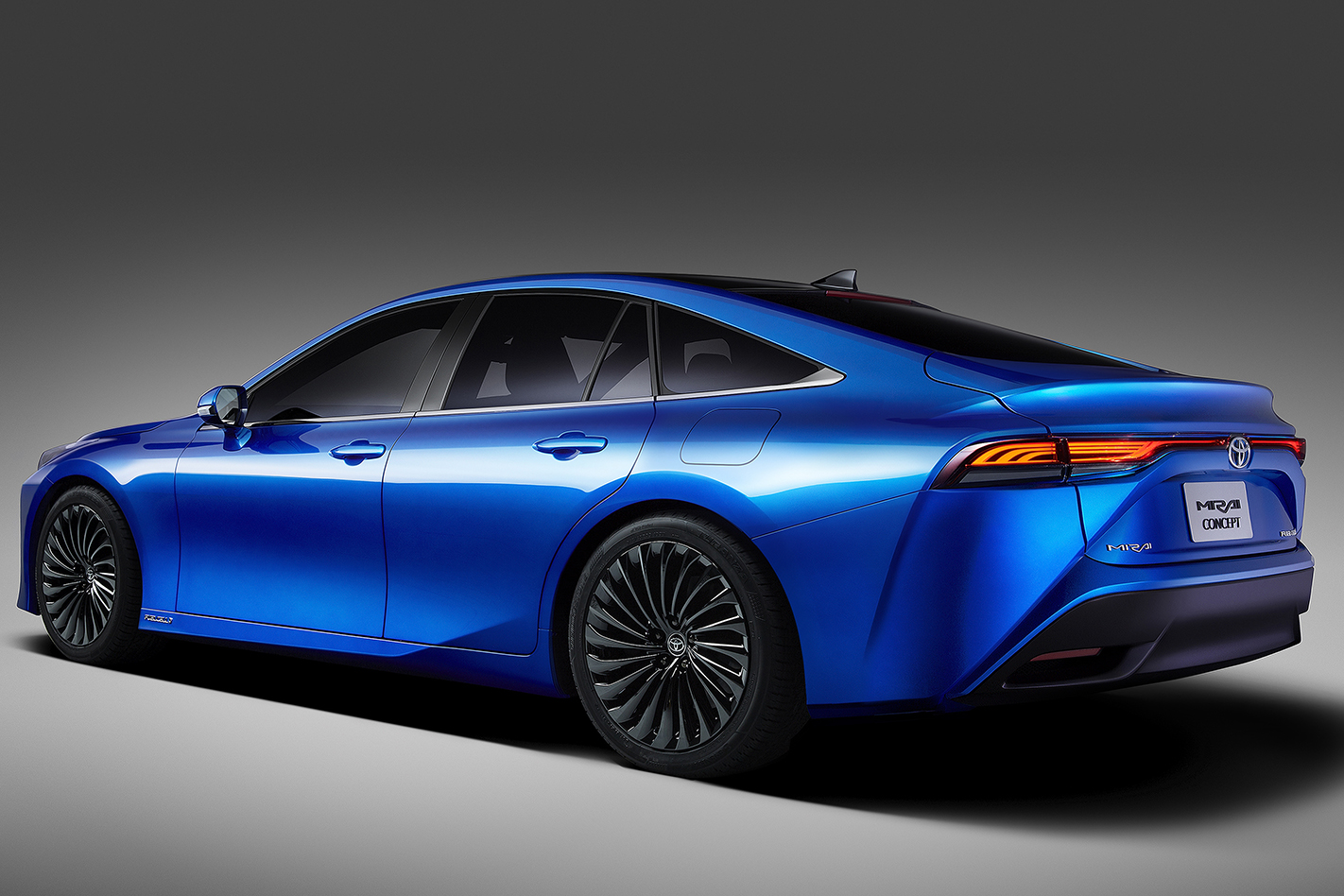
It’s the ultimate ugly duckling moment. In one fell swoop, Toyota has taken its egg-shaped Mirai hydrogen car and morphed it into a low-slung, long-bonneted, rear-wheel drive sports sedan that looks more like a track star than an eco hero.
Set to make its first public debut at the Tokyo Motor Show later this month, the second-gen Toyota Mirai you see here might say ‘concept’ in its name, but this is no auto show one-off – it’s expected to be wholly representative of the production car that will go on sale next year in Japan, Europe and the United States.
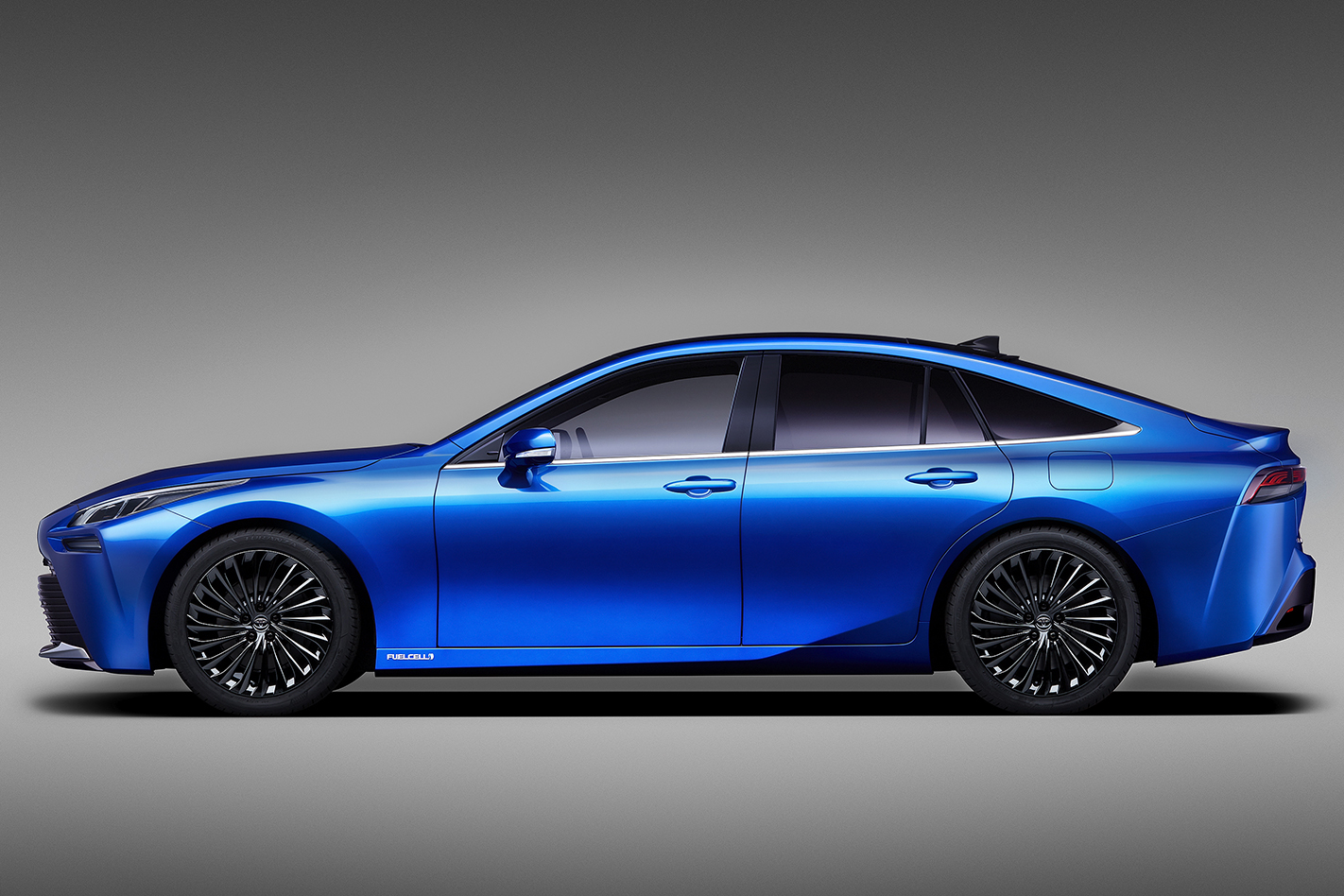
Built on the same GA-L platform that underpins the Lexus LS 500 and LC 500, the athletic DNA is very much on show in the new Toyota Mirai – which is wholly different from the Prius-like first-generation Mirai.
Classic rear-drive proportions are very much on display, with a long bonnet, a pushed-forward front axle centreline, 20-inch wheels and a short rear deck, while its near 5.0-metre overall length (4975mm to be precise) gives the new Mirai an imposing presence.
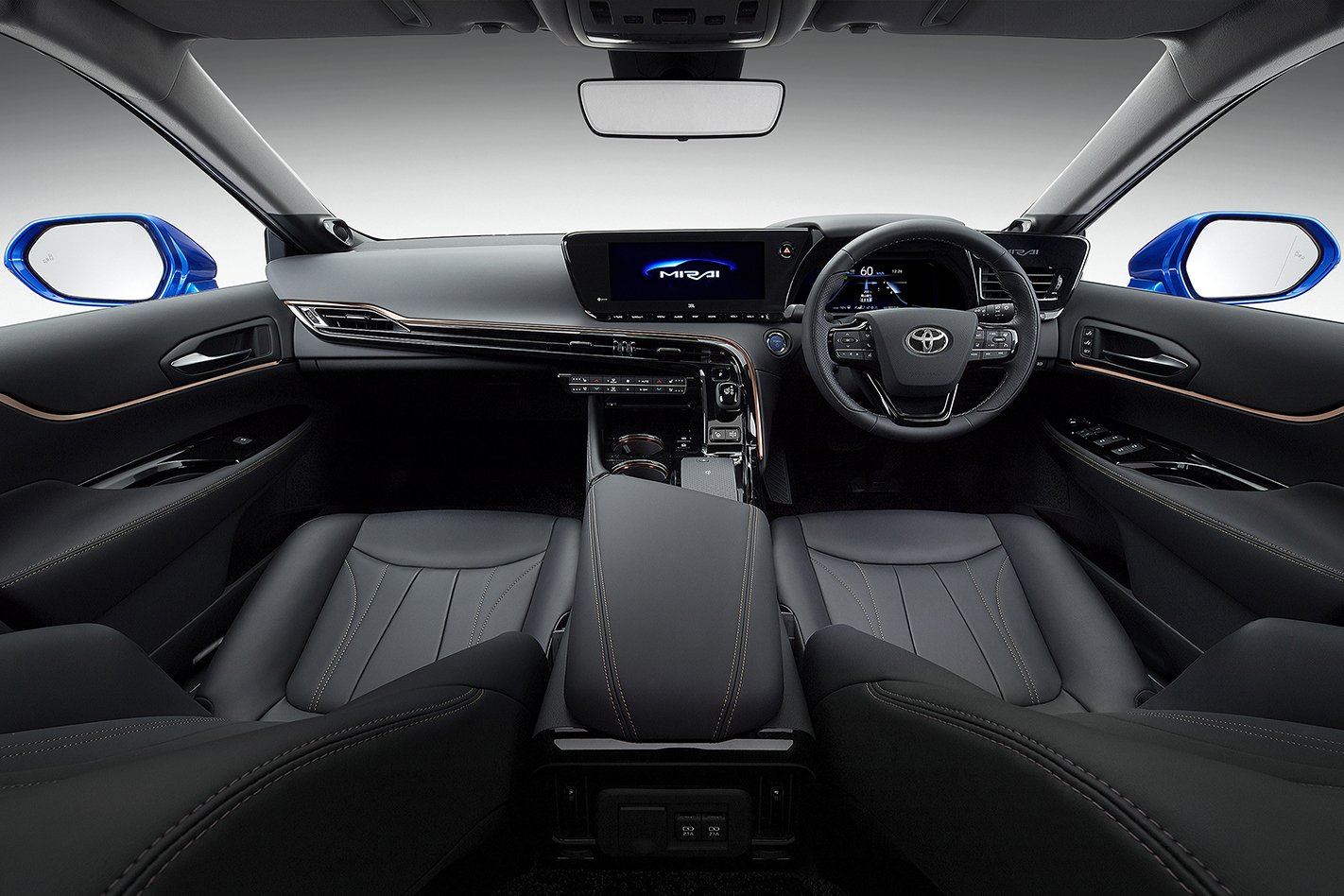
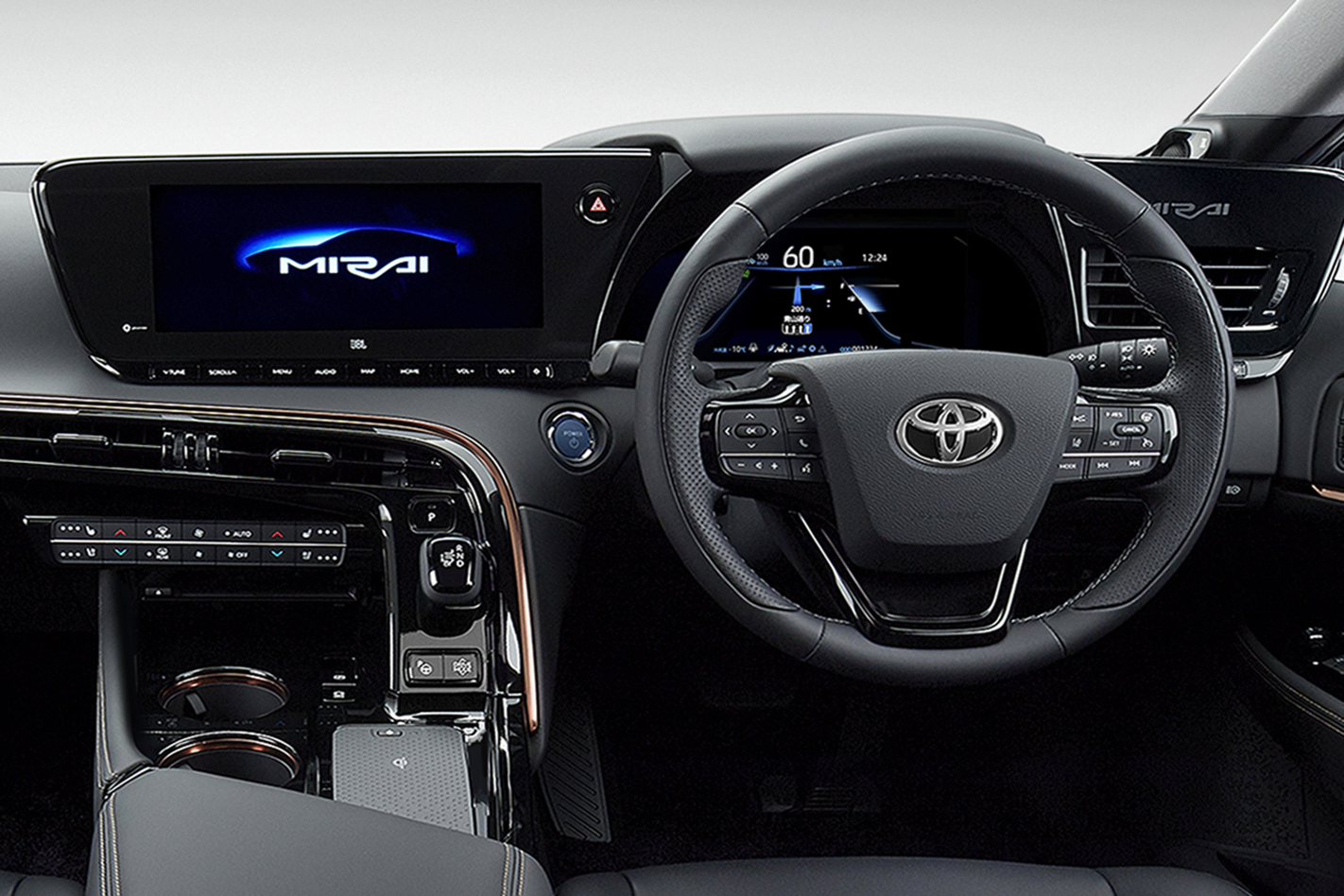
The inside is just as attractive. A 12.3-inch infotainment screen dominates the dashboard, an all-electronic instrument panel resides behind a very sporty-looking steering wheel, and there’s an abundance of copper-coloured trim accents, leather upholstery and contrast stitching to add a luxe sheen.
It’s more practical now too, with the new Mirai sporting five seats in its cabin rather than the old car’s four. These departures from the fairly dumpy and not especially opulent template set by the first-generation Mirai are very deliberate.
According to chief engineer Yoshikazu Tanaka, the new Mirai’s design had to be desirable in order to compel car buyers to consider alternative fuel vehicles in a more serious way.
“I want customers to say, ‘I chose the Mirai not just because it’s an FCEV, but because I simply wanted this car; it just happens to be an FCEV.’”, Tanaka said. “We will continue our development work focusing on that feeling, and we hope that with the new Mirai we will be a leader in helping realise a hydrogen energy society.”
“We have pursued the goal of making a car that customers will feel they want to drive all time, a car that has an emotional and attractive design and the kind of dynamic and responsive performance that can bring a smile to the driver’s face.
But this is more than just an attractive rebody of the old front-drive Mirai. There are substantial upgrades to Toyota’s fuel cell technology that powers it, liberating a 30 percent range boost for the second-generation car to give it a theoretical maximum of 650km from a single tank of hydrogen.
Some of that increase comes from physically bigger tanks, but Toyota also says there are advancements in the fuel cell and its associated electronics, which combines hydrogen gas with oxygen from the atmosphere to generate power for the Mirai’s electric drive motor and produces pure water as its only by-product.
As a rival to similarly-sized electric sedans like the Tesla Model S and Porsche Taycan, the 2020 Toyota Mirai claims to have the crucial advantage of faster refuelling times, with the time needed to fill its hydrogen tanks being on the order of minutes, versus the several hours needed for big-battery EVs.
The issue of charging infrastructure and its impact on power grids is also one that’s side-stepped by hydrogen fuel cell tech – though with hydrogen-capable fuel stations being very rare in most parts of the world, Mirai owners may find their range of movement somewhat limited for a while yet.
The next-generation Toyota Mirai will go on sale globally next year, though an Australian release is far from being locked in. With Australia being one of many countries where public hydrogen stations are non-existent, we don’t expect to see it sold here for a long time – if at all.
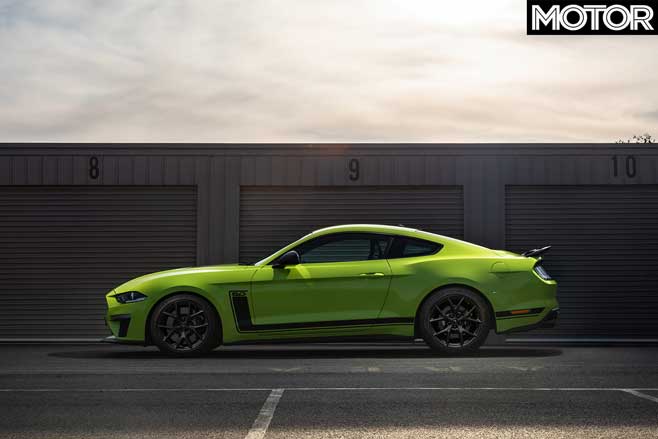
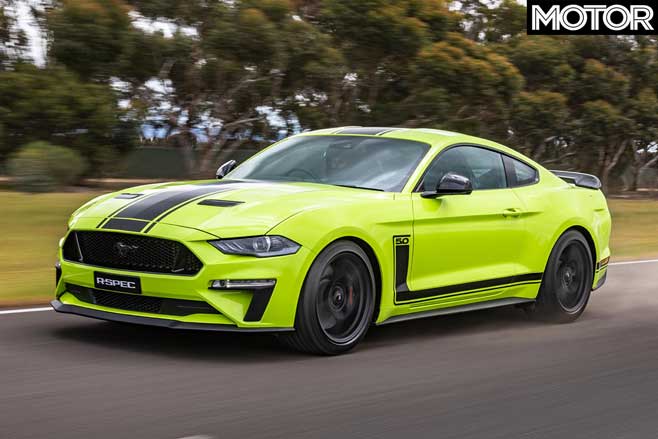
SO YOU’RE interested in Ford Australia’s new Mustang R-Spec.
Who wouldn’t be? It’s a 500kW-plus supercharged beast built right here in Victoria with select components from Ford Performance’s high-end modifications catalogue. And at $99,980 it’s stacking up at a good price, too.
But now that we’ve shared some crucial insights into the build story and specific process each one of the 500 cars will go through, it’s time to learn more about the actual car.
MOTOR was on hand at the car’s official reveal in Sydney to speak with Ford Australia’s Special Vehicles Engineering Manager Justin Capicchiano, someone more than qualified to share the car’s technical specifications.
Obviously, with a car of this calibre, there were a lot of nitty gritty details on its oily bits to cover, so we’ve broken down the information into four easy-to-digest sections, starting with the…
ENGINE: THE HEART OF THE BEAST
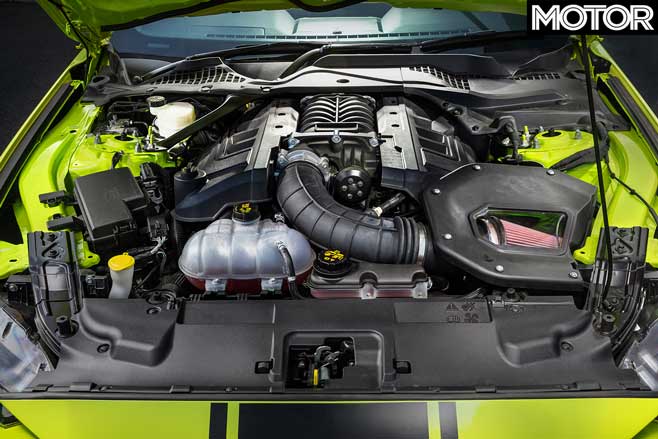
At the core of the R-Spec is a third-generation Coyote 5.0-litre V8 that houses a Ford Performance Roush supercharger. At 2.65 litres its designed to produce 12PSI of boost.
Ford’s avoided quoting power figures since it has not completed local certification, but Capicchiano’s confirms it makes everything that it should – as in it meets Ford Performance’s own quotes for 522kW and 827Nm. Even on Aussie 98 octane.
“That’s Ford Performance data,” he says, “because it’s a Ford Performance package, they’ve done all their testing in The States, so we take that pack, like other aftermarket outfits, we use those figures as well.”
A Borla exhaust assists the supercharger and is made to Herrod Performance’s specs. Herrod is the local tuning outfit Ford Australia developed the R-Spec with, so you’ll even see ‘Herrod’ stamped into the resonators, while you’ll see ‘Ford‘ on the exhaust tips.
However it’s more than just a set of four tips. “It’s not just the rear diff back exhaust,” Capicchiano adds, “it goes from the primaries back, almost three quarters of the way. It’s a three-inch twin system.”
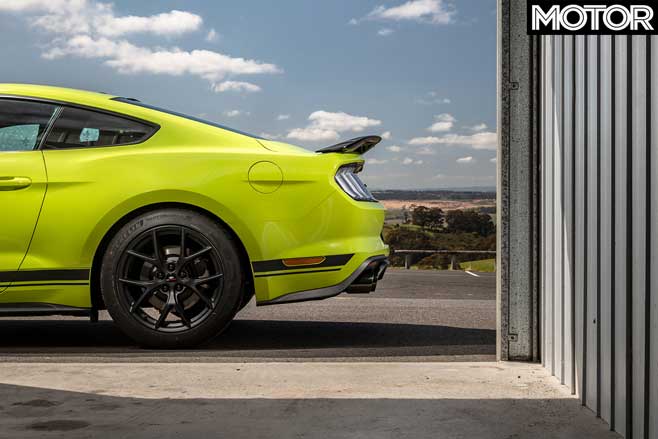
With Herrod, Ford Oz have managed to incorporate the GT’s active exhaust flaps in the rear canister, so it retains four settings, allowing you to switch between loud and quiet and the shades in-between. Overall, though, it’s different.
“It sounds a lot deeper … it’s got a lot more bass to the note,” he says. But this comes with its own set of challenges when trying to pass noise regulations. Though recently changed ADR legislation has been crucial to the R-Spec’s compliance.
“There are a couple of things that a supercharged car has disadvantages over a normal car. Intake noise, air noise and also exhaust noise. All effect the way, ideally you want to go through that test as slow as you can – which I think it’s 46km/h you got to enter, then exit at 58km/h or something like that over a set distance.
“You go in basically full throttle and you’re locked in gear. In fourth gear. And then you go through the speed trap. It used to be, before they changed the rules, in second gear. You’re basically opening up the car then.”
DRIVELINE: SIX GEARS, NOT 10
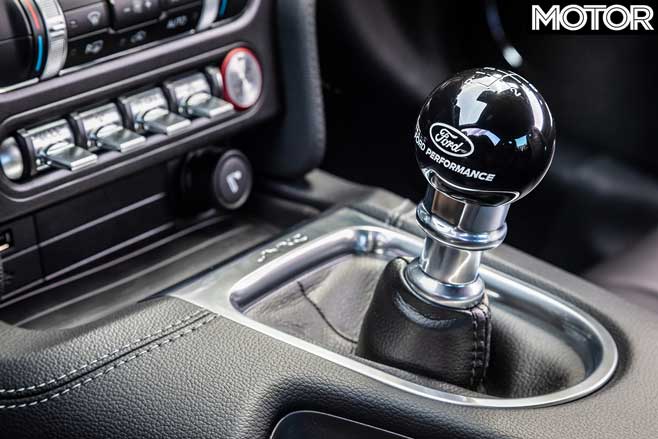
Ford Oz has chosen to equip all 500 R-Specs exclusively with a six-speed manual transmission for various reasons. We understand Ford Australia believes it suits the car’s niche limited-edition status and will help sales.
Meanwhile, Capicchiano adds the fewer, and therefore longer, gears allow the supercharged engine’s massive torque and power to breathe. This at least was the case during racetrack testing at Winton Raceway.
“I could keep that thing in third gear from corner two,” he says, “all the way along the top of the track until you come back down the back straight, and what that let me do is concentrate on my lines and driving. With 700 horsepower, when things happen, they happen pretty quickly.”
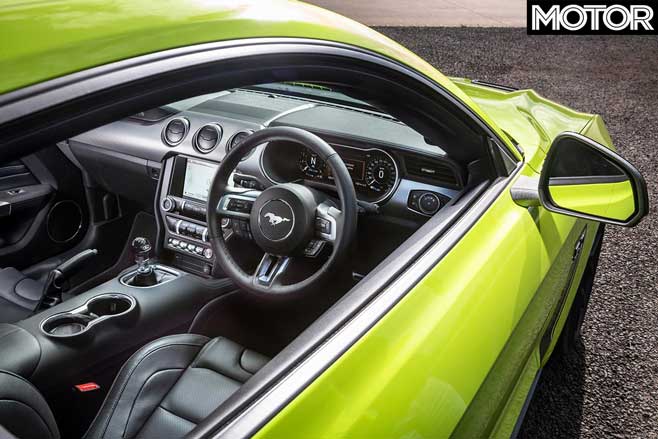
Automatic S550 Mustangs have drawn their fair share of bad press at MOTOR for overheating issues on both street and track, in both supercharged and atmo form, but we understand the choice of a six-speed manual should help the R-Spec side step such problems.
“The base car is set up, with an automatic, it is not designed to be a dedicated track car. You don’t find ten-speed racecars. It’s constantly firing gears, and it’s great in a straight line, but around a racetrack, something where you can actually select a gear, hold a gear, and be a bit more constructive on how you want to drive a car, that’s where I think the manual suits the package.”
Should you want to leave nothing to chance, “there is the opportunity to do that,” Capicchiano says, “[extra cooling] doesn’t come with the car. But there is that ability to go through Rob [Herrod] and do that stuff.”
“I did full three sessions [at the track] at seven to eight tenths. To be honest, you don’t find customers will drive their car like Dickie [Dick Johnson] is going to drive that car [at the Bathurst 1000] on the weekend.”
The six-speed manual transmission did not need upgrading either. “It’s pretty robust,” he adds, “it actually takes the load. The Ford Performance guys actually do a great job of validating all that, so we take what they’ve got, and we go off that.”
It certainly helps the Mustang’s 2018 driveline is upgraded with bits from the Shelby GT350. Along with beefed rear half shafts, he says “it’s got a twin-plate clutch, dual mass flywheel [from GT350], so when you drive this car, it’s a lot nicer.”
HANDLING: LOWER, SHARPER
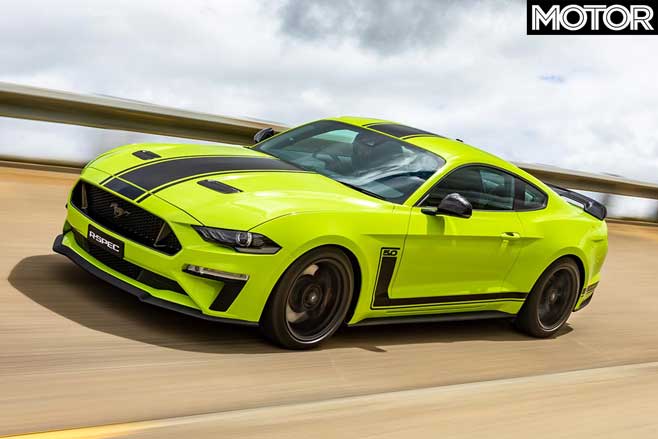
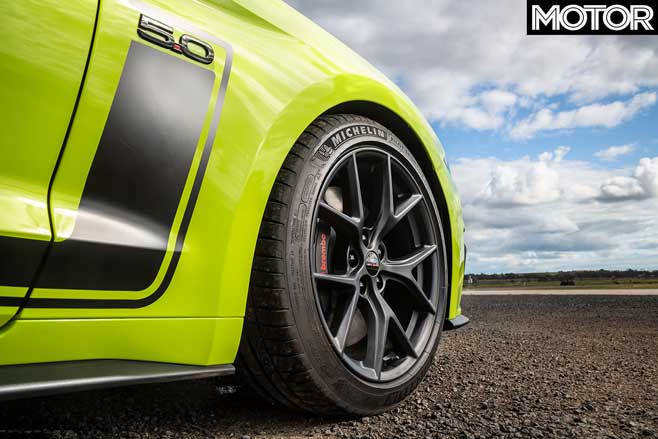
Although the R-Spec uses the same contact patch as before, with Michelin Pilot Sport 4 S tyres measuring 255mm wide at the front and 275mm at the back, they now stretch over wider wheels that are respectively 0.5-inches wider. Or 9.5-inches wide at the front and 10-inches wide at the rear.
The improvements instead have been made around it. The springs are still linear at the front and progressive at the rear, but they’re 20mm lower and been stiffened by 20 per cent.
“It also comes with the dynamic controller as well,” Capicchiano says, “because the cars all have Magneride, you can’t just chuck lowered springs in the car because the dampers need to know what the spring height and rate is to be able to work in their optimum range.”
Now, while the cars are being assembled with Herrod Performance in Ford’s own Broadmeadows facility, each Mustang will have its Magneride flashed with new Ford Performance calibrations for the new spring rates and heights.
After that a set adjustable roll-bars front and rear complete the handling upgrades. At 37mm diameter in the front and 25.2mm diameter in the rear, they’re respectively 5mm and 3mm fatter. But their two-mode adjustability means you can play around to find your most preferred setup. You don’t even have to take the wheels off, we’re told, but need to jack it up.
“It’s got a flat endplate and two holes,” Capicchiano tells us, “and basically you have a bolt that you can move up.”
“I tried all the settings and we’ve set this one up to how we think we would have it, so it’s actually a little softer in the front and a little harder in the rear, just to get it turn in and use the grip on the front-end.”
AERO: WINGS AND THINGS
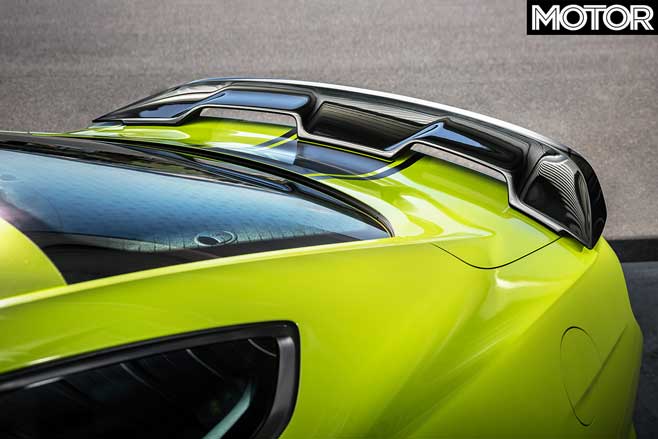
The last, but not least, element of the R-Spec’s performance comes from its aerodynamic package. As you can see, there’s a fairly massive spoiler hanging off its rear lid. It’s off the Shelby GT350 and helps the car produce a “little bit” of downforce.
“I call it the Triple 888 Racing gurney flap,” he says before a laugh.
Ford Australia did have its eye on an a Ford Performance gurney flap but since it does not pass ADRs it’s something buyers will have to install after market.
SO, HOW FAST IS IT?
Capicchiano won’t be tempted on its acceleration times, even though his team did complete them for validation purposes and can say that’s it’s faster than the stock GT. “That’s what you guys need to go away and do,” he says. Well, if we must. Stay tuned.
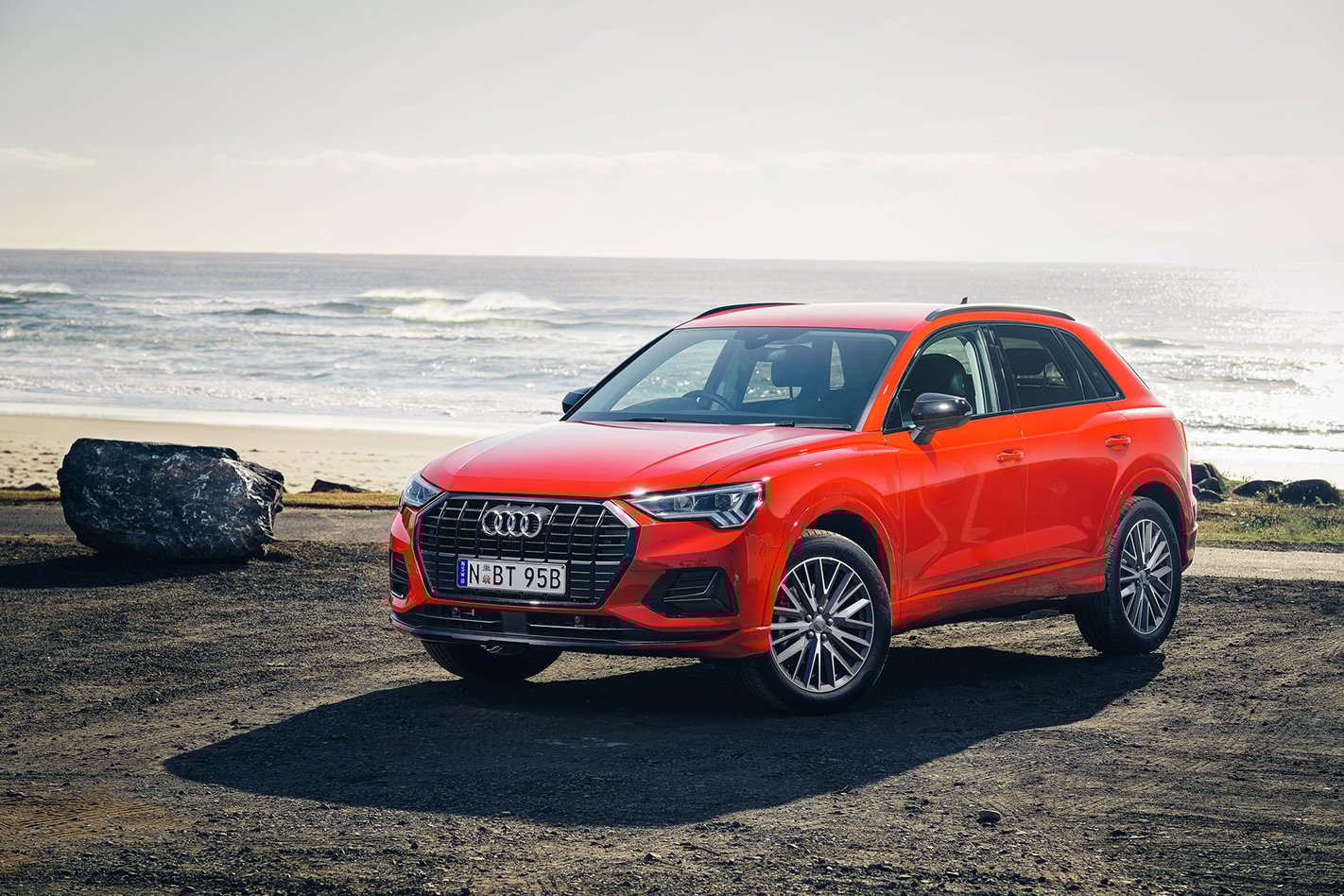
The Wheels Verdict: The second-generation Q3 makes significant leaps in three key areas: packaging, equipment and dynamics. It’s usefully larger than its predecessor, and more flexible in its ability to carry both people and cargo. Spend the money on options, and there’s very little by way of comfort and convenience equipment you’ll miss out on. It’s not powerful nor quick in this spec, but crucially, it is an enjoyable, cohesive thing to drive.
WHAT IS THE AUDI Q3 TFSI 35?
The second generation of Audi’s compact SUV. It launches in Australia in 35 TFSI spec, meaning a modest 1.4-litre turbo-petrol four cylinder driving the front wheels. More powerful all-wheel-drive models will follow in 2020.
WHY WE’RE TESTING IT
The first-generation Q3, launched in Australia in 2012, was a big hit for the German brand, consistently topping its segment. Audi is pinning high hopes on this successor, which we drove in the hinterland of the NSW far-north coast.
THE WHEELS REVIEW
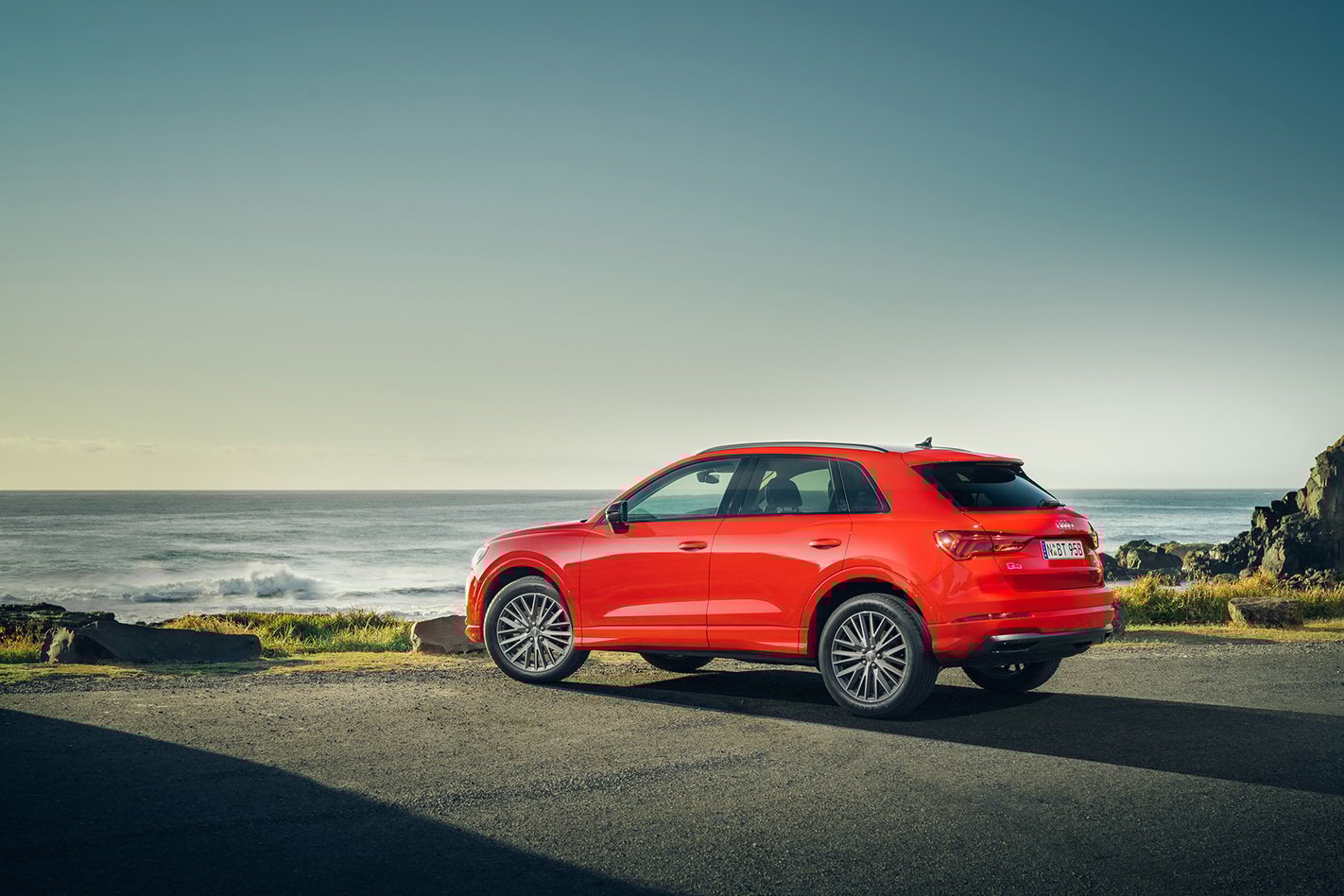
We can thank Audi’s sub-compact Q2 SUV for allowing this second-generation Q3 to mature into a far more spacious, useful and appealing offering than its predecessor.
Not that the original Q3 struggled; it was consistently a segment sales leader since its inception in 2012, and sold over 19,000 units in Australia over that seven-year period. But it was cramped for adults in the back, a bit tight for luggage space, and had a lumpy and often restless ride on Aussie roads. All of which have been addressed with the second-gen model, which launches initially with two equipment levels and just one powertrain: a 1.4-litre turbo-petrol powering the front wheels.
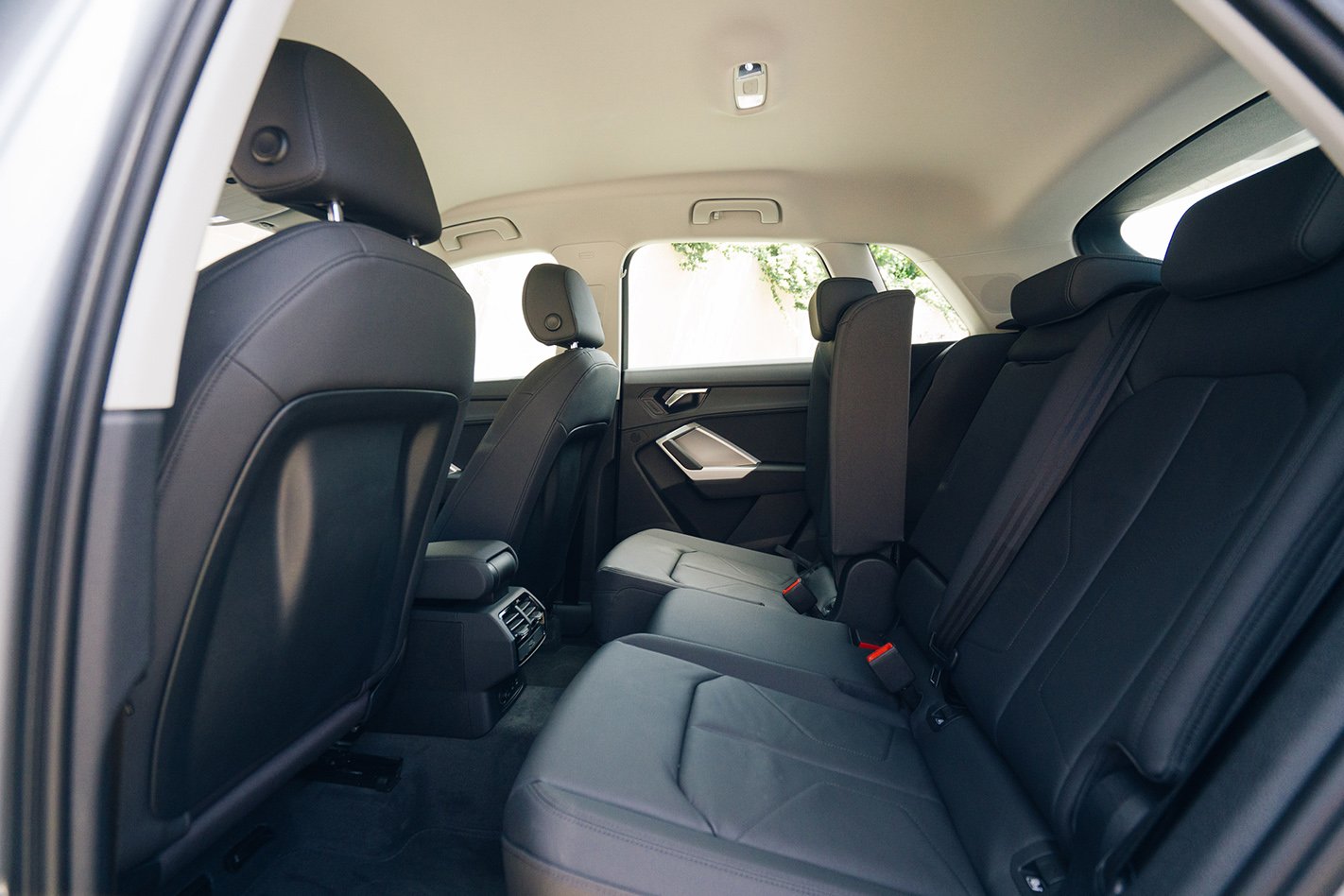
But first to packaging, as this is central to making the Q3 viable for young families. The stretch in wheelbase (up 77mm) has brought a rear seat that happily accommodates adult legs even when the front seats are set well back, and increases luggage space to a minimum of 530 litres, up a hefty 70 litres. The rear bench can be moved fore-/aft by 150mm to free up more boot space when only small kids occupy the back, and the backrest tilts in seven stages, while also split-folding 40:20:40. Fully folded, rear cargo space becomes a generous 1525 litres.
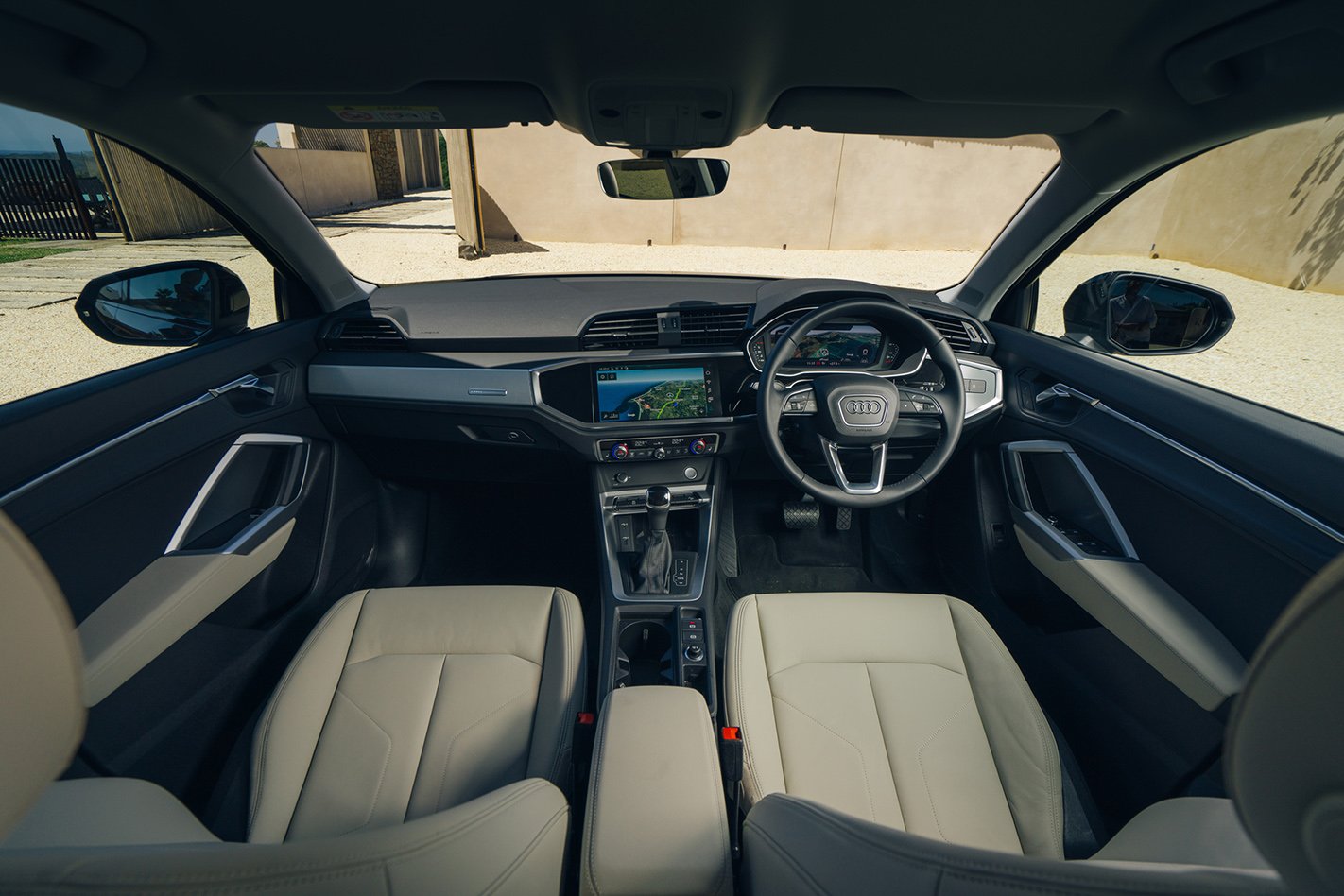
Up front, the seats are a little short on under-thigh support, and if you want electric adjustment, you’ll need to pony up for the Comfort package ($2600) which also adds a host of other desirable equipment. But the driving position is flawless, the standard inclusion of the Virtual Cockpit dash display is a winner, and the integration of the 10.25-inch touchscreen is beautifully executed. It all drips with that lush Audi feel-good factor.
Even the small engine doesn’t really detract from the driving experience, given its healthy torque and rev-happy character. Okay, it’s a bit frenetic when really wrung out to max revs, but mostly quite adequate for even press-on driving, and perfectly agreeable for general duties, especially now the dual-clutch transmission is so well calibrated. It’s a shame there are no paddles in this range-opening spec, but the gearbox’s ability to interpret your intentions means it’s not an issue in anything less than attack mode.
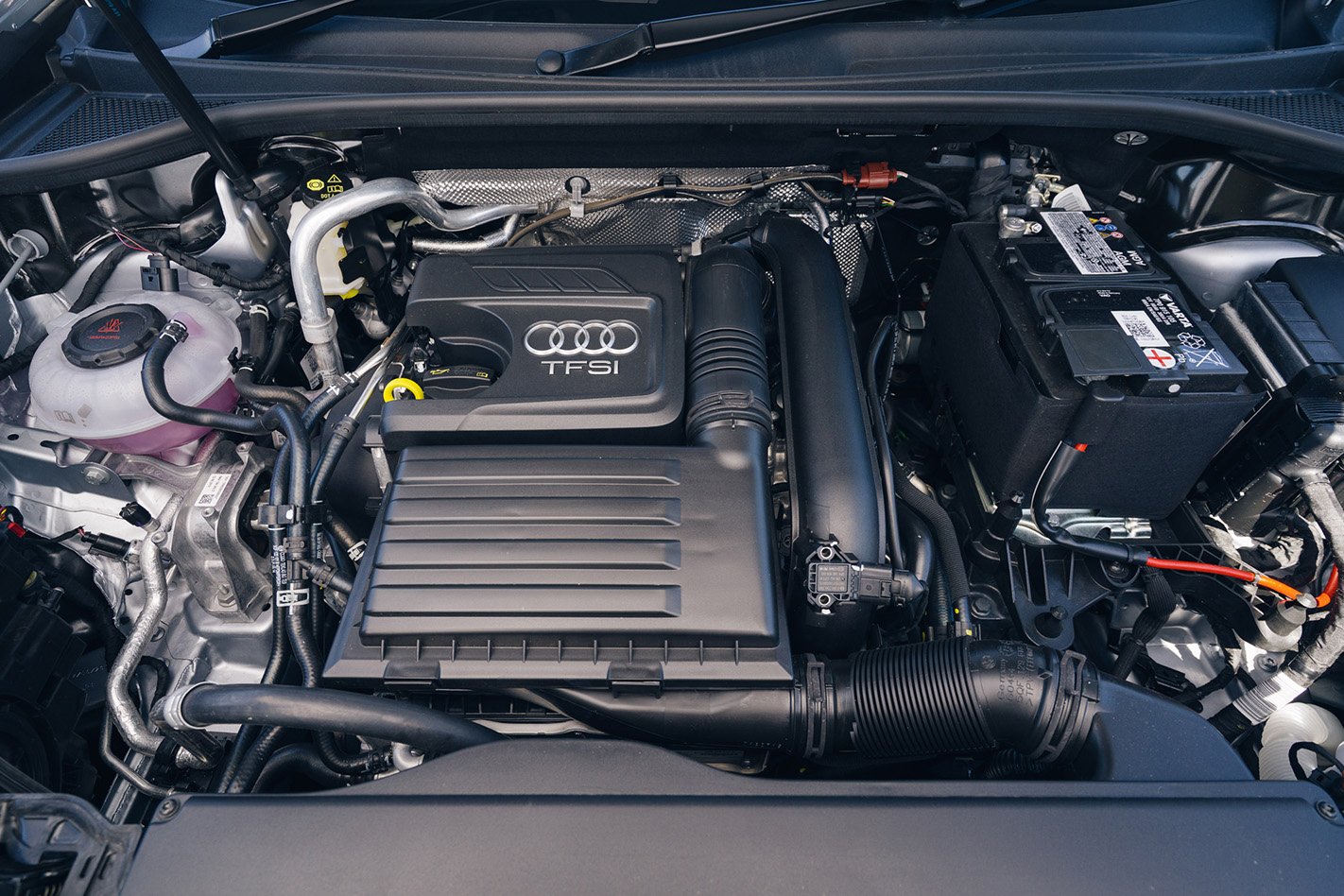
Likewise the front-drive layout. The vast majority of buyers won’t miss an all-wheel-drive system; those who do think they need it can wait for the bigger-engined 45 TFSI Quattro due in the second quarter of 2020. As is, this 35 TFSI gets its modest mumbo down pretty cleanly, and overall performance is more sprightly than the 0-100km/h figure of 9.3sec suggests.
It even rides with reasonable compliance, especially on the standard 18-inch wheel and tyre package. Things get a little more terse on the 19s that are part of the richly specced Launch Edition ($6350 over the $46,400 basic car for additional equipment that would tally to over $10,000 if added separately) but adaptive dampers (not fitted to our test cars) are available for $2000 and would likely help the ride/handing balance.
The steering, meanwhile, loses nothing for not being offered with the various weightings that come with the optional Drive Select set-up. It’s typical Audi in that there’s little actual road feel, but it is consistently weighted, and nicely direct. Overall, there’s an alertness to the Q3’s responses and a generally engaging, mostly cohesive vibe to its on-road behaviour.
So all pretty positive, then? Sure. The only potential fly in the Q3 ointment is a Swedish one, in the form of our reigning COTY, the Volvo XC40. It’s slightly larger, has similar standard equipment, a more powerful 2.0-litre turbo engine, eight forward ratios, and, in T4 Momentum spec, is just $500 more expensive than the entry-level Q3.
Problem for Audi? Unlikely.
MAIN RIVALS
Mercedes-Benz GLA; BMW X1 or X2; Volvo XC40
Price and specs
- Model: Audi Q3 35 TFSI
- Engine: 1395cc 4cyl, dohc, 16v, turbo
- Max power: 110kW @ 5000rpm
- Max torque: 250Nm @ 1500-3500rpm
- Transmission: 6-speed dual-clutch
- Weight: 1470kg
- Economy: 7.2L/100km
- 0-100km/h: 9.3sec (claimed)
- Price: $46,400
- On sale: November 22, 2019
Aussies have adopted the Mustang as their own. V8-powered four-door Falcons have quickly made way for bent-eight Fastbacks – a move made possible under the global ‘One Ford’ program. But which would you have? The XR8 Sprint is arguably the best eight-cylinder Blue Oval product (not including FPV etc) to be made here, while the Mustang ties nostalgia with real talent.
FORD MUSTANG GT
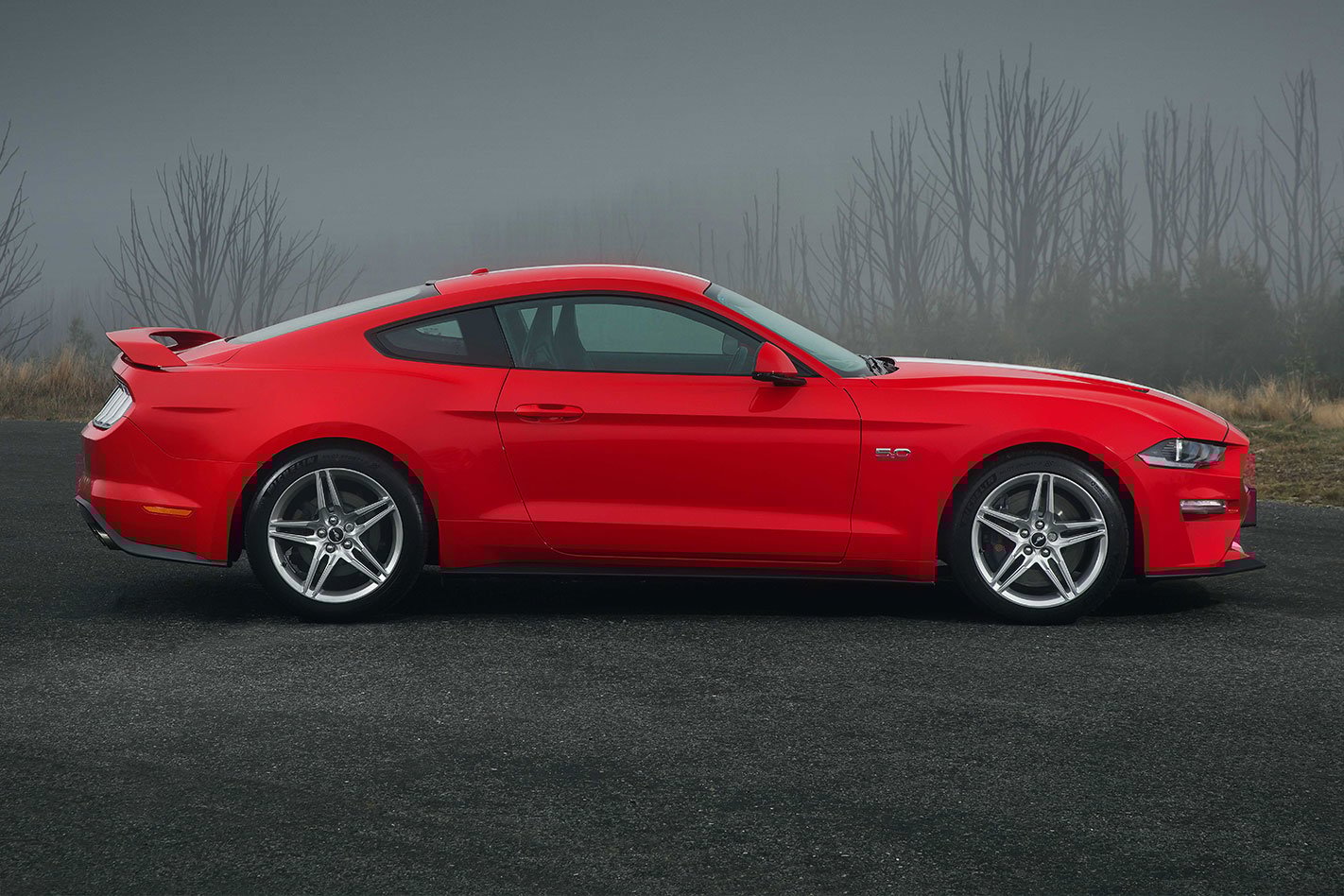
There’s something undeniably grin-worthy about the Mustang GT. It looks good and sounds even better. And it buys into its past without repeatedly slapping you in the face with retro. There’s little wonder initial sales of the FM and FN ’Stangs shot through the roof. So much so that it has often been Ford’s second-highest-selling vehicle behind the Ranger.
You want the V8, too. Yes, you can get a four-cylinder turbo, but the 5.0-litre V8 GT is where it’s at. Bang for your buck is high, with 339kW and 556Nm available from $62,990 when opting for the revamped six-speed manual. It makes a lot of sense if you like to be seen and heard, with the Coyote engine providing ample oomph in the upper reaches of its rev range. The exhaust system has also been retuned to offer a truly sinister soundtrack when you’re up it and a menacing burble on idle. It matches its ‘cruiser’ brief perfectly.

Handling and overall dynamics aren’t its forte at ten-tenths, however. Get it on a track, and even the configurable modes start to annoy. There’s little feel through the wheel, the lack of connection almost exacerbated by the long bonnet, and the brake-pedal is touchy in the extreme. Although to counter, the front-end turns in vehemently and the brakes cut the mustard when called on. Interestingly, the 10-speed auto is somewhat overhyped. Luckily the slick-shifting manual more-than steps up to the mark with a purposeful shift action – it’s engaging to use.
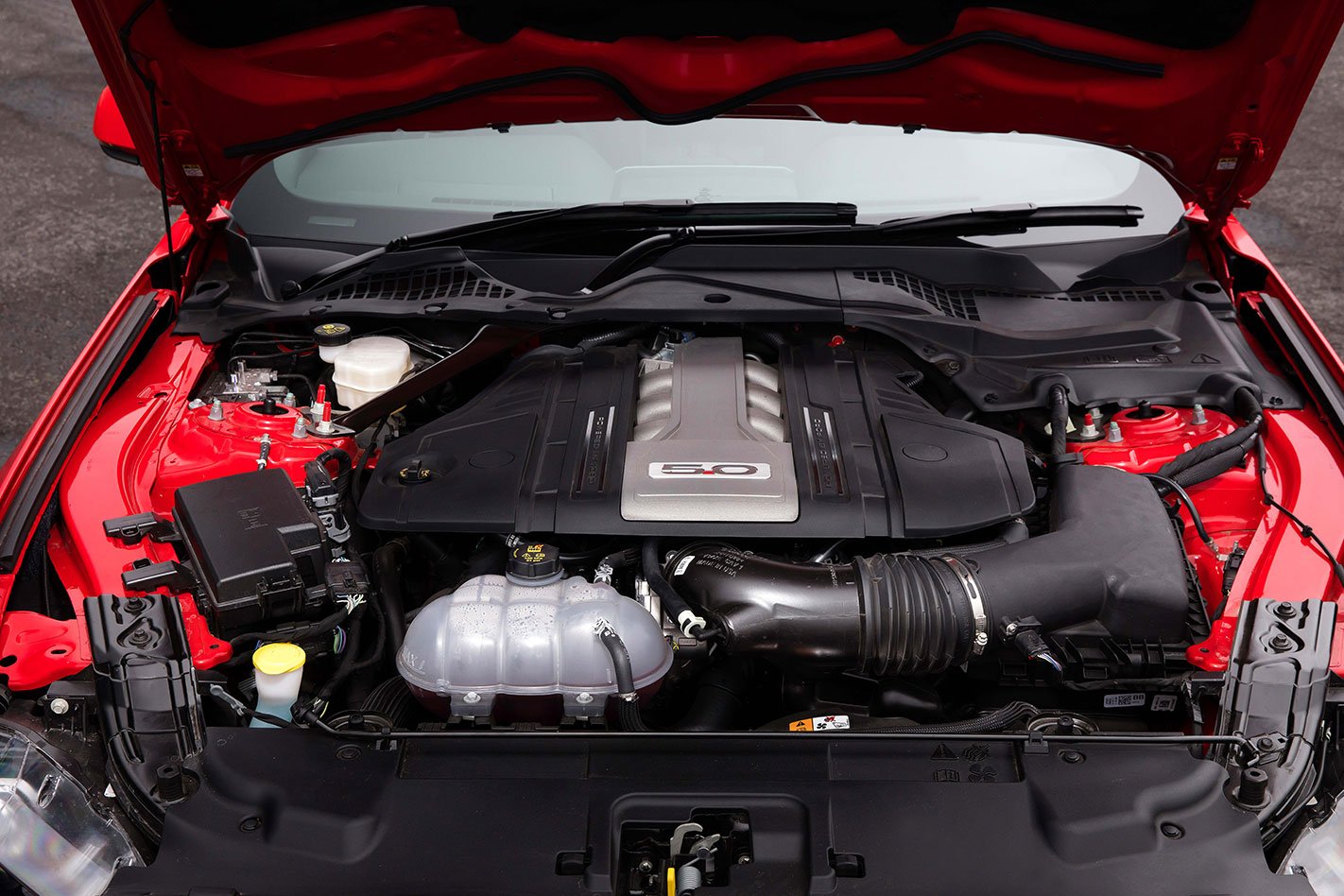
Inside, the quirky-retro bar is raised and it isn’t as well resolved as the exterior design. However, the mid-life update brought serious improvements to quality of the fit and finish and the materials used. The optional Recaro seats are a must if you want added support and bolstering, but you do lose seat ventilation over the standard pews. The rear seats are, for the most part, just token gestures. You wouldn’t put adults back there – unless you didn’t like them. No, the Mustang is to be enjoyed as a two-seater coupe, windows down chasing the sun along a coastal road.
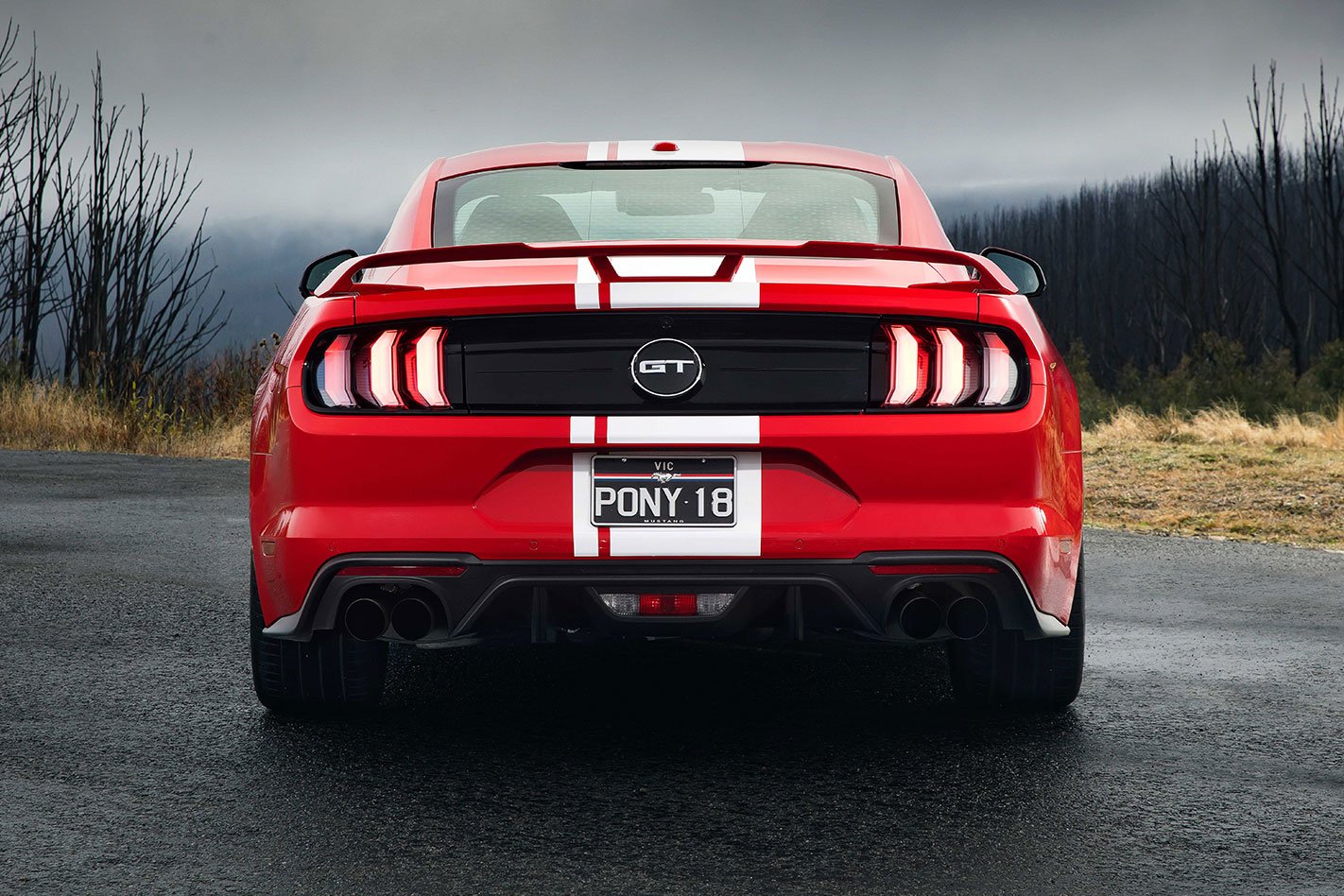
The Mustang is an easy car to live with. And ultimately, the GT’s presence doesn’t write cheques its overall ability can’t cash. Anyone who buys a Mustang GT won’t be disappointed.
FORD FALCON XR8 SPRINT
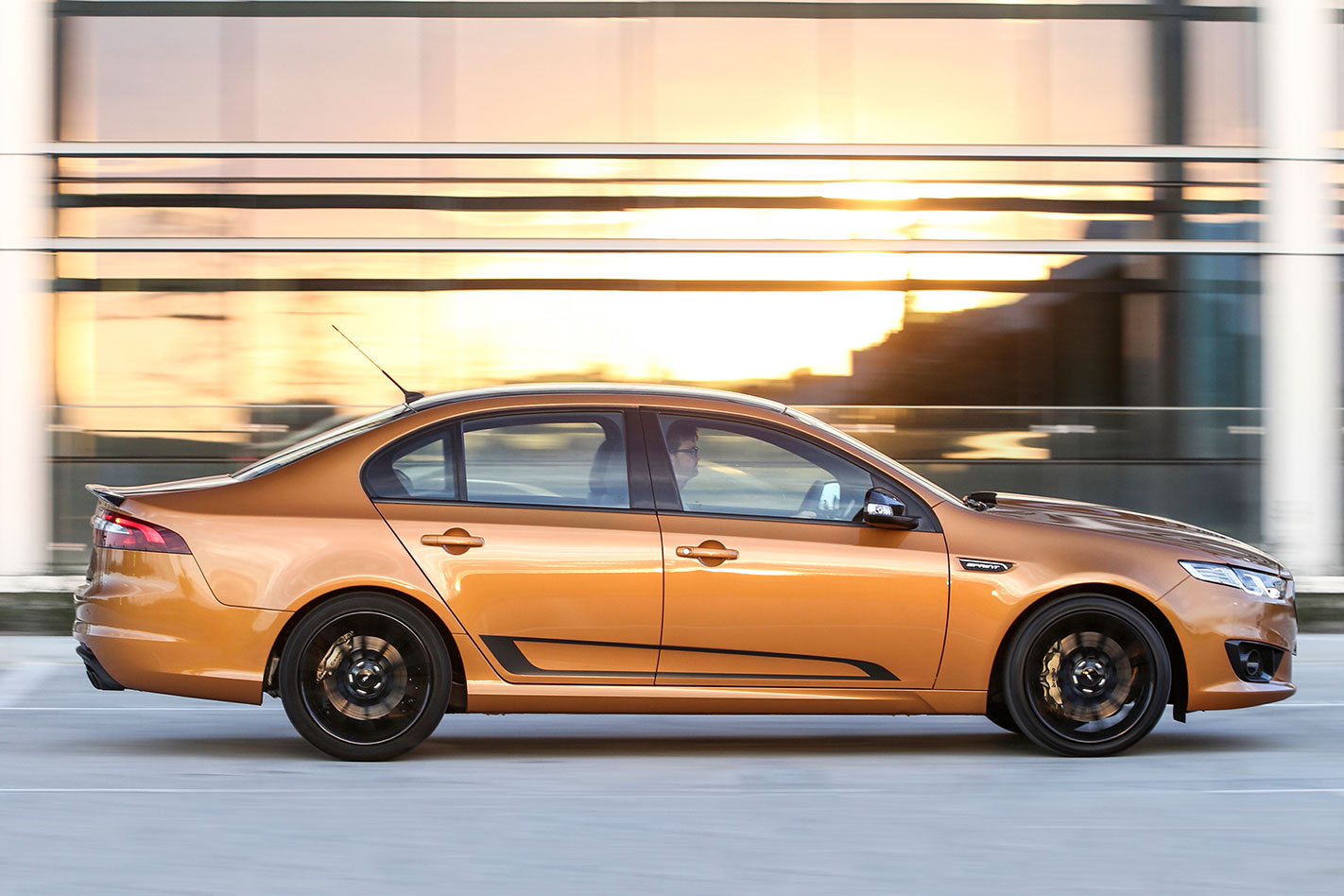
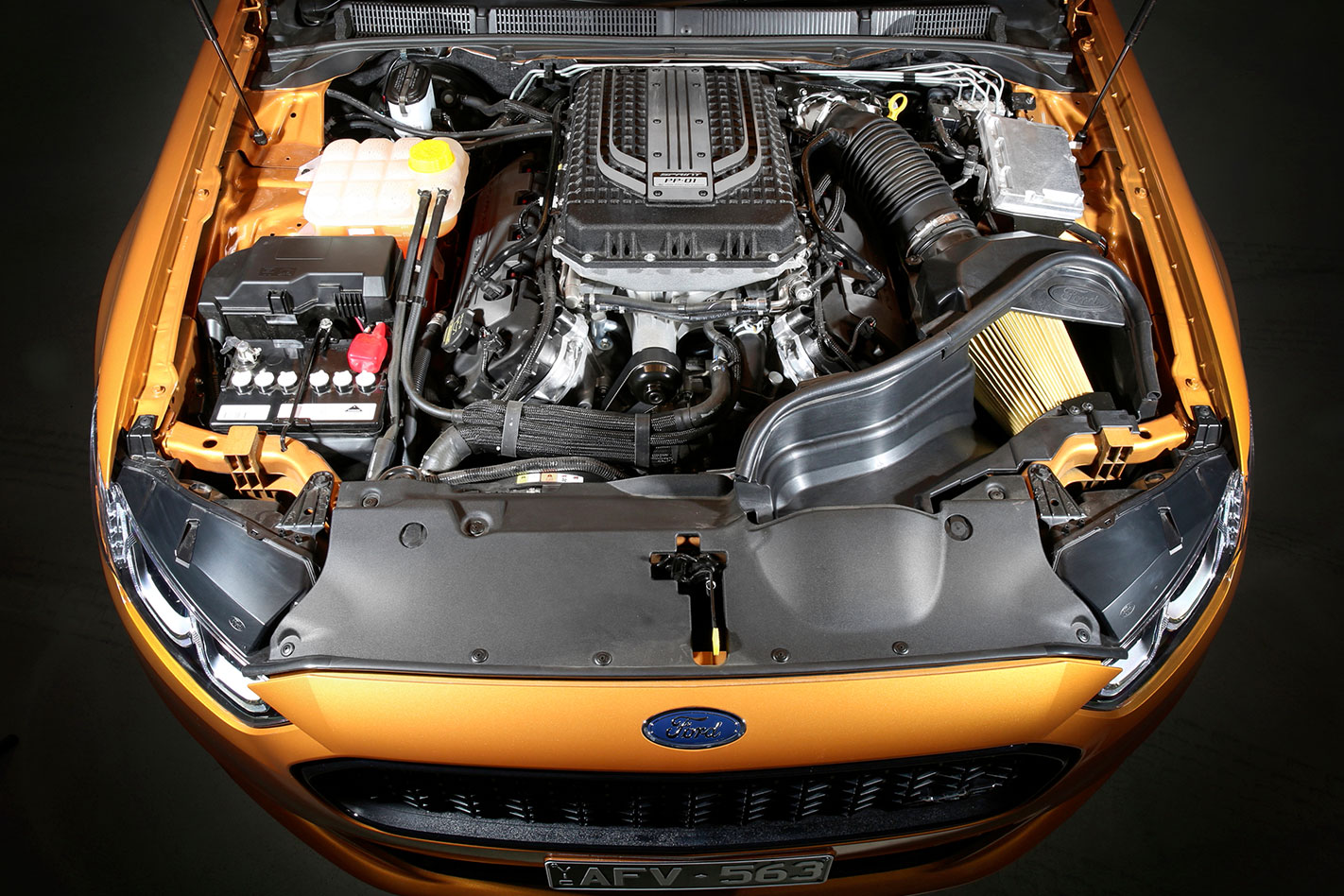
The fact the XR8 Sprint exists proves Ford cared right up to the death knell. The production budget was meagre, but the heart was big. The supercharged Miami swansong produces an XR8 with GT-killing performance and on-paper figures of 345kW/575Nm. Those numbers swell to 400kW/650Nm with a transient overboost function. In either guise, the Sprint is 1872kg of tyre-frying goodness.
In Wheels’ farewell drive, we managed to hustle the Sprint to 100km/h in 5.24 seconds, go on to a quarter-mile time of 13.1sec and a terminal speed of 183km/h. Not bad for a heavy ‘taxi’ – something those in the Red brigade love to call the Falcon. Both a six-speed manual and a ZF six-speed automatic are available, with the latter being quicker down the strip.
Despite being a big, fast four-door, the Sprint cossets with a compliant ride and loping nature Aussie buyers are so accustomed to. Dips, undulations and crater-sized potholes are handled with aplomb. What it doesn’t do well is harness and utilise the immense power on tap. Ford tried with tweaks filtering down from the final GTs, but you get the feeling a bigger budget and access to a more extensive toolbox would have reaped dividends. It fries its rears like America does its food.
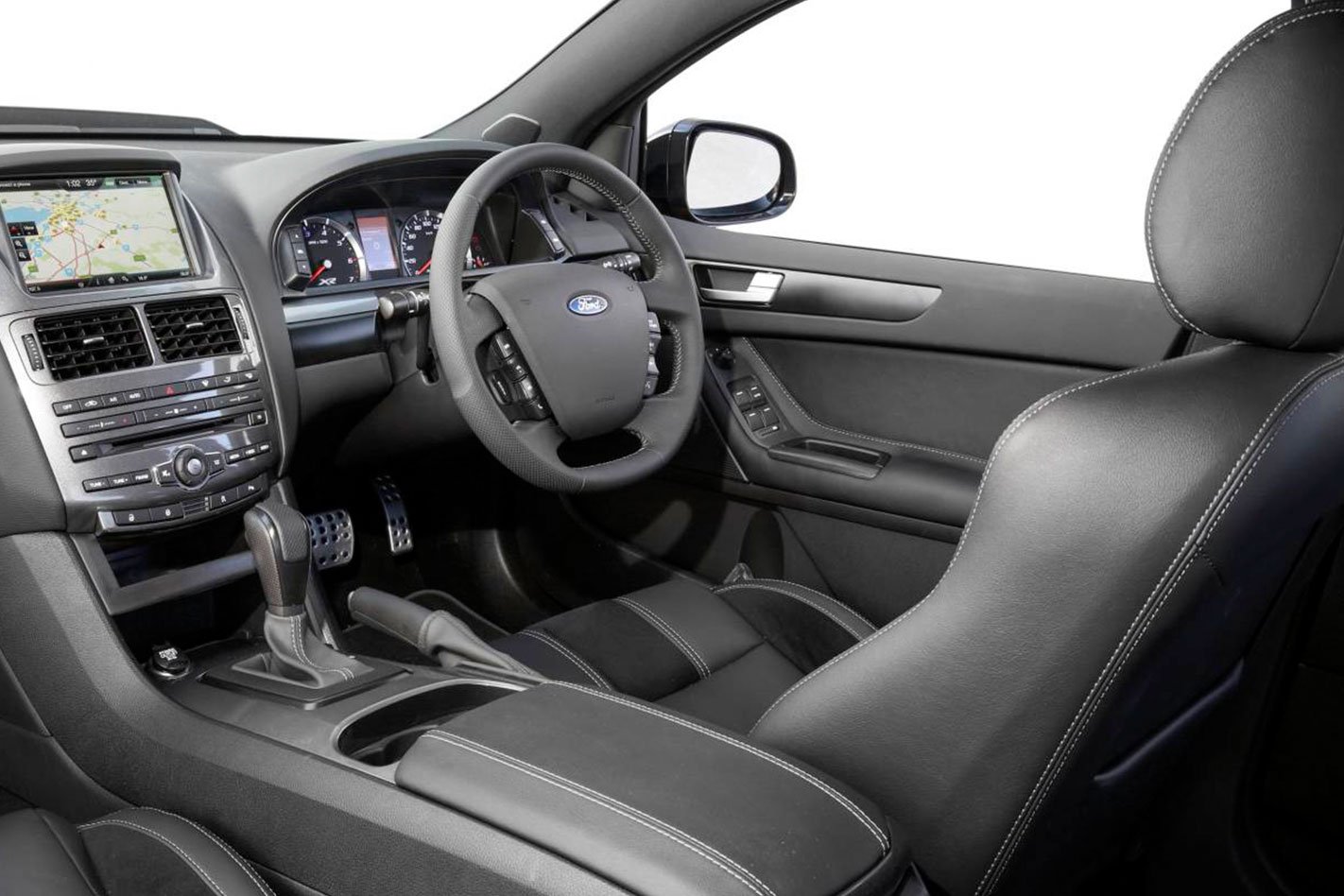
However, the biggest sign that the Falcon’s stay of execution was up is inside the cabin. The dash design is years old mutton dressed as lamb and the technology only just clung onto the modern features of the time with the SYNC infotainment system. And even that stuck out like a Gen Y sore thumb, with the 8.0-inch touchscreen manipulated into the existing dash. The awkward driving position remained, too.
Yet, the beauty of a full-size four-door is a spacious interior. And the Falcon certainly affords that front and rear. Head and legroom is generous all-round, while there’s plenty of cupholders and places to put things. The boot offers a space-saver spare and a cargo capacity of 505L. Heaps of room for a weekend trip to Bathurst for the family or with mates and an esky.
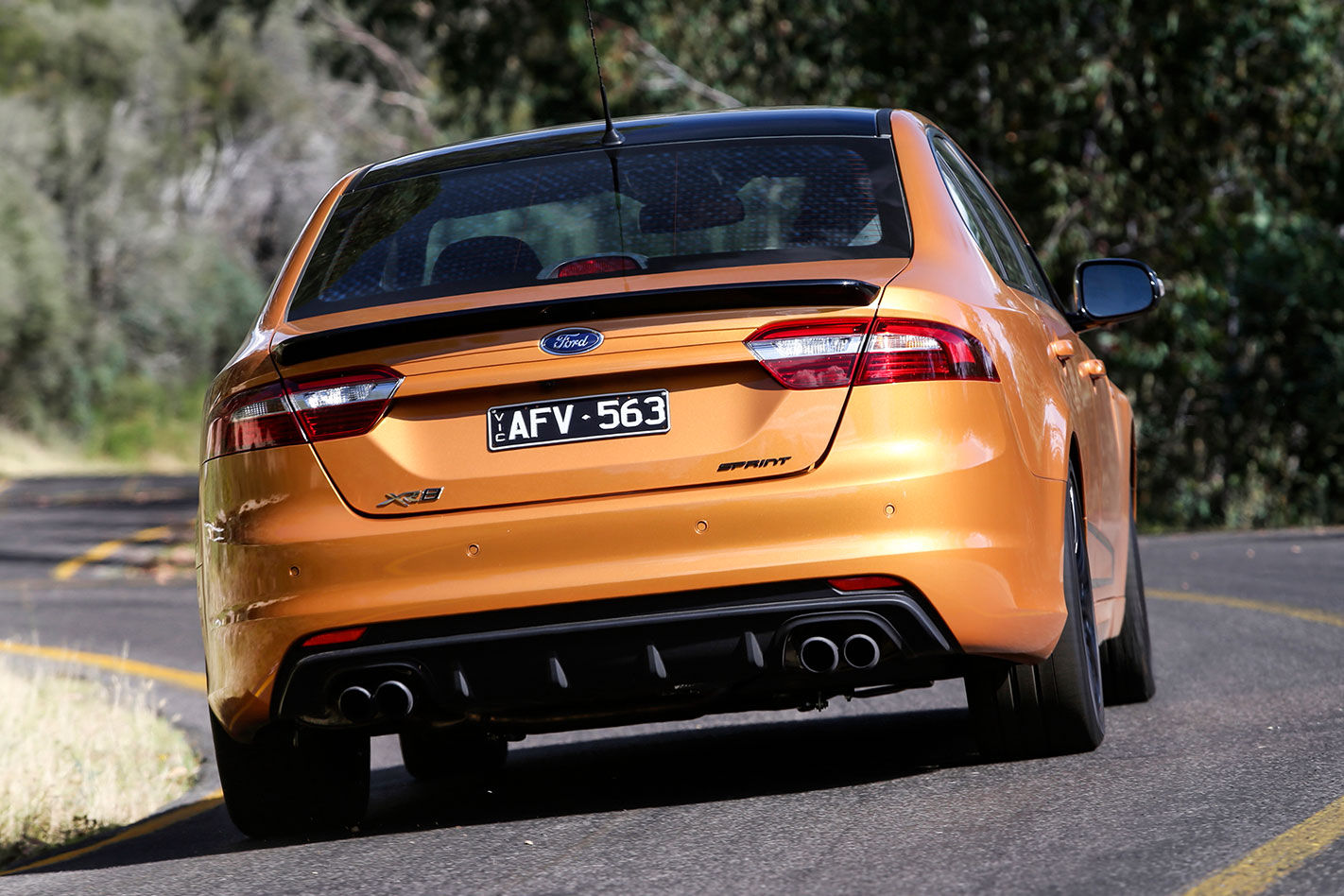
The XR8 Sprint came with a $59,990 sticker when new. However, prices are already ramping up on the second-hand market with figures as high as $90,000 for low-kay examples.
Specs comparison
| u00a0 | FORD MUSTANG GT | FORD FALCON XR8 SPRINT |
| Price (new) | $62,990 (M),u00a0$65,990 (A)u00a0 | $59,990 (M),u00a0$62,190 (A) |
| Engine | 5038cc V8, dohc, 32v | 4951cc V8, dohc, 32v, supercharger |
| Output | 339kW/556Nm | 345kW/575Nm |
| Transmission | 6-speed manual; 10-speed auto | 6-speed manual/auto |
| 0-100km/h | 4.6sec (claimed) | 4.5sec (claimed) |
| Efficiency (combined) | 13.0L/100km (manual) | 13.8L/100km (manual) |
| Drivetrain | RWD | RWD |
| Doors | 2 | 5 |
| Seats | 4 | 5 |
| Wheel size | 19-inch | 19-inch |
| Country of origin | USA | Australia |
Wheels staff picks

Trent Giunco
Staff Journalist
I own a Falcon – a 2010 XR6 Turbo manual, to be exact. So forgive me for favouring the big Falcon over the American import. It’s such a shame there wasn’t a lot of money left in the kitty to do something truly special with the Sprint. Yes, it got all the horsepower, but not a great deal to harness it. I know first-hand that the seating position is frustrating. It might not be the better car, far from it, but it is the one I’d want to keep coming back to. It has a feel-good factor too hard to ignore. And if I’d been able to get my hands on one at launch, it might well turn out to have been a good nest egg, too.

Andy Enright
Deputy Editor
I don’t think I’ve ever driven a car that highlighted a greater disparity in talent between engine and chassis than the Falcon XR8 Sprint. It was truly, genuinely inept in the way it tried to marshal all that 400kW/650Nm on overboost. The most entertaining aspect of the Sprint was staving off boredom on long journeys by switching off the traction control and using the engine to match the music on the radio. You could pretty much play note-perfect songs as the rear tyres cremated themselves, forward velocity utterly unchanged. I’ll happily admit that the XR8 Sprint is a better buy than a Mustang V8 if you’re looking towards future values, but a better car? I’m not having a bar of that. The Mustang feels at least a decade more advanced than the FG X, is far more competent on a challenging road and won’t make you flypaper for ferals. It also doesn’t feature a steering wheel that sits in your lap, speakers that benchmark those of a McDonald’s drive-thru for audio quality and a clunker of a manual gearbox. Sorry, Australia, but the last of the fast Falcons only served to illustrate how far behind the curve the car trailed.

Cameron Kirby
Staff Journalist
When I joined the Wheels team, Australian manufacturing was already well on its way to being gone forever. The Falcon had mere months left before it shuffled off the mortal coil, so to remember the Aussie icon, Wheels gathered every generation together for a family portrait at Ford’s You Yangs proving ground. It was a fantastic celebration, and one I’ll cherish being a part of. At the end of the day, then Deputy Editor Inwood threw me the keys to an orange pre-production XR8 Sprint. The next day was spent blasting along some of Victoria’s best driving roads in a true blue Aussie muscle sedan. The Sprint has its foibles, mainly the high seating position and aged interior, but on that one glorious day, it was the only car that mattered. Because of that, it’s the Sprint for me. No contest.
Reckon we’ve got it right? Or are we way off the money (literally)? Find your best and let us know in the comments what you’d buy.
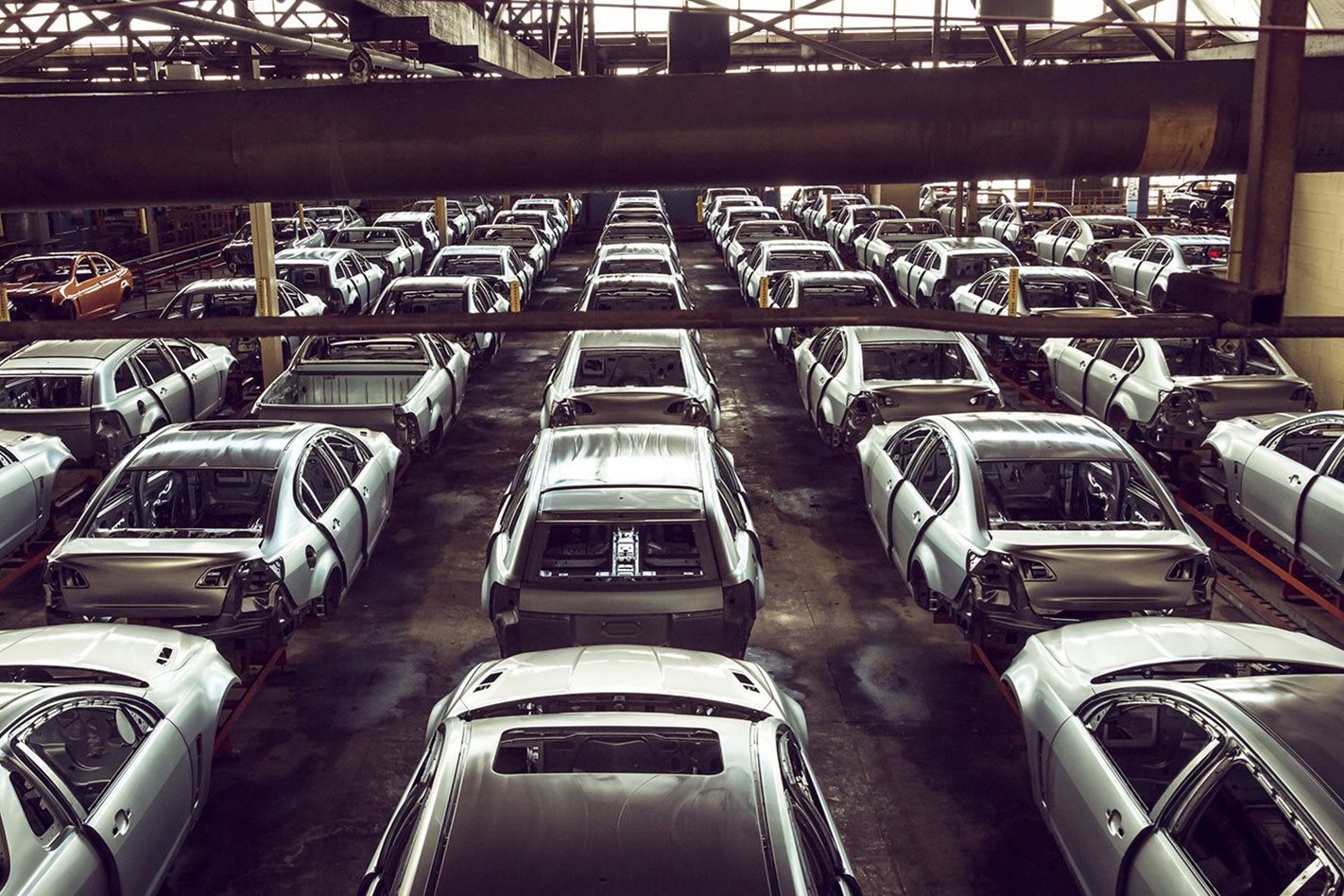
Consider the powertrain in your car: the engine and related components, such as the transmission, engine cooling and exhaust systems, and emissions control. This complex metallurgical ecosystem adds more value to a vehicle than any of its other systems. It’s made of expensively manufactured parts, many of which are designed to withstand temperatures in excess of 1100 degrees Celsius generated through internal combustion.
But what if you did away with all of that, much as you do in an electric car? You’d assume that the cost of manufacture would probably reduce and, as an important corollary, the amount of man hours required to build the vehicle would be slashed. That has huge implications for car industry jobs.
A study by Ernst and Young estimated that a typical four-cylinder internal-combustion engine (ICE) vehicle has around 2000 components in its powertrain. They looked at the US market and calculated that of the 590,000 employees utilised in parts manufacturing, around 150,000 were employed in building parts for internal-combustion engine powertrains. How are these people going to be gainfully employed when Tesla has stated that its drivetrain has 17 moving parts?
“Should electric powertrains displace those used by gasoline over the next decade and beyond, it is likely that both production and engineering jobs will be affected,” Bill Canis, a vehicle-industry analyst, writes in a May 2019 report to Congress. “Much of the mechanical and materials engineering work undertaken by automobile and parts manufacturers could be replaced by jobs requiring different skill sets such as chemical, battery, and software engineering or by imports of lithium-ion batteries,” he notes.
This puts the USA at a competitive disadvantage as its university curriculums lag behind, still teaching more traditional engineering disciplines. “Few US universities offer degrees in battery engineering, a skill set that is in short supply even today,” Canis says.
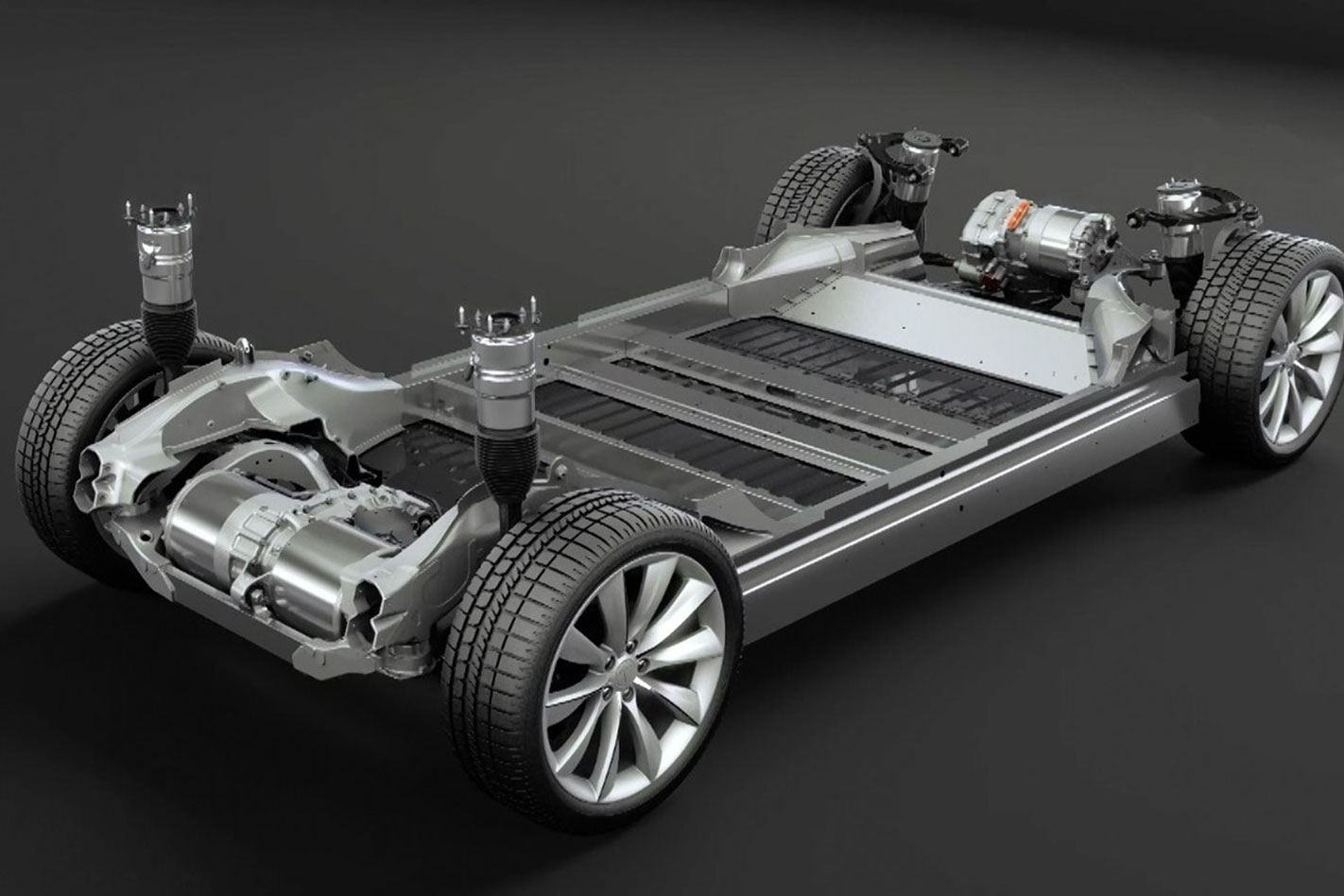
The report suggests that Congress should work to create a skills base within the US by utilising the Workforce Innovation and Opportunity Act to retrain the estimated 150,000 workers currently employed making parts for internal-combustion powertrains.
“Workers who today manufacture parts for gasoline or diesel engines could be retrained to make parts for electric vehicle motors and the lithium-ion batteries that power them, although there may be significantly fewer such jobs than exist in automotive supply chains today.”
This mirrors findings in Europe. UBS reported that 58 percent of all German automotive manufacturing employment is dependent on ICE production. It opined that even if lithium-ion batteries were produced within the EU, the impact on employment would be small and certainly wouldn’t compensate for the employment losses described above.
The story gets even worse when looking at tier two suppliers. Traditional car parts suppliers are expected to lose even more of the vehicle content that they currently capture (a loss of around 38 percent) than car manufacturers, which will realise a loss of around 17 percent.
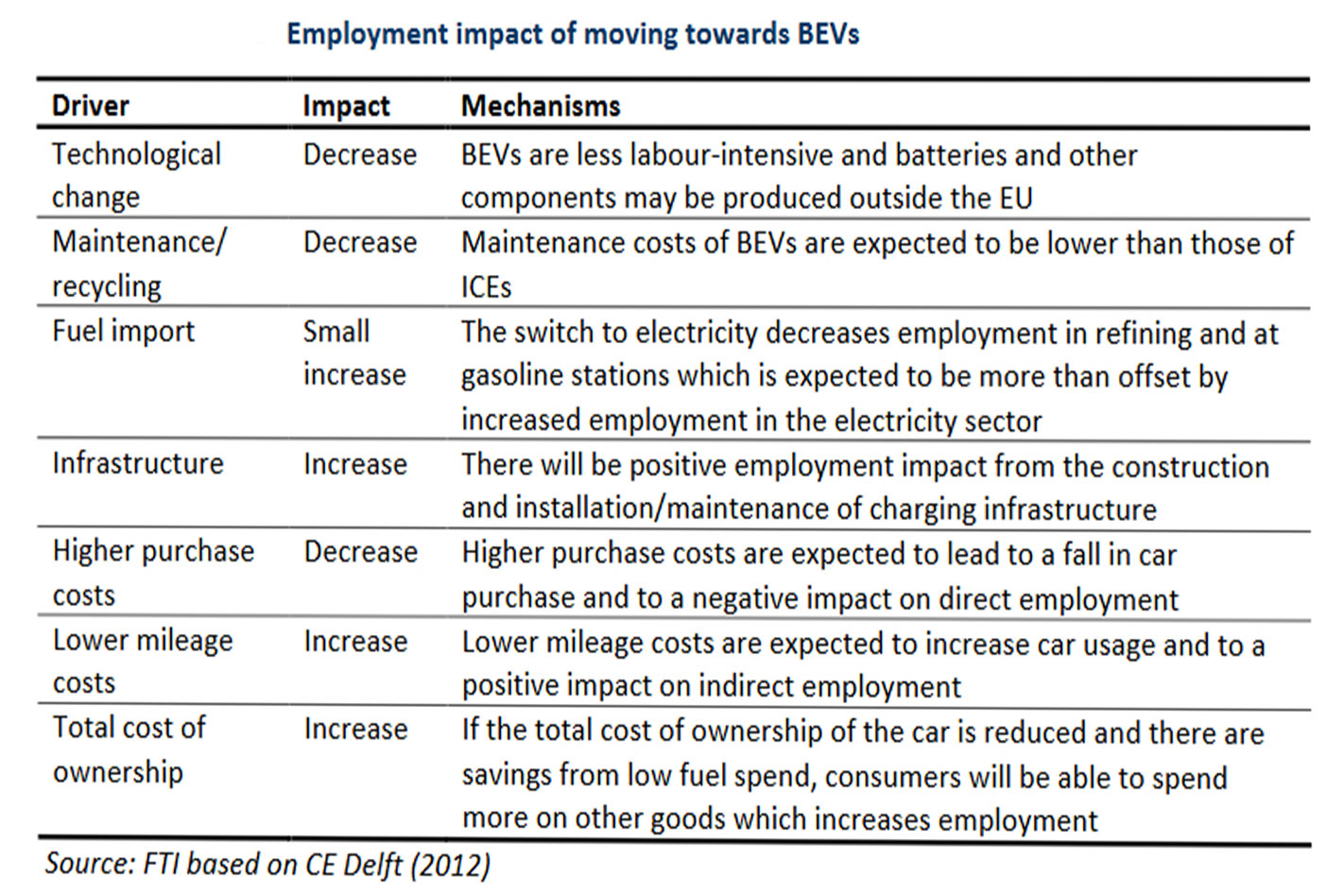
The table above indicates that switching to electric vehicles isn’t all bad news for jobs. Developing the electrical infrastructure, allied benefits in added car use and delivering additional disposable income to drivers all have beneficial effects in the job market.
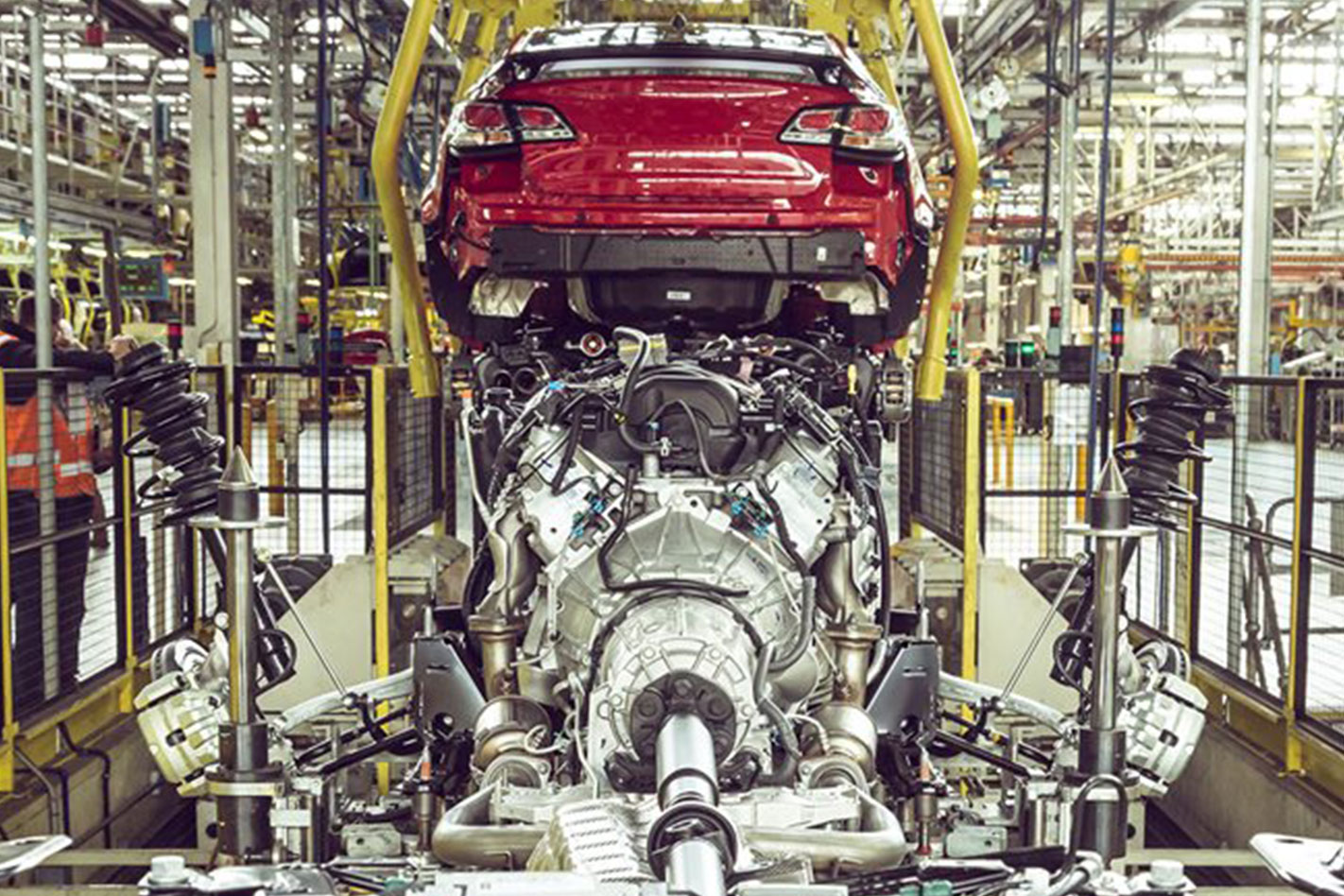
Here in Australia, we’ve already seen car manufacturers Holden, Ford and Toyota shutter their local plants, so that particular horse has bolted. Where we’re starting to see effects in the job market are the less obvious places.
Sales of automotive fuel in Australia have declined in the past five years from 18,716.8 megalitres in 2011-12, to 18,240.1 megalitres in 2016-17. While this decline is more attributable to increased efficiency of ICE vehicles rather than a huge take-up of EVs, plug-in hybrids are starting to gain a foothold in our domestic market.
The Victorian Automobile Chamber of Commerce believes that the uptake of electric vehicles will progressively reduce the viability of service stations in Victoria. In both the United Kingdom and the United States (US), a direct inverse relationship has been observed between fuel outlet numbers and EV penetration.
The VACC has also worked up a scenario where EV penetration in the state reached 20 percent of new car sales by 2030. Classified as a ‘high-uptake scenario’ by the Chamber, this scenario estimates that 2000 automotive businesses would close and 6000 jobs would be lost as a result. Compare that to the 5000 jobs lost directly from the withdrawal of Ford, Toyota and Holden in 2016/17 and it’s clear that high EV take-up would have significant effects in this particular sector.
At a public hearing in Melbourne, Tim Washington, founder of JET Charge, underscored the opportunities for jobs growth in electric vehicle charging infrastructure. “Globally the charger industry is expected to grow at a compound rate of close to 50 percent from now until 2025 and will reach annual global revenue of A$60 billion,” he said. “In the US alone, EV charging infrastructure has increased by 576 per cent in revenue for the last five years and was expected to go from $27 million in 2011 to $182 million last year, so it is a significant business.”
Washington was bullish about Victoria’s positioning to take advantage of the transition to electric vehicles. “There will be clear winners in this race,” he said. “I think as a Victorian business we have to make a decision: do we want to be part of that circle or do we want to sit back and kind of let the rest of the world dictate what we should and should not take? Doing nothing is definitely an option… But from my perspective, if we choose to do nothing, then we will forever be a technology taker in this space and not a technology provider. Given that this is one of the greatest modal shifts in automotive history, I think it is important for us to provide the technology that sits behind that, and there are Victorian businesses that are doing that right now.”
It’s a given that growth in EVs will reduce traditional manufacturing jobs. As Washington highlights, the challenge will come in reskilling fast in other areas. Australia might not build cars en masse any longer, so it could well be uniquely positioned to capitalise in other areas of infrastructure and development.
