
With the departure of the M140i hot hatch, the BMW M240i coupe is now the cheapest way to get into a car powered by Bimmer’s 250kW B58 straight six, and it just got a fair bit cheaper.
BWM Australia has announced a new drive away price for the hottest ‘non-M2’ 2 Series, set lower than its previous RRP which excluded on-roads.
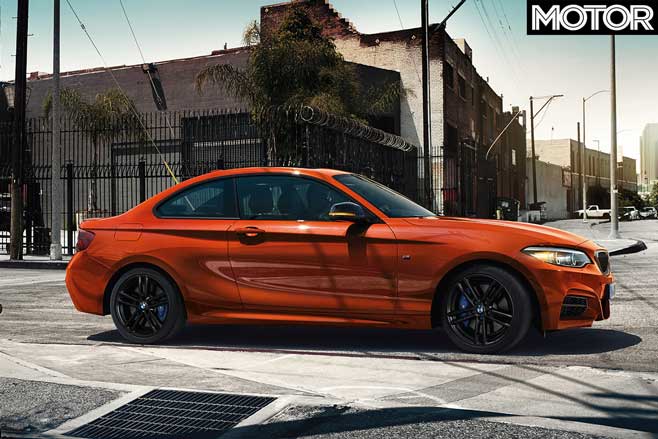
At $74,900 drive away, the BMW M240i is now several thousand dollars cheaper with more features as standard. Its previous $79,100 didn’t dip into the options list and meant buyers would still be paying fees to get the car out of the dealership and onto the streets.
Its 3.0-litre twin-scroll turbo inline six (the aforementioned B58) outputs remain at 250kW and 500Nm, the same as in the more expensive Toyota GR Supra and much more expensive BMW Z4 M40i, but with the M240i now comes features previously only available as extra-cost options.
A sunroof is now included as standard, as is wireless phone charging, metallic paint (pictured is Sunset Orange Metallic), double-spoke 18-inch alloys, and an Alcantara interior treatment with black gloss highlights.
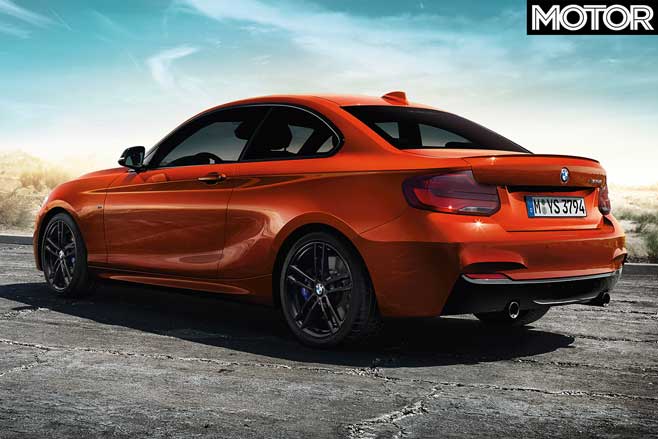
Three options are available for the twin-spoke wheels, Jet Black, a twin colour design, or Cerium Grey Matte. Similarly, several exterior body colours can be chosen from, including Long Beach Blue, the BMW M2’s hero colour.
Approximately two years ago, the BWM M140i underwent a similar price drop, preceding the model’s demise in favour of the new FWD/AWD 1 Series replacement. But according to BMW’s indication, the M240i is here to stay.
Orders are now open for the M240i at its new price point, with cars expected to be delivered in the final quarter of 2019.
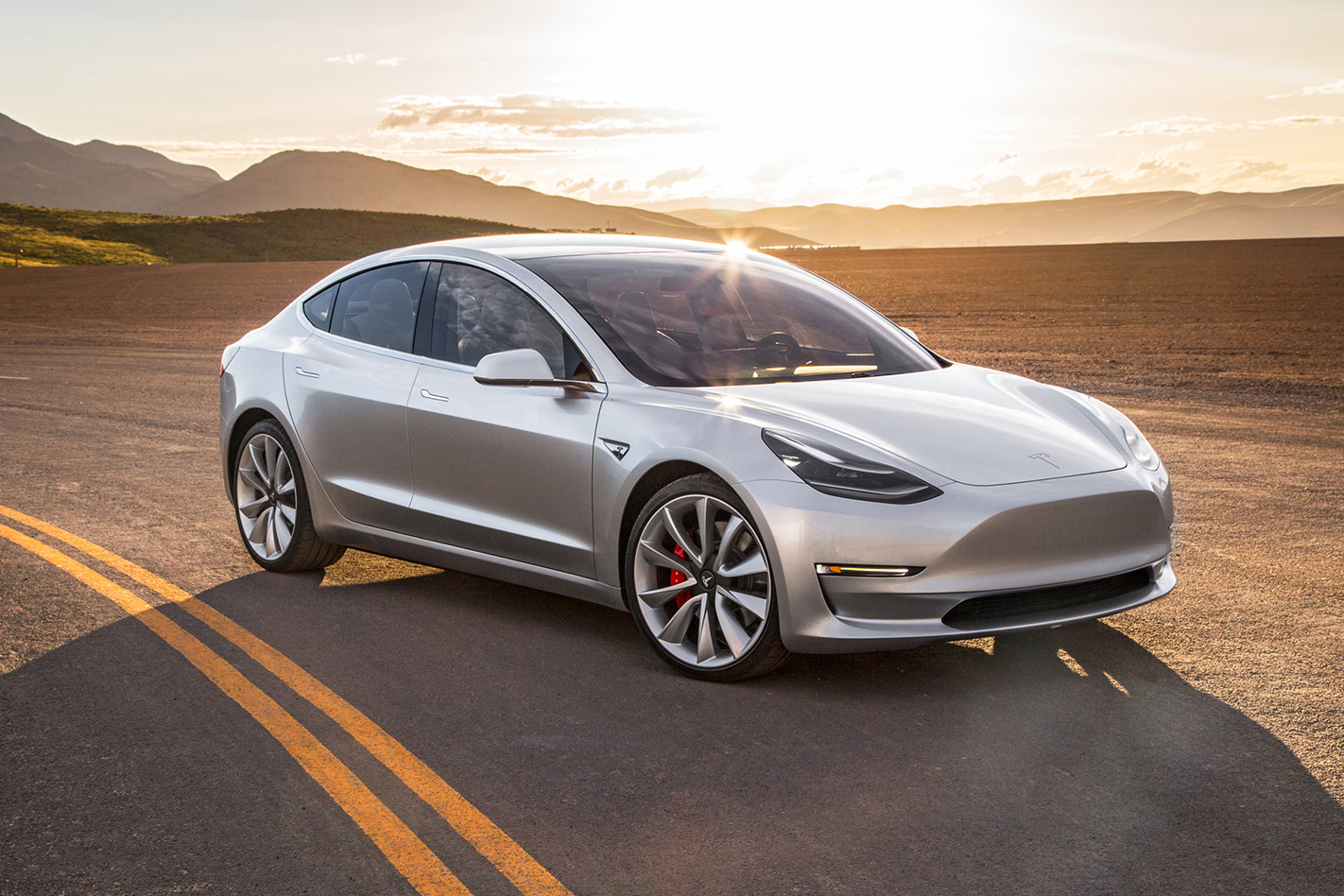
Tesla has been somewhat of a pioneer in the field of electric cars, the Model S paving the way and making traditional carmakers stand up and pay attention. Now there’s a new model on the block – albeit late to our shores – that could really give the US maker a boost. So what’s the better purchase, a new Model 3 in go-fast Performance guise for $91,000 or a used Model S P85D for around the same money?
TESLA MODEL 3 PERFORMANCE
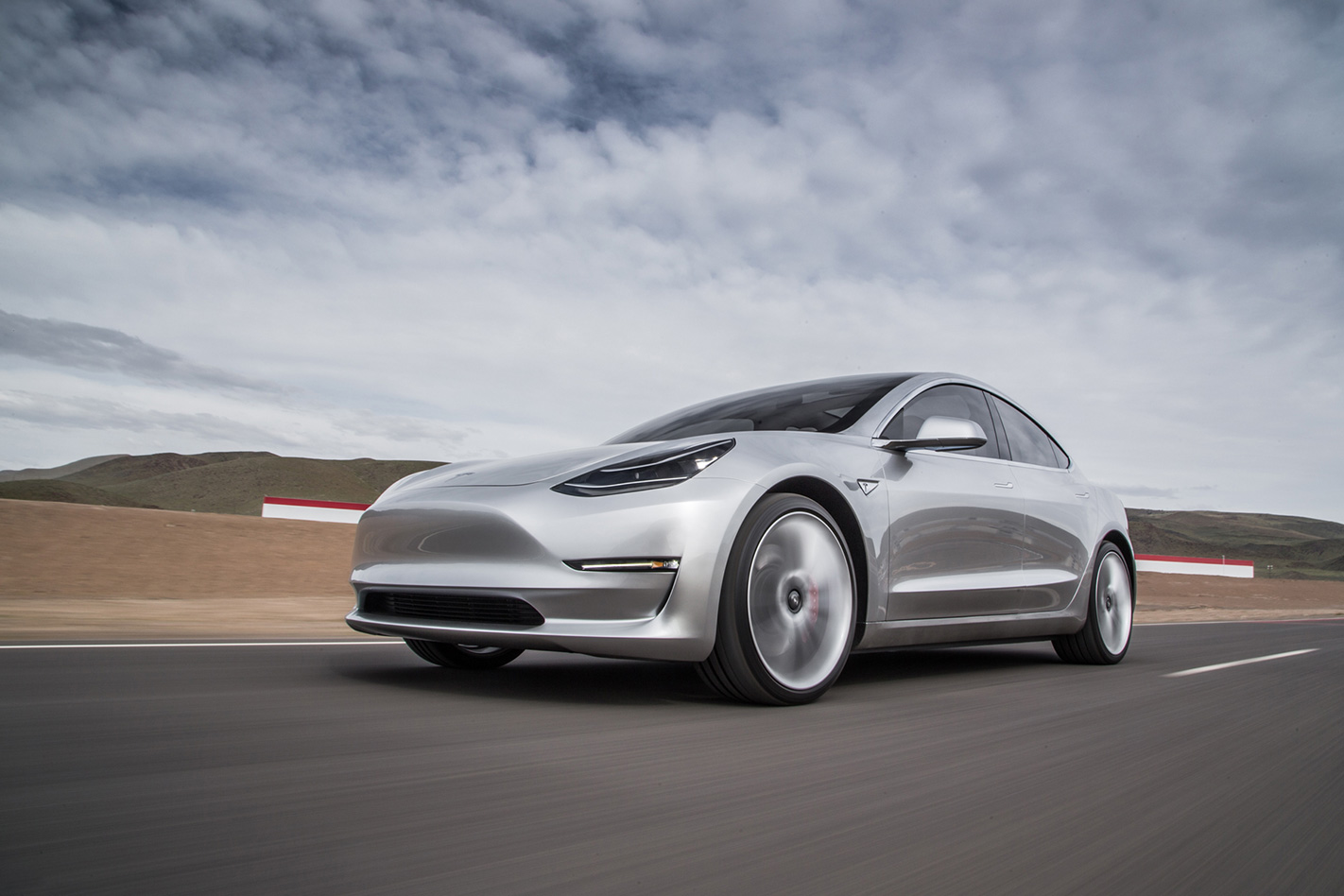
Good things come to those who wait, and just maybe the Tesla Model 3 Performance is proof. Deposits were taken more than three years ago and the US has had the car for some time. However, it’s here now – and at $91,200, it’s cheaper than we thought. If that’s too much money the base model can be had for $66,000.
But the performance lives up to its name in figures. With a combined 335kW and an instantaneous 640Nm from its electric motors and 75kWh battery, it’s no wonder the fastest Model 3 reaches 100km/h in 3.4 seconds. It’ll also go on to a top speed of 260km/h with only one gear. We say combined because the Performance utilises dual motors – one for the front axle (188kW) and one for the rear (147kW) to essentially create all-wheel drive. The range is quoted as 430km if you’re driving sensibly.
There’s engaging dynamics at play, too, and loads of grip from the Michelin tyres. At a claimed 1.9 tonnes the Model 3 performance isn’t light, but the weight is placed low for a better centre of gravity. There’s regenerative braking, however, the level of intrusiveness can be altered. A Track mode also finds its way into an EV, which is an intriguing proposition.
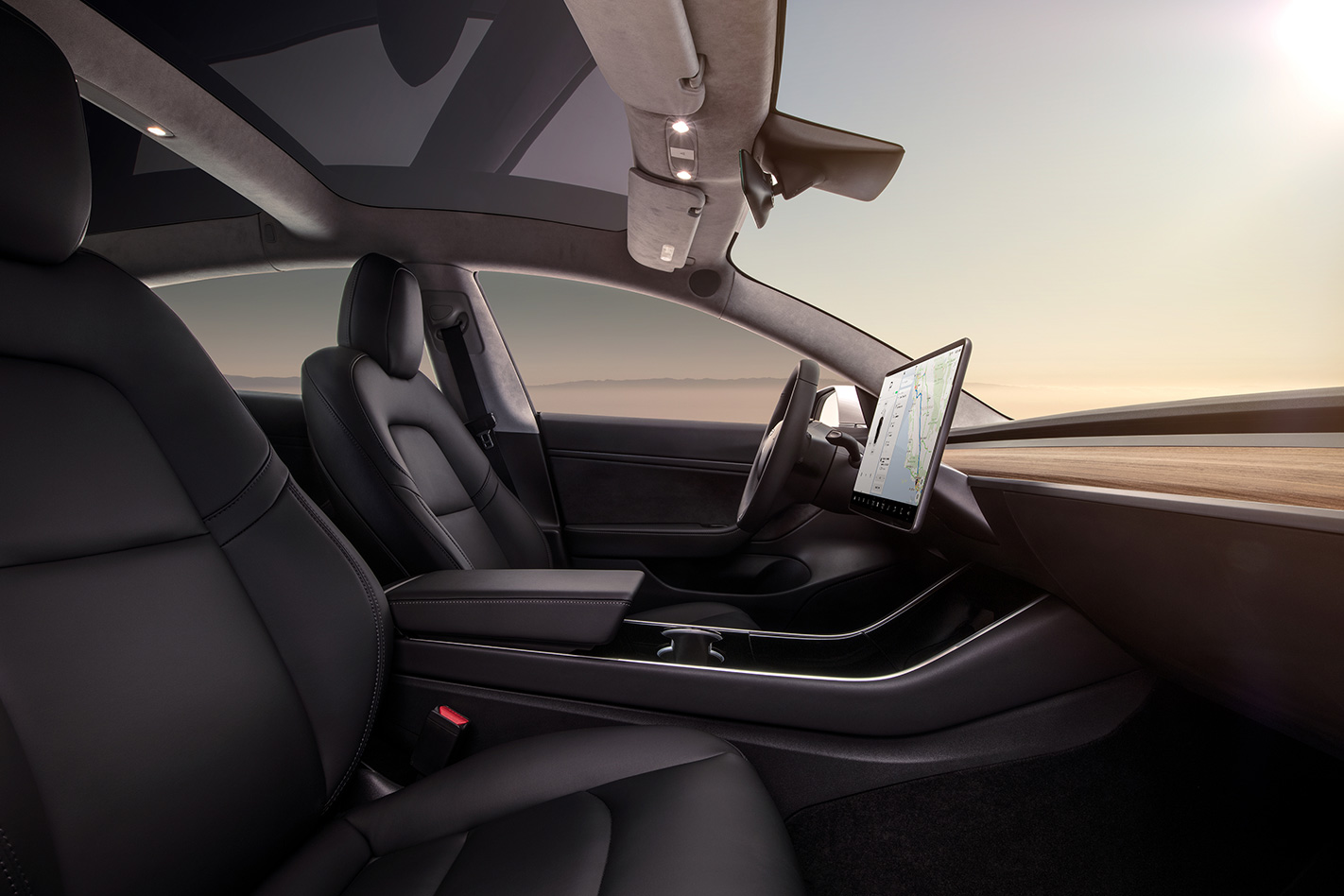
An adjustment period is required inside. This is a cabin unlike just about anything else. Everything is controlled via the huge 15-inch tablet-style touchscreen which offers great clarity. The Model 3 is practical with a useable boot and a frunk for additional luggage. While packaging in the rear isn’t conducive to tall adults, the range scores a top five-star ANCAP safety rating.
TESLA MODEL S P85D
Okay, it’s not the P100D – the blisteringly quick halo that devours 0-100km/h times for breakfast. But it isn’t far off. The 515kW P85D is still one of the quick ones when referencing the first-gen model. And you can have a circa 2014 Model S P85D for around the same price as the brand-spanking new 3 Performance.
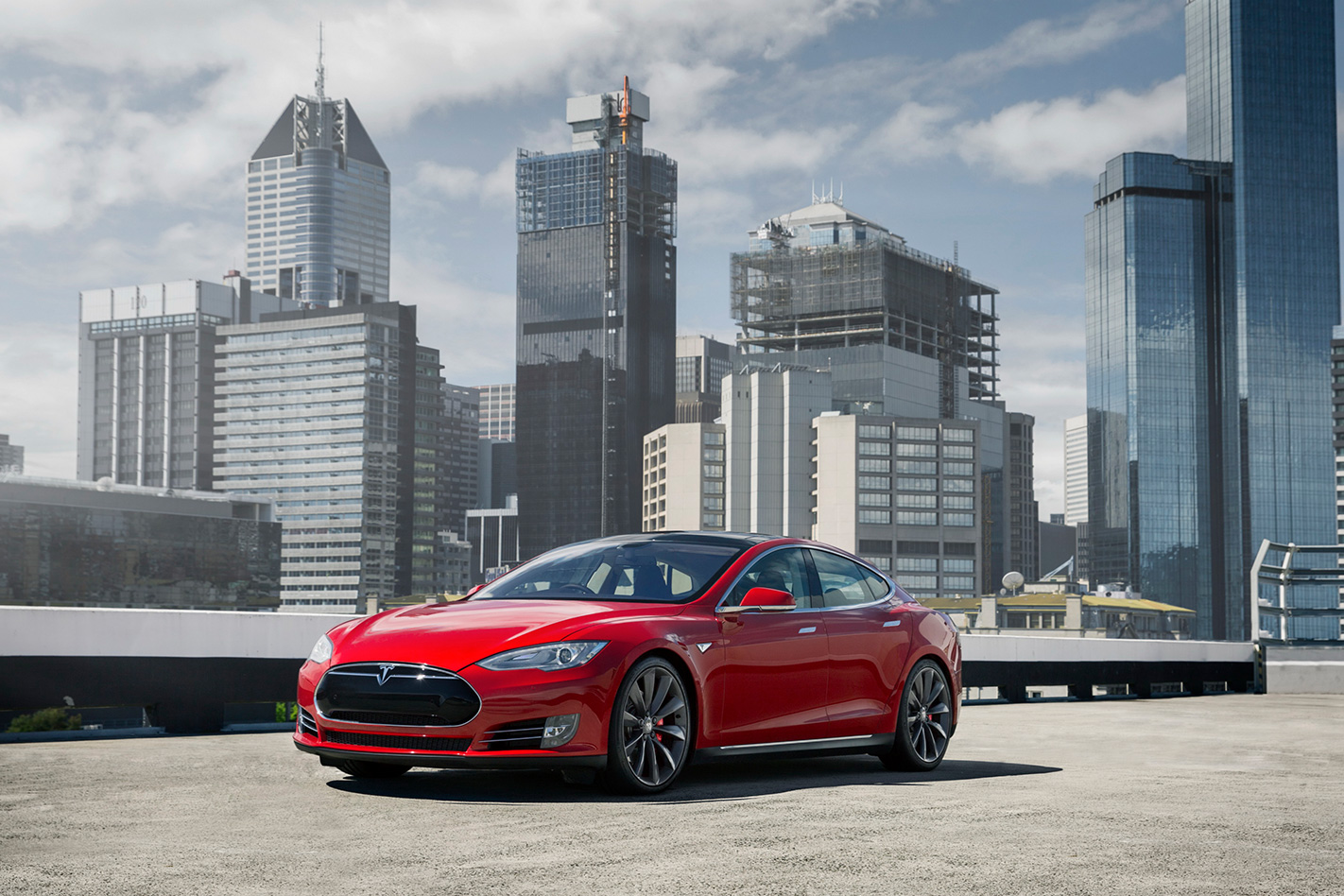
The P85D uses dual electric motors (193kW front and 375kW rear) like the Model 3 Performance. Hence, it also mimics all-wheel drive and offers immense traction off the line, affording the headline-grabbing performance figures. You can reach 100km/h in 3.3sec and go on to a top speed of 250km/h, while the overall range is quoted as 491km. The straight-line performance is simply manic and it dominated the experience. The P85D is heavy at 2240kg, which hampers the dynamics somewhat, and the steering lacks feel.
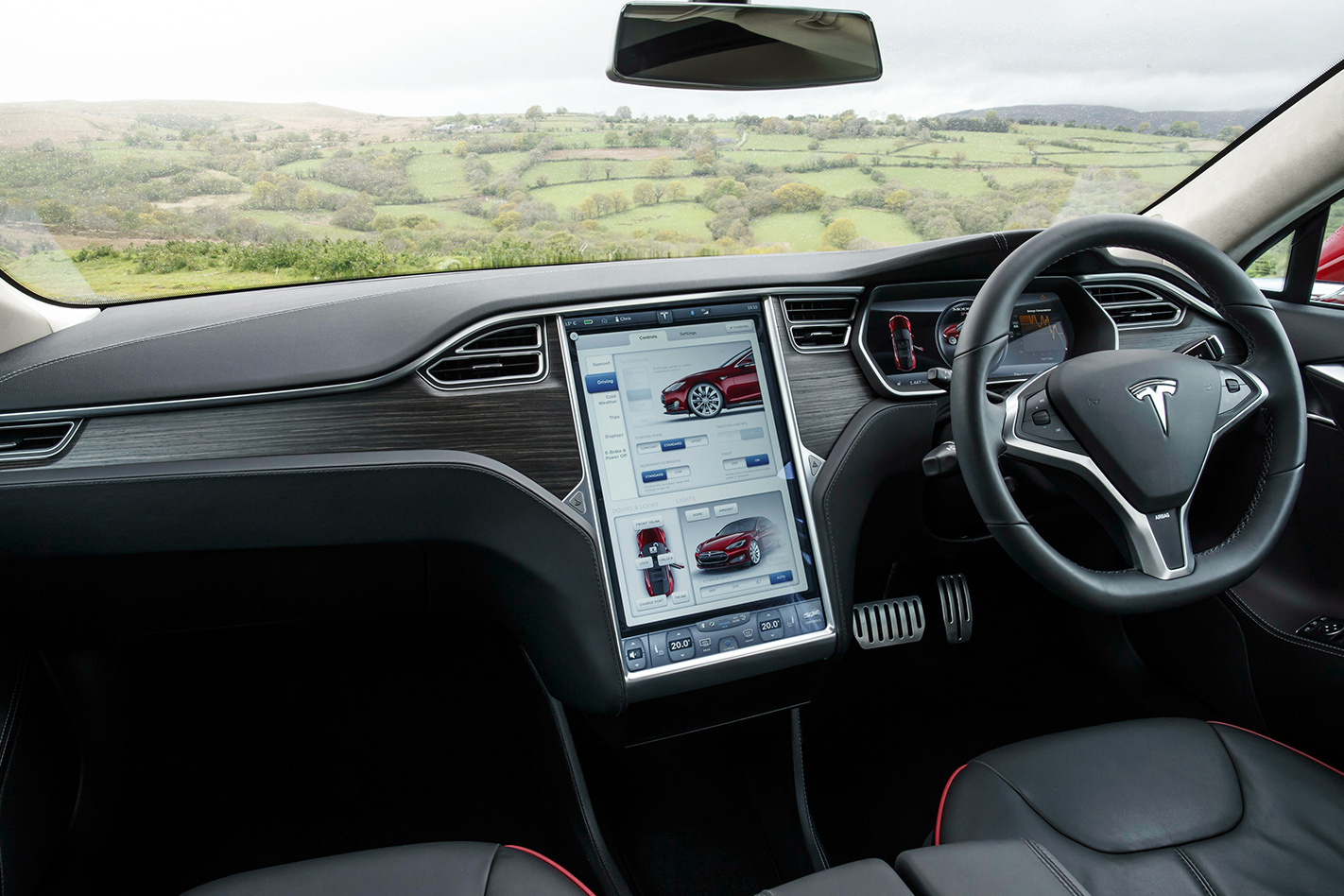
Like the Model 3 Performance, Autopilot can be had in the P85D, but it was a $3200 option to gain the autonomous-driving tech. It began the downloadable updates and featured a mamoth 17.0-inch touchscreen display, which controls basically everything. Packaging is compromised by the batteries, so rear-seat headroom is cramped, but the boot is capacious.
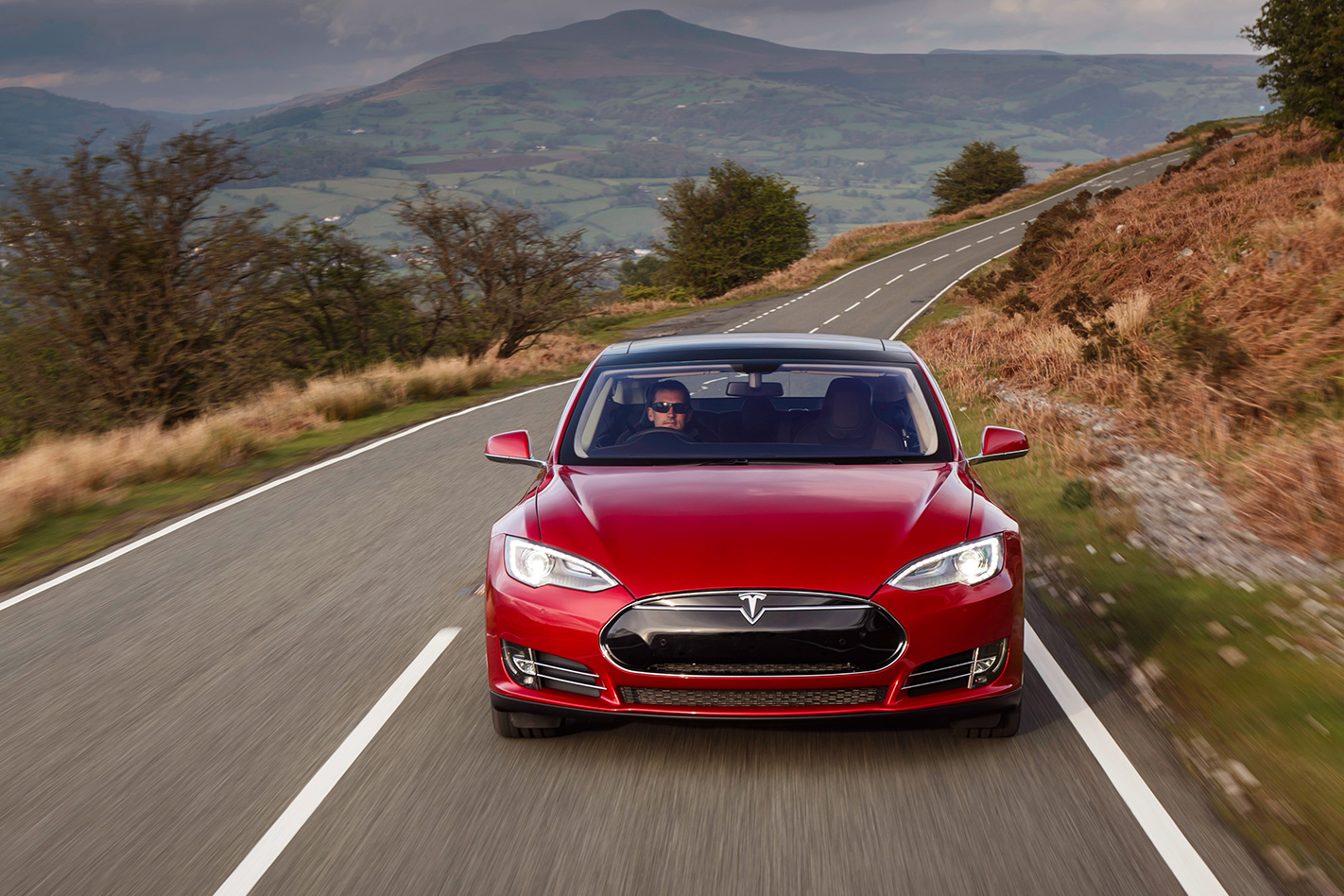
There’s a surprising amount of Model S variants on the second-hand market, and some with a fair amount of kays on the clock. So it seems buyers are getting out and using their Teslas. If you can afford the step up in price, the second-gen car ironed out some niggles found in the original.
Specs comparison
TESLA MODEL 3 PERFORMANCE SPECS | TESLA MODEL S P85D SPECS | |
Price (new) | $91,200 | $157,000 |
Engine | Dual motors, 75kWh battery | Dual motors, 85kW/h battery |
Output | 335kW/640Nm | 515kW |
Transmission | Single-speed reduction gear | Single-speed reduction gear |
0-100km/h | 3.4sec (claimed) | 3.3sec |
Efficiency (combined) | 18kWh/100km (estimated) | NA |
Drivetrain | AWD | RWD |
Doors | 5 | 5 |
Seats | 5 | 5 |
Wheel size | 20-inch | 21-inch |
Country of origin | USA | USA |
Wheels staff picks

Alex Rae
Online Editor
I reckon I can deal with the 0.1sec 0-100km/h deficient the Model 3 Perforamnce has to the S, and I’d much prefer to buy an electric car with a long warranty ahead. I also see EVs right now much like phone technology has been over the last decade, with newer models bringing meaningful enhancements. There’s also a big question mark over the quality of a used battery – sure, it might not be a worry, but if it does need replacing, that’s a huge extra to cover.

Trent Giunco
Staff Journalist
For the supposed dynamic ability and performance on tap in the, ahem, Performance, it’s hard not to choose the newest arrival to the Tesla clan. And unlike the Model S, it’s not outlandishly expensive, either. Yes it’s smaller than its bigger bro, but as a competitor to the luxe mid-size sedan segment, it makes a compelling case. Plus, range anxiety is becoming less of an issue as Tesla currently offers the most infrastructure to support its offerings. It could be a landmark car.
Reckon we’ve got it right? Or are we way off the money (literally)? Find your best and let us know in the comments what you’d buy.
You have looked excitedly at new cars, have test-driven your three hot choices, picked your favourite and concluded the deal. Congratulations! You are proud of the glittering automotive sculpture that’s parked in your driveway.
But before the intoxicating new-car smell has even begun to diminish, your world is jolted by a disturbing development.
Your internet browser is haunted by ads for the car you just bought, all offering it for hundreds – maybe even thousands – less than you paid. And while you are still treating your pride and joy to a weekly polish and shine, those ads switch to touting its all-new successor.
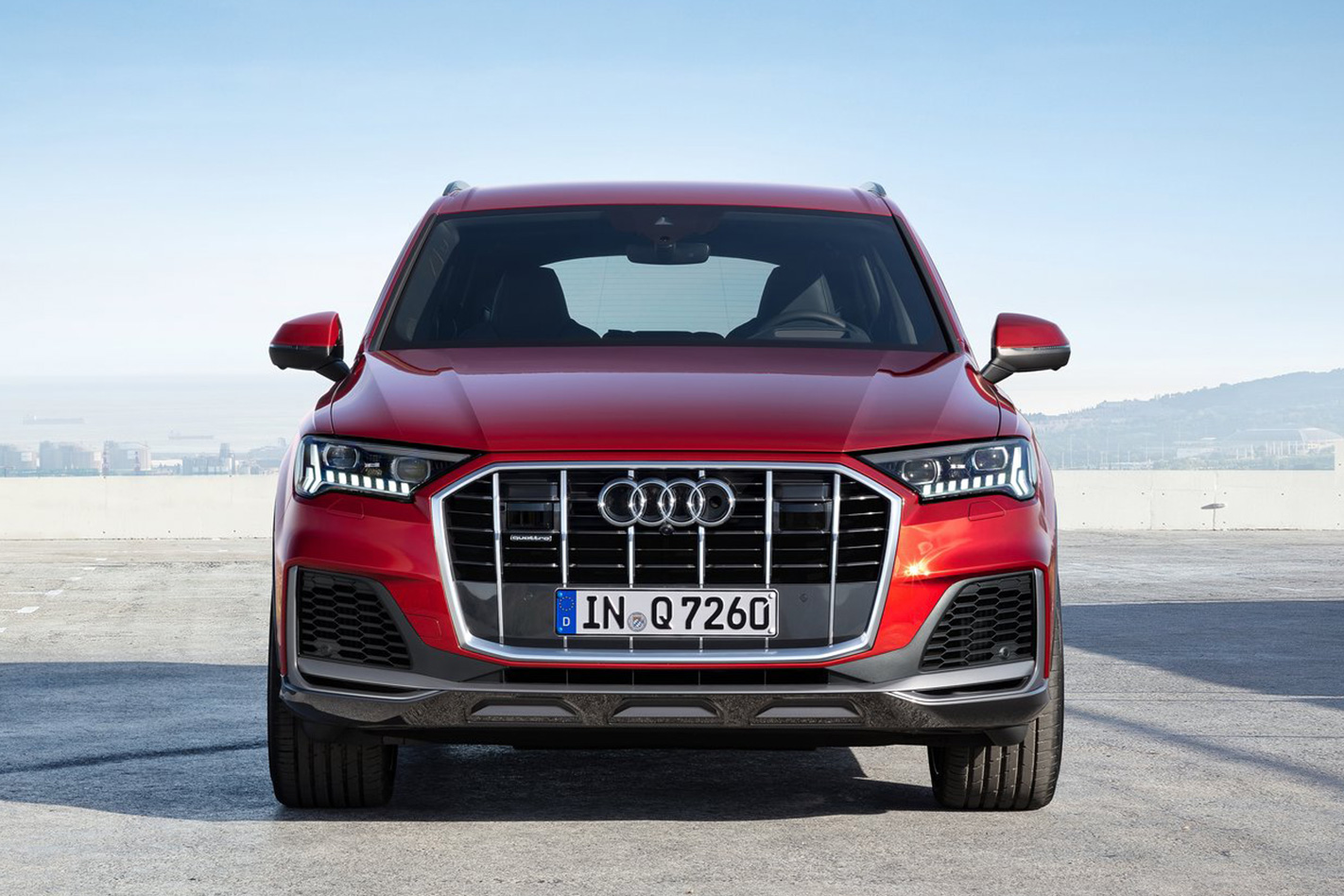
Sure, it’s not the end of the world. You still have your lovely new car. But a nagging voice asks you anxiously whether you look like a fool.
Could you have saved yourself some grief, and some money? The answer is: probably. Here’s where to start.
CAR MODEL CYCLES
Car manufacturers love to have something fresh to tempt you with. And they want their car to be the most attractive car of its type. That means working hard and persistently on improving it.
However, developing a better car takes lots of money and time. For a popular model from an international brand, the investment required by an all-new version can add up to several hundred million dollars. Even locally, Holden famously spent one billion dollars on the VE Commodore development more than a decade ago.
Obviously, there is a limit to how often even the biggest global carmakers, such as Toyota and Volkswagen, can spend that sort of sum and earn it back from sales.
Conversely, if they don’t renew their cars frequently, their products will sound and look old-fashioned compared with alternatives.

The result is a roughly predictable new-model cycle, which all of the big car makers follow. For the most popular kinds of car, where most money is to be made, the cycle is shorter than for less lucrative vehicles.
“The model-renewal cycle for the most popular sorts of car in Australia is about five years,” says Wheels magazine contributor and long-time industry watcher Byron Mathioudakis. “That’s for small cars like the Mazda 3 or Volkswagen Golf, but also for popular mid-size SUVs such as the Hyundai Tucson, Subaru Forester and Toyota RAV4.
“Small SUVs will probably go the same way, if they remain a hot-ticket item like they are at the moment.”
The cycle for the more expensive – and therefore slower selling – prestige cars tends to be longer, Mathioudakis says.
Models based on trucks – for example dual-cab utes such as the Toyota Hilux and Ford Ranger that are rapidly extending their fan-base – tend to have far longer renewal cycles again. That is largely because the commercial customers who buy a big proportion of these vehicles for their working fleets value ruggedness, low price and low running costs over performance, convenience and comfort.
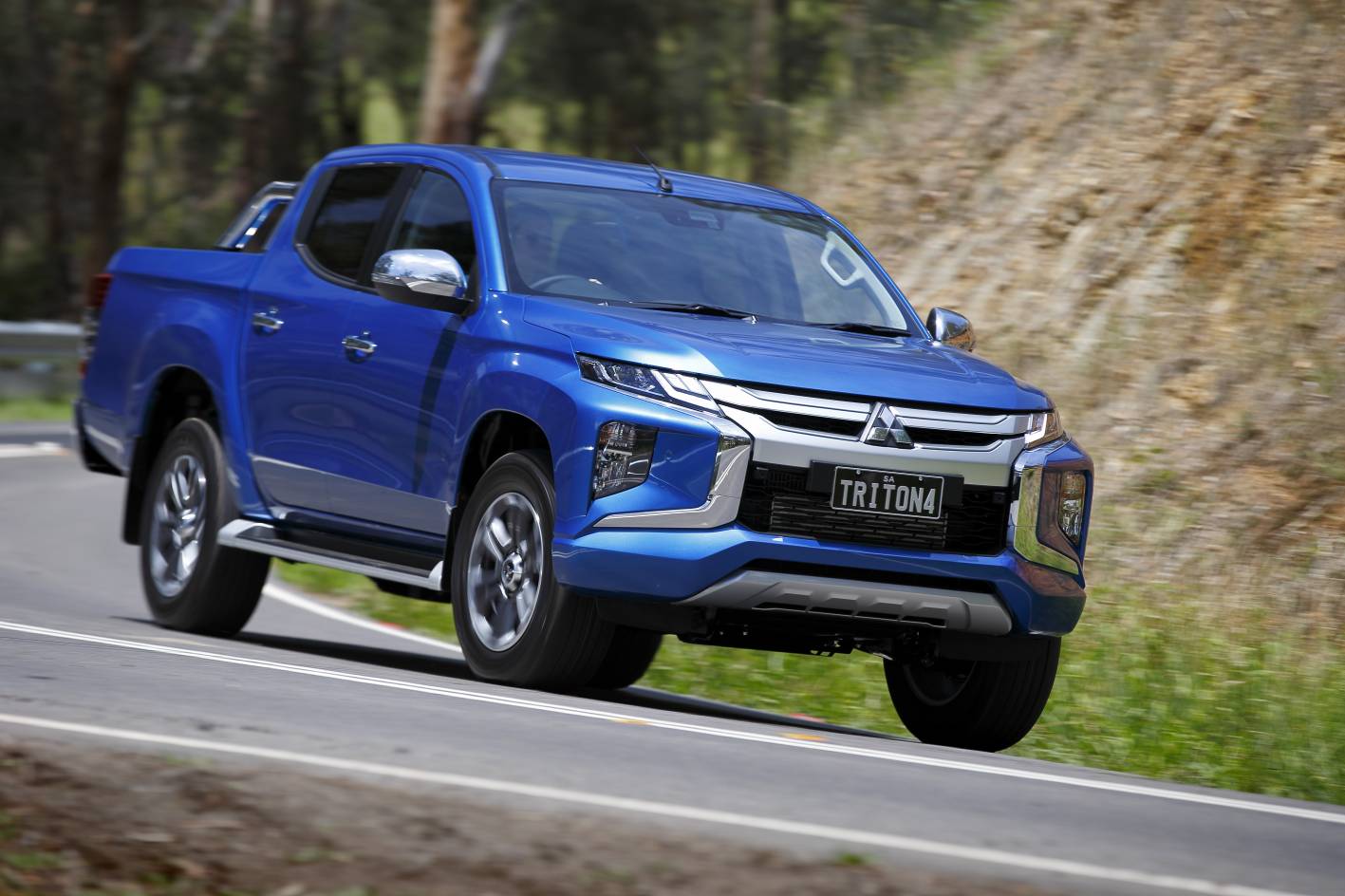
“When the current Hilux went on sale it was the first all-new Hilux in 10 years,” Mathioudakis says. “And while it is better than the model before it – in particular the cheaper versions are safer, with more airbags, stability control and rear-view cameras – the basic design isn’t that different. The current Mitsubishi Triton and Nissan Navara replaced 10-year-old models too.”
MID-CYCLE FACELIFTS
If those are the renewal periods for the most popular vehicle types, why is it that we see new models promoted so often? The reason is that car makers also make mid-cycle changes. These model updates – commonly called facelifts because often they incorporate a subtle re-sculpting of the headlamps, grille and front bumper – usually adjust the car in small ways that the makers hope will resolve shortcomings that shoppers (and professional car critics) perceived in the original.
Of course there is another reason such changes tend to be made all at once, rather than piece-by-piece over the course of the model’s production life: it gives the maker another chance to proclaim that its car is new.
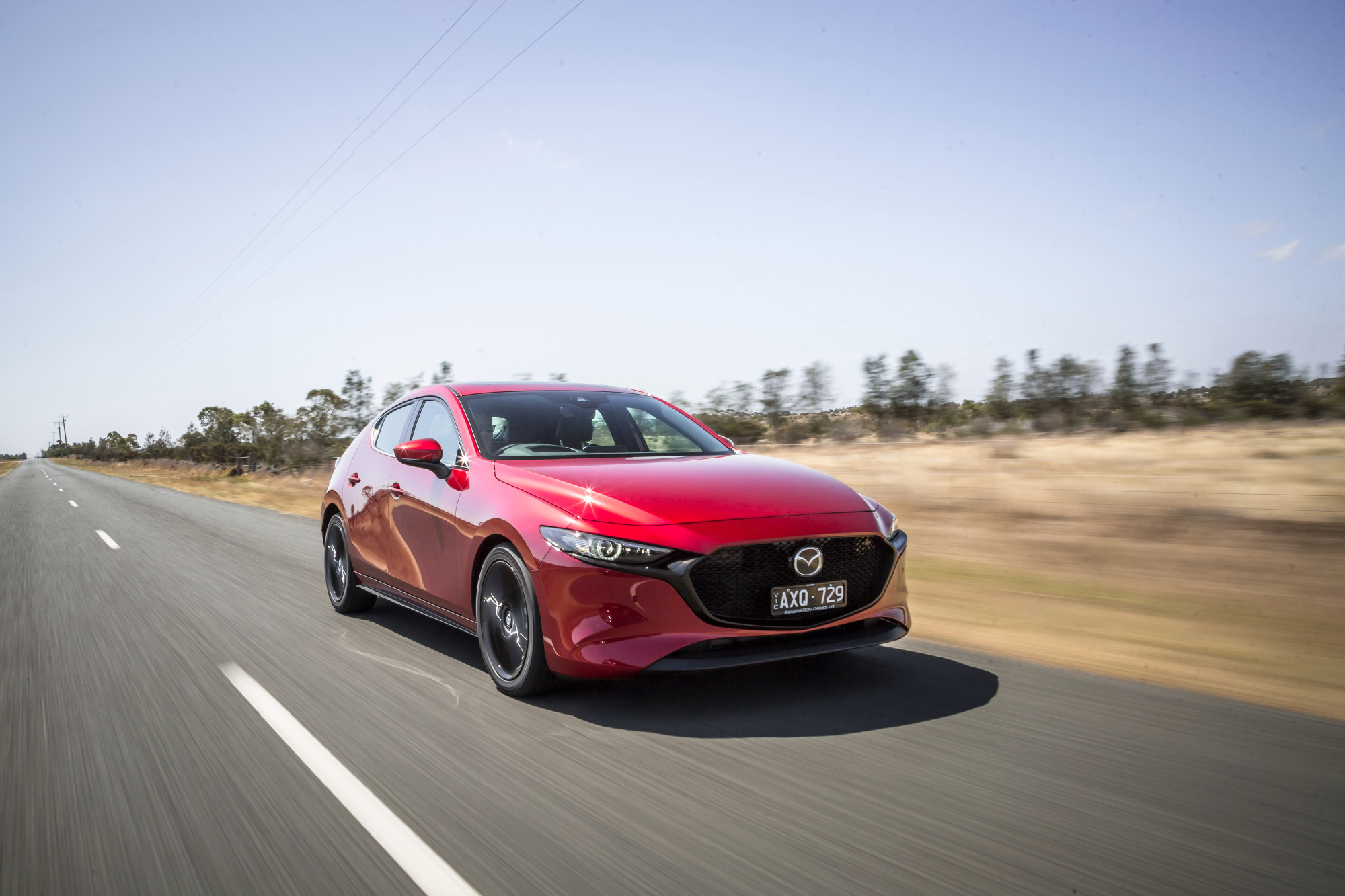
Facelifts typically arrive half-way through the model life. For a popular car, that will be usually no more than three years after a new model went on sale.
They may also bring fresh versions of fashionable features. For example, many facelifts over the past 18 months have extended the size of the touchscreen display in the centre of the dash – or extended the screen to less costly models in the range. And you can expect that a widespread component of facelifts over the next 18 months will be support for displaying smartphone apps on your touchscreen, via Apple CarPlay and Android Auto.
Facelifts rarely transform the character of a car. Usually, the facelifted car will drive much like the old one. It may look slightly different. It might ride a little bit better. It might have the latest tech gadget inside it. There may even be a revised engine available. But it will be fundamentally the same car.
BREAKING THE CYCLE
So, how do you as a mere occasional buyer, and not a professional critic or motoring hobbyist, wise up to new-car developments and embed your brain in the new-model cycle? The first step is to find out when the cars you are keenest on were released. Often that will be found in online reviews on trusted car review sites like WhichCar.com.au. With the year of release and a rule-of-thumb guide to typical model cycles, you will be able to estimate whether a new generation (or facelift) is probably years off, or close.
From there you can apply yourself to some deeper research. If it’s a new generation, you may well find that articles about its development have appeared on the internet, usually accompanied by photographs of camouflaged prototypes. Again usually, these will estimate an expected release date – just be careful that the date applies to Australia and not a market elsewhere.
The nearer you get to the date of release, the more you will find lurking in cyberspace. The new car will have been presented at motor shows. And a few months before the new model arrives in Australia, journalists will have been invited to drive it on roads overseas – and to publish an online review.
Facelifts get less publicity, because the importer will be balancing buyer interest in the new features against the wish to sustain prices for the outgoing version. Nevertheless, many will be announced months before the facelifted models arrive, and duly reported online.

Additionally, you can use a facelift or impending new model to your advantage – even if you have no intention of buying it over the older model. Simply bargain hard on the older generation car, as car dealers will be keen to get old stock off the lot, ready to make way for the new arrival.
Of course tracking down this information does demand that you commit time to the task, and it is a task that you may well find tedious. Yet, you are on the cusp of a major car purchase, so it pays to do your research and ensure you get what you want for the right price.
Hi WhichCar,
A new job means a new car, and I’m limited to getting some sort of utility. Instead of a dual cab ute, though, I’m wondering if there is an alternative?
When I was young, I remember my uncle had a ute that had extra jump seats behind the driver. I have two young kids and I want to carry sea kayaks in the back, and the length of a dual cab ute’s tray doesn’t seem to be big enough.
Does that style of ute still exist? Does it have a longer tray? And how suitable is it for kids?
Cheers
Paul, Callala Bay, NSW
Hi Paul,
They do indeed exist! They’re called a variety of names from king cabs to extra cabs, but crew cab seems to be the consensus. In fact, the only way to get a proper single-cab ute these days is if you opt for a cab-chassis version.
A crew cab ute has a standard length tray with a slightly longer main cab that does indeed accommodate two small seats behind the driver/passenger pair.
However, there are a number of compromises that work against a crew cab as a viable full-time four-seater.
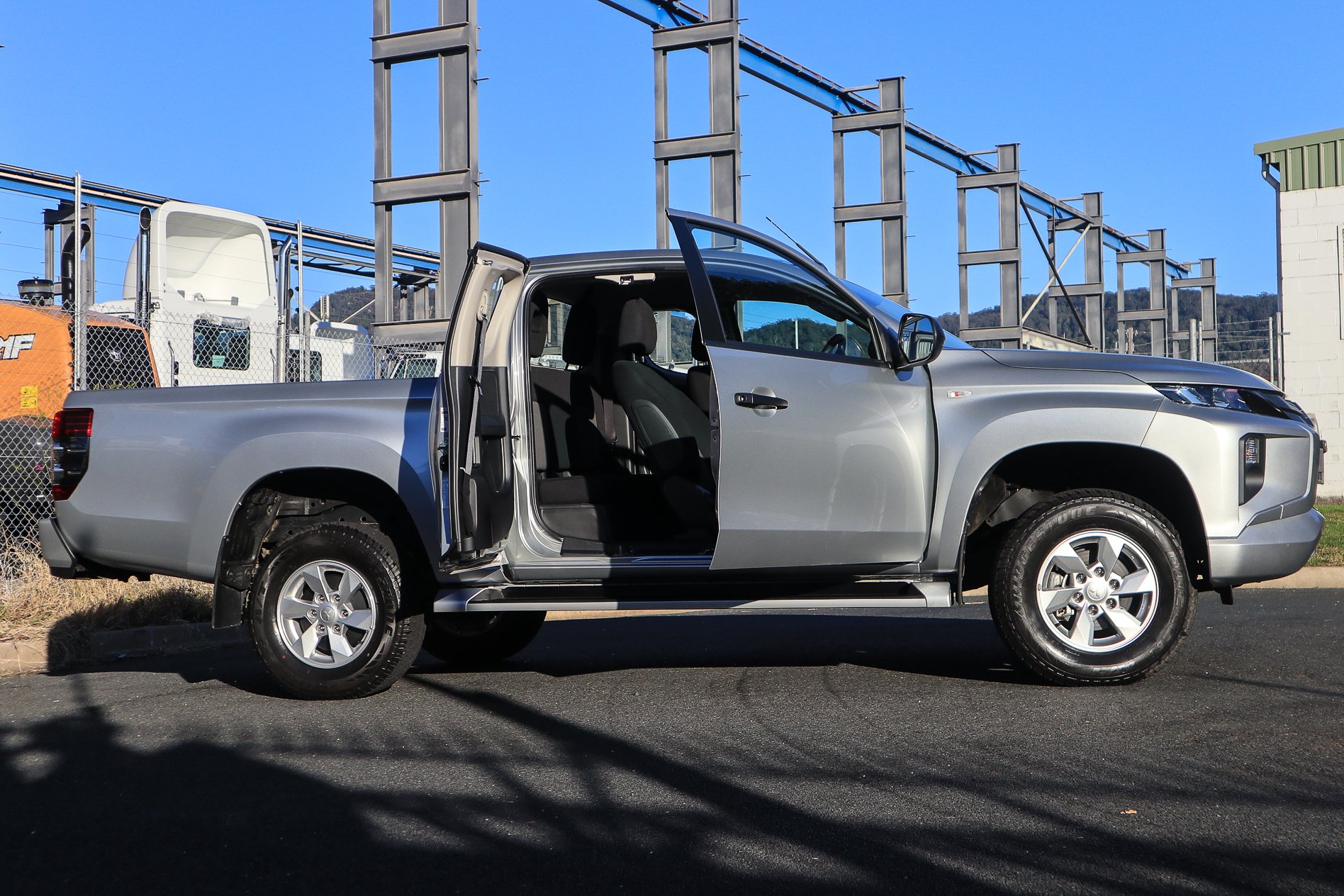
The first one is accessing the rear seats themselves. While the Mitsubishi Triton crew cab (pictured above), the Toyota HiLux Extra cab, Ford’s Ranger Super cab and the Nissan Navara King cab all have ‘suicide’ doors for the rear (so named because they open forwards and out into the flow of traffic), it’s still no easy feat to climb aboard, especially if there is someone already belted into the front seat.
The seats themselves, too, are jump seats in the truest sense of the word. The seat bases are tiny, and the seat backs themselves are vertical, which makes it very uncomfortable for journeys longer than even a few minutes for anyone except very excited small children.

An unhappy teenager in a Triton crew cab, yesterday
Having said that, they are all fitted with at least two top-tether points for baby seats, though they aren’t fitted with the more modern, easier-to-use ISOFIX points.
If the ute isn’t the family’s main means of transport, then the jump seats can be a useful addition to the weekend car pool, as long as you’re aware of their limitations.
The advantage of the crew cab comes when you want to carry longer items in the tray. On average, a crew cab’s tray (Triton pictured below) is about 300mm longer than that of a dual cab. The single exception to the rule is SsangYong’s new long-tray Musso.
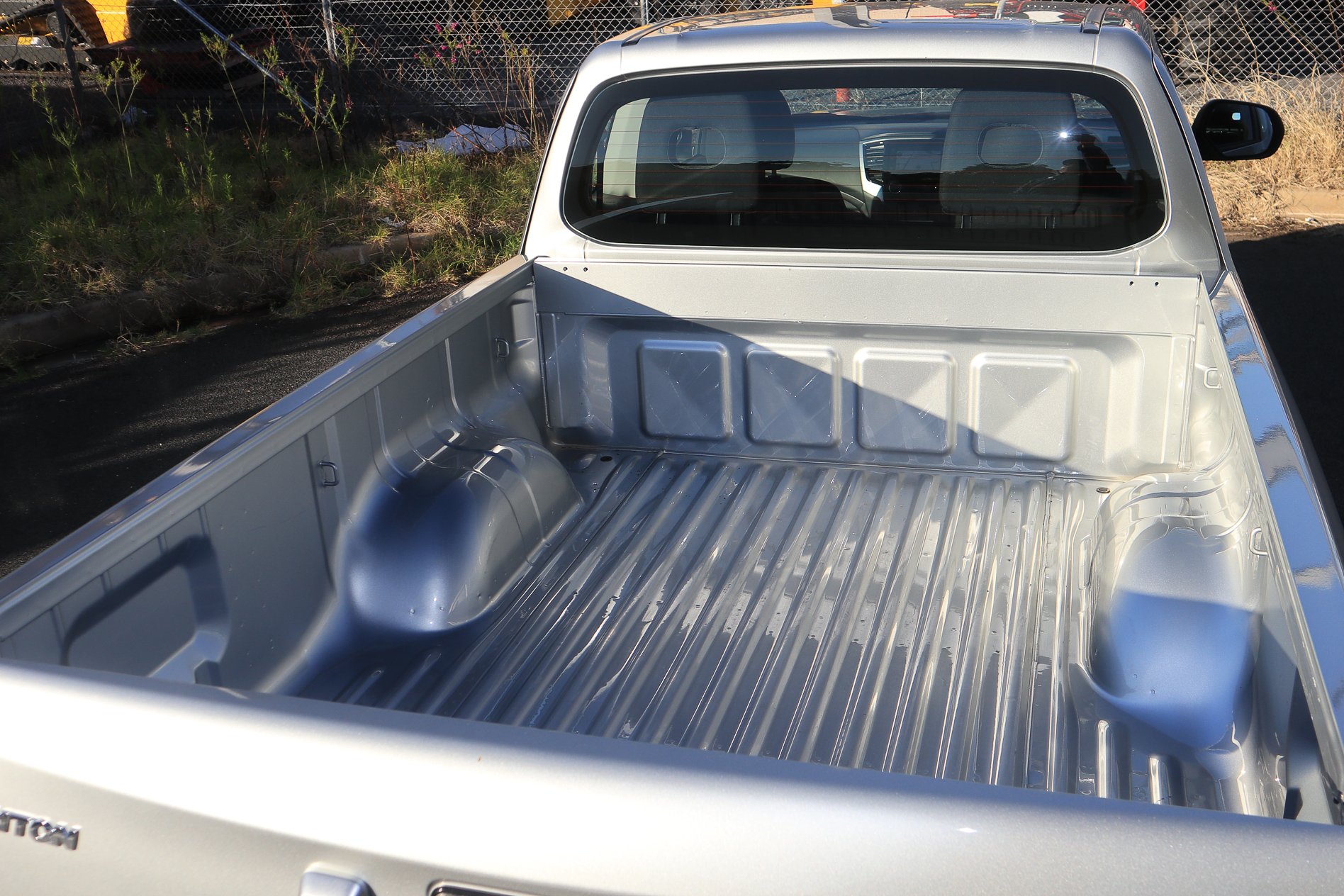
I know that extra length helps when it comes to lugging mountain bikes around, and hopefully, it’ll stow a kayak or two for you as well.
Ever keen to get behind the wheel of something purporting to be sporty, I’ve hopped into the Honda Civic RS sedan to see whether the rest of the package lives up to the expectations set by its eye-catching exterior.
Granted, the RS is more styling package than a true performer like its big bro, the Civic Type R, but can it keep yours truly, a technologically-minded young adult, happy behind the wheel?
What is it?
The Honda Civic RS sedan is advertised as a style-conscious variation of the popular Honda Civic four-door, and one that definitely outshines its hatchback companion when it comes to aesthetic appeal, with a tidy looking boot instead of the hatch’s aggressive, angular, and slightly awkward rump.
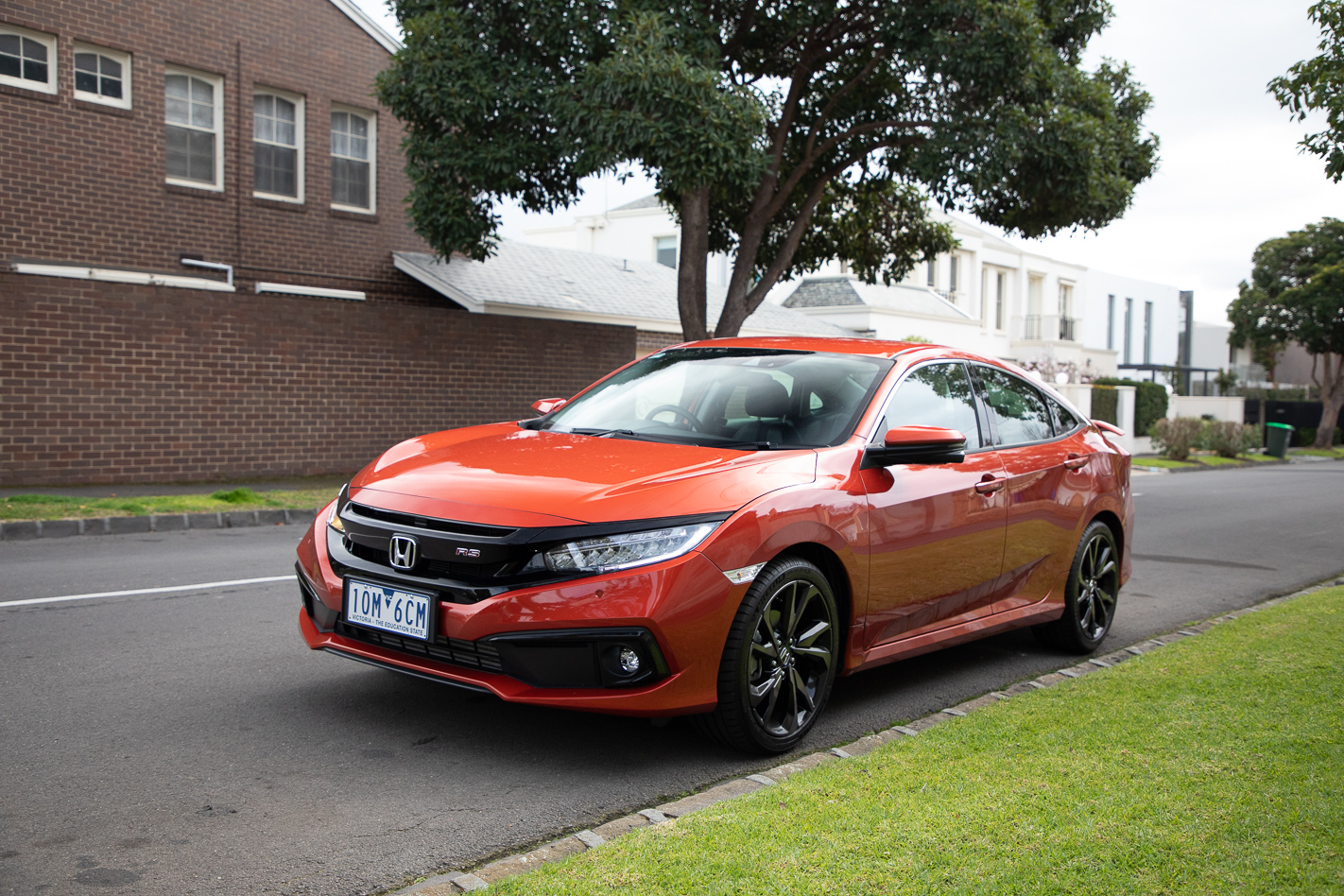
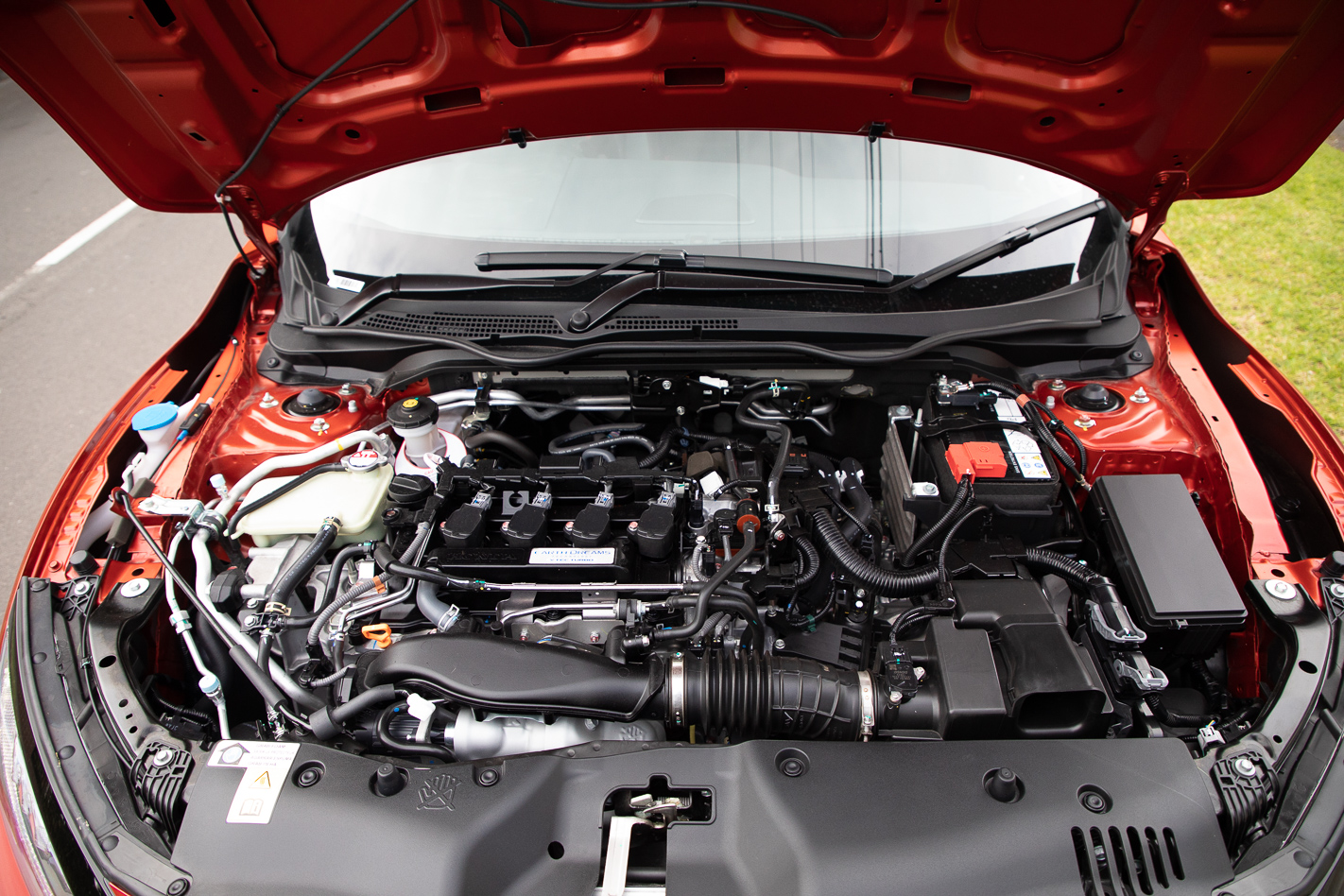
Priced at $31,990 the Civic RS is powered by a fairly strong 127kW turbocharged 1.5-litre petrol engine and includes Honda Sensing advanced safety kit and smartphone connectivity with Apple CarPlay and Android Auto.
It also receives a sports body kit, leather trim, heated front seats, power adjustable driver’s seat and an upgraded sound system – nice-to-have embellishments that make the RS look and feel a little more special than other garden-variety Civics.
What’s it like to drive?
More often than not, affordable cars that try to label themselves as sporty can sometimes struggle to back up their claims. Fortunately, the Civic RS sedan has more than enough poke to motor you out of trouble and I even found it quite fun, ferrying me around throughout a weekend of errands.
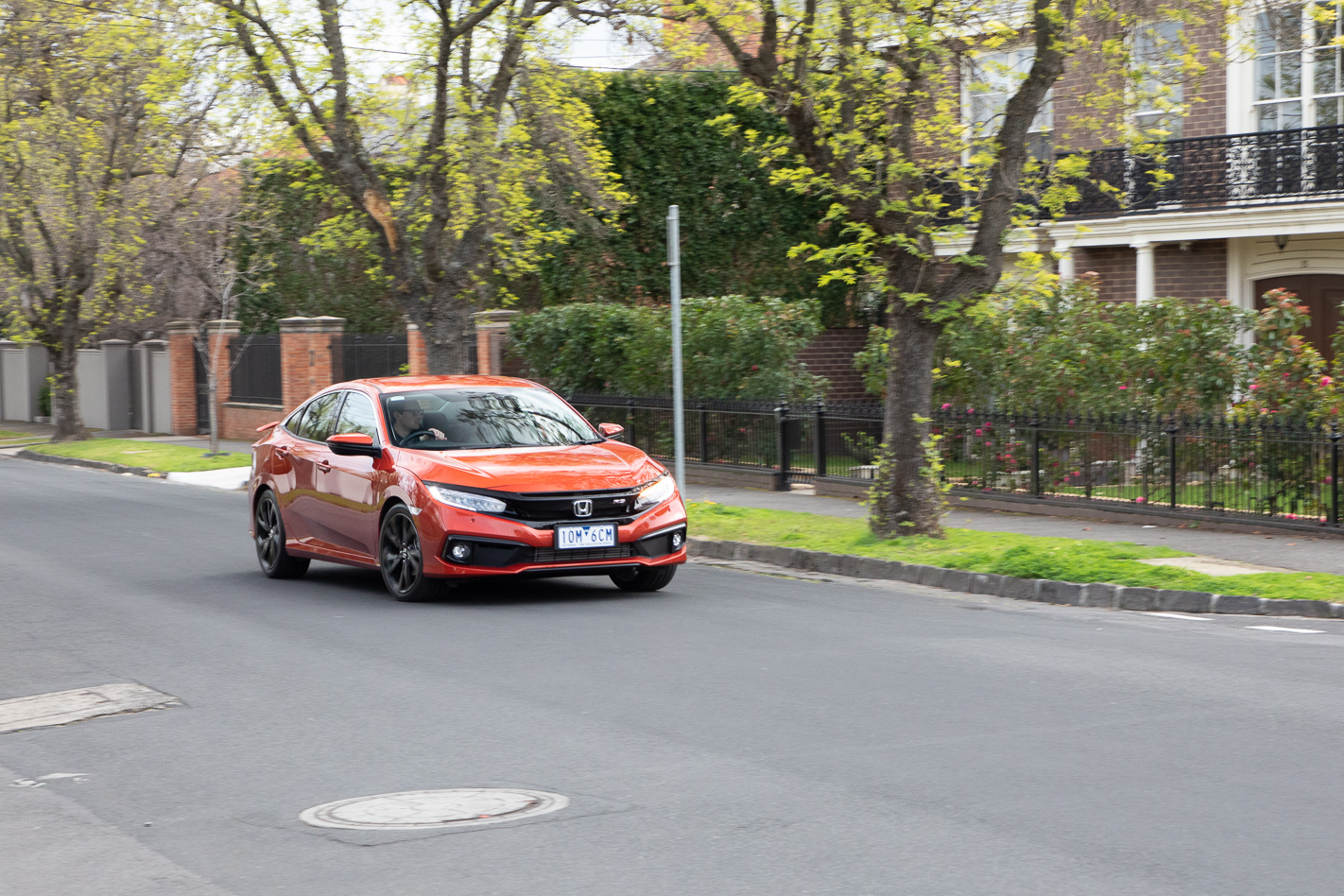
It’s easy to steer and place on the road with its compact sedan body, and has excellent vision peering through the cabin to the outside world. Something that might catch you off-guard is its unconventional gearbox, which is a CVT – or continuously variable transmission. Traditionally this type of gearbox makes cars feel sluggish or unresponsive to demands for acceleration, however the version in the Civic RS is quite perky and alert.
The Civic sedan eats up speed bumps to make around-town drives comfortable too. Big flashy alloy wheels can often compromise comfort, but that’s not the case with the Civic – you can have your bling without inducing lower back pain.
Another great feature is the lane watch camera that’ll automatically display on the centre screen what’s lurking in your blind spot to the rear left whenever you indicate left (or press a button on the end of the indicator stalk). My only suggestion would be to add a camera so it does it when indicating right too.
What’s it like to live with?
The Honda Civic RS sedan fit in seamlessly with my busy weekend and actually improved upon what is my normal car, a BMW 3 Series wagon. The fact that I didn’t have to stoop down to get into the Civic RS like I would in my car was particularly nice, and the large 517-litre boot ate up multiple backpacks worth of camera gear and shopping bags.
There was room enough in the back seat for delivering two mates across town, and the car’s infotainment system connected to my phone easily to play music (great ambience from the sound system, by the way). Given the fat standard equipment list of the Civic RS I expected it to also have satellite navigation as standard, but that feature is curiously (and disappointingly) absent on this variant.
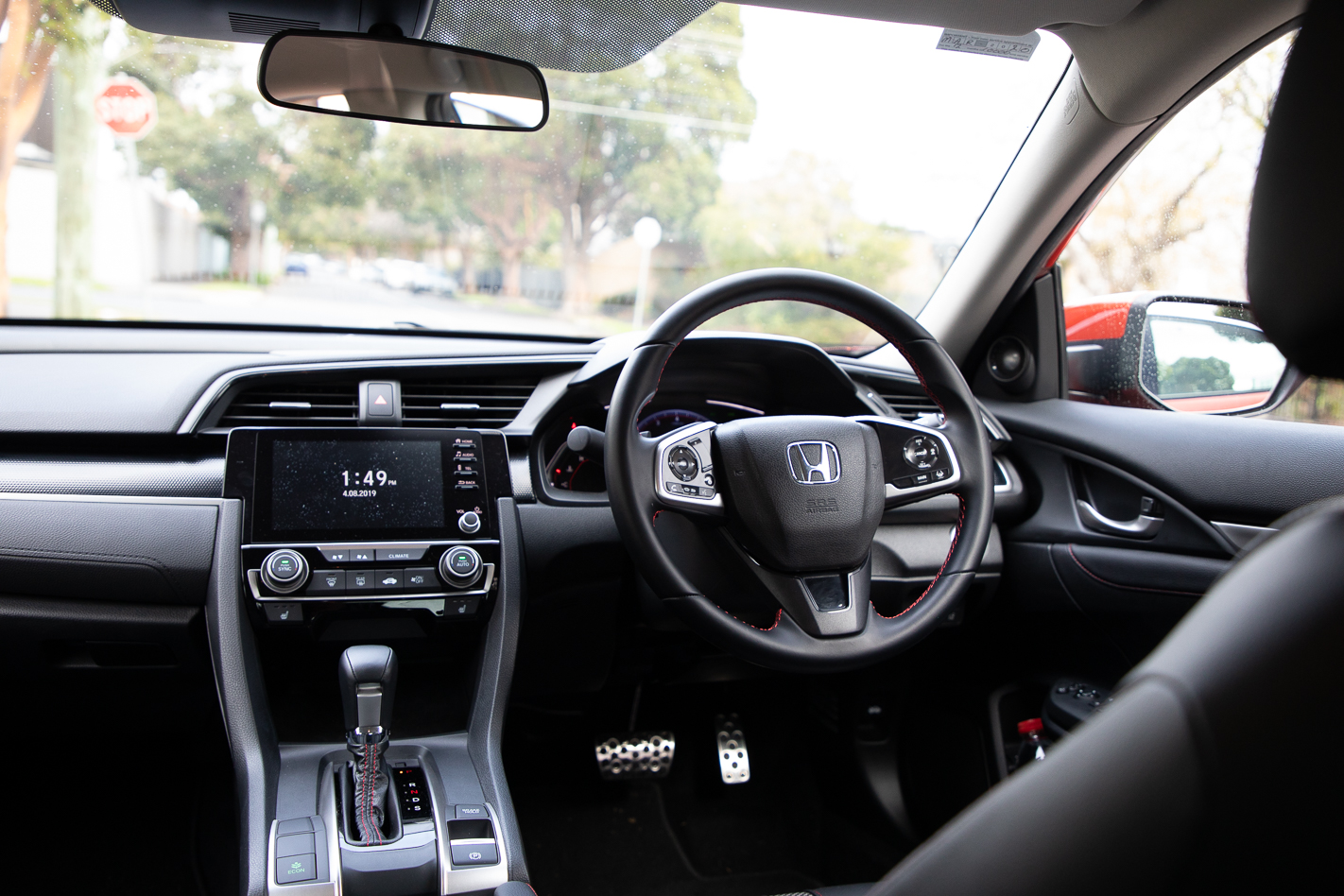
That problem can be circumvented with the use of Apple CarPlay or Android Auto smartphone mirroring, but we’d still like to see a built-in navigation system on a $30K+ small car.
The interior itself is a nice place to be, with comfortable part-leather seats and more than enough leg and head room for most. I’m a large six-foot-four-inches and can’t fault the Civic’s smart packaging, either in the front or rear seats. The instrument cluster is easy to read with a big digital speed readout, and the surrounding materials are sturdy and nice to touch.
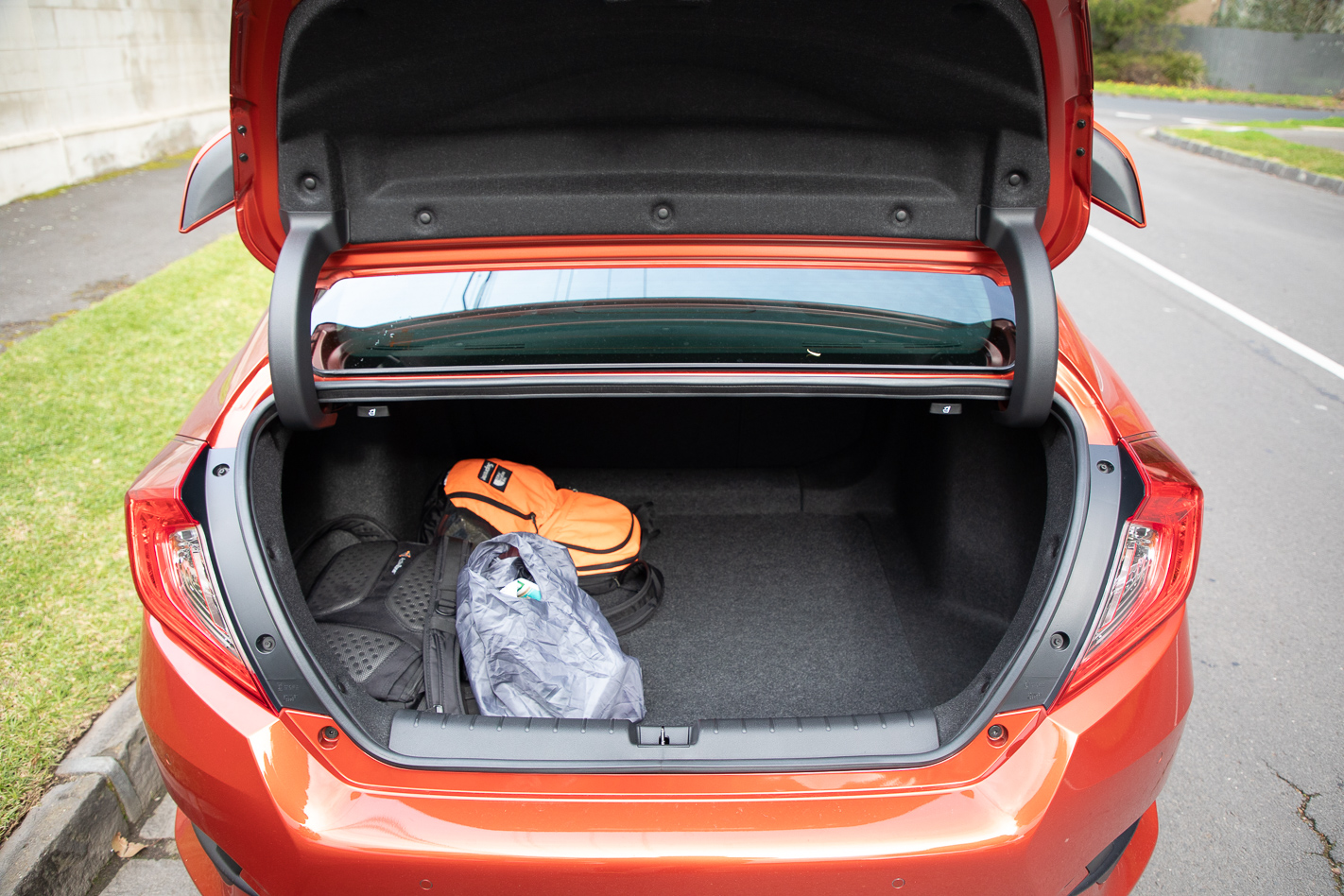
There’s also myriad storage solutions about the cabin, with a large centre console bin giving you loads of space for phone, wallet, keys and more. Although, as I slid open the door (it’s not hinged like most centre console lids) to access the cubby I jammed my finger resulting in a slew of expletives.
Be mindful of it, but I’ll take that one though and mark it down as user-error and not necessarily the Civic’s fault!
Is it worth the money?
If you’re keen on the sporty styling attributes and dig the extra kit that’s offered with the Civic RS, by all means this is a great use of $31,990. It’s really pleasant to drive, spacious and enjoys a large amount of features for the price. It’s also economical, returning a close-to-claimed 7.0 litres per 100kms driven during our week-long test (6.0 L/100km is Honda’s official claim).
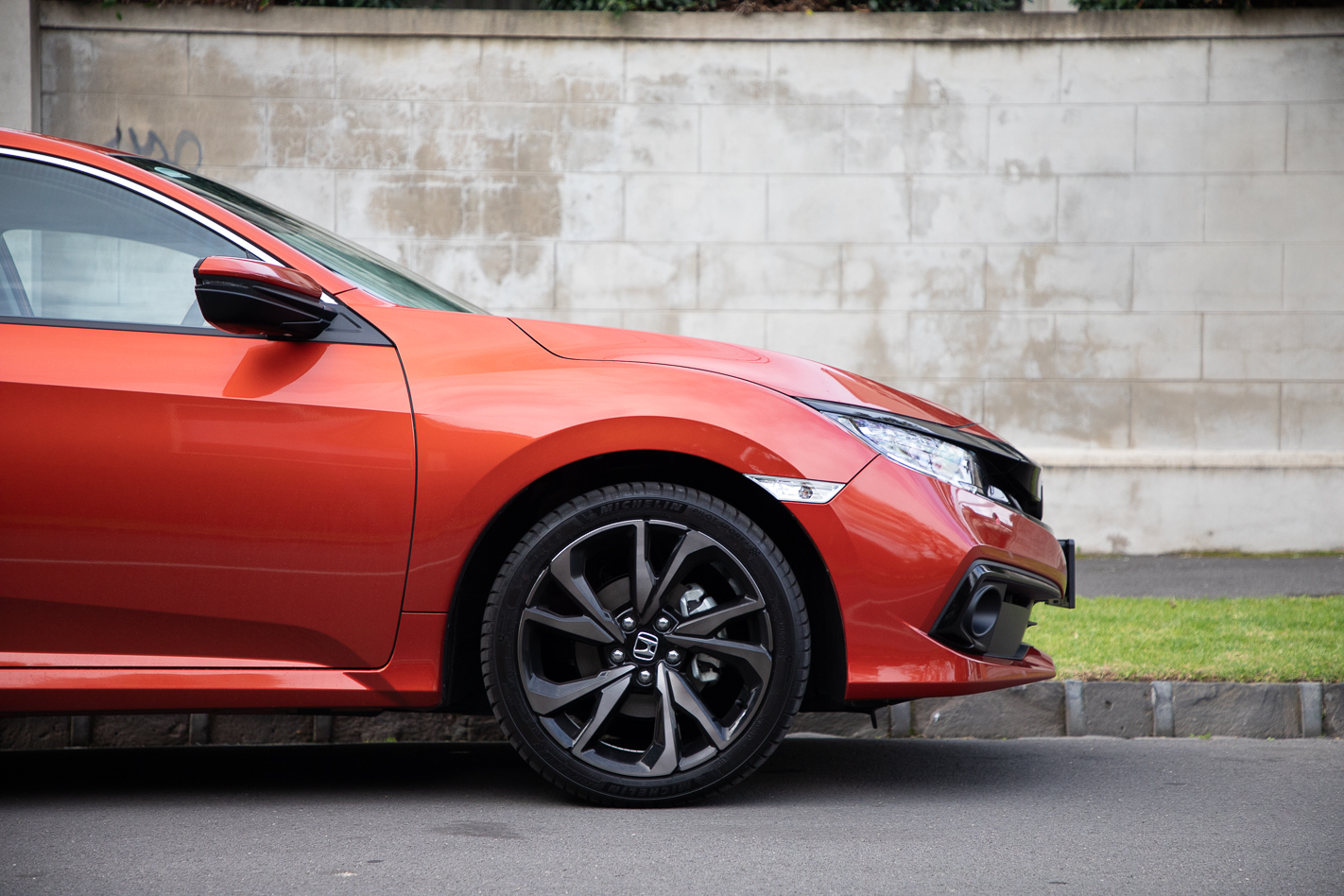
However if you’re looking for the best deal, we’d steer towards the significantly cheaper $27,990 Civic VTi-L variant that retains the same engine, but also hits a better balance between value and features offered.
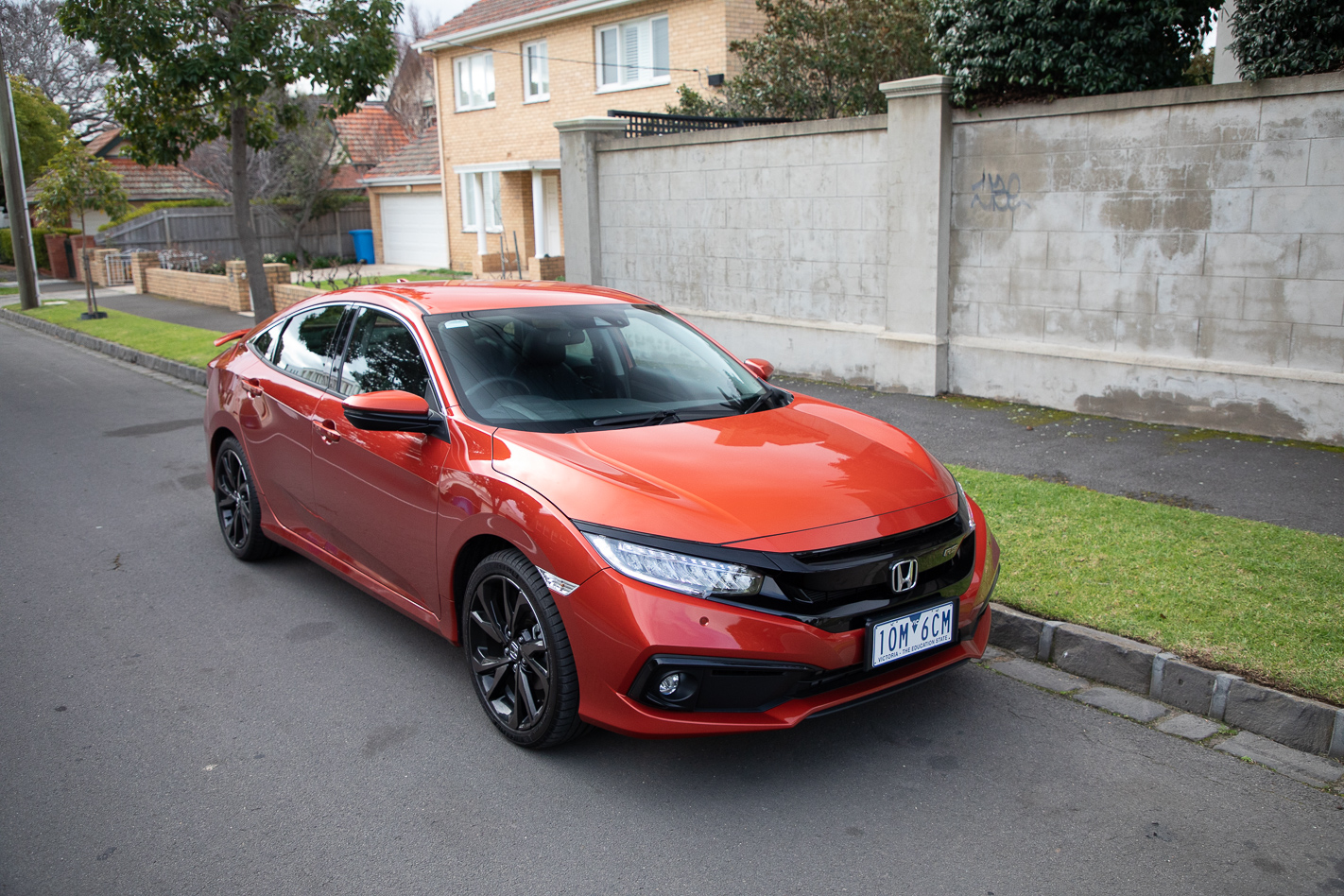
Pros: Great packaging; excellent storage options; powerful and economic engine
Cons: No sat nav; engine can drone at times
Rating: 4 out of 5 stars
When Renault’s UK press office revealed the price of the top-spec 2020 Renault Megane RS Trophy-R Record Edition, we bet there were a few nails being bitten.
Not just because it’s pricey. It’s very pricey. At £72,140, it’s the equivalent (with direct currency exchange rates) of selling an AUD$131,000 hot hatch.
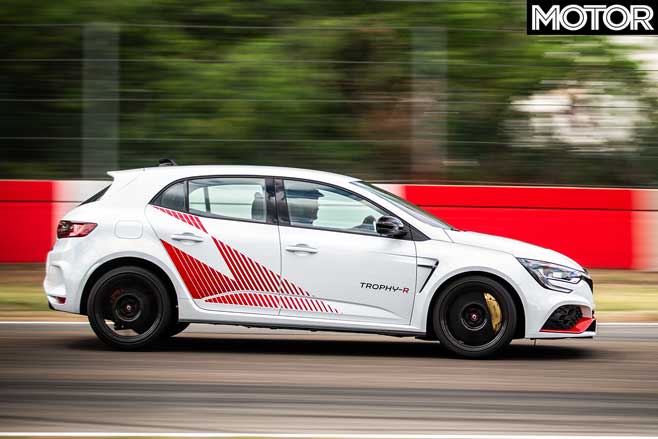
Of course, this comes down to the options of the carbon ceramic brakes and the one-piece carbon fibre wheels which the Nürburgring record-setting car used, both pricey components.
The reason we’re interested in its pricing overseas? Because one is coming to Australia, but it’s going to be auctioned instead of sold at a fixed price.
So, you might be thinking ‘but you can’t just use exchange rates to compare international pricing,’ and you’re right. Let’s look back to the UK to see where in the ‘food chain’ the top Trophy-R sits.
The fact is, it sits right in Porsche territory. Almost 911 Carrera territory.
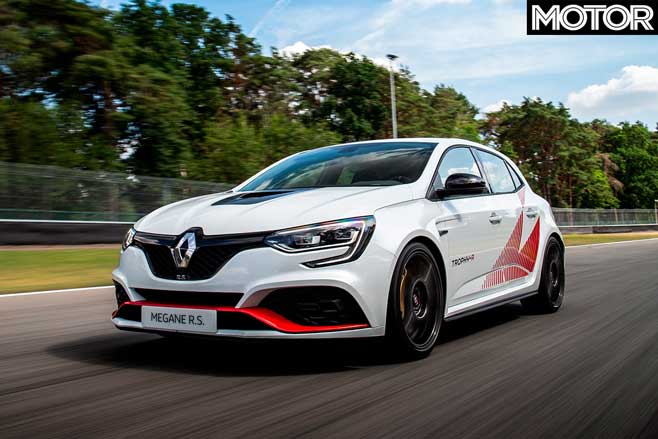
If you want an entry-level 911 Carrera in the UK, you’ve got to shell out £83,793. That’s £11,653 dearer than the Megane. More realistically, if you were to compare by price, the new Porsche 718 Cayman GT4 and Spyder sit right in the mid-£70K range.
Or, if you need four doors (as the Megane offers), you can save some cash and buy yourself something like a BMW M3, which starts at about £60K in the UK.
Or, for something newer, a Mercedes-AMG C63 will cost £67,573 drive-away according to the UK site.
Whatever the case turns out to be, we imagine the auction car here in Australia probably won’t sell for Porsche 911 money. Then again, all it takes is two people with enough want… and money.
What’s in the garage?
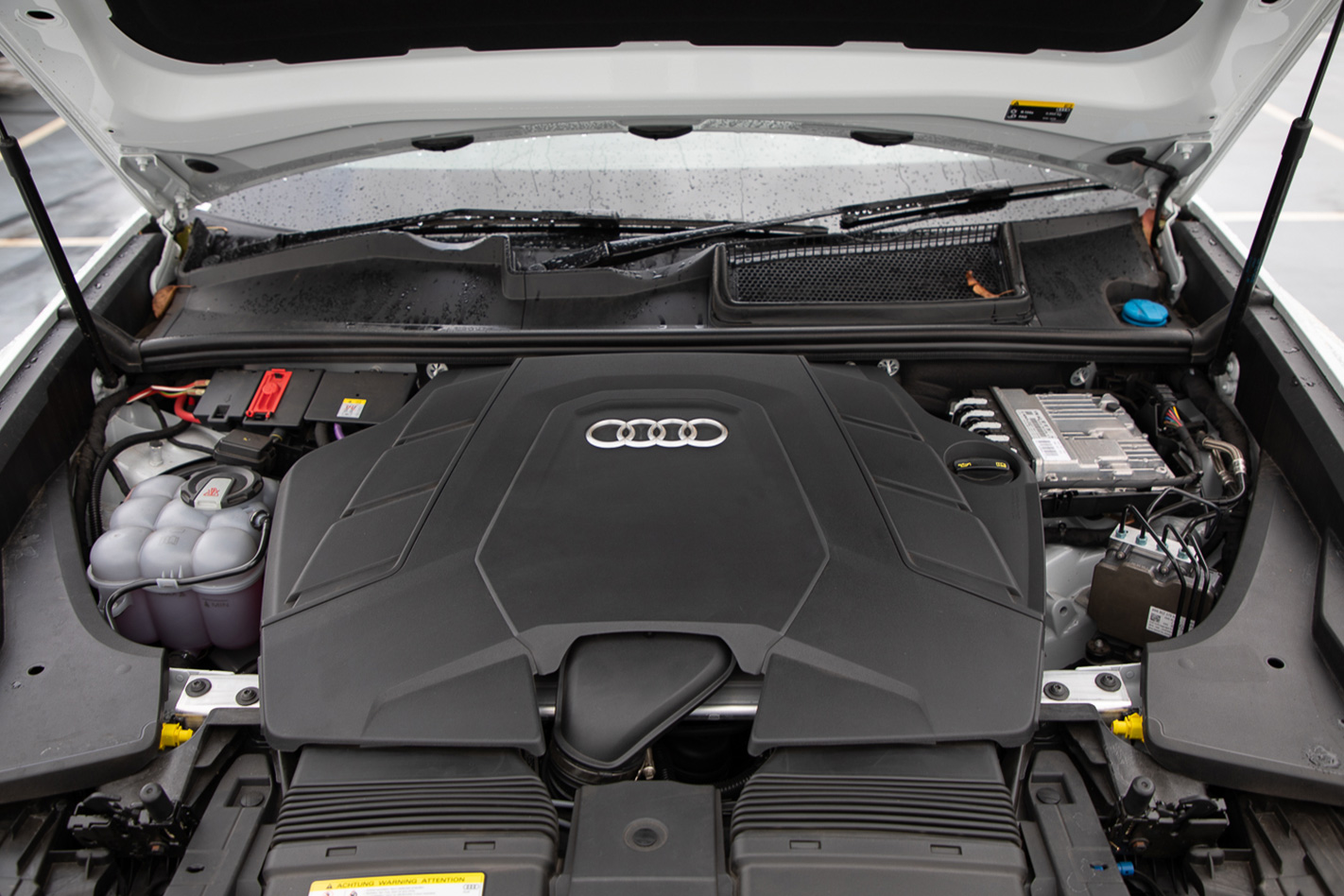
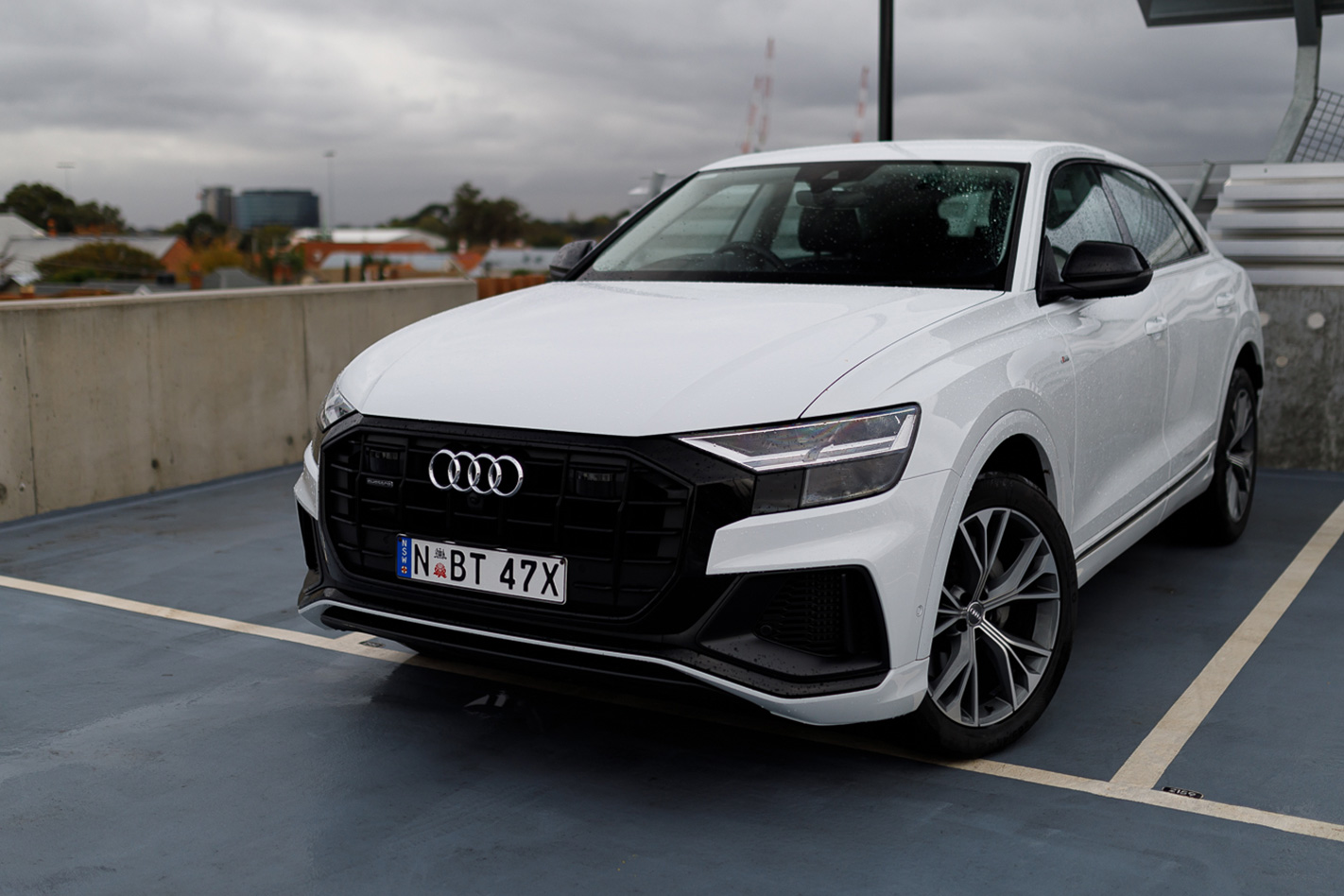
The Q8 is Audi’s take on the ‘sporty’ SUV. Yet, the four-ringed example isn’t form over function given its Q7-based origins. It remains practical while adding a bit of design flair. Beauty is in the eye of the beholder, but there’s no doubting the Q8 cuts a striking silhouette. Power comes from a 3.0-litre V6 turbo petrol with 250kW and 500Nm. The 55 TFSI is currently the only model on offer until the sportier, diesel-powered SQ8 lobs Down Under.
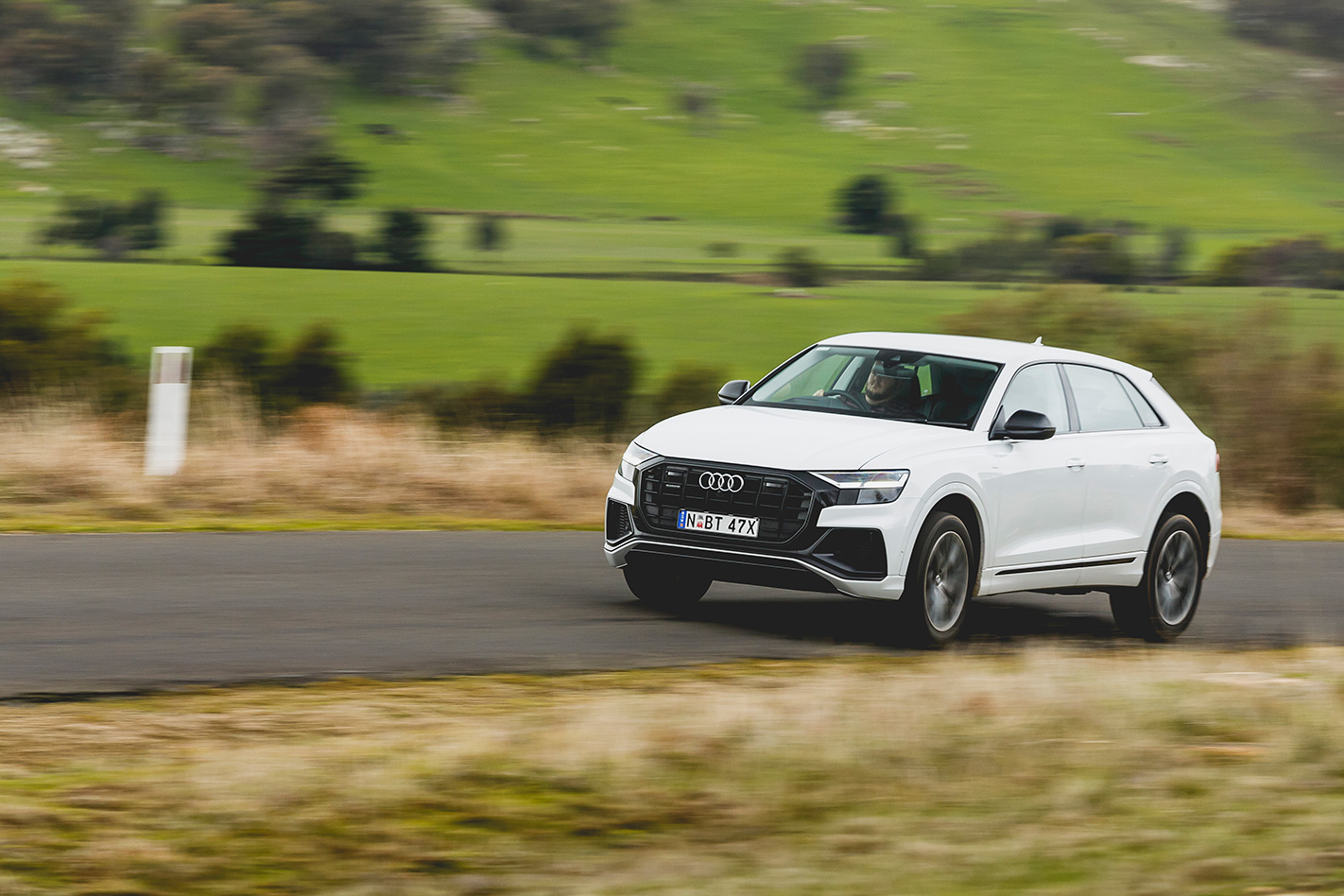
The base price is $128,900, but our test car is fitted with $9950 in options to bring the total to $138,850. The options include metallic paint ($2300), Audi exclusive black exterior styling package ($1850), interior inlays in Oak $400, electric steering column adjustment ($900) and the Dynamic steering package ($4500).
What we reckon

Trent Giunco
Staff Journalist
I can see the sense in the Q8… kind of. It plays the happy medium between sloping rooflines and SUV practicality well. Audi’s take on the formula works because it’s still functional and able to seat five comfortably. The powertrain and dynamics are impressive, but until the true performance variant lobs (SQ8), I’d prefer the serene nature of the base Q7. And it’s cheaper. Maybe coupe-esque SUVs just aren’t my thing.

Alex Rae
Online Editor
It’s a capable thing for an SUV but for nearly the same amount of money as this test unit I’d be shopping for the RS4 avant, which is just about the practical performance pinnacle in Audi’s stable. For an SUV, though, it’s a sharp steer and the engine has a lot of poke behind it. And the interior will impress many with the technology built around it, despite the overall design lacking a bit of warm character.
Review
Power and performance:
The Q8 is surprisingly fast… for a 2095kg SUV. Audi quotes 0-100km/h in 5.9 seconds, however, we recorded a time of 5.7sec. It’s a tractable engine with a linear power delivery. There’s ample grunt for overtaking and the boosted 3.0-litre remains hushed at cruising speeds.
It can feel a little strained when you call for swift acceleration, but it ultimately does the numbers against the stopwatch and can be easily motivated in overtaking situations. The eight-speed ZF auto helps the process by being smooth and intuitive, although there’s little need to use the steering wheel-mounted paddles. Traction is never an issue as the Q8 features quattro permanent all-wheel drive with a self-locking differential.
Combined fuel economy is 9.2L/100km, which is some way off the diesel-powered Q7, but commendable for a heavy, petrol-powered SUV. An intuitive start/stop system aids consumption.
Ride and handling:
Dynamically, the Q8 is impressive and it deals with its dimensions and mass with aplomb. The ride quality is firm, but far from uncomfortable. The Q8’s standard adaptive dampers do a good job of controlling large undulations, but the big wheels and tight suspension tune can’t completely quell all road imperfections. Comfort mode proves the better option in most conditions and it results in only a slight decrease in body control.
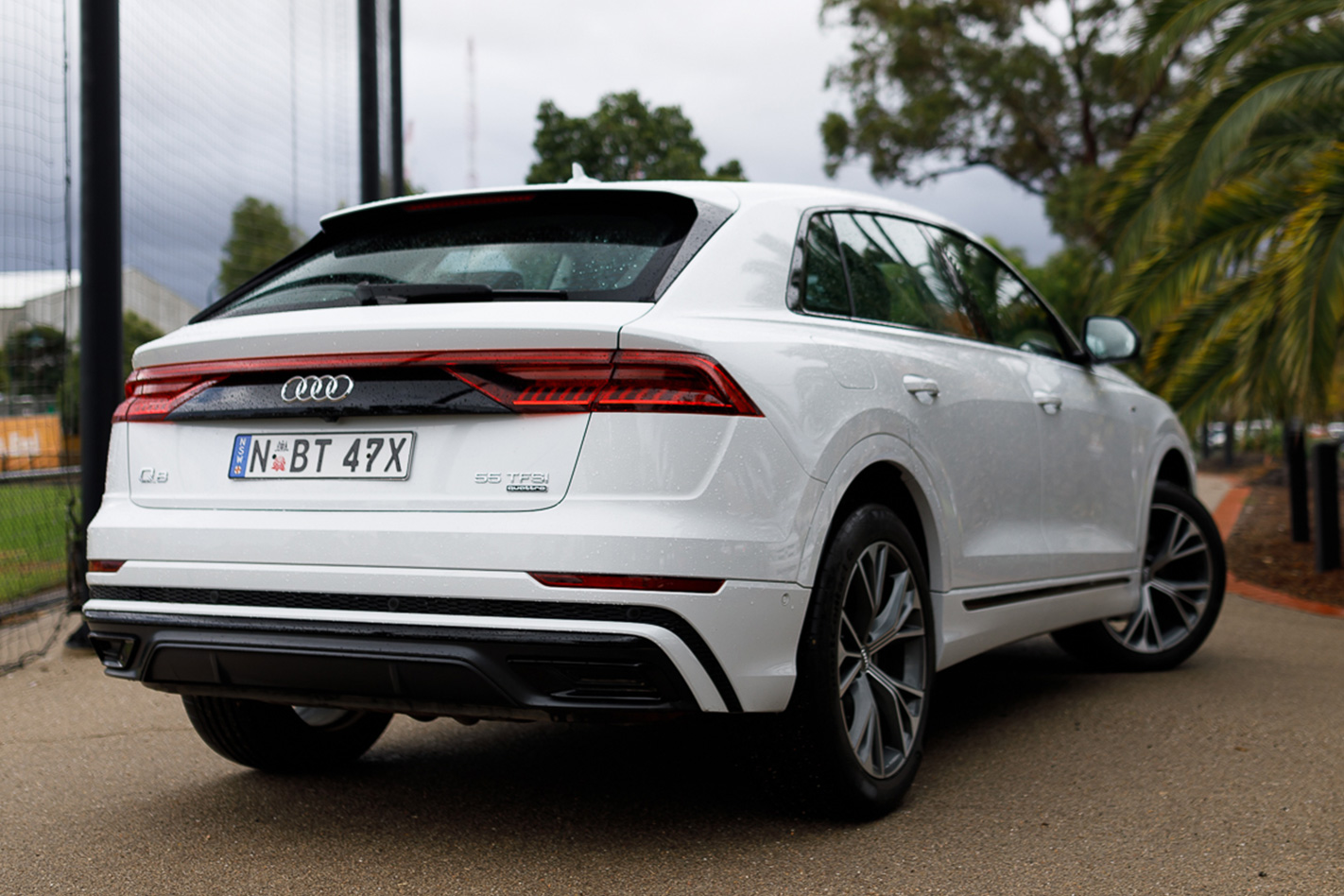
Fitted with the optional Dynamic steering ($4500), the package includes a variable-ratio rack up front, while also adding turn to the rear axle. At lower speeds the turning circle is reduced by approximately 1.1m, while greater stability is offered as the velocity increases. The net result is an SUV with better turn, one that feels demonstrably smaller and more agile than its size would suggest. The Q8 handles changes of direction well and feels agile.
Interior and Comfort:
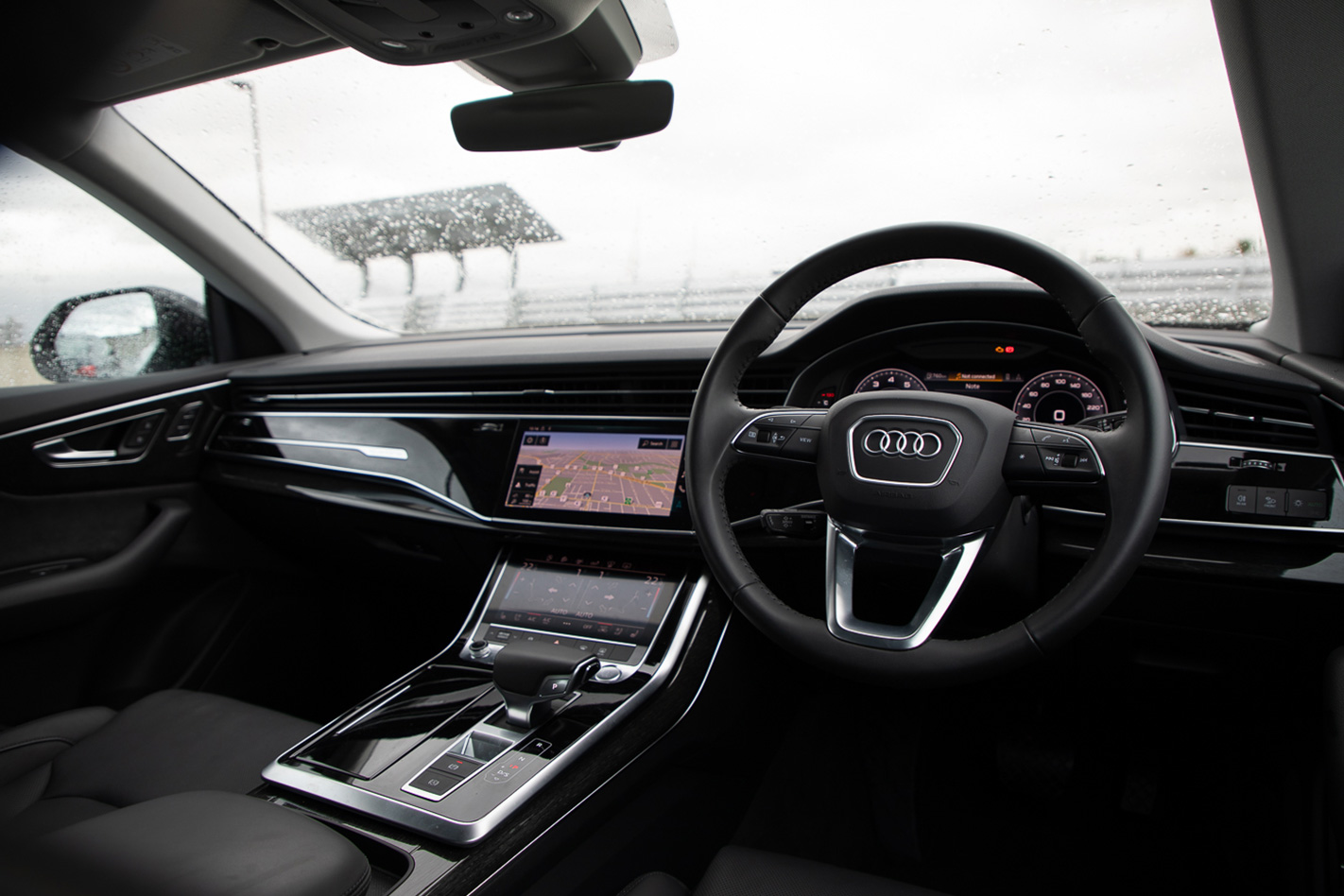
Screens – lots of screens. The Q8 essentially takes most of the A8 cabin and places it in the SUV body. The design is minimalist and cohesive with few discernible style elements. Build quality is palpable, but there’s a slight lack of visual wow factor given the almost $140K ask. Ergonomics are sound, but some might find the tech overload daunting at first.
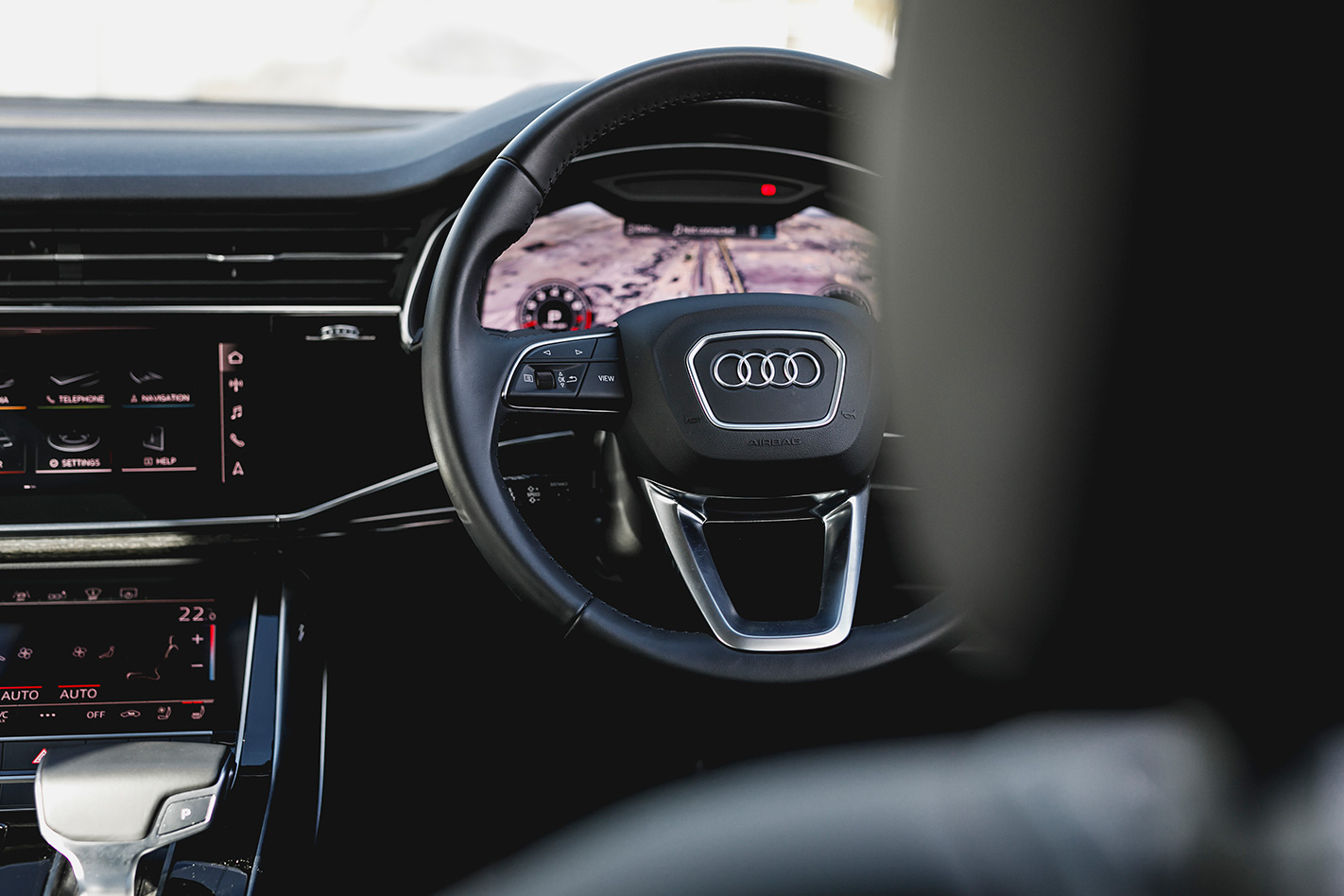
Audi’s 12.3-inch virtual cockpit remains a highlight and it’s now accompanied by two touchscreens. Knobs and controls are largely a thing of the past in this cabin. Above sits a large 10.1-inch display for the MMI infotainment system (with support for Apple CarPlay and Android Auto), while the lower 8.6-inch screen handles things like climate control. Both utilise acoustic and haptic feedback – so you need a little more force than a normal touch screen and the process can take your eyes off the road.
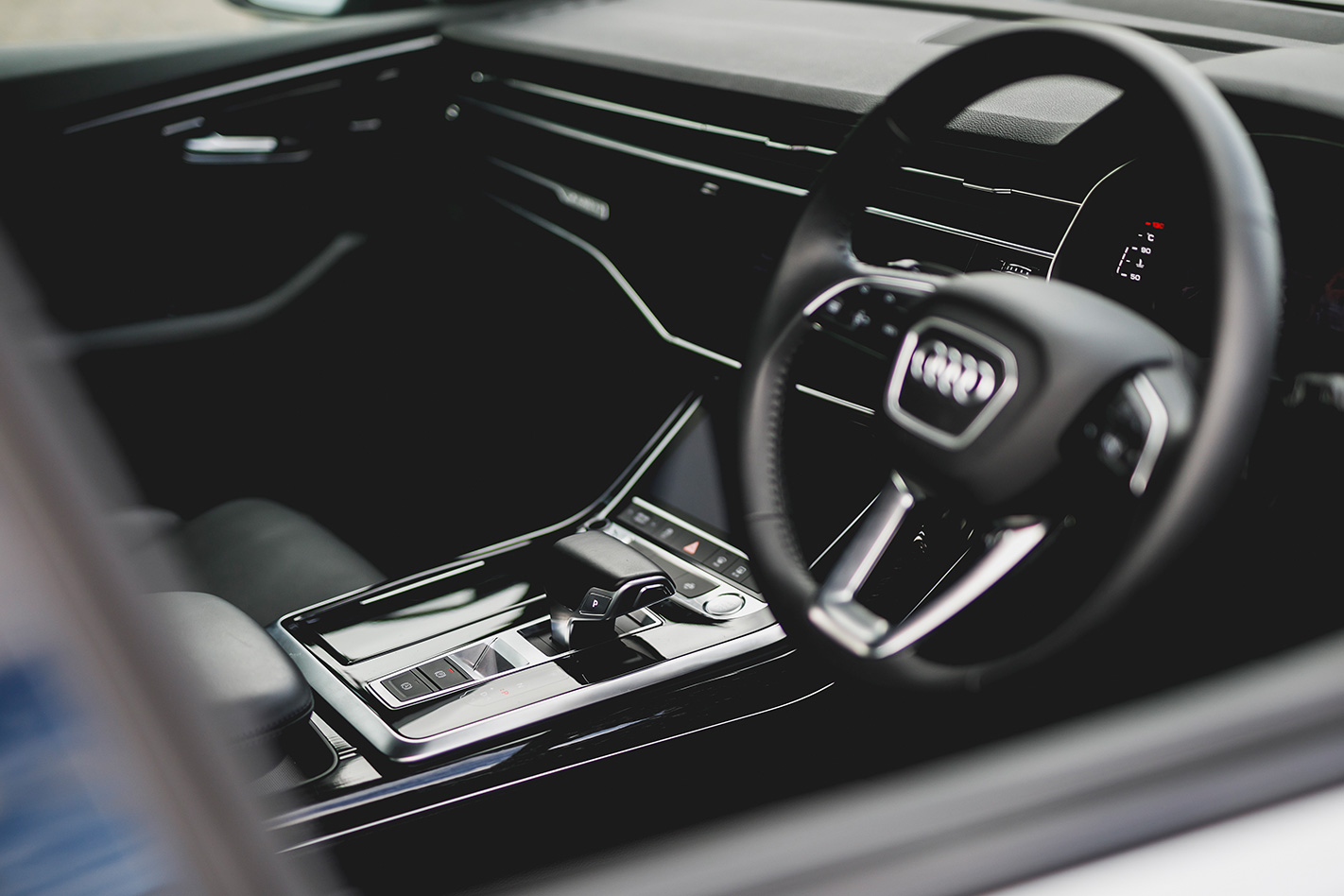
Interior space is abundant despite the exterior design. In particular, rear headroom is generous for all heights, with leg and toe room equally spacious. With all seats in place the boot space is 605 litres, but stow the rear pews and the cargo capacity jumps to 1755 litres. Overall, NVH levels are well suppressed with only slight tyre roar coming from the Continental SportContact 6 hoops wrapping 21-inch wheels.
Verdict
If you’re in the market for an Audi SUV that can swallow the family in comfort while still retaining fuel economy, then the sub-$100K Q7 is going to be a better bet. However, if you want to make a statement, the Q8 has presence in spades. Plus, if you only need five seats, it’s practical and spacious. The added bonus is that the 55 TFSI provides ample punch and the full-bodied, swoopy SUV is dynamically adept.
AUDI Q8 55 TFSI SPECS
Model: Audi Q8 55 TFSI
Engine: 2995cc V6, dohc, 24v
Max power: 250kW @ 5000-6400rpm
Max torque: 500Nm @ 1370-4500rpm
Transmission: 8-speed automatic
Weight: 2095kg
0-100km/h: 5.7sec (tested)
Economy: 9.2L/100km (claimed)
Price: $128,900 ($138,850 as tested)
On sale: Now
“SAPOL has no quotas for the issuing of expiation notices and never has,” begins a police statement intended to clarify what went wrong after a police manager was found offering a gift card as incentive for handing out more fines.
The manager had purchased the card as an incentive for officers to issue fines the most drivers, using their own money for the card.
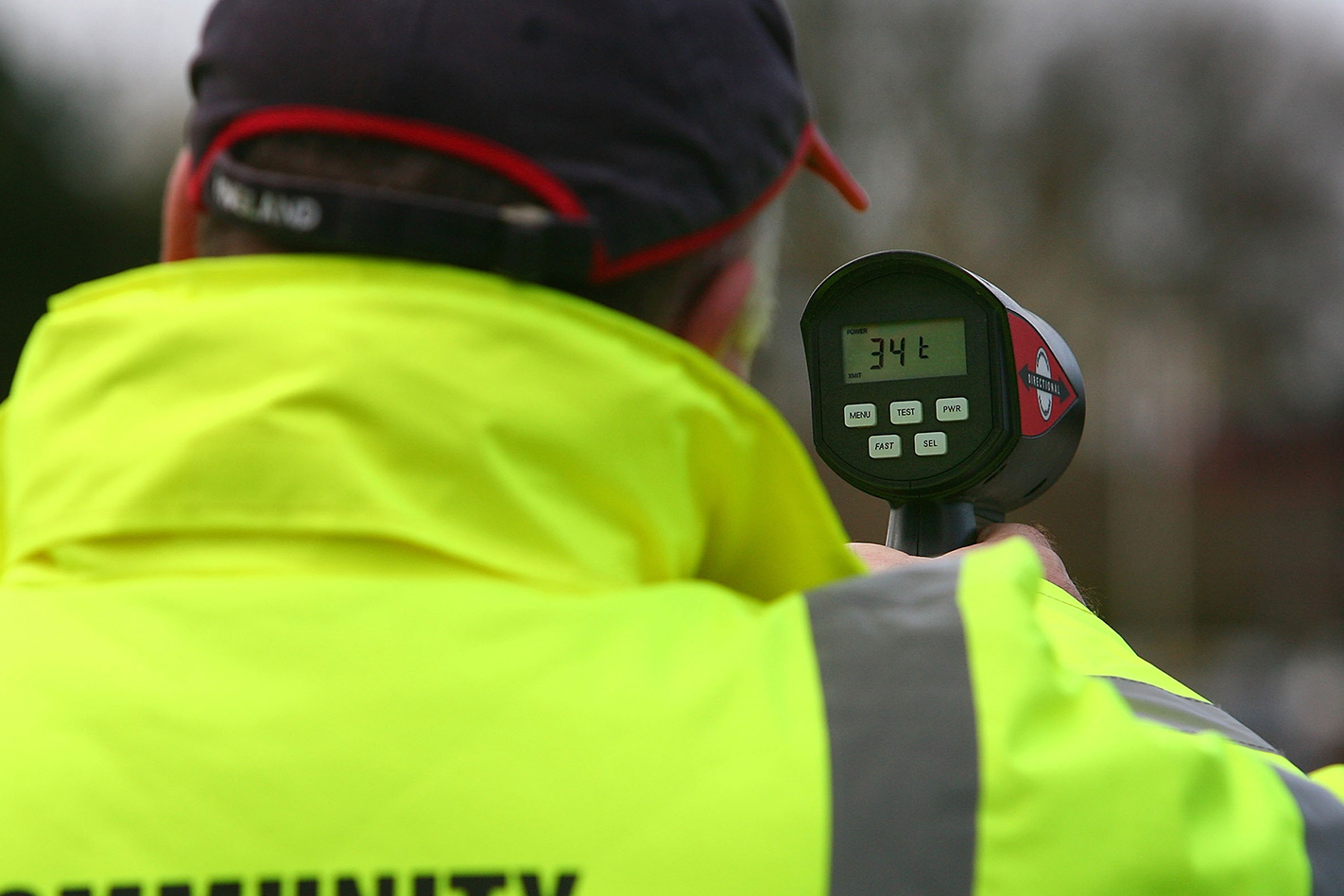
South Australia Police (SAPOL) says the person responsible sent an email out to staff offering “an incentive to the police officer who made the greatest contribution to road safety by way of Traffic Infringement Notice Expiations or Cautions.”
The email was intended to drum up activity during SAPOL’s current ‘Operation Fatal Distraction,’ which a previous statement says is actually targeted at mobile phone use while driving.
SAPOL’s road safety boss Superintendent Bob Gray said of the operation, in the earlier statement, that he sees distracted driving as a huge threat to safe roads.
“There is clearly a section of our motoring community who are just not getting the road safety message – or they simply just don’t care who they hurt – including themselves,” he said.

The more recent correction statement conversely distanced SAPOL from the idea that it seeks to fine speeding drivers whenever possible.
“The practice of offering incentives is not supported or condoned,” the statement reads.
“Police officers dealing with breaches of the road rules have the discretion to determine the most appropriate action under the circumstances. This may include the issue of an expiation notice or a formal caution.”
SA’s police minister Corey Wingard told the ABC he didn’t condone incentives for policing, and that he was disappointed the gift card had been offered as one.
“We want to do what we can to stop dangerous behaviour on our roads and that’s what police should be doing, not having a competition,” he told ‘Aunty’.
“It’s not about revenue raising, this is making sure we change behaviour on the roads to make sure people are safe.”
With the proliferation of vast options lists at premium manufacturers these days, it’d be nice if there was a model that simply packaged all the choice bits up for those customers who would rather spend time driving than scratching their head in the dealership.
In effect, this is the rationale behind Porsche’s GTS range: all the key boxes are ticked as standard to deliver sharper dynamics along with a smattering of extra kilowatts to ensure a pace advantage over the ‘regular’ variants.
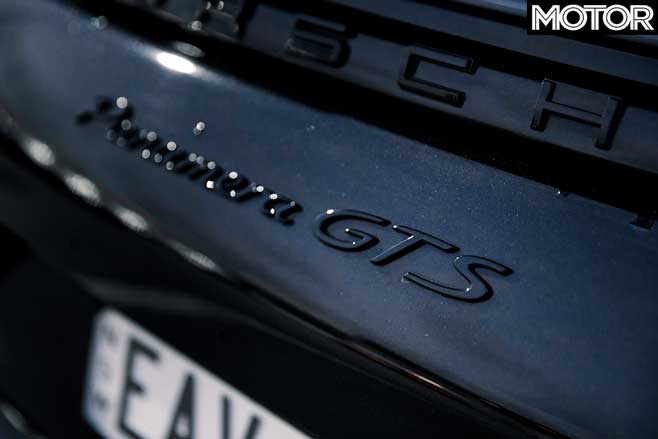
In the case of the Panamera GTS, Sport Chrono is standard, as is three-chamber air suspension with the PASM adaptive dampers, er, adapted for a sportier setup and the whole show is 10mm lower thanks to the Sport chassis.
There are larger brakes – 390mm rotors and six-piston calipers up front and 365mm rotors and four-piston calipers at the rear – sitting behind 20-inch wheels (though our test car wears 21s), the snazzy Sport Design package offers blacked-out exterior trim and coats the interior with liberal amounts of Alcantara.
The biggest change, however, occurs under the bonnet, where the Panamera 4S’s 2.9-litre twin-turbo V6 is ditched for the Panamera Turbo’s 4.0-litre twin-turbo V8. Ah, not so fast. To preserve the Turbo’s place in the Panamera pecking order, Porsche turns down the boost pressure from 18.7psi to 11.5psi, limiting power to 338kW/620Nm instead of the full 404kW/770Nm. This is where it gets a bit tricky.
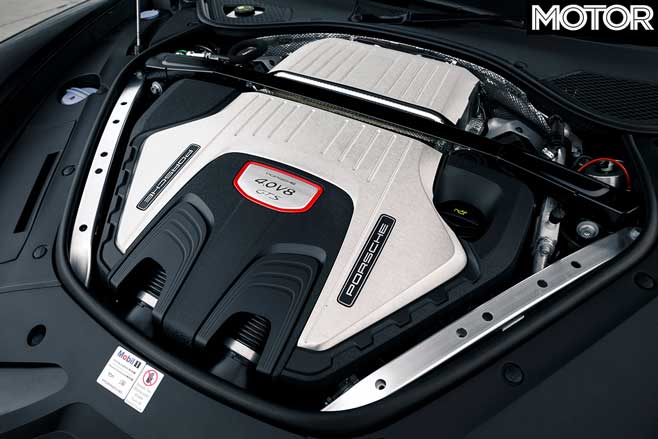
Despite its extra capacity, the GTS offers just 17kW more than the 4S. Factor in the GTS’s added heft, though, and its 169kW/tonne power-to-weight ratio is actually inferior to its six-cylinder sibling (173kW), though its 70Nm advantage does give it 0-100km/h superiority, albeit by just 0.1sec of a second (4.2sec vs 4.1sec). Trouble is, the GTS is expensive, $50,600 dearer than a 4S and just $20K shy of a Turbo, though its higher level of standard kit does somewhat offset that.
Porsche says the decision to use the V8 was an emotional one and it chose wisely; turn the key and a deep bark escapes the tailpipes that no six-cylinder could ever match. Regardless of its power output this is a beautiful engine; buttery-smooth with a great soundtrack, it mightn’t have the outright thrust of the Turbo but with a claimed 0-100km/h in 4.1sec and top speed of 292km/h it’s not exactly lacking performance.
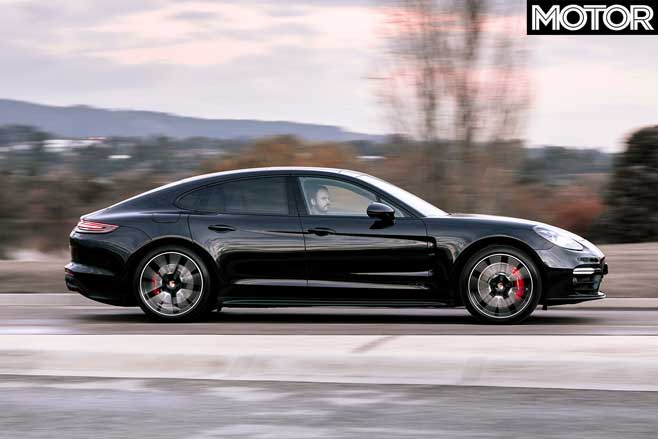
Nevertheless, these numbers aren’t exactly cutting-edge in the crazy world we live in, but in a way the GTS’s (relative!) lack of pace is of benefit as it provides more time to enjoy the engine as it works its way around the tachometer.
Accelerate out of a corner and instead of instantly being transported to licence-losing speeds, there’s a little more time to appreciate the cultured V8 growl before having to lift off. Certainly there is no hint that the engine’s potential has been curtailed, no slackening off as it approaches its 6800rpm limit.
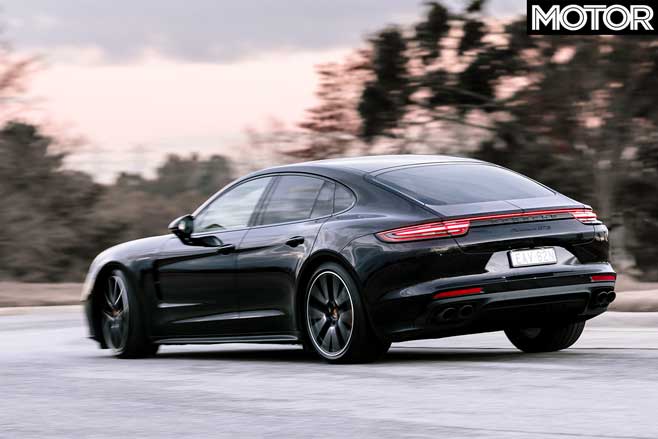
Dynamically the GTS is even more impressive. A suite of optional chassis upgrades are available, including active anti-roll bars, torque vectoring, all-wheel steering and carbon-ceramic brakes; our test car has none of these and is no lesser for it, handling with a poise and fluency completely at odds with its size and weight.
It can be driven incredibly hard with confidence thanks to its precision and communication, the unkillable ESP the only thing stopping it displaying its ultimate talents, an increasingly common complaint in the latest Porsches, though forgivable in a car this big and powerful.
Somehow, despite its lower, stiffer setup, the GTS displays outstanding ride quality and refinement, far superior to its most obvious rival, the Mercedes-AMG GT 63 S (though the AMG is five seconds quicker to 200km/h so handily wins the bang for your bucks argument). Combined with an interior that scores top marks for design, quality, ergonomics and technology the Panamera is an utterly first-class sports limo.
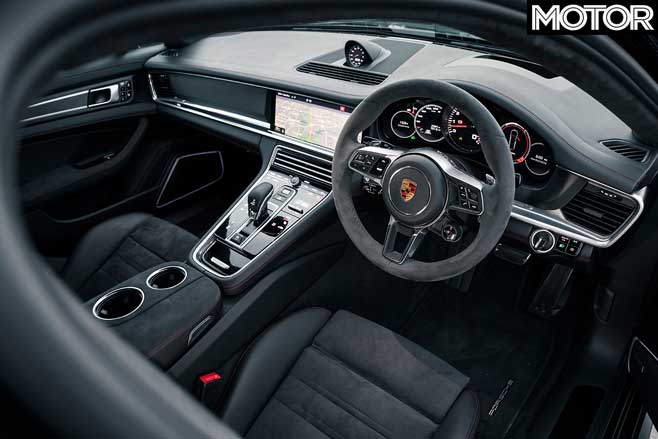
The elephant in the room is that the Panamera Turbo is equally accomplished and offers substantially more pace for little extra outlay. The previous Panamera GTS had the USP of a naturally-aspirated engine, whereas this new model feels neatly engineered to fill a gap in the range.
Still, the fact that GTS customers undoubtedly have the means to buy a Turbo but prefer not to suggests they have their own reasons for doing so. On the evidence of our time with the GTS, it’s difficult to argue with their decision.
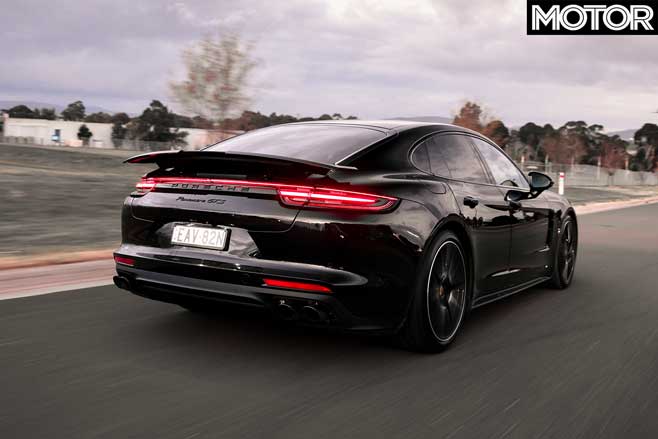
2019 PORSCHE PANAMERA GTS SPECS Engine: 3996cc V8, DOHC, 32v, twin-turbo Power: 338kW @ 6000-6500rpm Torque: 620Nm @ 1800-4500rpm Weight: 1995kg 0-100km/h: 4.1sec (claimed) Price: $364,100 ($395,220 as-tested)
Like: Superb dynamics; delicious powertrain; wonderful interior; brilliant ride Dislike: Turbo is much faster and little more expensive; unkillable ESP
Rating: 4.5 out of 5 stars
The Wheels Verdict: The most affordable of Tesla’s now three-model-strong lineup demands you abandon preconceptions of how you interact with a car. The lack of conventional instruments, a purely screen-based user interface and imitation leather-trimmed cabin won’t be for everyone at prices that span $66-91K. But the almost eerie acceleration, massive traction, exploitable dynamics and whole “new generation of motoring” vibe delivered by the Model 3 make it something quite unique in this segment. Further, the price of the entry-level model ⎼ $16,000 more expensive than the $50K Nissan Leaf hatchback ⎼ seems like compelling value in EV terms.
What is the Tesla Model 3?
A premium mid-size four-door sedan from the enigmatic American EV specialist. It was developed from a clean sheet in a little over half the time most rival manufacturers take to develop an all-new car, has been plagued by delays and over-promising, but is finally now being delivered to customers who placed deposits around three years ago.
Why we’re testing it
We’re well familiar with the other two Teslas in the current line-up (the Model S large sedan and Model X crossover), so naturally we jumped at the chance to finally drive a production version in Australia of what will be the company’s volume seller. However, our drive was limited to the top-spec Performance model on an ultra-smooth private test track, so real-world ride and dynamic assessment will have to wait another few weeks.
Tesla Model 3 review
Sliding into the driver’s seat of Tesla’s Model 3 is initially a little startling. It’s like coming home to find your sleek-chic Scandinavian-inspired apartment has been burgled, and all that’s been left behind by the thieving bastards is your iPad. ‘Minimalist’ doesn’t even begin to describe it. So my first question is not about the driving range, or the performance, nor why a premium EV targeting C-Class and 3 Series owners is trimmed in vinyl. No, what I want to know is: do you still call an instrument panel by that name if there are no instruments involved? It would seem more accurate in this instance to call the interior component that spans between the A-pillars the ‘tablet support beam’, or perhaps a ‘ventilation distribution module’, but neither are very catchy.
Probably better to just move on and get familiar with that 15-inch tablet, because everything ⎼ from adjusting the height and reach of the steering wheel, the mirrors, and even opening the boot and front trunk ⎼ are controlled from here. It’s also internet-connected and provides over-the-air updates to keep the software up-to-date, and allows Tesla to patch fixes for things as trivial as the wiper interval and as technical as battery charging speed.
A Tesla spokesperson explained that buttons and knobs are a surefire way for cabin design to quickly feel dated, so into the bin they went, except for two thumb-friendly multi-function controllers on the wheel. Oh, and a key fob is all a bit 2017, so don’t expect one of those. Instead, the car’s security and ignition is linked to your phone, unlocking and locking automatically as you approach or leave. Welcome to the future, folks, where clutter and function duplication have been banished.
Want to pop open the glovebox? Yep, the release is on the tablet. There isn’t even a head up display, so you’ll need to glance sideways at the top-right corner of the tablet to monitor your speed. Ergonomically optimised? I’m not so sure. Good thing it drives well. We sampled the top-spec Performance model, with a 188kW motor on the rear axle, a 147kW unit upfront, and a 75kWh battery providing a real-world range in excess of 430km. At $92,000, it undercuts the likes of the Mercedes-AMG C43 ($108K) and Audi’s tasty S4 ($99K), but smokes both of them with claimed 0-100km/h acceleration of 3.4 seconds, along with an ample 260km/h top speed. All of which it manages with just one gear.
It’s very possible you’re getting tired of hearing about EV performance that’s “eerie”, and “otherworldly” but, well, it’s kinda hard to describe this sort of acceleration any other way. The Model 3 has a beautifully calibrated throttle tip-in so low-speed manoeuvring requires no concentration on the go pedal, but give it a proper squirt and the instantaneous wallop of torque has the 20-inch Michelins clawing at the tarmac and brings the scenery rushing through the screen, with little more than the sound of disturbed air around the mirrors and muted thrum of rubber on bitumen. The massive rolling response is especially hard to resist, simply because you can deploy such solid shove without the slightly guilty conscience that often comes with filling the airspace with anti-social internal combustion exhaust noise.
Dynamically, eventually comparing the Model 3 with those AWD rivals from Germany will be properly instructive, because of the Tesla’s weight penalty. Yes, it carries the bulk of its 1900kg mass low, but the chassis still has more roll than you’d ideally like in a track environment ⎼ there are no adaptive dampers offered ⎼ and you soon need to nurse the regenerative brakes. Given the speed at which this thing arrives at corners, the stoppers simply won’t cope with repeated big, late hits after a few laps. On the road, with the re-gen function set to standard, this won’t be an issue, and in normal driving, the brake pedal will actually see bugger-all use.
As for steering, the Model 3’s head of vehicle dynamics, former Aston Martin man Chris Porritt, (who has since left to work for Apple on its autonomous project) has gone for an ultra-quick rack, but one that provides little actual road feel. The wheel requires just two turns from lock to lock, so the nose is properly darty, presumably to help disguise the car’s mass. There are three steering weights to select from; I found the middle position the most agreeable for our track session. The response and precision are there, however, a less synthetic, more feelsome set-up would be preferable. But drive the 3 precisely and it rewards with plenty of lateral grip, and loads of traction that just slingshots the car from apex to exit. There’s a track mode (we were expressly forbidden to use) which, according to the Tesla specialist on hand, does allow ample power oversteer.
Packaging is the one area where I’m left most underwhelmed by the 3. But the good news first. There are no issues up front (although the A-pillars are thick enough to obscure full vision through the corner) and there’s ample oddments storage for driver and passenger. Luggage space is generous with a big boot and 60/40 split-fold seats (though have no boot release for this) and there’s a deep sub-floor recess. The front trunk is big enough to swallow a slab or big duffel bag, but there’s no spare wheel, nor even an inflation kit. Cop a flat and you’re waiting for roadside assistance.
But it’s the rear seat that’s the biggest concern. The seat base is low to allow headroom for six-footers, but the floor is high to accommodate the batteries, so those in the back will find their knees bent at an acute angle, and there’s a scarcity of toe room if the front occupants have their seats set to the lowest positions. So it’s fine as a family car with kids in the back but less ideal for long hauls with full-size adults.
All this only scratches the surface of the Model 3, though. There’s so much more to this car, like its five-star ANCAP rating that includes a near-perfect 96 percent score for adult occupant protection. Or the fact that every one of the three variants come fitted with all the hardware needed for fully autonomous operation. Only the software and government legislative compliance is missing, but there’s provision for the former to be optioned, with the expectation that the latter will follow. The likelihood of this is a debate for another time; as of this moment, the Model 3 provides what a 3 Series or C-Class can’t (for now), which must give old mate Elon a very warm inner glow.
Tesla Model 3 vs rivals
Fully-electric: Hyundai Kona Electric, Nissan Leaf, BMW i3 S,
Premium sedan: Mercedes-Benz C-Class, BMW 3 Series, Audi A4, Lexus IS, Genesis G70, Infiniti Q50
Tesla Model 3 specs and pricing Australia
- Model: Tesla Model 3 Performance
- Drive: Dual motors, 75kW/h battery
- Max power: 335kW
- Max torque: 640Nm
- Transmission: single-speed reduction gear
- Weight: 1900kg (estimated)
- 0-100km/h: 3.4sec (claimed)
- Economy: 18kW/h/100km (estimated)
- Price: $91,200
- On sale: Now
