
The McLaren 600LT Spider is the first McLaren I’ve driven and not wanted to give back. This is big, and I’ll get to why.
But first, the car itself. The radioactive-green machine you see here is the latest model in McLaren’s ‘Sport Series’ baby supercar range. Bolted in the middle of a carbon-fibre monocoque chassis is the 3.8-litre version of the McLaren’s high-revving, heavily turbocharged V8.
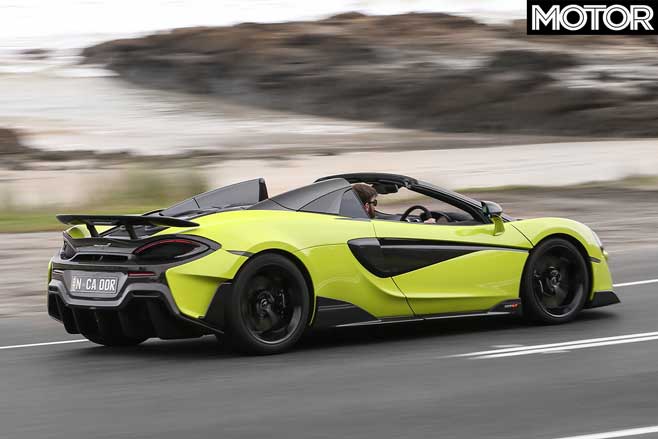
LT denotes ‘Long Tail’, Woking’s equivalent of Porsche RS or Ferrari’s Pista; 600 is power in PS, or 441kW. Based on the 570S, the 600LT is optimised for track use, pinching the double wishbone front and rear suspension from the 720S.
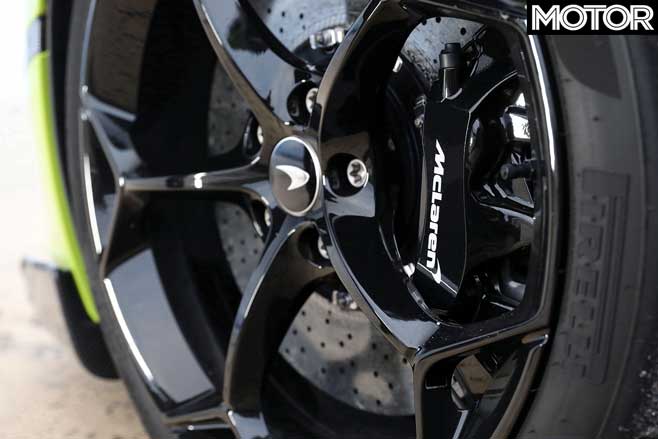
Tracks are also wider, and new, sticky Pirelli P-Zero Trofeo R tyres measure 225/25R19 front and 285/35R20 rear. Six- and four-piston carbon ceramic brakes, 390mm/380mm front/rear, underscore the 600LT’s apex-predating intent.
While the droptop weighs 48kg more than the Coupe, it’s still 100kg lighter than a 570S Spider thanks to a glut of lightweight components used all across the car – although to achieve the full 100 kegs you have to spurn air-con and get the optional Clubsport Pack.
There’s real downforce (100kg at 250km/h), while McLaren claims 0-100km/h in 2.9 seconds, 0-200km/h in 8.4 seconds and a 10.5-second quarter mile. Top speed 324km/h with the roof up, or 315km/h with it down.
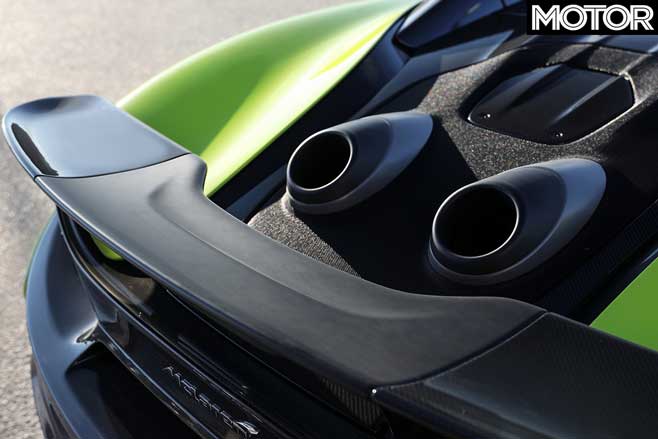
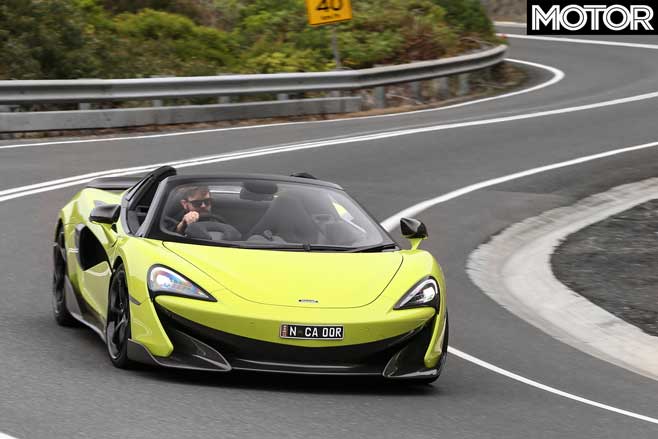
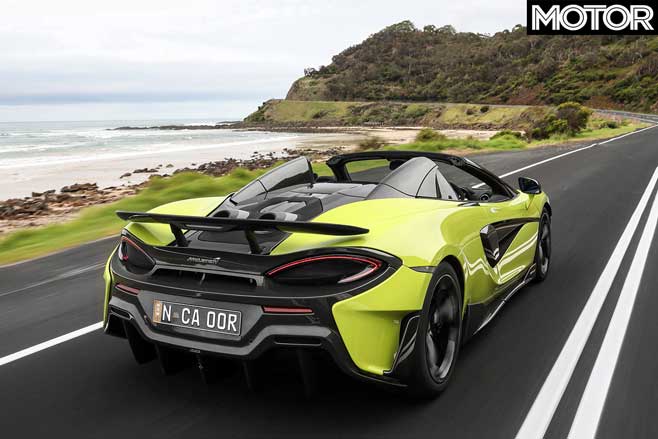
Meanwhile it’s been restyled into a car that will infiltrate your smartphone’s Camera Roll like few others. Low, wide, with those twin exhausts exiting right off the engine cover, the 600LT Spider looks straight out of Need For Speed with its classic, exotic supercar styling.
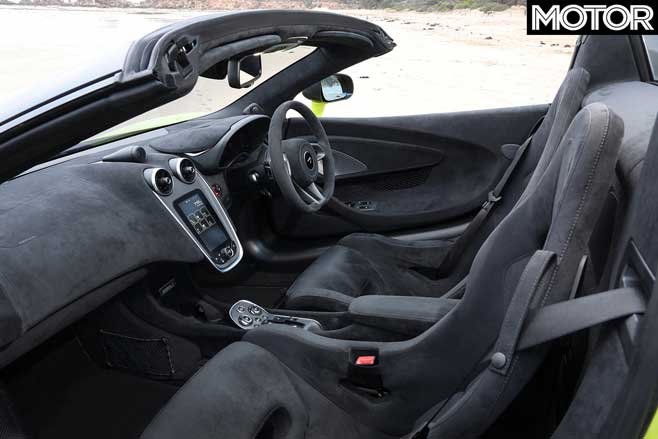
It’s a bit hard to get in and out of, they need to hire some Germans to perfect the interior build quality and iron out some minor refinement issues, but otherwise the interior styling is refreshingly non-derivative and makes you feel like you’ve clambered aboard some alien fighter craft.
The fixed-back seats are d-e-e-p and there is Alcantara on basically every surface. Ride quality is great and visibility is okay. You have to be taught how to operate some of the minor controls.
The acceleration is generally the first facet of the 600LT Spider’s performance you experience, the one you and your passengers will still be talking about later, and the one you keep going back to for more. It’s a substance you know you should stop taking. It accelerates with a sting in the tail you’ve never felt before. It’s so addictive you’ll be wondering if prison is really as bad as it sounds.
There’s a little rear window between the headrests you can put down, giving your ears direct access to one seriously mad exhaust note. There’s a certain giant-angry-wasp quality about it. Melodic? Tuneful? Not really – just stupidly, embarrassingly loud and with a tyre-hating rage that’ll still be in your memory months later.
The electronics can be reduced enough that you can play with those rear tyres, particularly when cold, with the 441kW – even if you have to adjust to the unapologetically heavy turbo lag. It’s like McLaren asked a Japanese tuning house, specialising in 1000hp Supras and turbos bigger than your head, what it should do to get more power out of its twin-turbo V8.
Once the tyres are warm, traction and lateral grip come to you in a big way, and the ABS threshold disappears further and further down that stupendous brake pedal. The 600LT then eggs you to take bigger and bigger liberties to the point you start to think you really should be on a racetrack, it’s that fast and that capable.
It’s so easy to drive right up to, and beyond, its incredibly high limits, understeer or every type of oversteer available as you want it and ask for it, everything predictable despite the mid-engine layout. It’s a total drug, basically.
Mclaren, to me, has until now felt like a start-up leveraging hard on its Formula One track record in order to be taken seriously alongside manufacturers that have been doing it for decades.
Yes, it brought a mass-produced carbon-fibre chassis to the market and its supercars can out-accelerate most of their rivals, but anyone can wind a tonne of boost into an engine.
I’ve not thought McLaren’s product has matched its hype whenever I’ve been privileged enough to drive one of its cars. I suspected though, it would happen eventually. And now it has.
The 600LT Spider makes me forget the Porsche 911 GT2 RS. Driving it slowly was very difficult. But not as difficult as giving it back.
2019 MCLAREN 600LT SPIDER SPECS Engine: 3799cc V8, DOHC, 32v, twin-turbo Power: 441kW @ 7500rpm Torque: 620Nm @ 5500-6500rpm Weight: 1404kg 0-100km/h: 2.9sec (claimed) Price: $496,000
Like: Probably the best car McLaren makes – you won’t want to stop driving it Dislike: Still won’t bother a Porsche for build quality; scary residuals; tad impractical
Rating: 5 out of 5 stars
There are few industries that suffer FOMO more than the automotive industry, but it takes on average about three years to develop a new model, meaning many manufacturers have to sit on the sidelines at some point, watching a rival enjoy the attention in an emerging lucrative segment.
Holden and Chrysler will still be seething about how the Ford Mustang was allowed to dominate the affordable muscle car segment for so long. The premium German brands were green with envy at BMW’s X6 until they could compete in the coupe SUV market. And it has been the same story for Volkswagen at the small end of the SUV segment, until now.
In about six months, VW will at last be able to offer something to compete with the incredible number of options in the small crossover and SUV arena. But in an effort to play catch up, the company will not be introducing one little model, there’ll be a pair.
Based on the Volkswagen Polo, a compact VW T-Cross will arrive early 2020, but its bigger sister – the T-Roc is expected to steal a majority of the attention with dimensions similar to the VW Golf.
We were given a chance to meet this intriguing new member of the Volkswagen family in the unusual surroundings of a snow-covered mountain on New Zealand’s South Island. A full road test will have to wait until we have, well, roads to test it on early in 2020, but this first encounter certainly has us excited about the T-Roc’s arrival.
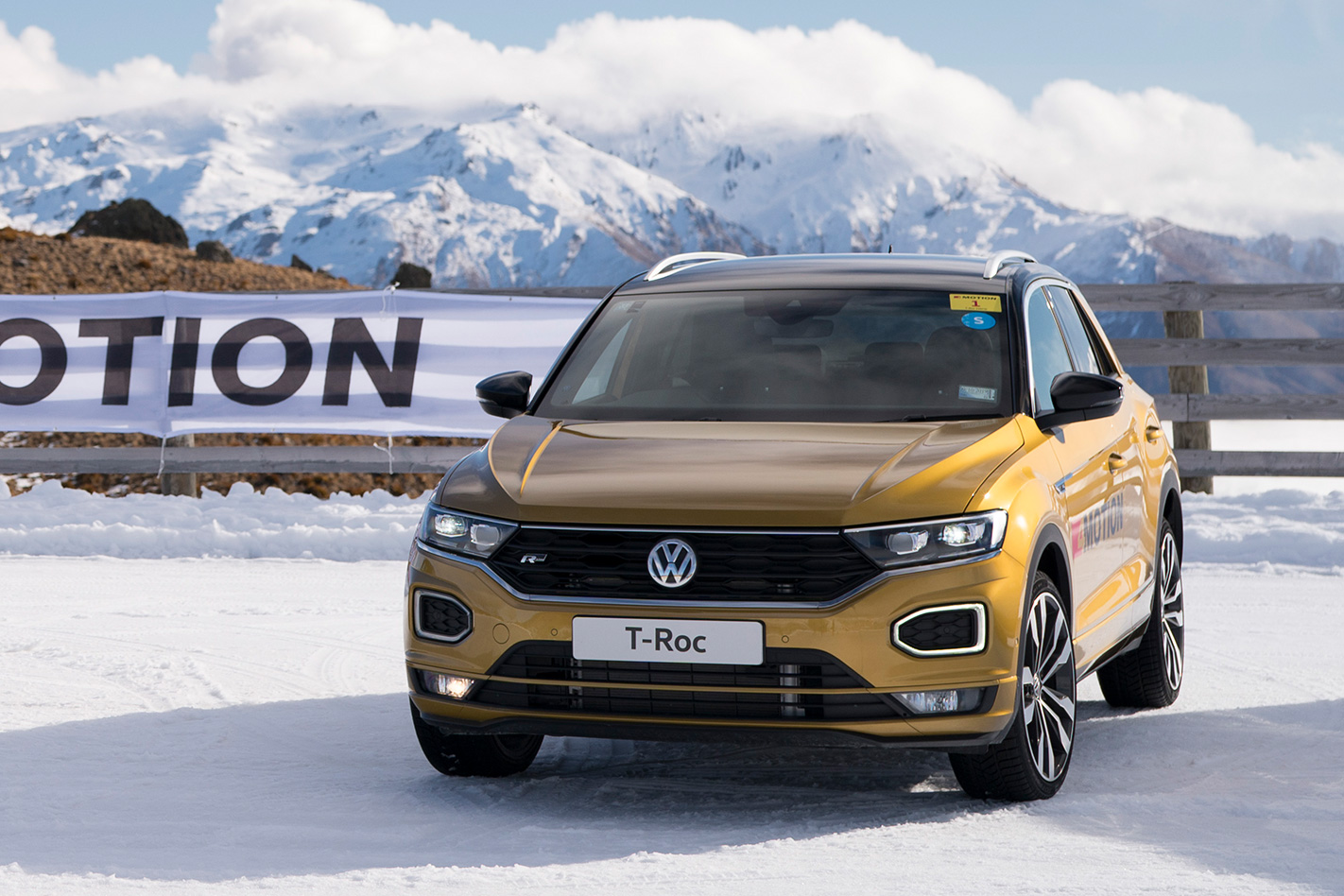
On the outside, its styling is inviting and appealing, taking cues from the current VW genealogy for a sense of familiarity, whilst bringing touches all of its own. But its proportions are perhaps the best part. Many small SUV’s tall and narrow stance appear awkward and unstable but not the T-Roc. It’s handsome with a planted posture.
Hop in and, while the interior is typically well built, it doesn’t have the same unique design as the exterior. Board the T-Roc blindfolded and you mightn’t have any idea which VW you were in. But that’s definitely not a bad thing. In its efforts to worry premium brands, Volkswagen’s attention to interior detail, quality and ergonomics is excellent and worthy of repetition across the various model lines.
The steering wheel is upholstered in fine leather, the central touch screen is not excessively proportioned and presented with sharp graphics, and the cabin has a light but cosy ambience – perhaps enhanced by the enveloping snow glow.
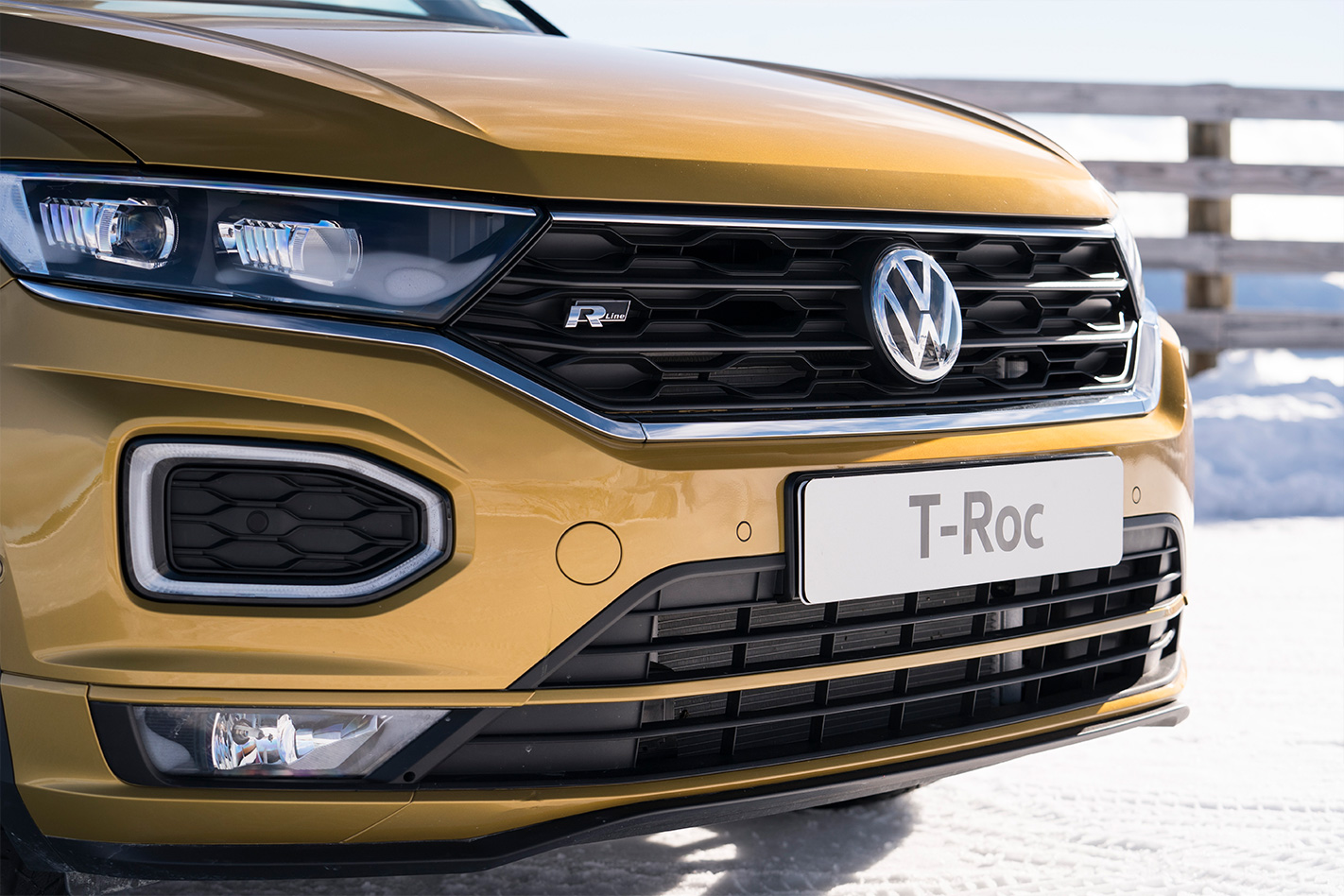
Up front, the driver’s seat is easily adjusted for a tall (leggy) driver and the view from the helm is very good. The T-Roc certainly shares the similarly approachable feel of the Golf hatchback with which it shares some engineering.
It’s also great to see the fully digital instrument cluster finally finding its way into the smaller and more affordable end of Volkswagen’s range after it was introduced in sibling brand Audi’s TT coupe, although this is likely to be an optional feature in all but the top-spec T-Roc.
Measuring 4234mm long and 1819mm wide, the T-Roc is large enough to feel substantial and spacious while still feeling easy to live with.
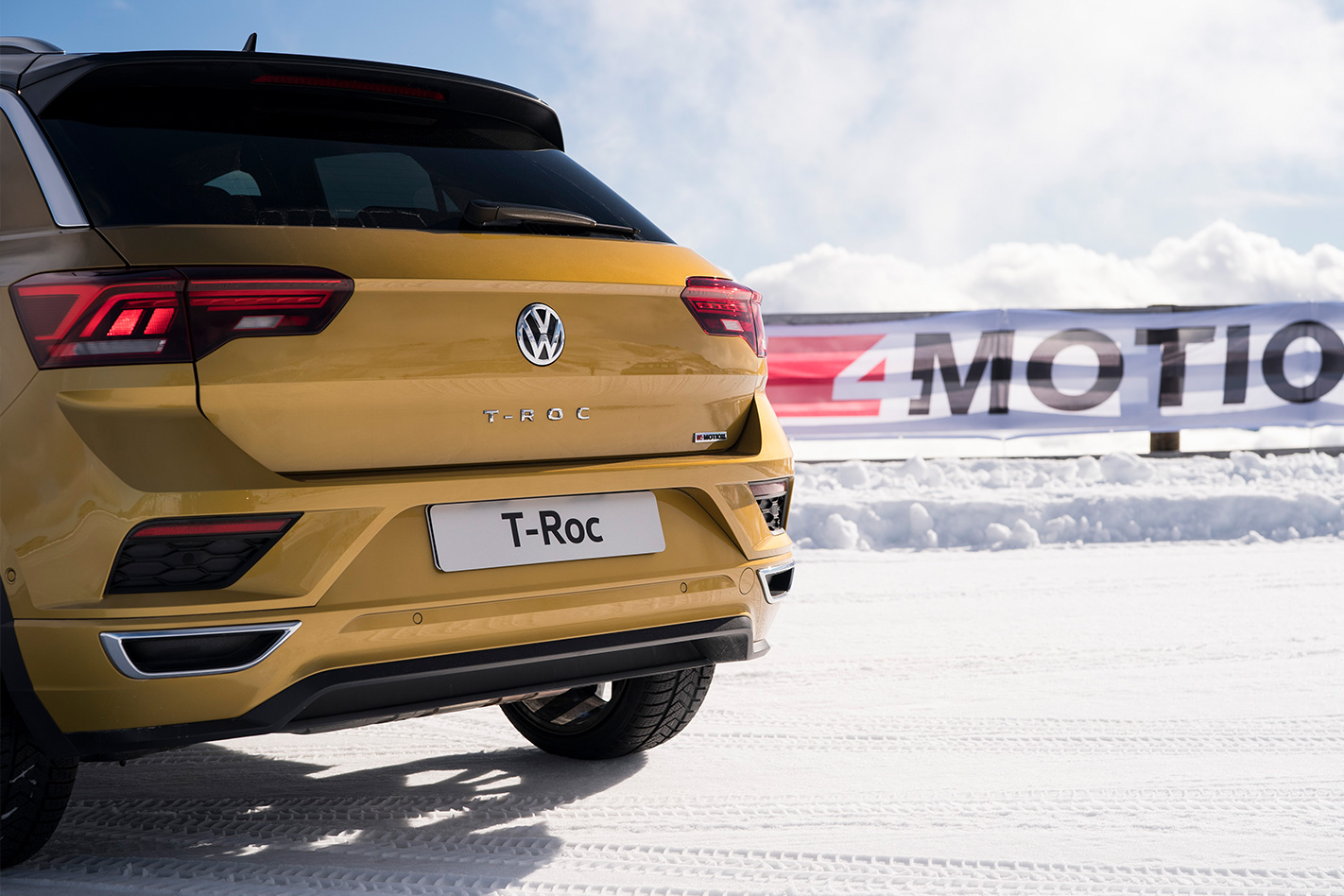
Our car was equipped with what appears to be a range-topping Sport specification and a few options, including cool machine-finished 19-inch Suzuka alloy wheels, eye-catching LED daytime running lights and a lovely Turmeric Yellow paint job that looked stunning with a white backdrop.
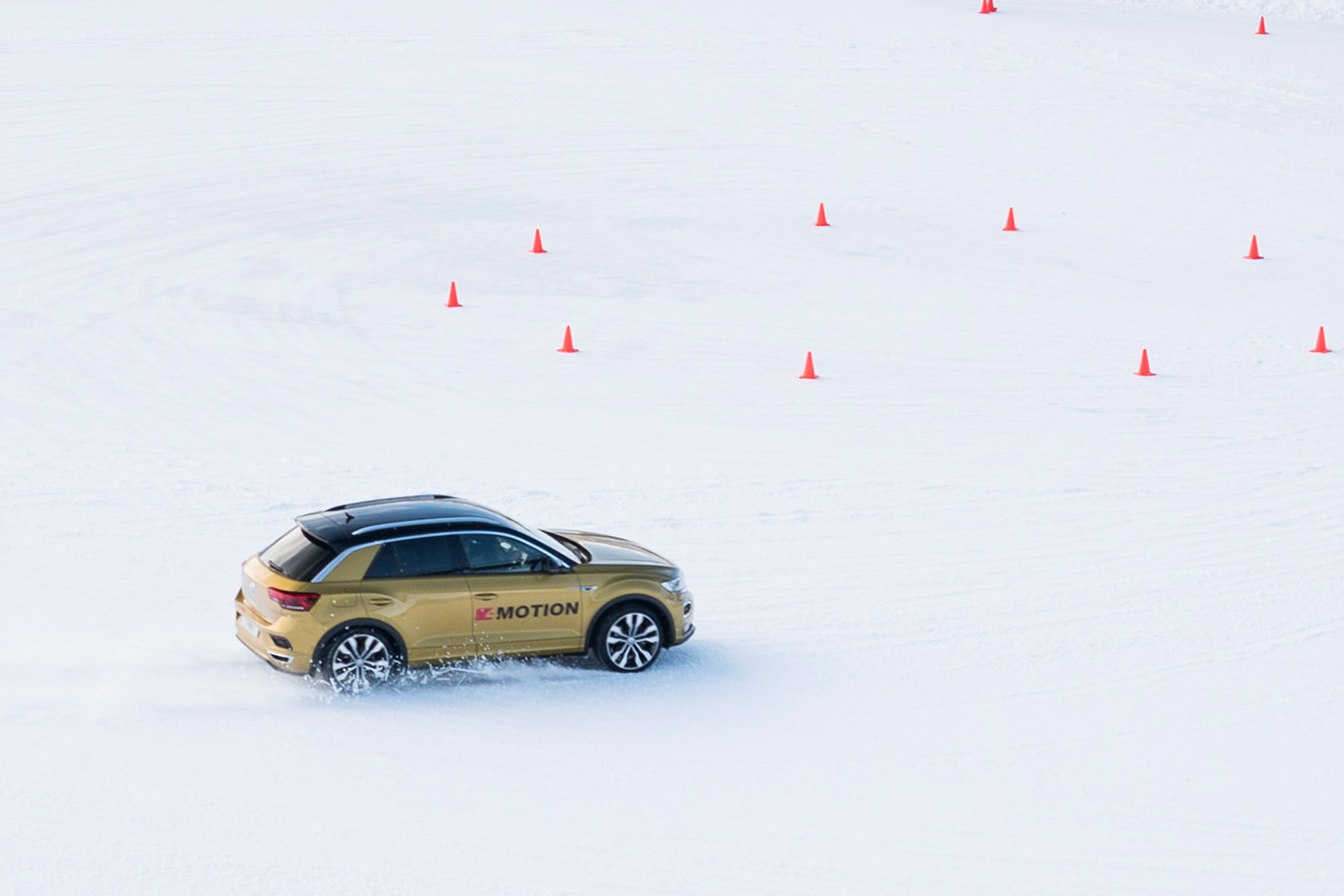
Specification details for Australia are still a ways off but don’t expect a bargain basement version as found in Europe. More likely are the Sport and Style variants which share similar levels of equipment packaged with a different styling theme.
Also yet to be finalised are the choice of engines; our test car was fitted with the 2.0-litre TSI turbo petrol which produces 140kW and 320Nm, and sends power through VW’s 4Motion all-wheel drive system and a seven-speed dual-clutch automatic transmission.
With such low grip under-tyre, we didn’t get a chance to see if the T-Roc feels as quick as its claimed zero-to-100km/h acceleration of 7.2 seconds, but the combination of free-revving four-cylinder engine and an eager transmission has given the T-Roc a delightfully playful nature.
Especially when you switch off the various driver assistance systems and let the T-Roc play. Special snow tyres had been fitted for the alpine drive experience we took part in, imparting much more grip than you may expect, and the clever all-wheel-drive system combined for surprisingly good progress.
Brash acceleration of the mark results in inevitable wheelspin, but beyond that, the little SUV is a real hoot even in low-traction conditions. Excellent steering precision allows the T-Roc to be positioned with confidence. There’s also a decent but not intrusive engine note when you’re working the drivetrain hard.
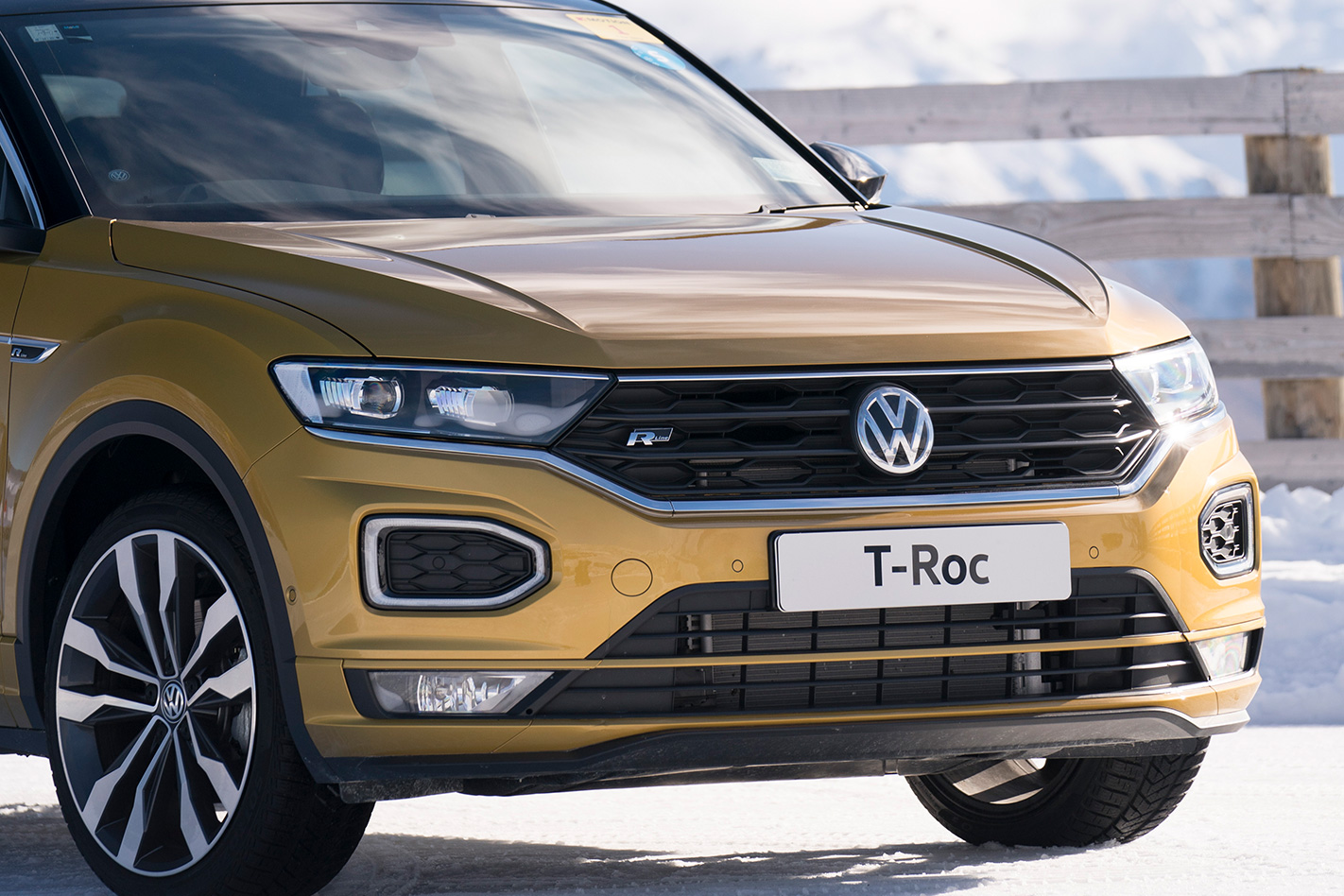
Top marks must go to cabin space where you’ll find ample room in the second row, comfortably accommodating adults (although five might get a little too cosy on longer trips), and headroom is surprisingly good considering the coupe-like exterior profile and a 1573mm height.
The good news continues at the back where there’s a 445-litre boot which is a good shape as well as volume, and can be expended out to a massive 1290 litres when the 60/40-split rear seats are folded.
On a relatively smooth surface, evaluating the T-Roc’s ride will have to wait until a full review, as will the grip and handling qualities when fitted with road tyres rolling on more orthodox roadway, but this first meeting with VW’s newest SUV is highly encouraging.
The T-Roc is packed with appealing styling touches, offers the ease of use that you might find in the Golf small hatchback, but with the added advantage of SUV ride-height and a clever four-wheel drive system should you decide to tackle a sprawling winter wonderland. And we wholeheartedly encourage you to.
Reputation, like cities, are much harder to build than destroy. So we bet Kia thought long and hard before putting a GT badge on its Kia Cerato GT.
This track review was carried out in conjunction with MOTOR’s Bang For Your Bucks 2019
That’s because its predecessor, the ProCeed GT, dominated the warm hatch segment of its time so well, it left some big shoes to fill when it was killed off early. Yep, the attributes that made it so popular among enthusiasts, like a manual-only transmission and three doors, were exactly what turned broader audiences away. Forcing Kia to replace it with this car.
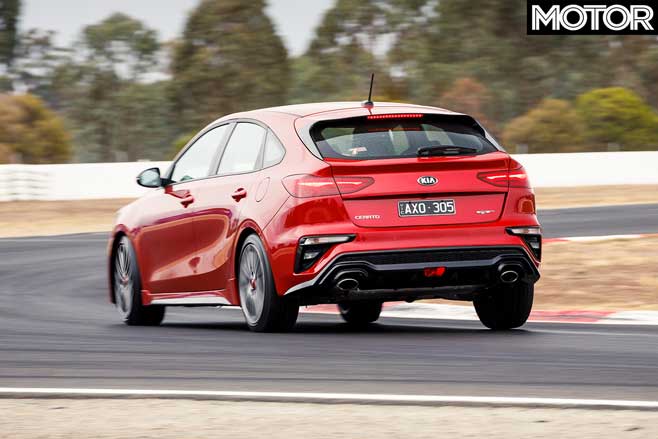
It carries over the turbocharged 1.6-litre four cylinder, that also does the rounds in Hyundai’s product line-up, making a decent 150kW at 6000rpm and 265Nm at 1750rpm-4000rpm. So far, so good.
With those extra doors, the 1395kg Cerato GT is a little flabbier than the ProCeed, but it acquits itself well on the dragstrip, dispatching the 0-100km/h sprint in 7.08 seconds and covering 400m in 15.22 seconds. Seemingly enough to blow its warm-hatch rivals into the weeds.
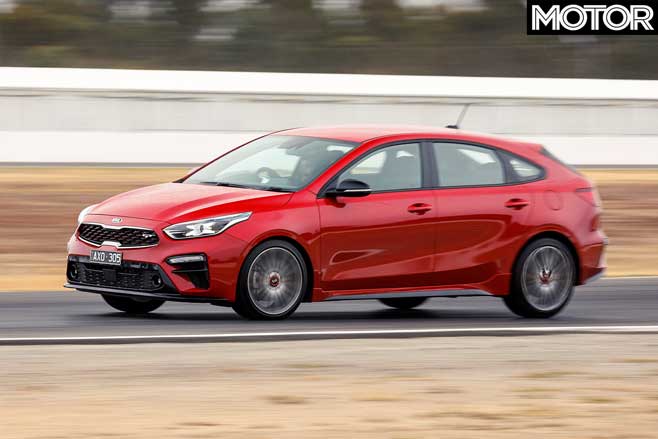
On Winton Raceway it carries good speed into corners and also puts down its power surprisingly well. Its downfall, however, is that while the driving experience can be engaging, it never turns into something exciting.
The steering lacks feedback and feel, robbing you of the chance to capitalise on available grip, and the ride and handling balance the ProCeed was known for – somewhere between a Golf GTI and Fiesta ST’s – has disappeared.
The turbo blows hard in the lower rev range, so revving it past its 6000rpm power peak to the 6500rpm redline is pointless, and the electric sound generator that is supposed to improve the sonic experience, sounds heavily manufactured.
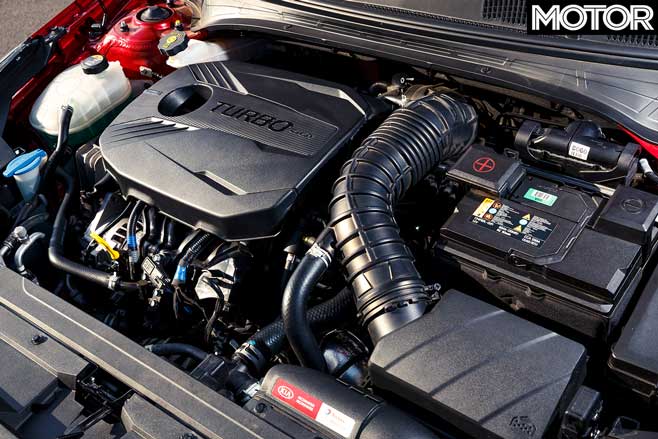
Things are more impressive inside, the front seats are excellent and offer good adjustability for someone average sized, it’s only a shame the heavily raked windscreen squeezes forward vision.
Ultimately, what’s most telling is how you engage Sport mode. Rather than find it with the button on the console that cycles through Normal, Eco and Smart, you’ll need to knock the gear lever across to the right. It feels hidden away. And it feels like the joy originally engineered into the ProCeed GT has fallen to the same fate.
An equal-best $31,990 category price gave it a major head start in the BFYB formula, but the judges’ collective rankings pulled it back to a more appropriate ninth place.
Kia Cerato GT BFYB 2019 Results – 9th place
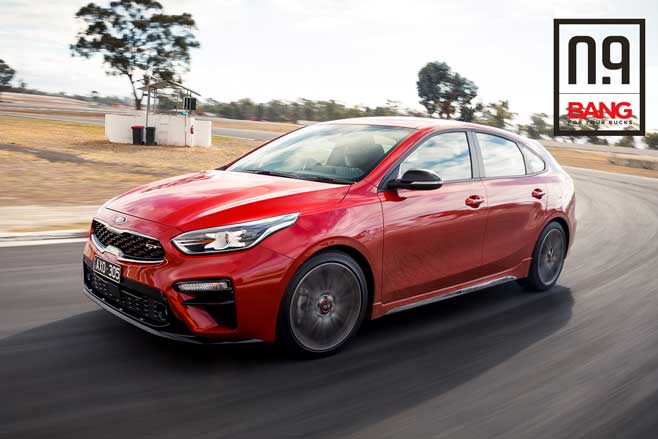
0-100km/h: 7.08sec 0-400m: 15.22sec @ 152.04km/h Price: $31,990 Bang Index: 15.7 Bucks Index: 162.9 BFYB Index: 89.3
Bang For Your Bucks 2019 Judges’ Comments
Campbell – 11th “Good enough that you could imagine Kia making something pretty hot out of it – if it wanted.”
Cordony – =10th “Does what it should. But is no ProCeed GT. Sigh.”
Morley – 11th “Does this hatch make my bumper look big? Yes.”
Scott Newman – 11th “Underwhelming on track but dynamically polished. Very solid warm hatch.”
Luffy – 11th “For what it is, it’s okay. It has reasonably good mid-corner grip in wet, but the engine lacked the excitement that is expected of a car wearing a GT badge. When you think GT, you normally think of performance. It’s a nice car but it shouldn’t wear a GT badge.”
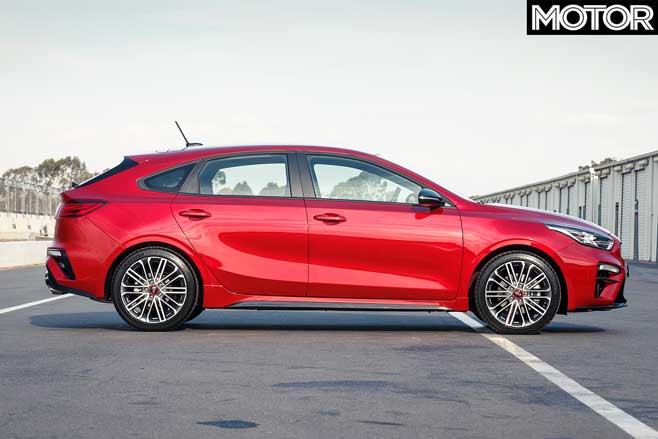
FAST FACTS 2019 KIA CERATO GT SPECS BODY: 5-door, 5-seat hatch DRIVE: front-wheel ENGINE: 1591cc in-line 4, DOHC, 16v, turbo BORE/STROKE: 77.0 x 85.4mm COMPRESSION RATIO: 10.0:1 POWER: 150kW @ 6000rpm TORQUE: 265Nm @ 1500-4500rpm WEIGHT: 1395kg (tare) POWER-TO-WEIGHT: 107kW/tonne (tare) TRANSMISSION: 7-speed dual-clutch SUSPENSION: struts, coil springs, dampers, roll bar (f), multi-links, dampers, coil springs, roll bar (r) BRAKES: 305mm ventilated discs, single piston caliper (f); 262mm solid discs, single piston caliper (r) WHEELS: 18 x 8.0-inch (f/r) TYRES: Michelin Pilot Sport 4, 225/40 ZR18 (f/r) PRICE: $31,990
Bang For Your Bucks 2019
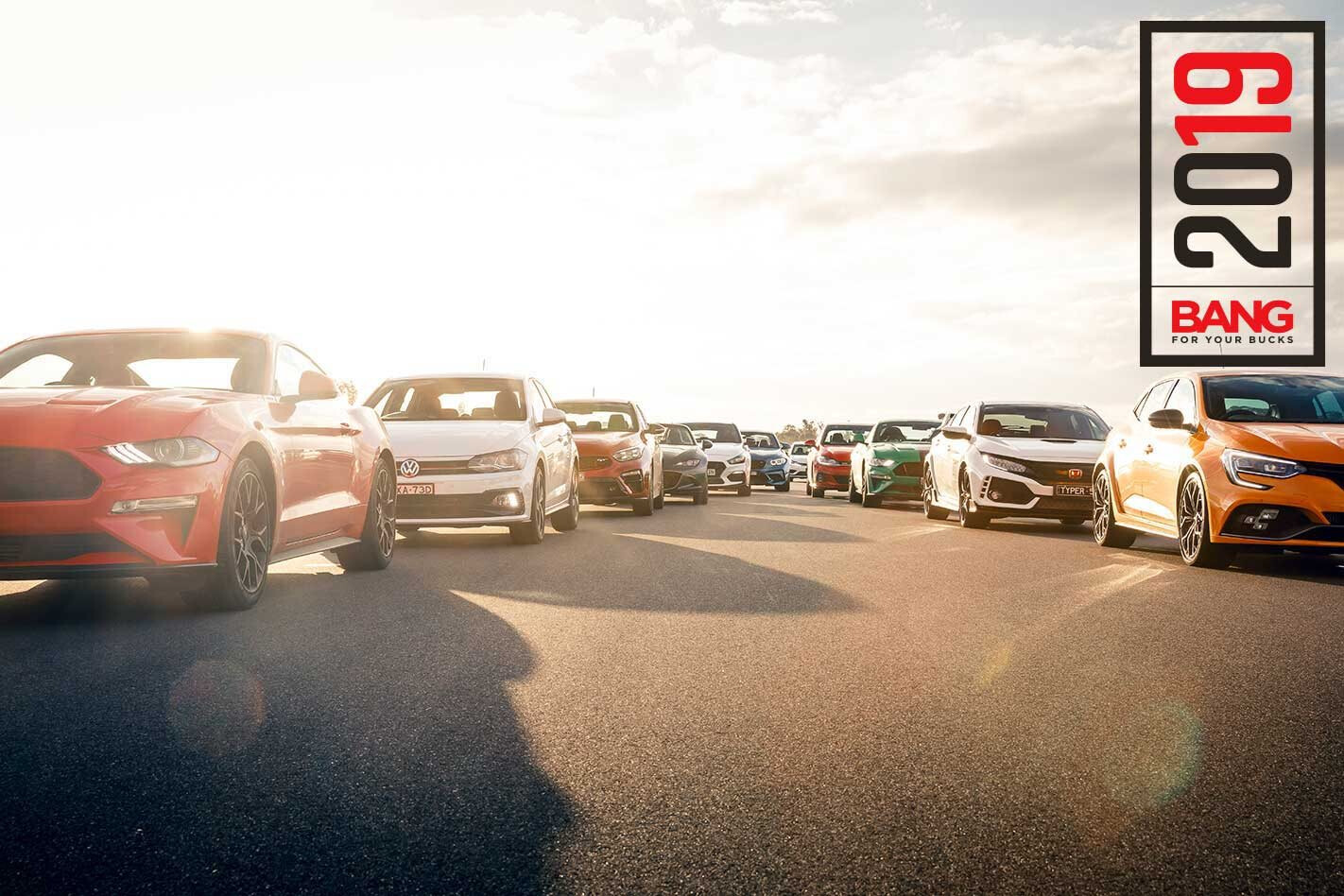 The Contenders, Judges & Criteria
11 of the hottest new fast cars under $100K roll up to take on our famous value-for-money formula. Which will be number 1?
UPDATE, November 2022: 2023 Kia Seltos on sale in Australia
The Kia Seltos has come in for its midlife update, gaining new looks, new tech, and an eight-speed automatic to replace the 1.6 turbo petrol model’s seven-speed dual-clutch automatic. Get all the details at the link below.
Story continues…
There’s a new small SUV coming to town and it wants to shake up the establishment.
Kia Australia has announced specifications for the new Seltos which will arrive here later this year, touting some familiar trim grade names seen elsewhere in the Kia stable and hinting at an attractive price that should lure buyers into showrooms.
The Seltos is a small SUV to tackle rivals like Hyundai’s Kona with which it shares the same platform, the Mazda CX-3, and Honda HR-V.
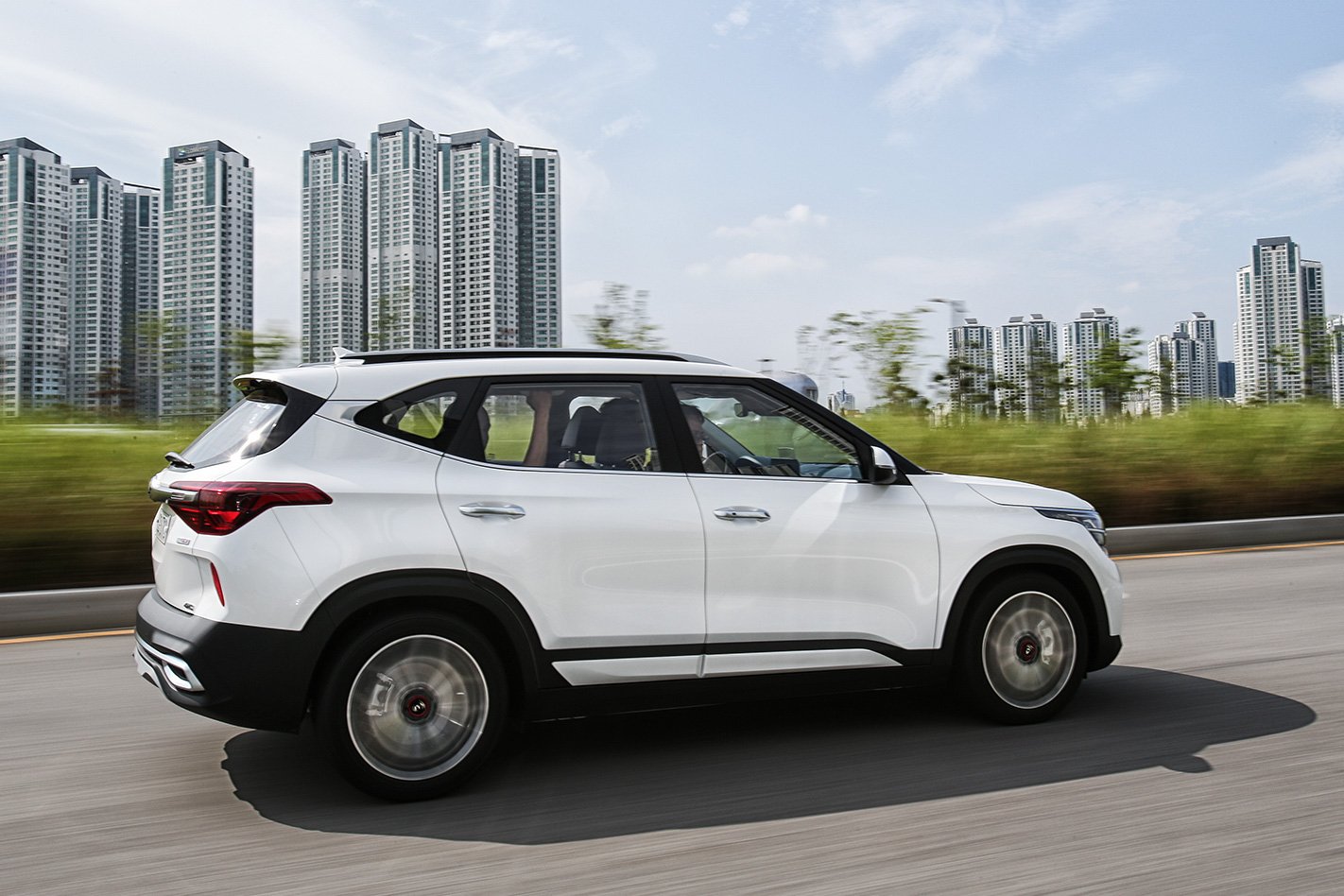
But its dimensional proportions put it almost a size above as boot and interior packaging is capacious.
It won’t, however, cost any more coin than the equivalent models, and might in fact undercut all its rivals when it arrives despite bringing segment first technology like a large 10.25-inch infotainment screen and ‘Level 2’ autonomous driving aids.
Kia Australia COO, Damien Meredith, says he expects the new four-variant model range to land with driveaway pricing from around $25,000 to just under $40,000 when it goes on sale late this year.
“Our guide to target pricing, we’re looking at $25,000 to $26,000 driveaway for the [S] entry model,” he told media during a review drive of the model in South Korea this week.
Competitors, priced without on-road costs, include the stripped-out Kona Go from $23,500 and $25,500 Active models, Mazda CX-3 auto from $26,650, and Honda HR-V VTI at $24,990, with on-road costs ballooning the price.
Though the Seltos won’t be available in Australia until late 2019, Meredith is ready to shake up the small SUV segment with a car full of gear that’s priced competitively. The top-spec GT-Line which includes equipment such as a heated steering wheel, ventilated and heated seats, Level 2 autonomous traffic follow assist and a sunroof, should also undercut rivals at a price under $40,000 driveaway.
“That’s pretty close to what our targeted pricing is for the GT-Line – under $40,000. We will launch with driveaway pricing,” he said.
The official Seltos model line-up consists of the S, Sport, Sport+ and GT-Line, powered by either a 110kW, 180Nm 2.0-litre naturally-aspirated four-cylinder petrol mated to a CVT, or a perkier 1.6-litre turbo petrol developing 130kW and 265Nm attached to a seven-speed dual-clutch automatic transmission. Models are also available in either front- or all-wheel-drive.
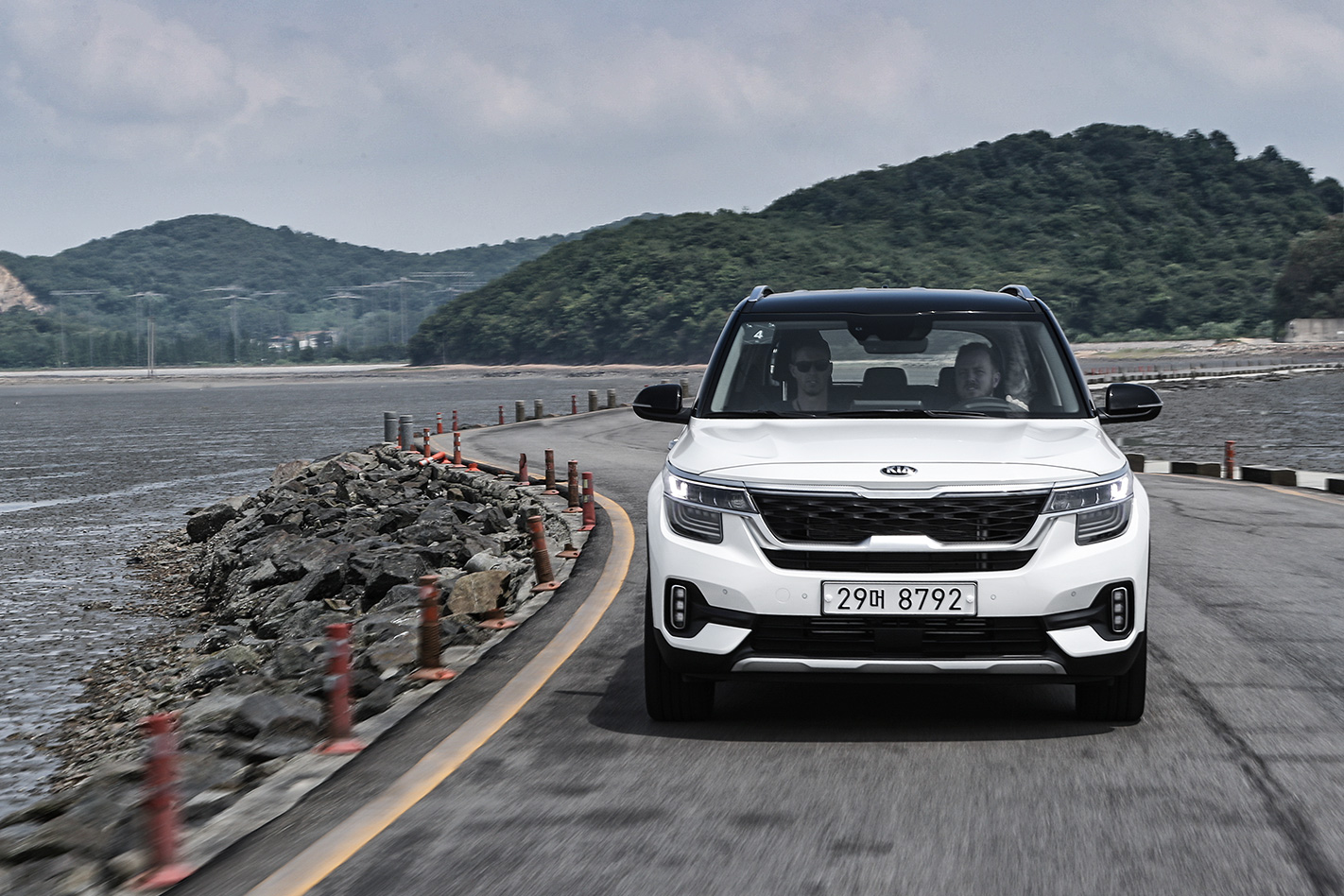
The entry model S comes with 16-inch alloy wheels, automatic headlights, reversing camera, rear parking sensors, automated emergency braking with front collision warning, lane keeping assist, cruise control, fabric seats, 8-inch infotainment system and can be cost-optioned with AEB with cyclist detection, adaptive cruise control and electronic park brake. It comes with only the 2.0-litre engine.
The second-tier Sport is also powered by the atmo engine but it gets larger 17-inch alloys, fog lights, steering wheel and gear shifter in faux leather, a big 10.25-inch infotainment system, climate control, automatic demisting and full size spare.
Sport+ can be equipped with the 1.6-litre turbo four and adds the previously optional safety features, and gets electric folding and heated side mirrors, cloth and artificial leather seat trim, heated front seats, heated steering wheel, electrochromatic rear-view mirror, advanced smart cruise control, blind spot detection, front parking sensors, tinted windows, and keyless entry with push button ignition.
Finally, the GT-Line is powered exclusively by the turbo mill and comes further equipped with 18-inch alloys, LED headlights, DRLs and fog lights, artificial leather seats, mood lighting, wireless charging, 7-inch driver’s screen with head up display, automatic wipers, ventilated and heated front seats, LED interior lights, and a sunroof.
Pricing will be announced closer to its on-sale date in the fourth-quarter 2019.
WHAT IS THE KIA SELTOS?
Kia’s finally revealed its compact SUV equivalent to the Hyundai Kona that shares the same platform and it’s called the Seltos. A small SUV, it will appeal to urbanites and first-time buyers with price conscious offerings at the base grade and fully-loaded, premium-ish offerings at close to $40k. Kia tells us it is aimed at young females, though its appeal will be wider than that.
WHY WE’RE DRIVING IT
Aussies, like the rest of the world, are SUV mad, but is there one size too many? Not according to sales, and though it’s a late entrant, we’re driving Kia’s all-new small SUV to see how it stacks up against the swathe of competent foes already on offer.
THE WHEELS REVIEW
Weird name, isn’t it? Not that the badge on the back really matters all that much (not according to Kia Australia’s focus group, anyway), but when you’re tardy launching an all-new model into a hotly contested segment you want to tick all the boxes with aplomb, and Kia is more than fashionably late to the small SUV sector. There’s plenty of potential for the Seltos to do some damage, though, with no manufacturer yet to really deliver a goldilocks small SUV. And Kia is proving it might just have that, even if it isn’t named as such.
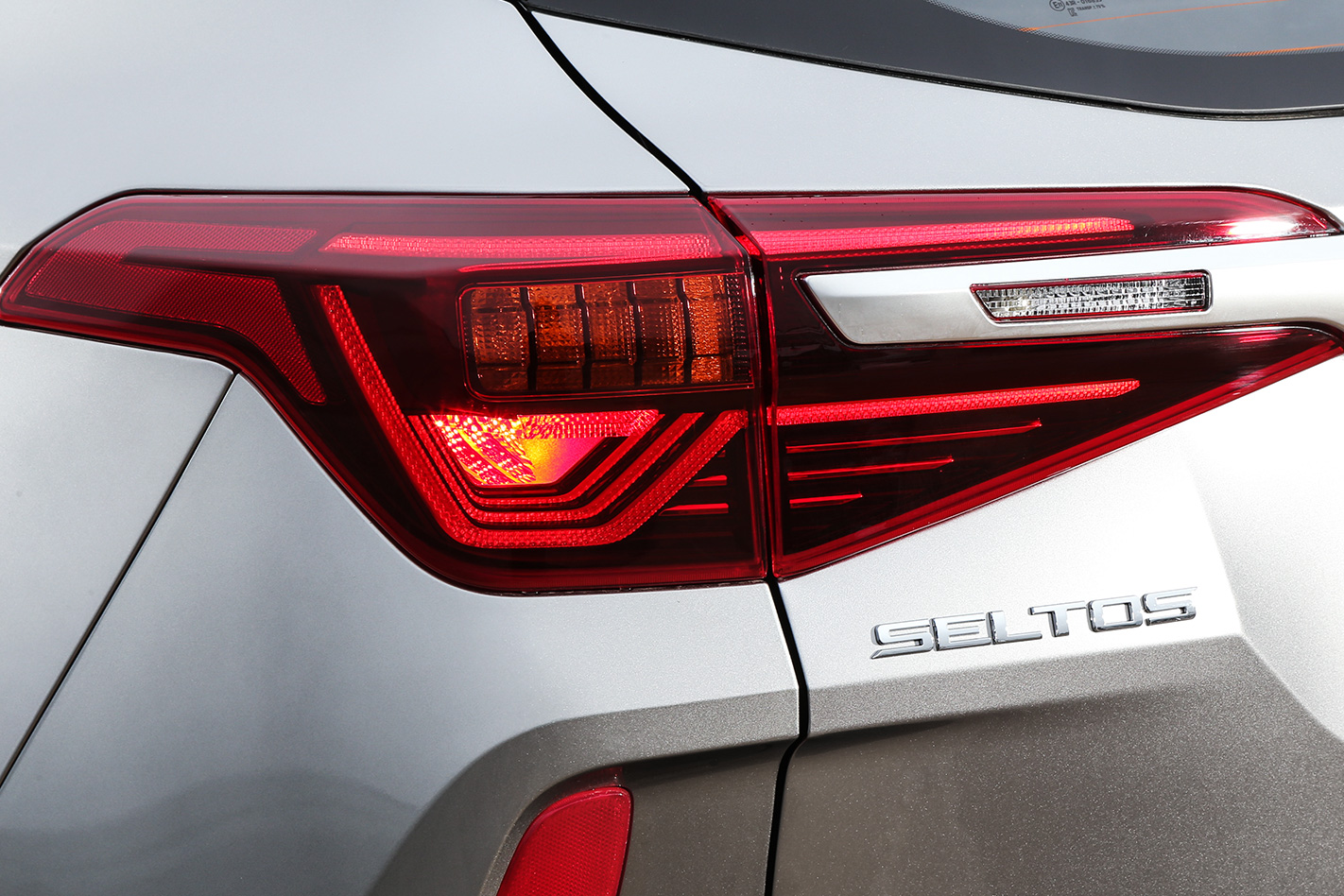
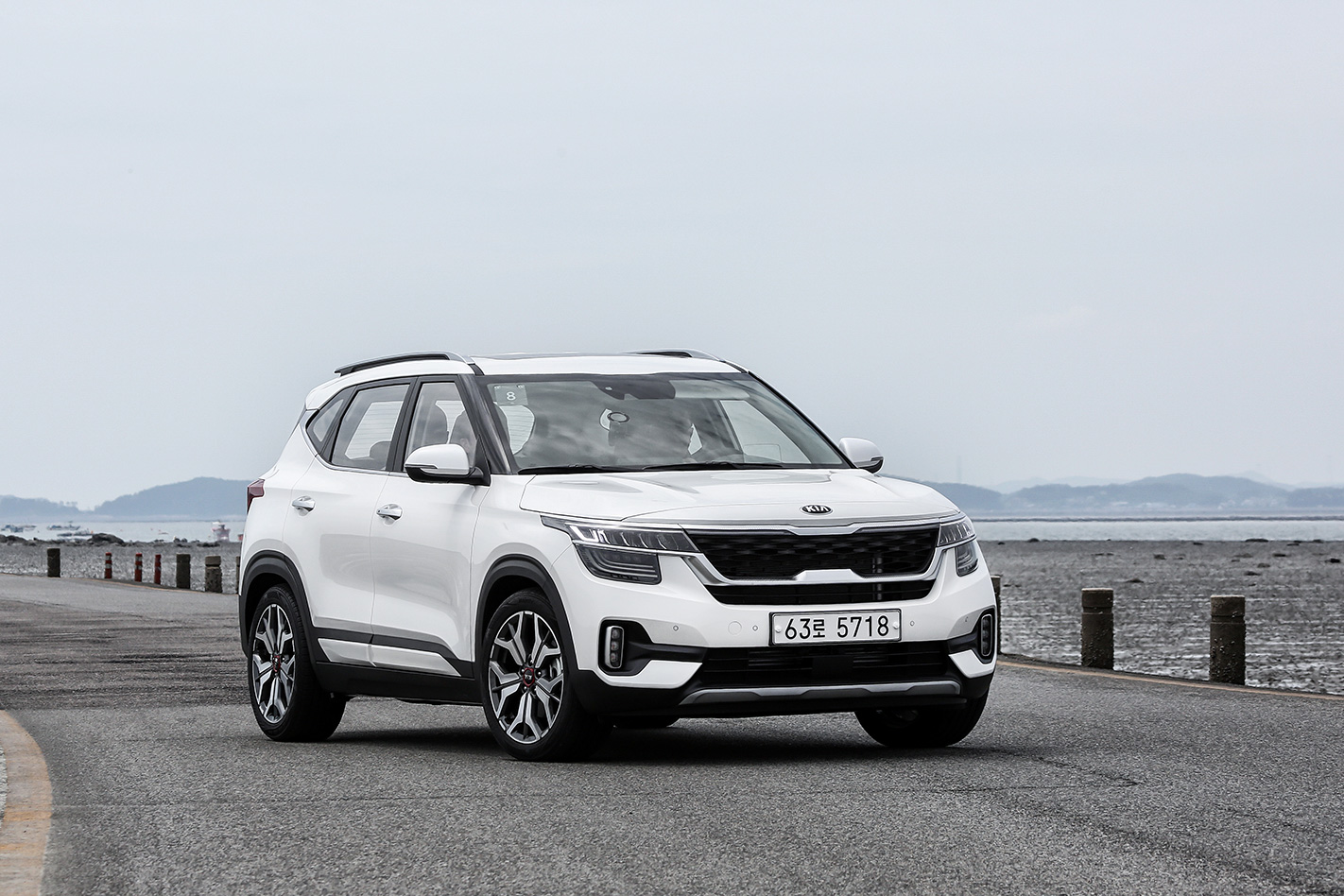
This all-new model is based on the same platform as Hyundai’s competing Kona and looks good in the metal; not over the top urbanite chic, but with appealing cues Kia honed in its recent flourishing design years. Signature DRLs aren’t limited to just the flanks and run a thin lip across the width of the car around the South Korean maker’s tiger nose grille, where some textured details have been added to the mesh surround instead of running flat, plain trim bits. It’s all the small details that add up providing the impression that this isn’t a cheap car – even though it probably will be.
No pricing has been announced yet – the car doesn’t launch in Australia until late-2019 – but Kia is talking $25,000 driveaway for the entry model S, powered by a 2.0-litre naturally-aspirated petrol engine that makes 110kW and 180Nm through a CVT transmission. S trim comes with 16-inch alloy wheels, automatic headlights, reversing camera, rear parking sensors, automated emergency braking with front collision warning, lane keeping assist, cruise control, fabric seats, 8-inch infotainment system and can be cost-optioned with AEB with cyclist detection, adaptive cruise control and electronic park brake. That’s quite the value offering at this end of town in the small SUV space.
The second-tier Sport is also powered by the atmo engine but it gets larger 17-inch alloys, fog lights, steering wheel and gear shifter in faux leather, a big 10.25-inch infotainment system, climate control, automatic demisting and full size spare.
Sport+ brings an optional 1.6-litre turbo petrol four that develops a meatier 130kW and 265Nm of torque through a seven-speed dual-clutch automatic. It also adds the previously optional safety features and gets electric folding and heated side mirrors, cloth and artificial leather seat trim, heated front seats, heated steering wheel, electrochromatic rear-view mirror, advanced smart cruise control, blind spot detection, front parking sensors, tinted windows, and keyless entry with push button ignition. That’s a lot of kit for an expected $35k driveaway price, but there’s one further model.
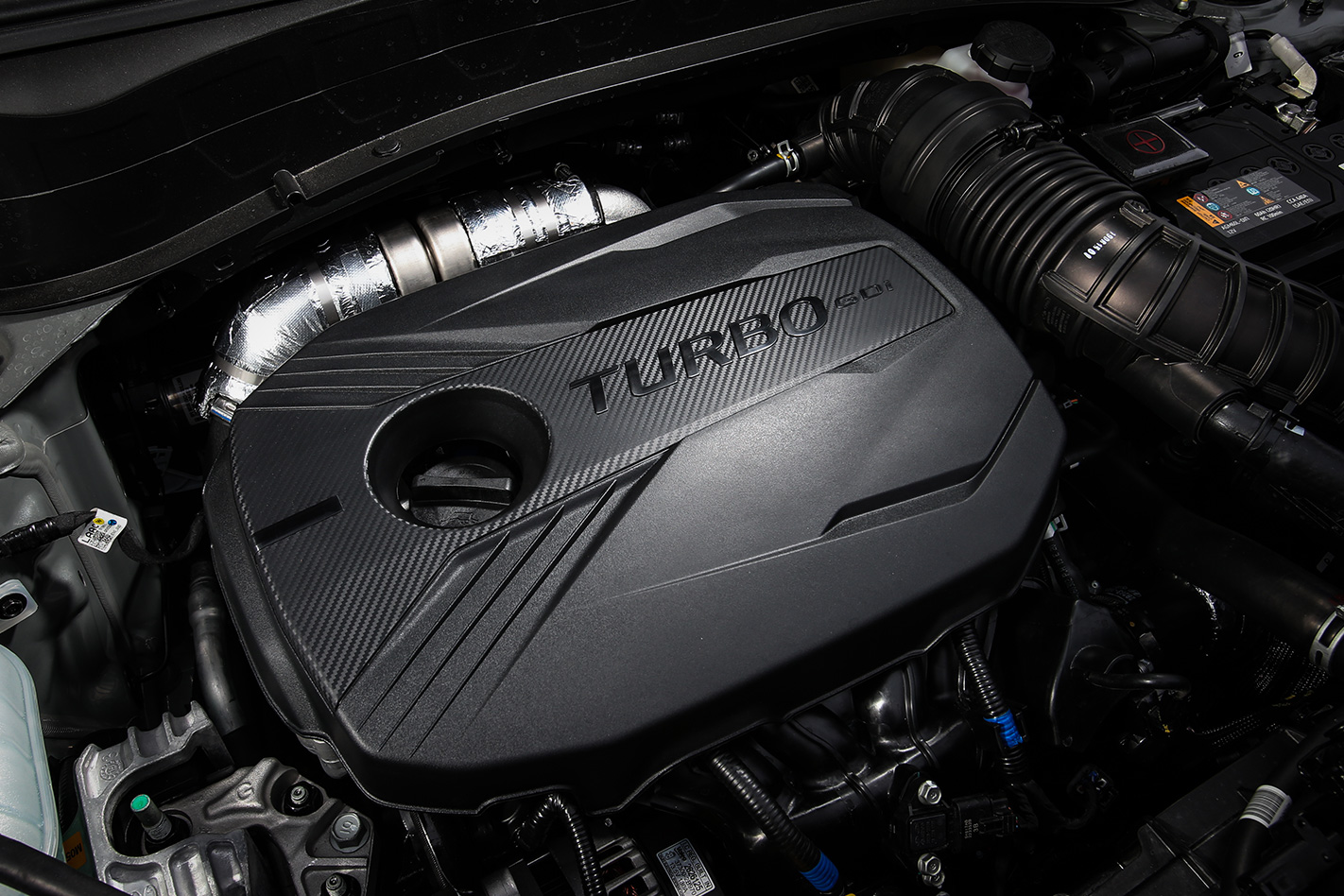
GT-Line is the top-specification, powered exclusively by the 1.6-litre turbo and adding all the fruit: 18-inch alloys, LED headlights, DRLs and fog lights, artificial leather seats, mood lighting, wireless charging, 7-inch driver’s screen with head up display, automatic wipers, ventilated and heated front seats, LED interior lights, and a sunroof.
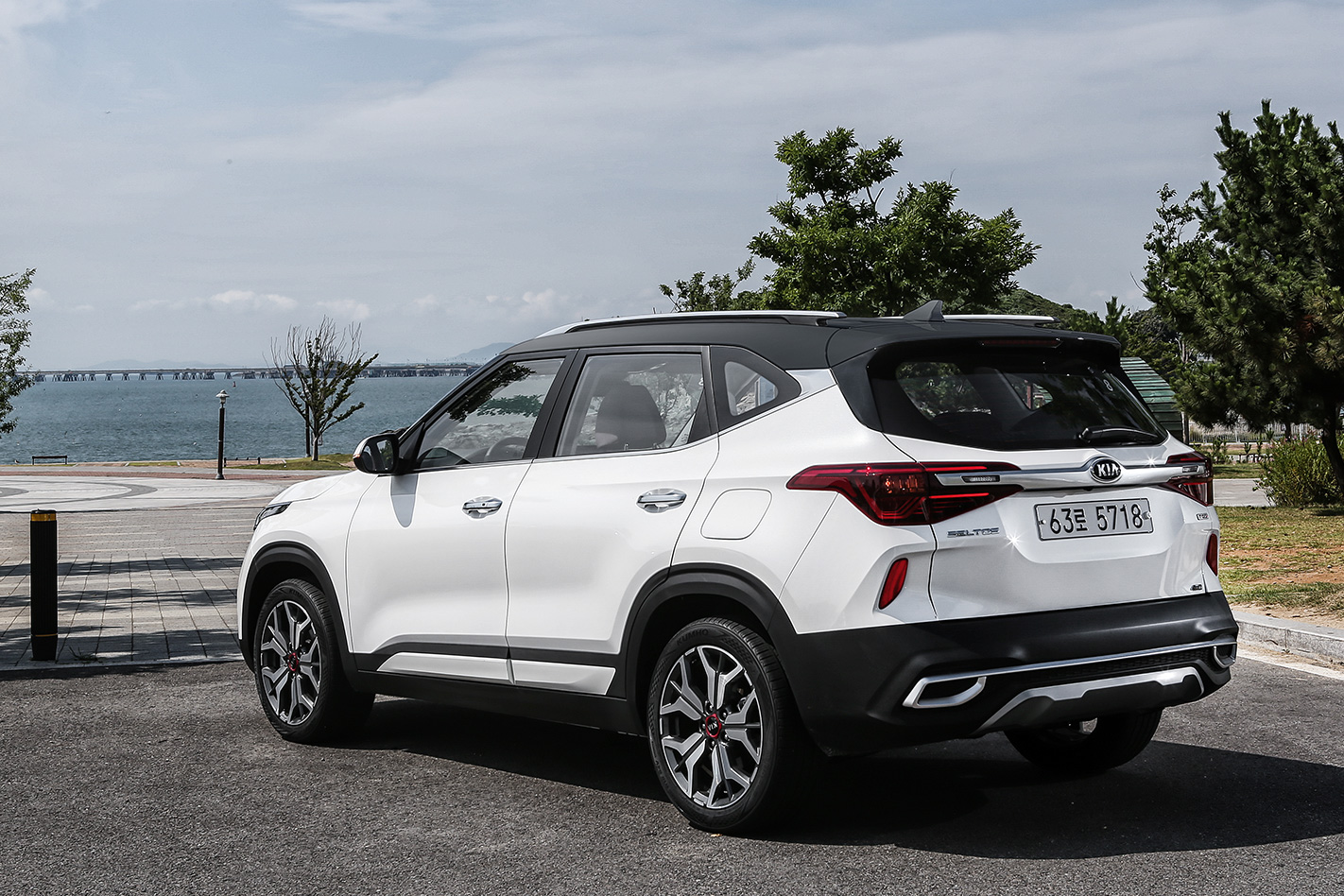
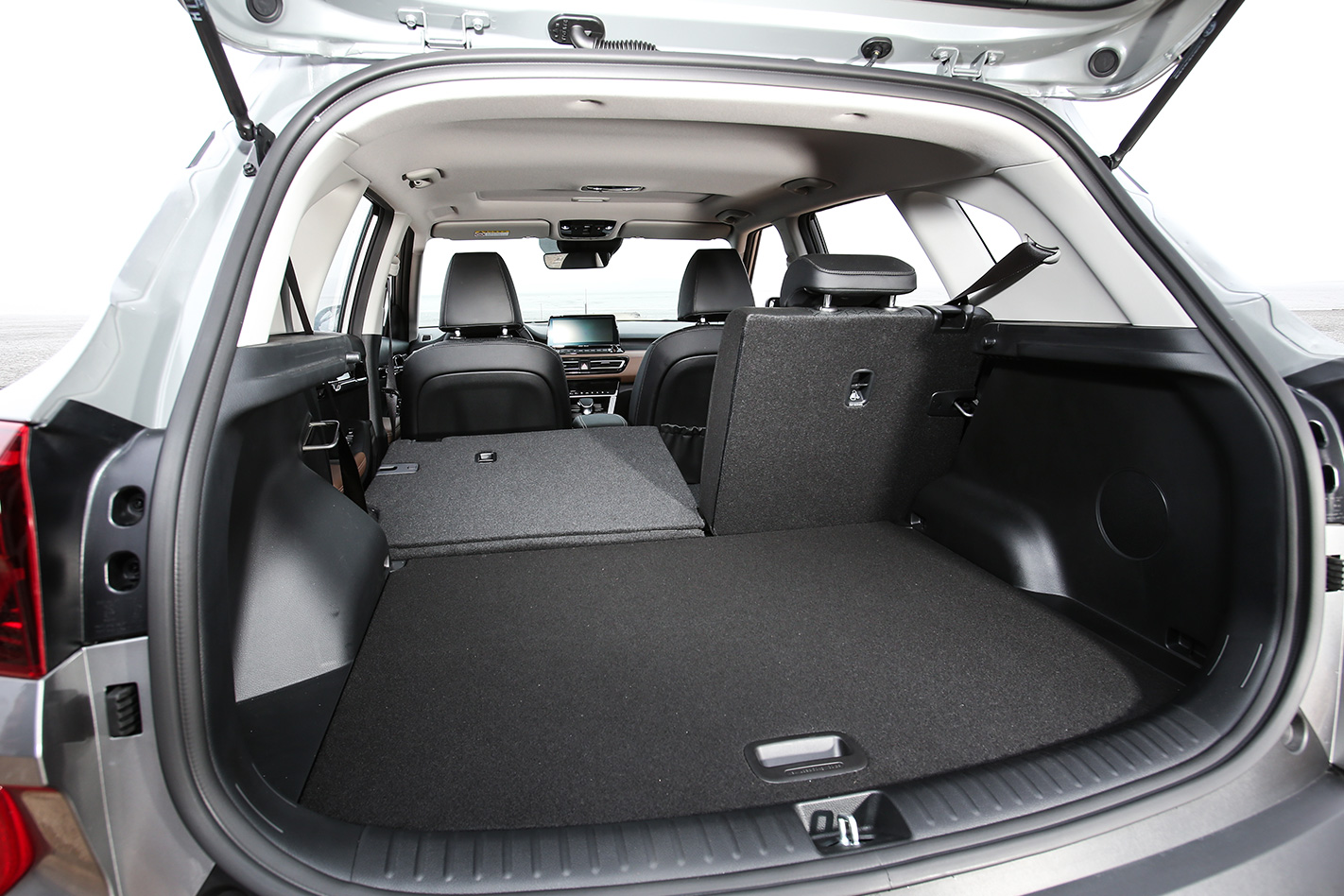
Dimensionally, Seltos measures 4370mm long and 1615mm high with a 2630mm wheelbase. The latter gives the Seltos what Kia claims as “the most accommodating [rear cabin] in the class,” measuring 30mm longer than even the Kona on which it shares the same platform. It also has a huge boot compared to the class norm at 498-litres. Compare that to the sales-leading Mitsubishi ASX (393L), Mazda CX-3 (264L), or even its Korean sibling the Kona (361L), and it looks giant. But the boot will shrink on anything other than base variant, as upgraded trims get a full-size spare (we don’t know by how much yet).
With no cars in Australia our test is limited to driving the top-spec GT-Line in South Korea. While there might be some small spec difference, it’s mostly the car we’ll get and expected to be priced at under $40,000 driveaway. That’s pretty sharp. Kia tells us that it’s being careful not to cannibalise sales of the Cerato sedan and Sportage mid-size SUV and you can see why when sitting inside the roomy cabin, where design and technology are ahead of anything those two have.
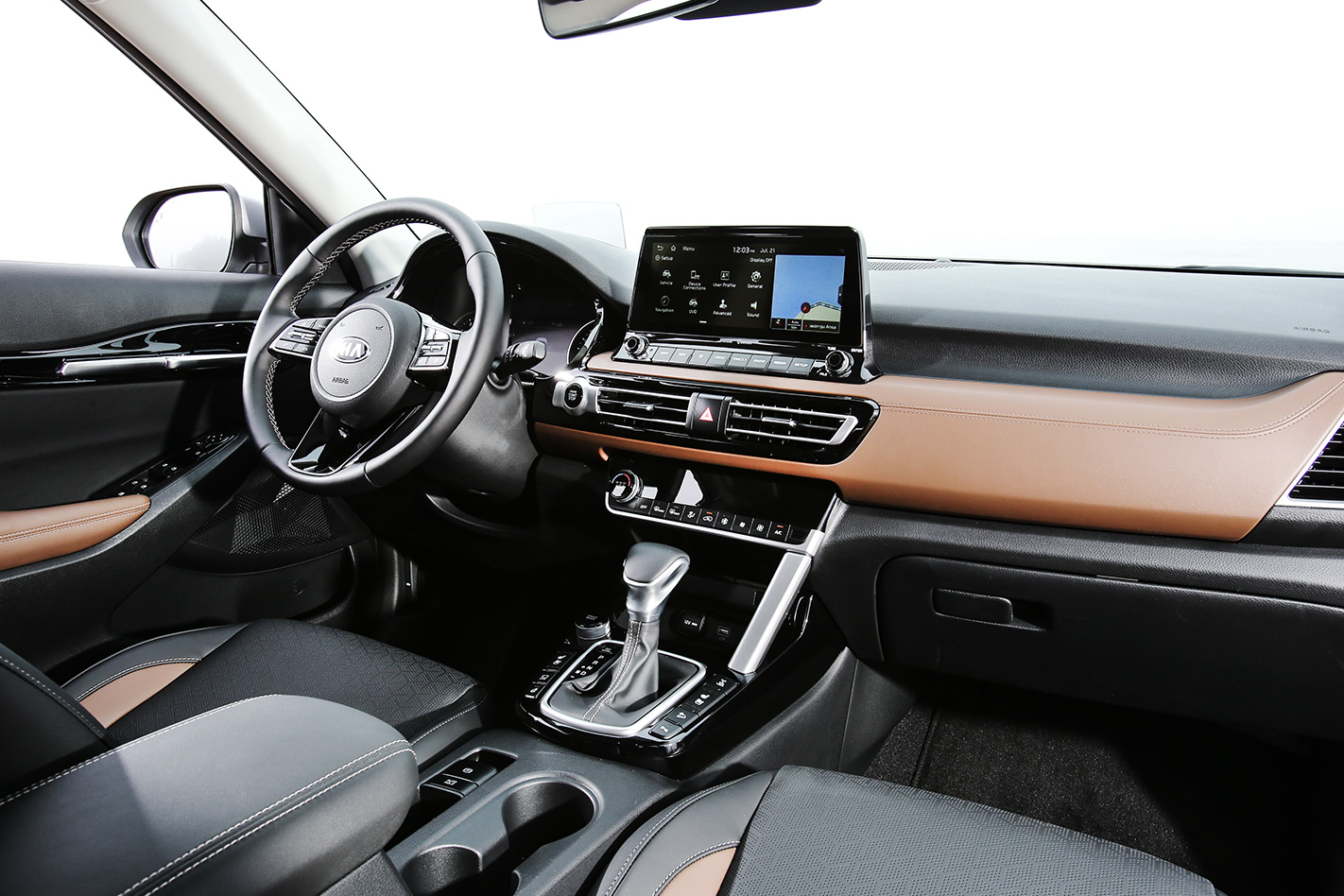
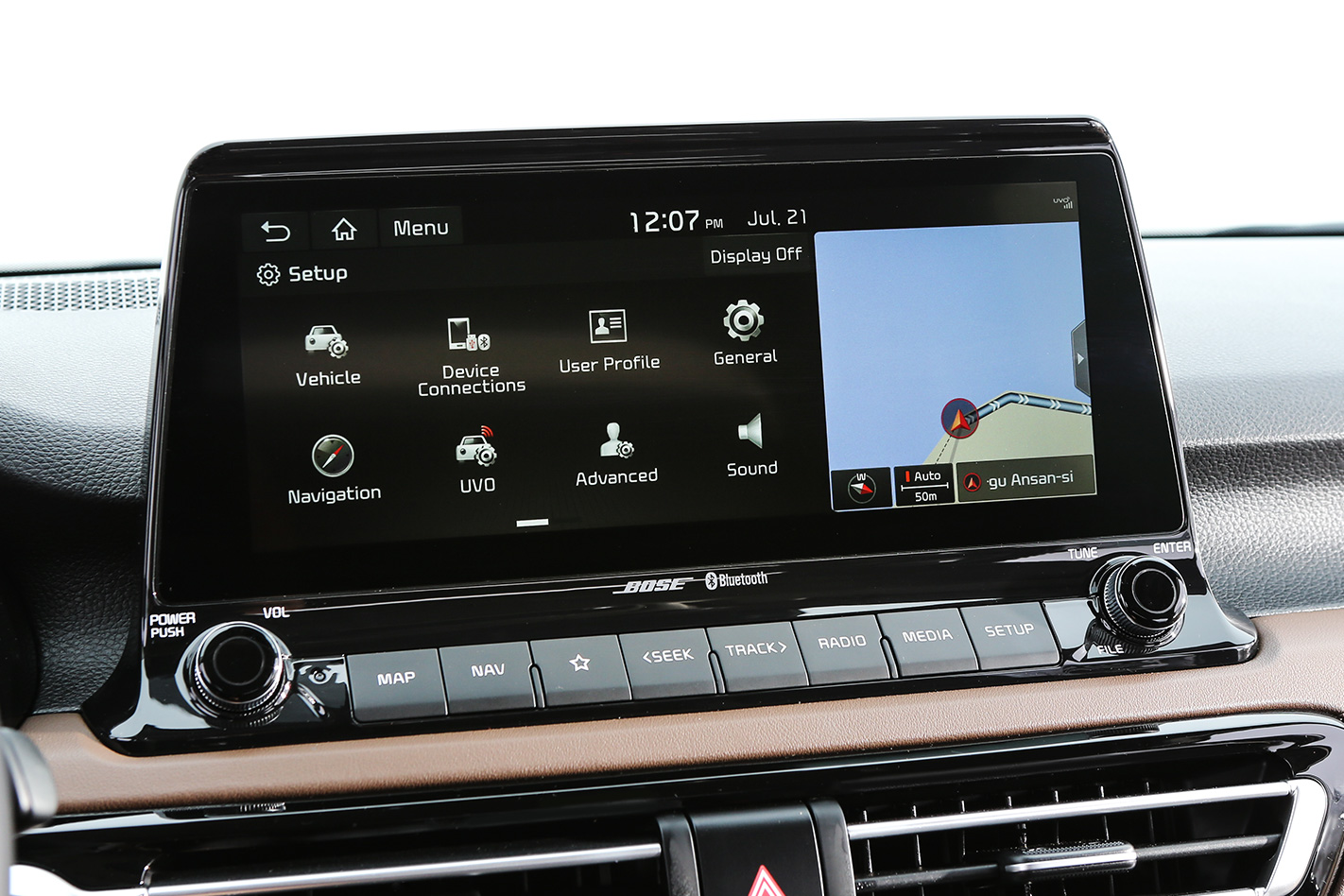
The front of house has great shoulder width and headspace under the sunroof, and the layout is practical with a good seating position for driver. Quibs are the cheap plastics over the top of the dash and around door cards, but most elements are nicely finished with solid feel on touch points. The steering wheel has a good shape and feel in hand too, and buttons used on the wheel and underneath the expansive infotainment system are finished in a metallic silver finish which echoes styling Europeans moved to. And what about that infotainment screen? It’s the biggest you can get in this class at 10.25-inches wide and will appeal to many shoppers. Beyond Apple CarPlay and Android Auto connectivity, it can split screen the prior with built-in sat nav or show tile cards listing radio stations and live weather updates. The latter is in question though as Australia is not ready for Kia’s live-data UVO connect technology, but you don’t need it to enjoy everything else the infotainment can do. The head-up display is another winner, with bright, crisp colourful graphics. We also listened to the optional eight-speaker Bose system that synchronises with an eight-colour mood lighting system, though neither impressed much.
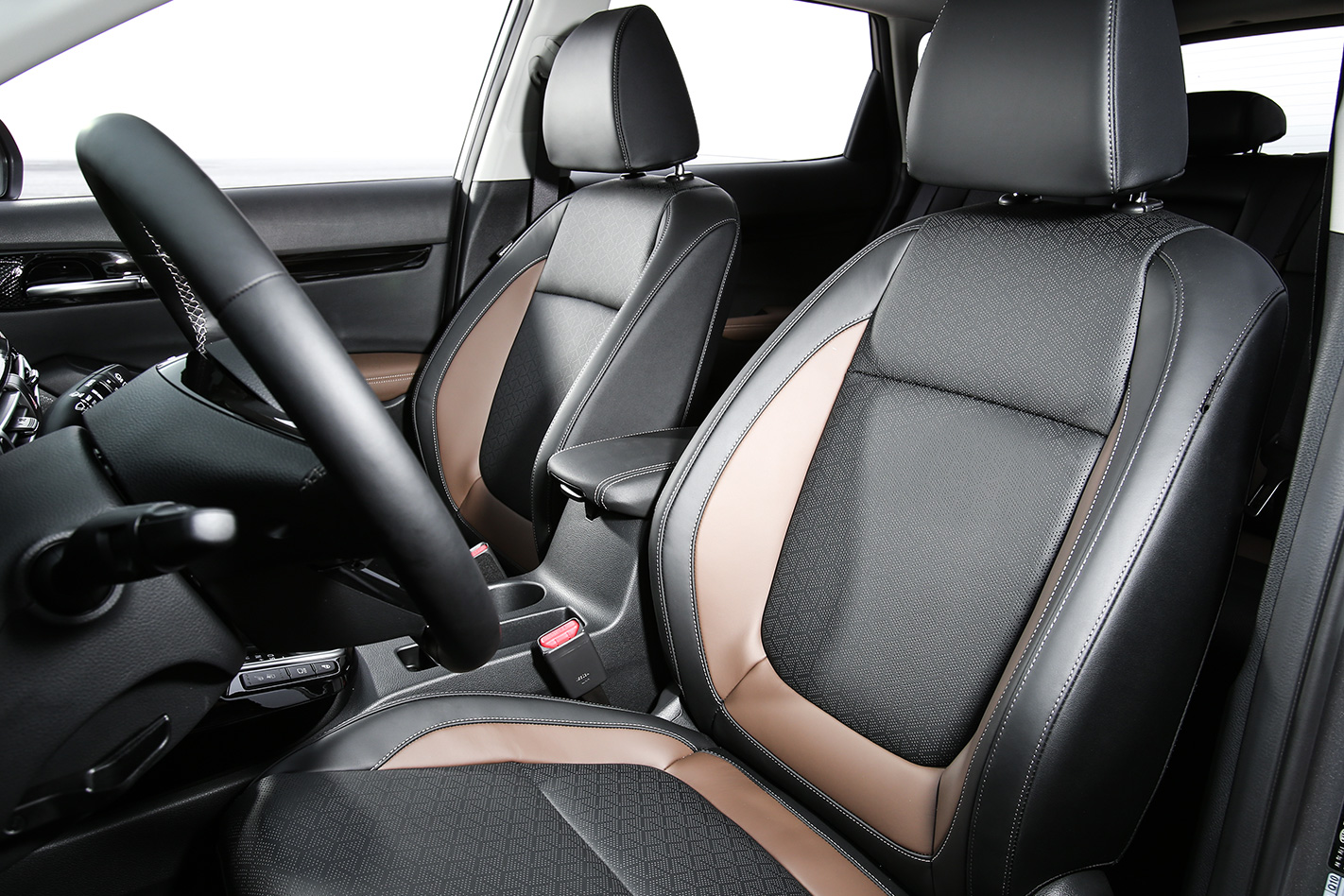
The rear of the cabin is equally well-presented, with three adults comfortably seated in the back and yours truly in the middle attesting to its fineness. It’s no limo but the legroom, shoulder space and reclining seatback help things feel airy. Climate control vents, heated outer pews and a USB charger in back are further boons. It might convince aspirational, budget-conscious SUV shoppers with a kid to opt over the bigger Sportage.
We had a good steer of it, too, but like all models in Australia, Kia will change the South Korean tuning to suit our roads. So we drove the maker’s homeland spec on their roads and it felt a little wooly in compliance and steering input, but all the fundamentals of a car to breathe across our roads are there. It echoes the Kona’s suspension foundations in that front-wheel-drive variants get a simple torsion beam setup in the rear and all-wheel-drive gets the sophisticated multi-link arrangement; the best compliance came out of Hyundai’s efforts with AWD versions. The AWD Seltos we’re in feels like it will be much the same, though it’s higher stance and 179mm ground clearance are top heavy. NVH was well dampened with only some muffled roar coming from the 18-inch wheels’ wider footprint and the brakes a touch wooden to stomp on, but the test cars had hardly been run in.
Vision out of the upright glasshouse is good too, except for the rear, which is slightly narrow through the tailgate. It’s also somewhat positioned as an adventure part-timer, with an ambitious diff-lock and hill descent control button underneath the Sport, Comfort and Eco drive mode dial.
Up front the 1.6-litre turbo is perky enough for a claimed 0-100km/h sprint in 8.0 seconds, which feels about right, though it needs a good prod on the accelerator to kick into gear and get going. The dual-clutch isn’t completely convincing either when pushing on, with some delay to get the right gear and a lack of paddle shifters to easily control what’s going on.
But, really, do those negatives tarnish what is one of the best packaged cars in its segment? Not likely for the target market Kia has in mind, and then some, which will doubtless be attracted to the segment-beating features the Seltos nails.
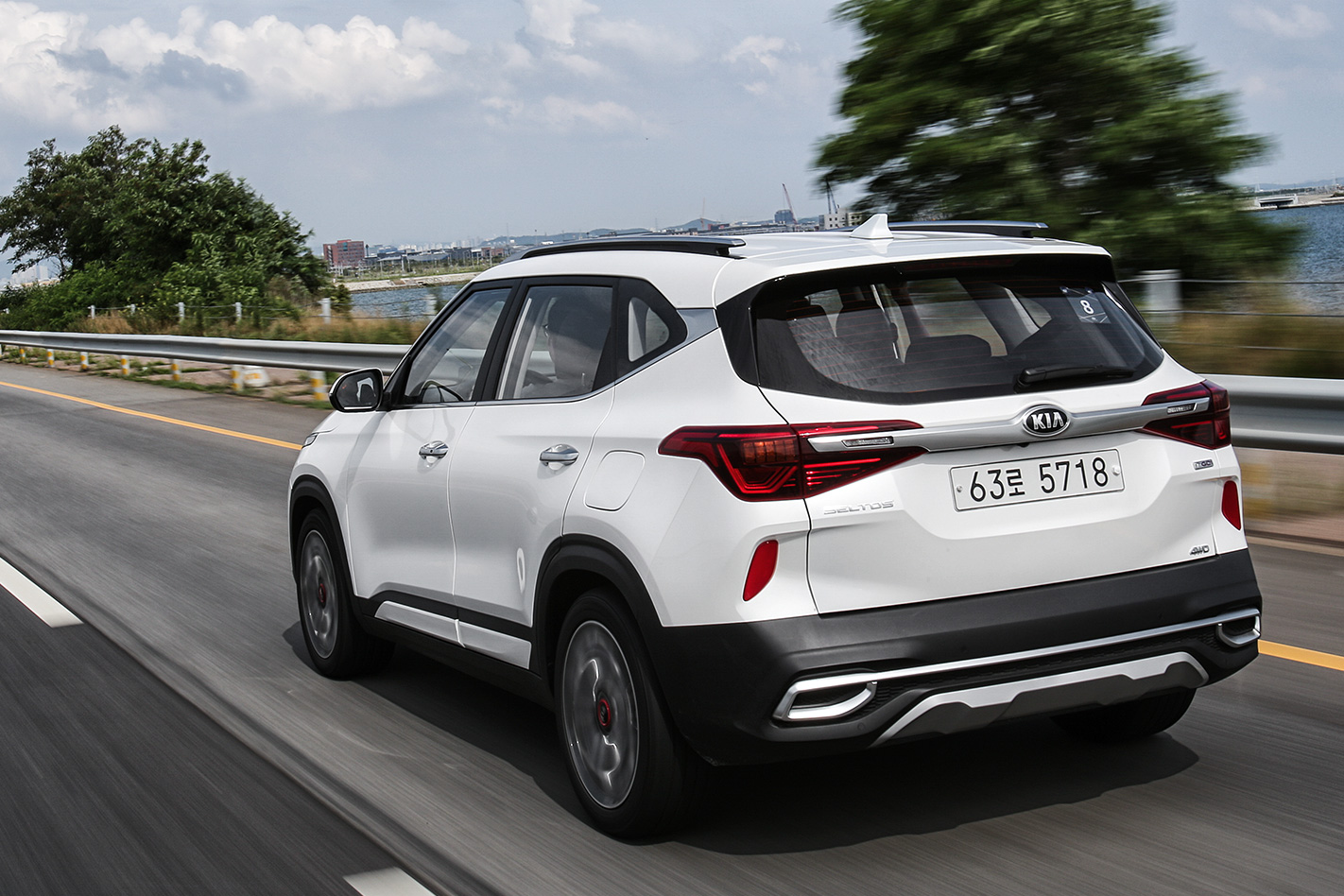
Kia Seltos Specifications
- Engine: 1591cc 4-cyl dohc turbo petrol
- Max power: 130kW @ 6000rpm
- Max torque: 265Nm @ 1500-4500rpm
- Transmission: Seven-speed dual-clutch automatic
- 0-100km/h: 8.0s
- Price: From $25,000 driveaway [est]
- On sale: Q4 2019
South Korea is preparing to unleash more dual-cab utes on the Australian market, this time coming from car giants Kia and Hyundai.
Joining SsangYong’s Musso which is already on sale here, Kia Australia says that Hyundai Motor Group’s new ladder-frame dual-cab and single-cab utes are only a few years away from making their debut. The new platform is under development and Kia expects it will start local tuning for Aussie roads around 2021, according to its timeline.
Speaking with media in South Korea at the launch of the all-new Seltos, Kia Australia COO Damien Meredith could not hide his excitement for a ute in the brand’s line-up when asked how important the small SUV was.
“[Excitement for Seltos] is only second to a light commercial range!,” Merideth exclaimed.
“The good news is that there is conversation so it’s still very much a long way away, but we’re confident in the near future the group will have a light commercial range in Australia.
“Yeah, I think 2022-23 would be pretty close,” he said, in regard to a date for launching Down Under.
More than a pipedream, development of the ute in South Korea is already underway and it’s not just a softroader style pick-up we’re talking about, Meredith says it is a proper work ute that will suit Australian conditions, with diesel and petrol engines.
“Yeah, work has begun. We’re talking about a pick-up, dual-cab, single cab. What we’ve requested [for Australia] is the full gambit of a ute: double-cab, dual-cab, diesel and petrol.”
It is the most detail we’ve heard yet of the ute that could put a dint in sales leaders like the Ford Ranger and Toyota Hilux, with reports last year confirming only that a ute was on its way. But now we know that it will also receive local tuning in Australia and that program will likely have to happen in two years.
“That’s part of our robust strategy, we get every car that enters Australia to go through that process. It’s normally 8 to 12 months out so it won’t be happening in the next year or so,” Meredith told Wheels.
Furthermore, Kia’s ute is likely to land with Hyundai’s version of a dual-cab built on the same platform, according to Meredith.
“I think that’s logical, isn’t it?” Meredith says in regard to the Hyundai Motor Group building a ladder-frame platform both it and Kia can utilise and launch in Australia.
“Hopefully we’re first [to launch in Australia] but it doesn’t really matter. It’ll be close.”
Wheels reached out to Hyundai but a spokesperson for the company said it had no comment.
Meanwhile, Kia is already projecting a sales target, claiming it intends to sell around 20,000 units per year based on projections. That will help Kia bolster its standing in the new car market, where manufacturers such as Toyota, Ford and Mitsubishi are raking in huge sales numbers supported by dual-cab utes. If indeed Kia can sell 20,000 units per year, that would make it around the fourth-largest seller of utes in Australia.
“When a light commercial range does arrive in Australia I’d be pretty confident – if its about 220,000 [total segment sales] per year – we’d be looking at around that 8 – 10 percent [of that]. We’d be confident with great product, great pricing and a seven-year warranty, so it’s a pretty powerful package I think.”
The “Coupe Utility” emerged in the ‘30s and ‘40s as the combination of a coupe-shaped front cabin with a cargo tray in the rear, and rather than looking like a car and a truck sandwiched together, the tray was styled to look like an extension of the cabin.
In true Aussie style, we shortened its name to Utility, then to Ute (trust us to abbreviate an abbreviation), and while the name is short, the list of ute styles and specs is getting ever longer. Australian demand for this style of vehicle is currently through the roof, with utes dominating the monthly sales charts in recent years.
But while we may be spoilt for choice, there are really only three main ute body styles, and there are advantages (and disadvantages) that come with each variant, depending on your wants and needs.
SINGLE CAB
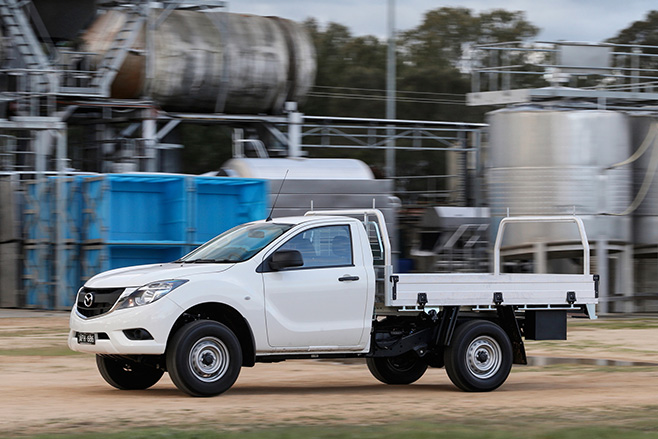
Also called a Single-Cab-Chassis, the Single-cab is the quintessential tradie’s ute that comprises two doors, two seats, and a tray out back for carrying tools and equipment. Single-cab utes typically come in two styles; a box-backed workman’s ute with an alloy flat or panel-sided tray suited for big lock-boxes and load carrying, or car-based iterations such as the iconic Ford and Holden utes, which have since ceased production.
Often supporting load weights in excess of 1000kgs, the leaf-spring set up in Single-cabs is designed with load-hauling ability in mind, and the driving experience tends to suffer slightly where normal cars use independent or coil sprung suspension systems. Single-cab chassis buyers tend to come from a tradie or working background, where other ute styles tend to favour a lifestyle-approach.
DUAL CAB
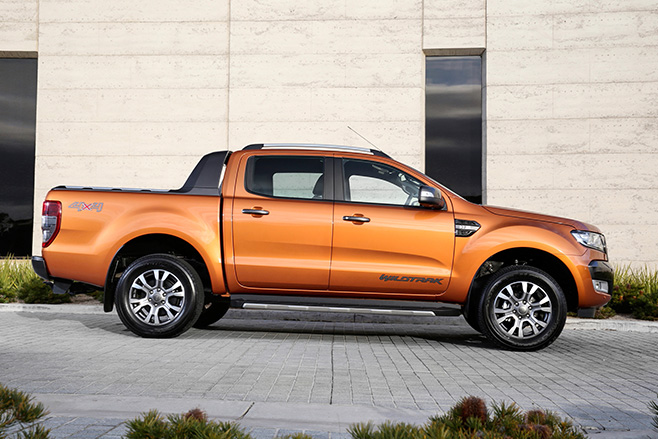
As the name suggests, the dual-cabin ute has four doors and at least four seats, though most have five these days. It is also called a Double Cab. Because of the extra passenger row, the rear cargo area is shorter than other ute styles, and you’ll see it’s more car-like in the sense that bodywork surrounds the tray and the chassis isn’t exposed. Payload and tow capacities are quite high as well (although typically less than Single-cabs), with some claiming to haul up to 3.5 tonnes.
The roof is longer and well suited to roof racks and rooftop storage, which is very important for some professions and hobbies. Most Dual-cabs come in a variety of drivetrains, powertrains, driven wheels and specifications; their popularity and practicality making them supremely popular with all walks of life. In fact, many manufacturers now classify the Dual-cab Ute in their SUV or Passenger range rather than a commercial vehicle; such is their level of luxury, practicality and popularity.
EXTRA CAB
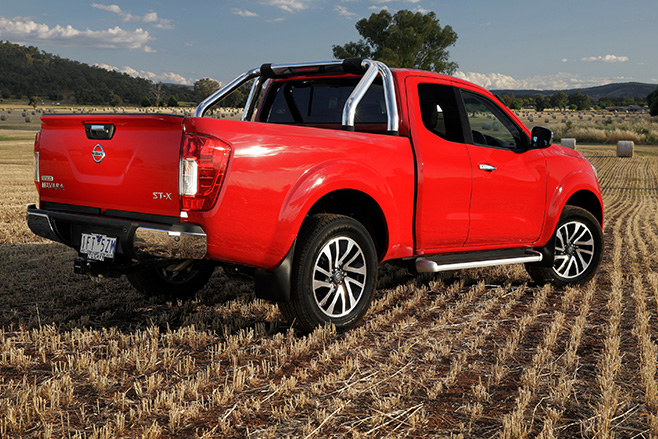
Also called a Super-cab, Space-cab or King-cab, this body style splits the difference between single and Dual-cab utes. Think of it as a one-and-a-half cab, and the extra room behind the first row of seats can be used as either seating or storage. Many Extra-cabs feature ‘suicide doors’, smaller entry doors that are hinged at the rear and open the cabin right out, and allowing goods and people in and out without needing to shift the front seats like your typical two-door, two-row car.
The second row of seats in Extra-cab styles are perfunctory at best, designed for occasional use and stowed away when not needed for passengers. Many don’t have a fifth (centre) seat either. This feature flattens the floor for bulky items, and lets the driver lock up and store items in the cabin instead of the tray for extra safety or convenience.
There is also more usable length in the trayback than a Dual-cab Ute, and the longer cabin also lends itself to roof racks and rooftop storage.
There’s no one-size-fits-all solution utility vehicle, so each body style has a number of pros and cons. It’s up to you to decide what best suits your lifestyle.
- Update One: Only Driven At COTY
- Update Two: A Corolla In Drag
- Update Three: Escaping Cricket With The Corolla
- Update Four: Farewell, Small Wonder
Update One: Only driven at COTY
IT’S a strange sensation, knowing something you’re about to take delivery of is going to be put through its COTY paces.
Imagine buying a new mattress, for example, and then discovering the store staff would be spending the week before delivery jumping on it.
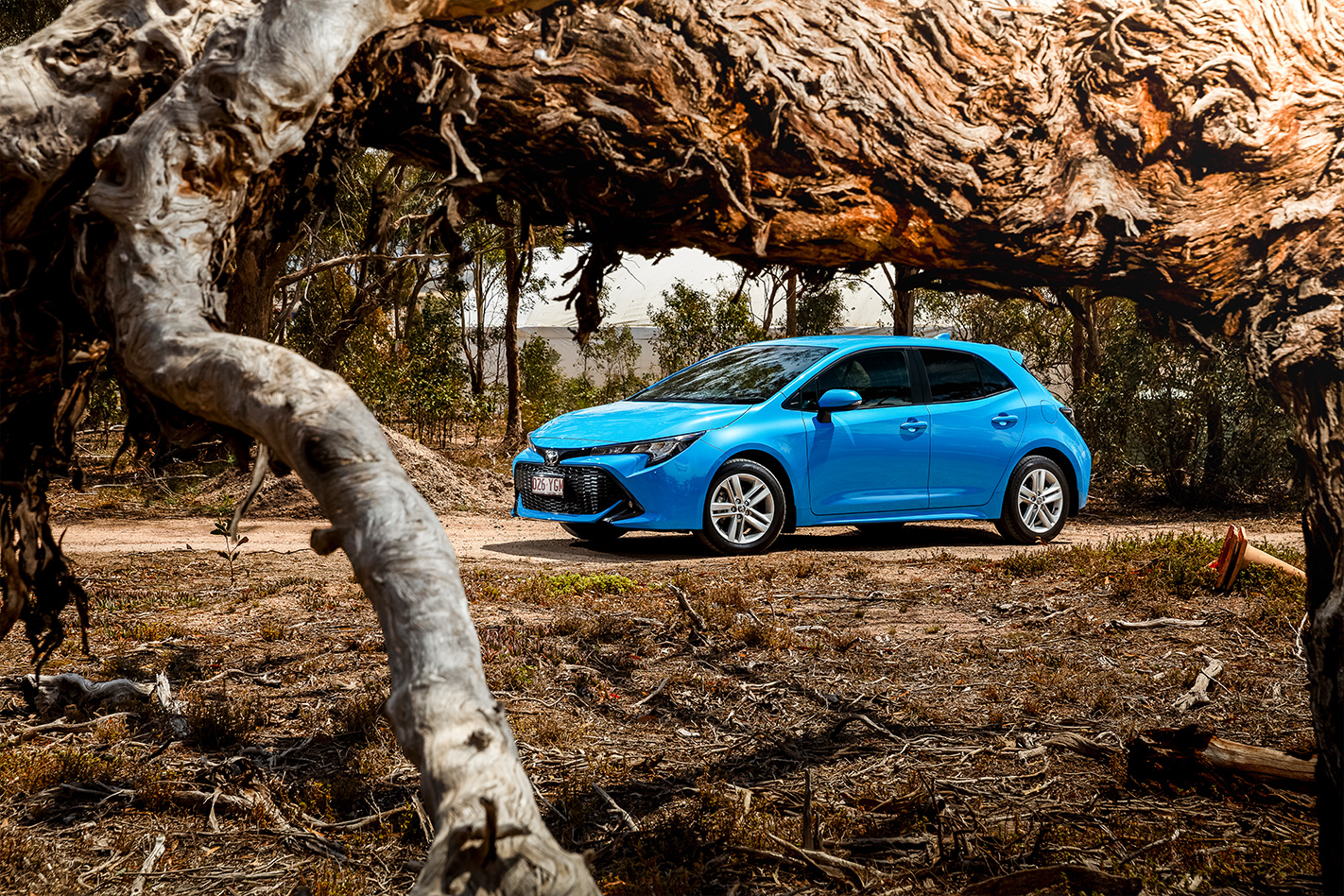
But so it was with my new Toyota Corolla SX, which had something of a brutal introduction to the Wheels garage.
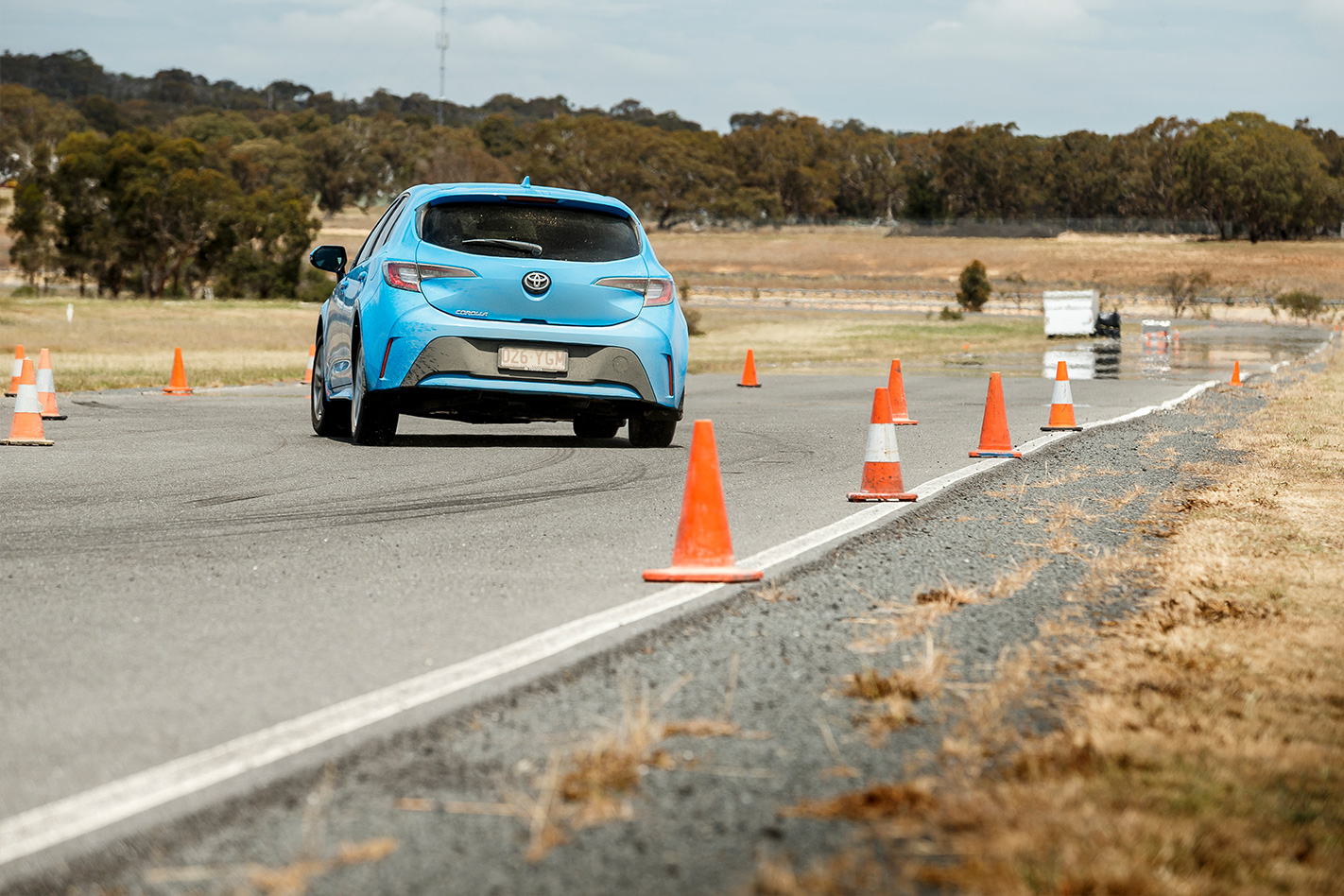
After picking it up, I had it on regular duties for just three days before it was whisked away for Car of the Year 2019, where it was subjected to our gruelling testing process alongside its Ascent Sport manual and ZR hybrid siblings.
It was odd watching what was to be ‘my’ Corolla subjected to such enthusiastic judging. Needless to say, 026-YGM was in desperate need of a good scrub after seven runs through the dirt loop.
You can read how the Corolla fared on COTY testing here, but there can be more to a car’s life than a COTY examination, and if any vehicle deserves a shot at redemption as a long-termer, it’s what will surely be Australia’s best-selling passenger car.
So, what’s new? Firstly, the dimensions have changed, growing in length by 45mm, with 40mm added to the wheelbase. It’s also wider (by 30mm), and lower (by 40mm), giving the car a more hunkered-down appearance.
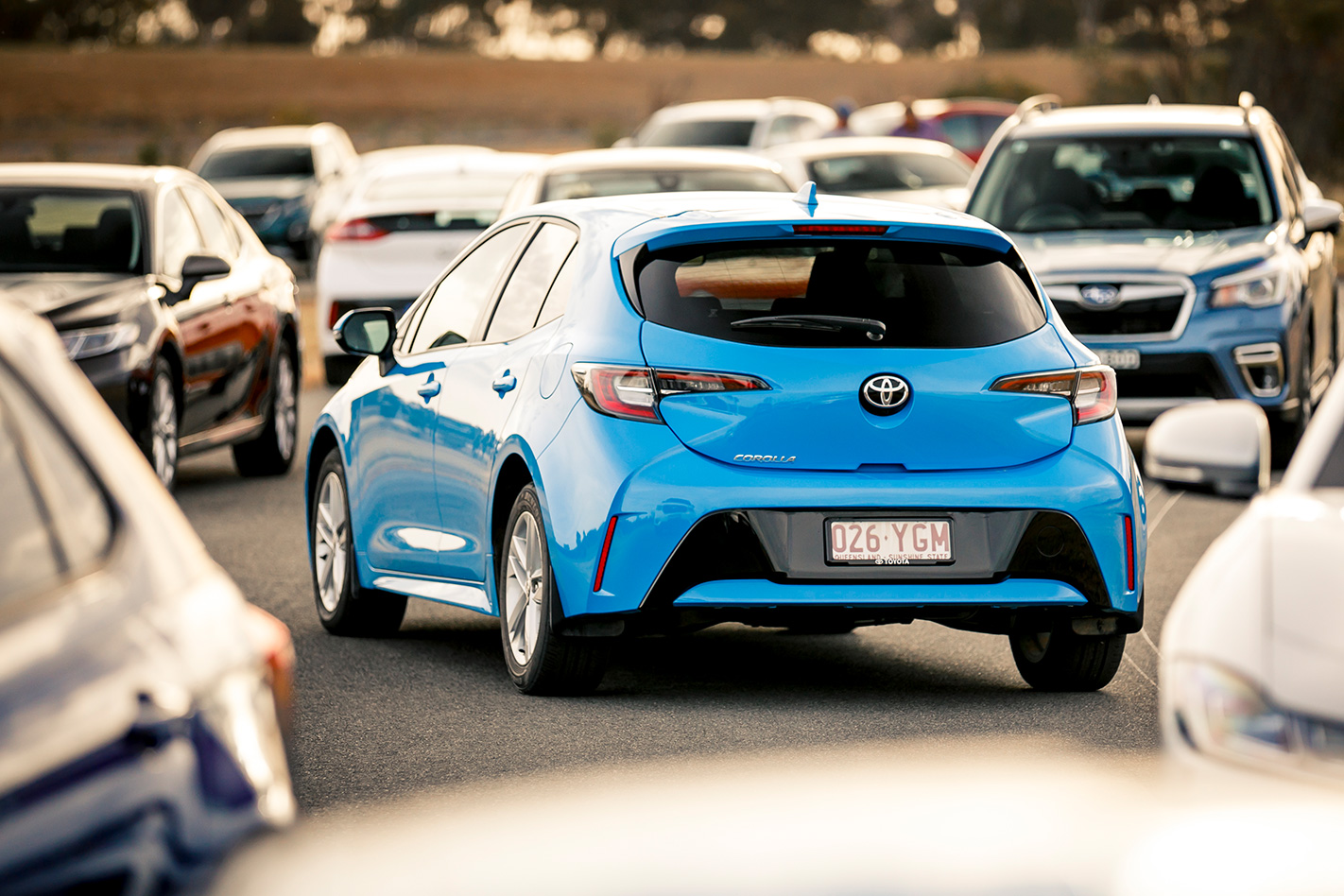
The model grades have also been revised, with Toyota’s shift away from its longstanding fleet-sales focus meaning there is no base model equivalent to the outgoing generation.
This leaves the Ascent Sport, SX, and ZR variants in the three-strong line-up.
The SX petrol, which is what I’ll be driving for the next few months, is expected to do much of the heavy lifting in terms of sales for this new 12th-generation Corolla. If current trends continue, Toyota’s stalwart hatch will continue to sit atop the best-selling passenger-car throne, albeit looking up at the dual-cab interlopers that now rule outright.
Some back-of-napkin maths dictates that, by virtue of being the most popular variant of the most popular car, the SX petrol-powered variant will be the best-selling individual spec for passenger cars in Oz.
While undecided on the paint choice, I’m an unapologetic fan of the new Corolla’s styling. While polarising (with the division, anecdotally drawn, across generational lines), I’d go as far as saying this is the best-looking Corolla that Toyota has made to date.
One of Wheels’ major gripes with the new ’Rolla from our recent comparison was the boot space, which is one of the poorest in the class at a mere 217 litres. While disappointing to read on the spec sheet, this oversight hasn’t proven to be a major pain yet.
One of the Corolla’s first duties as a long-termer was to transport enough food to feed the 21-person COTY team for three days at Ford’s You Yangs proving ground. Three cartons of water and four large bags of groceries fit neatly in the boot without having to first remove the parcel shelf.
That’s all for my brief jaunt with 026-YGM. As I write this, the methanol-guzzling crew at Street Machine have borrowed the keys in order to use it as a support vehicle for their five-day Drag Challenge road trip. And you thought COTY testing was tough…
Update Two: A Corolla In Drag
I could tell you that I have the keys of the Corolla SX long-termer because I’m eager to see if Toyota’s punt on a sportier, less-practical volume seller is likely to pay dividends for the world’s second-largest car company.
Or, I might claim I needed a break from the highly modified V8s that form my automotive diet as editor of muscle-car bible Street Machine.
Neither suggestion would be true. Rather, I was on the bludge for sorely-needed support vehicles for our annual Drag Challenge event. Kirby offered me the Corolla, on the condition that I’d document the experience.
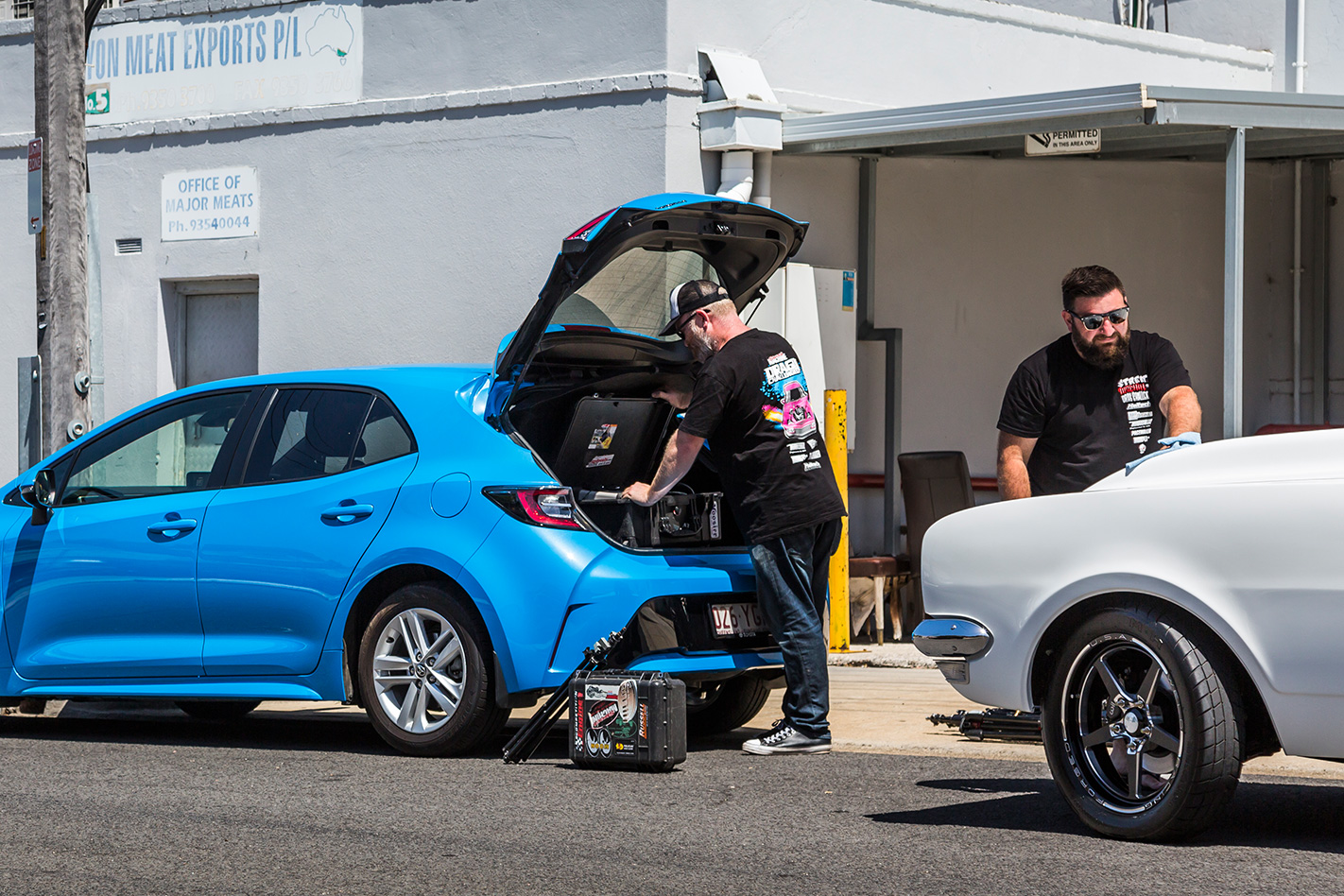
Drag Challenge sees more than 200 of Australia’s quickest street-registered cars do battle over five days on five tracks. The road course exceeds 1500km, much of it on rural Victorian B-roads. It’s a hot, bumpy ride, with some night driving thrown in.
In other words, perfect conditions for revealing the deeper qualities of an unfamiliar car.
Photographer Chris Thorogood and I agree that the SX looks sharp, but we’re not sure it is going to have space for our gear. While the Corolla’s boot is inadequate for the job, folding back the 60/40 rear seat allows us to fit all of Chris’s camera cases, a couple of soft bags and a large Esky.
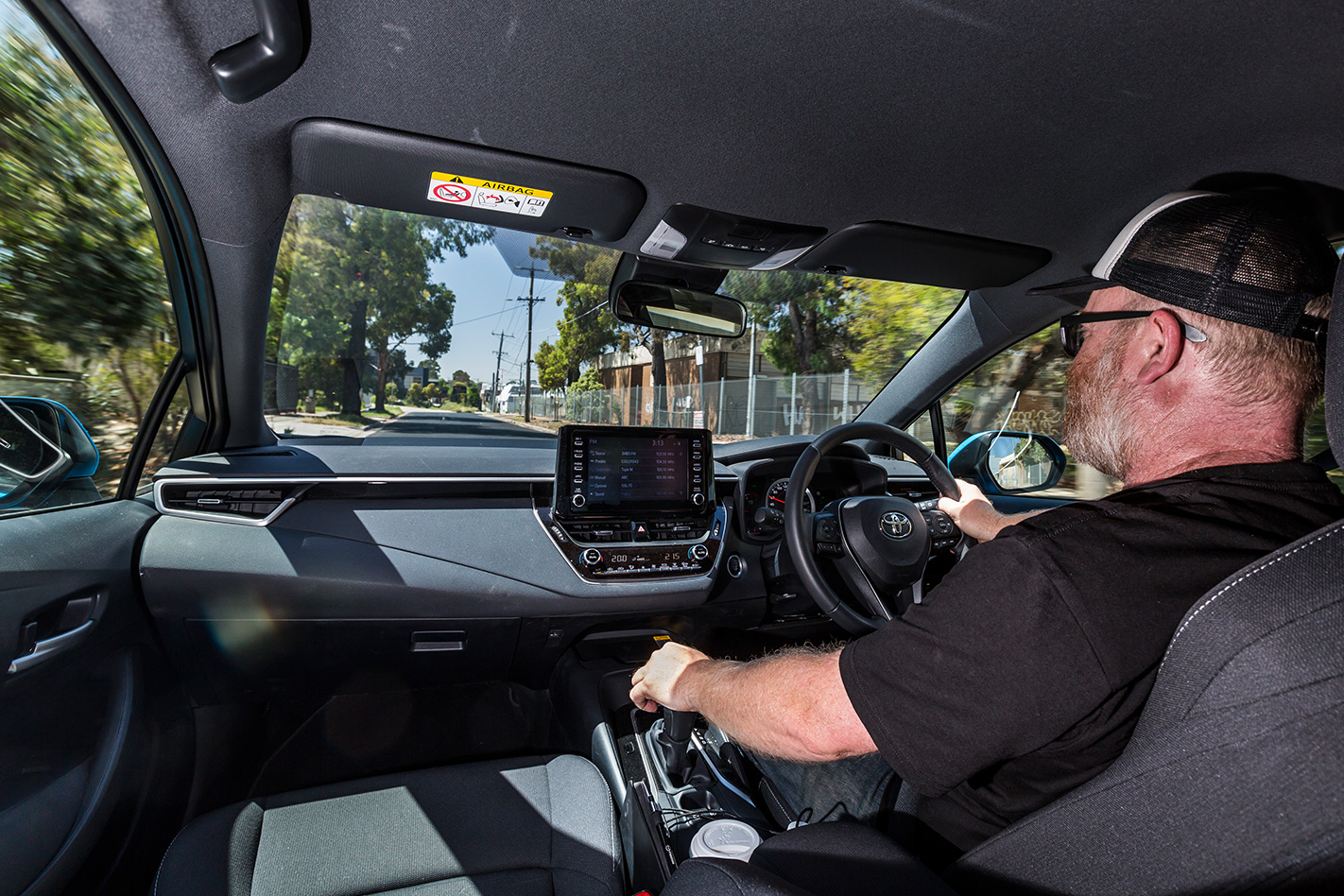
Once we find a group of competitors and a safe place to overtake, we move to the right to shoot tracking shots of the cars. I tuck in the side mirrors with a press of a button – lest they appear in the photo frame – and Chris swivels forwards and back, searching for the optimum mix of blur, light and shade.
The opportunities are brief and there are impatient civilians to contend with, so we’re grateful that the Corolla has sufficient poke to do the job safely, if somewhat noisily.
We learn later that the Corolla’s CVT gearbox is assisted by an actual first gear and torque converter, which explains the punch off the line. We’d much prefer a manual, but you can only get that on the base Ascent Sport. This would save $1500, but you’d miss out on a bunch of fruit.
You’d still get a heap of active safety features, though – and a real spare tyre.
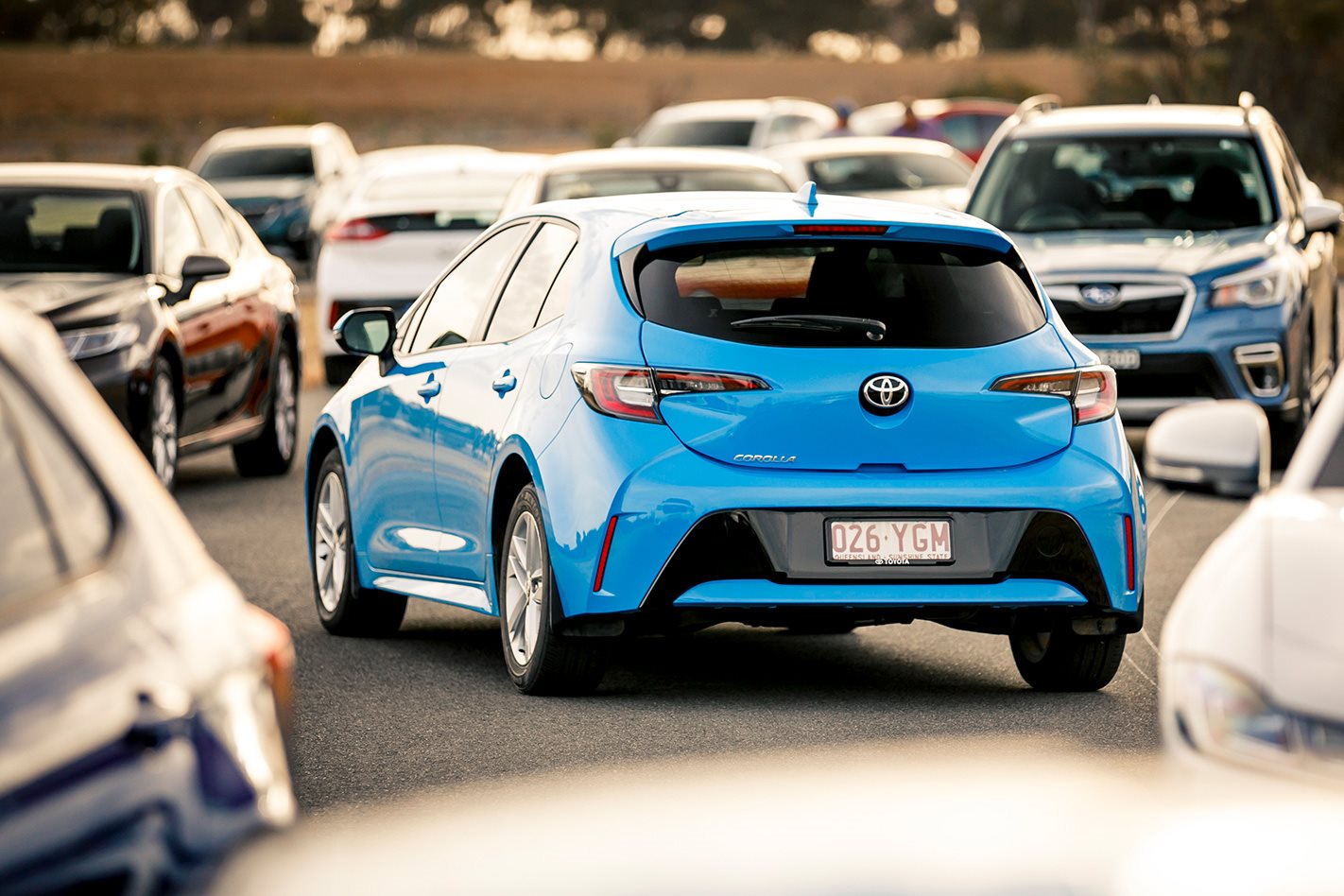
The new Corolla may indeed be a sportier thing to drive than its predecessor, but there was little opportunity for us to put that to the test on this event. What we can report is that it handles bumpy country roads with aplomb, has great air-con and effective sat-nav.
The seats are comfy over a long haul and we loved the wireless charging dock. If you’re an active single or couple, you can order a Corolla knowing it has the Drag Challenge seal of approval. – Simon Telford
Update Three: Escaping Cricket With The Corolla
You should pity our editor, Alex Inwood.
Not because of his job, he drives some of the world’s greatest cars all around the globe, so he gets zero pity for that.
No, you should pity Alex because he has to suffer me, and because he loves cricket. In the summer months, Inwood switches on every TV within eyesight of his office and tunes them all to the cricket. He monitors the lot like a Wall Street stockbroker, greedily devouring every piece of the action.
At least until yours truly wanders through and asks such probing questions as: “Who’s playing?”; “Why is everyone wearing white?” And “What do you mean the game goes for five days!?”
Yes, I am a cricketing cul de sac, having been raised in a family with the simple motto of: “if it doesn’t have an engine, it’s not a sport”. Hence why, with the T20 cricket in full swing, I decided I’d bypass the MCG and set the Corolla’s sat-nav for Avalon speedway, where the sprint-car season was in full, dirt-clumping action.
Yep, I’ll take a cup of greasy chips in my paw and the smell of methanol in my nostrils every time over a KFC bucket on my head.
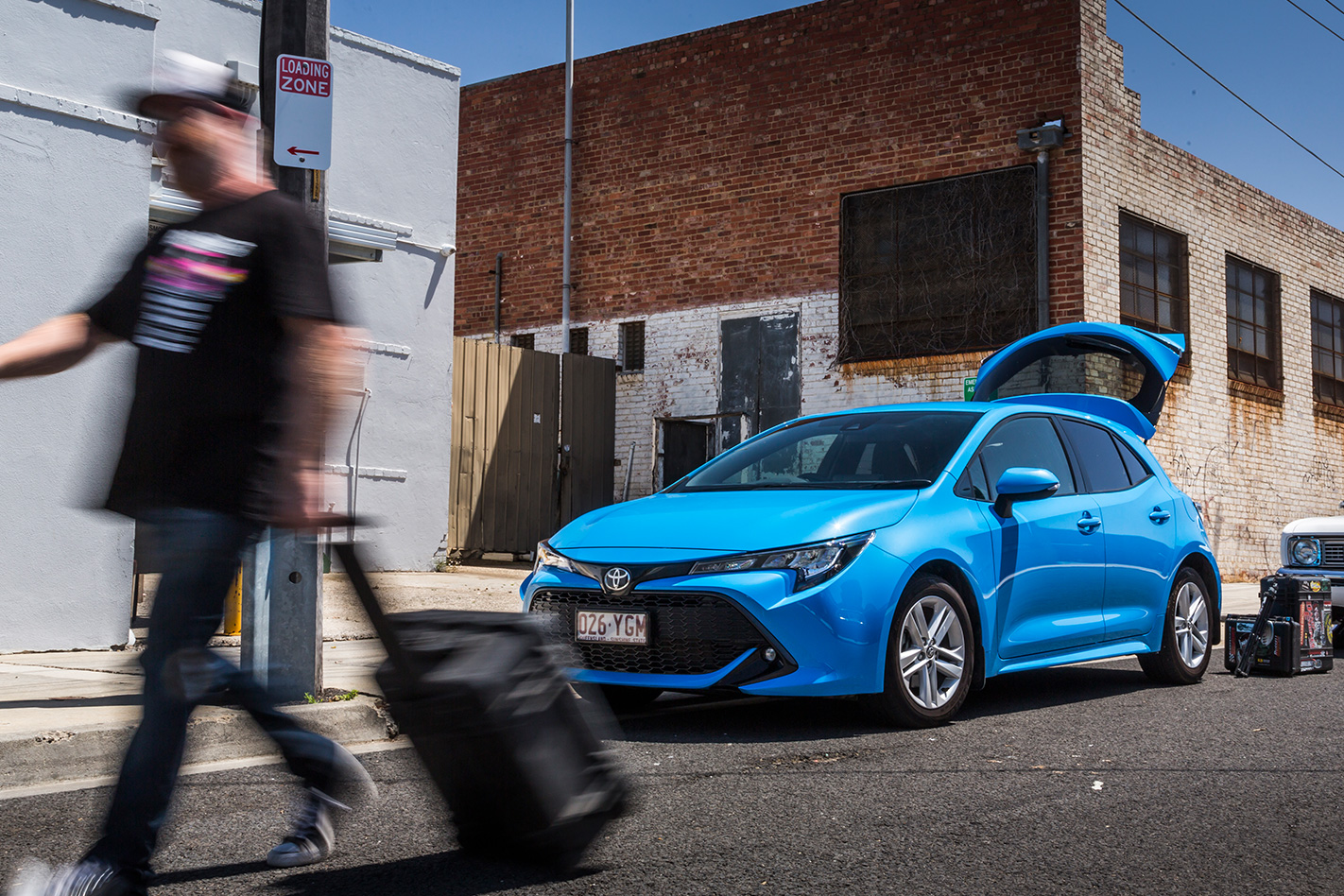
Unfortunately, as I discovered while racing to make the start of the meet, the Corolla’s sat-nav is designed to avoid idiots like me being able to do anything but drive while driving, and locks out any inputs once the car is travelling above walking pace.
Fair cop, I suppose, but the fact it also won’t allow a front-seat passenger to help out by inputting such info is mildly annoying. Curiously, there are no such concerns with the driver or passenger using the audio system.
Other than this minor annoyance, the Corolla has been performing its long-term duties with aplomb. The boot can easily swallow a pair of camping chairs and an esky primed with snacks, while the compact exterior dimensions meant it was easily able to slot in between the hulking dual-cabs in the dusty car park.
Active cruise control is now standard on every Corolla variant and came in handy for the bomb back to the city with the speedway traffic.
Having scratched my Speedway itch for now, I’m now wondering if Toyota might allow us to get some clay under the Corolla’s tyres? It’d be more interesting than cricket, that’s for sure.
Update Four: Farewell, Small Wonder
It has been a month of anxiety, unbridled joy and change in the Kirby household, and along for the ride as an all-important family member was my Corolla long-termer.
After much discussion, my partner and I decided it was time to expand the Kirby clan with a new addition. So it was that I found myself driving down the Hume with my partner in the passenger seat, making soft cooing noises at Noah the one-eyed greyhound puppy sat in her lap.
During the first weeks of pet ownership, the Corolla was invaluable, with the low ride height perfect for training Noah how to enter and exit a vehicle, and the little fella taking to napping on the cloth-trim seats on trips to the vet.
While Noah is no larger than my forearm at the moment, he will grow rapidly, and this highlights the one roadblock preventing the Corolla from being a great permanent addition to the garage – interior space.
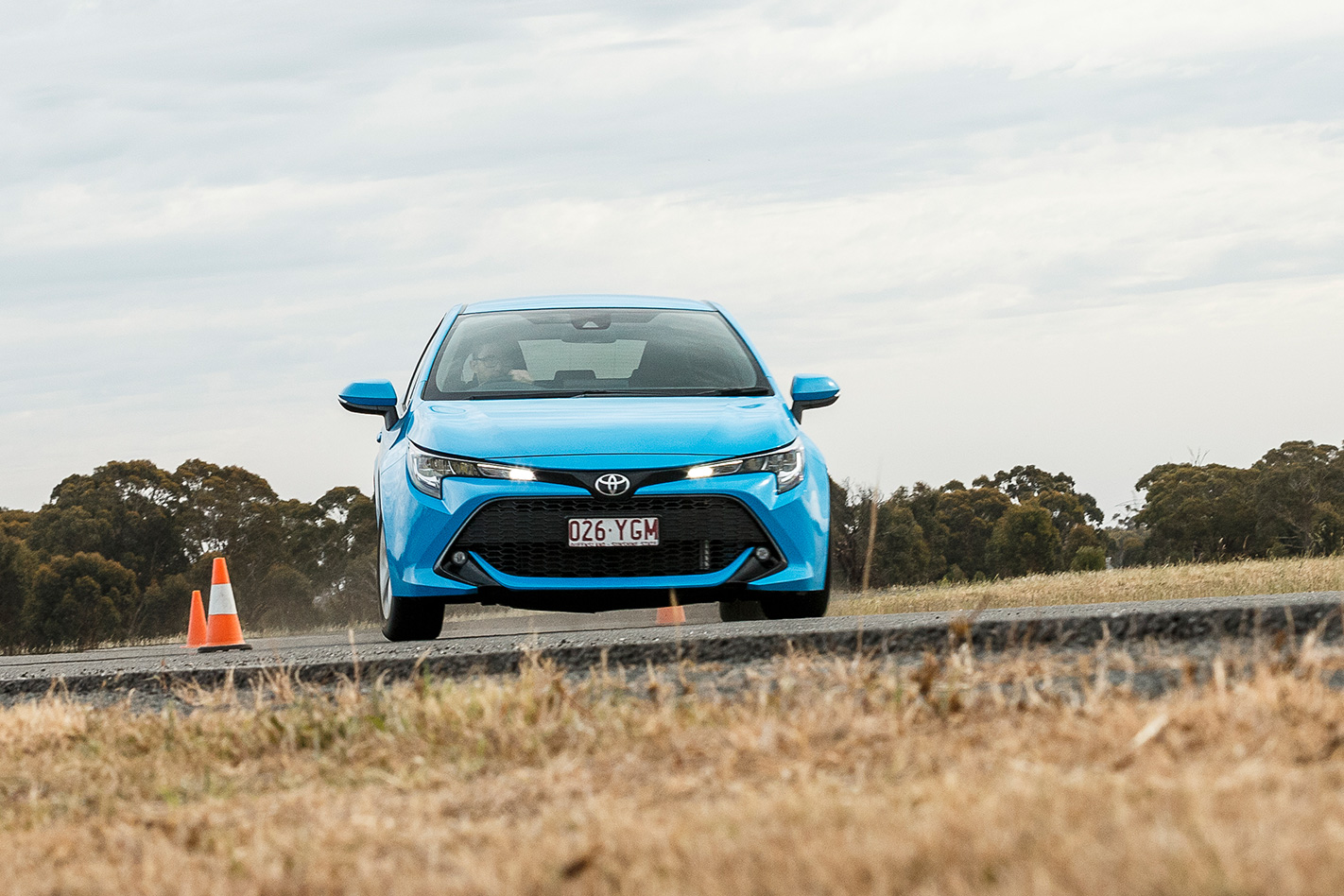
To explain why I need to go back to 1967. Toyota’s then-new two-door sedan featured on the cover of Wheels’ June edition for its first Aussie road test, accompanied by a bikini-clad blonde model.
Thankfully time allows us to cringe and shake our heads at the picture choice. Time, and the 12 generations since then, it seems, has not been so kind to the ’Rolla.
Wheels’ first road test stated, “the styling of the car has been highly successful in both eye appeal and accommodation”.
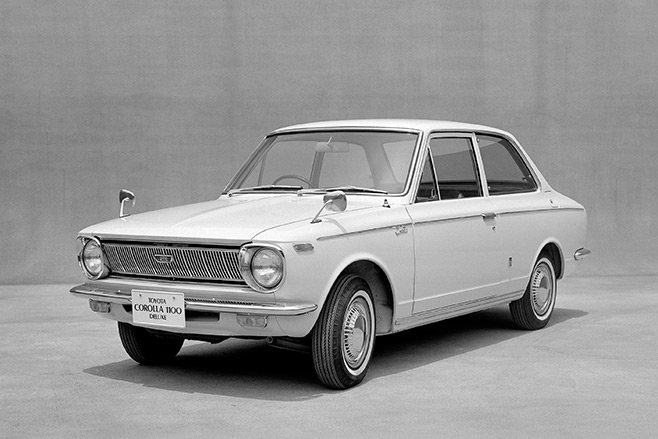
From our foray with this latest-gen car, it has only achieved one of those two things. The E210 Corolla looks striking and modern, but interior space is at a premium.
This became immediately apparent on a cross-town trip with four adults on board. Despite a shorter than average height, the two in the back were cramped, with the two upfront having to move seats forward to provide a small reprieve.
The rear pair’s luggage was made to fit, just, but it did require some intricate boot Tetris. If a two-door Corolla from the ’60s can carry four adults in comfort, and luggage for two with ease, it seems an affront that my modern example struggles with the same tasks.
And with the Corolla preparing to return to Toyota HQ, now’s the time to voice some other small niggles from our time together. Like the odd placement of the wireless charging unit, which can result in phones launching at the gear selector on hard acceleration; or the lack of Apple CarPlay and Android Auto, accentuated by the Bluetooth on my phone giving up the ghost.
But don’t write off the Corolla just yet. During its tenure, commuting has been its main duty and it hasn’t put a foot wrong, returning impressive fuel-economy figures of 6.9 litres per 100km on average.
It’s also surprisingly fun to drive, despite the fact that the ‘Sport’ button doesn’t really do anything. But while it has undoubted dynamic talent, this remains a chassis crying out for more power – good thing, then, that a GRMN hot-hatch variant is rumoured to be on the way.
And as for space, for most couples or singles, it should be near the top of their list – it won our October comparison test for good reason, with generous equipment and impressive refinement.
So while its long-term scorecard isn’t perfect, overlooking the Corolla’s shortcomings is simply a matter of personal preference. And perhaps a smarter choice in four-legged friend.
The August issue of MOTOR magazine is just a blizzard of colour and horsepower as three force-fed V8 muscle cars lead the charge in our feature comparison test.And that is just the start of it.
In this issue we get behind the wheel of Porsche’s new 718 Cayman GT4 and find out if a brand new atmo flat-six from Porsche’s RS department can elevate the Cayman GT4’s legendary status, while AMG’s new A35 goes toe-to-toe with hot hatch royalty in the form of the Civic Type R and Golf R.
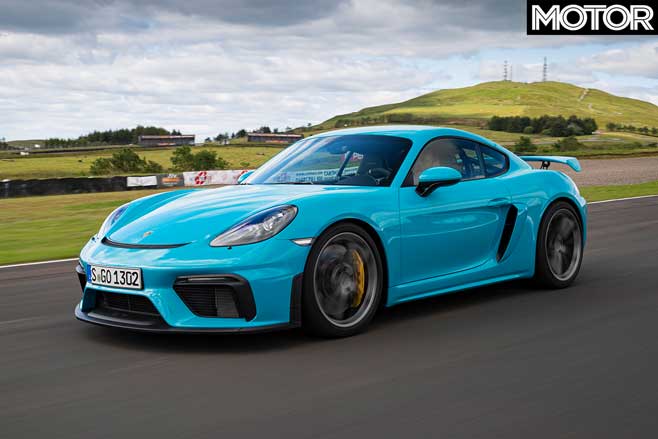
For the dreamers, we put Aston Martin’s DBS Superleggera to the test on Australian roads, delve into the complexities of servicing a McLaren F1, and fang Lamborghini’s rally-prepped Sterrato concept.
You can find our gorgeous mags at retailers around Australia. Or you can subscribe and save yourself some cash, there’s even a digital subscription.
Subscribers often receive their mags earlier, so you’ll get to see what MOTOR has to offer before anyone else.
Follow us on Facebook, Twitter, and Instagram to interact with us, give us feedback, and get a peek behind the scenes.
MONSTERS INC – Shelby Super Snake vs Camaro ZL1 vs C63 S Coupe
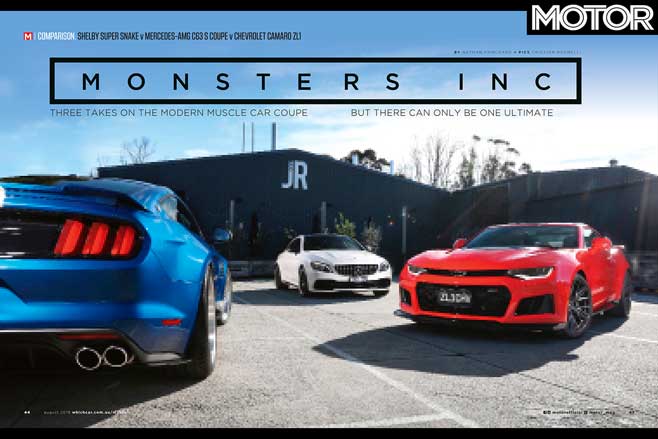
Three ultimate modern rear-drive V8 muscle coupes drop the tough guy act and enter the ring.
TANTRIC SIX – Porsche 718 Cayman GT4 first drive feature
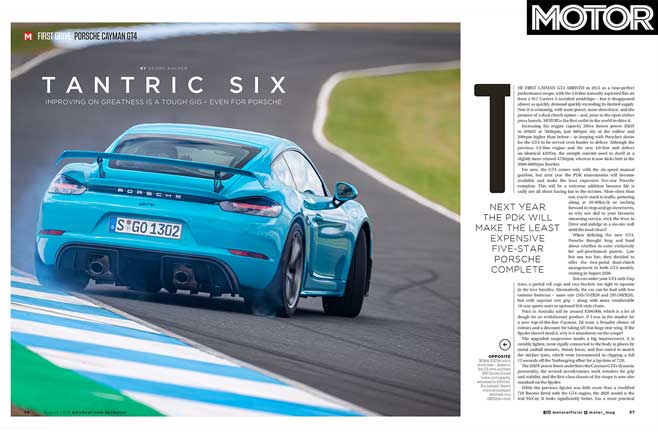
Manual, 8000rpm atmo flat-six from Porsche’s RS department, sublime balance – we’re not sure it gets any better than this.
HOT PURSUIT – Mercedes-AMG A35 vs Golf R vs Civic Type R
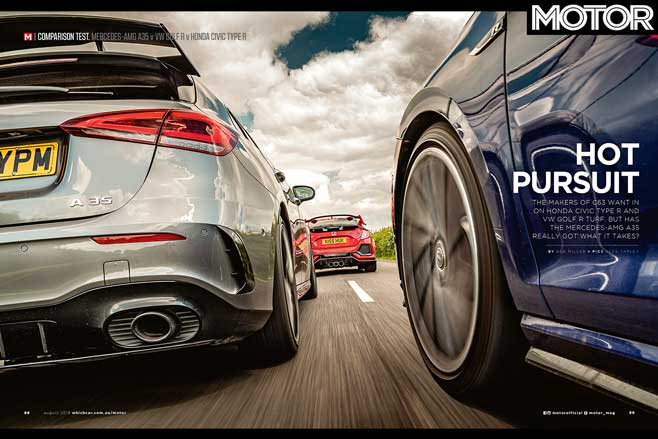
Does the Mercedes-AMG A35 have what it takes to beat the R-types on their own turf?
TRIAL BY FIRE – Aston Martin DBS Superleggera review
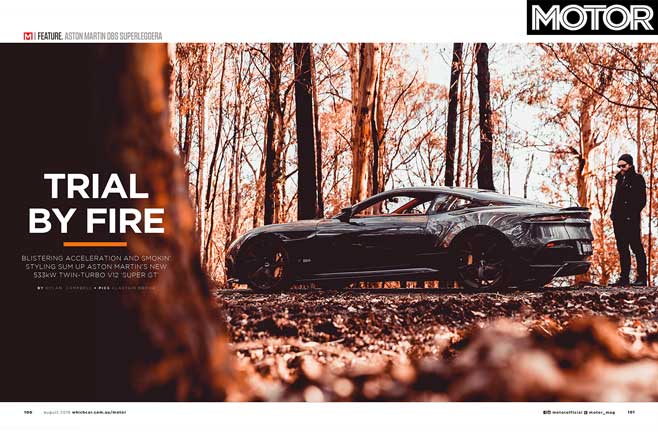
A lighter, sexier DB11 loaded with more punch. What’s not to like about Aston’s new “Super GT” as we unleash it down a post-apocalyptic-looking Victorian road?
LOOSE UNIT – Lamborghini Huracan Sterrato concept driven
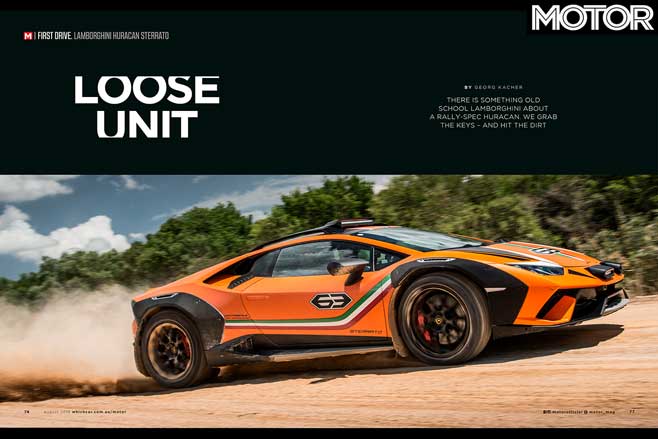
A supercar built for the dirt? Is Lambo serious or is this just a case of Raging Bulldust? Only one way to find out.
CHAPTER ONE – Genesis G70 first drive feature
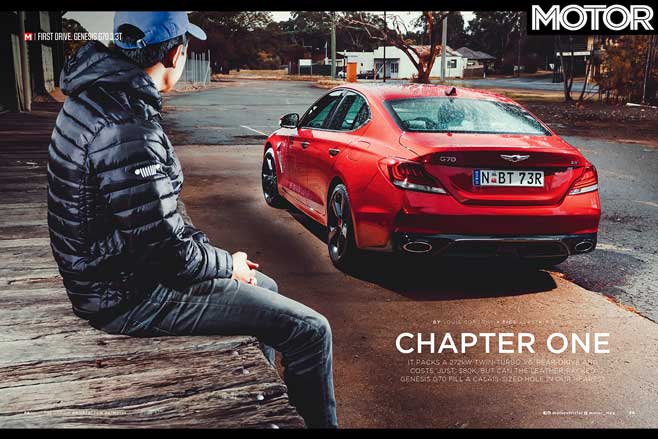
272kW twin-turbo V6, rear-wheel drive and a lotta luxury for $70,000, does Korea’s 3 Series challenger have what it takes?
AND THE REGULARS – Drives, news, features and columns
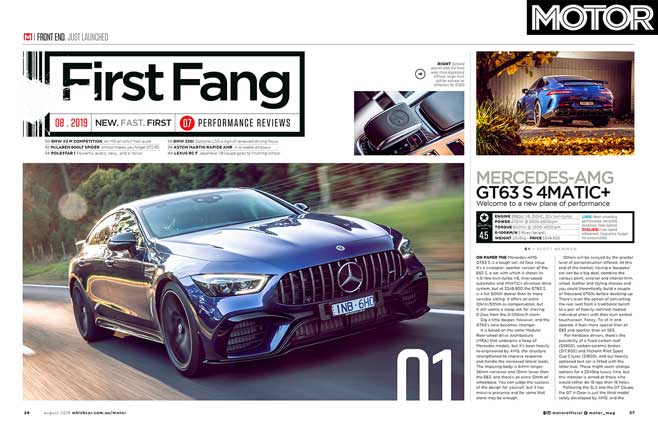
Mercedes-AMG’s GT63 S four-door coupe impresses, the X3 M Competition surprises, and the topless McLaren 600LT surpasses expectations. All these features and more in the August 2019 issue of MOTOR.
You’ll often get asked to consider paint protection and rust preventatives during the new car purchasing process, but what does it actually do, and more importantly – is it worth it?
Ceramic-based paint coatings are designed to be applied wet, and harden up after drying to act like a layer of glass-like protection between your paint and harmful contaminants. It doesn’t take much to imagine the kind of damage that can be done to a car’s paint by bird droppings, leaves, dirt and stones.
Read: Do automatic car washes damage your paint?
New car dealerships try and slip in the up-sell of paint protection during the pre-delivery process, which can often cost upwards of $1000. But is the add-on worth it in the real world?
“Unfortunately the dealership paint protection doesn’t live up to the promise. With incorrect prep work and untrained applicators the end result is not worth it,” said Damon Lawrence from Auto Attention.
However if you want the peace of mind of a ceramic paint coating, get it applied by an authorised installer rather than a dealership car washer. “It’s important to ensure you get the most out of a professional grade product.”
A main selling point in favour of paint protection is its ability to repel dirt and its glass-like nature that makes washing easier.
“Paint protection is handy for keeping your car clean without having to always wash the car. It can protect against some harmful effects, but the car wash process also becomes easier, with dirt washing right off.”
So why are you being offered these expensive coatings that can’t deliver on what they promise? Basically, because it adds easy dollars to the dealer’s bottom line.
Maybe, in older cars, when cars weren’t made as well, rust-proofed as well, or made from the same quality materials as they are today, all those protection systems might have been a bit relevant. If a dealership is trying extra hard to sell you on paint coatings, maybe it’s worth considering the quality of the product in the first place.
