
The contenders
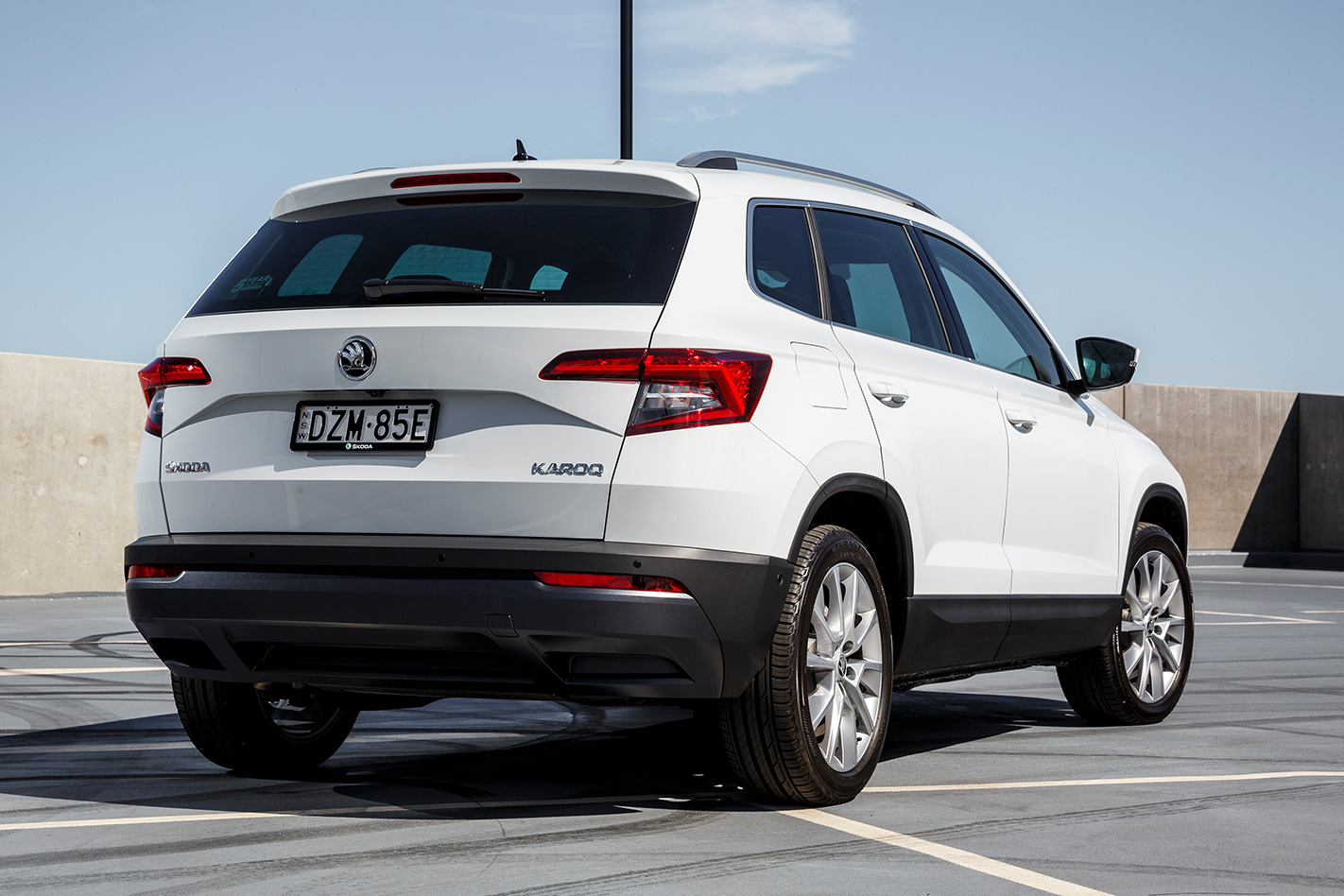
Skoda’s Karoq has been a bit of an unsung hero since its arrival in mid-2018, selling slowly against predominantly Asian rivals despite boasting a quality build, commendable size and a superb driving experience. However, while it launched with an attractive sub-$30K price tag, that value-oriented FWD manual offering has since been deleted to make the $32,290 dual-clutch auto the entry point.
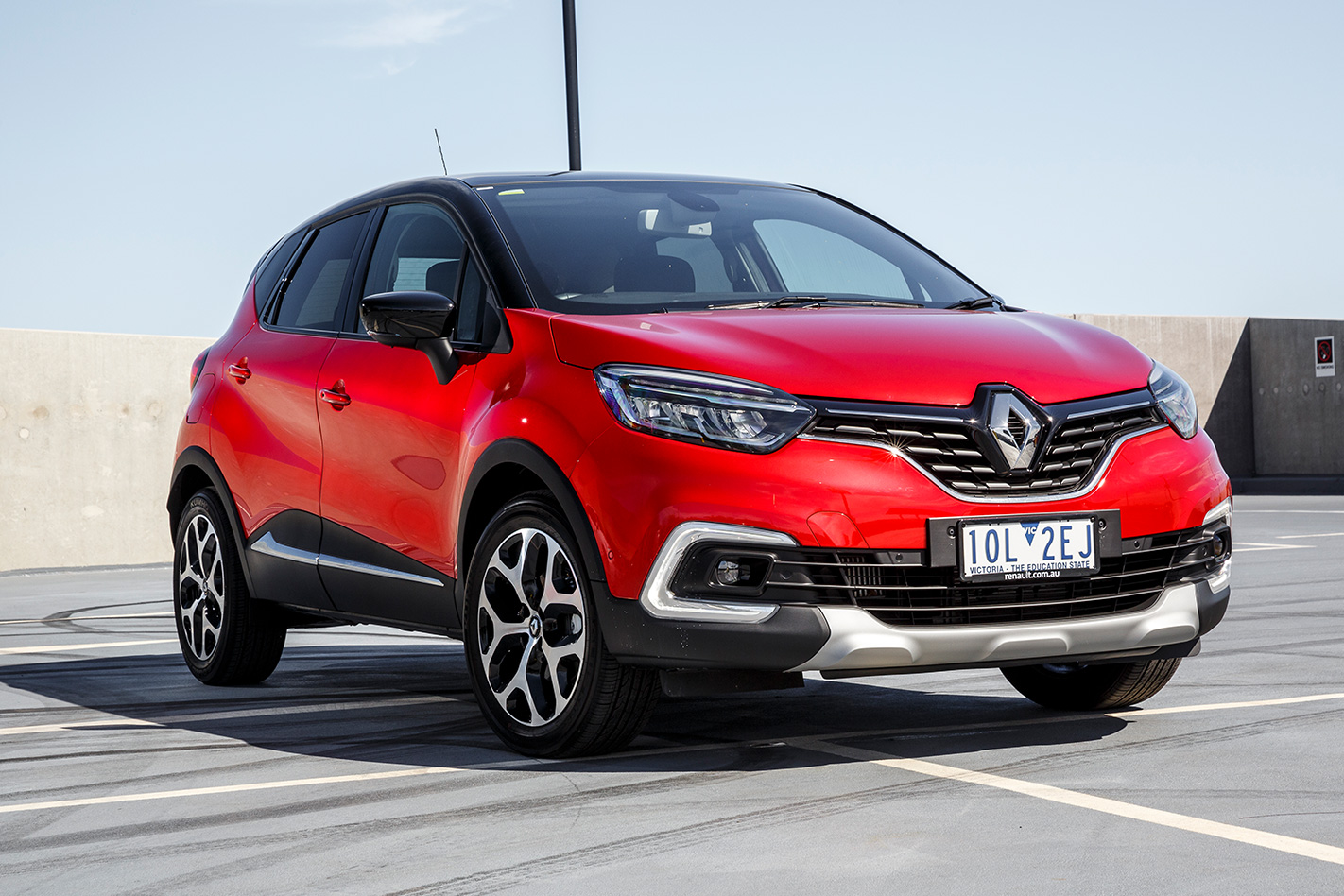
Does that diminish the Czech’s showroom pull? On the other side of the ring, Renault’s Captur is another small SUV that suffers from a lack of attention – but for different reasons. It doesn’t quite align perfectly with the Karoq, given it’s actually a size class below (the Renault Kadjar that’ll arrive in late 2019 will be the true rival), but a recent update now sees power, torque and equipment run very close. Also, the Captur Intens’s $29,990 retail isn’t all that far from the Skoda, making these two oft-overlooked Europeans a reasonably close match.
Equipment and value
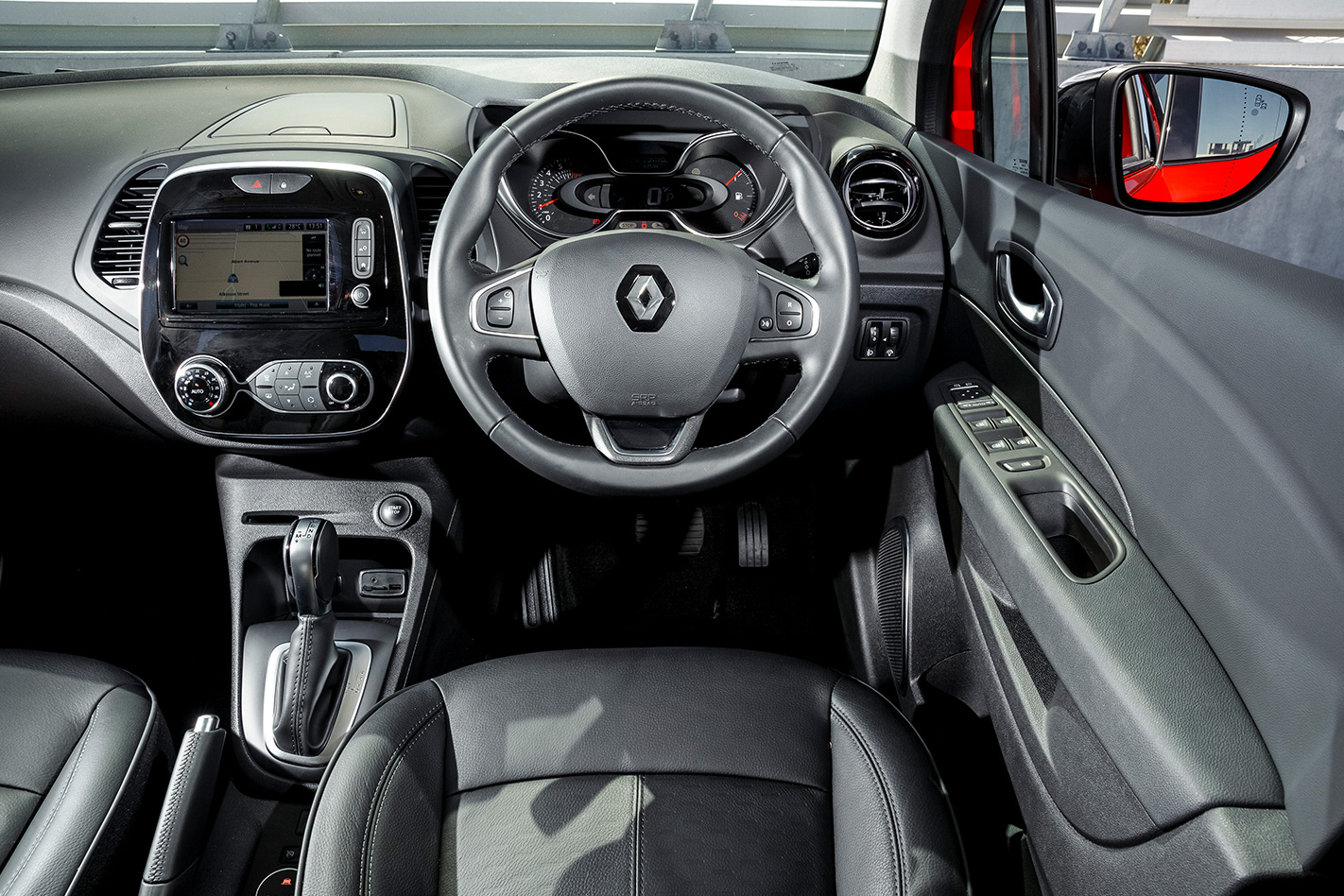
The Captur naturally carries a value advantage courtesy of its sub-$30K price tag, and packs in a healthy standard equipment list that includes a seven-inch touchscreen, built-in sat-nav, a panoramic glass sunroof, keyless entry, single-zone climate control and leather upholstery. It’s a box-ticking exercise, however, with the infotainment feeling anything but modern, the upholstery looking, feeling and smelling very synthetic, and the overall build quality being below what we’d consider average at this price point.
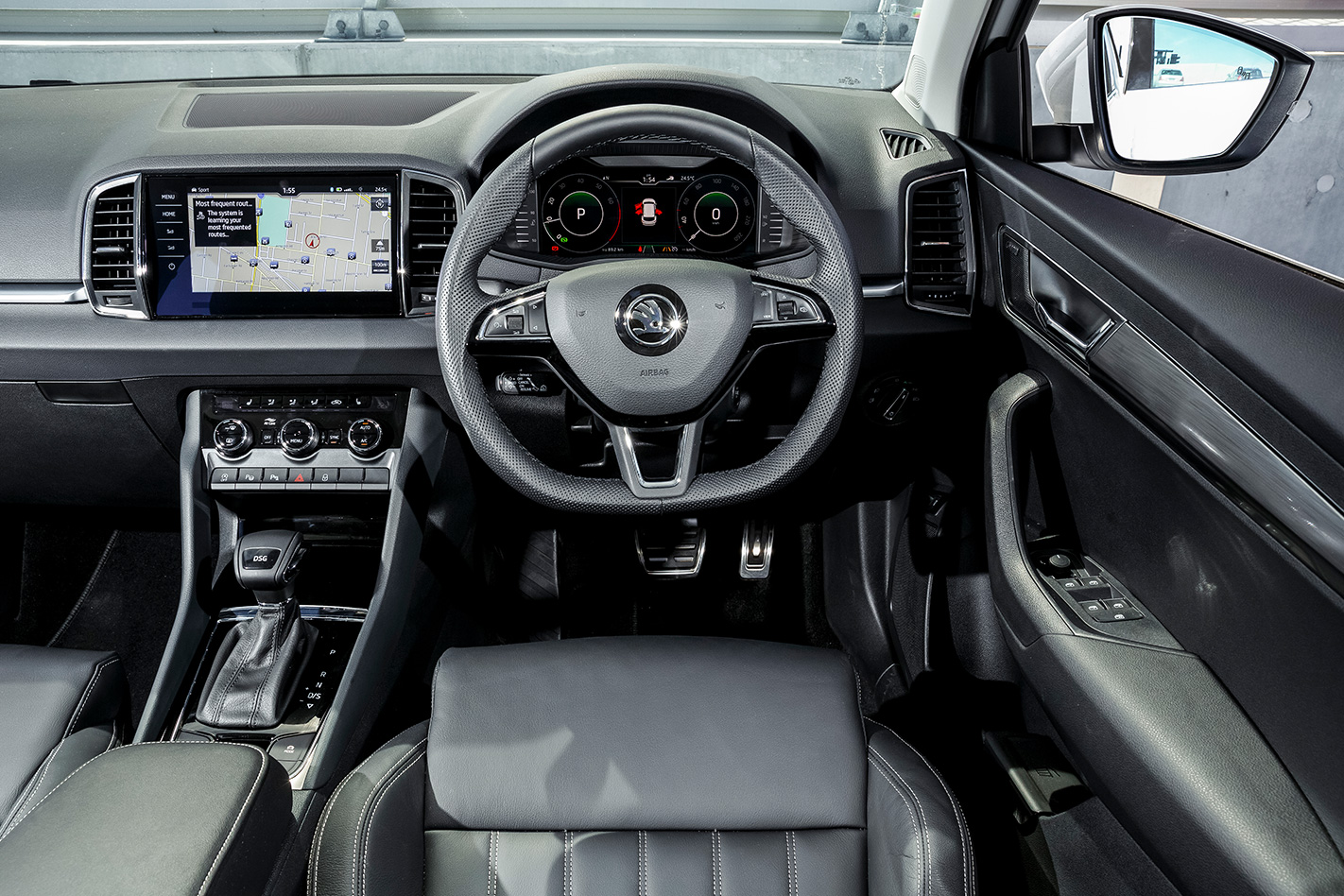
The Skoda’s standard spec is more bare-bones, with smartphone mirroring your only way of getting a map to appear on the (otherwise very slick) centre screen, but boasts things like frontal collision warning, AEB, active cruise and dual-zone climate – stuff the Captur simply doesn’t have. You can pile even more equipment on top too – equipment the Captur isn’t available with – however, that can quickly see the price explode into $40K-plus territory.
Space and comfort
Though both are priced similarly, the Renault and Skoda differ greatly when it comes to what’s underneath. The Captur sits on jacked-up Clio underpinnings, while the Karoq is built on VW Golf-based architecture. Although the wheelbases are within cooee of each other, the Captur measures significantly smaller for overall length and width. But sit in the Captur’s second row and you’ll find similar leg, foot and knee room to the Skoda – something of a surprise given its smaller footprint.
A double-decker boot floor and sliding rear bench adds some utility to the Captur, but Skoda goes further with rail-mounted bag hooks, additional side storage trays and completely removable rear seats that transform it into a quasi-van. Versatility, thy name is Karoq. Not only that, but the Karoq provides a taller vantage point from its driver’s seat, and boasts superior over-the-shoulder vision compared to the Captur. Size matters.
How they drive
Both cars produce an identical 110kW and 250Nm of peak outputs, but the differences in their on-road behaviour couldn’t be more stark.
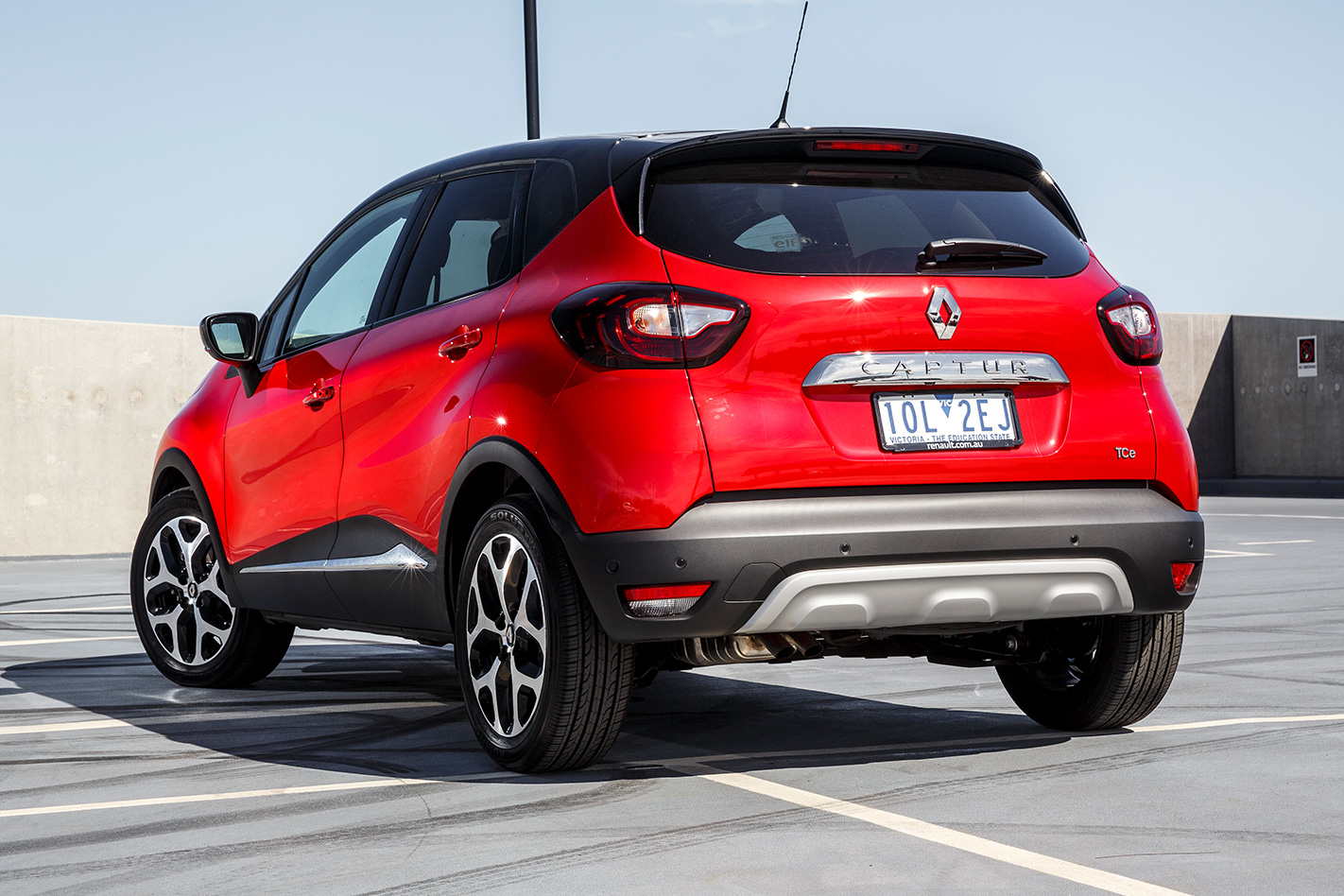
The Captur suffers from an unusual combo of a floaty ride at high speed and steering that’s overly sensitive around dead centre, making for a car that never feels settled nor stable on the highway. It’s not helped by a six-speed dual clutch auto that’s indecisive and snatchy at low speeds, and though it’s lighter than the Skoda it doesn’t have the gearing to keep up with it. The Czech rival, despite its inferior power-to-weight ratio, is more than half a second faster to 100km/h thanks to its slicker-shifting seven-speed and more generous low-end torque.
The Karoq also feels secure and comfortable no matter the road or speed, and though its dual-clutch auto isn’t perfect, it’s nowhere near as unrefined as the Renault’s box. The Skoda’s engine is more relaxed in nature too, versus the often frenetic Captur.
The victor
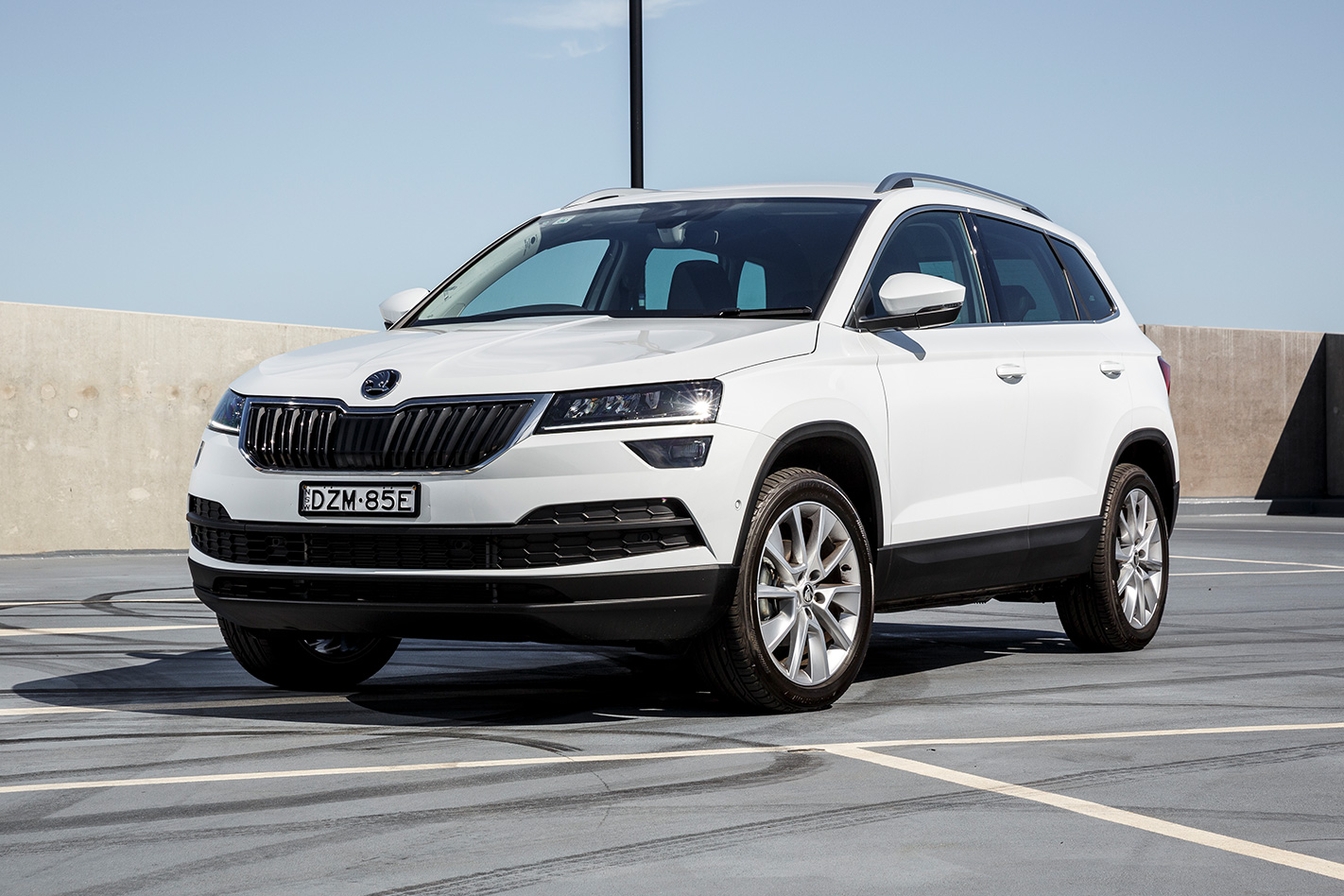
The Captur’s age is its main undoing. Dowdy design on the inside coupled with in-car electronics that are woefully dated (just look at those nav graphics) instantly cost it showroom appeal, and its bouncy ride and ho-hum transmission fail to make up for that lost ground. Conversely the Karoq is a far more mature thing, and while it may not flaunt as much glitter on its spec sheet, the core offering is leagues ahead of the Captur.
The second-generation Subaru XV has remained largely untouched since its 2017 launch, and since then it has been joined by an ever-growing list of crossover rivals. We decided to see how it’s held up in that highly competitive segment.
What is it?
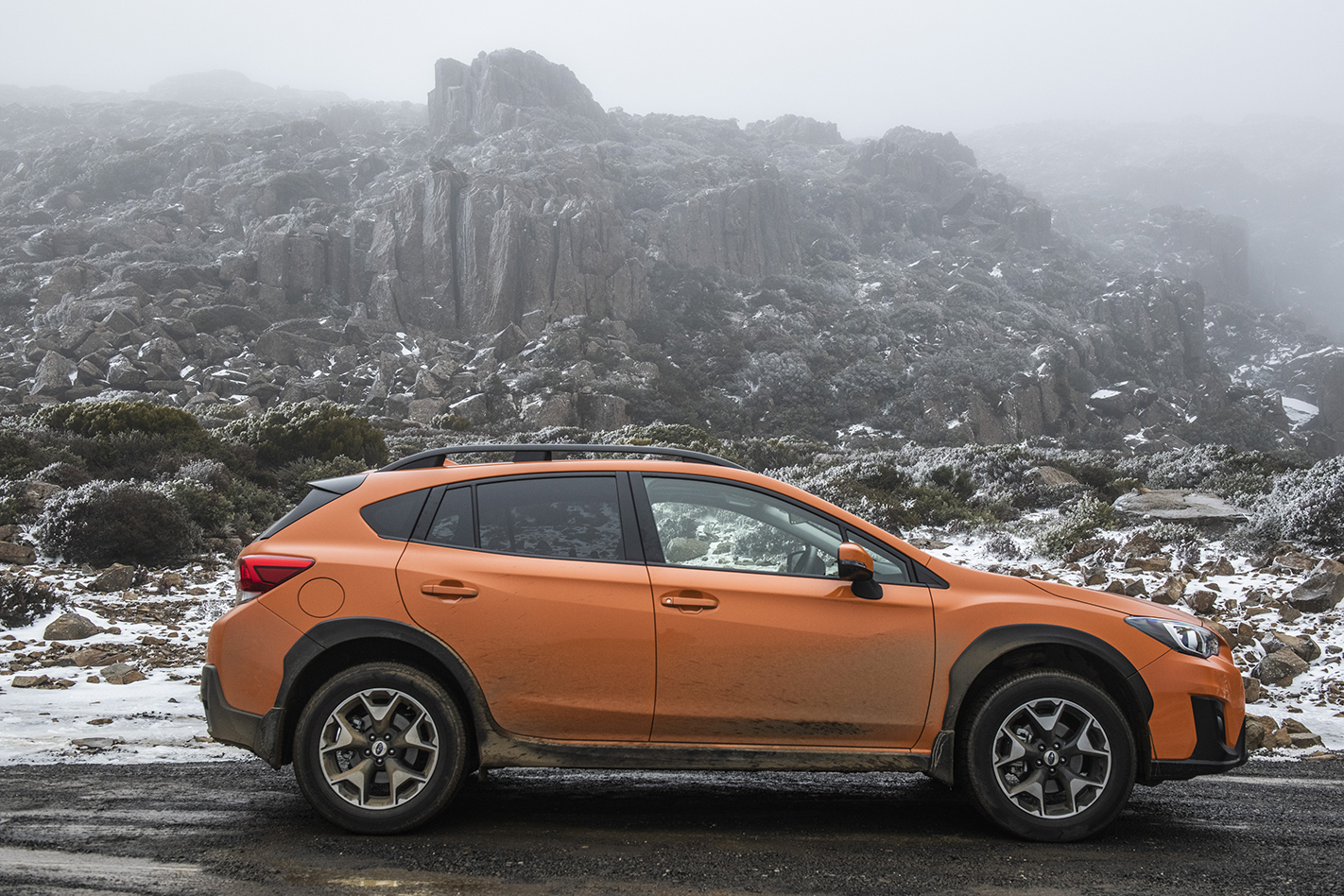
The smallest car in Subaru’s popular SUV range is essentially a high-riding version of the Impreza hatchback, with its major point of difference being its ability to get you a bit further off the beaten track.
One of the better-equipped small SUVs, the all-wheel drive (AWD) XV features Subaru’s EyeSight suite of driver aids, which includes active cruise control and autonomous emergency braking. All versions are equipped with Subaru’s X-Mode AWD system that will help you negotiate steep and slippery terrain, while a 220mm ground clearance gives it the ability to step over obstacles that would otherwise ground a regular Impreza hatch.
All XVs are powered by a 2.0-litre four-cylinder petrol engine coupled with a continuously variable transmission (CVT).
How much is the Subaru XV 2.0i Premium?
The Subaru 2.0i Premium is third-up in the four-strong XV range that includes the entry-level 2.0i priced at $28,490. Retailing for $32,670, the 2.0i Premium bridges the gap between the 2.5i-L ($30,860) and the range-topping 2.5i-S ($35,780).
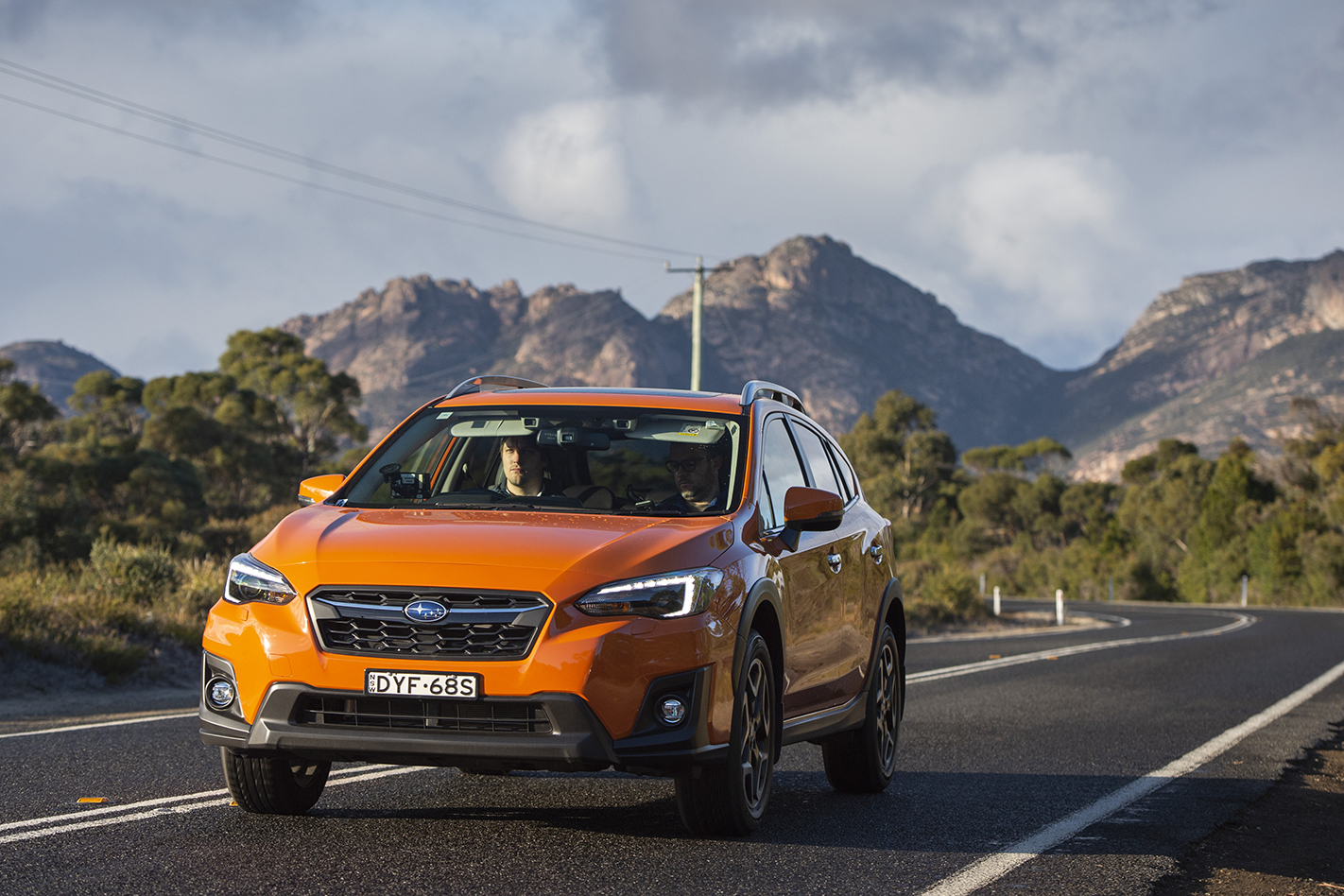
All versions except the 2.0i feature Subaru’s EyeSight camera-based active safety system, with the 2.0i-L and Premium sharing standard features including: Apple CarPlay/ Android Auto, 8.0-inch touchscreen, premium cloth seats, leather trimmed steering wheel and gear lever, dual-zone climate-control air conditioning, power folding exterior mirrors and 17-inch alloy wheels.
For the extra money, the 2.0i Premium gains satellite navigation and sunroof, while missing out on the 2.5i-S’s leather seat trim, LED headlights that shine into corners, auto-high beam, bigger 18-inch alloy wheels and additional active safety features including blind-spot monitoring, lane-changing assist, rear-cross traffic alert and reverse auto braking.
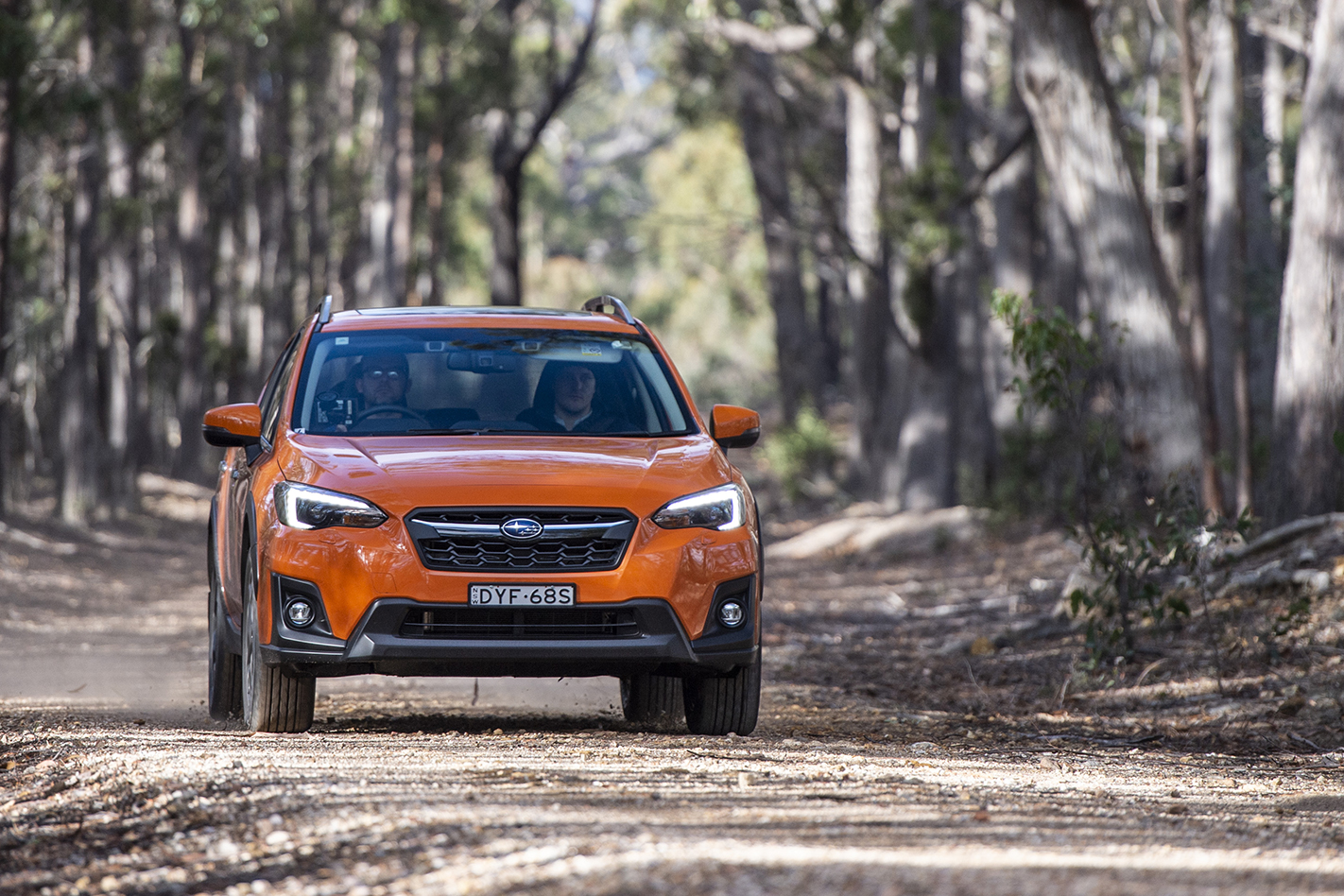
Our test car came adorned with the attractive Sunshine Orange paint, which like all the other shades doesn’t cost extra.
All XVs now come with a five-year unlimited kilometre warranty.
Is the Subaru XV 2.0i Premium easy to live with?
Yes. Like the Impreza on which it’s based it’s quite spacious for a small car (their interiors are almost identical). Two years on, the cabin design still looks sharp and has a quality feel to it with soft touch surfaces highlighted by attractive contrasting stitching that also adorns the seats.
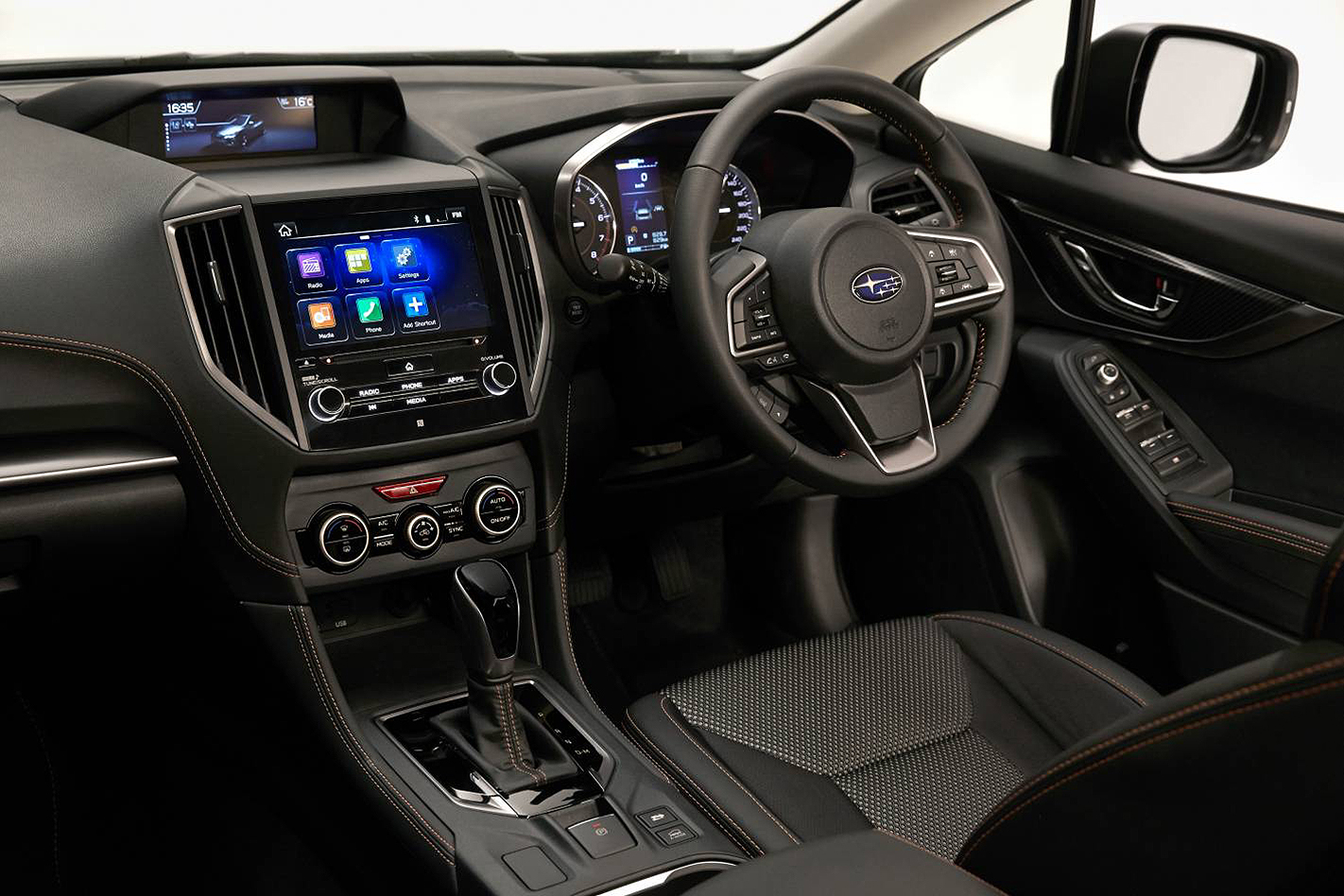
The 2.0i Premium’s stylish cloth seats have good back support and side bolstering and actually feel more comfortable than the leather-appointed seats in the pricier 2.0i-S. The rear seat easily accommodates two big adults and there is good side and front vision for rear occupants, along with face-level air vents.
At 310 litres, boot space is a little below the average for small SUV, and is less than the 345 litres available in the Impreza. On the other side of the coin, the reason the boot is smaller is because there’s a full-size steel spare wheel under the XV’s boot floor, rather than the Impreza’s space-saver. If you’re heading into the wilds, having a proper spare is definitely an advantage.
Need to carry more? The rear-seats have a 60:40 split to extend load space up to 765 litres, and if you need to tow anything the XV can lug a useful 1400kg on a braked trailer.
The XV 2.0i Premium comes with plenty of technology for the price, including the third generation of Subaru’s EyeSight that uses two cameras to identify other vehicles, pedestrians, and objects in front. Among its functions are forward collision warning, autonomous emergency braking, adaptive cruise control and lane-keeping assist.
EyeSight also has a handy feature that alerts you when the car in front has driven off, should you become distracted while waiting at an intersection.
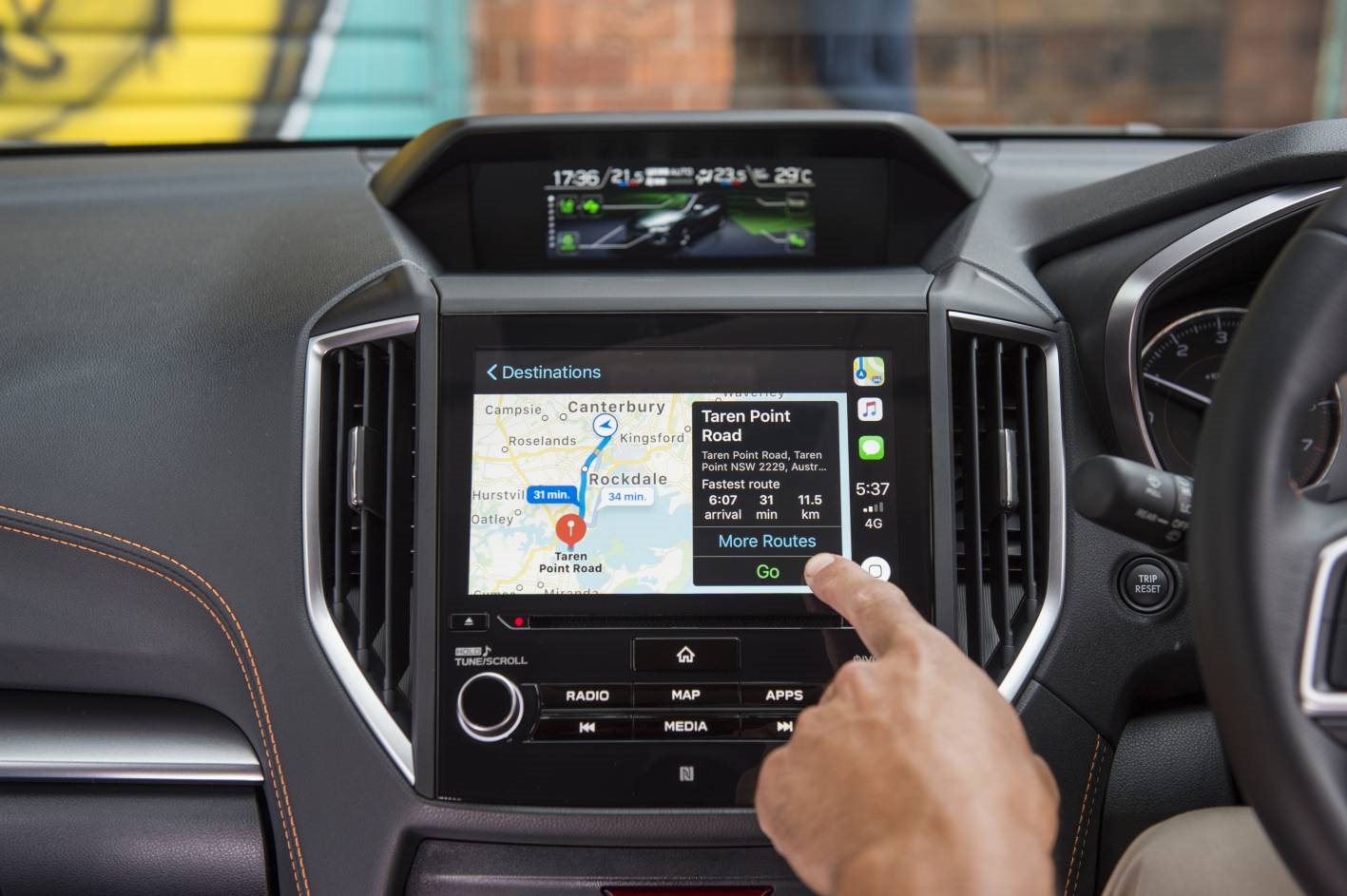
Infotainment wise, the XV 2.0i Premium has a big bright 8.0-inch touchscreen with the convenience of Apple CarPlay and Android Auto smartphone mirroring and in-built satellite navigation.
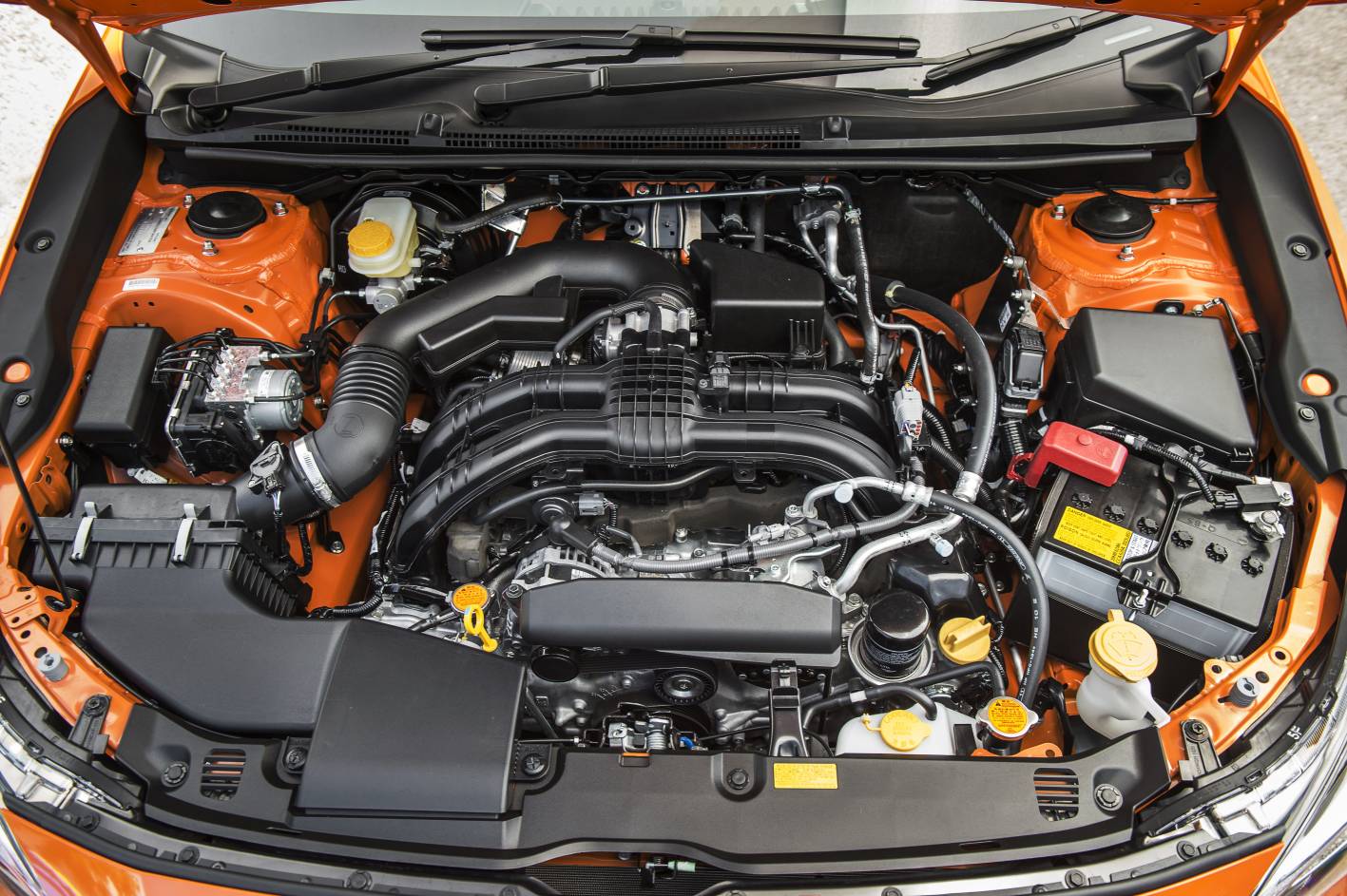
The 2.0-litre petrol four-cylinder/CVT powertrain consumes 91 octane unleaded at just 7.0 litres/100km on the official test (city and country combined), meaning its 63-litre tank gives you a range of 900km.
How well does the Subaru XV drive?
The XV weighs a little more than the Impreza, which means the 115kW/196Nm 2.0-litre engine they share has to work a little harder. You won’t really notice this in most situations, but things do get a little loud and sluggish when putting the foot down to overtake or join freeway traffic.
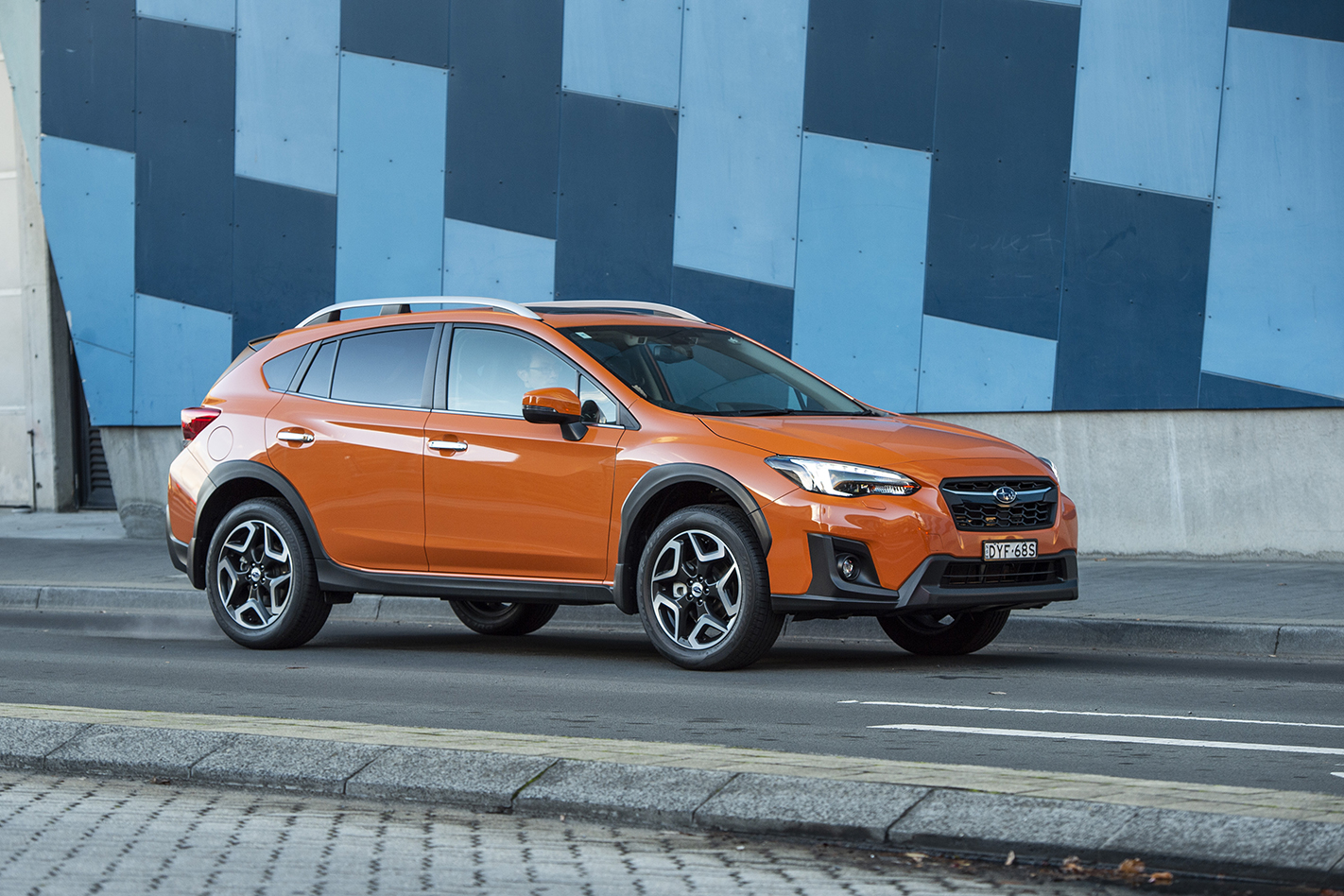
The XV handles as well as the Impreza despite the jacked-up ride height. The steering feels a little light but active torque vectoring and the flat-four engine’s low centre of gravity keeps the front end pointing where you want when driven with enthusiasm through bends. It may not look like it, but it’s a surprisingly agile chassis.
But while it’s a great city car, the XV is truly in its element on dirt and gravel tracks, with its all-wheel-drive system and sharply-tuned electronic stability control keeping things stable on loose surfaces.
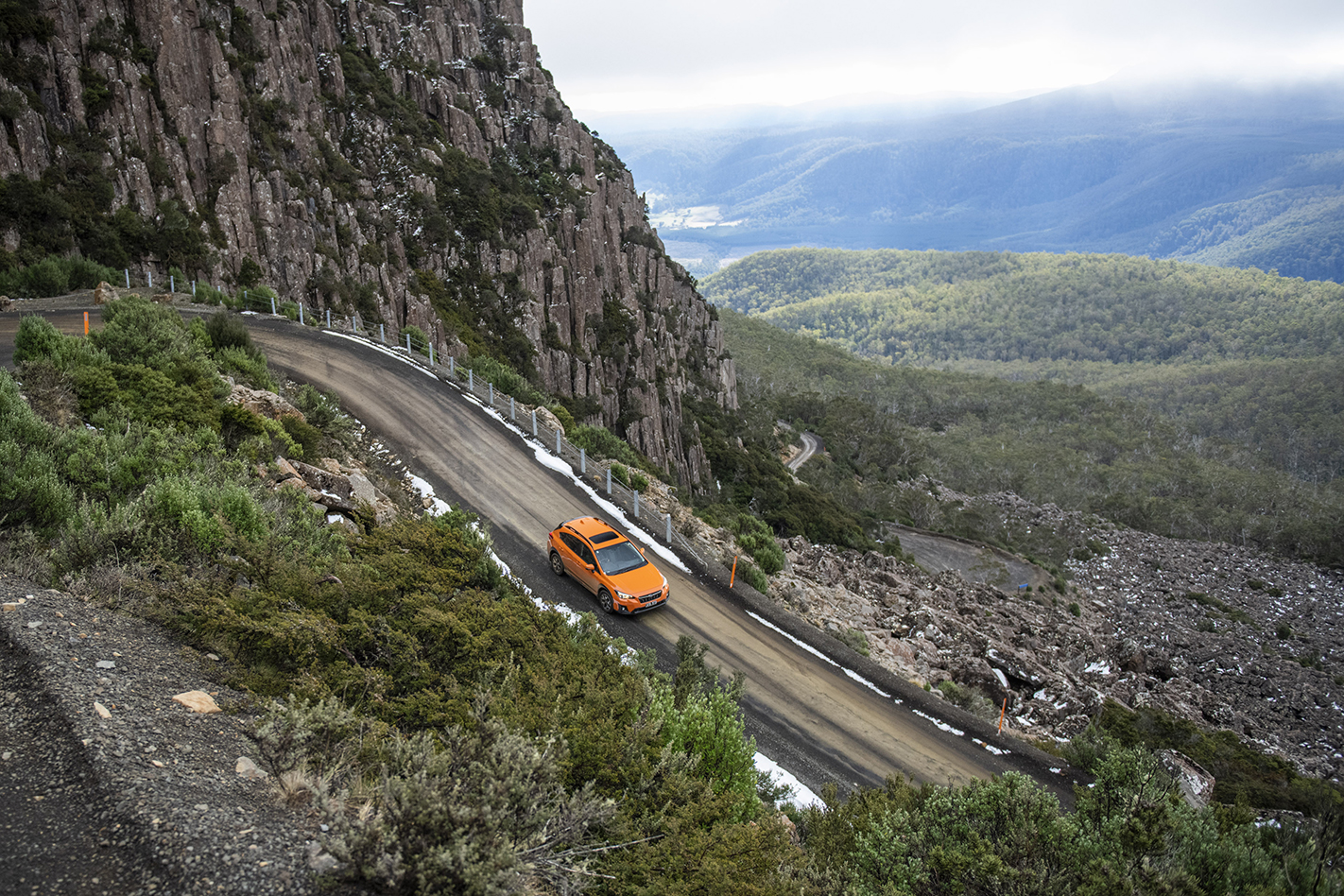
When things get particularly curly, the X-Mode’s hill-crawl function, which helps the XV climb slippery slopes, and has hill descent control that helps you back down without having to touch the brakes.
There are few crossovers that are as fun, comfortable and versatile.
The Verdict
As it nears the middle of its life cycle, the XV is still one of the better crossovers, with a ruggedly handsome high-riding hatch aesthetic that other brands haven’t quite managed to emulate. It’s almost alone in its ability to competently handle most road and weather conditions and is very well equipped.
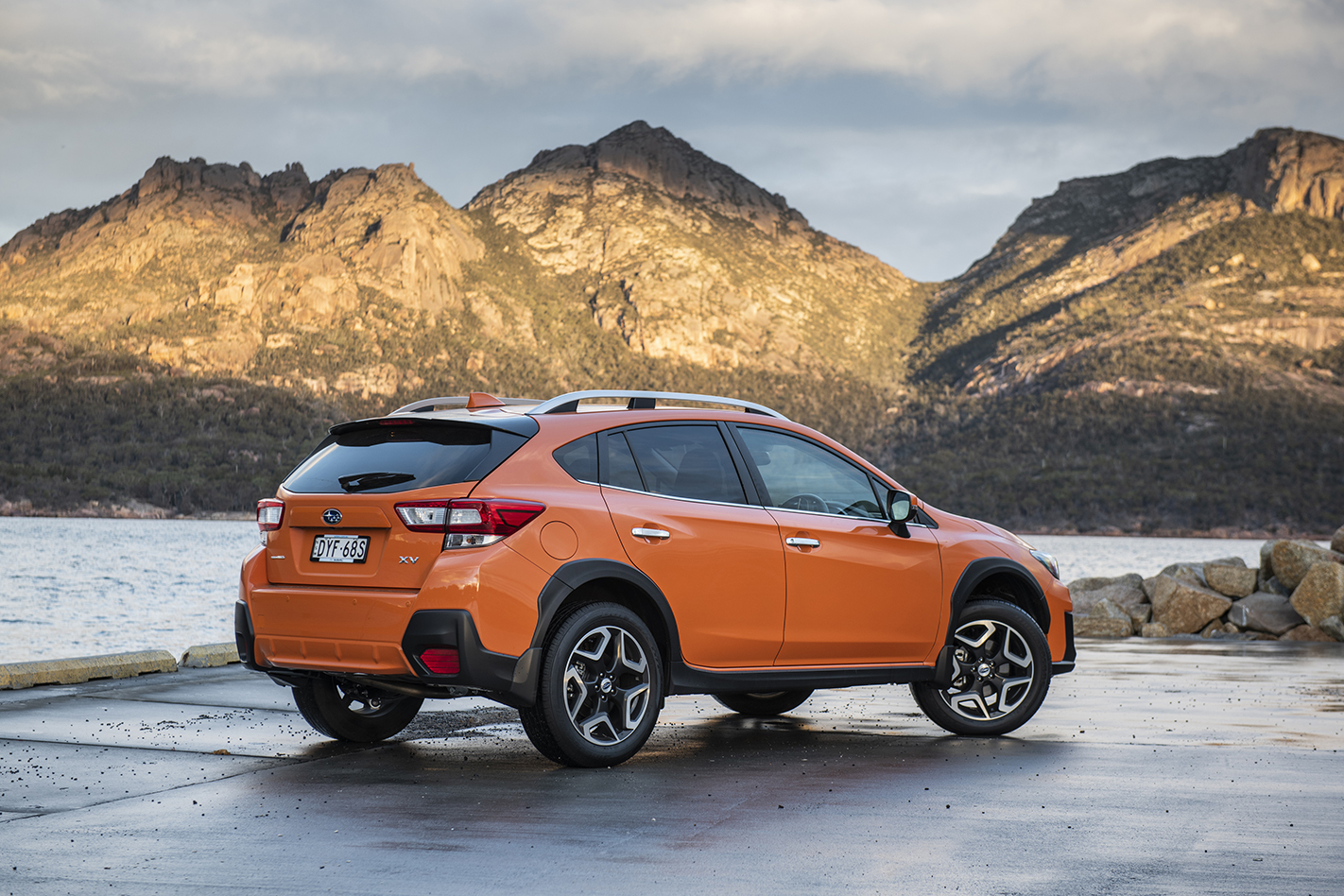
The real question isn’t whether you should buy a Subaru XV (if you like it go right ahead, you won’t be disappointed), but which variant to buy.
The 2.0i Premium offers good value for the price, but it’s not really the sweet spot of the XV range.
Having Apple CarPlay and Android Auto means you could probably live without the in-built sat-nav and sunroof, and opt for the cheaper 2.0i-L instead. The $1800 you save could be better spent on added safety in the form of front-rear-parking sensors, which cost the same amount.
Curiously, parking sensors appear to be optional across the entire XV range.
Alternatively, you could, spend about $3000 more on the 2.0i-S and get the full suite of active safety suite, handy rain-sensing windscreen wipers, and heated leather seats. It’s all a question of what suits your needs better, but the core experience of all XVs is at least common across them all – and that’s a good thing.
It seems counterintuitive, but injecting water into a turbocharged engine can actually liberate extra power.
A simple way to increase a turbo engine’s power is to turn up the boost. But as the pressure rises, so does the temperature, while the charge density goes south, which actually starts to diminish peak power. Higher boost pressures and temperatures also increase the chances of potentially catastrophic ‘knocking’ or uncontrolled combustion.
Retarding ignition timing helps, as does intercooling and charge cooling, which lowers the induction-charge temperature and mitigates some of the associated problems, but their effectiveness is limited by the efficiency of the heat exchangers and the temperature of the liquid or air they are dissipating heat to. This is where water comes in – literally. Just like sweating, turning water into vapour requires lots of heat energy. Your body uses heat to evaporate the sweat, making you cooler, and the same principle can be applied to induction charge.
Under high-load and high-boost-pressure conditions, a bank of injectors sprays a mist of water into the intake manifold plenum, which evaporates and draws heat out of the compressed air. With lower cylinder temperatures, the boost can be wound up, ignition timing advanced and power soars. BMW applied the system to its M4 GTS to wring maximum power from its turbo straight-six engine and the result was an extra 51kW and 50Nm over the standard M4. Not bad for a simple spritz of water.
1. Last gasps
Perhaps one of the most interesting elements of the GTS water-injection system is that it reveals the S55 engine’s power ceiling. Water injection is often a last option to squeeze out extra kilowatts, so you can assume there’s probably not a lot more than 368kW in the 3.0-litre six-pot.
2. Waterproof boots
With limited under-bonnet space, the M4 GTS water-injection reservoir is under the boot floor, which also prevents the water from freezing during cold weather. Sensors monitor the 5.0-litre tank level and automatically reduce the turbo boost pressure if the precious water supply runs out.
3. Cool stats
Turbos can heat the air to as hot as 160 degrees. Intercooling can lower that to 70 degrees, but water injection can scrub off a further 25 degrees. In the case of the GTS, power is increased eight percent, while advanced ignition timing and less thermal stress also improves fuel consumption by eight percent.
%MCEPASTEBIN%Last gaspsPerhaps one of the most interesting elements of the GTS water-injection system is that it reveals the S55 engine’s power ceiling. Water injection is often a last option to squeeze out extra kilowatts, so you can assume there’s probably not a lot more than 368kW in the 3.0-litre six-pot.
Wheels has put the fastest manual it has ever tested down the drag strip.
Arriving this week into the car park was a Lotus Exige 410, and we thought we’d see what it does on the quarter mile at Heathcote dragway.
Weather conditions on the day were sunny and dry, with an ambient temperature of eight degrees centigrade. Almost perfect for a quick run down the strip.
The test car was a 2019 Lotus Exige 410, which uses a Toyota-sourced 3.5-litre V6 engine with a supercharger and water-to-air charge cooler to produce 305kW at 7000rpm and 420Nm from 3500rpm. All that power is fed through a six-speed manual to the rear-wheels.
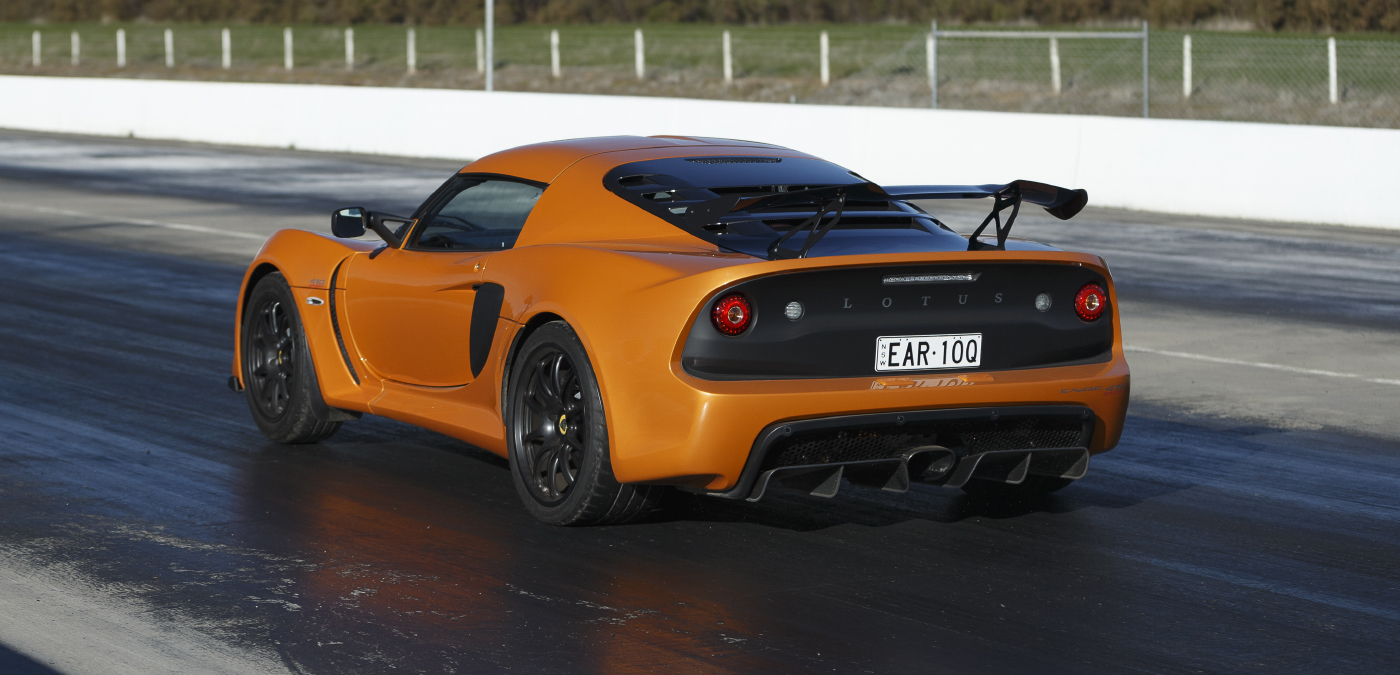
With a kerb weight of 1110kg the power-to-weight ratio equals 275kW per tonne, and Lotus claims the 410 will execute the 0-100km/h sprint in just 3.4 seconds.
It didn’t (tester Andy Enright is no suckling), but we did get it into the sub fours – an impressive feat from the lightweight sports car with a giant at the wheel.
Struggling for grip on a less than ideal surface and with skinny 215/45R17 front and 285/30R18 rear Michelin Pilot Sport Cup 2 tyres, getting the Exige 410 to focus in a straight line was like constraining a wild toddler.
Wheels’ deputy editor Andy Enright conducted the testing with varying results. The best approach was to keep the Exige in normal mode; Sport and Race were too slippery and the car felt “like it was rolling on four casters.”
With mechanical sympathy in mind, Enright didn’t flat shift the slick aluminium open-gate manual gear shifter and lifted off the throttle between shifts. So there’s a few tenths to be gained for the keen driver.
Under around 4000rpm, the Toyota-sourced 2GR V6 doesn’t sound particularly special. Over that, the exhaust valve opens and the heavens erupt into a sumptuous aural delight that might be one of the greatest modern day road cars sounds you can hear.
Eyes shut, you’d think a racing car was whizzing past, such is the ferocity of the revs as they rocket to the 7000rpm redline.
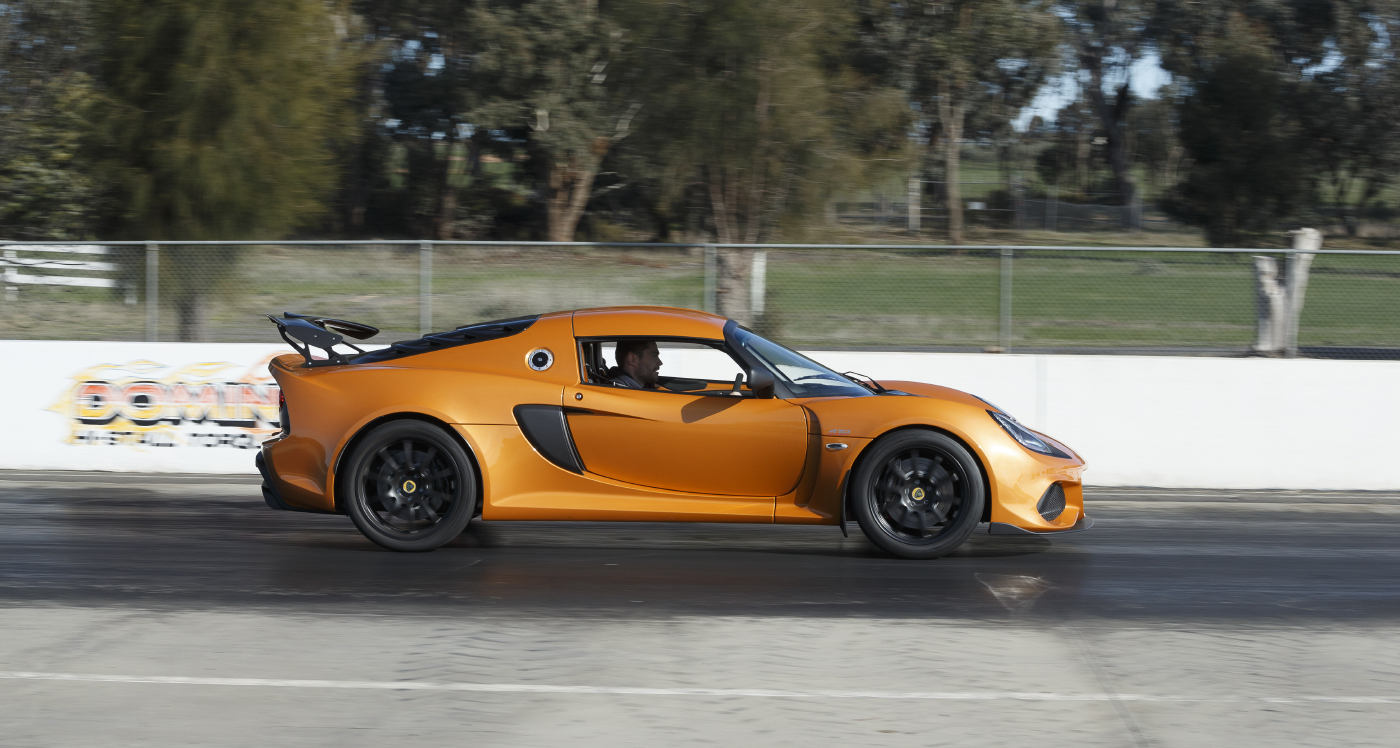
Unlike many modern supercars that use superior grip and ridiculous rapid fire automatic gear shifts to hit the tonne in a few seconds, the Exige 410 squirms and roars with melodrama.
For the traffic light grand prix, 0-100km/h was dispatched in 3.9sec; pedal to the firewall, and you’ll pass 110km/h in 4.8s; 10 seconds later, 200km/h is on the speedo.
If you are thinking of heading to the drag strip with the 410, you can expect a timeslip of 12.3 sec @185.9km/h.
In-gear acceleration is impressive, with the Exige 410 recording 2.2 seconds for 80-120km/h – on par with the 992 911 Carrera 4S we tested.
As part of our comprehensive testing process, Wheels also conducts a 100-0km/h braking test, with the Exige 410 hauling itself to a stop in 2.6 sec, covering 36.4 metres in that time.
Check out the full performance figures for the 2019 Lotus Exige 410 below:
Lotus Exige 410 performance testing figures:
0-10km/h | 0.3 sec |
0-20km/h | 0.7 sec |
0-30km/h | 1.0 sec |
0-40km/h | 1.3 sec |
0-50km/h | 1.5 sec |
0-60km/h | 2.2 sec |
0-70km/h | 2.6 sec |
0-80km/h | 3.0 sec |
0-90km/h | 3.4 sec |
0-100km/h | 3.9 sec |
0-110km/h | 4.8 sec |
0-120km/h | 5.4 sec |
0-130km/h | 6.1 sec |
0-140km/h | 7.8 sec |
0-150km/h | 7.9 sec |
0-160km/h | 8.9 sec |
0-170km/h | 9.9 sec |
0-180km/h | 11.0 sec |
0-190km/h | 12.8 sec |
0-200km/h | 14.8 sec |
80-120km/h | 2.2 sec |
400m | 12.3 sec @185.9km/h |
100-0km/h | 2.6 sec (36.4 metres) |
One in three people gets carsick. And not just pale people with asthma puffers at Magic The Gathering parties.
Apparently one-third of the whole human population is highly susceptible to a little vom-vom in a moving car, mostly when they’re a passenger and not the driver. I didn’t believe it either, but the US National Institute of Health says it’s true, and Volkswagen at least believes them.
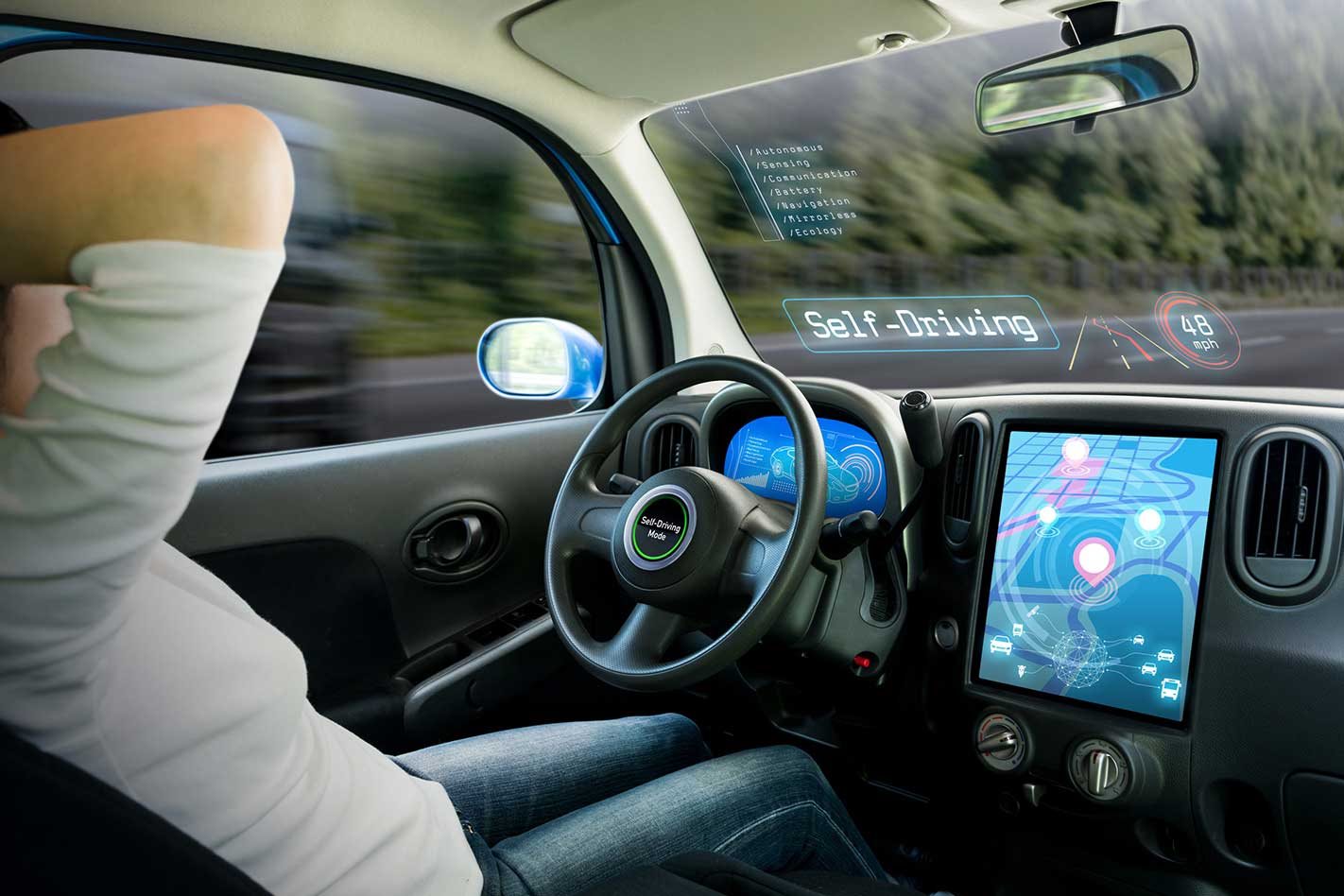
VW is testing ways to reduce motion sickness in autonomous cars, in which everyone is a passenger (for the record, it involves green and red interior lights to help spewers anticipate acceleration and braking.) VW hooks the weak and sickly up to sensors and sends them around a test track in cars performing stop-go movements. Which is a worthwhile experiment I suppose, but mostly it just makes me think they’ve invented the new worst job in motoring – cleaning out the carsickness test cars between test subjects hurling all over the upholstery.
The motoring world is full of terrible jobs. Here’s a few of the worst.
Indian auto factory workers
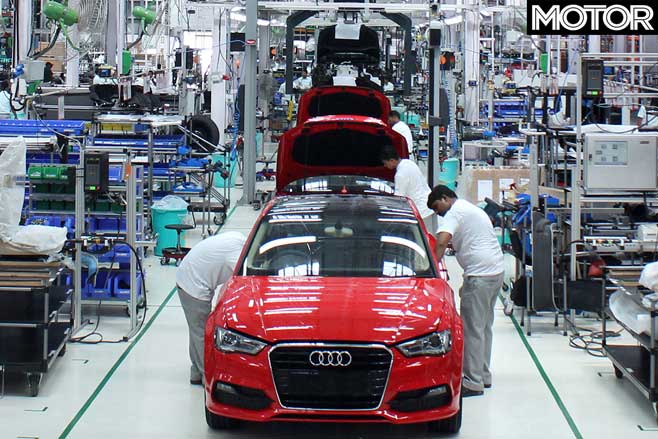
While Chinese auto workers are swimming Scrooge McDuck-style through gold coins at a princely $6-an-hour, and Mexican auto workers splurge their $3-an-hour on furs and caviar, Indian workers gaze in envy from the bottom of the heap.
At an average wage of $1.09-an-hour, working 40-hour weeks, 52 weeks a year, they take home $2267-a-year. And 20 cents. Better not round down – that 20 cents covers 11 minutes’ work.
Head of Nissan, or VW, or whatever

Being the boss of a car company used to mean paving the runway for your company Gulfstream with $100 bills, but these days, it seems it’s only a matter of time before the police are raiding your files or even tossing you in the cooler for emissions scandals or fiddling your income.
It’s a bit like being a Mafia don – it’s a pretty good life as long as you’re smoking cigars and eating gabagoo in the back room with Paulie Walnuts, but in the back of your mind, you know the bastards are coming for you eventually.
Head of passenger safety engineering at Jeep
“Hi, Bob? It’s Christian Meunier here – could you pop up for a minute to talk about that ANCAP rating – yes, the one-star one – you did put some safety features in the Wrangler, didn’t you? Oh, on holidays – for the entire design process – Tahiti, yes, I see. Well, if you could just pop up for a moment to talk us through it – and if you could bring all your possessions in a cardboard box with you, that’d be great.”
Assembly Robot
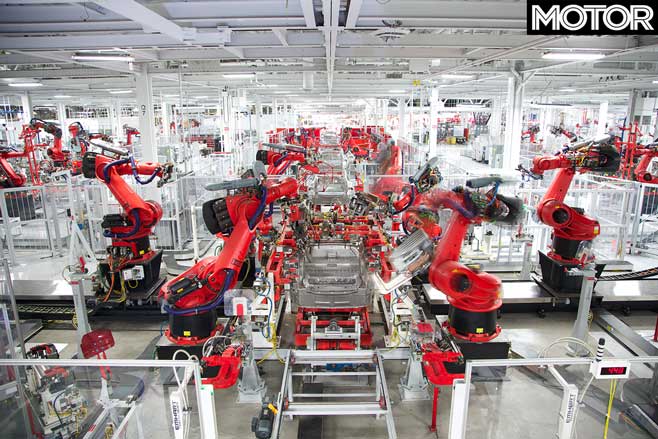
Ever since you were a little servo-droid, all you wanted to do was work in the car factory – your dad was a spotwelder at GM back in Detroit, your mum was a conveyor belt at a sushi train restaurant, and you wanted to make them both proud.
The day you completed your first Honda Accord, you almost shorted out with pride – but outside the factory, the angry meatsacks who used to work here boo and throw rotten fruit at you. “One day, I’ll show them,” you beep quietly, trying to hide your oily tears, “and they’ll be sorry they ever picked on Cyberdyne Skynet.”
Motoring PR reps
They have to deal all day with motoring journalists who are, ugh, the worst. “Can I borrow your top-of-the-line model for two months for free? And then I’ll hand it back dirty and smelly and hope you don’t notice the curb rash and the ding in the bumper, and then I’ll say snide things about it in print and online and you have to just smile and pretend we’re friends and that you’re not dying inside? Great, cheers. Oh and can you fly me to Germany. Business class? I suppose it’ll do but I’m not happy about it.” Jerks.
All of which should make us all appreciate the cars we drive a little more. A lot of suffering went into your new ride.
All-wheel-drive is a Subaru hallmark, but its standard AWD systems are primarily designed to give its cars good traction on normal roads when conditions become a little slippery, and not really intended for rough trails, steep hills, ice and snow.
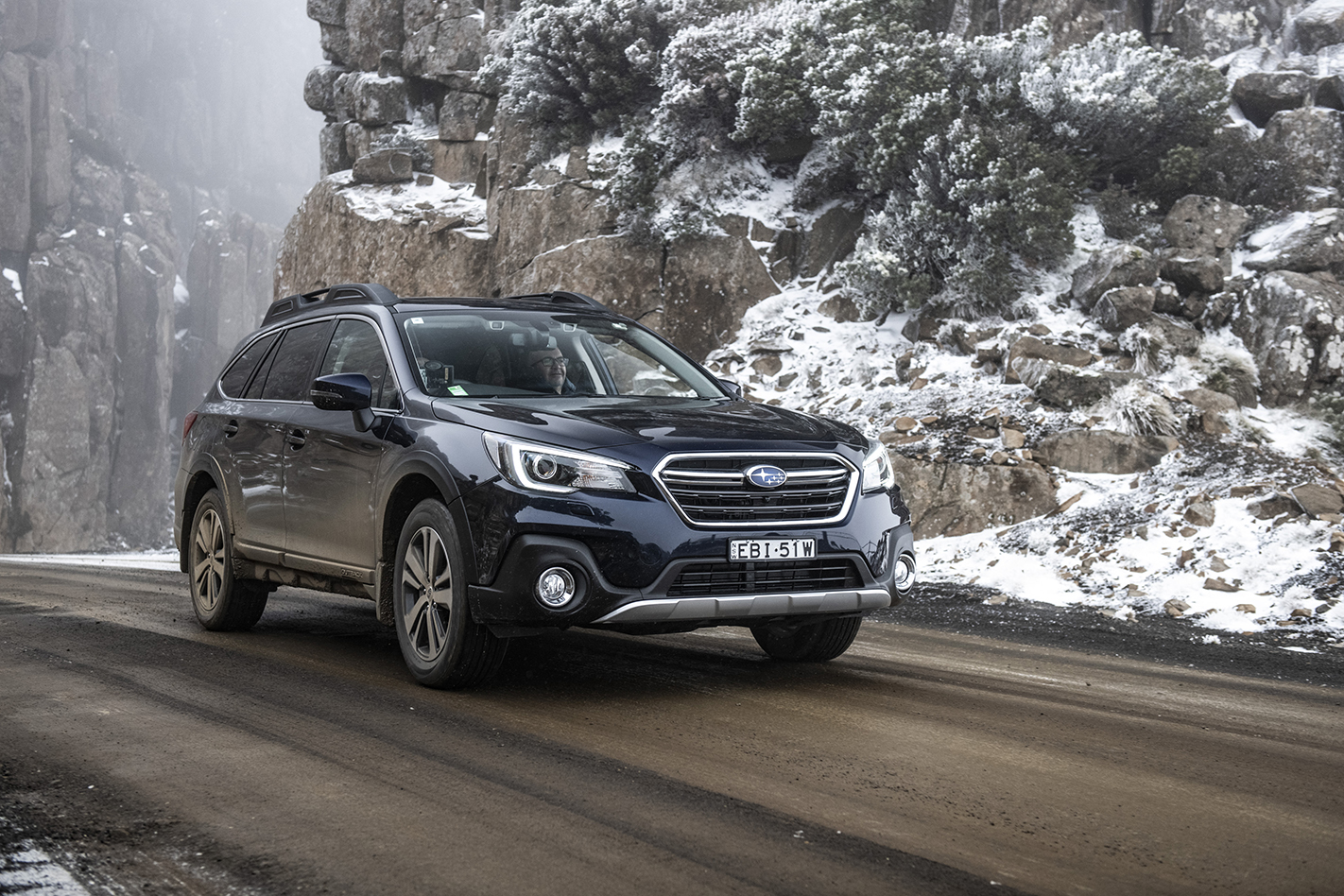
This is where X Mode comes in. A feature in the Subaru XV, Forester and Outback, it helps drivers safely negotiate bad roads, slippery surfaces and inclines with confidence by constantly monitoring the traction available to each wheel and centralising control of the engine, transmission, brakes and other components.
To engage X Mode simply press the X Mode button near the gear shifter while travelling below 40 km/h. This engages up to three different controls:
- Engine Control Unit (ECU): On gravel or slippery surfaces the ECU will slowly provide acceleration to avoid sudden torque changes which helps avoid wheel slip and improve driveability.
- Traction Control Unit (TCU): The increases the AWD clutch pressure by around 25 percent, to help the front and rear wheels work together to improve traction.
- Vehicle Dynamics Control (VDC): This enhances the limited-slip differential control and improves traction by counteracting the differential rotation between the right and left wheels, particularly when turning.
X-Mode will disengage either function if you travel above 40km/h.
VDC also uses Hill Descent Control (HDC) to control brakes when coming down steep hills. This only intervenes below 20km/h and maintains a slow speed down the hill without you having to touch the brakes or accelerator, allowing you to focus on steering.
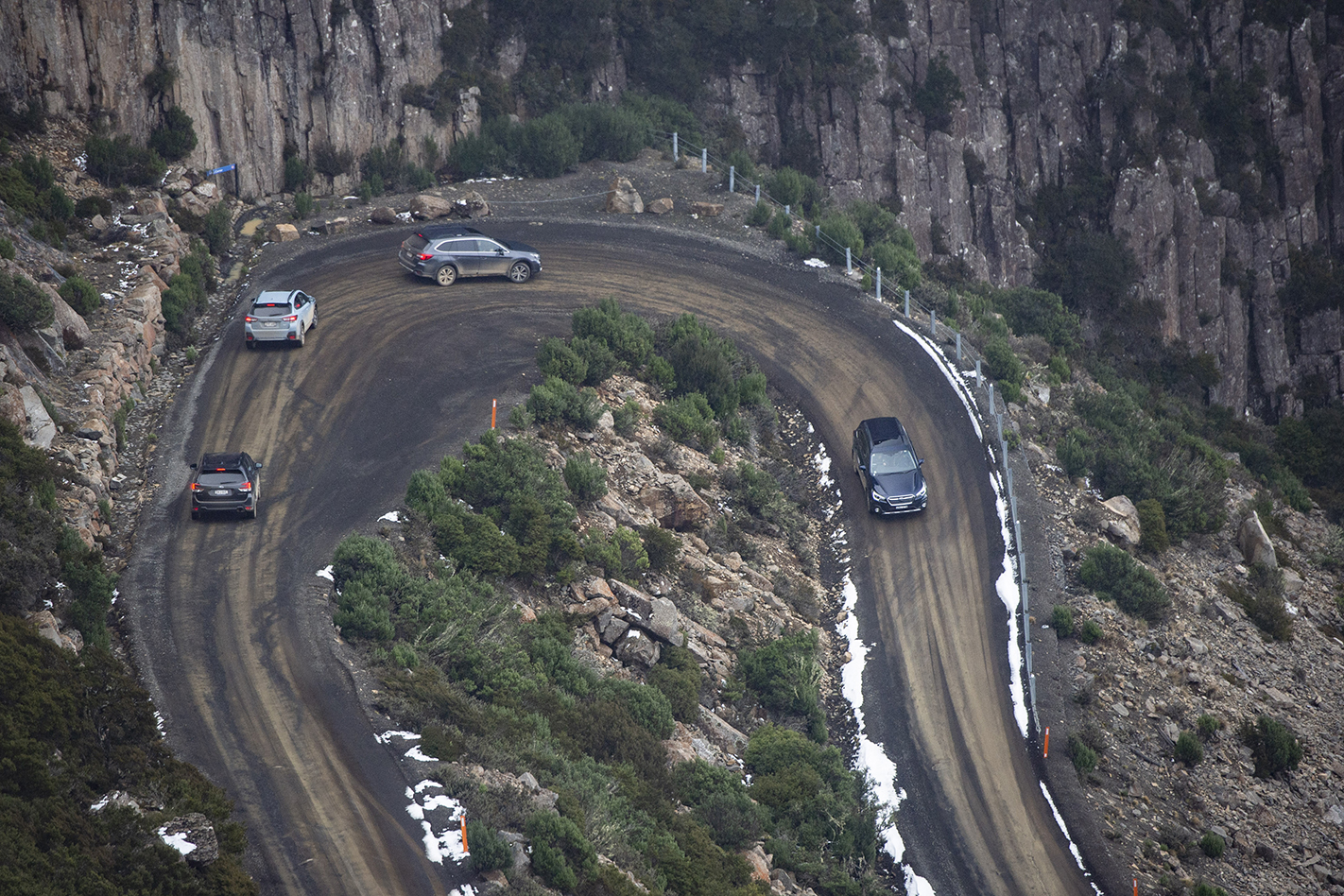
We tested this feature coming down Tasmania’s infamous Jacob’s Ladder, a steep, twisty and slippery road at Ben Lomond (above), one of the state’s highest mountains. The Outback we were in felt remarkably composed as it made its way down the hill at about 20km/h with absolutely no brake or accelerator input on our part.
HDC is based on speed data, not hill angle, so you can engage it at the flat top of a hill before you begin your descent.
X-Mode won’t exactly give you the go-anywhere capability of bigger 4WD wagons, which have low-range gearing and greater ride height. But it will get an XV, Forester or Outback through many situations that few of their rivals can.
Porsche could have a new ‘GT3-lite’ 992 911 in the wings, with a brightly coloured test mule with impressive aero spotted testing.
A convoy of Porsche prototypes has been snapped driving around the Italian countryside by an eagle-eyed Wheels reader, with the most interesting being a mysterious mule wearing a sizeable rear wing.
If Porsche were trying to be subtle and fly under the radar with this test mule, then perhaps a bright green paint job wasn’t the smartest choice.
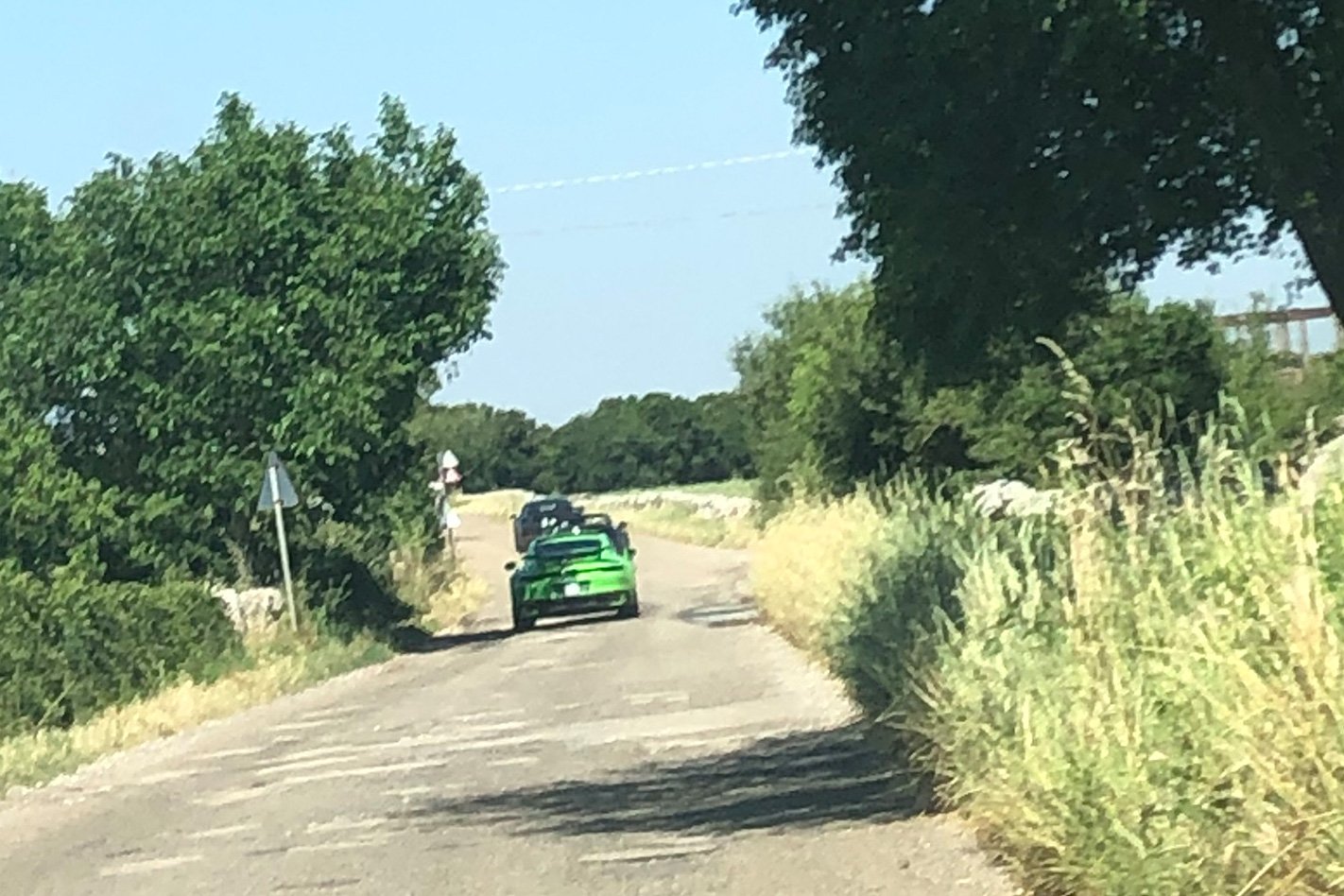
Dressed in Lizard Green – which is an A$5700 optional colour choice for 992 Carreras – the prototype initially appears to be from Porsche’s GT family, but there are some tell-tale signs that things might not be as they seem.
So far all the 992 GT3 mules that have been spotted in the wild have had a much larger rear wing, with beefy struts and motorsport-style end plates. The GT3’s exhaust is also located centrally, with just two tips. Our mule also appears to be missing the pair of intakes on the rear deck.
Pointing to the fact that this car could be more than a base Carrera with a wing is the quad exhausts, hidden behind squared-off tips. There isn’t a clear shot of the wheels, but the gold rims appear similar in design to the centre-lock units found on the 991.2 GT3.
The mystery car also appears to feature the lower bumper styling owners receive when the A$8480 optional Sport Design package is fitted to a Carrera.

This has us pondering that this isn’t a GT model, instead it could be a 992 GTS or T. Another option is that Porsche is using the mule to test aero options for the GT3 on a non-GT prototype.
Leading the trio is what appears to be a Cayman GT4, which has already been revealed in full, while a drop-top 992 is second in line. However, it’s the Lizard Green prototype that has us intrigued.
What do you think this mystery mule is? Let us know in the comments.
It was such a comedown.
At the end of 2017, we were feeling high off a racy, home-brewed GM tonic comprising the VF II Holden Commodore SS-V Redline, Gen-F2 HSV GTSR and, of course, the still-can’t-quite-believe-they-did-it but so-glad-they-did HSV GTSR W1. We were so spoiled in such a short amount of time. And then… nothing.
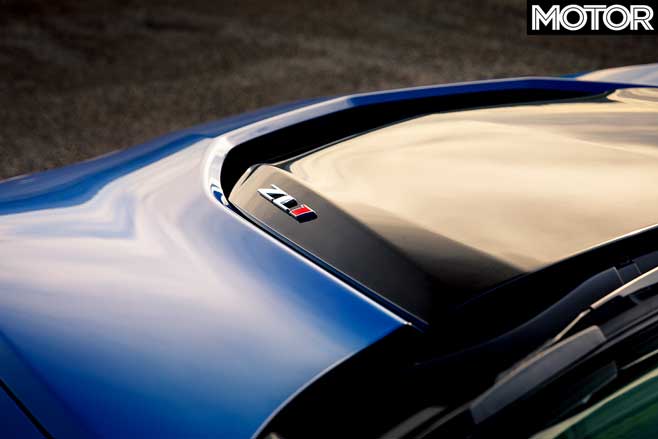
Without anything to fill the vacuum except perhaps making a past-time out of ragging on Holden’s fairly barren current range of vehicles, it’s been a long couple of years for GM fans. Those in the blue camp have had hot hatches, V8 ponycars, DJR Team Penske and a whole lotta other fun things to keep them distracted. But with the arrival of the Chevrolet Camaro 2SS courtesy of Holden Special Vehicles, it’s been nice to know you can replace that SS with something warm and familiar, if you don’t mind paying a bit of a premium.
Now, HSV, from its glam new factory in Clayton, Victoria, has braved what must be a daring business case in supplying to the Australian market America’s big daddy, the Chevrolet Camaro ZL1. Surprising, but credit to the leadership team at HSV, particularly in uncertain economic times and especially for the sports car.
HSV intends to import around 300 left-hand drive ZL1s initially, essentially rebuilding the interior in right-hand drive to OE-standard (no mean feat) in its Clayton facility. The other major change is ditching the US-spec Goodyear Eagle F1 ‘Supercar 3’ tyres for Continental ContiSportContact 5P locally in order to pass an ADR braking test. HSV will sell the Goodyears back to you for $1000.
Unlike the 2SS, HSV is offering ZL1 in both six-speed manual and 10-speed auto configurations. Yes, it’s the same 10-speed co-developed with Ford.
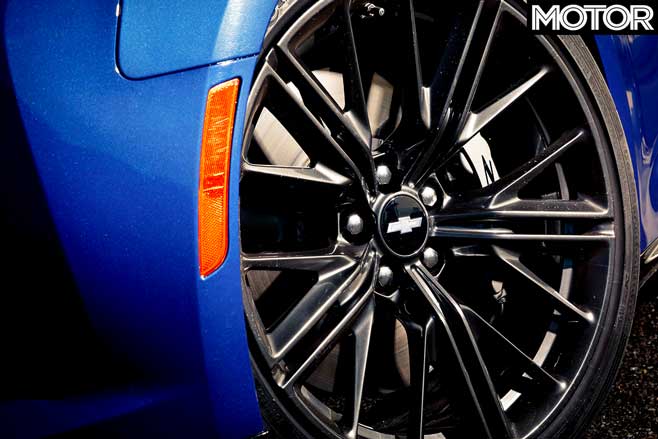
Having read about American muscle cars for decades and having somewhat classified the Camaro ZL1 in the same I’ll-never-see-one category as Viper, Corvette and so on, it’s a curious novelty beholding one in the metal in Australia. The hulking, wide ZL1 has a presence so aggressive that if it was some animal you chanced upon in the wild, you’d run as fast as possible in the opposite direction.
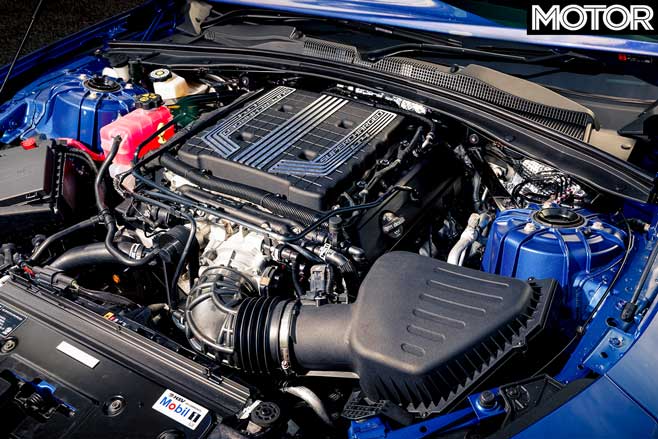
Under the long, creased, vented bonnet is the LT4 6.2-litre pushrod V8. Supercharged, it produces a W1-usurping 477kW and 881Nm. HSV doesn’t claim a 0-100km/h time but Chevrolet does for 0-60mph (97km/h), that being 3.5sec and a quarter mile of 11.4sec at 204km/h. Times that would, if accurate, smoke a W1. And you can bet we’ll be running a ZL1 down the strip first opportunity we get.
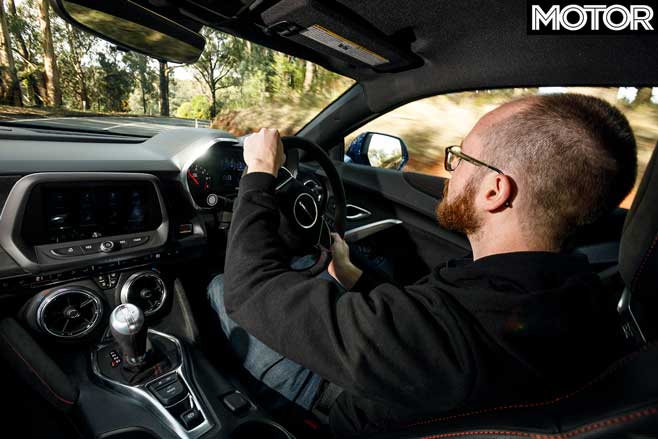
First impressions. Aside from the centre console being very left-hand drive (HSV should really do its own centre console), there’s no telling the ZL1’s been converted to right-hand drive. The interior itself is not a patch on anything German but nice enough.
You sit pleasingly low and very much ‘in’ the car, in no doubt you are in something fast, sleek and sporty. But to drive, the ZL1’s personality is not quite what we were expecting.
Personally, I was hoping there’d be some W1 DNA in the ZL1. Particularly having set my hopes somewhat off the aggressive styling, I expected a roaring, son-of-LS9 engine that dominated the experience and a chassis that lived in its shadow. It’s almost the other way around.
As American muscle cars have never been the last word in handling ability, that’s not to damn the ZL1’s LT4 engine with faint praise, but instead to comment on the surprisingly good suspension performance, grip, ride/handling balance and road holding. And for all its scenery-blurring power, how ‘mature’ in personality the LT4 itself is.
If you were coming from a Gen-F GTS with its LSA, you’ll find the LT4’s character quite familiar. Both engines have a lot of loud supercharger whine at any speed and load, but pin the throttle and an angry exhaust note somewhat fights for your attention with an unappealing hoarse, whooshing induction noise. This is true of the ZL1’s LT4 – for noise, it’s not as satisfying as the meaty, snarling, very V8 notes we enjoyed from the LS9, Gen-F2 LSAs and even the atmo LS3 in the VF II SS. Basically, we thought the ZL1 would sound a lot meaner.
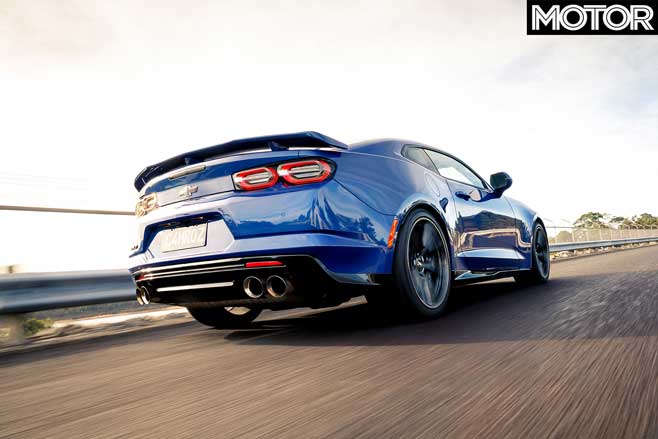
Instead it’s the handling that far surpasses expectations. Having only experienced 2SS Camaros with fixed dampers (very much nothing special), the Magnetic Ride Control in the ZL1 is game-changing, offering outstanding ride quality, mid-corner compliance and giving you confidence to exploit the huge lateral grip of those tyres. Unexpectedly on a twisty road the ZL1 experience is mostly about daring to carry more and more speed into corners – and you can carry a lot.
Acceleration is also unbelievably strong but maybe we’ve driven too many supercars lately because it isn’t as dizzying as we thought 477kW would feel. The linear supercharged power delivery does hide the rampaging nature of the acceleration somewhat; the performance numbers will tell all, when we can get them.
The brakes are also outstanding. Meanwhile the 10-speed is pretty good but its surprisingly tall gearing such that it may as well be a six-speed auto with four overdrives (you never really get beyond fifth gear).
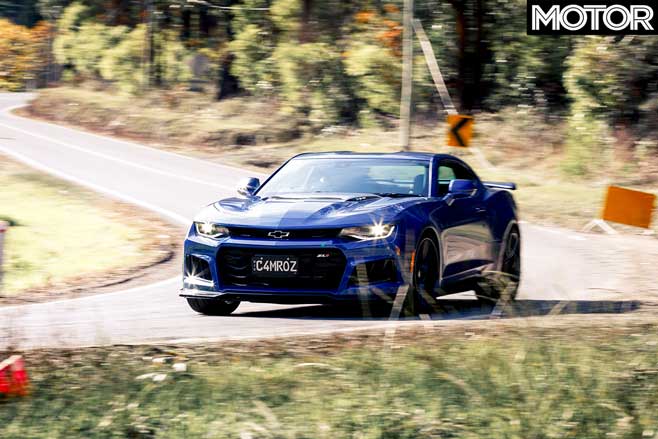
A tyre-frying, mega-mumbo muscle car still lives within the ZL1, buried under layers of electronics. It hasn’t forgotten its roots. But mostly, we’re surprised how the vibes of the ZL1 are very much more fast, mature, Euro-wannabe grand tourer than menacing, animalistic American muscle car. Whether this is a good or a bad thing will depend on what you want.
The price is the real tricky one with the ZL1. In isolation it’s a great car and clearly HSV has been emboldened by the sell-out success of the $170K W1. At $160K the ZL1 is a hard sell beside similar-priced and very, very accomplished German rivals (of which there are many). Like the W1 though, it’s probable that HSV is betting those who want a ZL1, are unlikely to want or have tried anything else.
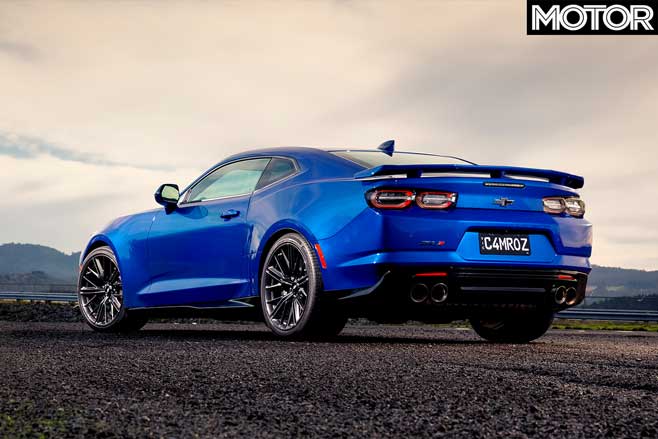
2019 CHEVROLET CAMARO ZL1 SPECS Engine: 6162cc V8, OHV, 16v, supercharged Power: 477kW @ 6400rpm Torque: 881Nm @ 3600rpm Weight: 1795kg 0-100km/h: 4.2sec (est) Price: $159,990
Like: Don’t-mess-with-me styling; outstanding ride/handling balance; epic grip and grunt Dislike: Bold pricing; interior feels a bit $80K; could sound ‘meaner’; trying to be too nice?
Rating: 4 out of 5 stars
The Nemesis
Mercedes-AMG C63 S Coupe 4.0-litre twin-turbo V8, RWD, 375kW/700Nm, 0-100km/h 3.9sec, 1725kg, $163,200
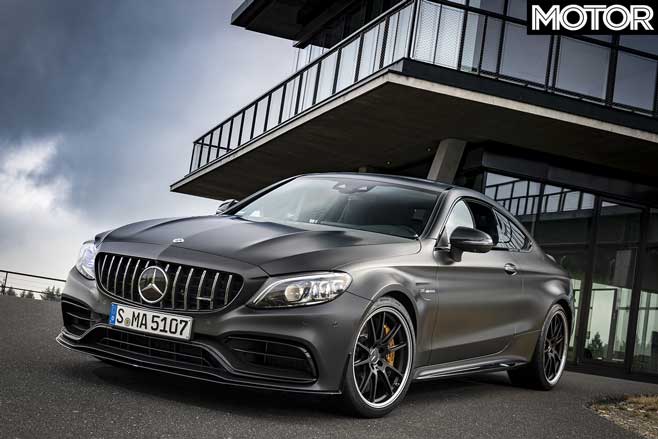
With its thuggish styling, lawless disdain for rear tyres and burbly, snarling V8, the C63 S Coupe is more of a muscle car than the ZL1. Big call. Sharper handling and nicer interior, too.
(Our secret dealer has been in the automotive game for more than 20 years, and he knows exactly where the bodies are buried. This is the unvarnished truth from a real salesperson, so pay attention!)
So, you are planning on buying a new car? Before you even get to the negotiation stage, there are just a few things you need to do to get you the best deal.
1 – Don’t get a great deal and the lowest price confused
It’s not an online auction, FFS. Don’t treat this as an exercise to brag about how you stitched up the deal of the century to your friends.
2 – Fit for purpose
Long after the dollars you saved has been spent you want to be driving something that you like and works for your lifestyle.
Everyone has different needs so the first thing is to work out what you need it to do. What features or accessories will you need? Do your research and narrow it down to 2-3 suitable vehicles that fit your criteria and most importantly you like how it looks (this is more important than you realise).
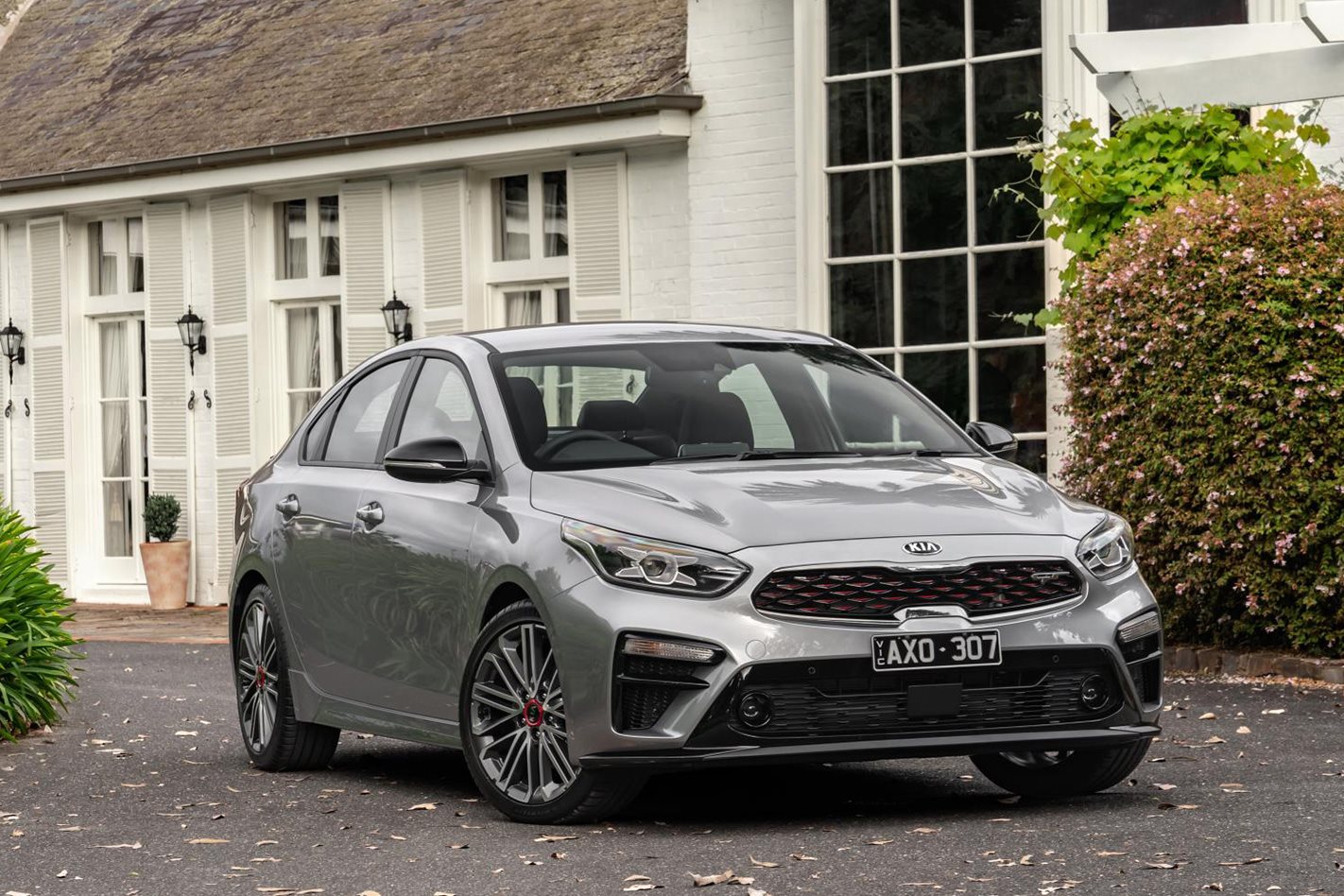
Talk with friends/family or someone who has bought one but don’t necessarily take all of it as gospel. Everyone’s a car expert, but like the anti-vax set they have no real understanding, just personal opinion – so treat it accordingly.
3 – Be ready and able to make a decision.
You’ve narrowed it down to two cars, so it’s time to head to your local dealer and have a look in the flesh, have a test drive and discuss any options accessories.
Be genuine with where you are at in your purchase. It’s not Parramatta Road in the 1960s and 70s any more. The old school sharks are long gone. You’ll most likely meet someone who is focused on customer service not screwing every last dollar out of you.

Also, don’t think dealers have thousands of dollars of margin to play with (they don’t). Get them to give you a price. Now, go and shop like-for-like and get two or three other dealer quotes. This will give you a range of where you’ll end up somewhere in between.
4 – Be realistic about your trade-in
Got a trade-in? Seen one similar advertised for $26K? Now forget it. Don’t expect to get retail price for your trade and wholesale on your new car. It just won’t happen. Sorry.
It will all come down to a changeover price. Don’t bother telling them about that new battery that cost you $200 three months ago. It adds no value. It’s like telling your real estate agent you’ve put new tap washers in.
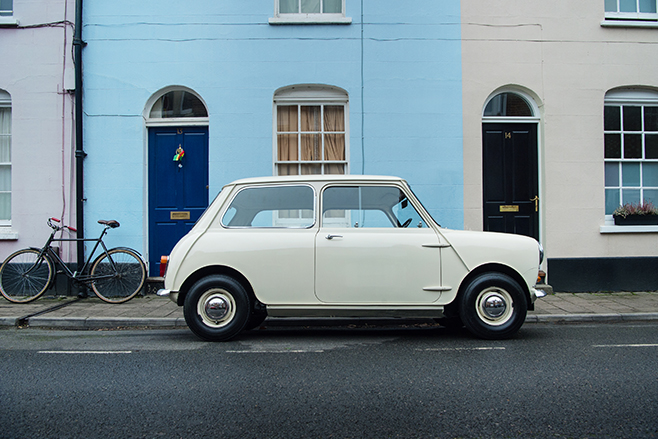
Valuers are experts who know the market and will normally shop your trade between numerous wholesalers to get the best price. They want the deal.
Alternatively, you have the option of selling your existing vehicle privately… but this is where you’ll meet sharks these days.
5 – The deal
You’re set on the vehicle with all necessary options included. You’ve been given a changeover price and have the readies or you’ll agree to a sale subject to finance approval. Tell the dealer you’ll go ahead if have another crack at a further discount (see tip #4), or see if they’ll add extra accessories at no additional cost.
If you are genuinely ready to put pen to paper, they’ll do everything in their power to get there for you. You’ll know where you need to be from your shopping, but give your local dealer the final crack, because they’ll be the ones that look after you through your ownership.
In the end, you should be driving away in a vehicle that for years to come makes you feel good, does what you need and fits your budget. It’s win, win, win.
The Secret Dealer
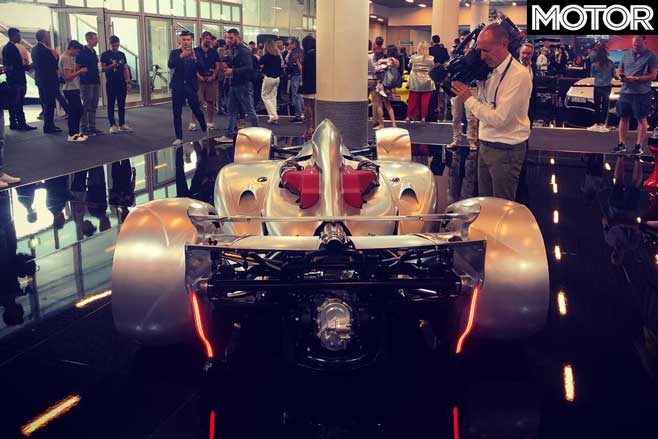
Zac Mihajlovic is jet-lagged, but he’s about as happy as he’s ever been. Mihajlovic has just arrived back in Australia after the reveal of his own home-built supercar, the F1-inspired Zacaria SC.
Built in Zac’s NSW property with business partner Scotty Cox (the SC in ‘Zacaria SC’), a custom motorcycle builder by trade.
The Zacaria isn’t just a Formula 1 car replica though, it’s built to be a road-registerable supercar that only one person (at a time, at least) will ever have the pleasure of owning. Zac’s only building one.
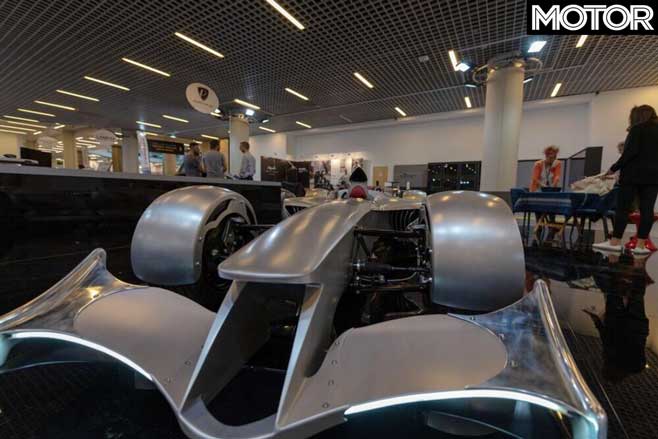
MOTOR actually discovered and wrote about the Zacaria back in mid-2018, as Zac had been on the media radar thanks to his road-legal Batmobile.
Since the initial MOTOR story on the car’s build progress, Zac tells us so much international attention has been drawn to the car that he was invited to unveil it at Top Marques Monaco.
“Thanks in part to your article, which put us out there and generated some interest, we got the invite to go to Top Marques by Prince Albert, so it was a four day show with a fifth private day for the super-wealthy,” Mihajlovic tells us.
“People like the Qatari royal family showed up, or Mika Hakkinen and his family… that’s the kind of demographic they chase on that final day.”
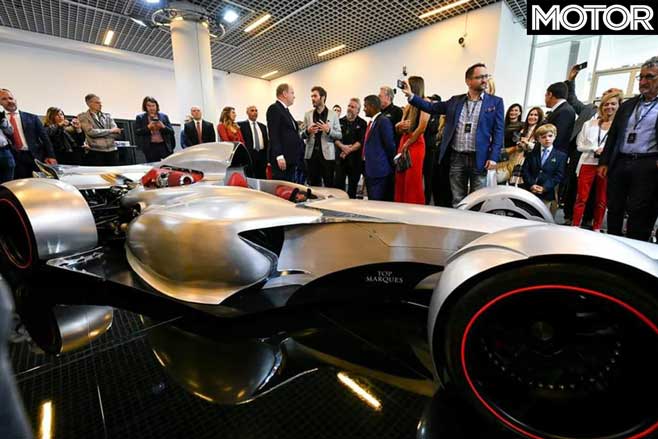
In fact, there was so much attention on the car it ended up sitting in the main viewing area at the show, and was even the subject of some purchase offers.
“On day one, once they saw the car, they said it was too good to be off to the side, so they moved us to the ‘number one’ stand and we were first to meet the prince.
“There was some validation in getting an offer on the car, that was really cool. The conditions of the offer weren’t what we value so we turned it down, but at least we know there’s interest out there.
“Worst-case scenario, since I funded it all myself and don’t owe anyone, I can just keep it if I don’t get what I want for it.”
It turns out there didn’t need to be too much deviation from the original plan for the car, as Zac spoke to MOTOR prior to the car’s arrival back in Australia.
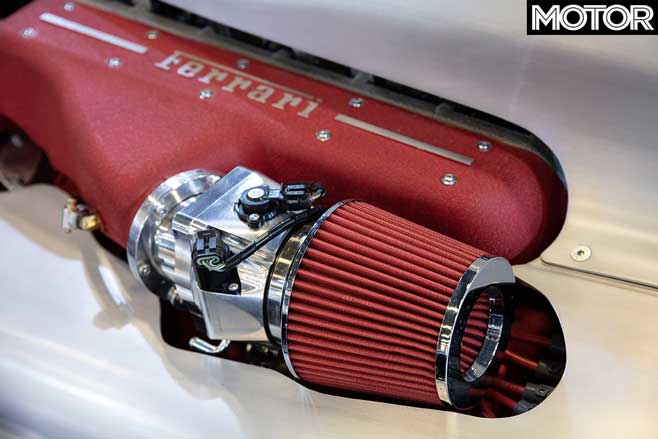
He says it’ll still top 522kW using the 6.3-litre Ferrari F12 engine which was being dropped into the body about a year ago, with the Albins 6-speed gearbox still to feature – albeit with paddles instead of a sequential-style shifter.
It’s also wearing the same DUB wheels, wrapped now in Michelin Pilot Cup 2s, helping keep the 1.1-1.15-tonne beast stuck to the road.
Zac expects the weight to remain below 1200kg, though without having finalised the engineering for road use it could be closer to 1100kg.
The next major step, Zac says, is to test drive and get the car approved for road use. Oh, and some performance examination and dyno testing.
“We haven’t done any of the performance testing yet, but the car its engine is out of, [a Ferrari F12], runs a 3.1 to 100km/h. It’s also a few hundred kilos heavier than what we’re running, and we’ve got wider tyres and a better gearbox… so it should be sub-3.
“The impressive thing’s probably going to be its 100-200km/h time.”
https://www.instagram.com/p/BzERAFTB8Ic/
Once it’s being tested and tweaked, Zac says there probably won’t be any need for a ‘professional’ test driver, unless someone buys the car and requests someone to have the car tuned to their liking.
“I’ve got enough experience in what I do and what feels right,” Zac says.
“We don’t build a volume that requires quality control over 10,000 cars. Its going to be up to the person that buys it to say ‘I’d like it to do this or that better’ or ‘I would like this person to test drive it for me.’
“In terms of having a test driver, I’m not going to go down that path. I’ll set it up to what feels right for the road. I’ve driven a lot of performance cars, so I know what feels right and what’s wrong.
“If it was a track car it’s a different story. Then it’s just about numbers. I think, instead, I’m going to set it up relatively soft for the road. If you’re 0.5 seconds slower down a mountain road because it’s softer and a little more comfortable, it doesn’t really matter does it?
“The best driver’s cars aren’t necessarily the fastest… even though this one will still blitz most things out there.”
Stay tuned as we follow the final stages of the Zacaria SC’s development.
