
Dodge has announced it’ll unleash its Charger SRT Hellcat Widebody Concept at this year’s Pikes Peak event, tackling the course in Exhibition class.
This means the 527kW supercharged four-door sedan will follow time-attack machines up Colorado’s famous 20km-long international hill climb, eligible to set overall records but not for its class.
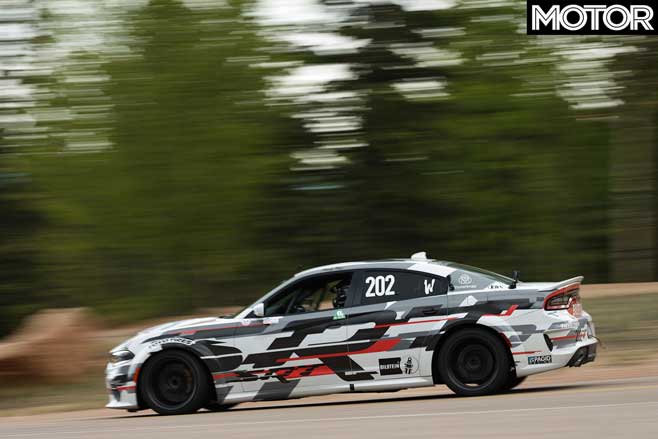
It’ll be specially prepared for the event, building upon the Hellcat Widebody’s already fearsome specification that FCA claims can set 10.96 second quarter mile times.
Its 6.2-litre blown Hemi V8 gets some specific tweaking for the ascent since oxygen thins during the 1.4km climb. Dodge says unique engine management and a race exhaust should ensure it produces the power it needs.
It’s left the suspension alone, claiming that the car’s already huge 305mm-wide tyres at each corner, backed by Bilstein dampers, are already suited to the demands.
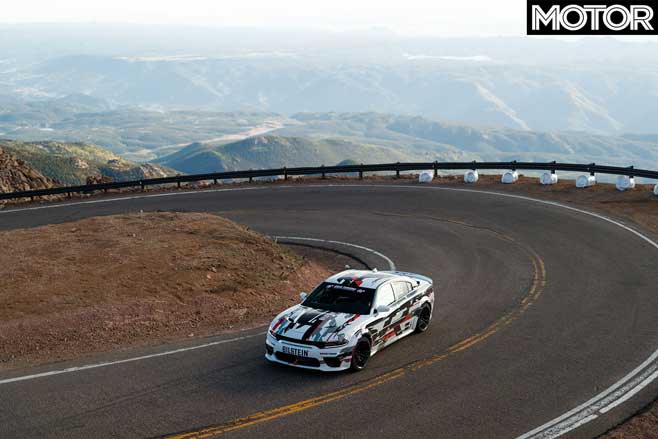
But it’s 11-inch wide and 20-inch tall wheels come wrapped in Toyo RR rubber. The brakes also score high temperature pads and fluid to combat the fatigue of stopping for 126 corners.
Since the course was fully paved in 2011 its rear-drive configuration and eight-speed automatic transmission have been left alone.
Racer Randy Pobst will drive the car. He’s competed at the event three times, but after an off in a high powered GT-R in 2015, the importance of its FIA-spec roll cage, race seat and race fuel cell are obvious.
“The driving challenge is like no other on Earth,” he said about his involvement. “This specially prepared Dodge Charger SRT Hellcat Widebody concept has the three ‘must haves’ for this hill climb.
“Lots of horsepower and torque to hit 120 mph [193km/h] plus on the sweepers; great handling with the wider wheels and tires, because there is absolutely no room for mistakes on a mountain road; and the superb brakes to haul that puppy down for 20-mph [32km/h] hairpin turns.”
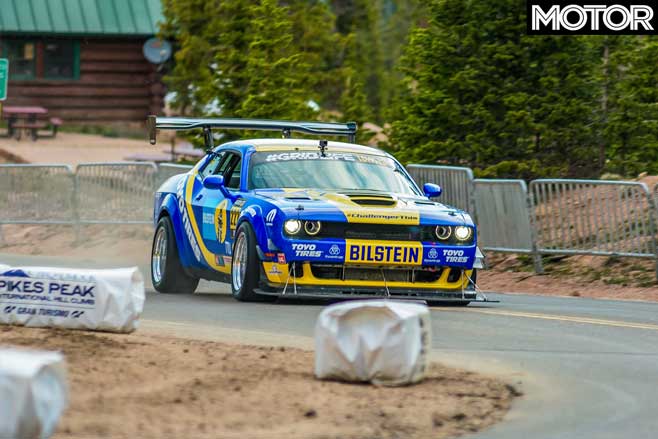
He’ll also be joined by a race prepared Challenger Hellcat Redeye on the day, which kicks off on June 30, Colorado time.
BMW has confirmed its X3 mid-sized SUV will take the German car maker into the mainstream electric vehicle era, with a production version of the iX3 Concept officially on its way in 2020.
Until now, EV adopters that wanted something with BMW‘s famous roundel badge had only the niche i3 hatchback to choose from or the company’s growing range of plug-in hybrids as a compromise, but that’s all set to change.
Speaking at the brand’s NextGen technology showcase in Munich, BMW member of the board of management, customer, brands and sales, Pieter Nota told journalists that its endeavours into electrification would be marked by the arrival of the pivotal model.
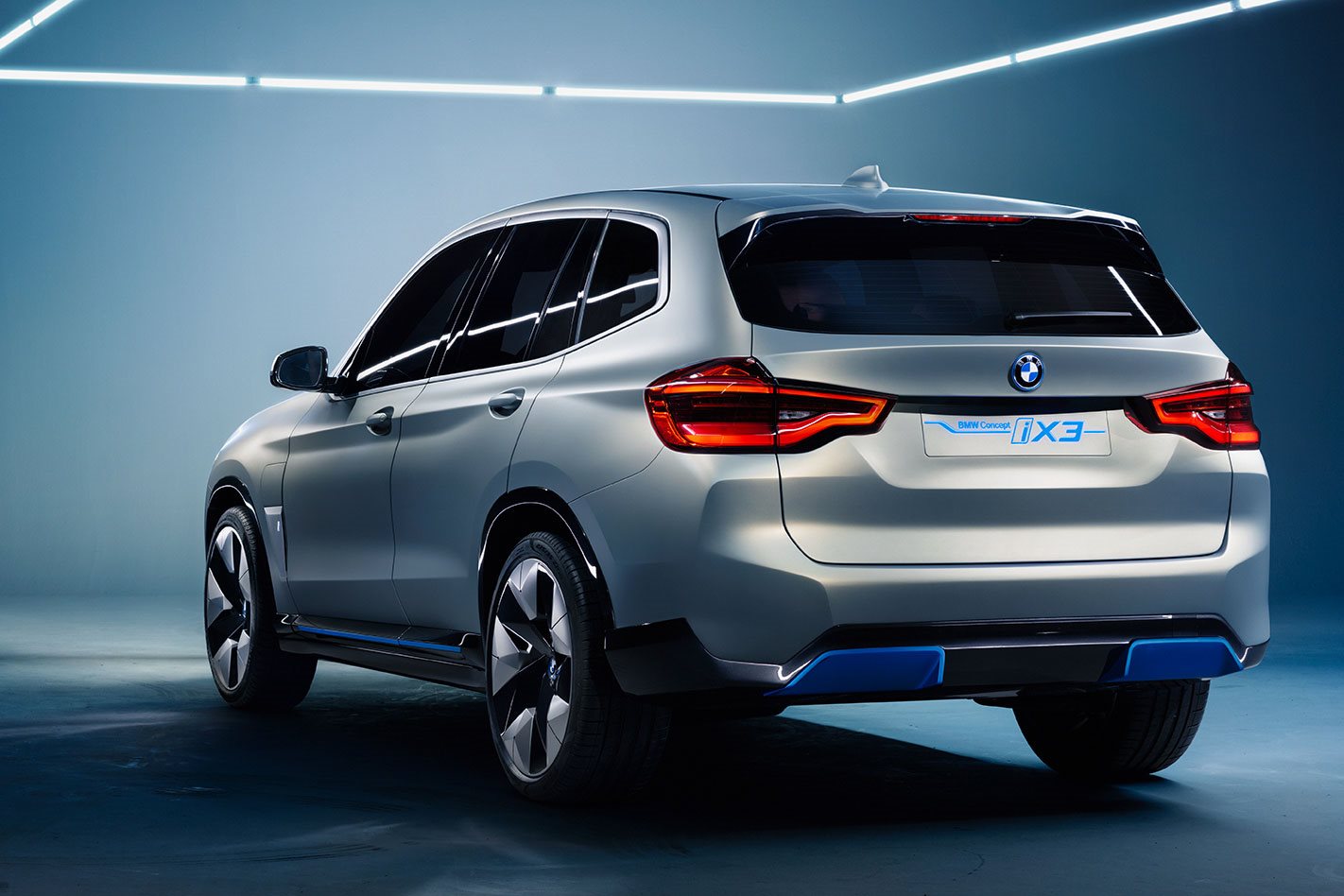
“We continue to invest in efficient combustion engines, but also plug-in hybrids are becoming more and more important. And of course an increasing number of electric vehicles,” he said. “Maybe one specific example to illustrate exactly what we mean – one of our most popular models the X3 – next year we will launch a fully electric version – the iX3.
“It means that from next year we will have that vehicle with all drivetrains available globally: efficient combustion engines, plug-in hybrid and fully electric.”
It’s no coincidence that the company has chosen one of its most popular models to carry the milestone electrification flag, with the SUV accounting for a large proportion of its worldwide sales including Australia where it is the nation’s favourite BMW.
And the company will be planning for that popularity to continue with an electric drivetrain under its skin.
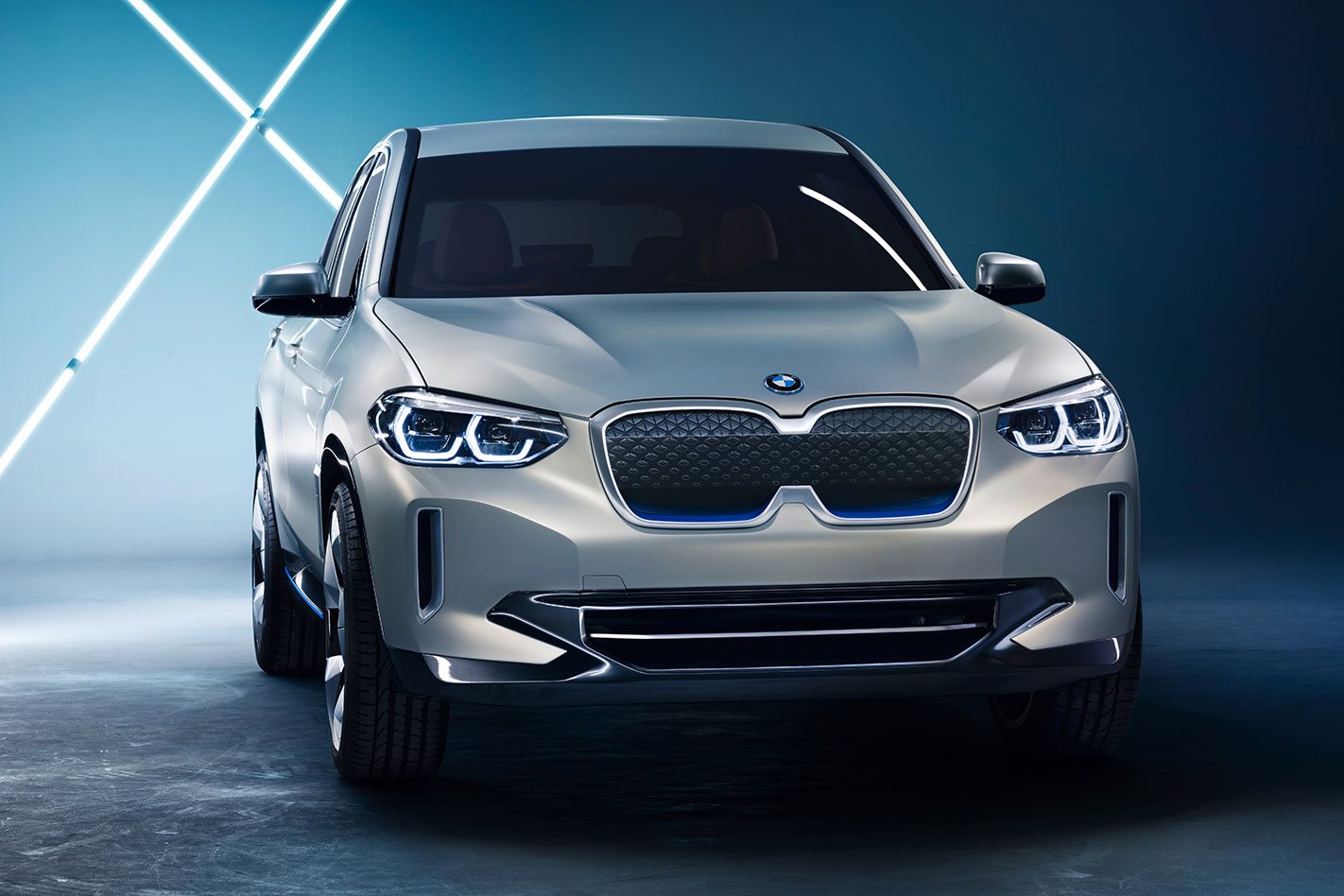
Unlike the i3 however, which still has the premium electric hatchback floor largely to itself, the iX3 will enter an already competitive market, joining arch-rivals Audi with its e-tron, as well as Mercedes-Benz that are lining up for the electric battle with its EQC.
No details regarding the production car have yet been revealed, including range, performance, regional allocation or critically, price, but the concept that is heralding the showroom version may offer some clues.
Revealed at the 2018 Beijing motor show, the iX3 concept has 200kW from a single electric motor and is powered by a battery with enough spark for up to 400km of driving.
It will borrow technology developed for the i3 and i8 sportscar but will slot the electrified bits into a different flexible architecture, that will allow for a number of different configurations, including front, rear and all-wheel drive, as well as models of different sizes.
Following the iX3, a second electric SUV will join BMW’s EV line-up a year later in the form of the iNext, although the yet-to be detailed larger model is likely to be christened with a different moniker when it arrives in 2021. It could even surface as a pure EV version of the X5.
BMW is applying significant pressure on the emerging EV arena with a wide-ranging development program that keeps the emissions-free boilers stoked with healthy investment.
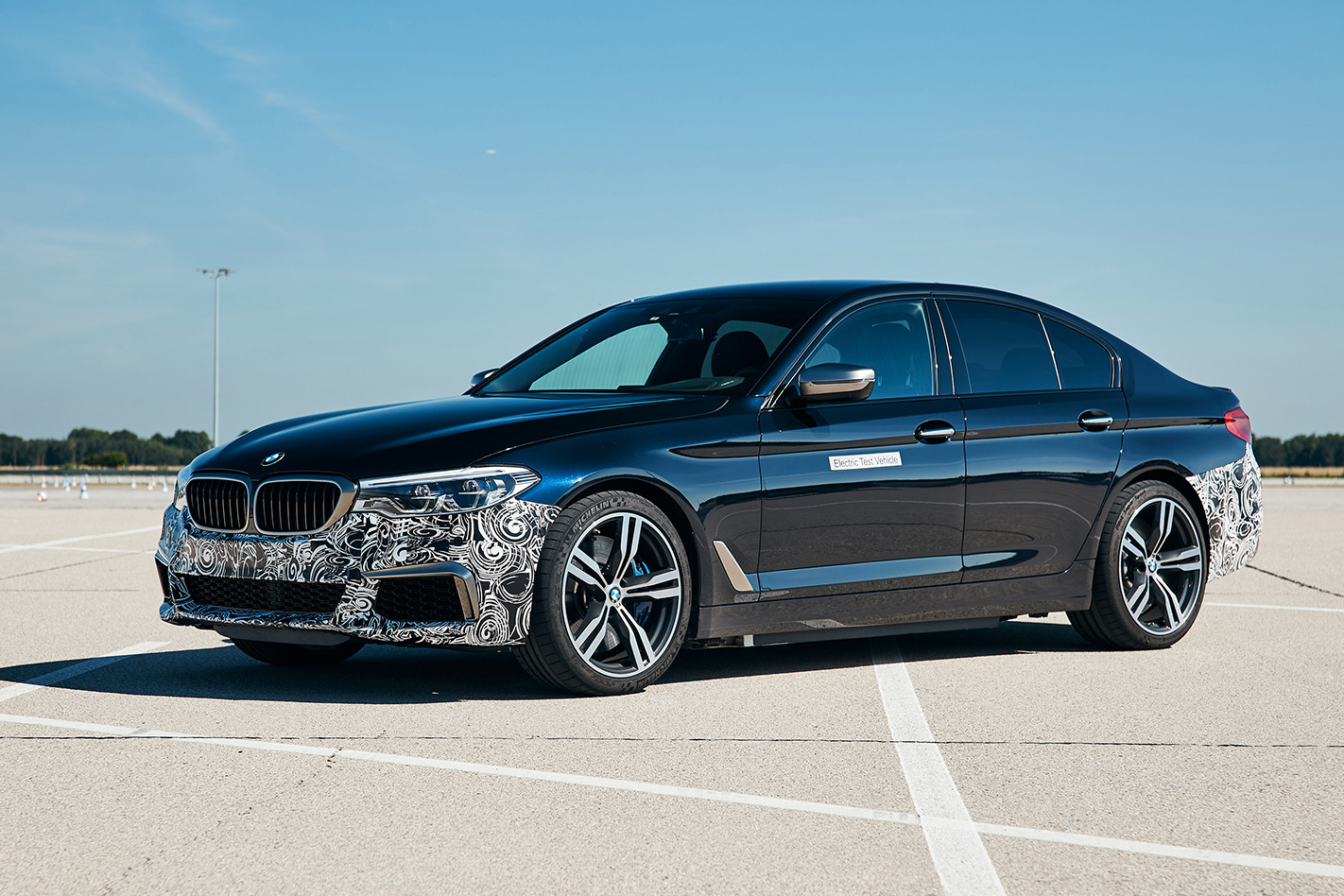
This week, the company revealed a prototype vehicle that packages three of the iX3’s electric motors into the 5 Series body, resulting in a vicious 529kW/1150Nm output and performance to embarrass the turbo petrol powered M5.
And the company is also looking beyond the heyday of battery power and onto hydrogen fuel cell dominance, it says.
Exact plans for the iX3’s world proliferation will have to wait until closer to its official reveal next year, including if the model will silently roll out on Australian asphalt.
The July issue of MOTOR magazine drops a bombshell as we finally get behind the wheel of 2019’s most eagerly anticipated – and controversial – performance car, the Toyota GR Supra.
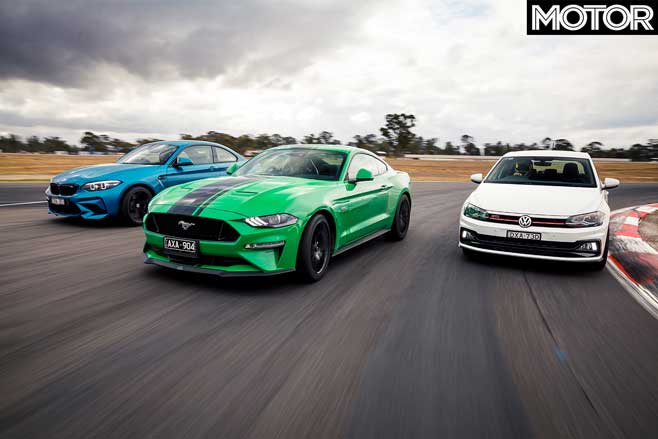
While the Supra is months away from its Australian debut, we get cracking on finding the best value for money performance cars you can buy right now with our annual Bang For Your Bucks event. This year’s edition will feature 10 new contenders going up against the 2018 champ, the Honda Civic Type R!
Moving on from down to earth stuff, and onto the metal of starry-eyed dreams, we fang the $2.26 million Adelaide-built Brabham BT62 on track and the $600k Porsche 911 Speedster on the road.
You can find our gorgeous mags at retailers around Australia. Or you can subscribe and save yourself some cash, there’s even a digital subscription.
Subscribers often receive their mags earlier, so you’ll get to see what MOTOR has to offer before anyone else.
Follow us on Facebook, Twitter, and Instagram to interact with us, give us feedback, and get a peek behind the scenes.
THE SUPRA VERDICT – 2020 Toyota GR Supra first drive
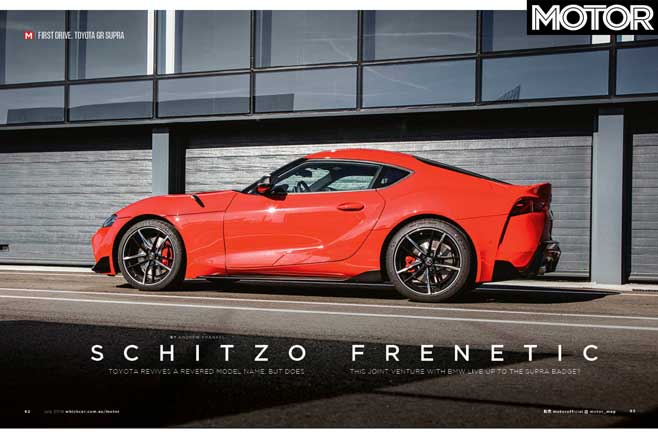
Built with BMW bits, aimed at the Porsche Cayman, the GR Supra doesn’t quite hit the mark for us after a decent drive.
MOTOR’s Bang for Your Bucks 2019

11 contenders from the BMW M2 Competition to the VW Polo step up to the plate. While some starred and some jarred, the winner wasn’t in doubt.
FROM A LAND DOWN UNDER – Brabham BT62 track review
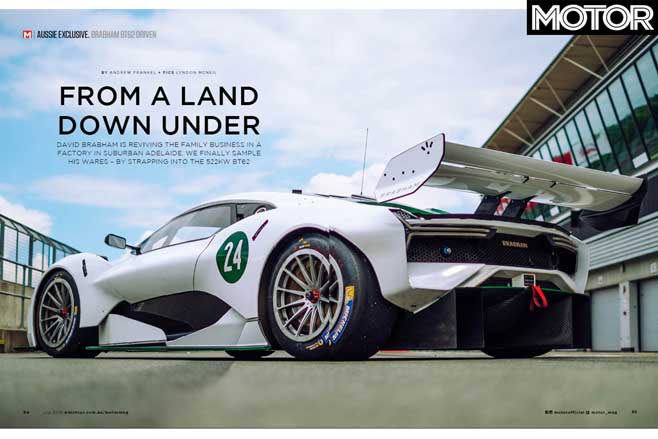
We get an Aussie exclusive on the extraordinary Le Mans-inspired car at the heart of David Brabham’s ambitious plan to build an auto empire.
FINAL FANTASY – Porsche 991 911 Speedster driven
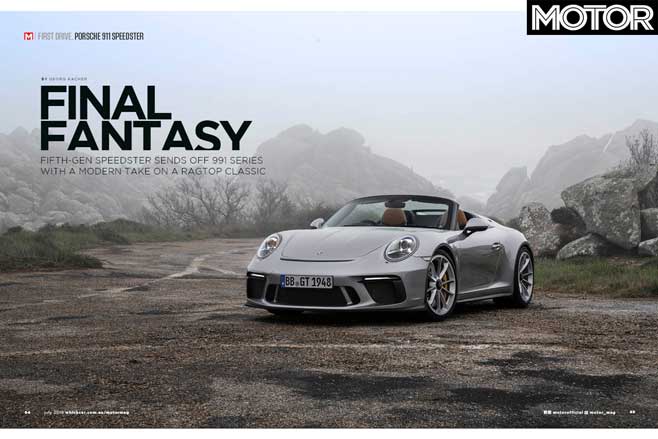
Porsche bids ‘Auf Wiedersehen’ to the best-selling 991-generation with the incredibly sexy limited-edition Speedster.
CLIMB DANCE – Alfa Romeo Stelvio Q review

Named after a famous mountain pass, can Alfa’s supercar-chasing SUV tackle the rugged alpine roads of Victoria?
ICON CREATOR – Jost Capito interview
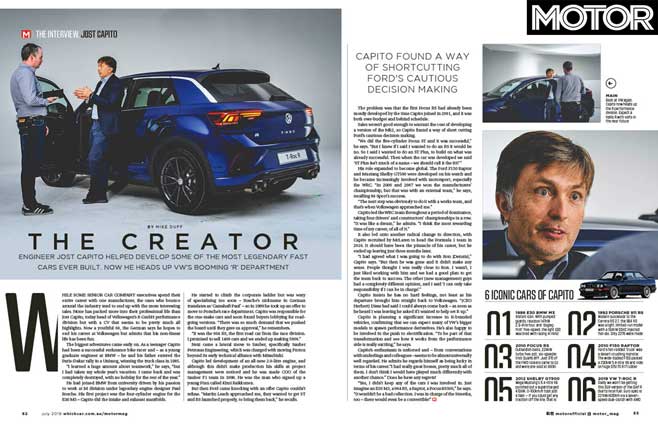
Volkswagen R division boss might not be a household name, but the entries on his resume list are with luminaries such as the 1986 E30 M3, 2010 Focus RS, and 2012 Shelby GT500.
4 YOUR COLLECTION? – HSV Coupe 4 buyer’s guide
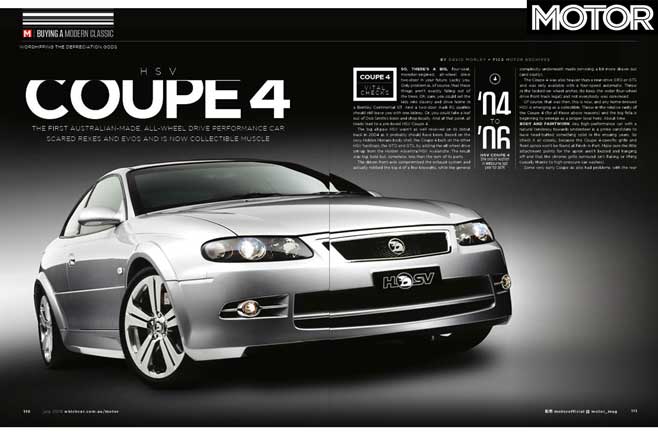
While HSV’s hybrid of Avalanche V8 power and AWD traction in a Monaro body failed to catch on, it proves to be a collectable tempter today. Here is what to look out for.
AND THE REGULARS – Drives, news, features and columns
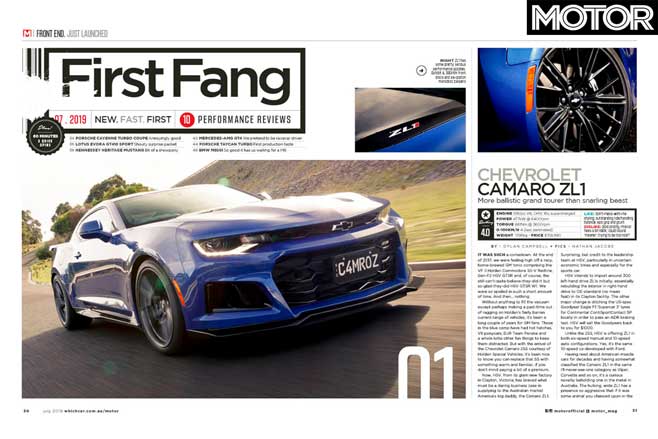
Camaro ZL1 gets its day on our roads, Porsche’s electric revolution sample with the Taycan prototype, BMW 8-Series makes a comeback, and we reveal Gordon Murray’s upcoming spiritual successor to the McLaren F1. All these features and more in the July 2019 issue of MOTOR.
Ah, the 1970s, when petrol was cheap, drinks came in steel cans, the planet wasn’t as hot and Australian car manufacturing was still in full swing.
One of those manufacturers was Valiant Chrysler, which played the, err, more homely bridesmaid to the might of Holden and Ford.
One of the Chrysler-owned company’s real success stories, though, came in the form of a quickly knocked-up two-door coupe version of the company’s biggest selling sedan.
Called the Charger and launched in 1971, it would at times account for 80 percent of the company’s local production run. It even won Wheels Car of the Year.
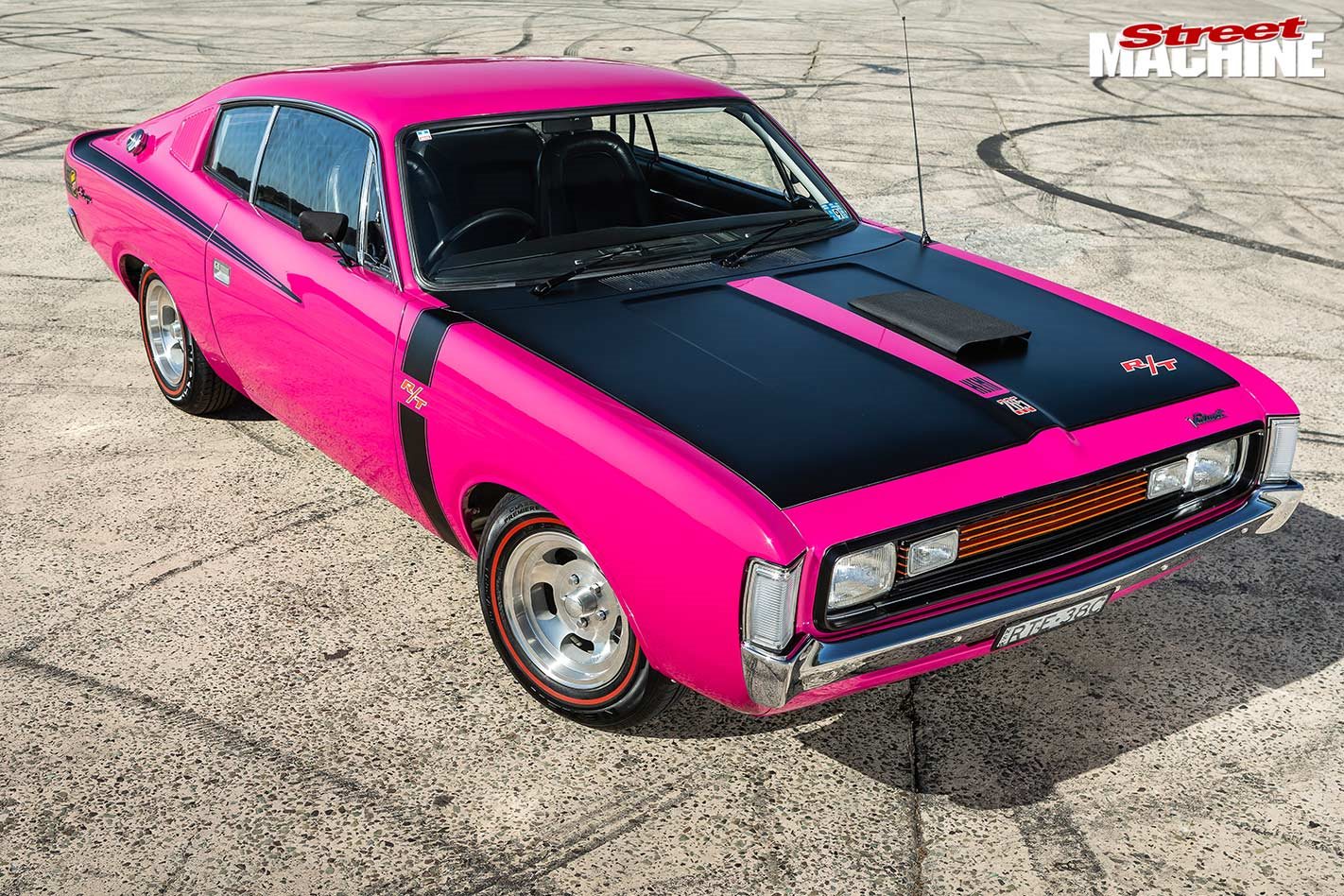
When 1978 rolled around, more than 31,000 had been built, but the scare campaign around muscle cars, as well as a looming oil crisis, meant the end for the Charger, and Valiant/Chrysler was soon headed the same way after its local assets were bought by Mitsubishi.
Now, though, the time is right for the Charger to come roaring back, and the main reason can be found rolling off the Ford production line in Flat Rock, Michigan.
The sixth-generation Mustang pony car has been a shock hit for Ford, defying all the sales trends for two-door, rear-drive coupes that have gone before it. Since 2016, more than 20,000 have sold in Australia alone, and only now is the ’Stang showing signs of coming off the boil.
This, then, means that the door for the next big thing in two-door V8s is wide open… and nothing is coming from the red corner any time soon. In fact, there’s chat that General Motors may well park the Camaro nameplate after the current car runs its course early next decade.
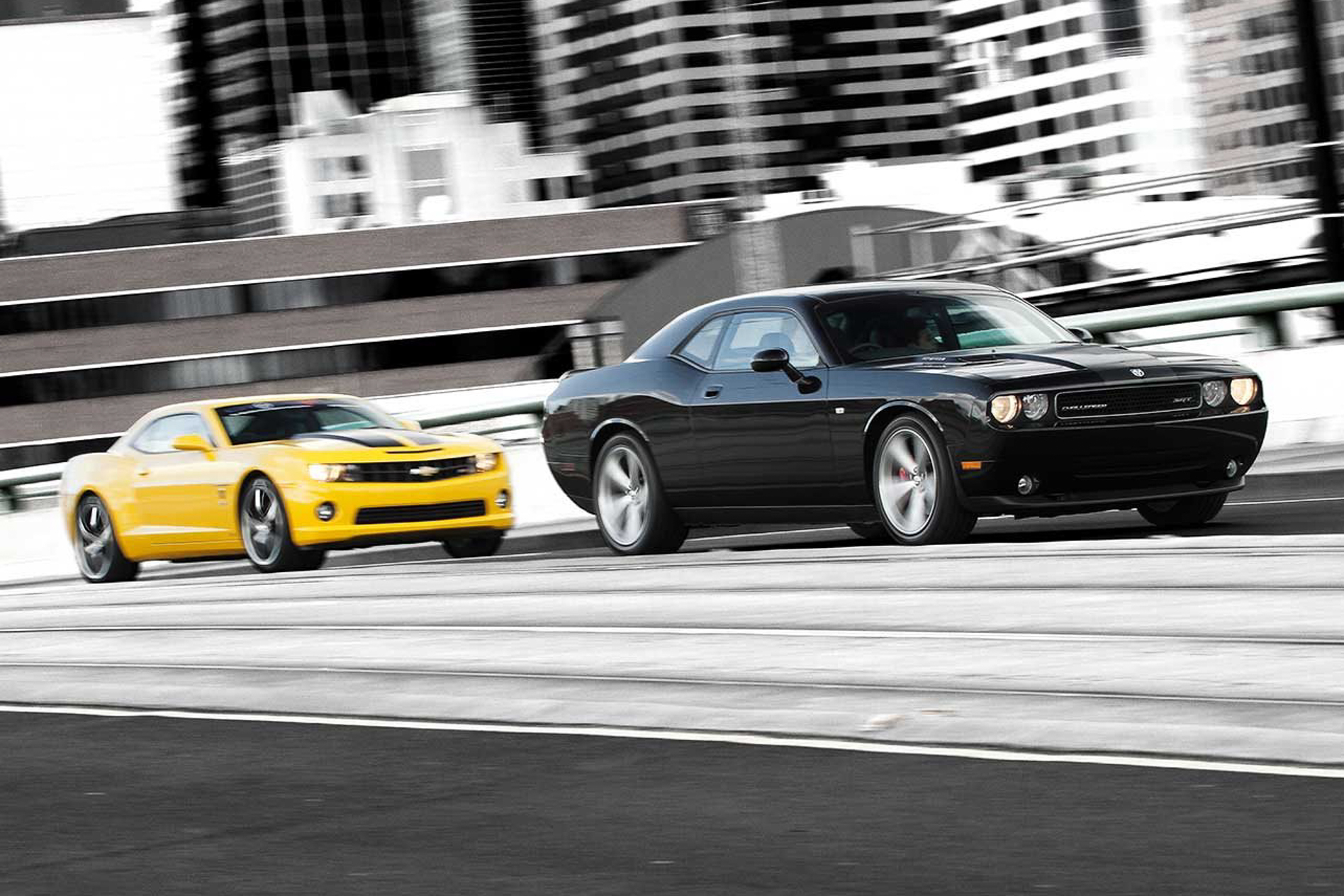
Chevrolet Camaro (L) and Dodge Challenger (R)
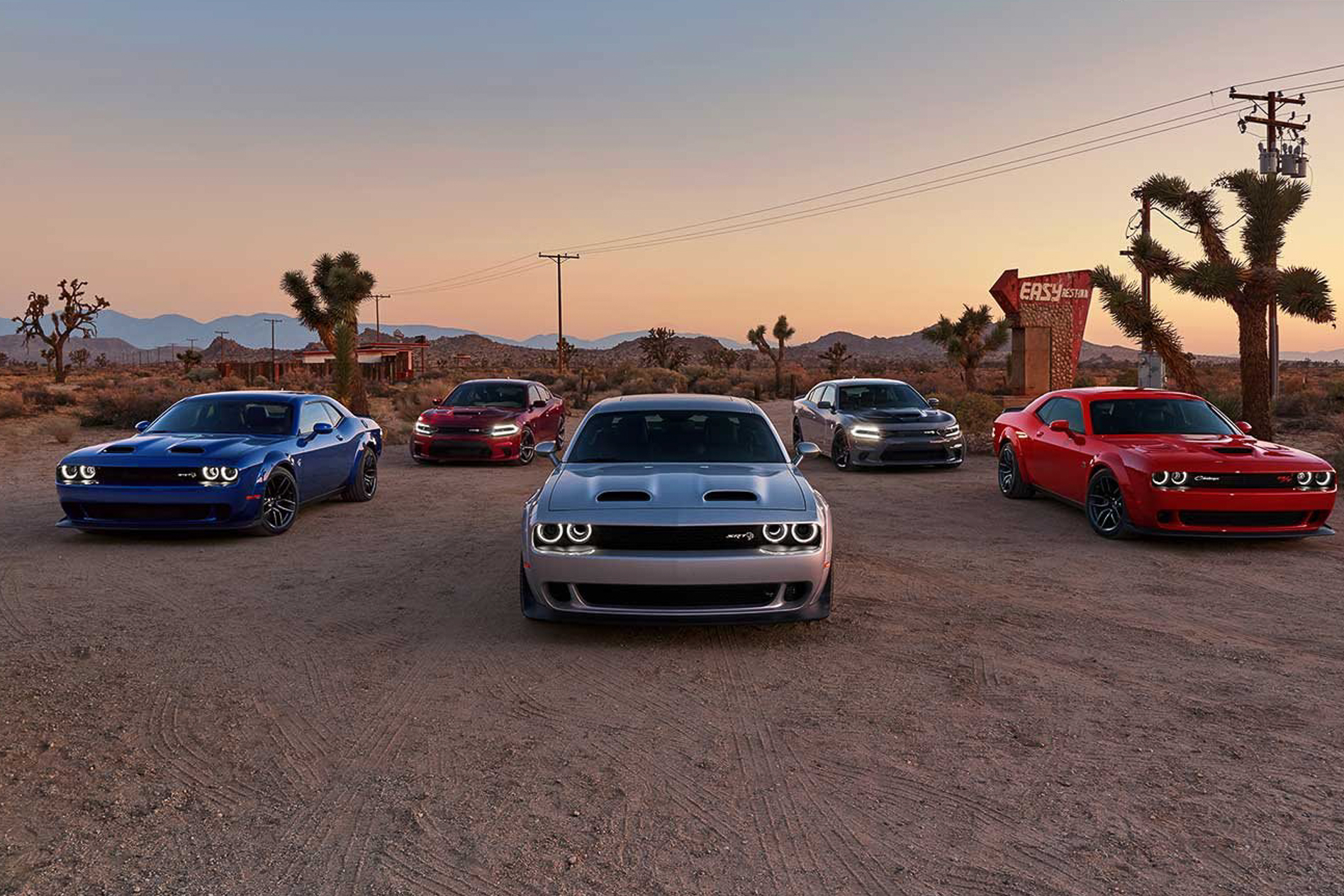
Enter the Fiat Chrysler Automotive group, or Fiat Chrysler Australia as it’s known here. Of all the car makers in the world who are still playing in the rear-drive V8-powered space, FCA does it the best, with any number of wild and crazy versions of its two-door Challenger and four-door Charger under its Dodge brand.
As far back as 2015, FCA was already some way down the road with the notion of importing the Charger as a standalone model line, including a Hellcat range-topper, an SRT8 mid-spec and an “everyman’s” six-cylinder version.
“My position hasn’t changed one bit,” said then-boss of FCA, Pat Dougherty, who now heads Mopar in China, at the time. “Absolutely we have to get that product to market.”
Current FCA chief, Melbourne-born and New York-raised Steve Zanlunghi, told media last year that he is “looking very closely” at the success of the Mustang, as well as the future of the Camaro.
“We’re a major OEM, and if we can make the business case with the volumes and demand is there, we can bring any of our vehicles to this market,” Zanlunghi – a muscle car fan himself – said in September.
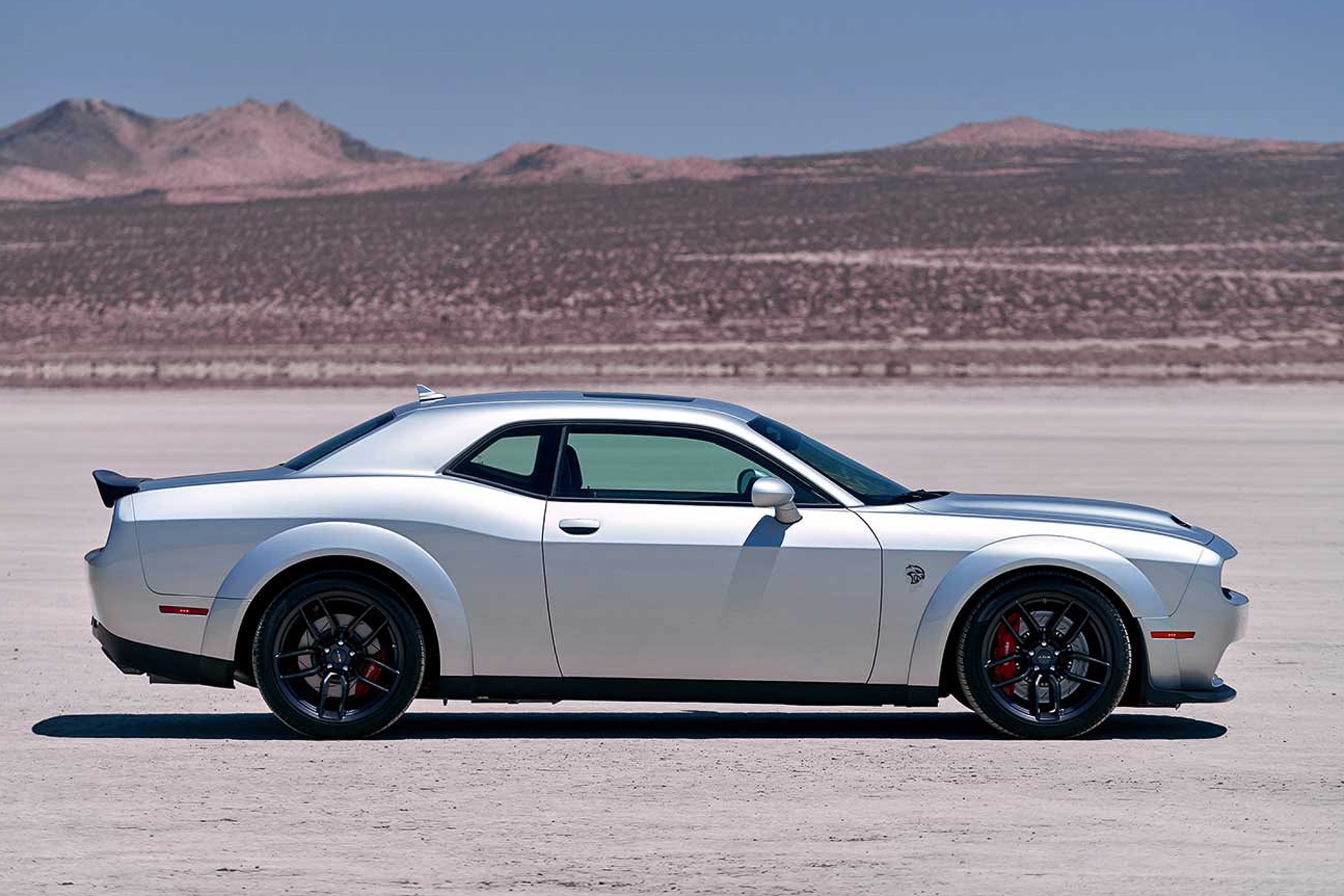
In the states, this is known as the Dodge Challenger. But here, it has to be the Charger in order to capitalise on Australia’s love of the nameplate.
The biggest roadblock thus far has been the lack of a right-hand-drive capable platform upon which to simplify production of the car. The former CEO of FCA, the late Sergio Marchionne, scotched a plan early last year to use the Alfa Romeo Giulia’s new platform for the next-gen Dodge product, and latest speculation sees the cars continuing to be built atop an old Mercedes rear-drive architecture that also underpins the Chrysler 300.
There is another avenue, of course, and it’s the same path hewn by GM for the Camaro – local conversion. And in a slightly delicious irony, the born-again Charger may even come from the same facility as the Camaro.
Melbourne-based Walkinshaw Automotive Group (otherwise known as HSV) currently converts US-spec Camaros for Holden to sell in its dealerships as Chevrolets, and has reinvented itself in the post-locally built Commodore era as an authority at producing right-hand-drive conversions at scale.
Once FCA has done the sums, importing a brace of V8-powered two-door Dodge Challengers for batch conversion and badge change to Chrysler Chargers (Mitsubishi still owns the Challenger nameplate here) won’t be hard.
Even bringing in the four-door version – known in the US as the Dodge Charger – wouldn’t be a silly idea, extending the appeal of the model to more mainstream buyers.
The key, of course, is price. The Camaro is already making heavy work of it by selling for around the $80,000 mark against the $63,000 Mustang GT, so the numbers for the born-again Charger are a crucial part of the ‘go/no go’ equation for Zanlunghi and his local operation.
A weak Australian dollar and uncertainty around tariffs and taxes won’t be helping, but if a Charger SRT8 can go on sale in Australia for less than $70,000, there’s certainly a market for it.
Think about it… pretty much everyone who wants a Mustang will have one within the next twelve months to two years, and the Camaro hasn’t really scratched the itch of those outliers who want something a little bit different.
There’s a burgeoning tuning scene for the Charger/Challenger in the US, and a great affection for the brand here. As well, the Supercars racing series is currently looking at ways to reinvent its show and entice new blood into the sport. Sounds like a pretty good way to market a new V8-powered coupe to me…
An FCA spokesperson confirmed to us that there is “no change” in the status of the Charger/Challenger plan, which means it’s still in a folder on Zanlunghi’s desk, awaiting the right blend of socio-economic happenstance and corporate will before it gets green-lighted.
Go on, Steve… you know you want to.
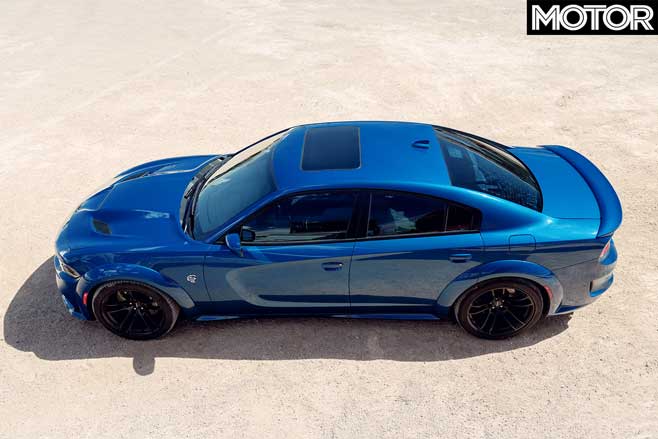
The ‘only four-door muscle car in America,’ as FCA calls it, just got a little faster with the introduction of the 2020 Dodge Charger SRT Hellcat Widebody. The new body style is now standard for the SRT.
The Charger SRT drivetrain still consists of a supercharged 6.2-litre Hemi V8, putting 527kW to the rear wheels, but in the Widebody those rear wheels are wearing 305/35ZR20 Pirellis, which translates to 12-inch-wide tyres in old-speak. This extra rubber is covered by the body being 3.5-inches wider over the wheels.
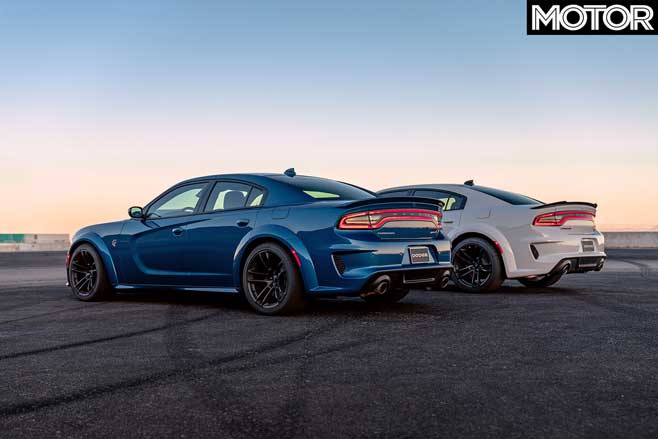
That extra grip goes quite some way to making sure the SRT has enough traction to hit 100km/h in just over 3.6 seconds (the 0-60mph time, which equates to 97km/h), before going on to cover a quarter-mile in just 10.96 seconds.
At FCA’s proving ground, the Widebody ran a time 1.3 seconds faster than a standard Charger SRT around the 3.38km circuit, equal to eight car lengths at the end of a lap.
Also revealed alongside the SRT Widebody is the 2020 Dodge Charger Scat Pack Widebody, which lacks the supercharger but packs a few extra cubic inches with a 6.4-litre atmo Hemi V8. The Widebody kit is optional for the Scat Pack, unlike the SRT.
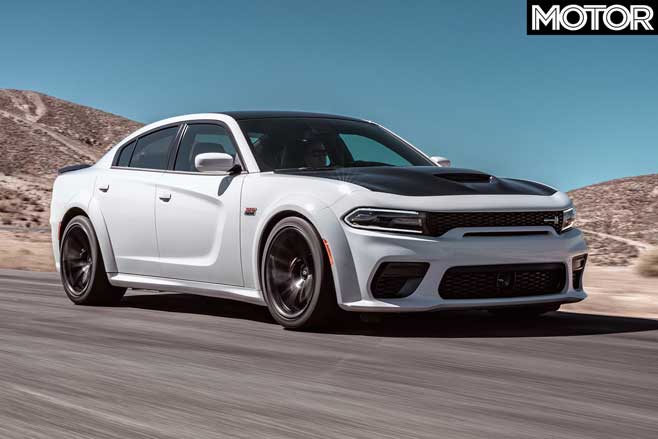
The N/A 6.4’s 362kW is a higher tune than it is in the locally-available 300 SRT or Jeep Cherokee SRT, which gives Americans access to a 12.4 second quarter-mile run and a 0-100km/h time of around 4.4 seconds based on Dodge’s 3.4sec 0-60mph claim.
FCA North America head of passenger cars for Dodge, SRT, Chrysler and Fiat Tim Kuniskis says despite the Charger not being the most practical sedan, it’s still proving its value as an alternative for enthusiasts.
“Can you buy a vehicle that is dollar for dollar more practical than a Charger Widebody?” Kuniskis asks.
“Absolutely, but there are also more than 1,000 flavors of ice cream and vanilla is only one of them.
“If the ‘average’ person will own six cars in their lifetime, our cars need to connect so strongly that people can’t help, but turn around and take a second look before walking away.”
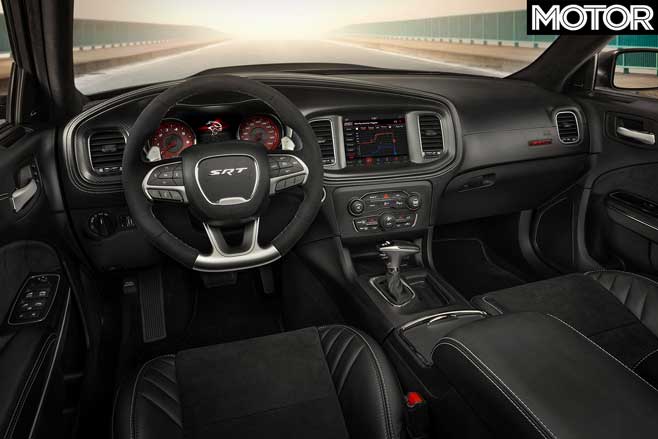
Of course, the chances of buying a Widebody here in Australia are slim, short of importing and converting the car privately.
FCA has given no indication that the Dodge brand will become part of the Australian market any time soon.
Australia is encouraging the introduction of passive drug and alcohol detectors that will likely become compulsory safety devices fitted to every new car sold.
Wheels previously broke the news that speed limiters are on the agenda to be introduced as mandatory safety systems – like electronic stability control is now – in Australian new cars by 2025, and alcohol and drug analysers are likely part of the new guidelines.
As with speed limiters, passive alcohol and drug detectors are devices listed by the United Nations in its guidelines for compulsory safety devices fitted to new cars.
Adopting those rules, the European Union has already confirmed that new cars sold from May 2022 must conform to the same guidelines. Australia, which forms part of the UN working group, will enforce most of the same requirements.
Speaking with Wheels, TAC (Transport Road Commission) lead director for road safety Samantha Cockfield, said that the technology was close to being fitted to cars and that “definitely we will see a day when that technology will be standard in vehicles.”
Though the bevy of new safety devices coming to vehicles will restrict driving freedoms, drug and alcohol detectors could save almost a quarter of drivers from the annual road toll.
“Unfortunately, alcohol remains a major problem [of the road toll] with between 15 and 25 percent of our driver fatalities each year from drivers being under the influence of alcohol,” said Cockfield.
“And unfortunately, what we are now seeing is drugs are taking over alcohol in driver fatalities, and sometimes we have a dual-problem happening now and there is the dual effect.”
How the technology works is sensors mounted to the driver’s side door and/or the steering wheel use infrared light to analyse the carbon dioxide and ethanol molecules from the driver’s breath. It is reported to be positional and unaffected by other potentially intoxicated passengers in the cabin.
“Again, this technology has a huge part to play, the first technologies we’ll see are passive systems like passive alcohol and drug interlock systems so they will be within the car and they will be able to test if you’ve got any alcohol on your breath,” added Cockfield.
“Basically, [they] take a sample and see how much alcohol there is. Potentially with drugs [testing] that might be more dermal. So a sensor pad.”
The sensor pads Cockfield mentions are on the steering wheel and can determine the presence of drugs via the skin. Another technology uses infrared light projected through the ignition button that can measure alcohol when the driver starts the car – presumably easily bypassed by using gloves or a stick. Though if a driver is breaking the law by bypassing these systems while under the influence of drugs, Cockfield says that better driverless vehicle autonomy could be a lifesaver.
“The technology they are working on, particularly in the US on that dermal sensor, I think that is probably going to be the first thing [we introduce]. But then again this is where we get more autonomy in the car because it actually compensates for people in the car. What we find with people with a lot of alcohol in their system is they actually fall asleep.”
So how far away are drug and alcohol detectors from Australian cars? Cockfield says that they are already testing them: “We are in this current Towards Zero [TAC road toll] strategy, trialing what we call passive alcohol sensors – they are not interlock sensors at this point and it is basically seeing whether you can take the cabin air from around the driver only and isolate that to breath test people.
“One of the issues is people will only accept the technology if it is seamless and doesn’t interrupt the driving experience, and right now the interlock system for those that offended are excellent and they work incredibly well and we know they are very effective.
“Yes, definitely we will see a day when that technology will be standard in vehicles and I think if you look at Volvo internationally, I think they’ve talked about those kinds of technologies being integrated quite soon.”
When it comes to electric performance cars BMW is clearly not sitting idle, with engineers toiling on a secret, silent, project which is quicker than the entire current M range.
Their latest electric prototype known as ‘Project BEV’, and comes wrapped in a regular-looking 5 Series body. However, under the skin lies some electrifying secrets.
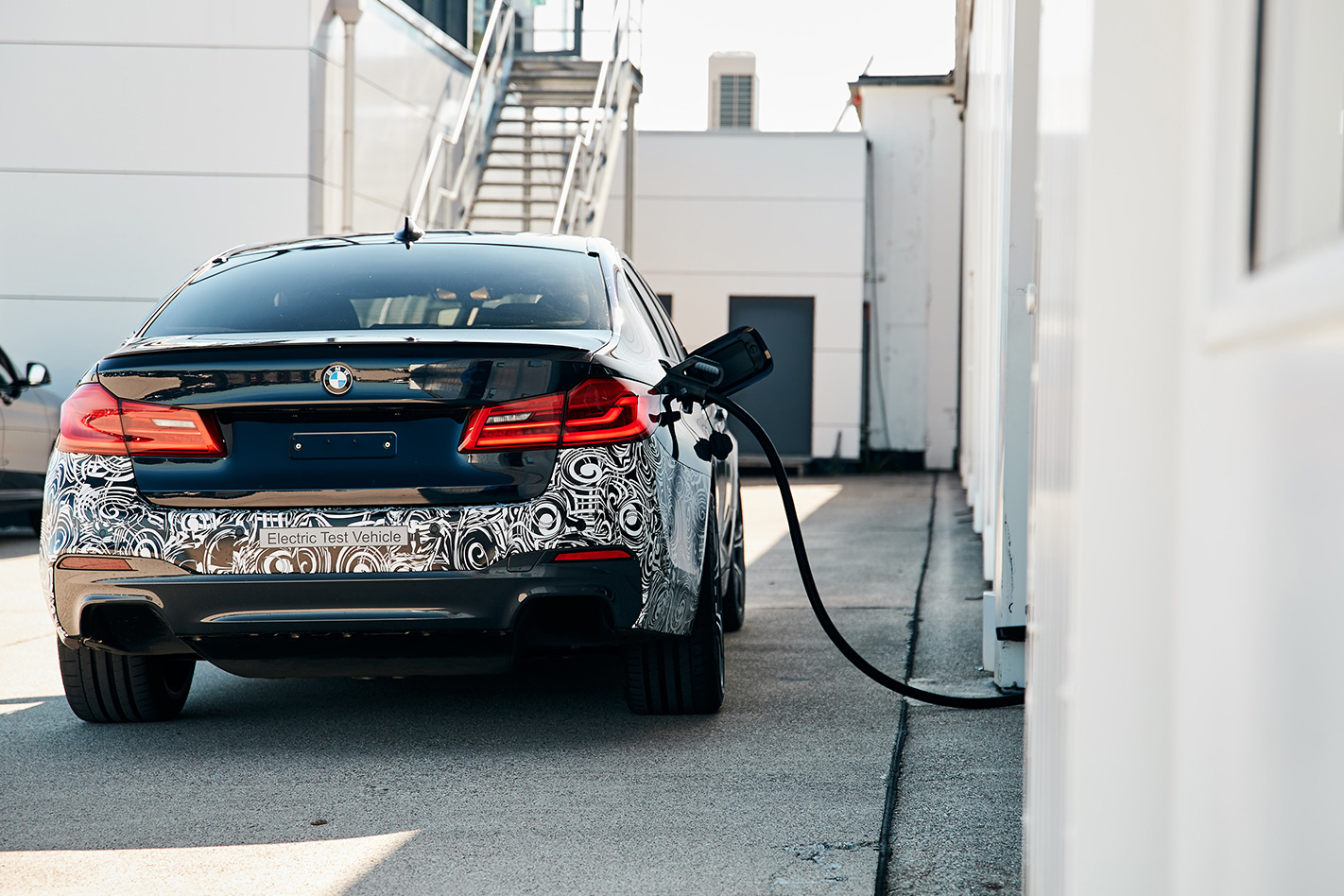
Engineers have fitted this semi-camouflaged mule with three of BMW’s next-gen electric drive units (EDU), two of which are in the rear axle and one in the front.
The electric motors are the same as the ones found in BMW’s iX3 concept, the difference being the iX3 only had one compared to the trio found in Project BEV.
When building the performance-focused electric sedan BMW says its aim was to “build an experimental vehicle which impresses not only with its longitudinal dynamics but also in terms of lateral dynamics”
With outputs of 529kW and 1150Nm, we think it’s fair to say they achieved their goal.
Aiding cornering ability is torque vectoring from the electric motors, sticky Michelin rubber on each corner, and beefy brakes.
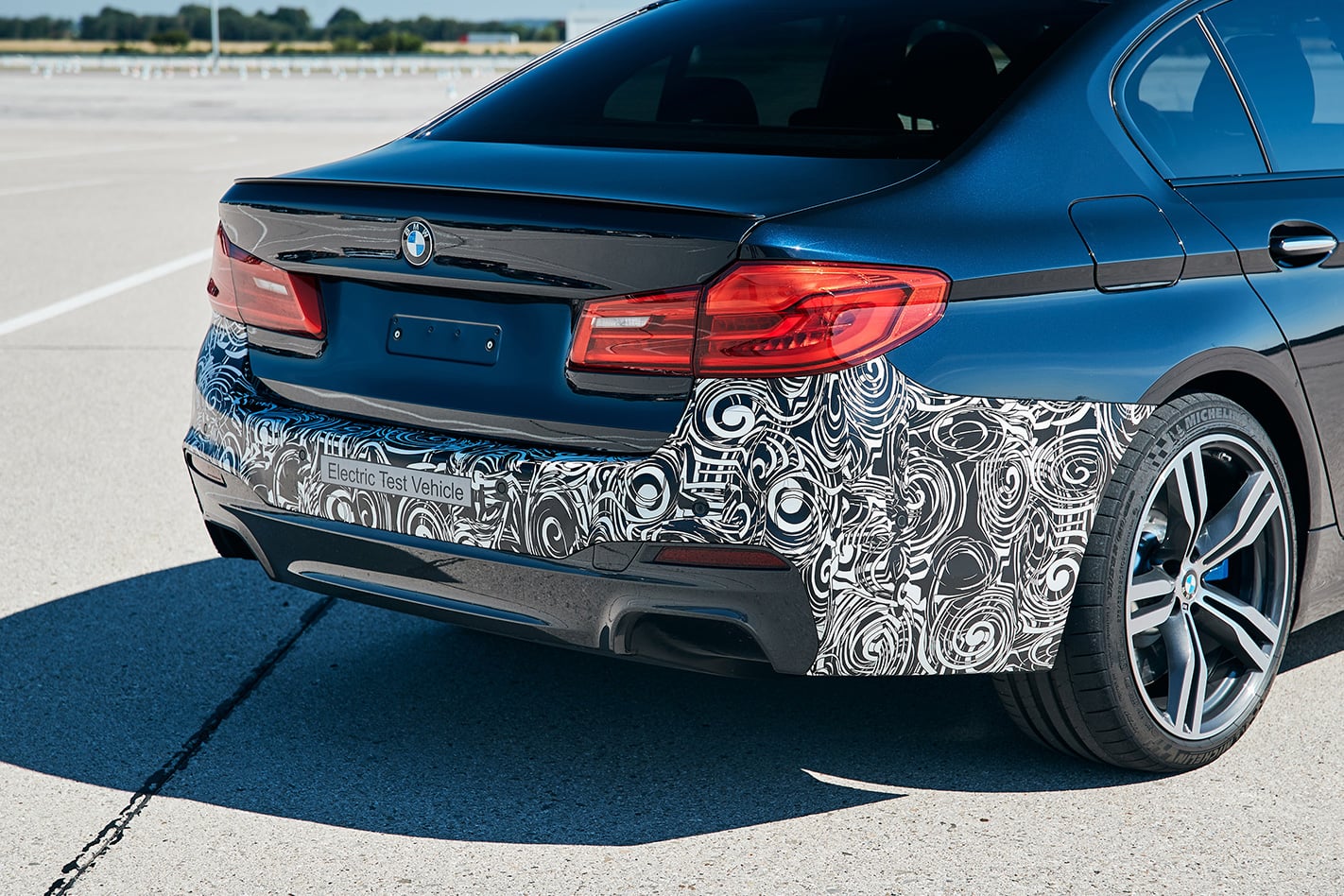
While the capacity of the battery in Project BEC remains unknown, BMW claims the research vehicle can crack 100km/h from a standstill in an M5 shaming 2.8 seconds, even with a 2.4-tonne kerb weight.
The current-gen M5 has a claimed 0-100km/h time of 3.3 seconds thanks to a 4.4-litre twin-turbo V8 that sends 460kW and 750Nm to all four wheels.
Just don’t expect to see an M5e in dealerships anytime soon. This prototype was only made to preview BMW’s future battery technology. That won’t stop us dreaming though.
A Canadian man has had his first night of McLaren ownership cut unexpectedly short after his car was impounded just 10 minutes after leaving the dealership.
The 600LT (which costs US$256,500 in North America) was impounded by West Vancouver police after the driver was allegedly caught travelling at 161km/h in a 90km/h zone.
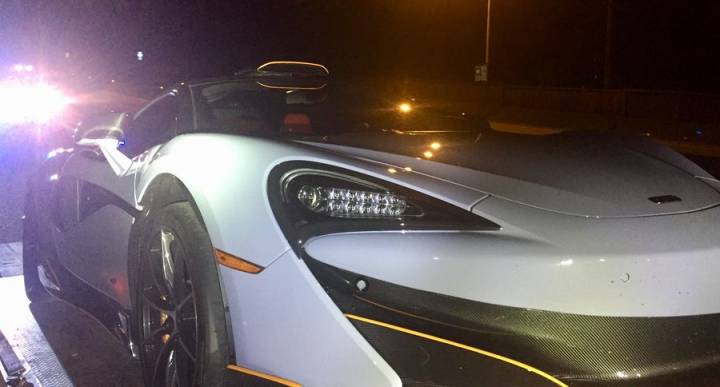
“While the officer was conducting the investigation, the driver allegedly stated that they had just left the dealership after purchasing the vehicle, 10 minutes prior,” West Vancouver police said in a news release.
As a result of the owner’s right-foot antics, the 600LT was towed from the scene and impounded for seven days for excessive speeding, while the 39-year-old driver was hit with a $368 fine.
If the driver was caught in Victoria, he would be facing an $806 fine and automatic licence suspension of 12 months.
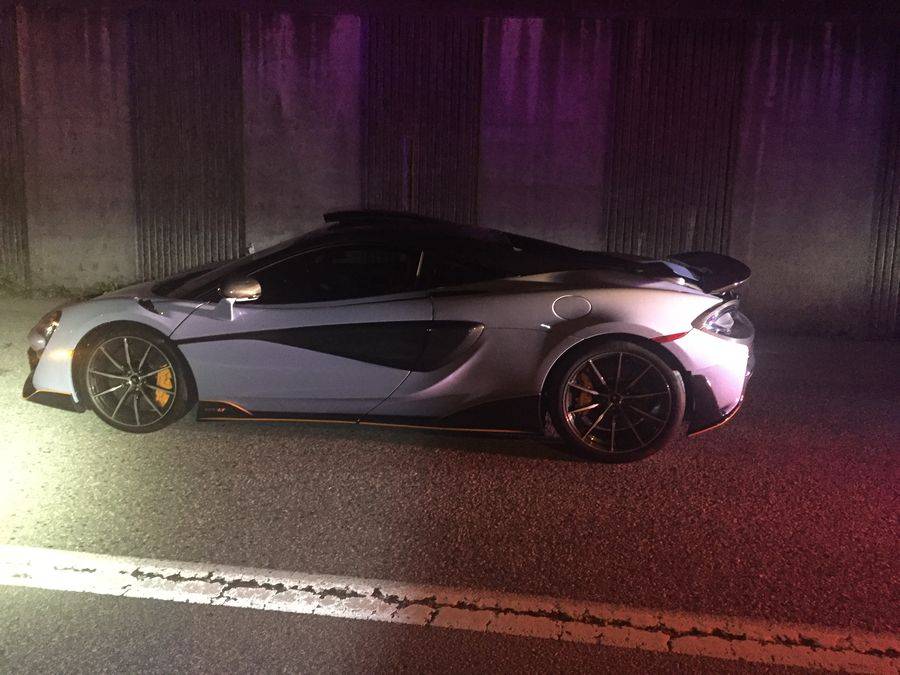
But it doesn’t take long for the 600LT’s 441kW, 620Nm 3.8-litre twin-turbo V8 to put the car over the speed limit.
To put the 600LT’s speed into perspective, the driver would only have had to applied full-throttle for six seconds for the needle to rocket past 160km/h. The McLaren is capable of dispatching 200km/h in just 8.4 seconds from a standstill.
If the driver had been accelerating full-throttle from a standstill, he would have covered a few hundred metres before the police nabbed him, with the 600LT capable of traversing 200 metres in seven seconds, at 179km/h.
At least this owner will be back behind the wheel in just seven days – a McLaren Senna owner put his new hypercar into a wall in Germany with just 50 kilometres on the odometer last year. The 43-year-old entrepreneur allegedly wasn’t travelling very fast when he lost control and caused €850,000 (A$1.38 million) in damage.
Noted racing driver and TV pundit Greg Murphy has lashed out at a New Zealand road safety plan that aims to reduce the severity of car crashes, rather than prevent crashes from occurring in the first place.
Currently in draft form, the NZ plan is expected to largely focus on redesigning roads and intersections to limit the amount of damage done in a collision and puts forward a view that car crashes are inevitable and impossible to prevent.
Murphy contends that the plan is flawed and ignores a crucial area that he says is vital to reducing crashes: driver training.
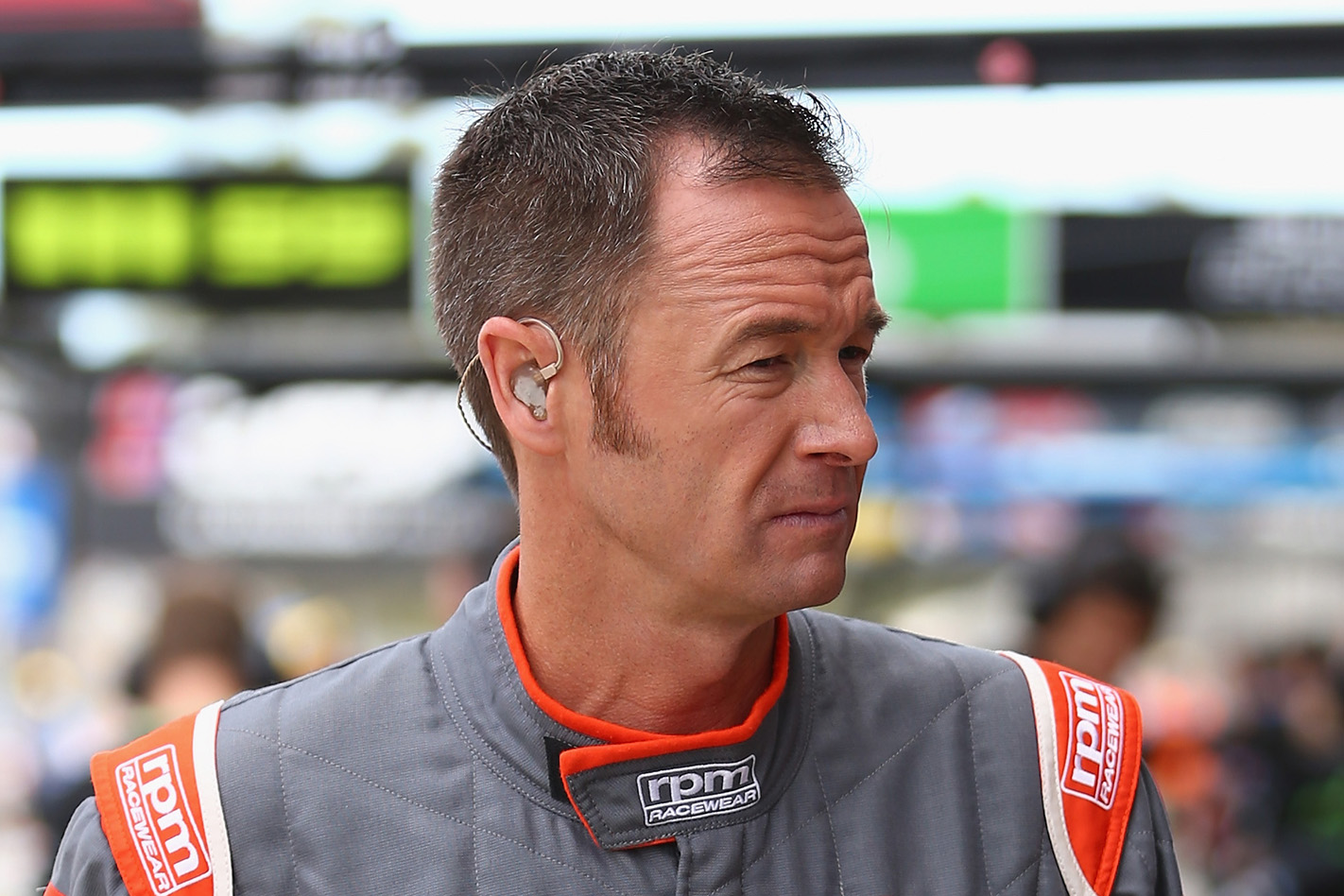
“We also have a whole bunch of crashes in this country not actually apportioned correctly to the actual fact of it all,” Murphy said to Radio New Zealand.
“We are not blaming the driver, and you don’t want to blame a driver after they’ve just killed their family. Unfortunately, in many cases it is the driver, at the end of the day, that is still making the mistake and still making the wrong decision that is leading to catastrophe.”
Murphy also advocated periodic re-testing of already-licensed drivers to curb the development of bad habits over time.
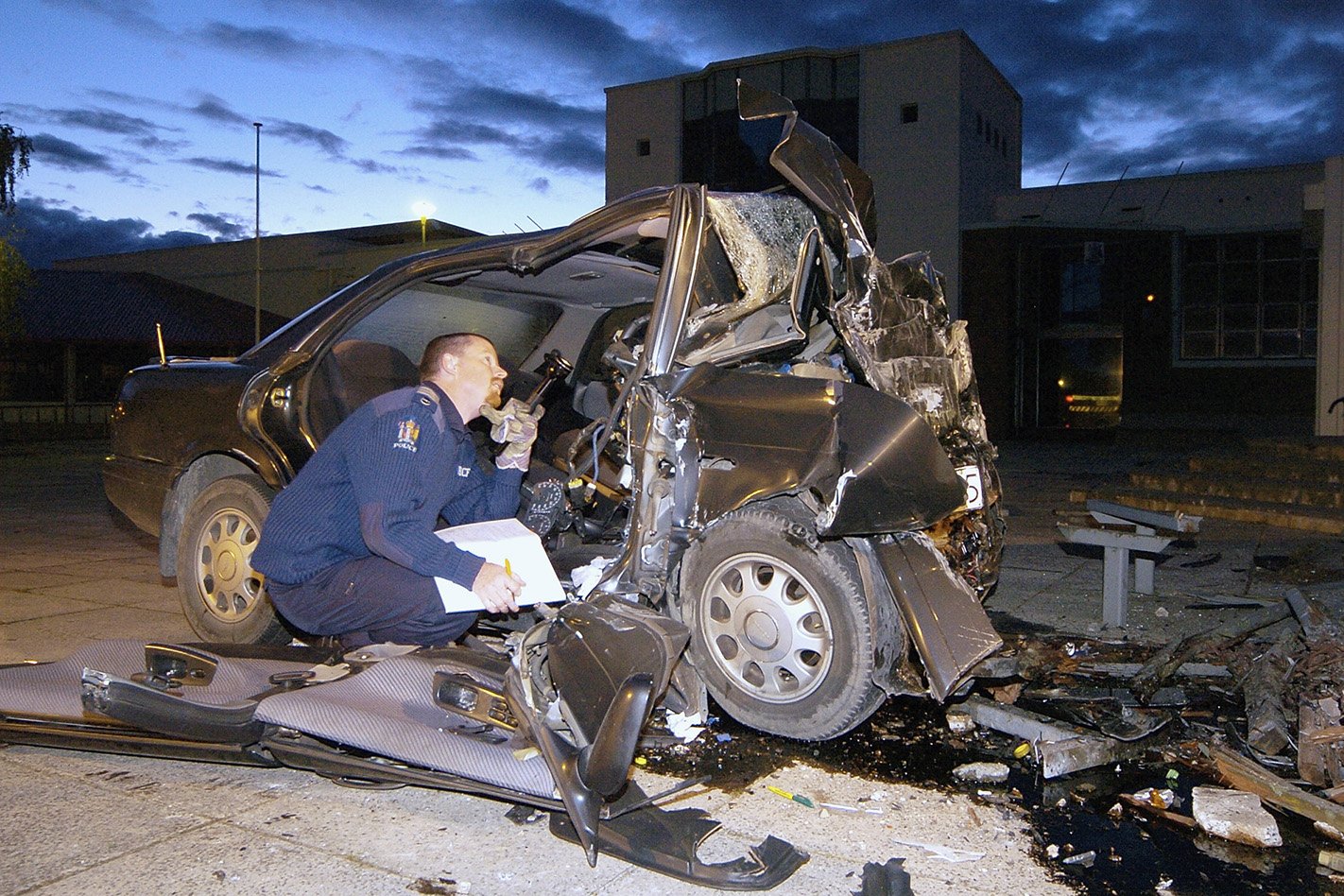
How does the Vision Zero plan work?
The New Zealand government’s road safety plan has yet to be made fully public, but the Vision Zero concept it follows is already well known.
A Swedish initiative, it aims not to eliminate crashes, but mitigate them when they do happen by both reducing the opportunities for cars to collide with other cars and pedestrians.
It also ensures that if a crash does occur, the speeds are at a level that will ensure the survival of all involved.
With the upper survivable limit for a car-on-pedestrian impact being 30km/h, intersections where pedestrians are at risk of being hit would ideally be designed to see cars pass through at a speed no higher than that.
For intersections with a risk of a car side impact, the survivable speed is 50km/h, and for a head-on impact the speed becomes 70km/h.
If enough separation exists between oncoming traffic, then Vision Zero allows a speed of 100km/h or more, meaning well-designed routes like Melbourne’s Eastern Freeway would continue to be a high-speed road.
Rural roads that see little traffic wouldn’t be affected either.
Note that the Vision Zero concept doesn’t merely seek to cut vehicle speed at every intersection with a pedestrian crossing – the preference is to instead separate large numbers of foot traffic from road uses through other means, like overhead walkways or tunnels.
For similar reasons roundabouts are preferred over traffic light-controlled intersections too, as they have a natural traffic-calming effect.
To make it all work requires a significant amount of engineering, however, and a significant cost to the taxpayer.
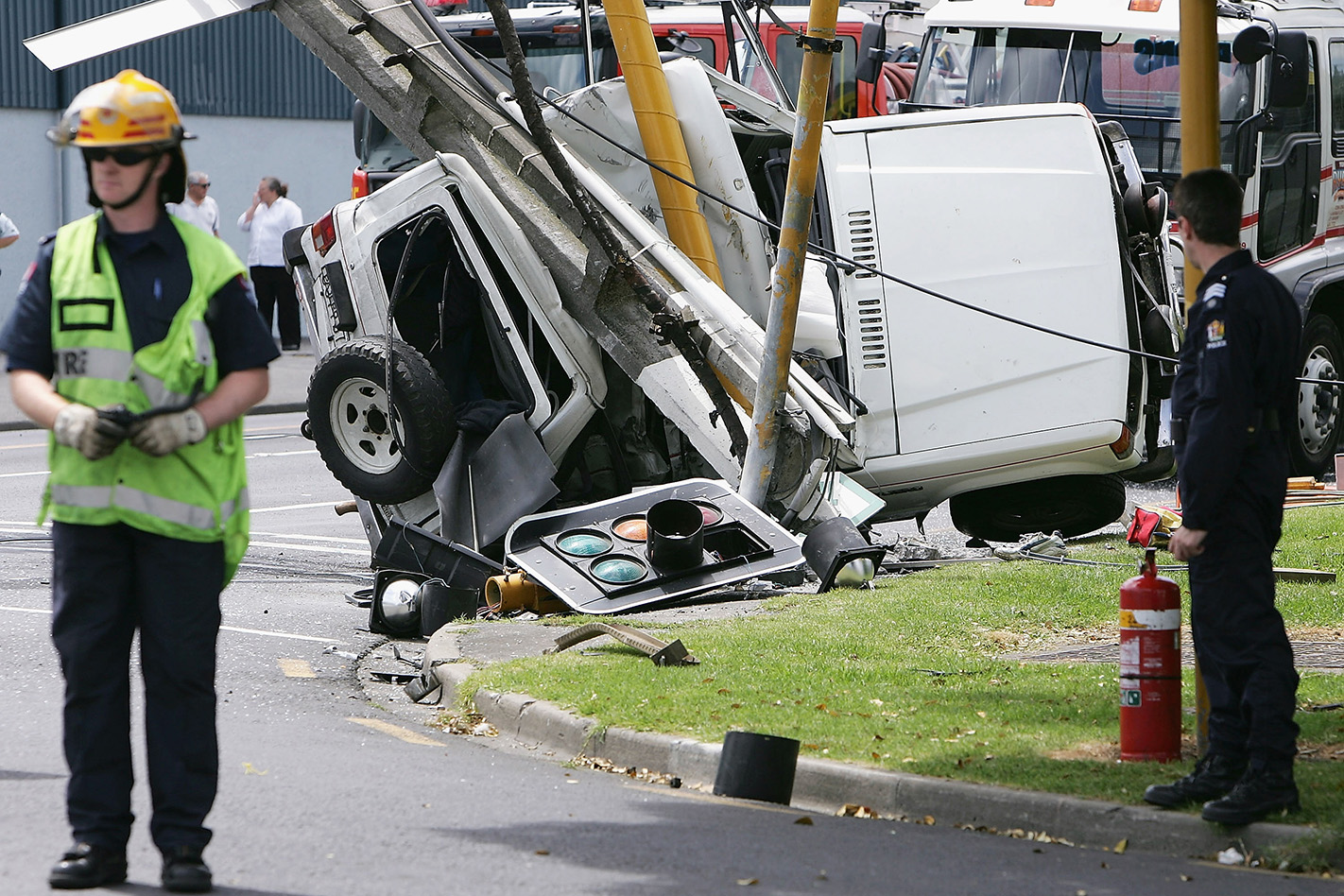
But is Greg Murphy right to rail against a road safety plan based on Vision Zero philosophy? Sweden first adopted Vision Zero in 1997, and proponents of the strategy point to the country’s road toll halving in the ten years following its implementation.
However, Sweden’s more thorough approach to driver training should also be factored in, as the process for getting a license in the Scandinavian country is much more rigorous than it is in Australia or New Zealand.
For one, if learner drivers plan to have a parent be their supervising driver during the L-plate period, those parents will need to attend a traffic safety course with them, have had a driver’s licence themselves for at least five years and not have had any licence suspensions for drunk driving or serious speed offences. Instantly, the opportunity to learn bad habits from family members is reduced.
Lessons with accredited driving schools are also highly recommended, while lessons on driving risks must be attended and theory exams passed.
Swedish learners are also required to drive on an oily test track to learn how to control a sliding car, demonstrate that they can perform basic maintenance to ensure their car is roadworthy, and complete a practical exam where they drive in suburban, city and rural roads, including at freeway speed.
In total, a Swedish driver must complete eight tests before they’re given a licence. In New Zealand and most Australian states, you only need to pass two – sometimes three – in order to become a licensed driver. Vision Zero clearly works in Sweden; however, there’s no denying that their drivers start at a higher skill level than their Australian or New Zealand equivalents.
“Improving the country’s roading network will improve transport efficiency and in some cases it might assist in reducing injuries and deaths, but people will still crash if we don’t change the current driving culture,” Murphy said to the New Zealand Herald earlier this month.
“Nothing will change unless we go to the root of the problem, which is how people are driving, how we are training them, how we are testing them. When we have better, safer drivers, then New Zealand’s road toll will go down.”
Last year 380 people died on New Zealand’s roads, its highest result in ten years and a rate of one death for every 12,615 New Zealanders.
In Australia over the same period, 1140 died in traffic crashes – a lower rate at one per 21,578 people, but still not a result to be proud of.
Is a Vision Zero plan something that might make a difference to the road toll? Is Greg Murphy right to criticise driver training? Have your say in the comments below.
Overall Rating

5 0 5
Plus & Minus
WHAT IS THE MERCEDES-BENZ A200 SEDAN?
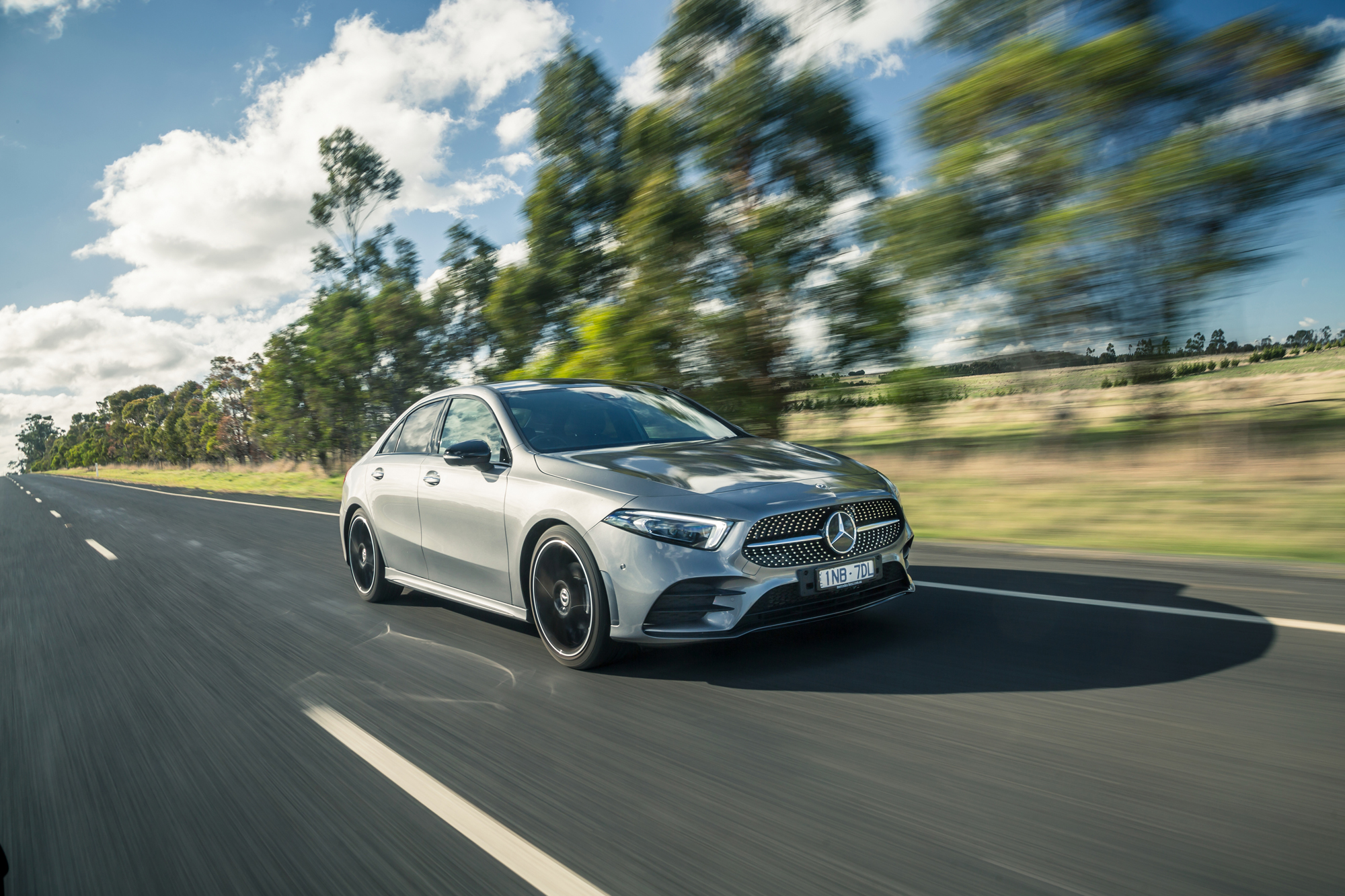
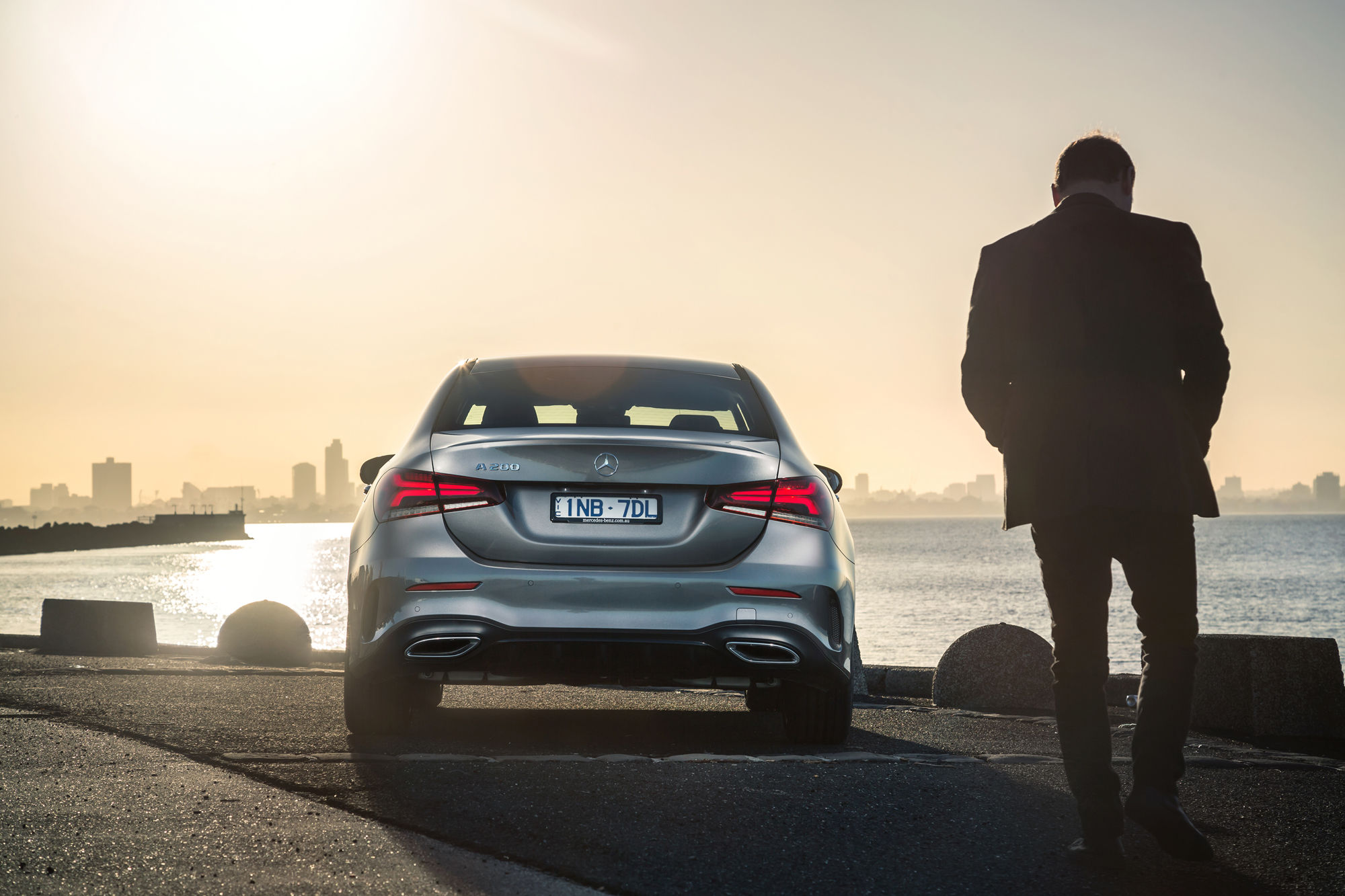
While it might be the smallest Mercedes sedan you can currently buy, the W177 A200 Sedan isn’t short on premium punch. If the swoopy CLA (due to be updated with even larger dimensions) isn’t your thing and a hatchback is a no-go, the A-Class sedan could be the perfect niche-filler. Sitting below the staid C-Class, this baby Benz is the cheapest sedan offering until the A180 arrives later this year.
WHY WE’RE TESTING IT
Based on the fourth-generation hatch, the A-Class Sedan has big boots to fill. With the proven Audi A3 Sedan ready and waiting for a prizefight, Mercedes has infused its contender with an overtly upmarket cabin and headline technology. But does it go to the top of the class?
MERCEDES-BENZ A200 SEDAN REVIEW
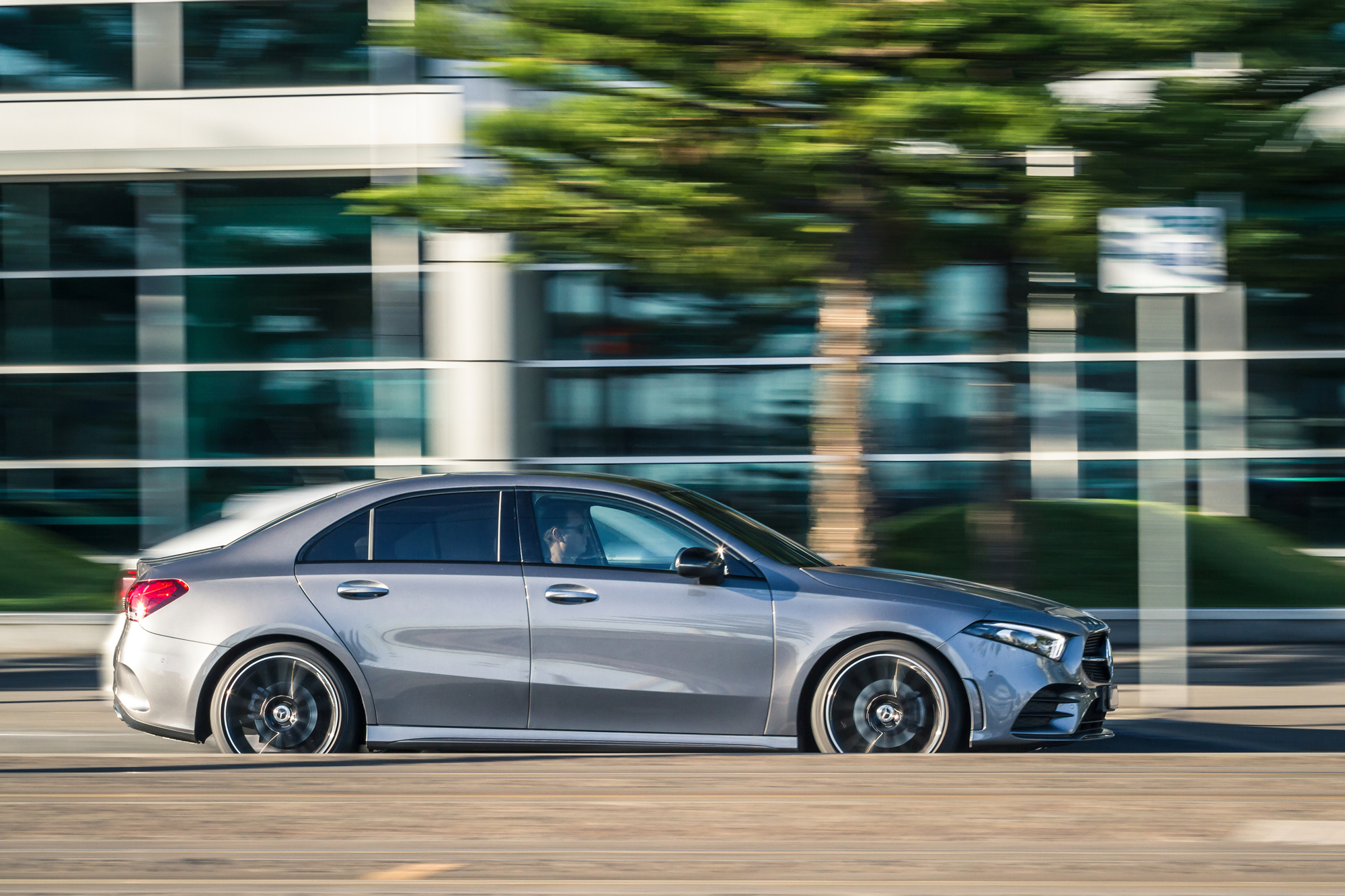
At face value there seems little need for the A-Class Sedan with the existence of the coupe-esque CLA four-door. However, the latter is growing in size, leaving space below it for the more conventional small sedan, one that will battle Audi’s A3 and provide a more affordable entry point. For now the only Sedan option is the $49,400 A200, with the entry-level $44,900 A180 to arrive later this year along with A250 variants. A stove-hot A35 AMG is also in the mix.
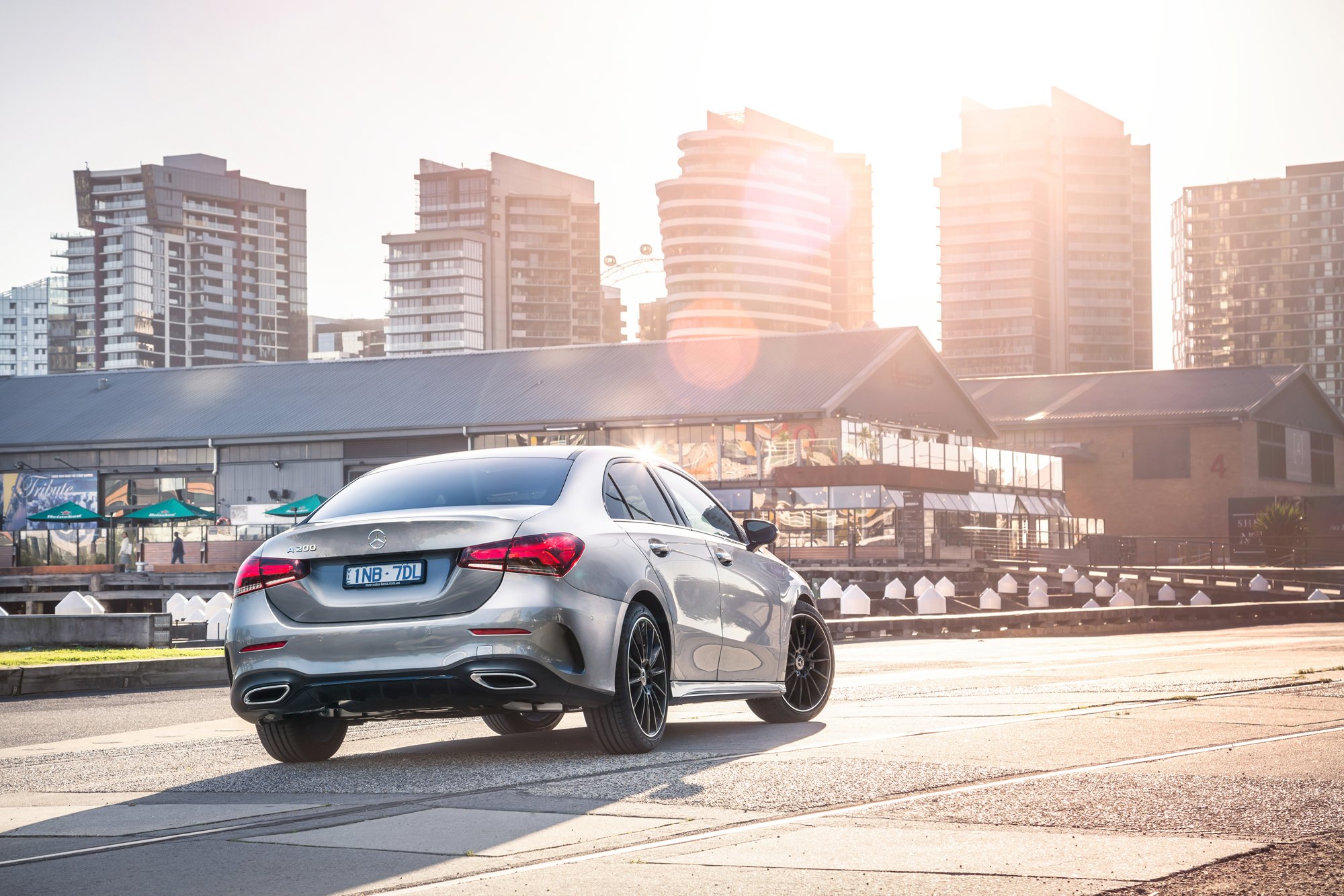
Like many of the venerable Three-Pointed Star’s contemporary models, the A-Class Sedan attempts to appease both traditional and youthful customers, straddling old-school appeal with modern technology. We first saw it when the new A-Class Hatch arrived, which has classic Benz design cues infused with a huge digital display inside and a personal assistant called MBUX (Mercedes-Benz User Experience). That continues with the Sedan.
While the A200 might be the smallest Mercedes four-door, it doesn’t miss out on wow factor, mixing opulence with new-age glamour. It really is a welcoming, uplifting place to be. Twin 10.25-inch screens dominate the dash and offer resounding clarity, while the turbine vents add a cool factor and the mood lighting sets the ambience. There’s also a host of standard and cost-option features too long to detail here.
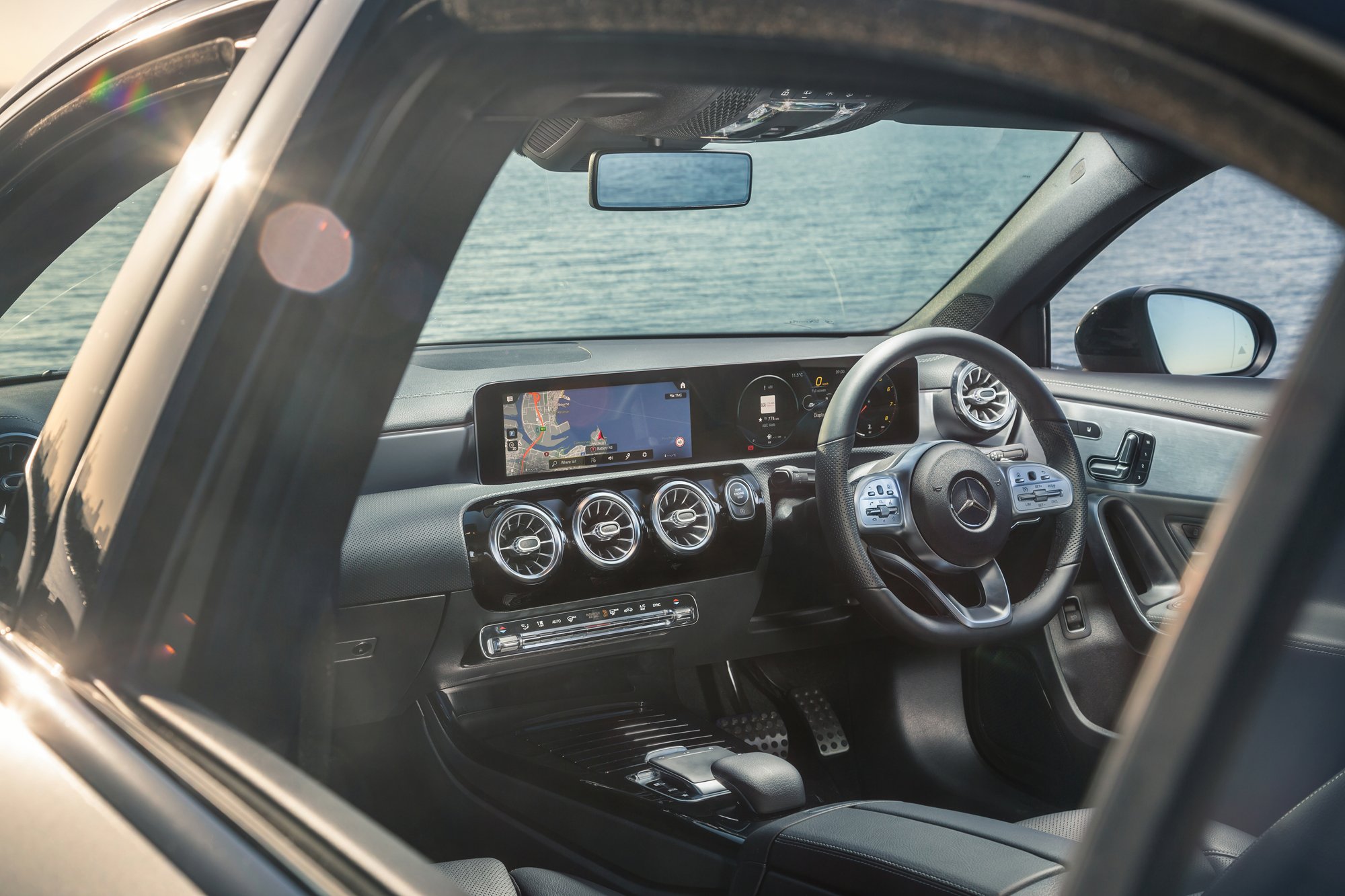
The cabin is an inviting place to be – and you’re never quite alone. Simply say, “Hey Mercedes” and MBUX is at your beck and call. Basically a digital concierge, MBUX can attend to various controls without you having to take your hands off the wheel, like open the sunroof and change the climate control. For the most part, it is as useful as it is intuitive.
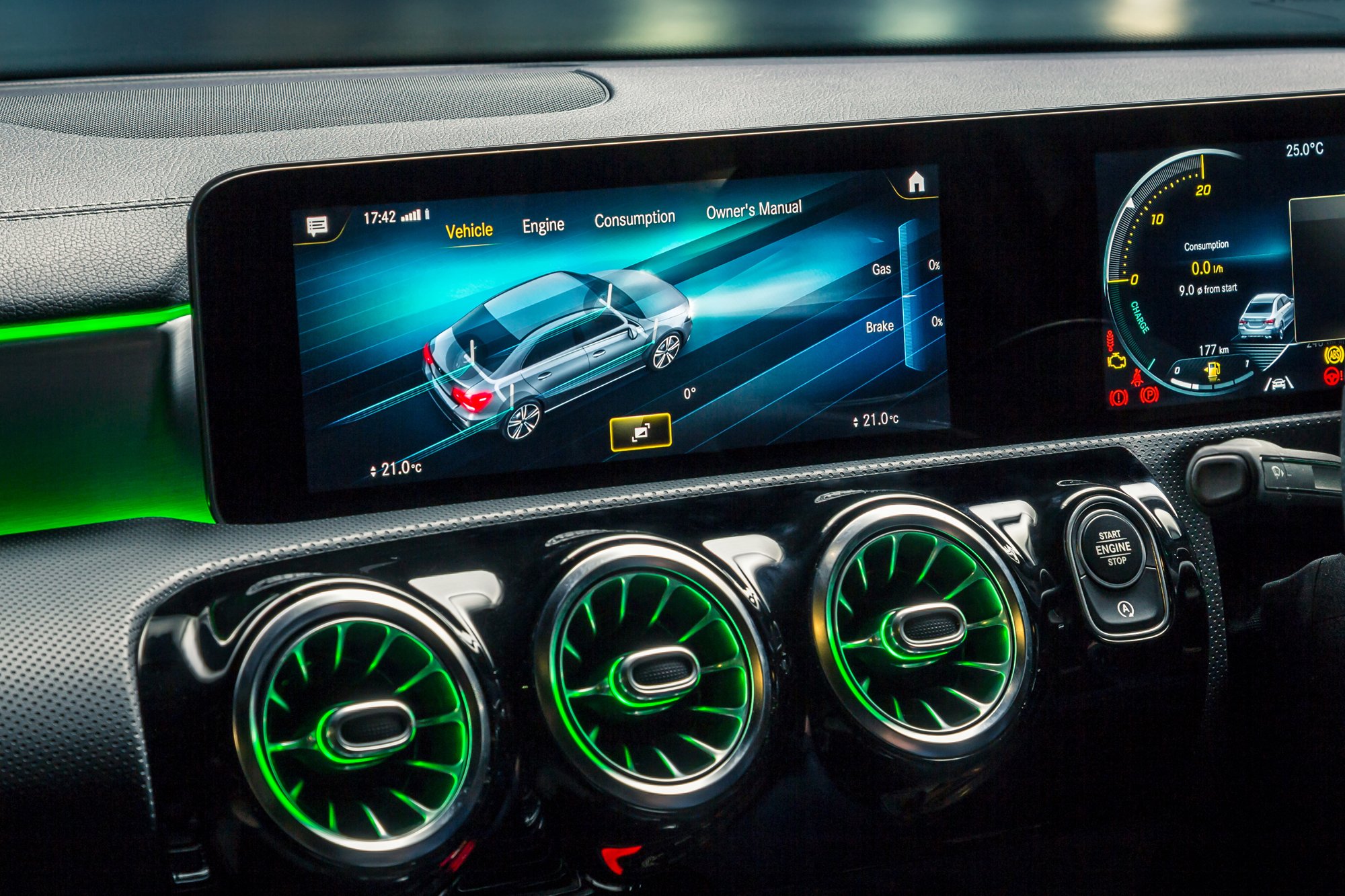
Boot space is 430 litres, or 60 litres more than the hatch, and the floor is flat with a decent 950mm opening for larger items. Overall, the booted four-door is 130mm longer and 6mm higher than its five-door counterpart, and that delivers a smidge better headspace in the rear seat.
Under the bonnet is the Merc-built, but Renault co-developed 1.3-litre four-cylinder petrol. Despite its diminutive cubic capacity, the turbo four is sufficient rather than impressive. For a small unit the figures of 120kW and 250Nm are notable and there’s an accessible mid-range on offer. The M282 unit also ties in well with the seven-speed dual-clutch gearbox. However, despite its willing character, power evaporates towards redline and the acoustics become slightly unpleasant. Cylinder deactivation, a first for a four-cylinder Mercedes engine, aids the combined fuel consumption of 5.7L/100km.
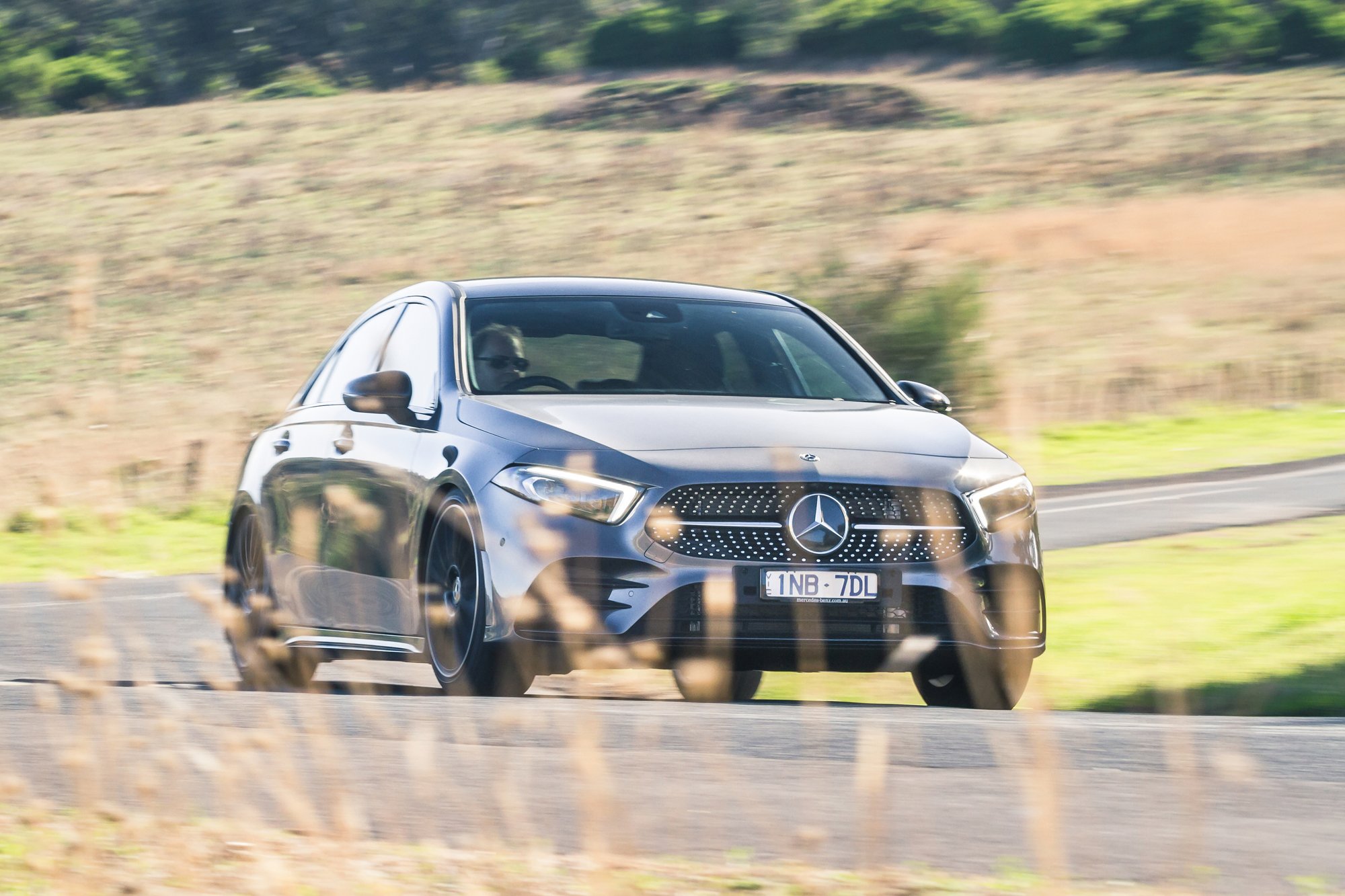
One option worth ticking is the $3190 AMG Exclusive Package, which replaces the A200’s standard torsion beam rear-end for hardware like independent rear suspension (IRS) and adaptive dampers which is much more mechanically sophisticated. While the A200 Sedan’s handling isn’t overtly engaging, there’s a reassuring level of body control and the front-end is sharp. The steering is well-weighted and the brakes perform strongly, too.
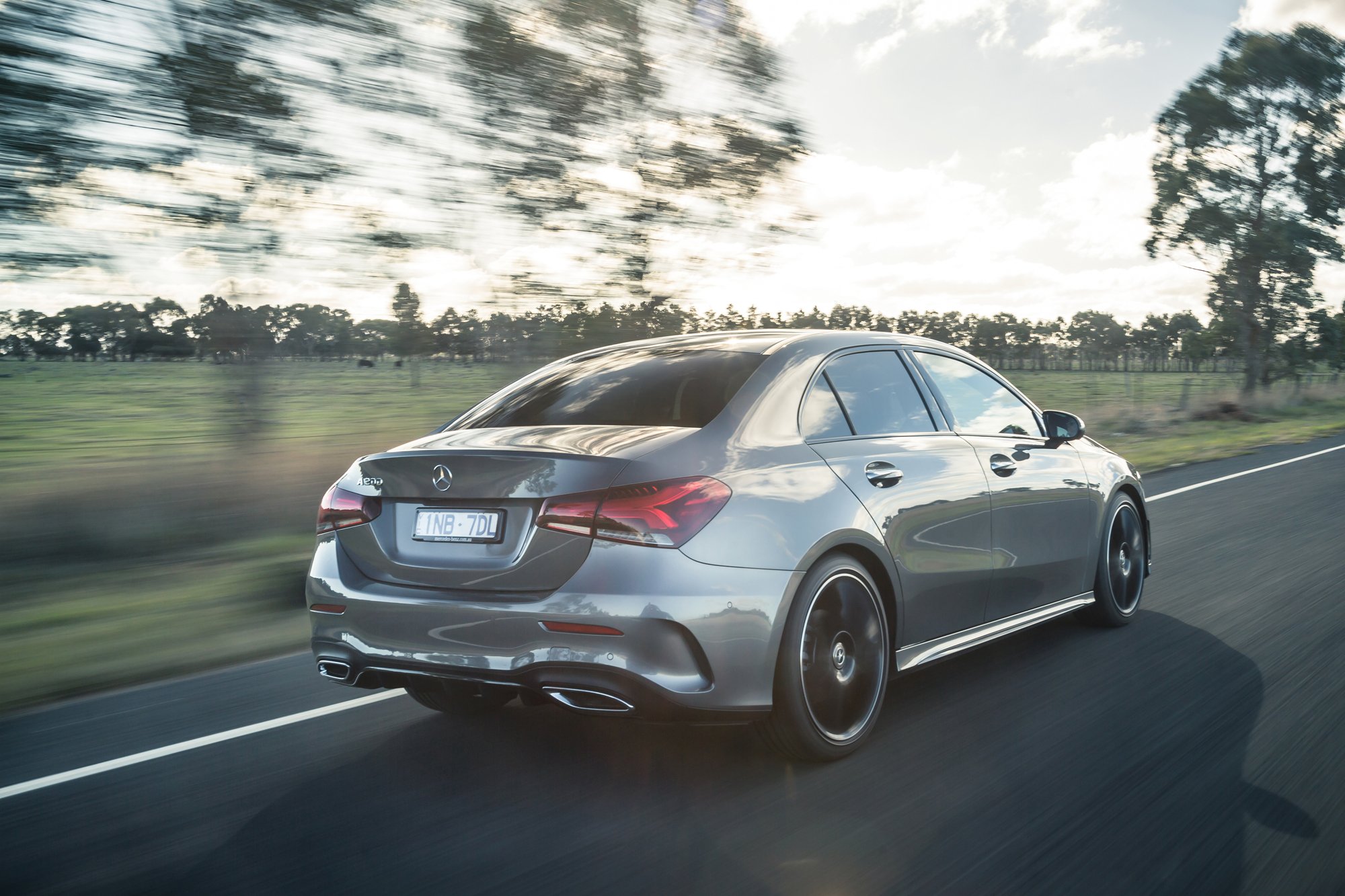
With the adaptive dampers in Comfort mode, the ride quality verges on compliant, but the traditional Mercedes waft of larger luxe sedans is largely absent and harsh imperfections are telegraphed into the cabin. Selecting the larger 19-inch AMG alloys ($1390) doesn’t come at the expense of obedience, either, as the run-flat tyres used for the 18-inch wheels aren’t wrapped around the AMG wheels. Sport mode is best left alone unless the surface beneath the Pirelli P Zeros is perfect. Road noise and general NVH levels could be better suppressed, with roar from the tyres entering the cabin at highway speeds.
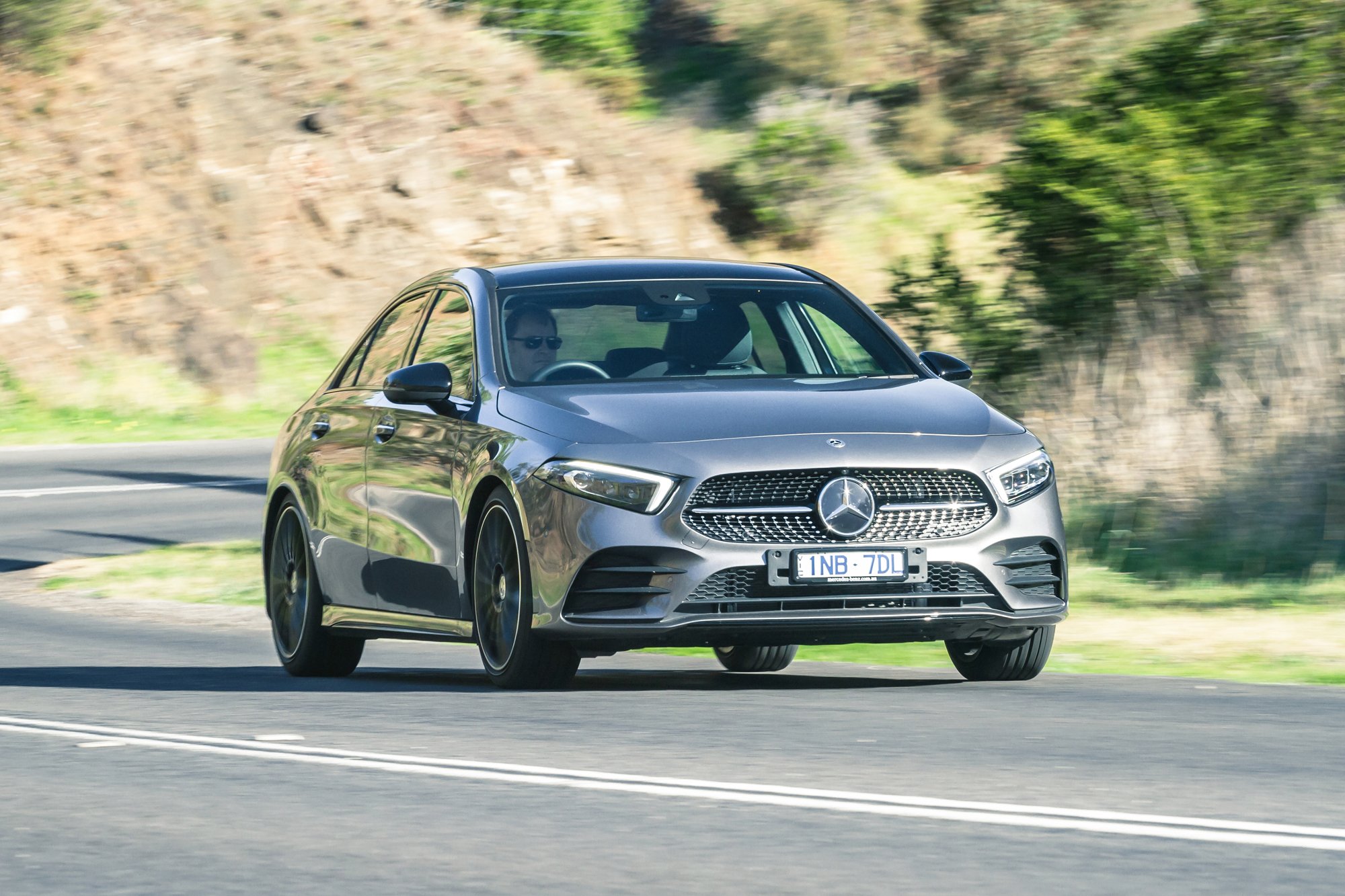
Ultimately, getting the best out of the A200 Sedan requires careful perusal of the cost options. Ticking the right boxes is crucial to delivering the right premium product – it just comes at a premium price. As we found with the A200 hatch, the AMG Exclusive Package goes a long way to improving compliance.
However, the A200 Sedan is safe and elegant with a sumptuous cabin and a desirable badge. It also delivers one of the best connected-technology experiences in the segment, and for the most part, that’s all that matters to buyers, both old and new.
MERCEDES-BENZ A-CLASS SEDAN RIVALS
Audi A3 Sedan
MERCEDES-BENZ A200 SEDAN PRICE AND SPECS
Model: Mercedes-Benz A200 Sedan
Engine: 1332cc 4cyl, DOHC, 16v, turbo
Max power: 120kW @ 5500rpm
Max torque: 250Nm @ 1620rpm
Kerb weight: 1375kg
Transmission: 7-speed dual-clutch
Economy: 5.7L/100km
0-100km/h: 8.0sec (estimated)
Price: $49,400
On sale: Now
