
Volvo says that its new sedan and wagon duo will deliver a knockout punch in the premium mid-size market. We know what you’re thinking – of course they’d say that. But we did drive it last month in Sweden and first impressions are that this is no Scandinavian to give the flick.
What’s better is that the expected volume seller we drove is more affordable than first thought.
Both the S60 sedan and V60 completes a generational update across Volvo’s entire stable. The duo are the last vehicles to arrive on its Scalable Architecture Platform (SPA) that also underpins the XC90, S90, V90, XC60 and electro super coupe, the Polestar 1 (that Australia isn’t fit for, apparently). It’s doesn’t seem like long ago that the XC90 arrived with its impressive new design language and gear, but that now becomes the oldest model in the Swedish maker’s lineup.
Arriving here in August, the S60 T5 and T8 will be the first models to go on sale, followed by the V60 which will mirror the S60’s spec. All models are all-wheel-drive and come with an eight-speed automatic transmission.
The T5 is powered by a 187kW, 350Nm 2.0-litre petrol turbo four-pot and the T8 knocks on the doors of Germany’s performance equivalents, packing a twin-motor plug-in hybrid electric version of the same engine which produces a total output of 311kW and 680Nm.
Entry model is the T5 Momentum which starts at $54,990. To keep things simple, all V60 wagon variants ask a $2000 premium. It comes equipped with considerable safety tech such as adaptive cruise control, lane keeping assist, collision warning and mitigation, front and rear parking sensor with reversing camera, blind spot monitoring, cross traffic alert.
Standard inclusions for the base grade are 17-inch alloys, nine-inch infotainment display with DAB+ and Apple CarPlay, keyless entry and automatic opening boot, LED headlights and climate control.
Mid-spec Inscription grade add styling enhancements inside and out, 19-inch alloys, four-zone climate control, head up display, 360-degree birds-eye view camera, automated parking assist, LED headlights with active bending beams, driftwood interior trims and heated front seats.
R-Design T5 variants gain a boost in power and torque from 187kW, 350Nm to 192kW and 400Nm. Along with the exclusive R-Design styling pack, the model has unique 19-inch alloys, adaptive dampers and a 230v power outlet in the rear.
Volvo Australia managing director Nick Connor said the additions will reinvigorate the sedan and wagon market in Australia, and compared the two entrants to “staid,” unadventurous models from the usual European premium crowd.
“Sedan and wagon vehicles have always been popular with Australian car buyers,” he said. “With the addition of our S60 and V60 vehicles we intend to reinvigorate those body styles.”
“We are confident that with their very distinctive look and competitive pricing the S60 and the V60 will make an immediate impact with buyers who are looking for something very different from the staid models in the luxury segment today.”
Volvo S60 and V60 Australian Pricing (plus on-road costs):
S60 T5 Momentum -$54,990
S60 T5 Inscription -$60,990
S60 T5 R-Design -$64,990
S60 T8 R-Design -$85,990
V60 T5 Momentum -$56,990
V60 T5 Inscription -$62,990
V60 T5 R-Design -$66,990
T8 R-Design -$87,990
Volkswagen will introduce a new variant to its Polo compact hatch range in August, known as the Polo Style.
Designed to replace the Polo Beats, the Style will sit beneath the GTI and above the Trendline and Comfortline in the local Polo range.
The new Style nomenclature replaces the former Highline moniker and points to a change of naming convention from Volkswagen, which is expected to extend to other models like the incoming Golf Mk8.
Available exclusively with a dual-clutch automatic transmission, the Polo Style will wear the same $24,990 (plus ORCs) price tag as the automatic variant of the outgoing Polo Beats, while also boasting more equipment.
With a price that puts the Polo in direct competition with bigger hatches like the Toyota Corolla, Mazda 3 and Volkswagen’s own Golf 110 TSI Trendline, the Polo Style trades cabin space and under-bonnet oomph for a high-end specification level.
VW’s slick 8.0-inch colour touchscreen infotainment system is standard and includes built-in sat nav (along with smartphone mirroring), while the all-electronic ‘Active Info’ instrument panel, dual-zone climate control, premium audio system (which actually mirrors that of the outgoing Beats) and a wireless charging pad are also standard-issue.
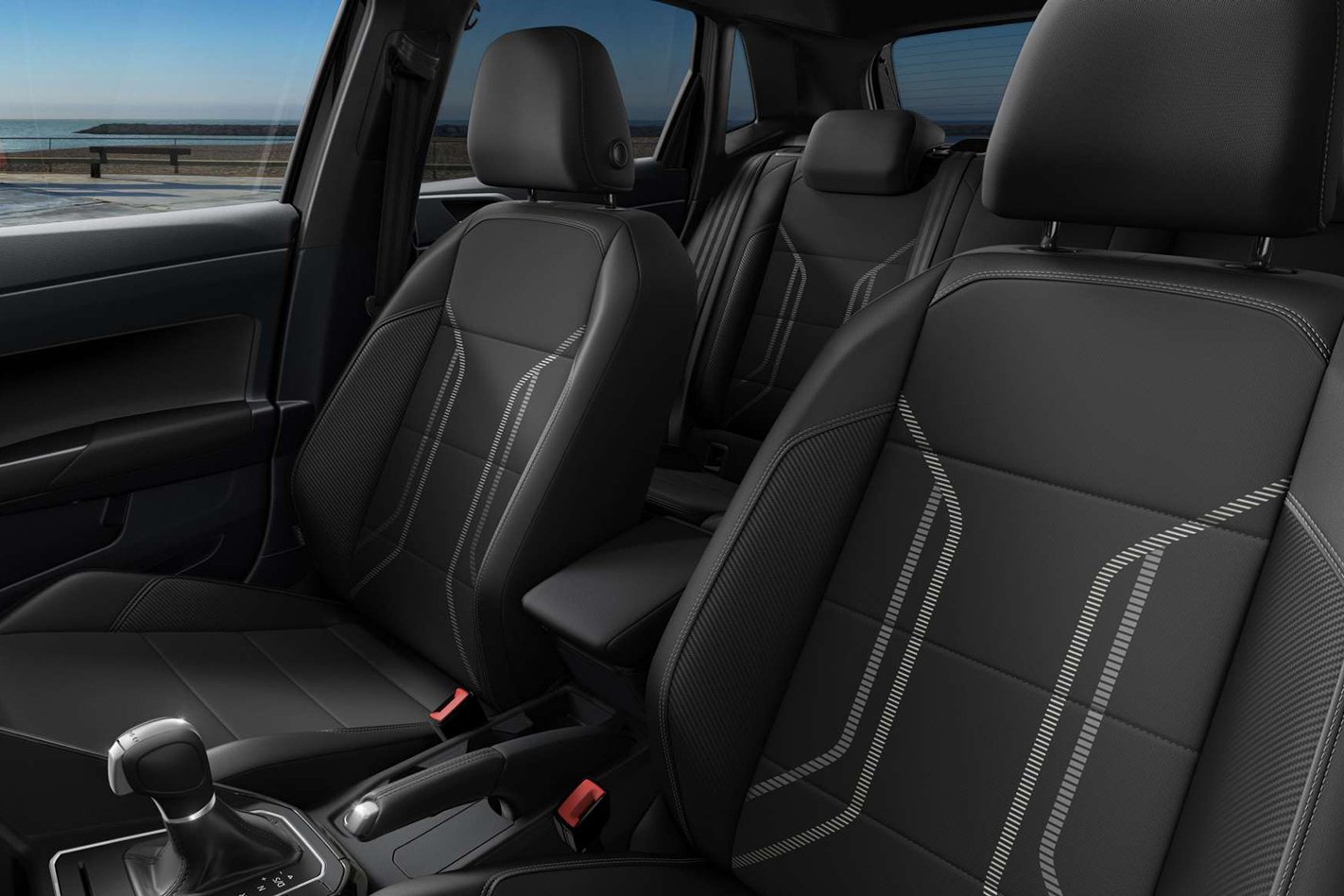
On top of that, you also receive rain-sensing wipers, dusk-sensing headlamps, a rear-view camera, heated wing mirrors, a self-dimming rear-view mirror, four USB ports, sports front seats, a black headliner and LED tail lamps.
The only options are metallic paint and a Driver Assistance package that bundles adaptive cruise control, blind spot monitoring, park assist and power folding wing mirrors for an extra $1500.
Standard safety equipment includes low-speed autonomous emergency braking (with pedestrian detection), driver fatigue monitoring and six airbags.
Like the Polo Beats and Polo 85TSI Comfortline, the Polo Style takes its power from a turbocharged 1.0-litre three-cylinder petrol engine, which develops 85kW of power and 200Nm of torque.
With a seven-speed dual-clutch automatic as the sole transmission choice, the Polo Style consumes a claimed average of 5.0 L/100km of premium unleaded on the combined fuel economy cycle.
PRICING
Besides the withdrawal of the Beats variant, the rest of the Polo range remains unchanged in specification and pricing.
- Volkswagen Polo 70TSI Trendline manual – $18,790
- Volkswagen Polo 70TSI Trendline automatic – $21,290
- Volkswagen Polo 85TSI Comfortline manual – $20,290
- Volkswagen Polo 85TSI Comfortline automatic – $22,790
- Volkswagen Polo Style automatic – $24,990
- Volkswagen Polo GTI – $31,990
While Daniel Ricciardo and Mark Webber briefly competed in Formula 1 at the same time, it was at opposite ends of the grid.
In 2011, while Webber competed for the then-dominant Red Bull Racing, Ricciardo was earning his stripes for the struggling Hispania Racing. Eventually, Webber would retire from F1 in 2013 to end his career in LMP1 driving for Porsche, with his vacated seat being filled by Ricciardo.
However, it was three years earlier that the two’s careers became inextricably linked.

In 2010 Ricciardo drove for Red Bull at the end-of-year Young Drivers Test at Abu Dhabi, held following the final race of the season.
It was a key moment in the Honey Badger’s career, setting the fastest time on both days, and going quicker than Sebastian Vettel’s pole time from the grand prix.
His pace was instantly recognised in the paddock and set Ricciardo on the path to F1 stardom. Thing is, it turns out the car that Ricciardo used to make his name is now owned by Mark Webber.
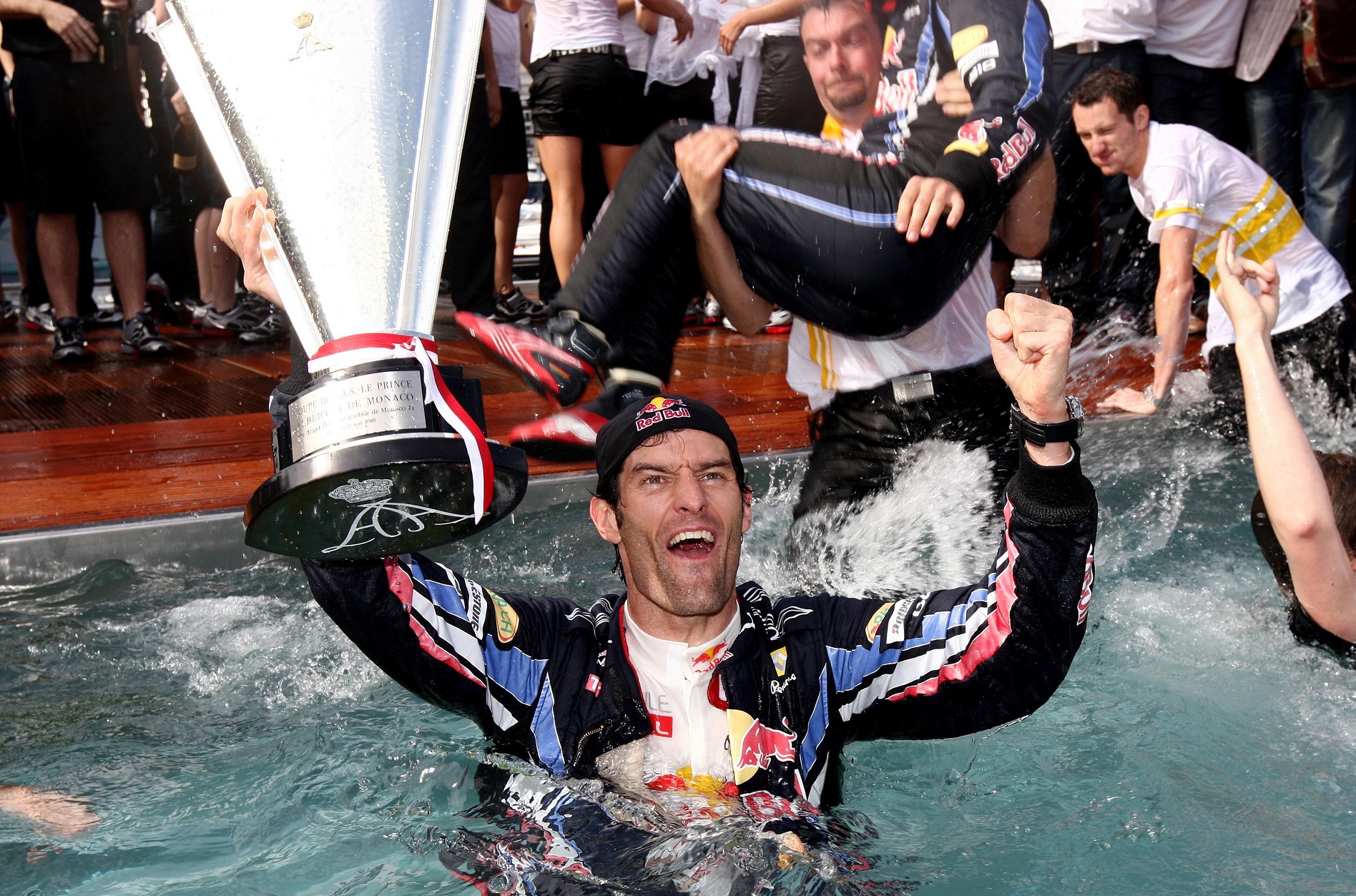
When re-signing for the English-based Red Bull team, Webber decided to work a handy deal into the fine print.
“As part of our contract negotiations we said, ‘at the end of the year, can we have a car?’,” he told the V8 Sleuth podcast.
Unfortunately for Webber, his first choice to take home at the end of the season didn’t make it after a 305km/h airborne tumble after colliding with the rear of Heikki Kovalainen’s Lotus at that year’s Valencia Grand Prix.
“I won Monaco in 2010 but I destroyed that car in Valencia, so I went to the next-best car – (from) when I said: ‘Not bad for a No.2 driver…’,” Webber explained.
Thing is, that particular chassis had enjoyed quite the journey. It was driven initially by teammate and arch-rival Sebastian Vettel at the start of the season.
“That one’s got a bit of history, that’s a good car to own. Sebastian won the Malaysian GP in it that year, and I won the Hungarian and British GP. There’s a lot of fastest laps and podiums … it’s a pretty special chassis, that one,” Webber added.
Vettel dubbed the car ‘Luscious Liz’ and was last used by the German finger waver at the Monaco Grand Prix when he finished second behind Webber.
The then-titleless Vettel complained of a handling issue with the chassis and was gifted a new car for the Turkish Grand Prix, where he infamously crashed into Webber, starting what would be one of F1’s most infamous intra-team rivalries.
Red Bull combed over the chassis and found an almost invisible crack, which was subsequently repaired, and the car was returned to service for the British Grand Prix at the hands of Webber.
Again, the car became a point of controversy between Webber and Vettel. Red Bull had brought a pair of newly designed front wings to the race. Only thing was, Vettel broke his and was given Webber’s wing for qualifying. The Australian was understandably furious at the decision, and his anger fuelled him to victory on Sunday, prompting the famous radio call to his team after claiming the win.
While the chassis holds some positive memories for Webber, it is also central to some heartbreak. The Aussie drove the chassis for the last time at the South Korean Grand Prix, where he crashed in soaking wet conditions, effectively ending his chance at winning the 2010 title.
“Red Bull, the guys did an absolute incredible (restoration) job,” Webber said.

“That car is absolutely as it crossed the line [at Silverstone]. Beautiful, beautiful car. Everything, right (down) to the sticker of the British Grand Prix for 2010. That car is in a museum at the moment and will be in the new Silverstone museum when it opens.”
While it is currently on display, Webber’s former Porsche LMP1 teammate Timo Bernhard is pestering the retired F1 pilot to bring it out for a play at the track.
“It could run, but I think I’d need 15 (Renault engineers) over to have a test day somewhere with it,” he explained.
“Timo Bernhard, my teammate at Porsche, has always been busting my nuts that ‘we’ve got to do a track day!’ But I’m not as enthusiastic as he is!”
While Timo might be keen to jump into the car, like Webber, Daniel Ricciardo might also have bittersweet memories about sliding into this Red Bull again. While this chassis made his name in the F1 paddock, the Australian may well rue the fact that his five Red Bull seasons just happened to coincide with Mercedes-AMG’s dominance and ended without any great fanfare. Not bad for a number two driver does indeed seem a common refrain.
For those very few who scoff at the performance figures of the Ferrari 812 Superfast with its lazy 588kW and 718Nm, then good news, because German tuning company Novitec has released the Novitec N-Largo Ferrari 812 Superfast.
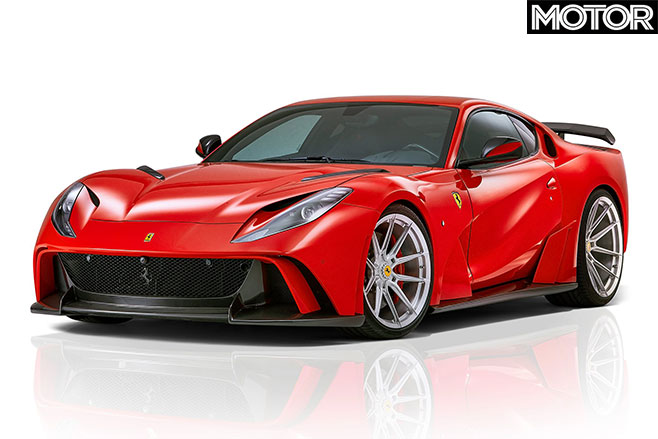
Novitec, a specialist in tuning Italian sports cars, has one-upped its first creation with the 812. And with it comes a whole range of upgrades that make all of us here at MOTOR drool with excitement.
One that was prepared earlier: the Evoluto Automobili Ferrari 348
The original Ferrari 812 isn’t exactly slow, but nonetheless the figures for this N-Largo car have been increased to create more oomph. The output of the naturally-aspirated 6.5-litre V12 engine has increased by 30kW and 33Nm to produce 618kW at 8750rpm and 751Nm at 7300rpm. All of this produces a 0-100 time of 2.8 seconds and a top speed of 345km/h.
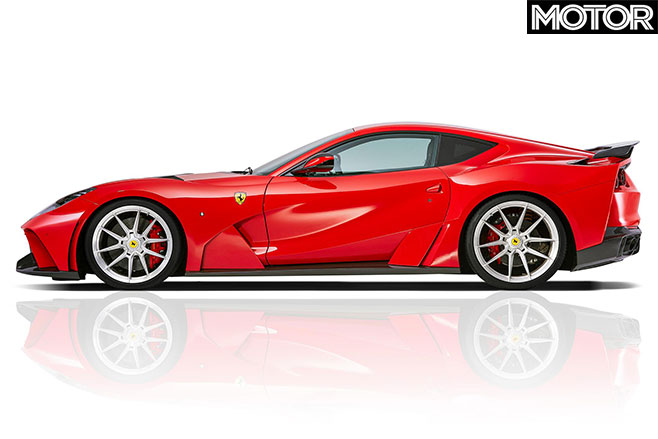
The special carbon outfit adds 14mm extra to the width of the car, plus another 140mm extra to the rear of the car behind the rear axle, enhancing its wedge shape and aerodynamics.
The wedge-shape is helped by its Formula 1 car inspired wheel arches and bargeboards (located near the doors), the unique front fascia of the car plus the carbon spoiler all add to its aggressive style.
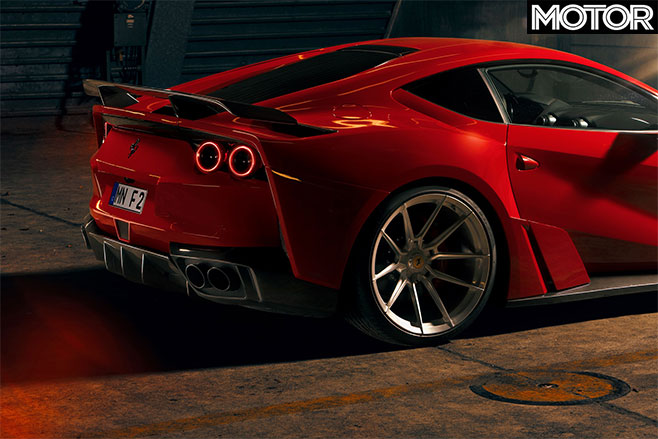
Novitec has also installed sport springs to lower the ride height by about 35mm, and while this new height may cause a bit of trouble around speed humps, Novitec has you covered with the optional Front Lift system able to temporarily lift the car by 40mm to prevent any scraping or damage to the carbon bumper.
The interior is also fully customisable with leather or alcantara of any colour that the customer desires, but we’re not sure how popular the deep purple colour scheme that the display car shows off will be. Additionally, Novitec is no stranger to the unique details, with the rear Ferrari badge finished in carbon fibre.
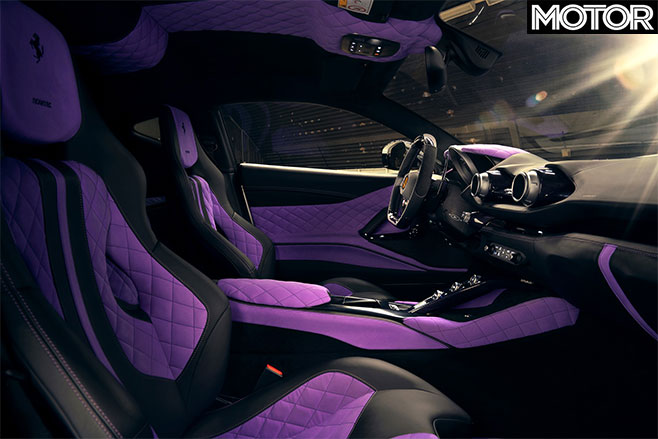
No announcement on pricing yet, but given the base Ferrari 812 Superfast costs AUD$610,000, owners of this Novitec creation will be few and far between.
What stands out?
The Mazda 6 is an attractively styled, spacious and sporty medium-sized sedan or wagon. It comes with a choice of two petrol engines that work brilliantly with the automatic gearbox. The 6 is sparing with fuel, and packed with technology. Autonomous emergency braking is standard.
What might bug me?
Driving past tighter parking spots because your Mazda 6 won’t fit. The 6 is big for a medium-sized car – it’s almost five metres long.Driving at less than 80km/h on the space-saver spare until you can fix your full-sized flat tyre.Having to take your Mazda 6 in for a service every 10,000km. Most similar vehicles have longer service intervals of at least 15,000km.
What body styles are there?
Four-door sedan and five-door wagon.The Mazda 6 drives its front wheels, and it is classed as a medium car, lower priced.
What features does every Mazda 6 have?
A 8.0-inch colour touchscreen, and a control dial on the centre console for the car’s infotainment systems.Apple CarPlay/Android Auto smartphone pairing, digital radio (DAB+), Bluetooth hands-free phone and audio connectivity, and steering wheel audio controls.Digital radio, internet radio integration (including the apps Stitcher and Aha), Bluetooth hands-free phone and audio connectivity, and steering wheel audio controls.A reversing camera, rear parking sensors, and satellite navigation.Adaptive cruise control, with Stop&Go function for heavy traffic.Dual-zone air-conditioning (which lets you set different temperatures for each side of the cabin) and rear air vents.Windscreen wipers that operate automatically when it rains.A leather-wrapped steering wheel and gear shift lever.Paddle-shift gear controls on the steering wheel.LED headlights with high-beam control, LED tail-lights, and front fog-lights.Aluminium alloy wheels, which are usually lighter and better looking than steel wheels, a space-saver steel spare wheel, and tyre pressure monitoring.Autonomous emergency braking that works at speeds up to 80km/h: It alerts you, and if necessary brakes the car, should you be in danger of hitting an object in front.Blind spot monitoring (which warns when changing lanes that a vehicle is alongside), and rear cross-traffic alert (warning when reversing that something is crossing your path).Mazda’s efficiency enhancing, i-Stop and i-Eloop systems. The former saves fuel by shutting off the engine when you stop, and restarting it when you lift a foot off the brake pedal to press the accelerator to drive away. The latter recovers energy during braking and stores it as electricity, which helps power the heating, lights and other functions.G-Vectoring Control, a Mazda technology that makes the car respond more consistently to the steering wheel.Electric parking brake, with auto-hold that prevents the car rolling when you stop at traffic lights. Hill-start assist.A head-up display (Mazda calls it Active Driving Display) projects a speedo and sat-nav instructions onto a transparent tile near your line of sight, which makes it easier to monitor them while driving. The display also shows the speed limit in force, using Mazda’s Traffic Sign Recognition.Lane keeping assist and lane departure warning.Auto-dimming rearview mirror, and power-folding, heated external mirrors.Driver’s lumbar support, and seat-back pockets.Keyless start and remote central locking.Electronic stability control, which helps you control a skidding car. All new cars must have this feature.All Mazda wagons have, in addition, a rear-window wiper, cargo area cover, cargo net, rear spoiler and roof rails.Every Mazda 6 carries a five-year, unlimited kilometre warranty.
Which engine uses least fuel, and why wouldn’t I choose it?
Mazda dropped the gutsy but efficient 2.2-litre four-cylinder twin-turbo diesel from the Mazda 6 range in May 2019 due to poor sales. This leaves the 2.5-litre petrol engine that has long held-up the cheaper end of the Mazda 6 as the most economical choice with an official fuel consumption of 7.0 litres/100km on the combined cycle.One reason you wouldn’t buy it is you want to spend more on a Mazda 6 GT or Atenza with more features, but are only available with a more powerful turbocharged version of the 2.5-litre petrol engine.Already available in the CX-9 SUV, this engine was added to Mazda 6 range in May 2018. It offers the best performance of the two engines but consumes 7.6 litres/100km on the combined cycle. It is tuned to run on cheaper 91RON fuel, though.Both engines are linked to a six-speed automatic gearbox, but the 2.5-litre turbocharged petrol engine provides sportier performance and is worth the budget stretch, if you can manage it.
What key features do I get if I spend more?
The least costly Mazda 6 comes with 17-inch alloy wheels, cloth seats and the 2.5-litre petrol engine.Moving up to the Mazda 6 Touring gets you leather trim, 10-way power adjustable front seats, and a driver’s seat that remembers your adjustments. There are LED daytime running lights, front parking sensors, advanced keyless entry, and a better-sounding Bose brand audio system.The Touring comes standard with the 2.5-litre petrol engine. The 2.2-litre twin-turbo diesel is available for an extra $3000.The more sporty GT comes with the 2.5-litre turbocharged petrol engine as standard, with the diesel available for an extra $1100. The GT also brings 19-inch wheels, fitted with lower-profile tyres that sharpen steering response. It has a choice of black or white leather trim, front and rear seat heaters, and an adaptive front lighting system (which swivels the headlamp beams to help you see into corners).The most expensive Mazda 6, the Atenza, has the same engine choices as the GT. Inside, the cabin is trimmed more richly in Pure White or Walnut Brown Nappa leather and doors and dashboard features have Real Sen wood inserts.The Atenza also gains LED ambient cabin lighting, ventilated front seats, heated steering wheel, 360-degree view parking monitor, a frameless interior mirror, and multi-element, active LED headlamps. These automatically dim only a part of the high beam for other drivers – the part that might dazzle them – leaving you with better illumination to either side.
Does any upgrade have a down side?
The 19-inch wheels and tyres on GT and Atenza versions reduce low-speed ride comfort compared with the 17-inch wheels and tyres fitted to Sport and Touring versions.The white leather option will show dirt and stains that would not be visible on the alternative black leather.Soul Red and Machine Grey metallic paints come at additional cost.
How comfortable is the Mazda 6?
The Mazda 6 is very comfortable, especially on the 17-inch wheels and tyres of Sport and Touring versions.The GT and Atenza versions, which roll on 19-inch wheels and tyres, remain compliant over big bumps, but the lower profile tyres mean that small, sharp road imperfections are felt by occupants.The Mazda 6 has a tilt- and reach-adjustable steering column, and height and lumbar adjustment for the driver’s seat, and yet it can be difficult to get the driving ergonomics just right. The comfort of the seats, however, is good for longer drives. The powered seats in most versions aid ease of adjustment, and the driver’s seat memory function is handy.The quality of the plastics, textiles and carpets in the cabin is high, and the presentation of the instruments and controls is neat and logical. The most expensive models add leather trim to the dash and other interior surfaces, and are more appealingly presented inside.The Mazda6 is largely free of vibration, harshness and wind noise inside, though there is some tyre roar on the coarse chip surfaces often found in the country.
What about safety in a Mazda 6?
All Mazda 6 variants rate as Standout on the WhichCar scale. Even the least-expensive Mazda 6 Sport has six airbags, stability control, active cruise control, high-speed autonomous emergency braking, forward and reverse city-speed auto-braking, lane-keep assist, blind-spot monitors, a rear vision camera, rear parking sensors, and a cross-traffic alert for reversing.The Touring, GT and Atenza also have front parking sensors.The Mazda 6 has six airbags: two directly in front of the driver and front passenger; one alongside each front occupant to protect the upper body; and curtain airbags on each side that protect front and rear occupants at head level.The Australasian New Car Assessment Program (ANCAP) awarded the current model Mazda 6 sedan and wagon its maximum five stars for safety in October 2018.To see a list of the safety features on any model, open the model from the Cars Covered By This Review drop-down near the top of this page, and look under the features tab. Safety-related features are listed in red.
I like driving – will I enjoy this car?
Yes, you will enjoy driving the Mazda 6 – it is among the best handling mid-size family cars.Strengths include well-judged suspension settings that offer a great balance of comfort and handling. This makes the Mazda as swift and enjoyable over lumpy roads as it is on freshly laid tarmac.All Mazda 6s benefit from the Japanese car maker’s G-Vectoring Control Plus, whose operating principle is simpler than the name might suggest. It adjusts the engine when you turn the steering wheel, decelerating slightly so as to transfer load to the front tyres and help them bite (and reversing the process as you return to centre). You don’t notice it working but it helps the car feel more planted, and change direction more fluidly.The 19-inch tyres on the GT and Atenza increase the sharpness of the steering and the crispness of the handling, as well as the overall roadholding limit.The wagon actually handles better than the sedan on tight, twisty roads via an 80mm shorter wheelbase – the distance between the front and rear wheel axles.The 2.5-litre turbo-petrol engine performs well for sporty driving. This is a great engine that offers excellent acceleration and makes a nice, purposeful sound while accelerating quickly.The automatic gearbox works well on its own, and the paddle-shifters behind the steering wheel (on all versions) bring a manual mode and extra enjoyment for spirited driving.
How is life in the rear seats?
The rear seat area of the Mazda 6 is spacious, comfortable and well presented. The 6 sedan’s longer wheelbase translates directly into extra legroom, and that’s already generous in the wagon. Head, foot and shoulder room are equally plentiful.The seat cushion comfort and under-thigh support is terrific, and the backrest angle is very close to ideal. Air-conditioning vents in the back are a welcome feature, especially for children prone to car sickness.The big, broad, Mazda 6 can fit three adults across its back seat in greater comfort than some other medium cars.
How is it for carrying stuff?
The Mazda6 sedan has a 474-litre boot. It is not the biggest in a medium car, but it can swallow a lot of luggage.The wagon is better still, offering 506 litres of cargo capacity with its rear seatbacks upright, expanding to 1648 litres with the 60/40 seats folded.Mazda 6 Sport and Touring variants with the standard 2.5-litre petrol engine have a 1500kg braked towing capacity, while all turbo diesel and turbo petrol models can tow up to 1600kg.
Where is the Mazda 6 made?
The Mazda 6 is manufactured in Japan.
Are there any other medium-sized cars I should consider?
The Mazda 6 holds up very well against its medium sedan and wagon rivals in terms of equipment, engine choices, comfort and practicality.These include the Toyota Camry, Kia Optima, Hyundai Sonata, Volkswagen Passat, Honda Accord, Subaru Liberty and the Ford Mondeo.It’s also spacious enough to be considered alongside the bigger, imported Holden Commodore and the Skoda Superb.
I like this car, but I can’t choose which version. Can you help?
The Mazda 6 GT wagon is our pick of the line-up and makes for an excellent tourer. The wagon is roomier, more practical and better handling than the sedan, as well as (arguably) better-looking. The more powerful, turbo-petrol is the pick of the engines, and it is offered only from the GT upwards.
Are there plans to update the Mazda 6 soon?
The current GJ series Mazda 6 was launched in Australia in December 2012, and a revised series-two version arrived in February 2015. In February 2016, Mazda added as standard to all versions the features previously available only at extra cost in its Safety Pack. These included low-speed auto braking, and blind spot monitoring.A minor upgrade in September 2016 brought enhanced steering from G-Vectoring Control, extended the effective speed range of both auto braking systems, reduced road noise slightly, and refined the already excellent diesel engine. Interior trims received minor revision.Another significant update in June 2018 introduced the turbocharged petrol engine, redesigned the interior from the front seats forward (including much better integration of the driver’s head-up display) and much of the front and rear of the exterior, added even more performance and better fuel economy for the diesel engine, and added and a broader range of standard features to the lower-spec versions.In May 2019 Mazda ditched the excellent twin-turbo diesel engine from the range because of low sales. This was part of an update that also included the addition of Apple CarPlay/ Android Auto, tyre-pressure monitor and an enhanced version of G-Vectoring Control called G-Vectoring Control Plus that improved yaw moment control for better stability and composure when cornering. A second radio antenna was added for a better FM signal and the Atenza gained steering wheel heating.
At Audi Group’s most recent Annual General Meeting, Audi Board of Management chair Bram Schot put the final nails in two different sports car coffins, effectively confirming the end of the Audi TT as well as that of the Audi R8.
While Schot said specifically during his address that the TT would be replaced by an electric sports car, but left the future of the R8’s lineage (its successor) rather vague.
He said the reasoning for culling Audi’s range of sports cars was due to its involvement in “too many projects for several years,” and that these cars fall under the banner of “things in the future that [Audi] no longer [does].”
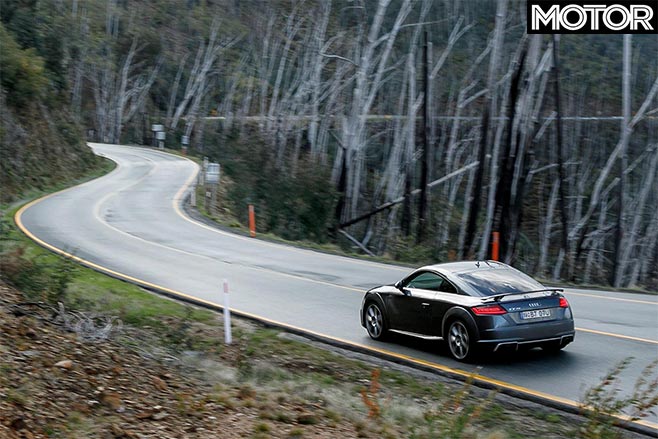
“This means less complexity in new models, less complexity in our range as a whole. We have eliminated almost one third of our engine-transmission combinations.
“Focusing also includes leaving things out. The Audi TT, for example. For two decades, we have had this young, emotive sports car in our product range: as a coupe and as a roadster.
“In a few years, we will replace the TT with a new emotive model in the same price range: with an electric car.”
What will this car be? MOTOR’s European editor Georg Kacher may have already uncovered the first steps in this from a previous report filed regarding the Audi PB18 e-tron concept last year.
A new all-electric platform is reportedly being co-developed between Porsche and Audi, with the groundwork to replace the entry-level Porsche models also on the cards, though that’s only a possibility.
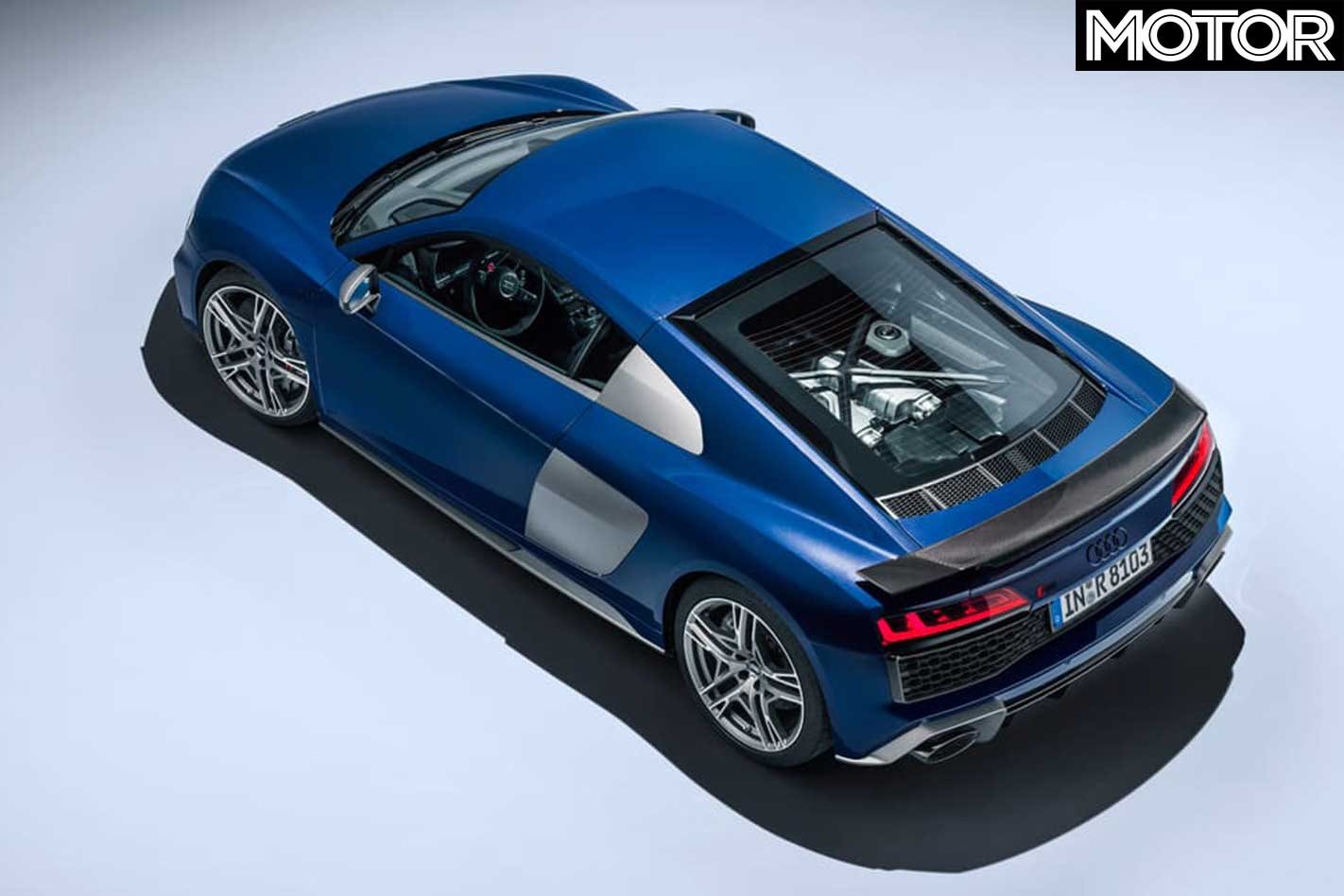
“The first jointly conceived overtly sporty BEV may be a compact two-seater set to eventually replace both the Audi TT and the 718 Boxster/Cayman. The timing of this project is still unclear,” Kacher wrote.
“Sources suggest that there will be one more redesign of the conventional models before the silent sports cars put in an appearance in 2025/26.”
The timing of this may have advanced since last year’s report, as electric cars become more accepted and manufacturers pour more coin into their development.
Porsche Taycan: more than 440kW of Stuttgart sports car
But it’s the R8 which has been forgotten in this ‘goodbye TT’ frenzy.
While Schot says the replacement for the R8 ‘might not’ have a combustion engine, Kacher previously reported that there won’t even be a direct replacement for the four-ringed supercar.
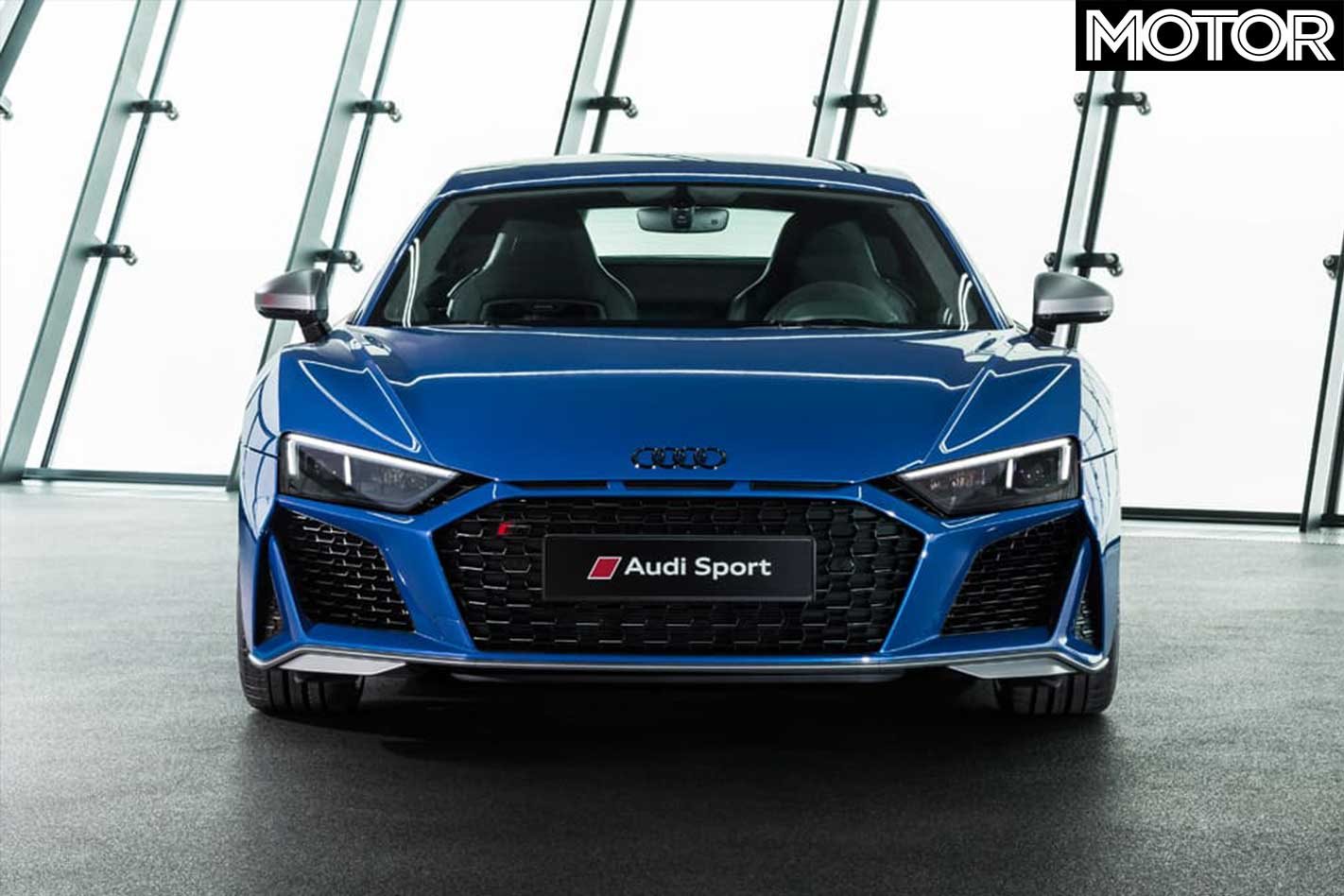
Back to Schot, who continues from his point about the TT replacement: “As I said, focusing also means leaving out. For example, the R8 sports car.
“Do we need a successor with a combustion engine? Does this fit in with our vision? The discussion [about Audi’s future] will give us an answer to that.”
Audi R8’s V10 engine exploded for art
According to Kacher, the R8’s days are numbered, which mean’s Audi might be very close to finding that answer Schot referred to.
“There will be no direct replacement for the slow-selling R8 which is going to be phased out in late 2020 when the new Huracán [successor], based on the promising carbon-fibre monofuselage matrix arrives,” Kacher wrote.
So is Audi changing plans behind the scenes? Our man Kacher isn’t often wrong, but Schot’s words point to an electric future for Audi much sooner than we originally thought.
What stands out?
The BMW 3 Series is a nicely balanced and well-equipped luxury car that has special appeal for keen drivers. It is a good size, too: small enough for easy parking, but able to carry five in comfort. The seventh-generation G20 3 Series range is still in its early days, with only two mid-range sedans on offer, though these will soon be joined by new versions including a more high-performance sedan, and a plug-in hybrid.
What might bug me?
BMW uses run-flat tyres that do what the name suggests: they allow you to keep driving after a puncture. The catch is, you are not supposed to drive a flat tyre faster than 80km/h, nor further than 80km, which can be tricky if you’re out in the middle of nowhere.Even though 3 Series sedans don’t carry a spare wheel, they have no more boot space than obvious alternative cars from other makers.Paying a premium for your BMW sedan only to have to pay to access Apple CarPlay after the first year – this is totally free in more affordable cars. And there’s no Android Auto.The jarring ride on the BMW 320d’s standard suspension.
What body styles are there?
A four-door sedan.The BMW 3 Series is rear-wheel drive and is classed as a medium-sized car, higher priced.
What features do all BMW 3 Series versions have?
Large-diameter aluminium alloy wheels (beginning at 18 inches on the 320d) with low-profile tyres.Long-lasting auto on/off LED headlamps and tail-lights, and auto high-beam.Three-zone climate control (which allows different temperatures on either side of the cabin and at the rear).A head-up display, which projects speed and navigation information onto the windscreen (helping you to keep your eyes on the road). Cruise control with speed limiter.A 12.3-inch digital instrument display, and 10.25-inch central colour screen with satellite navigation.A 10-speaker audio system with AM/FM/digital (DAB+) radio reception, MP3 and USB compatibility, Bluetooth connectivity with intelligent voice control. Controls on the steering wheel for those functions. Apple CarPlay is also available but requires an annual subscription.A rear-view camera that displays a bird’s-eye-view of the car from above, showing obstacles to the rear and each side.Heated exterior mirrors and rain-sensing windscreen wipers.BMW Connected Drive. What BMW calls the Lifestyle version includes a three-year subscription to internet-based services such as BMW Online (news, weather, Google local search, office, and apps) and the BMW Connected app. It also includes Remote Services, which lets you operate various functions from a remote location. For example, you can lock and unlock the doors, control the ventilation, and find the car if you forgot where you parked it.A suite of active safety aids that includes autonomous emergency braking, front collision warning, lane-departure warning (to tell you that the car is drifting to either side), rear-cross traffic alert, and rear-collision prevention.There are eight airbags: two directly ahead of the front-seat occupants, two to protect front occupants against side impacts, and a four side airbags to guard front and rear occupants against head injuries.Automatic Start/Stop, which cuts your engine when you stop, say at traffic lights, without shutting down other systems. The engine comes on as soon as you take your foot off the brake. You can disable this system with the push of a button.Run flat tyres that eliminate the need for a spare tyre.Two USB ports, A- and C-type, and a 12v power socket.Electronic stability control, which can help maintain control if the car loses grip on a slippery surface. All new cars must have this feature.Both the 320d and 330i currently come standard with the additional equipment as part of the M Sport Package that add aerodynamic body kit including sporty bumpers and side sills, leather sports steering wheel, aluminium interior trim finishes.The 3 Series is covered by BMW’s three-year/unlimited-kilometre warranty.
Which engine uses least fuel, and why wouldn’t I choose it?
The twin-turbo diesel 320d, is the fuel-saving champion, using just 4.5 litres/100km in the official test (city and country combined). This turbocharged engine feels very refined, especially for a diesel. It also provides impressive acceleration and effortless cross-country cruising.One reason you might not choose it is that you want to enjoy the smoothness and response of if the 330i turbocharged petrol engine, which consumes fuel at a still frugal 6.4 litres/100km but has significantly more power and sporty appeal.
What key features do I get if I spend more?
Spending more on the BMW 330i over the 320d brings the more powerful turbocharged petrol engine and bigger 19-inch alloy wheels.You also gain adaptive M Suspension as standard, which allows the dampers to adjust to driving conditions including a more controlled firm ride for sports driving or a softer ride for cruising around town.The 330i also gains sports brakes, active cruise control, automatic speed limiter, forward side traffic warning, more advanced 3D parking camera, and advanced keyless entry that lets you enter and start the car without taking your key out of your pocket or bag.Optional ExtrasThe first option is a no-cost one – the Luxury Line package available on both the 320d and 330i brings Vernasca leather upholstery, wooden trim finishes, sport front seats, and unique-design leather steering wheel and alloy rims.You can also opt for the Visibility Package for about $5000, which adds metallic paint, high-tec ‘Laser’ LED headlights, glass sunroof and interior ambient lighting.The Comfort package, which costs about $2600 for the 320d and $1800 for the 330i, brings lumbar support to the front seats, automatic boot lid, and front-seat heating. The 320d also gains the advanced keyless entry already available with the 330i.For about $3100, the Driver Assistance Package adds to the 320d some of the features already in the 330i including adaptive cruise control, lane keeping assist, tyre pressure monitor, and the simulated 360-degree camera view.Apple Carplay is also available but you have to pay an annual subscription, which is available for free for the first year.There is also a range of single items you can add to your BMW 3 Series. See your local dealer or BMW website for more details.
Does any upgrade have a down side?
It’s worth noting there isn’t much to distinguish the different 3 Series models visually, so spending more doesn’t necessarily mean more street cred. Nor do they vary greatly for equipment and in-cabin pampering. So if you value fuel economy and the 320d is fast enough for you, you might be wasting your money on the higher-spec 330i. That said, the 320d lacks ride comfort adjustment (called M Suspension) as standard, so this may be an option worth investigating.The 330i’s 19-inch tyres will be more expensive to replace when the time comes.
How comfortable are the 3-Series sedans?
BMW has always prided itself on making ergonomically pure interiors. Nothing has changed there with the current 3 Series. All the switchgear operates with a tactile, precise action, and the digital instrument gauges, infotainment screen and head-up display are crisp and clear.The infotainment system is easy to negotiate via the rotary controller, and you can still select functions by touching the screen. The Bluetooth syncs quickly and connects immediately when you return to the car. Apple CarPlay is included free for the first year but (somewhat inconceivably) will be an extra cost option after that. Of course, if you buy a Mazda 3, it comes for free forever. Unlike most cars, you don’t need a cable to pair your iPhone with CarPlay; just the Bluetooth connection. We found, though, that it did cut out from time to time. Android Auto is not yet available.The leather-appointed front seats are supportive and comfy, even before you specify the Luxury Package’s plusher Vernasca leather sports seats.The four-cylinder engines are slick and refined when working hard. They’re initially little dull-sounding in urban pottering, but the 330i gets a little vocal when you select Sport mode.The 320d has quite a firm ride on the standard suspension, with the secondary bounce over road imperfections feeling quite jarring. The 330i’s adaptive suspension absorbs bumps better in Comfort mode, but there’s still some harshness from the 19-inch low-profile tyres.
What about safety in a 3-Series?
Every 3 Series BMW has stability control, eight airbags, a multi-view reversing camera, a head-up display, lane-departure warning, auto-braking, and rear-cross traffic alert.It is a rounded package that emphasises protecting you in a crash, enhancing your control of the car, reducing the hazard to others around you in low-speed manoeuvring, and supplying a safety-net for distraction or inattention.The lane-departure warning monitors your position in a lane on the highway, alerting you should you begin drifting wide – perhaps dangerously, from fatigue or distraction. The auto-braking will warn you and, if required, apply the brakes at city speeds to avoid or mitigate collision with another vehicle or pedestrian.The Driver Assist Package features a more sophisticated radar-based auto-braking, which will detect a pending collision and brake at higher speeds up to 210km/h, and and lane-keeping assist that detect lines and helps steer the car within them. It also has adaptive cruise control which will automatically slow and keep a safe distance between a vehicle in front of you, even when that vehicles comes to a stop.The high-speed auto braking, lane-keeping assist and adaptive cruise control come standard with the 330i.The 3 Series is also fitted with run-flat tyres help you maintain control of the car if a tyre deflates suddenly.The Australasian New Car Assessment Program (ANCAP) has yet to assess the seventh-generation G20 3 Series.
I like driving – will I enjoy this car?
Absolutely. Even the diesel 320d is a fun-driving car with responsive acceleration and steering that goes exactly where you point it.The 330i provides more by way of sporty thrills and hits the spot for somebody who is interested in how a car feels as much as what it does, but also wants a comfortable and fuel-efficient daily driver. The 2.0-litre turbo engine feels responsive through the eight-speed automatic gearbox that’s amplified when selecting Sport mode, which also provides a throaty synthetic engine note. The eight-speed ‘box cycles through gears smoothly, and is also compliant when shifting gears manually via the paddle shifters.The ride on the 19-inch wheels is firm but helped by the adaptive dampers that reduce the jarring you get when riding over bumps in the regularly suspended 320d. That firmness comes into its own when you require sharper handling, though, which you get in spades thanks to beautifully weighted steering, while the taut chassis feels immune to body roll.Around town and on the highway, the 320d and 330i are comfortable cruisersthat will make the daily drive an enjoyable one.
How is life in the rear seats?
Rear seat space is a little tight for legroom, and wedging three people across the bench is best reserved for shorter journeys.There is good all-round vision back there, however, and rear-seat passengers benefit from having their own air vents and climate control settings.
How is the BMW 3 Series for carrying stuff?
Boot space is 480 litres, which is the same as the previous model and about as much as you will get in any similar car.The rear-seat backrest is split 40:20:40, so it’s adaptable for all sorts of long loads while still carrying three or four people.
Where does BMW make the 3 Series?
All seventh-generation 3 Series sedans delivered to Australia are built at BMW’s home city of Munich, Germany – unlike the previous model that was built in South Africa.
What might I miss that similar cars have?
A wagon version, such as the Audi A4 Avante or Mercedes-Benz C-Class Estate. The new BMW 3 Series wagon, called the Touring, is still being developed and will be revealed later in 2019. No word if or when it will come to Australia, but if it does don’t expect it before mid-2020.Maybe all-wheel drive, also available on an Audi A4. Thought you won’t have to wait long with the first ever AWD 3 Series, the 340i xDrive due later in 2019.For now, a hybrid powertrain as found in the Lexus IS 300h, though a plug-in hybrid BMW 330e is also due to arrive at the end of 2019.A genuine performance version like the Alfa Romeo Giulia Quadrifoglio, Audi RS4 Avante, and Mercedes-AMG C43 and C63 – the new generation BMW M3 isn’t expected to appear until some time in 2020.Other key rivals include the standard Alfa Romeo Giulia, Jaguar XE and of course the Mercedes-Benz C Class sedans.
I like this car, but I can’t choose which version. Can you help?
The 330i is so far the stand out. It costs about $3000 more than the 320d but that’s easily made up for with add-ons including advanced auto braking, adaptive cruise control and adaptive suspension. It also delivers better performance than the 320d and is a great package in terms of luxury, efficiency and sportiness, without the huge price tag.
Are there plans to update this model soon?
The seventh-generation G20 BMW 3 Series arrived in March 2019 with just two sedan variants, the 320d and 330i. This range will grow as more versions are rolled out including the wagon and performance versions.The first additions to the range will be the powerful M340i xDrive, the first ever AWD 3 Series, due later in 2019 along with the plug-in hybrid 330e. The 320i turbo petrol is expected in 2020 and will become the most affordable option in the 3 Series range.
It’s hard to keep a secret these days and it appears the first image of Ferrari’s new 1000hp (735kW) hybrid supercar has leaked on the internet.
Posted on Instagram and since deleted, the image show the profile of what Ferrari has claimed will be the fastest road car it’s ever produced, with performance beyond that of the LaFerrari.
The name is expected (but not confirmed) to be SF90 Stradale, a new naming convention for a new class of Ferrari supercar.
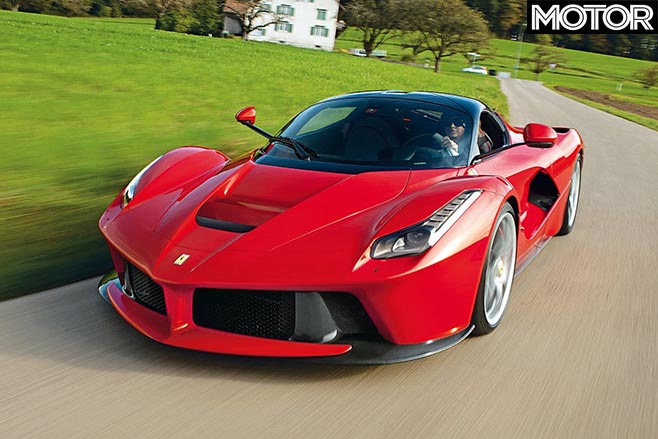
Ferrari says the SF90 Stradale will be faster than the LaFerrari, pictured
The SF90 Stradale doesn’t replace any existing model in the Ferrari lineup. As part of Maranello’s decision to widen its range, it announced it would split its mid-engined supercar offering in two, offering an ultra-high performance model – the SF90 – and an entry-level model which concentrates more on driving enjoyment.
No technical details have leaked, but it’s expected the SF90 will use a development of the F8 Tributo’s 3.9-litre twin-turbo V8 (pictured below) bolstered by a trio of electric motors to boost power from 530kW to 735kW.
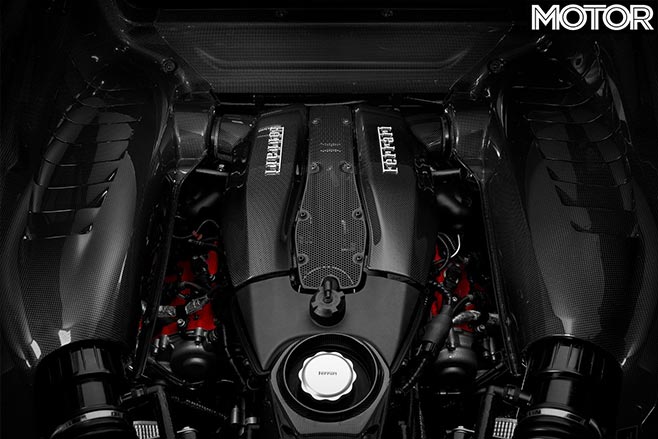
It’s possible the SF90 will use an electric motor on each front wheel a la Honda NSX/Porsche 918 Spyder to provide all-wheel drive acceleration (a 0-100km/h time of 2.0sec has been rumoured) but with the internal combustion engine driving the rear wheels only.
The SF90 will also be the first model to be built on Ferrari’s new flexible sports car architecture, which allows a number of different drivetrain configurations to be installed, including crucial space for a hybrid drive system.
Ferrari averages more than $100,000 profit per car
We’ll bring you the full details of the SF90 Stradale when it is officially revealed.
You might not realise it, but there are a whole heap of road rules out there designed not to trick you (believe it or not), but to keep you and other road users safe.
But how can we possibly keep up with all of them?
Well, here are some you might have not have known about… and that’s a good place to start.
Fog lights
They’re called fog lights for a reason. Legally, you can drive around with your fog lights on – but, “only if driving in fog, mist or other atmospheric condition that restricts visibility”.

Put simply, if the sun’s a-beamin’, the fog lights should be a -dreamin’ (or off).
It’s unlikely you’ll get pulled over just for driving with your foggies on a sunny day, but if you do, fines of around $112 apply in NSW and $161 in Victoria.
“Move to the left, w****r!”
There are two types of people in the world – the ones that get cranky when stuck behind a slow driver in the right lane, and those who are driving slow in the right lane.
And although the rules aren’t as clear-cut as you may think, there are ways you could be fined for driving in the right lane.
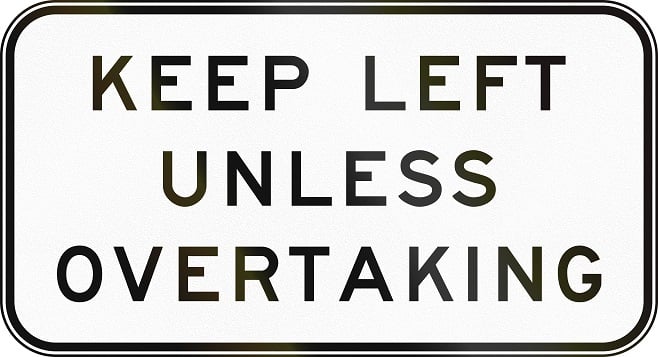
The law in most states says when the speed limit is above 80km/h on a multi-lane road you must not drive in the right lane unless overtaking, turning right etc. You also need to obey this rule on multi-lane roads where the speed limit is under 80km/h, but only when there’s a KEEP LEFT UNLESS OVERTAKING sign displayed.
So there you have it. Sometimes it’s okay to drive in the right lane; just don’t stay there longer than you need to.
Yellow means stop

Apparently, most people think the yellow light means ‘stick ya boot in before it turns red’, but what it actually means is stop as long as it’s safe to do so.
Across Australia, you can be fined for driving through an amber light if it appears you could’ve come to a safe stop.
In Victoria, running a yellow could cost you $403 and three demerit points, in NSW its $448 and three points and Queensland’s fine are worth $391 and three points.
Maybe you’ll think twice before you give it a hit to get through that yellow.
Splashing pedestrians
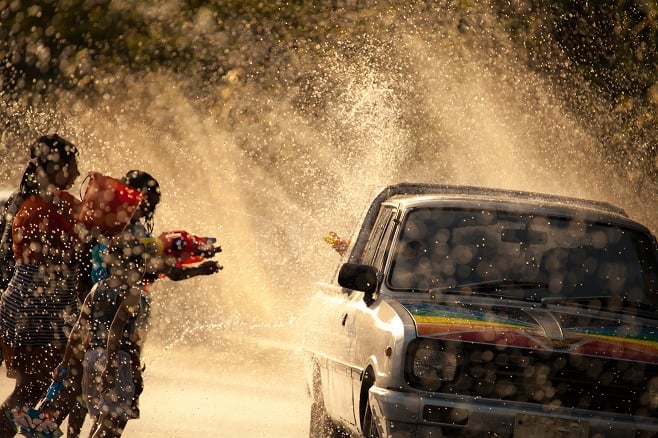
A little water never hurt anyone, right? What about mud? Well, that could leave a dent in your bank account if you get caught splashing bus passengers with mud in NSW.
So theoretically, you could probably get away with splashing mud on regular, non-bus pedestrians – although you should probably take a long, hard look at yourself if you get pleasure from that.
The mud splashing penalty is $187 and three demerit points if you get caught in NSW.
Eating behind the wheel

Most of us do it, and, until recently, it wasn’t such a big deal. But police are now cracking down on eating behind the wheel as it can be as distracting as texting while driving.
Technically, munching on bickies behind the wheel isn’t illegal, but you can be booked for “driving without proper control of the vehicle” if you appear to be driving in an unsafe manner, or without both hands on the wheel. In NSW it can result in a $448 fine ($561 for school zone offences).
In Queensland, you could even be charged with negligent driving, with fines up to a huge $4000, while Victorians need to pay around $387 if caught.
And if you’re in South Australia, you’re up for around $184.
Obscuring your number plate

They’re pretty serious about this one in most states. Whether you’ve just come from the dusty Simpson Desert, or you just haven’t washed your car in the last eight months, having a number plate that’s too dirty to see (or obscured by an L or P plate) is illegal.
In NSW, be prepared to face fines of up to $415 (and three demerits), and in Queensland, you’ll have to cough up $341.
Window gaps and door locks
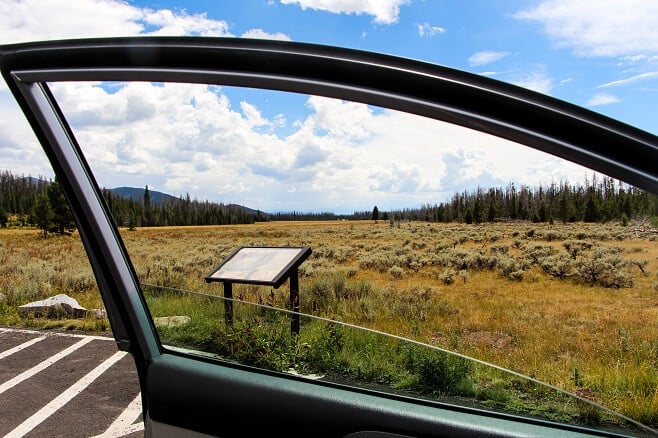
An interesting (or insanely annoying) thing that can get you in trouble in Queensland and Victoria is leaving your car unlocked when you’re more than three metres away from your car, or leave your windows open more than 5cm.
It’s a bid to keep car thefts down. Fines in Queensland are only around $40 while Victoria is a little heftier at $117.
Have you ever been pinged for any of these offences? Let us know in the comments below!
There’s no escaping the icy winter that’s arrived in most parts of Australia, and jumping into a glacially-cold car isn’t anyone’s idea of comfortable driving.
Fortunately, car manufacturers have started to introduce a bunch of features that make your experience on the road during winter more pleasant.
We bet the following list of winter must haves are the most coveted features in Australia right now.
1. HEATED SEATS
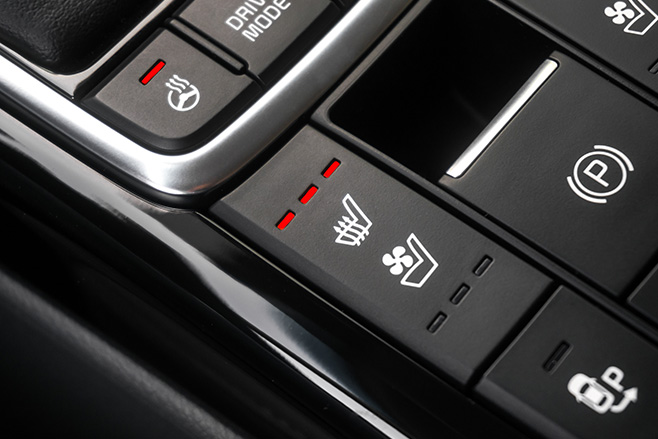
Seat warmers have become a common feature in new cars. From luxury cars to your everyday passenger vehicles, heated seats are an easily-accessible extravagance. Using this technology is quite strange at first, but once you work out it’s not your bladder failing you, you’ll never be able to live without them. Manufacturers have even started introducing this technology to rear seats for passenger comfort.
2. HEATED STEERING WHEEL
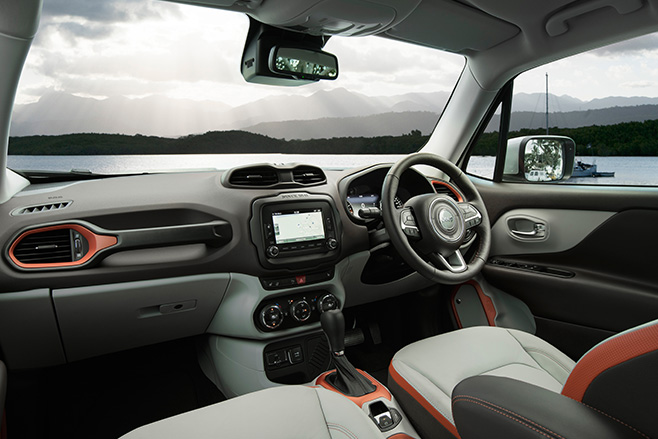
Winter equals painful frozen fingers, which means difficulty grabbing a steering wheel. But this is a problem of the past… for most. Vehicles like the Jeep Renegade or BMW X5 feature a heated steering wheel which warms those little fingers up faster than a night in a cave with Jon Snow.
3. FOG FREE SIDE MIRRORS
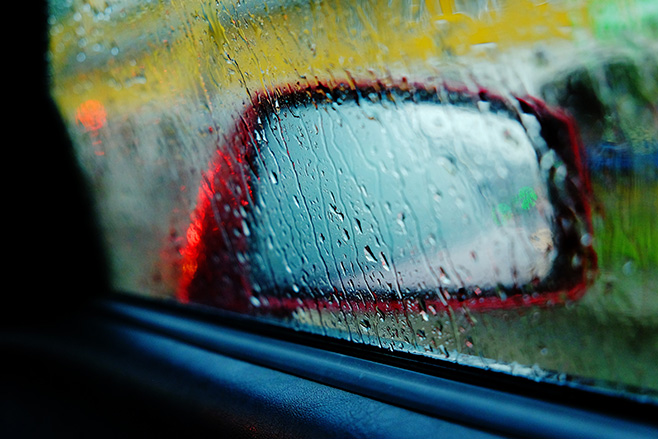
With chilly weather come frosty windscreens and mirrors. Driving through pouring rain is interesting enough with your front and rear windows fogging up, and not being able to see what’s happening in the lane(s) next to you is also far from ideal. Thankfully, a number of new cars feature side-mirror demisters. Like your windscreen, this feature sends heat to your mirrors to stop them fogging up.
4. HEATED NECK VENTS
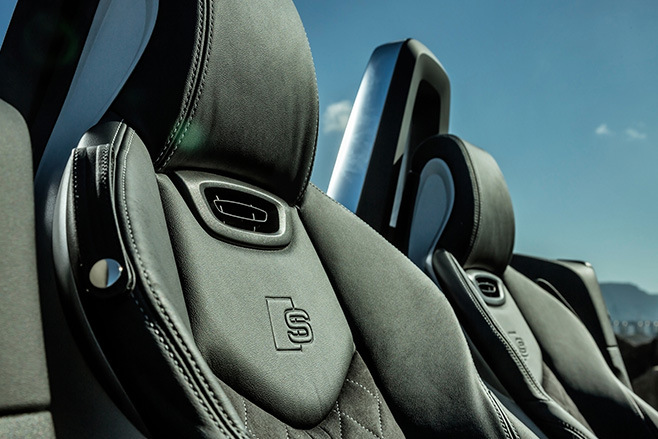
This is a feature for convertible drivers willing to brave the weather with the top down. Through neck-level vents in the back of front passenger seats, warm air is pushed through to blanket the neck and back of the head.
5. REMOTE START
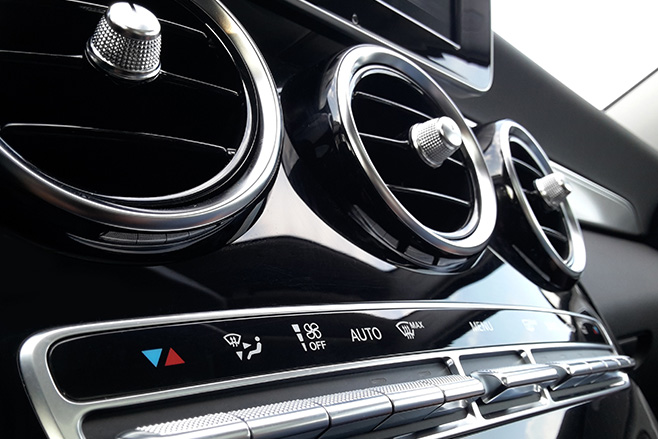
Wouldn’t it be nice if you could send someone to heat up your car before you got in to it? With remote start, you can. With the press of a button, you can start your car’s engine and get the heating system blowing hot air into the cabin before you’ve even opened the door to get in!
