
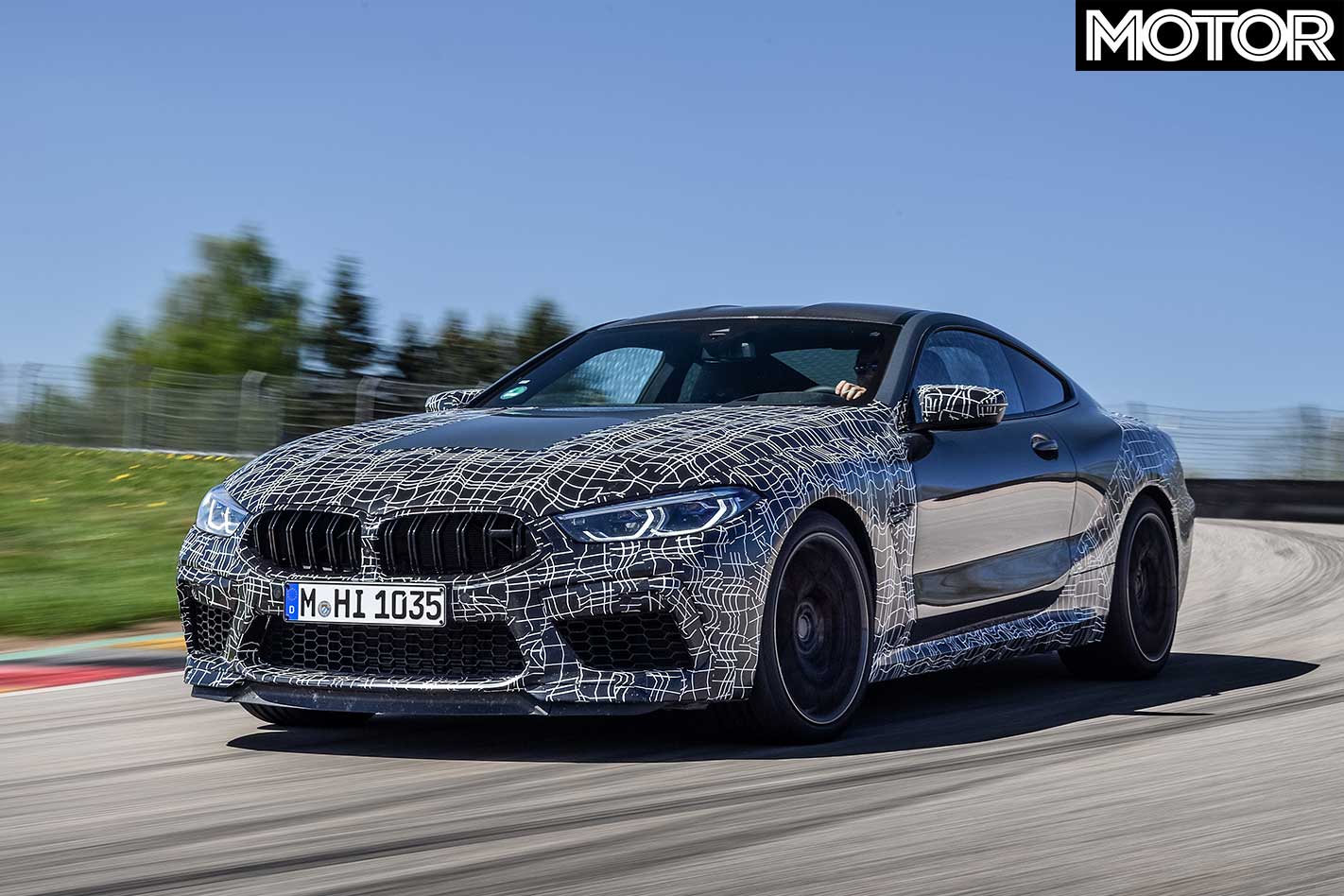
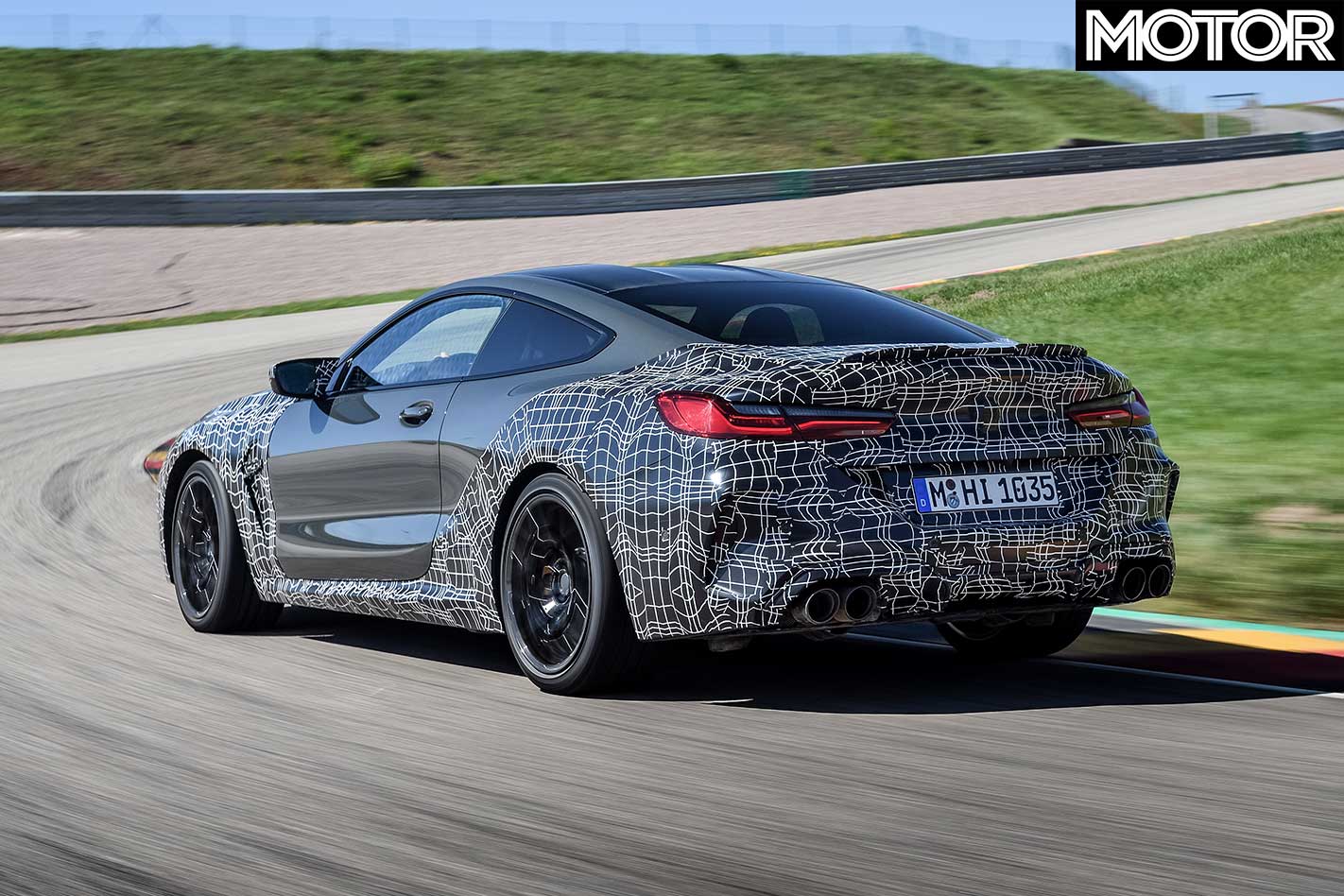
More details of the upcoming 2020 BMW M8 (andM8 Competition) coupe and convertible have been revealed as the M Division’s flagship nears completion.
Although BMW hasn’t taken off all of its development mule make-up, and revealed a new M digital gauge display, the headlining development is found under the skin with the inclusion of a new brake-by-wire setup with “M-specific configurability”.
The new setup features a compact module that integrates the brake activation, brake booster, and braking control functions. This setup not only does away with the traditional vacuum-operated brake booster, but removes 2kg of mass and is said to boost efficiency as well.
According to BMW, the braking system, which is triggered by an electric actuator, will be able to deliver significantly faster braking response and facilitates for more precise stability control interventions.
Similar technical justifications for the adoption of brake-by-wire have been made by Alfa Romeo in the past for the Giulia, though its application has remained a point of contention. However it will remain a keen point of interest to see how M Division adopts the technology when the production version comes out.
More pertinently the shift to computerised systems allows the M Division to add yet another driving setting with two pedal feel settings, which alters the amount of pressure the driver would need to apply during braking. In ‘Comfort’ mode the pedal is expected to be more “comfort-oriented” where as ‘Sport’ would deliver a “direct, instantaneous response”, make of that what you will.
Aside from the new braking system the M8 will come with a new ‘Setup button’ on the centre console that drivers can access to setup and save the desired individual settings for the engine, chassis, steering, braking, sound, gearshift, and stability systems which then can be accessed from the two M-buttons mounted on the steering wheel.
Let’s get one thing straight early; it’s extremely unlikely Australia will ever see the mass-production of vehicles on local soil ever again.
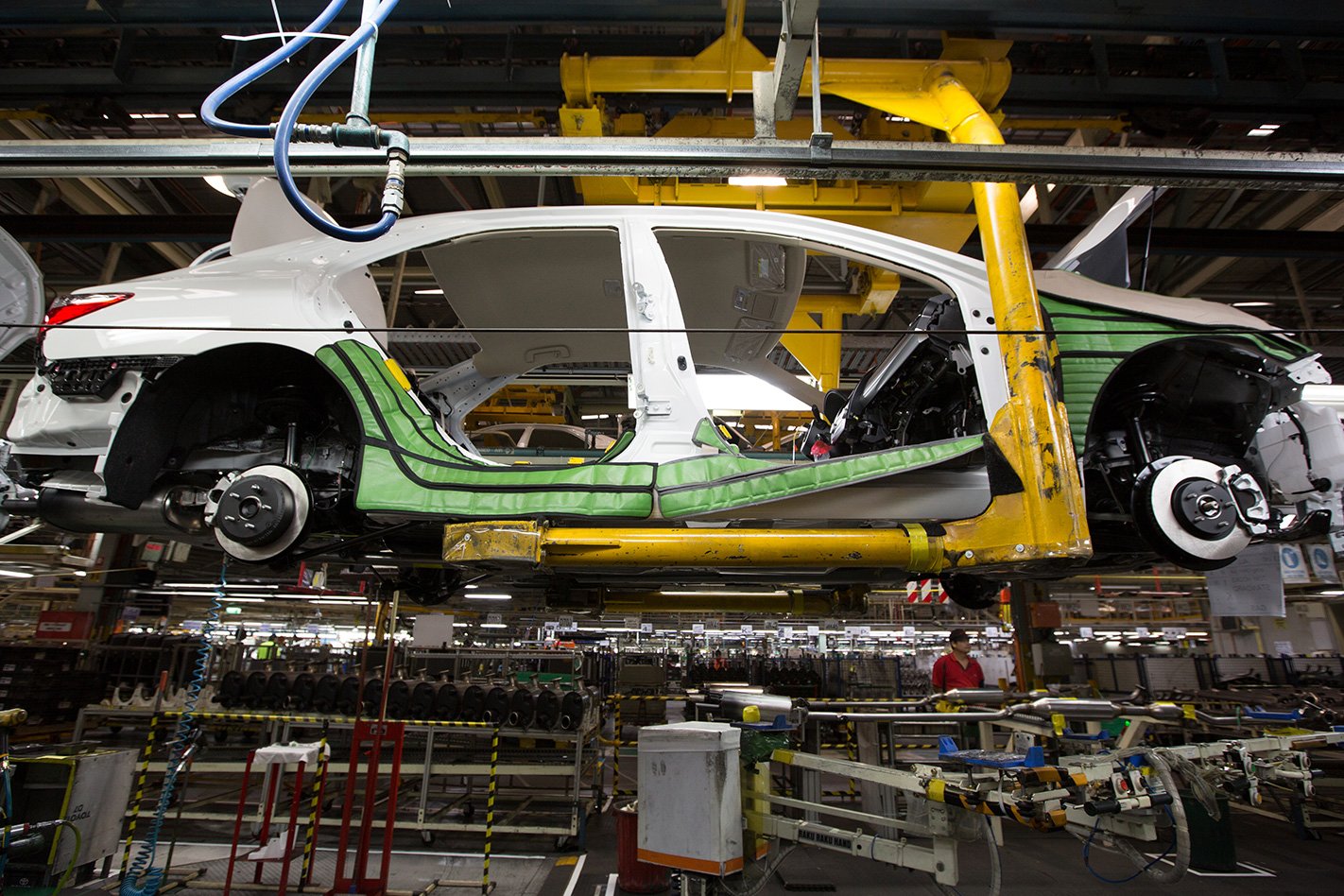
But that didn’t stop Labor announcing yesterday it would set aside $57 million to fund a research and development initiative to develop an electric car industry in Australia, focusing on creating EV design and manufacturing jobs in Australia.
It was that last point – manufacturing jobs – that piqued our interest, and the interest of our readers, here at Wheels. The end of local car manufacturing remains something of an open wound for many car enthusiasts, so the promise of having cars built on Aussie soil once more is one worthy of examination.
At the moment, the policy remains just that, a promise, with the May 18 election result still over a week away.
Wheels asked the three companies that last built cars locally, Ford, Toyota, and Holden, what they thought of the proposed policy.
Holden declined to comment, preferring to wait until after the election before chiming in on the debate.
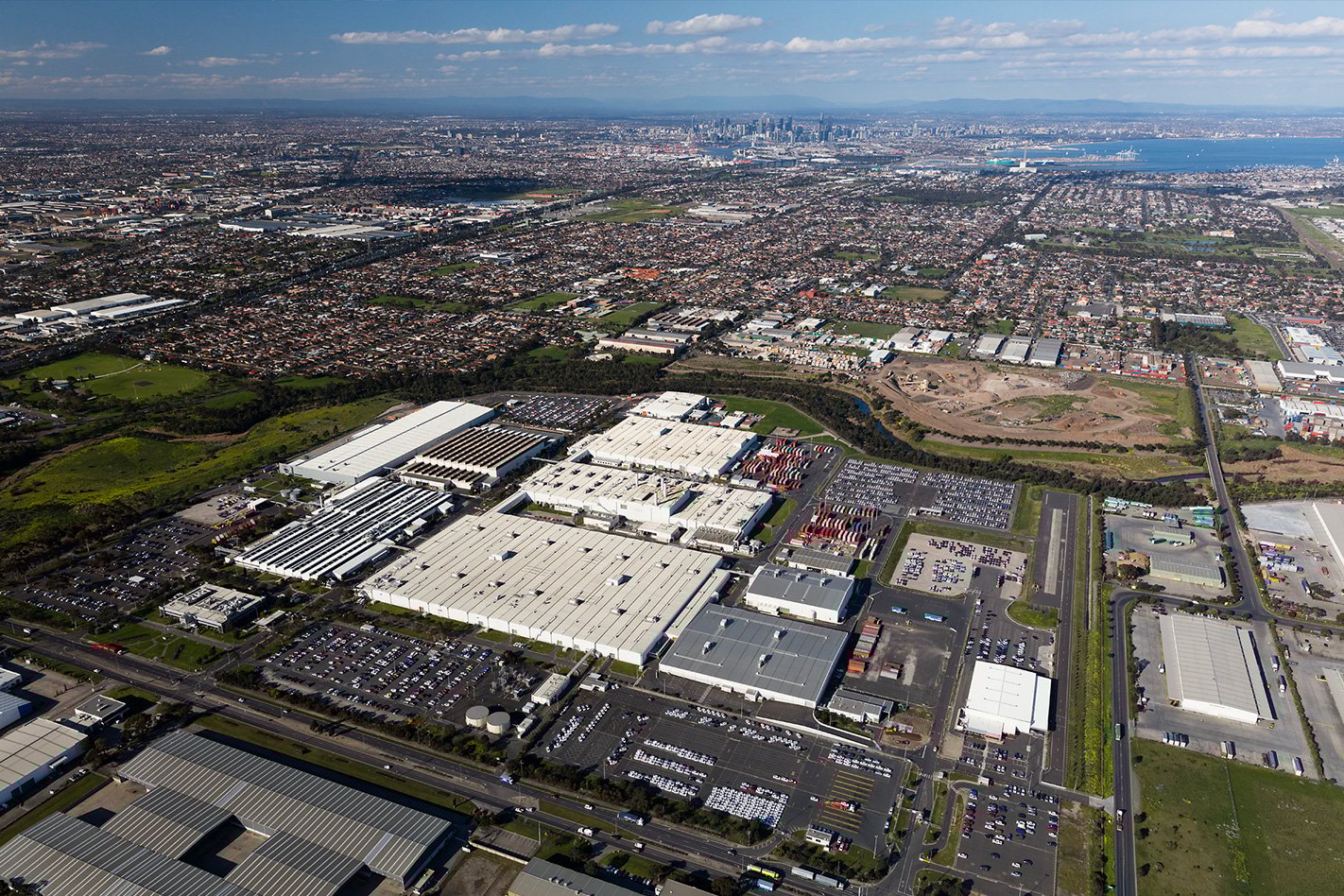
A Toyota Australia spokesperson indicated that it was the lack of charging infrastructure, not manufacturing, that required “significant investment”.
“Toyota has retained significant R&D capacity in Australia however Toyota does not currently have plans to produce vehicles in Australia,” they told Wheels.
“Significant investment in charging infrastructure and solutions to power supply issues in Australia are required before the mass introduction and adoption of battery electric vehicles in the market can become a reality.
“We will continue to work with the government of the day on these issues and advocate for close consultation and collaboration between key government and corporate stakeholders to provide more environmentally friendly and fuel-efficient technology in vehicles.”
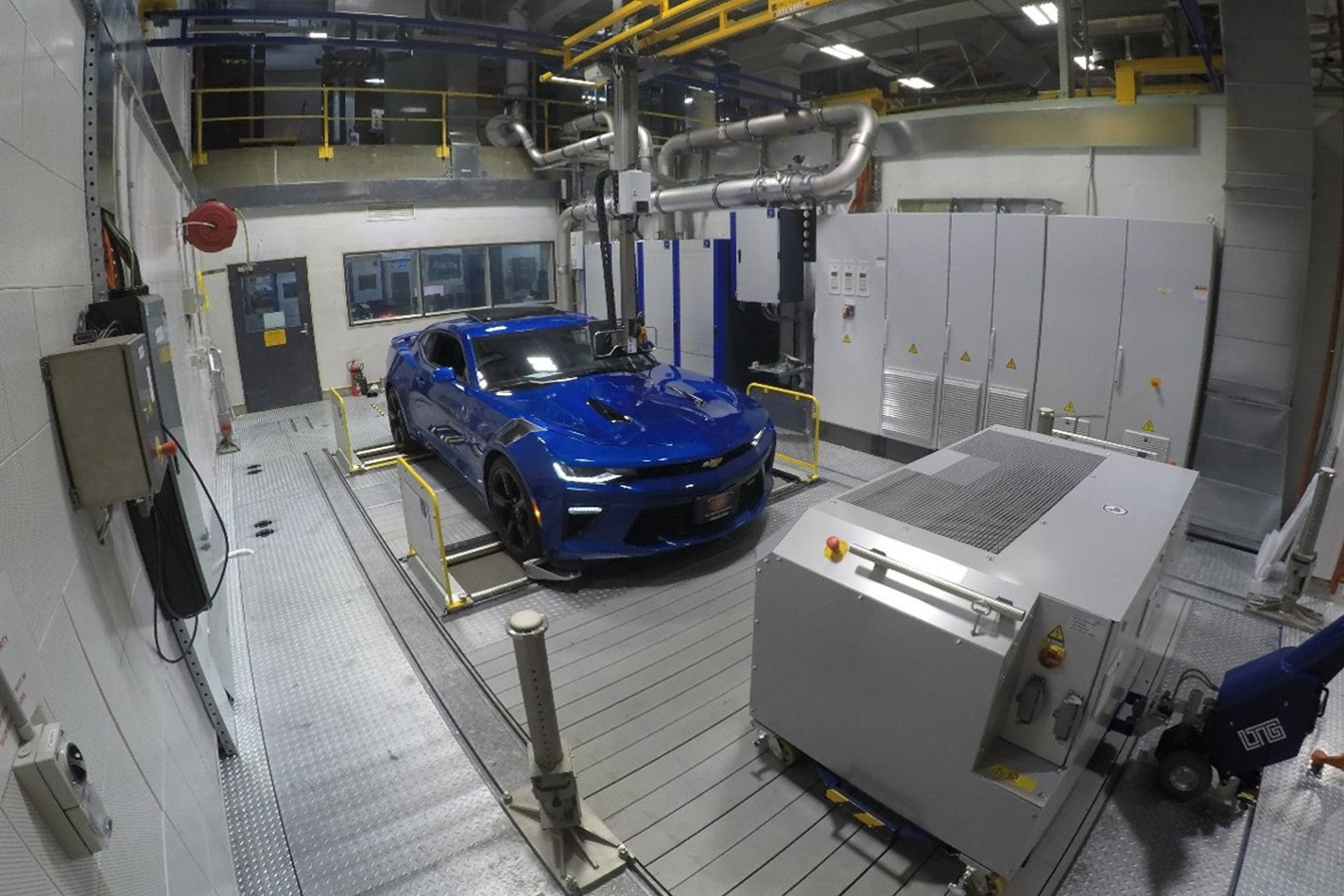
Meanwhile, Ford was supportive in principal, but wanted more information before saying anything definitive.
“Ford is supportive of a scheme that takes a pragmatic approach to encouraging private sector investment in valuable R&D and design activities,” a statement read.
“Ford looks forward to seeing further details of the Labor Party’s proposal.”
But, here’s the catch, Labor’s policy doesn’t’ go far enough if it is serious about restarting car manufacturing in Australia on any level.
The truth about electric vehicles
While providing off-the-record backgrounding for the story, multiple members of the industry mentioned that the proposed fund was simply not enough money for the mass-production of cars.
One of the problems with Australia’s now deceased car manufacturing, and there were many, is the cost associated. The government had been subsidising local manufacturing for at least a decade before it all came to an end, but the numbers invested makes Labor’s $57 million seem rather paltry.
It’s estimated Holden received roughly $1.8 billion, Ford around $1.1 billion, and Toyota around $1.2 billion over a 10 year period – in other words, $410 million a year between the three of them.
Government assistance for car manufacturing around the world is the norm, not the exception.
A 2013 analysis by The Conversation, estimated the cost of building a car in Australia is four time that of manufacturing the same vehicle in Asia, and double that of Europe – all before shipping costs are taken into account.
Those figures aren’t about to change for electric vehicles.
So while we won’t see any major factories re-opened with $57 million, the money could, and should, be invested in companies like Tritium in Brisbane, which is a world leader in fast-chargers. Aussie chargers for Aussie roads.
Additionally, Toyota, Ford, and Holden all have design studios in Australia, while the latter pair have proving grounds. Government assistance for the design and development of electric vehicles at these facilities, on the proviso these products are sold locally, would also be welcome.
While it’s nice of Labor to envisage car manufacturing returning, a dose of pragmatism is desperately needed, or at least some deeper pockets.
IT’S NO great secret that Jaguar Land Rover has been struggling of late.
Since recording a $4.8bn profit in 2015, a combination of a slump in Chinese demand, market rejection of diesel models and uncertainty over Brexit has seen it record some spectacular losses.
In February, the company announced losses of $6.3bn for the third quarter of 2018. Parent company Tata’s patience, and financial largesse, will only stretch so far and a potential suitor is said to be circling – PSA Groupe.
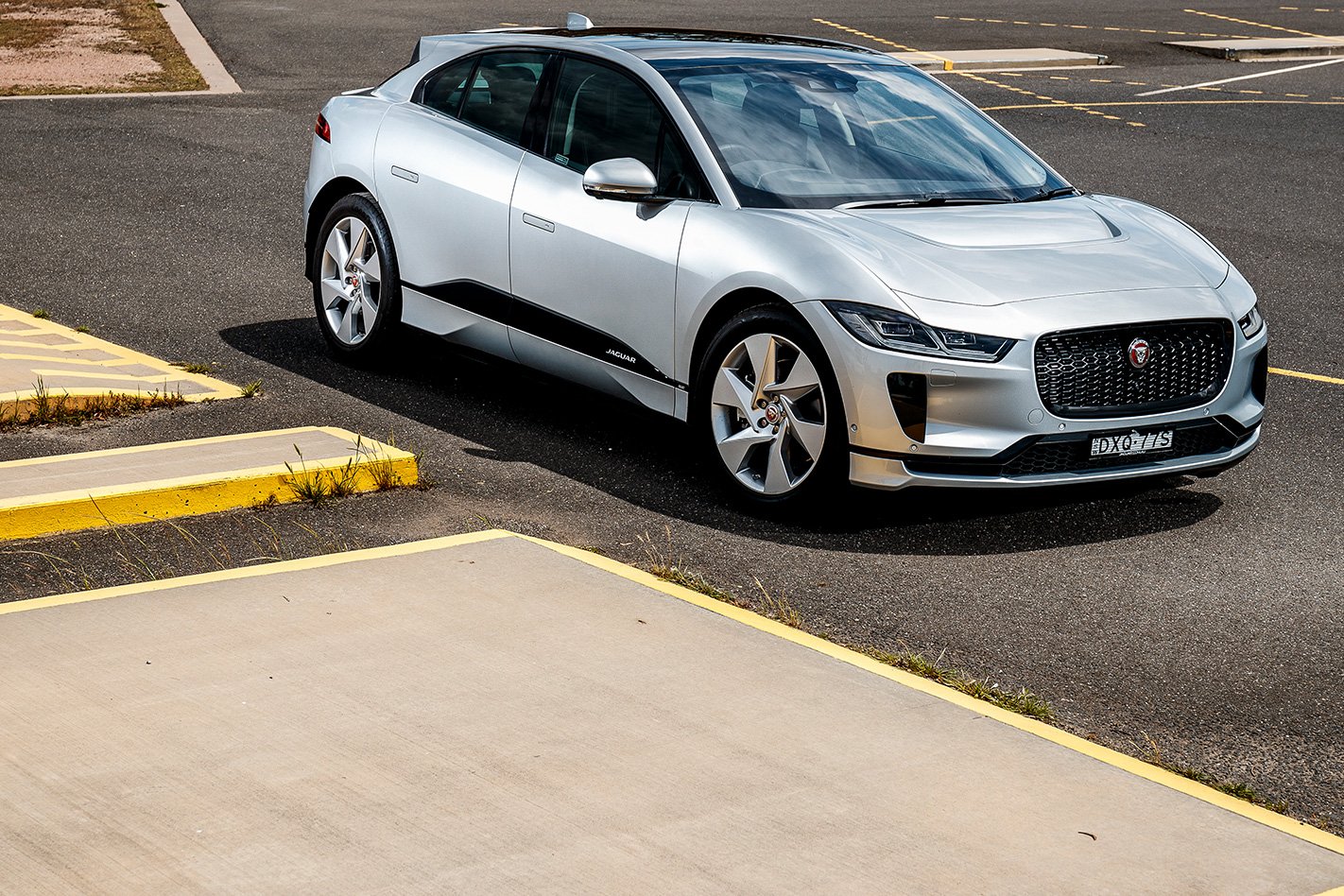
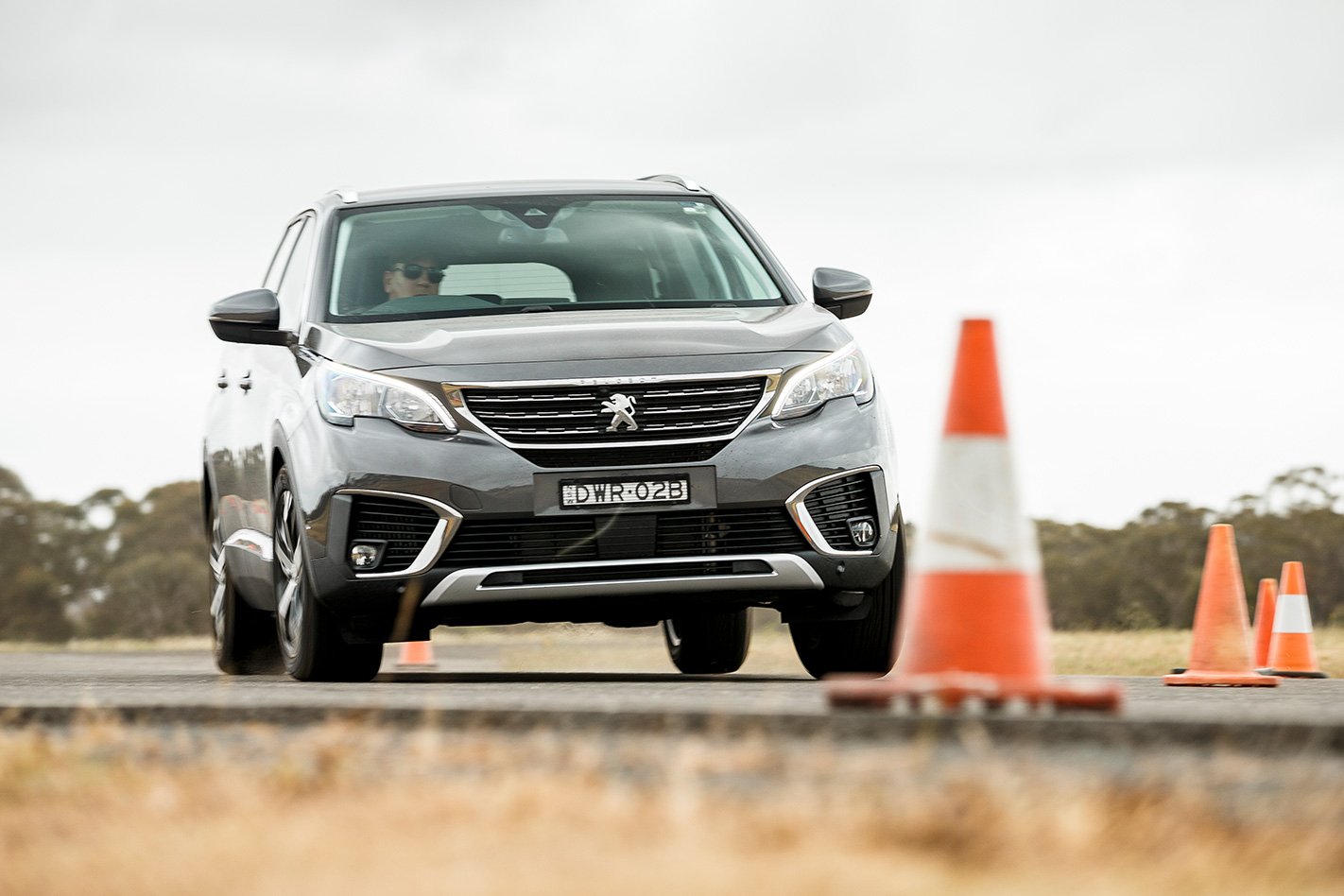
The manufacturer of Peugeot, Citroen, Vauxhall and Opel and, by extension, supplier to Holden of cars like the Commodore and Astra, is said to be about to make an offer for JLR.
“Post-integration documents” circulating amongst management of the two businesses have been leaked, according to industry sources. These identify cost-saving benefits of integrating certain functions and PSA has form here.
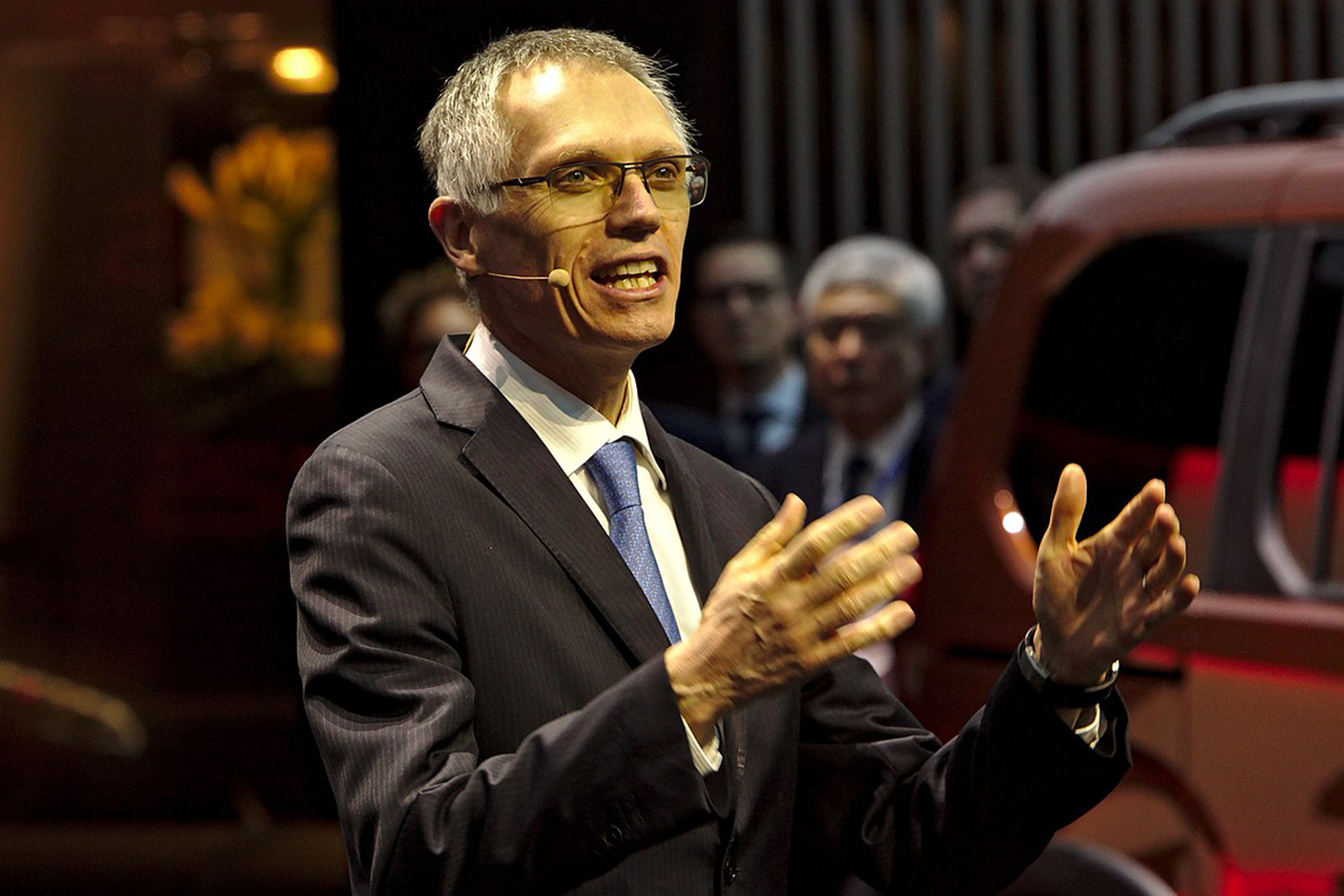
The French company’s CEO, Carlos Tavares, spent years as Carlos ‘Le Cost Killer’ Ghosn’s right-hand man during the financial rehabilitation of Renault. This year PSA-owned Opel–Vauxhall recorded its first annual profits in two decades after swingeing cost cuts that included major job losses.
Unions on Thursday questioned what impact a deal could have on JLR’s staff, who are already being subjected to 4500 redundancies as part of a $4.65bn plan to reverse losses.
The two manufacturers adopted divergent stances on the news of the prospective purchase. Tata stonewalled in an issued statement. “As a matter of policy, we do not comment on media speculation. But we can confirm there is no truth to these rumours.”
PSA didn’t bat the rumours away entirely. A spokeswoman for PSA Group said the company was “open to all opportunities that would create value on a long-term basis”, but also noted that there was “no hurry” for PSA to make such a significant purchase.
Tavares has made it clear in the recent past that he considers JLR an attractive target, but didn’t want a deal to prove a “distraction”. In an interview with Autocar India in April, he reiterated the belief that there was a natural complementarity between the two companies. There’s space for at least one premium brand sitting above DS in the PSA portfolio and the company was “considering all opportunities”. Indeed, the purchase of JLR would also give PSA a ready-made toehold into the North American market.
In order to understand the relative financial muscle of the two companies, consider that last year, JLR’s revenues stood at $45.8bn against PSA Groupe’s massive $119bn figure. In the last quarter of 2018 JLR shifted 144,600 units versus 995,100 by PSA.
Jaguar Land Rover is far from the financial basket case that Opel appeared when PSA handed General Motors $3.5bn in 2017. Its brands are well respected, it has invested significantly in future technology and it has been the first mainstream car manufacturer to seriously take the fight to Tesla in the premium EV sphere with its World Car of the Year-winning Jaguar I-Pace crossover. If PSA can make Opel work, it can certainly bring the best out of JLR.
Dr Charles Tennant, former Land Rover chief engineer, and who also served as also a director of Tata Motors’ European Technical Centre, see the purchase as “inevitable”. In an interview with the CoventryLive, Tennant was certain that the sale would go ahead.
“This comes as no surprise at all and we should not take any notice of either Tata Motors or Jaguar Land Rover denials at all. They are obliged to deny it until the ink is dry on the contract,” he said.
“I advised Lord Bhattacharyya – who until his sad passing was himself advising Ratan Tata on Jaguar Land Rover strategy – last year that Jaguar Land Rover was in a death spiral of its own making, and that Tata would need to fund massive losses and investment now or sell up.
“Well the falling sales and losses at Jaguar Land Rover have just escalated since then and Tata have been very quiet whilst considering what best to do for them. Clearly Tata have looked at what the £2.5 billion cost savings plan will deliver in the context of future sales and profit forecasts, and perhaps they can see a cliff edge ahead,” he said.
“It is now inevitable that Jaguar Land Rover will be sold off, and I think Peugeot could be a very cohesive new owner. They have the need and cash to do it.”
Behind a house, a car is the second biggest purchase that a person will make in their life. Whether it’s buying a used car or buying a new car, it’s good to know some car buying tips and tricks.
So you need to take the offensive and nab that bargain by knowing what to look for and when to buy.

RESEARCH
It’s easy to get bamboozled by the sheer number of vehicles and variants on the market. What you need is a new car checklist. Ask yourself some key questions; is the car for commuting? Will I take my kids in the car? Do I need to tow with my car? The more questions you answer, the more cars you can cut from your potential shopping list.
Once you have a framework for your new car, hit the internet. Searching for your new car online can be daunting, but stick to your list and go from there.
If you’re shopping in Australia, make sure you’re checking out stats and reviews for new cars on Australian-based websites, too. It’s easy to click through to an OS page that has the incorrect info about the car you’re looking at.
Window-shopping for a car can be fun, but be warned… car dealerships are tailor-made to seduce you into signing up on the spot. It’s good to check back seat space and boot space, but don’t get sucked into the spiel.
If you really can’t trust yourself, take a friend with you!

CHECK IT OUT BEFORE CHECKING OUT
There’s a big difference between test-driving a new car and a used car. A test-drive in a new car is unlikely to rais alarm bells – it’s just a way of confirming that this is the right car for you.
This is where your research comes into play. You know that, for example, you want a seven-seat SUV. Can you access those extra seats easily? Do your kids fit properly in there? Have you checked how much (or how little) luggage space is available with the seats in place? Don’t get drunk on new-car smell – be objective and honest with yourself.
Make sure you spend a few minutes or more in the driver’s seat, too. A flashy multimedia screen is all very well… but is it easy to use? Can you reach the USB ports? Does your drink bottle fit in the bottle holder?
While you’re out on your test drive, turn the radio off; you want to drive with your ears as well as your eyes. For example, a performance car is probably going to have a loud exhaust note and lots of tyre noise – see if you can live with it.
Don’t restrict your drive to around the block, either. A quick rip up the highway will reveal different handling traits, wind noise and any shortfall in the power stakes.
SEAL THE DEAL
Dealers aren’t the enemy. In fact, most will get great job satisfaction out of pairing their customers with the right car. But neither are they a charity. Car salespeople typically work on commission, often worked out as a percentage of the profit margin. While they want to move the stock, they want it moved at the highest price they can manage
Timing your new car purchase is everything: sales targets for dealers are often monthly or quarterly, so the best time to shop is at least a week out from the end of the quarter. With budget time looming, the dealer might be willing to negotiate on price or throw in some goodies to seal the deal.
Other great times to buy are at the end of the financial year, in the weeks before Christmas, and that quiet week leading up to the end of the calendar year.
Don’t, however, think that you’ll get a car for half price. Margins on new cars are surprisingly slim; sometimes as little as four percent between the invoice price of a new car and the ticket price. Cheaper vehicles and the big sellers will make the dealership a few hundred dollars at most.

Unless they are selling high-end vehicles (like Ferraris, for example), your average dealer doesn’t make much profit on the actual sale of a new car.
Dealers rely on financing and servicing to make up the shortfall, and so will offer low prices on your trade-in – it’s where they make the majority of their money.
Haggling over an $18,000 hatch isn’t really going to work. You might get the dealer to throw in car mats or metallic paint, but that’s about it.
When it comes to the financing, prices and offers vary between dealerships, so be sure to check out bank deals as well. Recent changes to financial regulations mean that finance is now a bit harder to get, so make sure you know how much money they money you’re borrowing is going to cost you.
And be absolutely, positively sure before you sign on the dotted line that this is the car for you. While there are ‘cooling off’ periods built into most deals, make sure you’re certain you can afford it, even if things go pear-shaped.
If you have any doubt at all, give yourself time to think. You can always drive a better deal the next day.
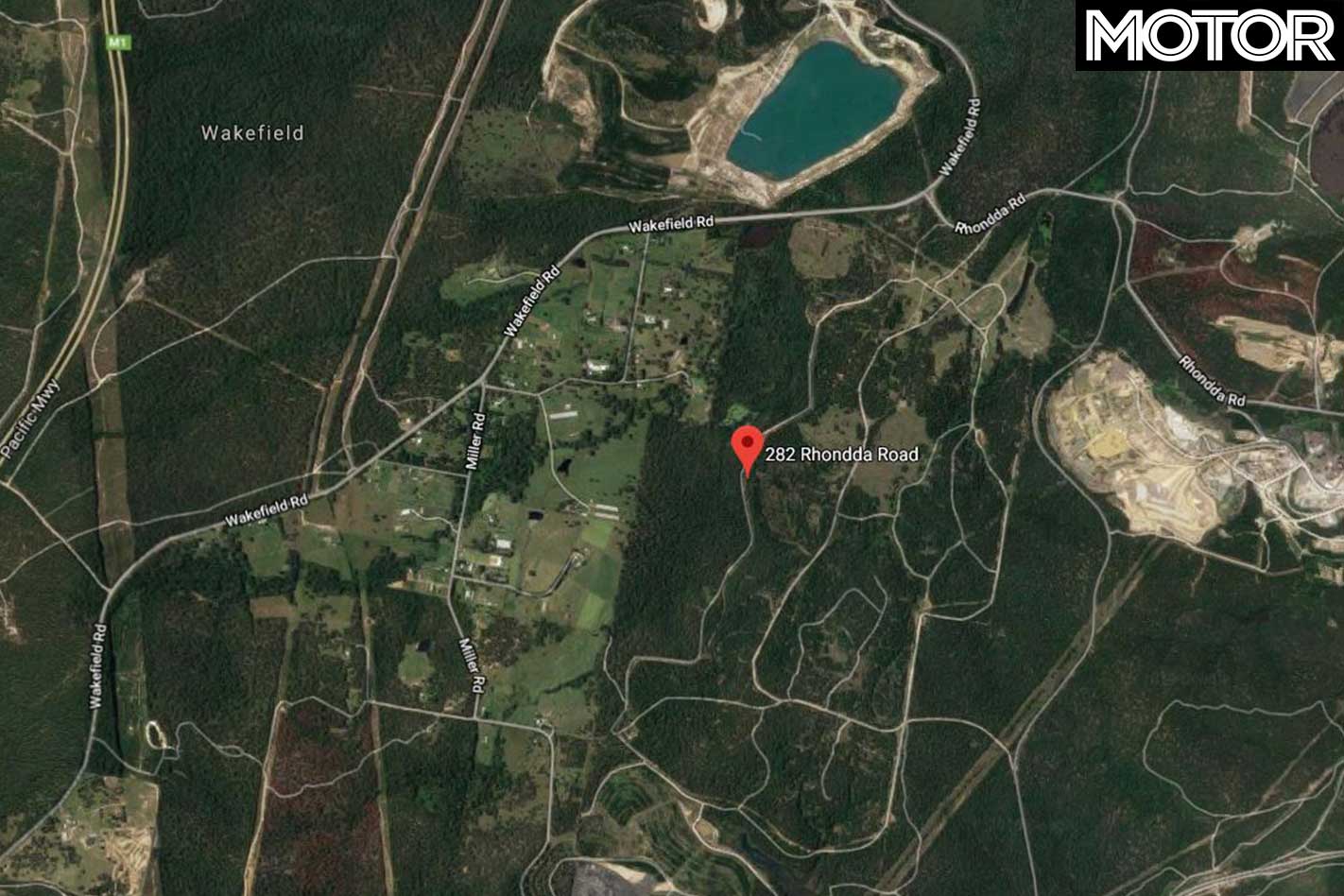
A document seen by MOTOR reveals details of a new motorsport development in Wakefield, NSW, which has been given conditional approval by its local council for development – once it proves it can comply with noise regulations.
Not to be confused with Wakefield Park, located in Goulburn about 120km south-west of Woolongong, BlackRock Motor Park is planned for the suburb of Wakefield, south-west of Newcastle and some 300km away from Goulburn.
“The development proposal is for a Recreation Facility primarily comprising a private motor track circuit with ancillary accommodation and facilities providing for activities based around a motoring experience.
“The uses proposed for the facility “BlackRock Motor Park”, include driver training, motor park/resort short stay accommodation, corporate functions and other motor vehicle related activities, including go-cart racing and a four wheel drive track (utilising an area of existing dirt trails for drivers to experience off road conditions).
“The motor park is to be utilised as a unique recreation and resort facility based around a motoring experience, where “members” have a safe and dedicated place to participate in driving activities (their own or Motor Park cars), with an emphasis on a high quality facility that also caters for families and bespoke corporate events.”
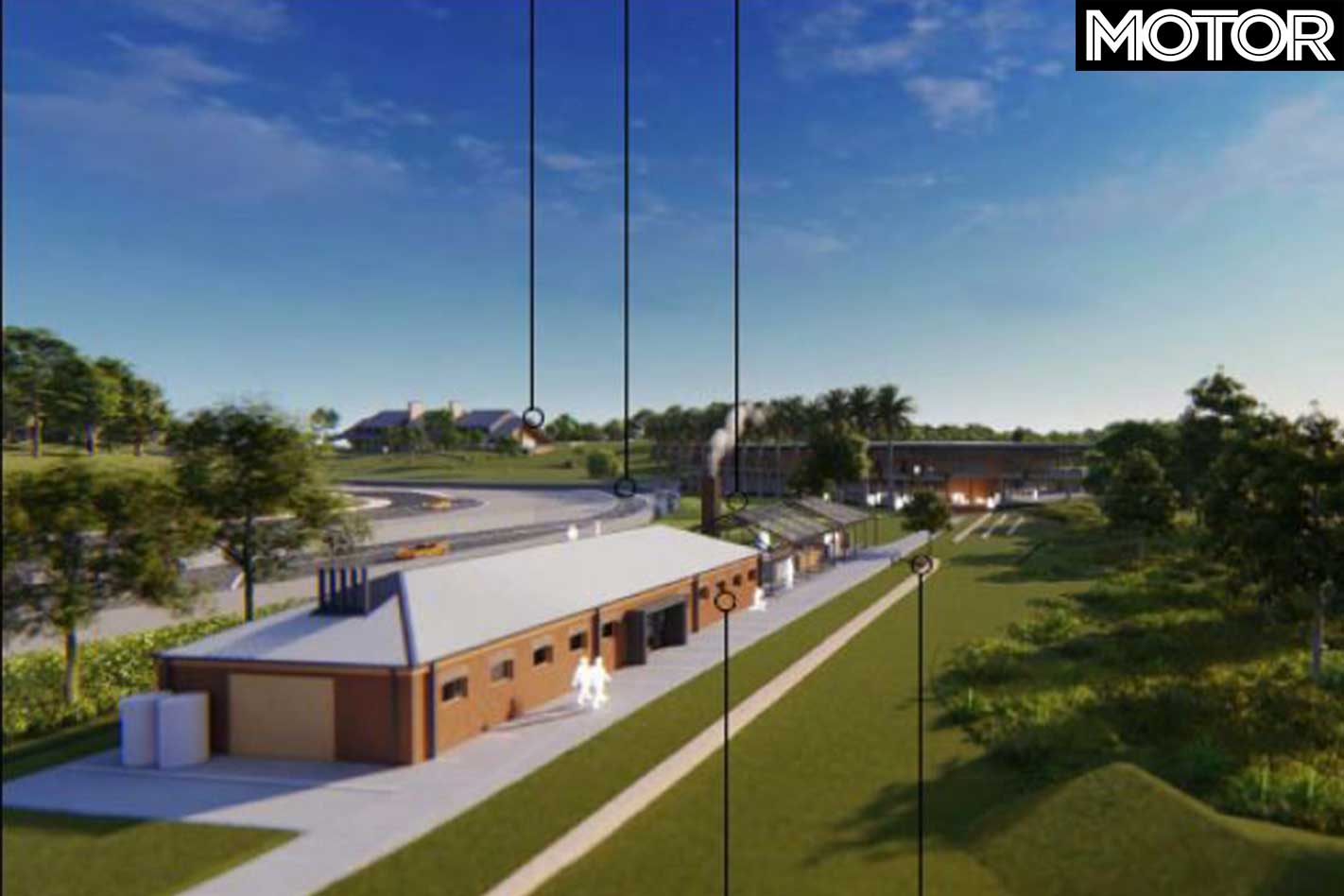
The planned features of BlackRock include a wet skidpan, an electric karting track, a visitor centre in a with vehicle display areas and function rooms, and a 20-room resort lodge, and a short stay accommodation cluster of villas with 16 two-storey units.
Wakefield regional planning panel chair Jason Perica told The Newcastle Herald the main issue that needs to be resolved before the project can go ahead is its compliance with noise regulations.
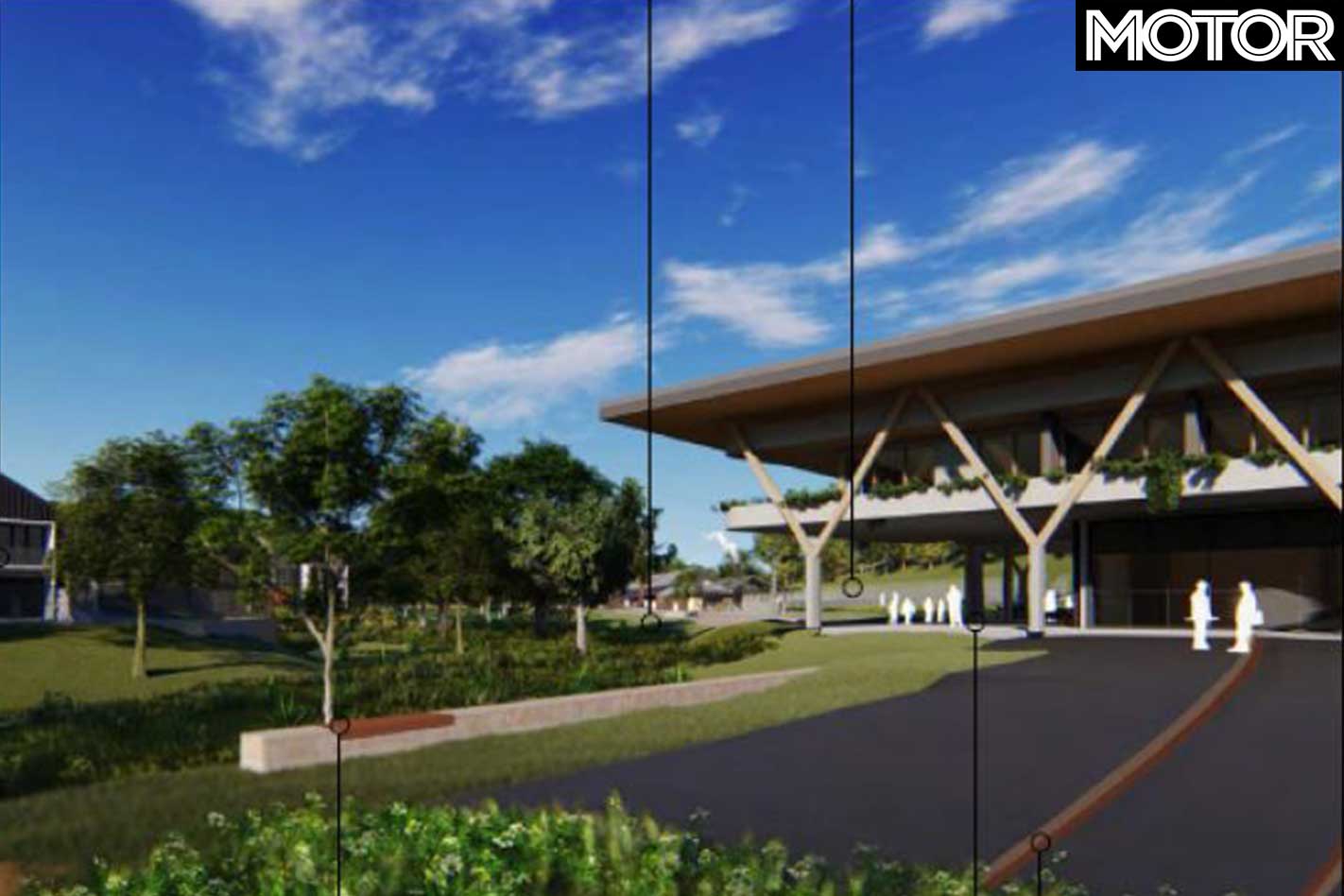
“While the noise management plan includes a number of protection measures, the panel is of the view that the plan could be strengthened to be the most appropriate plan for this type of land use, in this site and in this rural setting to minimise impacts on surrounding properties.”
The proposal document states the construction would take ‘two years’, meaning the venue could be open for business in 2022… or even 2021. Stay tuned for more as it develops.
Introduction
The Nissan Patrol used to rule the roost in the 4×4 ranks in Australia along with its arch-rival, the Toyota Land Cruiser. But long gone are the days of the large SUV’s dominance, replaced instead with the rise and rise of the dual-cab ute.
The GU Patrol’s been on sale for the best part of a decade and only comes in what sounds like a positively prehistoric single V8 petrol-powered configuration. Does it still have any relevance today in the land of dual-cab utes?
Styling
If we’re being honest, everybody who climbed aboard the Patrol for our brief test period either stifled a giggle when they saw the wood grain interior and late 1990s-esque splash of buttons, or made a polite comment about how “retro seems to be all the rage these days”.
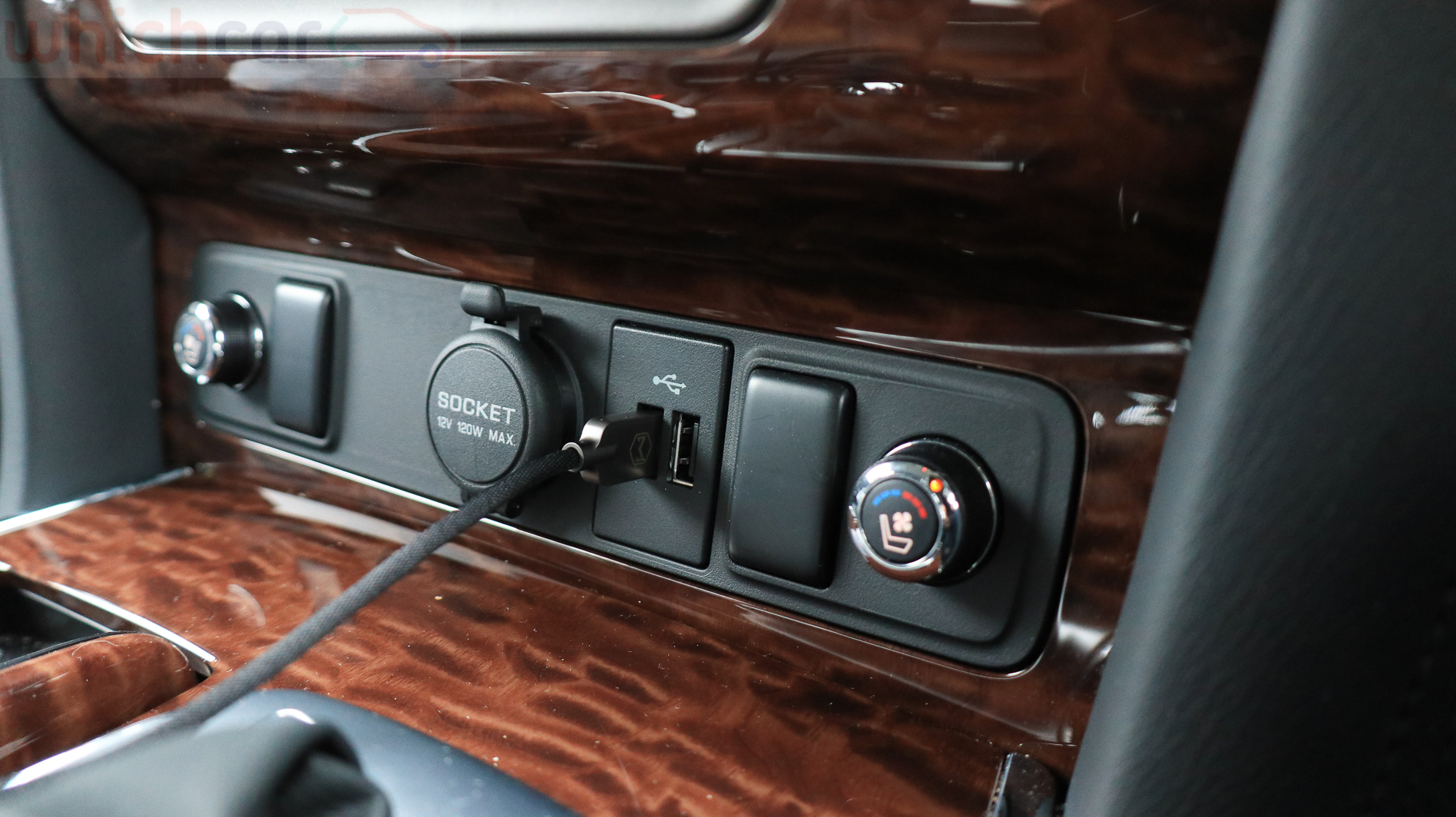
Take it as read… the interior of the Nissan Patrol, which was born in 2011, is definitely dating. Nissan’s typical button spray across the centre console is in full effect, while the pretend walnut trim in our top spec Ti-L example doesn’t do the car any favours at all. However, it’s certainly no worse than its similarly aged arch rival, the Toyota LandCruiser 200 Series.
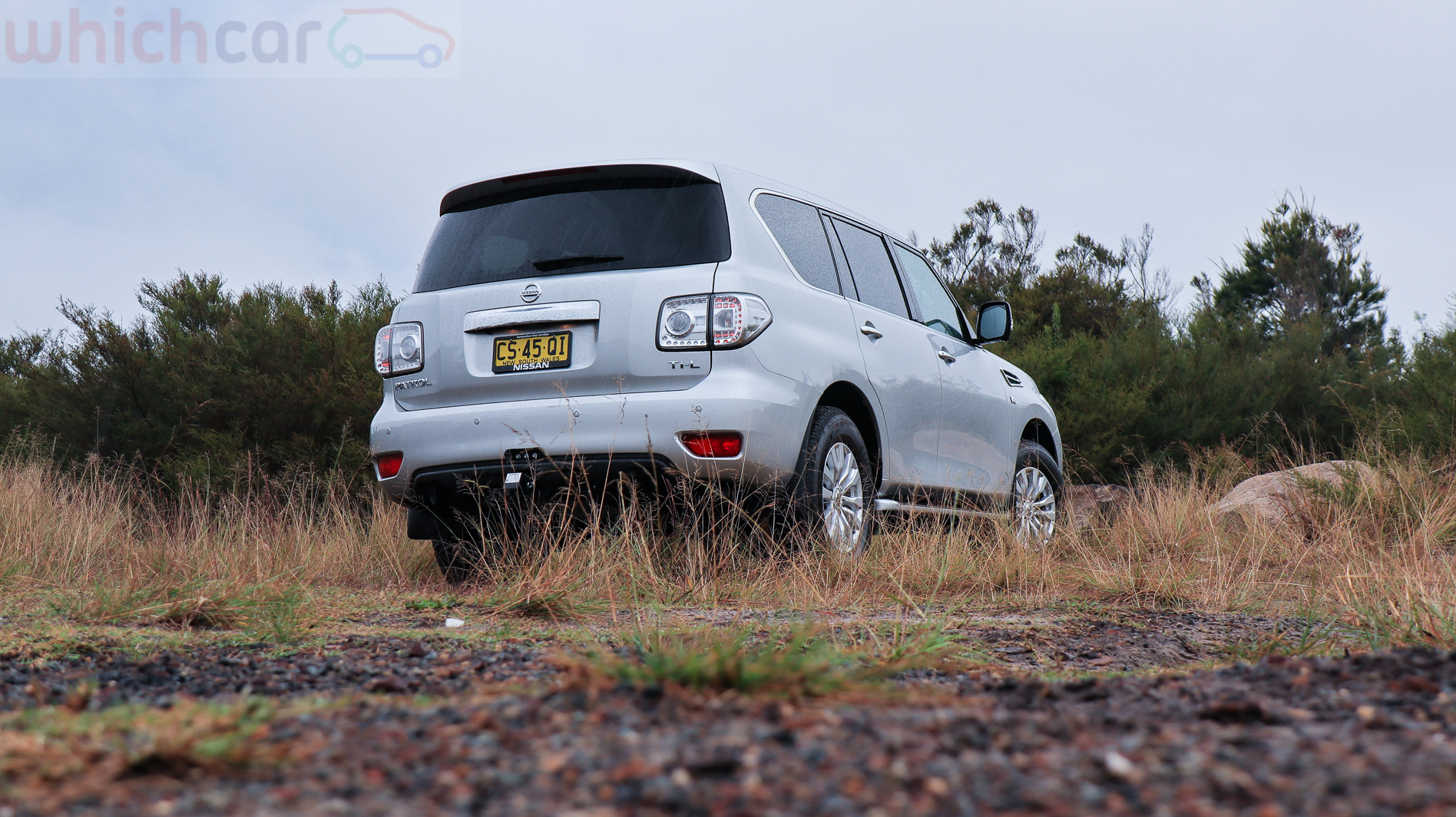
The exterior of the Patrol is very plain Jane, with decently short front and rear overhangs to aid the off-road ability of the Patrol. The large grille can be hidden by a bull-bar for off-road applications, but the lack of detail and sharpness in the design tend to give the Patrol a fairly frumpy visage.
Price and Specs
Our Patrol Y62 Ti-L test example retails at $88,990 before on-road costs, and it sits above the only other variant in the Patrol line-up, the $72,880 Ti. It’s a lot of car for the money, especially considering the Ti-L cost $113,000 when it launched here in 2013.
While a lot of that money goes into the more robust underpinning, proper 4×4 drivetrain and clever hydraulically assisted multilink suspension, the Patrol still does okay for standard spec.
Automatic lights and wipers, keyless entry and pushbutton start, 8.0-inch touchscreen multimedia system with DVD and CD, three-zone climate control, heated and vented front seats, front and rear sensors, 360-degree camera, cooled centre console bin and lots of USB and 12v charging points are all standard fare.
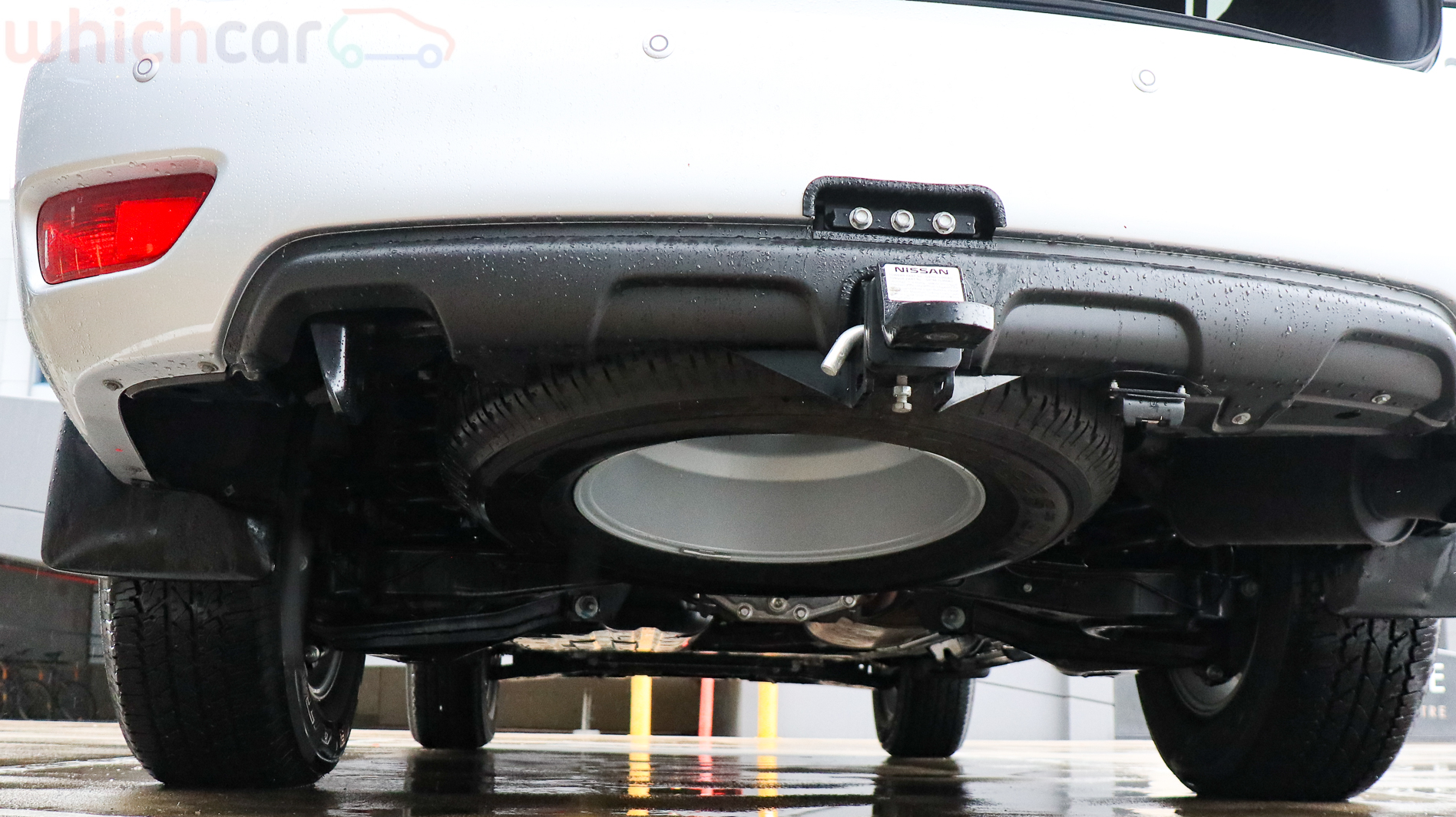
The Patrol Ti-L seats seven people (the Ti actually fits eight by dint of three seats in the third row), and ISOFIX baby seat mounts adorn the second row, and there is an additional tether point on the third row.
Our tester comes set up with a factory towbar kit for $1354, and its Brilliant Silver paint is a $595 uptick. This adds up to a $90,939 Patrol before on-road costs.
The aforementioned Toyota LandCruiser has long been the Riddler to the Patrol’s Batman, and the petrol-powered VX is probably closest in specs, despite its $94,890 (plus ORC) price tag. The GXL is $84,480. Everything else in the upper-large SUV category is priced well into six-figure territory.
Size
At 5.16m long, 1.94m high and almost two metres wide, the Patrol is a big bird in every direction. This plays out inside the cabin, where the front seat passenger has to genuinely stretch to touch the driver across the massive central divide.
Second-row legroom and headroom could be better measured with a laser sighter such is its magnitude, and even third-row riders aren’t overly cramped.
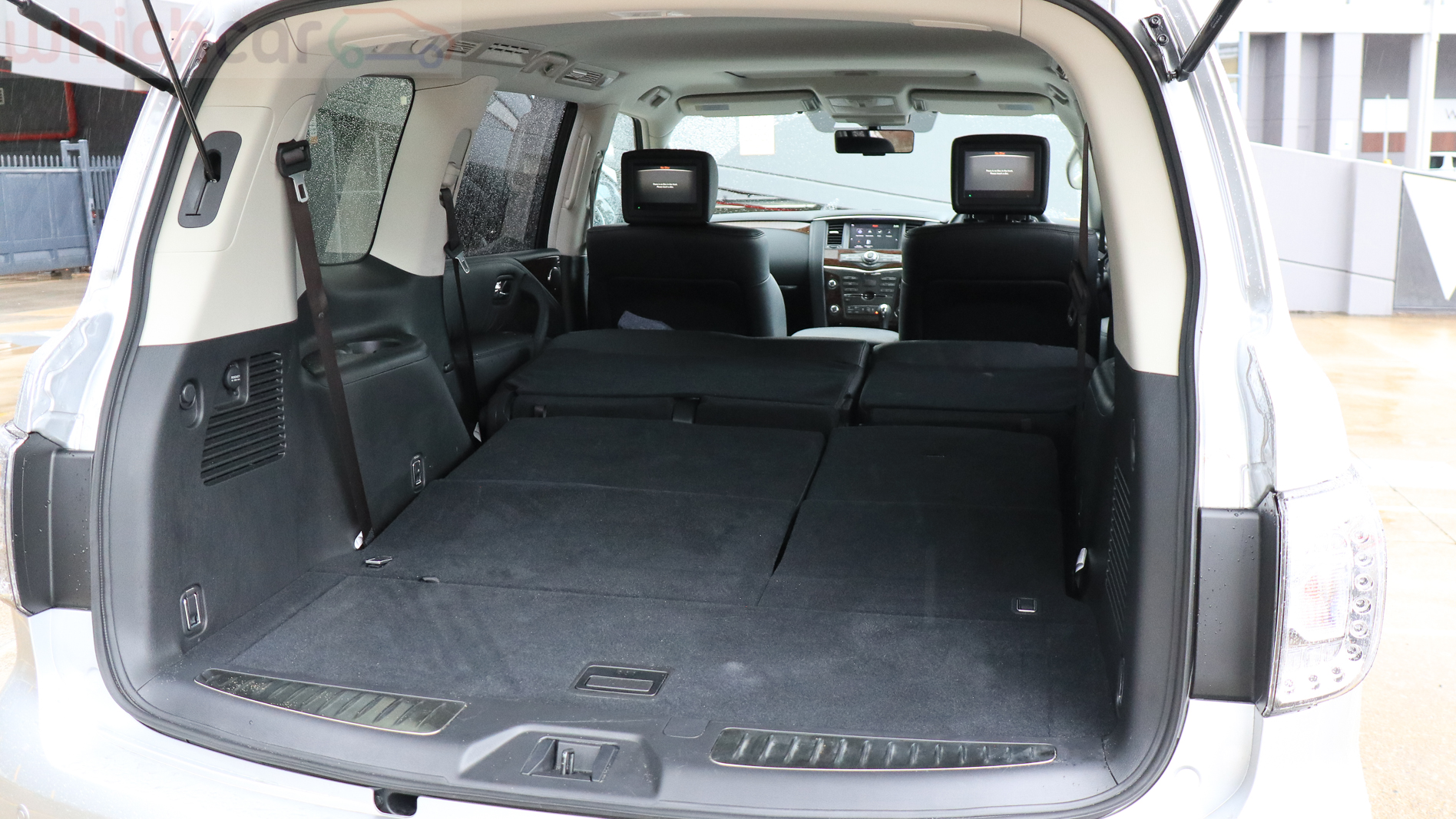
If it’s stuff you want to carry, the Patrol can stash 550 litres of luggage – call it three sizable suitcases) even with the third row of seats in place. Drop them down and you’ll reveal 1490 litres of space. Want to carry a queen-sized mattress? We needed to and we did, thanks to the 3170-litre warehouse that reveals itself when the second row is dropped.
It’s also got a considerable payload capacity of 734kg, and it can tow 3500kg on top of THAT.
Safety
There are six airbags in the Patrol, including a pair of full-length curtain airbags. Despite its age, Nissan has managed to shoehorn in a brace of more modern driver aids, including rudimentary adaptive cruise control, blind spot monitoring, lane departure warning and AEB, or what Nissan calls Intelligent Brake Assist.
The 360-degree above-view camera helps with parking, while the clever rear view mirror – which can be used as a secondary reversing screen if the rear view is obscured – is complemented by sensors front and rear.
Despite all of the safety gear, the Patrol hasn’t been rated by safety body ANCAP.
Warranty and running costs
Nissan is finally offering a five-year, unlimited kilometre warranty on its cars, the Patrol included.
Service intervals are shorter than the average at 10,000km or 12 months, while there is a capped price service plan in place The first service costs $376, before rising to $577 for the second. The third falls to $392, before rising markedly to $860 for the four-year/40,000km service.
MORE Which companies offer the longest warranties?
Fuel costs for the Nissan Patrol are, however, a big-ticket item. Its 140-litre tank will cost over $200 to fill most days, thanks to Nissan’s recommendation for 95-octane fuel as a minimum.
Its combined fuel economy figure is quoted at 14.4 litres per 100km, and the best we saw over a long, unladen highway run was a dash-indicated 15.4L/100km. Use it off-road in low range 4×4 mode, and watch that figure double.
EDIT: several owners have reached out to suggest that they can run their Patrols on lower octane fuel, but Nissan does specifically recommend 95 octane.
Comfort
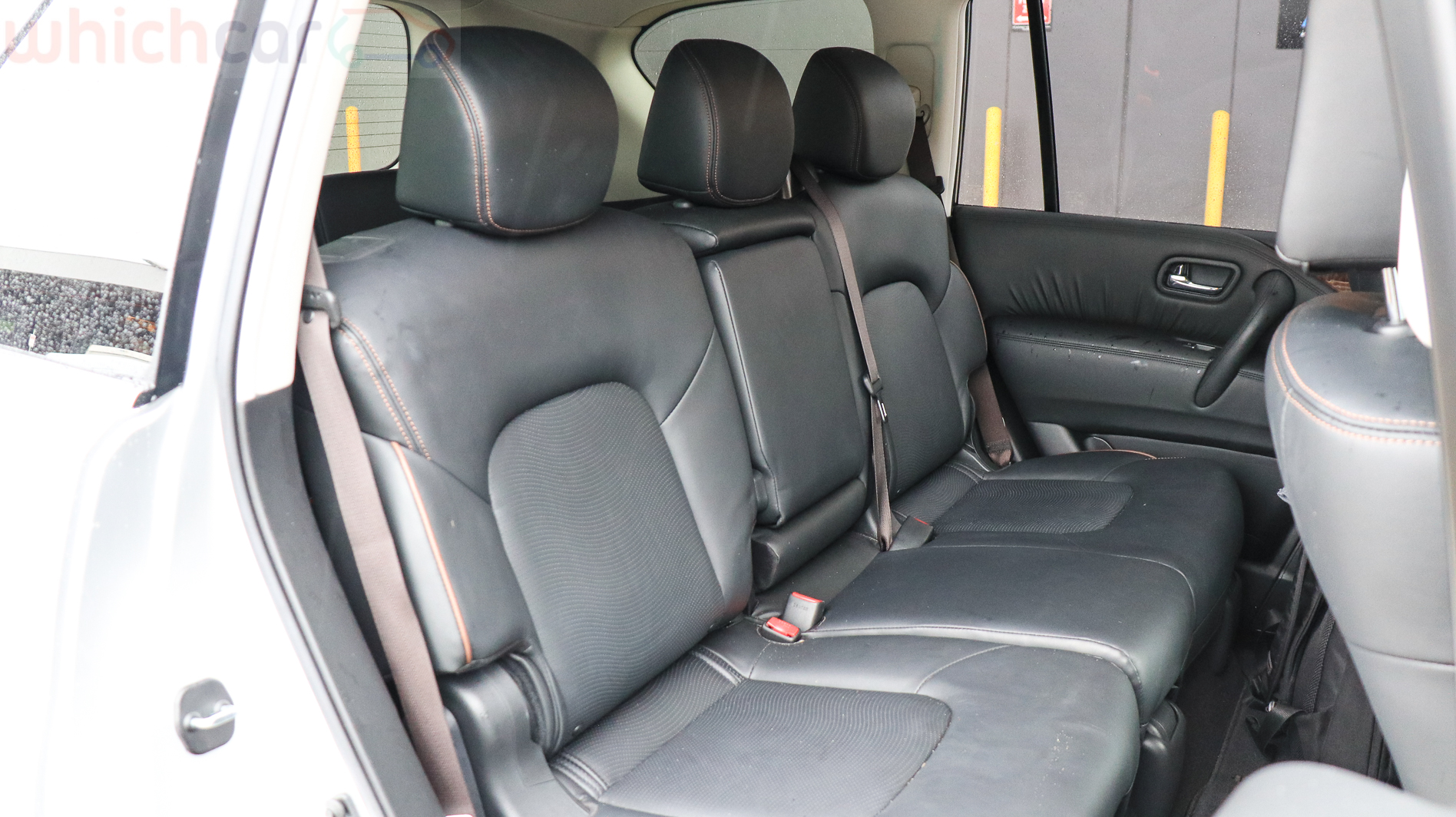
The Patrol is big. Actually, it’s not big; it’s enormous. It has ample room for you and six of your largest friends. It’s simply gargantuan width affords loads of shoulder room, while headroom is not even an issue.
The living quarters of the Patrol are opulent, too. Every touchpoint is covered in some sort of leather or soft fabric. The faux wood trim garnered a giggle from everyone who climbed aboard, yet the large comfortable seats with their backrest heaters, the large wheel and easy-to-read instruments make the Patrol an absolute doddle to drive, even in suburbia.
Despite the presence of old-school items like CD players, Nissan has managed to feed the Patrol a raft of updated technologies including fairly basic AEB and adaptive cruise control, as well as a plethora of charging points for devices.
However, it does miss out on items that are becoming commonplace like Apple CarPlay and Android Auto, which does detract from the experience. You can, of course, drown your sorrows in a cold drink from the chilled bin between the front seats while watching a DVD.
Second and third-row passengers are equally spoiled, with climate controls and plug-in points for middle-row passengers, while third-row passengers have access to vents and bottle holders.
The middle seats can also be tumbled forward, though this isn’t a particularly useful mode, given the large gap that appears between second and third rows.
On the road
I may have called the notion of a V8 engine a throwback earlier on, but the high-tech 5.6-litre quad cam V8 is anything but. Making 298kW and 560Nm, it’s a real reminder of the inherent advantages of a larger capacity V8 engine. It’s silken smooth, incredibly tractable and instantly responsive under-foot, and it’s a real delight to drive.
Handling-wise, too, the old Patrol still surprises. It’s quite light on its feet for its mass and its girth, with excellent feel at the steering wheel, thanks to the old-school hydraulic system. Even braking modulation is spot-on thanks to four-piston calipers up front, while the comfort factor of the Patrol can’t be overlooked.
Nissan has managed to imbue the Patrol with a bright and lively ride, despite the car’s sheer size and 2700-off kilogram mass. This is partly due to the double-wishbone suspension front and rear, as well as to the Patrol’s so-called Hydraulic Body Motion Control system.
Put simply, this system sends extra fluid to the shocks that need it most almost instantly; when the body rolls to the left, for example, the left-side shocks are firmed up, supporting the body and calming the ride. And it works very well.
The system also works with the Patrol’s plethora of off-road modes, giving each corner more ability to shove a tyre deeper into the dirt for more traction.
The suppleness of that ride can go away a little bit when the speeds increase in a highway situation, but at suburban speeds, the Patrol is supremely comfortable, and possibly one of the most comfortable large SUVs of the large SUVs still on the market.
The V8 provides adequate propulsion, though its performance is ultimately blunted by the Patrol’s mass. Equally, the robust seven-speed automatic gearbox, while good for the class, can feel a little bit jumpy and lumpy for those more used to smaller – and ultimately less durable – vehicles.
Of course, the Patrol is built fundamentally for off-road work. As such, it offers a full suite of technologies including four-wheel drive low, a multi-mode function dial that allows the Patrol to tackle rock, snow, and sand, a locking rear diff and hill descent mode.
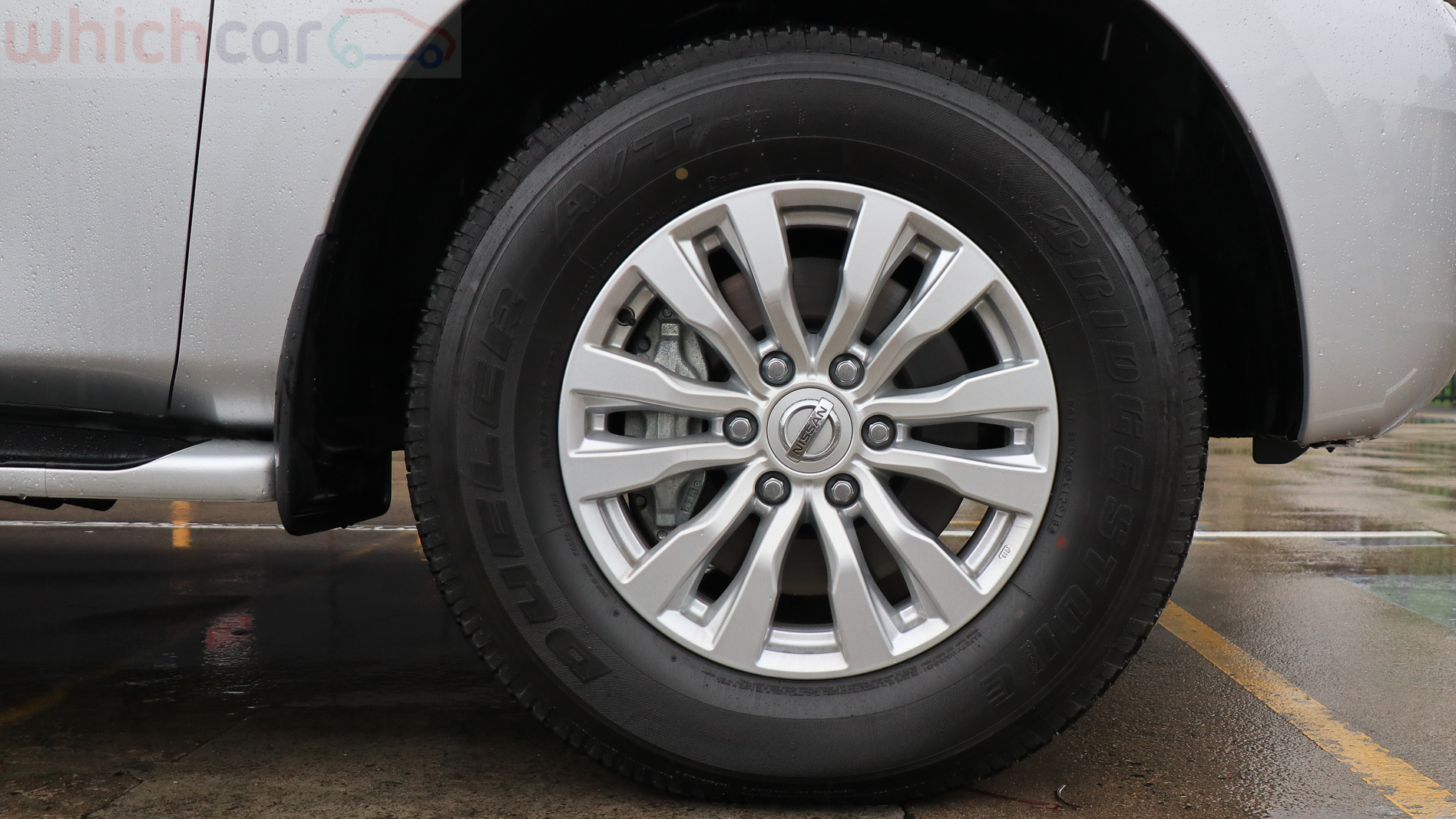
The stock Bridgestone Dueler tyres are more highway spec than byway-ready, but that’s easy to change if you plan to spend more time in the rough. Besides, the Duelers also contribute to the Patrol’s serene interior silence even at highway speeds.
Verdict
Built for the dirt-cheap petrol prices and long, hot highways of the Middle East, the Patrol really only lives on in Australia thanks to a long-lived and loyal fan base. While the V8 petrol-engined Patrol is smooth, quiet and supremely comfortable, it’s not ideally suited to long-range touring away from civilisation.
However, if you’re looking for a genuinely large wagon that can tow well, the Patrol – especially at its reduced price – is right on point.
Hyundai’s humblest small sedan is an adequate performer, but one that doesn’t shine brightly in any particular way
What is it?
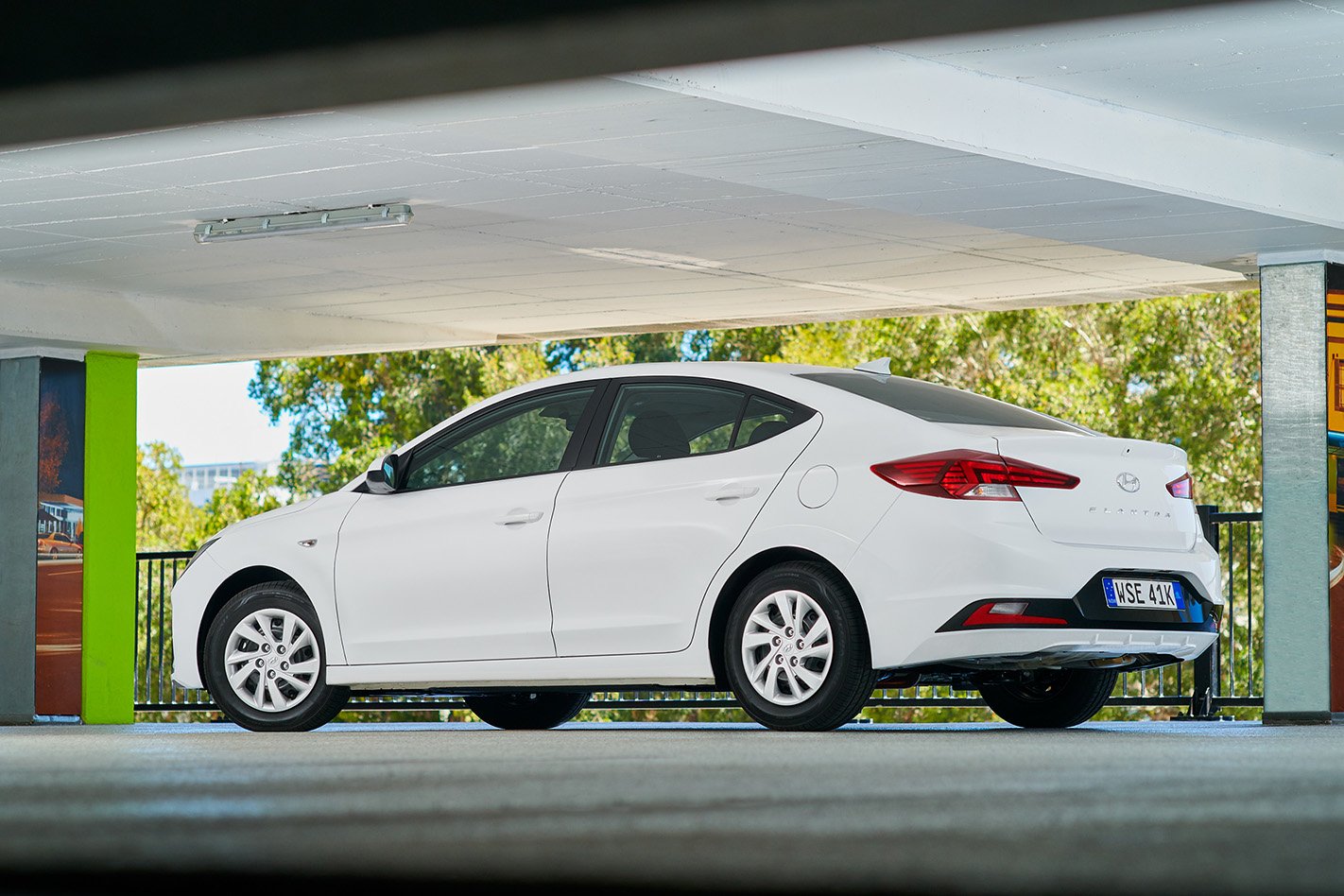
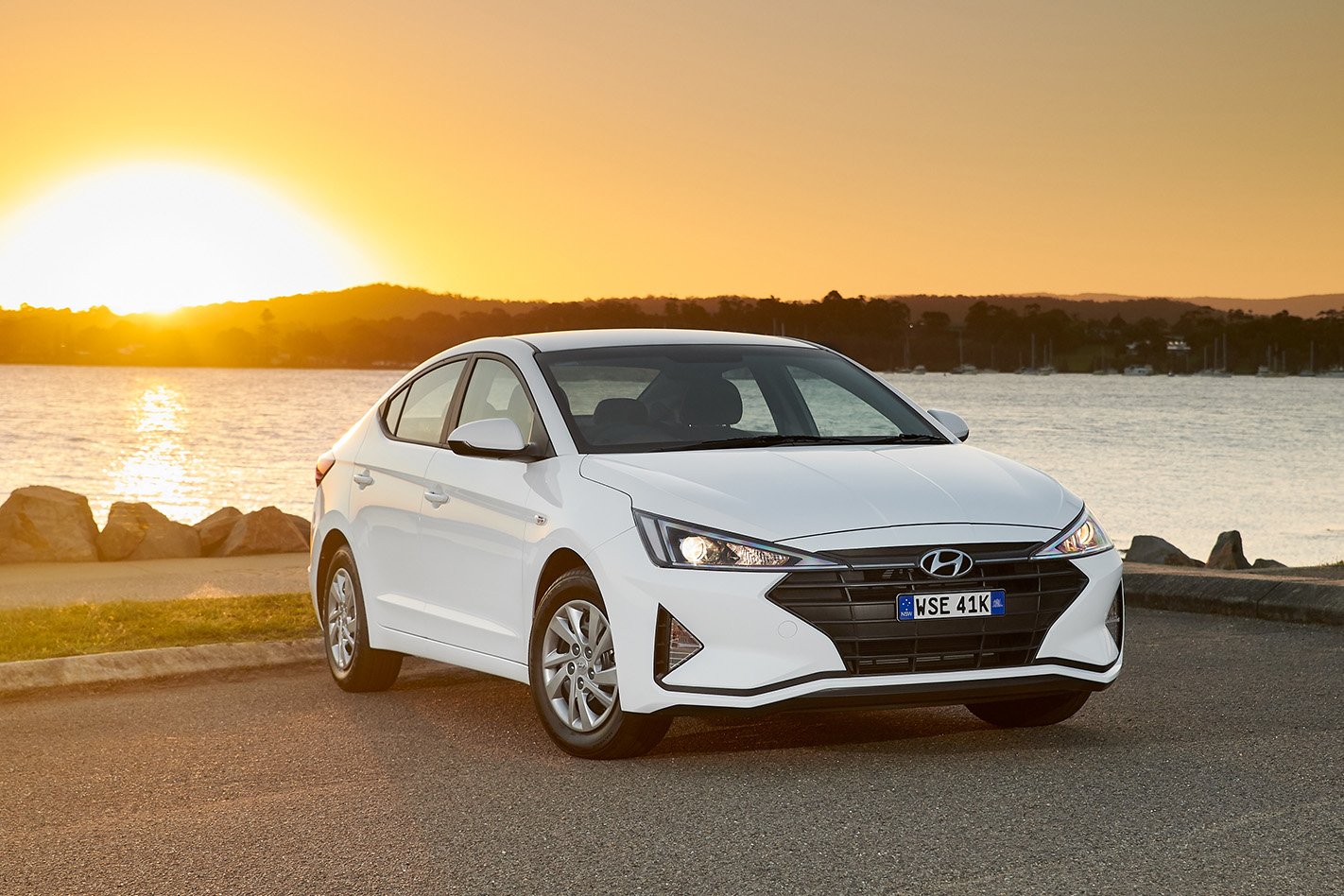
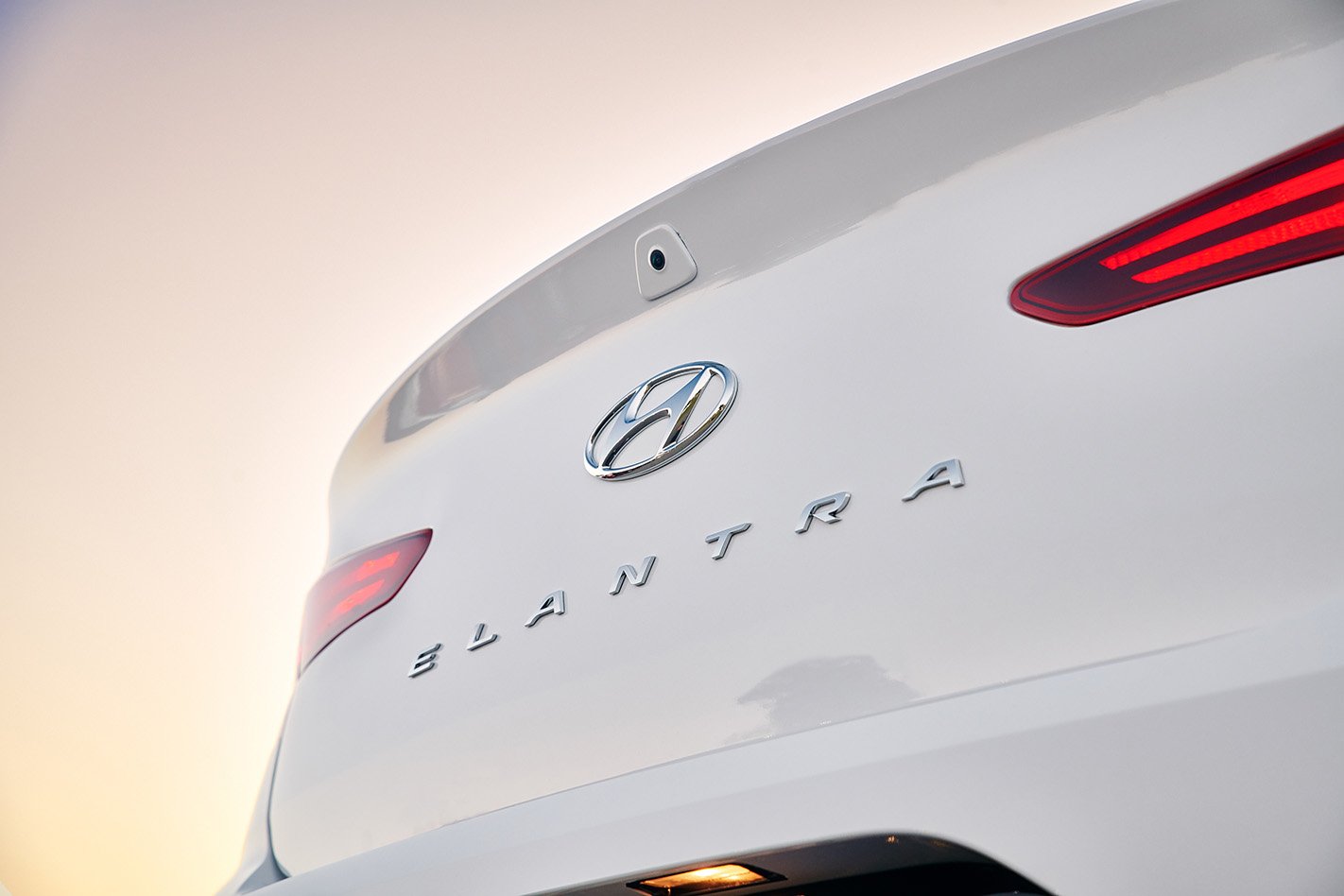
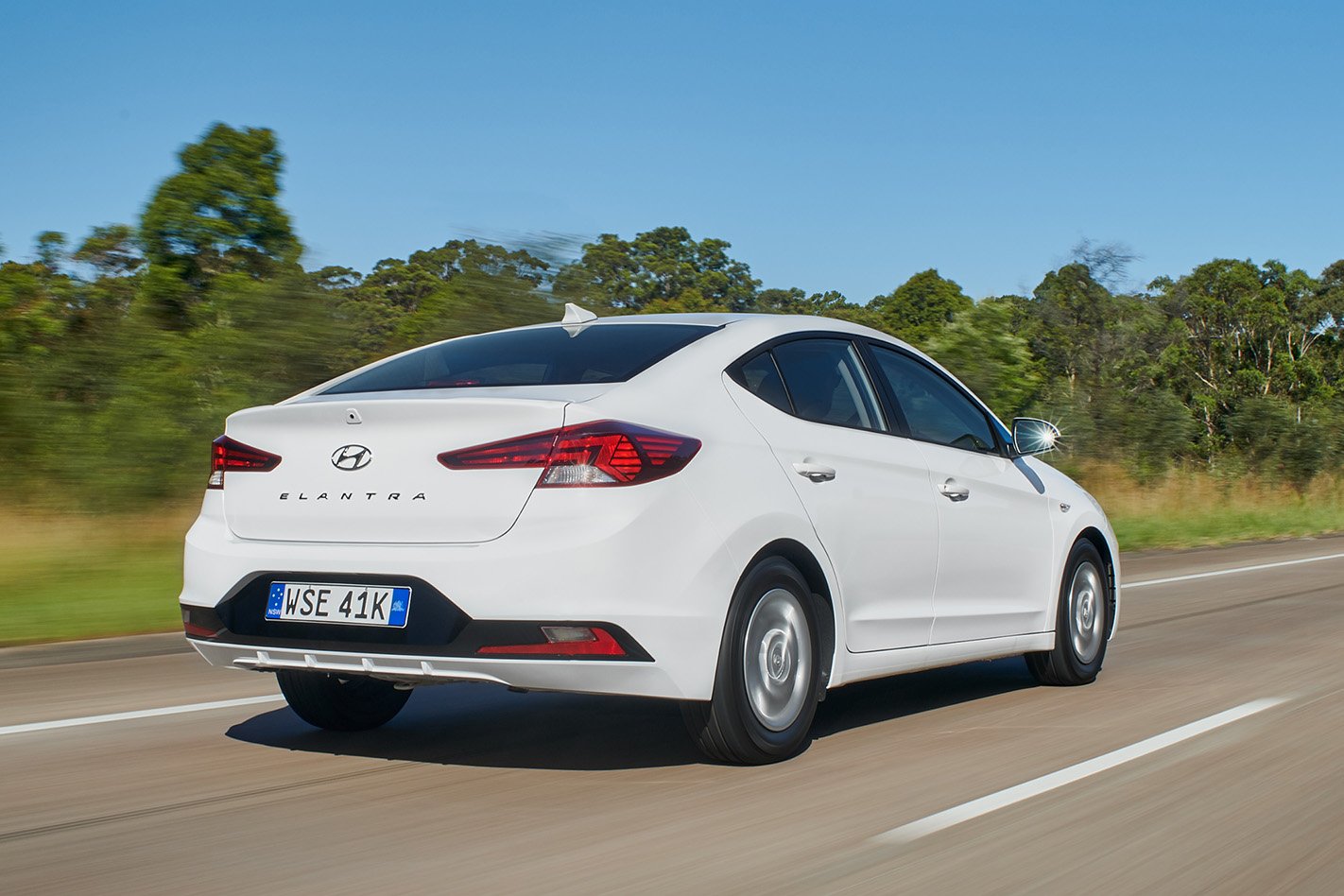
The Hyundai Elantra Go is a relatively new addition to Hyundai’s small sedan family, introduced at the end of last year as an additional variant positioned under the previous entry-level model, the Elantra Active. The Go’s arrival also coincided with a range-wide facelift for the Elantra, and its sharpened-up looks certainly give it an aesthetic edge over the fairly bland design that preceded it.
How much is the Hyundai Elantra Go?
Retailing from $23,790 with an automatic transmission (a manual gearbox takes the price down further to $21,490), the Elantra Go is cheap – but certainly not the cheapest when it comes to small sedans. The Subaru Impreza 2.0i retails for $22,690 and comes with all-wheel drive and automatic transmission as standard, the Kia Cerato S auto sedan costs $21,990, and the (positively ancient) Mitsubishi Lancer ES retails for $21,000.
Who is it for?
Sitting right at the bottom of the 2019 Elantra range, the Go is pitched at budget-minded buyers who want a compact sedan but aren’t especially troubled if the equipment list isn’t as extensive as some rivals. That said, the Go certainly provides all of the basics that most motorists would expect to find, and its sub-$25K pricing is certainly attractive to value-seeking motorists.
Is the Hyundai Elantra Go easy to live with?
There’s a no-nonsense appeal to the Elantra Go’s cabin. Though it lacks much in the way of stylistic flourishes, the controls are sensibly laid-out, easy to read, with switchgear that feels like it should prove durable over time.
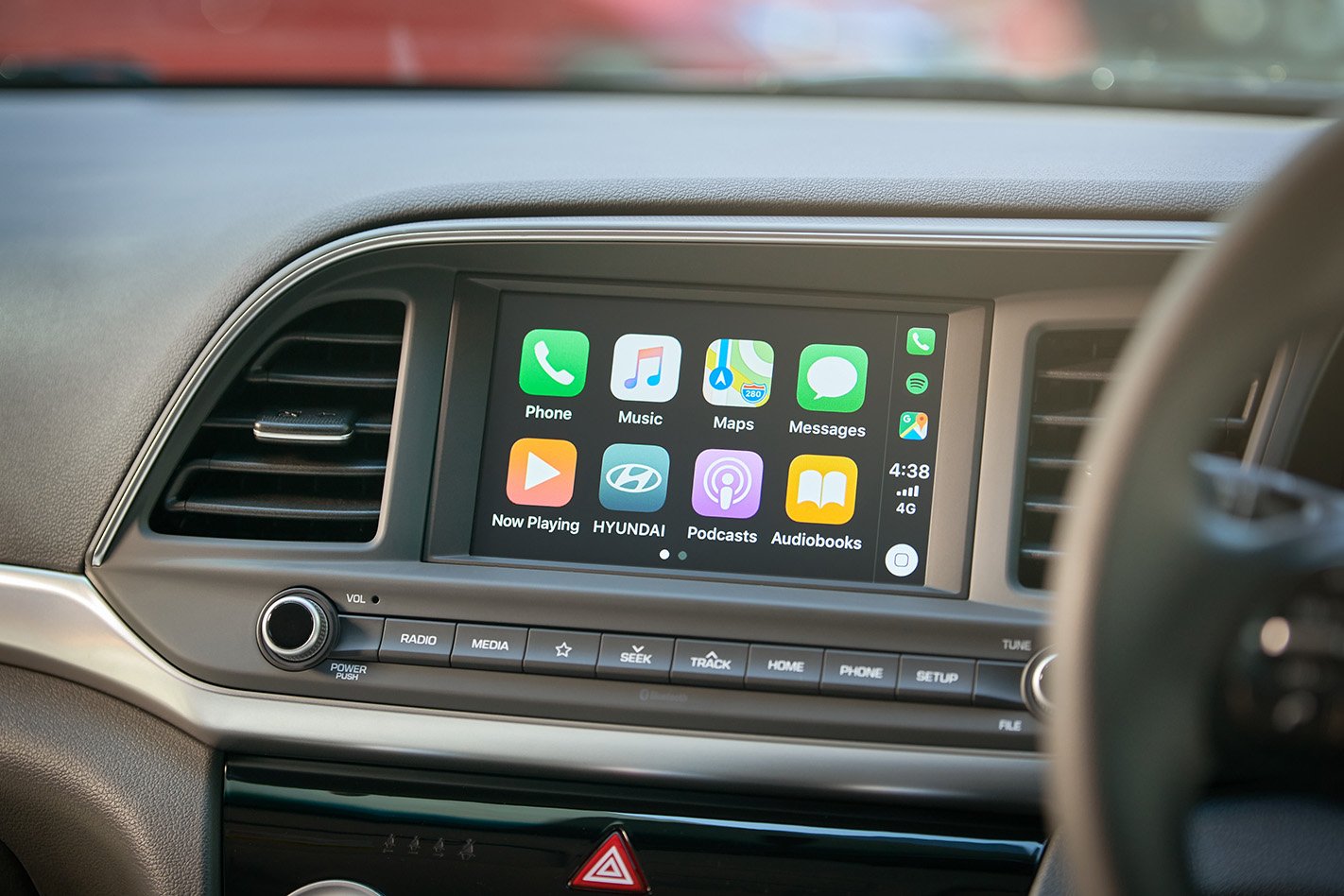
The high-set 7.0-inch colour touchscreen display is unique to the Go (all other variants get an 8.0-inch screen in the same position), but with shortcut buttons lined up below, it’s easy enough to navigate.
Don’t like the Fisher-Price-like graphic interface? Plugging in your smartphone and enabling Android Auto or Apple CarPlay is a neat way of sidestepping that – as well as adding navigation capability to that screen.
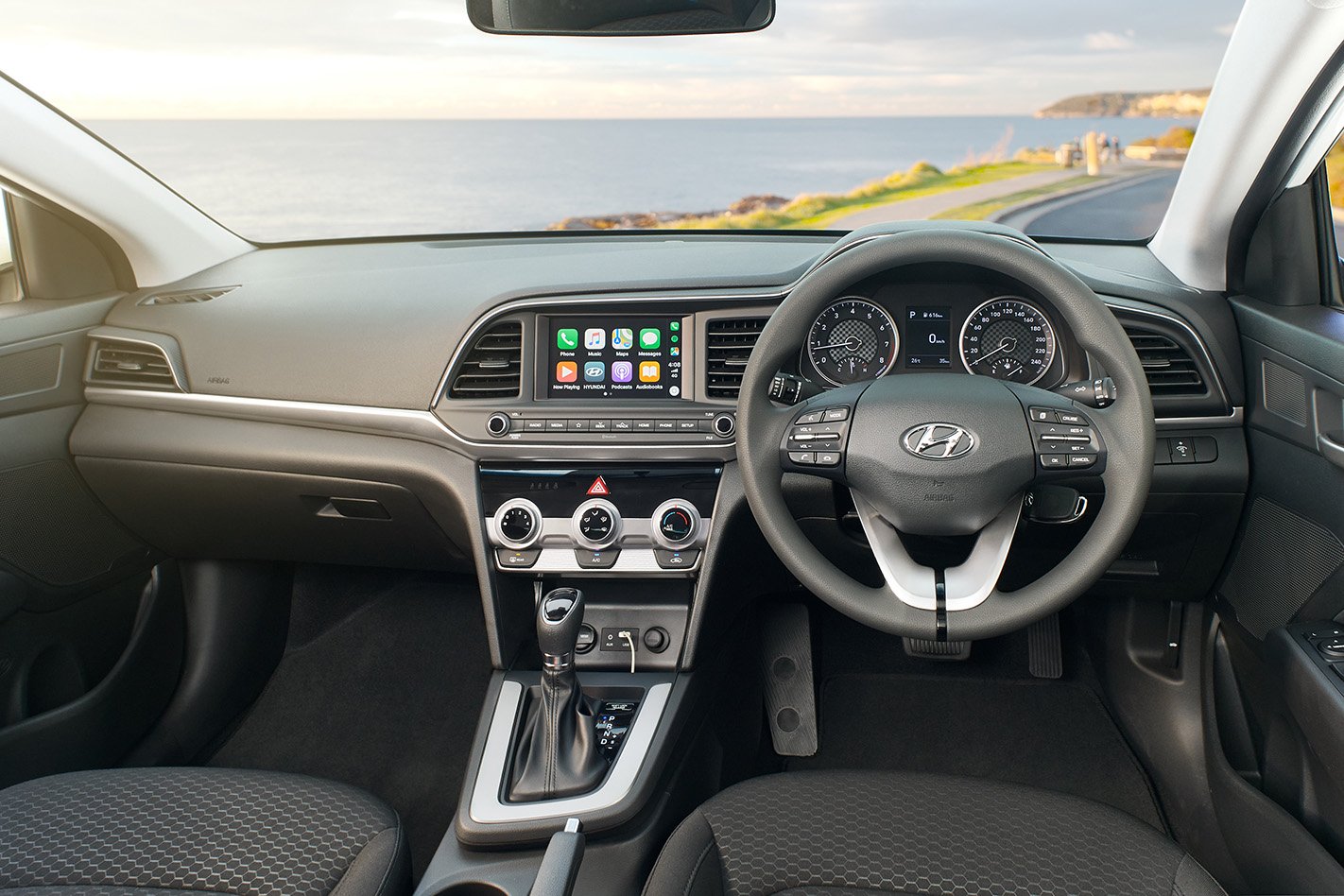
Up front, comfort is good for both driver and front passenger. Again, the lodgings are basic – there’s manual adjustment and plain black cloth upholstery – but the seats are generously sized and comfy enough for most body types.
The steering wheel, finished in bare coarse-grained plastic, isn’t as nice to hold as the leather-wrapped wheel further up the Elantra range, but it’s festooned with controls for audio, phone and cruise control and is contoured nicely.
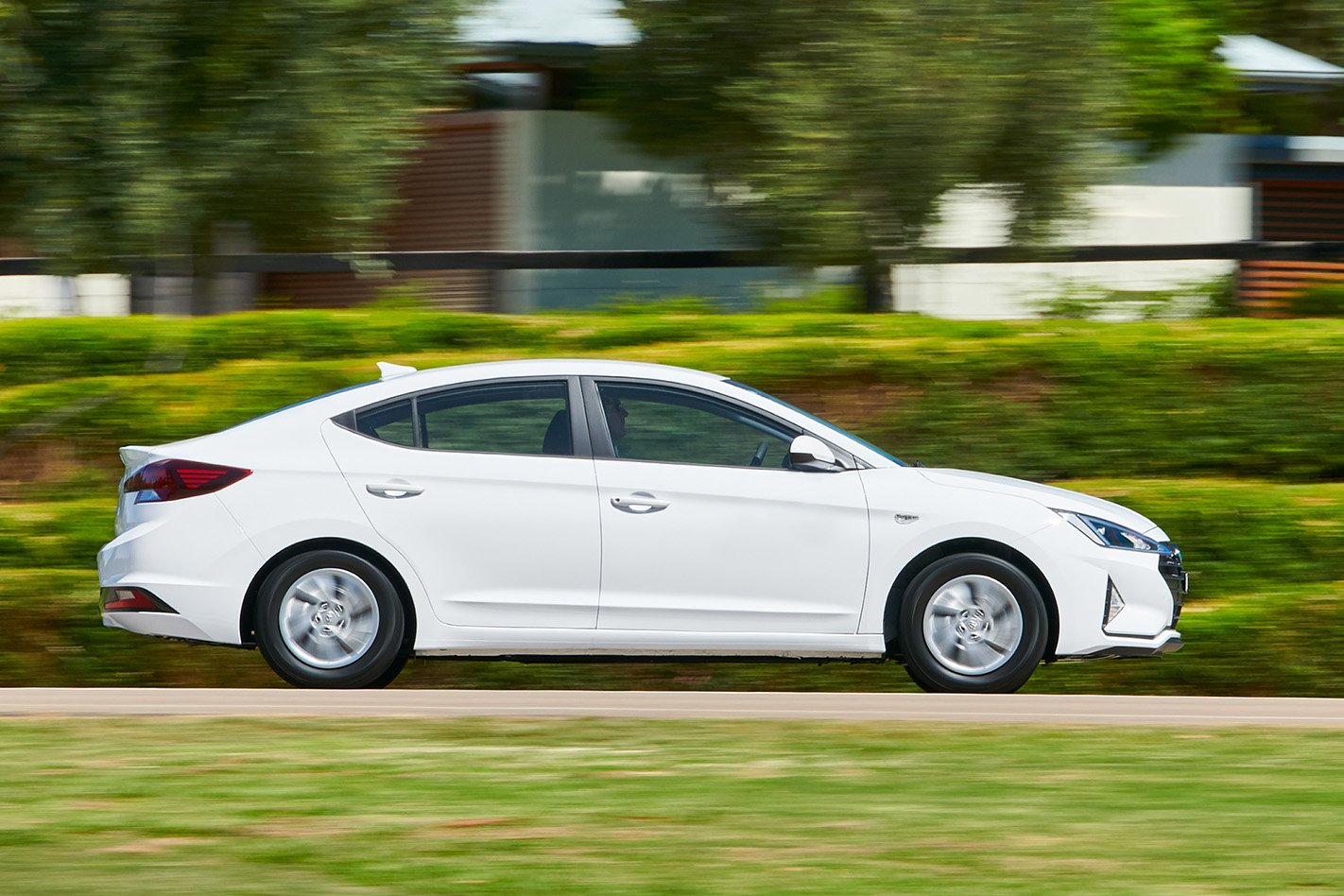
The back seat is decently sized and a pair of adults should be reasonably comfortable, but it’s not quite as commodious as rivals like the Honda Civic or Subaru Impreza. A bigger issue is the extensive use of hard plastics throughout the cabin: the Elantra is solidly built, but there’s no question that materials have been chosen for their price rather than their tactile appeal.
How well does the Hyundai Elantra Go drive?
For a car that’ll get you from A-to-B on predominantly urban driving, the Elantra Go is well suited to the job. Its automatic transmission is smooth and shifts early to keep the engine speed low, and the 2.0-litre naturally aspirated engine, though only packing 112kW and 192Nm, is up to the task of around-town schlepping.
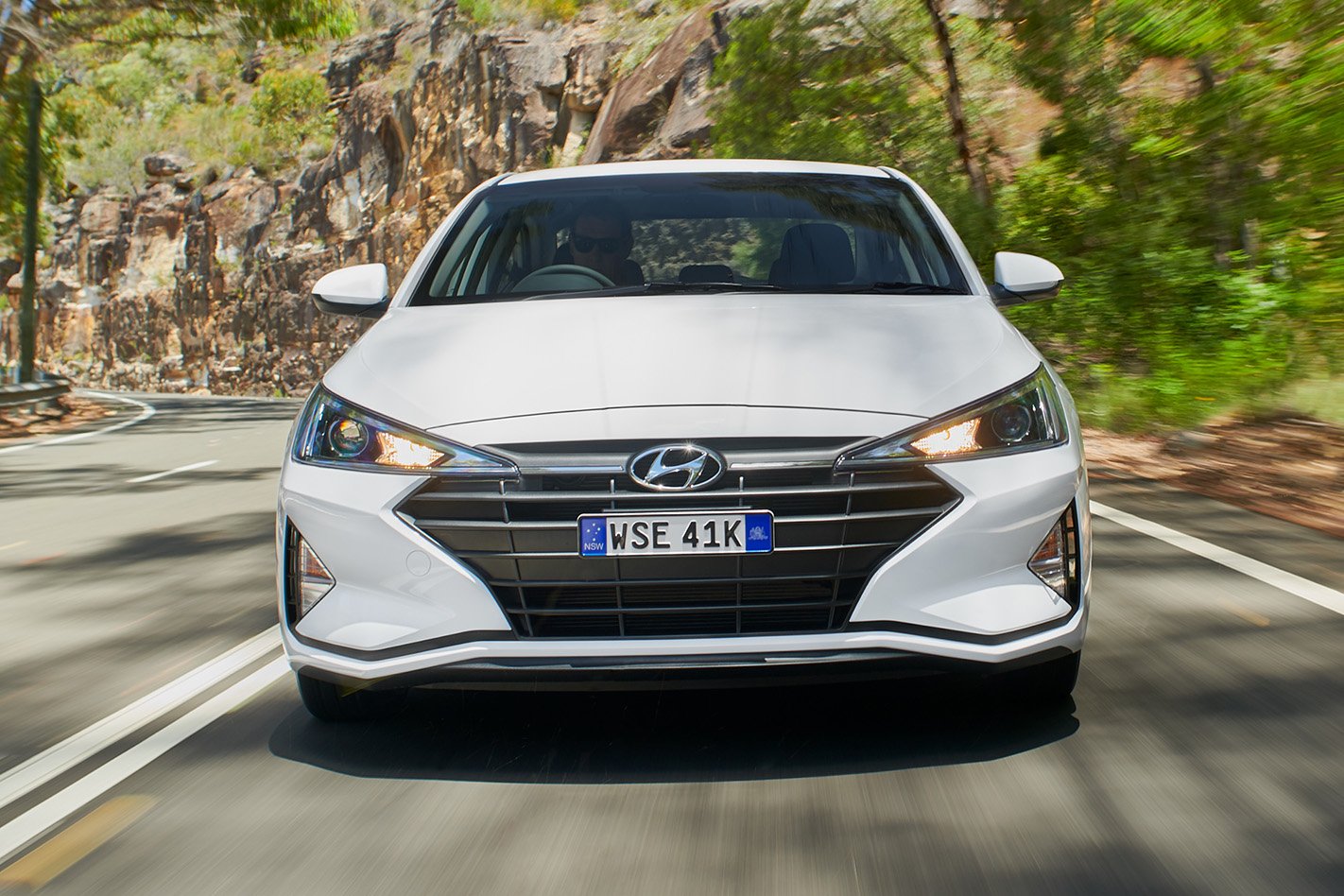
The suspension is compliant enough to dispatch most lumps without too much bother, but dynamically the Elantra Go isn’t at the sharp end of its segment. It’s competent, but its preference for body roll, understeer, and soft damping mean it feels less than happy when asked to hustle through a set of bends. Keep it to the city and highway, however, and it’s perfectly fine.
A bigger issue is the safety equipment fit-out. Autonomous emergency braking (AEB) is fast becoming a range-wide standard on many cars in the small sedan segment, but the Elantra only provides it free-of-charge in the Elantra Sport and Sport Premium.
If you opt for the Go or mid-spec Active, you’ll need to option the Smartsense pack ($1700) for more up-to-date safety features like AEB, blind spot monitoring, lane-keep assist, rear cross-traffic alert and active cruise control.
Verdict
The Hyundai Elantra Go is, in isolation, a perfectly adequate small car. However, the small car segment is one of the most competitive and heavily-populated in Australia, and there are plenty of other choices that either provide more equipment, boast more space, cost less, drive better or combinations thereof.
That’s not really the Elantra’s fault, mind you, and it doesn’t diminish its positive virtues either. However, the Elantra simply doesn’t represent as much of an advantage over enough of its rivals for it to be ranked near the top of the pack.
Ferrari is in rude financial health, its Q1 2019 financial reports revealing it makes more than AUD$100,000 on each car sold.
As a publicly listed company (RACE) Ferrari is required to share its financials each quarter and they make very pleasing reading for shareholders.
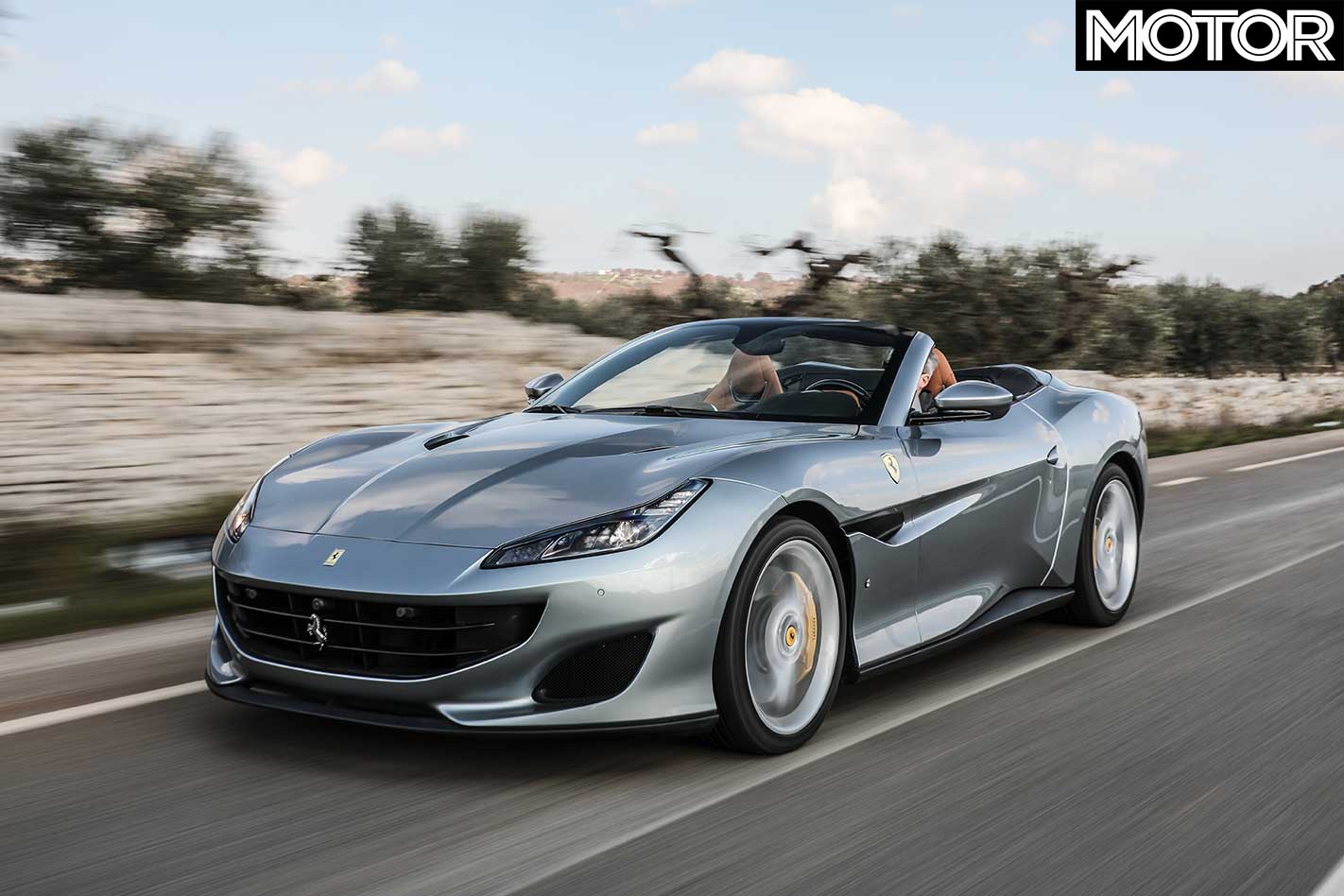
Maranello shipped 2610 cars in the first quarter of 2019, a 23 per cent increase on the same period in 2018, primarily thanks to strong demand for the Portofino, V8 sales increasing 30.6 per cent and V12 4.1 per cent.
In all, Ferrari generated €940m in revenue, a 13.1 per cent increase, of which €735m came via cars and spare parts, €58m from engine sales to Maserati, €128m from sponsorship and commercial activities.
What separates Ferrari is the margins it generates from its sales. So far this year, it has realised an EBITDA (earnings before interest, tax, depreciation and amortisation) margin of 33.1 per cent and a net margin of 19.2 per cent. By comparison, in 2018 BMW realised an EBITDA margin of 17.88 per cent and a net margin of 7.33 per cent.
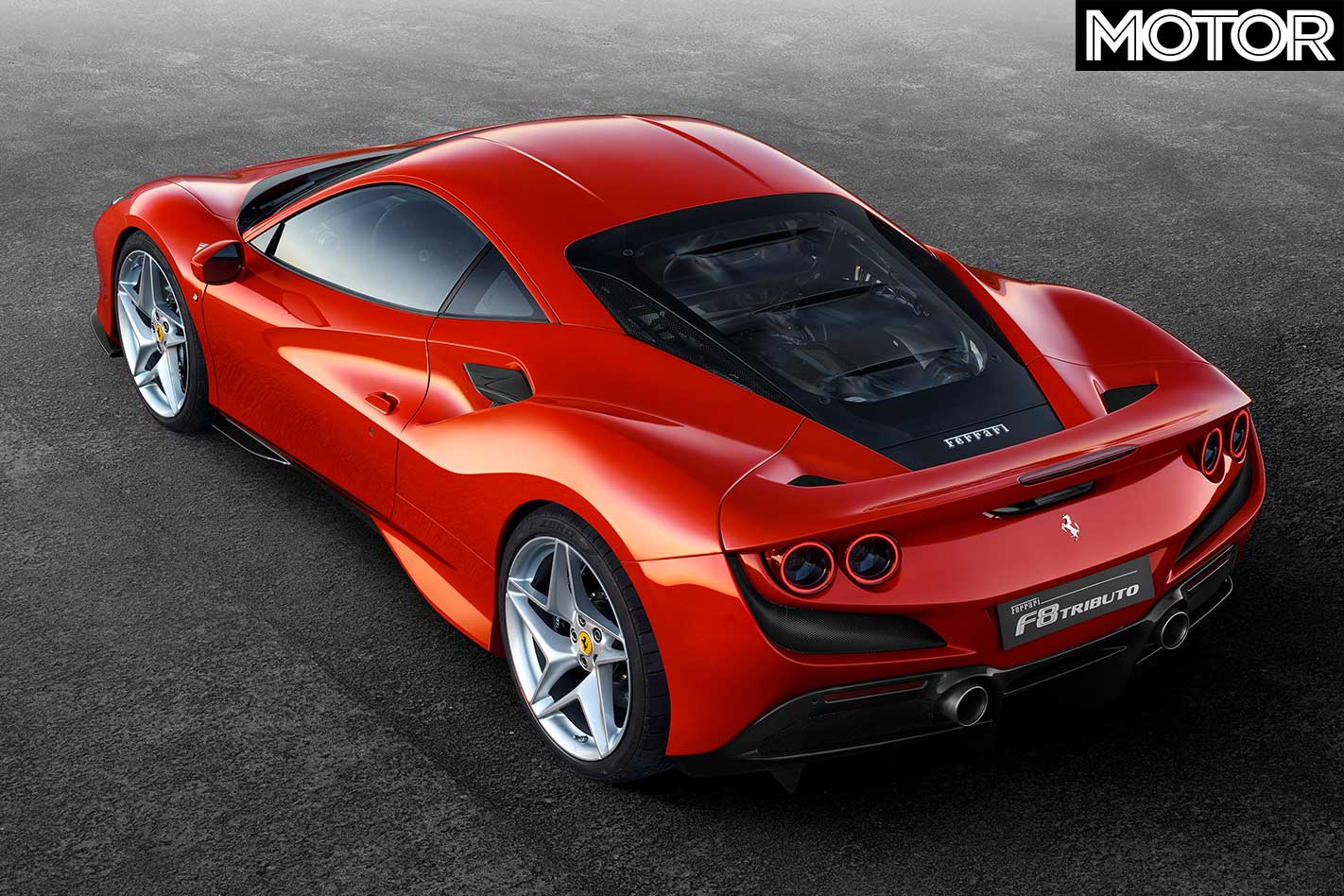
In simple terms, divide Ferrari’s net profit by the number of cars it shipped and the result is almost €69,000 (AUD$111,000) per car. Last year, Ferrari CEO Louis Camilleri, who took over following the sudden death of Sergio Marchionne, stated he wanted to increase Ferrari’s EBITDA margin to 38 per cent by 2022.
To manage this 15 new model releases were planned prior to that date, five of which will arrive in 2019. The first, the F8 Tributo, has already been unveiled and will be followed by a new hybrid super sports car at the end of May, a new hybrid GT in July, the F8 Tributo Spider in September and the 812 Spider in Q4.
NOBODY pays list for a new car. You know that, right? Unless it’s a specialist vehicle, think of the manufacturer’s recommended retail price as just a way of keeping score of how big a discount you can get.
But, as you’re probably aware, there are deals and then there are deals.
We’ve had a look at what’s out there in dealer land and have arrived at what we think are the best new vehicle bargains for May 2019.
If nothing else, it’s a guide to the price you should be targeting right now from your dealer.
Naturally, these offers are dependent on stock levels, as while these are new cars, some have been in the dealer network for some while. Also note that the images below are illustrative and while broadly representative of the type of the car discussed, they aren’t the exact examples for sale, so do enquire through the respective dealer networks for details on equipment, full specifications and colour availability.
1. 2018 Ford Ranger XLS 3.2
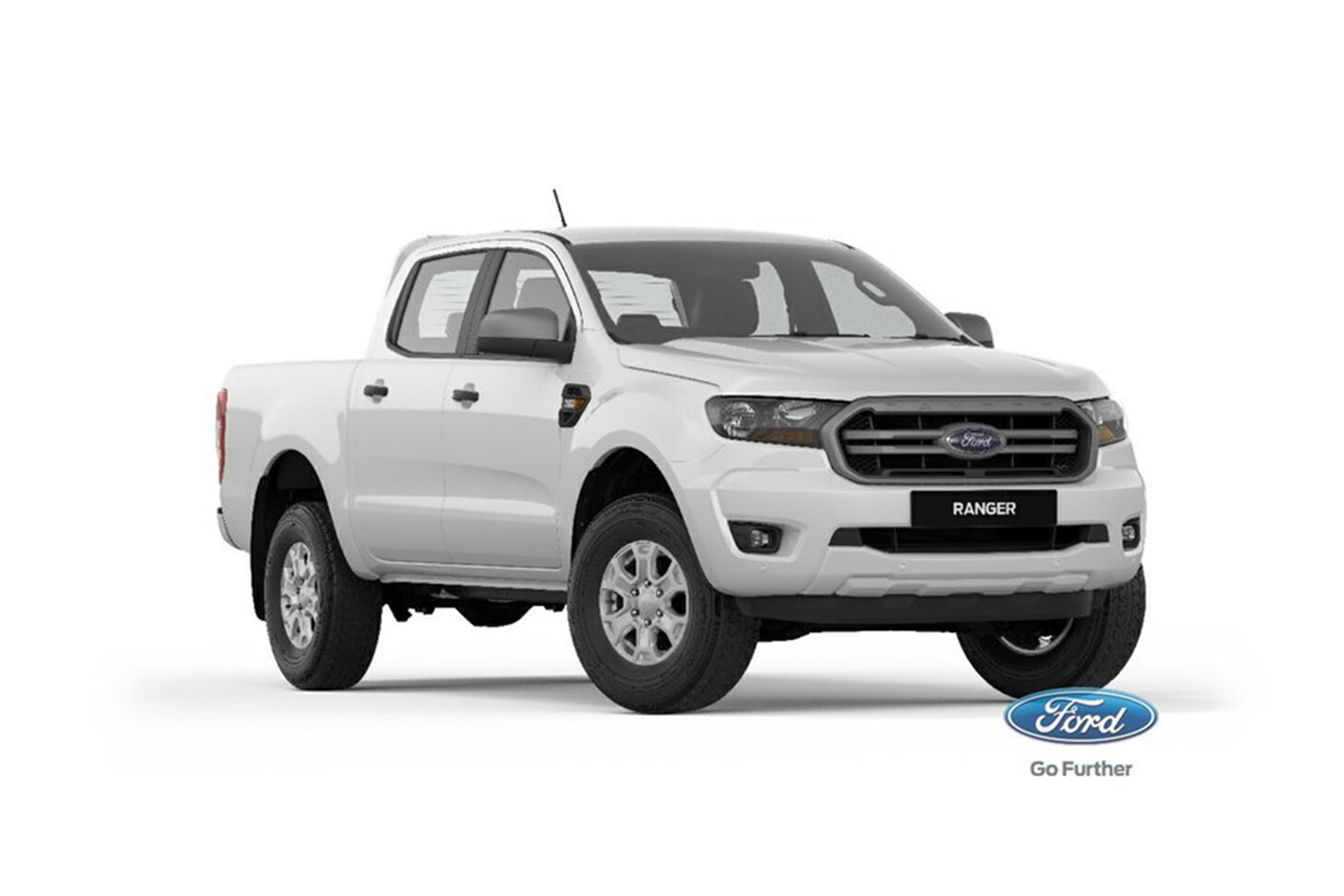
Body: Dual cab ute Transmission: Manual Fuel: Diesel Power: 147kW Torque: 470Nm Price: $40,990 drive away Saving: $12,787 Offer good until: 31st May
2. 2018 Holden Colorado LS
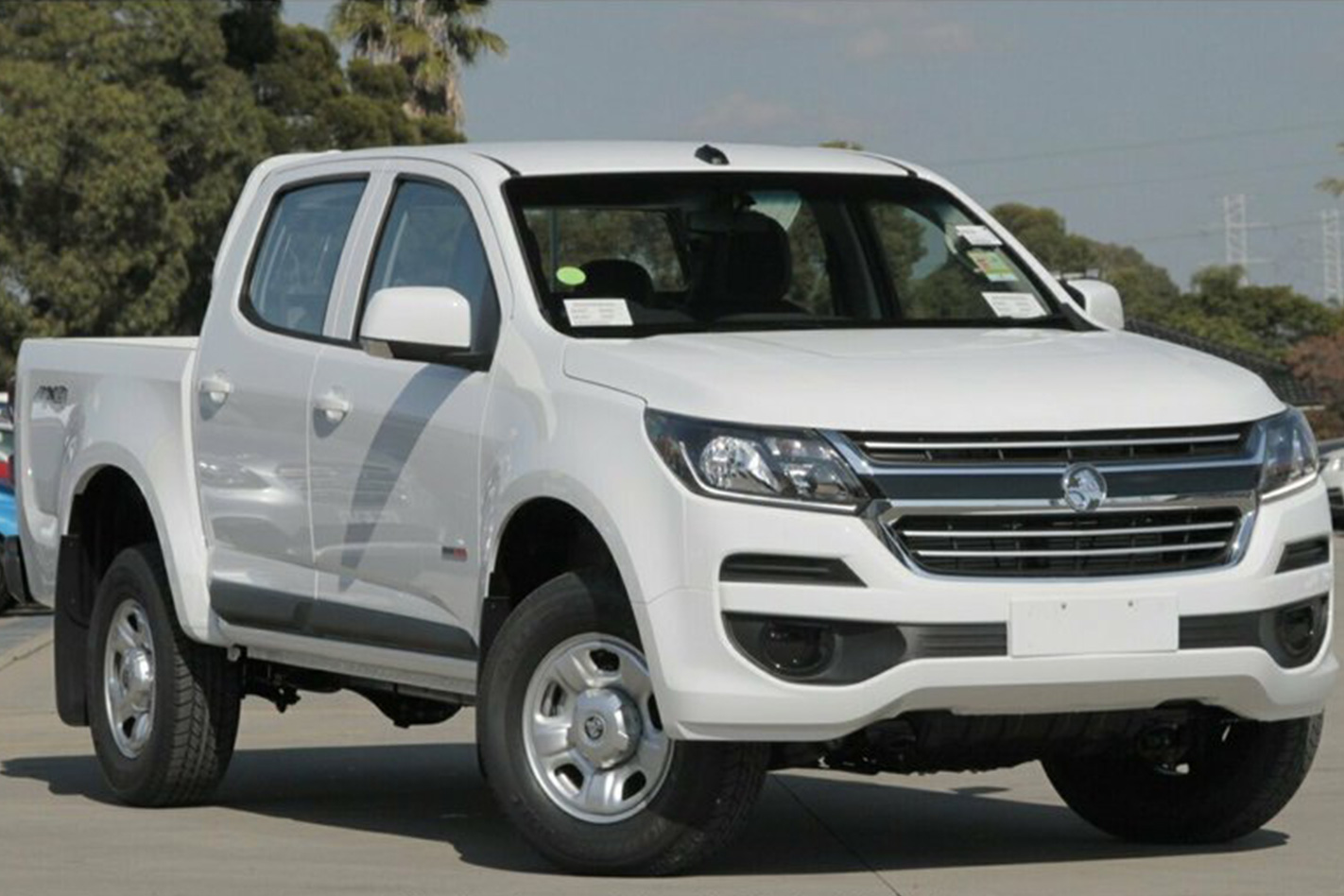
Body: Dual cab ute Transmission: Automatic Fuel: Diesel Power: 147kW Torque: 500Nm Price: $39,990 drive away Saving: $11,687 Offer good until: 30th June
3. 2017 Jeep Cherokee Longitude 3.2
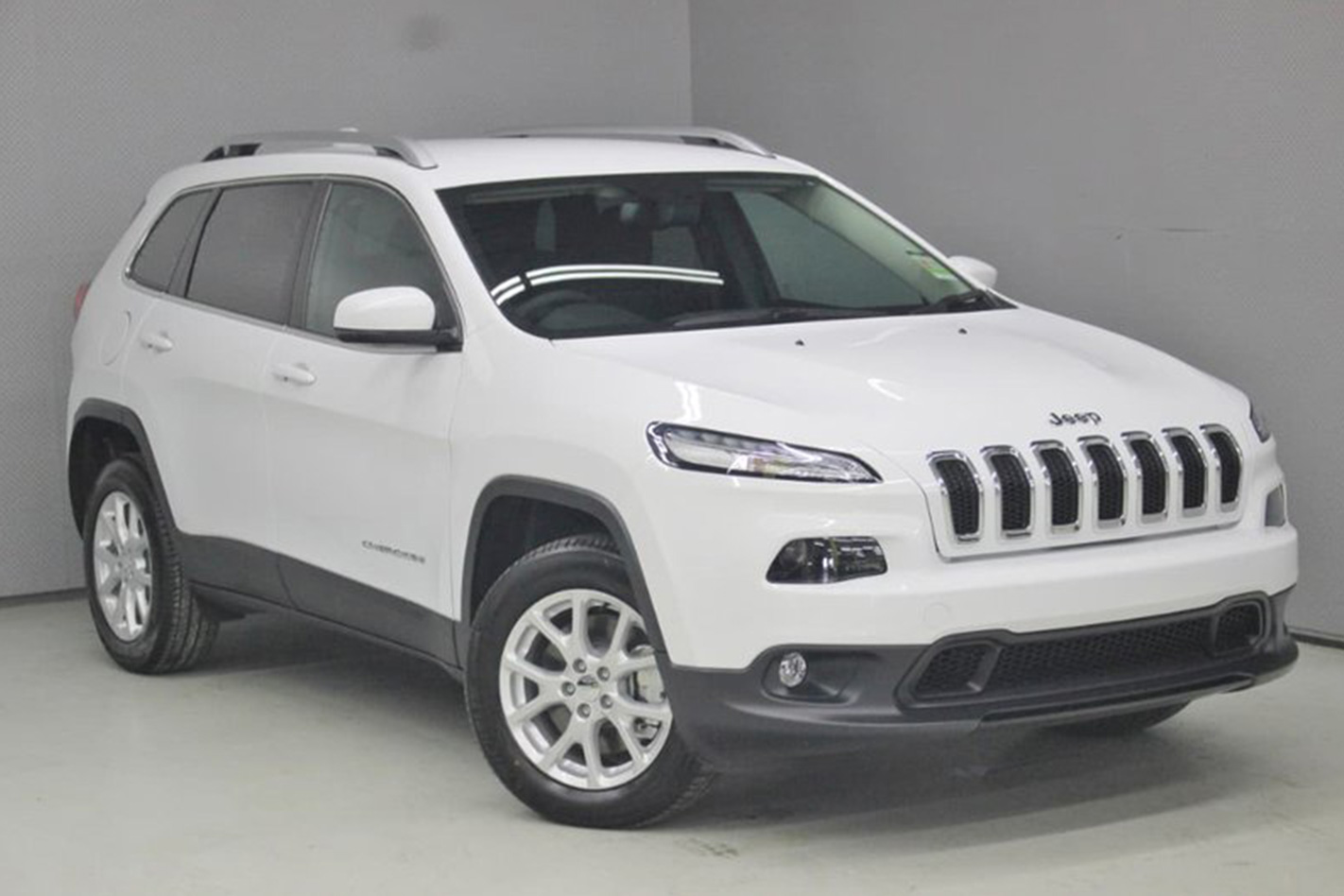
Body: 5dr SUV Transmission: Automatic Fuel: Petrol Power: 200kW Torque: 315Nm Price: $35,450 Saving: $10,232 Offer good until: 30th June
4. 2018 Holden Astra 1.4 LT
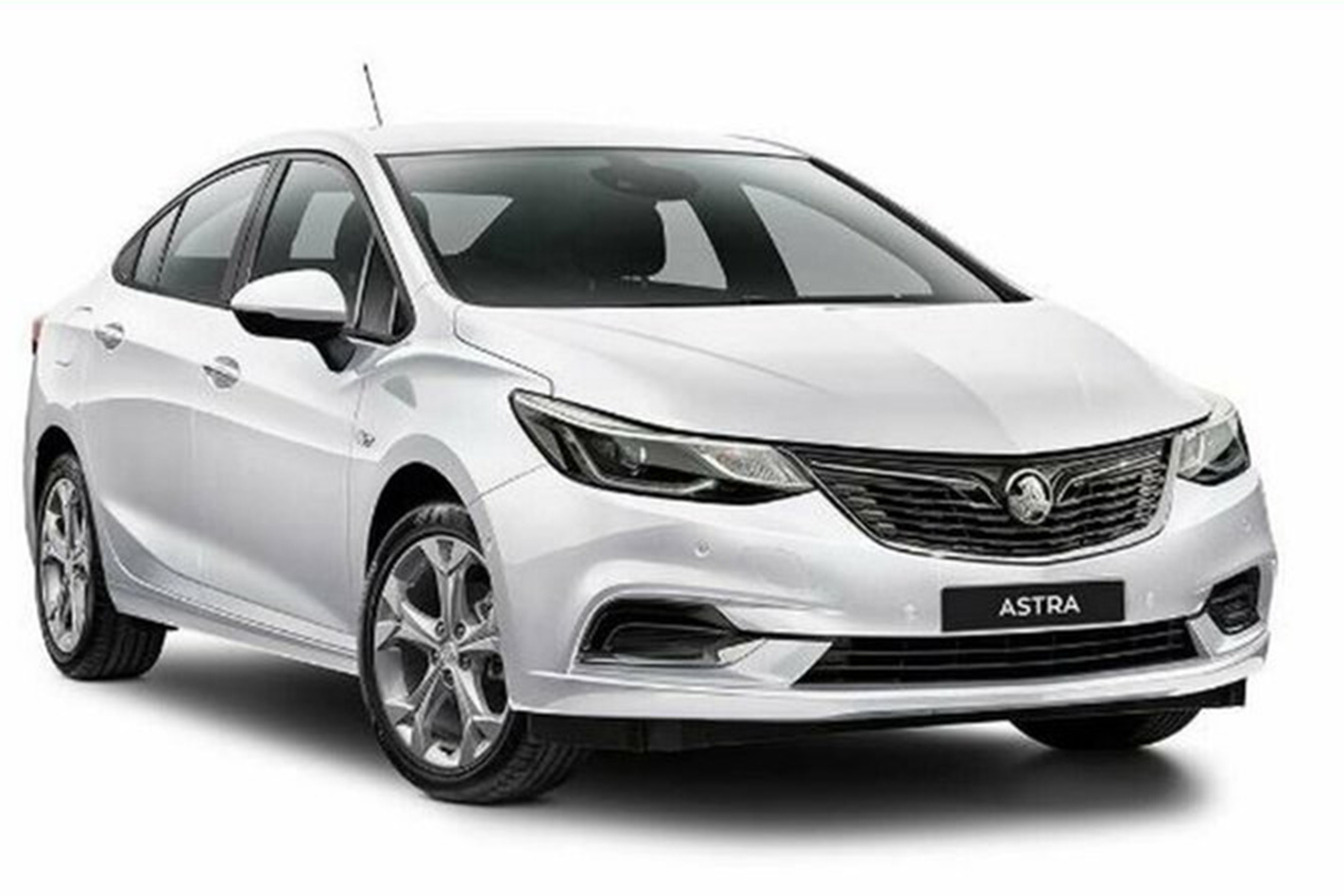
Body: 4dr sedan Transmission: Automatic Fuel: Petrol Power: 110kW Torque: 240Nm Price: $22,990 Saving: $6561 Offer good until: 30th June
5. 2019 Kia Rio S 1.4
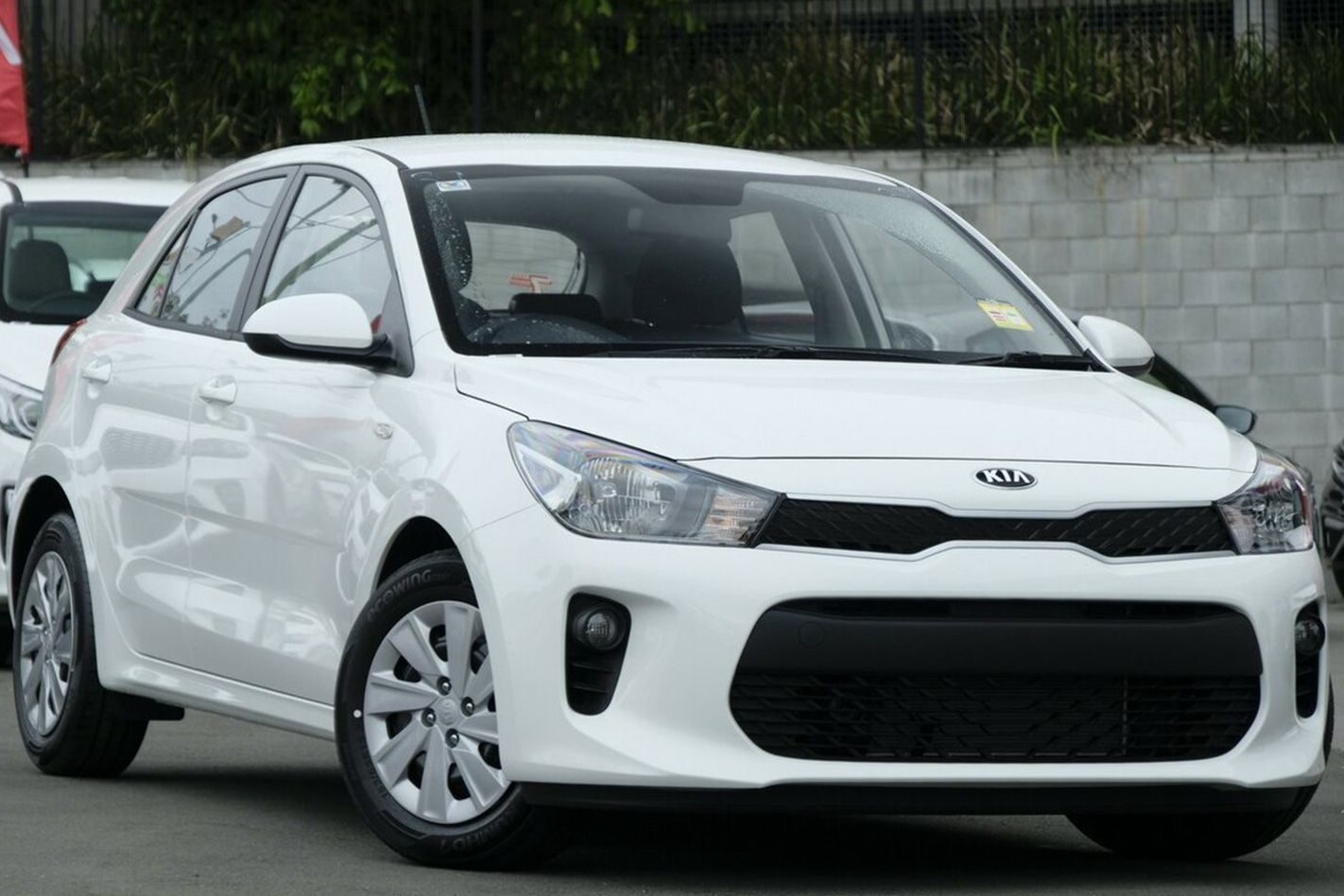
Body: 5dr compact hatch Transmission: Automatic Fuel: Petrol Power: 74kW Torque: 133Nm Price: $17,990 Saving: $4660 Offer good until: 30th June
6. 2018 Infiniti Q60 Pure 2.0
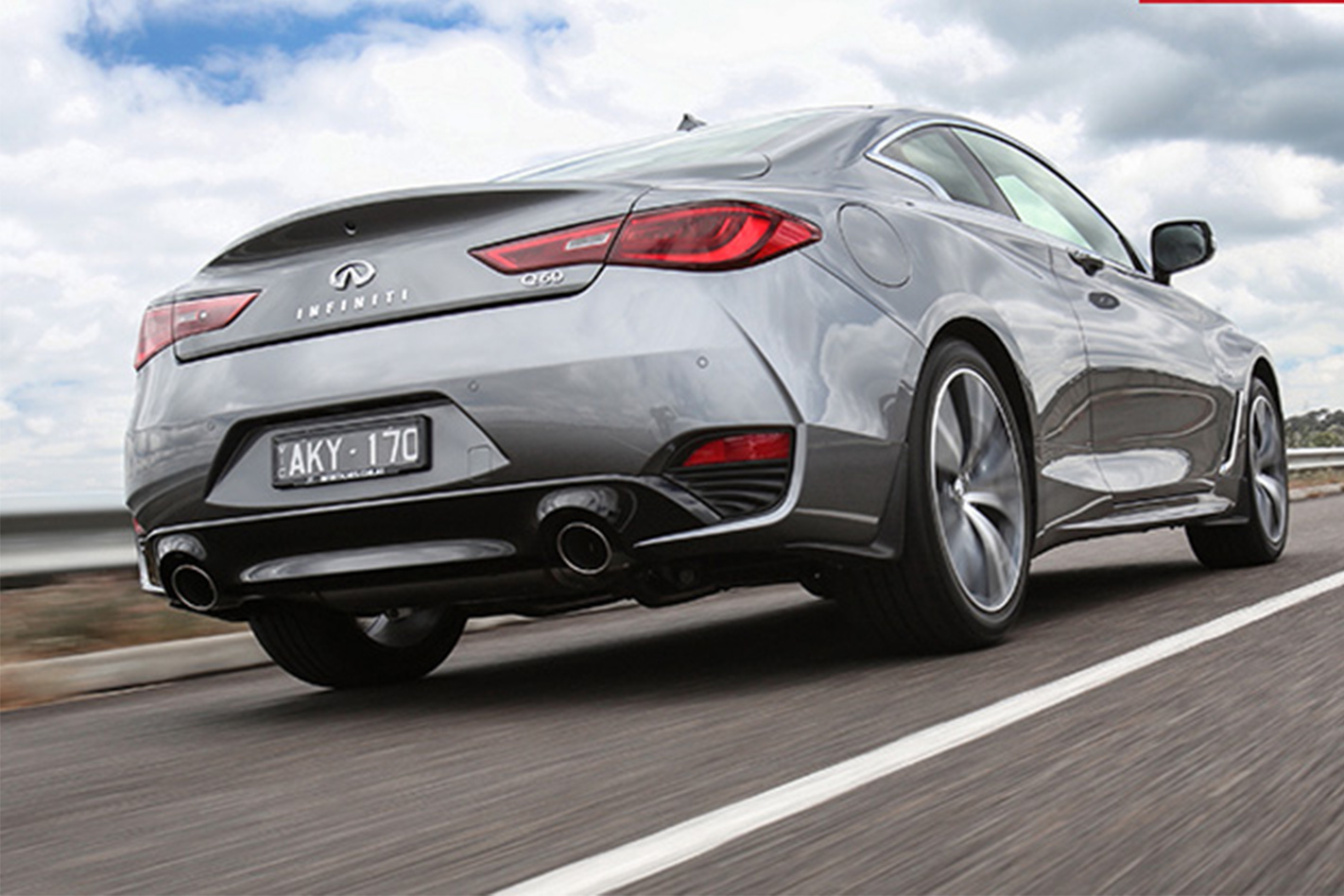
Body: 2dr coupe Transmission: Automatic Fuel: Petrol Power: 155kW Torque: 350Nm Price: $53,888 Saving: $15,344 Offer good until: 30th June
7. 2018 Mazda BT-50 XTR 3.2
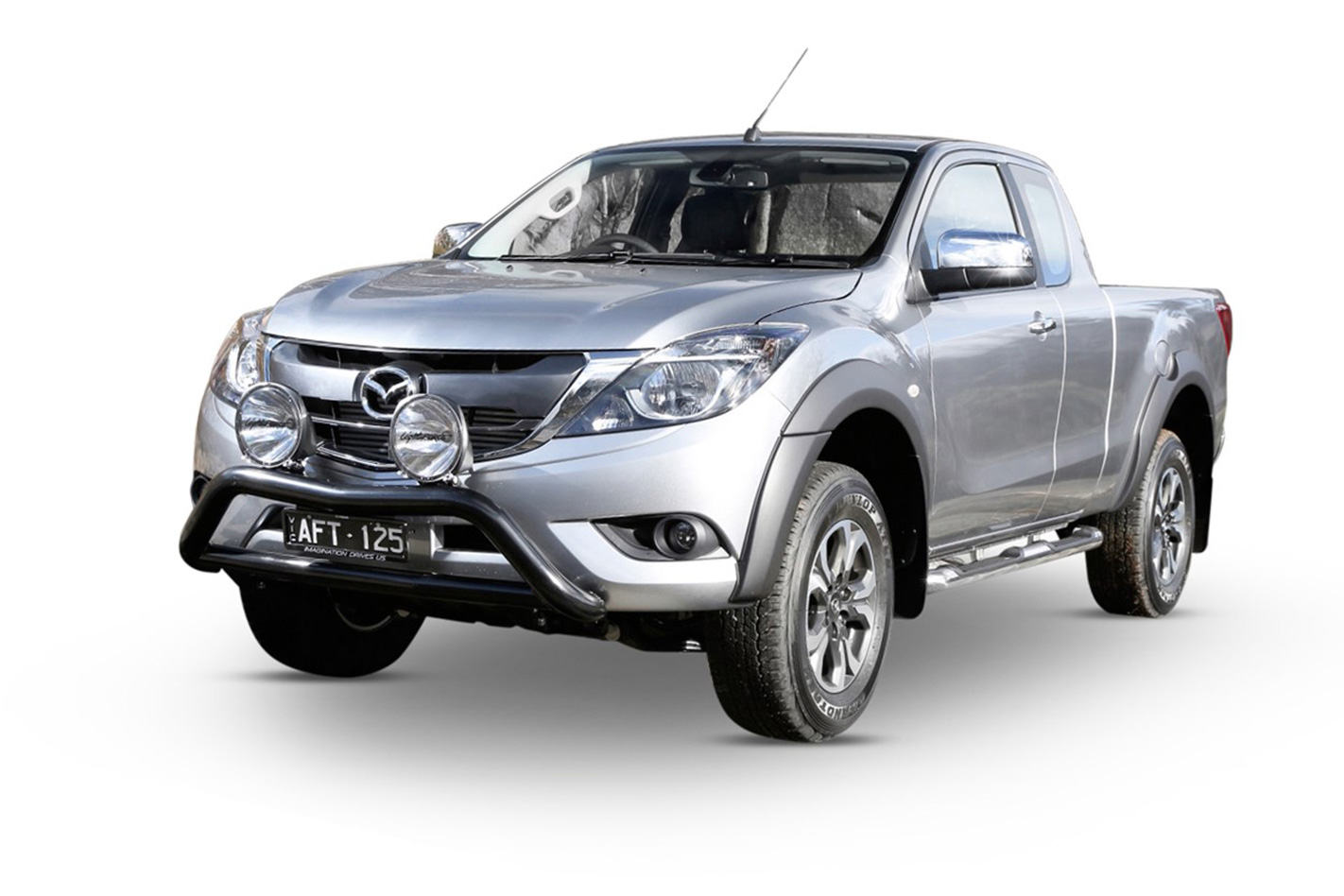
Body: Dual cab ute Transmission: Automatic Fuel: Diesel Power: 147kW Torque: 470Nm Price: $39,240 Saving: $10,557 Offer good until: 31st May
8. 2018 Abarth 124 Sport Spider 1.4
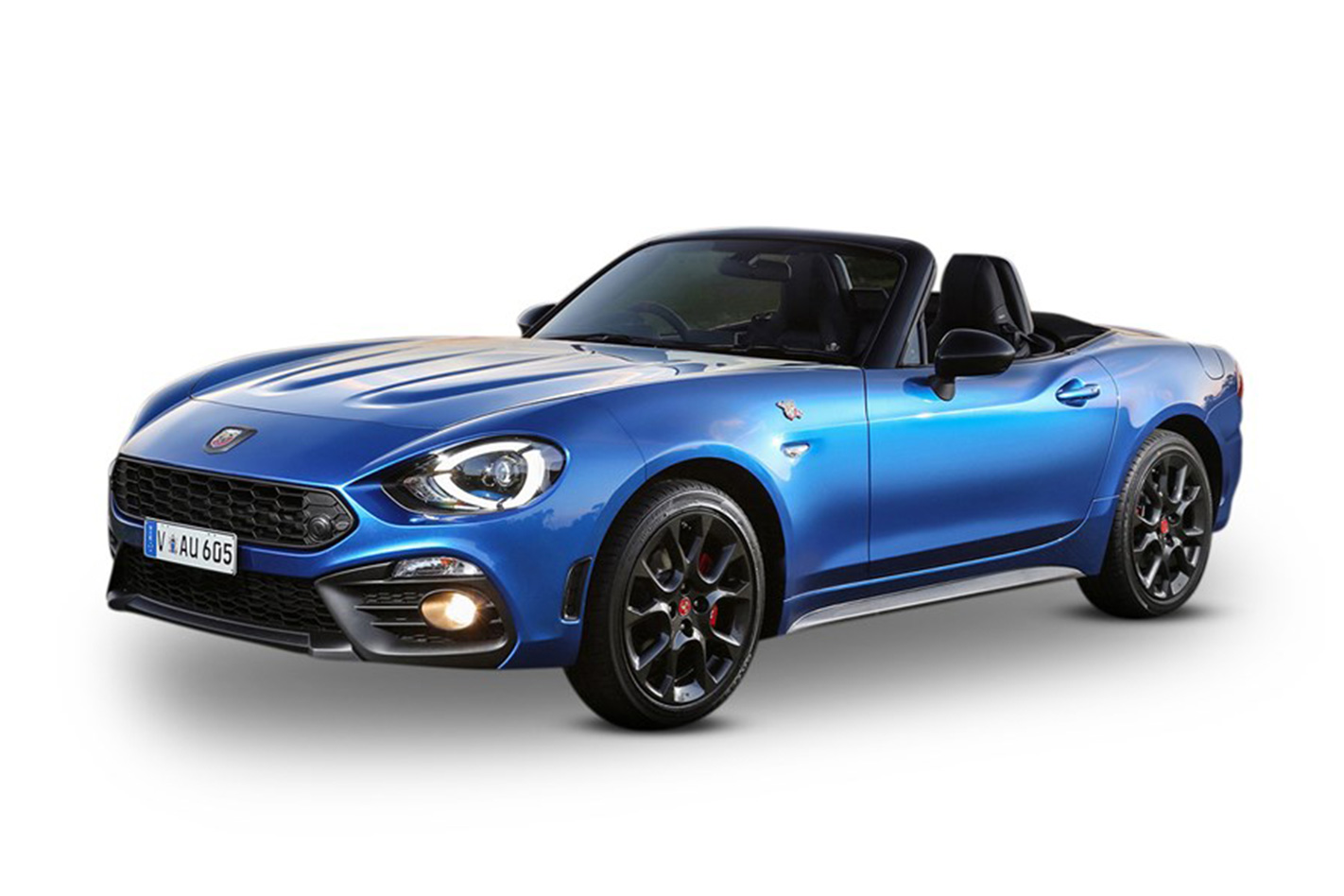
Body: 2dr roadster Transmission: Manual Fuel: Petrol Power: 125kW Torque: 250Nm Price: $41,950 Saving: $10,137 Offer good until: 30th June
9. 2018 Holden Trax 1.4 LT
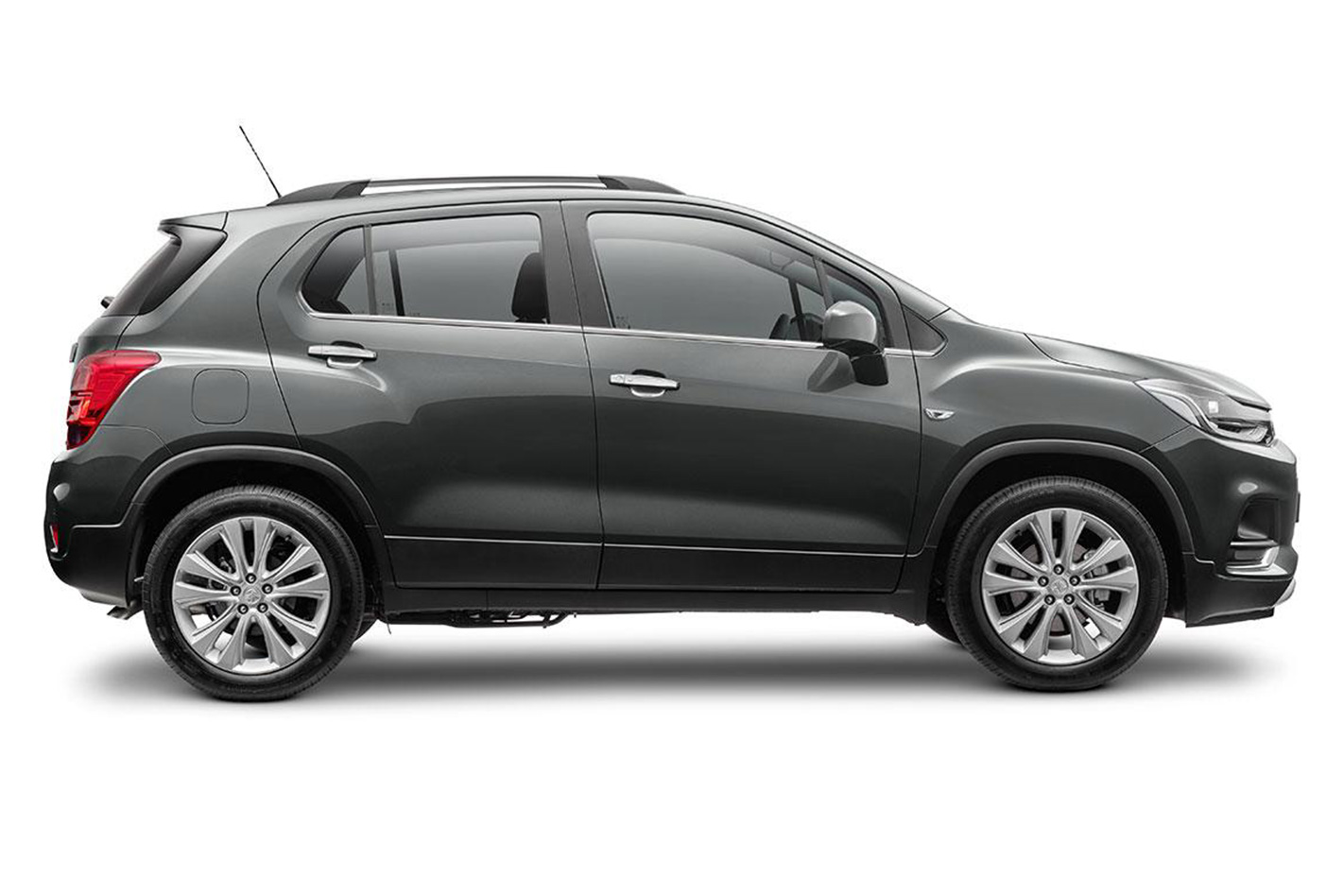
Body: 5dr ultracompact SUV Transmission: Automatic Fuel: Petrol Power: 103kW Torque: 200Nm Price: $25,990 Saving: $6754 Offer good until: 30th June
10. 2018 Holden Astra Sportwagon LS+ 1.4
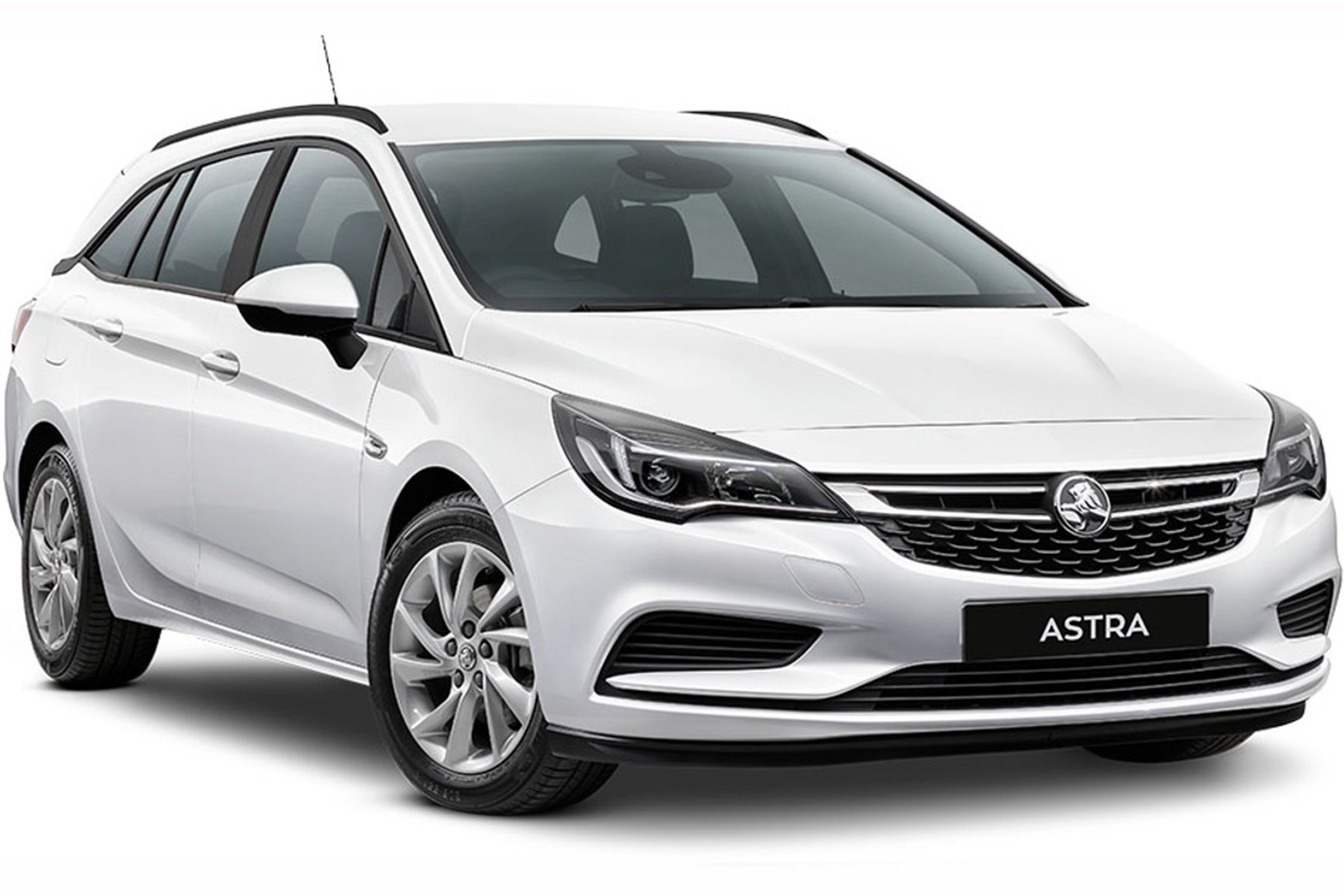
Body: 5dr wagon Transmission: Automatic Fuel: Petrol Power: 110kW Torque: 240Nm Price: $22,990 Saving: $6511 Offer good until: 30th June
New to Wheels Car of the Year?
Read the COTY 101.
Enduringly popular and reliably affordable, but not always the wisest choice, Corolla has long been the automotive equivalent of a Big Mac. But the one launched in Australia last August represents a major effort by Toyota to improve the flavour and nutritional value of its best-seller. The all-new E210 Corolla is much improved compared to the mediocre model it replaces. There’s now a touch of special sauciness to the way it drives and a class-leading focus on active safety.
2019 Toyota Corolla SX long-term review, part one
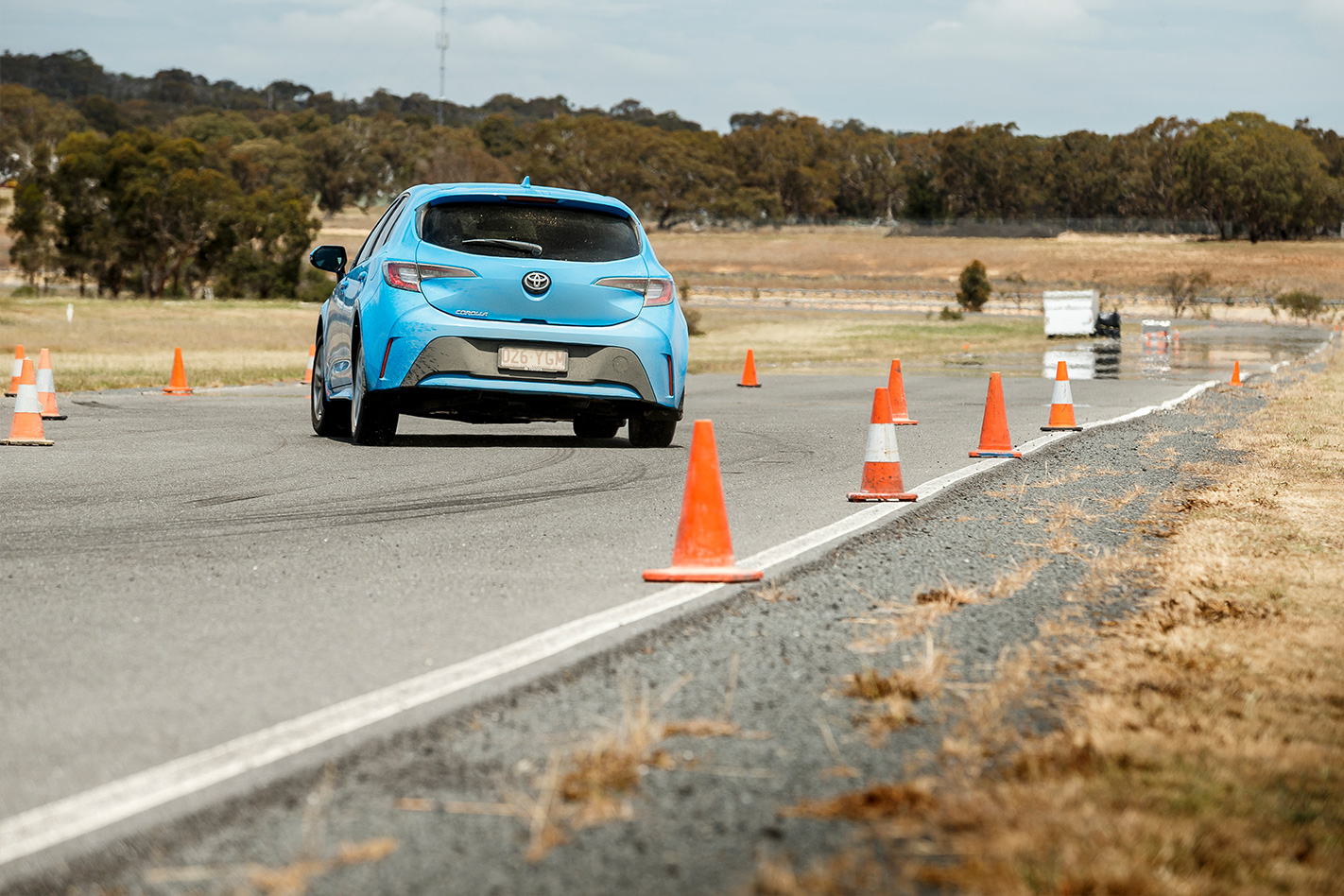
The new Corolla’s core is Toyota’s New Global Architecture. This is the same component set that’s the basis for other recent Toyotas that have lifted the brand’s image. TNGA works the same magic in the new Corolla, which gains independent multi-link rear suspension.
The rest of the chassis is standard small-car fare, but Toyota has created a Corolla with an adept balance of handling precision and ride comfort. It’s genuinely fun to drive. And the interior makes a great first impression with its classy instrument panel and obvious quality.
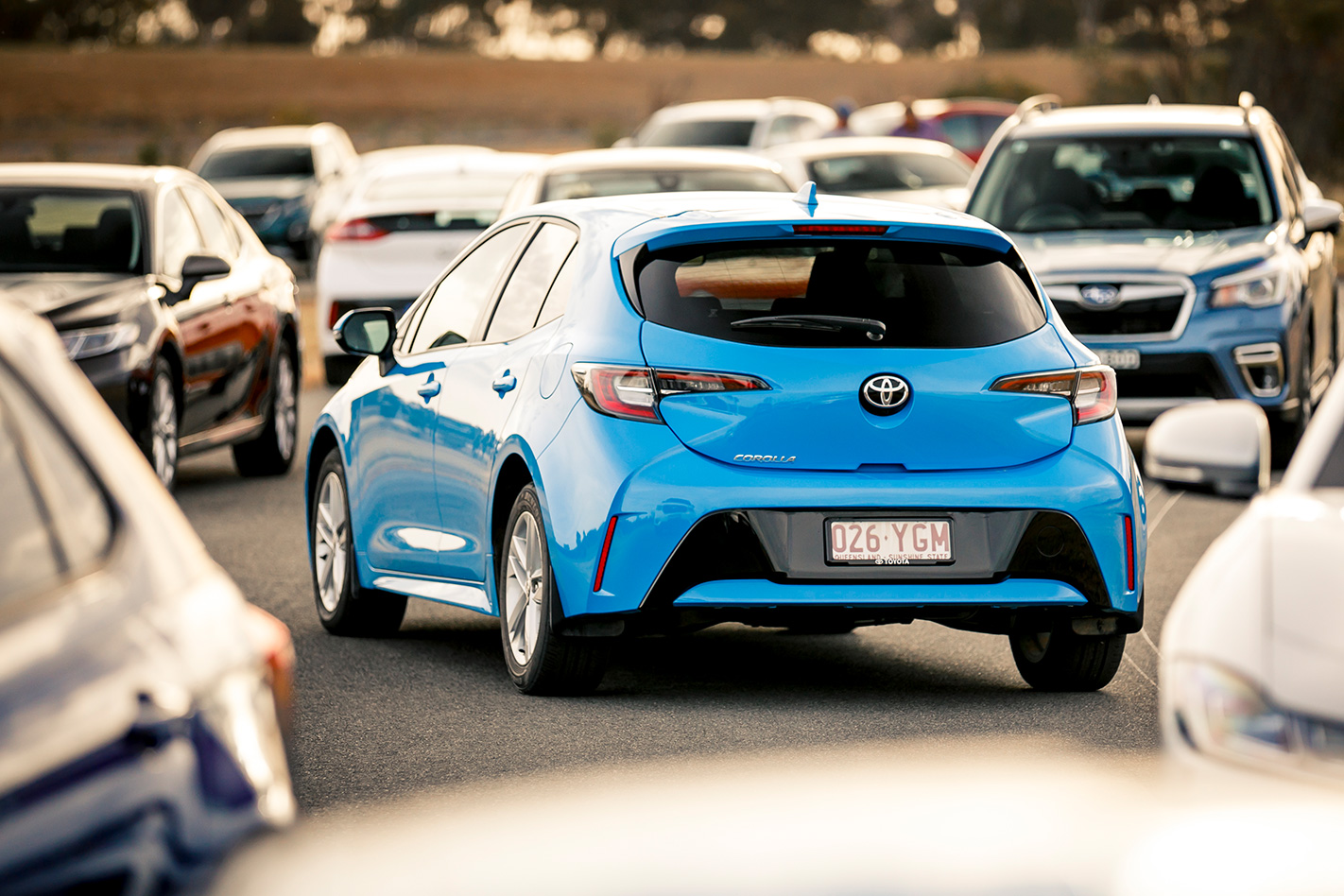
Pity the cabin doesn’t make a great second impression. Despite significant growth in exterior dimensions, passenger room remains much the same and cargo space shrinks. In every variant except the range-topping ZR Hybrid, boot capacity is a paltry 217 litres. It’s a figure so shameful that Toyota Australia made sure it didn’t appear in the press kit.
The Ascent Sport, SX and ZR 2.0-litre have full-size or temporary spare wheels and a higher cargo compartment floor. The ZR Hybrid instead has an inflation kit … and a much bigger 333-litre boot. Hybrid is an option across the new Corolla range. It’s the same 1.8-litre-based system as in the new Prius, and is a reasonable $1500 more than equivalent models with Toyota’s all-new four-cylinder engine.
While a six-speed manual is available in the least-costly new Corolla, the Ascent Sport, the 2.0-litre engine is offered in all three model grades with Toyota’s new auto. In theory, the combination of torque convertor and mechanical first gear with a compact CVT brings advantages.
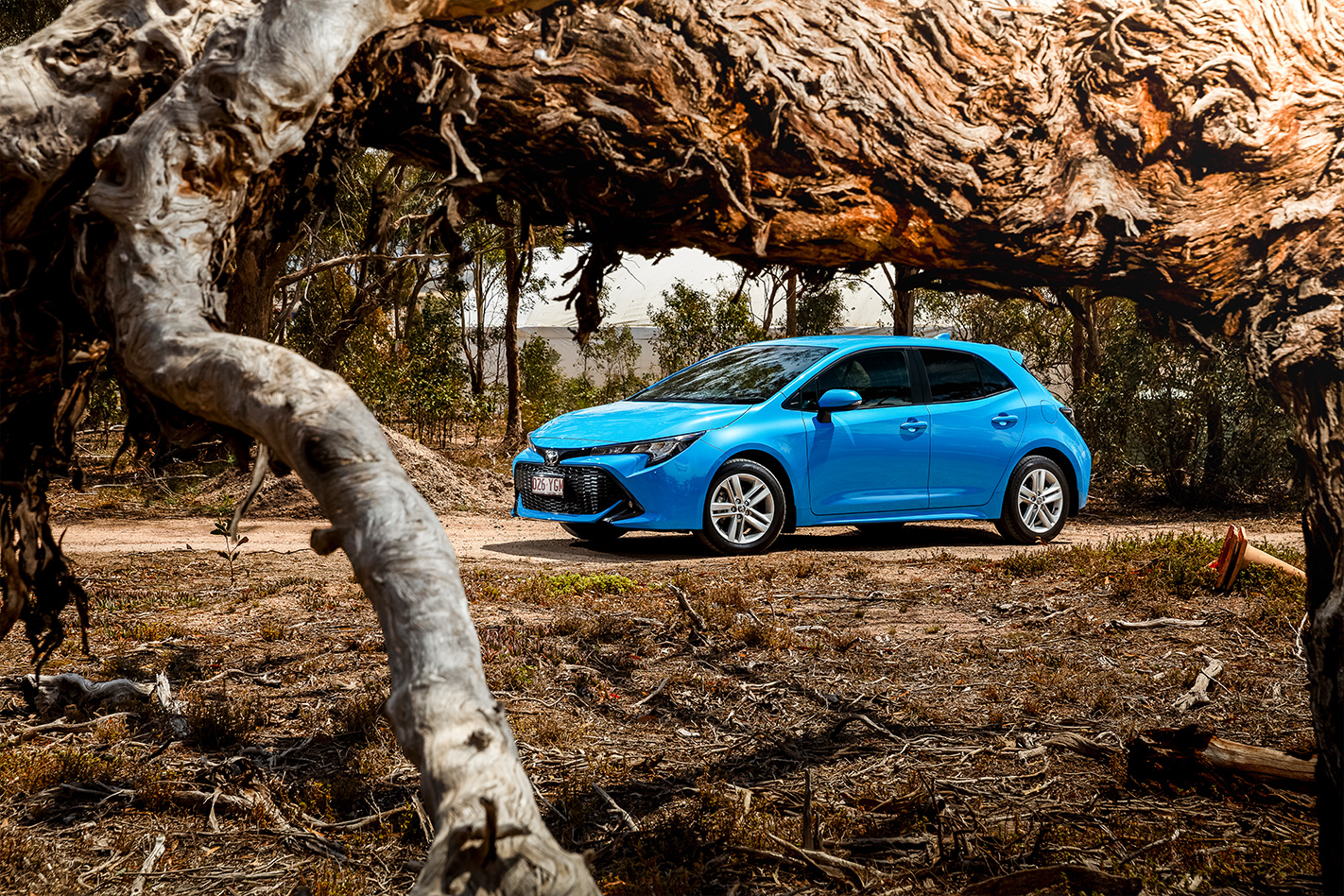
Although off-the-line acceleration is strong, it’s accompanied by vibes and harshness until the first-gear-to-CVT handover happens. The less-spirited hybrid, in contrast, is always quiet and refined.
Priced from $22,870 for the Ascent Sport manual to $31,870 for the ZR Hybrid, new Corolla represents compelling value for money. Especially considering the standard fitment of a best-in-class suite of sensor-based safety systems, including an advanced autonomous emergency braking system and speed-limit-sign recognition. Toyota deserves credit for bringing this tech to the masses.
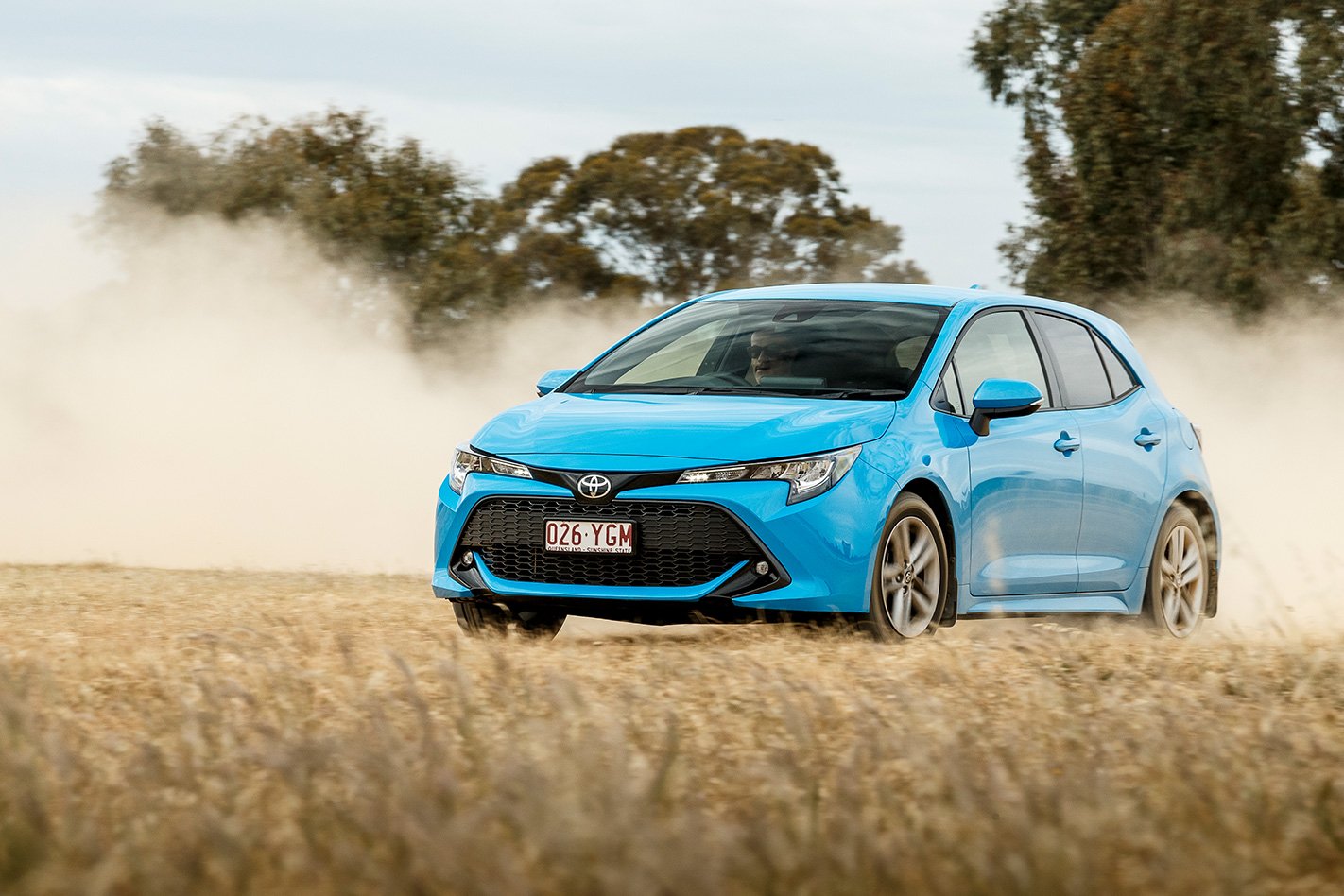
But Toyota also deserves criticism. The failure to improve interior roominess, and that tiny boot, are impossible to ignore. The gratingly unrefined launch behaviour of what is sure to be the best-seller in Australia, the 2.0-litre engine with auto, is also hard to swallow. This is a better Corolla in many ways, but it’s still no gourmet-burger experience…
MORE: Toyota Corolla Specs, Range & Price MORE: Toyota Corolla Range Review
