
I’m not a fan of convertibles. Cockburn can mutter into his beard (it’s a timid dog that has to bark from behind a hedge, no?) all he likes, but even his beloved E-Type would be a better car with a nice, secure, strength-giving steel roof welded on.
This feature was originally published in MOTOR’s December 2008 issue
I am even less – much less – charmed by clutchless manual gearboxes. The ones I’ve tried (with really only one exception) have been truly horrific. You know the sort of stuff; clunky, stilted shifts in auto mode and a manual mode that only ever makes the smallest bit of sense once you’re on a racetrack having a red-hot go.
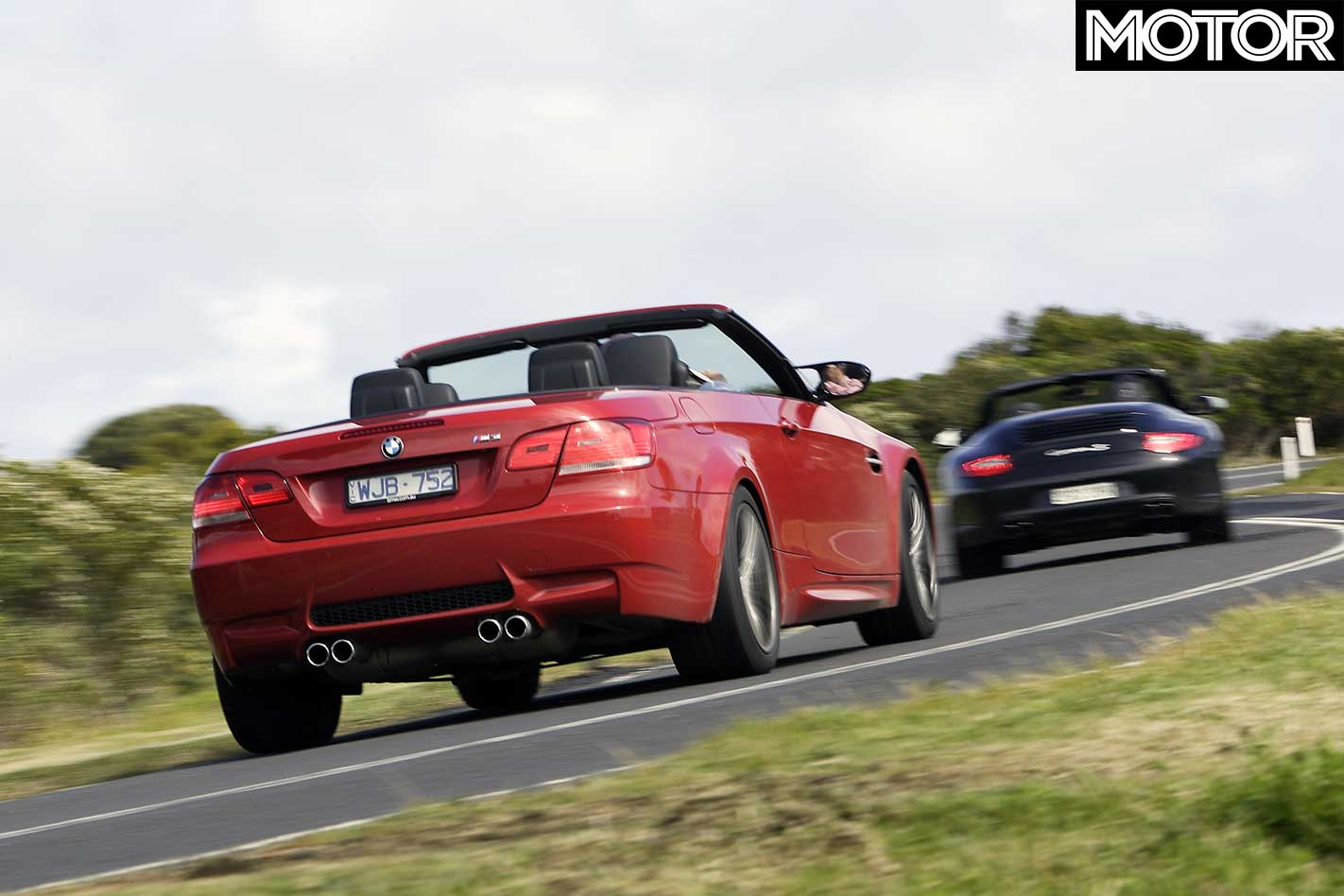
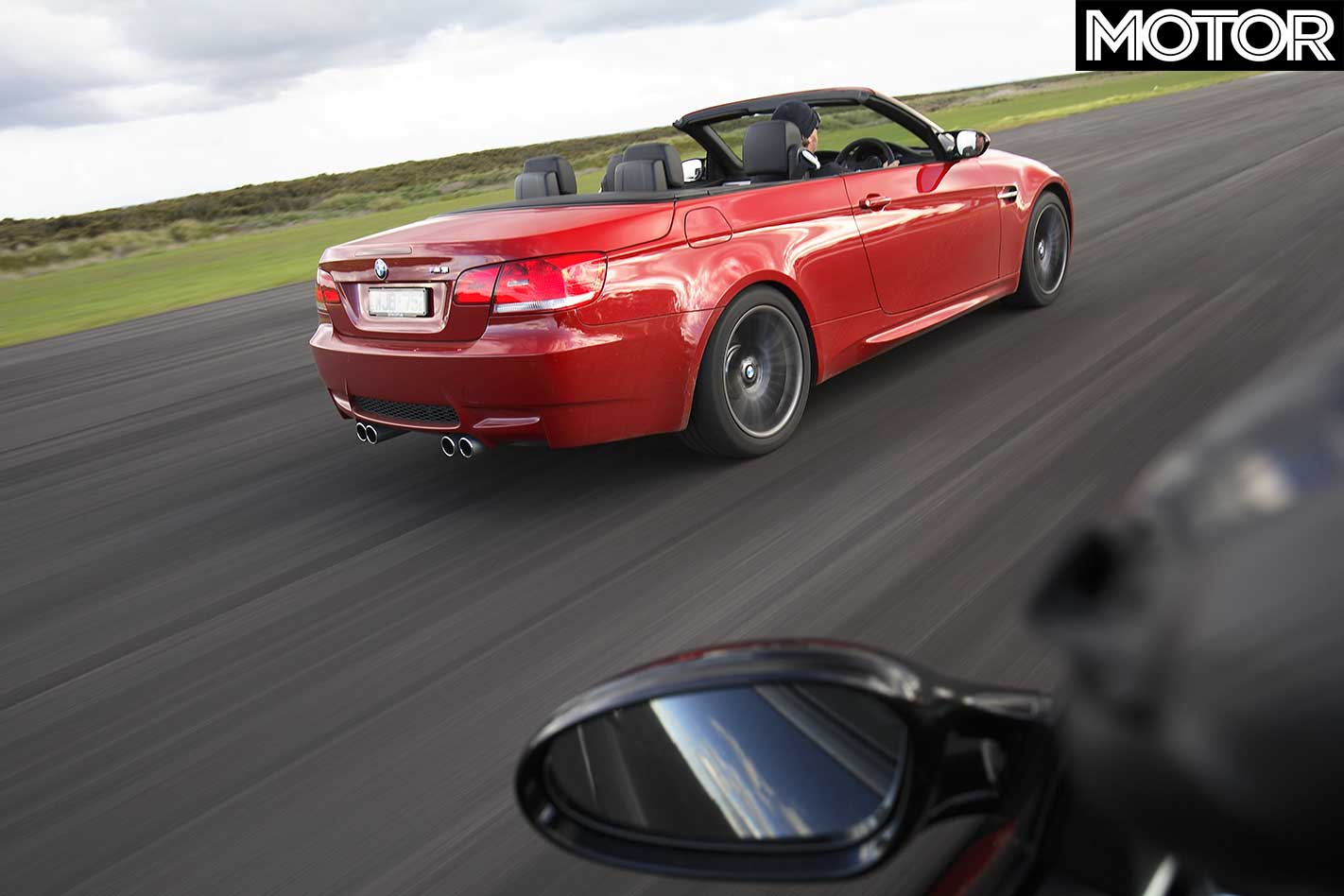
As I slither into Melbourne traffic at the wheel of the BMW, the only thing that stands a snowball’s of saving the next couple of days are the fact that the two cars in question are, and let’s be honest here, two of the ass-kickingest cars money can buy.
The M3 concept is familiar enough, but this car benefits from the new double-clutch DCT tranny in place of the accursed old SMG.
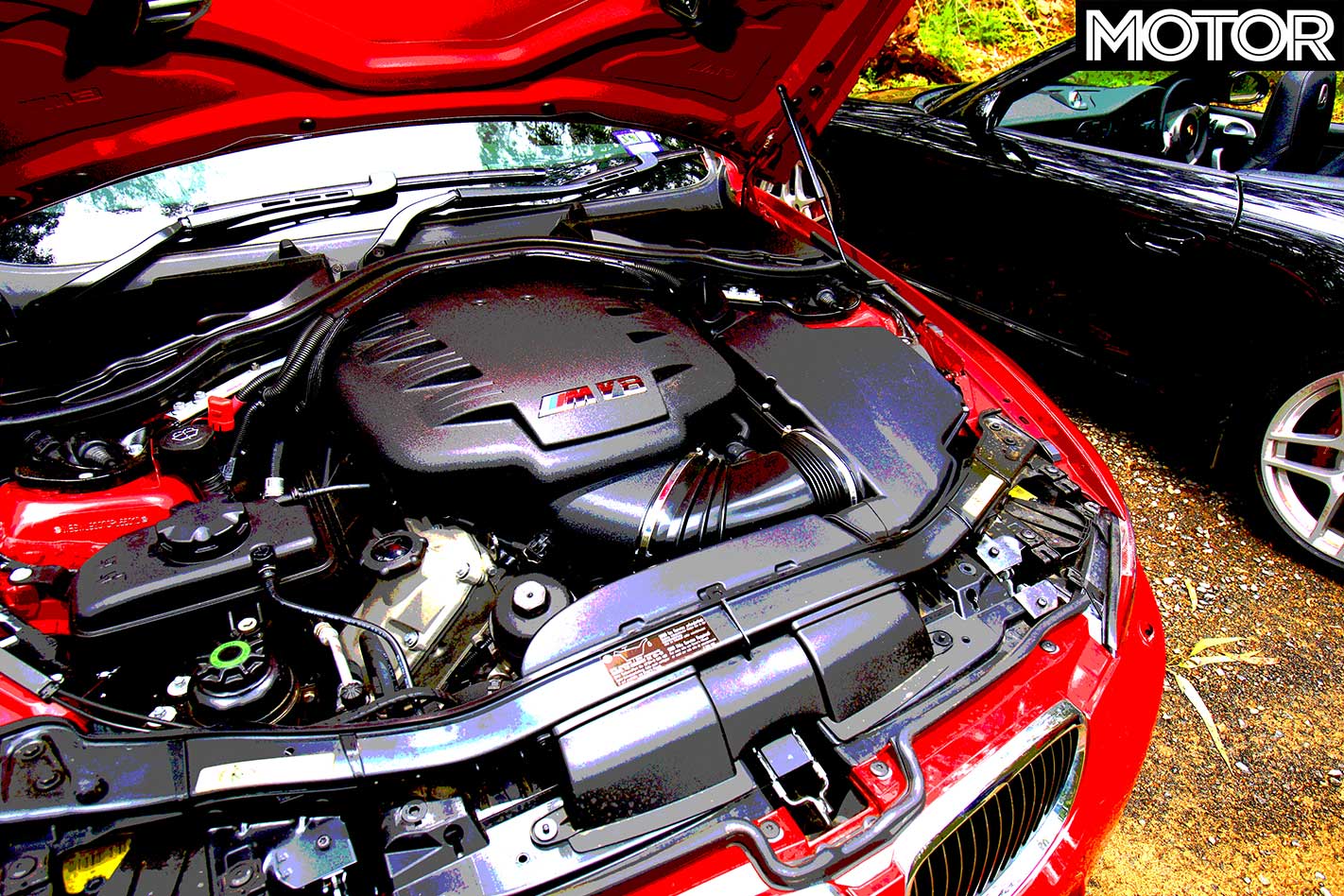
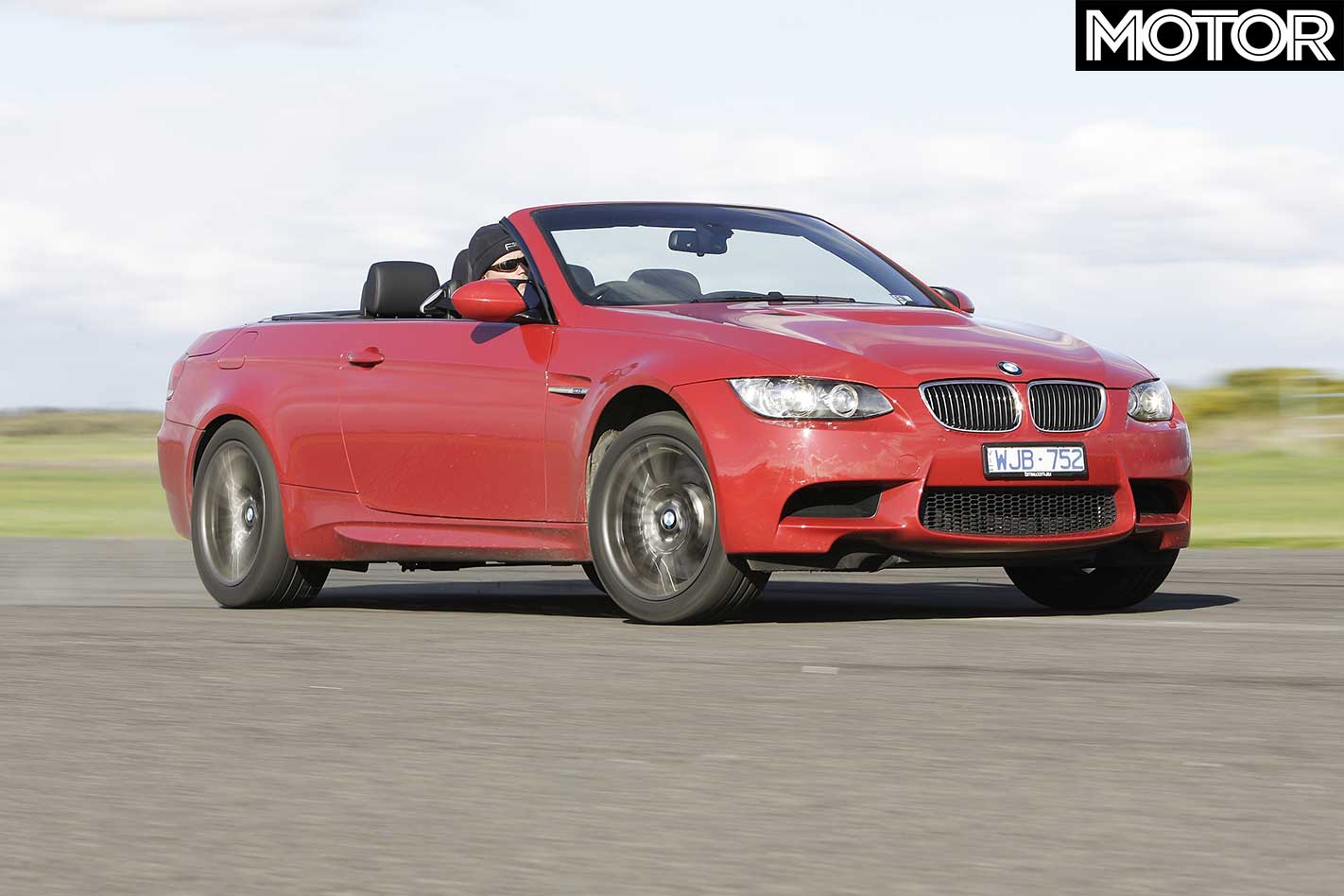
But that’s not all. This time around, BMW has adapted a funky folding-metal roof to the M3 giving, in effect, two cars for the price of one. Lidless M3s are not new, but the folding-metal variety are. The rest of the package is as the M3 template dictates: a 309kW V8 in a supple, sophisticated chassis bristling with electro-smarts.
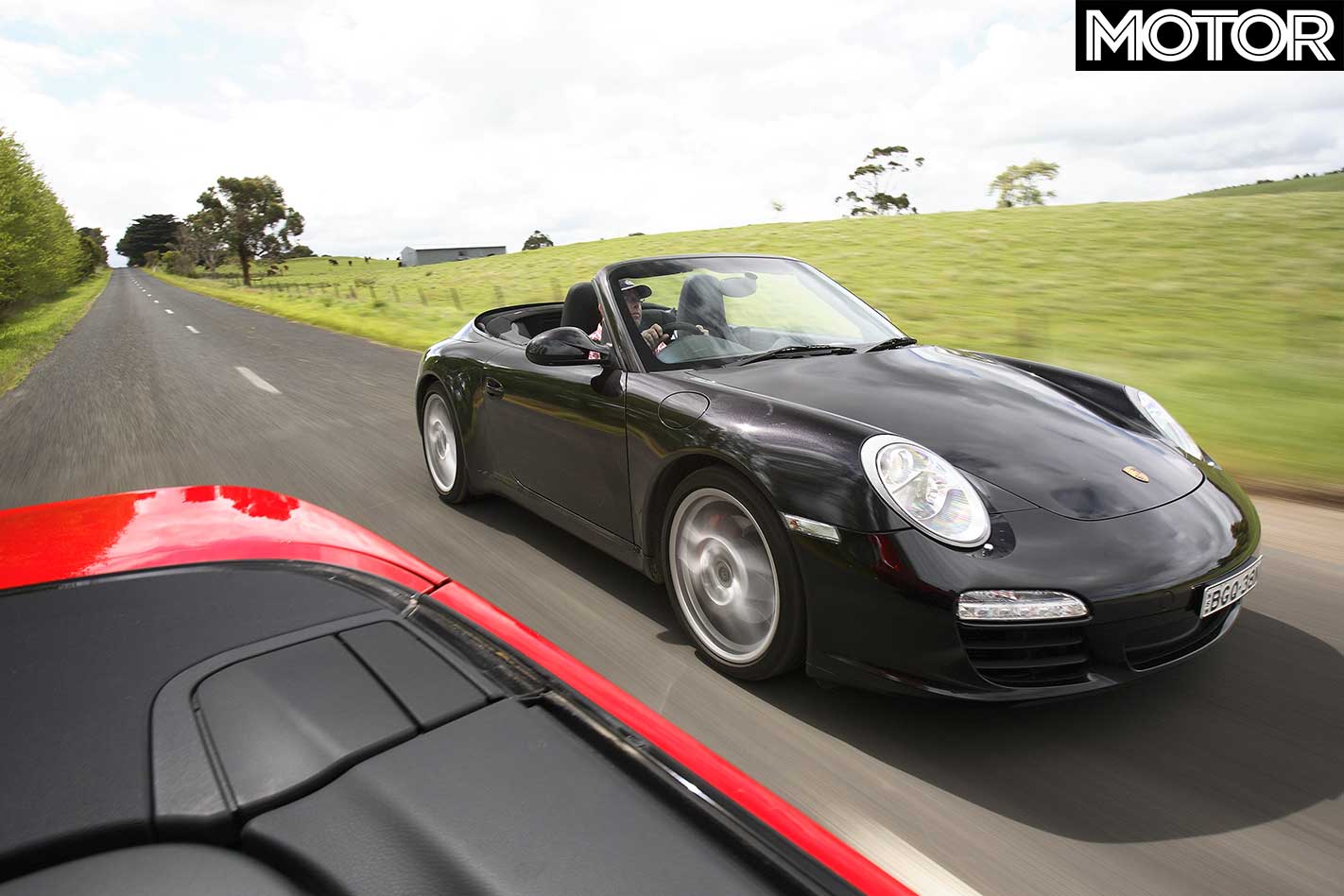
The other gadget is, as Blind Freddy and his labrador could tell you from the pictures, a Porsche 911.
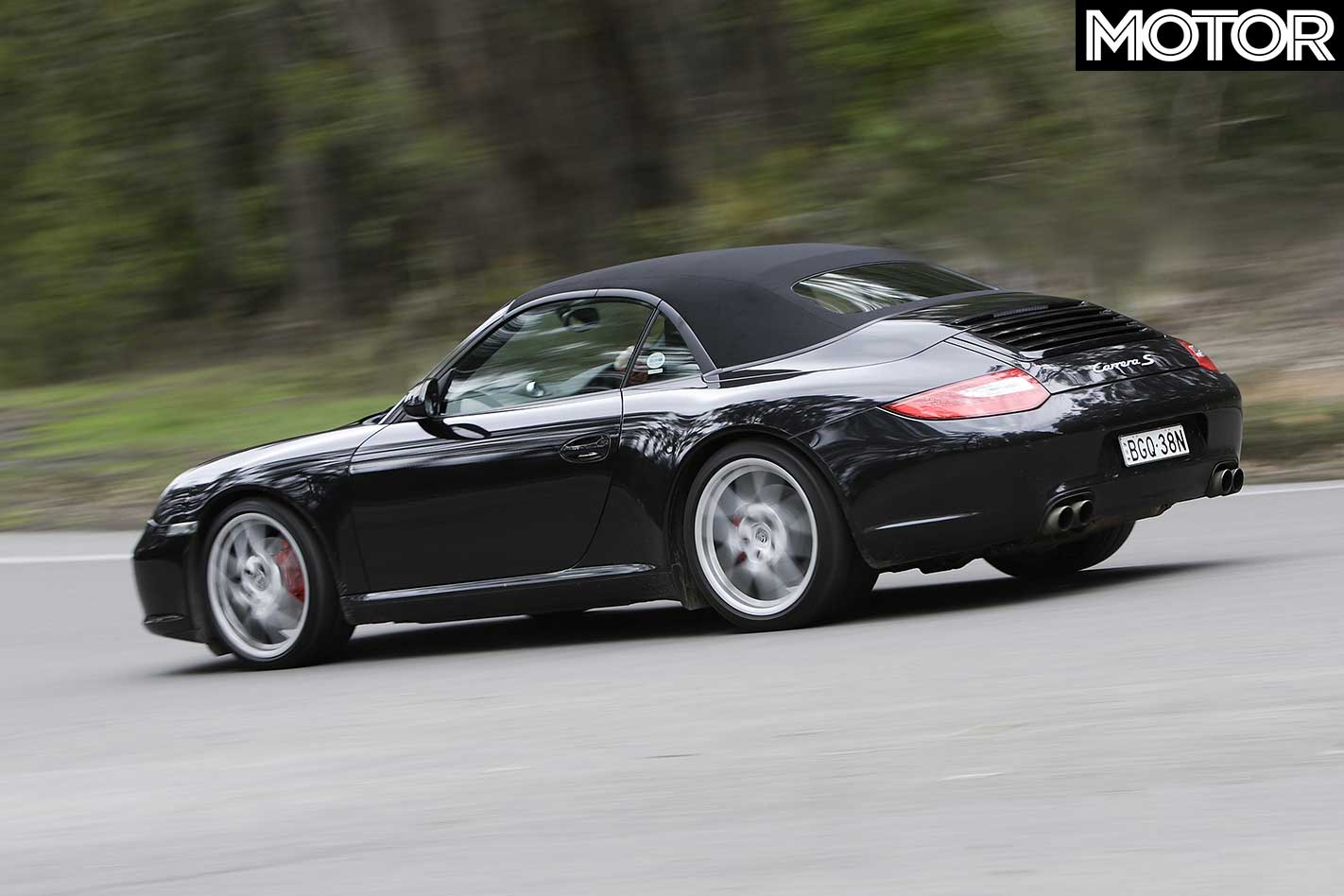
It lacks the BMW’s metal hardtop arrangement, instead using a traditional folding-cloth top for what is, after all, one of the most traditional sportscars ever made.
What’s interesting, though, is that Porsche (which would like us all to think it’s at the cutting edge of technology) has only just got around to developing a workable clutchless trans (for a production car, anyway).
Previous two-pedal Porkers used the old Tiptronic unit which, aside from being nobbled by just five forward ratios (which used to be enough, you snivellers) also used a torque converter (it was a conventional automatic) instead of a pair of computer-controlled clutches as this one does. Porsche calls its new box of tricks ‘PDK’, which stands for Porsche Doppelkupplung (double-clutch gearbox, of course).
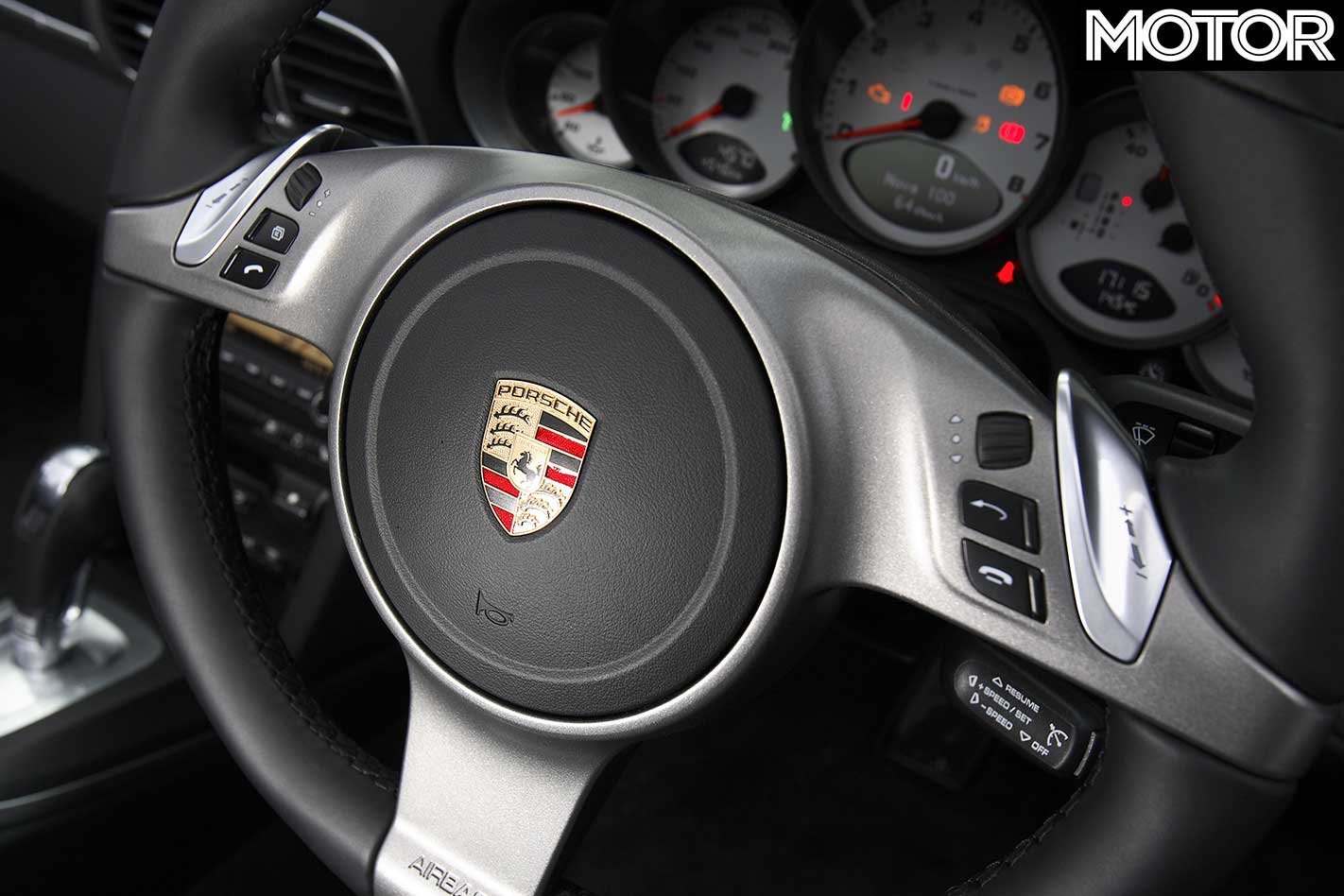
Both the BMW and 911 now sport seven gears for going forwards and the increasingly popular twin-clutch arrangement that is more or less two gearboxes side-by-side, a clutch on each one.
The magic is in the way the inactive side will have already selected the next gear and will be ready for the shift, taking over the drive from the active side in a micro-blink, just like a pair of 90W-lubricated relay runners swapping the baton.
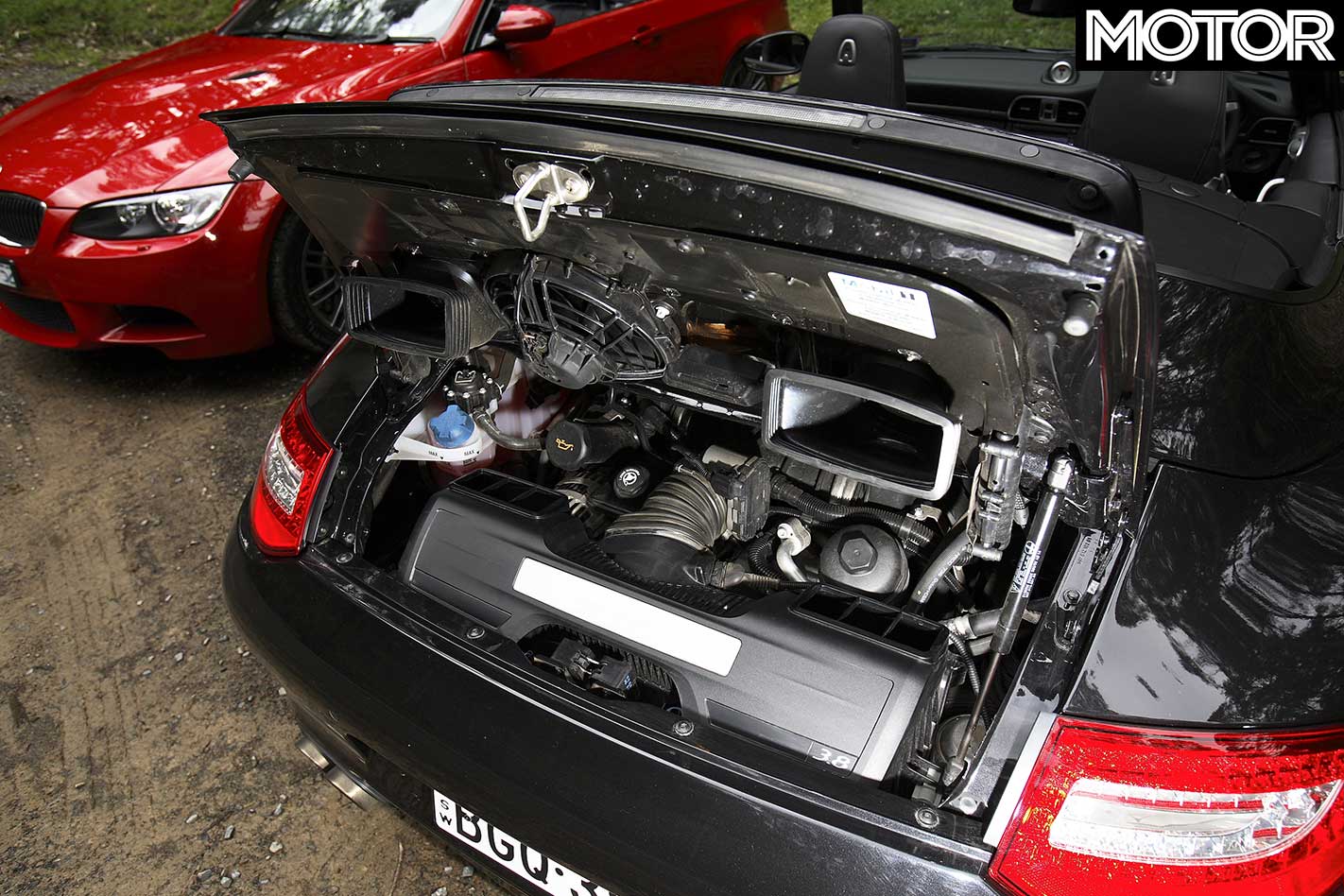
The other big news down Zuffenhausen way is a new engine. The 3.8-litre displacement is familiar and so is the flat-six layout. But this is an all-new engine with more or less no carry-over components. Direct injection is the new thing at Porsche and we say bring it on, because the Carrera S you see here now uses less fuel than its predecessor and makes a WTF-worthy 283kW.
Obviously, both of these are seriously quick cars, but one of them is truly ballistic. Against the clock and out of the blocks, the BMW squirts its way to a 0-100km/h time of five-dead and a standing 400m of 13.1 at 176km/h (which is as good as we’ve managed in the lighter coupe). Equally impressive is the way the M3 rattles off the times run after run, with just a few nano-seconds difference between them.
The launch control built into the new gearbox certainly helps, although you need to spend a few minutes figuring it out. For a start, you need to select manual shift mode (even though the box shifts itself at the absolute peak point) then switch off the DSC. Throw in the M Sport button, tab the shift-aggression switch up to max, hold the gear lever forward, stomp on the gas and foot off the brake.
Get it all in the right sequence and the revs will hang at the right point before you let go of the gear lever and hold on for dear life.
By comparison, the 911 is a piece of cake because the launch control is always active. Hell, you don’t even need to switch off the PSM; just jump on the picks with one foot and the noise with t’other (just like stalling up an auto). As you side-step the brake, the Porker lunges for the other end of the airport like a copper after the last doughnut.
And man, doesn’t it lunge. ‘Cos the stopwatch doesn’t lie, and the Carrera S’ time of 4.2 seconds to 100km/h and a standing quarter in 12.4 put it firmly among the world’s fastest drop-tops.
On the road, the differences aren’t as exaggerated as you might imagine from the numbers. See, the over-riding sensation in either case is of mighty thrust pretty much across the board.
That said, the 911 does get fatter that harder you rev it, although I’m not convinced you need to wring it all the way out to 7500rpm to get 99 percent of what it has. The M3, meanwhile, just gets on with it with a smoothness that says plenty of white-coats have spent plenty of hours making the V8 just so.
In soundtrack terms the BMW gets the nod, too. Even with the roof up, the induction noise down low and the exhaust bellow up high mark it out as a real crooner. Drop the lid and it’s a hundred times louder and a thousand times better.
Those who like wailing flat sixes will still dig the Porsche, of course, but it’s a moaning, satanic kind of racket. Mind you, it matches the slightly wholegrain feel that Porsche seems to have started building into its engines again. Hallelujah.
For a while there (about the same time as the 911 went liquid-cooled) the dramatic howling seemed to go AWOL. But it’s back now and the experience, top up or down, is the better for it.
It’s a bit hard to choose between the two gearboxes in terms of what they do and how they do it. Both can feel just a t-e-e-n-s-y bit clumsy at really low speeds when the clutches have just taken up, but beyond that, it seems the world has finally figured out how to make a computer operate a clutch.
Either ’box shifts like lightning in manual mode, too, and if you pick the right revs, you can also coax a little, muffled pfaff from the exhaust as the on-board brain cuts the spark between gears. Lovely. Use the BMW’s maximum-aggression shift mode or the Porsche’s Sport-plus button, and the gearbox in question will be absolutely hopeless in auto mode.
In either case, the thing won’t shift until you’ve redlined it and kickdowns are violent and permanent − not recommended and less than useless in traffic. But leave them on the softer settings and auto mode is not only viable, it’s actually still entertaining with downshift blips thrown in.
Overall, ignoring the dollar side of things, I’d give the gearbox gong to the Porsche. For a start, the brake pedal is in the right spot for left-foot braking (a cinch in a two-pedal car) while the BMW’s pedal is too far east to allow the same technique and seems like an oversight at best.
But mainly it’s the little bit of creep built into the PDK that wins the day. Idling about car parks with tiny throttle inputs has always been the clutchless manual’s downfall (one of them, anyway). But with the creep of the Porsche’s box (it actually feels like a conventional auto) it’s a simple matter of releasing the brake and letting the car crawl forwards or backwards on its own. Nice.
Finally, the technology works. But it doesn’t alter my personal view which is if I’d wanted a computer to heel-and-toe for me, I wouldn’t have wasted years learning how to do it. And since I have learned it, I enjoy doing it.
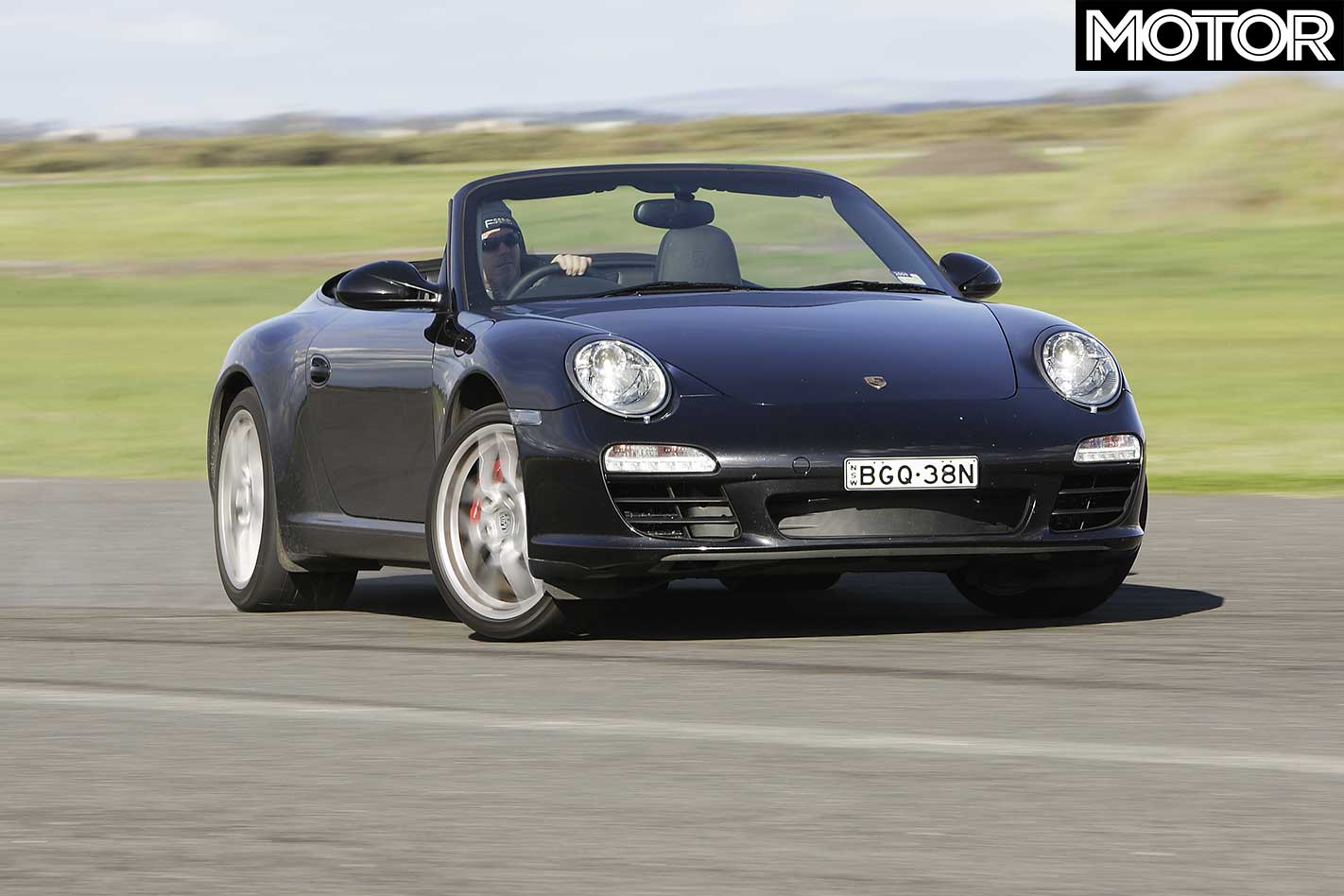
My Sunday Car will always have a clutch pedal. Fact. (Then again, I don’t own a PlayStation or listen to doof-doof, either).
In braking terms, there’s absolutely no reason to want anything more than either of these provide, particularly since the convertible versions of the M3 and 911 are the least likely to see track duty.
The same goes for handling, but only up to a point. Where the BMW is surefooted to the max, it lacks that last little bit of pointiness that the lighter (1510kg versus a rather portly 1830kg) Porsche delivers.
There’s a superb level of feedback through the Carrera’s wheel inherited from every rear-drive 911 before it and a greater feeling of being part of the car. And while there’s no doubting the M3’s plush ride, you still wind up wondering how the hell Porsche manages to dial so much front-end compliance into what is clearly a sharp instrument.
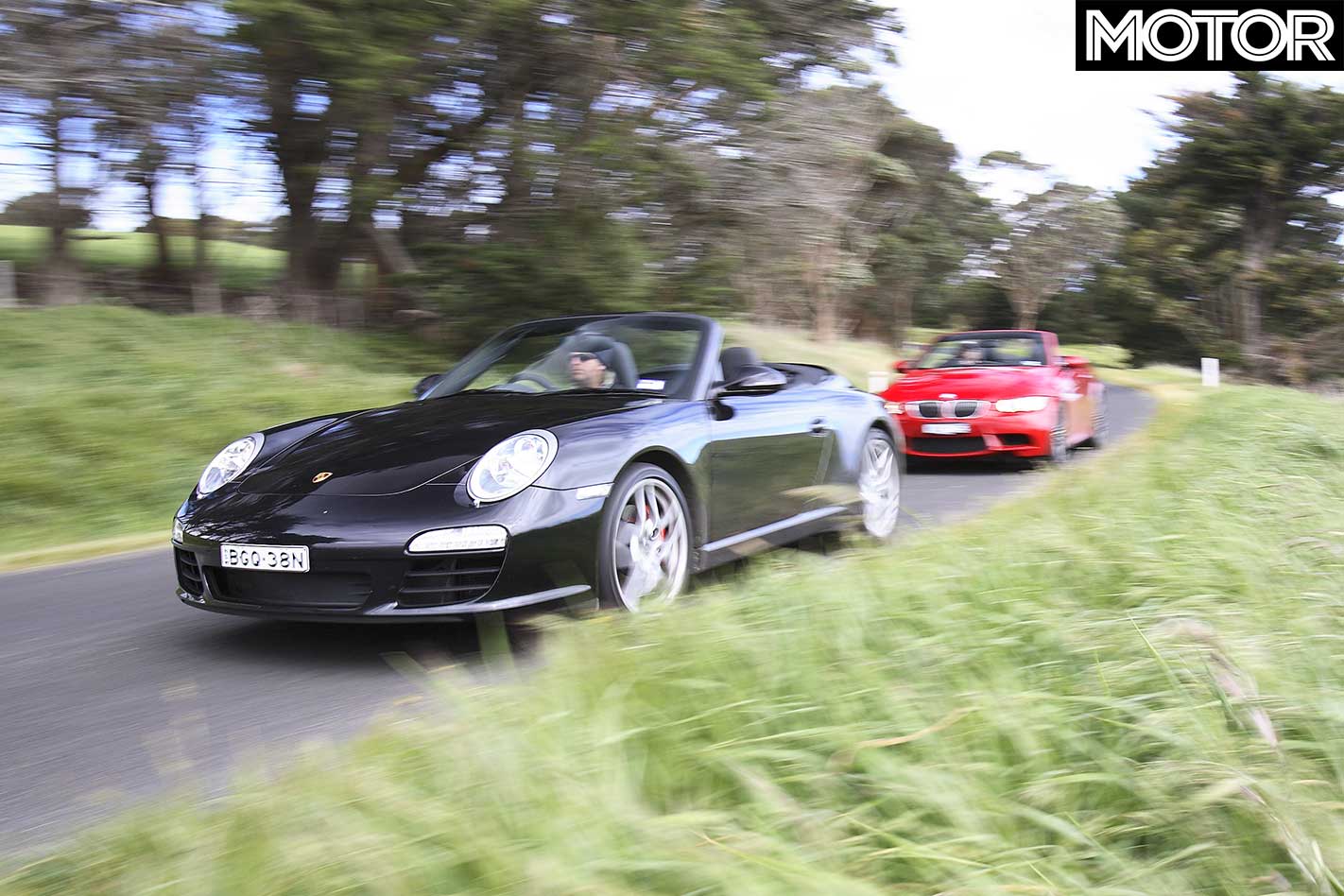
The view down the 911’s bonnet between the two headlight tunnels is still one of motoring’s scene-stealers. Inside, the $6990 being asked for the Carrera’s aluminium trim option seems like a bit of a pisstake, but it’s equally difficult to fathom BMW’s current fascination for dashboards that visually push the driver away. And iDrive? Pass.
But if you have to carry four people, then the BMW is your gadget. Not only is the back seat comfy with loads of legroom, the 911’s is little more than a token reference to the notion. The cushions are tiny, legroom is non-existent and the back-rest is actually beyond vertical. Forget it.
The BMW’s other advantage is that all that weight has been added in the right places and there’s slightly less scuttle-shake than in the 911.
In the end, it will always be personal, so here’s my two-bobs-worth.
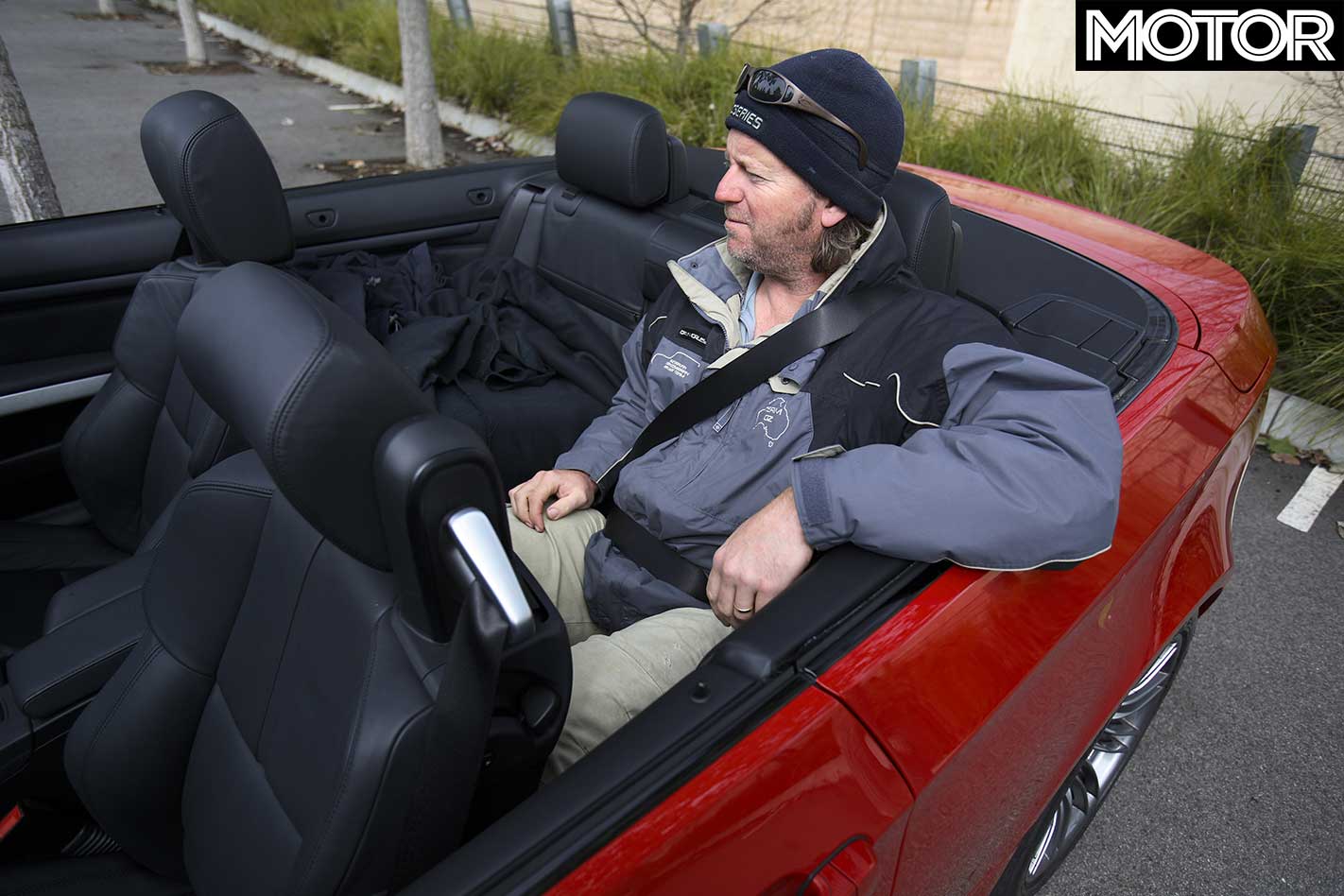
Thanks to the roofless, clutchless thing going on, one of these cars should probably become the default setting for buyers while the other is probably the last variant of its type you’d consider.
The M3 in its current V8 form has, for me at least, lost some of that visceral appeal that made the screaming six such a fave. Which means that the current model is a less hard-edged (softer seems the wrong word) version of the concept. And in that context, I reckon the option of the folding roof and the DCT tranny makes all sorts of sense. You get a coupe and a convertible, a manual and an auto all for the asking price of $172,142.
But the Carrera S is the opposite of how I’d spec my own 911. The convertible does it no structural or aesthetic favours and the PDK gearbox is good, but I’d rather shift cogs myself in such an otherwise pure concept.
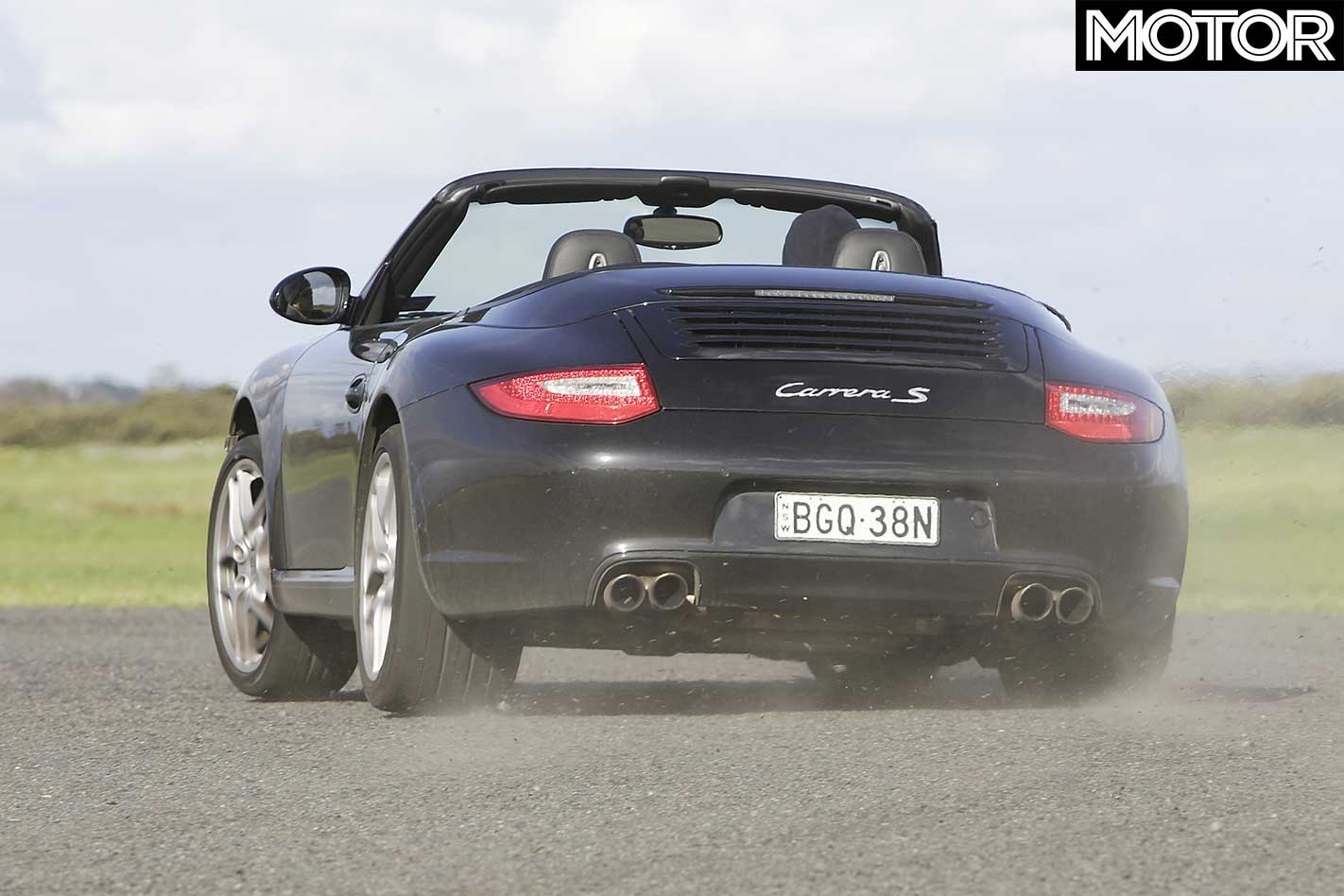
Oh, and the dubious honour of lowering a canvas roof adds more than $22,000 to the price at $277,300 with the PDK ($291,281 as tested).
Meanwhile, while I don’t like clutchless manuals, convertibles and editors, I’ll also add fence-sitting to the list, so I’d have to pick the M3 simply on price and because it’s less compromised, even if the gearbox isn’t quite as clever.
But you want the real truth? I wouldn’t buy either of them.
Fast Facts
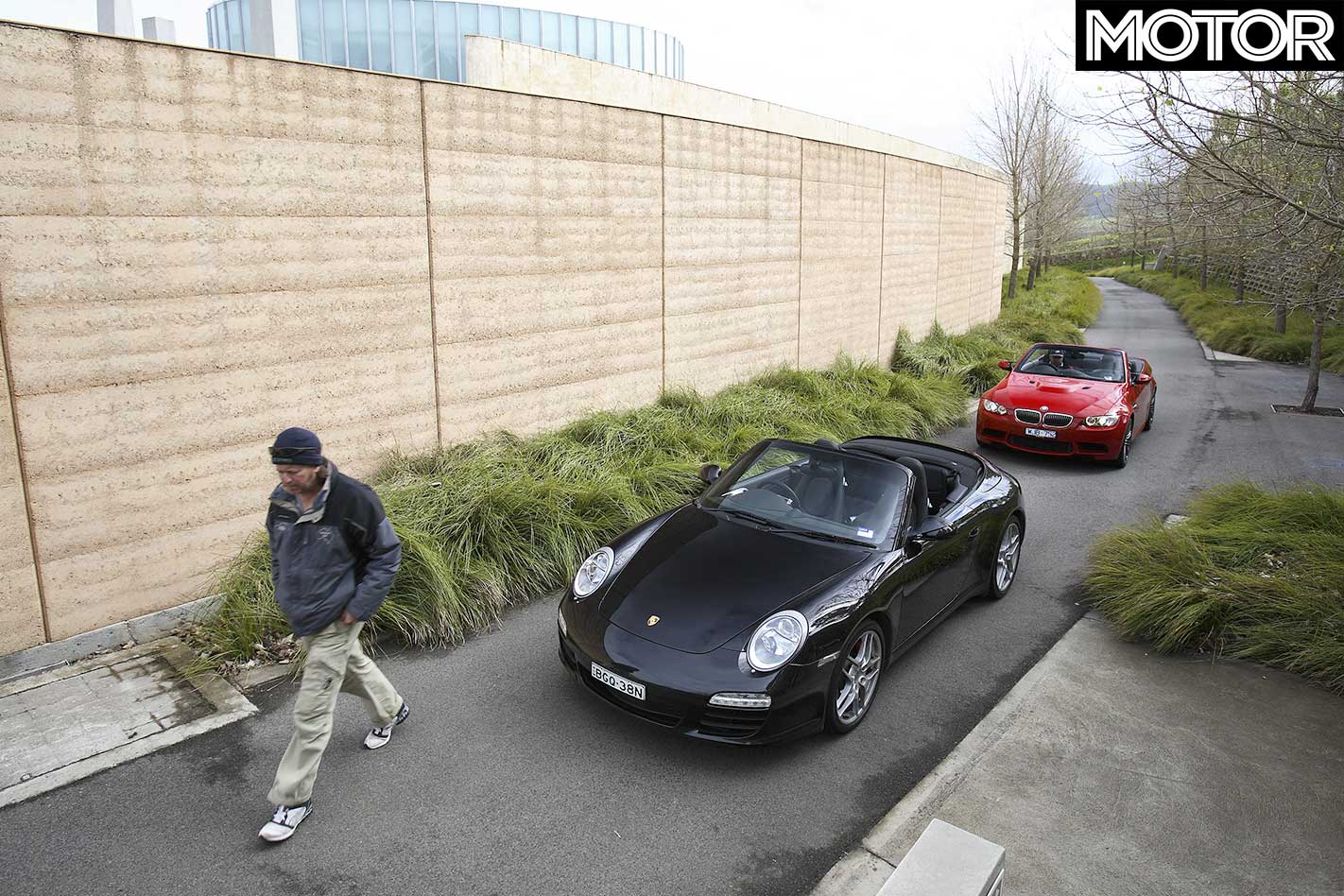
| u00a0 | Porsche 997 911 Carrera S Cabriolet | BMW E92 M3 Convertible |
| Body | 2-door, 2+2 seat convertible | 2-door, 4-seat convertible |
| Drive | rear-wheel | |
| Engine | 3800cc flat-6, DOHC, 24v | 3999cc 90-degree V8, DOHC, 32v |
| Bore x Stroke | 102.0 x 77.5mm | 92.0 x 75.2mm |
| Compression | 12.5:1 | 12.0:1 |
| Power | 283kW @ 6500rpm | 309kW @ 8300rpm |
| Torque | 420Nm @ 4400rpm | 400Nm @ 3900rpm |
| Power/Weight | 187kW/tonne | 168kW/tonne |
| Transmission | 7-speed dual-clutch | |
| Weight (dry) | 1510kg | 1830kg |
| Suspension (f) | struts, locating links, adaptive dampers, anti-roll bar | struts, A-arms, adaptive dampers, anti-roll bar |
| Suspension (r) | multi-links, coil springs, adaptive dampers, anti-roll bar | |
| L/W/h | 4355/1808/1300mm | 4615/1804/1392mm |
| Wheelbase | 2350mm | 2761mm |
| Tracks | 1486/1516mm (f/r) | 1540/1539mm (f/r) |
| Brakes (f) | 330mm ventilated/drilled discs, four-piston calipers | 360mm ventilated/drilled discs, single-piston calipers |
| Brakes (r) | 330mm ventilated/drilled discs, four-piston calipers | 350mm ventilated/drilled discs, single-piston calipers |
| Wheels | 19.0 x 8.0-inch (f), 19.0 x 11.0-inch (r) | 19.0 x 8.5-inch (f), 19.0 x 9.5-inch (r) |
| Tyre Sizes | 235/35ZR19 (f), 295/30ZR19 (r) | 245/35ZR19 (f), 265/35ZR19 (r) |
| Tyres | Michelin Pilot Sport | Michelin Pilot Sport 2 |
| Price | $277,300 ($291,281 as tested) | $183,450 ($183,450 as tested) |
| Pros | Excellent engine; sublime handling and steering feedback | Metal roof offers two cars in one; brakes; plush ride |
| Cons | Scuttle shake with roof down; price; poseuru2019s 911 | Heft; DCT better than old SMG, but not as clever as 911u2019s PDK |
| Rating | 4.5 out of 5 stars | 4 out of 5 stars |
The Strip
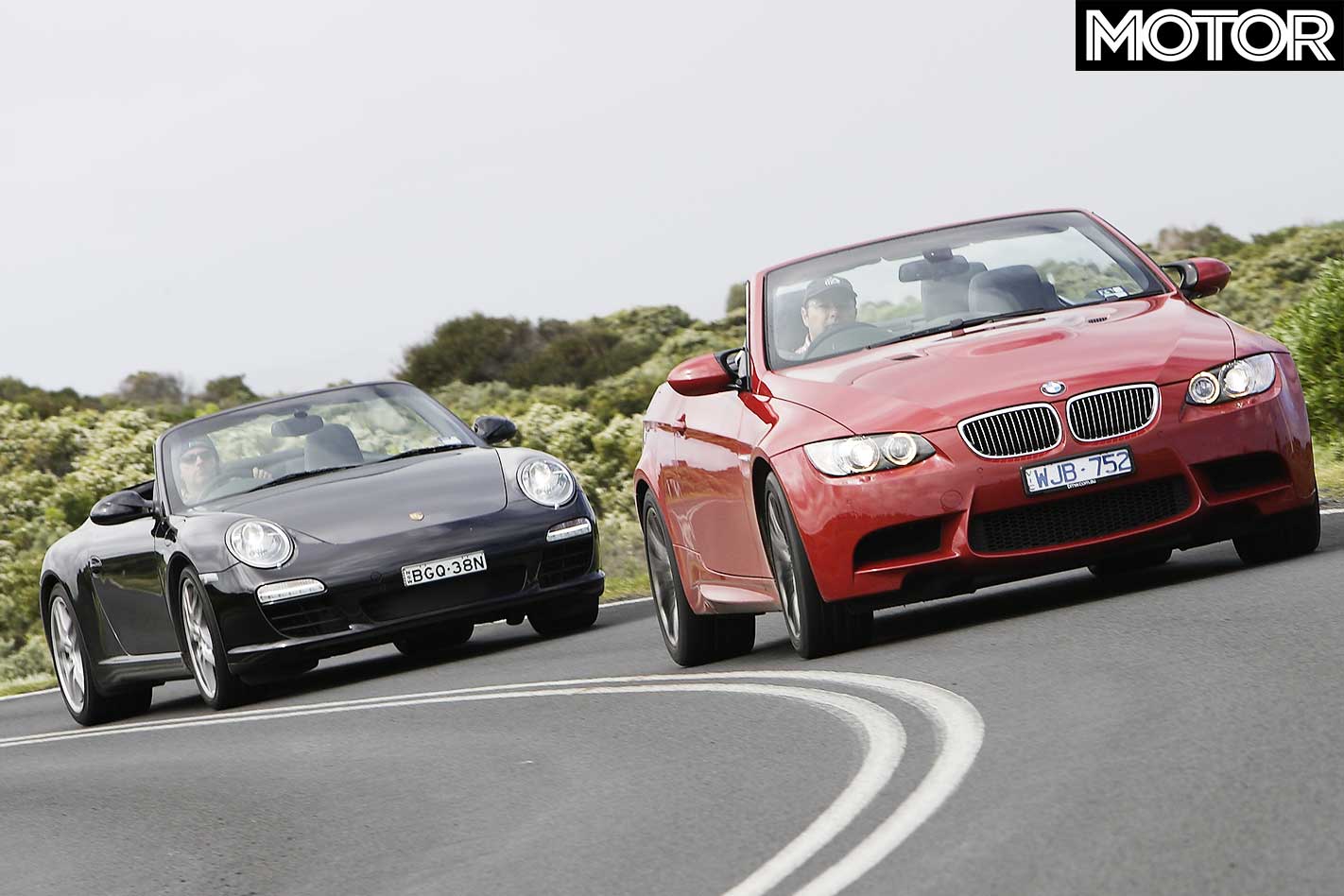
| u00a0 | 911 Carrera S Cabriolet | M3 Convertible | |
| 0-10km/h | 0.2sec | 0.3sec | |
| 0-20km/h | 0.5sec | 0.7sec | |
| 0-30km/h | 0.9sec | 1.0sec | |
| 0-40km/h | 1.2sec | 1.5sec | |
| 0-50km/h | 1.6sec | 2.0sec | |
| 0-60km/h | 2.0sec | 2.5sec | |
| 0-70km/h | 2.5sec | 3.1sec | |
| 0-80km/h | 3.0sec | 3.6sec | |
| 0-90km/h | 3.6sec | 4.3sec | |
| 0-100km/h | 4.2sec | 5.0sec | |
| 0-110km/h | 4.9sec | 5.7sec | |
| 0-120km/h | 5.6sec | 6.7sec | |
| 0-130km/h | 6.5sec | 7.6sec | |
| 0-140km/h | 7.4sec | 8.7sec | |
| 0-150km/h | 8.4sec | 9.8sec | |
| 0-160km/h | 9.4sec | 10.9sec | |
| 0-170km/h | 10.6sec | 12.3sec | |
| 0-180km/h | 11.9sec | 13.8sec | |
| 0-400m | 12.4sec @ 183.8km/h | 13.1sec @ 176.1km/h | |
| 80-120km/h | 2.6sec | 3.0sec | |
| Top speed | 302km/h (claimed) | 250km/h (claimed) | |
| Speed in Gears | |||
| 1st | 72km/h @ 7500rpm | 70km/h @ 8400rpm | |
| 2nd | 124km/h @ 7500rpm | 115km/h @ 8400rpm | |
| 3rd | 172km/h @ 7500rpm | 156km/h @ 8400rpm | |
| 4th | 218km/h @ 7500rpm | 200km/h @ 8400rpm | |
| 5th | 262km/h @ 7500rpm | 241km/h @ 8400rpm | |
| 6th | 302km/h @ 7039rpm | 250km/h @ 7505rpm | |
| 7th | 302km/h @ 4959rpm | 250km/h @ 6254rpm | |
Roofless Warriors
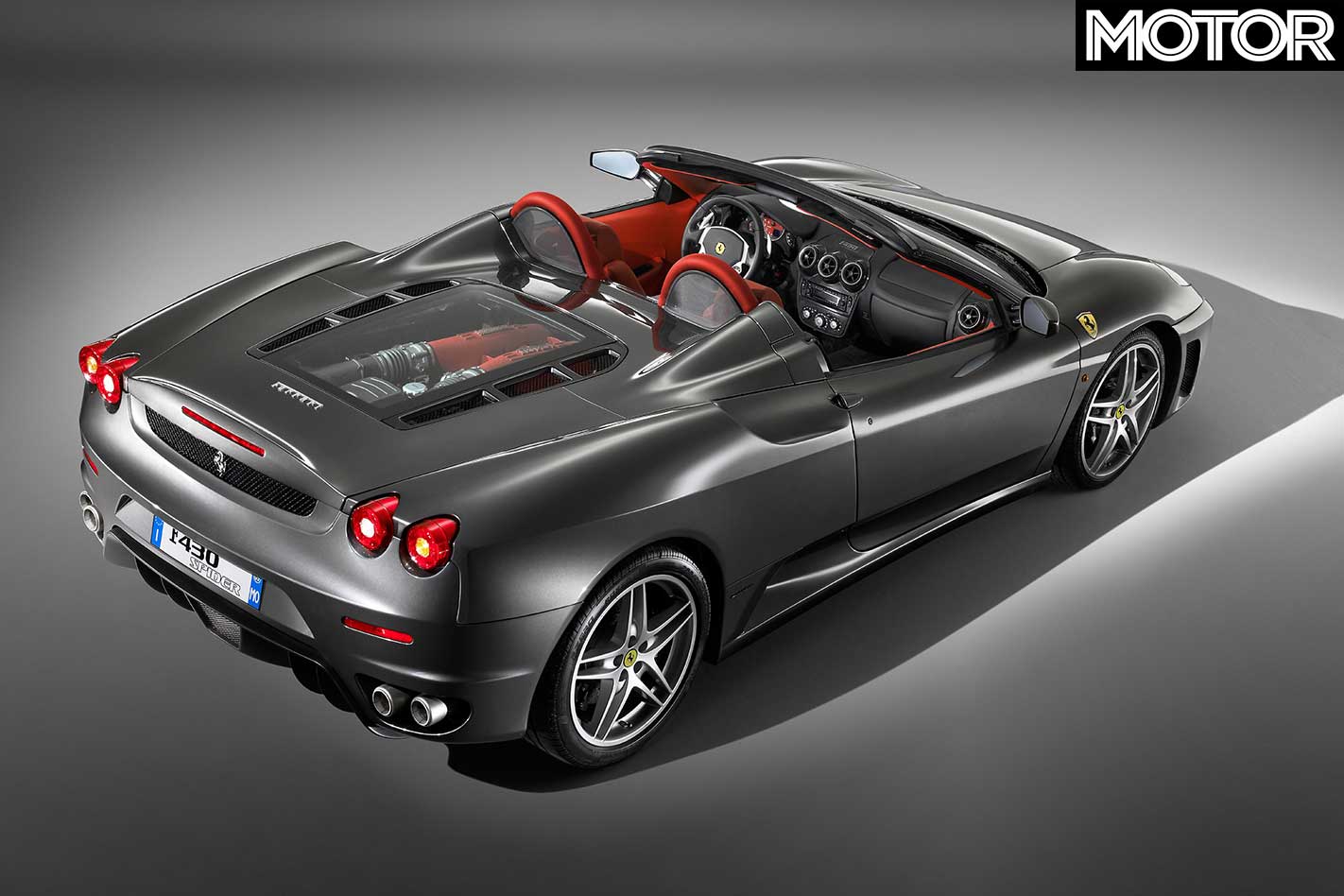
So you want to send your old man’s toupee into the wind?
The 911’s brilliant 0-100km/h sprint of 4.2sec shows going topless doesn’t mean going without horsepower (Nissan Micra C+C aside). Ferrari’s claim for the F1-boxed F430 Spider’s 0-100 pips our 911’s time by 0.1sec, while the McLaren SLR 722 S scorches 100 in 3.7 and the Pagani Zonda F Roadster needs just 3.6sec.
And although Lambo’s LP640 Spyder is the king of convertibles at 3.4sec, the squllion-dollar Bugatti Veyron Gran Sport (with a targa roof) about to be launched will almost certainly reign supreme.
Dual-Clutch Gearbox Explained
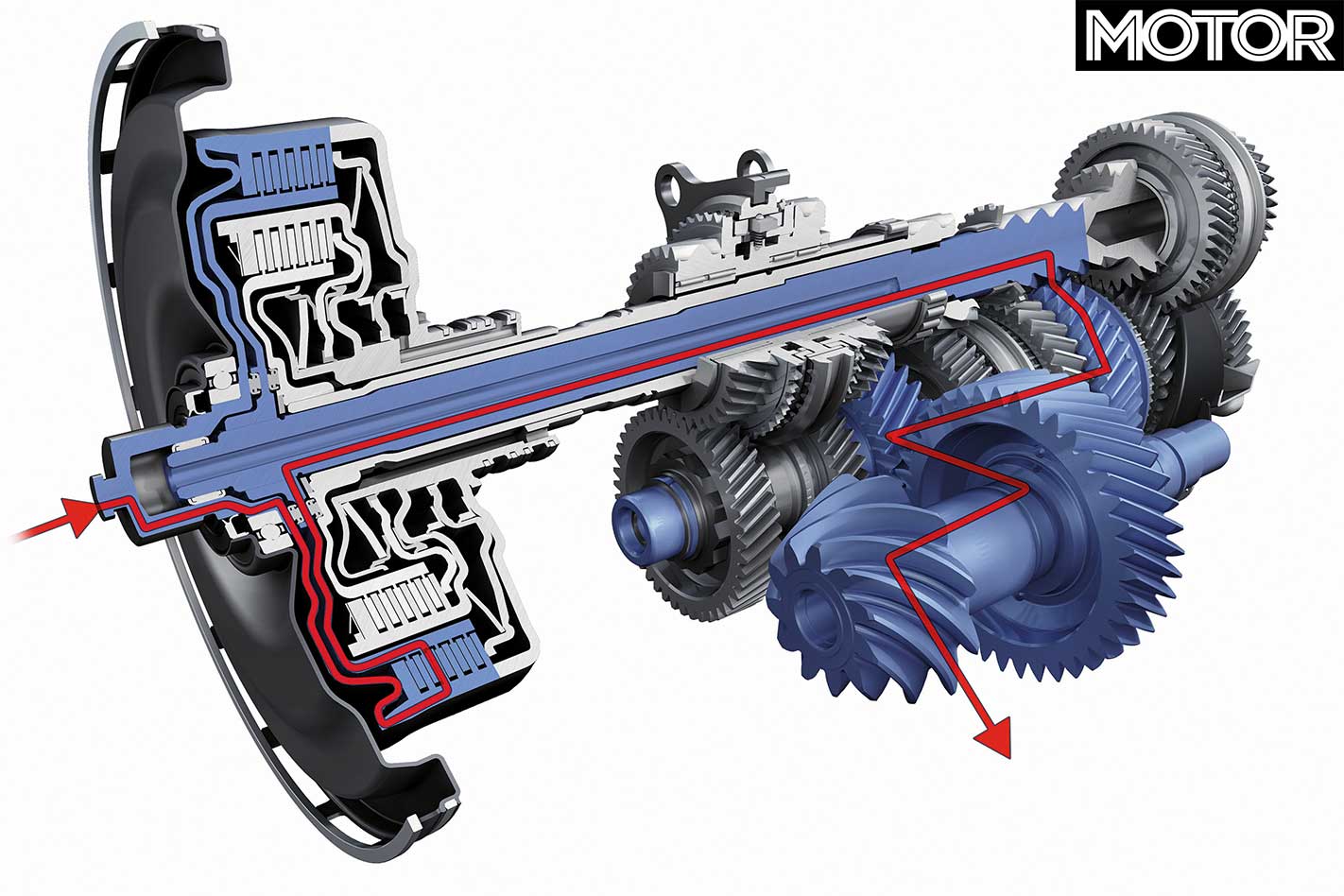
So you’ve drawn the short straw and been duped with a double-clutch ’box? It’s no dud option anymore. While BMW’s old SMG was pathetic as an auto, and VW Group’s DSG still chokes in an instant while hunting for gears, Porsche’s PDK shows it can be done properly. So what’s better about PKD and BMW’s M-DCT over the outdated SMG?
The adoption of twin-clutch arrangements is what has moved the goal posts and made this a better game. Pre-selecting the next gear on the alternative of the two shafts has enabled quicker, smoother changes, while the M-DCT’s slow-speed assistance set-up has eliminated the baulkiness that persists in the SMG and DSG ’boxes at low speeds. Try doing a tight three-point turn in an SMG-ed M5…
Nissan’s R35 GT-R six-speed transaxle does the job superbly, and the technology is becoming available in less exotic machines like Chrysler’s Journey, while even Hyundai is developing its own.
See the video above for an explanation on why you shouldn’t mismatch your tyres
To some, Summernats is a motoring mecca for petrolheads and extraordinary street machines. To others, it’s a terrifying gathering of monstrous metal that should be avoided. Join Noelle as she makes her Summernats debut and lives to tell the tale.
See the video gallery above for parts 1 and 2 of WhichCar TV: Street Machine Summernats
See the full episode: Watch at tenplay.com.au (AU) or primetv.co.nz (NZ)
Noelle is joined by Tony as they put some of Australia’s favourite hatchbacks under the microscope, and find out why Australians can’t seem to get enough.
See the video gallery above for parts 1 and 2 of WhichCar TV: Born to be Mild
See the full episode: Watch at tenplay.com.au (AU) or primetv.co.nz (NZ)
E12 is run and done, and it turned out pretty darn good!
You can catch up on all our episodes here, and you can find out more about each of the feature stories below.
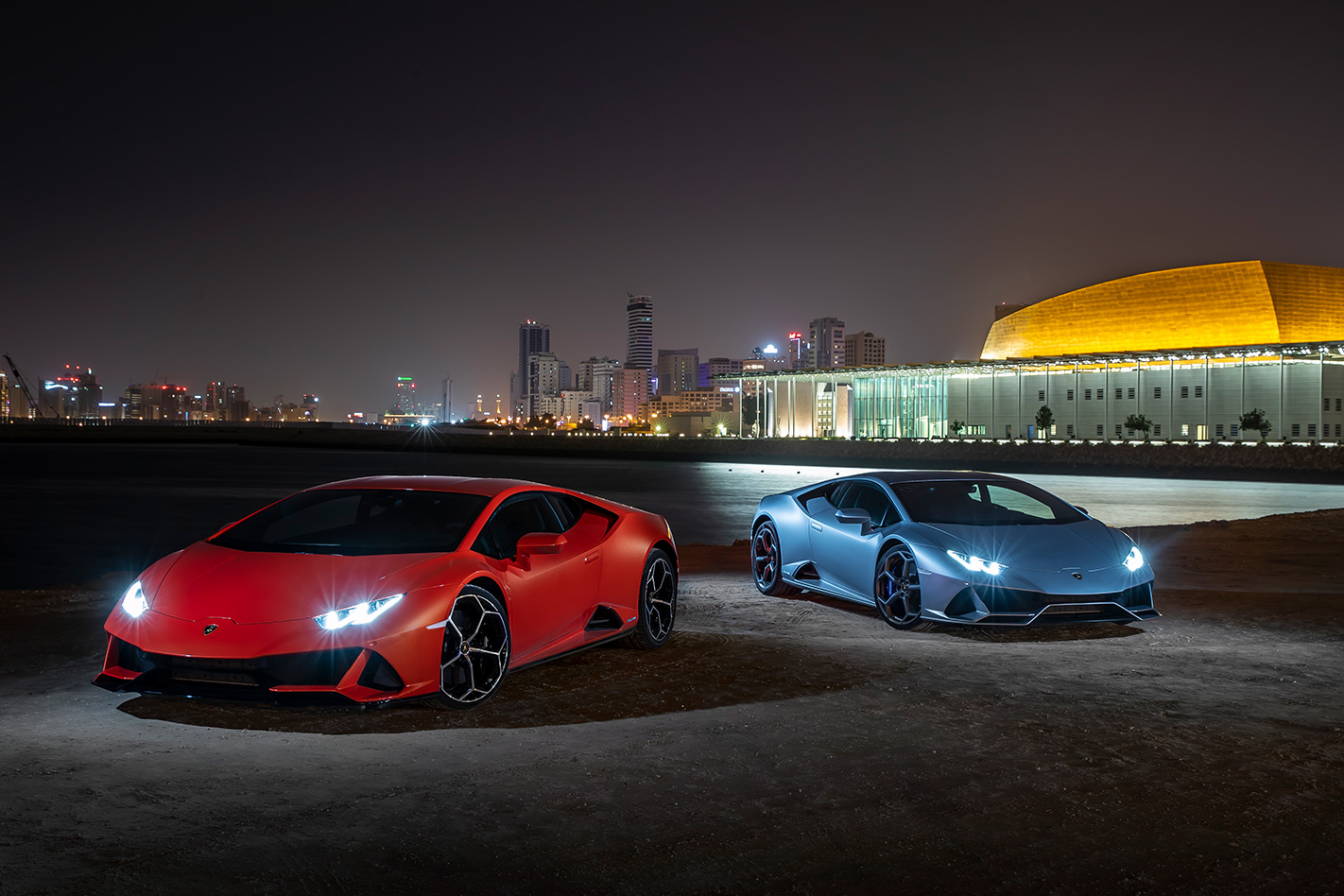
Lamborghini Huracan Evo
“And that’s the genius of the Evo. Its most impressive party trick is not the bellowing V10 soundtrack, outlandish styling or clever steering. It’s the fact it makes you feel like a hero, and never reveals just how much electronic wizardry is going on behind the scenes to prevent you from embarrassing yourself.” – Daniel Gardner
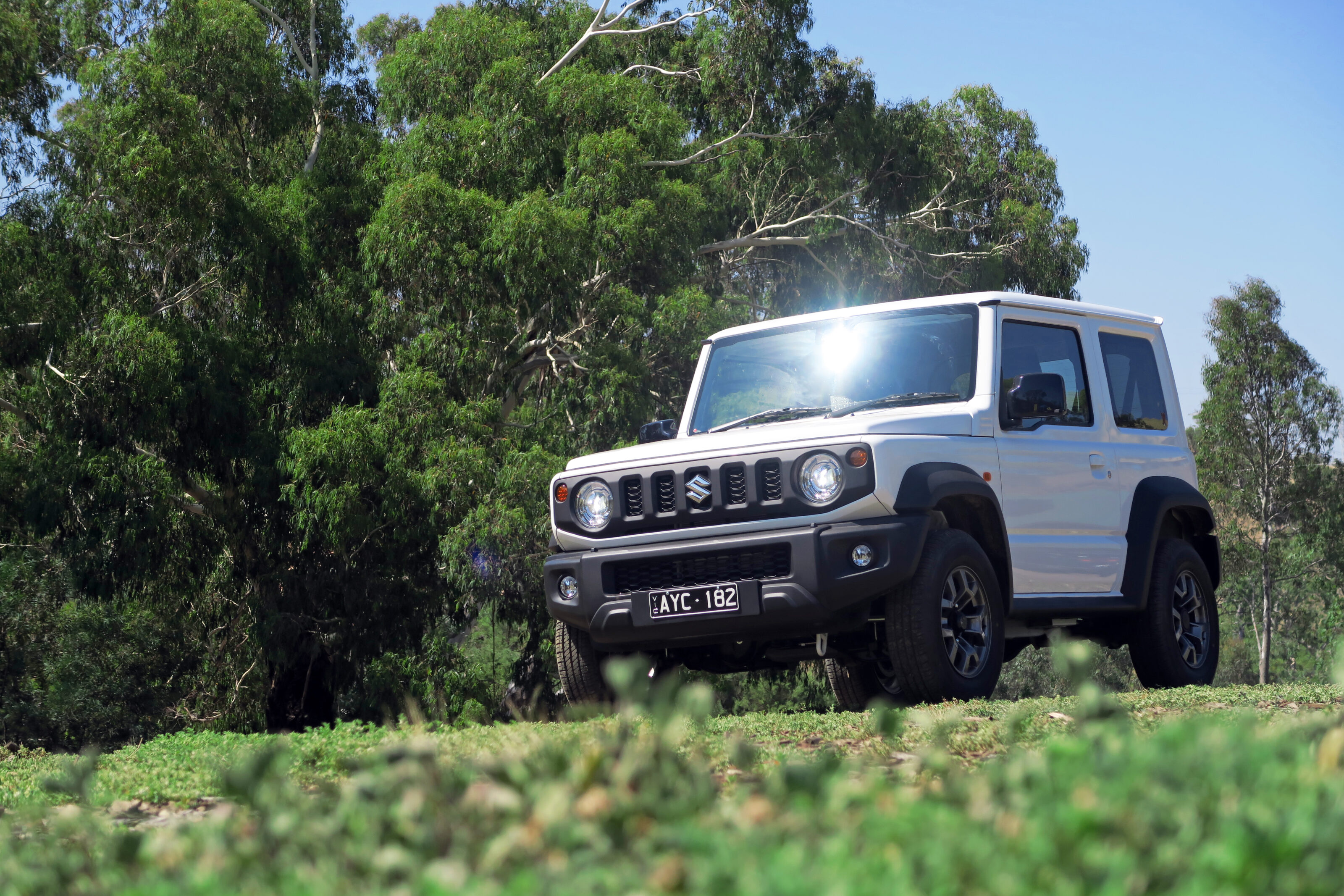
Suzuki Jimny
“On the whole, the new Jimny is the David to a Landcruiser’s Goliath, and the Jimny’s formula of compactness, agility and lightness endow it with trail-conquering qualities that are, at times, hard to believe.” – Tony O’Kane
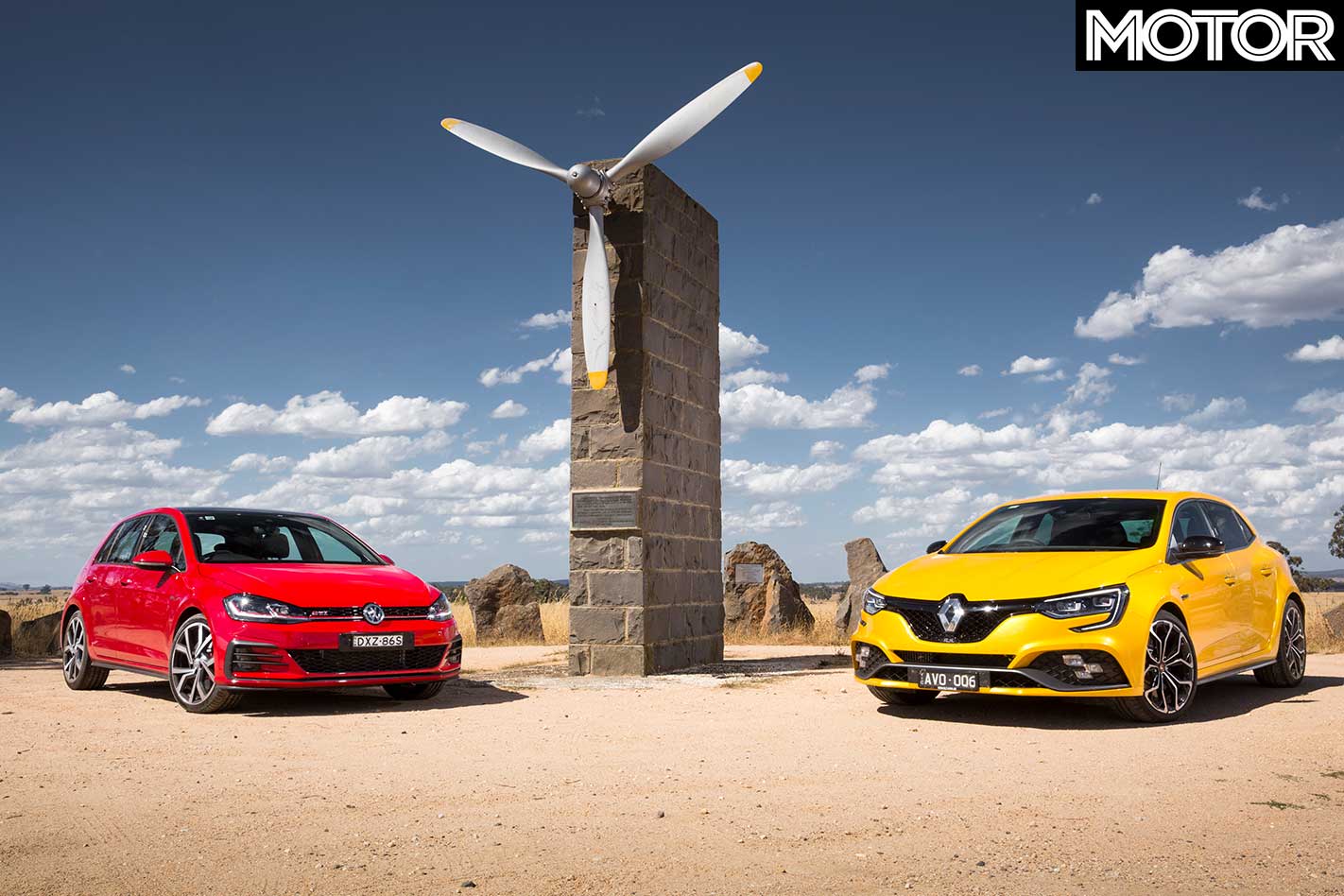
Volkswagen Golf GTI v Renault Megane
“When it comes down to it, we’re parking our butts in the Renault. The points it loses on liveability are clawed back on X-Factor. Its engine is smaller, but thanks to some clever turbocharging, it’s just as strong. It sounds better than the Golf, too, and its chassis is pure wizardry. It’s a surprise because we never thought we’d like it this much.” – Louis Cordony
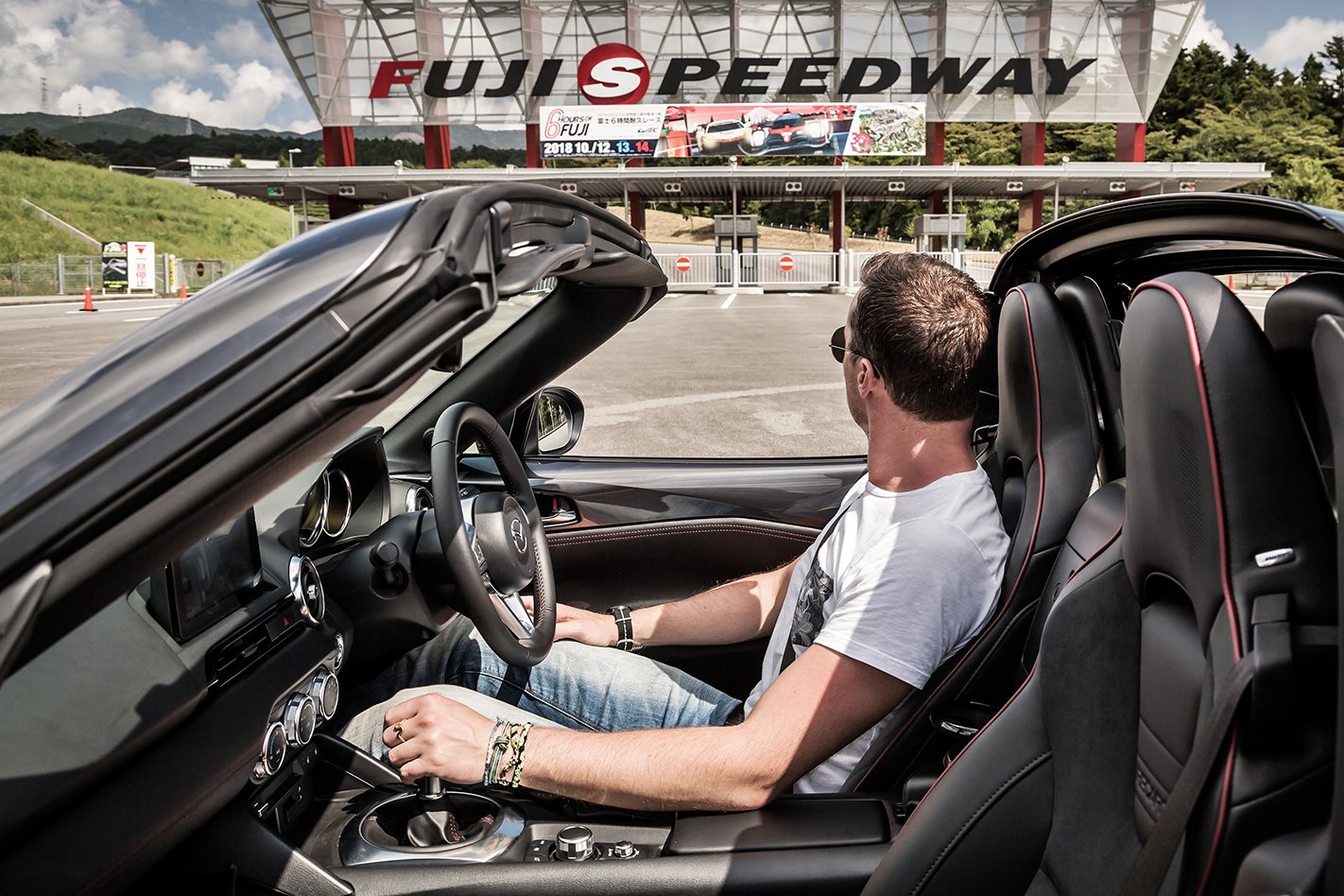
Mazda MX-5
“The little Mazda roadster is the automotive embodiment of Japanese principles – an accessible pricetag and unbreakable reliability are the MX-5’s staunch work ethic, but when the weekend comes around, boy, does it know how to have fun.” – Daniel Gardner
Next episode: Channel Ten, Apr 21 (AU) / Apr 28 (NZ)
Catch-up: Watch at tenplay.com.au (AU) or primetv.co.nz (NZ)
Before Tesla became the world’s most discussed car company, an automotive colossus with a market valuation greater than that of Ford or BMW, it was an ambitious upstart that sold only a quirky electric sportscar, the Tesla Roadster.
Revealed in 2006, sales weren’t huge, with around 2500 in just under five years of production, but it put Tesla on the map as a legitimate carmaker, paving the path towards the revolutionary Model S.
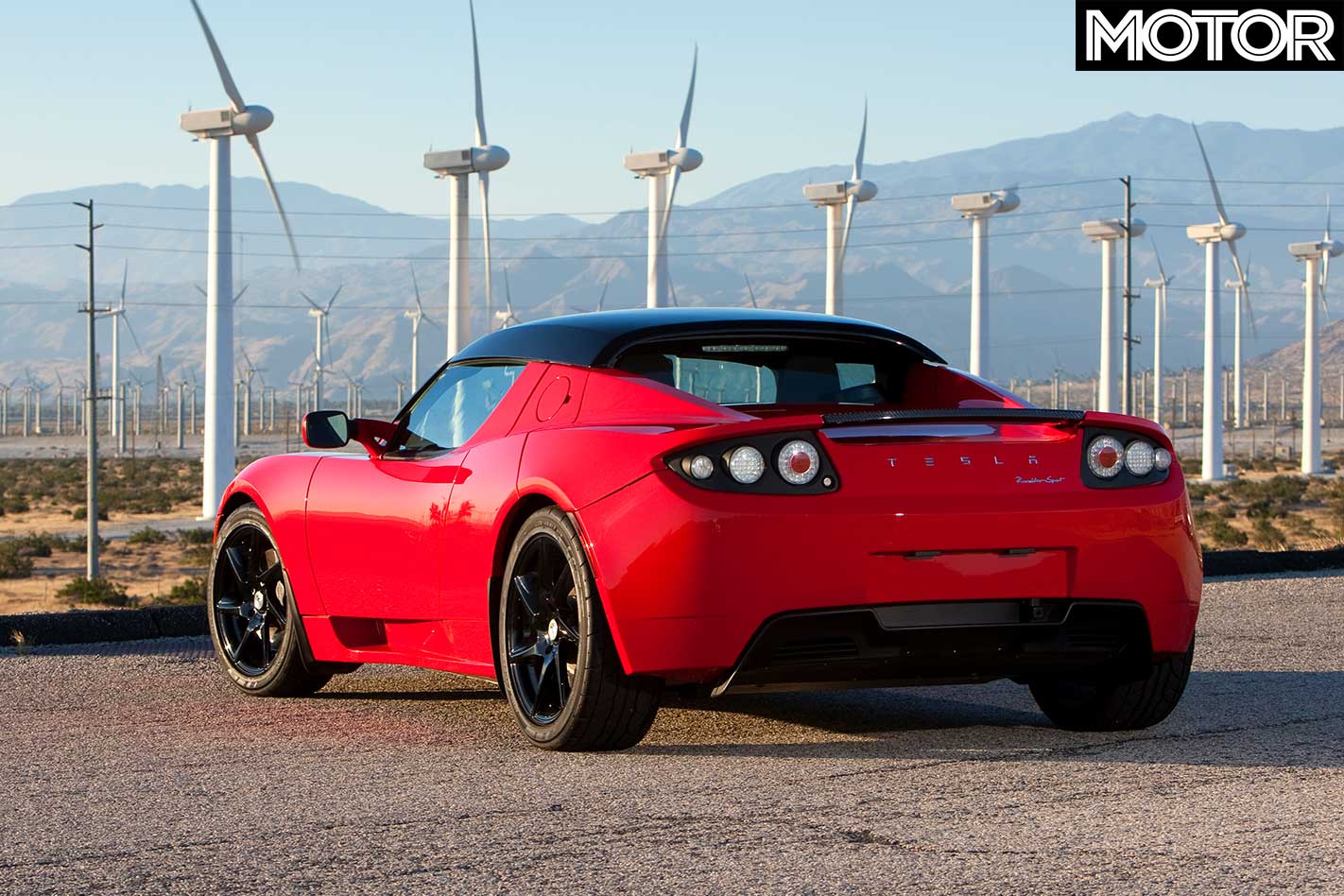
Despite the visual similarities, the Roadster isn’t based on a Lotus Elise, but it was built by Lotus under contract at its Hethel base. A number of technologies were also licensed from the British sportscar maker, including the bonded aluminium chassis, into which Tesla fitted a three-phase, four-pole AC induction motor and 53kWh battery pack.
Original prototypes were fitted with a two-speed gearbox, but disastrous reliability led to the installation of a single-speed BorgWarner direct drive gearbox.
Weight was a very un-Lotus 1300kg thanks to that battery pack, but performance was vivid. Initially, 185kW/370Nm was available for 0-97km/h (0-60mph) in 4.0sec. A 2010 update shed 68kg and increased outputs to 215kW/380Nm or 215kW/400Nm for the Sport model.
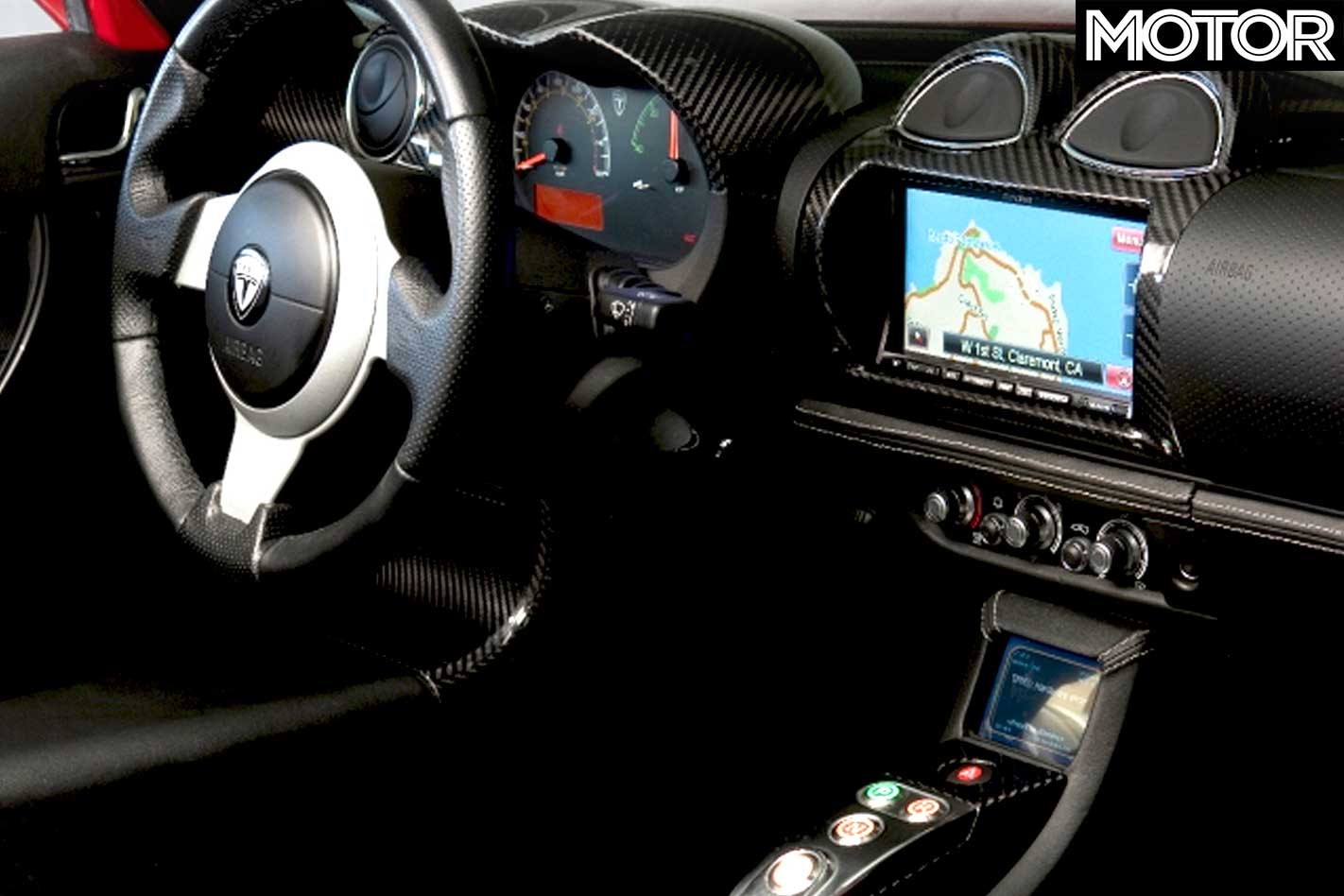
US outlet Motor Trend verified Tesla’s 3.7sec 0-60mph claim and backed it up with an impressive 12.6sec quarter mile. Quoted range was 393km, though an owner squeezed 501km from his Roadster during the Global Green Challenge in outback Australia in 2009. However, he had to drive at 40km/h to do so.
In 2014, a battery upgrade became available, with owners able to swap in an 80kWh pack (for the sum of USD$29,000) which left performance unaffected, but increased the claimed range to 640km. More recently, the original Tesla Roadster achieved fame as the first production car to be launched into space as test cargo for SpaceX’s Falcon Heavy rocket in February 2018. Where, presumably, it would still work!
2010 TESLA ROADSTER SPECS Engine: 3-phase, 4-pole induction motor Power: 215kW Torque: 380Nm 0-100km/h: 4.1sec (est.) Price (new): $206,188
Classic F1 replica helmets
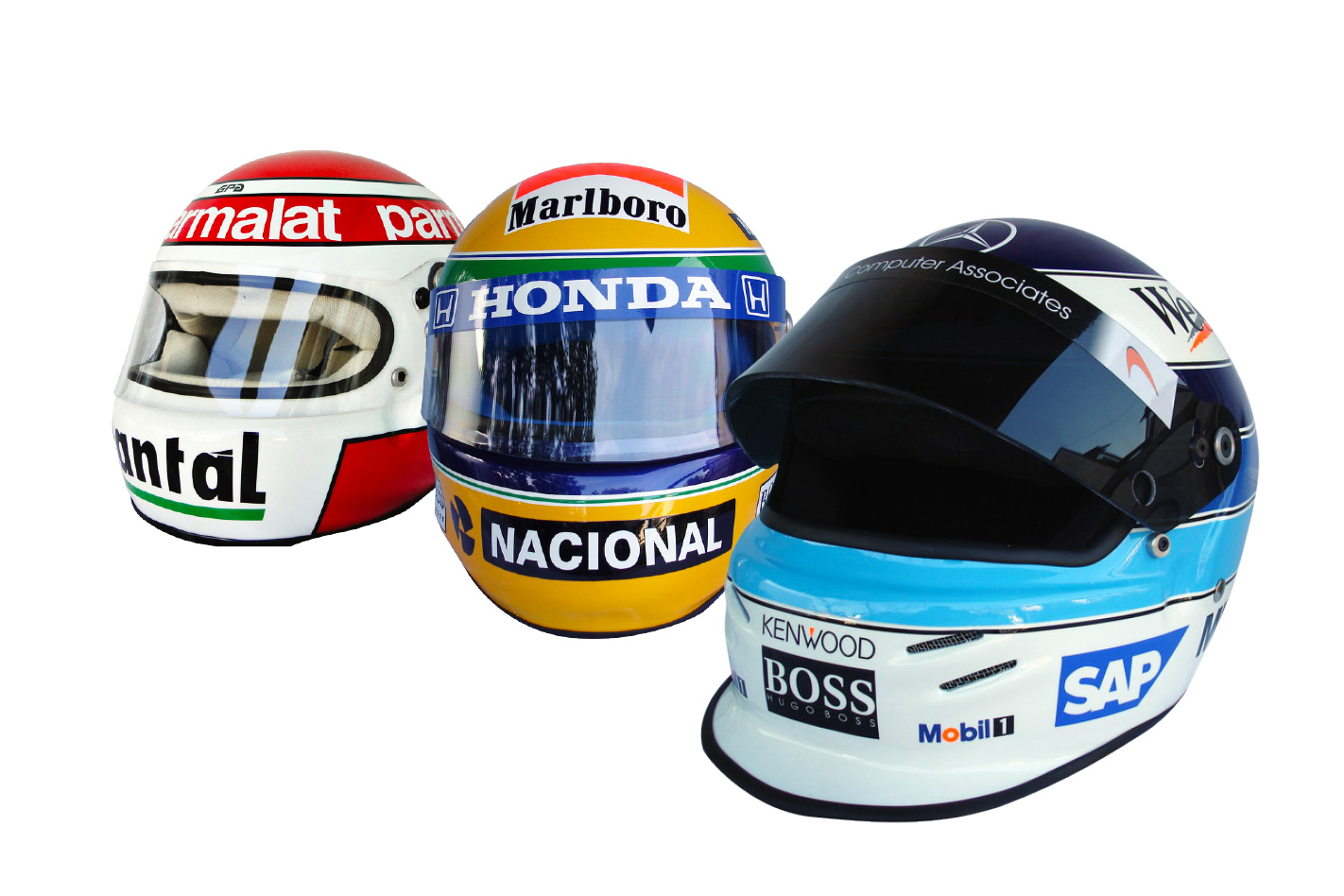
Who had the best helmet design in F1? Coming to a decision is a lot more fun when perusing CM Helmets’ site. They offer 1:1 replica helmets with proper polycarbonate visors, like the 1981 Nelson Piquet item, the iconic 1992 Ayrton Senna lid and the 2001 Mika Hakkinen bone dome pictured here. Priced at USD$699 with free worldwide Fedex shipping, the company has a 25 year track record and supplies to customers such as the Jaguar Museum.
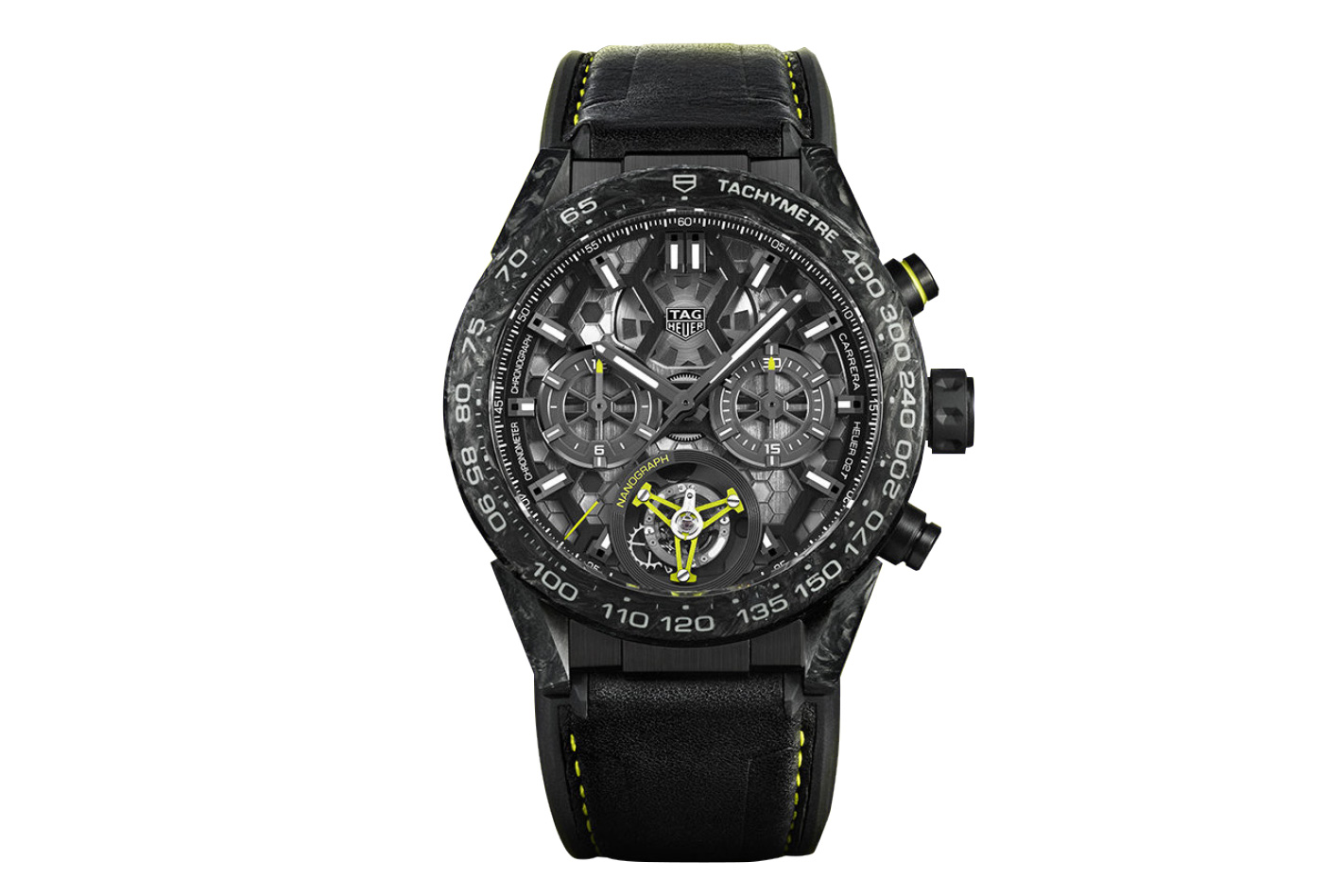
TAG Heuer Carrera Calibre 02T Tourbillon Nanograph
The TAG’s bezel is made from forged carbonfibre and instead of a boggo silicon balance spring, the THCC02TTN uses a carbon version more resistant to changes in temperature, gravity and magnetism for unparalleled accuracy. $34,955
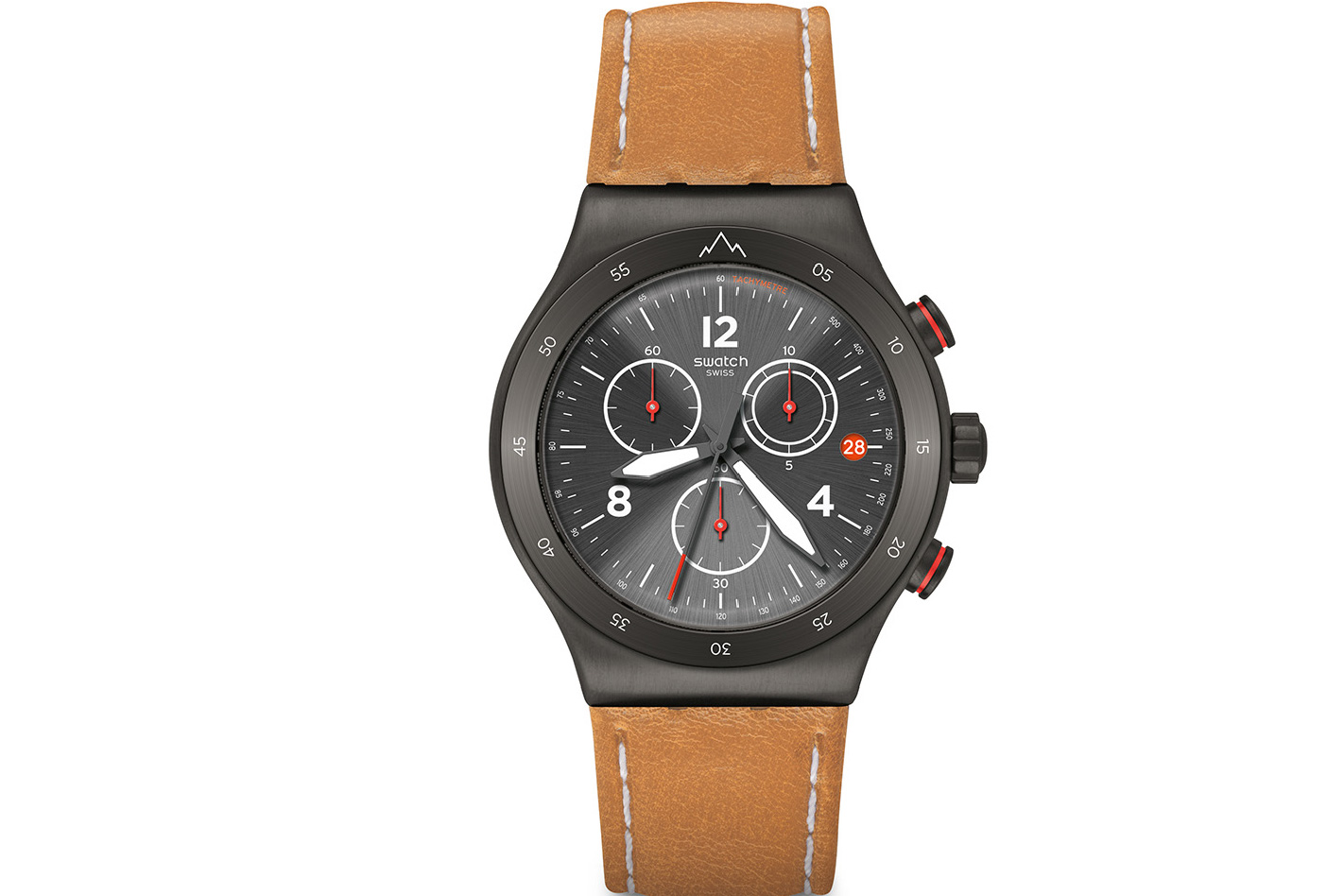
Swatch ‘The Journey is the Reward’
Proof that you don’t have to drop four figures to enjoy a Swiss-made chronograph on your wrist. This Swatch is the resuult of a collaboration with snowboarding legend Jeremy Jones; it features a stainless 43mm case and is water resistant to 30 metres. $260
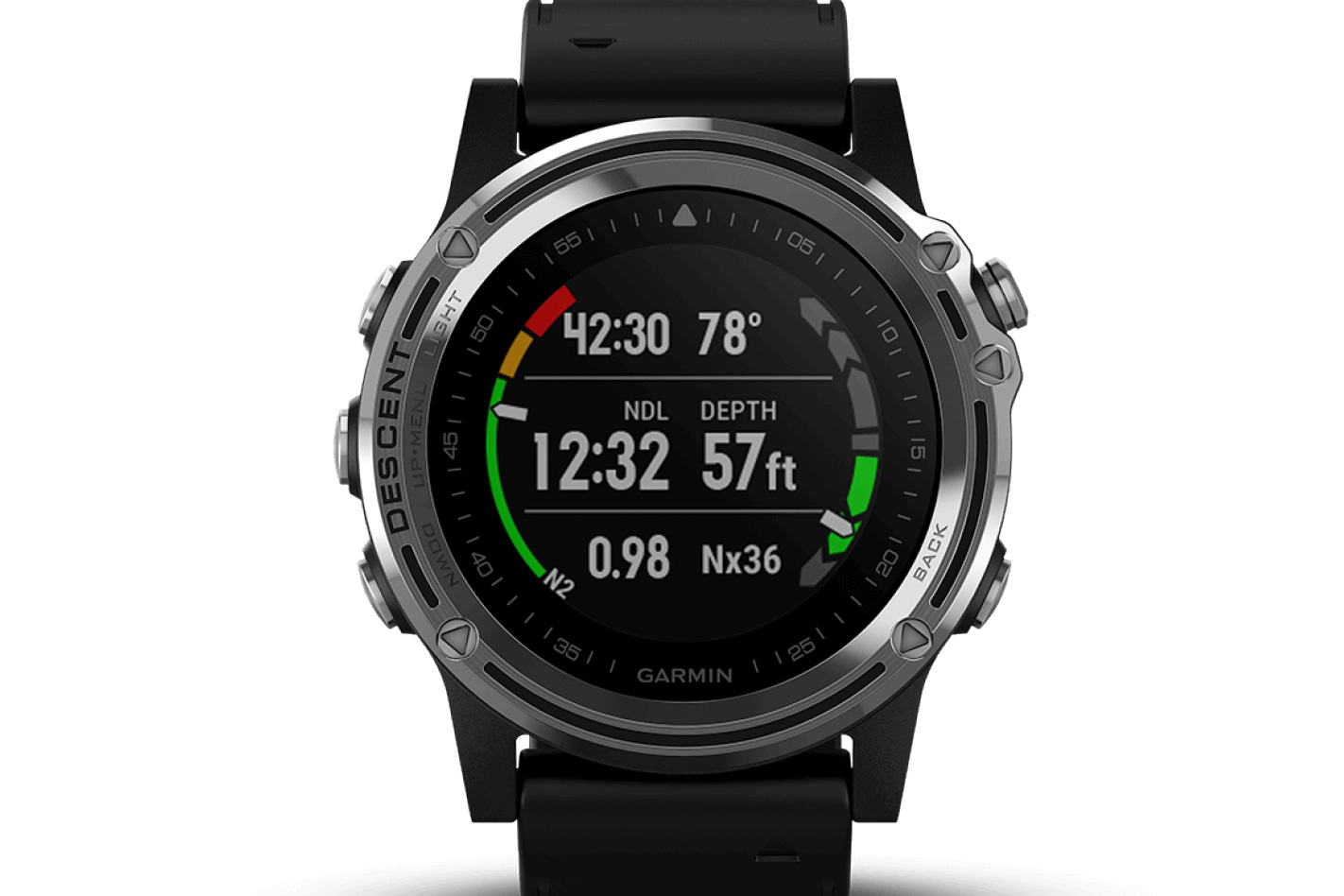
Garmin Descent Mk1
Like a Fitbit on Nitrox. Not only will the Descent do everything you expect from a wearable, including heart-rate monitoring powered by a 19-day battery, plus the navigation and global positioning features Garmin is known for thanks to a three-axis compass, gyroscope and altimeter, the Mk1is also a dive computer. $1399
The contenders
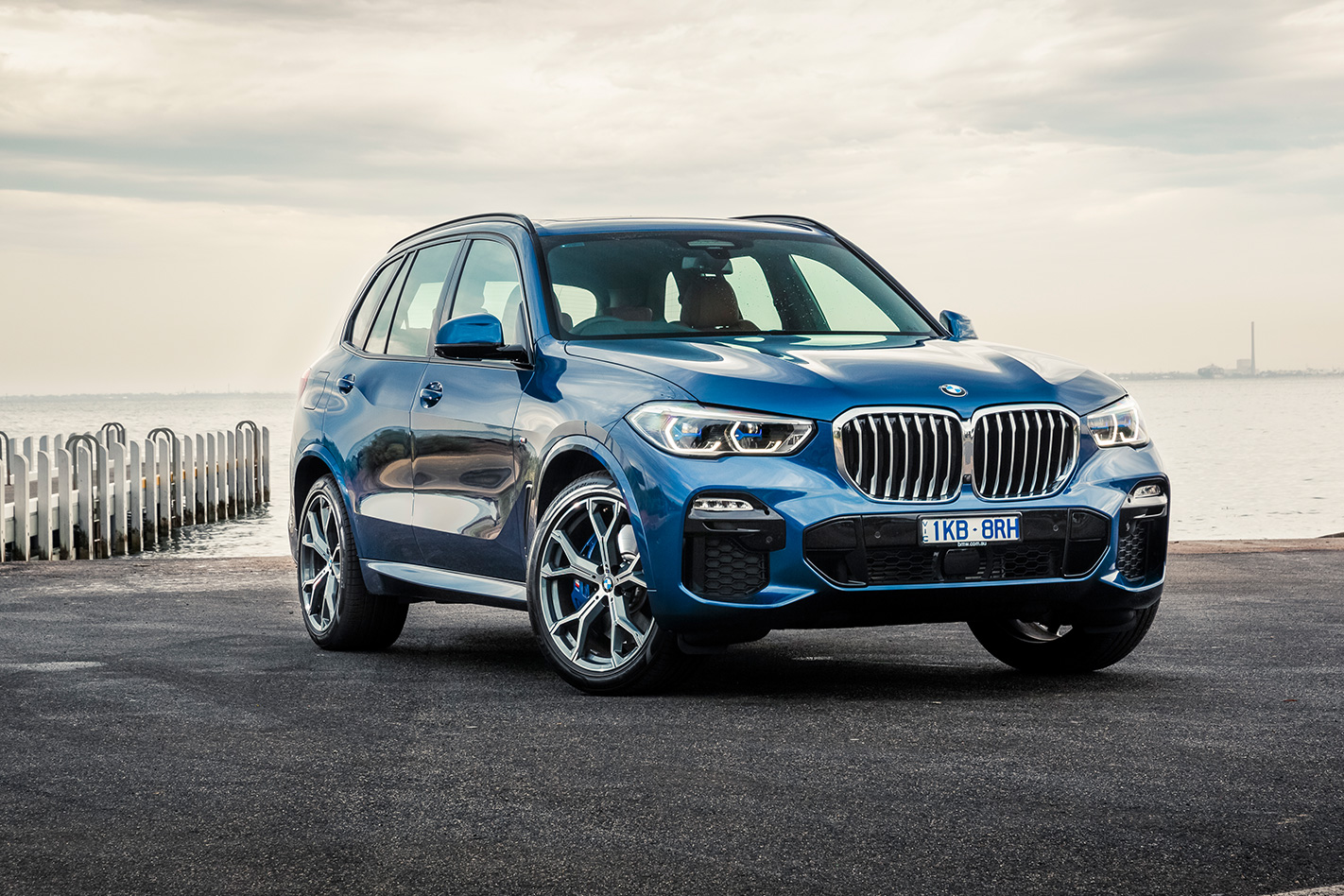
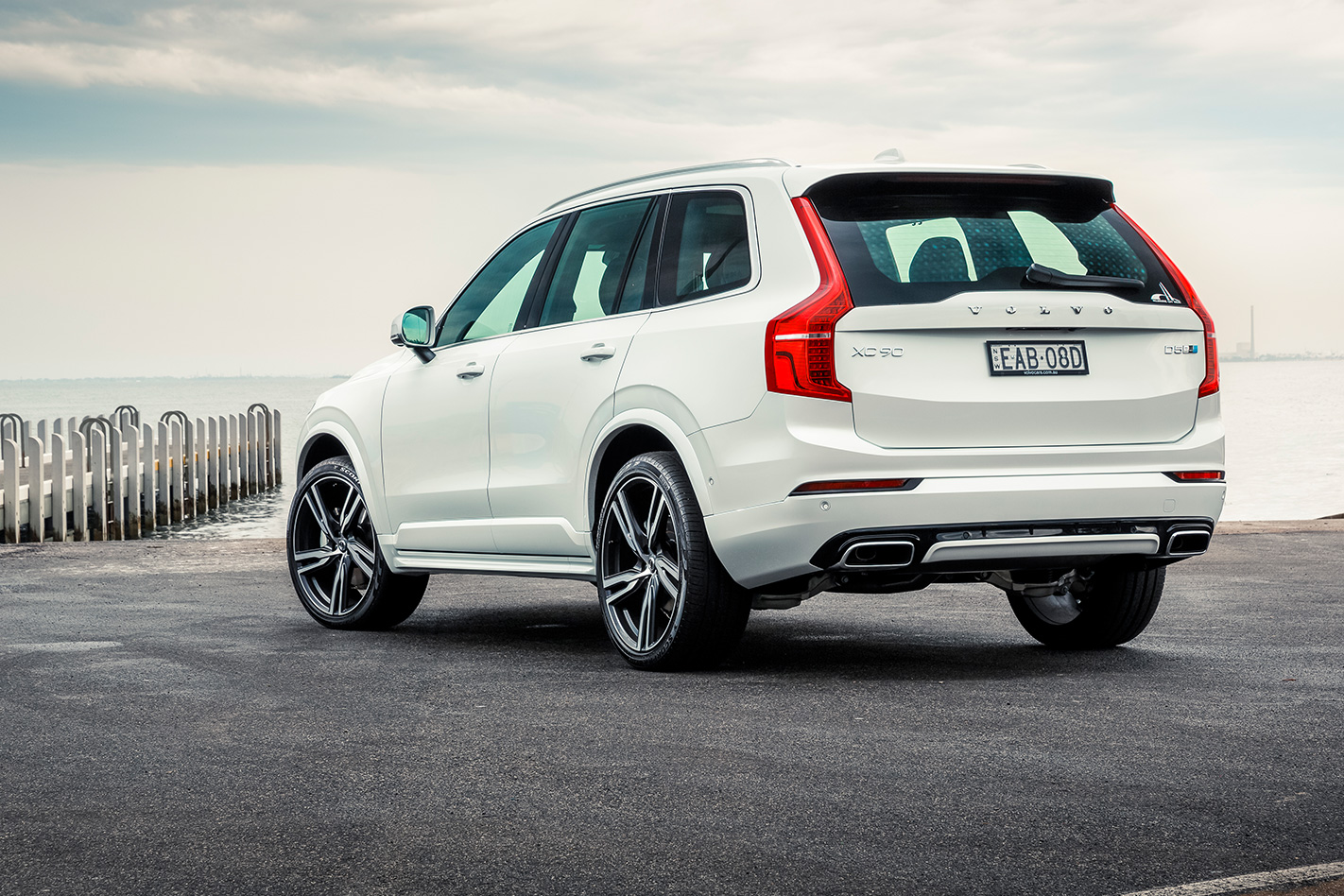
The fourth-generation BMW X5 squares off here against the incumbent large-luxo SUV champ, Volvo’s XC90. Both nameplates are represented in AWD diesel form, with an extra dash of sportiness via M Sport and R-Design styling packages. With a retail of $101,900 the Volvo establishes an early lead against the X5 xDrive30d and its $112,990 sticker, but it’s the elder statesman of this twin-test, having launched way back in 2015.
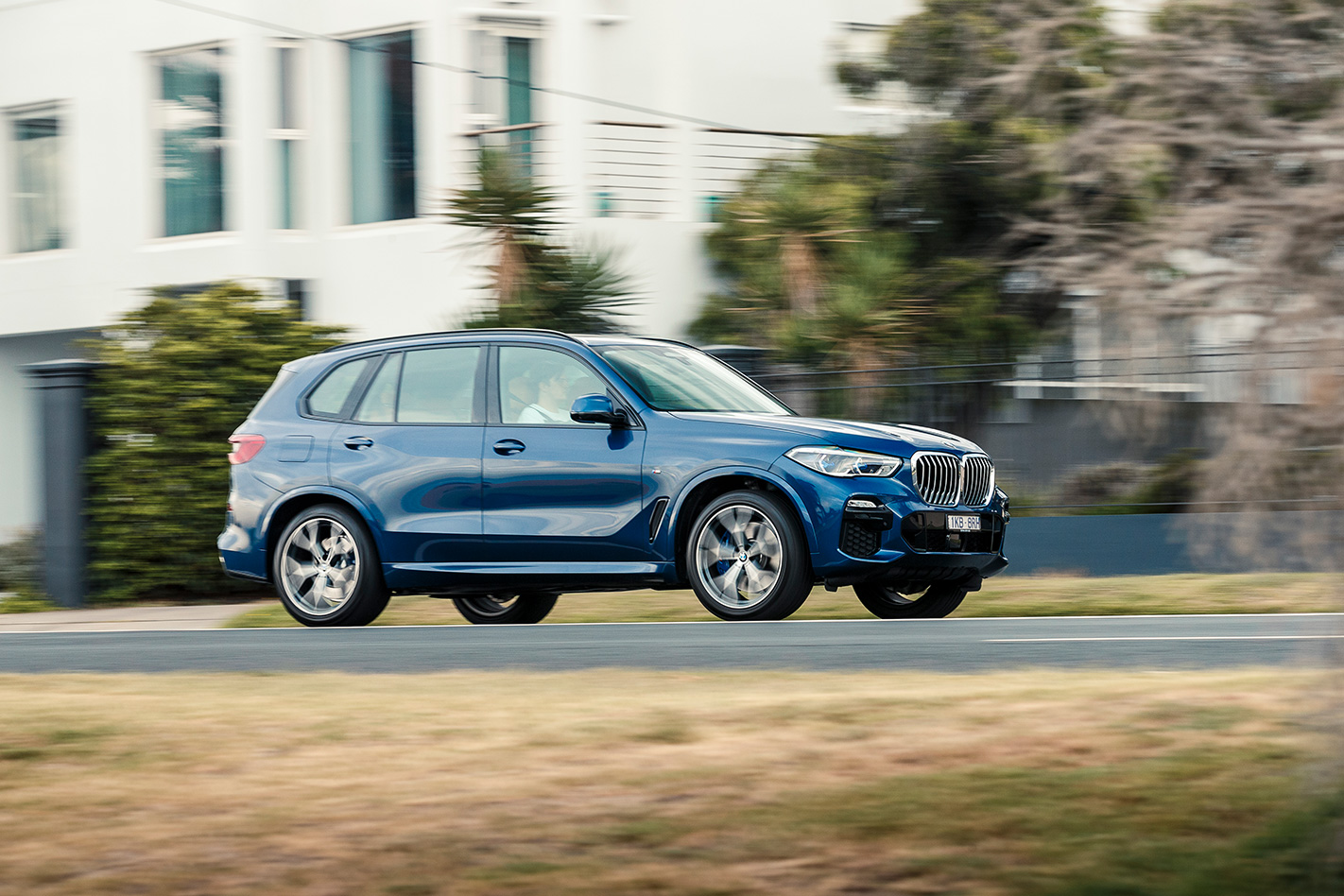
The Swede oozes charisma and has long been a Wheels fave, but the BMW is now longer, broader and taller than before. The new G05-series X5 also rocks significant under-the-skin changes, all courtesy of its new CLAR architecture that also underpins the G11 7 Series and G30 5 Series. After the fairly lukewarm effort that was the F15 X5 that preceded it, BMW’s new family size SUV looks like it has the right ingredients to bring the X5 nameplate back into fighting form.

Equipment and value
The X5 is already at a price disadvantage, but compensates with impressive standard-equipment inclusions. A huge glass sunroof, LED headlamps, a massive 12.3-inch screen with one of the most sophisticated infotainment set-ups around, a head-up display, leather upholstery and a bevy of electronic driver aids should see most buyers wanting for little, although it’s easy to inflate the price tag even further, with our tester wearing an extra $13,870 in options.

The Swede isn’t exactly lacking, either. On top of the usual luxuries it has semi-autonomous driver aids of its own, plus quad-zone climate control (not standard on the X5), a pano sunroof and seven seats by default – a feature that costs around $7000 extra on the X5 as it’s bundled with air suspension. Assigning a victor is tricky. The X5 has greater showroom sizzle, but logically, the Volvo is $11K cheaper, has similar equipment levels, and more seats, which is why it takes the win.

Space and comfort
It’s a tough call, here. Both the X5 and the XC90 flaunt a premium cabin ambience, yet each has its own distinct flavour. The X5 is like a modern nightclub, with colour-shifting ambient lighting, opulent leather upholstery and that massive widescreen commanding your attention, while the optional harman/kardon stereo ($1300) of our tester took the club vibe even further. It’s spacious, too, with the X5’s second row offering more legroom than before, but it’s worth noting that a third row is a cost option for the X5 30d.
The XC90, meanwhile, is like a country retreat. Its leather is softer, the application of chrome highlights more restrained, and its portrait-oriented screen is a subtler but wonderfully intuitive part of the interior. The Volvo is also a more accommodating thing for those in the back, with integrated sunblinds in each rear door, quad-zone climate control and a seven-seat configuration as standard. Its boot is also enormous, making it the more comfortable and practical choice.
How they drive
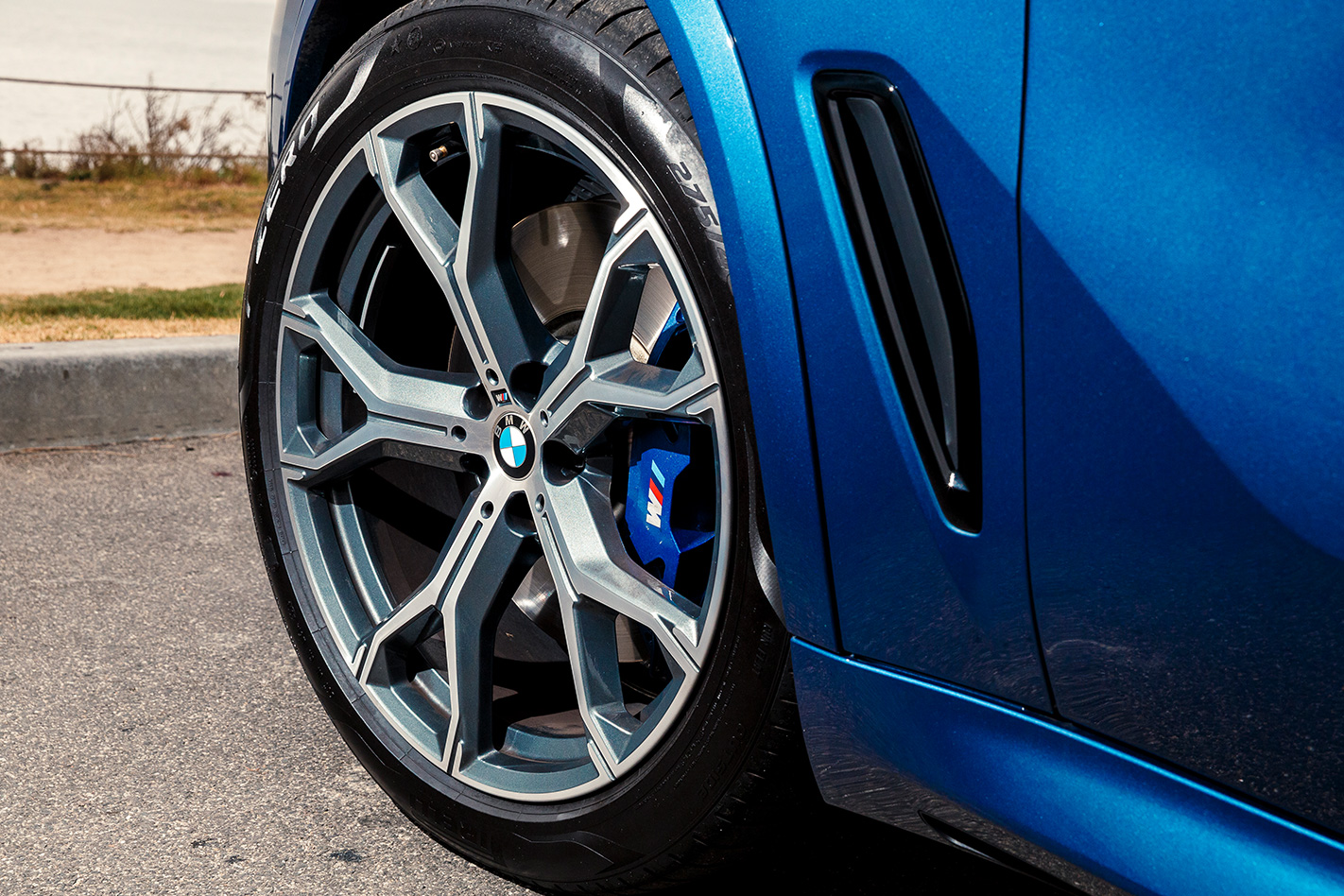
The previous-gen X5 was a disappointment from behind the wheel – largely due to dull, lifeless steering and tepid dynamics – but the new car has much more to give, even in entry-level diesel form. Its diesel inline six is especially refined for starters, making the slightly grumbly XC90’s diesel four sound truck-like by comparison. The BMW is also properly gym-toned, easily shifting its 2.1-tonne mass to highway speeds without raising a sweat. But what really impresses is the blend of comfort and handling of the X5 on the optional adaptive air suspension. It’s a box that’s well worth the extra $2300 outlay, taming lumpy tarmac with ease while still being taut enough for a spirited blat.
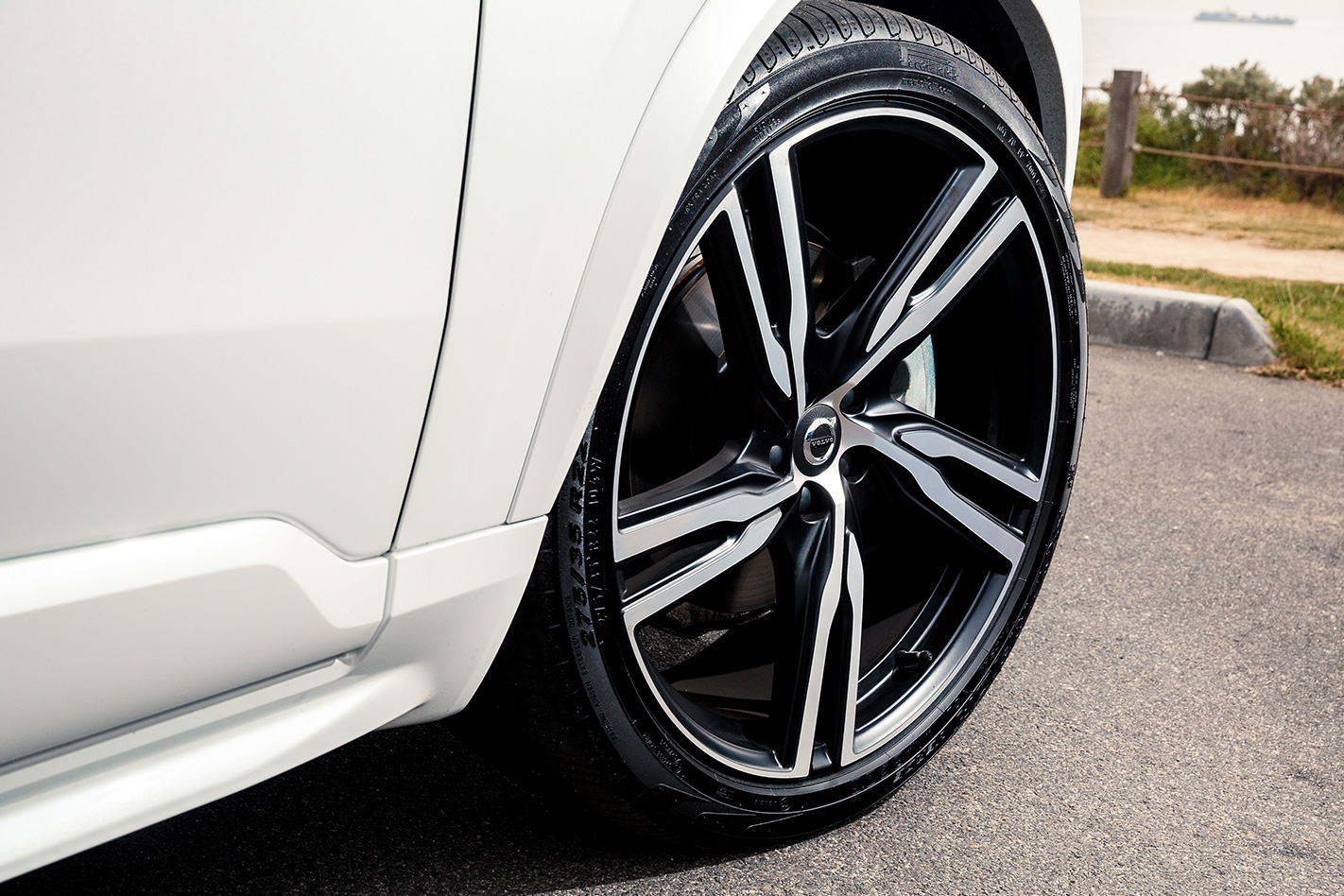
The XC90 also feels surprisingly light on its feet, but its steering lacks the engagement factor of the BMW’s more satisfying feel, and the X5’s refinement is superior. The XC90 holds a slight edge in fuel consumption, but it does feel a smidge lethargic next to the turbine-like X5. Advantage BMW.
The victor
Arriving at a verdict is difficult, particularly if your budget can easily accommodate the BMW and a third row isn’t a hard requirement. The XC90 is a beautiful example of how to do an SUV right, and we’ve been big fans for years, but the G05 X5 is a return to form for BMW and hugely appealing in its own right. For refinement, technology, handling, engine and five-up comfort, the win goes to the X5, but only by the slimmest of margins.
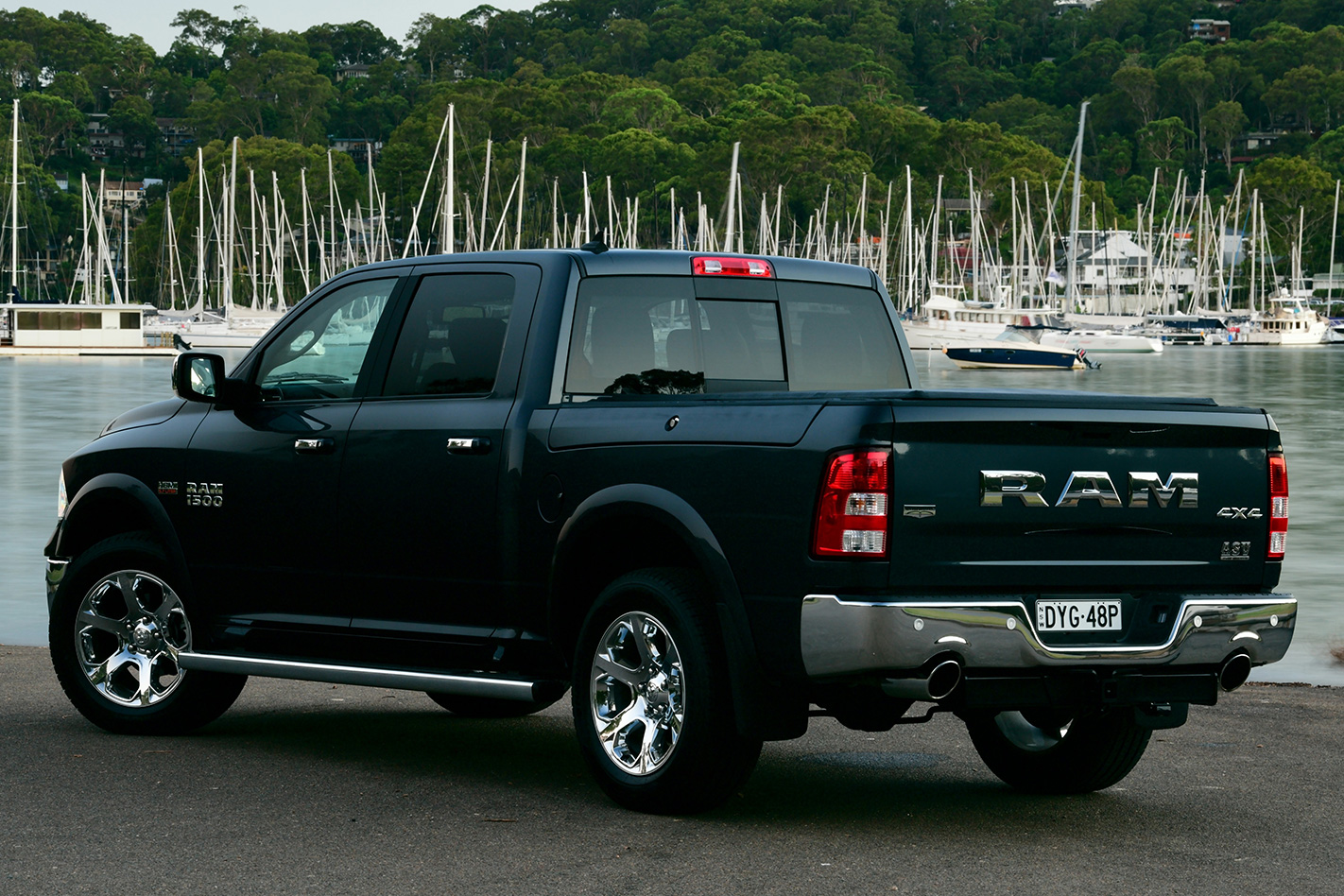
Such is the Aussie demand for the RAM 1500 that the Clayton-based remanufacturing facility has announced its intention to ramp-up the production line to 24 hours a day, five days a week.
From June 1, the RAM trucks Melbourne Manufacturing Facility – which also houses HSV’s Camaro production on an adjacent line – will start to manufacture trucks around the clock to keep in up with growing demand.
The 130-metre long factory line hosts 21 vehicles which are worked on simultaneously, with each car taking 24 hours to run the length of the production line – which is in stark contrast of the three days it took when RAM remanufacturing first started in Australia.
The Australian-delivered version of the American ute uses up to 400 different components, a majority of which are manufactured here.
In addition to aiding those Australian component manufacturers, RAM Trucks Australia will also increase its workforce from 110 to 160 workers with the move from two to three round-the-clock shifts.
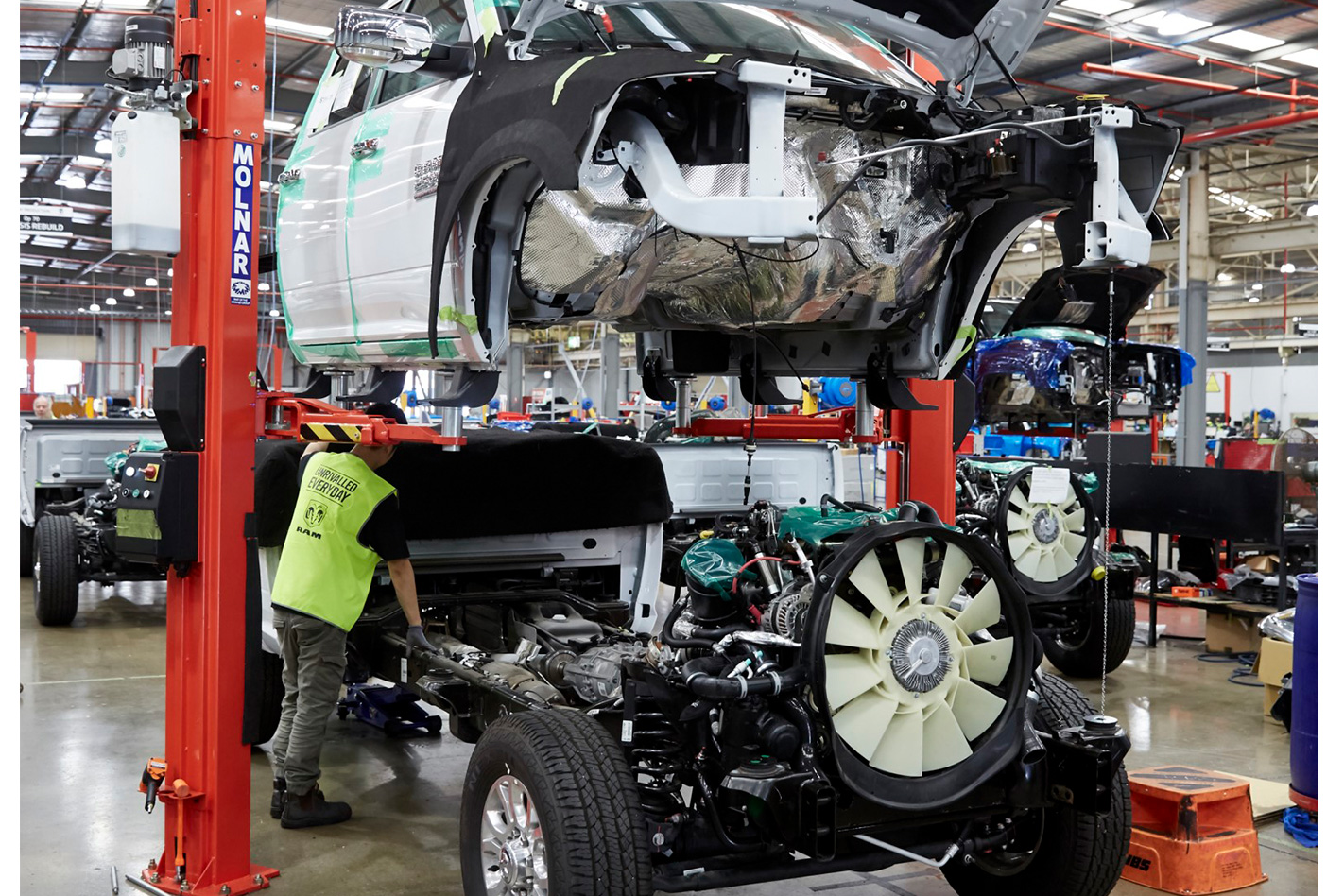
“This is not just great news for RAM, it is also a fantastic achievement for the Australian Automotive industry and shows the world our automotive and engineering industry is open for business,” said Alex Stewart, the general manager of RAM Trucks Australia.
“The entire RAM Trucks project was set up, engineered, designed and developed in Australia by Australian experts, it shows what this country is capable of and how we can produce a world class product.
“In short, it is clearly something of which everyone involved should be extremely proud and which, in the form of the RAM 1500, 2500 and 3500, has provided Australians with a new and unique choice when it comes to vehicle buying.”
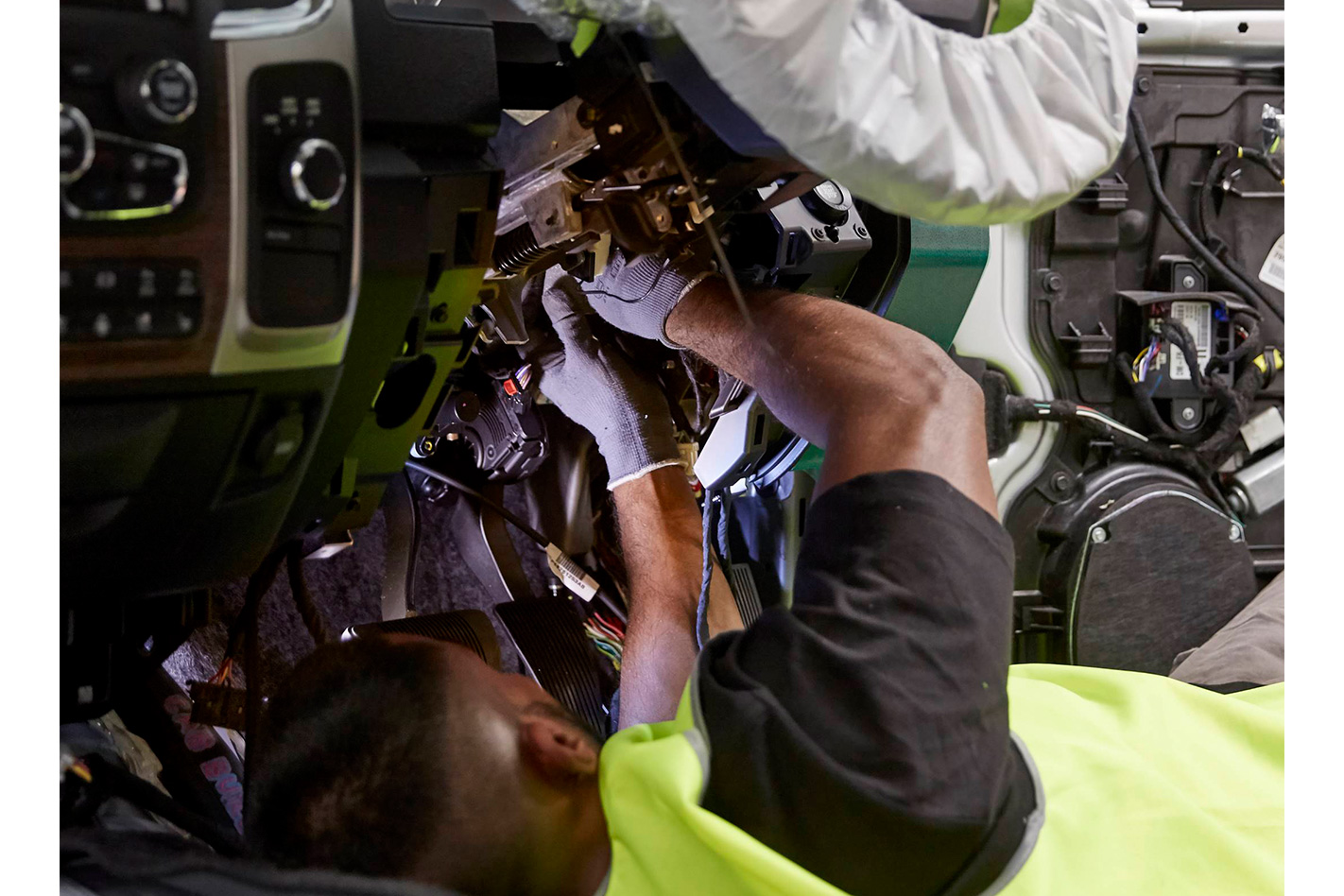
The RAM 1500 is powered by a 291kW HEMI V8 engine and can haul 4.5 tonnes thanks to its 556Nm of torque.
Priced from $79,950, the RAM 1500 Express has provided a new towing benchmark where regular dual-cab utes like the Toyota Hilux, Ford Ranger and Holden Colorado will only pull 3.5 tonnes.
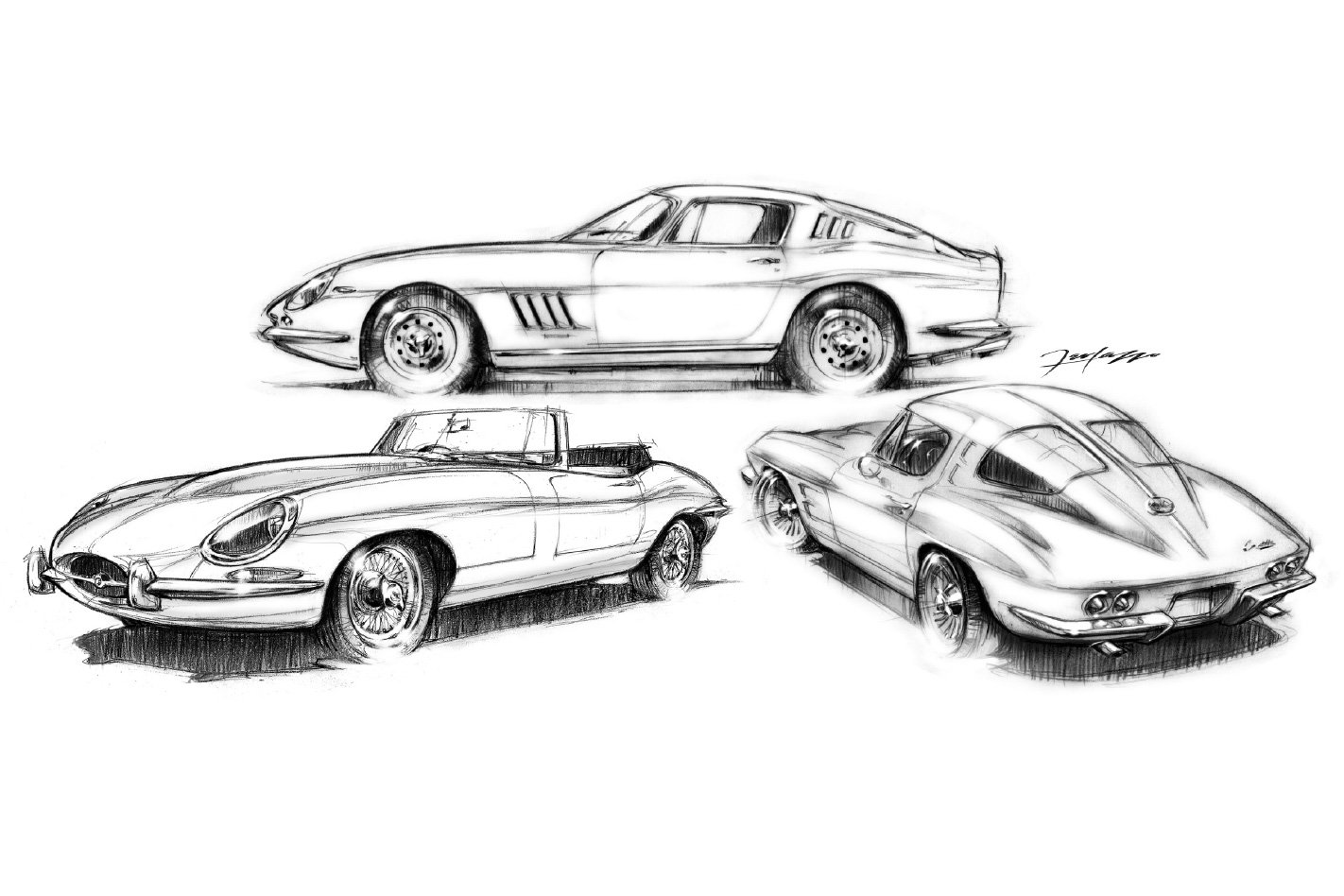
Jaguar E-Type Roadster
“The quintessential British sports car. Absurdly long engine hood, over-bodied and narrow-tracked over skinny tyres, yet it works perfectly. It exudes poise and potency. Sure, it’s more common than some other exotics but familiarity should not detract from its significance. I think it’s glorious from every angle. Truly sublime.”
Ferrari 275 GTB
“So many beautiful Ferraris to choose from, but I’ve always held a fascination for the 275. A full-bodied, curvaceous Grand Tourer with a powerful hood and bulging haunches over the rear wheels that clearly announce its singular reason for being. Ridiculously expensive and probably impossible to live with, but hypnotic just to look upon.”
C2 Corvette Sting Ray
“Arguably one of GM’s finest works, the C2 Corvette exemplifies all that was great about American styling from the halcyon days of the 1960s. Muscular and purposeful, yet not overt. Sculptural blister shapes over the wheelarches, flip-up headlamps and iconic split rear window made it truly distinctive. Oh, and a big V8.”
Chevrolet Corvette badge cleared for Australia, with strings attached
