
If Matt Becker has a fault, it’s that he’s too honest. Brutally so, in some cases.
Not too many chassis dynamics experts would give their current employers such a withering report card.
“I arrived [at Aston Martin] halfway through DB11 development, at the start of 2015. I drove all of what we call the pre-evolution generation of cars and I have to say they were a bit of a confused bag,” he says.
“The Rapide I really enjoyed, it was one of the best-driving Astons. Still is. I drove the previous Vantage and found that a bit confused. I drove the DB9 which was less comfortable than the Vanquish which was more comfortable but less engaging. It was a bit all over the place and Andy [Palmer, CEO] gave Marek [Reichman, chief designer] the brief to make the cars look different and he gave me the brief to make the cars drive like they look.”
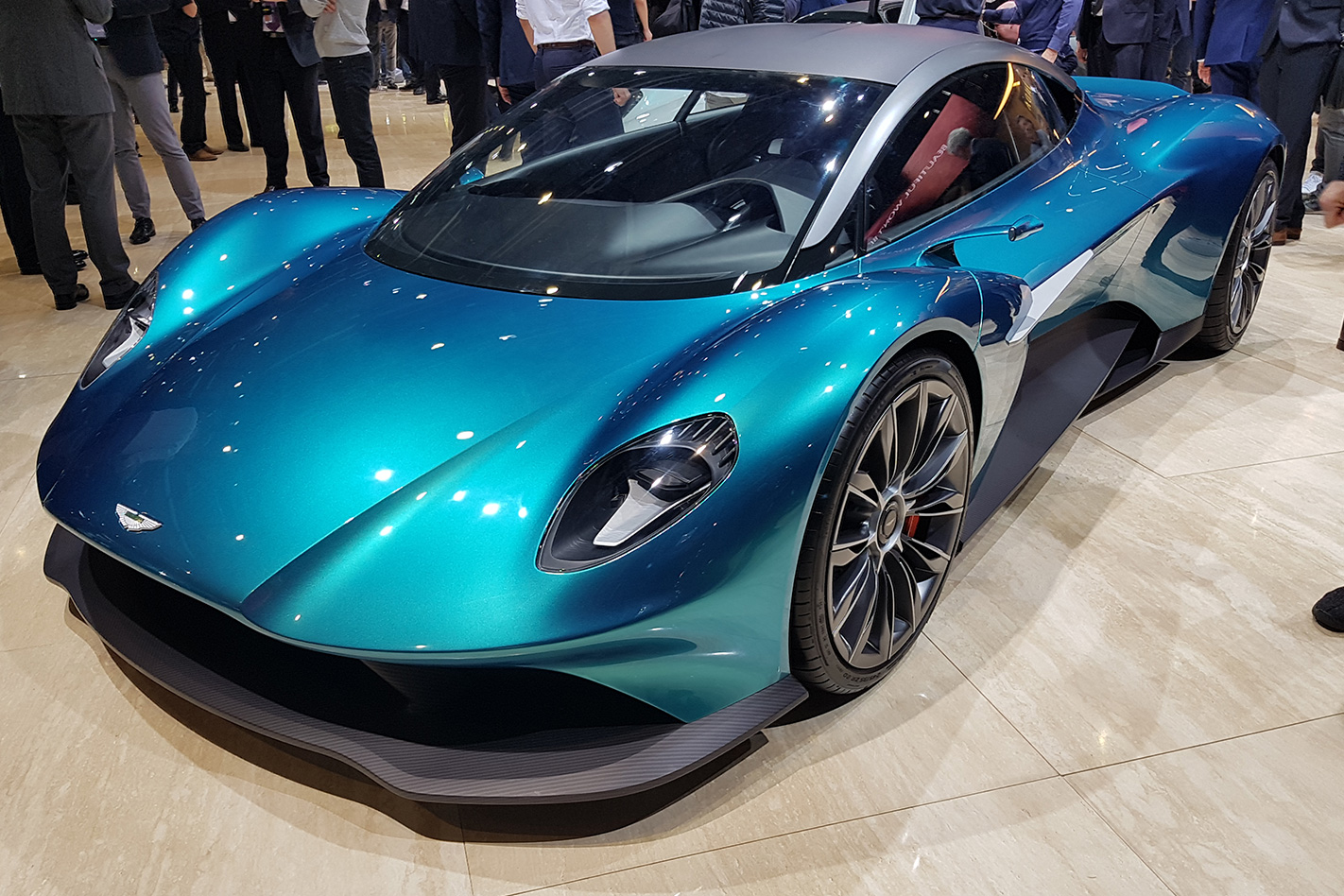
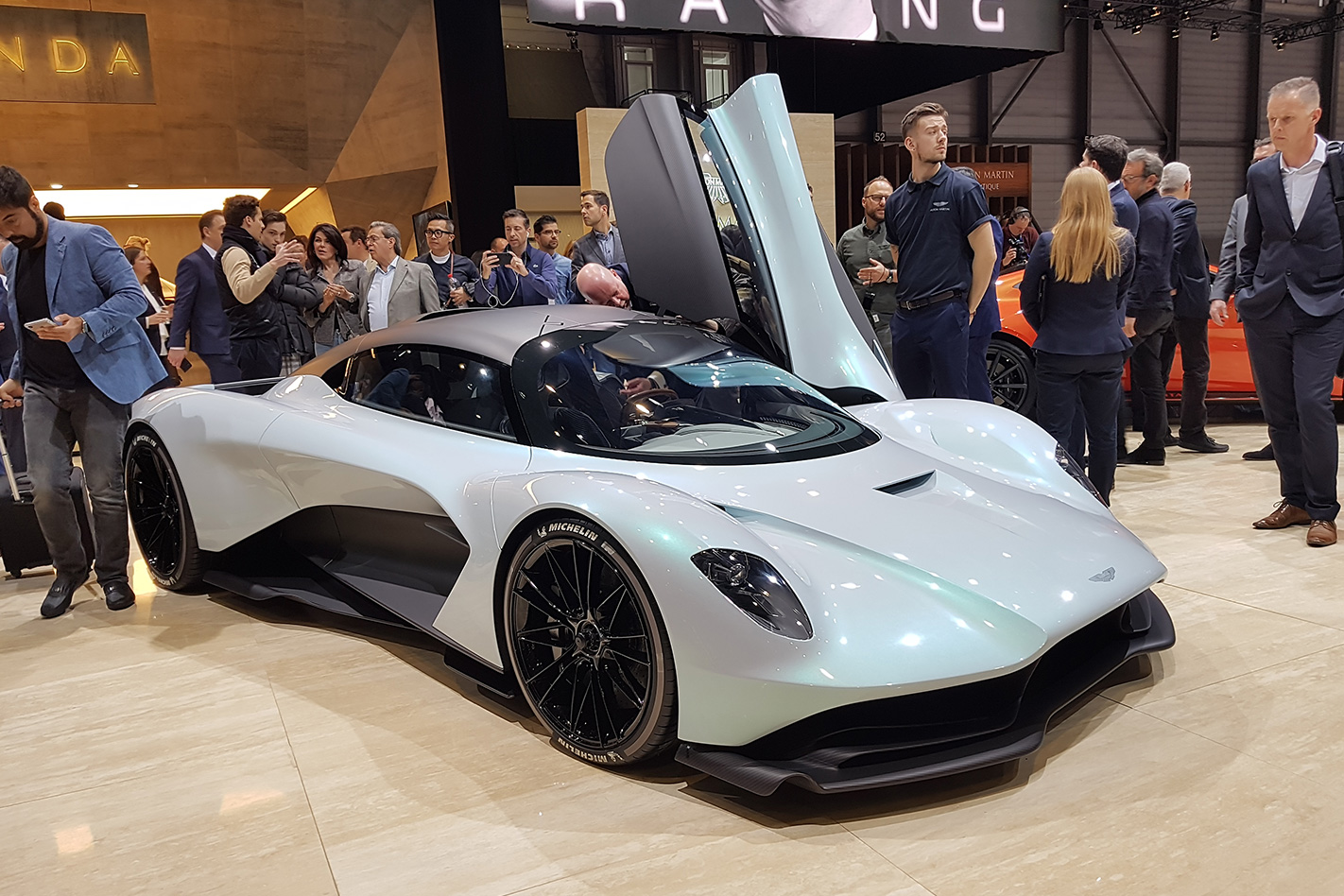
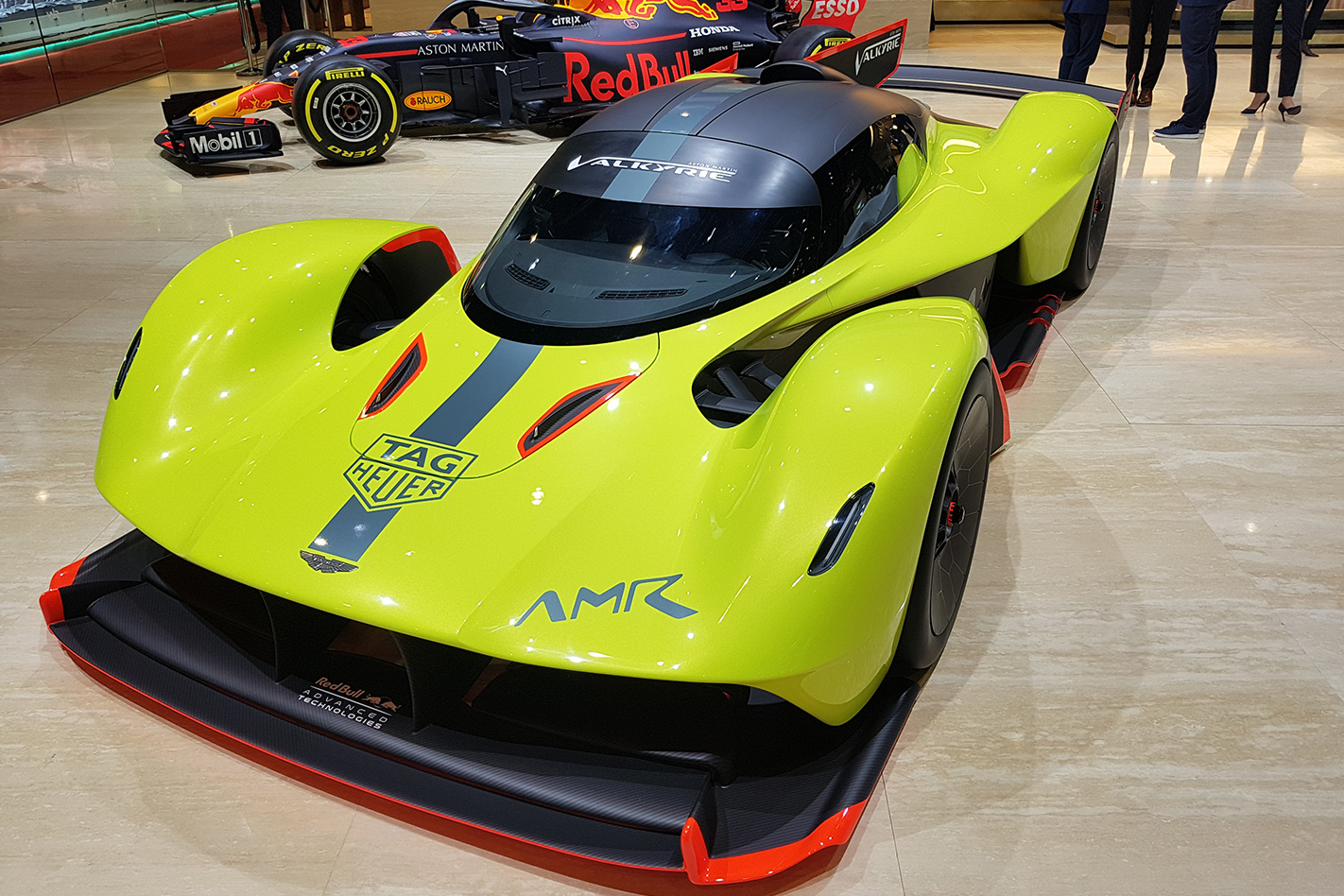
If Becker can make the current crop of cars drive like they look, they’ll be dynamite. It’s no stretch to say that Aston Martin stole the show at Geneva this year with the Vanquish Vision Concept, the AM-RB 003 and the Valkyrie, not to mention the vast Lagonda All-Terrain Concept.
At first, this product assault brings to mind Becker’s former employer, Lotus. Then-CEO Dany Bahar’s flourish at Paris in 2010 saw five new cars appear on the stand. Aston’s endeavours seem to be built of sterner stuff.
“Both the 003 and the Vanquish are at the concept level but we’ve done a lot of benchmarking,” claims Becker.
“Particularly around Ferrari 488 and McLaren 720S for the Vanquish, wheras the 003, which Chris [Goodwin] will lead the development on is aimed at beyond McLaren Senna and LaFerrari performance.
“The whole logic behind this 001 [Valkyrie], 003 and Vanquish is to have a string that connects the three of them and take learning from one, say some of the systems and aerodynamics from 001 to 003 and then on to the Vanquish concept.
“The 720S is very good, it’s bloody fast, a real quick machine. It’s so competent, but in some ways I prefer the 570 to the 720S because it’s a bit more playful. In my opinion the 458 chassis was better than the 488. We also did benchmarking with Senna and LaFerrari for the 003. Chris has some good connections there.”
There were some very clear dynamic requirements for the Vanquish project in particular.
“We wanted the Vanquish to be friendly. While the 720S is very good for ride comfort, it’s such a stable car and we wanted something that was a bit more playful. We want something that you don’t have to be doing silly speeds to get a lot of enjoyment from. That’s the idea for that car whereas the 003 will be much more serious, but still a useable car.”
Exactly how useable clearly depends on the prices being asked. Becker has a rough idea.
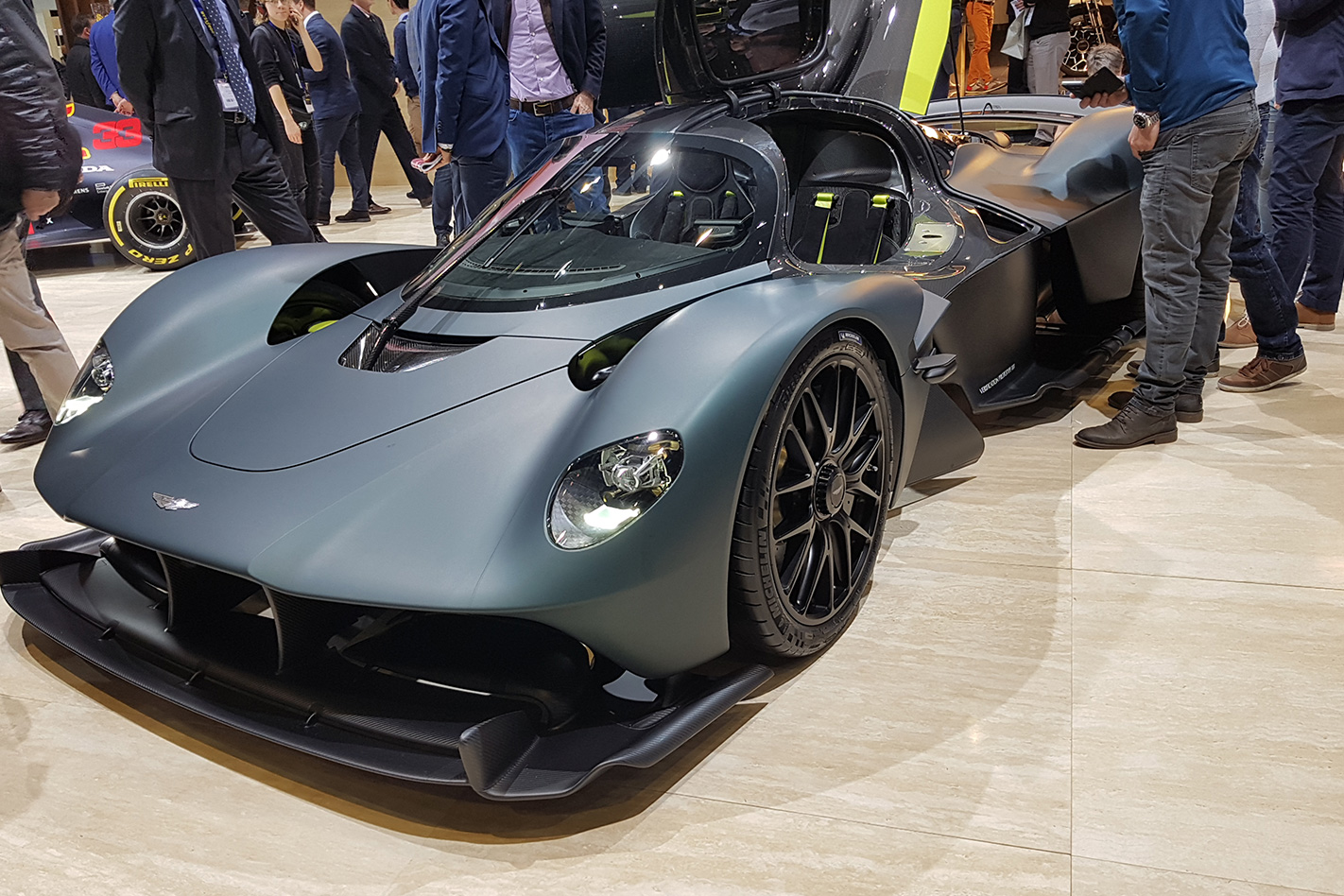
“We haven’t got exact figures yet – it’s too far out – but around £200,000 (A$370,000) for the Vanquish and the 003 will be around the £1 million (A$1.8 million) mark. If you look at those core competitors that circle those cars, it’s around those numbers. Valkyrie’s production run will be 150 cars and the 003 is set for 500 units. The Vanquish is not a limited run project. And then we have the other projects we’re working on as well, like DBX.”
Becker then casually drops a bomb into the conversation that will have enthusiasts jumping for joy and had his PR minder looking like a rabbit caught in the headlights.
“At the moment we’re working on the Vantage manual, which will appear towards the end of the year. It’s a Graziano transmission, so we’re working heavily on that product.”
Asked if it’ll be a six-speed, he point his finger up and grins when I suggest seven.
Although he’s been at Aston Martin for four years now, he’d been at Lotus for 26 years and I ask how he’s handled the difference in culture.
“It’s taken a while to figure out how to get things done, but it’s a very solid crew. What we have at Aston is a very strong product marketing team. They basically define what the customer wants and we have to work with them to take that attribute language and turn it into an engineering language. So, for example, Porsche Cayenne relative to DBX; the Cayenne’s a very competent car but we want something more engaging than that. Likewise DB11 versus Bentley Continental GT. The Bentley’s a nice car, a very competent car but it doesn’t really excite you in any way, whereas the DB11 shrinks around you a lot more than the Bentley does. The key attributes for us, typically, are the way it looks, the way it sounds and the way it drives.
“I’ve learnt so much since I’ve been at Aston Martin. At Lotus I think we used to engineer cars for engineers and at Aston what’s good is that you engineer cars for customers and that’s the recipe for success. If you engineer cars for engineers then you don’t always get it right. We work with a team now that clearly defines what the car needs to be in order to sell. We don’t always agree. When we have benchmarking events, we invite them along and there are some healthy debates.
Part of the fun of working at Lotus was that you could trial a new part by throwing it on the car and then flinging the car around the on-site test track at Hethel. It’s taken Matt a little while to replicate that at Aston.
“Having Silverstone as a test facility is such a huge asset. I said to Andy [Palmer] that we needed our own test track. If we want to do a benchmarking activity, it’s easy now so all the teams involved can come and drive the cars as they go through development and understand where we’re positioning the cars.”
Chris Goodwin strolls over and takes a seat. I ask him how the 003 project is progressing. “The last two years of design, development and engineering, including simulator work has amassed a massive databank of information for rear-mid engined sports car performance so a lot of what’s going into 003 has come out of that body of work,” he says.
Goodwin denies that there’s any sort of natural rivalry forming between the Valkyrie and AMG’s Project One.
“I think that’s a very different project. The Valkyrie is such a different animal to the Project One. From the outside they both appear to be similar, extreme, rare, valuable cars, but the Valkyrie’s all about dynamic performance whereas the Project One seems to be all about its powertrain. It doesn’t look as if it’s going to have the handling performance; the centre of mass is quite high, the downforce is quite low. It’s a showcase for an amazingly successful powertrain. It’s super impressive but it’s not a Valkyrie.
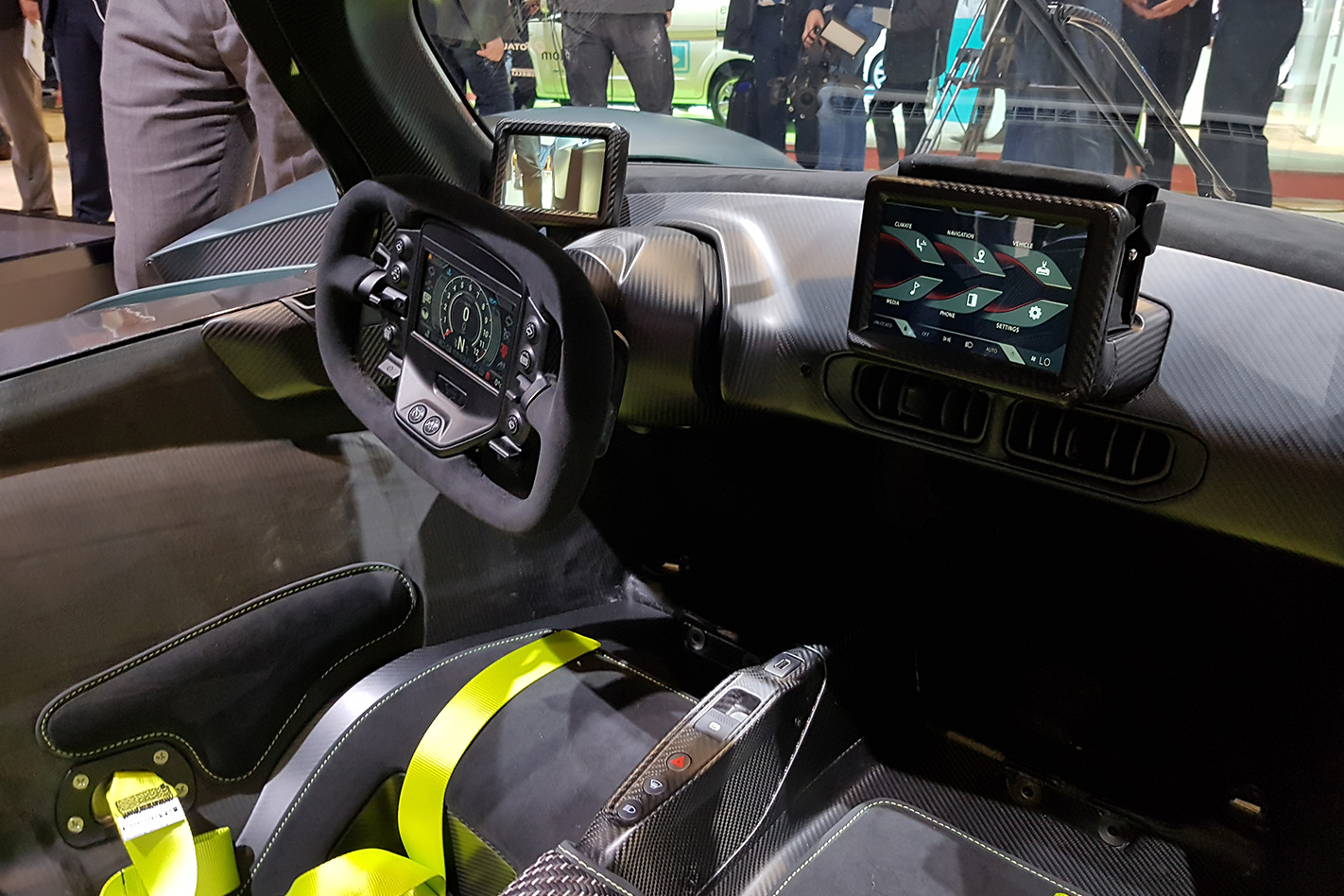
“I want the 003 to feel like the most amazing thing you’ve ever driven. Expectation’s quite high, by the way,” he laughs.
“I think the mixture of all our collective experience is actually better than anyone’s got at the minute. You’ve got the input from the manufacturer of the best luxury GT cars, you’ve got me and Matt’s similar but different experiences and you’ve got the input from Red Bull who have measurably built the best-handling Formula 1 car for quite a number of years. We’ve proven that that mixture is working very well with the targets for Valkyrie, and it’ll work with targets for 003.
On the subject of which, when’s it due?
“It’ll be 2021 for 003, and the production Vanquish will be late 2022,” says Becker before contemplating the amount of work required between now and then. He looks skywards. “Not far away is it?”
This is the Giugiaro Kangaroo, a running prototype revealed at Geneva that really focuses on the ‘sport’ part of its ‘SUV’ tag.
Yep, that’s right. Its creators, Italian style house GFG (as in Giorgetto and Fabrizio Giugiaro), actually call it an ‘SUV’. Hence the name Kangaroo, that it says comes from the fact it built a car that “springs into action, from one terrain to another”.
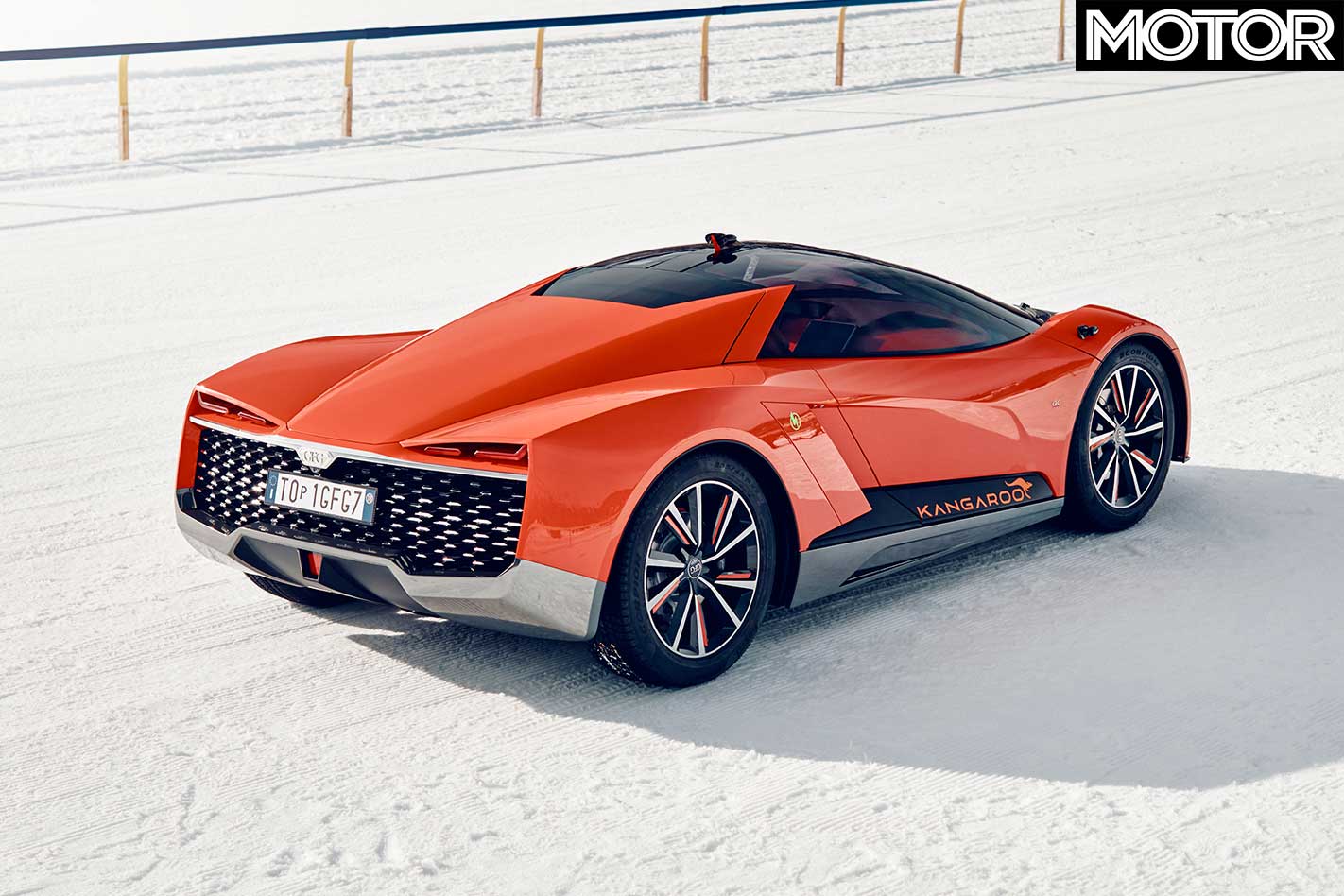
Although it looks like something that would be nervous to approach a speed hump, it has the ability to raise ride height by as much as 120mm. Overall, that varies its height from 140mm, in Racing mode, to 260mm in Off-Road mode. Yep, it has an Off-road mode.
Boosting its all-terrain ‘abilities’ is a radical new suspension system that relies on active hydraulics and three-way shock absorber that decouples the two springs found on the shock absorber, so it can engage one or two for a wide range of stiffness levels.
Since it’s a working prototype there’s a lot of detail on its specification. It wraps a carbon fibre body around an aluminium spaceframe, stretching to 4600mm in total and two metres wide. At its tallest, on 22-inch wheels with 285/45 Pirelli Scorpion tyres, it is 1410mm high.
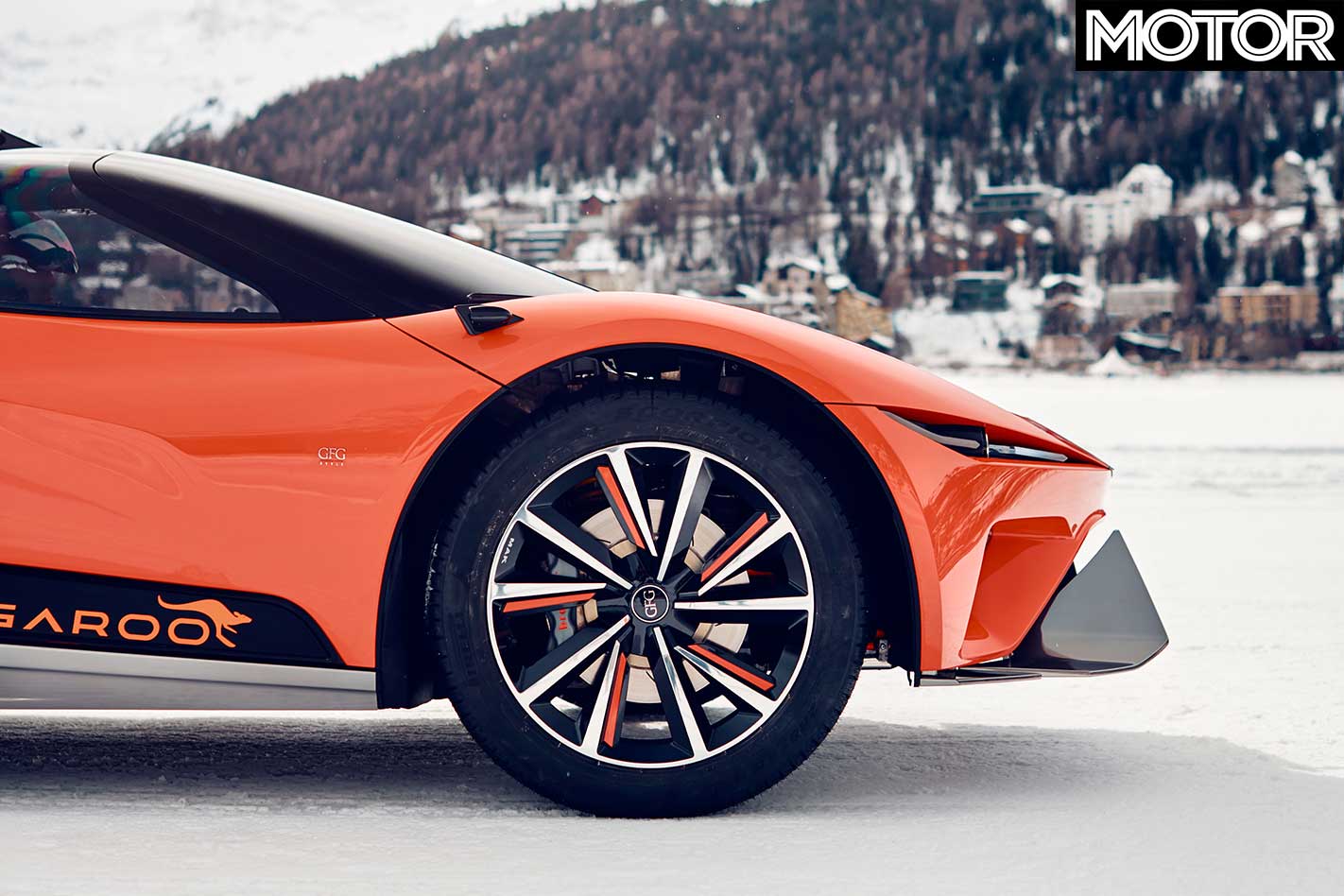
Traction comes from two 180kW electric motors that are claimed to help it reach 100km/h in 3.8sec and top out over 250km/h. That’s pretty quick. A 90kWh battery promises 450km of range, but we’d be hesitant to test that in the wilderness without a solar charger.
It’s also fitted with a four-wheel steering system to help it turn within small circles and if you come across a few stones, or an incline, its splitter retracts to leave a ramp angle of 26 degrees.
There are only two seats inside, unfortunately, so wherever you’re going we wouldn’t plan on packing much. You’ll need to open the scissor doors and a gull-wing roof hatch to get in, and you’ll settle into carbon fibre buckets once inside.
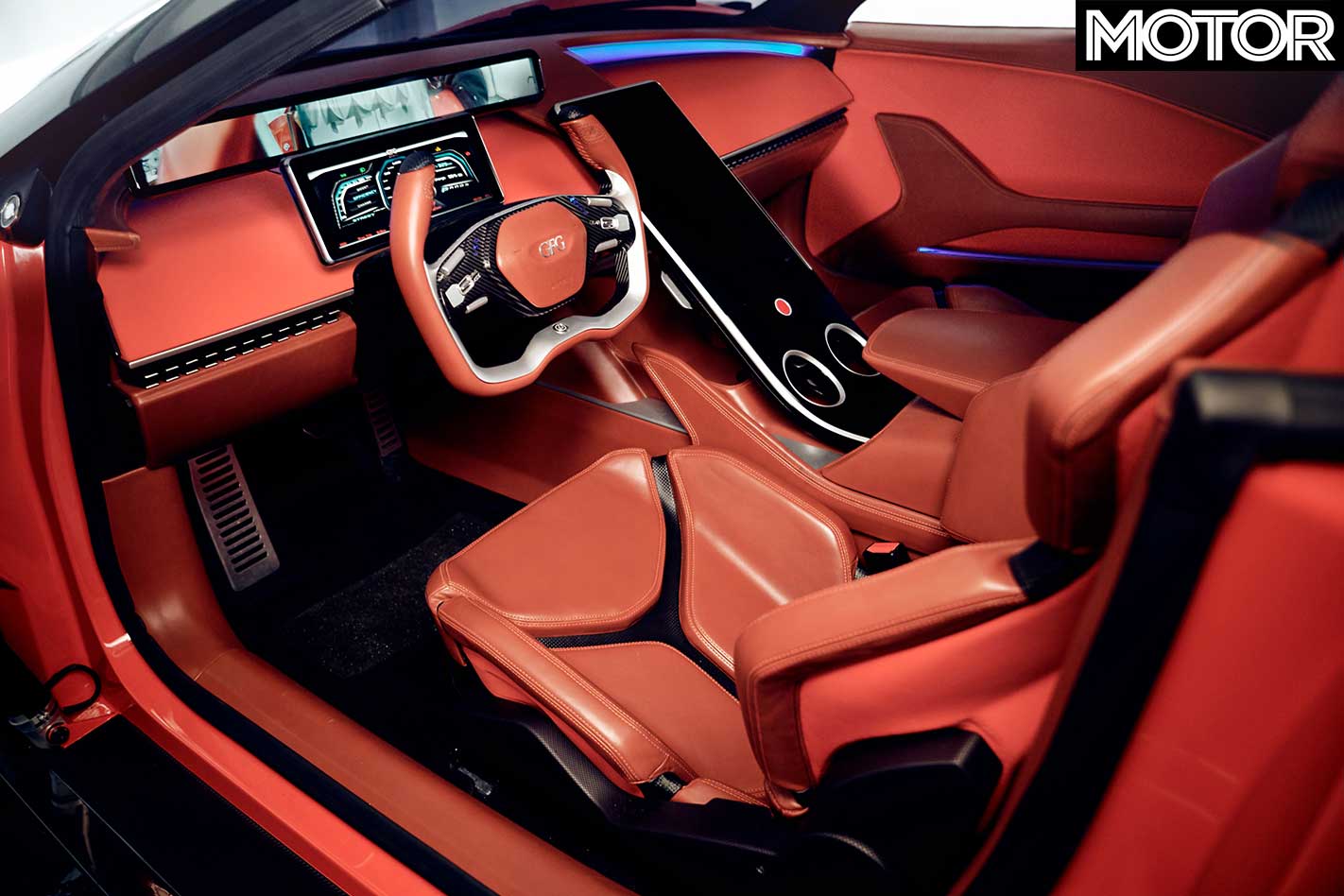
Inside is suitably futuristic and stylish, defined by a huge centre console pane and fine materials.
As to what GFG intends to do with such a concept, it’s not clear from the official press release. It’s built a clay model, a “tracked” version and this running prototype that it’s tested on the icy trails of Saint Moritz in Switzerland.
Either way, we’re a fan of this very, different skip.
Trigger-happy Andy Enright has been busy snapping away at the Geneva Motor Show, check out the gallery above to see behind the scenes at the 2019 show
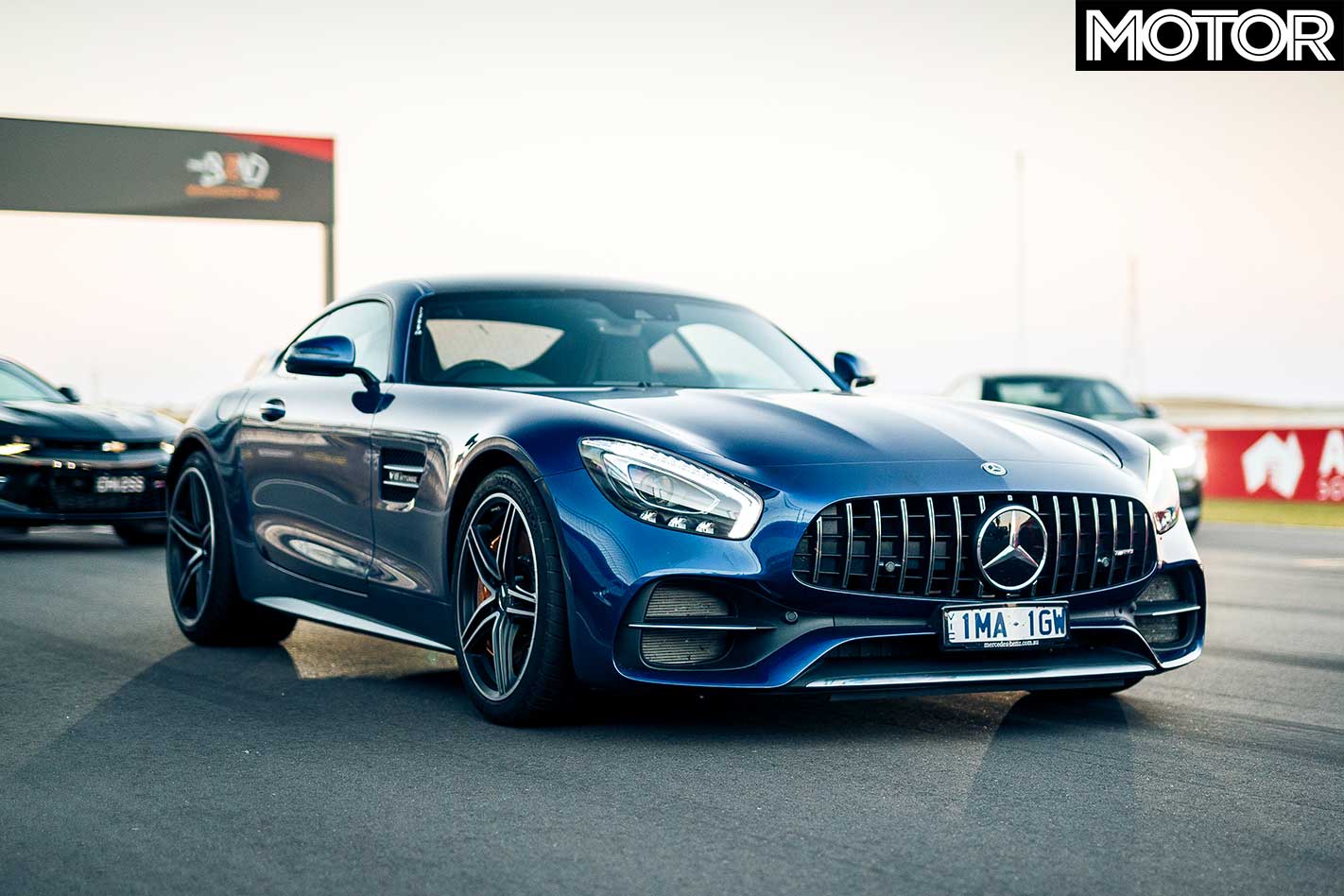
Even though ‘Performance’ is the first word in this event’s title, how a car makes you feel still counts for a lot. And while the Mercedes-AMG GT C was murderously fast against the clock, we sometimes bailed from it confused.
Nudge the steering into fast, smooth bends and it hunkers down on its fat Michelin Pilot Sport Cup 2s with proper focus. There’s a wall of grip to lean into.
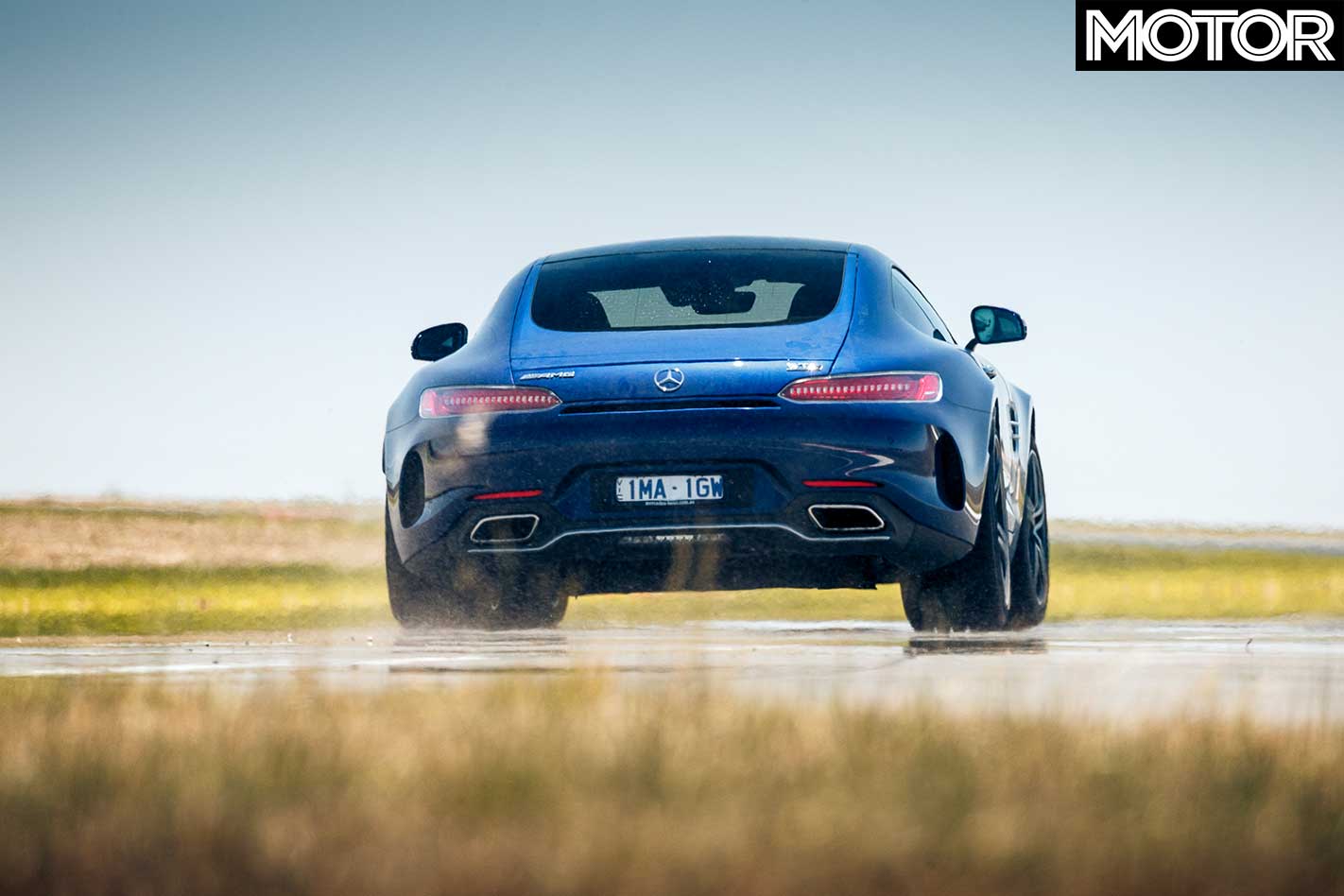
The wider rear track and electronically controlled LSD also let you stomp on its twin-turbo 4.0-litre V8’s throat as soon as you’ve eyed the corner exit. Of course, its 252kW-per-tonne makes forward thrust cover-your-eyes fast and its thunderous noise will shake koalas out of trees.
Dynamically, though, things take a turn. While you sit on the rear axle sometimes, not even Rick, who has the most attuned butt out of all of us, felt confident in what the back-end was going to do. So what chance did us mere mortals have? Surprise it with a mid-corner bump and its chassis throws itself into a state of confusion to stop your heart for a moment or two.
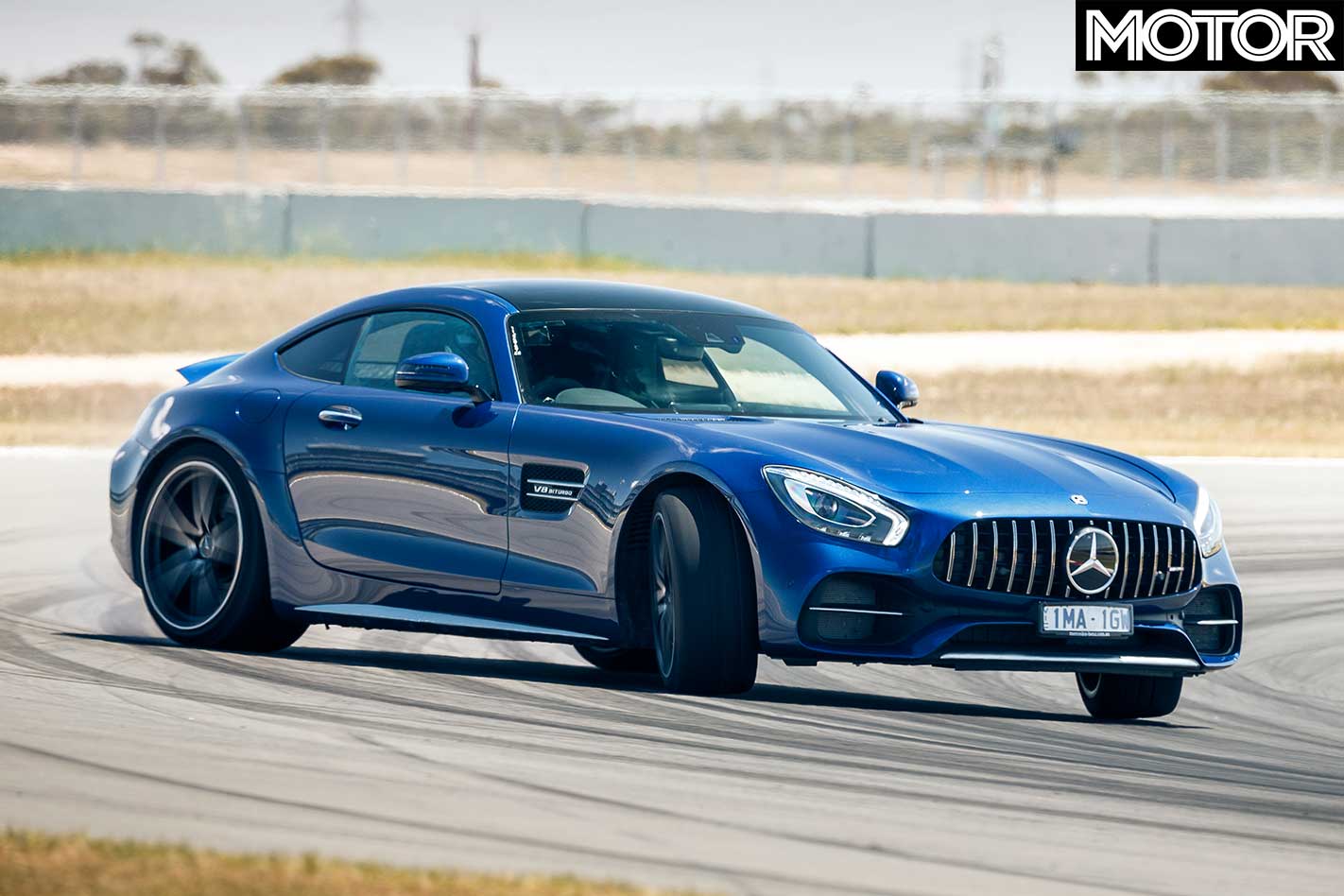
Still, on the right road, it is enrapturing when you’re feeling brave enough to tune into its frequency at nine-tenths. Its brutal mid-range, that can pull in any gear, and huge grip are pleasantly contrasted by its sharp steering feel and delicate front-end.
Its seven-speed dual-clutch transaxle shifts robustly and the sport bucket seats secure your kidneys better than an organ thief. But each situation comes with a balance of negatives; its steering had some iffy kickback on our road loop and its optional carbon brakes also felt too dull at first touch, or too sensitive half way through the travel. Meanwhile, the transmission’s low-speed manners left us wanting.
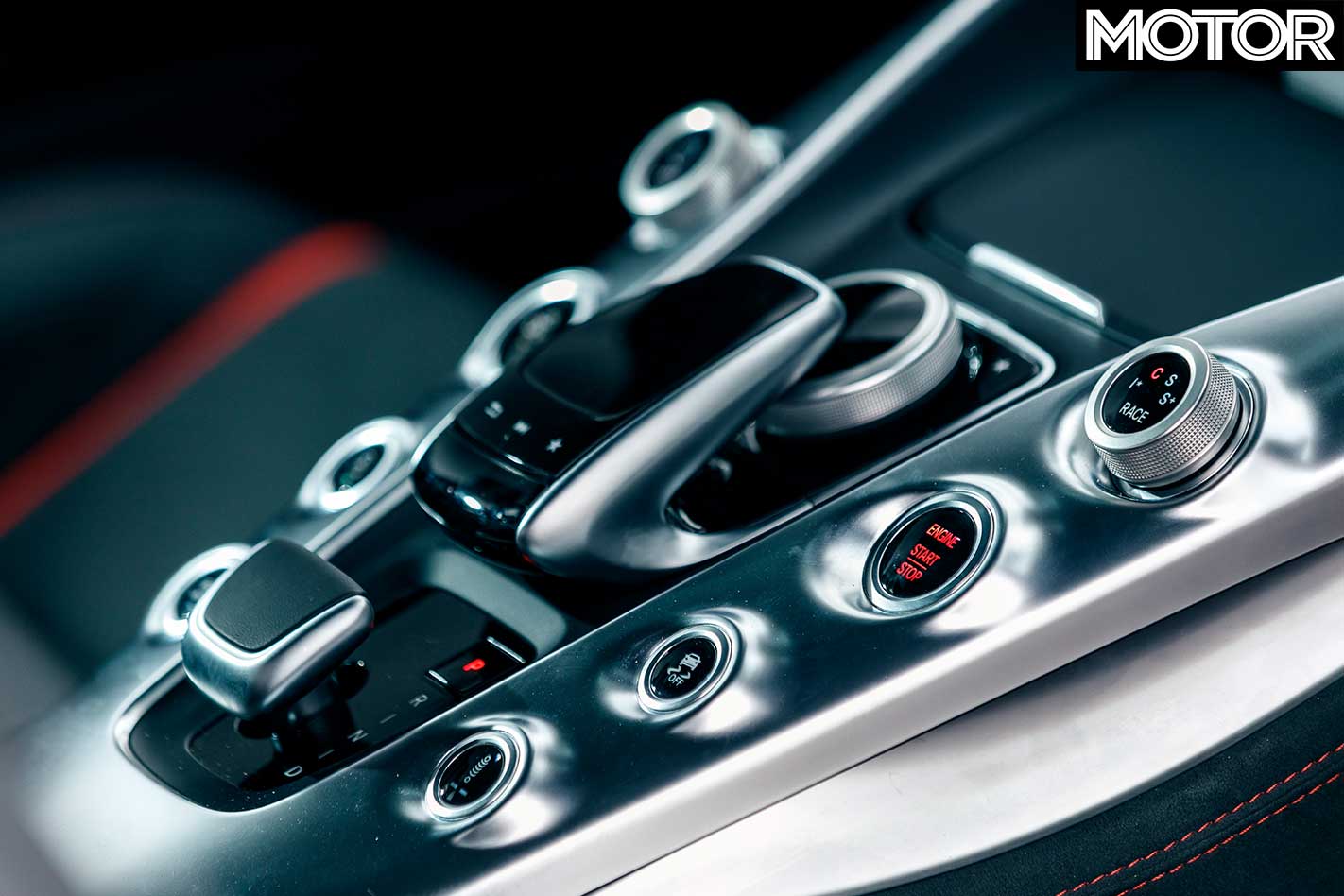
The interior’s beautiful to behold, but unfortunately, it’s a chore. The transmission stalk is placed too far back and its bulky centre console casts buttons (like the exhaust’s) out of easy reach. The ride, too, is on the firm side of things.
At $316,500 it’s obviously in proper sports car territory, but it’s hard to come to terms with that when it’s fitted with a sunroof. Conversely, it’s too fast and focused in practice to be anything else. The judges discussion tried to make sense of its place in the world.
With tremendous pace, grip and presence, it feels right as a track toy. But if that’s where the GT C’s going with this, we’d suggest just going the full-fat 430kW/700Nm GT R.
The Numbers
2019 MERCEDES-AMG GT C SPECS: Engine: 3982cc V8, DOHC, 32v, twin-turbo Power: 410kW @ 5750-6750rpm Torque: 680Nm @ 1900-5750rpm Weight: 1625kg 0-100km/h: 3.66sec 0-400m: 11.55sec @ 204.34km/h The Bend lap time: 1min 27.3sec Price: $345,829
Judge’s Rank
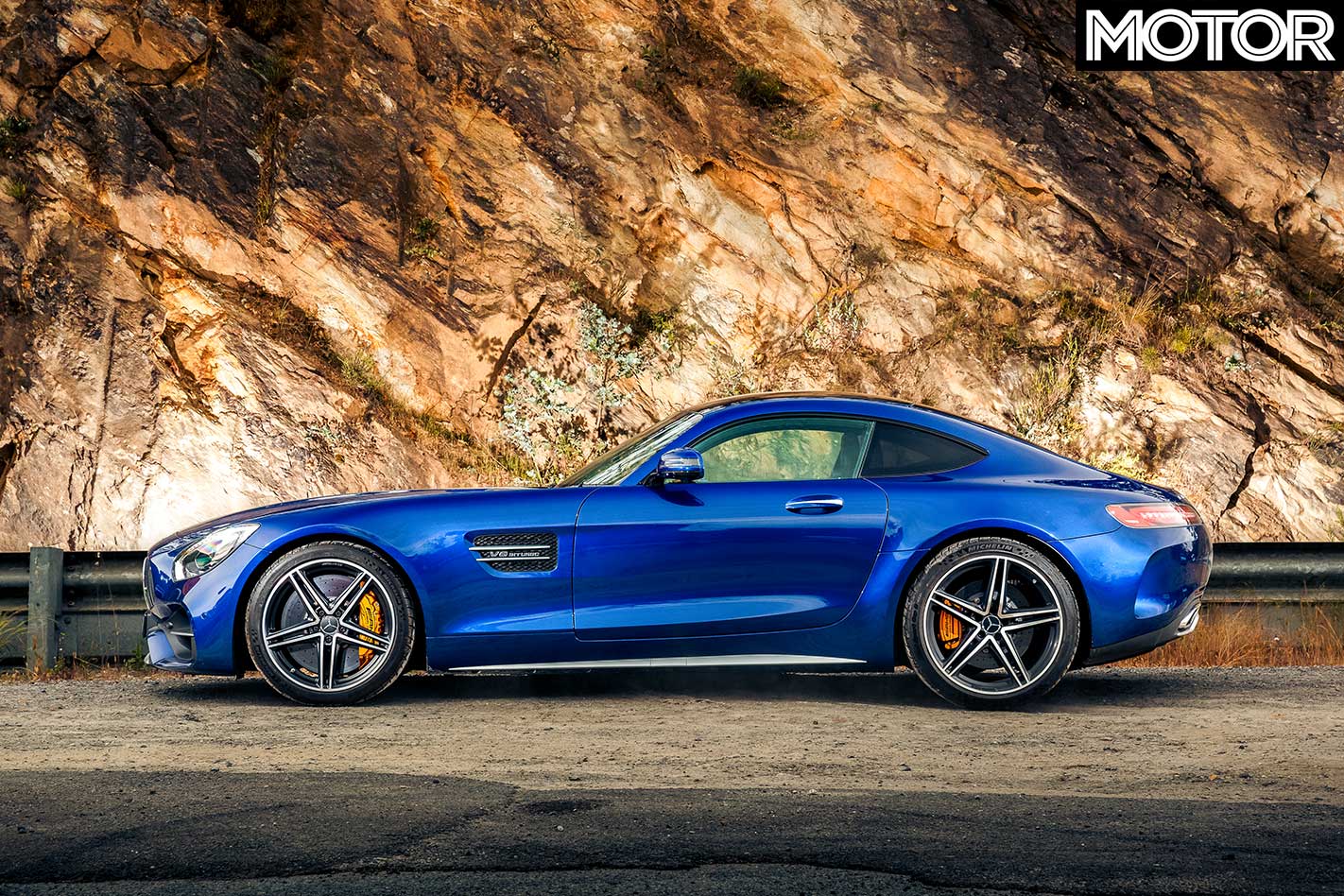
Dylan Campbell – 7th “Epic powertrain but chassis sometimes does stuff you’re not expecting. “
Louis Cordony – 8th “Unbelievable noise and pace marred by little flaws.”
David Morley – 8th “I remain unconvinced by the ride, even if it is AMG-typical.”
Scott Newman – 8th “Why the recipe matters as much as the ingredients.”
Rick Kelly – =5th “A mean-looking car with a personality all of its own!”
PCOTY 2019 Scoring
| Judges | DC | LC | RK | DM | SN | Total |
| Performance | 18.5 | 15 | 18 | 18 | 18 | 87.5 |
| Dynamics | 16 | 11.5 | 14 | 14 | 14 | 69.5 |
| Accessibility | 6 | 6.5 | 8 | 8 | 6.5 | 35 |
| Liveability | 7 | 4 | 6 | 7 | 5 | 29 |
| Value | 7 | 5.5 | 6 | 5 | 6 | 29.5 |
| X Factor | 8.5 | 7.5 | 7 | 9 | 8.5 | 40.5 |
| Total | 63 | 50 | 59 | 61 | 58 | 291 |
The Navara is one of Nissan’s top-sellers, sitting behind the popular X-Trail in the Japanese carmaker’s lineup and accounting for around one in four of every Nissan sold in this country.
Yet it’s a middle-of-the-pack performer in the highly competitive commercial ute category. Nissan has given the range a shot in the arm via the arrival of a ruggedised, value-packed high-end variant – the Nissan Navara ST Black Edition – however is that enough to sharpen up Nissan’s tough pickup?
VALUE
Selling at $48,690 drive-away with a six-speed manual or $51,190 drive-away for the seven-speed auto model we’re testing here, the Nissan Navara ST Black Edition is a compelling deal against the ST-grade model it’s based upon (which retails at $47,190 as a manual, $49,490 as an auto). The value-adds are mostly cosmetic (and we’ll detail them in the next section), but for many in the market for a new ute, appearances do matter.
And considering its price point and tough looks, the Black Edition is indeed an attractive thing. Dual-cab 4×4 utes that happen to boast barrel-chested physiques also tend to perform quite well in sales figures, and we wouldn’t be surprised if the big plastic fenders and other exterior add-ons of the Black Edition help make it one of the more popular Navara variants among buyers.
STANDARD FEATURES
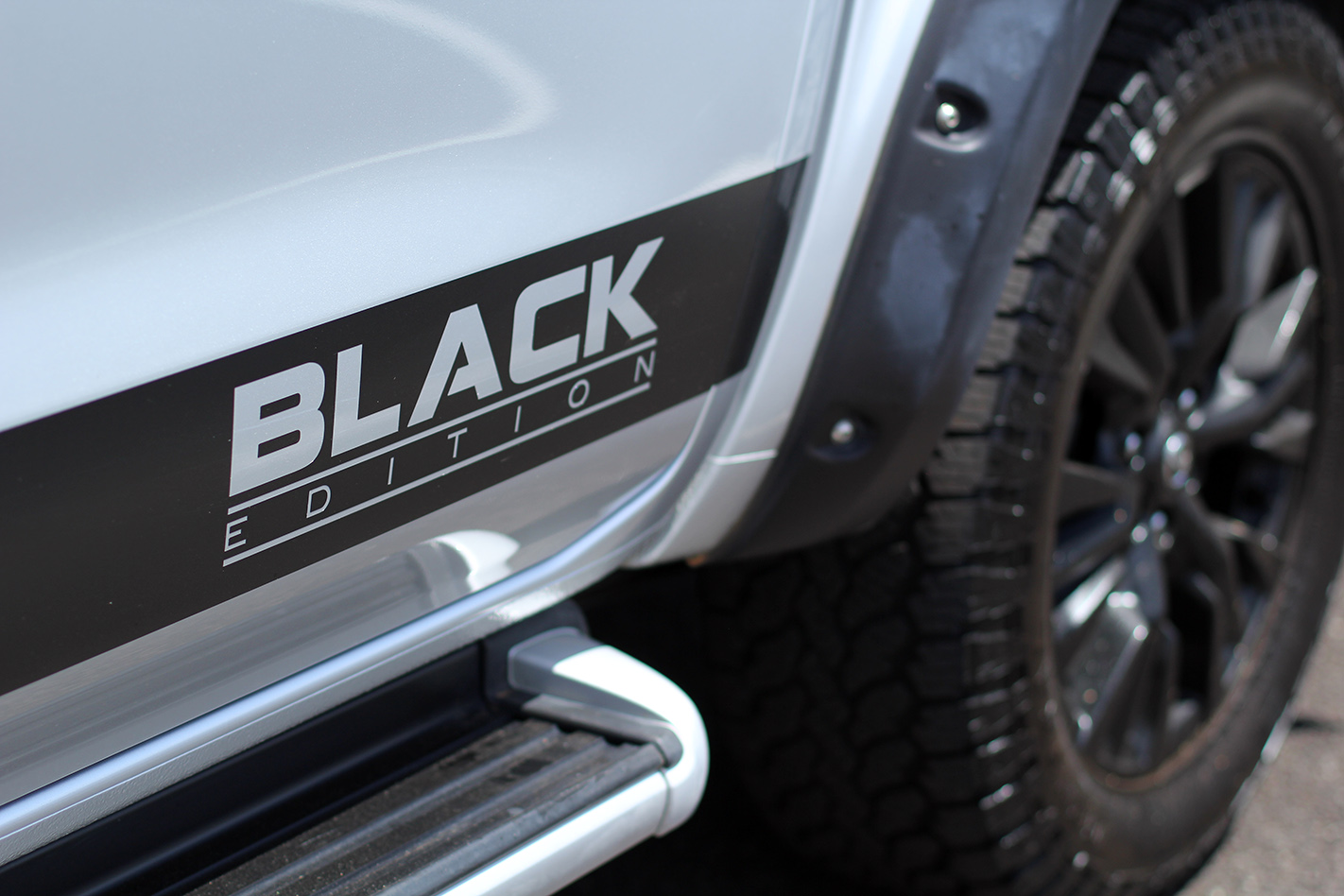
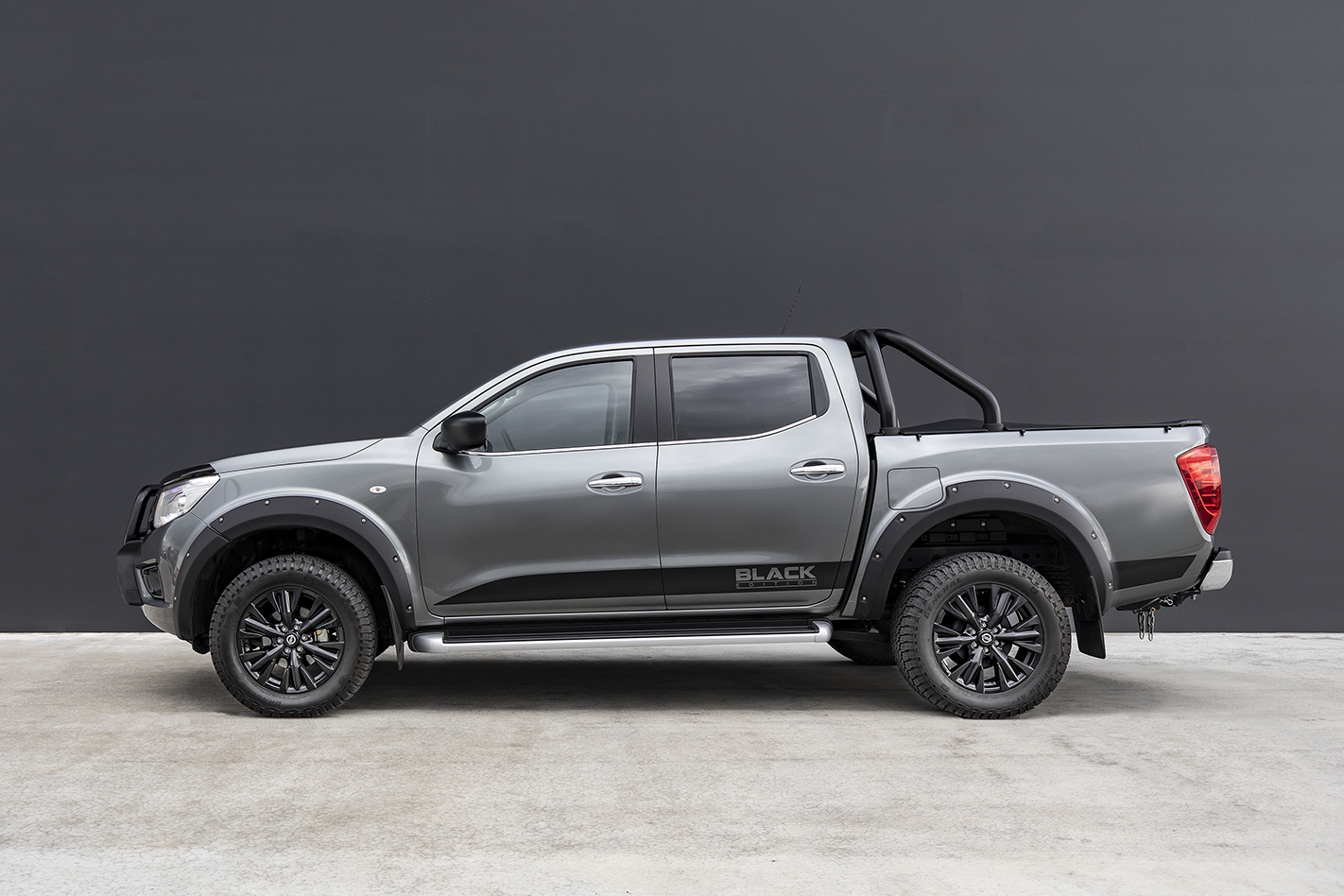
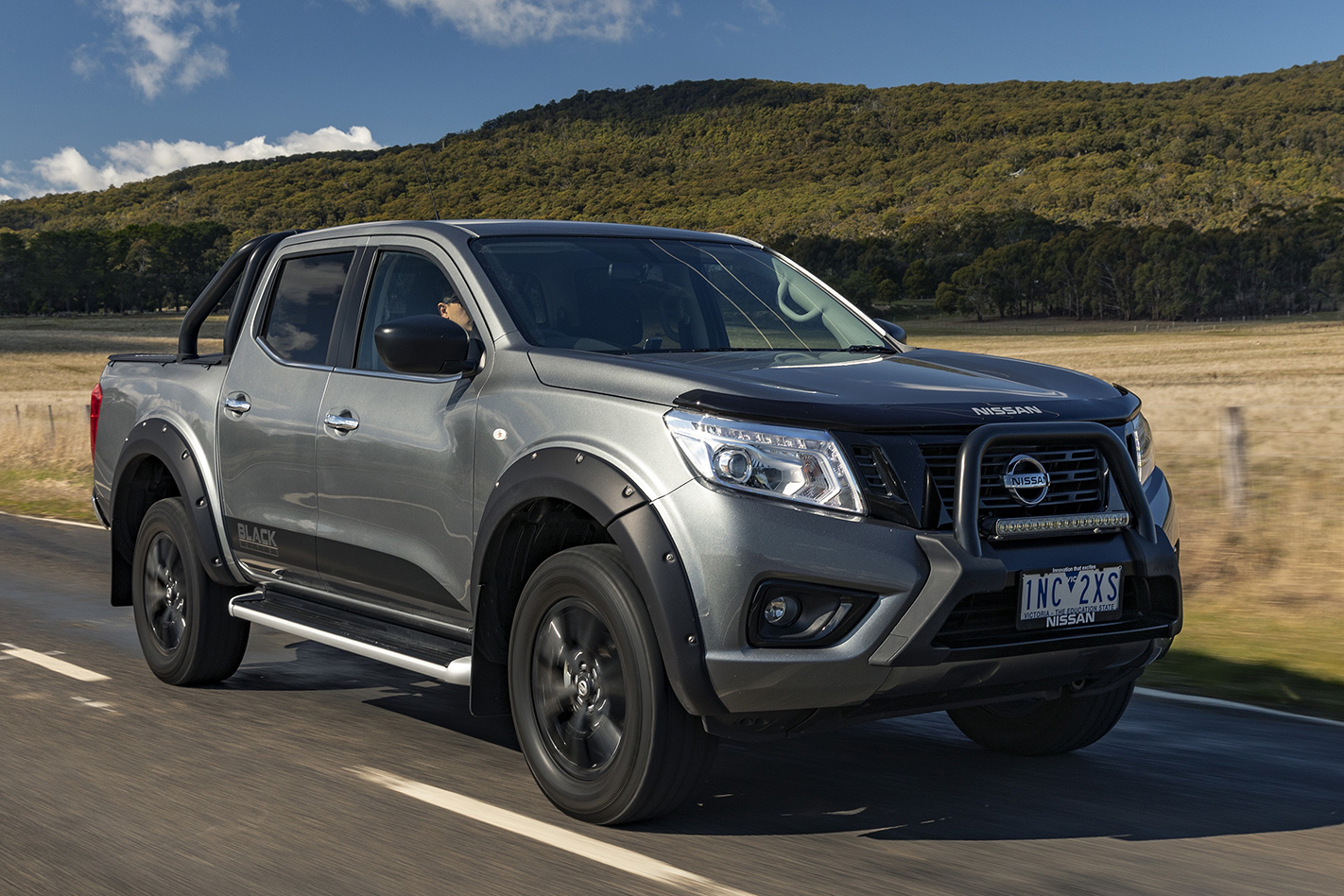
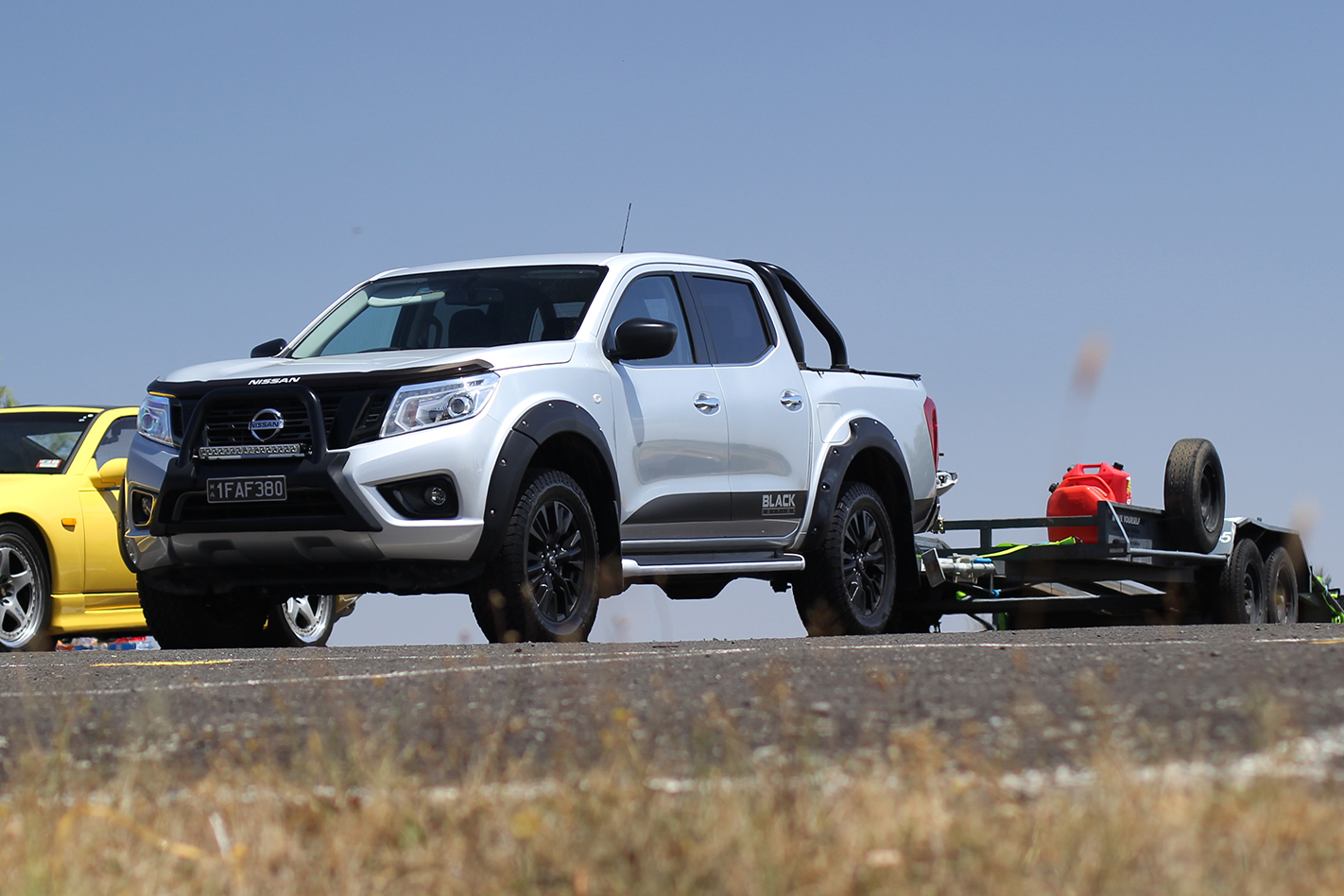
For just a modest extra outlay you gain toughened-up exterior styling via bolted-on black wheelarch flares, a black nudge bar and sports bar, black 18-inch alloys with all-terrain rubber, a thick plastic tub liner, blacked-out foglamp bezels, mirror caps and grille, plus some ‘Black Edition’ decals.
That’s on top of the usual Navara ST inclusions of satellite navigation, LED headlamps, a reversing camera, air conditioning, power windows and cruise control. A solid list with all of the basics covered, but the 7-inch infotainment headunit is showing its age with sluggish responses and unavailability of Android Auto/Apple Carplay smartphone mirroring.
SIZE
The Navara is sized to compete with the rest of the 4×4 dual-cab flock, with a 5.25m by 1.85m ‘footprint’ allowing plenty of cabin space and cargo space. That said, while the tub’s length, width and height of 1.50m, 1.56m and 0.47m sound generous, the 1.13 metre gap between the rear wheelarches isn’t wide enough to accommodate an Australian standard pallet.
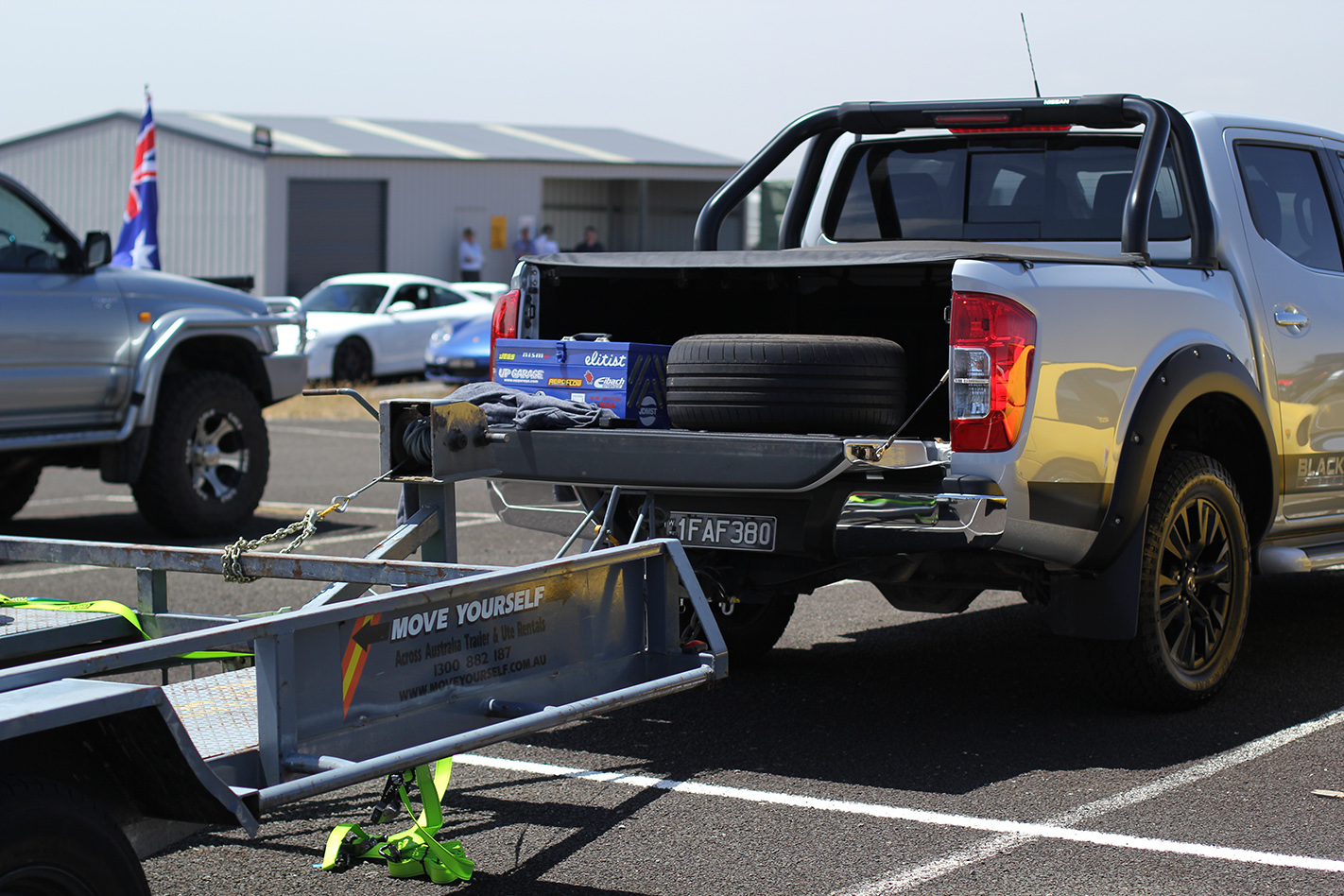
Maximum payload is 968kg for the automatic tested here, while towing capacity comes in at 750kg for an unbraked trailer and 3500kg for one with trailer brakes.
SAFETY
As standard, the Nissan Navara comes with stability control, ABS, EBD, brake assist, traction control, a reversing camera and six airbags – front, front side, driver’s knee and full-length curtain. However for the ST grade that the Black Edition is based upon, rear parking sensors are not available nor is the 360-degreee parking camera of the top-grade ST-X.
Additionally no Navara is available with autonomous emergency braking, a safety feature that is slowly making its way from passenger cars into the light commercial vehicle segment and is already present on the Nissan’s platform-mate, the Mercedes-Benz X-Class.
COMFORT
The Navara’s cabin is due for a redesign. Though functional, the presentation is dated and there are certainly opportunities to boost the usefulness of this interior through the application of more intelligent design.
For one, the storage trays at the top and bottom of the centre stack are made of hard, slippery plastic that sees devices slide around on every corner, while the shape of the horn pad can have you inadvertently honking whenever turning the wheel from lock-to-lock – but at least the steering wheel is clad in hard-wearing leather rather than bare urethane.
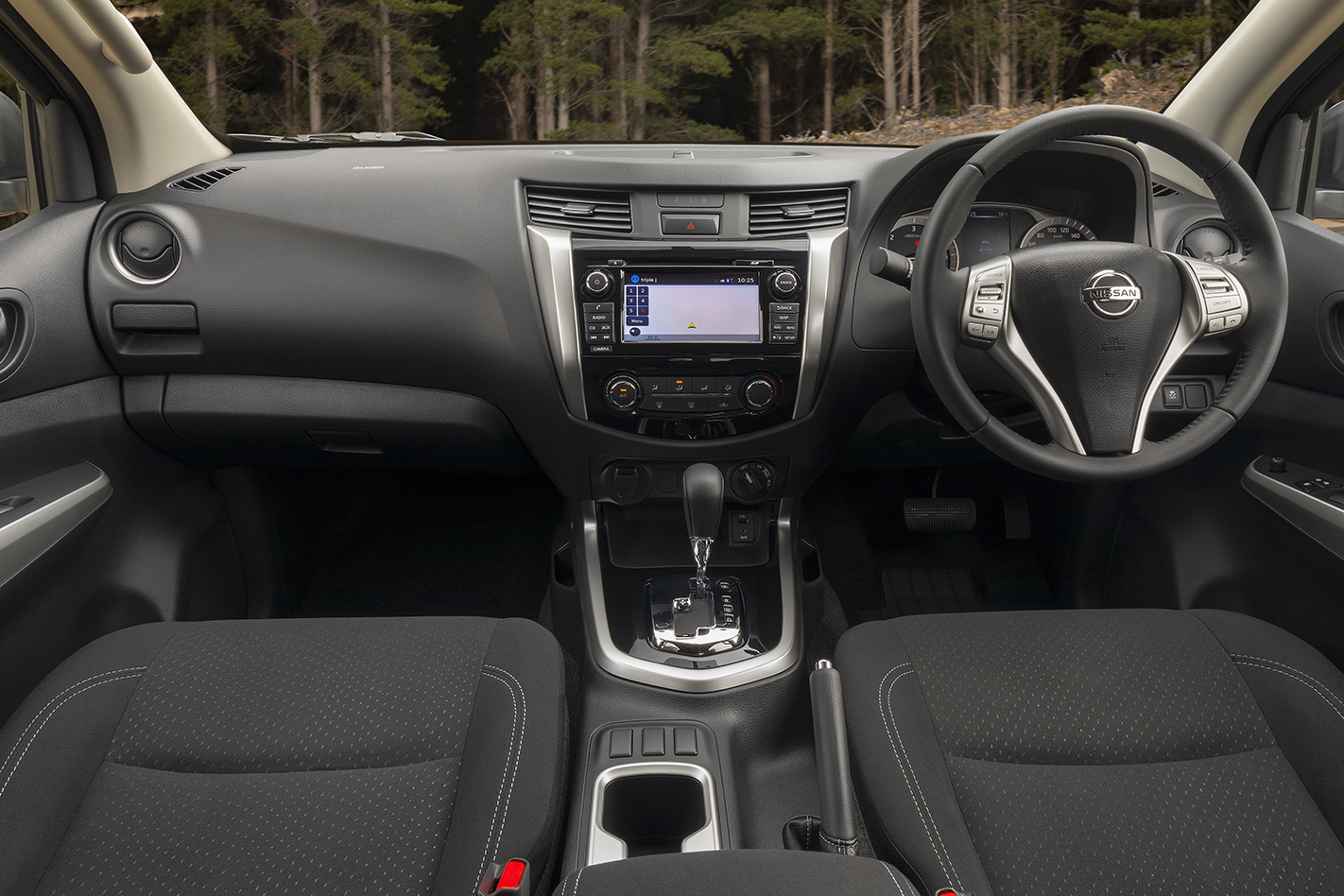
For the Black Edition, the only real addition to the interior is a fairly flimsy multi-fit phone holder that slips into one of the centre console cupholders, which thus places the phone too low in the cabin to make it useful as a defacto sat-nav unit.
There are air vents on the back of the centre console for your back seaters, however, and the rear bench is indeed spacious enough for a couple of – or even three – fullgrowns, although there are no cupholders or 12V/USB charge ports for them. The electric centre panel of the rear glass can slide to the side to get plenty of cross-flow through the cabin when the front windows are wound down, however, which is nice.
Overall, it’s a middle-of-the-road ute in terms of its interior. Vehicles like the X-Class and Volkswagen Amarok boast better quality and design flair, though both do come with a price premium over the Nissan.
ON THE ROAD
One thing that always surfaces when we review the Navara is how its on-road ride doesn’t match up with expectations. After all, the Navara dual-cab boasts a coil-sprung rear axle rather than the leaf-sprung arrangement that’s far more common in the ladder-frame ute class. With that kind of configuration most people expect a greater level of refinement, comfort and handling, but in the Navara’s case that’s not true.
Often feeling unsettled at higher speeds the Navara could benefit from better suspension tuning to tame its on-road manners, but we decided to take a different tactic when reviewing this particular Navara – we wanted to see whether hitching a bit of weight to the towbar might change things.
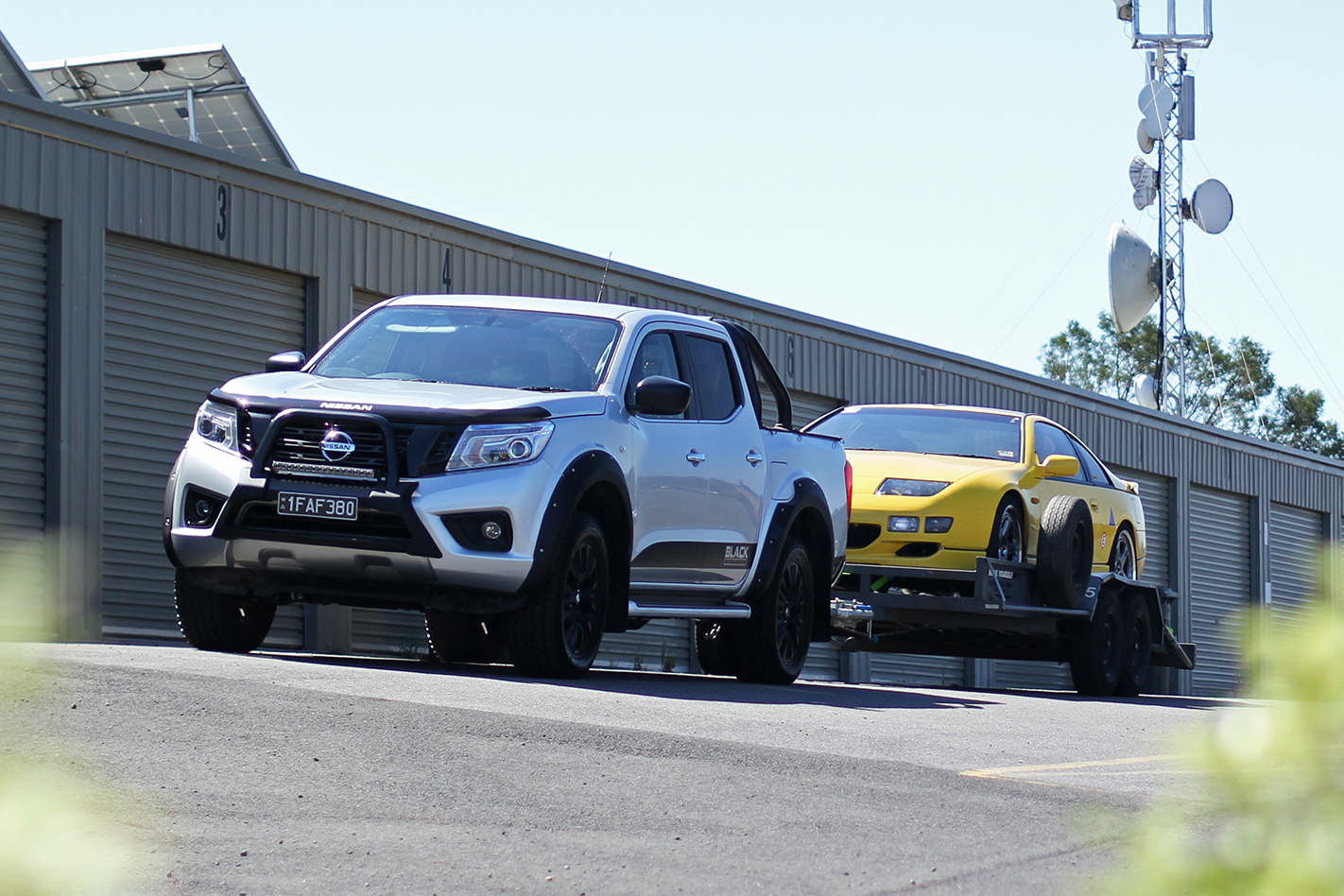
A track day formed a convenient excuse to do so, and with a trailer weighing a couple of hundred kilos carrying a car weighing a further 1300-odd kilos the Navara certainly felt a lot more composed. With a substantial towball download pushing the rear down, that highway-speed lateral sway and chassis shimmy mostly disappears – as does its propensity to over-react to bumps.
However, towing heavy stuff like another car predictably takes some of the sheen off the engine. While perky and responsive when unladen, the Navara’s 2.3-litre diesel stuggles to maintain momentum up mild grades despite its lag-reducing twin-turbo technology.
Bigger engines may feel more relaxed in such scenarios, but if all you need is to carry 200-400kg of tools and other hardware in the tub then the Navara’s powertrain – and its seven-speed automatic – should supply all the oomph you need. Meanwhile the extra weight should alter that rear suspension’s character for the better (though obviously at the cost of fuel economy).
VERDICT
The Nissan Navara Black Edition is far from a dud. From a value standpoint it’s a compelling thing, and while it’s still not a dynamic winner within its segment it’s perfectly fine for travelling from home to worksite with plenty of gear in the back – or towed behind.
But we have to admit that the juiced-up exterior really does play to the wants and needs of the ute-buying crowd rather well. It stands out against the sea of vanilla-spec utes that fill Australian roads, and for the self-respecting tradie that’s certainly important.
Buyers will need to test-drive to see if the Navara’s ride is up to their own personal standard, but in this writer’s opinion it’s the Navara’s fairly ordinary interior and ancient infotainment that are more niggling issues from an ownership point of view. If that doesn’t bother you, the Navara Black Edition certainly warrants a look.
MAZDA has expanded its successful SUV line-up, revealing the all-new CX-30 in Geneva.
Sitting between the CX-3 and CX-5, the CX-30 is the fifth high-rider in Mazda’s line-up.
Contrary to pre-Geneva speculation, the CX-30 is not just a CX-3 with a sloping coupe-esque roof; instead the new model offers a genuine improvement in size compared to the smallest SUV in Mazda’s range.
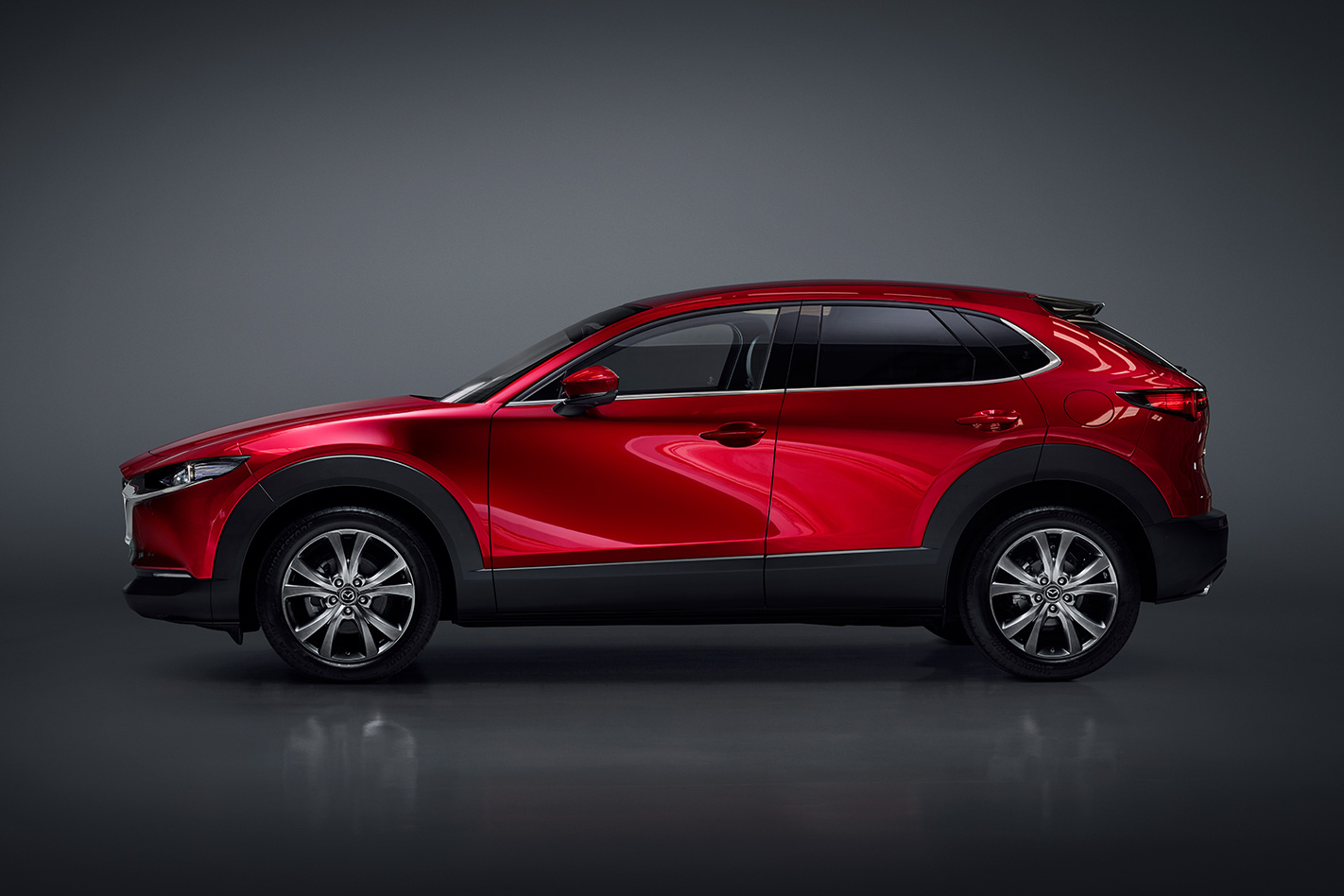
Retaining Mazda’s iconic ‘Kodo’ design language, the CX-30 borrows the CX-3’s plastic wheel arch cladding, but mimics the silhouette of the CX-5.
In terms of size, the CX-30 fits in between the CX-3 and CX-5, with a 4395mm overall length, and 2655mm wheelbase. Mazda claims ground clearance for the CX-30 is 175mm, 15mm more than the CX-3, and 35mm less than the CX-5
MacPherson strut suspension is used on the front axle, while a simpler torsion beam set-up is used on the rear.
There is no word on Australian specification yet, however European cars will be available with a trio of engines – a SkyActiv-G 2.0-litre petrol, SkyActiv-D 1.8-litre diesel, and Mazda’s new compression ignition SkyActiv-X petrol (with an undisclosed capacity). No power outputs have been released.
Both the SkyActiv-G and SkyActiv-X engines are fitted with Mazda’s M Hybrid system in overseas markets, improving fuel economy. However, it is unclear if this will be retained for Australia.
Along with a trio of engines, Mazda will offer both six-speed manual and automatic gearboxes in overseas markets. It is uncertain if both of these will make it to Australia, as a three-pedal transmission is only offered on the entry-level CX-5 Maxx locally. However, all CX-3 variants bar the flagship Akari LE can be fitted with a manual.
Both all-wheel-drive and front-wheel-drive variants will be offered, with the former receiving a number of tweaks to improve torque distribution and reduce overall mechanical losses.
Included in the CX-30 is the next generation of Mazda’s G-Vectoring system, GVC Plus. Also fitted to the new Mazda 3, GVC Plus uses the brakes to smooth out lateral movements during cornering.
A full suite of safety features are fitted to the CX-30 as part of the company’s i-Activsense suite, including a driver monitoring system, front cross traffic alert, and Mazda’s ‘cruising and traffic support system’ which assists with accelerator, brake pedal, and steering inputs in traffic jams.
Using the new Mazda 3 as a guide, it’s likely most, if not all, safety tech will be fitted as standard on every variant.
Both the CX-3 and CX-5 have been sales successes for Mazda, with the latter predicted to overtake the Mazda 3 as the brand’s most popular model in the next year or two.
In 2018, the CX-3 and CX-5 were responsible for 16,293 and 26,173 registrations respectively, with the larger CX-8 and CX-9 siblings accounting for 1150 and 8094 sales.
Pricing, local specification, and variants will be revealed closer to the Australian launch.
The Koenigsegg Jesko wants to be the world’s fastest car.
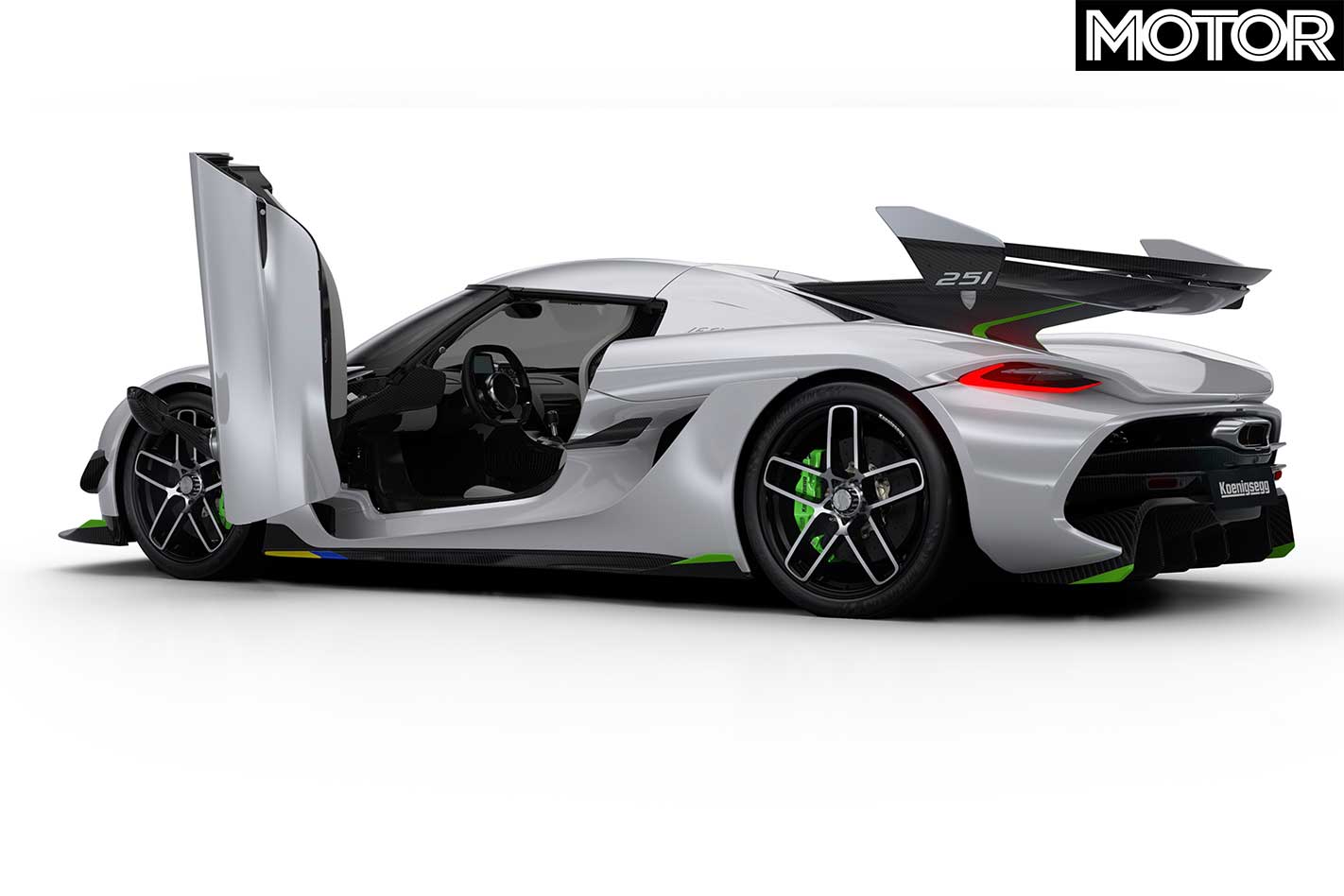
Revealed at the 2019 Geneva Motor Show, the Jesko, named for company founder and CEO Christian Von Koenigsegg’s father, replaces the eight-year old Agera and features more power, huge amounts of downforce and cutting edge technology.
Nestled deep inside is an uprated 5.0-litre twin-turbo V8, which now produces 941kW on regular fuel and revs to 8500rpm. Use E85 and its outputs swell to 1177kW/1500Nm with more than 1000Nm available from 2700-6170rpm.
Its technical detail deserves a separate article, but its key feature is the use of an air injection system, which provides a 20bar shot of compressed air to pre-spool the enormous turbos required for such crazy outputs, effectively eliminating lag.
Meet the final Koenigsegg Agearas: Vader and Thor
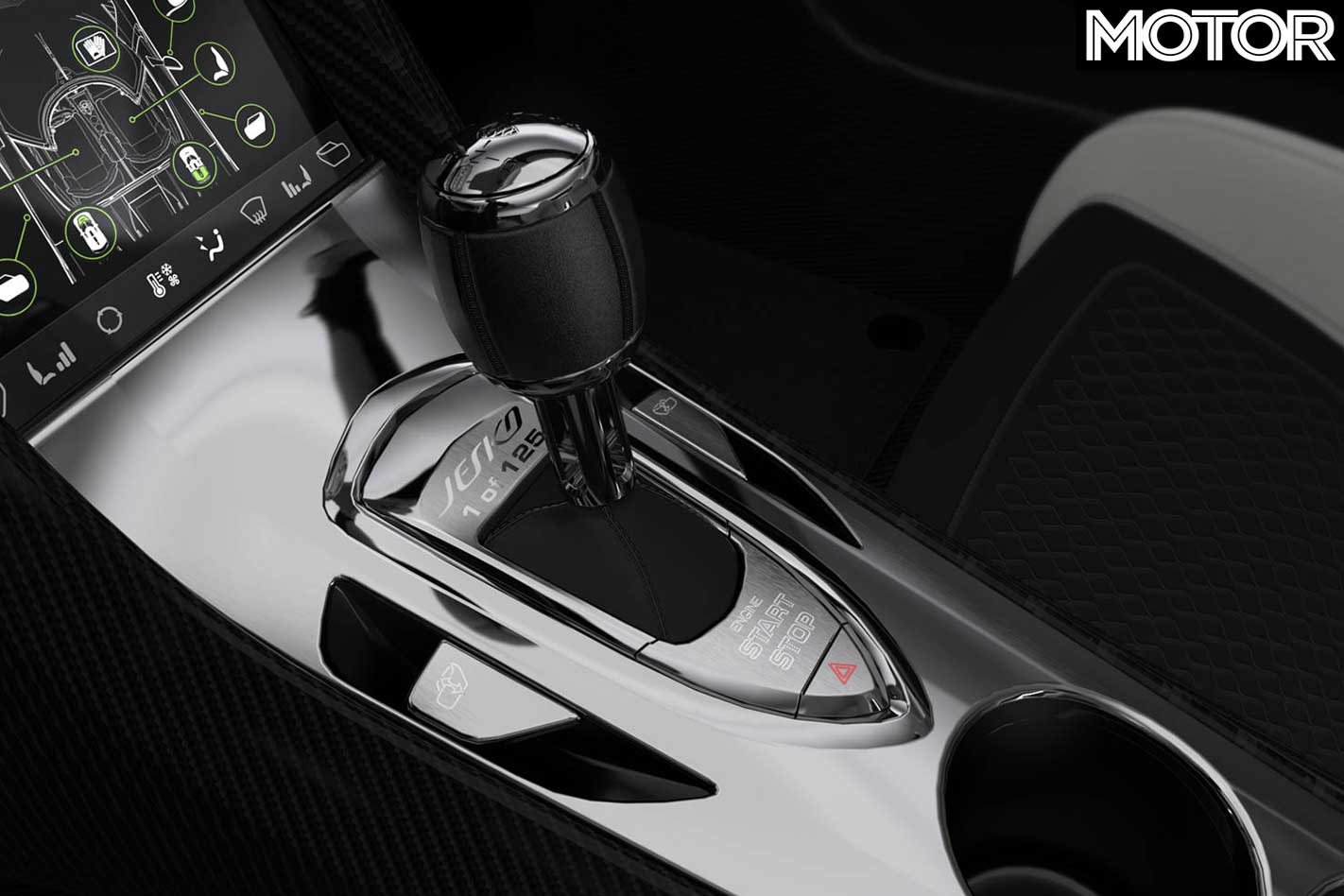
This powerhouse is attached to arguably the Jesko’s headline act, an all-new nine-speed gearbox dubbed Light Speed Transmission. It effectively operates like a dual-clutch but has the ability to instantly grab the appropriate gear for maximum power rather than just the adjacent one.
It does away with synchro rings and uses a number of multi-plate clutches. The computer then uses engine speed and road speed data to not only engage the current gear but also the one that would deliver maximum acceleration at any time.
Koenigsegg’s first Aussie dealership
To request the change there is a two-stage gearshift mechanism. Gears can be selected one at a time via the steering wheel paddles or shifter but a second stage engages Ultimate Power On Demand, instantly selecting the right gear for the biggest possible punch.
All new aerodynamics generate up to 1400kg of downforce, which is virtually equal to the Jesko’s 1420kg kerb weight. This has required a second triplex damper to be added at the front of the car. A rear triplex damper was introduced on the Agera, a third horizontal damper that reduced squat under hard acceleration. The front triplex damper maintains a stable ride height under extreme aerodynamic load while maintaining sufficient compliance to retain low-speed grip.
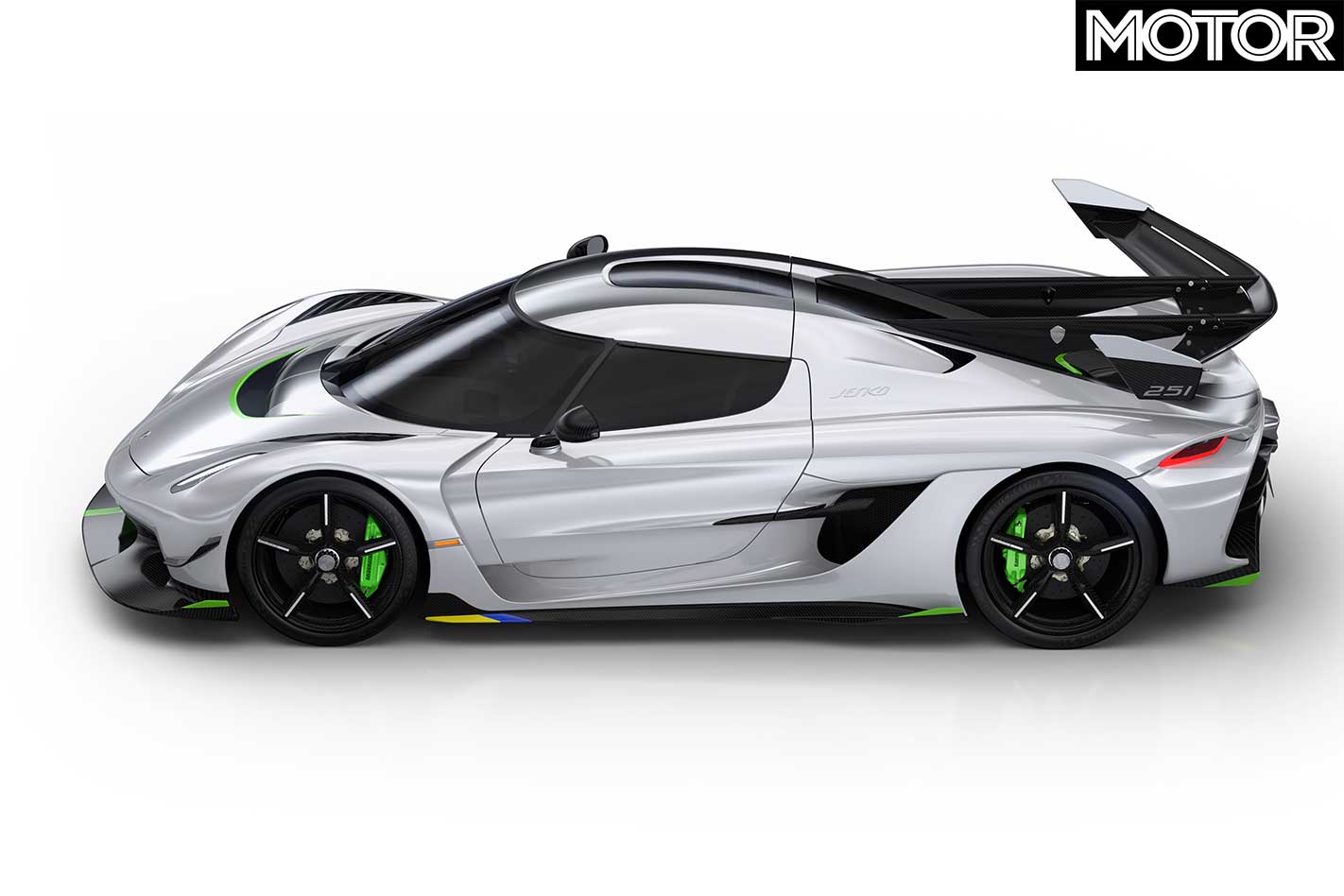
The conventional dampers are electronically-adjustable Ohlins, which control new carbon fibre wheels measuring 20 x 9.5-inches front and 21 x 12.0-inches rear wrapped with Michelin Pilot Sport Cup 2 tyres. New-generation Michelin Cup R tyres are optionally available for dry weather use.
All four wheels now steer, with the rear wheels able to steer up to three degrees in the same or opposite direction depending on vehicle speed. The carbon-aluminium monocoque is 40mm longer and 22mm taller to improve interior space and the wild dihedral doors offer improved entry and exit.
The interior itself has been redesigned and features a number of touchscreens, including a 9.0-inch central unit, a 5.0-inch ‘smart cluster’ which moves with the wheel but keeps the information level and a pair of haptic touchscreens in the steering wheel spokes that can be used to control a wide variety of vehicle functions.
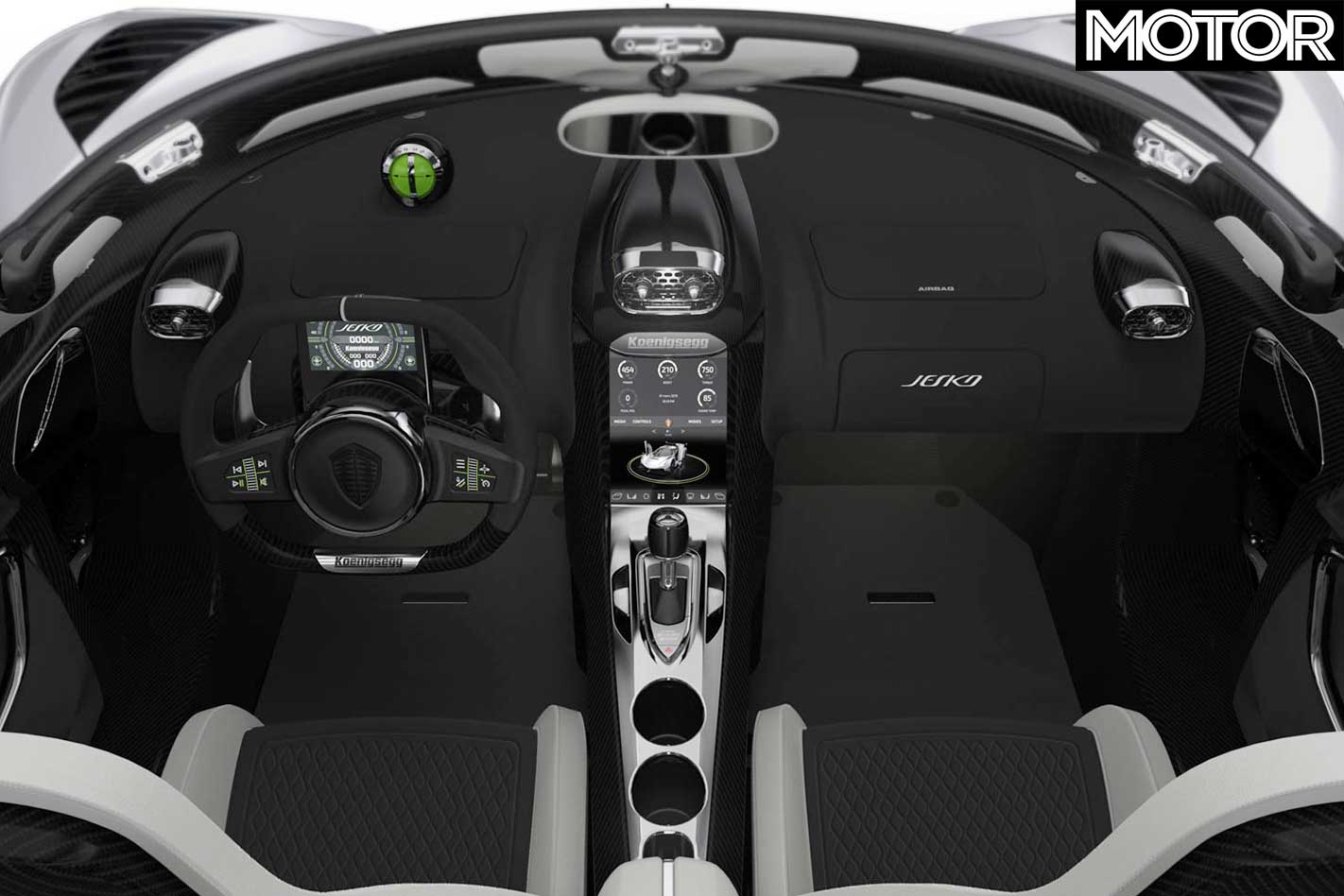
In addition, there’s wireless phone charging, bird’s eye parking cameras, climate control and miniaturised hydraulics not only operate the active aero and suspension but also allow remote operation of the doors, bonnet and boot.
It looks like Koenigsegg will continue to punch above its weight in the hypercar segment.
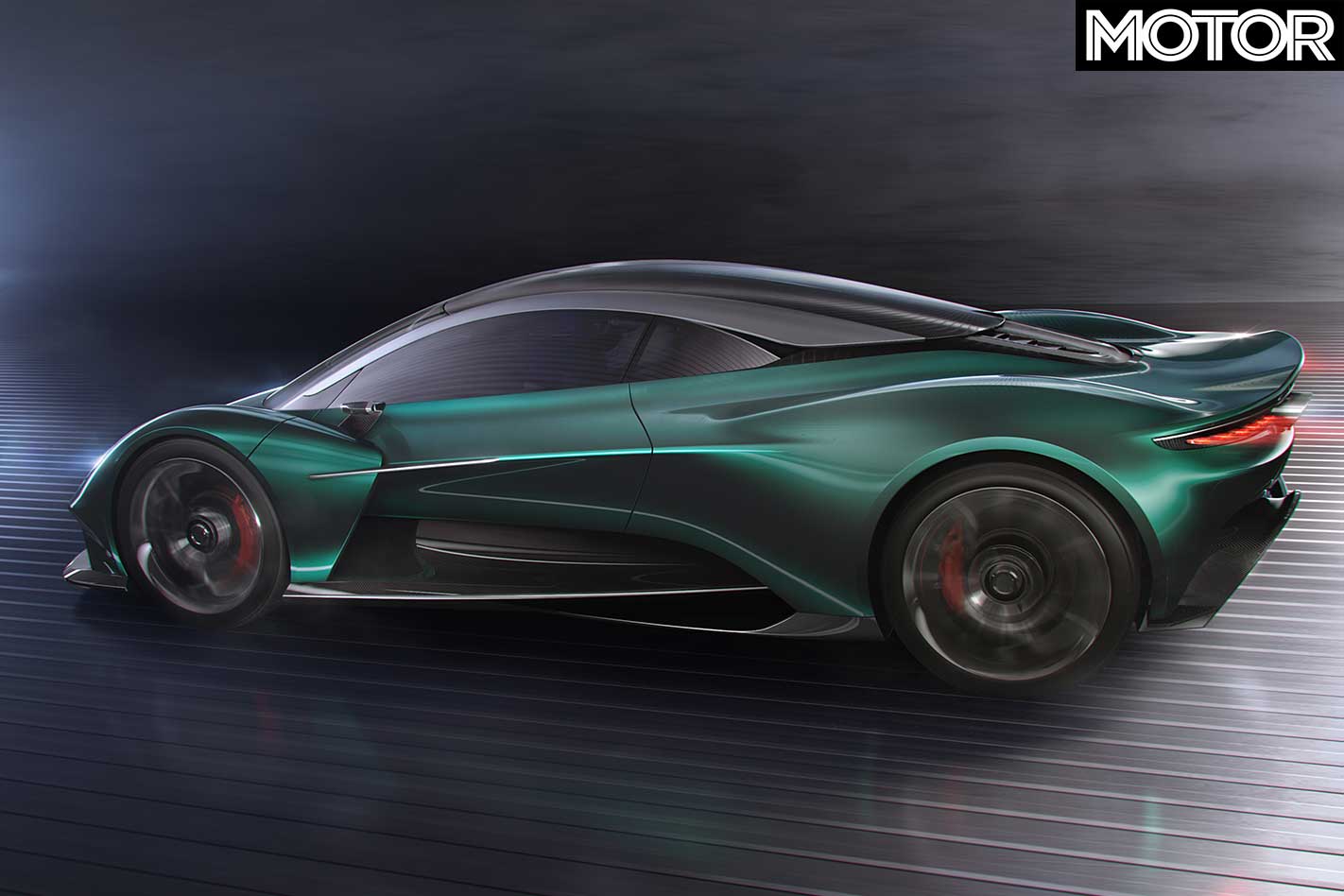
Alongside its closely related AM-RB 003 brother, the Aston Martin Vanquish Vision Concept has made its pre-production debut at the 2019 Geneva Motor Show.
Set to be the first mid-engined Aston Martin supercar to have a full production run – rather than be a limited model – the Vanquish Vision Concept features a hybrid turbocharged V6 drivetrain, similar to the AM-RB 003.
The engine, designed and built by Aston Martin, comes at a time during which Aston Martin has a close relationship with the Red Bull development team, which has plenty of experience dealing with hybrid V6 engines.
Andy Palmer says that the Vanquish name was chosen for the car as it’s the first production model in the new mid-engined lineup.
“Firstly, what a pleasure to revive the Vanquish name,” Palmer says.
“Synonymous with our series production flagships, it felt entirely appropriate to attach it to such a significant car.”
“The Vanquish Vision Concept marks another pivotal moment in Aston Martin’s history, and another critical step in delivering the ‘Second Century Plan’.
“Our first series production rear mid-engined supercar will be a transformational moment for the brand, for it is the car that will propel Aston Martin into a sector of the market traditionally seen as the heartland of luxury sports cars.”
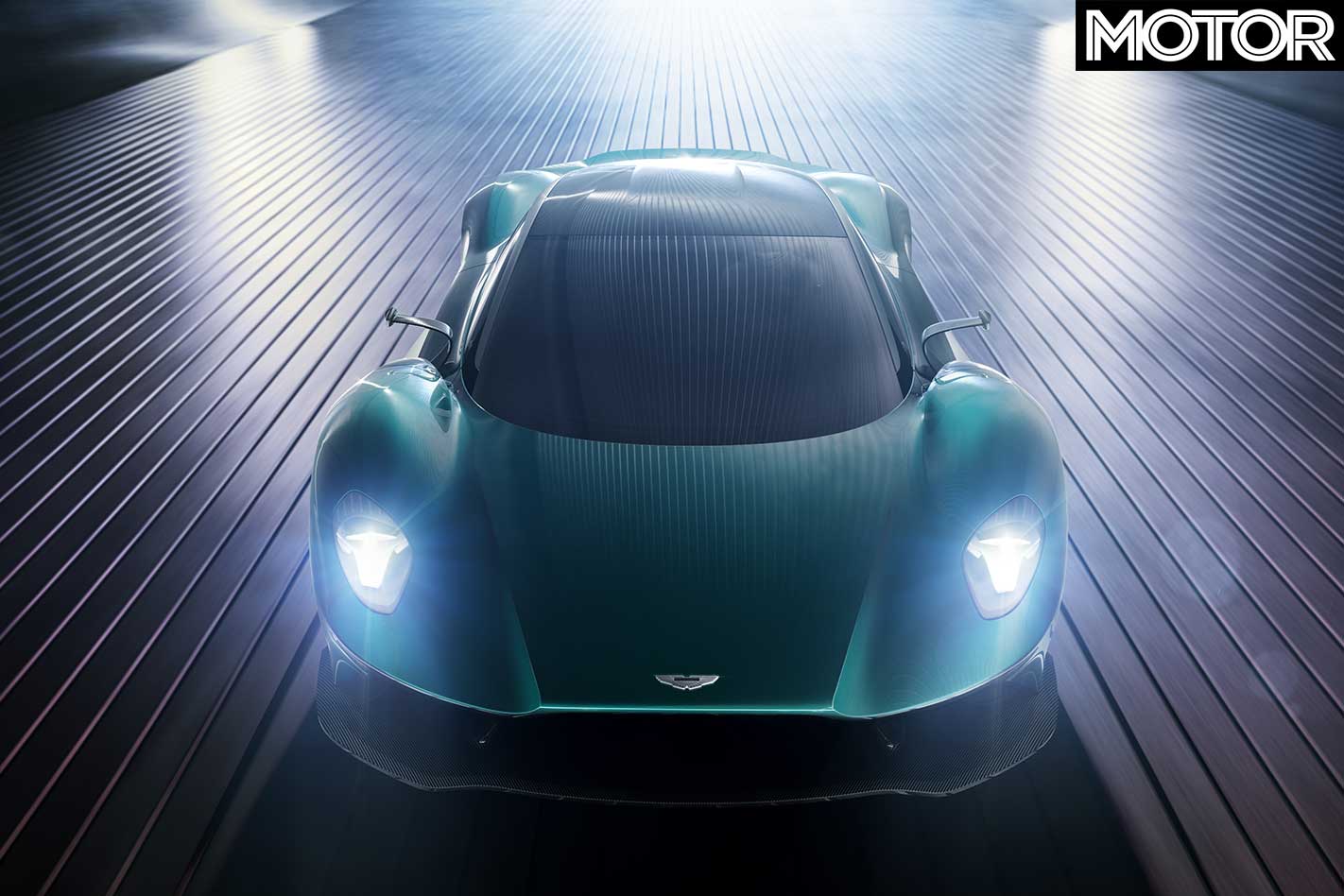
Aston Martin design director Miles Nurnberger says the Vanquish Vision, while clearly in the same family as the 003 and the Valkyrie, is designed to be sleeker and more subtle.
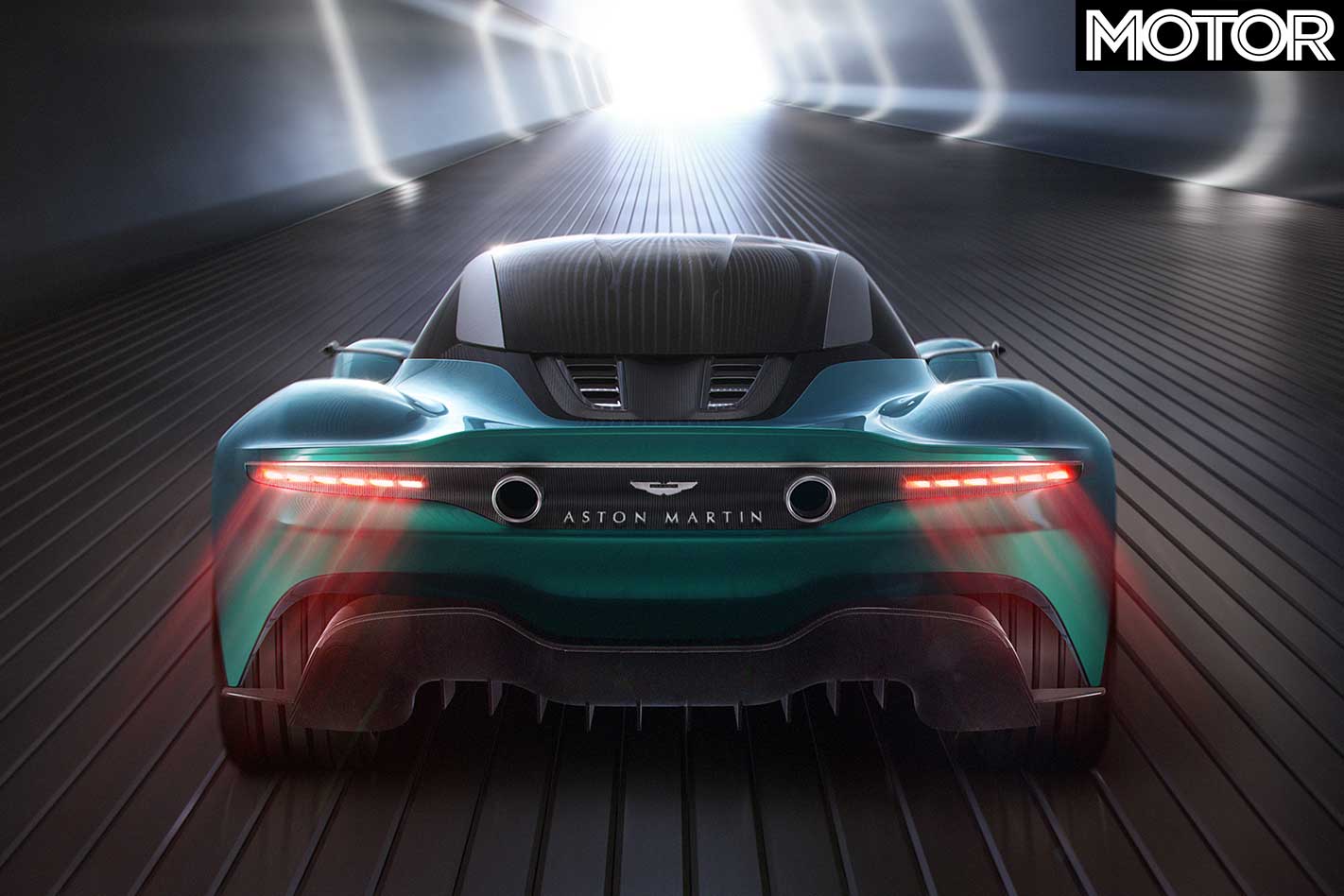
“The Vanquish Vision Concept has a more seductive and less technical appearance than Aston Martin Valkyrie and AM-RB 003, but it’s still extreme in terms of visual gestures,” says Nurnberger.
“For example, it has a very distinctive clamshell front fender, with openings so you can see through onto the tyre.
“There’s less of the negative space that defines the look of the Aston Martin Valkyrie and AM-RB 003.”
The Vanquish road car which the Vision previews is set to go into production in 2022.
‘Project 003’ has had its secrets revealed during Aston Martin’s conference at the 2019 Geneva Motor Show.
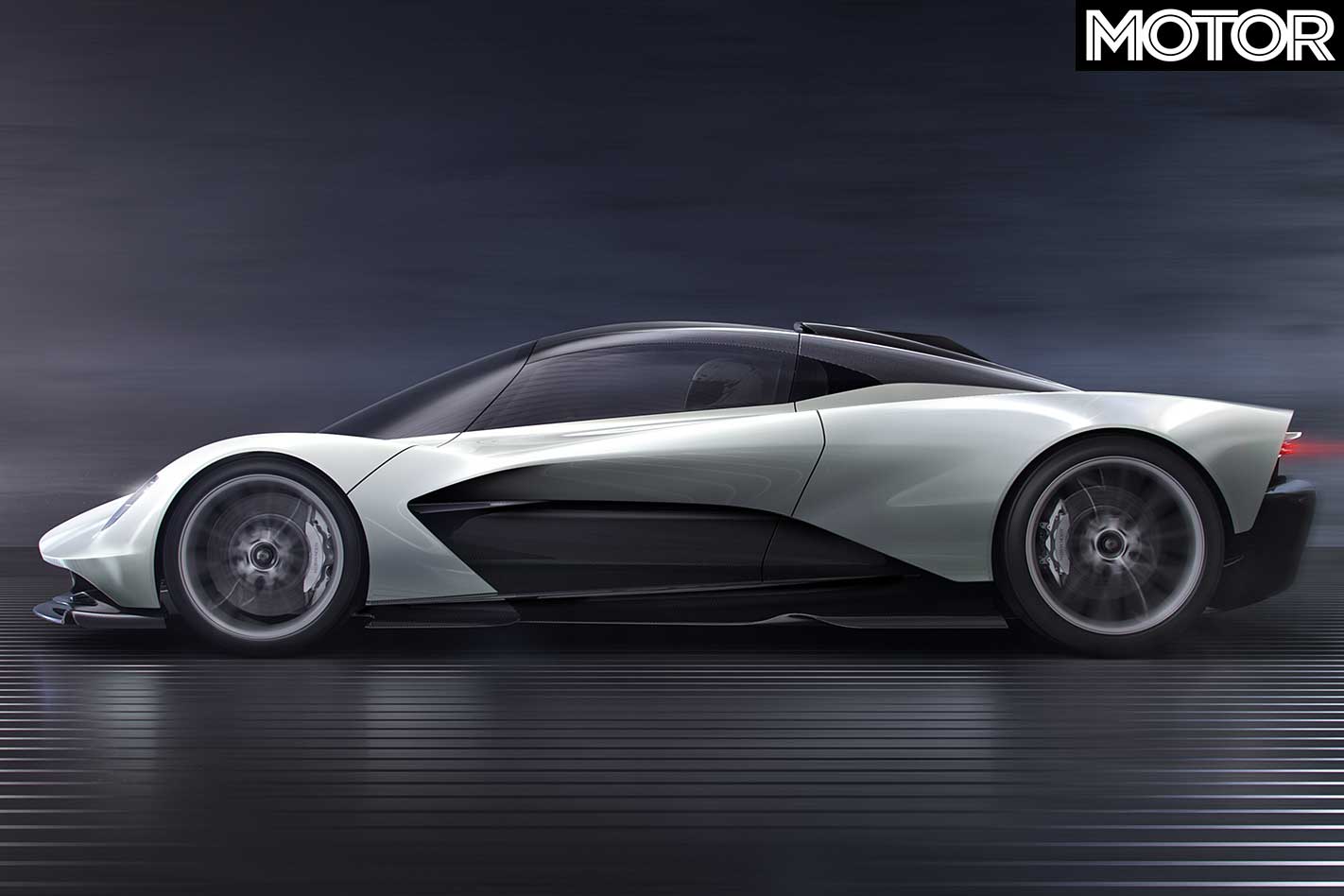
The Aston Martin AM-RB 003 is the third in the brand’s series of upcoming mid-engined cars.
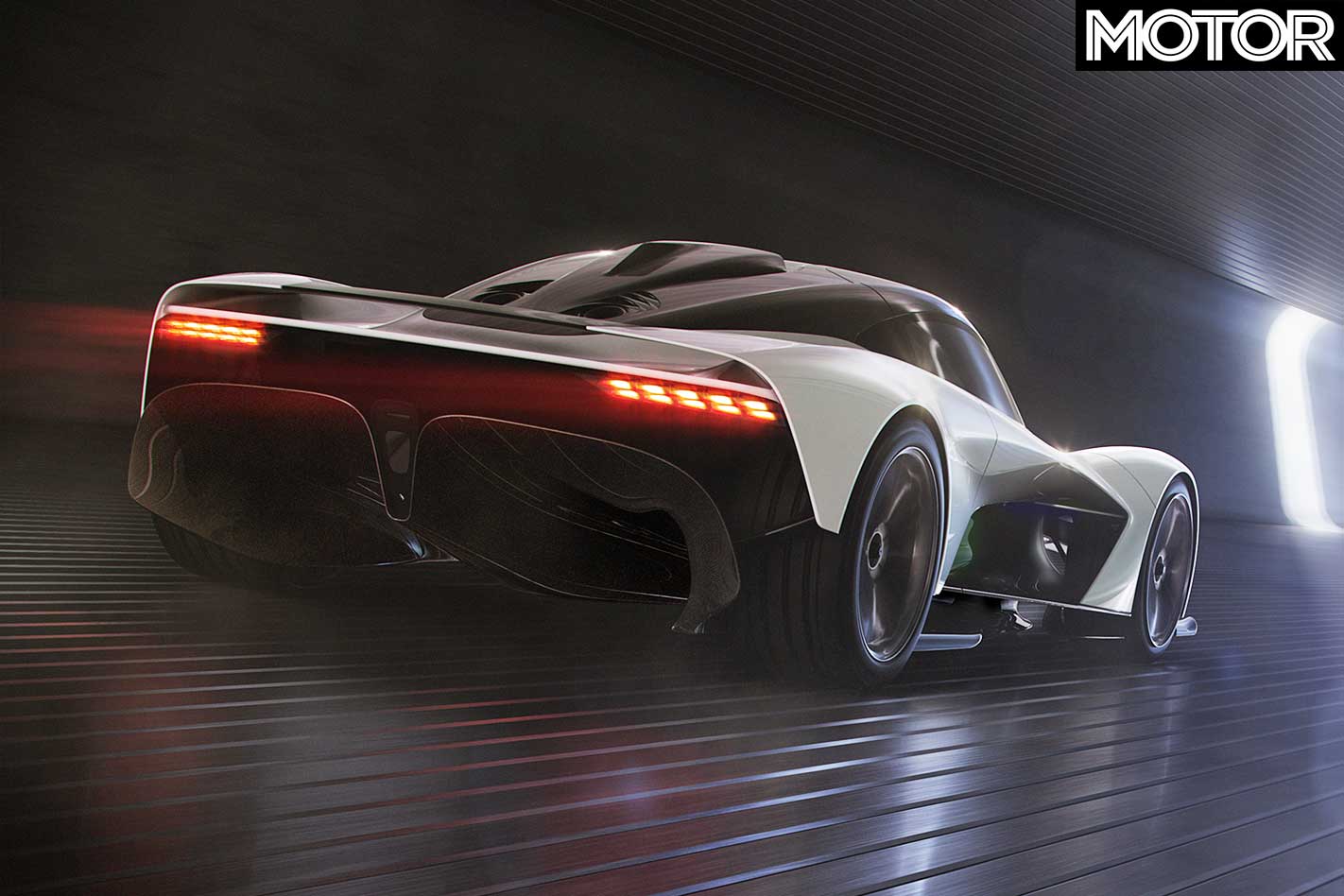
With a completely new Aston Martin hybrid turbocharged V6, the AM-RB 003 isn’t the V8 many were expecting, but Aston Martin’s continued relationship with Red Bull Advanced Technologies means F1 experience with hybrid V6 engines is close at hand.
Aston Martin says the AM-RB 003 concedes some performance to enable easier road use, the car is still built with an “uncompromising engineering ethos, extending the trickle down of genuine state-of-the-art F1 technology into a car built in larger numbers.”
Only 500 coupes will be built, with Aston Martin CEO Andy Palmer being careful to use the word ‘coupe’ each time. This leaves space open for another variant, though what it could be is unknown.
“When Aston Martin secured the services of Red Bull Advanced Technologies to embark on the extraordinary journey that became Aston Martin Valkyrie and Aston Martin Valkyrie AMR Pro, it was always my hope that it would lead to a long-term collaboration,” Palmer says.
“As these projects enter an incredibly exciting phase with the commissioning of the first running development prototypes, it gives me tremendous satisfaction to confirm that this exceptional partnership is continuing with the AM-RB 003 – a hypercar that not only draws from the ethos and DNA of Aston Martin Valkyrie, but will in turn influence Aston Martin’s first series production mid-engined supercar.”
Though its drivetrain specifications and the vehicles dimensions haven’t been confirmed, Aston Martin says the biggest difference between the AM-RB 003 and the Aston Martin Valkyrie in terms of useability is the size of the cabin.
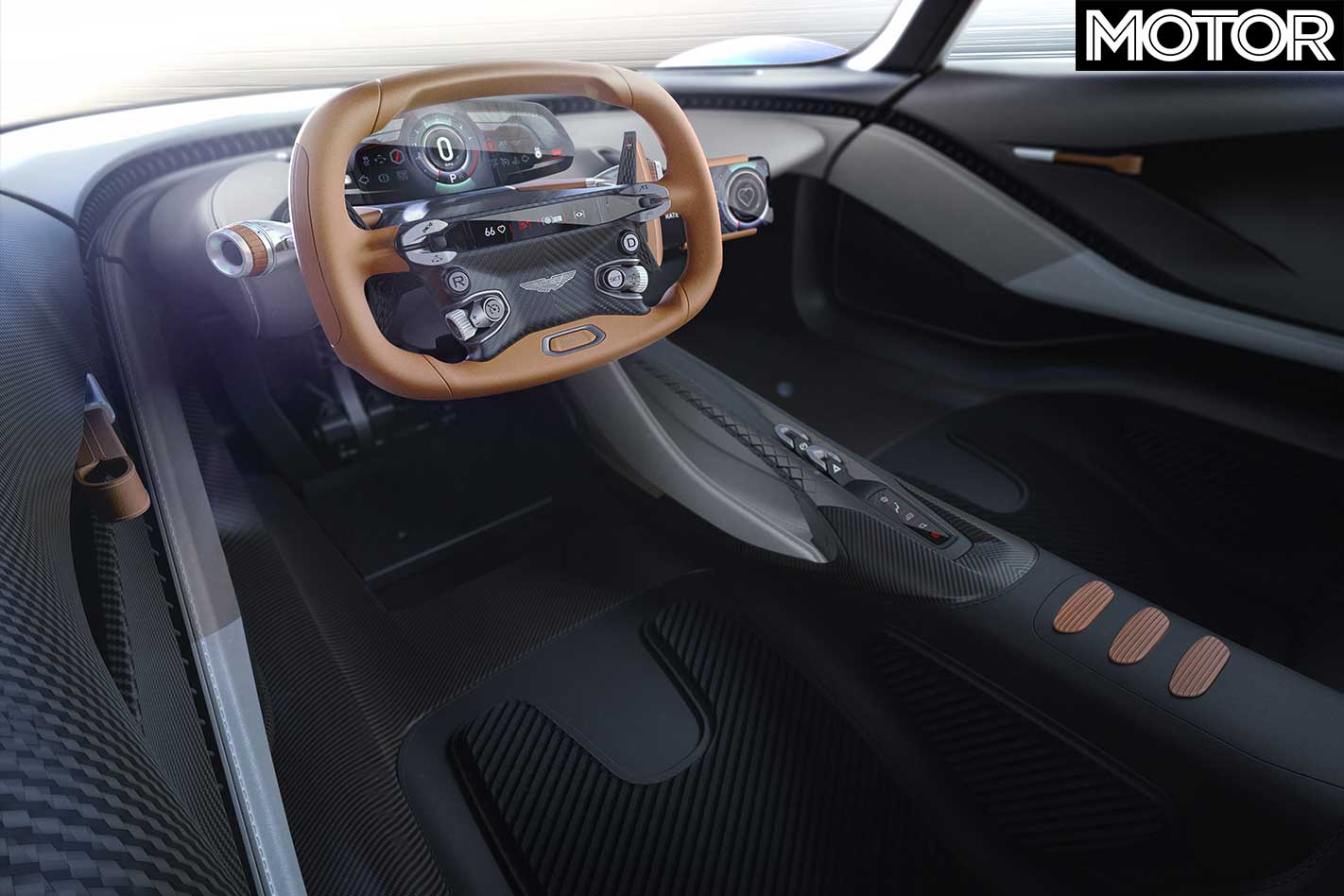
“To create more space between driver and passenger the centre console has been widened, while luggage space is provided via a terrace behind the seats.
“There will also be stowage areas for oddments such as a wallet or mobile phone.”
But the overall image of the ‘003’ is very derivative of the Valkyrie, Aston design director Miles Nurnberger admits.
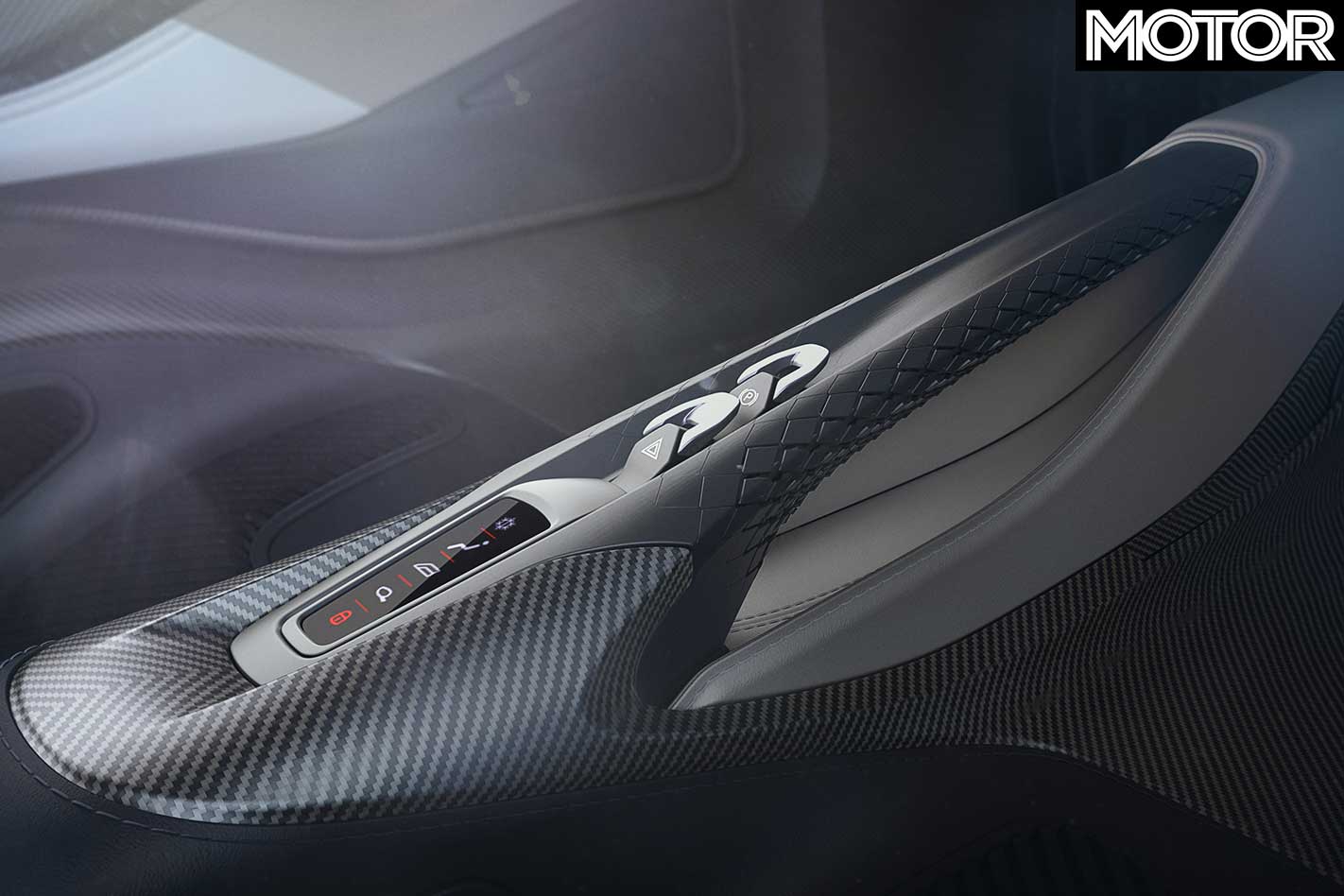
““We were quite deliberate in AM-RB 003 to not disguise its lineage, but we were equally emphatic that it would be a distillation of Aston Martin Valkyrie and not a dilution.
“The design isn’t as extreme in some areas, but it pushes just as hard in others, and is even taking certain ideas and concepts a step further.”
The Aston Martin AM-RB 003 was followed by the closely-related Aston Martin Vanquish Vision Concept at the press conference.
Production for the 003 is set to kick off in 2021.
The ‘new’ Bugatti that had been teased by Molsheim for the past two weeks has finally been revealed as the Bugatti La Voiture Noire.
The one-off car, an homage to the lost ‘fourth’ Bugatti Type 57 SC Atlantic once owned by Jean Bugatti, has also already been sold.
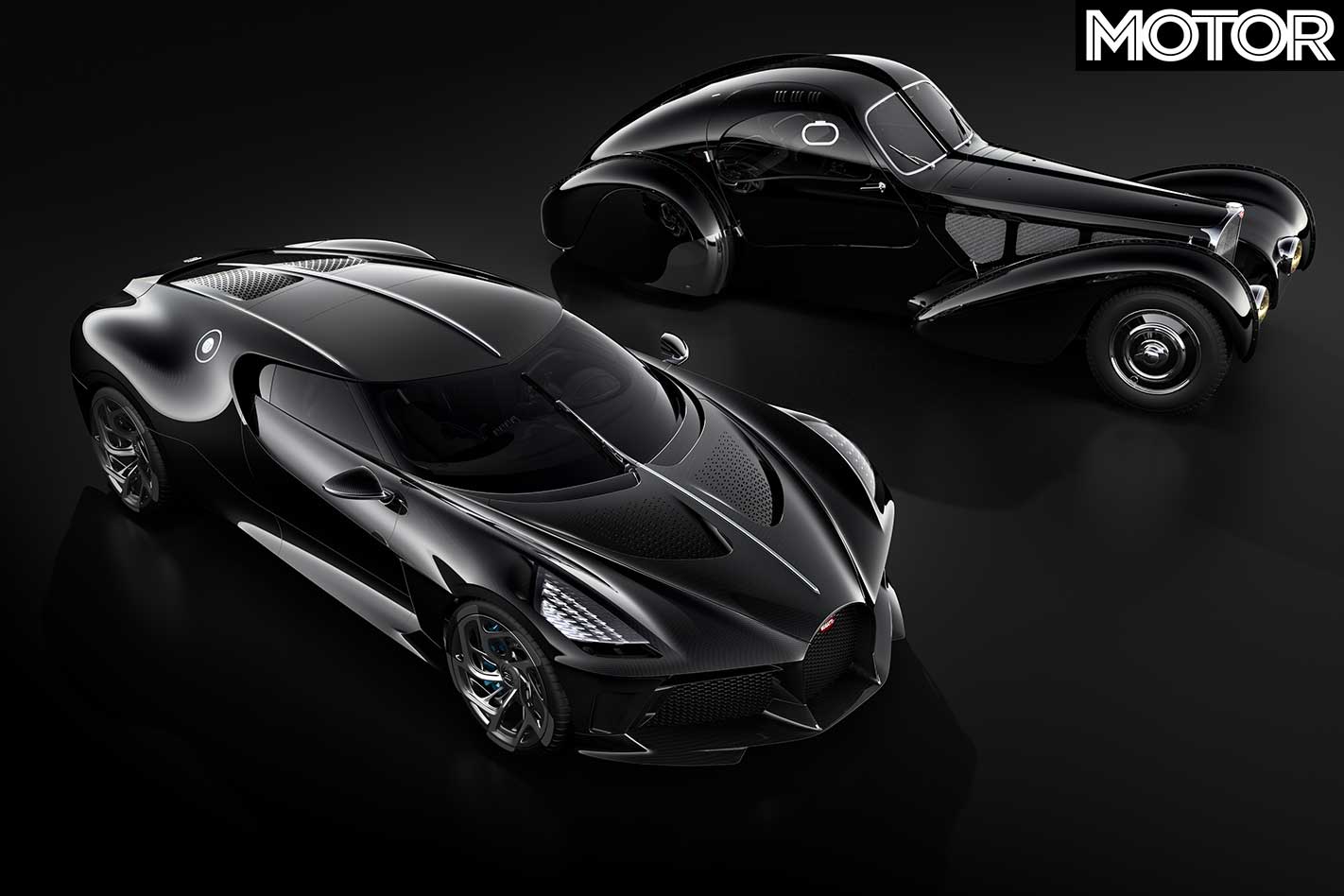
Its sale price of 16.7 million Euro (AUD$26,723,000) makes it the most expensive new vehicle ever sold.
It features the same drivetrain as Bugatti’s current lineup – an 8.0-litre W16 engine with four turbochargers pumping out gargantuan numbers.
Underneath, it’s likely based on a similar structure to that of the Bugatti Chiron or Divo.
Its 1103kW and 1600Nm W16 engine is, Bugatti says, part of the reason it decided on six tailpipes for the rear.
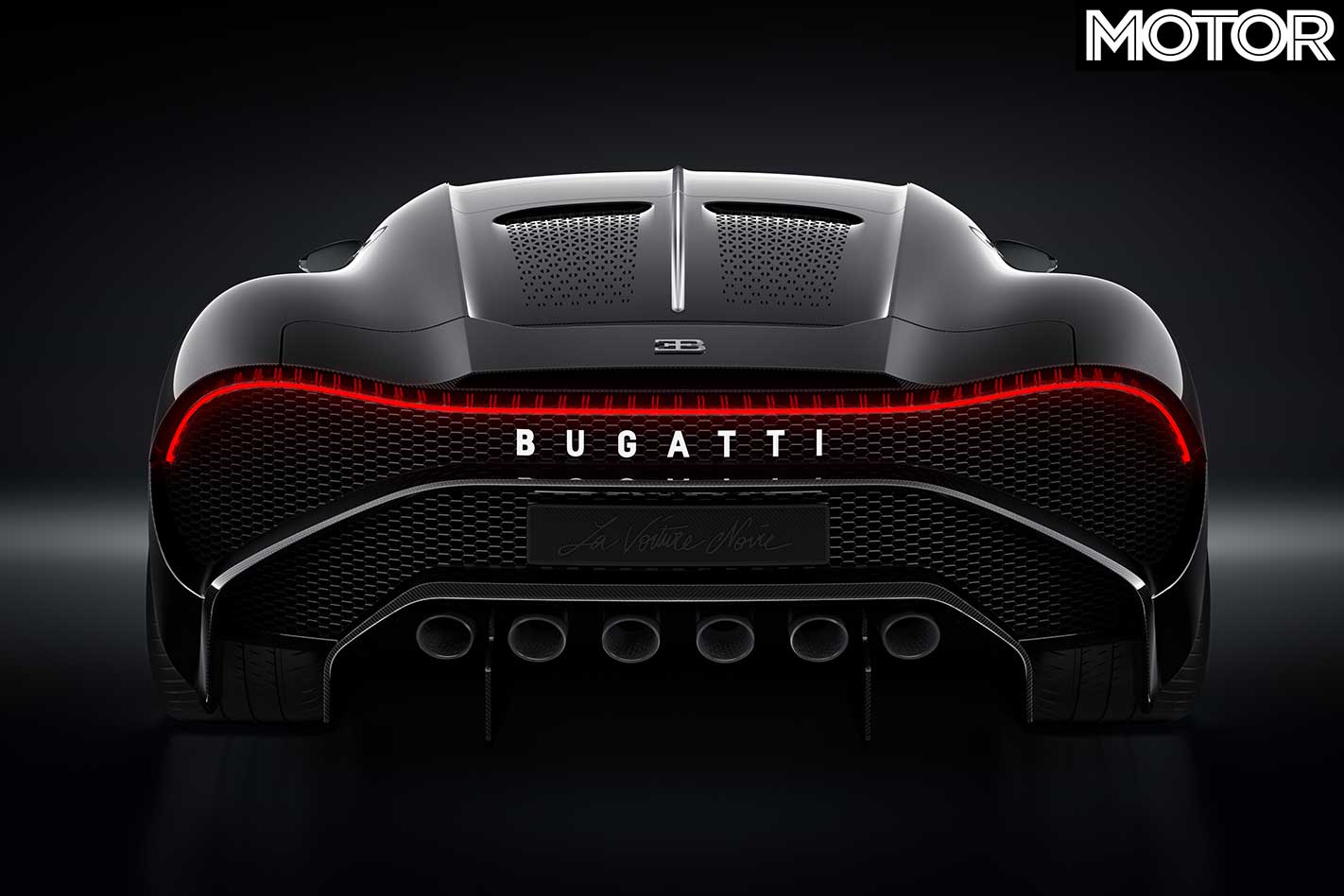
“Six tailpipes at the rear bear witness to its incredible power and are also a tribute to the 16 cylinders.”
The more obvious connection, for the keen-eyed, is that the original Bugatti Type 57 SC Atlantic also sported six pipes.
Though La Voiture Noire’s design is heavily inspired by the lost Bugatti which is the namesake of this new one-off, Bugatti CEO Stephan Winkelmann says the car also takes into account Bugatti as a modern brand.
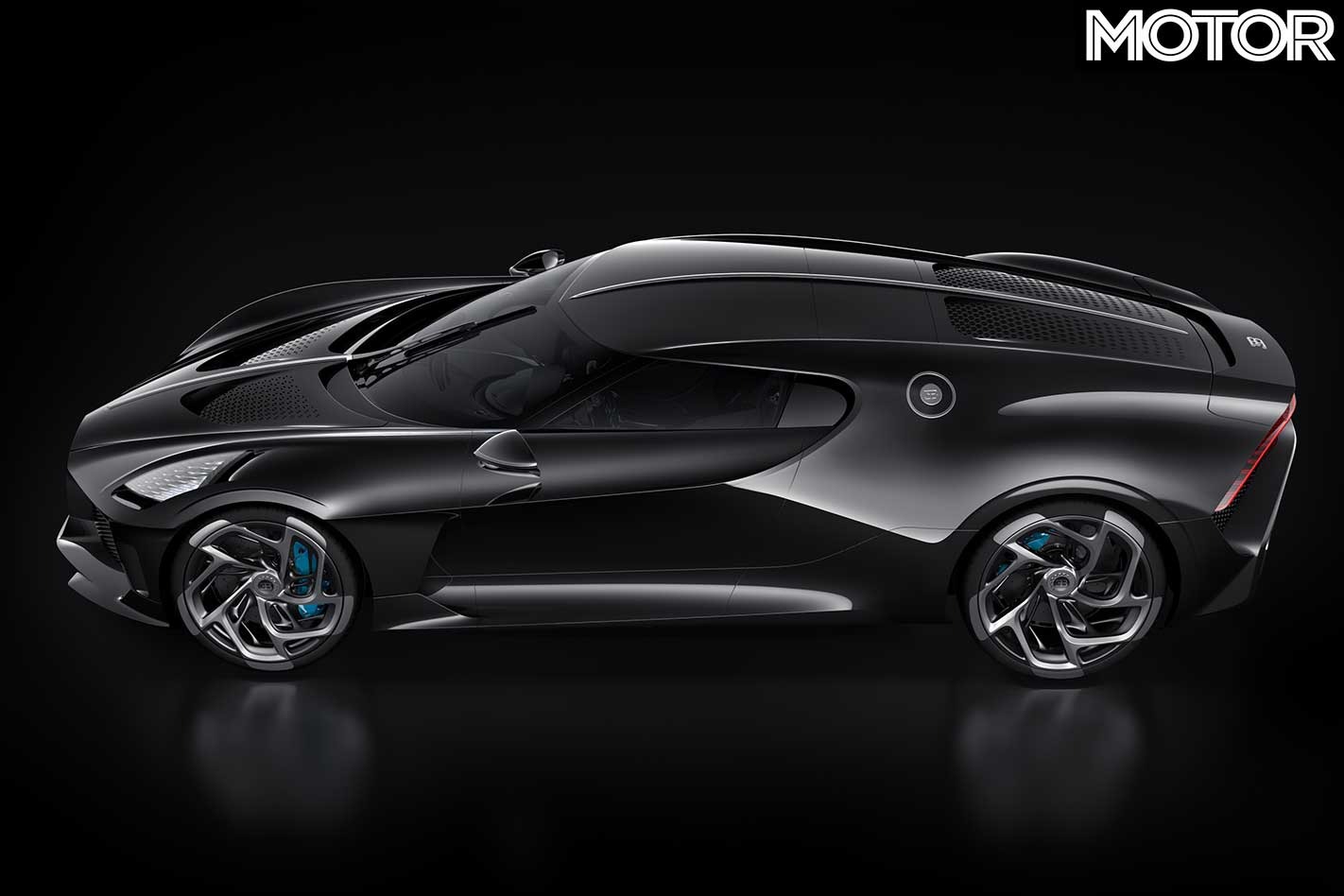
“La Voiture Noire is a far more than a modern interpretation of Jean Bugatti’s Type 57 SC Atlantic. It is a feast of aesthetics,” Winkelmann says.
“Our history is both a privilege and a responsibility – the responsibility for continuing the Bugatti heritage into the future.
“With La Voiture Noire, we are paying homage to our heritage and bringing speed, technology, luxury and aesthetics forward to a new era.”
