
The fourth-generation Ford Focus range arrived in Australia at the end of 2018 with a very different looking line-up to the model it replaced, with the range jazzed up with an ST-Line warm hatch and a striking wagon version.
The range starts with the Focus Trend hatch, that looks a little bland compared to the ST-Lines, but it shares much of their excellent driving dynamics. But is that enough to give it an edge over its small-hatch rivals?
VALUE
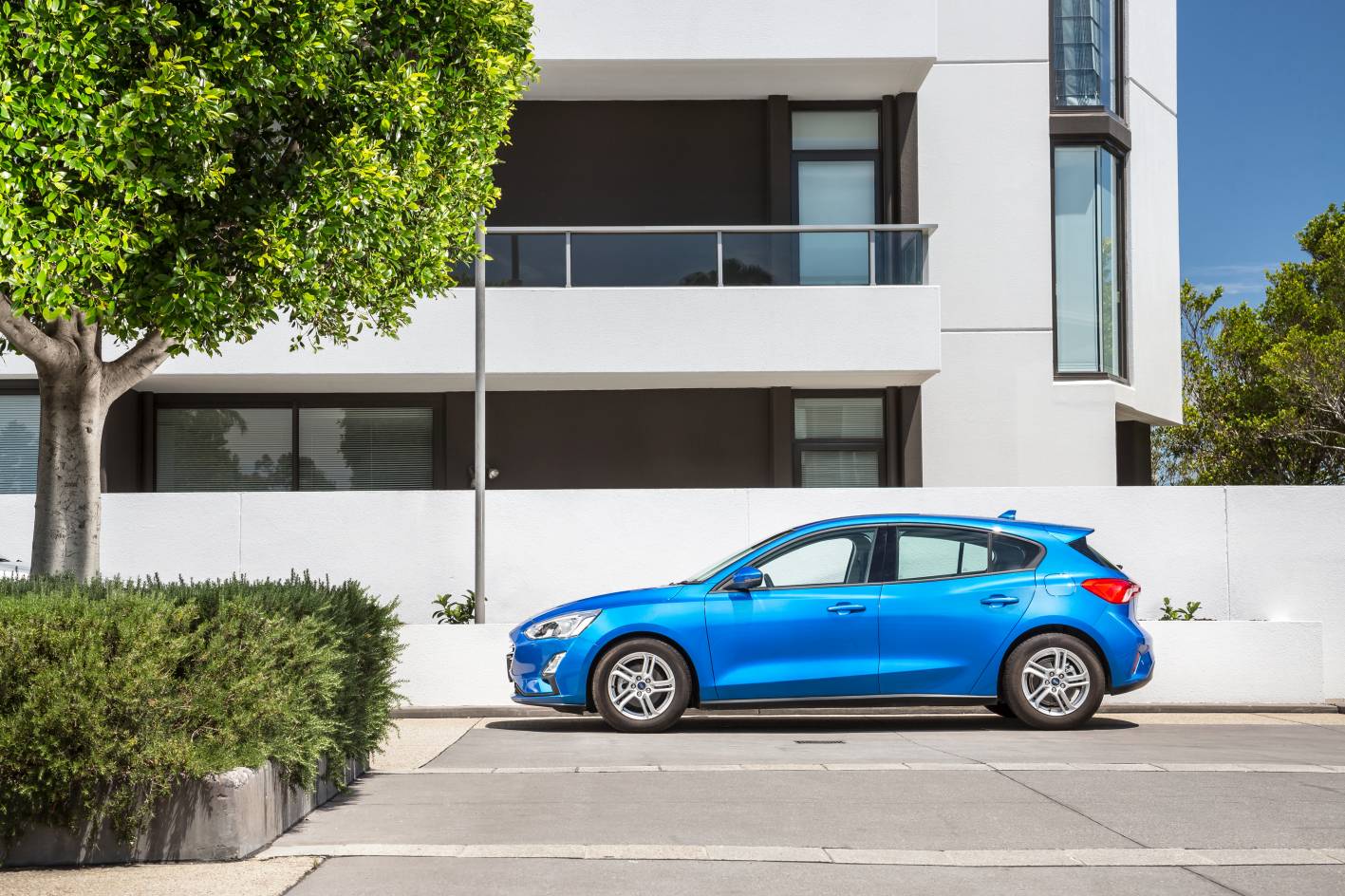
Priced at $25,990 the Ford Focus Trend hatchback is the cheapest Focus in the range.
Our test car featured Desert Island Blue premium paint valued at $650, which took the retail price to $26,640, which is what you’d pay for other similarly-equipped mid-spec hatches, such as the Holden Astra RS ($27,240), Hyundai i30 Active with optional active safety ($25,390) and the Toyota Corolla SX ($26,670).
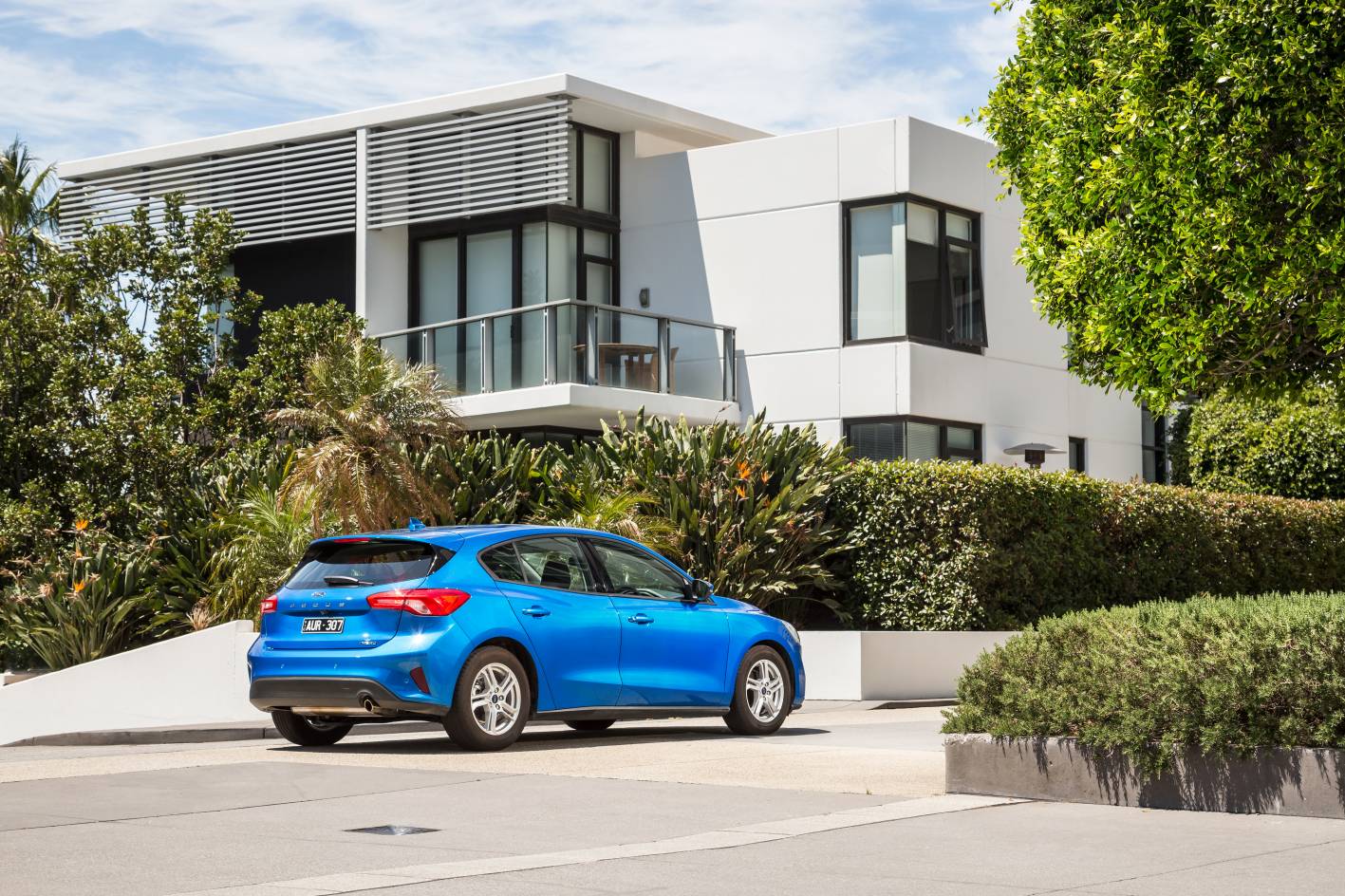
The Focus Trend’s official fuel consumption is 6.4L/100km combined, with our testing taking that up to a still-respectable 7.2L/100km.
The Ford Focus Trend is covered by Ford’s five-year, unlimited kilometre warranty.
STANDARD FEATURES
All fourth-generation Focus variants in Australia are powered by a three-cylinder 1.5-litre ‘EcoBoost’ turbo petrol engine coupled with an eight-speed automatic transmission.
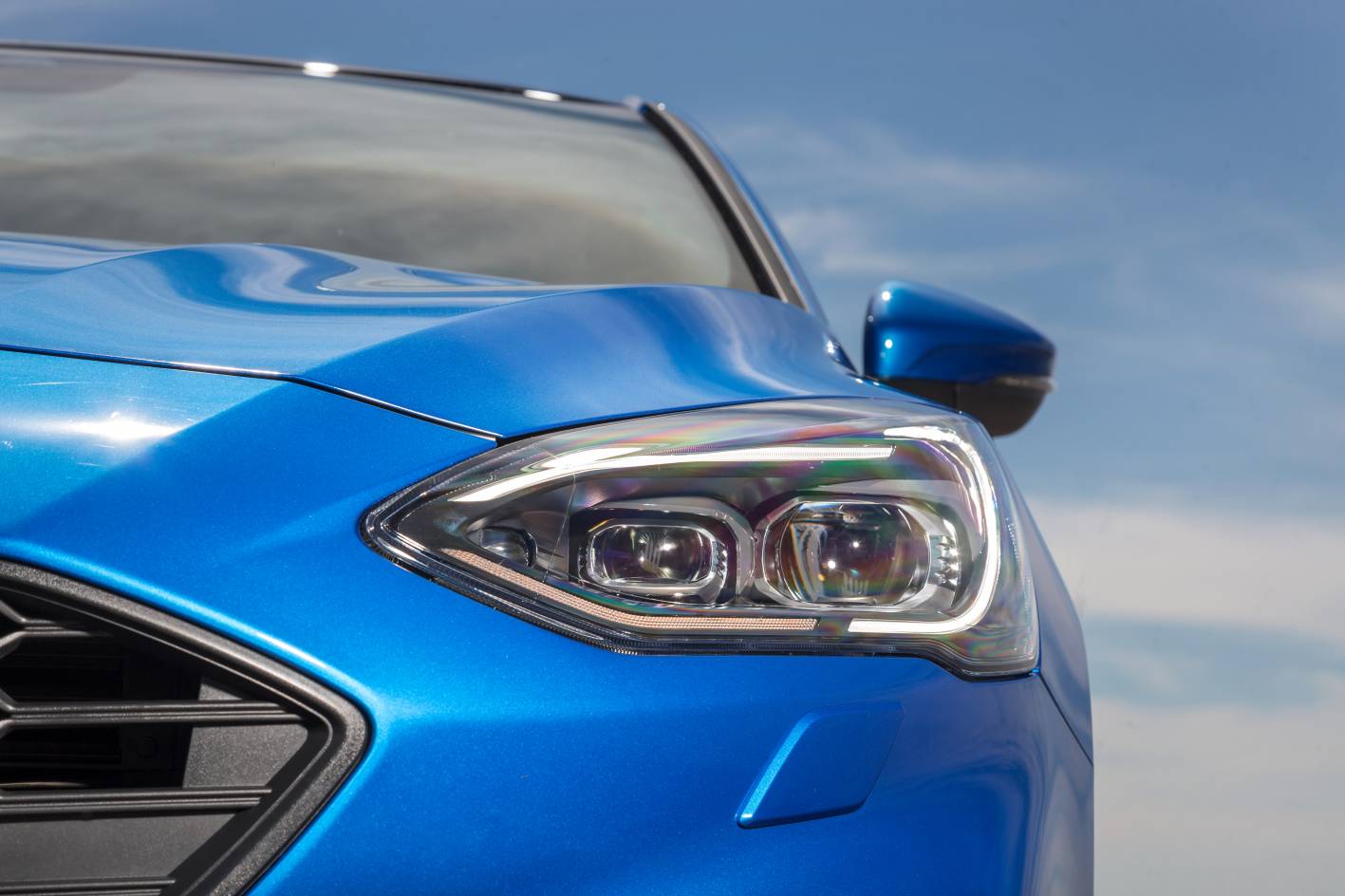
Autonomous emergency braking is standard across the range, as is an eight-inch touchscreen with 180-degree view parking camera, Ford’s Sync3 infotainment system with in-built-satellite navigation, digital radio and Apple CarPlay/Android Auto, phone charging pad, LED daytime running lights, and rain-sensing windscreen wipers.
The Trend rolls on 16-inch alloy wheels and has cloth seats with manual adjustment.
SIZE
At 4.38 metres long, the fourth-generation Focus is 18mm longer and has a 53mm lengthier wheelbase (2.70 metres), than its predecessor. This adds to interior space, but trim overhangs at each end give a more compact, svelte appearance.
This, and the fact it’s 88kg lighter than the previous model, makes it feel impressively nimble, making it great for driving around town and parking in tight spots.
A more compact dashboard design adds an additional 100mm to the cabin and results in more rear legroom than before, even with the front seats pushed back to accommodate tall occupants.
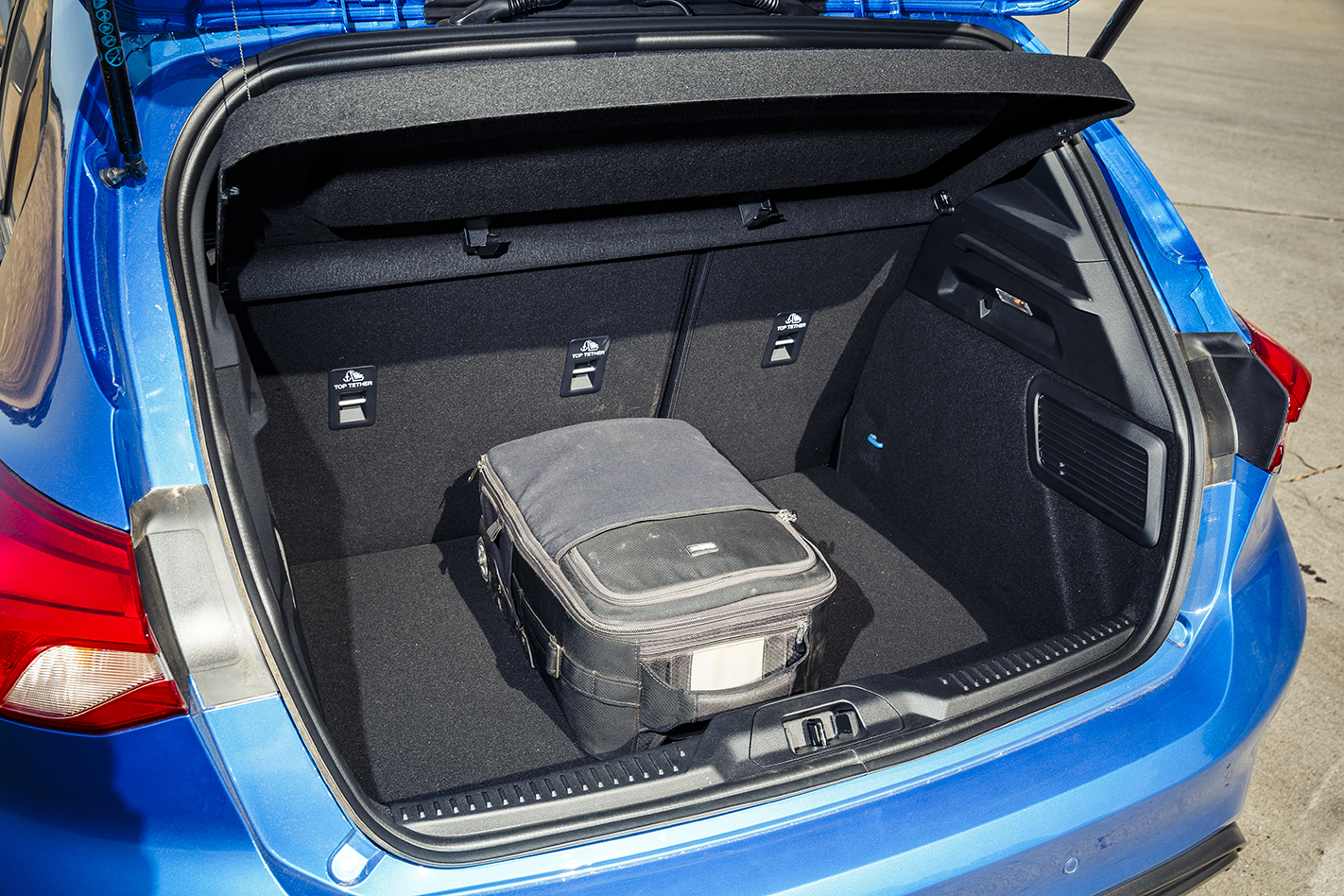
The boot space measures 373 litres, which is about average for the small hatchback class.
SAFETY
The Ford Focus Trend comes standard with autonomous emergency braking with pedestrian and cyclist detection, along with lane-keeping assist. It also has post-impact braking that applies the anchors after impact so the car doesn’t roll away.
An extra $1250 brings a Driver Assistance pack that brings additional safety features such as rear-cross traffic alert, blind-spot monitoring, and adaptive cruise control with ‘Stop & Go’, which is great in traffic jams.
All Focus variants are equipped with six airbags, front and rear side curtains, and ISOFIX child seat anchors in the rear seats. Crash safety is good, with the 2019 Ford Focus range awarded a 5-Star ANCAP rating in December 2018.
COMFORT
The roomy interior design is clutter free and intuitively designed, but doesn’t exactly boast much in the way of design flair.
The cloth front seats are pretty basic but are comfortable enough with good back support. The rear seats feel good too, but lack a centre armrest and their own air vents or USB sockets (though there is a 12v socket for device charging).
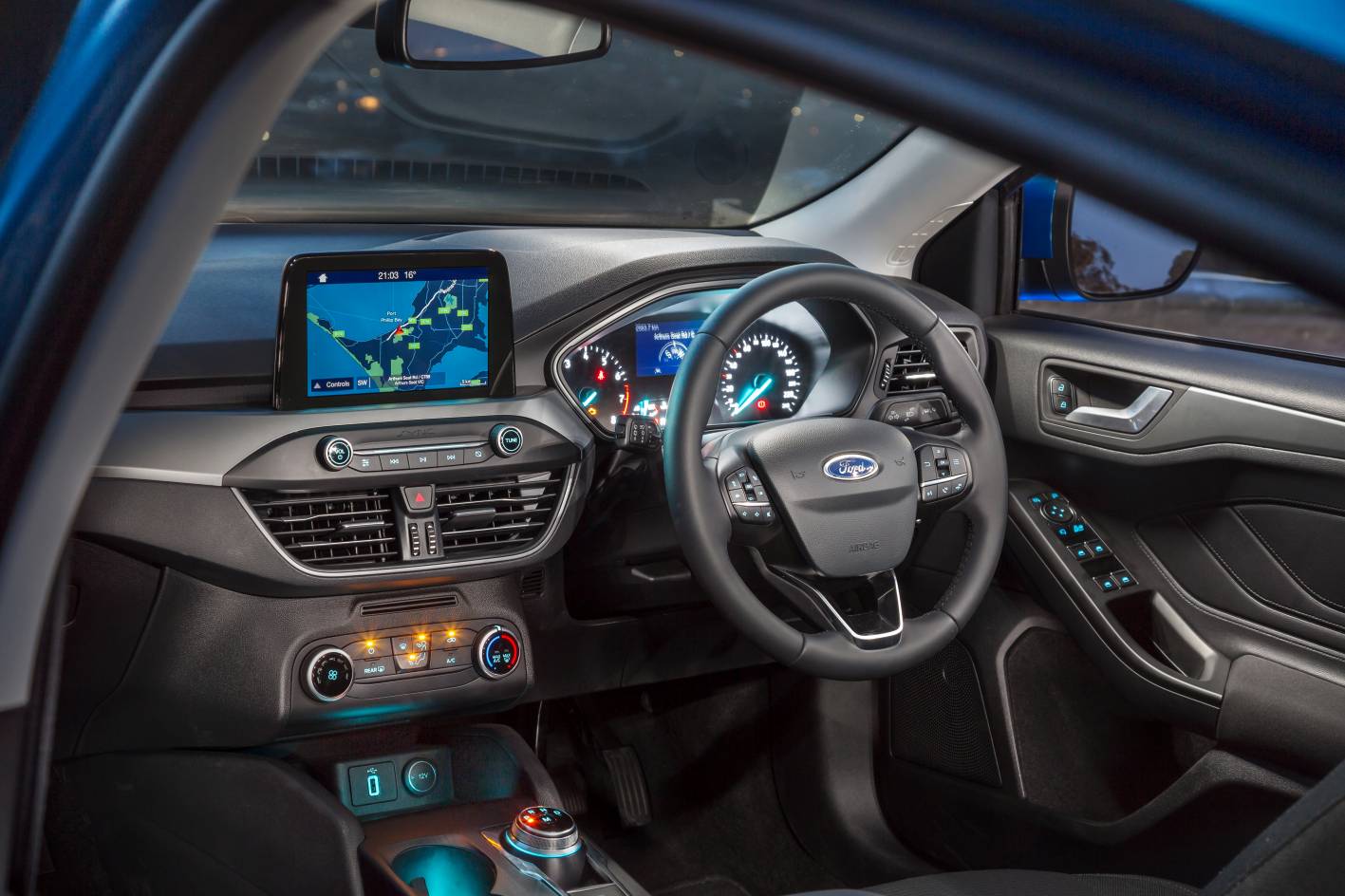
The dashboard design is a big improvement over the previous model, with the bulky central head unit replaced by a floating touchscreen that display’s Ford’s very user friendly Sync3 infotainment system. It’s a bit dull though, unless you like everything black, and the gauge cluster looks like it was borrowed from a truck.
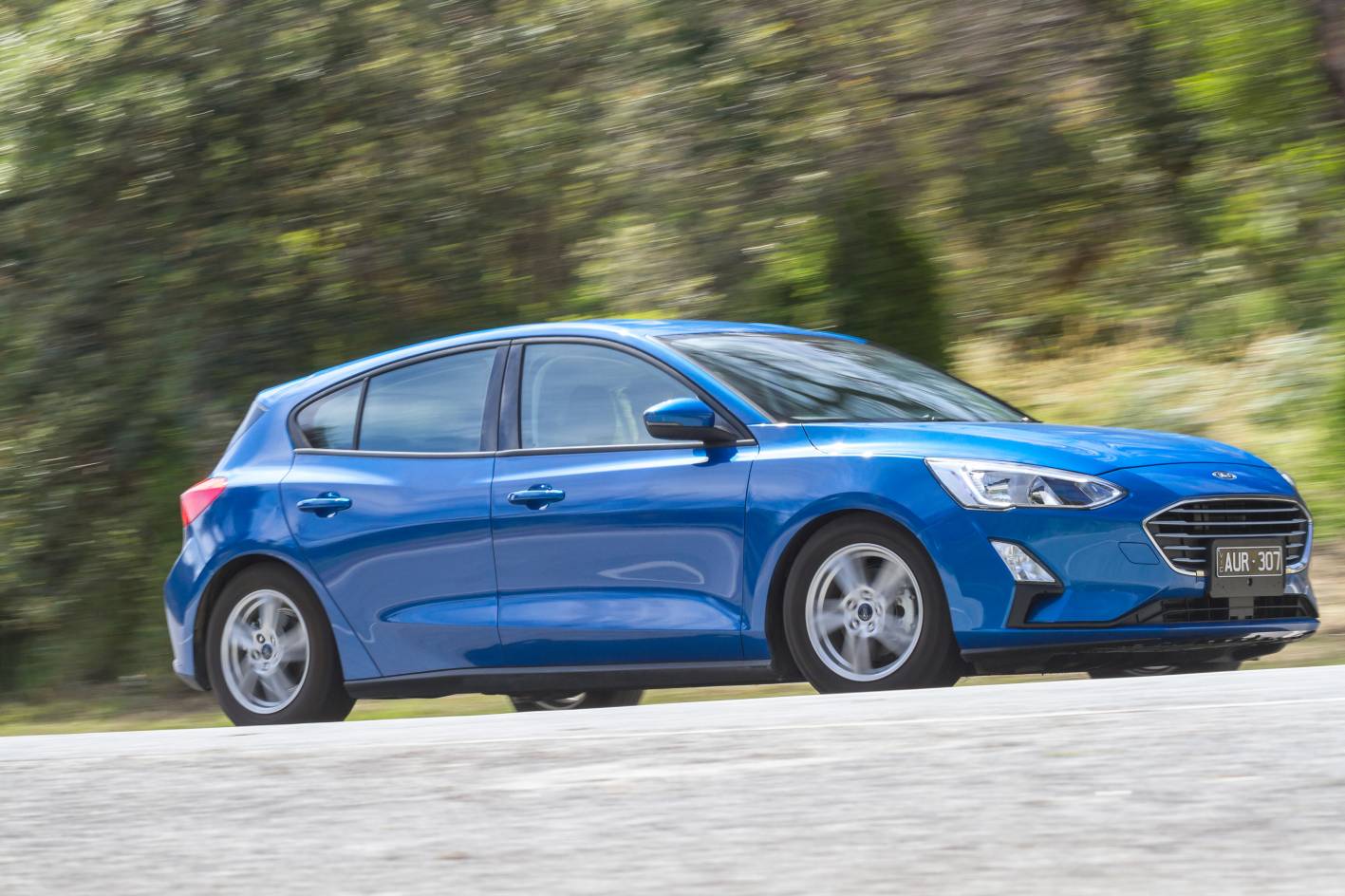
On the plus side it’s very comfortable, with a smooth and quiet ride on the 16-inch wheels and conventional torsion beam suspension that rides over imperfections well.
ON THE ROAD
The 2019 Ford Focus’s spirited performance would be evident even during a short test drive.
Its 1.5-litre three-cylinder turbo is an enthusiastic engine and is rarely found wanting. There’s little by way of turbo-lag when you put the foot down and the eight-speed auto does a nice job shifting through the cogs, with Sport mode holding onto gears to deliver sprightlier performance.
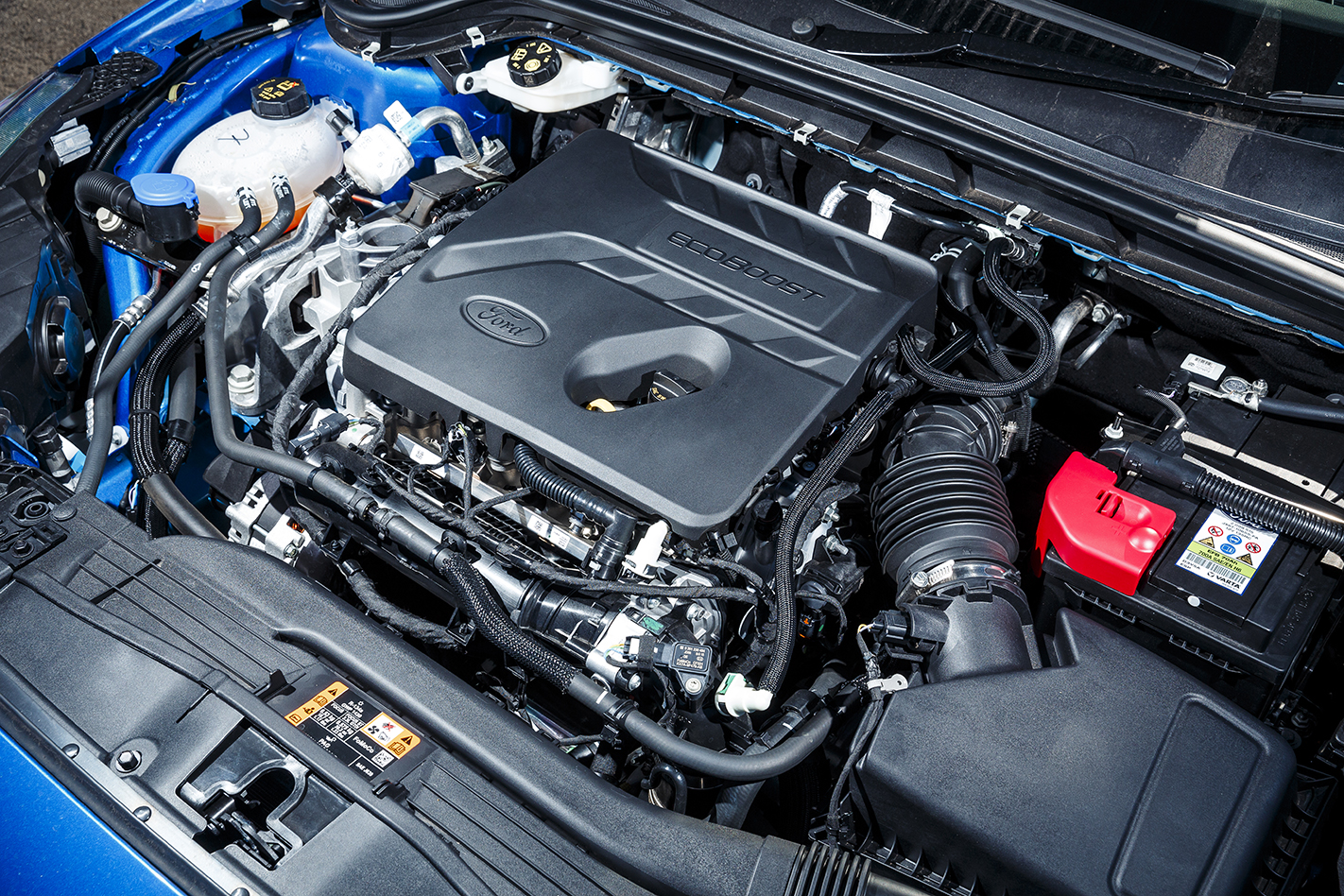
Fuel consumption is also helped by slippery aerodynamics, with the new design featuring underbody panels and an active grille shutter that have significantly reduced drag compared to the previous model.
The steering is light but crisp, so there’s good engagement between your hands and the front wheels, which combines with the well-balanced chassis to inspire confidence when pushing it into corners.
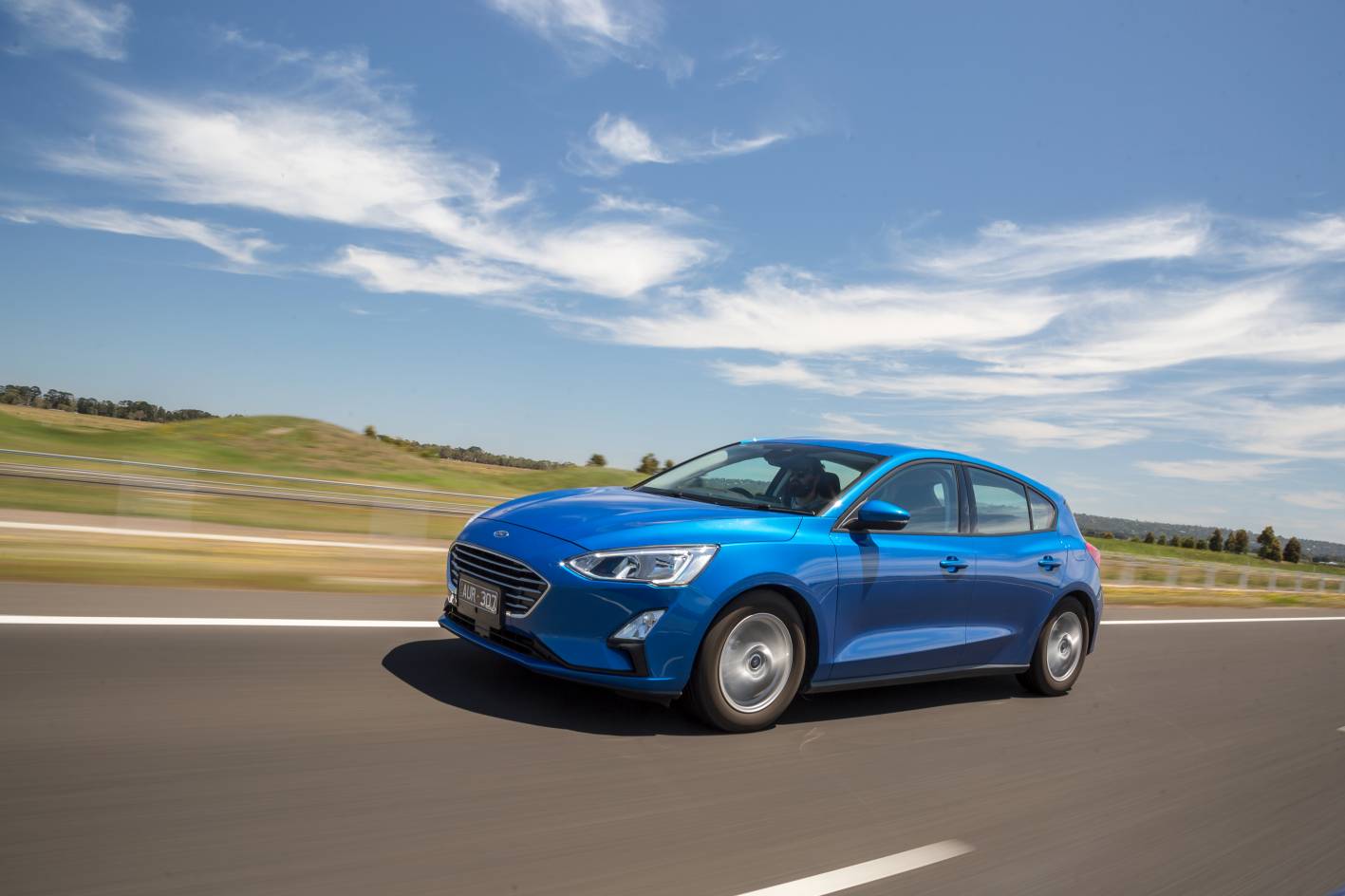
The ride feels controlled but comfortable around town or on the highway, which makes for an enjoyable ride whether it’s a quick trip to the shops or a weekend road trip.
THE VERDICT
The Ford Focus has always been an excellent hatchback dynamically speaking, and this fourth-generation model doesn’t let its lineage down.
The Focus Trend is well equipped and a lot of fun to drive for an affordable small car, and is a lot more enjoyable behind the wheels than most of its direct rivals, without losing any ground on comfort and practicality.
If anything its biggest rival will be its Focus ST-Line sibling, which for just $3000 brings extra interior and exterior features, and lowered sport suspension for even better handling. However, if that’s stretching the budget too far then you can rest assured that the base model Focus will still provide plenty of delight.
Daniel Ricciardo has undertaken his first testing with Renault F1 Team, filming the first lap in his new car from his own point of view.
Testing this week saw drivers take to their 2019 cars for the first time, with a few small mishaps along the way, and some surprising timing from Renault.
Click here to view the video on YouTube
Hülkenberg and Ricciardo finished with the fastest and third-fastest times on day four of testing respectively, separated by Toro Rosso’s new gun Alexander Albon, though all three drivers were using the softest tyre compound available for testing.
“It’s a good feeling to be behind the wheel of a Formula 1 car again after a long winter waiting. Today was about bedding ourselves back into it and, for me, continuing to learn about a new car and a new team,” Ricciardo said after the first day of testing.
“It was a decent afternoon and it’s important we keep increasing our mileage. We have plenty to analyse but it’s been a promising first official day.”
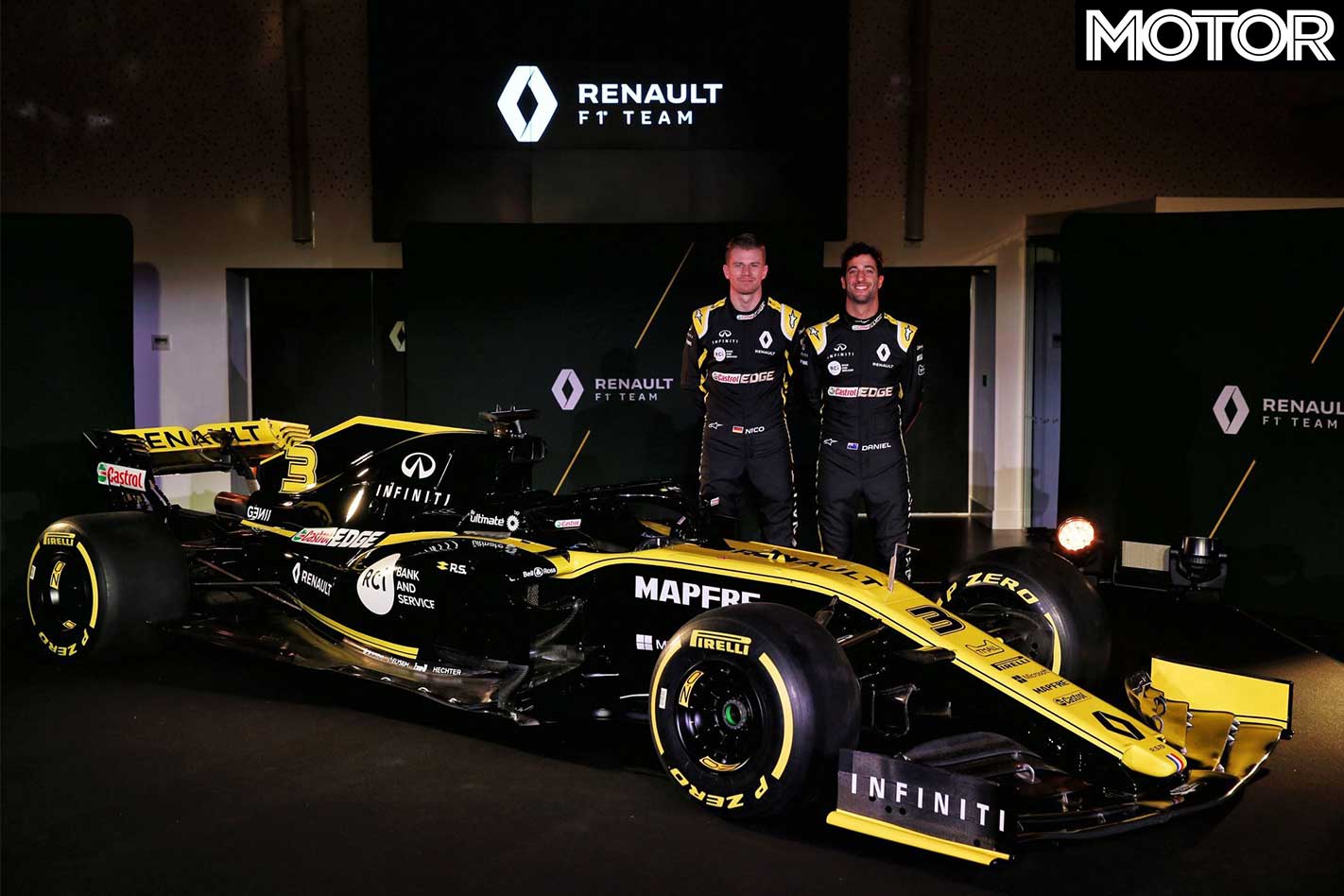
Only 24 hours later, Ricciardo was telling Twitter (via the Renault F1 Team account) that he was a little disappointed with day two due to a DRS failure that caused an off-track excursion.
“It was a shorter day than I’d hoped with the DRS failure cutting our running early. Prior to that I felt encouraged and I was happy with our morning’s work.”
Despite temperatures around 5 degrees Celsius, he also said the car and tyres were behaving well.
“I’m still getting familiar with everything, learning what tweaks do what to the balance on this car and going through the various setup changes.”
DR will make his Renault race debut at the Australian GP, taking place on March 17.
MAZDA will continue to offer cars with a manual gearbox, even as other brands ditch the three-pedal combo.
While other companies continue to wage war on the clutch pedal, Mazda Australia has made a commitment to offer a manual wherever possible.
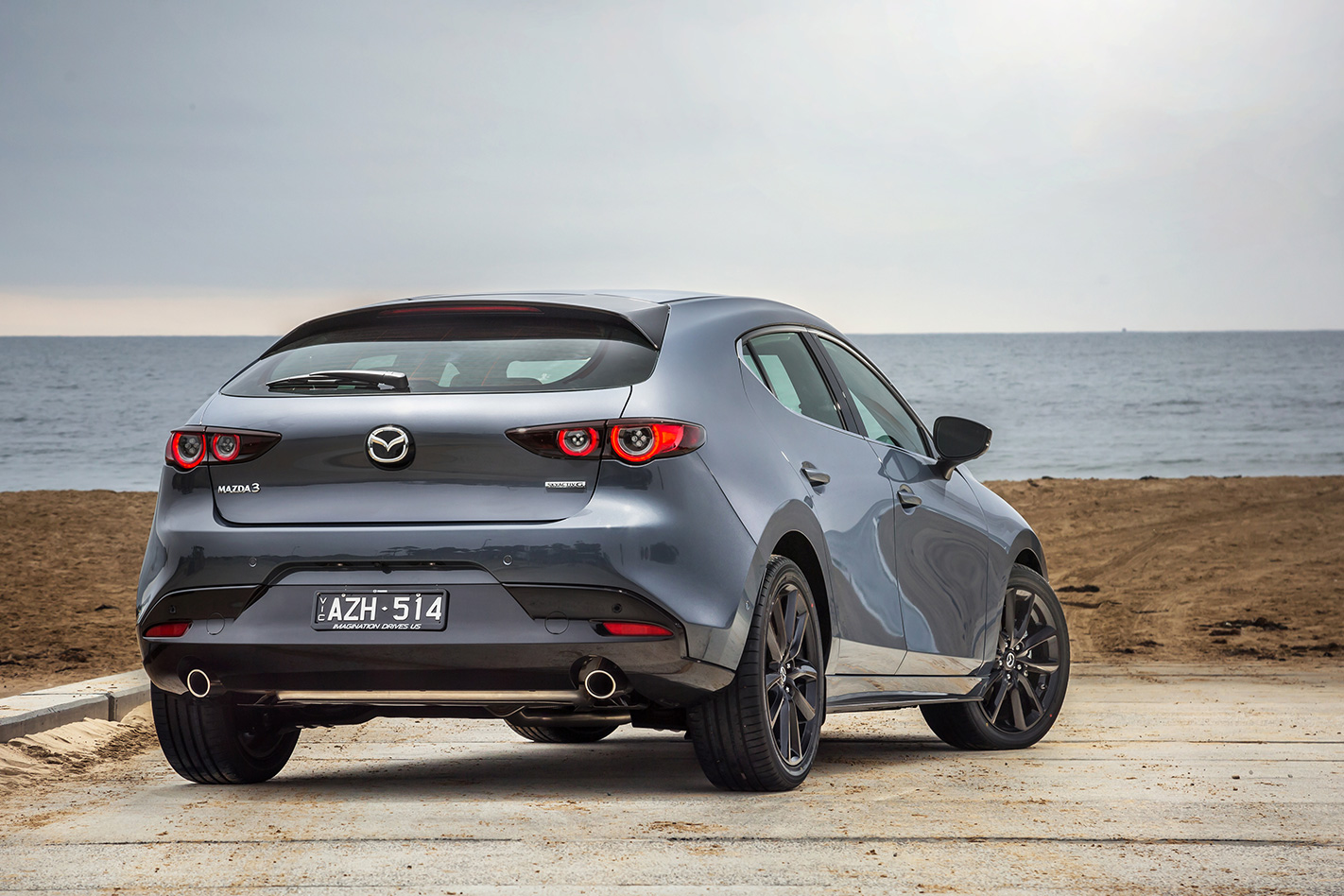
This is exemplified by the new Mazda 3 range, which offers both six-speed manual and six-speed automatic transmissions across the entire range.
Managing Director of Mazda Australia, Vinesh Bhindi, says the manual gearbox is a natural fit with the company’s ethos of delivering choice to buyers.
“Some of our customers still want [manuals],” he said speaking at the local reveal of the Mazda 3 in Melbourne.
“Yes, it’s a small percentage [who buy manual]. But our strategy is to offer options to the customer.
“For our business strategy, with manual being available from the factory, it makes sense to offer the manual.”
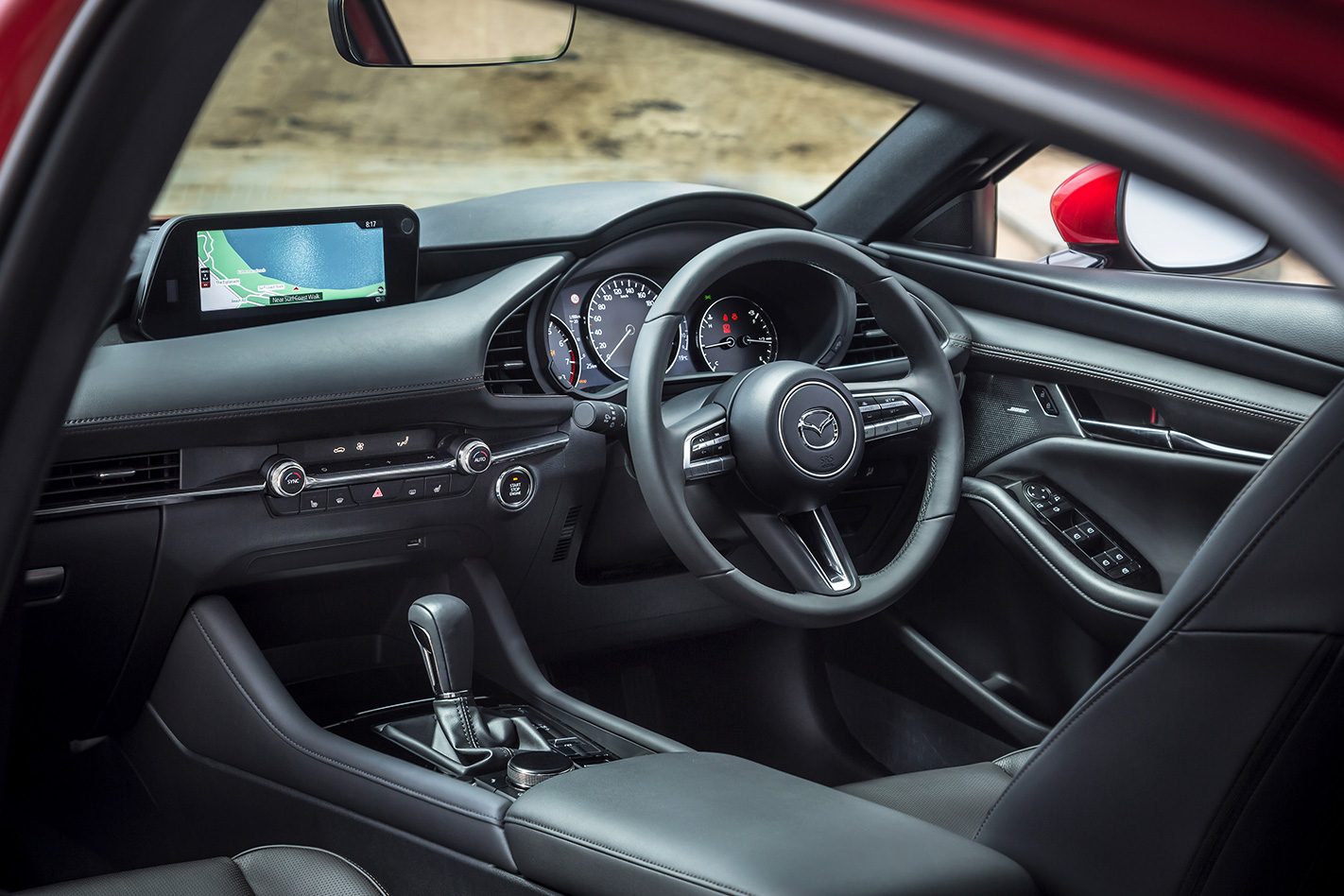
It’s estimated 10 percent of Mazda 3’s sold in the first 12 months will be fitted with a manual gearbox.
Mazda Australia Marketing Director Alastair Doak said that while some customers wanting a manual may shift from another brand to get their three-pedal fix, it wasn’t the sole motivation for offering both transmissions.
“We were having the discussion about do we or don’t we keep the manual, and we thought ‘there are hundreds of customers per year that have consistently bought manuals, and there is no real desire to walk away from those people’,” he told Wheels.
“Into the future, we are trying to expand the choice that we offer customers, because why not? If it means we keep some, or attract more, or make people happy with their Mazda, then great. That was the real motivator.”
The 992 Porsche 911 Turbo is on its way.
With an expected 2020 reveal, the next 911 Turbo has been spied testing recently, and now an image of it rolling along the production line has surfaced on Instagram.
Posted by self-proclaimed Porsche owner and enthusiast Todd Schleicher, the dual image features a 922-generation 911 looking rather aggressive from the rear three-quarter angle, with the second image simply a mirror of the first.
https://www.instagram.com/p/BuJft91BYFa/?utm_source=ig_embed&utm_medium=loading
Previously, the 992 Porsche 911 Turbo S has been spied and filmed blasting around the Nürburgring in test mule form, with similar air intakes on the rear wheel arches as seen in this image.
The wing, however, is a primary point of difference between the two, and the biggest indicator that this may not be the full-fat Turbo S.
While the test Turbo S spied at the ‘Ring sports a rather wider adjustable wing, this spied model has a more lip-style spoiler.
The leaked image of the car, which looks to have been taken in Porsche’s Zuffenhausen facility, also seems to show the car sporting a wider rump than base 992 models like the Carrera.
Though it’s paintwork, likely Agate Grey, is causing reflections galore, its air intakes would require a pair of wider haunches compared to the intake-free Carrera.
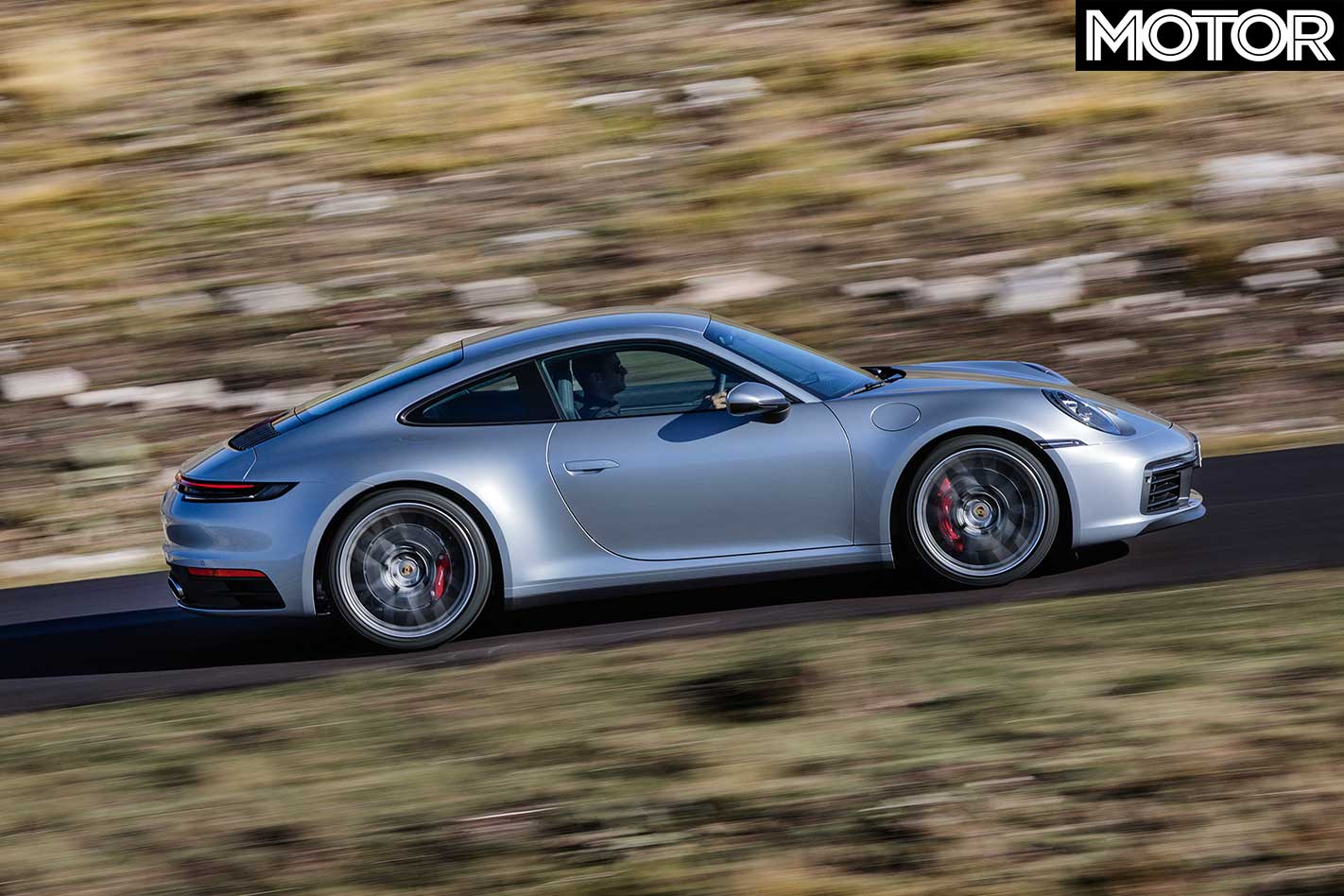
If Porsche’s march of progress is to continue, the 992 911 Turbo will need to beat 3.0 seconds to 100km/h, with the 991.2 GT2 RS very much in its performance figure sights.
MOTOR contacted Porsche Australia for a statement, but Porsche’s local arm is unable to comment on the leak.
This week, Alex joins the WCW team to make us all green with envy, regaling his adventure to Arizona in not just one McLaren, but two. And if you needed to be any more jealous they were both convertible. He also has some fascinating cacti facts.
On a more serious note, we discuss Honda’s announcement to close its UK factory. Is it a one-off or is this the beginning of the end for English car manufacturing and a chilling repeat of the Australian automotive production collapse?
Later, Dan and Andy review their trip to Mount Hotham along the Great Alpine Road in a pair of $100,000 coupes that might be a similar price but are as different as chalk and chicken pox.
Speaking of Alpine, the team close out the show debating the correct pronunciation of French sportscar brand Alpine. Al-peen or Alpine? A question of semantics, marketing fluff or is Dan just getting all ranty again? Listen in to find out.
Find more podcast episodes here
If you’re on the run or in the car, you can find the WhichCar Weekly podcast on iTunes or Podbean and you can follow the WhichCar team on Facebook, Twitter or Instagram – @whichcarau.
Join us each week as we bring you up to speed on all the hottest car news.
Listened to the show? Help us out:
- Leave a note in the comment section below.
- Leave a review on Apple Podcasts/iTunes
- Subscribe to our podcast
HOLDEN is shifting its focus to SUVs in an effort to claw back lost ground in the race for the high-riding wagon dollar.
The brand has embarked on a multi-million dollar marketing campaign designed to pop Holden on the shopping lists of SUV buyers, who now make up 43 percent of more than 1.1 million new-car buyers.
In 2018 Holden wants its SUV share to grow to 35 percent of overall sales, the first time in the brand’s history anything other than passenger cars has been top dog in the lion showroom.
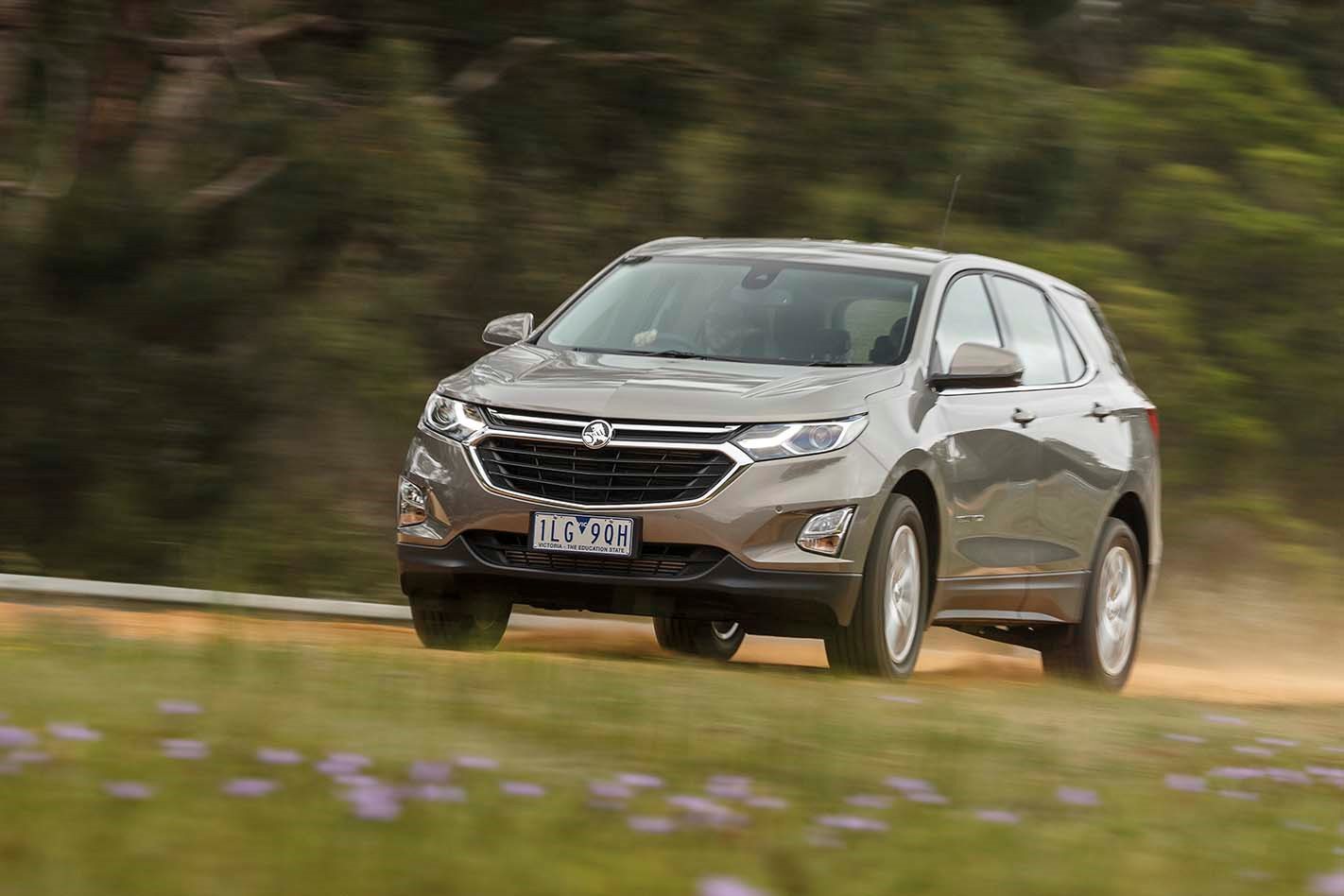
“We have really strong brand equity (in passenger cars) but not so strong (in SUVs),” says Holden marketing director Kristian Aquilina. “We need to fish where the fish are.”
Holden’s history in SUVs is poor; throughout the 1990s and 2000s there were stop-start models, including the Jackaroo and Captiva.
But a lack of longevity and occasionally undercooked models mean Holden has nothing like the history, sales and reputation of mainstream rivals when it comes to high-riding wagons.
In the thick of the SUV boom Holden was joined only by Ford as a brand that has sold fewer SUVs in 2018 than it did five years earlier.
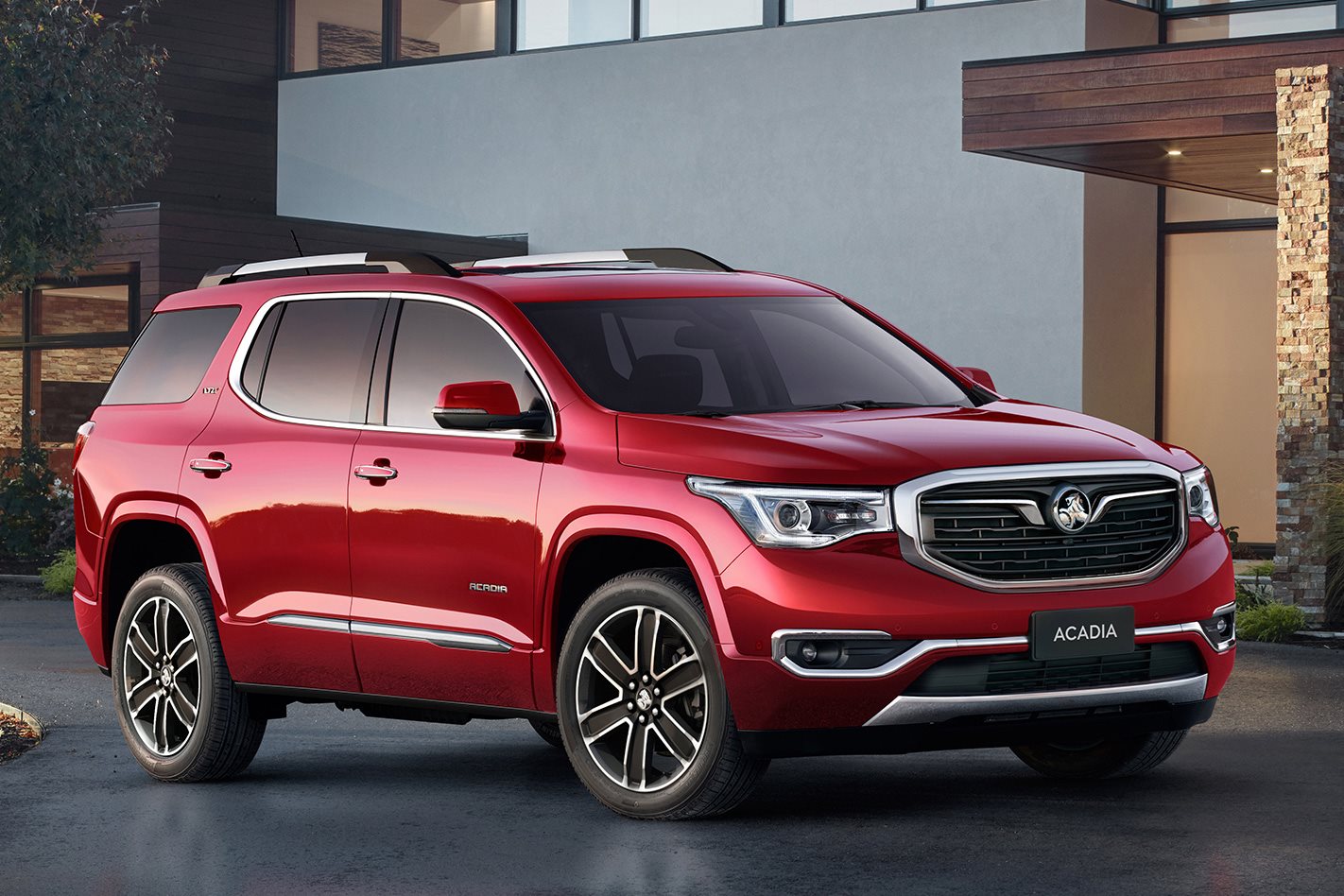
But the brand is largely starting again with a lineup of four SUVs – Trax, Equinox, Acadia, and Trailblazer.
But chairman and managing director Dave Buttner warns it will be years until Holden matches the market for overall SUV sales.
“We’re focused on 2019 and we really see this as being a pivotal, watershed year. Get back to our basics, get the fundamentals right, land the portfolio of products that we have, stabilise the business and then we’ll worry about where we go with share after that.”
ACCESS to the top secret Lang Lang proving ground could be one of the carrots dangled as part of Holden’s new Qantas-inspired loyalty program for top shelf fleet buyers.
Likening the four-tiered “Club” membership to that of the Qantas Club and invite-only Qantas Chairman’s Club, Holden sales director Peter Keley said the radical new direction was about simplifying the fleet offering and providing greater benefits to those who buy multiple Holdens.
“We can start talking to them about taking advantage of a facility like Lang Lang, actually exposing them and their drivers to Lang Lang,” said Keley in discussing some of the options for the top Club Diamond tier that will be introduced for large fleets on March 1.
“Start thinking about Qantas Club and Chairman’s Club, very much masked in mystique, very special benefits indeed with Club Diamond.”
Keley said the benefits of each Holden Club level – Silver, Gold, Platinum and Diamond – were yet to be finalised, adding that “we have a small list of things at the moment, that could grow to a big list”.
Keley says there could be opportunities to be first into new models and have access to yet-to-be-released vehicles, something already common with big fleet purchasers across many brands.
“It could be access to evaluation cars, it could be newsletters, it could be a concierge services … it might be a permanent loan car.”
Pricing for fleets will also be rationalised and simplified as part of the new Club levels, with Holding switching from as many as 14 offerings to the four Club levels.
While no nameplates or individual models will be scrapped – other than the Barina, the last of which are currently being sold – individual variants will be evaluated throughout 2019 with the view to dropping them from the broad offering.
Speaking at a media event to spruik Holden’s SUV lineup, chairman and managing director Dave Buttner said everything was on the table when it came to culling some of the variants across the seven model ranges that make up Holden’s current crop.
“With the total model lineup … we’re looking at complexity,” he said, pointing to production and ordering complexity as reasons for the rethink.
“We have had a look across our model range and we will be rationalising the degrees of complexity we have in the model range over the next 12 months.”

Buttner wouldn’t go into specifics but pointed to low-volume powertrains.
Many brands have already dropped some diesel models, for example, while cars with manual gearboxes continue to drop in popularity, providing an obvious target.
Holden has also previously hinted its broad Commodore range – which includes six trim levels, two body styles, three engine choices and a Tourer SUV – could be pared back, although Buttner said there were no changes planned for now.
THE TAPS have been turned back on for some of Holden’s biggest models, with orders recommencing following an unprecedented halt in production in 2018 designed to clear excess (and ageing) stock.
Speaking at a media event to promote Holden’s SUV lineup – Trax, Equinox, Acadia, and Trailblazer – Holden chairman and managing director Dave Buttner said supply was back in step with demand, prompting a return to normal on importing cars.
“We have orders back in the system,” said Buttner, adding that there were still a handful of cars to sort out.
“We’ve significantly reduced the Equinox and Commodore stock we had to manageable levels.
“We’ve still got some stock to move and we’ll work our way through that in an orderly manner.”
Buttner said it was “primarily Commodore and Equinox” that were overstocked, prompting the temporary move to cancel upcoming orders, something the new chief did shortly after assuming his position in August 2018.
“Last year it got pretty high,” Buttner said of the overstocking issues, predominantly with Commodore and Equinox but also Astra. “We reduced it by 55 percent between August the 1st and by the 31st of December.”
Typically car companies introduce heavy discounts or incentives to clear excess stock, something that affects resale values and can negatively impact brand reputation.
Overstocking can also be solved by dealers registering cars as demonstrators, again with the view to being sold at a discount.
In January the Commodore posted its worst ever monthly sales of just 403 units, 10 of which were among the last of the locally-manufactured cars built some 14 months earlier.
That sales level is about one-third of the rival Toyota Camry – and around one-twentieth the rate of the Commodore’s peak sales in the late 1990s.
“Six seconds is big, that’s a whole other car”. Elliot Barbour, our tame racing driver, is almost picking his jaw up off the gritty Winton garage floor as he is told the difference in lap time between two sets of tyres he’s just tested. This is using the same car, at the same track, on the same day.
Six seconds is stark; that’s the difference between a Mercedes-AMG C63 S and a 991-series Porsche 911 GT3 around one lap here, Winton’s full 3.0km circuit, as we precisely demonstrated at our 2016 Performance Car of the Year.
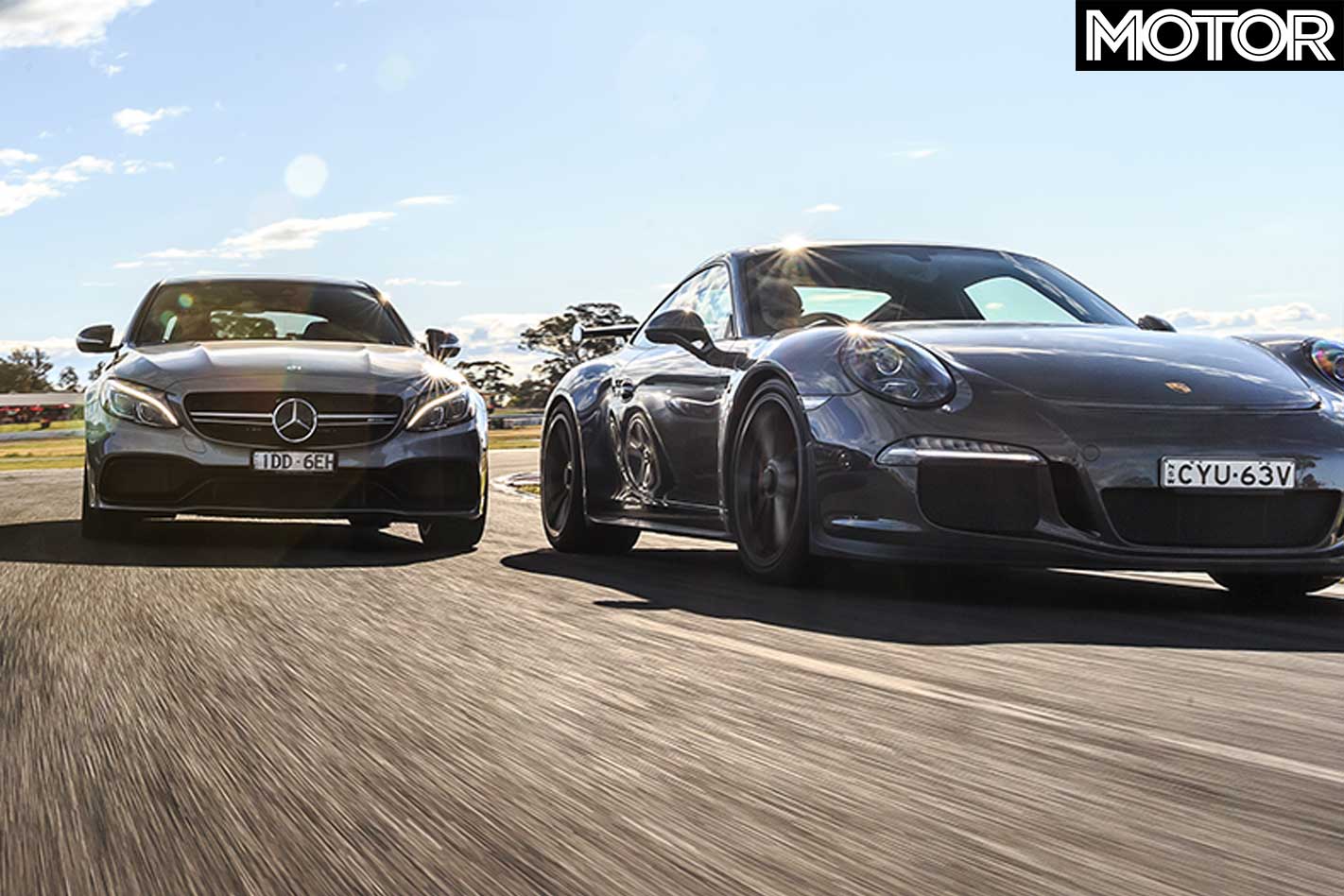
The Porsche might be in another league for performance and speed to the AMG but, crucially, it charges an extra $155K for the capability. So imagine making the same sort of quantum leap with a few hundred dollars, by way of spending extra on the oft-forgotten black and round things beaded on to your probably large and expensive wheels.
Yes, a conversation about tyres could put an insomniac to sleep, but when this topic comes up, you can tell the real thinkers by those who listen alertly. And so listen up, because the results are in of an experiment we’ve been wanting to conduct for some time.
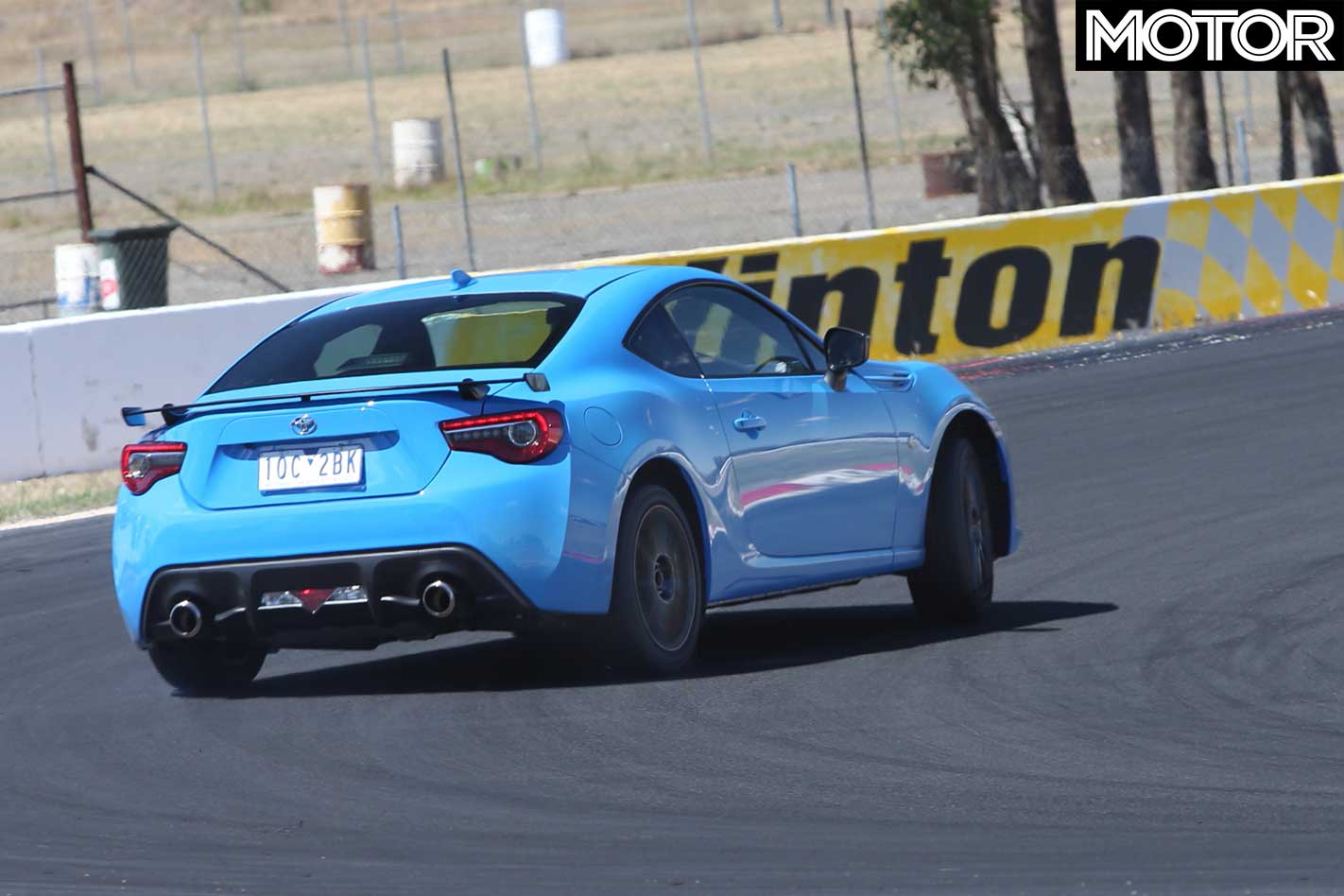
We’ve grabbed a Toyota 86 GTS with the optional Brembo brakes, packed three very different sets of tyres and headed north to Winton. Pattern number one, from El-Cheapo Inc – we won’t name and shame the actual brand – but from a nation that can make things far cheaper than we can. We actually walked into a tyre shop and said what’s the cheapest and nastiest stuff you have in 215/45 R17.
Against the clock around Winton, we will pit this tyre, the kind your mother would warn you against buying, against a ‘regular’ ultra-high performance road tyre. And for laughs, we will also time a more track-focused pattern. At the end, we will compare times, Barbour’s impressions, and draw some sort of conclusion.
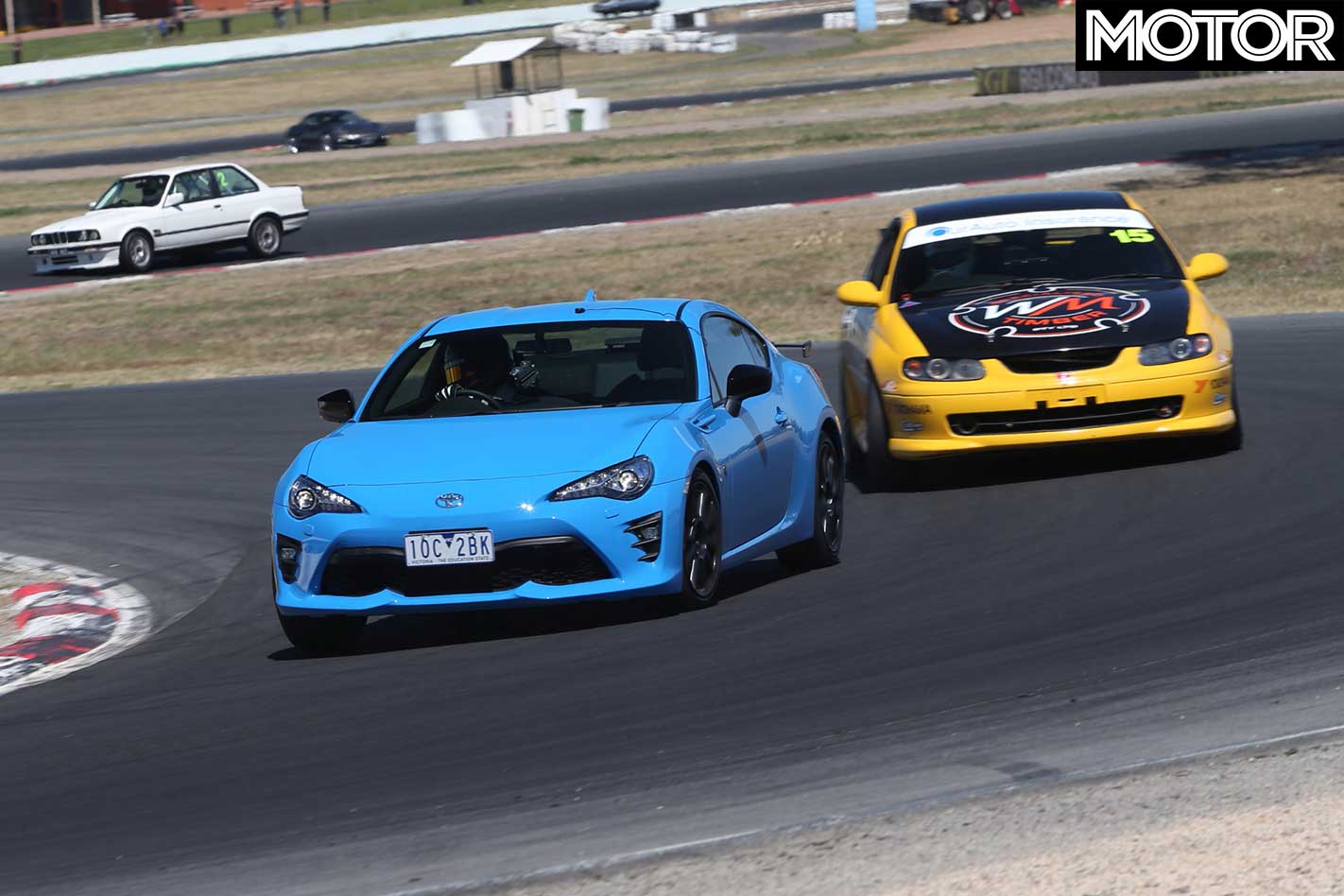
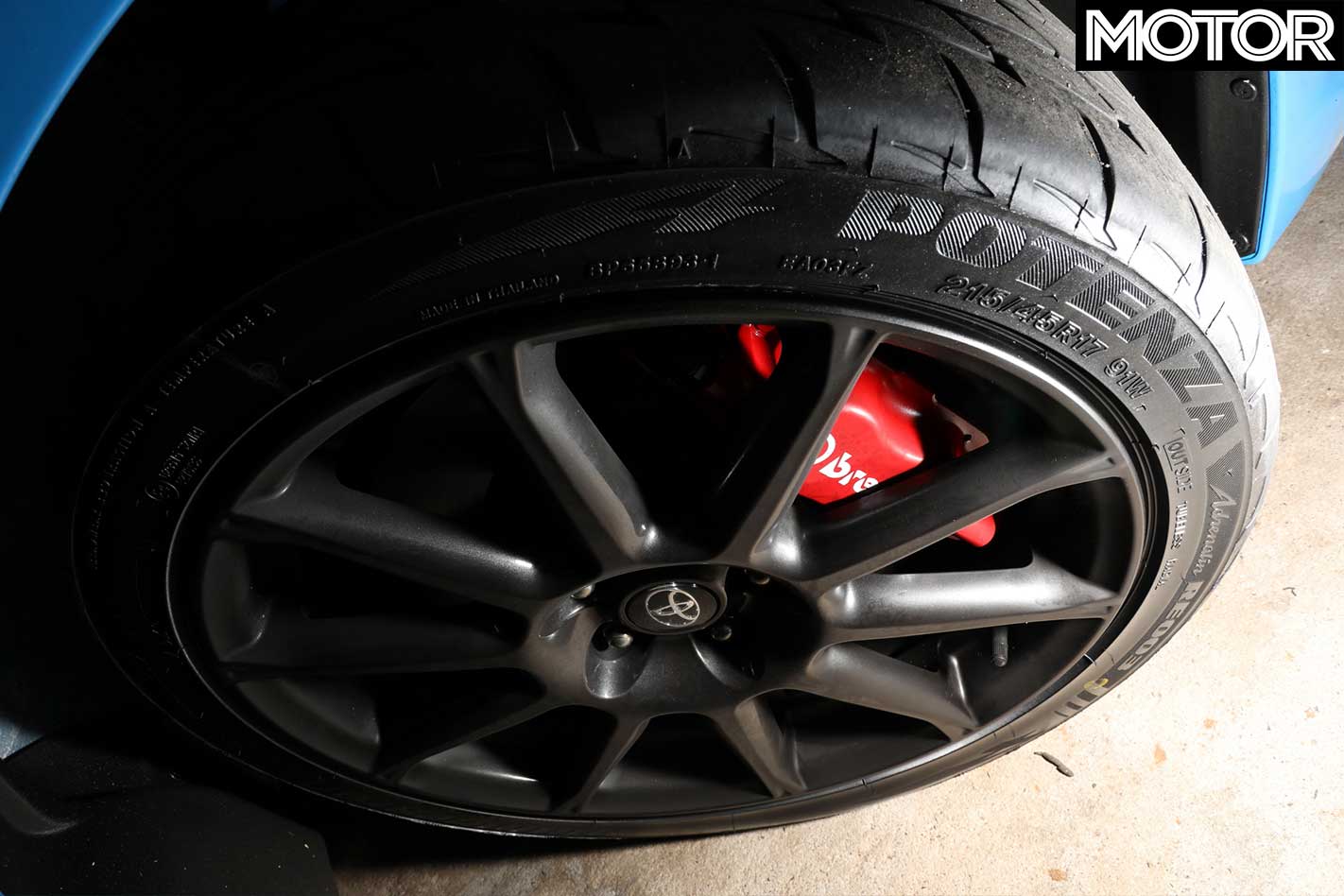
For the non-lethal rubber, Bridgestone has kindly supplied two sets from its Adrenaline range. First up, the RE003. They’re what it calls its “sports performance” tyres. And while they’re not standard on any road car, their availability in diameters 15- to 20-inches suggests they’ll fit most rides. Price? They’re about double our bargain-spec tyre, depending on where you shop.
Last, but certainly not least, are the exotic set. The Bridgestone RE-71R is a road friendly ‘motorsport’ tyre and represent the Michelin Pilot Sport Cup 2s of the world. With a tread wear rating of 200, compared to the RE003’s 220, they’re certainly streetable. But expect to shell out a bit more than the RE003s for the privilege to try them.
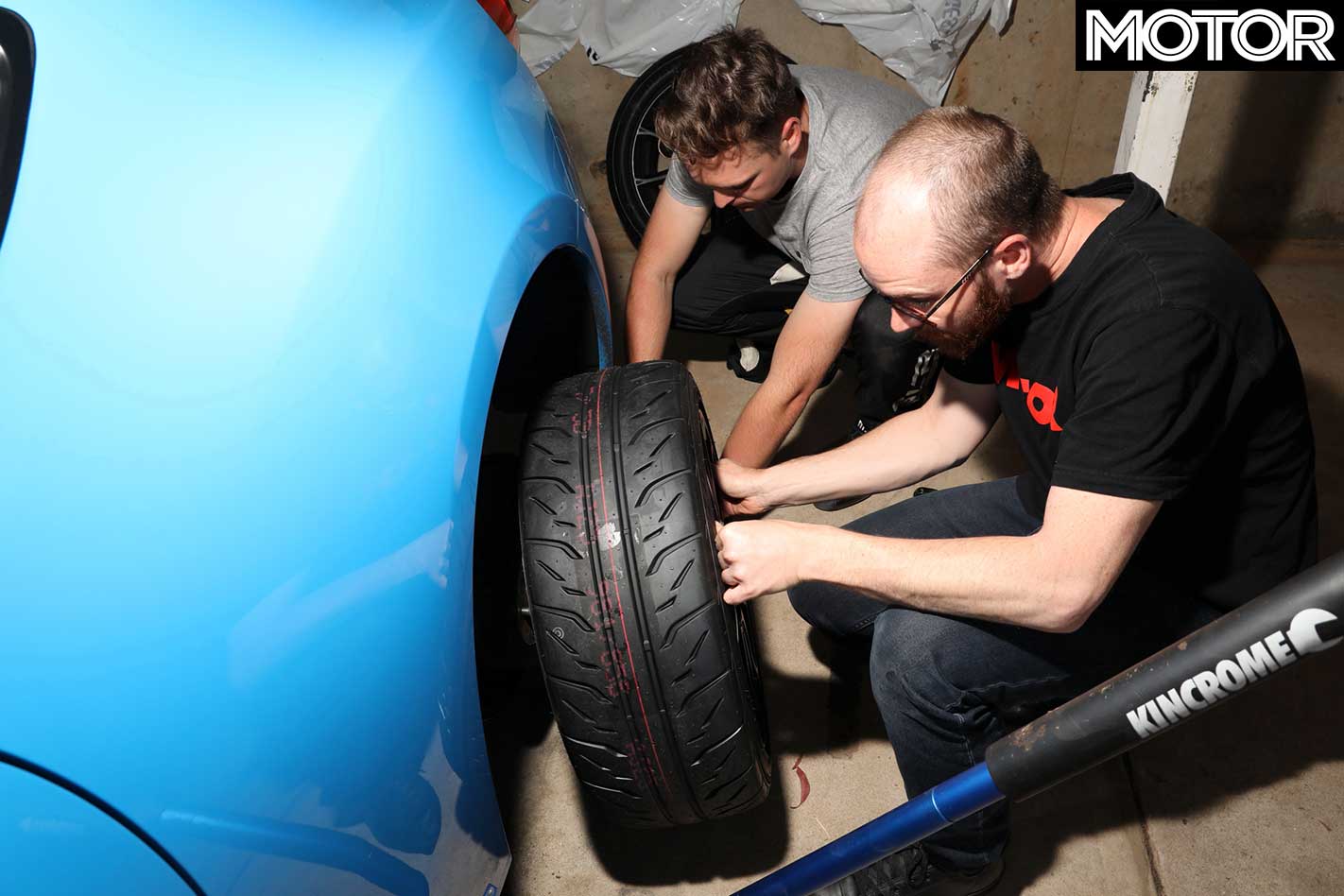
To keep things scientific we’ve asked Toyota for the aforementioned 86 GTS. Its rear-drive platform works its contact patches evenly and a bulletproof atmo 2.0-litre boxer should resist heat soak better than a turbo engine. We’ve also ticked the box on the $2200 optional Performance Pack, with uprated 326mm/312mm discs and fixed Brembo calipers.
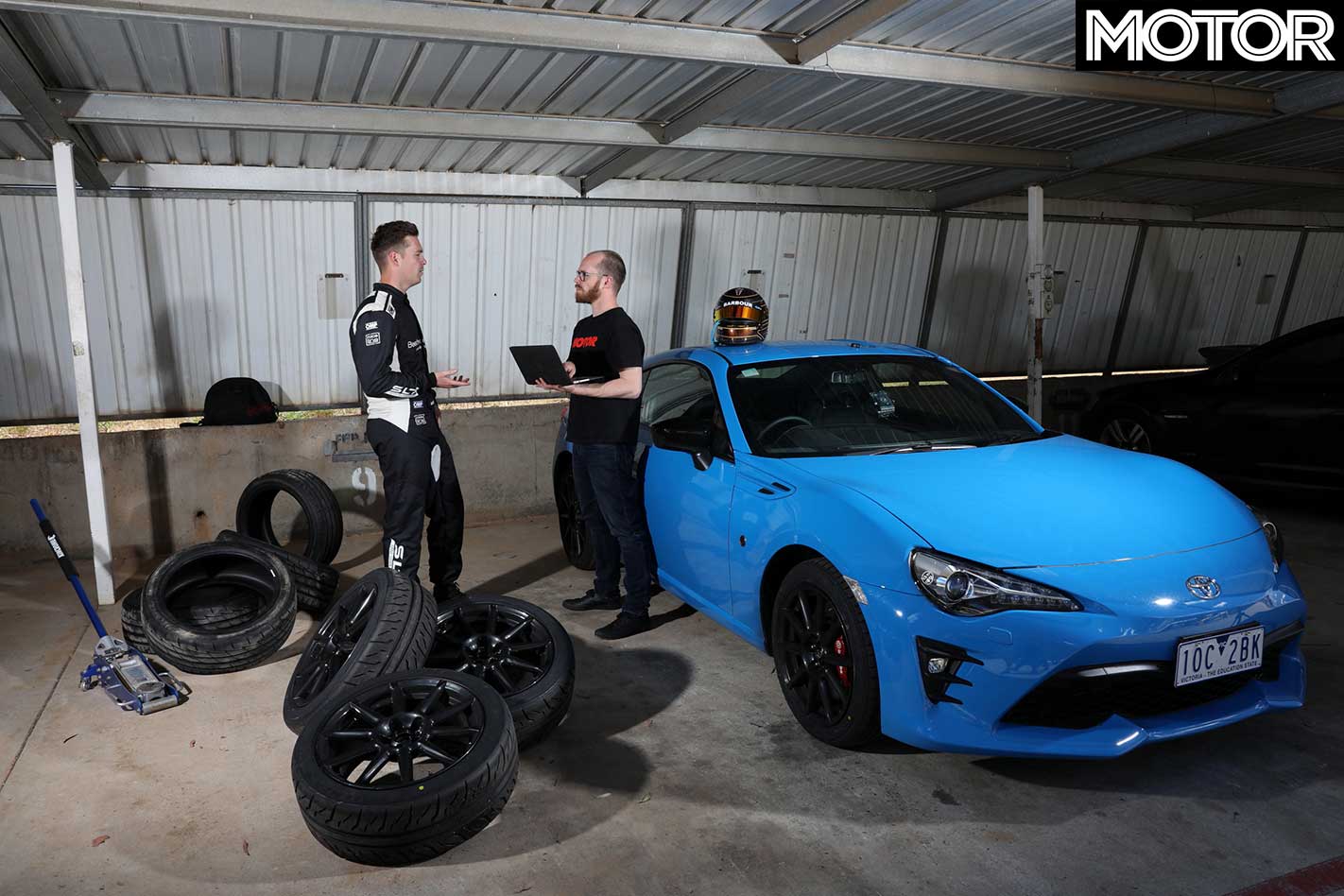
You’ve already met our driver. Barbour has raced everything from Holden HQs to McLaren 650S GT3s since he started professionally competing in cars at 17. Before that he raced karts, but quite literally outgrew the sport. Paired with a Driftbox, he’ll be setting lap times and offer judgement on the less quantifiable things like feel and braking performance.
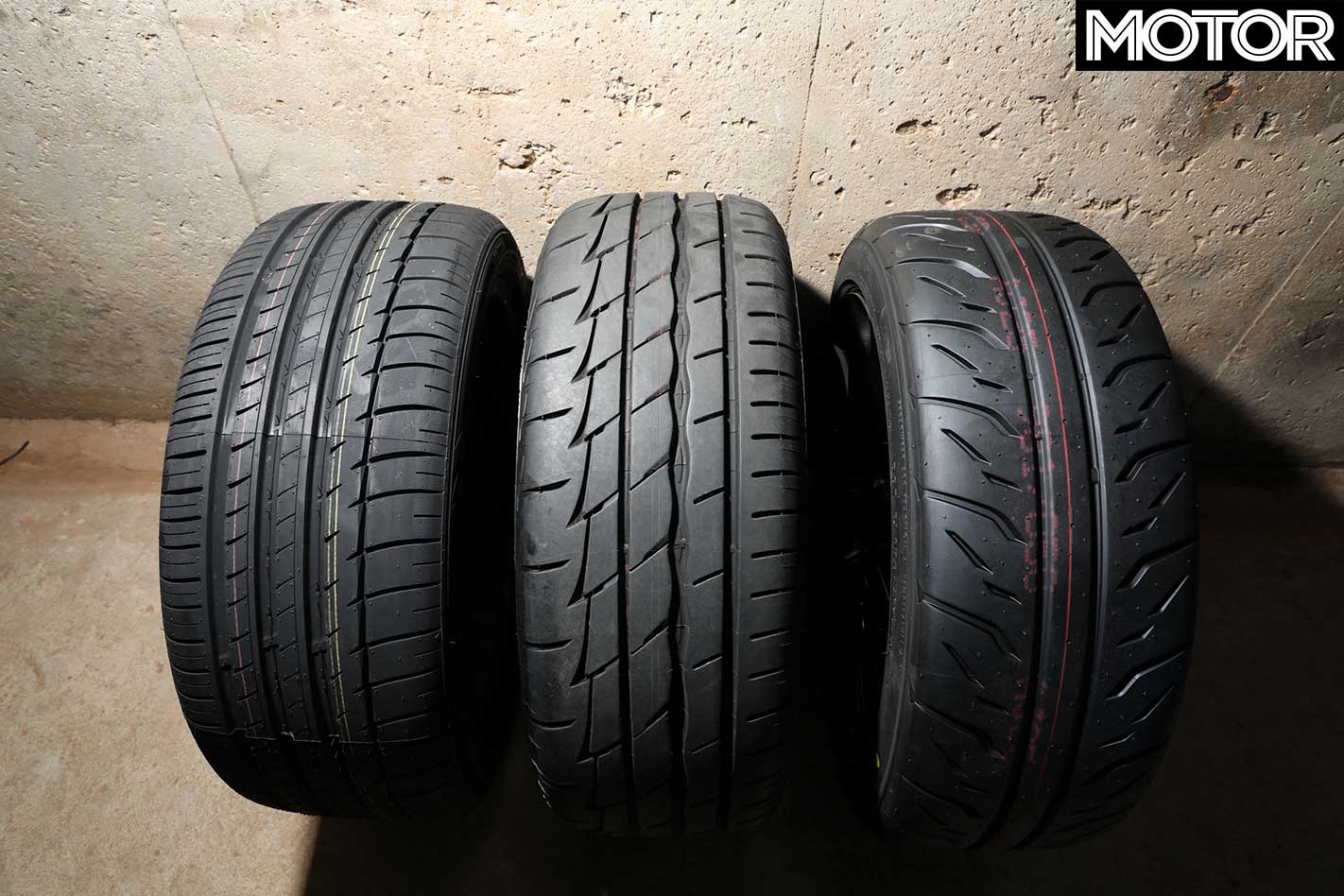
At a glance, it looks like the El Cheapo’s tread engineers dug the blueprints for the RE003s out of a recycling bin behind Bridgestone’s head office. They have similar lateral sipes on their inside shoulder, then three vertical water channels that sit next to larger blocks on the outside tyre shoulder.
However, something about them doesn’t look exacting or scientific, and Barbour confirms this much once he comes into the pits. “As soon as I left the gate, I put my foot down and it started wheel spinning,” he says, “And I go into turn three there’s just constant understeer, just tyre squeal the whole way around.”
The lap reflects this, as his best time of 1:47.1sec is slower than any 86/BRZ we’ve punted around here. Pressures are up, too, around 42psi, or 7psi higher than cold, suggesting the tread blocks are squirming.
“There is a delay before they actually bite,” he says. “And as soon as you touch the brake, bang, ABS. I was braking up to 30 or 40 metres earlier in other areas, just to get to an apex. You’re going a lot slower at the apex, too, because you’re carrying brake all the way in.”
The RE003s look way more serious, with big blocks on the outside shoulder and centre ribs. It’s not just a tough tread pattern, either. After their laps pressures lower to a maximum 40psi, or 2psi lower than the El Cheapos, because their tread blocks are stiffer. They also slash 2.4 seconds from the lap time with more grip, at least at the rear, allowing Barbour to keep the throttle pinned on exit at turn one and six.
However, they’re not perfect. “You can just jump on the throttle at the apex, traction is really good,” he says, “but the biggest thing is allowing it to flow through the middle of the corner.” They’re still rolling over the sidewall, especially at turns three and four. “If we were to put pressures up to something like 40 cold, that would hold the sidewall a bit.”
With them done, we fetch the next set, and the RE-71Rs are instantly recognisable on their aggressive tread design. Only two vertical water channels straddle its solid centre rib, suggesting this tyre is clearly bent on doing one thing: going fast, at least in dry conditions anyway.
Barbour finds this out first hand. “You can embarrass some other cars on track” he grins. The traces show he’s carrying less brake into turn one than he did on the RE003, committing earlier with speed, but also finding confidence with their compliance to use the kerbs. Barbour reports you can place the car a lot easier. “And you can also adjust it through the corner, you know the directional change is there. Whereas on [the RE003] what you got at the start is what you get to the end of the corner.”
All these improvements piece together a 1:41.8sec lap. The 71Rs produce staggering cornering speeds that shadow the other two. At turn five, Barbour is almost 5km/h faster than the RE003 and 10km/h faster than the El Cheapos. It has to relent some strength, though, “half way through the sweeper around the trees it really rolls the tyre there and it felt very similar to the other ones.”
But the car’s natural grip balance effects how each set feels, too. “The one thing with these tyres, that soft set, is with good grip they induce a lot of understeer.” He then gestures at the El Cheapos, “it will actually turn better in some of the slower corners because it’s got less grip in the rear and will start bringing the rear around a little bit, which I couldn’t make it do on the other tyres.”
He’s right. Through corners seven, eight and nine the El Cheapos start reeling in the RE003s, beating them through corner seven and 10. Ideally, for a more playful setup, he even suggests putting the El Cheapos on the 86’s rear and the RE003s on the front.
But there are less obvious downsides to our revoltingly cheap contender. “You would smoke through a set of brakes in a day on those,” he warns, as you’re constantly in the ABS.
Sure, you could step up to the RE003s, but for such a small improvement, it really only leaves the RE-71Rs. Barbour agrees. “The most fun I had was on that set because you could really hustle.” These take-home lessons might not be surprising, but they’re worth remembering.
Cheap tyres are fun to burn on the throttle, but spending more on good stuff pays off in more ways than one. You’ll save your brakes and, who knows, might unlock speed that makes it feel like you’re driving a whole other car.
The Results
So, what advantage was gained by running first, rather than last? According to Barbour, not much. Although the track was slippery, by the day’s end he declared conditions consistent. He admits there might have been a second’s difference between the day’s start and end, but most of it would be down to heat soak in the engine. Not enough to change the finishing order.
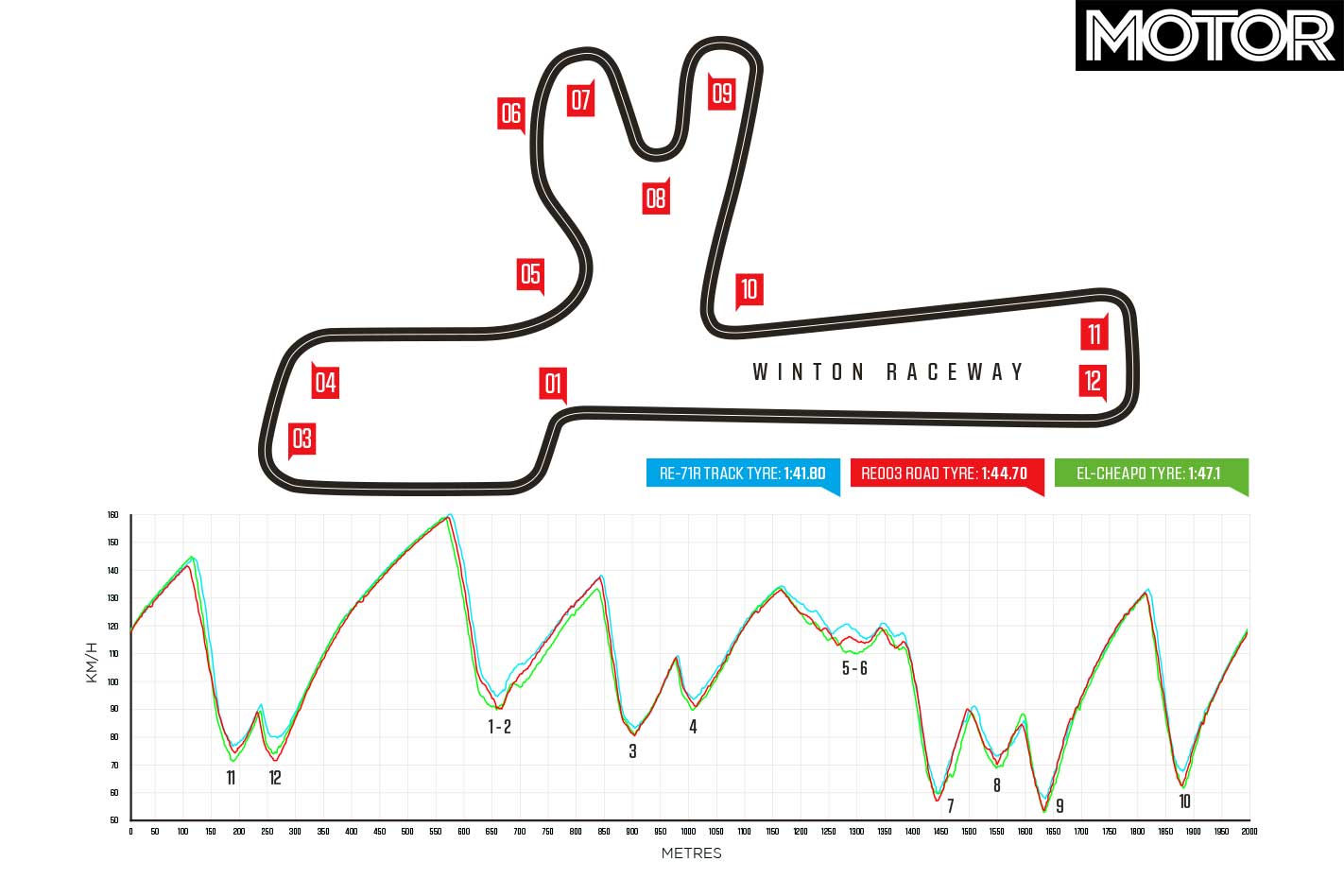
| u00a0 | Potenza RE-71R | Adrenalin RE003 | El-Cheapo tyre |
| Turn 1 | 94.47km/h | 90.33km/h | 89.83km/h |
| Turn 3 | 84.26km/h | 80.78km/h | 78.14km/h |
| Turn 4 | 94.33km/h | 91.30km/h | 83.14km/h |
| Turn 5 | 117.90km/h | 112.95km/h | 107.69km/h |
| Turn 6 | 115.84km/h | 111.81km/h | 111.58km/h |
| Turn 7 | 60.63km/h | 57.84km/h | 57.89km/h |
| Turn 8 | 74.10km/h | 70.78km/h | 67.26km/h |
| Turn 9 | 59.04km/h | 54.29km/h | 53.73km/h |
| Turn 10 | 68.90km/h | 63.11km/h | 65.15km/h |
| Turn 11 | 77.80km/h | 74.58km/h | 72.66km/h |
| Turn 12 | 80.58km/h | 71.90km/h | 70.40km/h |
| V-max | 160.43km/h | 158.23km/h | 157.87km/h |
| Lap time | 1:41.8sec | 1:44.7sec | 1:47.1sec |
