
And so the field has been whittled down to just one winner from seven strong – and amazingly varied – candidates across the automotive spectrum. Our judges, too, represent a broad cross-section of industries where style is a central tenant, and their unique insights have helped to pinpoint our 2019 WhichCar Style Award victor.
Our judging panel was asked to rank each of the cars across six categories, including X Factor, New Technology, Exterior Design, Interior Design, Harmony of Design and Colours/Textures, marking each out of ten for a total of 60 points per car.
It ought to be noted, though, that the idea that one vehicle has risen above all others is probably the wrong way to regard our finalists. Each of them presented a unique and commendable approach to the notion of design and style, so even though one will ‘score’ the win, the subjectivity of design and its role in the modern car is the true vision of the Style Awards.
“Designers are trying to communicate the technology within a car to customers,” notes Style Award judge and respected automotive designer Paul Beranger. “To me, the styling is the physical car you see: the proportions, the engineering and the content. It’s hard to separate them sometimes, but when a designer speaks to an audience it’s about the overall design.”
So here, presented in alphabetical order, is the Style Award class of 2019.
Alfa Romeo Stelvio Ti
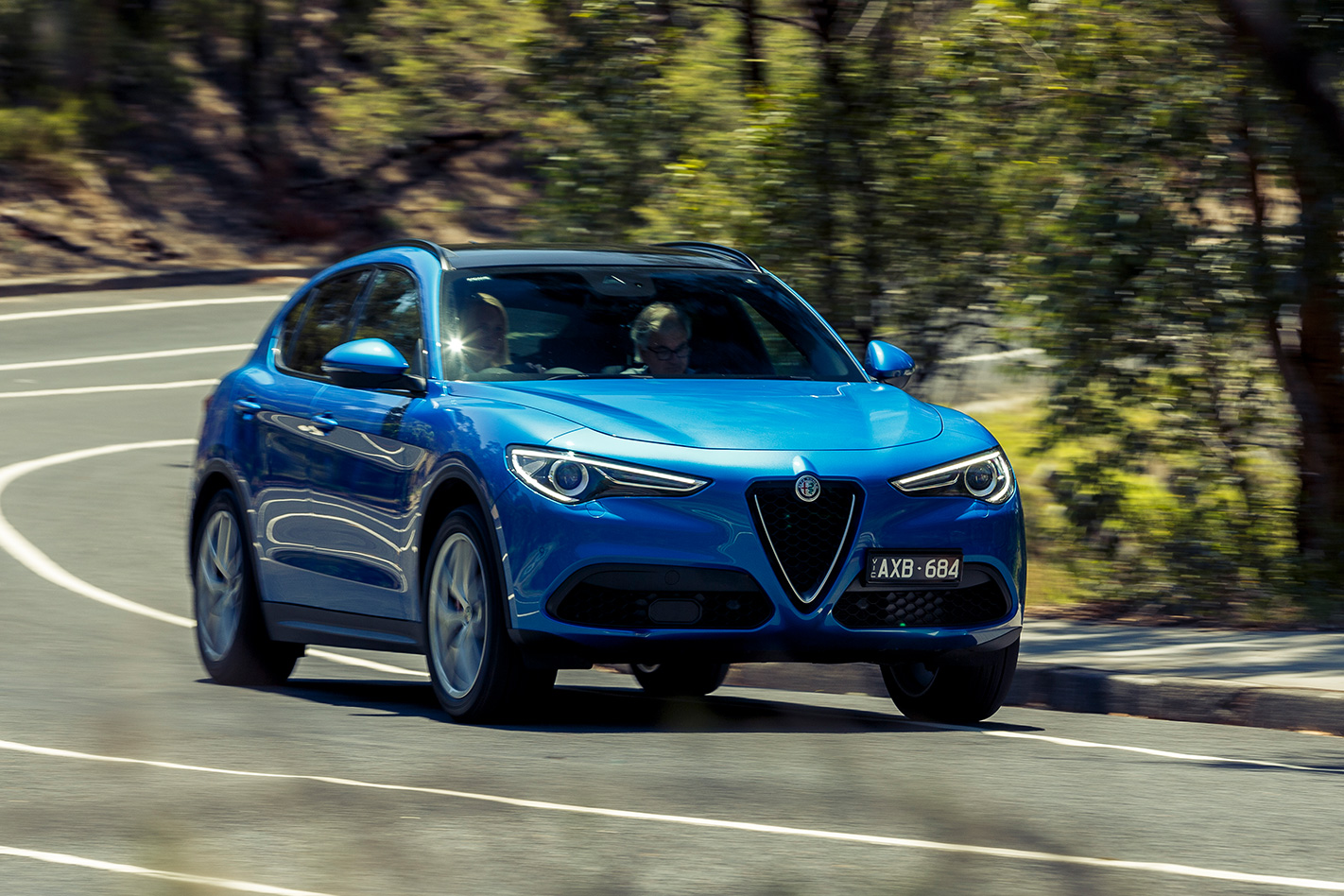
Price $78,900
Alfa Romeo’s first-ever SUV had a large target on its flanks from the day that pen was put to paper; the brand itself is Italian automotive style personified, and just because the car wearing its badge is a high-riding wagon, it doesn’t get a free pass.
The mid-sized, all-wheel-drive Alfa Romeo Stelvio Ti SUV seats five, uses a 2.0-litre turbocharged petrol engine and is closely related to the Giulia sedan. Our example comes complete with a leather interior, shifter paddles and a Harman Kardon sound system.
“Think of the Stelvio as an Italian talking to you,” Paul told us. “Italians always have interesting details that reflect the designer’s image. With a $5 billion investment, this car has to succeed; you need to get a sense of that importance in its design.”
“I think instantly, immediately, it presents as a car for a man,” said Fiona Connolly. “It took me a while to understand [the Alfa Romeo Stelvio]. It felt a little bit racy, in terms of look and feel. I feel it’s very masculine. I do understand why that is, though; thinking about that enthusiast who’s grown up and needs more of a family, but at the same time enjoys the experience.”
“I know it’s aimed at women, but it’s really not designed for women in my opinion,” added Noelle Faulkner, who pointed out the Stelvio’s thick A-pillar and poor rear three-quarter visibility. “Look at its rivals, and there are elements to those cars that look like beautiful, fashionable jewellery that attracts women who are spending up to $100,000 on a car.”
Alpine A110
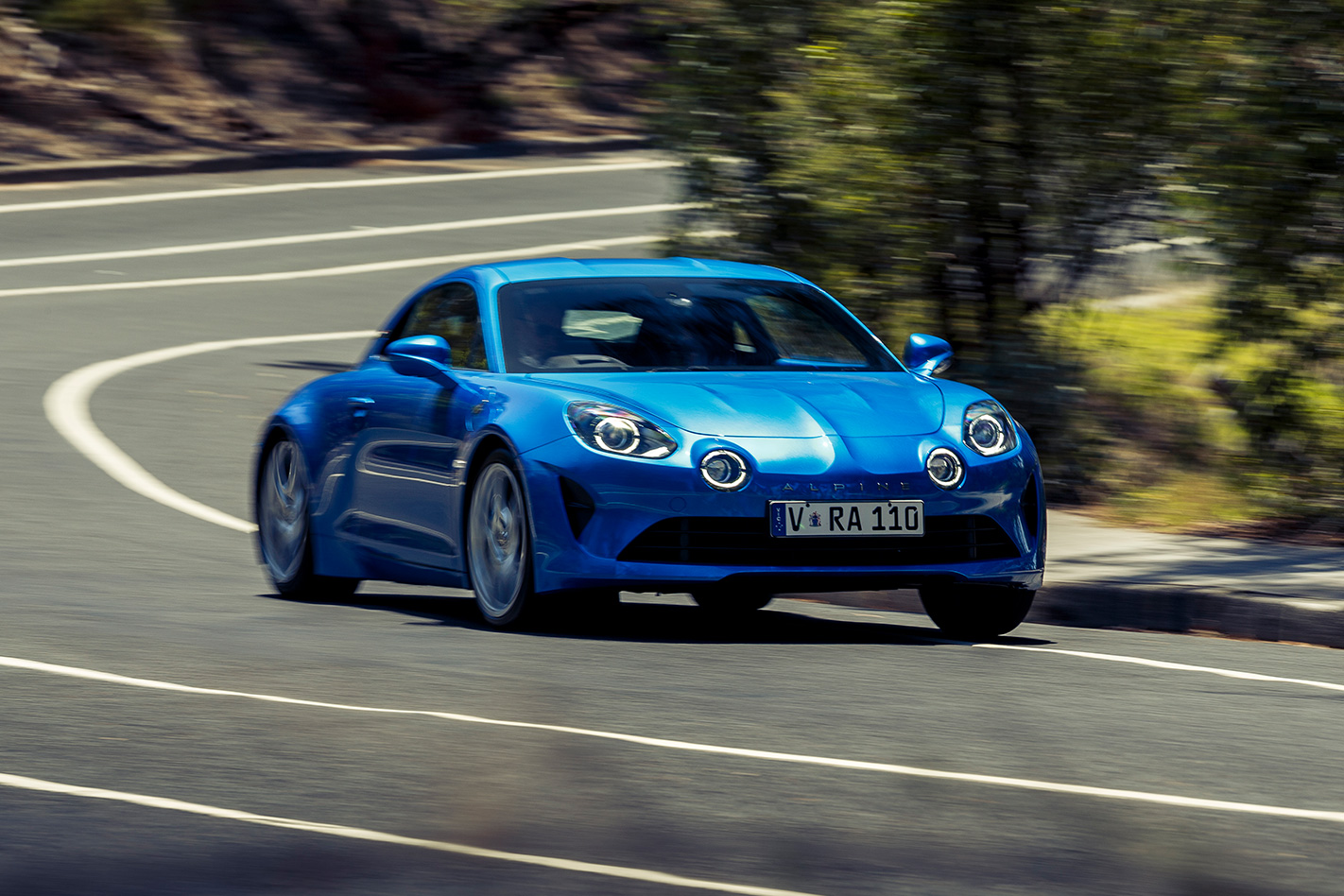
Price $106,500
If you’ve never heard of Alpine before now, you’re not alone; when it comes to rare birds in the automotive kingdom, the tiny French moniker of Alpine – which only existed in the mid-1960s – is amongst the rarest.
Now owned by powerhouse Renault, Alpine (pronounced ‘Al-peen’) has paid homage to its single most successful model with a modern take on the A110. Powered by a 1.8-litre turbocharged engine that drives the rear wheels, the A110 takes no prisoners practically speaking… but within its purity of function lies a simple beauty in its form.
It’s unusual in so many ways compared to the rest of the 2019 Style Awards finalists… not only is it a strict two-seater, its engine is nestled behind the passenger compartment, it lacks many of the traditional in-cabin elements (like a gear shifter) that our panel would be accustomed to, and its diminutive size makes it a unique proposition.
“It’s an all-new design that pays homage to its lightness and performance,” said Paul. “It also pays homage in its style in looks if not dimensions. Its interior is minimalistic but beautiful in detail. It reflects in its Renault Racing blue paintwork the heritage of the brand… but no badging means it’s trying to push above the main brand. It’s an exciting new car bringing back an old name in a fresh way that purists will understand.”
“And who said new cars are getting more boring?” said Noelle. “God, I love this little thing– it’s as spritely on the outside as it is to drive. So fluid and sexy and compliant. The layout of the cabin, those little French flags, the precision of that fab little steering wheel and the raw racing elements, like the raw metal in the foot wells and the symphony going on in that engine in the back.
“It really is a neck snapper- I don’t think anyone quite knows what it is, and even if Alpine means nothing to you historically-speaking, you can just tell the A110 is something really, really special.”
Audi A7 Sportback 55 TFSI
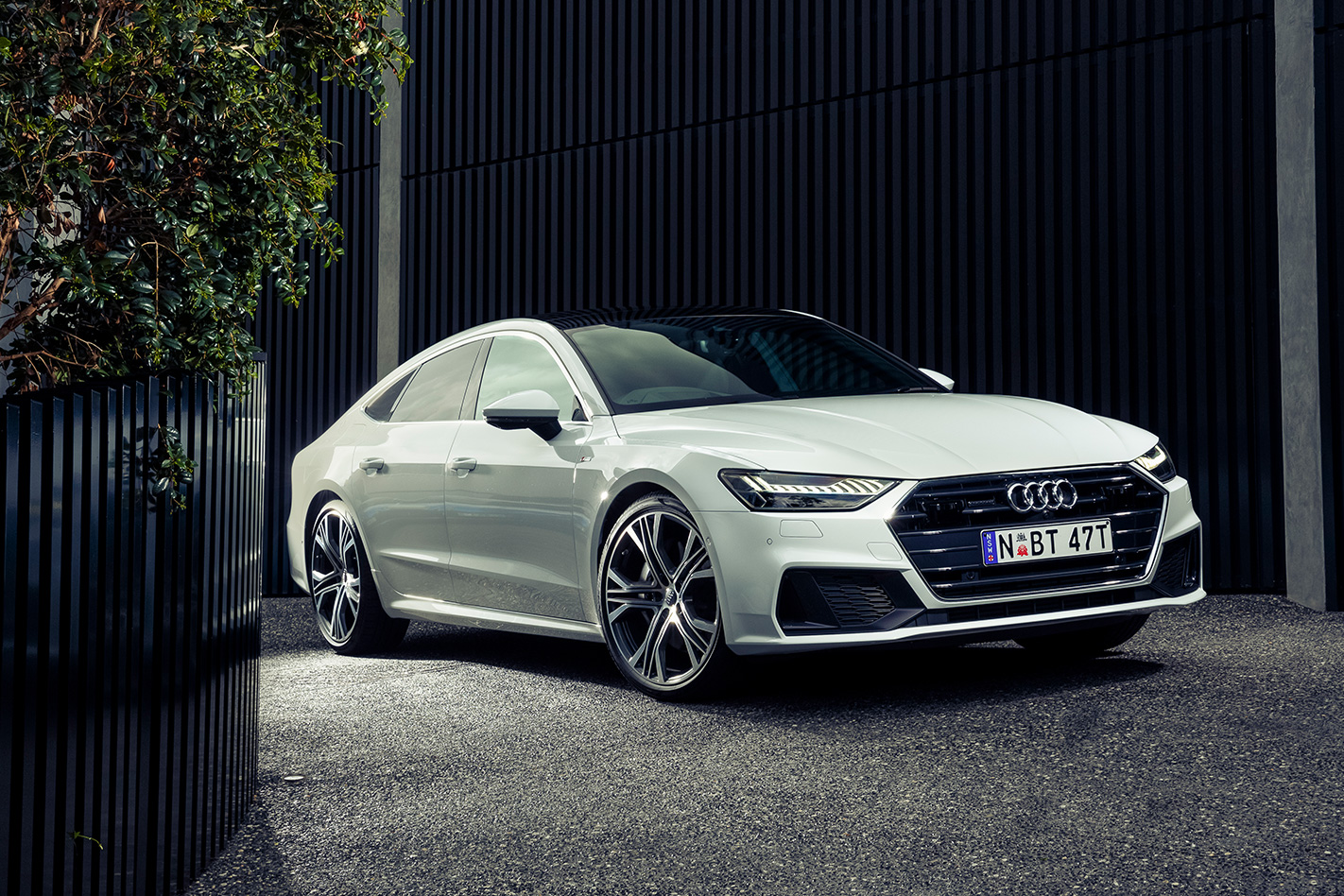
Price $131,900
Audi’s long, luxurious coupe-style sedan is paddling against the tide of premium SUVs, but not everyone is enamoured with high-riding wagons.
The world’s two largest car markets, the US and China, still regard the traditional sedan as a luxury fashion item, while China in particular sees prestige and power in the long, graceful haunches of a big sedan.
“It’s hard to explain and show tech that’s full of AI [artificial intelligence],” noted Paul. “Overall, Audi has wound back on the exaggerated surfaces they once had – this is very subtle and relies strongly on the overall profile of the car, almost one continuous line that lengthens the car.
“This car lets no one down when they get in. Audi offers the best interior quality bar none and this car exemplifies that. The touch of sportiness in the alloy wheels highlights the brakes, too, so you’re not only looking at the design, you’re looking at the technology.”
“I love it, and the reason I love it is that it feels like the design has been well thought through,” said D’Marge’s Luc Wiesman. “One thing that did drive me a bit nuts was the tactility of the multimedia system; if you’re driving and you try to use it, it needs a more considered touch. And fingerprints, too…”
“The Audi is so beautiful,” said Tanya Buchanan. “It’s quietly luxurious, gorgeous to drive, very elegant. I can see it appealing to an older demographic, perhaps empty nesters who like to go touring. You’re not going to be carrying the family around in it necessarily. I feel like everything is well considered when you’re using it, too. It’s just innate. Really luxurious to drive.”
Ford Ranger Raptor
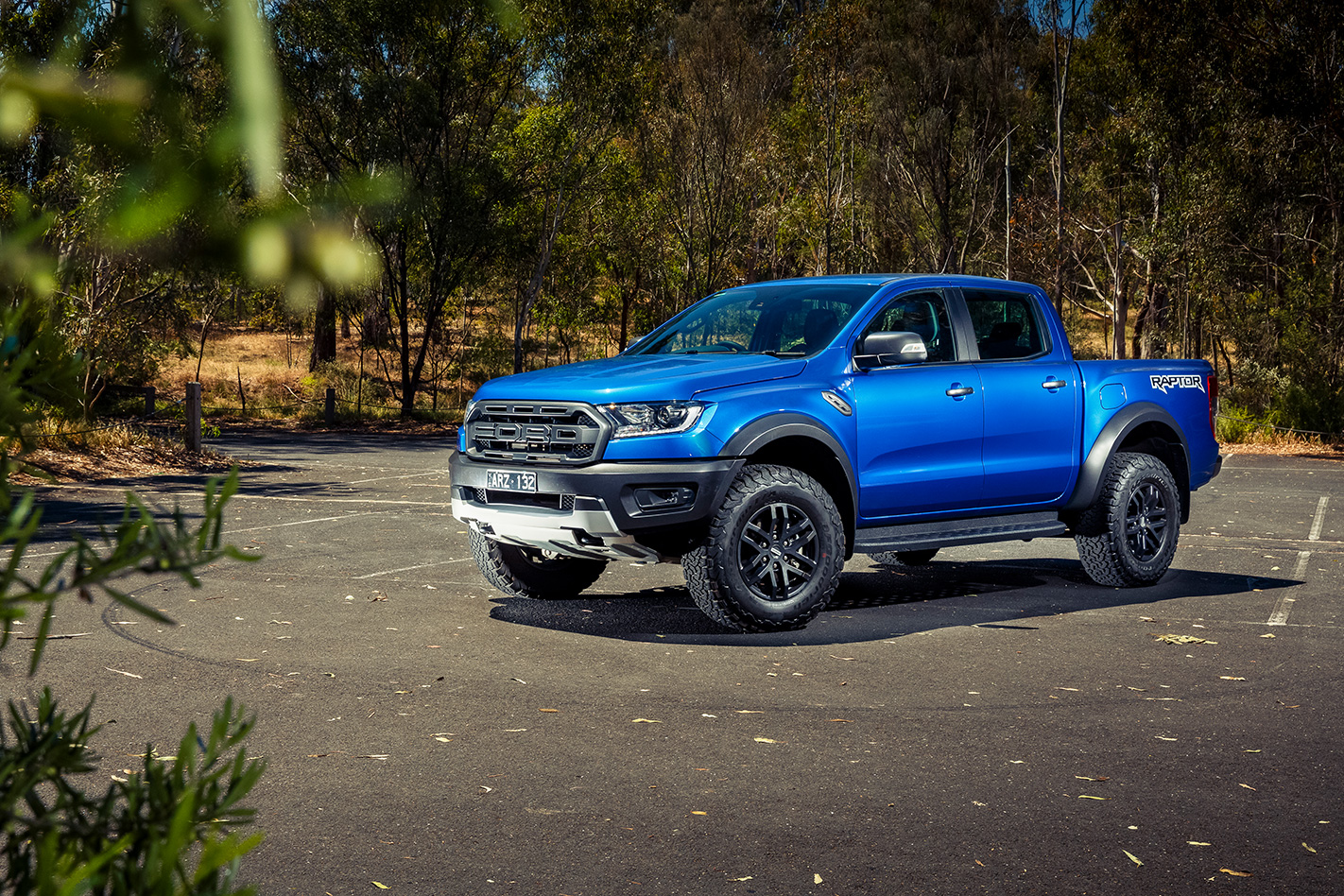
Price $74,990
If there was an outlier in the 2019 Style Award roster, a rooster in the henhouse, a cat among the pigeons, then the big, brash Ford Ranger Raptor was it. Unashamedly macho with its flared mudguards, huge black rims and overtly aggressive styling, the Raptor represents a new era in mass market motoring.
The dual-cab pick-up seats five, and packs a powerful – yet surprisingly refined and economical – 2.0-litre turbodiesel engine along with the group’s only 10-speed automatic transmission. Its interior is bold, yet comfortable, but still betrays its commercial heart in some areas.
“It’s quite an old vehicle design-wise, but it’s incredibly freshened by the Raptor,” said Paul. “Goes to extremes on the exterior – Ford is a metre wide on the front. The intent is very much offroad, and while it has a place in urban landscape, really it’s a serious offroad vehicle.
“Look at it from the point of view as an off road vehicle with limited urban use. It’s well done, with lots of good quality surface treatment in a rough and rugged sense – which in itself is very hard to show, just like the A7. It looks simple – but it isn’t.”
“I love it!” said Jason. “Because it feels so big, I was a little nervous about driving it, but it doesn’t feel big to drive. It feels a bit basic in the interior, but it feels like that’s appropriate.”
“I thought I was going to feel intimidated by it, too, but no,” agreed Brooke. “It just feels like a normal car. It’s got the space in the back seats… for what it needs to be, too, the interior treatment is perfect. I feel this kind of customer isn’t as interested in technology, so they don’t need all the bells and whistles.”
Jaguar I-Pace
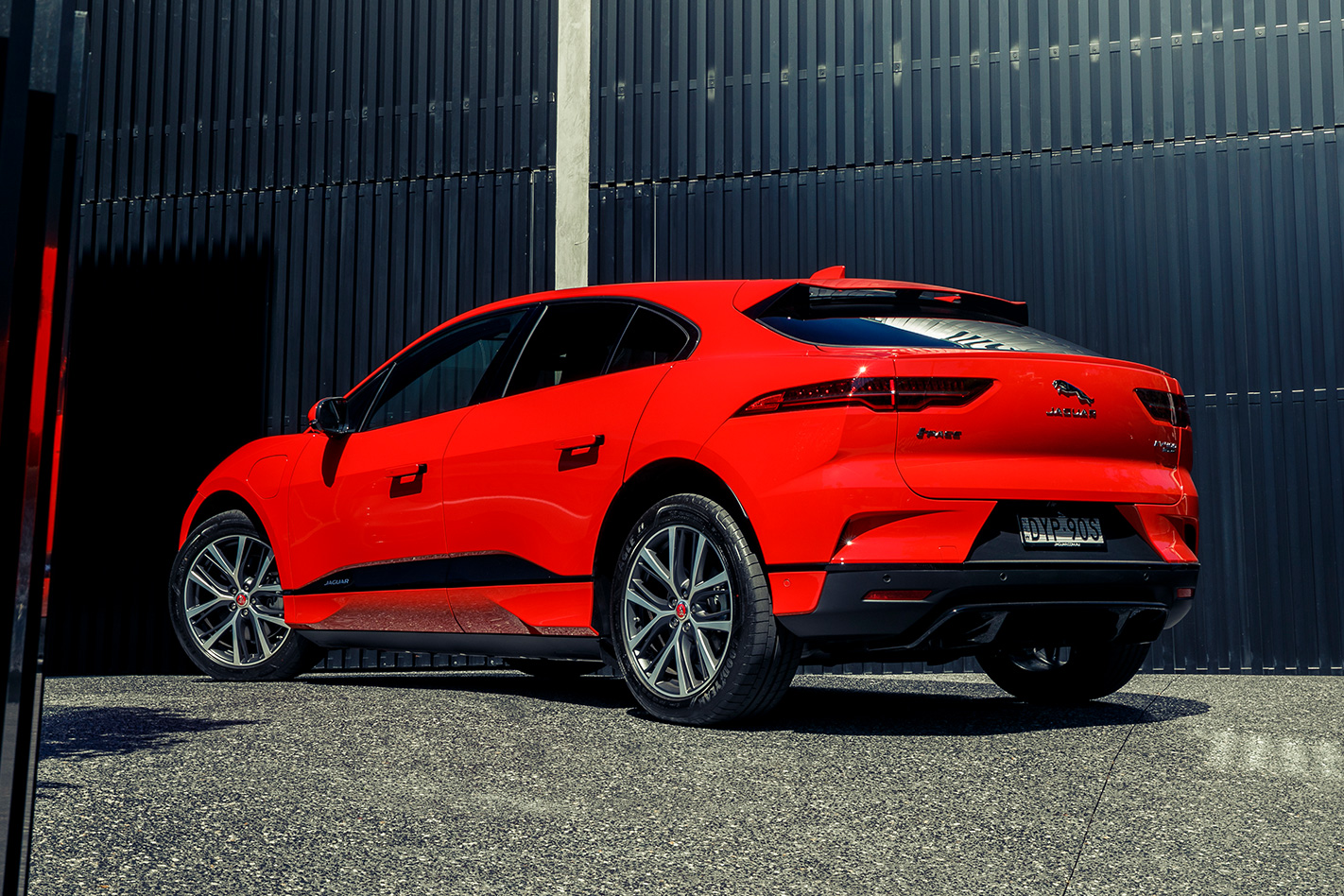
The future is now at the 2019 WhichCar Style Award, with the inclusion of the revolutionary electric Jaguar I-Pace SUV.
The all-electric five-seater doesn’t rely on any form of fossil fuel propulsion, so it’s able to take the baked-in notions of traditional automotive design and style and turn them completely upside down.
For example, it doesn’t need a traditional engine space, nor does it need tailpipes; staples of car design since the Ford Model T.
“The transition of auto design and design of mobility is exemplified by the I-Pace,” said Paul. “It’s one of the first examples of design crossing into a new theme.
“It has the character of a Jaguar, but because there is no engine, the mass is lower of the car, and allows the designer to change its overall shape. It’s about changing mobility, the way we move about generally.
“Think about why this car exists and what that stuff does. Does it move design forward, or does it repurpose an old idea?”
“I didn’t really brake the whole time!” said Brooke. “The regenerative braking is a very different kind of user interface. Overall, though, I found it easy and intuitive. For most people that braking element will be something to get used to, but it’s easy enough.
“I actually don’t think it feels that premium, especially compared to the Audi,” explained Jason. “Maybe the wood trim spoils it for me. For some people, having wood trim might make it feel expensive, but for me it doesn’t. The centre console is nice, but I’m not sure that trim equates to a premium feel. An interesting clash of the new and the old.”
Range Rover Velar
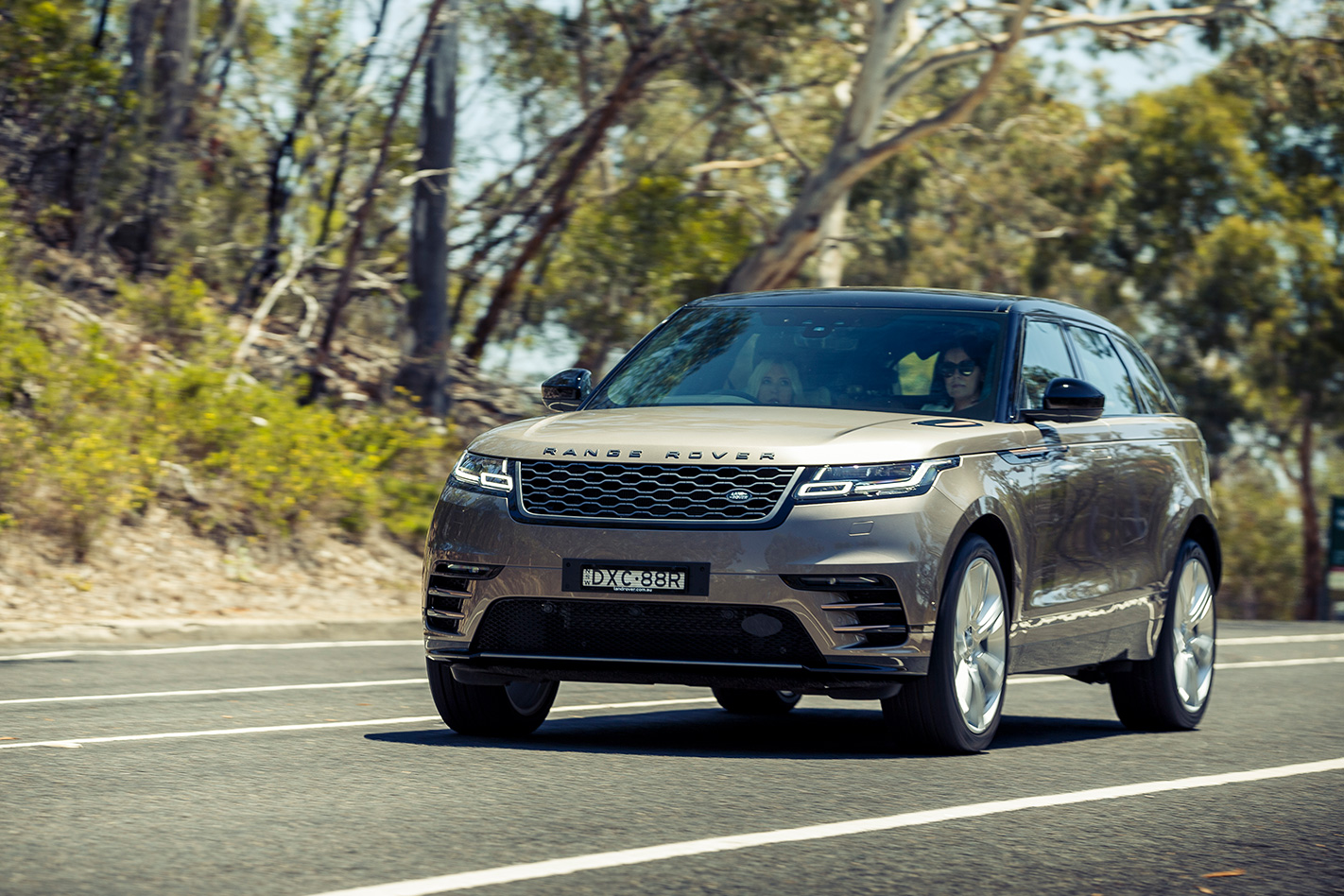
Range Rover’s newest model, the Velar, is a contemporary take on the modern large SUV, with more than a few nods to its more famous forebears. Style-driven from the outset, the larger Velar manages to hide its off-road origins well.
Available in a dizzying array of variants and trim levels, the Range Rover Velar is one of the vehicles at the 2019 WhichCar Style Award that represents the notion of design and style as an integral part of the sales pitch.
“You’ll see a lot of similarities between Jaguar and Range Rover, but designers hide that well,” said Paul. “Designers hate it but marketers love it –when you’re paying double or triple for essentially the same car, that’s a lot more money in the car company coffers!
The Velar’s exterior, especially the front and that characteristic Range Rover roofline, is very strong. Does the strong interior match the exterior strength? Do the two teams come together? Look at detail and seeing what the designers have achieved.”
“It’s a nice, soft drive, and it would be great as a CBD limo,” said Luc. “The interior treatment is too much, though. There’s leather, there’s cloth, there are other materials all mixed in… I’m not sure this spec does it any favours. There is plenty of room in the back, though, and it’s well laid out in terms of its controls.”
Toyota Corolla ZR hybrid
Price $31,870
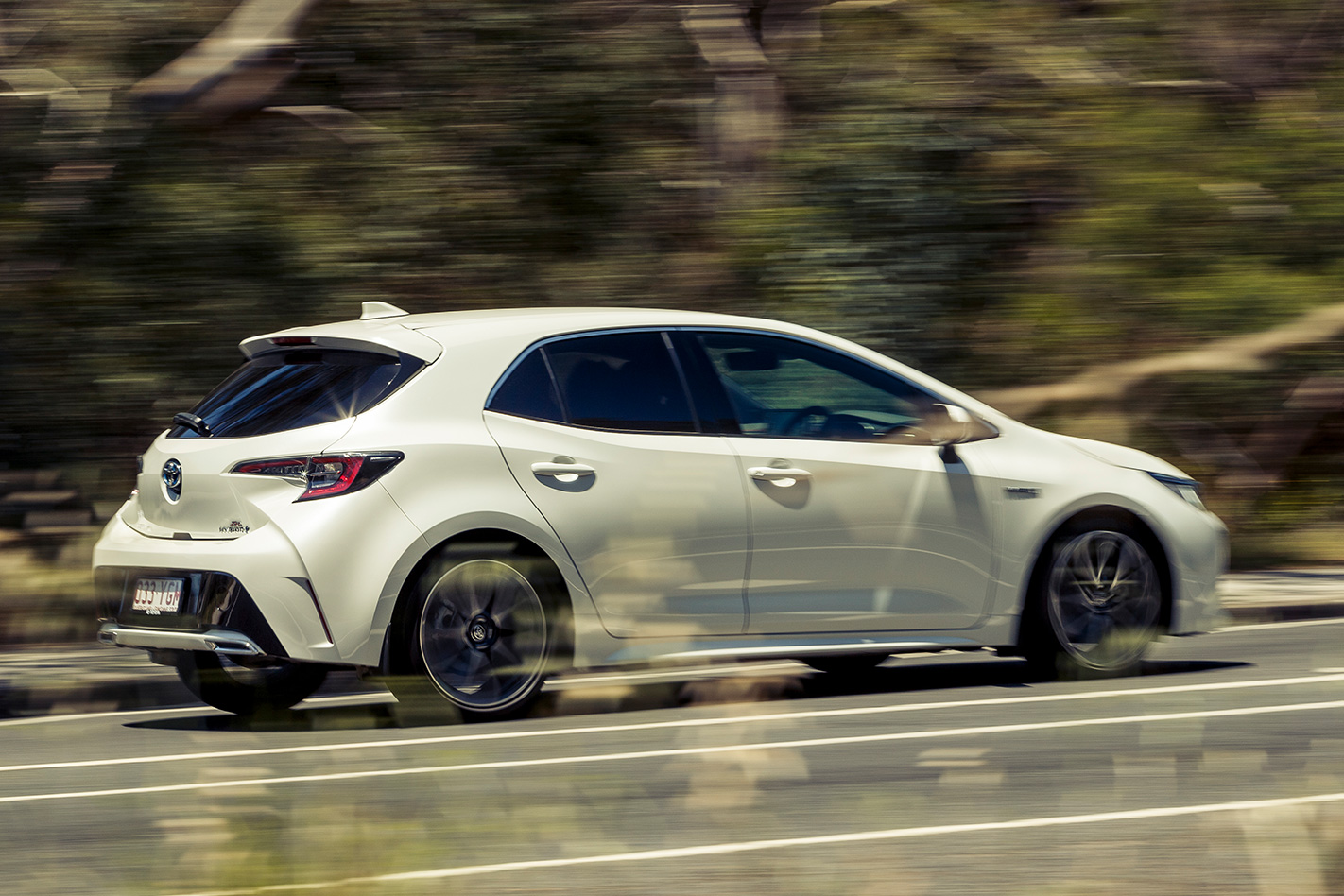
The humble Toyota Corolla has come a long way in its 40-odd years. Once regarded as little more than cheap, cheerful and reliable transport for the masses, the twelfth generation Corolla has superseded its modest beginnings in a way that its original designers never could have foreseen.
Car designers work hand in hand with their counterparts in marketing to try and stay abreast – or even ahead – of trends in the automotive space, and the newest Corolla is a perfect example of where the industry sees the market heading. Its daring external design, for example, is meant to appeal to private buyers looking for that driveway edge, while its clever hybrid technology shows it has an eye on a greener ecological future.
“Corolla is the world’s best-selling small car, and in an era where people are moving away from passenger cars, Corolla is bucking the trend,” said Paul (a former Toyota designer himself).
“What Toyota is doing is introducing design change. It’s polarising for the brand, but there are some aggressive lines to give the sense of movement. It’s trying to set Toyota apart from mainstream brands. Mazda, for example, has gone very sophisticated yet conservative. Quality has lifted, too. Think about the exterior, then get inside and compare. There’s technology there that you’ve never seen in a Corolla.”
“I loved it. I’ve got a soft spot for it because I had one for a first car, and for me, not a lot has changed,” said Fiona. “What I really like is the roominess. Seriously roomy. It feels similar in size to the Alfa Romeo! It felt safe in the front – a bit tighter in the back but it’s not too bad. I thought the satnav screen looked a bit ‘stuck on’, but it’s still pretty good. It’s a car I’d feel comfortable for my son to drive, and equally my 85-year-old mum. And now I’ve driven the hybrid system, I don’t really understand why all cars aren’t hybrid!”
One owner has offered up over 100 cars to RM Sotheby’s to cross the block, and at the upcoming Paris auction 25 of them are to be sold.
We’ve picked out a few of our highlights, but every car in the auction is glorious.
1989 Mercedes-Benz 560 SEC AMG 6.0 Widebody
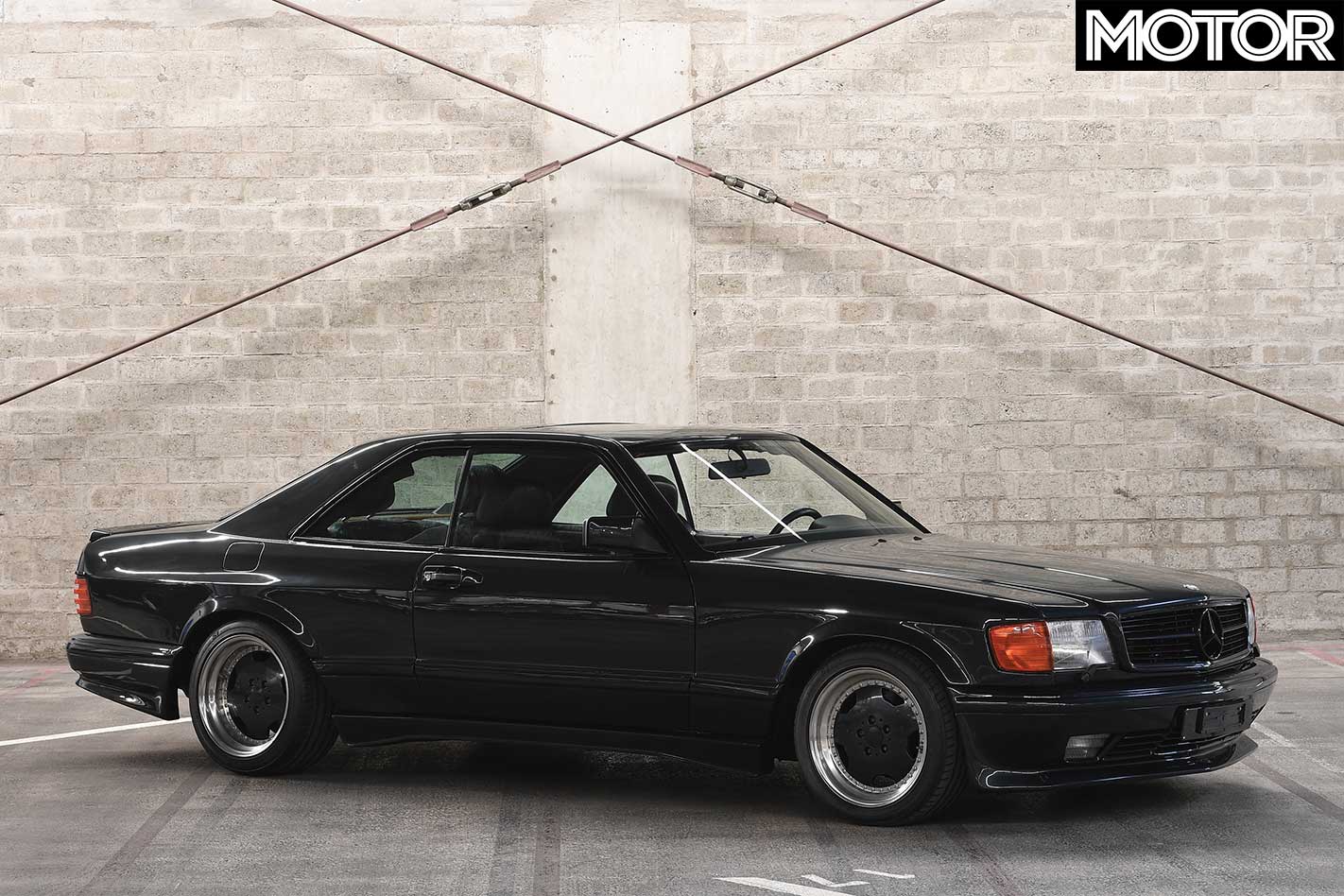
Perhaps one of the coolest AMGs is from before Mercedes-Benz and AMG merged.
“The car was powered with a 6.0-litre engine, producing twice the torque at half the engine speed of the original 5.6-liter Mercedes-Benz engine.”
1994 BMW Alpina B12 5.7
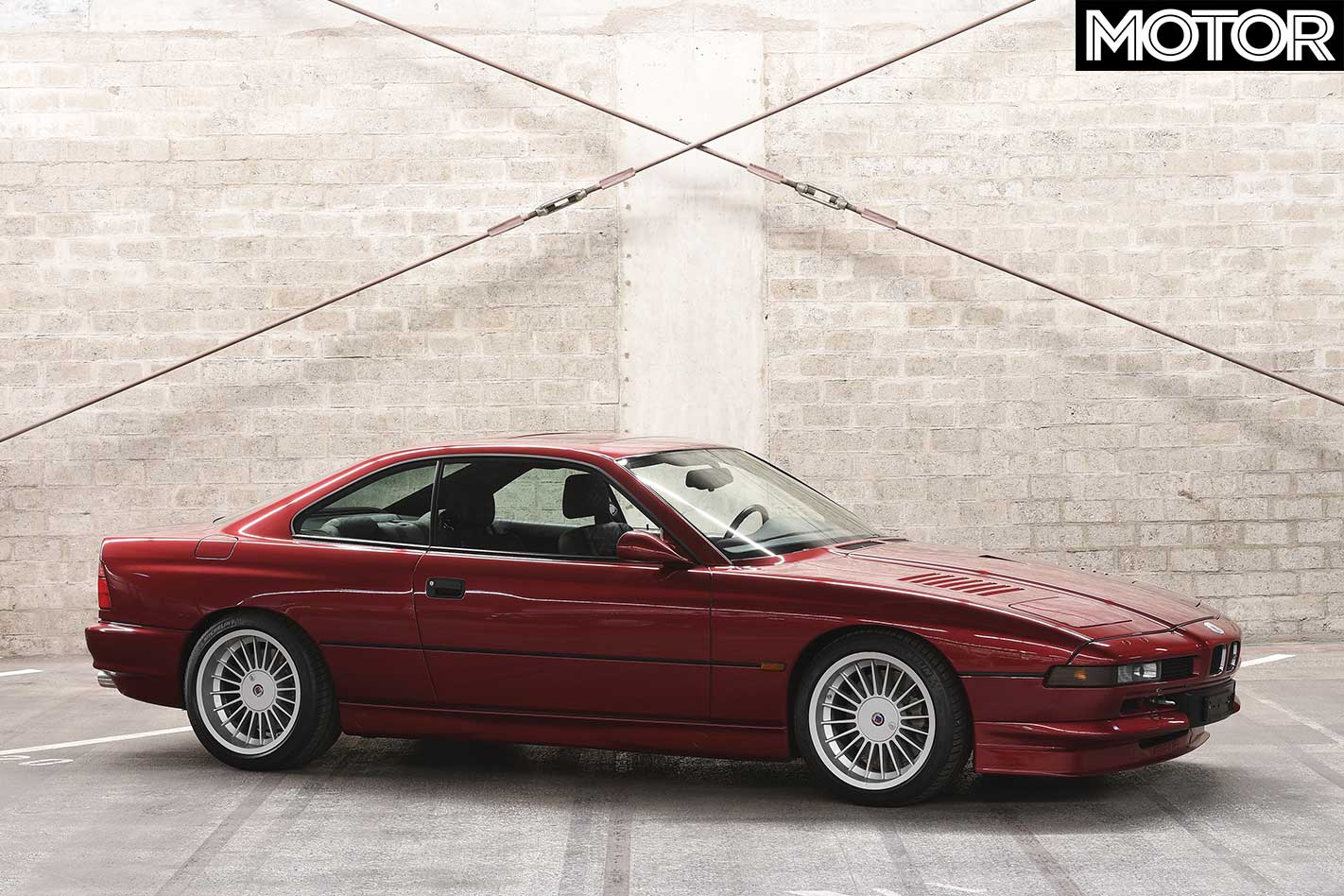
BMW’s original 8 Series was cool, but an Alpina fettling almost always makes for a more desirable car. This is one of 57 B12 5.7s built.
1983 BMW Alpina B9 3.5
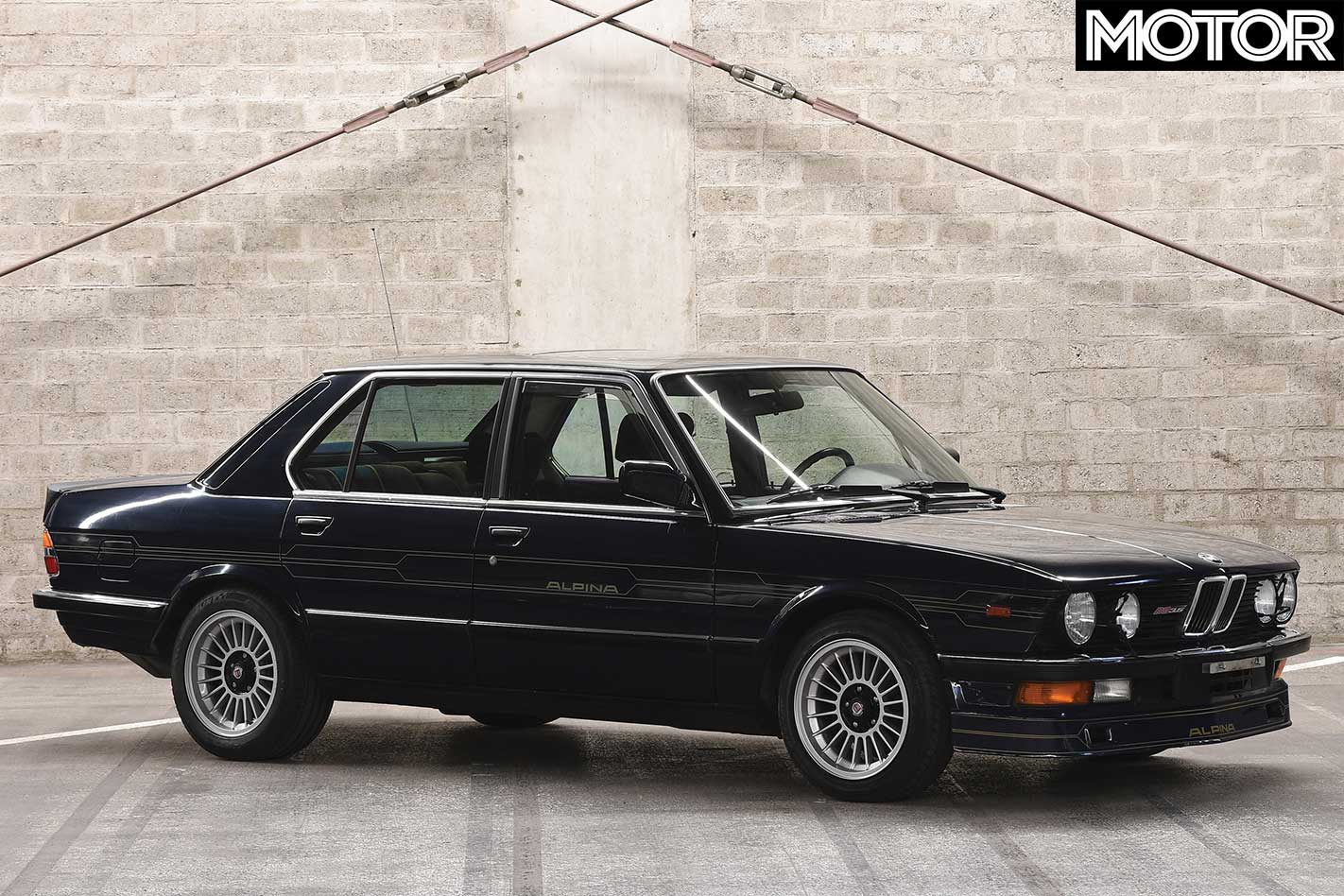
E28 5 Series to common for you? Try this on for size. Based on the 528i but with a power bump and a limited 577-unit run.
1987 BMW M6
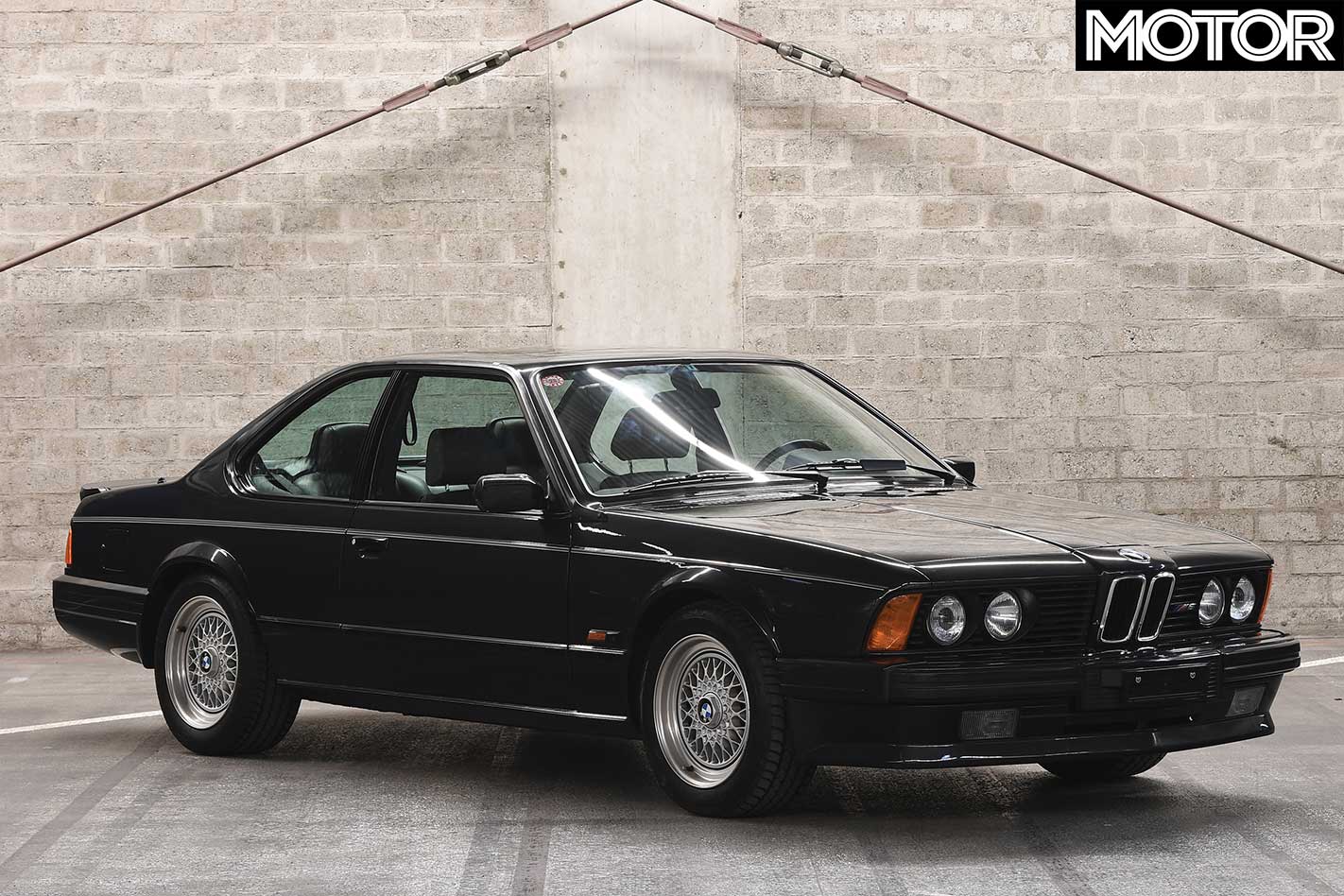
Who doesn’t love an E24 shark-nose? RM Sotheby’s rightly notes that “at its time, the M6 was the second-fastest BMW ever built behind the M1, topping out at over 250km/h.”
1991 Mercedes-Benz 500 SL AMG 6.0
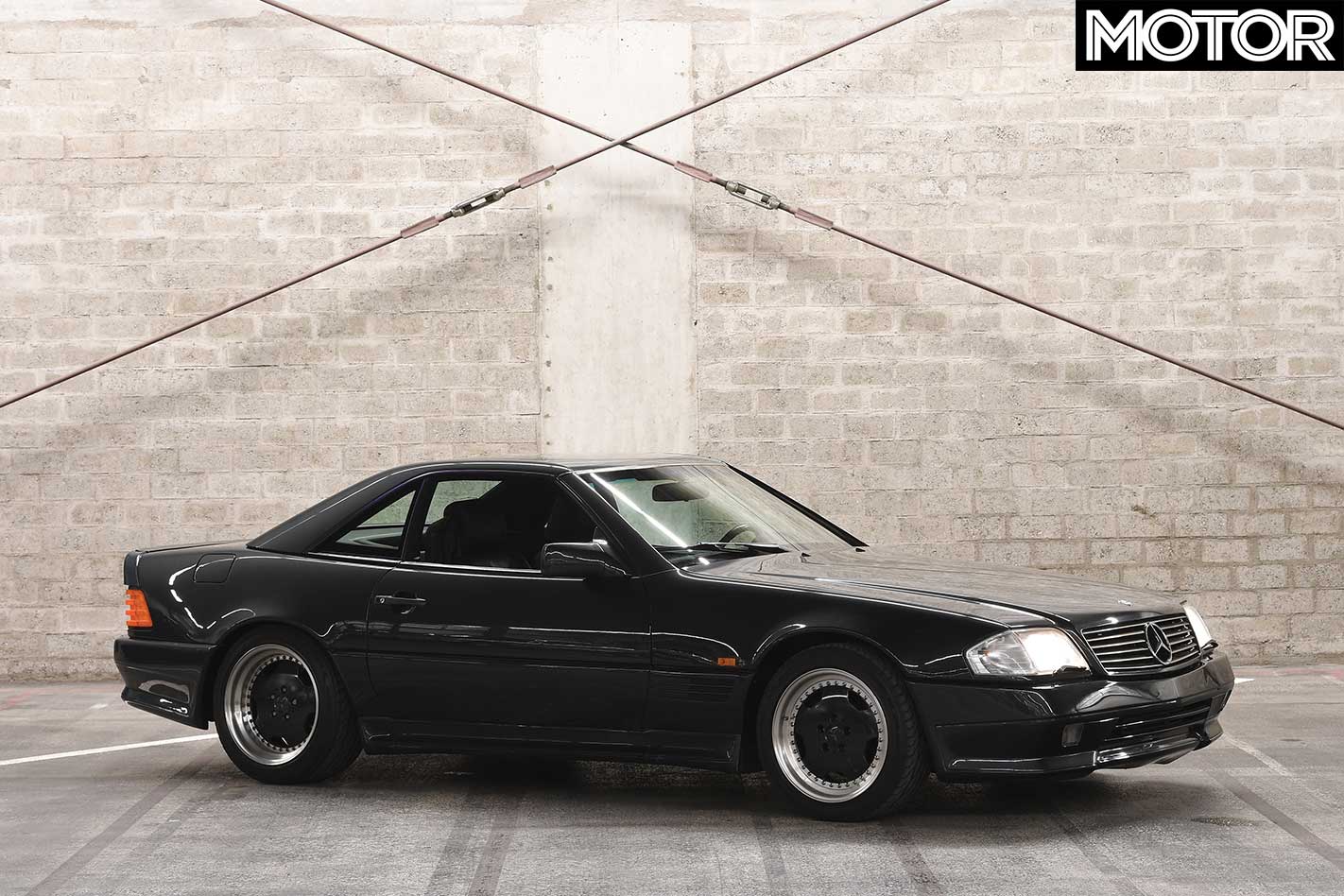
Another car tuned by AMG pre-merger, the 500SL featured a 6.0-litre V8 which Sotheby’s suggests only 50 of which have been housed in SLs.
2006 Ferrari Superamerica
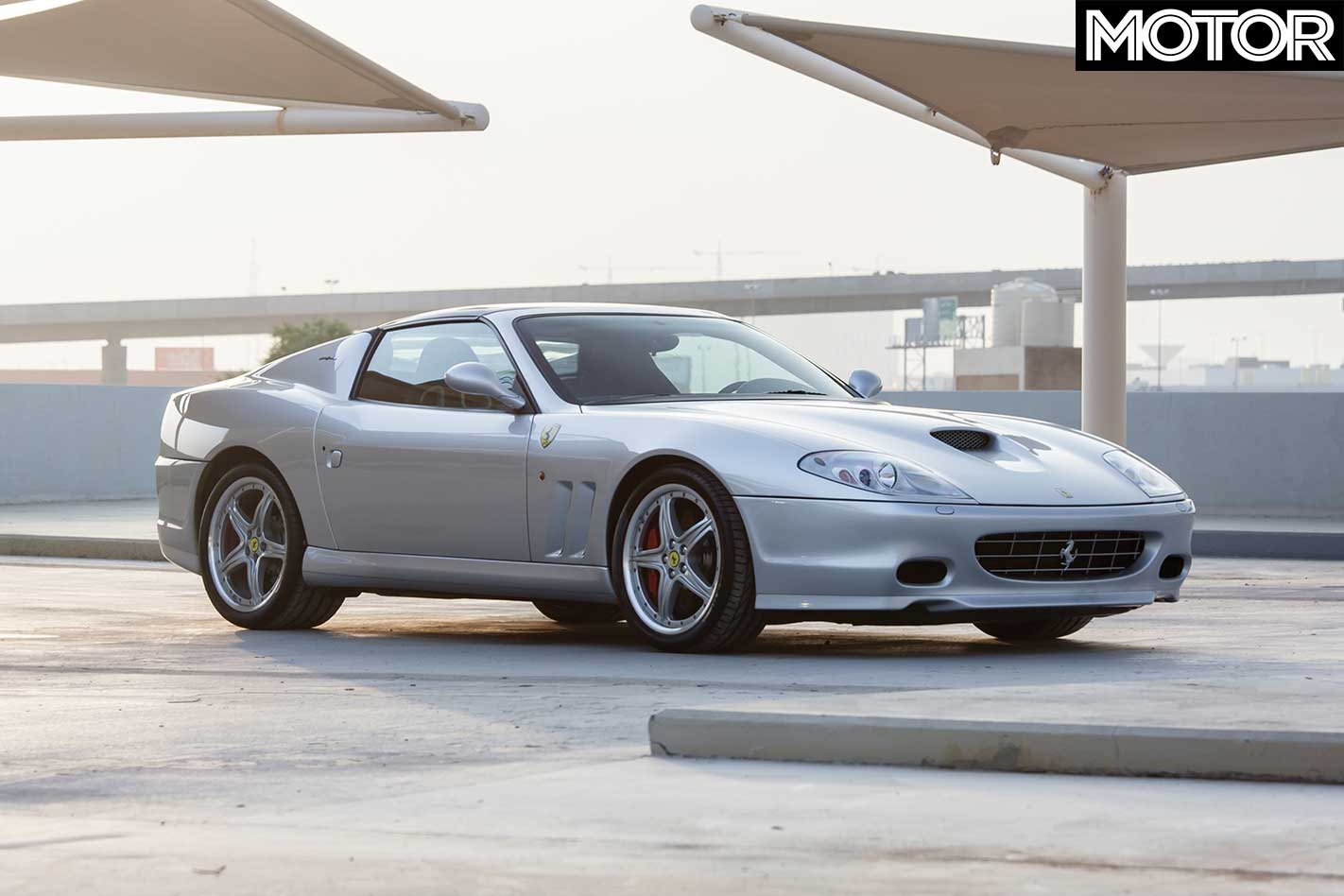
While 559 of the Superamericas were built, Sotheby’s says “just 43 left the factory fitted with a six-speed manual transmission rather than the optional F1-style transmission.”
This one belonged to the Kuwaiti royal family when it was new.
1983 Aston Martin Tickford Lagonda
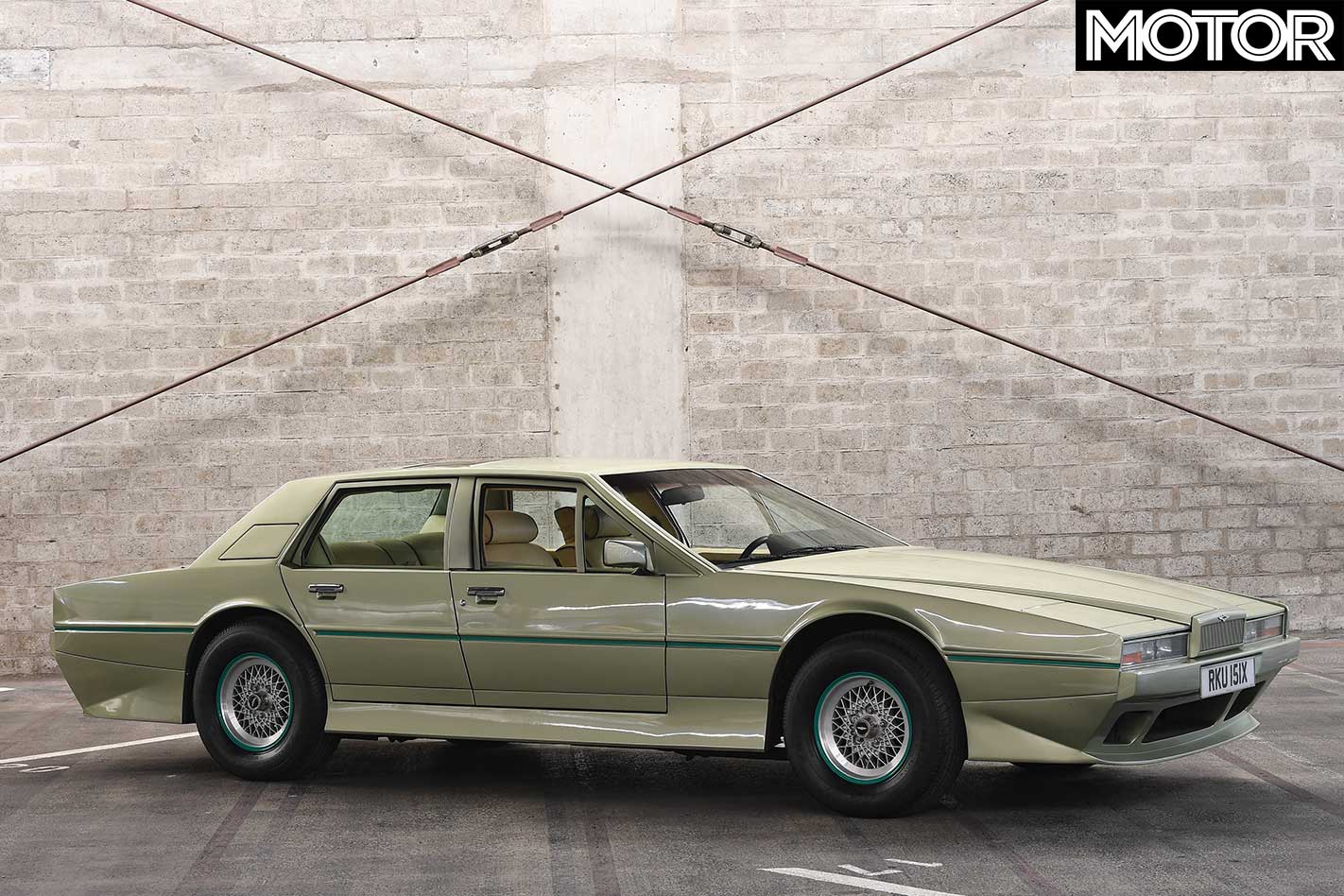
If ever there was an odd car…
This Tickford-tuned Lagonda is believed to be one of just 11.
1982 BMW Alpina B7 S Turbo
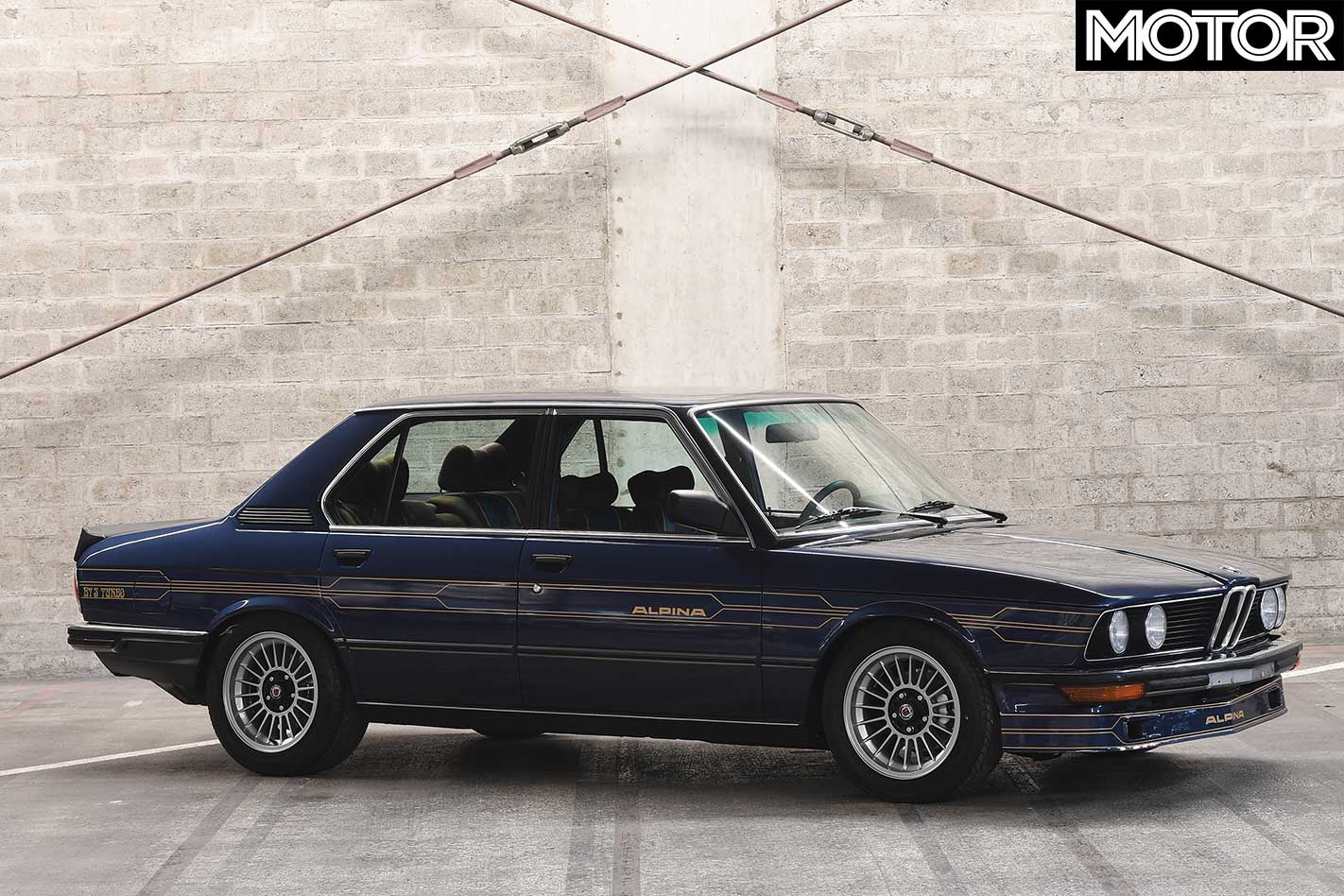
A 3.5-litre straight six with a turbocharger in a gorgeous but subtle car… and 500Nm of torque to play with.
“First registered in January of 1982 and delivered new in Germany, this is the 22nd B7 S Turbo built of a total production run of just 60 examples.”
2000 BMW Alpina B12 6.0 Langversion
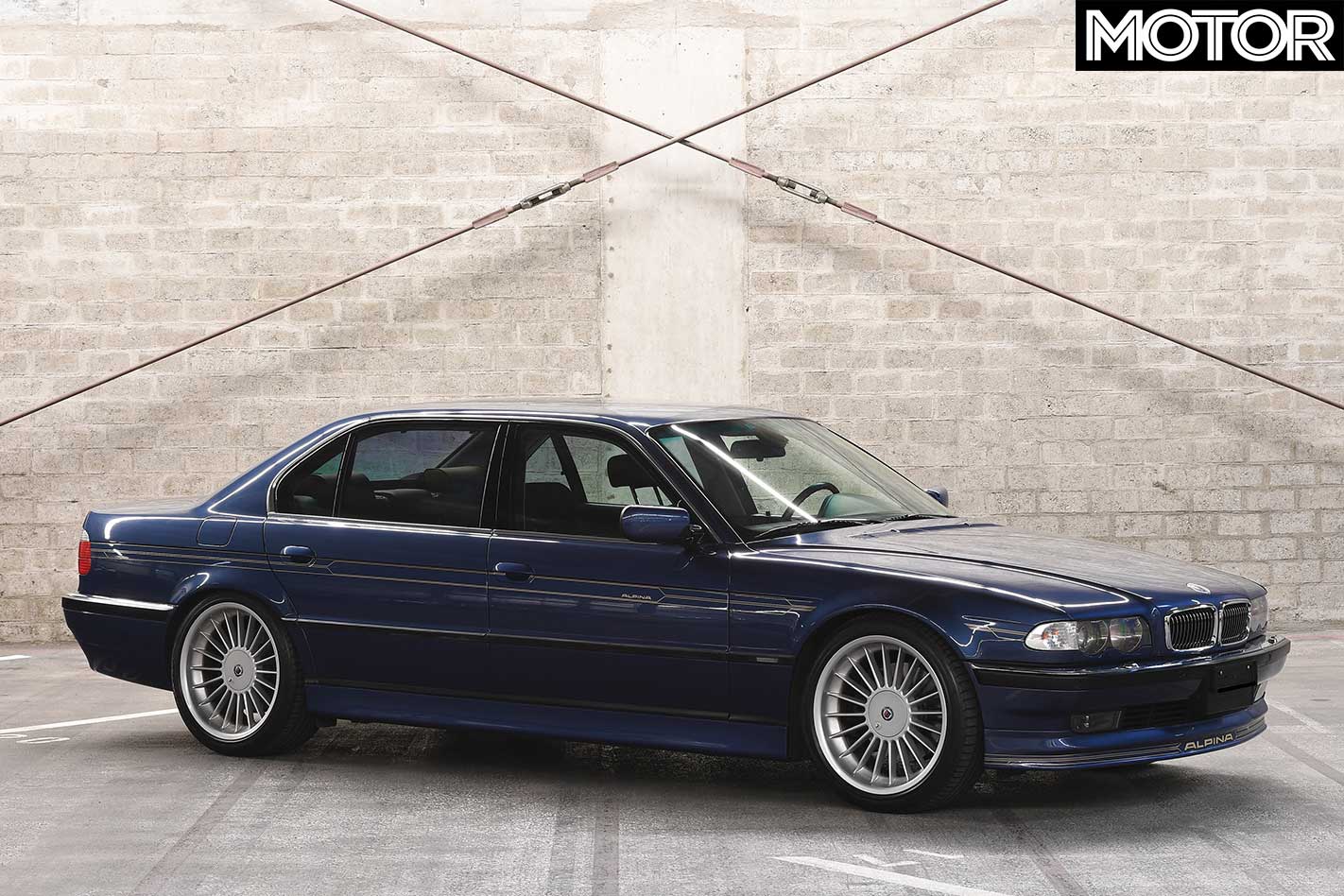
One of only 94, this V12-powered Alpina limo is set to be a bargain to anyone keen enough at a high estimate of €35,000, or AUD$56K
1985 BMW Alpina B7 Turbo
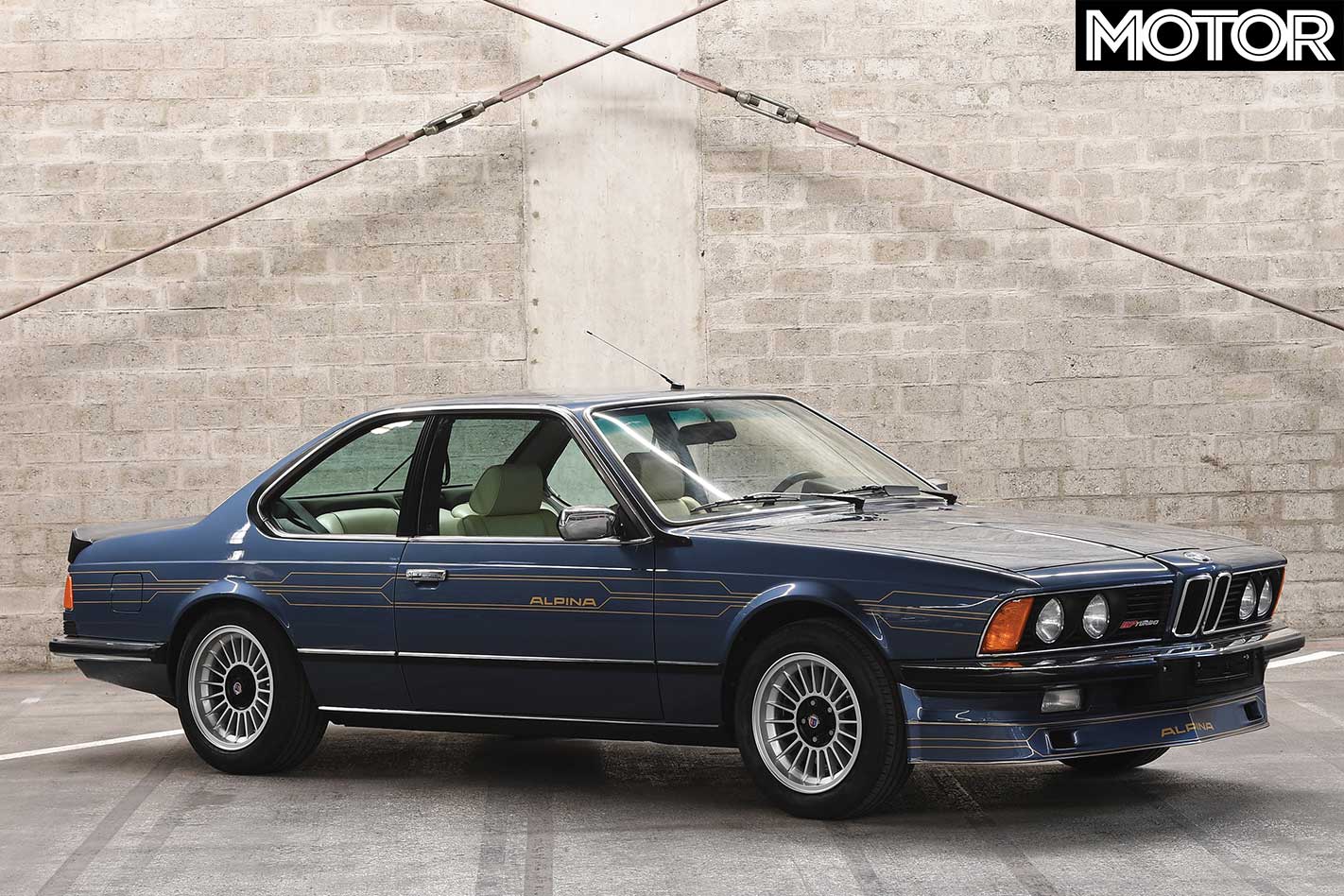
Alpina’s first 6 Series-based model was produced in a 183-unit run, and featured a variable boost control for the turbocharger. Output could be changed between 186kW and 224kW.
2009 Lamborghini Murciélago LP640-4
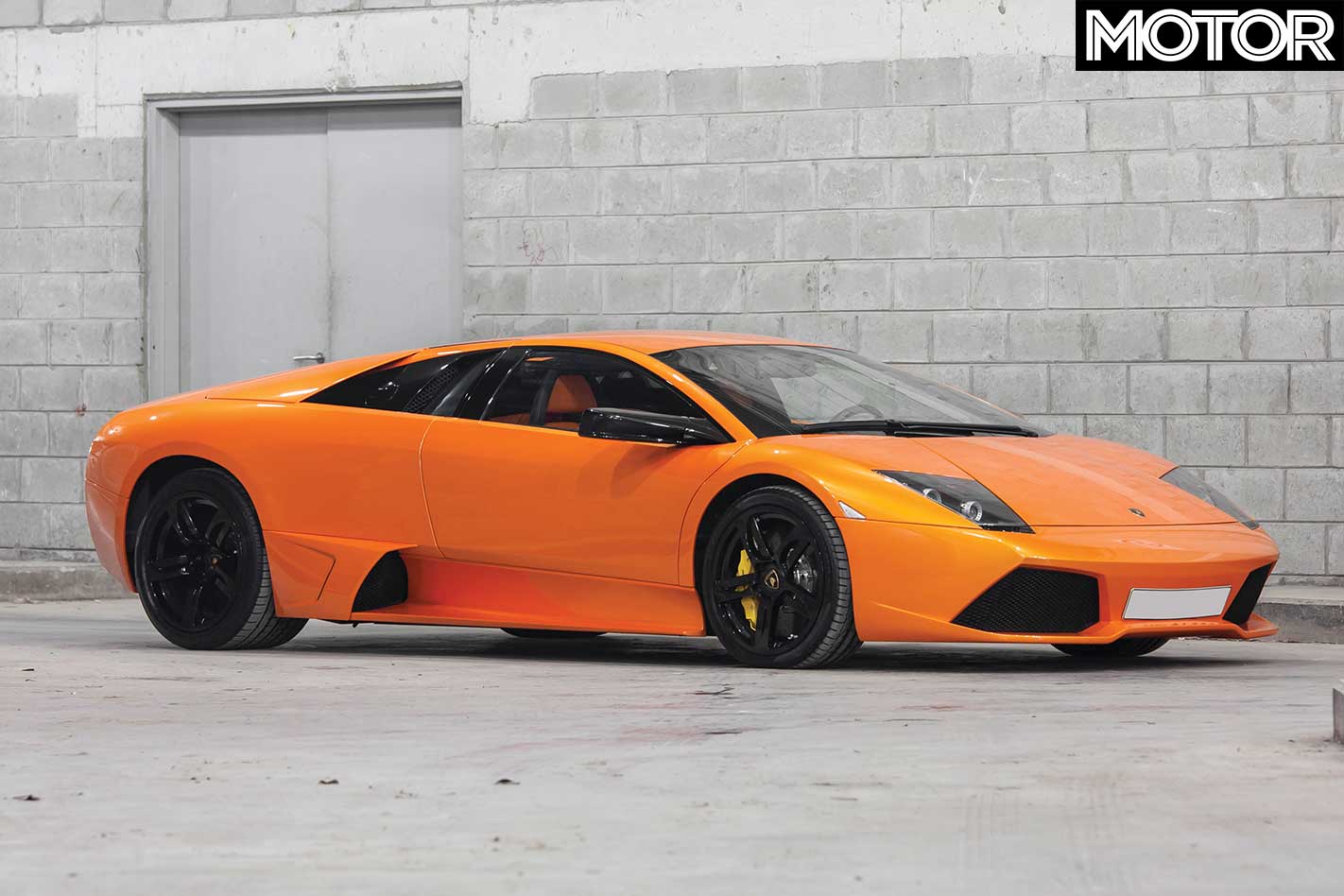
The only modern supercar on this list stands out, not just because of its colour but also due to its lack of boxy-ness.
It’s strange to see this car become one of the less-desirable cars in a collection.
Mercedes-Benz Australia of offering C-Class sedan buyers a free upgrade from its entry-level C200 sedan to the more powerful C300.
The BMW 330i and Audi A4 2.0 TFSI rivalling C300 tops the C-Class range before you include Mercedes-AMG versions, and the offer means you can leave a showroom with one for the C200’s $63,400 price tag, saving you $8000.
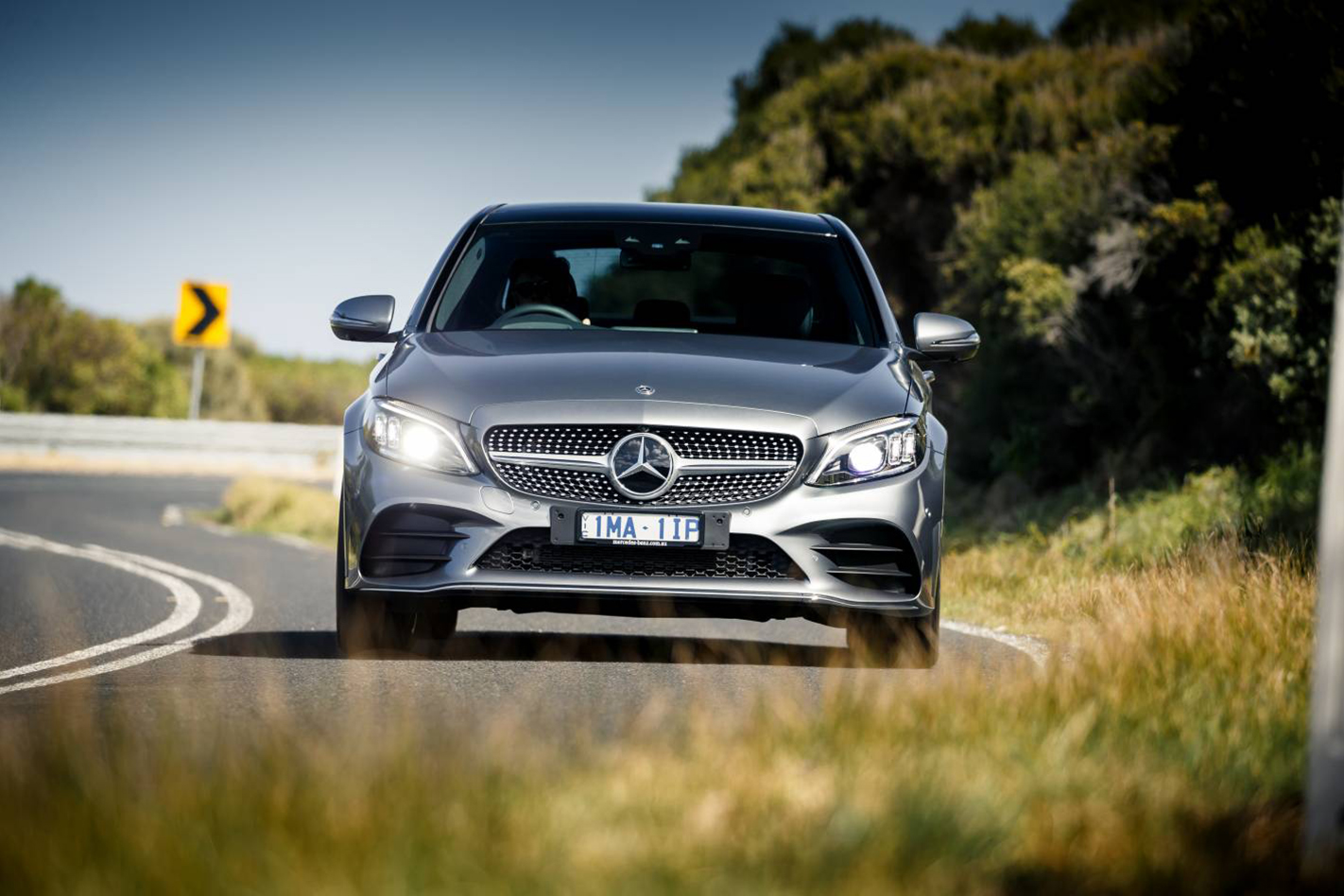
The difference between the two is under the bonnet, with the C300 powered by a 190kW/370Nm 2.0-litre turbocharged petrol engine that has considerably more punch than the C200’s 1.5-litre petrol with ‘EQ’ mild-hybrid technology that produces 135kW/280Nm.
Other extras over the C200 include leather upholstery, bigger 19-inch alloy wheels (up from 18s), dark-tinted privacy rear-door glass, keyless entry, and power-opening boot.
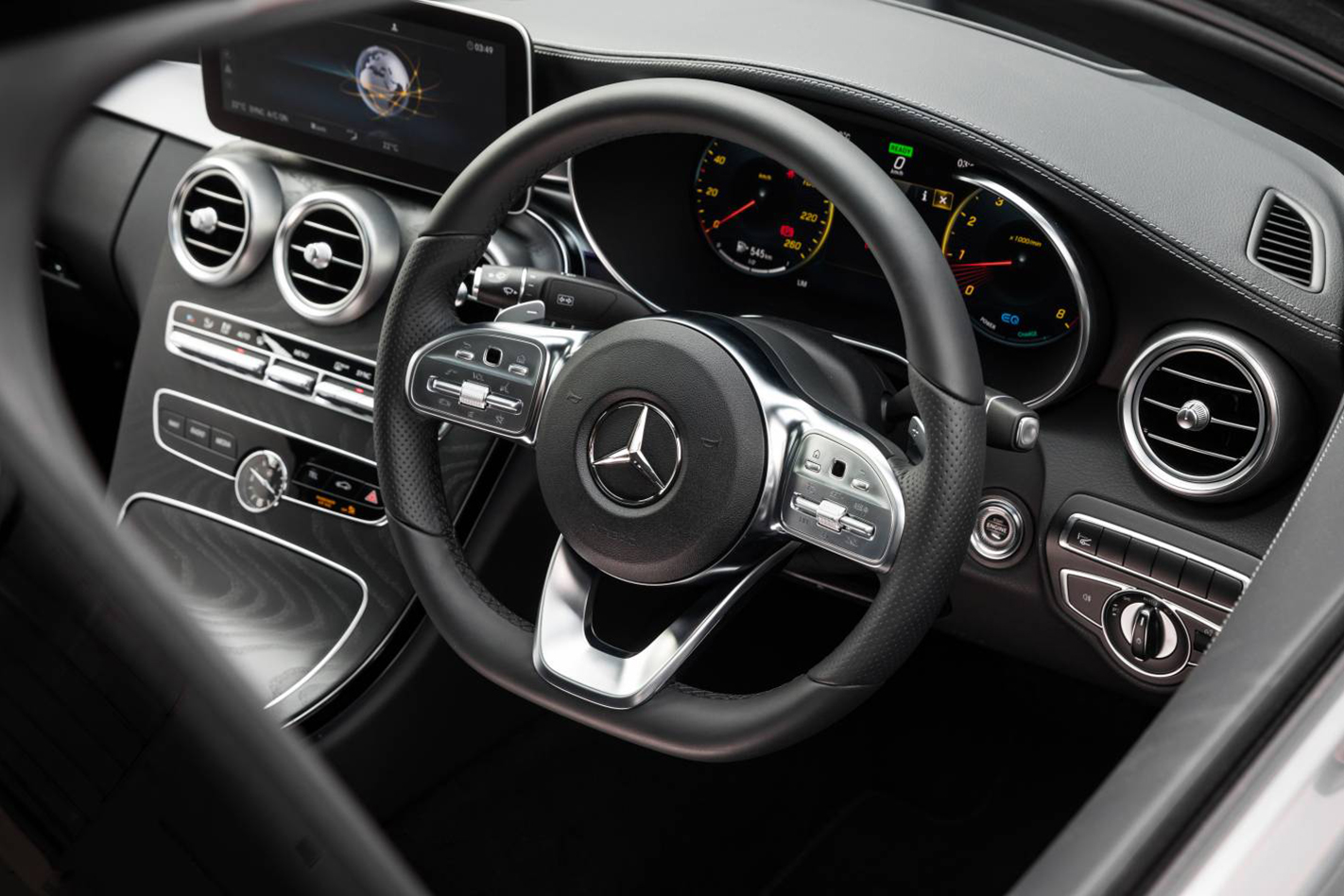
You also gain Benz’s Driver Assistant Package, which includes adaptive cruise control, lane-keeping assist, evasive steering assist, blind-spot monitoring and rear/front cross traffic alert.
The offer is for the sedan version only and available at Mercedes-Benz dealers until February 28. 2019 or until stocks last.
Wheels Car of the Year 2019 is coming to a lounge room near you as part of WhichCar TV for the next two weekends.
COTY is our biggest event of the year, and for 2019 we dragged along a video team to capture all the action, and give viewers a look at how we decide which car wins the longest-running motoring award in the world.
While COTY could take up an entire episode on its own, we’ve split the action across two weeks.
Part one of the COTY process will air this Sunday, January 27, at 4pm on Channel 10 during episode three of WhichCar TV.
You’ll be able to go behind the scenes to the first three days of the judging process in the centre of the Ford’s You Yangs proving ground.
During this process the COTY judges put all 47 cars to the test in a series of gruelling tests, before convening for voting to cull the field to just five finalists.
Then, next week, on Sunday, February 3, at 4pm on Channel 10, part two will air.
In part two, the five finalists will be assessed on the road, with judges giving their uncensored opinion on what makes these the best cars of the year.
Make sure to tune into WhichCar TV to see how the biggest and most prestigious motoring award in the country is conducted.
What is it?
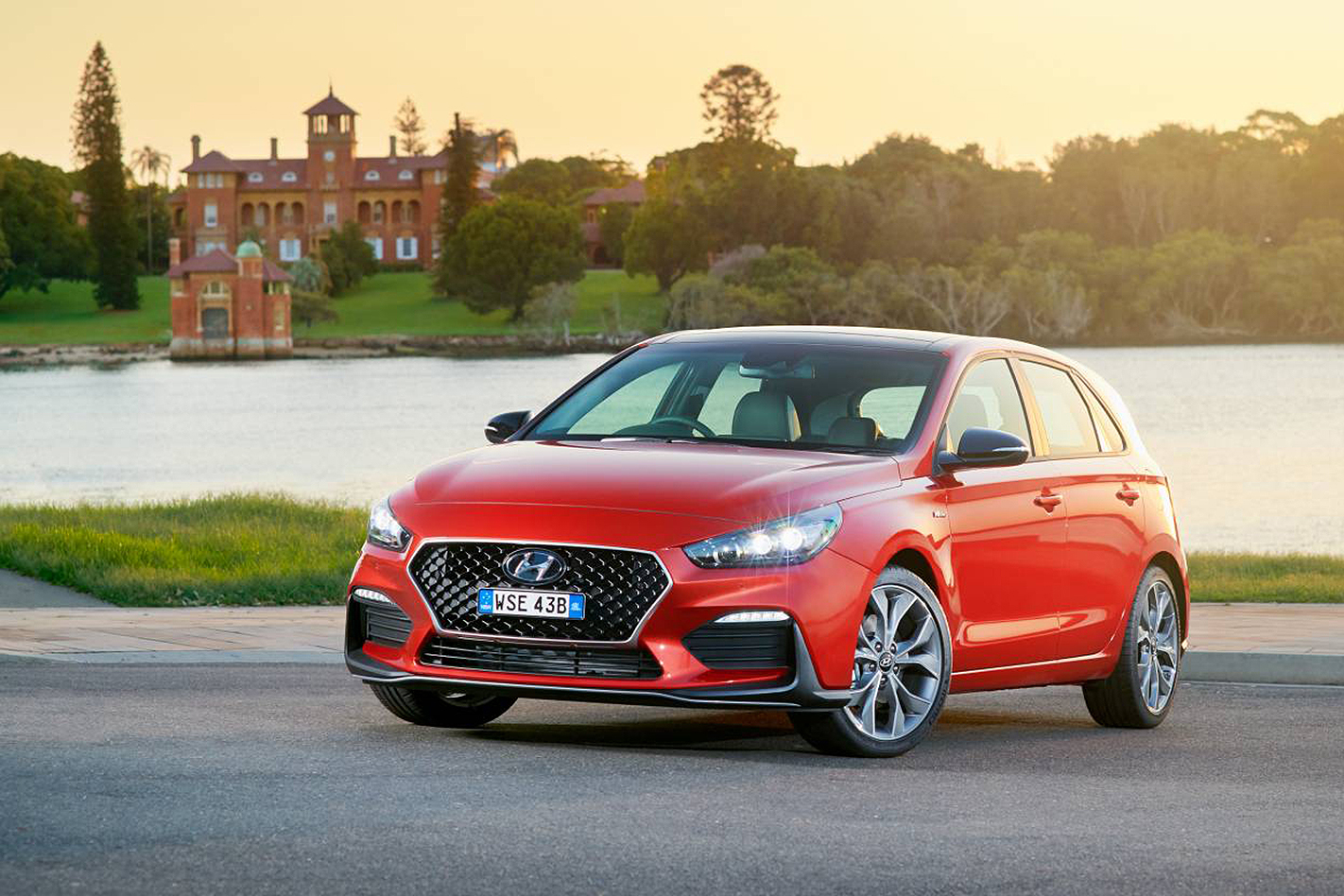
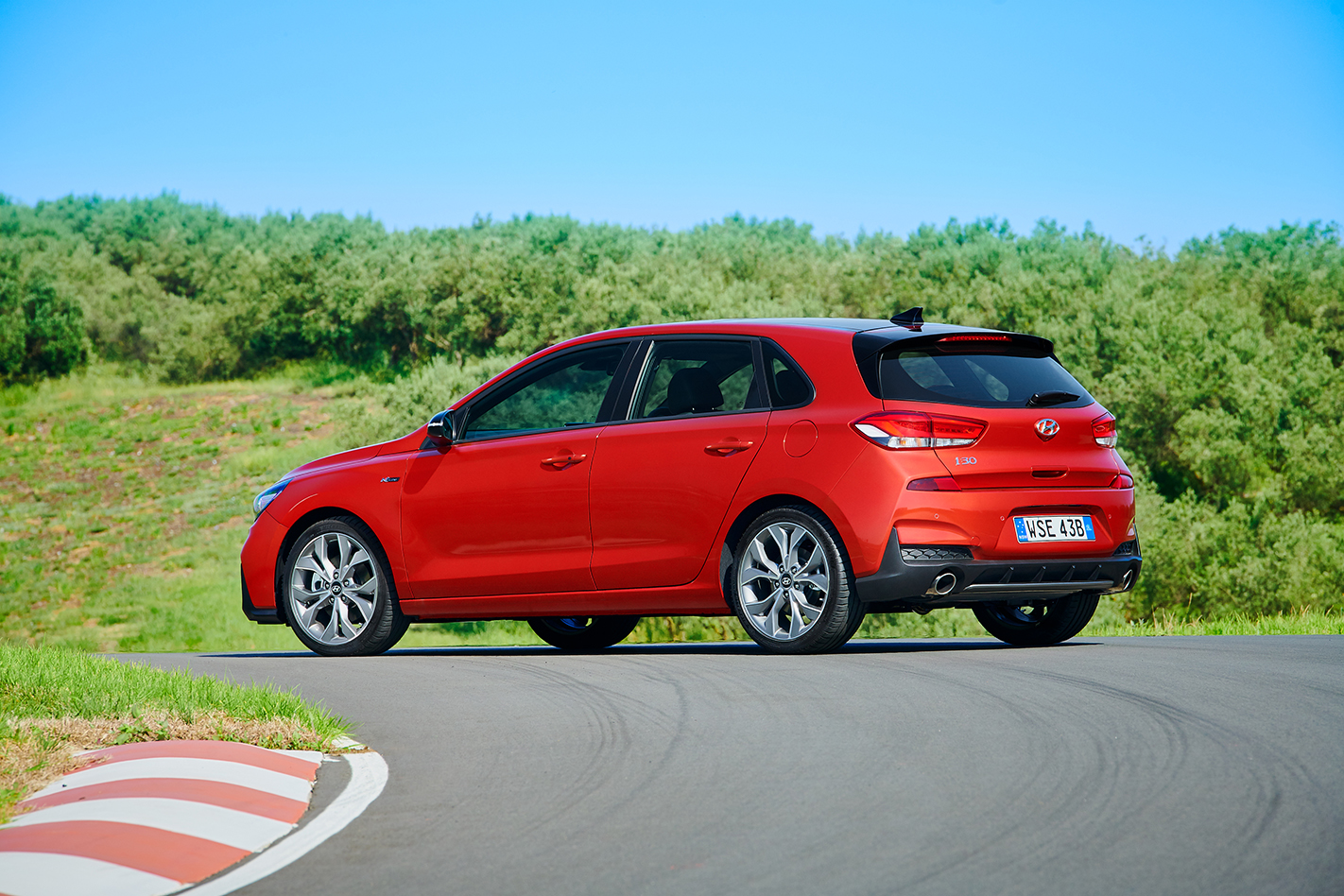
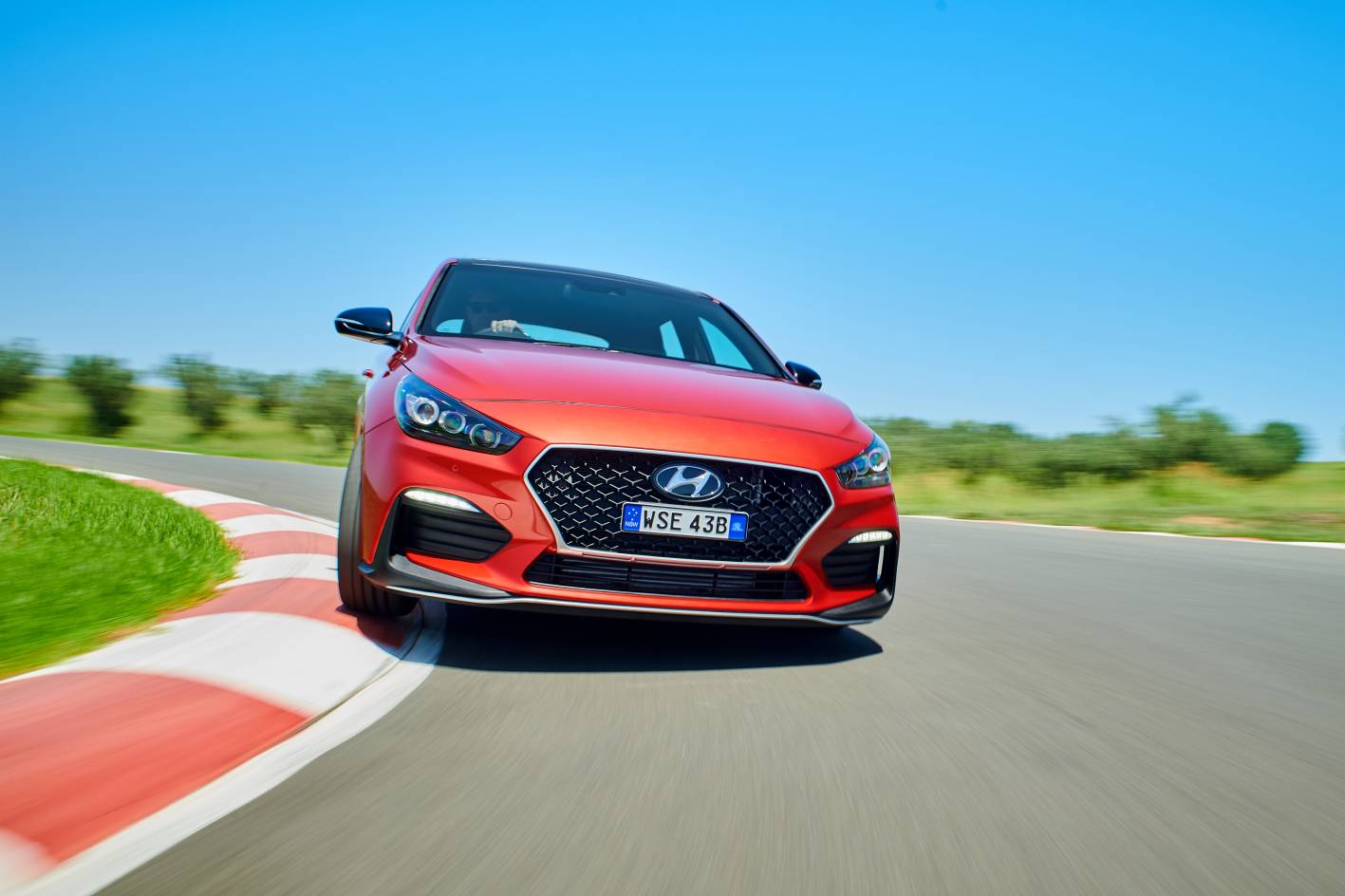
The Hyundai i30 N-Line Premium takes the place of the i30 SR, and now wears body plastics and wheels designed to mimic of the i30 N hot hatch.
A rival to other mid-strength hatches like the Ford Focus ST-Line, Holden Astra RS-V, and Kia Cerato GT, the i30 N-Line retains the SR’s 1.6-litre turbocharged petrol engine with a choice of six-speed manual and seven-speed dual-clutch auto transmissions.
How much is the Hyundai i30 N-Line?
Retail pricing for the i30 N-Line starts at $26,490 for the manual version, with the seven-speed dual clutch auto adding $3000 to the bill.
The car we tested was the i30 N-Line Premium, which comes standard with the automatic gearbox and gains additional interior garnish and creature comforts including red seatbelts, stitching and piping, heated/ventilated front seats, and Infinity premium sound system.
The extras take the price to $34,990, which positions it an even $8000 below the i30 N, which starts at $42,990.
Extra-cost options include a panoramic sunroof for $2000, Chrome Pack ($642) – with floor mats, dash mat, and rear bumper protector – and premium paint for about $495.
The Hyundai i30 N-Line is covered by the Korean carmaker’s five-year/unlimited kilometre warranty.
Is the Hyundai i30 N-Line Premium easy to live with?
The Hyundai i30 is one of the roomiest small cars on the market, with comfort levels further enhanced by the well-appointed interior featuring soft-touch surfaces and leather trimmed seats and steering wheel.
The heated/cooled front seats have basic adjustments, but have excellent back support and generous side bolstering. The rear seats fit two adults comfortably, with broad cushions and plenty of leg- and headroom.
The uncluttered dashboard features an 8.0-inch touch screen for the user-friendly infotainment system, which comes loaded with sat-nav and digital radio, and pairs easily to your smartphone via Bluetooth or Apple CarPlay and Android Auto.
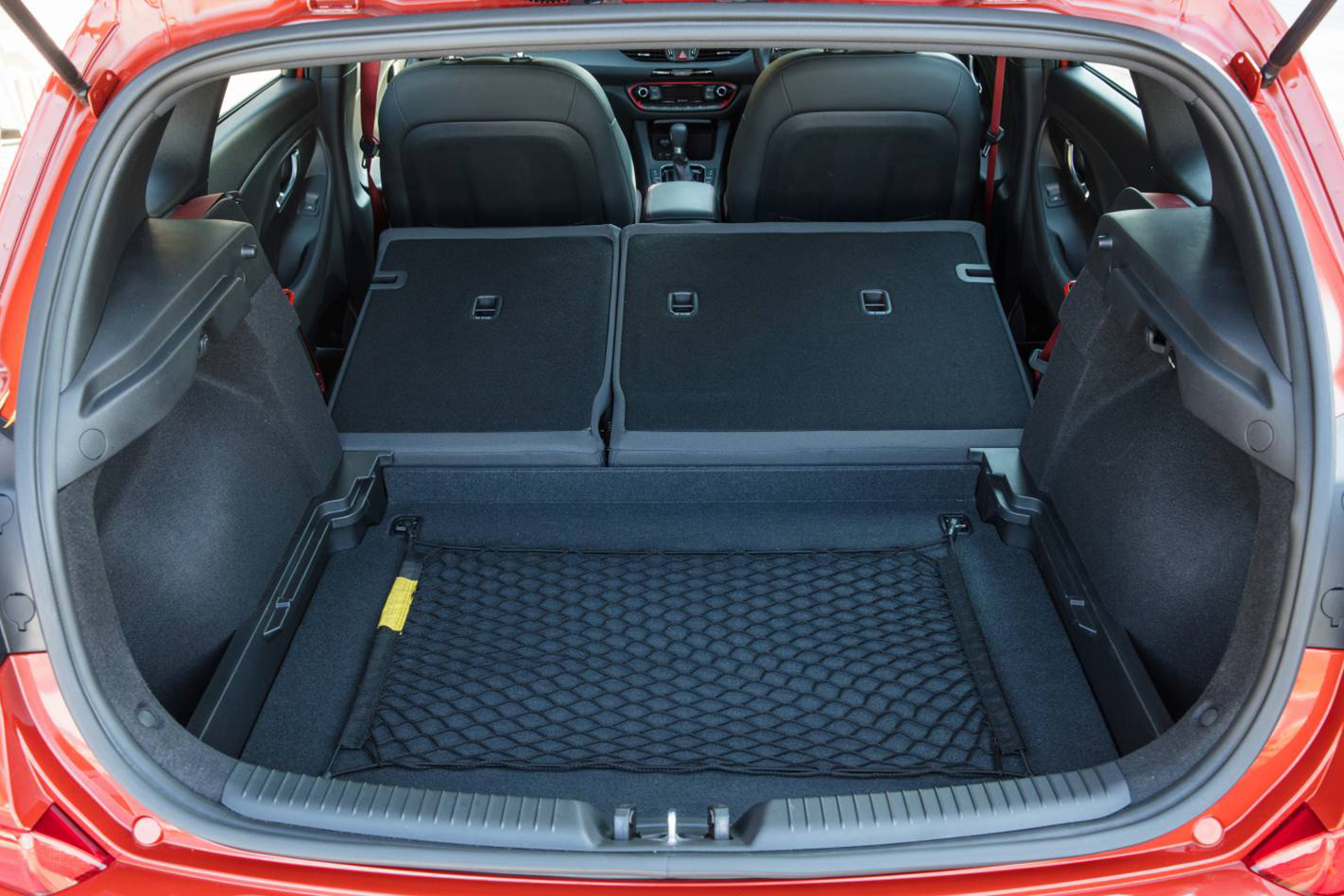
The controls on the steering wheel and the dashboard buttons are intuitively laid out, and the uncluttered gauge cluster is easy to read. On top of that, the i30 has a deep 395-litre boot space that’s one of the biggest in its class.
It’s reasonably cheap to run with an official consumption rating of 7.8L/100km. Drive it spiritedly, as we did, and that figure rises to a still-reasonable 8.5L/100km.
The i30 N-Line has a 5-star ANCAP rating and is equipped with Hyundai’s Smart Sense Active Safety package that includes autonomous emergency braking, adaptive cruise control, lane-keeping assist, driver attention alert, blind-spot monitor, and rear-cross traffic alert.
Does the Hyundai i30 N-Line Premium drive well?
The i30 N-Line provides plenty of driving pleasure thanks to its silky powertrain, direct steering and compliant handling.
The 150kW/256Nm 1.6-litre turbocharged four-cylinder petrol engine that carried over from the i30 SR accelerates effortlessly via the smooth-shifting dual-clutch transmission.
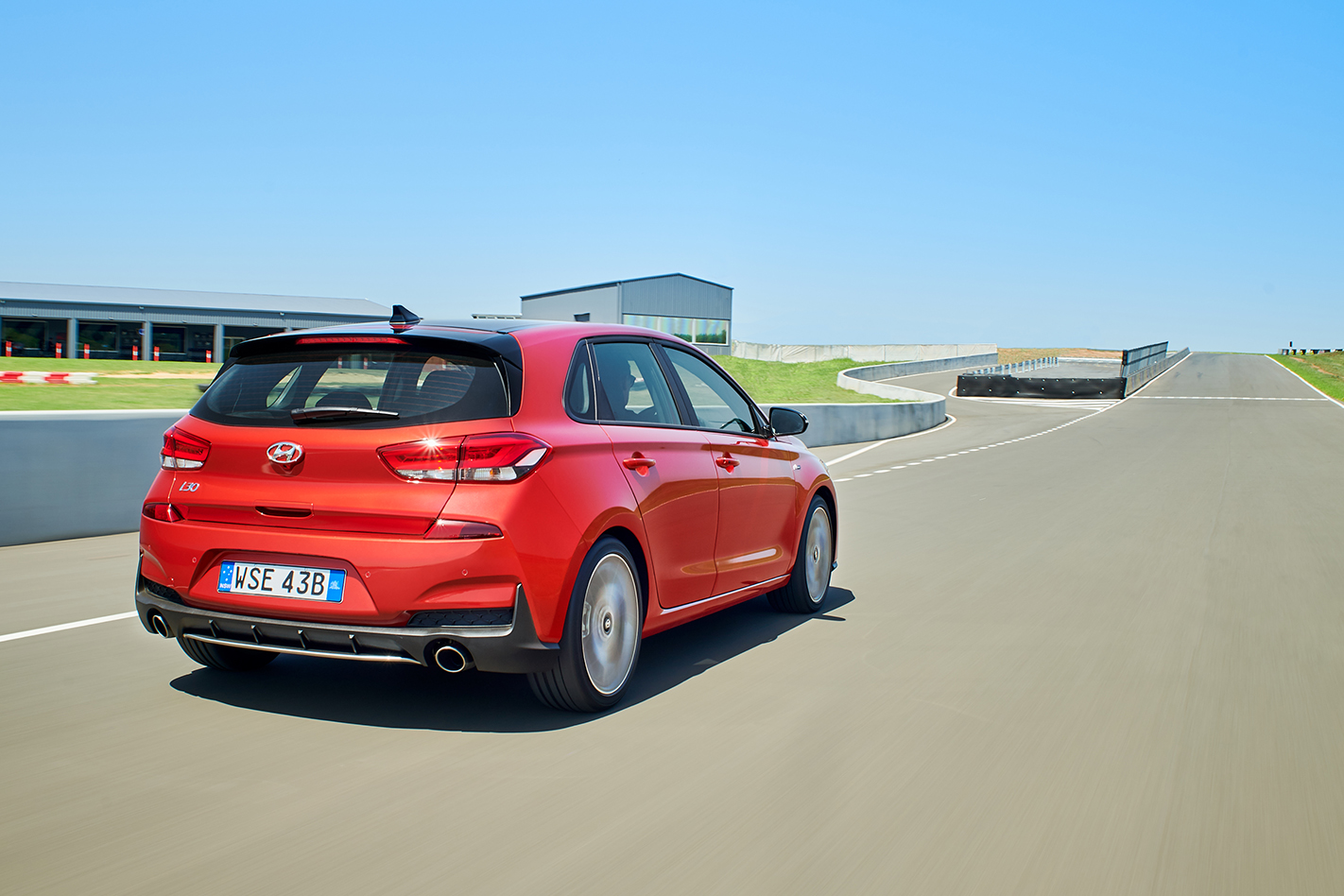
The taut multi-link rear suspension holds the i30 N-Line level through corners, while the 18-inch, low profile Michelin Pilot Sport 4 tyres provide plenty of grip without compromising ride comfort or noise. Any firmness is only really felt on rougher roads, where the ride can be a little jarring for those in the rear seats.
Despite its sports focus, the i30-N-Line is a great all-rounder with an ability to dial things down and pretend its a normal hatch offering everyday comfort and economy around town.
Verdict
The Hyundai i30 N-Line Premium is a great performance hatchback that gives European rivals a run for their money in terms of driving pleasure, style and features.
However, the smart money (if you can’t trade up to the i30 N) is on the standard N-Line that comes with most of the N-Line Premium’s key features including the leather trim, premium sound system, active safety, and performance. You’ll also gain $5000 in change and the option of the even more affordable six-speed manual.
Skoda has released the name of its third and smallest SUV, which will be unveiled in all of its five-seat, five-door glory at the forthcoming Geneva Motor Show in March.
Following in the wheeltracks of the large Kodiaq SUV and the mid-sized Karoq, the Kamiq – notice the K and the Q in every name? – will be based on the Volkswagen Group’s Polo-sized underpinnings.
Skoda Australia can’t add much to the conversation as yet either, as it awaits more news from head office. However, their VW Australia deskmates did hint at a big announcement pending for the Volkswagen T-Roc, the spiritual kin of the Kamiq.
While that’s all we got out of them, this is potentially good news for potential Volkswagen and Skoda customers; the VW Group’s complete lack of a small SUV to compete against the likes of the Mazda CX-3, Mitsubishi ASX and Hyundai Kona has certainly cost it sales over the last 12 months.
With only a shadowy visage to work with, not much is known about the Kamiq – other than that Skoda already uses the same nameplate on a Chinese market-only SUV.
The best visual reference you can get for the Kamiq is the Vision X concept car, which debuted at last year’s Geneva show. We bet the concept won’t be a million miles away from the production car, though it’ll lose a few of the more showy bits of brightwork.
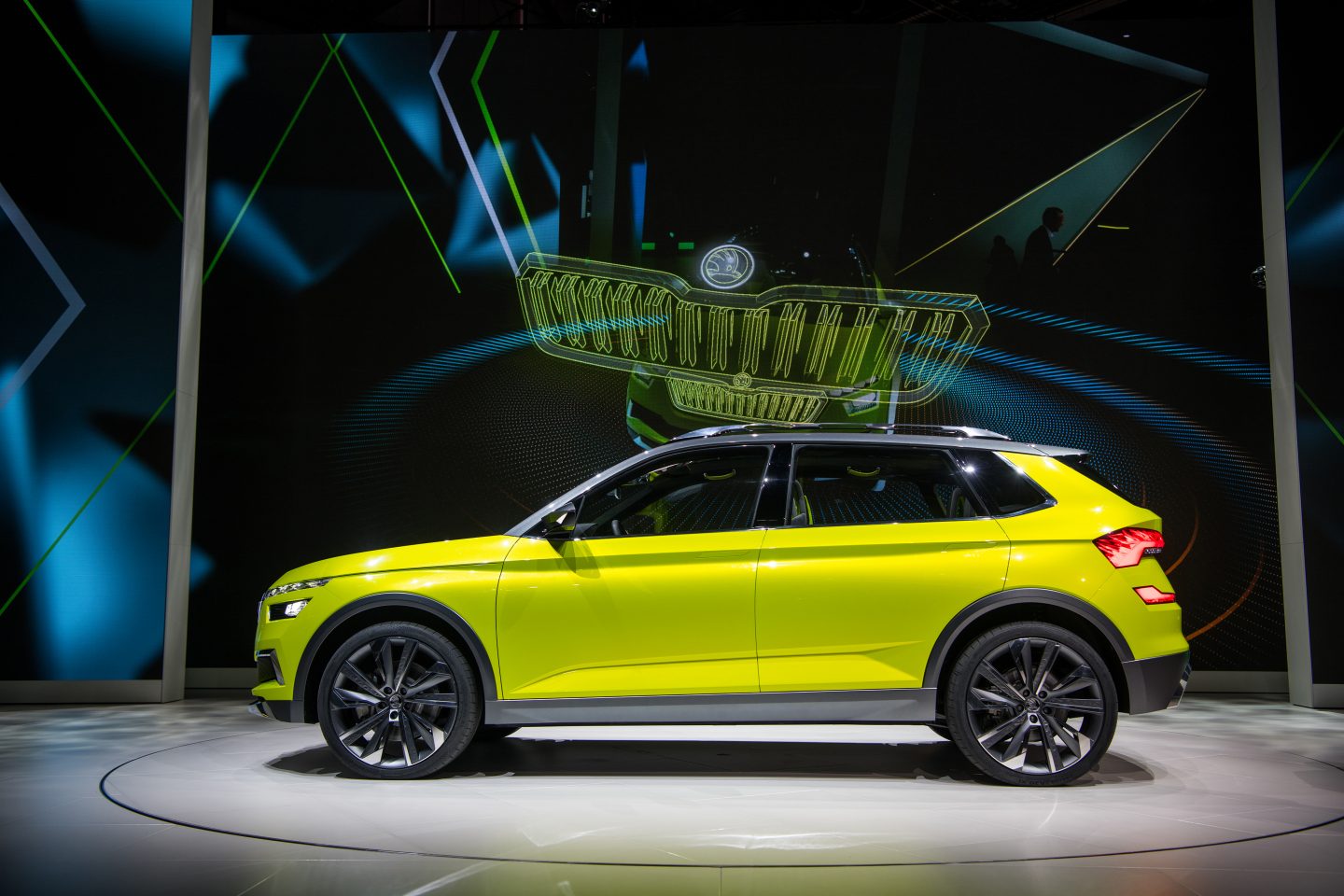
Skoda has made it clear that it’s moving away from its earlier, quirkier design set, best exemplified by cars like the Yeti –and the Kamiq looks set to follow suit.
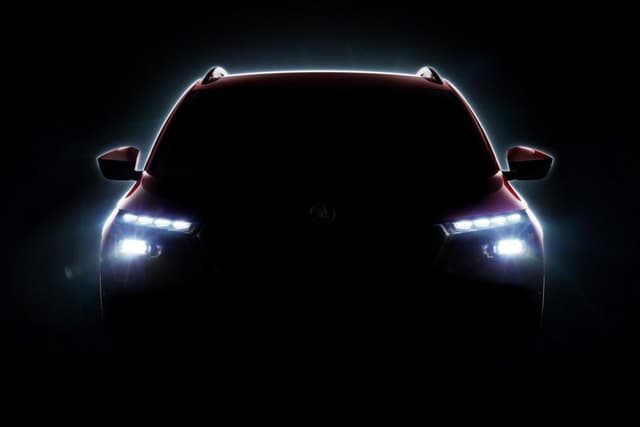
Welcome to the latest episode of the WhichCar Weekly podcast. This week the podcast team comprises WhichCar Senior Journalist Dan Gardner, MOTOR Associate Editor Scott Newman and Wheels Deputy Editor Andy Enright.
In this episode we discuss the imminent return of the World Rally Championship and why you should tune in this season. Round one kicks off this weekend in Monte Carlo ahead of an arduous 14 round season.
Next, we discuss the Australian launch of the Suzuki Jimny and subsequently discuss its poor three-star ANCAP safety rating it received earlier this week.
And to end on a high, Dan talks of his trip to Bahrain to drive the brand new Lamborghini Huracan Evo on the Bahrain Formula 1 circuit.
If you’re on the run or in the car you can find the WhichCar Weekly podcast on iTunes or Podbean and you can follow the movements of the WhichCar team on Facebook, Twitter or Instagram @whichcarau.
We look forward to joining you next week.
Listened to the show? Help us out:
- Leave a note in the comment section below.
- Leave a review on Apple Podcasts/iTunes
- Subscribe to our podcast
Across the automotive industry, one trend has become crystal-clear in recent years: not having a robust range of SUVs is tantamount to commercial suicide. Moreover, smaller SUVs, in particular, have enjoyed the greatest fortunes, with ever-increasing volumes of car buyers opting for high-riding – though not necessarily spacious – crossovers, instead of conventional hatchbacks.
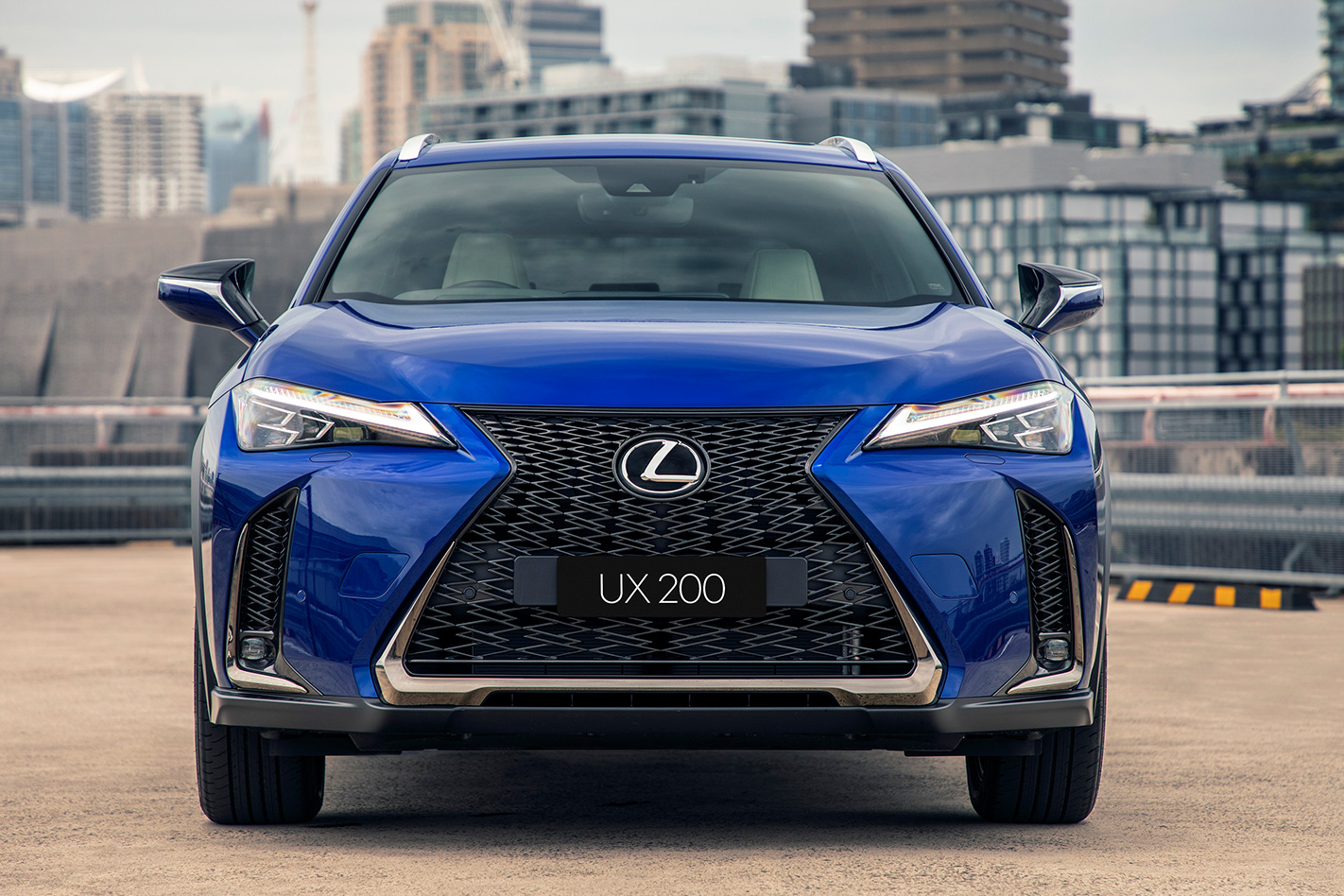
Henceforth the Lexus UX has burst onto the scene, and it’s a landmark model for the Japanese brand that should – if the company’s read on the market is correct – allow it to tap into the swelling demand for city-friendly SUVs.
What is it?
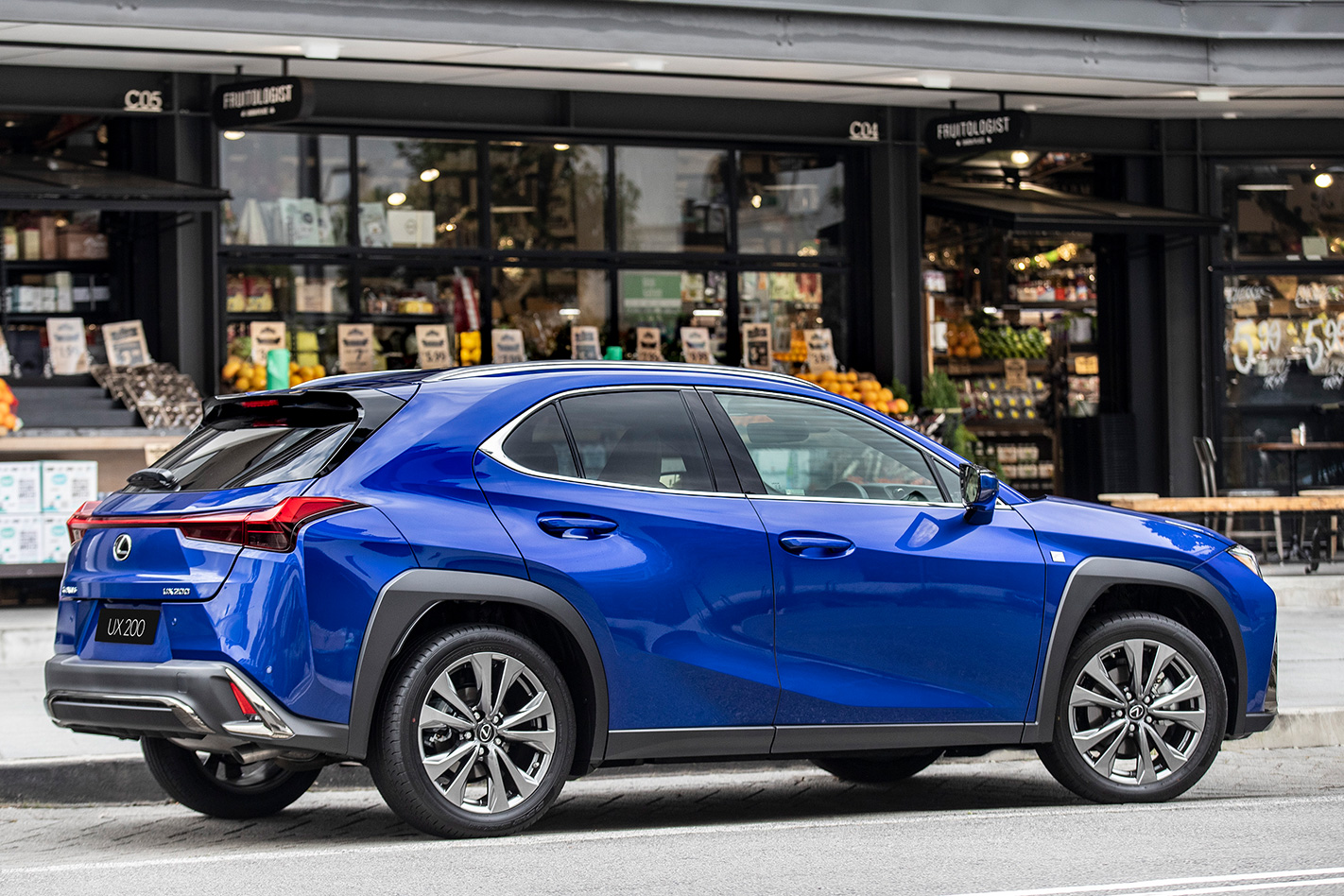
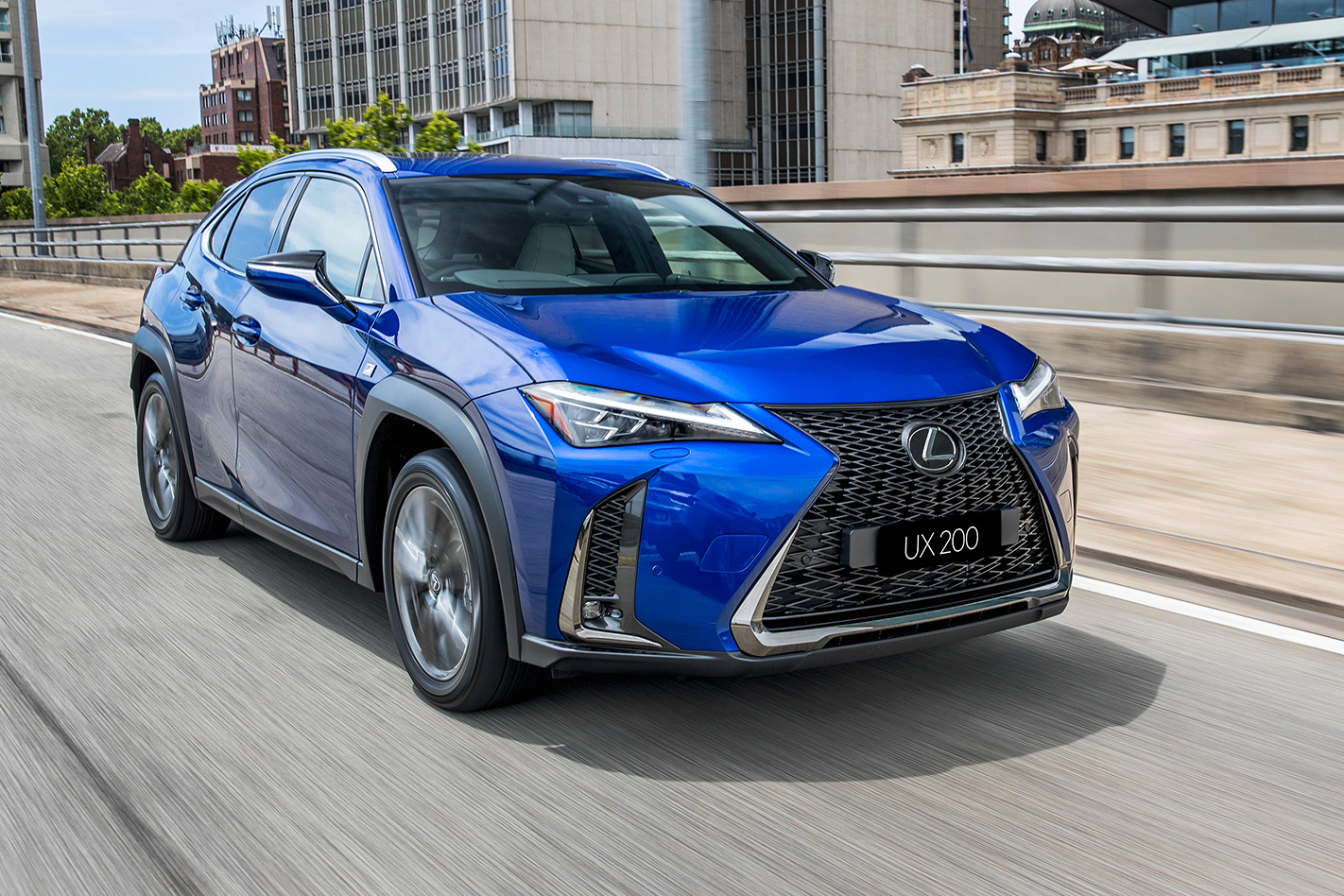
It’s Lexus’ first-ever compact crossover, and an SUV alternative to the slow-selling Lexus CT hatchback that serves as the Japanese brand’s entry-level model. Sharing its underpinnings with Toyota’s C-HR but using larger and more powerful engines, the UX is engineered to be more carlike than most SUVs, while still possessing an air of ruggedness.
How much is the Lexus UX?
Pricing for the UX begins at $44,450 for the entry-level UX 200 Luxury, which is powered by a 2.0-litre naturally aspirated petrol engine and drives the front wheels.
The higher-spec UX 200 Sports Luxury retails at $53,000, while the sports-styled UX 200 F Sport costs a little more at $53,450.
Opting for the 2.0-litre petrol-electric hybrid powertrain of the UX 250h adds $3500 to those price tags. Want all-wheel-drive? It’s only available on the UX 250h hybrid, and at $61,000 for the UX 250h Sports Luxury AWD and $61,450 for the UX 250h F Sport AWD, ticking the box for four-wheel traction comes at a significant impost.
Who is it for?
Lexus says it’s intended for ‘Urban Explorers’, but more realistically the UX range is more likely to find favour with those buying their first luxury vehicle, as well as older folks looking to downsize from a larger car. As a small SUV it’s not intended for those with families – that’s the function of the larger Lexus NX and Lexus RX.
Hatchbacks now “niche” according to Lexus, and the CT’s future remains unclear
Is the Lexus UX easy to live with?
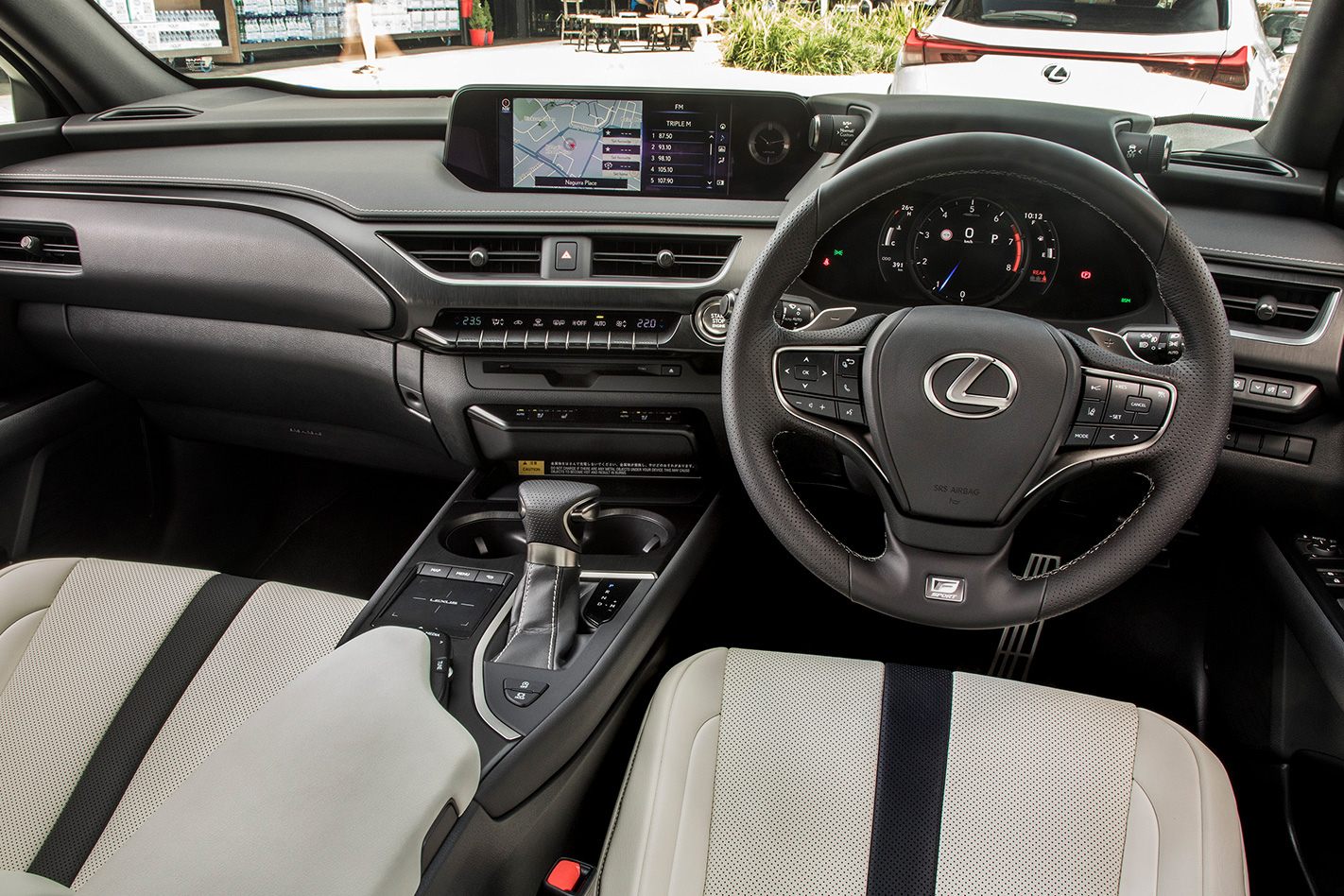
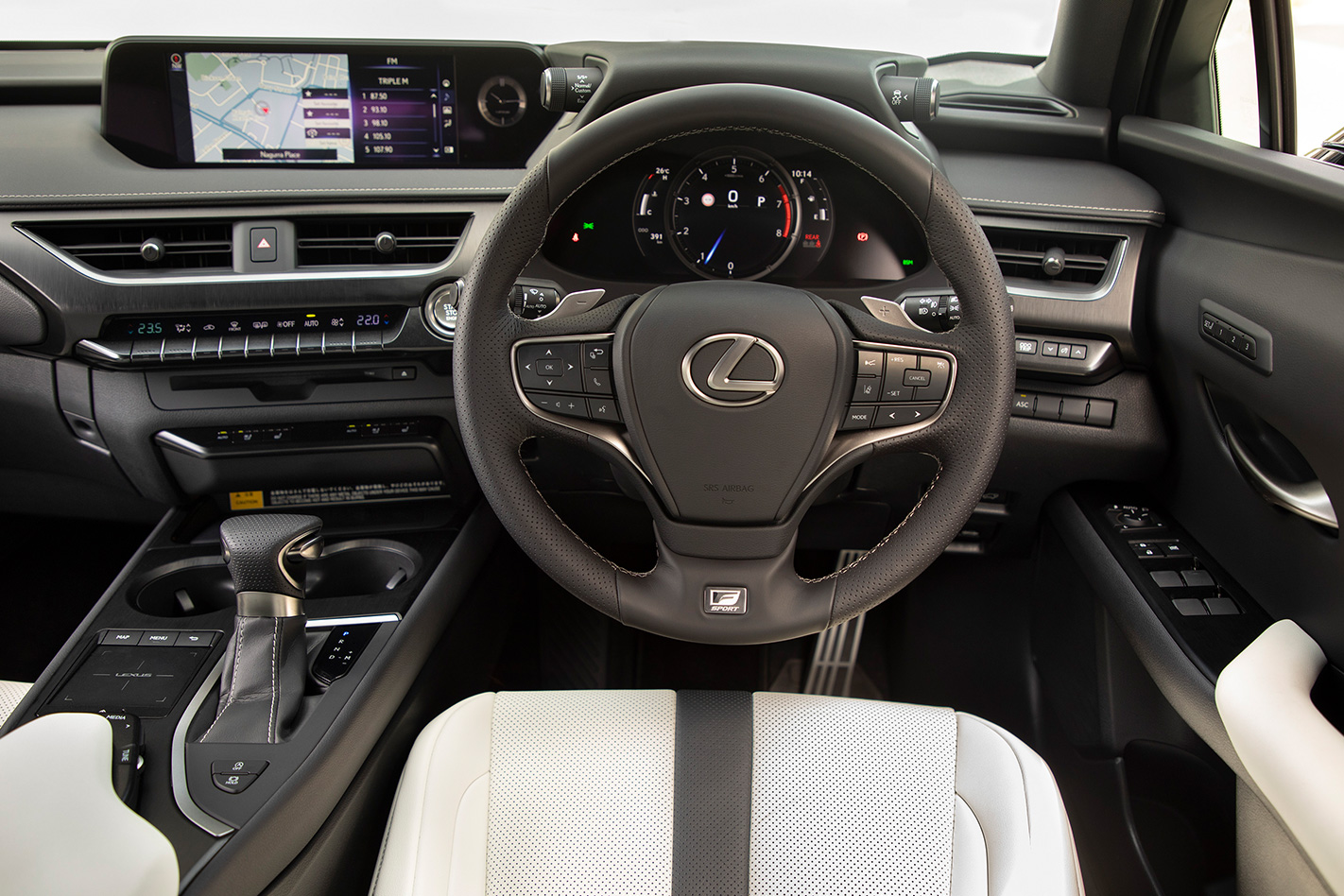
The UX resides on the smaller side of the small SUV category, with a silhouette that’s more car-like than wagon-like. Rivals like the Volvo XC40 and BMW X1 feel significantly roomier, but if all you’ll be carrying is just yourself and maybe one passenger, the UX is ideally suited. The front seats have lots of adjustment, the steering column adjusts electrically (unheard of in this segment) for reach and rake and all controls fall easily to hand.
The high-set centre console also imparts a sportscar ambience, and the cabin finish is impeccable. The paper-like texture on the dash trim is an especially nice touch, leather quality is superb in the Sports Luxury and F Sport, and there’s a broad range of colour configurations to choose from – especially if you spring for the Sports Luxury or F Sport grades.
Equipment levels are also generous. Few of the UX’s rivals are as well-equipped, and the Lexus UX Sports Luxury boasts some segment-firsts like a head-up display, power-adjustable steering column, cooled front seats.
A 10.3-inch widescreen infotainment display with sat-nav is standard across the range, too, and a power-operated tailgate and wireless charger are standard in all models bar the base Luxury grade (and can be optioned in that model if you so wish).
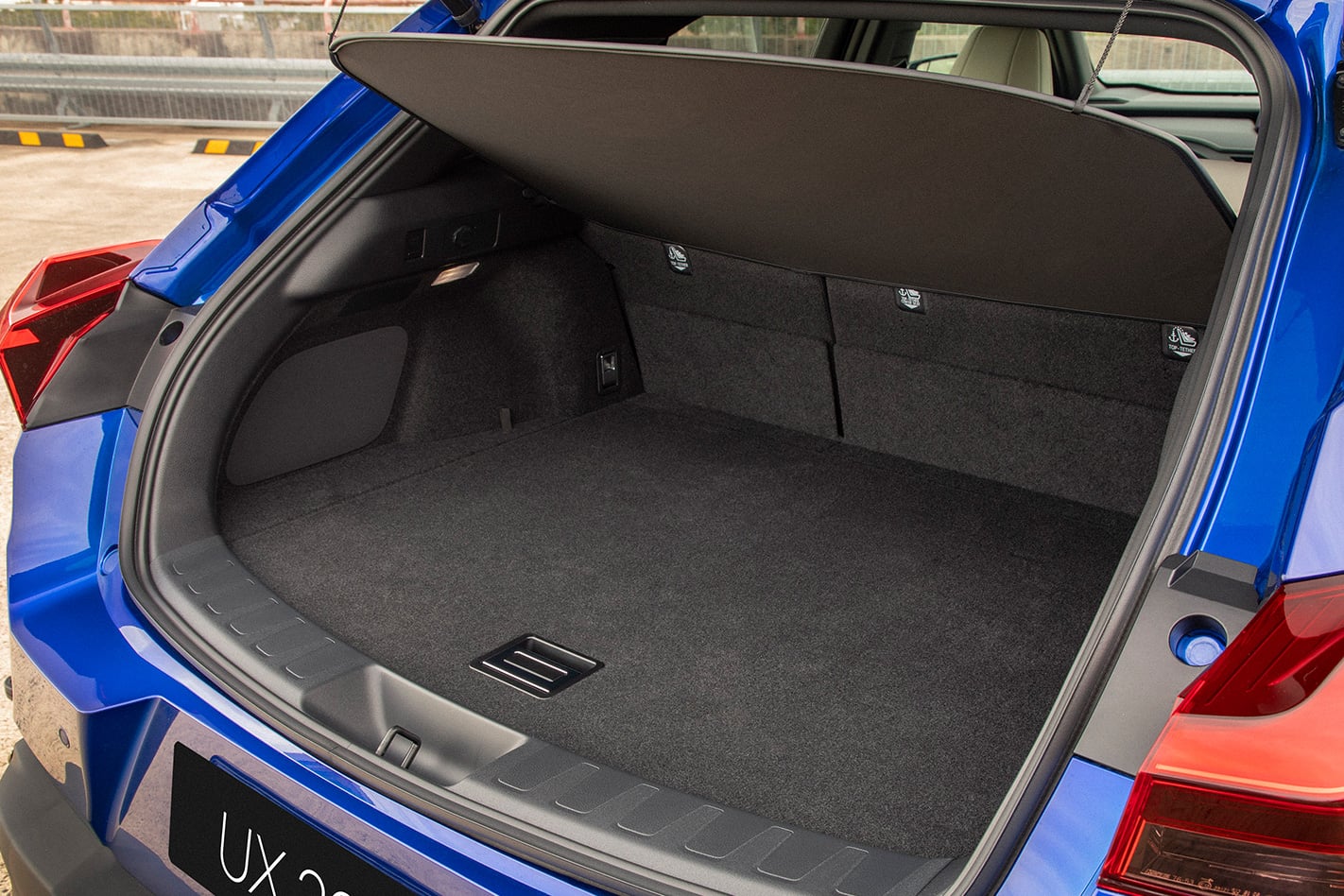
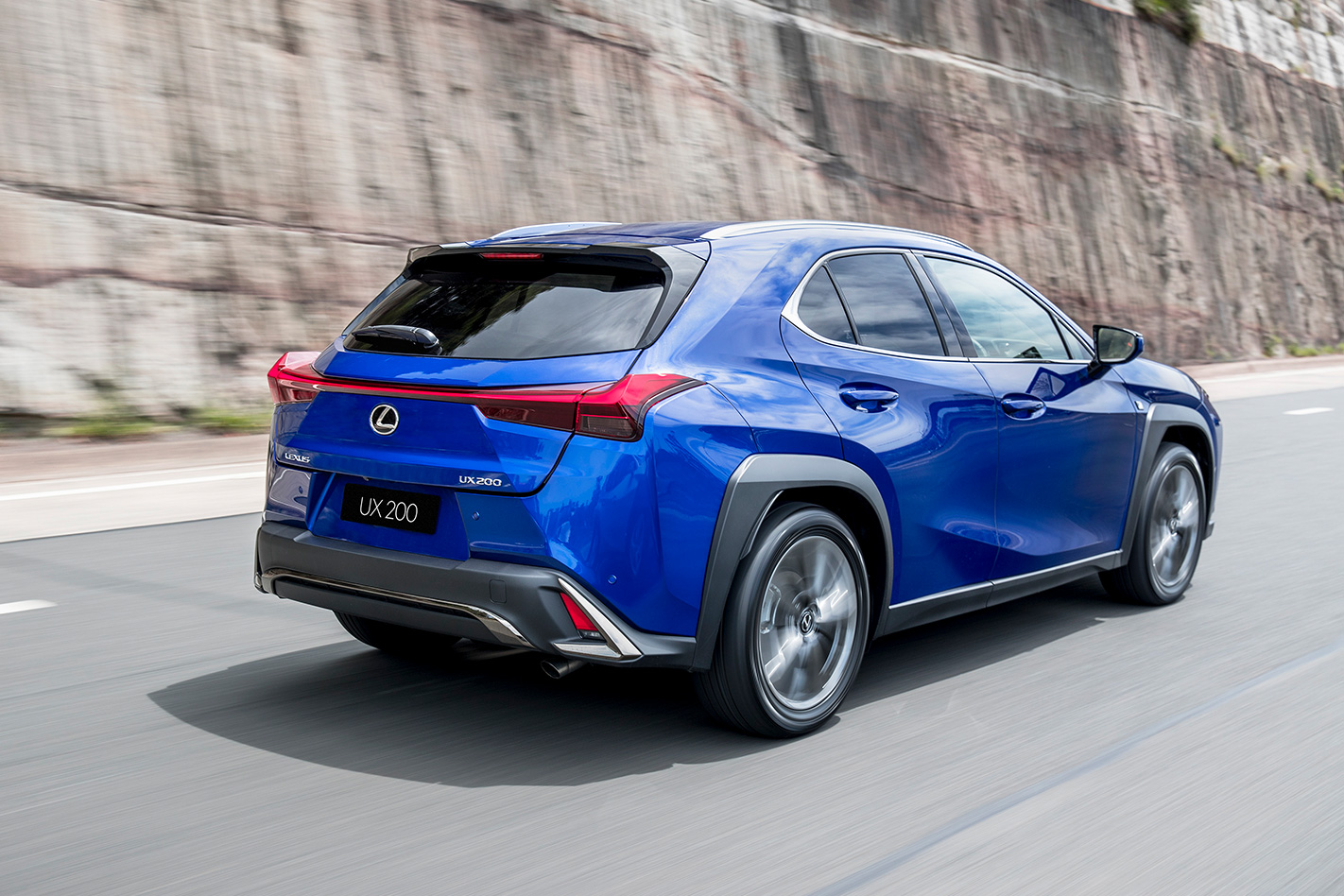
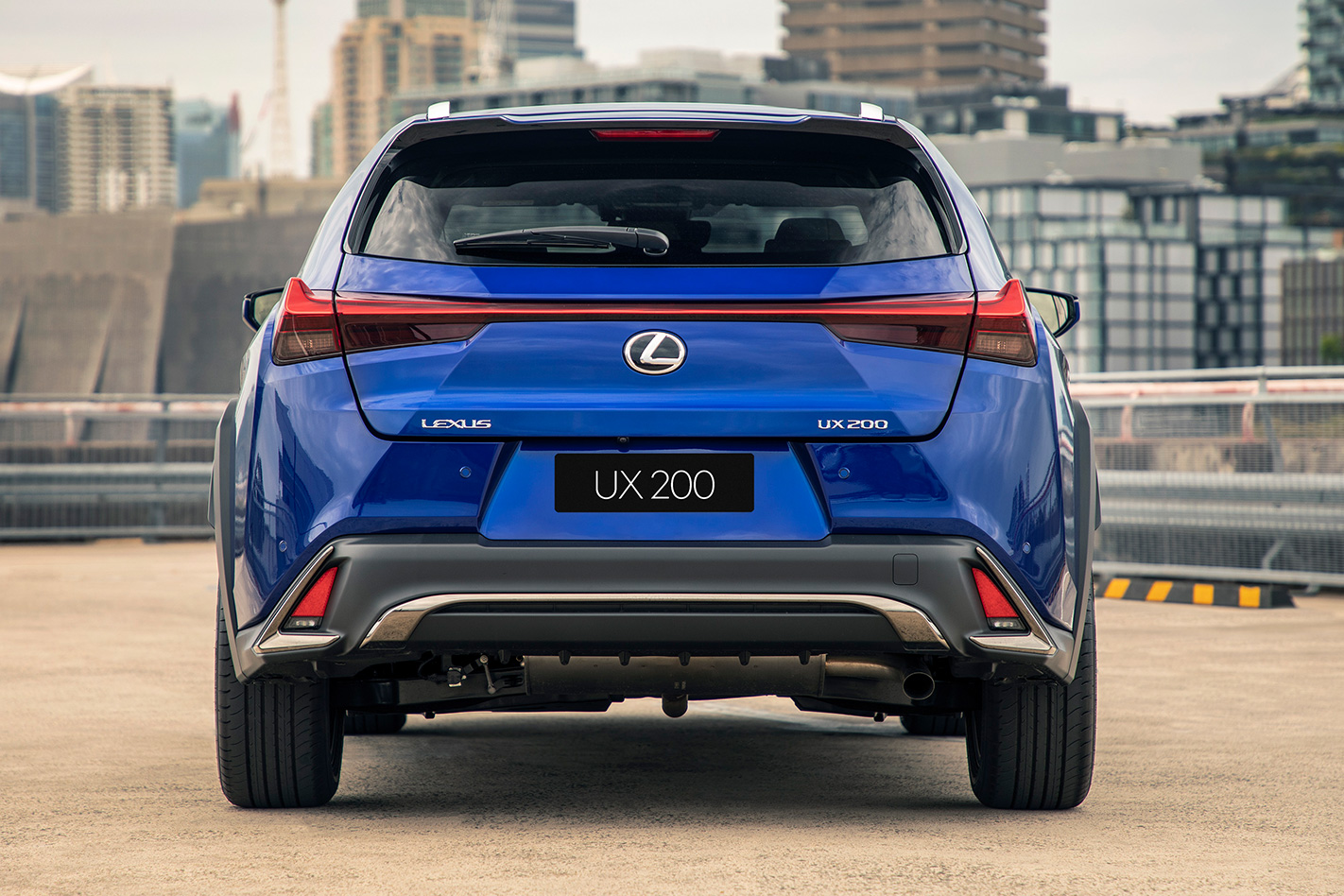
It really only begins to come undone once you start to demand more versatility from the interior. The rear seats themselves are comfortable and supportive, but legroom and headroom are limited. The boot is also minuscule for an SUV, and the high floor can make it a chore to load heavy or cumbersome objects. There is at least a sizable area under the boot floor to make use of, but most competitors easily eclipse the UX for cargo capacity.
How well does the Lexus UX drive?
In short, the Lexus UX drives very well, especially in petrol UX 200 guise. Power and torque are modest for the segment, but the CVT automatic extracts the best from that engine while also feeling a lot more natural than those types of automatics tend to feel. There can be a momentary indecisiveness when taking off from a standstill on an incline, but generally, the UX 200 makes driving a very simple act.
Ride and handling are also great. Even on the bigger 18-inch wheels and lower-profile run-flat tyres of the Sports Luxury, there’s only a mild sensitivity to small bumps that might irritate on long journeys. Otherwise, it does an admirable job of smoothing out the road and delivering a drive that’s typically Lexus: fuss-free and comfortable.
Verdict:
As a first effort for a small SUV, the Lexus UX is a convincing proposition. It’s a lot more resolved and satisfying to drive than, say, Lexus’ own NX, and shows the way forward for the brand in general in terms of design and fitness for purpose.
Yes, the versatility criteria could be better catered for, and several direct rivals show up the UX in that regard, but Lexus is banking that small SUV shoppers won’t be as perturbed by things like boot capacity as those looking into midsize and large SUVs… and to be honest, they’re probably right.
When it comes to quality, driveability, eye-catching design, equipment fit-out and front-cabin comfort, the UX has all the right ingredients. Whether the practicality shortfalls will penalise it is up to the market to decide.
We’re happy to praise ourselves here: MOTOR’s video team and output quality has taken big steps lately. And it’s been noticed.
So when Bridgestone needed a video to promote its Potenza tyres, they came to us.
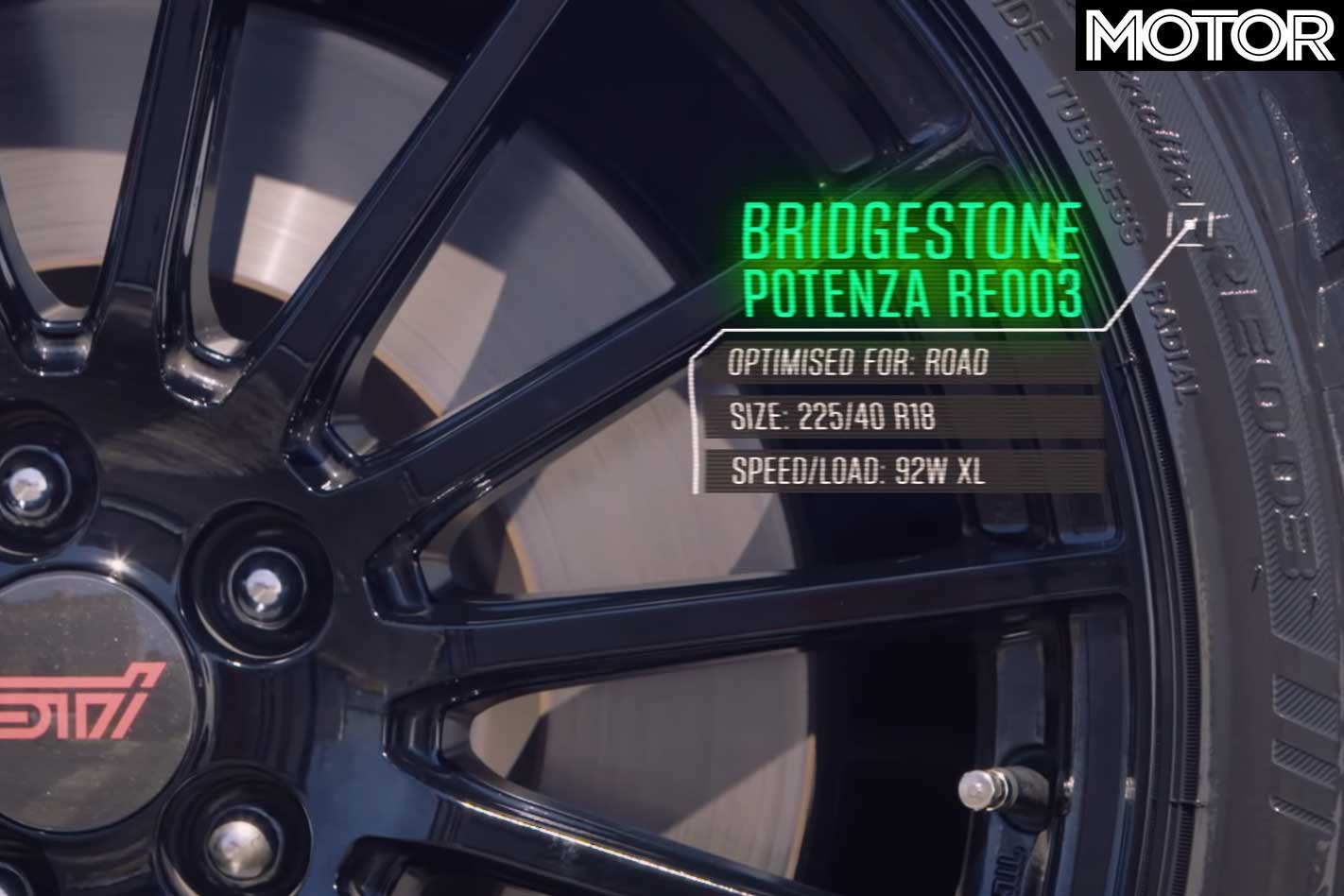
The result is a montage of hard driving and skids with the MOTOR team behind it – primarily our own gun driver and racer Warren Luff.
It should be said that although MOTOR’s video team produced this video, it’s not us editorially praising the tyres used, nor is it Bridgestone sponsoring a MOTOR video. This is a Bridgestone video.
This is our video team working in their capacity as media professionals for a third party to produce something awesome.
Enjoy!
In order to make the WhichCar Style Award come to life, we enlisted a collective who can offer up a broad palette of style and design insights from fields beyond the automotive spectrum.
Style itself can be easy to see but tougher to define, and our talented cabal of judges are uniquely qualified to not only spot good design and style from across the street, they can define and discuss it at fascinating length, not to mention interpret trends and comment on how style can influence and infiltrate different markets. Here, we introduce the team of stylish judges who are tasked with making the call on this year’s most outstanding new car on the design front.
Paul Beranger, Automotive design guru
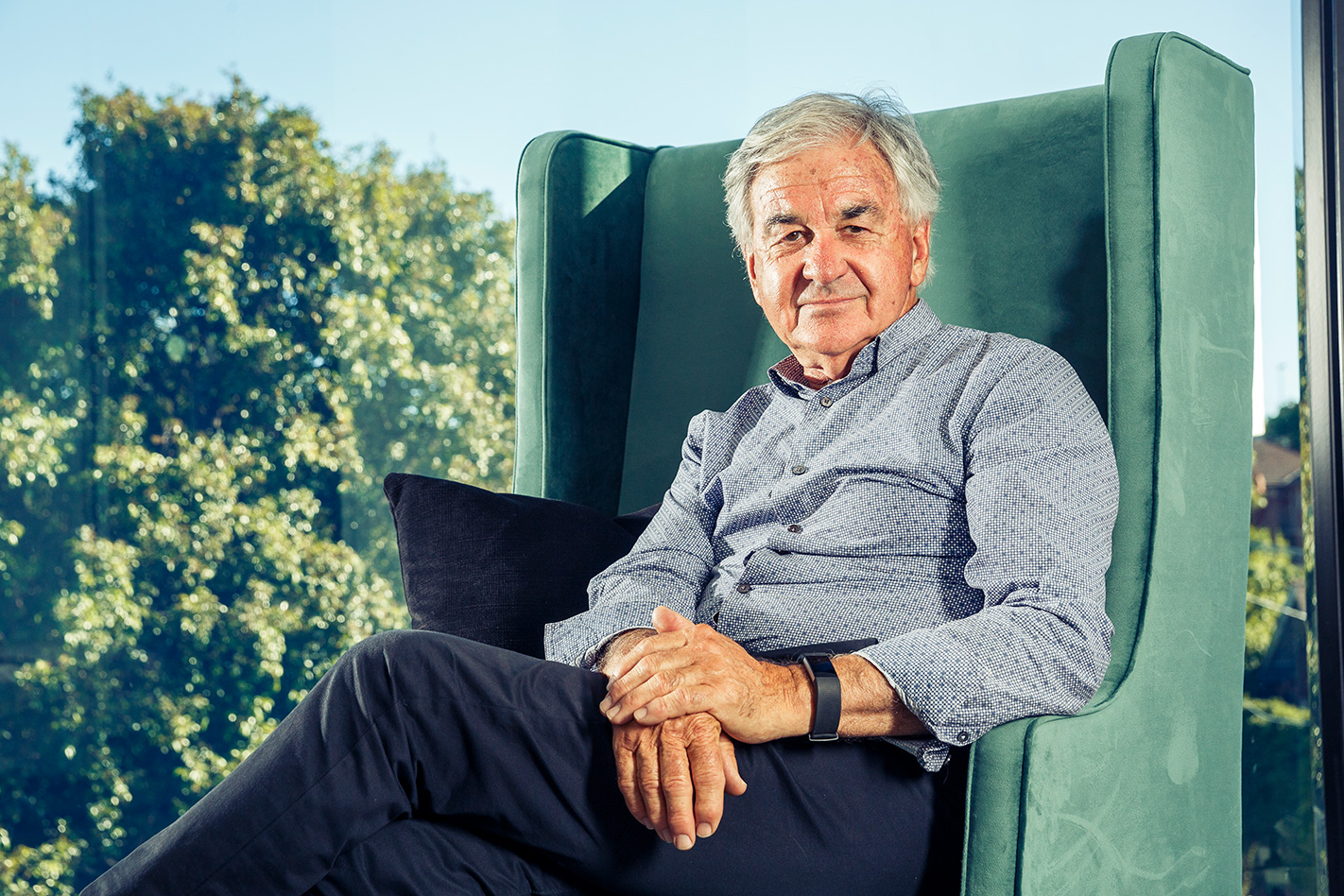
With more than 40 years of experience under his belt, designer Paul Beranger is a very valuable judge to have on the WhichCar panel. Beranger has led a distinguished career as one of Australia’s leading automotive designers, after first cutting his teeth at Holden in 1968, before moving to Nissan where he relished the opportunity to work on the brand’s performance vehicles, and Toyota after that. Since putting down the pen, Beranger has acted as a consultant and is an often called-upon expert on design in an ever-changing industry. Last year, he published his first book Crayon to CAD:A History of Post-War Automotive Design in Australia. Beranger is a WhichCar Style Award veteran now, and his passion for design, appetite for all things new, calm insight and vast automotive knowledge not only makes him a fantastic counter to the rest of the panel, but an encyclopaedia of information the judges draw from when getting to know each finalist.
Glenn Butler, Content Director, WhichCar network

With a career in automotive journalism that stretches back more than two decades, Glenn’s vision for the WhichCar Style Award has introduced a new benchmark of sophistication and professionalism to the process, as well as to the judging panel. A former editor of Wheels magazine, Glenn has also worked within the automotive industry itself, giving him crucial insights and a critical eye into just why style decisions make the cut or miss out completely. “People might talk about buying a car because it has great fuel economy, or the latest safety stuff, but they really think ‘how will I look in this car, and how will it look in my driveway?’” argues Glenn. “The industry spends untold billions on style and design, and we’re here to recognise that.”
Tanya Buchanan, Editor, Belle Magazine

As the editor of Belle, one of Australia’s most prestigious luxury style and design magazines, Tanya Buchanan is an authority on interior design, art and architecture, in Australia and around the globe. In her professional life, Buchanan gets to peek inside other some of the world’s most beautiful homes (and garages, it would seem) to survey what defines luxury on an international scale. On style, Buchanan says, “It’s an expression of how we see ourselves and how we want the world to perceive us. Our choice of cars, fashion and accessories is an expression of our personal aesthetic.” Buchanan is well-versed on the WhichCar Style Award criteria, being one of our longest serving judges.
Fiona Connolly, Editor-in-Chief, Women’s Day, Ok! And NW

If any of our judges are going to know the ins-and-outs of everyday lives of Australian women and how their car might play into that, it’s Fiona Connolly. This busy editor-in-chief of Australia’s three biggest weekly magazines has forged an enviable career in media working in magazines and newspapers. Speaking to some 2.944 million Australian women each month, Connolly is across everything that women want – from life at home and at work to entertainment, culture, lifestyle and all the way through to providing the stories to not only inspire but act as talking points. From this viewpoint and also as a mother herself, Connolly brings a unique perspective on form versus real-world function to our judging panel.
Noelle Faulkner, Senior Journalist, WhichCar

Noelle Faulkner might be WhichCar’s newest recruit, but she has been part of the family for some time, both as atwo-time Wheels Car of the Year judge and presenter for the WhichCar Style Award. With over a decade’s journalism experience, predominately within the luxury space, Faulkner has written for the likes of GQ, Vogue, Vogue Living, Marie Claire, QANTAS, The Guardian, Harper’s BAZAAR and more, and is also ELLE Magazine’s Drive contributor. It’s this experience, both reporting on global trends, fashion, design and fine art, coupled with her expertise as a motoring journalist, that gives Faulkner a unique view on what award-winning automotive style truly means and where the bar of innovation should be set.
Karlie Verkerk, Deputy Editor, Real Living and Inside Out

From being judged in MasterChef Australia to being a judge herself. Karlie Verkerk became a household name when she competed in the much-loved cooking program, finishing a very respectable third. But aside from her skills in the kitchen, she is also a talented journalist and is currently the deputy editor of two of Australia’s leading design magazines, Real Living and Inside Out. Her work with these magazines sees her at the forefront of Australian interiors and a highly skilled voice on how lifestyle, purpose, liveability and, importantly, value, can all play into aesthetics; not to mention how it should be judged. “I think great design simplifies day-to-day life, but also makes it beautiful at the same time,” she says. “It seems pretty straightforward in theory, but the balance between simplicity, functionality and beauty – whether it’s in the clothes we wear, the cars we drive or the furniture and appliances we have in our homes – takes a long time to perfect.”
Luc Wiesman, Founder and Editor-In-Chief, D’Marge

Self-confessed motorhead Luc Wiesman is the founder of D’Marge.com, a well-respected men’s lifestyle platform. Spanning style, grooming, science, travel and of course, motoring, a quick glance at the site and it doesn’t take long to note the scope that this multi-talented digital native brings to the WhichCar Style Award judging panel. With a background in digital at some of Australia’s most prestigious advertising agencies, Wiesman is a knowledgeable expert on influence, luxury and decoding what it means to be a modern male in 2019. As such, Weisman brings a unique ability to weigh in on the WhichCar Style Award finalists with a truly discerning eye for detail, currency and impact.
Brooke Meredith, Founder and Editor-in-Chief, A Conscious Collection

Founder and editor-in-chief of wellness and healthy living publication, A Conscious Collection, Brooke Meredith is as passionate about lifestyle as she is about offering a modern view on wellness and positive living. For her, this also incorporates a deep love of travel, cars and automotive culture – Meredith was last year’s official Formula 1 Rolex Australian Grand Prix ambassador. Prior to launching A Conscious Collection, this entrepreneur also trained as a graphic designer – another string to her bow that she stretched when adjudicating the beautiful lines of the machines of the WhichCar Style Awards field. As a sought-after professional in the lifestyle and fashion space, Meredith has worked with brands like DIOR, Mercedes-Benz, MECCA, Swisse, MYER, Country Road, The Iconic, Lululemon and Nike, making her one of our most fashionable judges this year.
Jason Grant, Interior/props stylist and author

As one of Australia’s most revered stylists, Jason Grant’s portfolio of clients reads more like a who’s who of the design world. He’s worked with magazines like Real Living, Inside Out, Belle, Vogue Living, Australian House and Garden, The Sunday Times UK, Milk Decoration and Grazia Magazine UK; as well as brands like David Jones, King Living, Reece Bathrooms, Pottery Barn, West Elm, Country Road, Sheridan, Murobond Paints, Myer and more. On top of that, he’s managed to publish three books chronicling his approach to decoration. Grant’s uniquely Australian, relaxed aesthetic is rooted in lifestyle with a true down-to-earth simplicity. So when it came to tallying up the finalists and splitting the hairs, there was no better person to to call on when it comes to the fine art of marrying beauty, Australian living and automotive design.
