
AS THE dust settles from businesses rushing to grab an end-of-financial-year bargain last month, SUV and passenger car sales have narrowed the void on trade utes in the month of July, while Holden experienced its worst sales month to date.
The increase in more conventional passenger vehicle popularity wasn’t enough to knock the tradie favourite one-tonne ute from the top two spots, with the Toyota Hilux once again reclaiming the title as Australia’s favourite car with 3747 registrations, swapping spots with last month’s winner the Ford Ranger, with 2950.
The Mitsubishi Triton, however, which was sitting in third position last month. has been relegated 11 rungs to 14th position down from 3919 sales to 1418, allowing passenger models and SUVs to move in to shrink the dual-cab dominance.
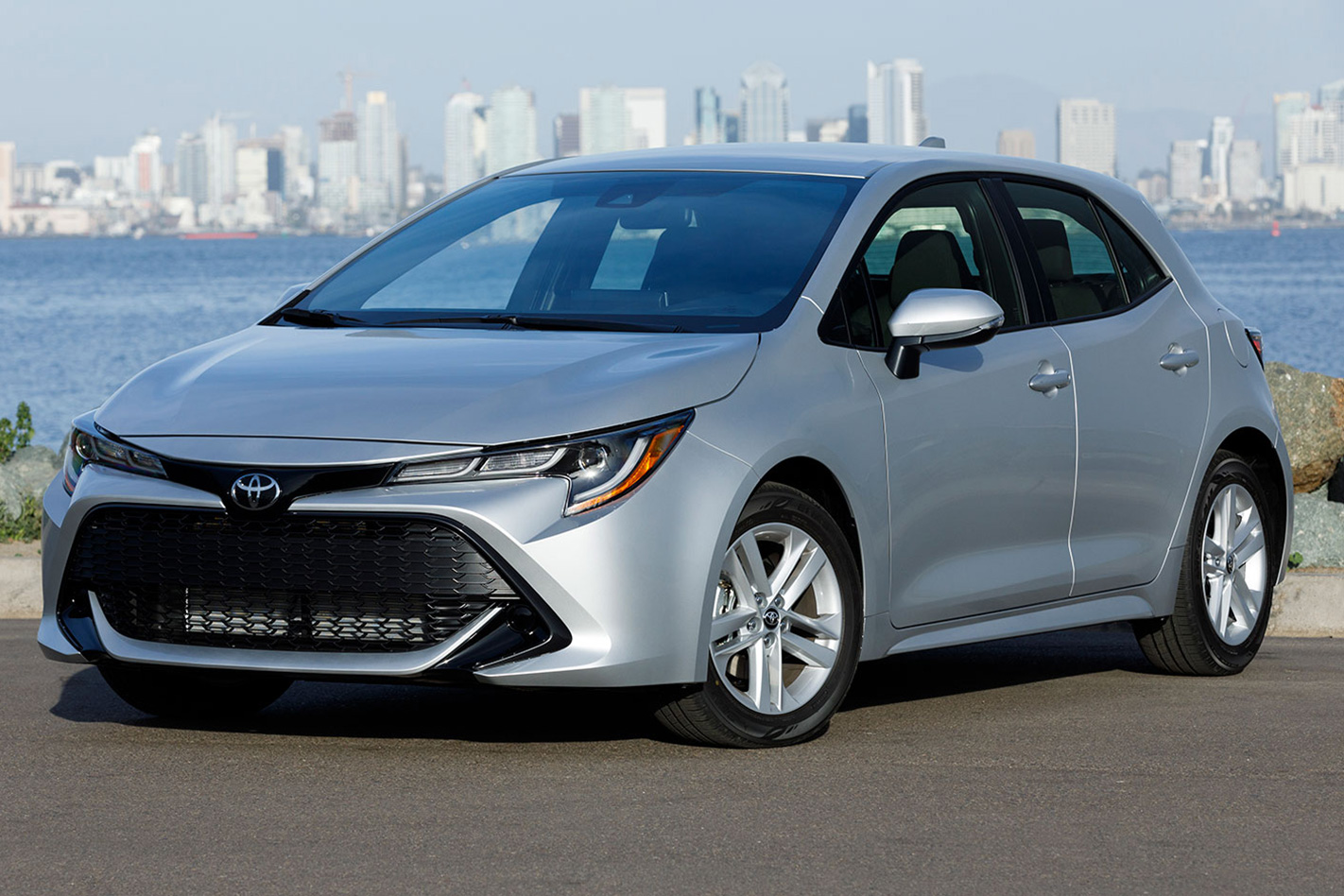
Small hatchbacks fought back for attention with the Toyota Corolla sitting at third place overall with 2594 registrations just ahead of the Mazda3 and 2443 and Hyundai i30 (2178) re-enacting the three-way battle that used to play out at the top of the table before the rise of tradie trucks.
Small cars might be the dominant individual segment, but SUV sales continue to dominate passenger cars overall with 36,625 versus 28,547 in July, While the figure for SUVs is about the same for July 2017, the passenger sales tally is down 7245 from the same point last year.
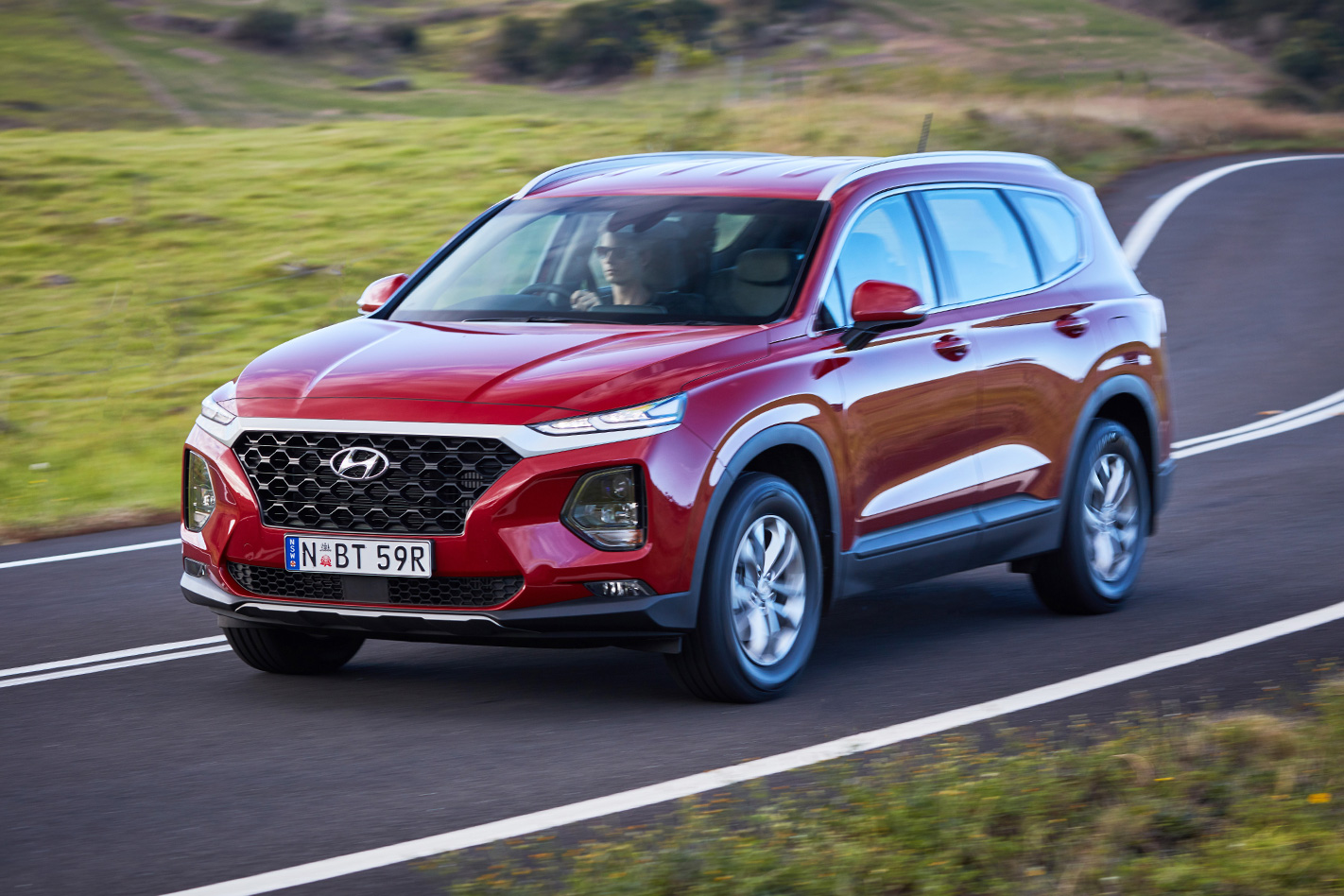
Australia’s favourite SUV in July was the Mazda CX-5 with 2233 registrations, followed by the Toyota’s Landcruiser family and RAV4 with 1903 and 1853 respectively, and the Nissan X-Trail (1603). The Hyundai Tucson was the only other SUV to rank in the top 15 models with 1490 sales to its name.
A July downturn in sales is expected following the end of financial year, but last month’s national VFACTS data shows an overall slowing of new car registrations. Year to date sales to the end of June totalled 691,073 compared with 692,306 to the same point last year and continues a slow decline since early 2018.
While almost all manufacturers are feeling a sales downturn, the lull has driven Holden registrations to an a new low. With 3927 for the month, the company has not had a more disappointing monthly result.
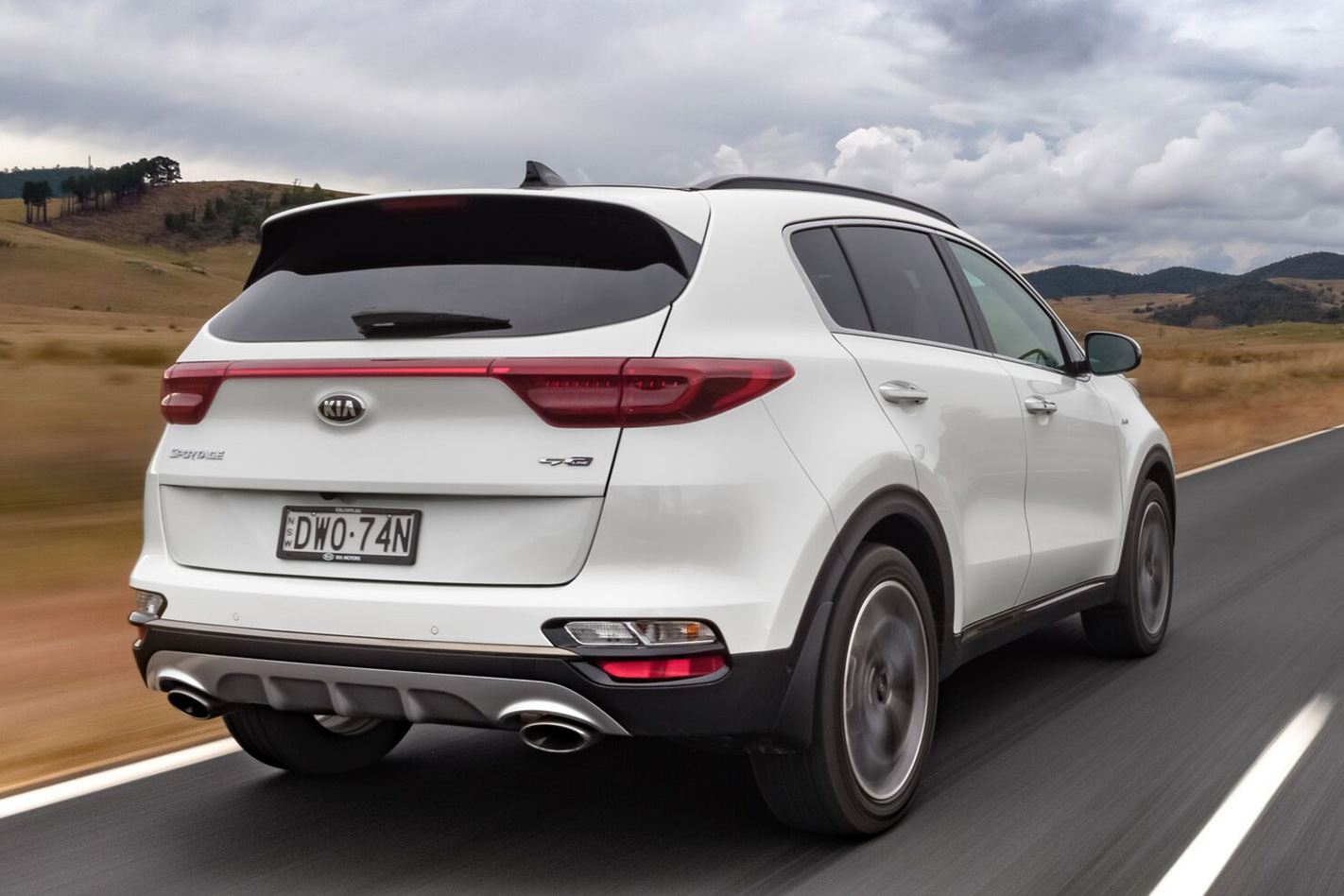
Despite the cooling off of the market a number of models bucked the trend including the Volkswagen Golf which was up 62 percent from July 2017 to 1628 sales and ninth place overall, BMW’s 3 Series rose 42 percent with 316 sales and the Holden Colorado was the only lion badged model to lift, up 12 percent to 1237 for the month. The good result will only partially take the sting out of the overall ominous slide for Holden.
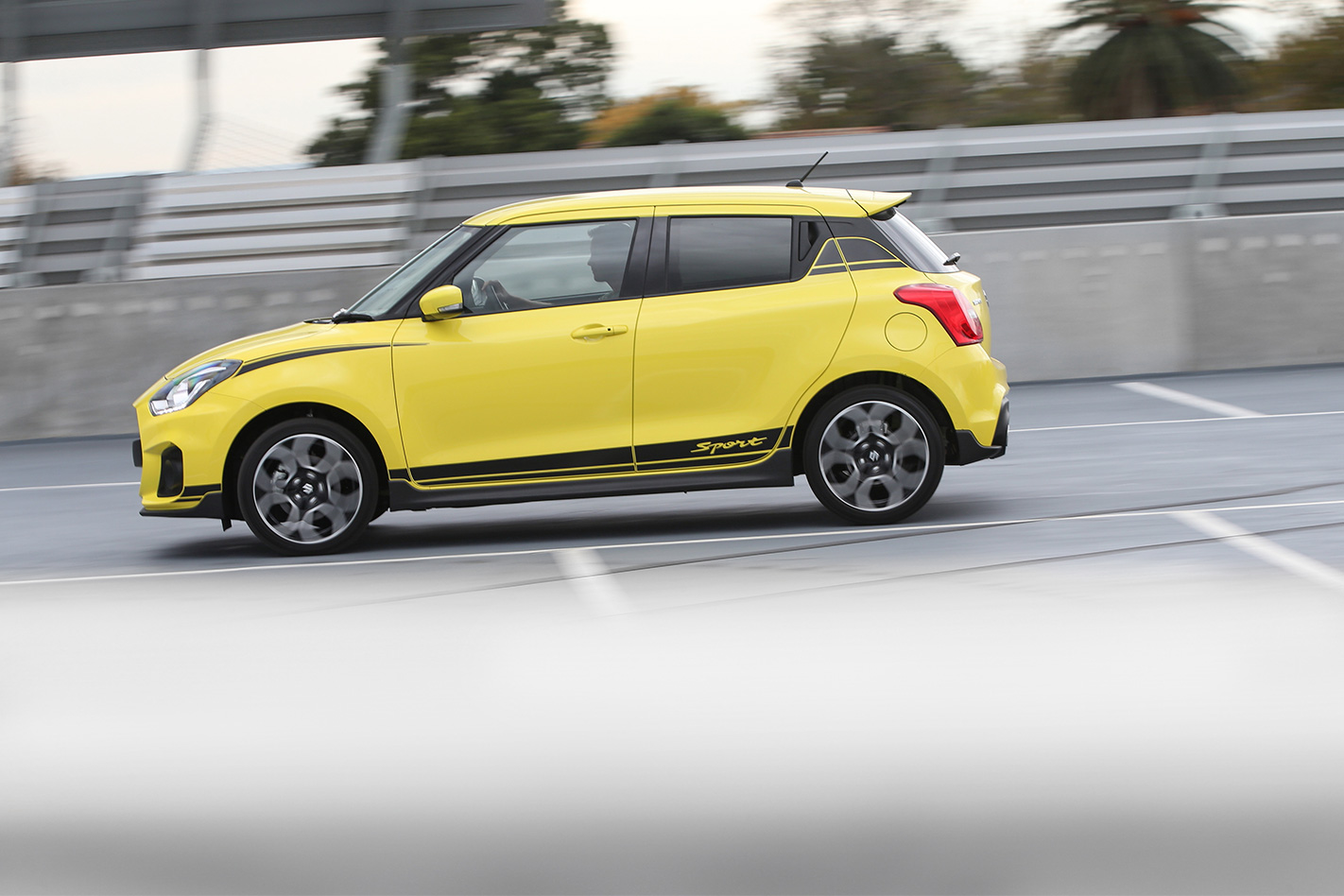
Kia managed to oppose the falling tide of compact hatchbacks with the Picanto up 58 percent and 353 sales along with Mitsubishi’s Mirage – up 40 percent with 158 finding new driveways locally helped by the demise of the Holden Spark.
On the subject of defying trends, whatever is causing the decline in national sales doesn’t seem to be effecting Australia’s well-heeled, with supercar sales taking a universal jump. Lamborghini’s sales almost doubled compared to July 2017, McLaren found no customers last July but six last month and Ferrari’s registrations were also up nearly 17 percent.
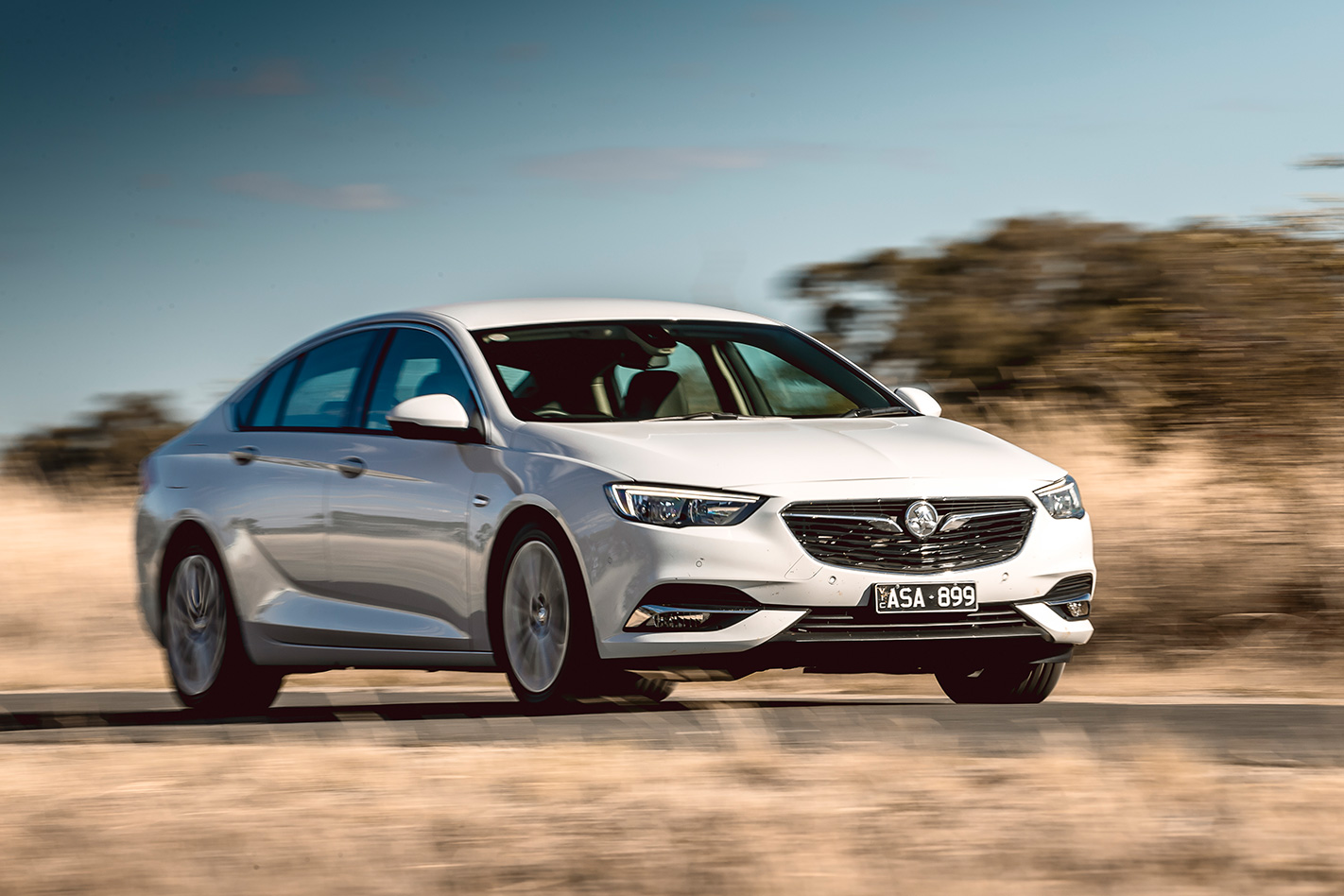
It wasn’t such good news for Holden. With the exception of its Colorado one-tonner which, at last seems to be attracting the attention it deserves, all models were down, with the same story applying to Subaru, Jaguar and, if it weren’t for the marginally increased 6, Mazda too. It is a similar scenario for Audi with the niche A5 the only model to not dip after last month’s rush.
Arch rival Ford, while doing better in the overall stakes (down 12.6 percent versus Holden’s 39.3 percent drop for the month) had a few surprises. It’s resoundingly successful Mustang sportscar sold 546 examples in July compared with 919 during the same month last year, despite the arrival of the updated version.
Ford attributes the anomaly to a combination of the recently arrived 2019 version still coming up to speed and the unprecedented reception following the model’s introduction in 2016 that’s unlikely to be repeated despite the new more powerful and enhanced Mustang, which is now on sale.
Overall, the nation’s sales are collectively down a fraction of a percent across all states except NSW, the Northern Territory and SA which are up between 0.4 and 4.2 percent.
Top-10 manufacturers, July 2018
- Toyota – 16915
- Mazda – 8920
- Hyundai – 7061
- Mitsubishi – 5908
- Ford – 5481
- Kia – 4403
- Nissan – 4260
- Volkswagen – 3981
- Holden – 3927
- Subaru – 3366
- Honda – 3222
Top-10 vehicles, July 2018
- Toyota HiLux – 3747
- Ford Ranger – 2950
- Toyota Corolla – 2594
- Mazda 3 – 2443
- Mazda CX-5 – 2233
- Hyundai i30 – 2178
- Toyota Landcruiser 200/70 – 1903
- Toyota RAV4 – 1853
- Volkswagen Golf – 1714
- Nissan X-Trail – 1603
July was a good month for dealers to take their annual holiday, with just 85,551 vehicles sold compared 130,300 in June, according VFACTS figures released by the Federal Chamber of Motor Industries today.
Such a drop in sales isn’t unusual for the start of the new financial year, though numbers were also down by 7203, or 7.8 percent, from July last year.
Calendar year-to-date sales are also down slightly – 691,073 compared with 692,306, which has been the trend since April, after being in positive territory for the first quarter of 2018.
IT WAS REALLY A GOOD MONTH FOR …
Kia

Kia has continued its solid year with an 8.3 percent jump in year-to-date sales. That upward trend continued in July ranking it one of the mainstream manufacturers to sell more cars than in July 2017 – 4403 compared to 4266, a jump of 3.2 percent.
July also saw Kia become the sixth most popular vehicle brand in Australia, its highest position to date, despite its biggest selling model, the Cerato, has effectively only half launched, with just the sedan versions available until the hatch arrives in the New Year.
Kia Australia spokesman Kevin Hepworth told WhichCar the brand’s success is down to consistency, with no “chopping and changing” with models, pricing or marketing, while its unmatched seven-year warranty continues to lure potential buyers to showrooms.
Volkswagen
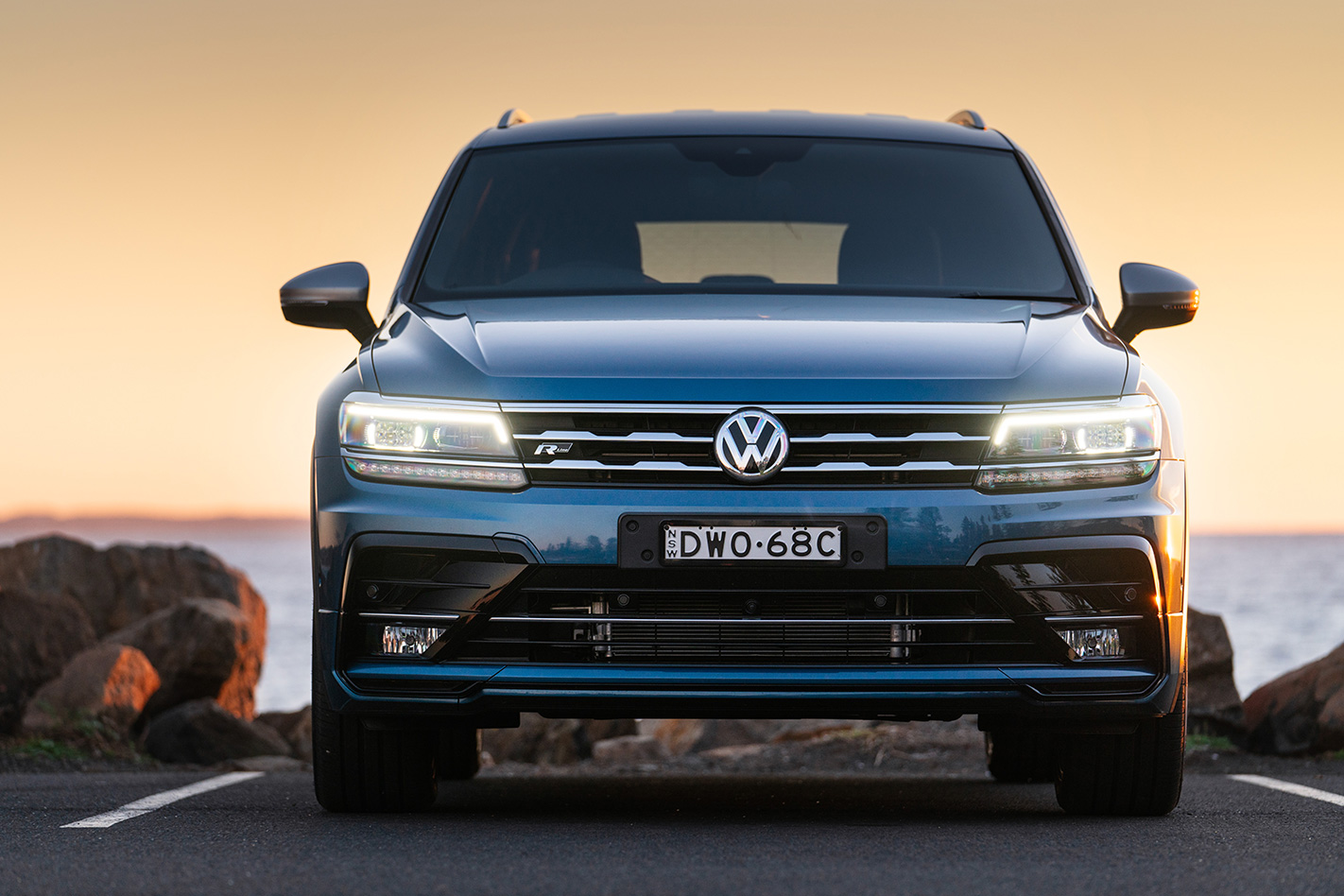
VW was also in positive year-to-date territory, finishing July in eighth position, selling 3981 cars ahead of Holden (3927) and Subaru (3366). However, Volkswagen Australia spokesperson Paul Pottinger said the company is actually disappointed with July sales, which were held back due to a limited supply of the popular Polo and Tiguan models.
The Polo is sold out in Australia, with just 76 available for sale in July, with a new stocks expected to arrive this month. Last July it sold 526 Polos, which, if replicated this month with the new model, would have seen VW overtake Nissan and Kia to claim sixth spot.
Golf sales (1714) were up 60.2 percent compared with July last year, making the German hatch the fourth most popular small car after the Toyota Corolla, Mazda 3 and Hyundai i30 usual suspects.
SUVs
High-riders now occupy 42.8 percent of the market, up from 39.9 percent at the same time last year. One reason has been the influx of brand-new models that weren’t around 12 months ago such as Mitsubishi Eclipse Cross, Hyundai Kona, Jaguar E-Pace, Holden Equinox, Range Rover Velar and Mazda CX-8.
As usual, the big sellers included the Mazda CX-5 (2233), which overtook the Hyundai i30 to claim fifth spot overall, followed by the Toyota RAV4 (1853) and Nissan X-Trail (1603).
Toyota
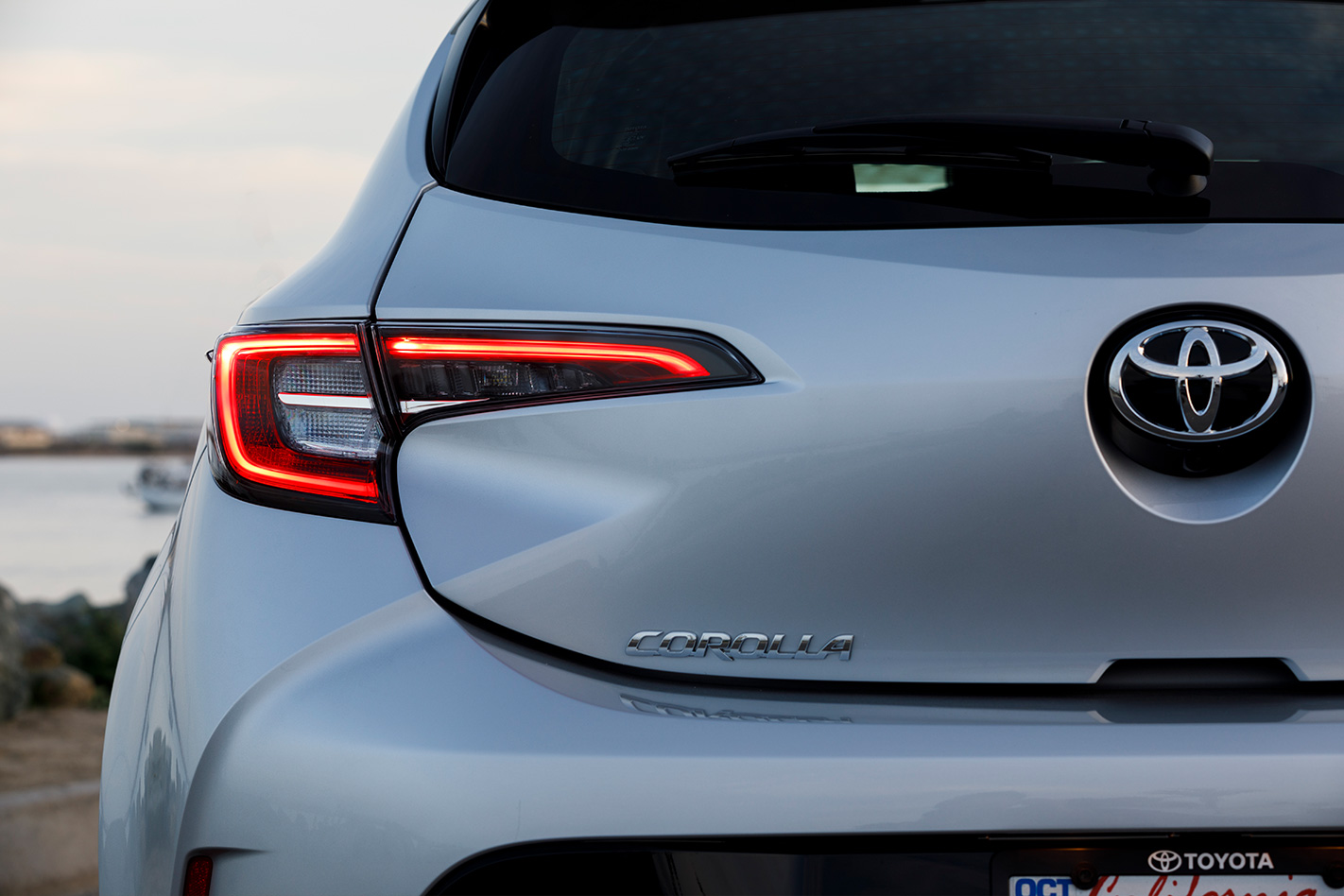
The Japanese motoring behemoth is down on year-to date-sales, but there’s still daylight between it and second-place Mazda, with the two recording July sales of 16,915 and 8920 prospectively.
But while sales are down from last July, market share is up from 19.3 to 19.8 percent, with five badges in the top-10 sales list including Hilux at number one with 3747 sales. Corolla (2594) is again the top-selling passenger car despite big drop in sales due to all-new model’s pending arrival that almost saw it cede its crown to the Mazda 3 (2443). The LandCruiser family sold 1903 wagons, troop carriers and utes, up 11 percent from last year, while the RAV4 (1853) was the second-biggest selling SUV.
The Camry (1317) and Prado (1434) topped their segments, with the Kluger (1256) finishing second to the latter in the large SUV category.
IT WASN’T SUCH A GOOD MONTH FOR …
Holden

The Aussie brand had its worst-ever monthly result last month, after ending the the 2017-18 financial year on a high, sitting in sixth spot for both 2018 year-to-date and June sales. While almost all manufacturers saw a drop in July, Holden’s had one of the biggest slides, going from 7385 to 3927, down almost 47 percent, despite the company introducing a standard five-year/unlimited km warranty across the range.
Holden sold 557 ZB Commodores, compared to 1633 Aussie-built VF Commodores in July last year, with other significant models also down including the Astra, which sold 588 compared with 1125 in July last year. The Colorado ute provided some good news with 1237 sold, up 12 percent from this time last year.
Passenger cars
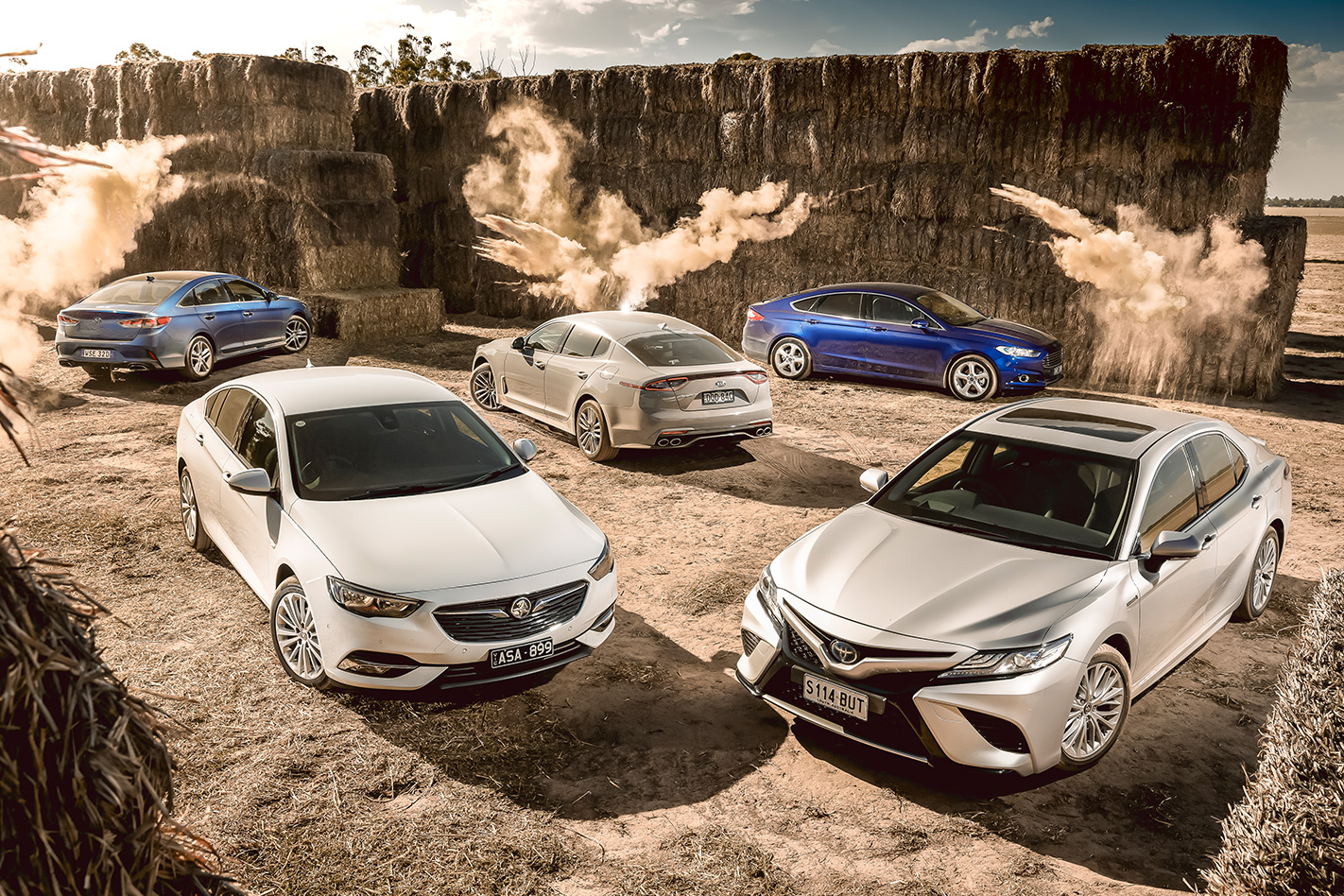
Holden’s woes are partly to blame on the impact the SUV boom continues to on passenger cars sales, which totalled 28,547 in July to account for 33.4 percent of the market, down from 38.6 percent in July 2017.
The small-car market accounts for half the passenger cars sold, which includes sports cars, with the 18.1 market share holding steady from 18.3 percent a year ago. Small cars are still the biggest individual segment, though medium SUVs are fast catching up with 17.6 percent market share, up 0.9 percent from last year.
Top-10 manufacturers, July 2018
- Toyota – 16915
- Mazda – 8920
- Hyundai – 7061
- Mitsubishi – 5908
- Ford – 5481
- Kia – 4403
- Nissan – 4260
- Volkswagen – 3981
- Holden – 3927
- Subaru – 3366
- Honda – 3222

Top-10 vehicles, July 2018
- Toyota HiLux – 3747
- Ford Ranger – 2950
- Toyota Corolla – 2594
- Mazda 3 – 2443
- Mazda CX-5 – 2233
- Hyundai i30 – 2178
- Toyota Landcruiser 200/70 – 1903
- Toyota RAV4 – 1853
- Volkswagen Golf – 1714
- Nissan X-Trail – 1603
VOLKSWAGEN has announced pricing of its newly-introduced seven-seater Tiguan Allspace, which starts from $40,490 before on road costs.
Not only is the Tiguan Allspace physically larger than the regular Tiguan, but the seven-seater will also temporarily be the cheaper option until an entry-level 110TSI regular Tiguan returns to showrooms after WTLP-inflicted production restraints are overcome sometime next year.
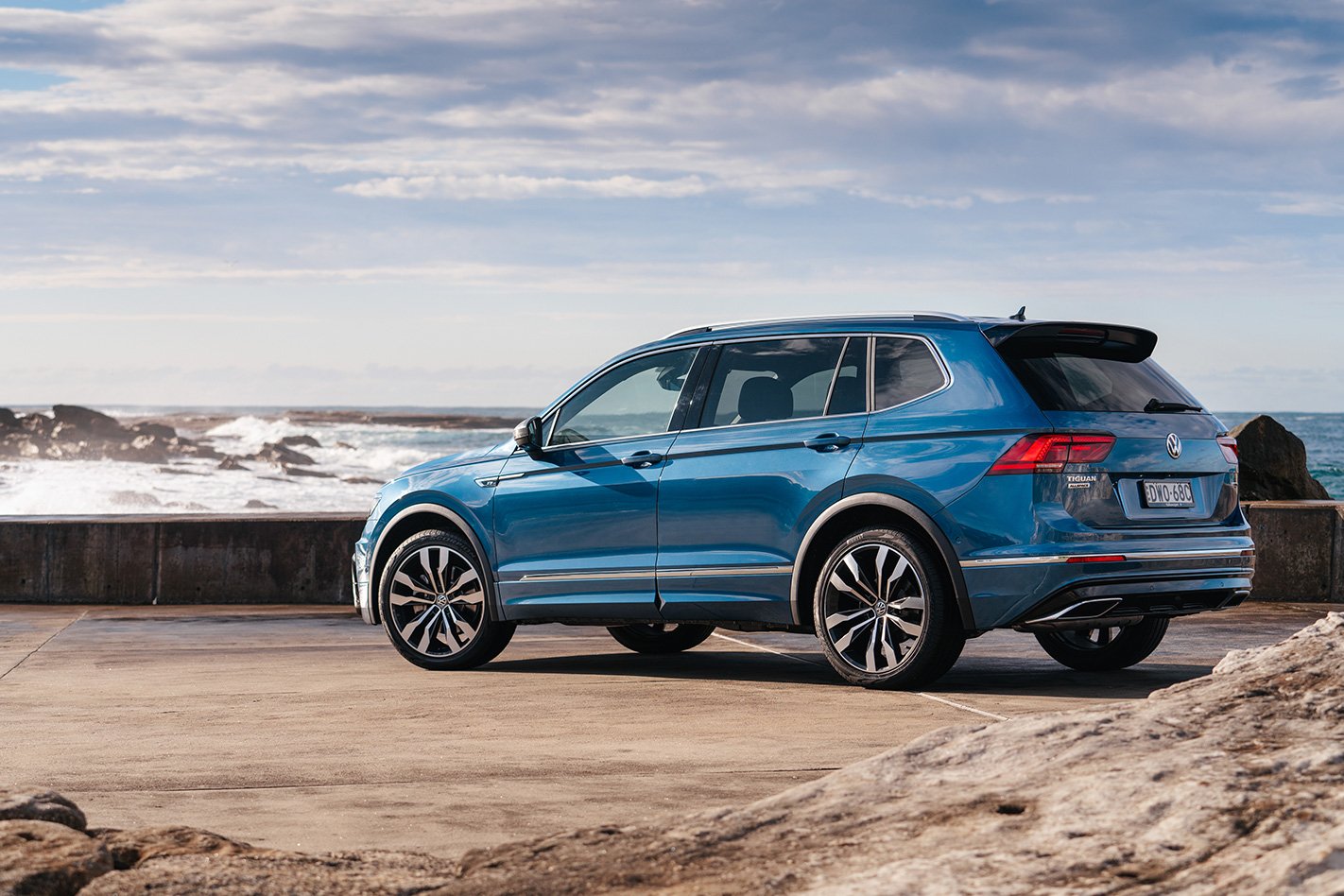
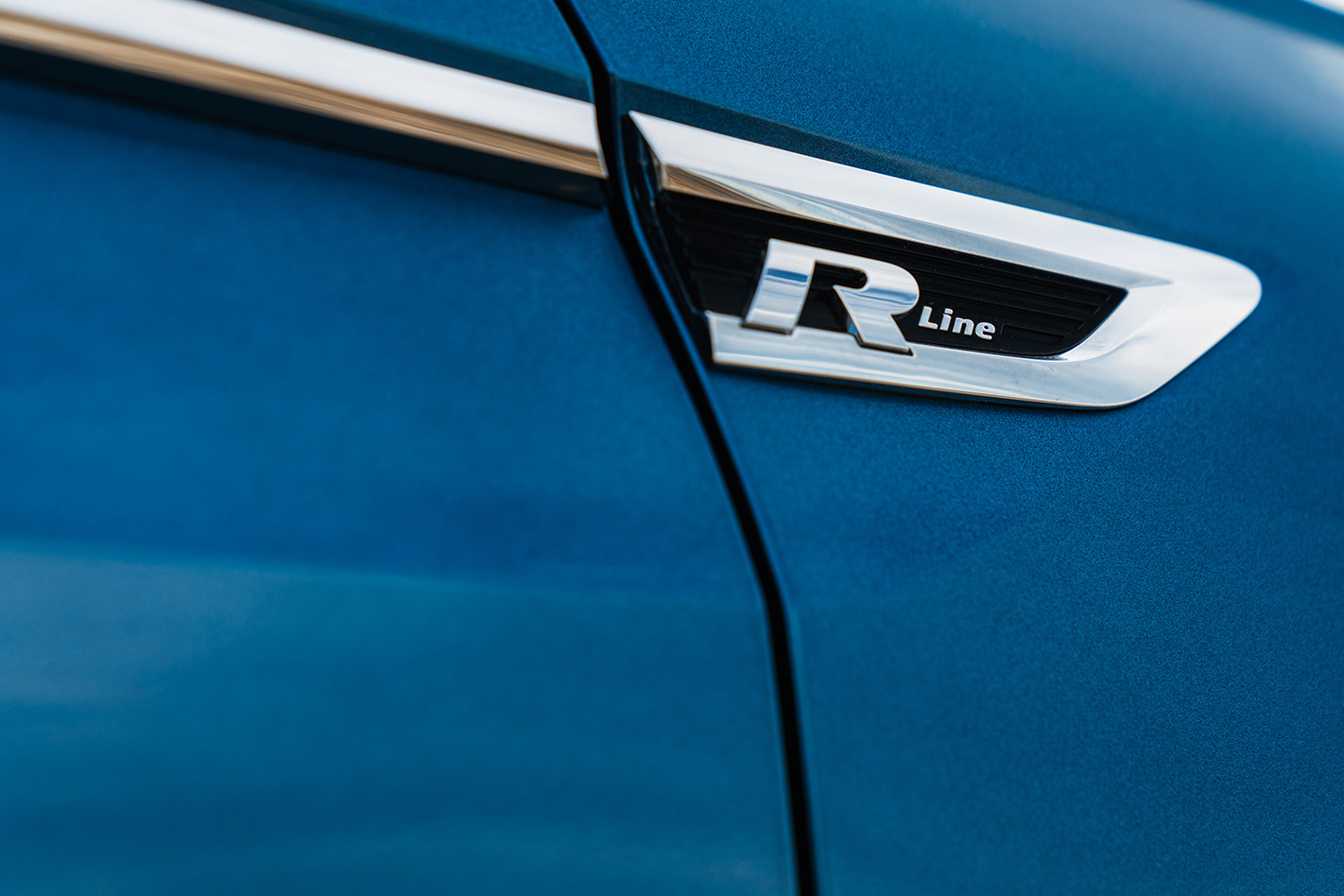
Volkswagen expects a majority of Tiguan Allspaces sold will be the top-variant 162TSI Highline – which utilises the 162kW 2.0-litre Golf GTI engine – and believes many of those will opt for the R-Line package.
Differing itself from its closely-related brother, the Tiguan Allspace is distinguished by its wider rear door aperture, raised bonnet line, elongated rear window and, naturally, Allspace badging. The Tiguan Allspace sits on a 109mm longer wheelbase, but the entire vehicle is an extra 215mm longer than the standard Tiguan, measuring in at 4,701mm long.
Two seats fill out the Allspace’s third row and with all the seats up, the boot has 230 litres of space.
You’ll get the same selection of drivetrains as the original Tiguan, which means a choice of three Comfortline engine options and a further two engines should you opt for the Highline specification.
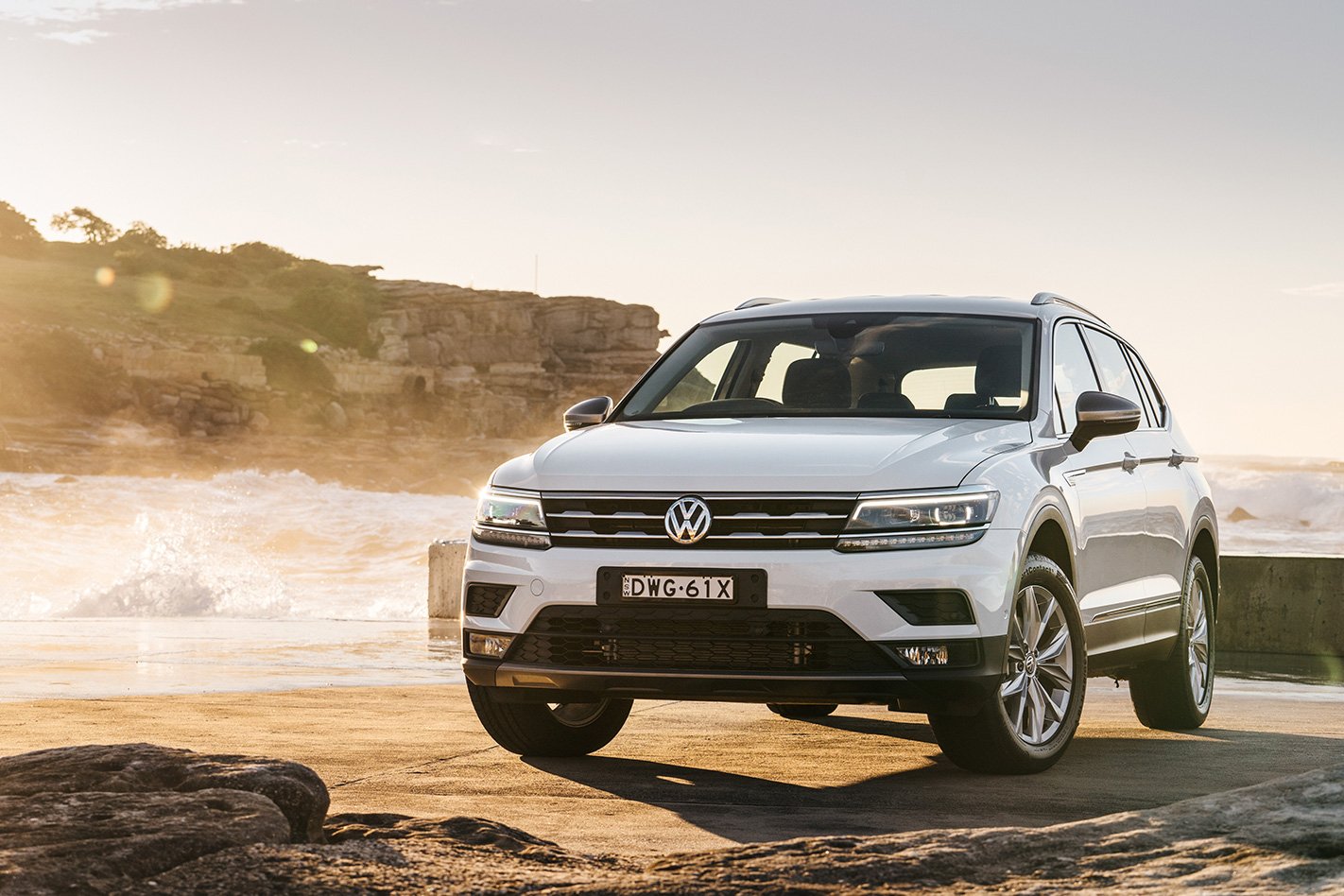
Comfortline grade features either a 110kW/250Nm 2.0-litre turbocharged petrol engine with 6-speed DSG and front-wheel drive, while a 132kW/320Nm petrol engine matched to a 7-speed DSG with all-wheel drive is one rung up. A 110kW/340Nm turbo-diesel engine with 7-speed DSG and all-wheel drive is also available at Comfortline level.
But Volkswagen Australia Managing Director Michael Bartsch insists that most buyers will opt for the higher variant grades. “As has been the case with the normal wheelbase Tiguan, the single best-selling Tiguan Allspace variant will be the 162TSI Highline – almost half of overall take up.”
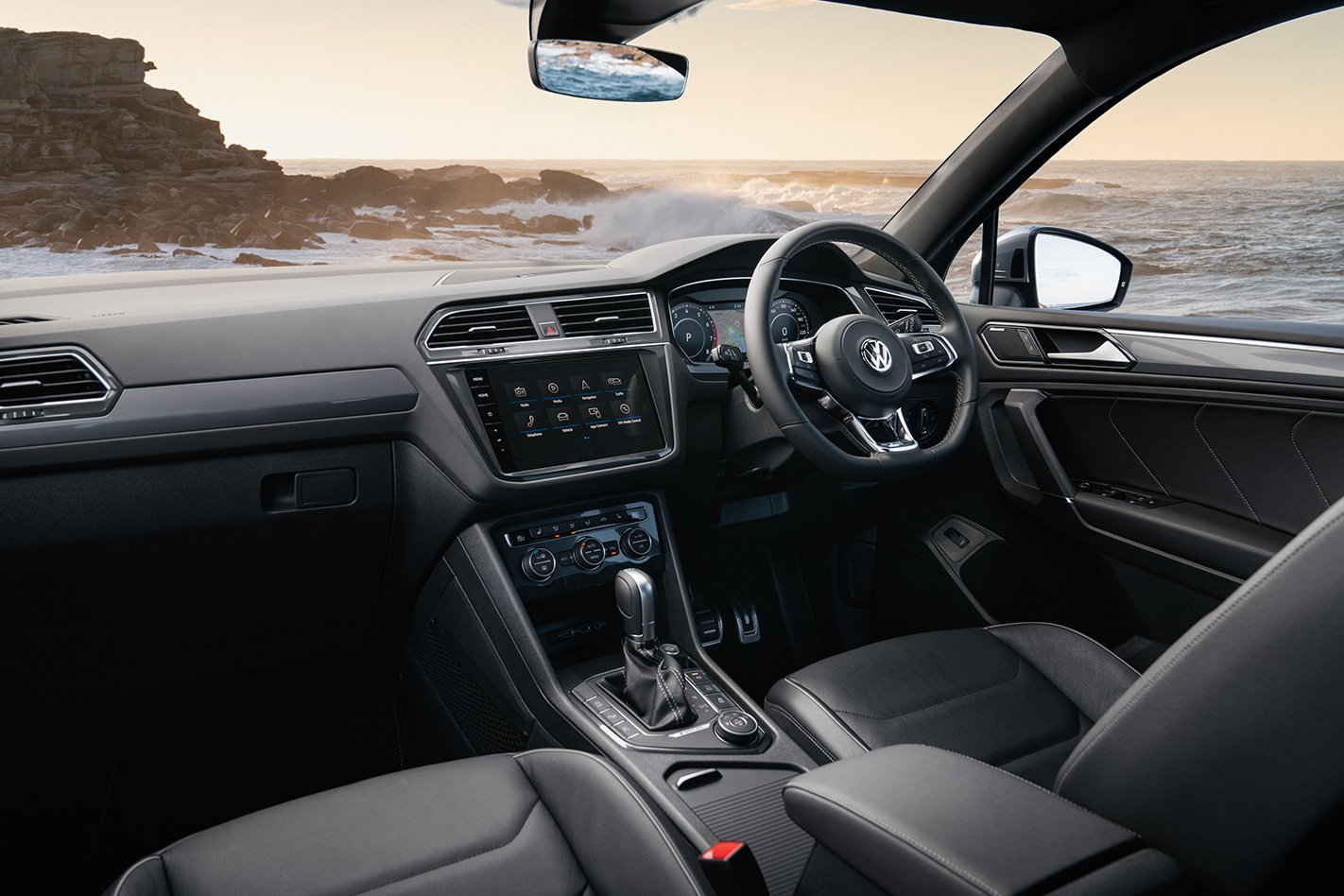
So what’s on offer drivetrain-wise if you opt for Highline specification?
Moving up will afford a choice of two sportier engines –a Golf GTI-derived 162kW/350Nm turbo-petrol engine which includes 7-speed DSG and all-wheel drive, and the 140kW/400Nm turbo-diesel engine with a 7-speed DSG and all-wheel drive.
Standard kit included on Comfortline cars amounts to:
- Electronic tailgate
- LED Headlights
- 18-inch ‘Kingston’ alloy wheels
- Keyless entry and start button
- Safety items like automatic emergency braking, Lane keep assist, parking assistance, and rear view camera
- Front & rear parking sensors
- 8-inch touchscreen infotainment
- A three-zone climate control system
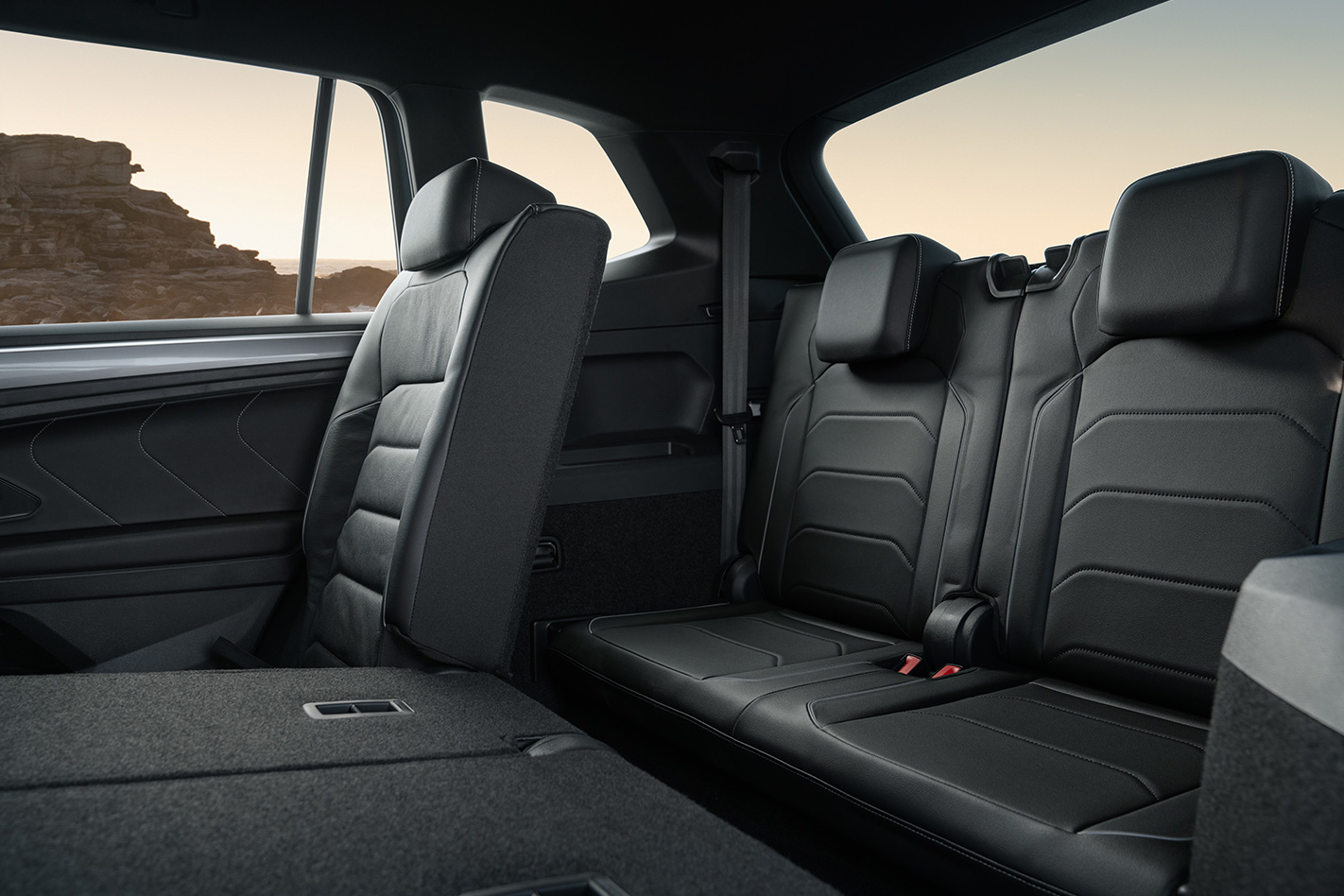
Forking out more for the Highline grade Tiguan Allspace will offer these items over and above the Comfortline specification:
- Adaptive cruise control
- Side assist and rear traffic alert
- Dynamic lighting package
- Adaptive chassis control
- Electrically adjustable front seats with memory, heated front and outboard seats on second row
- Leather-appointed seats
- 9.2-inch Pro navigation system
- Ambient interior lighting and exterior LED taillights
2018 Volkswagen Tiguan Allspace Comfortline pricing:
- 110TSI Comfortline 6 speed DSG $40,490
- 132TSI Comfortline 4MOTION 7 speed DSG $45,490
- 110TDI Comfortline 4MOTION 7 speed DSG $46,990
2018 Volkswagen Tiguan Allspace Highline pricing:
- 162TSI Highline 4MOTION 7 speed DSG $52,990
- 140TDI Highline 4MOTION 7 speed DSG $54,490
Options available:
- Metallic/Pearl paint – $700
- Driver Assistance Pack (Comfortline only) – $1600
o Dynamic lighting package
o Adaptive cruise control with traffic jam assist
- Luxury package (Comfortline only) – $4000
o Panoramic glass sunroof
- Sound and Vision Package (Comfortline only) – $3200
o Dynaudio premium sound system
o Ambient interior lighting
- Sound and Vision Package (Highline only) – $3000
o Dynaudio premium sound system
- R-Line Package (Highline only) – $2900
o Black rear apron
o 20-inch ‘Suzuka’ alloy wheels
o R-Line black leather seats
o Brushed stainless steel pedals
o R-Line steering wheel with paddle shifters
o Black headliner
- Panoramic glass sunroof (Highline only) – $2000
Low kays, high prices. That’s how it seems to go with most of the world’s fastest cars.
Currently for sale in Melbourne are two perfect examples of this, which also happen to make up two-thirds of the ‘hypercar holy trinity’ – a Porsche 918 Spyder and a Ferrari LaFerrari. The missing factor to round the three out is a McLaren P1.
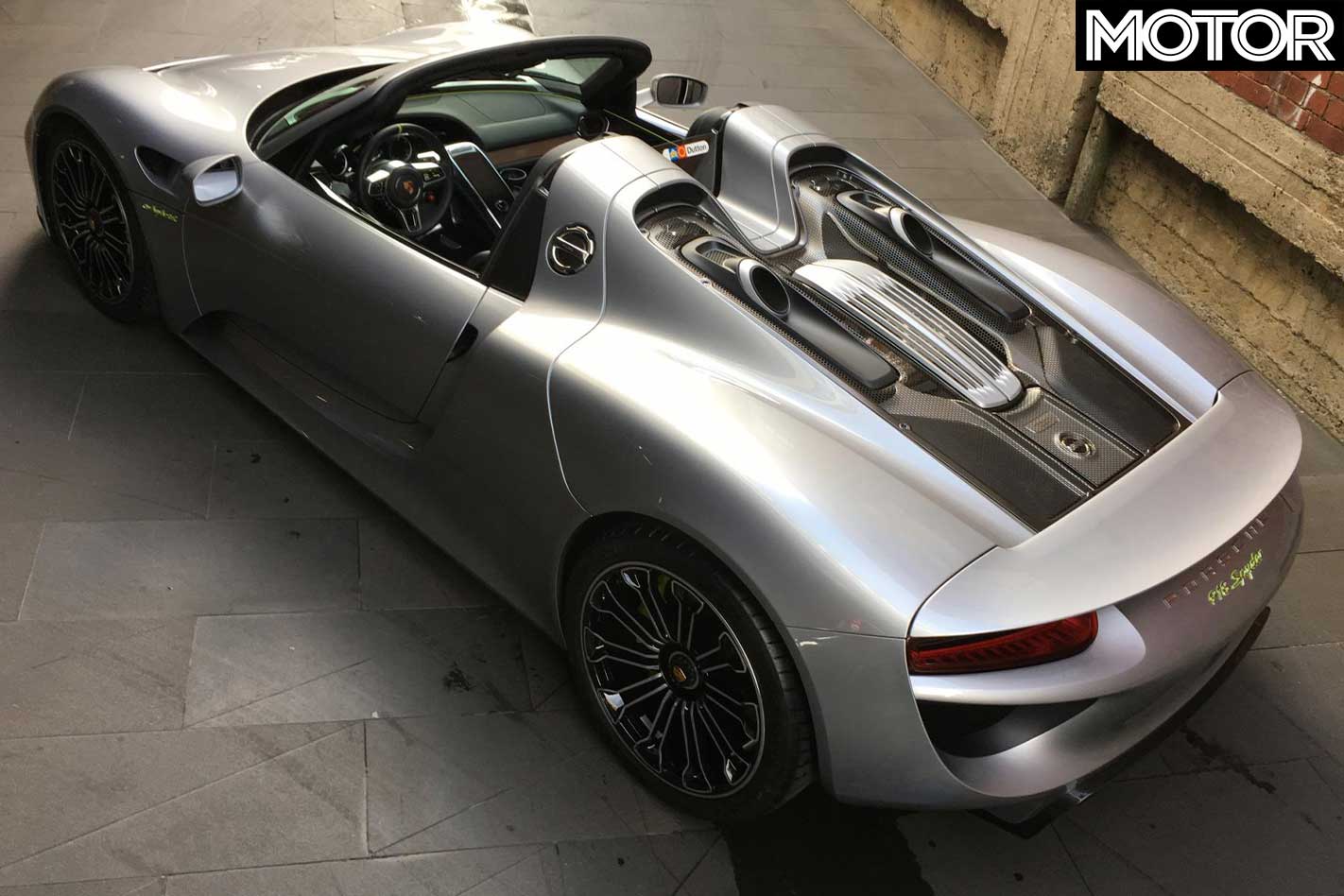
Last year, for example, an 11,000km example sold for €1,456,000 (AUD$2.29 million) at the RM Sotheby’s Villa Erba auction.
The one for sale at Dutton only has 60km on the clock. Someone buy it and drive it, please.
Or, if red is more your colour, the 2014 LaFerrari is also an option. While we would guess its price (listed as POA) is north of the $3m being asked for the 918, so is the figure on its odometer.
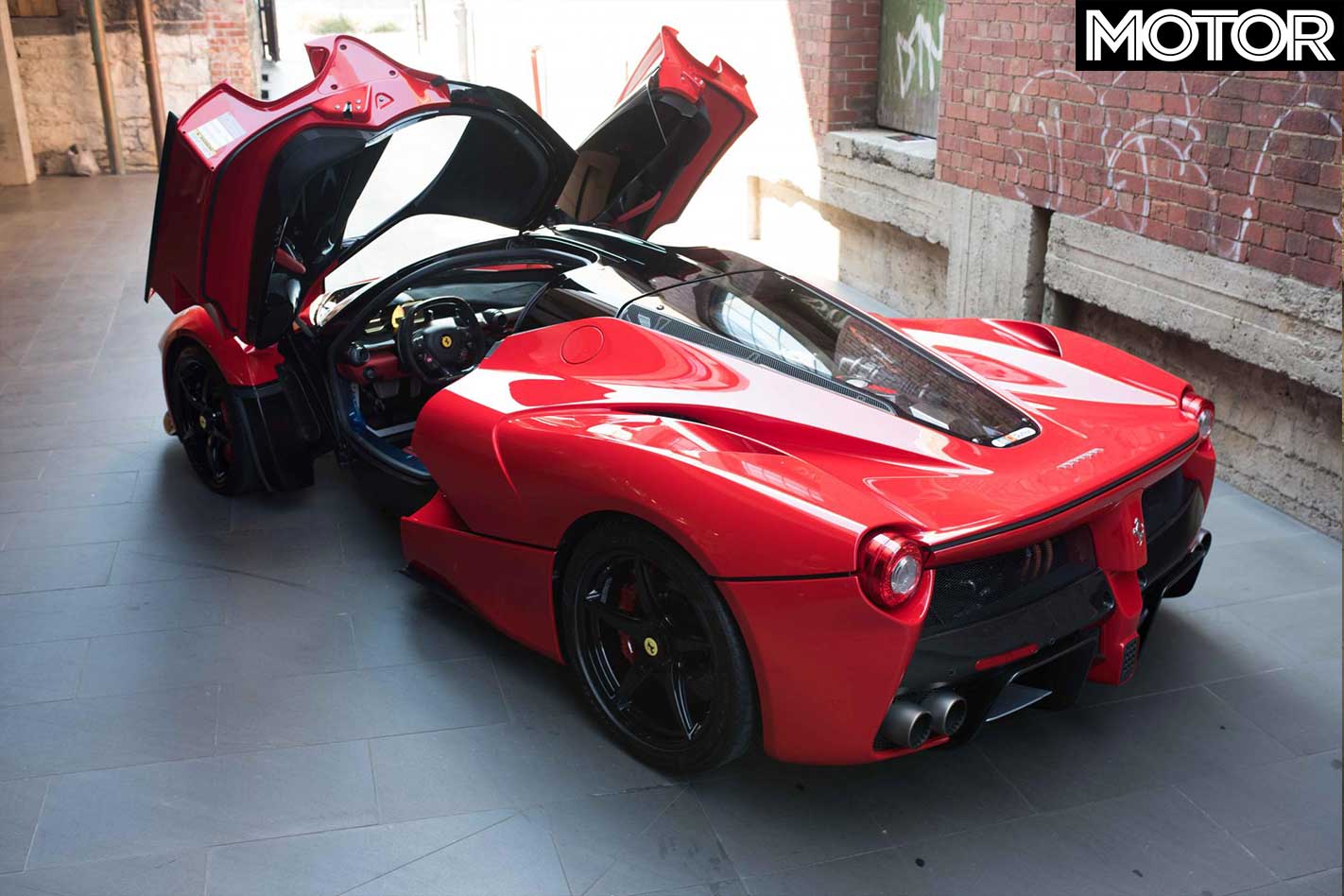
But not by much, the Fez has still only travelled 170km, meaning it’s just as ‘new’ as the Porsche.
The Ferrari is also the rarer of the pair, with 500 built (excluding the 210 topless Apertas), and its $1.77 million (also approximate) original asking price tops the Porsche’s.
In the end, aside from the likely price difference, the decision as to which of these is more desirable comes down to personal preference.
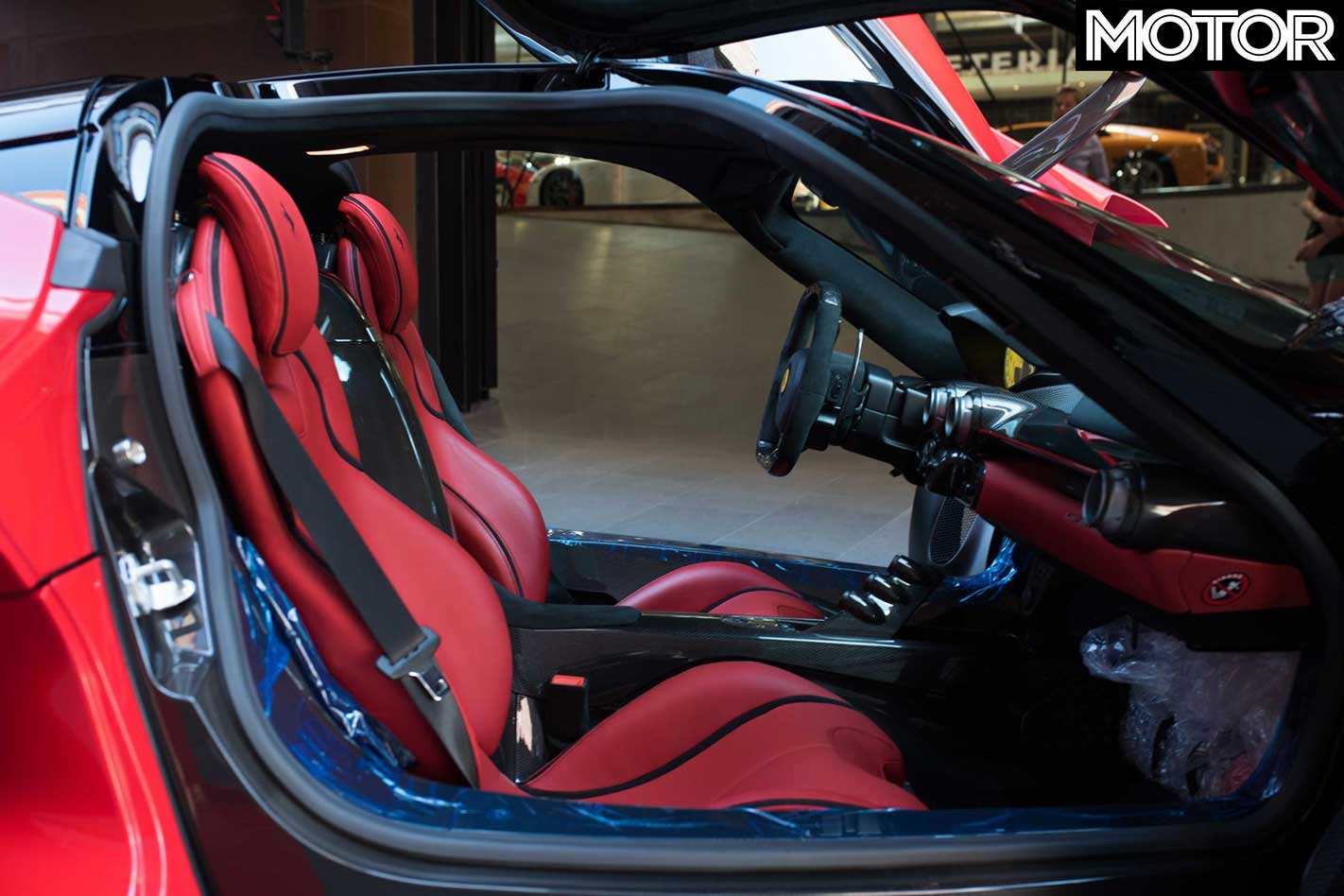
You know where to put your money if a 708kW 6.3-litre V12 is your thing, but the Porsche is just as valid a choice.
So, money no object, which of these would you have? Tell us below!
TELL ME ABOUT THIS CAR
If you haven’t heard of the brand SsangYong then you’re not alone, but prepare to see more of the Korean automaker’s double-dragon crest on Australian roads and billboards from November, when the brand relaunches its retail operations after a two-year hiatus.
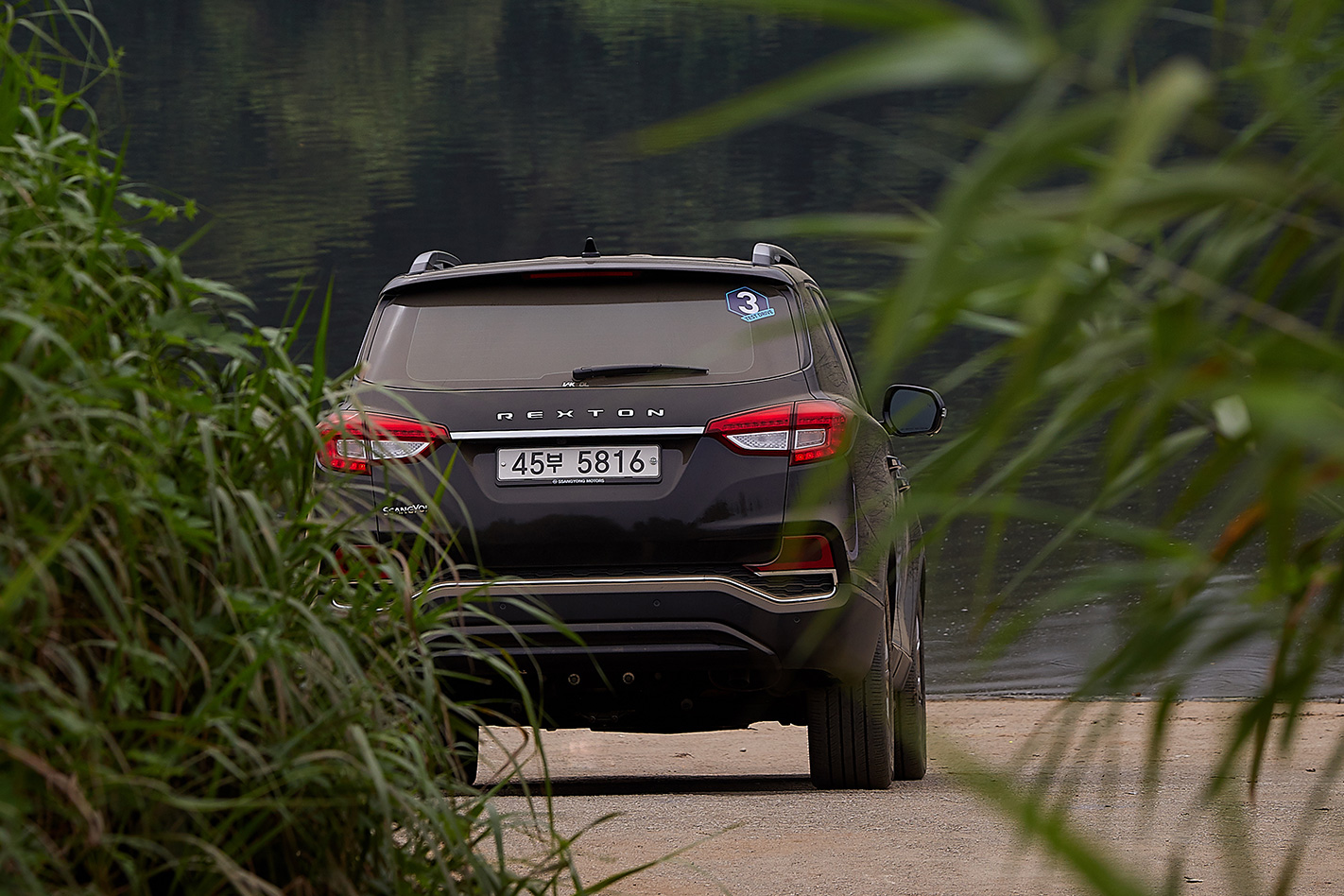
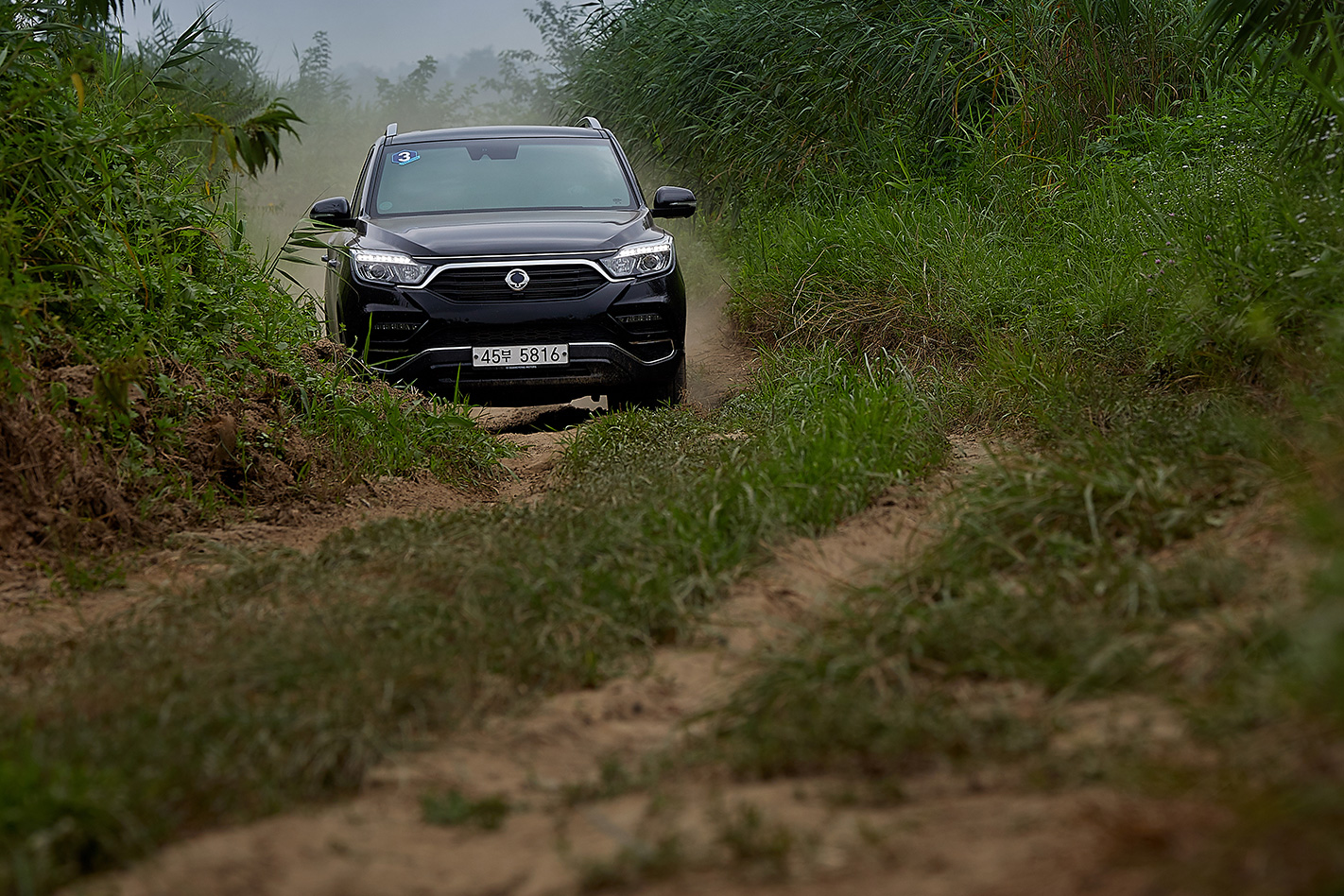
One of the four models that will form the returning fleet will be this; the Rexton four-wheel drive, diesel-powered off-road-capable large SUV. Exact local specifications, variant grades and pricing are still yet to be announced but it’s likely the model will arrive generously equipped and with a price at the more affordable end of the large SUV market – somewhere around the high-$30K mark.
STRENGTHS
- Generous equipment levels are on offer and while the standard trim for Australia is yet to be outlined, there are some impressive features available in the Rexton’s home market of Korea. Things like a power-operated tailgate that opens automatically when you stand near, sidesteps that extend when a door is opened, xenon headlamps, 20-inch alloy wheels and heat/noise insulating glass give the Rexton a premium standing.
- The excellent specification continues on the inside with heated, cooled, and electrically adjustable first -row seats, a heated steering wheel, top-shelf Infinity sound system, attractive quilted leather upholstery in a good range of colours, and high quality materials throughout.
- Occupants in the second row are also well looked after with reclining heated seats, a 220-volt and USB socket, generous space for three adults and a low window line that allows a good view of surroundings.
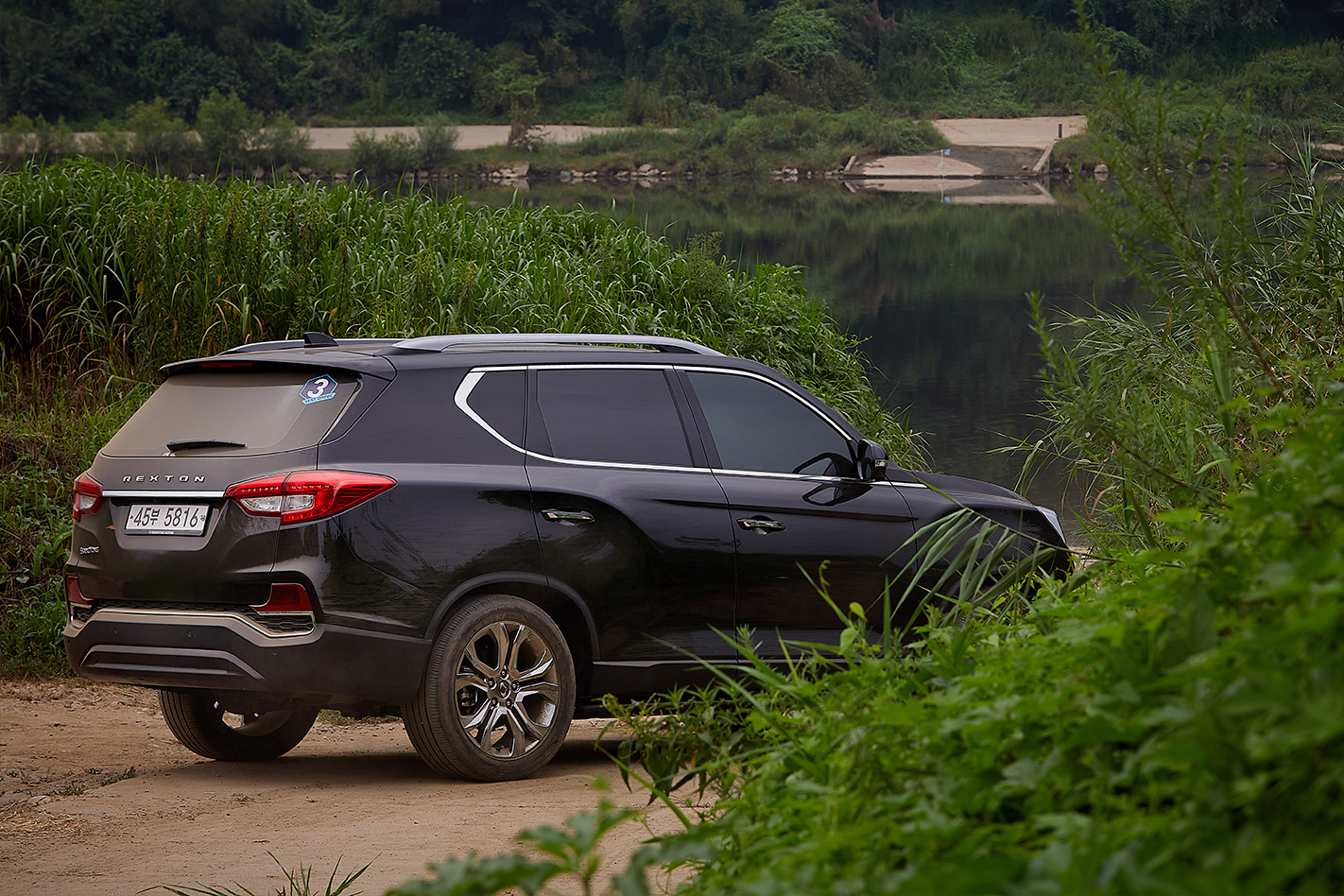
- The Rexton’s multilink rear suspension set up is silky smooth on the freeway and perhaps even a little too soft for Australian tastes, although a local chassis tuning program is likely to adjust that.
- Its 2.2-litre diesel engine is surprisingly refined with very low noise levels and smooth power delivery, though it’s a little underpowered in the segment. 133kW and 420Nm is adequate at best but the Rexton would surely start to struggle when loaded up to its 3000kg braked trailer rating.
- Its seven-speed automatic transmission – borrowed from a previous-generation Mercedes-Benz – is excellent, switching gears with the refinement that you might expect from the German luxury manufacturer.
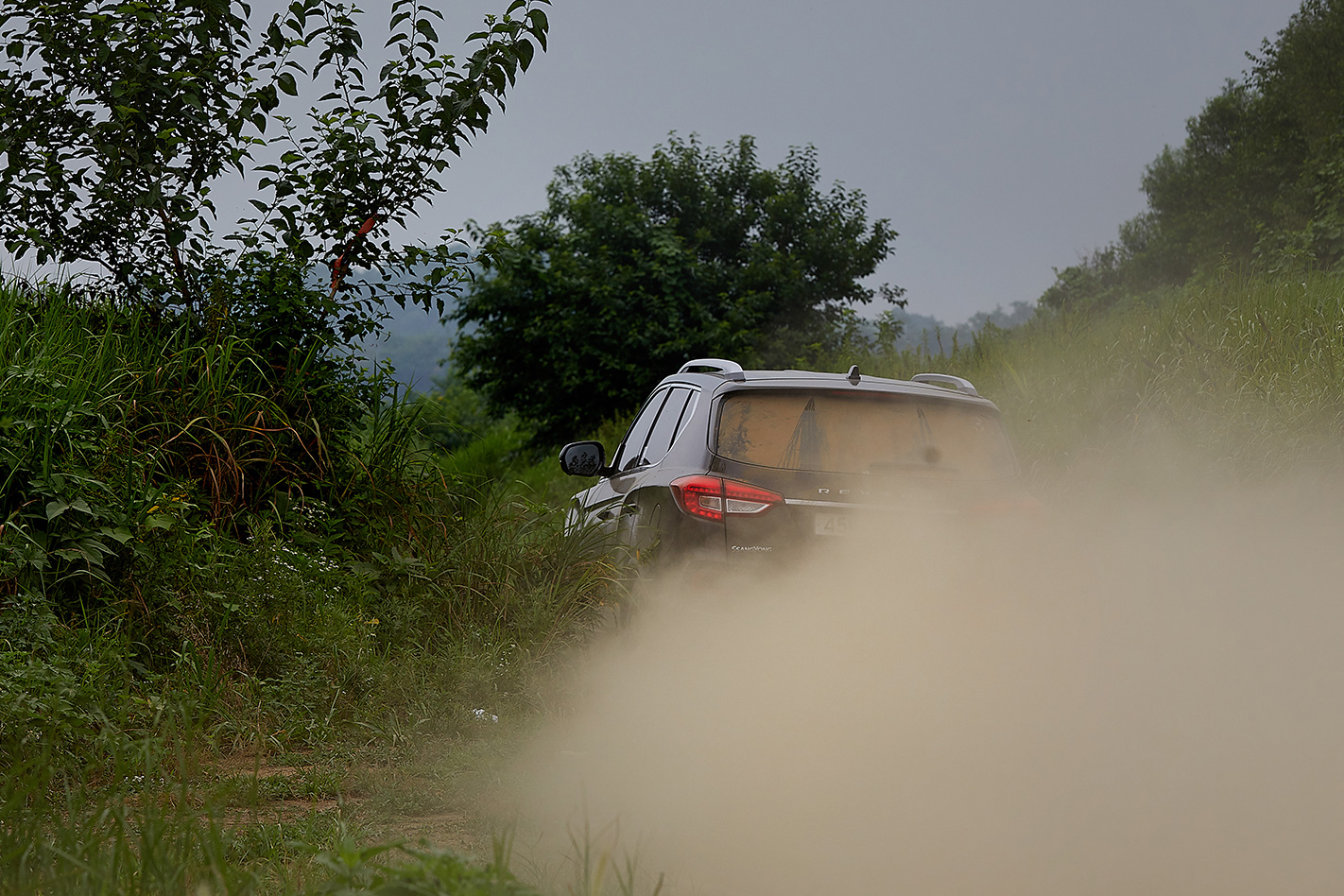
- While many large SUVs rarely (if ever venture off-road), owners of the Rexton will be happy to know their car can handle some decent terrain away from the beaten trail. We took our test car through some deep ruts, a water crossing and some nasty exposed rocks. In fact, one lap of the test course was completed in two-wheel drive only, highlighting the Rexton’s ability.
- The four-wheel drive system is electrically switchable and easy to operate allowing more efficient rear-drive on-road, four-wheel drive on slippery surfaces and even a low range setting for more challenging obstacles.
- Safety technology is also well represented with autonomous emergency braking (AEB), 360-degree camera, lane-departure warning, rear cross-traffic alert, blind-spot monitoring and automatic high beam assistant all available. The Rexton also has nine airbags as standard.
WEAKNESSES
- Our short time in the Rexton in South Korea wasn’t sufficient to assess driving dynamics but we suspect its generally soft suspension settings are geared more to comfort than rewarding the driver.
- The cabin décor, fit and finish is generally impressive but we found a few examples of trim and upholstery coming loose at the edges. Our test vehicle had already clocked up 33,000km and they may have been relatively hard miles, but we still wouldn’t expect to see materials going awry at this age.
- In Korea the Rexton is available as a seven seater, which would arrive at the right time to take advantage of Australia’s booming appetite for family-sized SUV wagons, but the three-row version is not yet confirmed for local launch.
- There are some dated touches such as the gear selector and surrounding panel which are lifted from a mid-1990s Mercedes.
- Local pricing is yet to be confirmed and what SsangYong asks for a Rexton will make the difference between it being considered an accomplished large SUV bargain that is worthy of attention, or a sales fizzer.
ANY RIVALS I SHOULD CONSIDER:
If you’re after an affordable large SUV with genuine off-road promise and don’t mind driving something with an unfamiliar badge then you should certainly consider the Haval H9. It isn’t available with a diesel engine, but offers luxurious features and good all-terrain ability.
Kia’s Sorento is another diesel-powered all-wheel drive large SUV, but from a better-known South Korean manufacturer. It isn’t quite so geared toward off-road adventures, but is offered with the company’s unmatched seven-year warranty.
It is an obvious yet sad fact, and tempered by only one thing. The more that time moves on from October 2016 and 2017, the fewer the Ford Falcon and Holden Commodore breed with eight cylinders will be on our roads. By accident or old age, they will start to decline.
Thankfully some – yours truly included – saw the end was coming and will meticulously look after the last of the line breed (in my poor journo’s case an older VE SS manual, but I digress). For some, though, there can be rear-wheel drive and a V8 life beyond the locals.
And there are some clever ways to get into a RWD bent-eight for less.
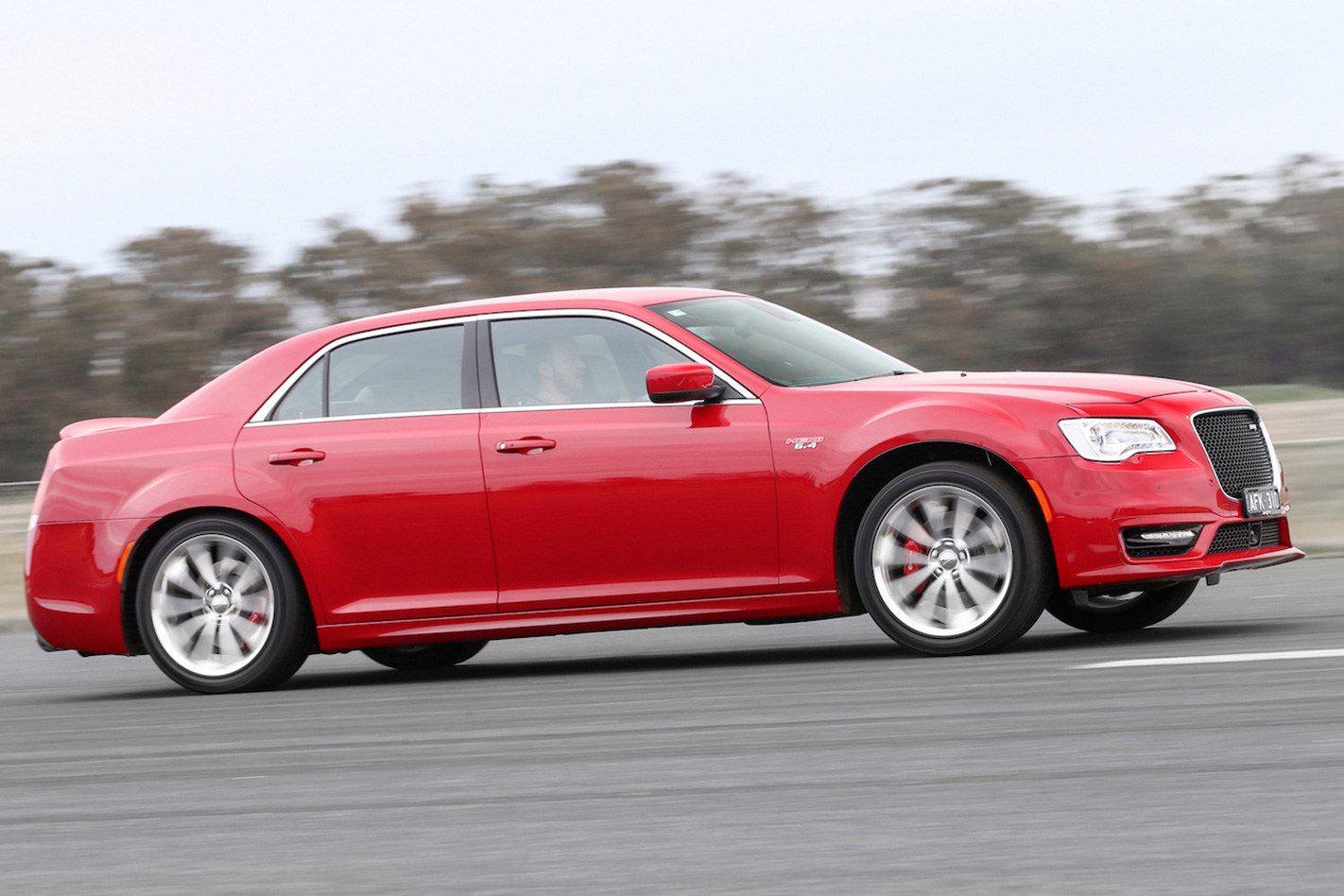
An obvious exception to that Continent of origin is the Chrysler 300 SRT Core. Classifieds observers might note that current-gen, circa-five-year-old examples of the 6.4-litre HEMI V8 haven’t received any resale lift over a local VF SS, which also came out in 2013. We spotted a 347kW/631Nm auto-only unit with 40,000km showing for bang-on $25,000.
Even a 260kW/570Nm 6.0L VFI Commodore SS from the same year is holding at about that.
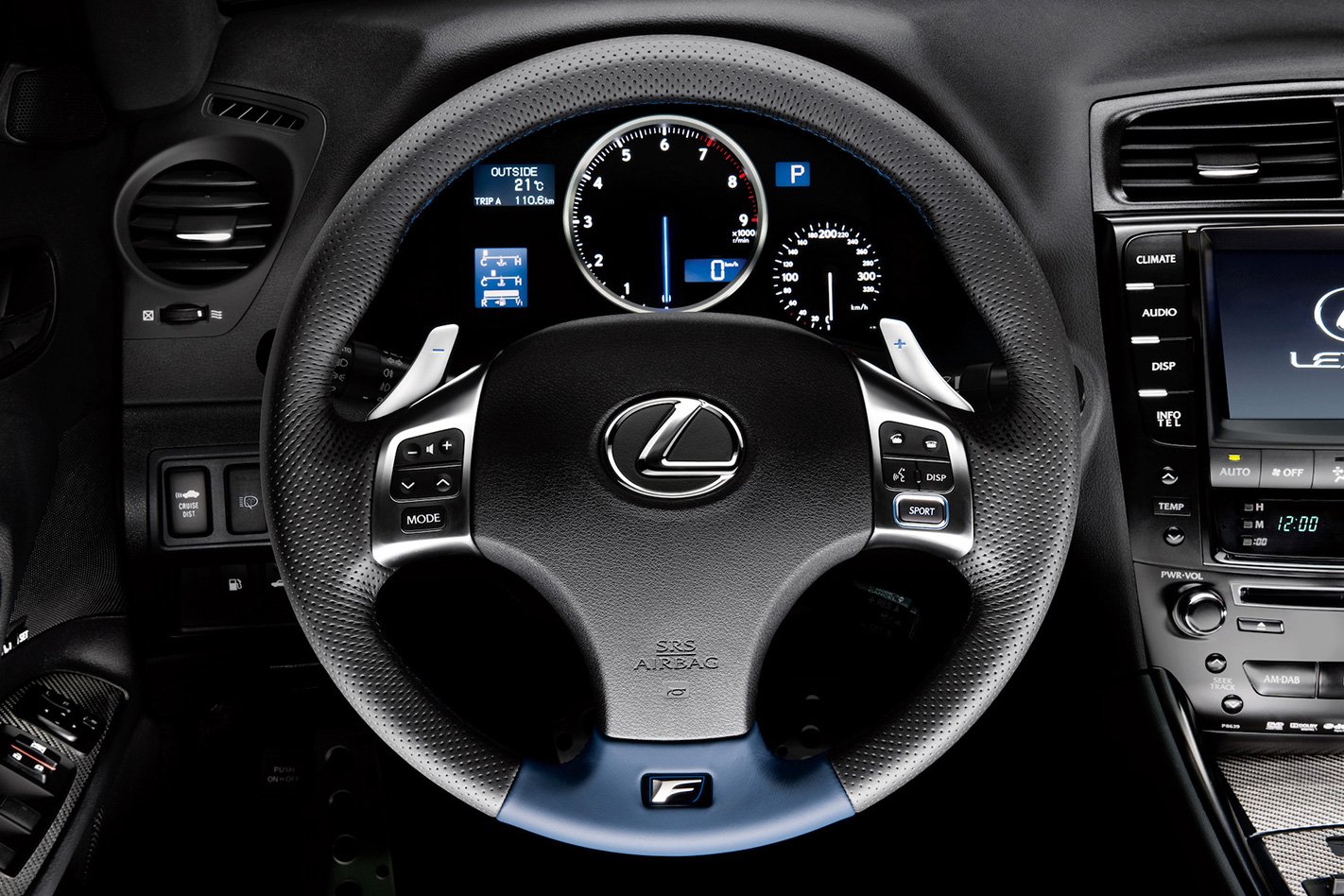
For twice that cash, but from the same build year, you could poach from the Orient and get a more compact and likely infinitely better-built Lexus IS F complete with its superb 311kW/505Nm 5.0-litre V8 and under 80,000km showing. These last of the line sedans, with wire-mesh alloys, had a proper limited-slip differential (LSD) and were really very good.
Now let’s compare American and Japanese value to the Europeans.
For about $25K you could get a 20-year-old E39 BMW M5 widely considered to be one of the best sports sedans of all time. And it is. But it’ll be two-decades-old with moon-and-back mileage. Meanwhile a four-door E90 M3 will ask more for an older example, or about the same for a higher kilometre reading; and likewise with a five-year-old Mercedes-AMG C63.
The real BMW M and Merc-AMG value lies with their larger sedans.
Consider that a 2013, F10-gen BMW M5 will set you back from about $62,500 with 92,000km showing. This was a $200K-plus vehicle a half-decade ago, with 412kW/680Nm from its 4.4-litre twin-turbocharged V8 and a 4.4-second 0-100km/h claim. And now it’s ruffling feathers with Gen-F HSV GTS from around the same year for about the same coin.
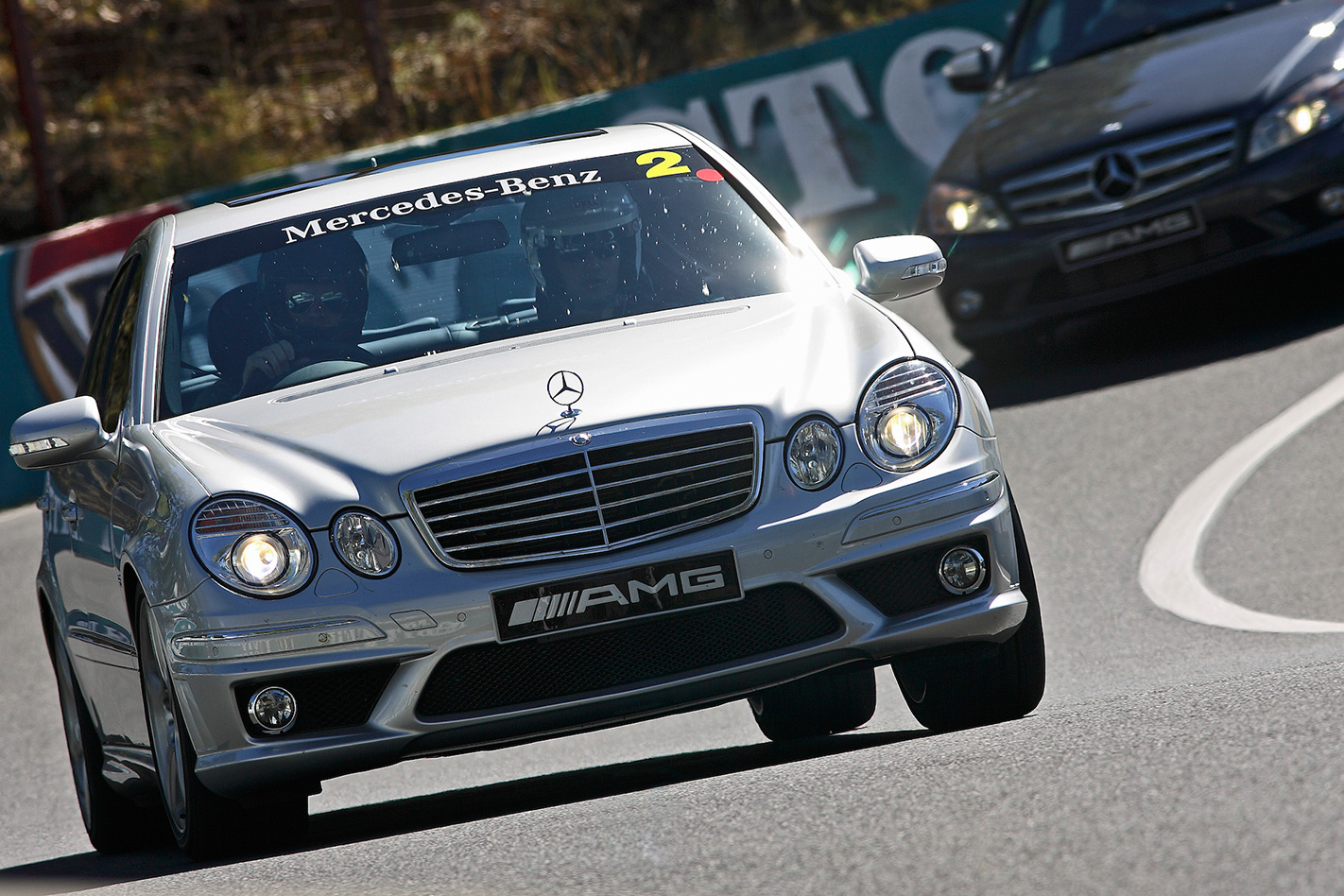
Go another five years back, to 2008, and a Mercedes-AMG E63 with a 378kW/630Nm 6.3-litre naturally aspirated V8 will currently ask the same $45,000 as a smaller Merc-AMG C63 that is only a couple of years newer with roughly the same 80,000km to 90,000km showing.
So right there is some post-Aussie sedan strategy, with a nice step-up of four-door V8 variety: 300 Core for $25K, E63 AMG for $45K, IS F for sub-$50K, and F10 M5 for $60K.
There is basically one way to go quicker. You need to improve the power-to-weight ratio, which involves more power, less weight, or both. But what if you want to go faster, as opposed to quicker?
This feature was originally published in MOTOR’s 2004 Hot Tuner special
In fact, fast enough to have a crack at the Australian land speed record for utes and, if that goes well, the world record for the class.

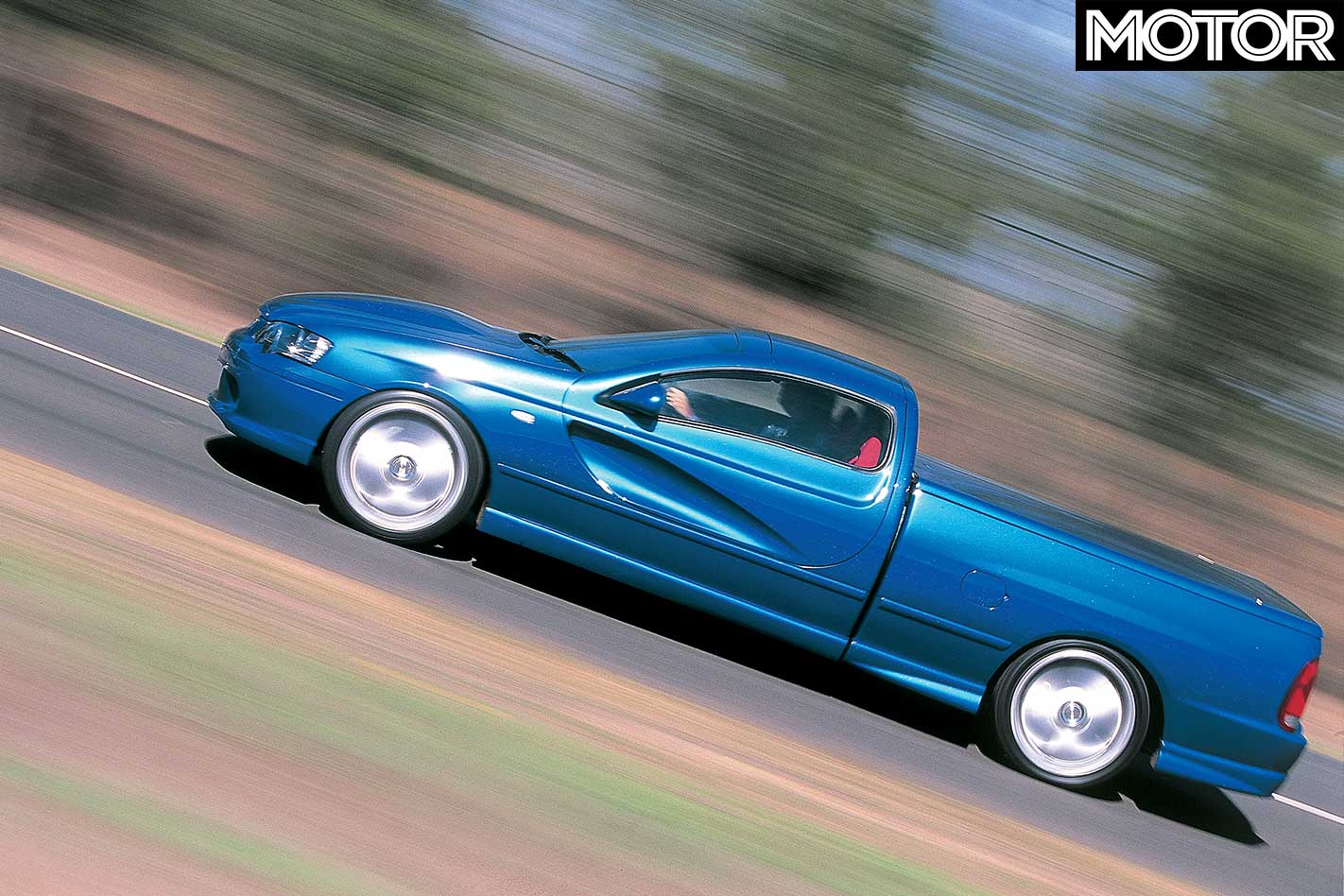
The body has been subtly, and not so subtly, reshaped to smooth it and strengthen it to cope with the stresses of the 300km/h-plus Auto-Tek boss Bob Roman has in mind. The bodywork is the genius of the good ol’ Hillier boys from Tenterfield, NSW.
They made their name on the street machine stage, where their craftsmanship led them to build a two-door AU Falcon that was so slick, it looked factory. They’ve enjoyed a relationship with Auto-Tek for years and were a walk-up start when plans were being sketched for the world’s fastest Falcon ute.
Okay, so the gullwing doors won’t actually make the thing any faster. They’re a nod to the past, when a much younger Roman was knocked sideways when he first saw a gullwing Mercedes SL, back in 1954. They open and close via hydraulics and they’re 100 percent metal, like the rest of the bodywork. The windows don’t open, but the design does allow for a big, deep sill for torsional rigidity.
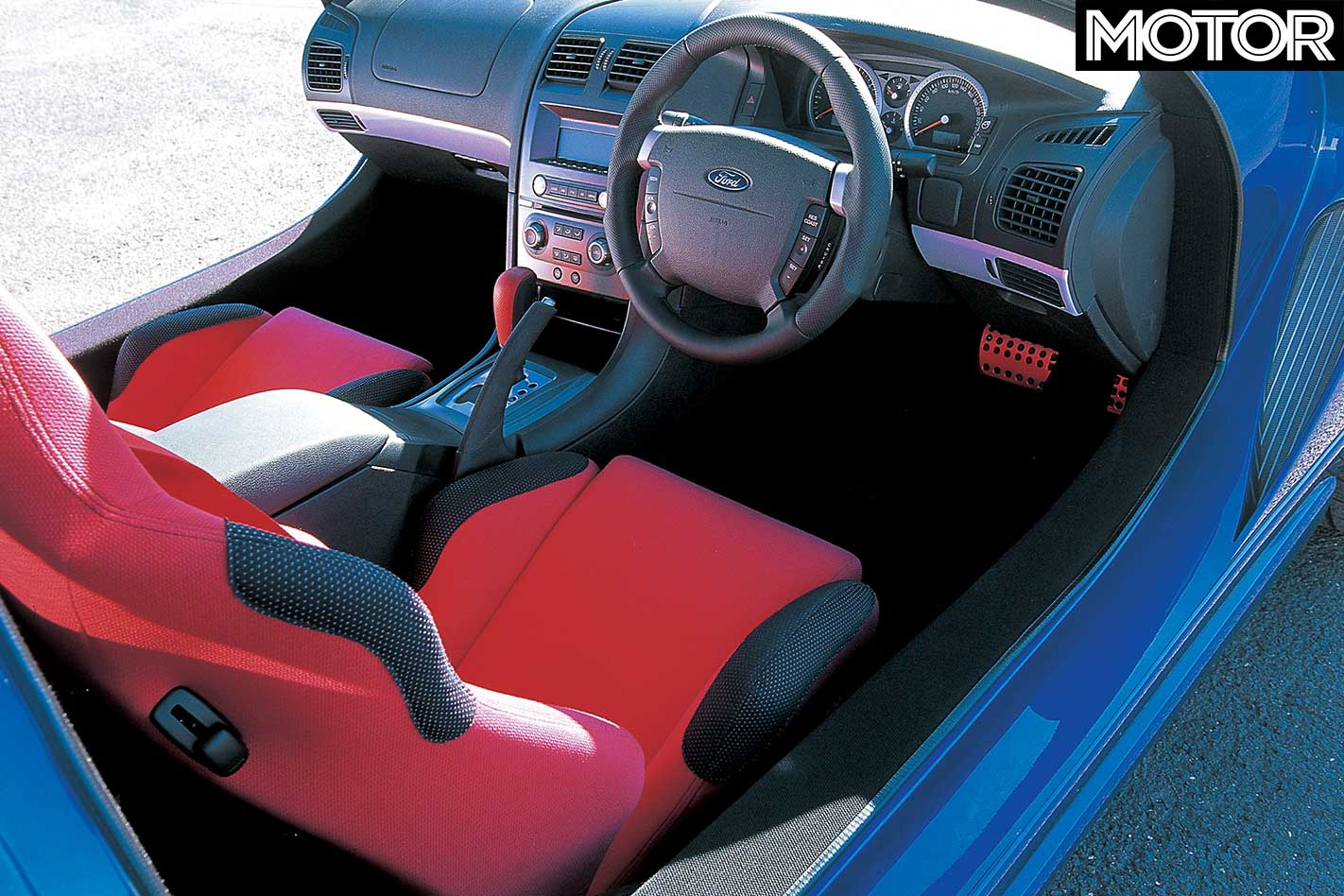
The roof has been lowered about 40mm (most obvious from behind) and the windscreen has been laid back 2.5 degrees. The centre rail of the roof, windscreen header and pillars all incorporate the roll-cage, which is invisible from inside or out.
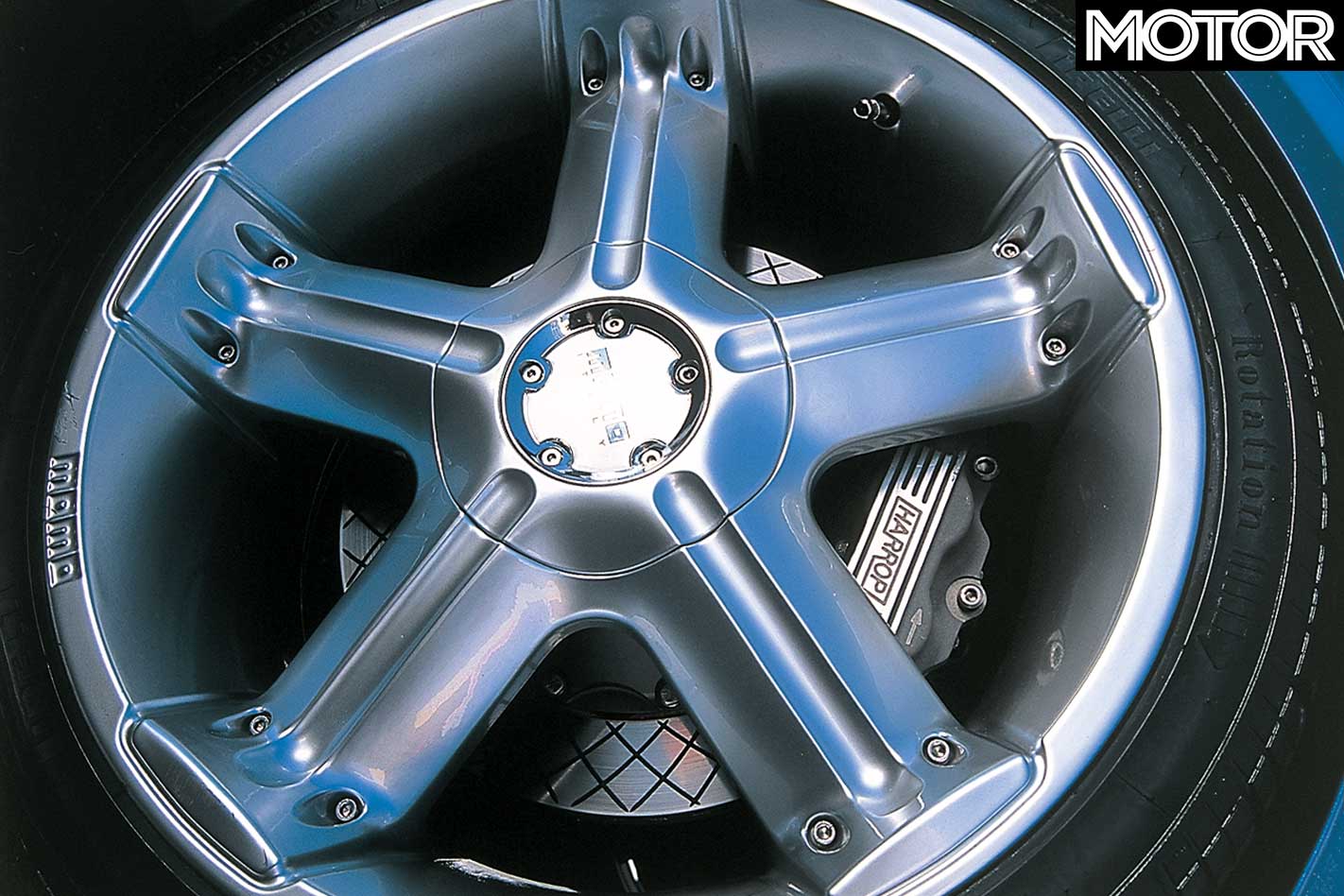
Auto-Tek is still experimenting with the aero undertrays, but the replacement front and rear aprons probably won’t change much. You get the feeling the ute will grow a wing or two before record-rattling time in 12 or 18 months. Harrop Engineering supplied the 13-inch grooved front rotors and six-spot calipers.
The wheels are 20-inch Momos shod with 285/30 ZR Pirelli P-Zeroes. Front and rear guards have been pumped a little for clearance, although some banging and scraping of inner-guards still needs sorting. A cute touch will be the intercooler in the trailing edge of each front guard (which explains the door scallop).
The Auto-Tek ute’s cabin is radically altered, but driving it is nothing extraordinary. Getting in over the sill is the first trick (tip: plonk your butt in and swing the legs afterwards). It’s unnatural, but still easier than entering, say, a Lotus Elise.
A rocker switch pulls the door down and shut, and by then you’d better have the engine running and air conditioning on because it’s a hothouse. The seats have been lowered for helmet clearance. Only the hydraulic ram is in your peripheral vision.
The new window-line is pretty high, but overall the cabin is reasonably airy because the doors are much thinner, creating extra elbow room. The dash and switchgear is stock, mainly because this is predominantly a road car. That’s also why the engine in this, the first prototype, is stock, along with the four-speed auto (a second car is being prepared).
The bodywork for the actual record-breaker will be even more radical, with a new bonnet line hiding a single wiper arm and providing a mounting pod for the heads-up instrument cluster on the other side of the windscreen. The new bonnet will be necessary because the grand plan calls for a full-house, twin-turbo V8, which, one imagines, will be good for 520-600kW.
As we said, slippery lines and big grunt equals speed and, if everything goes to plan, that’s exactly what this ute will deliver. Watch this space.
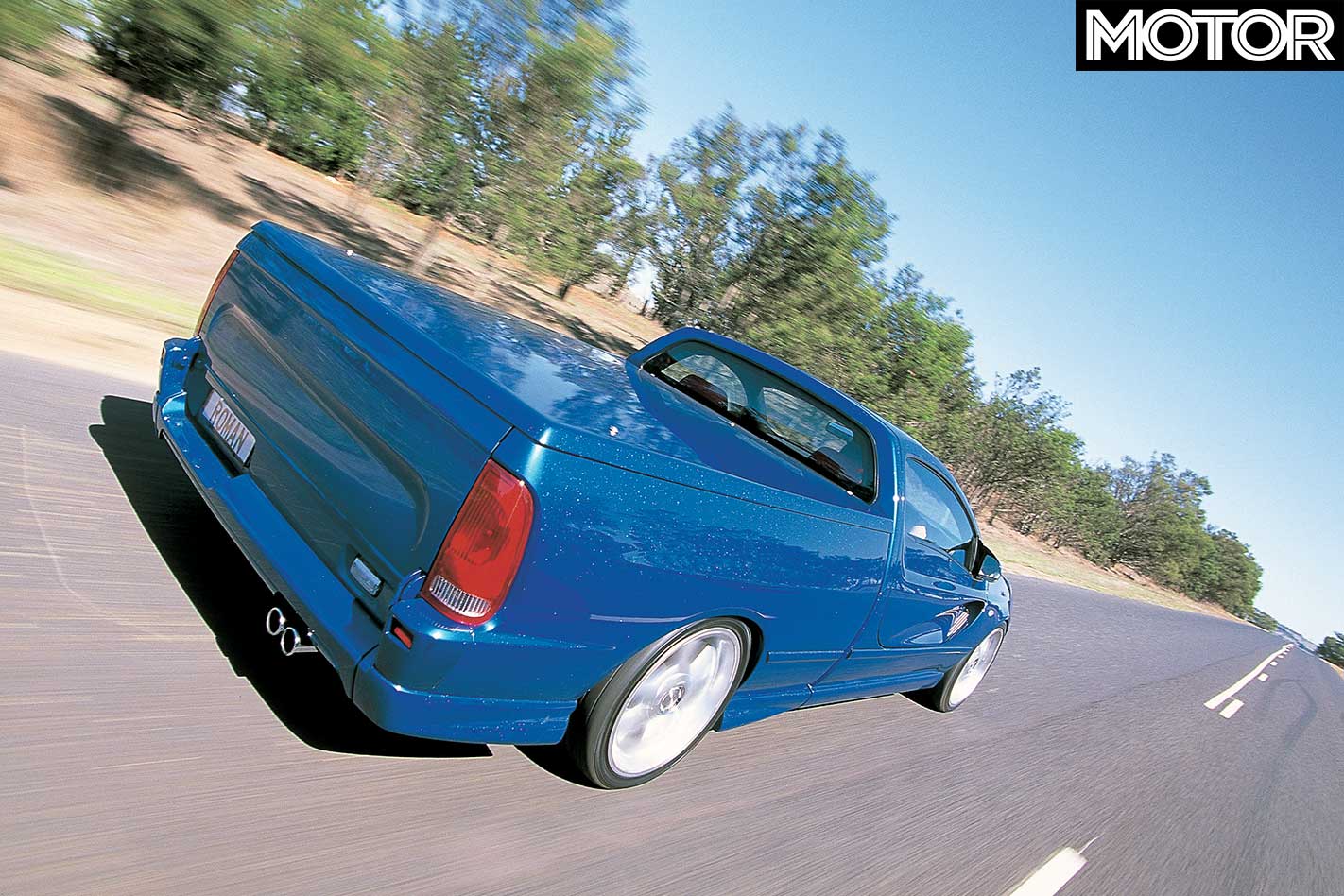
Sydneysiders can check out the Raptor at Auto-Tek, 14 Cavill Avenue, Rhodes.
FAST FACTS 2004 Auto-Tek Ford XR6 Turbo Raptor ute
BODY: 2-door, 2-seat utility DRIVE: rear-wheel ENGINE: front-mounted 4.0-litre DOHC 24-valve inline six, turbo POWER: 240kW @ 5250rpm TORQUE: 450Nm @ 2000–4000rpm BORE/STROKE: 92.3 x 99.3mm COMPRESSION RATIO: 8.7:1 WEIGHT: 1755kg POWER-TO-WEIGHT: 137kW/tonne TRANSMISSION: 4-speed auto SUSPENSION: double wishbones, coil springs, anti-roll bar (f); live axle, leaf springs, anti-roll bar (r) L/W/H: 5077/1930/1439mm WHEELBASE: 3096mm TRACKS: 1566mm (f), 1547mm (r) BRAKES: Harrop 380mm rotors with six-piston calipers (f); 303mm solid grooved discs, single-piston calipers (r), ABS WHEELS: 20 x 8.5-in (f & r); Momo Magnums TYRES: Pirelli P Zeros, 225/35 ZR20 (f); 285/30 ZR20 (r) PRICE: Priceless
Unleashing the Beast
Wildly modified utes are nothing new for either the Hillier Brothers or Roman Auto-Tek. When Ford was lax in releasing a ute variant of the EA/EL Falcon, the Tenterfield-based brothers, Troy and Clayton Hillier, decided to put their hearse-building skills to good use and make their own.
Starting with a stock EA wagon, the extremely talented lads sliced and diced it until it was a very real representation of what Ford should have been building – instead of that dysfunctional XF/EA hybrid they were attempting to force onto us.
So convincing was the ute’s conversion it had more than a couple of people rocking down to their local Ford dealer trying to place an order. Behind every successful company is an equally successful marketing campaign, and few do it better than Roman Auto-Tek.
Wanting to promote both their then-new range of 20-inch Momo wheels and car-modification abilities, Bob Roman devised this wild VR Commodore ute: The Beast.
To get it sitting in the weeds it utilised a custom fabricated, full tube-frame chassis, just like a real race car. Its tyre-frying 490kW was delivered by a stonking-hot, alcohol-snorting 502-cube, big-block Chev – which was as beautifully detailed as it was brutal. – Craig Parker
YOU’RE probably not alone if you looked at the old Infiniti Q50 and Q60 models and felt you needed an interpreter to figure out which one to buy. We did too. Thankfully, Infiniti has realised the error of its ways and pared back the model range to just the good stuff, ditching the underwhelming diesels in the process and giving prices a bit of a haircut.
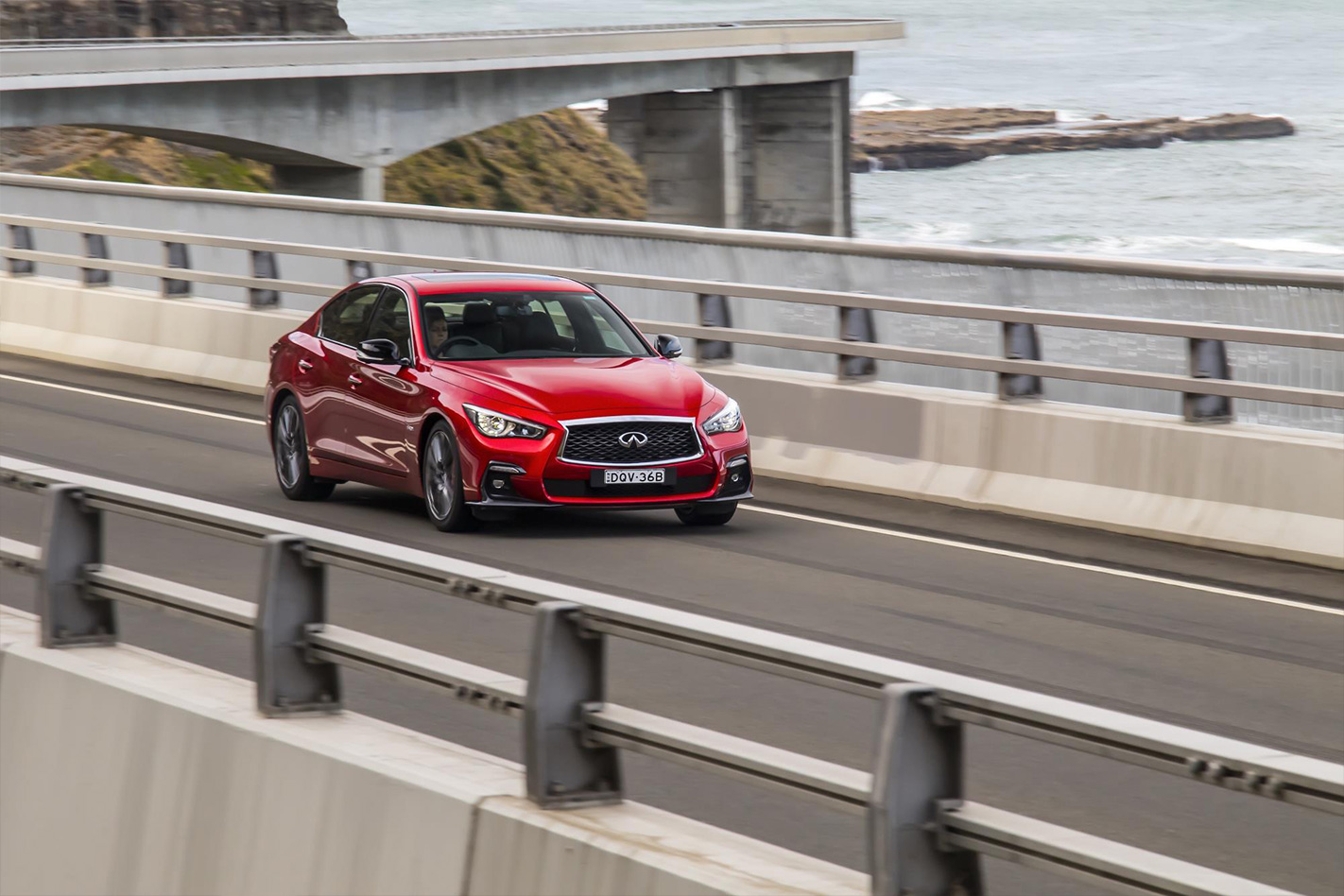
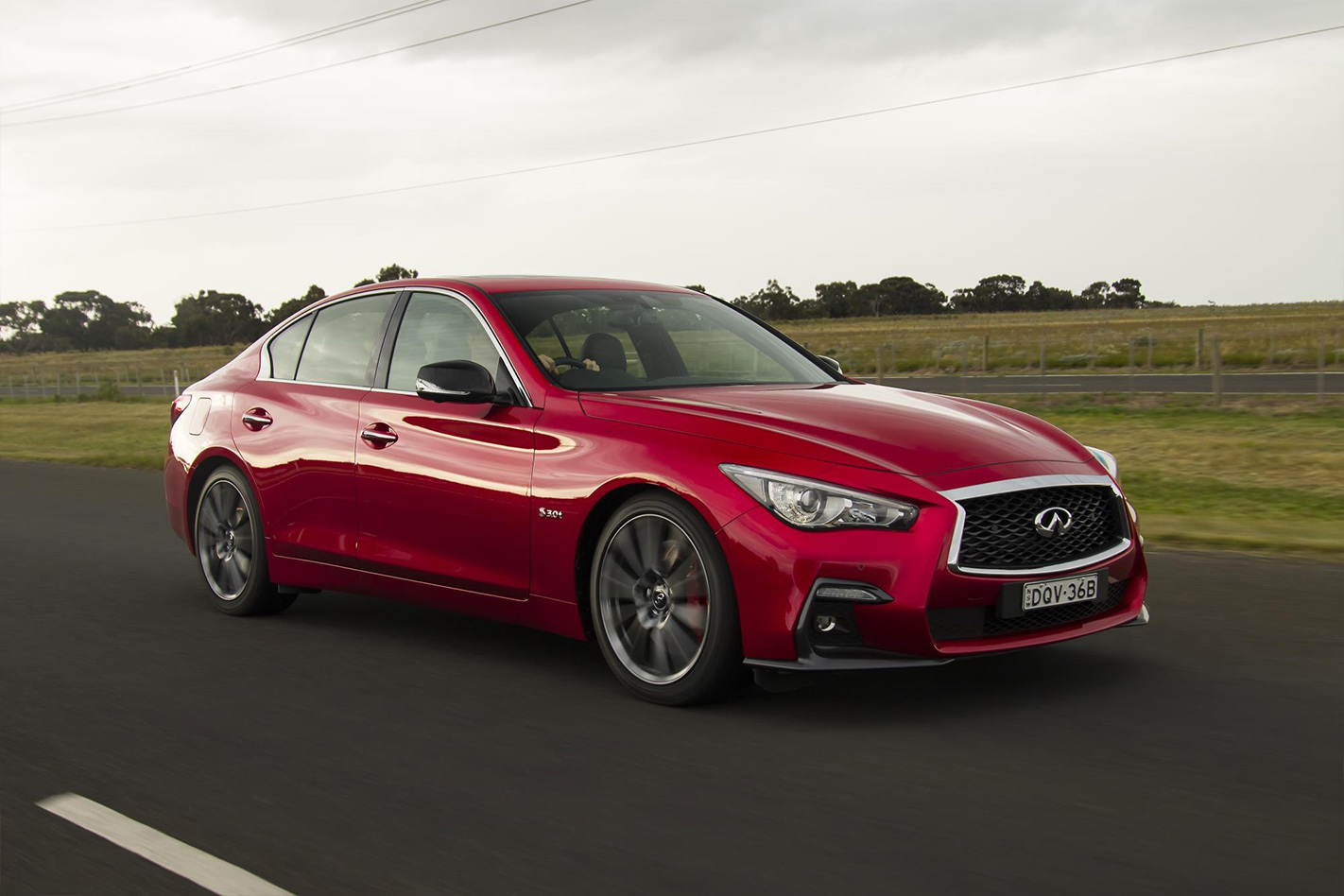
There are now five Q50 sedans and two Q60 coupes to choose from and the trim/engine walk ups are a good deal more logical. Four-doors first. The Q50 range now opens at $54,900 with the 155kW/350Nm 2.0T Pure, which undercuts the 100kW/230Nm entry level BMW 318i and sends power to the rears via a seven-speed automatic.
Should you fancy a little more grunt, the 3.0T Pure delivers a 224kW/400Nm serve, swapping out the inline four for a sweet twin-turbo V6 and carrying a $58,900 sticker price. That same engine is also offered in the $64,900 3.0T Sport and, in punchier 298kW/475Nm guise, in the range-topping 3.0T Red Sport, which has had $5000 lopped off its invoice, now weighing in at $74,990 before on-roads. The final model in the Q50 line up is the hybrid rear-drive Blue Sport, which combines a 3.5-litre V6 with an electric motor to the tune of 268kW/564Nm. Infiniti is asking $70,900 here, the old all-wheel drive model having been quietly deleted from global price lists.
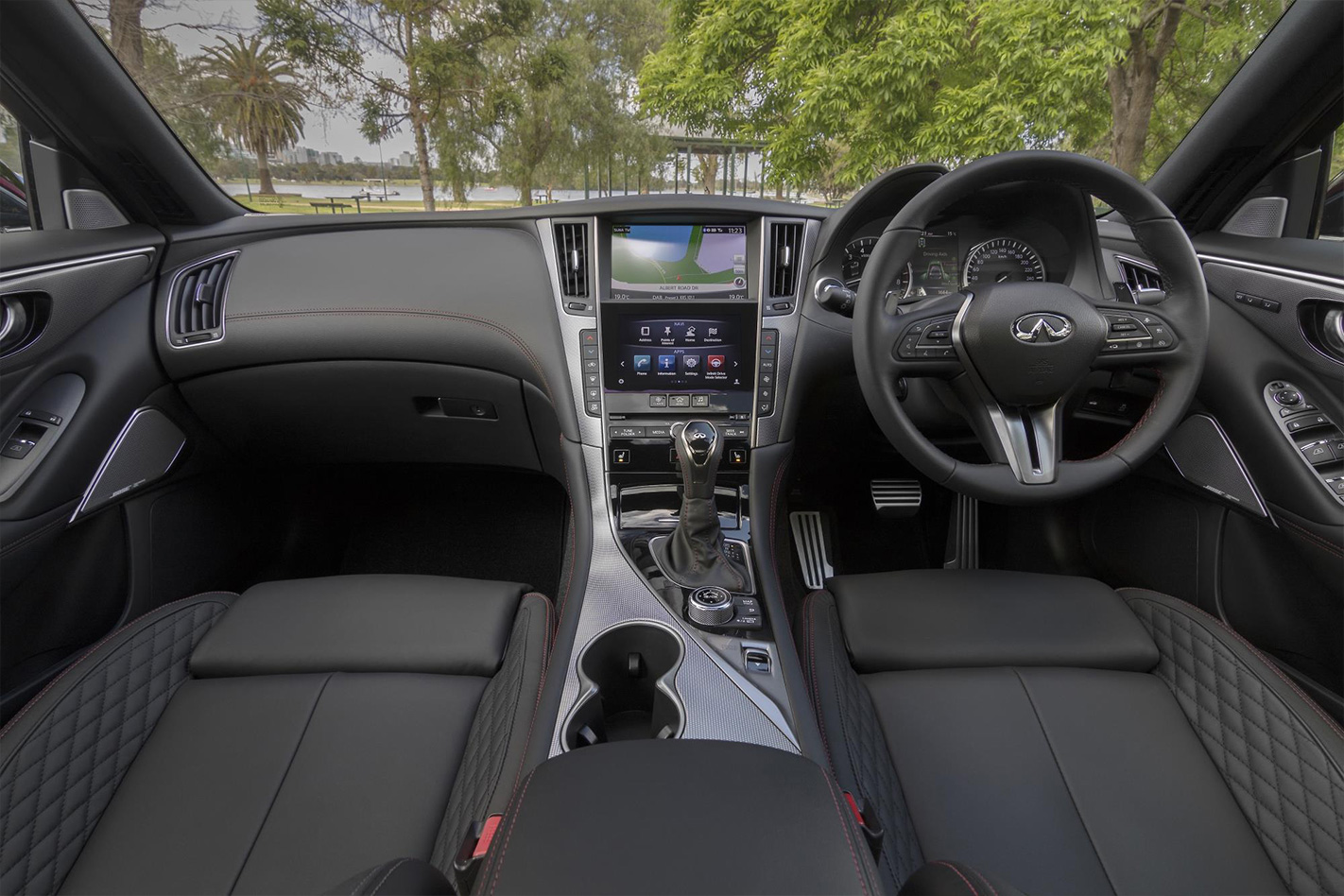
There’s been a clear focus to improve equipment levels at the foot of the range, with the Pure models featuring kit like a surround-view monitor, active lane control, LED headlights with daytime running lamps, adaptive front lights with high-beam assist and pedestrian detection.
The Q60 range has come in for even more stringent editing. There are now just two models to choose from, the old GT trim having been consigned to history. The 2.0T Pure starts at $63,900 and gets the surround view monitor, adaptive front lighting and sunroof (a $1900 option on Q50 Pures) as standard. The 3.0T Red Sport caps the Q60 line up, a $4000 price cut landing it at $84,900 before on roads. It too gets a few extra toys, with forward collision warning, AEB, pedestrian detection, a surround view monitor and redesigned 20” alloys now on the standard equipment list.
PRICING
2018 Infiniti Q50
Infiniti Q50 2.0T Pure $54,900 Infiniti Q50 3.0T Pure $58,900 Infiniti Q50 3.0T Sport $64,900 Infiniti Q50 HEV 2WD Blue Sport $70,900 Infiniti Q50 3.0T Red Sport $74,900
2018 Infiniti Q60
Infiniti Q60 2.0T Pure $63,900 Infiniti Q60 3.0T Red Sport $84,900
Lister’s 497kW (666bhp) version of the Jaguar F-Type has been given a rather beastly name to match its nature – it’s called the LFT-666.
Lister has even made some changes to the car since it was first announced as the ‘Thunder’, though doesn’t specify which of the changes are new.
What we do know is that carbon fibre body panels, improved aero, and a more powerful motor make it the fastest ‘factory’ Lister ever.
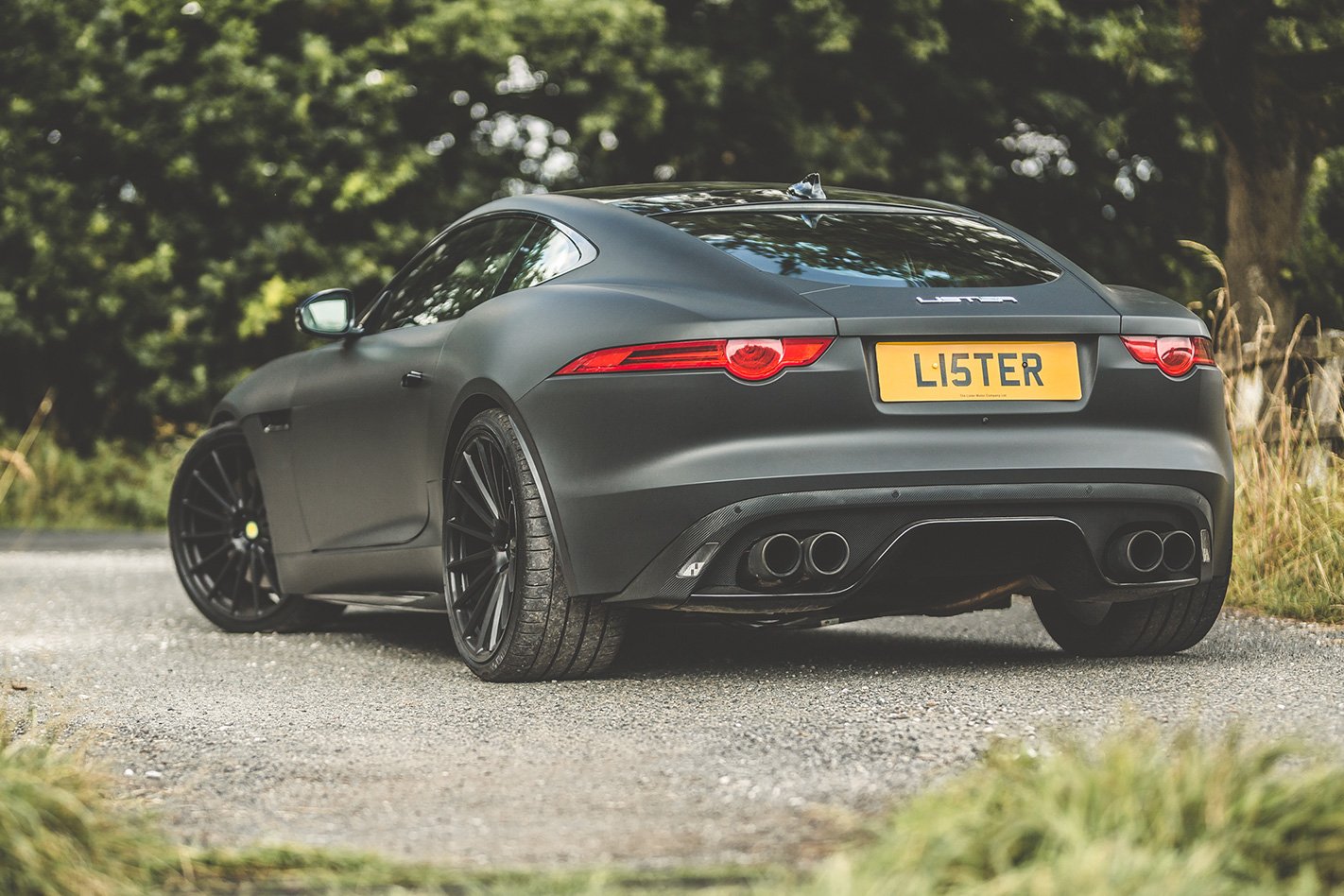
“By replacing many of the GRP (glass-fibre, or fibreglass, reinforced plastic) parts of the standard F-Type, we have has created a lighter (1650kg) and stronger car that offers improved aerodynamics on both road and track with the end result being a much faster car than the standard model.”
Only 99 are to be built, though Lister will also offer body and wheel upgrades to standard F-Types which will be designated ‘LFT’.
The net price for an LFT-666 is listed at £116,625, which directly converts to AUD$207,000 though that’s far from what youd pay for one here after adding government charges such as the LCT.
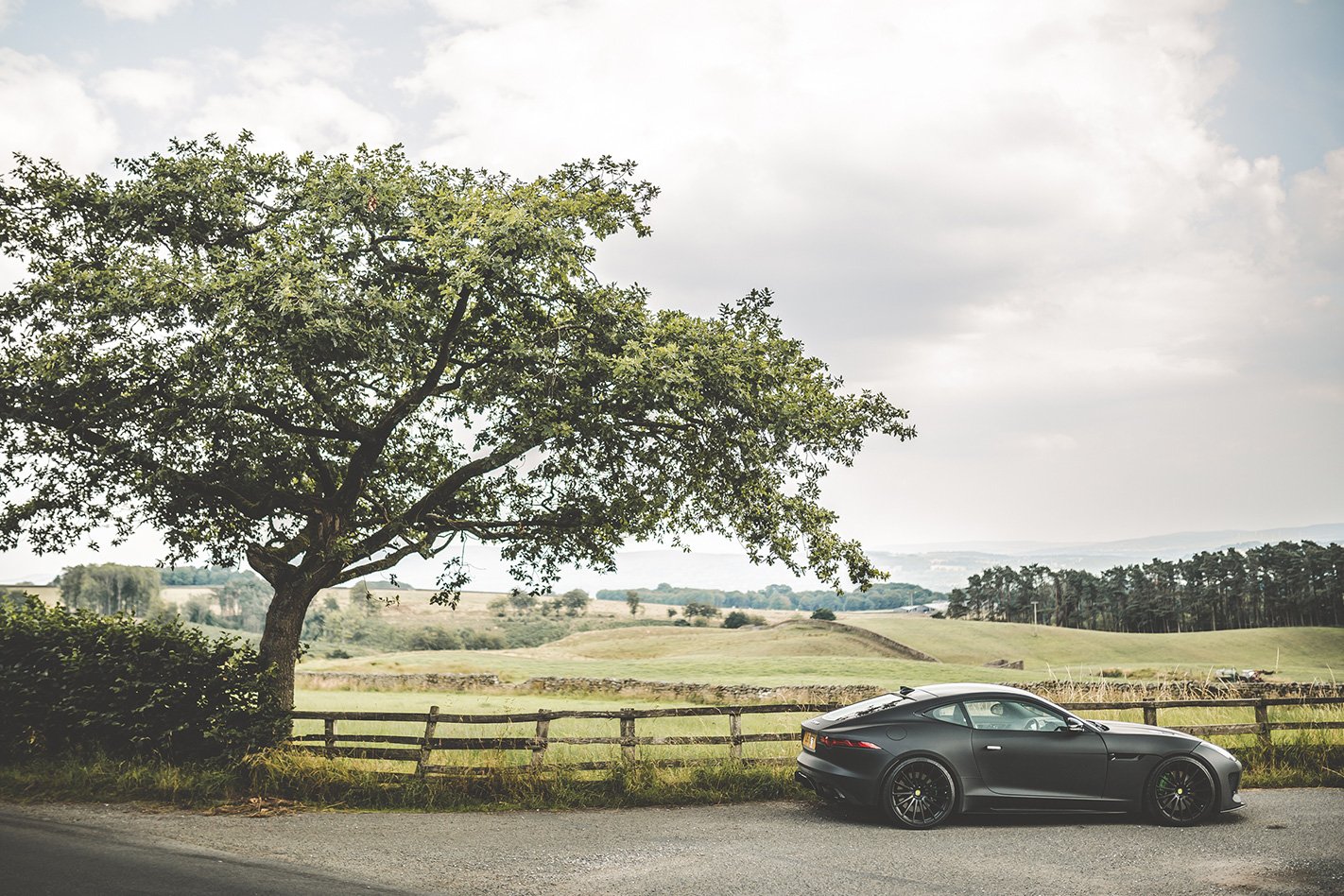
Lister CEO Lawrence Whittaker says the name change was primarily undertaken because ‘future model lineage’ might not align with its initial name of ‘Thunder’.
“Over the past six months the Lister Motor Company has been working hard on developing our Tuning Division, starting with modifying the Jaguar F-Type.
“Originally, we named the prototype the Lister ‘Thunder’, however, due to future model lineage, all 99-production models will now be known a, the Lister LFT-666, a befitting title and one where an intrigued passer-by instantly knows the break horse power of each Lister model.
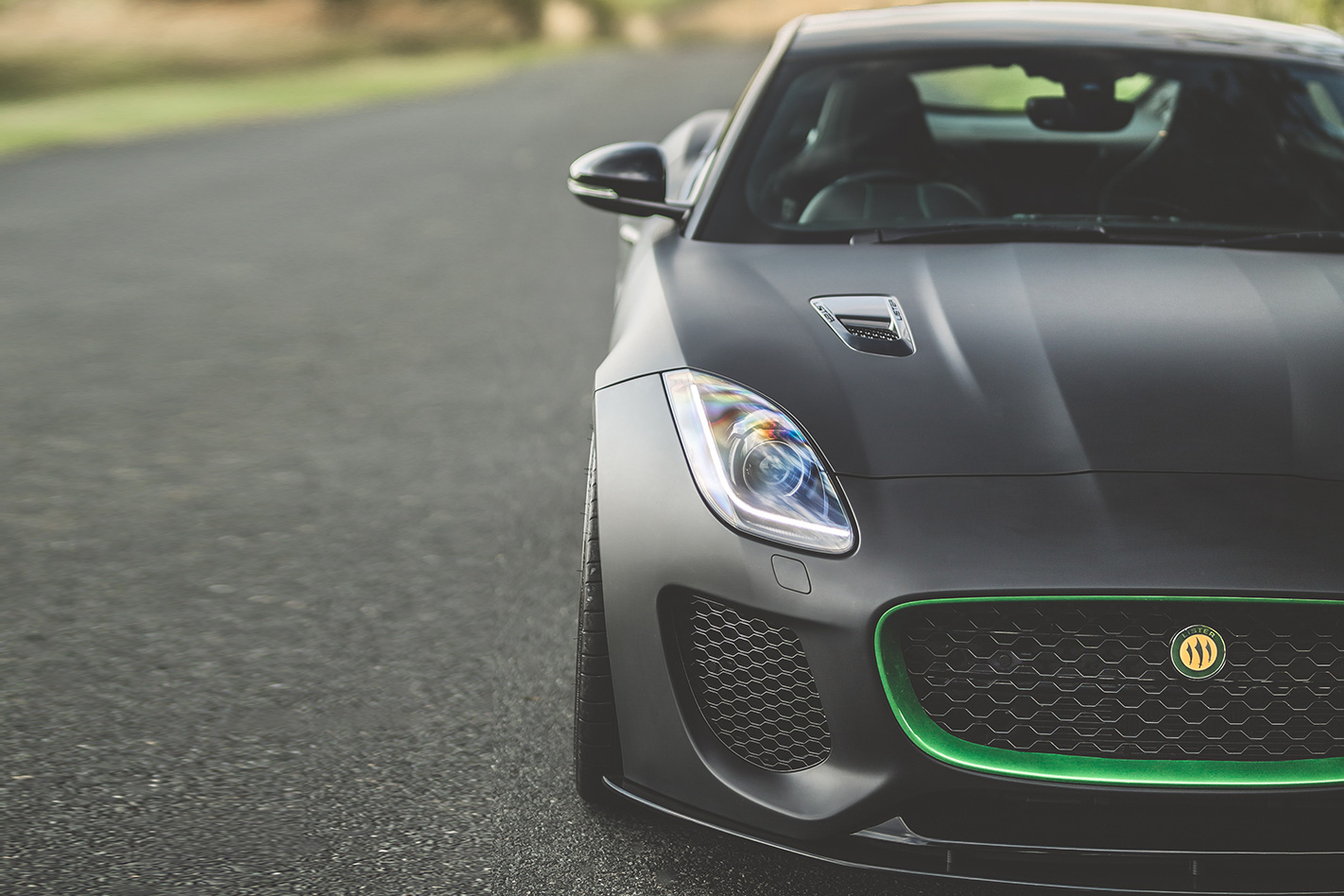
“The future of Lister is extremely exciting. We are investing £10million into the Lister Motor Company over the next two years, including a new dedicated 25,000 sq. ft. Lister head office and showroom in Lancashire, creating over 50 new jobs in the local area.
“We also have more new models to follow soon, including exciting news on our attempt at creating the world’s fastest SUV, which I can announce will be named the Lister LFP.”
The options list on the LFT-666 is also a little scary, with some paints costing an additional £3500 in the UK, while a carbon fibre bonnet comes in at £16,800. Thankfully, the Lister umbrella comes as standard.
WHEN it first appeared in 1998, the Audi TT stood out for all the right reasons.
Its profile, formed by three intersecting arcs, was simple yet elegant, and Audi’s engineers managed to hone the ho-hum Mk4 Volkswagen Golf architecture that laid beneath it into something that felt properly sporting.
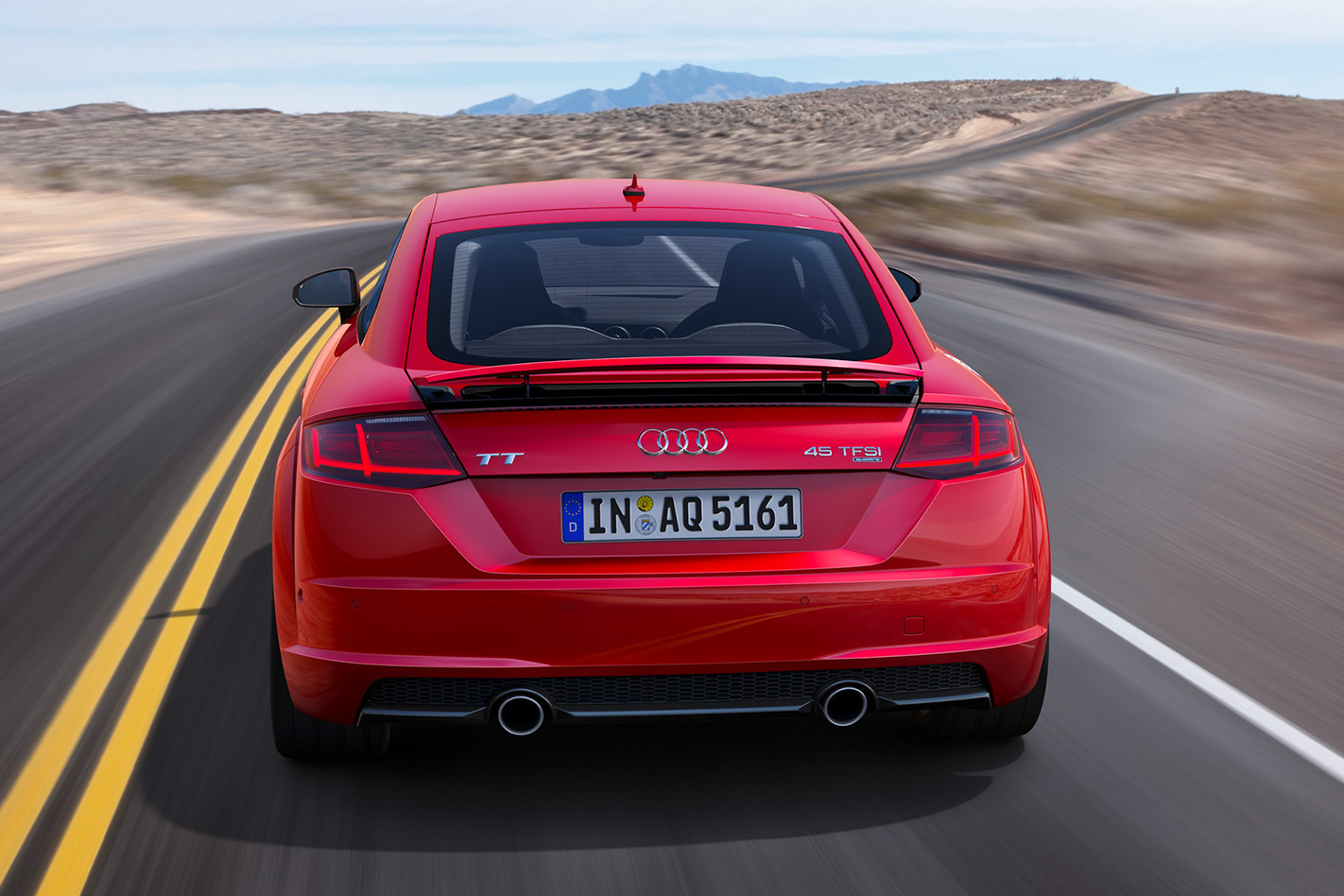
That formula has stood the test of time for the TT – Golf-based underpinnings might form the foundations, but Audi tuning combined with attractive sheetmetal and luscious interiors impart a character that’s unique to the four-ringed coupe. Now halfway through its third generation, here’s how Ingolstadt’s sporty two-door has evolved:
First generation: 8N
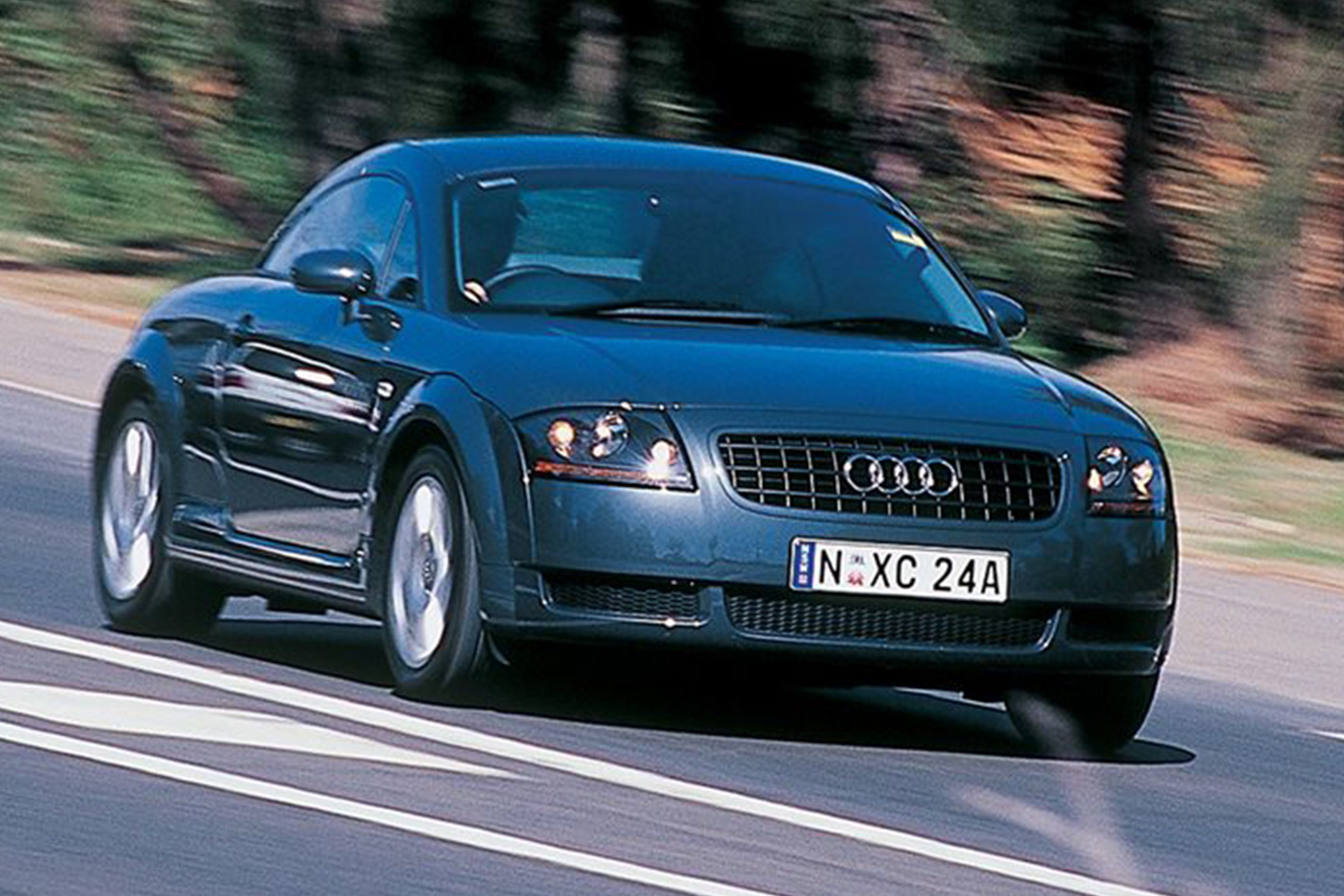
The first model to wear the TT badge was famous for two things: its groundbreaking styling (penned by none other than Peter Schreyer, Hyundai’s current head of design), and being aerodynamically unstable at high speed.
A bootlip spoiler and stability control tamed the latter, while the former attracted plenty of eyeballs – and projected a handy halo over the rest of Audi’s showroom. Remember, the late 1990s was a time when Audi was the poster child of identikit styling, so the sudden appearance of a fashionable and curvy coupe – followed by a soft-top convertible in 1999 – did wonders for brand recognition.
What’s more, it also bucked the company’s reputation for understeery dynamics, with Audi’s chassis boffins transforming the Mk4 Golf’s underpinnings into something far more neutral and chuckable in its balance. This agility arguably contributed to its widowmaker reputation when driven at high speed, with the only solution being to tie down its rear end with aero add-ons.
A VW-group 1.8-litre five-valve turbo four-pot was the mainstay motor for the first-gen TT, with the most powerful version of that engine developing a healthy 177kW and 320Nm thanks to a bigger turbo, extra intercooler and more boost. Front-wheel drive or a Haldex-based quattro AWD system were available, while a dual-clutch automatic was introduced in 2003. The Golf R32’s 3.2-litre narrow-angle V6 was also transplanted into the nose, generating 184kW and 320Nm and driving all four wheels as standard through a six-speed dual clutch auto.
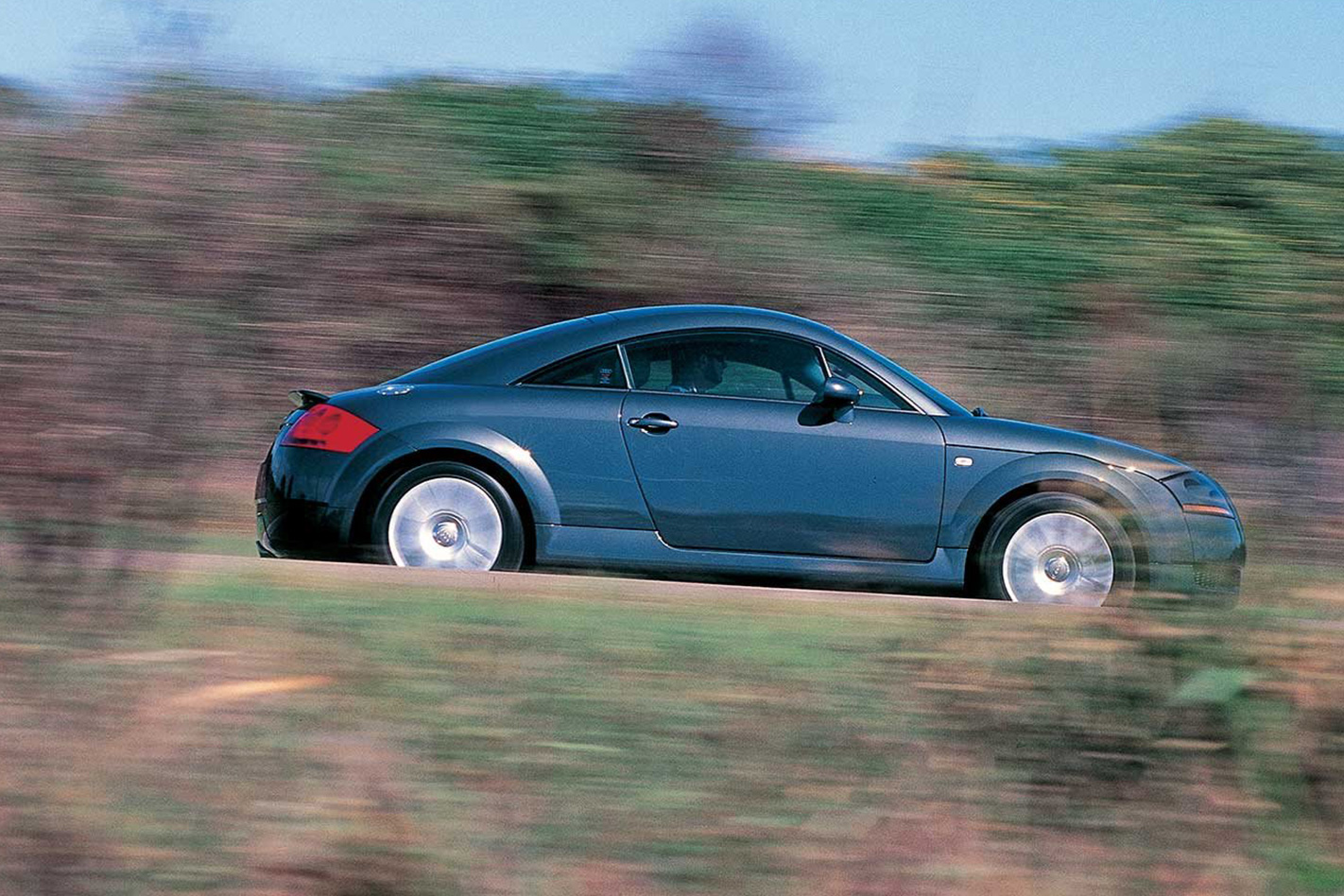
Arriving in Australia in 1999, the TT was initially offered in 1.8-litre form with 132kW and 235Nm as a front-driver, and 165kW/280Nm in AWD form. The former received a five-speed manual and the latter got a six-speed manual – no autos were offered until 2003, while the dual-clutch option was added locally in 2005, the same year the 3.2-litre V6 arrived in Aussie Audi showrooms.
Second generation: 8J
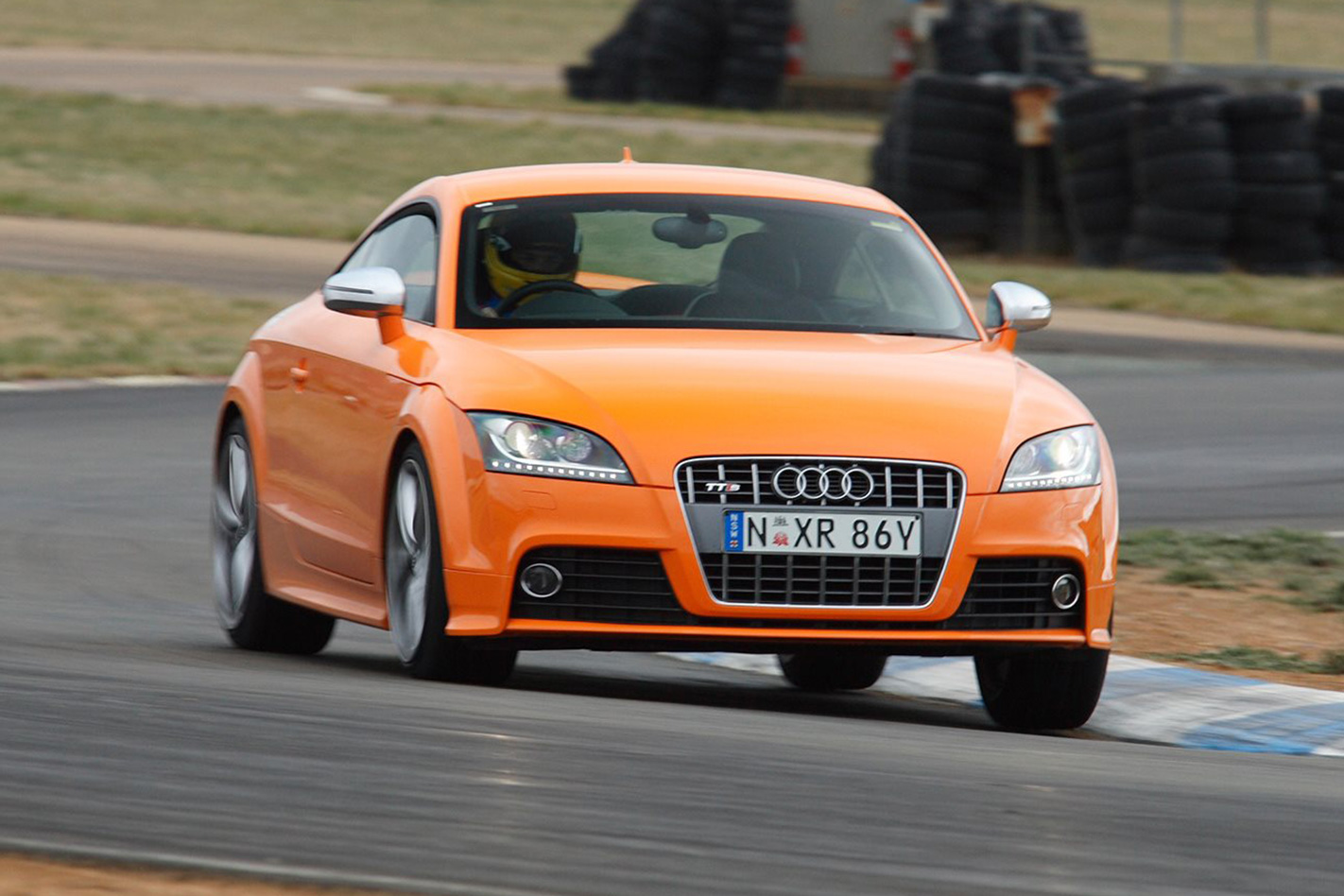
The year 2006 saw the second generation TT break cover, wearing sharper styling that ditched the first-gen’s wide-eyed front end in favour of a more aggressive look. Slimmer headlamps flanked Audi’s now-familiar trapezoidal grille, and with external dimensions that came in longer, wider and a smidge taller than the previous model, the second-generation TT boasted more on-road presence. Traditional TT hallmarks remained, like the aluminium-finish fuel flap and stability-enhancing rear spoiler – though the latter was now electrically operated and popped up automatically as speed increased.
The base engine grew to 2.0 litres, with power swelling to 147kW/280Nm in front-drive manual configuration. However, despite the dimensional growth and additional mod-cons, the second generation achieved weight savings over its predecessor of as much as 90kg thanks to the extensive use of aluminium alloy in its bodyshell. The rear suspension changed from a four-link/trailing arm config to proper multi-link geometry, but as with the first TT the 8J series continued to be available in both 2+2 coupe and two-seater convertible form.
Meanwhile, Audi’s powertrain department got creative. A diesel found its way into the second-gen TT in 2008, paired exclusively with quattro AWD and also available in the convertible bodystyle – all the better to hear that diesel clatter. The diesel did come to our shores in 2009, but mercifully in coupe-only form. It wasn’t popular. The diesel TT exited Australia in 2014, never to return.
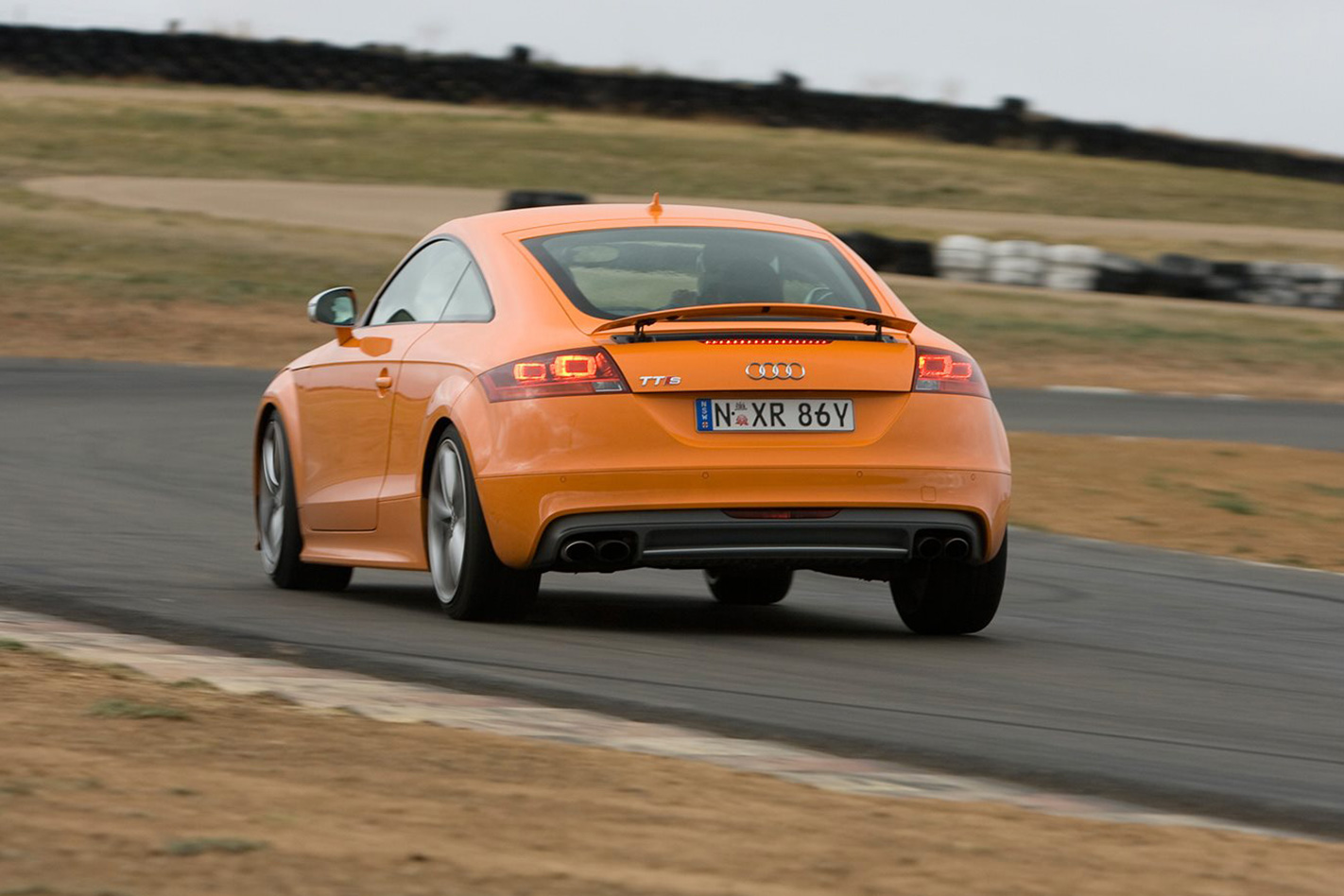
The atmo 3.2-litre VR6 also came to local showrooms in 2006, but of far greater interest was the arrival of a five-cylinder option three years later – the mighty 2.5-litre turbo inline five of the 2009 TT RS. Churning out 250kW and 450Nm and with an exhaust note stolen from the Group B era, it was the perfect rebuttal to armchair experts who derided the TT as a secretary’s car. The RS Plus turned the wick up even higher to 265kW/465Nm, proving the Audi’s coupe was anything but soft.
Third generation: FV
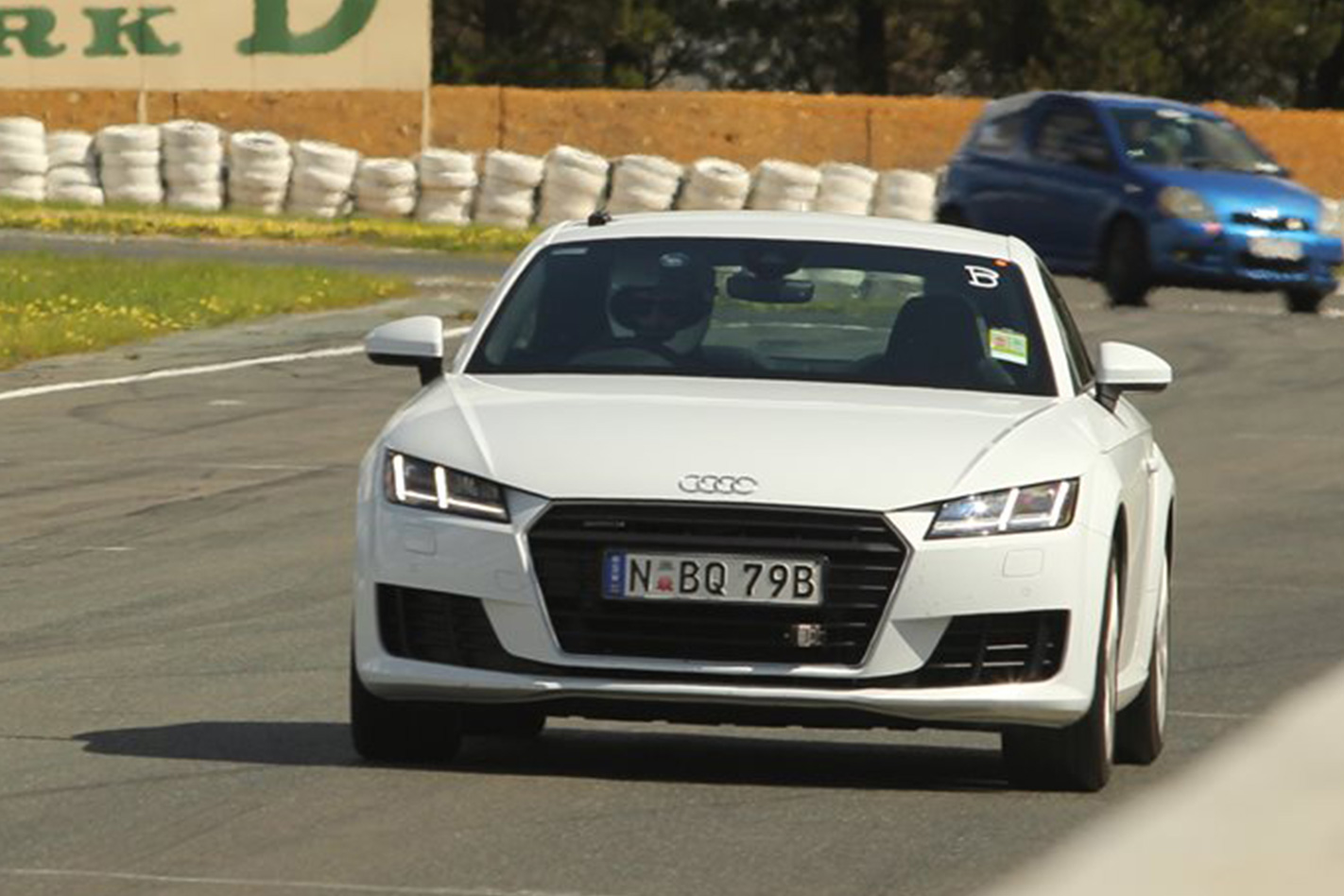
In 2015 the TT underwent another significant step change, and while the exterior styling remained faithful to the TT’s established formula, the sharper creases and squat stance channelled the spirit of that other two-door Audi: the R8 supercar.
But underneath the crisp bodywork lay even greater leaps forward. For one, the Volkswagen Group’s modular MQB platform replaced the PQ architecture of the first and second-gen models, bringing with it a slew of technological upgrades to chassis, engine and electrical tech.
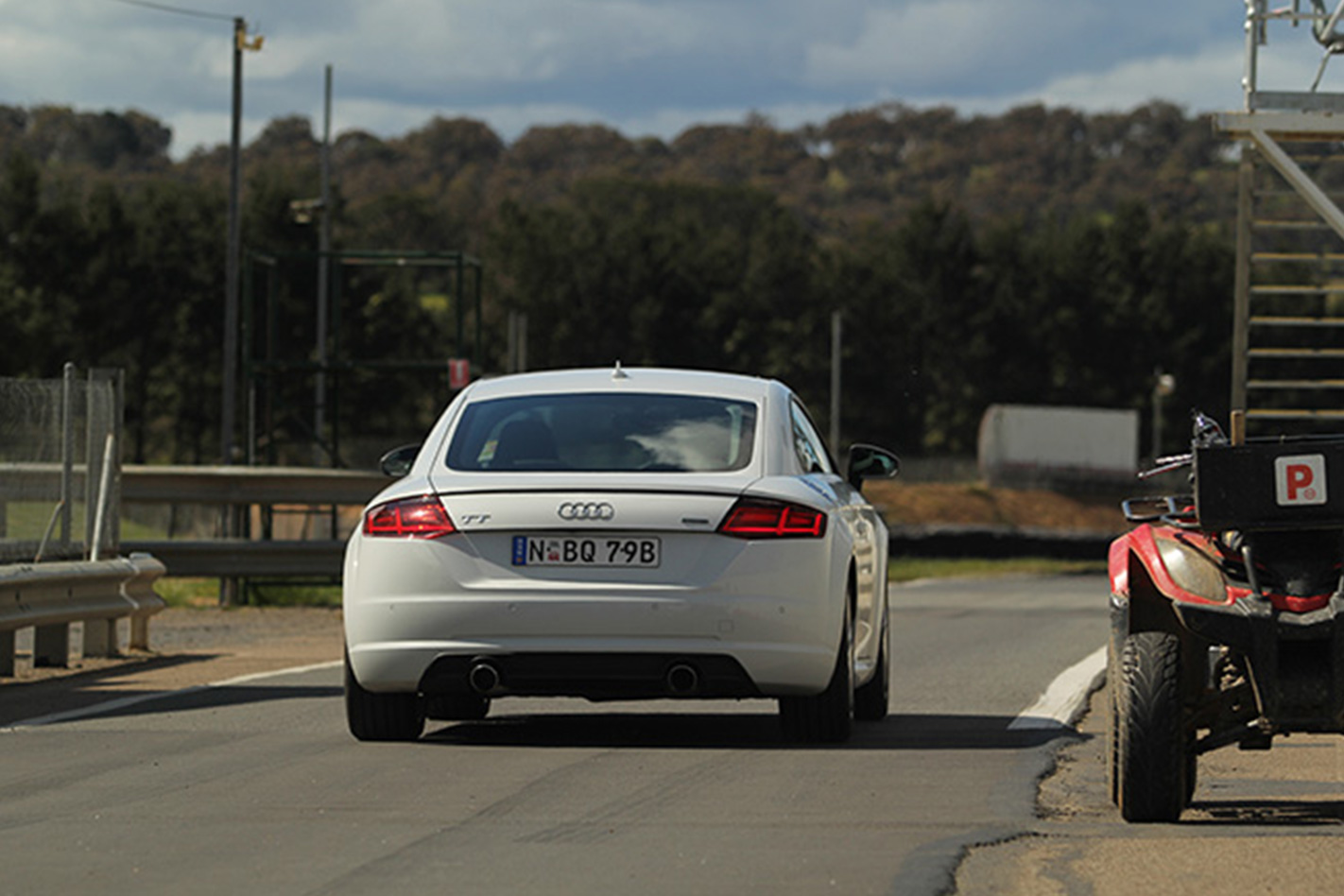
Like the car it replaced, the third-gen TT attached a majority-aluminium ‘top hat’ to the steel MQB floorpan, and though its percentage of alloy content was actually slightly less, the use of high-strength steel in strategic areas along with other weight-saving measures saw weight drop even more. Like-for-like, the third TT was said to cleave as much as 50kg off its frame relative to the second-generation model.
While critics may say the TT is little more than a gussied-up Golf of the same vintage (which, superficially, is somewhat true given the significant platform and engine crossover between them), it’s the difference in mass and how it’s distributed that sets them apart. Oh, not to mention the TT’s wider availability of all-wheel drive.
And then there’s the interior of the FV TT. As the first model to adopt Audi’s all-electronic Virtual Cockpit instrument panel, the third-generation TT boasted an interior that looked like it belonged to a motor show concept, not a production car.
The instrument panel was certainly a standout feature – and also allowed Audi to omit a central infotainment screen, thus cleaning up the dash design – but there were other neat touches too. Note the climate control buttons and dials, neatly inset into the trio of air vents in the centre of the dashboard. Did you tick the box for seat heaters? The buttons for those can be found in the middle of the outboard air vents too.
Clean, minimalist, yet still highly functional, the FV TT’s cabin is one of the best examples of automotive interior design today. Except for the coupe’s rear seats. As with every TT, they remain near-useless for anyone larger than a toddler.
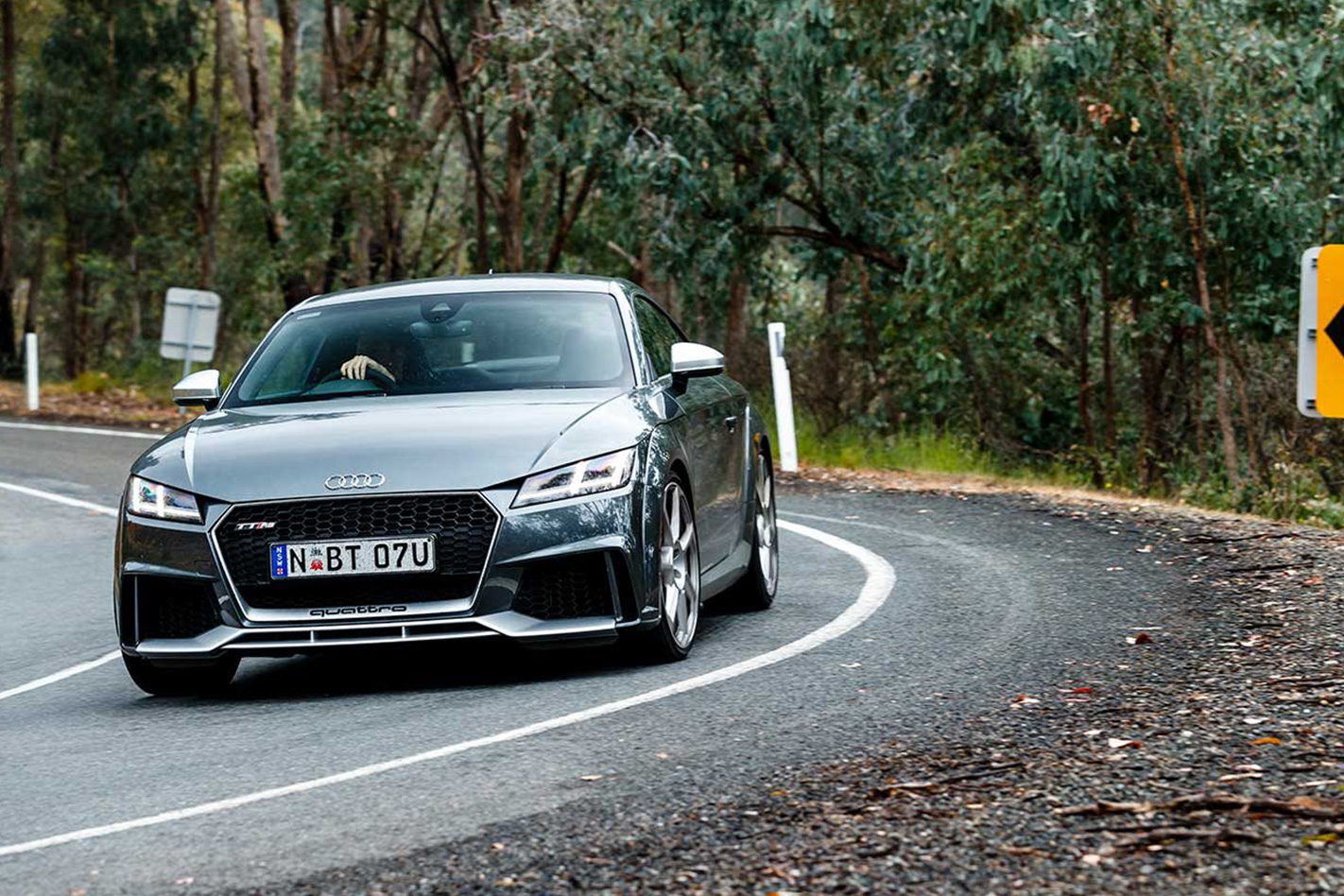
The engine lineup is dominated by a range of 2.0-litre turbo fours, with outputs of 169kW/370Nm for regular TTs, and 210kW for the TT S quattro. At the top of the tree remains the TT RS, the sole recipient of Audi Sport’s revered 2.5-litre inline five, this time with an alloy-blocked architecture and 298kW/480Nm finding its way to all four wheels via a seven-speed dual clutch.
A facelift has been revealed and is just around the corner, but the changes are largely limited to a cosmetic nip-and-tuck and the addition of a particulate filter in Europe. Clearly, Audi reckons the TT’s formula doesn’t require much messing with.
