“No-one can stop the ol’ demographic conveyor belt, Stahly.”
So said my fellow guest, a former motoring editor 10 years my senior, at a lunch a couple of weeks ago.
Our host was a further 10 years senior again, another life-sentence motoring writer. And no, the latter wasn’t Robbo, who’s a freakish exception to just about everything I’m going to say next.
Given that we were sitting at the senior-senior guy’s coastal weekender, each of us having driven there in comfy German cars that we actually owned, I acknowledged that the things the conveyor belt had delivered us to weren’t at all bad.
But I’d been feeling embarrassed after admitting that, for the past five to 10 years, I’ve been a lot less interested in new cars.
Some long-term readers will understand the significance of this. I wrote my first Wheels story in August 1986, after three years at Modern Motor. New cars and car people were pretty much my whole life for the next 30 years, when I branched off into more general writings.
The conveyor belt notion made a lot of sense. Until then, I’d been figuring I was just turning into a Statler or Waldorf, an achy, angry old fart smugly heckling the motor industry from the balcony seats.
New products kept giving me reasons to be like that. Just a few weeks ago I was loaned a new SUV. It happened to be a PHEV, but that wasn’t an issue. Before I drove off, we just needed to note the odometer.
Pressing the start button didn’t bring the dash to life. “Try shutting the door,” said the guy. Finally, reaping success, “you may need to fasten the seatbelt.”
To read the odometer?
A few days later, my youngest daughter was rejected by her car. She’d parked the current-gen Mazda3 at a friend’s apartment building while she flew home from uni for a week.
Returning to it, a dead antenna module would not recognise the electronic key fob. She could get into the car using the valet key, but then … nothing.
I won’t bore you with the saga of two RACQ tow trucks, baffled automotive locksmiths and the aggrieved owner of the parking space. Suffice to say, if you lose your Mazda key fob or it goes bad, your only option is to have the car towed to a Mazda dealership for reprogramming. Even if you’re in Alice Springs at the time.
This is progress?
But – ah, the demographic conveyor belt. I find new cars a lot less interesting because, well, they are less interesting – to me. Giant screens and layers of menus and panic-attacktive cruise control and “driver monitoring” cameras are either frustrating, invasive or plain sinister.
Even though I can’t bring myself to say out loud “Meh, they don’t build ’em like they used to”, I’ve certainly thought it. And they don’t build them like they used to.
New cars are a lot safer. They’re also a lot ‘samer’. Greater homogeneity among drivetrain and platform types and the intervention of electronics has shrunk the diversity of driving dynamics and technical interest for someone like me … and my fellow demographic belt-riders.
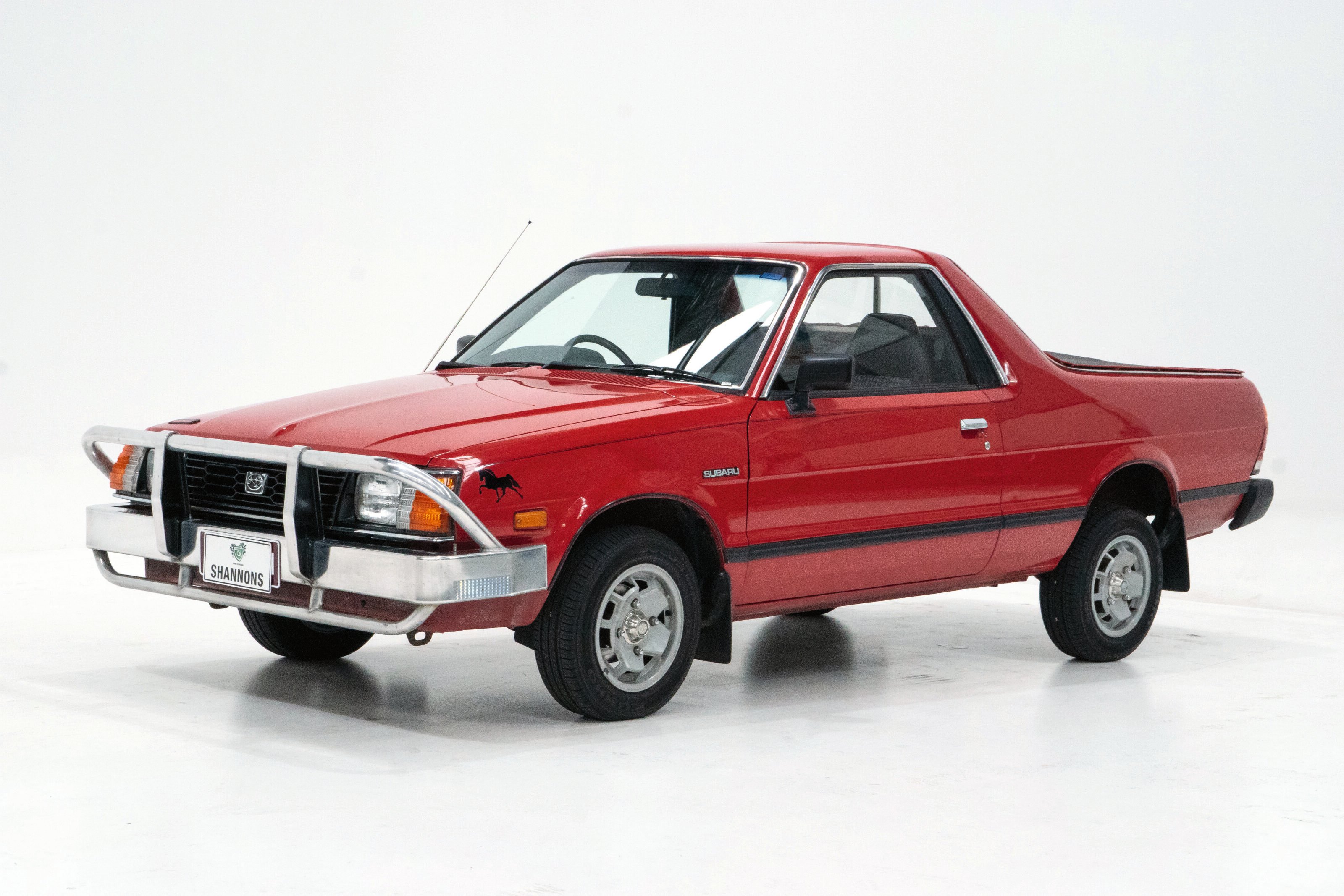
Right now, I’m thinking back to the 1980s and my road-test drives in, jeez, the Honda City, Mitsubishi Cordia Turbo, Toyota Cressida MX83, Saab 900 Aero (main image, top) and Subaru Brumby. I could have emerged feeling anything from scared shitless to laughing my arse off. I still remember the experience of all of them.
I never had a poster of any of these cars on my wall back then. But – and I guess this is the point – today I could afford and legitimately would love to have any one of those cars in my driveway.
And it would be in the driveway, too, because the 1980s car I’ve already owned for 13 years has exclusive rights to the garage.
This column first appeared in the May 2025 issue of Wheels. Subscribe here.
Toyota is moving closer to launching an affordable, compact ute, confirming long-held rumours of a vehicle to slot beneath its popular Tacoma. While timing remains fluid, senior executives at Toyota Motor North America say it’s no longer a matter of if the truck will arrive – but when.
“We’ve studied it a lot. We’re dedicated to it,” said Cooper Ericksen, Toyota’s head of planning and strategy, in an interview with MotorTrend. “Decisions have been made. The question is when we can slot it in.”
Toyota’s compact truck strategy has been in the works for years – well before Ford launched its wildly successful Maverick in 2021. The Japanese automaker’s legacy of small pickups, from the precursors to the Tacoma, provides a blueprint. However, today’s market conditions and engineering challenges are making the launch a juggling act.
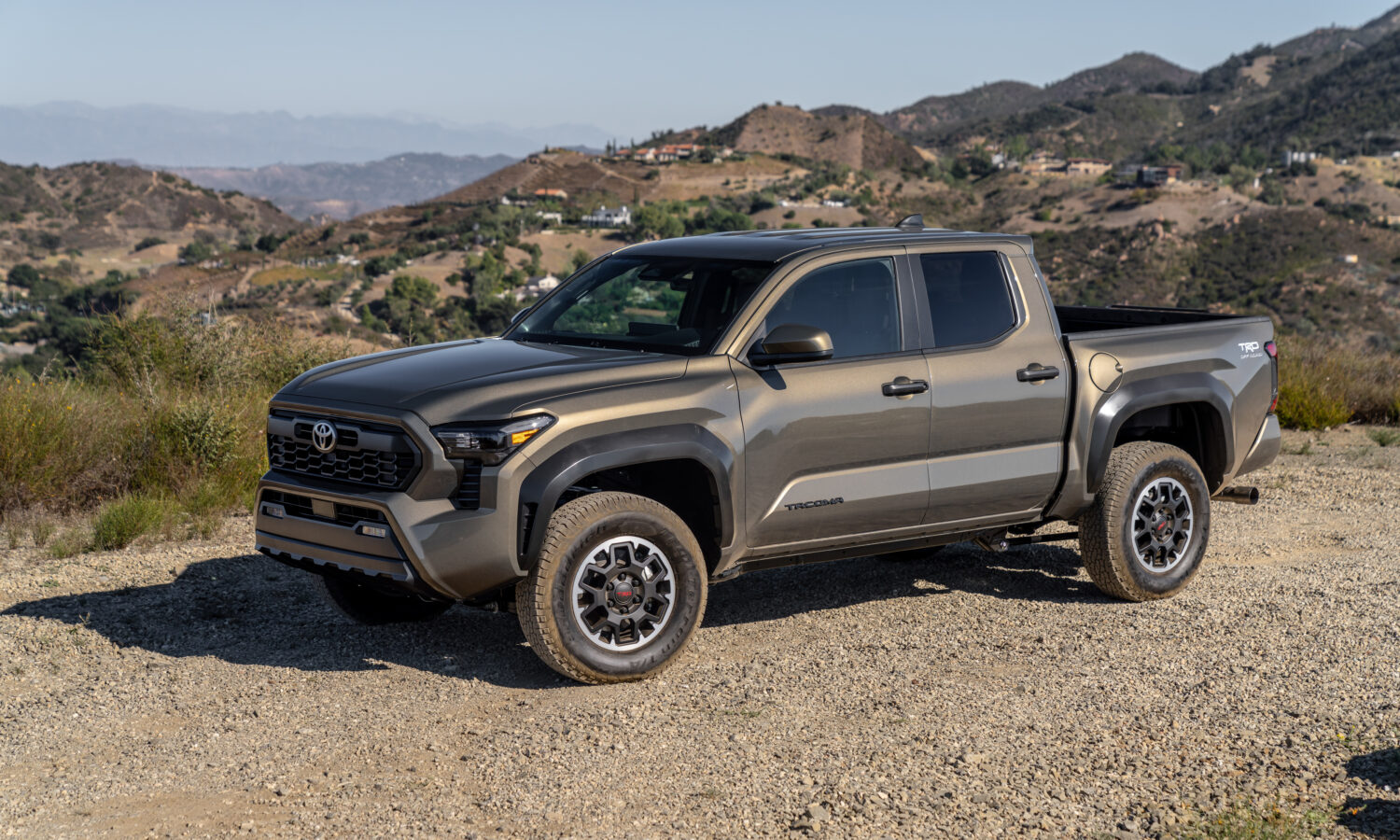
The proposed ute will be a unibody truck based on Toyota’s TNGA platform, shared across most of its current line-up. That paves the way for hybrid and plug-in hybrid powertrains, aligning with Toyota’s strategy to offer a range of electrified vehicles.
Despite not being body-on-frame like the HiLux or Tacoma, Ericksen said the compact ute will remain a “true Toyota truck,” with the durability and capability expected of the brand – yet with improved fuel economy and reduced weight.
Toyota’s research suggests the U.S. market alone could support annual sales of 100,000 to 150,000 compact trucks, driven by demand for more affordable alternatives to full-size utes, which have become prohibitively expensive for many buyers. The base price of some mid-size off-roaders, such as the Tacoma TRD Pro, can exceed $60,000.
But despite the market appetite, don’t expect to see a prototype anytime soon. Toyota’s engineering resources are currently maxed out, with 24 new or updated models in the pipeline. The automaker is also advancing its hybrid and EV portfolios while developing fifth and sixth-generation hybrid systems. All of this limits the capacity to fast-track a new compact pickup project.
“There’s a lot of moving pieces,” Ericksen noted. “We’re trying to figure out how we can get it done.”
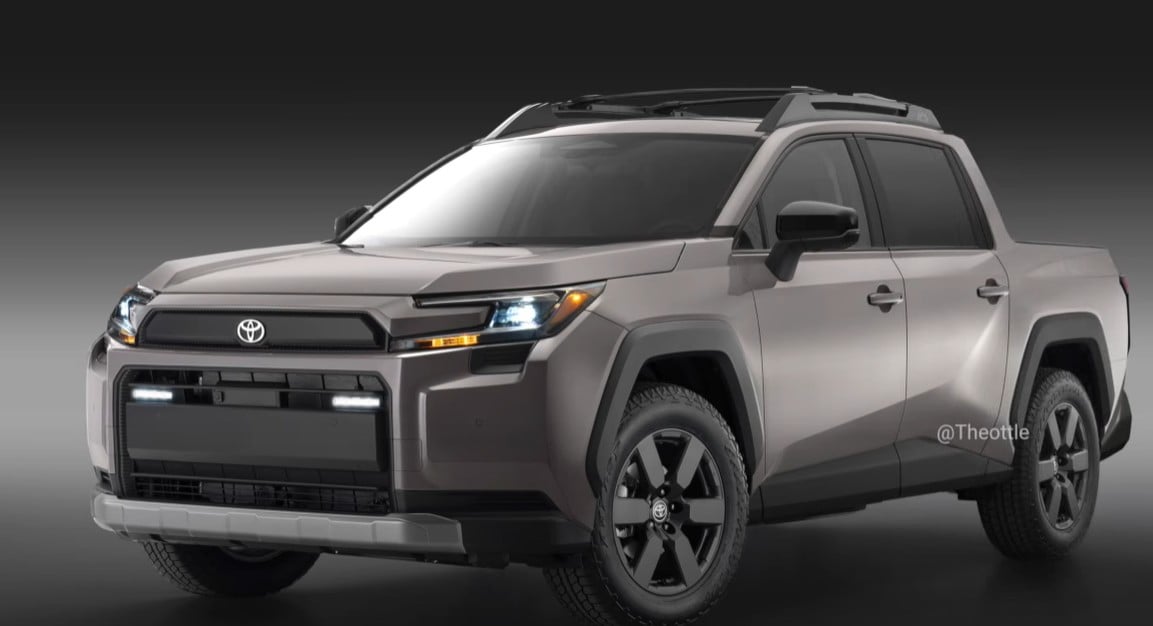
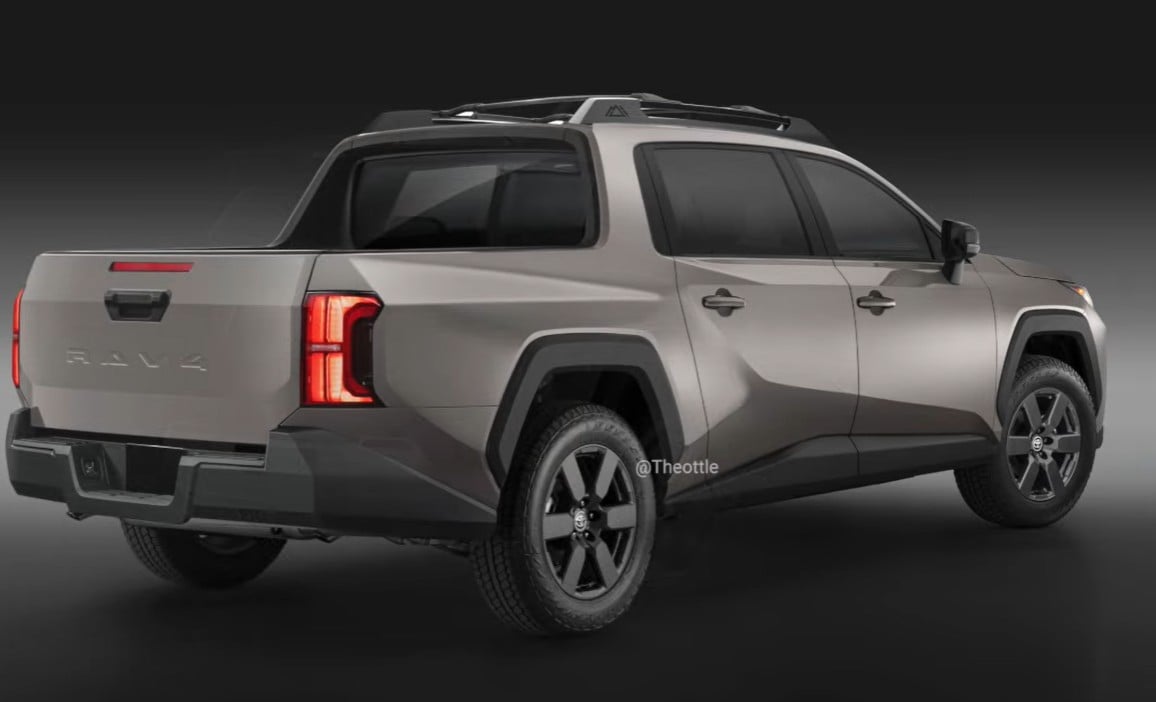
Speculation is mounting that Toyota’s compact ute could be based on the next-generation 2026 RAV4 architecture, making it an SUV-based truck in the vein of the Ford Maverick and Hyundai Santa Cruz. Both competitors have found success using shared SUV platforms to produce lower-cost, fuel-efficient trucks with everyday practicality.
Digital artist Theottle has taken a stab at what the RAV4 might look like as a ute (above).
“I think it will compete well against Chevrolet Montana, Fiat Toro, Ram Rampage and Renault Oroch,” the artist opined.
David Christ, general manager of Toyota’s U.S. division, stressed there is no firm timeline for the new ute. However, Toyota’s COO Mark Templin confirmed the company is actively exploring the idea.
With industry headwinds such as electrification, tariffs, and regulatory changes causing constant recalibrations, Toyota’s small ute remains on the horizon – but its path is becoming clearer.
The Albanese government is exploring a gradual reduction of the Luxury Car Tax (LCT) rather than an outright abolition, aiming to protect the resale value of high-end vehicles and maintain market stability.
This strategy has gained traction amid ongoing free trade negotiations with the European Union, as well as shifting trends in Australia’s automotive market, according to a report in The Australian.
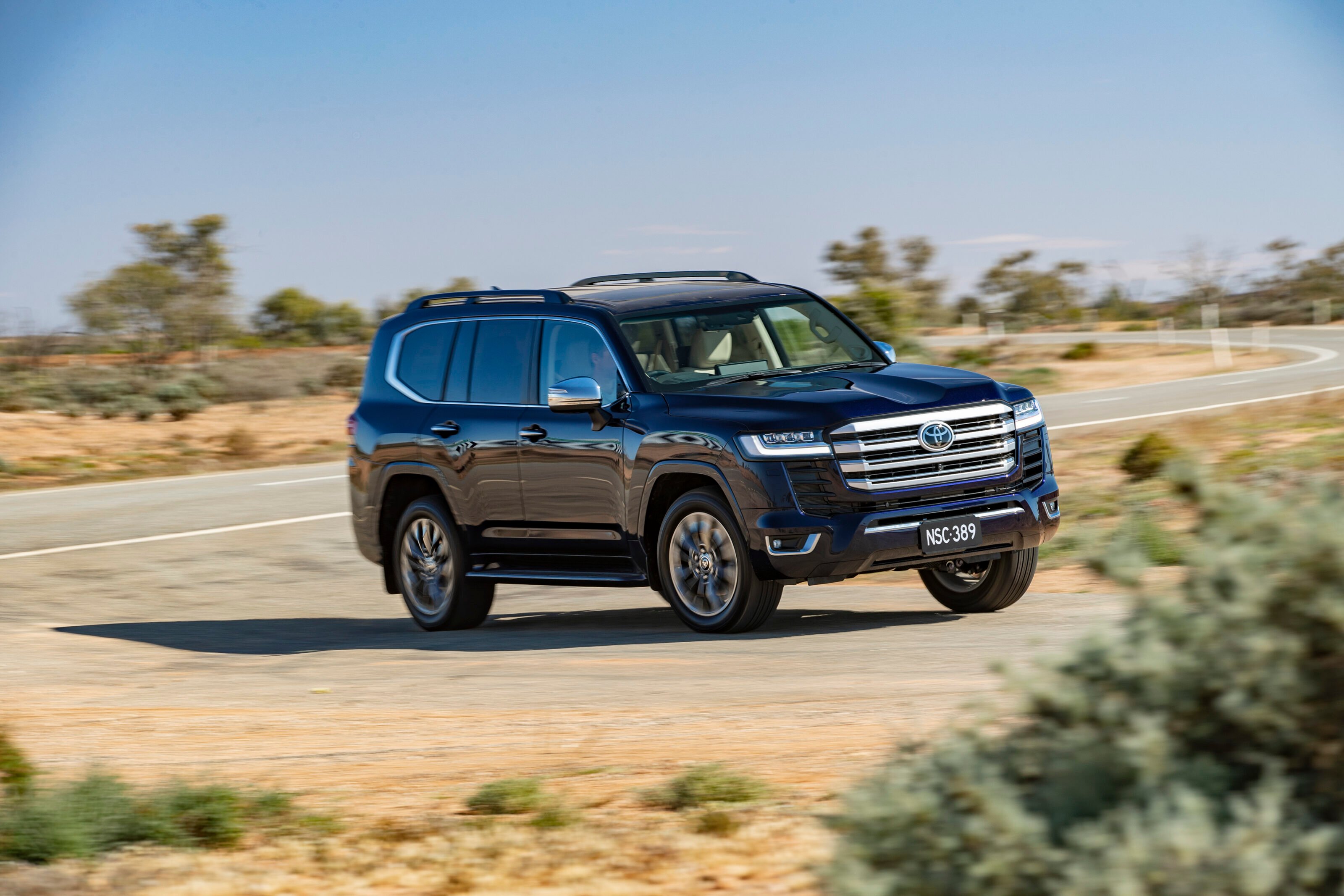
The LCT currently imposes a 33 per cent levy on vehicles priced above specific thresholds – $91,387 for fuel-efficient cars and $80,567 for others. For example, a Toyota LandCruiser 300, which dominated 62 per cent of the large SUV segment in 2024, attracts over $10,000 in LCT and more than $11,000 in GST, pushing its drive-away price past $133,000.
Dealers and manufacturers have expressed concern that a sudden removal of this tax could significantly harm resale values for vehicles already on the road.
Trade Minister Don Farrell’s office has been in renewed discussions following reports that the government is weighing the removal of the tax. While removing the LCT entirely could bolster international relations –especially with the EU – the government insists it will only do so if European nations provide meaningful market access for Australian farmers, a sticking point in past negotiations.
The luxury car tax has also emerged as a diplomatic lever in dealing with potential US trade tariffs if Donald Trump regains the presidency. Roughly 40 per cent of the $1.2 billion in annual LCT revenue comes from European vehicle sales, compared to under 20 per cent from US imports.
Industry stakeholders including the Australian Automotive Dealer Association and the Federal Chamber of Automotive Industries advocate for a phased removal. CEO James Voortman stated the tax has outlived its original purpose – protecting a now-defunct domestic car industry – and emphasized the need to consider current vehicle owners.
“We fully support removing the LCT,” Voortman told the paper, “but we must consider consumers who’ve already purchased vehicles and the potential impact on resale values.”
Meanwhile, Treasurer Jim Chalmers is evaluating a road user charge to offset declining fuel excise revenues and the eventual LCT wind-down. A Treasury taskforce has been established, although progress has been slow following legal setbacks to similar state-level charges.
As free trade talks resume, with the EU urging Australia to finalize an agreement, the phased approach to eliminating the LCT appears increasingly likely – balancing economic diplomacy, consumer protection, and evolving automotive trends.
Ford Australia will add a seventh variant to it Everest large SUV family with the introduction of the limited-run Everest Black Edition, a special version of one of the country’s most popular 4WD family vehicles.
With only 750 units destined for Australian roads, the Everest Black Edition combines rugged off-road capability, sleek aesthetics and smart practicality—all for a $69,000 drive-away price.
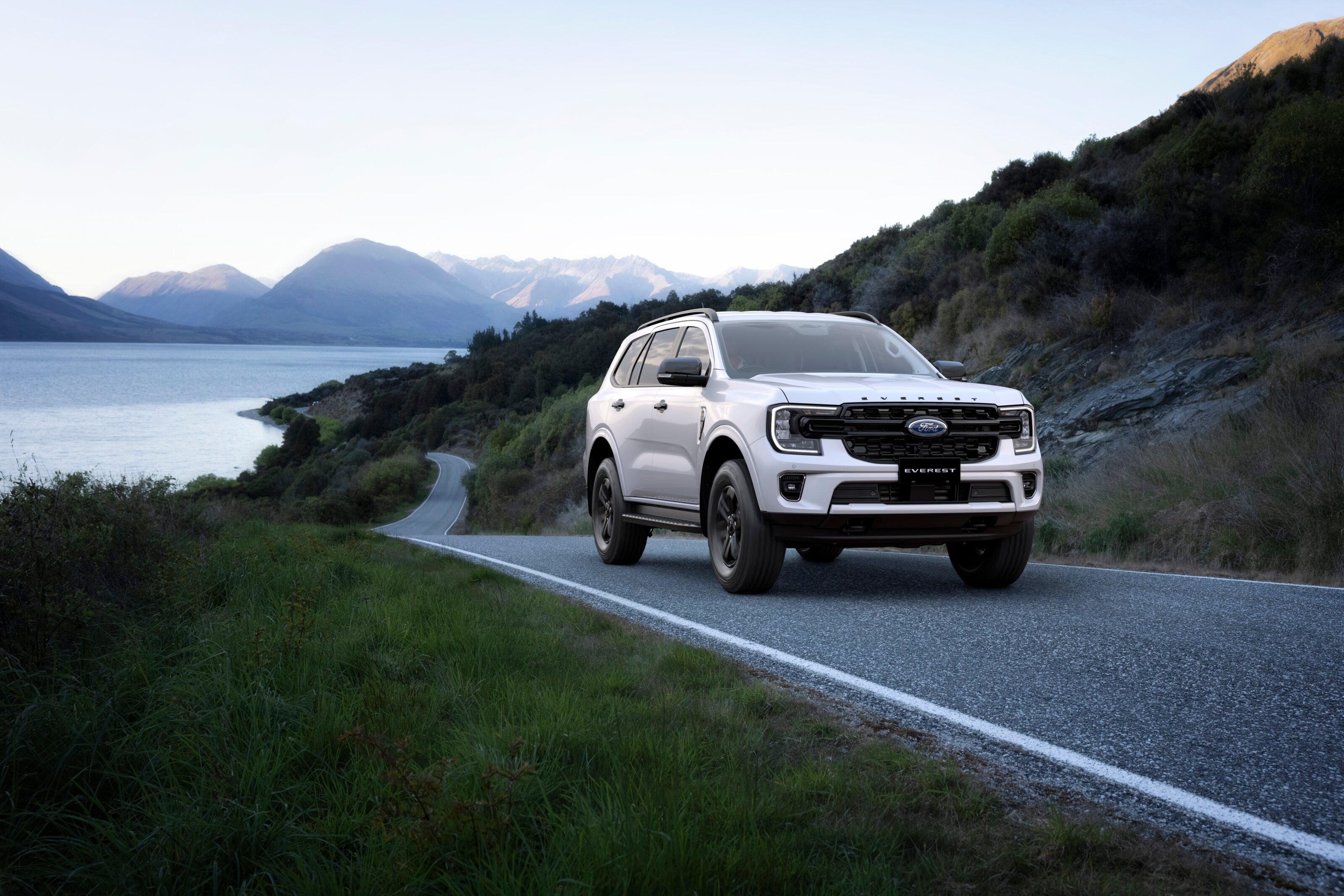
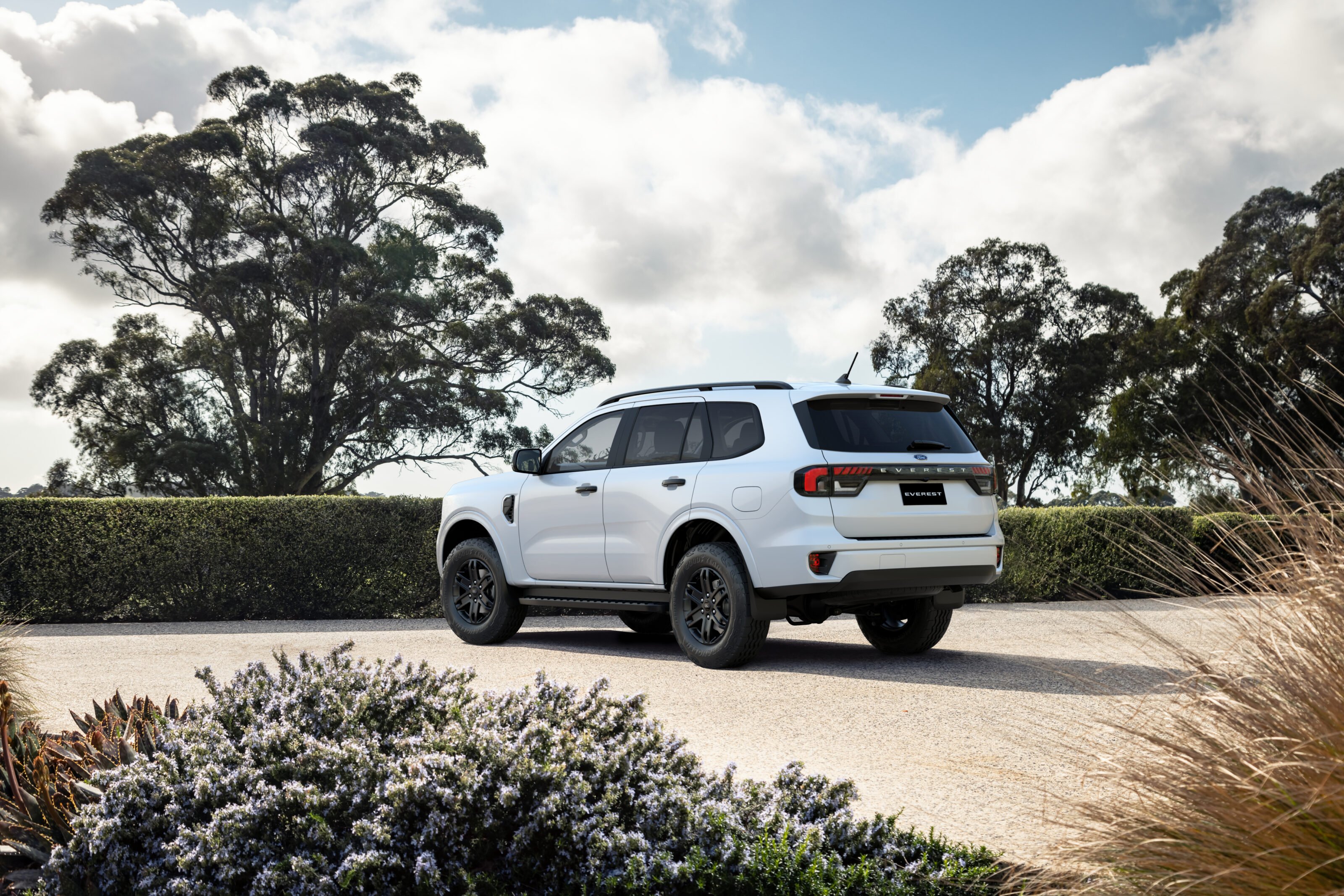
Built on the reliable Everest Trend 2.0L Bi-Turbo 4×4, the Black Edition gets its signature look from a suite of blacked-out features including a black grille, side mirrors, door handles, and 18-inch alloy wheels clad in all-terrain tyres. Signature ‘EVEREST’ lettering on the bonnet and interior sill scuff plates emphasize the model’s exclusive identity.
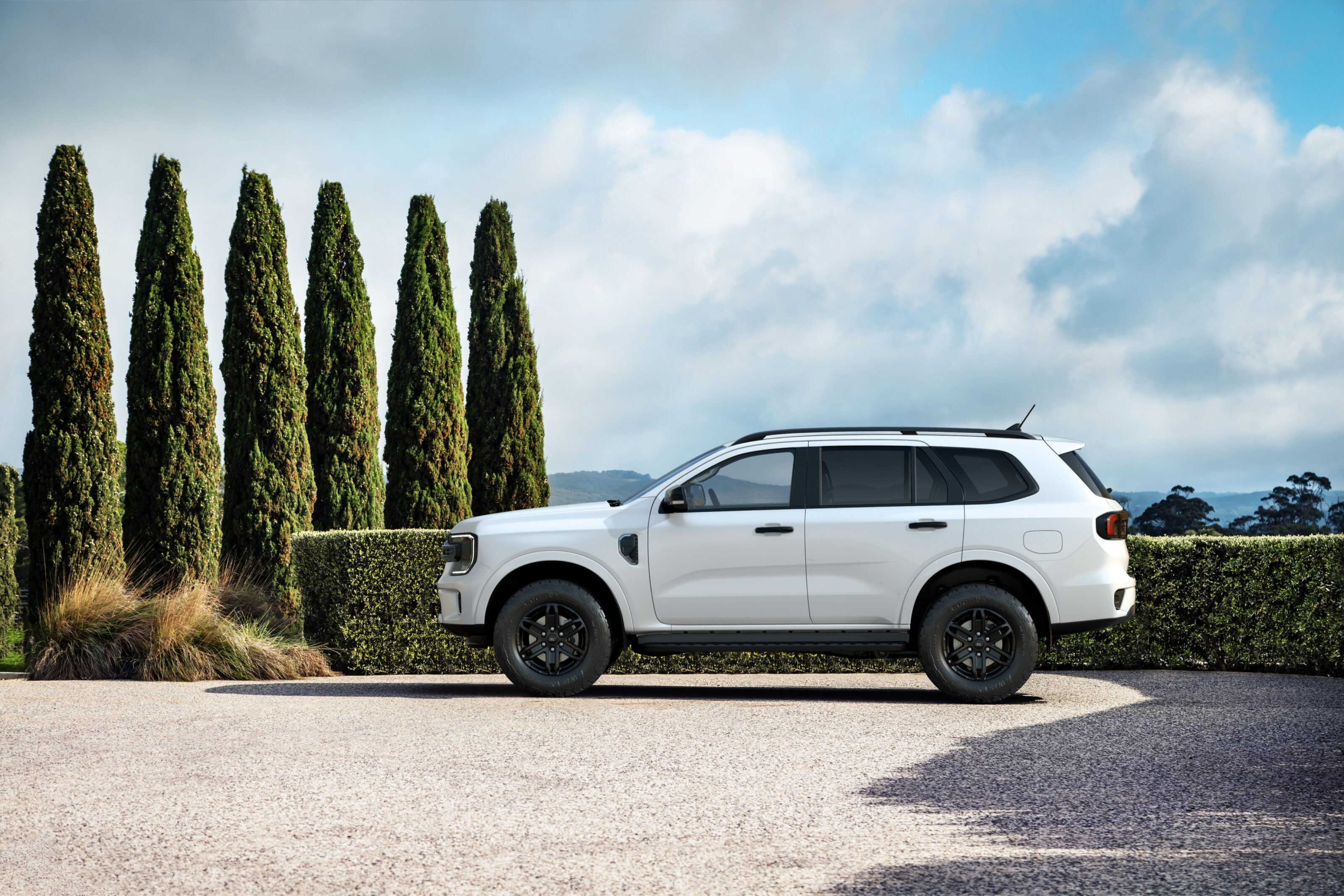
Ford has introduced three striking paint finishes to complement the Black Edition’s bold styling: Aluminium Metallic, Shadow Black, and the exclusive Alabaster White—all included as Prestige Paint options at no extra cost.
According to Ambrose Henderson, Director of Marketing at Ford Australia, the Everest Black Edition is a timely response to evolving consumer demand: “This model adds a fresh take on a proven favourite, combining full-time 4WD, family-friendly features, and a striking visual package that delivers exceptional value.”
Pricing
| EVEREST BLACK EDITION | $68,990 (MLP, incl GST); $69,000 (drive away) |
|---|
To further tailor the Everest Black Edition to individual needs, buyers can choose from three optional upgrade packs:
- Premium Seat Pack: Enhances comfort with heated and ventilated front seats, a 10-way power adjustable driver’s seat with memory, and an 8-way power adjustable passenger seat, building on standard leather-accented trim.
- Towing Pack: Maximises the SUV’s 3500kg braked towing capacity with the addition of a tow bar, electric trailer brake controller, and 12-pin wiring harness.
- Touring Pack: Replaces the Towing Pack and adds a 360-degree camera and Pro Trailer Backup Assist, offering intuitive trailer control via a rotary dial – for the off-roaders.

Backed by Ford’s five-year, unlimited kilometre warranty, the Everest Black Edition is now available for order, with first deliveries expected from July 2025.
Features
- 154kW/500Nm 2.0-litre four-cylinder Bi-Turbo Diesel Engine
- 10-speed automatic transmission
- Full-time 4WD with selectable 2H, 4A, 4H and 4L
- Locking rear differential
- Selectable drive modes: Normal, Eco, Tow/Haul, Slippery, Mud/Ruts, Sand
- 800mm wading depth and 229mm ground clearance, with 30.4° approach, 22.2° ramp-over and
25.3° departure angles - Intelligent Adaptive Cruise Control with Stop & Go13
- Traffic Sign Recognition and Lane Centering18
- Blind Spot Monitoring with Cross Traffic Alert and Trailer Coverage12
- Lane Keeping Aid with Lane Departure Warning12
- Pre-Collision Assist with Autonomous Emergency Braking (AEB) and Intersection Assist16
- Front and Rear Parking Sensors
- Reverse Brake Assist
- Electronic Parking Brake
- Rear View Camera – Integrated Digital
- Electrochromatic Rear View Mirror
- 12-inch Multi-Function Touch Screen Display
- 8-inch Colour Digital Instrument Cluster with Configurable Display
- SYNC® 4 with Voice-Activated Controls8
- 8-speaker sound system
- Embedded Modem compatible with FordPass Connect10
- Built-In Satellite Navigation with one year of Connected Navigation Services included10
- Wireless Apple CarPlayTM & Android AutoTM 8
- Wireless Charging11
- 5x USB Ports
- 3x 12-Volt Power Outlet (Centre Console, 3rd Row and Rear Cargo)
- 400W Power Outlet Centre Console – 240-Volt household power socket)
- 7 seat configuration, with 2nd row 60/40 split and 3rd row 50/50 split
- 5x upper child seat anchorage points
- 2x ISOFIX child seat anchorage points
- Leather Accented Seat Trim (excludes 3rd row)
- Driver Seat – 8-Way Power Adjustment including Lumbar Adjustment
- Climate Control – Dual Zone
- 3rd row air vents with rear fan control
- Smart Keyless Entry with Push Button Start
- Automatic dusk sensing LED headlights
- Automatic High Beam Control
- Zone lighting
- Power Adjustable & Fold Side Mirrors with puddle lamps
- Black Roof rails
- Black side steps
- Black 18-inch alloy wheels with 255/65R18 all-terrain tyres
- Black 18-inch spare alloy wheel
- Black front grille
- Black ‘EVEREST’ hood lettering
- Black ‘EVEREST’ interior door sill plates
- Black side mirrors
- Black Door handles
MG Motor Australia’s latest electric SUV, the MGS5 EV, has secured a 5-star ANCAP safety rating, marking it as one of the safest electric vehicles on Australian roads.
Built on the same acclaimed Modular Scalable Platform as the MG4, the MGS5 EV delivers excellent performance and handling through its rear-wheel-drive system. A key innovation is its ultra-thin 110mm battery, which enhances interior space without compromising driving dynamics.
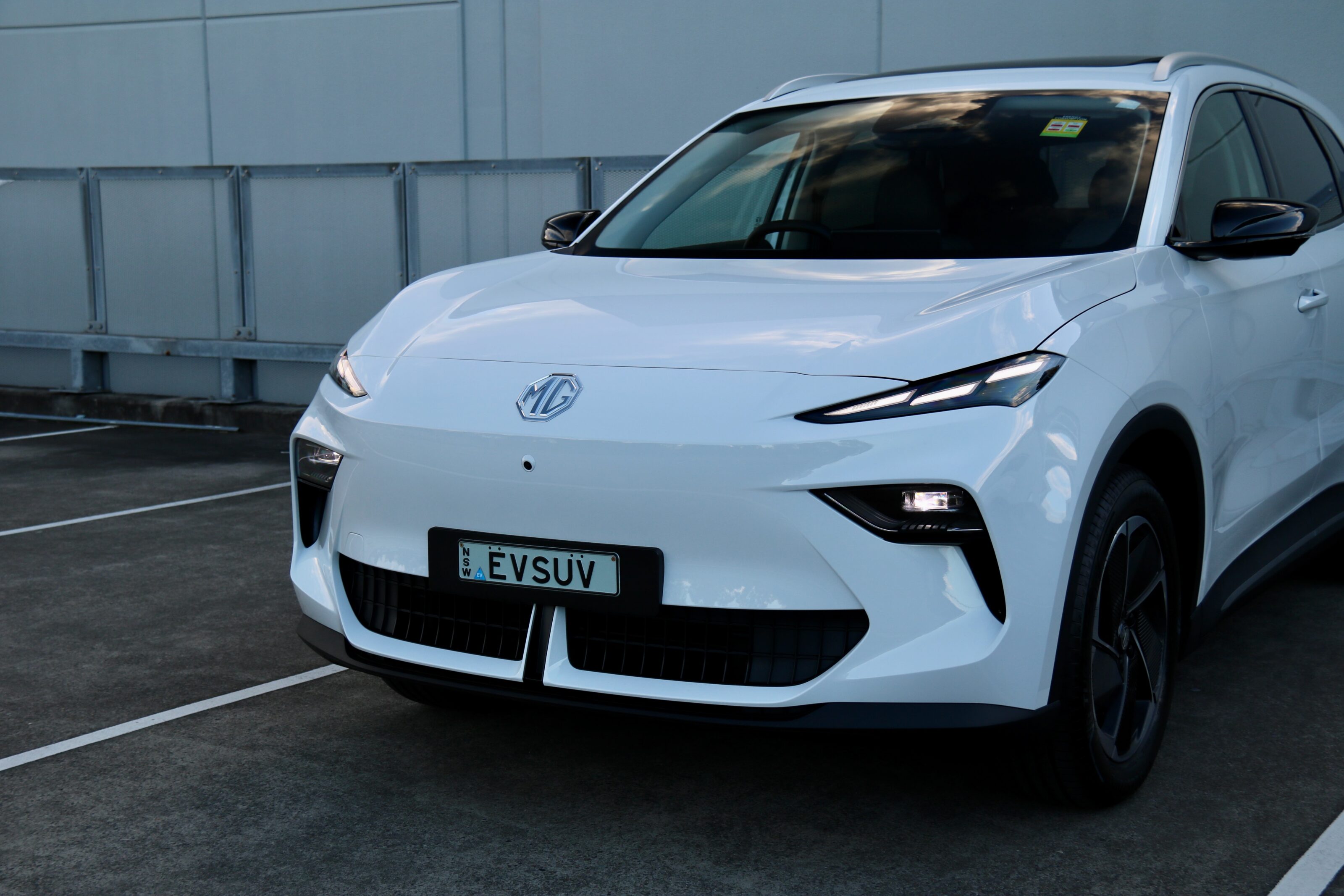
The top-tier safety rating is thanks in large part to the inclusion of MG Pilot – a comprehensive suite of driver assistance technologies. This includes Forward Collision Warning, Autonomous Emergency Braking, Lane Departure Warning, Lane Keep Assist, and Intelligent Speed Limit Assist, among others.
Peter Ciao, CEO of MG Motor Australia, said the recognition reinforces the brand’s commitment to safety. “The all-electric MGS5 EV already leads the pack on value for Australian families – and now it’s officially one of the safest too,” he said.
Beyond safety, the MGS5 EV offers strong value with features like Wireless Apple CarPlay across the range and a hands-free power tailgate in the Essence model. A 12.8-inch infotainment screen and updated interface ensure a modern, comfortable driving experience for tech-savvy Australians.
Read our longer review from our Australia-first drive of the MGS5 EV here.
A new survey from Money.com.au has uncovered that one in three Australians (33 per cent) experienced a minor driving mishap in the past year – most commonly in car parks or confined areas.
The findings highlight both generational differences and common scenarios where motorists tend to slip up behind the wheel.
Topping the list of mishap-prone groups were Gen Z drivers, with a striking 60 per cent admitting to a minor incident. This figure significantly surpasses the rate among Millennials (41 per cent), Gen X (30 per cent), and Baby Boomers (19 per cent), suggesting that driving experience is a key factor in avoiding everyday driving errors.
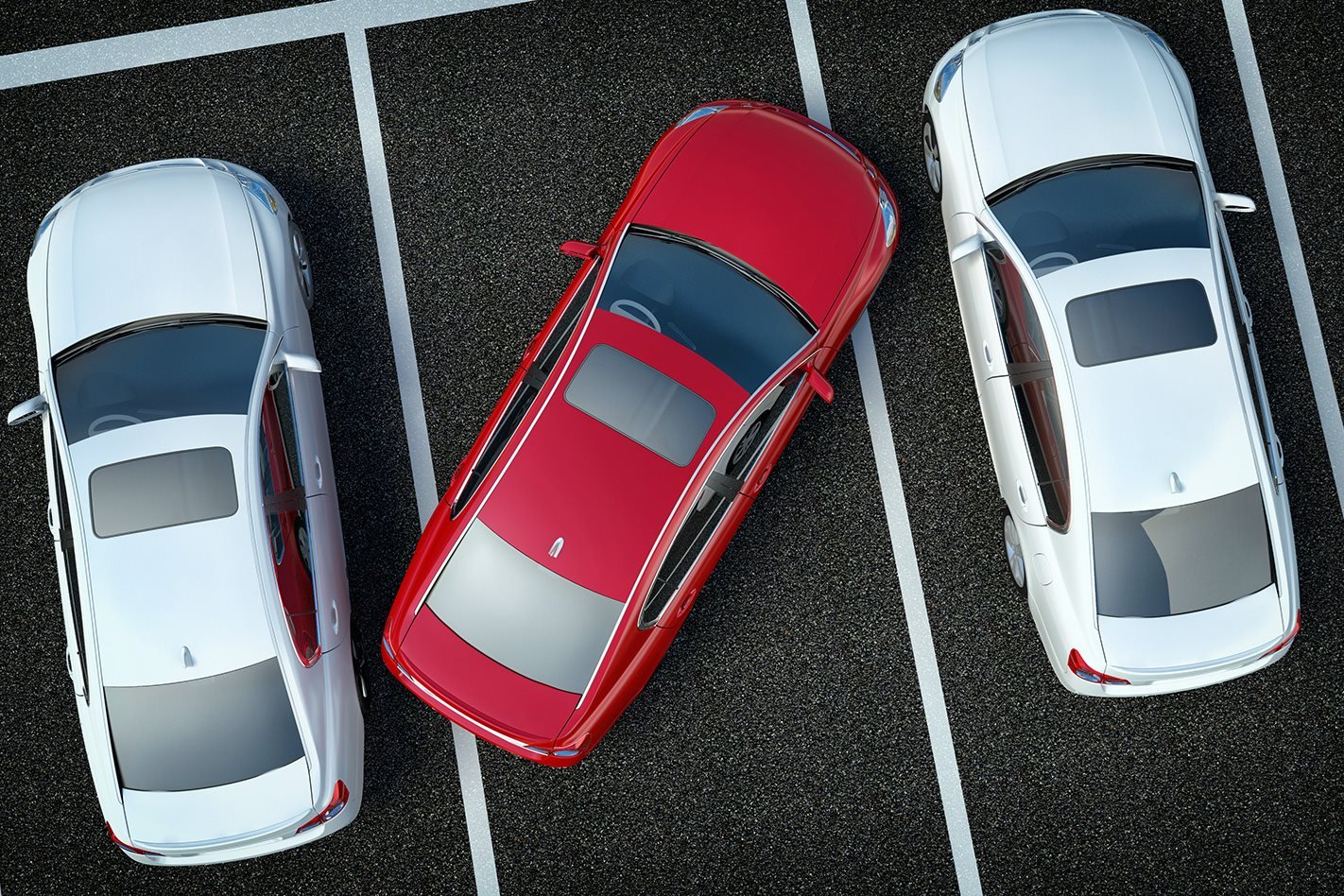
Among the most frequently reported blunders were scraping or scratching the car against a pole, wall or kerb (13 per cent), accidentally dinging a door against an object while opening it (8 per cent), and bumping into another vehicle in a car park or elsewhere (6 per cent).
Additionally, 5 per cent of drivers confessed to hitting a boom gate in a shopping centre or parking facility, while another 5 per cent admitted to forgetting to engage the handbrake properly, resulting in their car rolling slightly.
Sean Callery, Finance Expert at Money.com.au, notes that many of these minor incidents are often not worth claiming through car insurance due to cost considerations.

“Often, the cost of repairing a scratch or dent is comparable to or less than the insurance excess,” Callery explains. “Plus, lodging a claim can lead to increased premiums and potentially affect your no-claims bonus, so many drivers prefer to cover minor repairs out of pocket.”
Despite the number of incidents, the survey offers a silver lining – 67 per cent of Australians reported no driving mishaps in the past year. Notably, older generations such as Baby Boomers and Gen X were the most accident-free, further underscoring the role of driving experience in preventing common blunders.
The findings serve as a reminder for all drivers, especially younger ones, to stay vigilant in tight spaces and consider the long-term costs of even seemingly minor accidents.
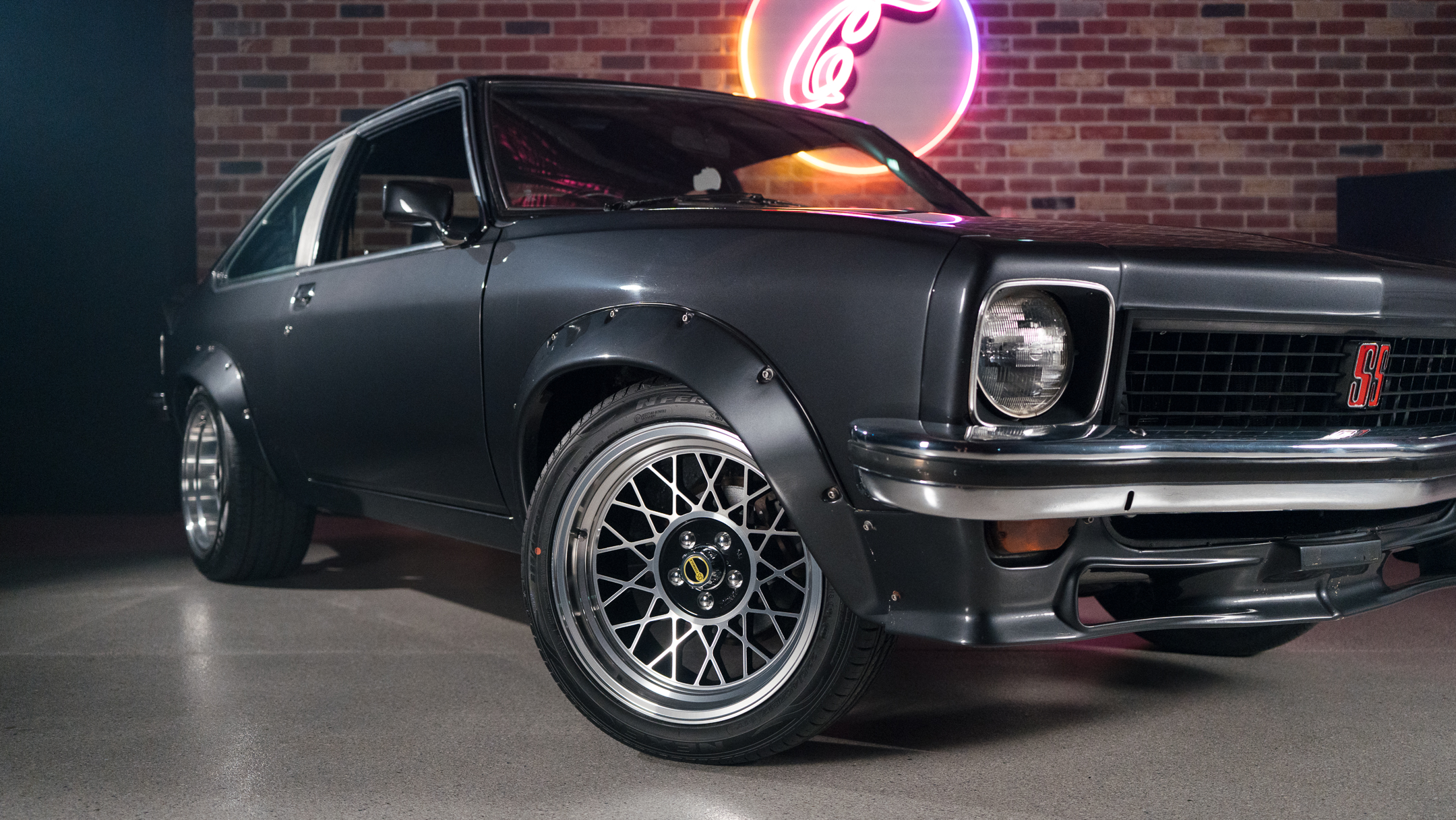
She might be dressed sharp, but this Torana’s no soft touch. This 1977 Holden Torana LX Hatch has been fully restored and proudly wears the curves, stance and soul of a true classic V8.
Finished in sleek Gunmetal Grey metallic, this two-door hatch cuts a serious silhouette. She rides low on a fresh set of 17” OS Formula Hotwire wheels wrapped in brand-new rubber. Widebody A9X-style guards stretch the stance just enough to let you know she’s not stock. Chrome bumpers at both ends keep the lines clean, and the restored bodywork hits hard with that unmistakable Torana attitude.
Valued at $150,000, this beauty is the latest car to be given away by Classics as part of our mission to support Aussie veterans.
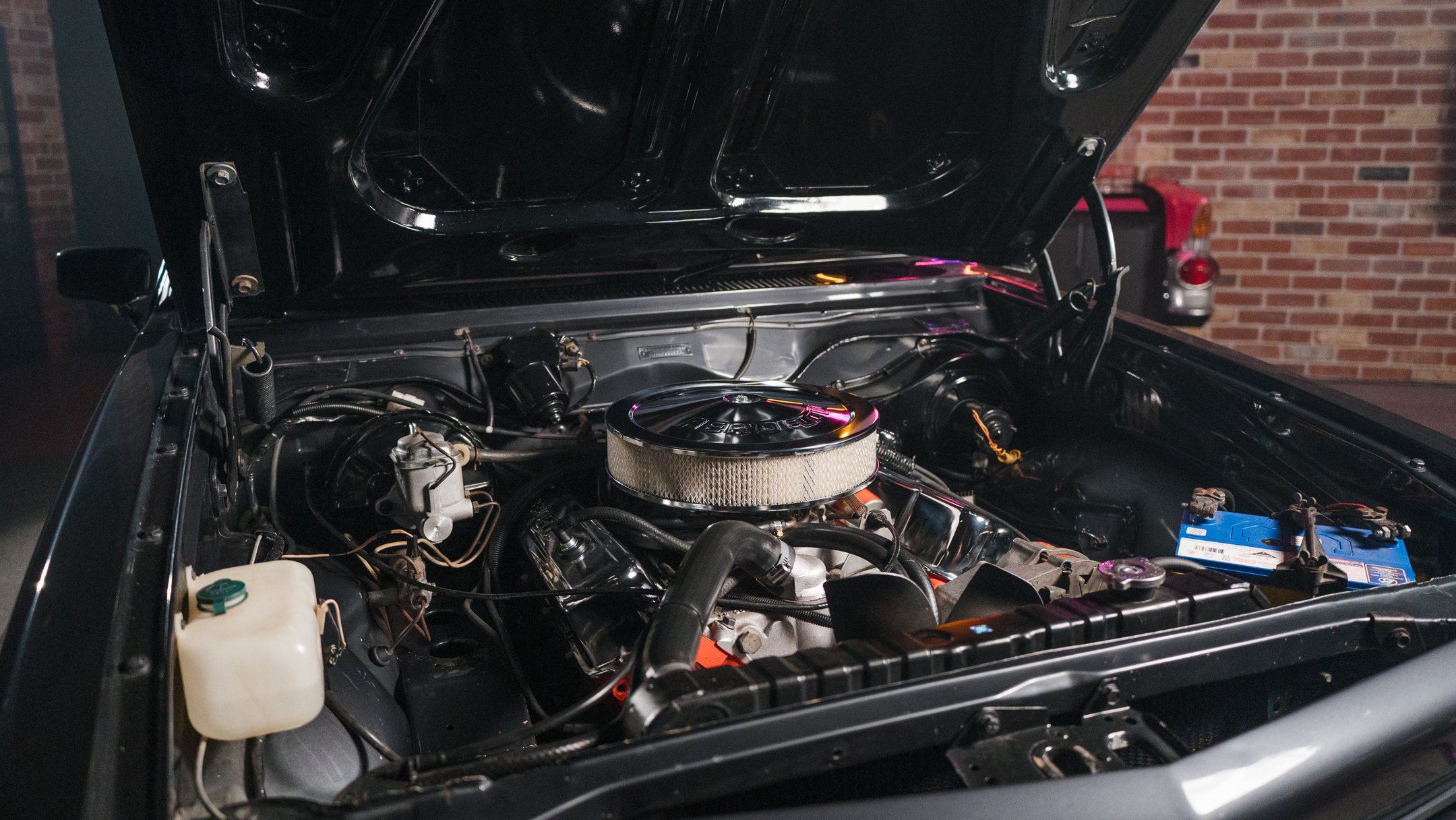
Pop the bonnet and you’ll find a punchy 308ci Holden V8 paired with a Tri-matic automatic transmission that pushes power to the rear through a factory differential. The brakes are power boosted with fresh discs up front, and the factory suspension has been fully rebuilt to keep it feeling right without losing that raw edge.
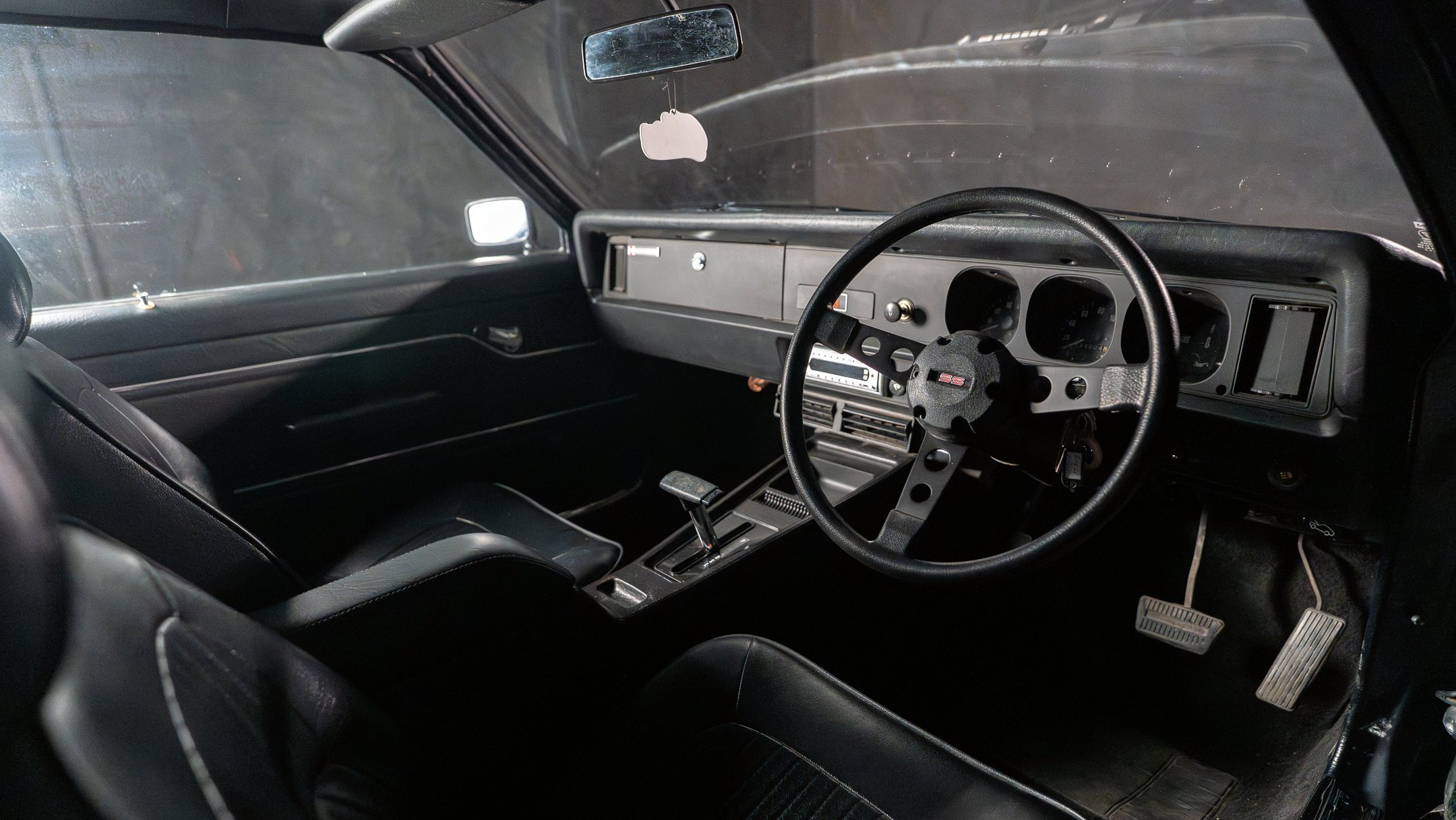
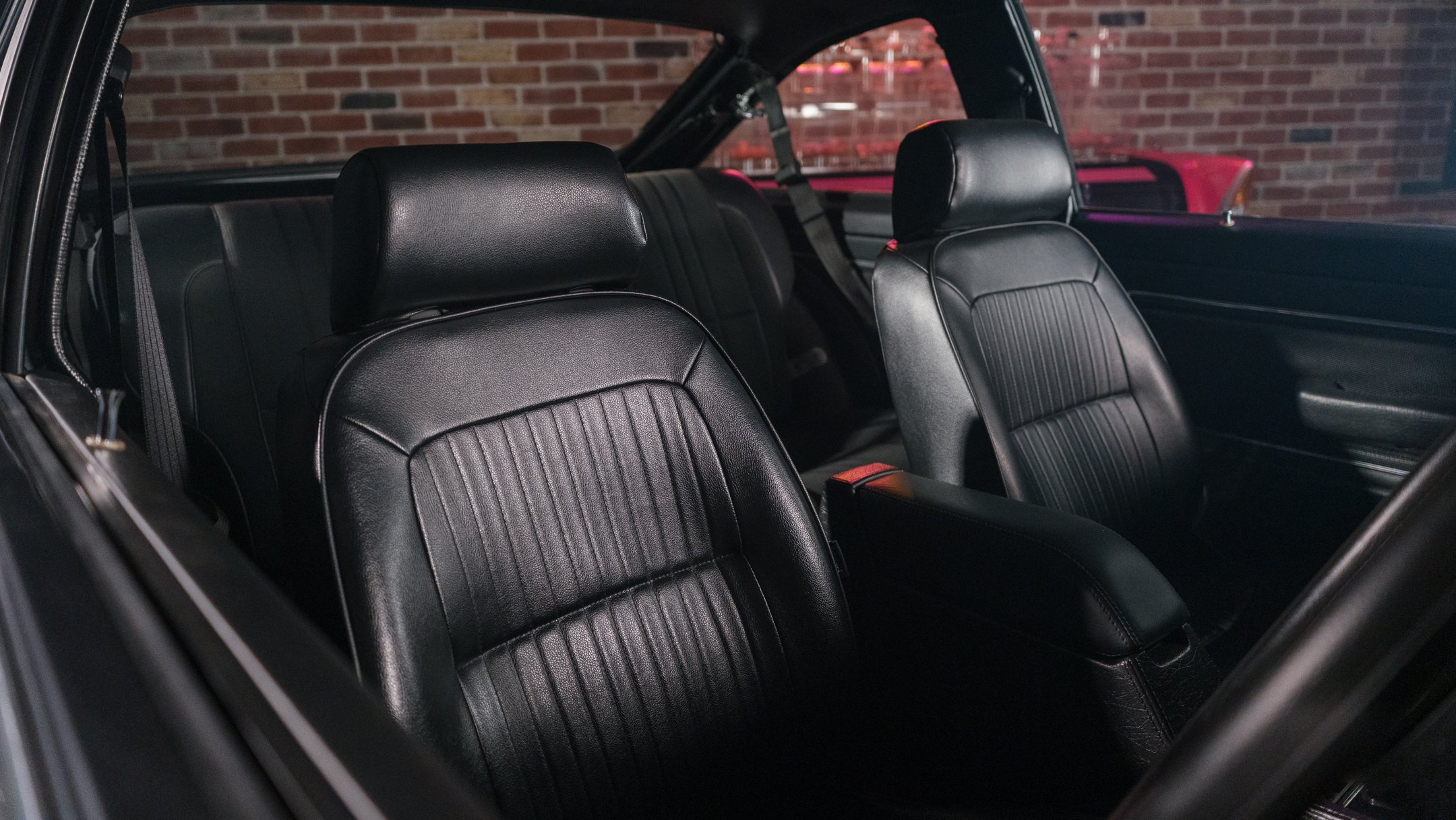
Slip inside to a refined interior trimmed in classic black vinyl. Supportive aftermarket buckets sit up front, the original rear bench stays in place to retain a factory feel. The SS steering wheel leads the way, backed up by a T-bar shifter and a clean centre console. There’s an aftermarket stereo tucked in, ready to lay down your soundtrack when the V8 takes a breather.
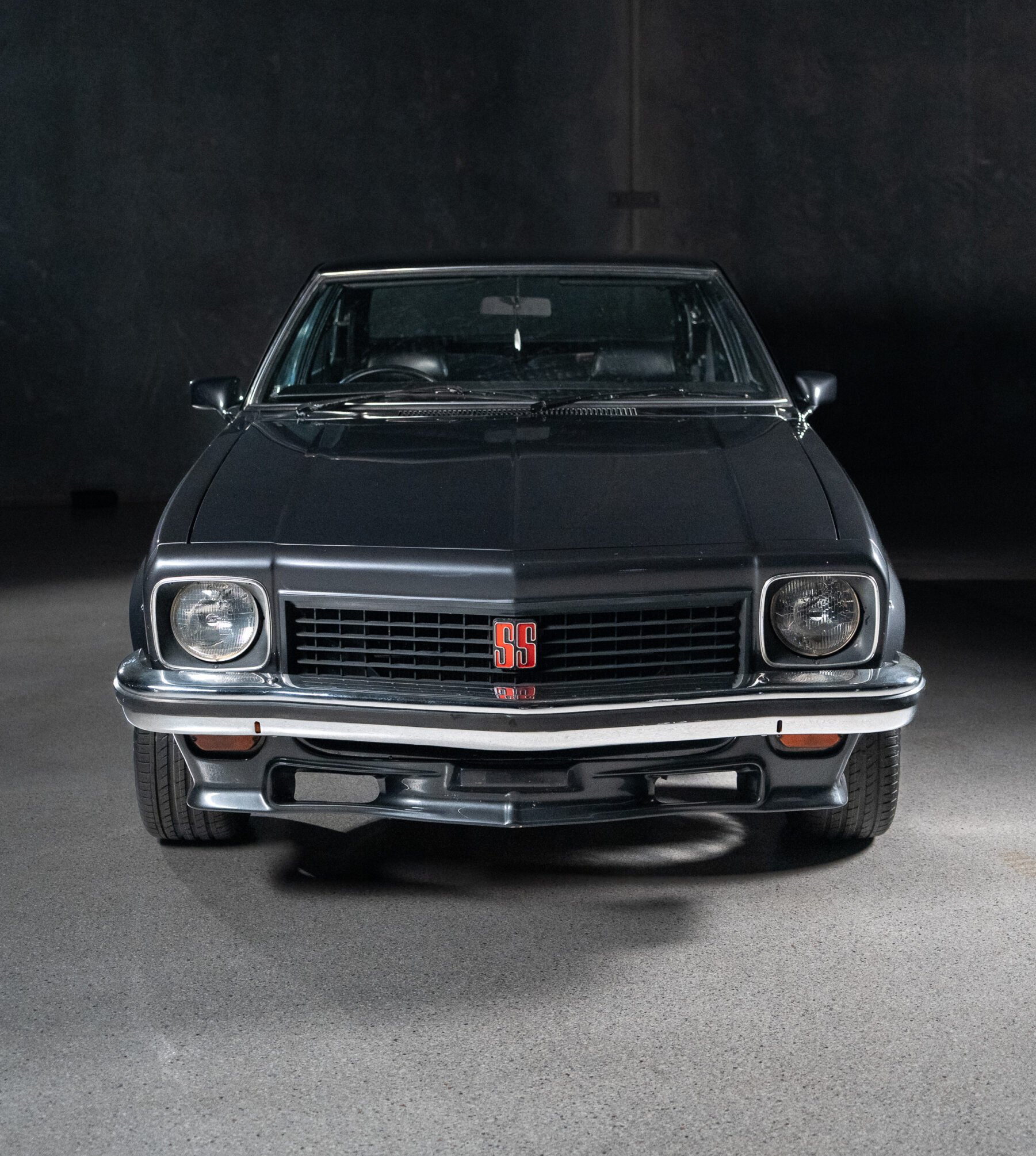
This is a build with presence. Strong stance, tight lines and a big V8 heartbeat. A neat Torana hatch with classic DNA and modern punch. There’s nothing messy about her.
A clean build, sharp in all the right places, with plenty of muscle underneath and ready for someone who knows exactly what they’re looking at.
Terms and conditions
To be in the draw to win this amazing 1977 Holden Torana LX Hatch, join Classics Retro Rewards before June 13, 2025 at classicsforacause.com.au
Bonus Prizes
For this draw, Classics are also offering 200 runner-up prizes – 100 Gold memberships worth $100 each and 100 1-month VIP trial memberships.
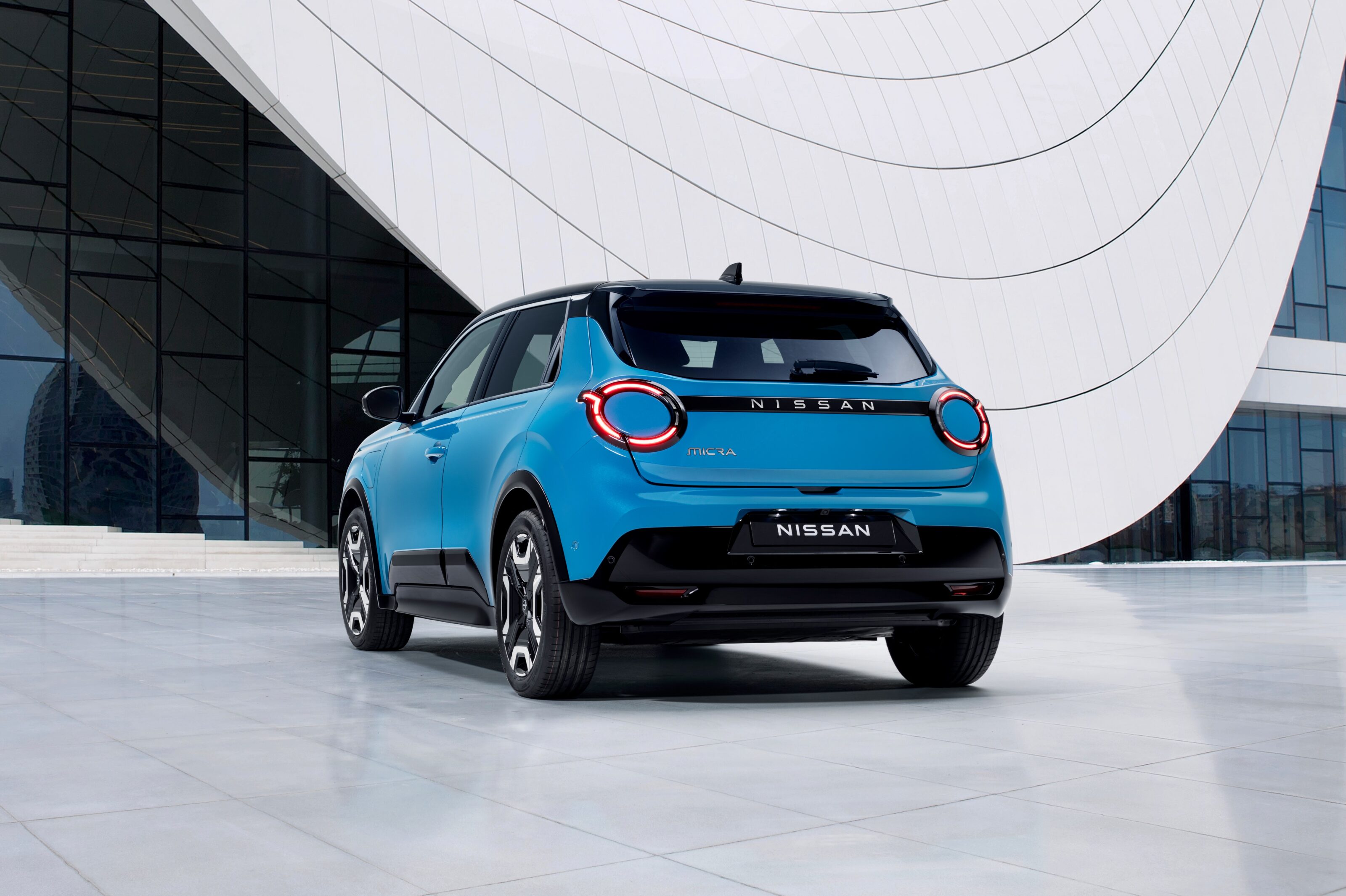
Based on the Renault 5 electric small car, the all-new sixth-generation Nissan Micra has been revealed. Due to go on sale in late 2025 in European markets, the new Micra offers two battery sizes with up to 408km of range and up to 110kW of power.
Using the same ‘AmpR Small’ platform as the Renault 5 and its slightly bigger 4 sibling, the new Nissan Micra takes on a more Japanese look than its platform siblings, with cute circular lighting from the iconic ‘K12’ model sold in Australia from 2007. The wheels are huge for its size as well: 18s are standard on every model.
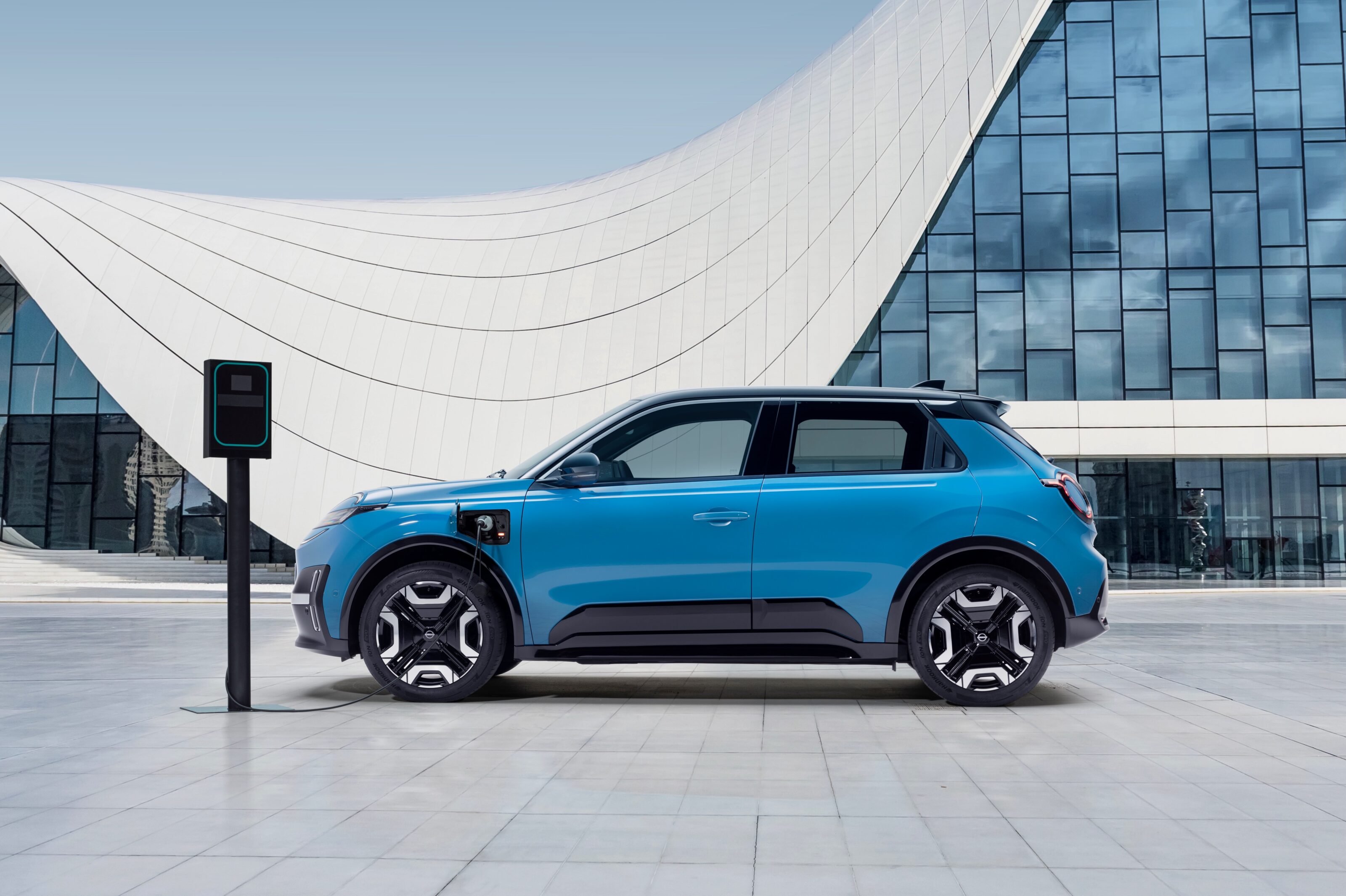
Two battery sizes will be available: a smaller 40kWh unit and a larger 52kWh one, with the less powerful unit attached to a 90kW/225Nm motor and the more powerful one with a 110kW/245Nm motor. The 40kWh battery gives the Micra a claimed 310km of range, and the larger one 408km.
According to Nissan, the new Micra can be DC fast charged at up to 100kW for the 52kWh battery (80kW for the 40kWh unit), with a 15 to 80 per cent charge taking as little as 30 minutes. A heat pump is standard on both battery options, as is vehicle-to-load (V2L) technology.
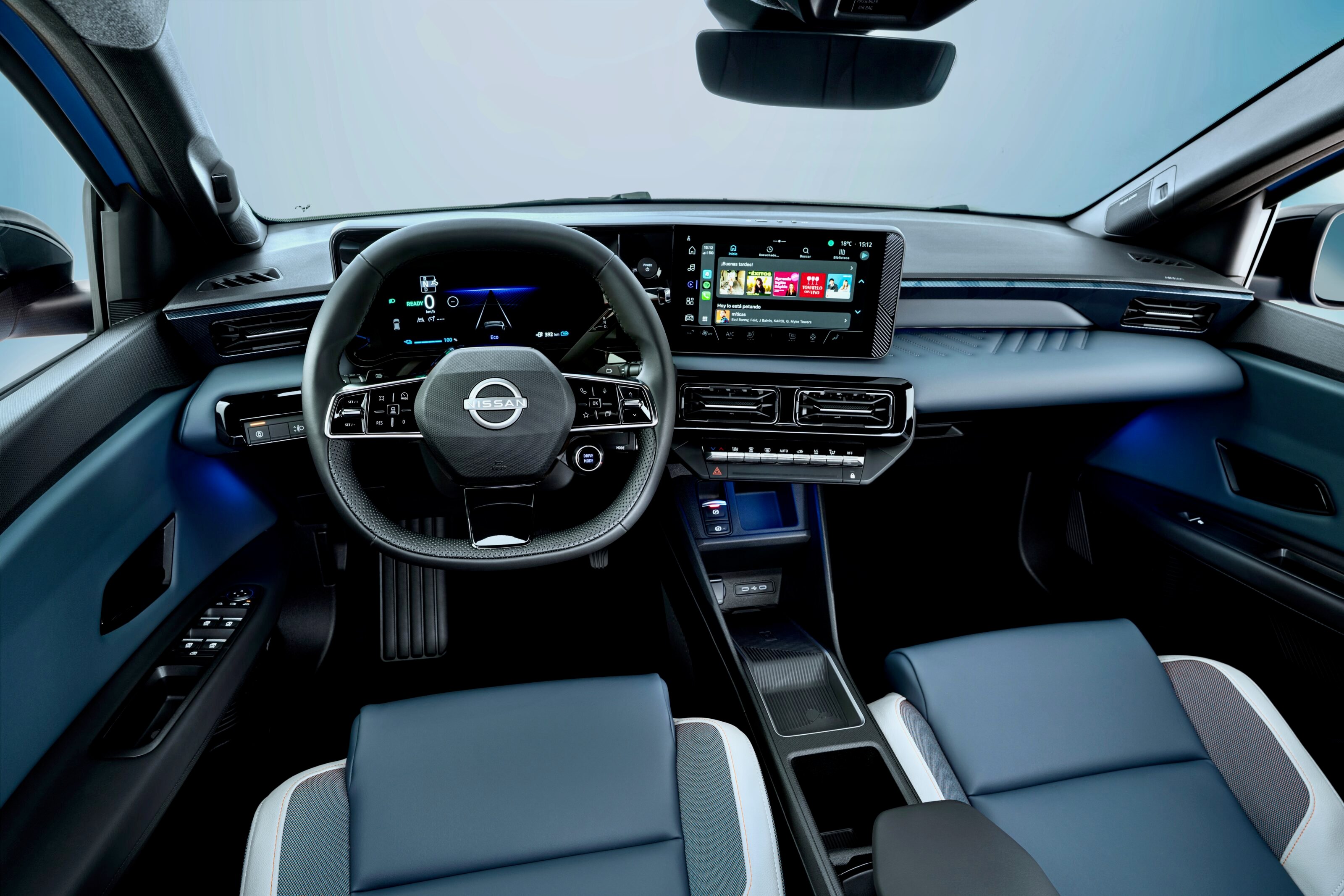
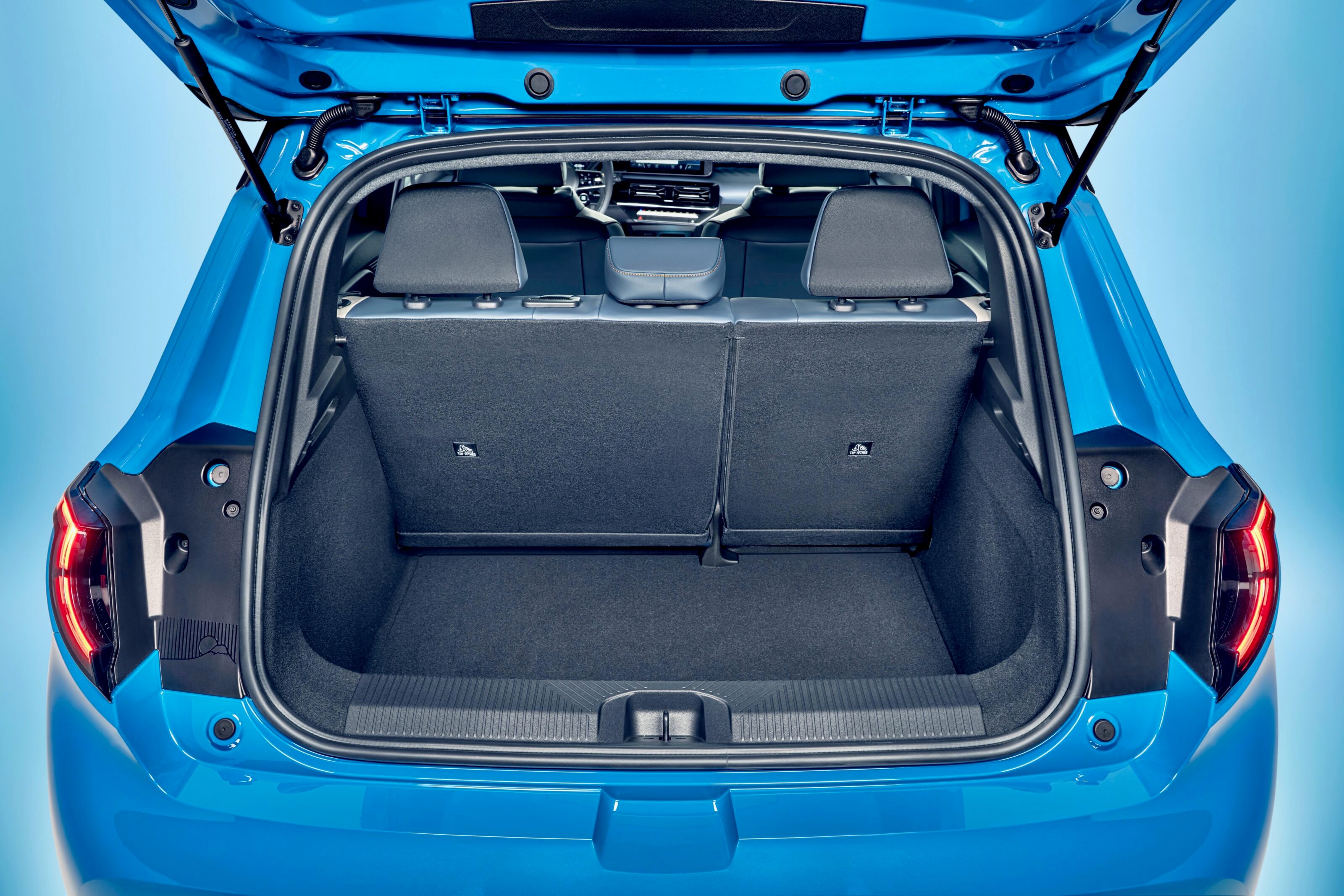
The interior of the new Micra is almost identical to the Renault 5, with a 10.1-inch touchscreen sitting at the centre and another 10.1-inch driver’s display. The infotainment uses Google software for features such as Google Maps navigation and the Google Play Store to download apps such as Spotify and YouTube.
Other cool features on the inside of the new Micra include a moulded outline of Mount Fuji in the storage area between the front seats, 48-colour ambient lighting and several trim options. Its 326-litre boot opens up to 1106L with the rear seats folded.
As you’d expect for a car released in 2025, the new Micra is fully-kitted with safety tech, including adaptive cruise control, autonomous emergency braking, adaptive lane guidance, intelligent speed assist, driver attention monitoring, blind-spot monitoring and rear automatic braking.
The new Nissan Micra will go on sale in Europe in late 2025, with Australian plans yet to be confirmed.
Australia’s electric vehicle (EV) market experienced a notable shift in the March 2025 quarter, as battery electric vehicle (BEV) sales fell to their lowest levels in two years, while hybrids and plug-in hybrid electric vehicles (PHEVs) recorded strong gains.
The latest data from the Australian Automobile Association’s (AAA) EV Index revealed that BEVs accounted for just 6.3 per cent of new car sales, down from 7.42 per cent in the December 2024 quarter.
Only 17,914 BEVs were sold between January and March 2025, compared with 21,331 in the previous quarter. This decline coincided with a broader 0.96 per cent dip in total vehicle sales nationally. Internal combustion engine (ICE) vehicles remained dominant with 206,810 sales, although this too was down from 215,789 the quarter before.
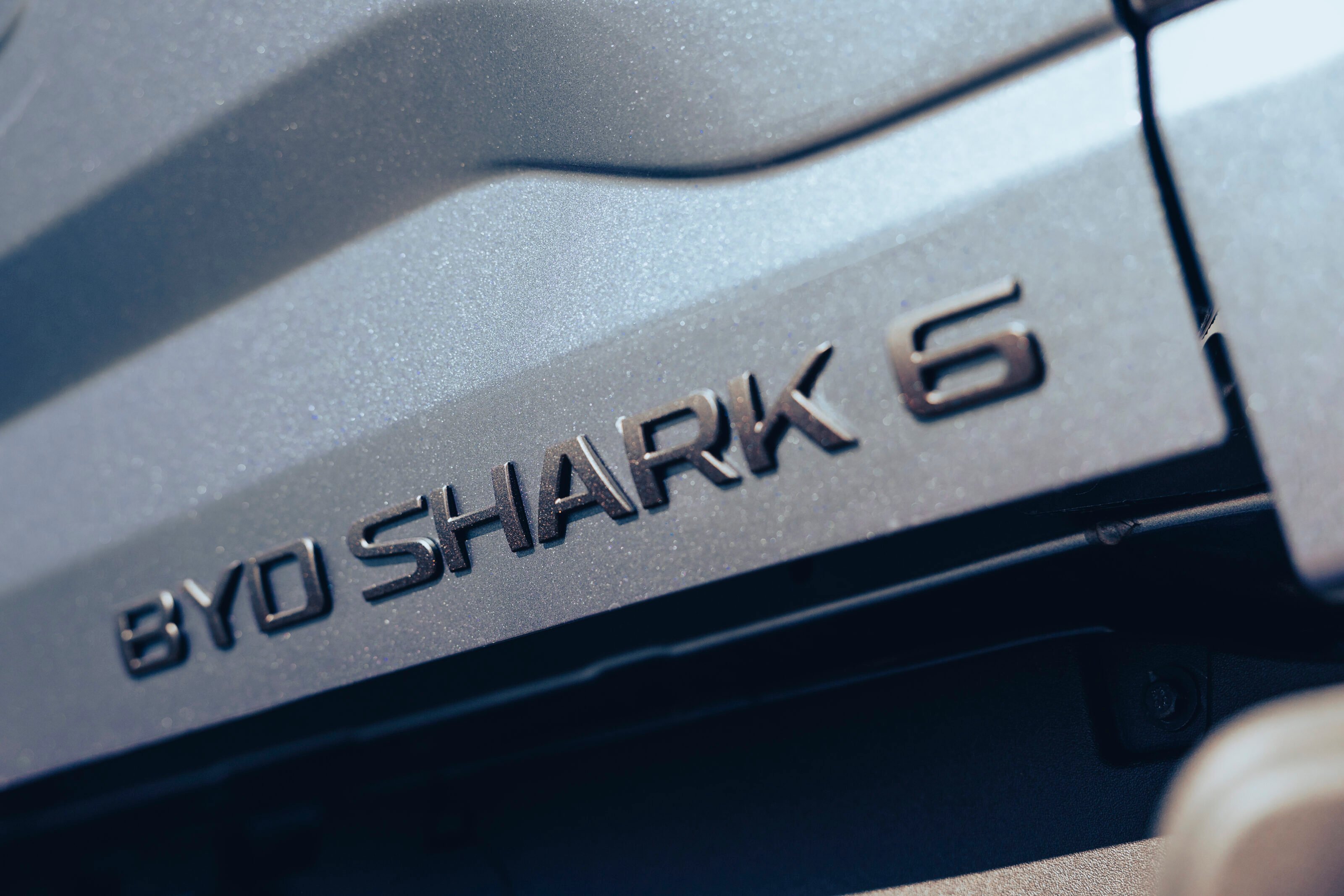
In contrast, PHEV sales surged by 81 per cent, jumping from 7,556 units in Q4 2024 to 13,698 in Q1 2025, capturing 4.81 per cent of the market. Hybrid vehicles also rebounded after a temporary dip in the December quarter. Analysts suggest the end of fringe benefits tax exemptions for PHEVs in April 2025 and the launch of BYD’s Shark 6 plug-in hybrid 4WD ute – with 4,836 units sold – may have fuelled this surge.
The Shark 6’s success also reshaped the PHEV segment, historically dominated by medium SUVs. In the March quarter, medium SUVs made up 46.9 per cent of PHEV sales – down from 76.7% in Q4 – while 4WD utes, led by the Shark 6, accounted for 35.3 per cent of PHEV sales and 9.28 per cent of all 4WD utes sold.
Vehicle type preferences remain clear: medium SUVs continue to dominate BEV, PHEV, and hybrid sales. In this segment, 50.26 per cent of sales were ICE, 29.88 per cent hybrid, 10.94 per cent BEV, and 8.92 per cent PHEV. Meanwhile, ICE vehicles still rule the 4WD ute and van markets, though the former saw its ICE share fall to 89.98 per cent, reflecting increased PHEV uptake.
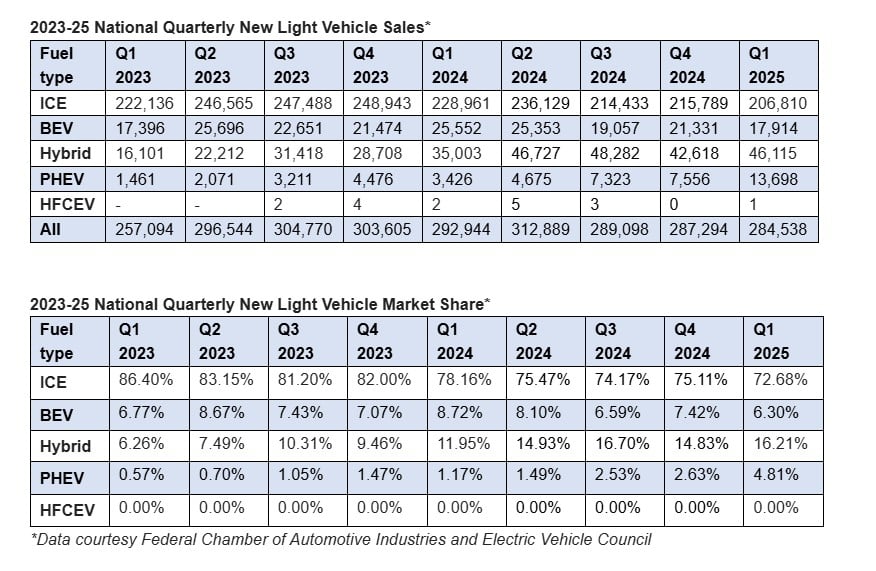
Despite fluctuations, hybrid sales have shown consistent growth over the past two years. BEV sales, on the other hand, have yet to regain their Q2 2024 peak, and hybrids have now outsold BEVs in seven consecutive quarters. The cessation of BEV purchase incentives across all states – most recently in Western Australia – may also be influencing buyer decisions.
It should be noted VFACTS data released by the Federal Chamber of Automotive Industries (FCAI) for the month of April 2025 showed a downturn in sales in the PHEV segment following the end of the fringe benefits tax (FBT) exemption on March 31.
PHEV sales for April totalled 2,601 units, accounting for just 2.9 per cent of the market. This is a notable slide from the 4.8 per cent share recorded in the first quarter of 2025.
The AAA’s EV Index, which compiles national sales data from several key industry bodies, serves as a vital tool for tracking Australia’s evolving automotive landscape.
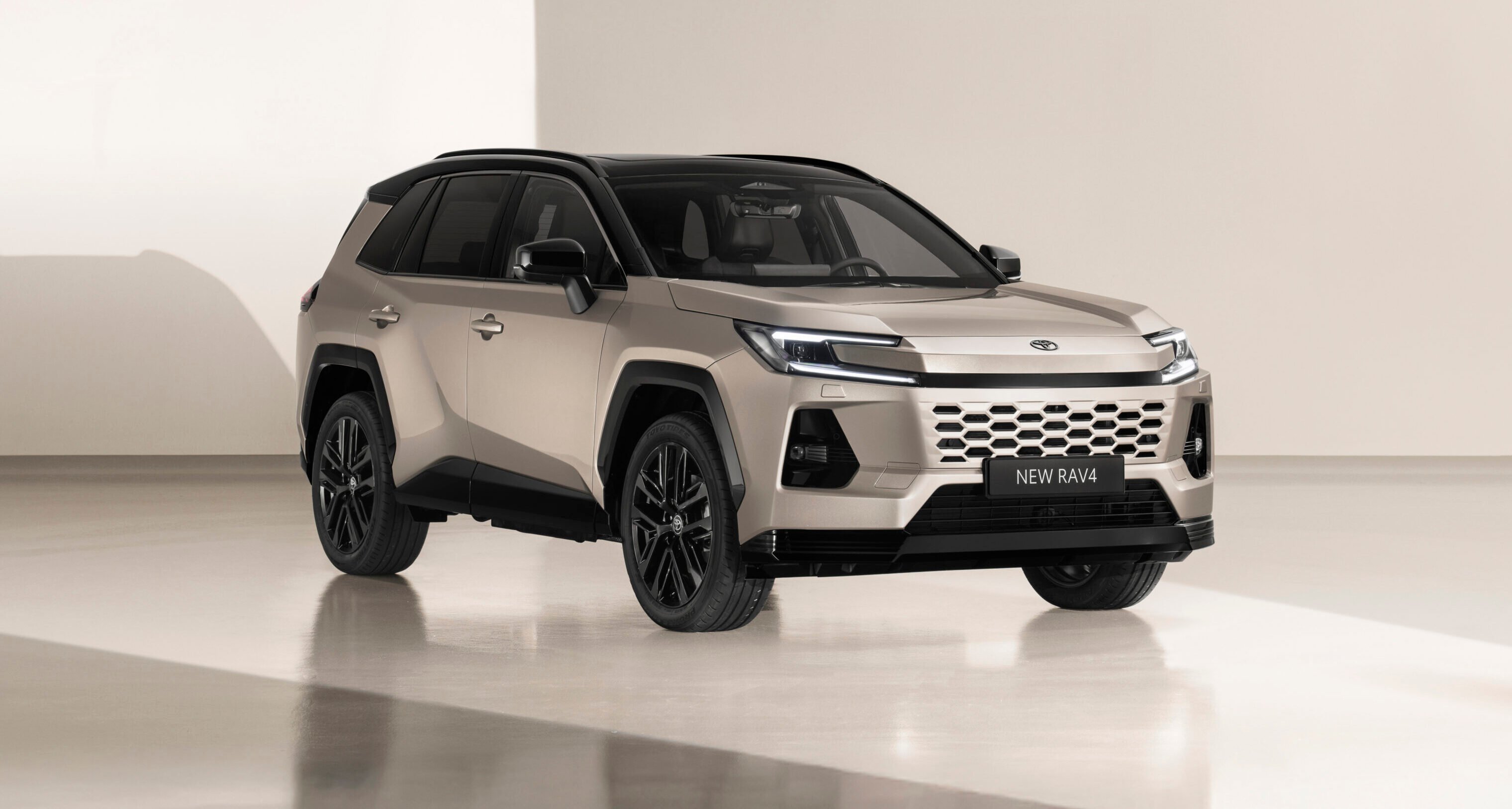
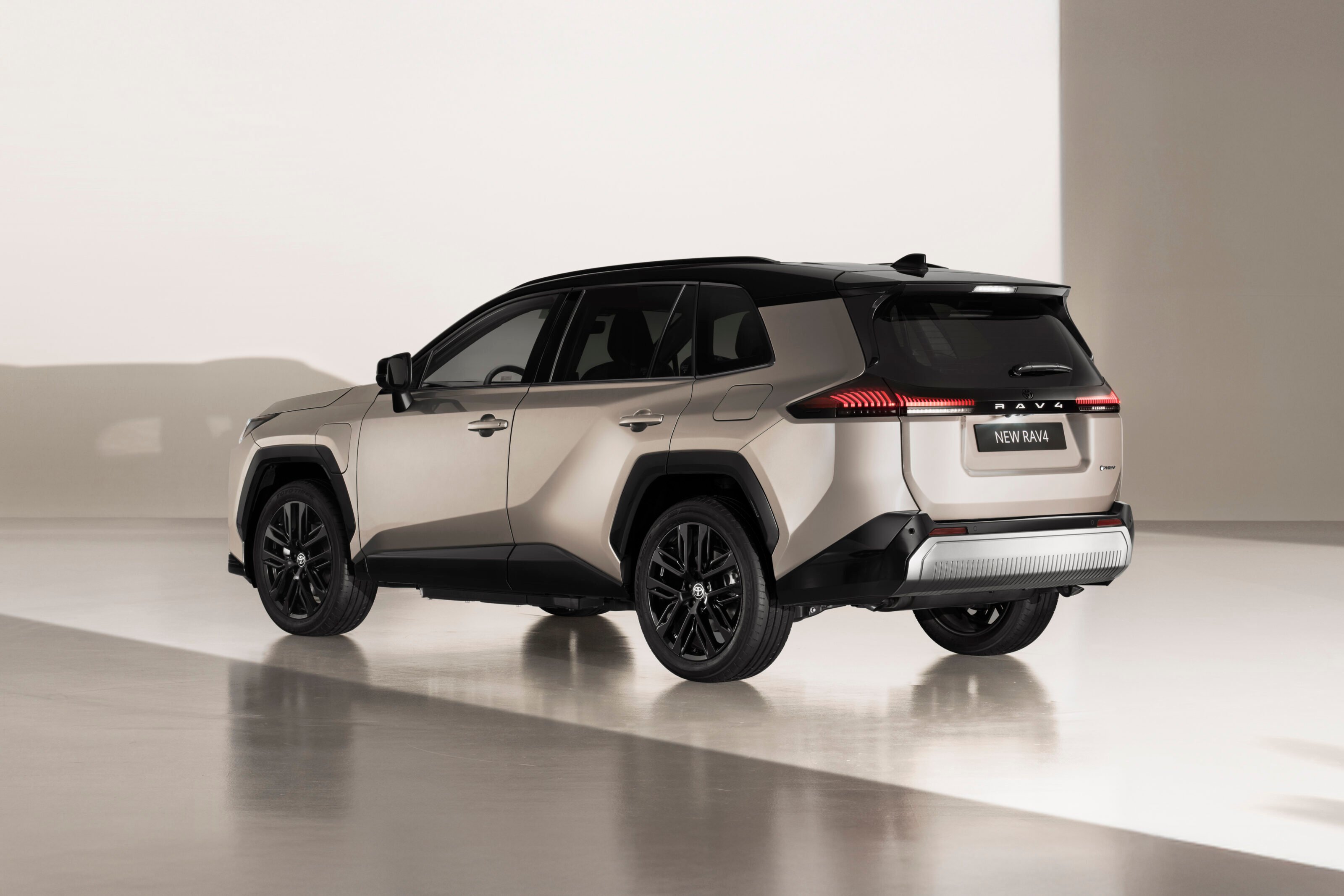
The all-new sixth-generation Toyota RAV4 will arrive in Australia during the first half of 2026, featuring an all-hybrid line-up, a new range-topping GR Sport variant and the brand’s first-ever plug-in hybrid model offered in the Australian market.
Globally revealed on May 21, Toyota says the new-generation RAV4 plug-in hybrid will feature a ‘sixth-generation’ hybrid system with a 22.7kWh lithium-ion battery – enabling a targeted EV driving range of up to 100km (WLTP).
Fast DC charging capability combines with a 50kW onboard charger to deliver a 10 to 80 percent charge time of 30 minutes, while a new 11kW AC charger achieves the same boost in battery charge in three hours.
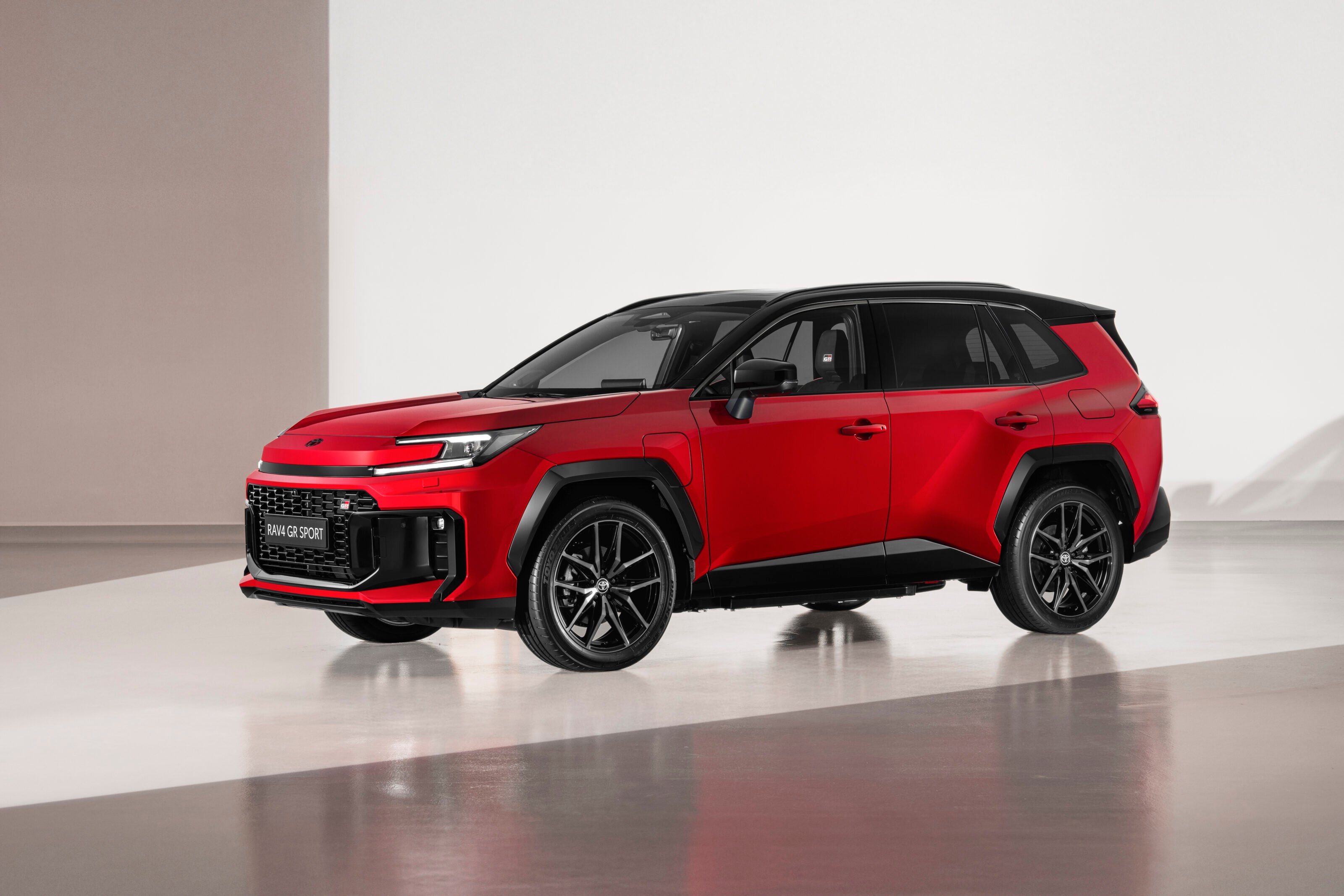
Toyota’s new 2.5-litre PHEV powertrain will be offered as standard on a new RAV4 GR Sport flagship variant. Combined with unique suspension tuning and a specific power-steering tune, as well as individual GR Sport styling and equipment such as 20-inch alloy wheels and a rear spoiler, the GR Sport will elevate RAV4 performance to a new level.
Offered solely in AWD form, the GR Sport delivers a total system output of 227kW and can sprint from 0-100km/h in a claimed 5.8sec. A “more affordable” front-drive PHEV system will also be offered on new RAV4, featuring a total system output of 201kW.
Toyota’s fifth-generation 2.5-litre series-parallel four-cylinder hybrid will carry over in FWD and AWD forms in the regular RAV4, featuring “enhanced efficiency for the transaxle, PCU, battery and electric motors” but a lower 143kW power output compared to its predecessor.
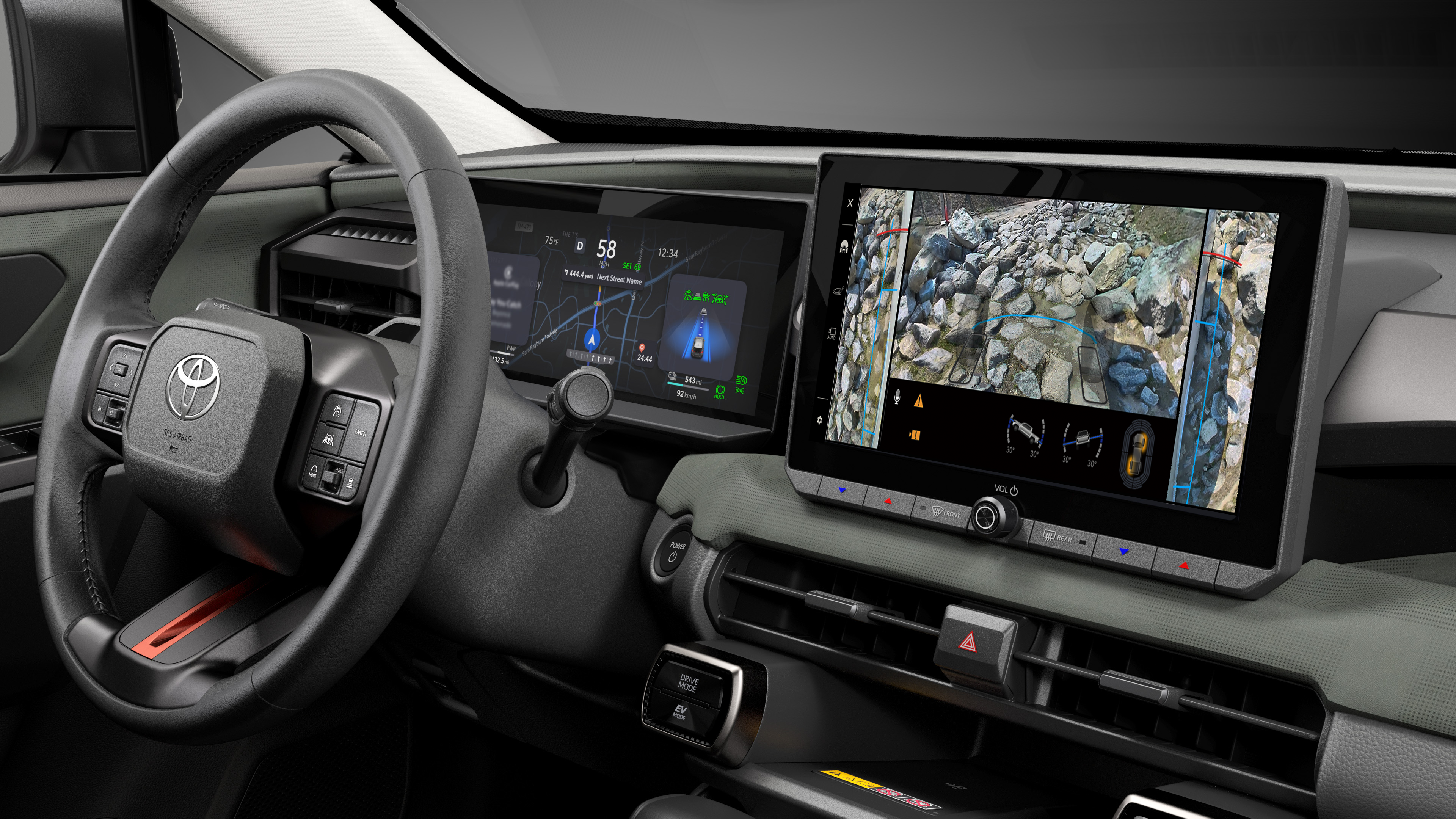
Visually, the sixth-generation RAV4 features Toyota’s ‘hammerhead’ styling cues with three variant-specific design treatments and debuts a more upmarket and sophisticated interior with a new-generation multimedia system offering much-improved functionality and extensive connected services.
Based on the first official images, the GR Sport will feature a dark-themed interior with red stitching while the luxury Cruiser offers a black and white colour scheme, and the adventure-flavoured Edge (if the variant name continues) retains its orange detailing but features a khaki horizontal dashboard band with camouflage-style perforations. Toyota also says the new RAV4 offers superior ‘Safety Sense’ driver assistance technologies.
Underneath, RAV4 continues to share its TNGA-K platform with the latest XV80 Camry, though with 20mm-broader track widths compared to the previous model for “improved stability and handling”.
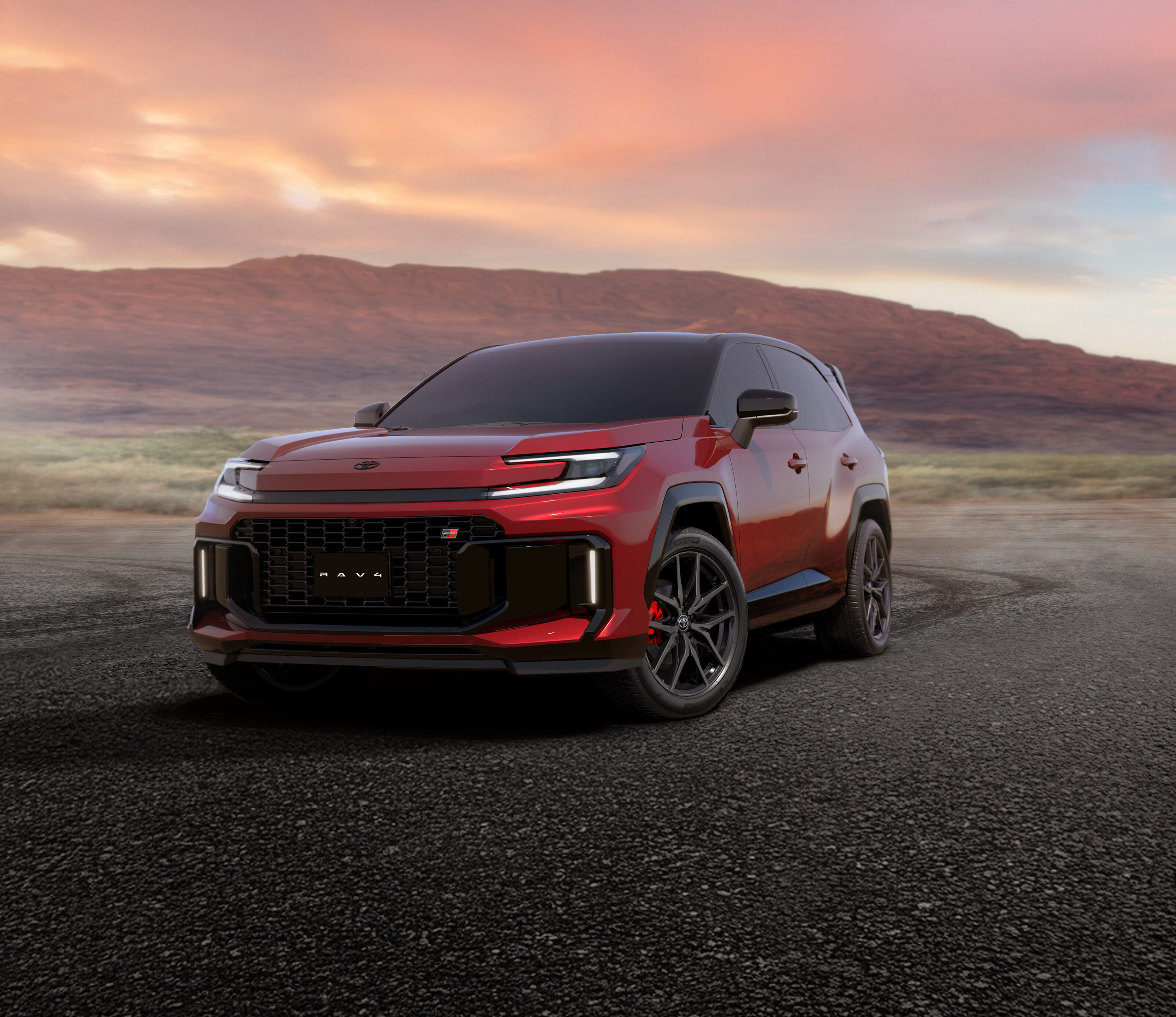
In terms of model line-up, the Australian RAV4 will be available in front- and all-wheel- drive forms with both powertrains. The variant spread is expected to mirror the current GX, GXL, XSE, Cruiser and Edge model grades, with the new GR Sport acting as a halo model.
According to Toyota Australia’s Vice President Sales, Marketing and Franchise Operations, Sean Hanley, the availability of the new plug-in hybrid powertrain in other variants aside from the GR Sport “will be announced for Australian spec closer to the launch date”.
“[We’re expecting] huge interest [in the RAV4 plug-in hybrid],” said Mr Hanley. “PHEV was kind of the only vehicle we don’t have, so this is a really big step for us. I believe that plug-in hybrid will be a very big growth market, and I think we’re coming to it at exactly the right time.”
He said he expects the PHEV will be a “slightly dearer vehicle” than the regular petrol-hybrid RAV4, and that the standard HEV version will remain the biggest seller in the range.
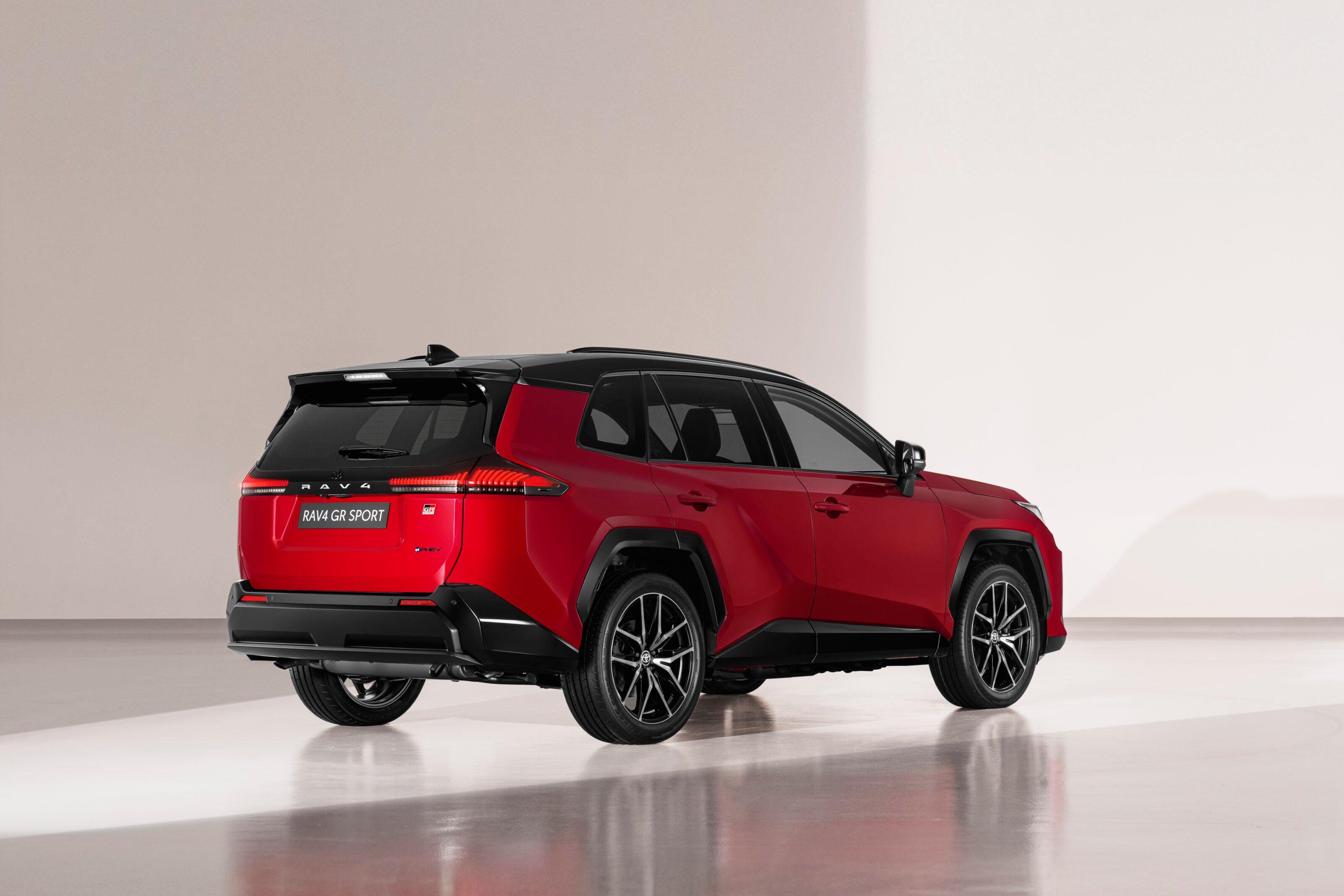
The existing six-year-old RAV4 is already Australia’s highest-selling vehicle so far in 2025 – marginally out-numbering the Ford Ranger and Toyota Hilux utes – and Mr Hanley expects next year’s all-new model to further establish itself as Australia’s favourite vehicle.
“I think in 2026 we’ll see that RAV4 could potentially be the number one selling car, and PHEV will only add to that,” he said.
No pure-electric sixth-generation RAV4 will offered in any market. Toyota’s future electric medium SUV will be a production version of one of its concept SUVs shown in recent years – potentially with retro styling.
Mr Hanley said the recently revealed bZ4X Touring – essentially a wagon version of the updated bZ4X – will be joined by another yet-to-be-announced EV by the end of 2026.
In terms of pricing, expect the new-generation RAV4 to be moderately more expensive than the current model which spans $42,260 to $58,360 before on-road costs, with the GR Sport PHEV likely to cost at least $65,000 when it arrives in Australia during the first half of 2026.