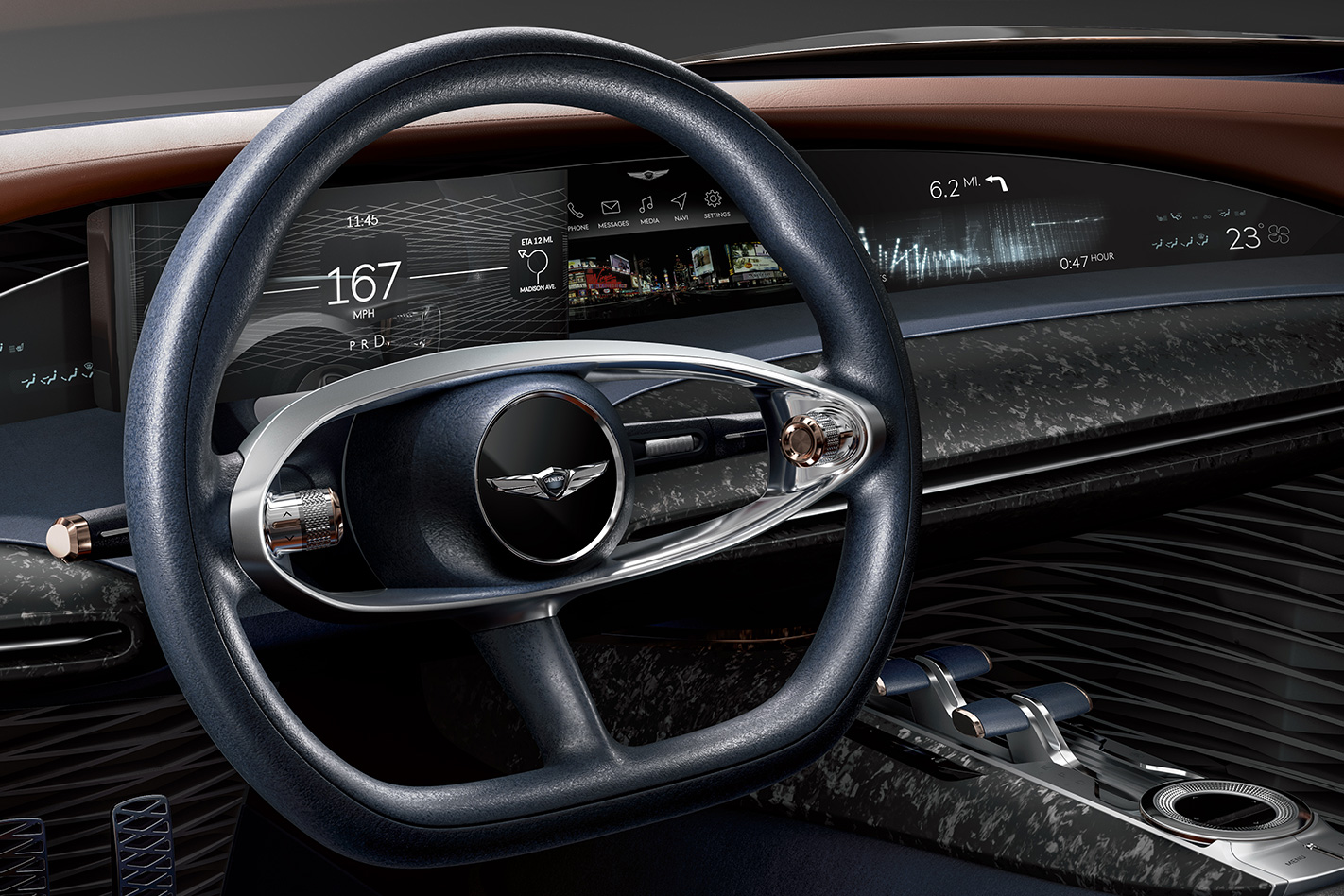
THE Toyota RAV4 unveiled at the New York Motor Show overnight has revealed a transformation for the midsize SUV, due on sale in Australia in the first half of next year.
The biggest is the move to a hybrid drivetrain – a first for the version of the RAV4 sold in Australia – as part of the shift to the same Toyota New Generation Architecture (TNGA) platform that underpins the more dynamically competent Prius, Camry and C-HR, and the upcoming Corolla due on sale here in August.
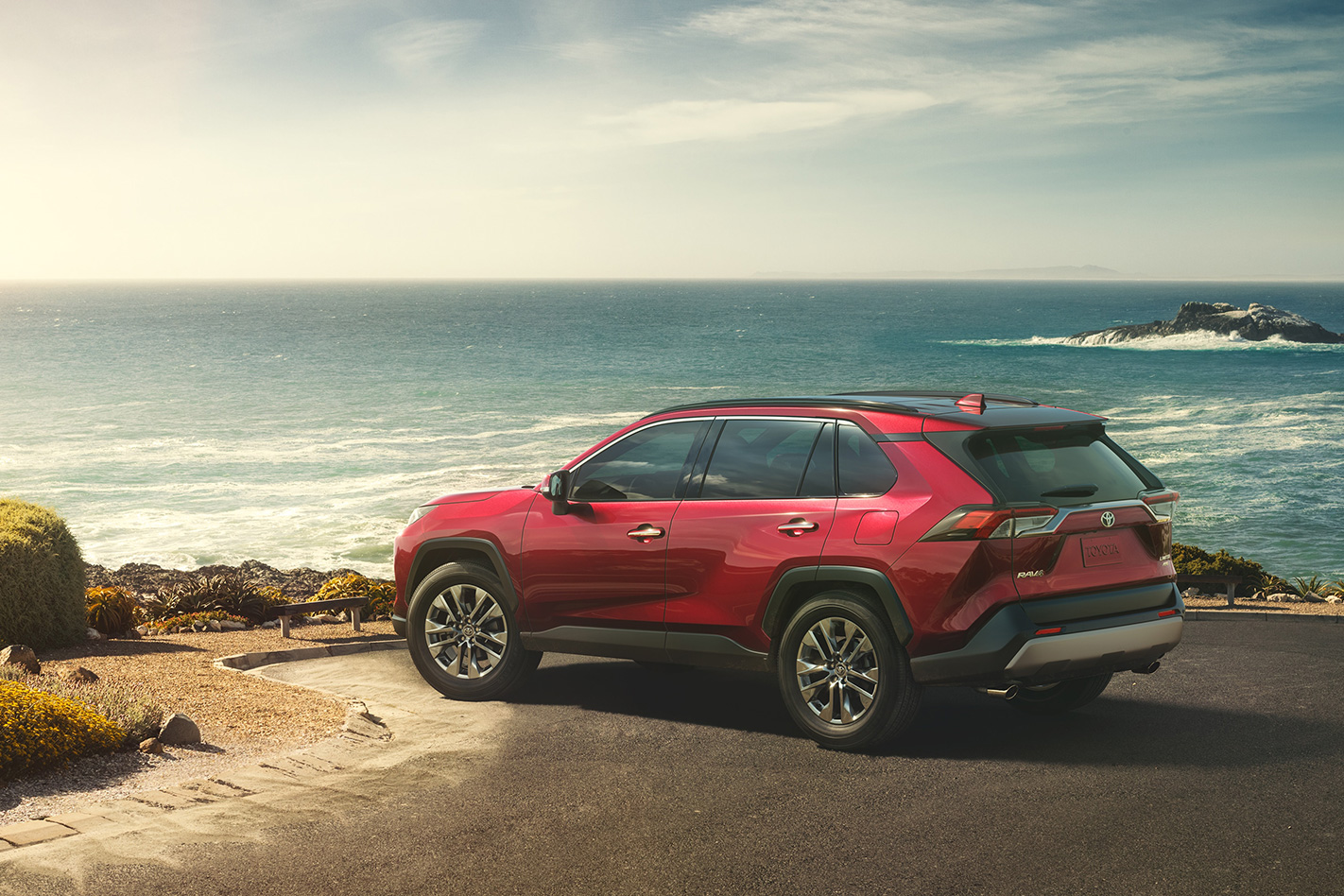
The car maker has also announced that a 2.0-litre version of the RAV4 will join the range, and Toyota Australia has already confirmed buyers will have the option of equipping it with a six-speed manual instead of the eight-speed auto. While the 2.5-litre engine claims a 40 percent thermal efficiency, the 2.0-litre extracts slightly more energy per unit of fuel with an efficiency rating of 41 percent – surprisingly close to the theoretical limit of internal-combustion piston engines.
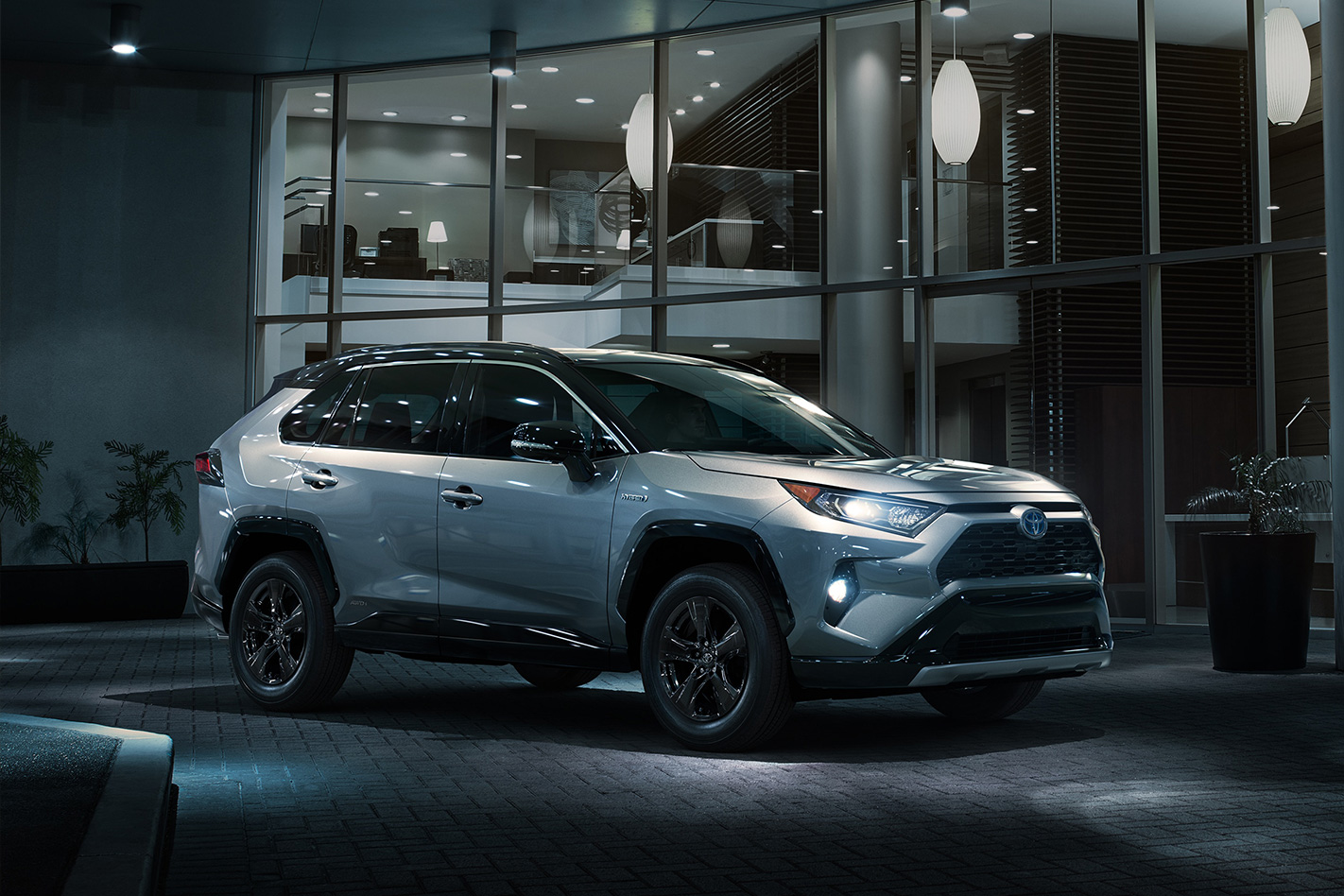
A newly-developed AWD system can send up to half the RAV4’s drive to the rear wheels, and can disconnect the rears to coast along like a front-driver. But the more advanced system can also distribute torque from side to side down the rear, depending on the need.
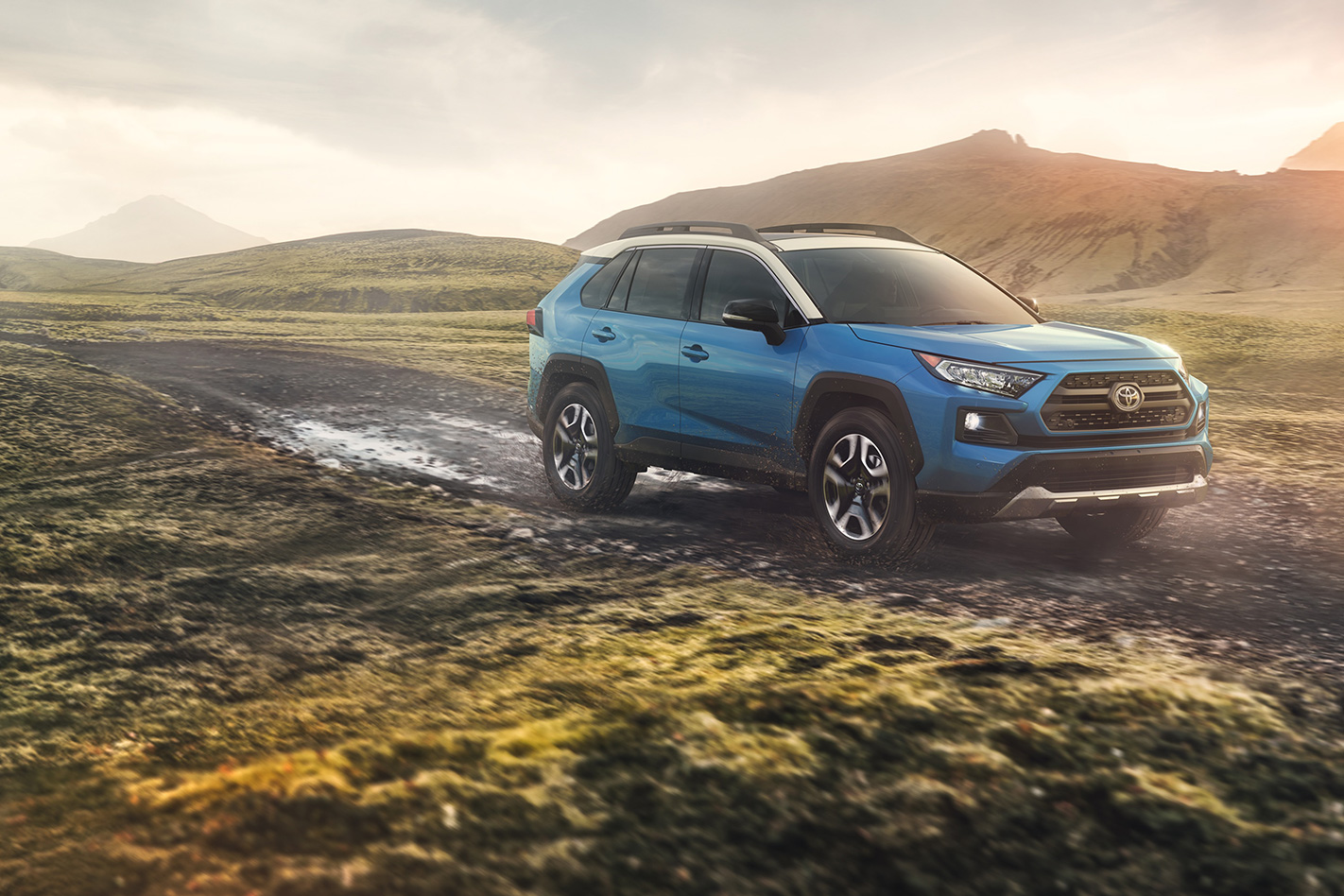
Another safety first is the RAV4’s ability to recognise both white and yellow line markings on the road, or if there are no line markings, the ability to follow the car in front. In the US, it can also recognise road signs, including stop signs, and display a warning to the driver. The US version also gains eight airbags and an electric parking brake.
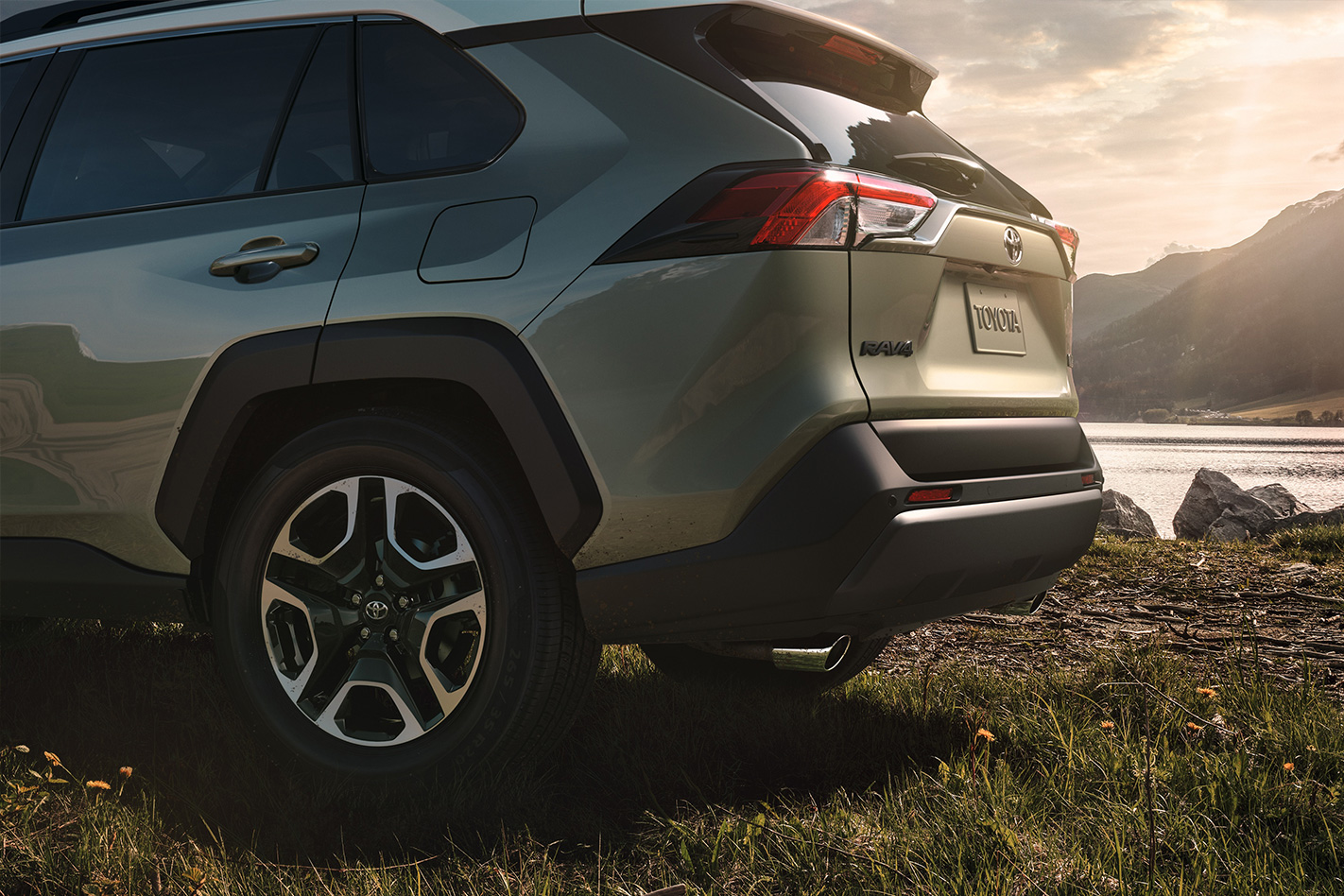
“The implementation of the TNGA platform allows RAV4 to adopt the charisma of a bolder and tougher SUV, but in a package that is lower and wider,” Toyota said in a statement. “The longer wheelbase and wider front and rear tracks provide a stable, confident driving platform. For off-road prowess, the shorter front and rear overhangs will aid in RAV4’s ability to overcome rugged terrain.”
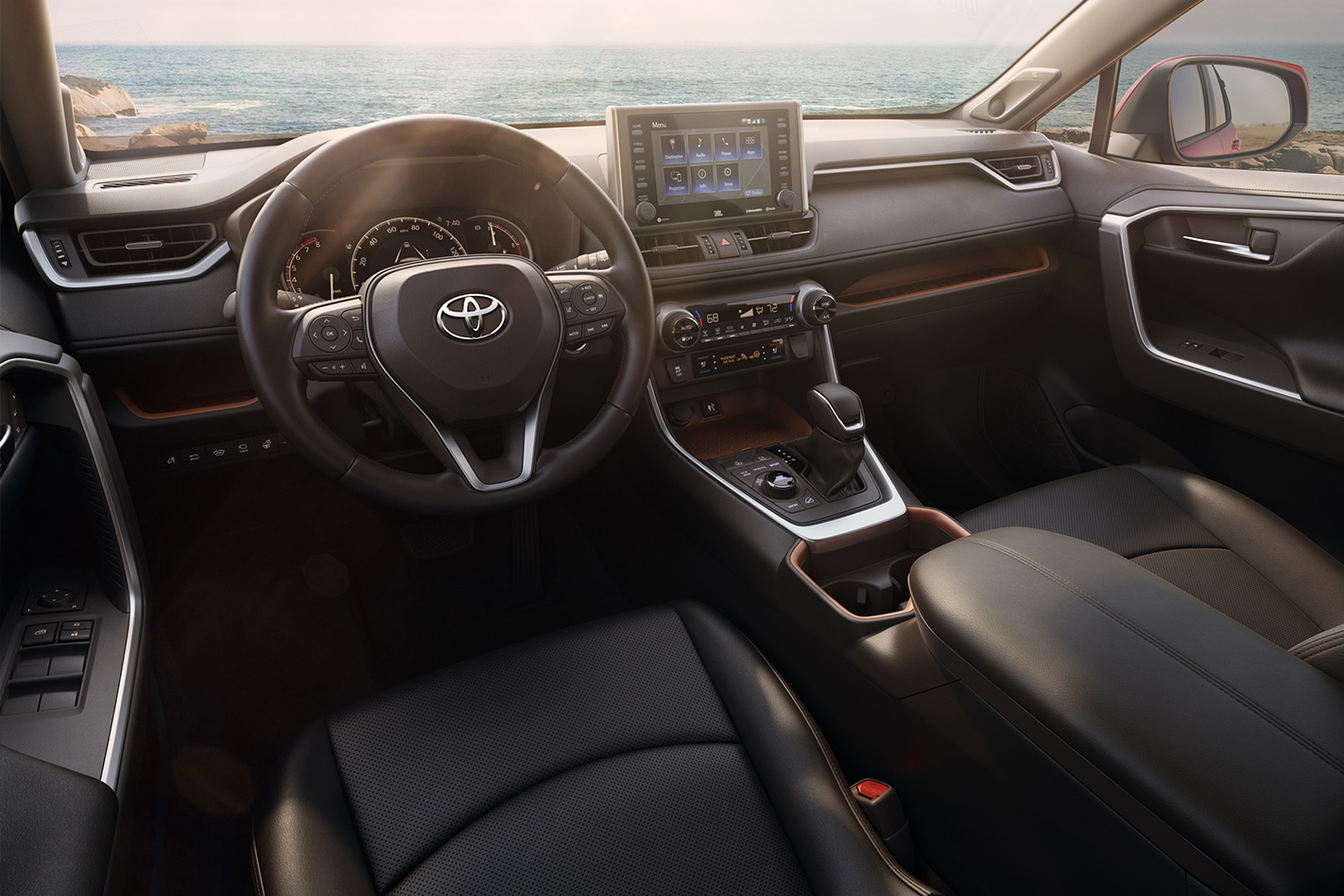
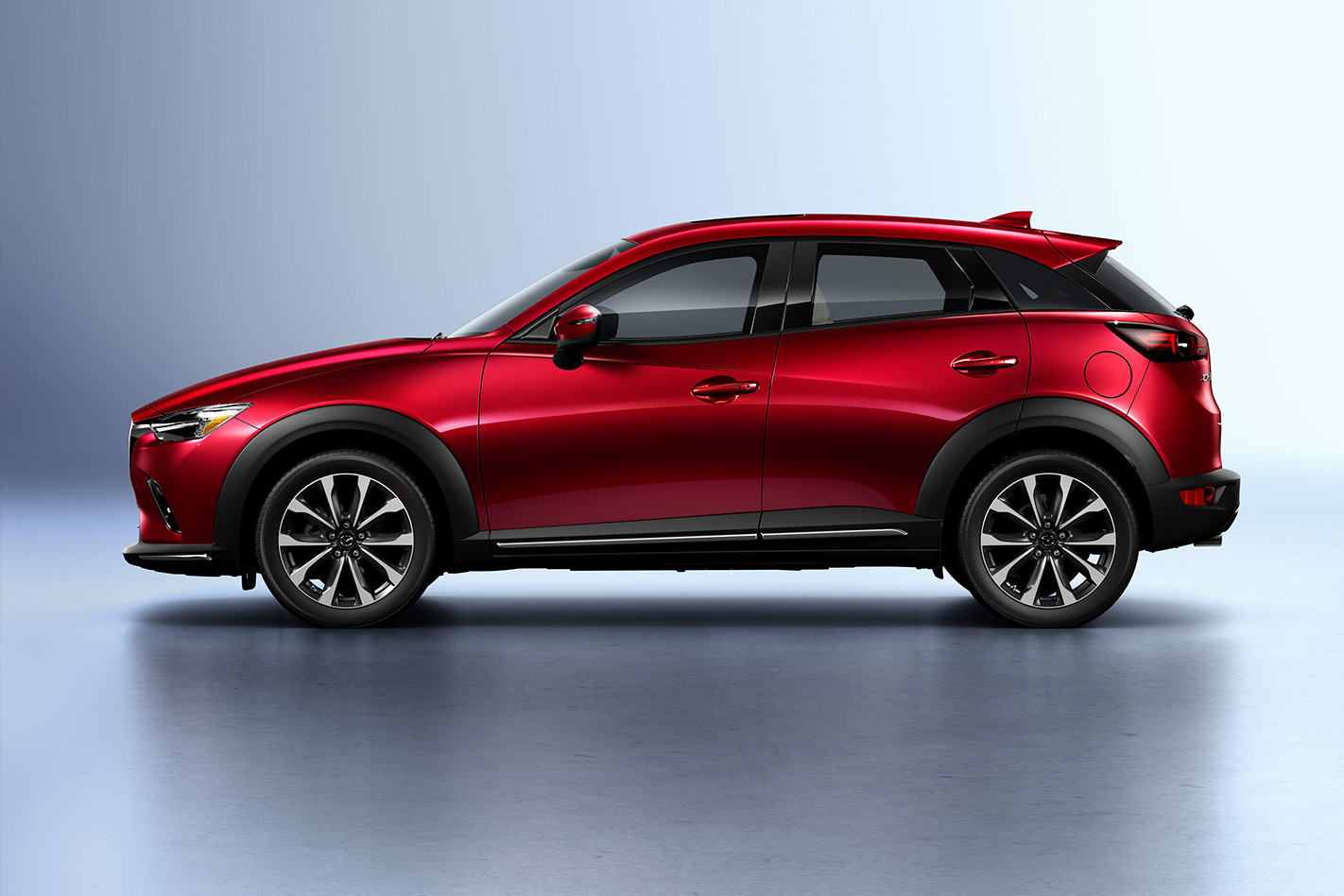
The Mazda CX-3 has gained more dynamic ability as part of a makeover revealed at this week’s New York Motor Show.
While the car remains visually similar to the current model, there have been small tweaks under the skin and inside the cabin to improve the popular model.
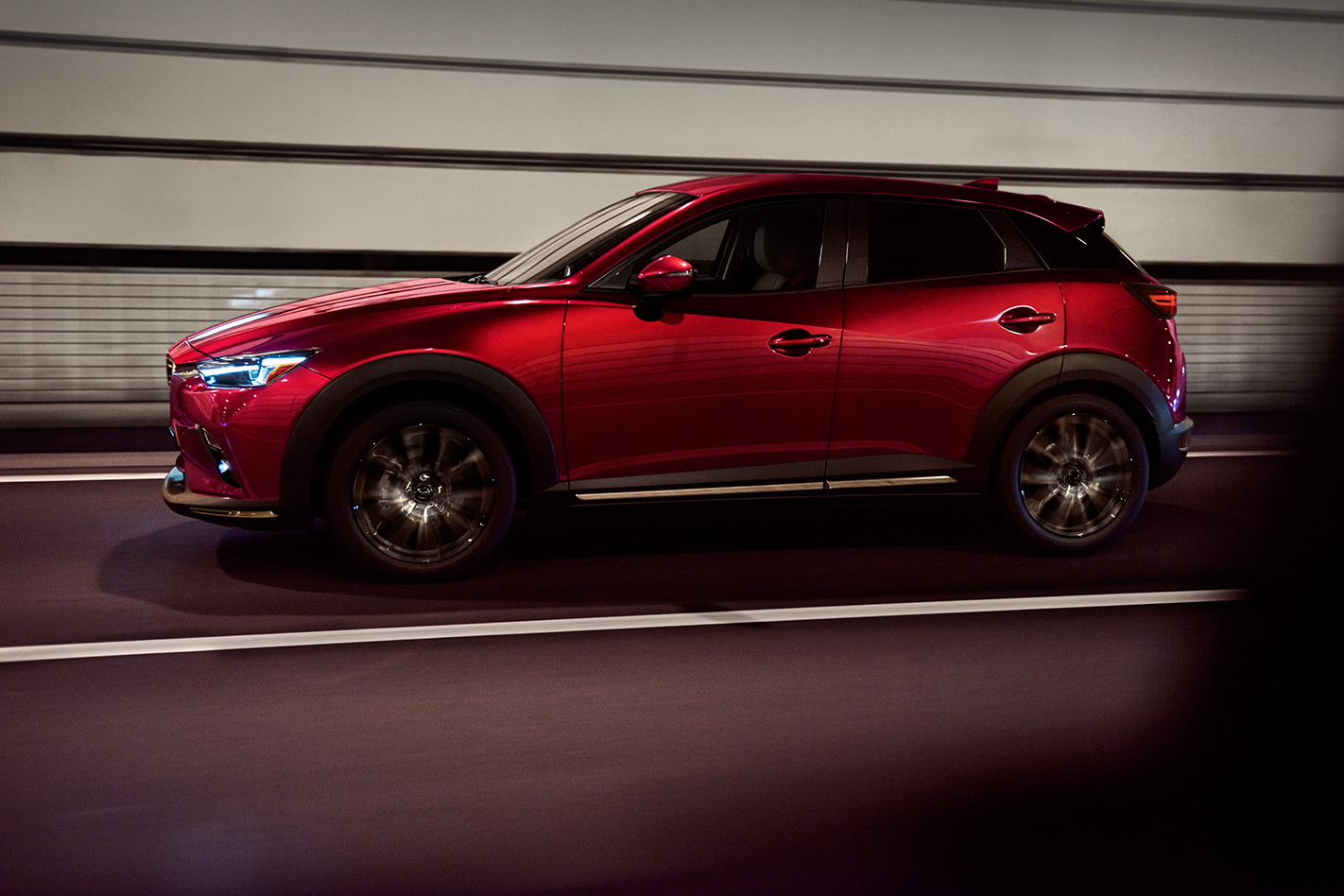
G-Vectoring Control, which is trickling throughout the Mazda range, and is designed to help Mazda’s products turn corners by subtly shifting the vehicle’s weight has been introduced to improve the CX-3’s already impressive dynamic ability.
| READ NEXT: Explained: Mazda G-Vectoring Control
The CX-3 also gains a new LED tail-light design, as well as a fresh look for its 18-inch wheels, and an electric parking brake.
The front seats have been redesigned to be wider, with high-density, vibration absorbing urethane foam used to add comfort for the driver and front passenger.
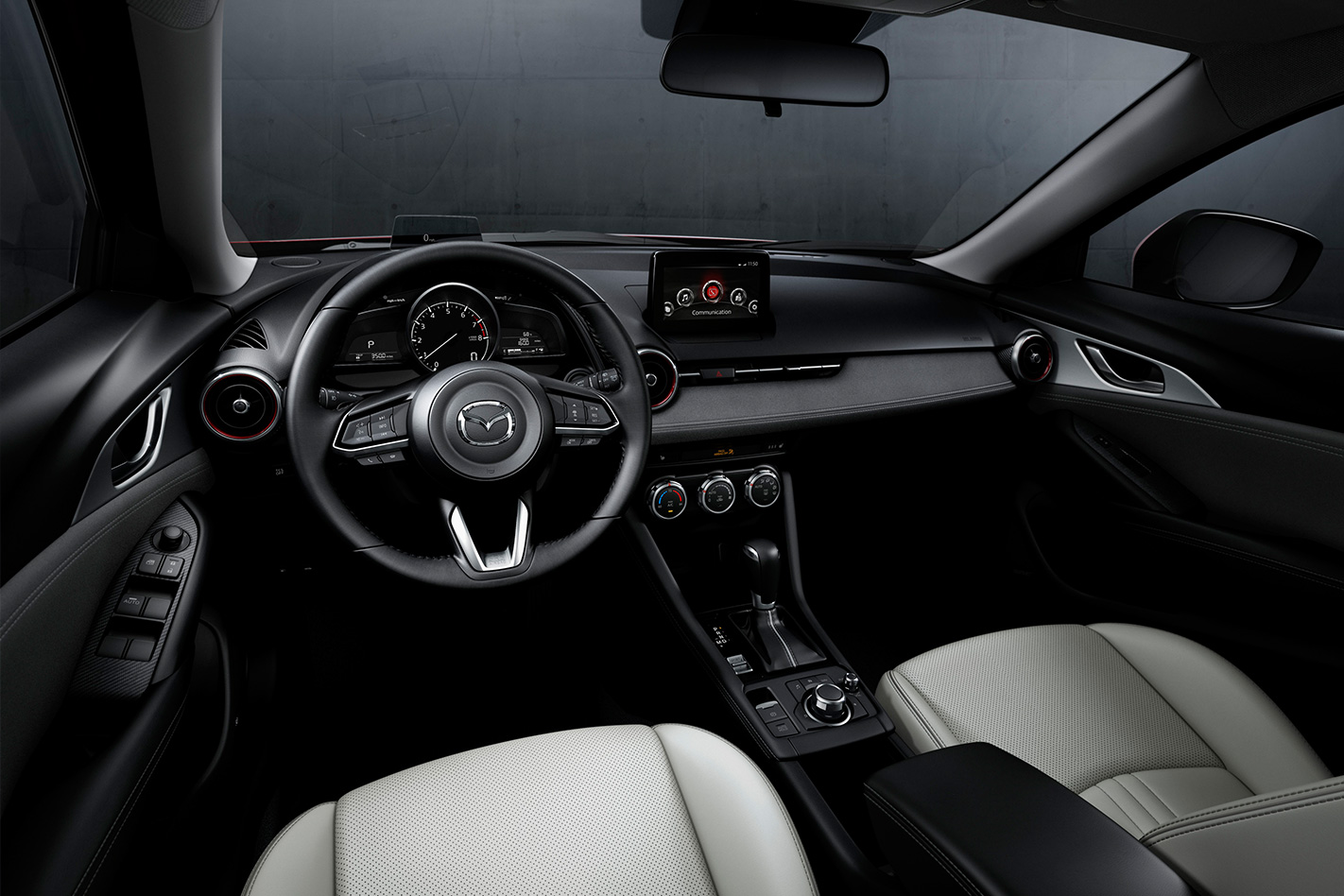
A suede-like material has also been introduced to the cabin, and features throughout from the door trims to the dashboard. Rear occupants gain a centre armrest with built-in cupholders.
The updated US version of the CX-3 was revealed with a 2.0-litre four-cylinder normally aspirated petrol Skyactiv engine, mated to a six-speed automatic gearbox. Power has received a small bump to 110kW and 200Nm (compared with an Aussie-spec tune of 109kW/192Nm), and Mazda says there is now more torque through a wider part of the rev range.
Finally, thicker door panels, rear-door glass, headliner and upgraded door seams were added to improve NVH.
The facelifted Mazda CX-3 will go on sale in the US later this year, with no word yet on Australian pricing, specification, or launch timing.
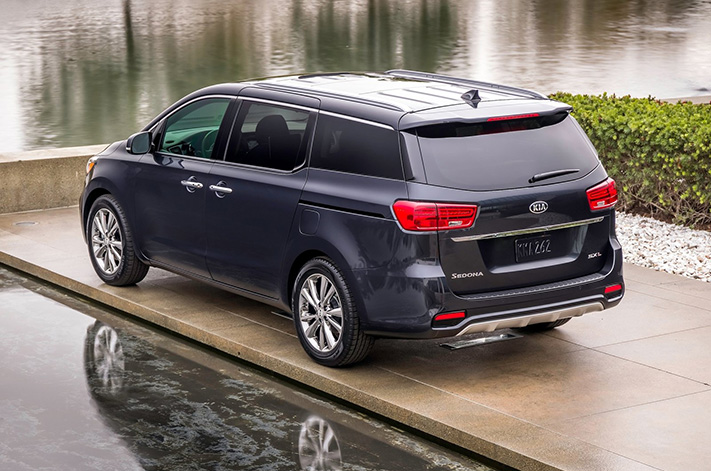
The Kia Carnival’s transformation from a cheap and cheerful family hauler to sleek minivan continues, with the 2019 update revealed at the New York Motor Show.
As well as a bolder form that wouldn’t look far out of place in a presidential convoy, the facelifted Kia Carnival gains a series of interior enhancements, more safety tech and an eight-speed automatic gearbox for its 3.3-litre V6.
Externally, the 2019 Carnival stands out with a reconfigured nose and bumper design, and a fresh headlight configuration with distinctive LED headlamps and “ice cube” fog-lights on upper-spec variants.
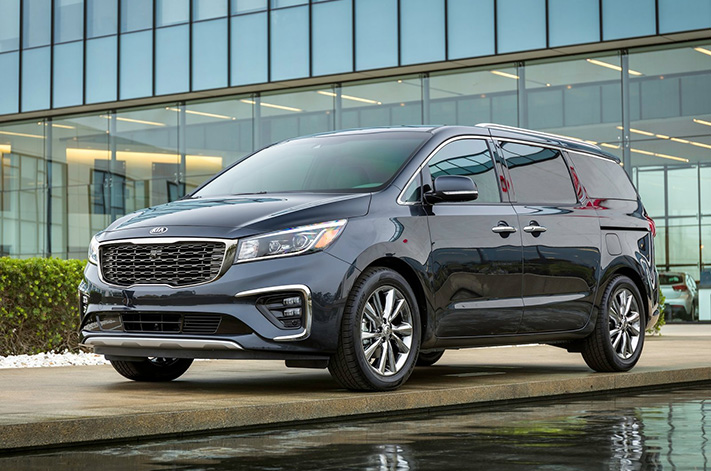
The silhouette has changed, too, with reduced front and rear overhangs giving the Carnival a bolder stance that’s enhanced with newly designed alloy wheels.
The interior also gains a makeover, with updated instrument graphics and a less-cluttered centre console featuring a wireless phone charging pad, sunglasses bin, and an electrically activated parking brake for selected variants.
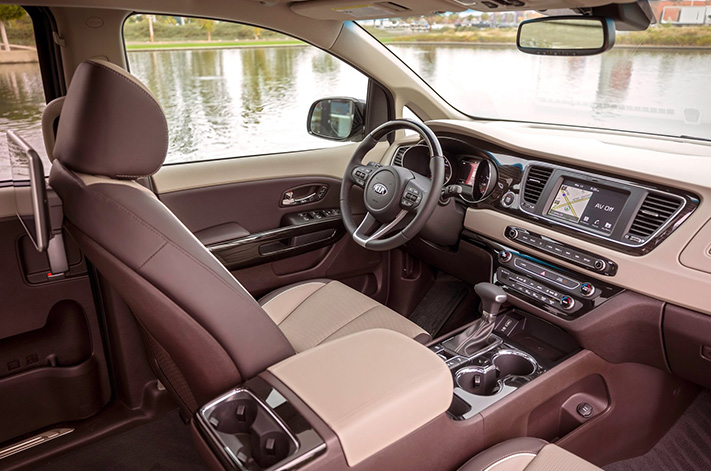
Upscale options include wood grain trim on the front door panels, an LED mood lamp, and the choice between single or dual sunroofs.
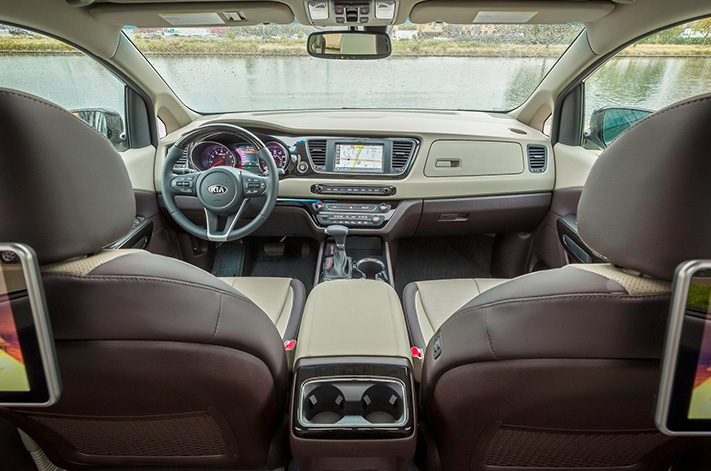
The eight-seat Carnival gains a USB charging socket at the rear for third-row passengers, while the overhead video screen makes way for more neck-friendly 10.1-inch touchscreens mounted on the rear of each front seat. The screens are linked to a system that can link passengers’ phones to allow them to games with each other, while Bluetooth headphones ensure they don’t drive the front occupants insane.
The Carnival’s active safety suite gains Driver Attention Warning, which senses if a driver is fatigued, although full automatic emergency braking is still not available.
Under the bonnet the only change is the eight-speed automatic transmission, which replaces the six-speed unit mated to the 3.3-litre V6. Kia says the new ’box provides seamless shifting and improved economy without enhancing performance.
The New York Motor Show reveal primarily applies to the US model, called the Sedona, with Australian specifications expected closer to the Carnival’s local arrival.
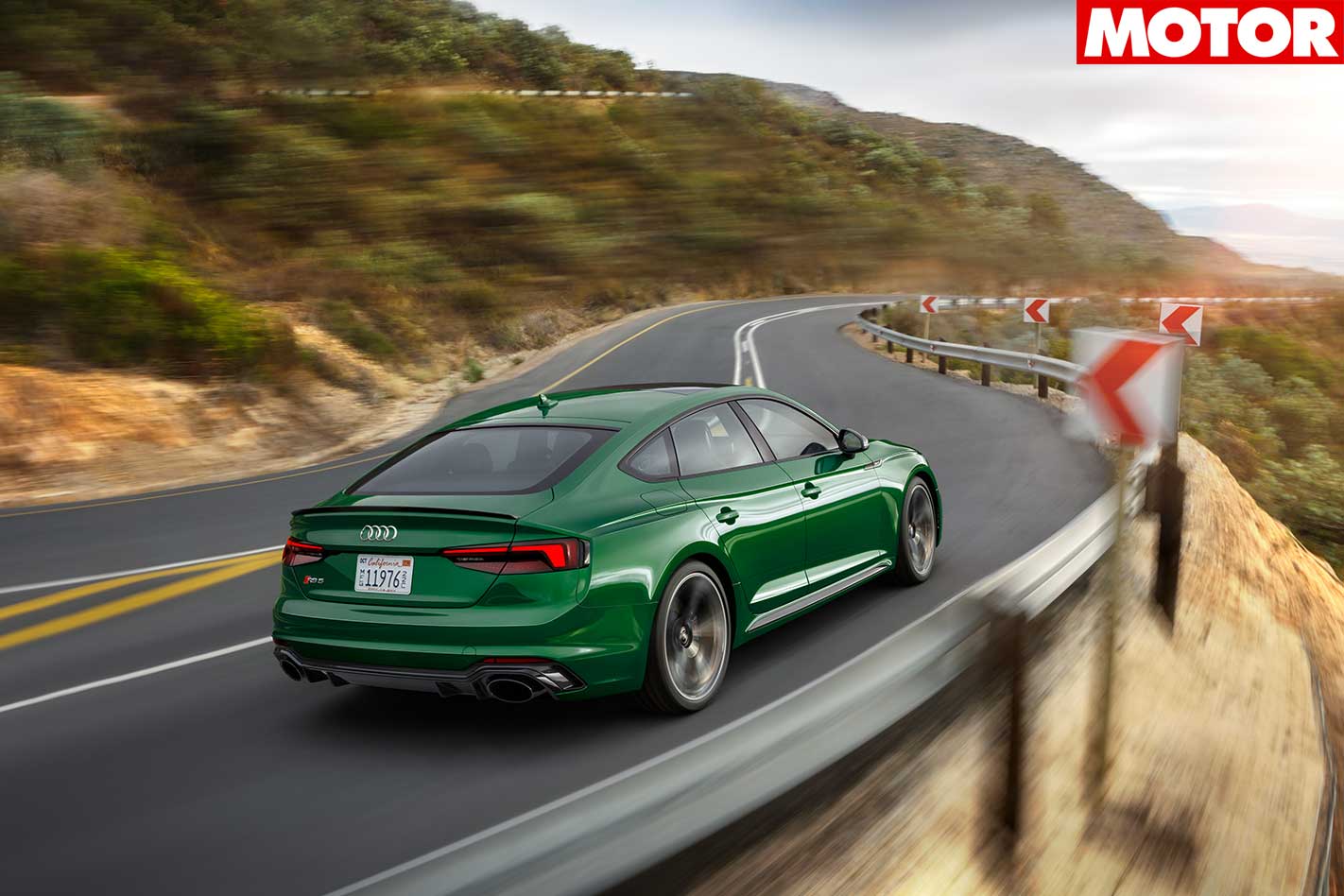
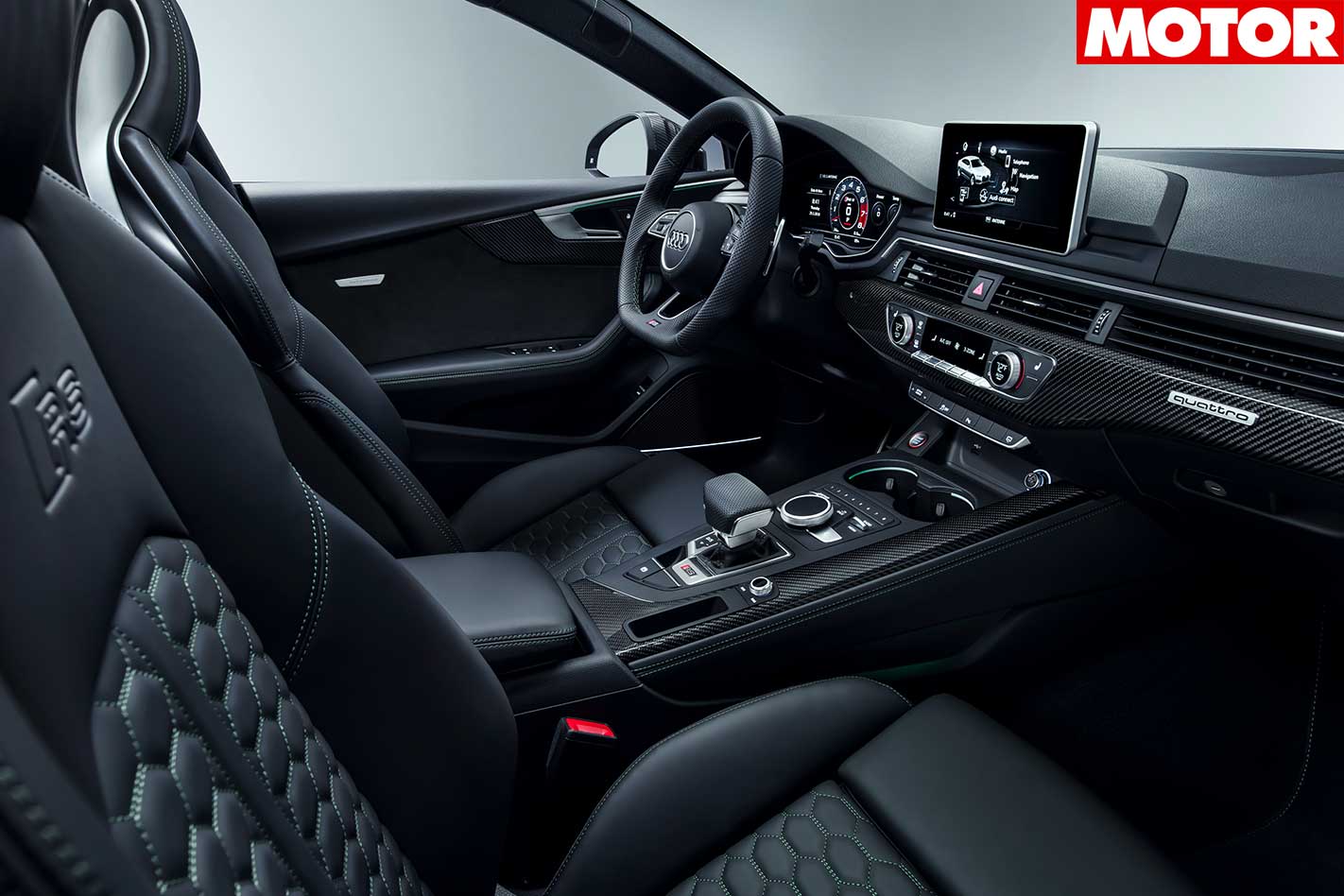
Audi has put an extra pair of doors onto its RS5 Sportback for the first time.
The Sportback-sedan is debuting at the New York International Auto Show, with Audi’s 331kW/600Nm 2.9-litre TFSI V6.
It has a claimed 0-97km/h (0-60mph) run of 3.9 seconds to almost match the coupe which will hit 100km/h in that time, and the four-door will hit a top speed of 280km/h.
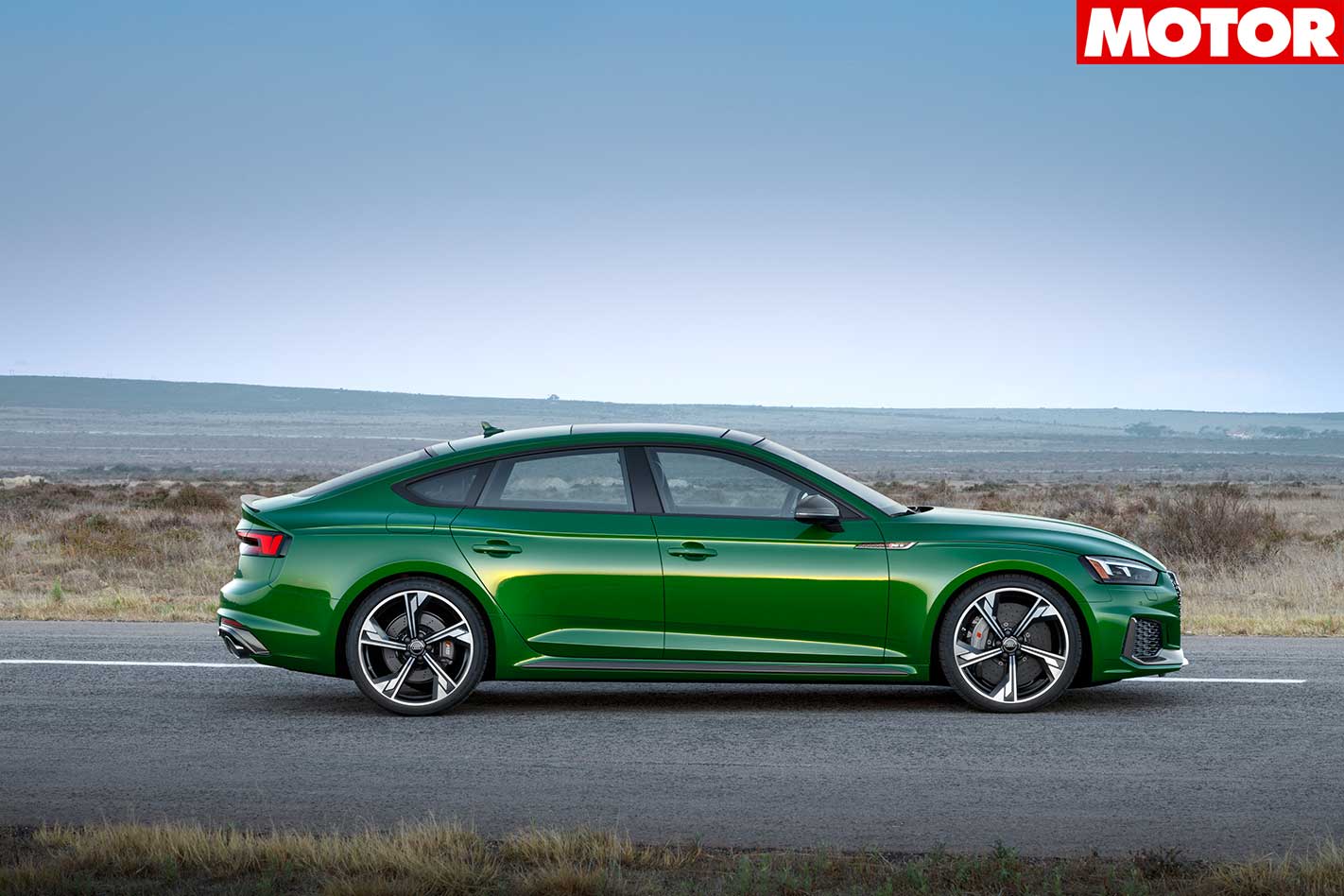
Though it weighs more than the two-door at 1840kg to the coupe’s 1730kg, the RS5 Sportback isn’t claimed to be significantly slower than the coupe.
“The Audi RS5 Sportback is more than just an international trade fair novelty – it offers something new to our customers,”
“The new Audi RS5 Sportback will carry the RS genes out onto the road.”
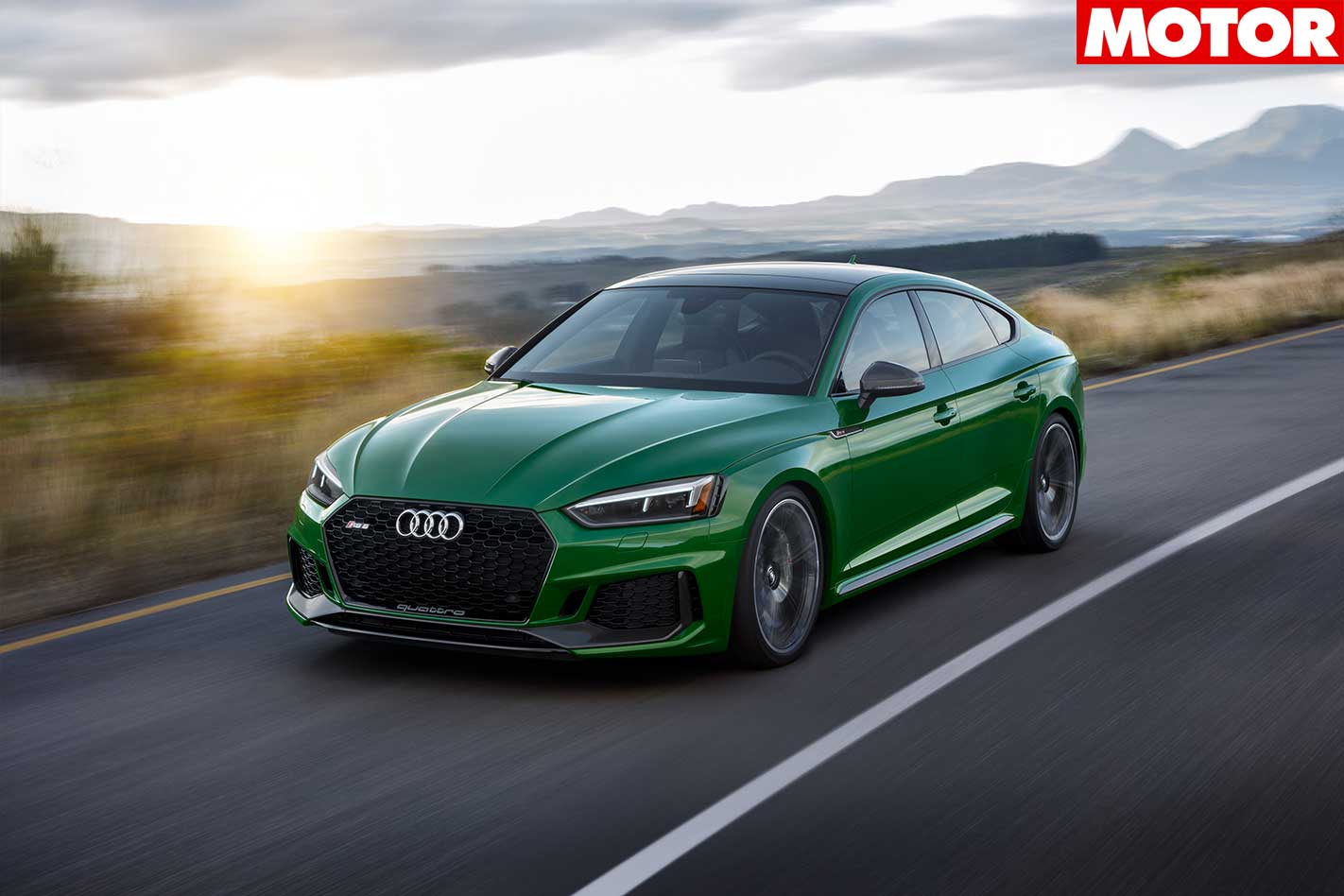
With the extra set of doors, the RS5 gains a longer wheelbase with short overhangs, and more muscular shoulders with wheel housings extended by 15mm.
A set of 19-inch wheels are standard, though 20”s can be optioned, as well as Audi’s Dynamic Ride Control adaptive dampers.
And there’s good news for Aussie Quattro fans, the Audi RS5 Sportback in coming to Australia, with an expected arrival of late-2018.
Maserati has revealed a super-SUV capable of a 0-100km/h sprint in just 3.9 seconds – the Maserati Levante Trofeo.
The Trofeo is powered by Maserati’s 3.8-litre twin turbo V8, also found in the Quattroporte GTS GranSport, but it’s putting out 440kW and 730Nm.
As well as the lightning-quick (for an SUV) sprint to 100km/h, the Trofeo also claims a top speed of over 300km/h.
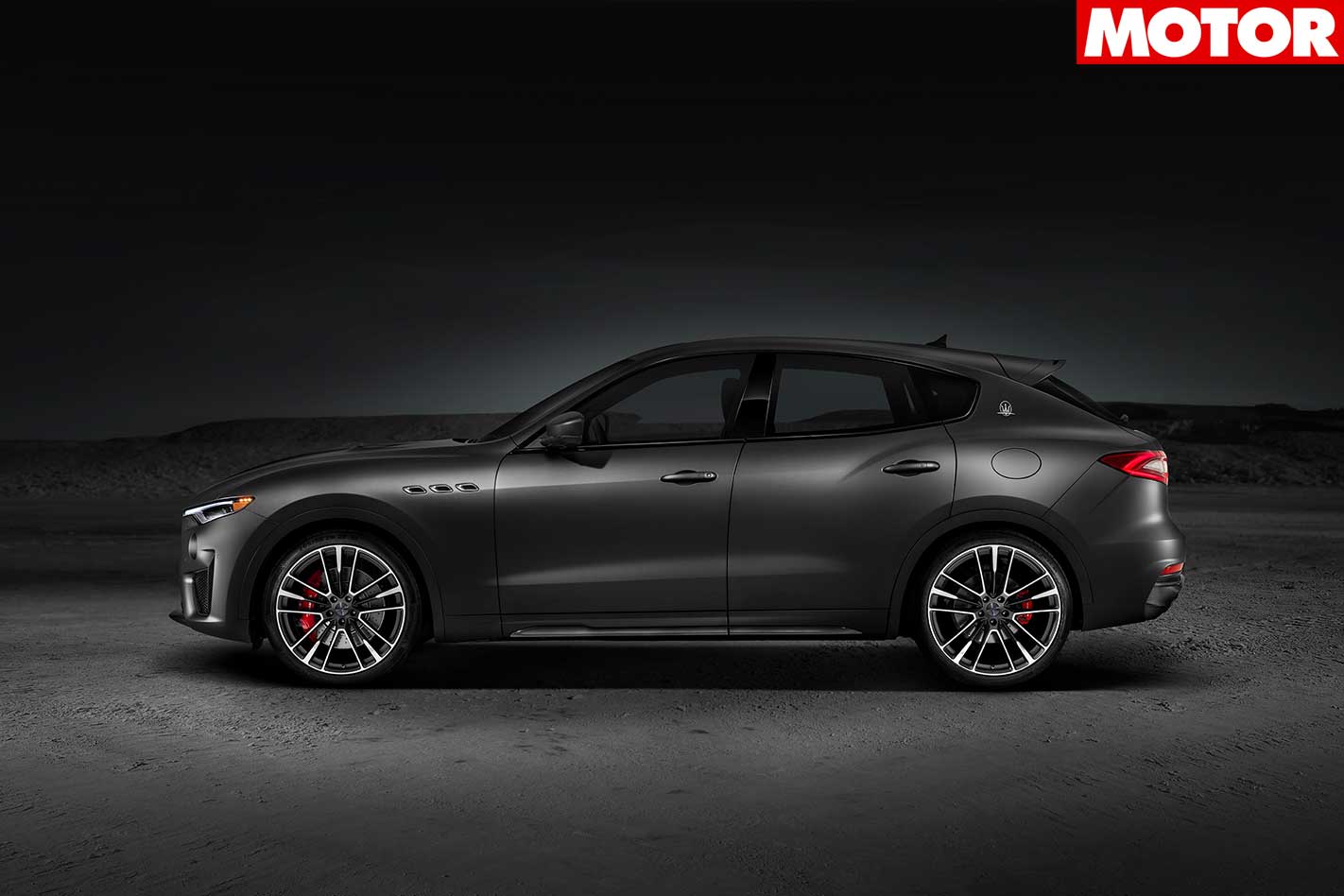
Maserati CEO Tim Kuniskis says Maserati’s engine expertise (in part thanks to Ferrari, the engine was built at Maranello) has made the Trofeo possible.
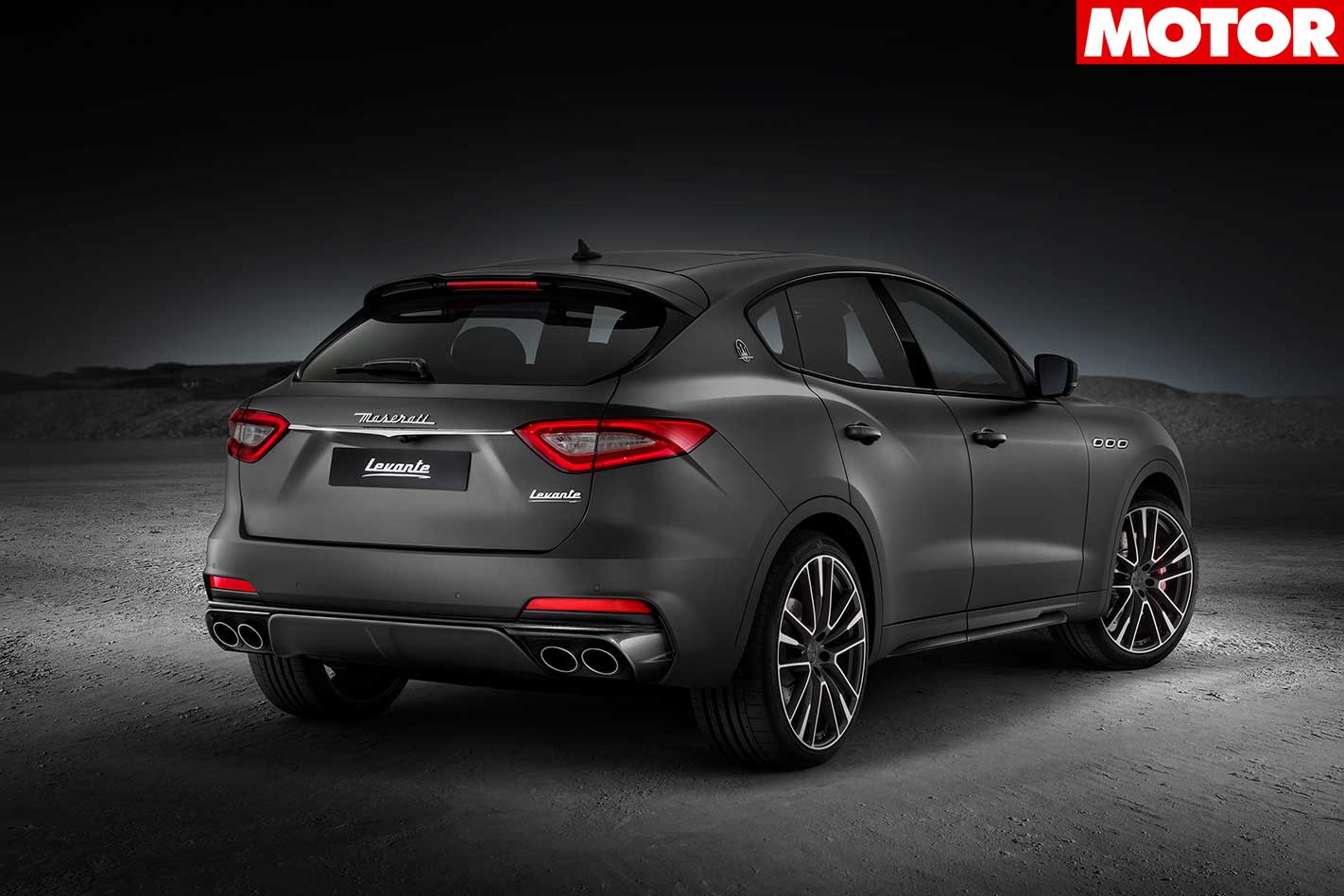
“In the case of Trofeo, the engineers and designers in Modena knew that the driveline parameters were more than able to cope with additional power and they also knew that Maserati had access to the finest engines on earth.
“So, they were up to the challenge of making the finest luxury SUV also one of the fastest”.
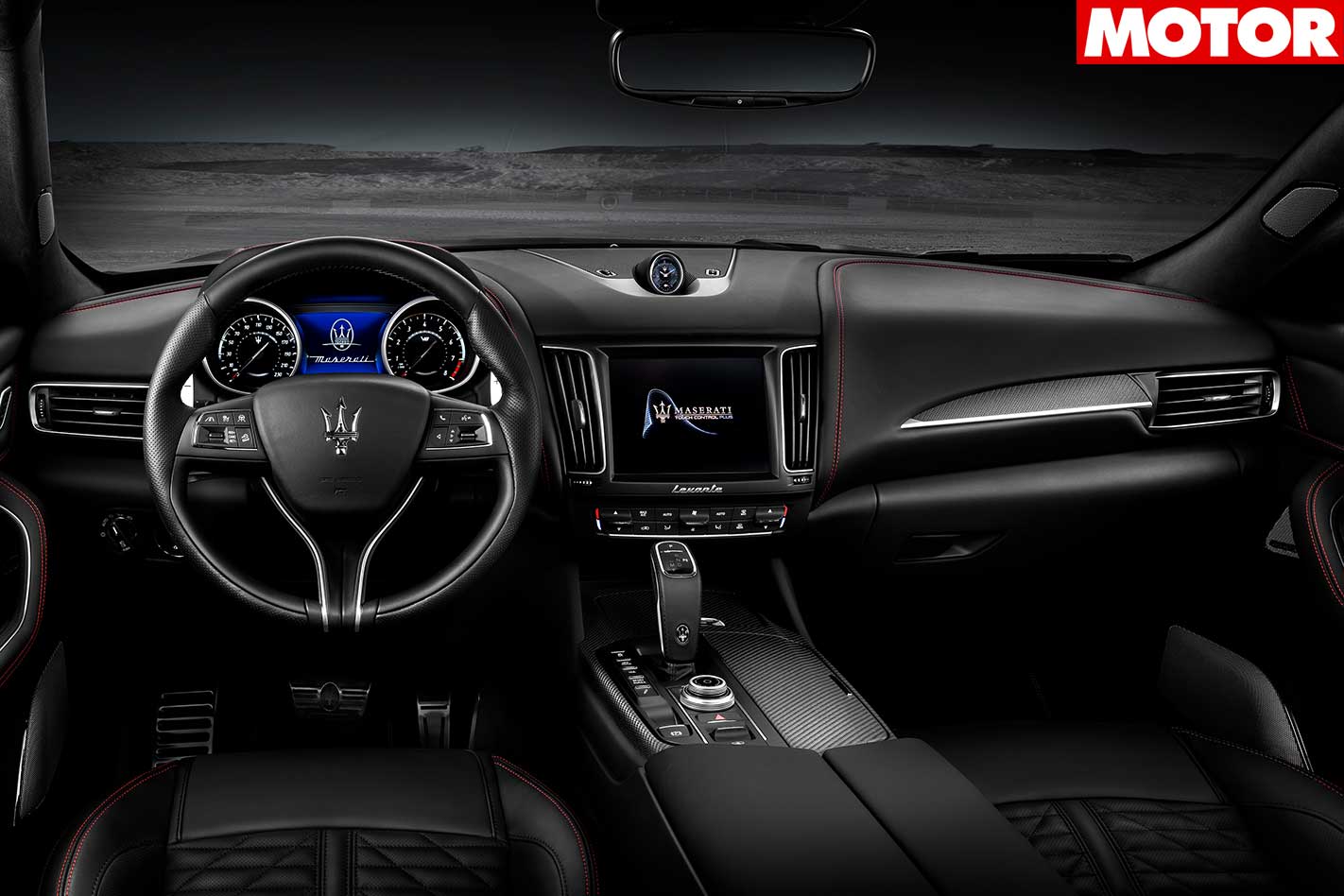
The Levante Trofeo ‘launch edition’ is “a limited series intended for select enthusiasts in the U.S. and Canada,” so we won’t see any show up in SUV-hungry Australia.
But the ‘standard,’ if you can call it that, Levante Trofeo is destined for other markets, yet to be announced.
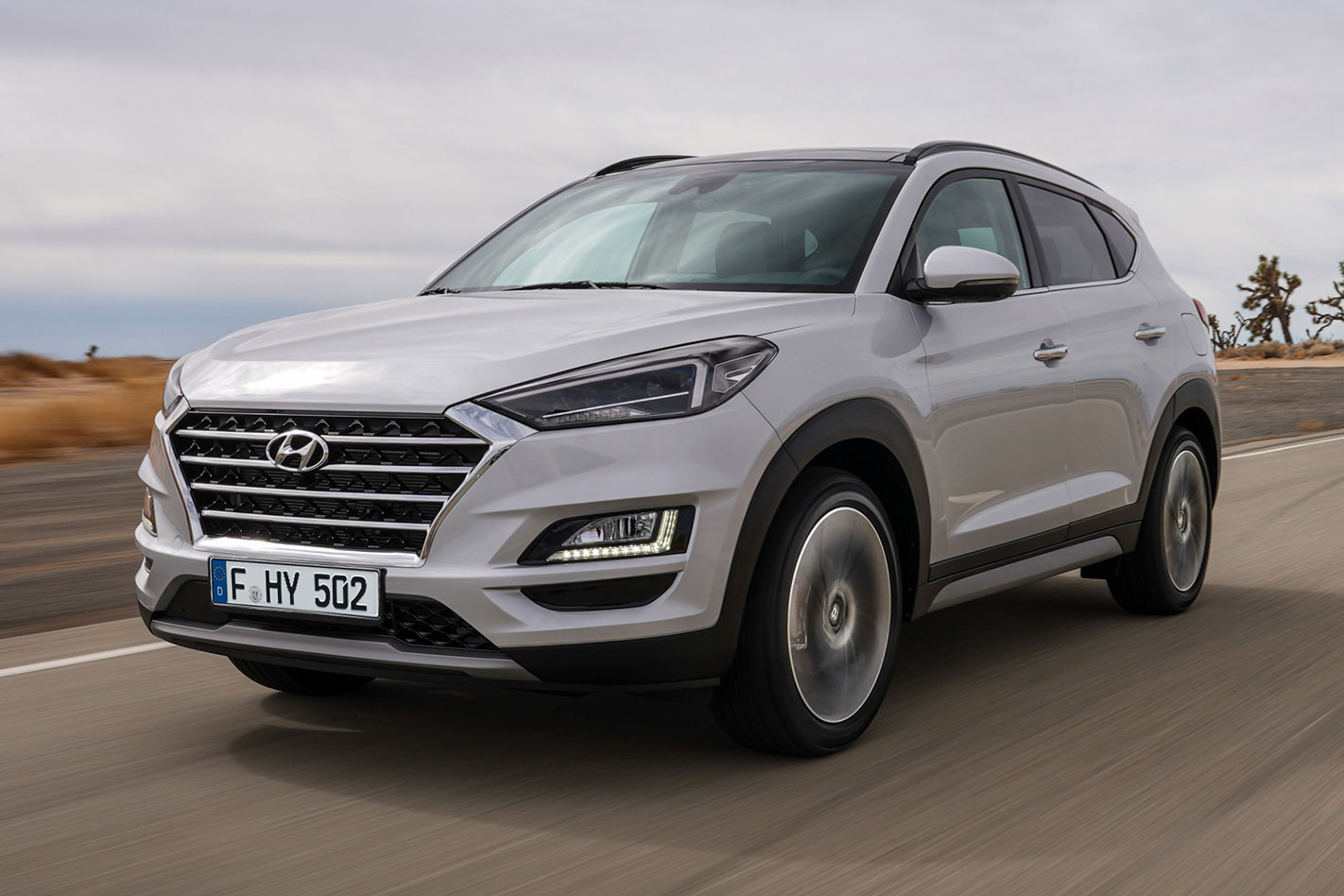
Hyundai has given its popular Tucson midsize SUV a timely facelift that includes subtle exterior and interior changes, and a tech boost.
The 2019 Hyundai Tucson’s face differs from the current model with newly shaped headlights and DRLs, and curved lines on either side of the “cascading” grille. The rear fascia and tail-lights are also revised, and there are different alloy wheel designs.
| READ NEXT: Medium SUVs $45 – $60K: Australia’s Best Value Cars 2017
Connectivity is enhanced with Apple CarPlay and Android Auto, and a second-row USB socket. A Qi wireless device charger is available on selected models.
Safety is also boosted, with Smart Cruise Control with Stop-and-Go that makes traffic jams a bit more bearable, driver attention warning, and high-beam assist.
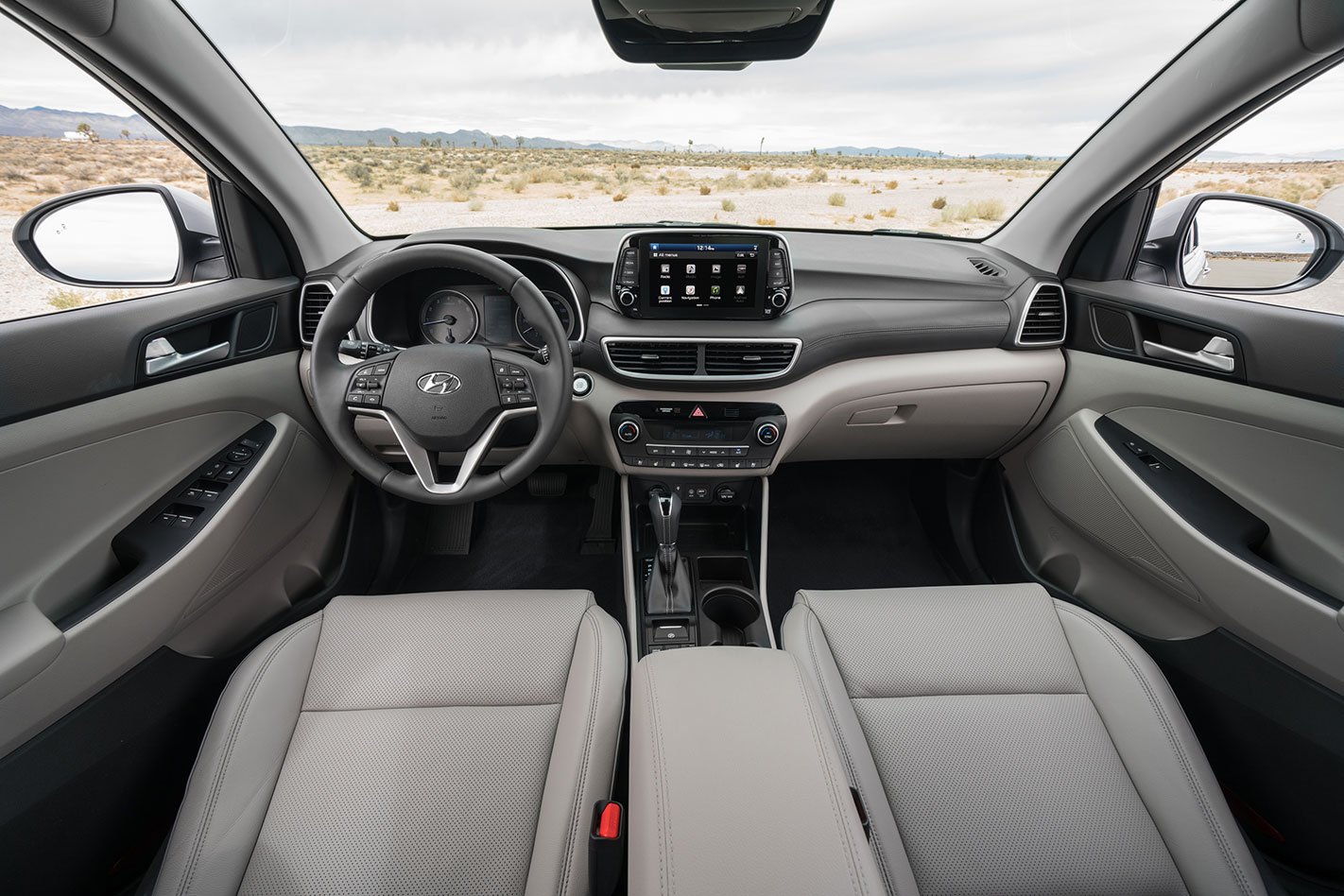
There doesn’t appear to be any changes to powertrains, performance or handling.
The 2019 Tucson is due to launch in the Australian market in the third quarter of 2018 and will have a big fight on its hands, against all-new versions of the Toyota RAV4 and Subaru Forester, which have also been announced at New York. Then there’s the all-conquering Mazda CX-5, which is also about to gain a mild update.
We’ve been treated to an early peek at the Hyundai i30 N’s lapping ability during the car’s recent local launch.
While Brendan Reeves was on hand for circuit tuition and professional stunt driving purposes, MOTOR grabbed the Australian rally ace to show us what the N can really do.
Reeves has achieved international podiums in the junior WRC and won numerous rallies on the Australasian and North American circuit, so he knows what he’s doing.
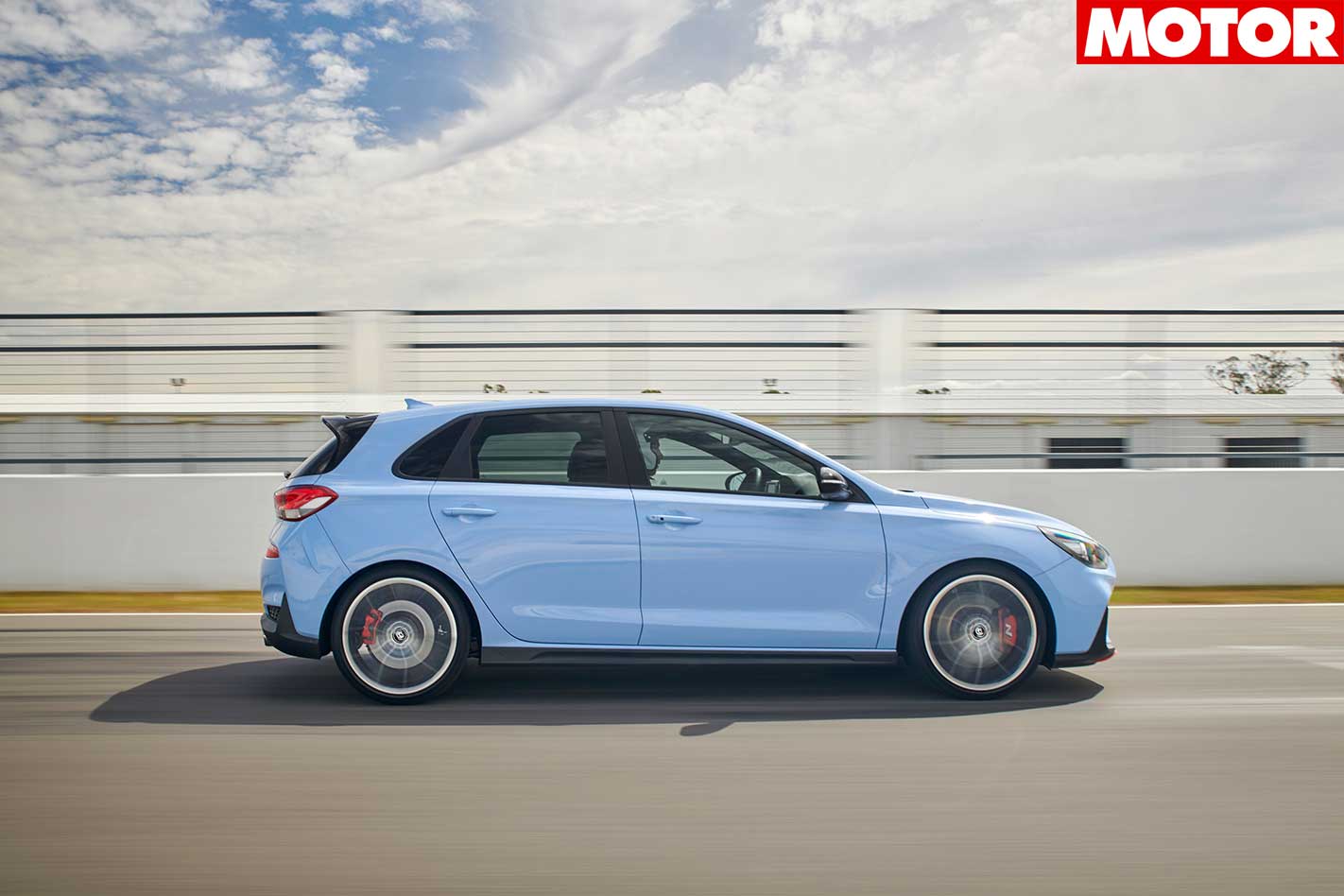
Reeves was able to set a 1min 41.52sec time with the i30 N during the afternoon, with traffic at the fast turn five sweeper.
The demonstration sparks the hype as a champagne year for hot hatches builds anticipation for MOTOR’s Bang For Your Bucks test this May.
Although it’s not very scientific to compare data from different conditions, that lap time falls behind MOTOR’s previous run in the Focus RS which set a 1min 37.3sec lap at Bang For Your Bucks in 2017. Or the Civic Type R’s 1min 38.5sec at PCOTY 2018.
It is also worth considering this particular car’s tyres and brakes already endured a morning circuit session and a day’s worth of road testing prior to its lap.
Interestingly, Reeves insists the car’s softer damper mode yields a faster time on slippery surfaces.
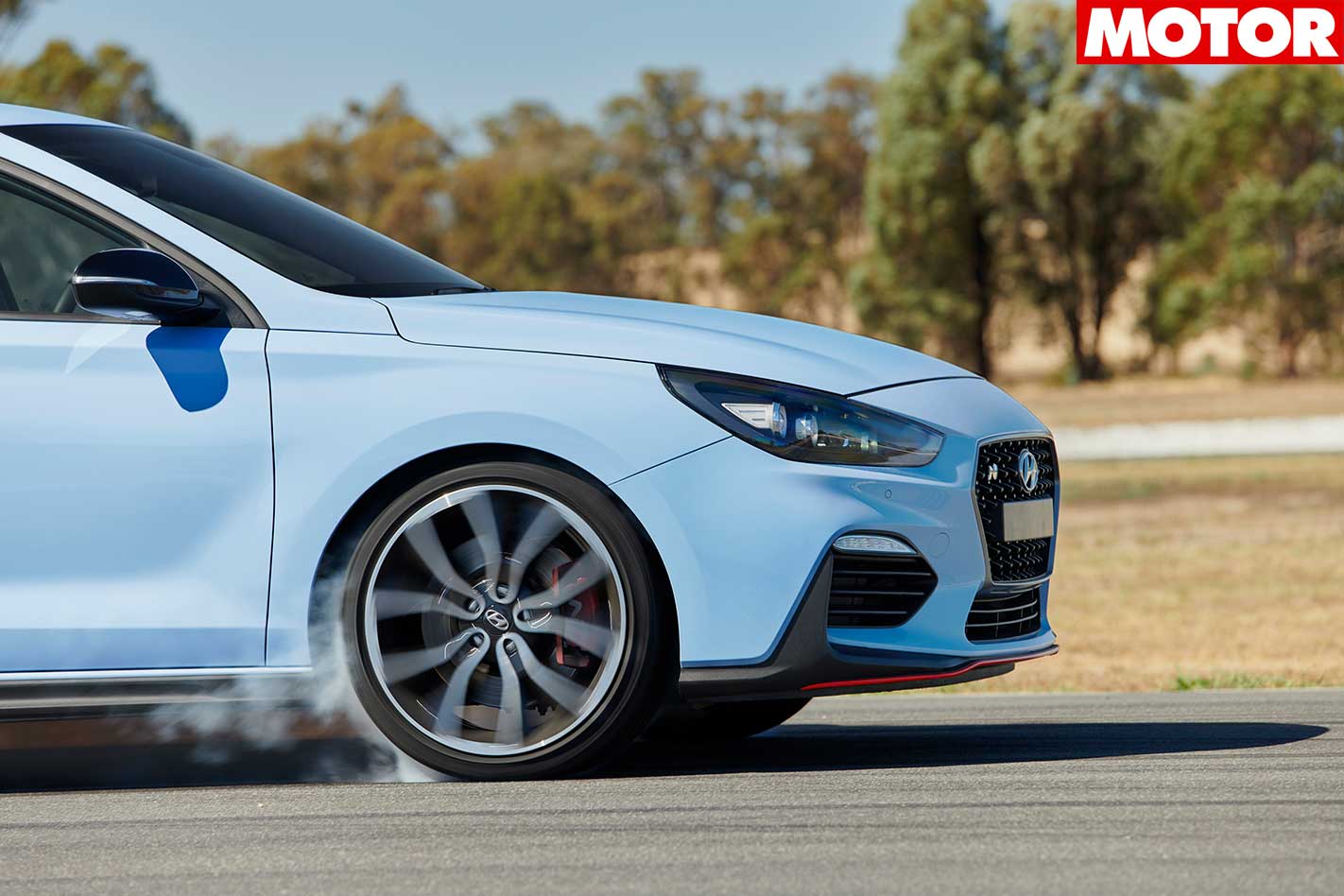
Outright times aside the i30 N’s chances at BFYB rest on how it balances its performance with its price. And it fares well with a $39,990 tag which includes all performance goodies like a locking diff and adaptive dampers.
Come may, it’ll go into battle with Ford’s Focus RS Limited Edition, Honda’s Civic Type R, Volkswagen’s Performance Edition 1.
They’ll fight on the drag strip and around Winton Raceway in the hands of a tame racing driver where the results will establish a concrete pecking order.
That is until the Renault Megane RS lands third quarter this year with the intention to smash that to pieces.
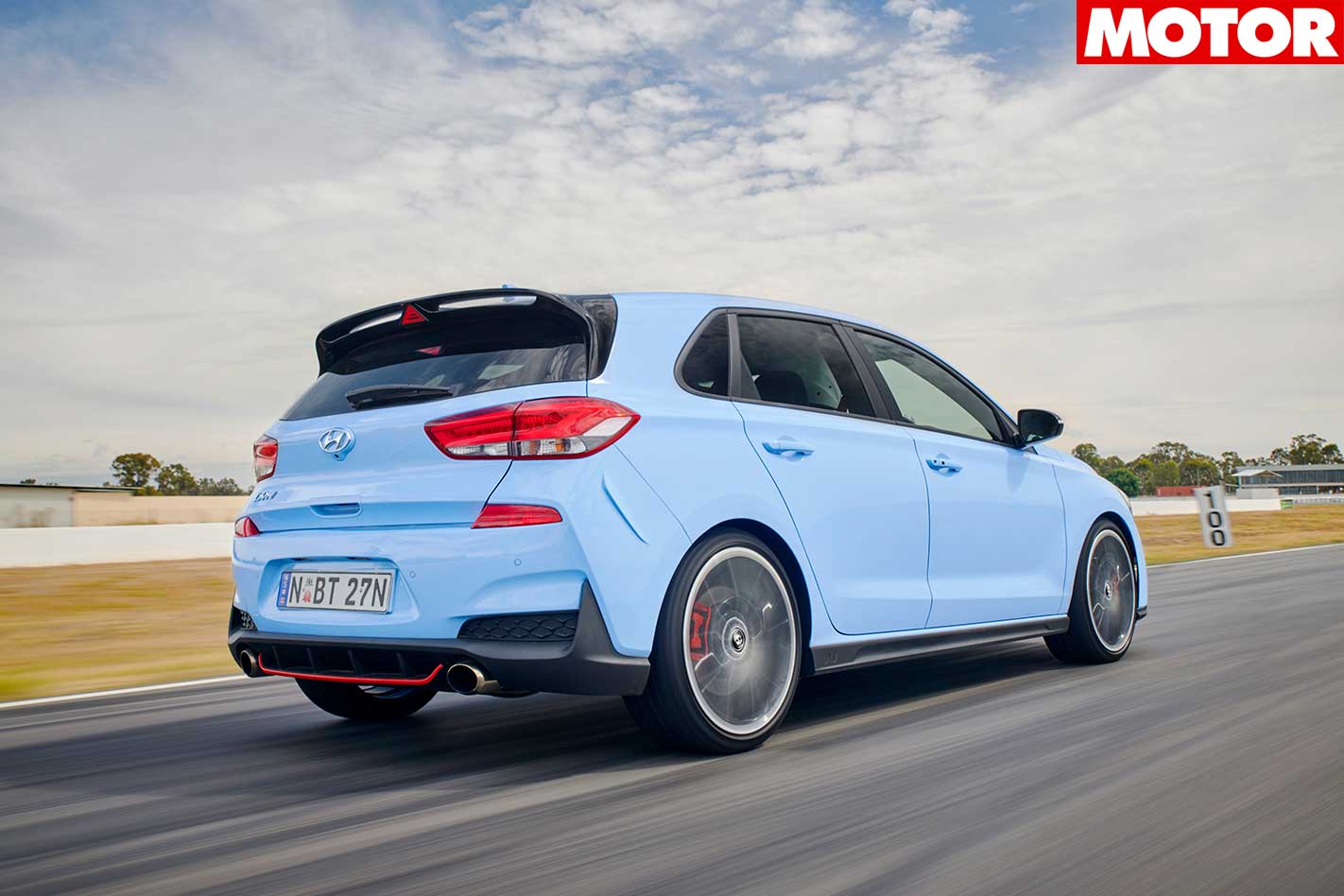
Hyundai’s i30 N is here. And we can gladly confirm Namyang’s new weapon won’t be overlooked on price or performance.
With more than 200kW packed into its nose and a chassis developed by former BMW M boss Albert Biermann on the Nurburgring, it’s always been promising.
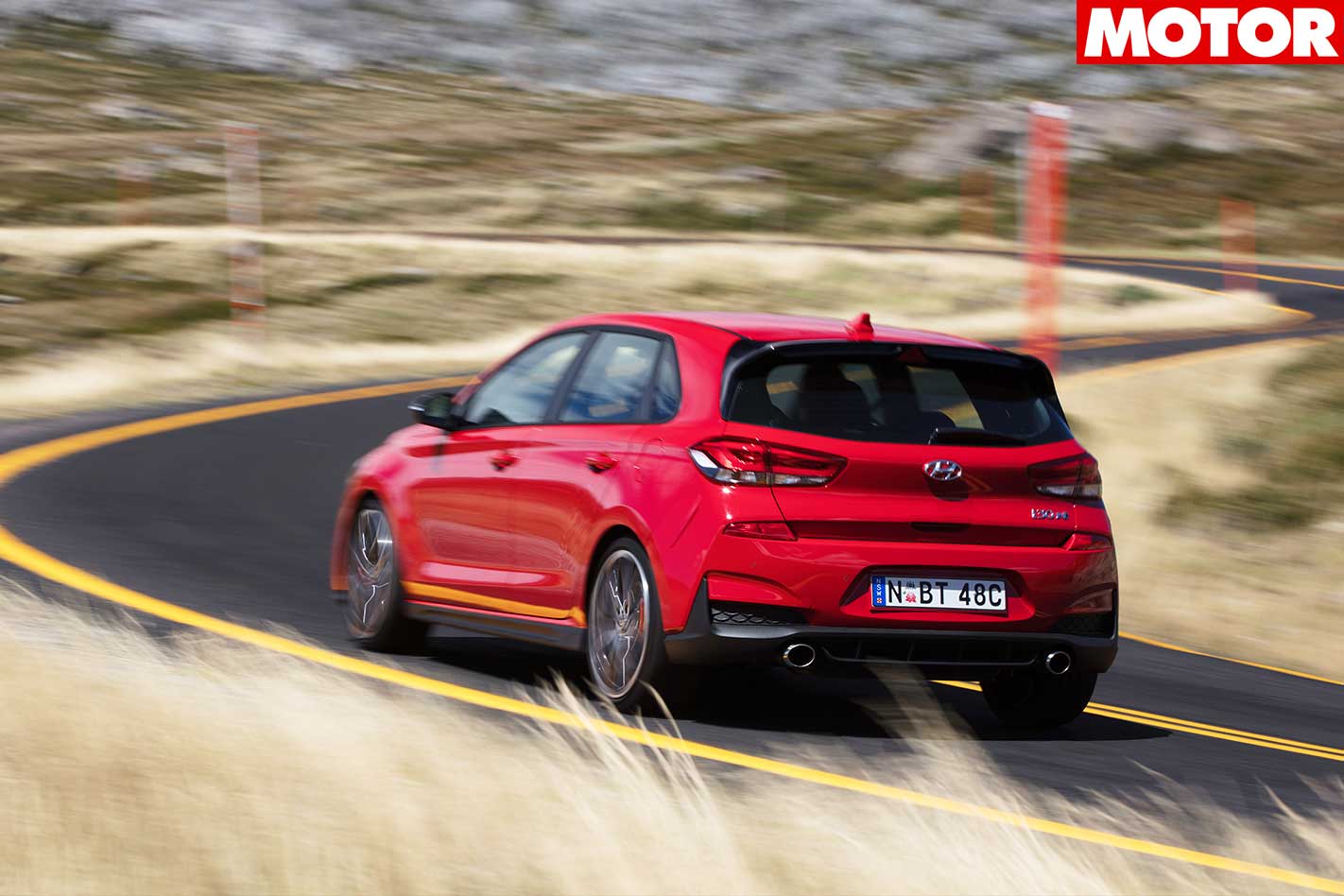
Yet, after enchanting us with its balanced and assertive performance in Europe, we reserved judgement on the front-driver’s abilities until we tackled Australia’s unique roads in anger.
Luckily, Hyundai Australia devised an epic drive program for its local launch out of Albury to leave no doubt about its debut performance car.
The 500km drive shoots down through Granya Rd, then Omeo highway, to Falls Creek. Then loops back through Mount Beauty and Tawonga Gap Rd.
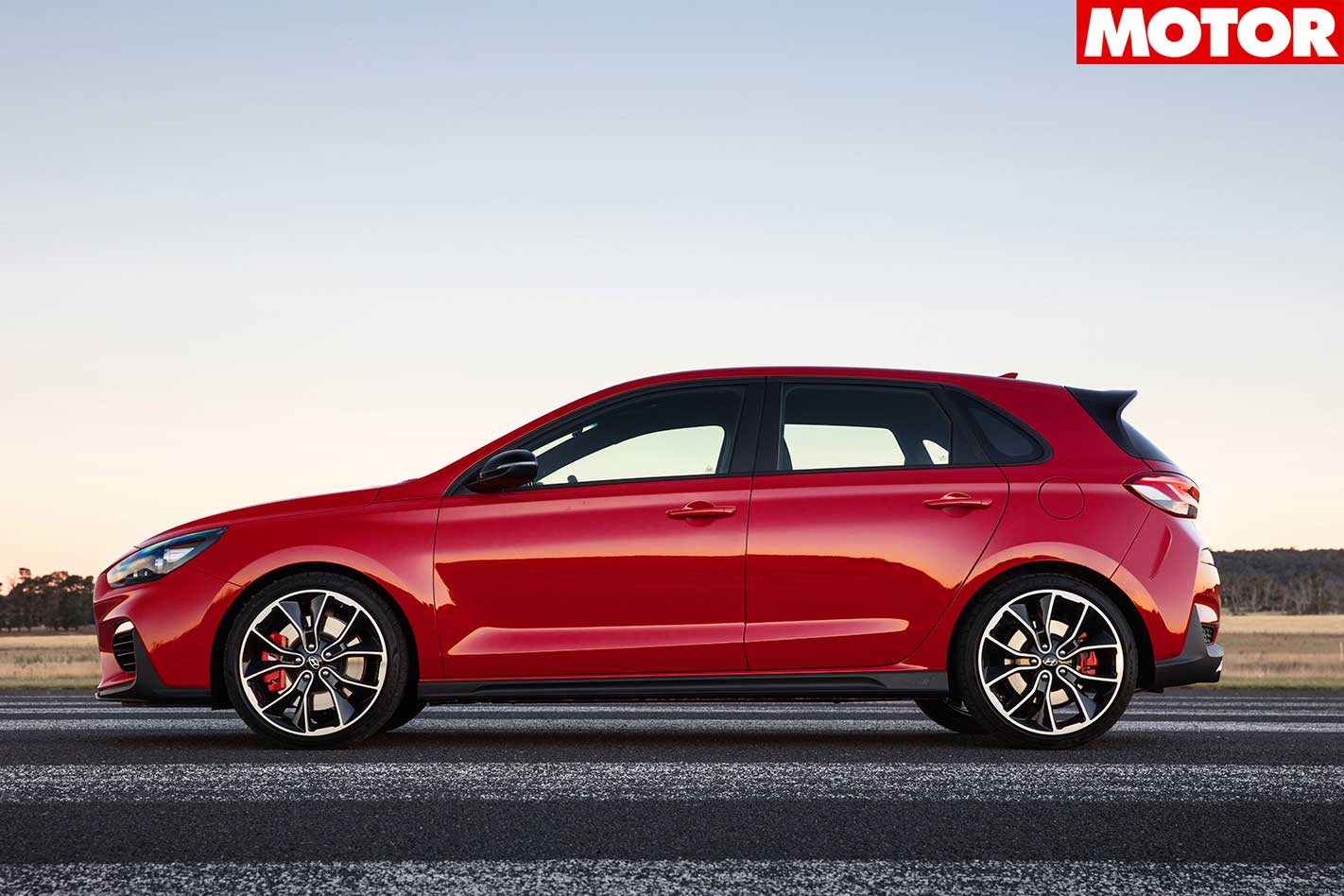
After, a full day’s thrashing at Winton Raceway will prove whether a newly announced racetrack-friendly warranty and parts program is merely talk.
Hyundai’s set the i30 N at $39,990 before on-roads to give the fledgeling performance brand its best chance in our cut-throat hot hatch market.
It’s also copied the higher-grade Performance Pack i30 N in Europe, where it’s sold in two guises, for its single full-fat specification variant.
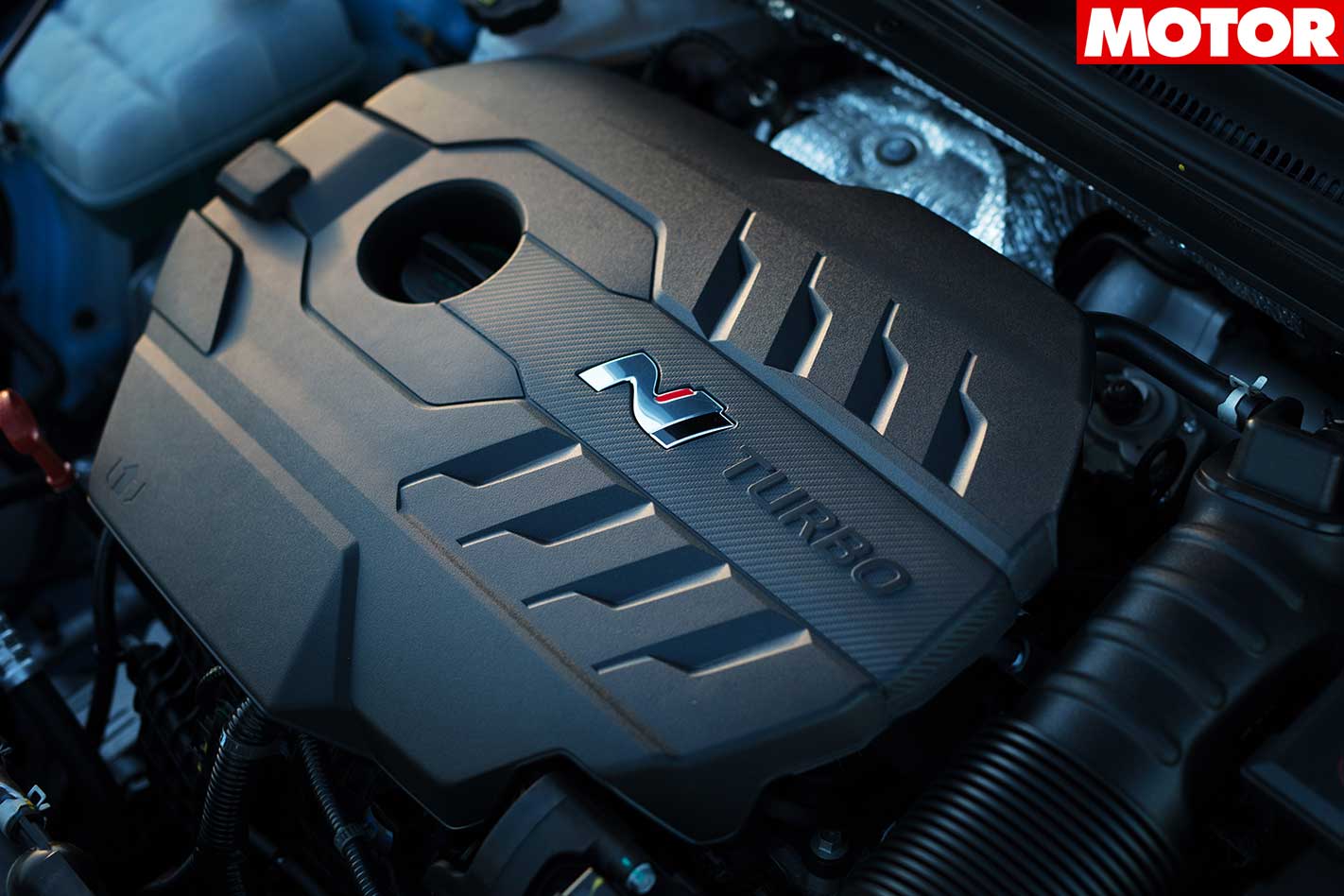
It’s loaded with a six-speed manual, proper locking front-differential, adaptive three-mode suspension, 19-inch Pirellis, big brakes, and overboost.
To secure that rock-bottom price with as many fast bits as possible the standard equipment list had to shed a few items. Front parking sensors, power front-seats in leather, and a push-button start can only be had in an optional $3K Luxury Pack.
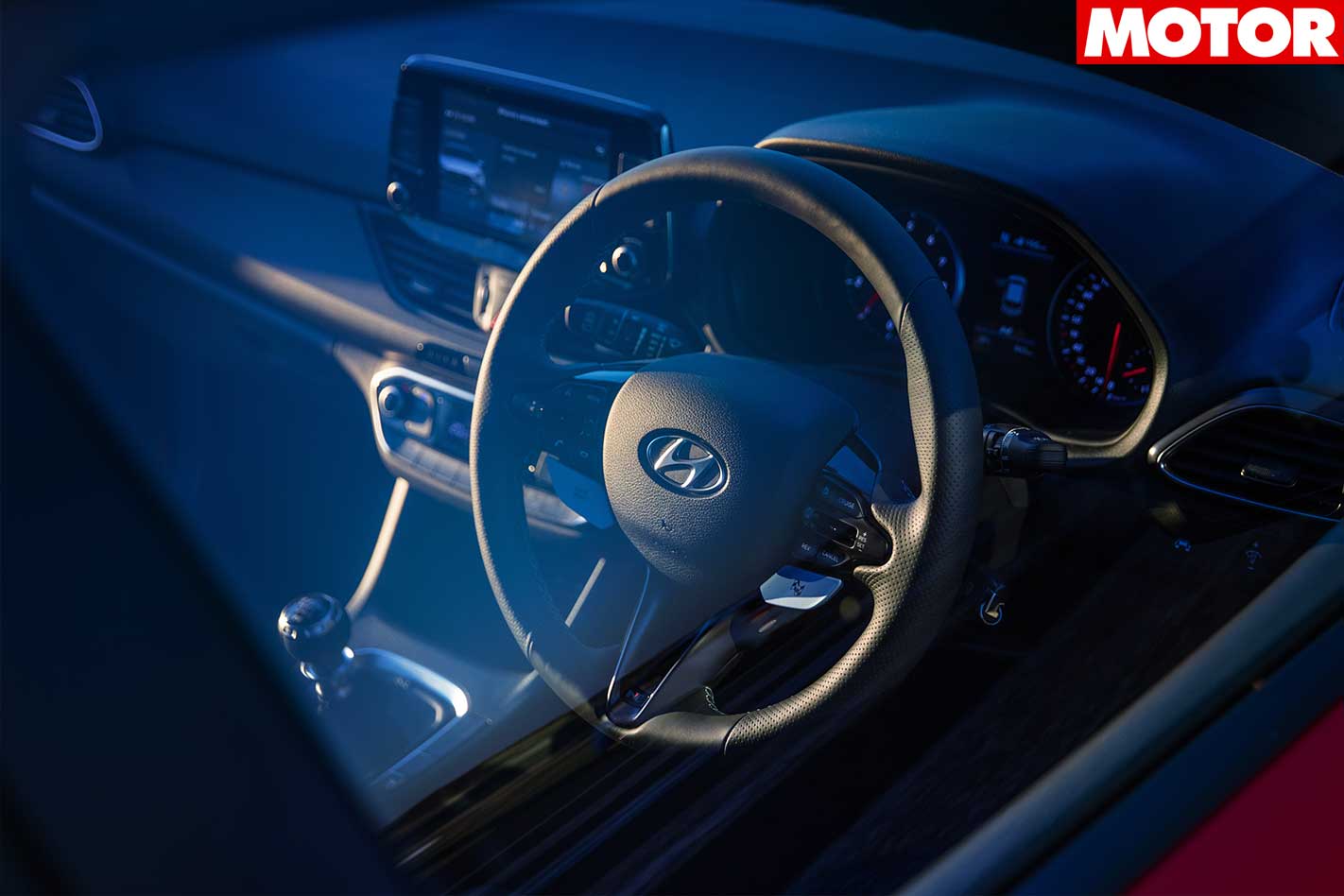
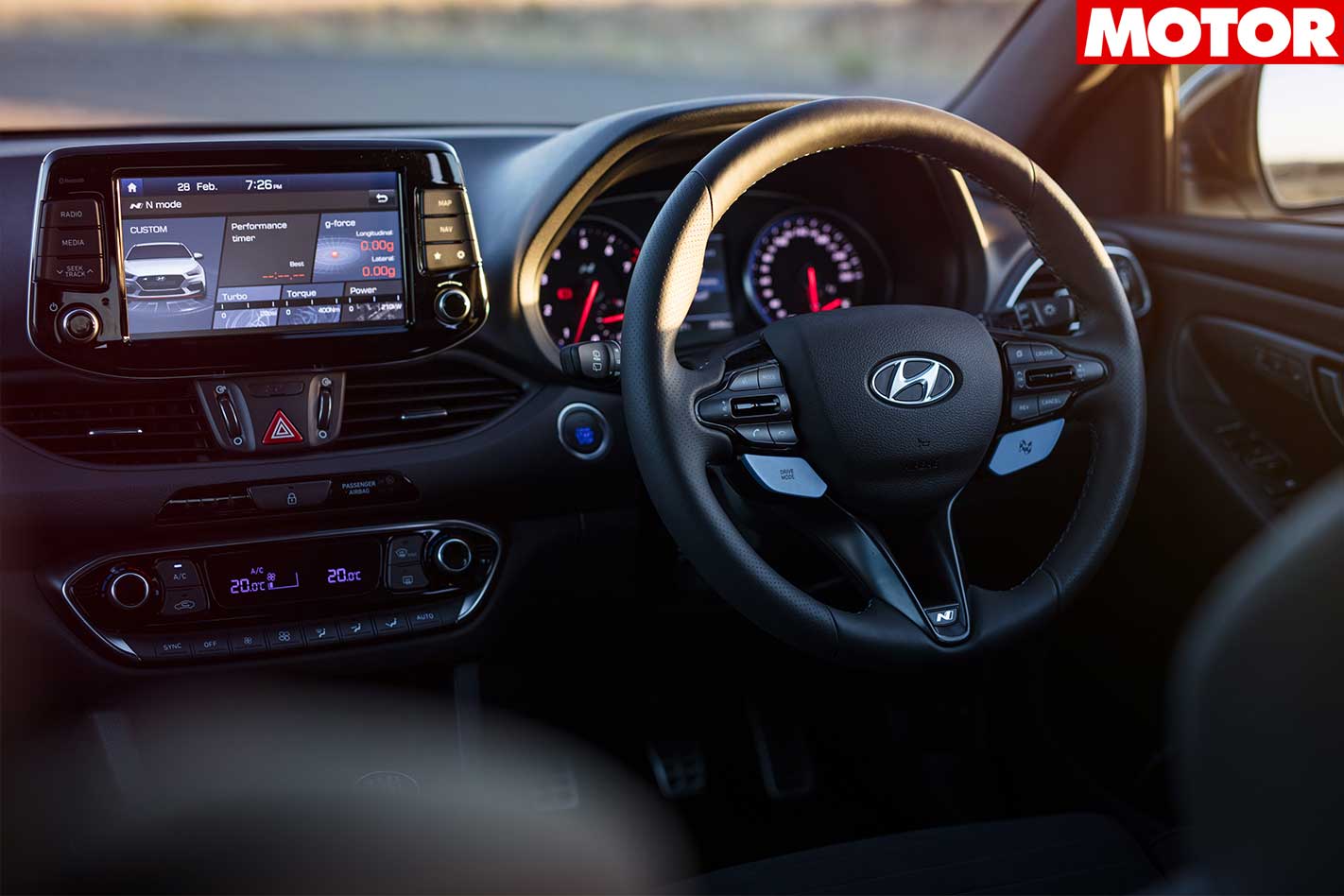
That said the standard car’s interior hardly feels spartan. Inside there are alloy pedals, decent cloth seats, an eight-inch sat-nav with Apple Carplay, and a leather steering wheel. And it all feels put together in a solid, European way.
That robustness comes at a price, though. The car’s 1429kg kerb weight in standard form can quickly balloon to 1509kg after ticking a few options. Combating this is a 2.0-litre turbo inline-four from the brand’s Sonata sedan.
A fair bit of work’s been done on the engine to reap more reliability and higher outputs. It’s turbo and cooling systems have been completely redesigned. There are new pistons, and an overboost system, for 202kW and 378Nm.
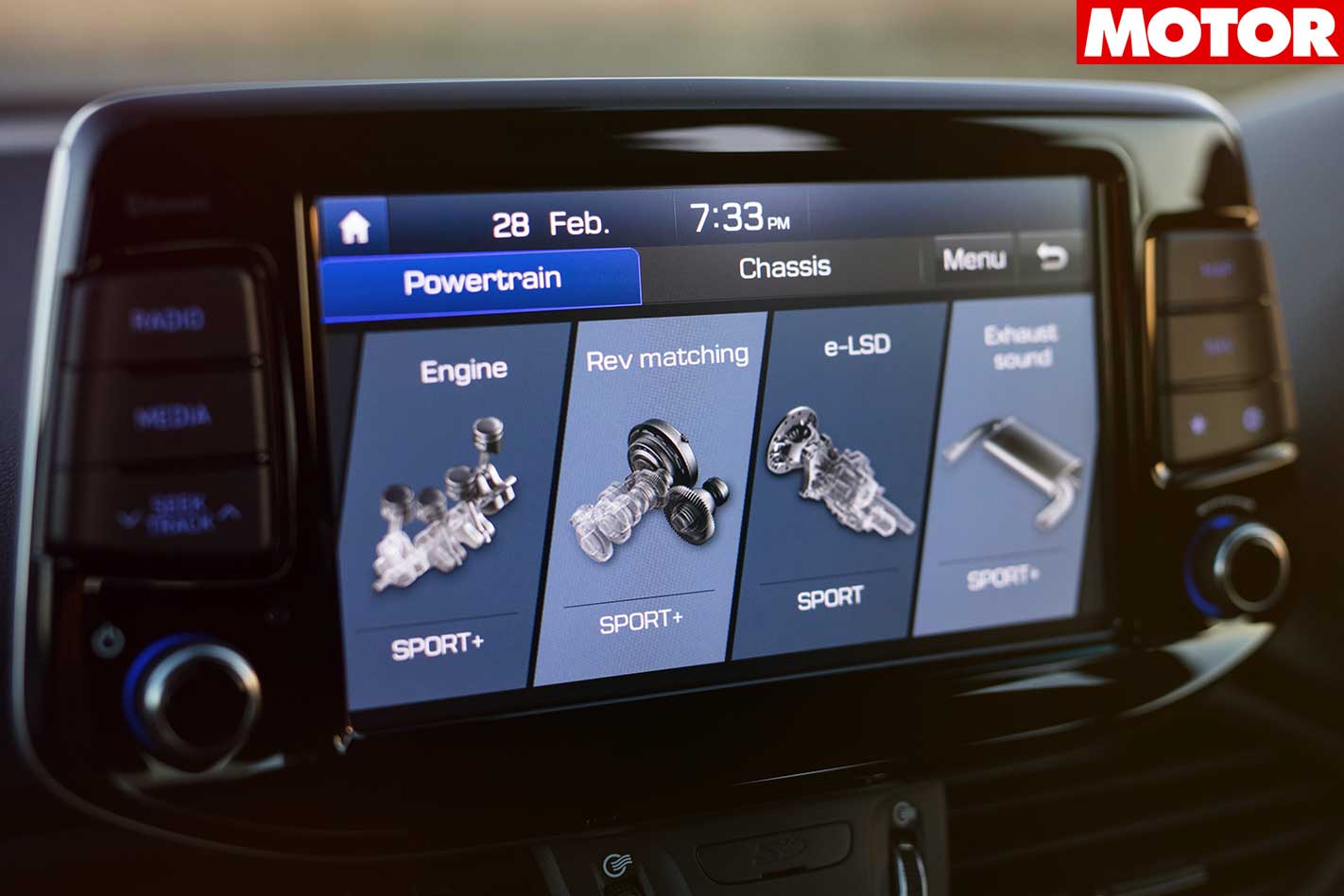
As a result, the transmission’s been reinforced with a beefier clutch, carbon synchros, and a new six-speed gear set. It has launch control, albeit with a three-minute wait between launches, and a zingy rev-matching system.
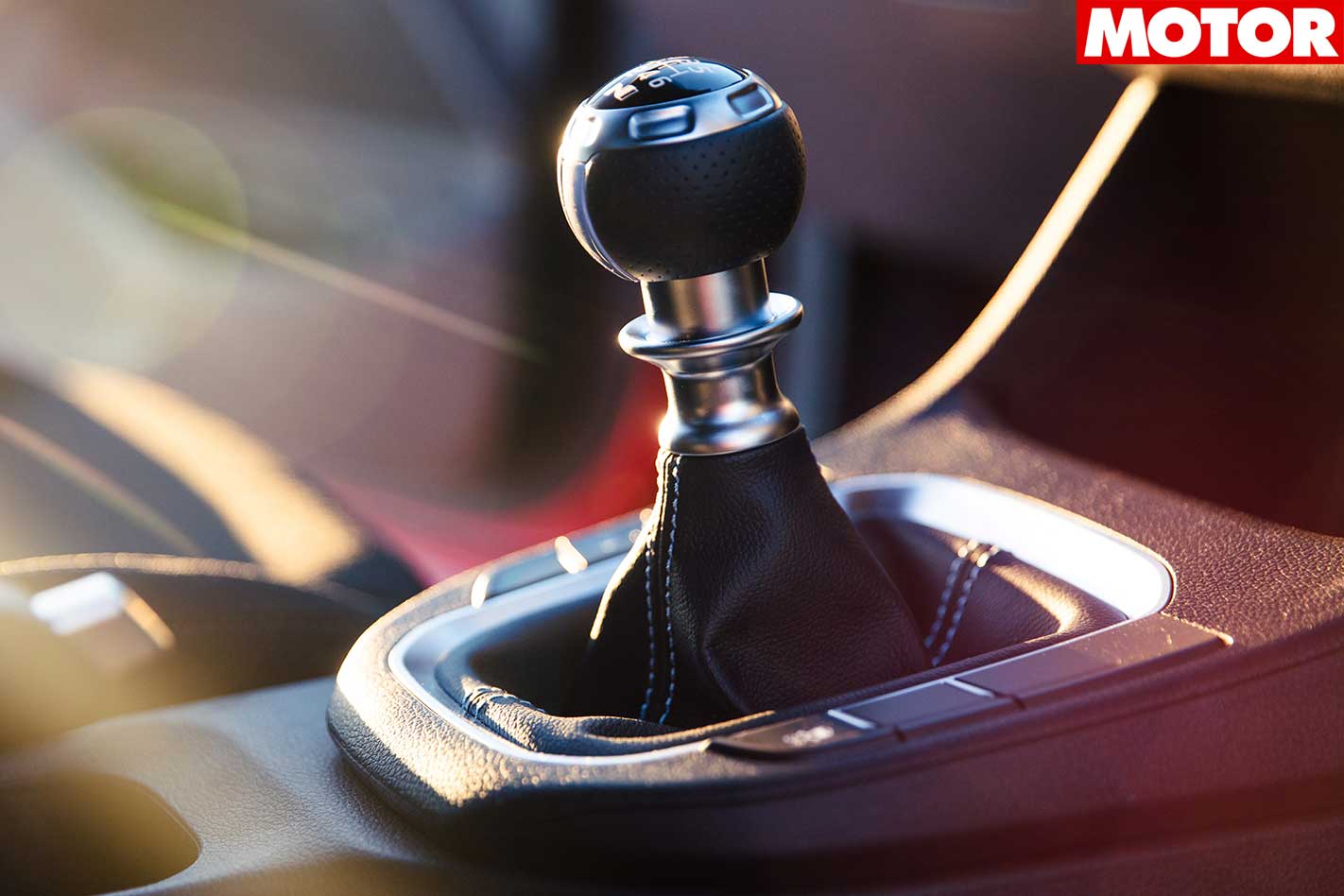
Rowing the hamburger-shaped knob is a treat. The clutch operates with a smooth, linear stroke, even if it bites a little vaguely, and each gate arrives with a meaty clunk.
Feathering the throttle conjures a gruff sound in normal mode and something more growly in sport plus. And while its note lacks some personality under throttle, it redeems itself on the overrun with pops and bangs loud enough to wake the dead.
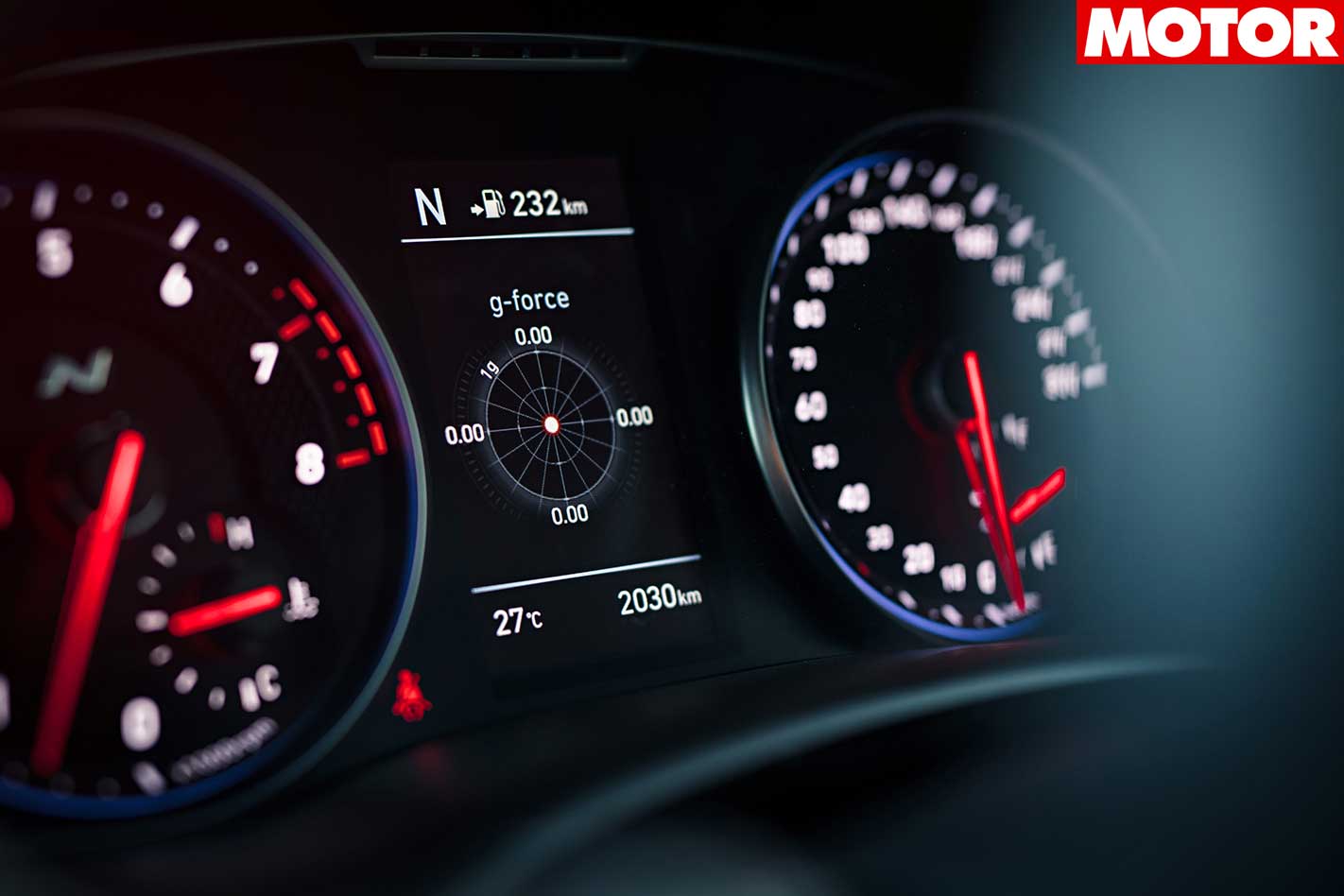
There’s a mic in the intake tract that sounds like it plumbs spool noises through the firewall. The N’s real party piece, though, is its customisable N drive mode menu, where you can set different bits (steering, diff, ESP, suspension, rev matching) in varied states of aggressiveness.
Hyundai claims it’ll hit 100km/h in 6.2 seconds. We didn’t get the chance to test that with launch control, but the N hustles with decent pace. In-gear acceleration is strong, with gear ratios putting the Theta engine in its torque-rich midrange for easy overtaking.
There’s no peaky top-end rush, which is welcome on the tight left- and right-handers that define the run down to Falls Creek via Omeo highway. The i30 N tips in with immediate response and feeds you detailed information on steering direction, available purchase, and front-axle load.
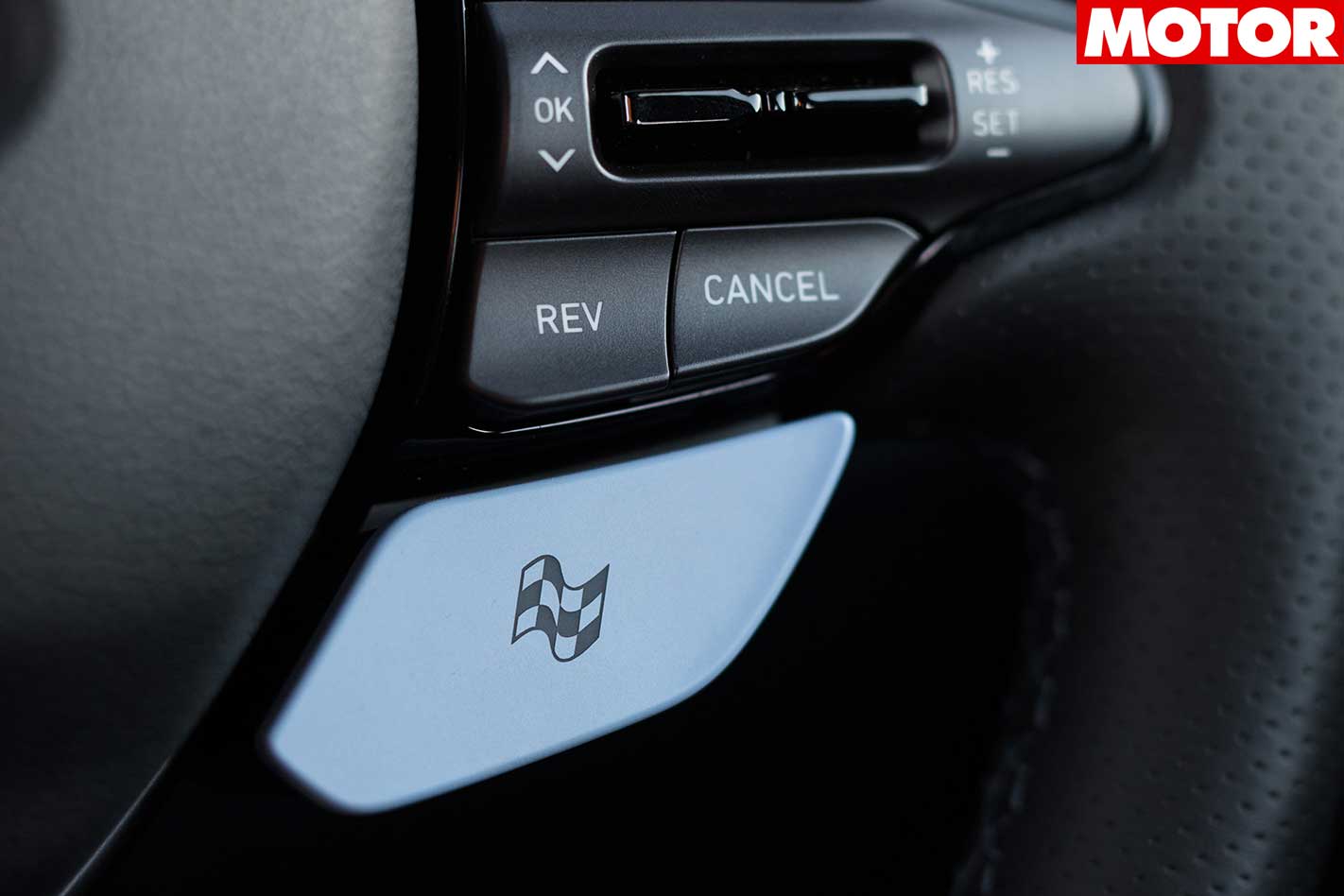
On such tight roads you have to manage its weight and thrust so that you don’t push wide, as its stable spread of grip prefers to use the car’s outside front tyre to turn, rather than use a hoisted rear axle to get into corners.
More flowing roads that surround Victoria’s Mount Beauty reveal the car’s element. The i30 N tracks along a neutral line and encourages you to get into the throttle earlier, the brakes later, or carry more speed.
The roads don’t challenge the car’s ride as much as we’d hope, which is a shame because Australia is the only country to go against Biermann’s order for one suspension tune.
It’s on the firmer side of things, but the fact we use its hardest damper setting more than we ever did in Europe suggests local work has unlocked a more usable ride.
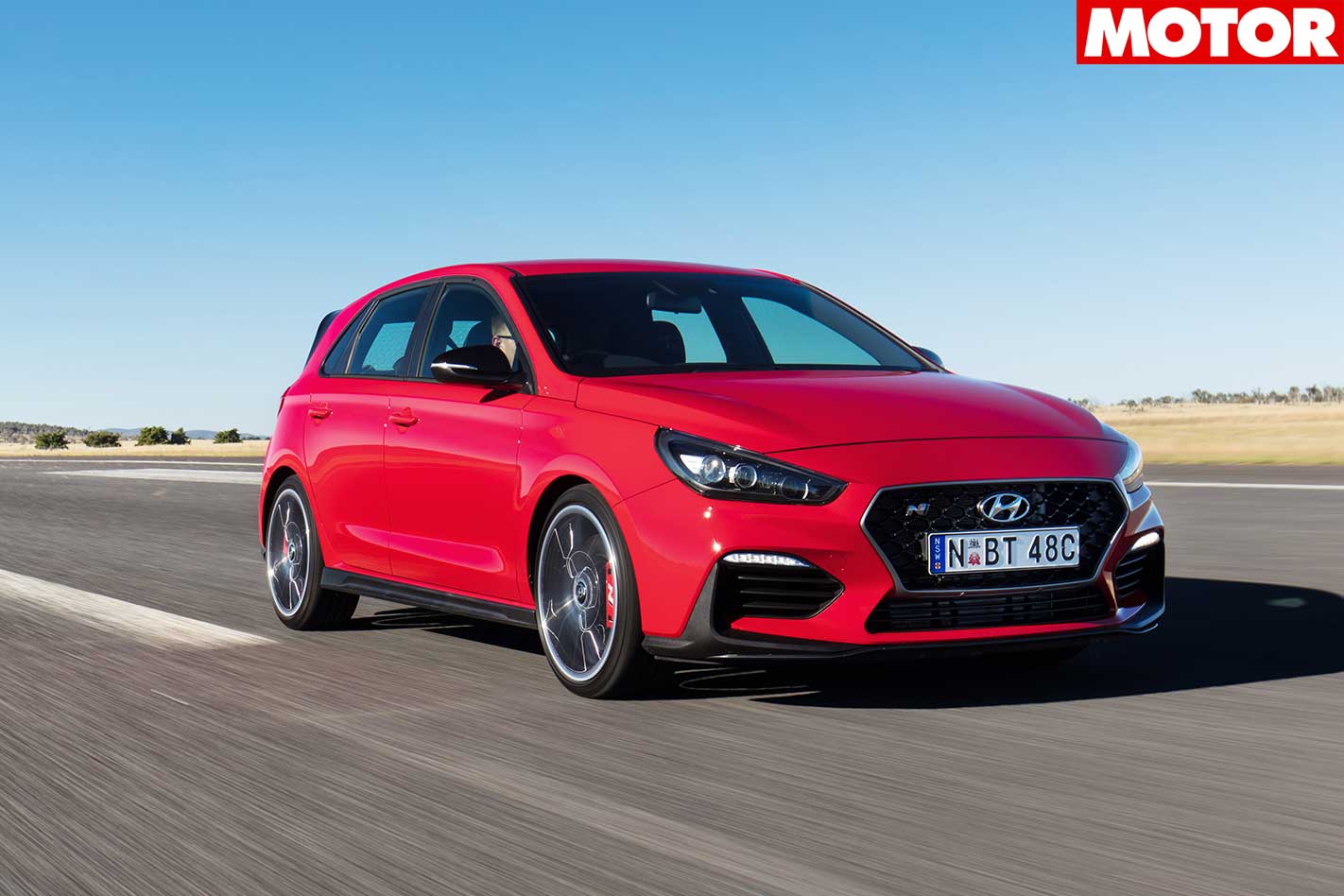
On-hand rally ace Brendan Reeves says a softer damper setting is faster on the track’s slippy surface. But while it adds more roll at the rear, we don’t find it unlocks Megane RS levels of rotation.
Whether you like it or not, the rev-matching proves brilliant on track. Reeves agrees it is one less thing to worry about, the system blipping on cue on every downshift. Its brakes, which slightly soften at the top of their travel after all this abuse, still are full of feel and offer loads of precision for a single caliper system.
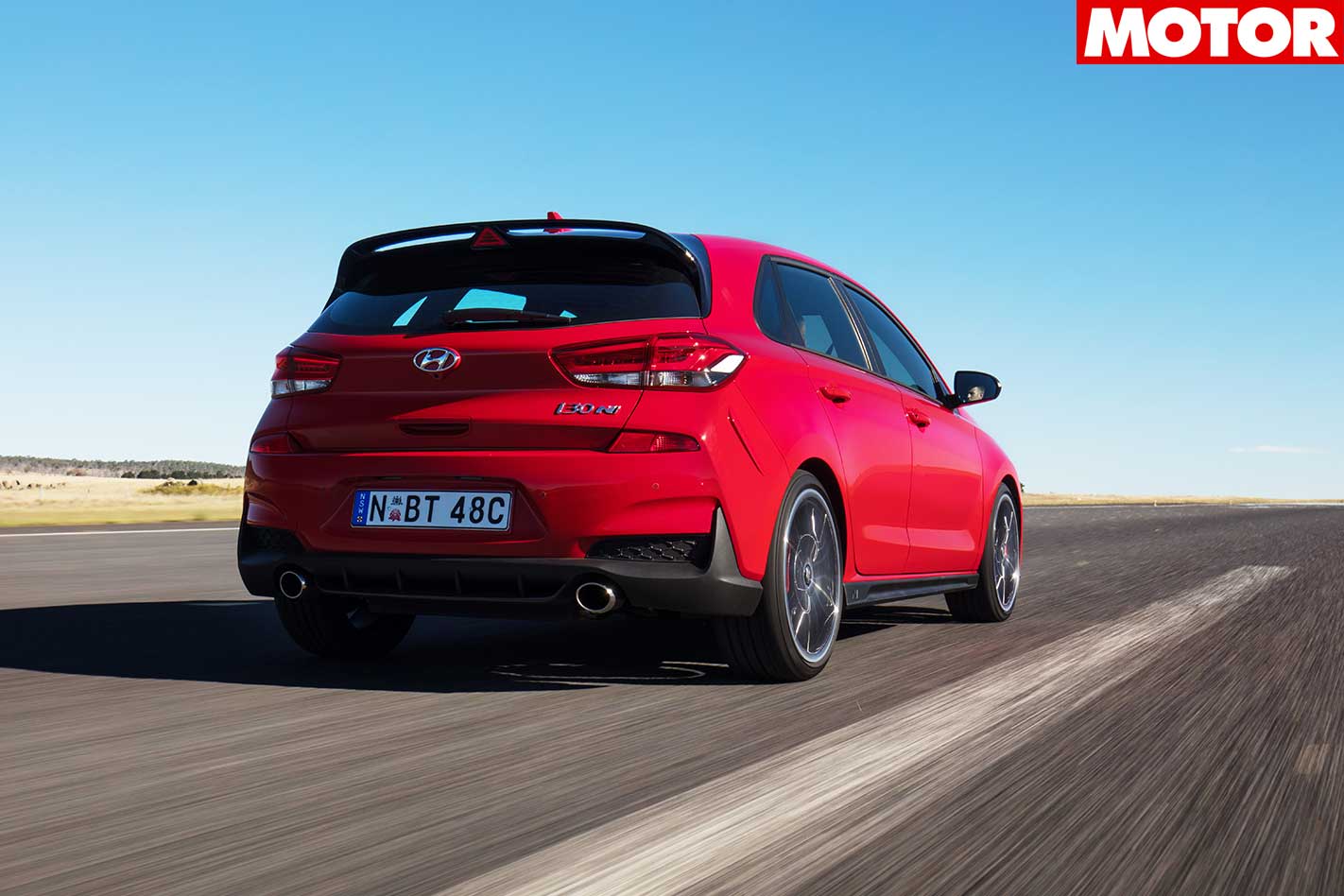
We steal one for the drive home to Melbourne from Winton Raceway. And it’s surreal that the Hyundai’s brakes, engine, and clutch are fresh enough for a two-hour highway blast. On top of that, tyre drone isn’t terrible and the seats (in standard or luxury trim) are still wonderfully comfortable.
Even though the chubby front pillars make seeing through corners slightly difficult and the car’s primary ride might have not been fully ironed out, there’s a duality to this car that reminds us of a Porsche 911 GT3. Of course, it’s nowhere near as rewarding or stimulating. Even on a hot-hatch level. It’s more the capability to swap between a club racer or regular hatch that spread the i30 N’s breadth of ability so wide.
Hyundai has nailed its first ever hot hatch. The question remains whether it can drive a stake into established rivals?
We suspect the more precise Honda Civic Type R is faster, and the Golf GTI Performance Edition 1 more liveable, but the beauty is that the i30 N is priced almost $8K clear of both.
At its price, Volkswagen’s newly created Golf GTI Original and Renault’s Megane RS are all that stand in the way of glory. Yet by this showing maybe Hyundai isn’t the one who should be worried.
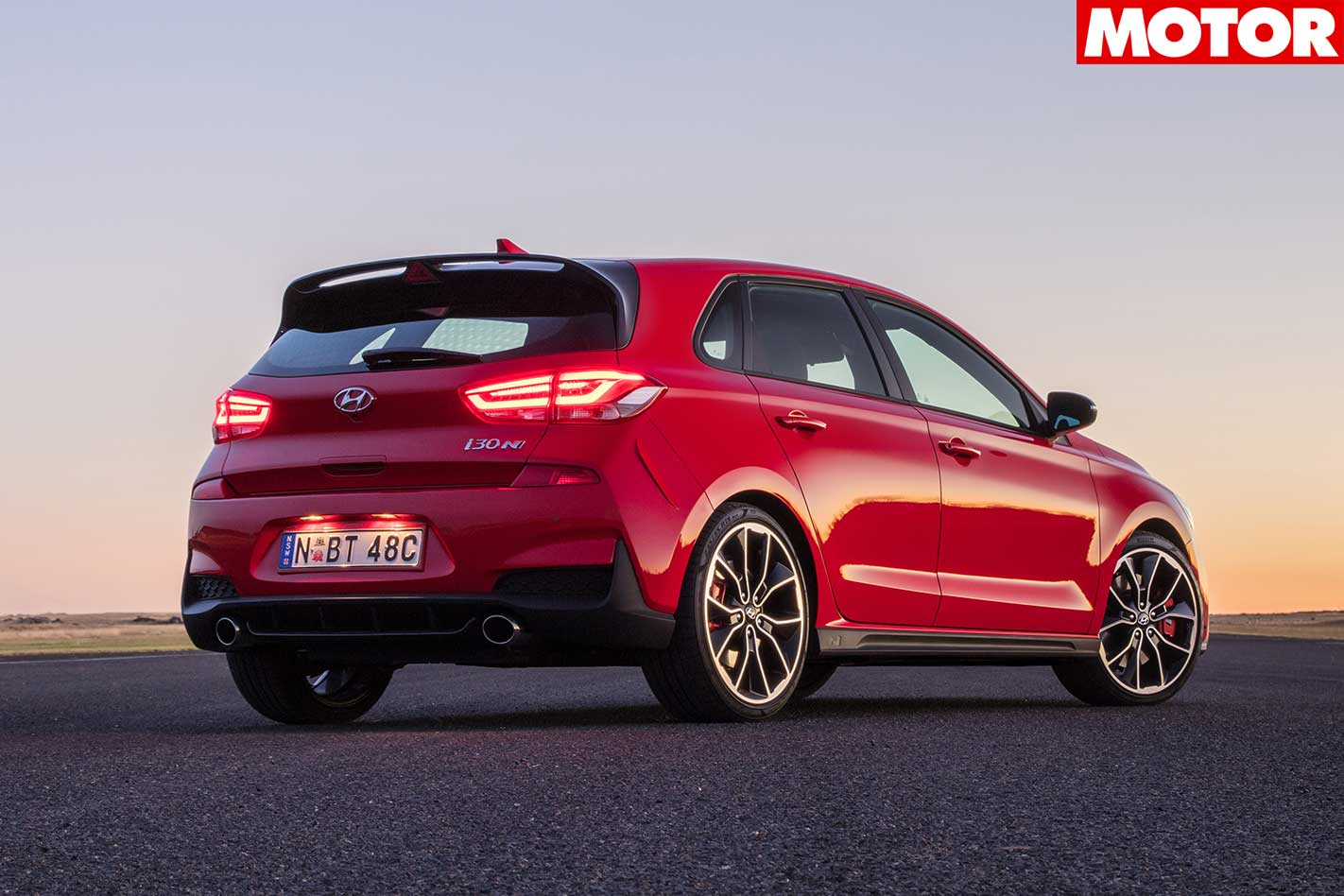
STAR RATING 4.5/5 Like: Grip; theatrics; front-end; brakes Dislike: ‘Safe’ rear-end
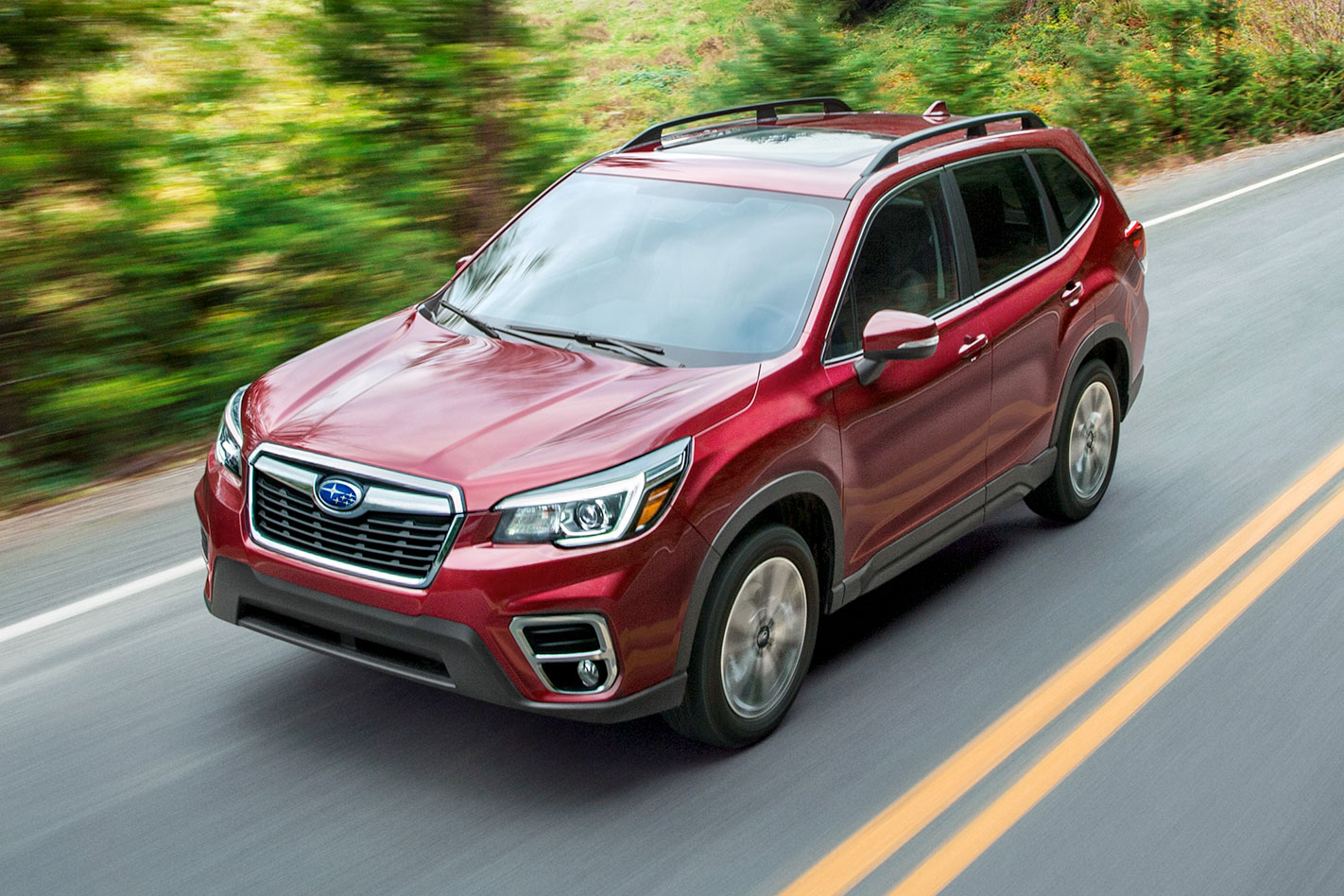
SUBARU’S fifth-generation Forester, due in Australia around September, is set to have its eye on you. Well, more accurately, its cabin-mounted camera will.
The midsize SUV brings a tech-first to this segment in the form of a Driver Monitoring System (DMS) that comprises a camera mounted in the upper centre stack, integrated to driver recognition software. Its primary function is one of safety, monitoring the driver’s face for signs of drooping or distracted eyes and early indicators of fatigue. But the system also delivers a convenience benefit in terms of the facial recognition that allows automatic adjustment of a bunch of individual driver settings such as seat position, climate control, and exterior mirrors.
So it’s one powertrain spread across three, maybe four models. A performance flagship running the new-gen 2.4-litre turbo is not on the horizon, according to Subaru Australia managing director Colin Christie. “The XT/XT Premium models were only contributing around 70 sales per month, so we believe this new, rationalised line-up is the right one. It’s working well for Impreza and XV,” he told Wheels. Christie also confirmed a plug-in hybrid would join the range, but indicated it would be well into 2019.

In terms of safety, the 2018 Subaru Forester adds reversing AEB, as an improvement to the current Eyesight driver assist system (standard across all model) as well as seven airbags, and increased use of high-tensile steel for improved collision protection. Naturally multi-media and connectivity all moves forward a generation.
In real terms, pricing won’t move significantly upwards, but stripping out of the smaller-engined manual at the previous entry point is likely to make the new entry-level model around $34,000, running to the mid-$40s for the as-yet-unnamed top-spec Forester.
REMEMBER how Hyundai said it wanted to build a Ferrari-fighting halo model for its Genesis brand?
The first hint of how that will come about has dropped today, with the Korean brand revealing the Genesis Essentia Concept.
Dripping in carbonfibre and heavy with form, the all-electric high-performance concept car was created as an object of desire, “sparking passion and inspiration”, Genesis global head Manfred Fitzgerald said.
“This is what the Genesis Essentia Concept is all about, and we are thrilled to introduce our interpretation of an all-electric, two-door Gran Turismo here in New York.”
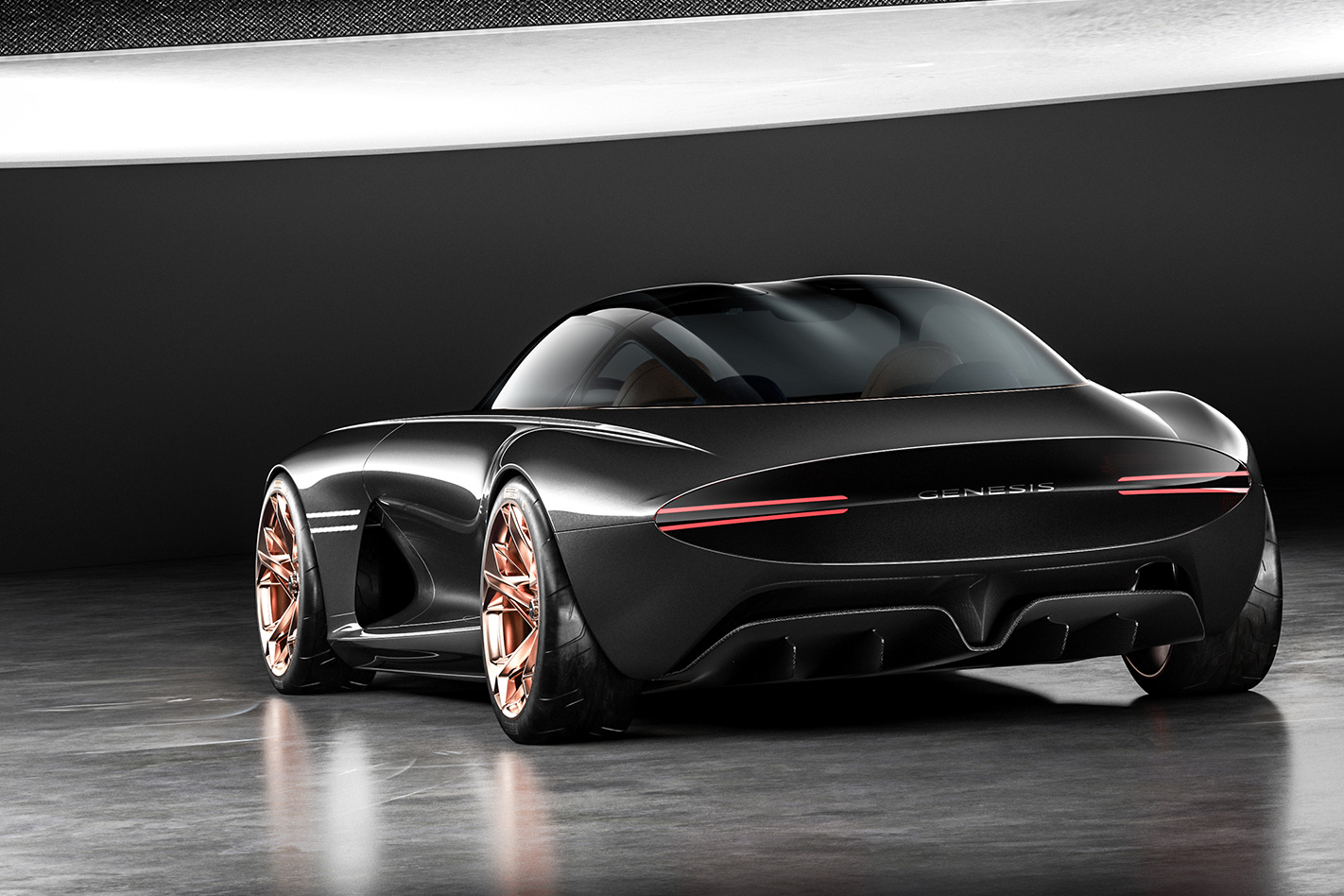
“Essentia is the brand’s initial concept for a true GT car and challenges the status quo as the ultimate manifestation of Genesis design and engineering,” the company said in a statement.
“As a capable, thrilling sports car designed to counter the complexities of a modern lifestyle, Essentia offers serenity, clarity, and beauty.”
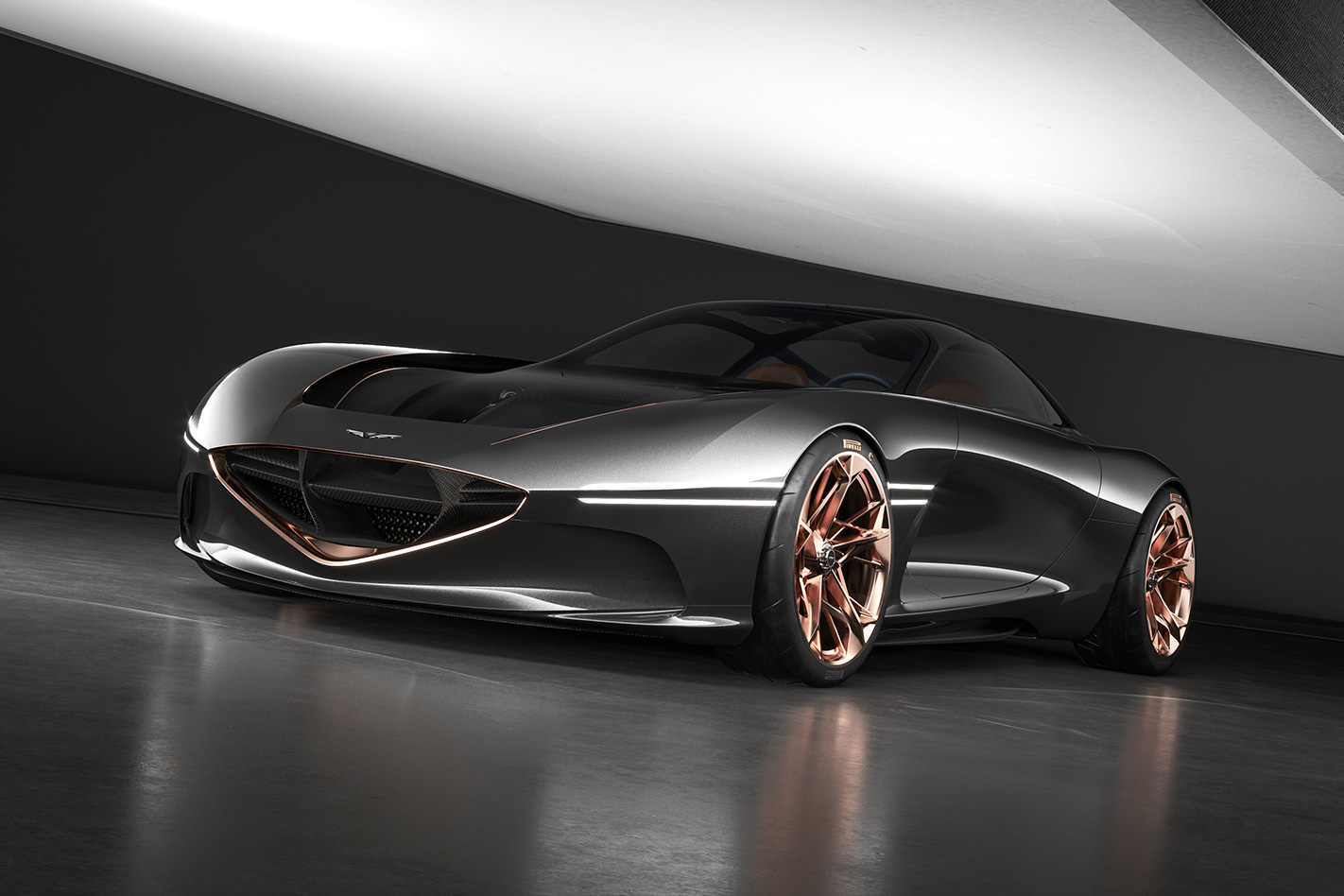
Behind it, a transparent panel reveals the carbonfibre chassis, and displays the Formula 1-style inboard shock absorbers that allow the bonnet to sit low to the ground – the whole concept car sits less than 1.3 metres tall.
“The interior of Essentia utilises a mixed-material approach influenced by high fashion and classic color combinations,” Genesis said. “Cognac leather seats with herringbone quilting envelops the driver and passengers in true cockpit fashion. A slim center console covered in Oxford Blue leather bisects the cabin. Blue velvet covers the roof and its pillars.
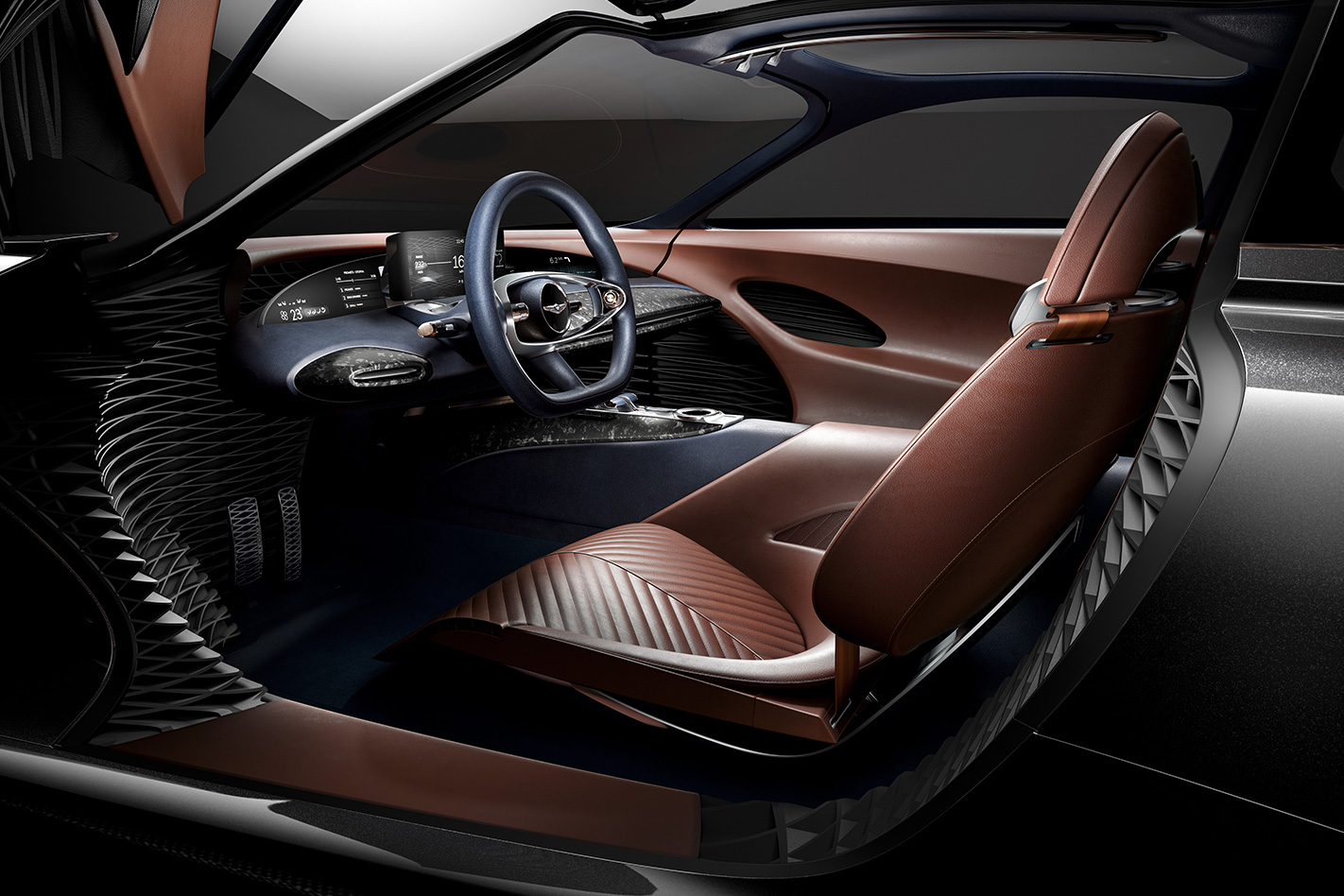
The centrepiece of the dash is an 8.0-inch colour screen, navigated via a large knurled dial. Outside, sensors that can recognise a face or fingerprint replace exterior door handles.
The batteries used to power the electric motors are hidden in a transmission tunnel that runs along the Essentia’s spine. No details are given of the type of motors used, although Genesis claims they are powerful enough to launch the concept from 0-97km/h in less than three seconds.
The Essentia follows on from the GV80 concept revealed at last year’s New York Motor Show, which hints at the very different path the brand’s SUV offerings are likely to turn down.