
From one of Maranello’s greats to a dirt-clad speedway toy, here are our top picks from this week’s classifieds on TradeUniqueCars.com.au.
2004 Ferrari Enzo – POA
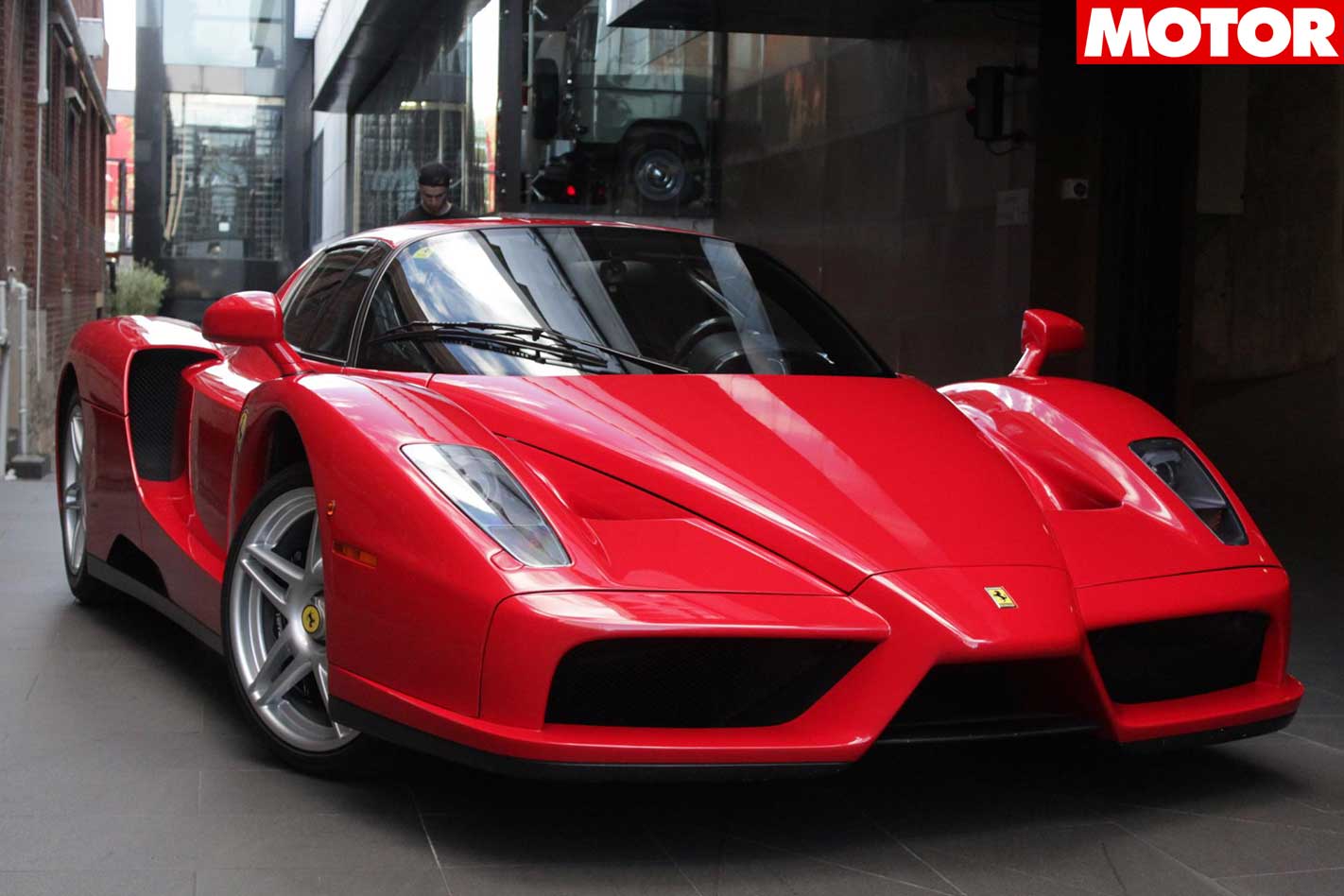
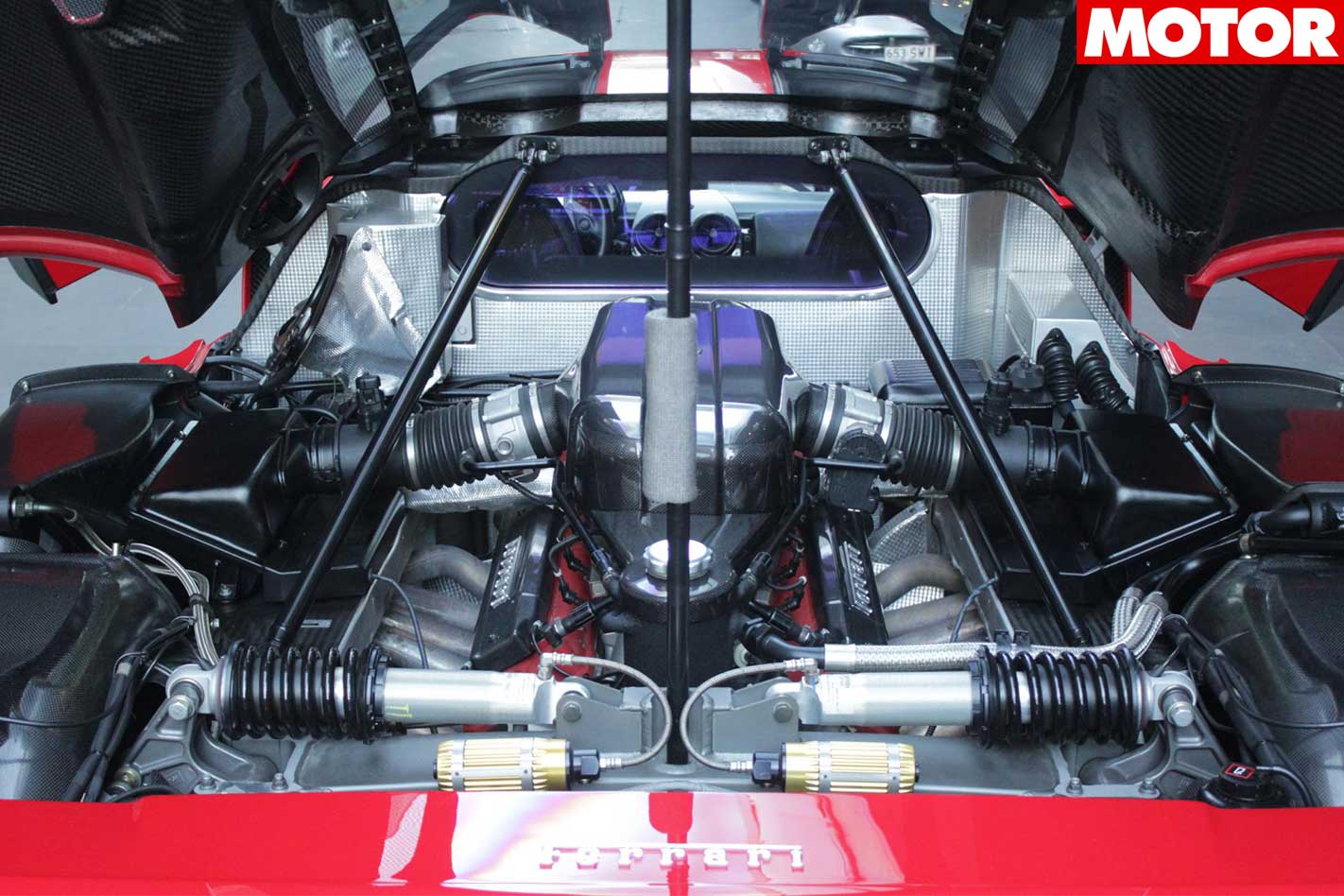
Dutton Garage currently has an Enzo in its possession, bearing a POA tag and “impeccable” presentation.
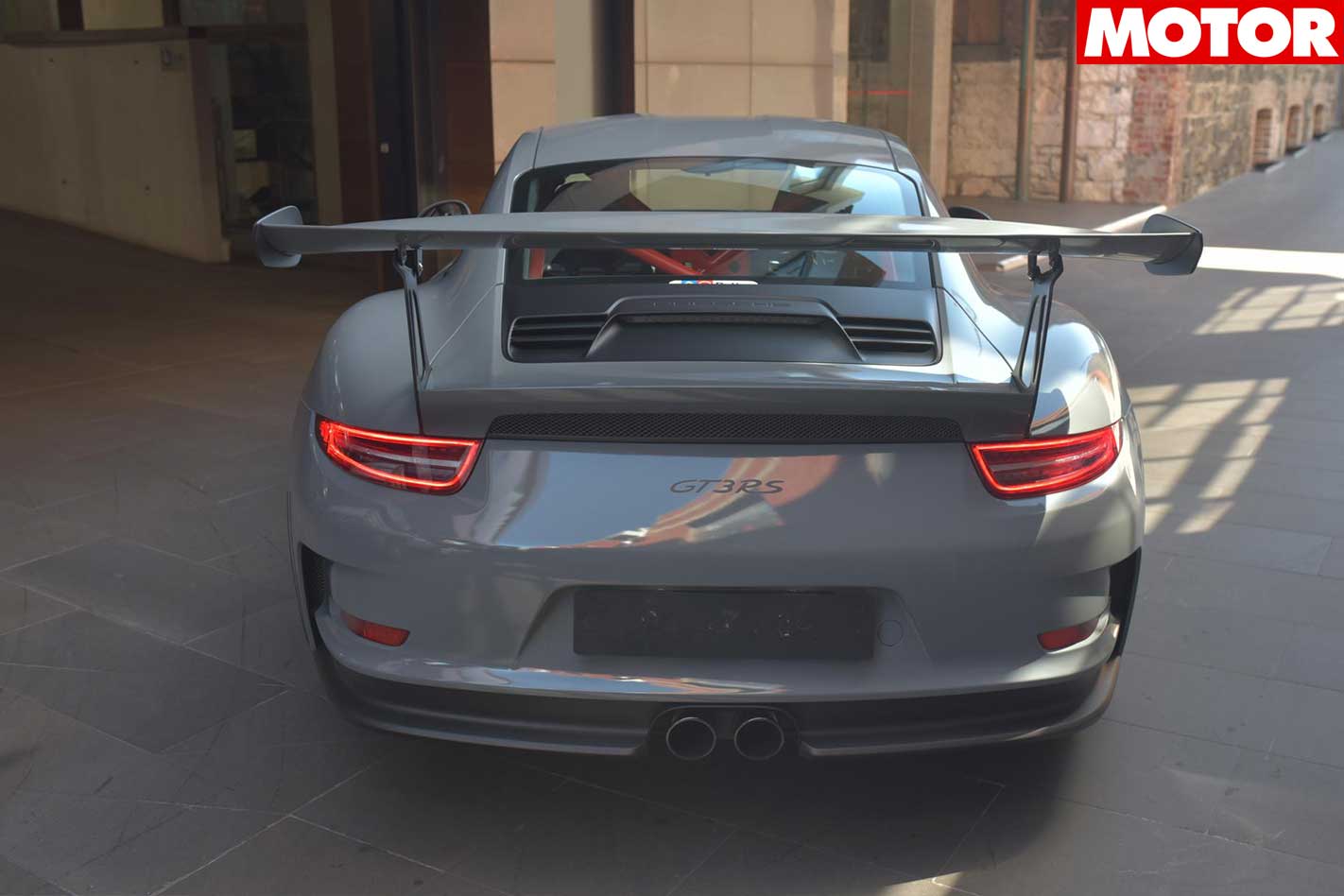
2016 Porsche 991 911 GT3 RS – $499,990
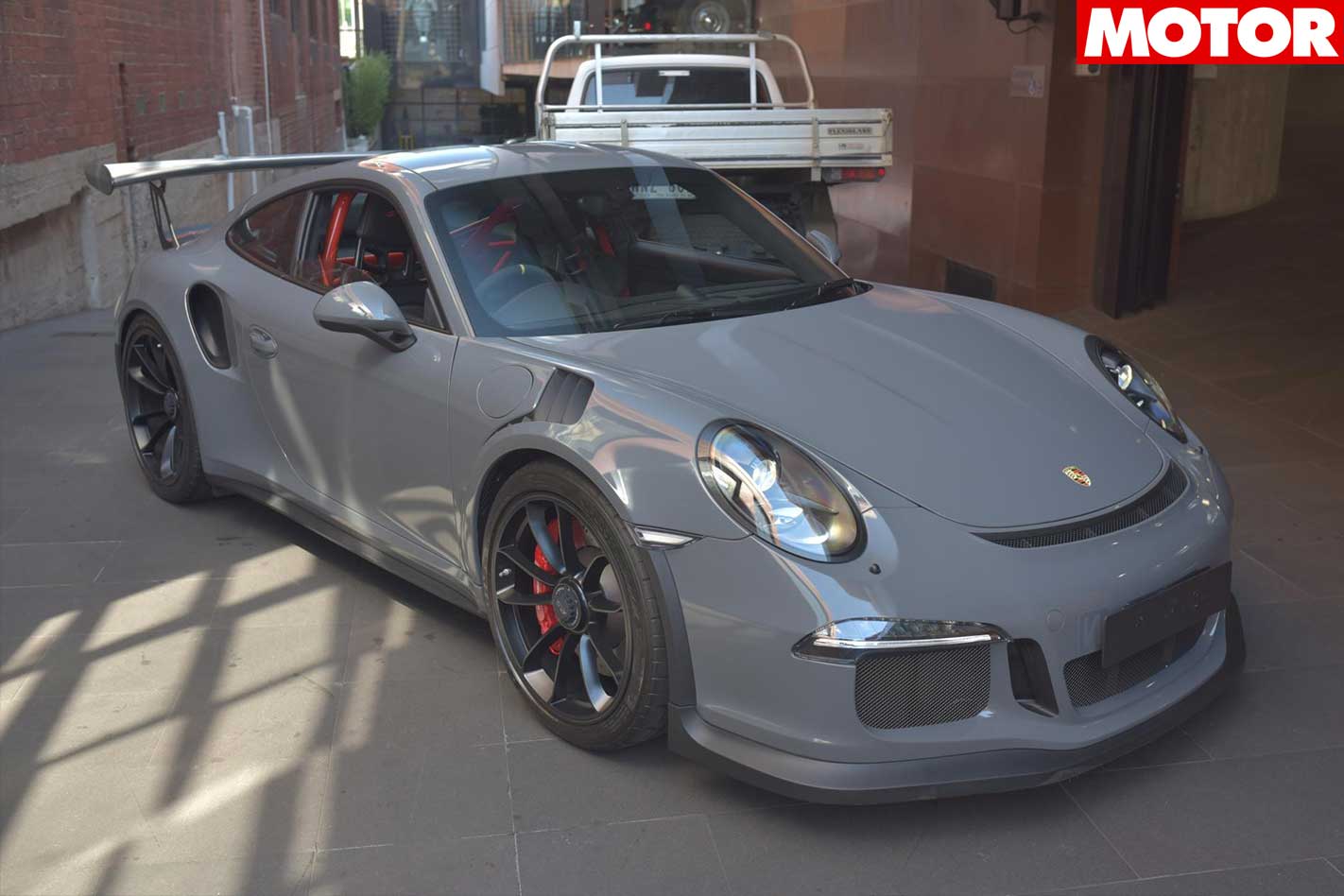
Speaking of new, this car only has 646km showing, and has been left untouched by its previous owner.
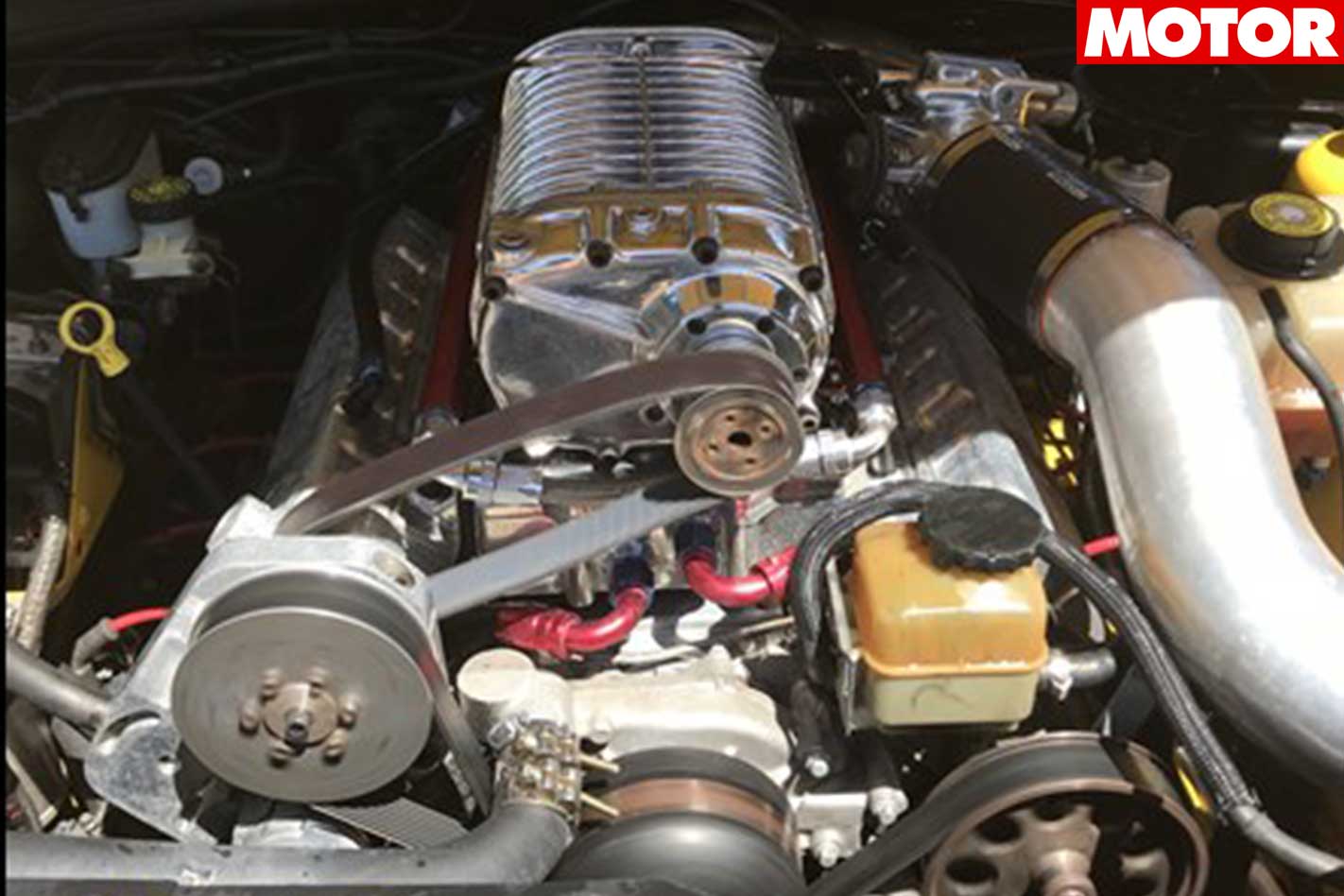
2002 HSV GTS Custom – $75,000
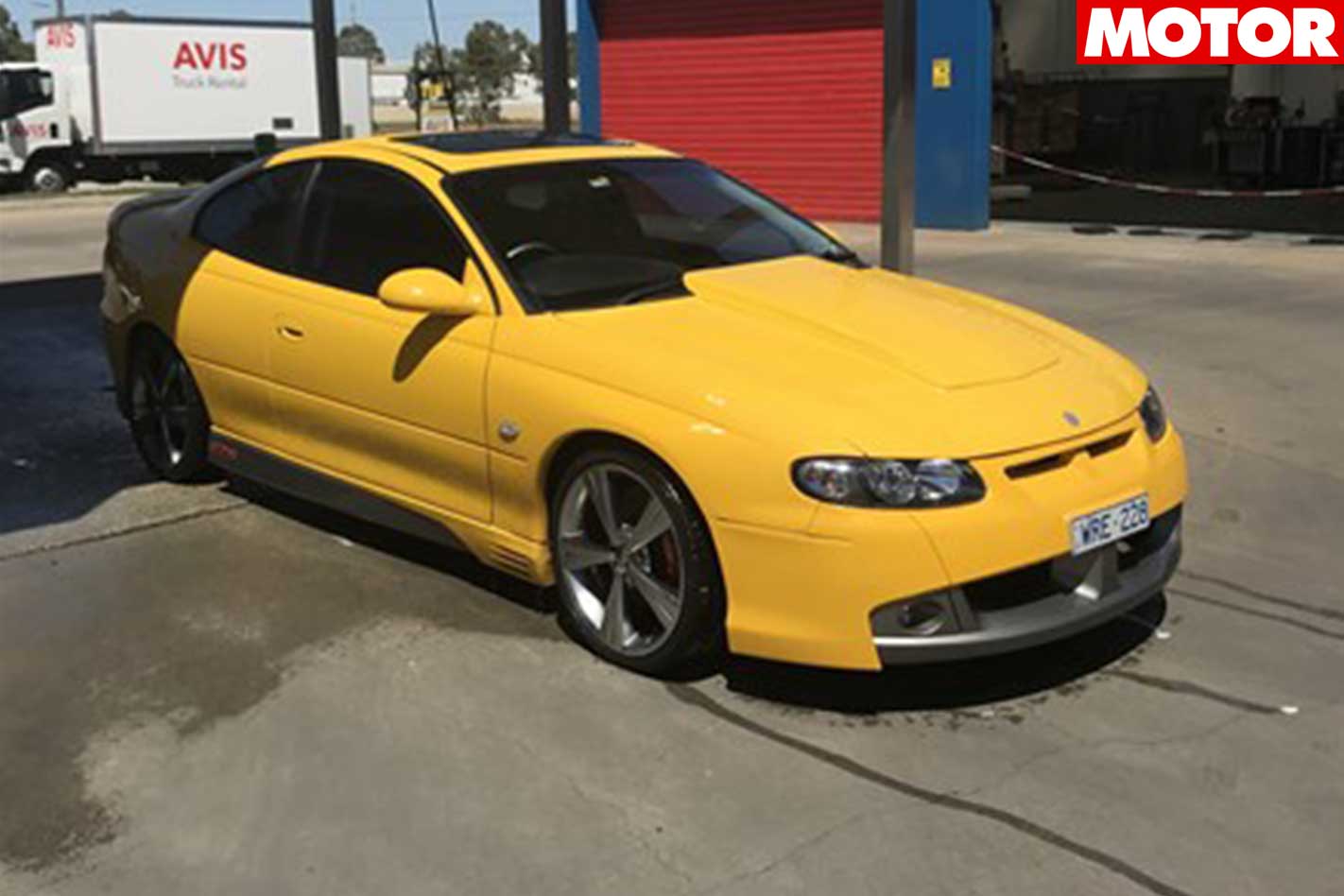
For $75,000, this custom car is an unknown quantity as many are, but the basics of the HSV GTS still appear to be there.
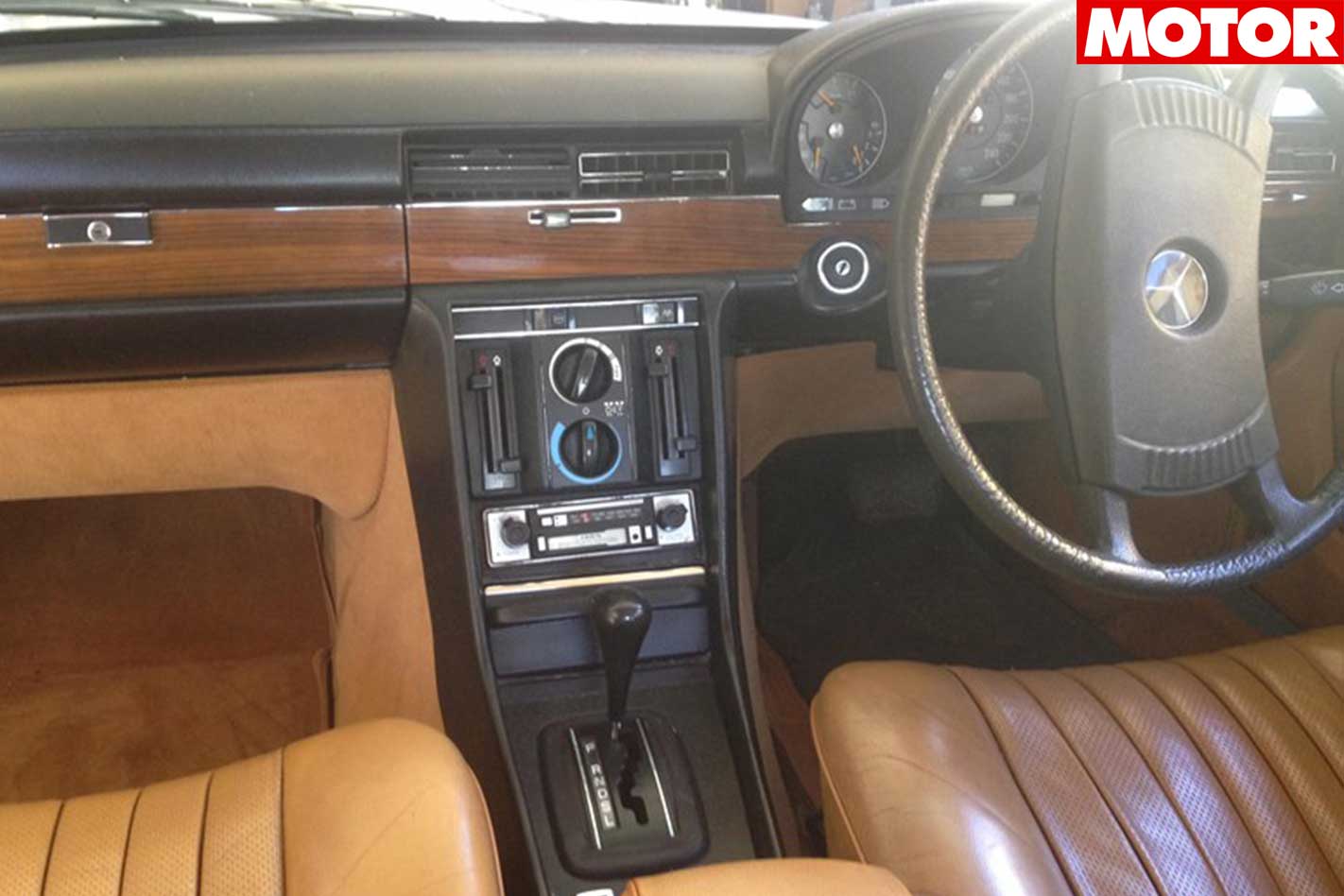
1975 Mercedes-Benz 450SEL – $5,000
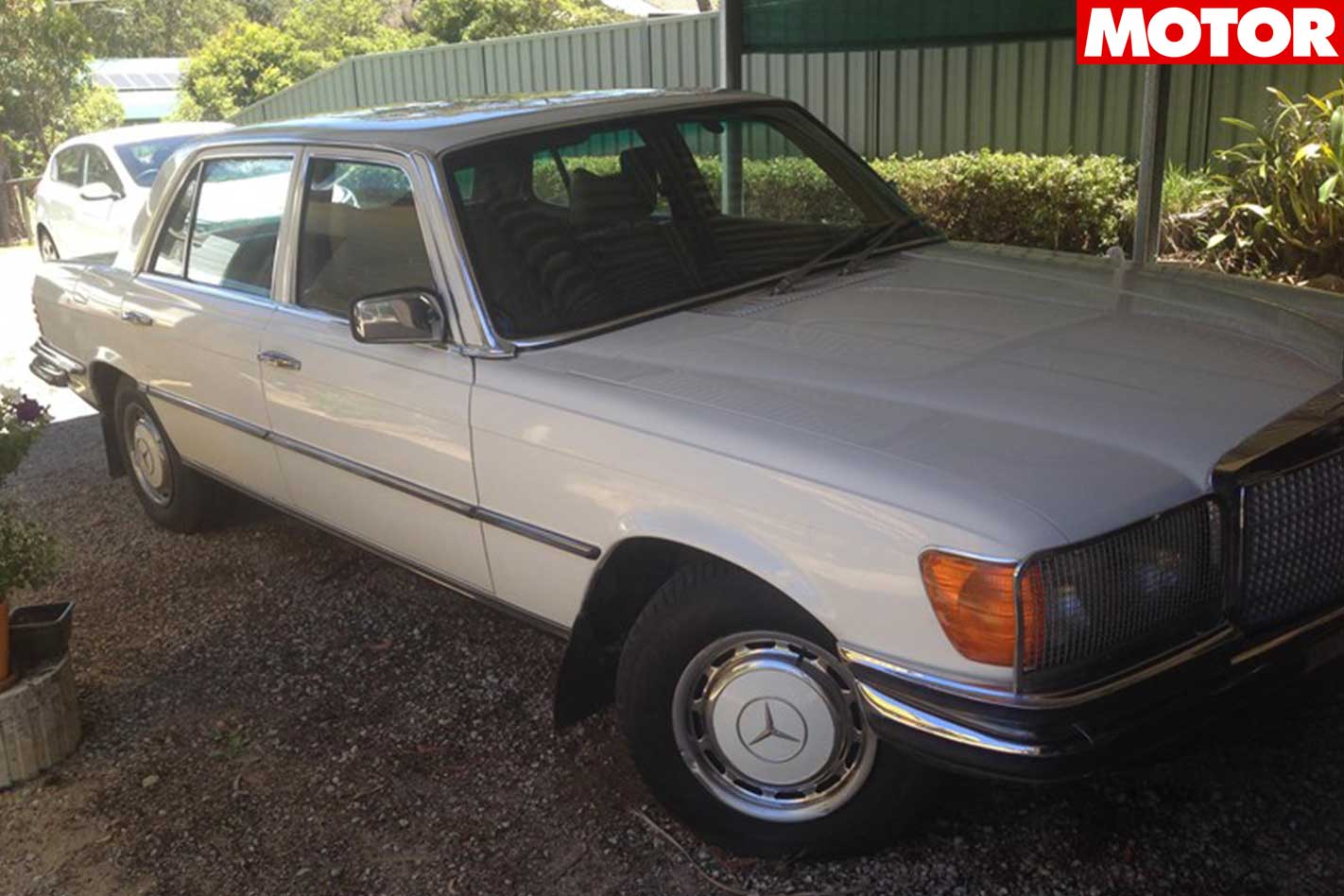
The downside? The engine is suffering from a misfire. It could be an easy fix, or a financial nightmare, so be sure you’ve got the know-how if you’re chasing this beast.
Speedway F500 open-wheel – $8,000
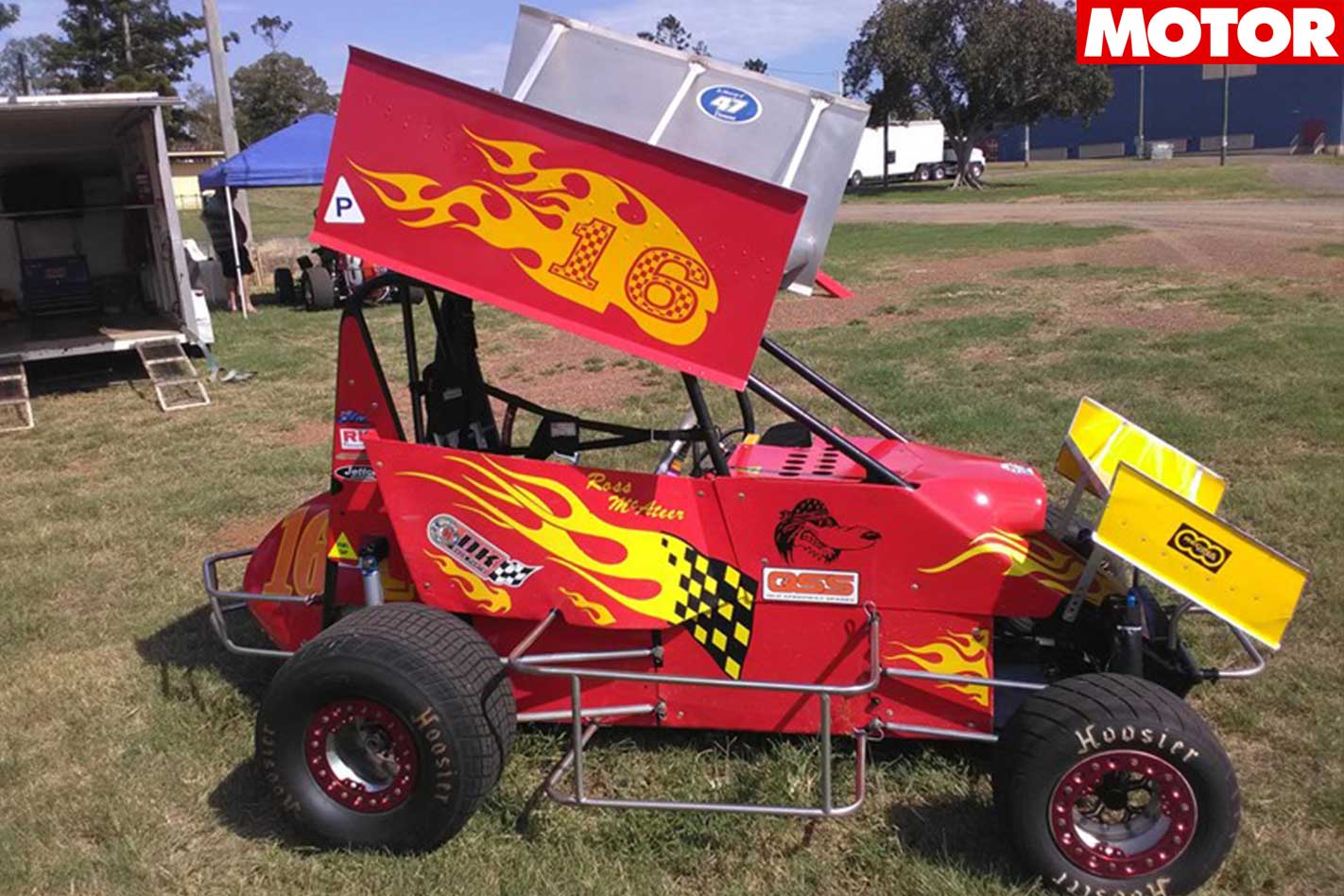
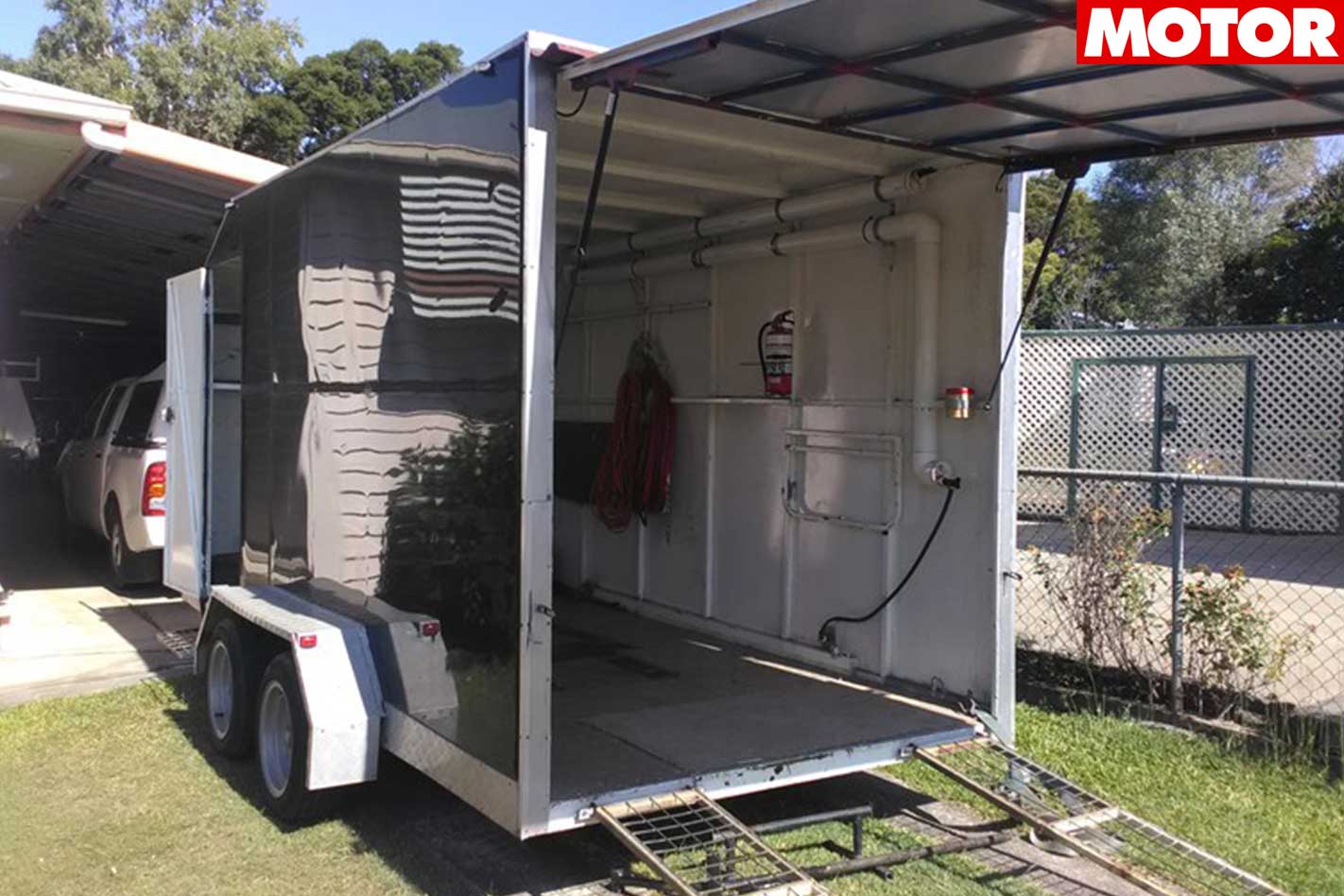
This sounds like a pretty good deal to us, not that we’re totally sure what a speedway car is actually worth.
THE 157kW/500Nm Ford Ranger Raptor now has a performance target to beat. The challenger? It’s the 190kW/550Nm V6-engined Mercedes-Benz X350d, which will officially dispatch the 0-100km/h benchmark in 7.9 seconds.
Ford has shown its Raptor-badged version of the Ranger, but released few details of its performance swagger. We know it sits on a wider track and a little higher than the boggo trade ute it uses as its template, but while US buyers will talk reverently of the 3.5-litre twin-turbo petrol V6 under the hood of their version, we’re left standing around scratching our heads at the 2.0-litre twin-turbo four-cylinder diesel under the bonnet of ours, paired with a 10-speed automatic transmission. A 2.0-litre oil burner? How fast could that be?
2018 Mercedes-Benz X-Class lands in Australia ahead of April launch
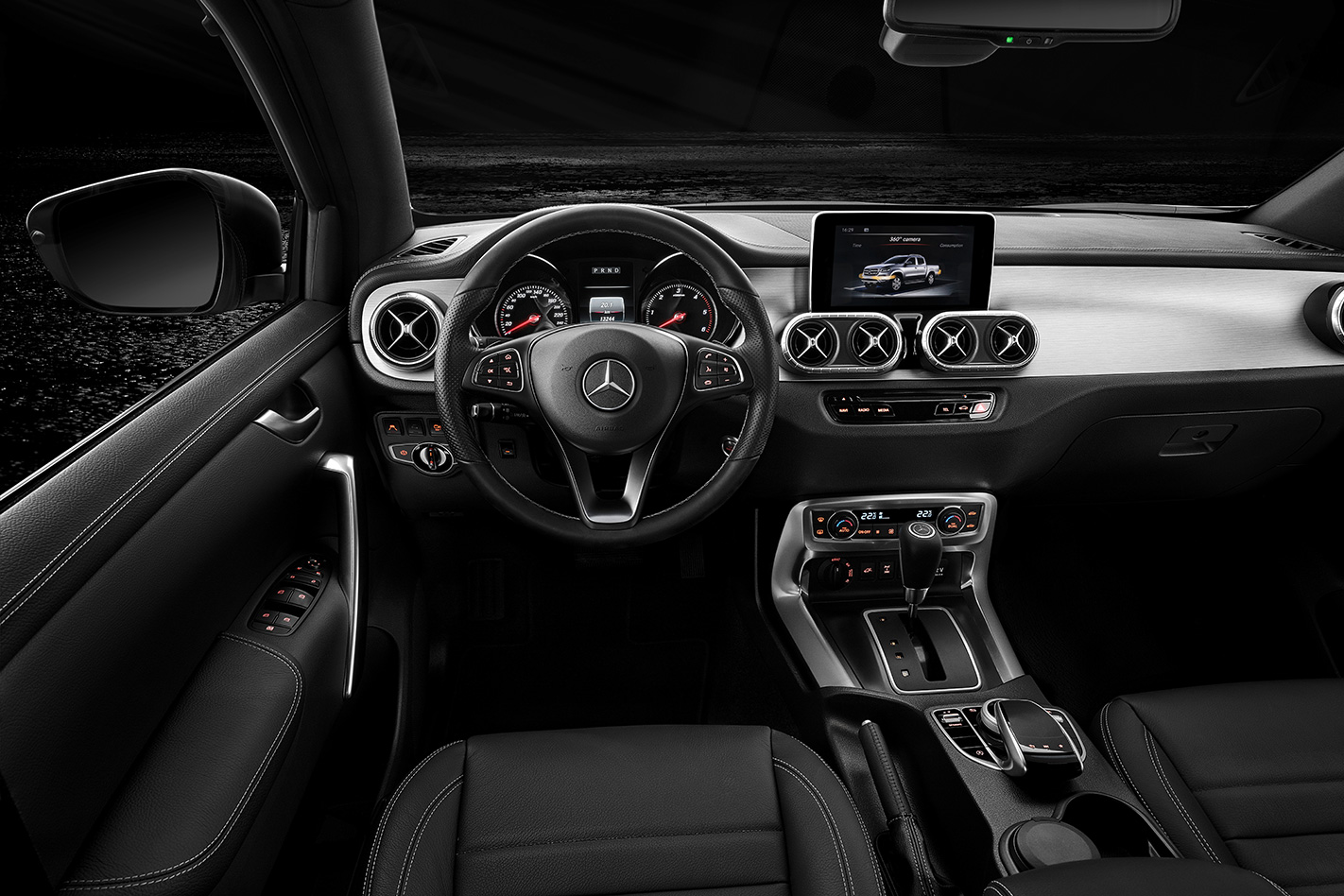
The German luxury brand will show its top-end trade ute at next week’s Geneva motor show, featuring a seven-speed automatic gearbox, and permanent all-wheel drive.

Mercedes-Benz is keen to talk up the X350d’s performance qualities, stating: “The performance of the X-Class is not only thrilling off-road, but also on the road.
“The wide track, the long wheelbase and the sophisticated design of the comfort suspension with a double wishbone front axle, the multi-link rear axle with a rigid section and coil springs at both axles ensure plenty of on-road driving pleasure and driving dynamics – with no compromises when off-road.”
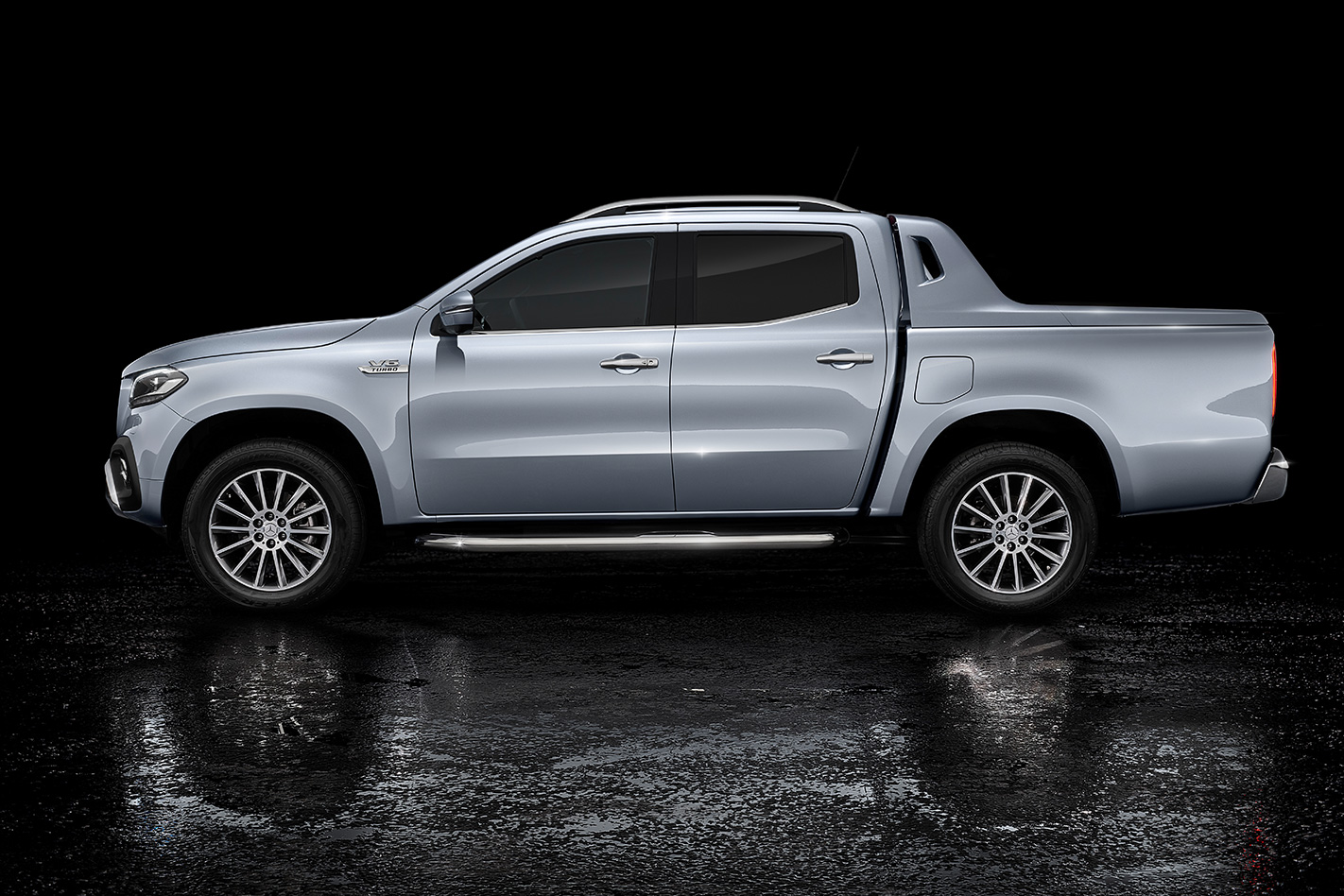
By default, the X-Class’s all-wheel-drive system pushes 60 percent of drive to the rear wheels.
“This rear-based configuration ensures improved vehicle dynamics and higher lateral acceleration on the road, and better traction during acceleration,” Mercedes said.
And it wouldn’t be Mercedes-Benz without making some obscure link to Formula 1 when talking up new product. It says the special coating on the cylinder linings of the 3.0-litre turbocharged donk comes straight out of the technology developed for the Grand Prix circus.
FROM a company that used to offer a gamut of four-, five-, six- and eight-cylinder engines of all different sizes and inductions, Volvo has epitomised engine range rationalisation in recent years.
Before long, 2.0-litre turbocharged four-cylinder engines will power the range of Swedish passenger cars and SUVs exclusively, irrespective of the model’s size, practicality or performance requirements.
The task of tailoring performance and economy for individual models and variants is made a degree easier with forced induction. Generally speaking, a higher boost pressure is used when power is the priority, while lighter boost is more applicable for reducing fuel use.
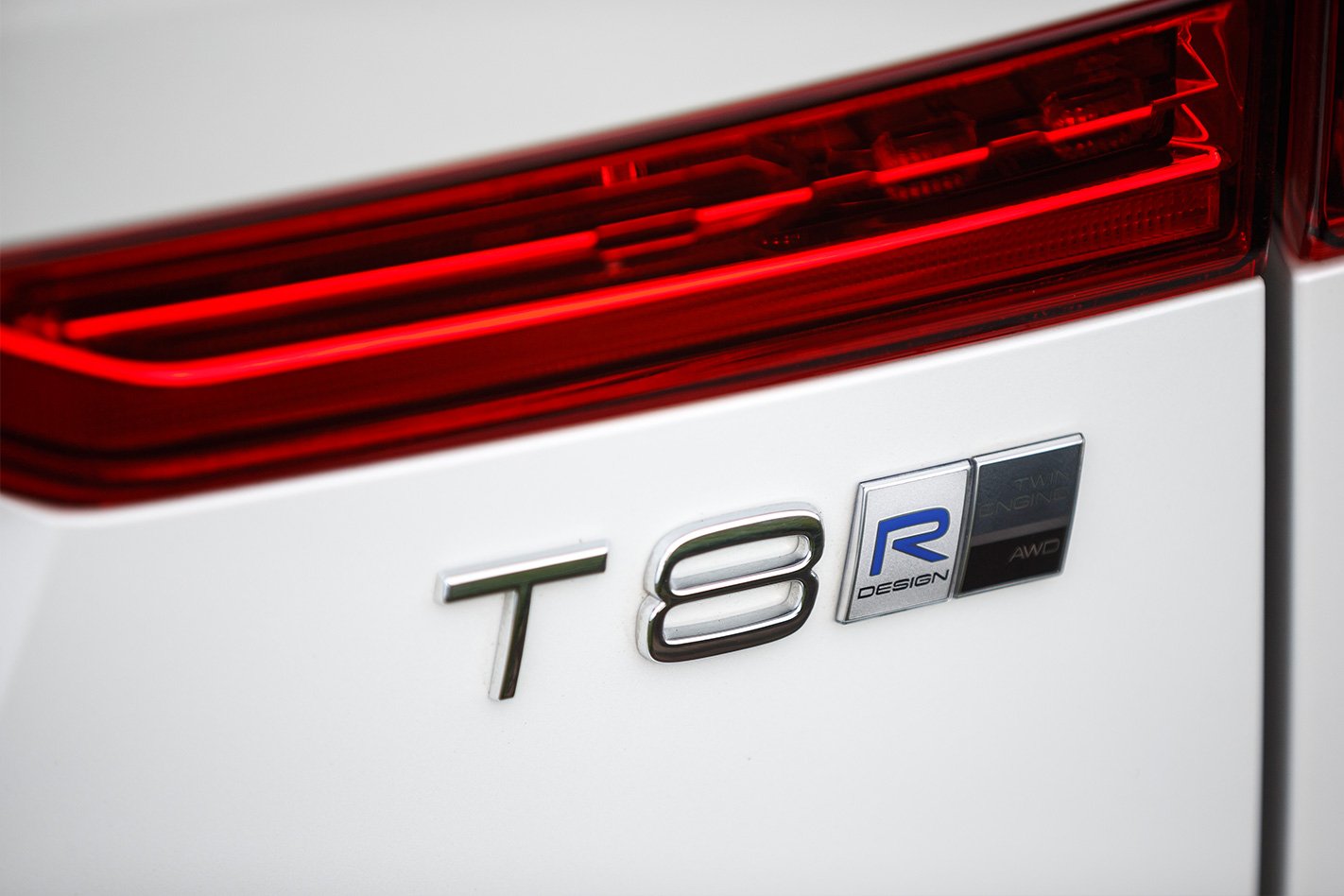
However, when it comes to the very highest performance requirements, Volvo is relying on hybridisation and its T8 powertrain to impart flagship levels of performance associated with outputs of up to 444kW, but without the fuel bill.
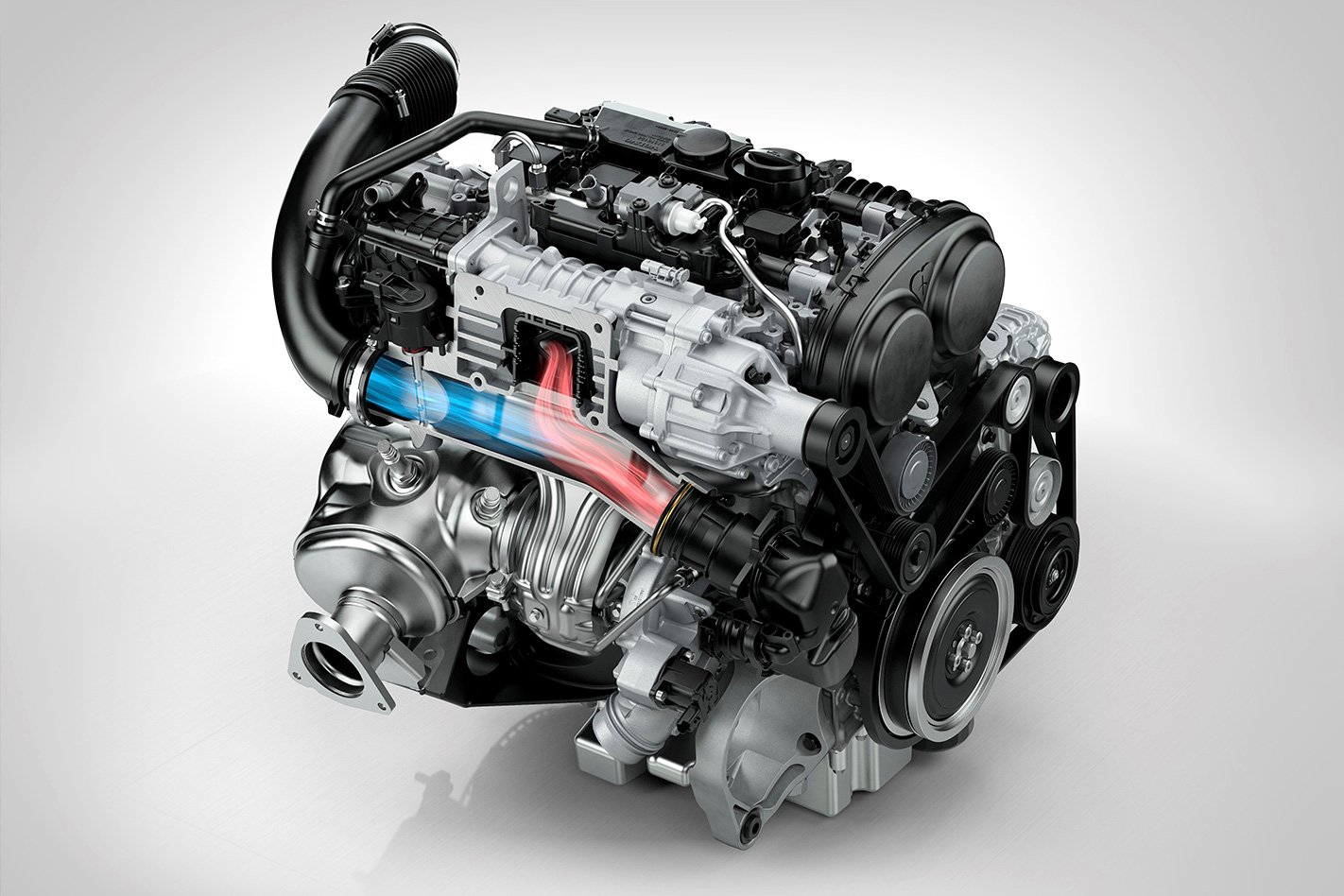
COMBUSTION POWER
Up front, Volvo’s 1969cc “B4204T35” petrol engine provides 235kW and 400Nm –respectable figures made possible via both a turbocharger and supercharger. At low revs, the supercharger minimises turbo lag by providing instant boost. At higher engine speeds, both compressors work together for maximum boost and peak power.
An electric motor connected to the crankshaft acts as both the starter motor and as a generator to scrape electricity during overrun that can be used to top up the battery with energy otherwise wasted as heat by the brakes.
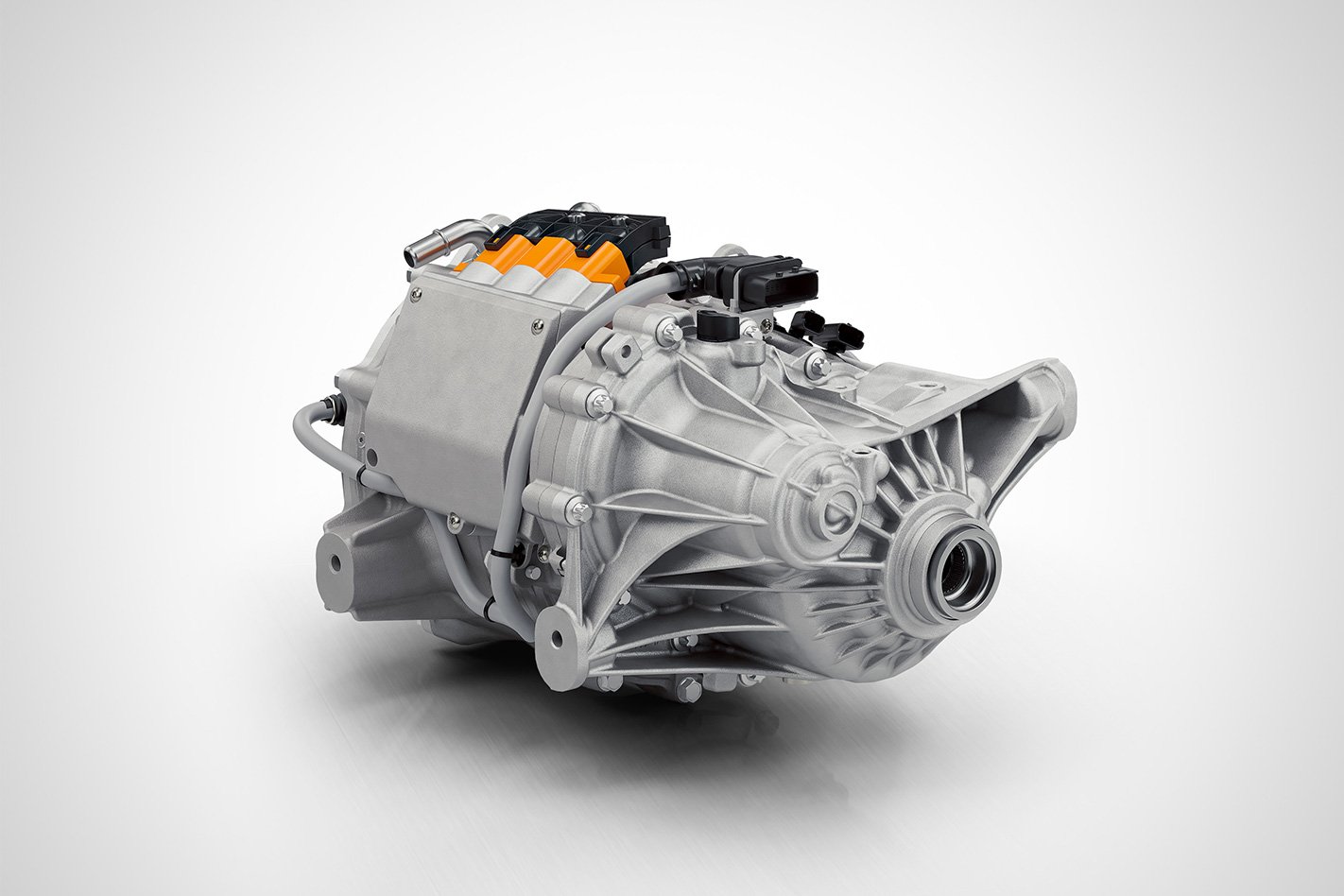
ELECTRIC POWER
A second drive motor positioned on the rear axle enables all-wheel-drive capability.
The electric rear axle drive, or ERAD, adds another 65kW and 240Nm to the mix for a total system output of 300kW/640Nm in the case of the XC60 T8 and XC90 T8.
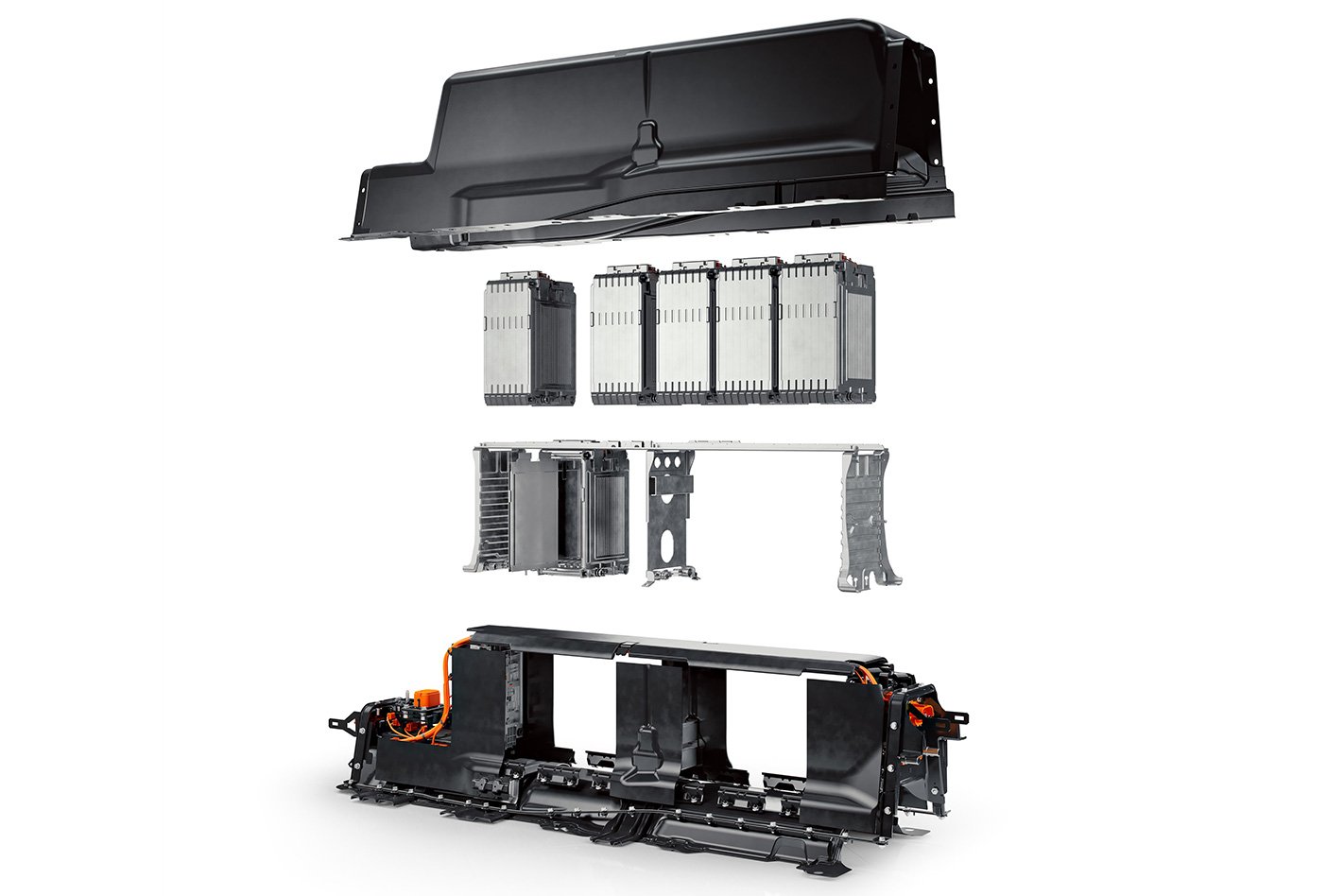
BATTERY POWER
Positioned between the electric motor and petrol engine is a 10.4kWh lithium ion battery hidden under what would ordinarily be the transmission tunnel. Locating the battery along the centre line of the car and not under the floor means ground-clearance and boot space are not compromised.
The battery provides power to the rear-axle electric motor for either pure EV driving, or the motor can work in partnership with the petrol engine for maximum performance.
On a full charge, the T8 drivetrain allows a pure EV range of up to 40km in the case of the XC60 T8. Once the battery becomes depleted, the drive mode can switch to recharging the batteries and running the engine with petrol power.
WHAT’S NEXT?
Volvo’s global portfolio of T8-engined models includes the XC60, XC90, S90 and V90. You can expect the powerful but efficient drivetrain to proliferate the range with even higher performance hardware on the way.
Volvo’s now standalone performance arm, Polestar, will soon apply the drivetrain to its most potent application when the Polestar 1 hits showrooms.
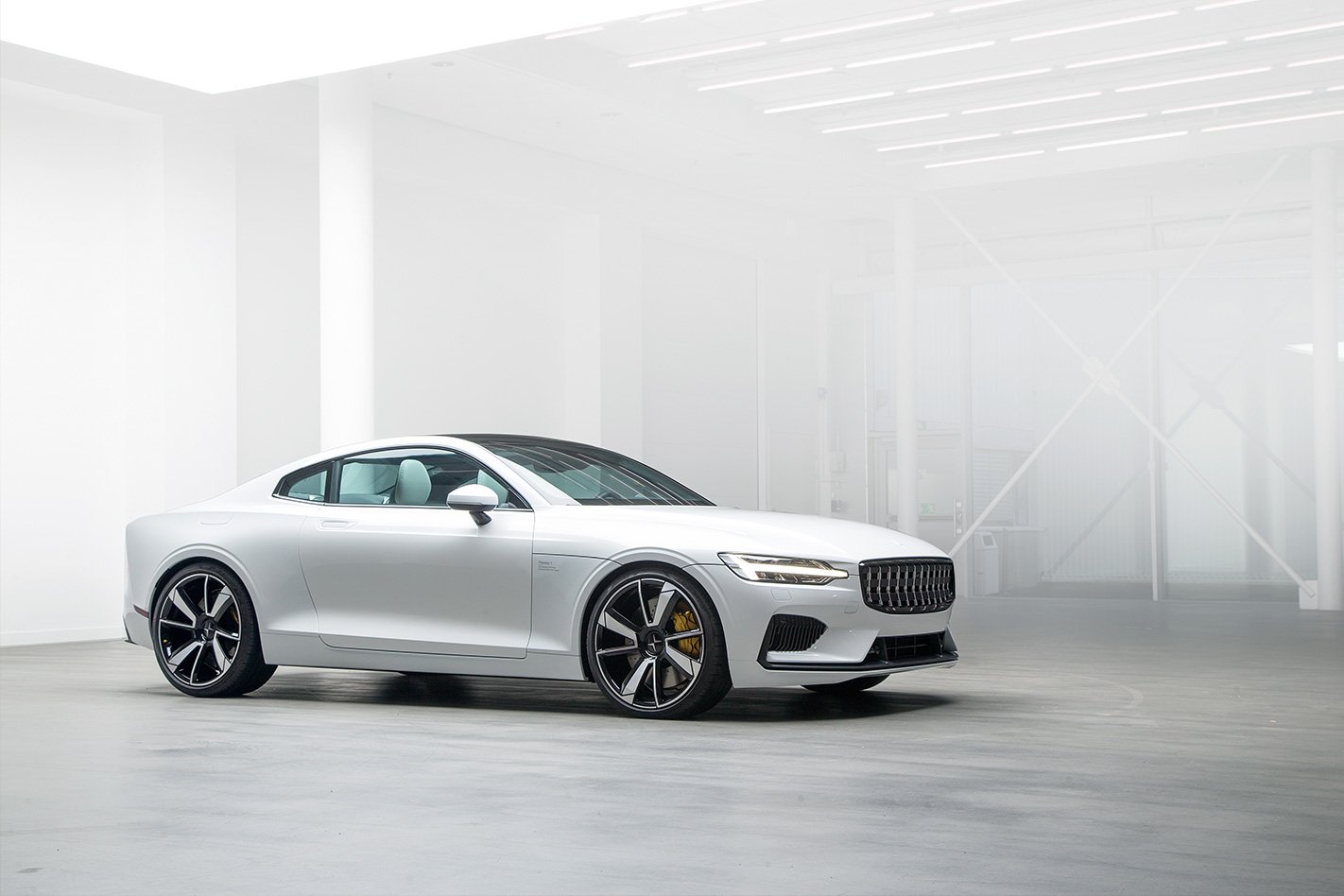
Performance and efficiency figures are yet to be confirmed but, on paper alone, the company’s first thoroughbred sports coupe in years is already promising to be a ripper, but also offers a range of up to 150km running on electricity alone.
It seems the cutting-edge T8 drivetrain is only just starting to prove what it can really do.
BROWSE comments underneath stories about electric vehicles and you’ll usually come across the EV sceptics insisting that the notion of a car driving around emissions-free is a fallacy, because of the energy used to produce the electricity which charges the batteries.
Vehicle emissions for conventional cars are measured on a ‘tank-to-wheel’ basis, which only measures the energy consumed to drive the wheels. However, critics argue that if you really want to reduce C02 emissions, a ‘well-to-wheel” approach would consider the energy required to produce the fuel.
Numerous studies have found that EVs are usually more efficient, even when measured on a well-to-wheels basis. However, car manufacturers such as Mazda and Skoda argue the efficiency gap is significantly reduced compared with tank-to-wheels, and could be closed altogether with a new breed of frugal turbocharged petrol engines.
Mazda is already working on a successor to its next-gen Skyactiv-X engines, which it claims will be every bit as clean as an electric powertrain on a well-to-wheels basis.
By contrast the average petrol engine has a thermal efficiency of 20-25 percent, while the current efficiency crown is currently held by the engine at the back of the 2017 Mercedes-AMG Formula 1 cars, which were rated at 50 percent.
Hitomi’s faith in ultra-efficient combustion powertrains is shared by his Skoda counterpart, who is calling for the European Union to broaden the scope of emission regulations to consider a well-to-wheels approach, as the implementation of strict Euro 7 emission laws for Europe draws nearer.
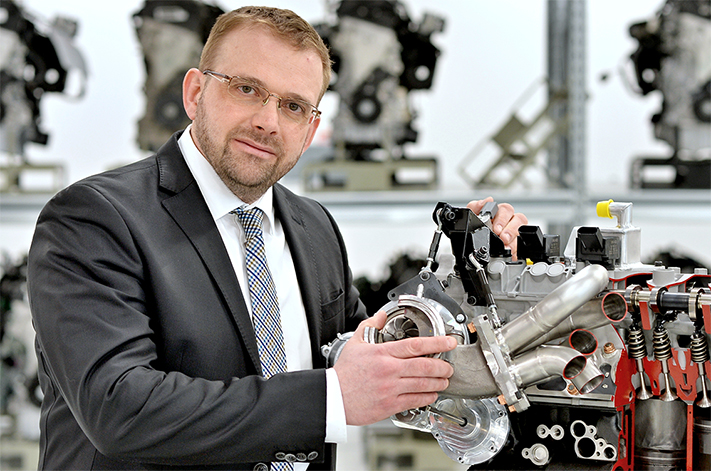
Skoda is committed to producing EVs and hybrids to comply with Euro 7. However, its head of chassis and powertrains Martin Hrdlicka (pictured) told AutoCar the well-to-wheels approach provided car makers with more ways to reduce CO2 emissions than simply relying on battery electric vehicles (BEVs).
“We think there are different possibilities, but at the moment it’s difficult to use them. The regulations mean for 2025-30 we have to produce BEVs, because of how they measure the regulations.
“We’re thinking about the whole, wider context. In the end, CO2 reduction is the goal, and it depends on the mix of energy going in if BEV is truly clean or not.”
The counter-argument to well-to-wheels-, or cradle-to-grave-based CO2 ratings is that they don’t take into account that power generation is becoming increasingly efficient as more countries embrace renewables such as wind and solar.
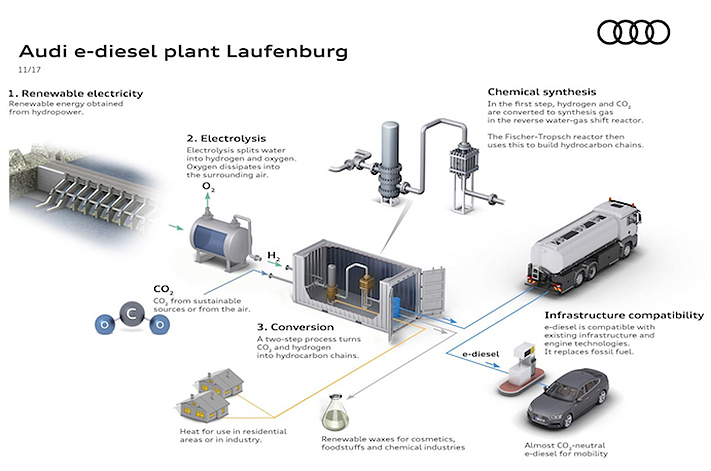
“If we can produce and use this clean, green natural gas, petrol or diesel energy, it would reduce cradle-to-grave CO2 production, and has the advantage that current cars could use this clean fuel immediately – there would be no need to wait for new [EV] technology,” Hrdlicka told Autocar.
Welcome to the latest episode of the Performance Car Podcast.
In this episode MOTOR Magazine Associate Editor Scott Newman is joined by Supercar driver and 2017 Bathurst 1000 winner David Reynolds. Reynolds is one of the biggest characters in motorsport and was welcomed to the MOTOR fold as a judge at Performance Car of the Year 2018.
Ahead of the 2018 Supercars season we catch up with Reynolds to discuss helping out at Performance Car of the Year 2018 (1:15), how life has changed since winning Bathurst (3:10), the challenge of winning the 2017 race (4:20), Reynolds’ difficult early times at Bathurst (5:10), the challenge of Mount Panorama (6:45), how he got into motor racing (8:30) and his early career (9:30).
They also cover young drivers in Supercars (10:20), whether being a professional racing driver is everything it’s cracked up to be (12:00), learning from more experience teammates (13:20), the importance of being yourself (14:00), looking up to Mark Skaife and Johnson and Friends (16:30).
Then it’s on to the infamous ‘Pussy Wagon’ comments (18:00), the age of political correctness and getting fined (19:00), Shoeys (21:40), Supercars drivers being friends (22:00), how it affects the on-track action (23:10), the best drivers to race against (24:30).
These are just some of the topics covered in an epic chat with one of the good guys of motor racing. The video from this episode is also available at www.youtube.com/MOTORofficial while the audio can be found on iTunes or podbean for those on the move. Please rate, subscribe and leave us a review and any topics, people or cars you’d like us to cover please let us know via the comments or [email protected]
HYUNDAI appears to have the number for BMW’s M performance powerhaus on speed dial.
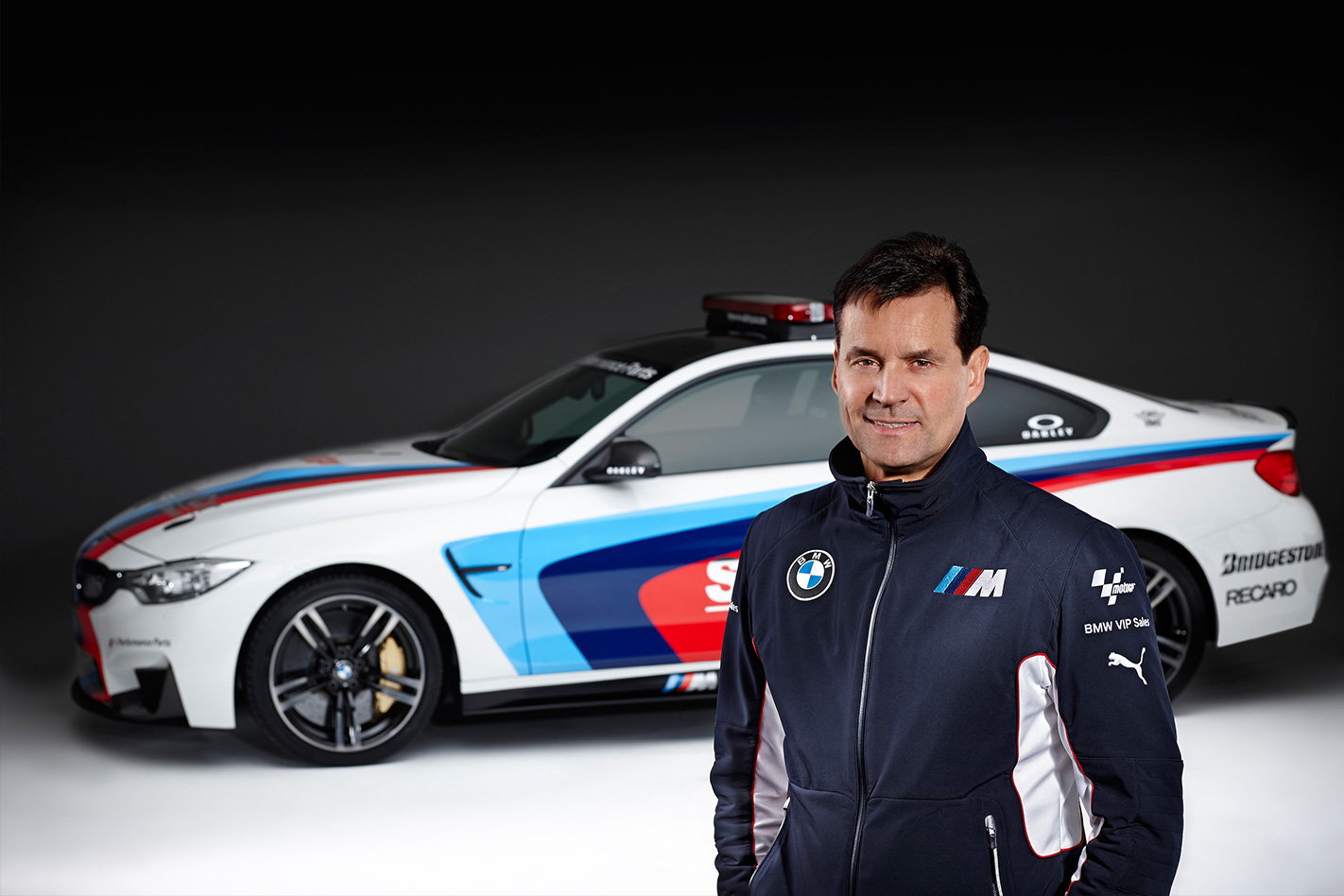
After luring long-time BMW M chief engineer Albert Biermann to the Korean car maker’s N sub-brand in 2015 in a huge coup for the fledgling group, it has now snared another top M exec, Thomas Schemera.
Schemera was one of Biermann’s brand-building team at BMW M. Now, he will head up a newly created division within Hyundai, working with his former boss but with a focus on high-performance vehicle and motorsport businesses.
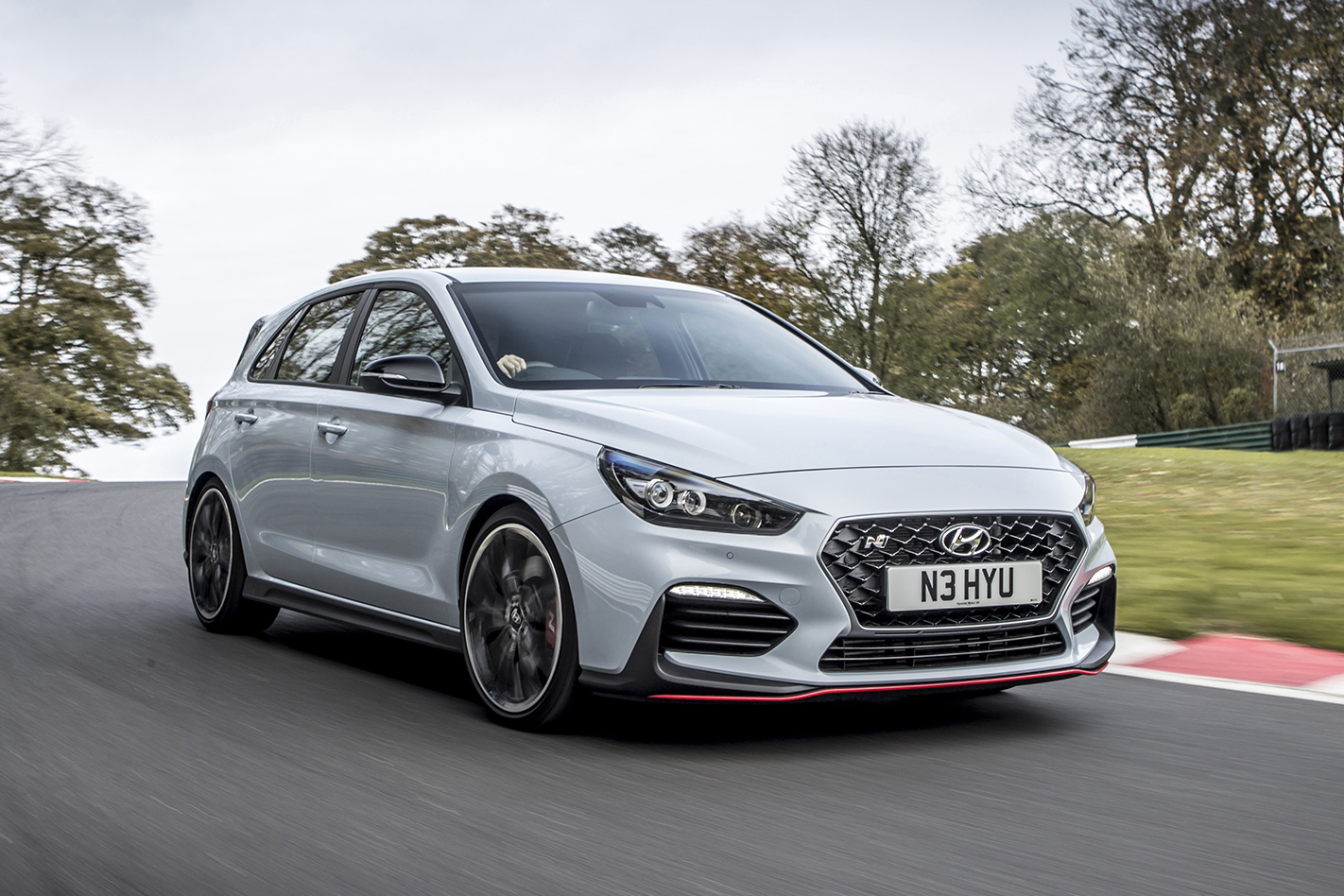
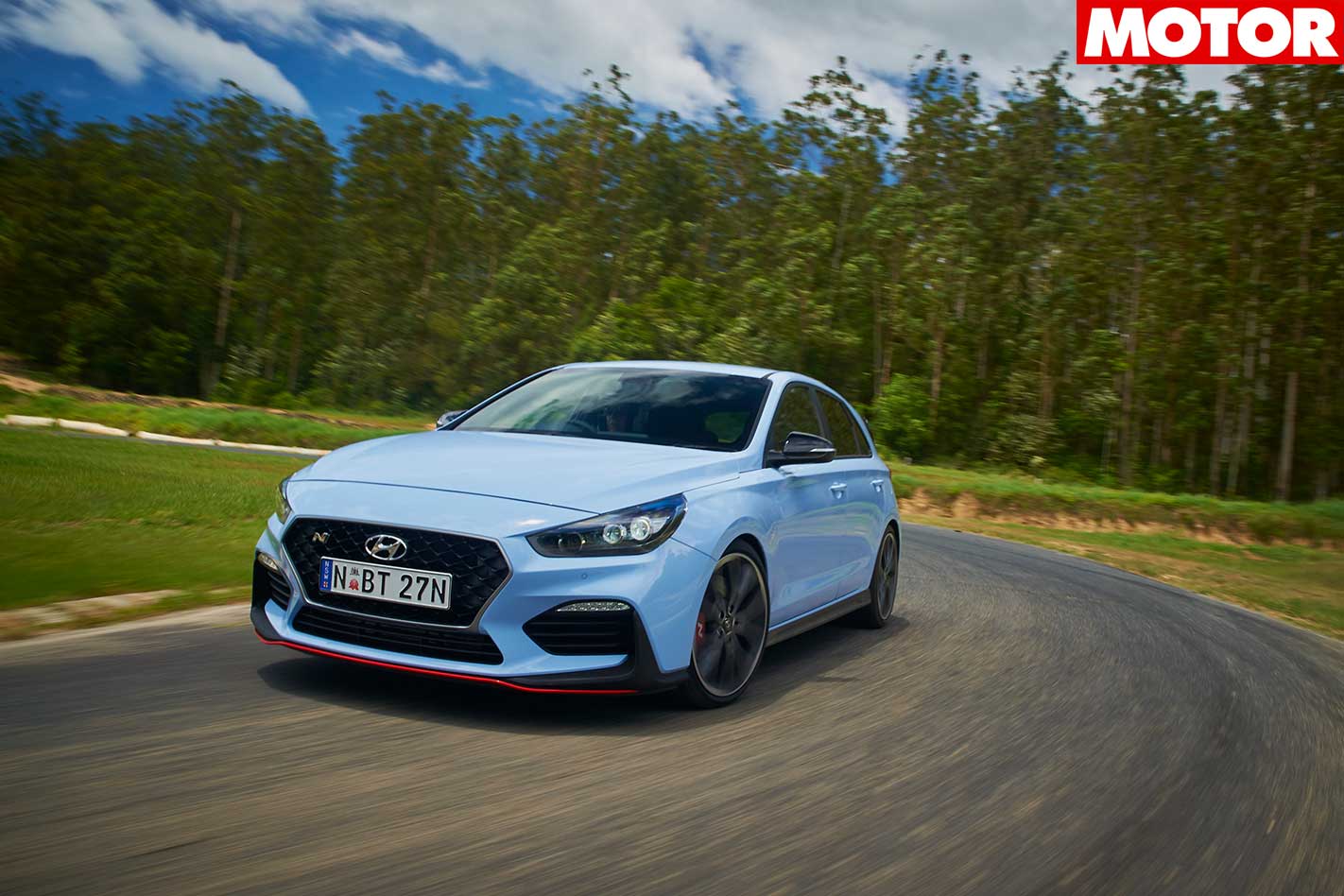
“Since the company’s foray into high performance vehicles in 2012, Hyundai Motor has steadily expanded its global presence in this field,” it said. “Last year, the company launched the high-performance N line-up with the i30 N model, followed by the Veloster N’s world premiere at the North American International Auto Show in Detroit earlier this year.”
The appointment spells out big ambitions for Hyundai, and a potential expansion for the N badge beyond its Veloster and i30 hatchback line-up. Hyundai has made no secret of the fact that it wants to further expand customers’ choices for fun-to-drive models.
His role at Hyundai will run to overseeing strategy, product planning, sales and marketing for the new business unit – the High Performance Vehicle Motorsport Division – which will mark today, March 1, 2018 as the date it was formed.
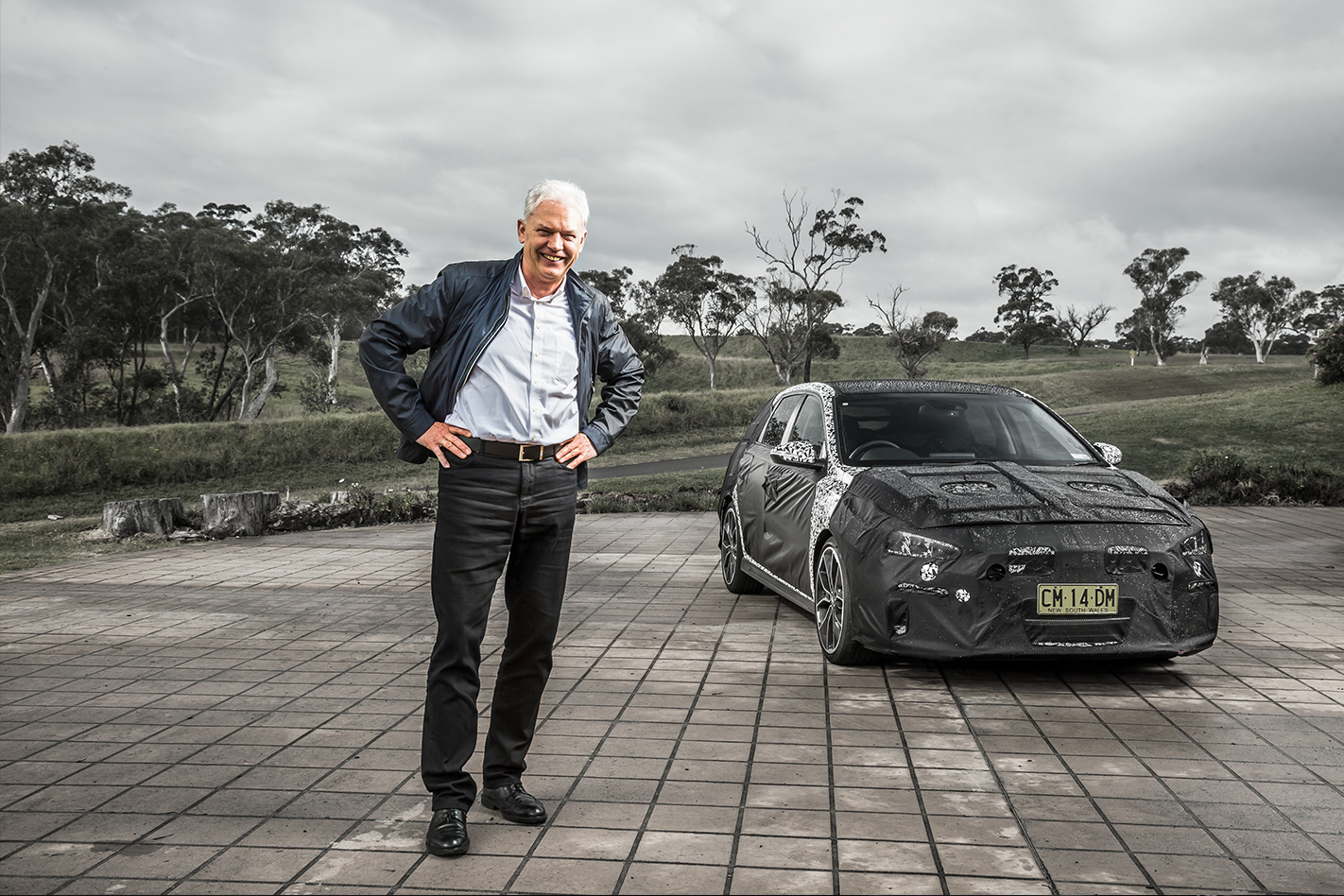
“Thomas Schemera is one of the most renowned experts in the high performance vehicle business with experience in all of the world’s major markets,” Biermann (pictured below), who remains president and head of Hyundai’s performance development and high-performance vehicle development divisions, said.
Hyundai is believed to be developing a range of “N Sport” products – a range of aerodynamic and suspension tweaks that dial up the dynamics – for release later this year. The idea of a halfway-step performance badge follows a similar model to BMW, which provides M Sport packages for its products with the aim of giving them “M-lite” mild performance updates.
Mercedes-Benz has done a similar thing with its Mercedes-AMG performance badge, rolling out suspension and aerodynamic packages that add visual spice to cooking models, as well as some performance gains.
THOSE lucky enough to have secured one of 500 track-ready McLaren Sennas can now hand over the car to the brand’s McLaren Special Operations (MSO) unit to have some truly gobsmacking options fitted to the road-legal, track-focussed beast.
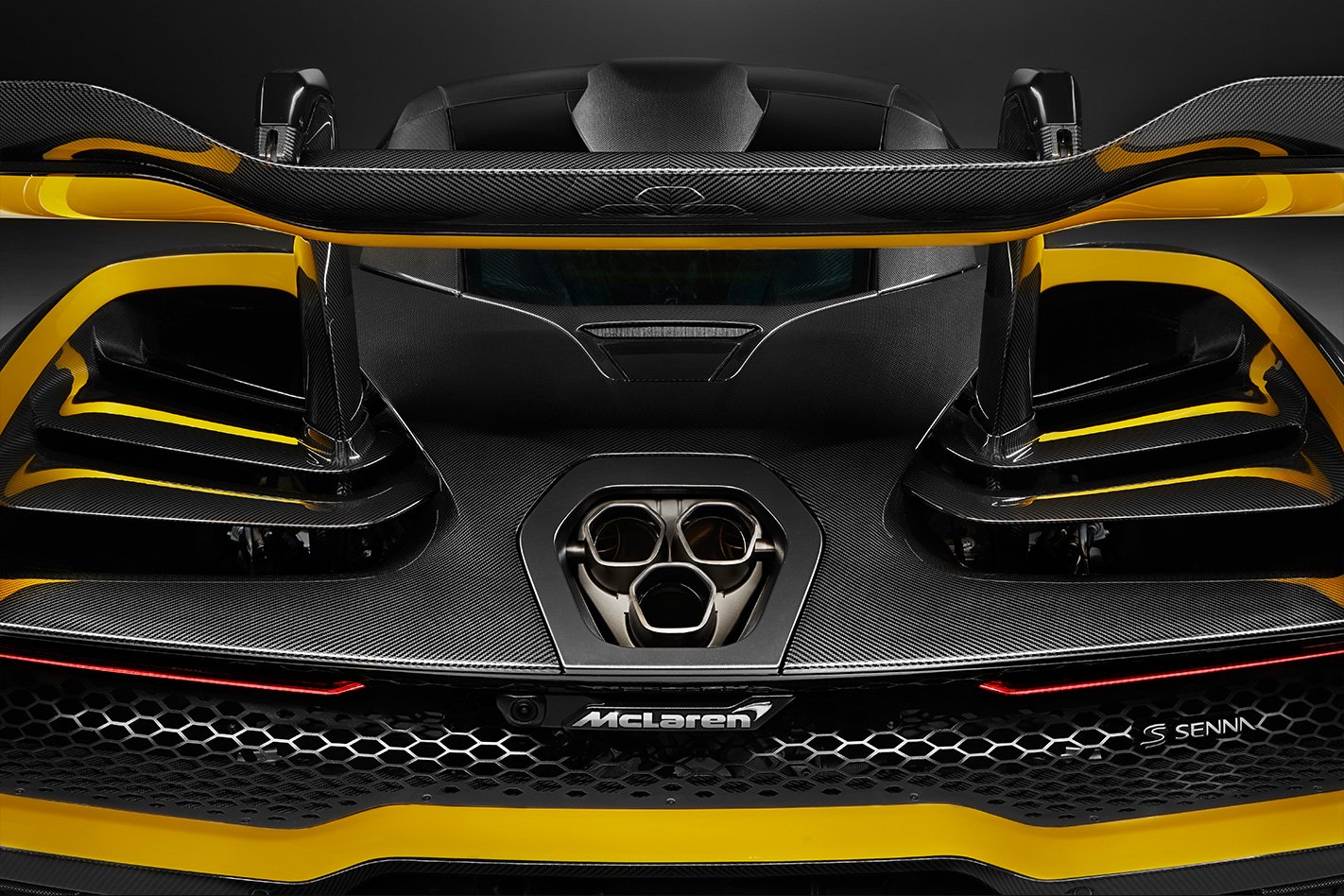
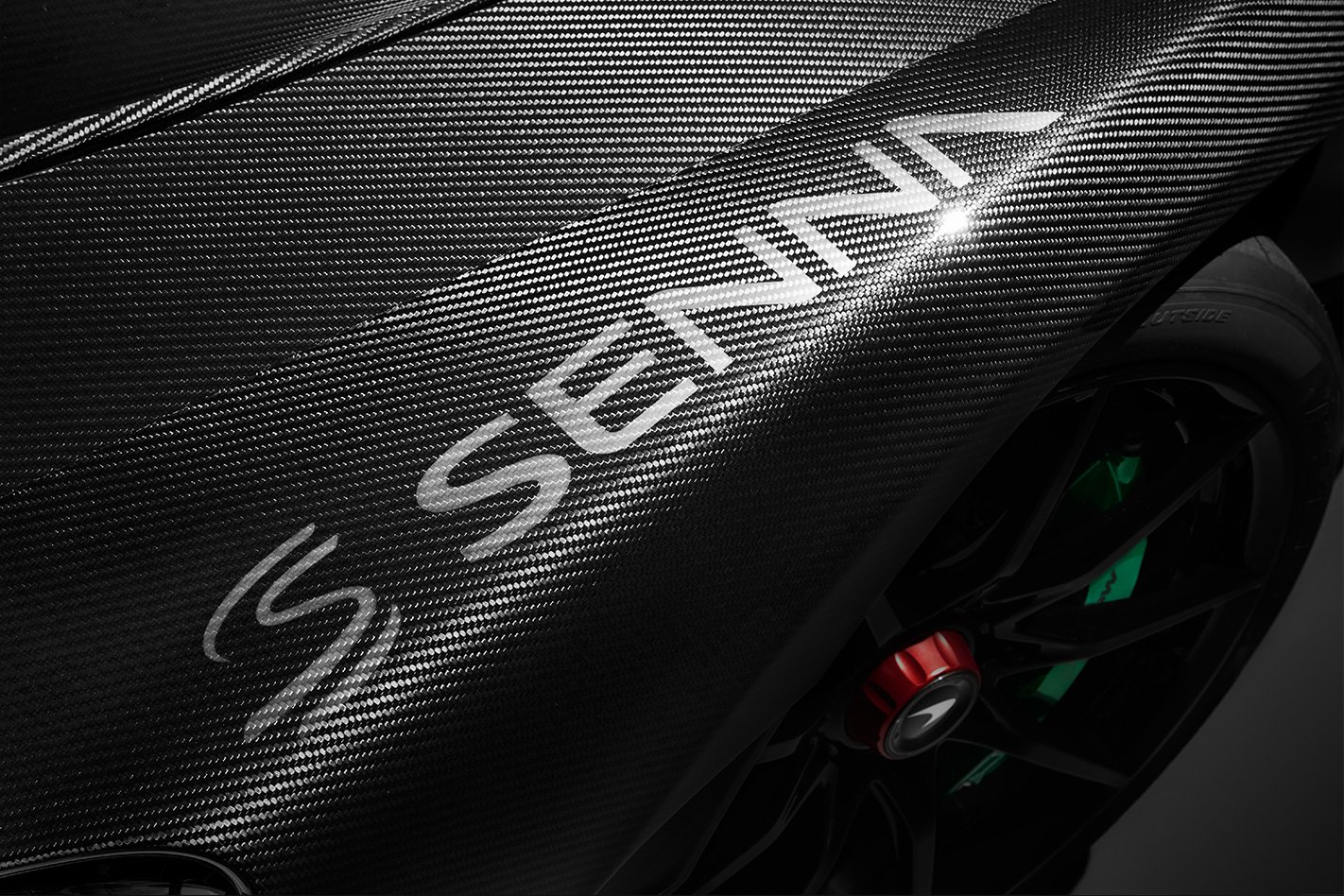
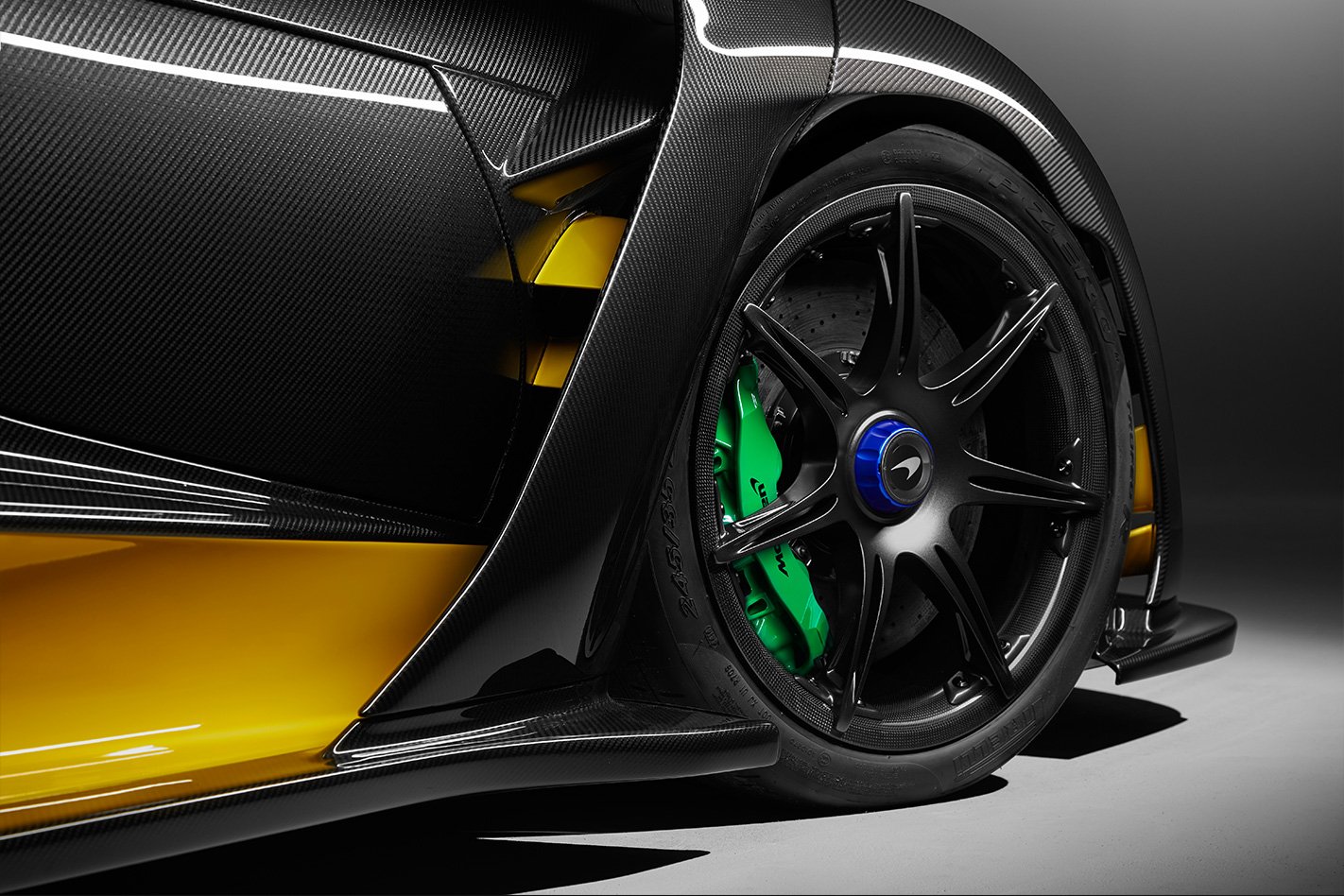
MSO has revealed the McLaren Senna, named for F1 legend Ayrton Senna, can be finished in what it calls a “Carbon Theme” that highlights the lightweight panels in a raw weave. Each of the 500 Sennas that McLaren will make will be hand-built, and owners who tick the box for MSO options can expect extra wait times before taking delivery of their car.
The yellow and green colour combo of the Carbon Theme is a not-so-subtle homage to Ayrton Senna’s iconic helmet design. Its 67 body pieces take 1000 hours to produce, while the yellow detailing alone takes 250 hours to apply.
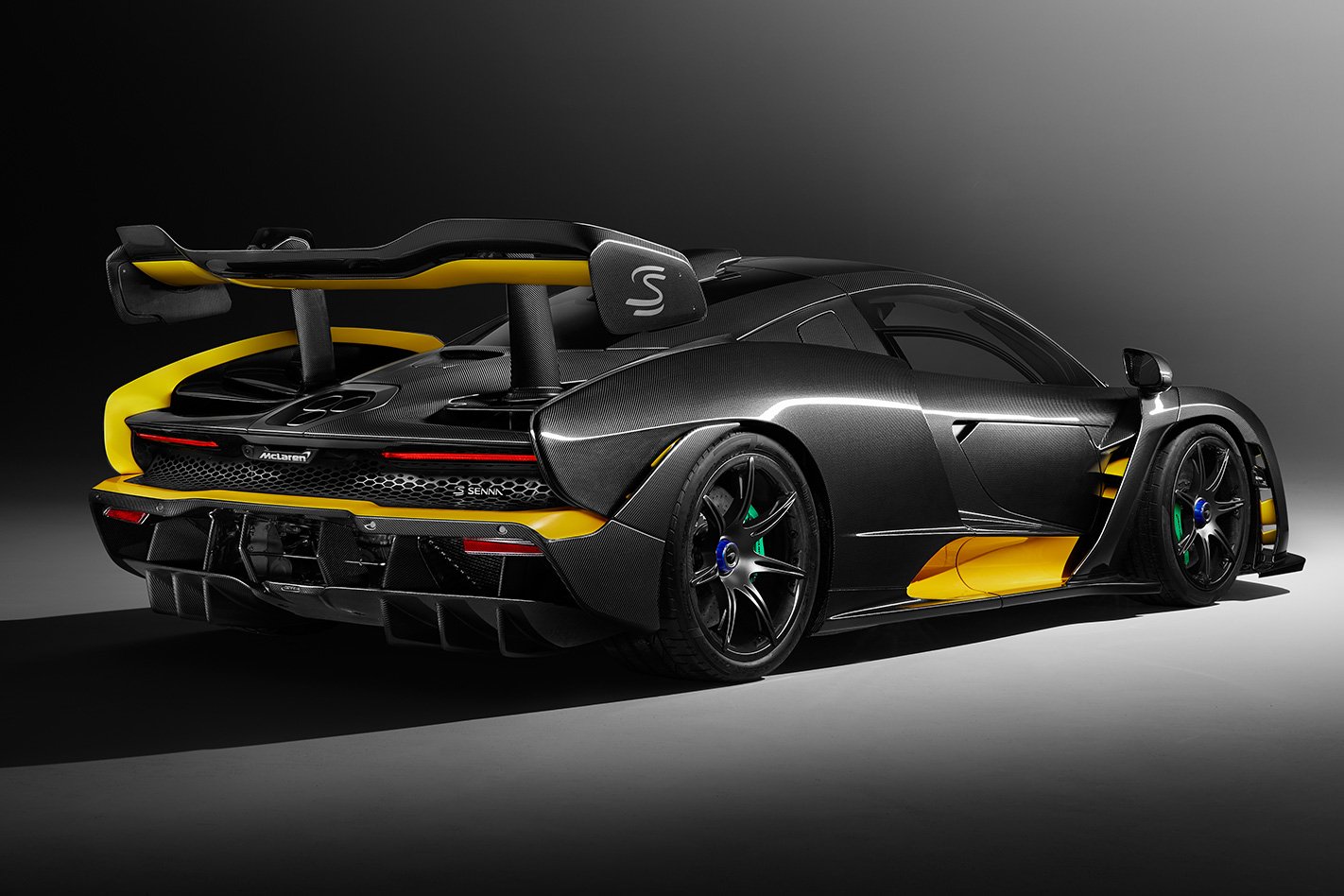
The Senna produces 588kW and 800Nm via a dry-sumped, flat plane crank “M840TR” 4.0-litre twin-turbo V8 – the most powerful combustion engine ever created by McLaren.
The MSO-fettled Senna Carbon Theme will be shown for the first time at next week’s Geneva Motor Show, sitting on McLaren’s stand alongside a ‘standard’ car.
But McLaren has also hinted at a surprise announcement for the show: likely to be confirmation of a GTE-spec Senna that will contest the 24 Hours of Le Mans.
Class rules say GTE cars must be built from a road car base. However, some manufacturers get a little creative with their interpretation of the rules – here’s looking at you Porsche, with the mid-engined 911 RSR.
The road cars also must be produced in significant enough numbers to meet homologation requirements. The Automobile Club de l’Ouest (ACO), which hosts the 24 Hours of Le Mans and enforces GTE regulations alongside the Federation Internationale de l’Automobile (FIA) and World Endurance Championship (WEC), stipulates a minimum of 100 road cars built at a rate of one a week, with an official launch campaign and sales network. Again, there have been instances of rules being bent, with Ford’s GT road car entering production after the GTE race car had started competing in world championship events.
With 500 units planned, the Senna should easily meet class requirements. In contrast, the Aston Martin Vulcan hypercar would fall foul, though, because it isn’t street-legal and only 24 were built.
There are rare exemptions to these rules, with the BMW Z4 allowed to use an engine not found in the production car (but still made by BMW), and the Dodge Viper given a waiver to use the 8.0-litre V10 from the production car.
Then there is the Senna’s bodywork. It places traditional road car conventions in the bin, and is designed from nose to tail to be aerodynamically optimised. This gives the Senna an instant advantage over potential GTE rivals that start life with more conventional bodywork.
It would be a fitting return to endurance racing for McLaren. The McLaren F1 GTR famously beat purpose-built prototype sports cars to win the 1995 24 Hours of Le Mans – a massive triumph for a car that was never conceived with racetrack competition in mind.
With WEC’s LMP1 category struggling for entries (Toyota remains the only factory-backed team), the 2020 rules shake-up could move production-based vehicles to the top of the tree in terms of outright speed.
McLaren Automotive chief executive Mike Flewitt even went as far as to confirm the Woking group was looking at plans to develop a racing program for the Senna earlier this year. It can almost be guaranteed that the FIA, the WEC, and the ACO will be included in those discussions.
McLaren currently campaigns GT3 racing with the 650S, but has not built a GTE-spec car. A 720S GT3 is under development and due to make its race debut next year, but will remain ineligible to compete in the Le Mans endurance event.
Hyundai has today officially announced the creation of its ‘High Performance Vehicle & Motorsport Division,’ with a former BMW M boss taking the reins.
The move aims to create better synergy between Hyundai HQ and its racing arm, Hyundai Motorsport, in the creation of high performance cars.
After the i30 N and the announcement of a Veloster N, it’s clear Hyundai wants to expand its presence in the fun-and-fast car market.
To head up the Performance & Motorsport Division, Hyundai has snagged BMW’s head of BMW M and BMW Individual in the Americas, Thomas Schemera.
Schemera began working for BMW in the 1980s as a design engineer, and has since worked his way up to the top rungs of the M chain, where he has been since 2015.
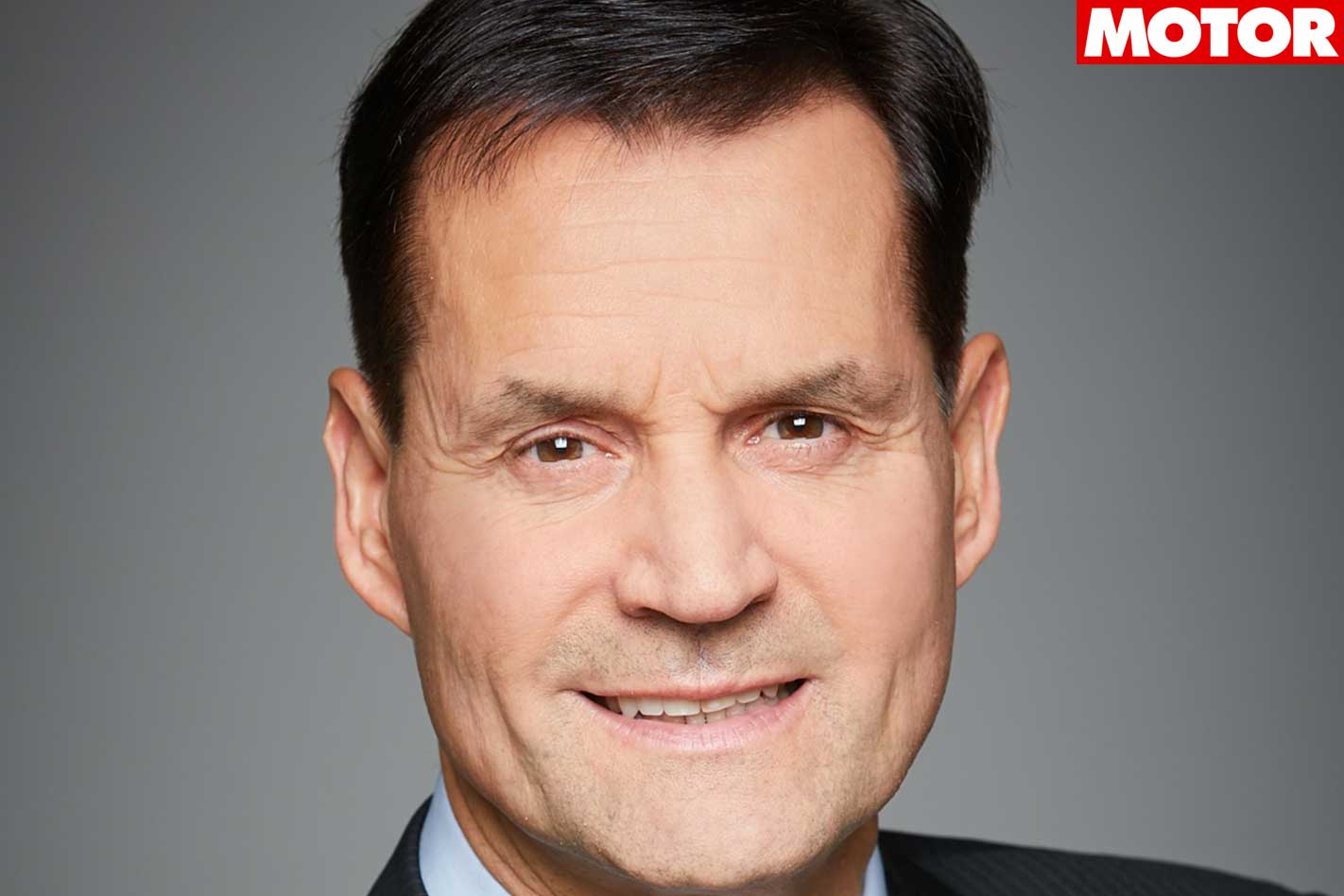
“I will dedicate my expertise and knowledge obtained over my three-decade career to making a significant contribution to Hyundai’s development in this field and to provide pure driving pleasure to our customers.”
The move by Hyundai shows not only that it’s serious about its performance division, but that it’s also serious about the people in its performance division.
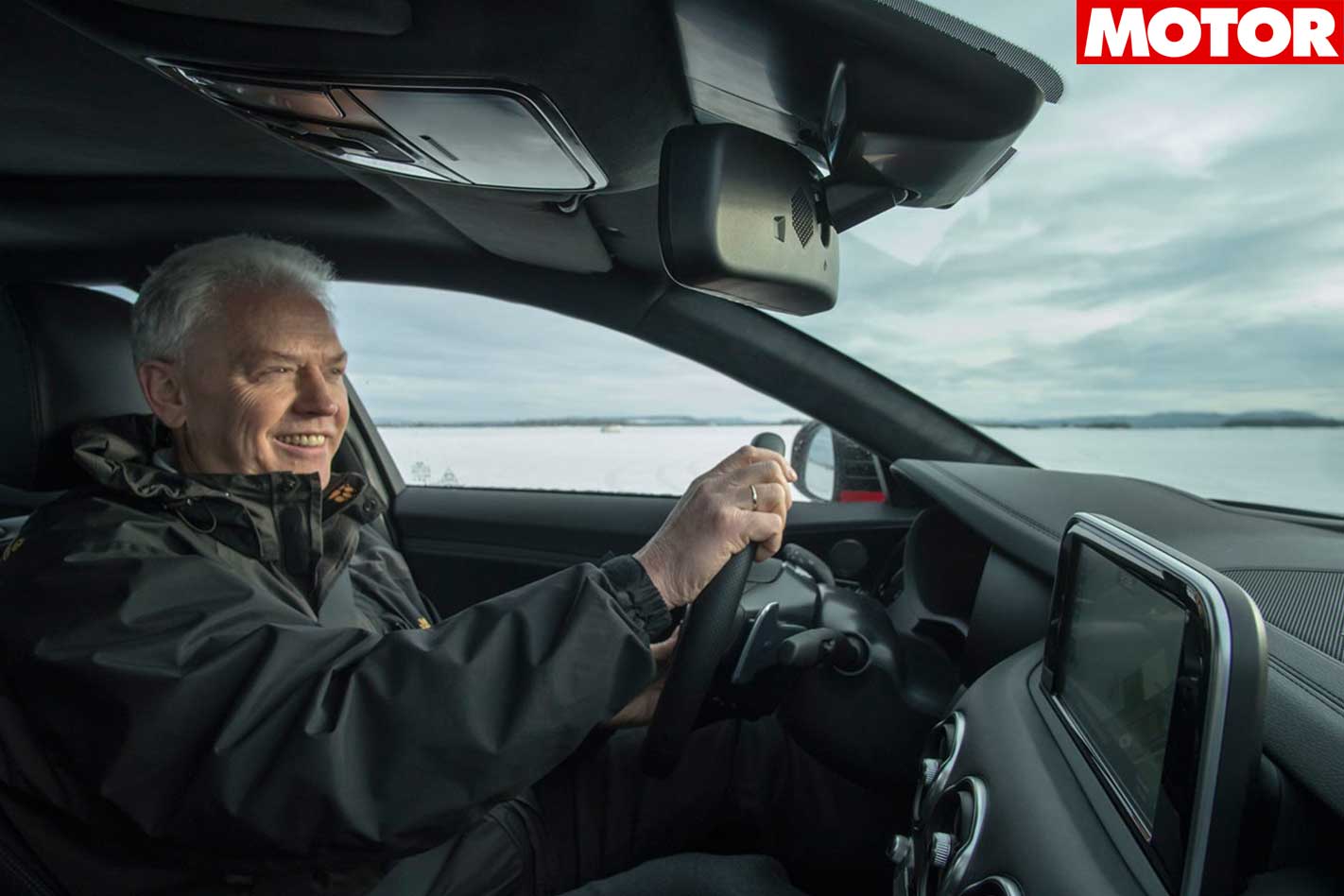
“Thomas Schemera is one of the most renowned experts in the high performance vehicle business with experience in all of the world’s major markets.
“I am excited he is joining us and I’m confident that his participation will help put Hyundai’s high performance vehicle business onto the fast track.”
The creation of the High Performance Vehicle & Motorsport Division is effective immediately, with Schemera and Biermann set to work together to “further expand customers’ choices for fun-to-drive models.”
SO, Here we are again. The unenviable task of assessing the best performance cars on sale in 2017. (Or 2018. I can’t quite keep up with the marketing types…)
It does mean, however, that largely the same group of reprobates as last year – with one notable exception, which you’ll read about in just a minute – all saddle up again for a gallop through the wilds of Victoria.
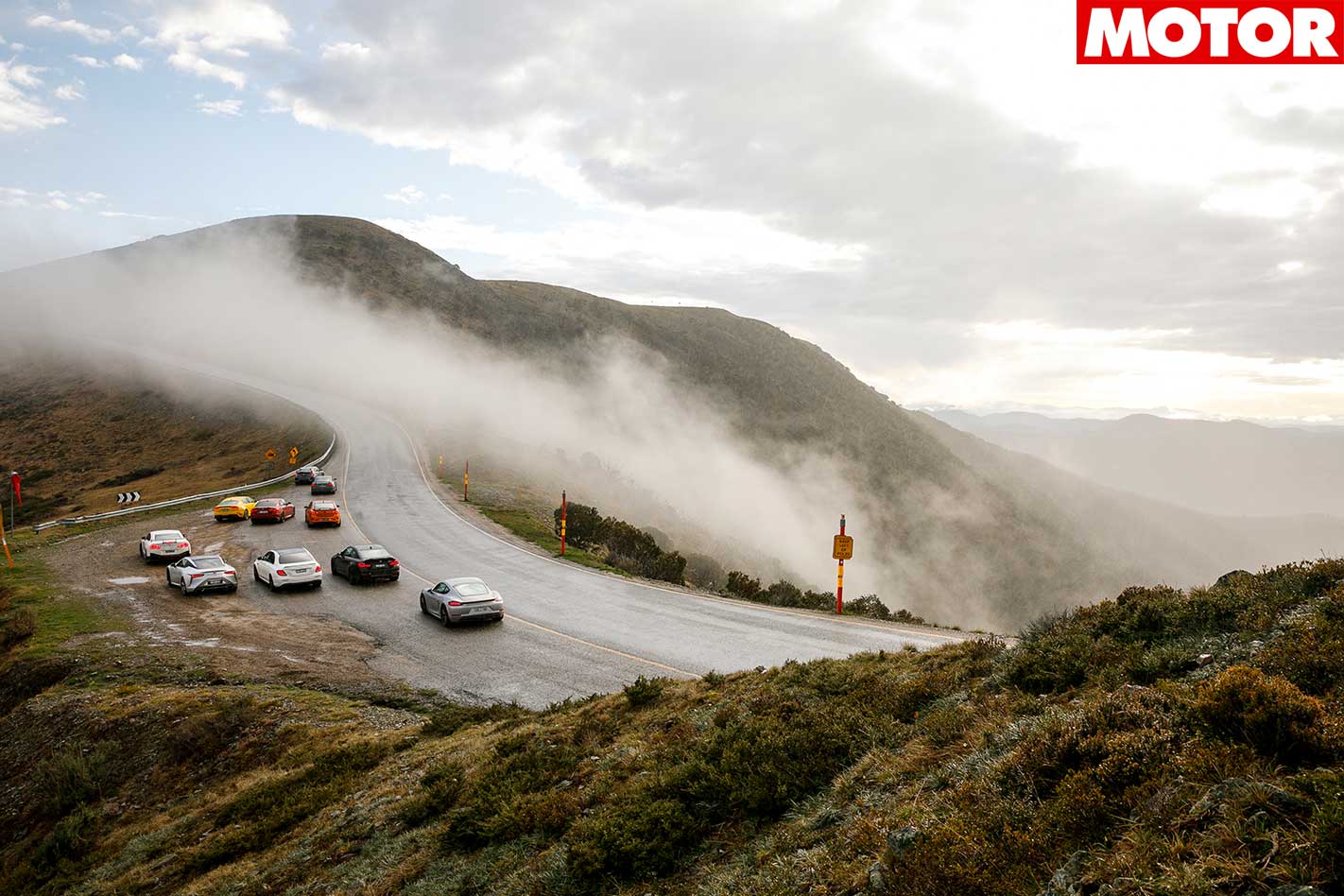
Started in 1918 by the late Viscount of Lower Oatley – it’s suggested that Paul Cockburn is a direct line relative of the founder but we can’t be sure (love ya, Paul!) – PCOTY has seen more than 140,000 cars go through the rigorous rigmarole of navel gazing, sausage-roll scarfing and “Oi! How many cylinders does this Porsche have again?” over the course of the past 100 years.
Despite his boyish good looks (Jesus… being a freelancer is a tough earn, I’ll tell you), this is Editor Campbell’s fourth PCOTY rodeo. Or is it the fifth?
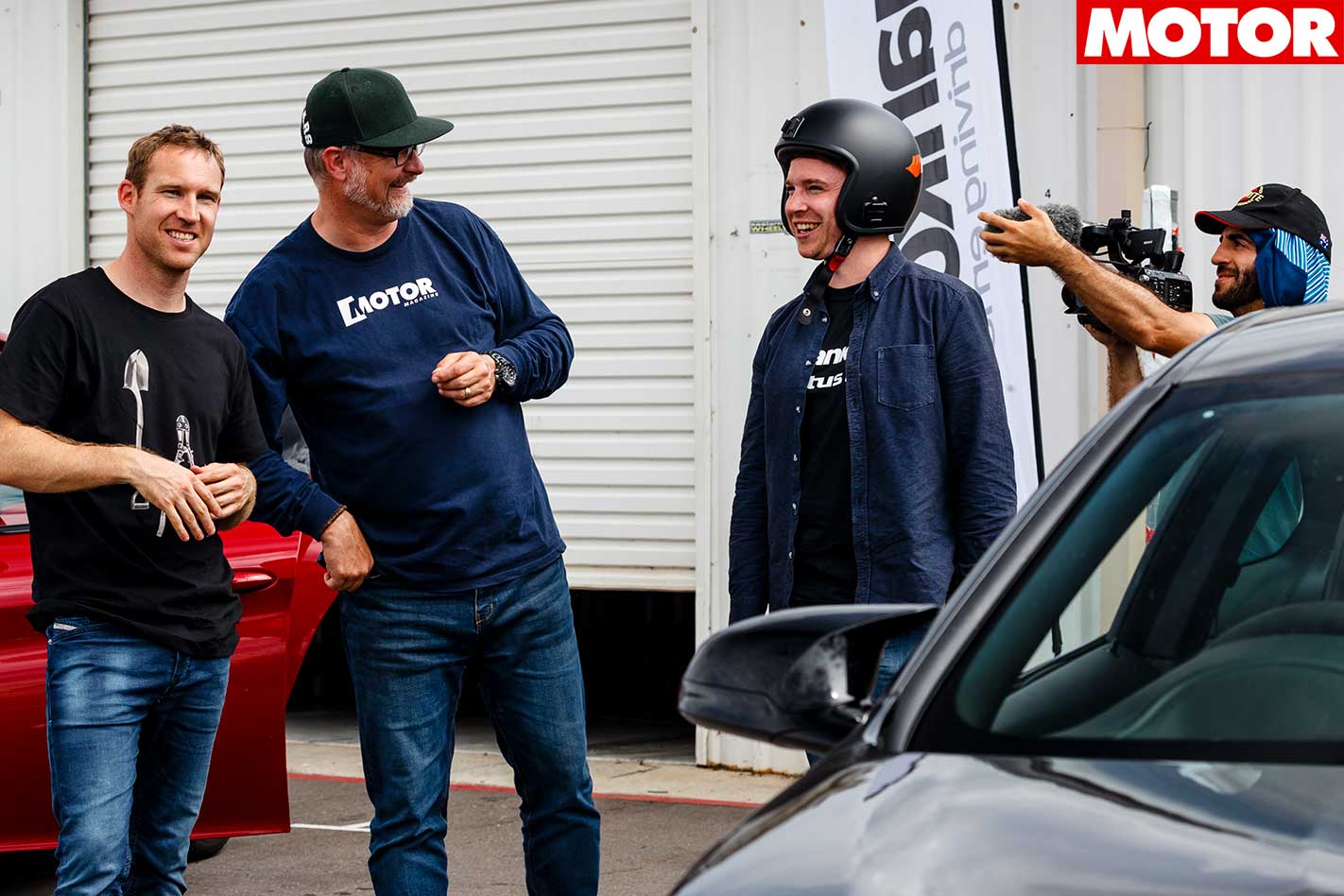
Damn my senility… and he’s ably backed up as always by the sultan of spanking stuff – cars included – Scott Newman and young office punks/InstaBookTweet guys Louis, Trent and Chris. The baton of age and, well, age is once again grasped in feeble, hairy-knuckled fingers by Morley and I.
“Is it just me, or can you not understand half of what these kids say?” Morley muses over breakfast one morning. Hashtag, bro – smh.
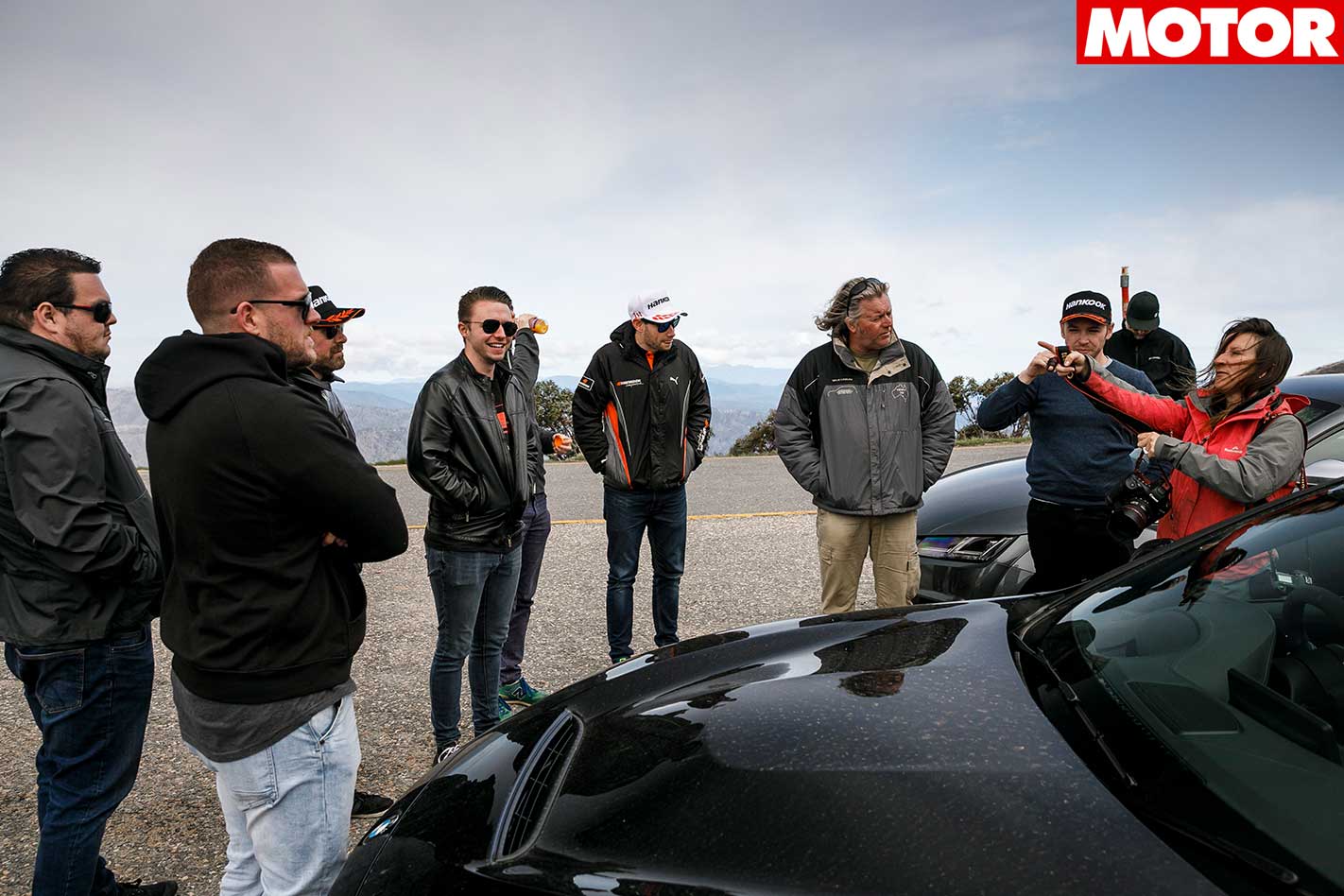
One of Wazza’s trademarks over the past 15 years has been his absolute rigour and unshakeable professionalism when it comes to testing cars, no matter where they came from. Anyway, it is what it is, I don’t get paid to make the hard calls, and hopefully Wazza’s trademark perfect hair will be present and correct next year.
DAY ONE
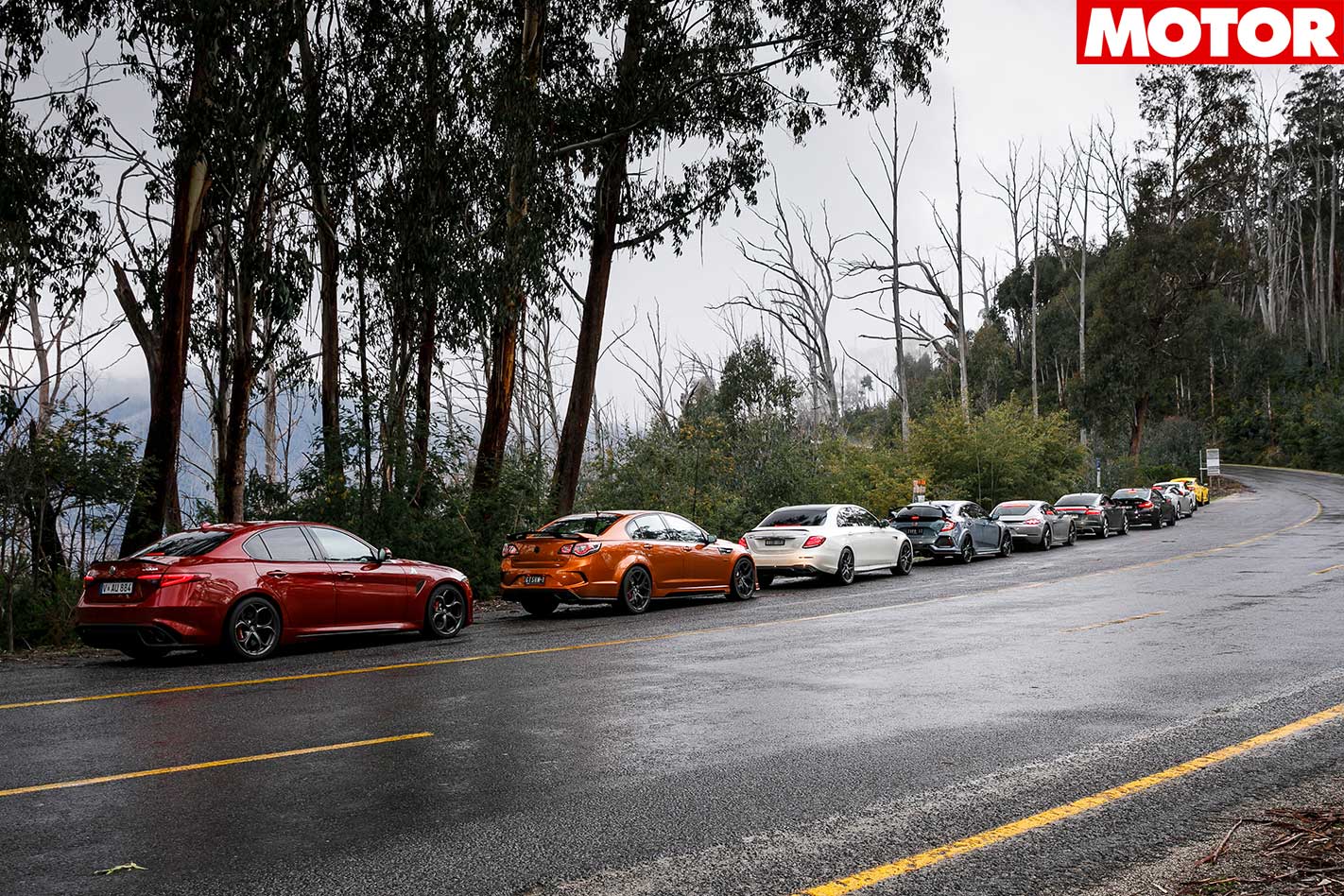
In Winton. Morley and Newman (not the name of a law firm) arrive a tad late at the airport to fetch me, but their choice of wheels can’t be faulted – the last of the Clayton Mohicans, a metallic tangerine HSV GTSR W1. It’s been pulled back from other, less strenuous duties to give us at least one more chance to be able to say ‘Country – Australia’ on our spec sheets.
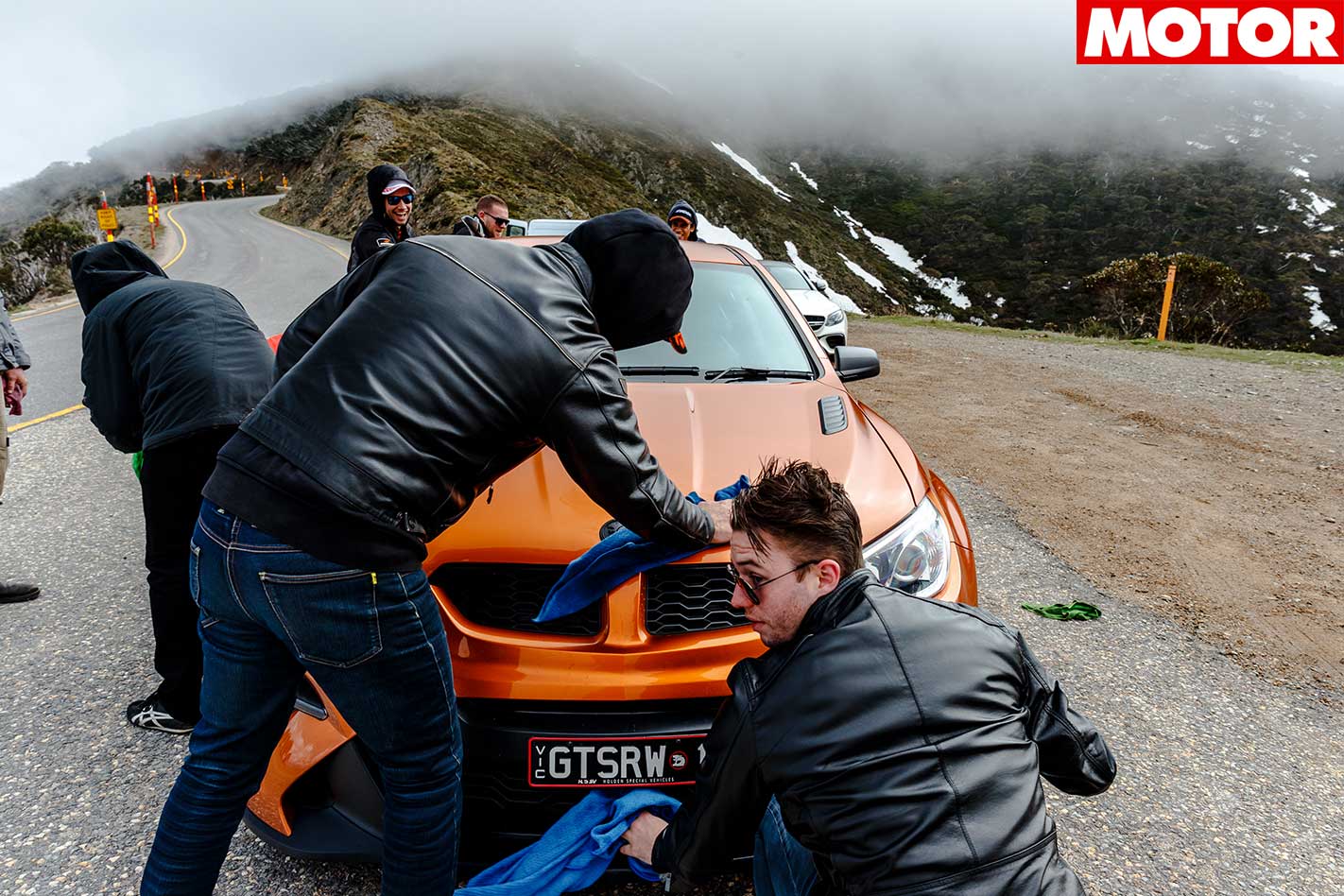
Task one is its raison d’etre, too – a cross-country lope from Melbourne to Benalla, three-up with their gear aboard.
In truth, I’m not particularly sentimental about the whole end of the road for Holden. In fact, I’ve only ever owned one, a yellow-and-rust UC Sunbird that I swapped a mountain bike for – it was the better deal.
Morley is a bit doe-eyed and wistful, though – although it could have been a touch of wind – and even stops insulting me for 10 minutes (okay, two minutes) as he gently guides the big, jostling, pulsating HSV through a bright and warming spring afternoon.
“End of an era, this is,” he opines wistfully, tapping the steering lightly. I nod in pretend interest. You know, gotta be supportive and all that.
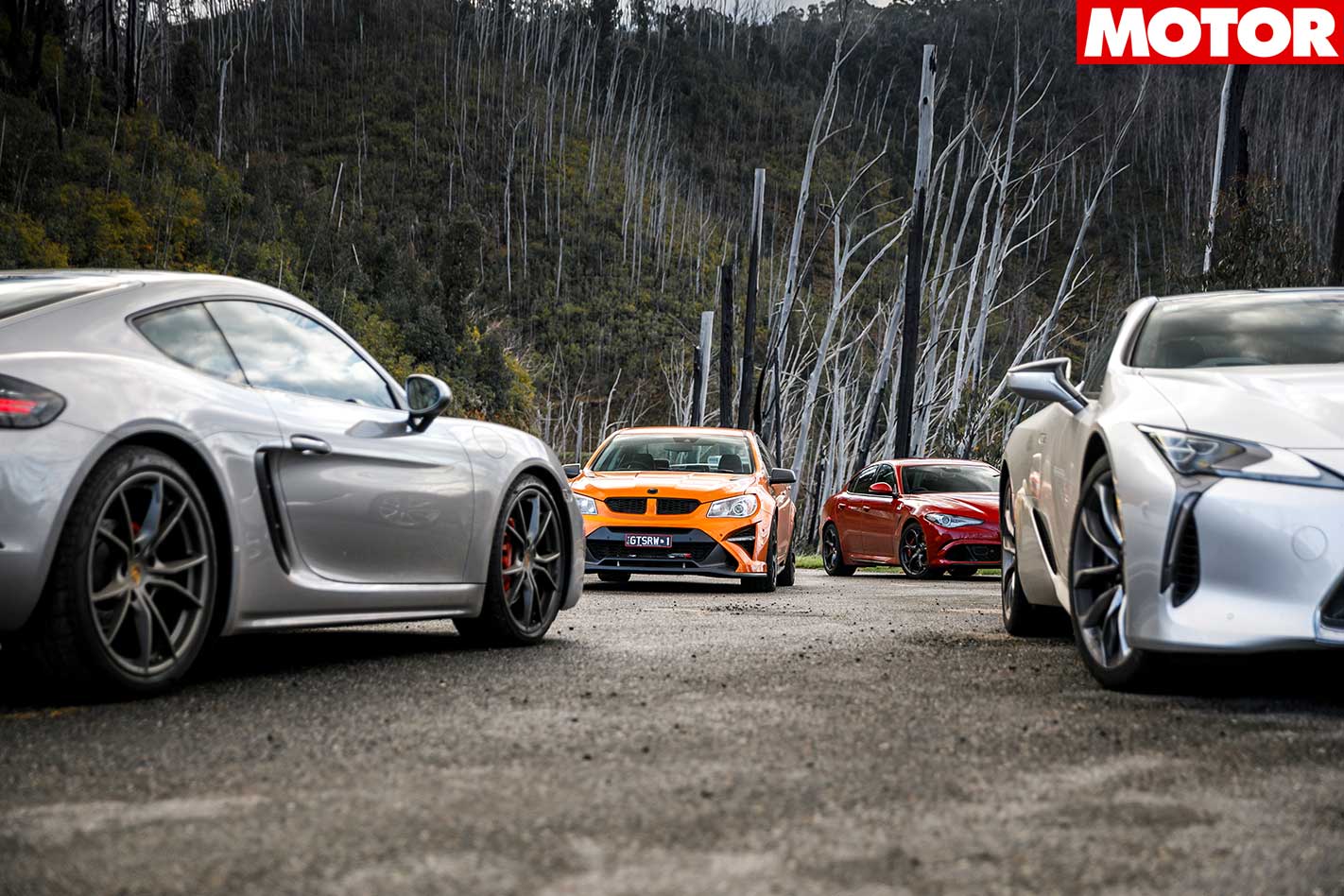
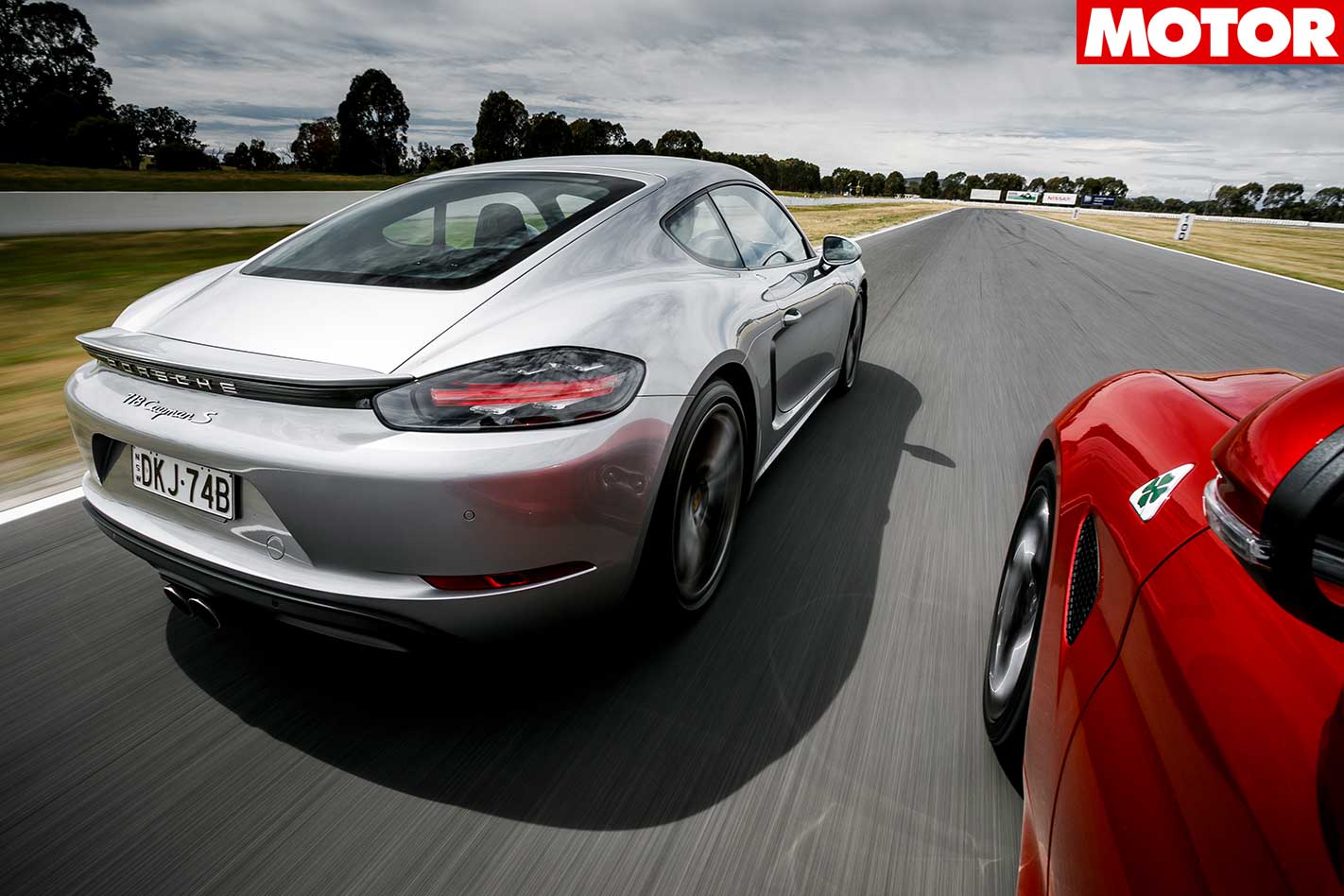
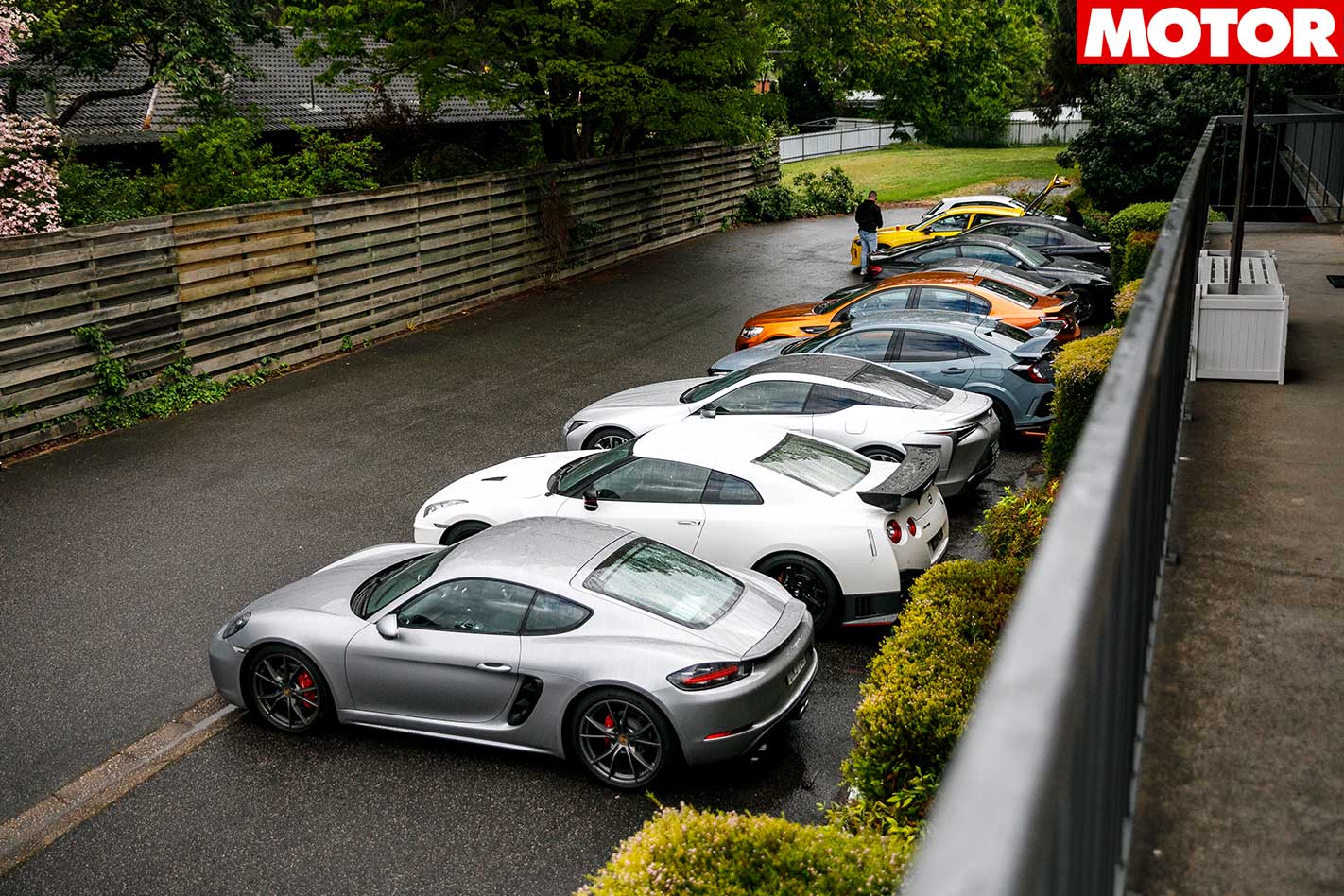
What it lacks in poster-worthy exotic metal, it makes up for in rarity and uniqueness. You won’t, for example, see the W1 very often in traffic, nor the Nissan GT-R Nismo. Or, for that matter, a BMW M4 CS. And there’s a bit of poke throughout, too – a 375kW Alfa Romeo Giulia QV here, a 294kW Audi TT RS there, and a few in the 400-plus club, too.
The balance of the field filters in, but it’s soon apparent that one is missing. Well, at least that’s what I ascertained from the remark overheard from a Person in Charge. “What do you mean it isn’t here yet?”
Dunno why they’re worried – it’s just a $200,000 Lexus LC500. I lose mine all the time. It’ll turn up down between the chair and the coffee table. Always does.
DAY TWO
My spirits are already dashed – I have literally been waiting all year for a bowl of porridge from the Benalla bakery, but the guy who makes it doesn’t work on Tuesdays, does he? – so Dave and I make do with an 0817 arrival. And we’re not the last.
A truck bearing gifts shaped like the most amazing Lexus visage since the LFA has showed up, bringing the field to order. Trent is ecstatic.
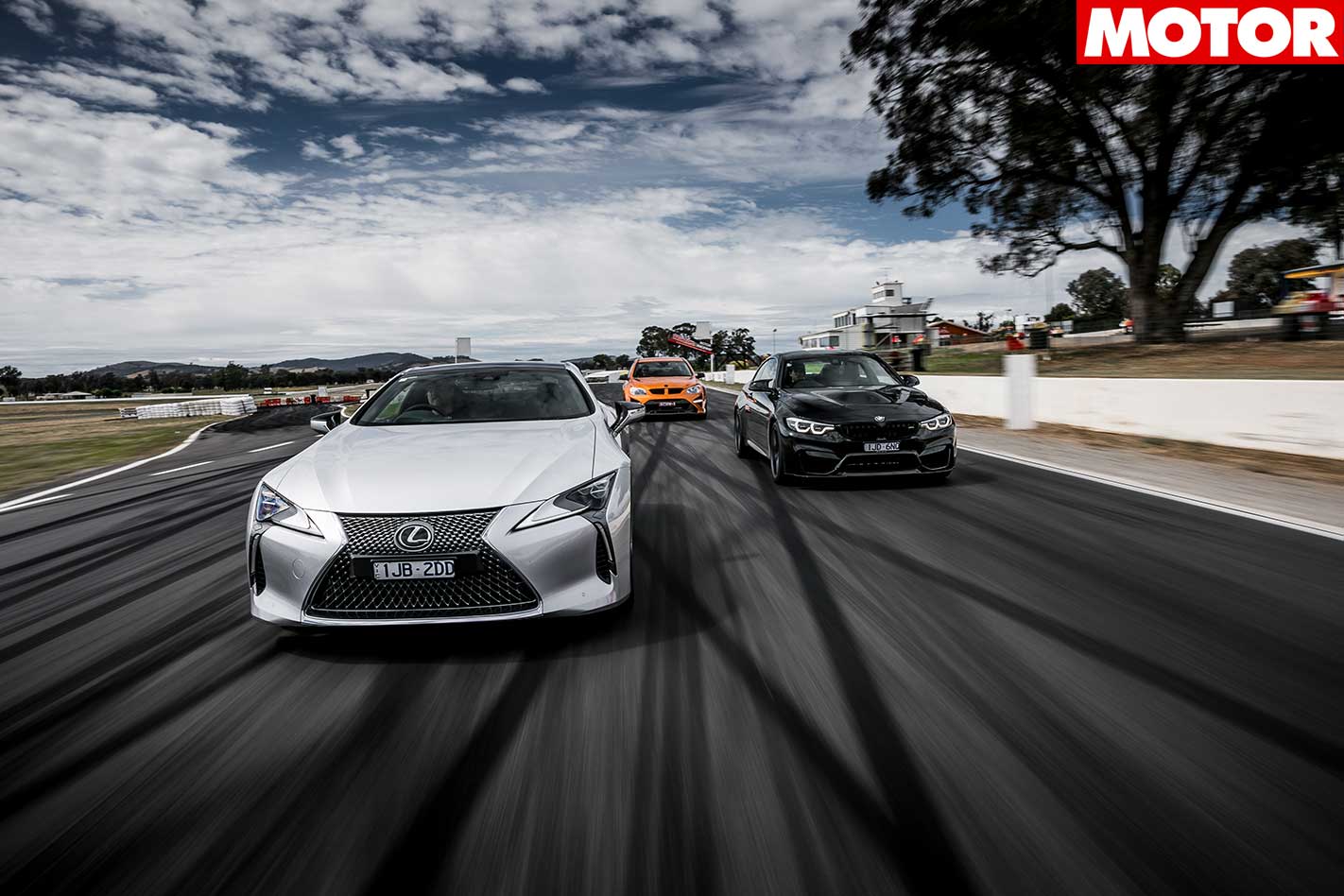
There’s a reason that people like steam trains, fighter aircraft, racing trucks and big things that make noise… because they are utterly amazing to watch. The W1’s supercharger rents the air like a plummeting Spitfire, while its exhausts bellow like a pissed-off T-Rex as it hurtles over the deck like an orange torpedo. Oh sure, the Mercedes-AMG E63 S roars like a ’50s powerboat and the GT-R looks like a ground-bound ICBM, but the HSV just lights up the day.
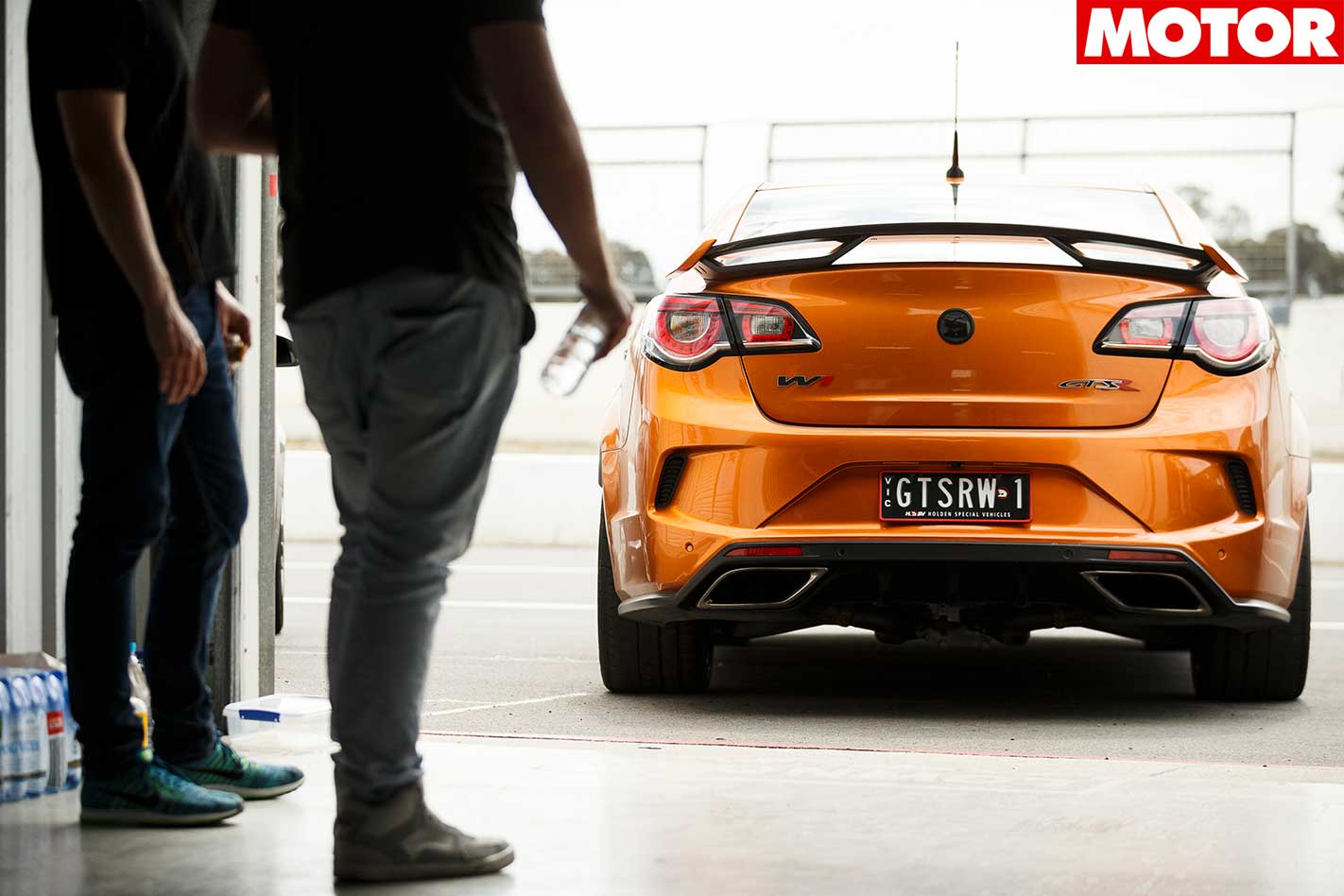
Speaking of Dave, he arrives fresh from an early finish at the Gold Coast Supercars, in his unassuming black SS company car, singularly bereft of any sort of entourage, excessive sponsor clobber and any kind of attitude at all.
“Hi, I’m Dave,” he proffers, introducing himself to the entire team. The kid’s taken a few lumps in the media over the years, but he’s still refreshingly and disarmingly… I’d like to say ‘normal’, but he’s chosen to spend a week with us.
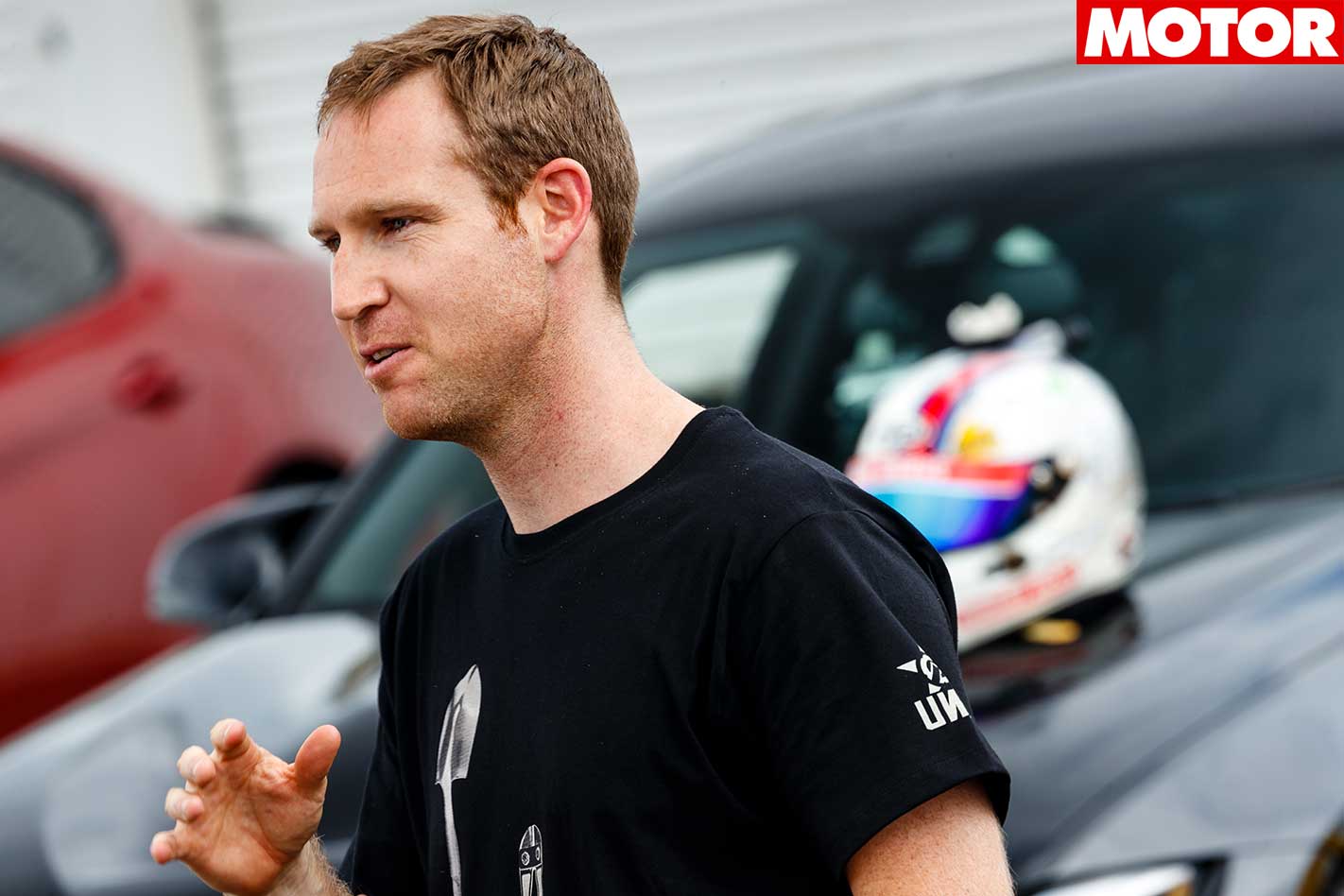
Given we’re testing the Stinger in the midst of a media love-in not unlike the launch of the Holden Monaro in the early 2000s, we quickly come to the realisation that there’s something about this guy we really like.
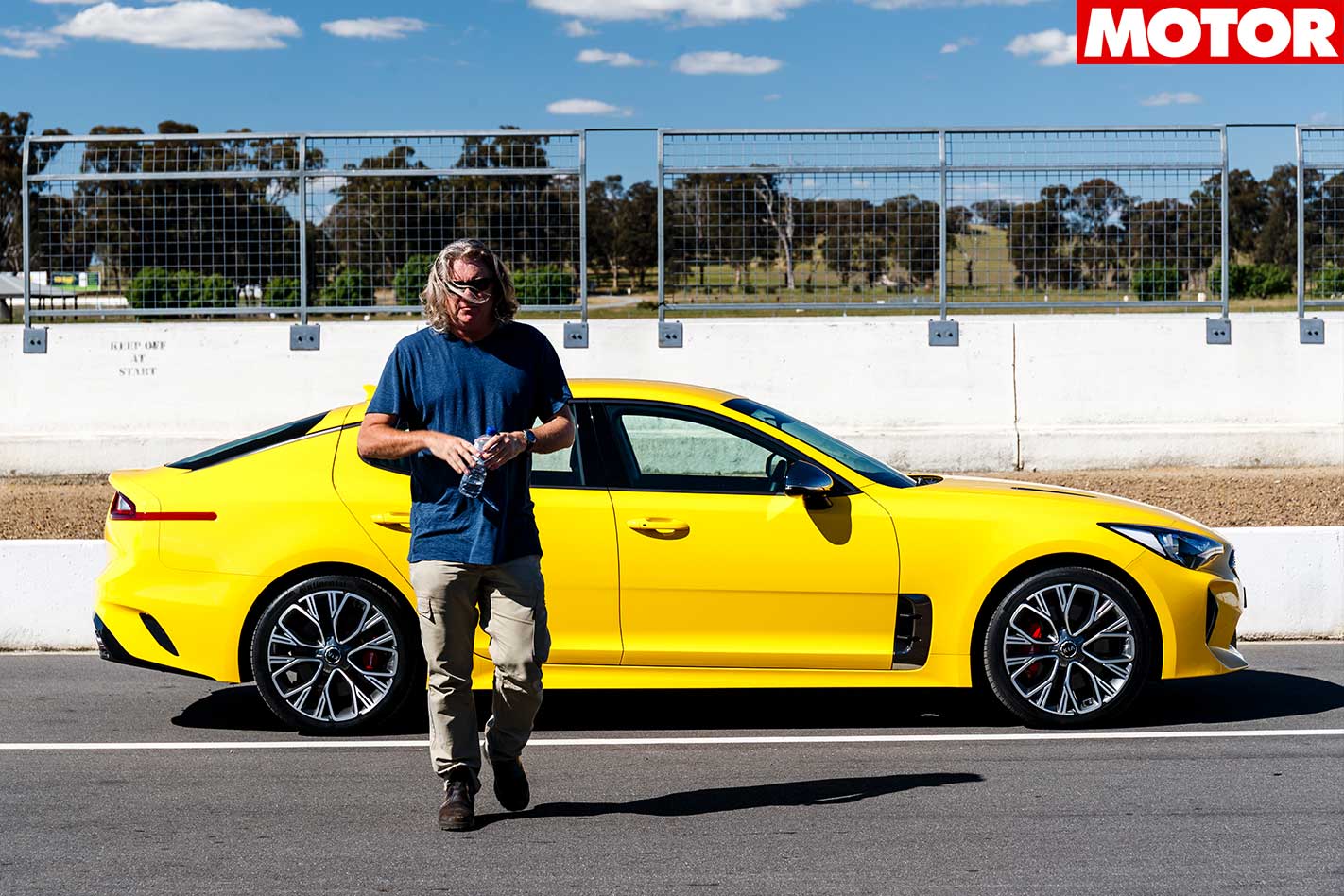
We work through the field a car at a time, while whispers about favourites start to filter through. Like the Honda Civic Type R. It’s the most outgunned car here – it has less than half the power of the W1 – but the jungle drums are beating about it early on.
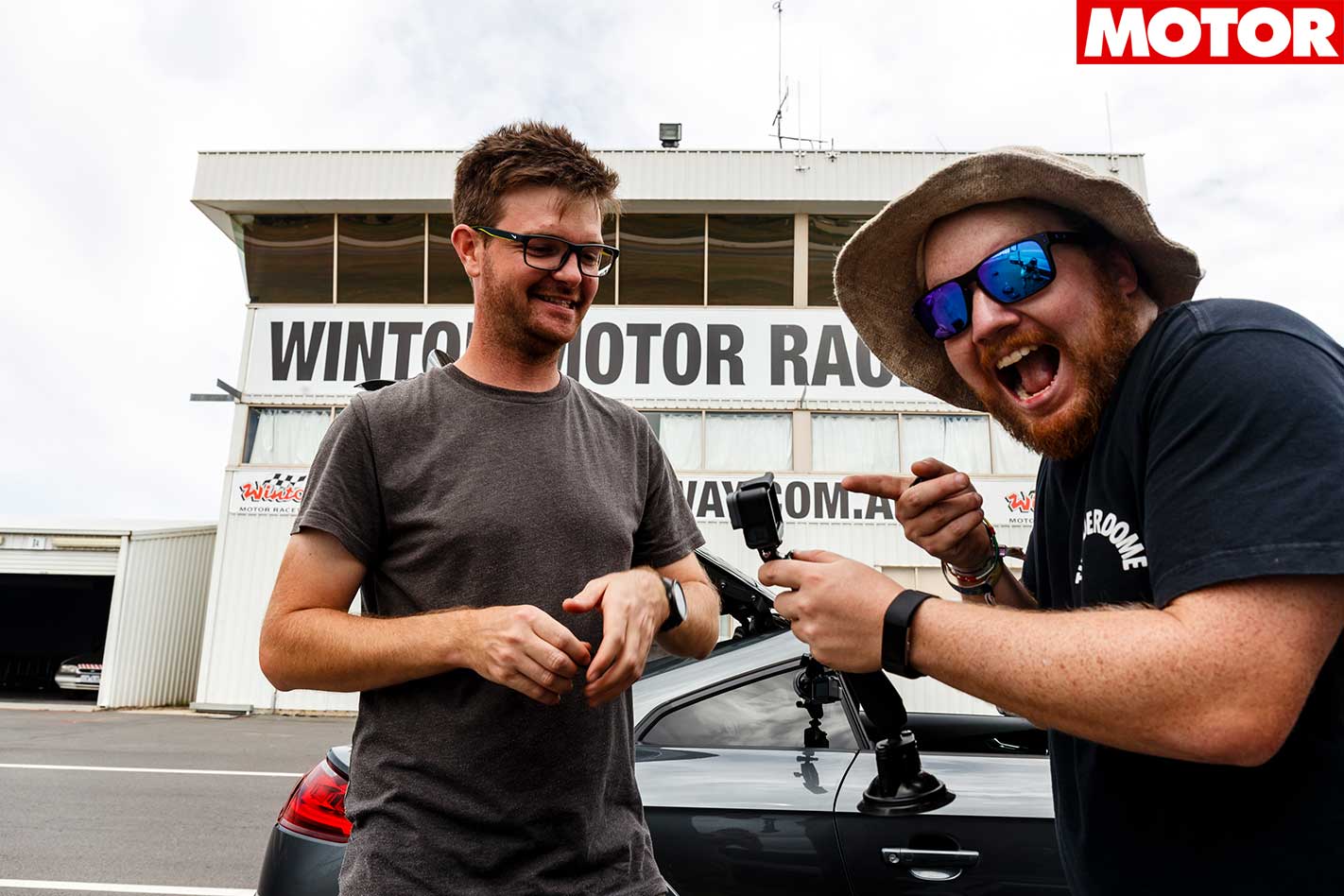
The Hubble telescope could hear the W1’s primal roar. It’s hair-tingling stuff for those of us with actual hair (that’s a dangerous joke to make when we’ve not paid your invoice yet – Ed).
“Expected a bit more, to be honest,” is Dave’s first remark when he returns. You can literally hear the jaws dropping.
DAY THREE
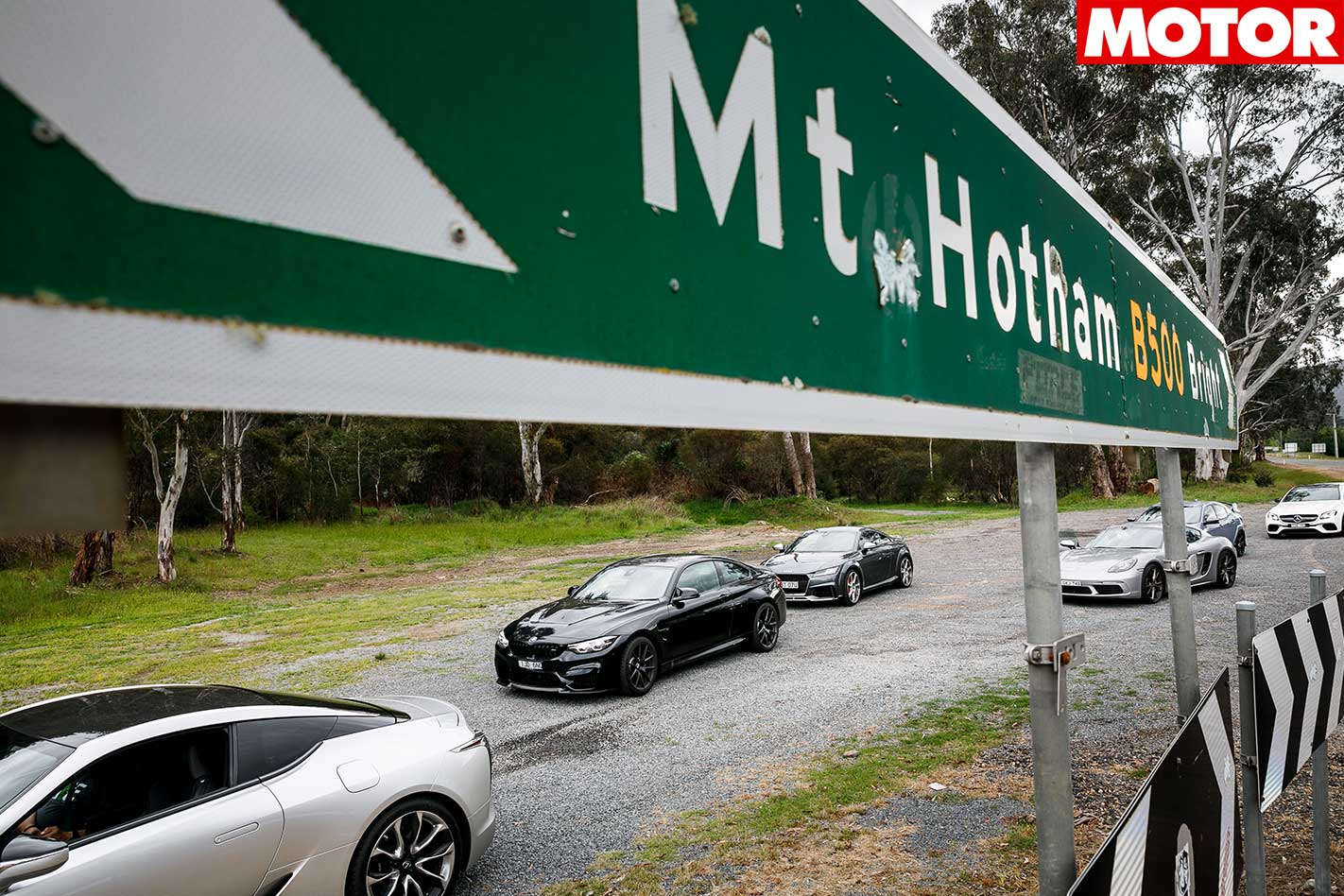
Hint: don’t use the W1’s loud exhaust mode all the time. Don’t ask me how I know that. And again the Civic scores more than its fair share of water-cooler chat. Interesting.
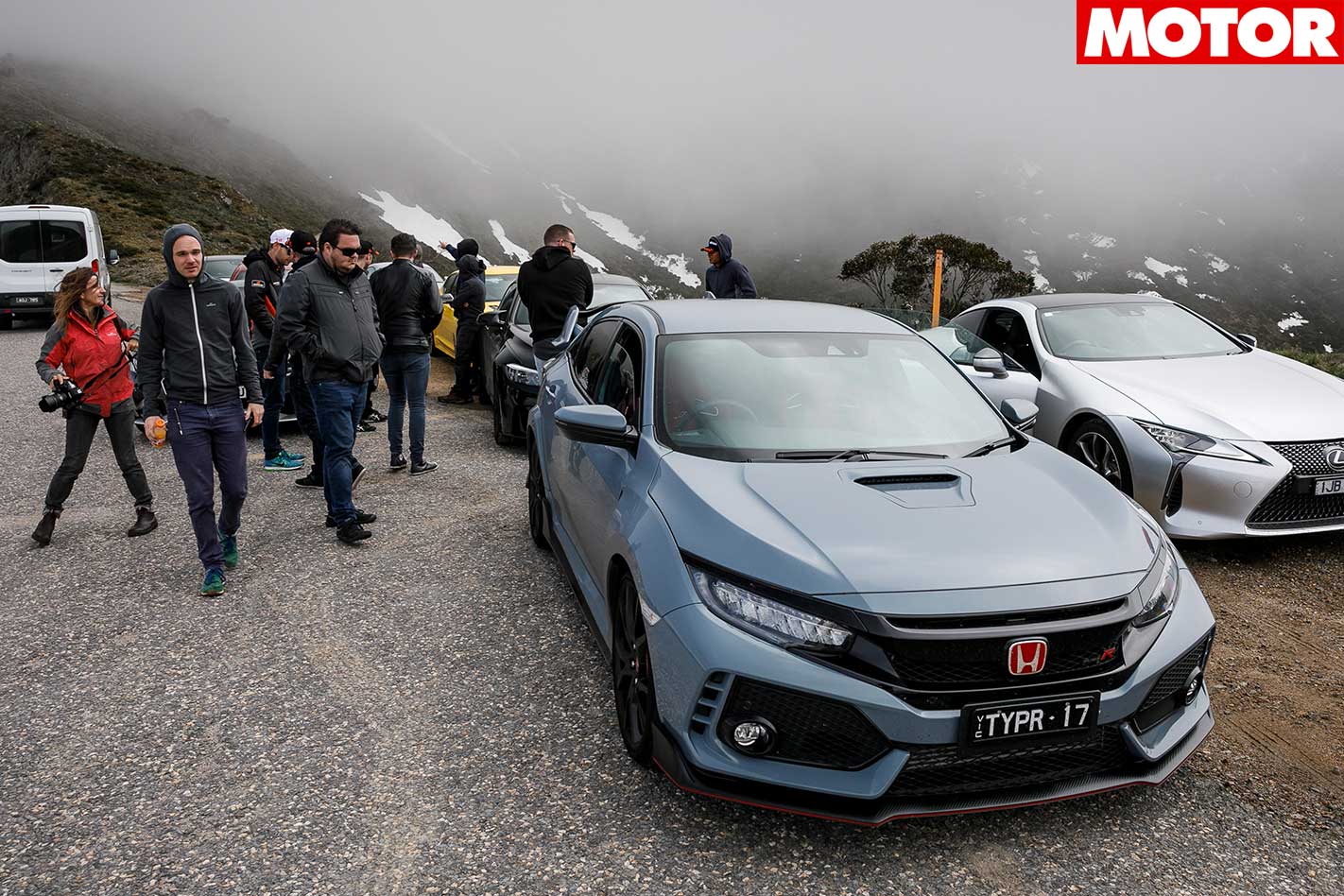
The W1 is a contradiction of big torque and longish wheelbase on stiff SupaShocks, gummy Pirellis and massive stoppers. And it’s hilarious. I pay a quiet tip of the hat to the guys and girls behind the Zeta platform, the Aussie damper makers and the HSV engineers who pulled off this audacious rig, sitting for a moment in the hotel car park in quiet… reflection, I guess.
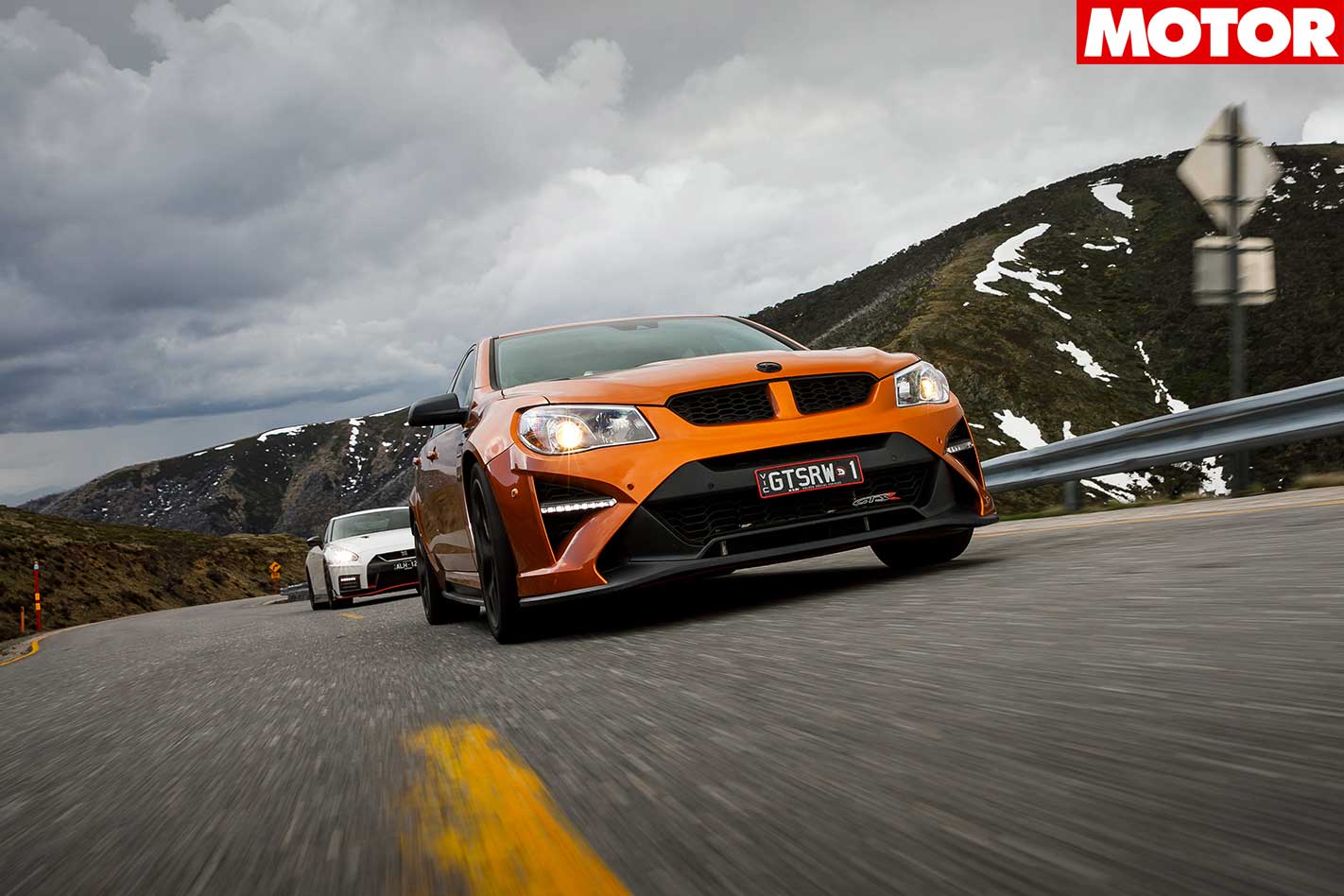
The pub is closed, but the crew has somehow found a mess of pizzas and a few boxes of beers, and the entire PCOTY crew sits around, chewing the fat and talking shit about cars. It’s one of the nicest PCOTY moments I’ve ever had.
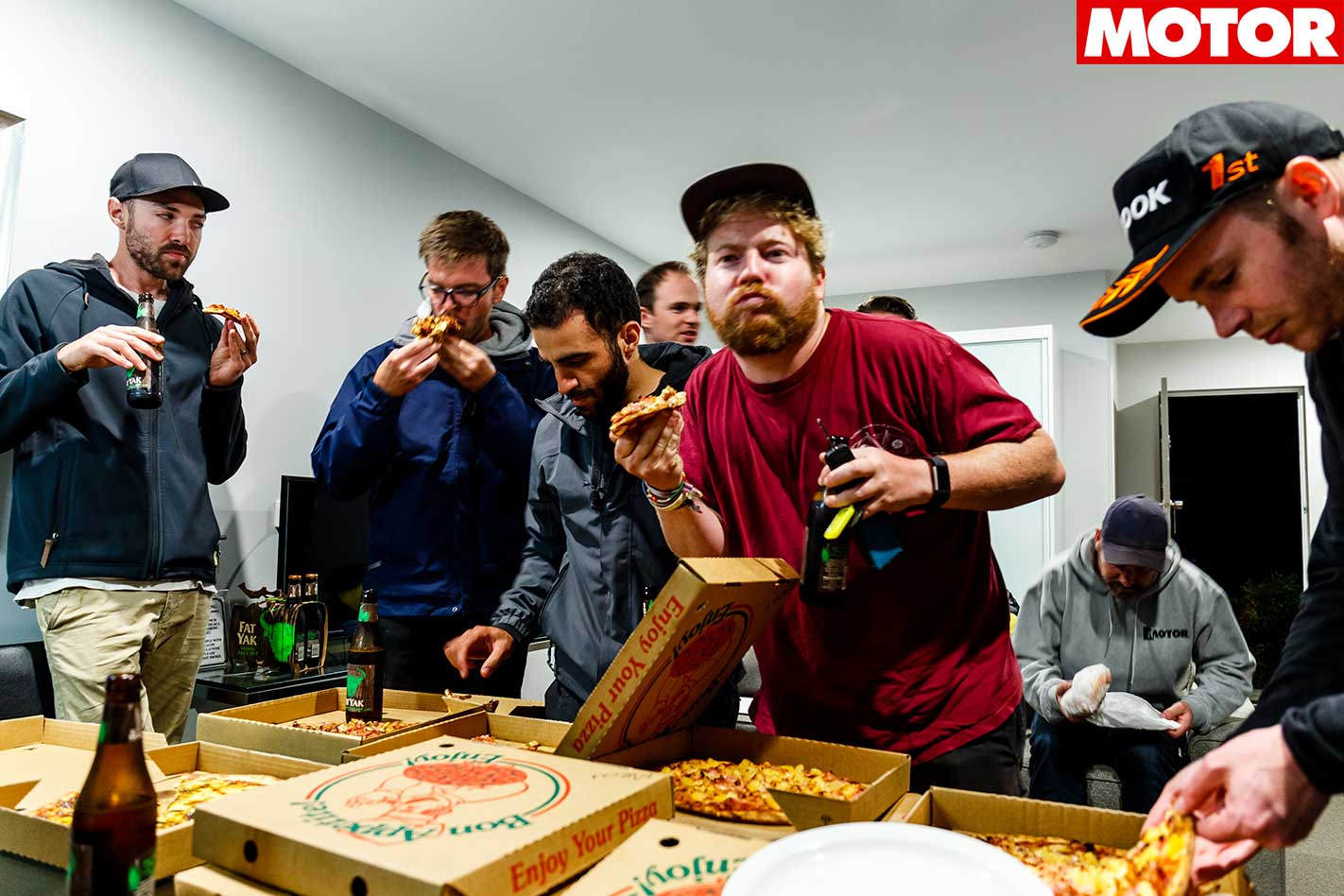
Next year is a long way off, but for me, that pizza dinner wrapped up everything I’ve loved about MOTOR and its people since day dot. No matter who wins the event, it’s these moments that make the event. This work thing ain’t so bad after all.
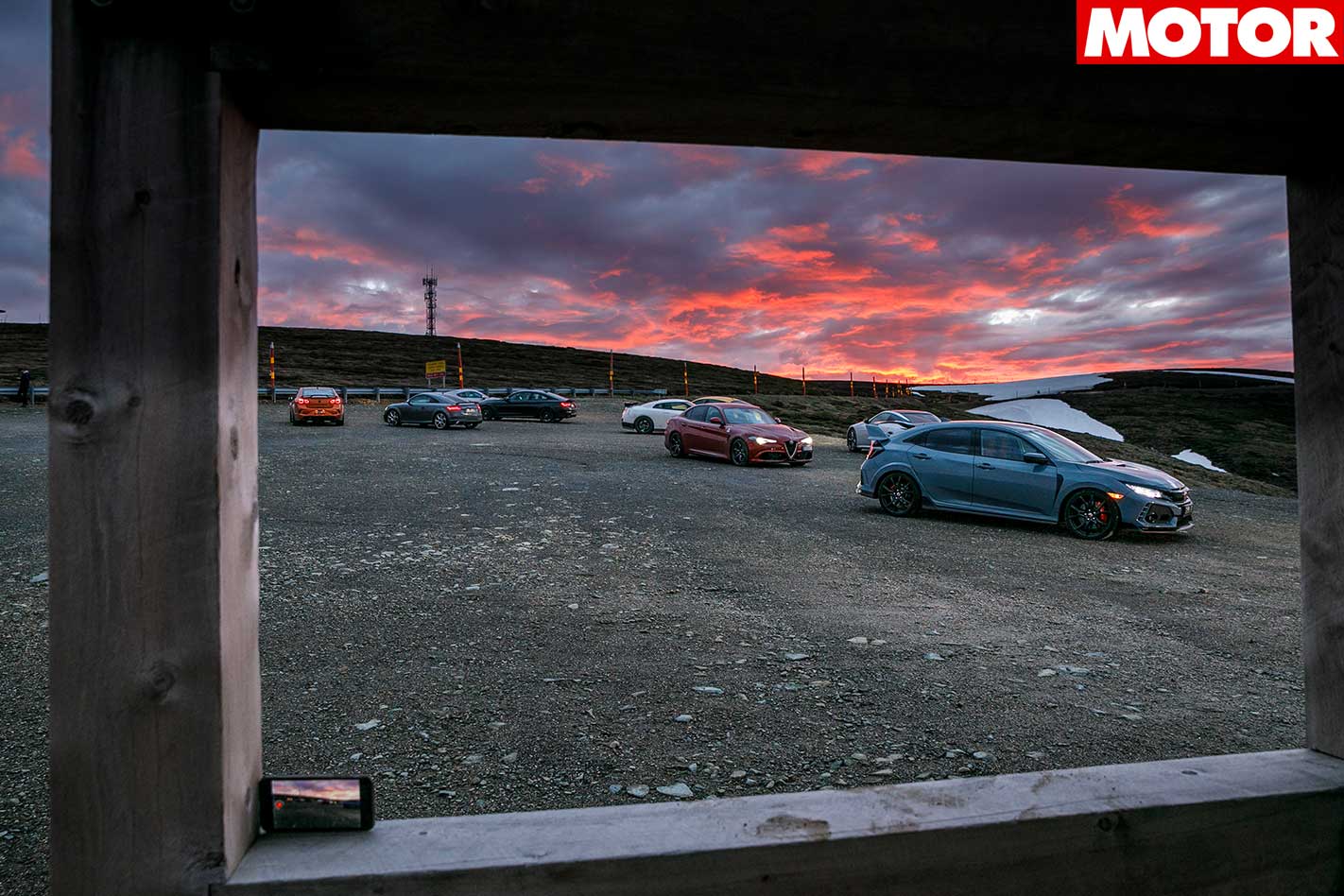
HYUNDAI’S assault on the zero emissions SUV market has switched up a gear with a pair of fully-electric Kona variants added to the range, alongside the hydrogen fuel cell-powered Nexo, which made its debut in January.
The Hyundai Kona Electric will be initially offered in Europe with a choice of two powertrains starting with the basic version, which has a 39kWh lithium ion battery that sends power to a 99kW/395Nm electric motor for a range of up to 300km and zero to 100km/h acceleration in 9.3 seconds.
The second long-range variant has a beefier 64kWh battery connected to a 150kW permanent magnet motor with the same torque output as its sibling, for a range of as much as 470km and acceleration to 100km/h that takes 7.6s.
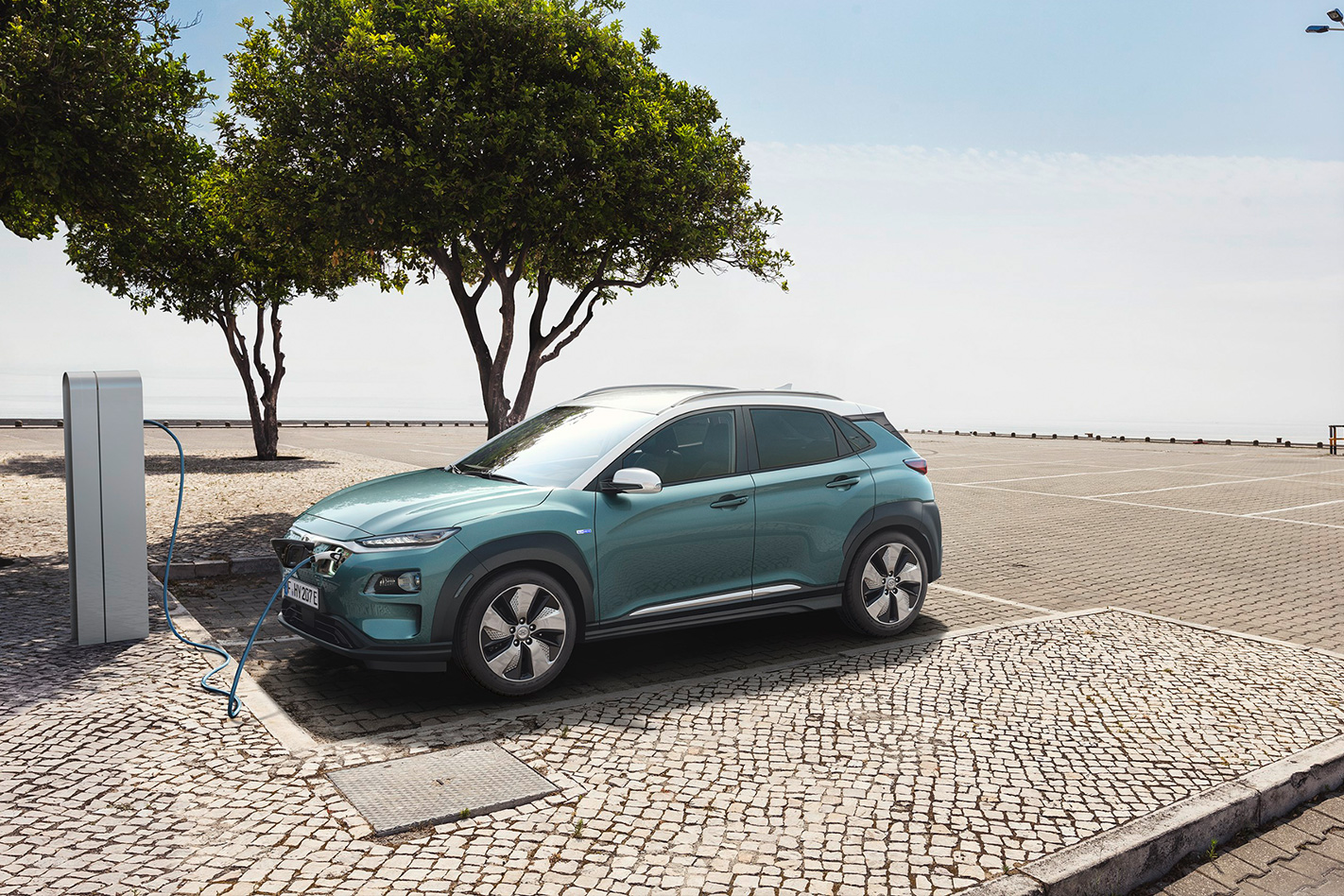
On the outside, the Kona Electric is similar in appearance to the combustion-powered versions with the exception of its grille which has been sealed over for reduced drag and improved efficiency. There’s also redesigned headlights that incorporate a ‘composite’ of LEDs.
The redesigned front end also houses the charge socket, which is exposed by flipping open a hatch hidden in the right side of the grille.

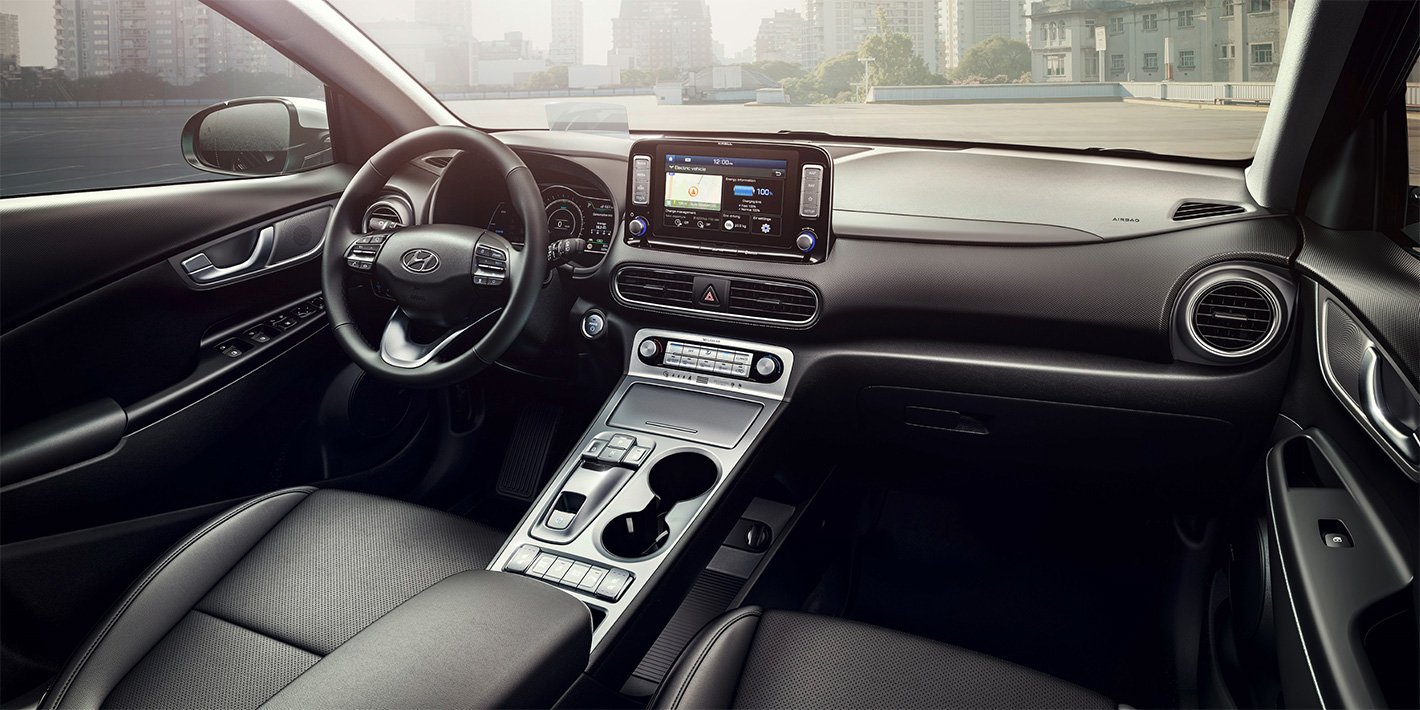
There are more changes in the cabin too with a dedicated centre console that houses the unique electric drivetrain controls.
While petrol-powered versions allow manual gear changes with the steering wheel paddles, for the Electric, the paddles allow the driver to adjust regenerative braking aggressiveness. Increasing the effect puts more energy back into the battery while decreasing re-gen allows the car to coast further when the accelerator is released.
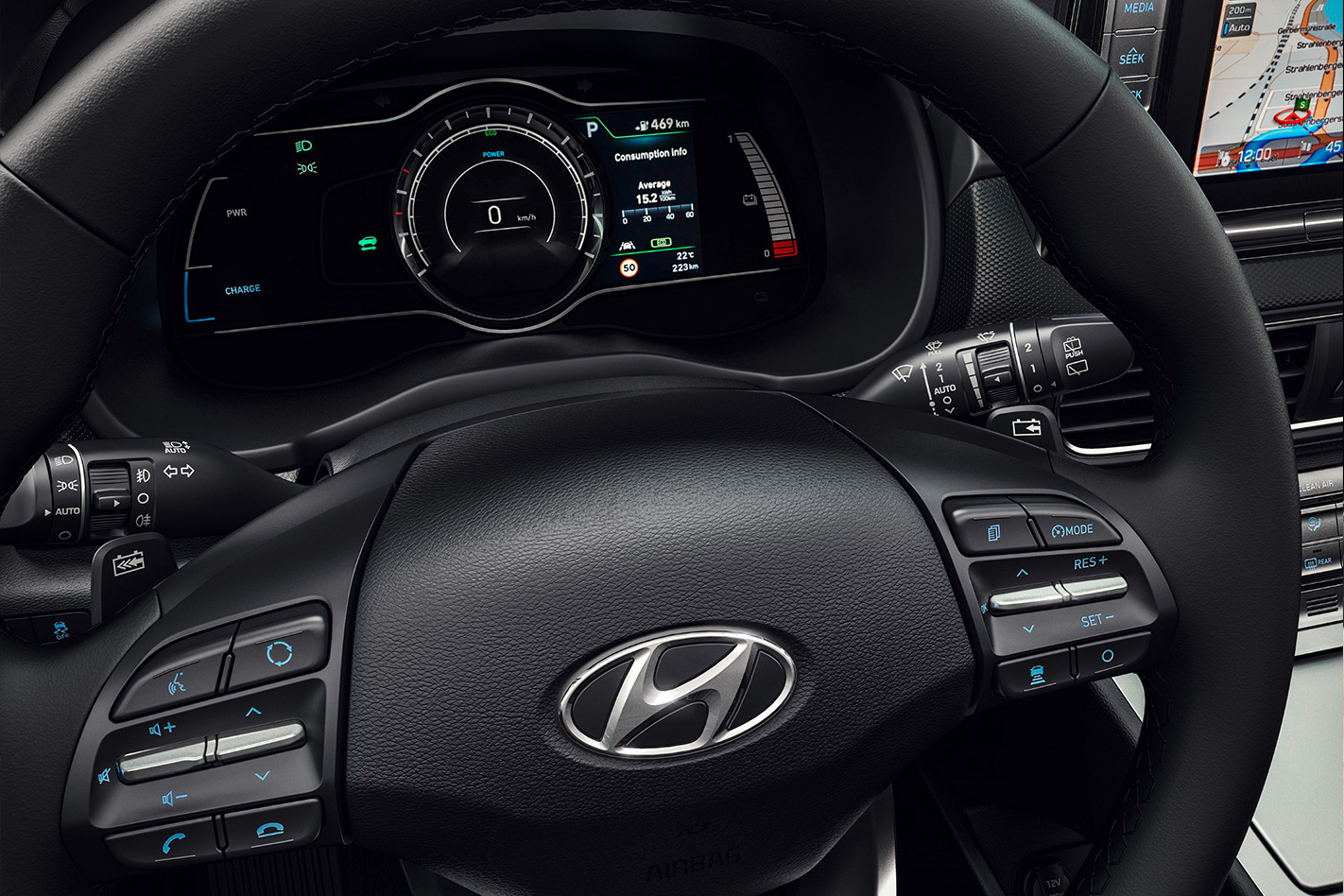
A selection of driver assistance systems are also offered as standard with the Electric pair, includingadaptive cruise control down to stop-and-go traffic, autonomous emergency braking, lane departure warning, lane keep assistance, blind spot monitoring, rear cross traffic alert, driver fatigue monitoring and speed limit alert.
A number of ix35 Fuel Cell models arrived with their own hydrogen filling station in 2014, the successor to that model – the Nexo will also come here in limited numbers next year, and the company’s other notable electrified model – the Ioniq – will touch down mid-year.
