
MORE than 2.7 million cars in Australia with Takata airbags are now subject to a compulsory recall, with manufacturers and distributors obliged to replace all defective airbags by December 31, 2020.
If your vehicle has not previously been subject to the recall, check again at the Product Safety Australia website, or with your car’s manufacturer, as 1.3 million of the affected vehicles have just been added to the list. And if your car still isn’t affected, try again every few weeks. You can even subscribe to Product Safety Australia email updates that can be tailored to your make of vehicle.
If you find that your vehicle is under active recall, contact the supplier to arrange replacement of the affected Takata airbags. The timing of the fix will depend on a number of factors, including the type of airbag, where you are (high heat and humidity can accelerate the problems), and how old it is.
The compulsory recall and associated consumer rights and supplier obligations are the same for new and previously owned vehicles, and are not associated with their factory warranties.
The compulsory recall requires all suppliers to:
- Recall all affected vehicles on a rolling basis and replace the airbag at no cost to the owner, with priority given to replacement of those airbags that present the highest safety risk. Recalls must be initiated as soon as possible.
- Complete all replacements by December 31, 2020, unless the date is varied by application to the ACCC.
- Contact consumers directly when recall action is initiated for their vehicle
- Publish a VIN search tool on their website by July 1, 2018 that allows consumers to identify if their individual vehicle is affected by the recall.
- Publish a recall initiation schedule on their website as soon as practicable and by July 1, 2018. The schedule will advise owners with an affected vehicle when their vehicle will be recalled. Vehicles under ‘active recall’ can have their affected Takata airbags replaced straight away. Consumers with vehicles subject to a ‘future recall’ will be notified by the supplier when it is time to have their airbag replaced (and they can also find their vehicle in the supplier’s recall initiation schedule).
- Notify the ACCC via the Product Safety Website when an active recall is initiated for a new category of vehicle.
- Make arrangements for towing or transporting a vehicle or providing loan or hire cars during the replacement process in certain circumstances.
COMPULSORY RECALL TIMELINE
March 8, 2018: Vehicle suppliers must initiate a recall of vehicles with dangerous Alpha inflators by this date, if they’re not already under active recall.
April 2, 2018: Vehicle suppliers must provide the ACCC with a recall initiation schedule (unless you have already initiated recall action for all affected vehicles).
July 1, 2018: Vehicle manufacturers must publish a VIN search tool on their website by July 1, 2018 that allows consumers to identify individual vehicles affected by the recall. They must also publish a recall schedule on their websites, which informs owners when certain vehicles will be recalled.
December 31, 2018: Stop selling new or demonstration vehicles with an affected Takata airbag inflator in any circumstances.
December 31, 2019: Cease use of new affected Takata Airbag Inflators as replacements (‘like for like’ replacements).
December 31, 2020: Complete all replacements of affected Takata airbag Inflators, unless otherwise approved by the ACCC.
Ongoing: Manufacturers have an ongoing obligation to identify and replace vehicles with affected Takata airbag Inflators.
The souped up Maserati GranTurismo has much more to offer than raw acoustic presence.
This review was first published in MOTOR Magazine’s August 2008 issue.
Turn the key — there’s no fashionable starter button — and the Maser’s V8 instantly jumps to life and, in Sport mode, will make the most glorious sound Italy has composed since Verdi’s Nabucco.
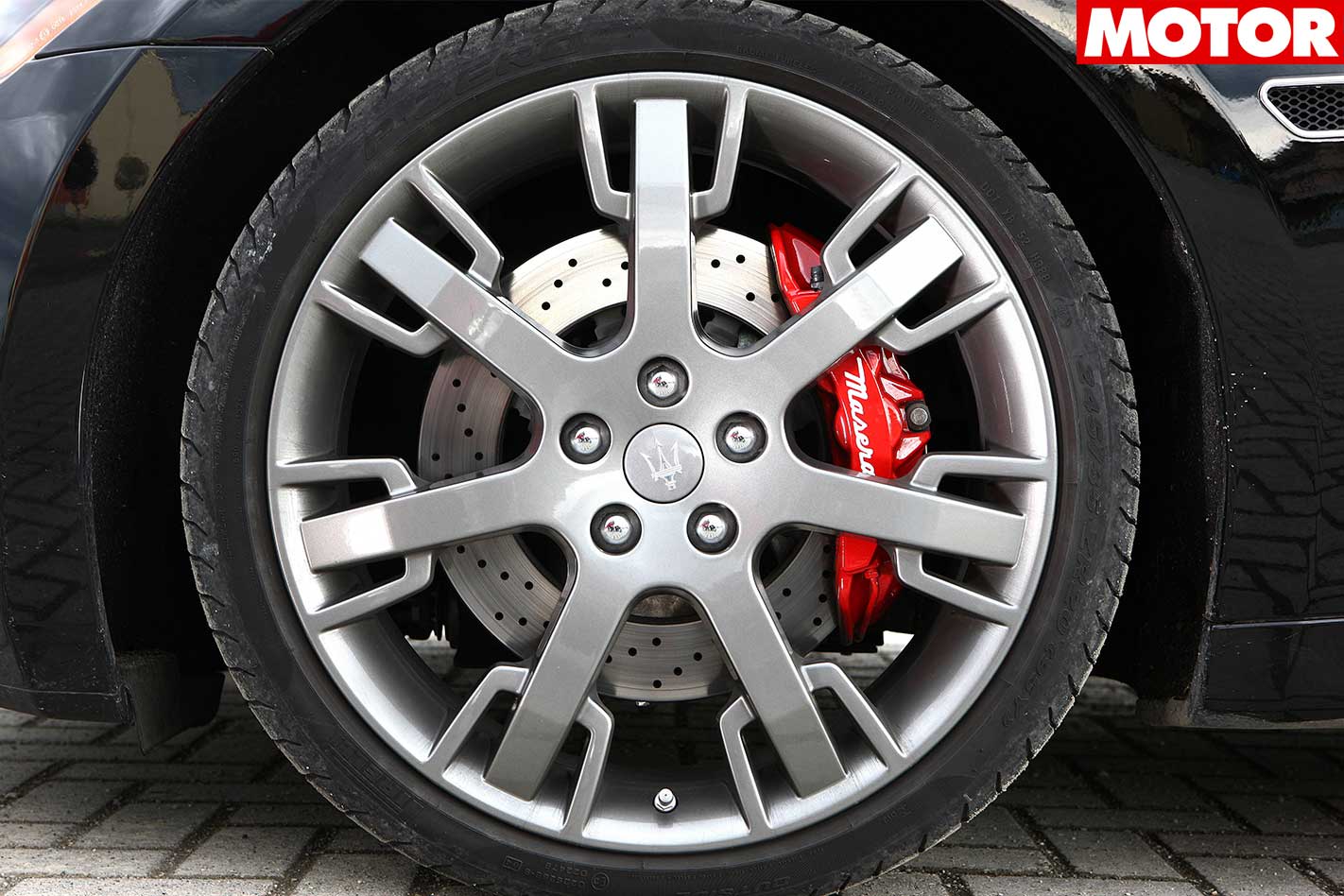
It also looks more aggressive than the normal version, with grey 20-inch alloys, a blacked-out grille and the headlamp surrounds, extended tail spoiler, flared sills, dual chromed tailpipes and fire-red brake calipers. It’s a solid 10 in street cred.
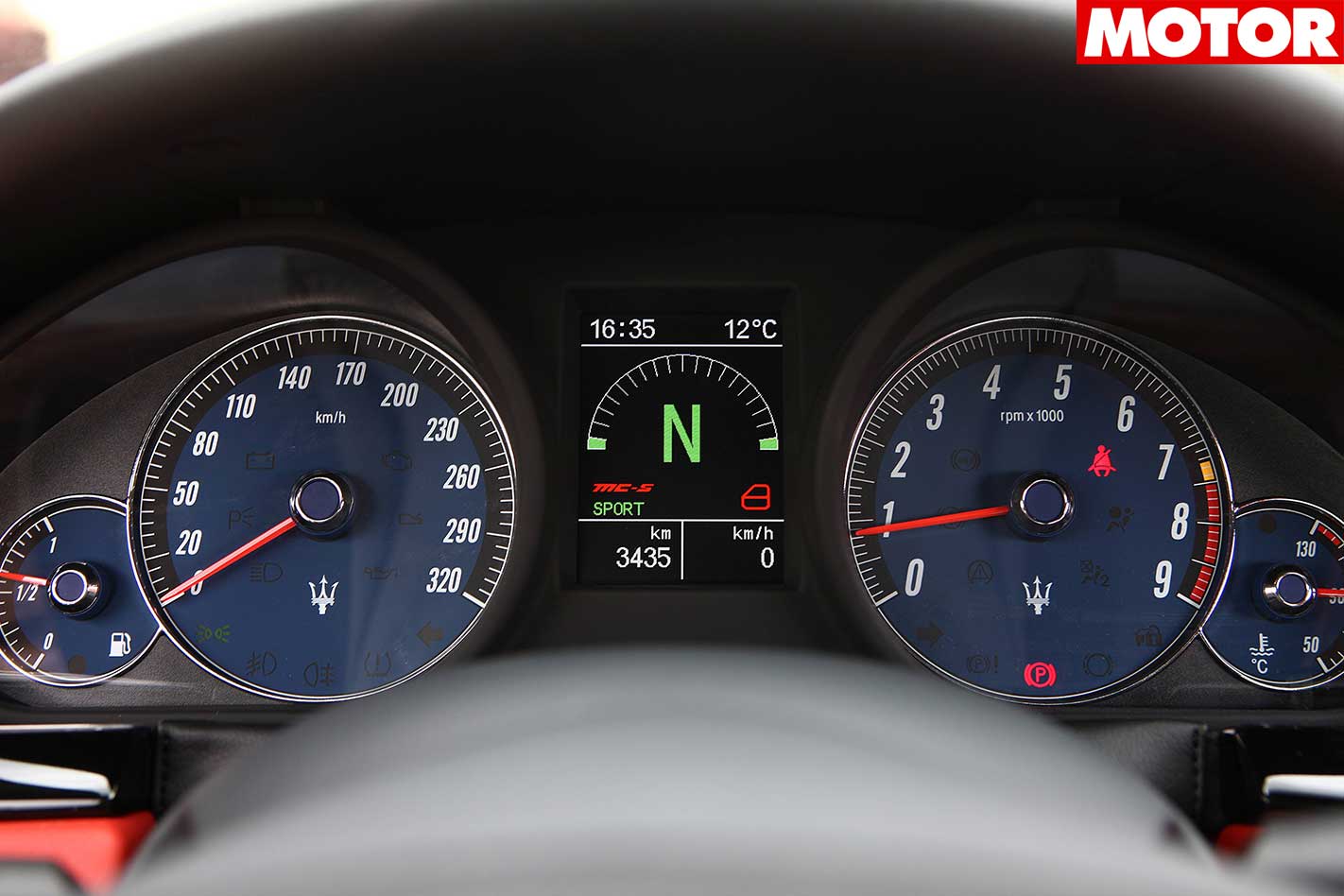
The S version is quantifiably faster than the untreated GranTurismo, reaching 100km/h in 4.9sec and a top speed of 295km/h. That’s the good news. The bad news concerns the price list where the S coupe will command a $25,000-odd premium over the standard GT.
While the run-of-the-mill 2+2-seater is, like the Quattroporte, equipped with a ZF transmission, the S retains the Cambiocorsa ’box which has been renamed MC Shift to neutralise all those negative connotations.

How quick is MC Shift? Maserati claims 100milliseconds for the whole procedure and 40ms for engaging the gear, which is every bit as fast as the Ferrari 599GTB Fiorano. The downside of MC Shift is the auto mode, which takes a long, chin-dropping breather when stepping from one ratio to the next.
The standard, non-adjustable chassis is firmer overall but more honest and predictable than the optional Skyhook suspension. The fixed set-up is neatly tied down at all times, with stiffer damping, less body roll and recalibrated springs. With the fatter rubber, the S delivers excellent roadholding and super-smooth slides at the limit.
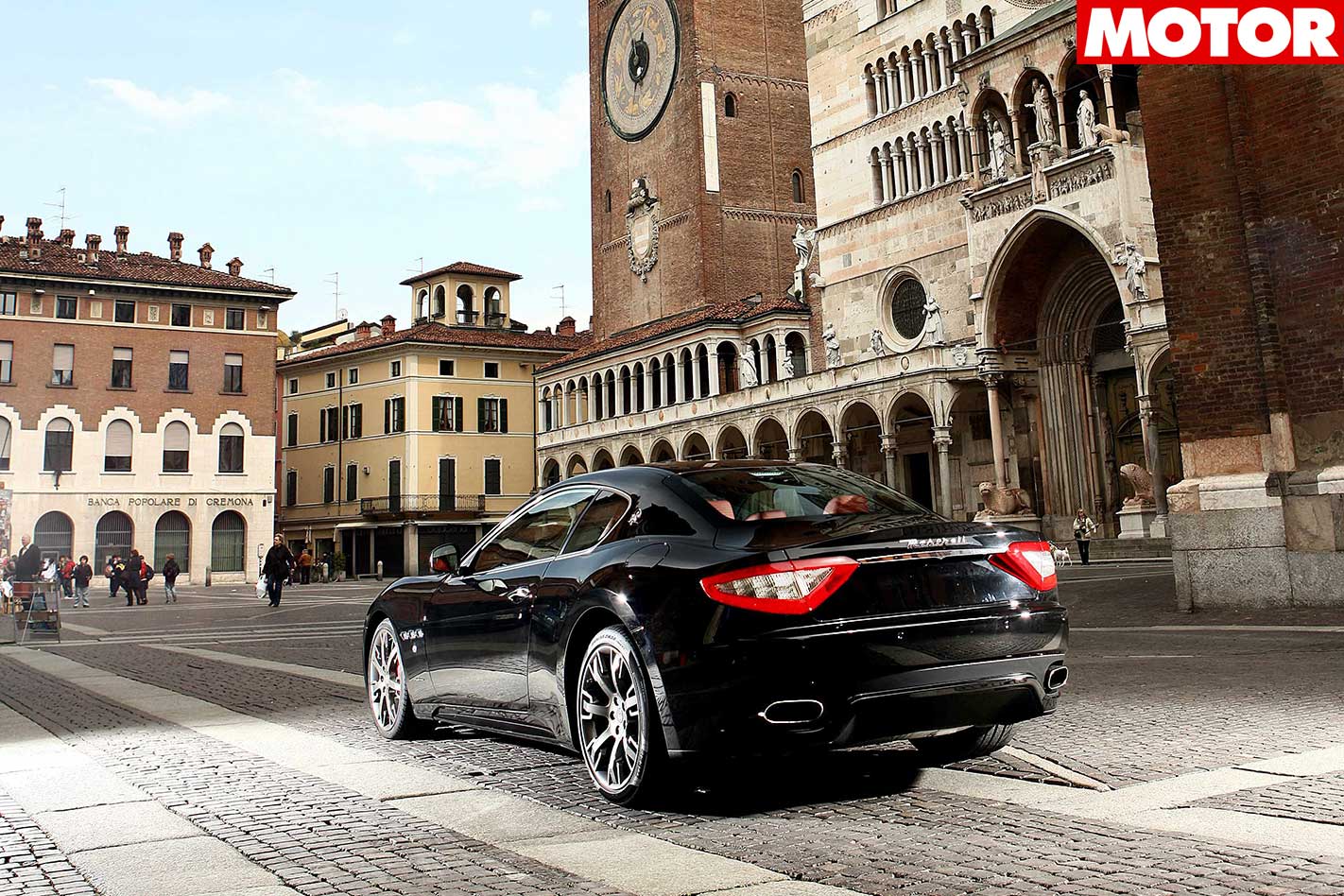
Wishful thinking? But why shouldn’t Maserati aim for the parking spot the Ferrari F430 will vacate when its successor moves up in early 2010?
Fast Facts – 2008 Maserati Granturismo S
ENGINE: 4691cc DOHC V8, 32v POWER: 323kW @ 7000rpm TORQUE: 490Nm @ 4750rpm WEIGHT: 1880kg 0-100km/h: 4.93sec (claimed) TOP SPEED: 295km/h (claimed) PRICE: $315,000 (est)
LIKE: Excellent chassis; great handling; superb sound DISLIKE: Harsh ride; slow auto shifts; heavy brakes
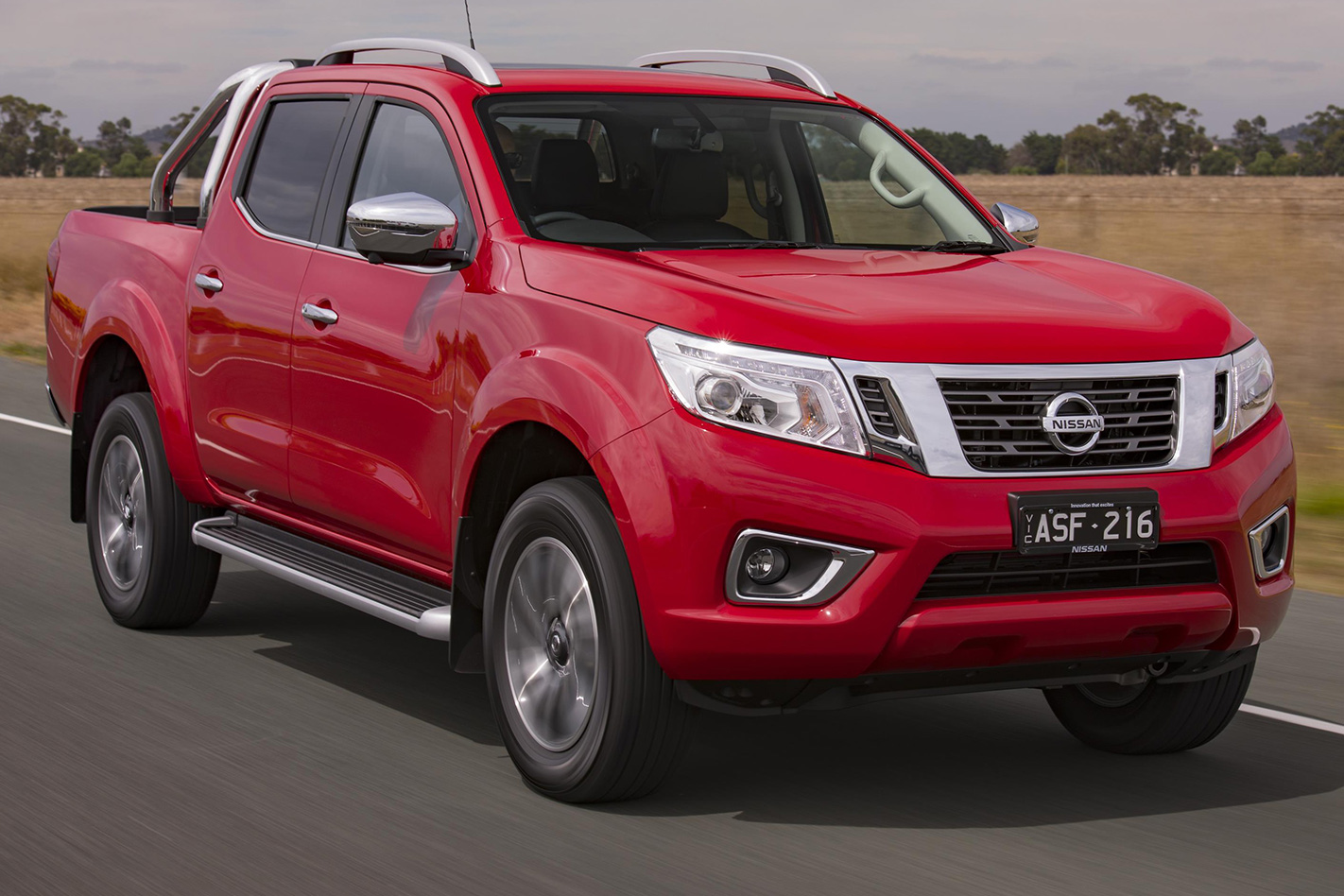
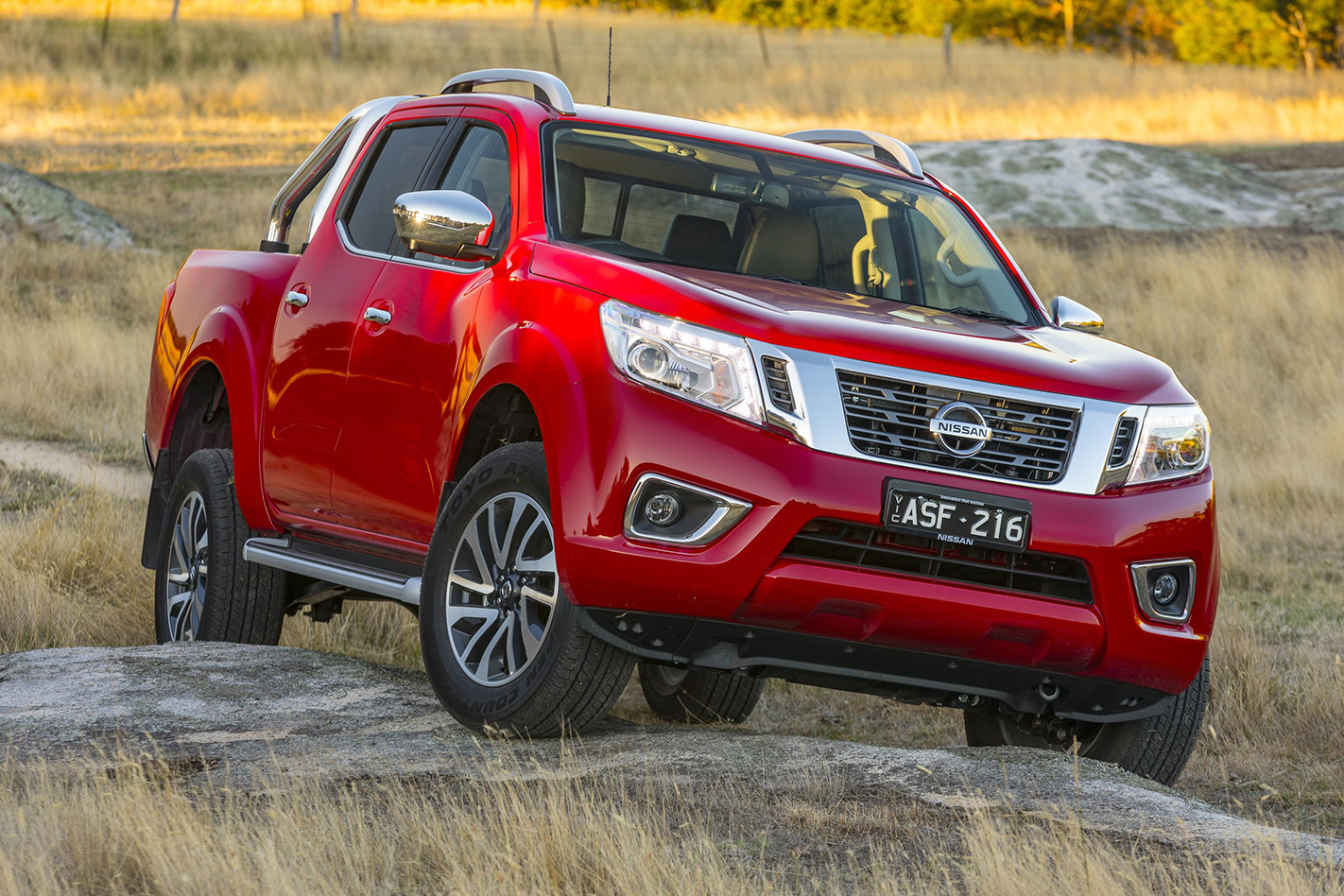
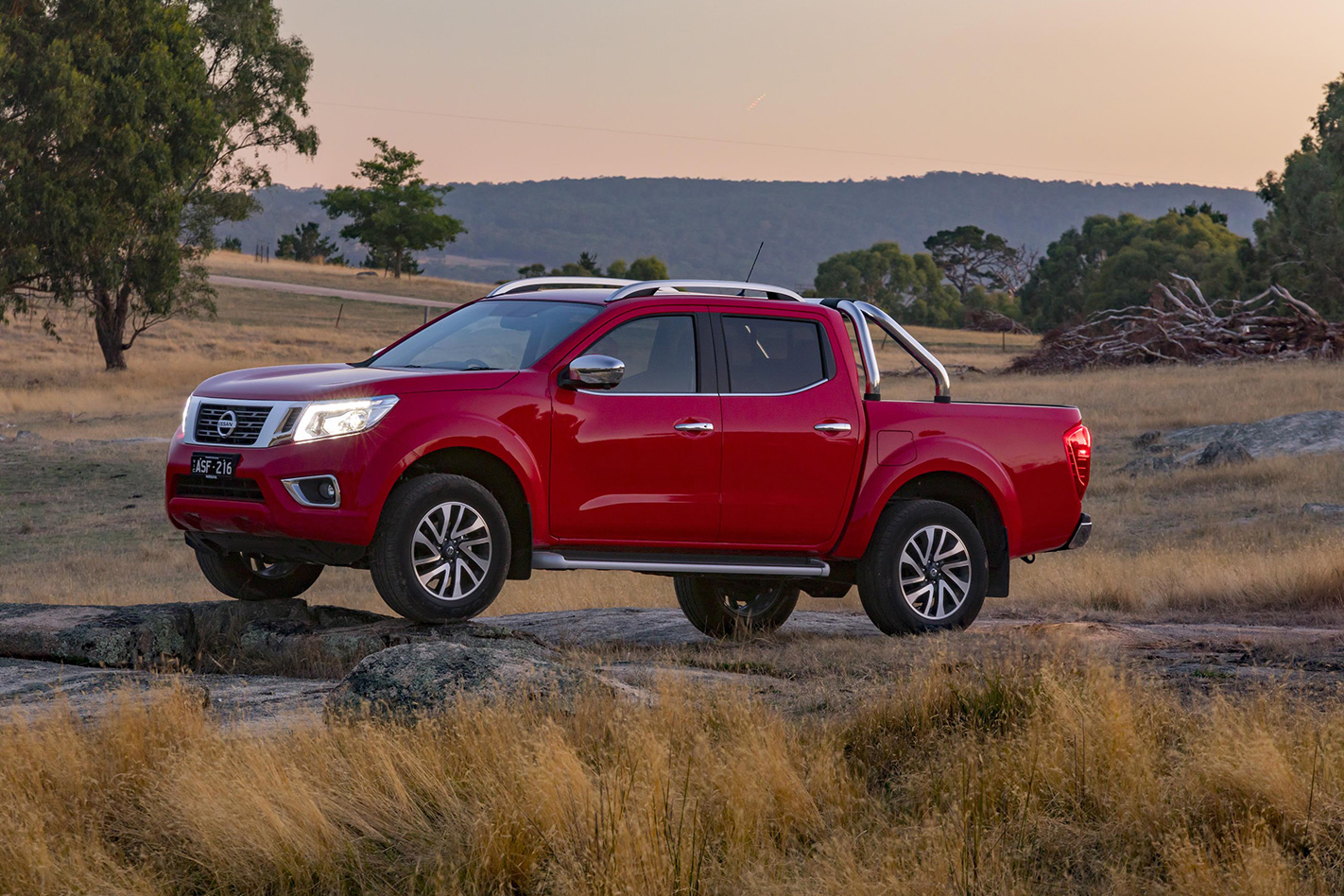
The Nissan Navara has received a soft upgrade that brings improved suspension and some tech and safety enhancements, resulting in minor price increases to some variants.
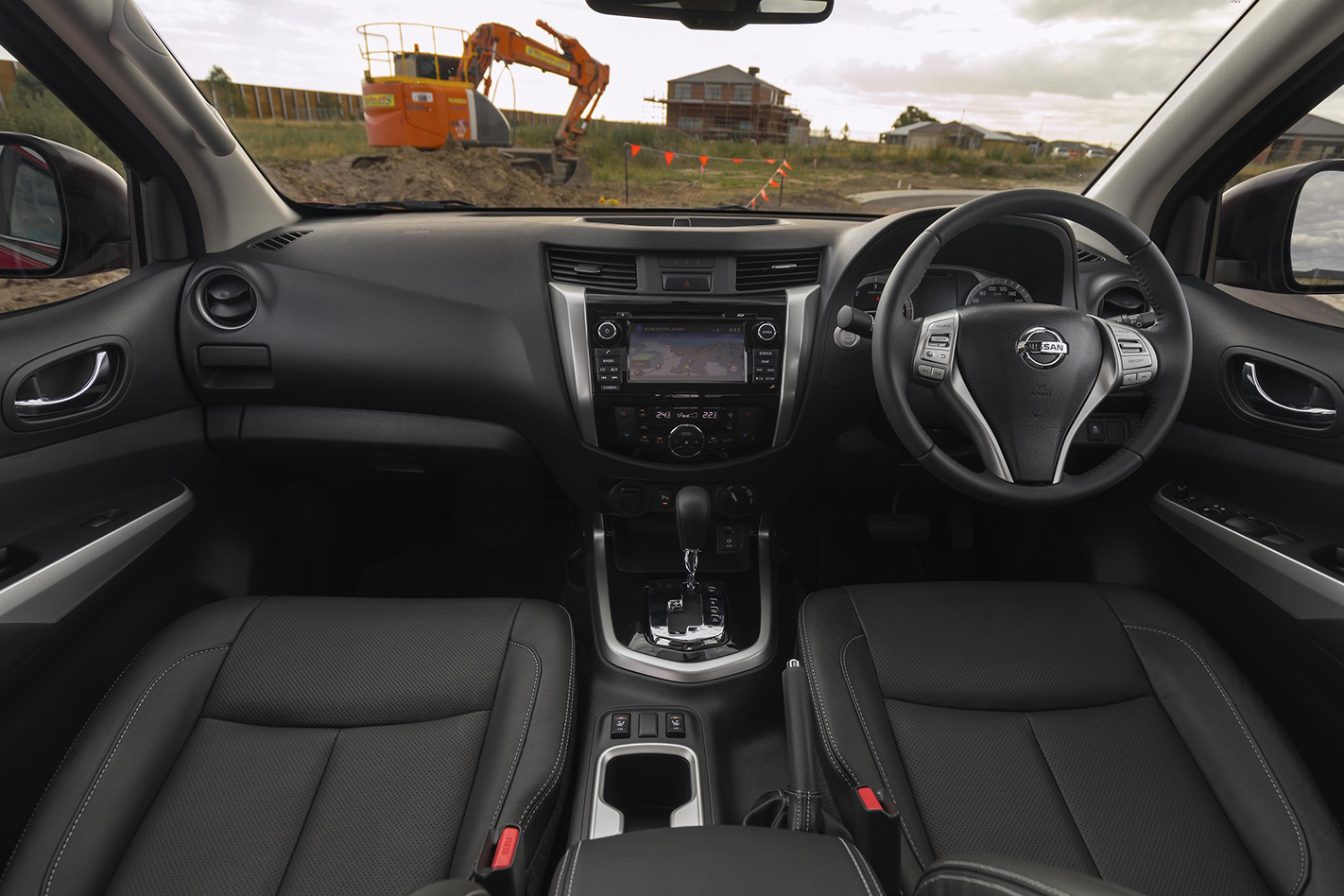
Parking the range-topping ST-X pick-up just got easier, with a new ‘Around View Monitor’, which uses four cameras to provide 360-view around the vehicle and its approaches.
Around View complements the reversing camera, which is now offered as standard equipment on all Navara models. It’s viewed within the infotainment screen on SL, ST and ST-X pick-up grades, and within the rear-view mirror on the more workmanlike RX models.

The SL, ST and ST-X models will also feature a digital speedometer housed within the instrument cluster, making it easier to monitor your speed, while the ST king- and dual-cab variants also gains satellite navigation.
Meanwhile, the ST-X dual cab and ST-X king cab auto buyers can now choose a $1500 leather trim option that includes leather-trim heated seats, leather-trim door trim and an eight-way power driver’s seat with lumbar support.

Ride and handling has been enhanced in the SL, ST and ST-X dual cabs, with dual pitch rear springs that are tighter at the lower end, resulting in a more comfortable ride when there is no weight in the tray, but good resistance to heavy loads. Braked towing capacity has also been increased to 3500kg.
As well as enhancing the suspension hardware, Nissan engineers put the new Navara through an extensive tuning program for Australian conditions.
To improve practicality, Nissan has added, and lowered, the tray’s tie-down hook points to make storing loads easier, while the most precious of cargos benefits from the addition of two ISOFix child seat mounting points to the outer rear seats on all dual-cab grades – tacitly recognising these types of vehicles are used for work on weekdays, and family duties on weekends.
Navara pricing remains largely unchanged for 2018, with some variants increasing between $200 and $500 due to equipment changes.

2018 Nissan Navara Dual Cab pricing
- RX dual cab 4×2 manual – $33,490
- RX dual cab 4×2 auto – $35,990
- RX dual cab 4×4 manual – $39,990
- RX dual cab 4×4 auto – $42,990
- ST dual cab 4×2 manual – $40,190
- ST dual cab 4×2 auto – $42,690
- ST dual cab 4×4 manual – $47,190
- ST dual cab 4×4 auto – $49,690
- ST-X dual cab 4×2 manual – $44,990
- ST-X dual cab 4×2 auto – $47,490
- ST-X dual cab 4×4 manual – $51,990
- ST-X dual cab 4×4 auto – $54,490
We all know a bloke like this. He might be your boss, your uncle or even your old man.
This review was first published in MOTOR magazine’s August 2008 issue.
Monday to Friday, he’s a pen-pushing city slicker. But after dark and on the weekends, he’s your average Aussie bloke (or chick) who loves football, meat pies, kangaroos and Holden cars. Or maybe Fords.
Like many Baby Boomers, this white-collar worker is earning a handsome wage, but deep down, he’s still clinging to The Dream. The V8 sedan has long been admired for the status it holds in the Australian motoring landscape, but more importantly, it’s about a lust for the head-kicking energy and sound that only a bent-eight can produce.
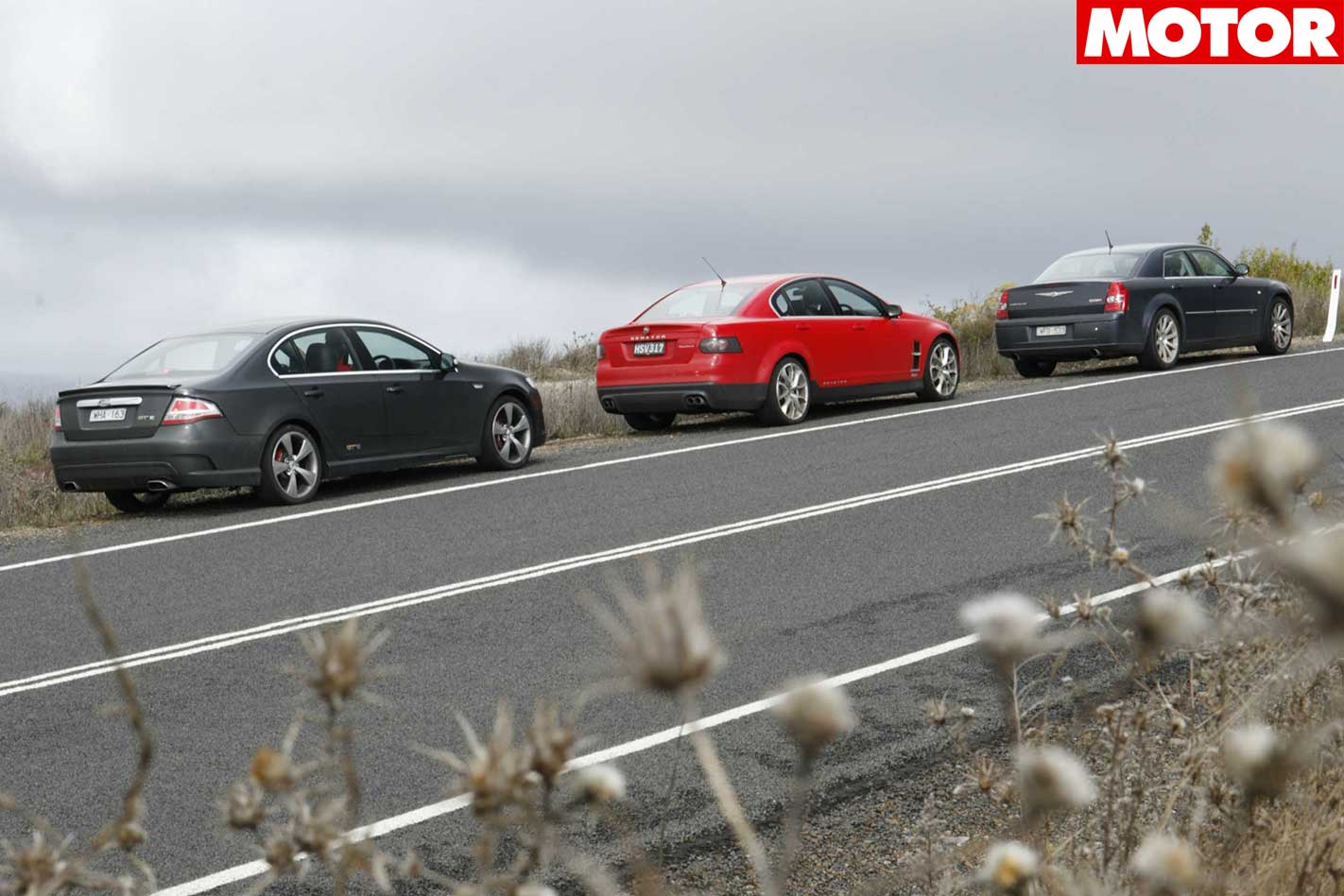
Our friend’s matured taste might prefer one of the latest breed of relatively affordable, high-performance luxury V8 sedans that have been increasing in popularity here ever since Brocky’s superb VK HDT Director tore up the streets in 1984.
Europeans don’t own the fast luxury sedan market anymore, especially when the home-grown product delivers such polished bang for your buck. And don’t let anyone tell you that the V8’s dead, because judging by current sales figures, big bent-eights have never commanded so much interest.
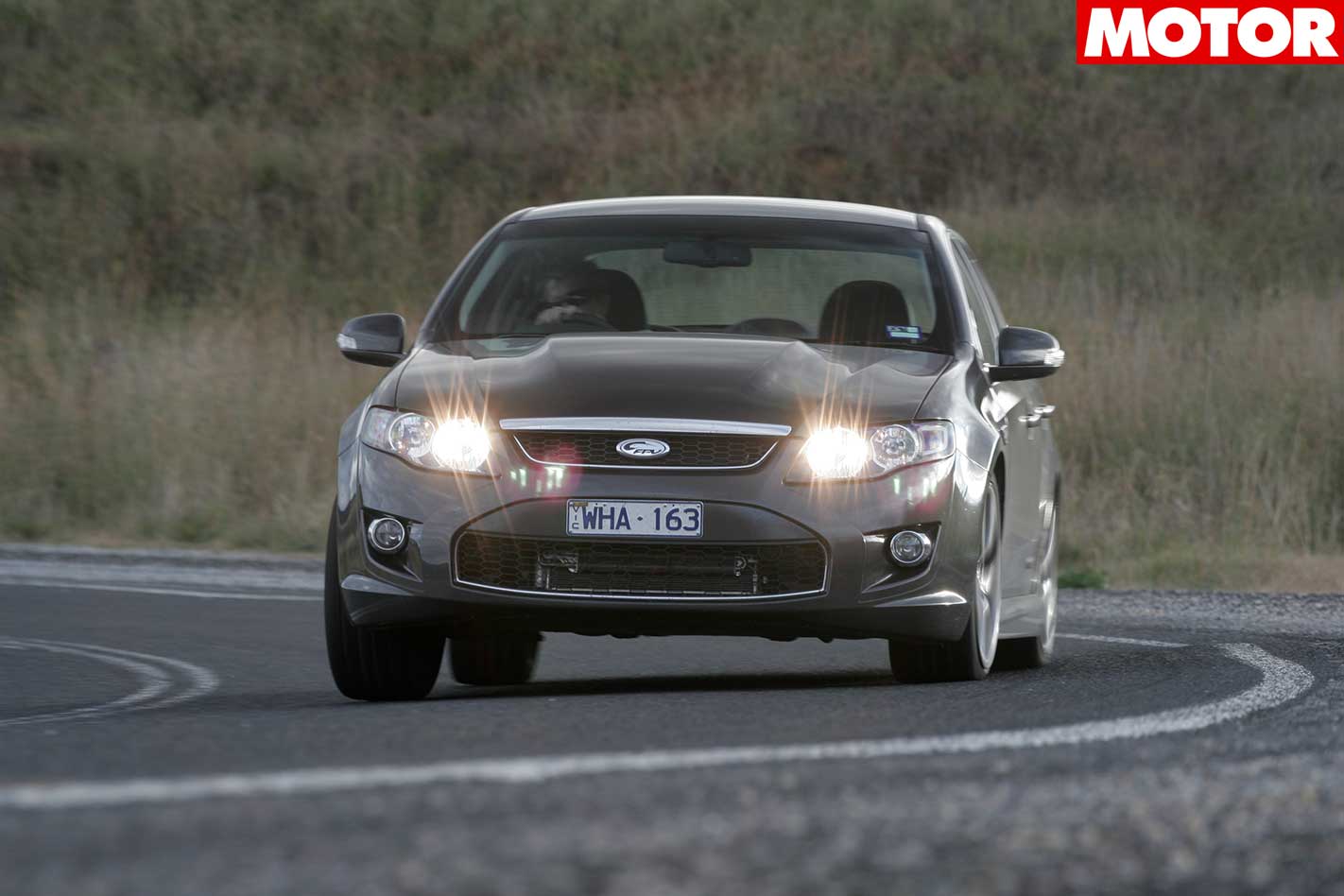
The fresh face in the segment is Ford Performance Vehicle’s flagship GT-E, benefitting from the wealth of improvements that accompanied Ford’s all-new FG Falcon, backed by a re-tuned, 315kW-strong Boss 5.4-litre V8.
HSV’s Senator has already proved itself formidable opposition, and it’s not hard to understand why, even before you turn the key.
Poised at the kerbside in Sting Red, the HSV’s loud hue is nicely offset against the dark lower bodywork and fat (optional) 20-inch wheels, accentuating the car’s muscular stance. And with HSV’s new 317kW 6.2-litre LS3 V8 under the bonnet, the Senator promises to be even more imposing out on the road.
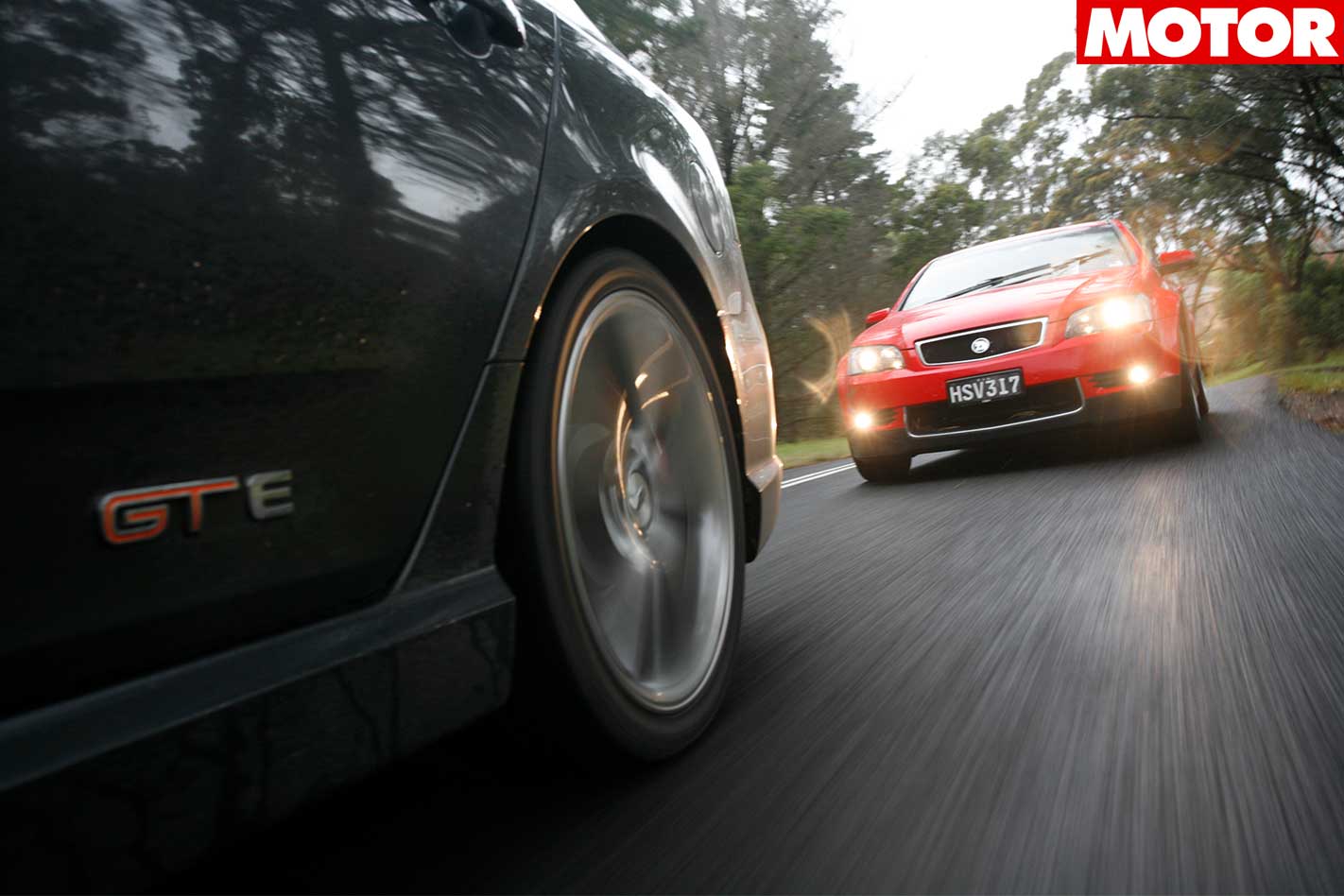
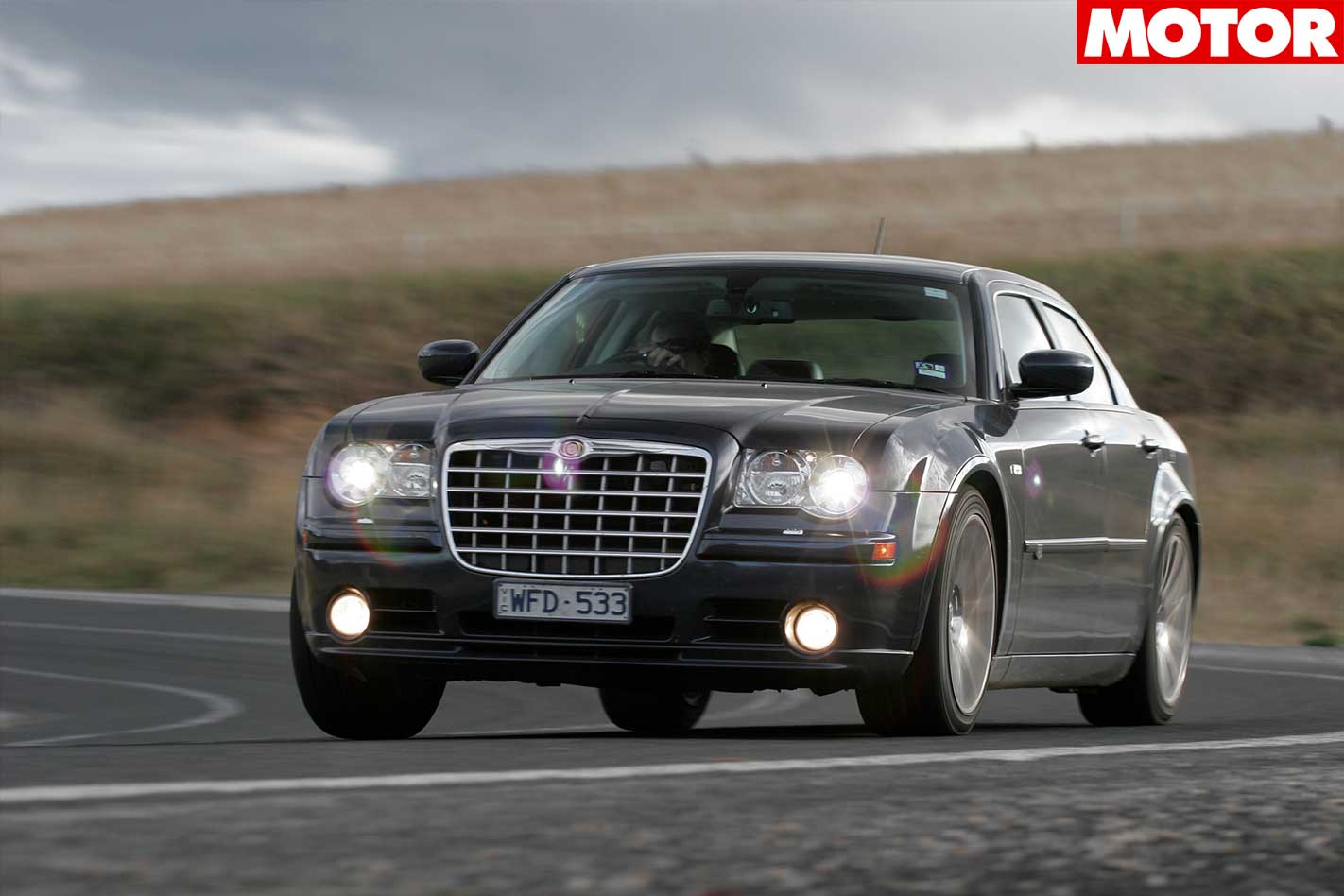
The sound the SRT8 bellows on the open road, though, is without peer. A deep resonance pulsates through its cabin and is only enhanced by the gruff stutter from its exhaust as the five-speed auto blurts an upshift.
The Chrysler’s aural drama makes full throttle on any length of road a sobering, satisfying experience. If it was the slowest of the three, we’d grant it penance just for its acoustics, but the 300C SRT8 fired down the strip in 5.17 seconds to 100km/h and slammed home the quarter in just 13.26.
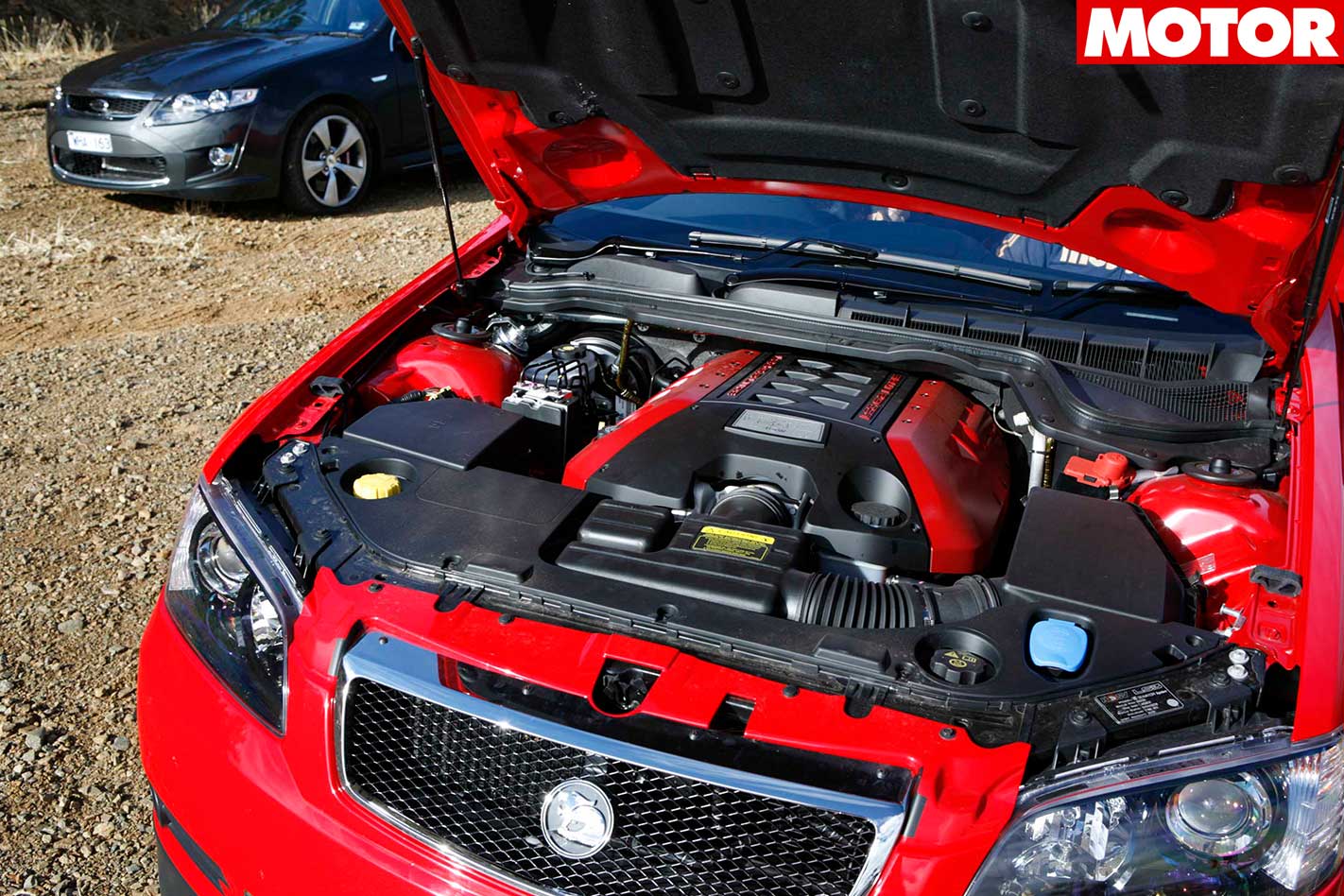
It all stems from the heart, and that’s the new LS3, which, in contrast to the Hemi’s sweetness, is the loudest and angriest of our executive trio from the driver’s seat. There’s useable grunt everywhere in the rev range, but from about 4500rpm, the LS3 really takes off.
It bellows a bit more character and sounds more purposeful than the less well-endowed LS2, which now seems just a tad lazy in comparison. And that purpose carries over to the strip – the Senator recorded blistering acceleration times, clocking an easily repeatable 0-100km/h number of 5.08 seconds on just the second run.
The 400m mark arived in an equally rapid 13.17, which is signifcantly quicker than the 13.7sec MOTOR recorded in the old 6.0-litre Senator at Oran Park back in March ’07.
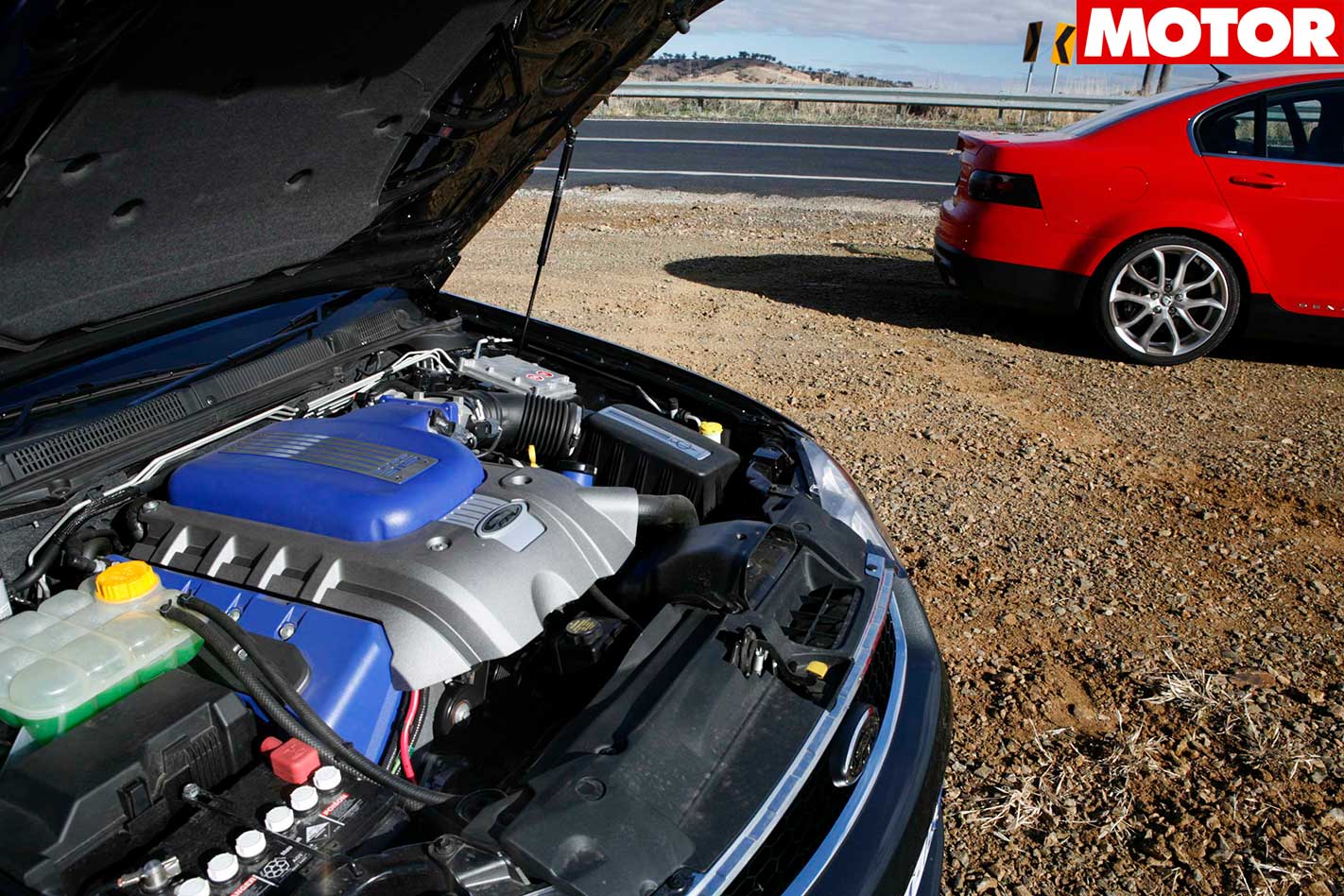
Finally, the 315kW Boss V8 has the all-round muscle that the 290 version lacked, as evidenced by the fact it nailed the highest 400m terminal speed – 177.73km/h – at the end of Oran Park’s main straight. While still not the heaviest hitter down low, urge swells sufficiently as you approach the 6000rpm mark, before it gives one last kick towards the raised 6500rpm cut-out.
Thankfully, the GT-E has also picked up the baton dropped by the new XR8’s paltry soundtrack, roaring like a real V8. With several thousand more kays than when we drove it at launch, the test GT-E sounded nice and meaty, even from outside.
That’s close. But the flavour of their performance differs markedly.
The FPV’s newfound, hair-trigger throttle response is a double-edged sword in that it delivers the most immediate response for part-throttle overtaking and makes the car feel lively, but proves counter-productive when you’re hammering through corners.
Without acute throttle control, these sharp bursts of power cause the GT-E’s front-end to pitch up and down – a feeling exacerbated by the top-heavy mass of the Boss engine – and undermine the inherent composure of the FG FPV’s supple chassis.
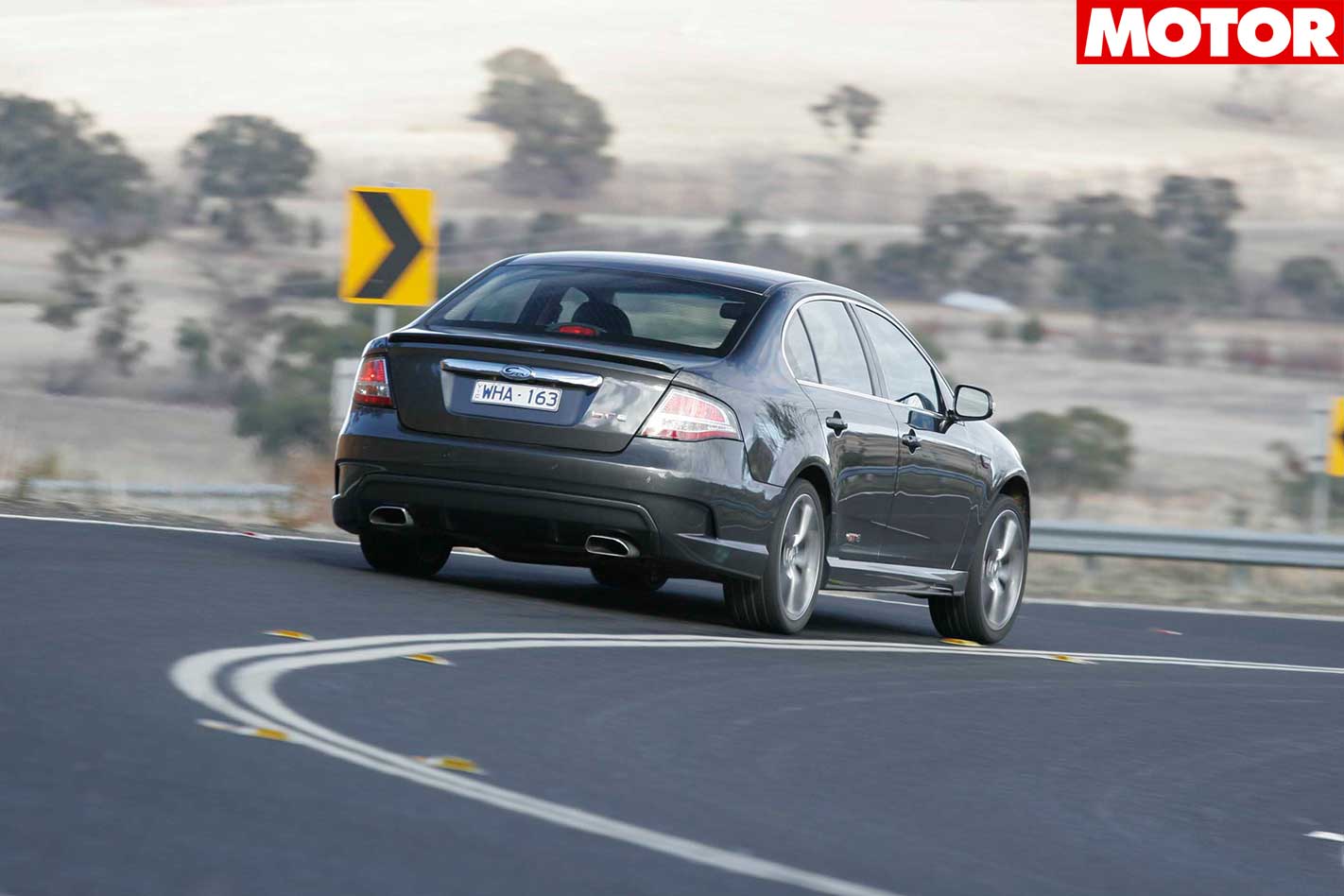
The connection the driver has with the front wheels through its steering is exemplary. Deliciously reactive off-centre without feeling nervous, the FG’s all-new steering set-up imbues the GT-E with an agility that makes it feel a lot smaller and lighter than it is. And the numbers only confirm how quick the FPV’s steering is – combining the fastest lock-to-lock (at 2.6 turns) with the tightest turning circle (at 11.0 metres).
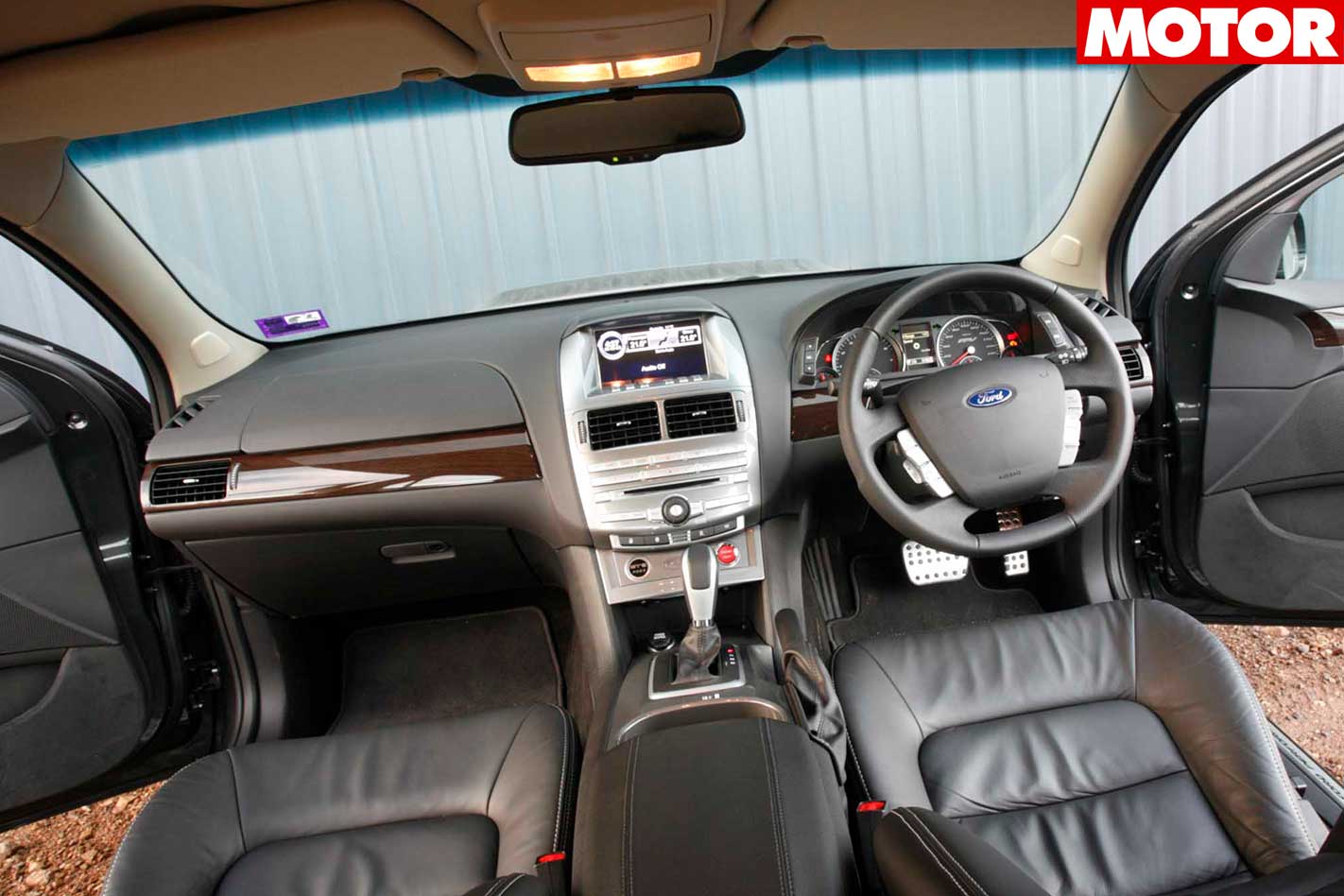
In fact, while the stiffer suspension tune makes the car’s ride unsettled when you’re cruising over patchy surfaces, it actually keeps body motion tight. And despite the utterly remote steering feel through the truck-sized wheel, the big Yank actually hangs on surprisingly well. Thank the Chrysler’s wide stance and relatively low centre of gravity.
After only a few bends, the SRT8 gives you enough confidence to really carry some speed into both low- and high-speed corners. But miles of pedal travel means the brakes require some trust. Initial bite isn’t comforting when you’re charging into a tight elbow, but the skids pull up alright once your foot is well-buried.
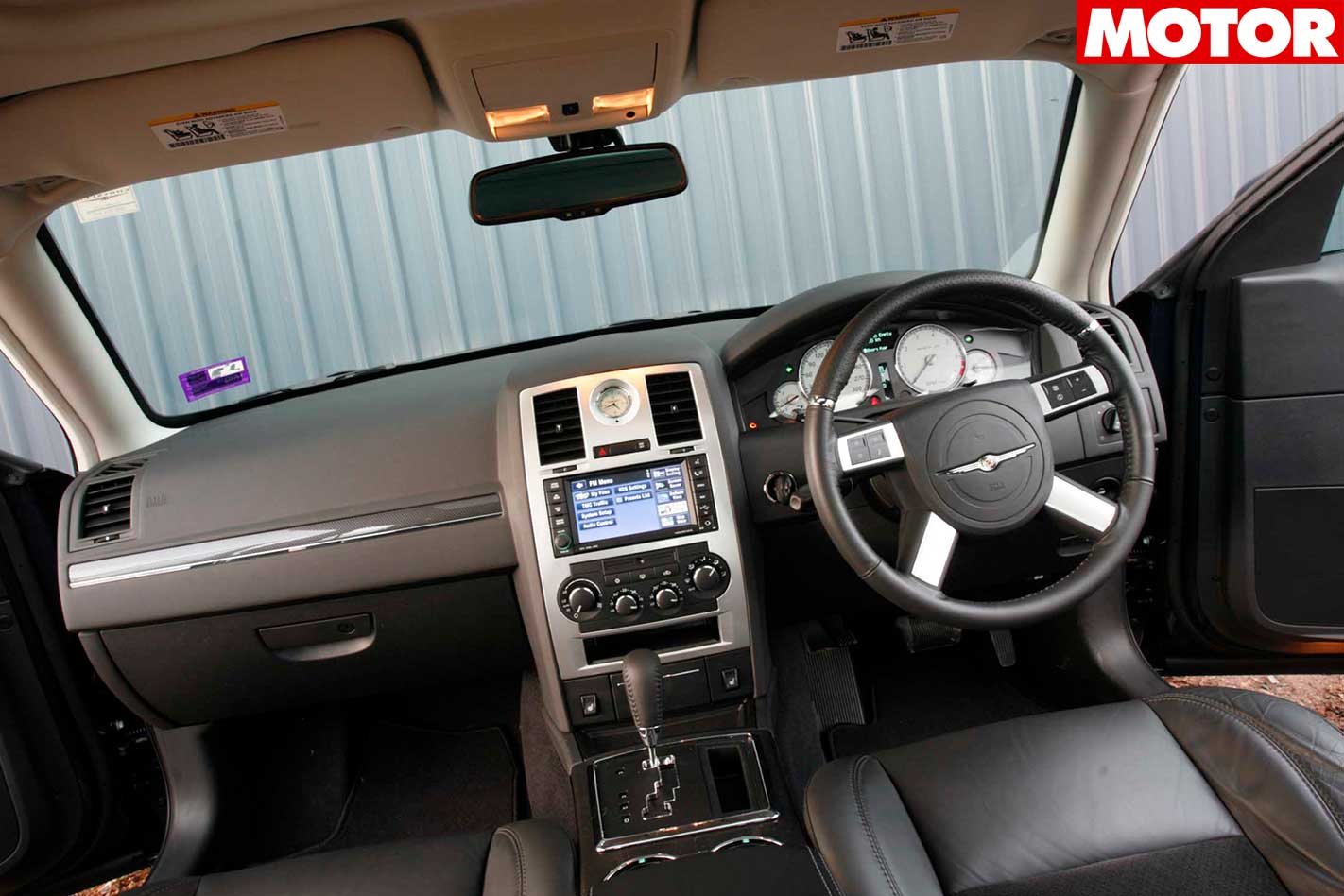
The SRT8’s tall-geared five-speed auto might be a cog short compared to the FPV and HSV, but it makes a valiant effort in facilitating swift progress. Not that the task is difficult when you’re bolted to a Hemi V8 that wants to twist the car in half, but just don’t rely on the auto in manual mode, because it only responds to your inputs when it feels like it.
Contrastingly, manual mode is the only way to make sense of the HSV’s 6L80 six-speed auto.
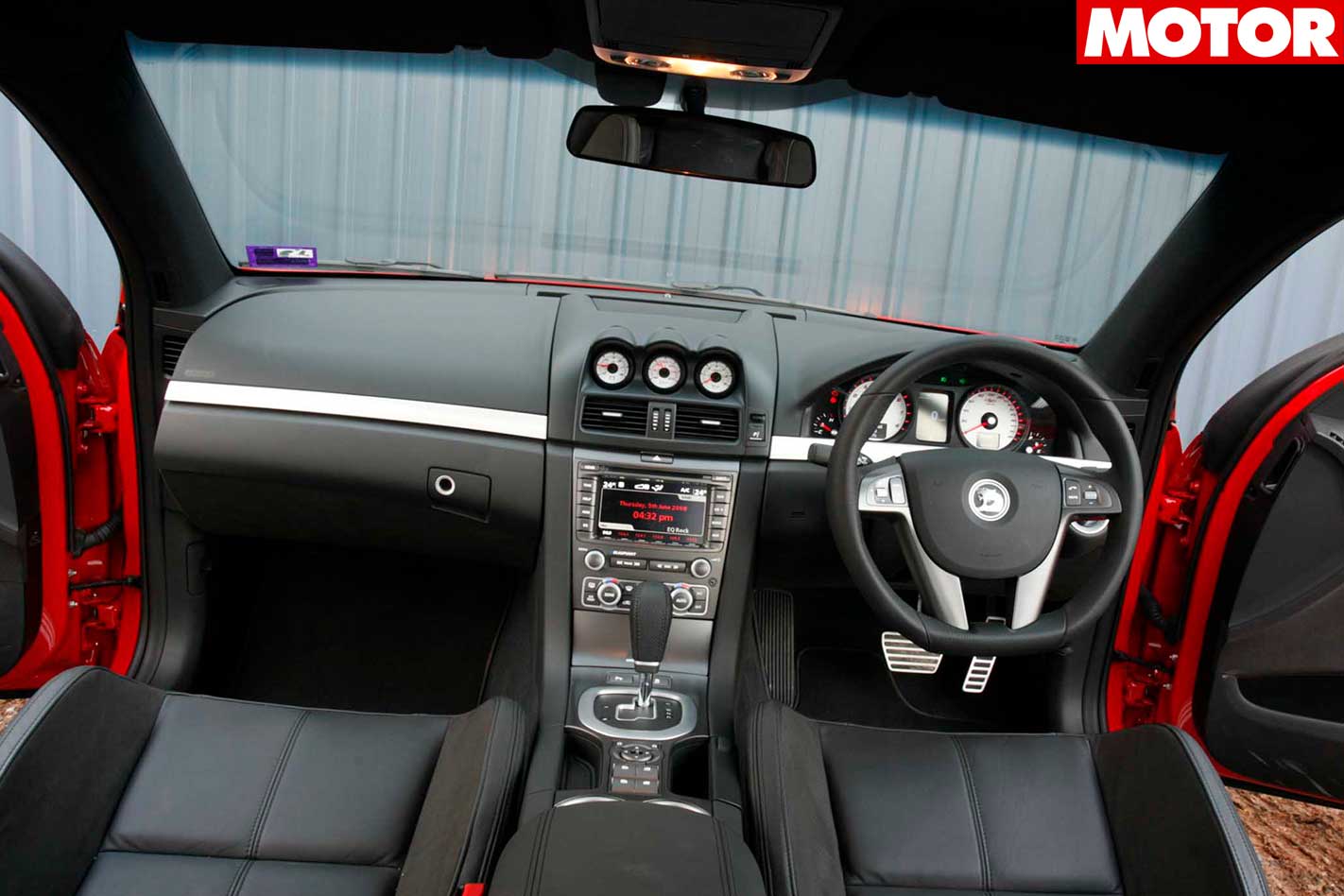
In manual mode, the 6L80 transforms into the most focussed transmission of the lot, apart from its slightly uncouth upchanges. It’ll blip revs beautifully as you downchange on the way into a corner and responds promptly to each and every command.
You couldn’t ask for more, apart from wheel paddles. And most of the same is true of the FPV’s ZF six-speed. Except it doesn’t attempt to match revs when you’re changing down, which is hard to fathom when in the Jaguar XF, the very same gearbox manages it beautifully every time.
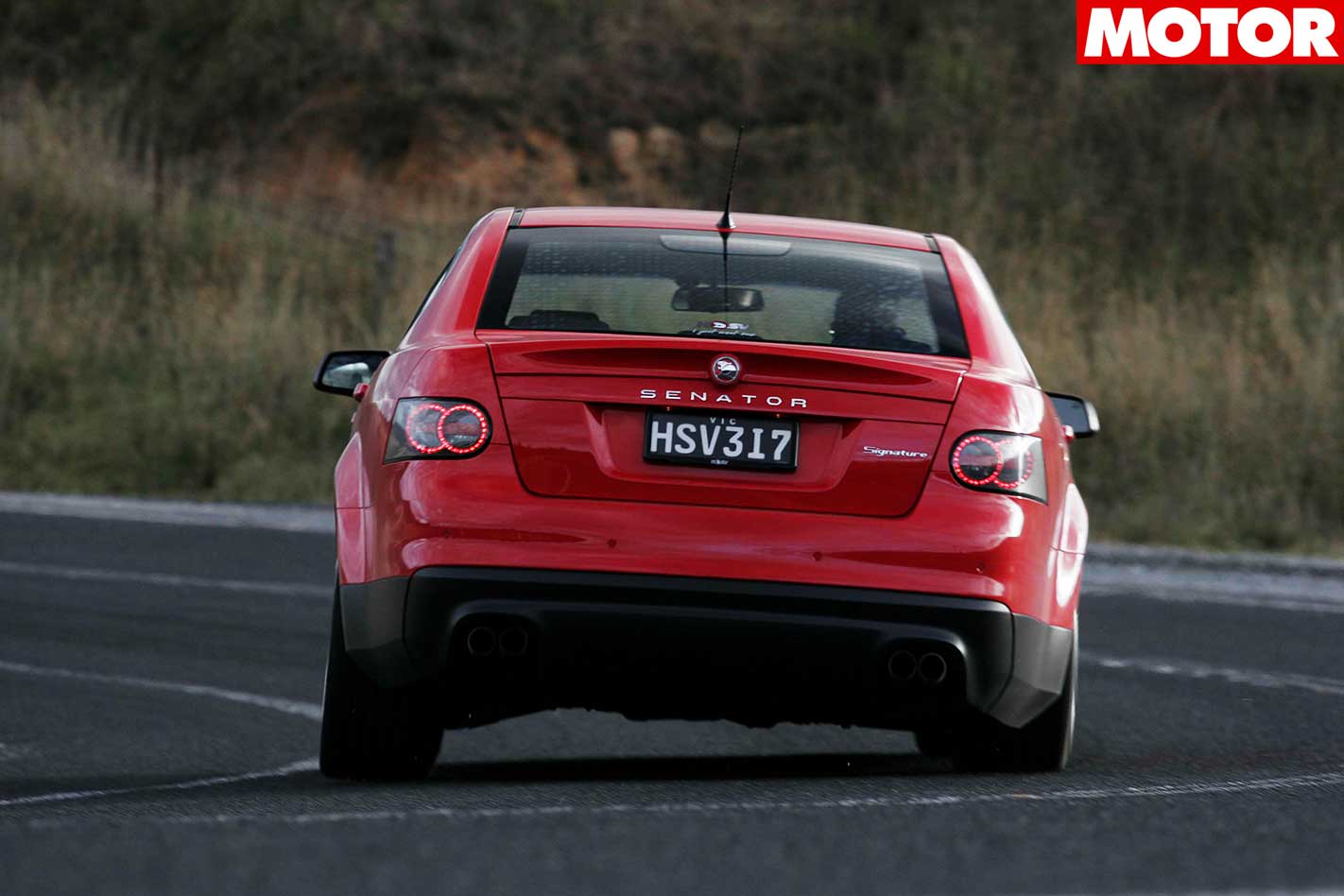
The first thing you notice is that the damping is only firm on rebound. That makes for a comfortable ride as the softer compression damping takes the hit from any divots in the road, but the firmer rebound damping settles the car’s weight swiftly and effortlessly. The end result is a supremely comfortable ride, especially in comparison with the other two here.
But whether you’re hauling through tight terrain or carving through fast sweepers, the HSV Senator is far and away the most composed at speed.
The more you ask of the Senator, the more its chassis elevates itself above its rivals. The Senator’s steering hustles the nose around well, but isn’t as fast and doesn’t quite have the communication that the FPV’s does. But no matter what you demand of the HSV, it’ll still be working with you when the FPV and Chrysler have run out of talent.
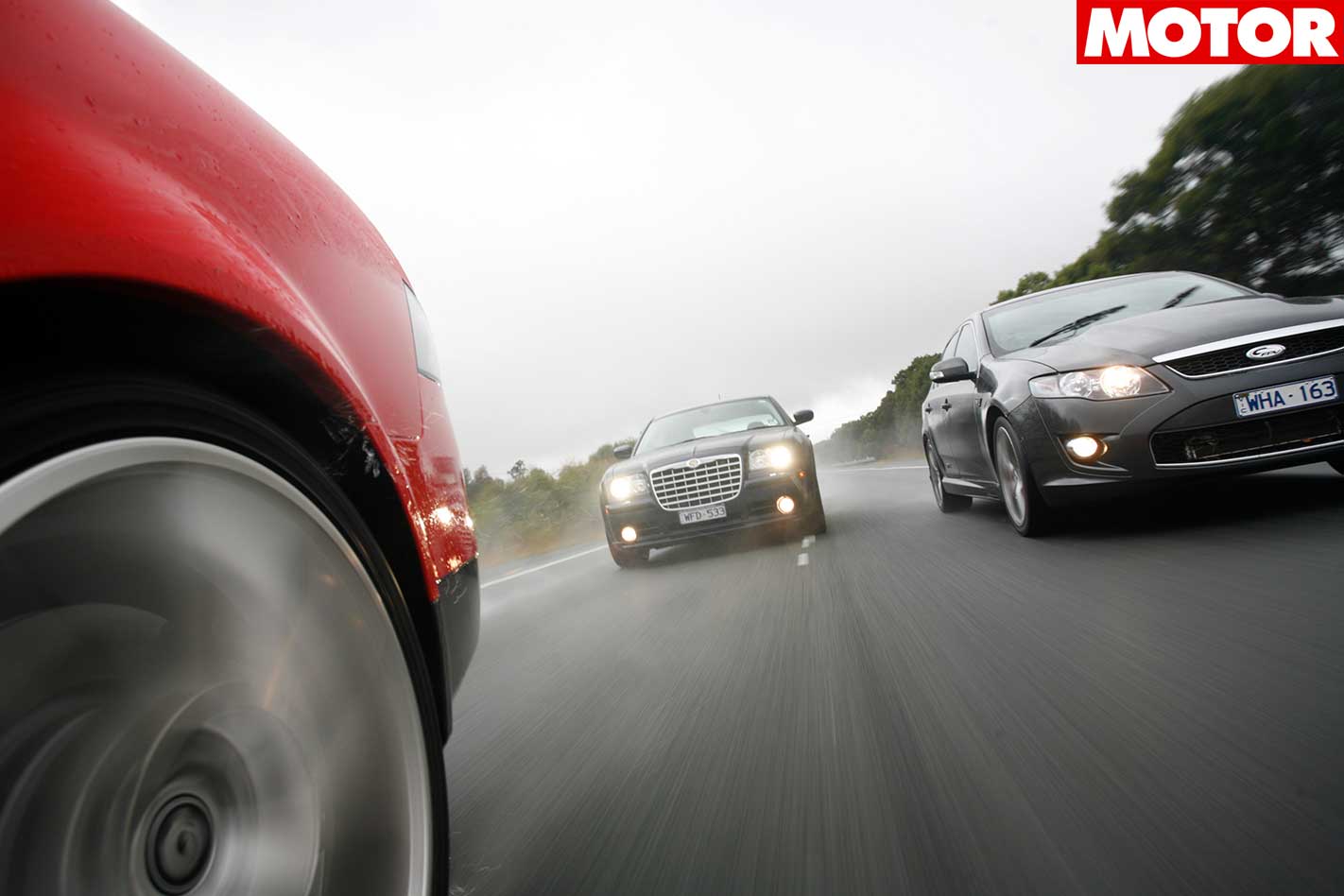
Refreshingly, the Senator’s knobbly ride at sensible speeds doesn’t worsen as you gather velocity and it skips lightly over road irregularities without major upset, even under hard cornering load. Switching the Magnetic Ride Control (MRC) to the stiffer performance mode arrests body roll noticeably when you’re peddling hard, but unless you’re threading up mountain passes, MRC is best left in normal mode.
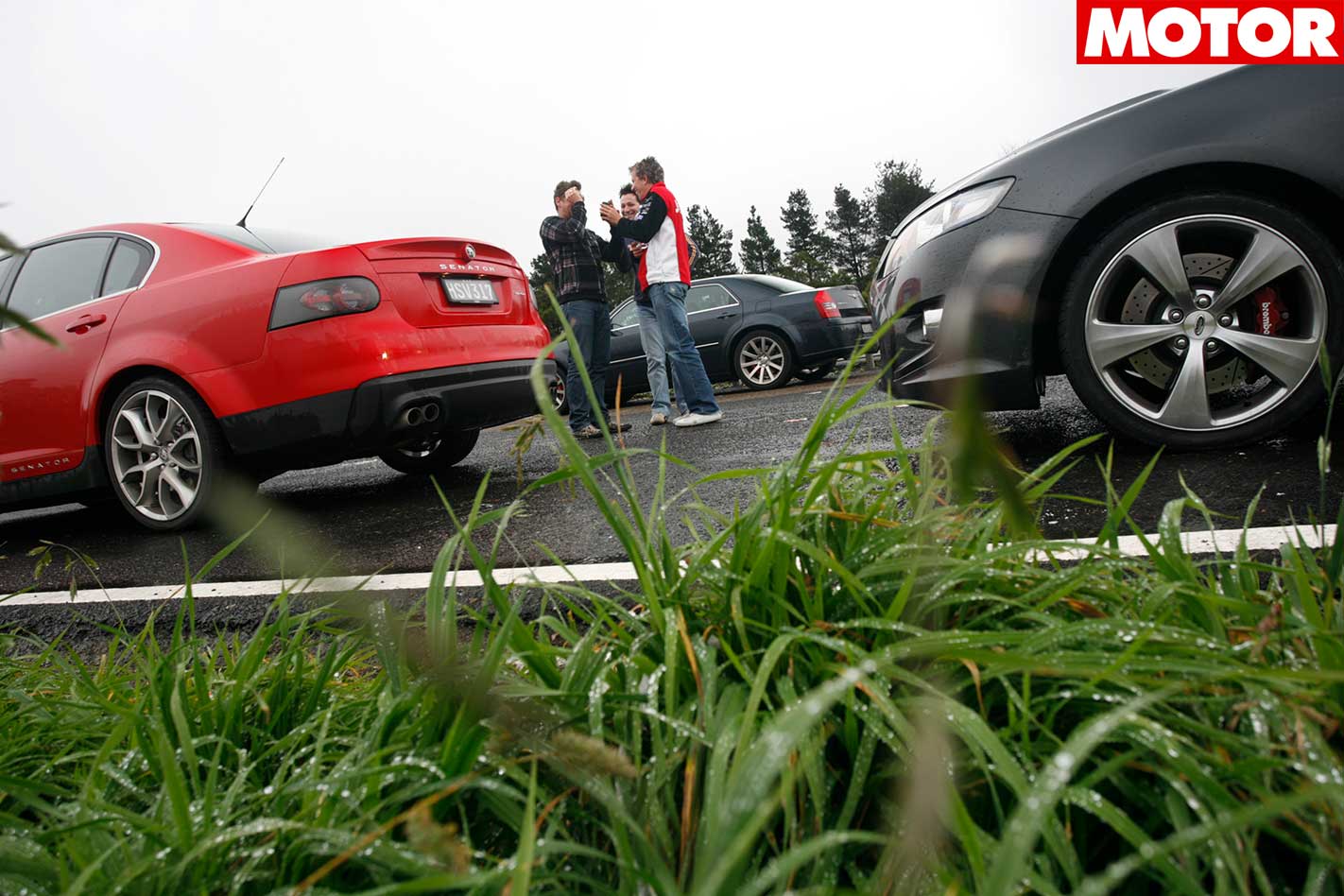
The black-and-silver switchgear looks neat and the dash is integrated far more seamlessly into the rest of the cabin. The front seats give great support and look expensive, replete with Alcantara inserts and neatly exposed stitching. But the sculpted rear bench is a stand-out – offering almost as much support as it does up front and providing good visibility.
The Chrysler’s thick front seats are average, and you find yourself hanging off the wheel most of the time when you’re hurling the car through corners. Apart from awful, wax-paper-effect instruments, the dash looks the part, with splashings of bling and an equipment level that’s just ahead of the HSV.
Principally, that’s sat-nav, auto wipers, an auto-dimming rear vision mirror, electric front seat adjustment and a thumping Boston Acoustics stereo. Which can’t be said of the GT-E, sadly.
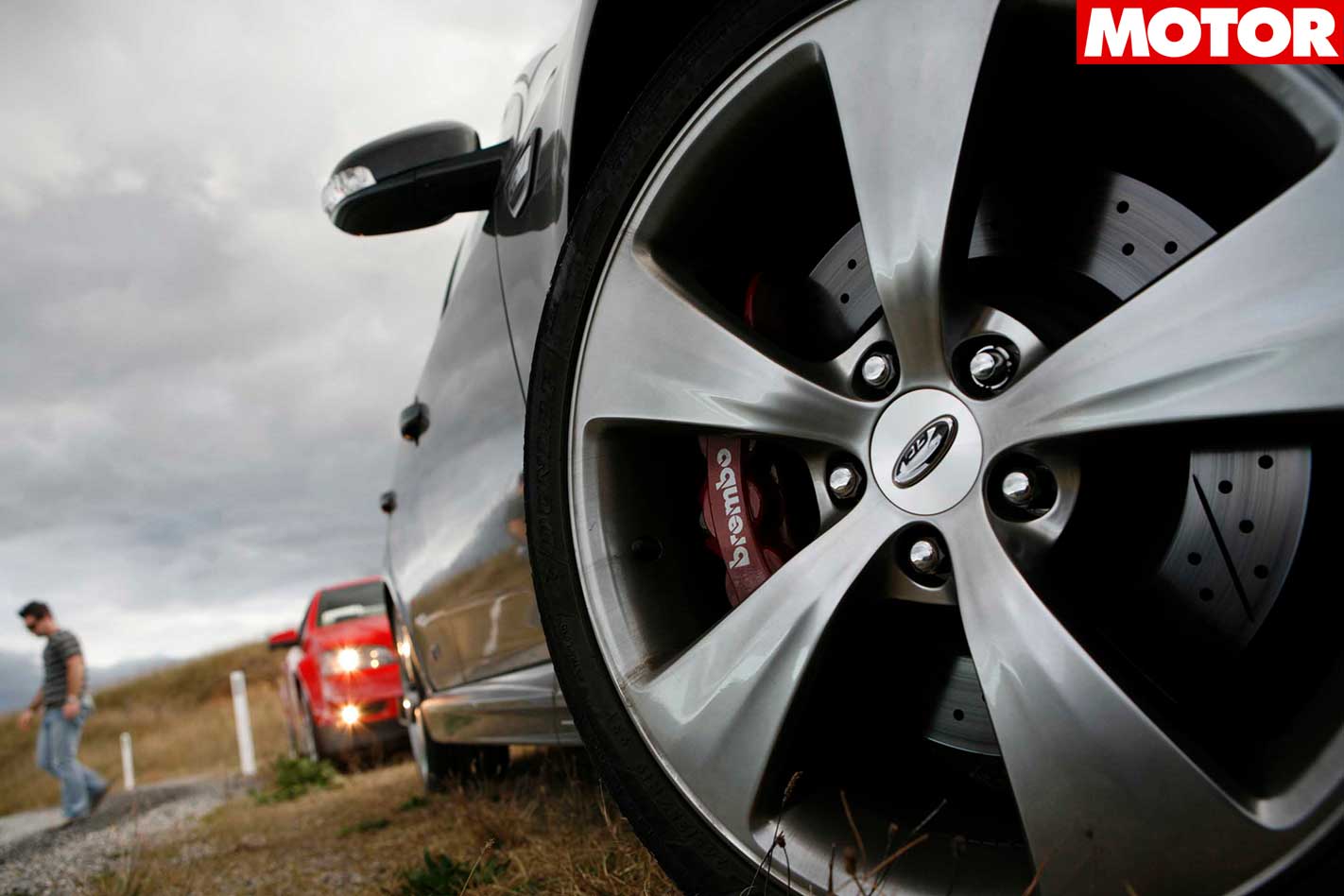
But our biggest gripe concerns the full-manual adjustment for the front passenger’s seat and the resultant lack of under-thigh support – in a $77K Falcon? We’ll let you be the judge on that one…
But we’re happy to make the call on this comparison, though. After all, Mr Baby Boomer has an important decision to make. If he wears a pin-striped suit, then he’ll roll in the good-value 300C SRT8.
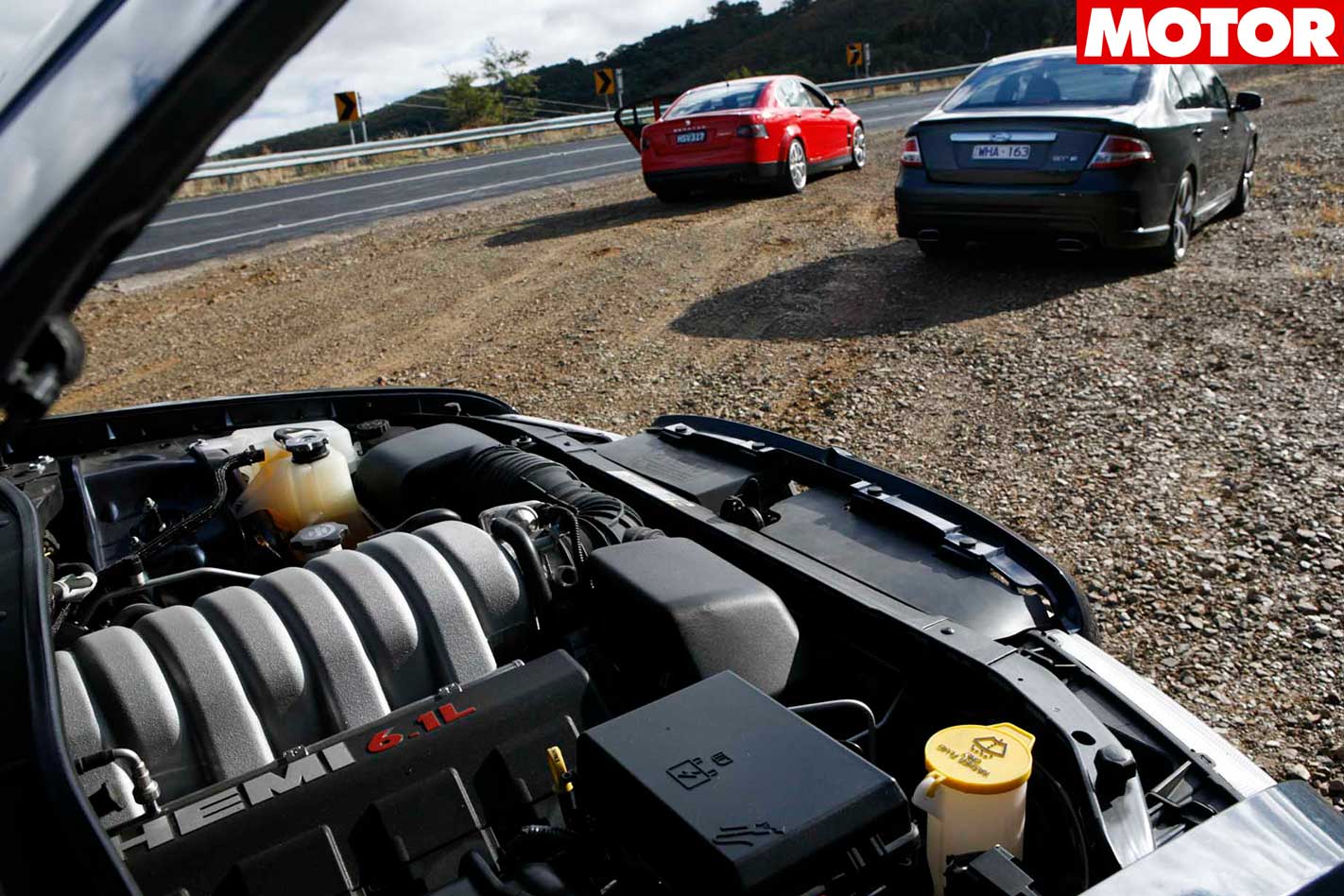
The GT-E is a significant step forward from FPV’s last foray into the luxury-performance market, and if our maturing friend is as loyal to the blue oval as he is to his one and only blazer, then he’ll be proud to call this muscle car his own.
Key conflicts let it down in our eyes, though. The equipment oversights are disappointing, and detail flaws like the over-sensitive throttle leave the car somewhat unresolved. It doesn’t look classy enough to be proper luxury car, but it isn’t quite cohesive enough as a performance package, either, despite its great brakes, sweet steering and strong engine.
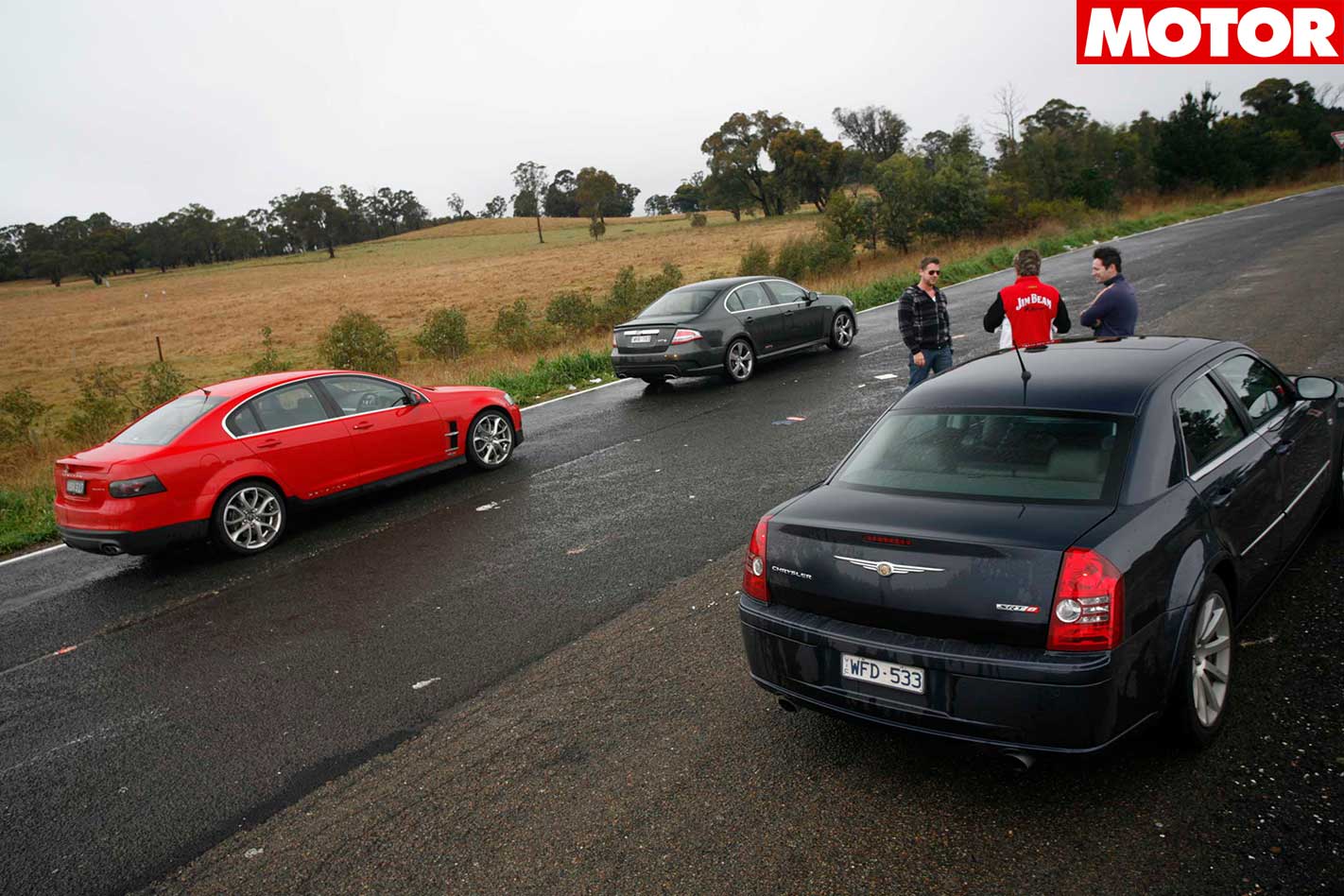
The HSV Senator might just represent The Dream.
FAST FACTS
| u00a0 | 2008u00a0FPV GT-E | 2008u00a0Chrysler 300C SRT8 | 2008u00a0HSV Senator |
| BODY | 4-door, 5-seat sedan | 4-door, 5-seat sedan | 4-door, 5-seat sedan |
| DRIVE | rear-wheel | rear-wheel | rear-wheel |
| ENGINE | 5408ccu00a090-degree V8, DOHC, 32v | 6063ccu00a090-degree V8, OHV, 16v | 6162cc 90-degree V8, OHV, 16v |
| BORE/STROKE | 90.2 x 105.8mm | 103.0 x 90.9mm | 103.25 x 92.0mm |
| COMPRESSION | 10.8:1 | 10.3:1 | 10.7:1 |
| POWER | 315kW @ 6500rpm | 317kW @ 6000rpmu00a0 | 317kW @ 6000rpmu00a0 |
| TORQUE | 551Nm @ 4750rpm | 569Nm @ 4600rpm | 550Nm @ 4600rpm |
| WEIGHT | 1896kg | 1920kg | 1844kg |
| POWER/WEIGHT | 166kW/tonne | 165kW/tonne | 172kW/tonne |
| TRANSMISSION | 6-speed automatic | 5-speed automatic | 6-speed automatic |
| GEAR RATIOS | 4.17/2.34/1.52/1.14/0.87/0.69 | 3.59/2.19/1.41/1.00/0.83 | 4.03/2.36/1.53/1.15/0.85/0.67 |
| FINAL DRIVE | 2.73 | 3.06 | 3.27 |
| SUSPENSION (front) | Double A-arms, coil springs, anti-roll bar | Double A-arms, coil springs, anti-roll bar | Struts, A-arms, magnetic dampers, anti-roll bar |
| SUSPENSION (rear) | Multi-links, coil springs, anti-roll bar | Multi-links, coil springs, anti-roll bar | Multi-links, coil springs, magnetic dampers, anti-roll bar |
| L/W/H | 4970/1868/1453mm | 5015/1880/1462mm | 4947/1899/1468mm |
| WHEELBASE | 2838mm | 3050mm | 2915mm |
| TRACKS | 1583/1598mmu00a0(f/r) | 1600/1605mmu00a0(f/r) | 1592/1590mmu00a0(f/r) |
| STEERING | power rack-and-pinion | power rack-and-pinion | power rack-and-pinion |
| BRAKES (front) | 355mm ventilated/drilled discs, six-piston calipers | 360mm ventilated discs, four-piston calipers | 365mm ventilated discs, four-piston calipers |
| BRAKES (rear) | 330mm ventilated/drilled discs, four-piston calipers | 350mm ventilated discs, four-piston calipers | 350mm ventilated discs, four-piston calipers |
| DRIVER AID | ABS, EBD, BA, DSC | ABS, EBD, BA, DSC | ABS, EBD, BA, ESP |
| WHEELS | 19 x 8.0-inch, alloyu00a0(f/r) | 20 x 8.0-inch, alloyu00a0(f/r) | 20 x 8.0-inch (f), 20 x 9.5-inch (r), alloy |
| TYRE SIZES | 245/35ZR19 93Yu00a0(f/r) | 245/45ZR20 99Y (f), 255/45ZR20 101Y (r) | 245/35R20 95Y (f), 275/30R20 97Y (r) |
| TYRE | Dunlop SP Sport Maxx | Goodyear Eagle F1 | Bridgestone Potenza RE050A |
| FUEL/TANK | 95 octane/68 litres | 98 octane/72 litres | 98 octane/64 litres |
| TEST CONSUMPTION | 15.8L/100km | 17.3L/100km | 17.3L/100km |
| PRICE (in 2008) | $78,990 (incl. sat-nav) | $74,290 (incl. metallic paint) | $81,690 (incl. 20u2019s) |
| PROS | Excellent steering; superb auto; plush ride; impressive brakes | Street-stopping presence; rich Hemi soundtrack; good value | Athletic V8; awesome grip; superb seats; subtly tough style |
| CONS | Bulky V8; touchy throttle; ho-hum styling; detail omissions | Numb steering feel; average packaging; lumpy ride quality | Test caru2019s indecisive auto; more road noise than rivals |
| RATING | 7 out of 10 stars | 6.5 out of 10 stars | 8 out of 10 stars |
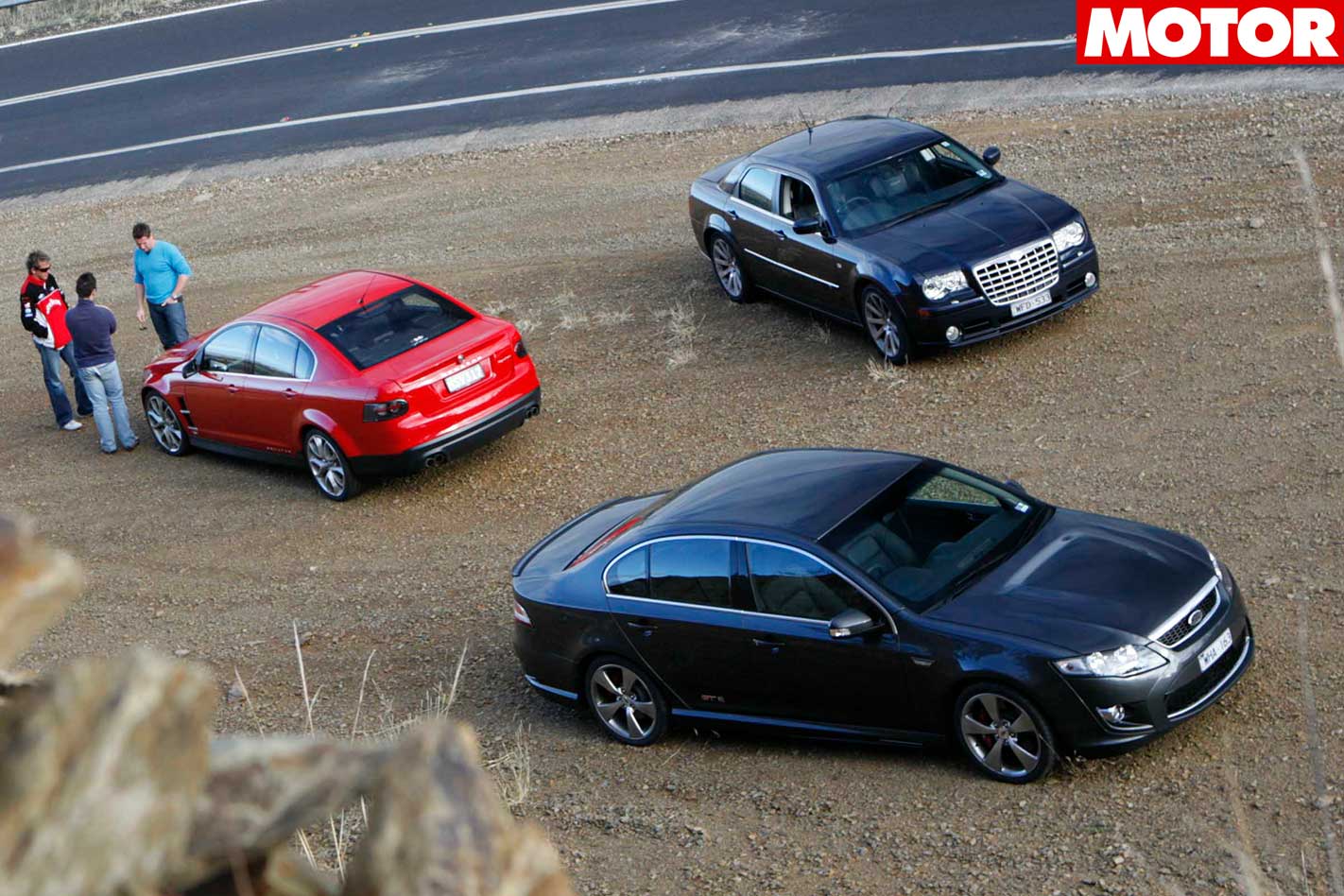
THE NUMBERS
| u00a0 | FPV GT-E | Chrysler 300C SRT8 | HSV Senator |
| 0-10km/h (sec) | 0.38 | 0.39 | 0.34 |
| 0-20km/h (sec) | 0.86 | 0.84 | 0.72 |
| 0-30km/h (sec) | 1.32 | 1.27 | 1.21 |
| 0-40km/h (sec) | 1.84 | 1.76 | 1.66 |
| 0-50km/h (sec) | 2.32 | 2.23 | 2.10 |
| 0-60km/h (sec) | 2.79 | 2.68 | 2.65 |
| 0-70km/h (sec) | 3.53 | 3.16 | 3.13 |
| 0-80km/h (sec) | 4.10 | 3.79 | 3.73 |
| 0-90km/h (sec) | 4.77 | 4.48 | 4.36 |
| 0-100km/h (sec) | 5.46 | 5.17 | 5.08 |
| 0-110km/h (sec) | 6.21 | 5.88 | 5.85 |
| 0-120km/h (sec) | 7.03 | 6.64 | 6.70 |
| 0-130km/h (sec) | 8.04 | 7.67 | 7.59 |
| 0-140km/h (sec) | 9.07 | 8.79 | 8.54 |
| 0-150km/h (sec) | 10.15 | 9.92 | 9.60 |
| 0-160km/h (sec) | 11.31 | 11.09 | 10.94 |
| 0-170km/h (sec) | 12.52 | 12.31 | 12.26 |
| 0-180km/h (sec) | 13.74 | 13.61 | 13.59 |
| 0-400m | 13.46 @ 177.73km/h | 13.26 @ 177.42km/h | 13.17 @ 176.74km/h |
| 80-120km/h | 2.94sec | 2.88sec | 2.97sec |
FLIP a coin. If it comes up heads, there’s a good chance you’re dead. That’s the simple reasoning behind Australia’s first-ever compulsory recall, which will force car makers to hunt down deadly Takata airbags fitted to 2.7 million cars, and replace them all by 2020.
Federal assistant minister to the Treasurer, Michael Sukkar, today said the compulsory recall would chase down around a million faulty airbags that are yet to be replaced. Of note, too, is that there are more recalls to come as Takata airbags reach the age where they too start showing symptoms that they are at risk of failing.
“The compulsory recall will force manufacturers, importers, dealers and other suppliers to ensure that all dangerous Takata airbags are located and replaced as soon as possible,” Sukkar said. “Importantly for consumers, vehicle manufacturers will be required to cover the full cost of replacing these airbags.”
“Unfortunately there’s been one death, and one case of serious injury in Australia as a result of the deployment of these airbags, and the government just doesn’t want to see any more.”
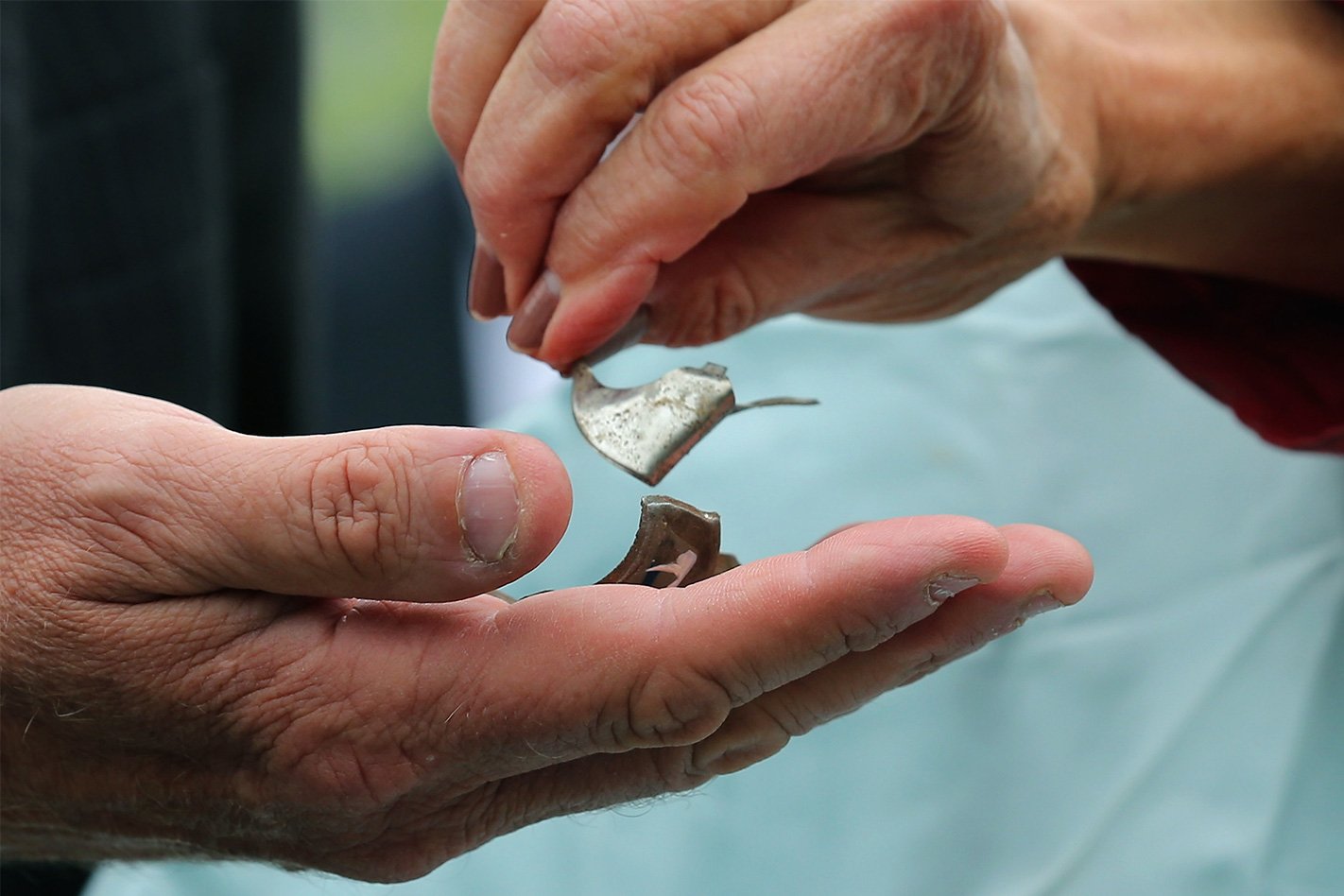
Australian Competition and Consumer Commission chairman Rod Sims said the compulsory recall campaign would initially focus on the more dangerous Alpha airbags, which are linked to Australia’s only known Takata-related fatality. He said about 27,000 of these Alpha airbags were still to be replaced, and warned owners not to drive the cars that contained them.
The compulsory recall notice requires all manufacturers to replace faulty airbags with new ones within the next 20 months – by December 31, 2020. The government is leaving it up to the manufacturers to schedule when they replace the defective units.
Sukkar said the Alpha airbags presented a “serious and immediate risk” to owners. Airbags more than six years old will also be a priority, as will vehicles in areas of high heat and humidity that accelerate the degradation of the chemicals used to inflate the airbag, the key cause of the problems, and those that are located in front of the driver.
Sims said the advice the ACCC gave to the government suggesting the compulsory recall came from an investigation in August last year looking at how the voluntary program was progressing.
“We looked at basically all the expert reports that had been compiled around the world, we hired the world’s foremost airbag safety expert to work with us on this … so we’ve got right on top of all the technical details,” he said.
Sims said part of the decision to issue the compulsory recall was based on an investigation into what the manufacturers were doing about the recall.
“We’ve used our compulsory information notices to see what the manufacturers were doing; who were doing voluntary recalls and some who weren’t doing recalls, so we understand what they’re doing, and what they know, why the’re doing what they’re doing.
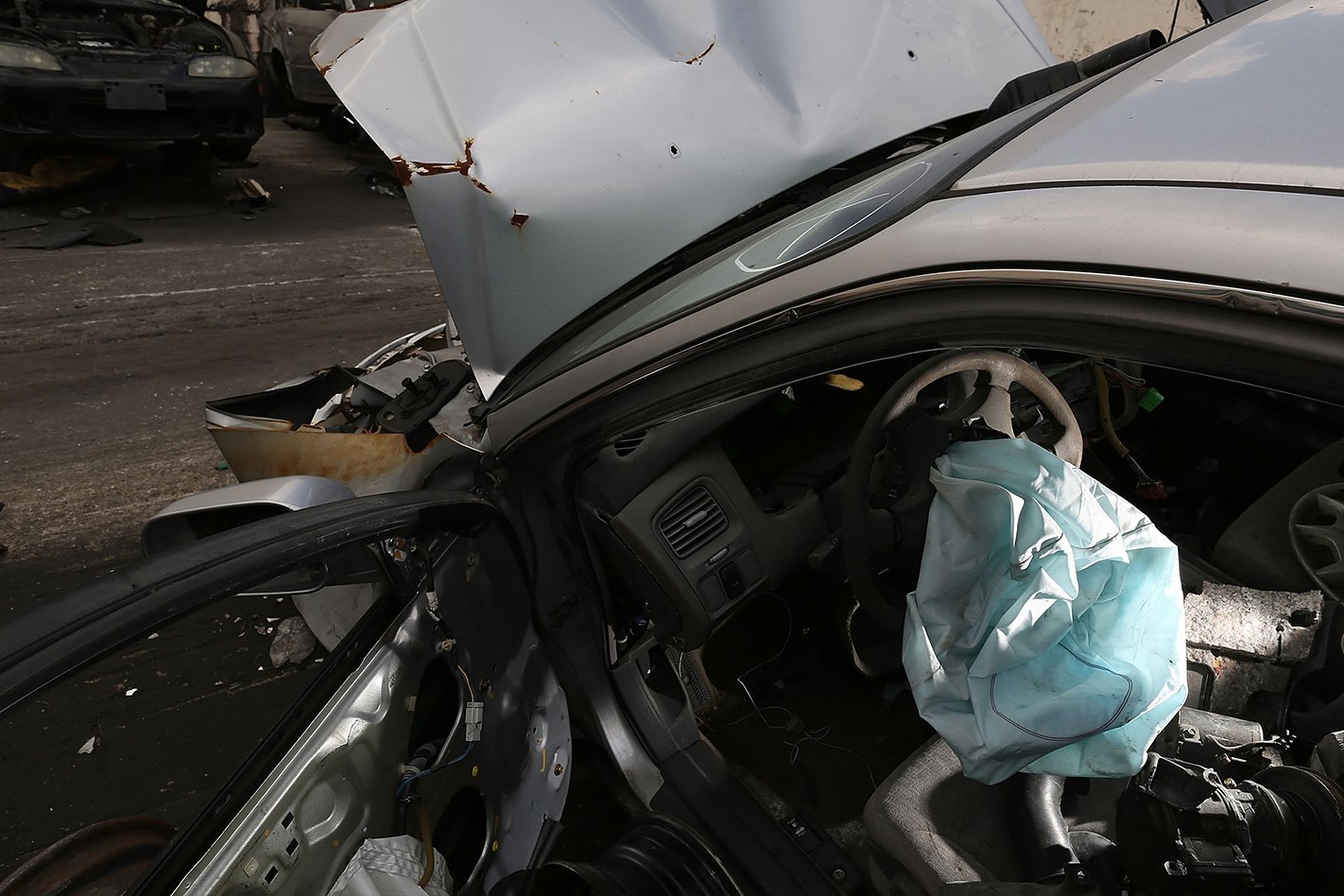
“We also consulted with some manufacturers of other airbags so we could get some sense of when other airbags would be available, so the replacement could work in a very practical way.”
The expansion in the number of cars affected by the recall comes as the ACCC adds 860,000 from manufacturers who were not scooped up in the recall process, and 450,000 airbags that will need to be recalled in the future because they have been replaced with an identical, but newer, Takata airbag as part of the recall process that will eventually suffer the same fate.
The compulsory recall notice gives all the affected manufacturers to the end of June to provide a schedule of airbag replacements, shown on their websites. Owners will be able to enter their vehicle’s VIN and check to see if it has one of the faulty airbags, and see when they can expect to have them replaced.
The most urgent category is for the more dangerous Alpha airbags, which Sims said were “made badly”. “They were the original airbags that people were aware of in 2009,” he said. “It’s critical they get replaced. Most have been; we’re not sure how many are left in cars actually being driven around.”
“They’re cars that were made in about 2001 to 2004. They’re a minority, but it’s critical the airbags are taken out, and if anybody has got an Alpha airbag, they stop driving the car immediately, because there’s a one in two chance of this deployment with those badly made airbags.”
The second category relates to what Sims described as airbags that were “not badly made, they just have a design fault”, and account for most of the recalls. “That design fault will materialise over time,” he said. “The soonest it will materialise, we’re advised by all the experts, is six years, but it can be anywhere between six and 25 years depending on the geographic location of the vehicle.”
One of the problems the manufacturers will face is working out how many of the affected cars – some up to 15 years old – are still on our roads, and what ones are either sitting in scrapyards or have already been recycled.
To see the full list of vehicles affected by the ongoing Takata recall, please visit the ACCC’s dedicated page here.
A GERMAN court has ruled local governments have the power to ban older diesel cars from two major cities in a move that could yet sweep right across the western European nation.
If it does, as many as 12 million diesel car owners could find themselves barred from entering congested city centres, and a huge fall in the value of the biggest investment they are likely to ever make outside of home ownership.
Yesterday’s decision comes in the wake of courtroom pressure from environmental groups, which sued local governments in Stuttgart – the home of Mercedes-Benz – and Dusseldorf in an effort to force them to adhere to strict European Union standards for air quality.
The ruling, which is under appeal, will effectively stop anyone driving a diesel car built before 2015 – the year that tougher Euro 6 emissions standards for vehicle emissions came into force – will have to make expensive modifications to their vehicle to gain approval to enter city centres.
Local governments have said the diesel ban could take up to six months to enact.
Diesel vehicle sales in Germany fell seven percent in 2017, largely in response to a consumer backlash against the technology in the wake of the Dieselgate scandal, where Volkswagen Group was caught cheating on emissions tests. VW has since attempted to reinvent itself as a pioneer of electric vehicles to distance itself from the wrongdoing.
Diesel also appears to be on the nose in Australia, where private sales of oil-burning passenger cars fell 20 percent last year, while for SUVs it was a smaller 8.3 percent. However, when it comes to larger trade utes where the fuel economy of diesel makes sense, sales of light commercial vehicles grew 6.5 percent.
While diesel engines emit less carbon dioxide than petrol engines, their exhaust fumes are a more toxic mix of chemicals that can cause breathing problems, and even cancer, due to their higher levels of nitrogen oxides and fine particles.
NISSAN Australia wants more power for its Navara ute – although it could be some time before the brand has something to compete with the latest breed of turbo-diesel V6s.
Speaking at a development drive of the updated Nissan Navara – which gets heavily revised steering and suspension to make it more suitable for towing and carrying heavy loads – Nissan Australia executives expressed their desire for a more powerful ute.
The most obvious choice is a bigger V6 diesel engine.
However, there is nothing in the short term for Nissan.
“At this point there is not an engine we could easily [get].”
As well as a Mercedes-Benz-produced V6 diesel engine – something that will give the X-Class more grunt than any of its rivals – more affordable versions of the X-Class will use the same four-cylinder twin-turbo diesel engine used in the Navara.
As part of the “strategic partnership” between Daimler and Nissan (which is also involved in an alliance with Renault and Mitsubishi), the company would have access to the V6 engine.
Ironically, Nissan was one of the leaders in the mild performance ute segment.
The previous generation Navara was sold with a V6 diesel between 2012 and 2015. Its big sales pitch was that it produced 550Nm of torque – identical to that produced by the X-Class 350d V6, due in the second half of 2018.
More recently, Volkswagen has offered a V6 version of the Amarok, something that now accounts for about 70 percent of Amarok sales.
It’s indicative of a market that’s evolving to cater for demand for more comfortable, better driving and more generously equipped off-road utes.
During 2018 Ford will begin selling the Ranger Raptor, which gets tougher suspension for better off-road performance. The Raptor also gets a new 2.0-litre four-cylinder turbo diesel matched to a new 10-speed automatic, more ratios than any other ute.
Also in 2018 Holden will begin selling the HSV Colorado SportsCat, which gets tyre and suspension modifications but uses the same 2.8-litre four-cylinder turbo diesel.
Revised suspension puts new springs in the Nissan Navara’s step, at least when there’s a load on board.
WHAT IS IT?
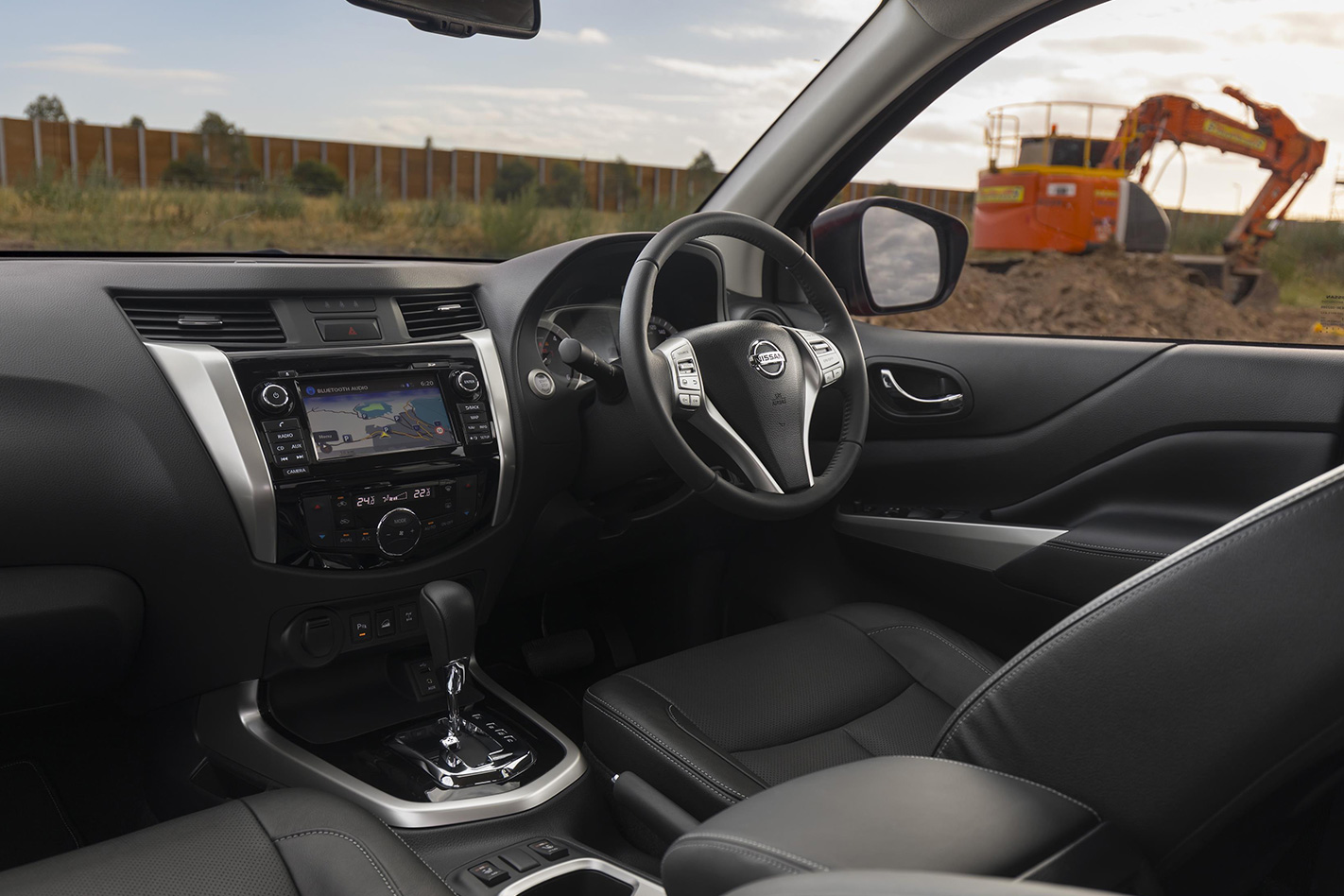
The second update to Nissan’s workhorse Navara, previously known as the Navara NP300, but now referred to simply as Navara. The focus for this upgrade was squarely on the chassis.
WHY WE’RE TESTING IT
For the second time since its arrival in 2015, Nissan has attacked the suspension to improve its load carrying ability.
Toyota Hilux, Ford Ranger, Volkswagen Amarok, Holden Colorado, Mitsubishi Triton, Mazda BT-50 and Isuzu D-Max.
THE WHEELS VERDICT
A much-needed evolution makes the latest Navara better at doing things people expect utes to do. It hasn’t transformed the dual-cab in everyday driving, but in what is still very much a commercial vehicle the biggest benefits are found with a load on board.
THE WHEELS REVIEW
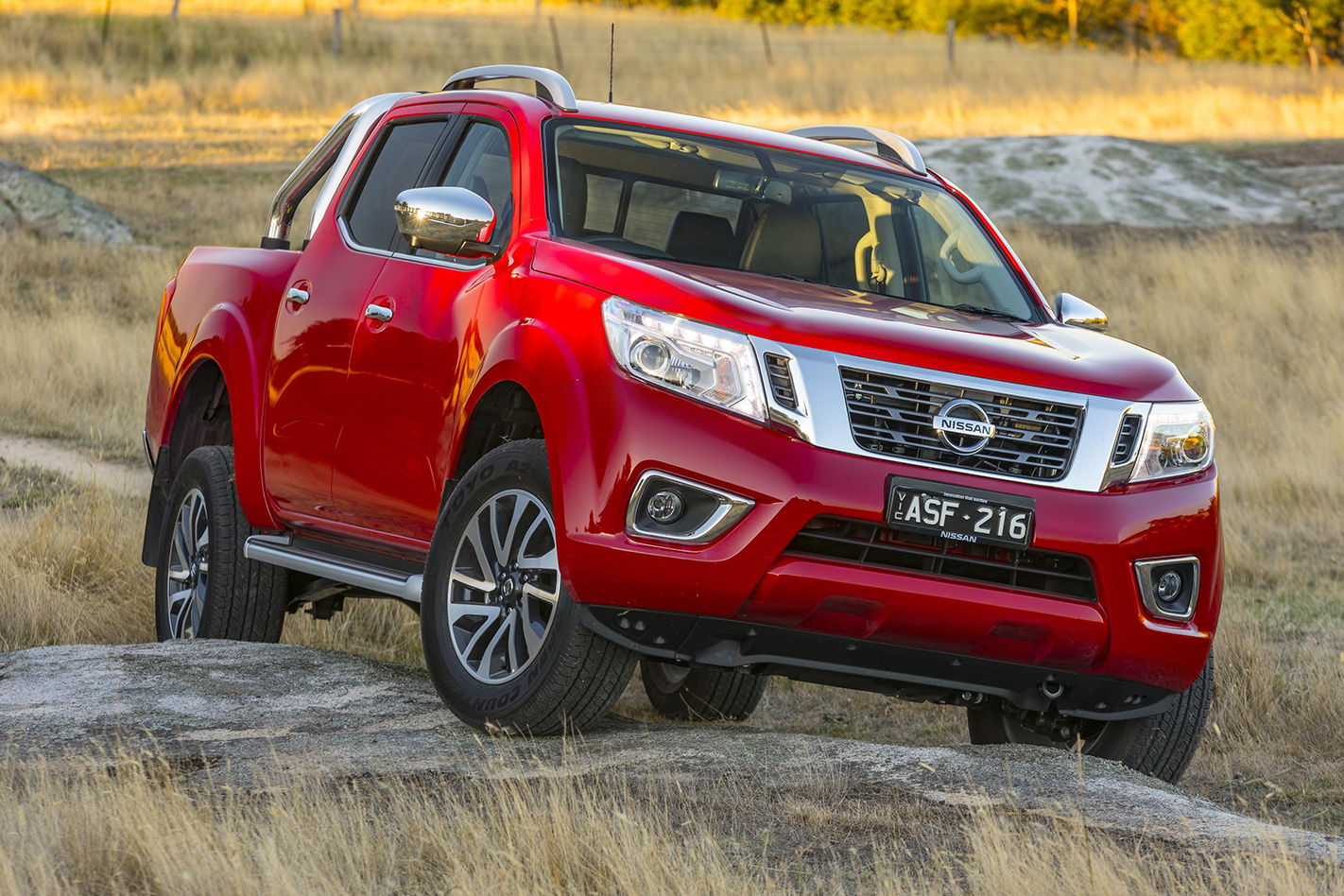
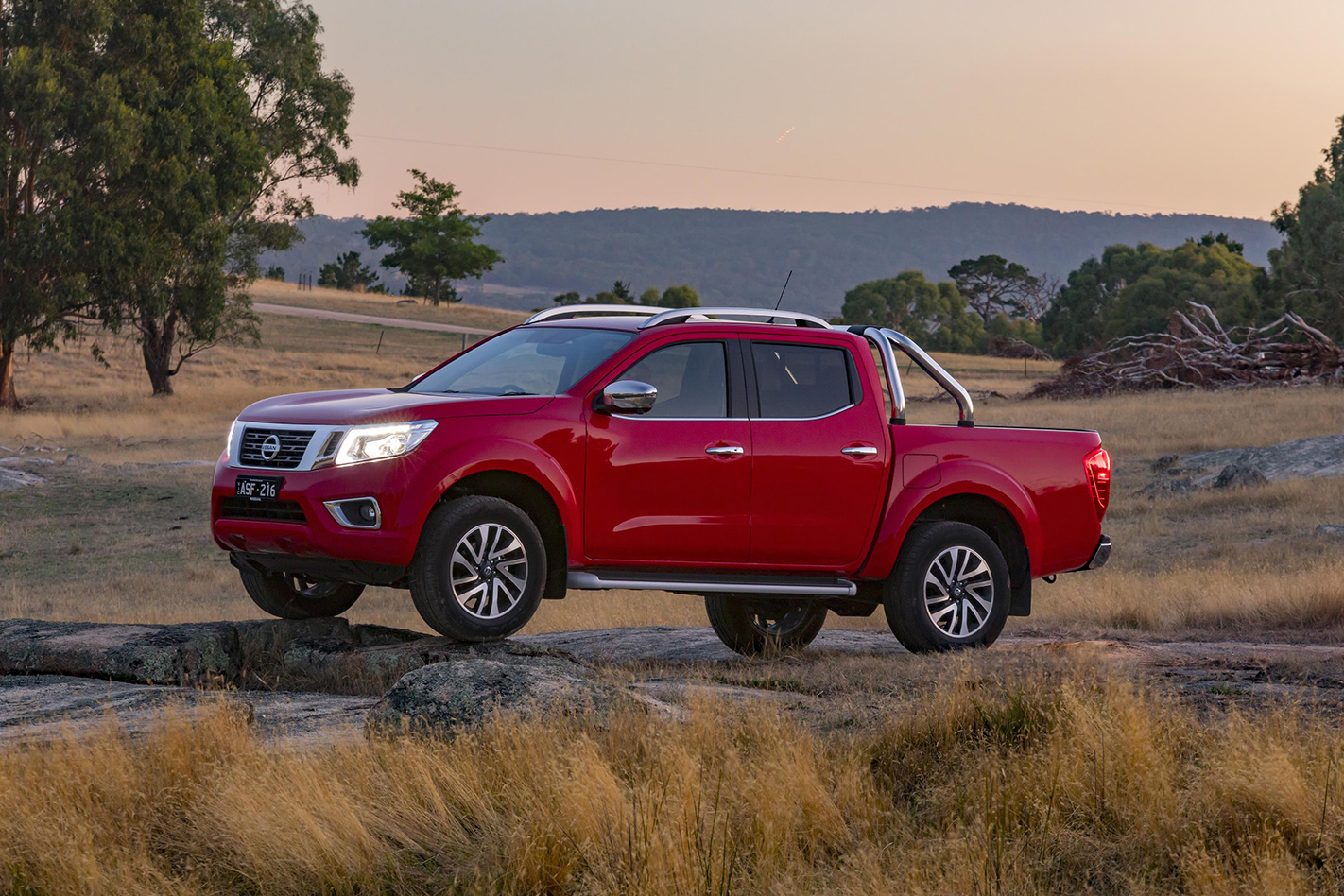
IT’S A case of blink and you might miss it when it comes to the latest updates to the Nissan Navara dual-cab. From the outside, there are no changes to the D23, the bluff dual-cab soldiering on without so much as a new badge.
The grunty 2.3-litre twin-turbo four-pot diesel matched to a decent seven-speed auto is also unchanged, which is no bad thing. A six speed-manual continues to be available on much of the line-up for a saving of around $2500.
But anyone who crawls underneath may notice some nifty new springs in the back-end, the first of numerous chassis changes aimed at making the Navara better at doing things that utes do, namely towing and carrying loads.
Now Nissan has become serious and sent out a team of engineers to liaise with the local product specialists for an Australia-specific tune aimed at returning the Navara to some of its former glory.
It’s worth mentioning that Nissan has built 200m of Australian-inspired road into its Tochigi proving ground in Japan with the aim of ensuring future models are better engineered for our roads.
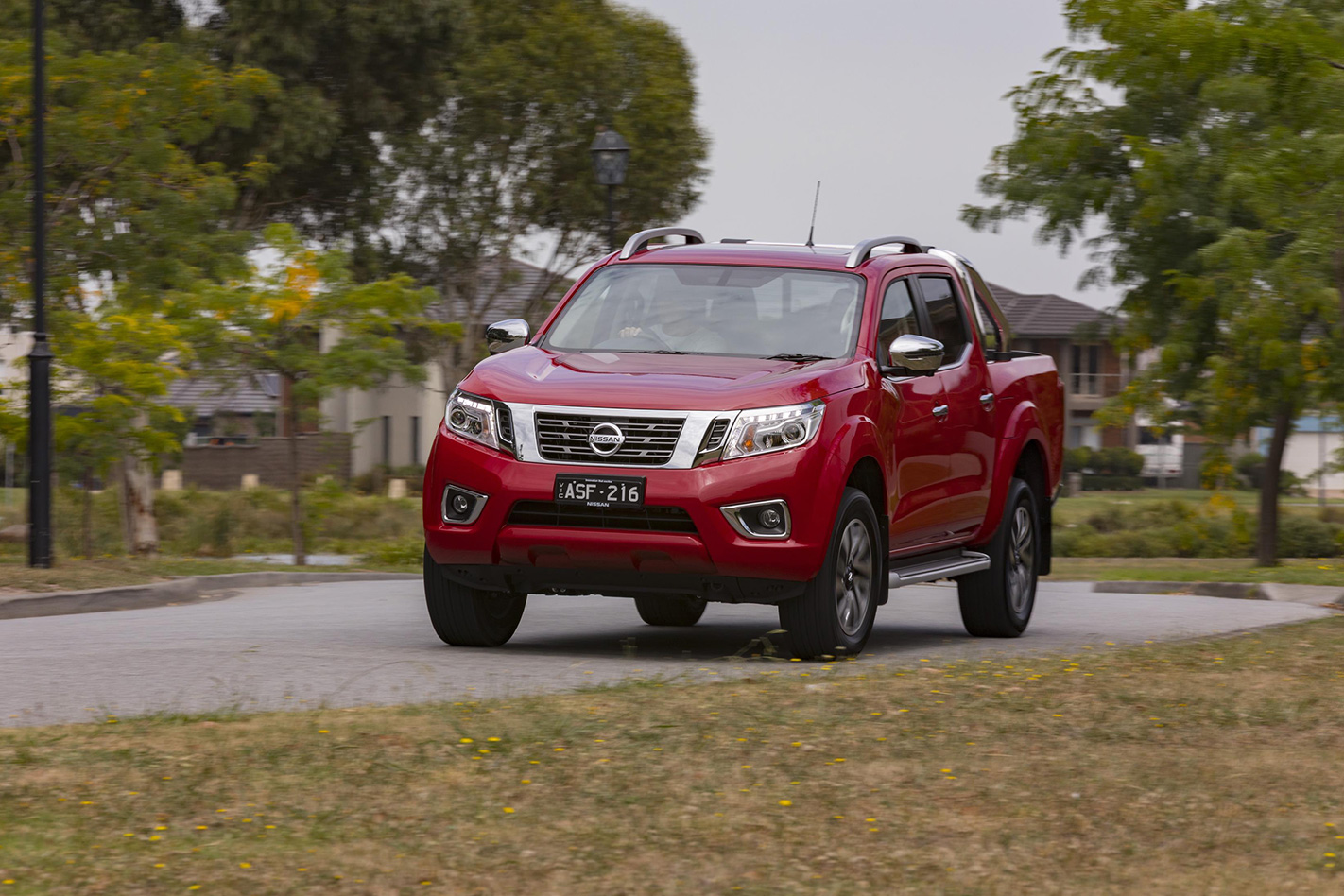
Accompanying the new progressive ‘dual-pitch’ rear springs is a revised tune for the front suspension including new dampers, and tweaked steering, the latter down from 4.1 turns lock-to-lock to 3.4.
The steering alone makes the Navara a much nicer thing to pilot on a back road, the sharper response unlikely to be mistaken for anything other than a ute, but vastly more palatable than the keep-turning approach that was previously required.
Unladen, there’s still plenty of shaking and jiggling on anything but perfect hotmix – that’s par for the course in this class. But once you throw a hefty payload in the back, the revised suspension is transformed. The body is much better controlled and there’s less chance of reaching the extremes of travel, all of which makes the updated Navara a much better jigger for those who plan to actually use the tray.
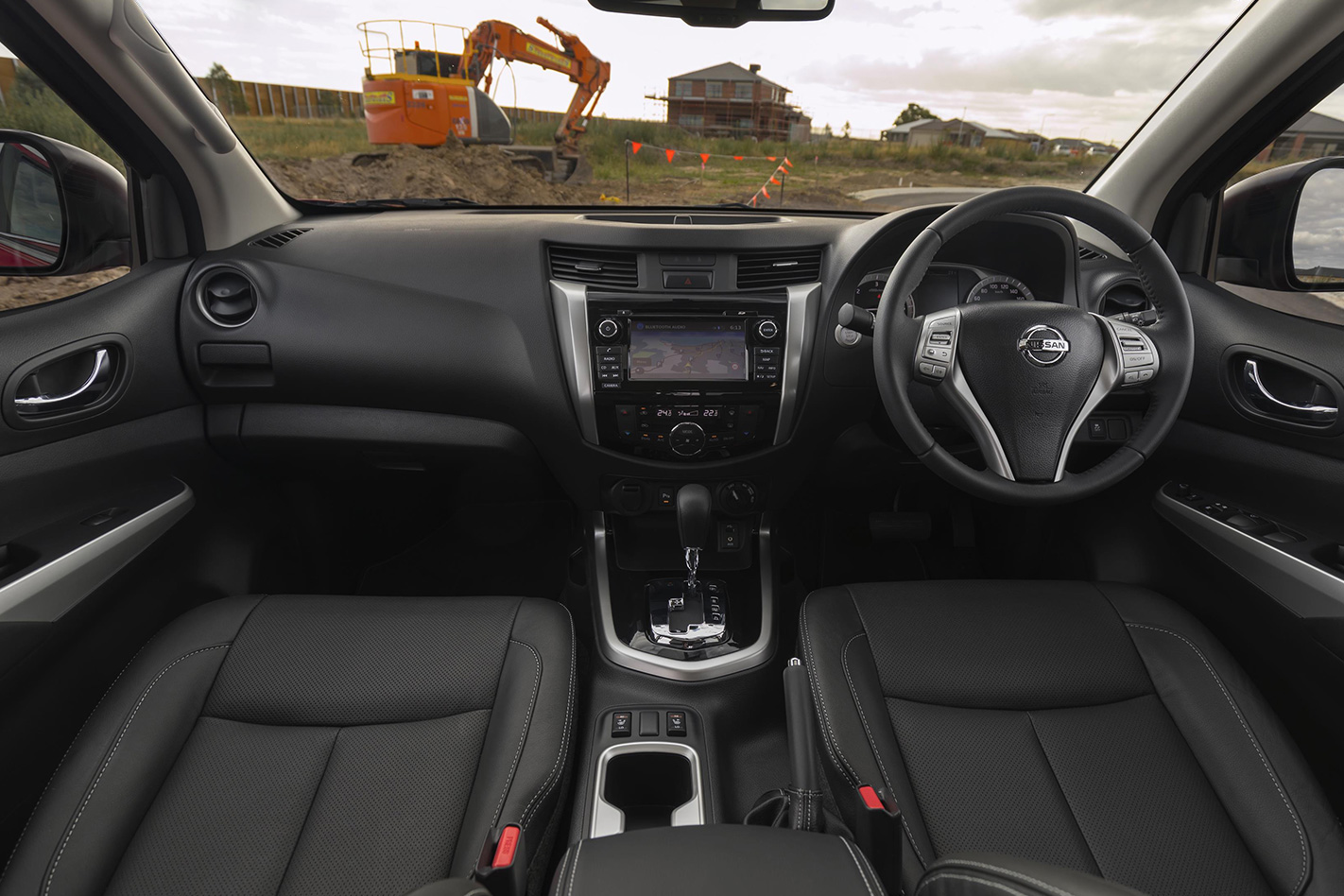
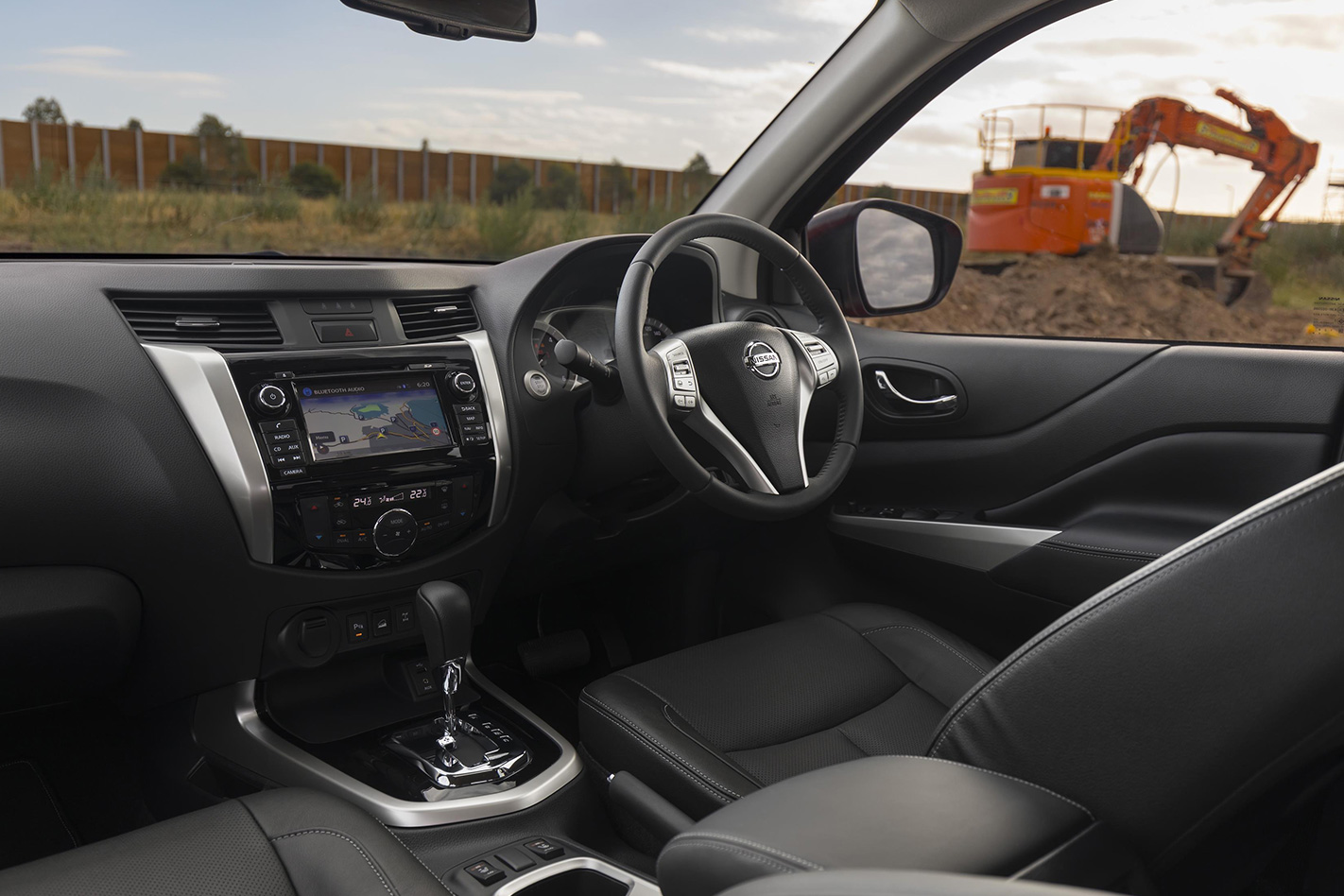
Other useful upgrades include a digital speedo in all SL, ST and ST-X models, and the addition of two ISOFIX child seat mounting points to the outer rear seats on all Dual Cab grades. Oh, and sat-nav is now standard equipment on the King Cab ST grade, aligning with its Dual Cab sibling.
As for pricing, the movement is minimal; up by between $200 and $500, depending on model. But the real pay-off is underneath, where finally, the D23 Navara has the chassis set-up it should have received in 2015.
SPECS
Model: 2018 Nissan Navara Engine: 2298cc 4cyl twin turbo diesel dohc, 24v Max power: 140kW @ 3750rpm Max torque: 450Nm @ 1500rpm Transmission: 7-speed auto Weight: 1969kg 0-100km/h: 10.8sec (estimated) Economy: 11.7L/100km Price: $54,490 On sale: Now
NISSAN’S partnership with Mitsubishi could spawn a new mega-family of SUVs and dual-cab utes, with the Japanese manufacturer hinting its large Titan pickup could be headed to Australia.
The Nissan/Mitsubishi/Renault alliance will allow Nissan to utilise efficiencies of scale and manufacturing synergies with its utes and upcoming SUVs as part of a plan to expand the vehicles in its portfolio.
In Australia for the launch of the updated Nissan Navara – which underwent local chassis tuning – the Nissan/Renault/Mitsubishi Alliance senior vice president of the light commercial vehicle business unit, Ashwani Gupta, says there are plans to grow the number of vehicles built on its separate chassis architecture.
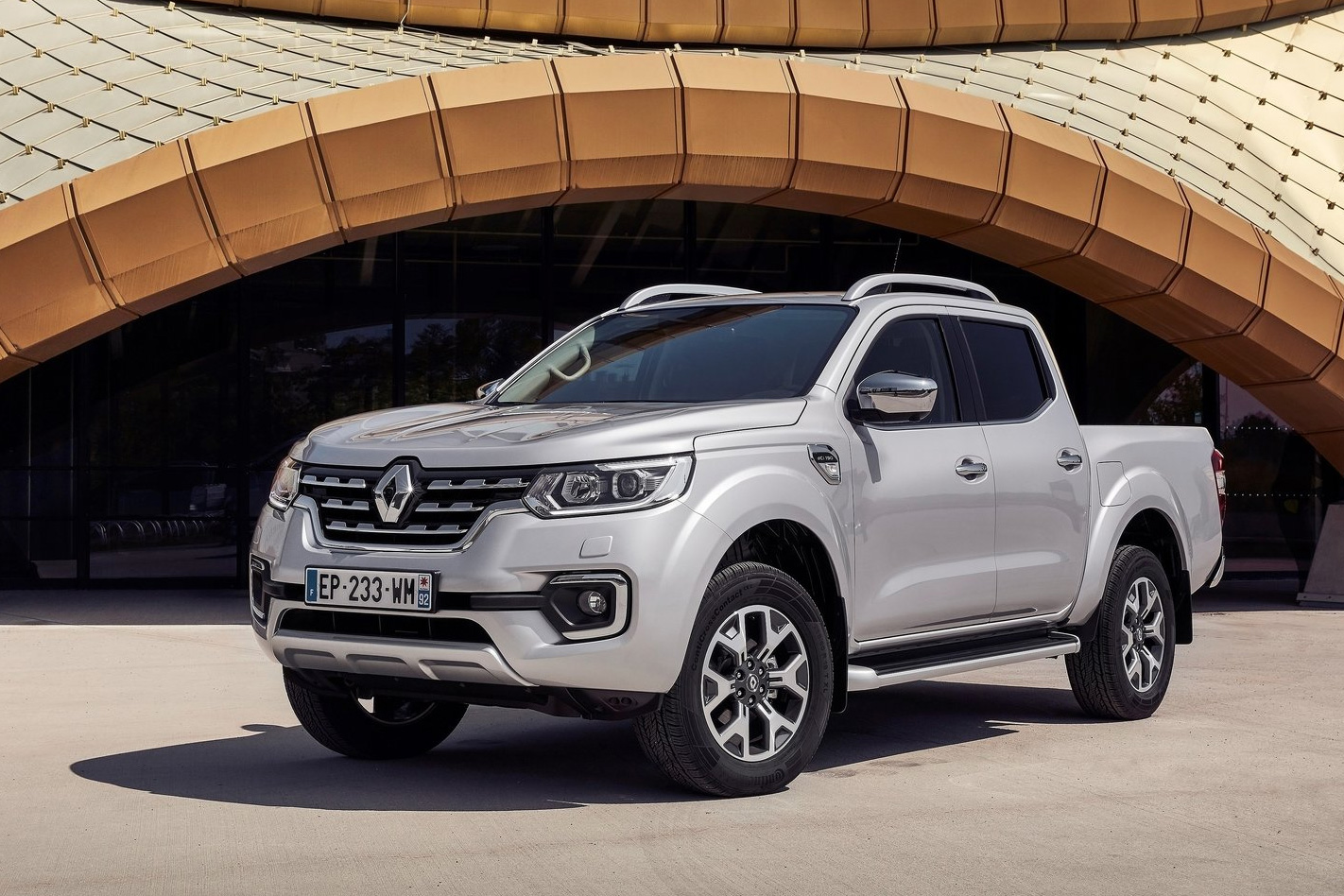
Obvious moves include incorporating the next generation Mitsubishi Triton on the architecture of the Nissan Navara, a chassis that already sits under the Renault Alaskan and Mercedes-Benz X-Class.
“Our partnership with Mitsubishi will allow us to maximise the full potential of frame-based vehicles,” he says. “We are committed to the joint development of our next-generation of pickup.”
Gupta says while Renault has global expertise in vans courtesy of its European strength, Nissan is strong in the pickup segment so would logically take the lead within the Alliance.
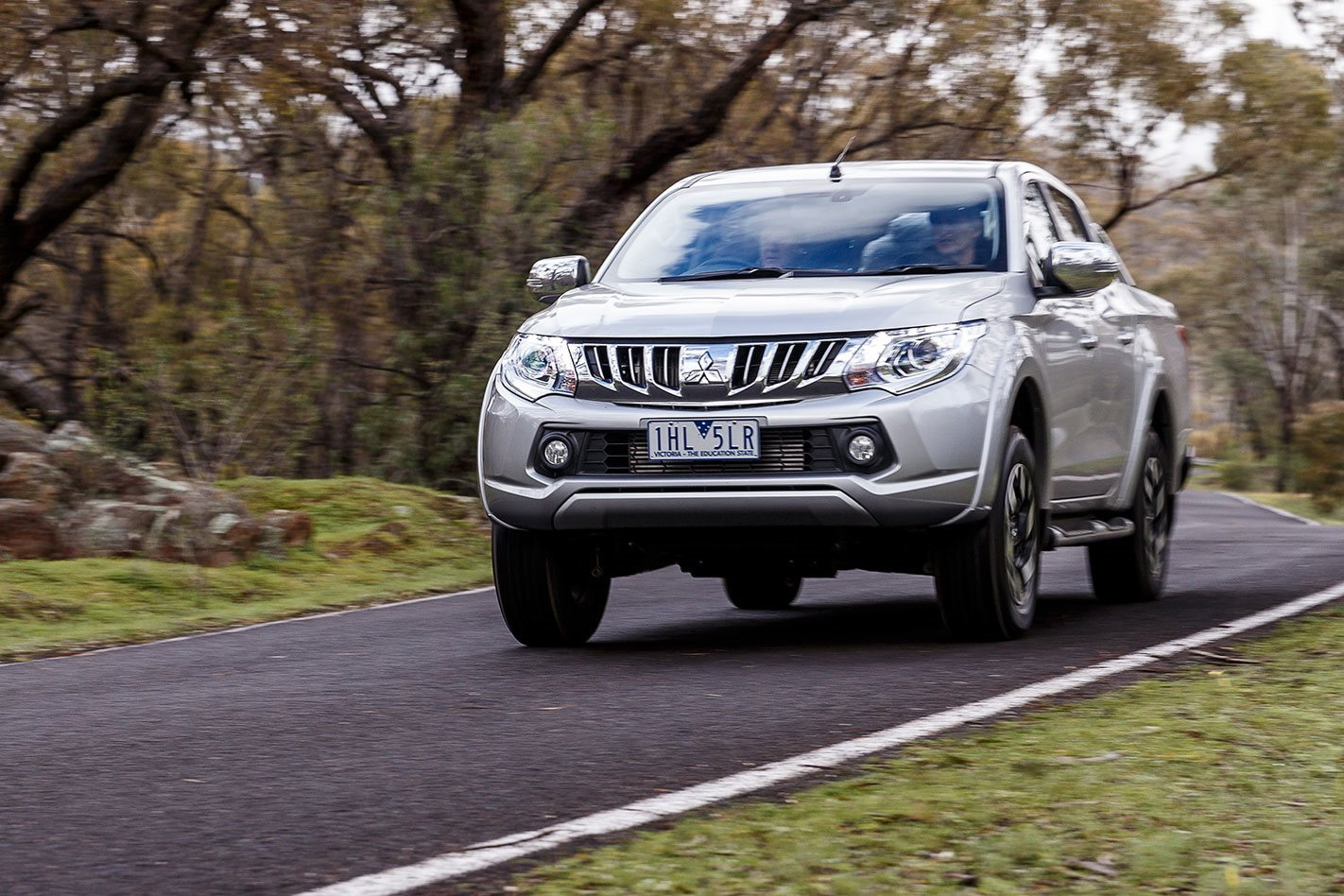
That strength will extend to SUVs for each brand based on their respective utes.
Nissan this week announced the Navara-based Terra. There are currently no plans to sell it in Australia, but longer term it could be likely.
The Terra is a spiritual successor to the Pathfinder, which was once based on the Navara but is now more a soft-roader for the cities, built off a passenger car monocoque architecture.
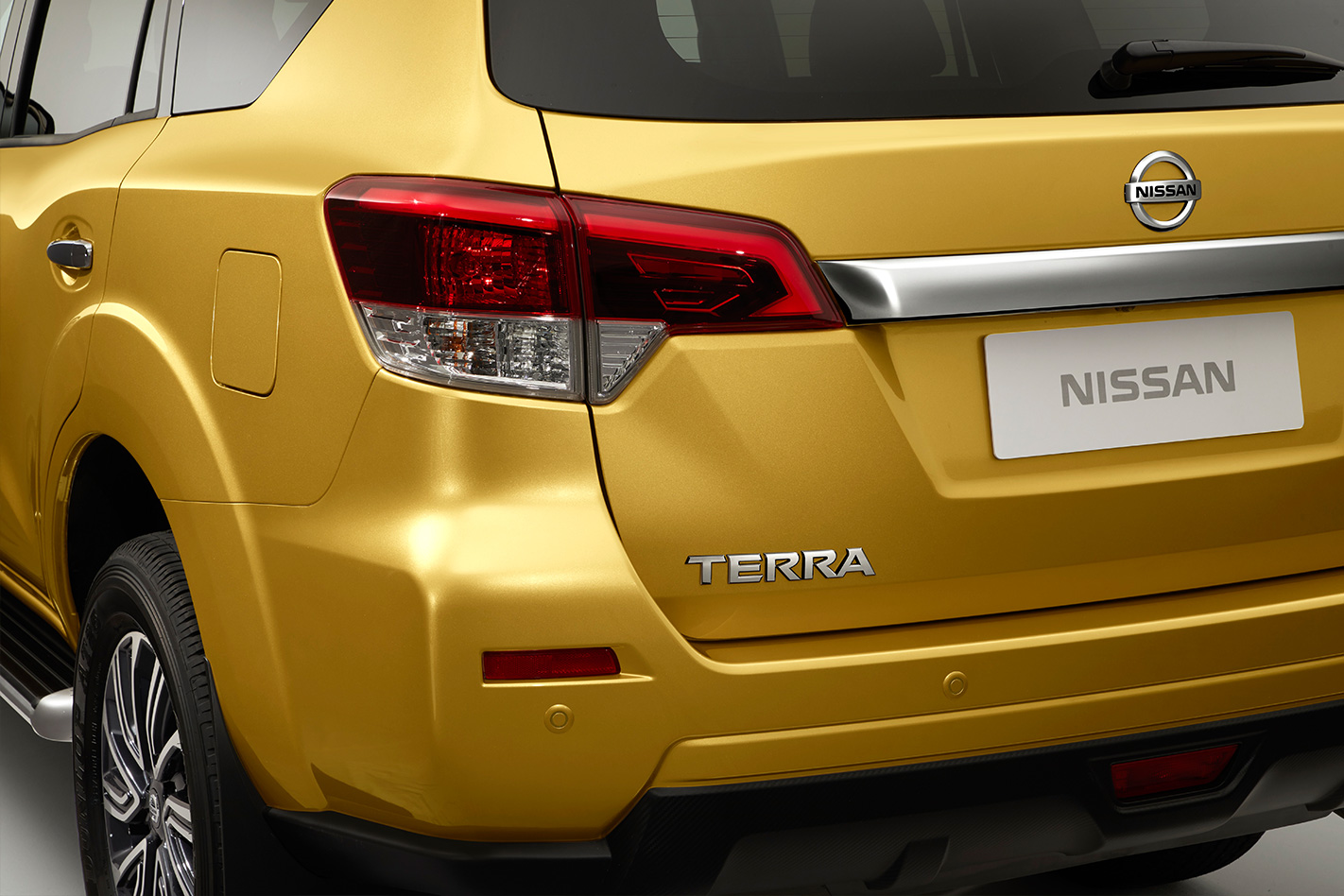
The trick for Mitsubishi would be advancing its on-road dynamics; despite being a serious off-roader, for more than a decade the Pajero has sat on a monocoque construction.
Gupta also hints a truck larger than the Navara – such as the V8-powered Titan – could expand its footprint outside the key American markets, Australia’s the pickup market continues to grow.
“Pickups represent a dynamic and growing market segment,” says Gupta. “We also are seeing early signs of interest in the larger, full-size pickups in some markets outside of North America.
“We expect great things from the pickup truck segment and plan to expand our presence in it in everywhere we see that strong growth potential. Our ambition is to become a leading player in pickups and frame-SUVs.”
PORSCHE’S venerable flagship 911 is due for a generational update late next-year, with the iconic sports car’s eighth incarnation designed in support of an increasingly electrified future.
While the 992 version 911 isn’t expected to be officially revealed until October, speculation around the car’s vital statistics remains rampant. Wheels tapped our industry sources and collated everything there is to know about the next-gen 911.
Ever-tightening emissions regulations in Europe will play a large part in shaping the 911s future, ushering the car further towards electrification and turbo power, while consumer demands continue to prompt PDK gearboxes to replace three-pedal DIY shifters.
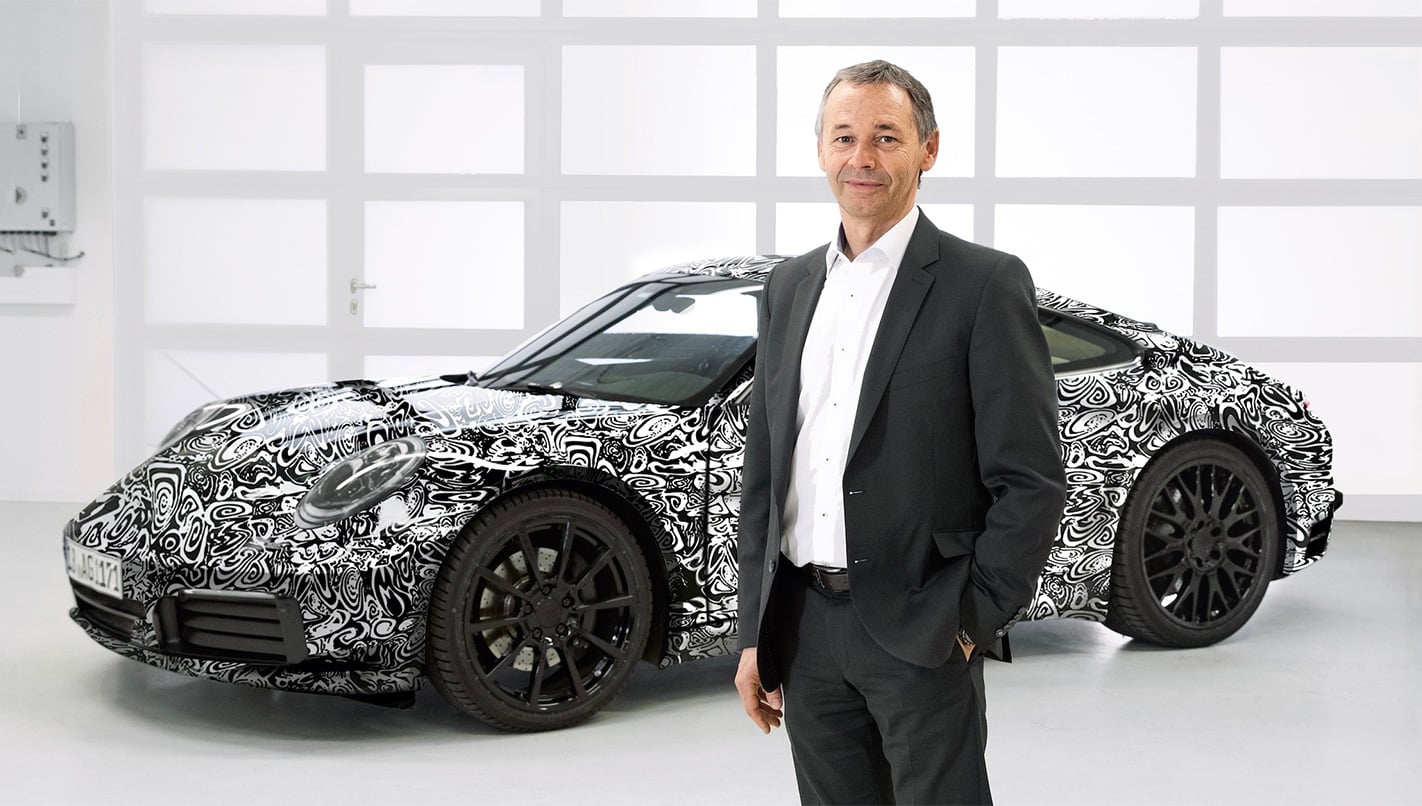
The entire range is likely to be equipped with 48-volt electrical sub-systems, which is a toe in the water ahead of a plug-in electric hybrid 911 that’ll be put into production when the 992 receives a mid-life update.
A PHEV 911 would likely combine the 3.0-litre EA9A2 flat-six combustion engine with a 70kW electric motor good for a system output of 362kW/761Nm and a 60km emissions-free range. It is understood a fully-electric 911 isn’t slated until the next generation after the 992.
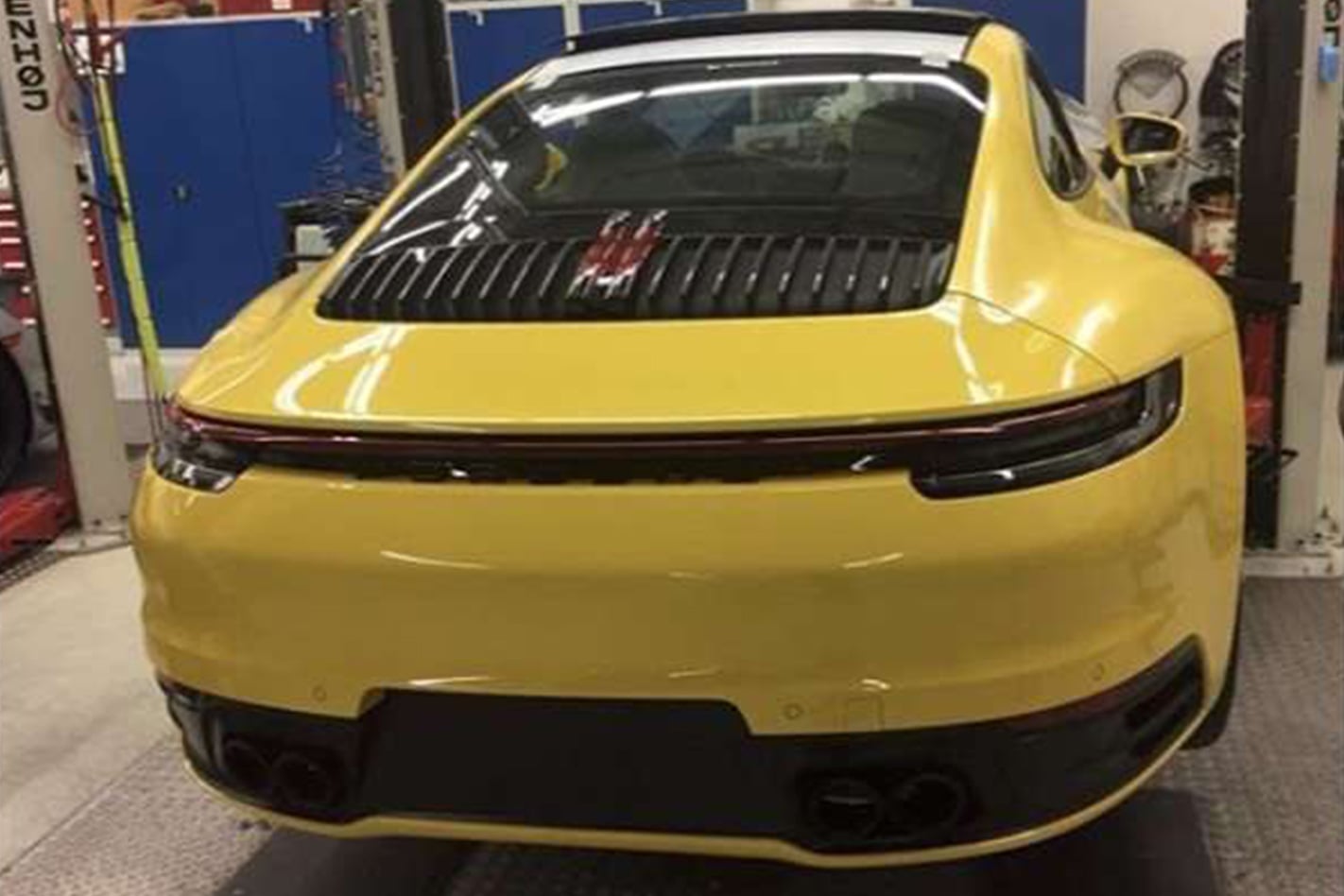
A 331kW Carrera S is likely to be the first model to be revealed, with an entry-level 295kW Carrera to follow in late 2019, and a flagship 470kW Turbo S arriving in 2020.
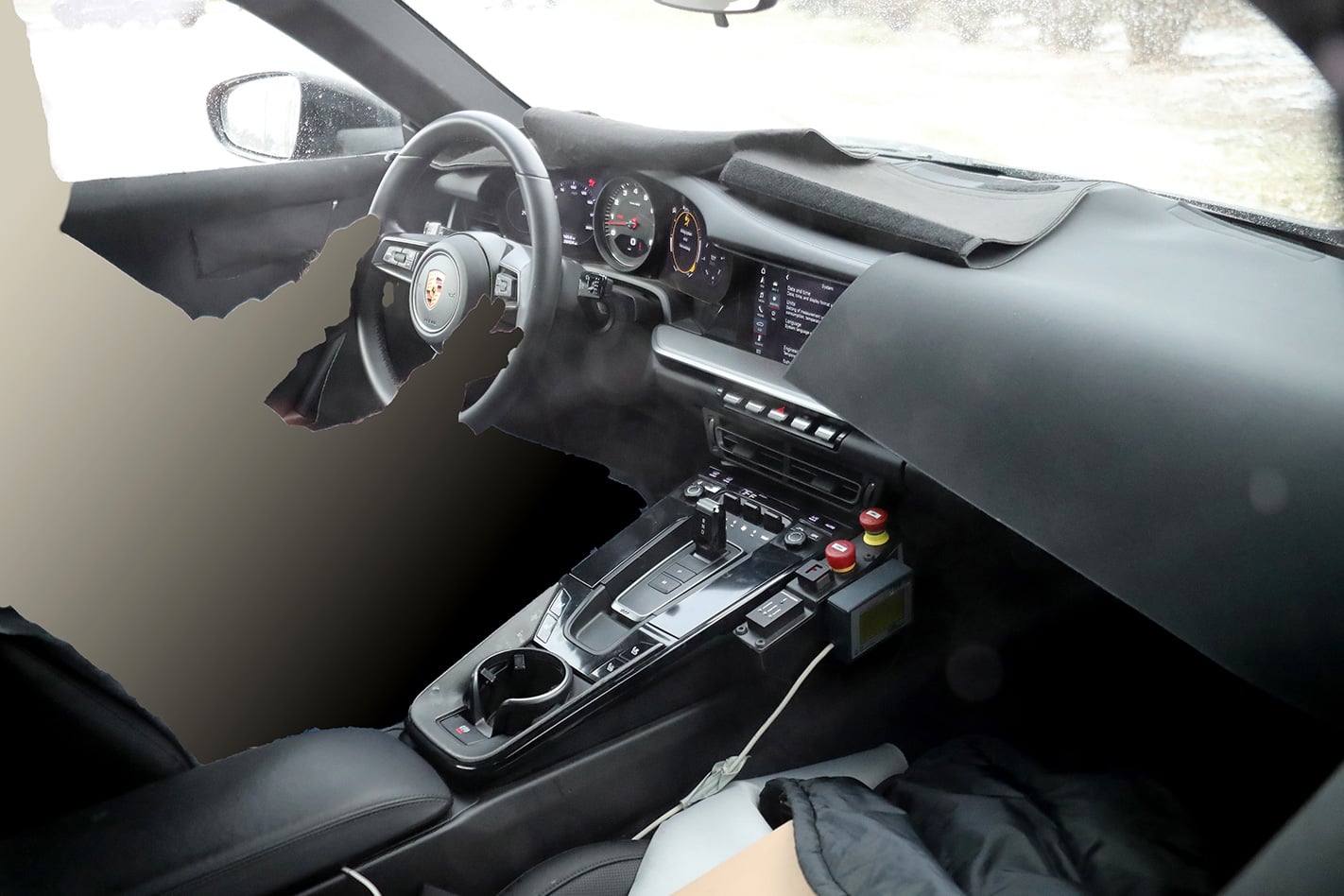
While turbocharged flat-six engines will power most of the range, Porsche recently poured cold water on the theory that the entire line-up would be boosted.
It was reported earlier this year the GT3 would lose its naturally-aspirated 4.0-litre screamer in favour for a twin-turbo 3.8-litre unit, but Wheels understands the German manufacturer will try to proliferate the 992 range with similar turbo and atmo engines as seen in the 991.2 range.
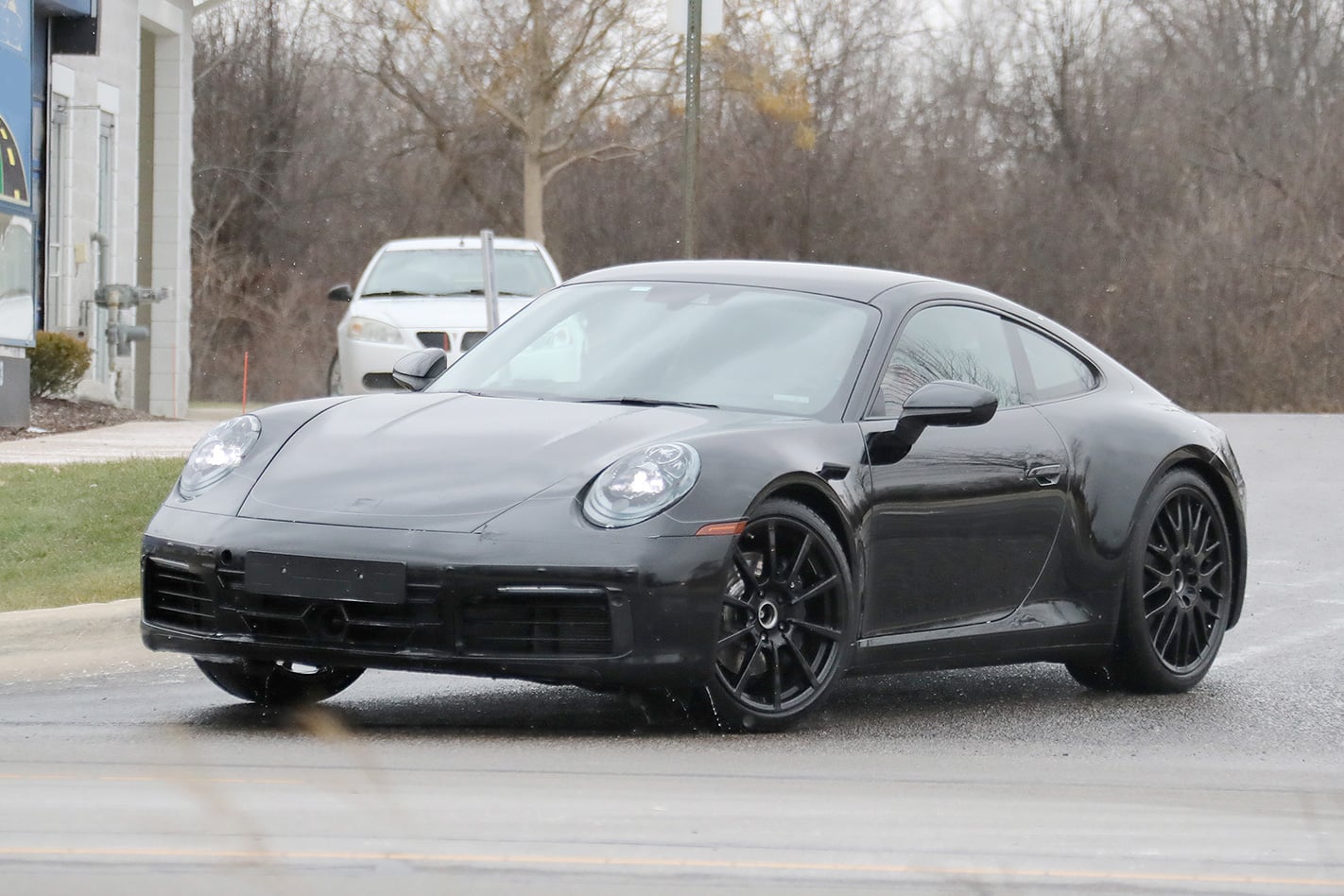
Porsche Australia was unable to confirm when Australians should expect the 992 911 to arrive locally.
