
Toyota Australia says it is looking at adding Apple CarPlay support to its vehicles, after it appeared in one of the brand’s cars launched in the US this week.
The smartphone support software, which can integrate some of the device’s functionality with the vehicle’s multimedia system, is rolling out in more of Toyota’s competition. However, the Japanese carmaker has steadfastly held on to its own version of Apple CarPlay, called Toyota Link, which falls well behind the functionality that Carplay adds to a vehicle.
It was added to the Toyota Avalon, a US-market V6-engined version of the Camry sedan revealed at the 2018 Detroit Motor Show.
However, Toyota Australia says while there are no immediate to add Apple iPhone support to products in local showrooms, but it is considering it.
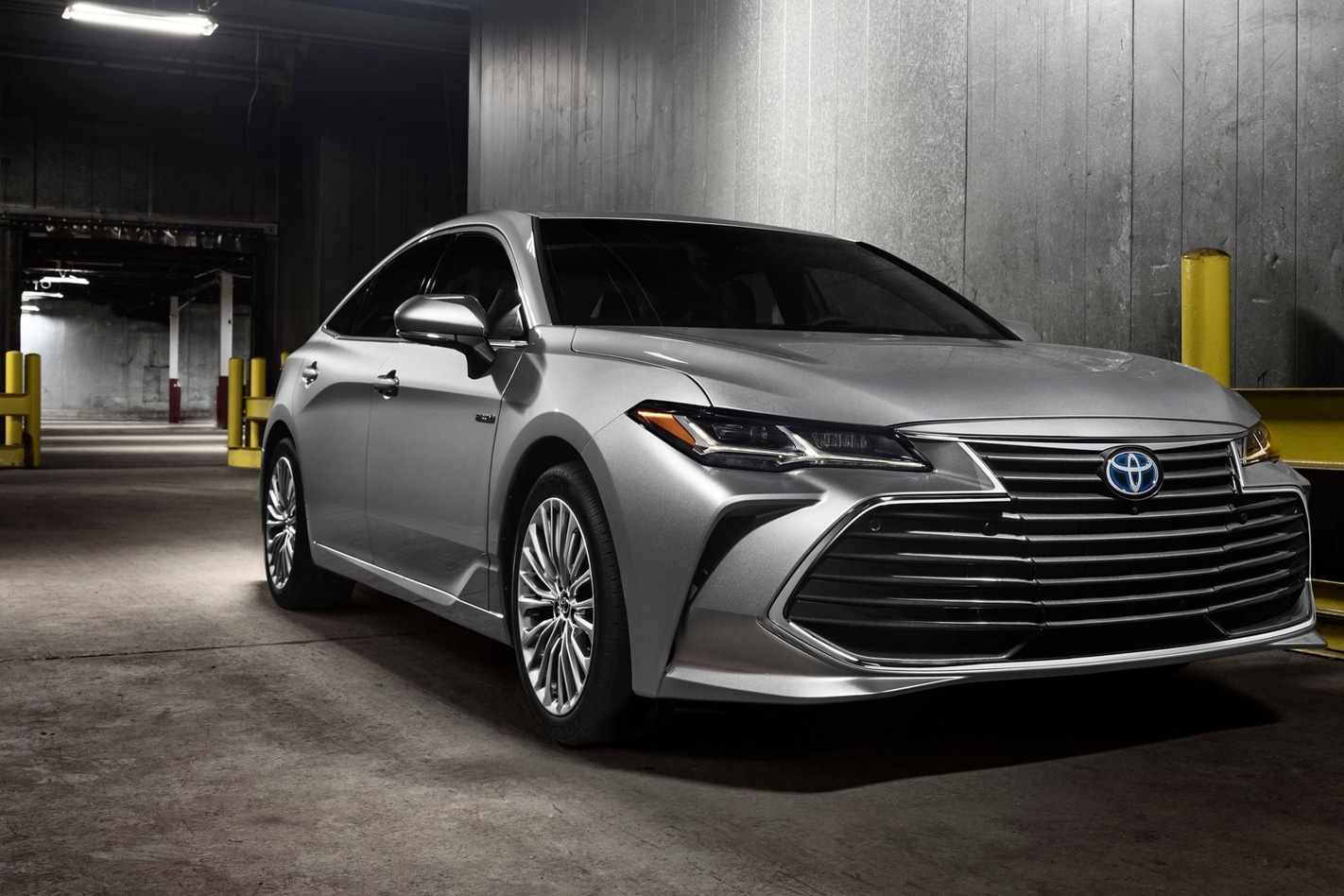
“There is no announcement regarding the roll-out of Apple CarPlay in Australia to make today,” Toyota Australia public affairs manager Aleks Krajcer said.
“But the technology, along with other multimedia and connected solutions, is under consideration as we seek to create and provide the best product and spec combinations for Australian Toyota buyers.”
Even so, the US-market car is missing support for the most common type of smartphone out there – Android Auto.
A number of car makers including Ford and Toyota announced early last year that they would form a consortium to slam the brakes on rolling out Apple CarPlay and Android Auto in their products. This was over fears that the two operating systems could soon start to wrest control of the way smartphones integrate – and the valuable data they collect – away from carmakers. Toyota has also cited security fears if hackers are able to make their way into a vehicle’s electronics via the smartphone’s data connection.
Other members of the Ford-led SmartDeviceLink group include Mazda, Subaru, the Holden Commodore’s new manufacturer Groupe PSA, Mitsubishi and Suzuki.
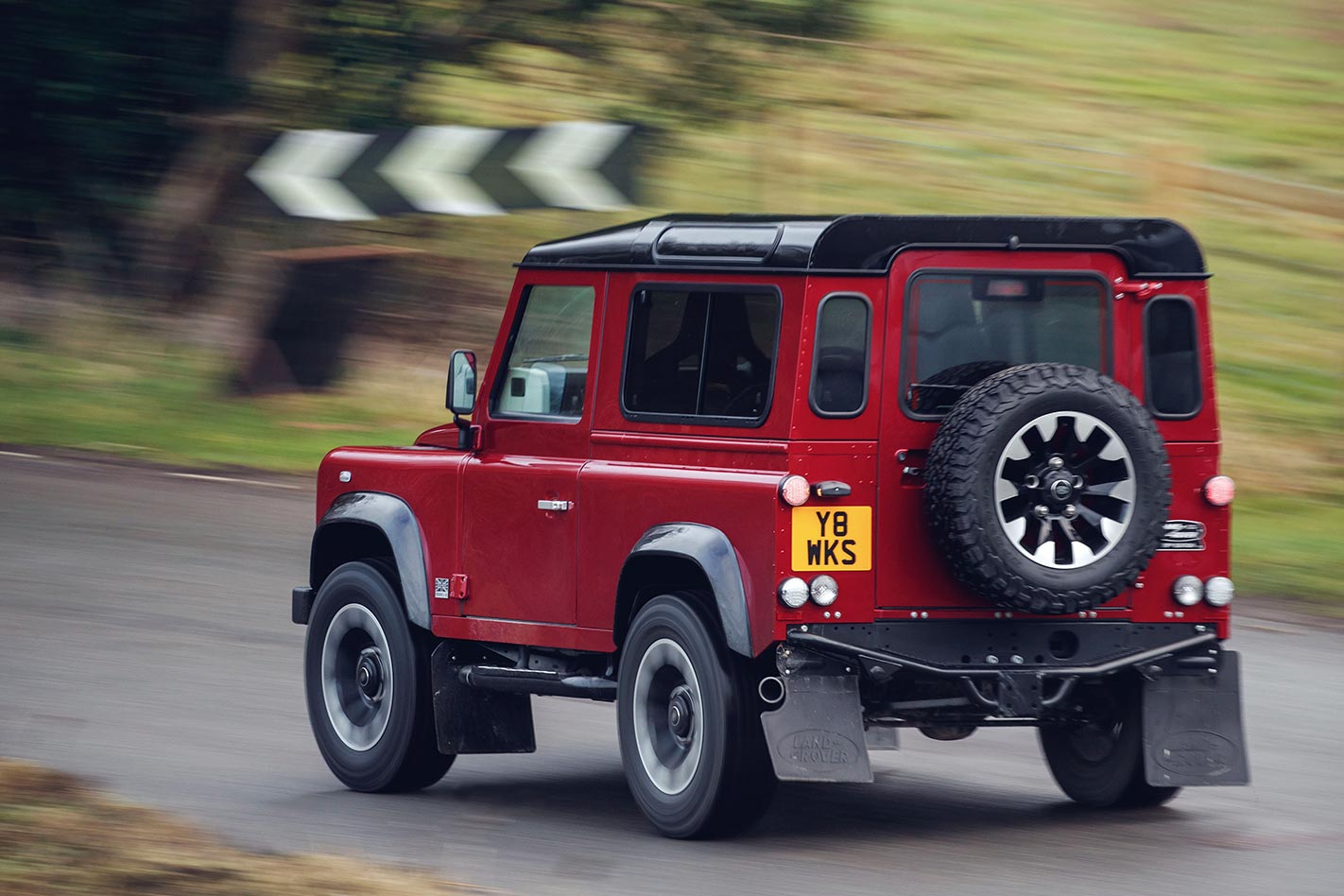
The iconic Land Rover Defender has returned. And it’s got a dirty big engine.
This is the Land Rover Defender Works V8, and it’s the most powerful and fastest production Defender ever built.
With 298kW and 515Nm being pumped out of a naturally aspirated 5.0-litre bent eight, the Works V8 is capable of 170km/h.
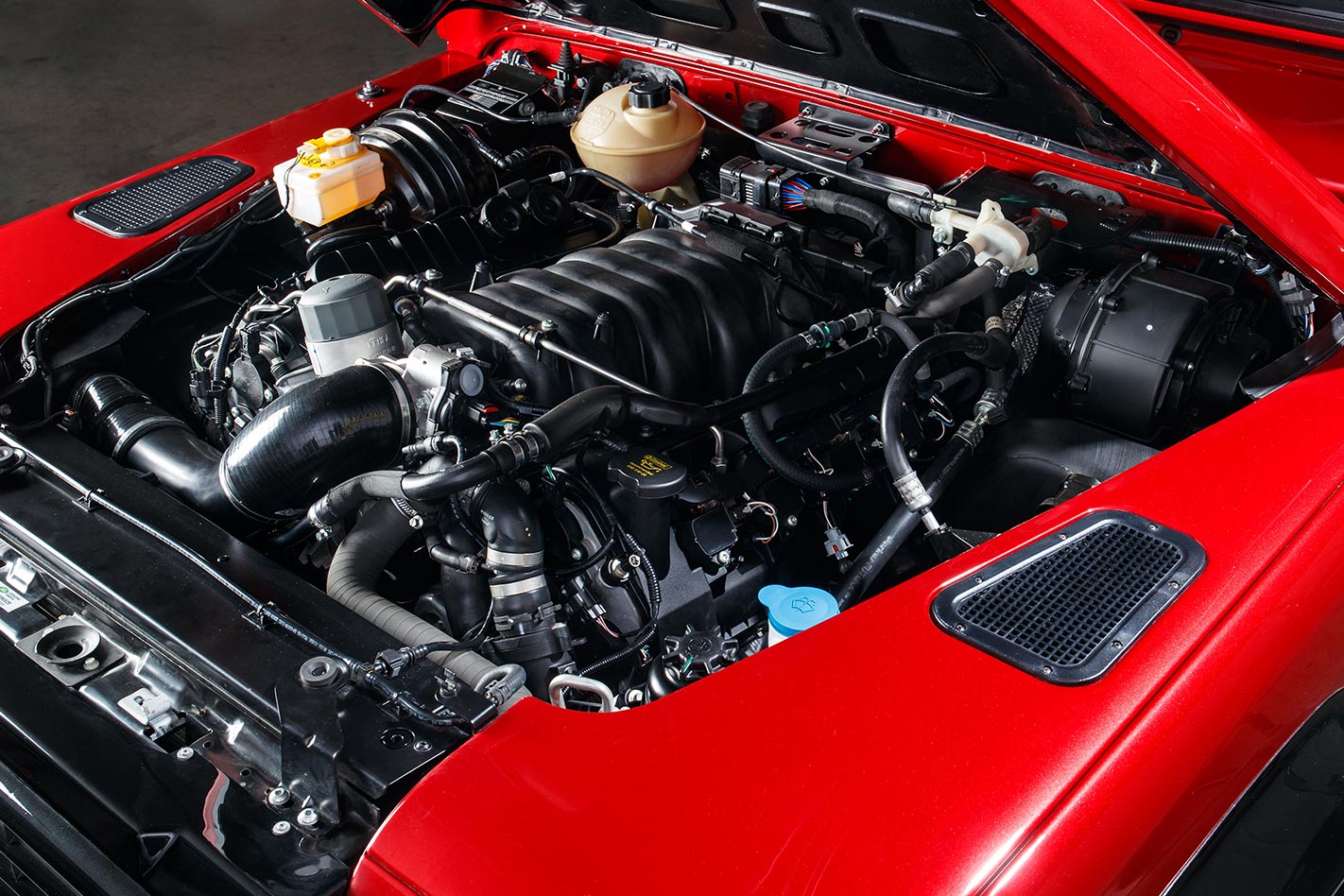
This makes the V8’s claimed 5.6 second sprint to 97km/h all the more impressive.
Even more interesting is the use of Sport Mode in the re-engineered Defenders, complimented by upgraded brakes and a handling kit.
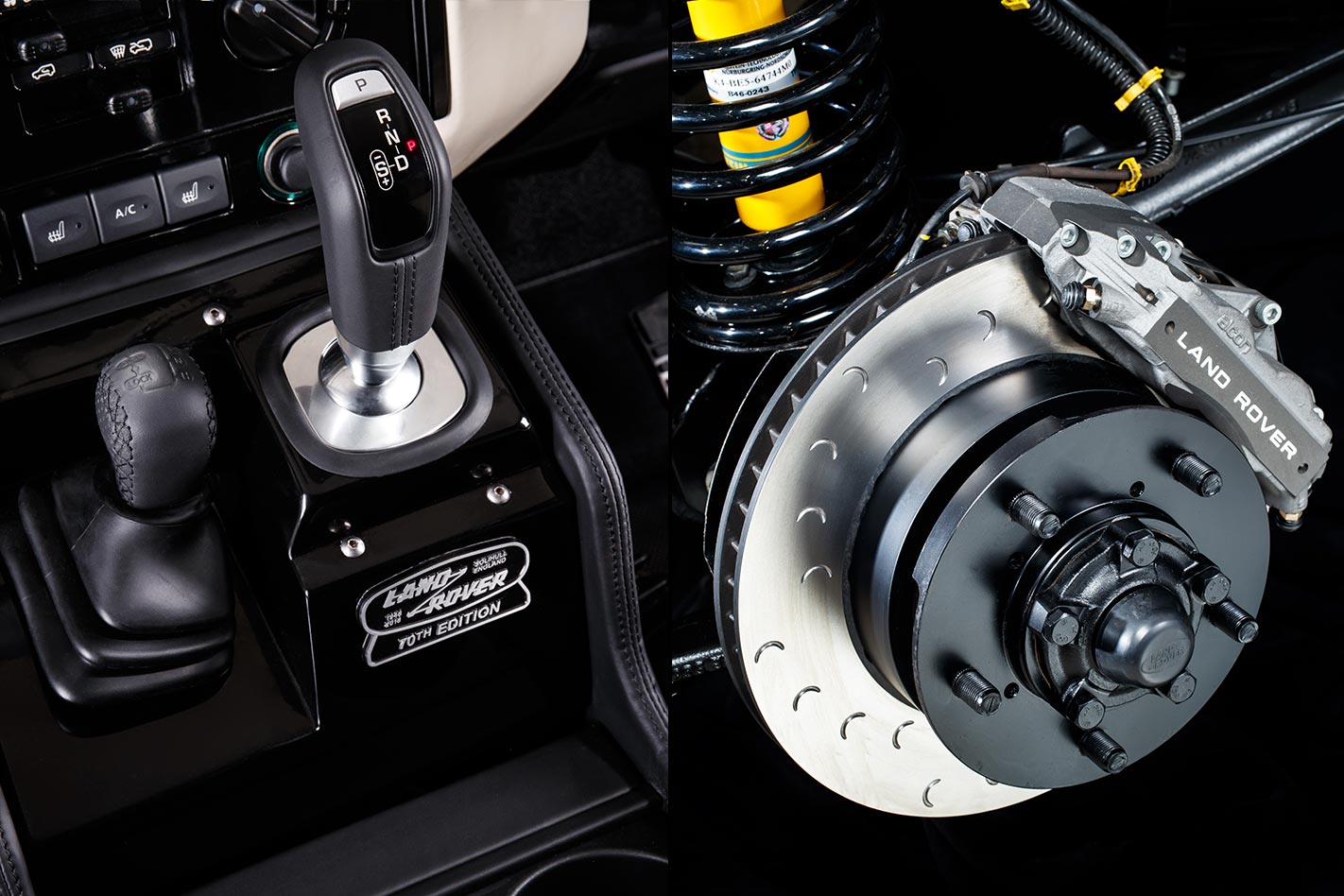
Jaguar Land Rover Classic director Tim Hannig says keeping the Defender badge around for 70 years was a feat worth celebrating, and that’s where the Works V8 comes in.
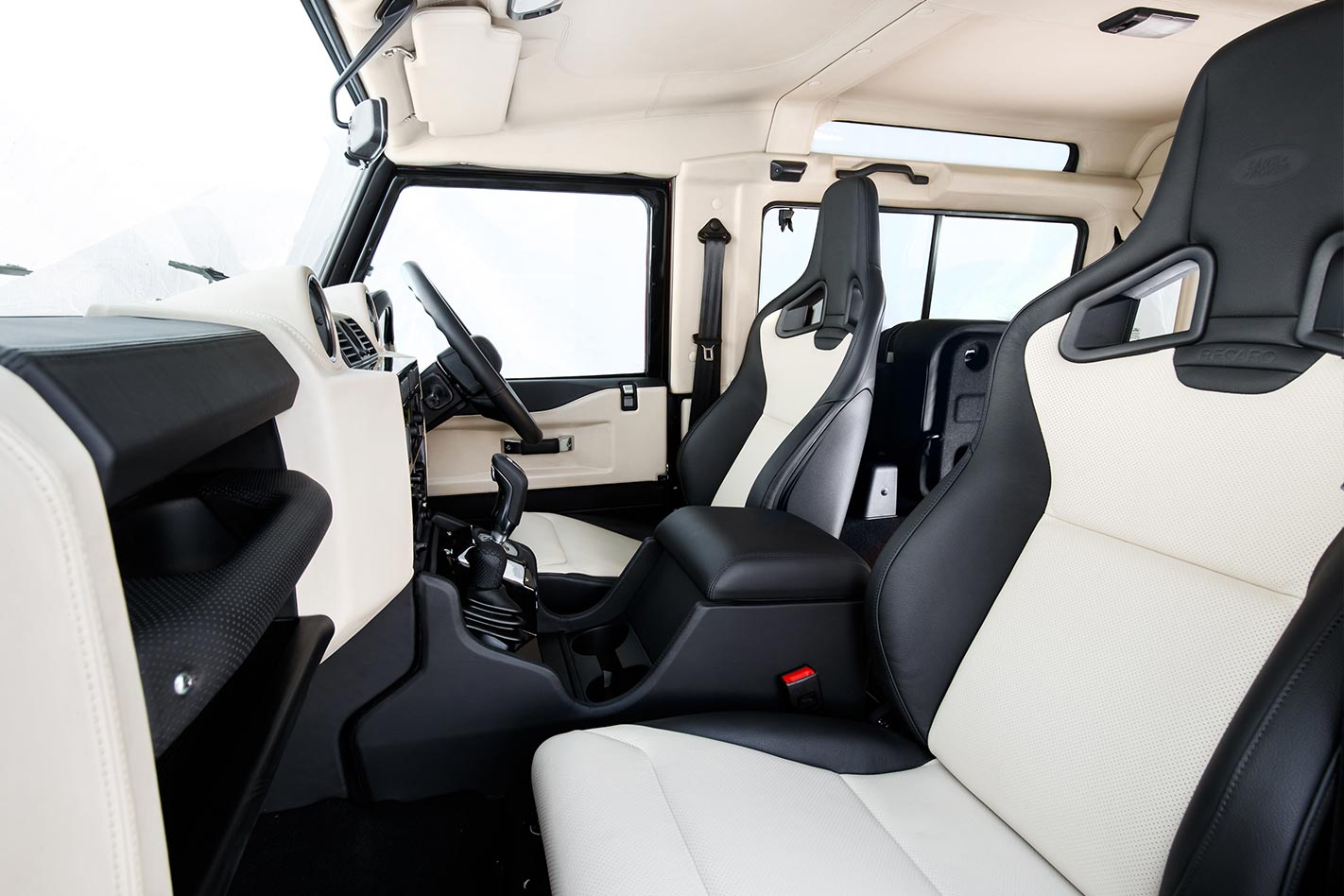
“The idea of reintroducing a V8 Defender was something we were discussing as far back as 2014, when we were still building the Defender in Solihull.
“We knew the demand was there for a powerful and fast Defender; the Land Rover authenticity is the ultimate finishing touch for discerning clients purchasing these collectors’ edition Defenders.”
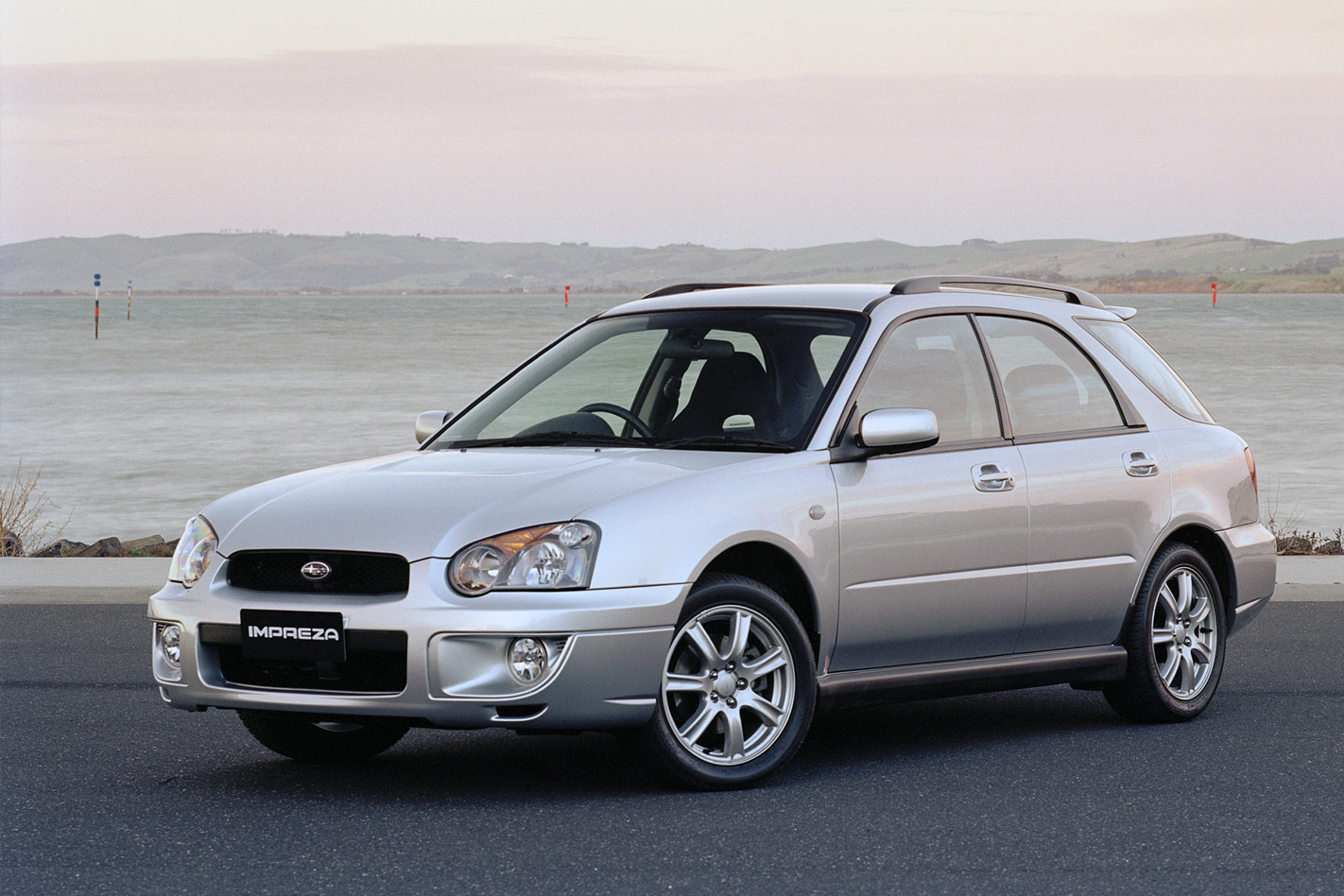
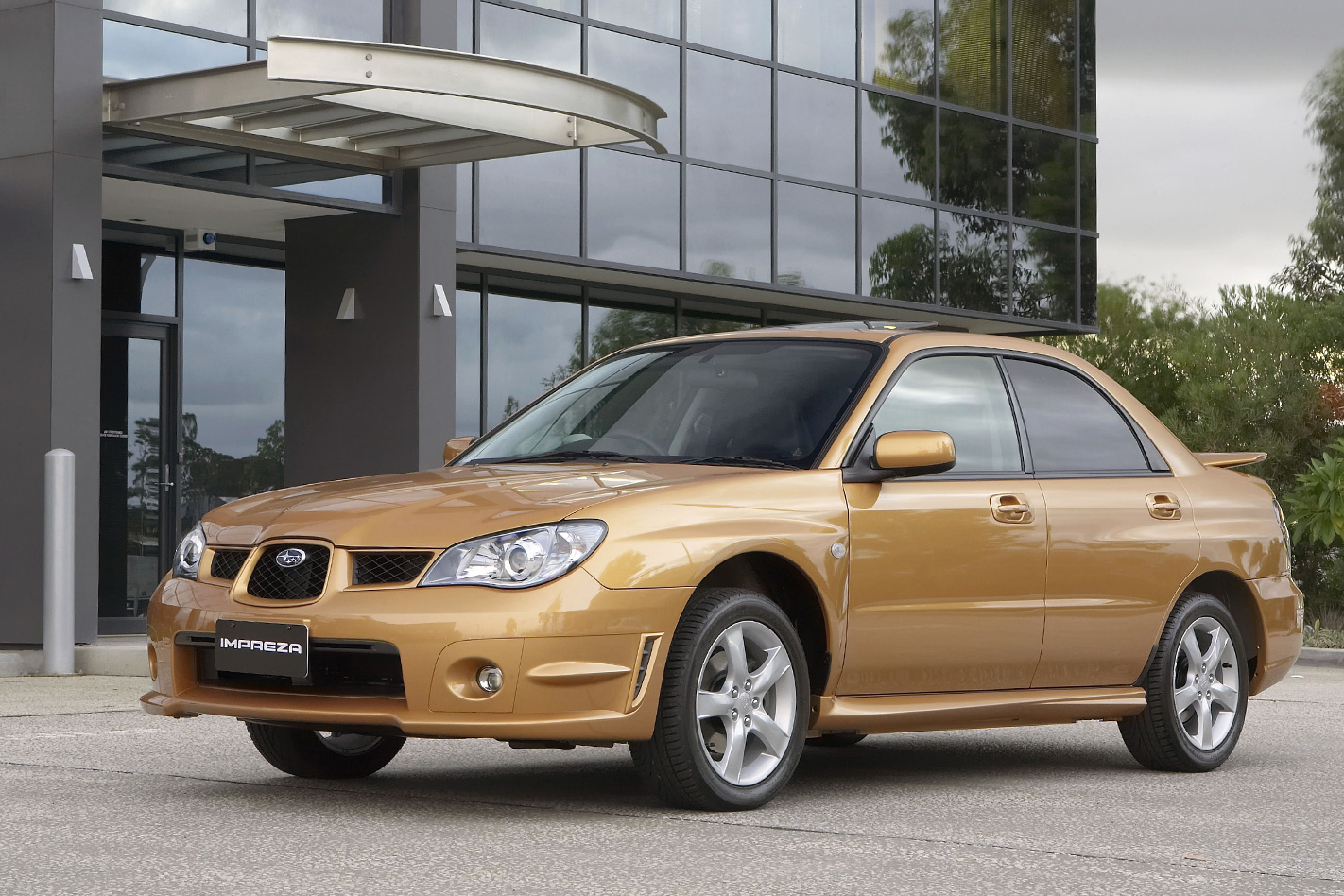
SUBARU Australia will have to check almost 9000 older versions of its small hatch and sedan range after it realised some of the replacement airbags it had fitted to Subaru Imprezas had been installed arse-about.
Subaru is one of dozens of car makers caught up in the global Takata recall, in which potentially faulty airbags that can either split or spray dangerous plastic can metal fragments at the occupants they are supposed to protect need to be replaced.
The Takata airbag fiasco now the largest vehicle recall in Australian history, with almost one in four cars on Australian roads affected.
Subaru’s recall of the recall affects versions of the Impreza built between 2004 and 2007.
“Subaru Australia is not aware of any airbags deploying incorrectly as a result of the potential issue, but is proceeding with the recall out of an abundance of caution.”
The latest recall was issued on the website of the Australian Competition and Consumer Commission, the nation’s consumer protection watchdog, on January 2. The recall notice states: “Some replacement passenger front airbag inflators installed in MY 2004-2007 Impreza vehicles as part of the current Takata recall campaign (SI0277) may have been installed incorrectly (in reverse).”
In total, almost 9000 Subarus will need to be inspected to ensure the replacement airbag is around the right way.
Only one fatality has been attributed to a Takata airbag failure in Australia, with a Sydney man killed last year after what police described as a low-speed collision that would ordinarily have not resulted in a fatality.
Car manufacturers are going to extreme lengths in an attempt to contact owners of affected vehicles, with Honda backing a call to cancel a vehicle’s registration if the faulty airbag was not replaced.
You can check if your car is being recalled on the ACCC website, which has a list of VIN numbers of affected vehicles.
At the 2018 Detroit Auto Show, Infiniti has shown the world what it hopes its future will look like in the form of the Q Inspiration Concept.
The futuristic sedan features what Infiniti calls “confident proportions”, with sleek yet slightly aggressive lines around its grilles and vents.
Inside, a “human-centric” minimalist interior is full of white leather and touch screens. It also has a steering wheel, something becoming rarer in concept cars in recent times.

Infiniti global vice president Christian Meunier says the Q Inspiration Concept is an attempt by Infiniti to point out that there’s an audience that sedan makers aren’t considering enough.
“The premium sedan segment has become rather conservative,” says Meunier.

Part of the reason to the new design language is due to a new powertrain Infiniti is releasing, a variable-compression turbocharged engine.
“VC-Turbo continually transforms, adjusting its compression ratio to optimise power and fuel efficiency, resulting in the smart application of power for greater driver control,” Infiniti says.

“The intelligently-packaged four-cylinder VC-Turbo has liberated INFINITI’s designers from the constraints of powertrain architecture to realise a spacious interior,” Infiniti says.
“The Q Inspiration previews other near-future applications for INFINITI’s variable compression ratio VC-Turbo engine technology.”
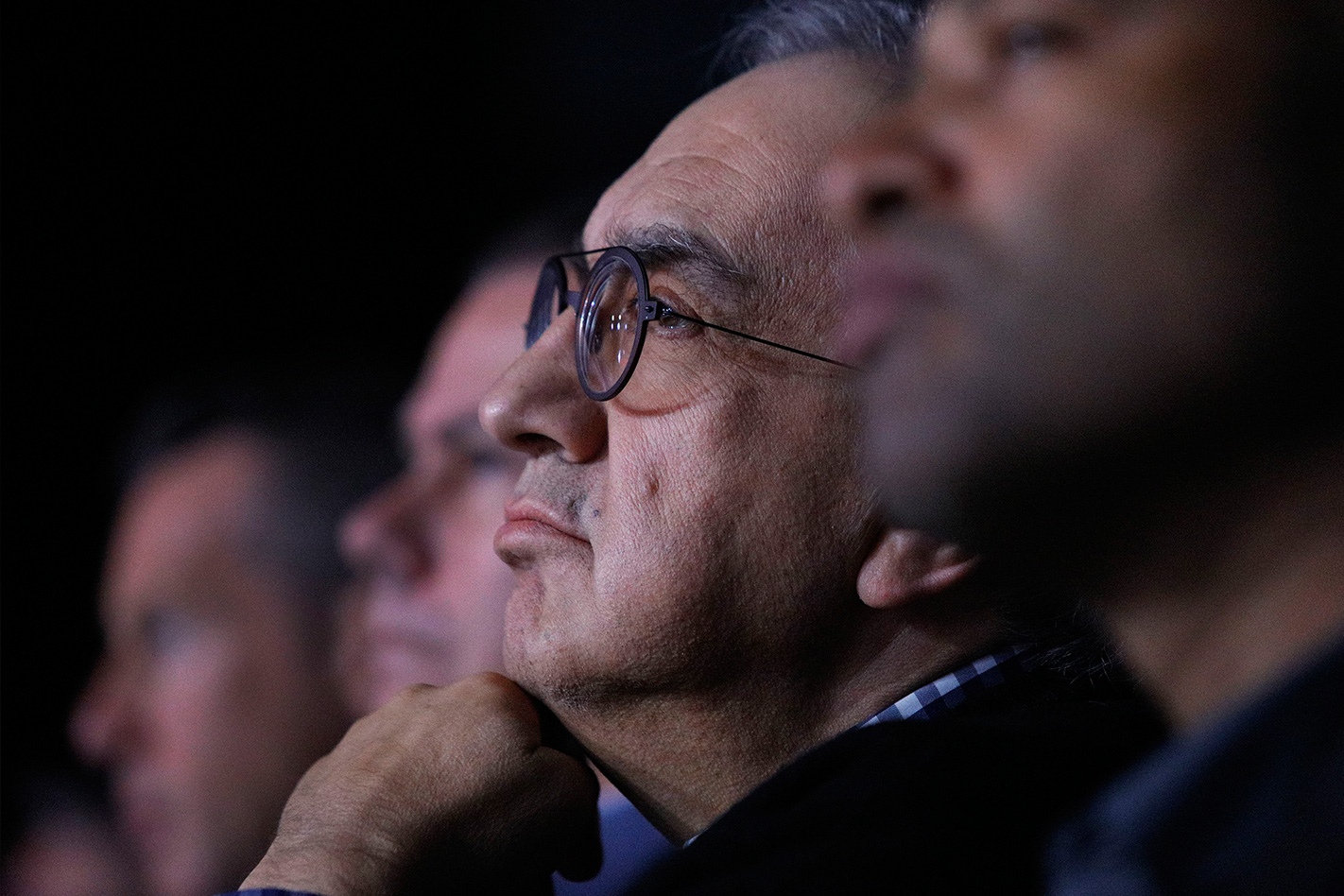
FIAT Chrysler Automobiles (FCA) CEO Sergio Marchionne has used a typically unapologetic tone to reiterate the company’s stance on electrified vehicles and the technology that many other manufacturers claim will result in self-driving vehicles as early as 2019.
While almost all brands are claiming some form of driverless capability for vehicles within the next few years, the boss of the Italian/American automotive giant has used what may be one of his last media addresses to make it clear that FCA will not be adopting electrification or self-driving ambitions any time soon.
Speaking to the press at the North American International Auto Show, Marchionne said he was not yet convinced that the pursuit of autonomy and electrified vehicles made business sense, and had a stab at the brands that are taking a different approach.
“I don’t know of a guy or an entity or an organisation who is making money out of selling electric vehicles,” he said.
“I’ve heard all the announcements especially at shows like this, and whenever we go to auto shows the intensity with which we make these proclamations is without explanation.
It is widely known that the path of self-driving cars will not be obstructed by technological constraints but by the legislation necessary to unleash them into the wild. Marchionne said the delay would be far longer than many are speculating.
“The reference to the fact that these autonomous vehicles run the risk of being weaponised is one additional risk that will come up in the dialogue from us and the regulators about how to implement the technology in these cars.
“That process, even by itself, is a lot longer than people forecasted. So when people document the fact that we’ll have robotised cars on the road by 2019, it may be physically true in the sense that there are five vehicles out there, but we sell 17.5 million vehicles in this country a year.”
“The question is, is the preponderance of vehicles going to be robotised vehicles, and the answer is no. Are the majority of them going to be electrified, and the answer is no.
“I will continue to repeat that I am technology neutral,” he said.
As for electrification, Marchionne made no specific reference to Australia’s unique automotive landscape, but with zero buyer and owner incentives for electrified vehicles and meagre infrastructure, local prospects are likely to fall under a similar umbrella as in the US.
“Strangely enough, as a component the powertrain structure is going to become a lot more relevant in Europe than it is [in the US] and much faster. So making an announcement at the Detroit auto show that we’re going to have X number of vehicles electrified in the future may be true, but is it a wise economic thing to say? And the answer is probably not.
“Is there any guarantee that we are creating a new economic policy that is effectively sustainable and is defensible going forward, and the answer is no.”
When asked how the company intended to meet increasingly strict emissions regulations in Europe if it consistently abstained from EV and hybrid models, Marchionne said FCA products would continue to be powered by combustion powertrains until an obvious alternative prevailed.
Far from being dismissive of carbon reduction plans, Marchionne said the company was striving to cut its vehicle’s CO2 emissions, but said he wasn’t convinced electric cars were the best approach.
“We don’t have a gun to our head. We do have very clear emission ambitions that are totally consistent with regulations in sight.
“The choice of electrical by itself may not be the answer. I don’t think we have answered the CO2 issue on electric. We just haven’t.”
“[FCA Europe] will stop selling cars,” he said. “The great thing about Europe is that the punitive side associated will not comply. It’s so hard that it’s not working. We’ll just stop selling cars.
“It’s the only way you can do it. The fines associated with non-compliance… I’ve got a compliance officer and we’ve gone through this. It ain’t pretty. It really is not nice.”
Marchionne concluded by saying he believed such drastic action would not become a reality, and acknowledged that electrification will become mandatory in Europe.
While that means the future of FCA’s model line-up is safe in the US and most likely Australia, for now, Europe’s strict carbon rules may soon mark ground-zero for the start of FCA’s electrified future.
Sergio Marchionne will retire this year. His replacement is yet to be announced.
IT SEEMS hydrogen fuel cell vehicles mightn’t just be about saving the environment.
Hyundai has expressed an interest in the strong performance potential of hydrogen fuel cell technology, with the boss of the company’s expanding N division, Albert Biermann, saying a hardcore, track-focused hydrogen car is a possibility.
Speaking to Wheels at the Detroit motor show, Biermann said his team is already exploring the performance potential of hydrogen drivetrains, though admitted the programme is still in its infancy.
Biermann says that while electric powertrains are the N division’s focus in the short term, hydrogen is a more logical alternative for the future.
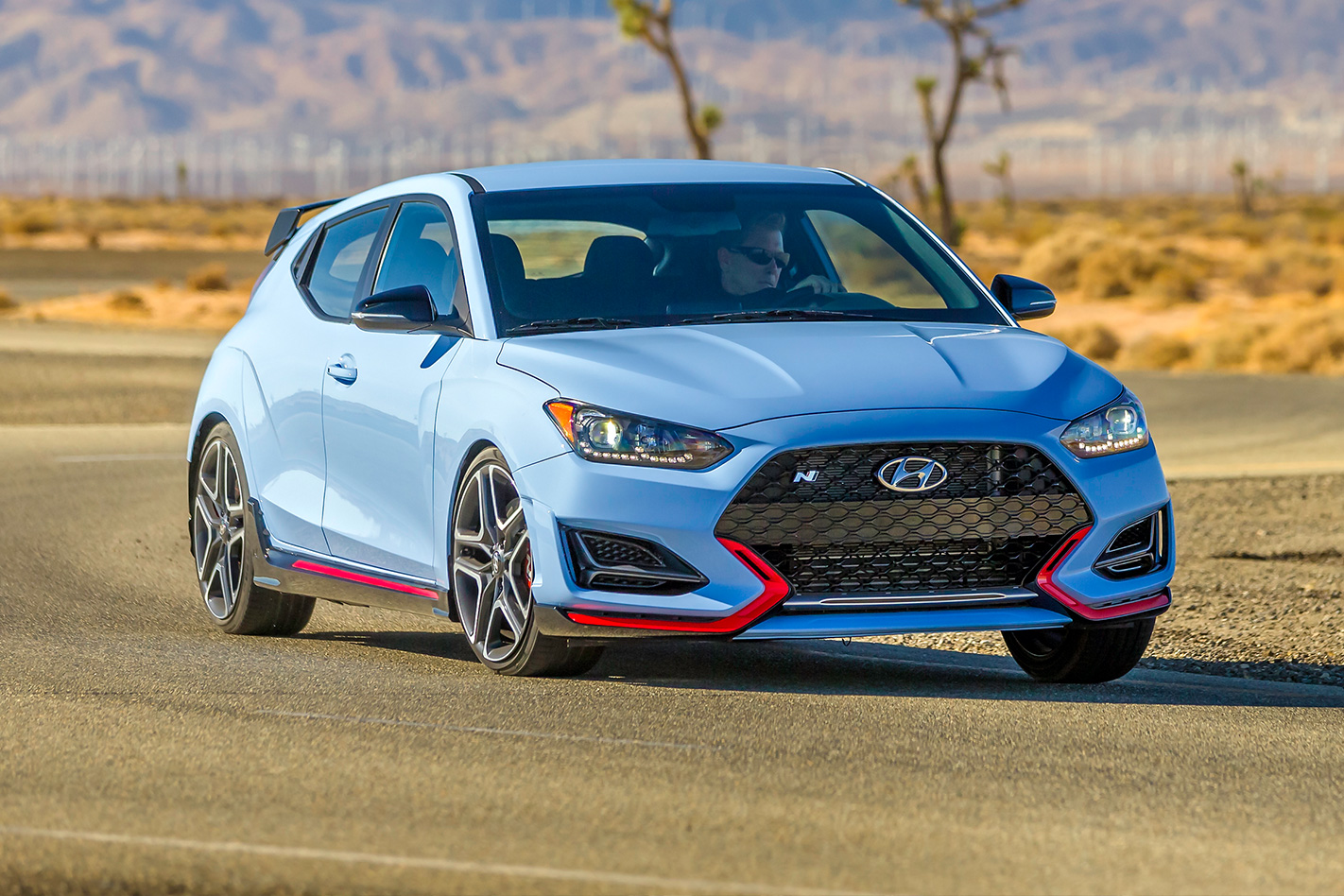
Hyundai used this month’s Consumer Electronics Show in Las Vegas to reveal its second-gen hydrogen fuel cell vehicle, the Nexo, and Biermann says the knowledge gained from Nexo will be valuable to any future performance variants.
“Now we’re into our second generation car; the powertrain is smaller, more efficient, and a little more powerful,” he said. “We have cars out there, but in pushing the performance right now we’re on the safe side and everything is easy on the durability side”.
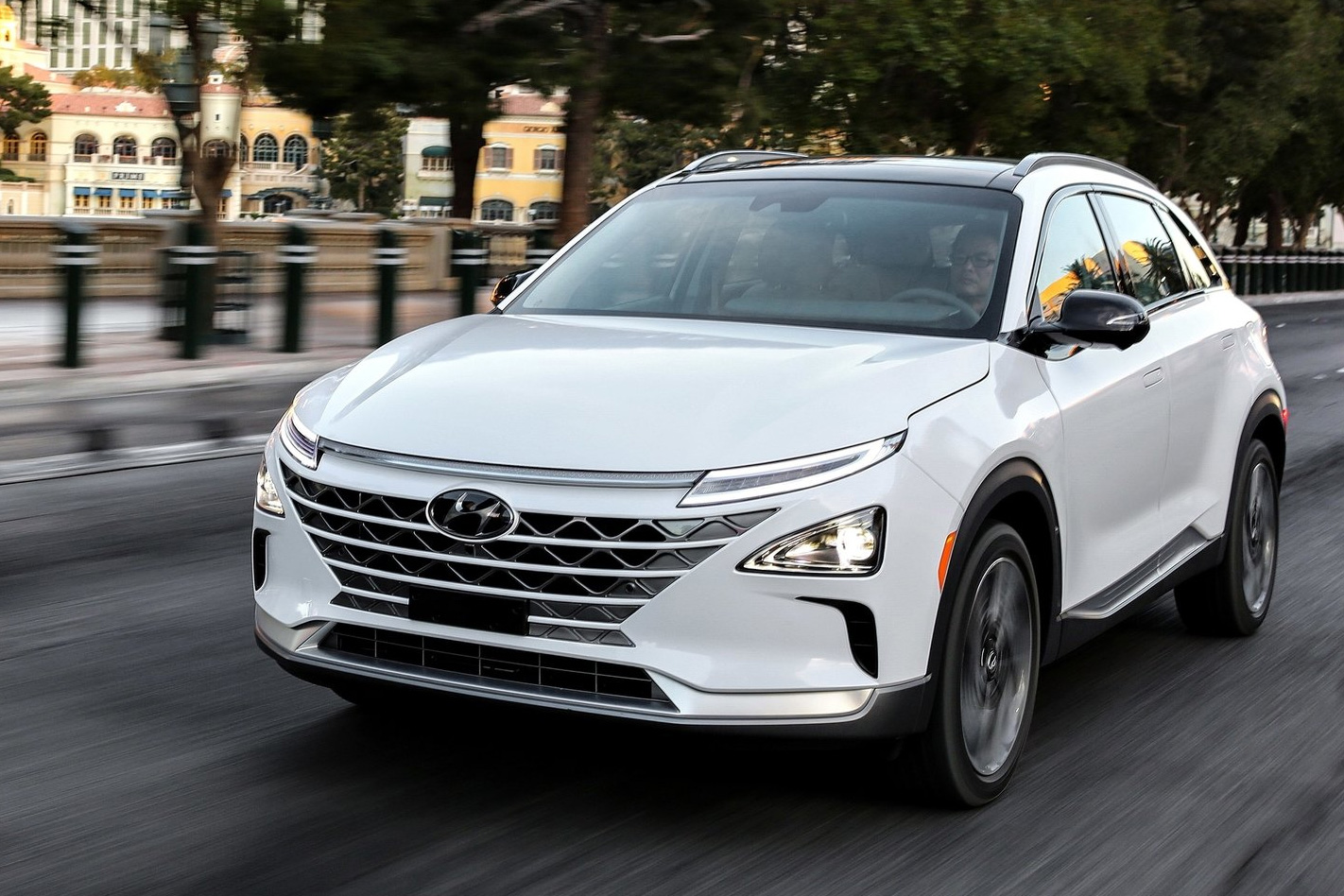
Biermann says that while those power figures are at the low end of what’s possible, durability and longevity of the fuel cell must be taken into account.
“If you make a fuel cell for N, a lot more ions have to move across the border, through the membrane, so there’s much more traffic. So, how durable?” he said. “How long could that survive, those are the questions that have not been answered yet, but we will look into this.
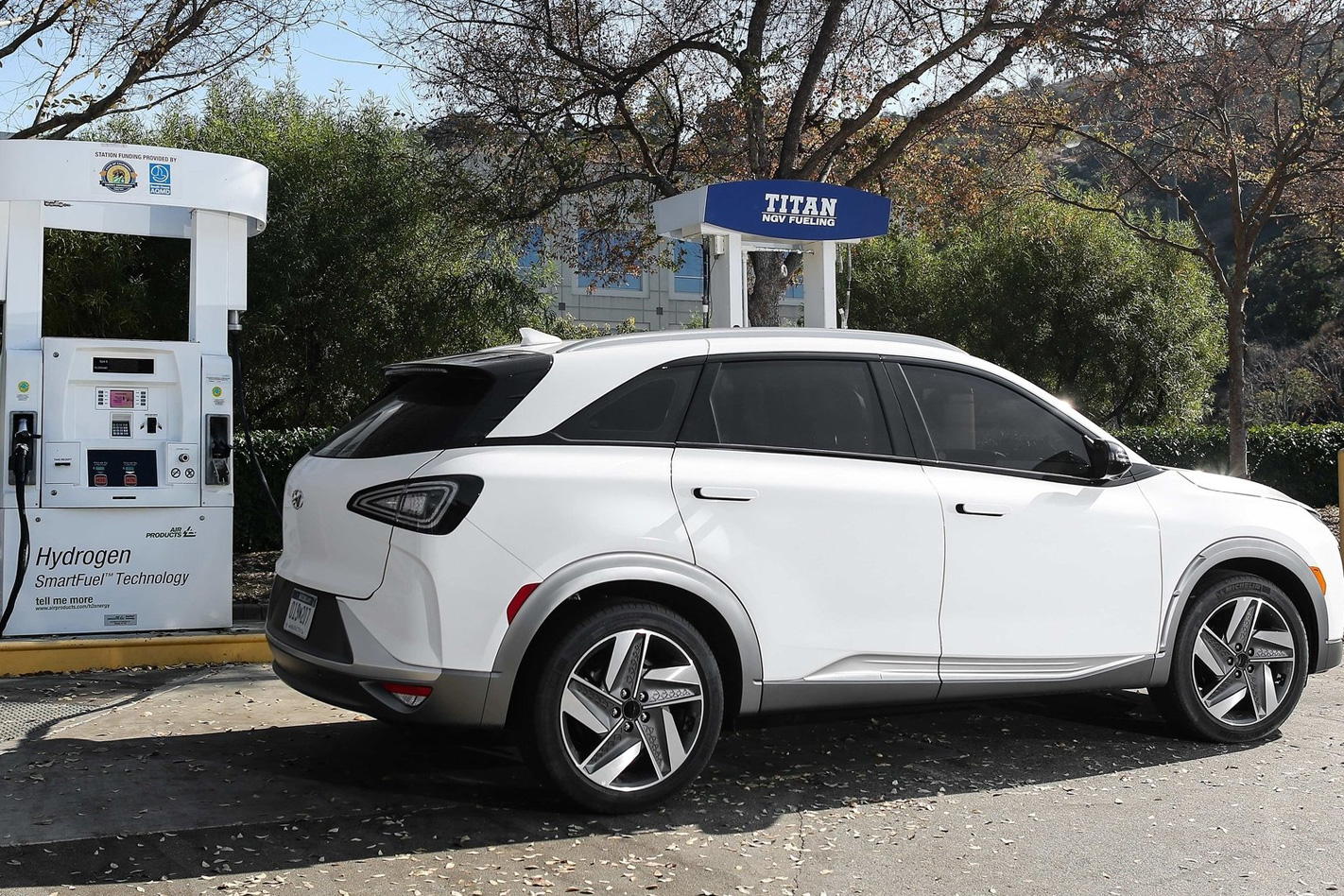
BMW and Mazda have both explored hydrogen as an alternative fuel in the past, with BMW building a limited run hydrogen-propelled 7 Series in 2005-07. The V12 7 Series used a conventional combustion engine and high-pressure injectors to spray liquid hydrogen into the combustion chambers.
CAR OF THE YEAR! We judge 2018’s standout ride over five days of gruelling testing.
Also in this issue; Alpine returns with the A110, and we like it; the Audi RS4 Avant confirms its super-wagon status; we find out how HSV builds the ultimate GTSR W1; the verdict on Toyota’s imported Camry; and BMW’s future platforms revealed.
This month’s version of Wheels has held back to coincide with the announcement of the 2018 Wheels Car of the Year on January 24. Subscribers’ issues will start hitting mail boxes from January 25 onwards.
Also in this edition:
- All the light, colour and movement of 2018 Wheels Car of the Year testing
- Jeep’s new Compass Trailhawk chases ghosts of the past
- Digging through GM’s metal, chrome, leather and vinyl-clad historical archives
- What’s the hottest new metal due in 2018? We do the research
- Ponch gets ready to pump up the jam on his Ford Mustang long-termer
- First drive of the Volvo XC40, Sweden’s first Chinese-speaking small SUV
- Columnists Corby and The Insider on car shows and China
- Classic Wheels: The story behind Norm “Wizard” Smith’s land speed record attempt
It’s not often we’ll review an outdated model, but in Alpina’s case we’ll make an exception. Confused? Don’t be.
Alpina dipped its toe into Australian waters in mid-2016 as a dealer-led initiative with its B3 sedan and wagon and B4 coupe and convertible models, but BMW Australia has now put one arm around the operation and updated ‘S’ models will soon launch with up-to-date interiors, more power and big price cuts. Rather than wait until then, however, we’ve taken the opportunity to slide behind the wheel of the B3 Touring for a taste of Alpina motoring.
The power, performance and pricetag all say “M3 Wagon”, but the driving experience says something quite different.
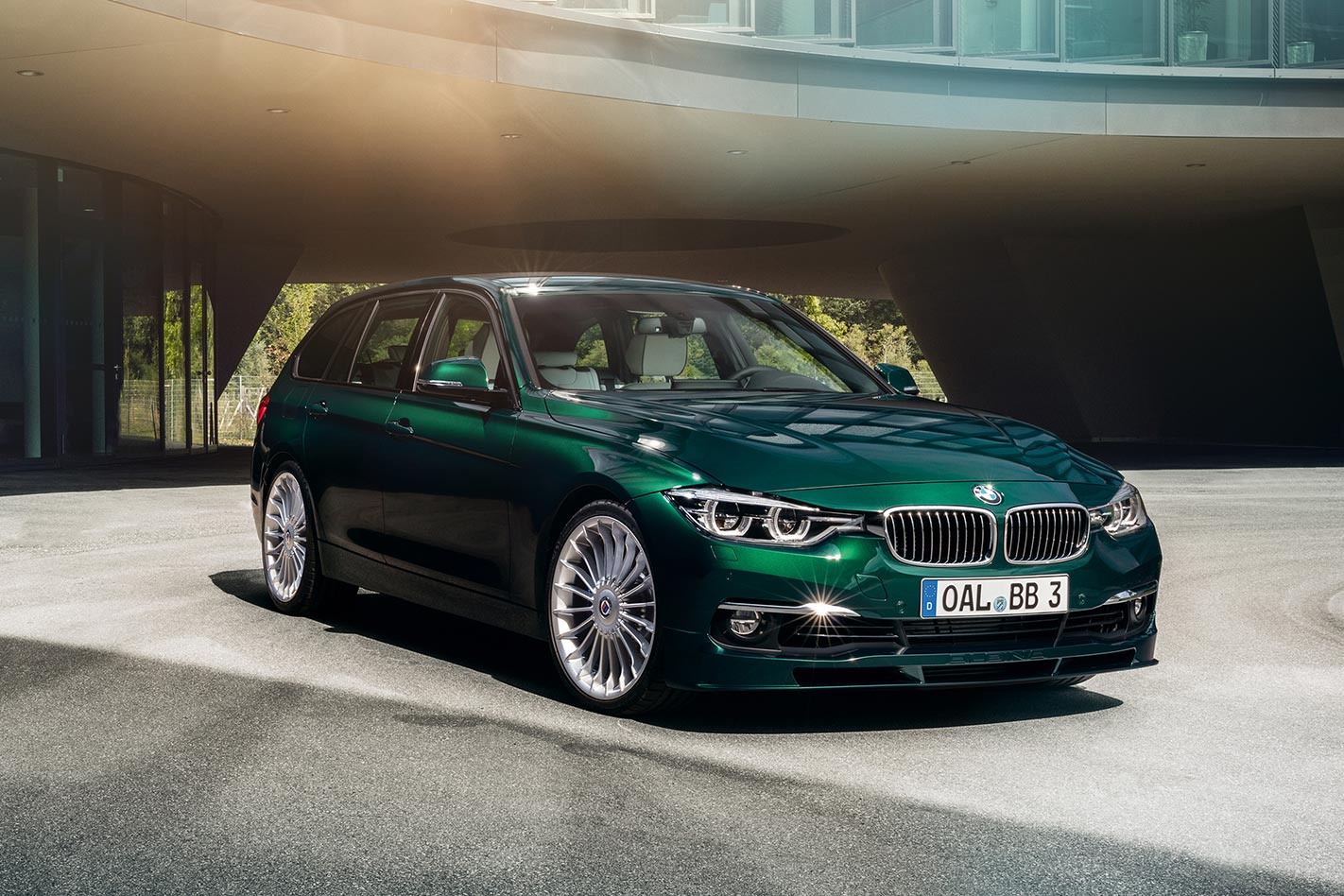
It looks great, too; you could make a case for Alpina’s 20-inch multi-spoke being the sexiest wheel of all time. It needs a limited-slip diff (optionally available), especially with the 324kW/660Nm of the revised S models, and the price is high, though again the S Touring has received an $11,000 haircut.
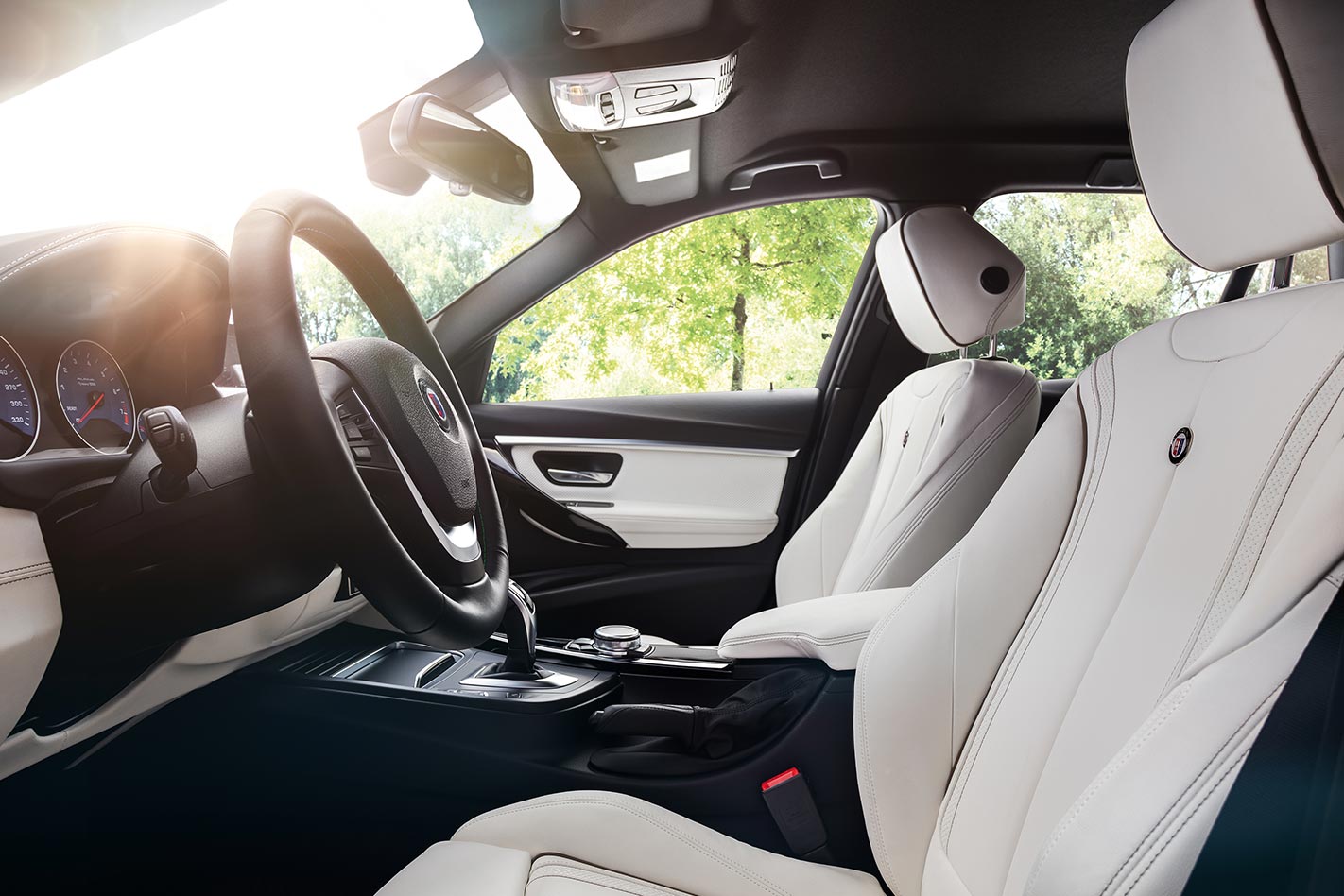
2018 Alpina B3 Touring specs: Engine: 3.0-litre inline-6 twin-turbo Power: 301kW Torque: 600Nm 0-100km/h: 4.4sec Price: $160,900
FIAT Chysler Automobiles chief executive Sergio Marchionne has compared his company’s troubles with those of a smelly horse, musing that the car maker’s problems were much smaller than shareholders predicted.
Marchionne, speaking at this week’s Detroit Motor Show, also indicated his successor would place less emphasis on sales figures – a strategy that almost destroyed the company – and instead focus on profitability and a continued strengthening of the brand.
The announcement comes as the global car maker prepares for a change at the top, and the release of a renewed five-year plan documenting the company’s strategic operations up to 2022.
“The Fiat in 2004 that I encountered was nearly bankrupt and the 2009 Chrysler that we ended up getting involved with was bankrupt,” Marchionne said. “We have always taken our commitment to deliver the financial results as being the primary objective.
“We have refused to make outlandish comments about the relevance of technology in our goal and predictions of what happens in 2030, because our objective was to be debt-free by 2018.
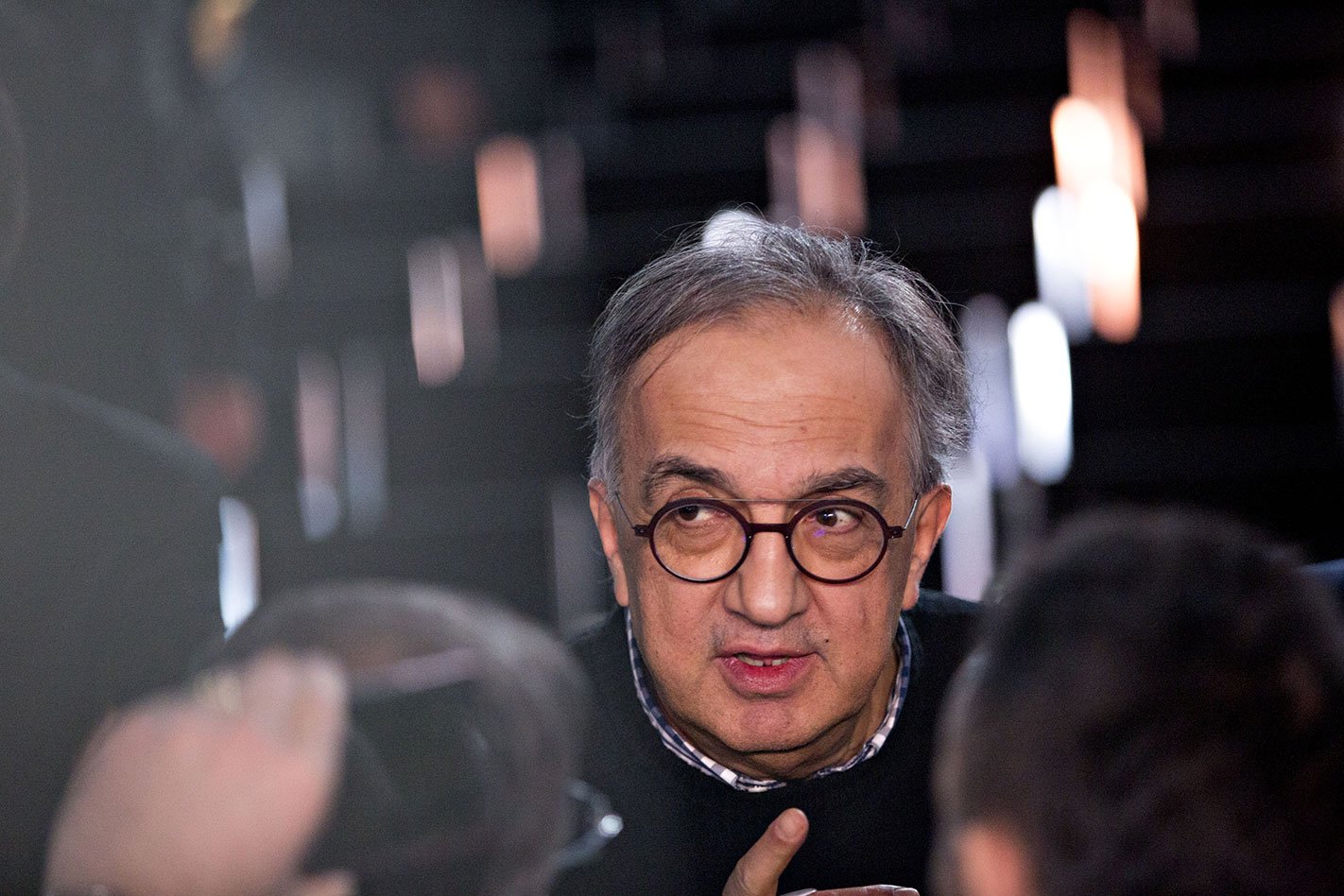
Marchionne said shareholders had walked away from the brand predicting the worst for Fiat and Chrysler, but following the dramatic turnaround, returning shareholders were realising the situation was recoverable.
He used an unusual analogy to explain how shareholders had reacted to FCA’s struggles.
“If you’re at the stable the only horse that smells really bad hopefully will smell as bad as the rest of the horses. You can look at this thing and say maybe it’s a good-looking horse or not a good-looking horse.
“I think what you’re seeing in terms of share price is an adjustment and the market recognising that this horse does not smell as bad as it looked.”
Marchionne said the constantly changing markets worldwide made a staunch adherence to targets an unwise strategy that would not allow FCA to adjust to a shifting landscape.
“What happens from here on until 2022? It is important that that philosophy which has been at the heart of the revival of Fiat and Chrysler over the last 15 years continues,” he said.
“This is not necessarily an exact number of vehicles we will sell by 2022 because I’m going to get that number wrong… And I’m allowed to get that wrong because it doesn’t matter.
“We changed in the United States in the middle of the plan because the market had gone completely in the other direction, and for me to be steadfast in being married to a crazy unrealistic, unsustainable, uneconomic objective like that of selling seven million cars just to make sure I was not wrong in the planned number would have been criminal.”
That successor to the top spot at FCA is not yet decided, but Marchionne confirmed the new chief executive would come from the current board of directors, with an announcement expected imminently.
“What you’re going to get with my successor, sometime soon, is the same type of commitment that we have made for the last 14 years to the maintenance of a healthy organisation that is profitable and can face the future with a degree of certainty,” he said.
“We owe it to the 300,000 people who work inside FCA. That is not negotiable so whoever you get, whichever turkey comes after this turkey, will do the same thing. He will try and pinch this view of what we will look like in 2022 by giving you directional views about things that will happen.
“Timing in this business is everything. If you get that wrong, all bets are off.”
FIAT Chysler Automobile’s outspoken chief executive Sergio Marchionne has shown interest in adding a Ram-badged one-tonne trade ute to his company’s growing global portfolio.
Detailing his strategy for the global car giant as he prepares to retire at a yet-to-be-confirmed point this year, Marchionne revealed the US and European car making giant was developing a product strategy that could herald a smaller Ram-branded ute.
Marchionne took on the leadership position as the company’s constituent parts teetered on the brink of collapse. He has since reversed the group’s fortunes with an expanding model portfolio and a return to profitability, but 15 years since he was appointed to the top job, Marchionne is not winding back.
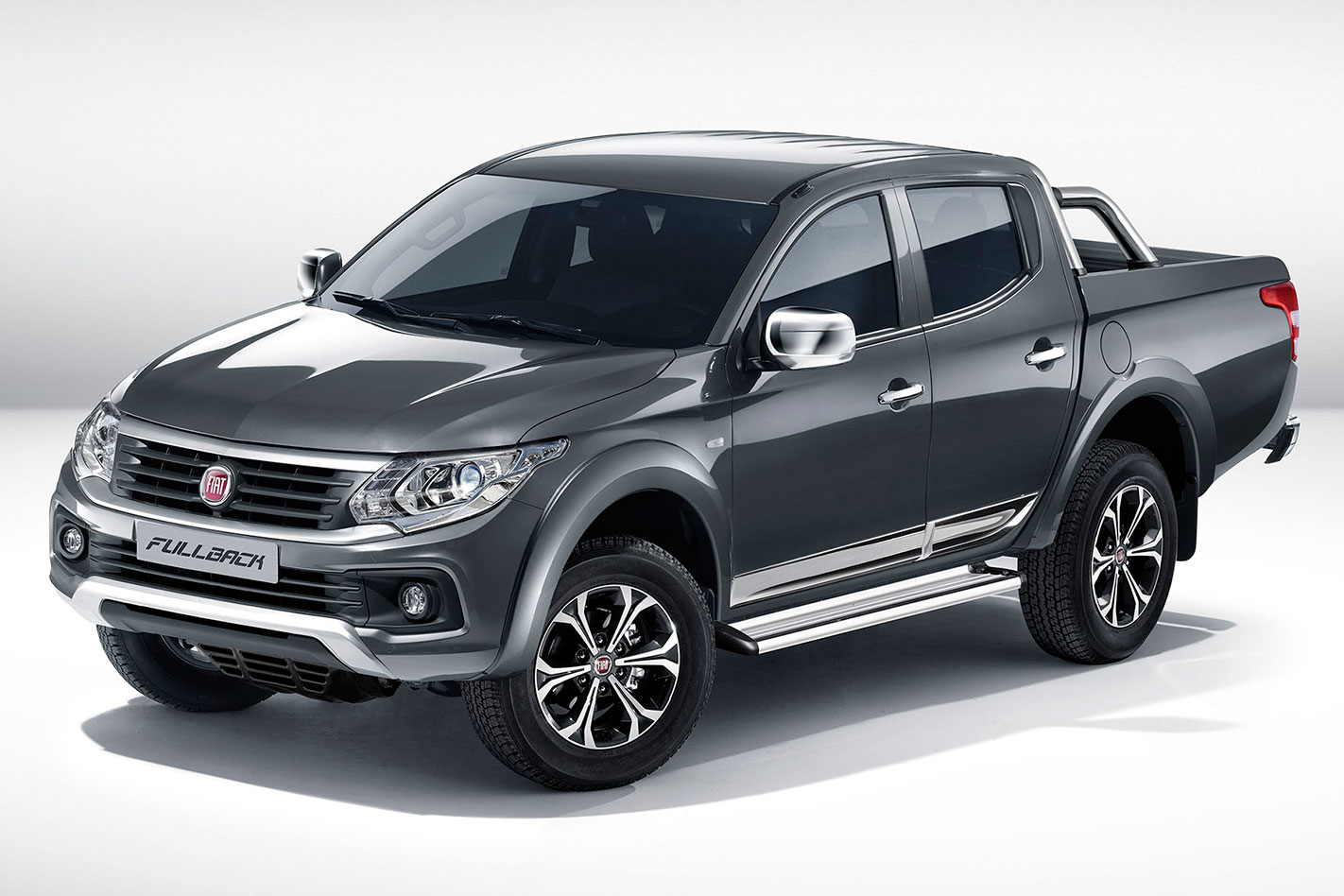
Speaking at this week’s Detroit Motor Show, Marchionne all but confirmed that Dodge was gearing up for a new smaller model to take on the world’s snowballing one-tonne truck competitors.
“We need a metric tonne truck for global use,” he said. “It will be a Ram, I hope. It may be a Fiat in some jurisdictions but a majority of it will be Ram.”
An announcement of other products that will roll out in the second five-year forecast will have to wait until the report is officially released later this year.
One-tonne trade utes are a growing market globally, with the Toyota Hilux and Ford Ranger dominating the market locally.
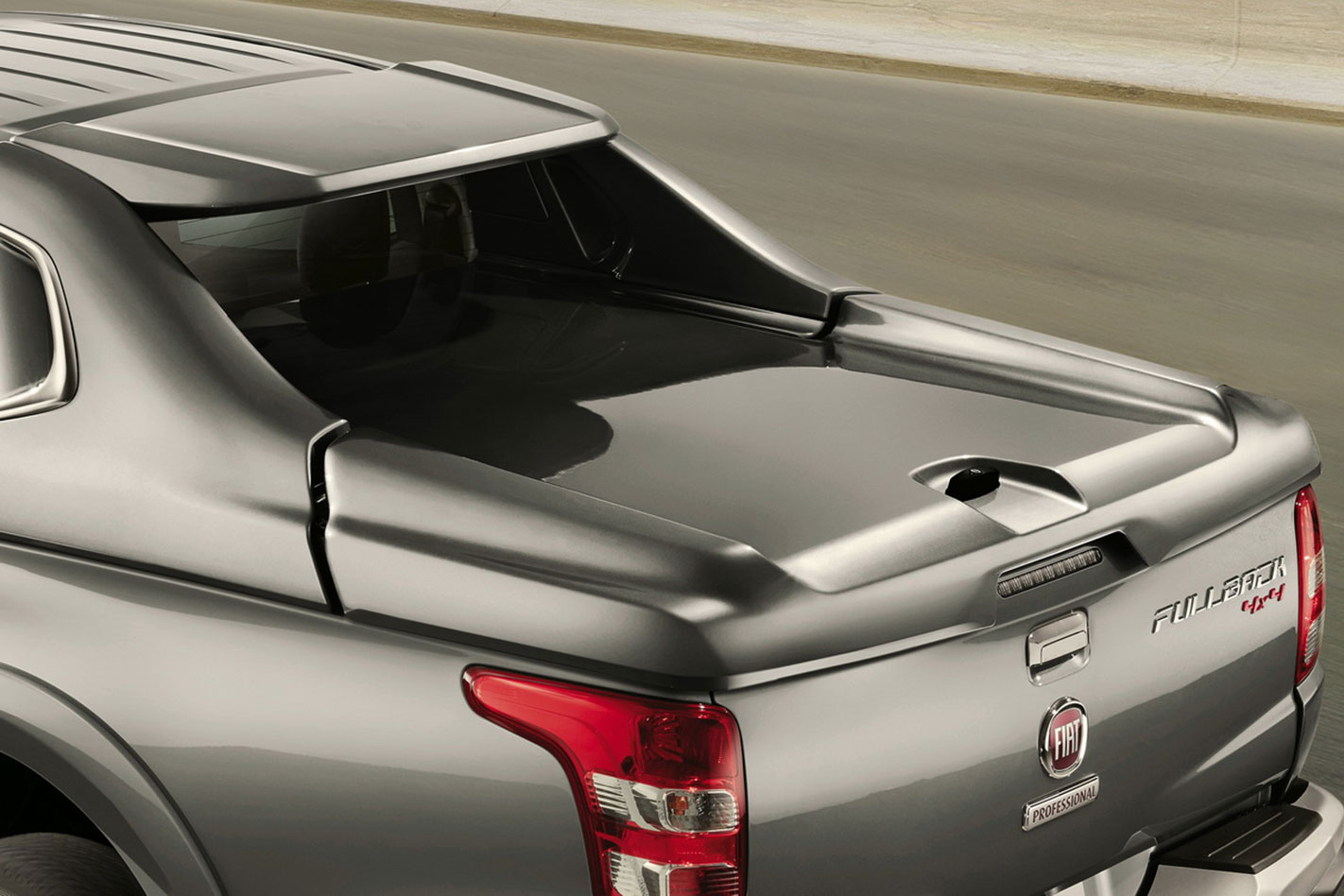
FCA’s entry to the Australian one-tonne crew-cab and pick-up market could be a good move for the brand; sales in the more profitable 4×4 sector were up 12.8 percent in 2017 after a stellar pre-Christmas rush from buyers pushed the segment 24.3 percent higher than December 2016.
Sales of 4×4 models alone accounted for more than one in every 10 new-car sales in Australia in 2017 – combined overall sales of almost 1.19 million last year pegged yet another record for the industry.
The demise of the Australian car industry, which includes the loss of the passenger car-based Falcon and Commodore utes, have left buyers seeking a weekday workhorse and a weekend escape vehicle little choice when it comes to replacing their trade vehicles.
