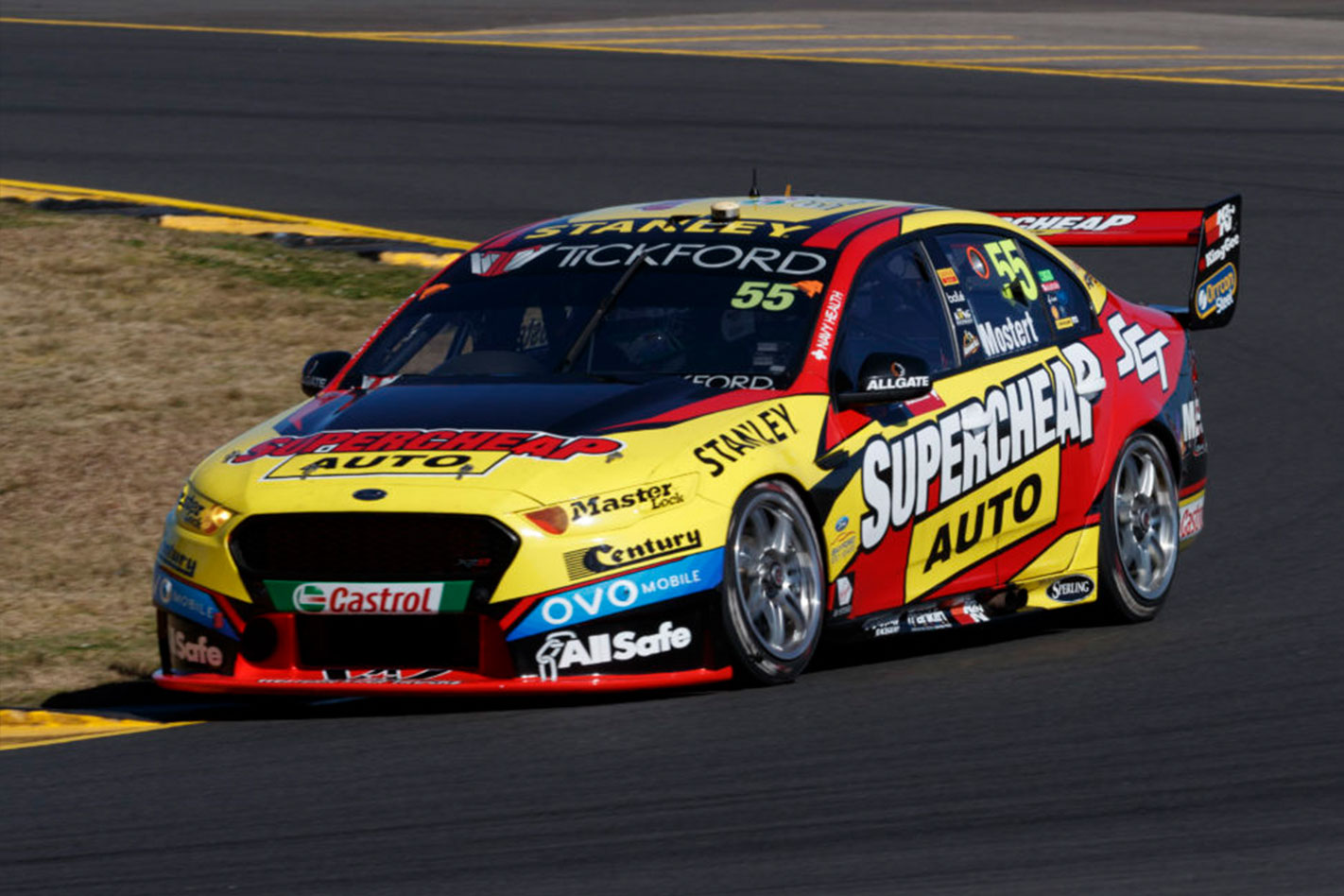
For the 2018 Supercars season and beyond, Prodrive Racing Australia is changing its name to Tickford Racing.
The change comes as Tickford wishes to create a stronger cohesion with the brands under the Tickford banner. The change means the racing team will be easily recognisable as the sister company to the Tickford that builds performance cars.
Mark Winterbottom, Chaz Mostert, Cam Waters, and Richie Stanaway will all be driving for Tickford Racing full-time in 2018.
Tickford managing director Rod Nash says the change will help build the brand’s recognition on track, and make the Tickford brand clearer.
“We’ve been considering the possibility of changing the team’s name for some time and I am pleased to announce that we’ll take on the Tickford Racing name for 2018 and beyond,” Nash says.
“The change creates a strong overall link between our rapidly growing performance road car business and our racing division.
“We were conscious of how another name change might be perceived by our fans and members given all the success we’ve had under the PRA banner with championships in the main game and Super2 plus Bathurst success.”
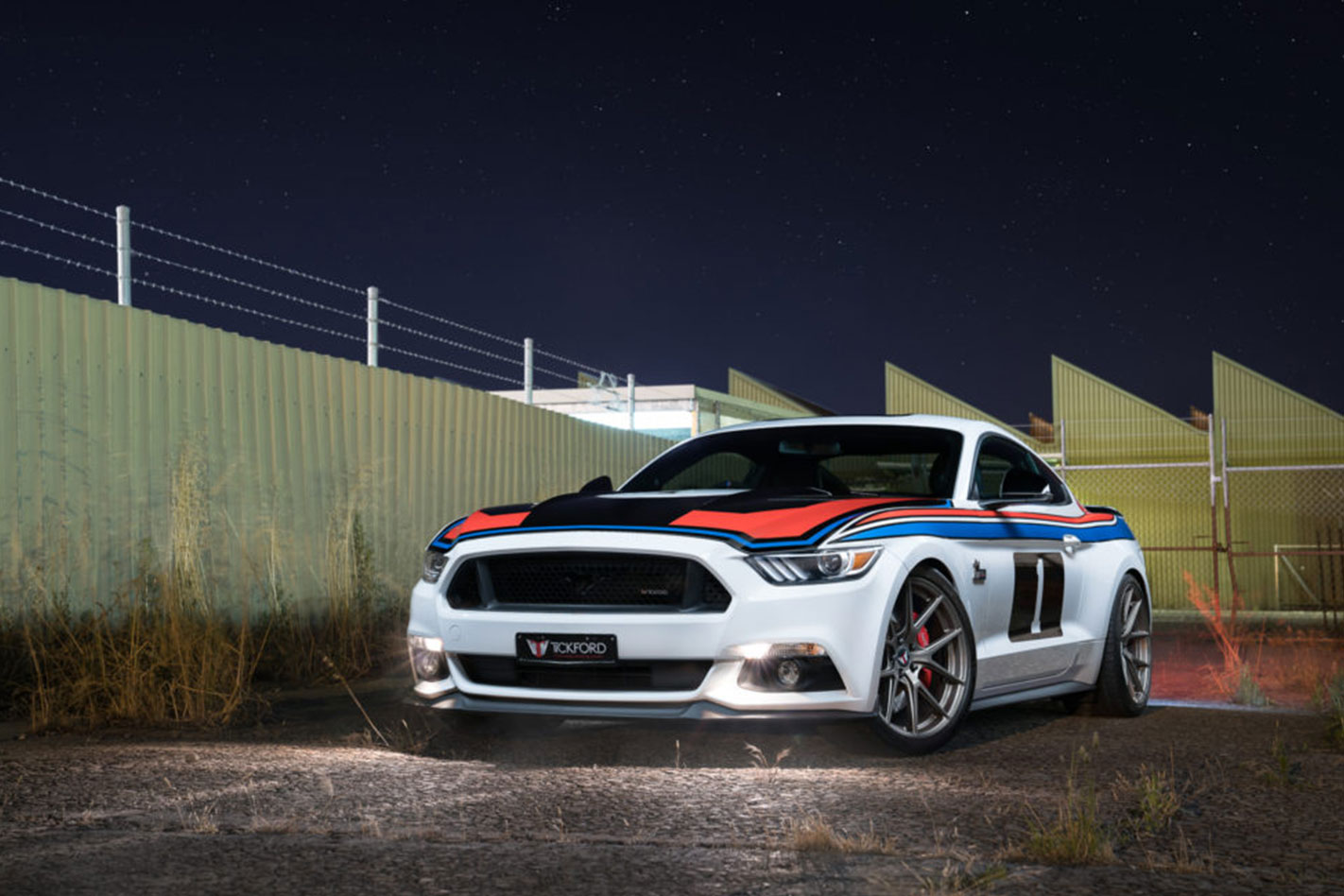
“We made sure we kept blue in our logo as we know the fans love it. They want to see blue in our logo and on the grid and it nicely provides a constant link to our past and what we represent.
“Tickford Racing adopts the modern interpretation of the Tickford logo like our automotive business has and we retain the same drivers and personnel that have made us so successful. I’d like to think it’s a win for everyone.”
Lexus customers are the happiest luxury car owners in Australia, according to this year’s JDPower customer service survey, in which the Japanese brand fought off stiff competition from Mercedes and Audi.
Assessed in five areas of aftersales customer satisfaction, Lexus scored 869 points out of a possible 1000, beating second-place maker Mercedes-Benz and its score of 852. The Lexus result earned it five JDPower ‘circles’ for being “among the best” while Mercedes’ four circles was ranked “better than most”.
In third place, Audi scored 840 points – which is just beneath the luxury segment average of 842 and was earned the four-ringed brand three circles. German rival BMW lagged in fourth place with 835 points.
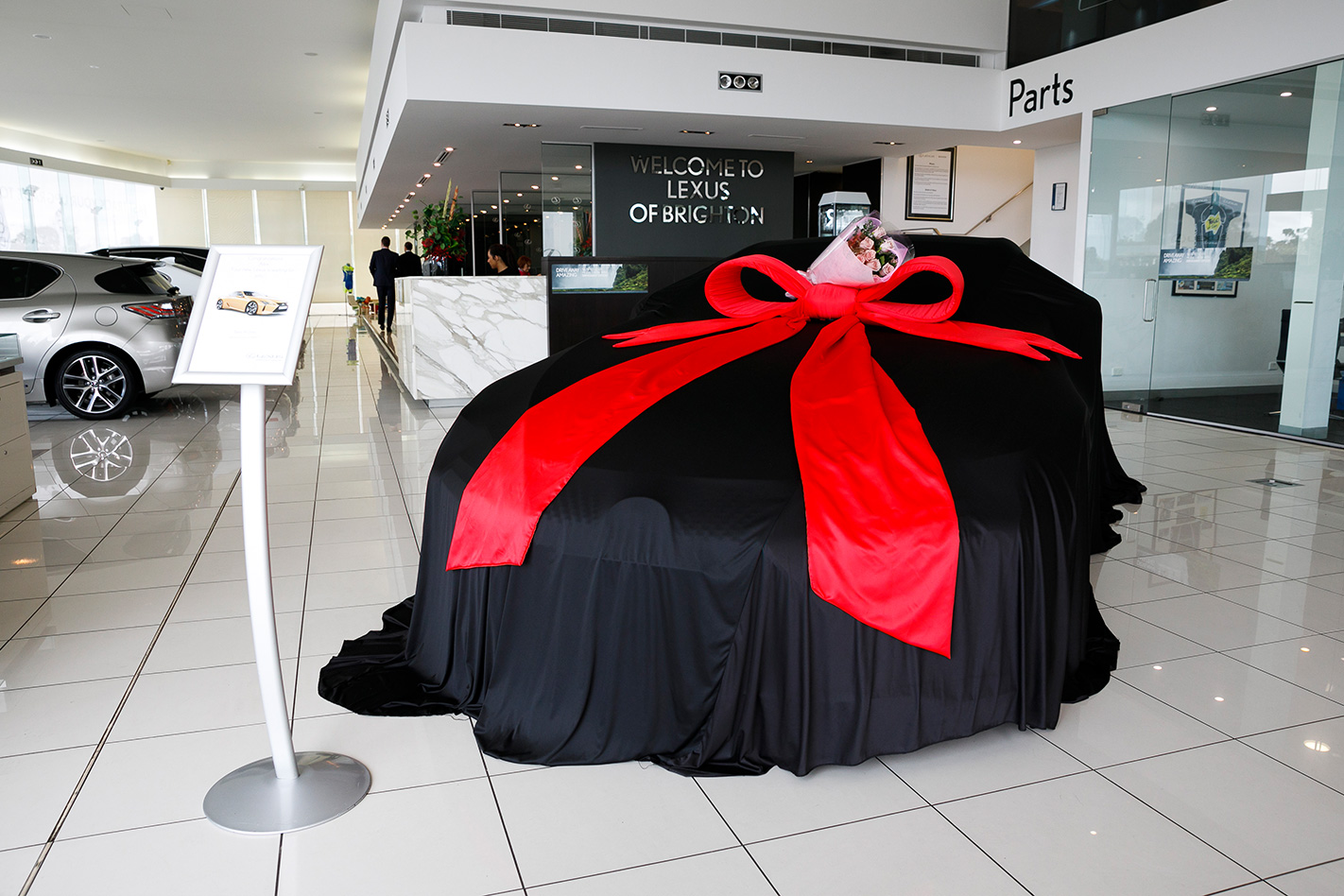
While the ‘big three’ failed to catch Lexus, a consistent top-scorer in customer satisfaction, the runners-up should still give themselves a pat on the back with their general customer satisfaction standard increasing for the fourth consecutive year. Overall, 2017 resulted in an 18-point rise across all rated brands.
The luxury marques also earned another feather in their caps for achieving a higher satisfaction score than mainstream manufacturers. Volvo and Jaguar Land Rover can also share the praise, with the smaller premium carmakers also coming under the microscope. However, their customer sample size was too small to be included in the ranking, according to JDPower.
The brands were judged over a number of key criteria, while customers were asked to rate their experiences with service advisors, vehicle pick-up, service quality, facilities and service initiation.
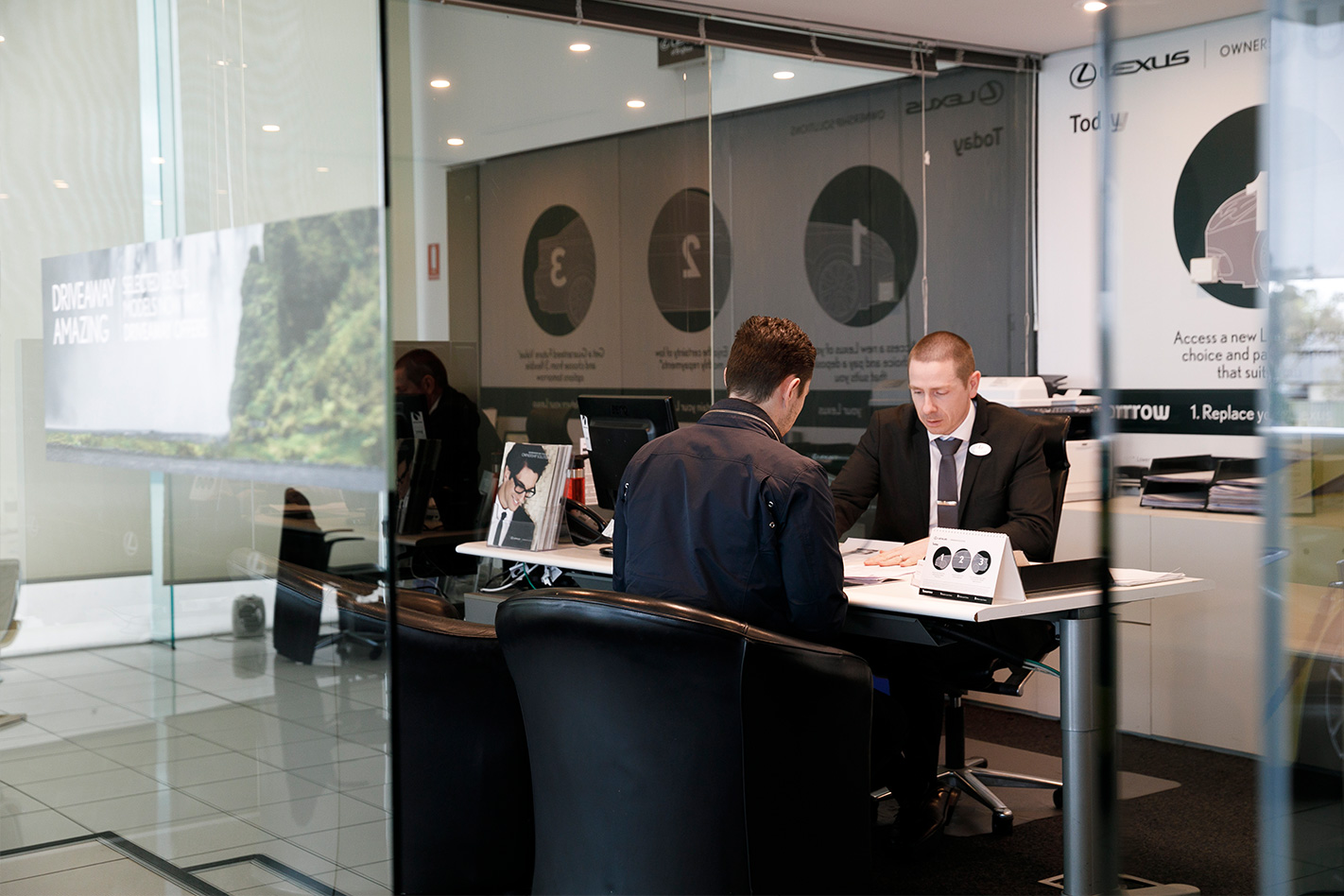
From their responses, customers ranked cost transparency, having problems resolved in one visit and the availability of alternative transport with the highest importance.
Now in its fourth year, the Australian Customer Service Index Study is based on a study of 547 luxury car owners who bought their cars between 2012 and September 2017.
JDPower is an independent marketing information organisation that assesses a number of industries including automotive for product quality and buyer behaviour.
At Wheels we review every new car as it hits the market, and 2017 was another bumper year for car launches.
It was also a year that saw several major pivots; whether it was the departure of the Toyota Camry and Holden Commodore from their respective Australian assembly lines, or the arrival of new metal that sought to challenge the status quo like the Kia Stinger.
There was also the inexorable rise of dual-cab utes and SUVs up the sales charts, and a bevy of hot performance metal arriving on Australian shores too. Which ones got the most attention? Here’s part one of our 2017 road test recap.
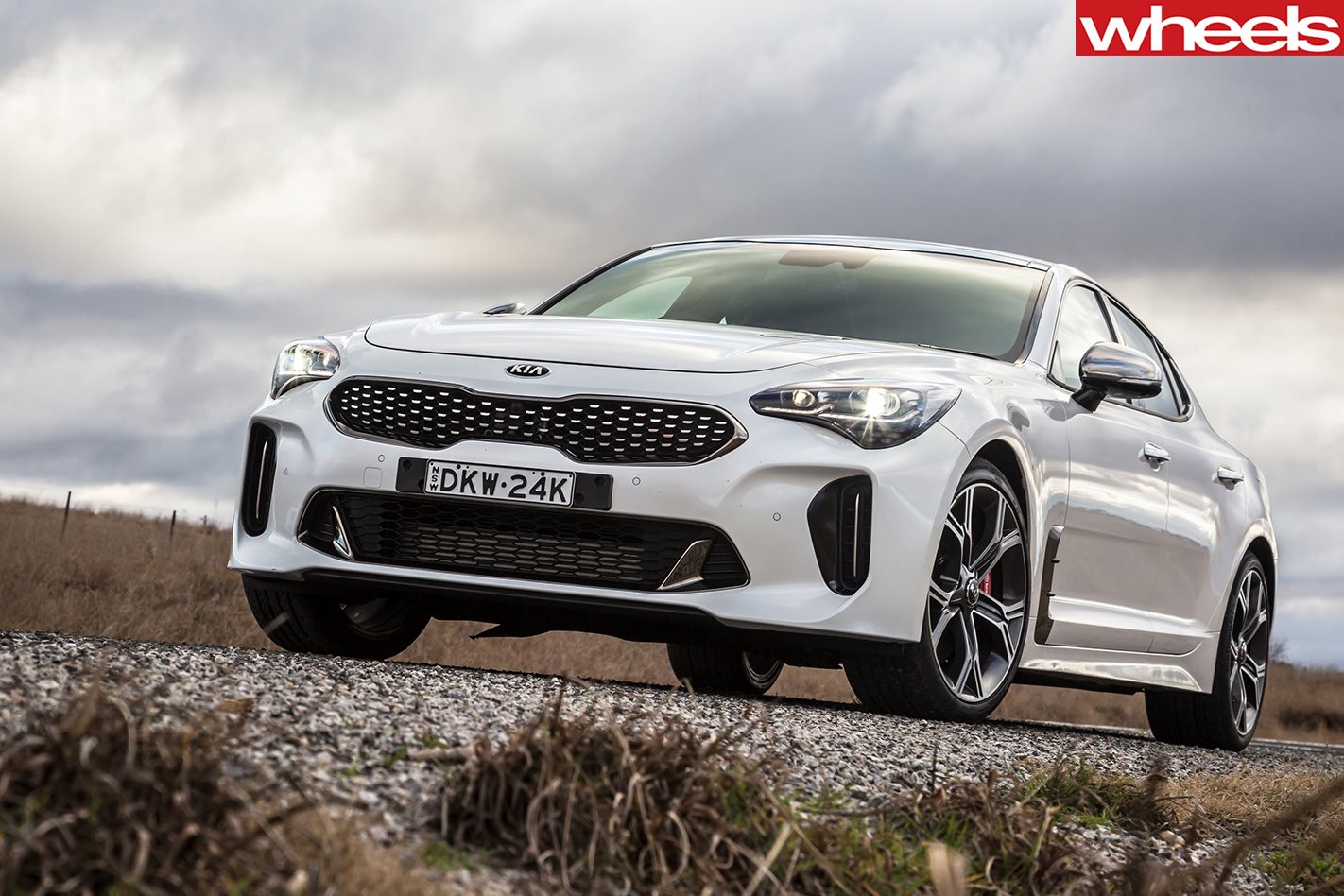
No surprises here. The Stinger was a major traffic-getter, with tens of thousands of Wheels readers itching to find out what Kia’s first attempt at a rear-wheel drive performance sedan – and a quasi-luxurious one at that – was like.
Whether you admire Kia’s ambition or you’re simply curious whether a Korean underdog can beat established rear-drive marques like Ford, Holden (or even BMW) at their own game, the message was clear: the Kia Stinger commands interest.
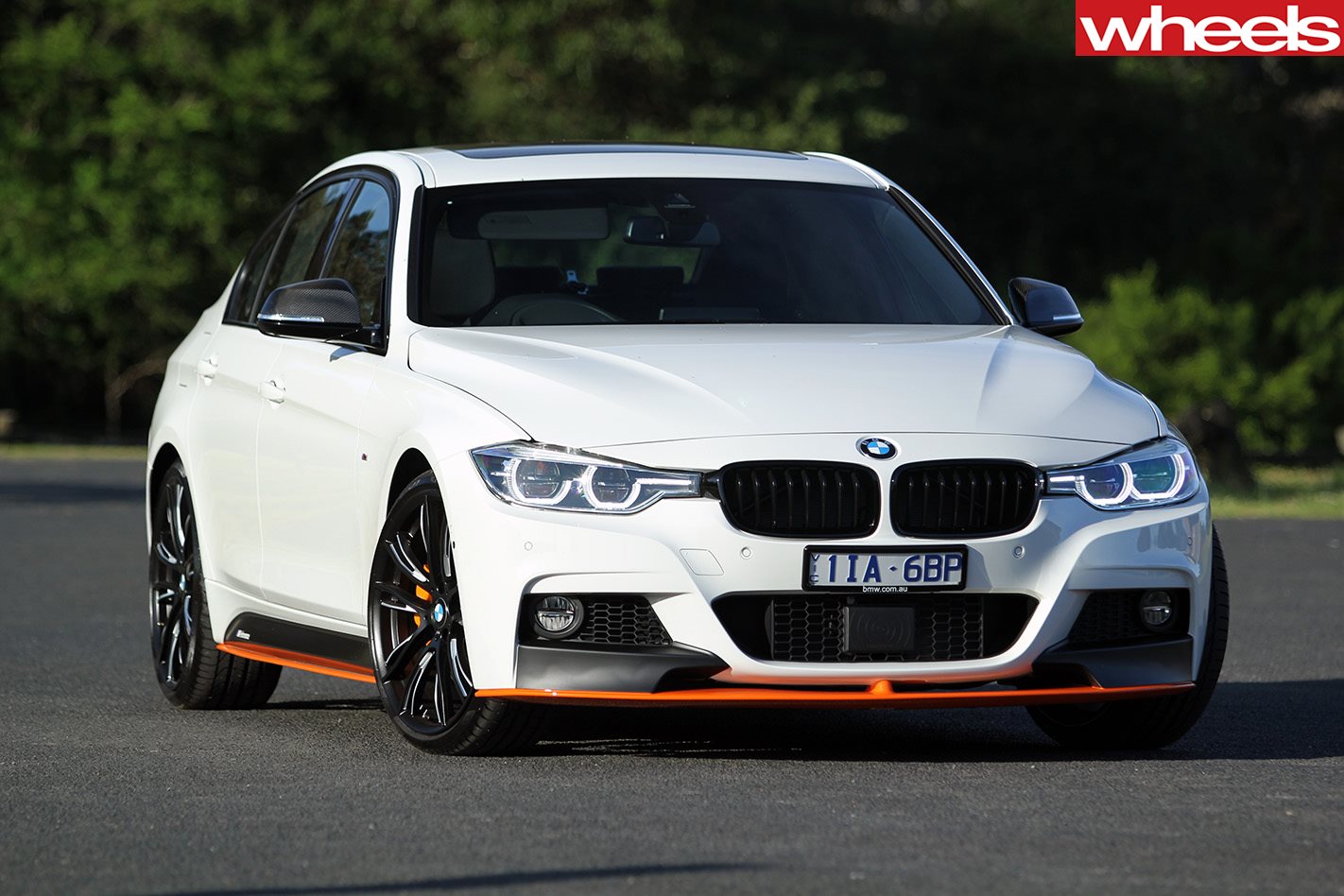
Reckon the BMW 3 Series range could use something to plug the gap between the fast-yet-sensible 350i and the utterly manic M3? BMW certainly thinks so, and to answer that call it developed a range of go-faster bits under the M Performance banner for its six-cylinder executive sled.
Does bolting on some performance parts taint the 340i, or does it elevate it to near-M3 status? Have a read of our 340i M Performance review – tens of thousands of other Aussies already have.
Like it or loathe it (probably the latter, if our Facebook comments are anything to go by), the Toyota Camry is a major contributor to Toyota Australia’s bottom line. It may not tickle the fancy of all you rabid petrolheads out there, but it’s the very epitome of “dependable motoring” for the masses.
An all-new Camry is now here, and it’s the first one on local sale to be built outside of Australia in over three decades. Now sourced from Japan, our site statistics suggest that you lot are pretty keen on seeing if the 2018 Camry shapes up as a quality mid-sizer.
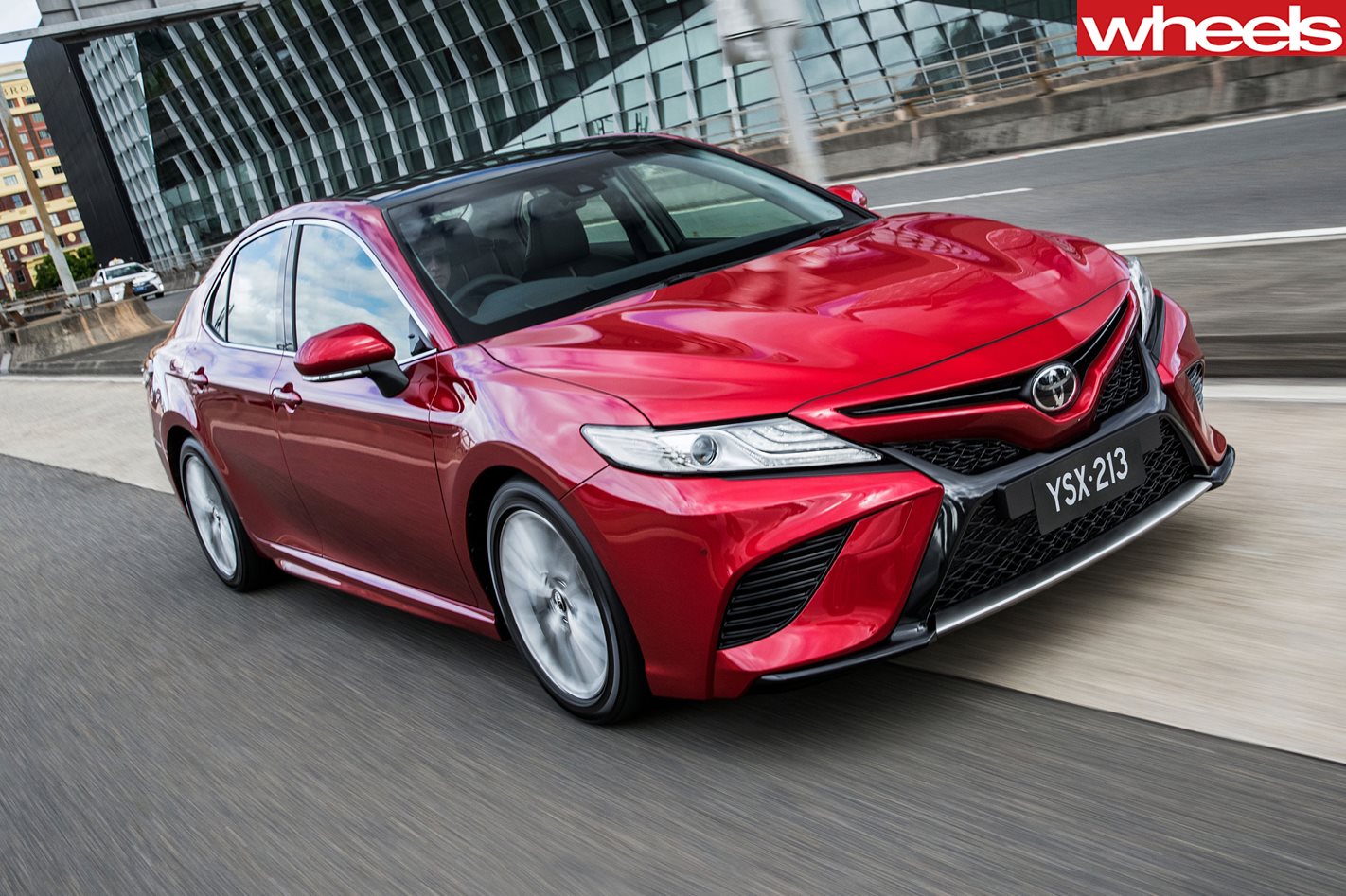
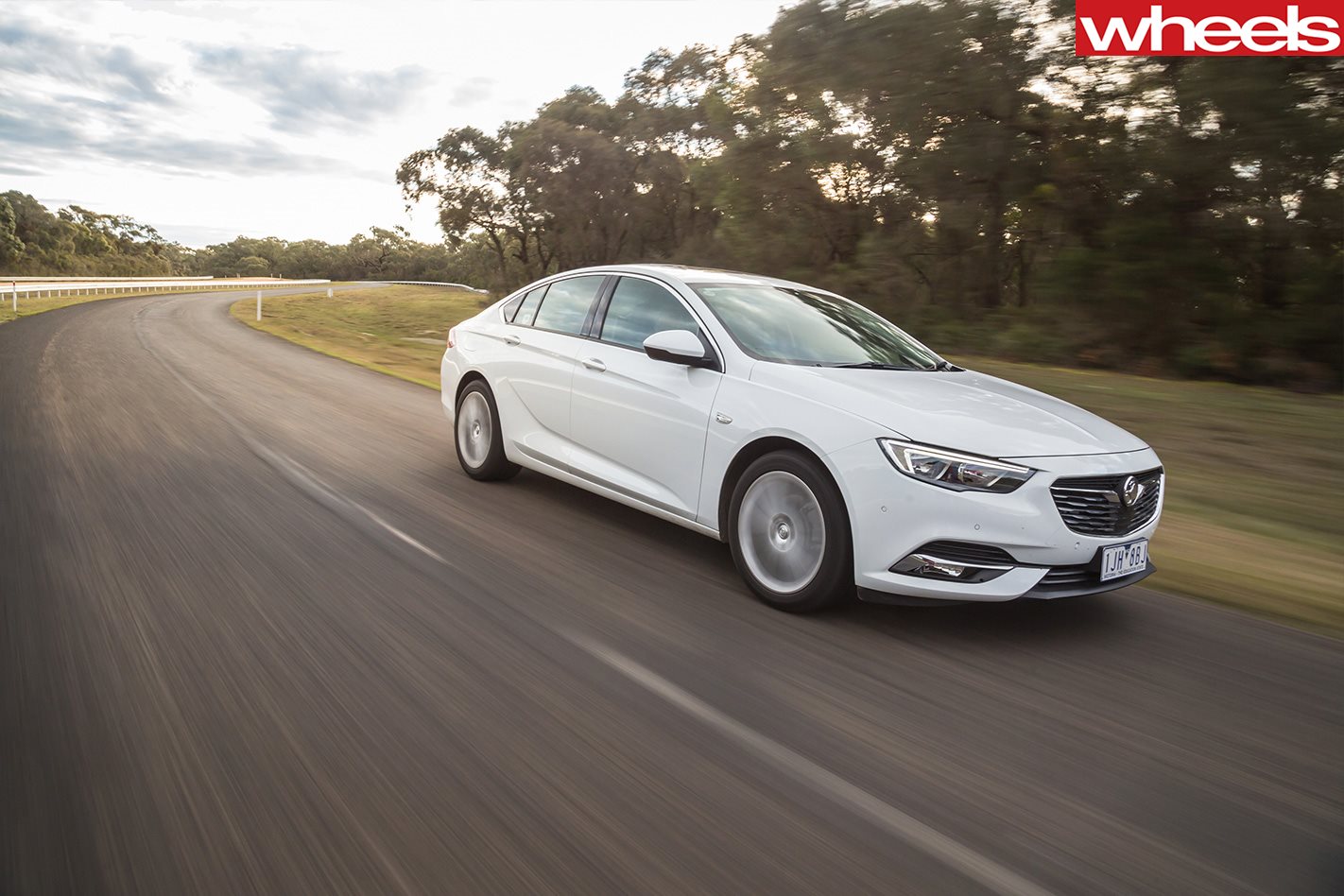
The Camry wasn’t the only new mainstream metal to make a major move away from local manufacture this year. The Commodore, for so long Holden’s locally-assembled large car hero and a mainstay of its showrooms, stopped rolling down the company’s Elizabeth assembly plant just two months ago, much to the displeasure of this country’s motoring fans.
The nameplate isn’t going anywhere though. Now fully imported from Germany and the UK, the Commodore switches from rear-drive to front-drive and shrinks slightly to roughly mid-size proportions. The sedan is gone, replaced by a hatchback, and there won’t be a V8 for this transverse-engined Commodore.
Even so, our readers were naturally curious about whether the new Commodore lives up to their expectations of the nameplate. This review was always bound to be a popular one.
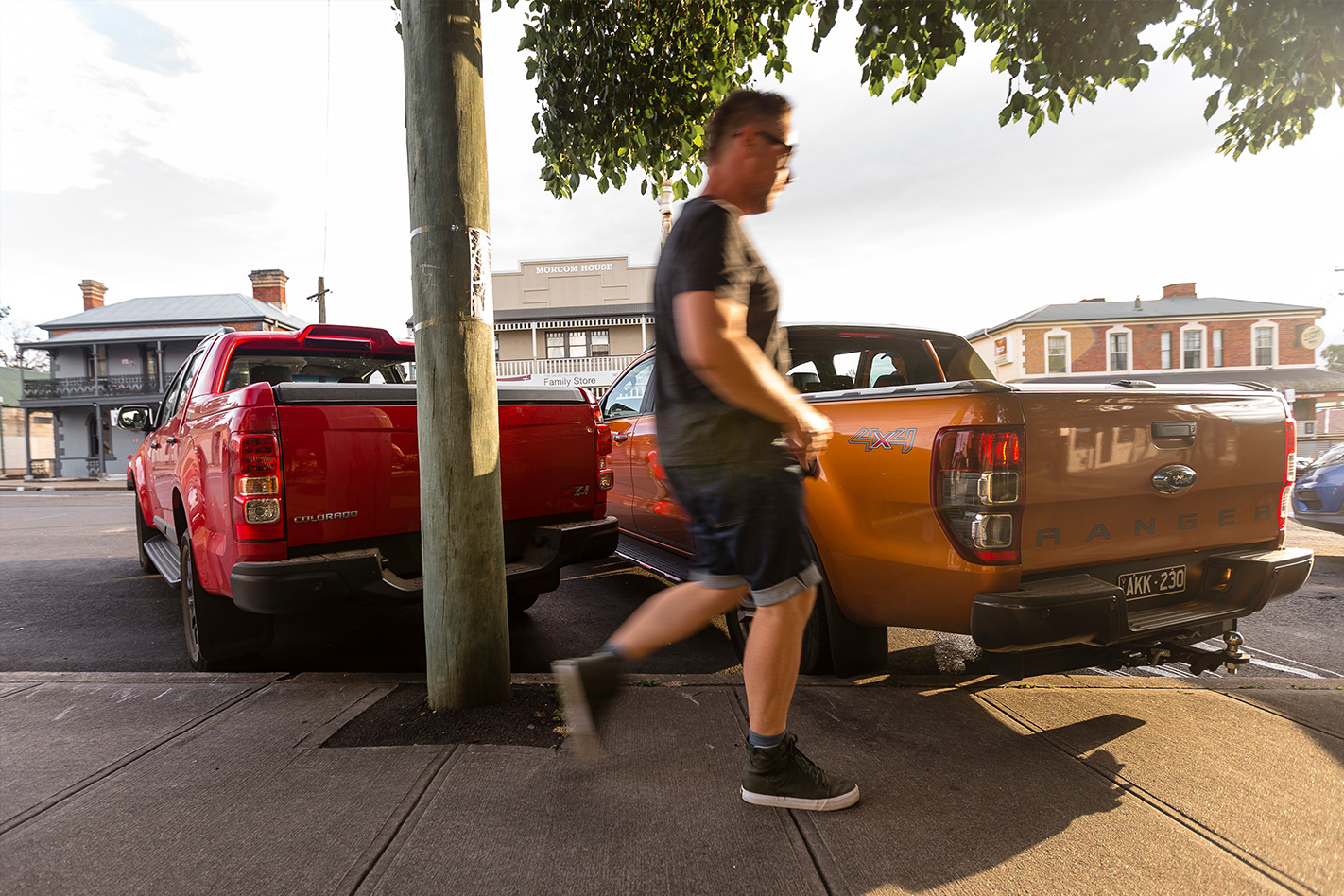
The Ranger is Ford Australia’s most popular model, believe it or not, and the Colorado currently occupies second place in Holden’s 2017 sales figures. Of course, pitting the two highest-specced versions of both these utes against each other was definitely going to attract more than a few eyeballs.
The 2018 Jeep Cherokee will attempt to take the brand more upmarket, with the US off-road brand claiming a midlife makeover of the midsize SUV gives it a “more premium design”.
Few details accompany the images released overnight ahead of January’s reveal at the Detroit Motor Show, the premier car show on Jeep’s home turf. Only one sentence in Jeep’s press release leading up to the full show reveal offers any clues: “The most capable mid-size sport-utility vehicle (SUV) boasts a new, authentic and more premium design, along with even more fuel-efficient powertrain options,” it says.
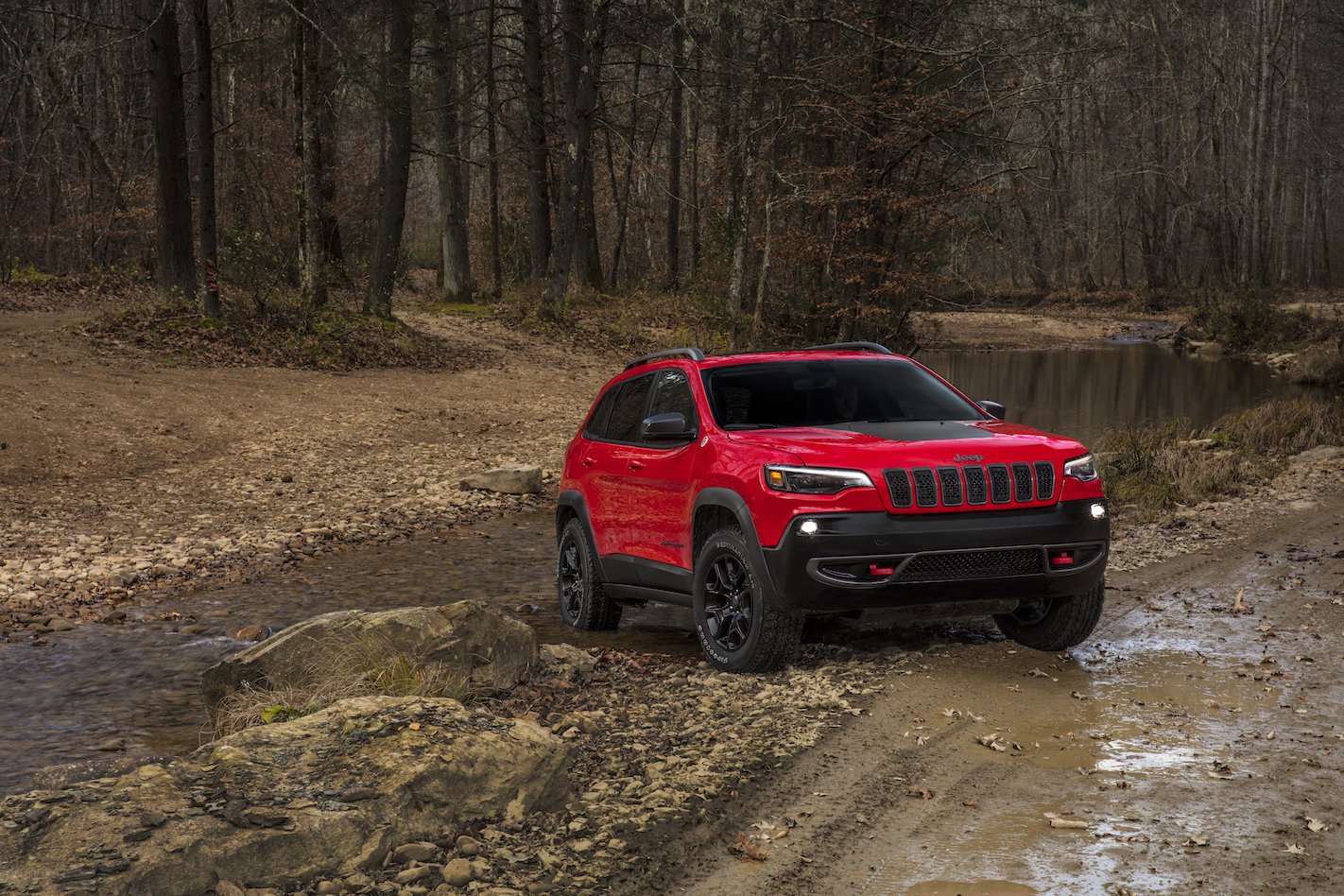
The most significant change is made to the Cherokee’s snout. The somewhat polarising – but potentially right for an SUV that had to find one way to stand out from the crowd – triple light stack that started with a slit-like strip on either side of a narrow trapezoidal bonnet has gone. In its place are more conventional, and potentially less expensive, single-lens headlights that sit much lower and allow for a more conventional, square bonnet.
There’s a lower leading edge on the bonnet, which incidentally shows off the Jeep logo better than the current model, but features a significantly smaller looking waterfall version of the traditional seven-slot grille. The front bumper, framed in what look like much smaller LED-style fog lights and on the more off-road friendly versions tow hooks, is also deeper than before.
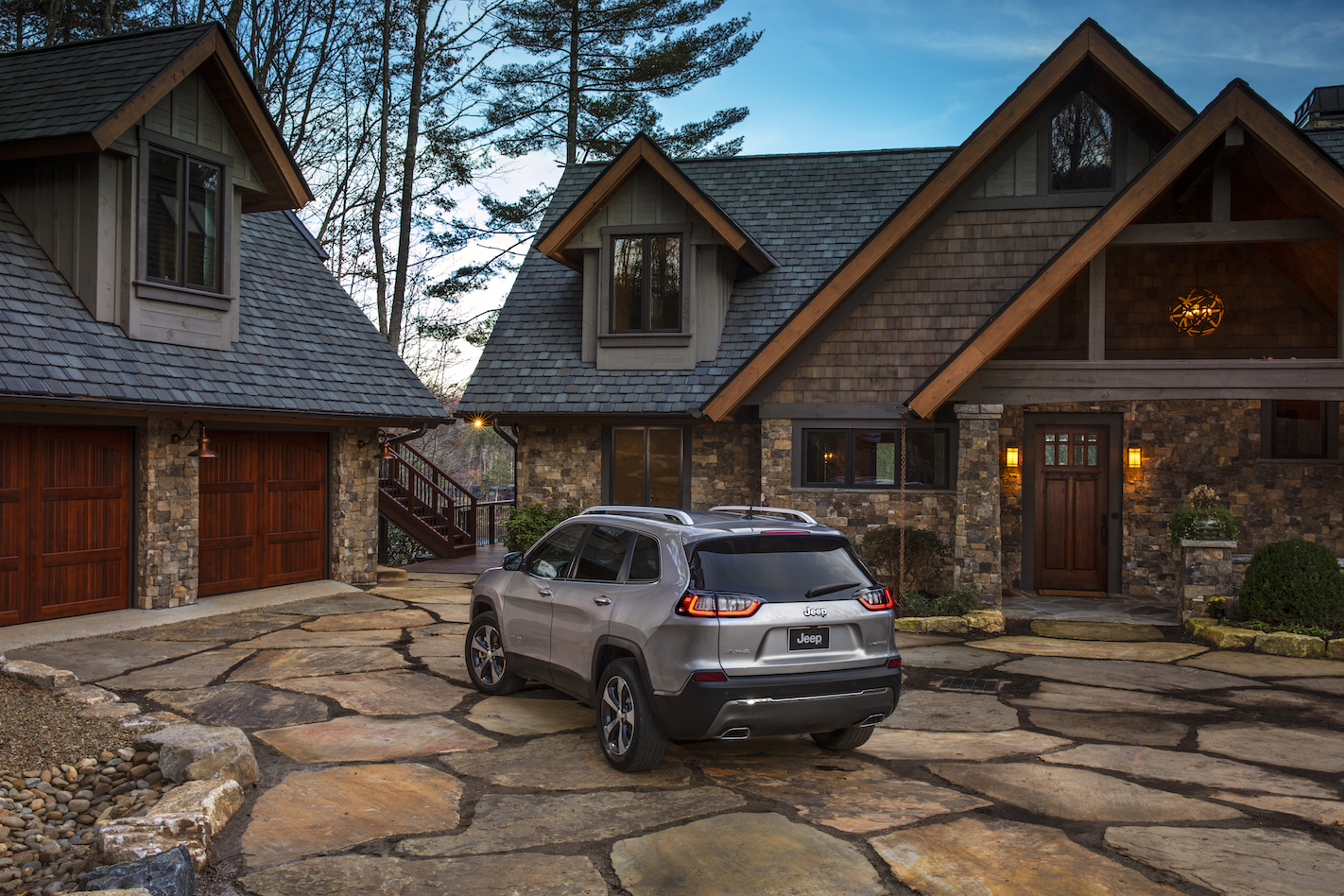
A radical change down the rear is raising the number plate from the bumper to the tailgate, helping to disguise some of the vertical slabiness of the Cherokee’s derriere.
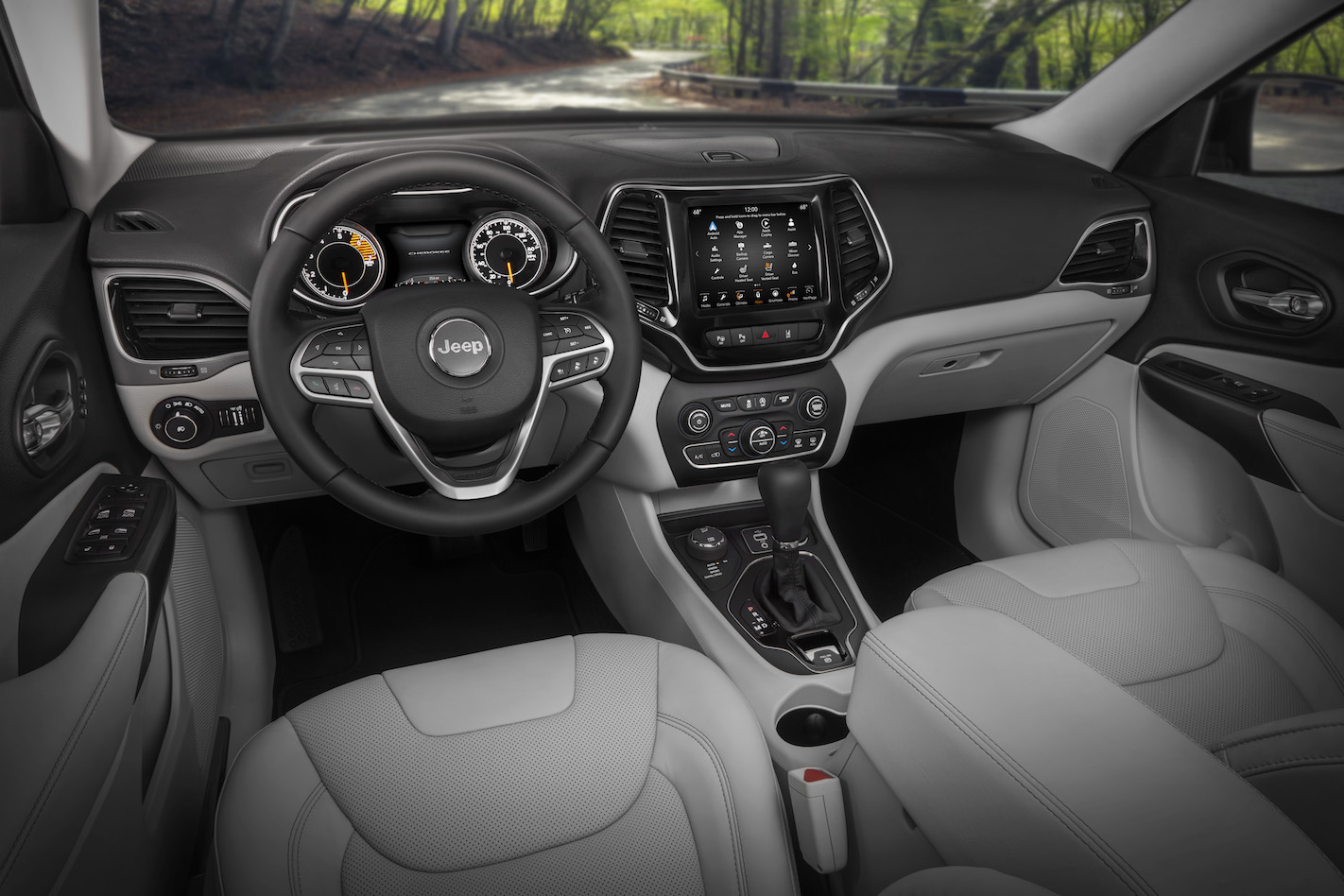
In contrast, the interior looks as though it largely carries over from the car the fresh-look Cherokee will replace. However, the steering wheel is significantly updated to give a more premium finish that looks a lot cleaner than the chunky-buttoned version it will replace.
The Detroit Motor Show starts in the US from January 15.
Picture a hot hatch in its most natural environment. What comes to mind?
The Nurburgring is GT3 racer territory. Autobahns? Super-sedan turf. But if it’s gravel, or forests, then bingo, it’s hot-hatch heaven.
While the earliest cars terrorised suburbs and car parks, injecting a small, boxy bodyshell into motorsport was the work of Renault and Talbot-Lotus, who battled in the World Rally Championship. Both companies saw the strengths in short overhangs on loose surfaces.
Race cars had to be related to a mass-produced road car after Group A replaced the exciting, but dangerous, Group B era. So Lancia turned to its humble Delta HF, already with a turbocharged engine, and stuffed it with an all-wheel drive system. It took the ’87 WRC gong, and was upgraded for successive seasons, to win the next six.
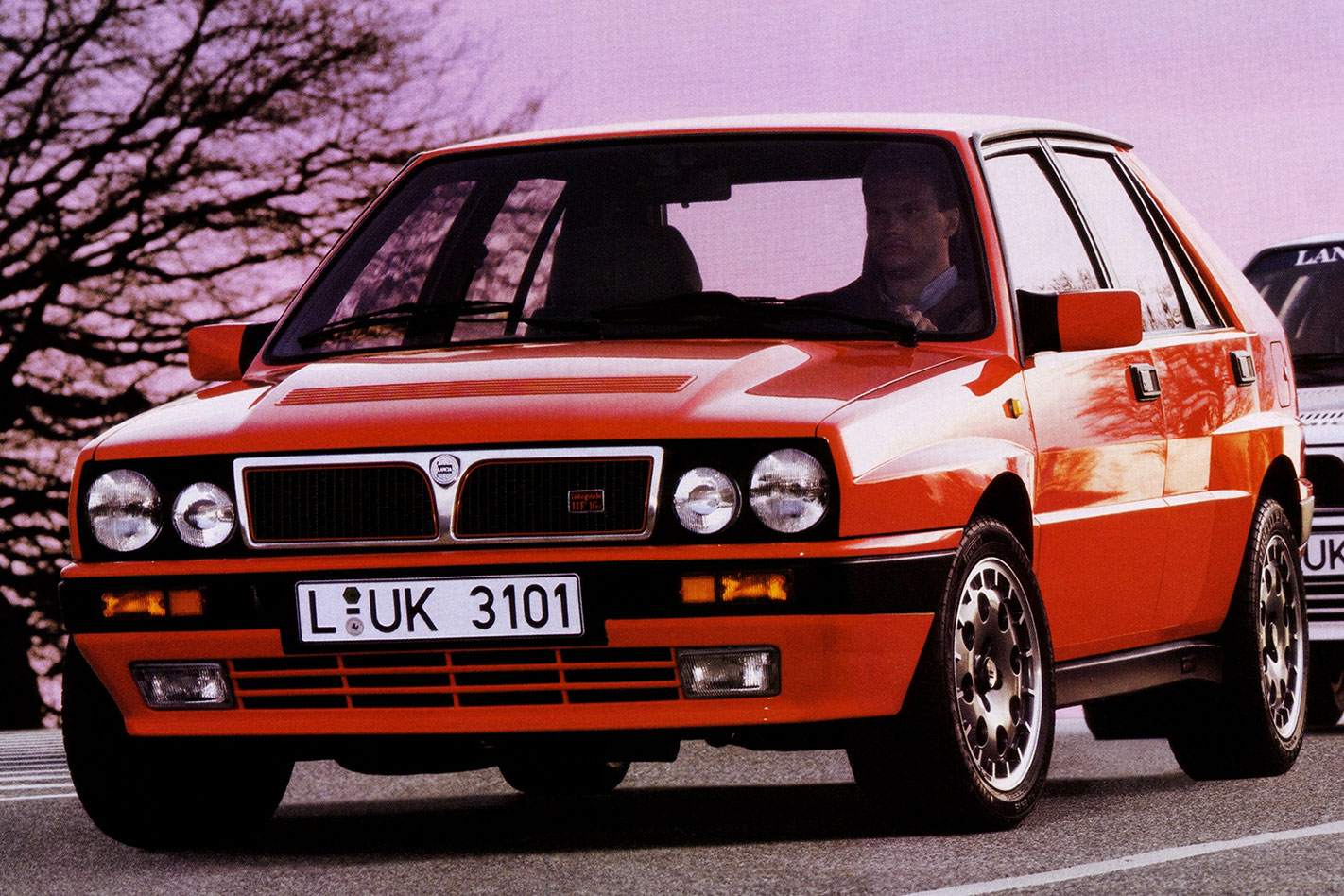
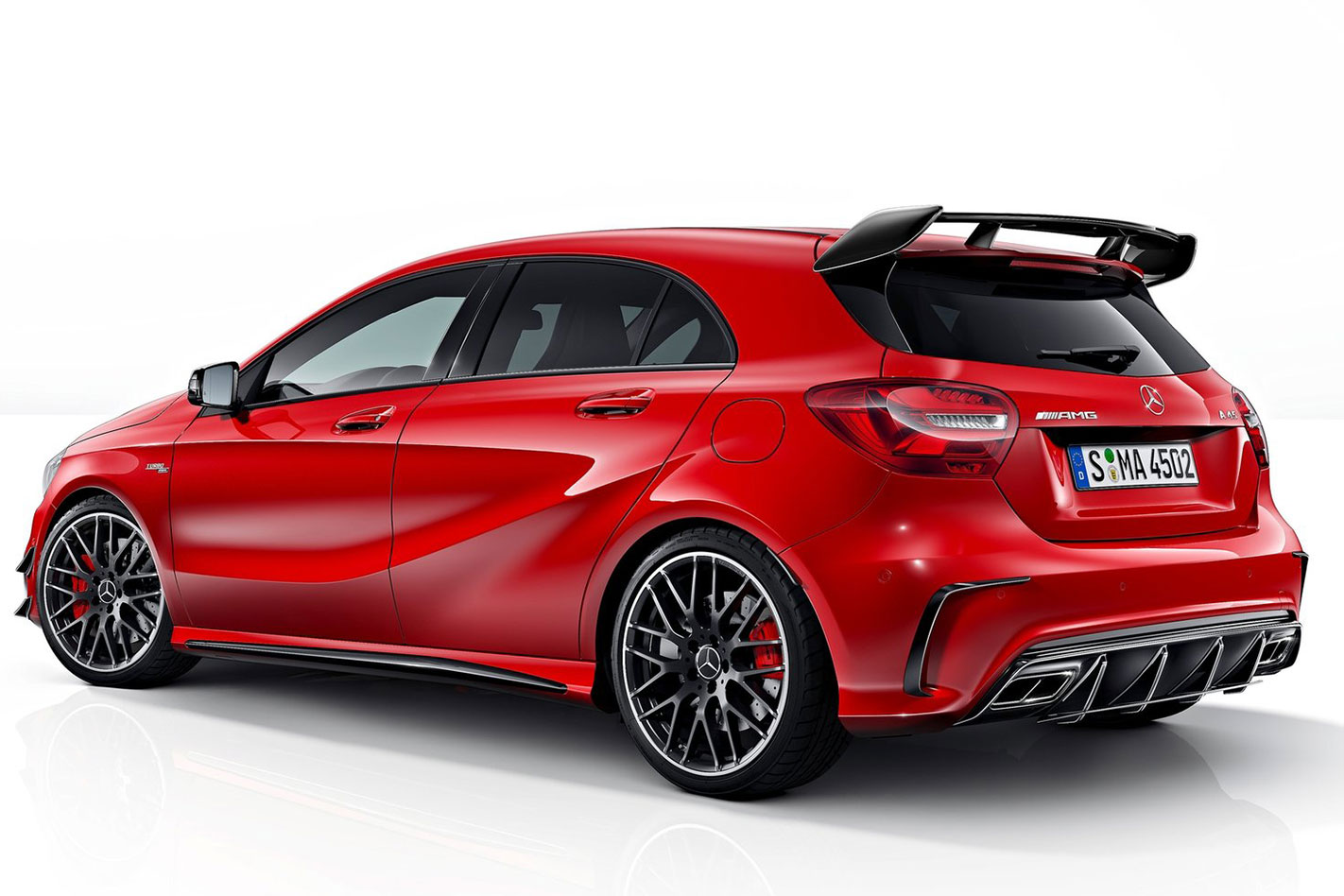
| u00a0 | 2017 Mercedes-AMG A45 | 1989 Lancia Delta HF Integrale 16v |
ENGINE | 1991cc inline-4, DOHC, 16v, turbo | 1995cc inline-4, DOHC, 16v, turbo |
POWER | 280kW @ 6000rpm | 144kW @ 5750rpm |
TORQUE | 475Nm @ 2250rpm | 304Nm @ 3500rpm |
WEIGHT | 1480kg | 1300kg |
0-100KM/H | 4.16sec (tested) | 5.7sec (0-97km/h) |
PRICE | $78,611 | u00a319,625/AU$39,400 (when new) $75,000 (used) |
Here’s one we found on Trade Unique Cars
1990 Lancia Delta Integrale 16v – 56,000km, manual, E85 tune, $75,000
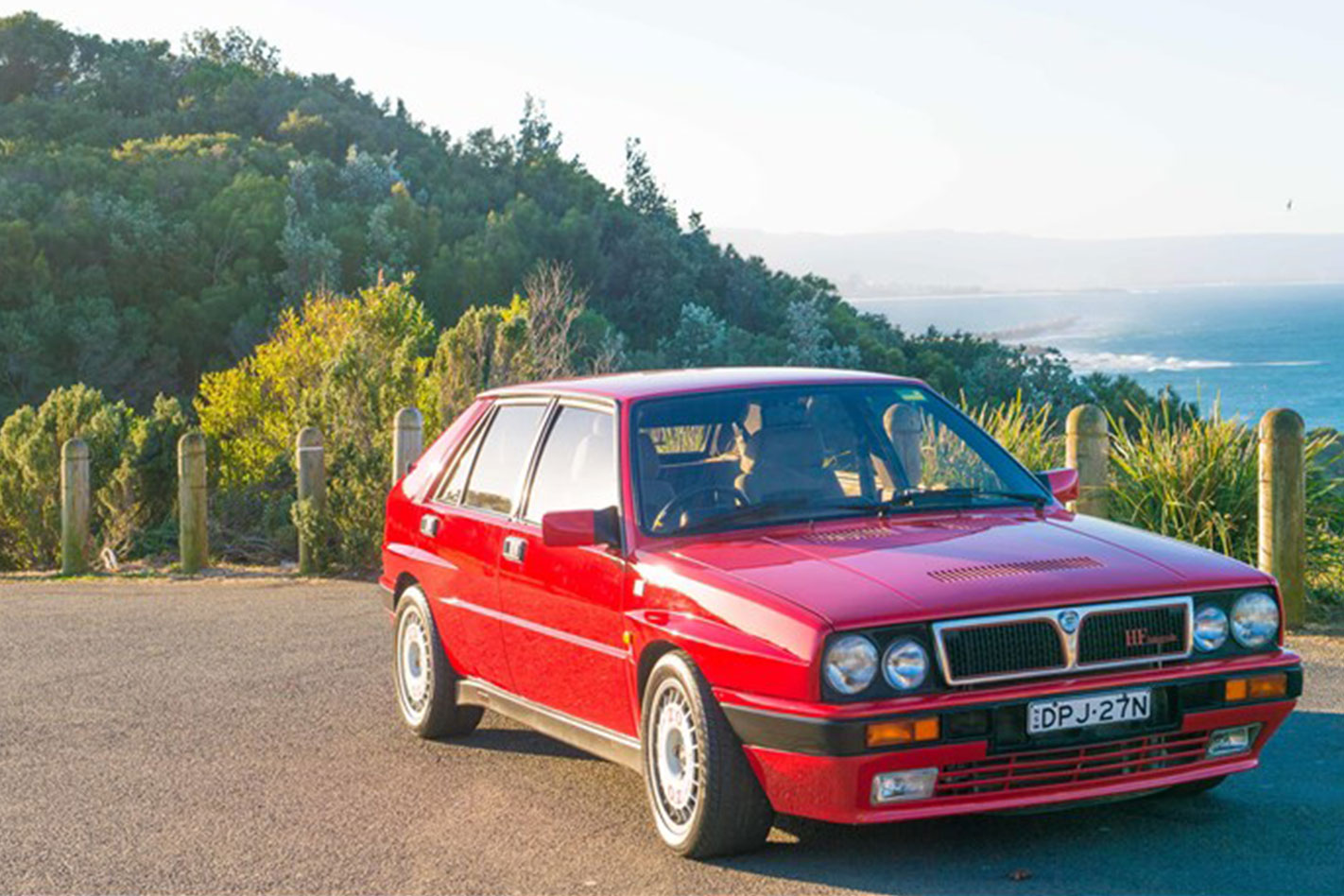
It’s not the absolute pinnacle, but the Integrale 16v still came with widened tracks, four-wheel drive, and upped power. This one’s been kept in great nick, but also copped a full engine rebuild and an E85 tune.
TELL ME ABOUT THIS CAR
Now in its fourth generation, the Audi RS4 ditches the big 4.2-litre V8 engine of the previous two iterations in favour of a smaller 2.9-litre turbocharged V6 powerplant. In that regard, it’s more akin to the 1999 original, which hefted a 2.7-litre turbo V6, and Audi is determined to prove that less – in this instance at least – is more.
While the engine’s capacity might be smaller than before, thanks to two turbochargers, it packs one heck of a punch. Power stays the same as before at 331kW, but the amount of torque this engine generates is quite different. In the old V8, you needed to wring the engine out above 4000rpm to access its full quota of 430Nm. In this current version, there’s a rippling 600Nm available form a mere 1900rpm. In other words, the RS4 now feels effortlessly rapid all the time. You don’t need to work the car hard to make rapid progress, and that means better engine efficiency, less driver fatigue and superior refinement.
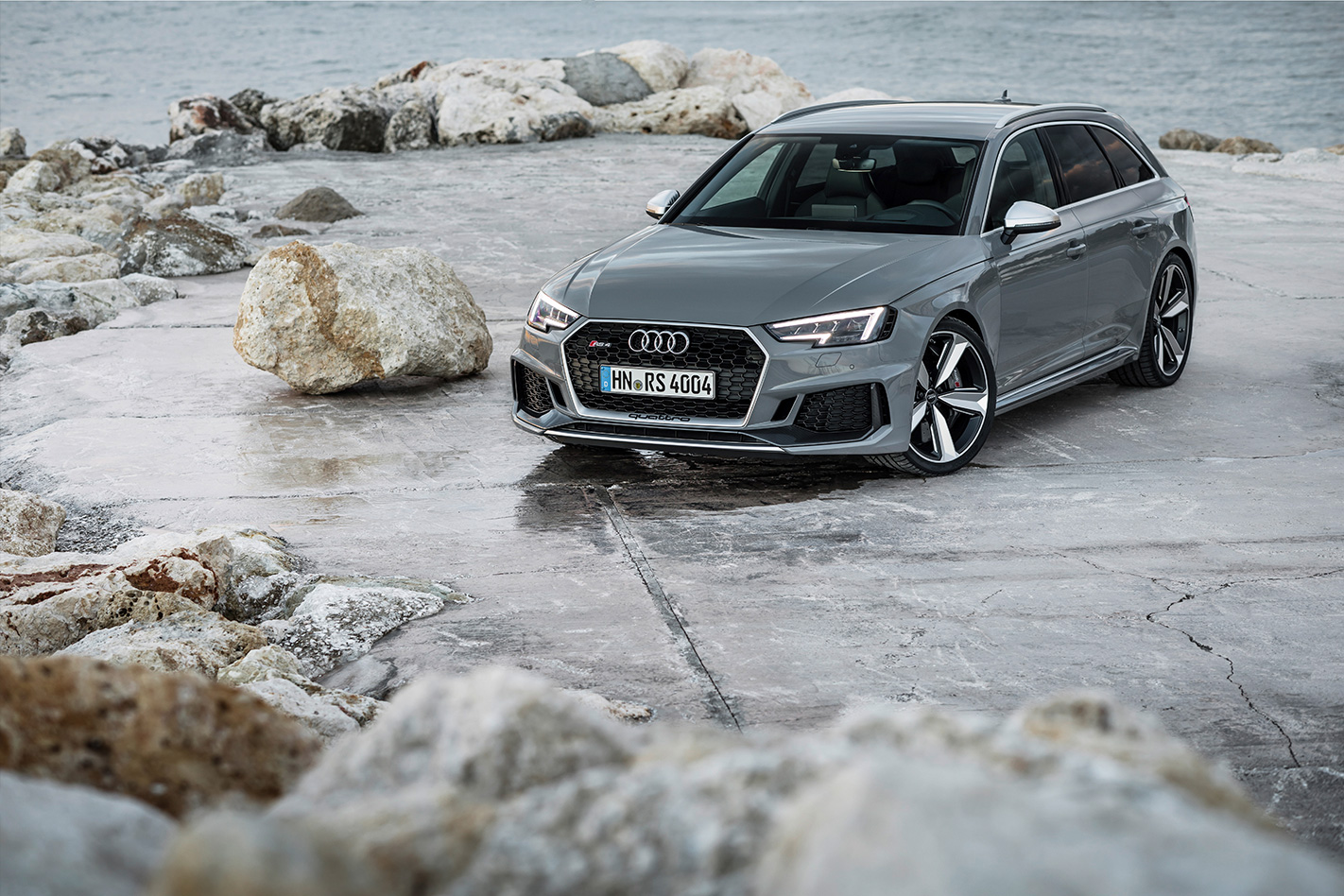
Switched into its angriest setting, the RS4 feels devastatingly potent. Audi quotes a 0-100km/h time of 4.1 seconds and that feels extremely conservative. You also get a bunch of theatrical pops and bangs from the exhaust, but if you’d prefer to dial back the drama, the RS4 has a civilised side where it feels – and sounds – much like most other Audi A4 wagons, albeit one that compresses time and space when you commit to the right-hand pedal.
You’ll need around $155k to get your hands on one, but the Australian cars include a number of equipment items such as a clever rear differential, sports exhaust and the ingenious Dynamic Ride Control system that are options in most other markets.
STRENGTHS
- The RS4 Avant feels truly multitalented. It can be refined and it rides well, but it also has a wild side to it.
- Fuel economy has improved markedly with the smaller turbocharged engine. The old 4.2-litre car returned a combined figure of 10.7L/100km whereas the latest model trims that down to a more socially acceptable 8.8L/100km.
- The quattro sport differential fitted to the rear axle helps the car sniff out any shred of grip available when powering out of a corner.
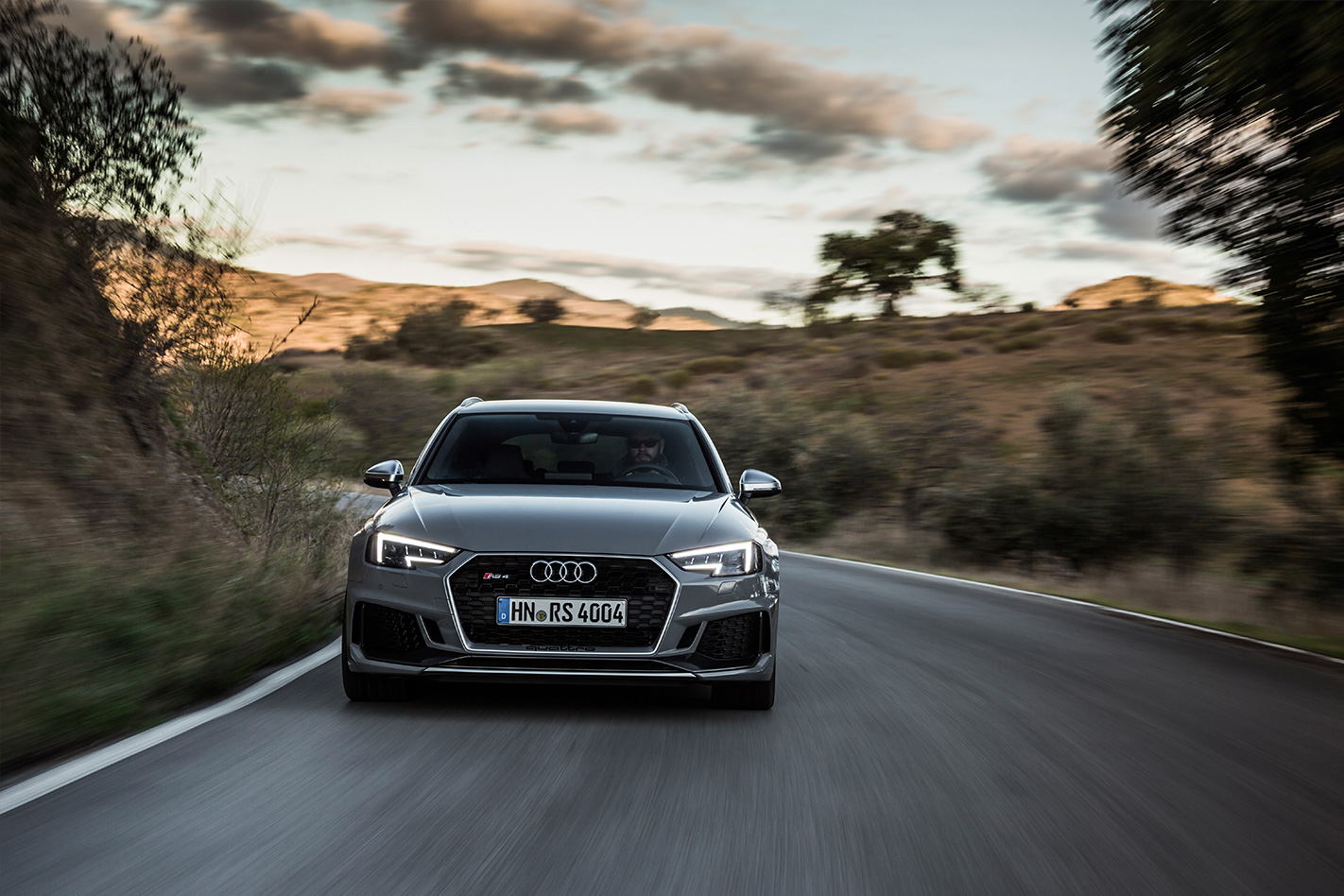
- Dynamic Ride Control is a clever diagonally-linked three-mode damper setup that helps cut out front end dive under braking, rear end squat under acceleration and body roll when cornering. Yes, it really works.
- The interior is beautifully finished, with quilted leather sports seats, carbonfibre fascia detailing, Alcantara accents, a lovely steering wheel and Audi’s jaw-dropping Virtual Cockpit dial pack.
- The exterior looks the part too. It’s subtly aggressive with rakish front air intakes, a roof spoiler, flared wheel arches and a rear diffuser. Audi’s also brought back Nogaro Blue paint, a signature colour of the 1999 original.
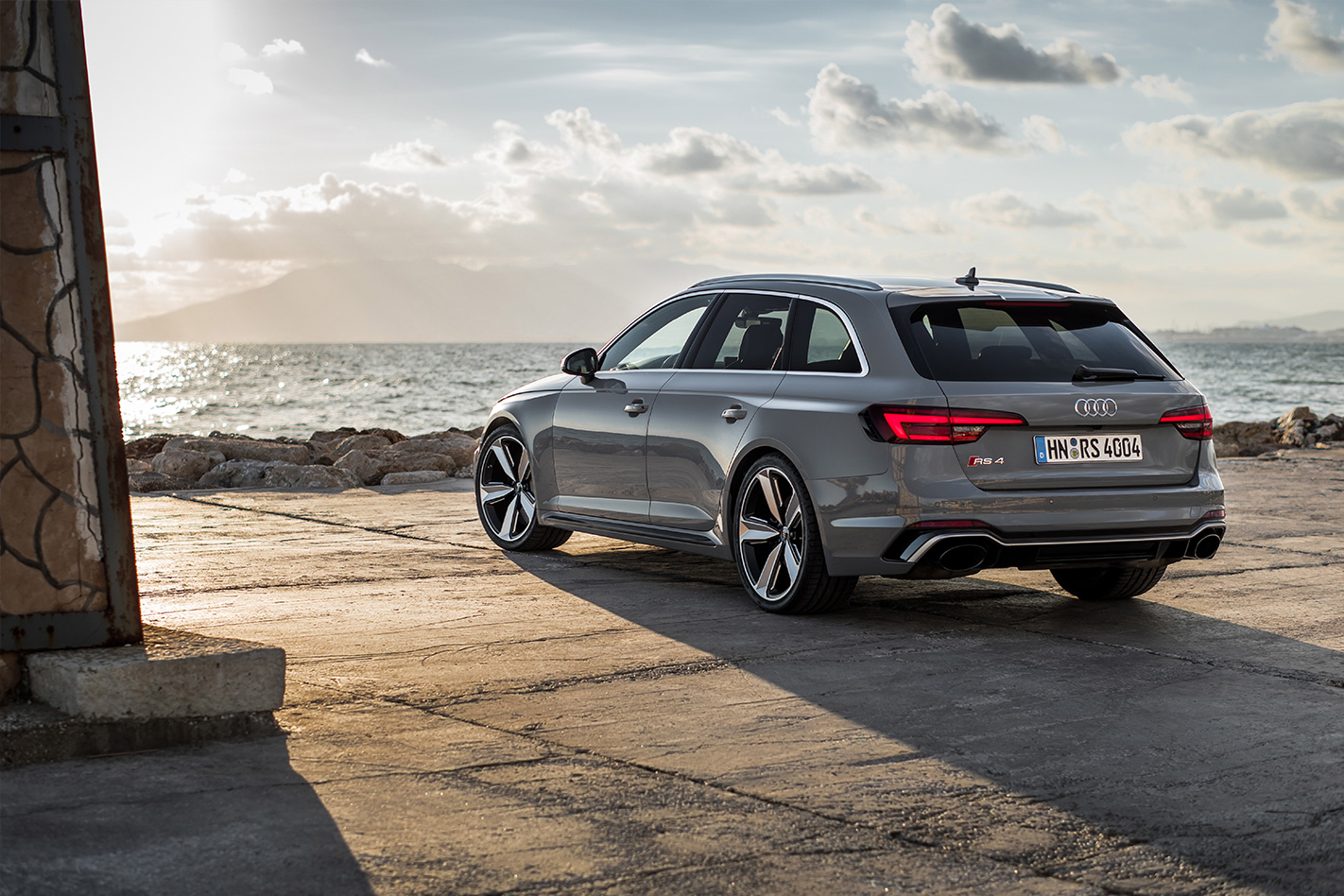
- The old car’s slightly awkward seven-speed twin-clutch transmission has been ditched in favour of a slick ZF eight-speed automatic. It makes low-speed manoeuvres feel smoother, yet its reaction speed when you’re driving fast is right on the money.
- You get 505 litres of luggage space in the back up to the tonneau cover, and 1510 litres when you drop the 40/20/40 split rear bench.
- There’s an inductive charger that can wirelessly charge your mobile.
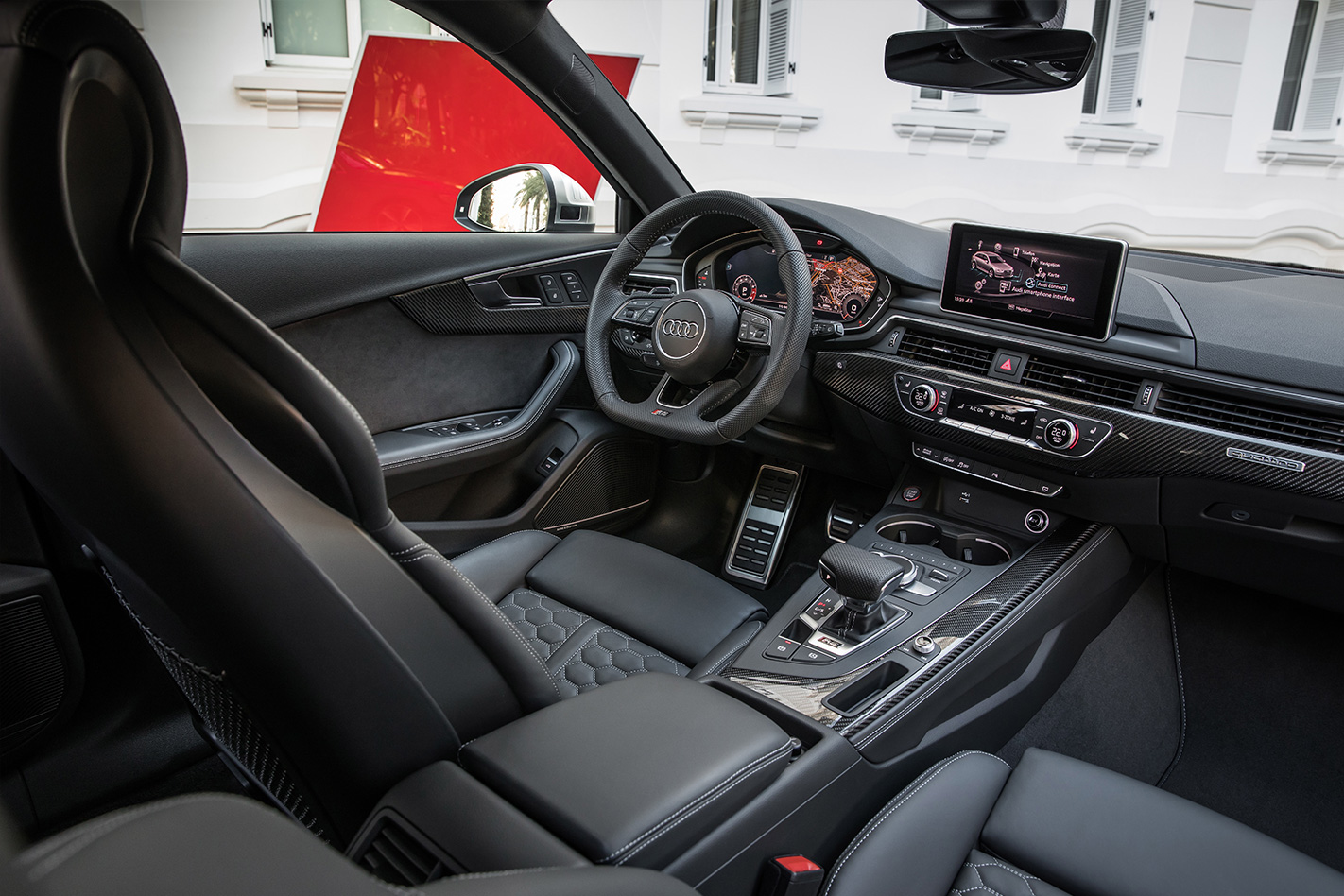
- Despite the RS4’s sports focus, you still get a comprehensive suite of safety equipment including autonomous emergency braking, a lane-change assistant, an adaptive cruise control system with a traffic jam mode, and a clever collision avoidance system that helps the RS4 avoid obstacles by guiding the car into a safe lane. Then there’s cross traffic assist, road sign recognition and the usual suite of airbags and brake boosting tech.
- This RS4 debuts car-to-X technologies, whereby traffic sign and road hazard information can be signalled to other Audi models so that they can exchange information via the Audi connect SIM in almost real time.
WEAKNESSES
- The steering could be a little more lively in its feedback.
- The drive select switch – a feature you’ll use often – is a stretch away on the left-hand side of the fascia. It’s evidence of a lazy right-hand drive conversion but it is possible to allocate one of the steering wheel buttons to duplicate the job.
- A shift lever that pushes forward to change up has no place on a performance car.
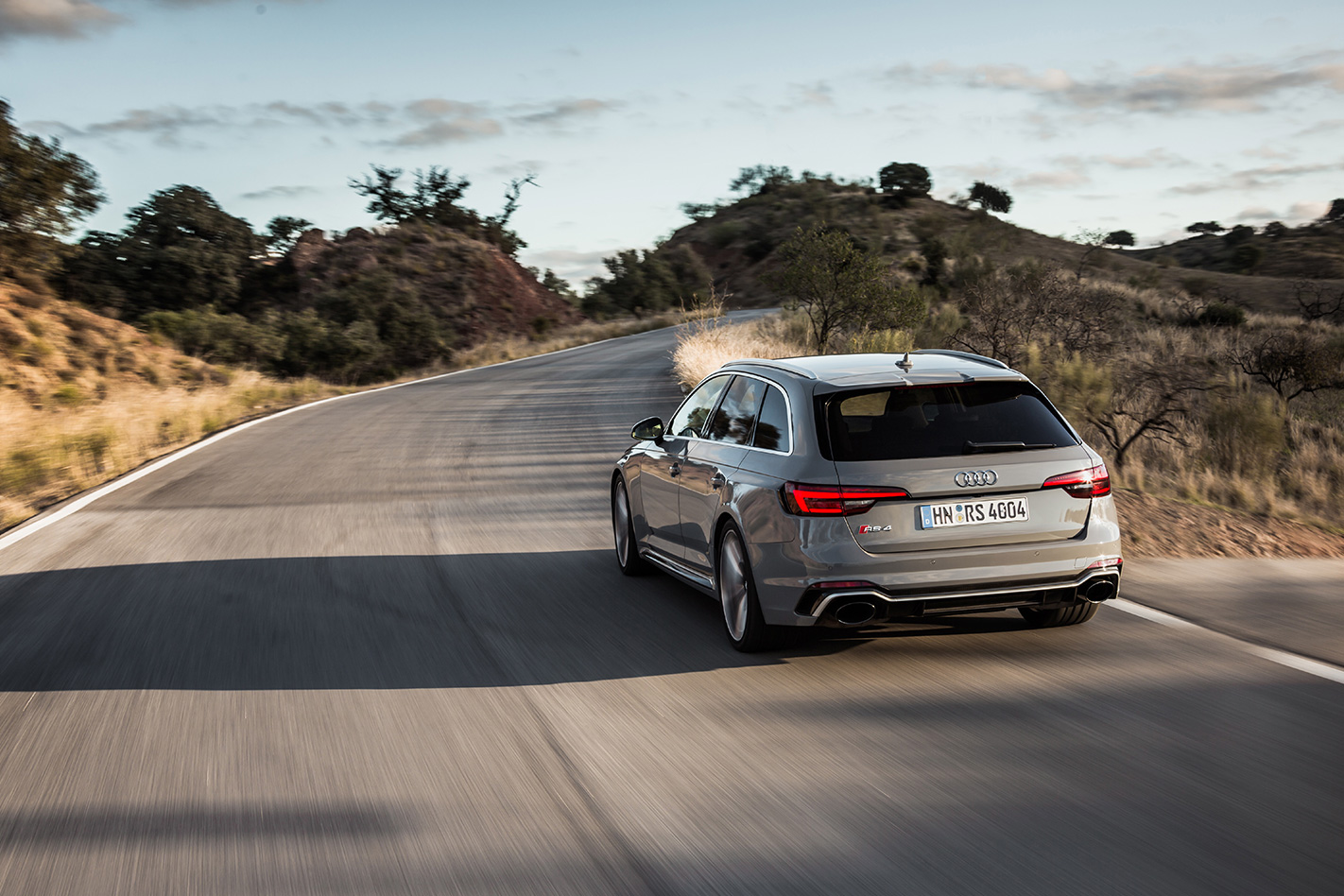
- Carbon ceramic front brakes are a $12k option. For comparison, Mercedes charges $10k for composite brakes on the front of its C63 AMG wagon.
- The 58-litre fuel tank isn’t going to give the RS4 the range its lovely long-legged ride deserves.
- Are you prepared to pay more than $50k on top of the already rapid Audi S4 wagon?
ANY RIVALS I SHOULD CONSIDER?
The Audi RS4 offers a unique blend of talents, but if you’re looking for a hot wagon, take a look at the Alpina B3 Biturbo and both the Mercedes-AMG C43 Estate and the Mercedes-AMG C63 S Estate. The former has all-wheel drive (like the RS4) and the latter has neck-snapping pace (like the RS4).
You can’t have both attributes with a three-pointed star. It’s also worth considering Porsche’s Macan Turbo with Performance Pack. It’s extremely quick, features all-wheel drive, and is almost lineball with the RS4 on price.
HYUNDAI’S next-gen Veloster hatch has been spied without a single patch of camouflage ahead of next month’s official reveal at the Detroit Motor Show.
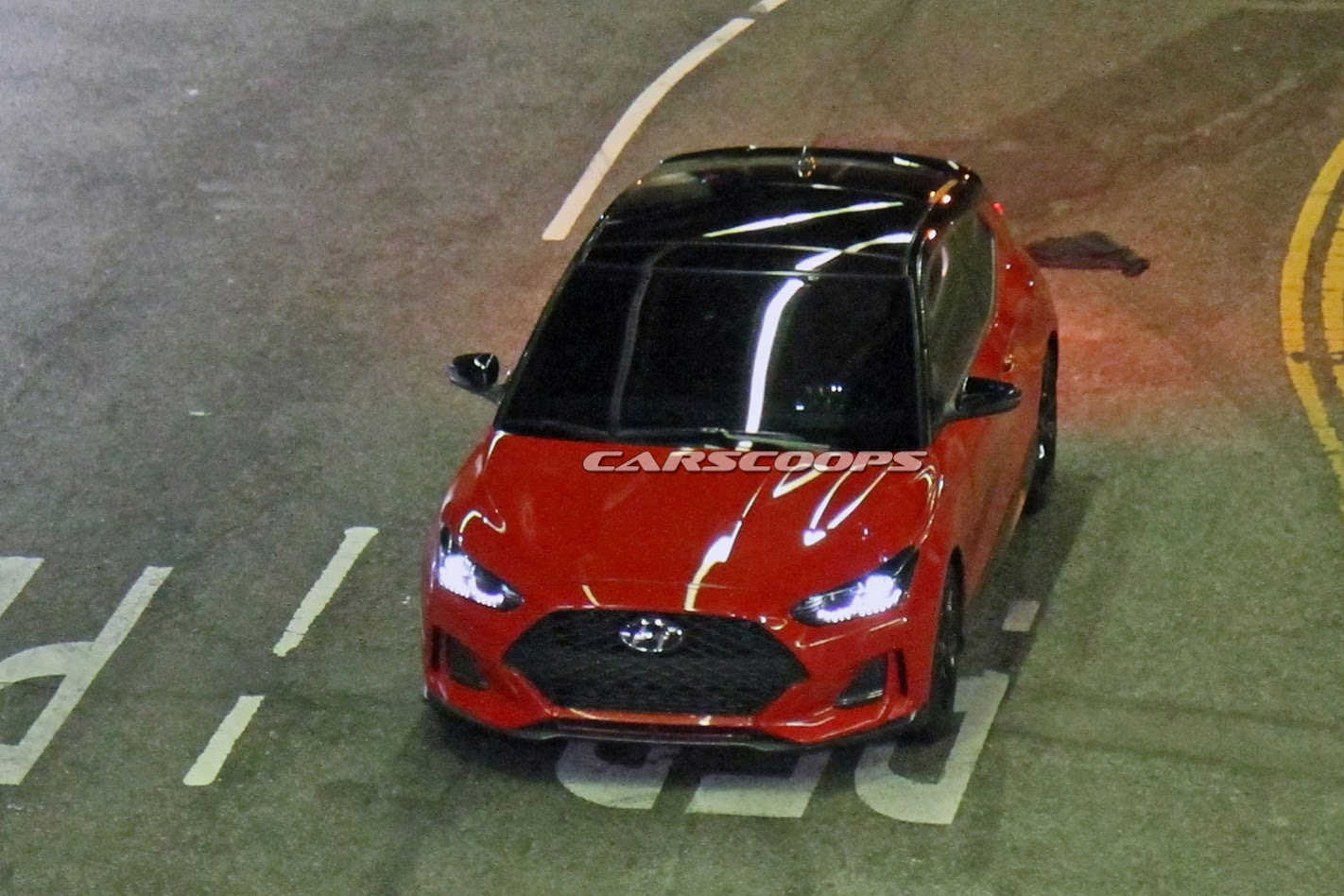
Spotted during filming for a promotional video, these images show the Korean hatch will retain the unique asymmetrical styling of its predecessor, with a single door on the driver’s side and a smaller pair on the passenger’s side.
The headlights also appear to have undergone a serious redesign, with the new lights much smaller than the previous generation’s units and incorporating LED daytime running lights.
A new bumper and grille design give the car a striking look, while the rear-end has also received a working over.
Sheetmetal is all new as well, though the silhouette is familiar Veloster fare. Sharper creases are also prominent in the new Veloster, bringing it in-line with the current design language of Hyundai’s showroom
The engine line-up for the Veloster is rumoured to include 1.4-litre and 1.6-litre turbocharged engines, with a flagship performance N model sitting at the top of the tree.
The Veloster N would join the i30 in the Korean manufacturer’s new performance sub-brand.
Currently, the Hyundai i30 N is powered by a 2.0-litre turbo four-cylinder engine, making 184kW/353Nm in standard trim, with a Performance variant upping power to 202kW and adding larger brakes and wheels.
Currently the i30 N is only available with a six-speed manual, however an eight-speed dual-clutch automatic is expected from 2019. The Veloster N will likely be offered with the same transmission options when it arrives in Australia.
THE most exclusive Australian muscle car is up for sale – again – with a three-quarter of a million dollar pricetag.
The only publicly sold HSV HRT 427 Monaro popped up in Unique Cars’ classifieds in recent days, with an asking price of $750,000.
It’s the same vehicle which was put on the market in September of last year with a $650,000 price tag.
The car was originally sold at auction for an eye-watering $920,000 before being sold on three times in public sales prior to this offering.
HSV’s hotted-up Monaro is one of the rarest and most fearsome muscle cars made in Australia, designed to take on Porsche’s formidable GT2 and paving the way for the infamous GT-spec race car which won the Bathurst 24 Hour twice.
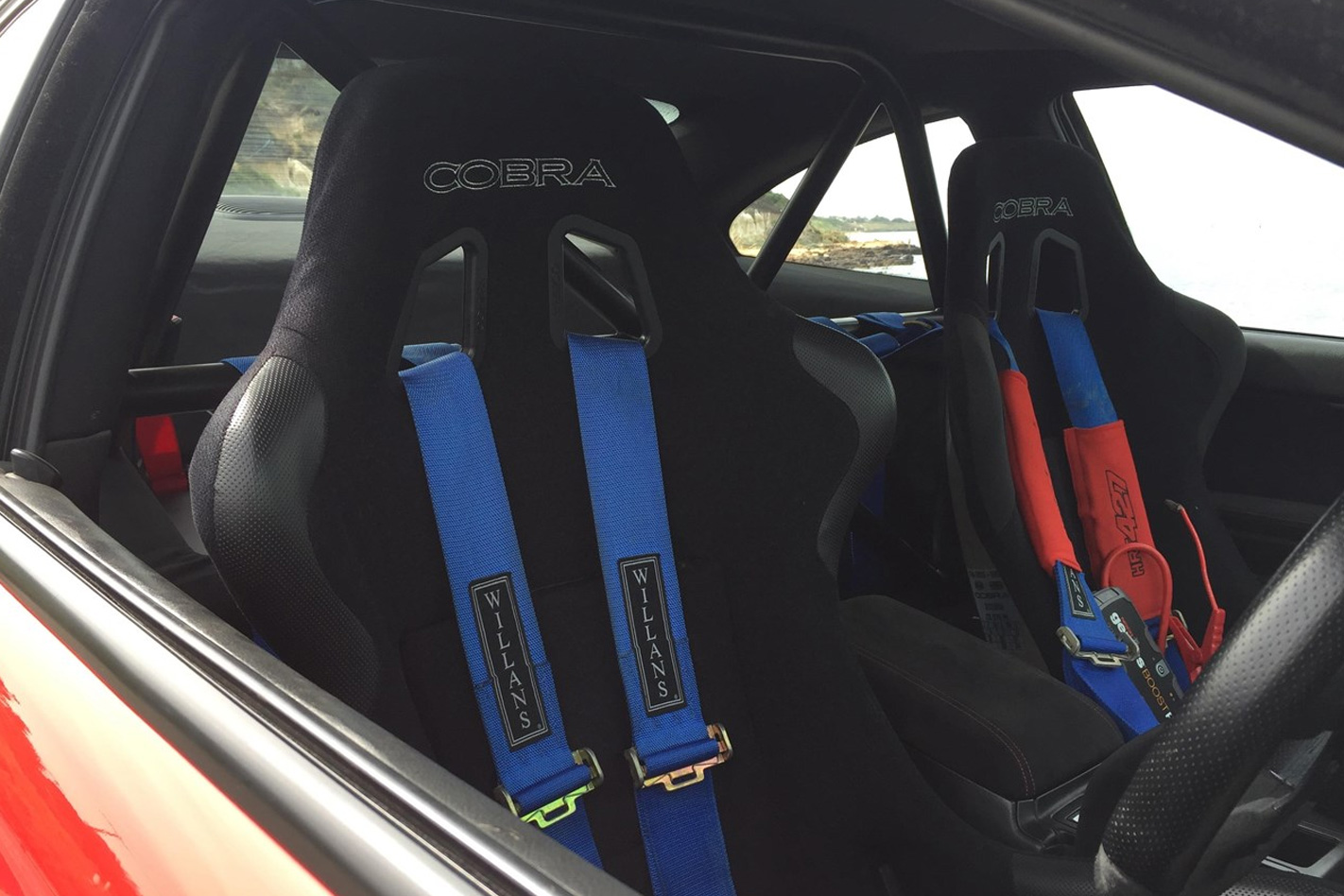
The HSV HRT 427’s performance credentials are belied by a modest exterior – underneath that red paint is a 7.0-litre, naturally-aspirated V8, producing 420kW and 780Nm. It could sprint to 100km/h in under four seconds, and recorded an 11.7-second quarter mile E/T.
Weight was slashed by dumping air conditioning, radio, rear seats and airbags, while it gained bespoke race-spec suspension and brakes.
So, who’s game to be the next owner of this fire-breathing racecar-for-the-road?
FOR years the Porsche Cayman has gone relatively unchallenged in the two-door mid-engined sports car battle.
Dropping two cylinders and wedging a flat-four behind the driver for the 718 Cayman did little to change that, but now there could be a serious challenger – from France of all places.
The Alpine brand has been reborn, with a retro-modern revival of the A110 being its first offering. Its recipe is simple – lightweight chassis, small four-cylinder engine, and focused dynamics. But is it enough to dethrone the Porsche?
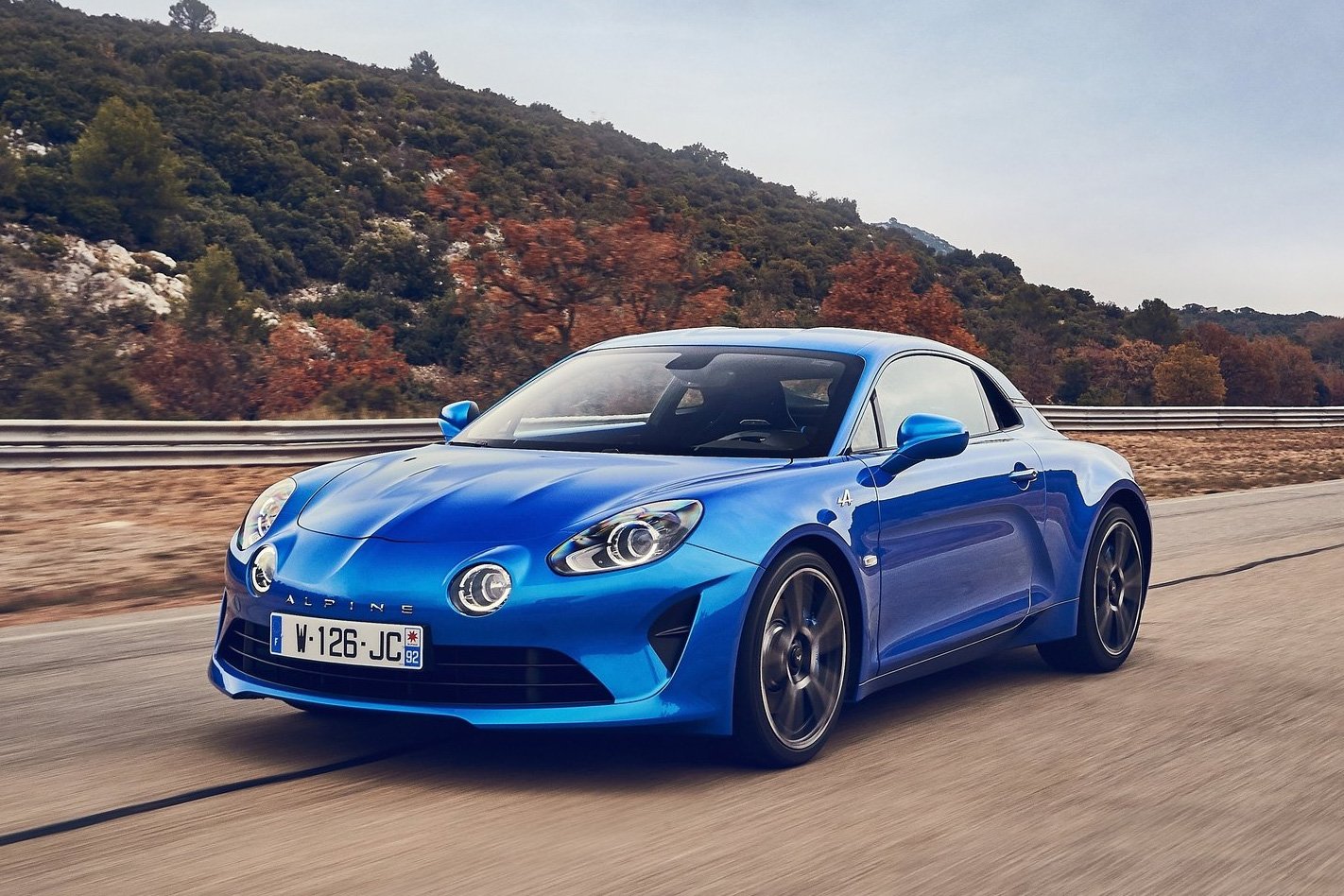
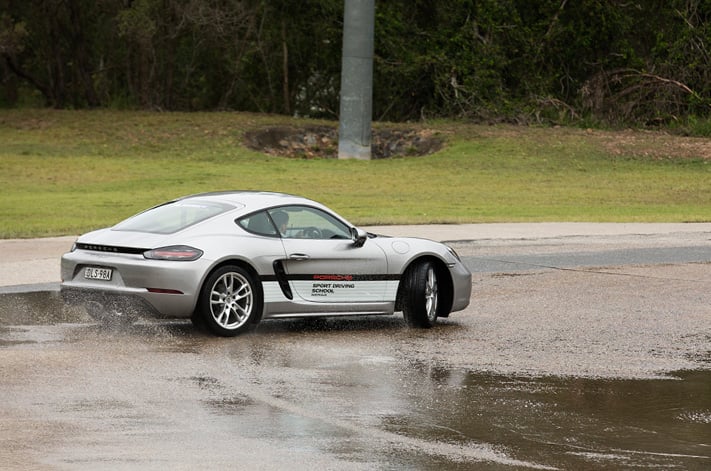
Both have mid-mounted turbo four-cylinder engines: 2.0-litres in the Porsche, 1.8-litres in the Alpine. While the German sports car will pump 220kW and 380Nm to the rear wheels via a seven-speed dual-clutch, the French two-seater transfers just 180kW and 320Nm, also through a seven-cog DCT.
Where the Alpine has an advantage over the Porsche is weight, tipping the scales at a scant 1103kg for a 204kW per-tonne power-to-weight ratio. The kerbweight can be further shaved to 1080kg (with fluids) for the entry-level Pure spec which has 17-inch rims, smaller brakes, no nav, and no sports exhaust. That’s over 200kg lighter than a Cayman, which is a comparatively portly 1365kg.
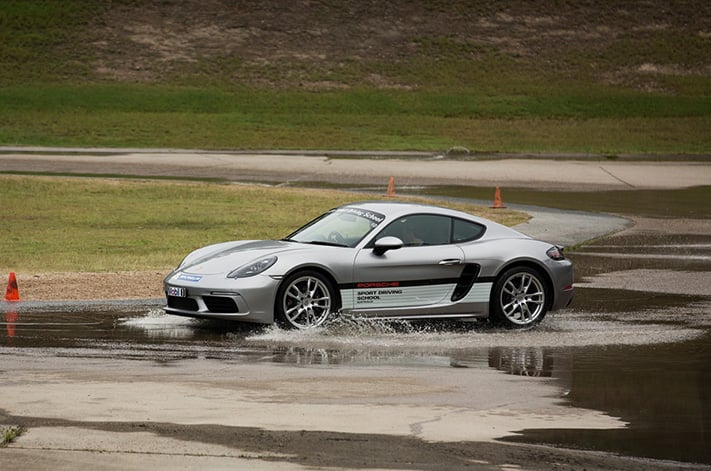
But these cars aren’t about traffic-light drag races, they are about backroad bliss – carving through twisting bends and turns like a bat out of hell.
So, how do they fare in those conditions? For that, I’ll defer to Nathan Ponchard and Ben Barry:
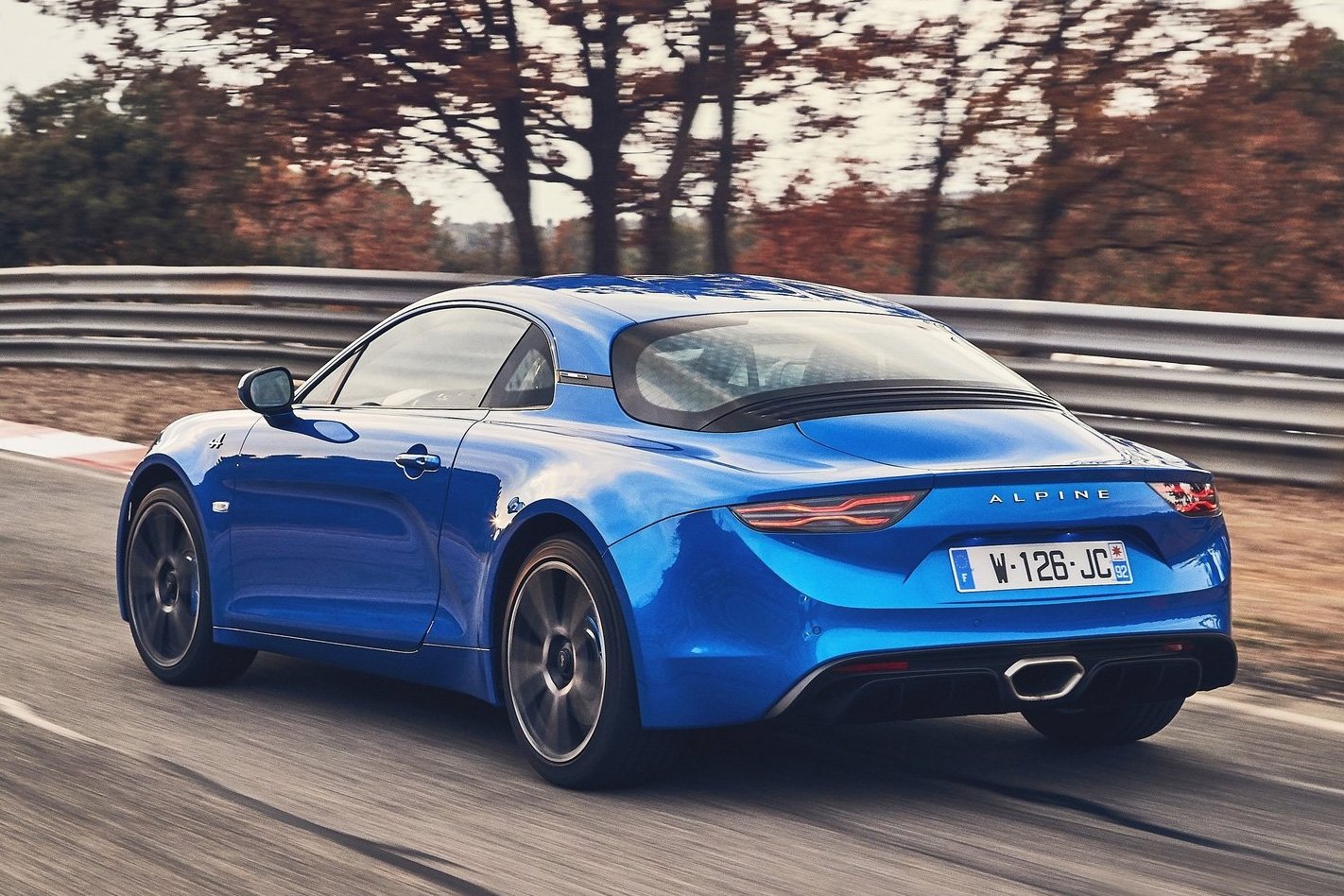
Driving the Alpine A110 for Wheels in Europe, Ben Barry reported: “It’s a tactile, thrilling thing to drive, a 1100kg bundle of energy that takes the best principles of Lotus and Porsche and remixes them with the RenaultSport knowhow that makes the Megane RS such a weapon.”
“When you pin your foot to the floor, but there’s a frisky energy to the 1.8-litre turbo four’s delivery, with an eager whoosh of torque low-down, punchy throttle response and very little turbo lag,” he added. “It’s certainly enough to have fun – and beat that Cayman to 100km/h.”
BMW’s M2 Pure is the benchmark affordable rear-wheel drive sports coupe for under $100,000 – no question.
But what if you want to inject some presence into the Christmas presents for yourself? What if you want speed with indulgence and an exotic badge?
Step this way, then, to a selection of five special coupes. A decade ago these five exotics asked between $230,000 and $380,000 new. And now this atmo V8, supercharged V8, V10 and V12-powered cohort can be purchased from just $50,000 … err, plus servicing costs.
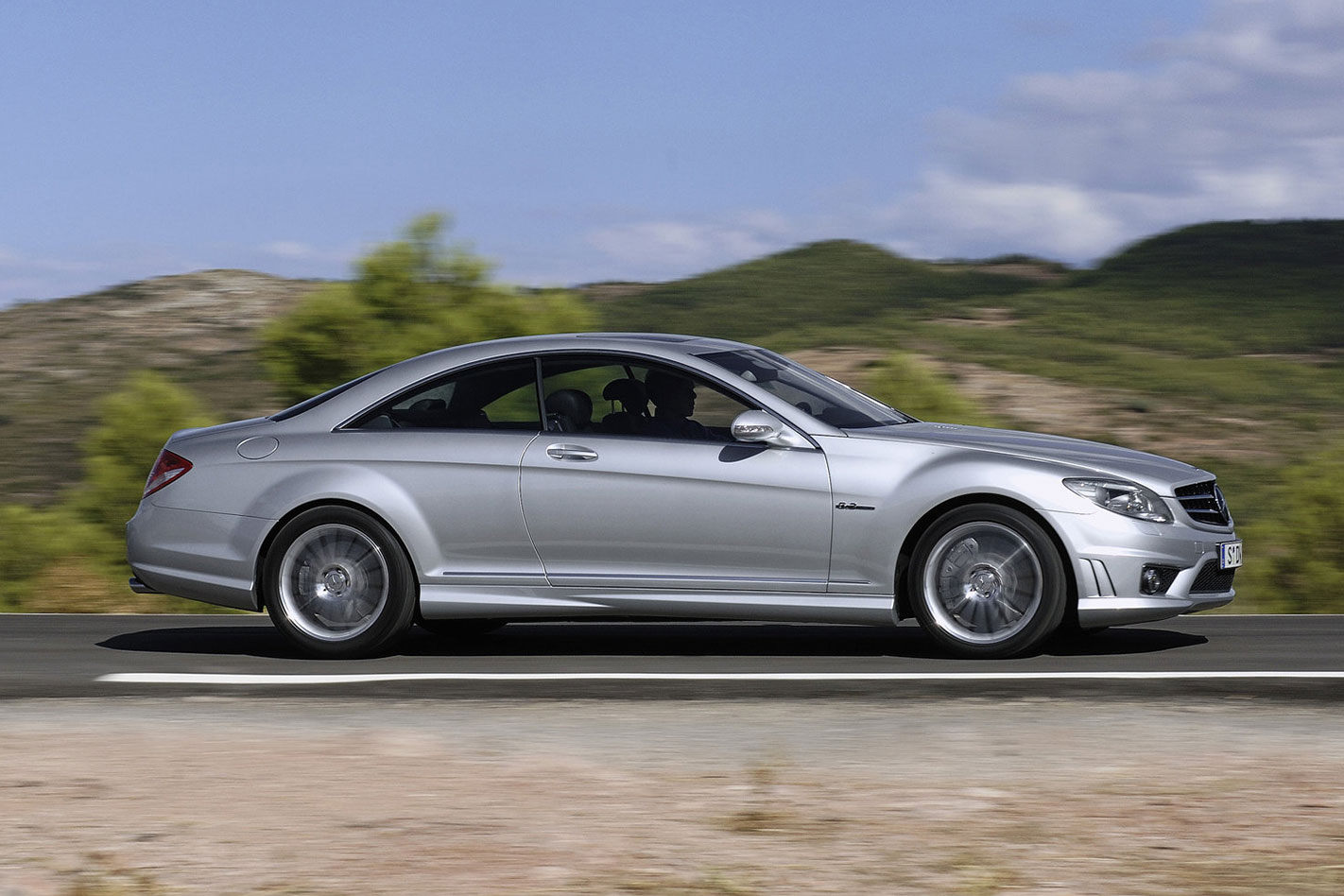
And the winner of the more substantial level of depreciation award goes to (drum roll) the 2007 Mercedes-Benz AMG CL63. Far more stately and luxurious than a little M2, this B-pillar-less five-metre four-seater has sunk from $383,000 new to $67,900 with circa-100,000km on the clock.
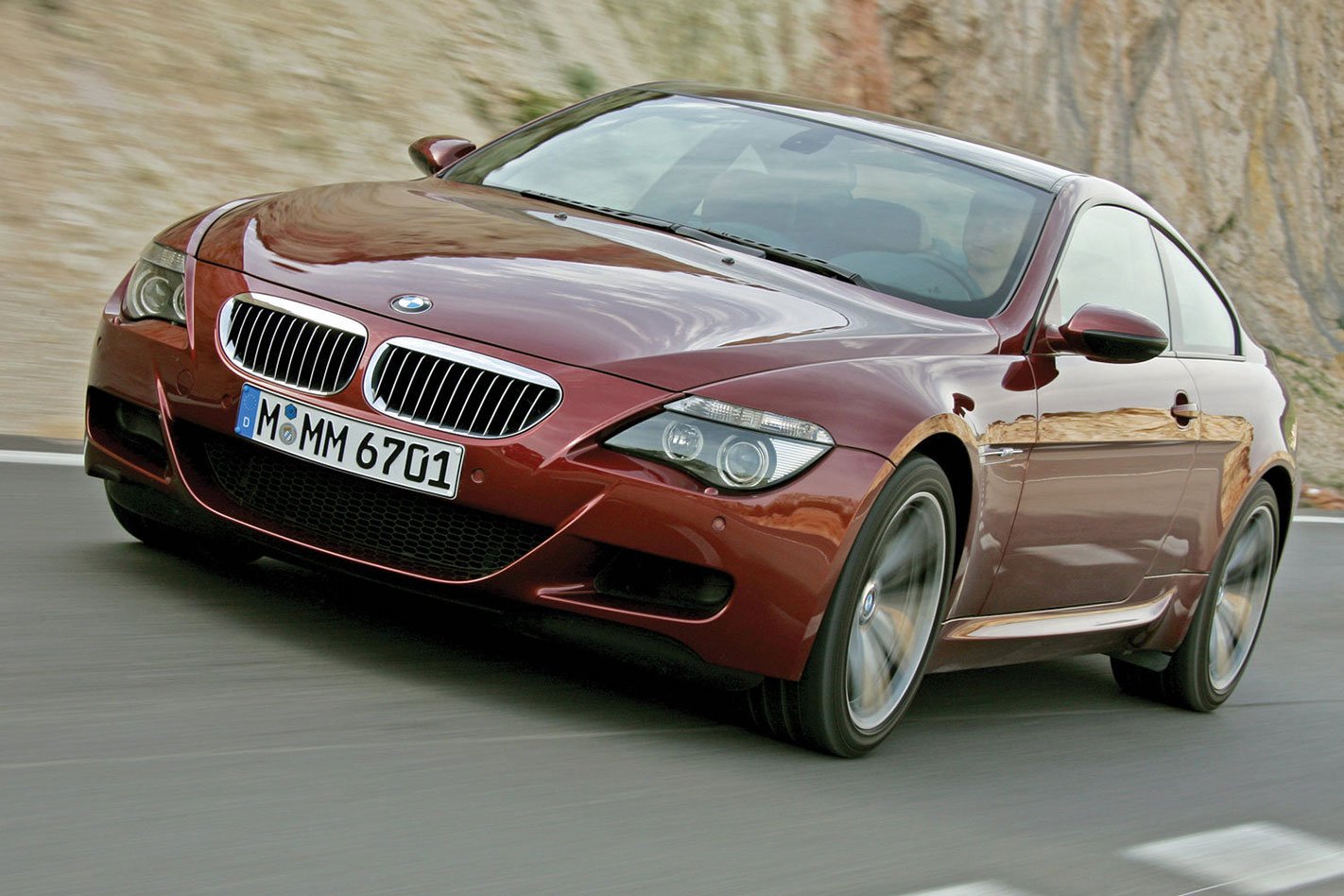
A relative of the M2 comes a close second. The 2007 BMW M6 started out as a $270,000 proposition and can be purchased now from around the same price as the CL63. Or even cheaper if you’re happy to take an older version of the 5.0-litre V10-powered two-door, given that a 2005 example is currently listed for $43,500 with 100,000km – for retained value of just 16 per cent.
Don’t want a BMW or Benz badge?
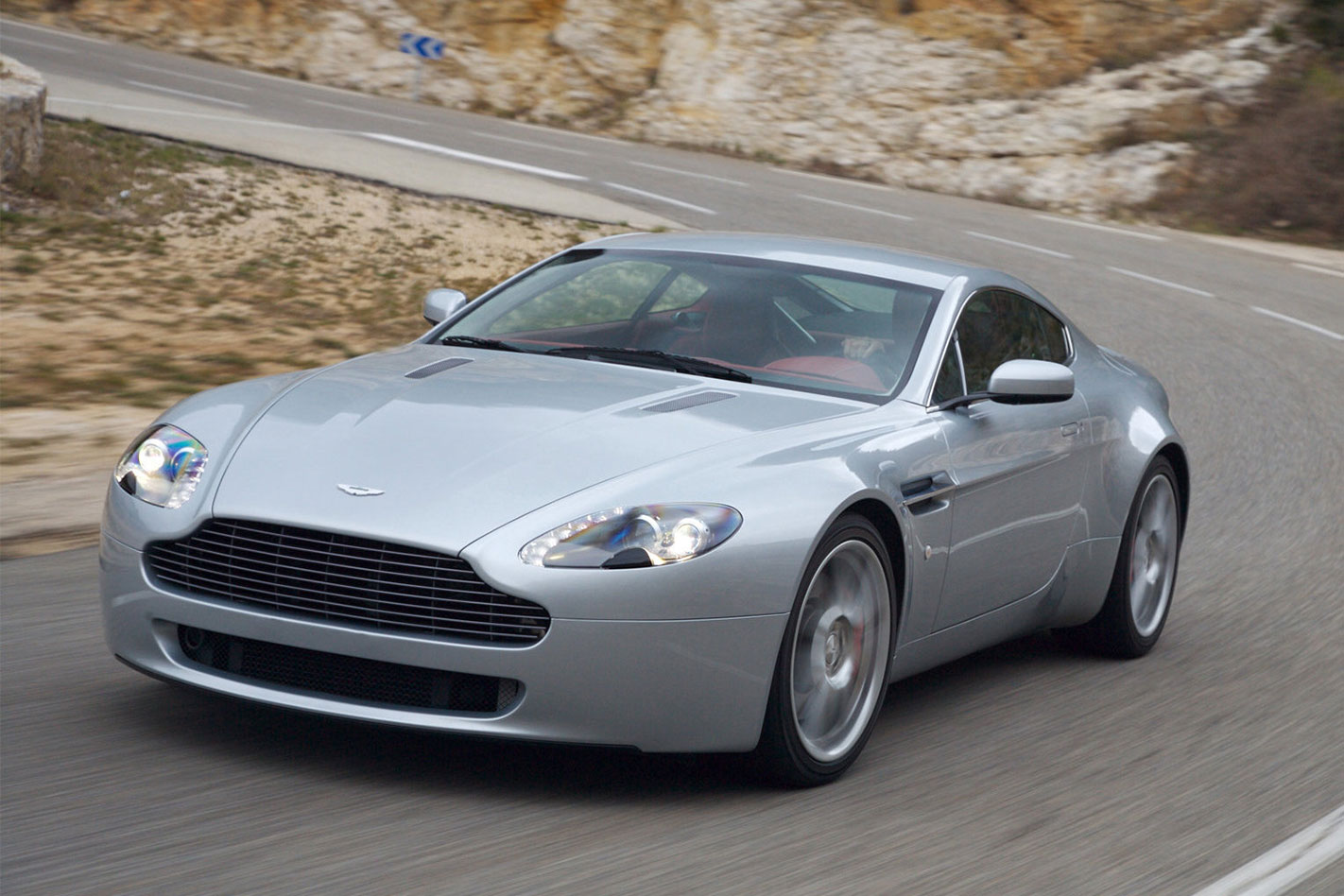
Note than a 2006 Aston Martin V8 Vantage manual can be purchased for $87,900 and with under 100,000km showing. Only just replaced by a new-generation, this 4.3-litre V8-engined coupe develops 283kW at 7300rpm and only 410Nm at 5000rpm, but its 1580kg kerb weight is hundreds of kilograms down on the above duo.
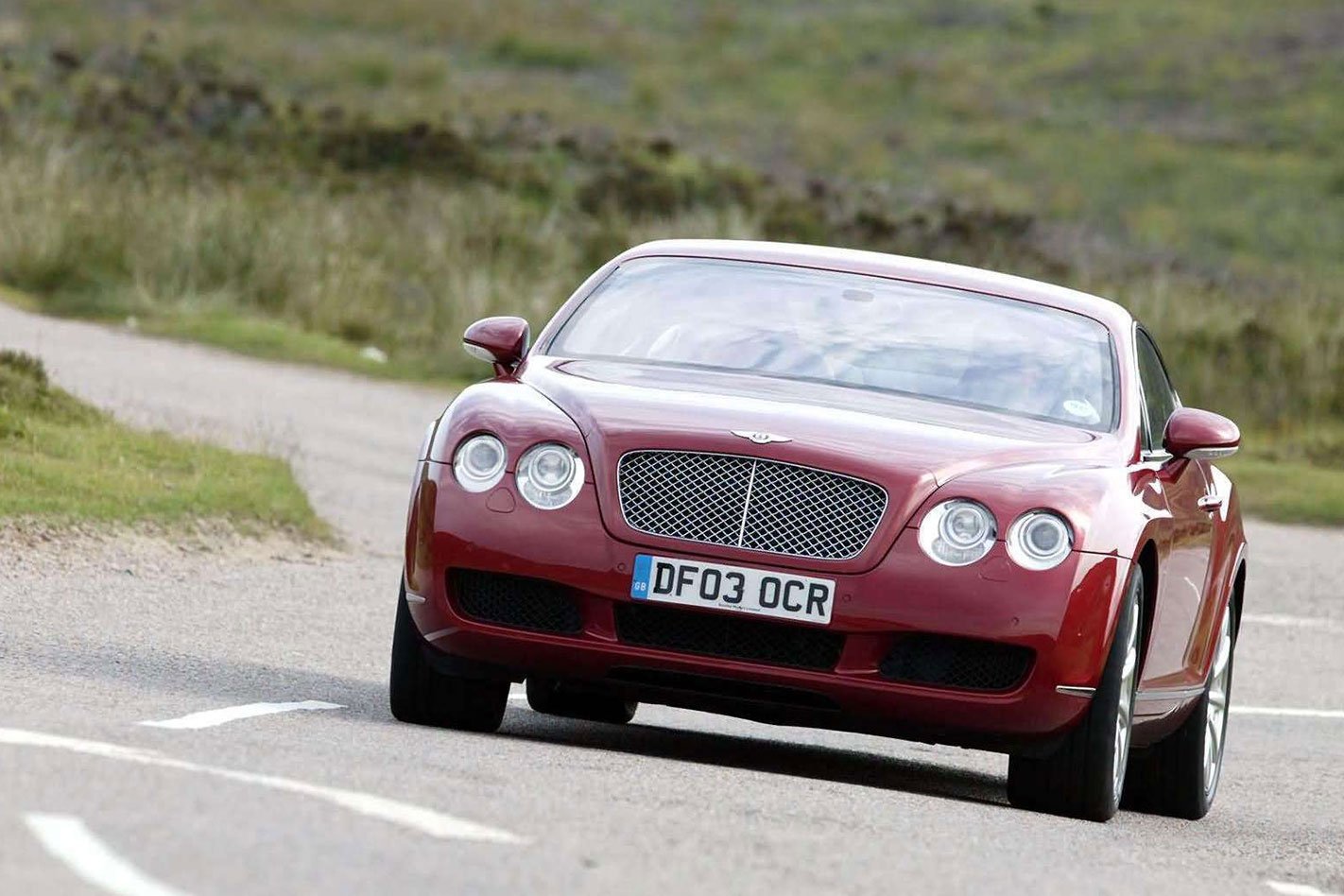
In a babushka-doll analogy, though, both Aston and Audi resale values have outstripped that of a 2006 Bentley Continental GT.
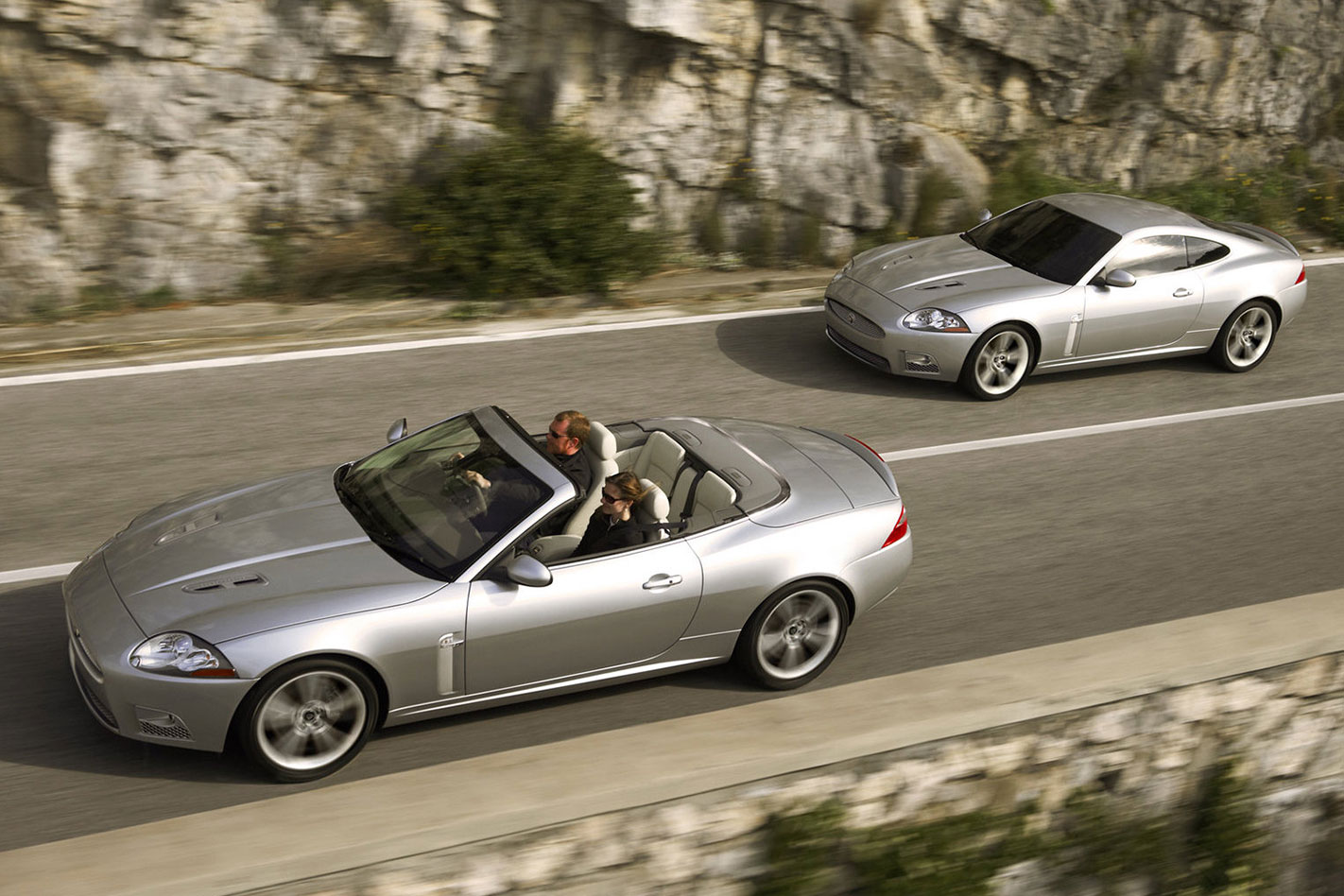
Only 25 per cent of the price also remains on a 2007 Jaguar XKR automatic, the 4.2-litre supercharged V8-powered contender sending 306kW at 6250rpm and 560Nm at 4000rpm to the rear wheels only. Forget the 5.2-second 0-100km/h claim because this blown unit offers an epic mid-range (and, okay, burnout response, Sir). New? $227,000. Used? $59,000.