
PORSCHE’S recent launch of the 911 GT2 RS was one of the most hotly anticipated events of the year and Editor Inwood was the man picked to fly to Portugal and attempt to tame the ‘Widowmaker’ at the fearsome Portimao circuit (funny how the boss always gets the good gigs).
As part of the launch, Porsche brought factory test driver, and racing legend Walter Rohrl along. His duties were to pilot the chase car during the event, and take lucky attendees for hot laps of the circuit.
The Portimao track is like Australia’s Phillip Island reimagined for terror. There are long sweeping bends, blind corner entries, and gut churning elevation changes. Attacking it in the 515kW, 750Nm, twin-turbo, rear-drive GT2 RS is quite the challenge.
But as you can see in the video, it’s all a doddle for Mr Rohrl. However, don’t let his calm composure fool you, we can assure that this wasn’t a dawdling weekend drive.
For those unaware of the man behind the wheel’s legendary status, Walter Rohrl is an icon of racing. During his World Rally Championship career he won two titles, 14 rallies, and a staggering 420 stages.
One of his most impressive driving achievements came in 1987, when he became the first person to ascend Pikes Peak in less than 11 minutes in a 440kW Audi Sport Quattro S1.
In 1992 Rohrl was competing in the Nurburgring 24 Hours. During the night the event was hit with heavy fog and rain, but that didn’t stop the German ace, who barely slowed his pace, instead anticipating corners through timing.
Niki Lauda once referred to him as a ‘Genius on Wheels”.
He also has a 24 Hours of Le Mans class victory to his name from 1981 when he shared a Porsche 944 LM with Jurgen Barth.
Enjoy the racing champion doing what he does best behind the wheel of what is likely to become another unforgettable part of Porsche’s rich motoring tapestry. What a union.
The Jaguar E-Pace will arrive in Australia in April with a starting price of $47,750.
Big things are expected of the small SUV, which will be the most affordable Jaguar on the market, coming in around $13,000 under the XE sedan on which it’s based and $25,000 less than the larger F-Pace SUV.
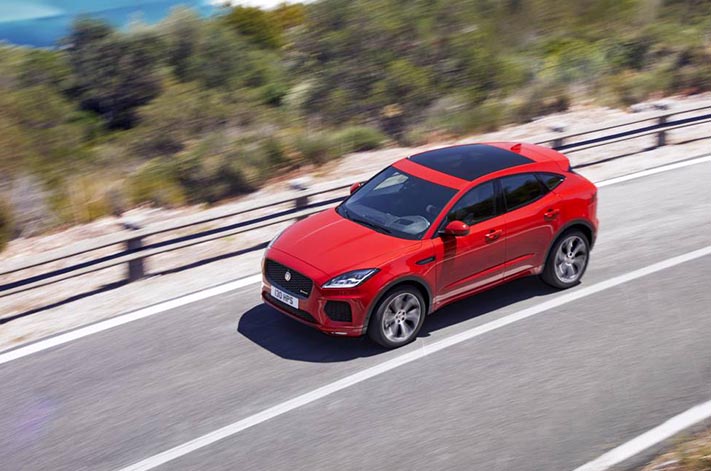
This price will also be very competitive against its main rivals including the BMW X1, which starts at $50,600. And while the Mercedes-Benz GLA and Audi Q2 both start around the $42,000 mark, it’s worth noting that the entry level E-Pace will be AWD and powered by a 2.0-litre Ingenium turbo diesel engine, putting it more in line with the higher spec GLA 220d and Q2 2.0 TDI which retail at $51,200 and $49,100 respectively.
The E-Pace will come with five 2.0-litre Ingenium engines including the 110kW D150, 132kW D180 and 177kW D240 turbo diesels, with the 183kW P250 and 221kW P300 being turbo petrol options. Each powertrain will include an eight-speed automatic transmission and all-wheel-drive.
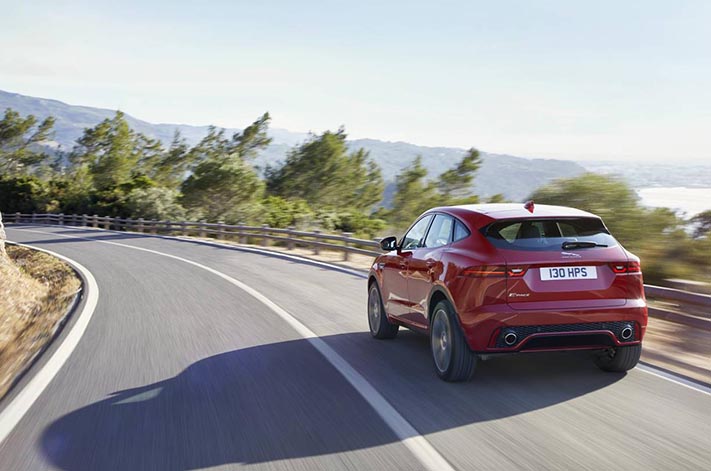
Each E-Pace variant will come with a long list of standard features, including a 10-inch infotainment screen, LED front and rear lights, rain-sensing wipers, 17-inch alloys, two-zone climate control, automatic emergency braking, lane keep assist, torque vectoring, push button start.
Like many Jaguar Land Rover models, it will come with a broad range of variants based around five powertrains and eight trim levels for a whopping total of 38 – just four shy of the number of Range Rover Velar combinations.
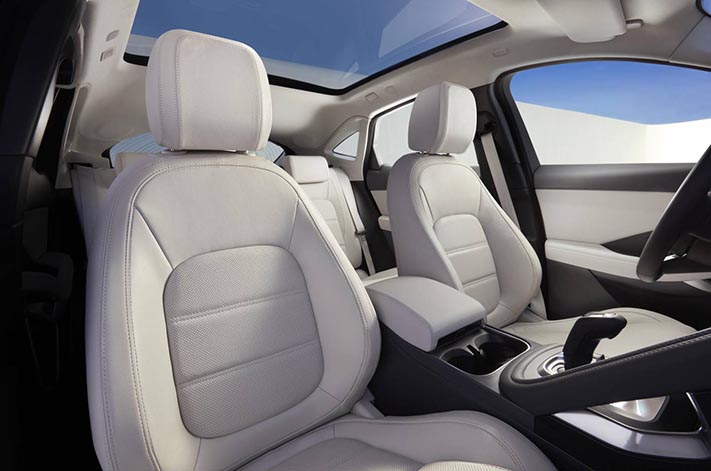
Topping the substantial list is the E-Pace R-Dynamic First Edition which will set you back $84,370 before selecting any options.
2018 Jaguar E-Pace pricing
D150 – 110kW 2.0L turbo-diesel
- E-PACE AWD 2.0DT – $47,750
- E-PACE S AWD 2.0DT – $55,200
- E-PACE SE AWD 2.0DT – $60,030
- E-PACE HSE AWD 2.0DT – $65,590
- E-PACE R-Dynamic AWD 2.0DT – $52,550
- E-PACE R-Dynamic S AWD 2.0DT – $60,000
- E-PACE R-Dynamic SE AWD 2.0DT – $64,830
- E-PACE R-Dynamic HSE AWD 2.0DT – $70,390
- E-PACE AWD 2.0DT – $50,150
- E-PACE S AWD 2.0DT – $57,600
- E-PACE SE AWD 2.0DT – $62,430
- E-PACE HSE AWD 2.0DT – $67,990
- E-PACE R-Dynamic AWD 2.0DT – $54,950
- E-PACE R-Dynamic S AWD 2.0DT – $62,400
- E-PACE R-Dynamic SE AWD 2.0DT – $67,230
- E-PACE R-Dynamic HSE AWD 2.0DT – $72,790
- E-PACE R-Dynamic First Edition AWD 2.0DT – $80,952
- E-PACE S AWD 2.0DTT – $64,020
- E-PACE SE AWD 2.0DTT – $68,850
- E-PACE HSE AWD 2.0DTT – $74,410
- E-PACE R-Dynamic S AWD 2.0DTT – $68,820
- E-PACE R-Dynamic SE AWD 2.0DTT – $73,650
- E-PACE R-Dynamic HSE AWD 2.0DTT – $80,315
- E-PACE AWD 2.0T – $50,150
- E-PACE S AWD 2.0T – $57,600
- E-PACE SE AWD 2.0T – $62,430
- E-PACE HSE AWD 2.0T – $69,147
- E-PACE R-Dynamic AWD 2.0T – $54,950
- E-PACE R-Dynamic S AWD 2.0T – $62,400
- E-PACE R-Dynamic SE AWD 2.0T – $68,159
- E-PACE R-Dynamic HSE AWD 2.0T – $75,837
- E-PACE R-Dynamic First Edition AWD 2.0T – $84,370
- E-PACE S AWD 2.0T – $64,020
- E-PACE SE AWD 2.0T – $70,265
- E-PACE HSE AWD 2.0T – $77,493
- E-PACE R-Dynamic S AWD 2.0T – $70,226
- E-PACE R-Dynamic SE AWD 2.0T – $76,505
- E-PACE R-Dynamic HSE AWD 2.0T – $83,733
The AU Falcon isn’t the only car up to incredible things. The Honda Integra has made a bid for similar greatness with this Type R-powered ute appearing for sale in America.
Update: Since publication the seller has confirmed the engine is indeed from a Japanese Type R. However, we do not have photo evidence.
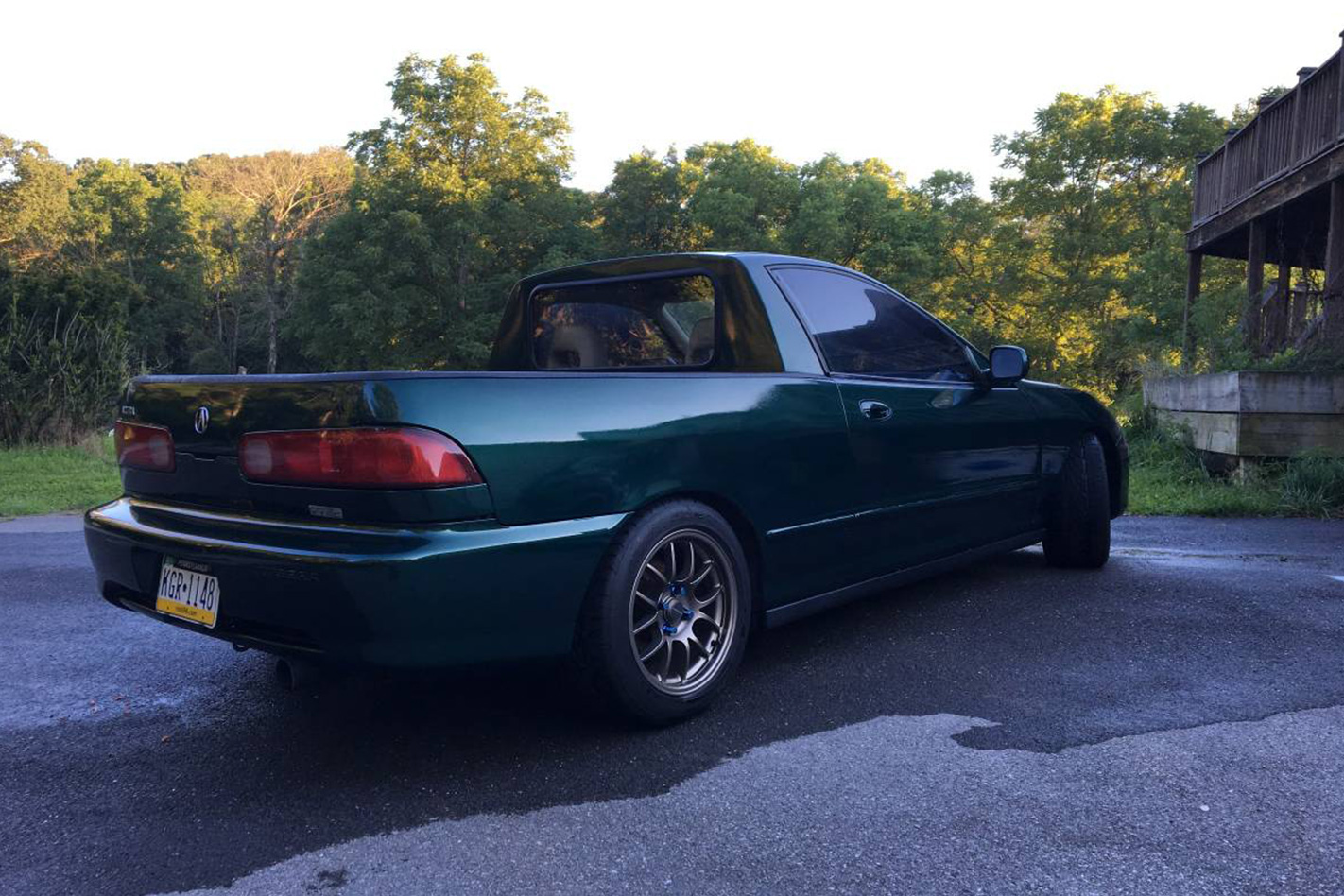
Yep, this is an Integra, the hatchback coupe Honda sold from 1994 to 2001. Made into a ute by a Baltimore local inspired by our own Holden Commodore and Ford Falcon ‘trucks’.
The front-wheel wheel drive workhorse began life as a 2001 Integra GSR. Once the owner blew an engine and couldn’t sell the shell, it was turned into his perfect parts-hauler.
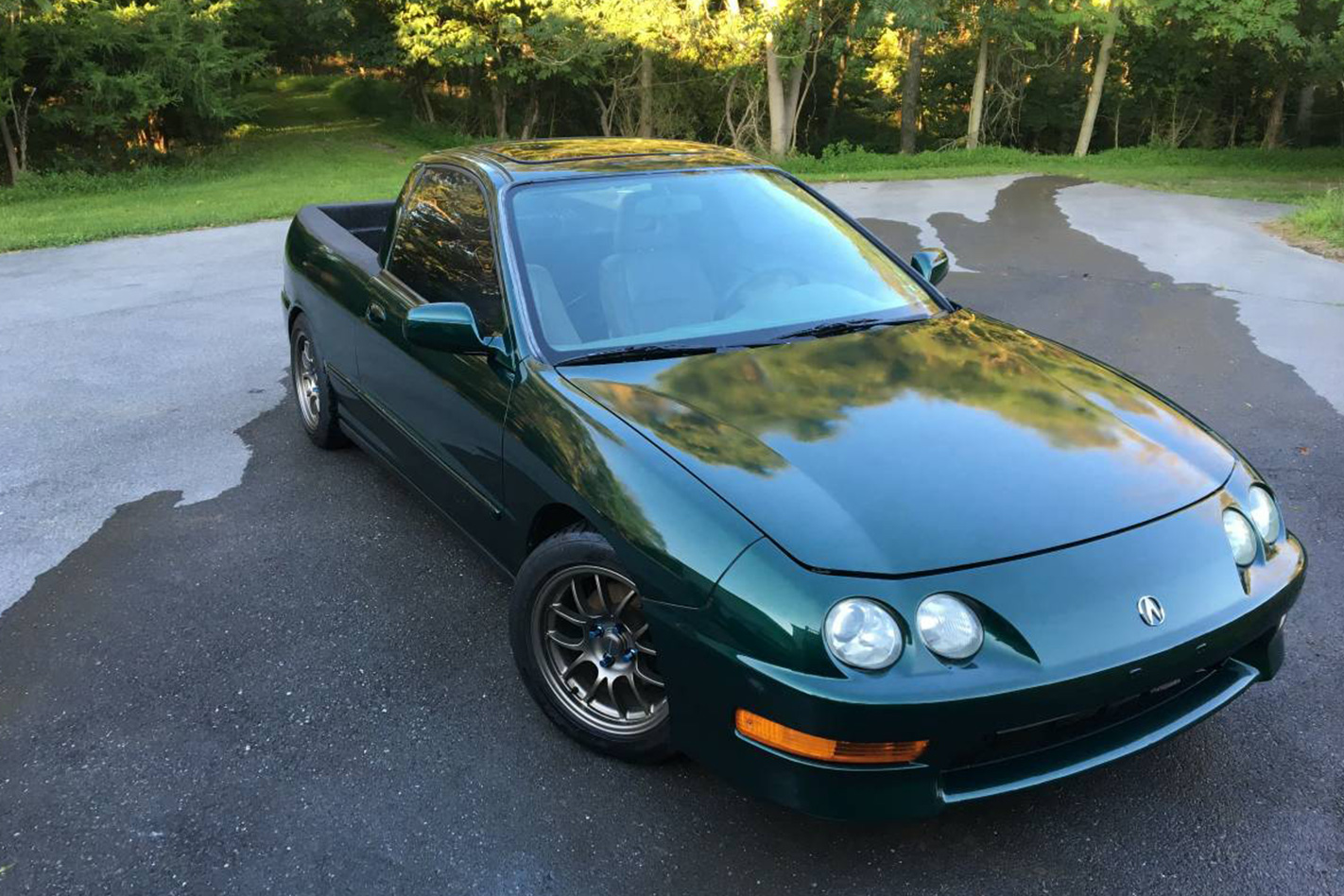
The high-tech, low capacity engine should fizz with about 147kW. Not thunderous, but weighing less than 1200kg it should produce a power-to-weight ratio close to a Fiesta ST.
Underneath the tray is a custom-made frame, while an x-brace features just behind the two sole front seats. Stiffer coilovers are the only suspension change.
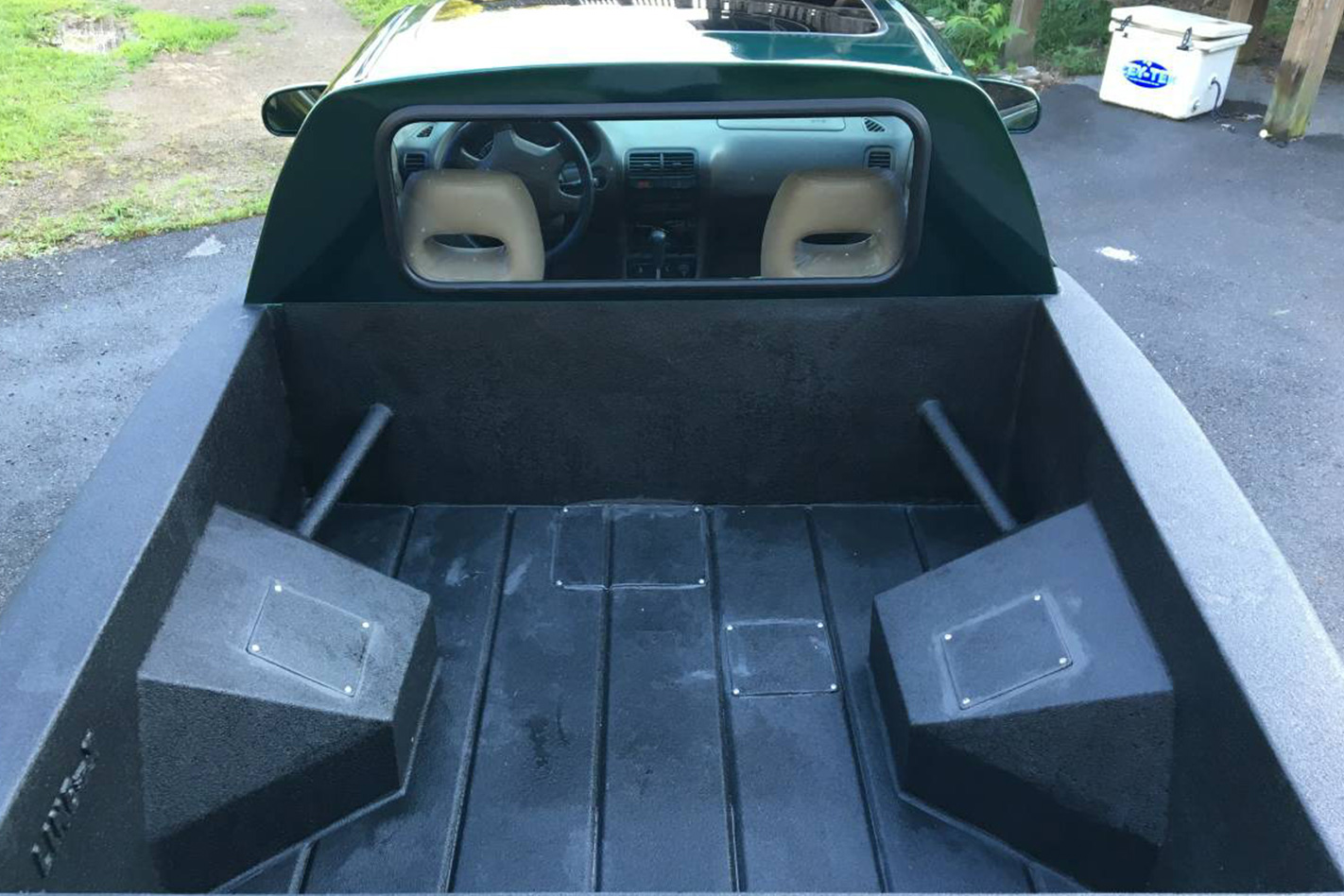
Its main use has been getting engine parts to and from a shop, we’re told, or taking care of junk “basically stacked higher than the car”.
With the factory lift-back removed, the work was done by saw. “I just chopped it off. Got a bunch of panels, and welded it on.” A body shop applied the final touches, before it was painted at home.
Amazingly, this has all been completed by a 22-year-old, who’s only mechanic experience is a nine-month course at a mechanical tech institute.
So, mini hot-hatch performance that can haul a dirt bike. Check out the offer at the link below.
Source:craigslist.com
The most popular models in the small car segment exist in this price bracket. So, what’s the best choice among the popular crowd?
1st: Kia Cerato S
While our light- and sub-light champs represent good driving and top value, in the small class the law of diminishing returns is yet to set in.
Yes it will cost more to own a Kia Cerato than a Picanto or Rio, but even compared with the littlest Kia, the step to the Cerato in terms of depreciation cost is only about $1000/year. Is the extra expense justified by a roomier body, perkier 2.0-litre engine, an available six-speed manual and extra features? We’ll let you decide.
Either way, you get Kia’s excellent seven-year warranty and a 12-month or 15,000km service interval, and it’s not as though the insurance premium goes through the roof in the upsize, at a very reasonable $635 per annum.
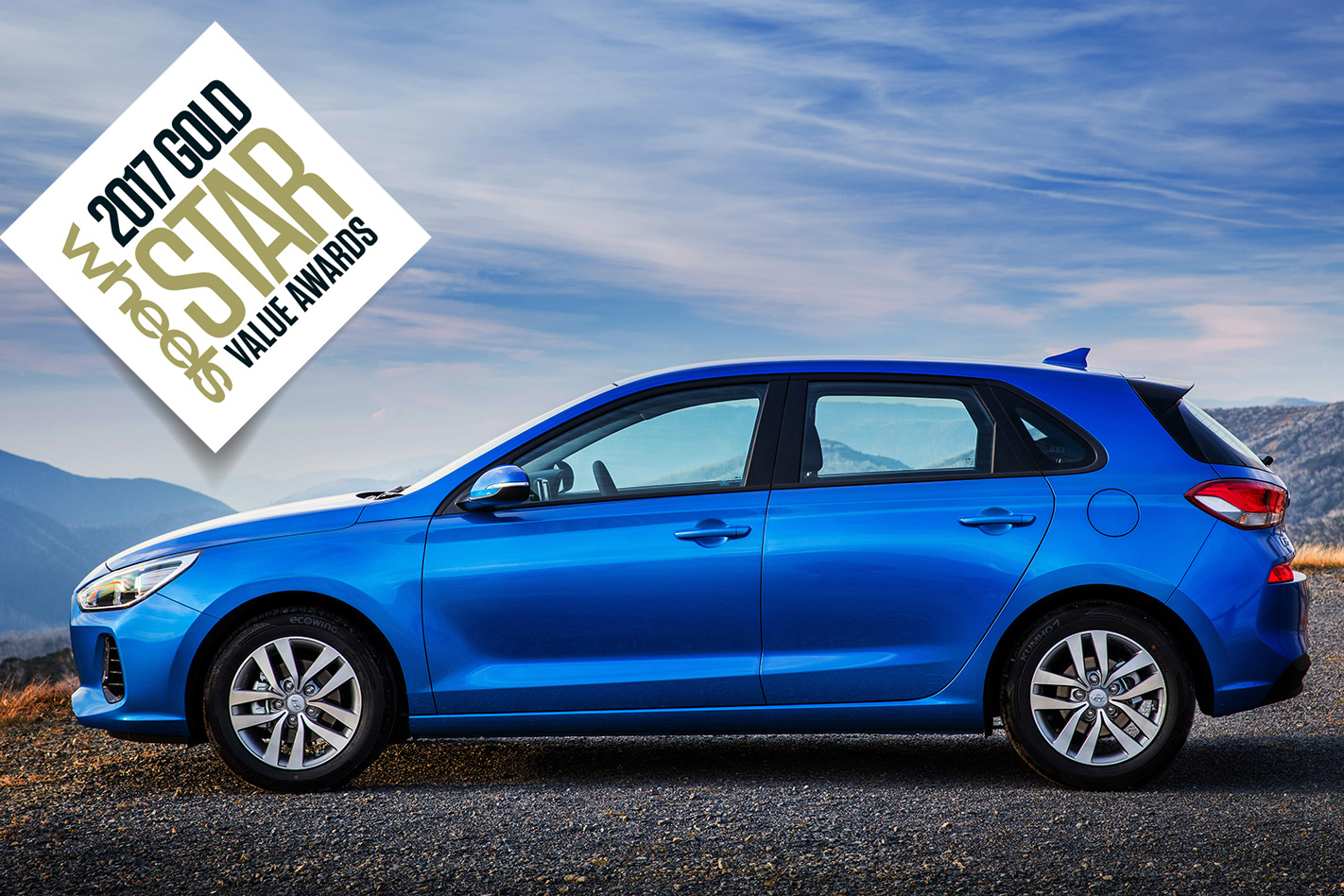
2nd: Hyundai i30 Active CRDi
The new-gen Hyundai i30 Active turbo-diesel six-speed manual pips its petrol sibling despite costing an extra $2500 up front, recouping the difference at the fuel bowser at a rate of about six dollars per week.
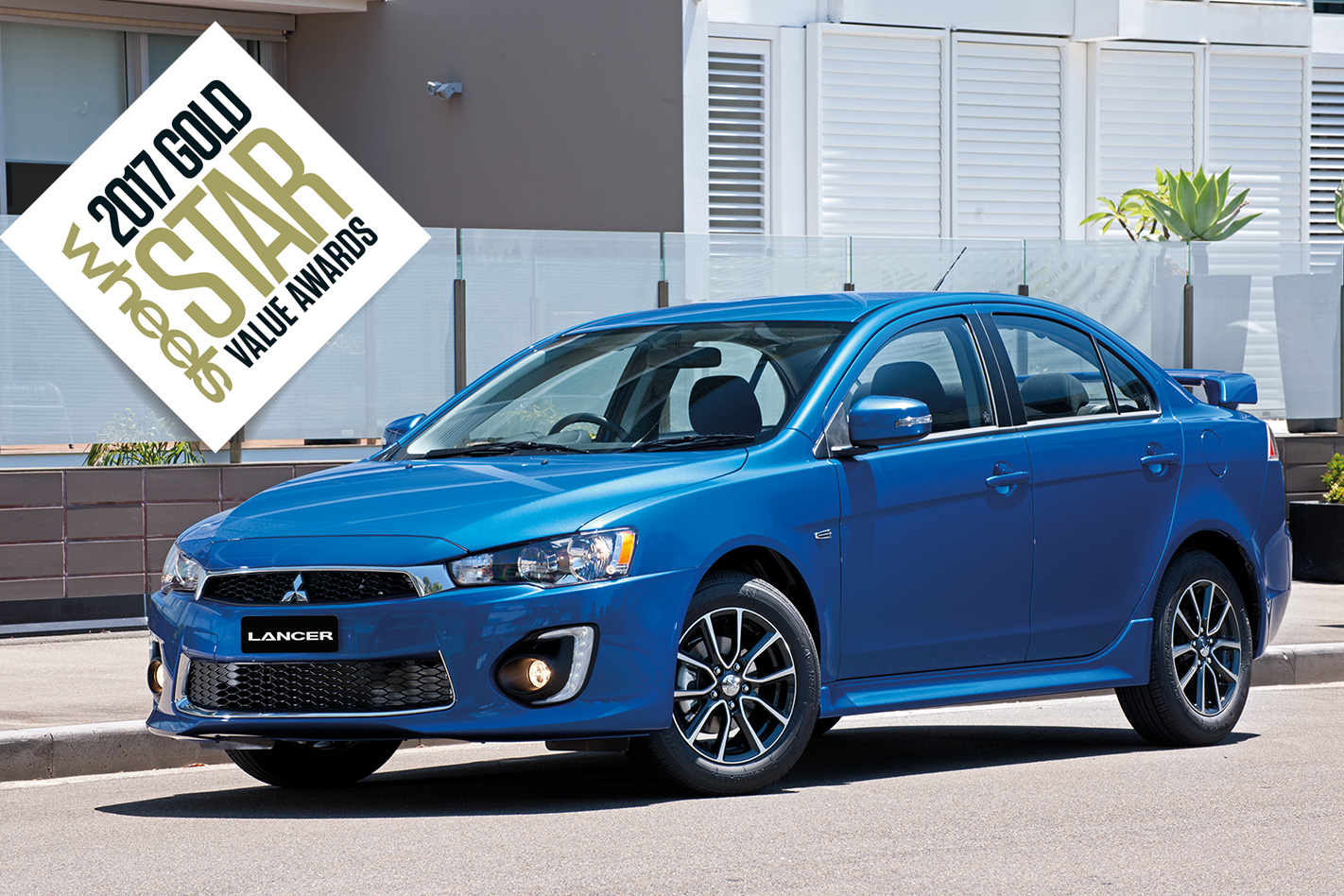
3rd: Mitsubishi Lancer ES Sport
What the ancient Lancer lacks in freshness it makes up via cabin space, equipment for your dollar, and a five-year warranty to topple Japanese and most Euro (but not Korean) rivals.
‘Compact’ doesn’t necessarily have to feel ‘cheap’. Spend a few more dollars and you can get a city car that’s a little more posh.
1st: Mazda 2 Maxx
Mazda’s well-established brand appeal is reflected in its 55 percent Glass’s resale figure, which is superior to any rival within cooee.
From this cracking start, the mid-spec Mazda 2 hatch – which gets a negligible 2kW and 2Nm boost over the Neo – powers on with good economy on regular unleaded, a generous 12-month or 10,000km service interval, and cheap-as-chips annual insurance at $701.
The Kia Rio S gave the Mazda a good run on the strength of its warranty, though didn’t quite have the overall mix of value credentials to topple the Japanese hatch.
2nd: Suzuki Swift GL Navigator
The Suzuki Swift’s long-held value credentials are stronger than ever in the new model – only the hybrid Toyota Prius C officially uses less fuel than the Swift in this company, however the Toyota couldn’t overcome its purchase price premium to climb onto the podium.
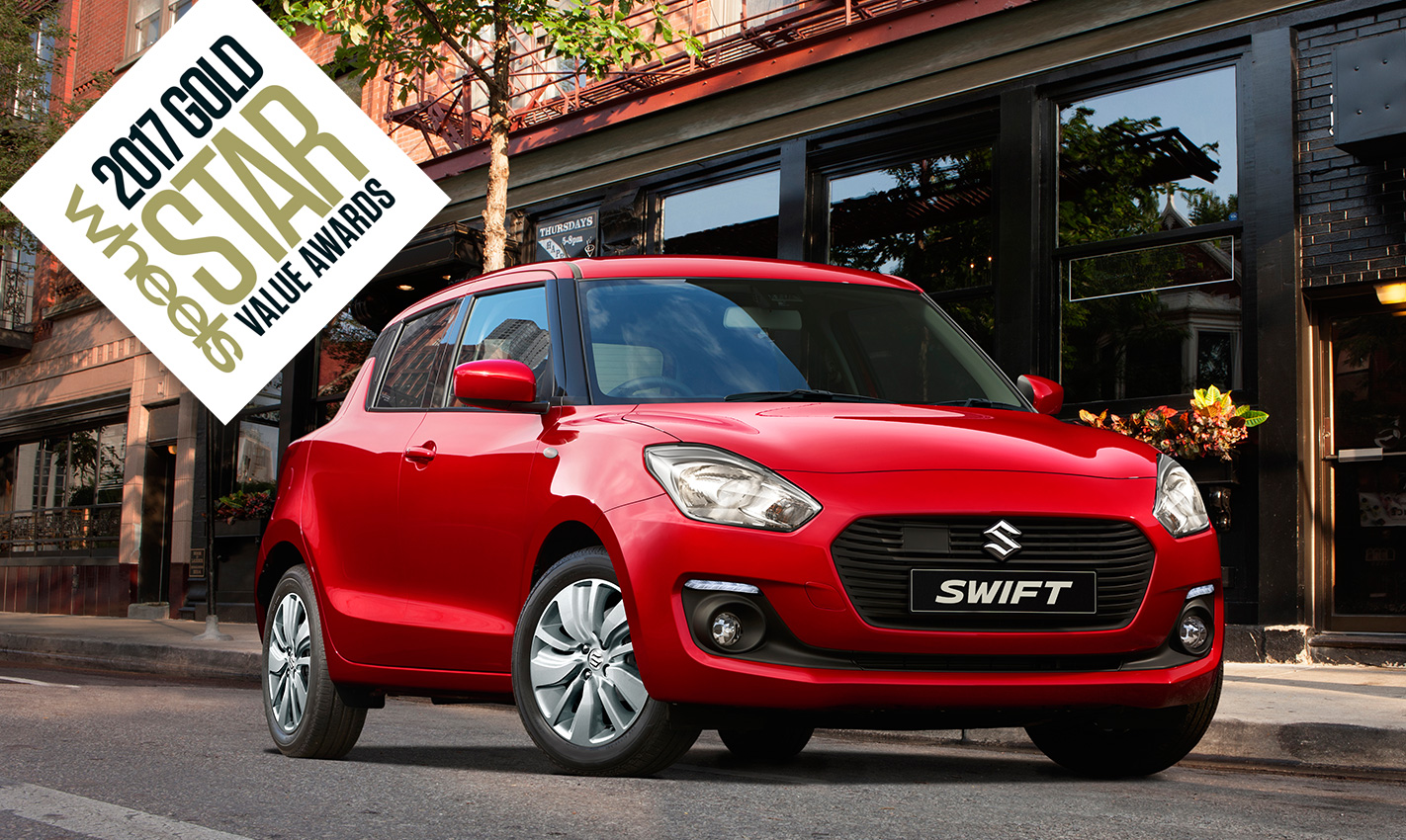
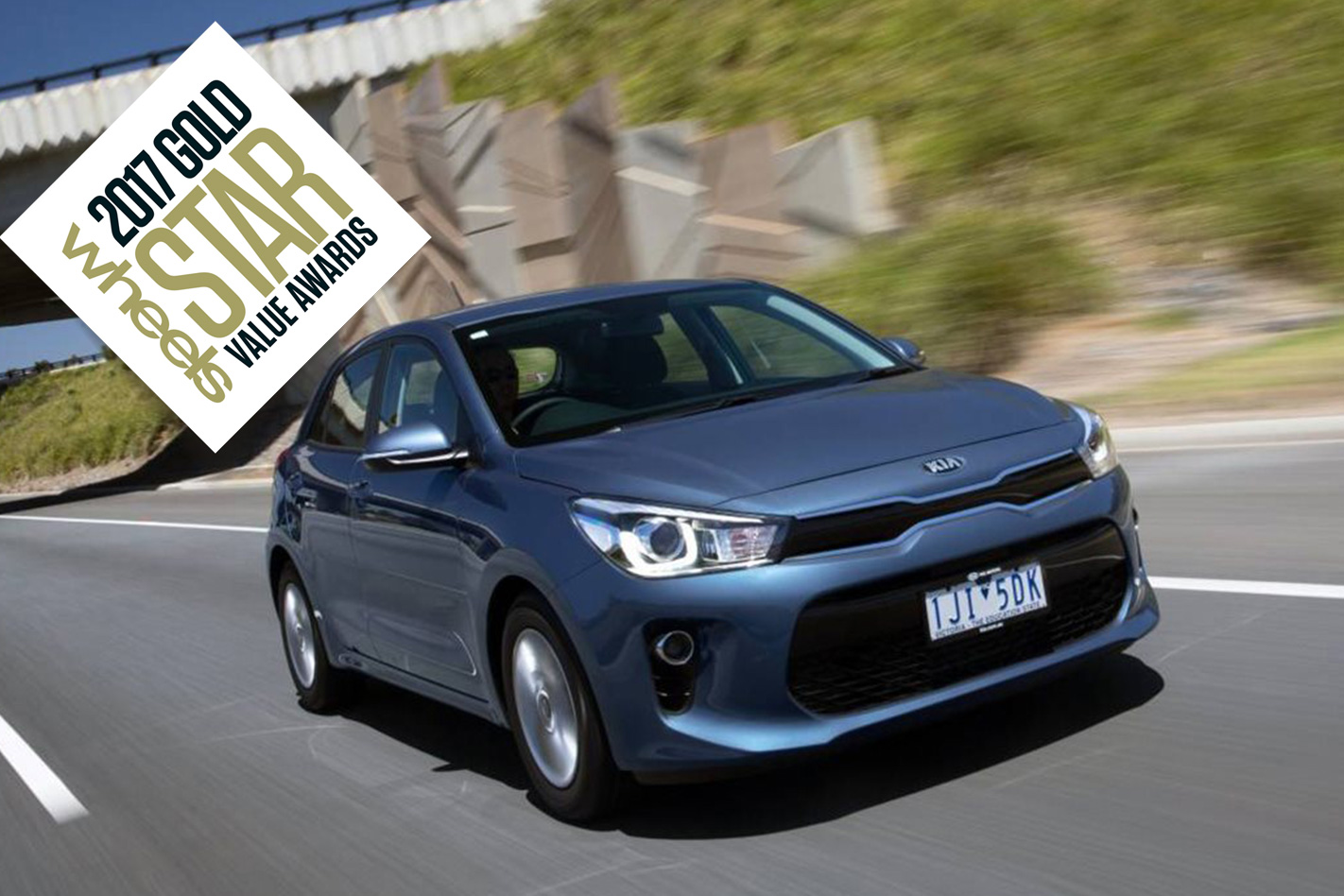
3rd: Kia Rio S
Higher fuel consumption and price, and a lower three-year resale, left the Rio with work to do, but none here can match Kia’s seven-year warranty, and 12 months between service intervals matches the Mazda, while easily topping the Suzuki’s six months.
GEELY, the Chinese owner of premium Swedish car maker Volvo, will now also be known as Geely, the flying car company.
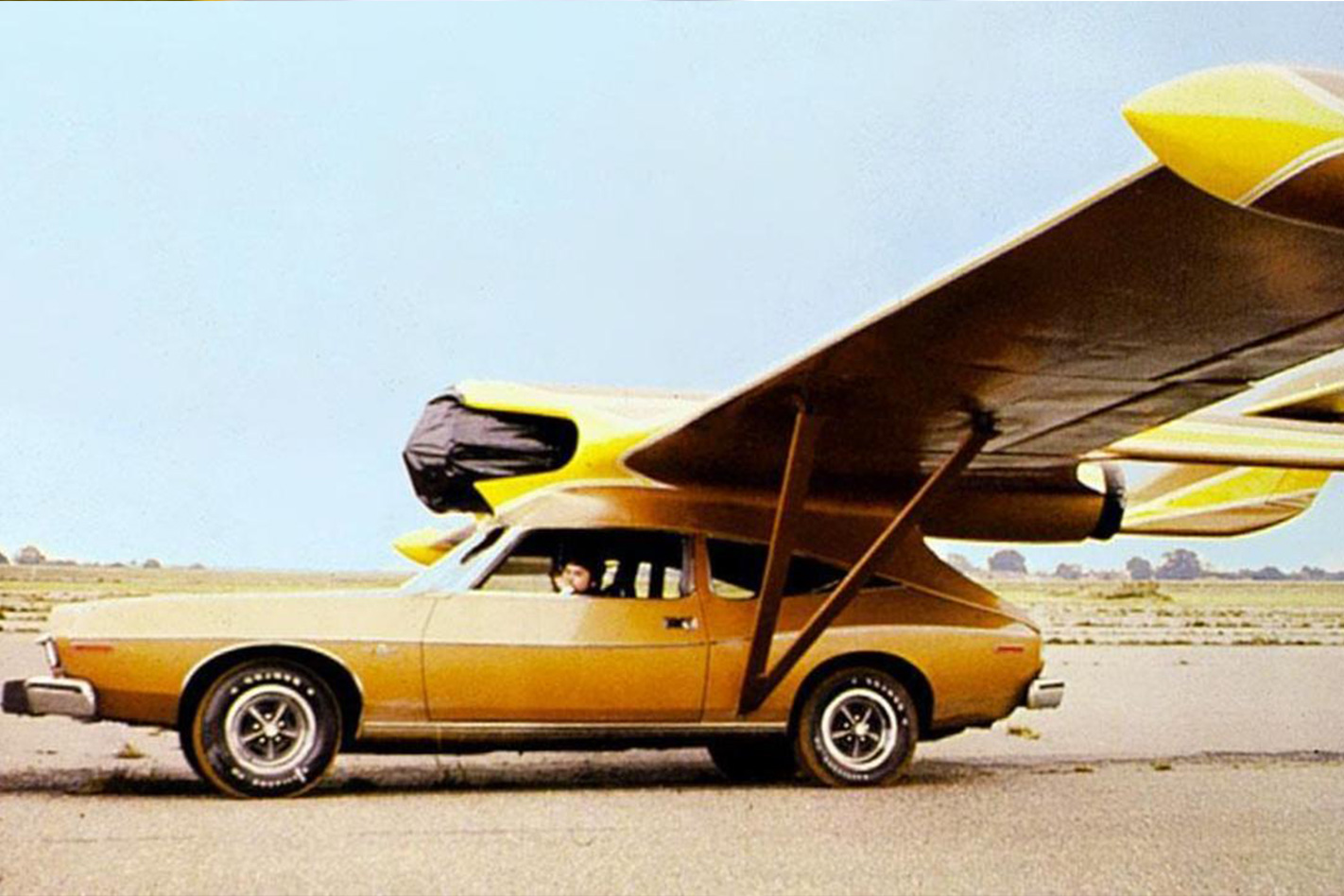
The fast-growing car maker yesterday took over control of Terrafugia, the decade-old, US-based business that hopes to one day have a car on sale that – just like Scaramanga’s AMC Matador in the mid-’70s Bond flick The Man with the Golden Gun – spreads its wings and takes to the skies.
“Zhejiang Geely Holding Group (‘Geely Holding’) is pleased to announce it has entered into an agreement with Terrafugia Inc, a US-based company focused on the innovation, engineering and production of flying cars and future technologies, to acquire its operations and assets in their entirety,” Geely said in a statement.
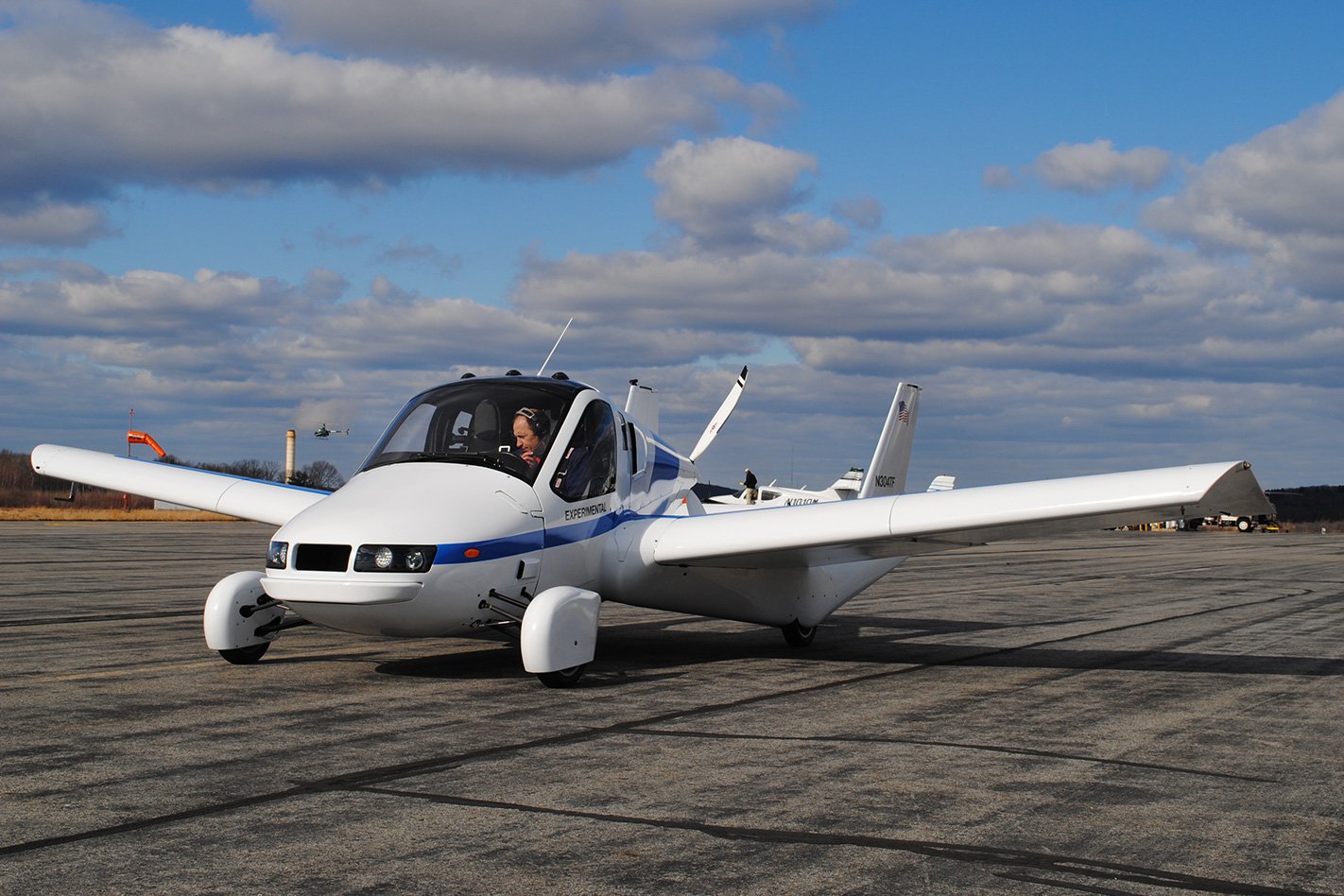
Terrafugia has already developed two flying prototypes, with an estimated retail cost of about $US270,000 ($A350,000). It has spawned the Transition, a rear-engined mash-up of a road car and light aircraft that seats two people and takes a minute to fold its wings almost like a bird to fit in a standard garage. Top speed is 160km/h, while range is about 650km.
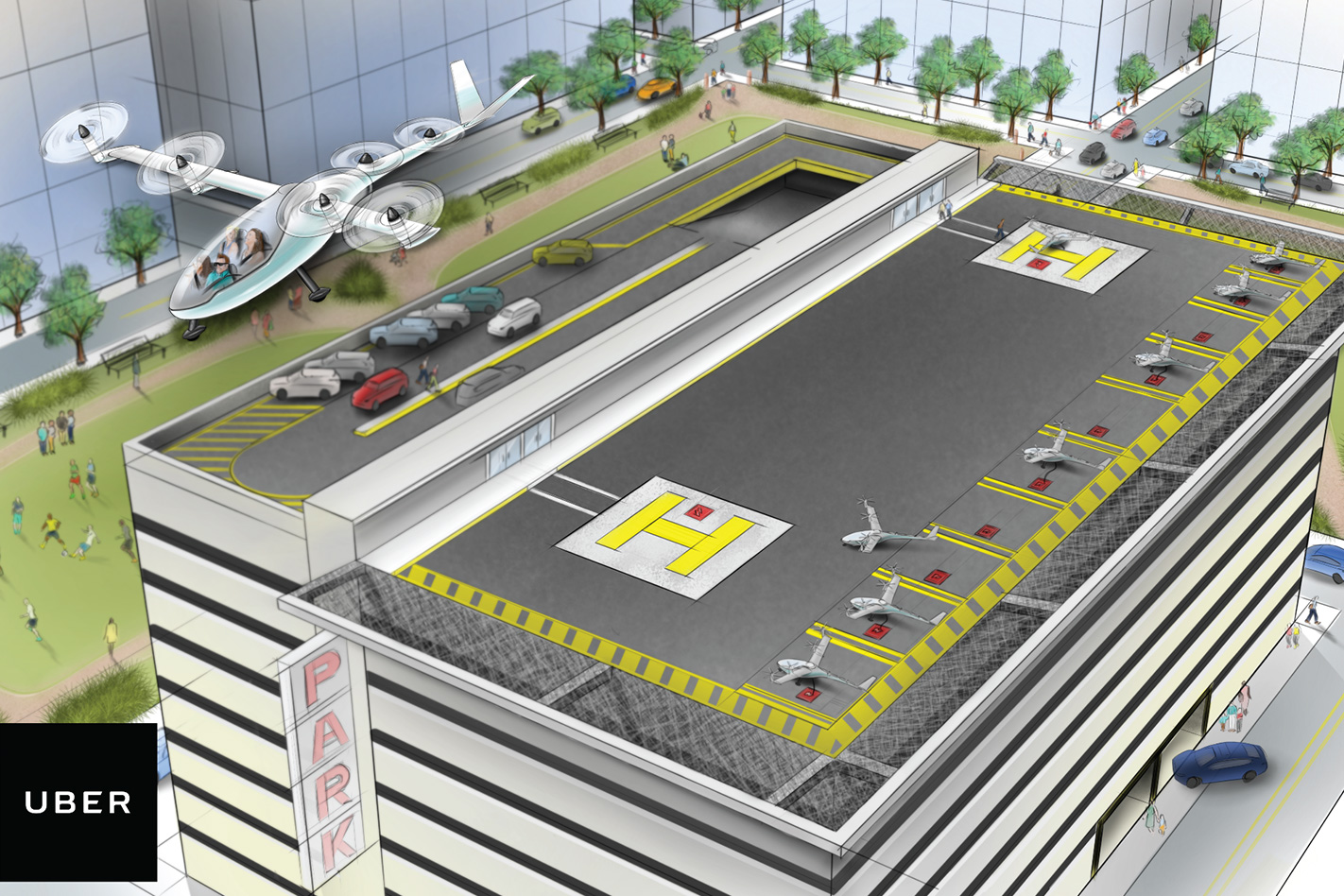
The idea of a flying car isn’t new. Uber, the ride-sharing service that’s turning the long-established taxi industry on its head, also wants to expand its offerings to incorporate air as well as road transport. Late last year it published a white paper on how it believed the car industry could jump on the urban air transport bandwagon.
“We also believe that in the long-term, VTOLs [Vertical Takeoffs or Landings] will be an affordable form of daily transportation for the masses, even less expensive than owning a car,” Uber said, introducing its name for the flying car program as Uber Elevate.
The Polestar 1, as the 2.0-litre supercharged, turbocharged plug-in hybrid four-seat GT that will headline the relaunched Polestar will be known, will widely use a plastic-reinforced carbonfibre body in the interests of adding torsional strength and reducing weight. Unfortunately for us, it won’t be built in right-hand drive.
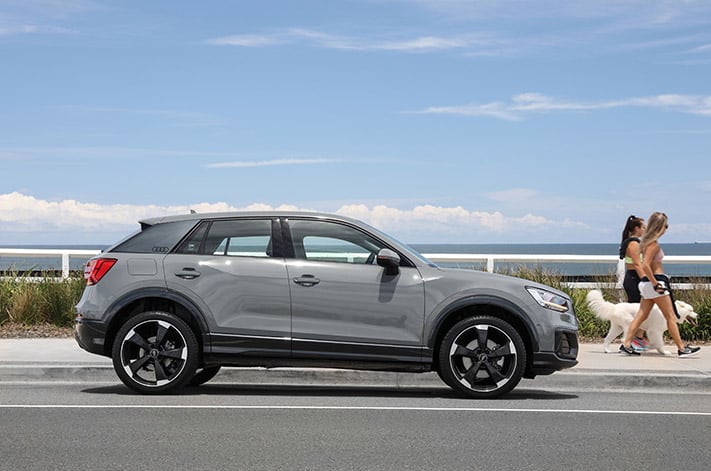
Audi has added a new, more powerful petrol variant to its Q2 small SUV range for the 2018 model year.
The Q2 2.0 TFSI quattro Sport joins the 1.4 TFSI Design and diesel 2.0 TDI quattro Sport variants that launched in Australia in February.
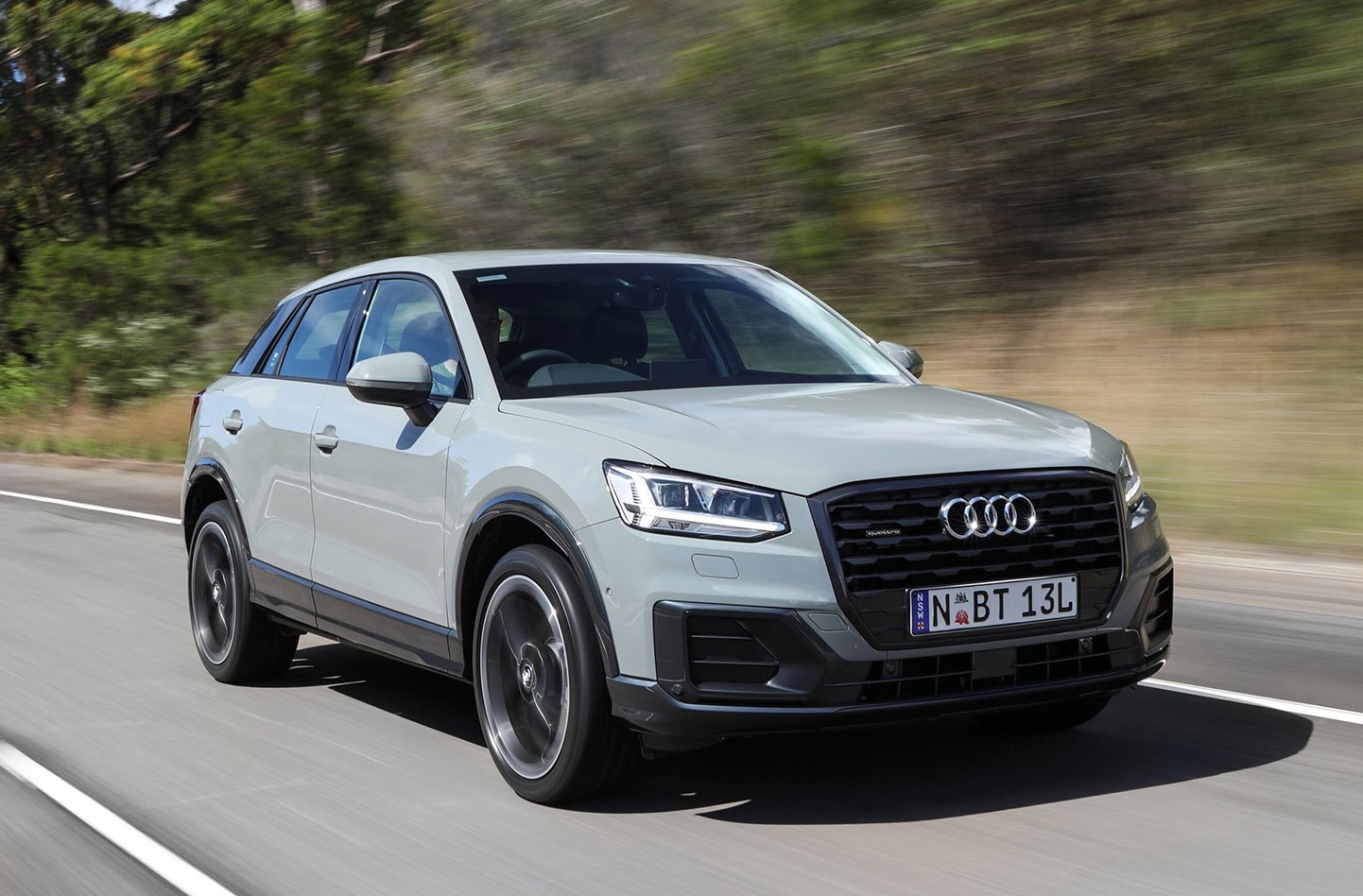
The 2.0 TFSI’s 2.0-litre turbocharged petrol engine is taken from the Audi A3 and A4 range and delivers 140kW and 320Nm. That’s 30kW/70Nm more than the 1.4 TFSI, with the larger engine shaving 2.0 seconds off the smaller engine’s 6.5 secs 0-100km/h time.
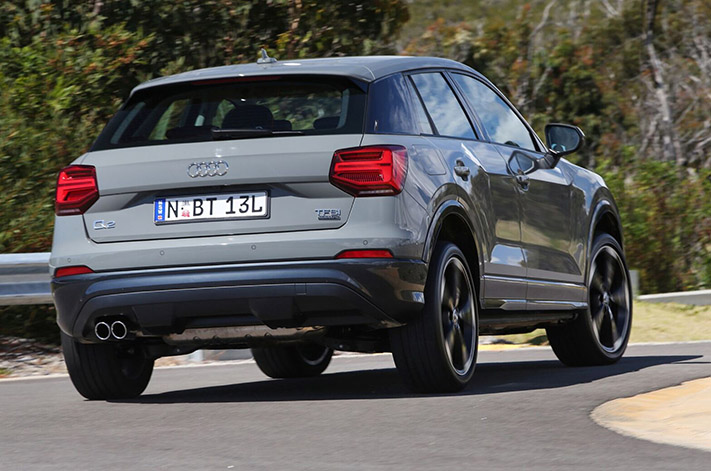
Fuel economy for the 2.0-litre engine is officially rated 6.5L/100km, which is 1.5L/100km more than the 1.4TFSI uses, but still pretty reasonable considering the bigger engine’s output.
Aesthetically, little separates the 2.0 TFSI from the other Q2 models beyond the badge, with the polygon design language evident everywhere from the grille to the chiselled shoulder line.
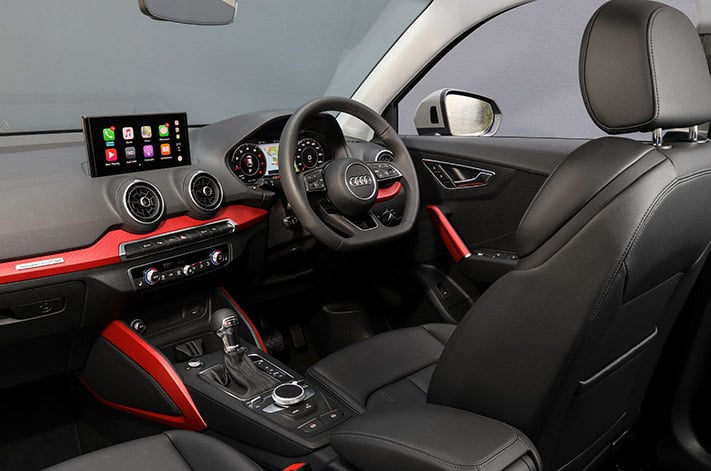
The interior is spacious and well finished, with soft-touch finishes highlighted by a metallic strip along the dashboard available in a choice of colours.
Each Audi Q2 model shares a seven-speed “S Tronic” dual-clutch automatic transmission as standard as well as Autonomous Emergency Braking (AEB), a seven-inch floating infotainment screen with satellite navigation, a more advanced parking system that includes a rear view camera, dual-zone climate control, leather-trimmed seats, auto-dimming rear-vision mirror and 17-inch alloy wheels.
Audi has also introduced LED headlights as standard across the Q2 range.
The 2.0 TFSI and 2.0 TDI quattro models also gain an electric tailgate, sport seats, a lane-change monitor, and 18-inch alloys as standard equipment.
Each variant comes with one base specification grade. However, a range of optional packs offer extra creature comforts, driver assistance tech or sporty exterior trim. There are also individual options such as plusher seats, 19-inch alloy wheels and enhanced infotainment features.
The Q2 2.0 TFSI quattro Sport is on sale now.
2018 Audi Q2 pricing and packages*
- Q2 1.4 TFSI S design – $41,800
- Q2 2.0 TFSI quattro sport – $48,500
- Q2 2.0 TDI quattro sport – $49,100
Assistance package – $1600 (1.4 TFSI) / $900 (2.0 TFSI and 2.0 TDI)
Comfort package – $1900
- Keyless entry/start
- Powered lumbar support
- Auto folding, dimming and heated door mirrors
- Heated front seats
- Storage and luggage compartment kit
- S Line bumpers front and rear
- S Line diffuser
- S Line logo, exterior
- Aluminium door sill trims
- 18-inch five-spoke Y design alloy wheels
- Sport suspension (10mm lower ride height)
- Alacantara/leather sports seats with S embossing
- Flat-bottom sports steering wheel with shift paddles
- Perforated leather gear knob
- Black headlining
- Matte brushed aluminium inlays
- Stainless steel pedals and footrest
- Illuminated door sill trims
- Audi virtual cockpit
- MMI navigation plus
- Flat-bottomed sports steering wheel with shift paddles
On December 10th 2017, we will finally get a good look at McLaren’s upcoming Hyper Series car known only thus far as ‘BP23’.
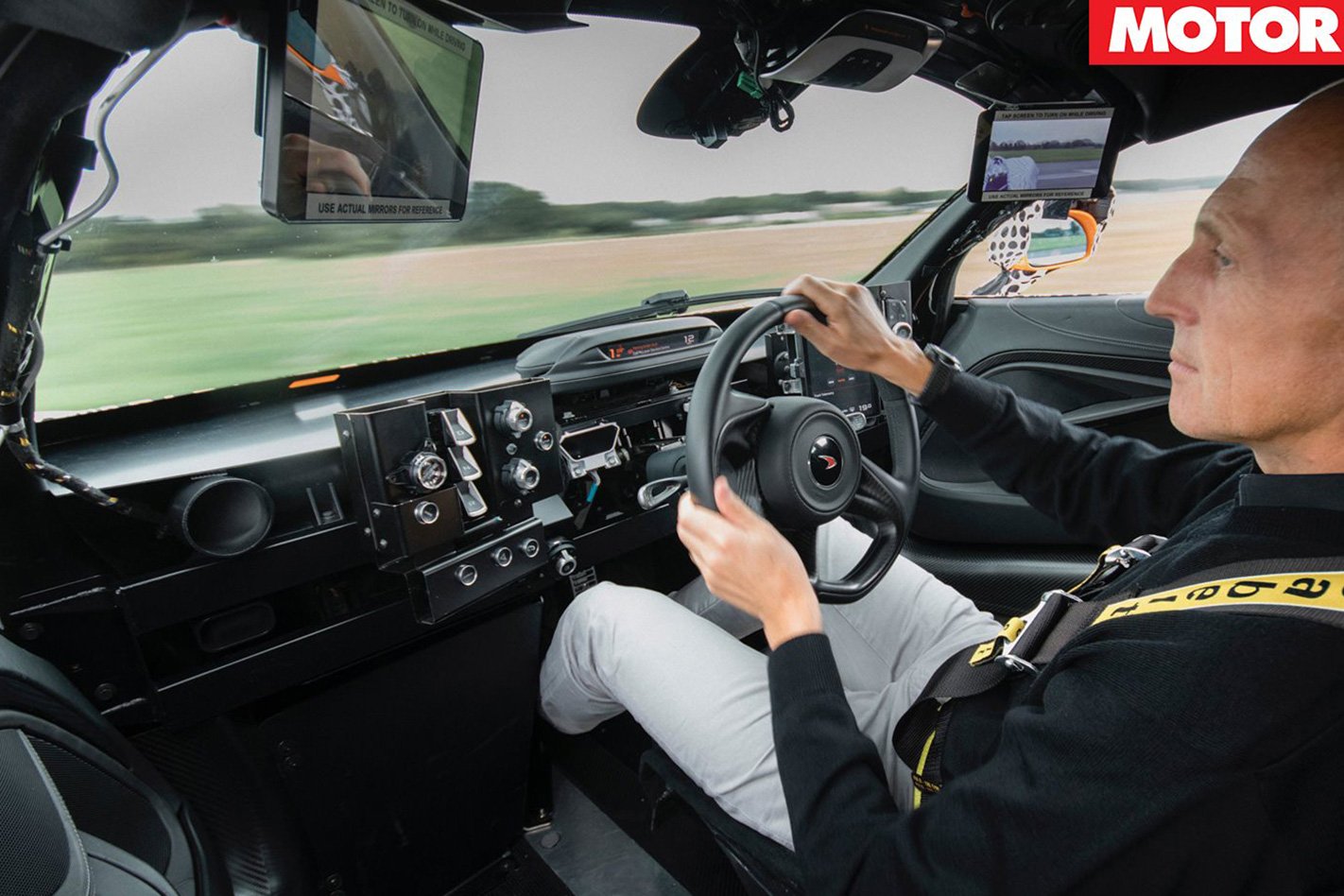
The McLaren BP23 will be a three-seater, track-focused car with heritage running back to the McLaren F1 of the ‘90s.
As such, the driver will sit in the middle of the car with two passengers able to sit either side and to the rear.
McLaren Asia/Pacific managing director George Biggs says he want to see the BP23 make it to Australia too, telling MOTOR some buyers could be from Down Under.
“We’re a global company so we make sure that all of our markets are served correctly. So on that basis … I would expect that we may see the car here.”
“Understanding the various regulations and rules for the market, whether it’ll be appropriate regulation or not for that particular market, it’s an ongoing conversation.”
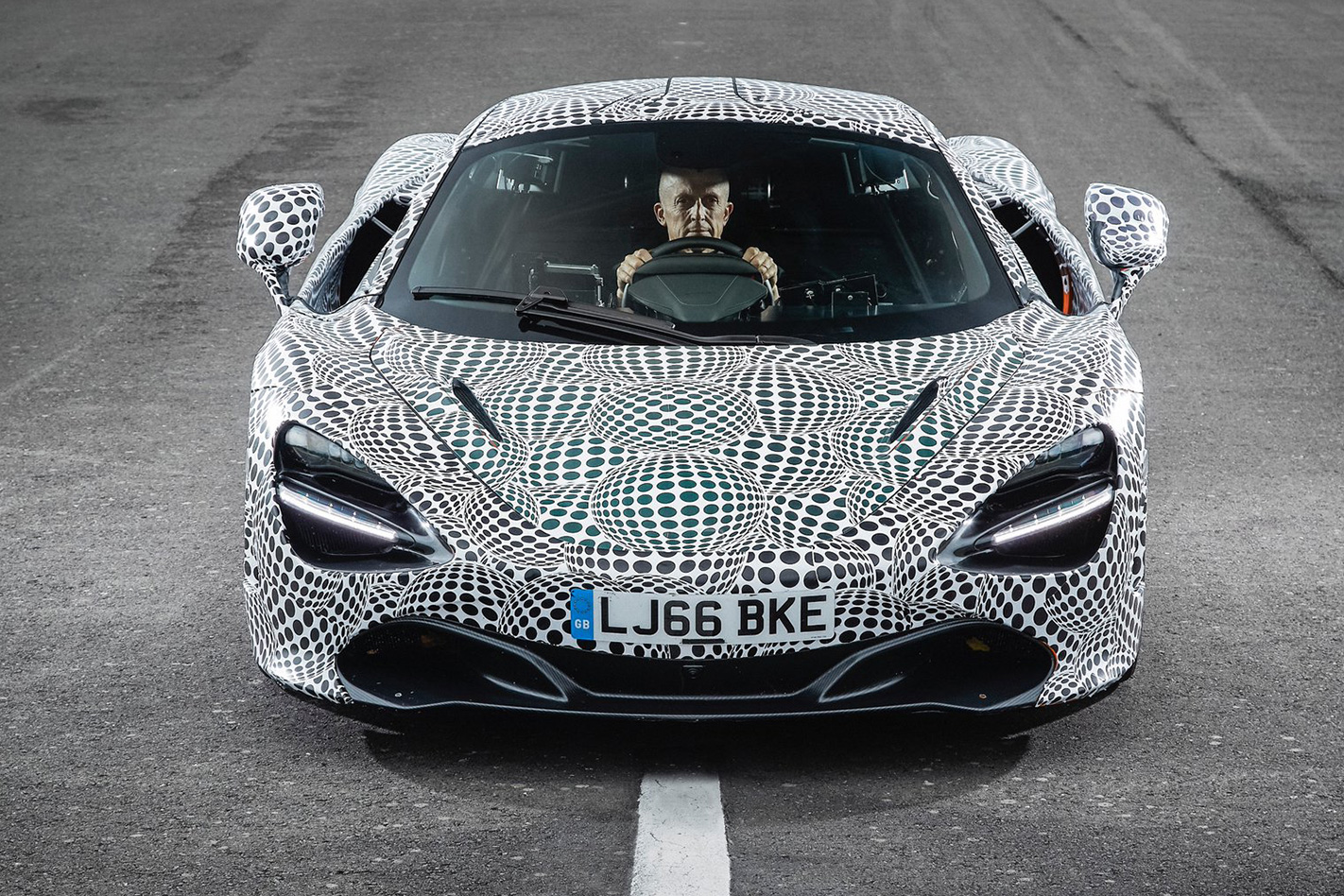
McLaren reveals another Ultimate Series project car
“We work with the local government and the regulators in that market and we respect the rules. We’re a manufacturer that has to work within those rules.
“Obviously, we’re in some dialogue but largely, it’s about, what are the rules? How do we comply with them?”
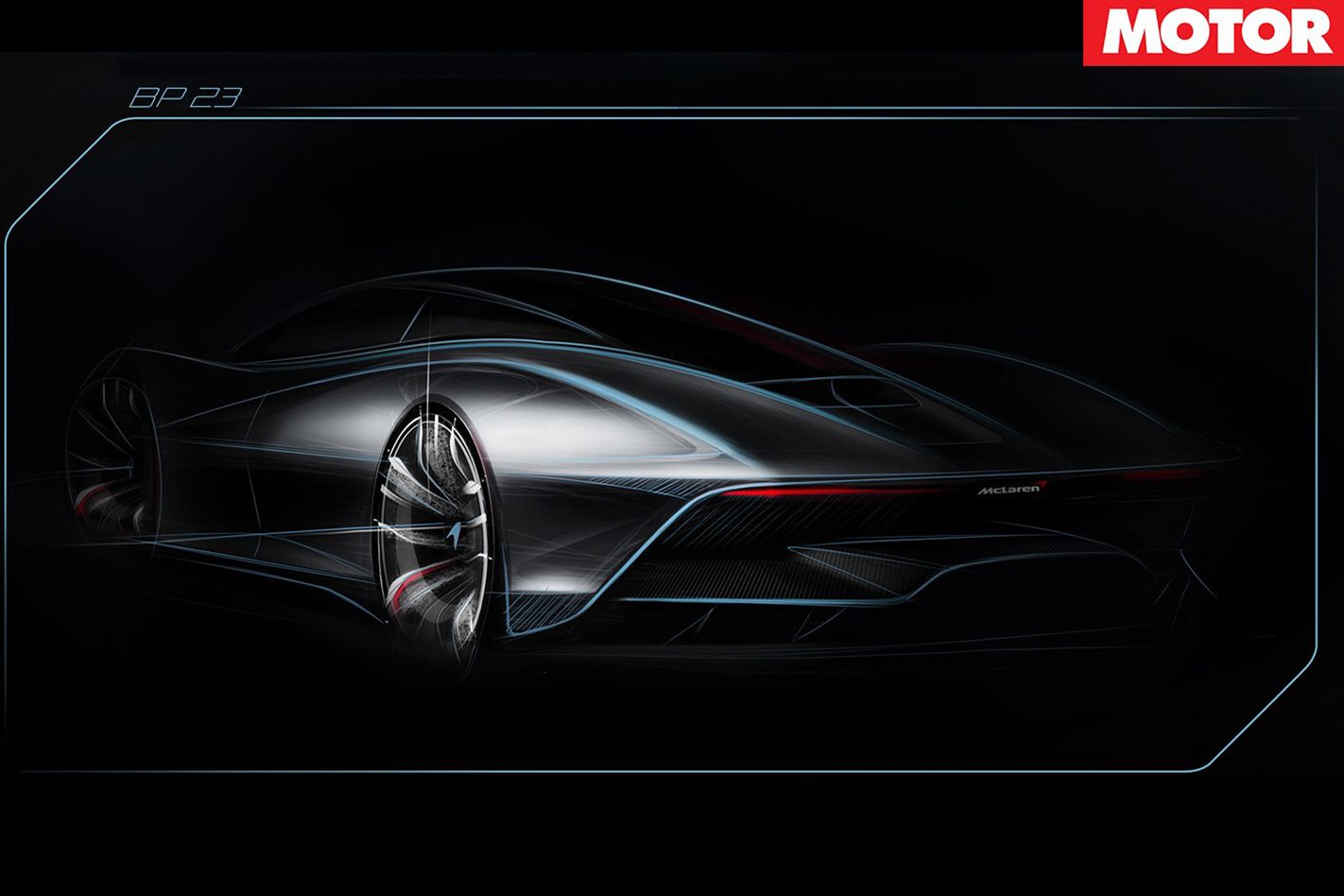
“BP23 will borrow the three-seat layout with the central driving position made famous by the iconic McLaren F1, and it will be housed in a streamlined, shrink-wrapped carbon fibre body of great elegance,” Flewitt said.
“We are calling BP23 a ‘Hyper-GT’ because it’s a car designed for longer journeys, but with the high levels of performance and driver engagement expected of any McLaren.”
For years we’ve wondered: which of the three evolutions of Integra is the fastest?
This review was first published in MOTOR magazine’s December 2005 issue.
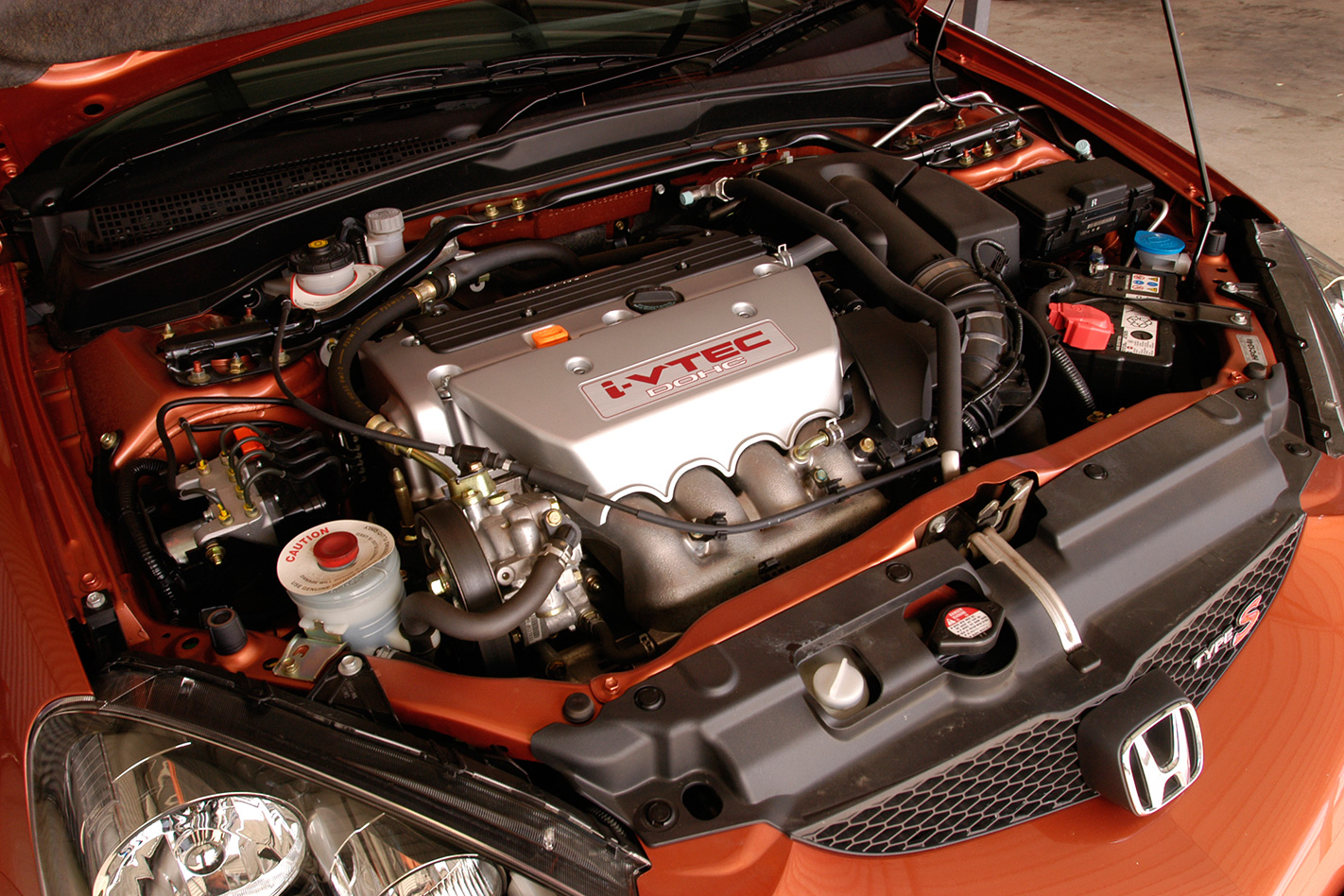
Two evolutions of Type R and the latest Type S each have their strengths, but which is best and why? First, some background. It started in Australia with the 1999 Honda Integra Type R, model code DC2, and a version that went on sale in Japan in 1995.
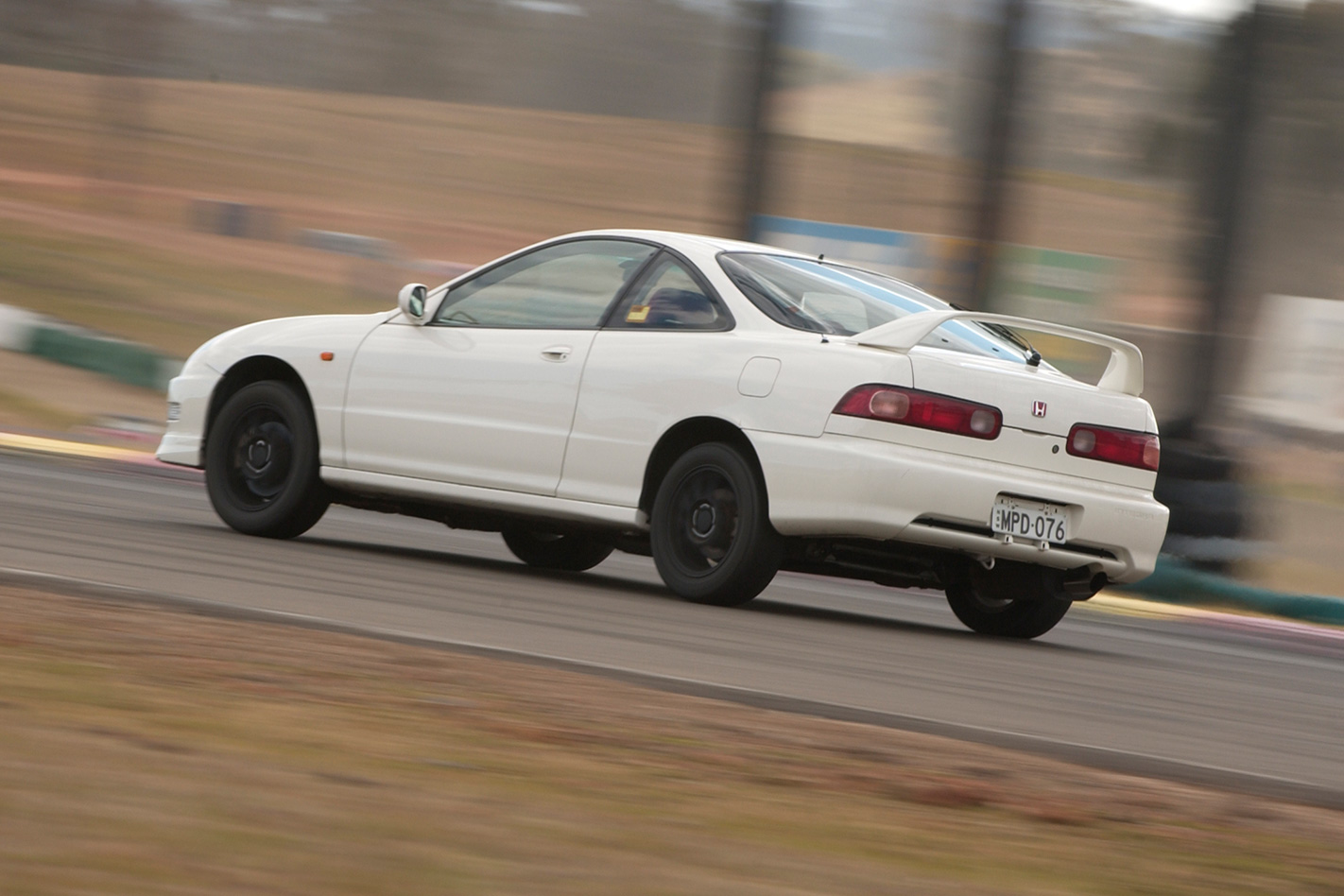
Raw, loud, light and mean, its quad round headlights and 141kW 1.8-litre were the only real difference between it and the full-house 149kW Jap spec version. It scored an LSD, Recaros and a Momo steering wheel, a shopping trolley spoiler and a real slant towards pure performance.
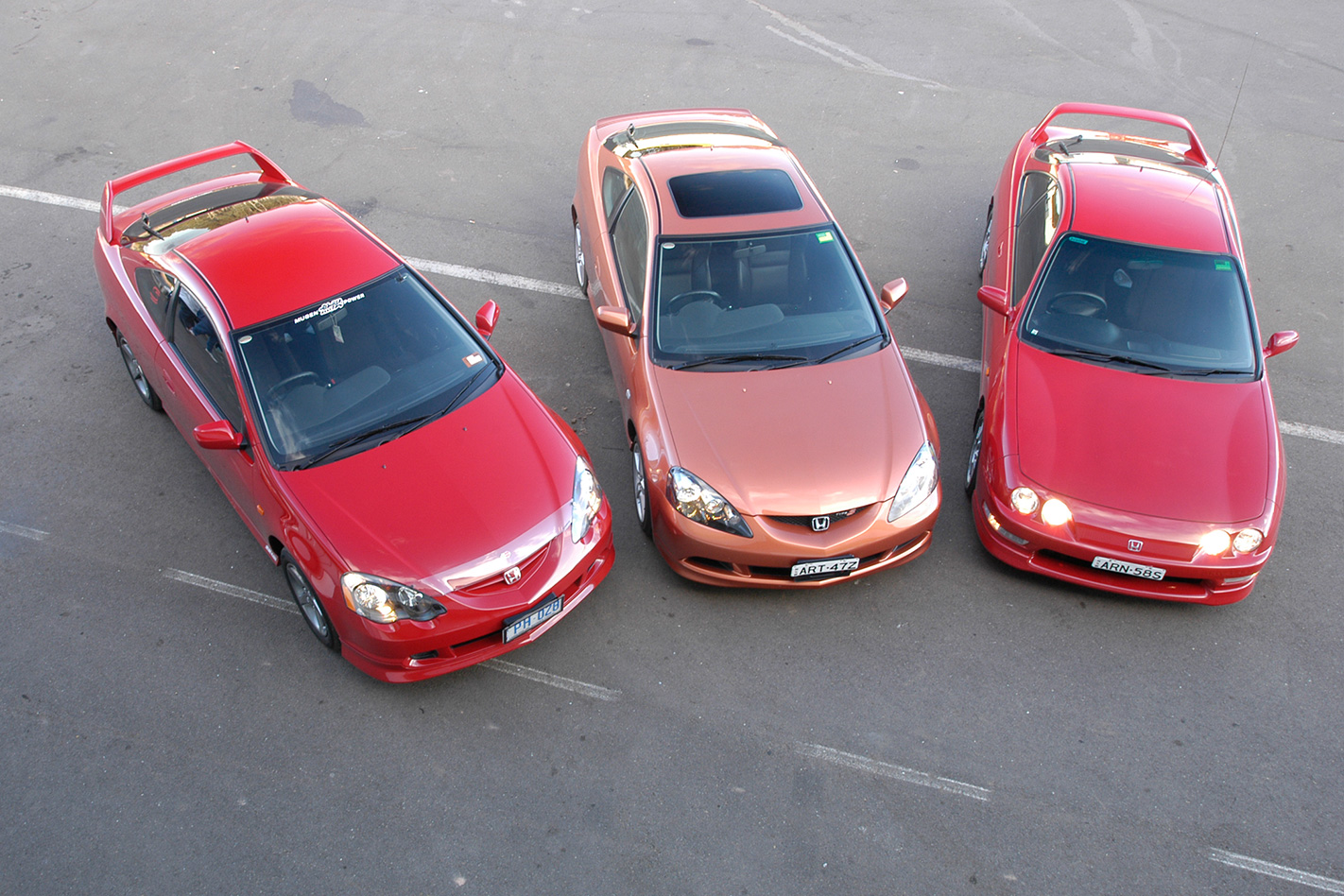
So the Type R/S, as we’ll call it, has bark without bite. Or does it? Redone last year, the DC5 Type S was again the genuine model, Honda rightly realising it should call a spade a Type S. It gained even more weight, but with firmer suspension and a power boost to 154kW, is the Type S better or worse than its predecessors?
Does the evolution from 15- to 16- and then 17-inch wheels have a large effect, and does modern rubber and six years of chassis development make up for the lack of an LSD and extra weight?
All these questions are why we’ve lobbed at Oran Park Raceway’s South Circuit, for a final farewell to ART, our Blaze Orange long-term Integra Type S. But before we bid adieu, we had to find an answer for 0-100km/h, quarter-mile and lap times.
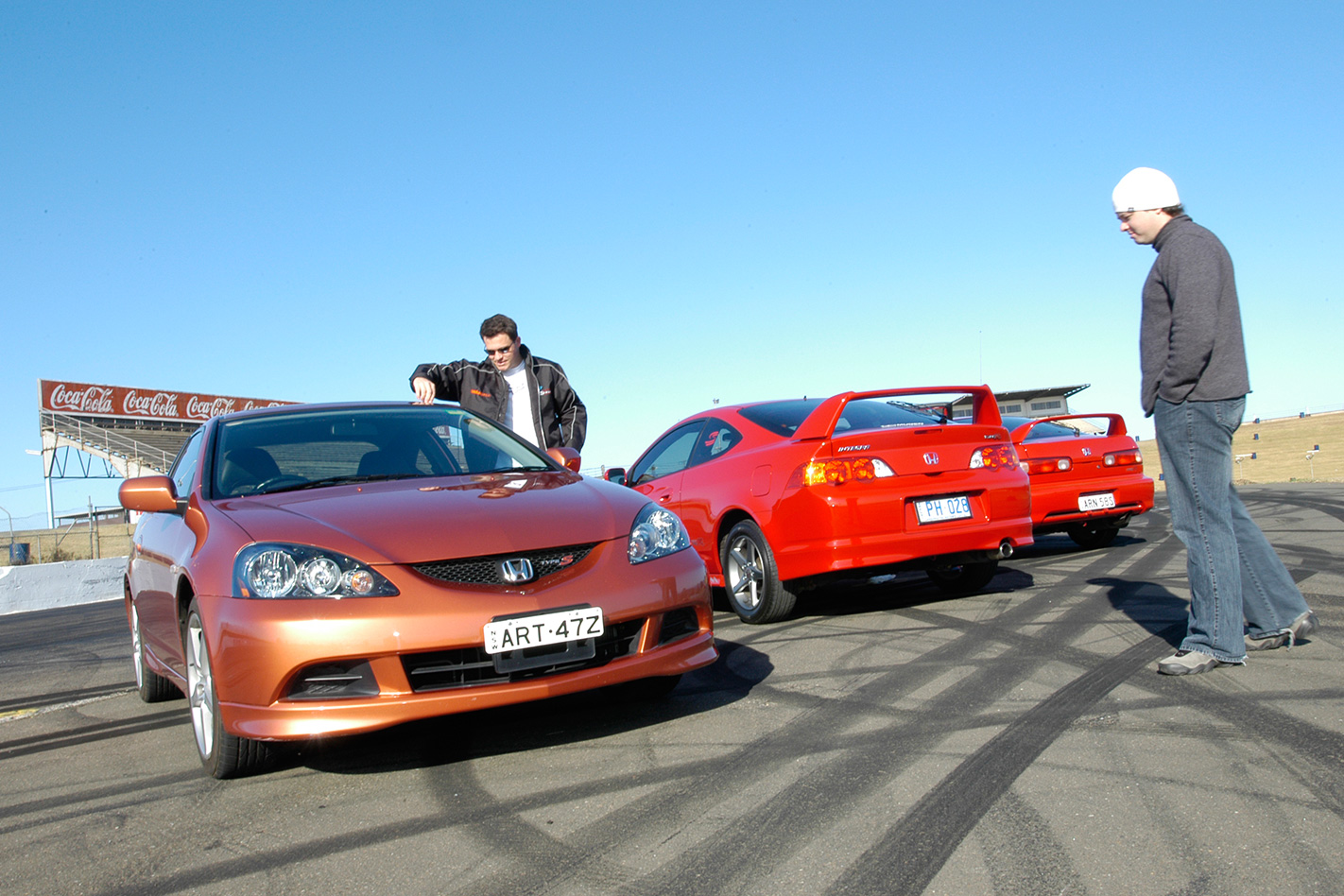
Finding earlier examples of Type Rs isn’t just a case of calling a hotline either, so a big thanks to Honda Owners Club members Brad Wood for bringing his immaculate DC2, and Peter Hausknecht for his spotless DC5 Type R. Both are factory standard, low mileage and the perfect representatives of their Types.
Allan Shephard’s Thrifty-sponsored DC2 Type R, modified for GT-P production car racing, also joined us. With semi-slicks, trick suspension and a gutted interior, we’ll see how much faster a real racer can go. So let’s get Typing.
ROUND 1: QUARTER-MILE DRAGS
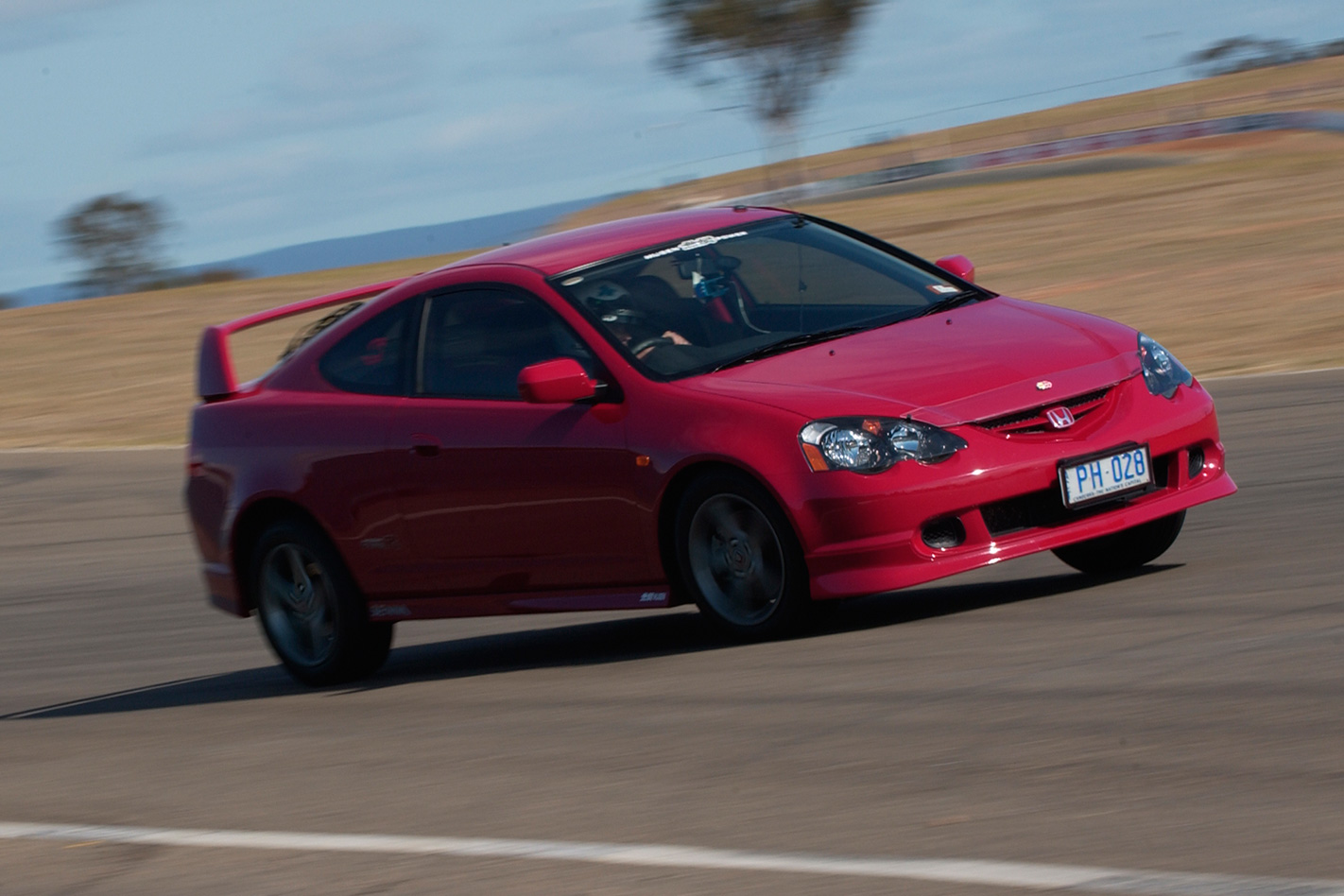
Type S (DC5): Grip, gearing and power-to-weight ratios is what makes a fast drag car. On Oran Park’s slightly downhill strip, we start with the Type S, possessing the most power and widest tyres.
0-100km/h: 6.94 0-400m: 14.97 @ 157.2km/h
Type R (DC5): Suspecting it’ll be slowest, we find an incredibly short-geared six-speed that works through the ratios so fast, it’s on the limiter in fourth at 400 metres. It’s a little harder to launch, with care needed to avoid axle tramp, and though the gearbox feels better than the Type S, it’s the top-end that hits.
0-100km/h: 6.97 0-400m: 14.99 @ 158.7km/h
Type R (DC2): We saved the theoretical best for last, but despite the narrow rubber, the DC2 Type R scoffed at the newer models, laying down a 0-100km/h time two-tenths faster, and still a tenth ahead at 400 metres.
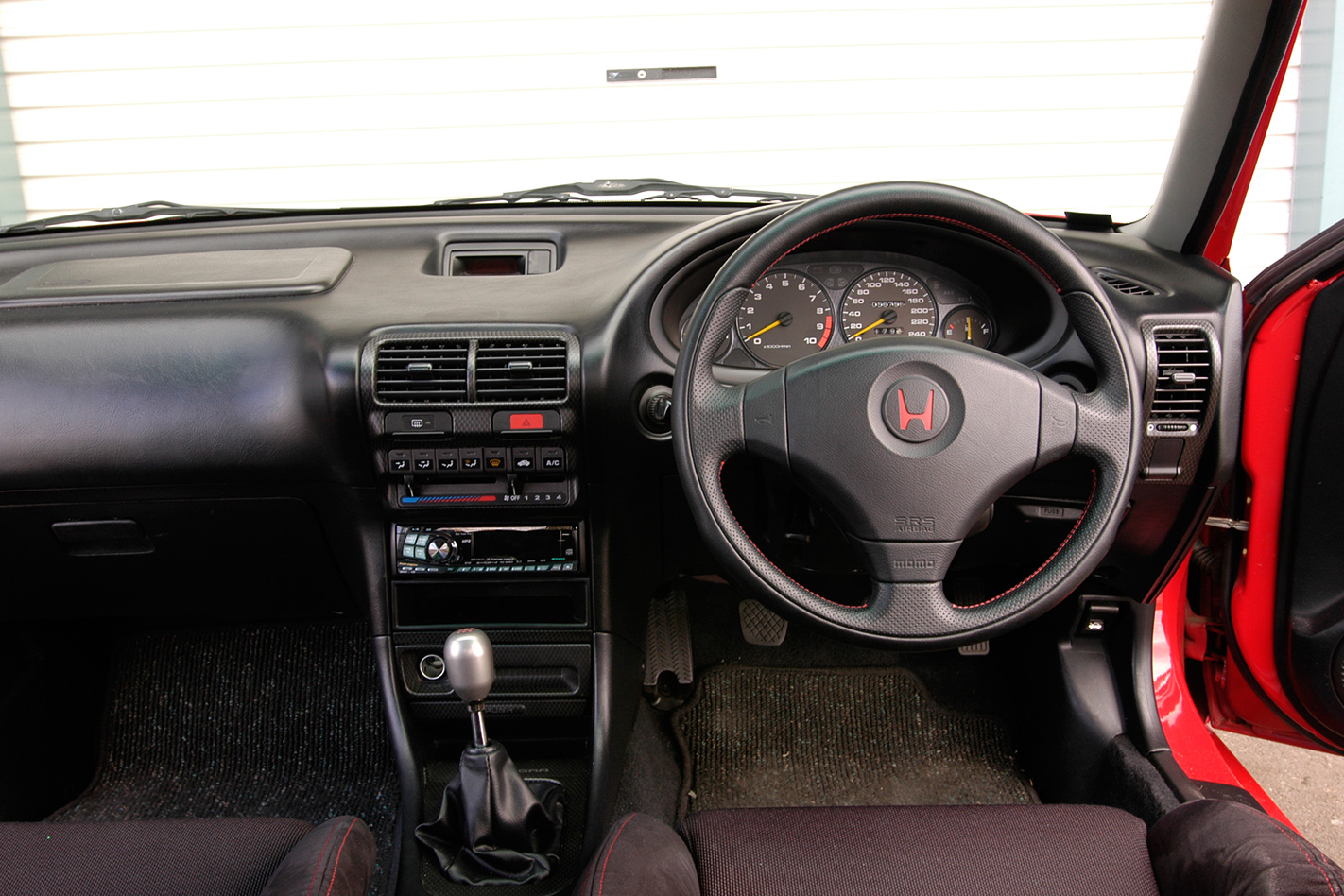
The light weight of the original makes it the easiest and fastest to get off the line, and it’s able to hold the lead all the way despite its power and torque deficit. Compared to the other two more sanitised versions, the DC2 offers a buzz like a race car and the fastest factory times here. 0-100km/h: 6.79 0-400m: 14.88 @ 156.8km/h
ROUND 2: LAPS
Boston had five laps around Oran Park’s undulating 1.96km South Circuit to set each car’s fastest time. Tyre pressures were checked and all set around 37-35psi front/rear, with the VBox recording all data.
Type S (DC5): Pulling 169km/h down the main straight, Boz says: “It has good mid-range and good top-end pull. It’s squirmy under brakes, and the rear-end moves around, but it’s really controllable. I’m just using third and fourth gears, and the gearing is spot-on around here, and there’s good power down.”
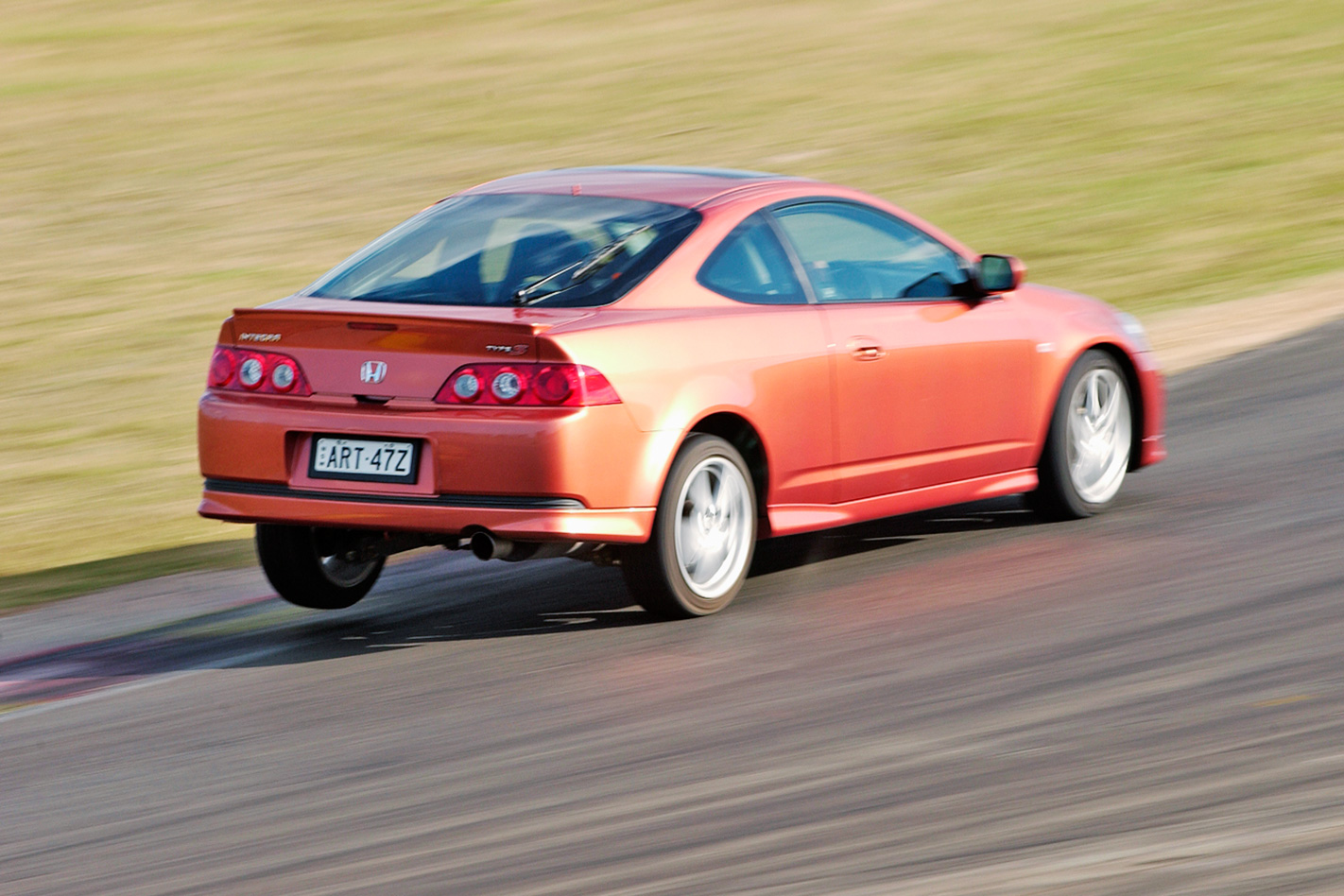
Type R (DC5): With Peter standing by like a nervous Dad, Boz blasts down Oran’s straight. It outspeeds the Type S by 0.2km/h but is the only car to need fifth gear, and also fourth gear going into turn four (Suttons). It’s more stable under brakes, but where it suffers most is mid-corner speed.
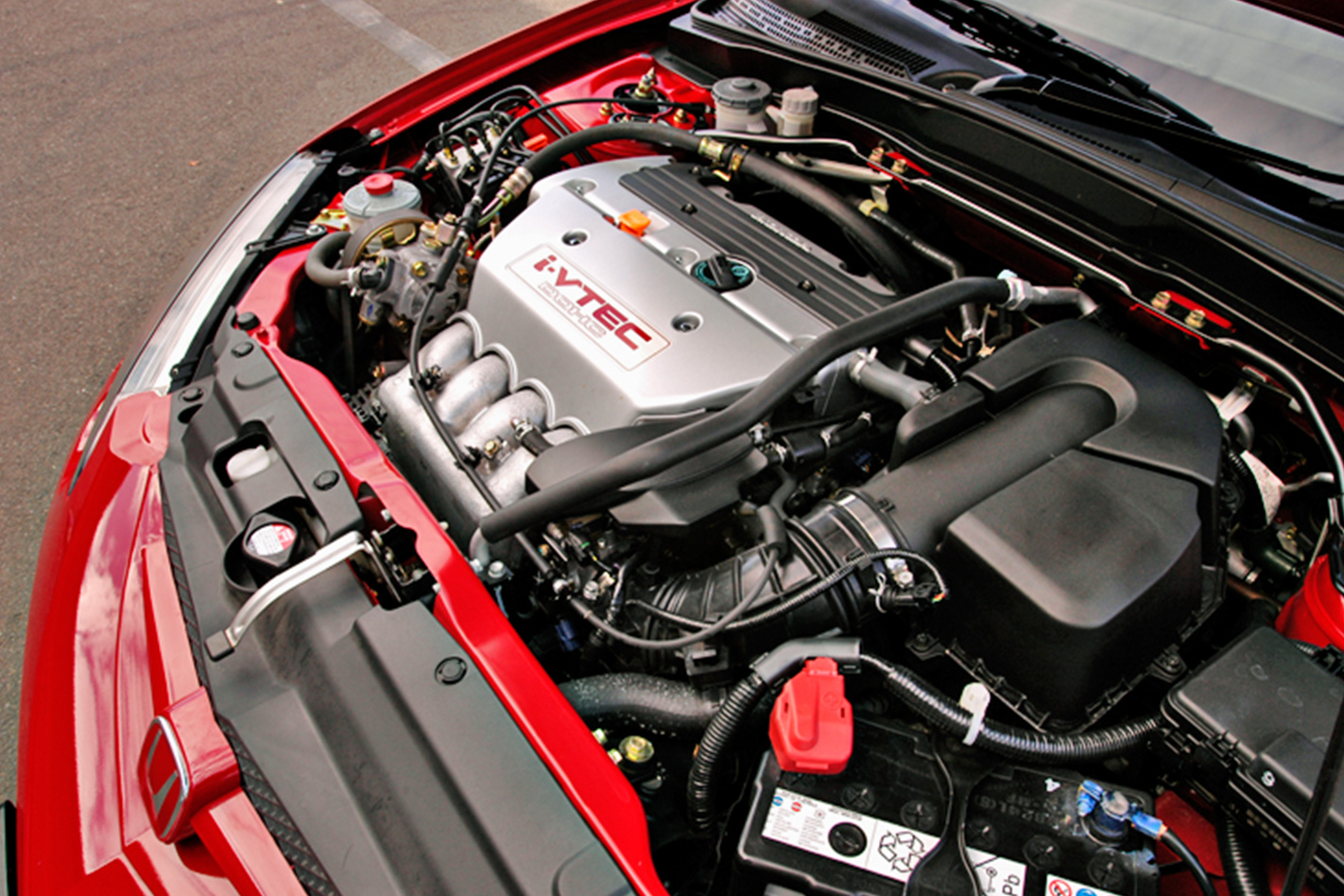
Impressive!” Which is why the biggest surprise is to see the slight amount it loses in the corners from the 16-inch 205/55 Bridgestone RE030s; it makes up for it in gearing and power down the straights. And it smashes any of the ‘slowest Type’ titles away to be the fastest road car here. Fastest lap: 53.05 Top speed: 169.7km/h
Type R (DC2): Quickest at the drags, the DC2 tears down the straight in fourth gear, and though it’s the only one to tip over the 170km/h mark, the difference between all three is just 0.6km/h! The 195/50 x 15 Toyo Proxes T1R tyres may be the smallest, but they do a damn fine job.
According to Boz, “It actually feels like it has more grip, you can get on the power earlier than the other two with maybe a little more mid-range power and mid-corner speed. I’m quite surprised they’re 15s, as it was nearly as responsive as the Type S [on 17s].
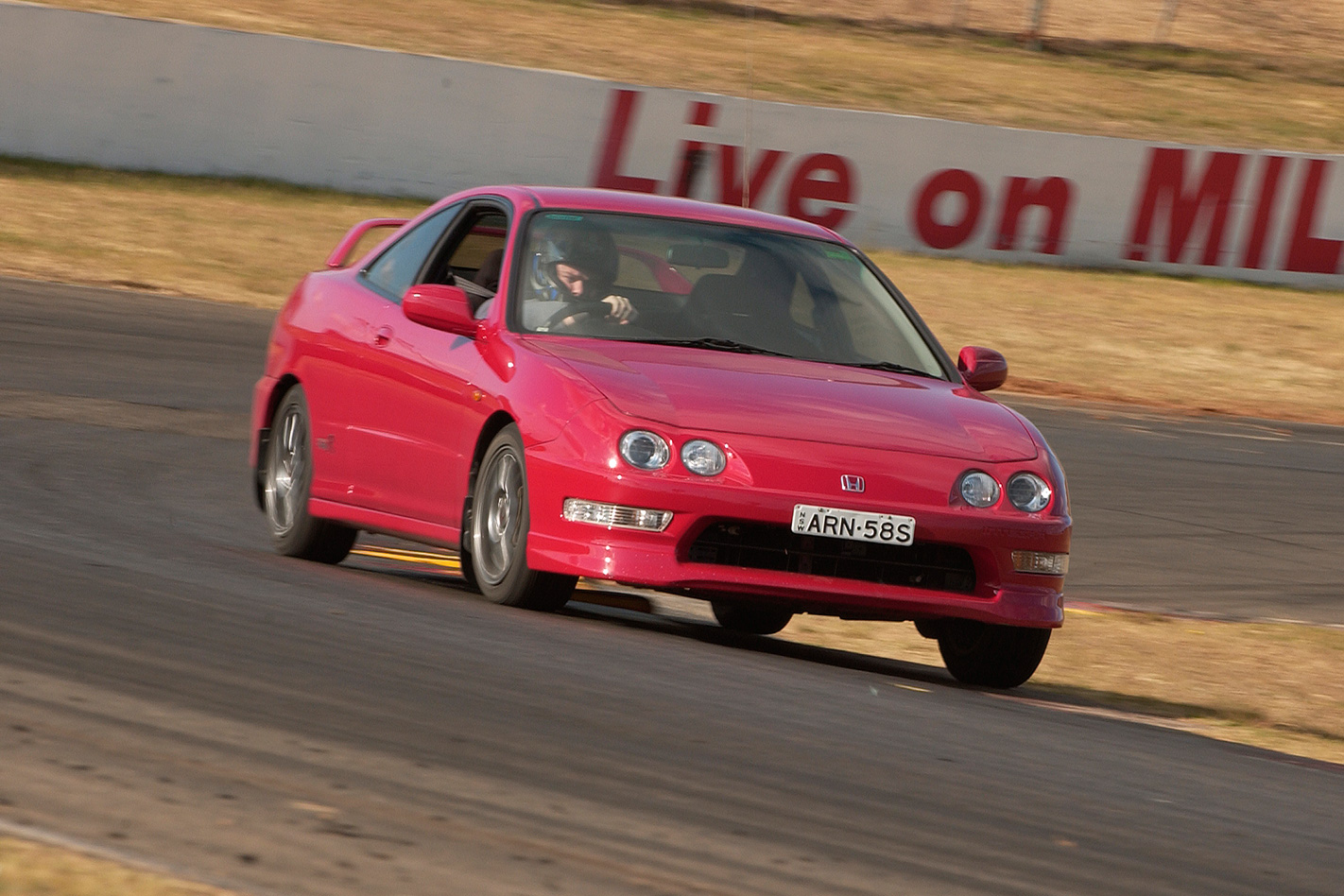
So the Type R makes up for its power and engine capacity losses by the simple advantage of power-to-weight. Its light kilos help acceleration, cornering speed and punch out of the corners, emphasising that less weight is often more important than more power. Fastest lap: 53.09 Top speed: 170.1km/h
RESULTS
The verdict is simple: there’s barely a damn thing to separate all three versions of the Integra Type Rs and Type S! That three models with such evolution and mechanical improvements can all lap within one-half-of a tenth of each other (that’s 0.05 seconds!) is incredible.
Being this close is as much about the driver as car. Sure, the drags result is clear: the first Type R uses its light weight and LSD to power ahead, but the Type R/S gear ratios and a fraction more power makes it dead-even with the more powerful (and more torque) Type S.
So for its purity, its low-mounted Recaros, its LSD, and the fact it’s fastest at the drags and as fast around the track, plus its price on the used car market, the original DC2 Type R gets our vote as the original and the best.
| u00a0 | Honda Integra Type S (DC5) specs: | Honda Integra Type R (DC5) specs: | Honda Integra Type R (DC2) specs: |
| Engine | 2.0-litre, DOHC, 16-valve VTEC four-cylinder | 2.0-litre, DOHC, 16-valve VTEC four-cylinder | 1.8-litre, DOHC, 16-valve VTEC four-cylinder |
| Power | 154kW @ 7800rpm | 147kW @ 7400rpm | 141kW @ 7900rpm |
| Torque | 194Nm @ 7000rpm | 192Nm @ 6000rpm | 178Nm @ 6300rpm |
| Weight | 1230kg | 1160kg | 1087kg |
| Weight to power | 7.9kg/kW | 7.9kg/kW | 7.7kg/kW |
| Wheels/tyres | 17×6.5; 215/45 Bridgestone Potenza RE050 | 16×6.0; 205/55 Bridgestone RE030 | 15×6.0; 195/50 Toyo Proxes T1R (std Bu2019stone RE010) |
| Brakes | 300mm vented discs, two-piston calipers (f); 260mm solid discs, single-piston calipers (r) | 300mm vented discs, two-piston calipers (f); 260mm solid discs, single-piston calipers (r) | 282mm vented discs, 260mm solid discs, single-piston callipers (r) |
Type R DC2 Thrifty racer
So how much better is a race version? Allan Shephard’s 1170kg Thrifty DC2 bags up its 205/50 x 15 Yokohama Advan A048s and belts out acceleration times half-a-second faster than the roadies!
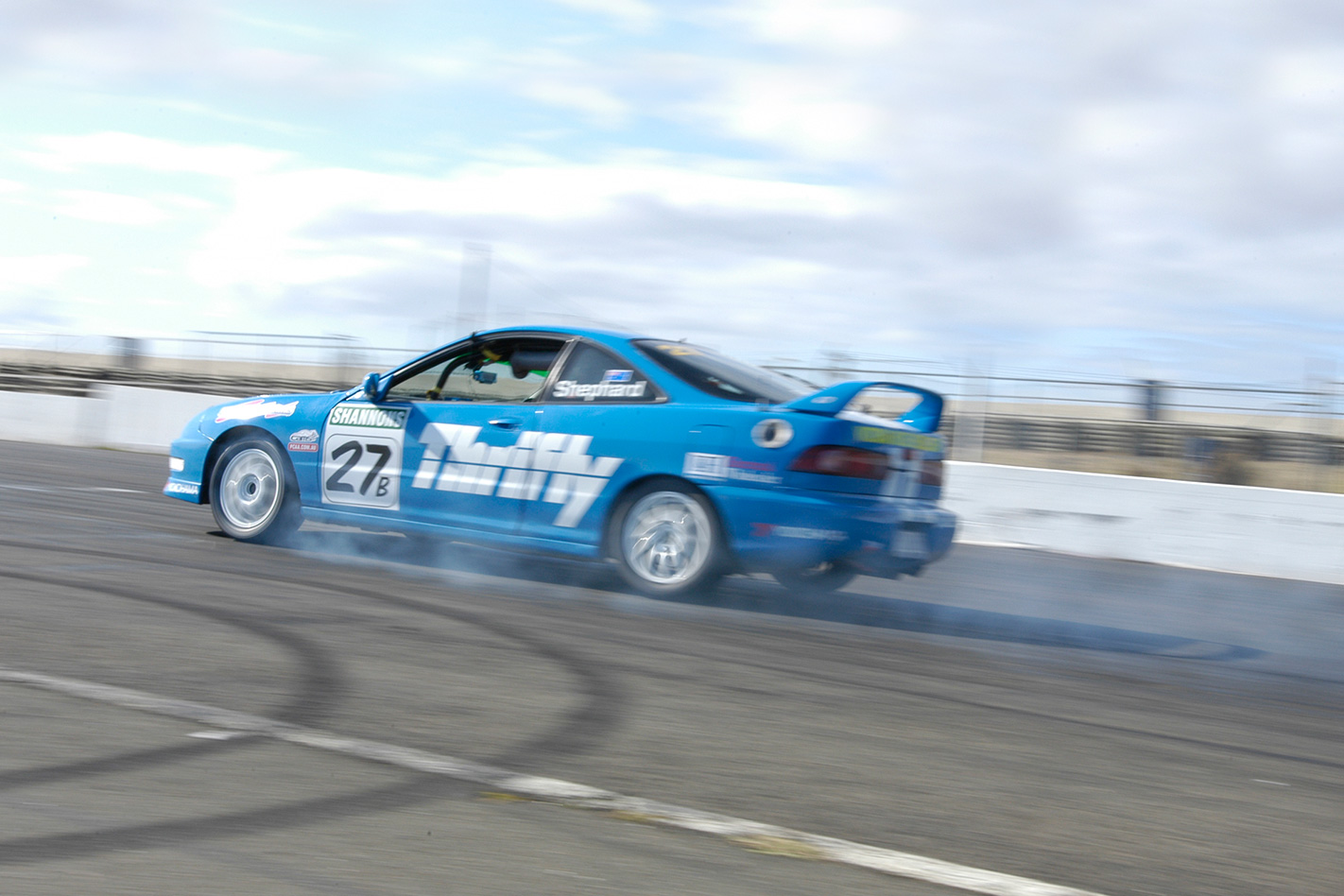
Shephard reinforces that his wheel alignment settings sacrifices straight-line stability for better turn-in. The result is a lap time more than two seconds faster than the road cars. That’s impressive! 0-100km/h: 6.45 0-400m: 14.53 @ 159.2km/h Lap time: 50.90 Top speed: 174.7km/h
DC2 the next step
Showing another phase of Type R tuning, Matthew Dooley (aka Chuck) has fitted Toyo Trampio R881 195/55×16 semi-slicks, harder brake pads and high-temp fluid, plus a full extractor and exhaust system to his DC2.
Here’s the problem.
You’re a car company that hardly sells passenger cars any more, yet you’re in up to your eyeballs in the nation’s major sedan-based racing series. What’s more, you’re represented by a discontinued model running an orphan V8. The conundrum doesn’t end there.
Your much-vaunted factory team has won just two races in five seasons despite the expenditure of many, many millions of dollars. Basically, you aren’t competitive, so when you factor in market relevance, why bother? Welcome to the dilemma facing Nissan Australia.
This time, though, there are a lot more questions to be answered, not the least of which is whether the local operation wants to stay in Supercars. That fundamental go or no go determination has yet to be made.
Nissan Australia management is still weighing how racing would fit with the company’s product strategy and brand positioning in 2019 and beyond. Further complicating matters, a new managing director arrived in early September, automatically triggering a re-evaluation.
Canadian Stephen Lester replaced local Richard Emery, who was a declared champion of Nissan’s factory team involvement in Supercars. Lester has inherited a racing program that is, literally, foreign to him.
Even though he is interested in racing and, from his Infiniti background, is across its potential for image enhancement, Supercars is unique to Australasia – and, on the surface, at odds with the company’s lack of mainstream passenger cars. Running a racing program that is out on its own is another problem.
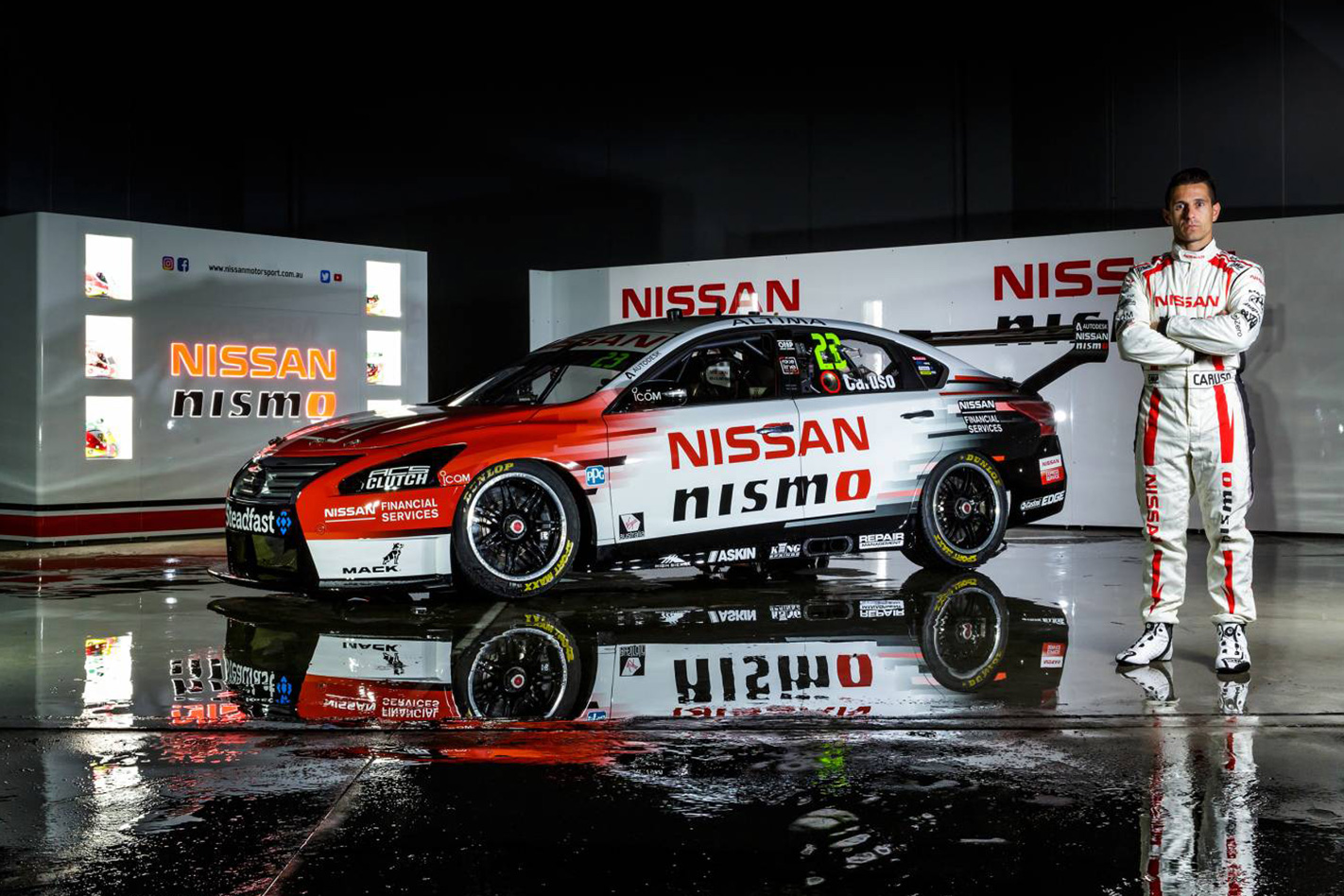
The question being asked is: what is Nissan getting out of its multi-million dollar backing of the Kelly Racing-run Nissan Motorsport Australia with its four-car squad of Altima V8s and whether – and how – it aligns with his vision of the company’s future?
He attended the Sandown 500 just a couple of weeks after his arrival and was also at the Bathurst 1000, taking an active interest in the Supercars show and the team’s fortunes. Lester declared at Bathurst that no decision had been made either way on Supercars after next year, and was equally adamant that he is in no rush to deliver a verdict.
Despite the Altima V8’s lack of success in the five seasons, Nissan marketing executives claim a measurable benefit to the brand, maintaining the program is about promoting Nissan rather than the Altima. Furthermore, the company’s research underlines that competing in Supercars particularly appeals to Navara owners, suggesting the involvement reaches a key demographic of ute buyers.
That segment is one of Nissan’s mainstays in Australia as it has become almost totally reliant on pick-ups and SUVs. Which is yet another vexing issue. In the absence of any sedans or even hatchbacks in the foreseeable future, what body shape would a next-gen Nissan Supercars racer adopt?
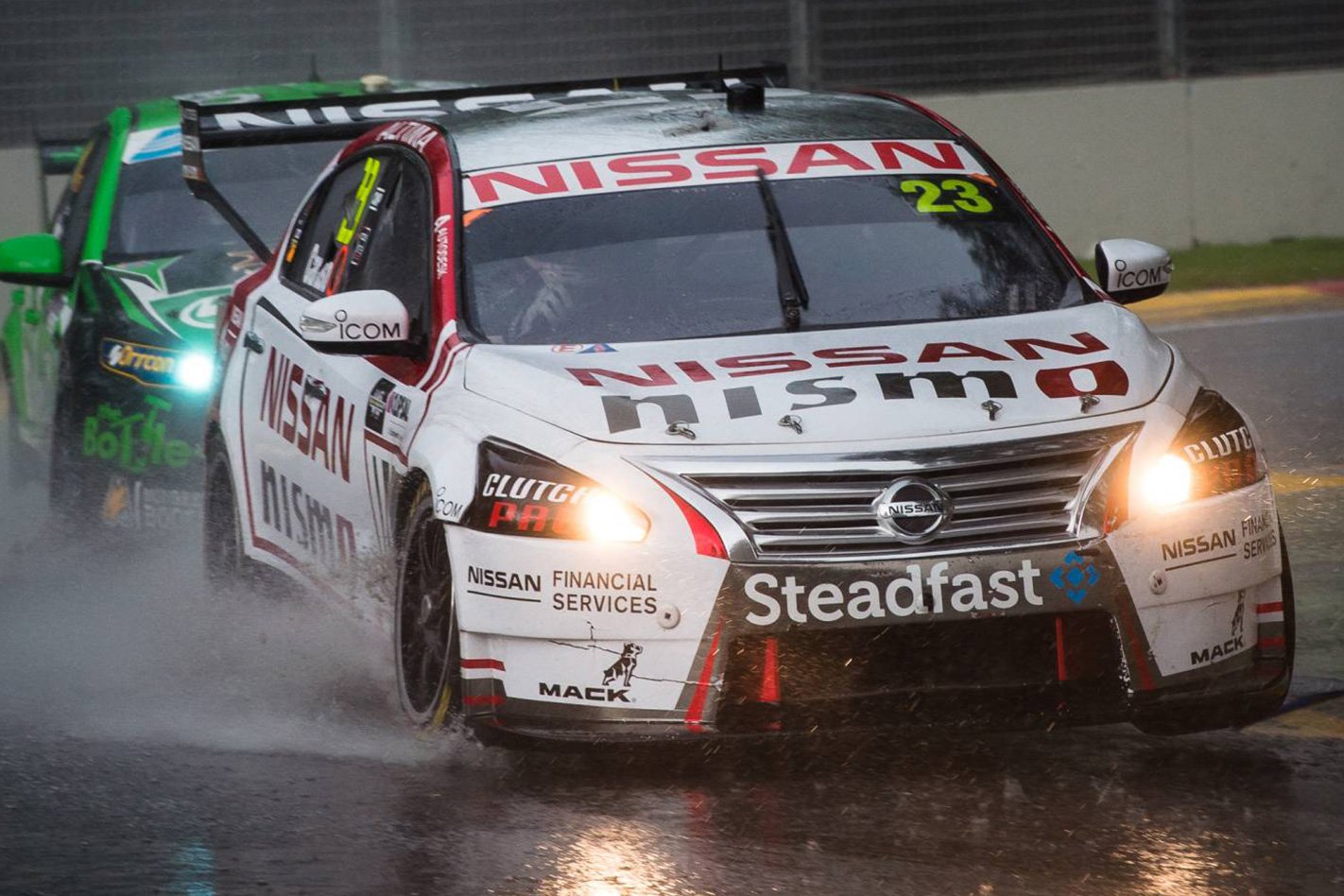
If Lester determines that a renewed factory backed Supercars program is desirable – which is far from a likelihood, much less a given – then that is only the start.
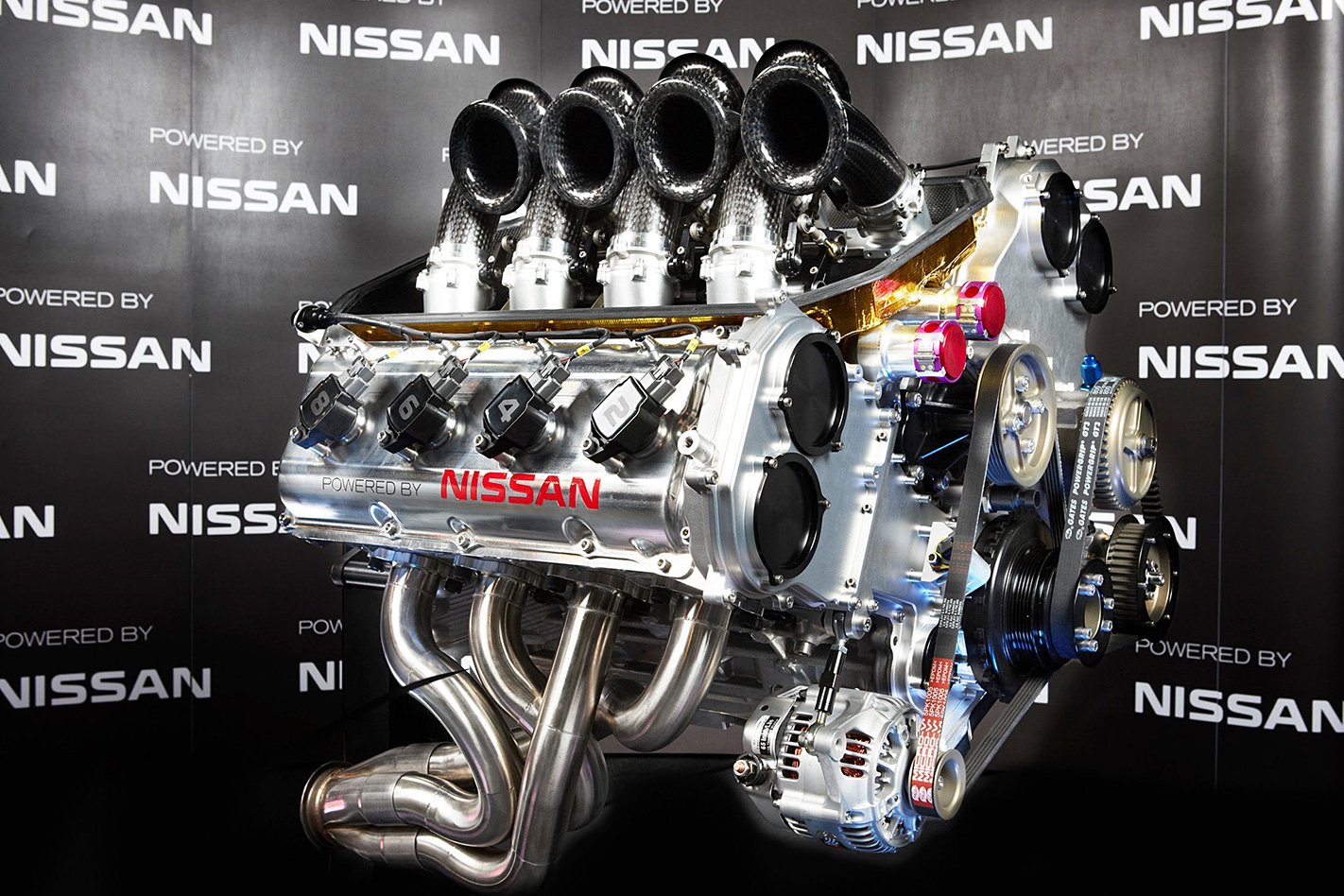
Nissan HQ and Nismo have to be convinced to support the funding of an expensive local racing program for a small market outside the global corporate motorsport loop (whatever that is going to be). Also, Nismo would have to be brought on board to help develop a Supercars-specific version of the VR38DETT motor.
There would be no reason to persist with the locally developed 5.0-litre racing derivative of the 5.6-litre Patrol V8, which has fallen short of matching the Ford and GM V8s. All that on top of the aforementioned angst over what sedan or coupe model a future local racer’s appearance would mimic.
But wait, there’s still more. If all those problematic planets can be aligned, Nissan Australia would then need to decide whether to stay with Todd and Rick Kelly’s operation, split support with another team or switch its factory backing elsewhere.
Plus, whether to keep funding four cars or cut back to two factory entries with assistance to additional non-works cars. There is a lot to ponder, so don’t be surprised if Nissan’s future in Supercars isn’t known until well into next year.
