
A FRENCH autonomous car maker trialling its technology in Western Australia has pulled the wraps off a taxi it hopes will soon be plying the world’s roads.
Navya, which already has a self-driving shuttle bus on a fixed route in southern Perth as part of a trial being run by the state’s Royal Automobile Club. The tall, boxy Autonom Cab, as it is called, can carry up to six people, and is being developed for both private and public use.
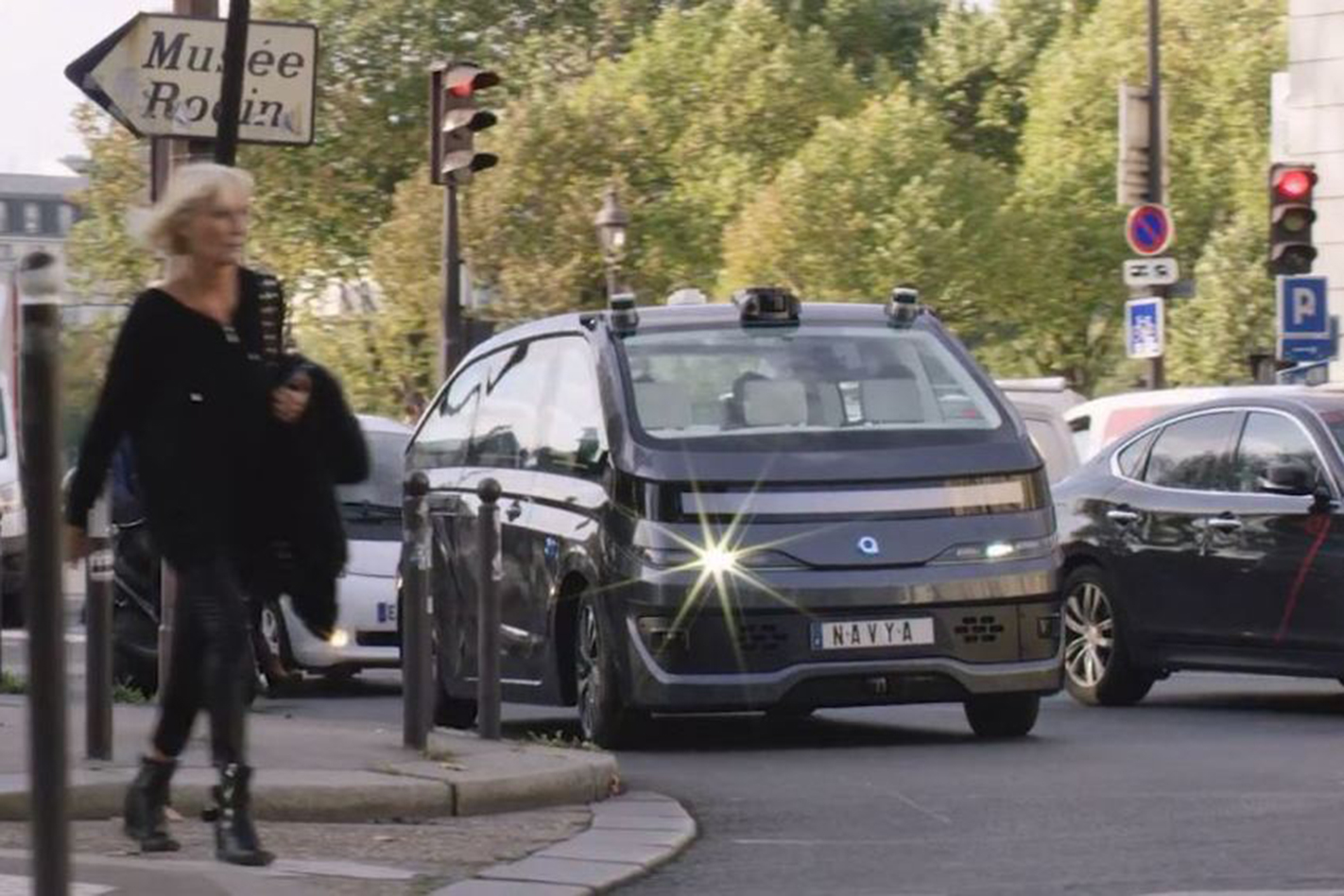
“…We recognise that the status of individual cars is rapidly changing, especially among younger generations, many of whom don’t have their driver’s license and are less attached to the concept of owning a car,” Navya chief executive Christophe Sapet said. “What they want are mobility solutions available 24/7, ensuring their safety and well-being at a reduced cost.”
The shuttle taking part in the Perth trial can carry up to 15 people. According to the RAC WA, the trial aims to learn about the impacts and opportunities generated by automated vehicles, and help Australia prepare a roadmap to safely introduce automated vehicle technology.
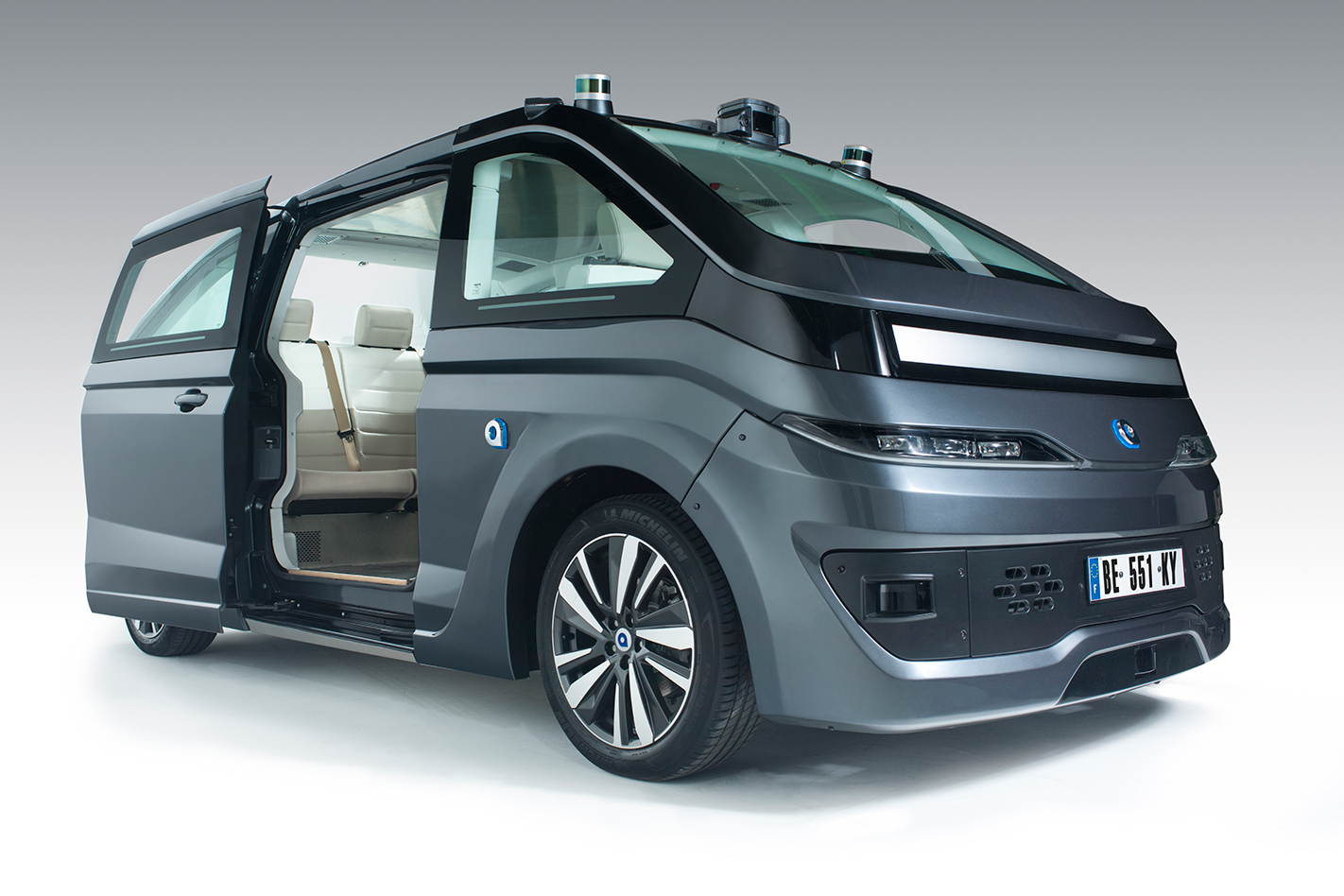
The Autonom Cab includes 10 lidar sensors, six cameras, four radars, two sat-nav antennae and a gyroscope.
“Navya already has various partnership agreements with transport specialists, notably with KEOLIS in Europe and the United States, and with RAC in Australia,” the company said. “These partnerships will enable NAVYA to roll out fleets of Autonoms that will operate on the open road in city centres.”
Navya announced earlier this year that it had extended its partnership with RAC WA that wold help it to roll out tests throughout Australia.
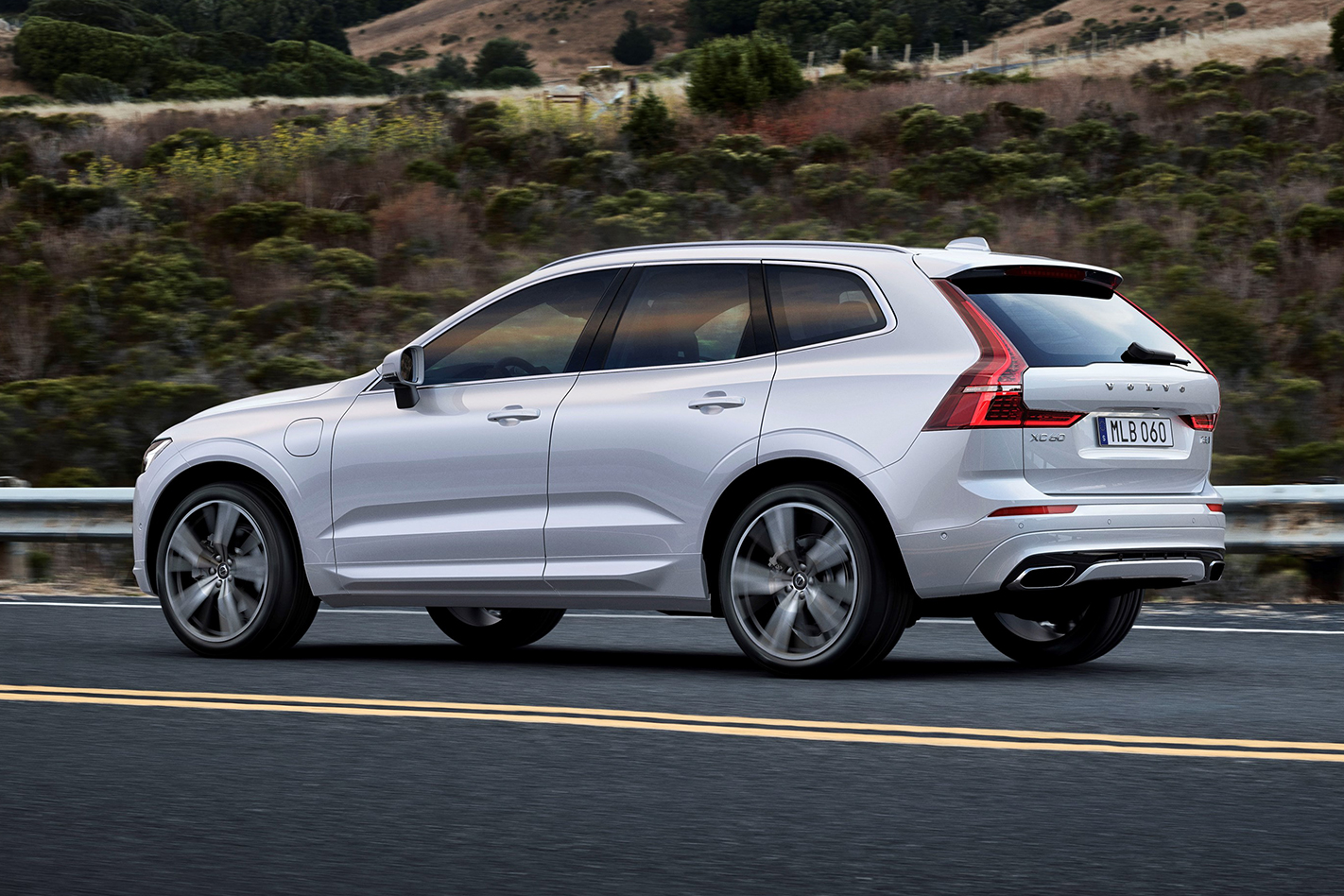
VOLVO gave us seat belts and baby seats before any other car makers. Now the Chinese-owned Swedish car maker’s second-generation XC60 gives us the highest crash test rating so far for 2017.
EuroNCAP, the European cousin to independent crash test authority the Australasian New Car Assessment Program [ANCAP], has overnight awarded the XC60 with the same top five-star score as the larger XC90, built on the same platform, was given in 2015 when it was tested.
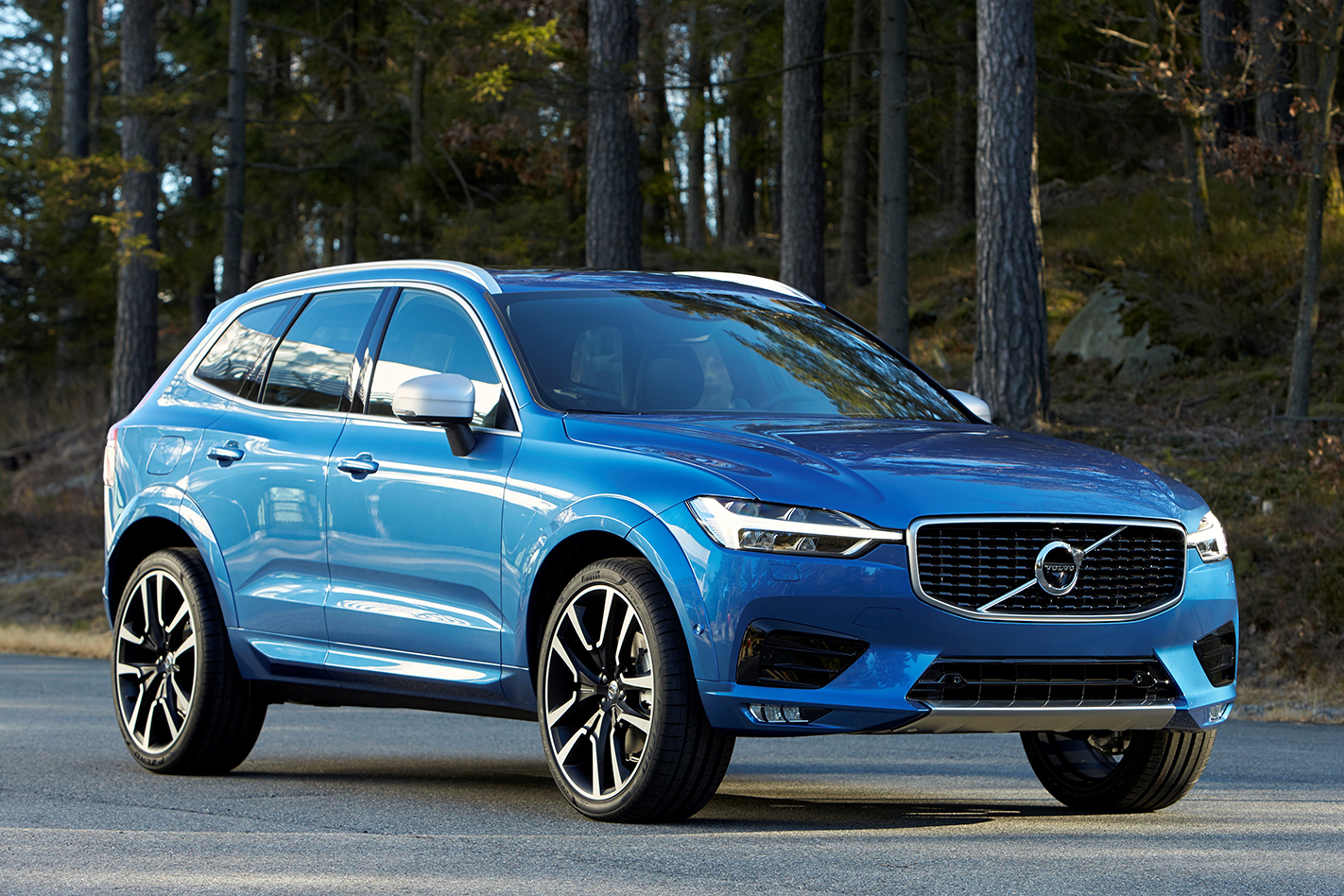
Importantly, though, Volvo told EuroNCAP its crash test would offer “a similar level of protection … to occupants of different sizes and to those sat in different positions”.
As well, its autonomous emergency braking – a feature fitted to many modern cars – scored maximum points in low-speed tests “typical of city driving”, with collisions avoided at all test speeds.
Also joining the five-star club are the Citroen C3 Aircross, a SUV-styled version of the C3 hatchback that has recently gone on sale in Australia, the upcoming Mitsubishi Eclipse Cross compact SUV that will slot in under the strong-selling Mitsubishi ASX, and the Skoda Karoq seven-seat SUV that’s also recently arrived in Australia.
Two cars also due to arrive in Australia in the next year – the Volkswagen Polo small hatch and the T Roc compact SUV – also scored a top five-star result.
Australia is slowly aligning the way it measures the crashworthiness of cars with the EuroNCAP system. A major change being introduced next year is a score given to all the cars in the model line-up based on the crashworthiness of the best-selling model. In the past, ANCAP has declined to give base model cars a crash rating if they missed out on safety gear included on more popular models.
Kia Picanto – From $14,190
The new generation Picanto looks good and comes equipped with automatic emergency braking (AEB), cruise control, a reversing camera, and a big touchscreen that does a lot with your smartphone via Apple CarPlay and Android Auto. The interior design also boasts a lot of character and plenty of visual appeal, even though the materials are rock-hard – much like everything else in its segment.
It’s fun to drive too with sharp steering and a zippy 62kW 1.2-litre engine, which is mated with a likeable five-speed manual gearbox. With a suspension tuned specifically for Australian roads, the Picanto handles exceptionally well for a compact hatch.
There’s only one equipment level, the Picanto S, which comes with the manual gearbox as standard, or a four-speed automatic transmission for an extra $1500.
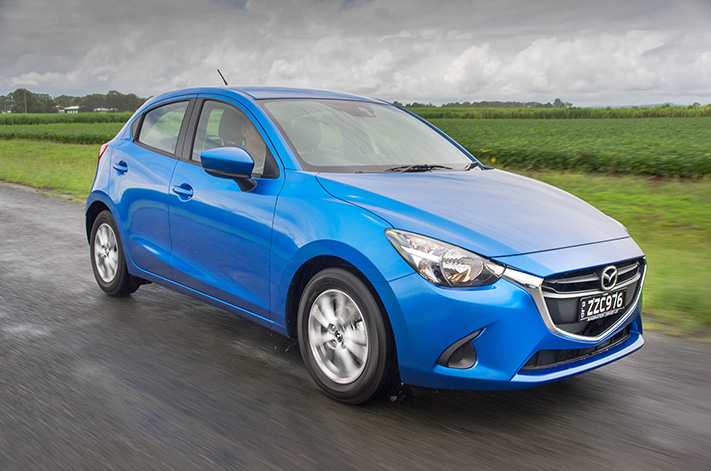
Mazda 2 – from $14,990
The Mazda2 is cut from similar cloth to the Picanto, being far more fun to drive than the average city car. Its 1.5-litre engine is very easy on fuel and delivers 79kW in base Neo form, or 81kW in upper-spec variants. Its six-speed manual also has an extra ratio over the Picanto’s stick shifter, and is a delight to row through its H-pattern gate. The six-speed automatic transmission will set you back an extra $2000, and also delivers an enjoyable drive.
Cabin quality and design is another highlight, and the 2 presents its interior with far more panache and style than most segment rivals. Material quality is higher than the Picanto too, though you’d expect that given the Mazda costs more.
AEB is standard on both the hatch and the sedan. Boot space in the hatch (250-litres) is pretty tight, but the sedan holds 440-litres.
The $14,990 base price is the Mazda2 Neo, but spending an extra $3000 on the Maxx manual hatch or sedan brings the slightly more powerful engine, an infotainment screen with reversing camera, digital radio, leather trimmed steering wheel, alloy wheels and automatic braking.
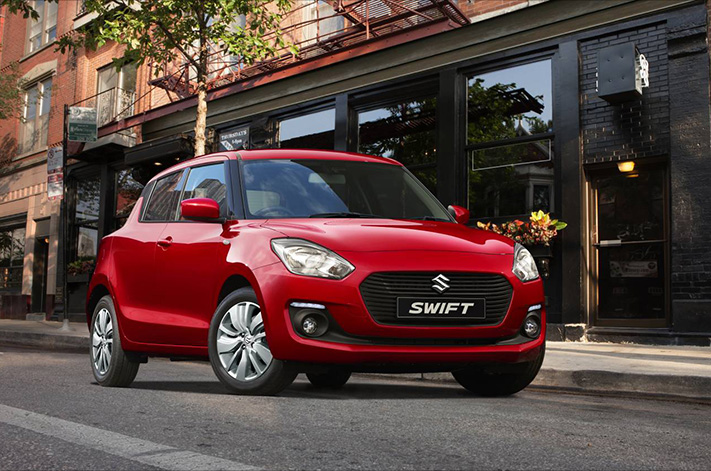
Suzuki Swift – from $15,990
The new-generation Suzuki Swift also packs a lot of driver appeal into a short, lightweight hatchback, bringing some fun to your commute and handling country drives capably.
The entry-level GL Swift is powered by a 66kW 1.2-litre engine mated to a five-speed manual gearbox. Apart from daytime running lights, the GL is pretty light on features. It’s the only Swift to come with a CD player, in lieu of a touchscreen, and you can stream music from a phone of device via Blutooth. That’s it though – smartphone mirroring and touchscreens are relegated to more expensive models in the range.
Spend an extra $2000 for the GL Navigator and you get a CVT auto transmission, a 7.0-inch touchscreen with built-in sat-nav and Apple CarPlay/Android Auto connectivity, LED daytime running lights and alloy wheels instead of the GL’s steel rims.
If you can stretch your budget an extra $1000, consider the GL Navigator Safety, which gains auto emergency braking, lane departure alert, weaving warning and adaptive cruise control. At $18,990 it’s one of the better equipped city cars.
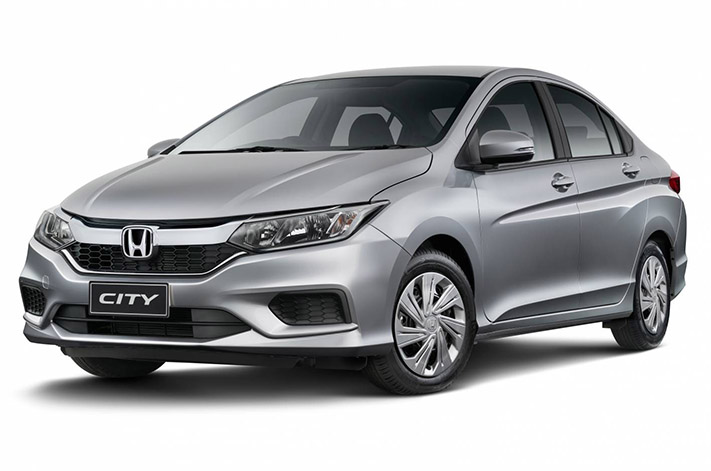
Honda City – from $15,990
The Honda City is a light sedan that is based on the Honda Jazz hatchback but with a longer wheelbase and booted bodystyle, which gives it exceptional interior and cargo space for its class. The boot is a cavernous 536 litres, which is better than some SUVs, while rear legroom rivals or shames many sedans from the next size-class up.
The entry-level VTi’s interior is well laid out and the dashboard presentation is neat with most displays and buttons intuitively located. It’s reasonably equipped too, with LED daytime running lights, cruise control, 7.0-inch touchscreen, keyless entry and push button start.
The City powered by an 88kW 1.5-litre four-cylinder engine coupled with a five-speed manual gearbox – CVT auto is a $2000 option. The manual is more fun to drive, but the CVT is agreeable for day-to-day motoring and the City rides well too. While it doesn’t quite match the other cars on this list for outright driver enjoyment it does trump them for interior space, practicality and comfort.
WHILE steady improvements in battery technology are taking care of range anxiety, there’s still one other big hurdle standing between electric cars and mainstream adoption: cost.
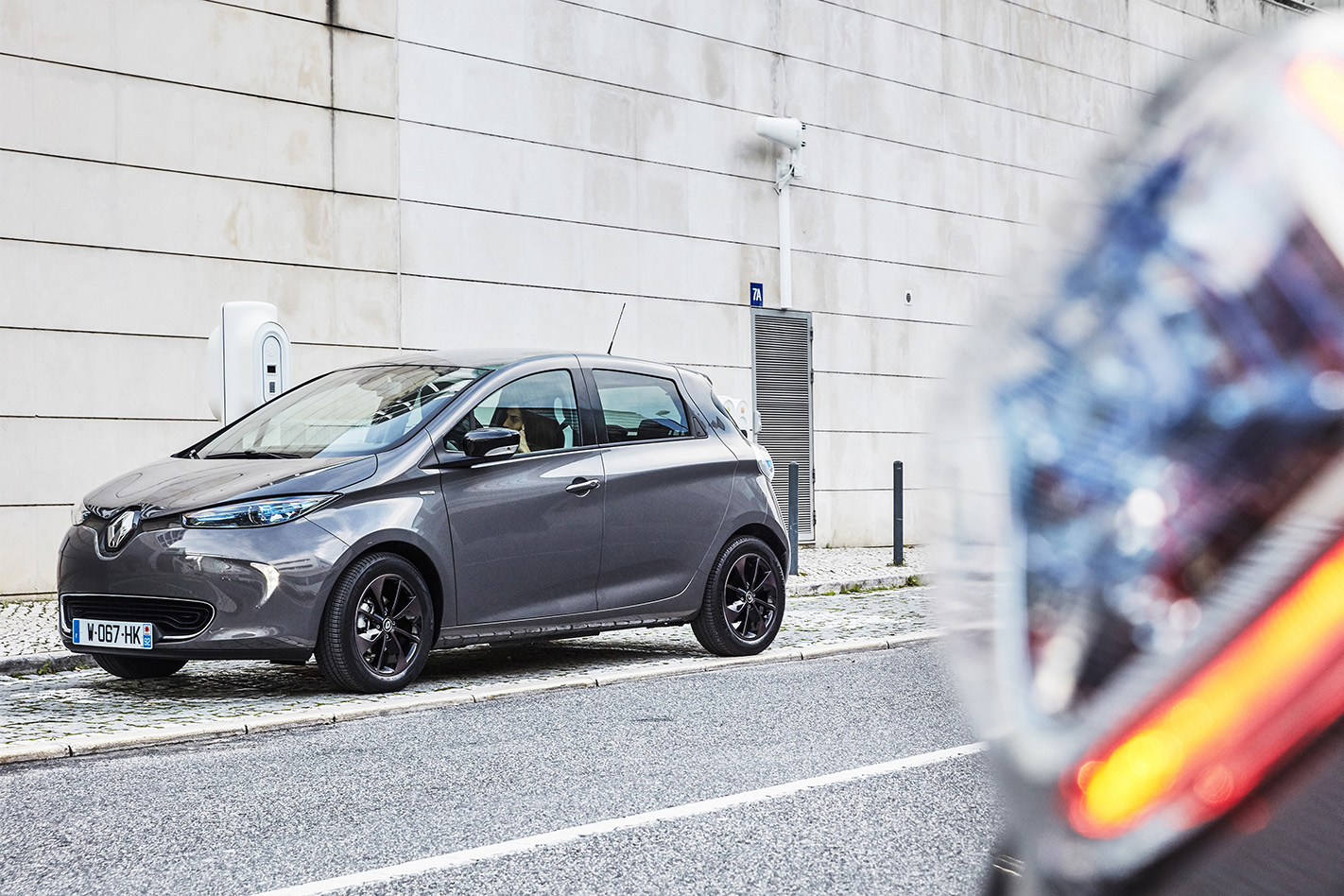
But while Nissan’s next-gen Leaf looks certain to lob with a $50k-plus starting price in late 2018 and the newly-arrived compact all-electric Renault Zoe (below) is priced from $44,470 – and not even available to retail customers – Volkswagen Australia says its pricing strategy will be different.
The car maker has yet to lock in an arrival date for the production version of its ID all-electric hatch, however it’s not expected to lag far behind the car’s 2020 European debut.
When it does get here, Volkswagen says it shouldn’t cost any more than a diesel-engined Golf – which would put it in the mid-$30k realm, if the $36,990 Golf 110TDI’s pricetag is any indication.
Speaking to Wheels, Volkswagen Australia’s head of product Jeff Shafer said he was hopeful VW would be able to sell its first pure EV at a price that “makes sense”.
“I don’t anticipate it to be a toe-in-the-water exercise, I think it’ll be much more mainstream than that,” Shafer explained.
“In my mind, price is a big thing holding those cars back… We’ve said overseas that price parity with a diesel Golf is our aim, so If we can bring the ID to the Australian market at that price level then I think that should be a really strong proposition.”
“That’s what we’re aiming for (in Australia). There’s still some time to go before we get to the nitty-gritty of the pricing and negotiations, but that’s our target.”
What’s more, Volkswagen Australia isn’t counting on a leg up from the government to help it achieve that goal. According to Shafer, VWs ‘EV product at diesel pricing’ strategy won’t be reliant on government rebates, incentives or tax cuts.
“I don’t think we’re looking for the government to incentivise the purchase of these kinds of cars. It’s our job to get the price right and make the value clear to customers.”
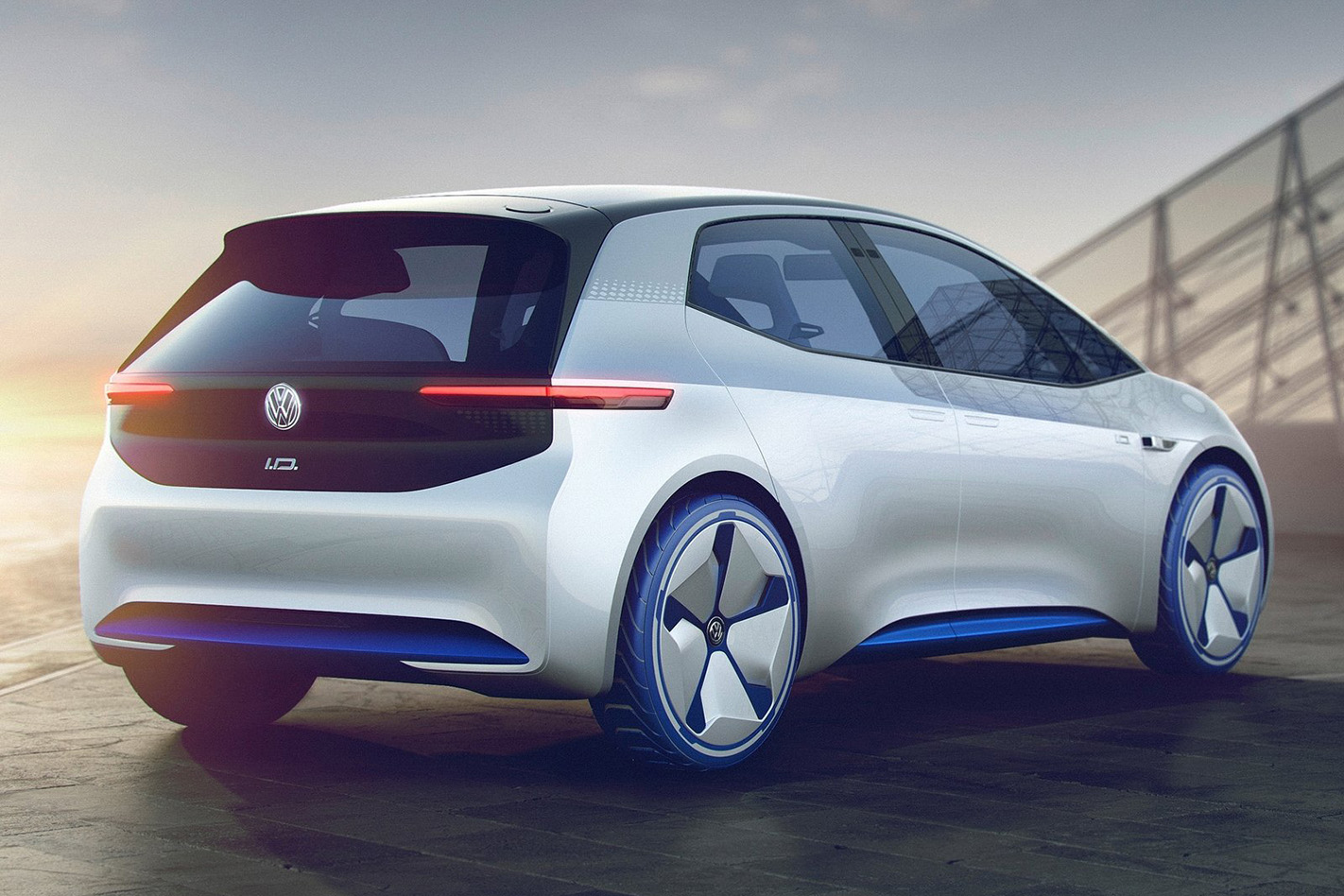
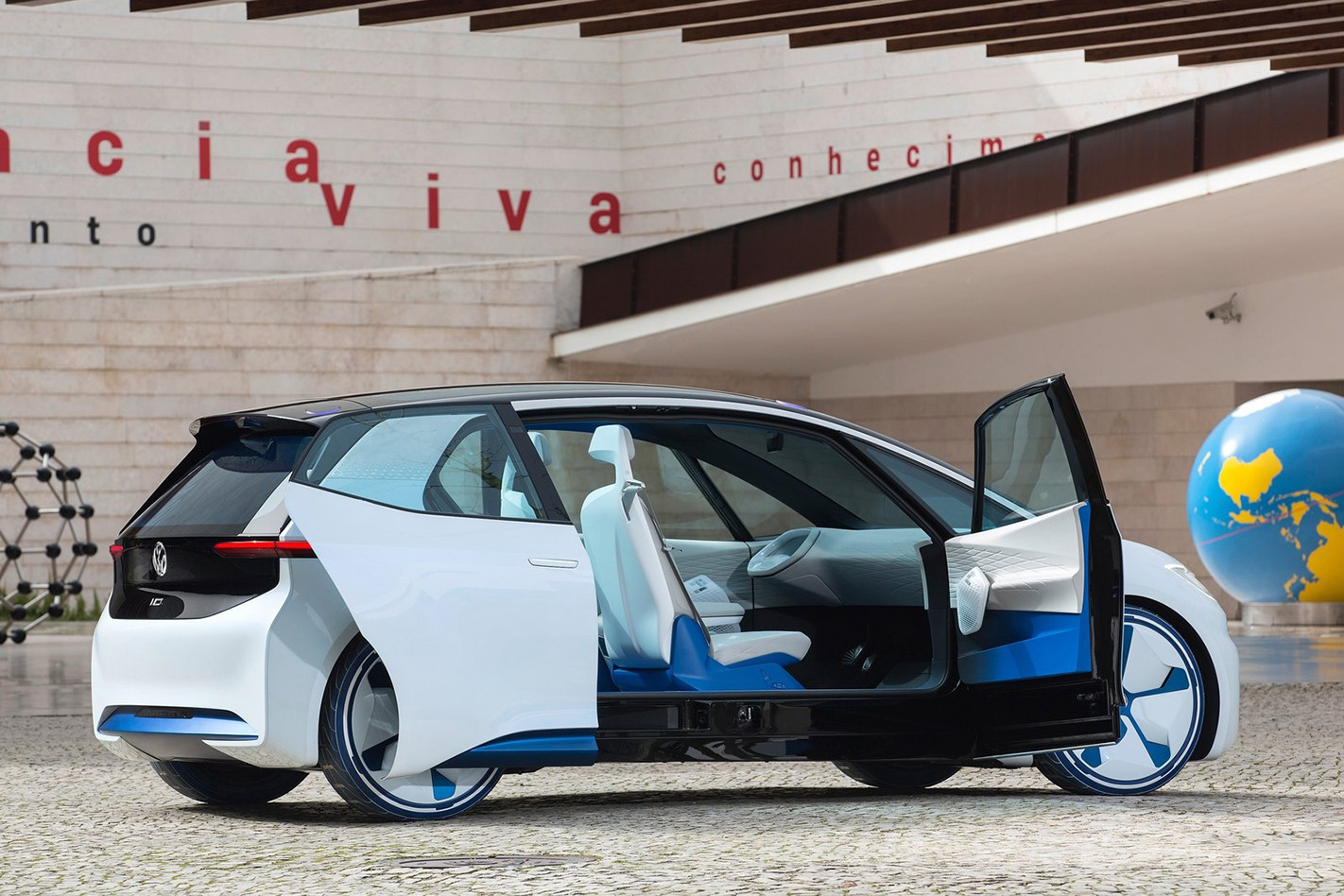
The production version of the Volkswagen ID, a four-door hatchback that occupies a similar footprint to VW’s Golf yet promises Passat-like cabin space and a single-charge range of between 400km and 600km, will be built on Volkswagen’s new EV-centric MEB platform, and will spawn a range of battery-electric companions like the ID Cross SUV and ID Buzz van.
Shafer says the product offering should be compelling in its own right, beyond its zero-emissions credentials.
“We think it’ll find a good level of uptake,” Shafer said.
“EVs in Australia… I think we’re not far away from a point where a lot of things that hold EVs back will be addressed and uptake will grow quite quickly.
“People are open to the technology. I think they understand the technology well. Range is going toward the 600km area, which I think for the majority of people is more than sufficient – particularly if you’ve got a two-car household.
“We wouldn’t be looking at it as being a token product in our range, but a bigger part of Volkswagen as we move forward.”
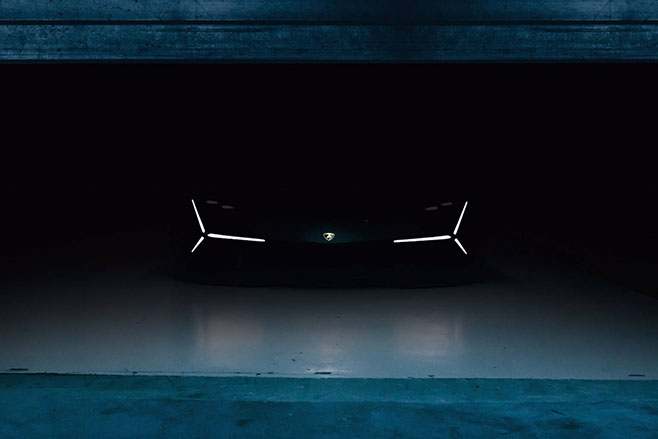
LAMBORGHINI, the Italian supercar builder known for creating some of the world’s most outrageous and memorable concepts, has wheeled out a new hyperbolic design study that offers a glimpse not just at a possible future road car, but into the next millennium.
Dubbed the Terzo Millennio, Lamborghini says the outlandish hypercar defines the requirements of the third millennium (the English translation of its moniker) and hints at how the raging bull range will evolve to accommodate electric drivetrains and the advanced systems to support them.
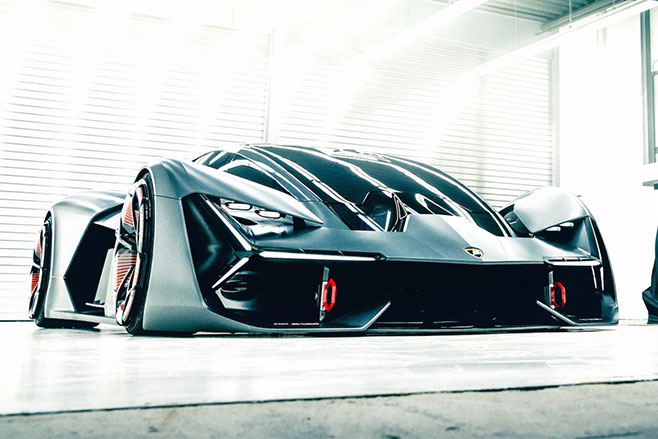
Clearly Lamborghini does not imagine speed bumps in the next millennium with the Terzo Millennio clearing the road by mere millimetres, its vast wheels are almost completely enveloped by the ‘arches’ and the heavily sculpted body appears more aerospace than automotive.
Not only does the extreme styling allow air to flow through the body as well as over it, the panels are constructed using nanomaterial technology and carbonfibre to actually store electrical charge in super-capacitors for powering the vehicle.
The composite material also allows the entire structure to be monitored for structural integrity and can warn of micro cracks before they pose a risk to the strength of the car. Think of it as a built in health monitor, says the car maker.
For such cutting edge and innovative advances in critical technology, Lamborghini teamed with the Massachusetts Institute of Technology and is developing some of the energy storage and recovery systems for real world testing.
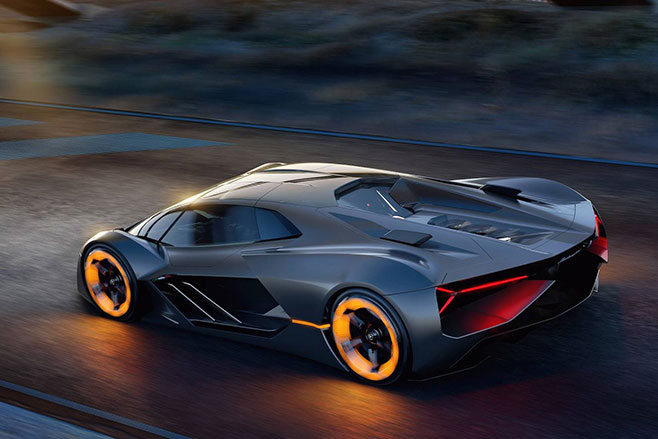
Lamborghini does not detail the electric powertrain in concept form or otherwise, but does predict the sports car of the future will ditch petrol in favour of electrons as well as kinetic energy recovery systems. Perhaps a more distant view of what’s in store for a company that not only currently relies on combustion-only power, but is also yet to yield to turbo induction.
A power-sapping transmission system has been avoided with torque applied directly to each corner via four individual in-hub motors, with the super-capacitor based energy storage incorporated into the body itself. Lambo’s designersclearly had a great deal of liberty when it came to penning the Terzo.
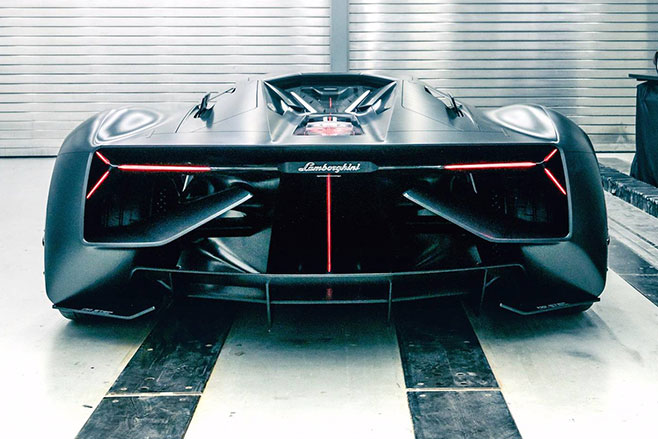
While the car is without doubt destined to remain in the concept world at least for the next few decades, its maker does see potential for some of its features to find their way into the production car world
“The opportunities in terms of weight, aerodynamics and design are so huge that it is worth investigating for feasibility of further development,” it says, which could hint at a future flagship that might share DNA with the wild concept.
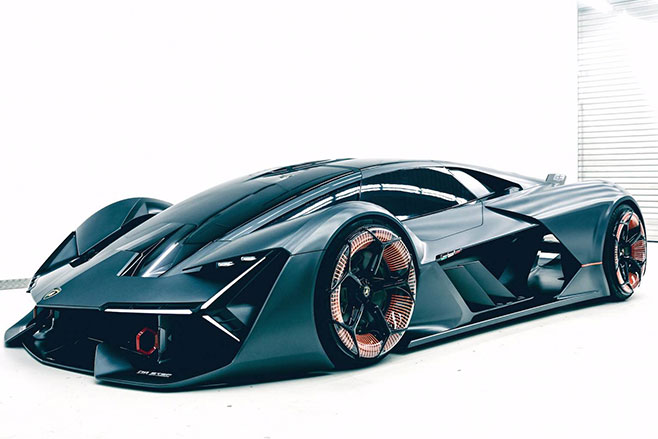
But how could an electric car sound like a true Lambo without a V12 barking from its loins? While the car maker says the car will not sing the 12-cylinder anthem, it is exploring ways to give electric drive a sound all of its own. Watch – or perhaps listen – to this space.
This is an electric Lamborghini. It’s called the Terzo Millennio, and Lambo reckons it’s the future.
But V12 fans should hold back the anger, because at this point it’s only a concept.
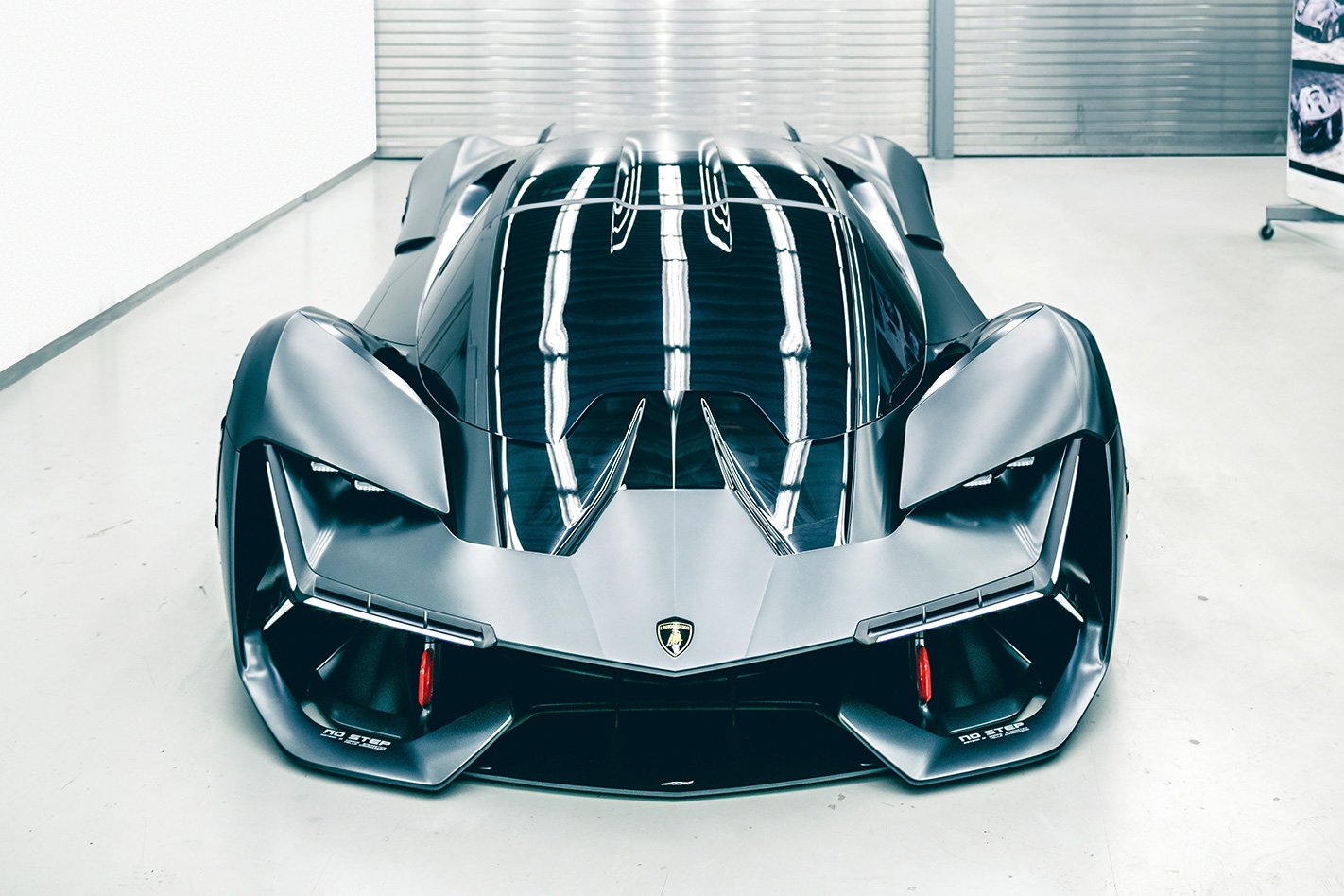
With an electric engine powering each wheel separately, the Terzo Millennio should appeal to the next generation of “super sports car enthusiasts” Lamborghini CEO Stefano Domenicali.
“Exactly one year ago we have signed an agreement with the MIT-Italy Program at the Massachusetts Institute of Technology which marked the start of a collaboration between two outstanding entities for the creation of a project that intends to write an important page in the future of super sports cars for the third millennium.
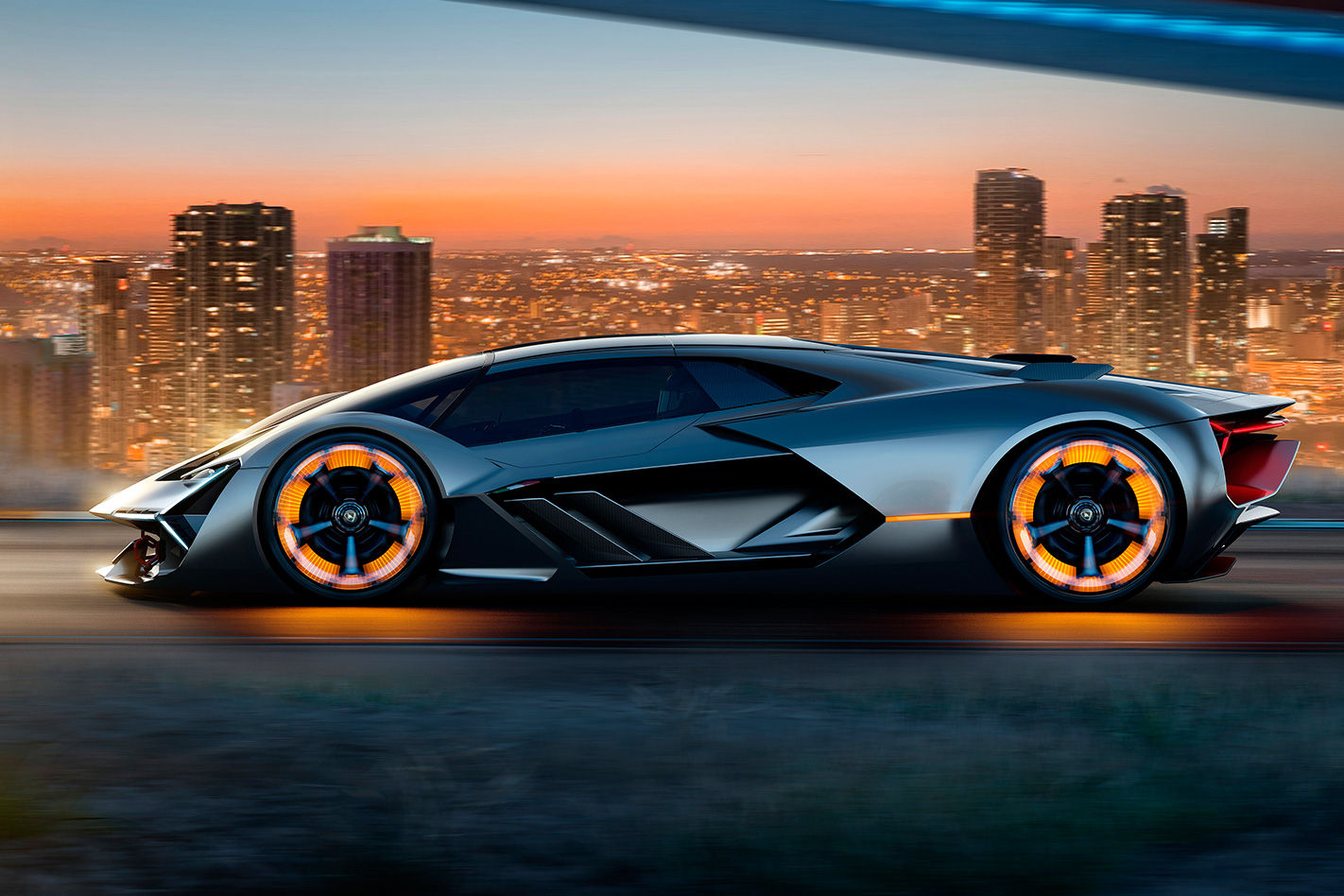
“We are inspired by embracing what is impossible today to craft the realities of tomorrow: Lamborghini must always create the dreams of the next generation.”
Another feature the Terzo boasts is the ability to detect damage and “heal” itself, says Lamborghini.
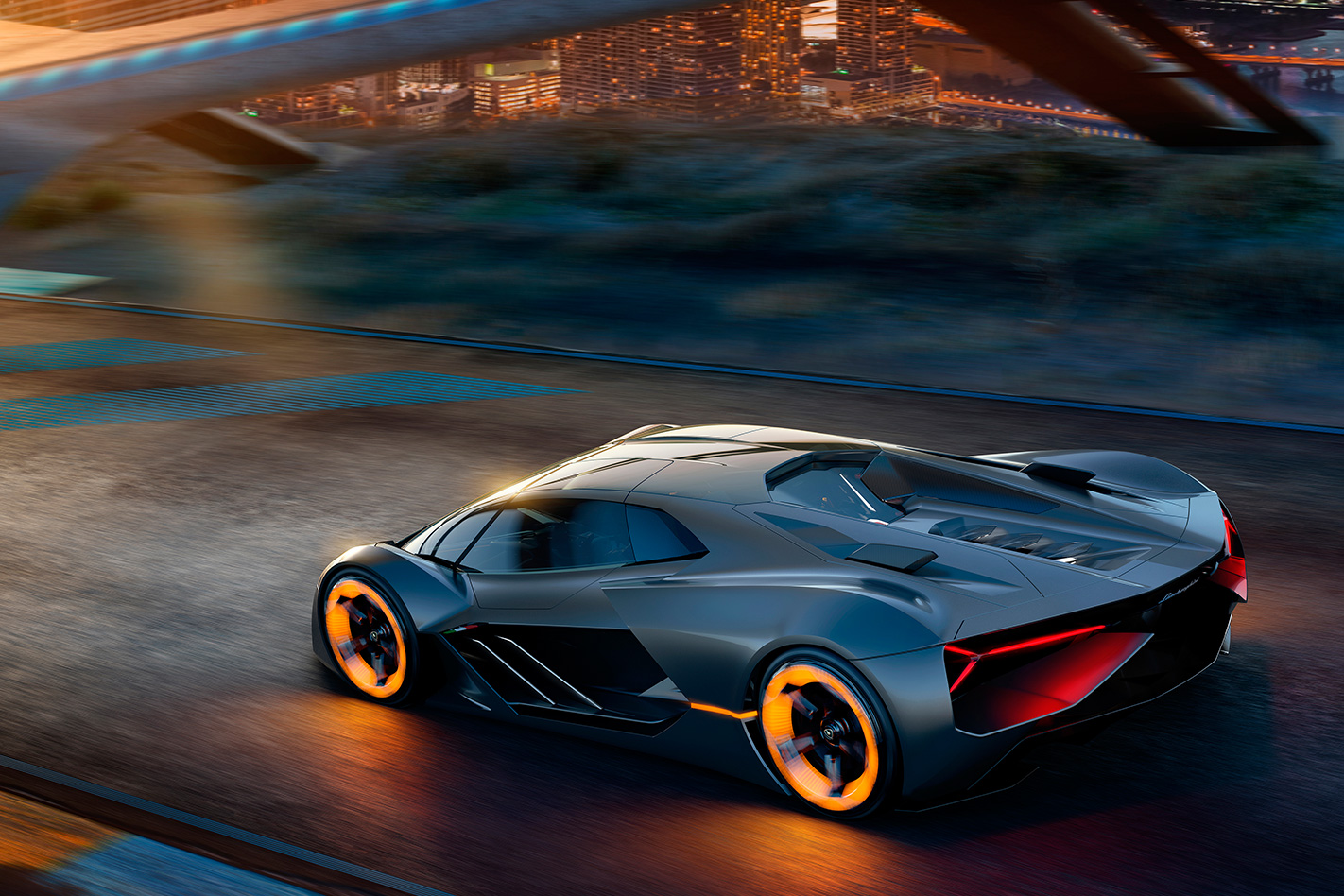
“In this case a self-repairing process starts via micro-channels filled with healing chemistries.”
It makes for an incredible feat of engineering if it works as planned… but can we have it with the V12 engine, please?
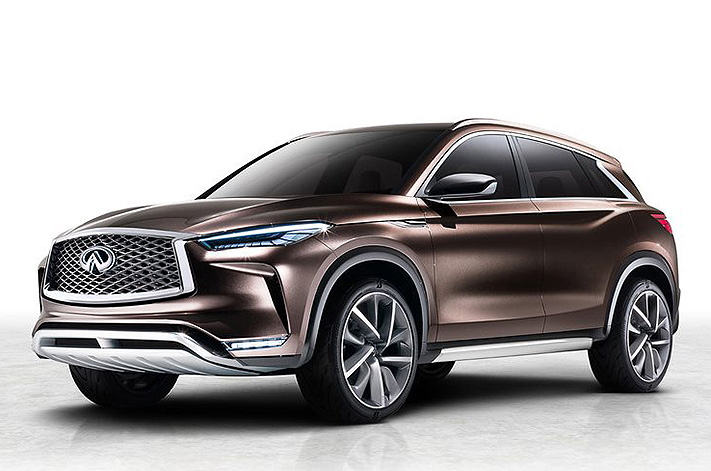
Infiniti has announced it is preparing to launch the QX50, its “most advanced” car ever, at this month’s LA Motor Show.
Details are sketchy, with a single illustration teasing a partial outline. But the SUV-shaped rear end and sloping roofline suggests it will be the production version of the QX50 Concept unveiled at January’s Detroit Motor Show.
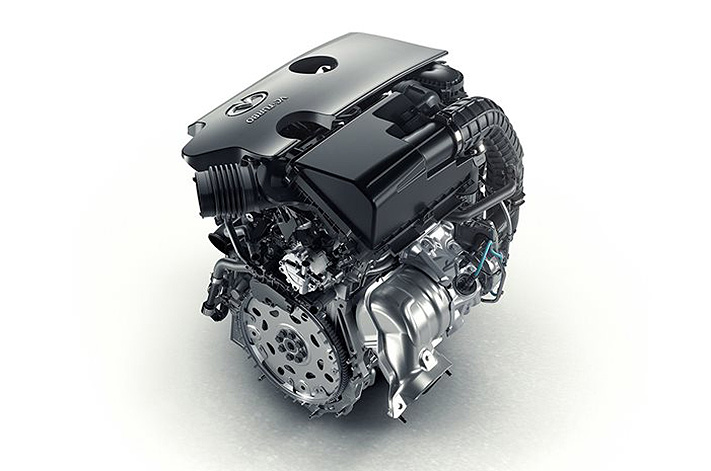
Adding weight to theory is the fact Infiniti said the production QX50 will be its first vehicle to receive its ground-breaking Variable Compression Ratio (VC-T) engine, which is able to produce large amounts of power when needed, yet boasts impressively low fuel use while cruising.
Infiniti claims the VC-T engine has 27 percent better fuel economy than conventional internal combustion engines, and delivers performance to match a 50 percent larger 3.0-litre V6 engine. The first production version of this engine is expected to produce 200kW and 390Nm.
The QX50 Concept also showcased the brand’s ambitions to roll out autonomous driver support technologies that “will act as a ‘co-pilot’ for the driver, empowering rather than replacing them, and ‘delegate’ more onerous driving tasks to the car – such as navigating stop-start traffic on the highway or keeping track of the positions of surrounding vehicles”.
Infiniti Australia would be keen to have a luxury mid-size SUV in its line-up, up against the Lexus NX, Mercedes-Benz GLX, Audi Q5 and BMW X3.
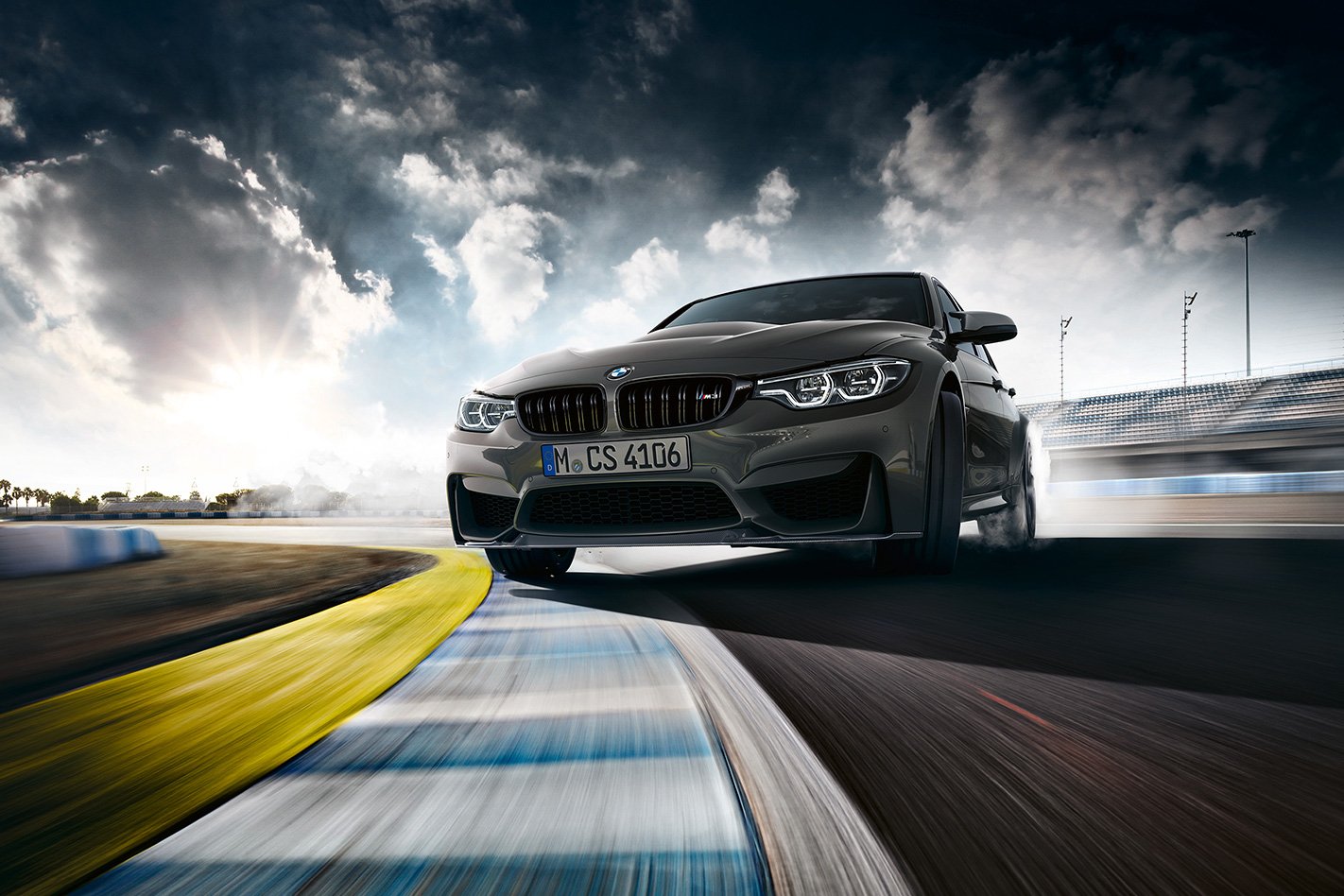
BMW has announced the next model to join the M4 coupe in the freshly resurrected CS stable, with the mechanically related M3 sedan next in line for the go-faster enhancements.
Like the two-door CS that arrived in Australia last month, the four-door M3-based version will adopt its weight-saving and engine tuning modifications to wring another 21kW and 50Nm from the standard 3.0-litre straight six turbo and drop the kerb weight to 1585kg.
With the 338kW/600Nm punch and crash diet, the most potent M3 in the line-up shaves 0.4s from the garden variety M3’s 0- 100km/h dash to 3.9 seconds, and is still a tenth faster than the current acceleration champ – the M3 Pure, which gets the Competition Pack goodies minus some luxury equipment heft.
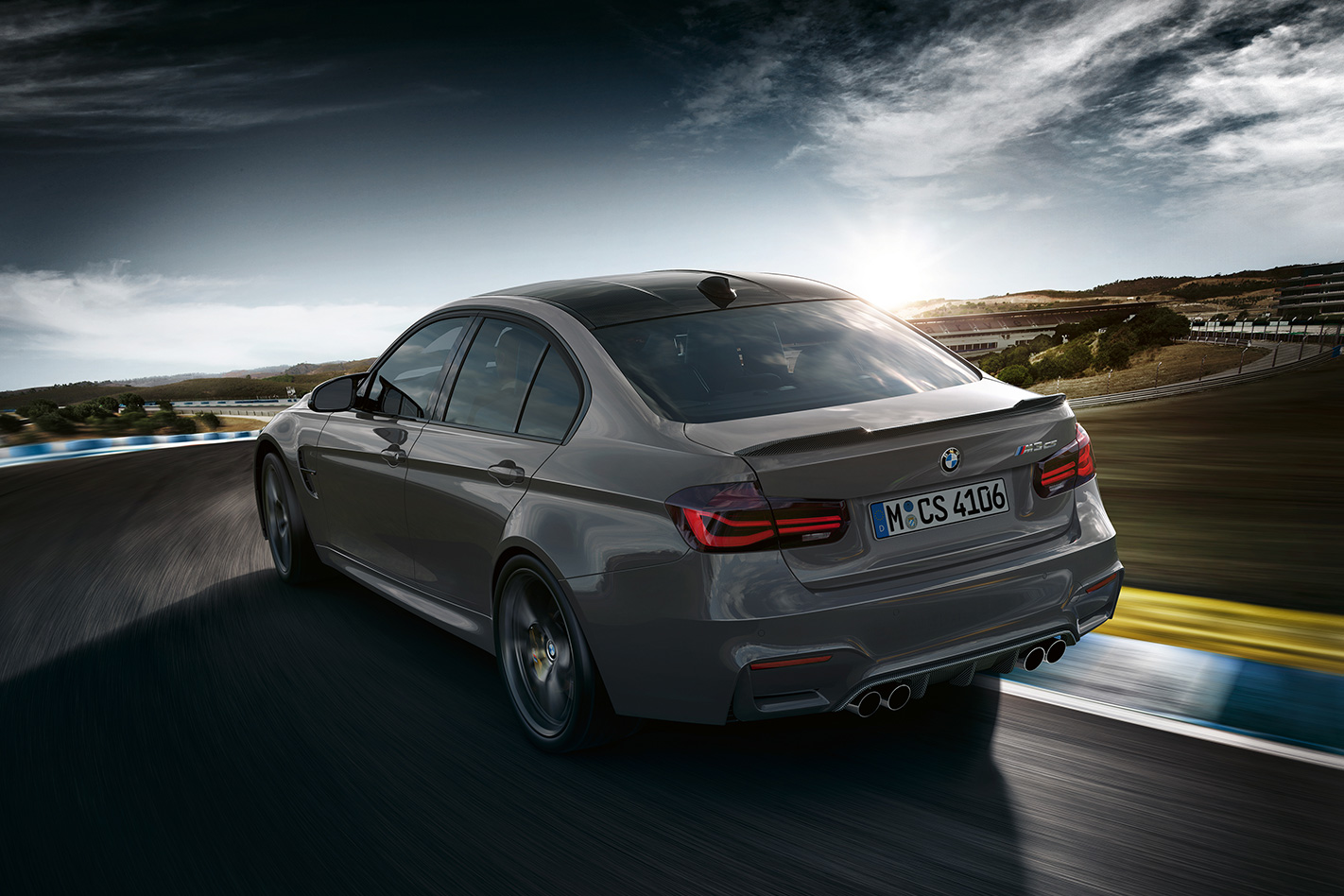
Like the bonnet, the M3 CS roof and boot lid are also constructed from the exotic material and drop six kilos from the overall mass, which lowers the centre of gravity for enhanced handling and road holding.
In addition to the lighter panels, the M3 CS also gets a carbon rear spoiler, tailored front and rear bumpers, carbon rear diffuser and a bespoke set of forged alloy wheels in matte Orbit Grey, measuring 20 inches at the rear and 19 at the front.
Suspension has been revised with unique spring and damper settings for the new addition, while braking is taken care of by BMW M compound pads, housed in four-piston front calipers and twin-pot versions at the back. Discs are iron unlike the $299,000 M4 GTS which had carbon rotors. BMW will fit the more exotic and track-focused set up for an additional cost.
A specially tuned quad-pipe stainless exhaust completes the package for a bark unique to the CS.
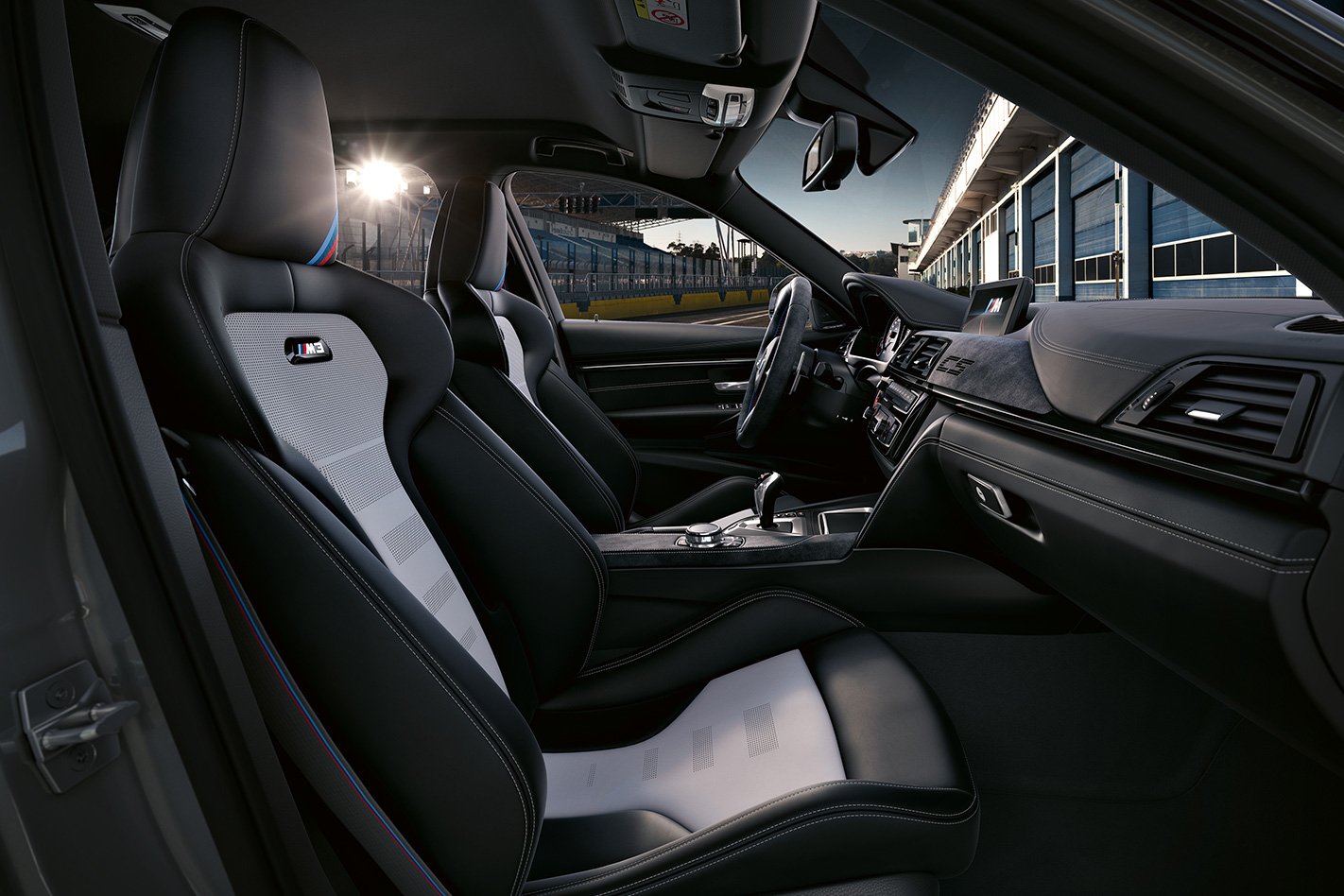
Inside, the CS treatment continues with synthetic suede Alcantara applied about the interior and lightweight sports seats, along with leather upholstery in Silverstone and Black. A red engine start button signals the CS’ more sporting intent and BMW says the interior has been stripped of some kit in the name of further weight reduction.
It’s business as usual for the transmission with a seven-speed dual clutch unit sending power to the rear wheels via an Active M differential, which offers electronically controlled limited slip for optimum traction under all driving conditions.
Production will be limited to about 1200 worldwide with Australia’s allocation or pricing not yet confirmed, though Australia has historically been offered a generous cut of BMW special edition global production, including the M4 GTS of which 25 were delivered along with 10 of the even rarer M4 DTM cars – 5.0 percent of the total run.
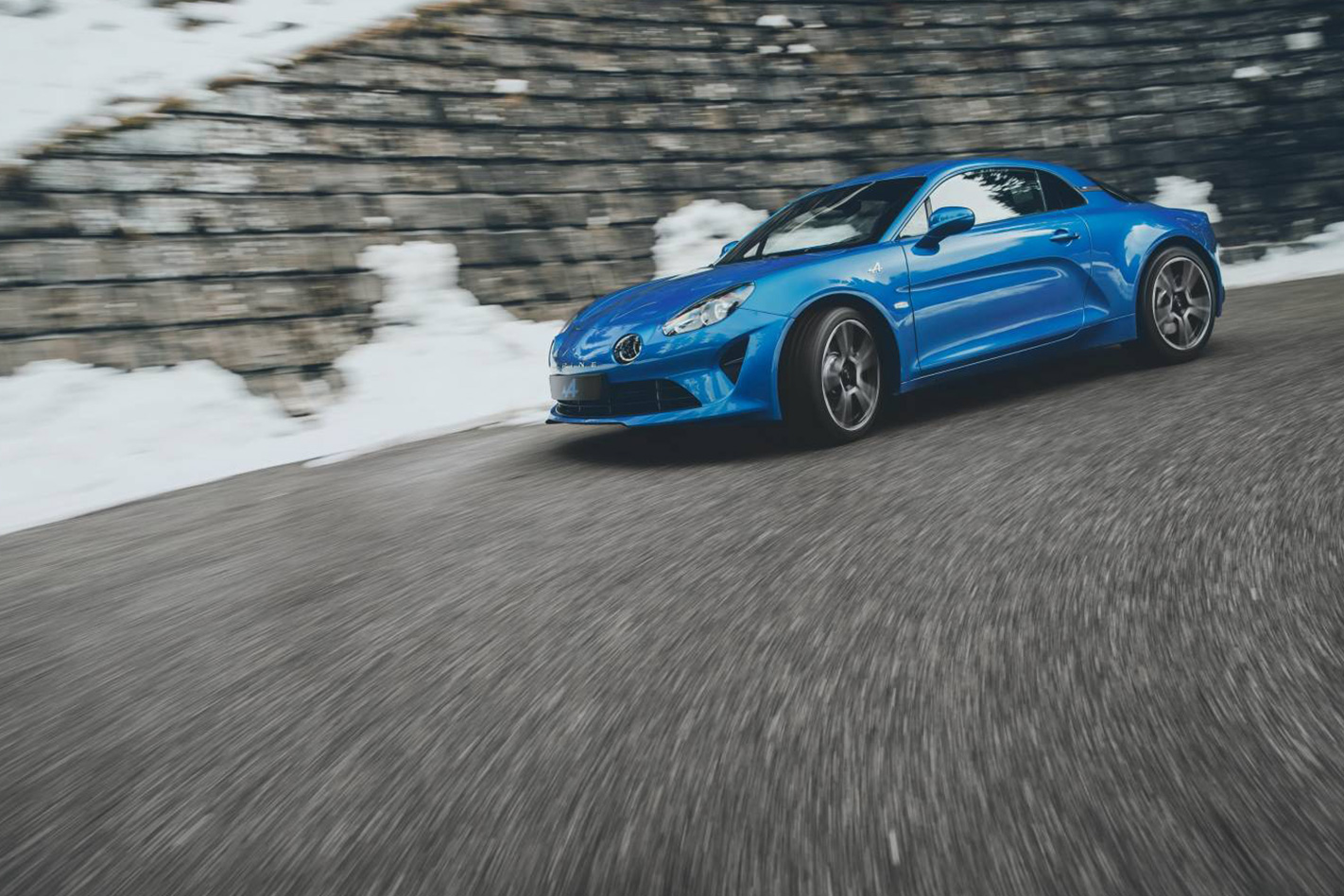
Weighing in at only 1080kg, with a power output of 185kW and 320Nm of torque, the 2018 Alpine A110 is finally coming to Australia.
But it won’t be until the second half of next year.
In addition, the exact specs of the Australian car may change before it hits shores, though we imagine it’d be extremely close to the Euro-spec model.
A turbocharged 1.8-litre engine is matched with a seven-speed wet dual-clutch, three drive modes (Normal, Sport, Track), a 0-100km/h sprint of 4.5 seconds, and a design that so closely echoes that of the original A110 Berlinette.
“We know that many people have been waiting for this car. In fact, when bookings opened in Europe, all 1,955 Premiere Edition cars were reserved within just a few days,” says Fricotté.
The count of 1955 Premiere Editions refers to the year Alpine was founded.
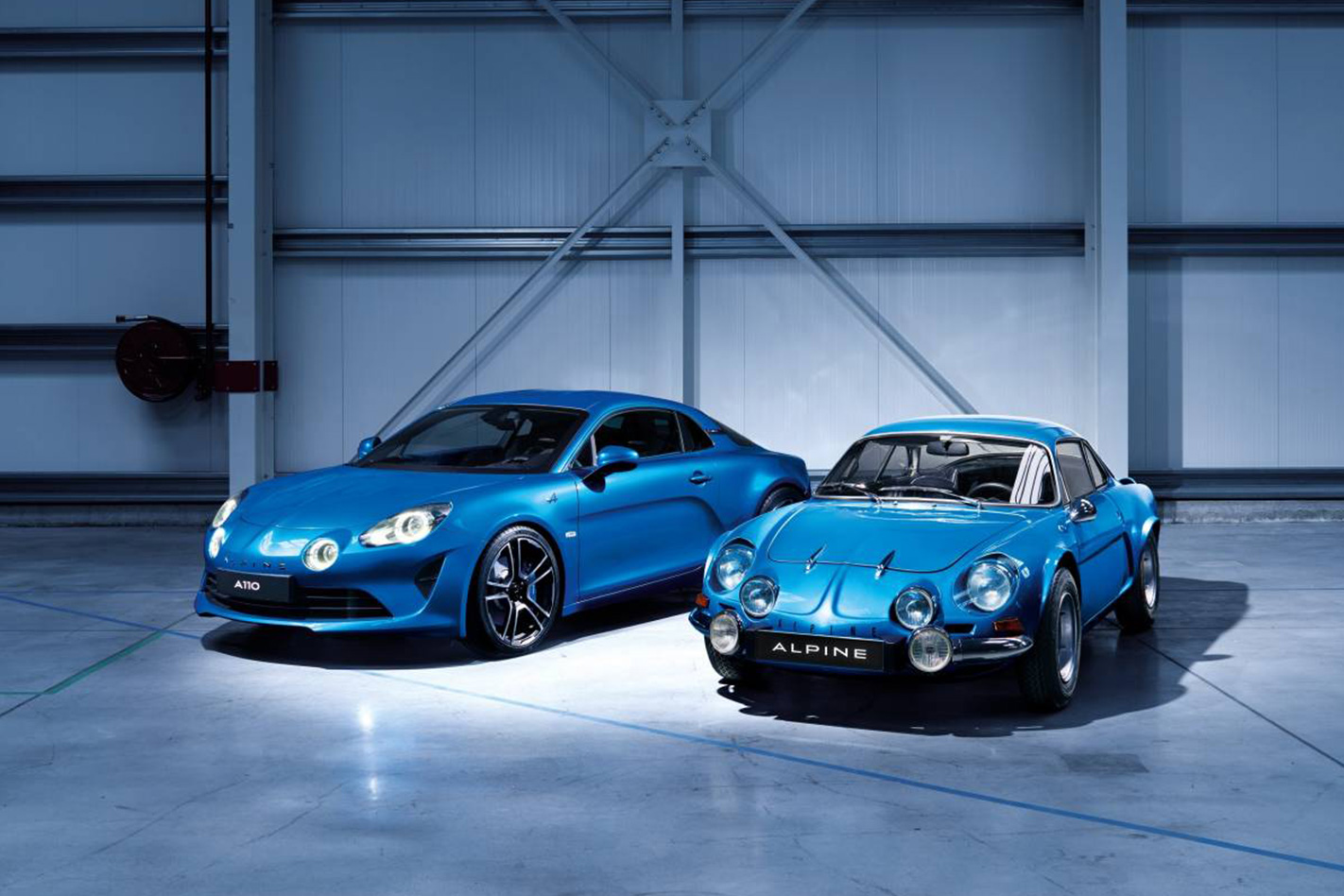
Renault Australia managing director Andrew Moore says he knows how long the Australian market has been waiting to find out whether it would receive the Alpine A110.
“On behalf of Alpine Cars, it is with great pleasure that we can make this announcement,” Moore says.
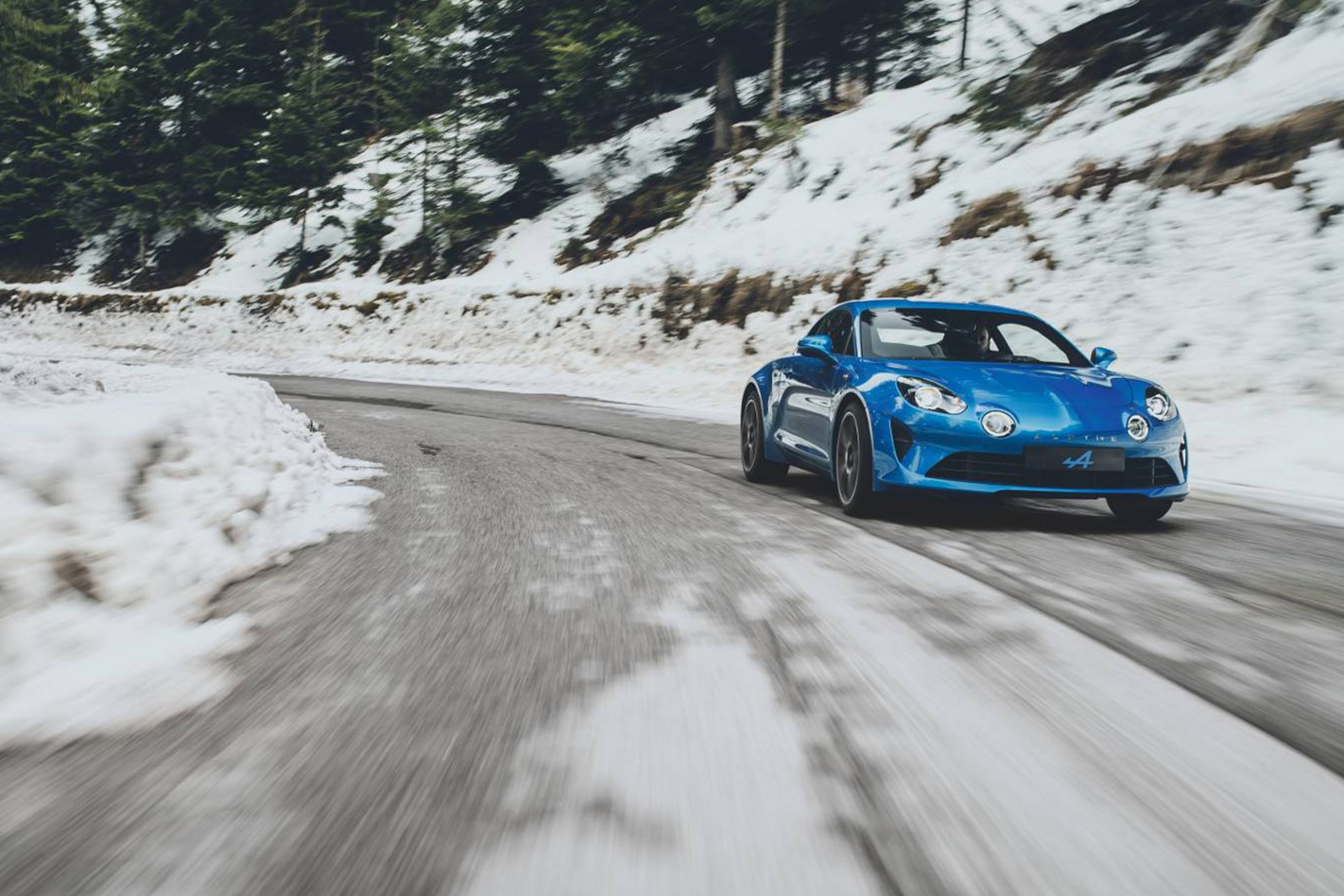
“It combines the timeless Alpine principles of compact size, light weight and dynamic agility and keeps true to the spirit of its predecessors, in particular the A110 Berlinette.
Alpine A110 Cup race car revealed
“We are delighted that it won’t be long until its loyal fans, as well as those new to the brand, can get behind the wheel.”
Australian buyers interested in the A110 can contact Alpine to express a wish to reserve a car immediately.
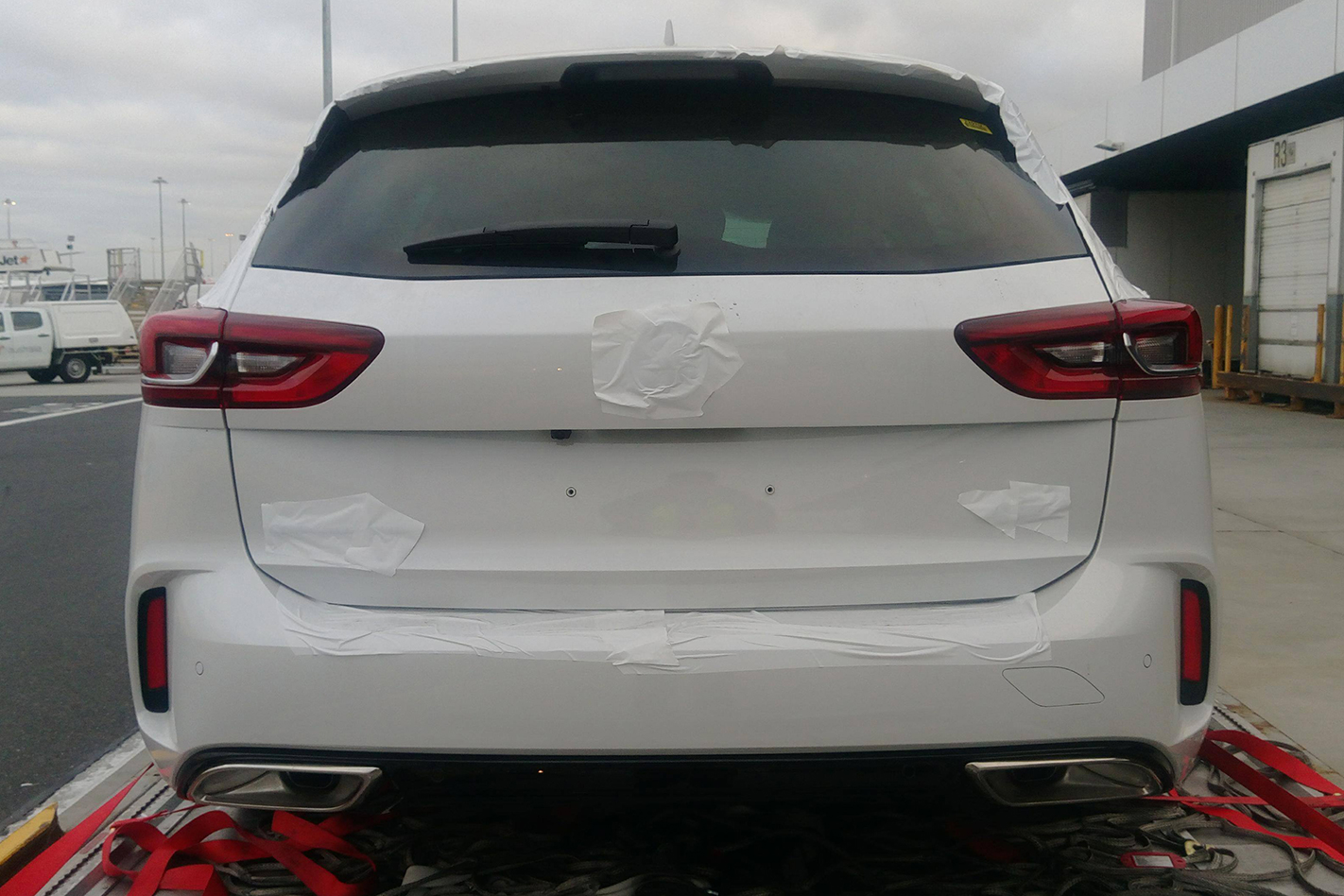
HOLDEN has flown in what appears to be an entry-level version of its fully imported all-wheel-drive V6 Commodore Sportwagon for testing ahead of the car’s launch early next year.
An avid Wheels reader has snapped images of the German-built 235kW/370Nm direct-injected V6 Sportwagon shortly after it was off-loaded at Melbourne airport. This version of the ZB Commodore sits on stylish 18-inch wheels, suggesting it is an entry-level rather than performance-honed model.
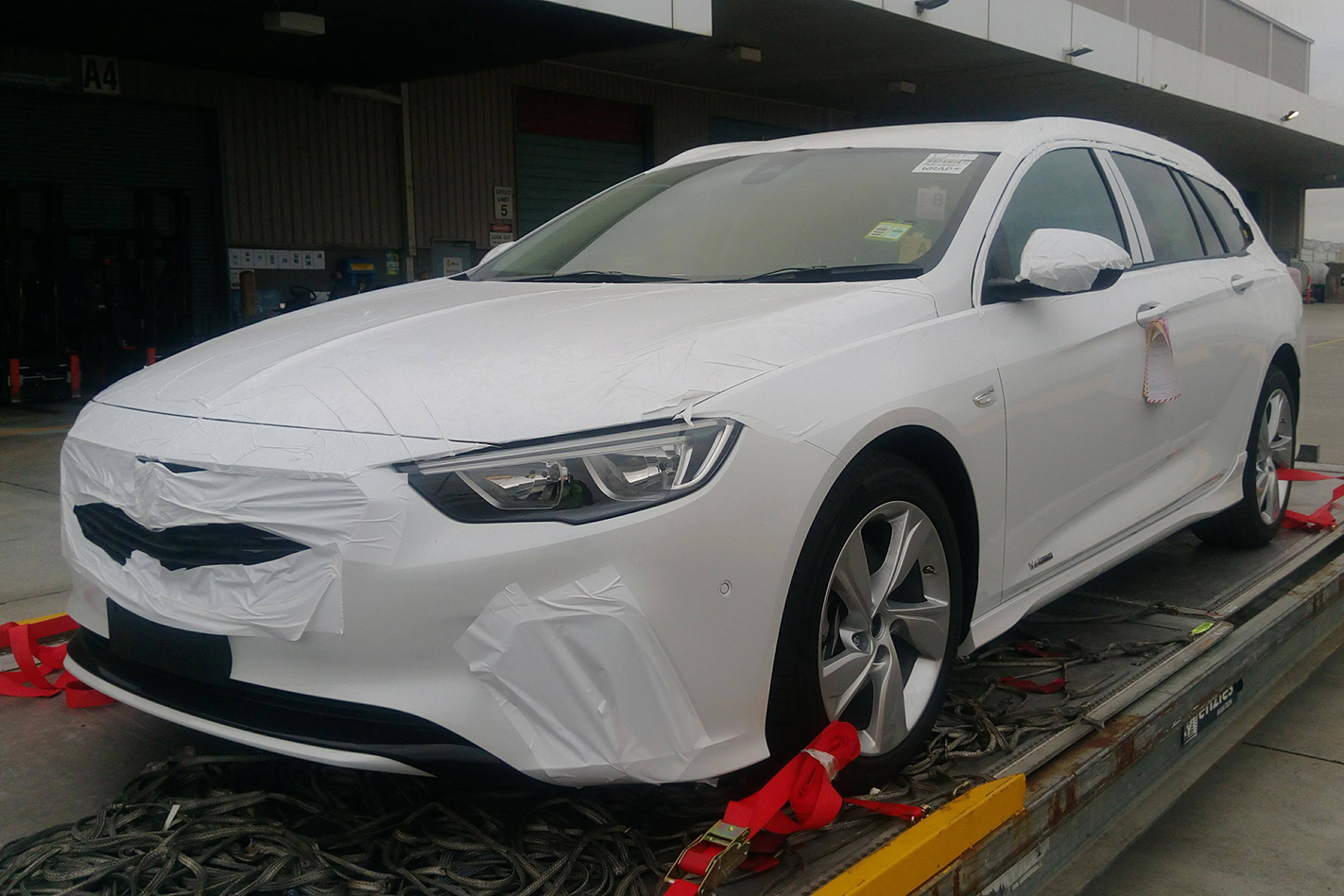
The Sportwagon – we’re expecting it to be marketed as something of a replacement for the big-booted SV6 when it goes on sale – also includes enhanced side skirts and a sports front bumper featuring a blacked-out lower air dam with a contrasting white splitter-styled feature.
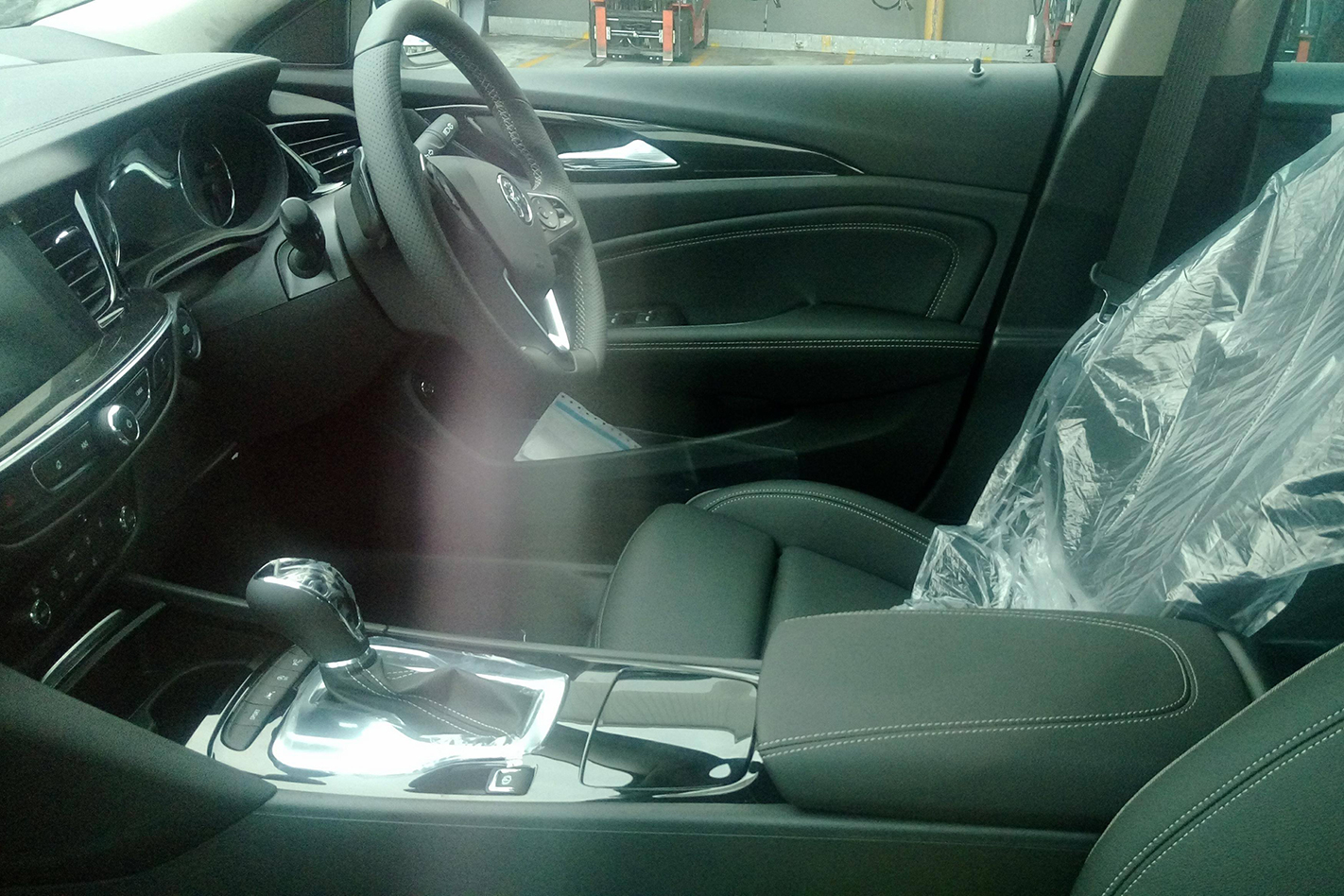
As the entry-level car, this version of the Sportwagon is likely to miss out on the “sport” button that is expected to enhance both throttle response and the mapping of the nine-speed auto. The adaptive dampers adopted by higher-end Commodores may also be absent.
Instead, this version of the Sportwagon is expected to use the FE2 suspension tune, placing it between the FE1.5 comfort setting that will be used for the base cars, and the FE3 tune being developed for the more dynamic models. It should also get Brembo brakes; unfortunately the way the wheels are strapped onto the crate don’t allow us to confirm this.
When the German-built ZB Commodore goes on sale in March, it will be the first time in 39 years that there will be no Commodore sedan.
