
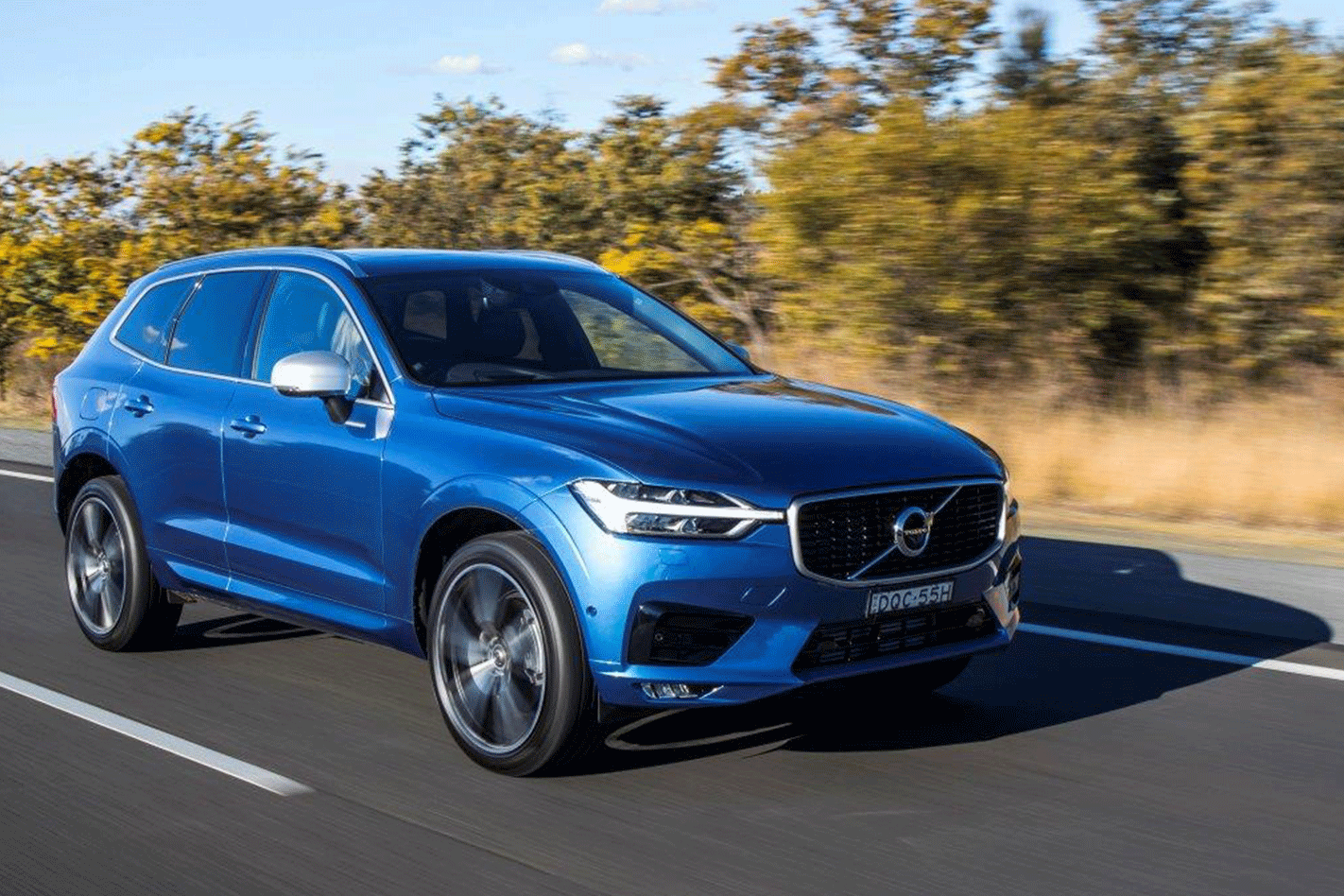
The Volvo’s second-generation XC60 has mastered the fashionably late, yet beautifully timed entrance.
WHAT IS IT?
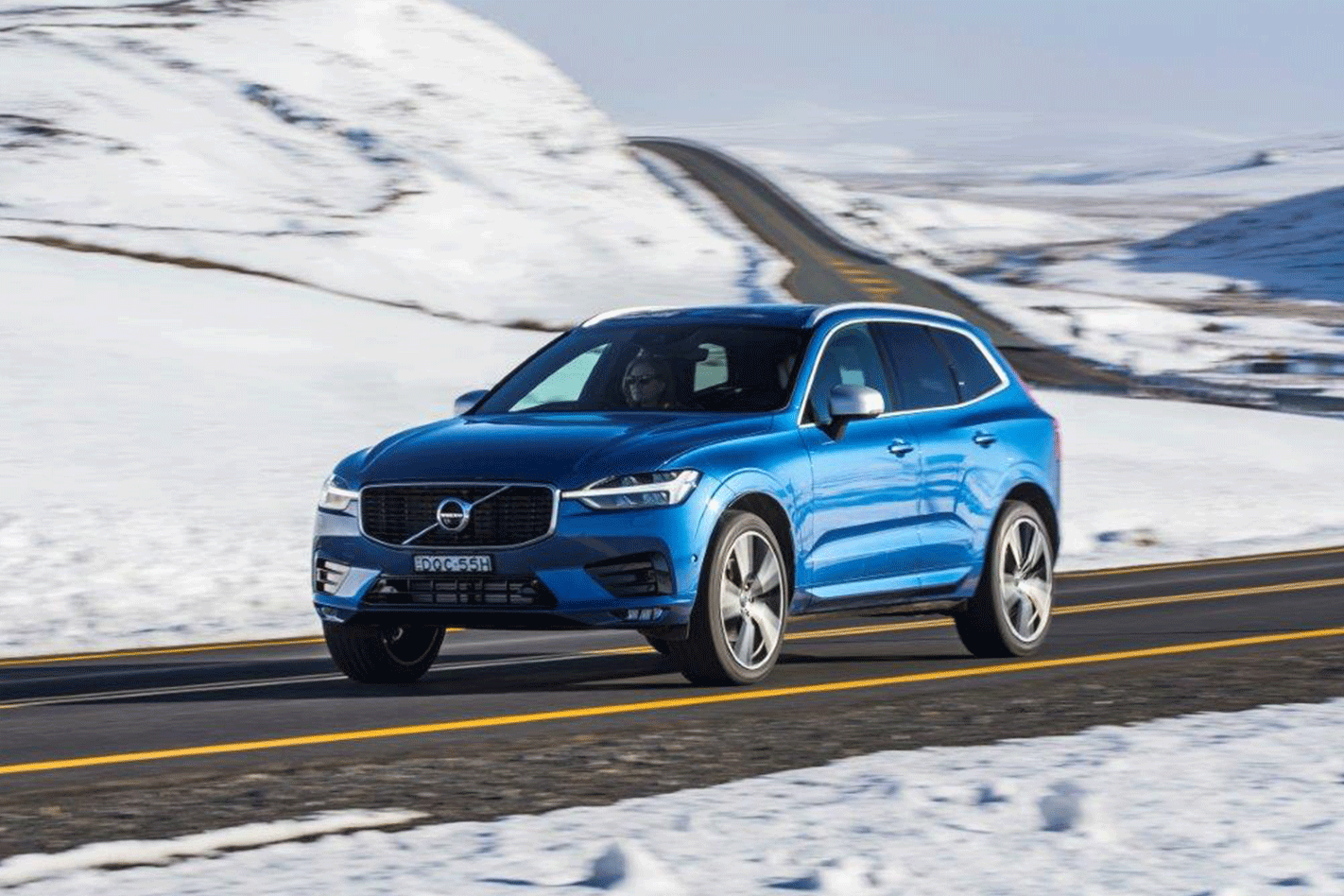
Volvo’s second-generation XC60 is a crucial part of the Swedish brand’s desire to expand its foothold in the premium automotive segment. The old XC60 continued to grow in sales volume right to its dying days, so this all-new car – based on the XC90’s fresh SPA platform architecture – really can’t fail, seeing it’s so vastly improved.
WHY WE’RE TESTING IT
MAIN RIVALS
All the key players in the premium-medium SUV segment – Audi Q5, BMW X3, Mercedes-Benz GLC, Lexus NX, Jaguar F-Pace, Range Rover Velar and Porsche Macan.
THE WHEELS VERDICT
The new XC60 has the core DNA to create a deeply impressive premium SUV, not to mention a deeply alluring one, thanks to its delightful interior design and refreshingly individual styling. Superb drivetrains too, in particular the urgent hybrid T8 and the characterful turbo-diesel. But it’s the lack of calibration finesse that undermines the XC60’s German-beating somewhat. With greater attention given to its damping control, throttle response, steering connection and the T8’s regenerative braking feel, this car could be a knock-out.PLUS: Cutting-edge design details; interior style and finish; excellent powertrains; lush ride on air suspension; shapely seats; individuality MINUS: Lacking in calibration finesse in a bunch of key areas; lack of steering feel; patchy ride in steel-sprung cars; light-switch regenerative braking response in T8
THE WHEELS REVIEW
IF TIMING is everything, then Volvo’s second-generation XC60 has mastered the fashionably late, yet beautifully timed entrance.
Nine years after the debut of its hugely successful, if rather unrefined and chunky predecessor, the all-new Volvo XC60 lobs at exactly the right moment to divert attention from the Range Rover Velar, BMW’s all-new X3, and Audi’s still-fresh new-gen Q5. But this Swedish SUV’s mission isn’t just about out game-playing the competition. The new XC60 also has the spec, the style, and the substance to carry off a convincing diversion tactic.
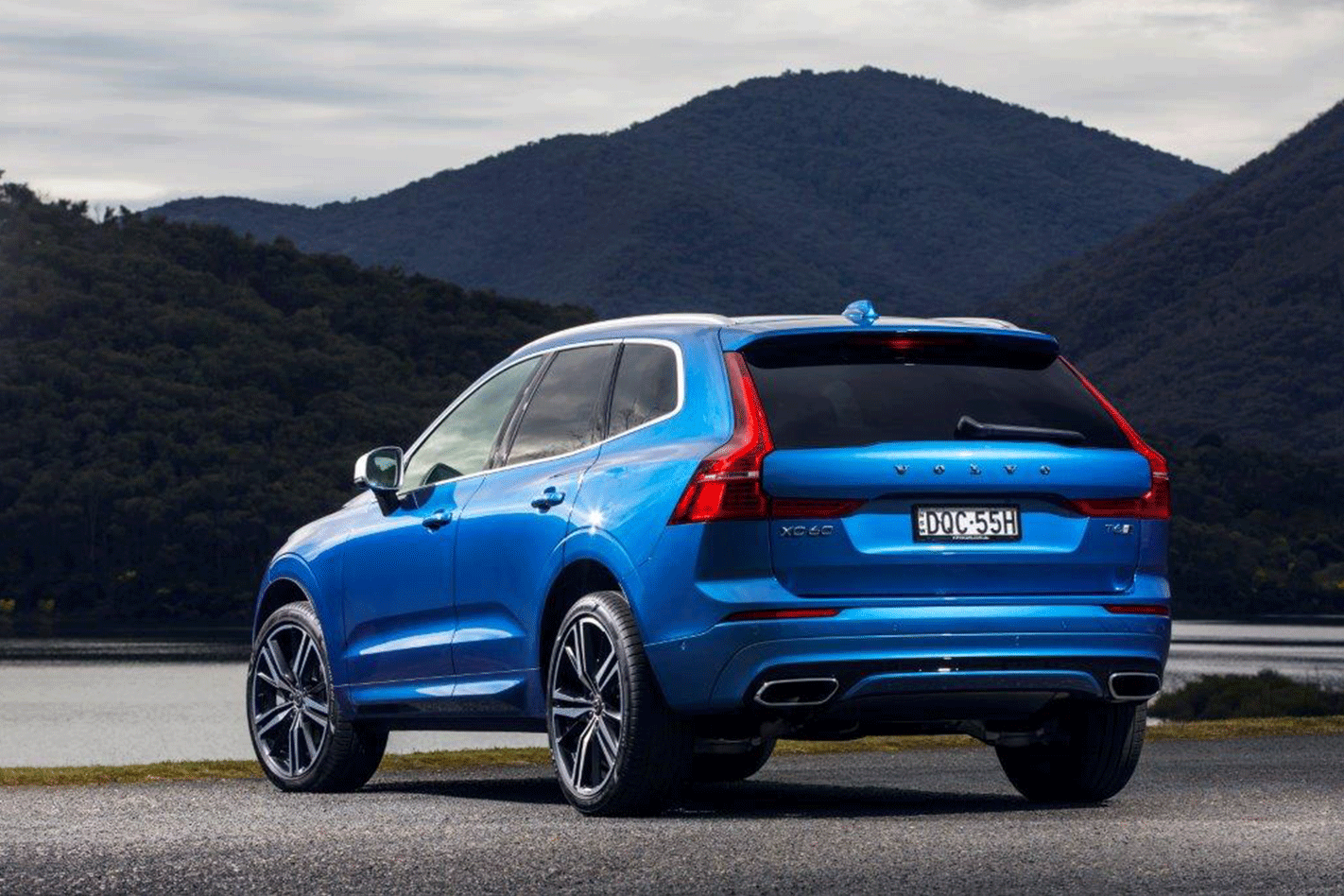
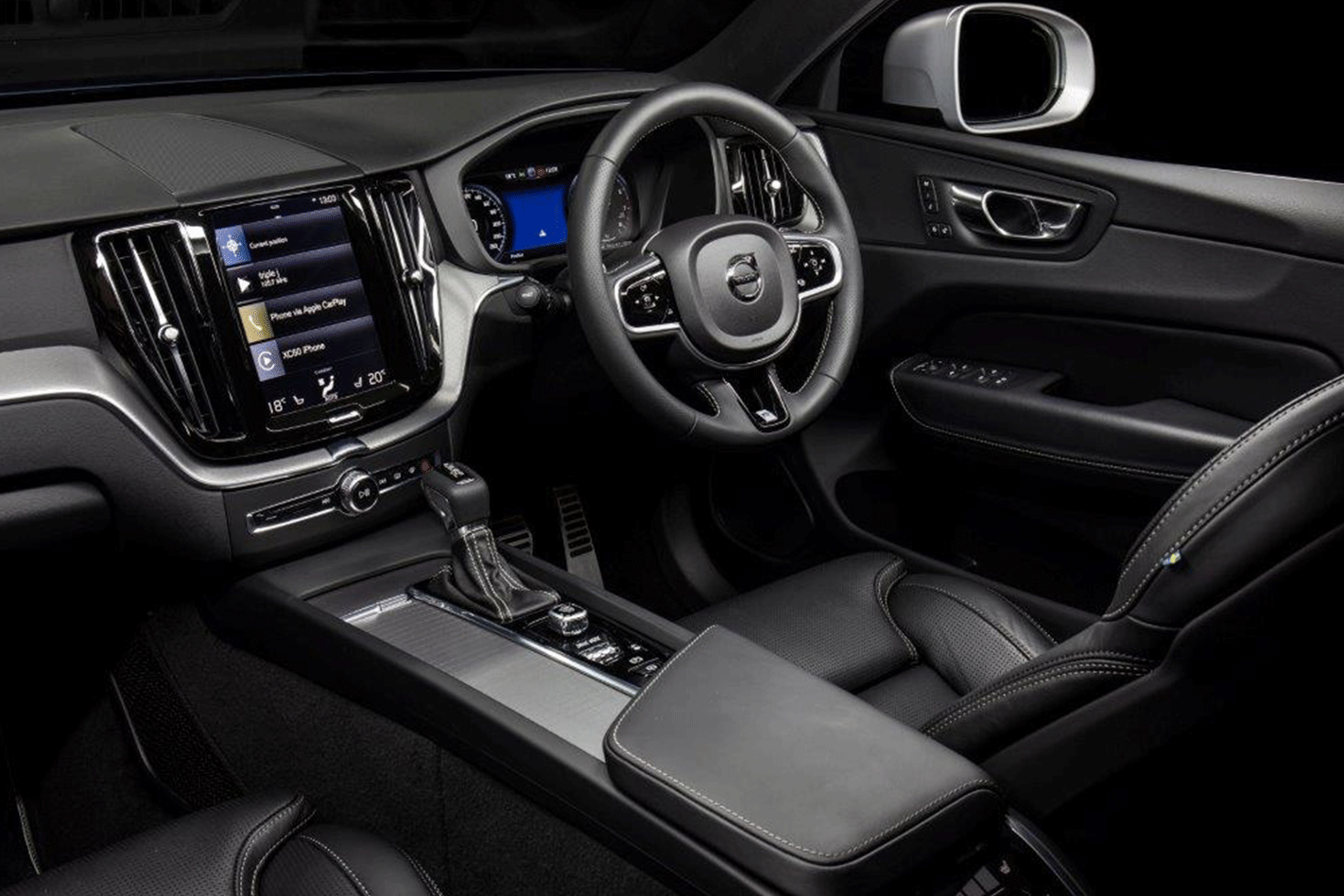
If you’re allergic to blending into the SUV crowd, then the new-gen XC60 has your design sensibility scrawled all over its shapely, beautifully detailed form. And if you think the XC60 looks much like an XC90’s younger, sexier sibling, that’s not an unreasonable comparison given that almost half of their components are shared.
Powertrains, electrical and climate-control systems, multimedia, seats, and even the dashboard to front-axle ratio are exactly as they are in the circa-2014 XC90, which debuted Volvo’s new SPA modular architecture. The biggest differences are in wheelbase – the XC60’s measuring 2865mm against 2984mm in for its leggy big bro – and overall length shrinks by 262mm.
On the road, you can feel the benefits of the XC60’s more agile form, and its chassis knows what to do in a corner. According to Hans Nilsson, the XC60’s Global Product Manager, Volvo put “a lot of emphasis on the right geometry” for the double-wishbone front and ‘Integral Axle’ rear with its composite transverse leaf spring. And while the componentry is near-identical to the XC90’s, the suspension tune’s dynamic flavour has shifted from “relaxed confidence” to “inspired confidence”.
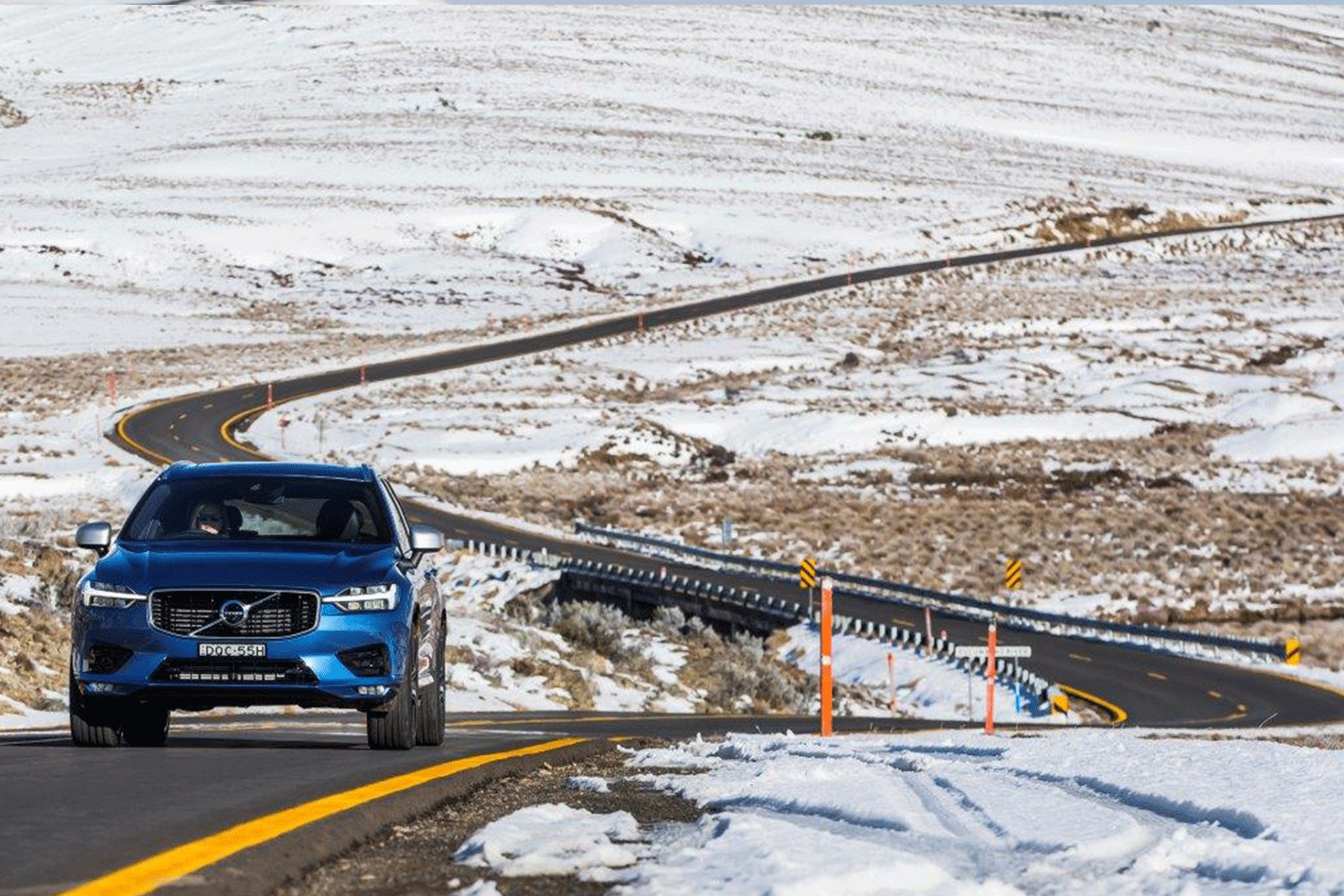
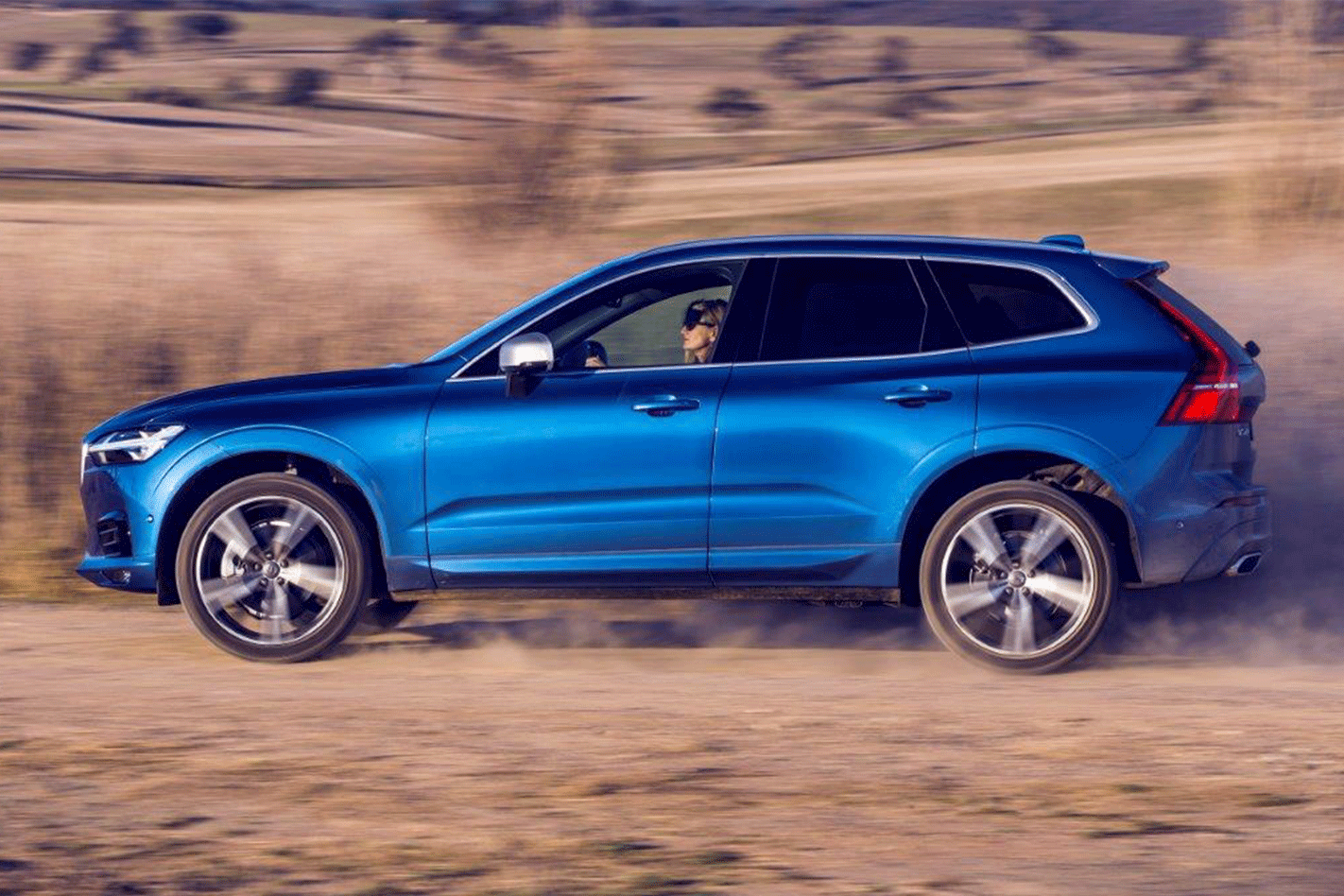
On fast, flowing roads, the XC60’s chassis certainly conveys a planted and secure feel, while tight bends prove there’s innate poise in the way this SUV strings corners together. But not all is as rosy as it could be. The steering – while accurate and consistently weighted – has minimal true feel, meaning you rely solely on the seat of your pants when hustling the XC60 at speed. And the damping on the two XC60s we drove with fixed-rate suspension – D4 and T5 Inscriptions, each wearing 255/45R20 Michelin Latitudes – felt unresolved. Supple at times, with mostly acceptable body control, the standard XC60 is prone to over-reacting to potholes and sizeable hits.
Nailing 100km/h in 5.3sec sees the XC60 T8 lift its nose and charge seamlessly forward, accompanied by a small amount of torque steer but also seriously urgent forward momentum. It sounds good too – sweetly raspy, but with enough meat to mirror the performance – though the T8’s regenerative braking response requires an almost tantric delicacy of touch. Its stoppers feel laughably over-sensitive on initial acquaintance, especially for other road users wondering what’s going on in the next lane, and why you aren’t wearing your L-plates.
As expected, the XC60’s safety suite is vast, including semi-autonomous Pilot Assist that does a pretty good job steering itself (briefly) on well-marked freeways, though if you need any of this stuff to help you drive then you clearly can’t, or shouldn’t be.
There’s also a swathe of options, with some packages representing pretty decent value, such as the T8’s Premium Pack ($7500), which includes heated front and rear seats, heated steering wheel, laminated side windows, the aforementioned electric under-thigh cushion extenders, adaptive air suspension and an absolutely cracking Bowers & Wilkins stereo with seriously meaty bass.
Even the base D4 at $59,990 delivers plenty for the money. It’s just a pity that the finessing of the XC60’s engineering calibrations can’t also be optioned in.
SPECS Model Volvo XC60 T8 R-Design Engine 1969cc 4cyl, dohc, 16v, turbo, S/C + battery Max power 235kW @ 5700rpm + 65kW @ 7000rpm Max torque 400Nm @ 2200-5400rpm + 240Nm @ 0-3000rpm Transmission 8-speed automatic Weight 2105kg 0-100km/h 5.3sec (claimed) Economy 2.1L/100km Price $92,990 On sale Now
Welcome to the latest episode of the Performance Car Podcast.
In the latest episode of the Performance Car Podcast MOTOR Magazine Associate Editor Scott Newman is joined by Holden’s lead vehicle dynamics engineer Rob Trubiani in a prototype of the new imported ZB Commodore, months ahead of its planned release in Q1 2018.
During the episode they discuss how Trubiani got started with Holden (0:54), what makes a good drivers’ car and how the new Commodore fulfils this (3:20), the advantages of electric power steering (4:50), the opportunities a new vehicle platform provides (6:50), the new Twinster all-wheel drive system and how it gives the Commodore a ‘rear-drive’ feeling (8:15).
They also cover the car’s different drive modes (11:20), the importance of good steering (12:15), why Holden tunes cars for Australian conditions and what needed to change (14:20), attaining Nurburgring test driver certification and why manufacturers use it (16:50), setting a Nurburgring record lap time in a Holden VF Redline ute (21:45) and why enthusiasts should give the new Commodore a chance (24:10).
Don’t forget you can listen to the audio from this podcast on iTunes or Podbean, please rate and subscribe to ensure you don’t miss future episodes. You can also see these episodes on YouTube at www.youtube.com/MOTORofficial. As ever, any cars, topics or people you’d like us to cover let us know via Facebook, YouTube or at [email protected].
Enjoy the episode and we’ll be back soon with another episode of the Performance Car Podcast.
If you were worried that the incoming ‘Eurodore’ wouldn’t be quick, here’s something to put your mind at ease.
It turns out Opel is quite good at making its new cars go faster than its older cars, even if the new cars have smaller engines.
To prove this, Opel sent the ‘top-spec’ Insignia GSi around the Nurbugring with its director of performance cars and motorsport, Volker Strycek, at the wheel.
But if anyone was likely to get a good time out of the Insignia, it was Strycek. Aside from being Opel’s fast car guru, he was also the inaugural DTM champion during its first year in 1984, and has since been racing on and off.
And, just to make sure both cars had equal chances, he drove the more powerful OPC around the ring back when it was being tested.
What made the GSi so much quicker? Strycek says it was down to agility.
“As soon as the course becomes more demanding such as in the corners or stretches with low friction, i.e. when the car needs to react in an especially agile and precise manner, the GSi is definitely faster and easy to control.”
It also probably helps on that front that the GSi is more than 160kg lighter than the OPC.
IAN Cummins could have lived with the motto: “He who dies with the most toys wins.” Now it’s your chance to nab a few toys, with Shannons auctioning 22 cars from Cummins’ collection on behalf of his estate.
For those who didn’t know Cummins, he was a historian and car collector with a fantastic taste in automobiles. He died last year, aged 77.| Wheels November 17 – Farewell to Aussie Holden: special issue preview
A selection of the vehicles from his collection that are due to go under the hammer include a pair of racing Jaguar re-creations – a 1955-style D Type and 1953-style C Type – as well as four Shelby Mustangs from sequential years (1965-68), and a 1987 Ferrari Testarossa.
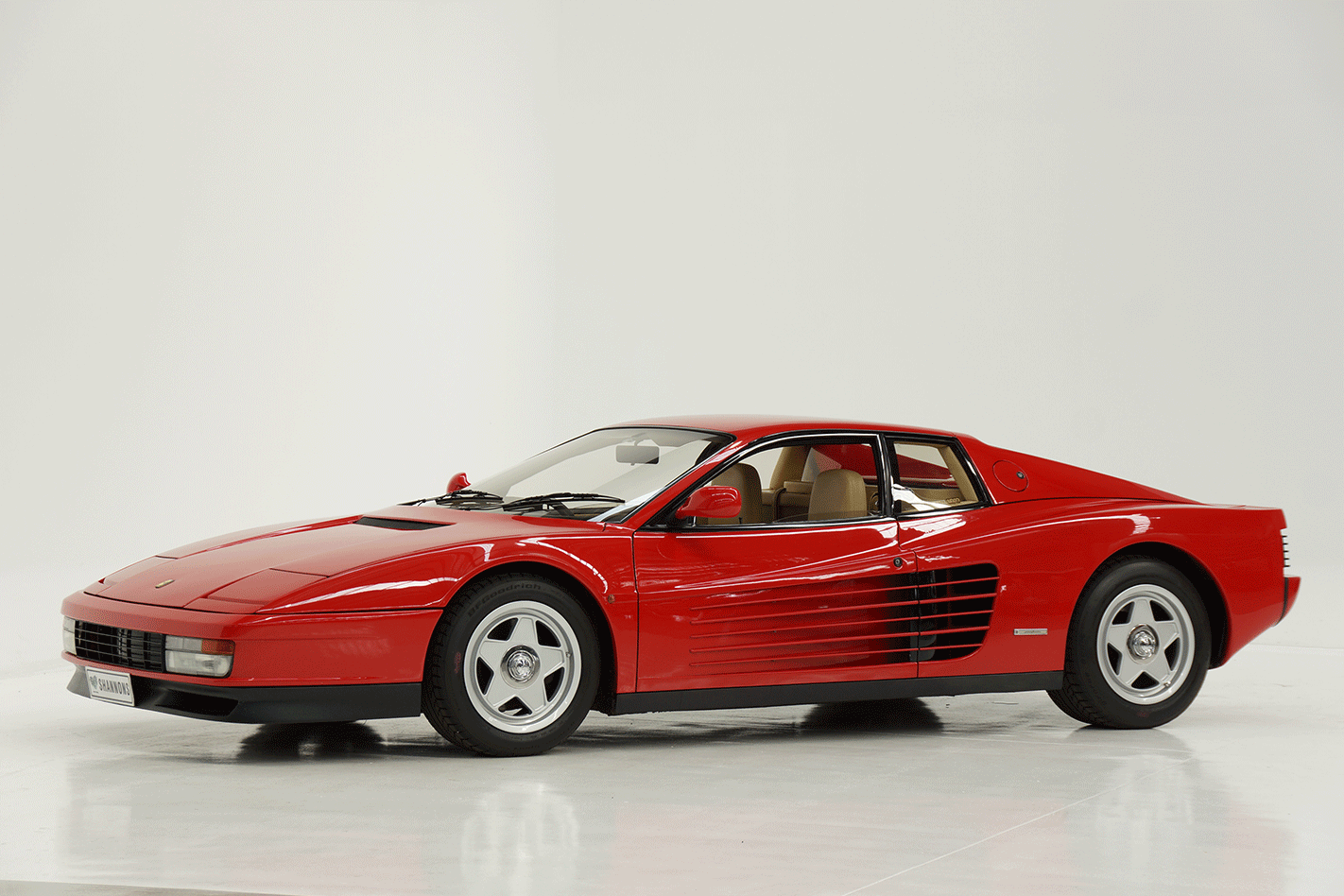
Other highlights from the auction include a 1951 Jaguar XK150S, 1966 Jag E-Type, a left-hand-drive 1969 Ford Boss 302 Mustang fastback, and a Ford Mustang Boss 429 Mustang Fastback.
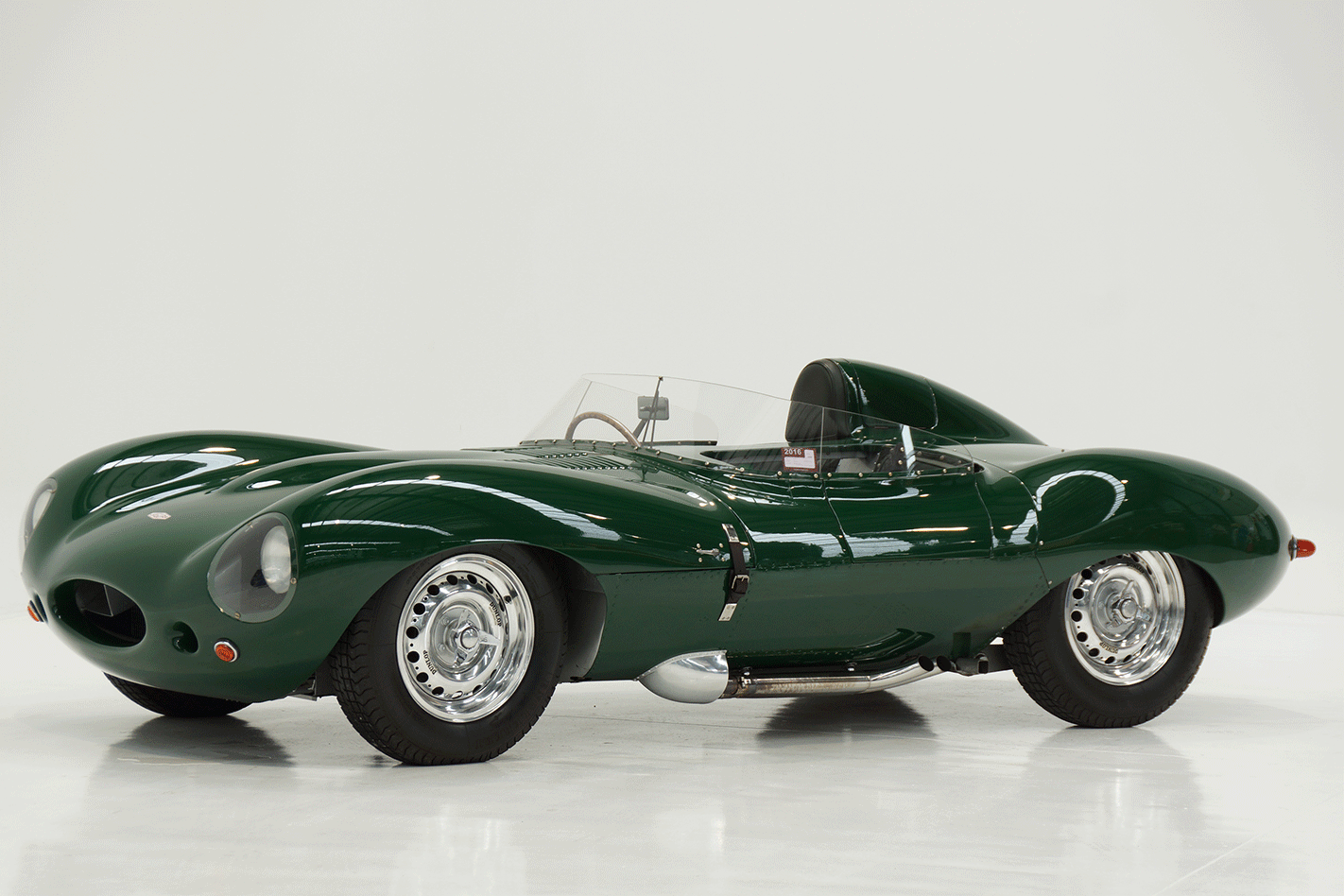
The Melbourne Summer Classic Auction will take place on November 27 at Cheltenham, Victoria.
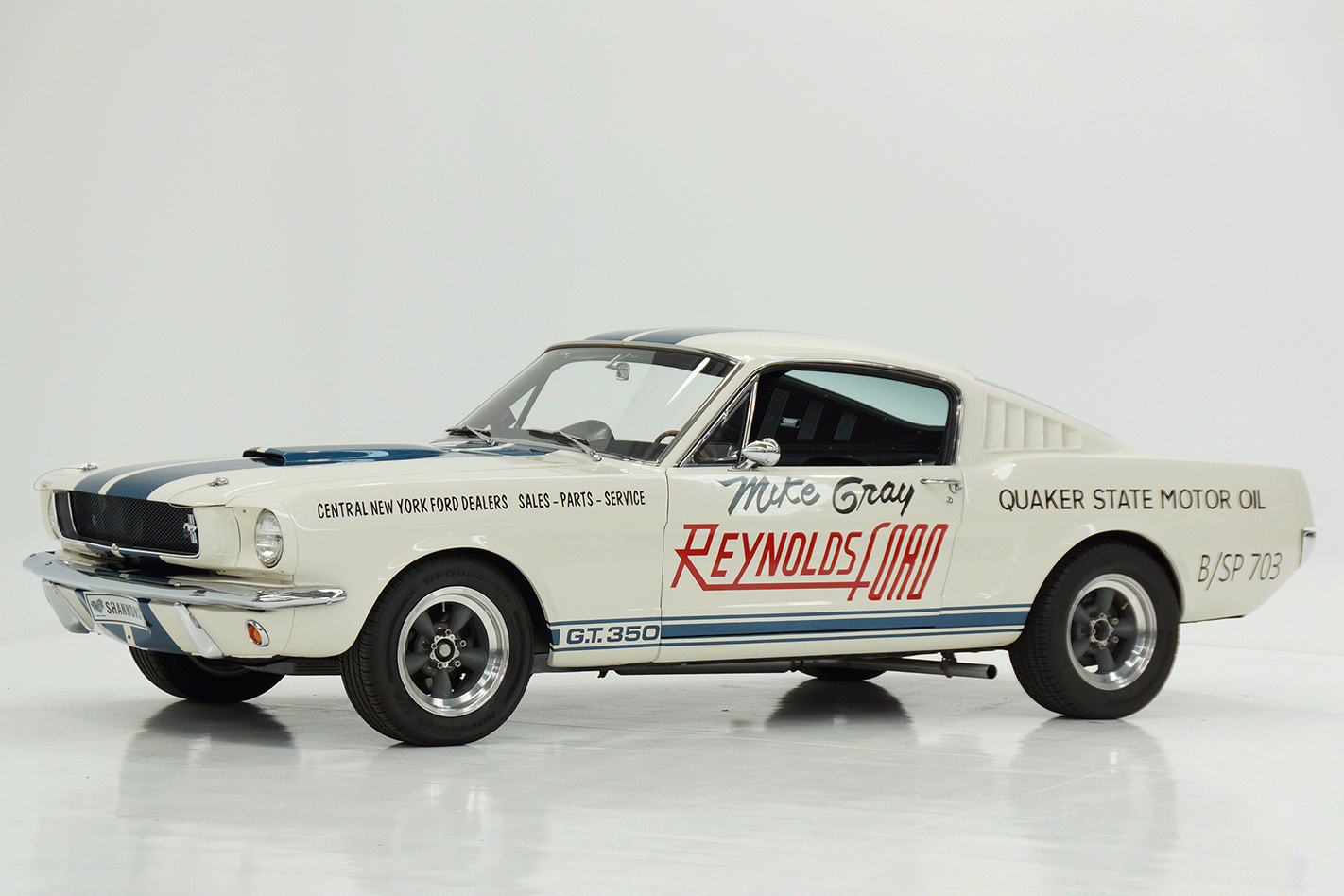
IN MANY regards, this is the issue we never wanted to produce.
Indeed, documenting the end of Holden’s Australian manufacturing was an assignment that, for many years, seemed wholly inconceivable. Hindsight’s a bittersweet thing though, and for any number of obvious reasons, our special 196-page Holden tribute issue is one that you won’t want to miss out on.
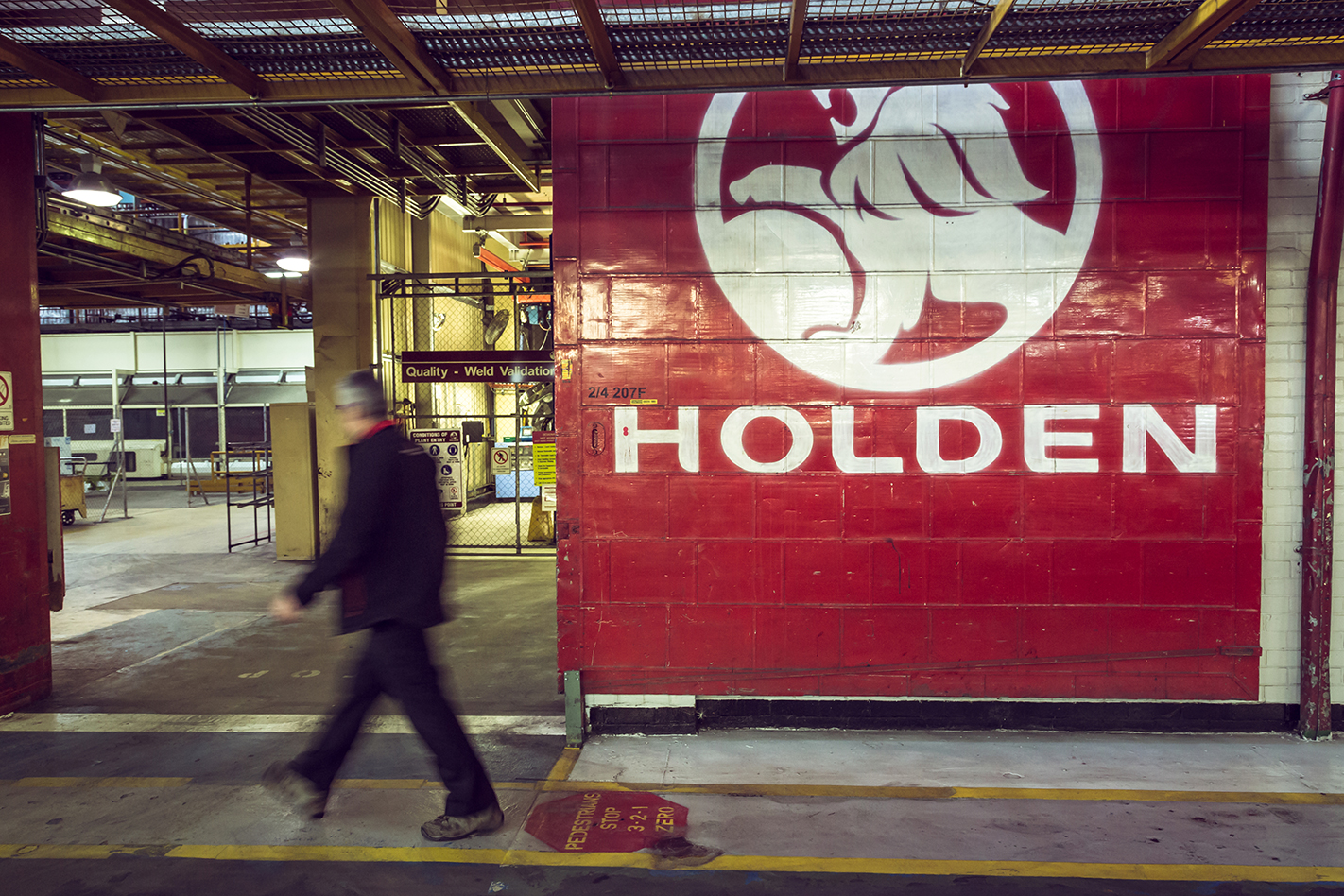
We visit Holden’s Elizabeth plant as the lights click out and document some of Wheels’ epic drives in Aussie-built Holdens. It’s been an emotional journey, with this magazine and Holden’s history being tightly intertwined across more than five decades.
Sign up here to receive the latest round-up of Wheels news, reviews and video highlights straight to your inbox each week.
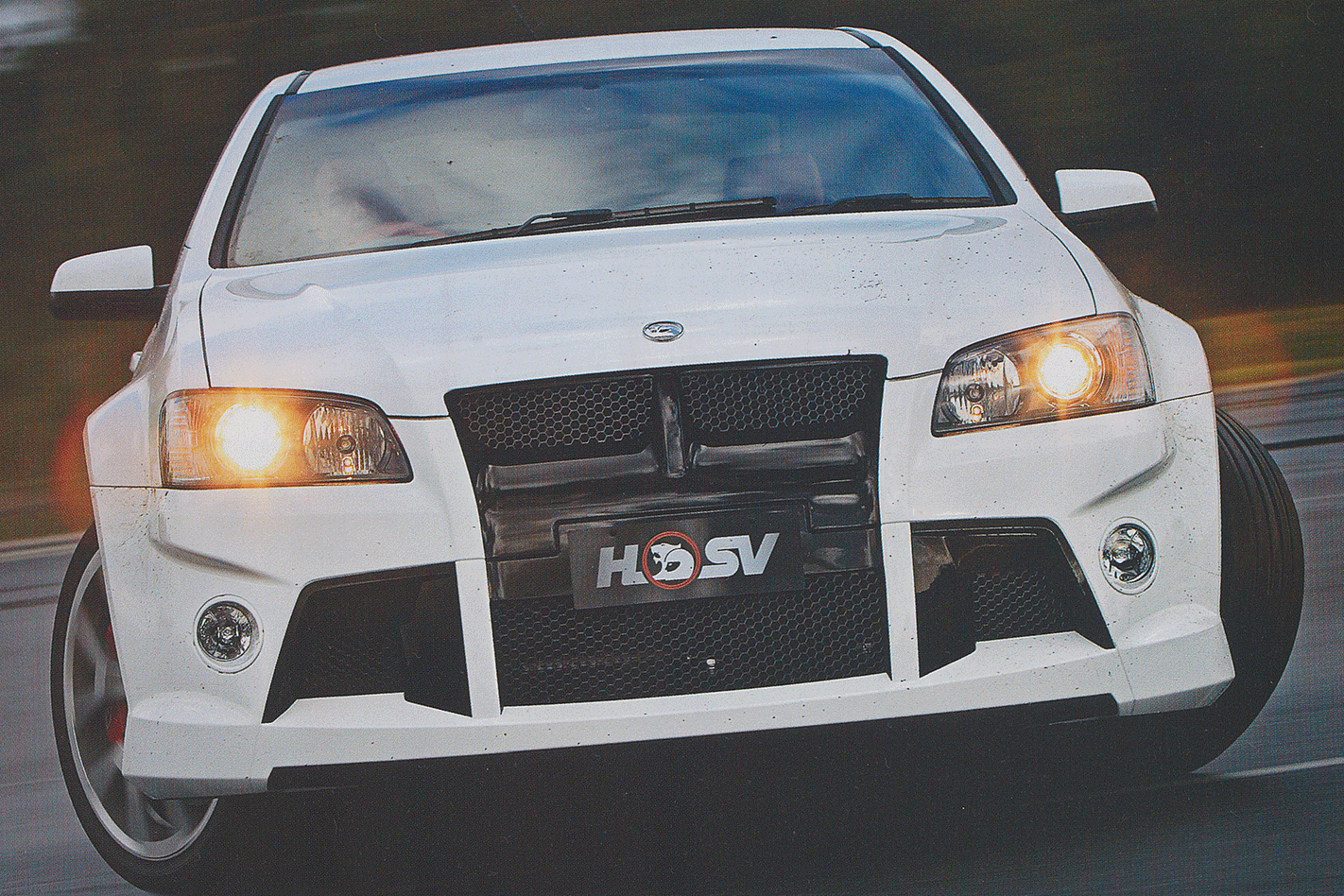
THE DAY is way too cold for sweaty palms, but I have a swarm of butterflies doing back-flips in my guts as I turn the key of the hulking white W427.
I’m about to become the first non-GM employee to drive it. Anticipation is balanced by fear, because wind and rain are sweeping off Bass Strait across Holden’s Lang Lang Proving Ground. The drying track is wet again, the tarmac is edged by grass and mud and I have 375kW and 640Nm of bellowing 7.0-litre V8 ready to set the rear wheels alight.
- 375kW 640Nm
- 0-100 4.7sec
- 7.0-litre V8
- $155,000
- W427
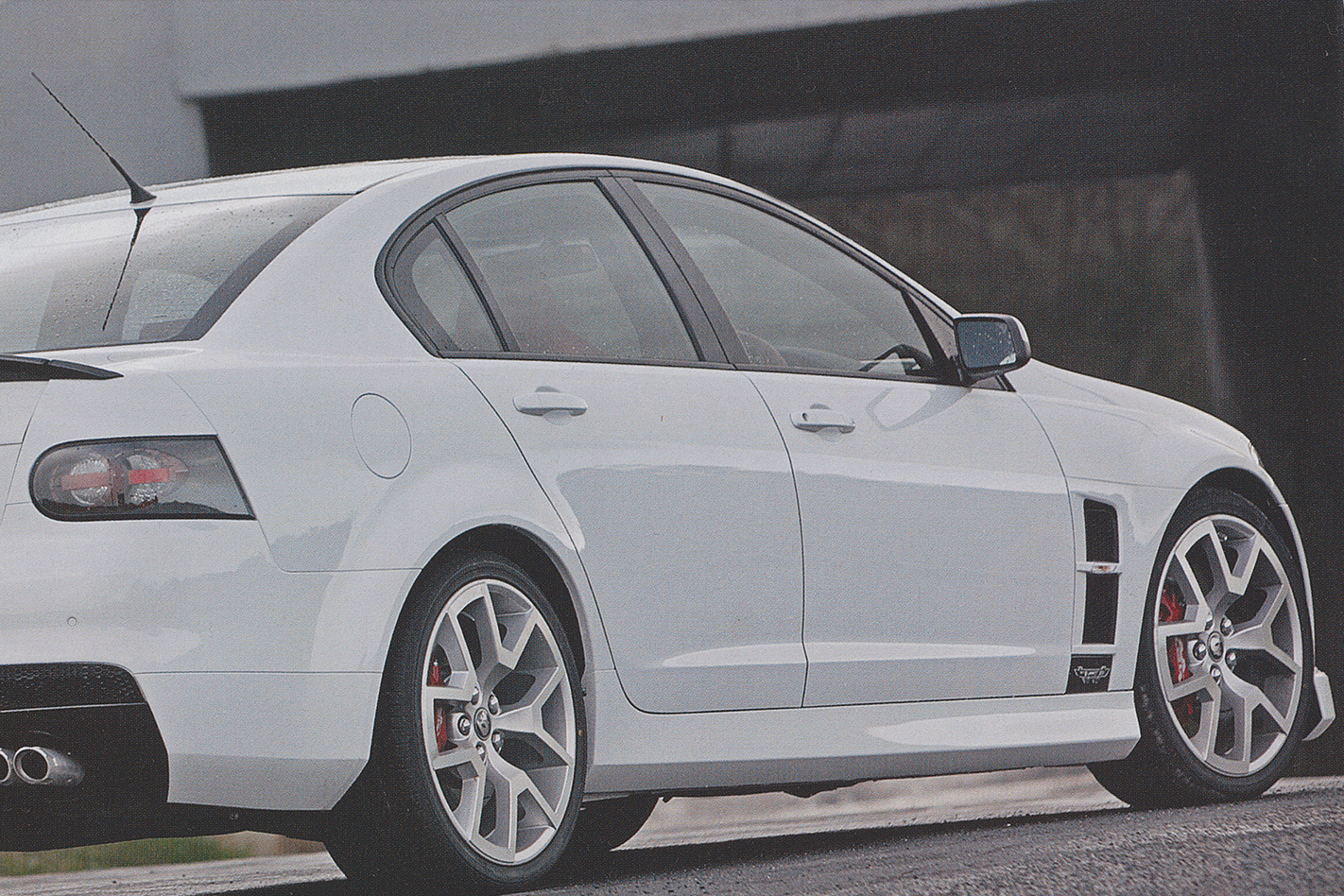
Well, no. Far from being just a heart transplant, the W427 program mushroomed into a full-blown development project that goes some way towards explaining the car’s $155,500 price tag. While customers dream about power and performance, they also want reliability and, being an HSV, the W427 had to carry a three-year and 100,000km warranty. There could be no short cuts: this car had to go like a V8 Supercar and hang together like a Camry.
In hardware terms, that meant the GM 6L80 six-speed auto used in other HSVs was out due to the project’s torque output of well over 600Nm. Even the usual manual transmission wasn’t deemed up to the job, so the engineering team (now led by Joel Stoddart after John Clark’s departure to Elfin) chose GM’s stronger TR6060 six-speed manual as used in the Corvette and also destined for the Commodore-based Pontiac G8. The clutch is a GM Powertrain LS7 unit with a new actuator to reduce pedal loads, and the differential has had parts shot-peened and lapped by hand.
Funnily enough, fitting the larger capacity engine into the VE’s engine bay was relatively easy. With the same external dimensions as the 6.2-litre LS3 and slightly less overall height due to the dry sump employed on the LS7, it slots straight in. But then there were the ancillaries, including the 10-litre oil reservoir for the dry sump, which is a tall, alloy tank full of internal baffling that sits front and left in the engine bay, where the air induction system used to be. The new cold air induction comes over the top of the radiator (which has been reclined slightly to fit) and forms the shortest possible path to air cleaner and, ultimately, the engine’s top end.
The exhaust has ceramic-coated, four-into-one extractors to replace the Corvette Z06’s more compact cast units, which then feed into three-inch and then 2.75-inch dual pipes, compared with the Clubsport and GTS’s 2.25-inch system. The rear mufflers are described as ‘active bi-modal’, with vacuum-operated valves to re-route high-speed gasses to better manage gas flow. And, yes, to deliver an especially blood-curdling V8 roar on full throttle while still passing drive-by noise regulations.
That’s far from the end of the engineering story, however. The chassis and associated systems needed an upgrade commensurate with the envisaged speed potential. So the front brakes are all new, with 380mm diameter, fully floating, two-piece rotors and six-piston calipers that give a 50 percent higher operational area for the high-friction pads. The 20-inch rims are unique and not just for cosmetic reasons; their outward bulge may not be kerb friendly, but it’s necessary to clear the new calipers.
The suspension has been totally revised, with spring rates up 30 percent compared with the GTS and the bushes in the rear that have been stiffened to reduce lateral wobble on turn-in and power-down. The adjustable magnetic dampers have been recalibrated – part of an ongoing development process by HSV as they explore the programmable potential of Magnetic Ride Control (MRC) – to suit the new suspension settings that includes a 20mm lower ride height.
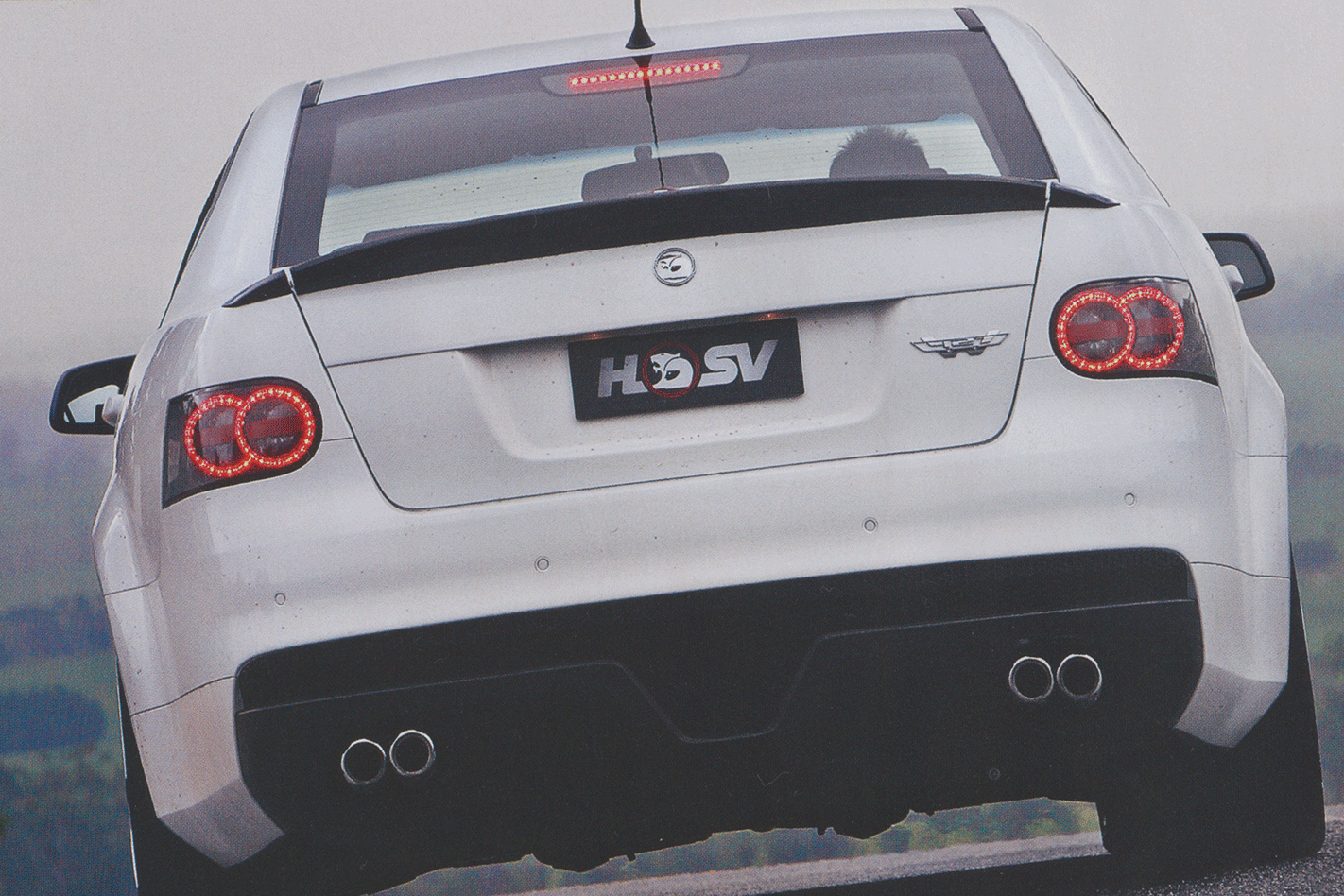
For such a big capacity engine, it loves to rev. Almost unbelievably, it keeps on producing oceans of horsepower as it scales the tachometer. Where the LS3 (and the LS2 before it) are running well out of puff by the 6000rpm mark, the W427 is finding extra lung capacity and surging hard towards the next upshift with a gruff yet voluble exhaust bellow that would do Garth Tander’s race mount proud. Exiting Lang Lang’s high-speed series of esses onto the ride and handling circuit’s back straight (on my way to that slippery, high-speed left hander) I see 180km/h before popping fourth and dabbing the brakes. Few cars can gather speed like that.
Traction is obviously a problem, whether it’s during standing start acceleration or exiting a corner on anything other than the grippiest of surfaces. HSV has retained the Bridgestone Potenza 275/30R20 rear tyres used on the GTS, and it’s all too easy to light them up from standstill with more than 2000rpm on the tacho, or when grabbing second or even third for that matter. So while it takes about 1.4 seconds to hit 30kmlh, the next 70kmlh (including shift time) arrive in just another 3.3 seconds. Onwards, and pace gathers relentlessly until the 400 metre line is crossed in 12.8 seconds, at 184km/h.
Despite the obvious tendency for the tail to go wide under power, there’s surprising balance and delicacy to the handling. The peripherals that come with the bigger engine only add about 10kg to the front of the car and overall weight is only 29kg more than the 1845kg GTS, yet the suspension mods seems to have worked. The W427 turns in without a trace of understeer, inviting an early throttle application, and then it’s up to the driver’s right foot to dictate just how far the tail swings around. Certainly, the stiffer rear bushes negate any body movement so the response to power-down is quick and relatively predictable.
It’s probably worth noting, too, that the ESP has been recalibrated and allows a fair degree of slip angle before bringing things evenly into line. So there’s fun to be had without switching off the electronics and that’s a very good thing: too much enthusiasm and not enough skill in this car could spell big trouble.
Countering the W427’s more bestial tendencies are better than acceptable levels of refinement. The clutch pedal is light, even if the take-up is a little sharp, but then with all that torque it takes a certain amount of ham-fistedness to actually stall. The engine is quiet enough on light throttle openings with no aggravating drone or boom, and the ride is surprisingly supple with the MRC set to normal mode, and significantly firmer, yet not harsh, on the ‘track’ setting.
I managed to wrong-slot the six-speed a couple of times, grabbing fifth instead of third (and thankfully not the other way round) but with a concession to how busy I was at the time, I’d guess that anyone who can drive a manual would have no problems with this car in the majority of driving. And there’s even better rearward visibility than a GTS, past the smaller rear spoiler.
But really, it’s difficult not to prod the W427 into its dominant personality trait, which is all Mr Hyde. If guts and thunder are what you’re after then nothing comes close to the sheer performance spread, noise and attitude, all arriving with four-door liveability. The danger is that, with prices of old Aussie muscle cars currently through the roof, collectors will buy this car and store it. Drivers, though, will go out and have the time of their lives.
CHOOSING which Porsche to buy could be perceived as one heck of a first-world problem, but for owners who can’t make up their mind or who merely need very different cars for different circumstances, Porsche has a tailor-made solution.
Dubbed Porsche Passport, this scheme is being piloted in Atlanta and offers subscribers on-demand access to Porsche cars. The service, a collaboration between Porsche Cars USA and Clutch Technologies, launches next month and offers two tiers of membership, “Launch” and “Accelerate.”
Launch is the entry-level service, priced at USD $2,000 a month, and its menu offers eight variants of the 718 Boxster, 718 Cayman, Macan and Cayenne to choose from. Upgrade to the Accelerate tier and the asking price steps up to USD$3,000 per month, but comprises a wide choice of 22 variants including the aforementioned models as well as the 911 and the Panamera.
Whether this appears a good deal when a base-model 718 Cayman can be leased in the US from as little as USD$648 a month (36 months with a 10 percent down payment and a 15,000 mile-per-year mileage cap) is open to question. Apply the numbers to an entry-level 911 Carrera 2 and it’d tot up to $1,152.
It pays to compare eggs with eggs though. Porsche Passport not only includes access to the cars, but also covers insurance and taxes. Maintenance is also covered by the fee, and Porsche will also undertake cleaning and delivery. Members can switch their cars as often as they want via a smartphone app, and there are no mileage caps whatsoever.
It makes sense for a high-usage owner who might conceivably own a 911 and a Panamera, but who would prefer the convenience of switching as required and who might also enjoy the flexibility in trying different models if they tend to get bored easily.
Prospective members will need to pay a USD$500 one-off activation fee, and membership is subject to background and credit checks. The results of this pilot will determine whether this service will be extended country-wide in the US and, conceivably, to Australian metropolitan areas.
AUDI ON DEMAND
Those looking for a pay-as-you-go scheme that’s likely to launch here before Porsche Passport might well be tempted by the Audi On Demand service. This ought to be operational here by 2020 and rather than being a subscription-based buffet, it’ll be a hugely-flexible factory-backed rental system, driven from a smartphone app. Audi uber alles, if you like.
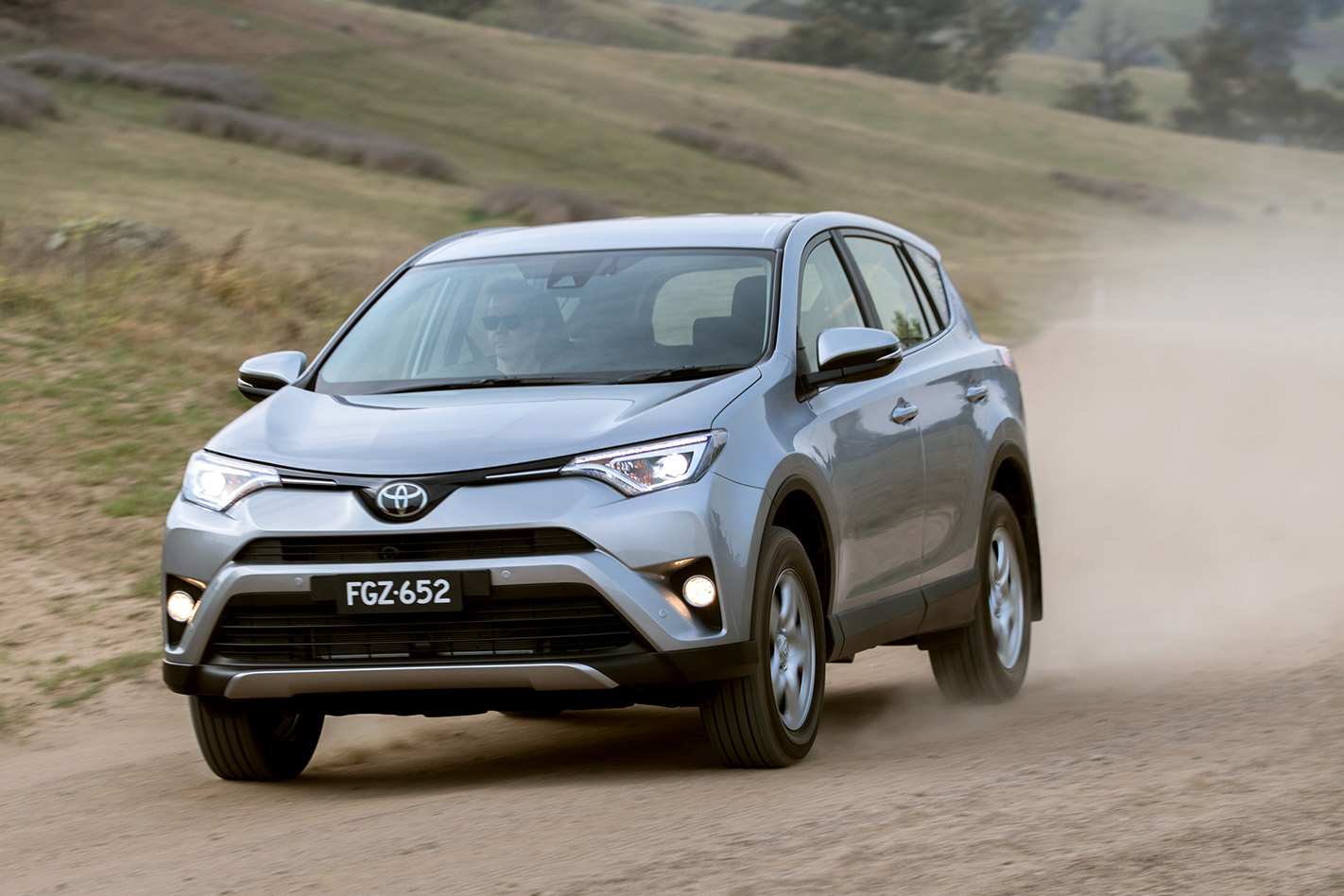
Navigation and camera-based active safety technology including automatic emergency braking has been added to the list of standard specification across the entire Toyota RAV4 range.
The 2018 model year update upgrades the entry-level GX, and GXL with a safety pack previously exclusive to the range-topping Cruiser, including a pre-collision system, autonomous emergency braking, lane-departure alert, active cruise control and automatic high beam.
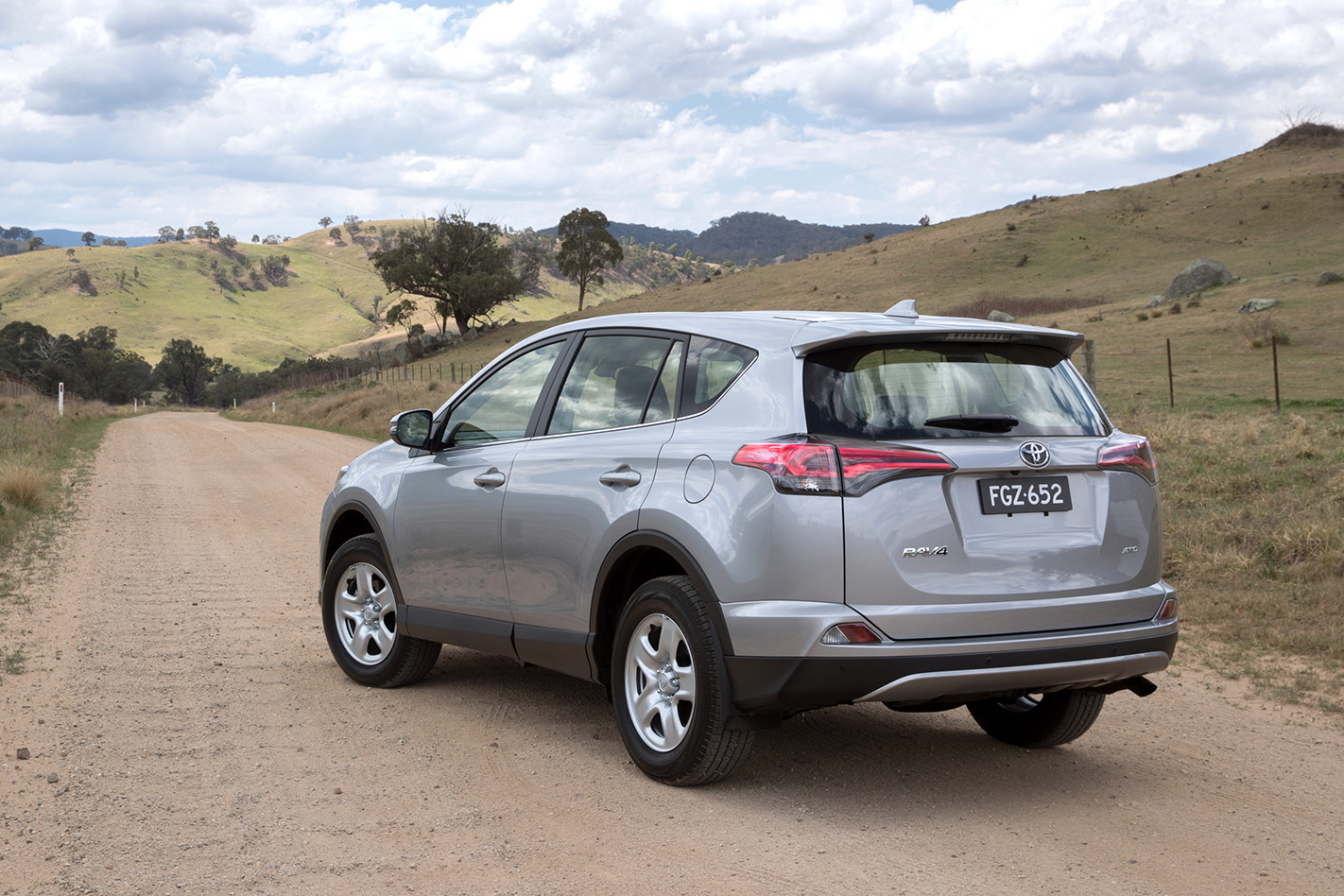
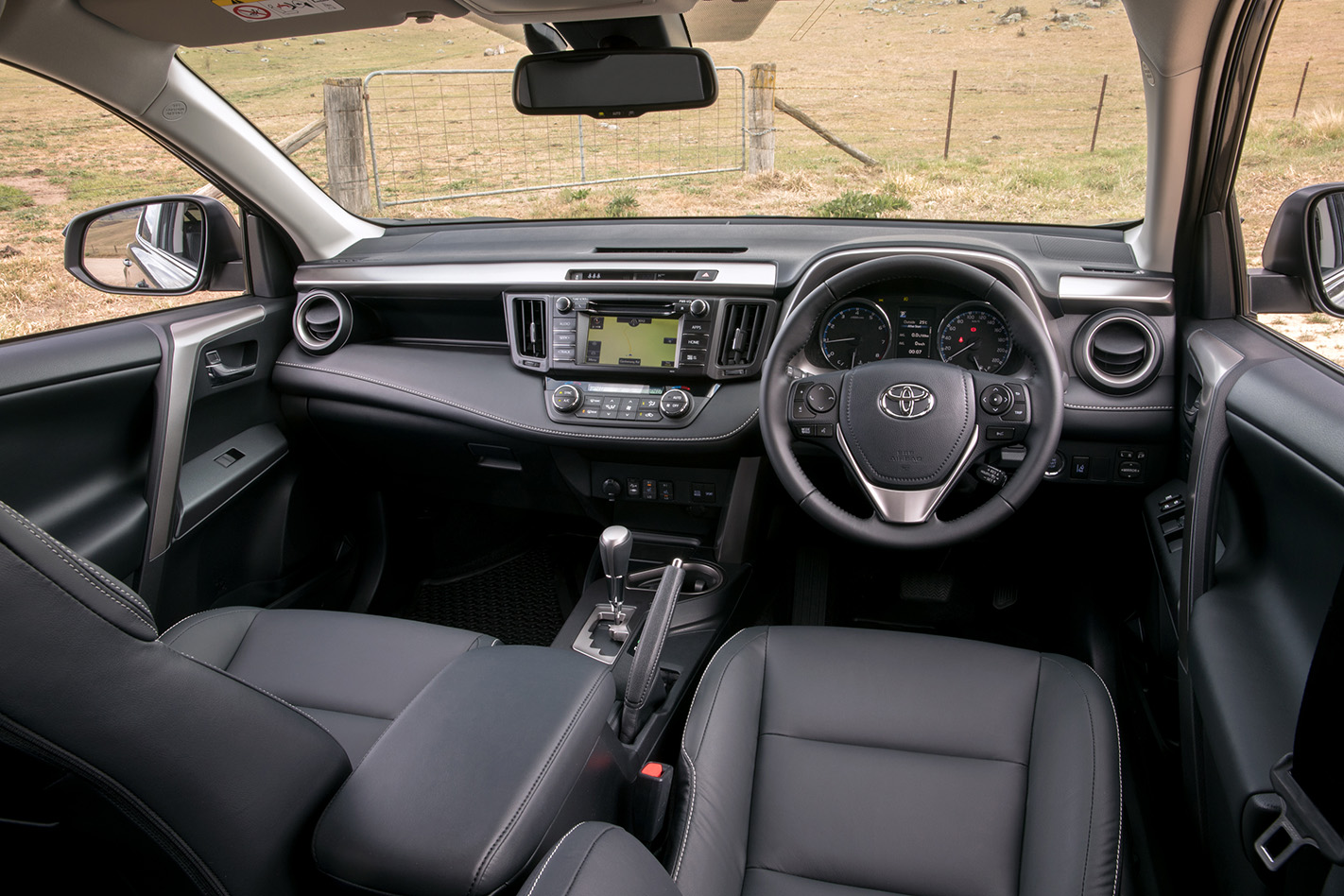
GLX versions also gain blind spot monitor and rear cross traffic that was previously fitted to the Cruiser only. There’s also a $2500 premium interior option for the GXL that adds 10-way adjustable power-operated leather-trimmed driver’s seat with two-position memory and front seat heaters.
2018 Toyota RAV4 pricing
- RAV4 GX, petrol FWD manual – $29,450
- RAV4 GX, petrol FWD auto – $31,490
- RAV4 GX, petrol AWD auto – $34,490
- RAV4 GX, diesel AWD manual – $39,060
- RAV4 GX, diesel AWD auto – $41,100
- RAV4 GXL, petrol FWD auto – $31,490
- RAV4 GXL, petrol AWD auto – $38,490
- RAV4 GXL, diesel AWD auto – $45,125
- RAV4 Cruiser, petrol, AWD, auto – $44,490
- RAV4 Cruiser, diesel, AWD, auto – $50,500
Porsche has created a subscription service, starting next month, which allows its members to access a range of cars on demand.
It’s called Porsche Passport and so far it’s only available in Atlanta, Georgia, where Porsche Cars North America is headquartered.
Porsche Passport will offer “frequent vehicle exchanges, unrestricted mileage, and on-demand access for up to 22 different Porsche models,” Porsche says.
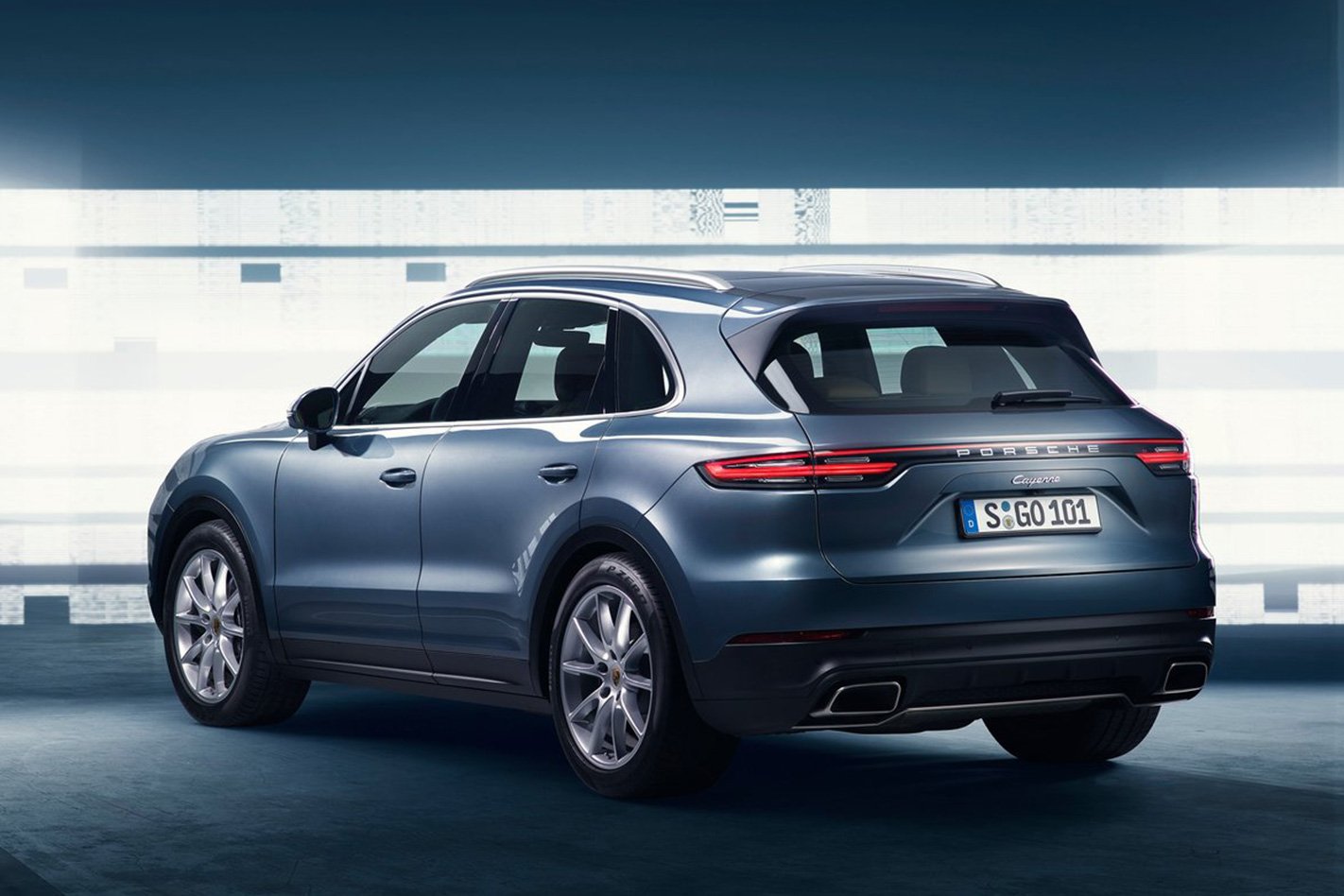
That’s the entry-level package, and it costs $2000 a month. It’s not quite Netflix-cheap.
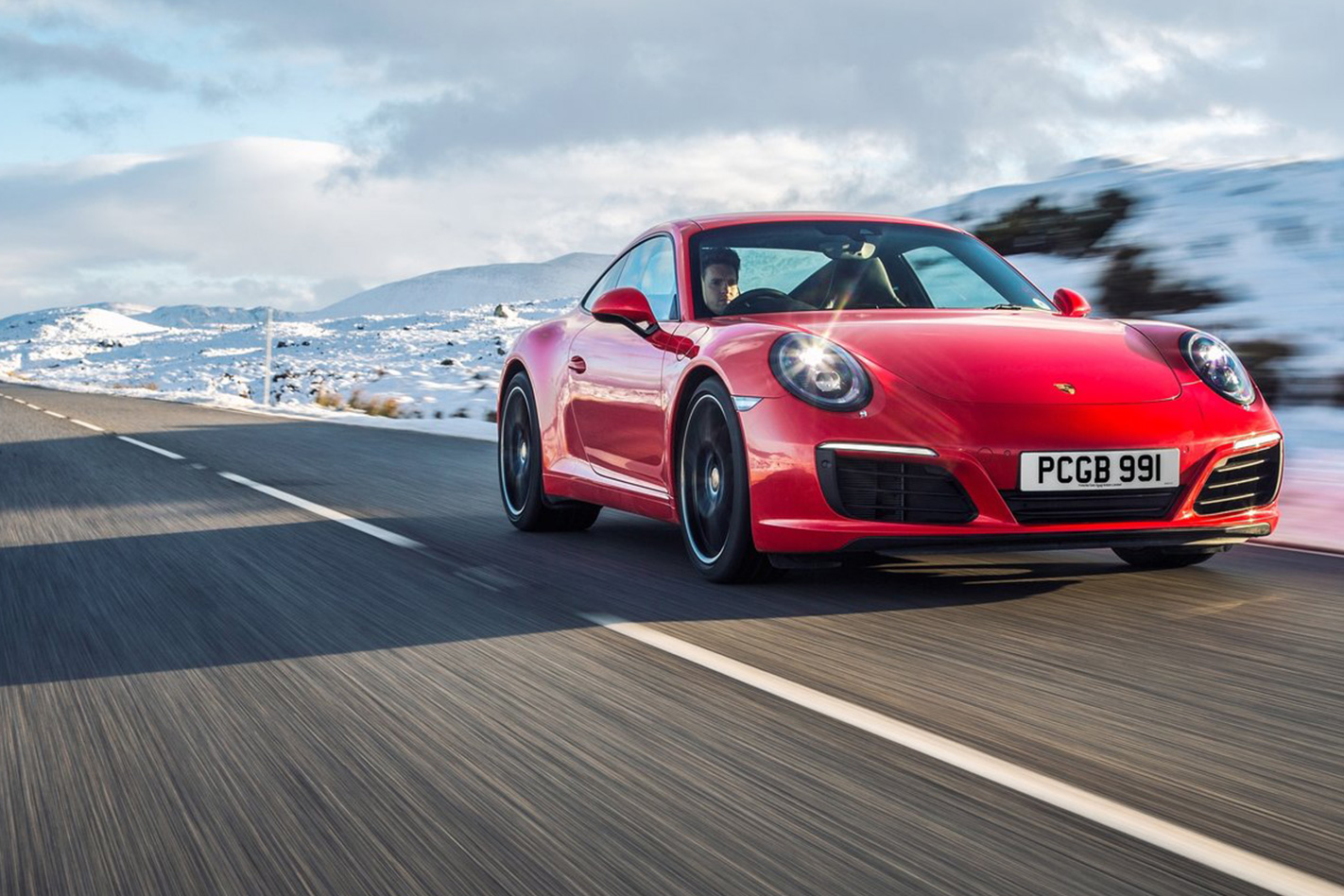
Or, for an extra $1000 per month, subscribers can access 22 vehicles with the models such as the 911 Carrera S, the Panamera 4S sports sedan, the Macan GTS and Cayenne S E-Hybrid brought into the options list.
But this isn’t the only service of its kind. A little closer to home, and a little more accessible, is the Holden version of this service, called Maven.
First available in Melbourne and Sydney, Maven is expanding to Adelaide, Brisbane and the Gold Coast. It allows users to access a range of Holdens with fees starting at a much easier to swallow $215 per week.
With the Lamborghini Urus on the cusp of its official debut this year, the people behind the Raging Bull have decided to remind the world that this isn’t its first time at the SUV rodeo.
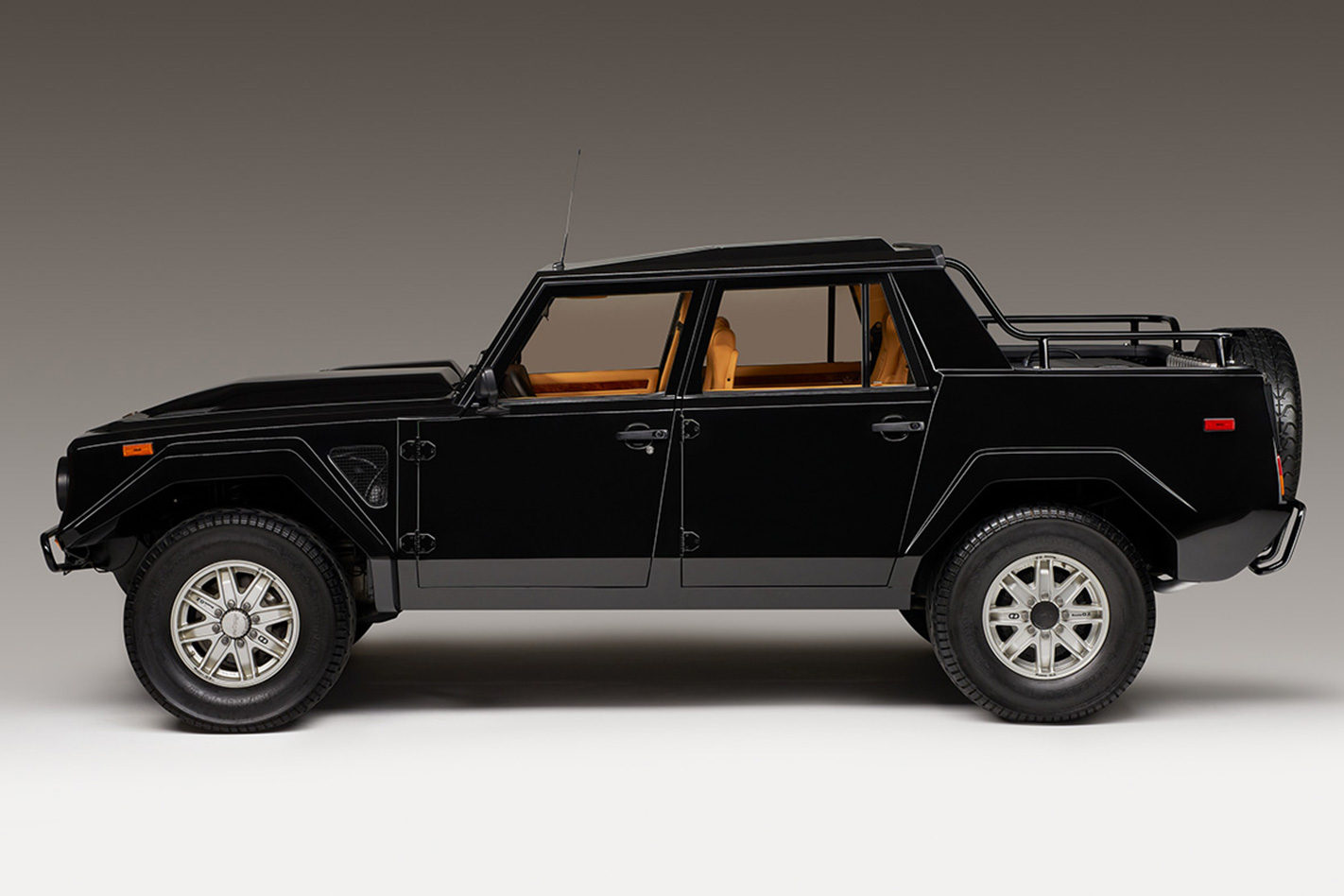
About 30 years ago, in 1986, the Lamborghini LM002 was revealed to the world, in all its V12 glory.
But the project started long before that.
Originally developed in the ‘70s as a project to create a high-performance off-roader for the military (then called the Cheetah, pictured below), the project was picked up again in 1981 by Lamborghini engineer Giulio Alfieri.
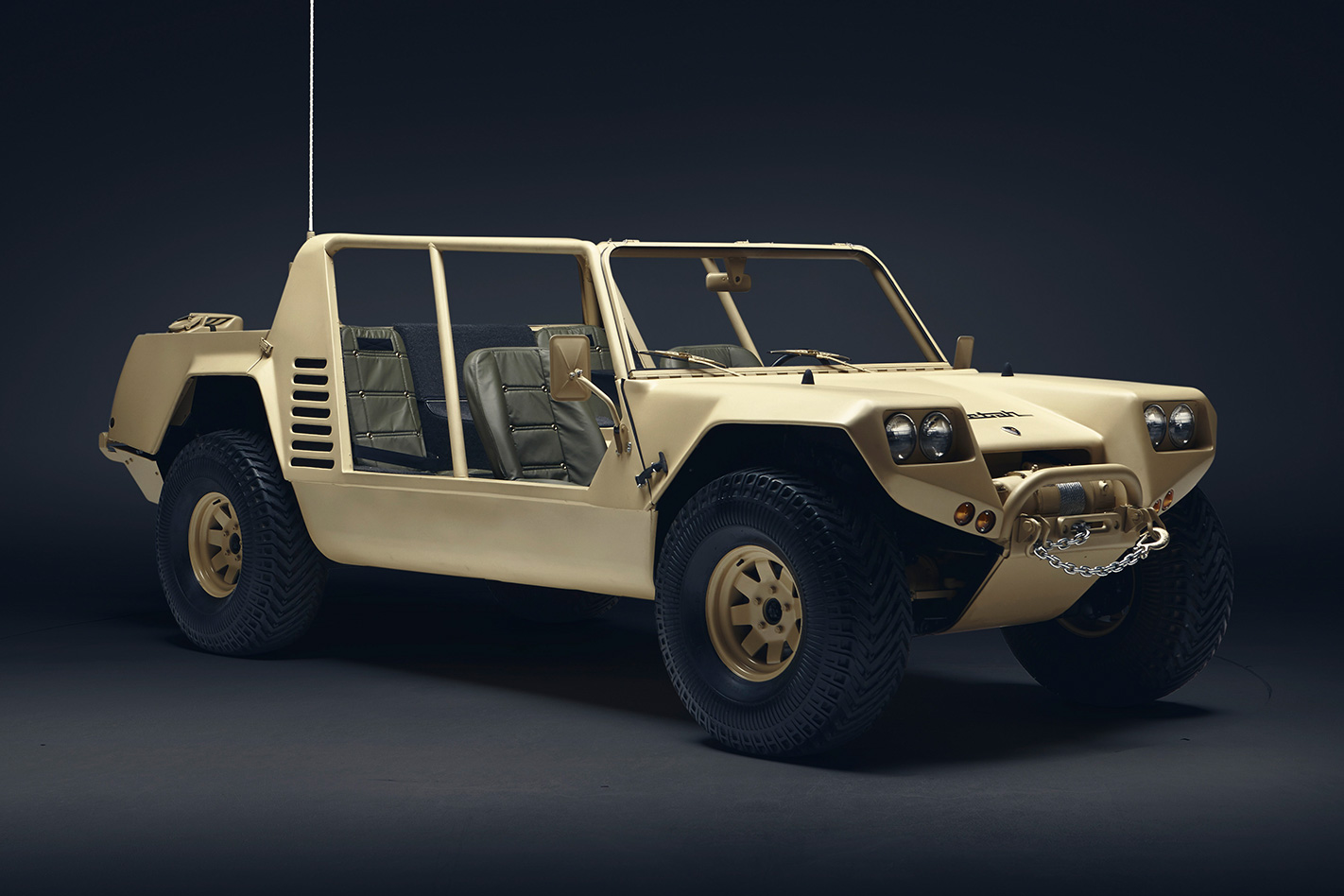
Finally, the LM002 came about with all the ingredients as we know them today. The V12 engine from the Lamborghini Countach, an aluminium and fiberglass body, and four-wheel drive.
Lamborghini says the LM002 is able to climb 120 per cent gradients, or slopes of about 50 degrees.
“Reaching speeds of more than 200km/h, the LM002 was equipped with specially-developed Pirelli Scorpion tyres, allowing ‘floating’ capabilities across soft surfaces such as sand, and highly durable in hot conditions,” Lamborghini states.
“Then the semi- assembled parts were shipped to Sant’Agata Bolognese for completion with the powertrain, mechanical parts, finishing, testing and delivery.
“A luxurious interior matching the individual needs of the customer completed the LM 002.”
Between 1986 and 1992, 300 units of the LM002 were built, and one still remains with Lamborghini in its heritage collection. A trip out of the museum has resulted in the videos and photographs you see here.
