
AN ALL new Audi RS4 Avant is upon us, bringing with it 331kW and 600Nm of twin-turbo V6 power.
This is the fourth generation for Audi’s RS4 family, and harks back to the legendary RS2 estate.
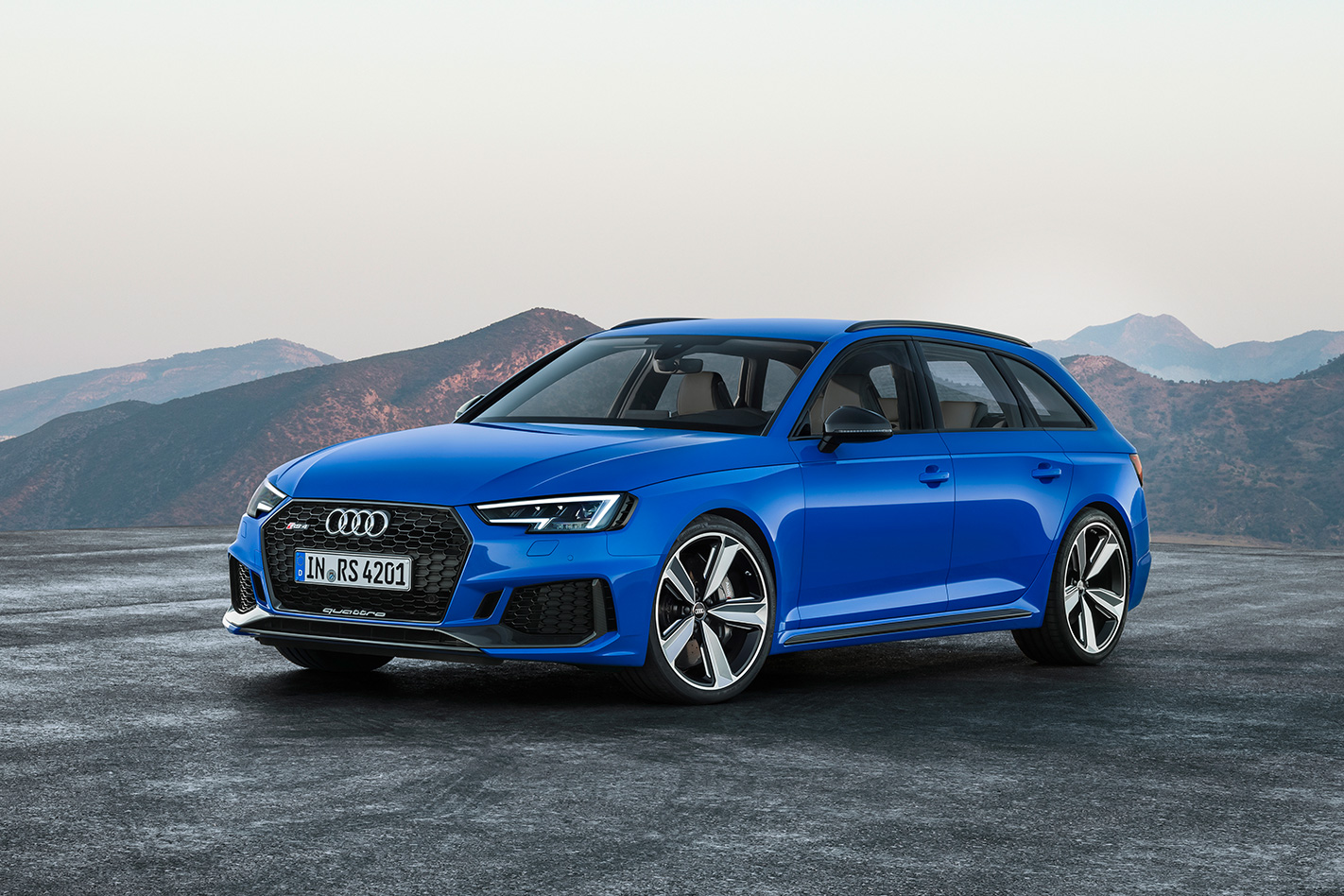
Gone is the old 4.2-litre naturally-aspirated V8 of the previous generation. In its place is a 2.9-litre twin-turbo V6, which has the same power figure as the old model, but with 170Nm more torque.
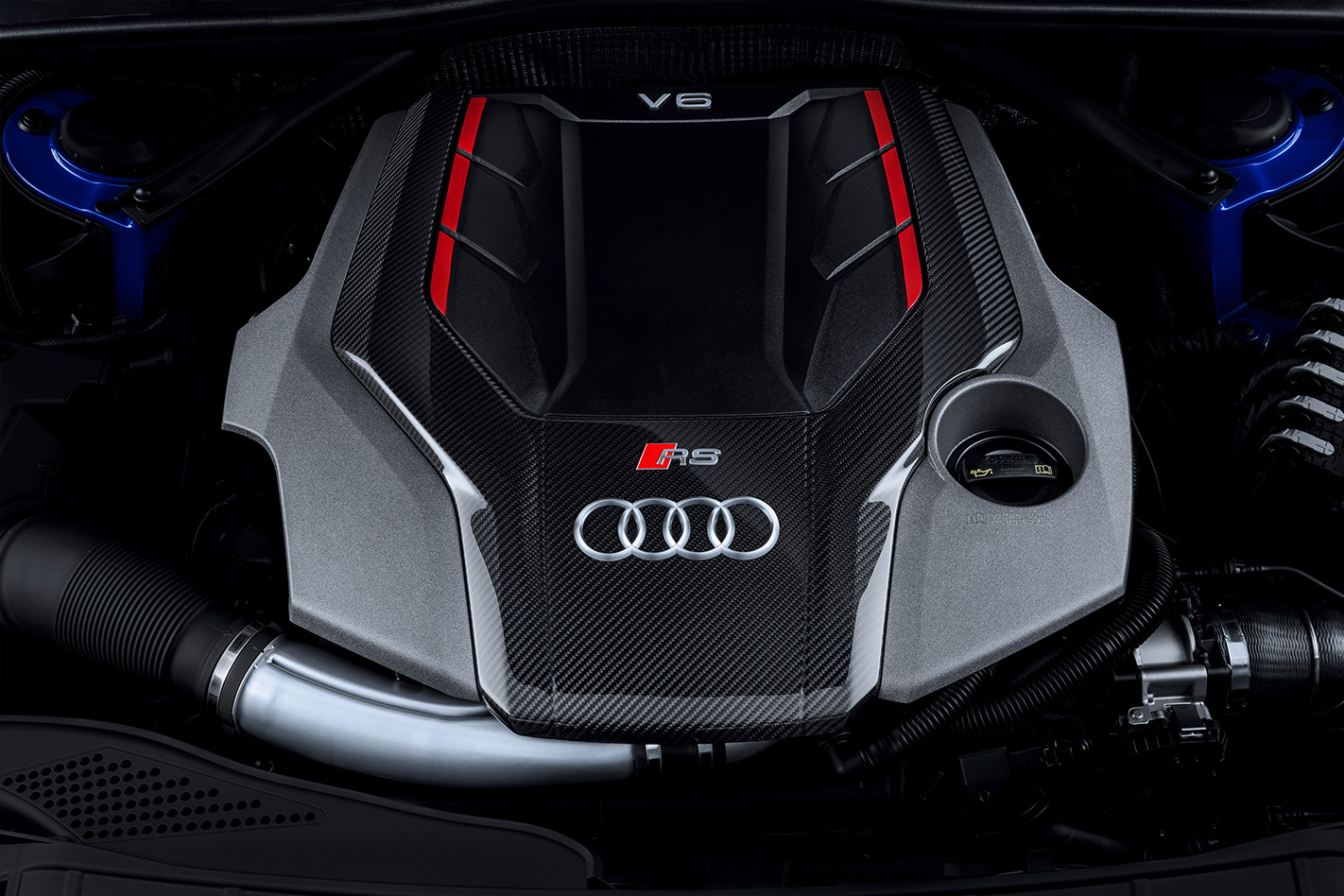
As is traditional with RS models, power is sent to all four wheels via Audi’s Quattro system, this time through an eight-speed tiptronic gearbox.
The 0-100km/h sprint has been slashed to 4.1sec, with a claimed top speed of 250km/h, which can be increased to 280km/h with the optional RS dynamic package fitted.
Not only has the RS4 Avant been building muscle, it also lost weight, tipping the scales at 1790kg, 80kg less than the previous generation revealed in 2012 at Frankfurt.
Audi claims the RS4 will sip fuel at an average of 8.8L/100km.
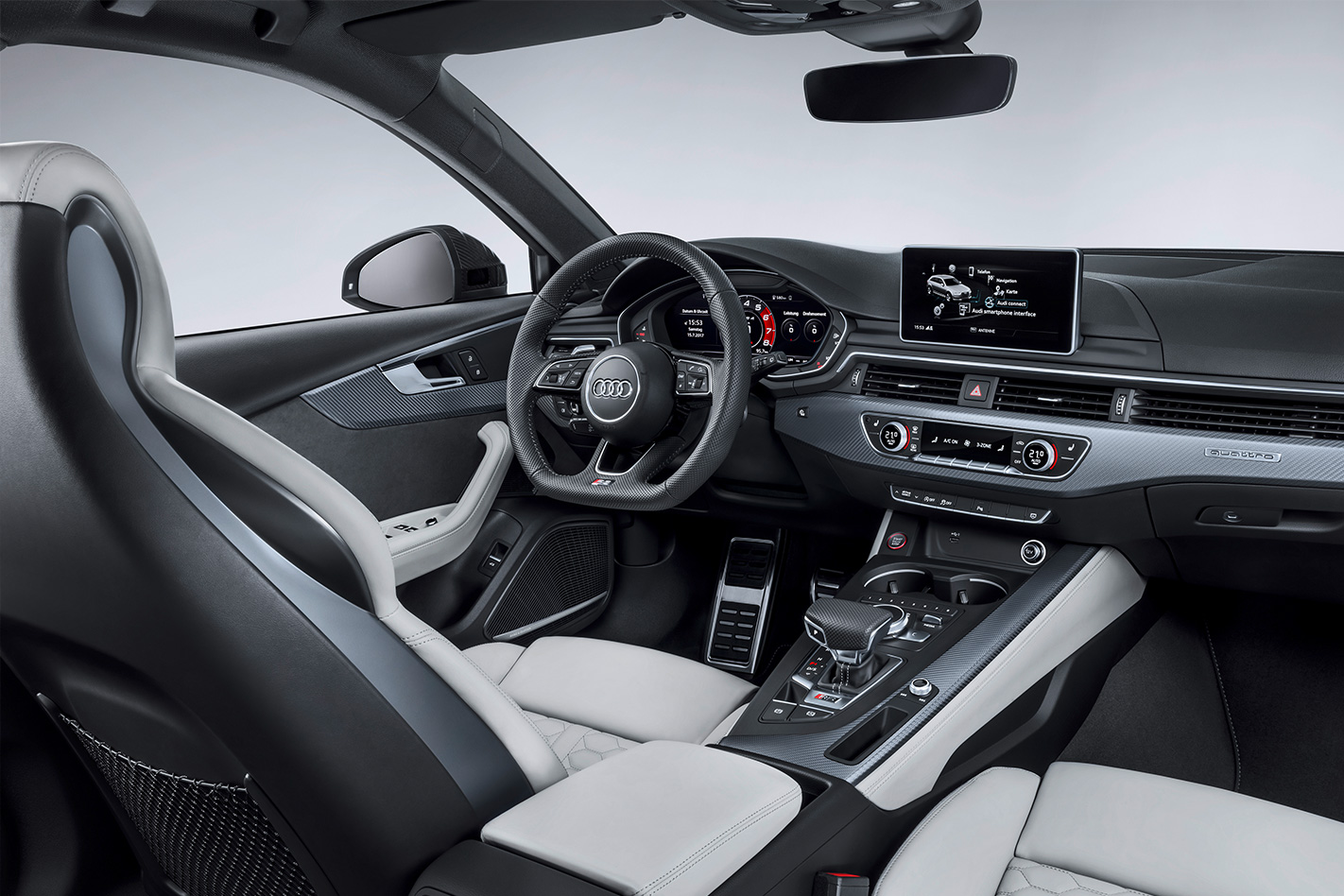
Inside the cabin there is RS sport seats, Audi’s virtual cockpit, and plenty of badging to remind you that this is the big daddy of the A4 family.
“In common with all our RS models, it blends immense power output with superlative everyday utility.”
Orders for the RS4 will open soon in Europe, with deliveries expected at the start of next year. Its base price overseas is $119,000.
There have been some truly momentous Alfa Romeos in the past thirty years. But not one of them was ever as good as it should have been.
Why? Front-wheel drive, that’s why. We’re not saying that a tail-dragger can’t be a great thing (drive a Megane Trophy and you’ll know what we mean) but, dammit, Alfas were born to be rear-drive.
So you can see why the world was taking notice when the wraps came off a car that Alfa reckoned was going to take on the mainstream Germans at a stroke; the Giulia Veloce, complete with rear-wheel drive. Is that the whole Giulia Veloce story, though? Of course not, and enough of the intellectualising; what’s the Veloce like when it comes to the BFYB acid test?
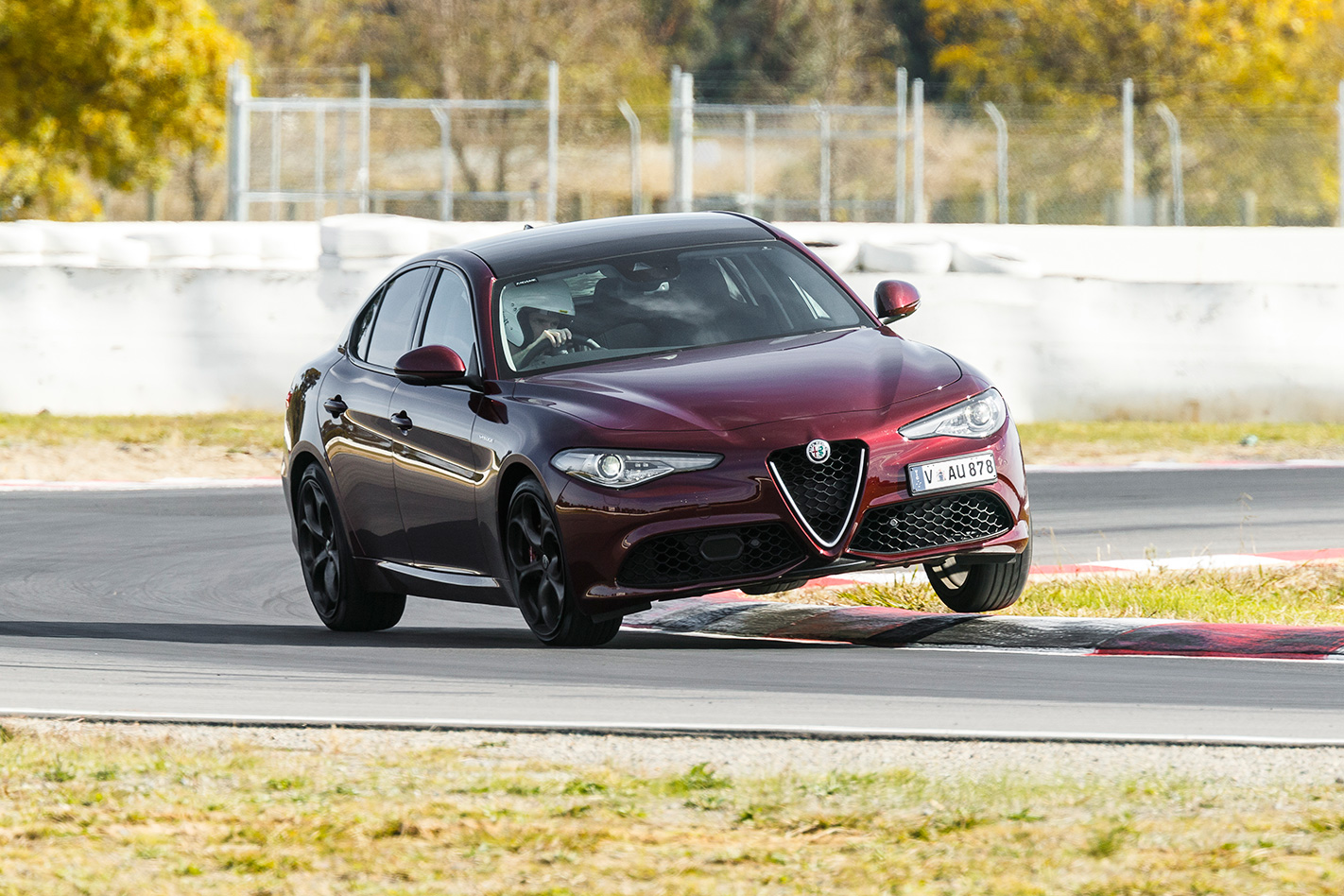
The Veloce didn’t suffer too badly in slower stuff, but the too-soft set-up really played against it in faster corners where it just couldn’t carry the momentum of pretty much anything else here. You can see the numbers for yourself, but what they don’t show is that the Alfa just didn’t feel comfortable being flogged.
Funnily enough, though, there was no lack of straight-line pace and a 13.92 is proof. Nought to 100 in less than six isn’t suggestive of a straggler, either. More than that, though, the tweaked two-litre engine in the Veloce sounded and felt like it wanted you to be forceful.
The eight-speed auto didn’t hinder it and the bonus of those ratios is that the early ones can be quite short, which keeps the thing on the boil more of the time. That said, I reckon the engine could have used an extra 1000rpm or so at the top end, but clearly, it’s been tuned for midrange rather than stretching things out between turns nine and 10 at Winton.
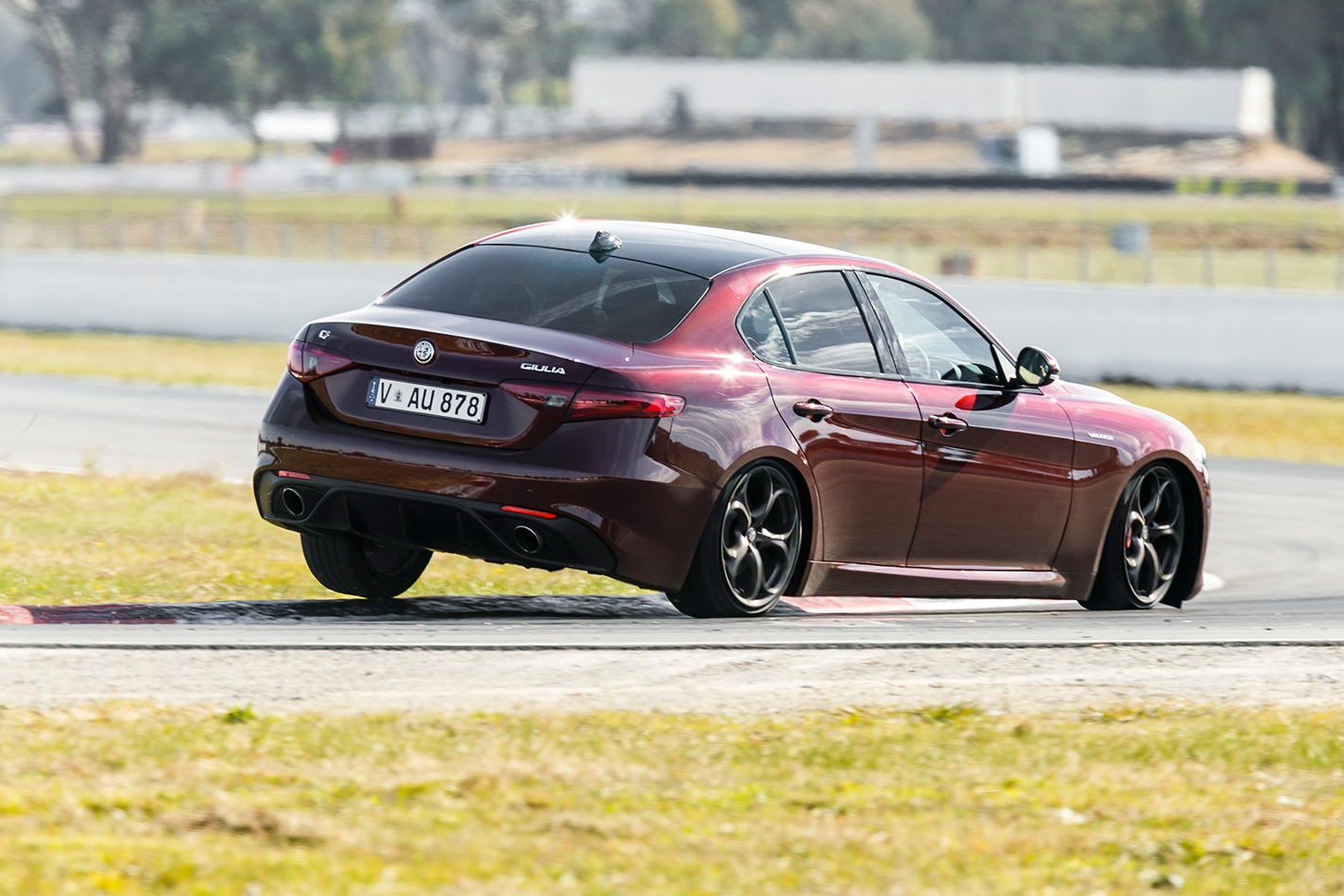
Look, the Veloce is certain to shine on-road and that makes sense given its design brief, but if occasional track duty isn’t on-brand for Alfa Romeo, I don’t know what is. I mean, if we’re talking core values…
Specs: Engine: 1995cc inline-4cyl, DOHC, 16v, turbo Power: 206kW @ 5250rpm Torque: 400Nm @ 2250rpm Weight: 1526kg
Times 0-100km/h: 5.71sec (6th) 0-400m: 13.92sec @ 164.50km/h (6th) Lap Time: 1:43.8sec (7th)
Warren Luff says “It’s another car that’s very restricted by not being able to turn the stability and traction control all the way off… which hurts mid-corner and corner exit. Overall it’s not a bad car, it just lacks feel and it lacks substance. It’s a bit vague in the front end and it’s quite light in the steering so it doesn’t give you confidence. The engine’s got reasonable power and the brakes feel quite nice and I love the styling. As an everyday car there’s so many positives like the interior space and driving position.”
Judges notes David Morley – 8th: “Here’s a car I need to spend more time with… on the road” Dylan Campbell – 7th: “Lovely car, but what’s the point of a mechanical LSD with fixed ESP?” Louis Cordony – 6th: “Great chassis and looks but outdone in this company” Tim Robson – 6th: “Some overly sharp steering going on here – didn’t feel quite right”
The latest iteration from the inventor of the fast wagon genre is here – meet the new Audi RS4 Avant.
We’ve seen its mechanical package already, tucked underneath the equally new Audi RS5 coupe, but here’s a quick recap in case you missed it.
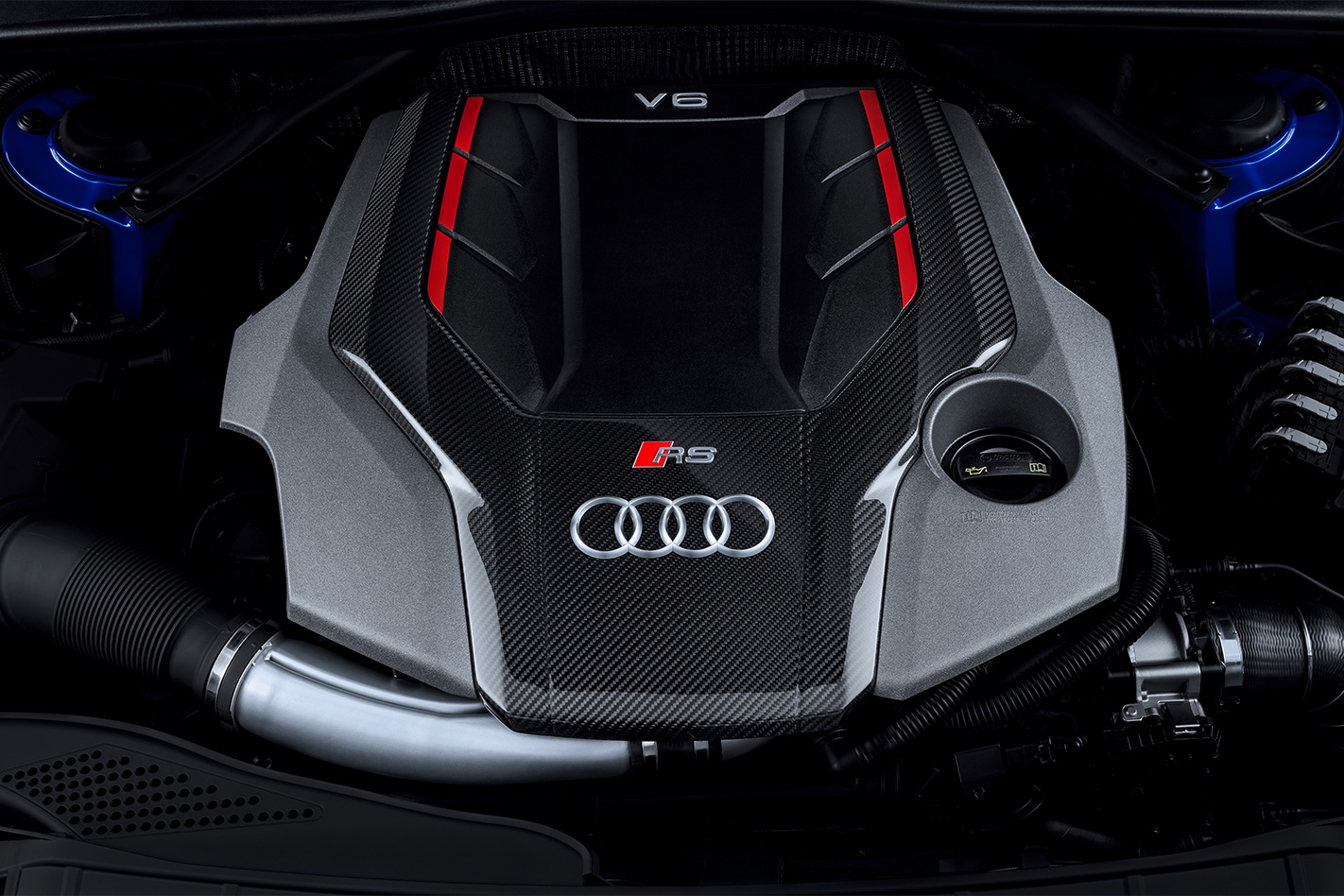
Under the bonnet is a 2.9-litre twin-turbo V6 developing 331kW/600Nm, the same power but a useful 170Nm increase in torque over the previous 4.2-litre naturally-aspirated V8 and delivered over a much wider range. Handy when it needs to shift 1790kg.
Wider tracks are covered by the trademark pumped guards – 30mm wider than a standard A4 Avant – while the standard RS4 suspension setup sits 7mm lower than the regular A4 sports setup.

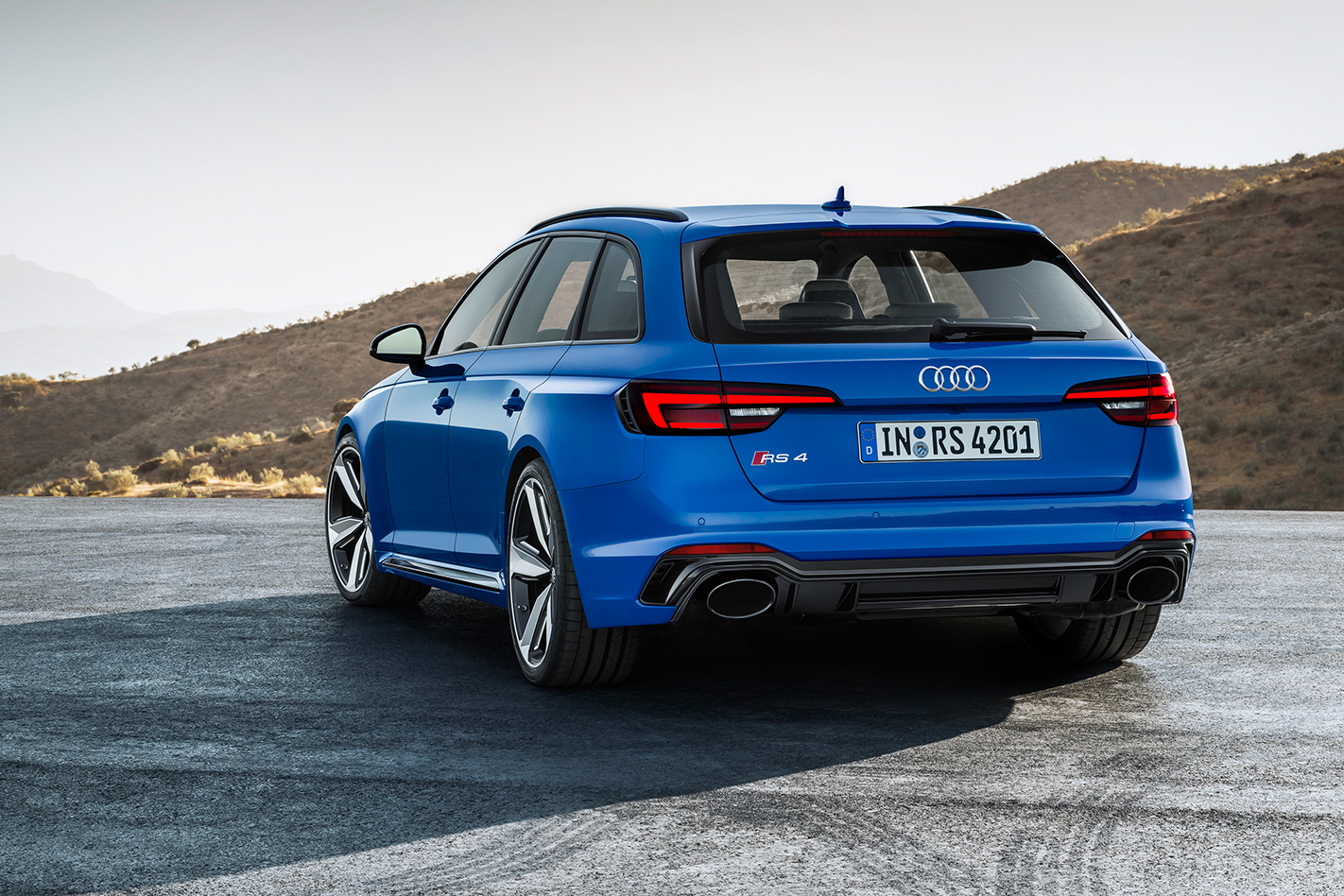
Inside there are sports seats, a flat-bottomed RS wheel along with Audi’s latest virtual cockpit instrument display. On the exterior the RS4 gains a rear diffuser, oval exhaust pipes and a rear spoiler, as well as the option of Nogaro Blue paintwork, a nod to colour of the original Audi RS2.

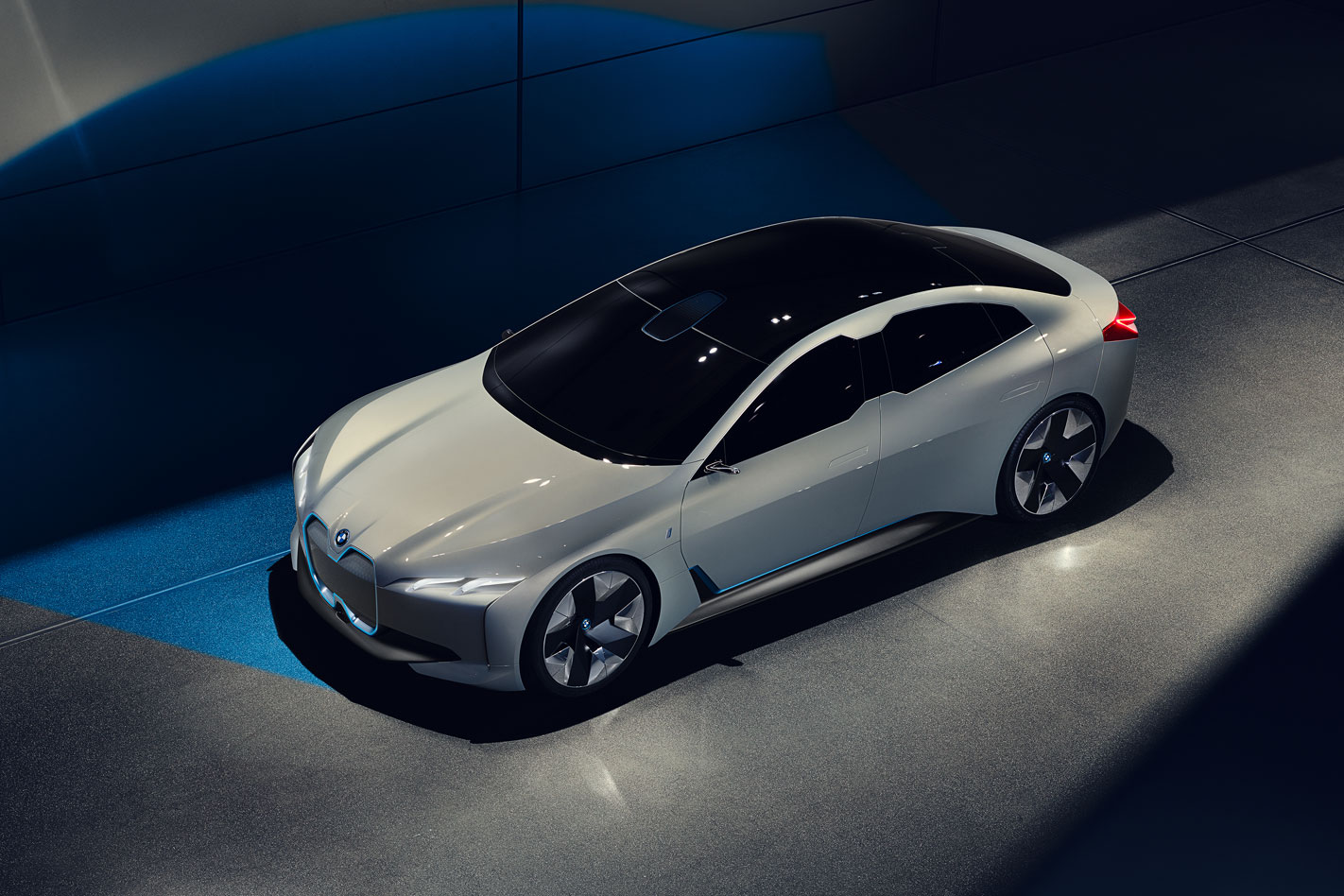
BMW laid down a marker at Frankfurt with its i Vision Dynamics four-door coupe EV, paving the way for a range that will comprise of 12 pure electric vehicles within the next seven years and another 25 with electrified drive systems.
The third pure EV in the Bavarian company’s portfolio, the i Vision Dynamics slots between the i3 city car and the i8 sports model, bringing a new design direction to Munich’s wares.
The car features a range of 600km, a top speed of more than 200km/h, and a 0-100km/h acceleration of four seconds. So while it’s not about to embarrass a Tesla Model S P100D at the lights, it’s certainly no sluggard.
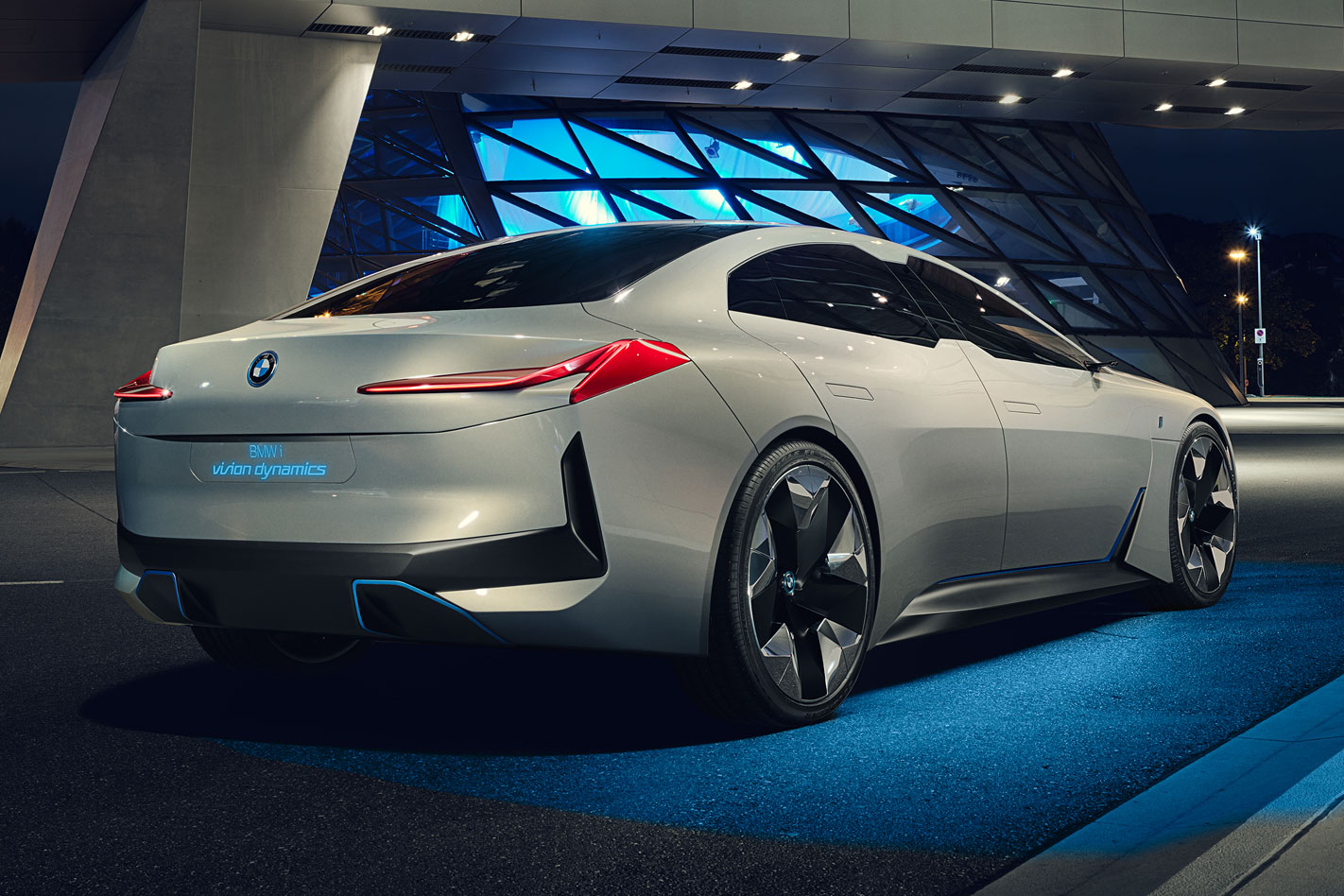
The vehicle is certainly distinctive, with a flowing roofline, full glass roof from windscreen to bootlid, and distinctive notched B-pillars, although the treatment of the traditional BMW kidney grille has divided opinion. The grille now features underlying sensors that are claimed to turn the kidneys into an “intelligence surface”. The headlights reprise the iconic four-eyed front end but now feature two freestanding LED elements on each side of the car’s heavily sculpted nose.
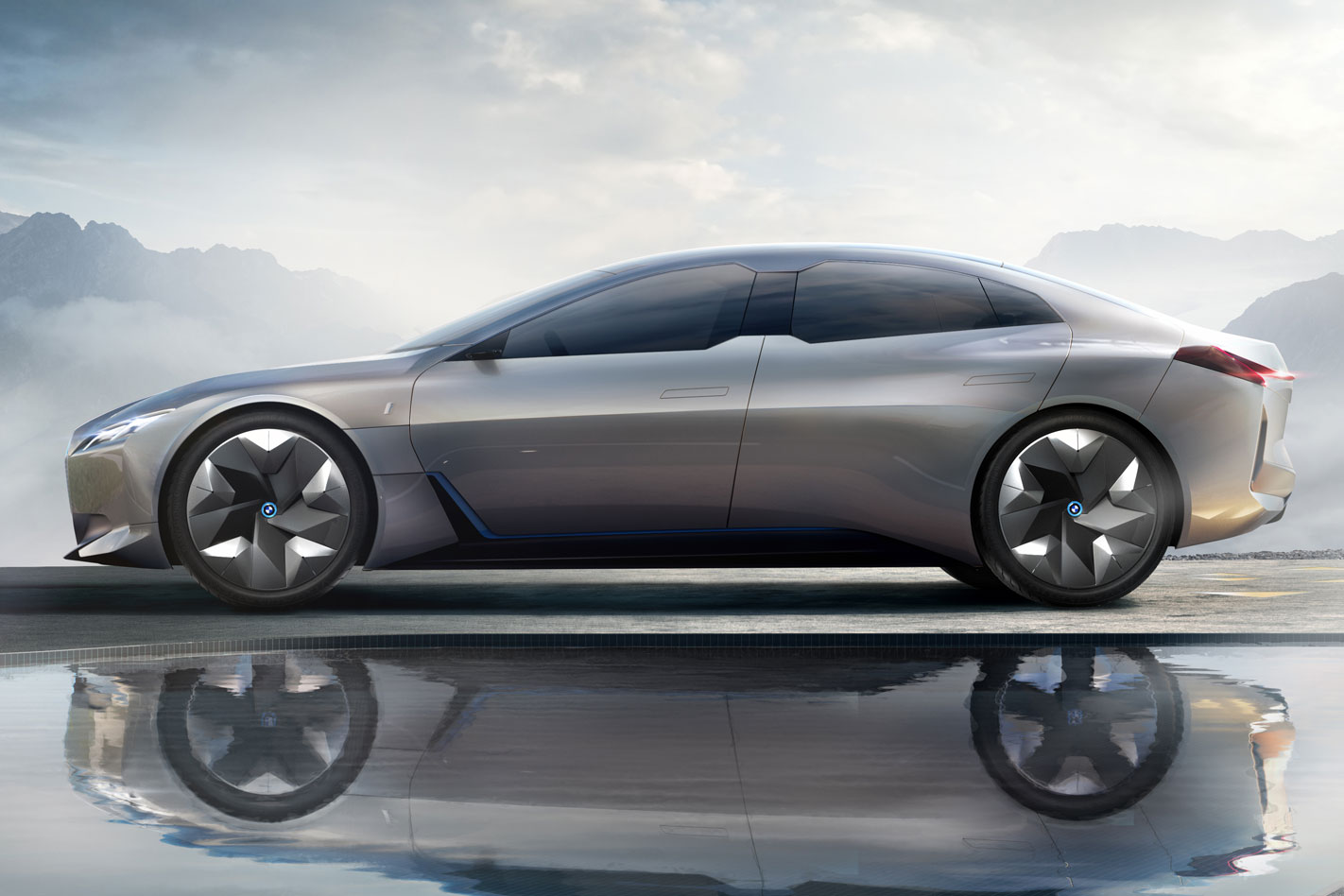
BMW chairman Harald Krüger described the i Vision Dynamics as a “significant milestone in BMW’s roadmap for e-mobility”. Stressing the desire to develop a workable case for production, he added, “It’s a vision we want to realise in the foreseeable future.”
The all-new Renault Sport Megane RS has been revealed at the Frankfurt Motor Show.
Pleasingly for enthusiasts, including the large Aussie contingent or Renault Sport enthusiasts, the new Megane RS does not depart as drastically from its iconic predecessor as the Clio RS did back in 2013.
Under the bonnet is a new 1.8-litre turbocharged four-cylinder, to be shared with the forthcoming Alpine A110. Despite the 200cc drop in capacity outputs increase to 205kW and 390Nm, fed through either a six-speed manual (hooray!) or six-speed dual-clutch transmission like that found in the Clio.
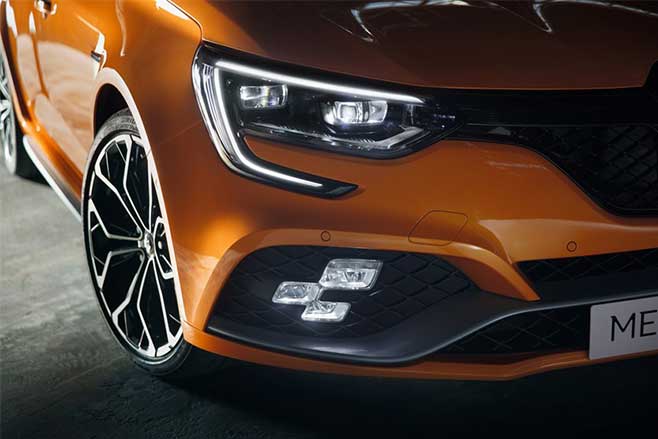
There are wider tracks front and rear covering either 18- or 19-inch wheels. Two chassis will be offered, Sport and a more focused Cup version, both with independent steering axis front suspension to reduce torque steer and hydraulic bump stops at all four corners.
All-wheel steering is also standard, however, sadly it appears that only cars equipped with the Cup chassis will come fitted with a Torsen mechanical limited-slip differential, a key feature of the previous-generation Megane RS.
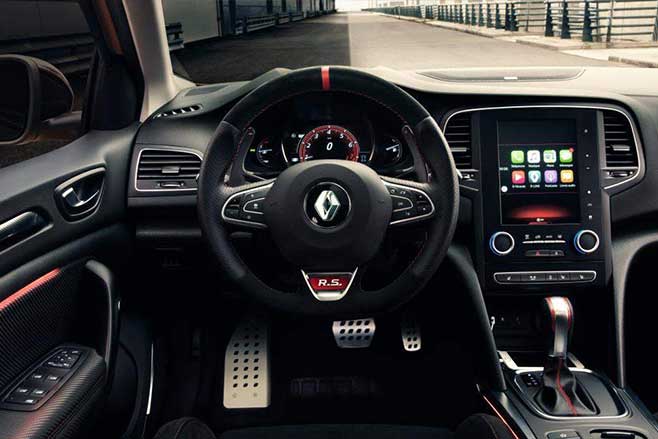
Unusually, Renault Sport has confirmed a 221kW/400Nm ‘Trophy’ version of the Megane RS to be released towards the end of 2018.
European order books open for the Megane RS in December 2017 with the first Australian cars expected in early 2018.
TOYOTA has presented the C-HR Hy-Power Concept at the Frankfurt motor show, previewing an expansion of the brand’s hybrid technology into performance applications of its core models.
Speaking to Wheels at the show, Toyota Europe CEO Johan van Zyl said, “in future our ambition is to provide all models with a choice of two hybrid powertrains.”
“One will provide additional benefits of efficiency and fuel economy like our current offering. The second will build on this and add more power and more driving dynamic character.
“The prospect of more powerful hybrid systems is part of the inspiration for the new Toyota C-HR Hy-Power design study.”
Toyota’s European design studio spearheaded the Hy-Power Concept’s development, which introduces adventurous colours and textures for the Toyota C-HR’s interior and exterior, intended to attract customers with ‘highly individual tastes’.
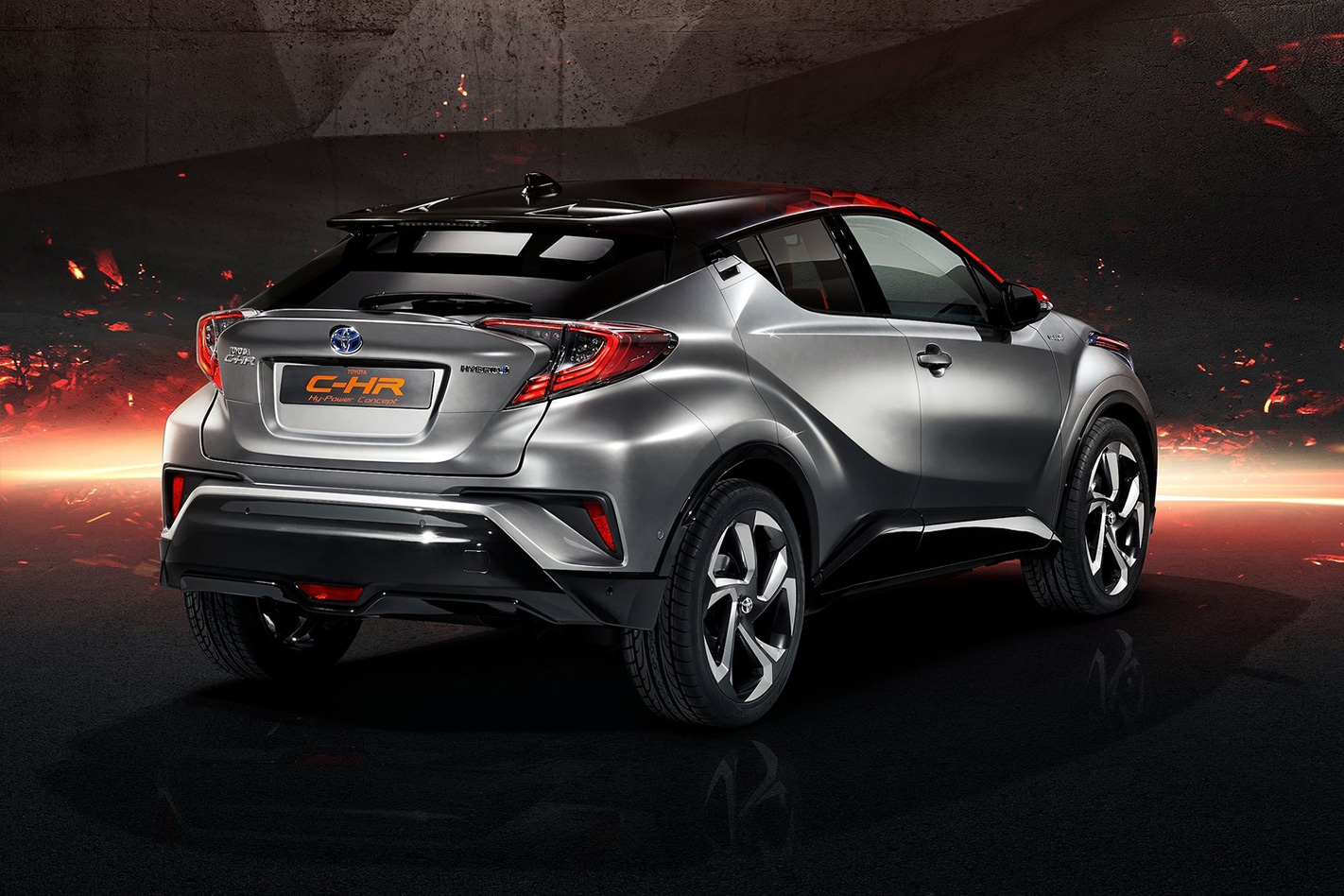
All this aims to draw attention to a new hybrid powertrain lurking beneath its skin with ‘more power and performance’ than the 90kW combined system output found in existing TNGA hybrid vehicles, the Toyota Prius and the C-HR sold overseas, though no specific outputs or technical details have been released concerning the Hy-Power’s performance at this stage.
“When dealing with hybrid we listened carefully to our customer’s opinions” said van Zyl. “It is not just about learning what they like about our hybrid technology, we also want to learn from them how we can make our hybrids even more attractive to move people.
“It is exactly that kind of feedback that has made us realise that there is an opportunity to introduce a higher-performance hybrid powertrain.”
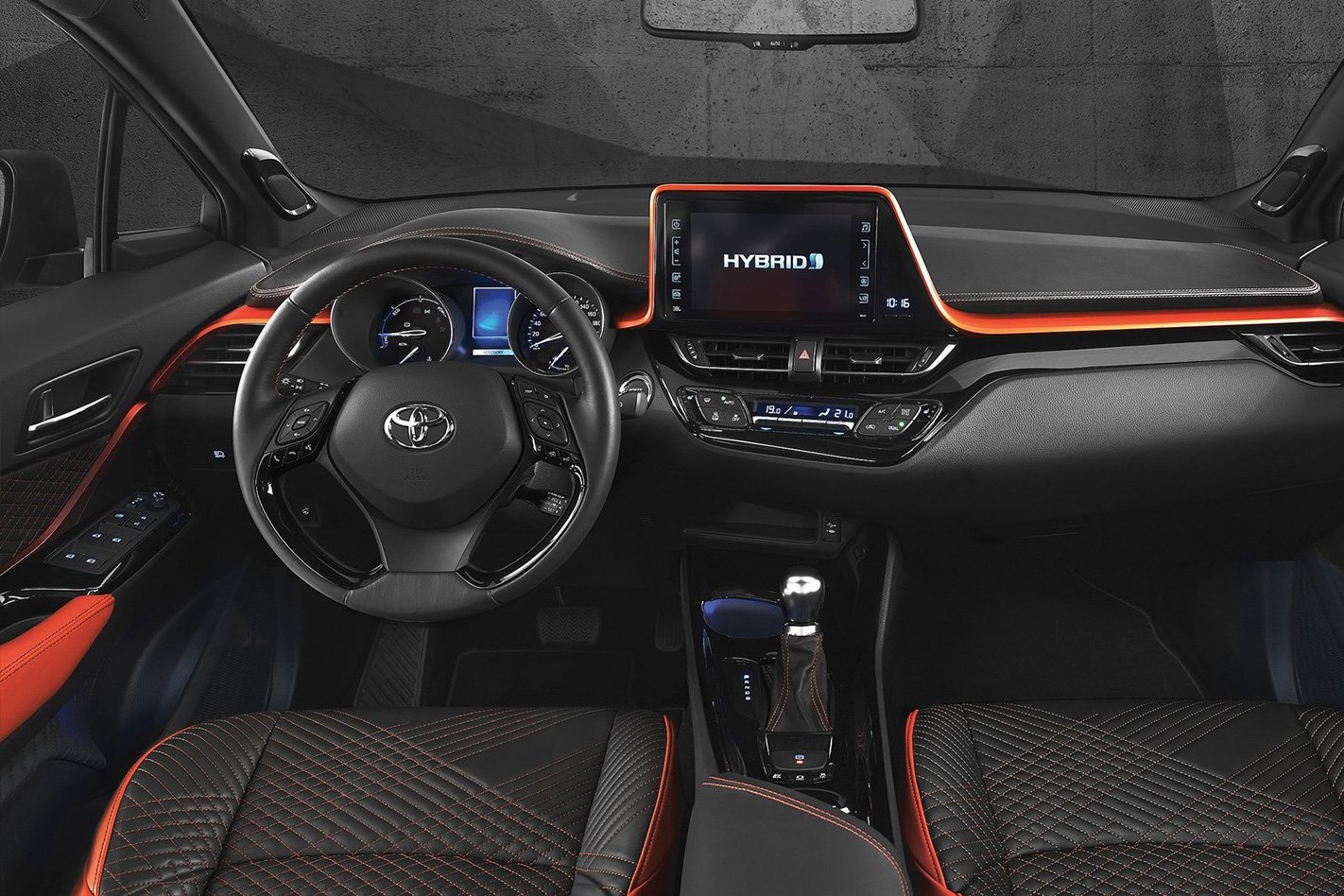
Whether or not Australia will receive the existing C-HR hybrid and the planned high performance version remains to be seen, however Toyota’s emphasis on a broader range of models with alternative drivetrains, including performance vehicles, suggests production hurdles will be overcome. Toyota hybrid vehicles currently on sale in Australia include Camry, Corolla, and the Prius family.
A statement issued by Toyota at the Frankfurt show said further details “regarding the significant and strategic future development of higher performance hybrid options would be revealed early next year.”
IS THIS a case of tearing up the formula for what was one of the best affordable driver’s cars?
To fans of the outgoing Megane RS hot hatch, its replacement is virtually unrecognisable.
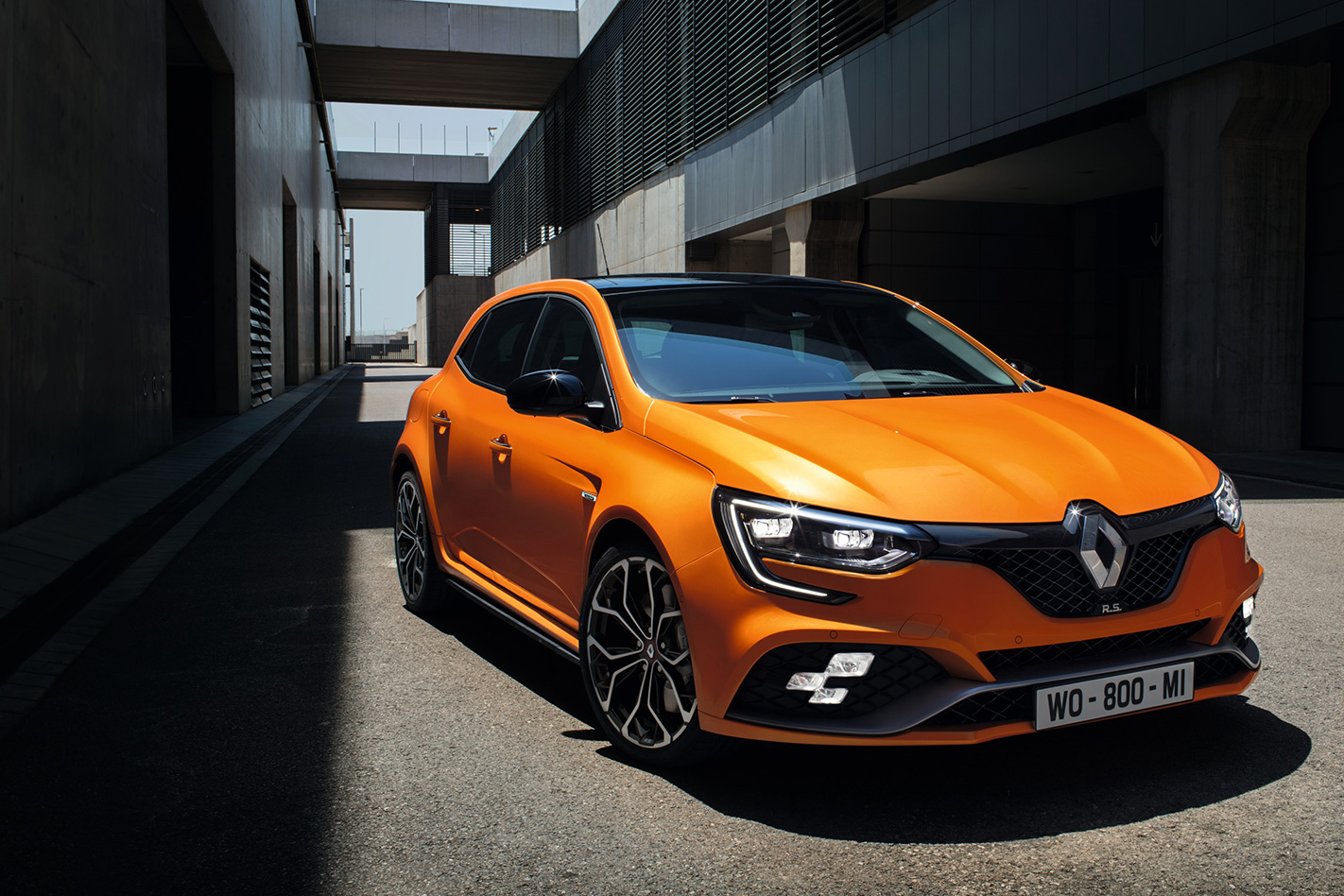
Other paradigm shifts include the availability of a six-speed dual-clutch automatic transmission for the first time, as well as a manual, while Renault’s 4Control four-wheel steering hardware, introduced on the Megane GT in 2016, also slips onto the Renault Sport’s spec sheet.
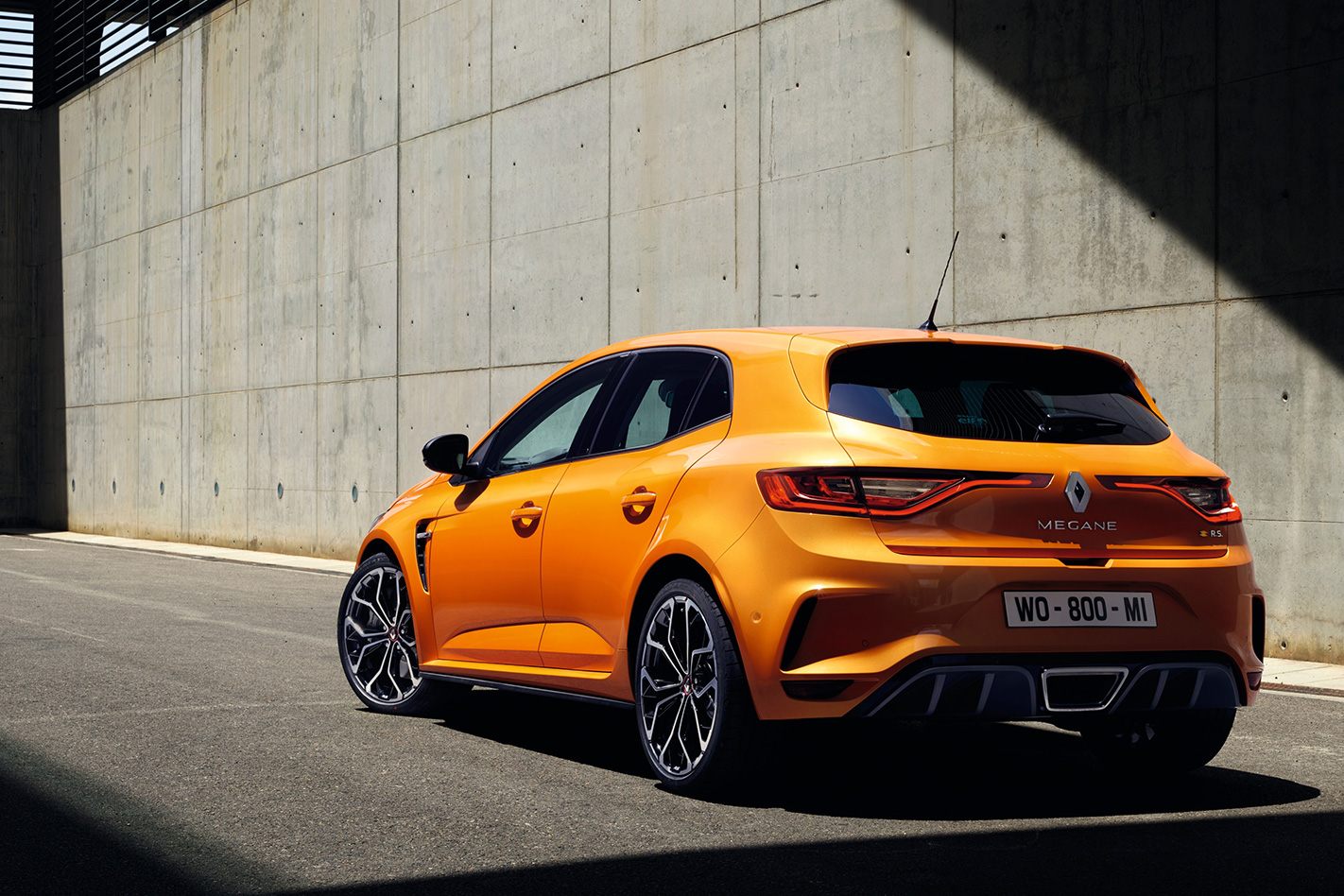
As for power, count on 205kW from an all-new direct-injected turbo 1.8-litre four-cylinder that’ll be shared with the Alpine 110, with peak power arriving at 6000rpm. Torque maxes out at a stout 390Nm, delivered between 2400rpm and 5000rpm.
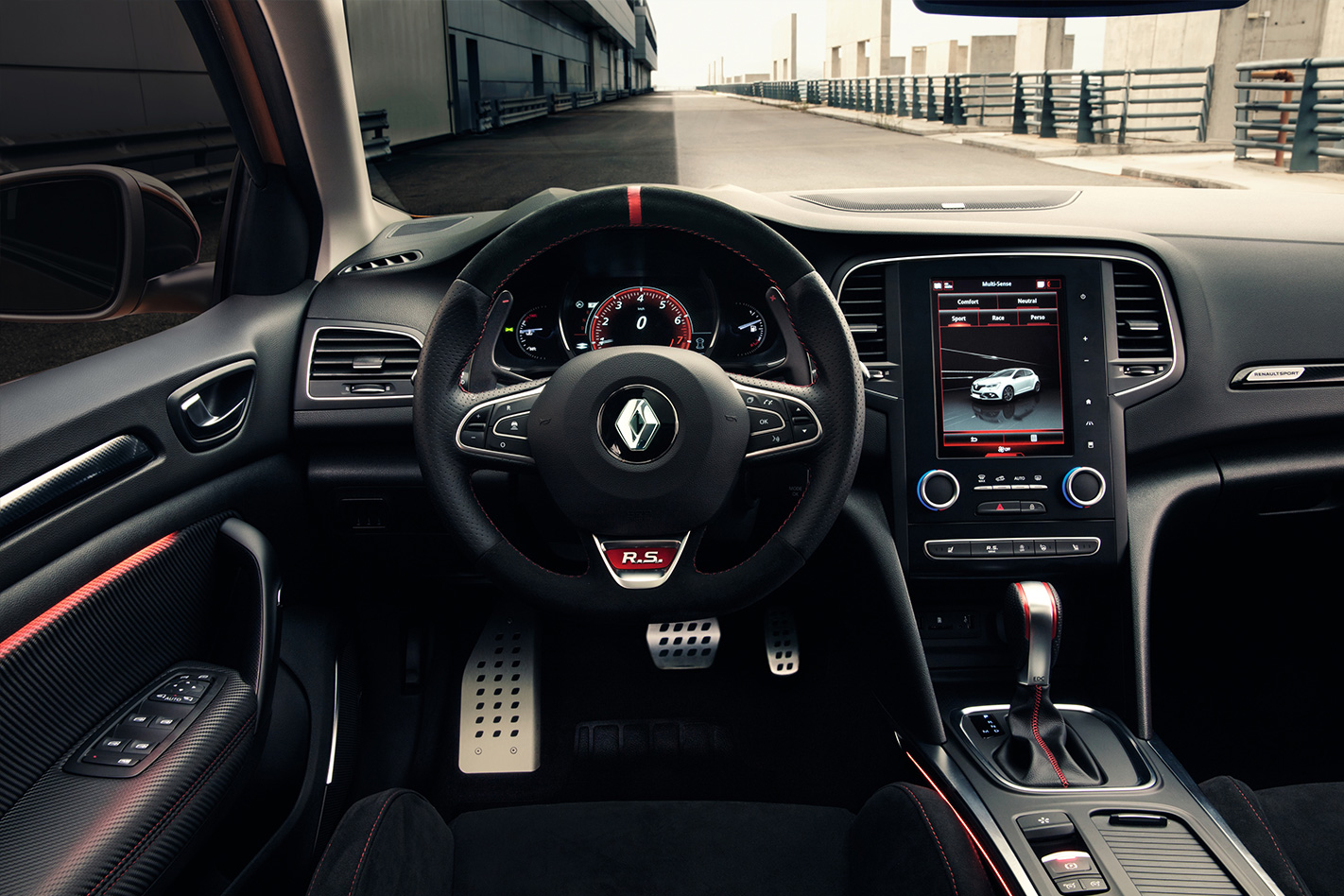
Even if it doesn’t, Renault is confident its four-wheel steering will confer an agility advantage over other hot hatches like the Type R, Hyundai i30 N, and updated Golf GTI.
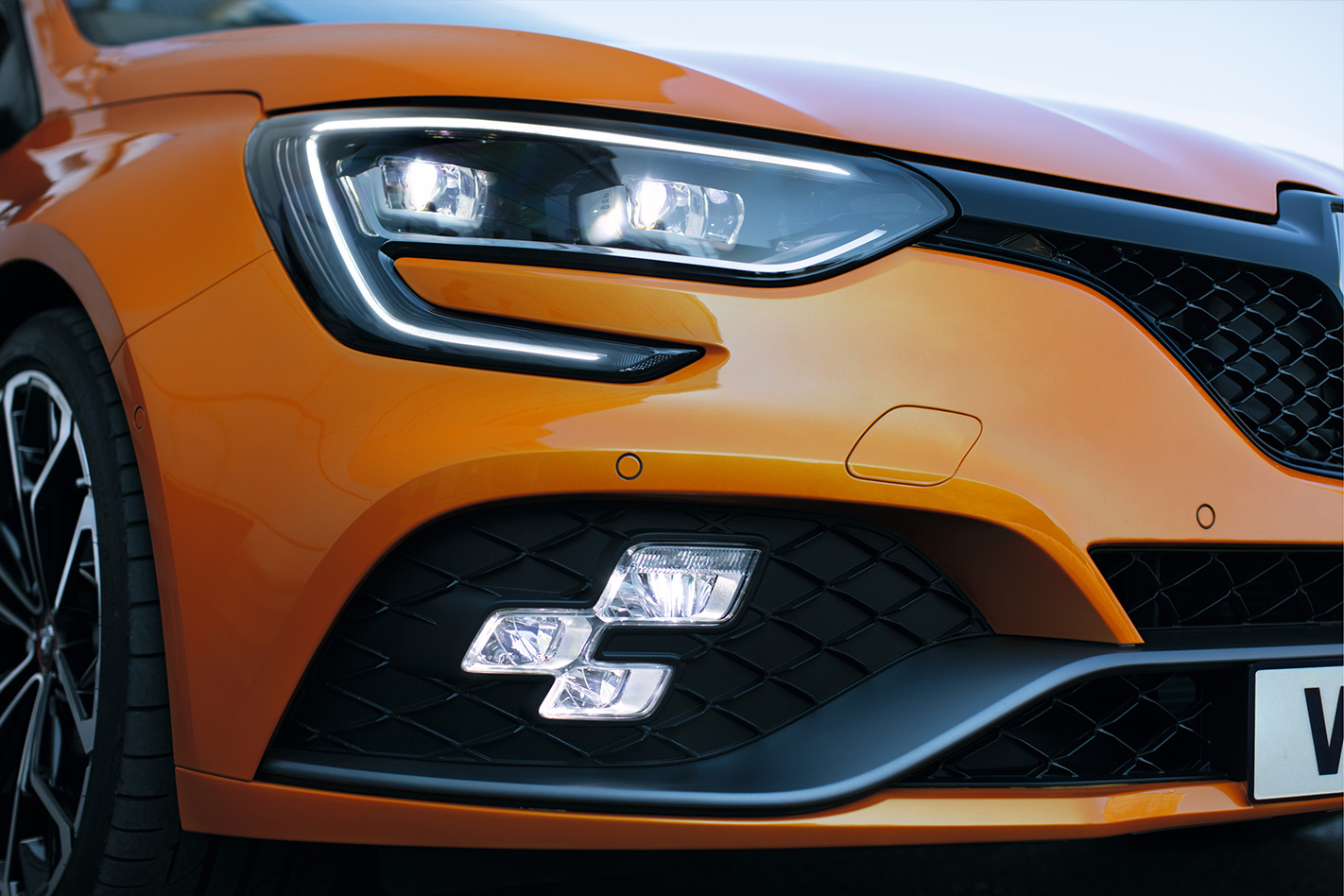
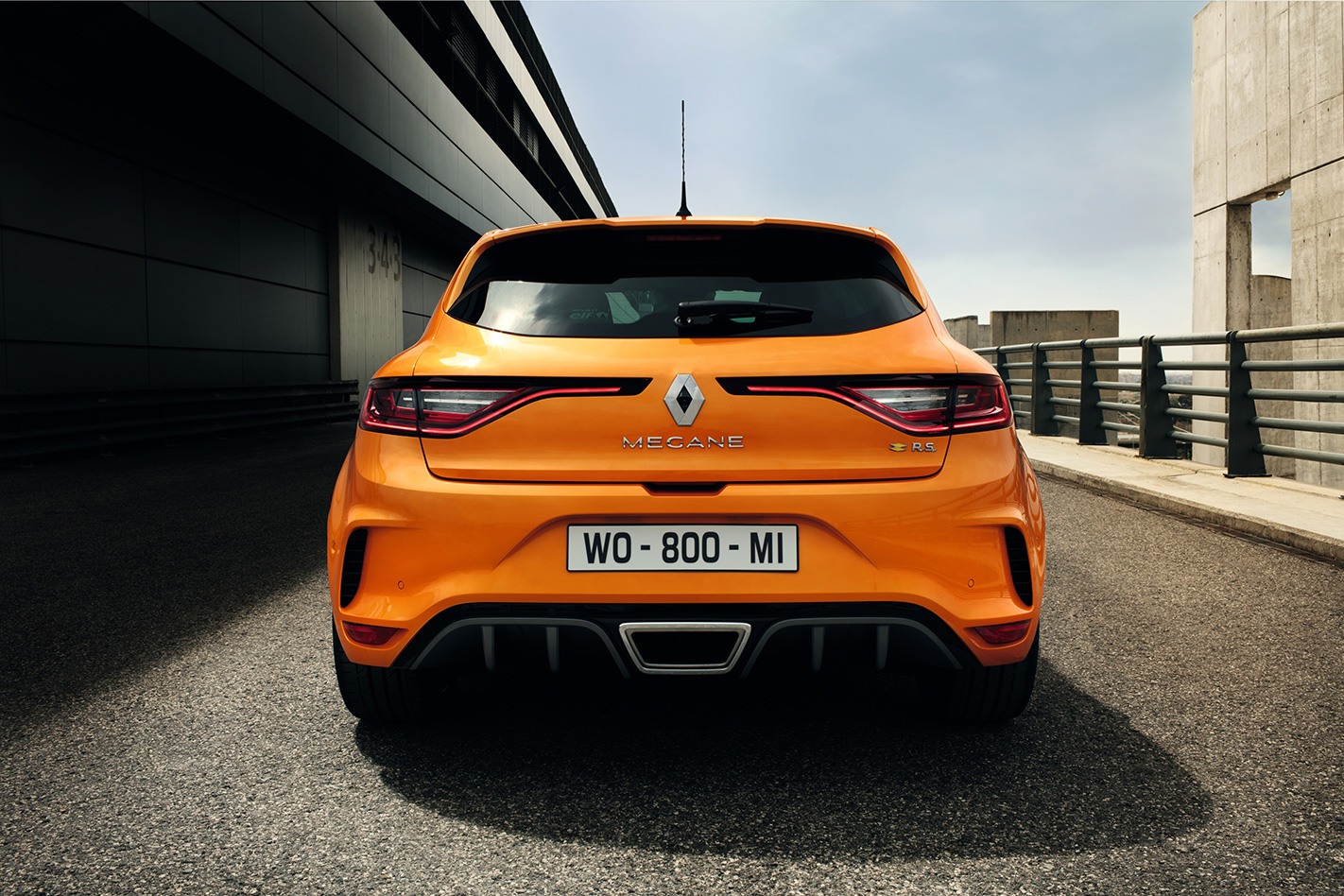
Its rear bumper houses a central, twin-tip exhaust, a redesigned lip spoiler and a ‘genuine diffuser’ suggesting the Megane’s visual highlights have real-world aero enhancing qualities.
Expect Renault’s new scorcher to drop into Australian showrooms in its new Orange Tonic colour from early 2018.
It’s billed as Honda’s first EV for the European market, but after giving Honda’s Urban EV Concept the once over, we reckon demand will be pretty strong here in Australia.
If you’ve despaired at some of Honda’s styling efforts of late, the Urban EV concept is going to come as a breath of fresh air. The deliberately simple, old-school silhouette conceals some neat details such as the front-hinged ‘suicide’ doors and a Honda emblem backlit in blue, a feature set to become an emblem of electric Hondas.
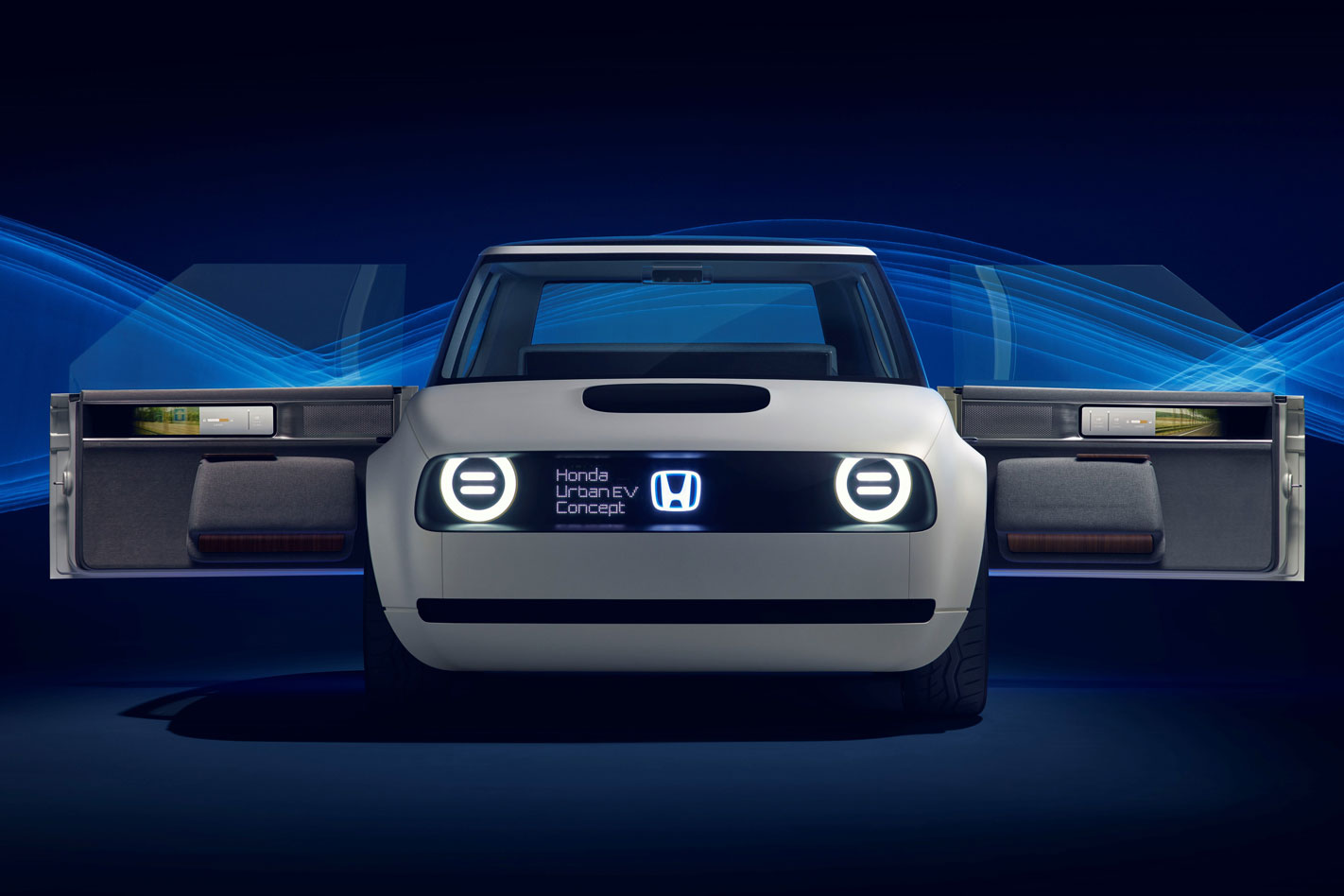
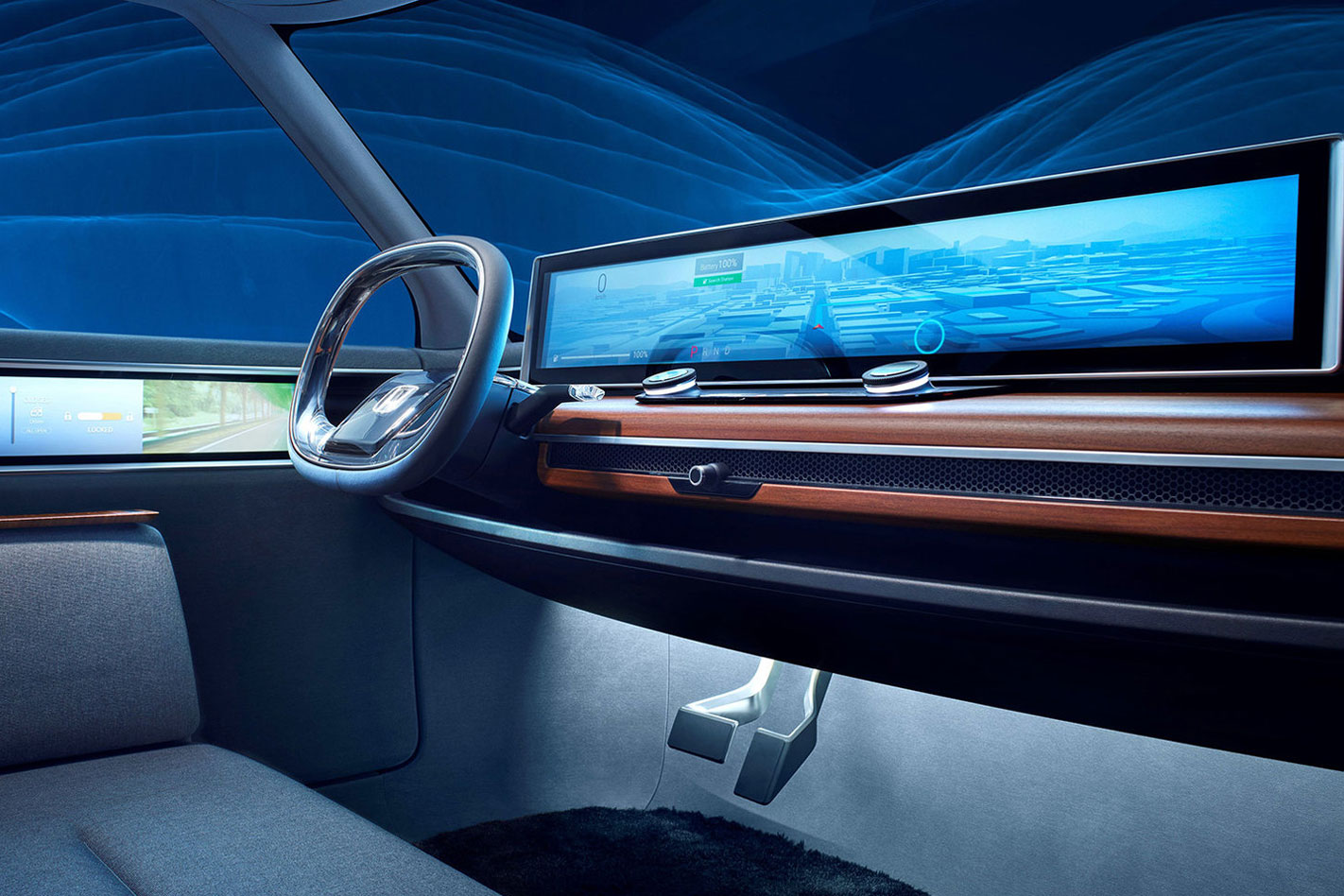
The cabin is minimalist and features a floating dashboard console, a huge interior touch screen, and a panoramic windscreen that wraps around onto the doors. This helps reduce the size of the car’s windscreen pillars, increasing visibility in concert with wing mirrors that comprise of dinky digital camera displays.
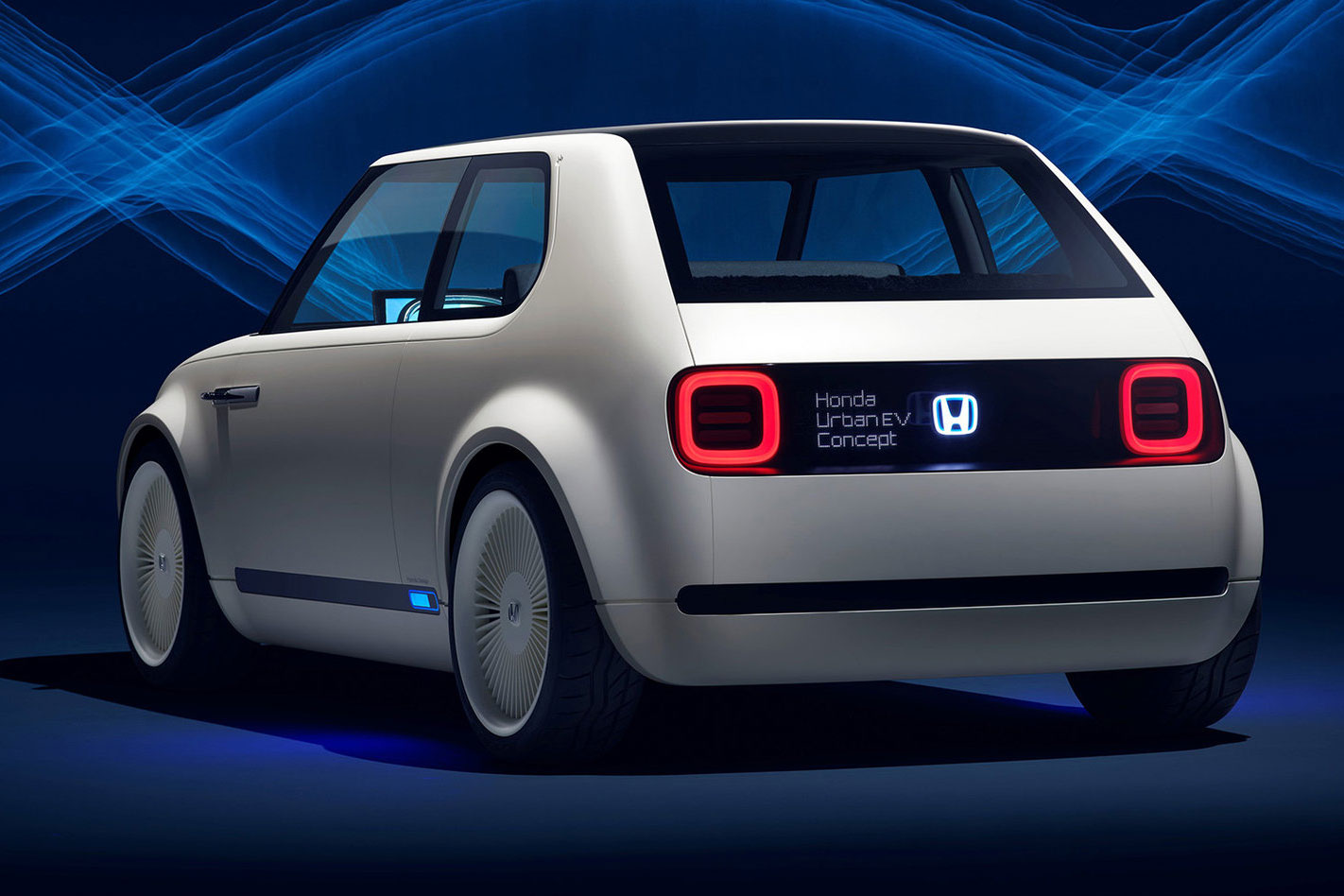
The concept as displayed can seat four occupants, although it’s likely that a production version will feature a more conventional three-seat rear bench.
Honda has yet to release details of the powertrain, but the Urban EV will feature a high-density lightweight battery pack, integrated heat management, and energy transfer functions both to and from the vehicle, allowing owners to potentially run their houses at peak time from battery power that’s charged at night time rates.
Dubbed by Jaguar Land Rover as “the ultimate Discovery for off-road enthusiasts,” the new Land Rover Discovery SVX aims to blend all-terrain capability with a snarling V8.
It’s powered by the same supercharged 5.0-litre V8 which Jaguar’s Special Vehicle Operations plonked in the F-Type, though here it makes 386kW/625Nm rather than the 423kW/700Nm the F-Type scores.
However, off-roaders will know that the most important thing isn’t under the bonnet, but under the chassis.
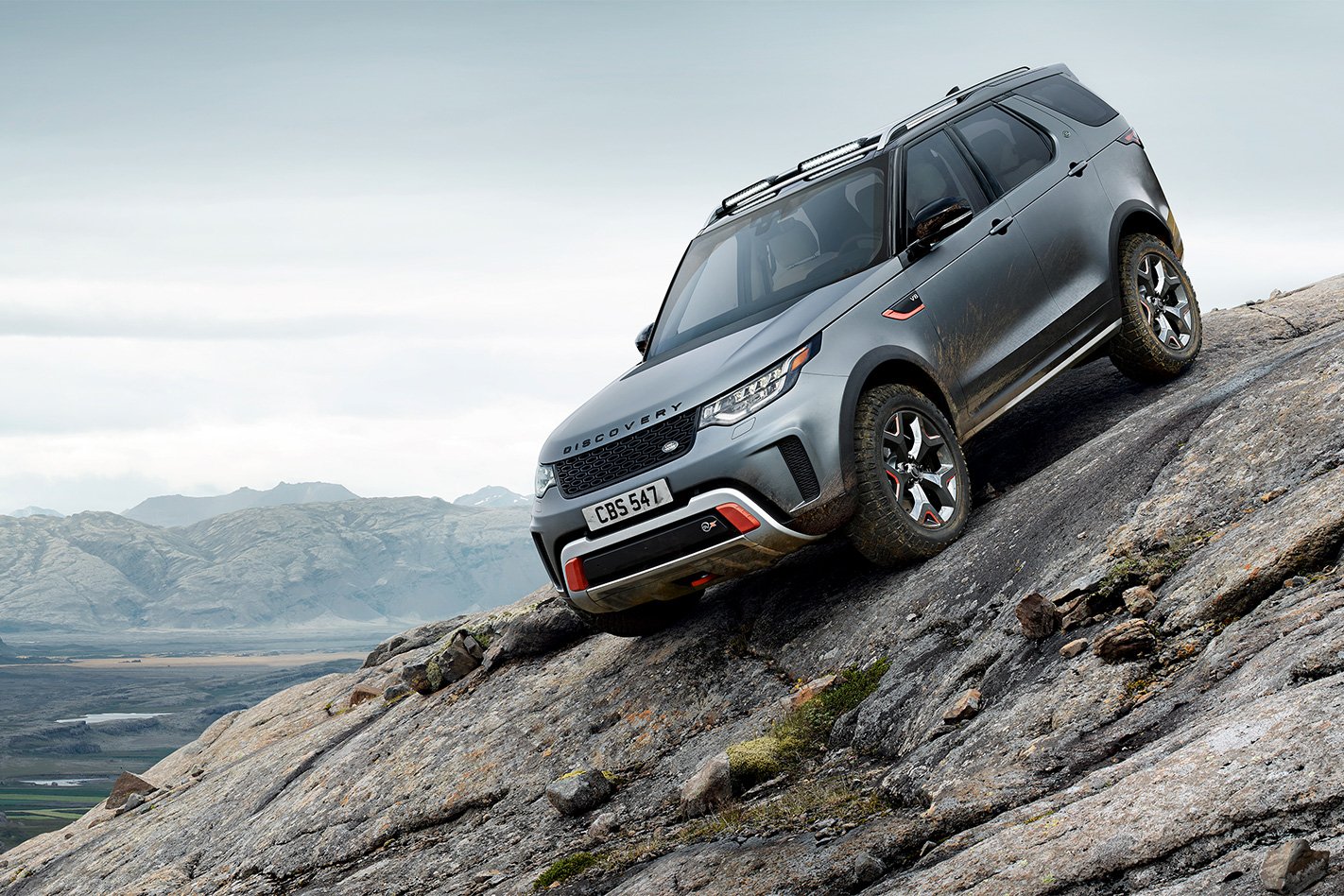
Benefits of the H-ARC design are that wheels are able to turn further, body control is increased and roll is reduced, therefore enabling more predictable movements while offroading.
In addition, Land Rover raised the air suspension and the vehicle’s aluminium monocoque, while adding long-travel dampers and redesigned knuckles.
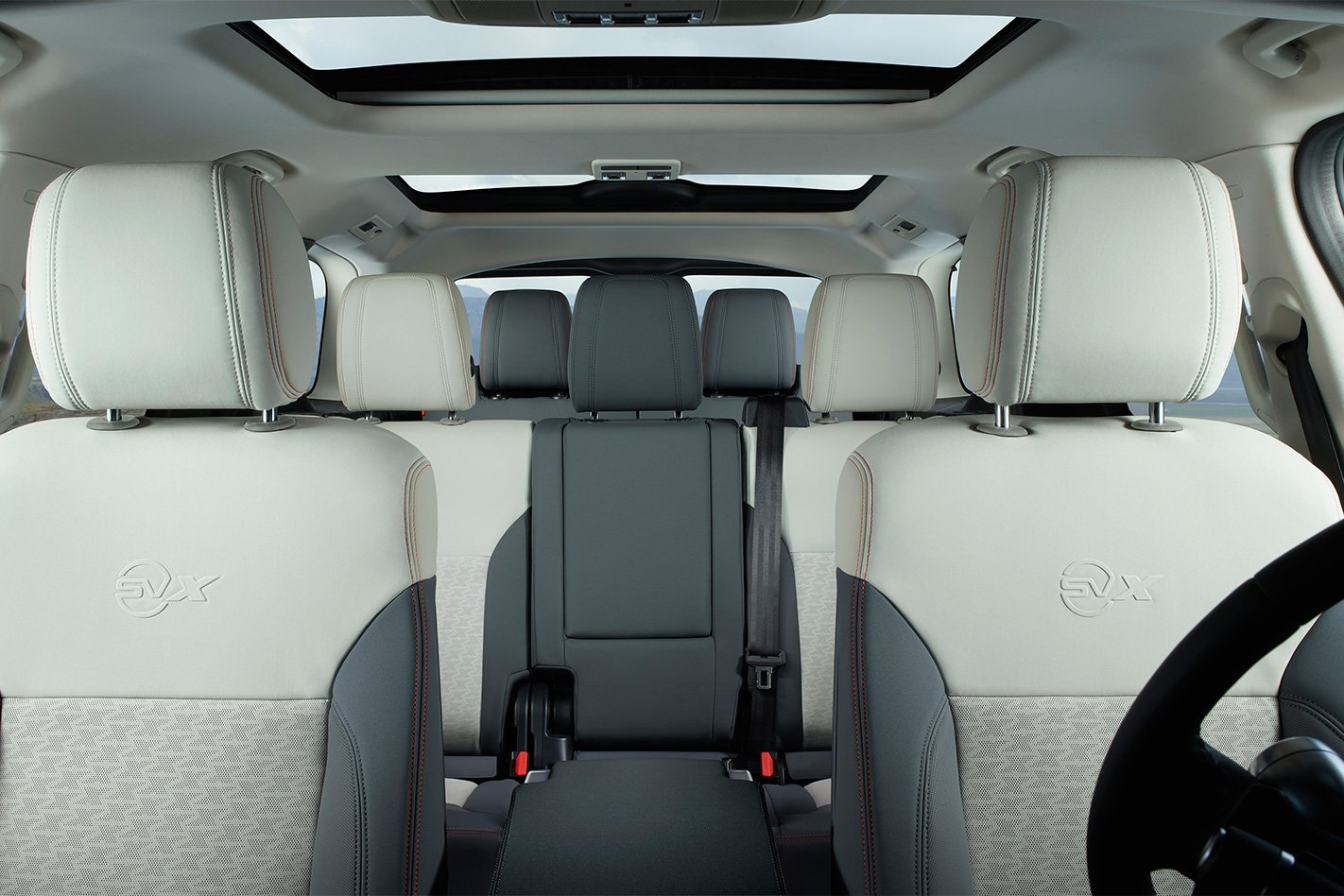
Just don’t scratch the forged 20-inch alloy wheels.
For extra traction, the SVX scores an active centre differential and an electronic rear locking diff which, along with a computerised “terrain response” system, allow for more grip.
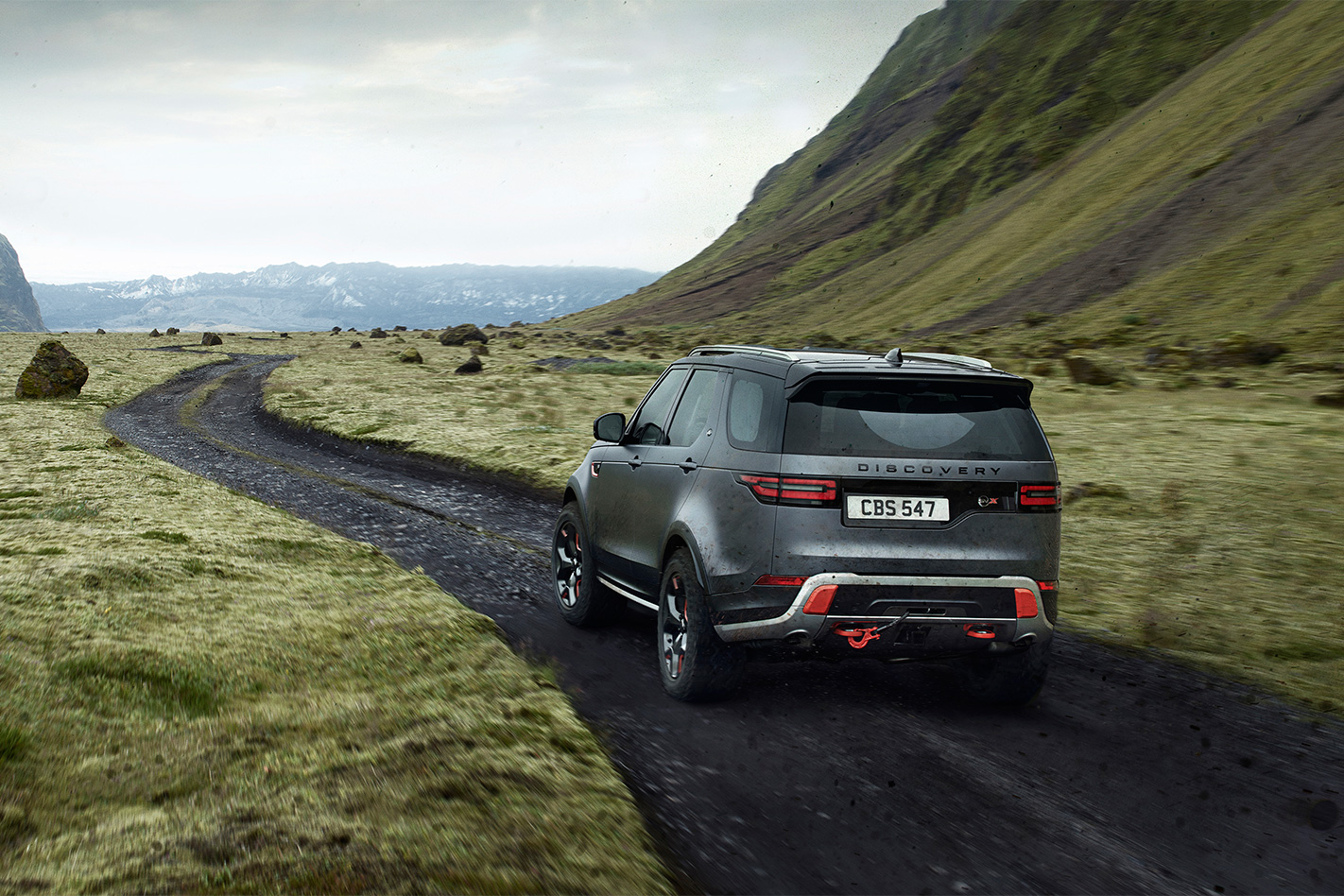
Availability and pricing for the Land Rover Discovery SVX have not yet been confirmed.
VOLKSWAGEN has revealed an updated version of its I.D. Crozz concept at Frankfurt and confirmed the all-electric crossover will go into production in 2020 as part of its Strategy 2025 EV roll-out.
Resplendent in new Hibiscus Red Metallic paint, and highlighted by five-spoke 21-inch alloy wheels, the I.D. Crozz II is more refined than the first concept shown at the Shanghai motor show in April.
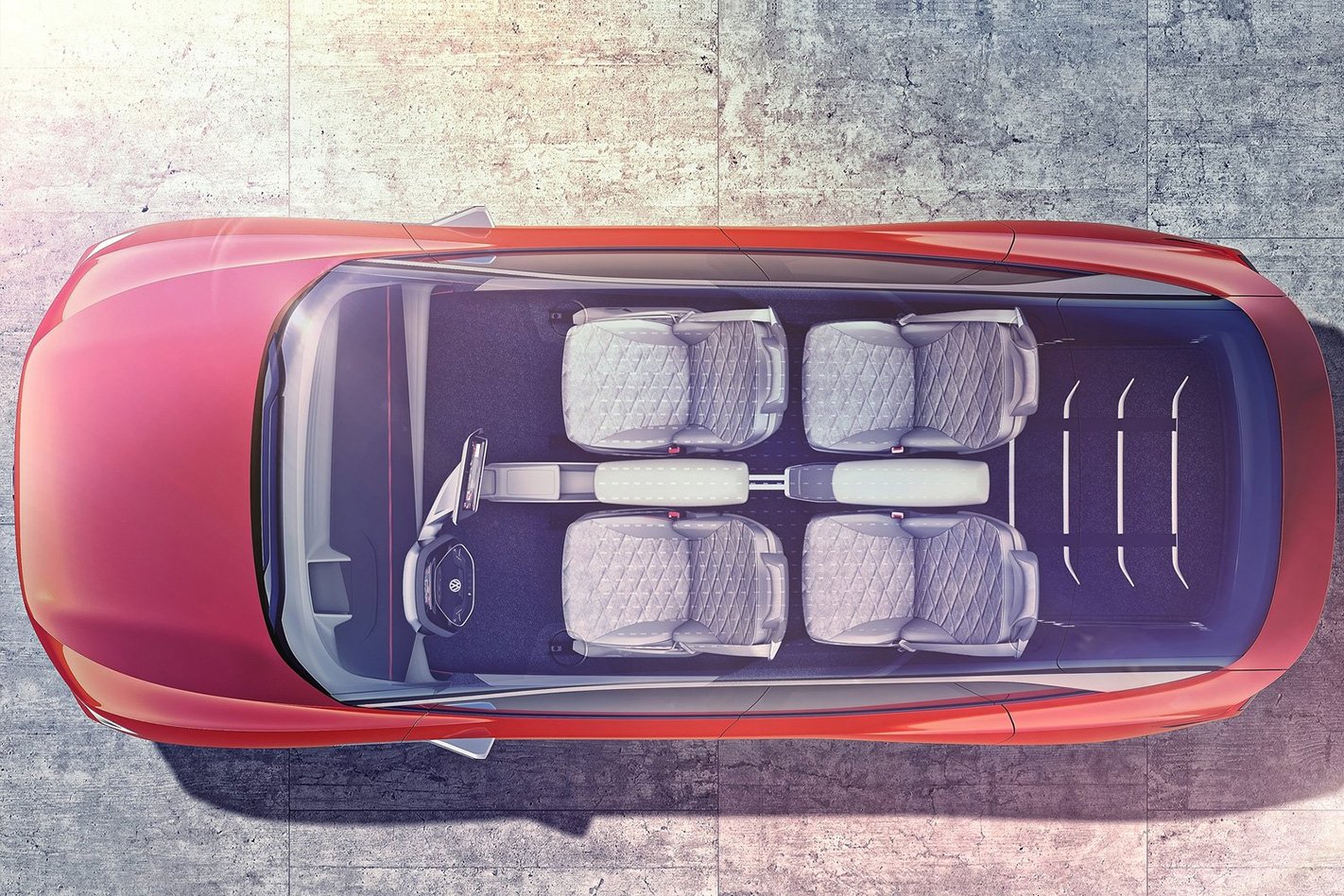
Volkswagen says the four-door high-riding coupe will ride on an all-electric 4MOTION all-wheel drive system that is equally at home in a city environment as it is on unpaved trails and will have similar handling properties as the Golf GTI.
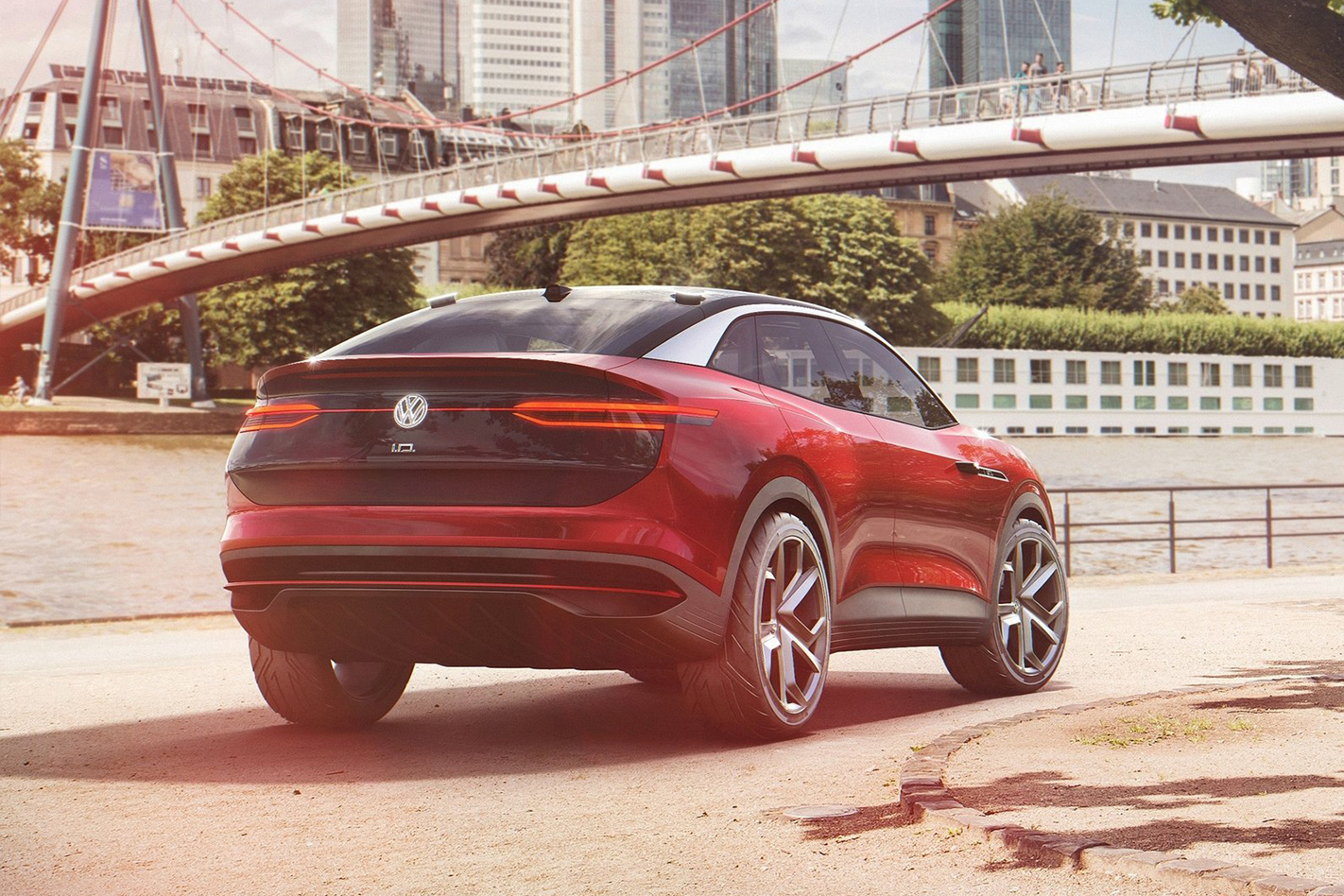
Other new features over the original concept include an interactive voice control that can be used to open or close all doors, and to activate or deactivate the fully automated ‘I.D. Pilot’ mode – which will detect road conditions and obstacles via four laser scanners on the roof as well as utilising radar, ultrasonic sensors, and front and side mounted cameras.
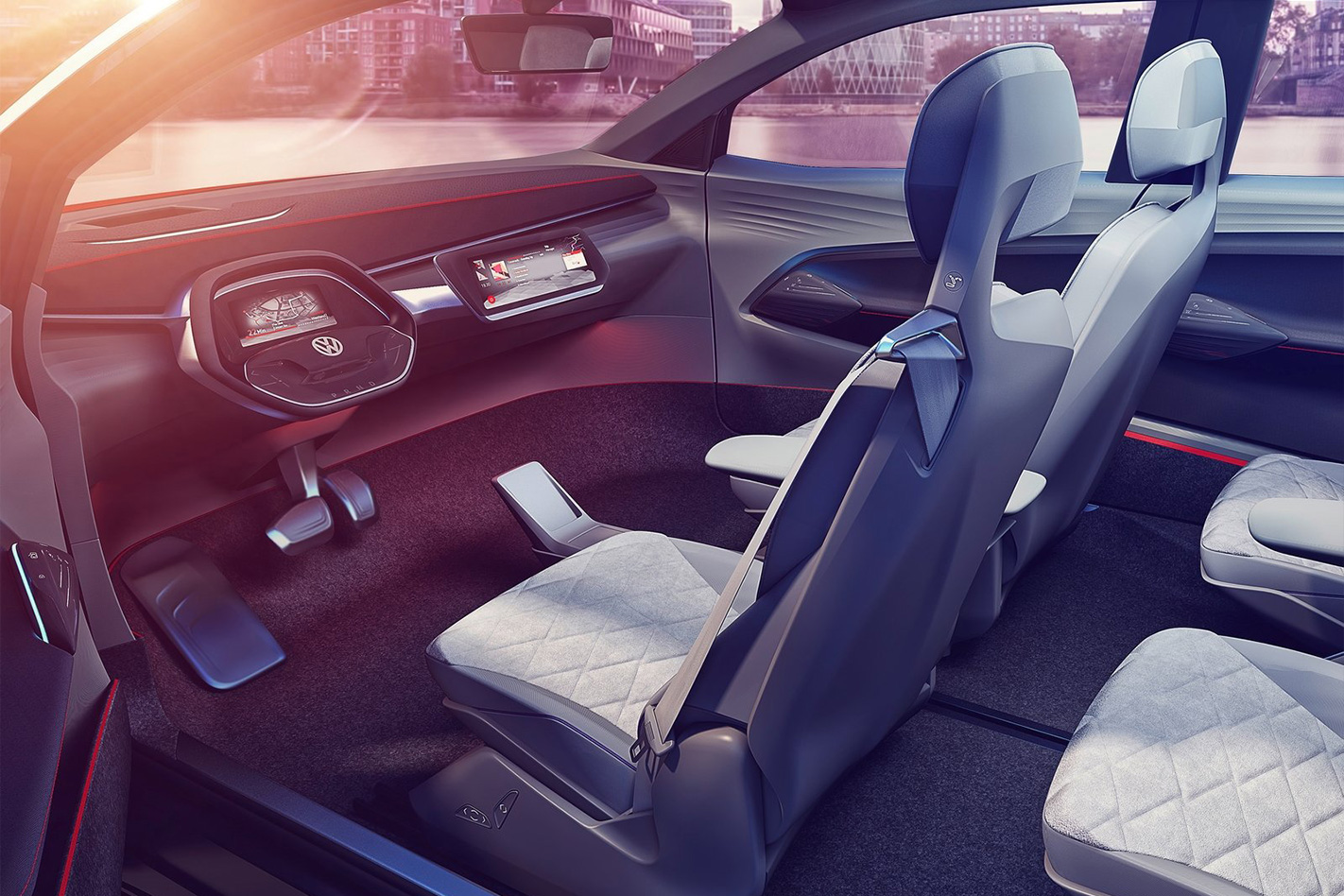
Loading is made easy by voice activated sliding rear doors that fully retract back to the rear, and front doors that open to a 90-degree angle.
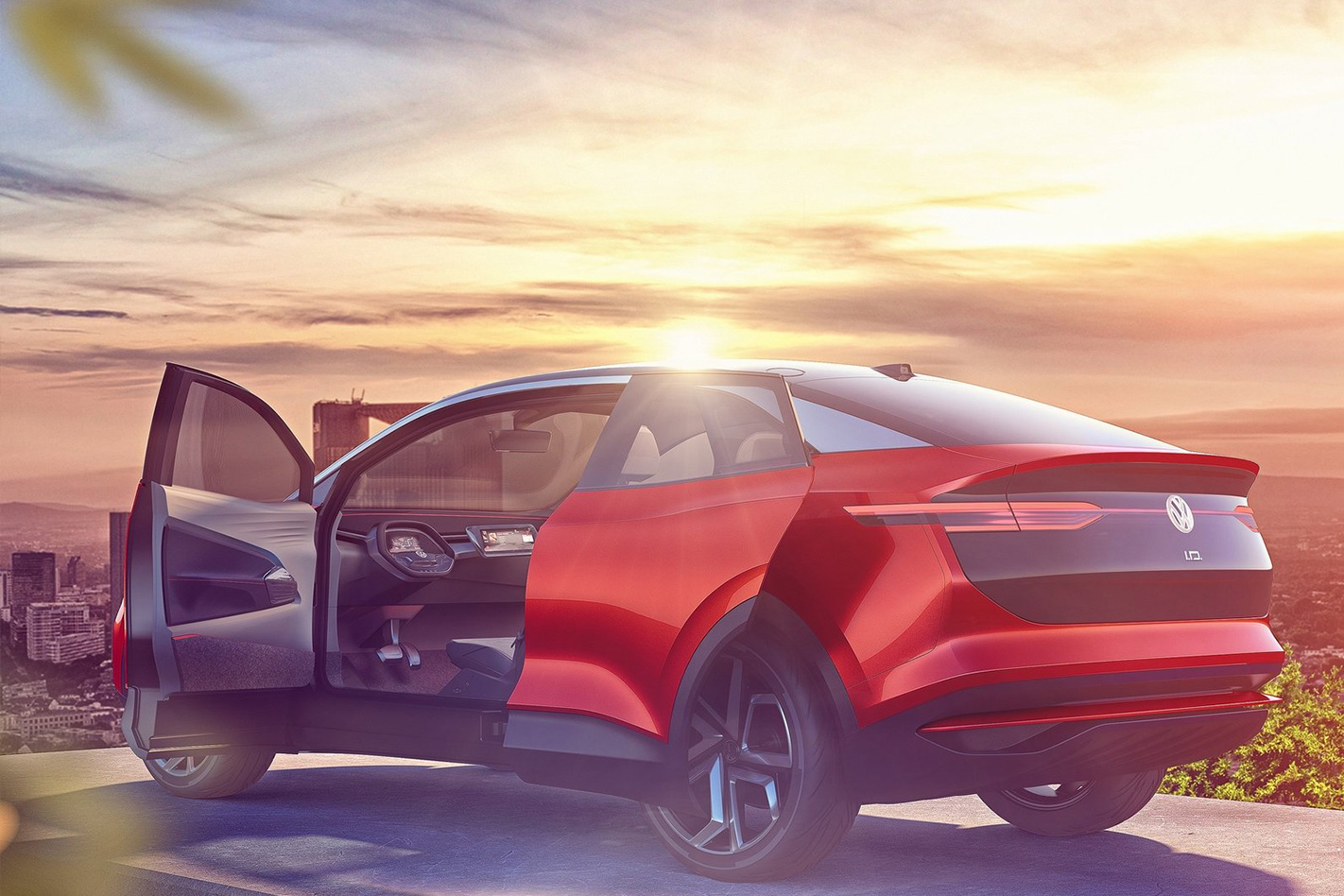
The production version of the I.D. Crozz will be part of a family of all-electric MEB-platform based “I.D.” vehicles that’s due to launch from 2019.
