
IF YOU take the word of Fiat Chrysler Automobiles, a potential takeover by Great Wall is nonsense and nothing but rumour, but on the other hand, a US publication is reporting that the Chinese car maker has already approached or plans to approach FCA about the possibility of a deal.
Who is to be believed, is there anything to the claims, and what would one of the biggest global buyouts spell for the automotive world?
“In response to market rumours regarding a potential interest of Great Wall Motors in the Jeep brand, Fiat Chrysler Automobiles confirmed that it has not been approached by Great Wall Motors in connection with the Jeep brand or any other matter relating to its business”.
Fengying’s careful choice of the word ‘connecting’ creates an ambiguous date stamp and could be read either in the present or future tense. If it’s the latter, Great Wall has not yet opened a channel of communication with its target quarry and FCA’s response is concurrent for now.
Until FCA is willing to talk about negotiations, a deal to buy one or all of FCA’s brands remains purely speculative, but what are the implications of such a deal and could both parties conceivably come to an agreement?
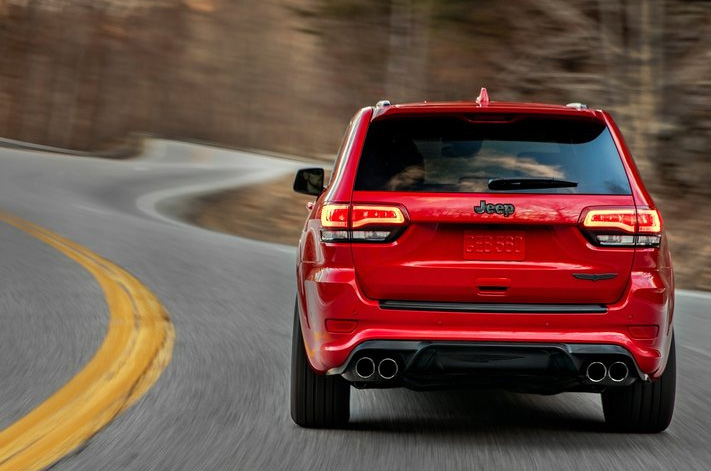
Quite what the manufacturer would do with the Dodge, Chrysler and Fiat brands is least certain, it’s possible the Italian luxury badges Alfa Romeo and Maserati could be pared away as a stand-alone entity, but the Jeep brand appears to be the jewel in the FCA crown for Great Wall.
Not only would the iconic line-up of vehicles in its current form provide a springboard for Great Wall’s grand SUV designs, the company would almost certainly attempt to emulate Tata’s success when the Indian company acquired the Jaguar and Land Rover brands and turned the company around with a massive investment of cash and resources.
It might even try to pull a similar stunt with some of FCA’s ailing brands.
Would that sit well with Jeep’s loyal and patriotic following in native United States? A move to Chinese ownership will not come without vocal animosity, but FCA is far from the flag-waving patriots Ford and GM. With a current Italian owner and a German keeper before that, Great Wall knows that the inevitable xenophobia would be overlooked in time.
A Great Wall spokesperson made no secret which of the FCA marques the company is most keen to get its hands on. “We are deeply interested in the Jeep brand and have paid close attention to it for a long time,” said Xu Hui.
On the other side of the fence, FCA will drive a hard bargain if it entertains the idea of a deal at all.
His previous high-level involvement with previous brand division and integration processes adds fuel to that fire too.
On local turf, FCA Australia has already initiated plans to perform a similar transition, as the country’s Alfa Romeo dealerships migrate away from multi-franchise premises to standalone luxury-focused spaces.
It is also believed that Marchionne has plans to merge with another car maker before retiring (a date that is yet to be made official), all of which adds weight to the theory that the FCA CEO is open to discussions regarding a new significant evolution in FCA’s history.
As part of the most recent statement, the company says it will honour all of its commitments as laid out in the plan and it can only guarantee its completion through retained ownership.
“FCA is fully committed to its 2014 to 2018 plan, having achieved each one of its targets to date and with only six quarters left to its completion,” it said in conclusion.
If a Great Wall buyout is on the cards, don’t expect anything to change hands until 2018 is out.
PEBBLE Beach has come and gone once again leaving a trail of the world’s most exotic and rare cars in its wake. Here’s our favourite hardware from the 2017 Concours d’Elegance.
Following on from the imposing and just plain huge Mercedes-Maybach 6 concept that sailed into the show a year ago, its convertible twin debuted this year, showing off its topless tendencies, and proportions so larger than life that it could occupy three suburbs at once.
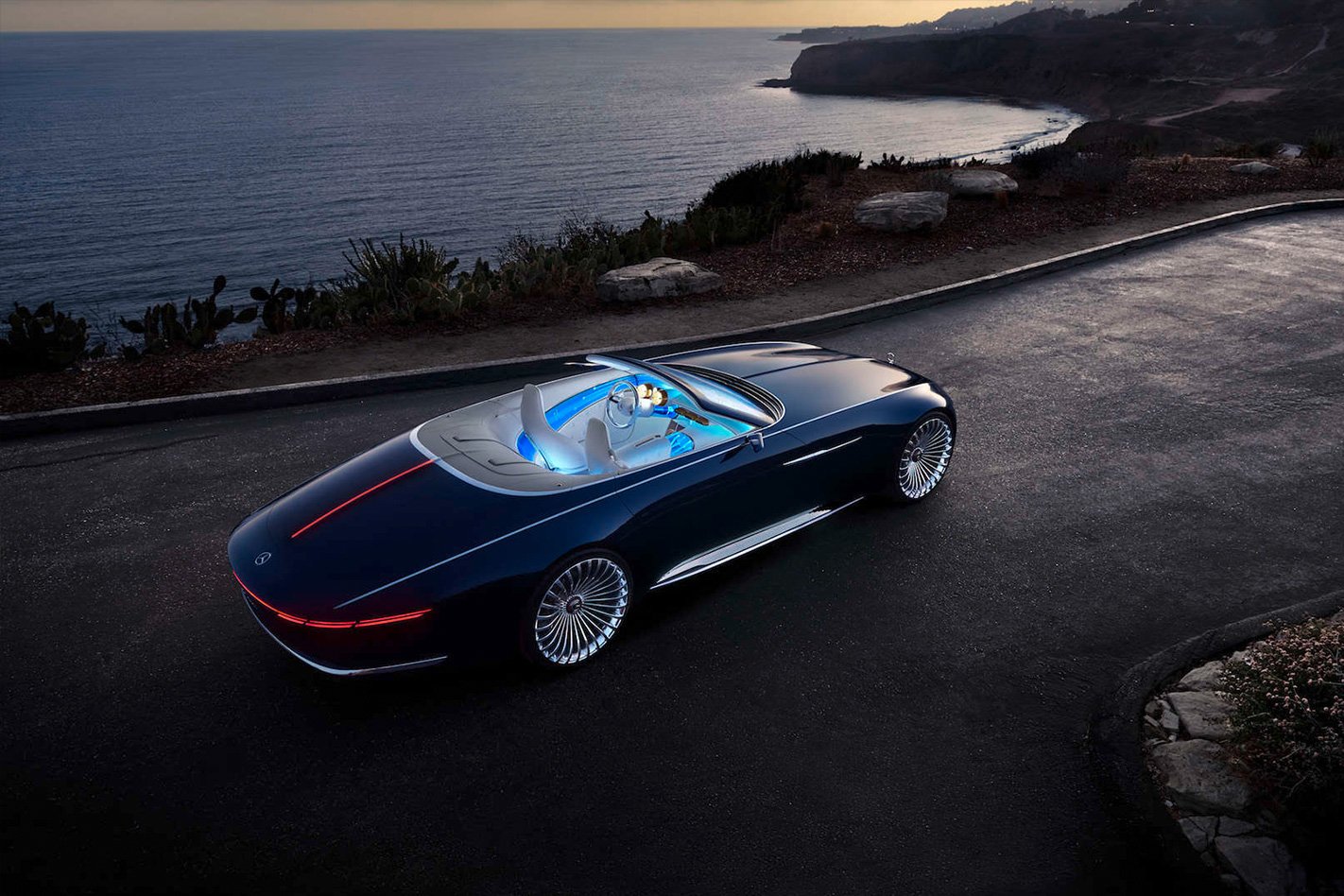
At night, the two-person white leather cabin and organic flowing lines are flooded with eerie blue ambient light. Think Cherenkov radiation in a Jacuzzi.
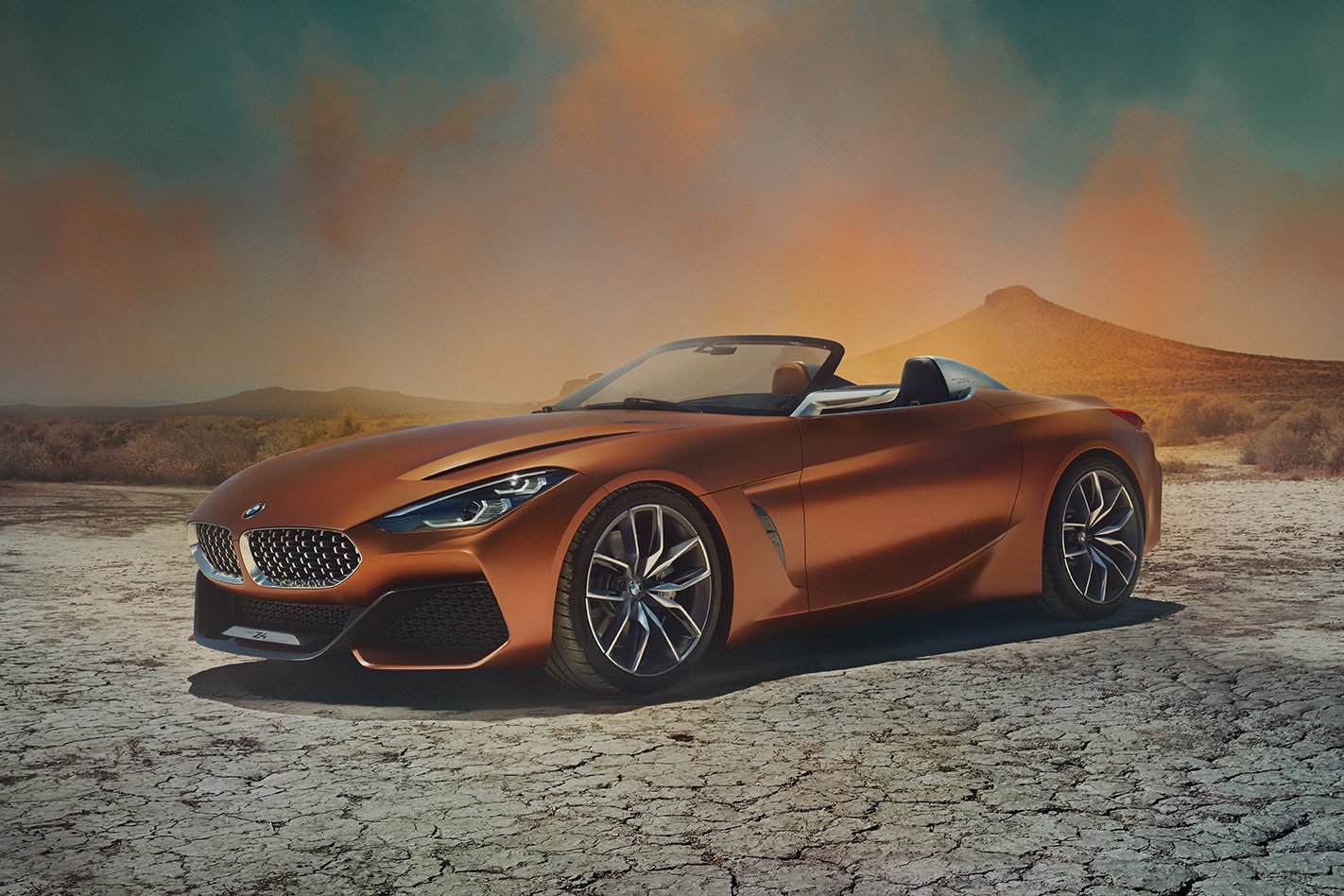
BMW weighed in to the show with its convertible Z4 Concept that heralds the third-generation production version of the car maker’s two-seater sportscar. While not all the design features are expected to make it through to the final version, the concept does, at least, suggest that the showroom version will turn heads.
Volkswagen to reveal production plans for ID Buzz at Pebble Beach
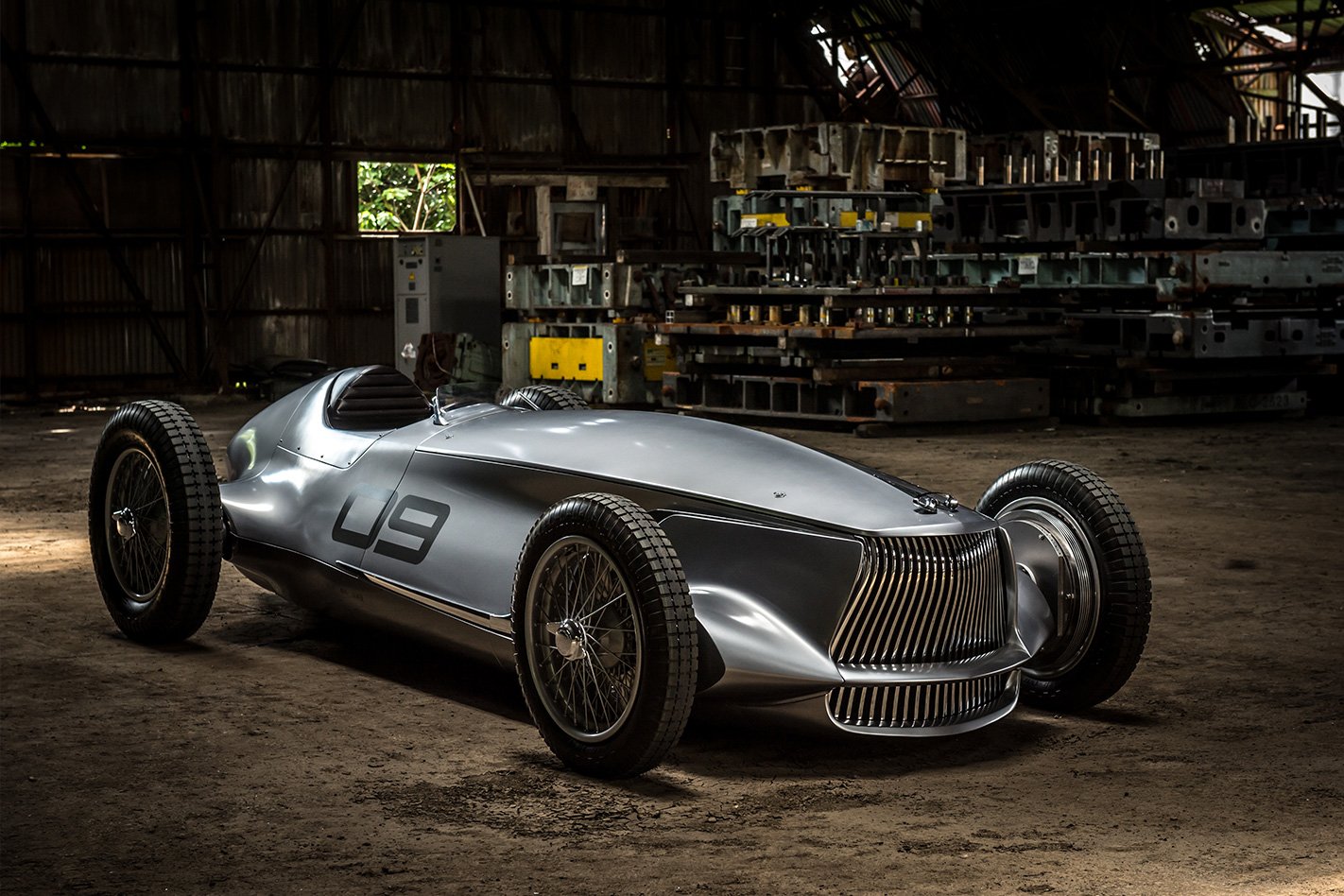
With a classic single-seat, open-wheeled racer aesthetic, the wild show car seamlessly slotted into the Pebble Beach scenery alongside some of the world’s rarest cars many decades its senior.
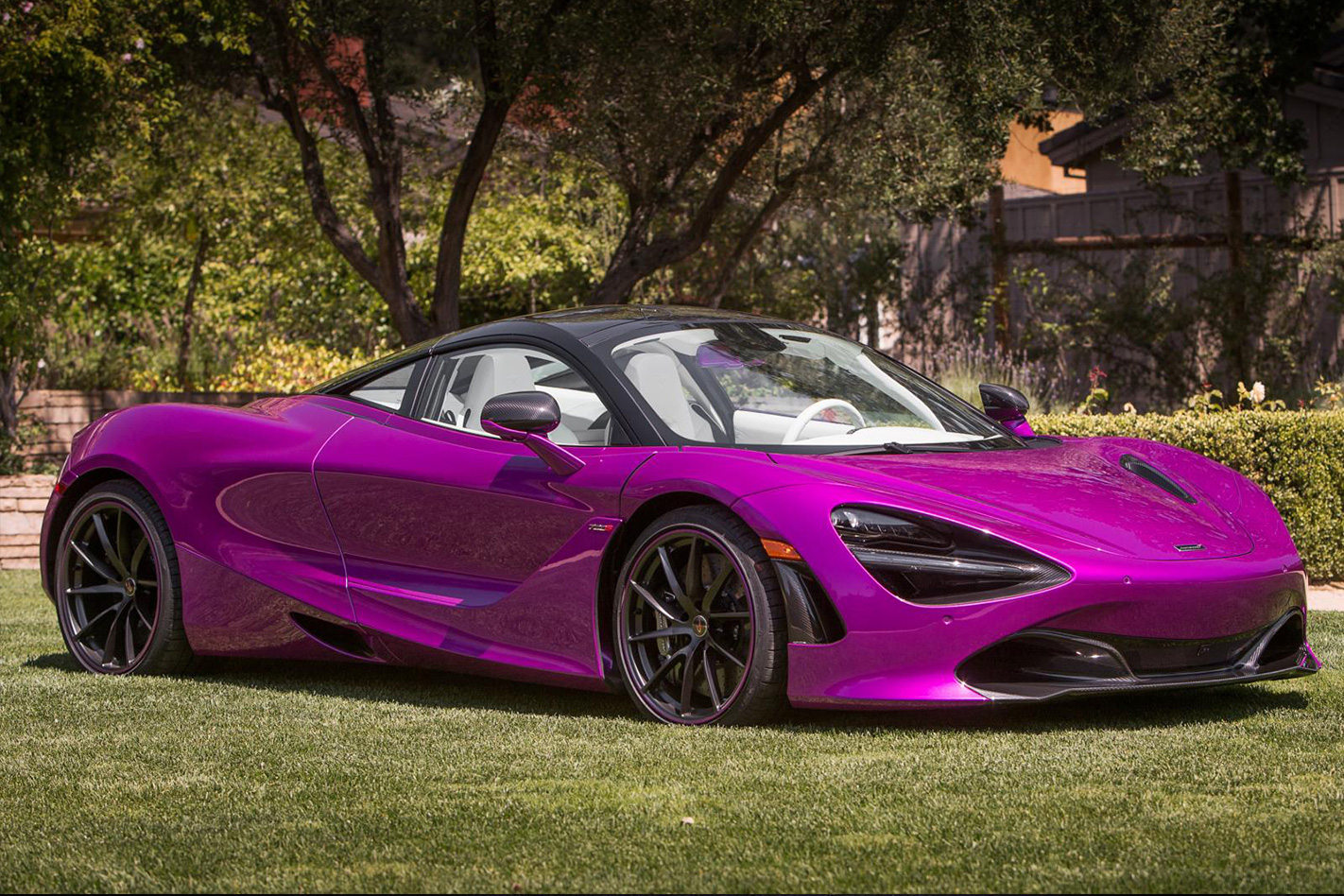
US-based Cuban entrepreneur Michael Fux proved that he has no fux to give when he very publicly took delivery of his fuchsia McLaren 720S with white leather interior. The car was a product of McLaren’s Special Operations (MSO) – the branch that lets you do almost anything you want to one of its models provided you have the moolah to pay for it.
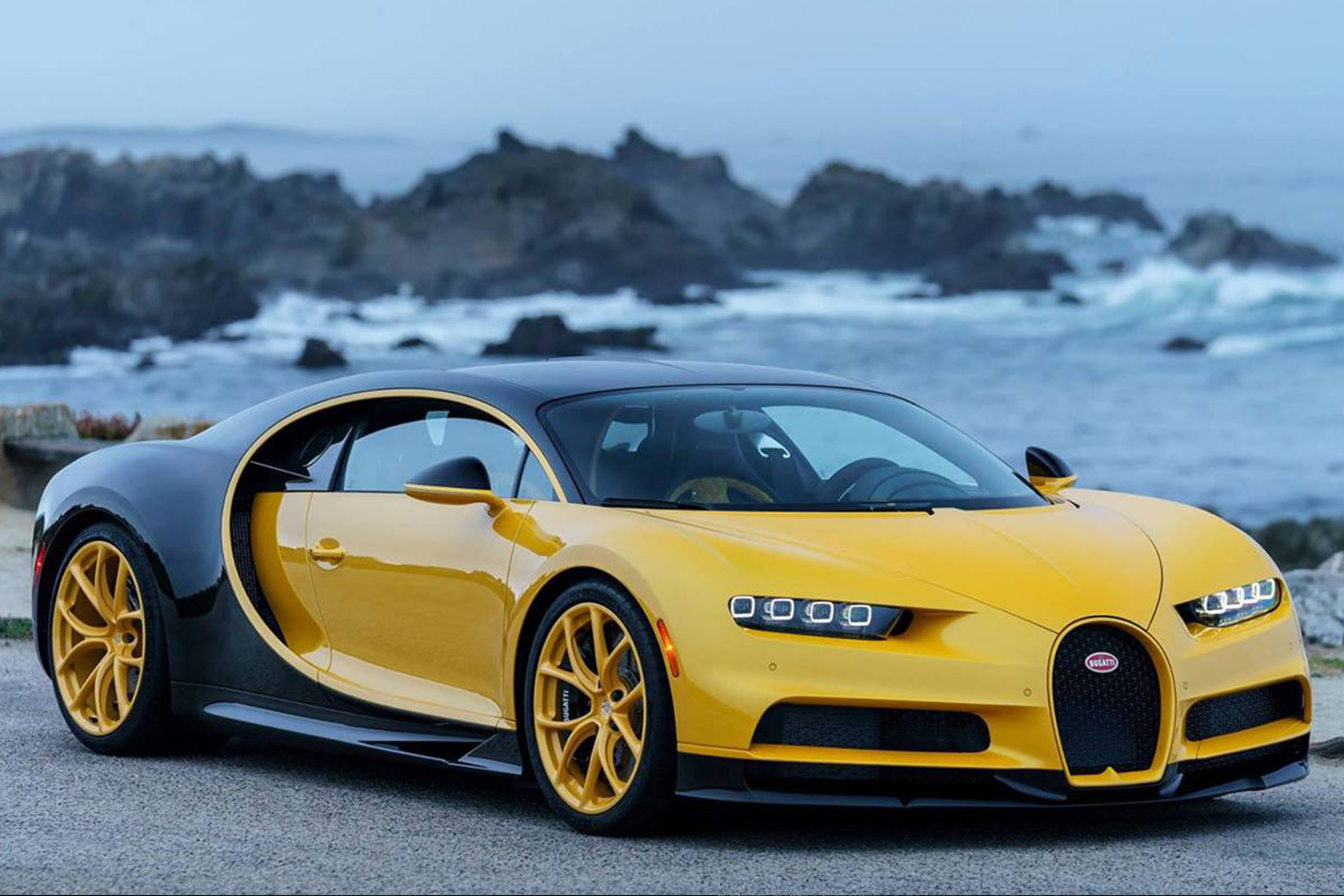
Bugatti was also out to make a customer happy and brought along the first Chiron to be delivered to a North American customer.
Like McLaren, the words ‘standard equipment’ are rarely uttered in Bugatti sales rooms and US Chiron #1 was handed over in bumblebee-inspired black and yellow with matching interior and almost certainly cost more than the $US3m ($A3.8m) ‘entry-level’ price.
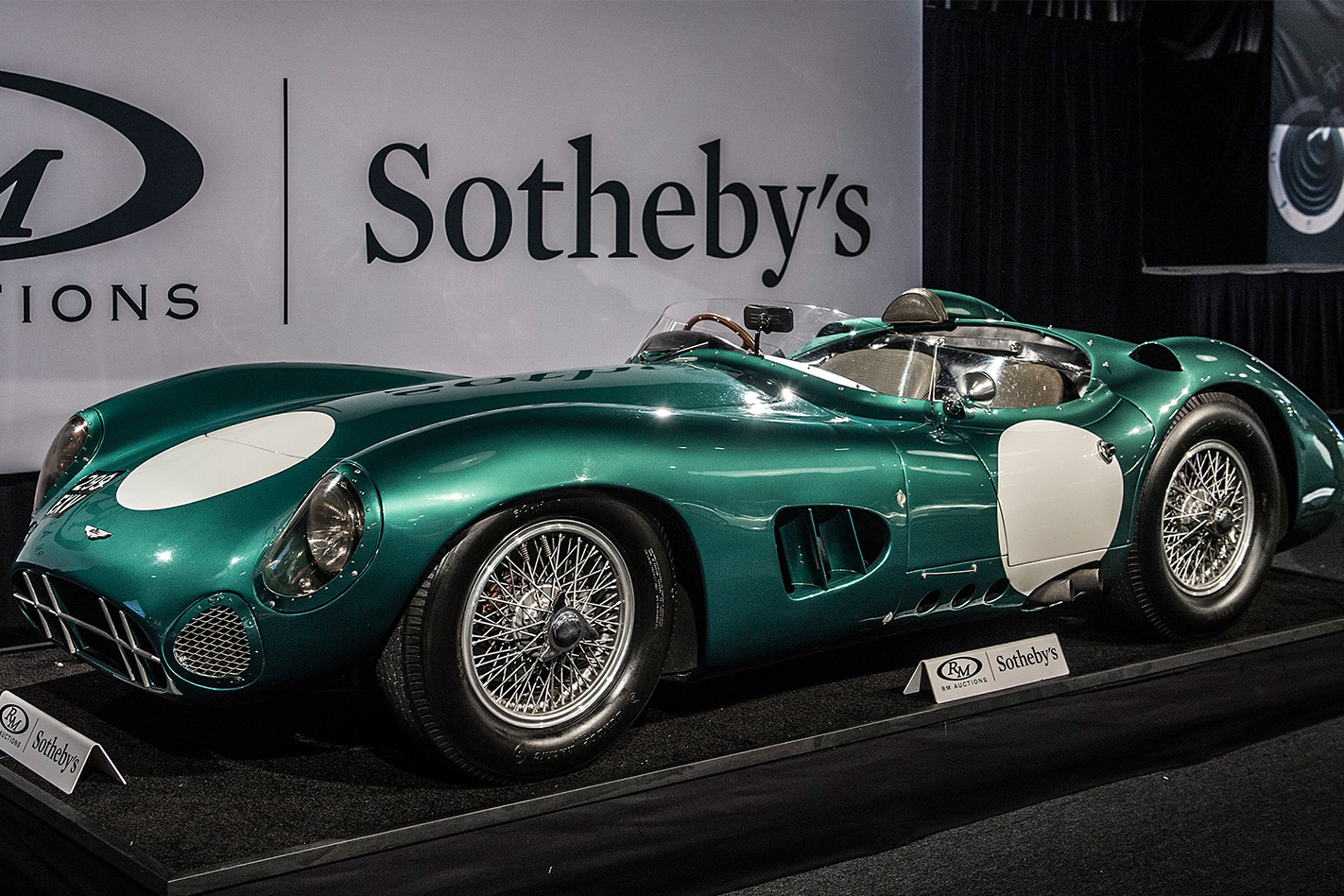
Anyone accustomed to rare car auctions will be familiar with the Ferrari 250 GTO frequently breaking sales records, but this year’s Pebble Beach sales show was stolen by the British equivalent.
With the final hammer falling at $US22.6m ($A28.5m) for the first of just five Aston Martin DBR1s ever made, the stunning racer set a new record for the most expensive British car sold at auction.
With so much attention on Monterey each year with fantastic hardware both old and new, it’s no wonder increasing numbers of car brands are turning to the show as one of their main events of the year.
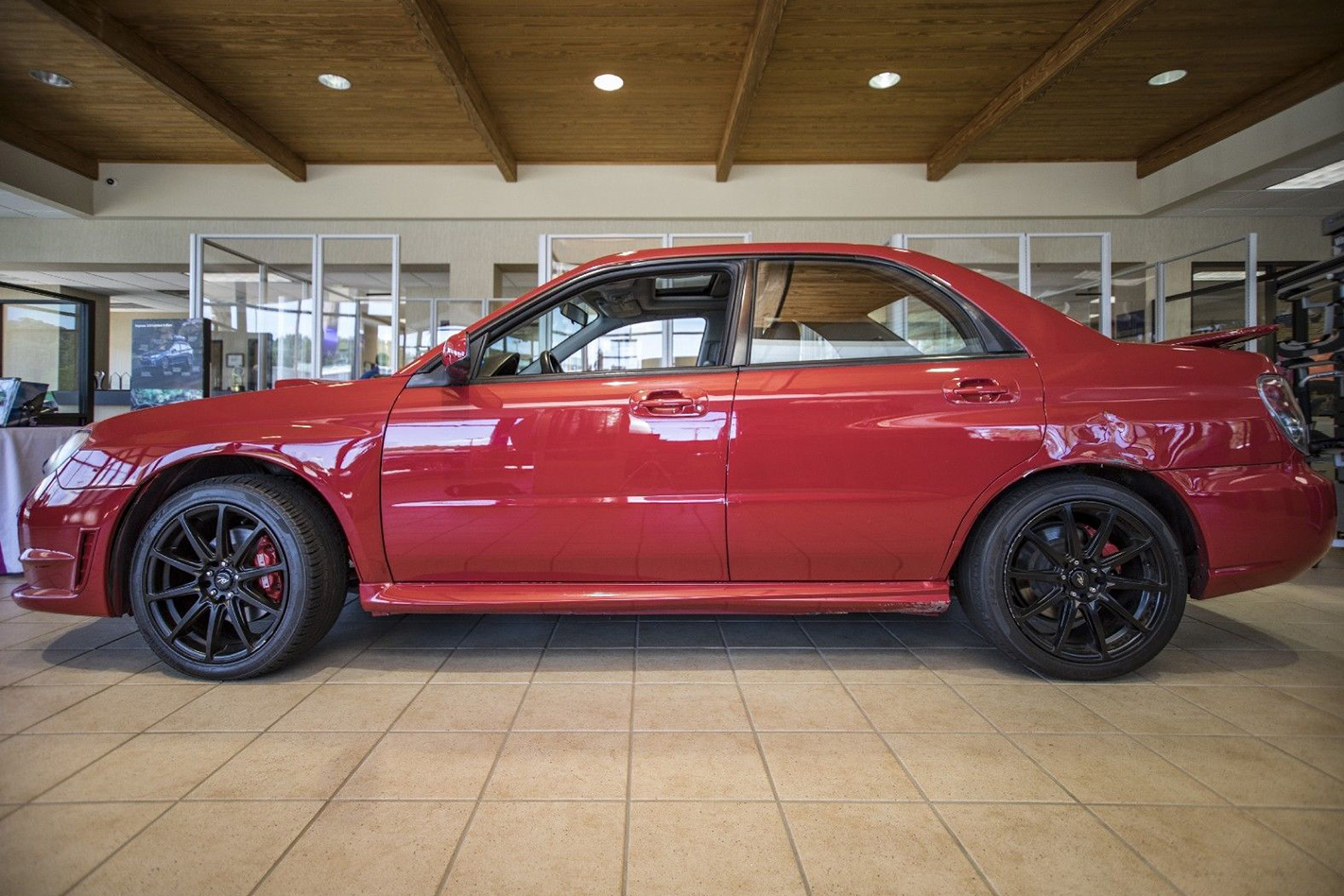
The red Hawkeye Subaru WRX featured in the opening scene of Baby Driver is up for grabs. On eBay of all places.
We checked, and it looks to be the official eBay account of Pro Subaru, the company tasked with building the WRXs used for filming.
With three days to go, current bidding sits at $45,000 USD (or $56,700 dollarydoos). This one is the rear-drive WRX used for particular stunts that the AWD versions would have struggled with. Alley-way manoeuvre, for example.
The listing says it’s got a few dents and scratches from filming, which is to be expected, but who would want the car to look immaculate after what it’s been though?
It’s manual, has 158,000km on the clock, and has been bestowed with a turbocharger from a 2004 STI.
Pro Subaru also says it was the car used for the LA Premiere Red Carpet event.
Anyone thinking about buying the car would want to check up on that.
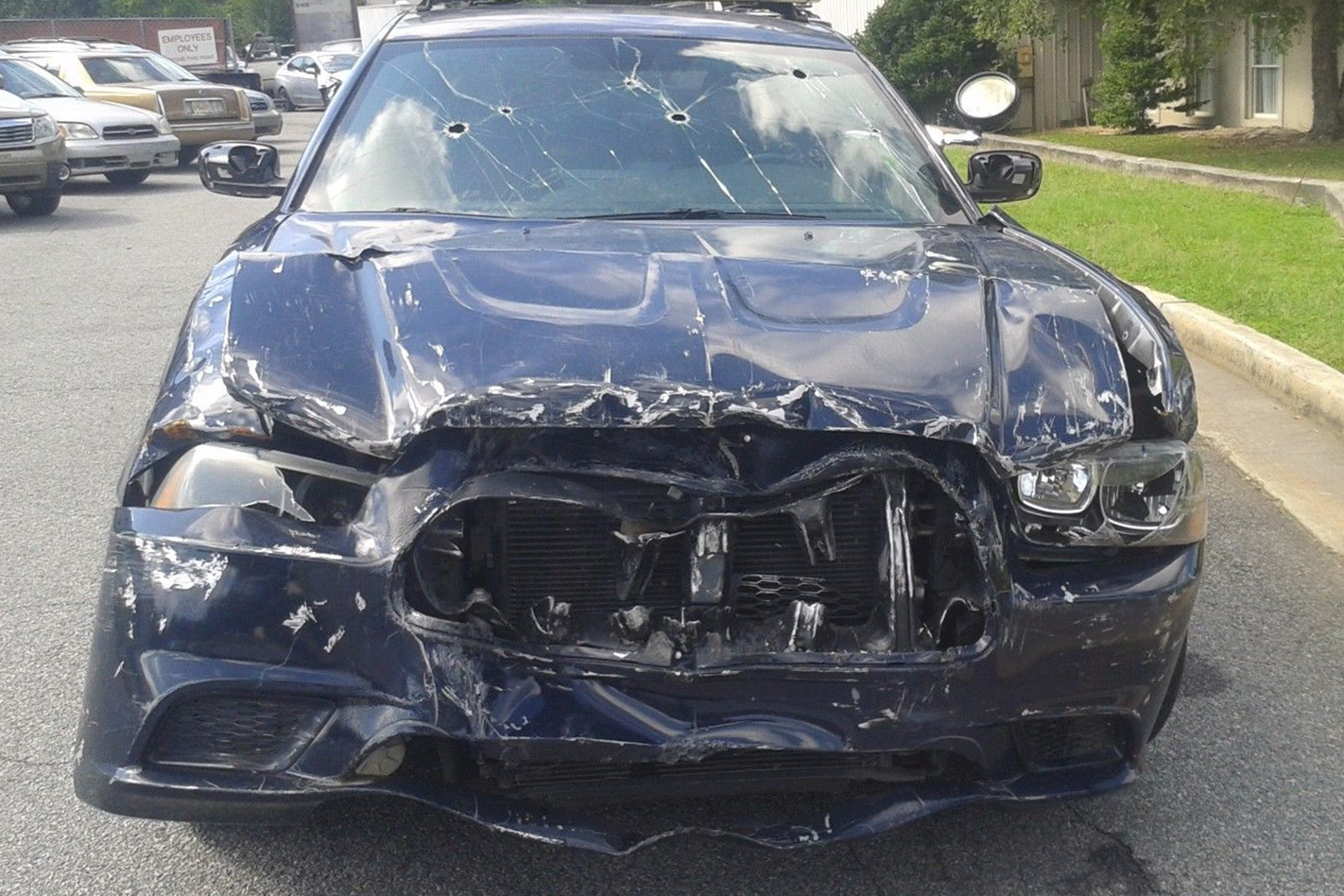
It’s missing some of the front… and some of the back, but it appears to be the one used in the final ‘showdown’ scene of the film. We’ll leave the details, for those yet to see the film.
It’s currently up for grabs at $3K ($3.8K AUD), though that could go up with four days to go.
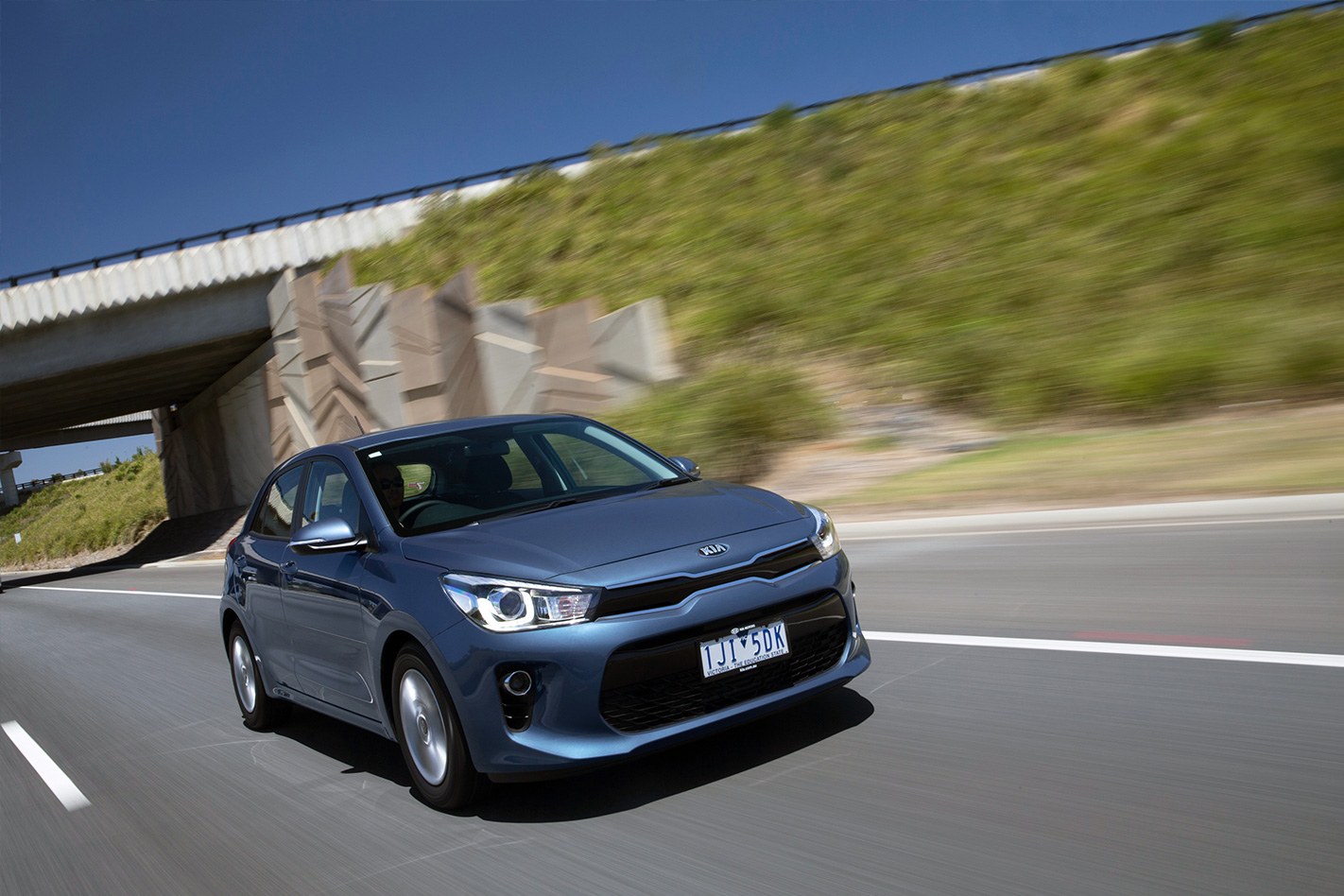
Kia introduced an all-new model of its Rio light hatch earlier this year bringing improved handling, an upgraded infotainment with Apple CarPlay and Android Auto smartphone paring, and more interior room including a 325-litre boot.
The Kia Rio range comes with one engine choice, the 74kW/133Nm 1.4-litre four-cylinder petrol engine – carried over from the previous model – that’s coupled to a four-speed automatic transmission with a six-speed manual version available with the entry-level Rio S (below).

VARIANTS
The Kia Rio comes with three model grades, the S, Si, and SLi.
The Rio S starts at a reasonable $16,990 for the manual version with the automatic transmission attracting a $2100 premium. Standard equipment is pretty good for a sub-$20,000 light car and includes a 7.0-inch colour touchscreen with the aforementioned phone connectivity, reversing camera, rear parking sensors, front and rear USB ports, auto headlights, cloth seats, and hill start assist.
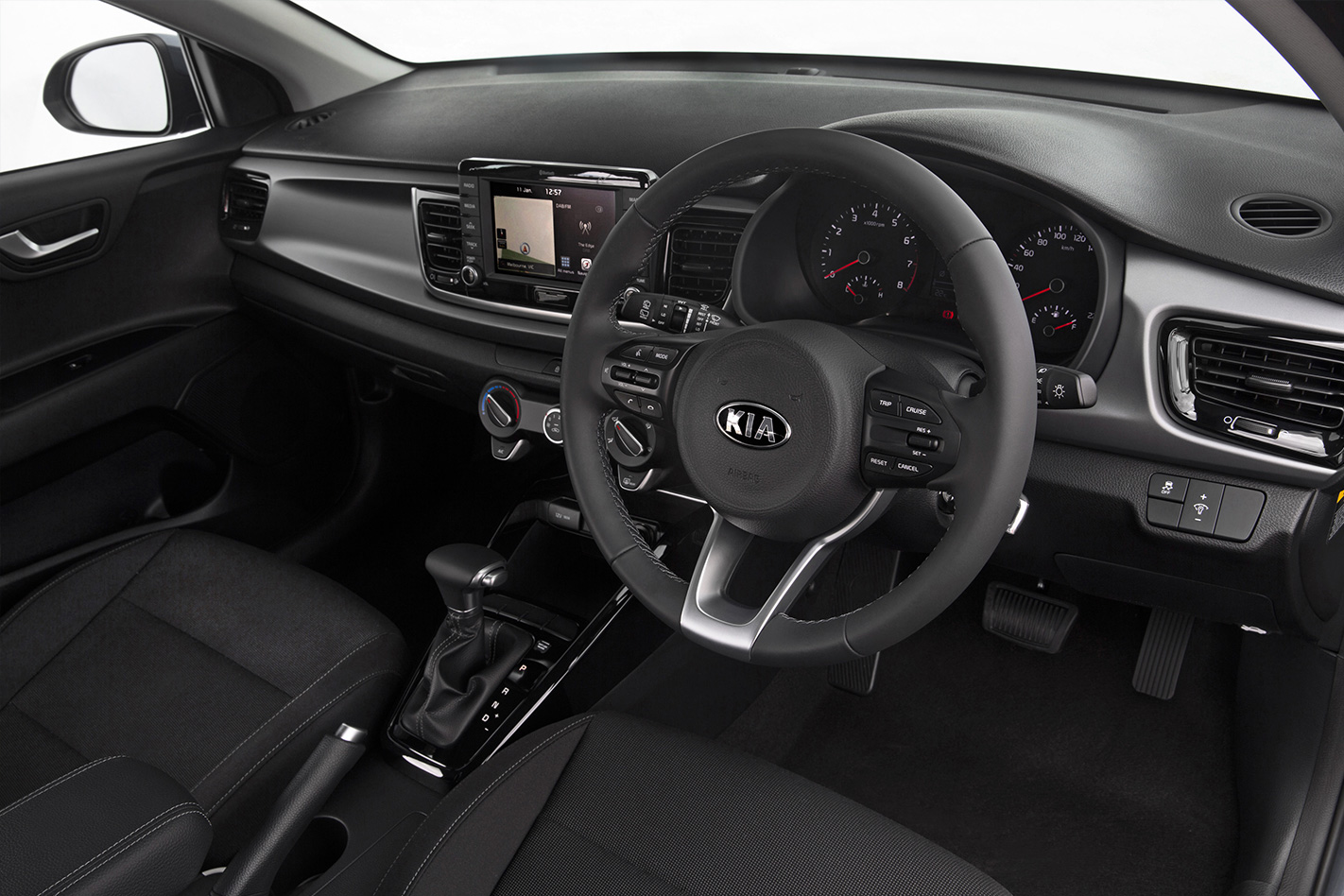
Upgrade to the Rio Si and get cruise control, in-built satellite navigation, 15-inch alloy wheels, and LED daytime running lights.
The range-topping Rio SLi (below) brings rain-sensing windscreen wipers, climate control air-conditioning, powered sunroof, faux leather seats, softer door armrests, 16-inch alloy wheels with wider, grippier tyres, and a bit more exterior bling.
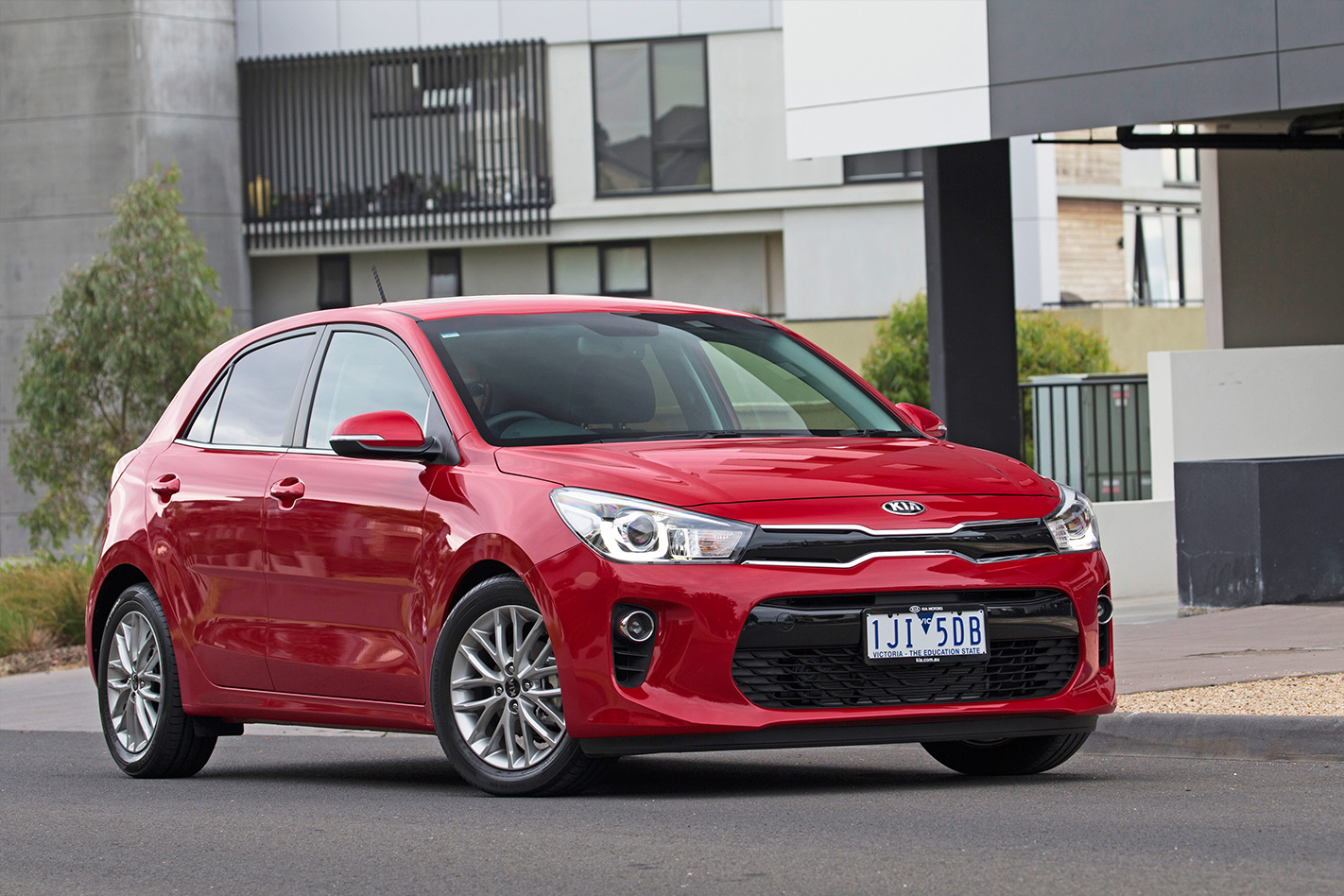
All Rio variants come with Kia’s seven-year warranty.
- Rio S manual – $16,990
- Rio S auto – $19,090
- Rio Si auto – $21,490
- Rio SLi auto – $22,990
OUR PICK
The Rio Si’s extra features justifies its premium over the Rio S auto, though it’s a shame there’s no manual version as the four-speed auto really doesn’t do much for the smallish engine. That said it’s a good little city runabout.
This year’s Pebble Beach has been every bit as impressive as those that came before it, with new luxury cars and supercars being unveiled left right and centre.
But what we weren’t expecting was for an 18-year-old car to have the covers pulled of it.
Horatio Pagani had other plans, and decided this year would be a good time to build the last Pagani Zonda… probably. Maybe.
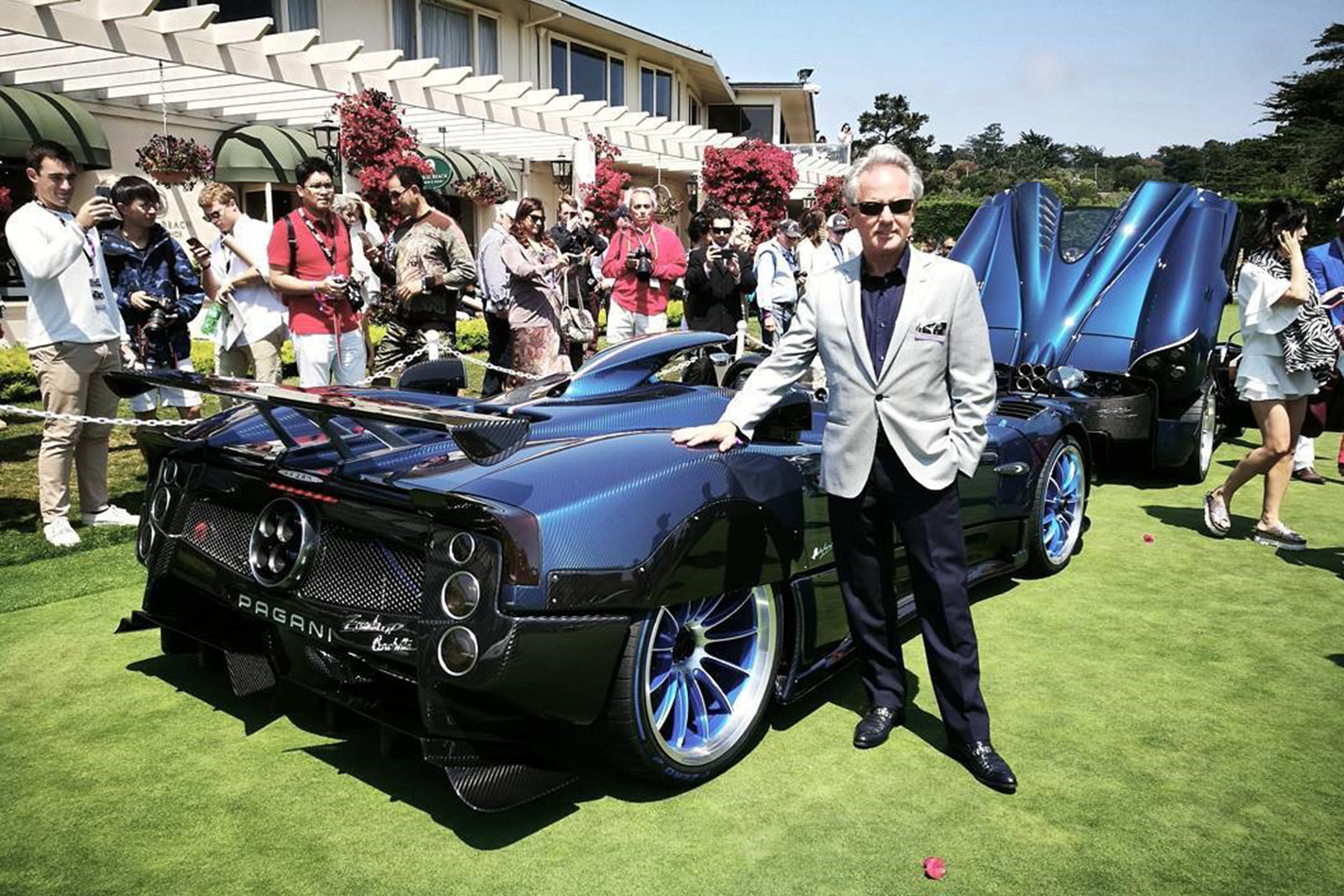
Though Pagani hasn’t revealed its official specs, it looks like it’s primarily based on the Zonda 760, with more than a few modifications to differentiate it.
A pinch of carbon fibre here and there, redesigned tail lights, arch covers for the rear wheels, and a profile that’d fit under a semi-trailer all make this Zonda one wild looker.
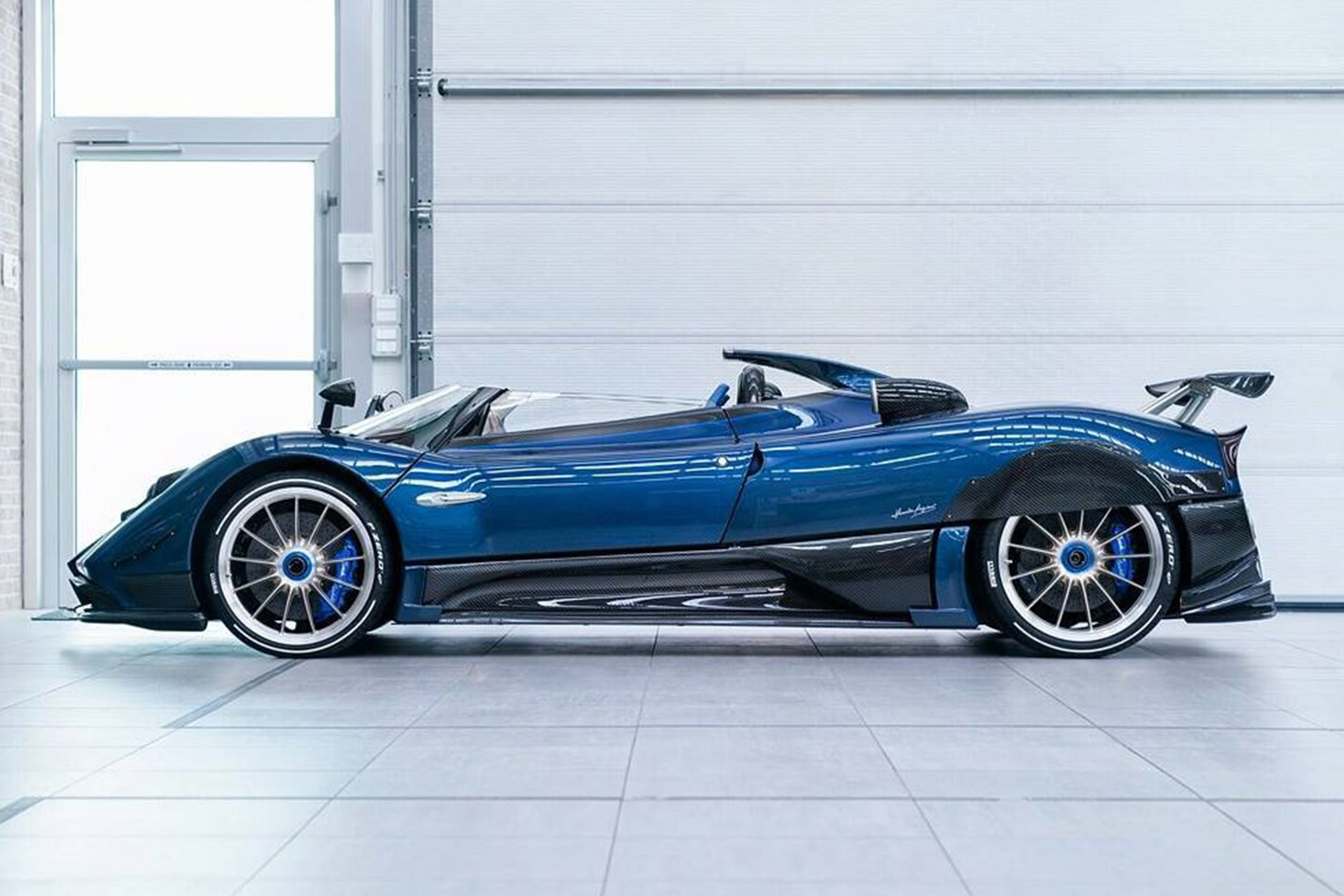
The 1250kg HP Barchetta (its weight is just about the only thing we’ve been given by Pagani) is said to feature the same naturally aspirated 7.3-litre AMG V12 from the Zonda 760. This means it should be putting out at least 560kW, though more than that shouldn’t be a surprise for Horatio’s own car.
Two additional HP Barchettas will be built, with those being offered to prospective buyers for a rumoured $15 million ($18.9 million AUD), though that would make it the most expensive ‘new’ car ever sold.
Skoda has updated its charmingly named, but low-selling, Rapid Spaceback with a revised front fascia that includes LED daytime running lights. That being said, the Rapid range has been reduced to one variant.
The rationalisation of the small wagon range means a $5800 price increase over the old entry-level mark of $18,190.
Going with Skoda’s trend to start its range with mid-spec models, Skoda is now only offering a 92TSI model that’s similar to the 92TSI Ambition, which was second in the four-tier line-up and powered by a 92kw/200Nm 1.4-litre four-cylinder turbo petrol engine mated to a seven-speed dual-clutch automatic transmission.
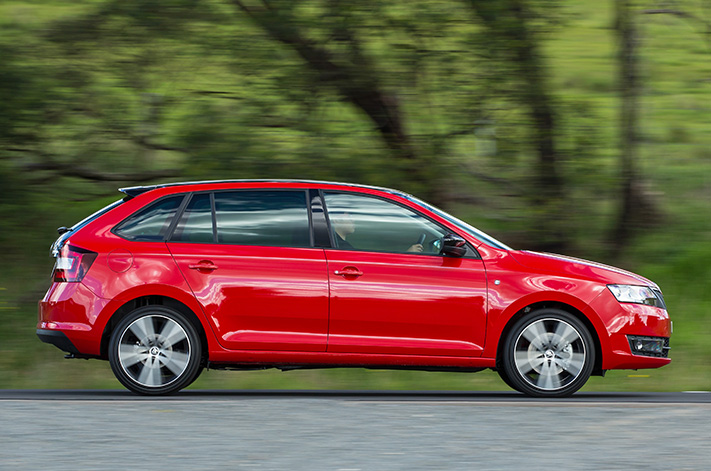
Now simply called the Skoda Rapid, it will retail at $23,990, $890 more than the 92TSI Ambition but, according to Skoda, gains extra standard kit, some of which was only available in the previous range-topping Monte Carole variant, including:
- Extended glass tailgate
- 17-inch Black Savio wheels
- Rear View Camera
- Rear Parking Sensors
- Front Assist with City Emergency Brake
- Privacy Glass
- SmartLink (Apple Carplay & Android Auto)
- LED daytime running lights
- 6.5″ Swing touchscreen infotainment
- Black side mirrors
MERCEDES-Benz has confirmed it will officially reveal the shape of the Mercedes-AMG Project One, the luxury car maker’s celebration of the 50th anniversary of its performance skunkworks, in near-production form next month.
The $3 million Project One, a wild, F1-inspired two-seater road car that is believed to look like a road-going version of a Le Mans LMP1 car, is locked in for a Frankfurt Motor Show reveal. Mercedes-AMG has already revealed the 1.6-litre turbocharged V6 that will power the hypercar; an engine near identical to the engines developed for the world championship-winning AMG-Petronas Formula 1 cars, with modifications made only to allow owners to use them without backup from a race team. The Project One’s V6 will rev to a confirmed 11,000rpm limiter, with AMG claiming the power it will generate will be more than 735kW – or 1000PS on the metric horsepower scale.
The Project One is also expected to come with a “qualifying” drive mode that will will mimic the most aggressive settings of the Formula 1 car, giving maximum track performance and control, variable ride height, active aero and drivetrain response.
An eight-speed single-clutch gearbox is expected, as is all-wheel drive. The Project One will use two 120kW electric motors to drive the front wheels independently, giving an all-electric range of up to 25km. A third 100kW electric motor is attached to the crankshaft, while an 80kW electric motor incorporated into the turbocharger gives the forced induction system immediate response. All up, the Project One has four electric motors with a combined output of 420kW.
The vehicle will be the first to launch under Mercedes-Benz’s “EQ” sub-brand that it will apply to “compact vehicles with electrically driven power units to consequently make electromobility available for an important target group”.
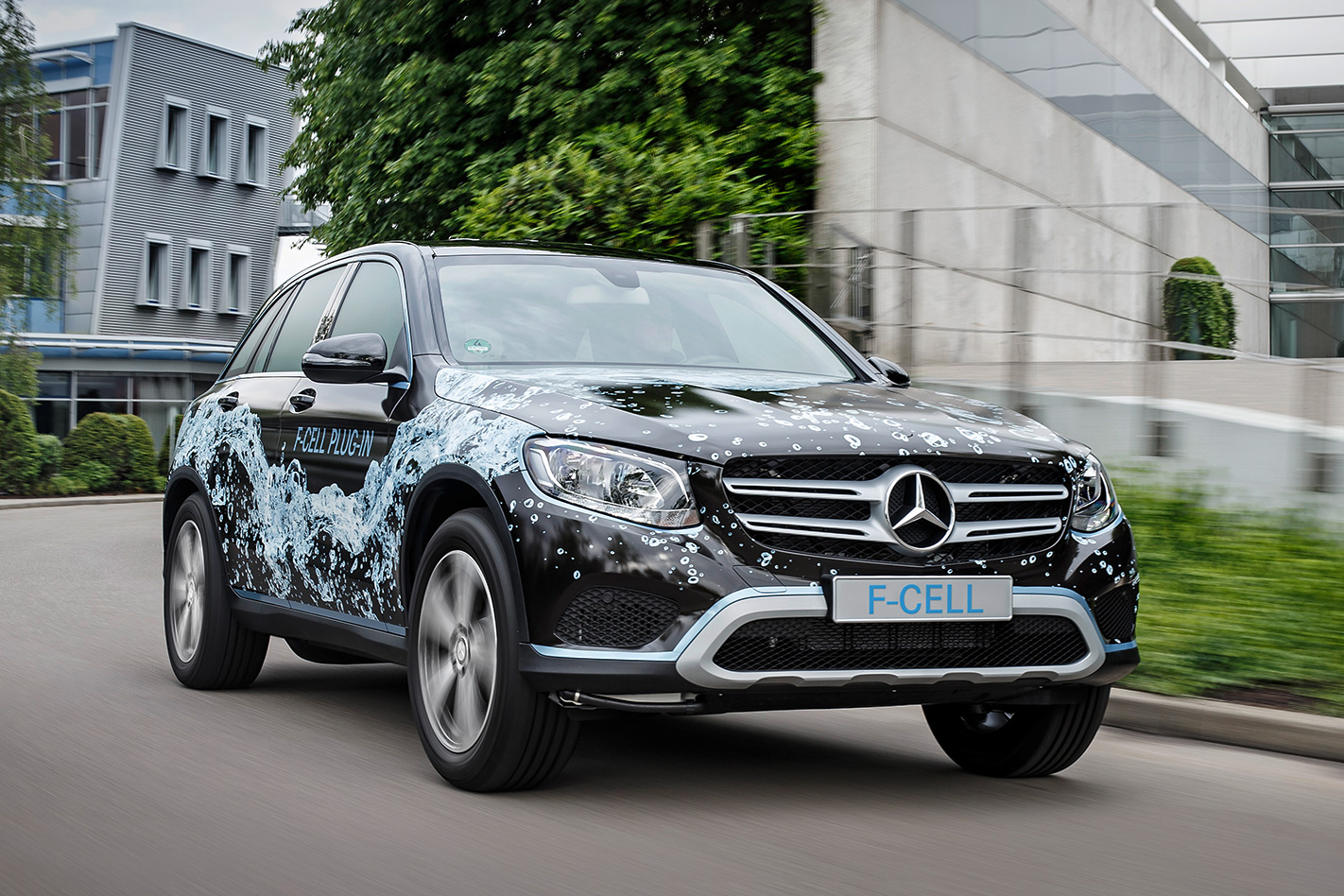
Mercedes-Benz plans to launch the GLC compact SUV-based hydrogen fuel cell vehicle before 2020, the timeline when tough Euro 7 emissions targets come into force that will require car makers to build versions of their vehicles almost as clean as a Toyota Prius.
It says the plug-in fuel cell-powered GLC should provide a driving range of about 500km, and “short hydrogen fuelling times”.
The carmaker will also use Frankfurt to introduce the facelifted S-Class coupe and cabriolet.
This wasn’t supposed to happen. Four years ago, Harald Wester, Maserati’s then boss, told us the ageing GranTurismo and its GranCabrio sister were set for the grave.
But he’s since left and the pair have been given a facelift to eke out their existence for a couple of years.
This is a range rationalisation as much as a refresh. Maserati has dropped the entry-level 4.2-litre engine, which snared only 20 per cent of sales, and the optional single-clutch automatic transmission offered on the previous MC Stradale.
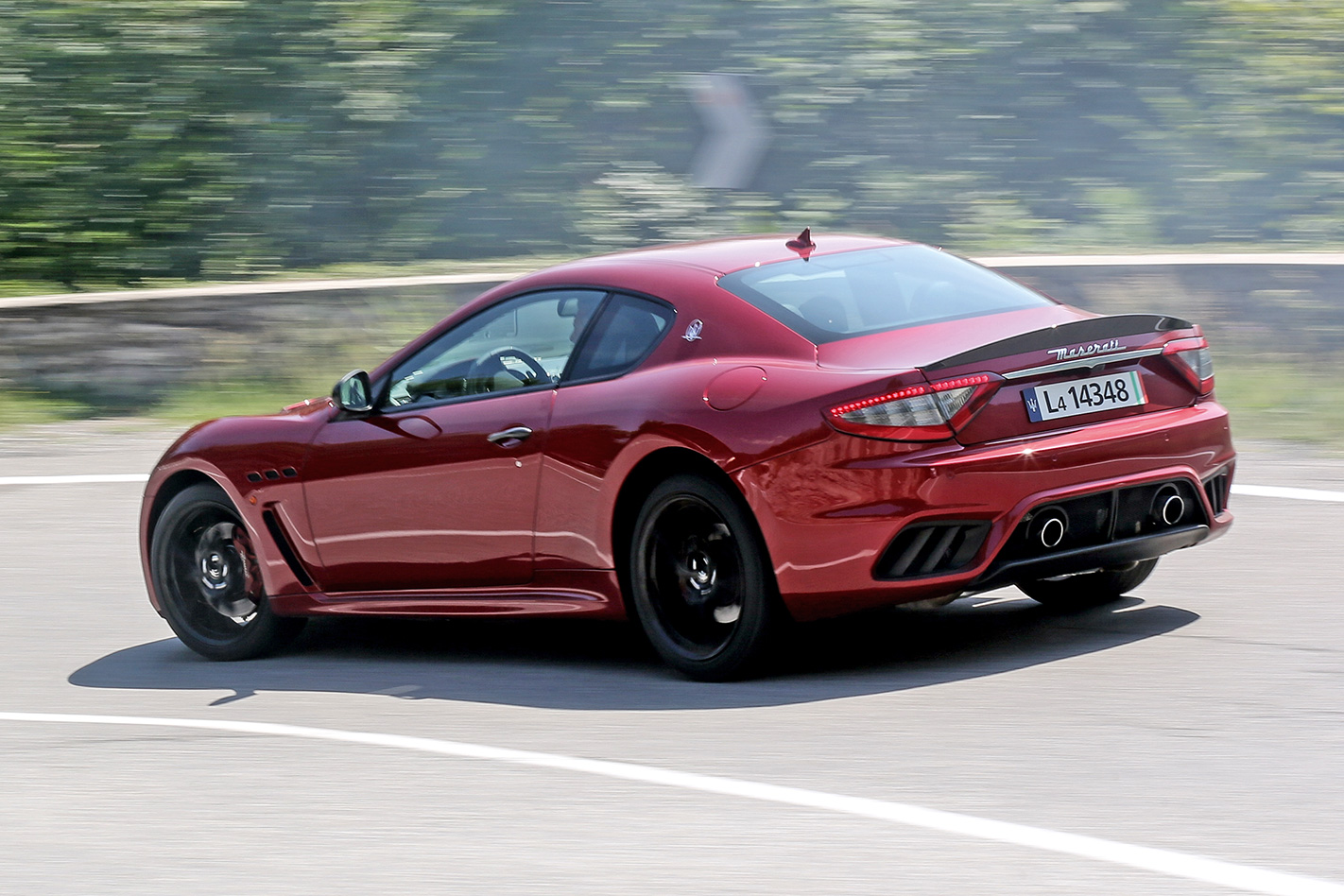
When a rear-view camera is celebrated as a new feature, you know the barrel’s bottom is being scraped. Yet there is still plenty to like about this ageing stager, and not just its still-handsome looks.
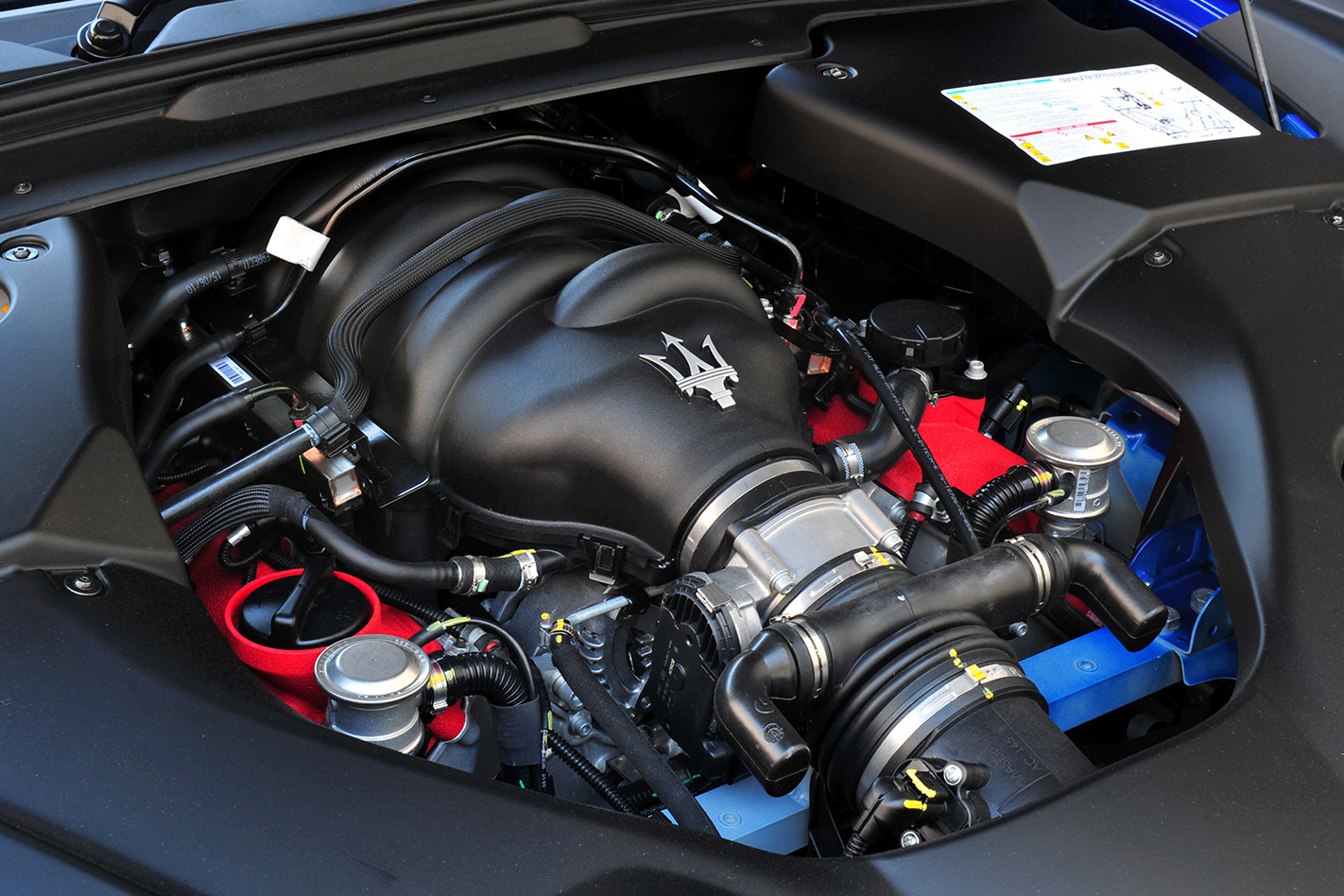
The naturally aspirated V8 remains the starring feature; it can’t match the low-rev wallop of turbocharged rivals, but loves to rev and makes some impressively snarly noises as it closes in on its 7100rpm limiter.
The brake pedal is slightly wooden too – although capable of serious speed, this is a car happier being driven at seven or eight tenths. The automatic copes well, but shifts feel leisurely under harder use or manual control, and the torque converter reactions are slushy at low speed.
The new infotainment system works well and the intuitive touchscreen effectively negates the need for the rotary controller that still sits next to the gear selector.
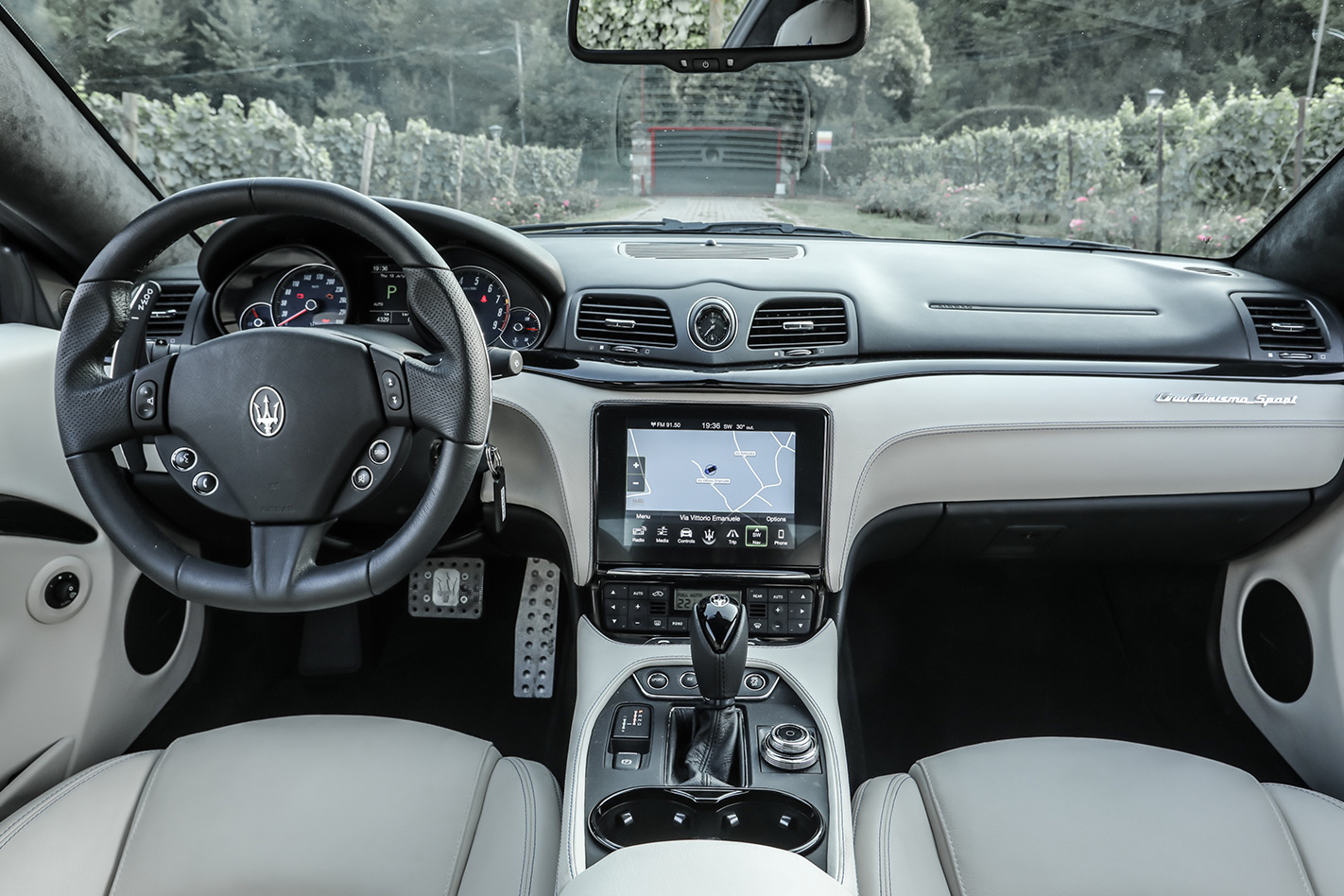
Maserati definitely killed the right transmission – the old single-clutch auto lurched like an attack dog – but don’t expect the precision of a twin-clutcher, or even of the more modern ZF eight-speeder that we’re told the next-generation coupe will use.
Dynamically, the big difference is the fact the cheaper Sport keeps adaptive ‘Skyhook’ dampers, while the considerably more expensive MC uses firmer fixed rate shocks. All other suspension settings are identical, but the Sport rides over rougher surfaces with a compliance that’s notably lacking in the far stiffer MC; we suspect it will feel downright harsh when it reaches Aussie tarmac.
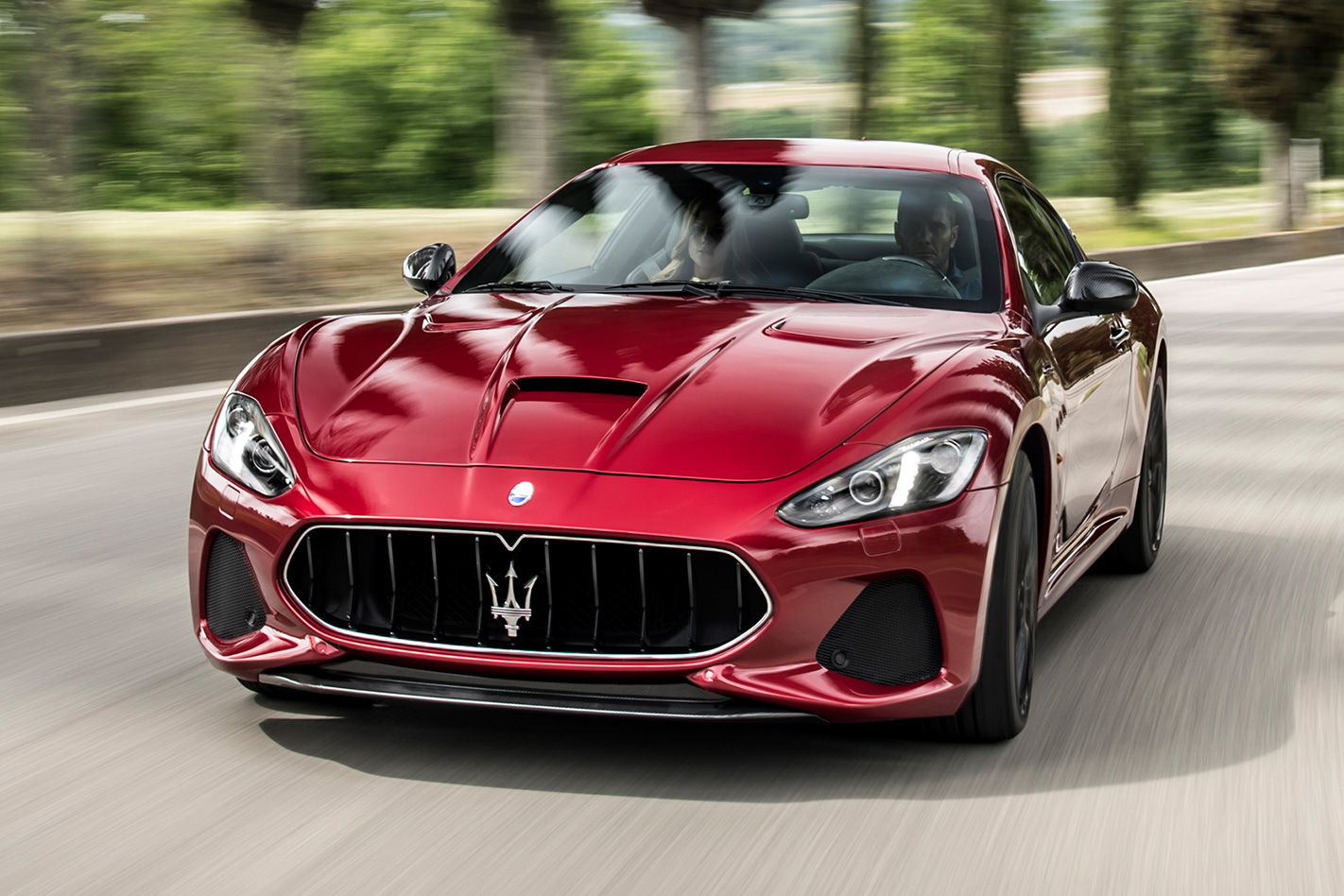
With the exception of ladder-frame SUVs, luxury sports cars tend to live longer than any other type of car. The Granturismo has passed its 10th anniversary, and although it will remain a minority choice next to more modern and – it must be said – more talented rivals, like the soon-to-retire Bentley Continental GT and Aston Martin Vantage, the Maserati remains a hugely likeable car.
Some will still see sufficient appeal in a Pininfarina-designed four-seater with a Ferrari-built engine to justify the price when they arrive here early next year. While there’s certainly no shame in lusting after one, it is really starting to feel its age and the segment contains many more rational offerings, if not necessarily more emotionally compelling ones.
3.5 stars out of 5 Likes: Looks and sounds immense Dislikes: Not that quick; MC ride; old interior
2018 Maserati GranTurismo Specs: Engine: 4691cc V8, DOHC, 32v Power: 338kW @ 7000rpm Torque: 520Nm @ 4750rpm Weight: 1873kg 0-100km/h: 4.7sec (claimed) Price: $280,000 (est.)
The arrival of a new BMW M5 is always going to be one of the biggest stories of the motoring year.
Unlike many icons that benefit from constant evolution, the M5 has been happy to re-invent itself with each successive generation, its size and power growing as the cylinder count expanded from six to eight to 10 before the adoption of turbocharging.
The sixth-generation F90 M5 is no exception, the adoption of all-wheel drive heralding perhaps the biggest revolution in the model’s 33-year history.
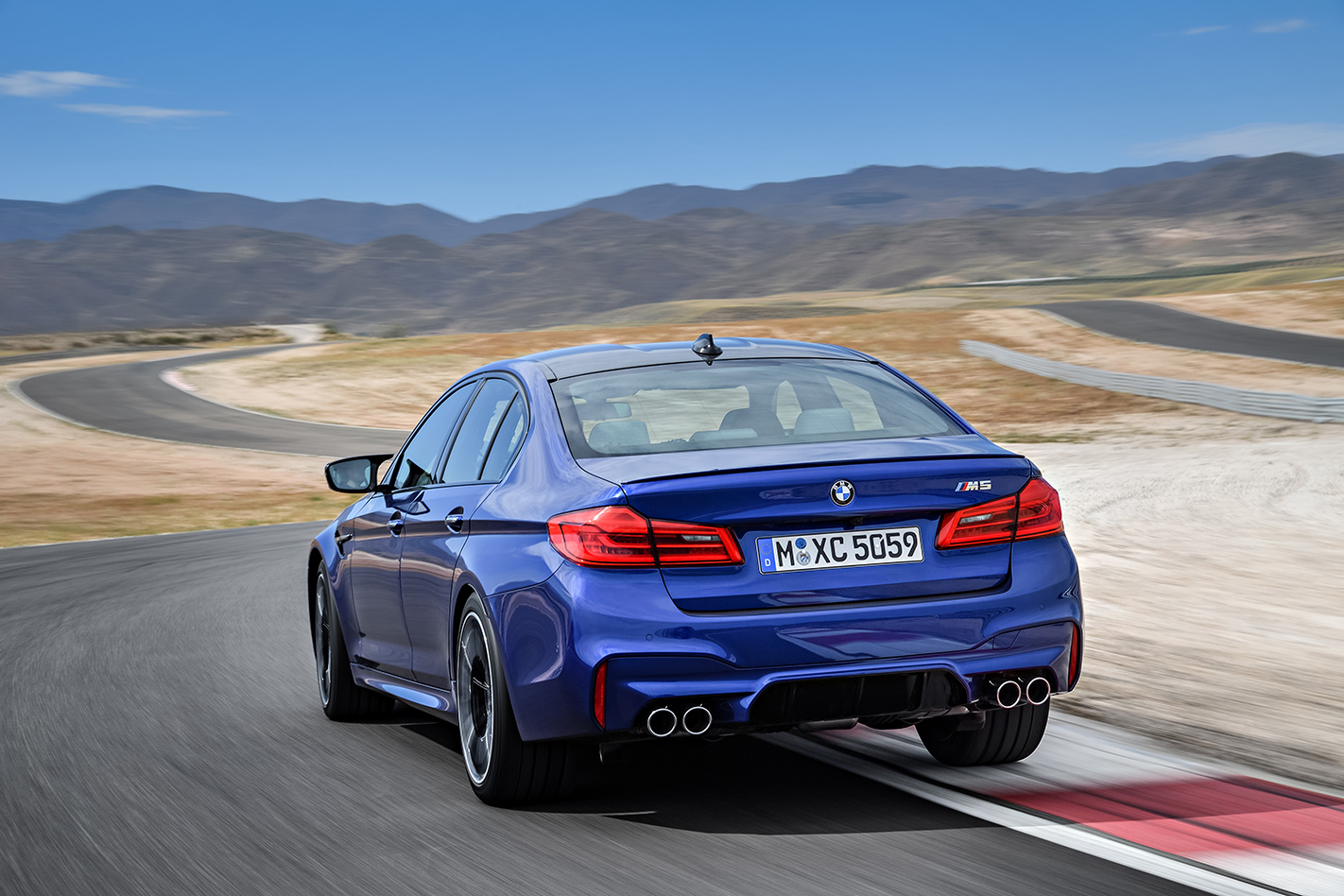
Maximum power remains 441kW, the same as the outgoing M5 Competition, however torque increases 70Nm to750Nm and the added traction of all-wheel drive slashes the 0-100km/h claim to just 3.4sec, conveniently identical to its AMG nemesis.
BMW’s new super sedan passes 200km/h in just 11.1sec on its way to a limited 250km/h top speed, which can be increased to 305km/h when the M Driver’s Package is optioned.
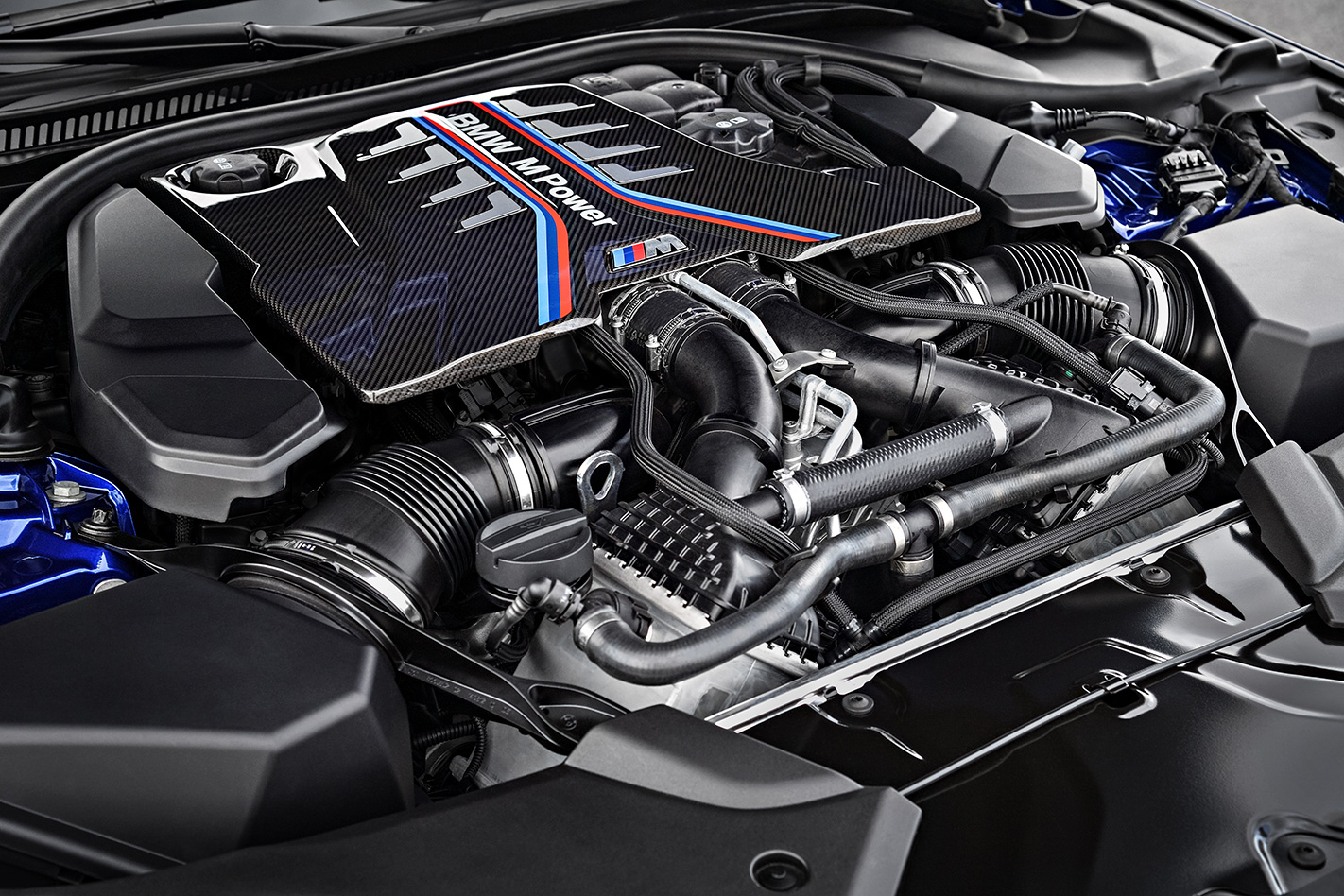
M xDrive has four different modes related to the DSC setting chosen; with DSC on the all-wheel drive system is active but will only send drive to the front wheels when the rears can no longer cope, while choosing M Dynamic Mode for the DSC allows for more slip and a greater rear-wheel bias.
Finally, with DSC off the M5 can be driven in all-wheel or rear-wheel drive for when you feel like you have too much tread on your rear tyres.
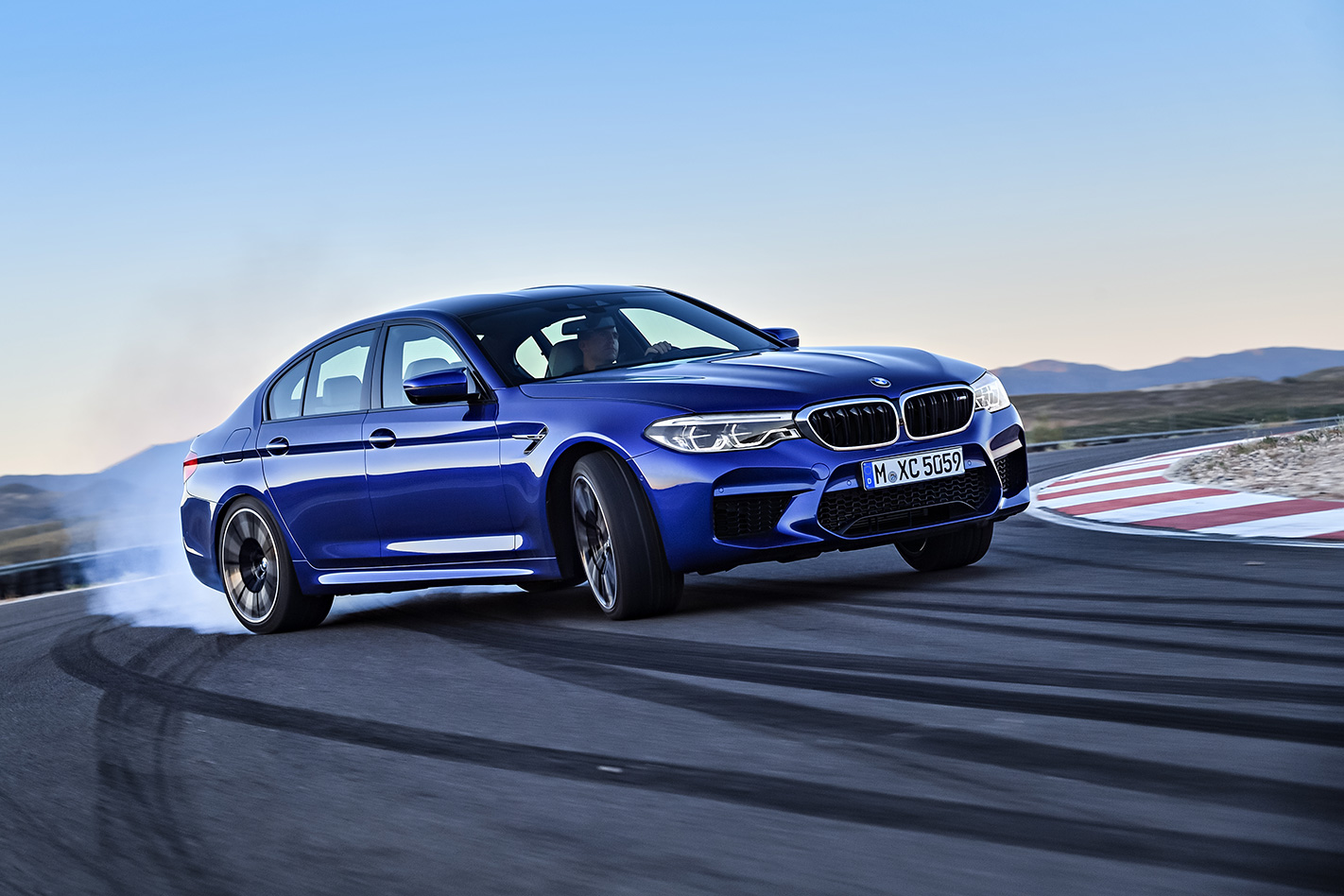
Suspension is double-wishbone front and five-link rear with three-mode adaptive dampers controlling 19-inch wheels wrapped in Michelin’s latest Pilot Sport 4S tyres measuring 275/40 and 285/40 rear, however we’d be amazed if 20s weren’t standard in Australia.
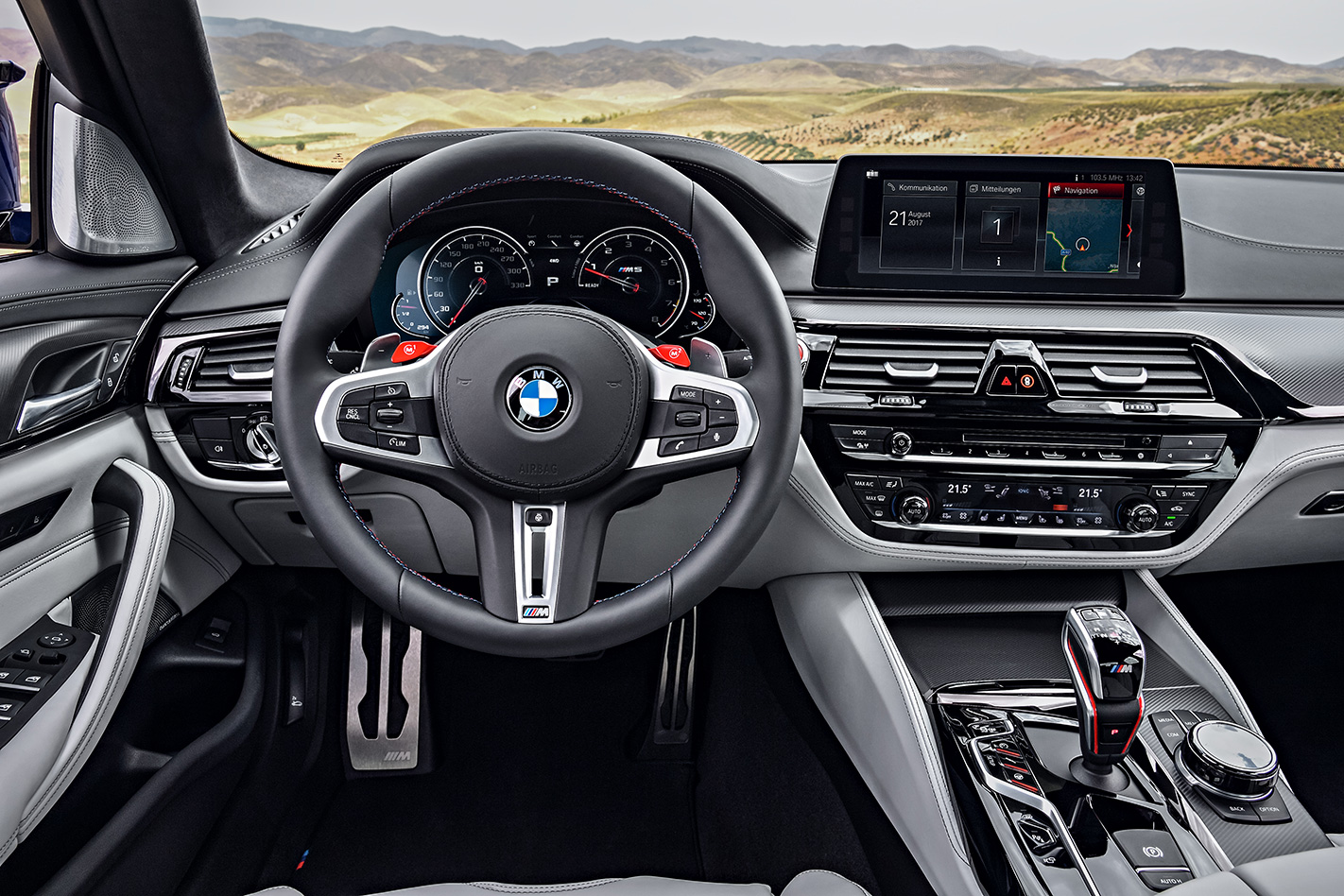
Inside the standard 5 Series interior is jazzed up with flashes of aluminium and carbon, bespoke seats and an M-specific head-up display.
Australian pricing is some way from being confirmed but we don’t expect it to stray too far from the current M5’s $230,900 when it arrives in the first quarter of 2018.
MOTOR will bring you a first drive of the F90 M5 from its international launch in late November.
BMW has officially lifted the lid on its hi-po hero car the 2018 M5, revealing not only its pumped bodywork for the first time (leaks notwithstanding), but a slew of key stats that put the ballistic Bavarian eye-to-eye with its arch-nemesis the Mercedes-AMG E63 S.
The most important number is 3.4 – the amount of seconds the new M5 needs to reach 100km/h from standstill.
Credit the M5’s all-paw drivetrain for that one – the M5 may have turned its back on 32 years of rear-drive history, but the upshot is a massive 0.8 second reduction in the 100km/h sprint compared to the superseded model.
And 3.4 seconds also happens to be precisely how long the E63 S needs to achieve the same feat. The gap widens ever so slightly from here, though, as the M5 ticks over to 200km/h in 11.1 seconds to beat the E63 S by 0.3 seconds.
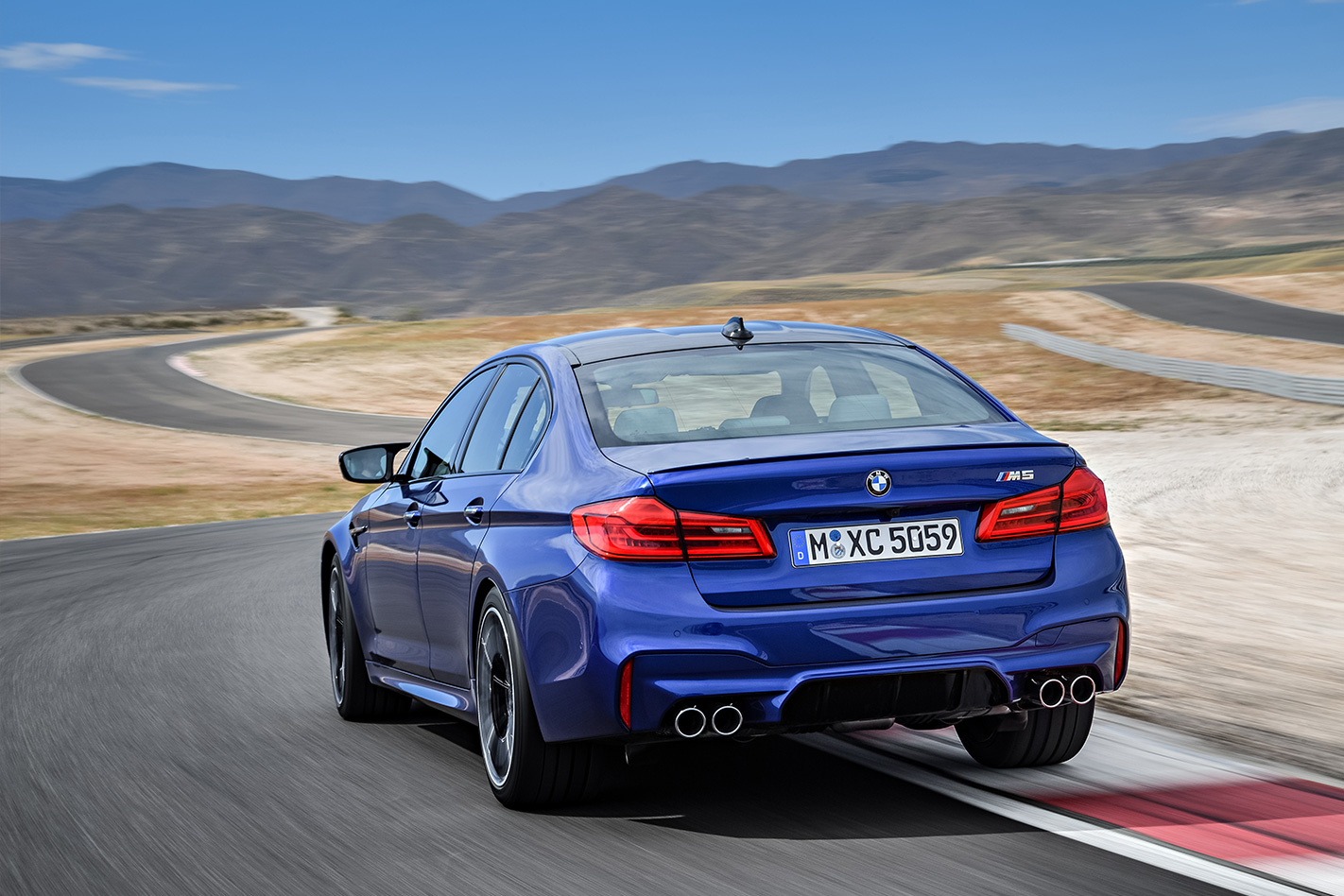
The secret sauce is its weight. At 1855kg empty it’s still a heavy beast, but the new M5, despite the addition of all-wheel drive (dubbed M xDrive by BMW’s M performance division) actually weighs 15kg less than its predecessor. It also tips the scales more than 150kg under the E63 S, which explains how the less powerful M5 is not only able to keep up with, but also eventually outrun its rival.
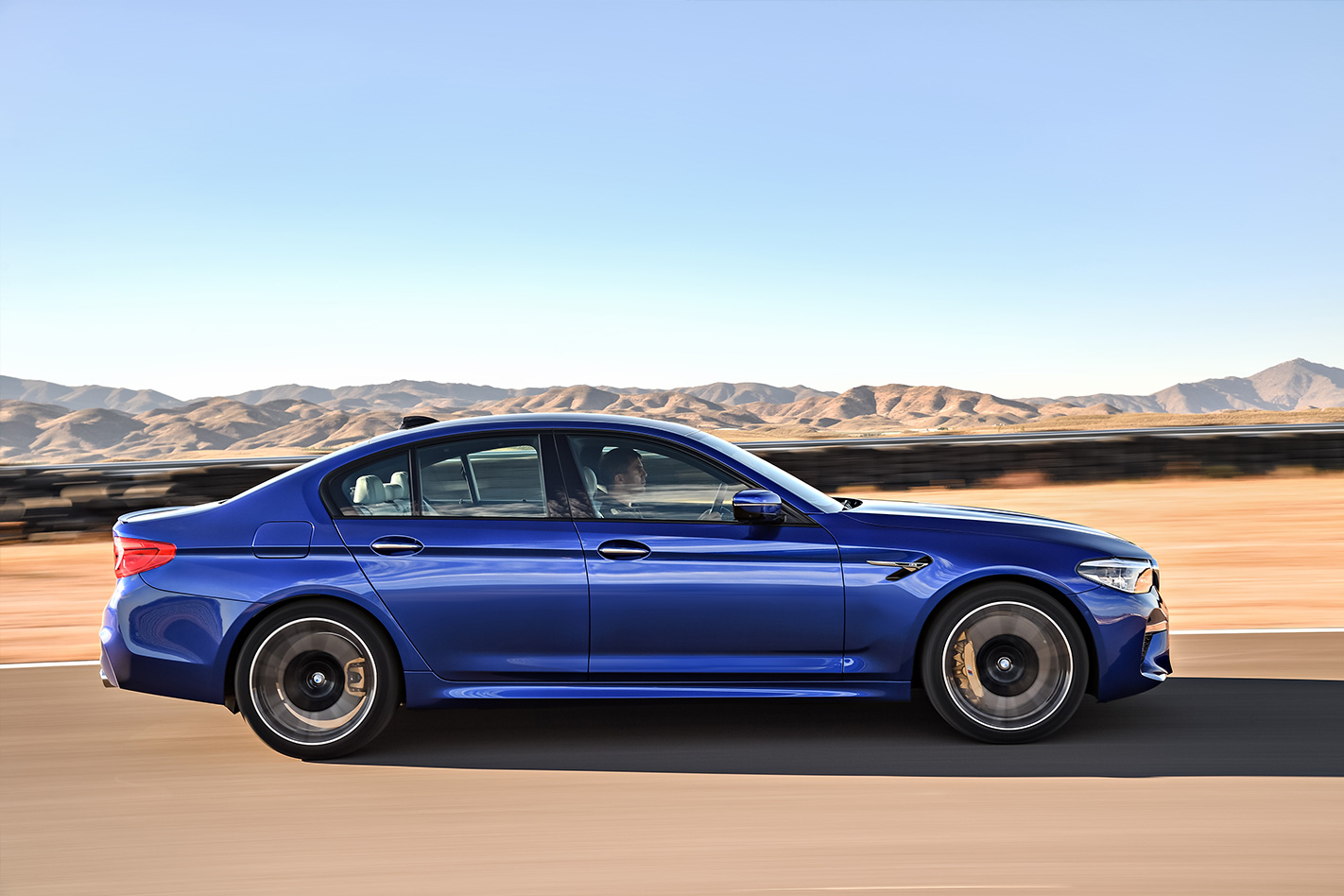
And if you tick the box for the M5’s optional carbon-ceramic brakes you can also cleave off a further 23kg of unsprung weight – not to mention gain motorsport-grade braking hardware and gleaming gold calipers.
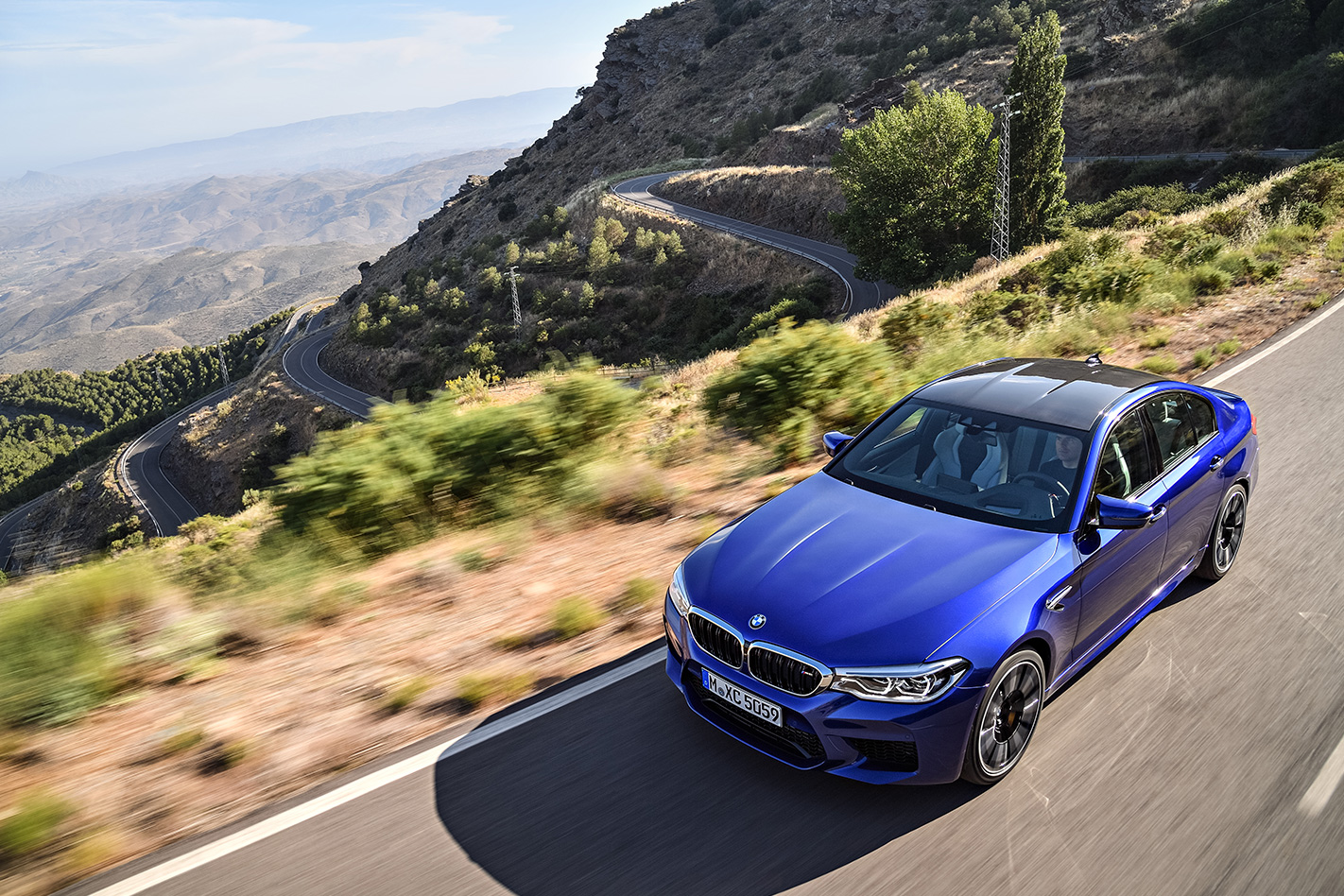
19-inch alloys will be standard overseas with 20-inch rollers optional, though Australian-market specifications have yet to be announced – and likely won’t be until much closer to its local arrival sometime around the middle of next year.
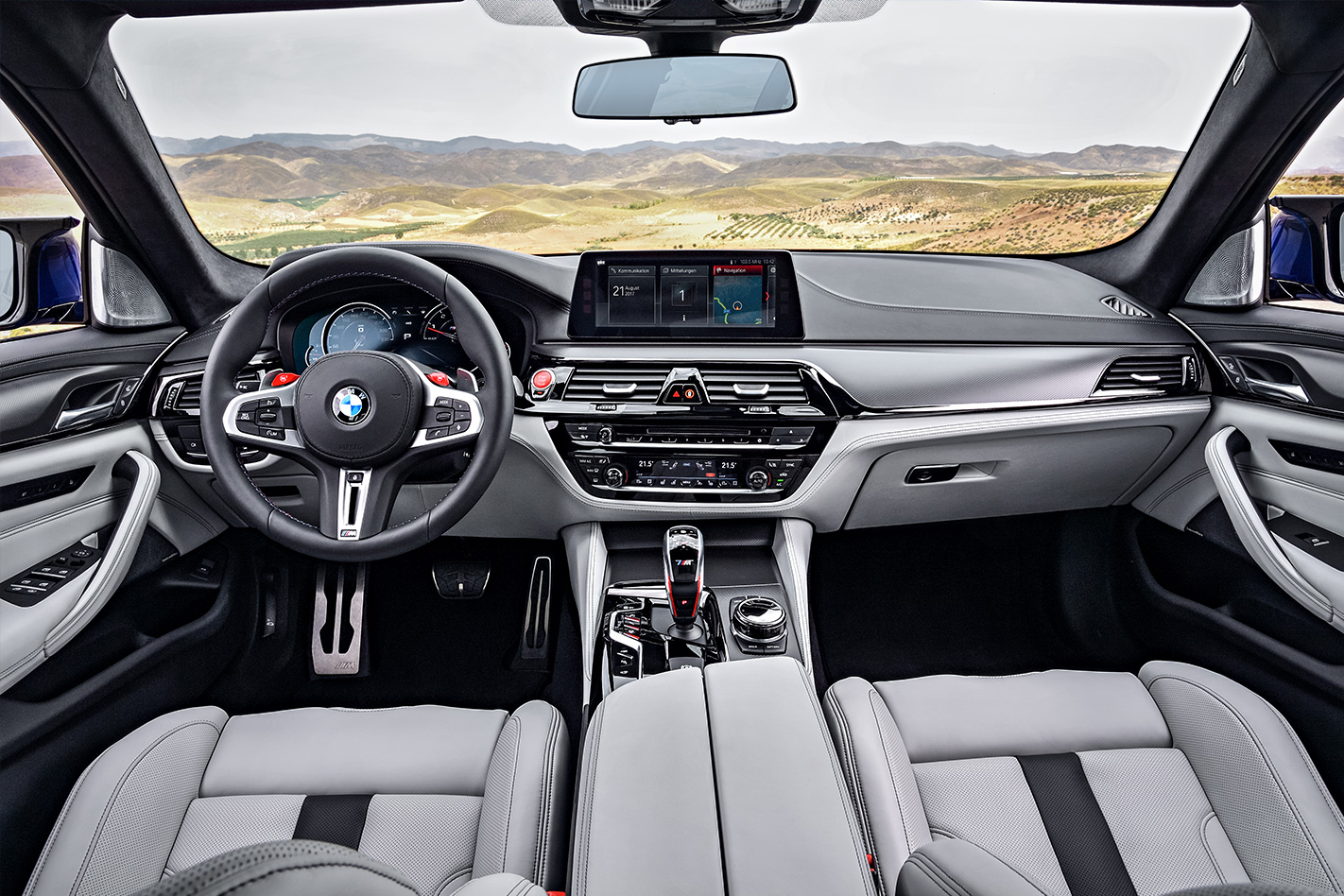
The driveline is essentially a hopped-up version of what you’ll find under an X5 M or X6 M – BMW M’s only other all-wheel drive models. Unlike those cars, however, the M5 will feature a rear-drive-only mode that sends all power to the back axles exclusively. A not-insignificant concession to the world’s well-heeled hoons.
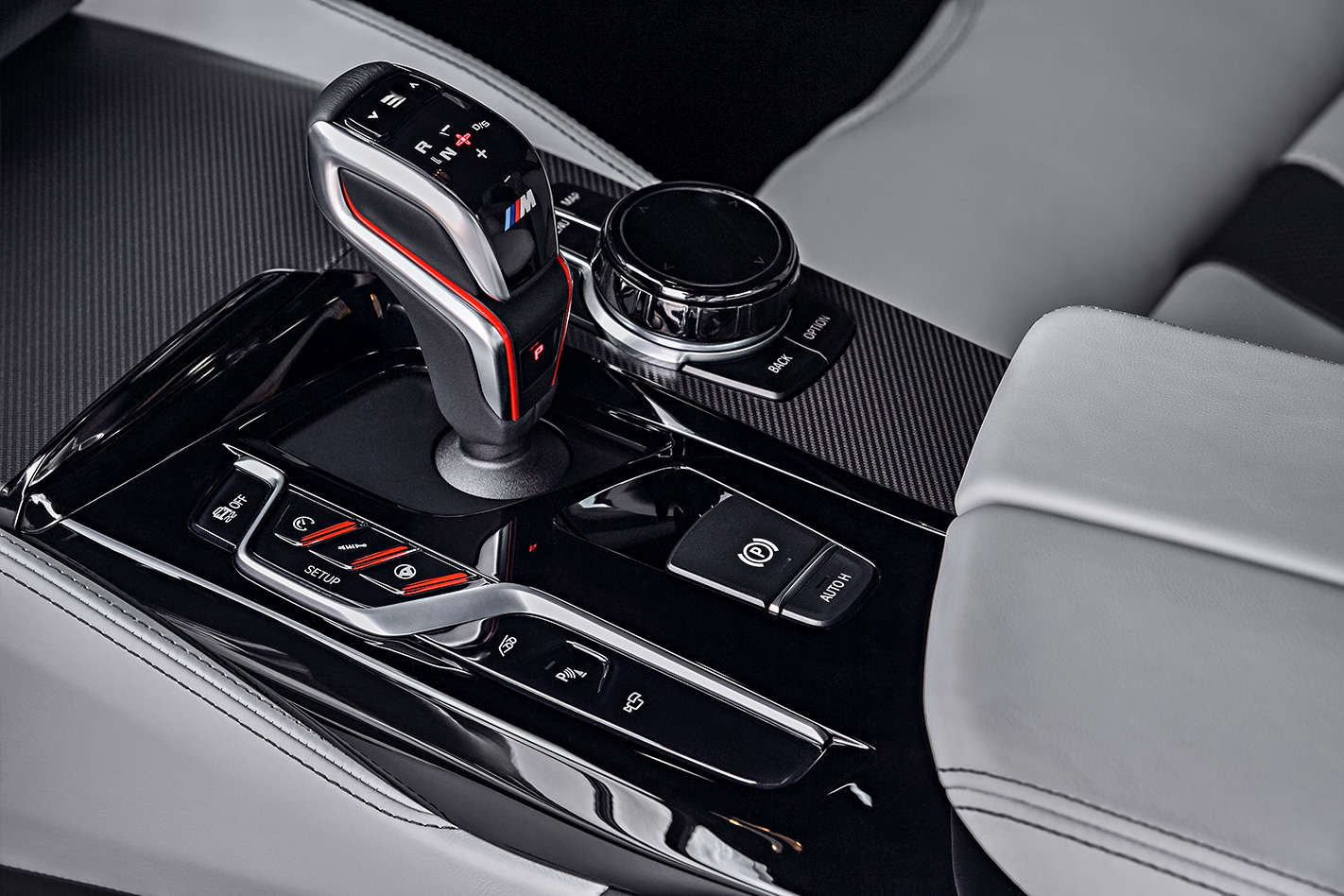
There’s also electric power steering that’s tuned for high response, a torque-vectoring differential and unique suspension geometry with bespoke spring/damper settings. The standard brake package is also beefed up to help rein in the M5’s 1.8-tonne bulk.
Local pricing and details are still to be announced, but the numbers announced today well and truly throw down the gauntlet to BMW M’s rivals in Affalterbach. All we need now is the next-gen Audi RS 6 to join the party…
