
NOTE: This story, first published in January with equipment details only, has been updated with newly released pricing.
I managed to defer its collection by a couple of weeks, but eventually there was no getting away from the fact. The Genesis GV70 was heading home. Over the last four months, it’s become a bit of a family favourite.
There have been no arduous torture tests or thousand kilometre road trips. Instead it’s been subjected to the sort of daily use that is more representative of how people will use an almost $80,000 luxury SUV.
Life hasn’t been completely plain sailing. The infotainment system has, like its GV80 predecessor in the Wheels garage, been noticeably fritzy. It can drop an existing wireless Android Auto connection with no provocation and then point blank refuse to recognise the handset, even when it’s plugged in with a known good USB cable.
1
The phone is clearly connected to the car for Bluetooth calls but the system then can’t fire up Android Auto for some reason.
Last month I was lamenting the lack of an exterior hatch release on the GV70. Thankfully, a reader was able to point me in the right direction here. The button on the rear wiper that I’d taken to be the pop-out rear window was the answer, he claimed. Technically, Herman was absolutely correct. The problem was, it did nothing.
No amount of prodding would open the tailgate. I eventually resorted to a bit of home mechanics, and it appears that at some point the tailgate had been slammed and given the switch assembly one heck of a shaking. A bit of jiggling back into place and presto, I belatedly have a functioning external tailgate release.
1
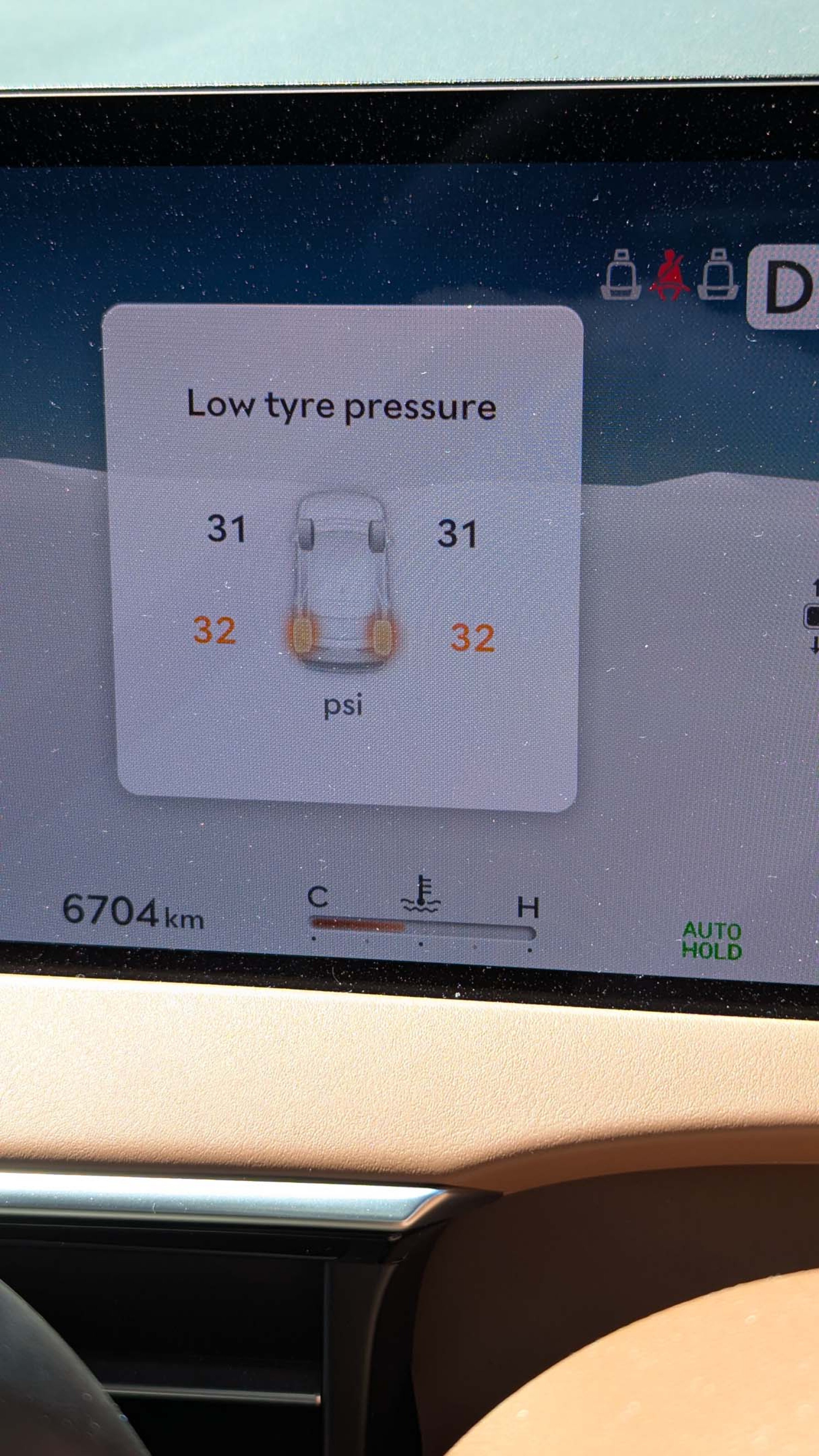
I’ve also had a number of tyre pressure warnings appear after the first chilly mornings of late summer. This is because, as you’ll no doubt know, tyres hold less pressure when cold than they do when warm. It’s not really an issue because a kilometre or so down the road, they’ll return to a pressure reading within their map.
Strangely, there’s no reset function, so were an unwitting owner to pull into a servo and pump their tyres up, as soon as they got up to speed, the system would then signal an overinflation.
Otherwise there’s been little to disrupt the GV70’s serene progress. Fuel economy has been surprisingly dismal, averaging 11.7L/100km over its tenure. Much of that is down to its largely suburban usage, against a manufacturer’s claim of 10.3L/100km combined. But then it is worth remembering that this is a two-tonne, 224kW petrol-engined SUV.
6
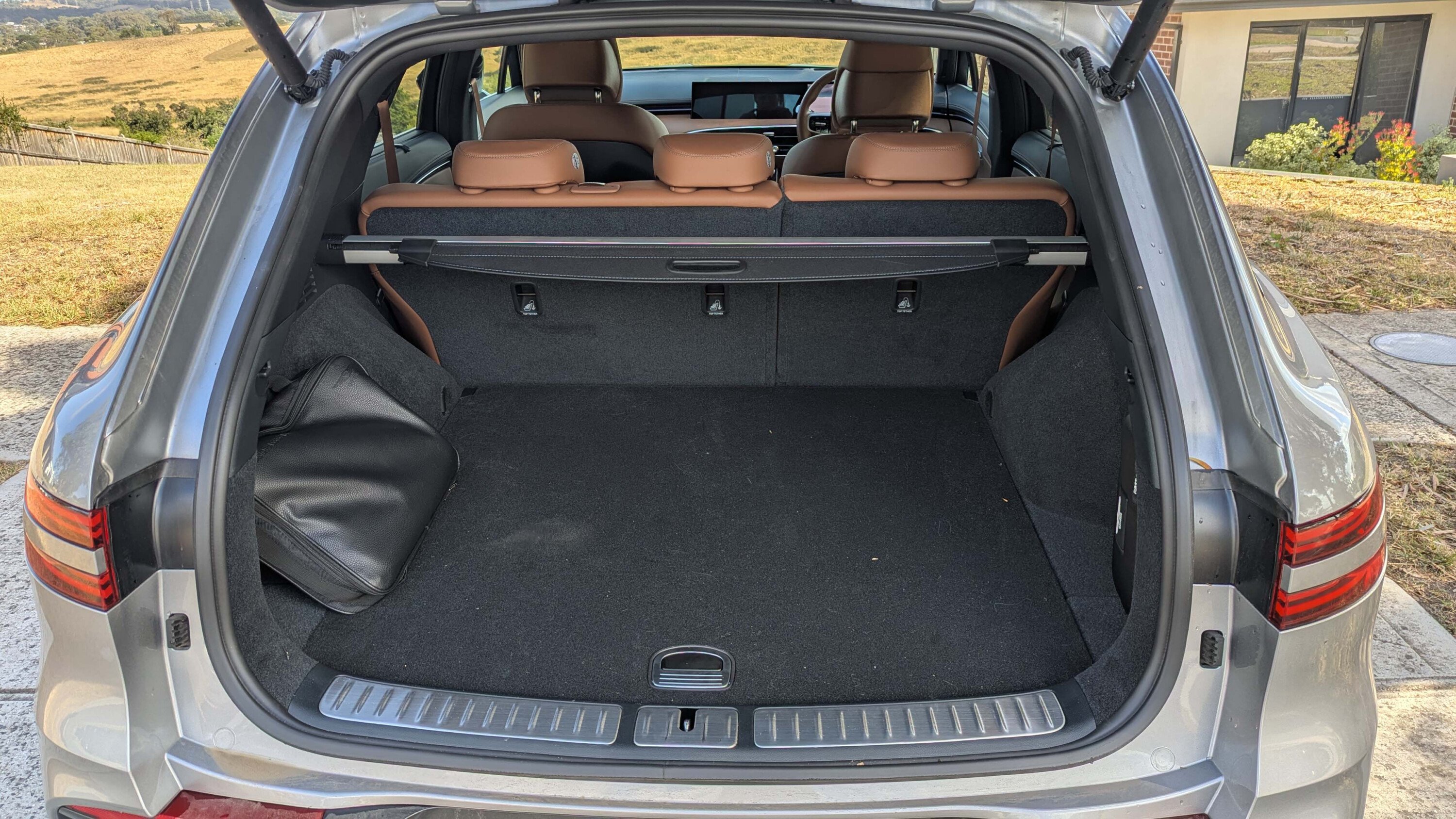
While delving into the owner’s manual to try to solve my tailgate issues last month, I came to realise that the mystery unmarked dimple next to the rotary controller is, in fact, a fingerprint scanner. This can be set up to remember the settings of two users, which is pretty neat.
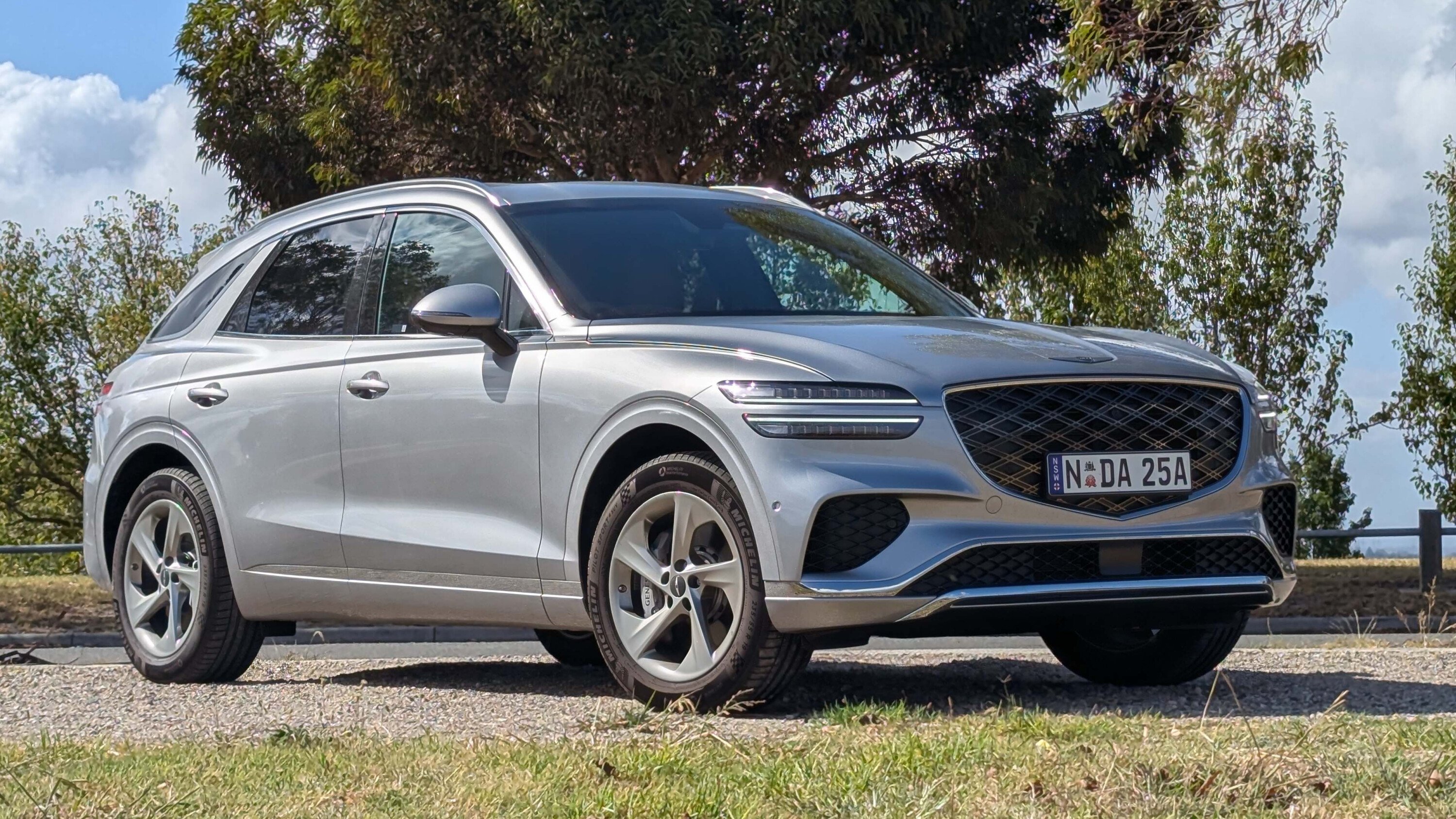
Aside from some minor issues, running the GV70 has been enjoyable. It’s safe, comfortable, quick enough, beautifully appointed inside, spacious and is one of those cars that most people seem to think is way more expensive than it actually is.
It makes all kinds of sense if you’ve had a look at the usual options in this price bracket and don’t feel they offer stellar value for money. Nobody likes to feel as if they’re on the end of a bad deal. In that regard at least, this Genesis punches way above its weight.
| Genesis GV70 Advanced 2.5T AWD | ||
|---|---|---|
| Price as tested | $78,500 | |
| Fuel economy: | Distance | Consumption |
| This month | 1010km | 11.6L/100km |
| Overall | 6415km | 11.6L/100km |
MORE
Everything Genesis
A huge experiment is about to unfold in the Australian new car market, and the entire motoring world will be watching.
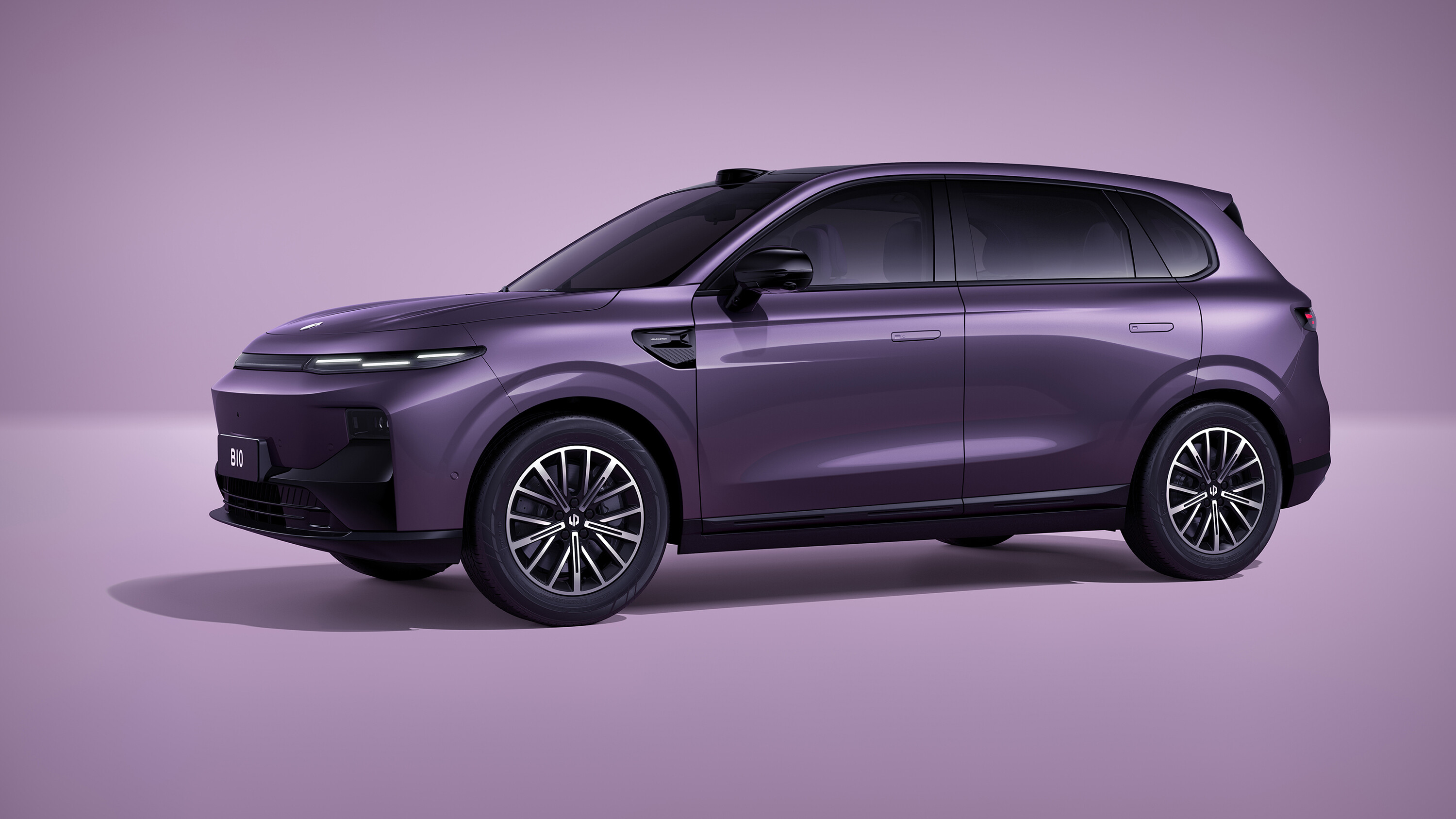
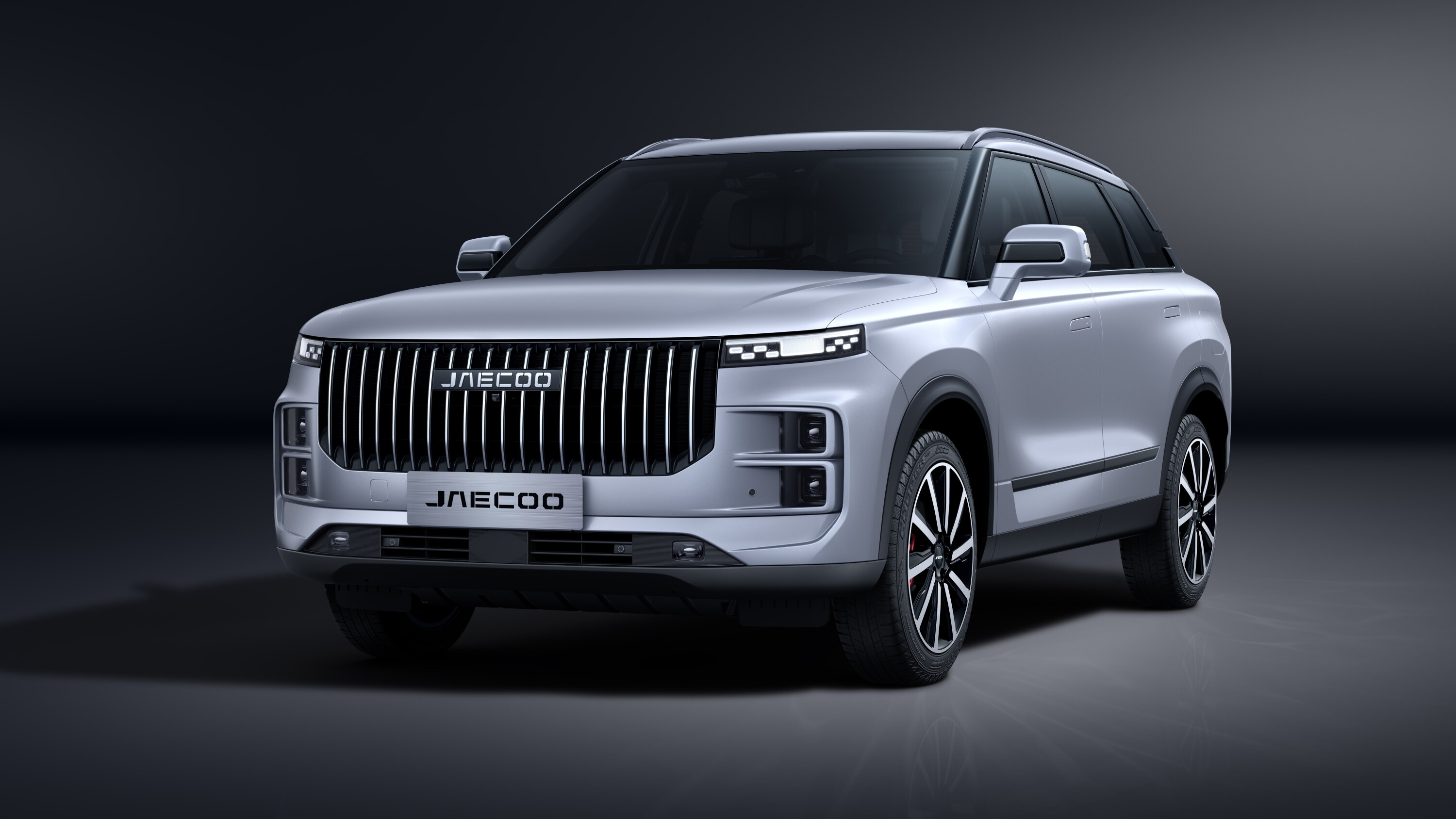
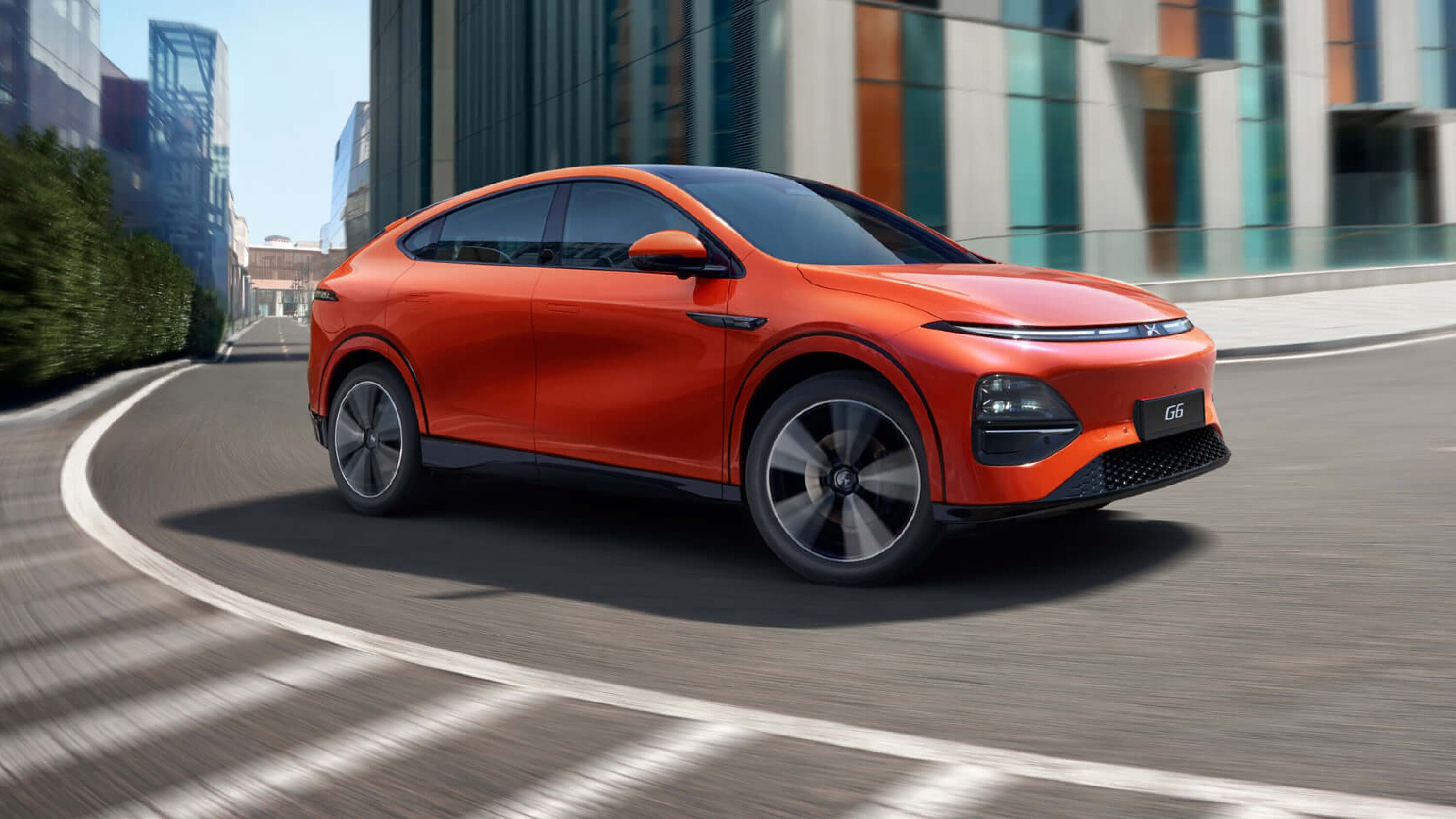
By my count, 10 new brands headquartered and manufacturing cars in China are set to arrive in Australia in the next handful of years. In no particular order: GAC Motors, Aion, Geely Auto, Zeekr, Lynk & Co, Leapmotor, Xpeng, Skywell, Jaecoo and Jetour.
They will join the existing 10 marques already hailing from that country: LDV, BYD, Chery, MG, GWM, JAC and including Volvo, Polestar, Smart and Lotus. Another four are potentially mooted for Aussie shores – Aiways, Changan, Nio and IM Motors – and I’m certain just as many others have at least thought about it. There are, after all, 119 brands in China making electric vehicles.
7
In Australia’s case, that’s approximately 20 to 25 brands, most of which didn’t exist here that long ago. Half an issue of Wheels will be the Databank section in the back.
Many of these brands I’ve never heard of – and I’d hardly describe myself as living under a motoring industry rock.
The influx of Chinese brands into Australia is being driven by an overcapacity of manufacturing in China itself, coupled with a soft domestic market – and other Western countries whacking Chinese-made cars with tariffs. Of course, and sadly, we no longer have any cars to protect.
4
For the brands that are here, the Australian new car market was already a crowded place. The next five years or so are going to be interesting. And possibly unpleasant.
It’s been fascinating to sit across from several Australian automotive executives in the last few months and get their take, which has generally been a cool and collected one – with plenty of knowledge of the brands that are coming and their cars. They’re watching closely.
“We know we’ve got to continue working hard,” said Sean Hanley recently, Vice President for Sales and Marketing of Australia’s biggest car brand – Toyota.
9
“It’s a super competitive market. It’s going to get more competitive, there’s no doubt. We have the entry of many new brands – I think someone was suggesting we could have up to 70 brands in a market of 1.2 million. It’s an interesting time.”
Many of the new brands in Australia won’t last, say some executives. “No doubt you’ll write about the new entrants and dress it up as you will, but we’re a long-term company and we’re here for the long run,” said Hanley.
Predictably, existing importers will play the we’re-here-for-the-long-haul card. But if you ask me, it won’t just be new brands from China that falter. Some legacy ones might have to exit the market, too. Citroën might just be the beginning.
4
The government’s New Vehicle Efficiency Standard (NVES) adds to the pain. Beginning on 1 January 2025, it represents an unhappy new year for many existing Australian importers. No such problem if you only sell EVs, as is the case with many China-based brands.
While the eventual winners and losers in the Australian car market remain to be seen, there’s one surefire winner: you. In China itself, the new car industry is Darwinian – engineers and designers battle to outdo each other out of necessity. That means more interesting and better cars, many of which will be coming to Australia.
There’ll be something for everyone – off-roaders, SUVs, hatchbacks and sedans. And we aren’t talking a torrent of MG ZS-type vehicles. Lots of these cars from these companies are clever and original – even decently built. Some of that you can’t say about many of the cars from traditional car-makers today.
What’s about to happen in Australia could be the wake-up call they need.
MORE
Wheels Industry
MORE
VFACTS
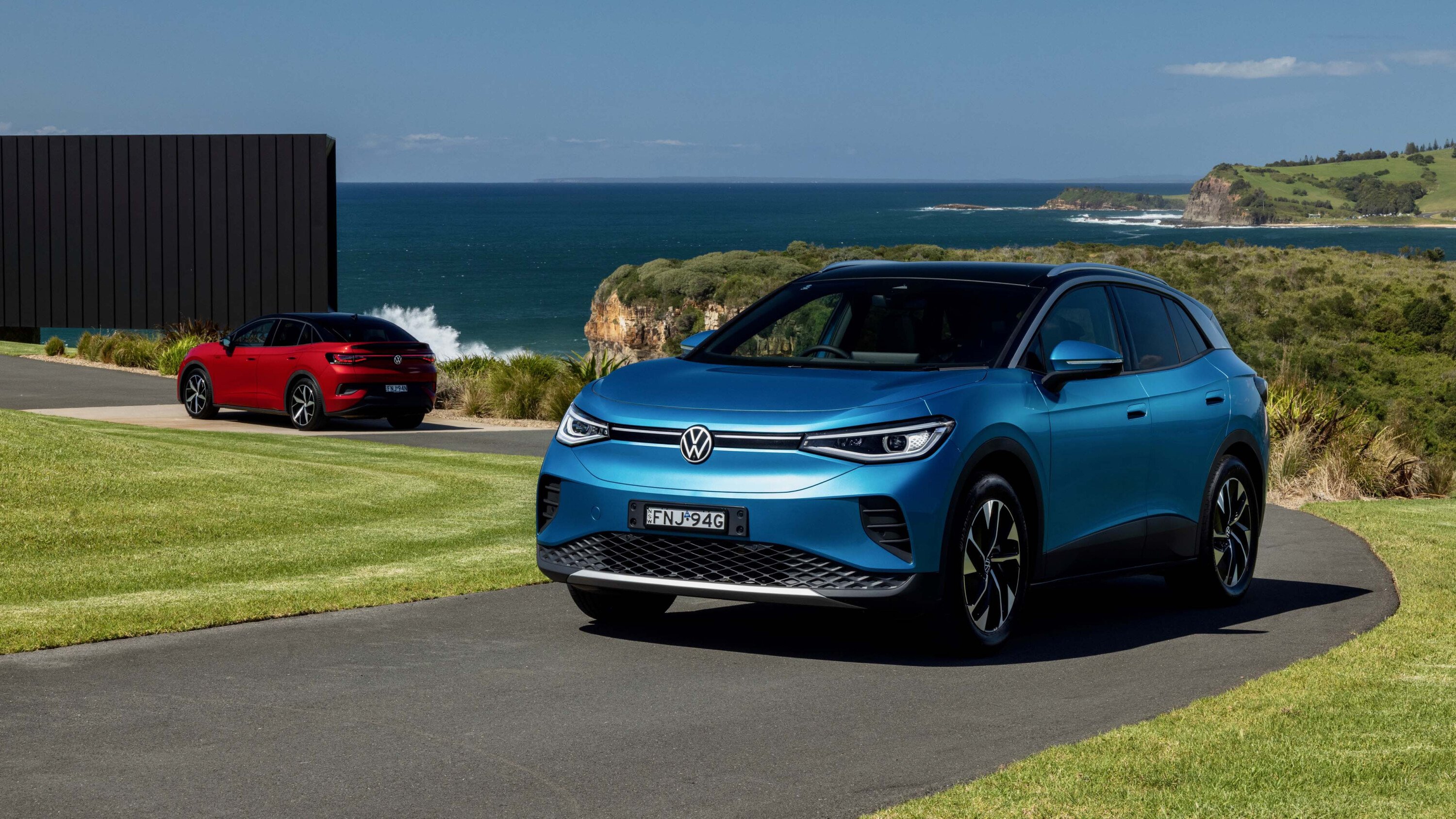
Volkswagen Australia has announced local pricing and specifications for its ID.4 and ID.5 electric SUVs, which will arrive locally mid-year priced from $59,990 plus on-road costs – almost five years after their European release.
The ID.4 undercuts its biggest rival – the Tesla Model Y, which is priced from $63,400 +ORC in upgraded Launch Series – and even the recently launched BYD Sea Lion 7. Pricing for the ID.4 and ID.5 is a lot less than initial pricing expectations before the two were delayed for local release.
The delay is down to a number of factors, according to Volkswagen, including head office giving more priority to countries with more stringent emissions standards, the local arm waiting for an upgraded model with more range and negotiating a lower price.
1
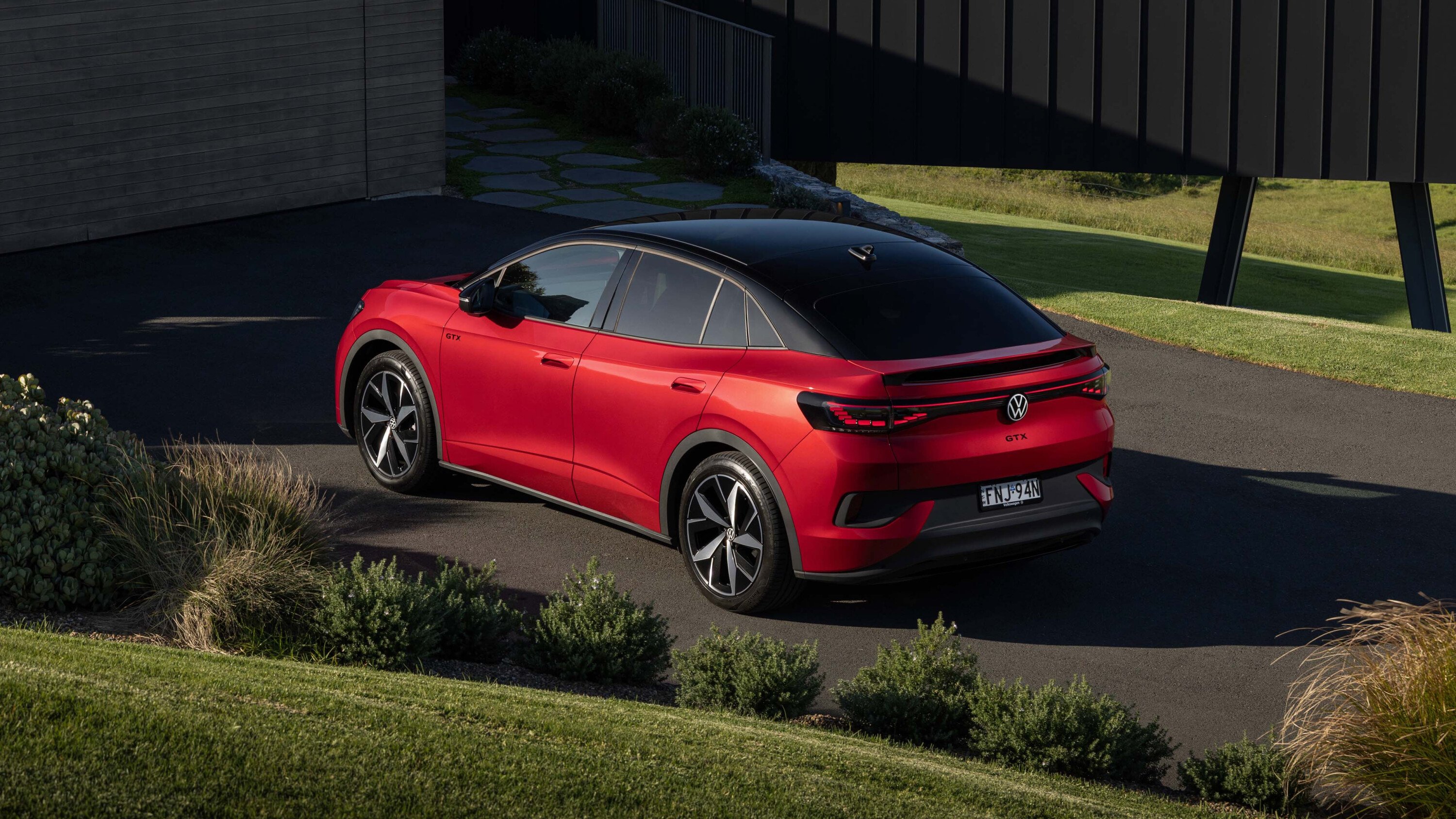
While the ID.4 is a traditional mid-sized SUV like the brand’s own Tiguan, the coupe-styled ID.5 will also be available in Australia and is priced from $72,990 in hotted-up GTX form. Both a top-spec ID.4 GTX and entry-level ID.5 Pro will also be available later in 2025, though pricing for those variants is yet to be announced.
Sitting on the same platform as cars like the already-launched Skoda Enyaq, Cupra Born and Volkswagen ID.Buzz, the ID.4 is powered by a 210kW/545Nm rear-mounted electric motor that draws power from a 77kWh battery, giving it a WLTP-rated 544km claimed range.
The higher-performance ID.5 GTX adds a slightly larger 79kWh battery, as well as a second electric motor on the front axle for a combined 250kW output and 522km of WLTP-rated range.
Both the ID.4 and ID.5 can be DC fast charged at up to 175kW, or AC charged at up to 11kW.
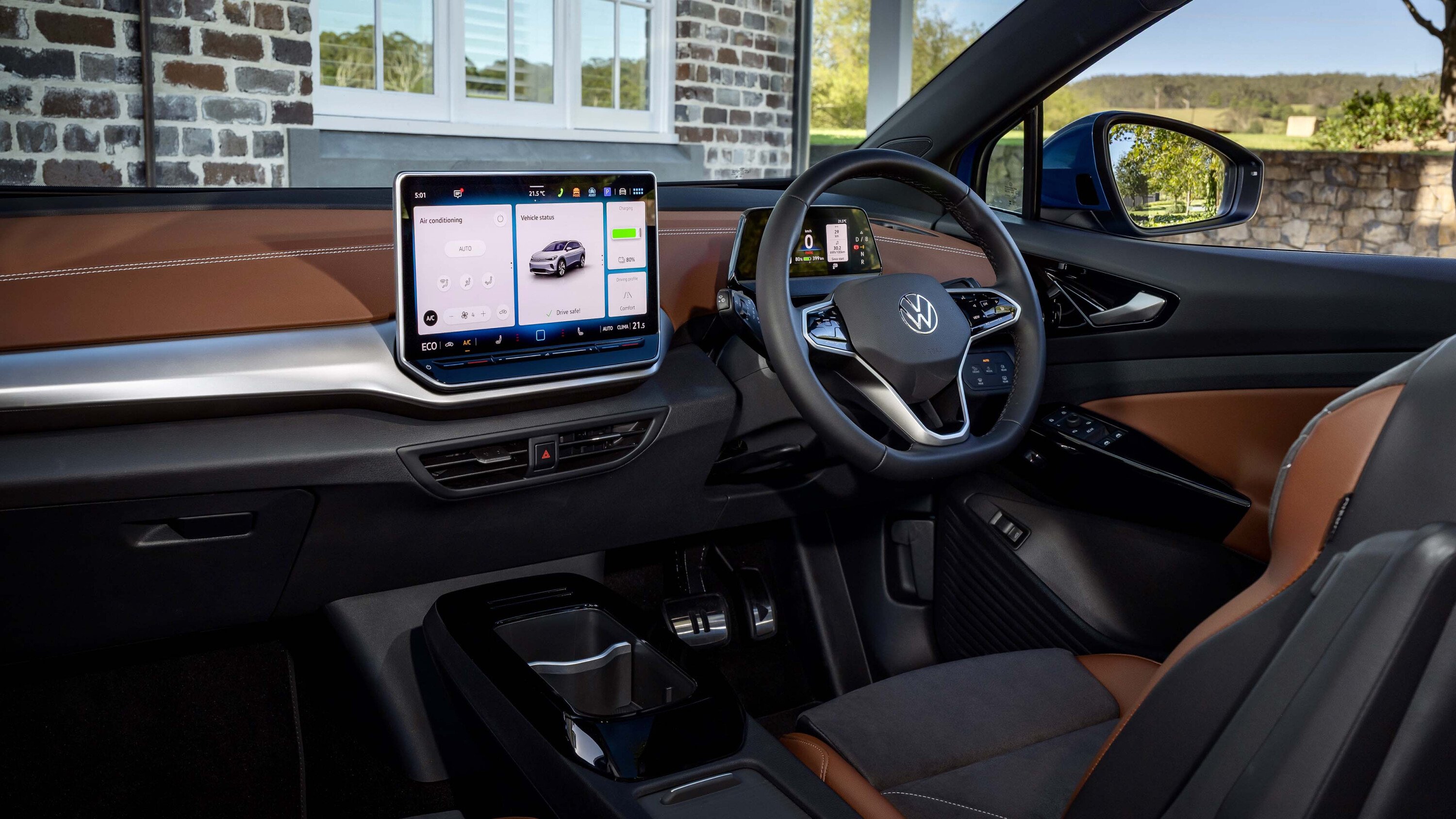
1
| 2025 Volkswagen ID.4 and ID.5 pricing (plus on-road costs): | |
|---|---|
| ID.4 Pro | $59,990 |
| ID.4 GTX | TBC |
| ID.5 Pro | TBC |
| ID.5 GTX | $72,990 |
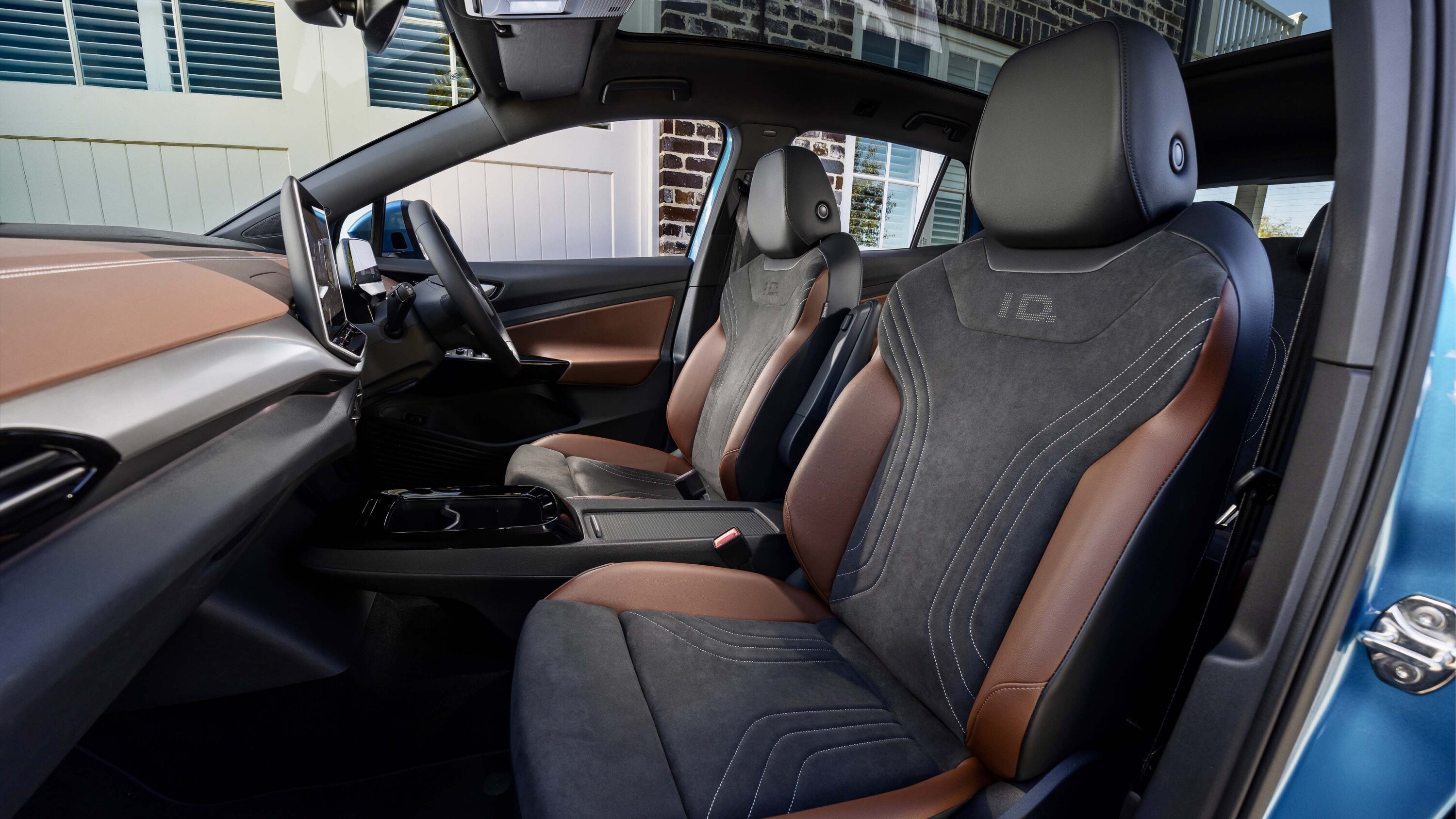
1
| ID.4 Pro standard equipment: | |
|---|---|
| 77kWh battery, 210kW rear electric motor | Heated and leather-wrapped steering wheel |
| 19-inch alloy wheels | u2018ArtVeloursu2019 microfleece upholstery |
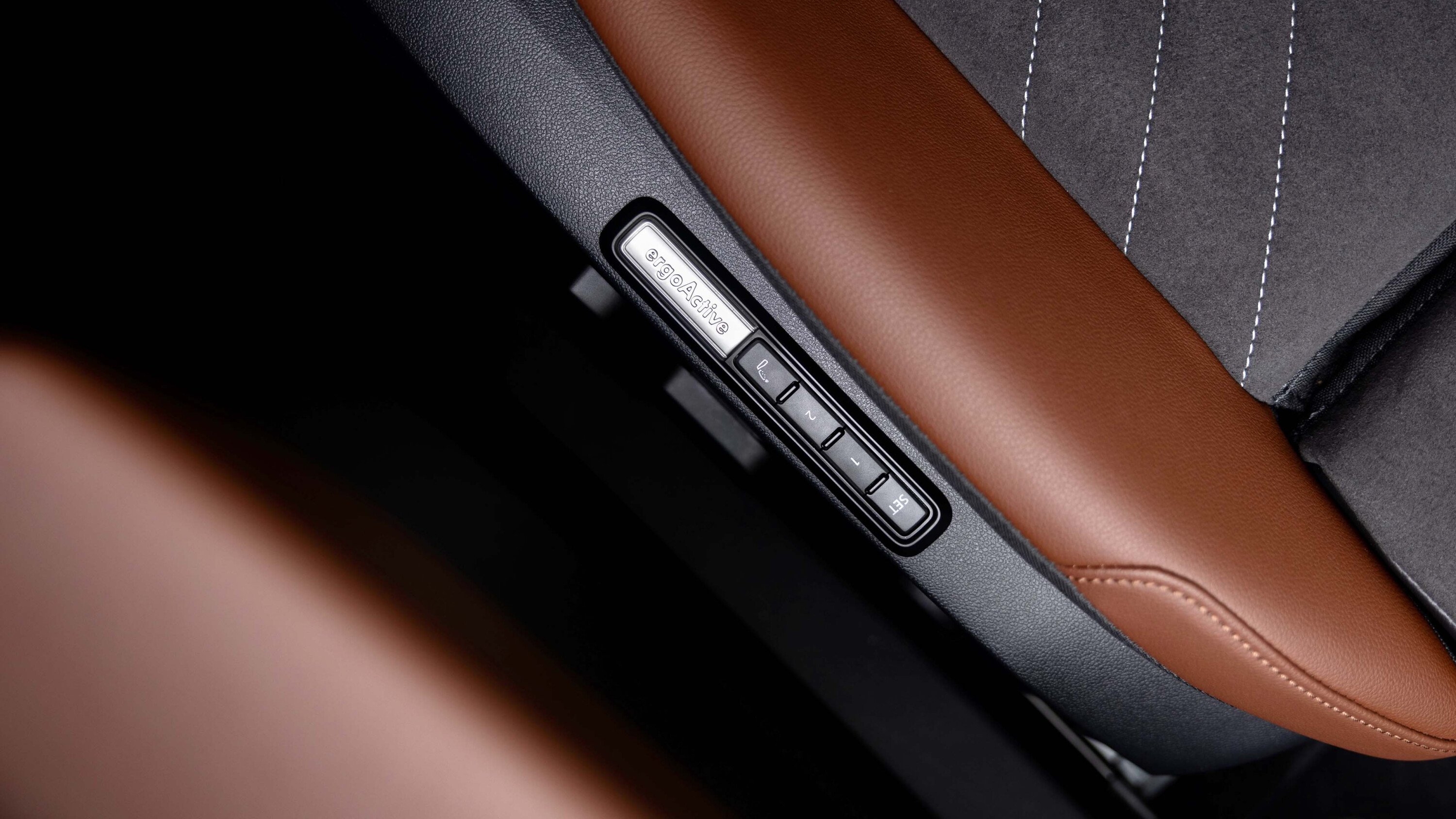
| Adaptive suspension, quick ratio steering rack | Heated and electrically adjustable front seats with memory and massage functionality |
| Dusk- and rain-sensing automatic all-LED exterior lighting | Tri-zone automatic climate control |
| Rain-sensing automatic wipers | 5.0-inch driveru2019s information display |
| Matrix adaptive high beam, scrolling rear indicators | 12.9-inch touchscreen with Apple CarPlay and Android Auto, voice control and FM/DAB+ digital radio |
| Keyless entry and start | Seven-speaker sound system |
| Hands-free power tailgate | Wireless phone charger |
| Panoramic glass roof with sunblind | 30-colour cabin ambient lighting |
| Rear privacy glass | Mode 2 and mode 3 charging cables |
1
| ID.4 Pro safety equipment: | |
|---|---|
| Seven airbags (including a front centre unit) | Emergency assist |
| Autonomous emergency braking with pedestrian, cyclist and intersection assistance | Driver attention monitoring |
| Lane keeping assistance with adaptive lane guidance | Front and rear parking sensors |
| Adaptive cruise control | 360-degree camera |
| Blind-spot monitoring with rear cross-traffic alert | Proactive passenger protection system |
1
| ID.5 GTX adds: | |
|---|---|
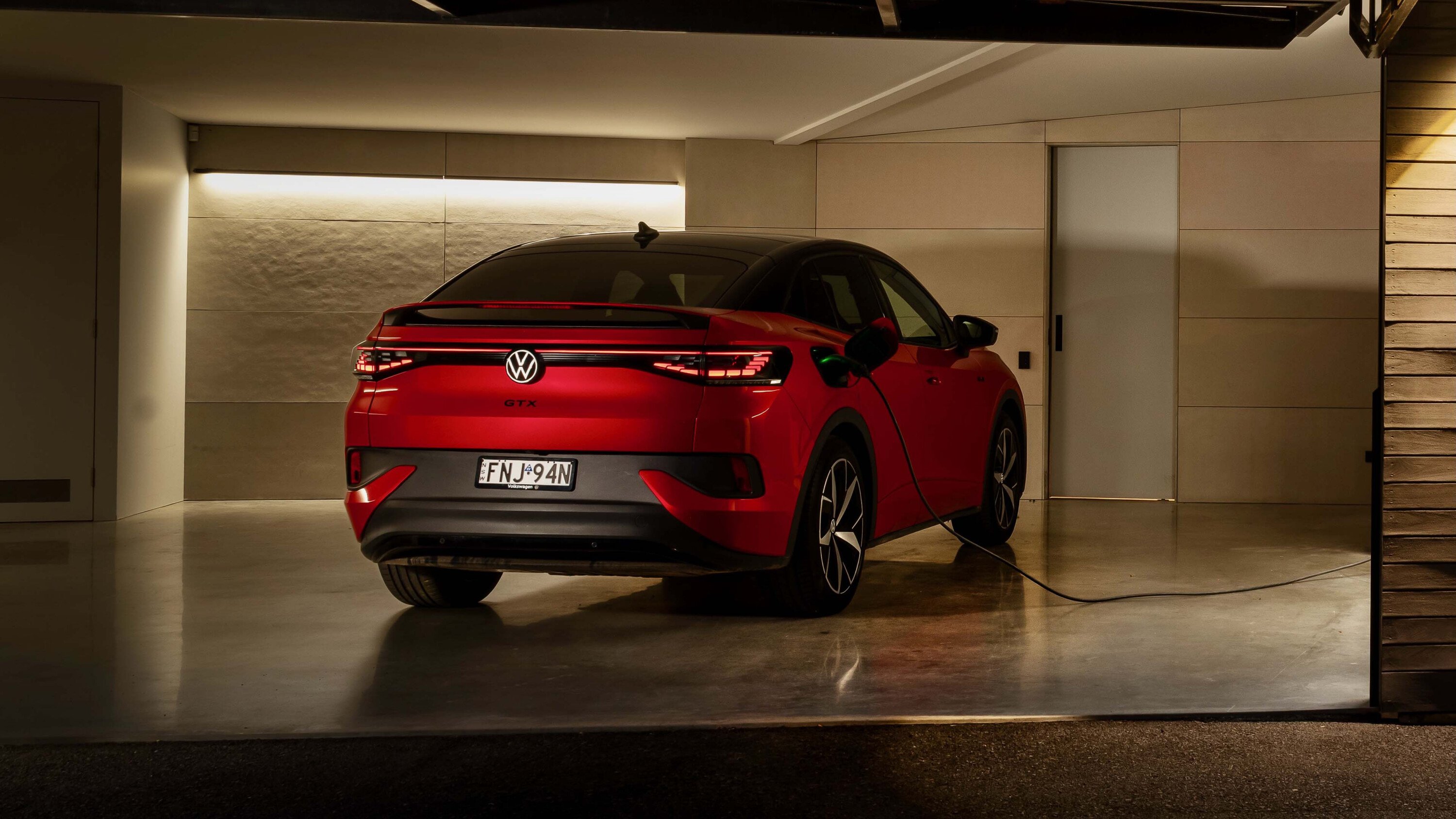
| Dual-motor all-wheel drive system | Sportier exterior styling |
| Slightly larger 79kWh battery | Front sports seats |
| 20-inch alloy wheels | 12-speaker Harman Kardon sound system |
1
The Volkswagen ID.4 and ID.5 are on sale in Australia now ahead of the first deliveries commencing mid-year.
MORE
Electric SUVs
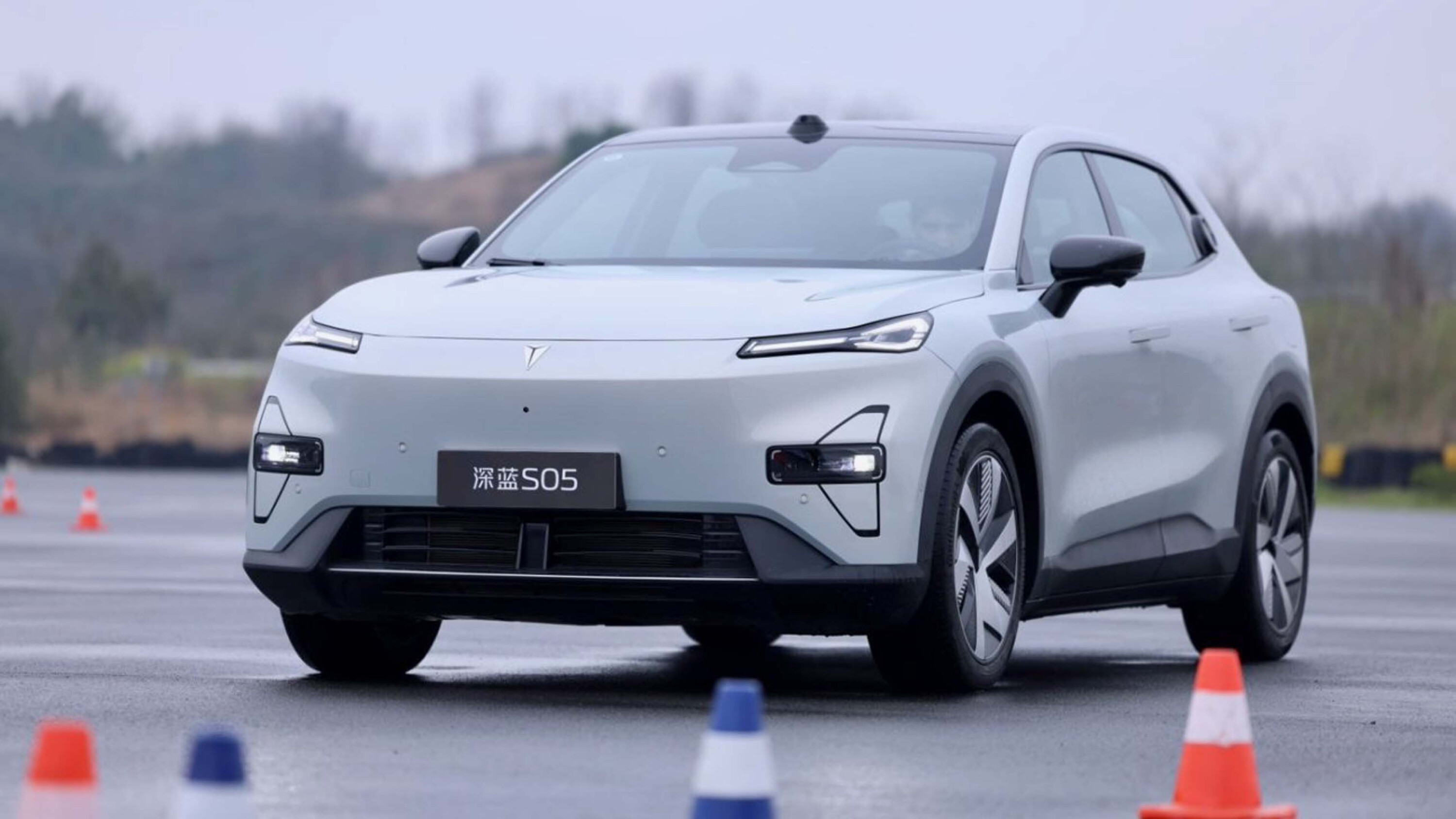
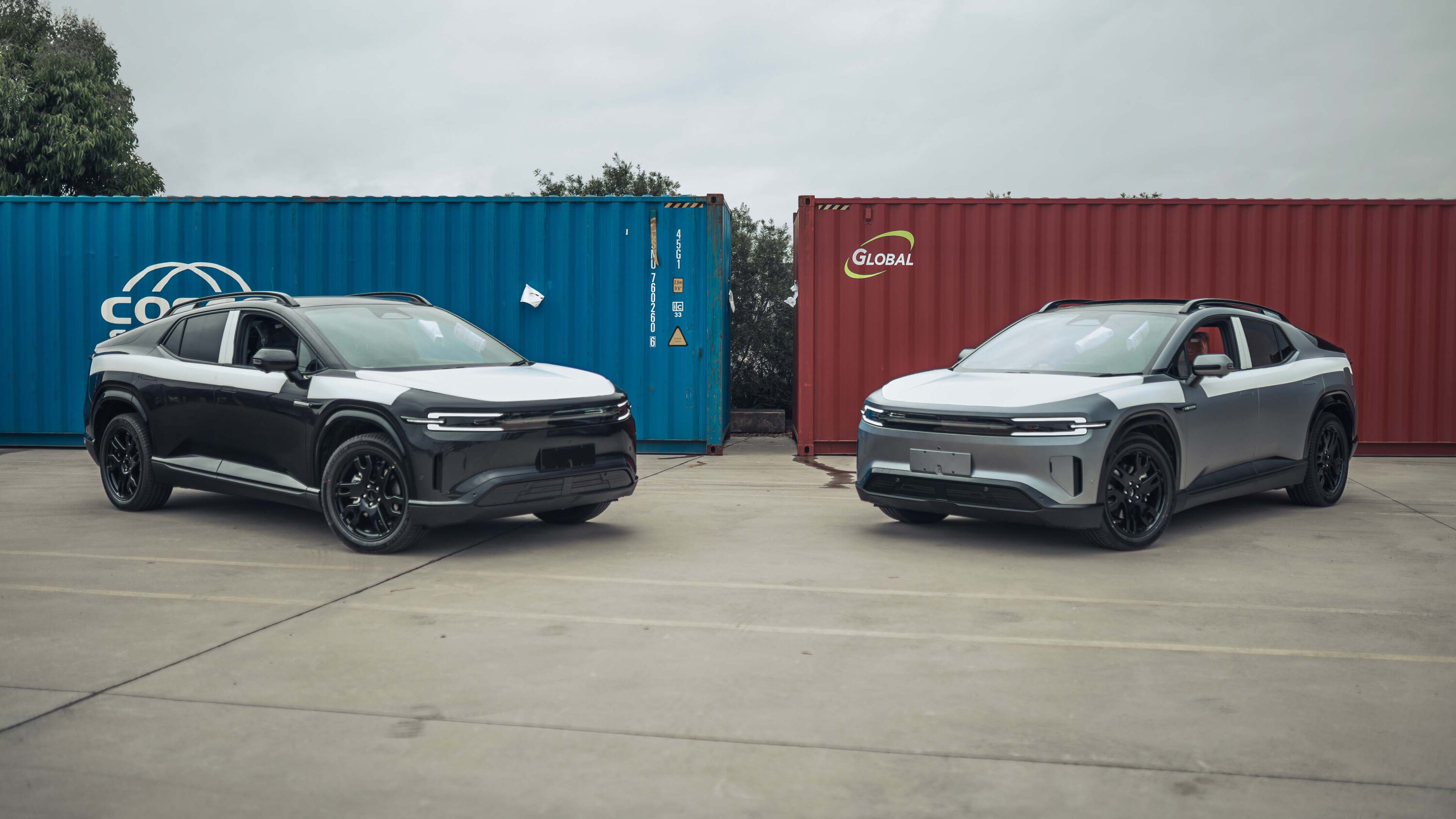
Deepal, which launched locally in late 2024 with the S07 electric SUV, has confirmed that it’s expanding its local range with the E07 ute SUV and the smaller S05 SUV due later in 2025.
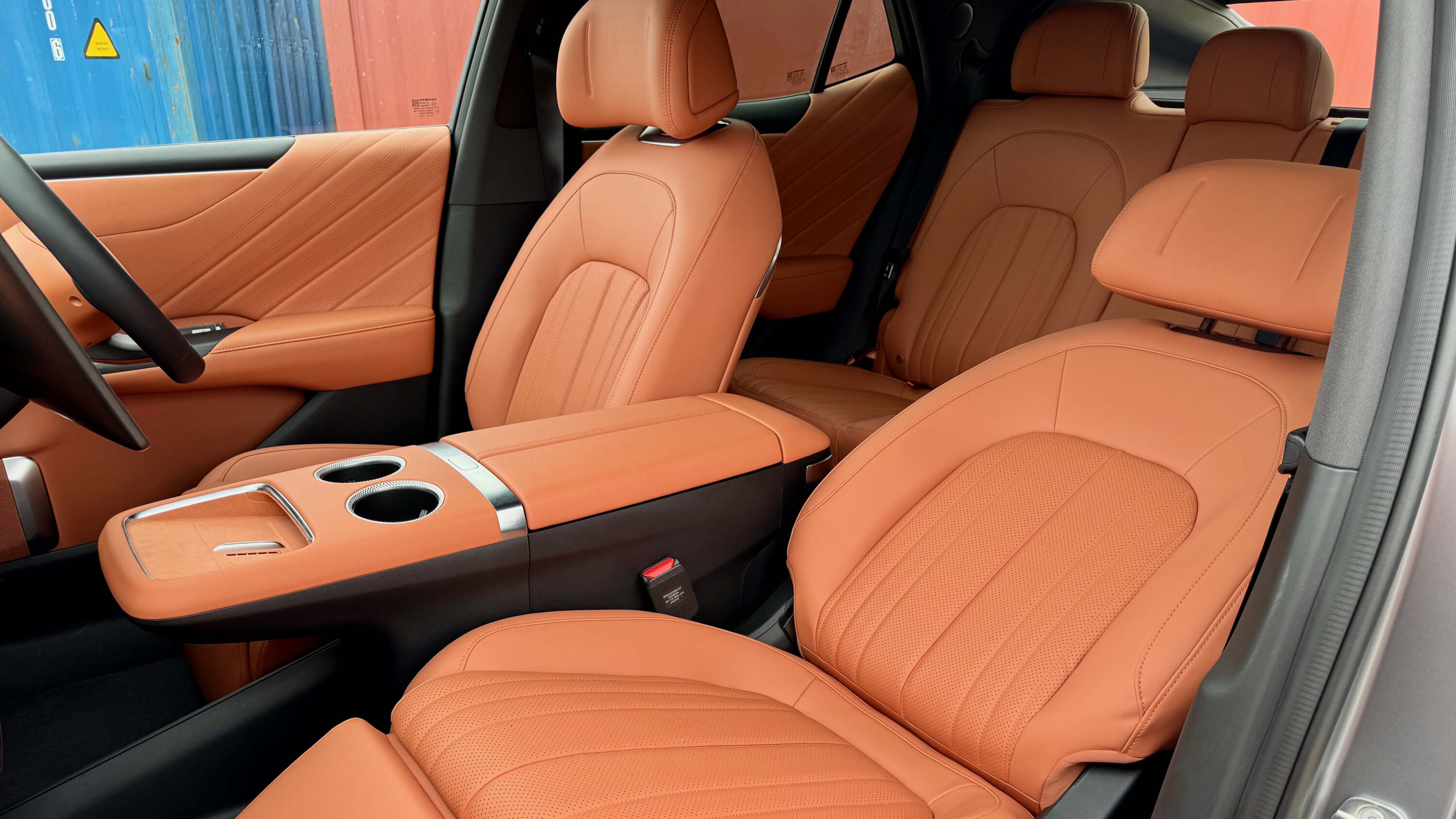
Due in the second half of 2025, the E07 uses the underpinnings and cabin of a mid-size SUV, yet also features a tray and sliding tonneau cover like a ute. Measuring around five metres in length, the E07 is about 30cm shorter than a Ford Ranger but sits on a longer wheelbase for more cabin space.
Like the S07, both fully electric and range-extender petrol drivetrains are available in China. The electric model in China uses an 89.98kWh battery with either a 252kW rear axle motor or a 440kW dual motor set up, which gives the E07 a claimed 0-100km/h sprint time of under four seconds.
1
The range-extender model uses a 1.5-litre petrol engine to charge a 39kWh battery, which powers either a single 231kW rear motor or 362kW dual motor set up.
The electric E07 is capable of up to 560km of range with the range-extender increasing that range to more than 1,000km in Chinese testing.
Stylistically, the E07 looks like a coupe SUV – like a BMW X6, for example – with the tray/boot covered, but some button presses moves the rear tonneau cover up to turn it into a ute.
2
Meanwhile, the Deepal S05 will be positioned underneath the current S07 as a slightly smaller SUV. Measuring 4.6m long, the S05 is similar in size to a Toyota RAV4 and only 130mm shorter than its S07 big brother.
However, Chinese pricing points to good value in Australia: we expect a price of comfortably under $50,000 to undercut the S07’s $53,900 +ORC starting price, in competition with the Geely EX5 and Leapmotor C10.
As with the E07, the S05 is available in fully electric and range-extender petrol variants with a 68.8kWh battery providing a claimed range of more than 470km (WLTP) for the EV that provides power to either a 175kW single or 295kW dual motor layout.
1
The range-extender uses a 92kW 1.5-litre petrol engine to charge a 27.8kWh battery pack and 160kW electric motor for 200km of electric-only range, and more than 1,200km in hybrid mode in Chinese testing.
The news of the Australian Deepal expansion comes as the brand has also announced software revisions for the S07’s active safety tech, as well as doubling the annual service intervals from the previous 10,000km to 20,000km.
Deepal Australia will confirm local details for the S05 and E07 later in the year.
MORE
Electric Cars
MORE
Electric SUVs
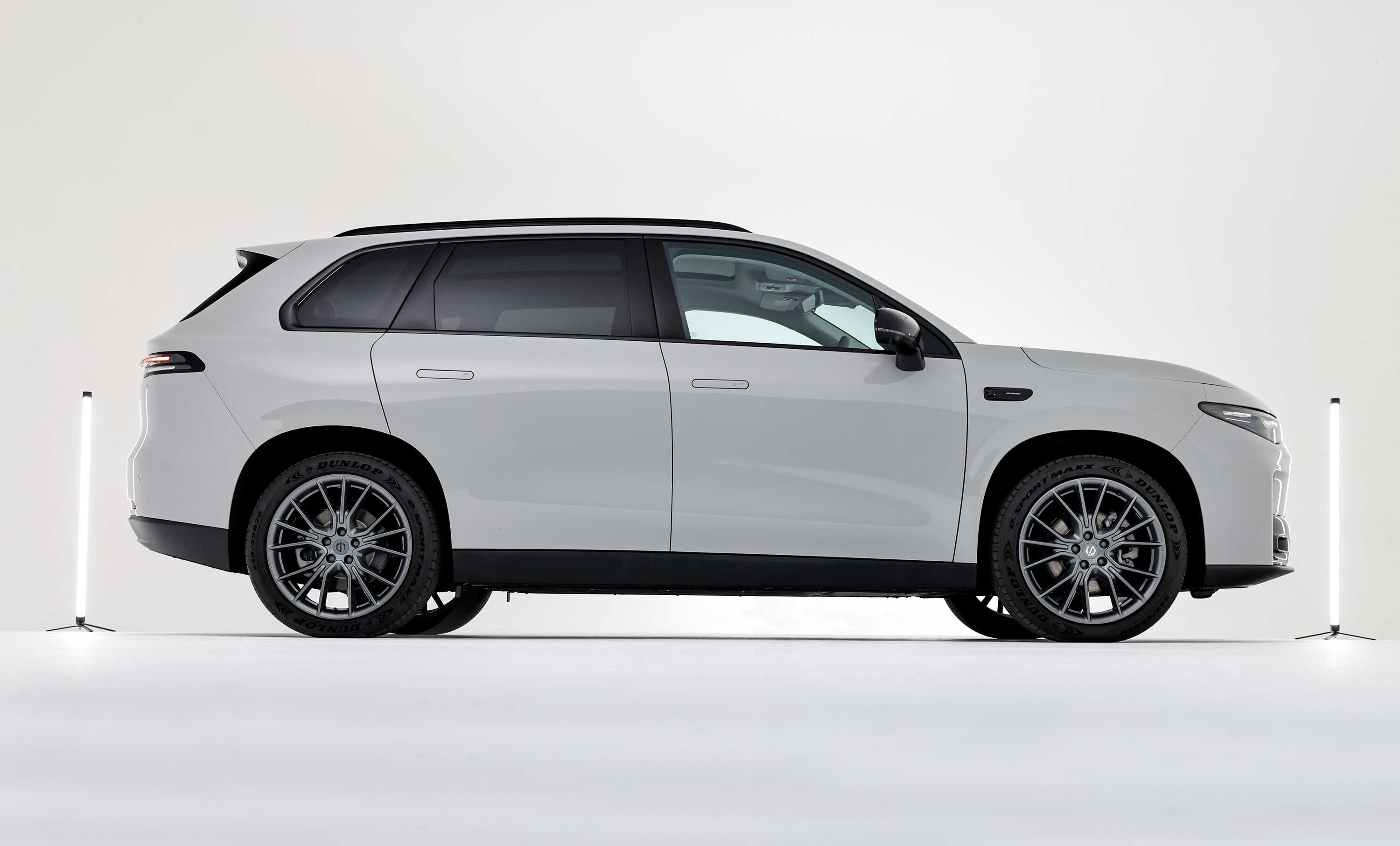
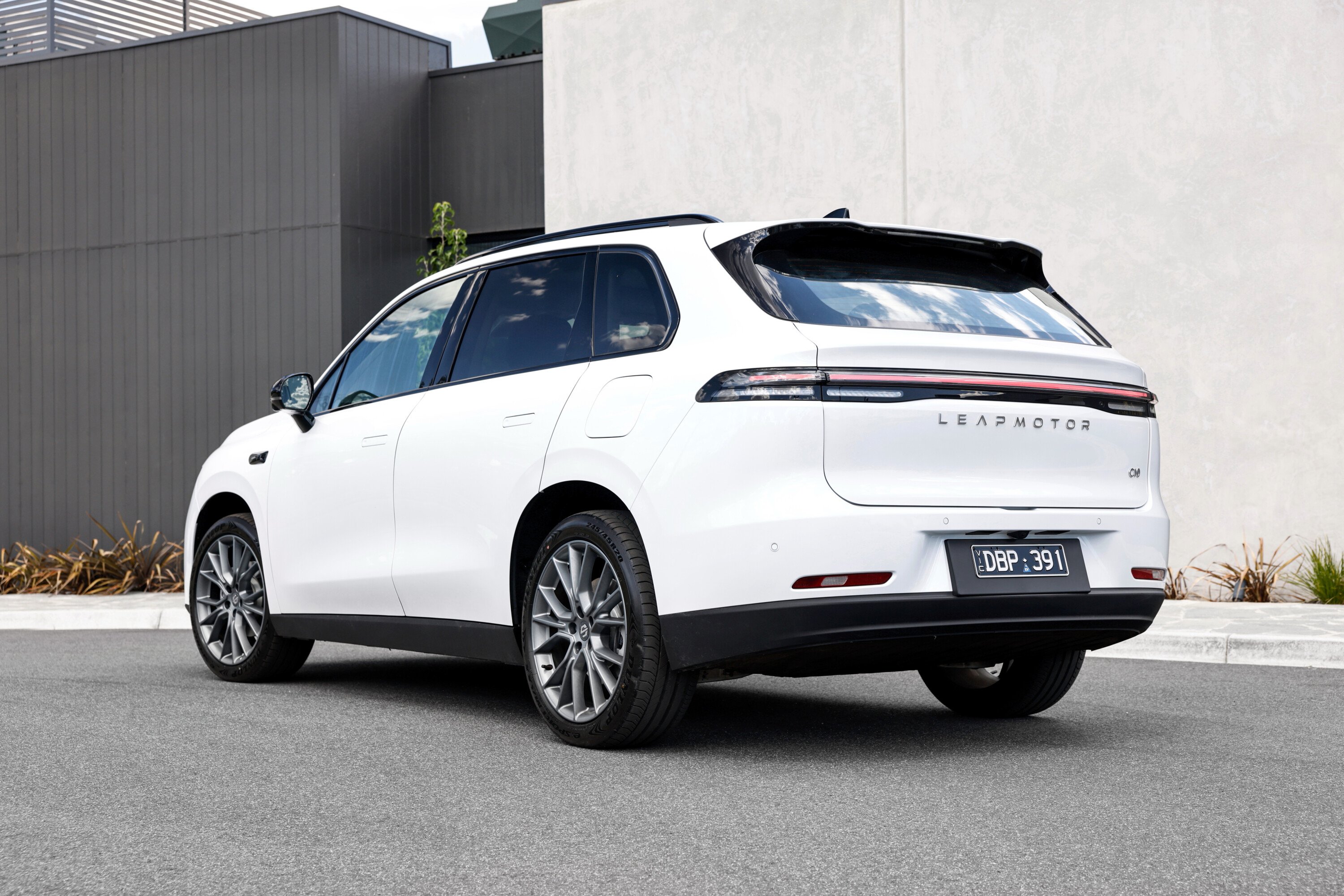
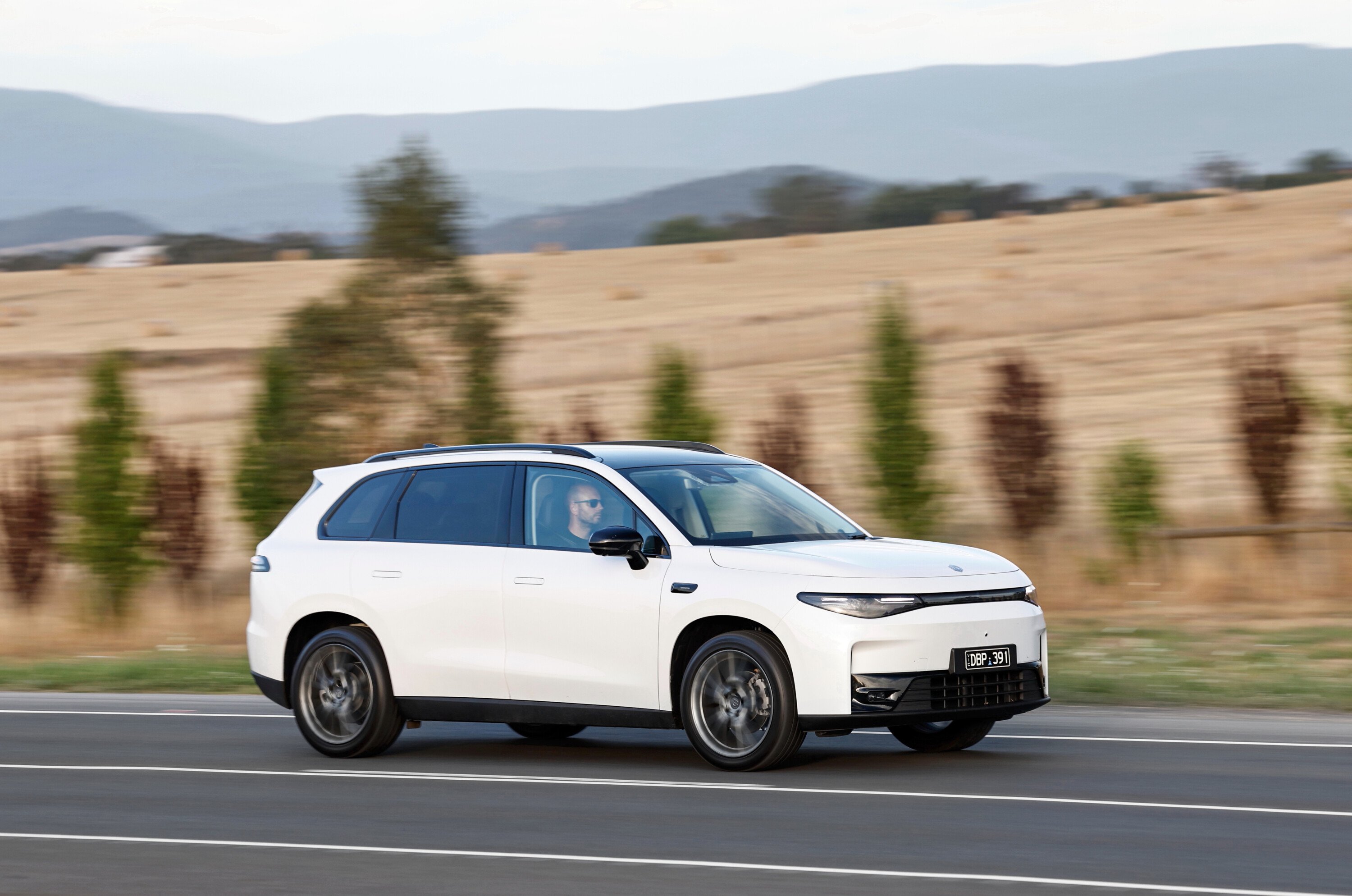
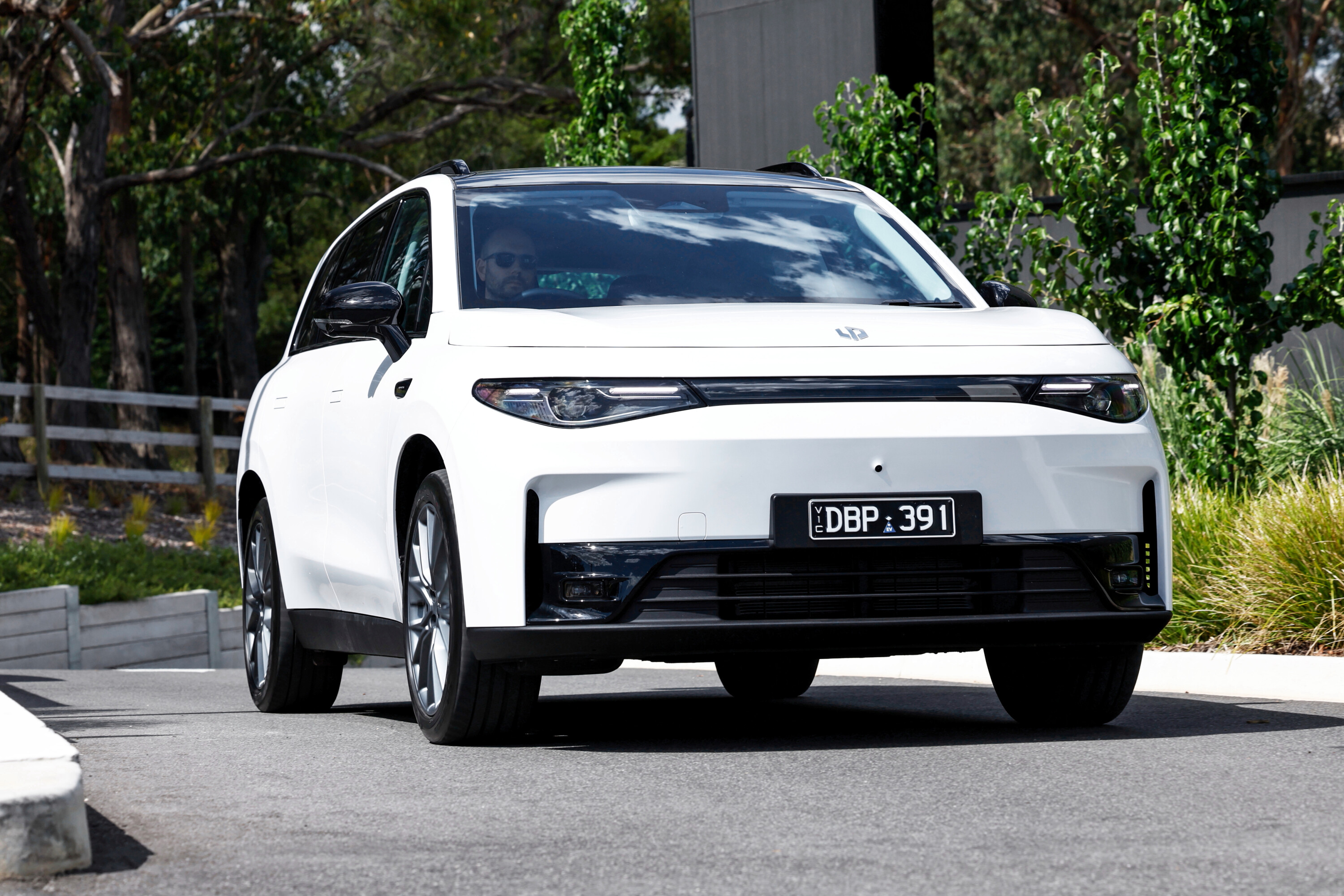
If there’s one thing that’s guaranteed to get Wheels readers in a froth of righteous dudgeon, it’s the very suggestion of a Chinese electric SUV. Throw in the fact that it’s from a brand most will never have heard of and here is the sweet spot to get you lot turning off in your droves.
That being the case, the question I had when picking up the new Leapmotor C10 was straightforward. Just how bad could this thing be for $50k?
About five kilometres down the road, I had my answer. It’s truly, laughably terrible. I was being assailed with warning chimes of varying types on a constant basis. Sixteen chimes, yes sixteen, to warn you that you’re too close to the nearside white line.
1
You edge away from it and then a volley of chimes starts that you’re too close to the line on the other side. Proceed further and the car will wrench uncouthly at the steering wheel. If it felt you weren’t looking in the right direction it would chime and heaven forbid you wear sunglasses. It would chime if it thought you were speeding, which was often because of the hopeless speed limit recognition.
After a while you just lost track of why it was incessantly chiming at you, It just was. I was beginning to wonder whether this was the worst contemporary vehicle I’d ever driven.
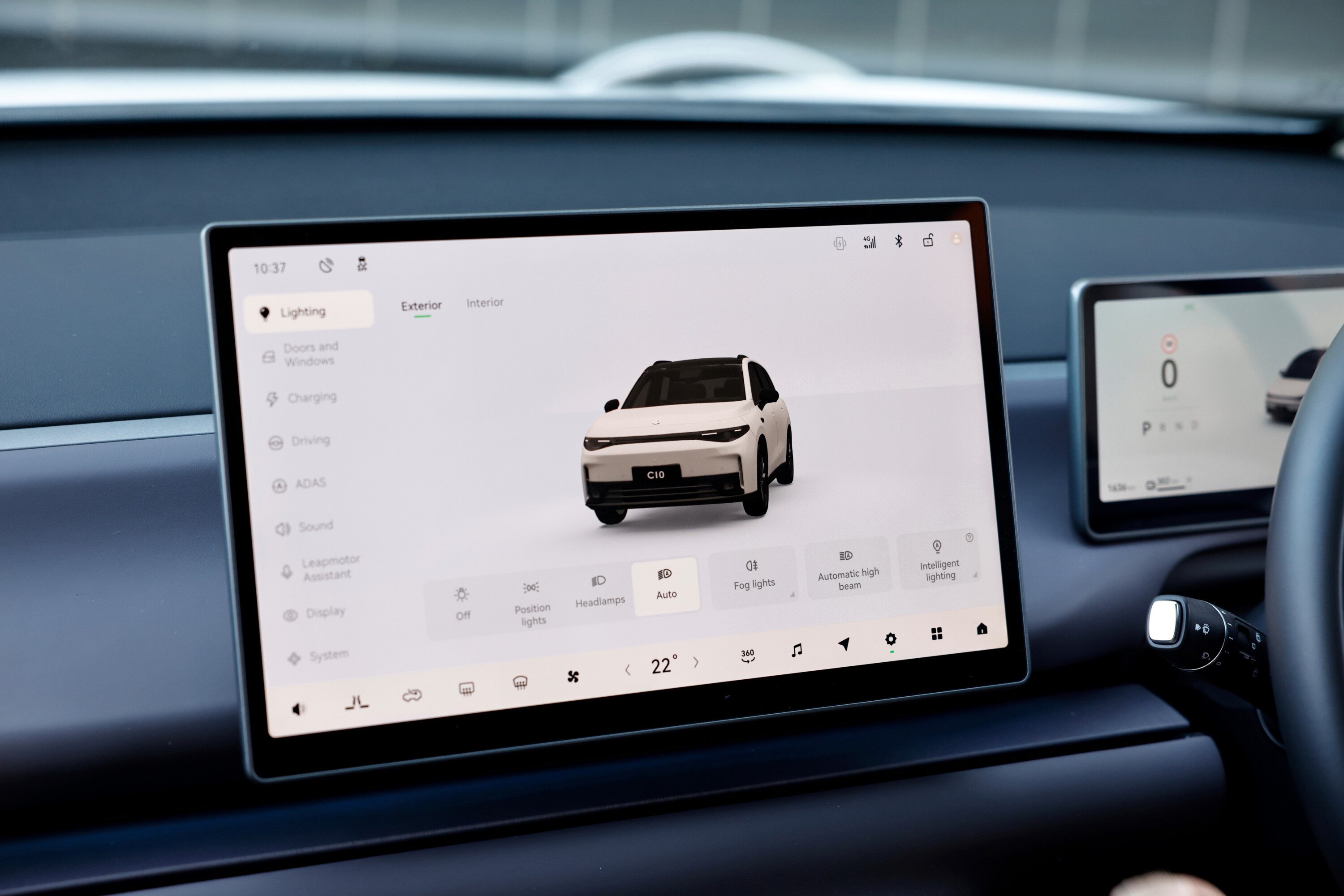
With no capacity to link your phone to either Apple CarPlay or Android Auto, you find yourself relying on the native navigation system to follow an unfamiliar route. Even that has its quirks. “In 900 metres, exit to the straight,” it piped up in perfectly-accented Manila call centre. What does that even mean? Exit or go straight? The latter as it turned out. When it says exit, it means don’t exit.
1
After this truly lamentable introduction, I switched the Leapmotor off (I think), took anything that could be stolen out of the cabin because there was no way I could tell if it was locking itself, and went for lunch. To be honest, I was a little shellshocked at what Leapmotor described as a software-defined vehicle.
It was an utterly oppressive experience and left me wondering how it ever got signed off as ready for a customer to sample. It was hard to imagine anything that could make you hate a vehicle more.
That’s a shame because, on paper, the C10’s got quite a lot going for it. There are two models. The Style trim starts at $45,888 or you can opt for the Design flagship at $49,888. That’s around $10k less than you’d start paying for something like a Kia EV5 or a Tesla Model Y, and the C10 is a good size, with more space in the cabin than something like a Toyota RAV4.
1
Both models send drive to the rear axle only, and the 69.9kWh lithium-ion phosphate battery delivers 420km of WLTP range, 160kW of power and 320Nm of torque. That translates to a briskish 7.5s to 100km/h from standstill. Take that lot together and you could definitely position the C10 as a bargain.
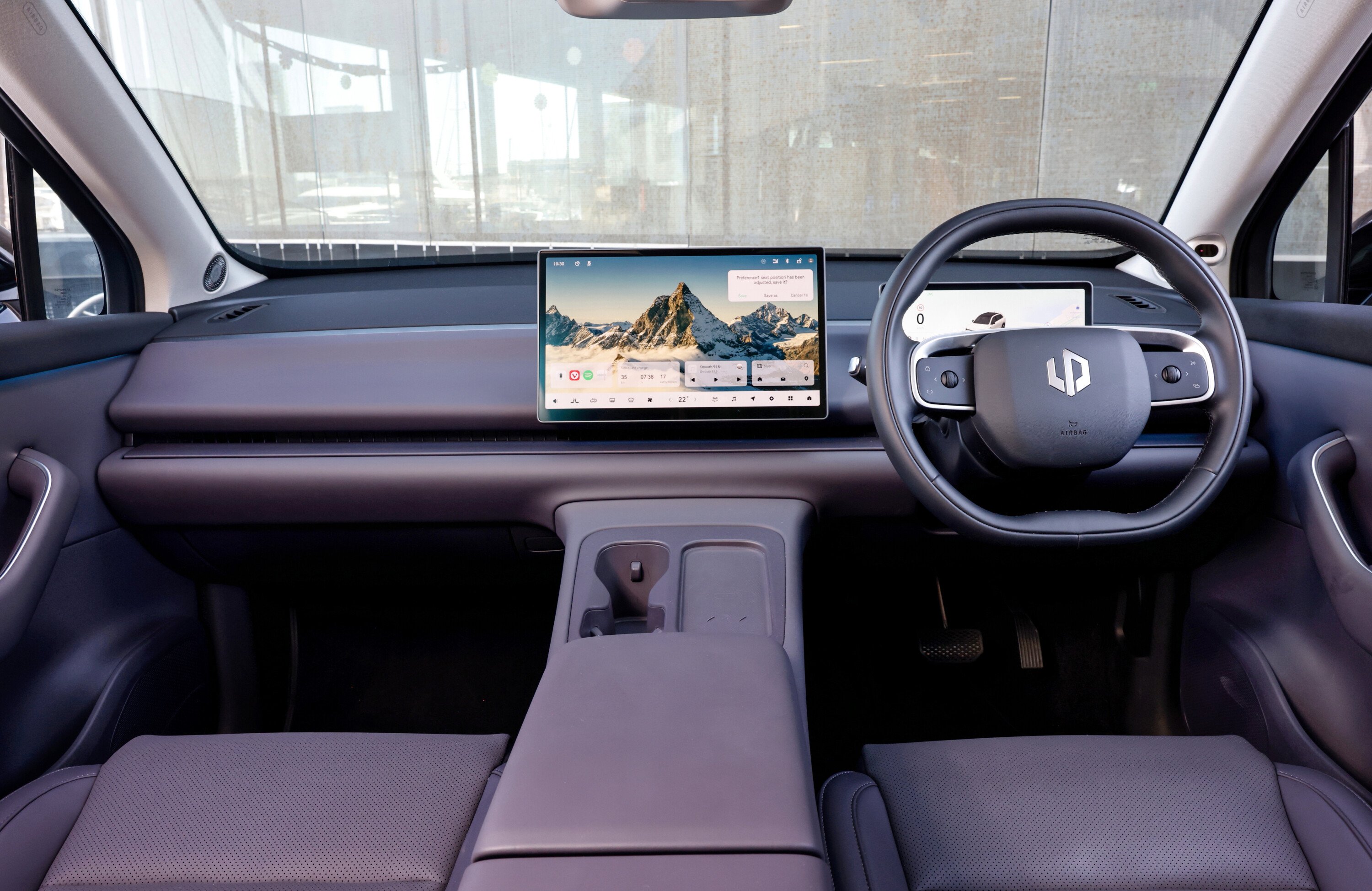
Determined to give the Leapmotor a fresh start, I got in and disabled as much of the hateful ADAS shovelware as possible. Fortunately, that’s fairly easy because you can access a big drop-down menu on the main 14.6-inch central touchscreen, which is refreshingly crisp and responsive thanks to its Snapdragon 8195 chip. Not all of the functions can be nixed on the move, so give yourself a few seconds when you get in.
The driving experience is transformed when the car’s not relentlessly badgering you. It’s a revelation. Without the aural assault, it’s relaxing and generally well-sorted.
1
The ride has a firmish edge over speed bumps but is reasonably soft in roll, running on passive dampers, but can get flummoxed at higher speeds. The steering weighting can be altered across three settings (Comfort, Standard and Sport), with the middle one probably the Goldilocks zone, Comfort being fingertip light and Sport a bit like the steering box had been filled with molasses.
Likewise the reg-gen can be altered through Low, Standard and High, and the throttle response between Smooth, Stable and Robust. Got to love a bit of robust acceleration.
In truth, the driving experience is fairly vanilla. Perhaps that’s no bad thing in this sector, as many will be looking for something that’s refined, comfortable and low involvement. The Leapmotor C10 certainly scores in that regard, once its safety systems are dialled out.
1
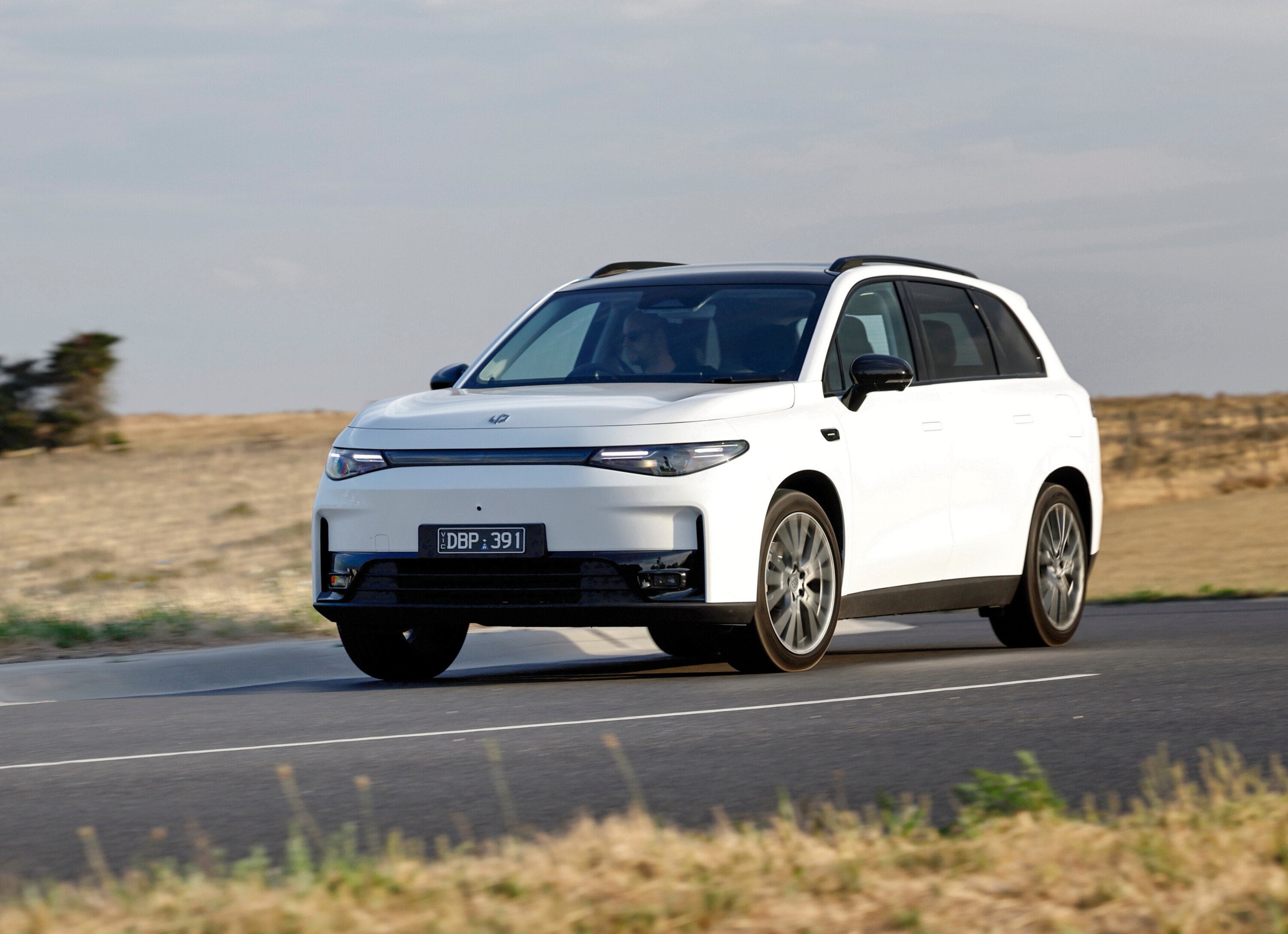
The Design variant I drove runs on a reasonable tyre, Dunlop e-Sportmaxx in 245/45R20, while the cheaper Style is fitted with an 18-inch wheel and, as a consequence, may well offer a little more suppleness.
There are some scratchy engineering decisions that you might expect from a ‘new’ manufacturer. The handover from re-gen to friction braking is a little unresolved, with light applications sometimes feeling alarmingly spongy. The one-pedal drive mode can only be activated or deactivated when stationary and the huge gaps to the vehicle in front preferred by the adaptive cruise means it’s easily bullied.
There are also some strange spec omissions such as a lack of front parking sensors, no seat belt height adjustment, no rear cargo blind and no spare wheel.
1
There’s quite a lot about the car that cribs rather shamelessly from Tesla. The adaptive cruise operates the same way as a Tesla, with a single tap on the gear selector to activate it and then a double tap engages lane centring. The screen-directed vents are an unwelcome Tesla introduction too. The scroll wheels on the steering wheel are also very Tesla, as indeed is the big centre screen with its insistence that you use native apps.
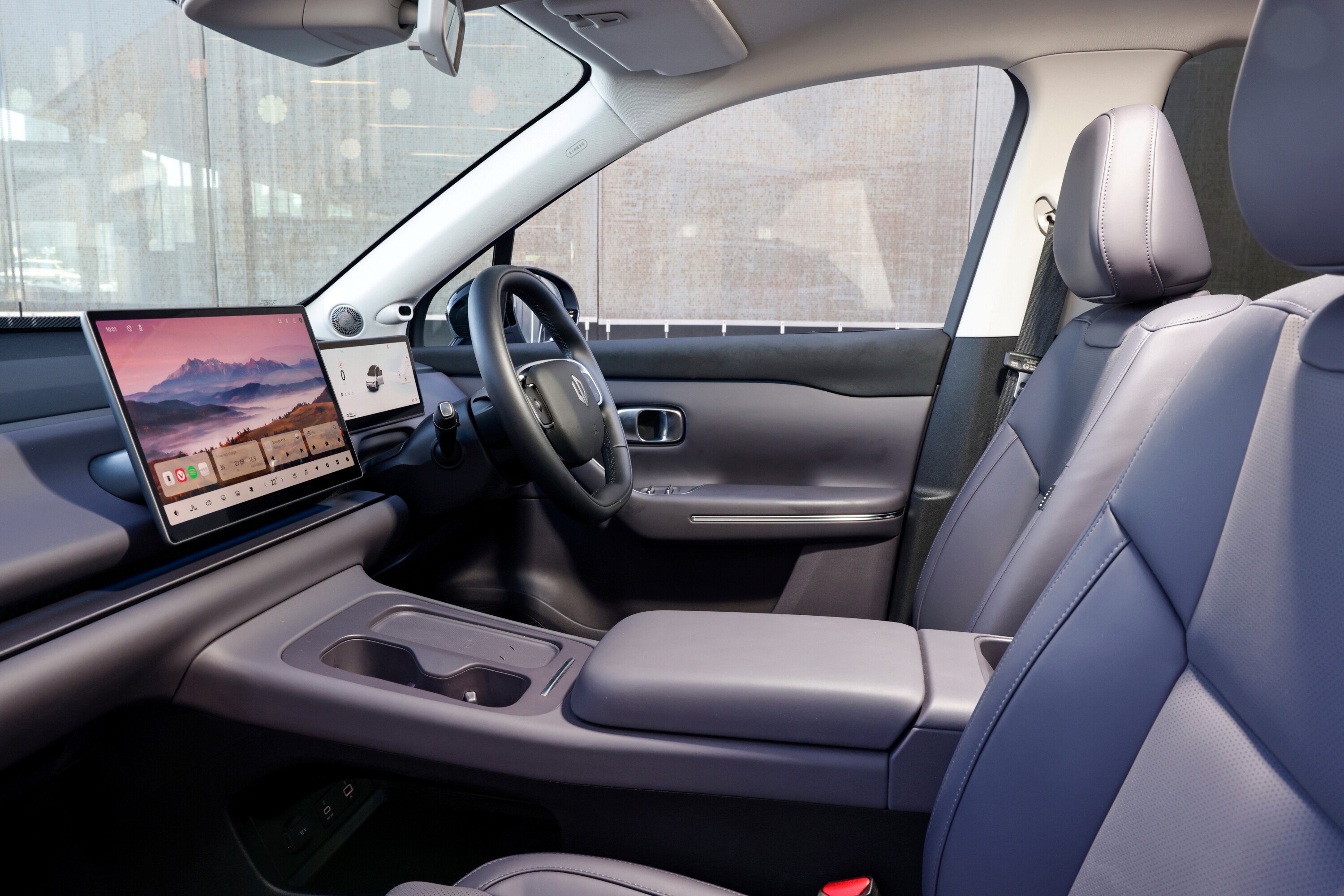
The Criollo Brown cabin would probably give Elon Musk an aneurysm. Another colourway is offered, the rather more boring Midnight Aurora, but the hilariously all-encompassing brown cabin – think Toffee Penny from a tin of Quality Street – gives the C10 a real point of difference.
Jump inside and you’ll be struck at how spongy the seats are. The surfacing on this Design version is a weird silicone-based faux-leather called Oeko-Tex that feels like you could hose a septic tank into and it would still clean up perfectly with a big pack of Wet Ones.
1
Both front seats are electrically adjustable, although only the driver’s seat adjusts for height. The low scuttle gives a decent view and the dash layout is ergonomically simple, with a wireless charger and a pair of cupholders in a centre console that also features a deep but unlined lidded box.
Is the lack of smartphone mirroring a deal breaker? For some it will be, and despite the fact that the C10 is supplied with an inbuilt SIM that can connect to its list of pre-approved apps, many will feel that they’re being denied access to apps that they’ve paid for and expect to use in their new vehicle. This will change when the next-gen LEAP 3.5 software platform arrives, but that may well be with the mid-life facelift for this car.
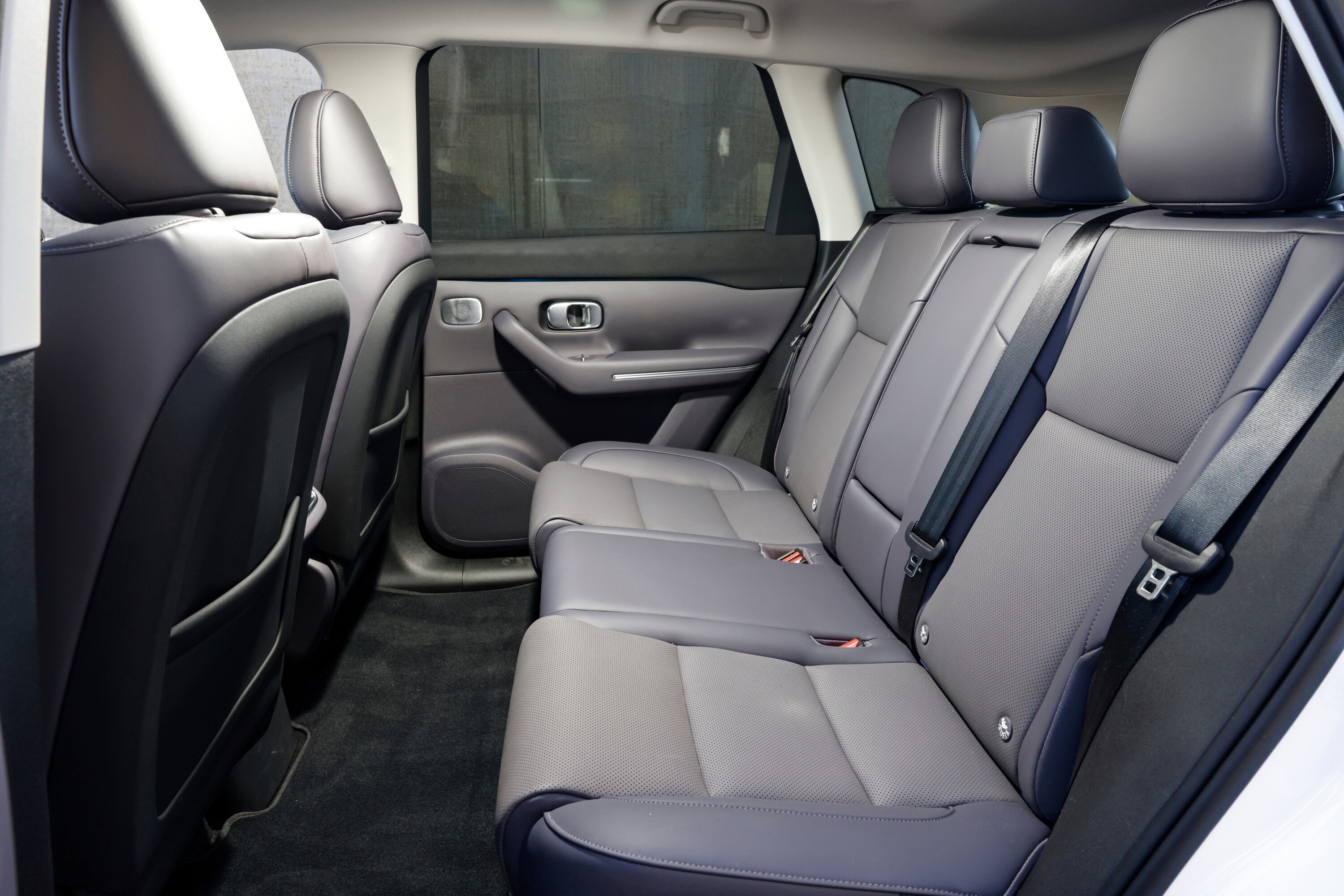
Accommodation is otherwise excellent. The front seats can recline flat to form a full length bed, and the rear seats have stacks of legroom and a fully flat floor. I’m 194cm and was easily able to sit behind my driving position, so it’s one of the most commodious offerings in this section of the market.
1
Headroom is also very good, and that’s with a standard full-length glass panoramic roof. Thankfully there’s also a motorised blind for this, which chunters back and forth in around 15 seconds. Both front and rear get two USB ports: one USB-A and the other USB-C. Strangely, the 60/40 folding rear has no cupholders nor does it feature a load-through ski flap.
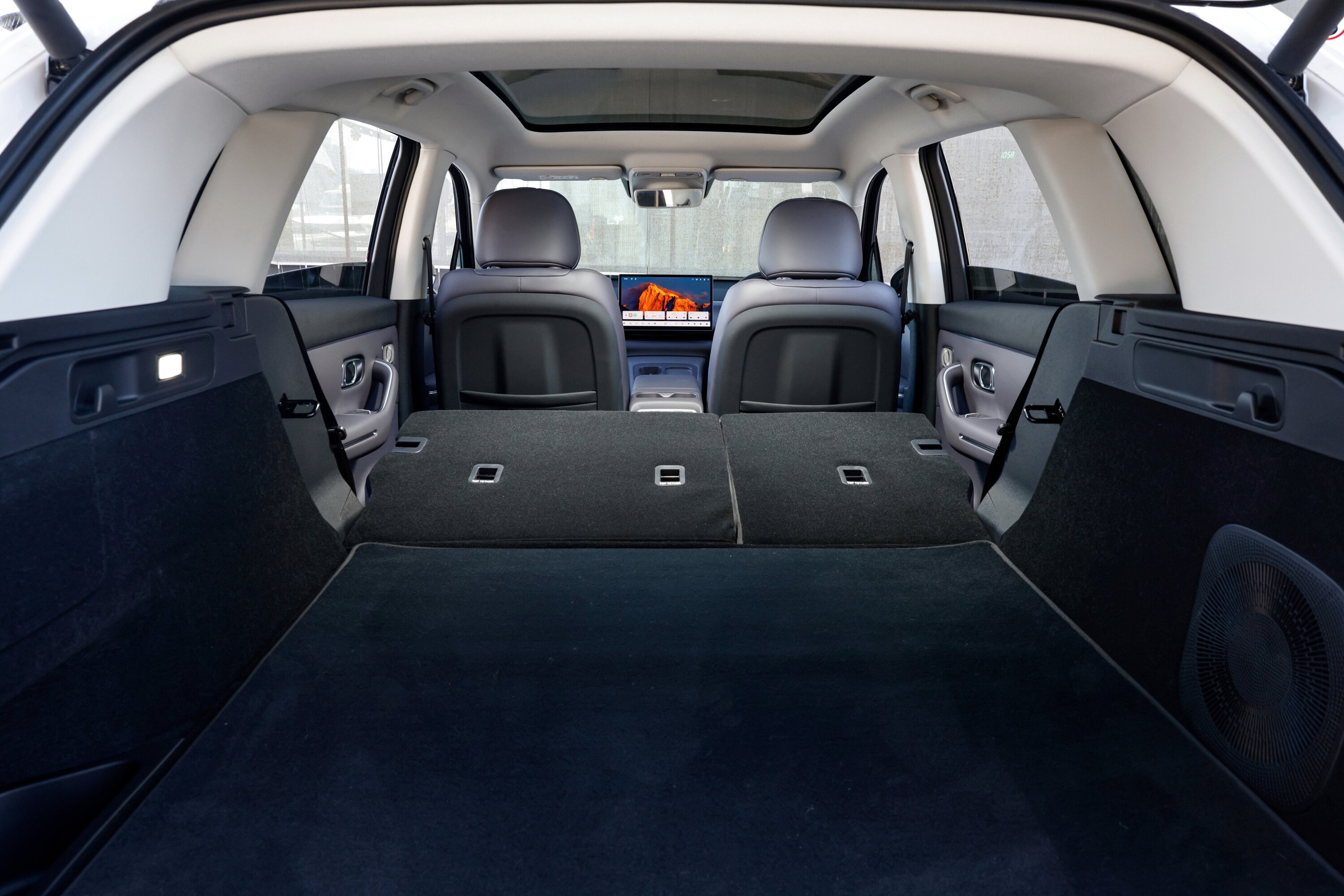
Moving to the rear, there’s a tiny button that takes a bit of finding to open the power tailgate. Leapmotor claims 581 litres with the rear seats in place and 1410 with them folded, but there’s no underfloor storage and nor is there any storage under the bonnet.
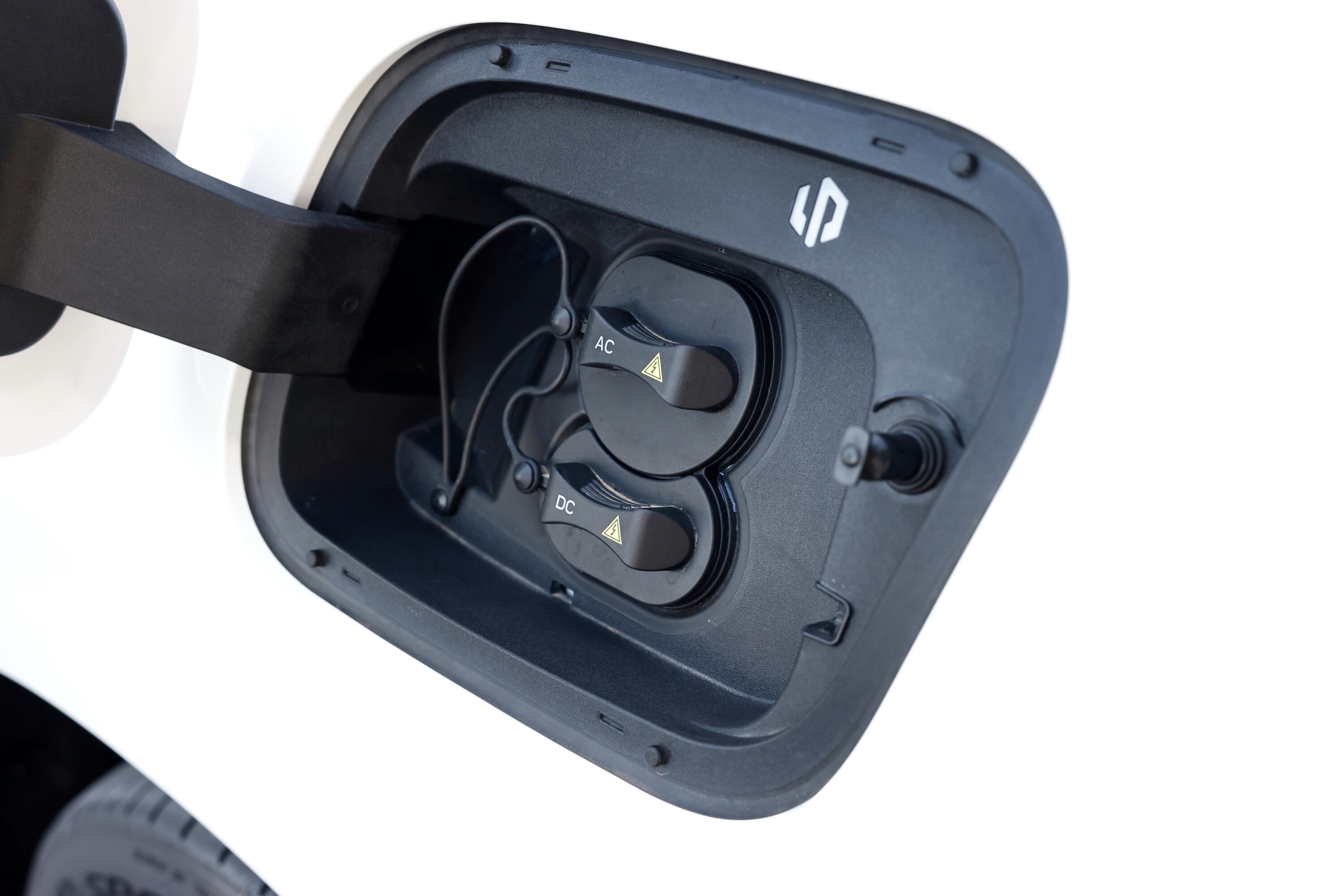
Charging the C10 is relatively straightforward, but it’s certainly not lightning quick. In fact it’s one of the slowest-charging new EVs on the market, with peak charge rate capped at 84kW. If you’re looking smug because you have three-phase AC at home, wipe that grin off your face, because the C10 only charges at a maximum of 6.6kW on an AC charger.
1
This means it’ll only add around 10 percent of battery charge per hour in your garage. To compound this issue, the WLTP-rated consumption for the Leapmotor C10 is 19.8kWh/100km which compares to around 15kWh/100km for most of its rivals.
On the plus side, Leapmotor is supplying the C10 with a seven-year/160,000km warranty which includes a year’s free Chargefox subscription. The battery pack is covered for eight years/160,000km and service intervals are every 12 months or 20,000km, with prices capped for the first five services.
As you might well expect, the Leapmotor dealer network isn’t huge, and it has expanded into free space within its parent Stellantis’ network. At the time of writing, this extended to 12 dealerships across Victoria, New South Wales, Queensland, South Australia, Western Australia, and the Australian Capital Territory.
1
Plans are afoot to double that dealer footprint in Australia by the end of 2025, and Leapmotor will need to if it’s to achieve its lofty sales ambitions.
Further peace of mind is added with a full EuroNCAP five-star safety rating, mirrored by ANCAP, which featured an excellent 89 percent score for adult occupant protection, 87 percent for child occupant protection and 77 percent for both vulnerable road user protection and safety assist.
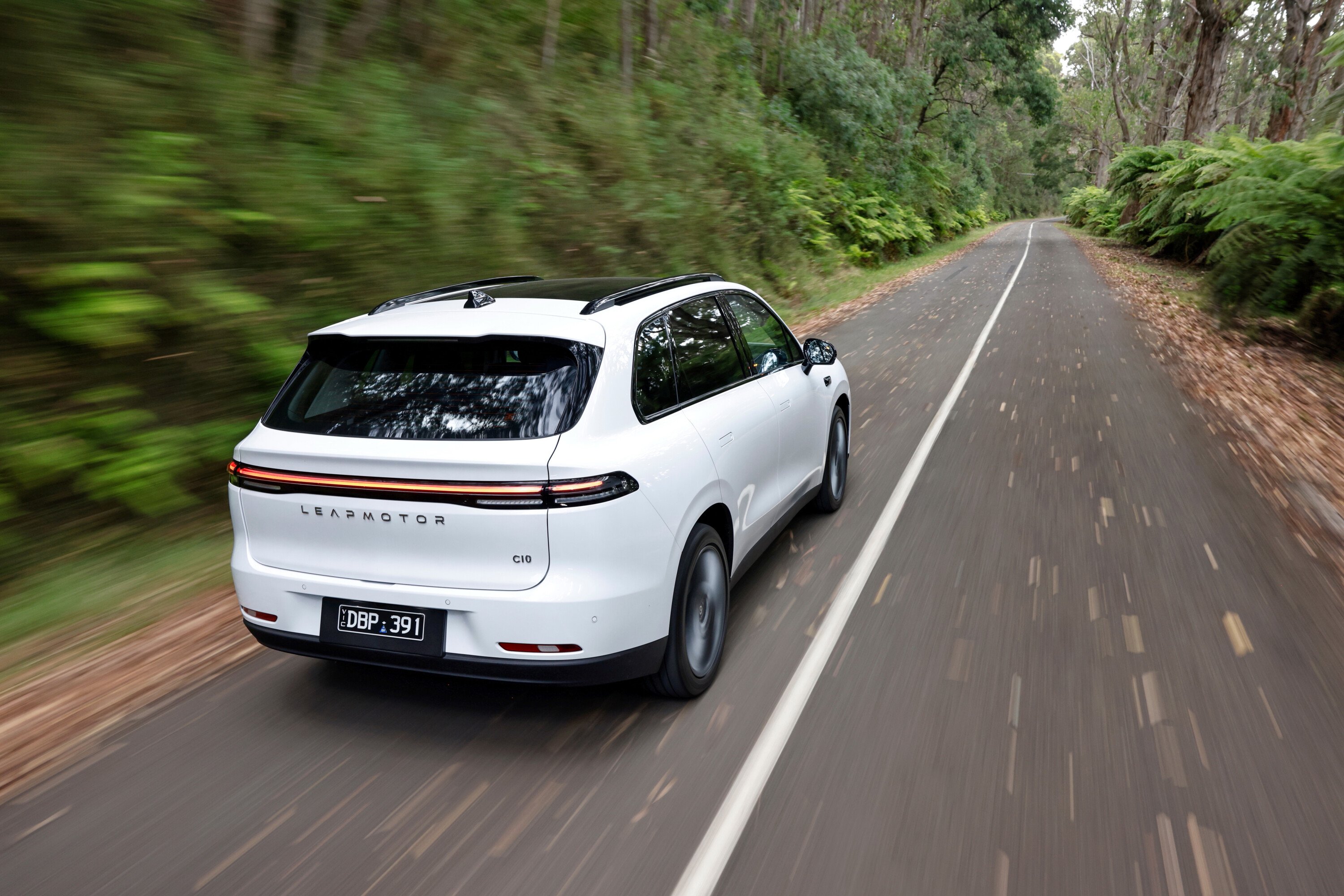
Pearl White is the only standard paint finish. Beyond that, you’ll need to fork out $990 for the colour palette of Terra Grey, Midnight Grey, Metallic Black or Jade Green.
The Leapmotor C10 and I got off to a bad start. Since then, I’ve had a little time to reconsider. As a vehicle that’s probably going to do low demand duties such as local shopping and school run duties it makes a certain sort of sense.
1
Paying mid-spec Kia Sportage money for a full electric SUV with a long warranty and stacks of interior space has a certain appeal, although probably not one which chimes with the typical Wheels reader.
It feels as if this car could do with a head-to-toe software reappraisal if it’s really to step into a higher league of customer appeal. It gets a lot right, and as a basis for the incoming C10 REEV range-extender model, it promises much. How bad is this thing for $50k? Surprisingly good, actually. Still wouldn’t make my shortlist though and I’m guessing you might feel the same.
Post-review note: Leapmotor has already delivered a number of separate over-the-air updates since the release of the C10 to address frequent complaints about its driver-assist technology.
MORE
Electric SUVs
Snapshot
- Urban-focused EV: Compact SUV designed for city driving, launching in 2026
- Range Options: Expect 300-440km range with two battery choices (LFP and NMC)
- FWD Standard: Likely single-motor, front-wheel-drive configuration.
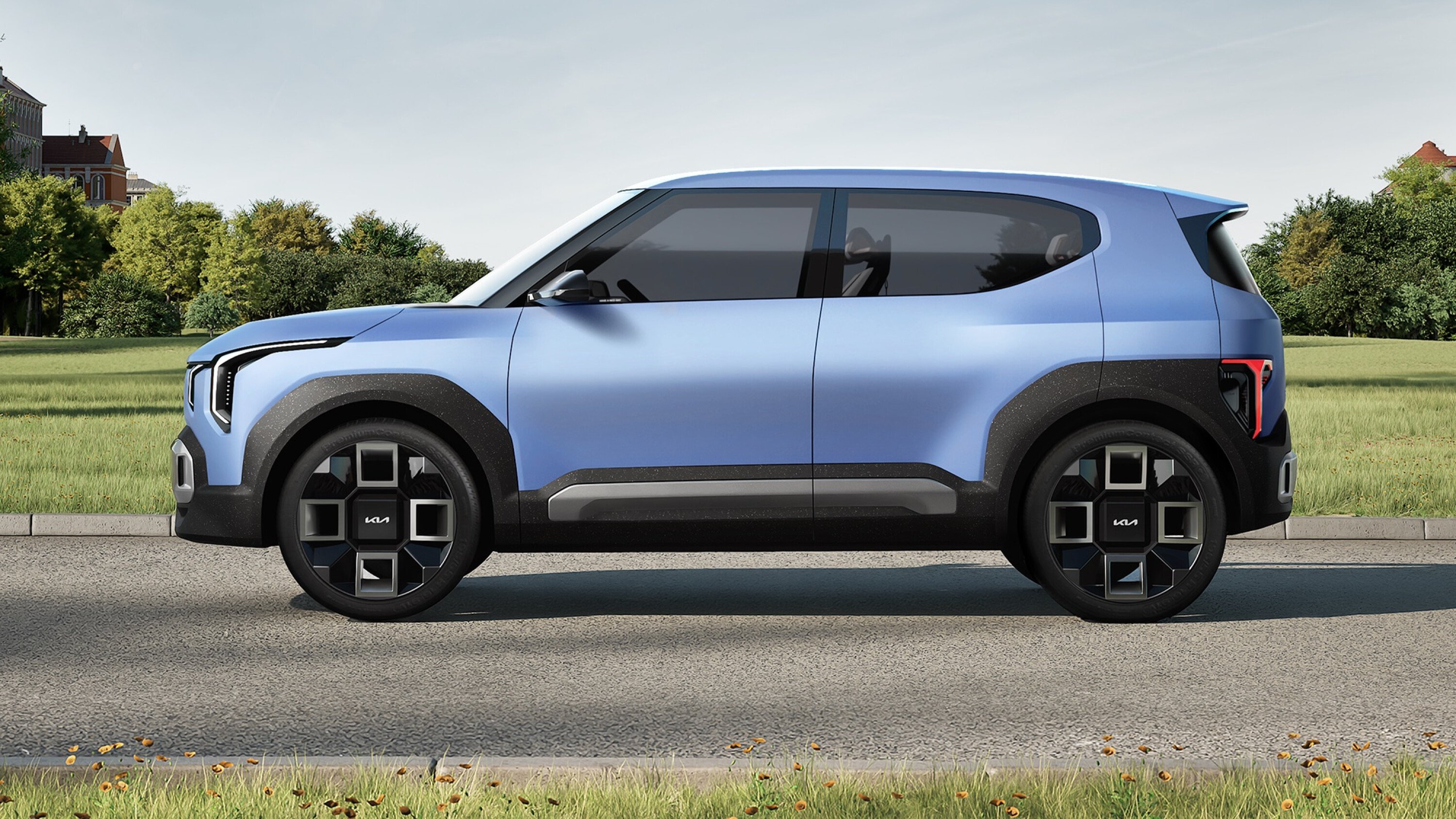
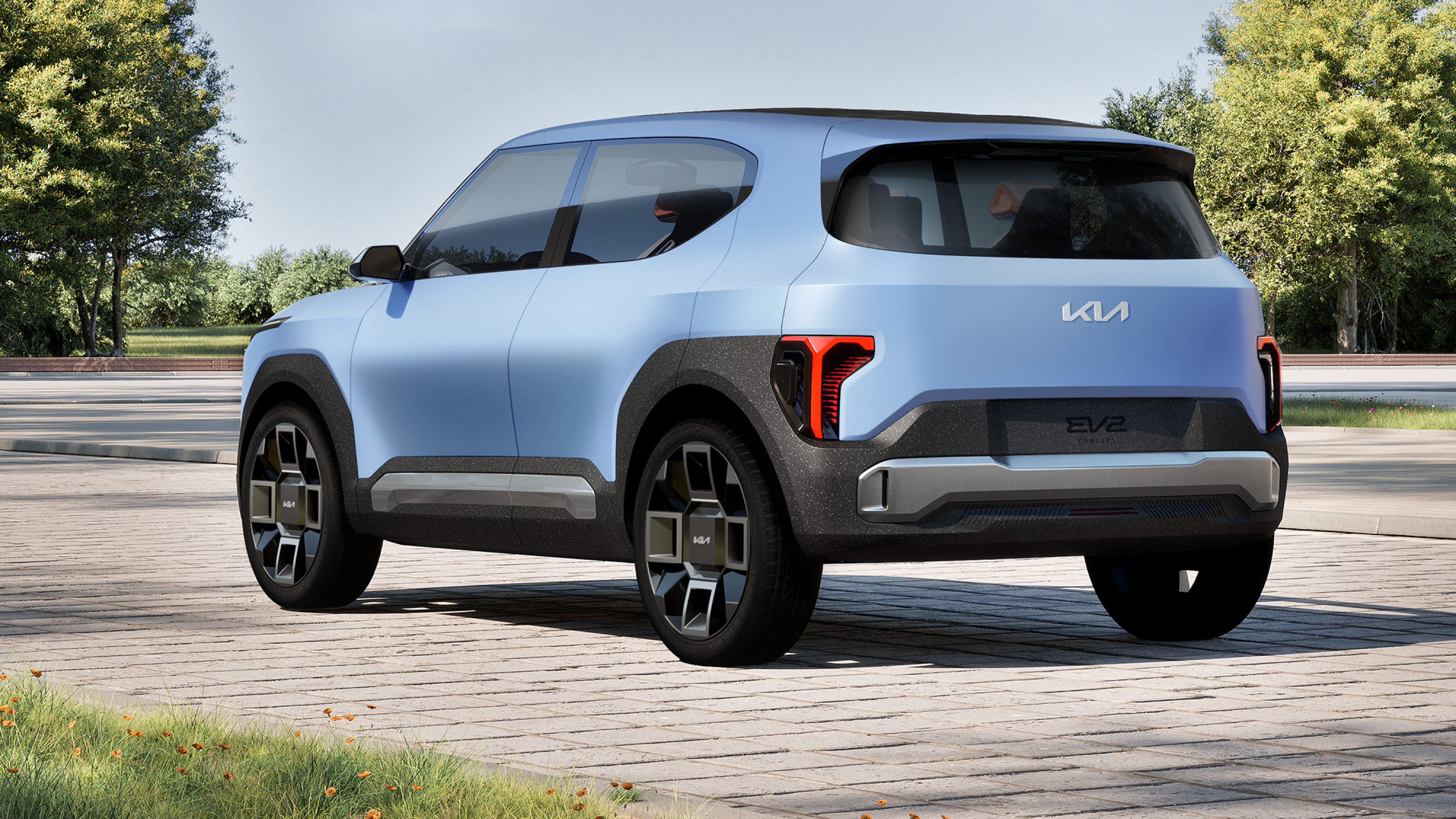
Kia’s expanding EV range is about to grow further with another new addition: the EV2, a compact electric SUV built in and aimed primarily at the European market.
But, as Wheels reported way back in 2023, the EV2’s Euro sourcing and diminutive proportions make it unlikely for Australia. “Highly unlikely”, in fact. That’s the word from Kia’s Australian office.
“We would like to offer EV2, however, production out of Slovakia does present some hurdles when it comes to logistics and cost, so it is highly unlikely,” a Kia Australia spokesperson told Wheels this week.
This won’t be a revelation to keen watchers, of course.
1
The smaller the car, the tighter the profit margins – and while Australian motorists haven’t dismissed compact SUVs as quickly as they did light hatches, it seems only the Chinese brands with their various advantages have any appetite for offering their littlest models in Australia.
Hyundai, to its credit, will soon have a crack with its tiny Inster EV – but being built in Korea is likely the factor that got it over the line. Were it built in Europe, as the newer Kia EV2 will be, a business case would be harder to build.
6
What’s driving the EV2?
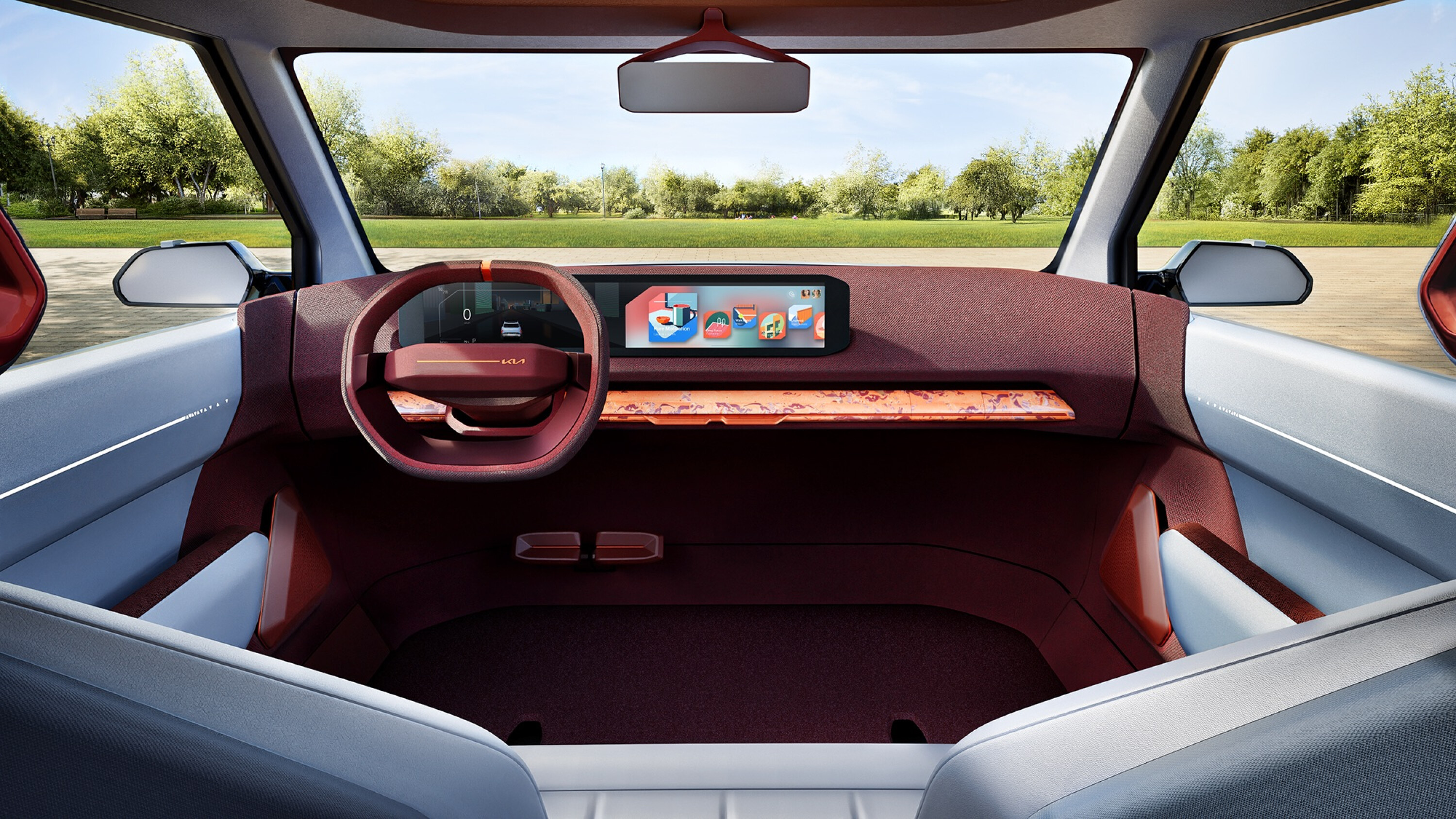
Kia has yet to reveal any technical details about the EV2 although reports suggest it will measure around 4000mm long – making it appropriately shorter than the brand-new EV3 (4300mm) and a touch shorter than the petrol-powered 4140mm Kia Stonic.
The Inster is even shorter at 3800mm, but the EV2 will ride on a newer, simplified version of Hyundai-Kia’s E-GMP platform – so the similarities between these two will be few.
6
For battery and driving range, the EV2 is expected to feature a 42kWh lithium-iron phosphate (LFP) battery in base models and a 62kWh nickel-manganese-cobalt (NMC) battery in higher-spec variants.
With those power sources, expect a driving range of 300 to 440 kilometres.
A single-motor, front-wheel-drive configuration is expected across the range, with charging speeds limited somewhat by the platform’s 400V electrical architecture.
Watch for more on the EV2 to come with its official, production-ready unveiling in the months ahead.
MORE
Everything Kia
The upcoming new 2026 Kia EV4 sedan and hatch electric cars have been unveiled properly today, following last week’s initial first look.
Today’s reveal also brings the first official confirmation of an Australian launch, although final local details and pricing are still to be announced, coming “in due course”.
One detail not yet confirmed is that we might only get the Korea-built sedan, as the hatch will be built in Slovakia – and Kia Australia’s product boss Roland Rivero has commented in the past on the difficulties in securing a good price and shipping program for models out of that factory.
3
Slotting between the EV3 and the EV5 in the electric Kia line-up, the EV4 will enter as a direct rival to popular models like the Tesla Model 3, Polestar 2 and MG 4.
Along with the EV3 and EV5, the EV4 will count the bigger EV6 and EV9 SUVs among its stablemates.
3
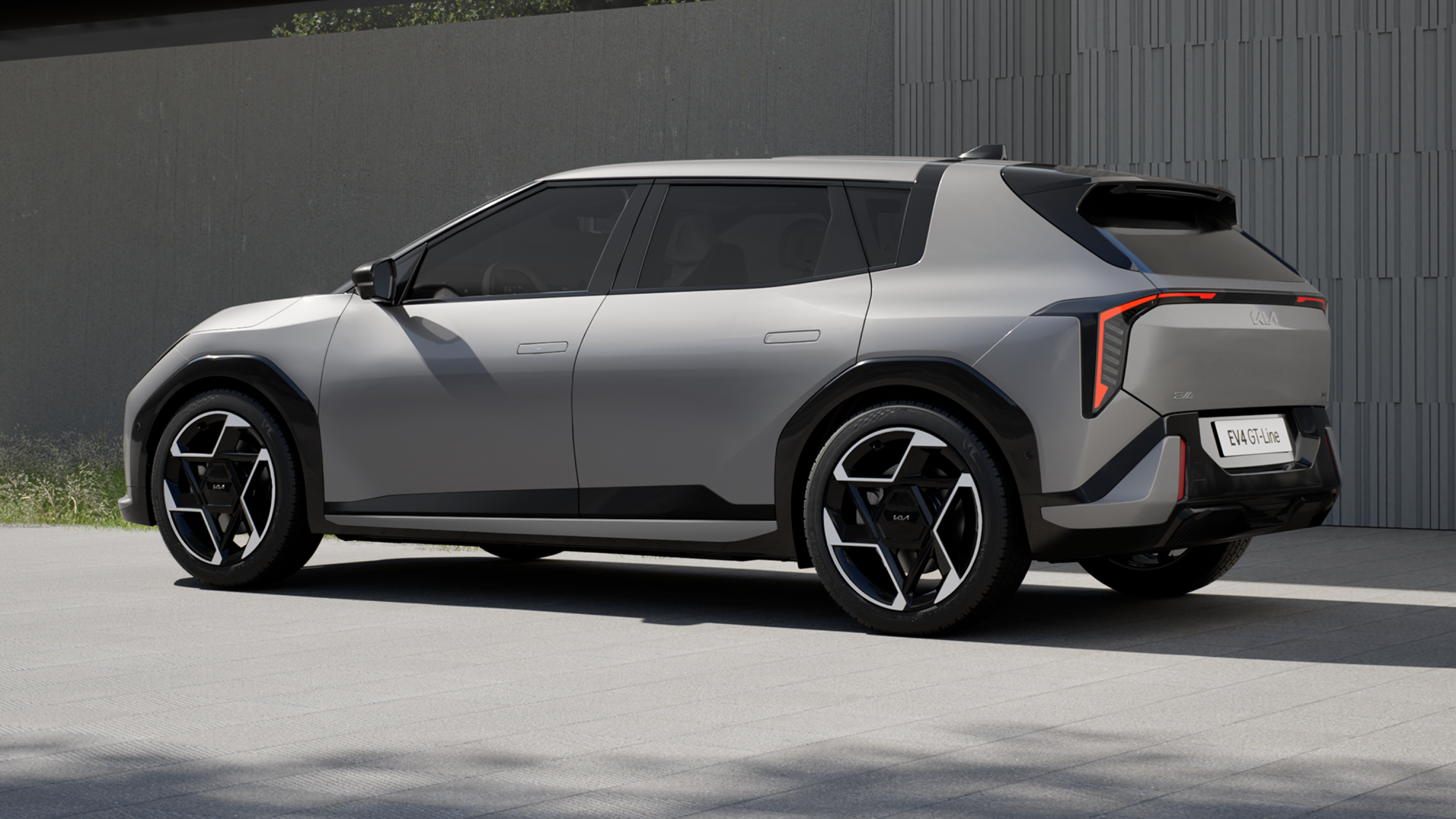
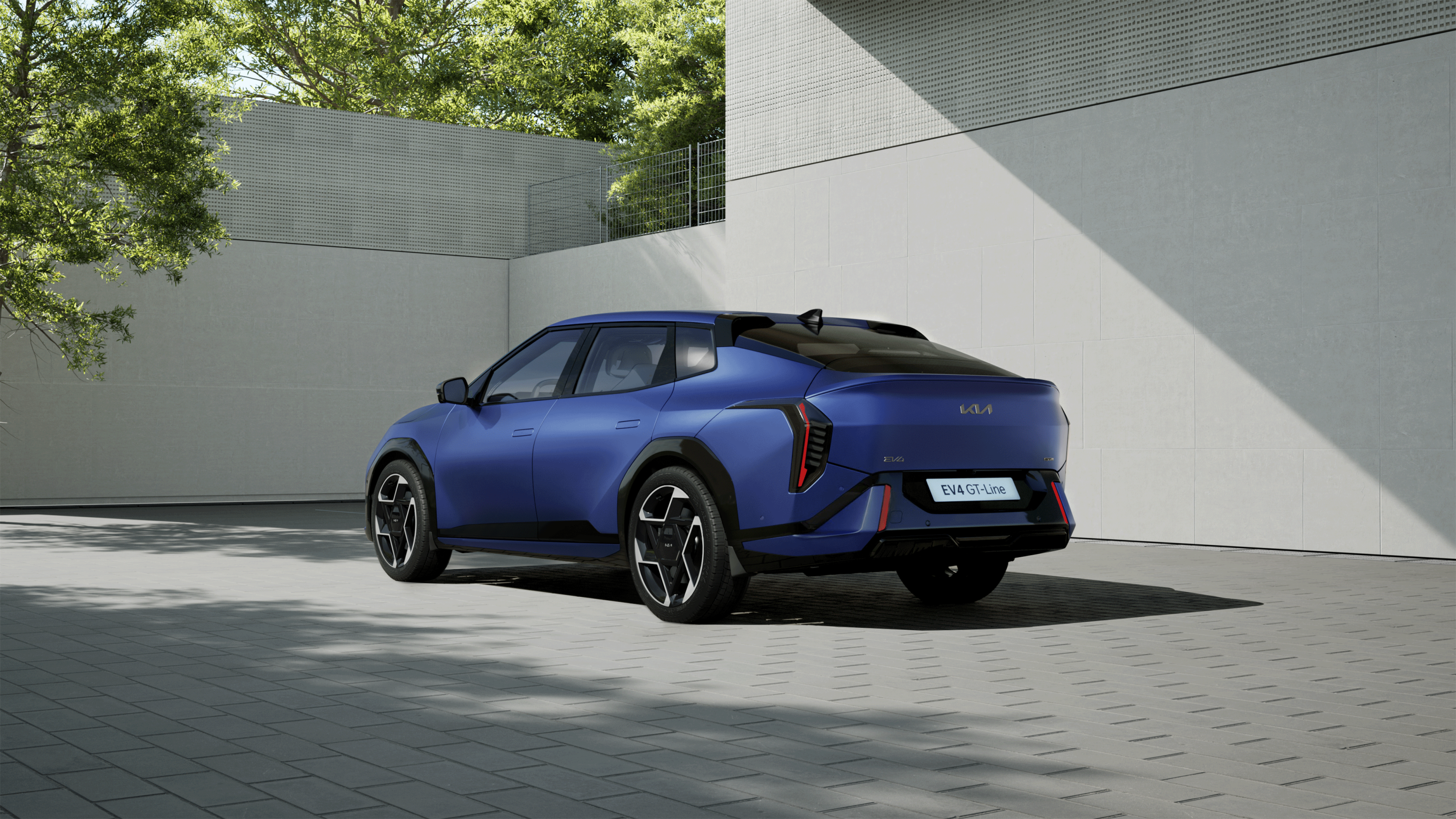
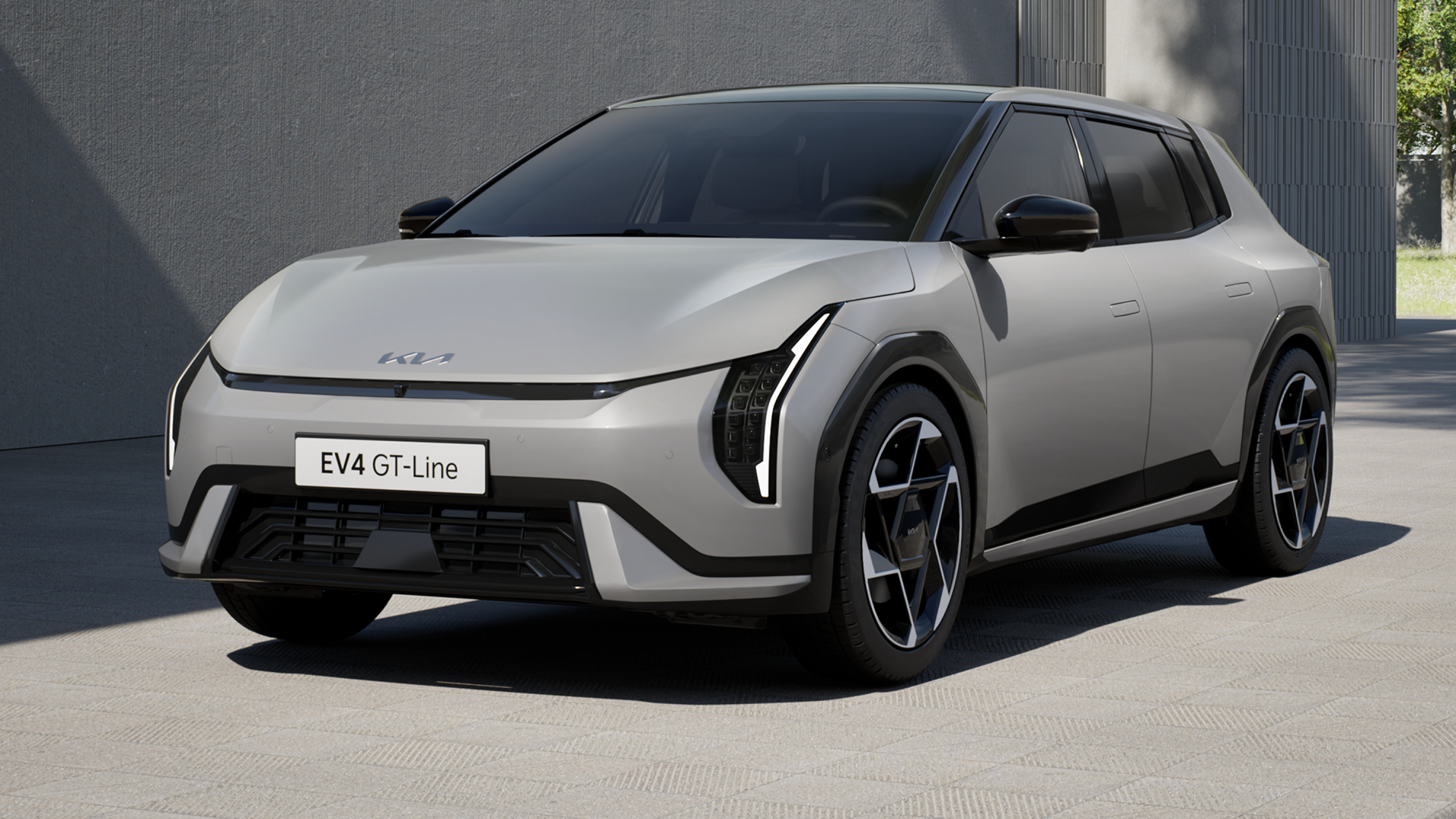
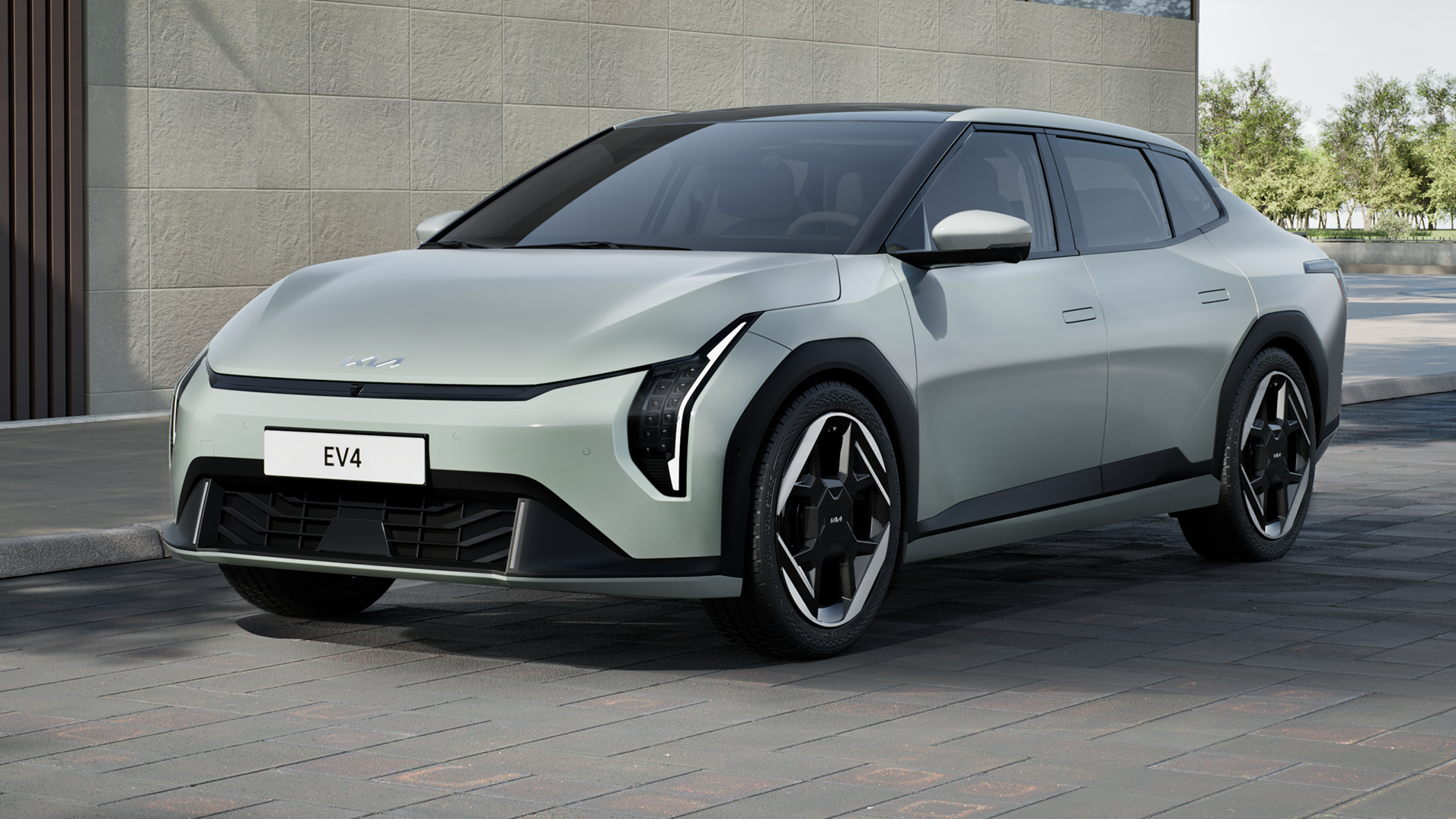
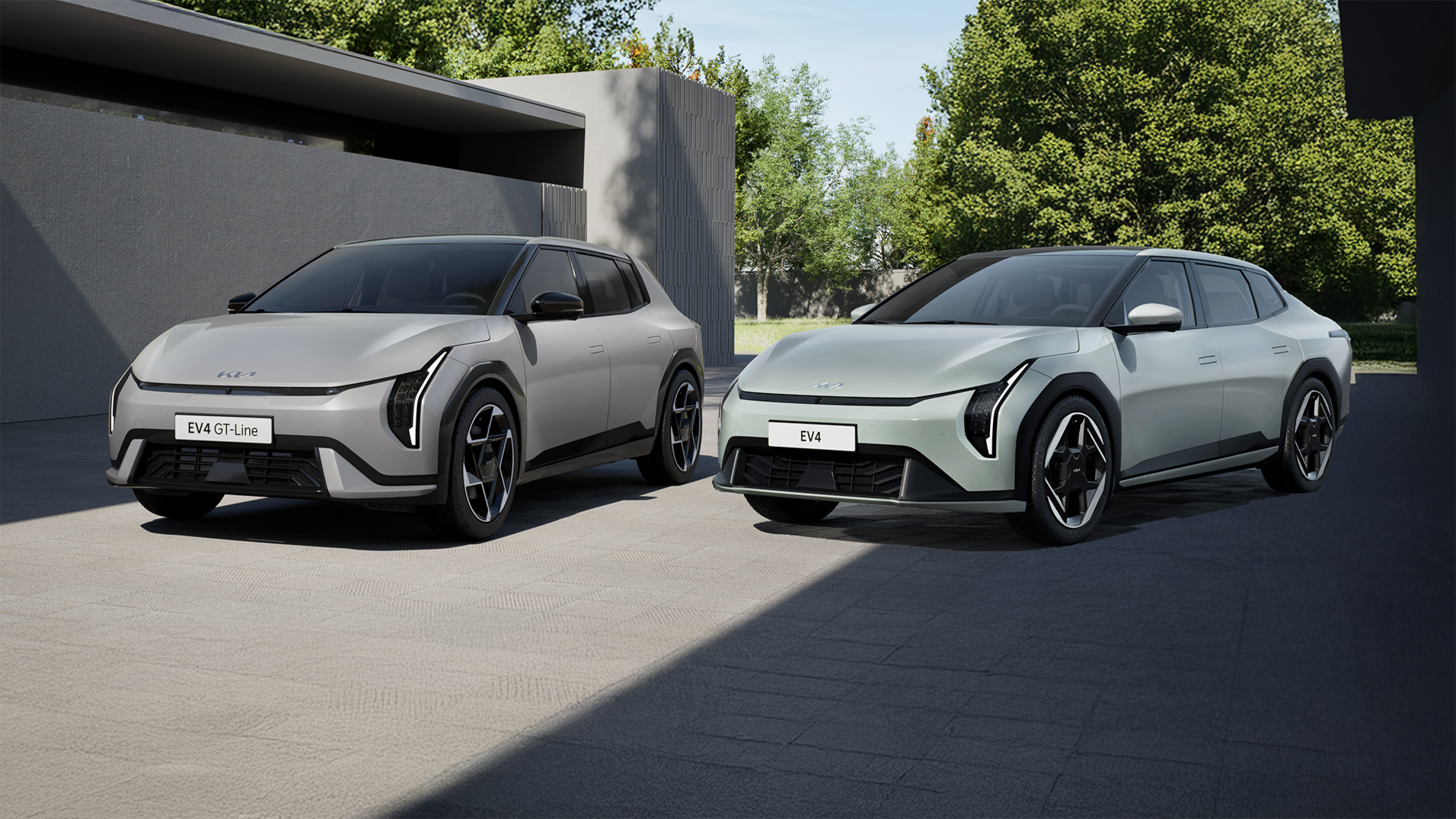
The EV4’s styling, like its siblings, is sharp and futuristic, and features the brand’s latest ‘EV Tiger Face’ design theme.
The vertical lighting units speak more to the brand’s new styling identity, while the heavily raked roofline is decidedly coupe-like.
The hatchback is boxier for more practicality and features an upright D-pillar that’s similar to the new petrol-powered K4 small car with which the EV4 will share showroom space.
6
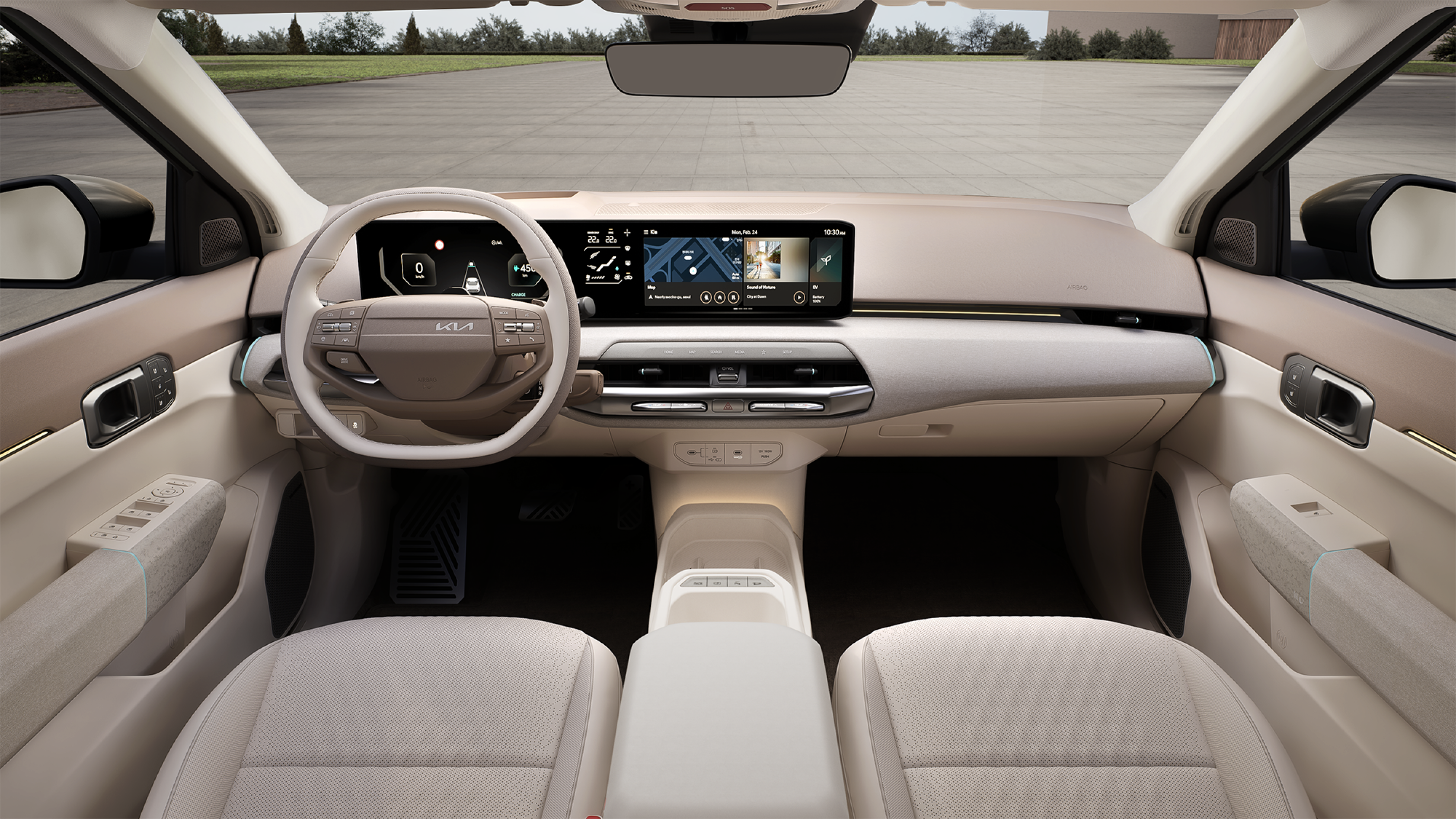
Another new detail in today’s announcement is our first look at the EV4’s interior, and it’s clear that Kia feels beige is back – although the official name might be something trendier like tan or sand… (Update: the official name is Nougat Brown.)
The EV4 isn’t Kia’s first new model with this tan/sand/beige interior finish, of course, as the EV5 has already embraced the ’90s Windows PC colour of choice.
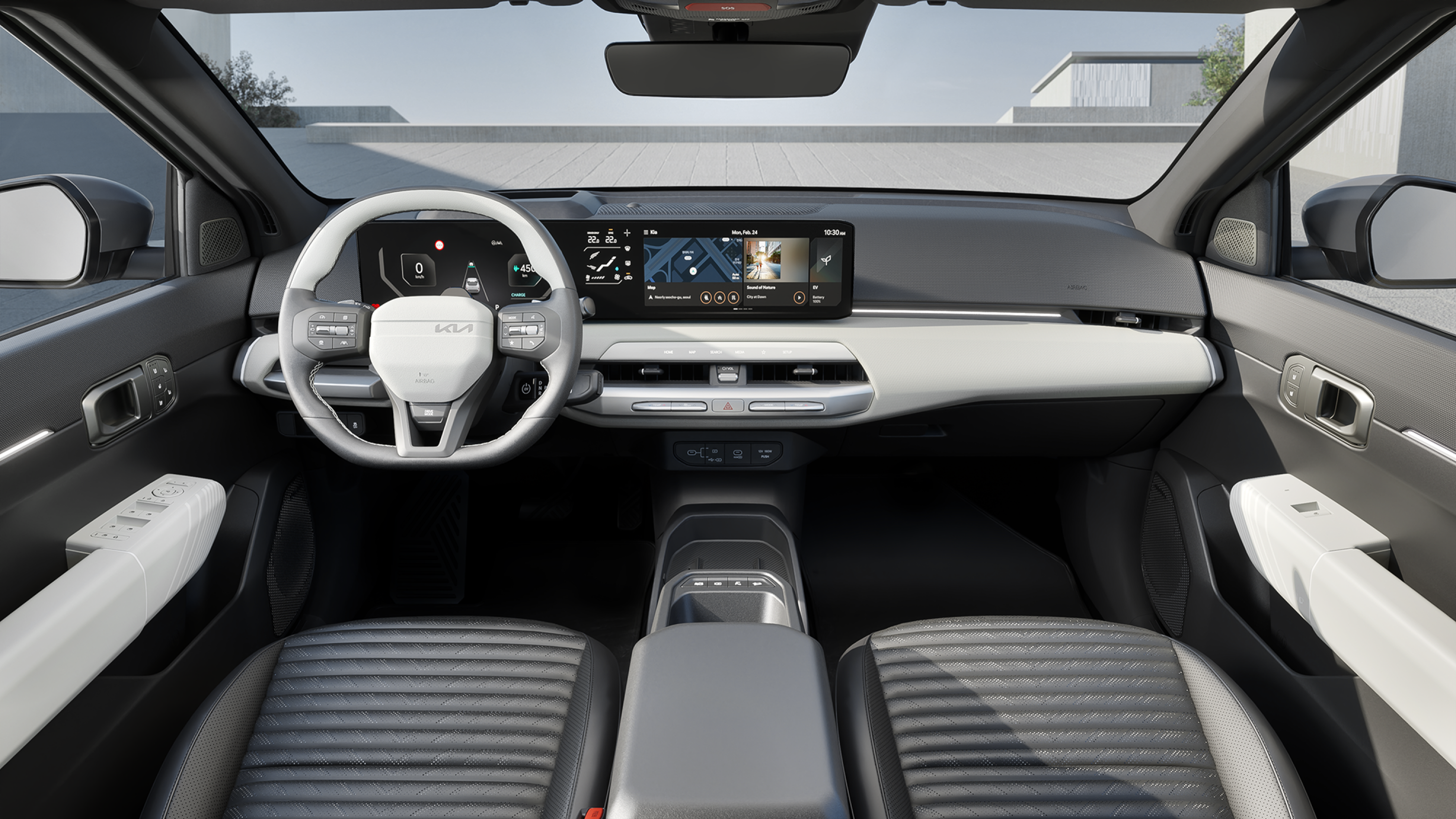
Opt for the sporty GT-Line models and you’ll be welcomed by a two-tone grey trim, shown below, along with a cool ‘crushed carbon’ or stone look to the centre console’s cover tray.
Practicality: Boot space
Kia claims a seats-up 490 litres of boot space in the sedan, and 435 litres in the hatch – the latter being based on loading to the window sill only.
Seats-down figures have not been released, and there are no images of the cargo area either.
4
Kia EV4: Motor, batteries, charging and range
The EV4 is built on the newly simplified (more affordable) 400V version of Hyundai and Kia’s Electric Global Modular Platform (E-GMP).
Two battery options are offered: a standard 58.3 kWh battery and a long-range 81.4 kWh battery.
Both battery configurations power a front-mounted 150kW motor, and Kia claims a 0-100km/h time of 7.4 seconds with the smaller battery and 7.7 seconds with the bigger, heavier long-range battery pack.
Kia says the EV4 sedan achieves a WLTP-confirmed driving range of 430km with the standard battery, and 630km with the long-range battery.
1
Opt for the hatch instead, and you’ll be promised WLTP ranges of 410km and 590km respectively.
DC fast charging is featured, allowing for a 10-80% charge in 31 minutes for the long-range model – this is slower than the likes of the sleek EV6, and that comes down to the power and cooling differences between their 400 and 800V electrical systems.
The EV4 also features an 11 kW on-board charger compatible with single-phase and three-phase inputs. Additionally, the EV4 offers 3.6 kVA Vehicle-to-Load (V2L) functionality and 10 kVA Vehicle-to-Grid (V2G) functionality.
1
Like the impressive EV6 before it, Kia says the EV4’s suspension setup is designed to provide a comfortable and engaging driving experience.
An EV-specialised MacPherson strut front suspension is equipped up front, while the rear gets a multi-link rear suspension tuned for the EV4’s weight and proportions.
Supporting that setup is Kia’s third-gen ‘SFD3’ frequency-responsive suspension dampers and Hydro G suspension bushings. We’ll have to wait until we drive it before we can confirm its potential, but Kia says these systems will work together to reduce noise and vibration, improve ride comfort, and enhance cornering stability and responsiveness.
1
When will the EV4 reach Australia?
For now, Kia has only confirmed a March 2025 launch for Korea and ‘second half 2025’ for Europe.
A late 2025 or early 2026 launch might then be likely for Australia.
Watch for more details to come in the months ahead.
MORE
Everything Kia
MORE
Electric Cars
Kia has finally revealed its upcoming PV5 electric vans inside and out, with today’s release showing the full interior design and configuration for the first time.
This latest issue also delivers the first key details of the PV5’s electrical package, including battery specs, driving range, power and more.
The PV5’s initial appearance as a concept at the Consumer Electronics Show in January 2024 saw it showcased alongside the larger PV7 and the smaller PV1, all revealed as part of Kia’s long overdue return to the commercial vehicle market.
1
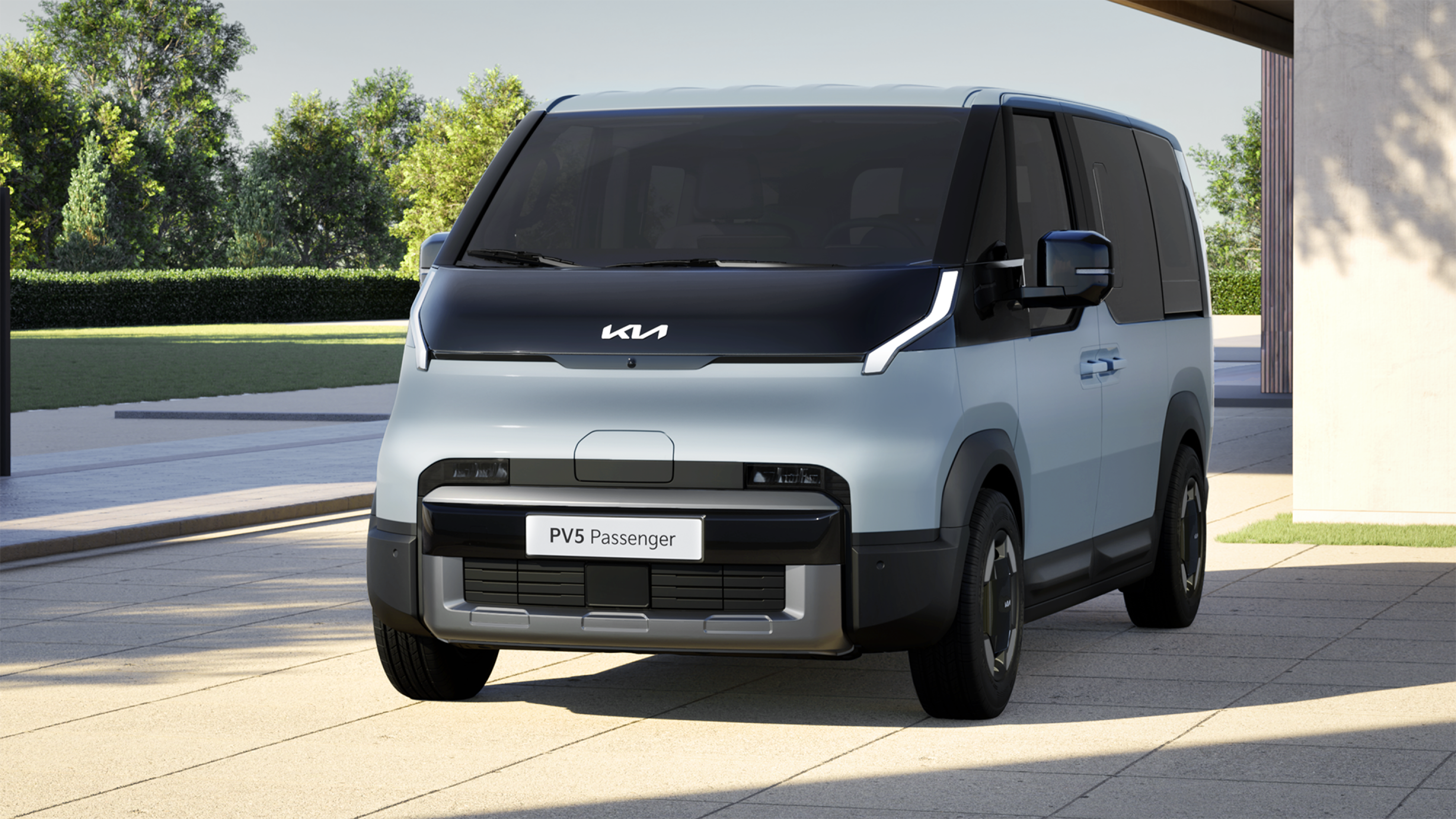
Kia says the PV5 will be available in multiple forms, starting at basic people-mover and cargo van bodies. The latter is shown here in full cargo and half-cargo Crew variants.
Beyond the passenger and cargo variants, Kia plans to introduce specialised conversion options – including a Wheelchair Accessible Vehicle and cab-chassis forms.
Kia already has a people mover in the form of the popular Carnival, but where that model is car-based and petrol/diesel-powered family offering, the PV5 will veer closer to Hyundai’s Staria and Staria Load twins – but with electric power.
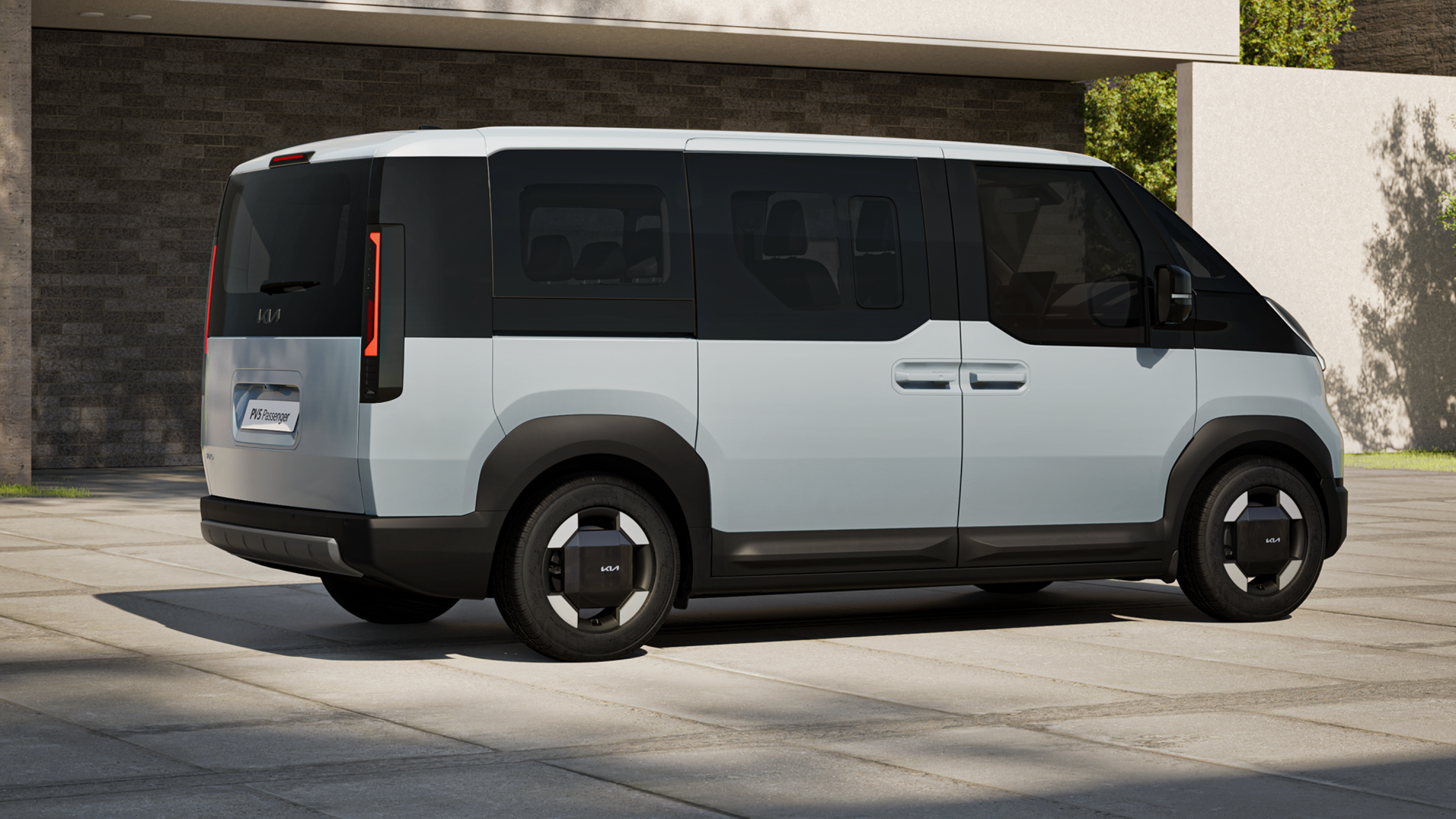
PV5 Passenger features
- Three-row seat configuration with flexible layouts (2-3-0, 1-2-3)
- Fold-and-dive seating options
- Open-source platform for accessory installation
- Kia AddGear modular interior customisation
1
According to Kia design boss Karim Habib, the PV5’s look adheres to Kia’s ‘Opposites United’ design philosophy.
The goal, he says, is for each ‘PV’ model to project a solid, futuristic, and capable character.
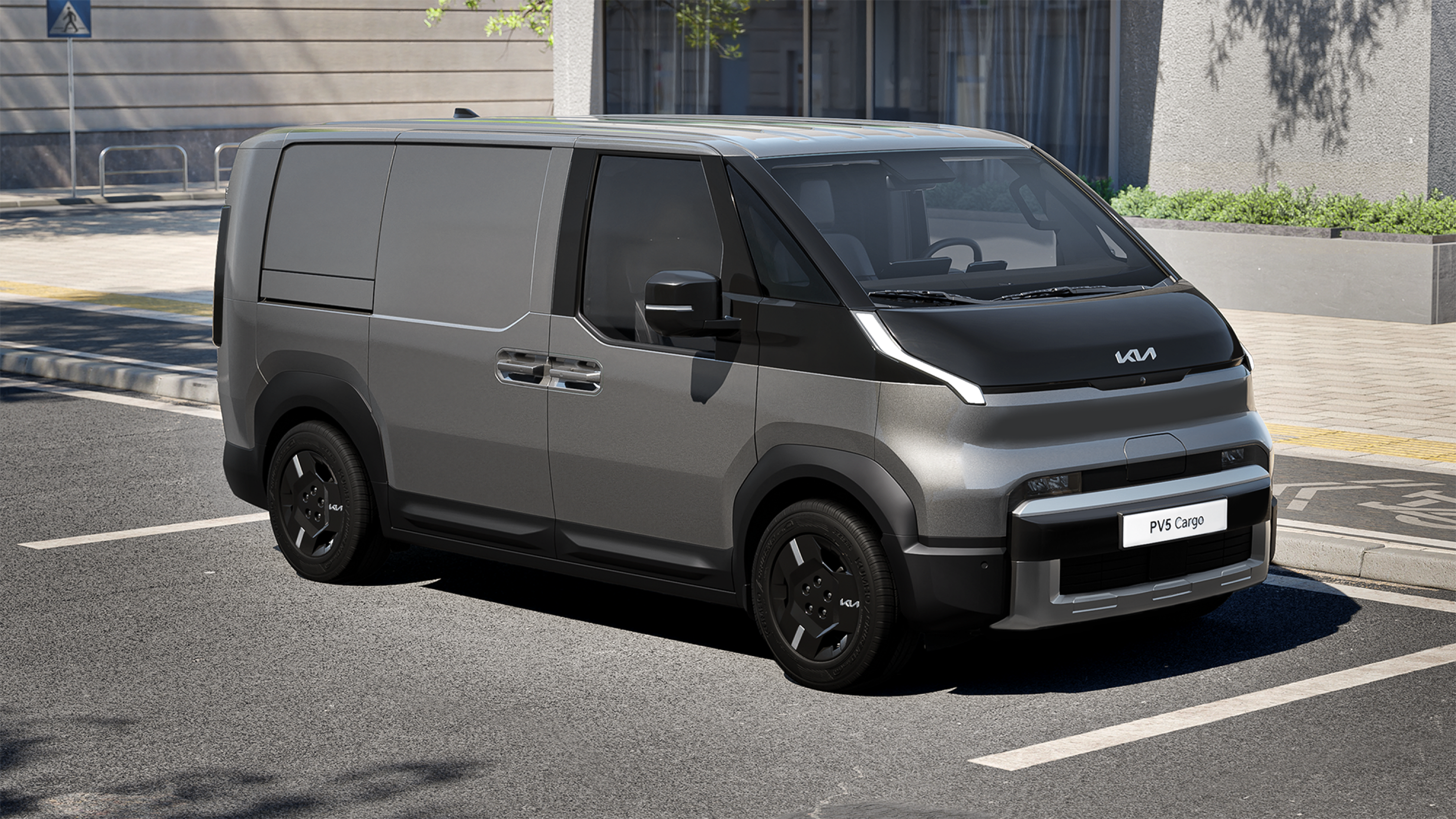
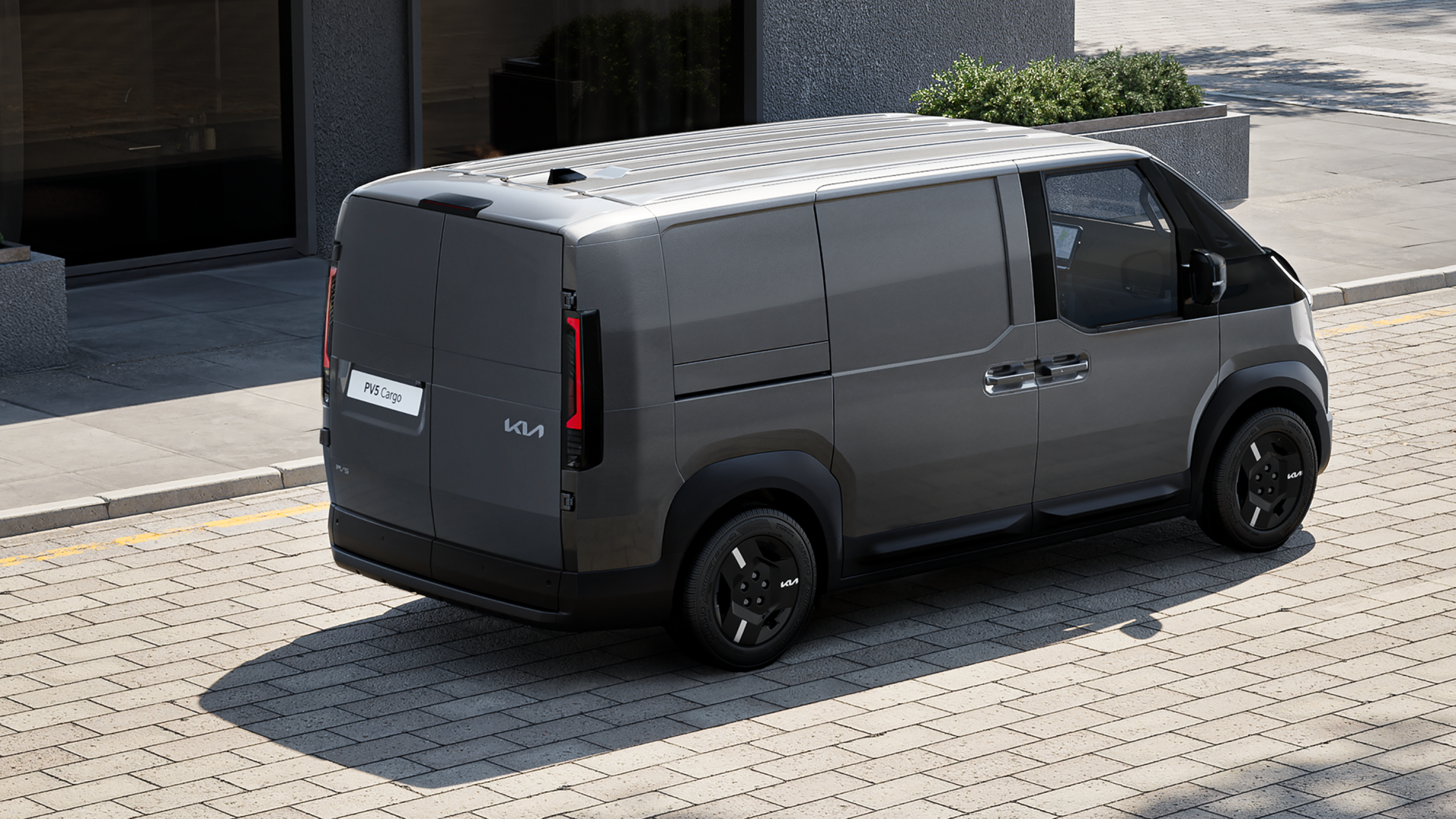
The PV5 Cargo model shares the geometric design language of the passenger model but incorporates a boxier profile to maximise internal space.
1
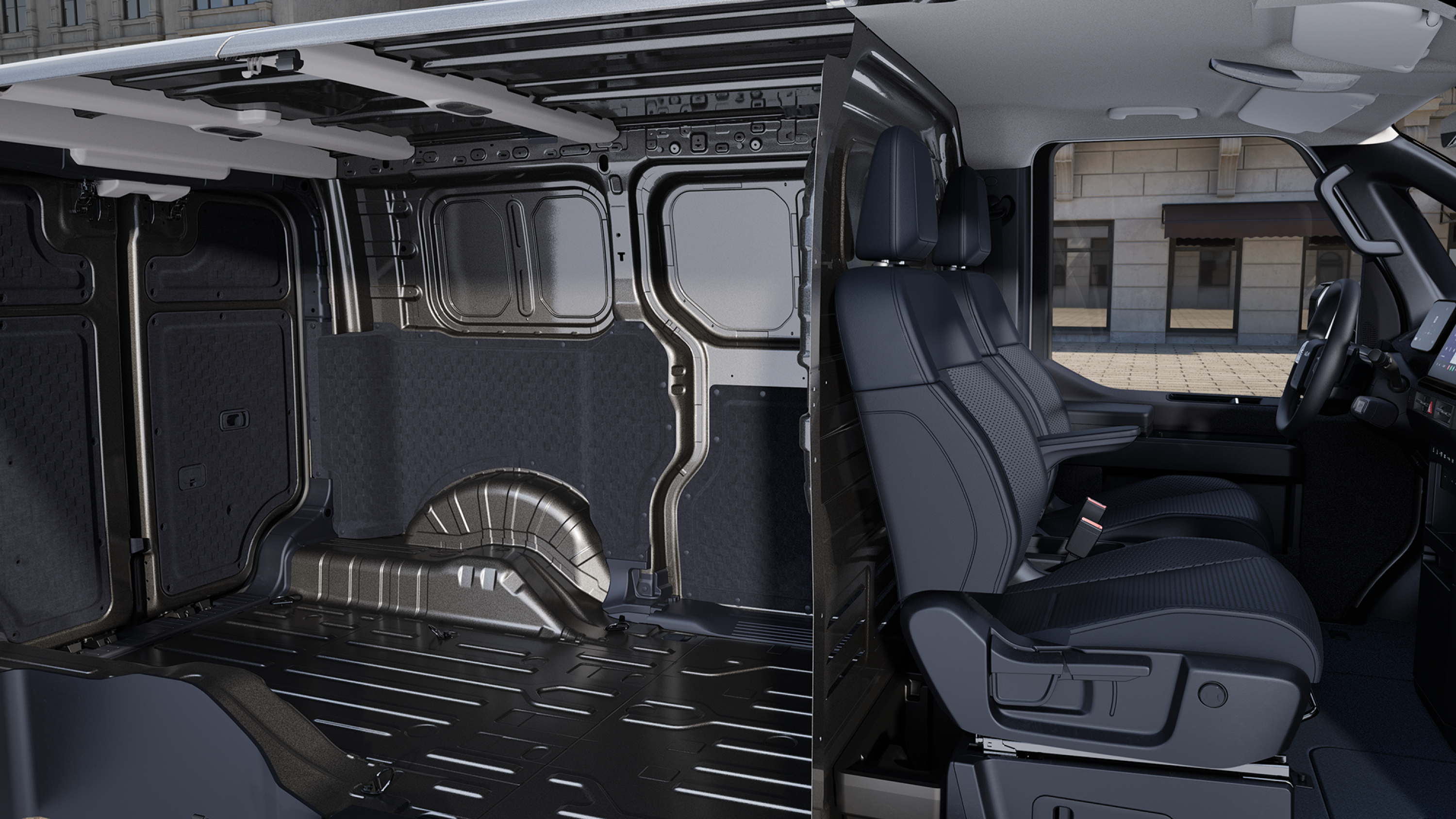
PV5 Cargo features
- Cargo capacity up to 5.1 mu00b3 (High Roof)
- Low cargo room step height of 419mm
- Optional L-track mounting system for flexible cargo securing
- V2L (Vehicle-to-Load) functionality in the cargo area
A key feature of the Cargo variant is its twin side-opening tailgate doors, designed to improve loading and unloading practicality.
The rear design is intended to complement the side lines, creating a solid and modern look, and contributing to the vehicle’s overall load capacity.
1
Kia PV5: Electric motor, battery, charging and driving range
Powering the PV5 range is a choice of two Nickel Cobalt Manganese (NCM) battery packs: a 51.5 kWh option for those needing a daily commuter, and a larger 71.2 kWh pack for extended range.
For the cargo version, which is likely to run specific short city routes between regular charging sessions, a 43.3 kWh Lithium Iron Phosphate (LFP) battery is also available.

9
All models are driven by a 120kW/250Nm front-mounted motor, powering the front wheels only. A dual-motor, all-wheel-drive version could debut later, but Kia is yet to confirm plans.
Kia claims a driving range of 400 kilometres on a single charge when the PV5 Passenger is fitted with the 71.2kWh battery. A driving range for the smaller battery is still to be released, and it’s unclear for now what sort of passenger and cargo load is factored into that 400km range.
WIth a 400V electrical system, the PV5 claims a 10-80% charge time of 30 minutes.
6
Technology and Connectivity
- 7-inch instrument cluster and 12.9-inch navigation screen.
- Android Automotive OS-based infotainment system and app market.
- Over-the-air (OTA) updates.
- Digital Key 2.0 technology (NFC+BLE+UWB).
- Smartthings pro IOT integration.
Watch for more on the PV5’s Australian range to be announced in the months ahead.
MORE
Everything Kia
The refreshed ‘Mark 8.5’ Volkswagen Golf, unveiled in January 2024, is due in Australian showrooms this April.
Snapshot
- Line-up begins from $38,690 before on-road costs
- Life, Style, and R-Line get 110kW/250Nm 1.4L turbo-petrol engine with an 8spd auto; Style and R-Line gain feature upgrades
- GTI boosted to 195kW/370Nm, gains handling tweaks & 19-inch alloys
- R flagship gets a power bump to 245kW
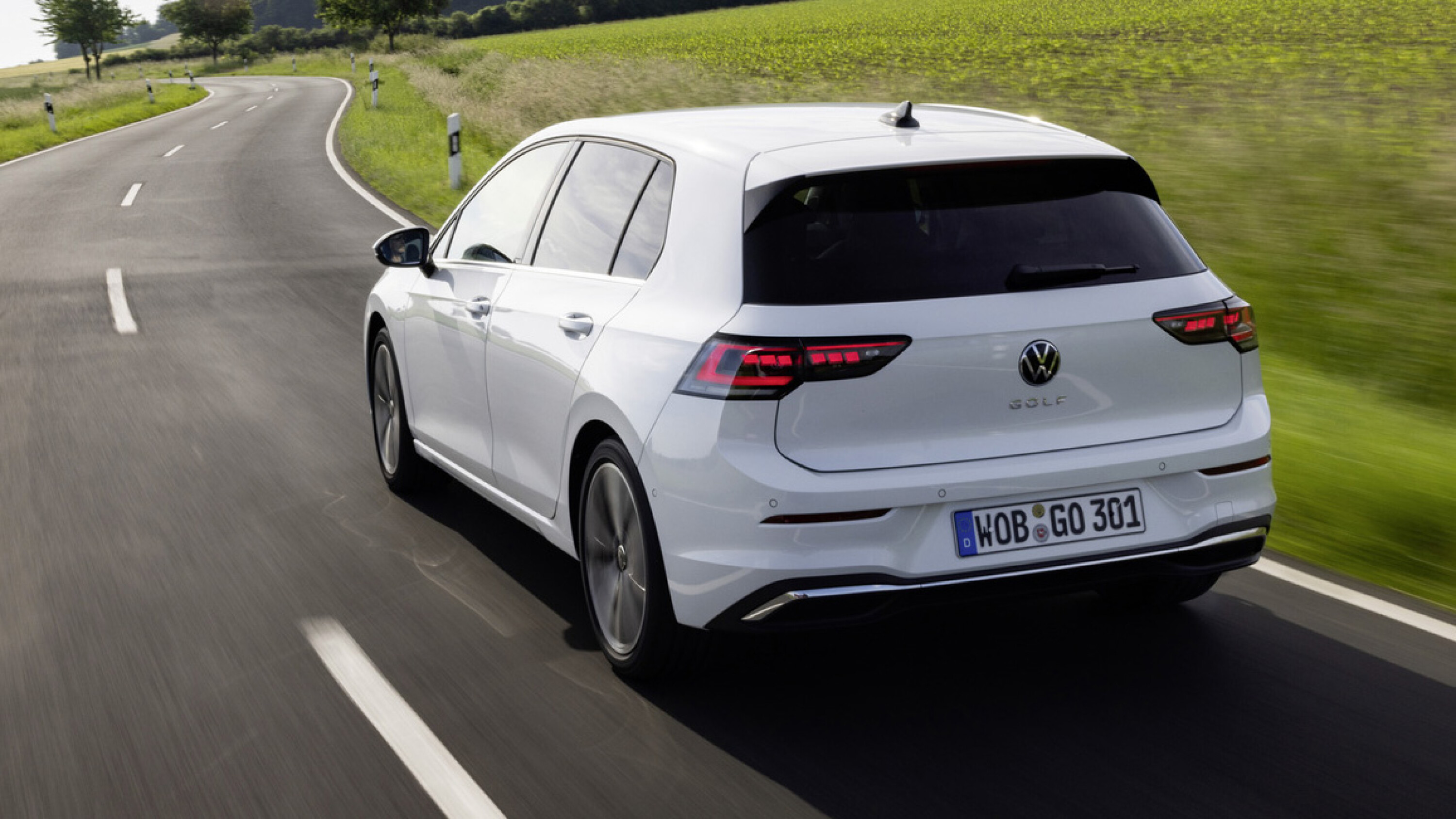
Australia’s Golf range will again kick off with the entry Life, followed by the Style, R-Line, GTI and the performance flagship, the Golf R.
The 2025 Volkswagen Golf Life, Style, and R-Line variants retain the 110kW/250Nm 1.4-litre turbocharged four-cylinder petrol engine previously offered, coupled to an eight-speed automatic transmission.
As ever with the Golf range – and despite growing interest in the option among other brands – Australia will continue to go without the hybrid and plug-in hybrid options available in Europe.
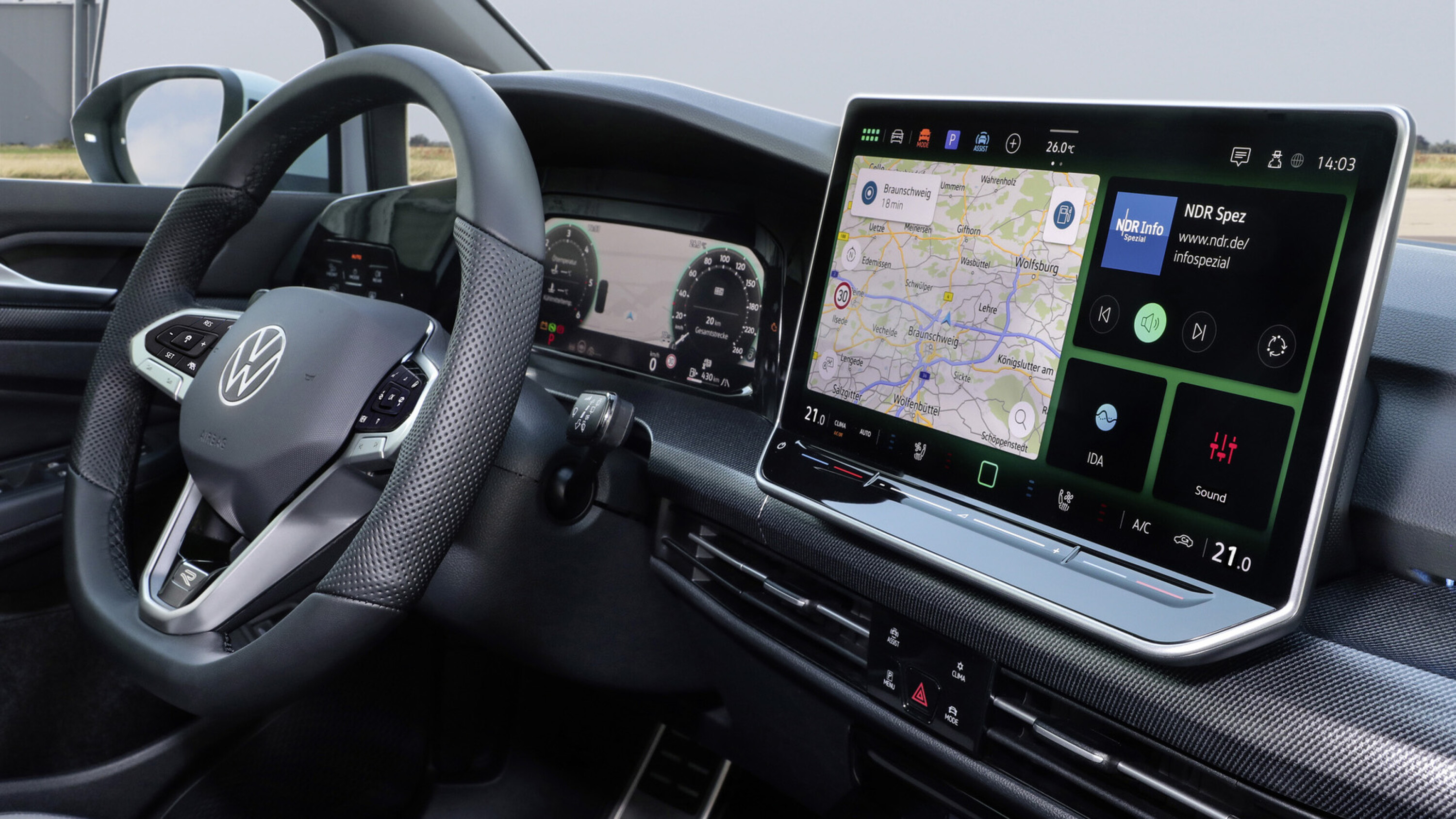
Some will also be pleased to note the capacitive steering wheel of GTI and R models has been replaced with the same version fitted to standard Golf variants, which sees a return to physical controls – in line with VW’s shift away from touch-sensitive buttons to address customer ‘frustration’.
1
2025 Volkswagen Golf equipment
Golf Life
| Model | Outputs | Price |
|---|---|---|
| Golf Life | 110kW/250Nm | $38,690 + on-road costs |
The Life is still a couple grand more expensive than where the Golf kicked off from only two years ago, but it’s also better equipped than ever before.
Standard kit includes 17-inch alloy wheels, front and rear parking sensors, Park Assist, a rear-view camera, LED headlights with Light Assist, keyless entry and alarm, surround lighting, a leather-wrapped steering wheel, single-zone climate control, a 10.3-inch infotainment display, DAB+ digital radio, a ventilated wireless smartphone charger, and wireless App-Connect.
Interior niceties are rounded out with carpeted door pockets, a multi-tier adjustable centre armrest, vanity mirror lights, and rear air vents – all elements that Volkswagen’s local arm describes as “long ignored” by “several other competitors”.
Standard safety features in the Golf Life include Travel Assist (combining adaptive cruise control and Lane Assist), Front Assist with pedestrian and cyclist detection, and Side Assist with rear cross-traffic alert.
1
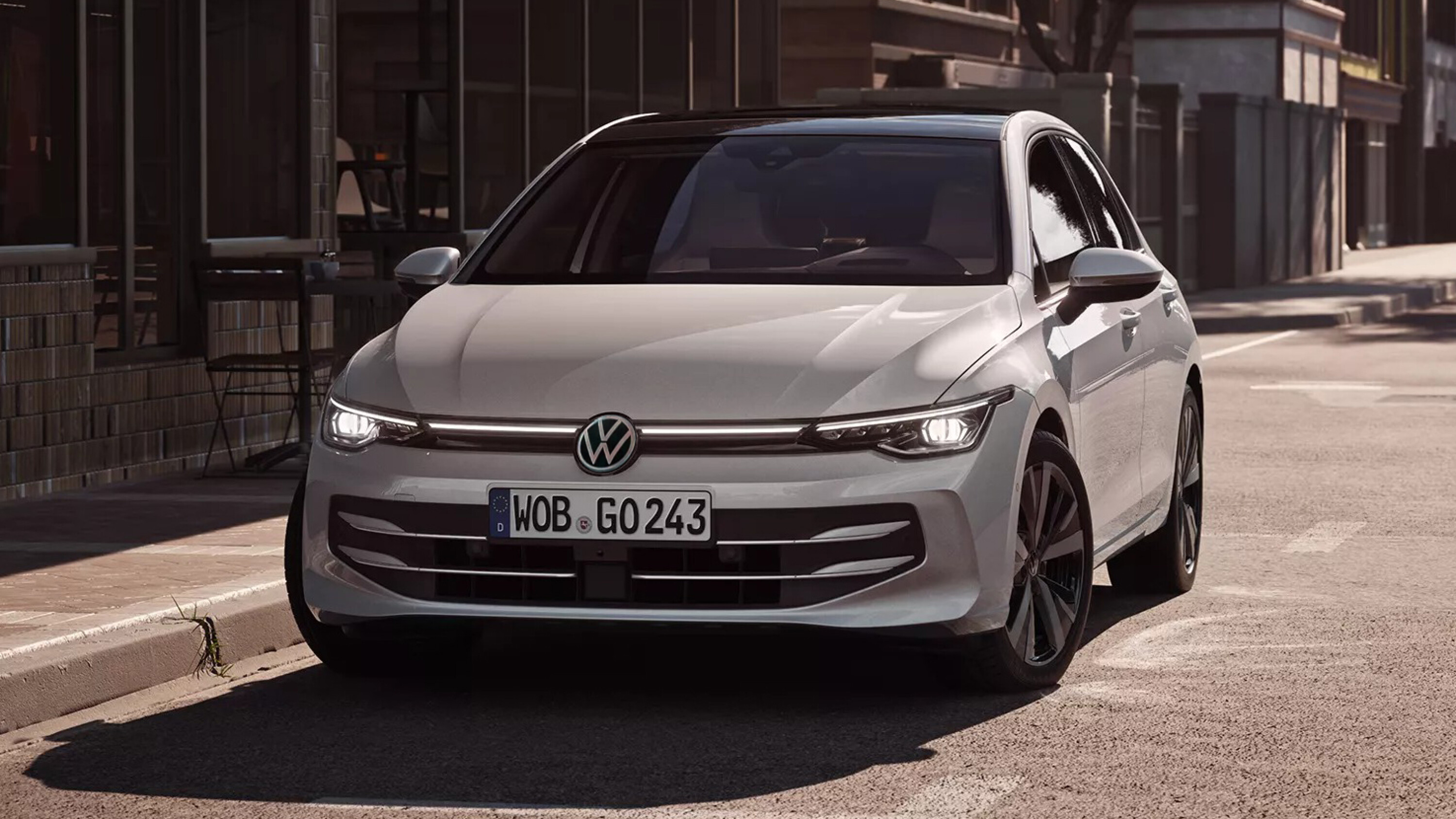
Golf Style
| Model | Outputs | Price |
|---|---|---|
| Golf Style | 110kW/250Nm | $43,690 |
The Golf Style grade boosts the premium appointments with 18-inch alloy wheels with chrome exterior highlights, dark-tinted privacy glass, and LED Plus headlights.
The cabin gets a larger 12.9-inch infotainment screen with integrated navigation and IDA voice assistance.
Thirty-colour ambient lighting is also standard, along with an ErgoActive driver’s seat with 14-way electric adjustment and memory, and ArtVelours microfleece upholstery throughout the five-person cabin.
Golf Style buyers can also option a panoramic sunroof and a ‘Sound & Vision’ package, adding Harman/Kardon audio, a head-up display and a 360-degree camera system – the latter being a first for the Golf.
1
Golf R-Line
| Model | Outputs | Price |
|---|---|---|
| Golf R-Line | 110kW/250Nm | $47,990 |
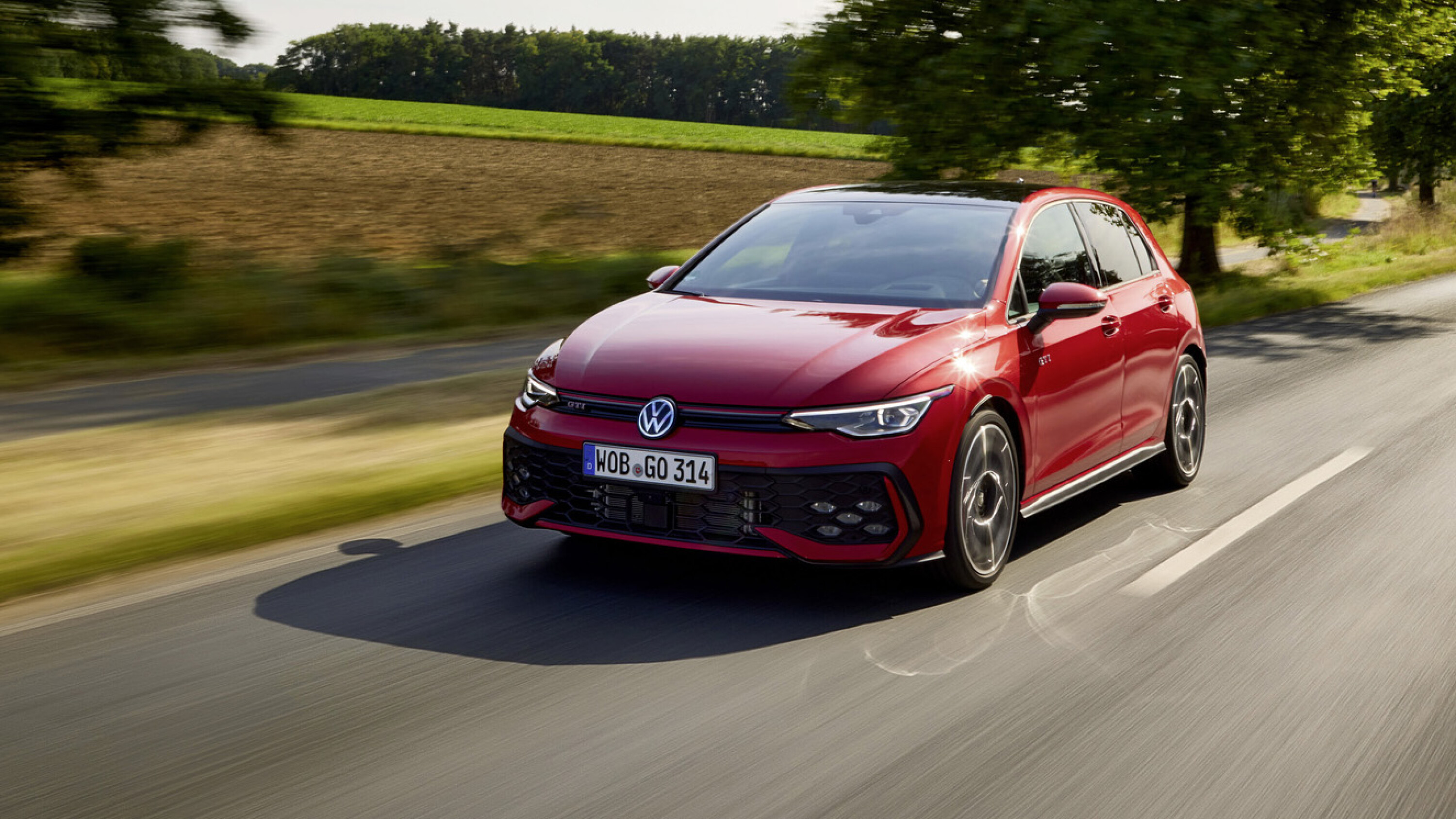
The R-Line tops the ‘regular’ part of the Golf range, adding a sports focus while retaining the 1.4-litre 110kW/250Nm engine.
Standard features for the R-Line 18-inch alloy wheels, driving profile selection (including Sport mode), progressive steering for sharper responses, R-Line specific exterior and interior styling including front sport seats, and now, standard Vienna leather-appointed upholstery, heated and ventilated front seats, plus electric driver’s seat with memory function.
The R-Line is also available with the optional sunroof and Sound & Vision package.
1
Golf GTI
| Model | Outputs | Price |
|---|---|---|
| Golf GTI | 195kW/370kW | $58,990 |
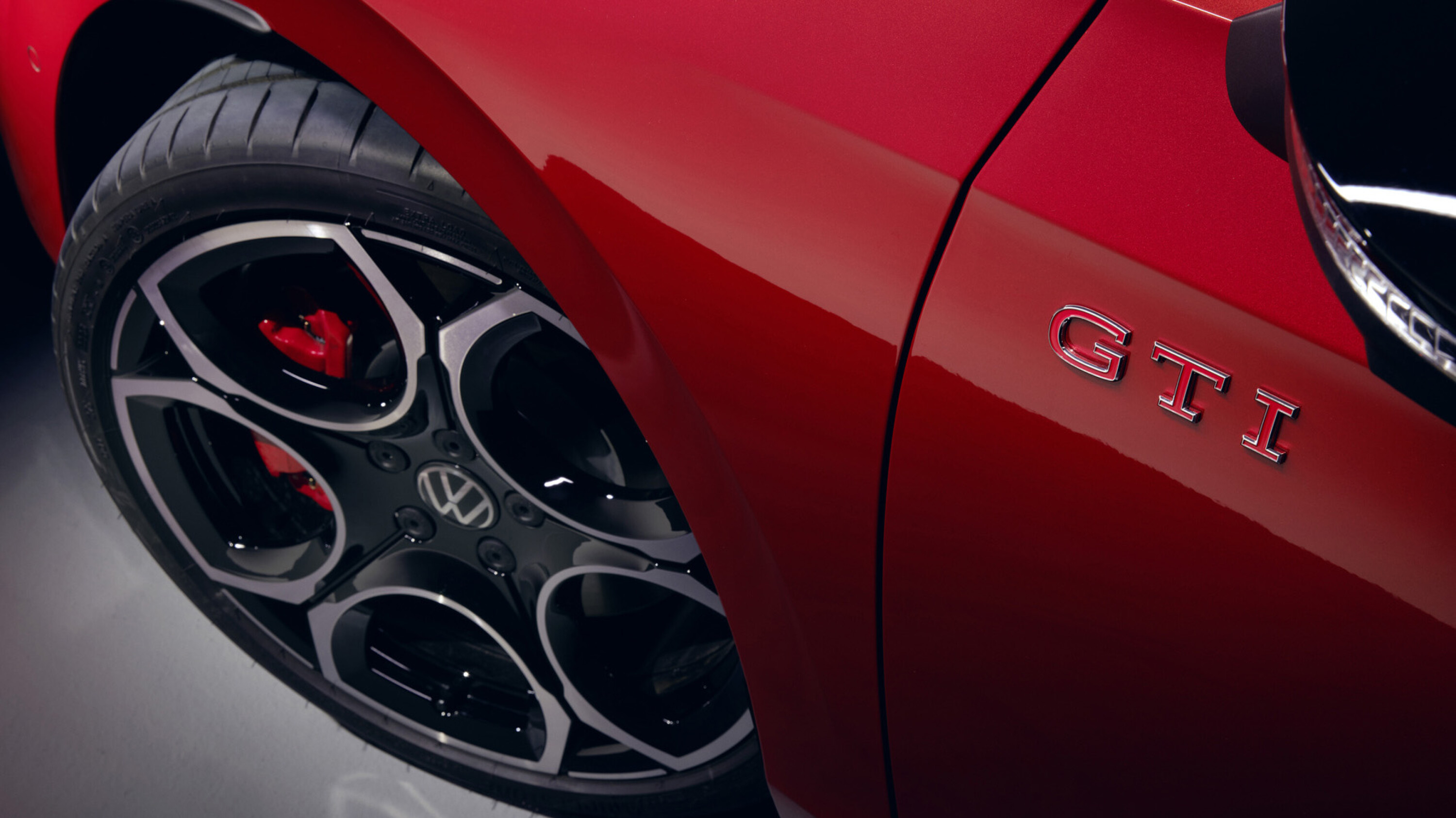
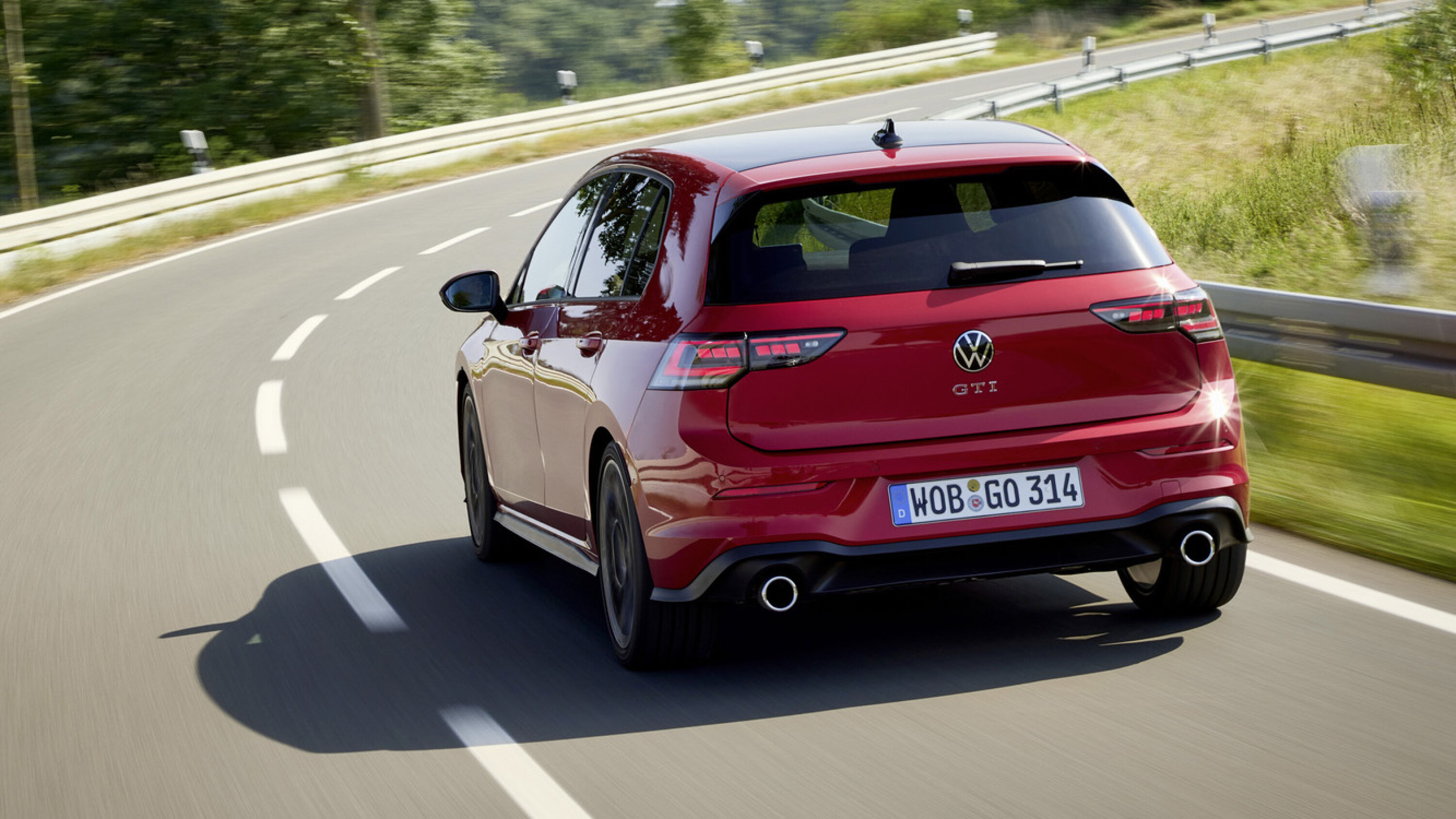
VW’s sports icon, the Golf GTI, gains a handful of updates for the 2025 model year.
Under the bonnet, the GTI’s long-serving EA888 2.0-litre turbo petrol four-cylinder takes a handy power boost, mirroring the European market’s leap from 180 to 195kW.
This isn’t the first time we’ve seen a 195kW Golf GTI in Australia, but it’s the first time the regular model has had the treatment. Torque is unchanged at 370kW, and that’s plenty for this front-wheel-drive hot hatch.
The transmission on offer remains an auto-only affair, but this time it’s not just Australia – where the manual was dropped in 2018 – but also for Europe. Flags at half-mast, folks.
1
2
Other performance-focused updates to the Golf 8.5 GTI include revised steering and DCC Pro adaptive chassis control as standard, and new 19-inch alloy wheels – up from 18, when 19s were a box to tick.
The rubber package hasn’t been detailed, but the previous GTI’s optional 19s were wrapped in Hankook Ventus S1 Evo3 or Bridgestone Potenza S005 tyres.
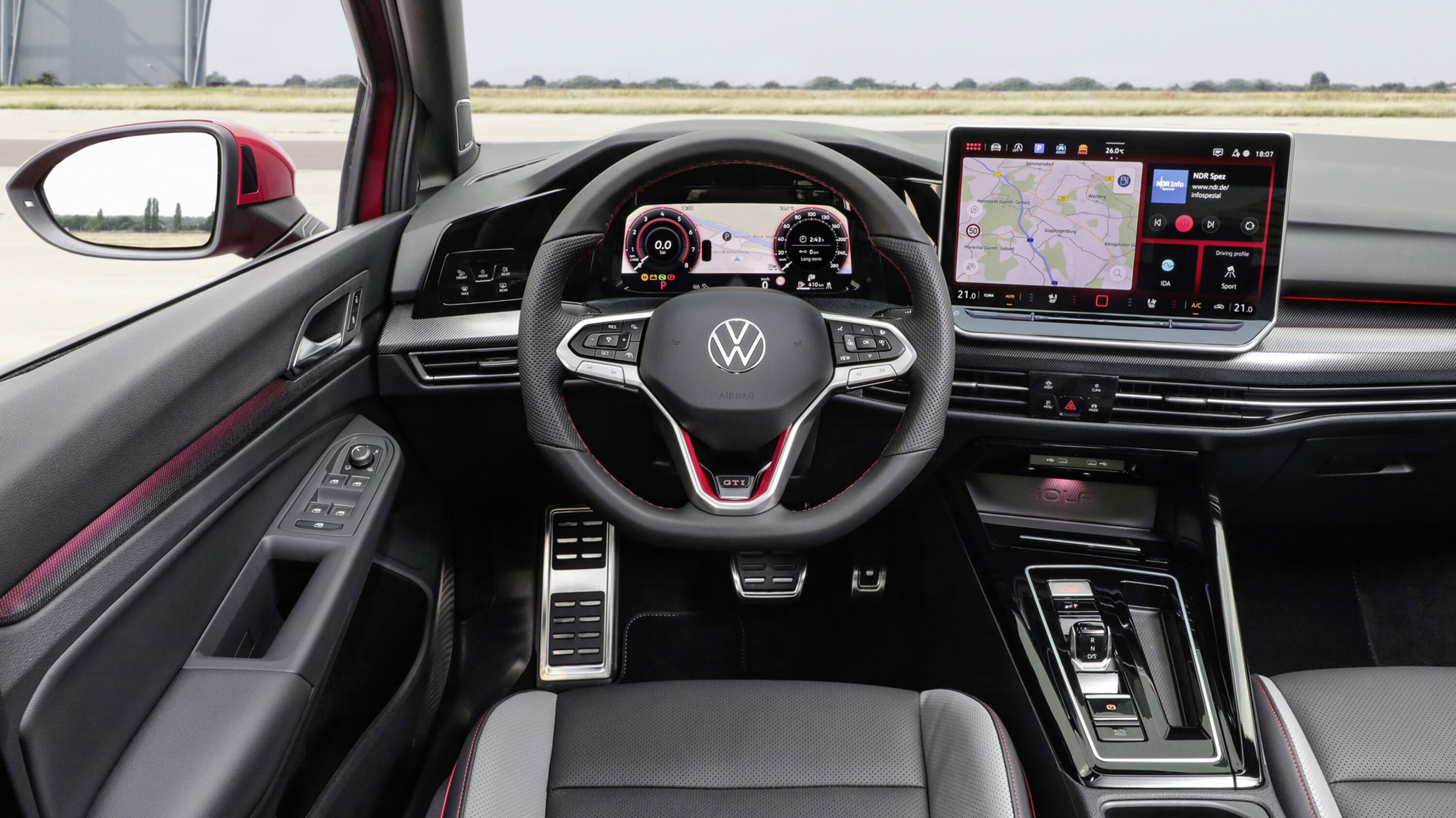
Other standard features include a 12.9-inch main display, metallic paint, fog lights, the new Park Assist Plus, tri-zone climate control, LED Plus headlights, and 30-colour ambient lighting.
1
The panoramic sunroof is now available as a standalone option on the GTI, separate from the previous Luxury Package. Uniquely, this change means buyers can choose the classic tartan cloth trim with the sunroof for the first time.
A new Leather Package is also available, offering Vienna leather trim, along with an electric driver’s seat and heated/ventilated front seats, without the need to include the sunroof.
The Sound & Vision package for the GTI adds a 360-degree camera (Area View), a Harman/Kardon audio system, and a head-up display.
2
Golf R
| Model | Outputs | Price |
|---|---|---|
| Golf R | 245kW/420Nm | $70,990 |
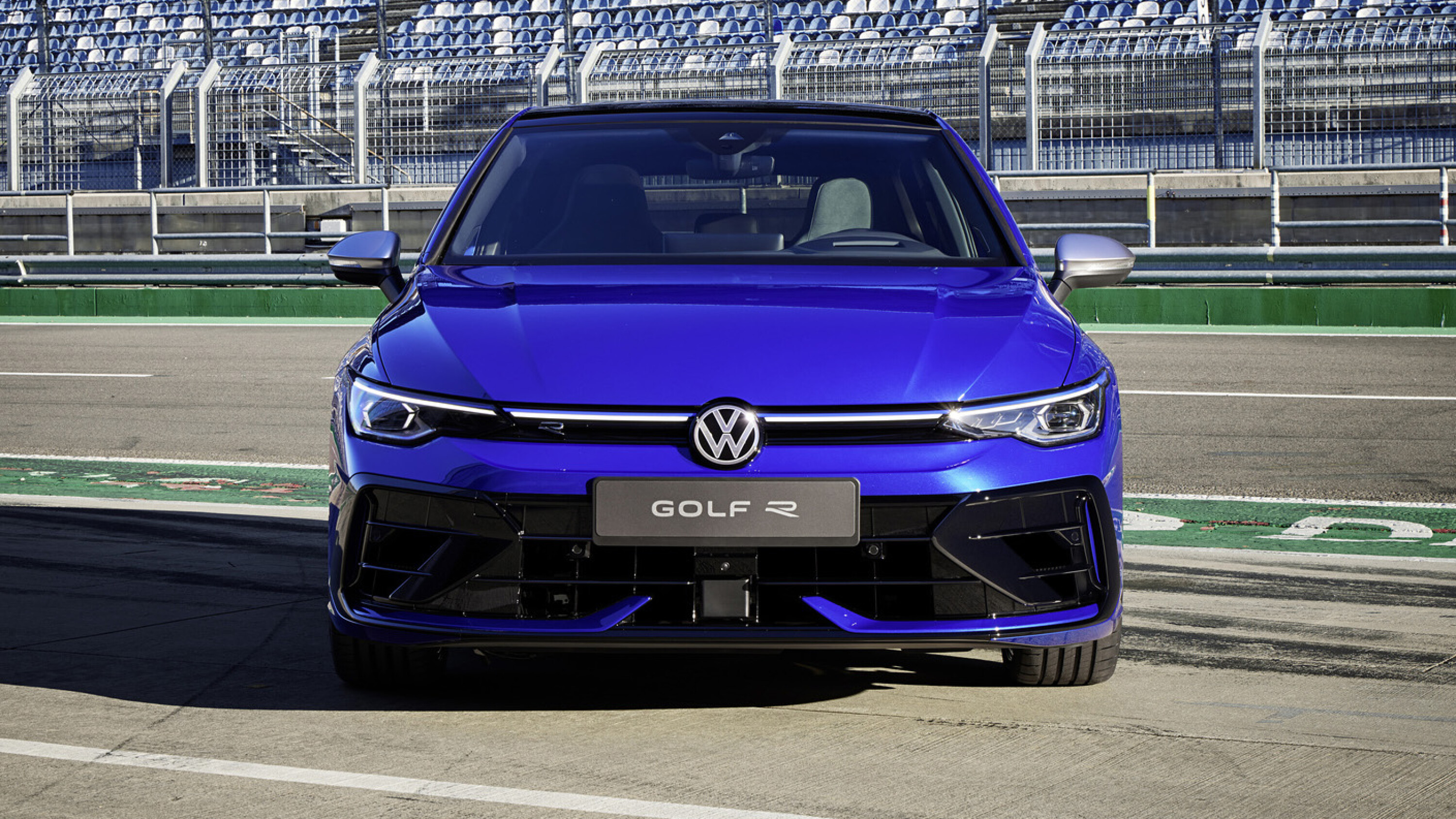
The flagship Golf R also gets a power bump, now producing 245kW as standard – a 10kW increase over the outgoing series production model.
Standard kit for the 2025 Golf 8.5 R includes LED Matrix headlights, premium LED tail-lights, Nappa leather upholstery, an electric driver’s seat with memory, heated and ventilated front seats, Harman/Kardon audio, Area View, and 19-inch alloys.
For 2025, the Golf R gains a torque-vectoring rear axle, joining Sport ESC and Special modes, including Nurburgring (usable on road and track) and Drift (track only) modes.
1
Golf R Black Edition
| Model | Outputs | Price |
|---|---|---|
| Golf R Black Ed. | 245kW/420Nm | $72,490 |
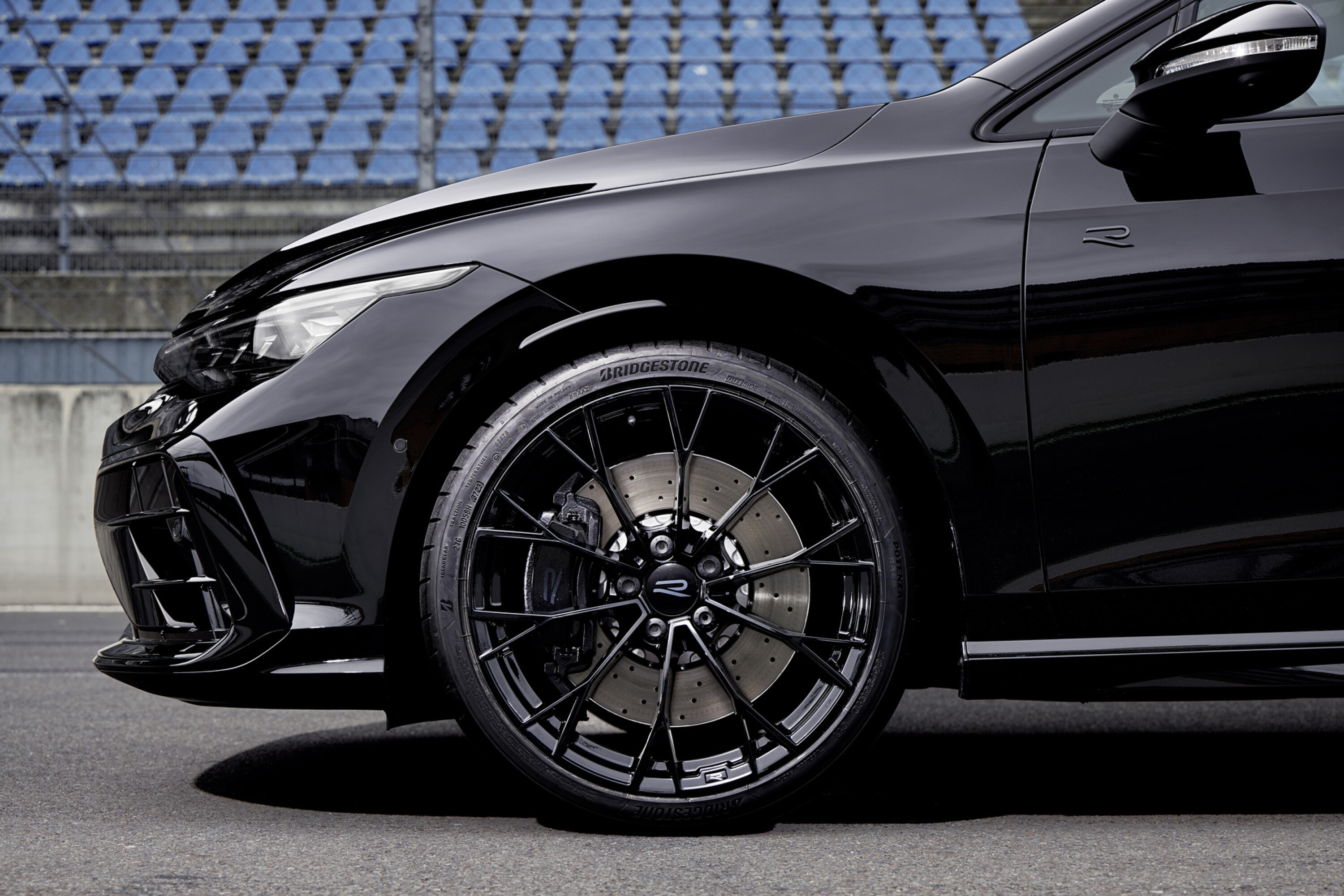
A Golf R Black Edition will also be offered, featuring brooding dark accents throughout.
Both R models list a 0-100km/h of 4.6 seconds.
And, if you missed the news, the Golf R wagon was dumped back in 2023. Fans looking for a quick wagon in the VGA stable can, at least, turn to the newly updated Octavia RS.
| 2025 Volkswagen Golf pricing | ||
|---|---|---|
| Golf Life | 110kW/250Nm | $38,690 |
| Golf Style | 110kW/250Nm | $43,690 |
| Golf R-Line | 110kW/250Nm | $47,990 |
| Golf GTI | 195kW/370kW | $58,990 |
| Golf R | 245kW/420Nm | $70,990 |
| Golf R Black Ed. | 245kW/420Nm | $72,490 |
| Prices exclude on-road costs | ||
OPTIONS
| 2025 Volkswagen Golf options | ||
|---|---|---|
| Metallic Paint | Life, Style, R-Line u2013 std. GTI/R | $800 |
| Premium Paint | R-Line u2013 std. GTI | $300 |
| Premium Metallic Paint | GTI u2013 std. R | $300 |
| Panoramic Electric Glass Sunroof | Style, R-Line, GTI, R | $1,900 |
| Sound & Vision Package | Style, R-Line, GTI u2013 std. R | $2,000 |
| Vienna Leather Package | GTI | $3,900 |
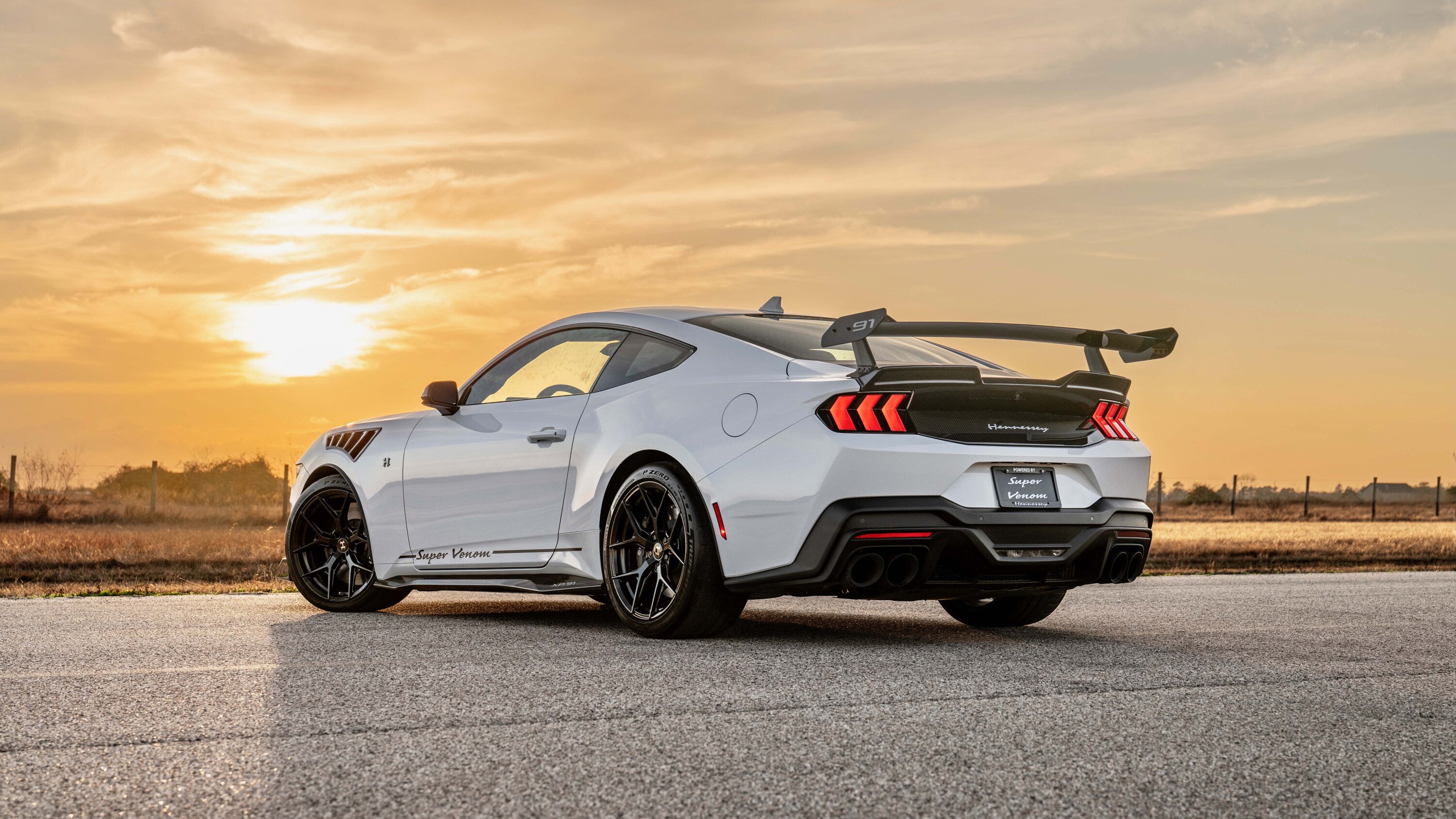
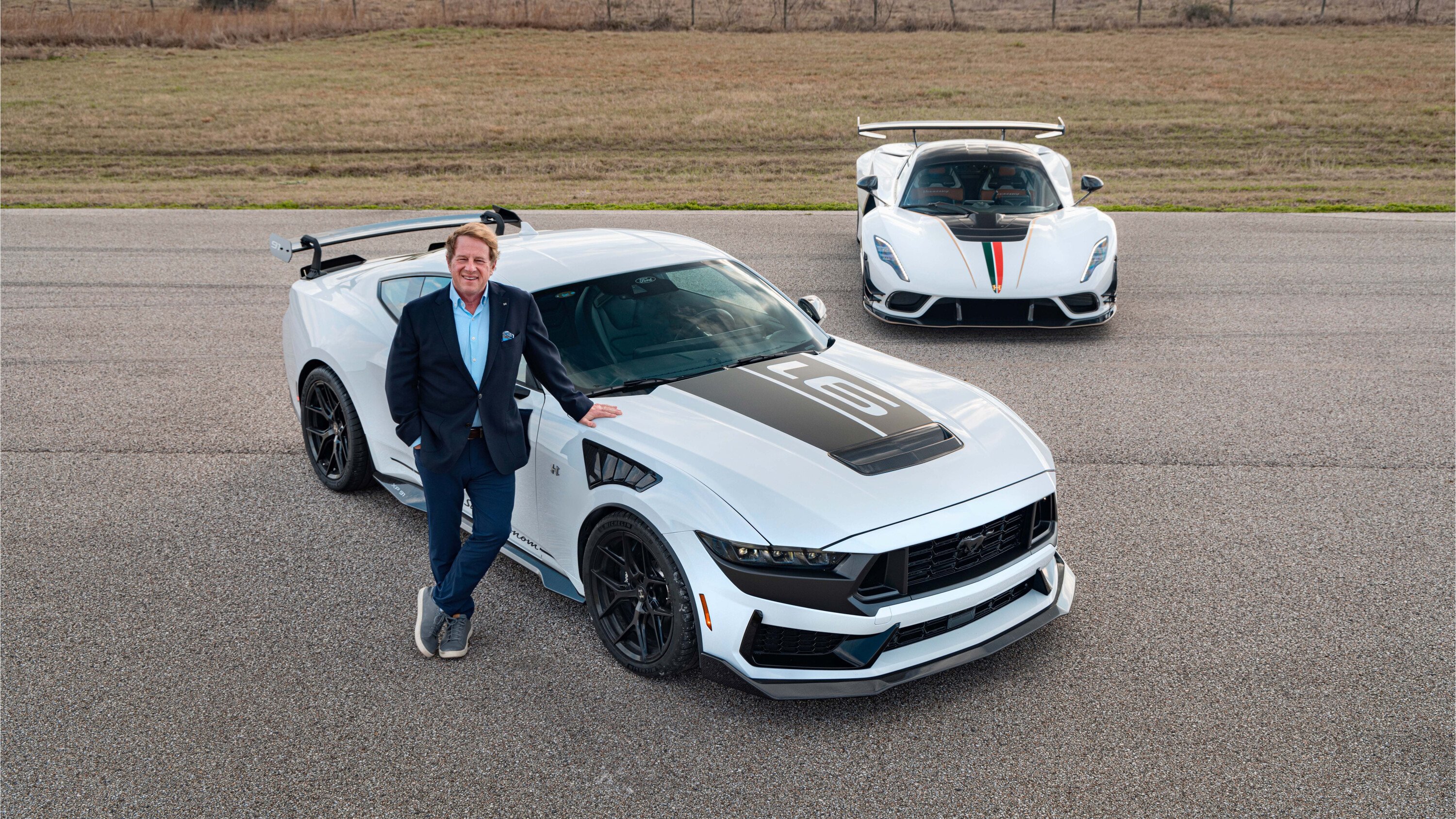
Well known American tuner John Hennessey has revealed a new addition to his company’s line up, a beast called the Super Venom. Based on the Ford Mustang V8, the Super Venom boasts outputs of 633kW of power and 881Nm of torque – and is covered by a factory Ford warranty as well.
Commemorating the company’s 1991 founding date, just 91 examples will be available – all of which, unfortunately, are in the USA.
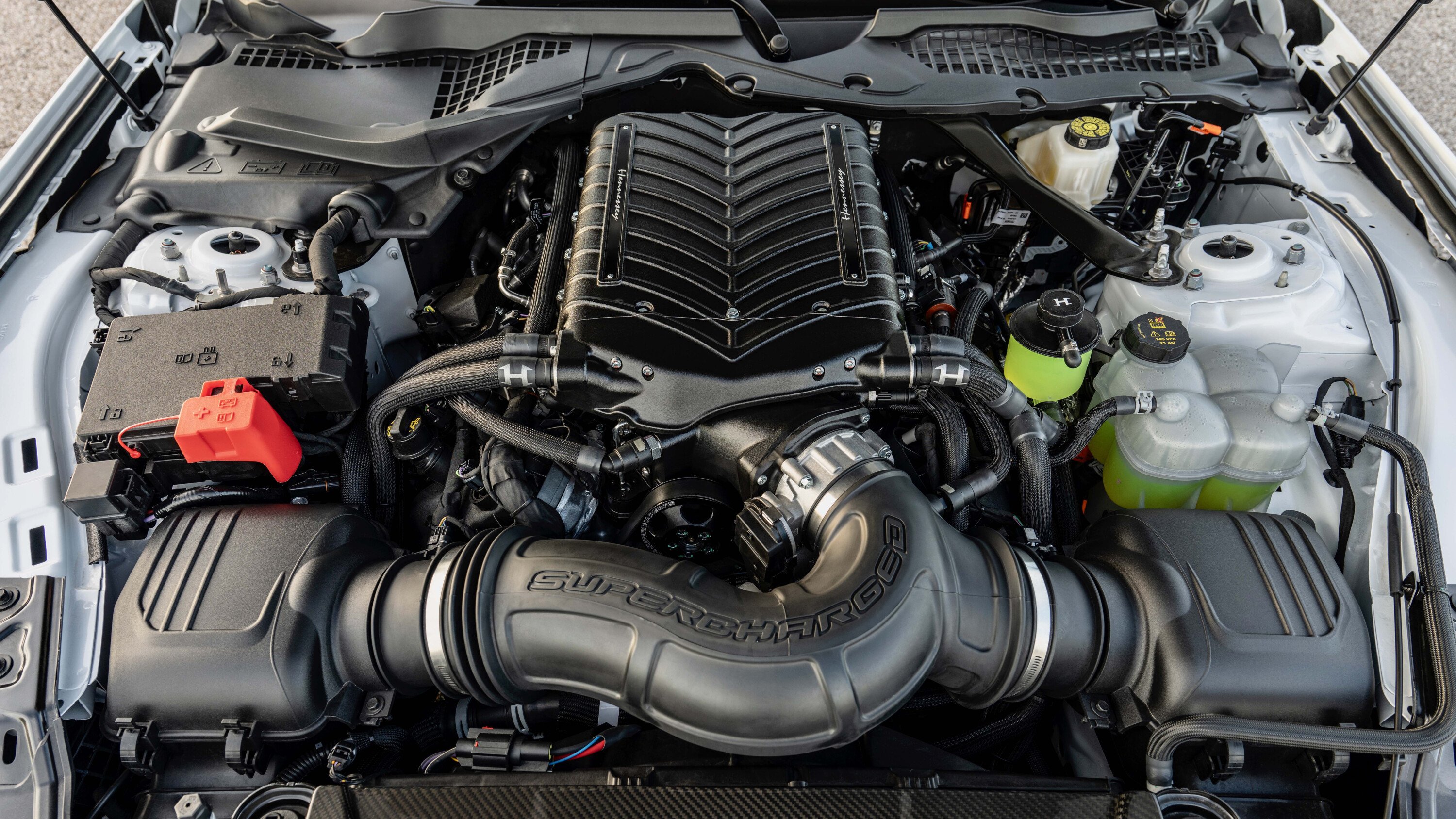
To achieve the 260kW gain over the US-spec Mustang Dark Horse, Hennessey added a high-flow air induction system, high-performance supercharger, upgraded fuel injectors and fuel pump, and a new engine management system. As with the standard Mustang, buyers can choose between a six-speed manual or 10-speed automatic transmission.
1
According to Hennessey, the automatic Dark Venom sprints to 97km/h (60mph) in 3.2 seconds, which is 0.5 seconds faster than the US-spec Mustang Dark Horse automatic. The Super Venom also covers the quarter mile sprint in just 10.9 seconds at 214km/h – 1.1 seconds quicker than the Dark Horse.
The company has also fitted the Super Venom with a carbon fibre ‘VenomAero’ kit with a more aggressive front splitter, a functional front hood vent, side skirts, functional front fender louvres, a rear deck lid with an integrated duck bill, and a fixed rear track wing.
Twenty-inch lightweight wheels also feature, as do more carbon fibre trim pieces under the bonnet.
1
Inside the Super Venom are bespoke leather and suede seats in blue or black colouring, a re-trimmed centre console and a plaque detailing each Super Venom’s individual serial number.
Customers can opt for three bespoke liveries for the Super Venom – available in black, silver and red – to pair with a factory paint colour.
Priced from US$163,950 – or around AU$260,000 – the Super Venom includes the full Ford factory warranty, plus an additional three-year/36,000-mile Hennessey warranty.
20
Hennessey was founded in 1991 and since then, has modified cars from various North American car brands. In 2010, it revealed the Venom GT, which was based on the Lotus Exige but fitted with a 928kW twin-turbocharged V8 engine, which hit a top speed of 435km/h. That gave it the title of the world’s fastest car at the time.
John Hennessey, company Founder, and CEO said: “Over the years we have only branded our most potent cars with our ‘Venom’ trademark: Venom Vipers, Venom GT and most recently our Venom F5. We are excited to unveil our Super Venom Mustang as it offers supercar performance and can now be ordered directly from Ford dealers with a full warranty! Further, we are excited to commemorate our company’s founding in 1991 by offering only 91 units and a unique ’91 Icon’ livery.”
The Hennessey Super Venom is available now directly through Hennessey or through authorised Hennessey Ford dealerships in the US.
MORE
Everything Ford
