Every now and then a car comes along that just nails its design brief.
Invariably these machines become sought-after classics and we reckon the WZ Fiesta ST is guaranteed such a status in years to come. It’s unlikely ever to command big money, but then again Peugeot 205 GTis are commanding up to $60K these days, so who knows?
Why all this talk of classic status? The current-generation Fiesta ST has now ceased production. You might still find a few kicking about Aussie dealer yards if you’re quick, but essentially this terrific little hot hatch is now yesterday’s news.

Under the bonnet sat a 1.6-litre turbo four developing 134kW/240Nm, however an overboost function lifted this to 147kW/290Nm for up to 20 seconds at a time, so basically always. Throttle response was excellent, it made a satisfyingly growly noise and was attached to an accurate, mechanical-feeling six-speed manual gearbox.
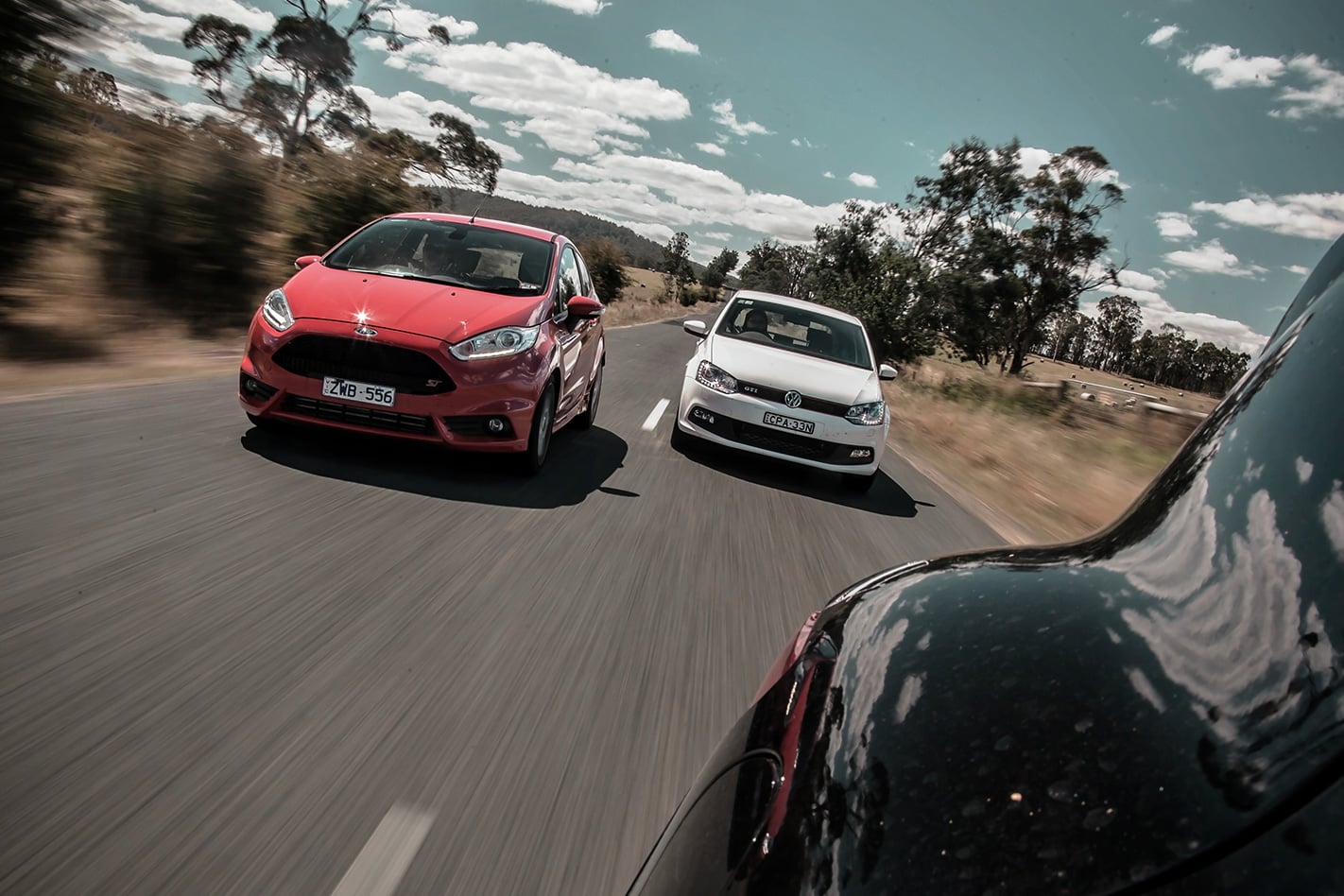
It quickly became one of MOTOR’s favourite cars regardless of price. On road or track, if a Fiesta ST was present on a test you knew you were going to have a good time. Shortly after launch it dispatched the Peugeot 208 GTi in a comparison test and followed this up with victory against the VW Polo GTI and Renault Sport Clio RS.
At Performance Car of the Year 2014 it scored a giant-killing third place, wedged between a Porsche Cayman S and Mercedes-AMG A45, while at the value-based Bang For Your Bucks it was dominant with back-to-back outright victories in 2014 and 2015.
Eventually the Fiesta ST had to cede its BFYB crown and segment supremacy to the updated VW Polo GTI however the Ford remains the more engaging steer. Slightly underdone brakes and occasional steering kickback over bumps were its only real dynamic weaknesses, though the ride could be pretty terse.
Unfortunately, Ford wouldn’t disclose how many Fiesta STs it had sold in its four years on sale, however we suspect the number is somewhere around 2000.

Ford Australia is keeping tight-lipped about its plans regarding the new-generation Fiesta ST. The new Fiesta range is not yet confirmed for local release, but hopefully the success of the last ST ensures that even if the cooking models don’t get a guernsey, the performance variant will.
It’s possible to buy a full-size Caterham and attempt to put it together yourself, but can we suggest the LEGO version instead?
At $130 it’s a lot cheaper, there are far fewer pieces and unlike the real thing you can build it on the kitchen table. Of course, the downside is you can’t drive it once you’re done but hey, you can’t have everything.
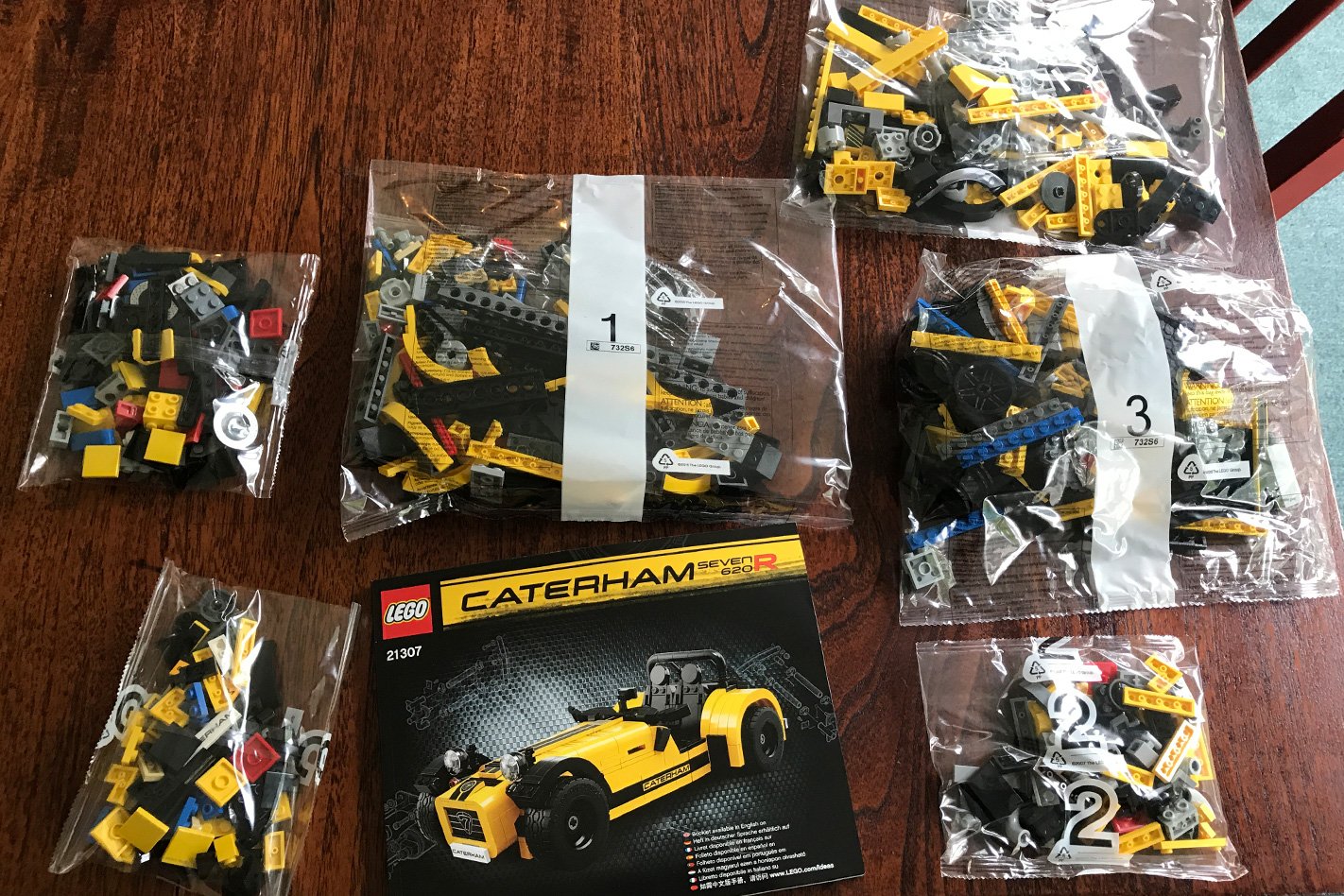
Measuring around 280mm long, 100mm high and 140mm wide, the 773-piece 620R is similar in size to other LEGO kits such as the Ferrari F40, Mini Cooper and Volkswagen Kombi.
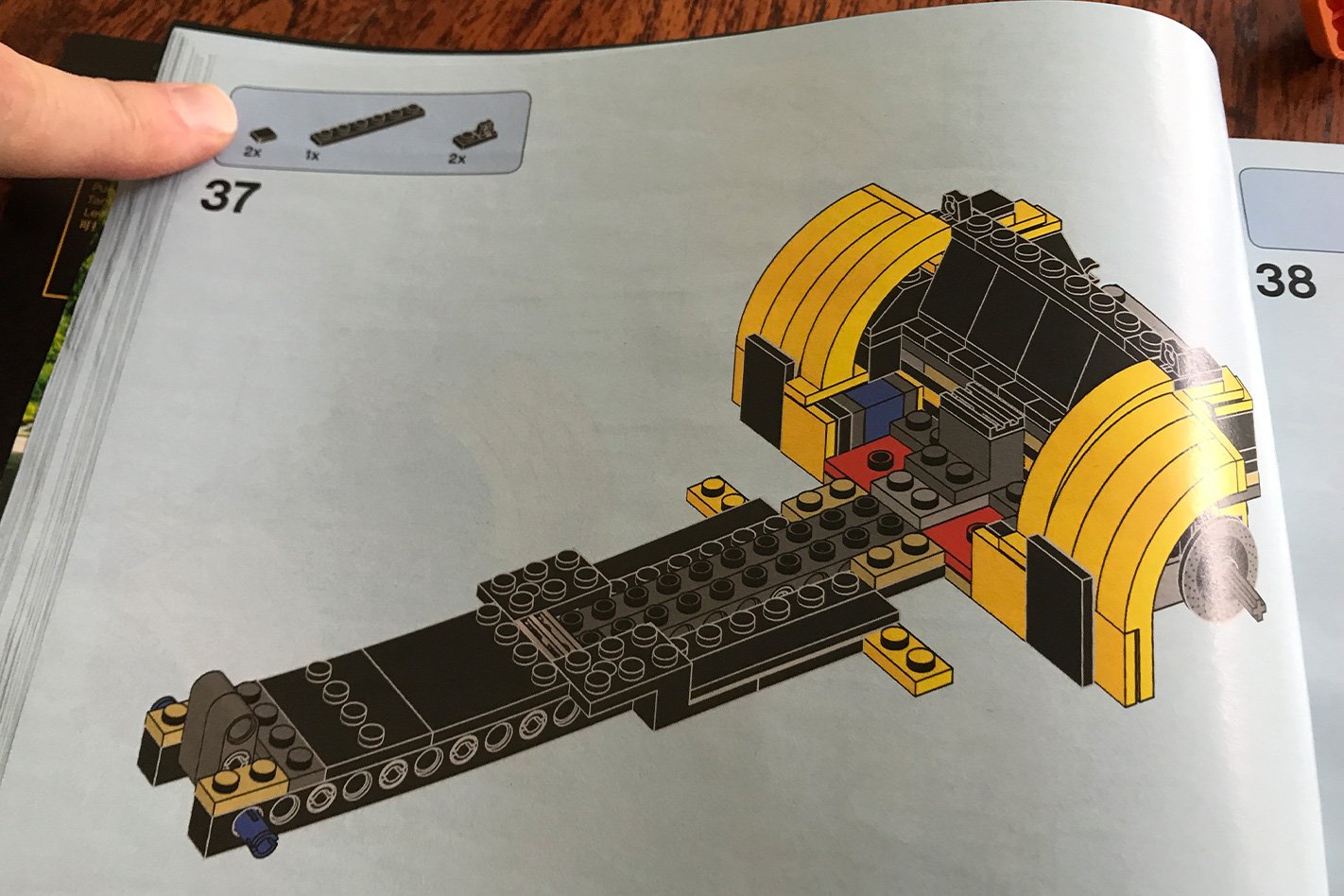
Unusually for a LEGO kit, there were a couple of mistakes. Instruction 37 shows the wrong piece and two of the final pieces of the build – a pair of plates needed to complete the rear end – are the wrong size. Still, it wouldn’t be a Caterham if all the bits fit together perfectly.
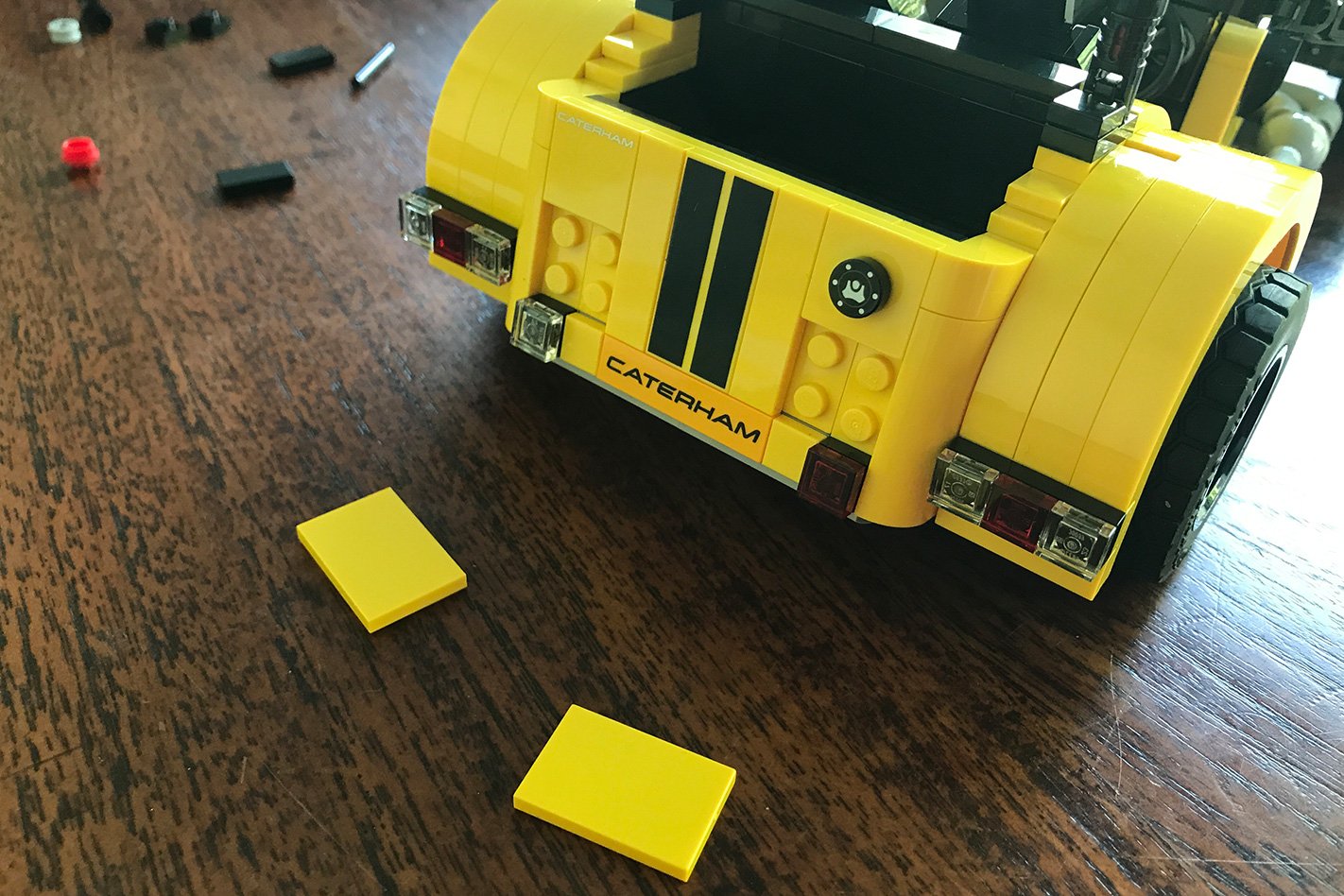
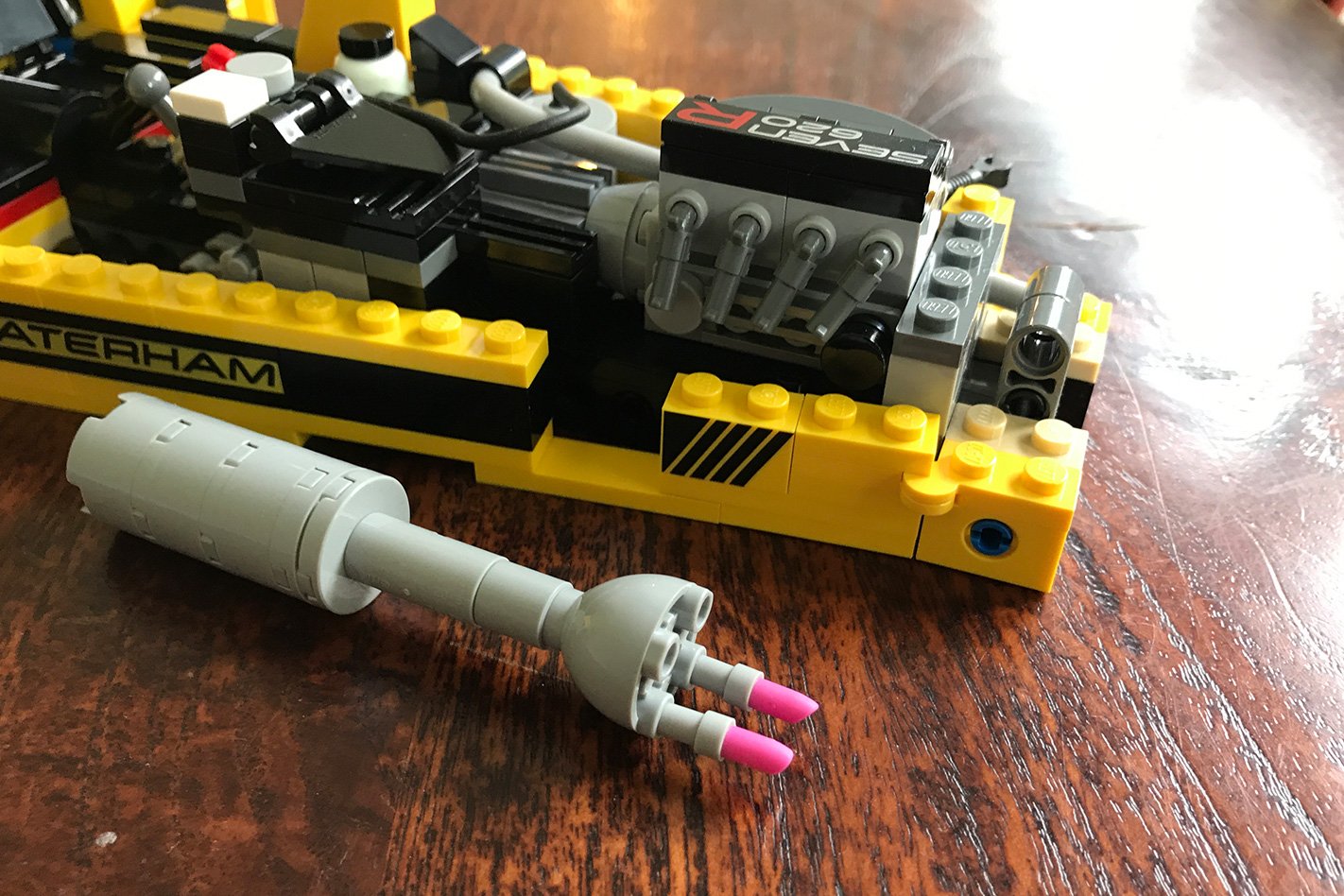
One of the most impressive aspects of the kits is the way existing pieces are adapted to perform a completely different function. To give just two examples, the exhaust manifold is made up of pirates’ revolvers while the exhaust itself is held together by what looks like lipstick from Barbie’s dream house.
Confession time… I had an absolute blast in the Abarth 124 Spider.
In fact, it was one of the few cars I snuck back out on track with for another cheeky session after testing was done.
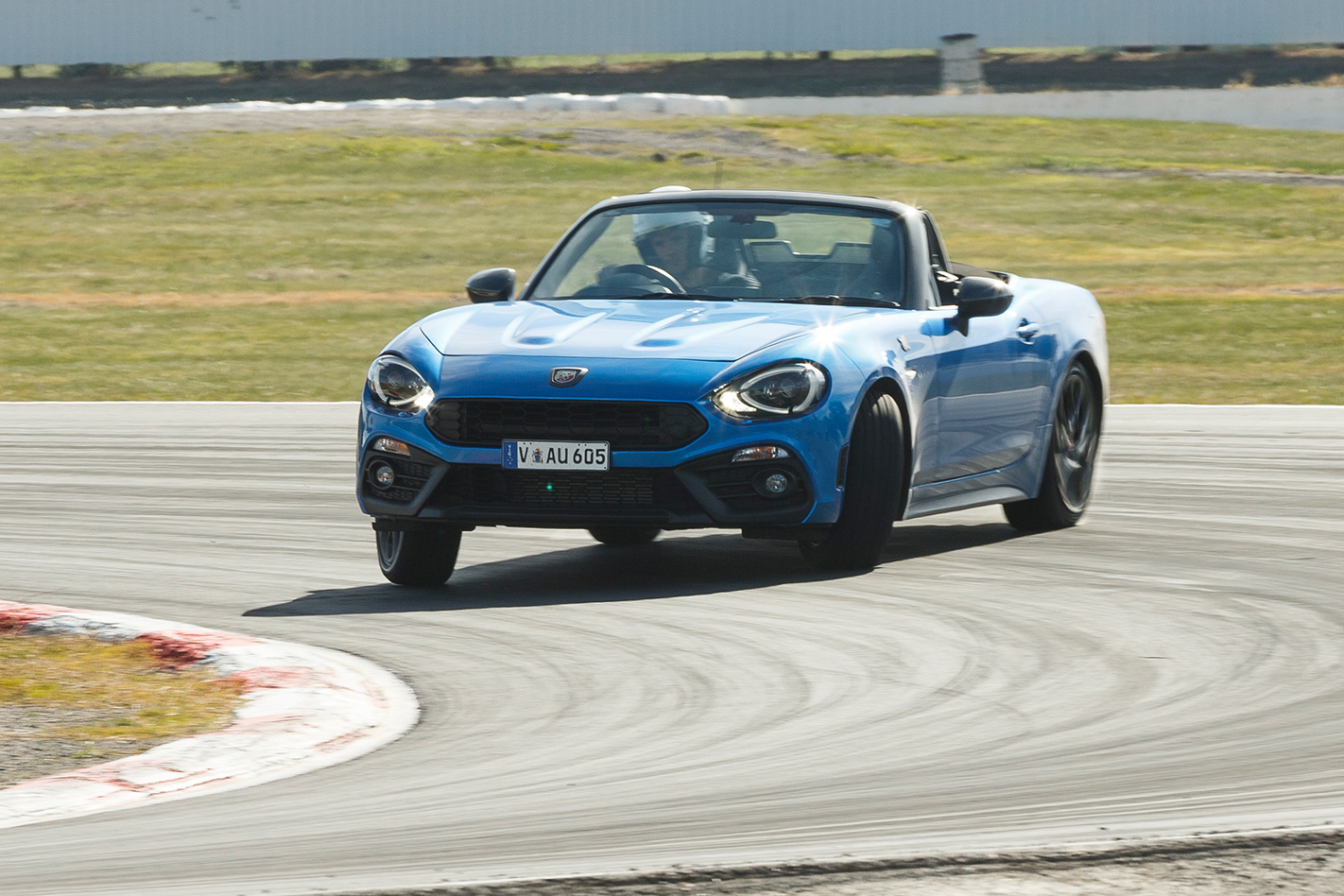
Hell, thanks to a schnozz that would do a Roman proud, it even looks more resolved (apart from the fooling-no-one interior) than the Mazda. And yet… here we all are, discussing why the Abarth 124 Spider has come in second-last place. It’s a bit of a shock, actually.
How could this have happened? Numbers don’t lie. The data traces tell the tale – despite being one of the lightest cars on test at 1060kg, the 1.4-litre turbocharged Abarth’s relatively modest 125kW/250Nm isn’t enough for it to record less than seven seconds to 100km/h, or less than 15 seconds to 400 metres.
This poor showing right from the outset puts the Italian/Japanese hybrid on the back foot. The red ink isn’t done with yet, though.
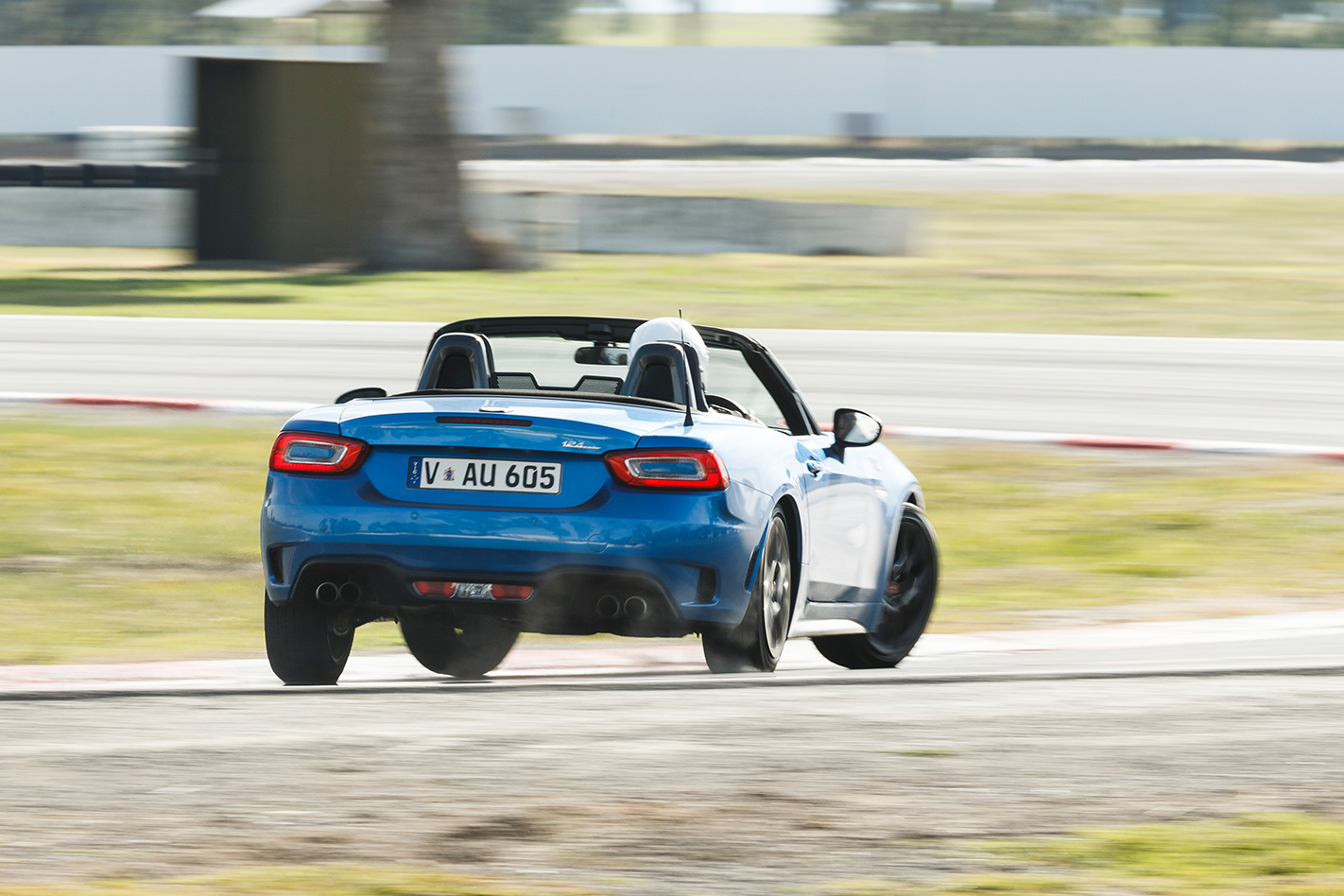
In fact, its $41,990 sticker price hurts the Abarth the most, especially when it’s slower than a Toyota 86, which is a full $10K cheaper. It can’t even be saved by a set of judging scores that rank it in second place in the category.
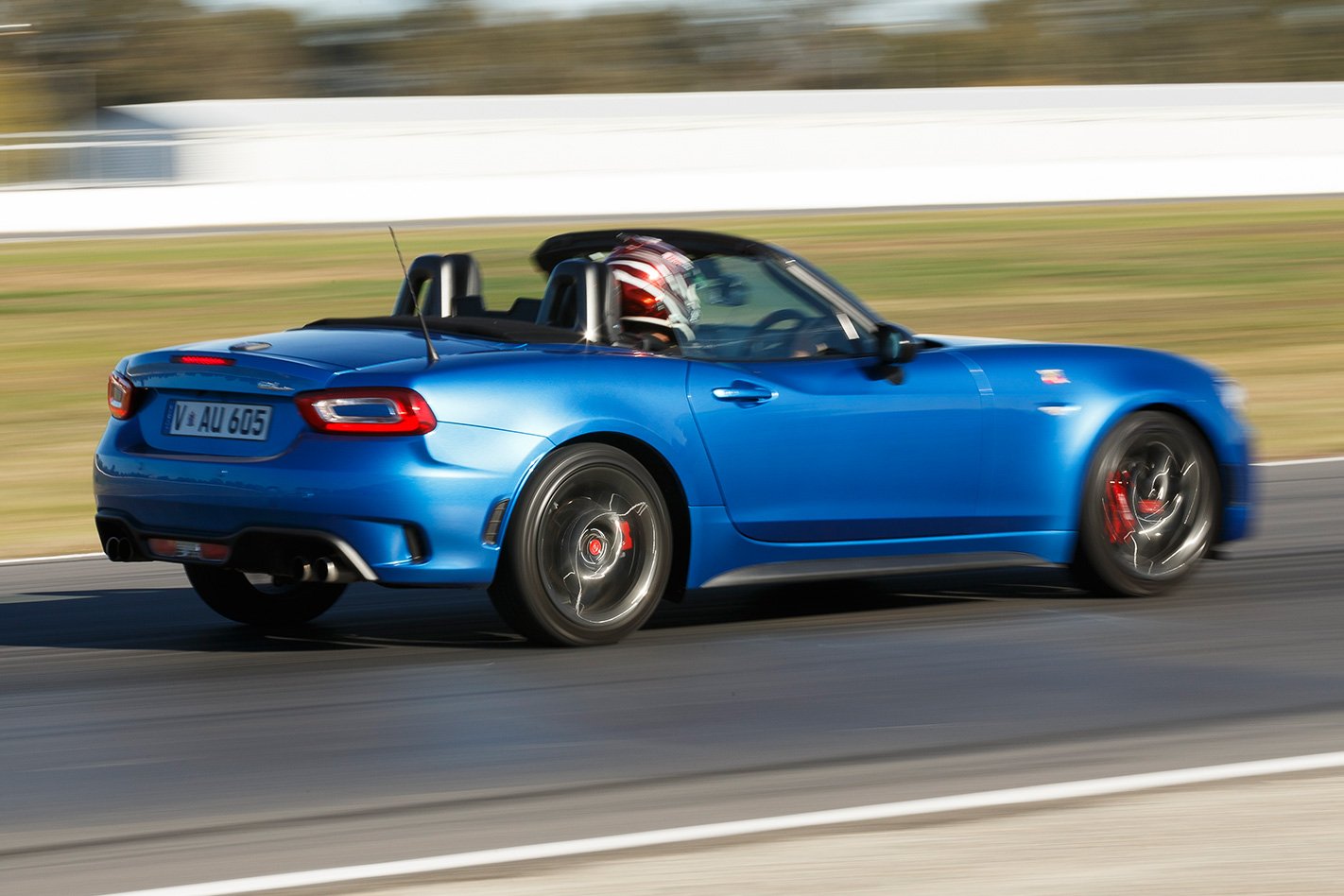
The extra 50Nm over a 2.0-litre MX-5 don’t hurt, either, as long as its spinning above 2000rpm. That’s the beauty and reality of BFYB’s mathematics, though. On paper, the Abarth looked strong, but when the slide rule’s out, a lack of outright pace in the face of musclier foes puts it right here in seventh place.
SPECS Engine: 1368cc inline-four, SOHC, 16v, turbo Power: 125kW @ 5500rpm Torque: 250Nm @ 2500rpm Weight: 1060kg
TIMES 0-100km/h: 7.31sec (6th) 0-400m: 15.24sec @ 146.78km/h (6th) Lap Time: 1:43.7sec (5th)
SCORES Price: $41,990 Bang Index: 90.6 Bucks Index: 80.7 BFYB Index: 86.6
WARREN LUFF SAYS “It was more of a surprise packet than I anticipated. Through all the tight and twisty stuff, like so many small sports cars it’s a lot of fun.” “You can really slide the back of the car around. It’s got really good front end grip, surprisingly. It just cries out for another 100 horsepower. The chassis is way ahead of the engine. But in terms of fun, it does everything right.” “Brakes are good. Gearbox is quite good. You’d also like a seat that held you a bit better.”
JUDGES NOTES David Morley – 2nd: “I think I actually prefer this to the MX-5. Beefier engine counts” Dylan Campbell – 1st: “What a ridiculously fun, unhinged car. Wish it had an extra 50kW” Louis Cordony – 5th: “An aggro, yet charming, take on Japan’s brilliant roadster” Tim Robson – 1st: “Such a fun little jigger, but it just didn’t have enough firepower”
HSV’s GTSR W1 is it. The final word on home-grown hot rods. Our most powerful production car ever. And tonight you’ll have the chance to buy one.
Despite the order book filling before it even opened, HSV’s decision to sell the cars to dealers, rather than customers, will see a W1 put up for auction with only 14km on its clock.
This is the first time a built car’s been offered to the public since its reveal. MOTOR understands component shortages have slightly delayed production and pushed out some deliveries.
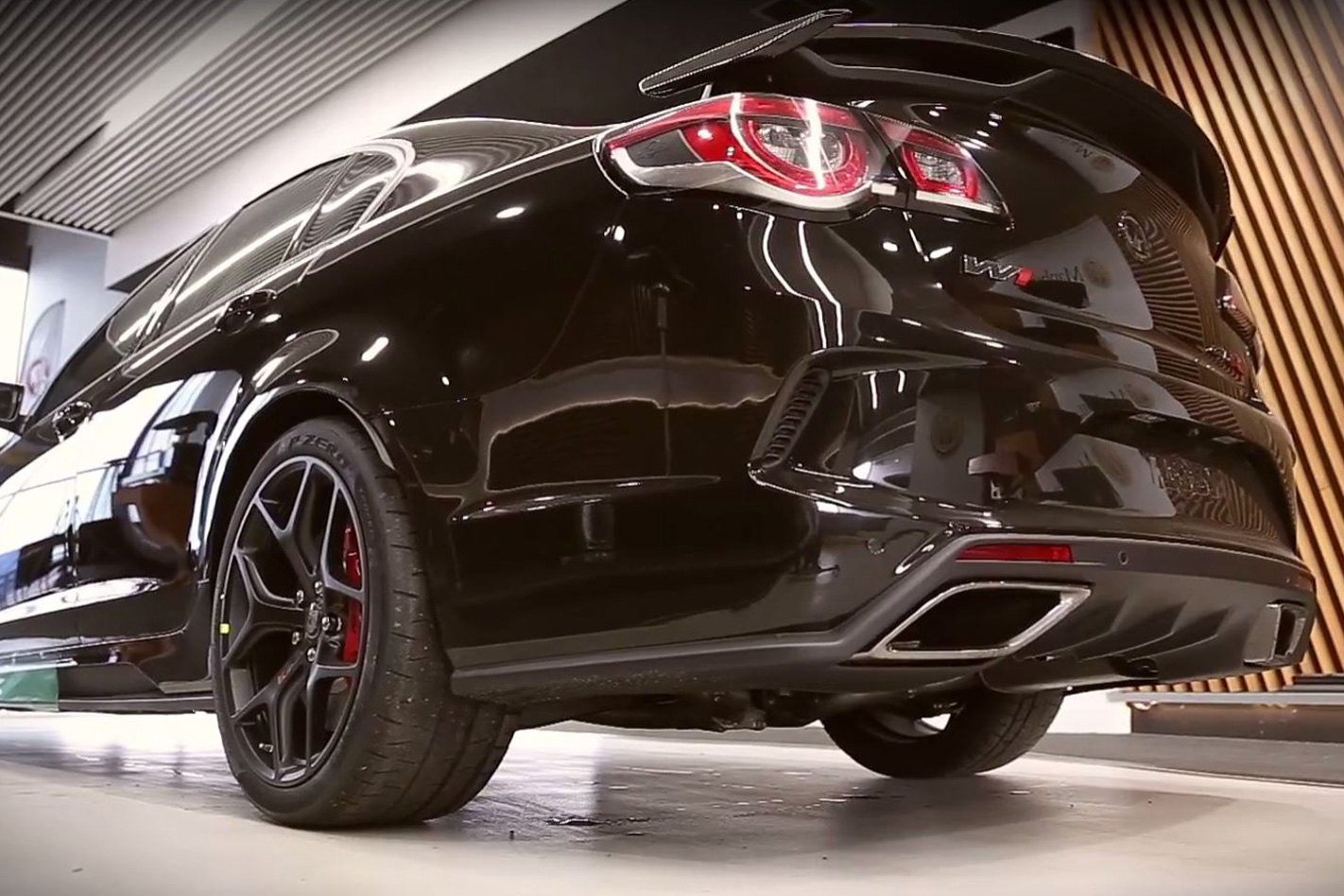
His company Manheim will hold the auction tonight in Melbourne for W1 number 35, of 300, which is finished in black and bears the registration ‘AOI915’.
With online allocations advertised for over $280K, Aaron has estimated the hammer will drop on a similar figure for Manheim’s example. Well over the car’s $169,900 recommended retail price.
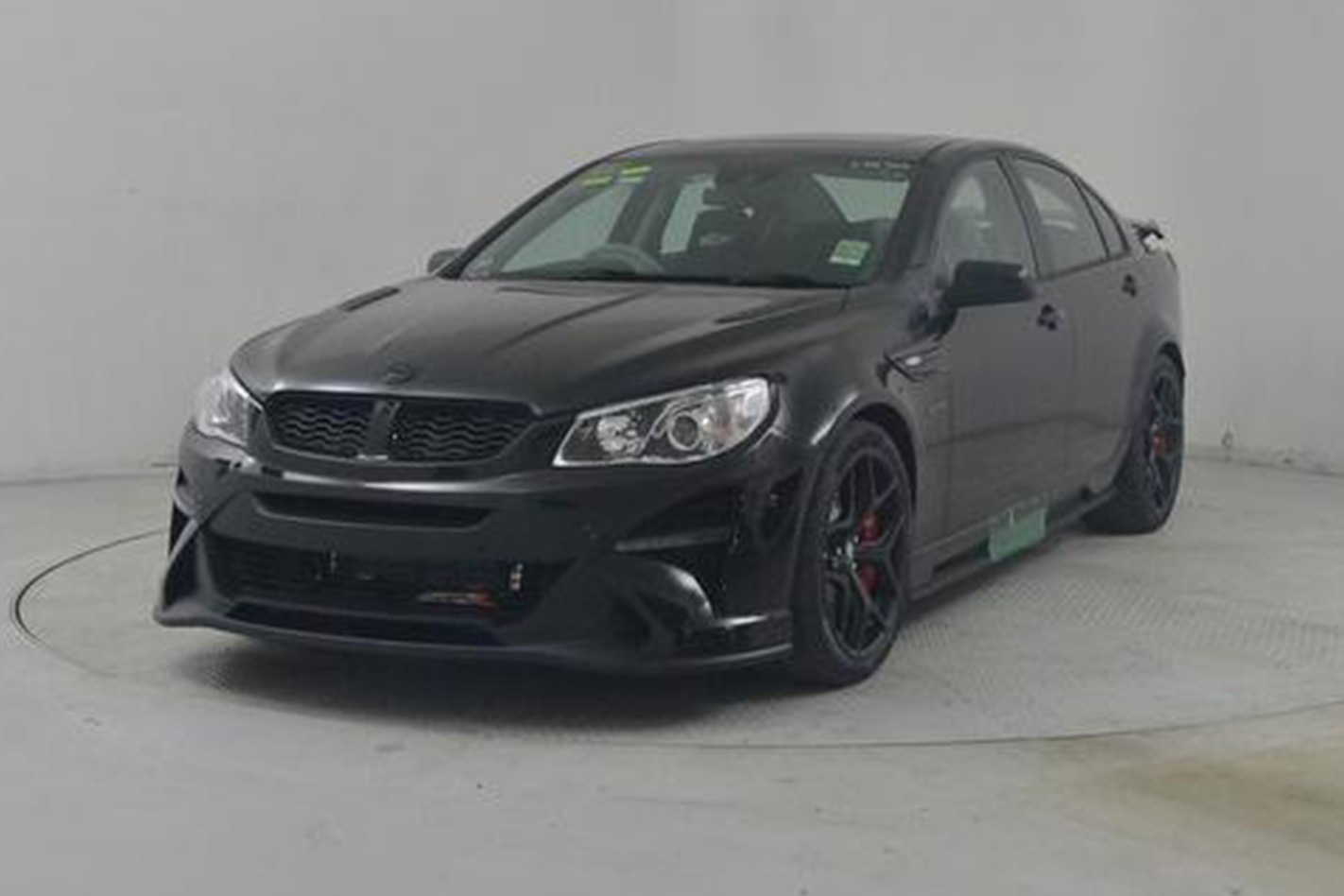
It’s clear the car was destined for the auction yard, as the protective plastics haven’t been removed. As for the seller’s identity? “I can’t disclose who the vendor is, that’s our policy,” he adds, “but it is a regular vendor.”
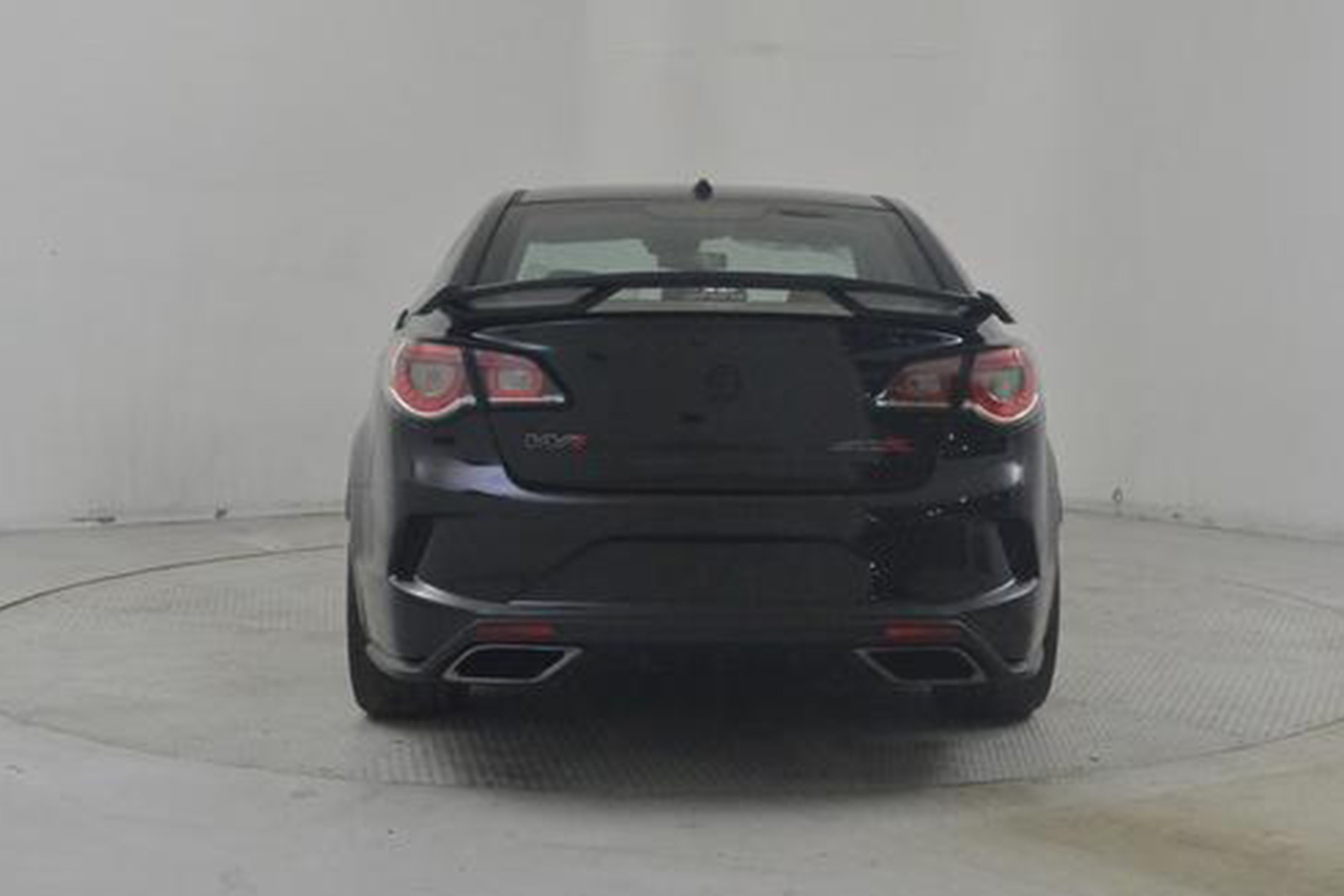
The Manheim auction will kick off at 6pm tonight in Altona North, however bidders keen on the W1 will have to wait until towards the end before it crosses the block.
Check back tomorrow for MOTOR’s report on the sale.
FORD has confirmed that it will be bringing a limited edition of its Focus RS hot hatch to Australia.
A batch of 500 Focus RS Limited Edition models will arrive here in November wearing a $56,990 price tag; $6000 more than the Focus RS.
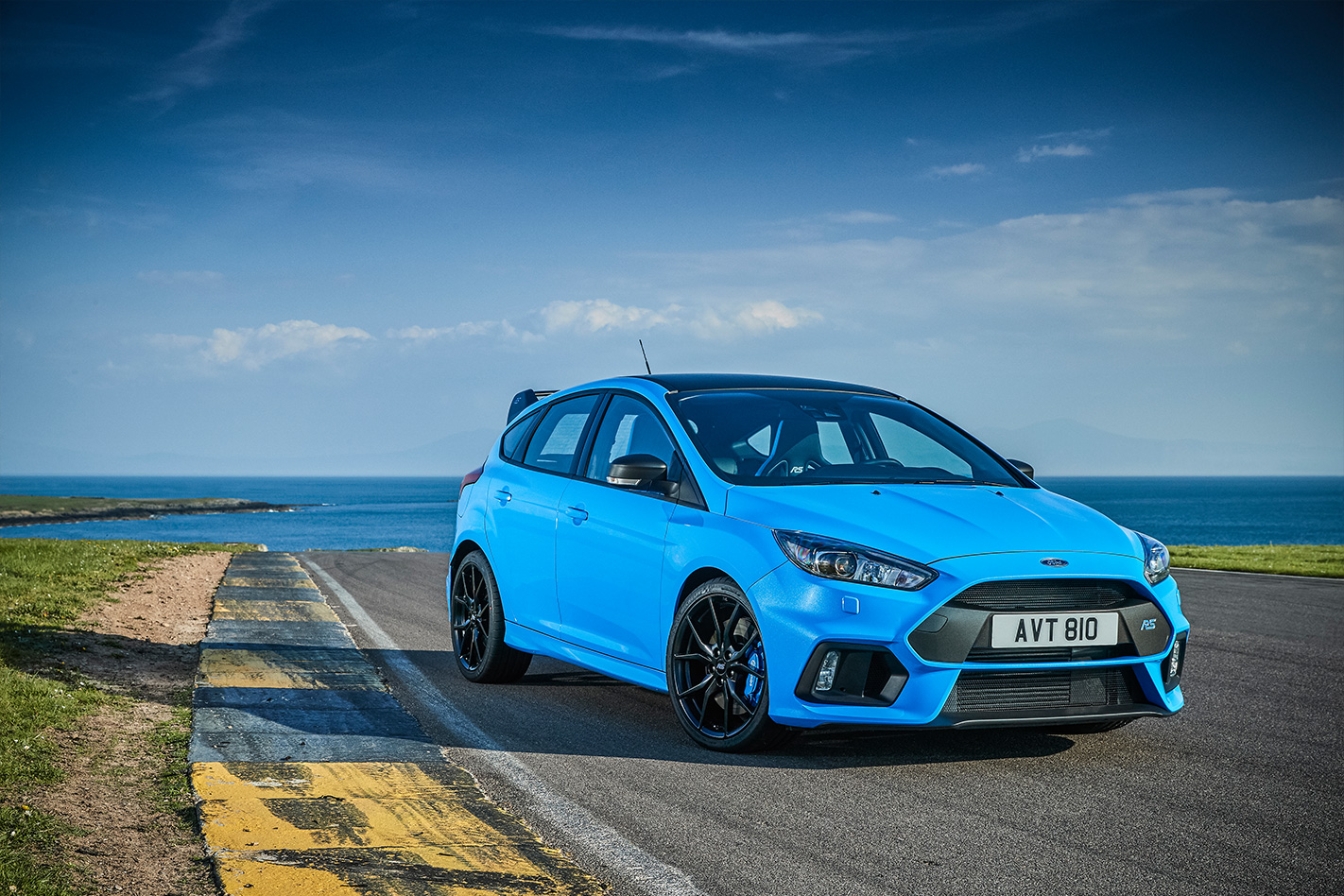
The extra bucks bring:
- Quaife limited-slip front differential
- Performance Wheel Pack including 19-inch forged alloy wheels with 253/35R19 Michelin Pilot Sport Cup 2 tyres (valued at $3500).
- Active City Stop (Autonomous Emergency Braking)
- Recaro shell seats with exclusive Nitrous Blue leather application
- Nitrous prestige paint
- Rear hatch-mounted spoiler, mirror caps, and roof finished in Absolute Black
- Privacy glass
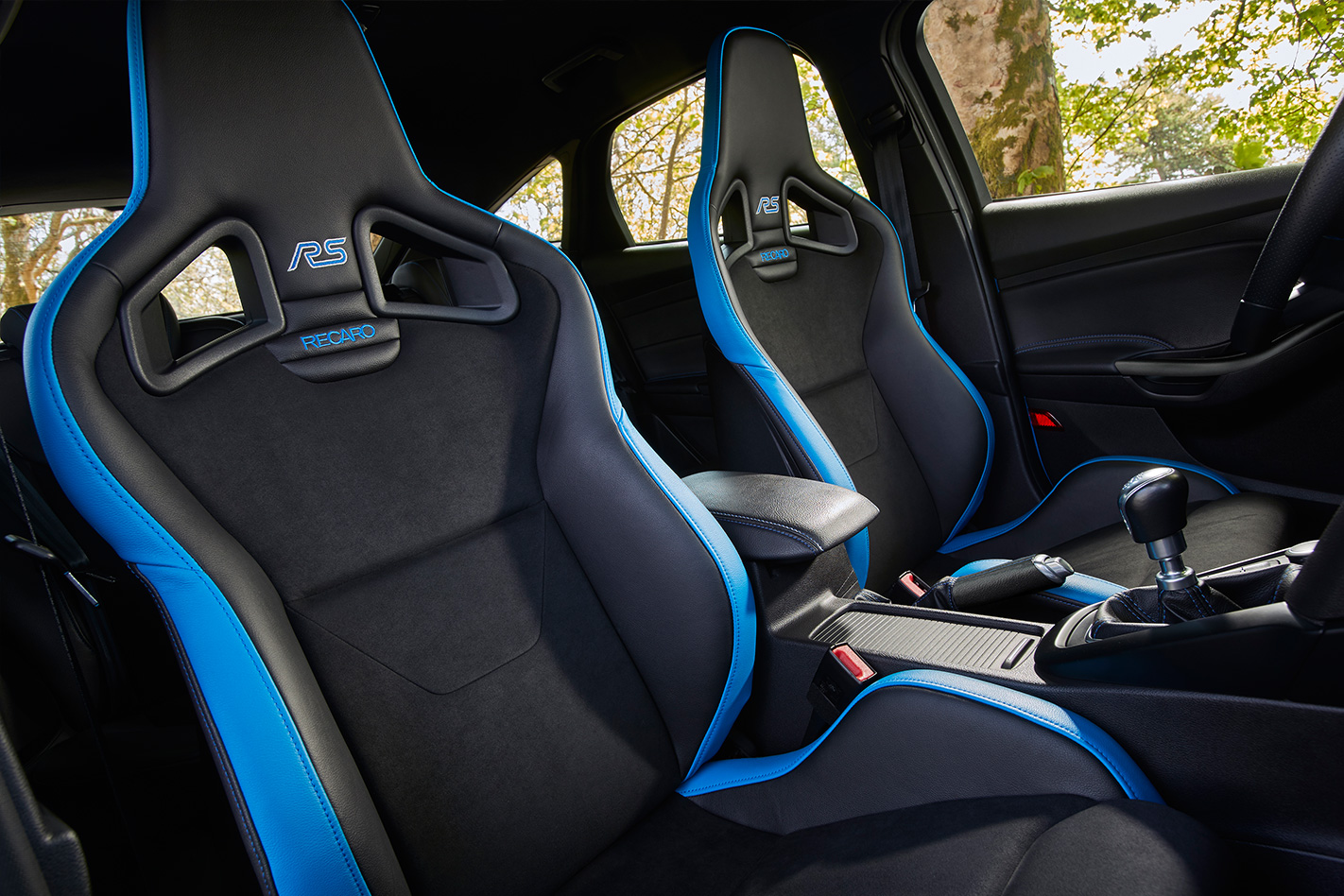
“Improving on the thrilling driving dynamics of the Focus RS is no small task,” said Ford Performance Chief Engineer, Jamal Hameedi.
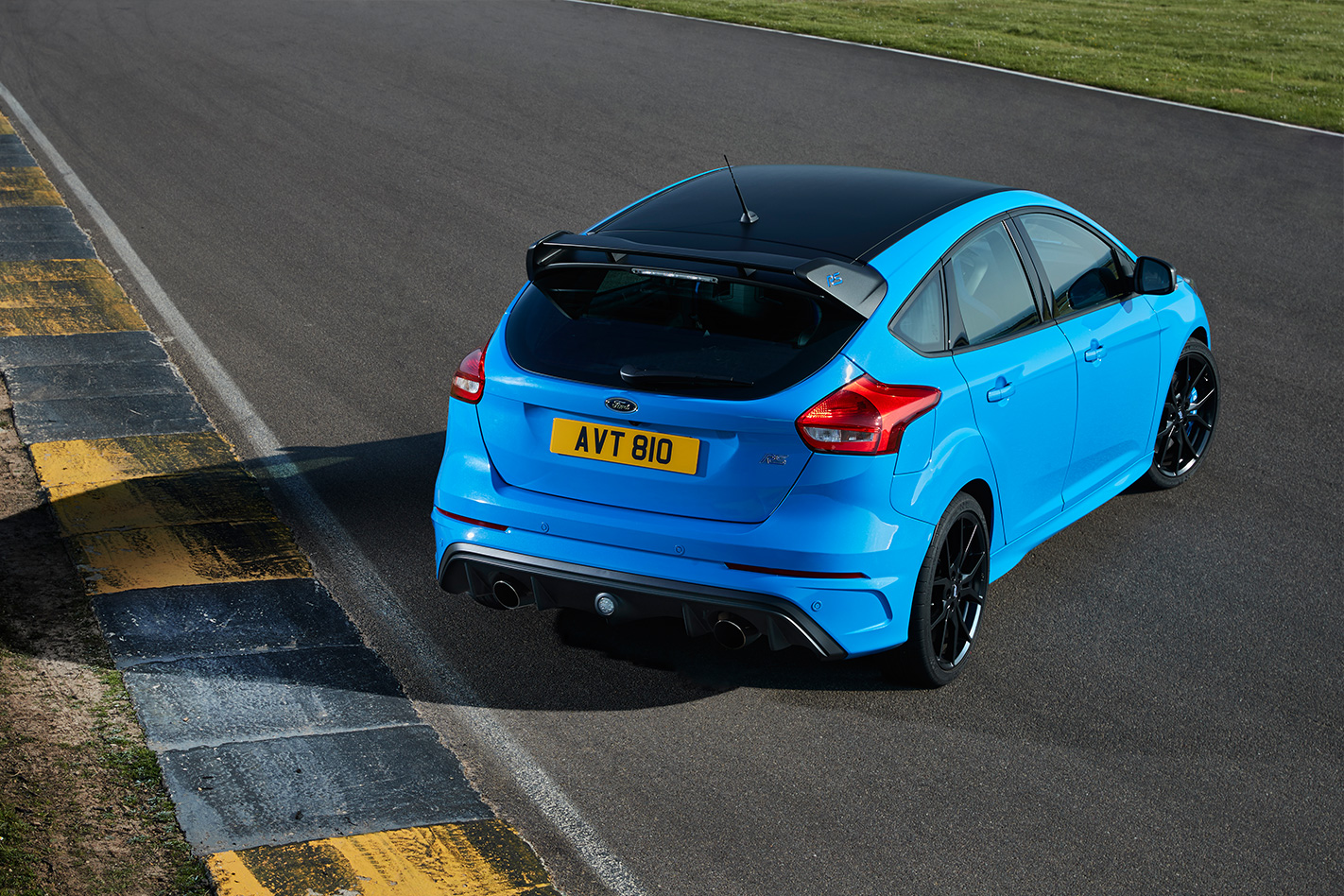
The Focus RS Limited Edition is a last hurrah for the current model and its arrival coincides with all-new highly anticipated hot-hatch offerings in the form of the Hyundai i30N, Honda Civic Type-R, Renault Megane RS, and the updated Volkswagen Golf GTI and R models.
The model Mercedes calls “the hero model of the AMG range” is set for a pricing update in Oz, as well as a raft of new additions.
The range will also become incrementally more powerful, with GT models getting small boosts in power and torque.
More importantly, Mercedes has announced the addition of the AMG GT R Coupé to Australia’s line-up.
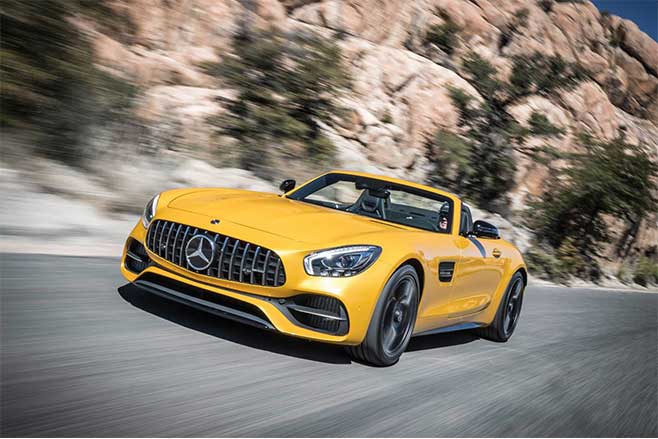
As well as the GT R Coupe making its way Down Under, the GT and GT S will benefit from little increases in power.
The GT will gain 10kW to bring output to 350kW and gets another 30Nm to total 630Nm. The GT S gets an extra 9kW to bring power up to 384kW and 20Nm to give the car 670Nm.
Mercedes will also bring the AMG GT and GT C Roadsters to Australia, “in preparation for the warmer months to come.”
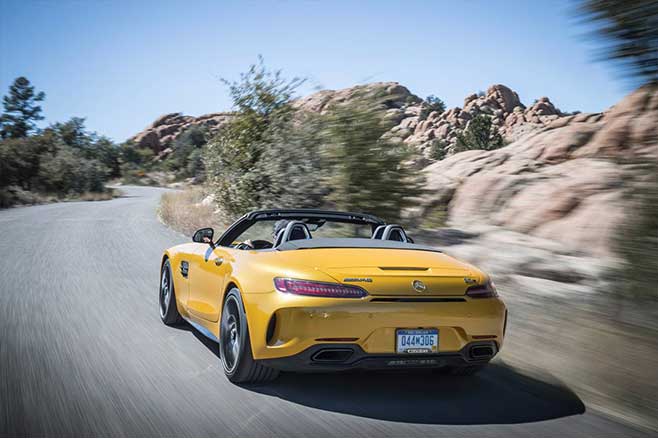
It also gets rear-axle steering and similar styling to the GT R. The GT C will also be available in Edition 50 Coupe spec until next year. This adds AMG Performance seats and steering wheel, extra detailing, and a plethora of other styling cues.
The GT range updates are due to take effect in October, with MRLP pricing as announced by M-B below:
GT Coupé $258,711 GT Roadster $283,711 GT S Coupé $298,711 GT C Edition 50 Coupé $335,211 GT C Roadster $338,711 GT R Coupé $348,711
Skoda will update the Octavia for the 2018 model year, with newly-updated models due in showrooms as early as next this month.
However, Skoda is yet to confirm pricing for the anticipated RS245, which features a 180kW version of the otherwise 169kW turbo four found in the RS230 (as MOTOR’s recent long-term test car had), and the next-gen 169 TSI.
The RS245 won’t be available until November, though Skoda says it expects over half of the Octavias it sells to feature the RS badge past that point.
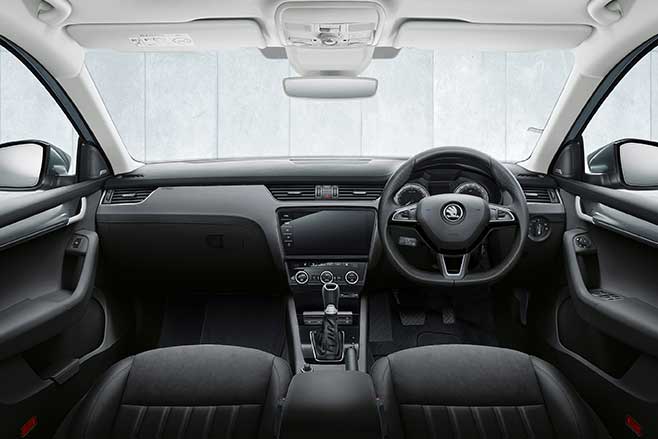
The manual TSI169 sedan is priced at $38,890, while the wagon is a $40,390 offering.
The option DSG on either is an extra $500, and while the ‘Black Pack’ is now a standard fitting to Octavias, the ‘Tech Pack’ and ‘Luxury Park’ are $2300 and $2800 respectively.
Additionally, Octavias now include as standard the 9.2-inch media screen and can be optioned with blind spot detection and adaptive chassis control.
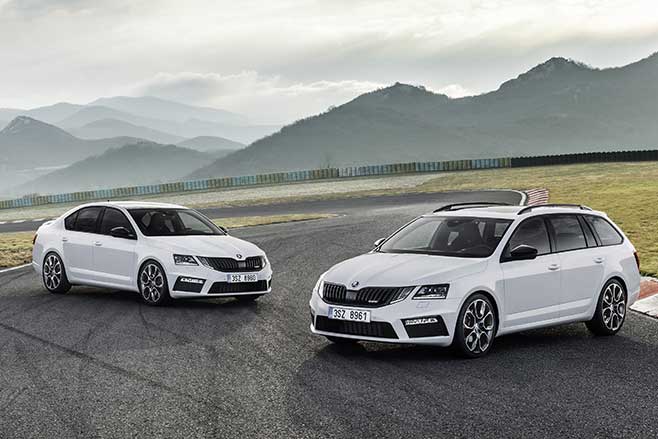
Sedans can have a sunroof for an extra $1500, while wagon buyers fork out $1700 for the panoramic sunroof.
In addition, wagons can have an automatic-opening boot optioned for $500.
We’ll bring you first drives of the entire updated Octavia RS range as they land in the coming months.
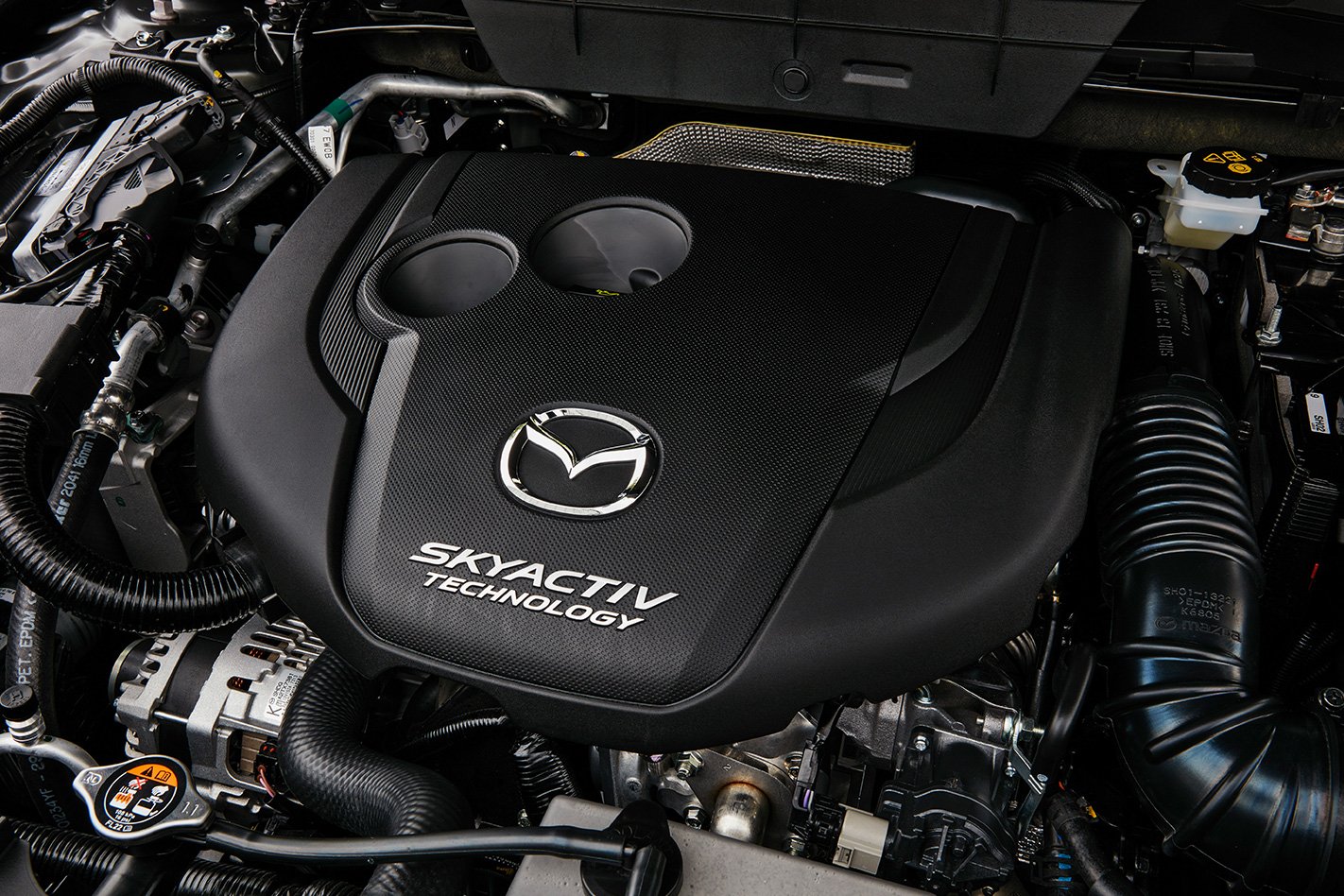
MAZDA has announced it will make a quantum leap in its development of the petrol engine within three years, with a new engine that runs on petrol but borrows the ignition principle of a diesel.
If the Japanese car maker’s goal is achieved, the so-called Skyactiv-X engines are set to smash combustion efficiency records with unprecedented fuel economy that, according to Mazda, will not compromise driving enjoyment.
The announcement is part of the company’s broader ‘Sustainable Zoom-Zoom 2030’ strategy which predicts a future where electrification goes hand in hand with high-efficiency combustion engines.
Petrols, on the other hand, are more bound to a widely accepted optimum ratio of air to fuel known as stoichiometric to avoid damaging combustion conditions – a fixed figure of 14.7 parts air to one part fuel – but Mazda says it has found a way to free the petrol engine from this binding principle.
Instead of using a spark to start combustion, the Skyactiv-X engine squeezes and heats the air in the cylinder to a point where the temperature is high enough to spontaneously trigger ignition of the fuel – exactly as a diesel does.
With conventional spark ignition, lean petrol and air mixtures cause very high combustion temperatures that can damage internal components and, although various manufacturers have successfully developed leaner running engines with technology such as exhaust gas recirculation, Mazda says compression ignition has allowed a mixture twice as lean as its rival’s best efforts.
With such low ratios of fuel to air a spark simply cannot ignite the mixture but compression ignition can and has the potential to cut fuel use under certain conditions by as much as half, without sacrificing power or torque.
Another breakthrough was also required.
While diesels inject fuel into the hot compressed air at the exact moment ignition is required, the Mazda Skyactiv-X engine compresses already mixed air and petrol in a process called homogenous charge compression ignition (HCCI).
Typically, timing this type of ignition is almost impossible due to numerous variables that cause the mixture to spontaneously combust at an unpredictable point, but Mazda says it has cracked this challenge too with its ‘controlled compression ignition’ technology – although the company is not completely disclosing how the trick works beyond pressure charging (supercharged or turbocharged induction) and a principle described as spark controlled compression ignition (SPCCI).
Other details and specification will also have to wait including the engine’s compression ratio, cylinder layouts and power outputs – although the Skyactiv-X torque is said to be 10 to 30 per cent more than the current Skyactiv-G engines.
Quite how the revolutionary engine will sound is also an intriguing prospect. All eyes and ears will be on the Mazda launch diary for 2019.
MAZDA has announced a radical new plan for its road car powertrains, confirming a long-anticipated move to sparkplug-less engines and a commitment to launch its first electrically-powered models before the end of the decade.
Mazda’s commitment to ‘compression ignition’ is massive news for road cars. Although petrol engines without spark plugs have existed before, it has almost exclusively been the domain of high-performance, big-dollar racing engines.
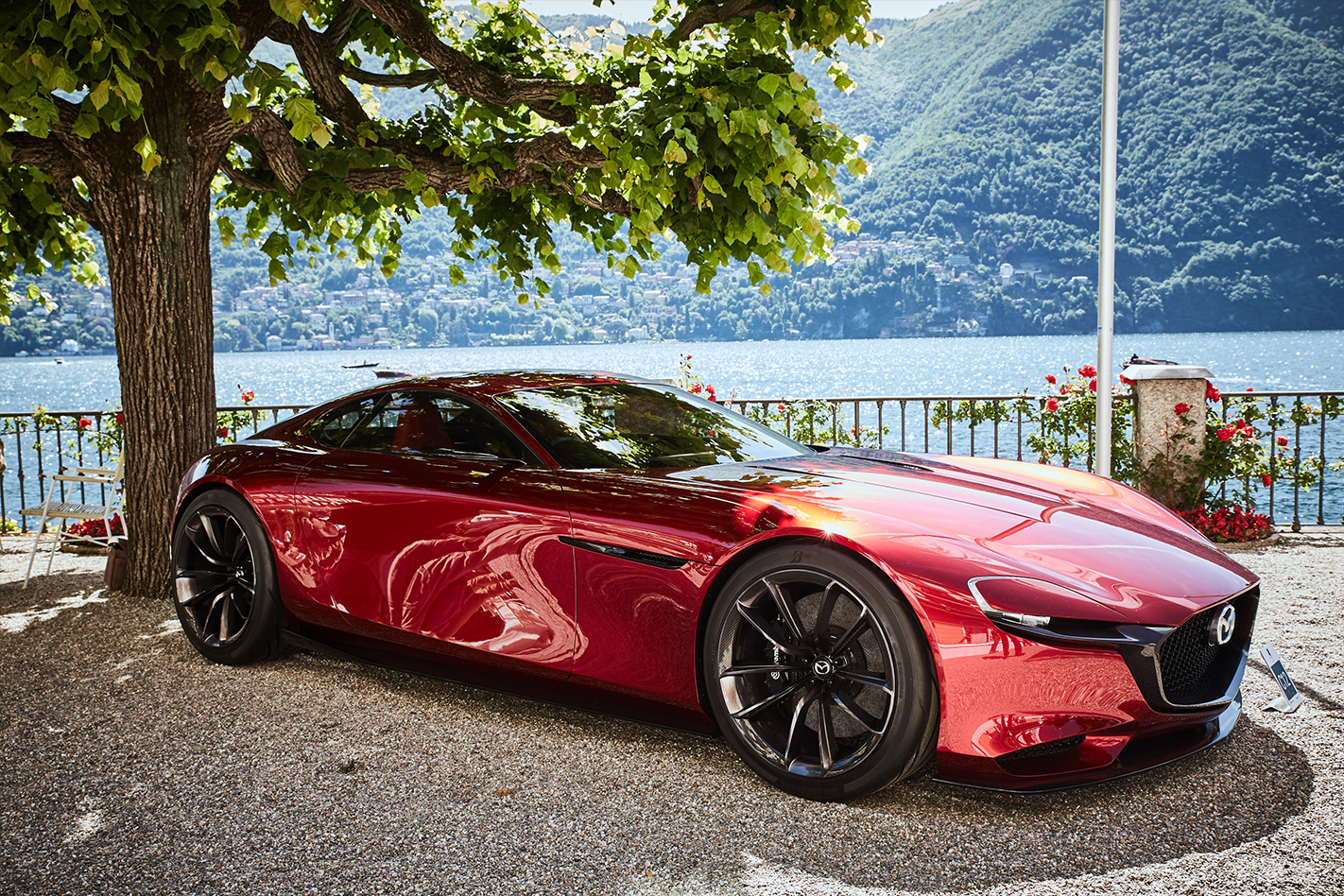
The technology is known as homogenous charge compression ignition, or HCCI, and in layman’s terms combines the best parts of diesel and petrol engines to create a highly-efficient engine.
The engine runs using extremely high combustion, which is ignites the fuel-air mixture without the use of a spark plug.
Previously, this technology has required very specific air-fuel mixtures to operate, hence its prevalence in motorsport. However, Mazda has managed to adapt the technology for road cars, with substantial gains in fuel efficiency being the expected result.
It is expected the new tech will debut in next-gen Mazda2 and Mazda3 models first, branded as SkyActiv-X to distinguish it from Mazda’s existing SkyActiv-G petrol and SkyActiv-D diesel powerplants. The first SkyActiv-X models are due to go on sale by 2019.
It is uncertain if the HCCI engines will be available in Australia, with this country’s comparatively low fuel quality likely to be a significant hurdle to its introduction.
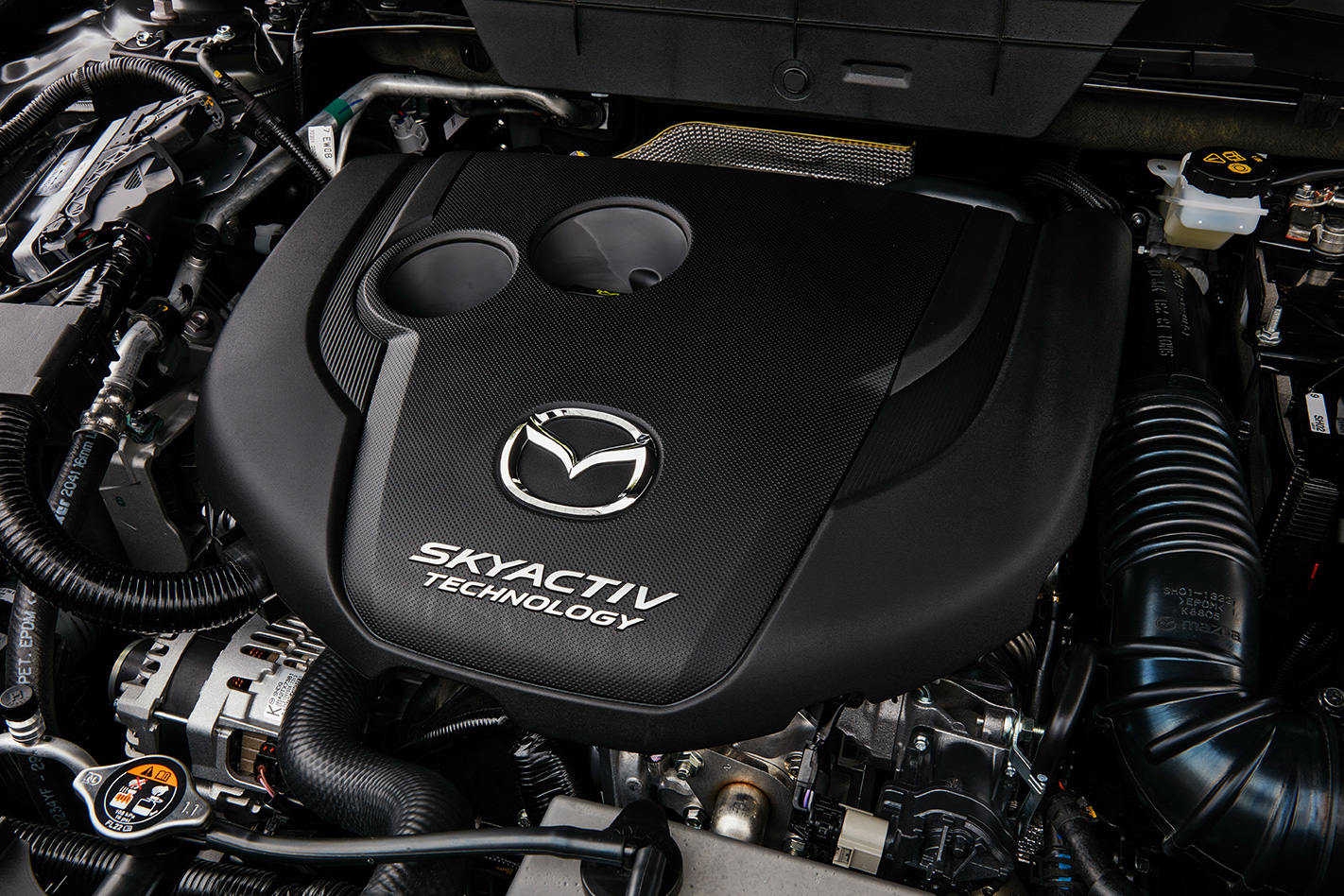
Along with the new combustion engine tech, the Japanese manufacturer has confirmed it will begin to produce electric vehicles, starting in two years’ time.
Autonomous vehicles are also on the brand’s radar, with testing of self-driving technology set to commence in 2020, with a goal to create a full pilot system which is available on all models by 2025.
“We think it is an imperative and fundamental job for us to pursue the ideal internal combustion engine,” said Mazda’s head of research and development, Kiyoshi Fujiwara said.
“Electrification is necessary but … the internal combustion engine should come first.”
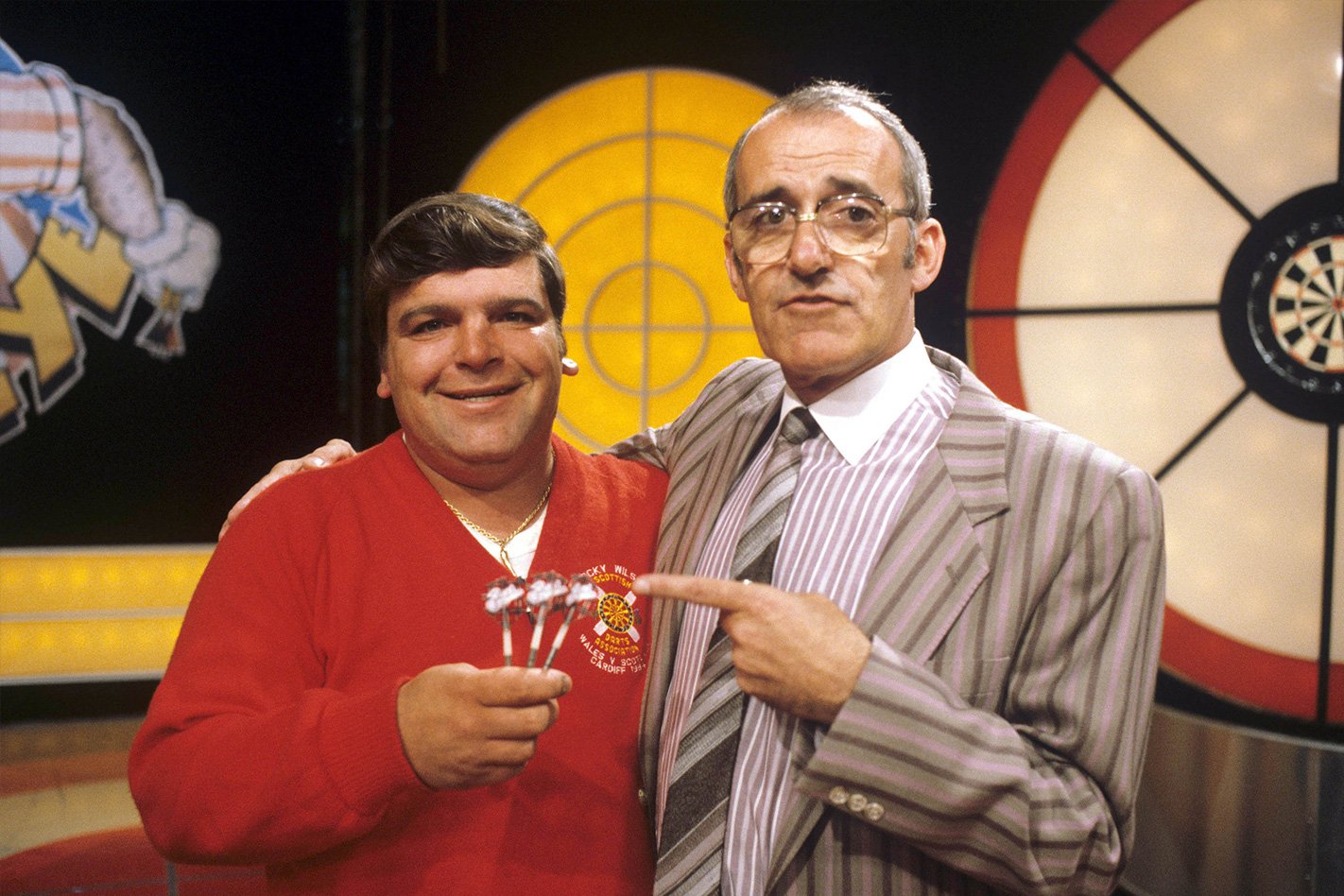
As a kid, I used to watch a game show called Bullseye.
As the name suggests, it was a darts-based contrivance, in this instance, hosted by an annoyingly ebullient chap called Jim Bowen. “What do you do for a living,” he’d ask the contestants and his response to whatever they said was always, “Super, smashing great.”
“Super, smashing great.”
But the very best part of Bullseye was the sheer unmitigated schadenfreude at the finale when Jim showed the inept darts players what they could have won. It was usually a Mini Metro or a speedboat and you’d see these poor saps crumpling like deflating footballs as they started imagining how a motorised dinghy might have transformed their life for the better.
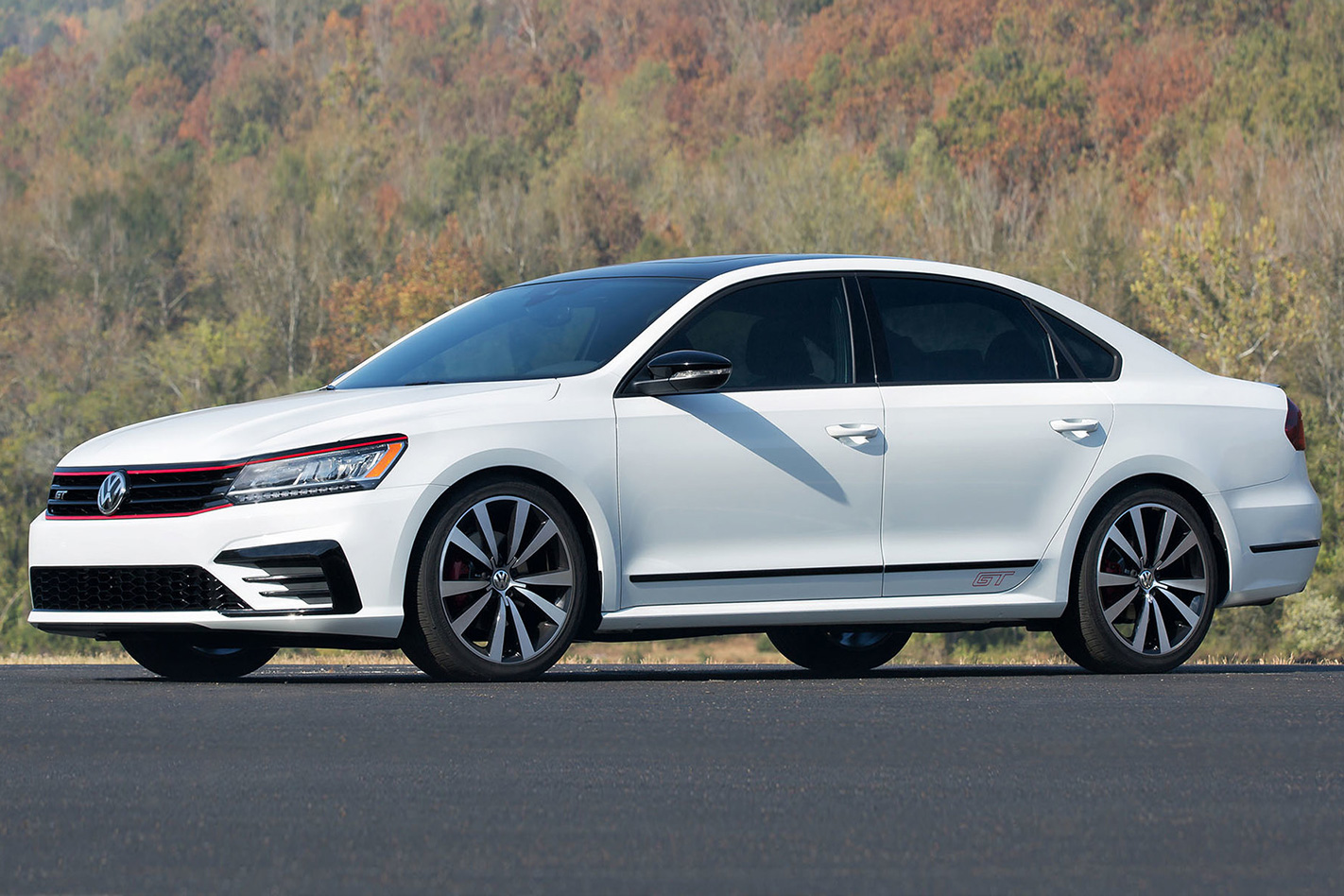
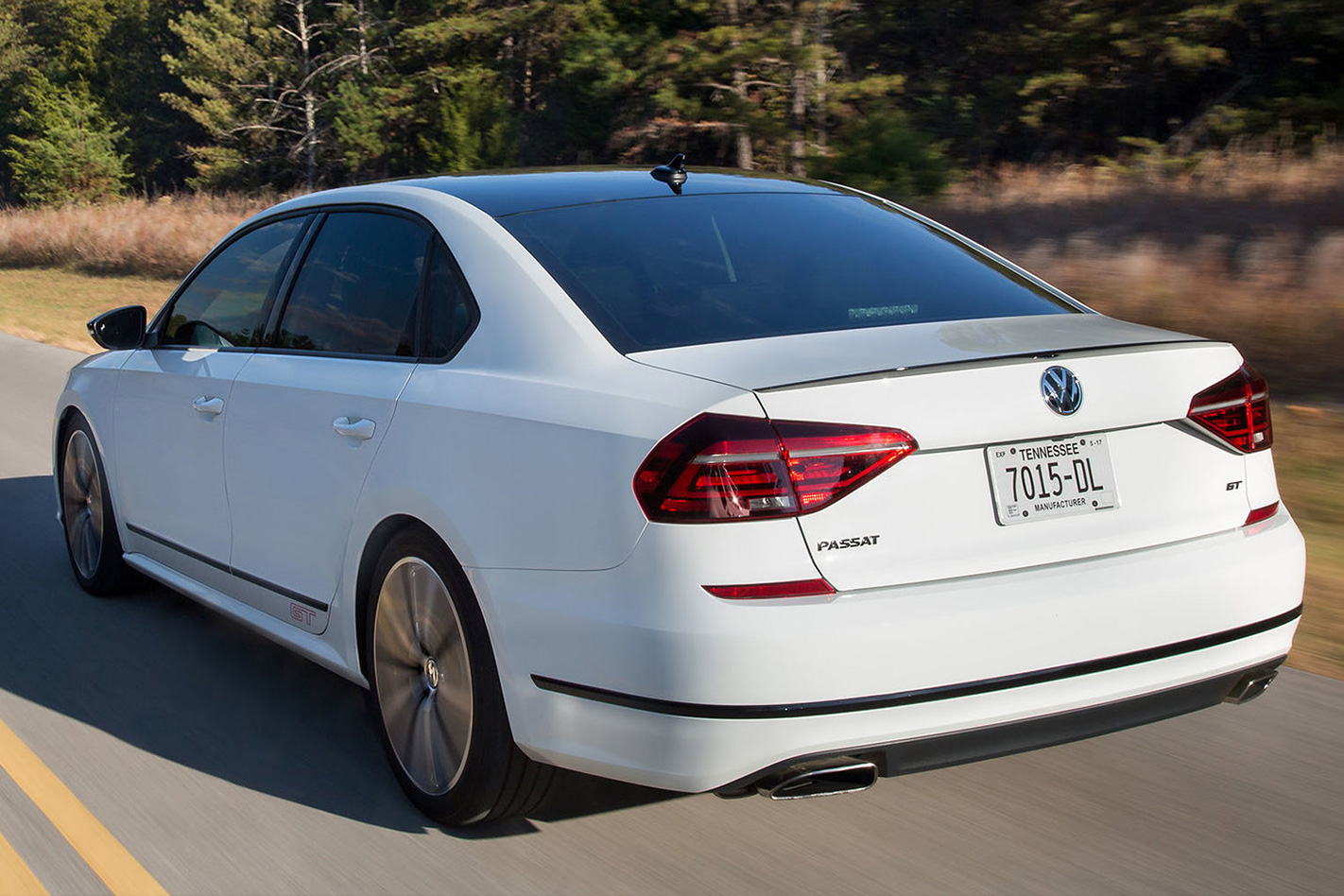
Rumoured to be getting a 209kW 3.6-litre normally-aspirated V6 lump, sports suspension and a subtle spoiler-and-alloys exterior treatment, think of it as a GTI for people who thought they’d grown out of such things.
With the big-selling Commodore V6 shipping out, the timing appears ripe for Volkswagen to step in and capitalise on those looking to put a big, handsome and capable V6 sedan on their driveway. But we’re not going to be getting it and here’s why.
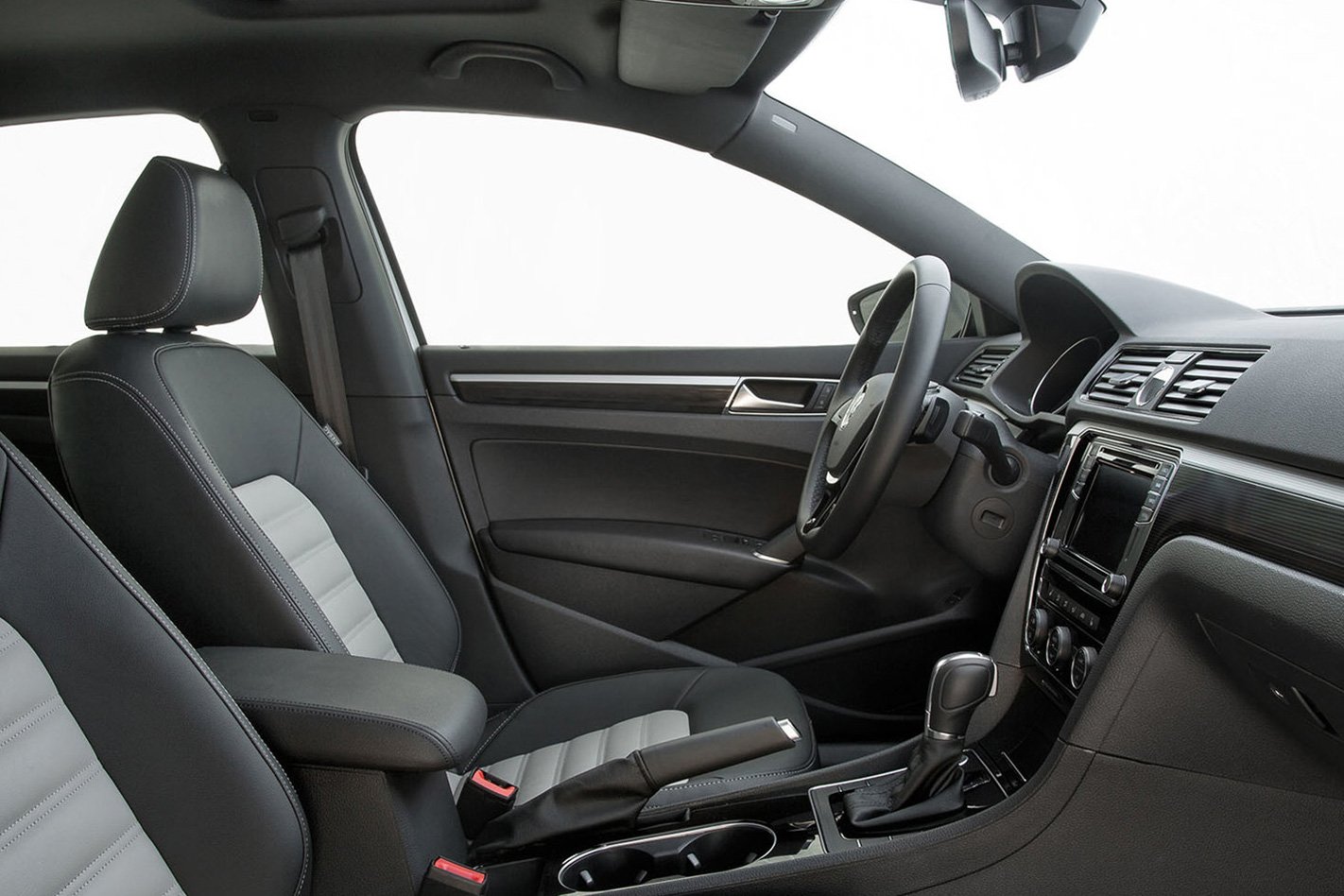
The only hope is that the car is so well received by the US market that Germany decides to follow suit for world markets and sell us an interesting Passat. The sole consolation there is that it would likely be better than the American car, but in the meantime it looks as if the schadenfreude is on us.