
For most people, this video is the first glimpse Hyundai has given of its newest addition to the family.
We’ve seen the i30 N tested on ice before, but that’s not a very ‘real-world’ scenario.
This also isn’t the first time we’ve been allowed to see the Hyundai i30 N in action on tarmac – we’ve actually driven it.
But unless you’ve bought the current (July) issue of MOTOR, this is all you’re going to see for now.
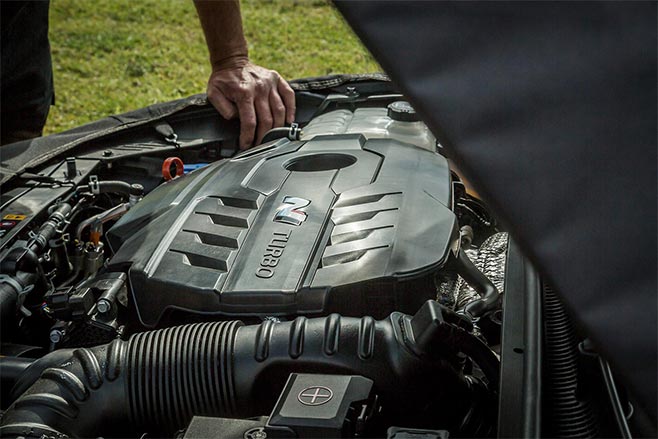
It’ll also have an LSD and ESC that’ll turn fully off when you want.
That’s why they’re testing it on a track – the man behind the car, Albert Biermann, says a track is the best place to access the properly fun characteristics of the N.
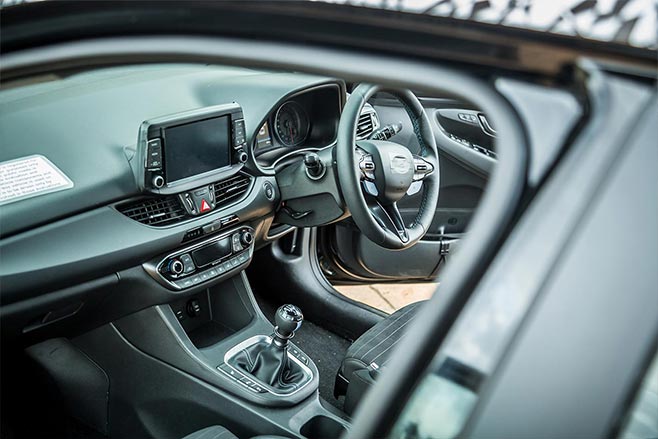
“One of the most challenging is Bathurst here in Australia.”
So with Hyundai WRC test driver Brendan Reeves at the wheel, more fine tuning is going into the i30 N.
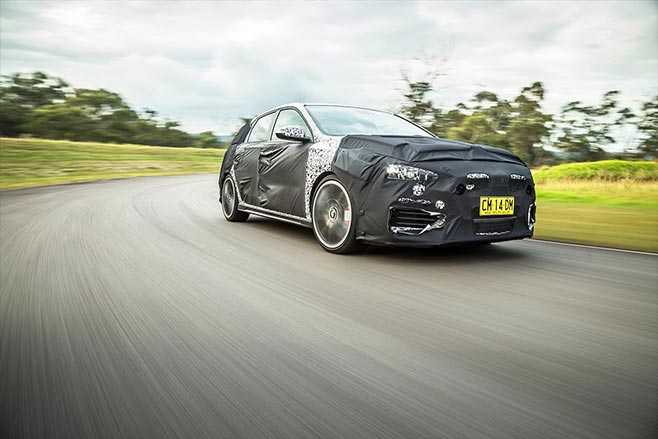
It’s Hyundai’s first crack at a proper performance car, and it’s going straight for the Golf GTI’s jugular.
Japan’s foremost luxury brand has a new flagship coupe with a hybrid drivetrain and an important role to play.
TELL ME ABOUT THIS CAR
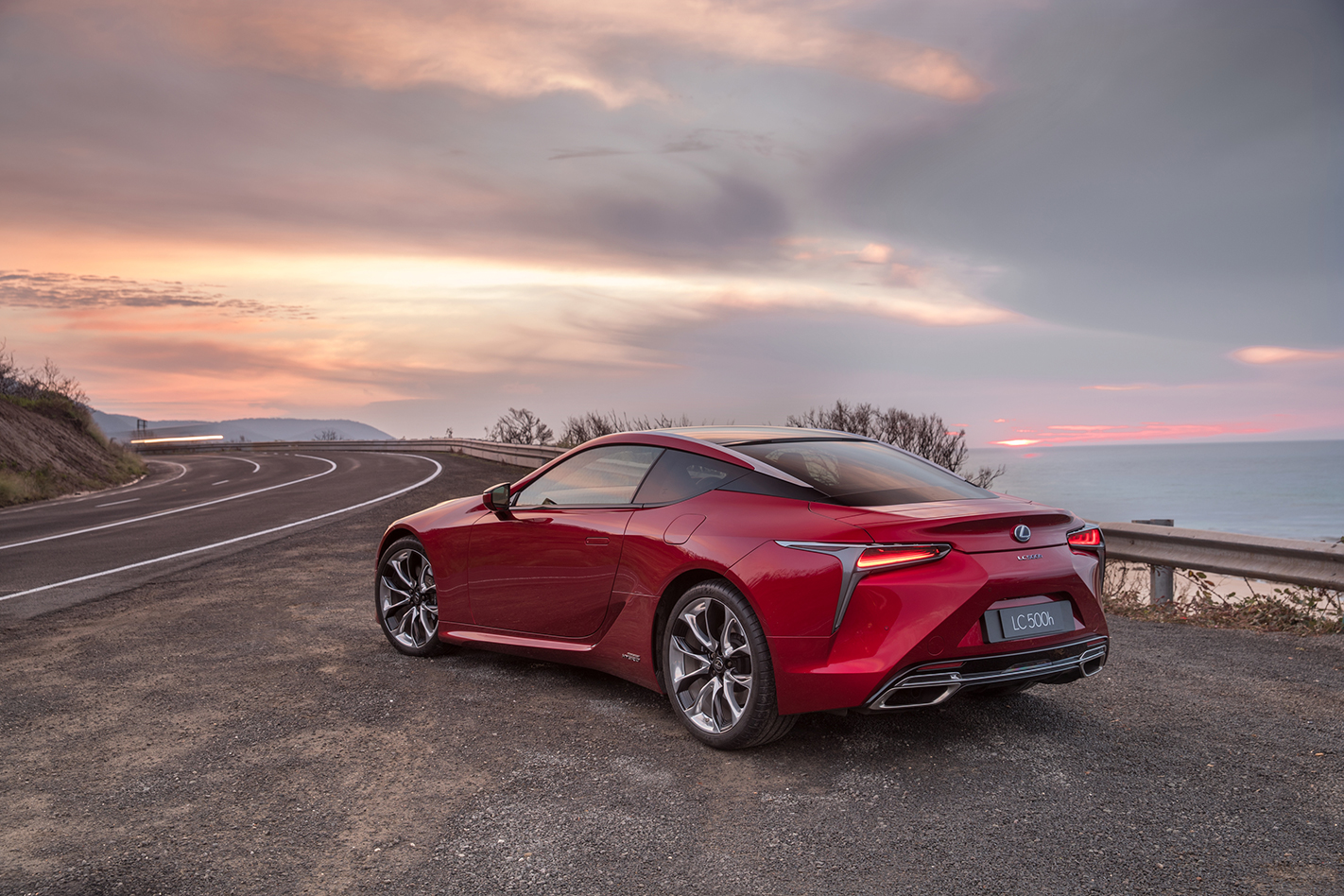
Lexus has introduced a new halo car, called the LC500, to take the place of its dearly departed LFA supercar as the brand’s most desirable and aspirational vehicle.
It comes in two flavours, both priced at $190,000. The first is powered by a naturally aspirated V8 engine and has a greater focus on sportiness. The second has a small ‘h’ added to the end of its name denoting a hybrid drivetrain. It is the more relaxed grand tourer, but is it the pick of the pair?
STRENGTHS
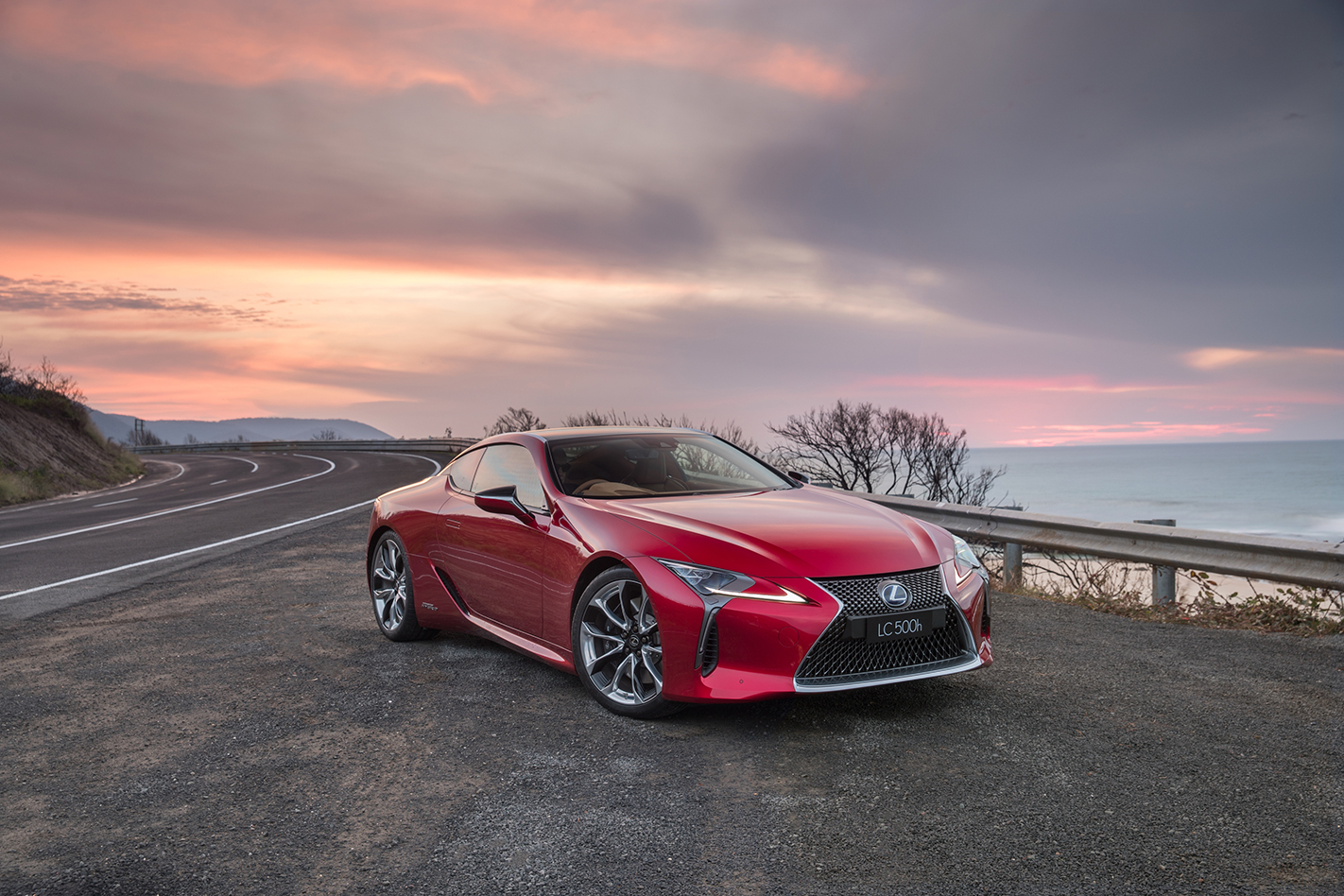
– Styling: it’s a polarising thing, but in this office the LC500h is considered good looking. Its bodywork is almost unchanged from the LF-LC concept car that previewed it, and it’s like a spaceship in the way it attracts attention. Its LED lighting looks intriguing at night, especially the ‘infinity’ taillight design.
– Comfort: on a long drive in a grand tourer like this comfort is important, and the LC500h has some of the best front seats of anything on sale. Ride quality is also impressive, though the adaptive dampers could go a little softer for more compliance on really choppy roads.
– Efficiency: is an obvious hybrid drawcard, and the LC500h impresses with claimed fuel consumption of 6.7L/100km. Not bad for a 1970kg lump.
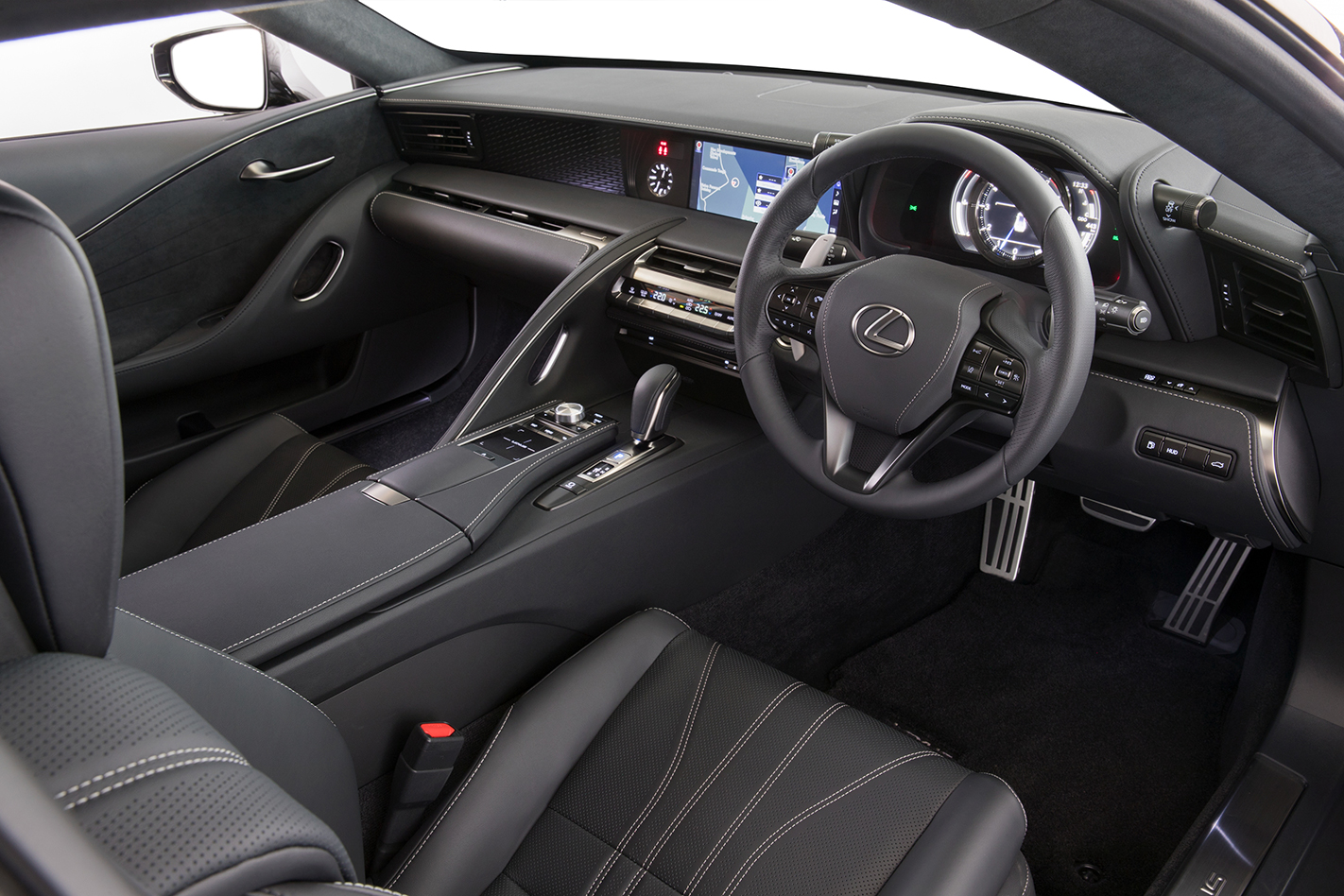
– Gadgets: are good, and the LC500h feels like a big toy when driven silently in EV mode on electric power alone. It also has an excellent Mark Levinson sound system and a beautiful head-up display.
– Steering: it may be last on this list but the LC500h has the best steering of any Lexus on sale, which encourages you to have a go on twisty roads whenever they present themselves.
WEAKNESSES
– Excitement: sadly, isn’t one of the LC500h’s assets. While the steering is good, the hybrid drivetrain just doesn’t have the zing of the V8. It doesn’t sound particularly good either, and outputs of 264kW and 348Nm are a long way short of the V8’s 351kW and 540Nm. The hybrid’s initial electric acceleration is fun, but that’s its only trick. For the same price we would have the V8 every day of the week.
– Gearbox: Lexus has come up with a weird transmission for the LC500h that combines a four-speed auto with a CVT to simulate 10 unique ratios. It slurs when driven hard and isn’t really suitable for track days, whereas the excellent 10-speed auto in the V8 stands up quite well to that sort of stuff.
– Practicality: matters in a grand tourer, but there isn’t much room for baggage in the LC500h, despite its huge overall size. Anybody going away with a partner for longer than a weekend might need to think about fitting a towbar. There are two rear seats, but they’re for emergencies only.
– Size: is part of the LC500h’s imposing appeal in one way, but it does make it a little difficult to squeeze into spots, and cumbersome in tight streets. Valet parking is recommended.
– Infotainment: hasn’t been a Lexus strong suit for a long time, and though the LC500h has a better user interface than other Lexus models, it remains infuriating to use at times. Lexus has persisted with a touchpad to navigate its menus, and it’s probably the slowest possible way to do it. Something like turning on the heated seats seems like more trouble than it’s worth.
ANY RIVALS I SHOULD CONSIDER?
Lexus says the BMW 6 Series and Mercedes-Benz SL-Class are what the LC500 is aimed at, but there’s no hybrid option in the line-ups of either. Same goes for the Jaguar F-Type and Porsche 911 Carrera, which some LC500 V8 buyers might also consider.
For style and presence, those mentioned above are the two door coupes that compete with the LC500 in general, but the LC500h’s biggest rival has to be the LC500 itself. If we were buying, that’s where our money would go. That said, if electrified driving is what really floats your boat, the LC500h is it.
Car shoppers looking for a light-car offering from Hyundai will now have just one variant (in either sedan or hatch iterations) to choose from.
The consolidated line-up now contains just a single model, the Accent Sport, ditching the SR and Active badges from the range.
Both sedan and hatch Accent Sport will be powered by the 1.6-litre four cylinder engine from the now defunct SR, replacing the 1.4-litre unit from the previous entry-level Accent Active.
That 1.6 makes 103kW and 167Nm, sending power to the front wheels via either a six-speed manual or six-speed automatic – casting the previously optional CVT transmission to the wayside.
The Accent Sport now comes standard with 16-inch alloy wheels, cruise control, and a sports steering wheel, but only increases in list price by $500.
The Accent Sport costs $15,490 with a manual, or $17,490 with an automatic gearbox, regardless of bodystyle.
“Accent has been an award winner and strong seller for us in the Australian light-car market, and it now offers greater appeal than ever before,” Hyundai Motor Company Australia Chief Operating Officer, Scott Grant said.
The Accent Sport also features 6 airbags, ESC, ABS, a 5-inch touchscreen with Apple Car Play compatibility, Bluetooth connectivity, and power windows.
Hyundai offers a 5-year unlimited kilometre warranty with all of its cars, along with a complimentary roadside assist for the first 12 months, and a complimentary first service.
When servicing with Hyundai, owners also receive a 5 year SatNav update plan (10 for i30 owners), and a roadside support plan for up to 10 years.
Pricing
- Hyundai Accent Sport hatch manual: $15,490
- Hyundai Accent Sport hatch automatic: $17,490
- Hyundai Accent Sport sedan manual: $15,490
- Hyundai Accent Sport sedan automatic: $17,490
HYUNDAI’S N brand will debut with the i30 N hot hatch later this year, but the Korean brand is already working on the follow-up.
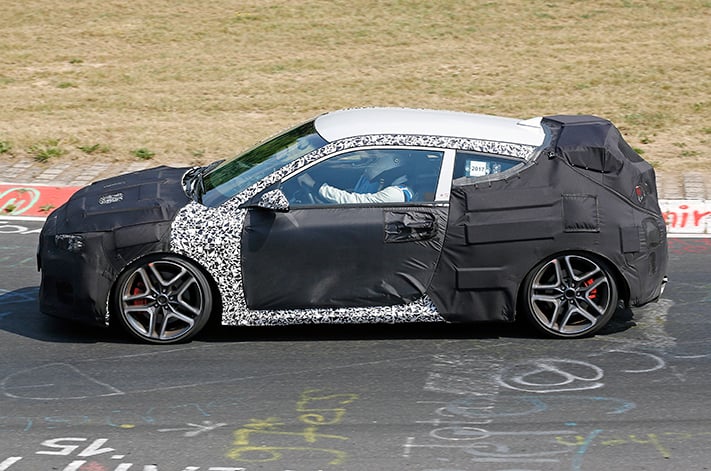
Industry scuttlebutt has it that a Veloster N will be the second model in the N range, and it has been spied testing on the Nordschleife.
It is likely the Veloster N will be powered by the same 2.0-litre turbo four-cylinder petrol as the i30 N, producing 184kW or 202kW.
Power is likely to be sent to the front-wheels via a six-speed manual.
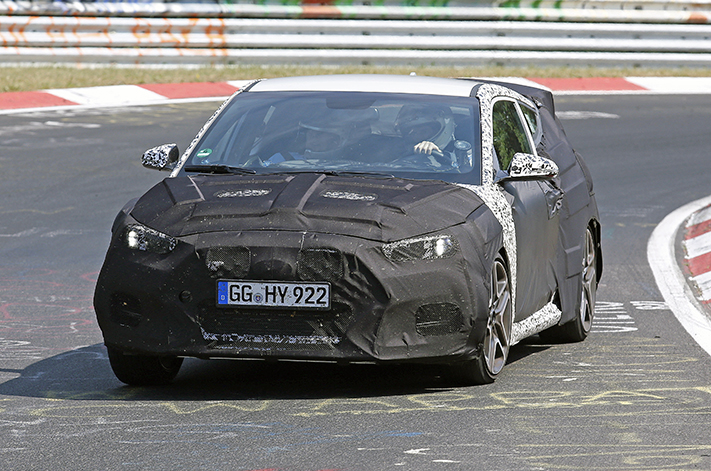
The next-gen Veloster is yet to be unveiled, but from what we can deduct from the clamo-clad test car it appears that the asymmetrical door layout of the last model will return – one for the driver, two on the passenger side.

There also appears to be a cascading grille up front, with a different rear bumper treatment. Where standard and Turbo Velosters have centre-exit exhaust tips, the test mule pushes these to the edges of the bumper.
The Veloster N is likely to receive a similar development process as the i30 N, so expect plenty of Nurburgring laps, and possibly even some competitive outings.
A local suspension tune will also be high on the priority list, which means we could be seeing the coupe-esque hatch Down Under in the near future, so keep your eyes peeled.
It’s not just extra power for the range topper, with N badged cars likely to receive improved brakes and suspension, along with sticky rubber.
The i30 N is set to break cover in the coming weeks, so expect the Veloster N to be revealed by the end of the year, ahead of a 2018 arrival.
There’s something intrinsically cool about fast wagons, so it’s perplexing why BMW has seemingly given up on the idea of offering a cargo friendly version of its M5 super-sedan.
Thankfully, BMW tuner Alpina has stepped into the breach with its new B5 Bi-Turbo family.
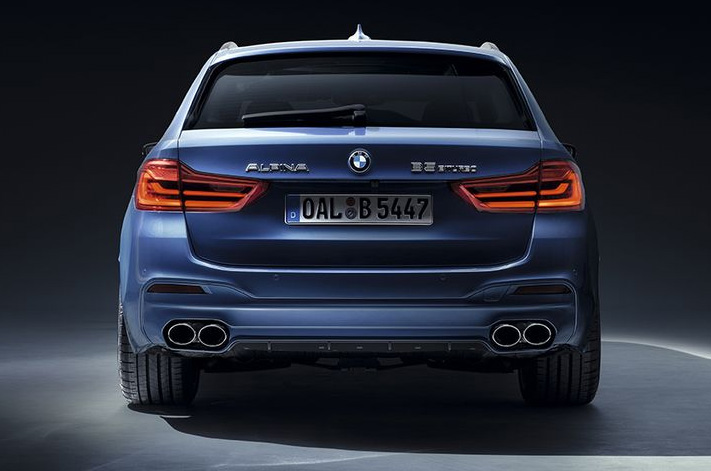
With BMW’s xDrive AWD hardware taking all of that muscle to the pavement via all four wheels, the Alpina B5 Bi-Turbo Touring makes for an enticing alternative to the similarly-powerful Audi RS6 Avant – though the new Mercedes-AMG E63 S Estate monsters it with 450kW and 850Nm.
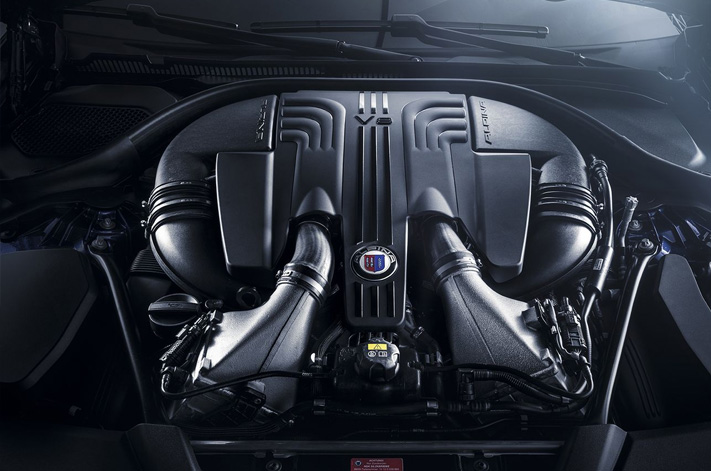
How quick is it? Alpina claims just 3.5 seconds is all that’s needed to reach 100km/h for the B5 sedan, with the wagon body just 0.1 seconds slower. For those keeping score, that’s a tenth ahead of the RS6 and just a tenth behind the E63 Estate.
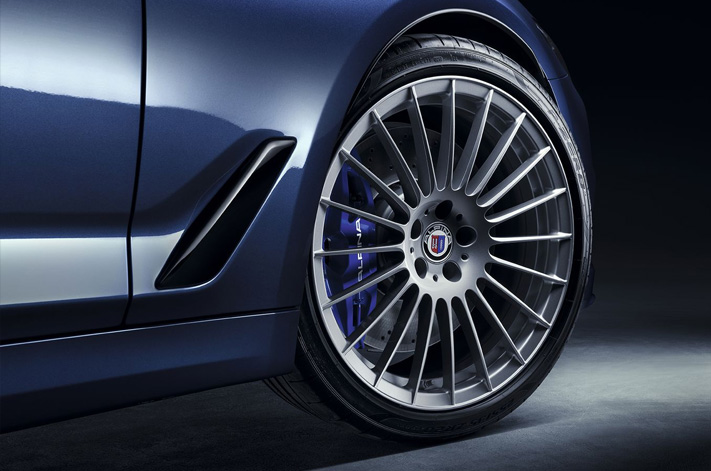
Will it come here though? That’s unclear. Alpina’s local operation has been contacted to see if the B5 range will join the B3, B4 and B7 models that are already on sale here. Pending Alpina’s response, our fingers are crossed.
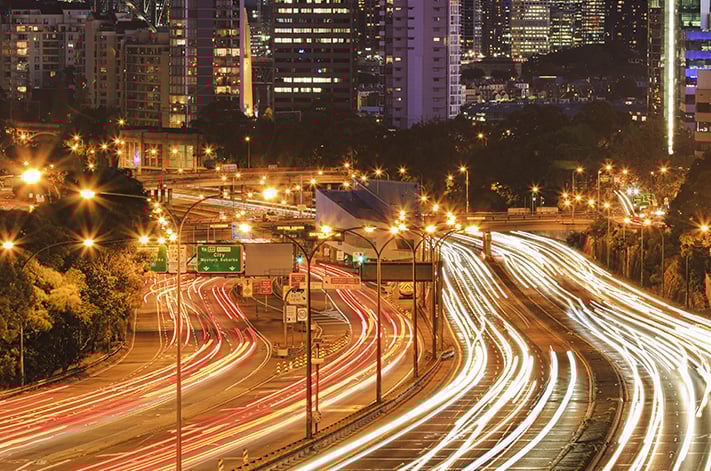
A CYBER virus, dubbed WannaCry, has infected 55 different speeding and red-light camera locations in Victoria.
It has been reported the virus hit locations run by private camera operator RedFlex, which is responsible for most speeding cameras in Victoria, and was only discovered late last week.
The WannaCry ransomware grounded a Honda factory in Tokyo to a halt earlier this week, but police say the camera network has not been compromised.
The Department of Justice and Regulation said the virus was introduced to the system by mistake by a contractor via, apparently by an infected USB stick.
“There is no evidence that this was the result of a cyber-attack,” a department spokesperson told The Age.
“It occurred as a result of human error. The remaining sites will be rectified in the next couple of days. A system patch has been applied which prevents the spread of the virus.”
“If the Road Safety Camera Commissioner’s investigation finds that people have been incorrectly fined, in line with normal practices, those fines will be withdrawn,” she said.
While fines may be cancelled, Neville and Police believe the infected cameras have continued to work accurately.
“While the software virus has impacted 55 camera sites, it has not caused any damage to these sites or the system more broadly,” she added. “All cameras have been operating correctly and accurately during this period.”
“Our advice at this stage is that a software virus has been detected, however the camera system has not been compromised,” police said in a statement.
“We will look into all incidents detected by the speed and red-light cameras during the time in question as a matter of course. The integrity of the camera system has not been affected.”
With a new boss at the helm, Polestar is set to become an electrified performance car arm for Volvo.
New Polestar CEO Thomas Ingenlath was previously one of the men at the top of Volvo’s design chain, and is said – by Volvo – to have been in charge of many of the recent design decisions the company has taken.
Nio EP9 is world’s fastest electric vehicle
Now, he’ll be in charge of a brave new world for the Swedish manufacturer, with little to suggest that Volvo or Polestar will continue producing any kind of petrol-only performance car.
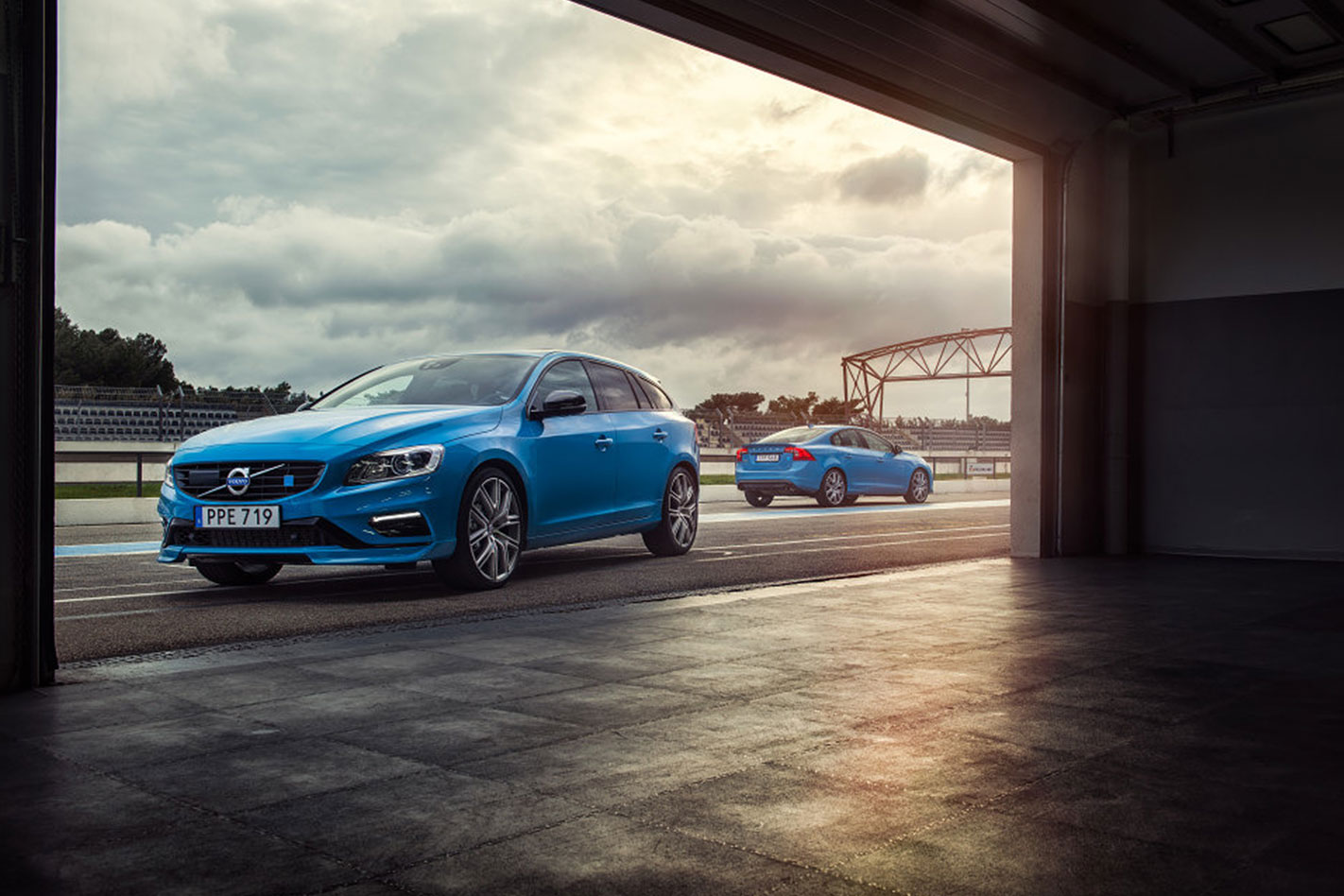
The company will still operate under Volvo, as it was completely acquired in 2015, though it says it will develop “optimisation packages for Volvo’s range of cars under the Polestar Engineered brand”.
Polestar will continue to work with Volvo to share engineering and technological advances, though branding will deviate under an almost Citroen-esque logo.
“Polestar will be a credible competitor in the emerging global market for high performance electrified cars. With Polestar, we are able to offer electrified cars to the world’s most demanding, progressive drivers in all market segments.
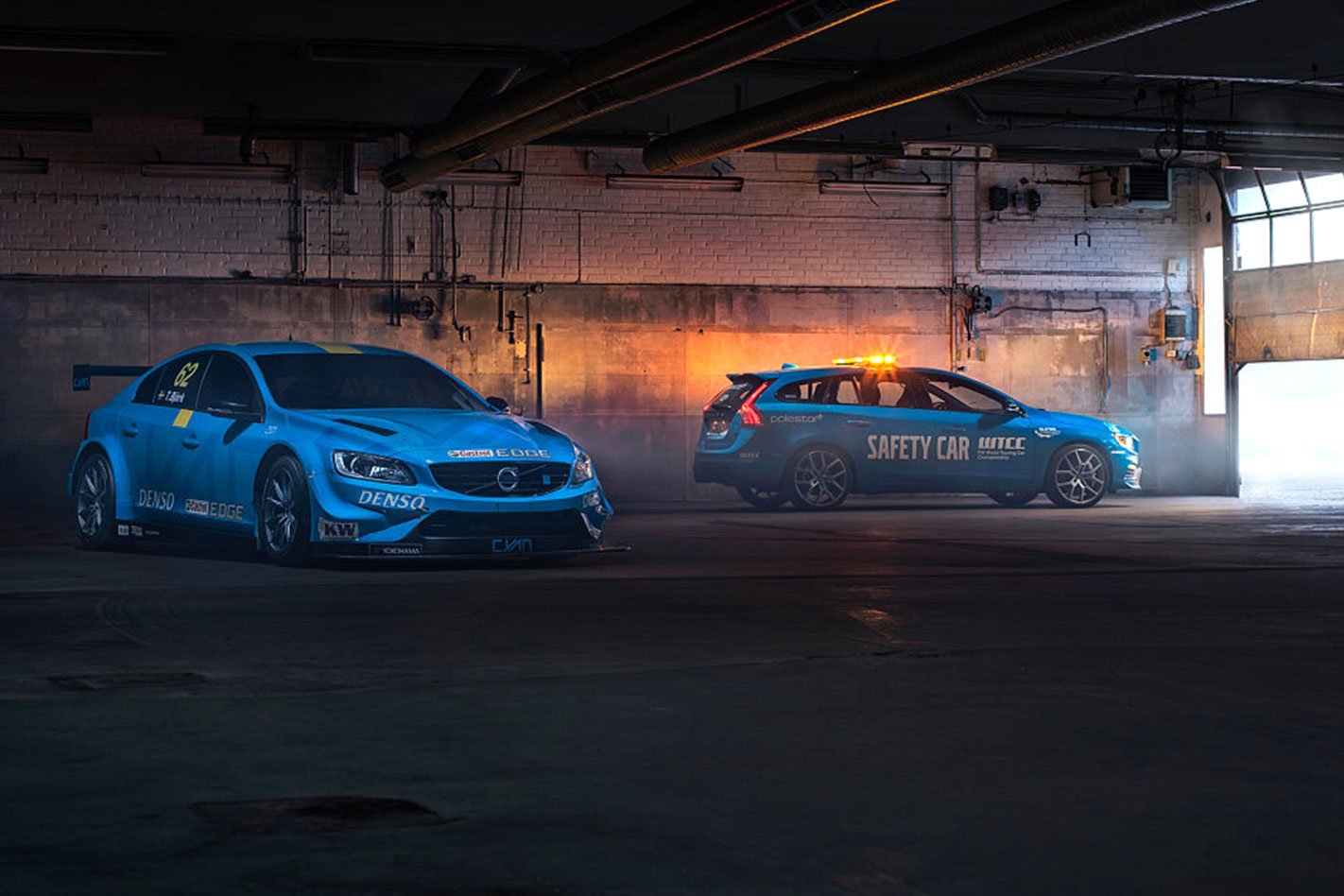
The future of Cyan Racing appears to remain largely unchanged.
VICTORIA’S current road network is in such poor condition it poses a risk to public safety according to an audit released by the state’s Auditor-General.
The audit revealed that since 2010 there has been an increase in cracking and roughness of roads, resulting in more dangerous driving conditions for motorists.
“The increasing proportion of the state road network in very poor condition presents a growing risk to public safety and increases road user costs,” Auditor-General Andrews Greaves wrote.
The Auditor-General also stated while there was a lack of government investment in road maintenance, VicRoads wasn’t meeting expectations.
“Not enough funding is allocated to road maintenance to sustain the road network, but VicRoads also cannot demonstrate clearly that it is making the best use of its existing maintenance funds,” Greaves wrote.
“[VicRoads’] approach to road pavement maintenance is reactive, with maintenance generally being carried out only when it becomes critical,” Greaves wrote.
“Targeted early intervention to prevent roads from needing more costly and extensive maintenance has been limited. This approach has not kept up with the rate of deterioration of road pavements across the network.”
The audit revealed there are also knock-on economic effects from the deteriorating road network, with increased wear and tear to vehicles posing larger costs for the community.
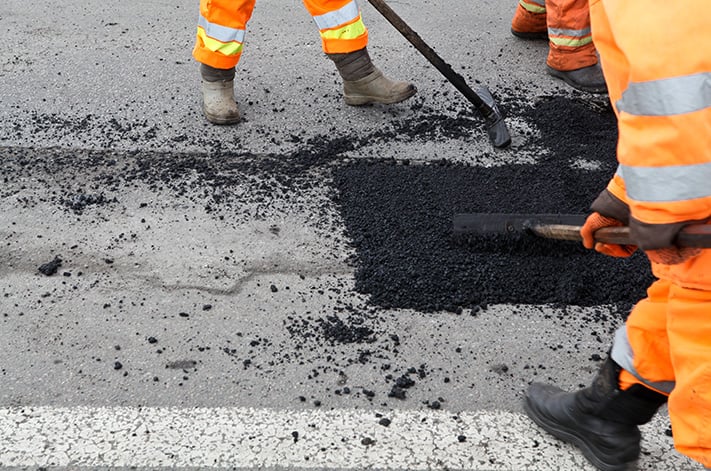
Currently 10 percent of Victoria’s roads are rated “very poor” and 30 percent “poor”.
Greaves called for a strategic plan to fix the state’s road problem before it deteriorated further.
“Without a strategic approach to road pavement maintenance, road conditions will continue to deteriorate and VicRoads will find it increasingly harder to maintain the entire network in a functional condition,” he added.
The Age reports VicRoads’ funding has fallen since 2010-11, with maintenance funding slashed by 60 percent. Meanwhile, traffic on the road network has increased by 9.4 percent in the last decade.
VicRoads chief executive John Merritt conceded that maintenance had not kept up with road use but said the auditor-general’s report supports the reform program and actions VicRoads already has in place.
“Much of the 23,000 kilometres of Victoria’s arterial road network was built in the years immediately following World War II. In the 1940s and ’50s a 40-tonne truck was one of the largest vehicles on the road, but today those same roads could be carrying vehicles over 80 tonnes,” Merritt said.
“With Melbourne’s rapid growth and the changing transport needs in regional Victoria to support new and emerging industries, there is much more demand on road infrastructure.
“Our goal is to provide a road network that supports communities now and is able to evolve easily to support the needs of future generations.
“The 2017-18 state Budget funding, which doubles expenditure for road pavement maintenance, was based on recommendations developed by us, using our new pavement management approach.”
Merritt said community input would be regularly sought to influence maintenance priorities.
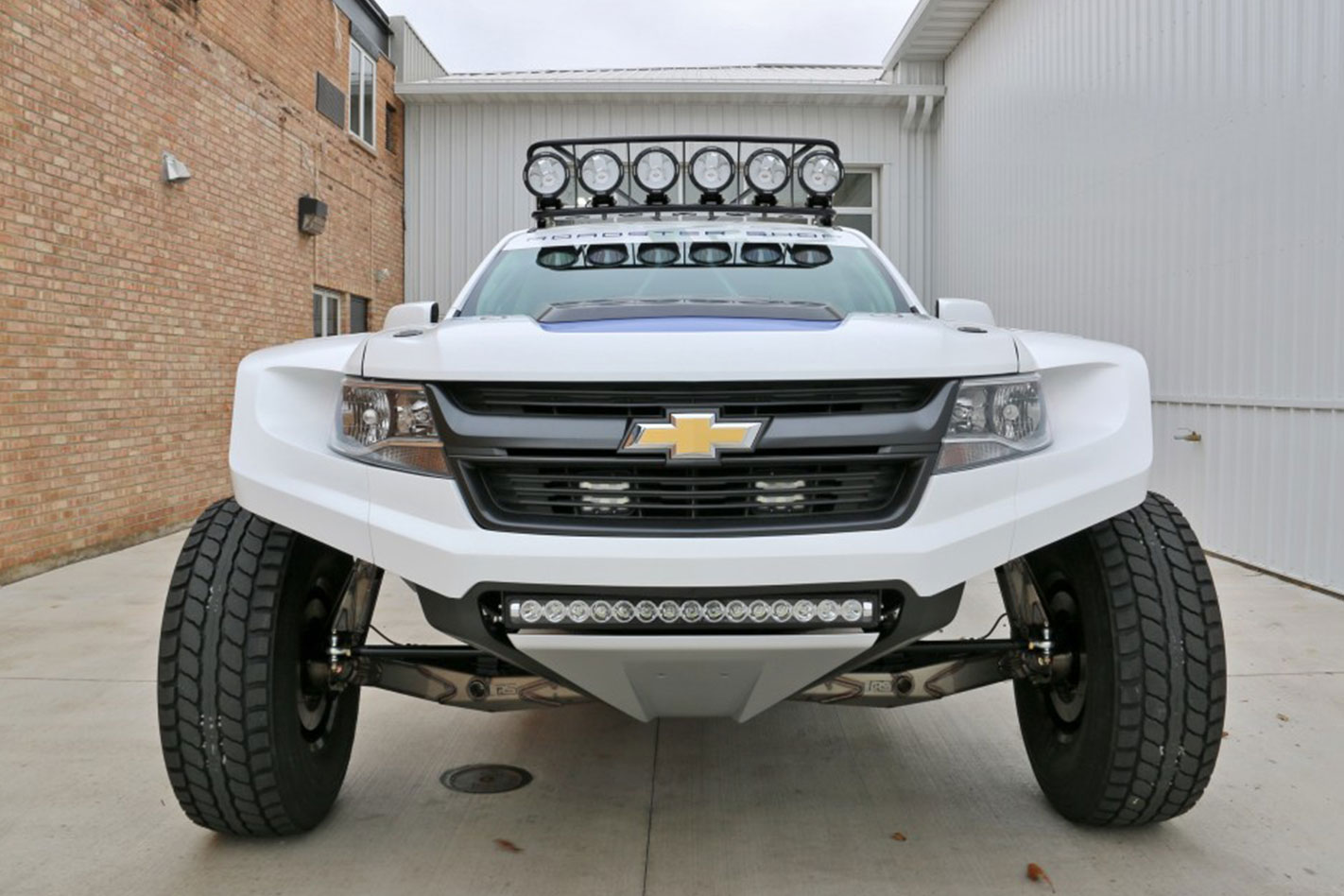
Imagine a Holden Colorado. Not exactly a performance vehicle.
Now imagine it with a V8. You’re getting there.
Okay, now imagine that V8 is a dry-sump LS7, but the Colorado looks more like a Baja racer than a ute.
That’s what happened to one (very lucky) 2015 Chevrolet Colorado in the States, after high-end hot rodders Roadster Shop got a hold of it.
Opinion: Limited edition cars shouldn’t be unattainable
The idea of driving something with so much suspension travel that you’d launch the front end into the air at a slight throttle blip is a hilarious aspiration.

The company’s designer, Chris Gray, told US offroad racing publication Score Journal that by the time they were finished with it, most of the vehicle was their own work.
Holden Commodore SS Utes in the US
“Our incredible fab team worked on shaping the fenders and building basically 80 per cent of the track from scratch.”
That includes the frame and chassis, roll-cage, suspension, and a lot of body modification.
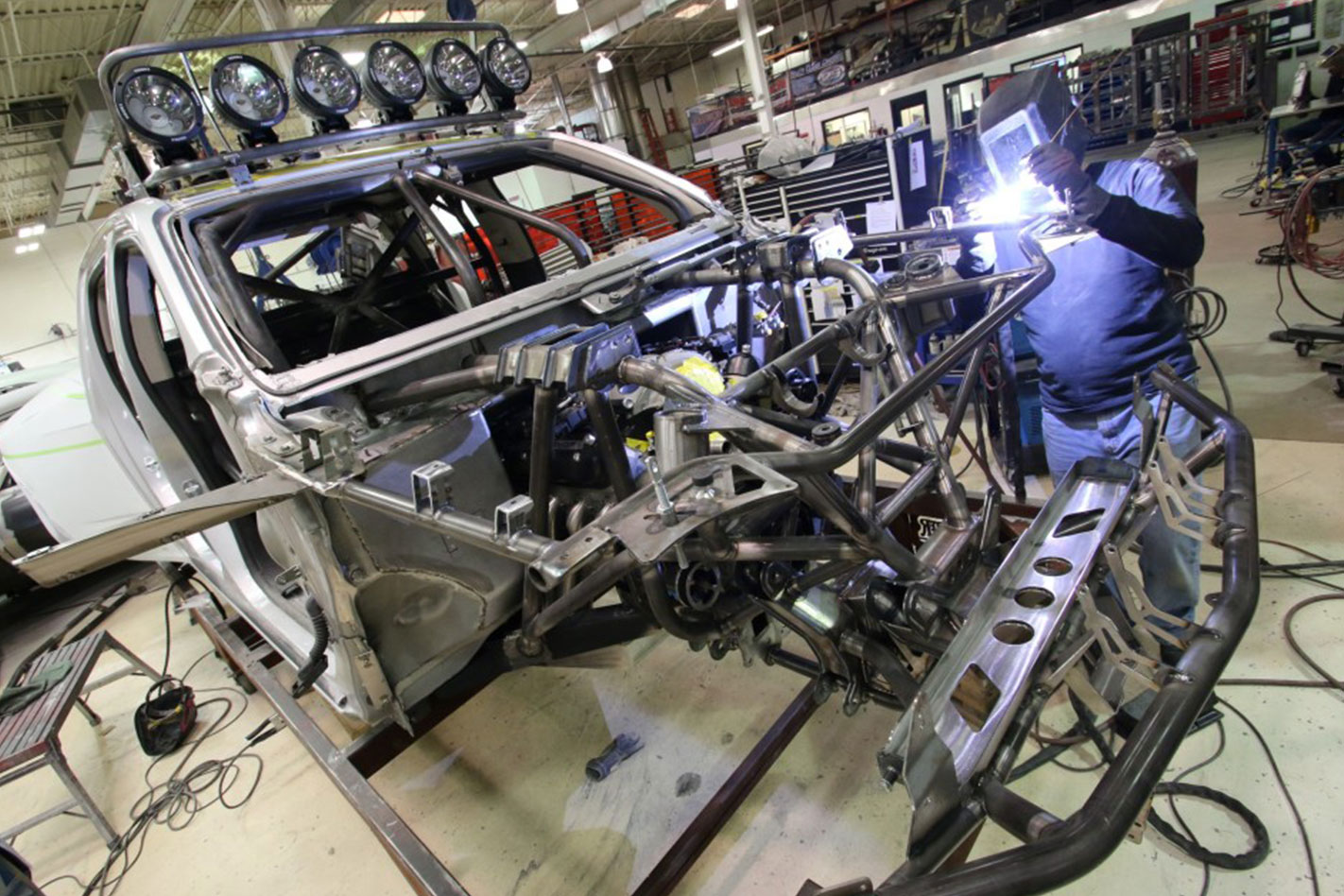
There’s some serious weld-porn in there, plus a good visualisation of just how far they went for the final product. Check it out here.
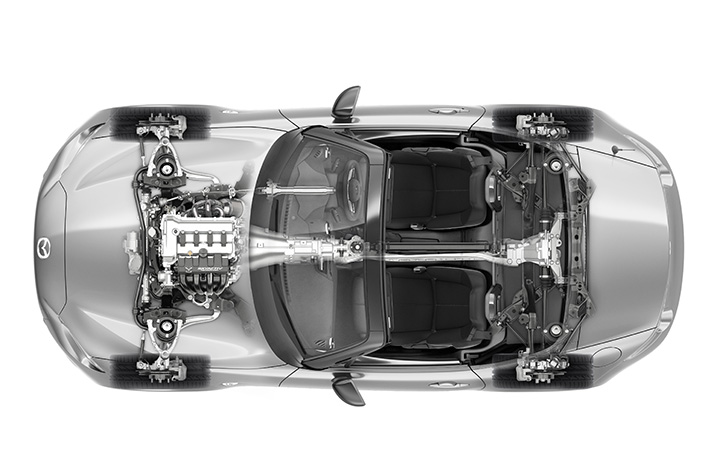
The orientation of an engine is usually described as either longitudinal or transverse. Each is so named depending on the way the crankshaft sits relative to the rest of the car.
Longitudinal engines are positioned in parallel with a car’s direction. The cylinders are placed in a row from front to rear, or ‘north-south’, in the engine bay. This style is used mostly in rear-wheel- and four-wheel-drive vehicles with their engine in the front, but can also be found in rear- and mid-engine performance cars.
The most common longitudinal setup (front-engine, rear-wheel-drive) puts the engine along the centreline of the vehicle with a gearbox behind it (between the front seats), allowing a driveshaft to run directly from the transmission to the rear differential.
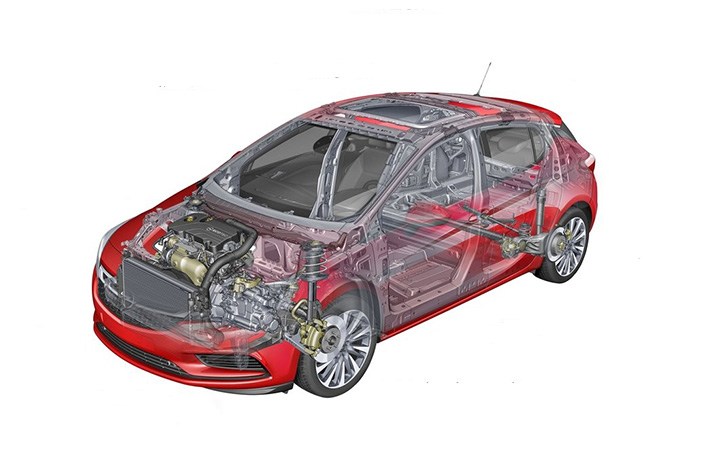
Transverse engines are mounted perpendicular to the car’s direction. Their cylinders sit in a row from left to right in an engine bay, or ‘east-west’. They are used mostly in front-engine, front- and all-wheel-drive vehicles, but can also be mid-mounted in rear-wheel drive vehicles.
The most common transverse engine style is that of front-engine, front-wheel drive cars. The engine typically mounted with a gearbox to one side, in line with the crankshaft and between the front wheels. This is known as a transaxle. Short driveshafts poke out from either side of the gearbox and connect to each front wheel. This setup is significantly more compact than a front-engine, rear-wheel drive setup
Both longitudinal and transverse engine arrangements can be made to drive all four wheels. Traditional four-wheel-drive vehicles have a longitudinal engine biased towards driving the rear wheels with the front wheels engaged through a transfer case that links the transmission to the front axle.
Transverse engines run all four wheels with the addition of an extra driveshaft linking the transaxle gearbox with a rear differential.
Each engine arrangement has its pros and cons. For conventional front-mounted engines, a longitudinal setup with rear-wheel-drive provides better front-to-rear weight distribution that helps a car’s balance. This is why it’s popular in sports cars.
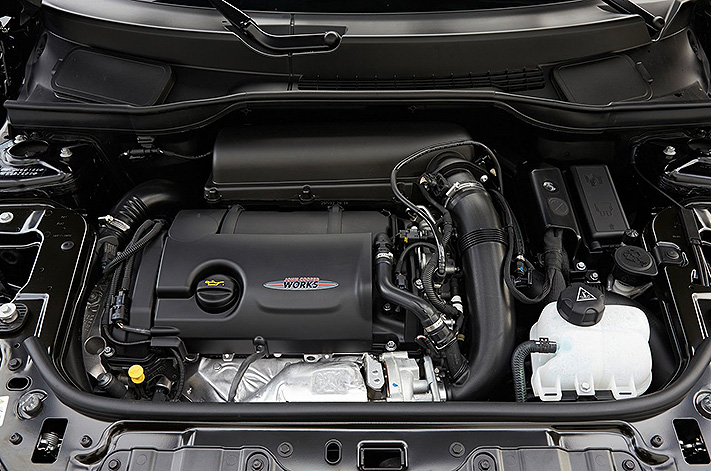
With a transverse front-wheel-drive setup the mass and torque is concentrated at the front of the chassis which can affect handling.
Typically, a transverse set up is more efficient, because power from the engine has less hardware to turn before it reaches the driven wheels. The longitudinal arrangement is less direct.
Longitudinal configuration does generally allow for bigger engines in front-engine vehicles. However, they have a greater impact on interior packaging because the transmission and driveshaft take up space under the cabin. Transverse powertrains in front-engine cars require less engine bay room, meaning more of the car’s footprint can be utilised for the cabin.
There are cases where longitudinal engines have driven the front-wheels. Audi has long employed such an arrangement, which places the engine a lot further forward than normal and affects the car’s weight distribution resulting in a tendency to understeer.
