
THE UPDATED Audi RS3 sedan has arrived in Australia packing a lighter and more powerful five-pot engine and an even sharper dynamic package.
WHAT IS IT?
A comprehensive mid-life update for the Audi RS3, bringing with it a new sedan bodystyle that’s a first for the RS3 badge.
WHY WE’RE TESTING IT
The entry-level RennSport model comes with a new alloy-block five-cylinder engine, that sports significant weight reductions to improve agility. It impressed at its international launch in the Oman, but we wanted to see how it held up on rougher Australian roads.
MAIN RIVALS
Mercedes-AMG CLA45, BMW 340i, Infiniti Q50 Red Sport
THE WHEELS VERDICT
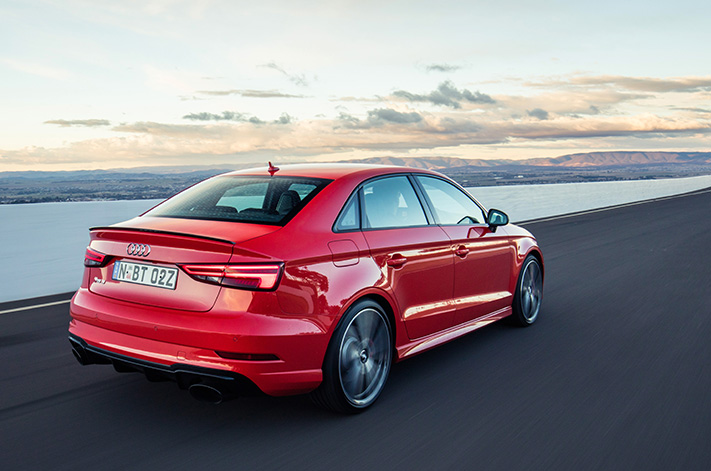
The sedan is a worthy addition to the RS3 range and provides sharp performance and excellent all-paw handling, while also doing double duty as a sophisticated daily driver.
PLUS: Muscular engine; five-cylinder engine note, rockstar interior, forgiving dynamics MINUS: Long option list above the $84,900 base price, no autonomous braking
THE WHEELS REVIEW
IT’S A strange feeling when you give way to an Audi A4 and the driver stops in the middle of an intersection and stares. I’m driving the box-fresh Audi RS3 sedan and the chap obviously has enough 0000-positive blood coursing through his veins to know the significance of the first compact sedan to wear a RennSport badge.
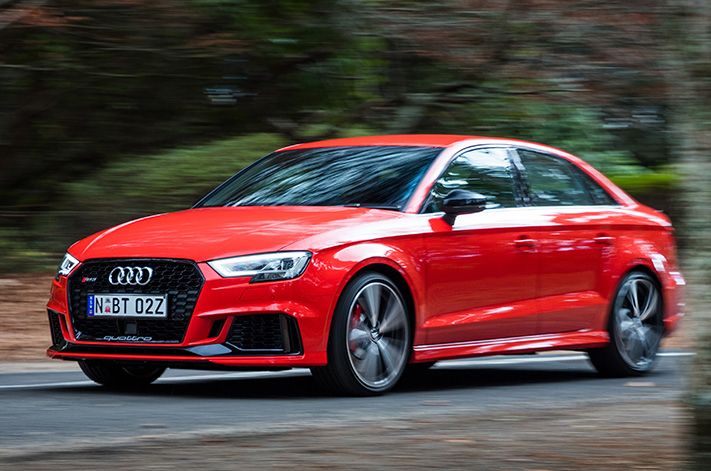
The addition of a sedan body style is part of a significant mid-life update to the RS3 range, which until now has only been available as a hatchback. The sedan stands out from its mainstream A- and S3 sedan siblings thanks to a bolder stance with wider tracks [20mm front/14mm rear], a 25mm lower ride height and RS styling headlined by flared wheel arches, and gloss-black honeycomb grille.
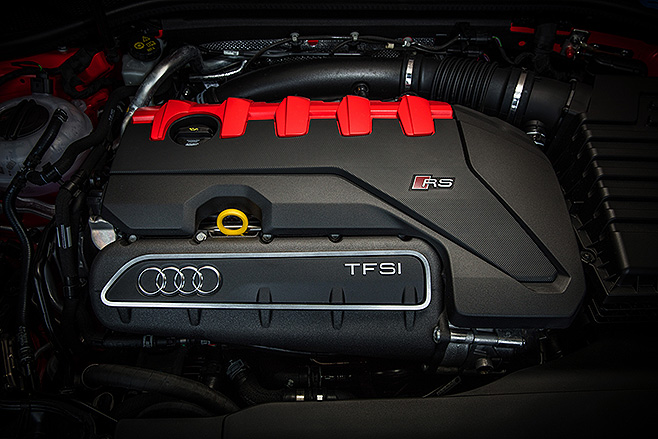
As well as adding a more conventional boot (which is actually 65-litres smaller than the RS3 hatch) the sedan boasts an all-new heart in the form of an aluminium-cased 2.5-litre inline five-cylinder turbo engine. The new donk is 26kg lighter than the old cast-iron unit and 24kW more powerful too, producing 294kW/480Nm and a magnificent soundtrack highlighted by a grin-inducing warble around 4000rpm.
Audi claims the RS3 sedan will do 0-100km/h in a launch-assisted 4.1sec [0.2 quicker than the old hatch], though this is a car bred for bends as much as straight line performance, with its quattro drivetrain providing 50:50 default torque split that can fully favour the rear axle when necessary.
With plenty of grip it lets you negotiate bends assertively while providing plenty of scope for mid-corner adjustability should you get too cocky.
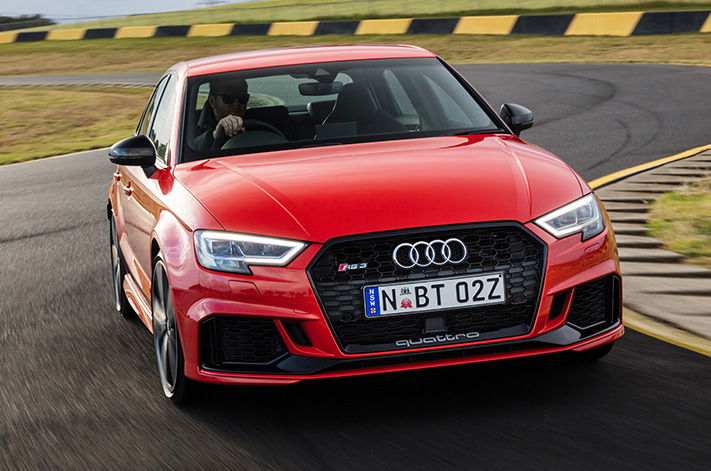
The steering rack is designed so the ratio tightens in corners and, even in the tightest hairpins, the helm is firm and responsive to both driver input and road feedback.
On the twisty B-roads of Tasmania’s Houn Valley the standard four-link rear fixed suspension is firm but absorbs bumps well. It’s the same set up as before but with damping retuned to take advantage of the lighter engine.
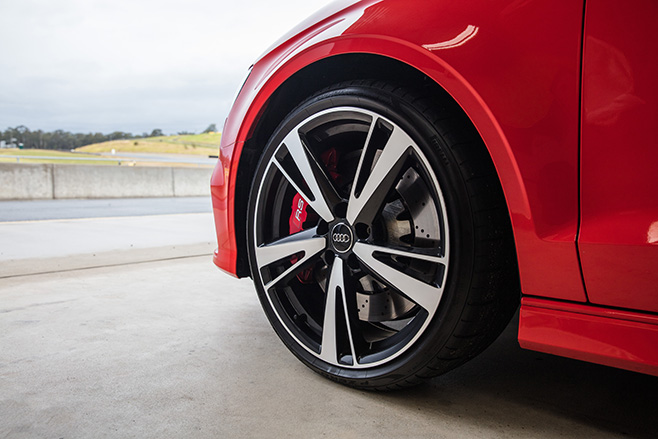
Optional performance enhancements include a unique staggered wheel fitment that puts wider 255/30 tyres at the front and 235/35-section rubber down back for $1500 and magnetic adaptive RS sport suspension that’s part of an optional $5900 RS ‘Performance Package’ that also adds the staggered tyres, carbon inlays and a 750W, 14-speaker sound system.
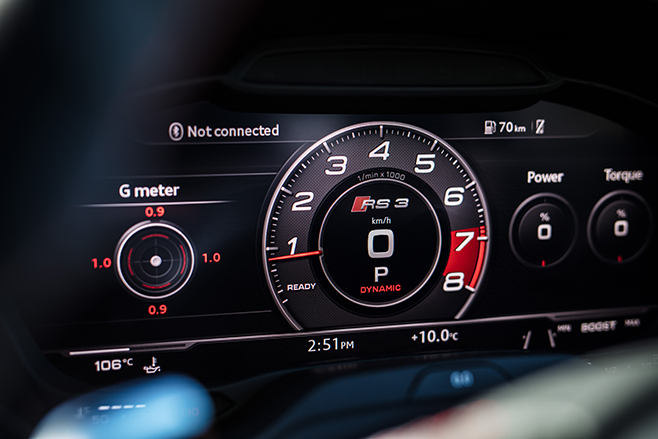
Interior trim is to Audi’s usual high standard with RS-branded diamond-quilted Nappa leather seats and Audi’s excellent 12.3-inch virtual cockpit digital instrument cluster with specific RS functions including large rev counter and G-force, power and torque meters.
The sedan will be joined by the updated RS3 hatch later this year with Audi expecting is a 50:50 sales split between the two body styles. That sounds about right as the sedan brings enough of its own desirability to be more than just a niche variant.
SPECS Model: Audi RS3 sedan Engine: 2480cc inline five, dohc, 20v, turbo Max power: 294kW @ 5850-7000rpm Max torque: 480Nm @ 1700-5850rpm Transmission: 7-speed dual-clutch Weight: 1515kg Fuel economy: 8.4L/100km 0-100km/h: 4.1sec (claimed) Price: $84,900 On sale: Now
It’s been a long time coming, but Mitsubishi has finally delivered a rear view camera kit for Triton owners.
To help ensure that low-set bollards are no longer the stuff of waking nightmares, Cab Chassis versions of Mitsubishi’s hardy perennial pick-up now have an extra set of eyes bundled with all Genuine Accessory Hard Tray packs.
This has involved a minor redesign of the hard tray to add a recess just above the licence plate, rather than merely adding an auxiliary lens to the rear end. It looks nicely protected from spray and road debris, while the licence plate lights on either side of it also help shield it from accidental damage.
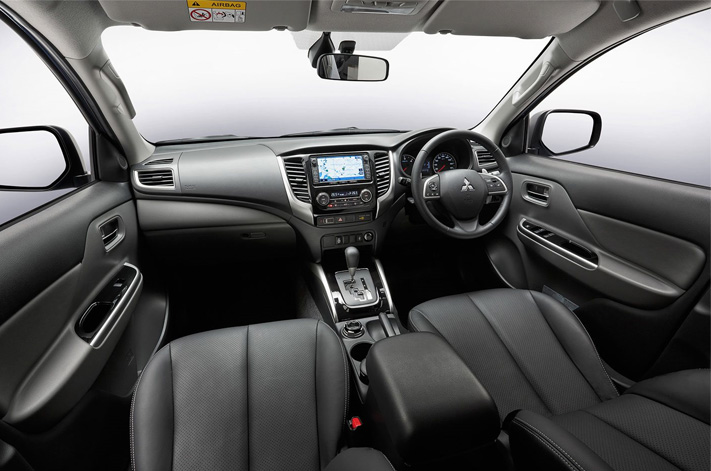
The full colour image from the cam appears on the double-DIN sized screen on the Triton’s dash, with handy reversing guidelines. There’s an impressively wide field of view too, which is going to prove helpful when reversing a heavily laden truck out of a garage or parking spot.
And the price? The Genuine Hard Tray pack, including the rear view camera, is available from $1191 to $1750 depending on the tray configuration.
The Triton is still proving hugely popular with Australian buyers, who appreciate its competitive pricing and rugged build.
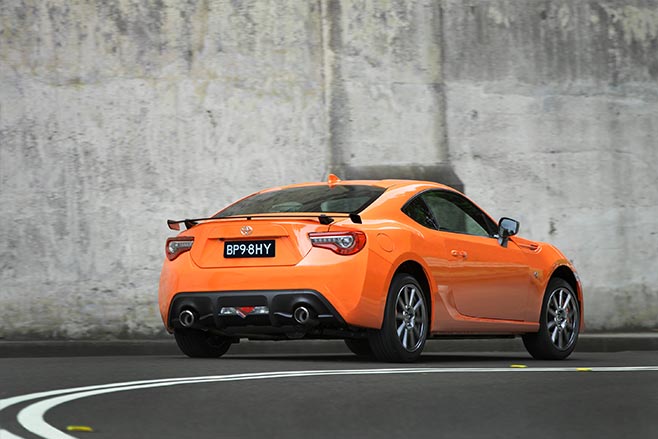
Toyota is set to release an upgraded version of its lightweight and driver-focused 86, with a limited run of 60 headed to Australia.
All painted In Solar Orange (as pictured), the limited edition 86s will feature better suspension and bigger brakes from Brembo.
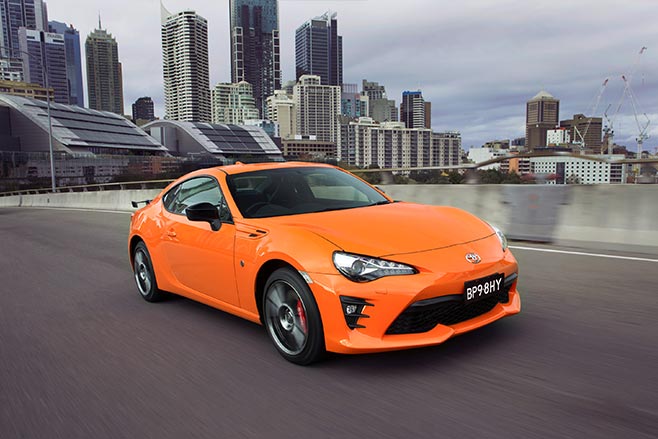
The limited 86’s ventilated disk brakes are a step over the standard ones fitted to the top-model GTS.
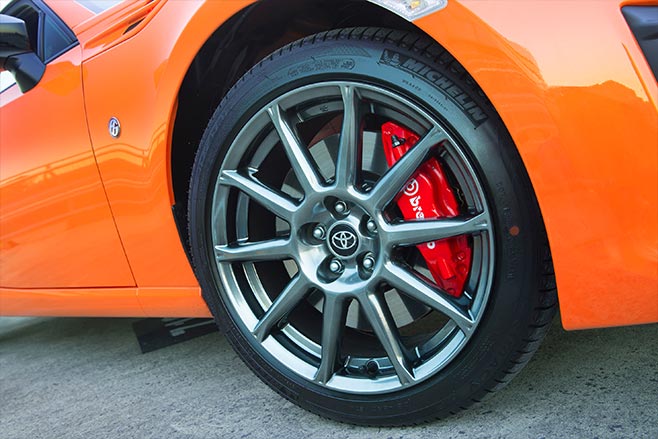
The extra stopping power is coupled with specially tuned Sachs performance dampers, which Toyota says “adds to the lightweight sports car’s renowned responsiveness and stability”.
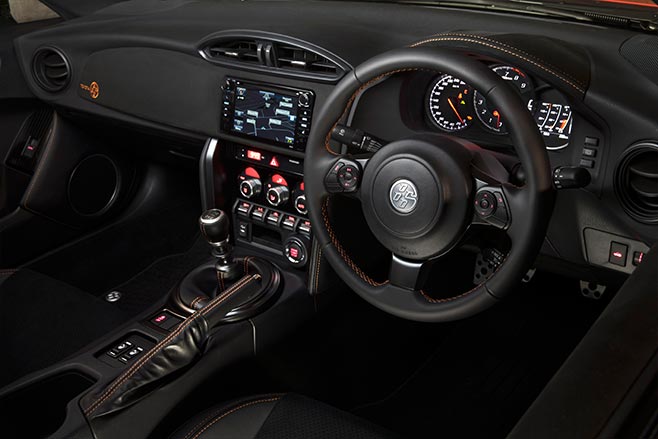
Throughout the interior, along the seats and across the dash and console, are orange stitched accents, providing contrast and a ‘racier’ feel to the car.
The limited-edition performance package is priced at $41,490 – an increase of $4,550 with the premium paint.
THE Astra range in Australia grows larger with the addition of the new Astra sedan to the local line-up. However, while the badge on the bootlid is the same as that worn by Holden’s European-sourced Astra hatch, there’s very little shared DNA between them.
WHAT IS IT?
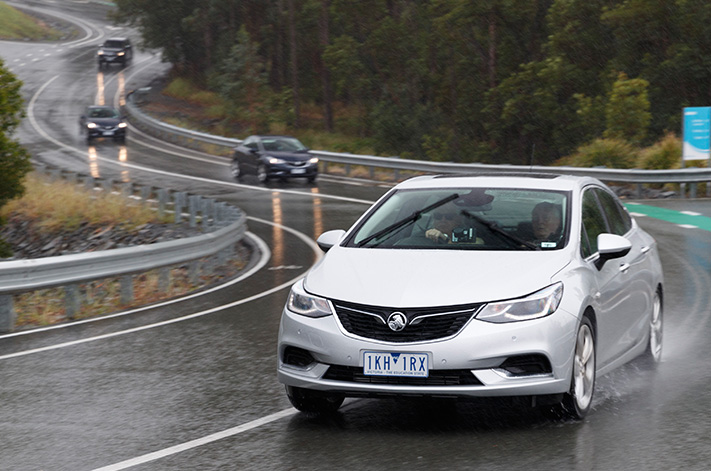
Though it wears an Astra badge, the new Holden Astra sedan is in essence a re-badged Chevrolet Cruze that’s a generational leap over the one that used to be built here. It’s bigger inside and out than its hatchbacked counterpart, and there are significant differences in how it is priced, equipped and tuned compared with the existing Astra hatch.
WHY WE’RE TESTING IT
As a four-door companion to the Astra hatchback that launched here late last year, the new Astra sedan replaces the formerly locally made Cruze to help flesh out Holden’s small car range.
MAIN RIVALS
Mazda 3 sedan, Honda Civic sedan, Hyundai Elantra, Toyota Corolla sedan, Mitsubishi Lancer, Volkswagen Jetta
THE WHEELS VERDICT
The badge is deceiving here, for the Astra sedan is far from being an Astra hatch with a bigger rump. Softer, bigger and tuned for comfort above all else, the four-door Astra is Holden’s limousine-lite.
MINUS: No AEB; interior not as polished as hatch, no 1.6 turbo
THE WHEELS REVIEW
HOLDEN has added a new body style to the Astra family, with the Astra sedan rolling into local showrooms this week to help improve the Red Lion’s fortunes in the ultra-competitive small car segment.
However, what you’re looking at is an Astra in name only. Sourced from Chevrolet rather than Opel, which provides the Astra hatch, the Astra sedan is, if you scrape beneath the surface, a rebadged Chevy Cruze. A Cruze that’s been tweaked and honed for our market, sure, but a Cruze nevertheless.
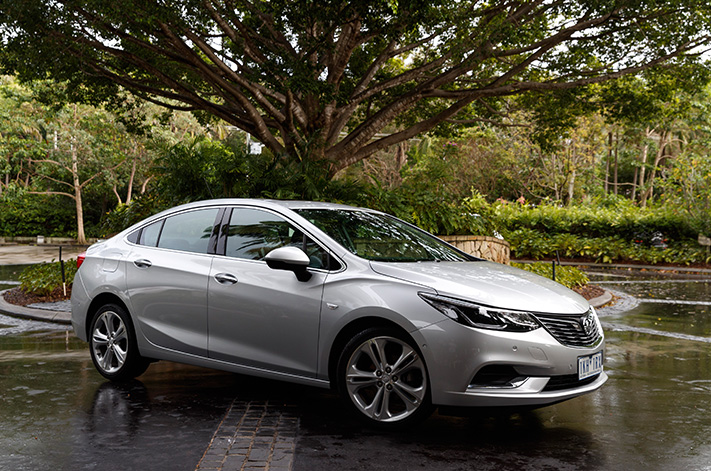
There is, however, some commonality between four- and five-door Astras. The 1.4-litre turbo four-pot that serves in the Astra R and R+ hatch powers the entire three-variant Astra sedan range, and though its 110kW and 240Nm outputs are modest in comparison to the Astra RS and RS-V’s firecracker 1.6 turbo, it’s smooth, tractable and more than merely adequate.
On the launch route through the Queensland hinterland, it easily lugged four adults up hills at just 2000rpm – the point at which peak torque rolls in – and always felt relaxed, unfussed and exceptionally quiet. It may be the tiddliest engine in the Astra family, but it’s a sweet powerplant regardless.
Paired with the slick-shifting six-speed automatic that’s optional in the base LS grade and standard in LT and LTZ, it’s especially good.
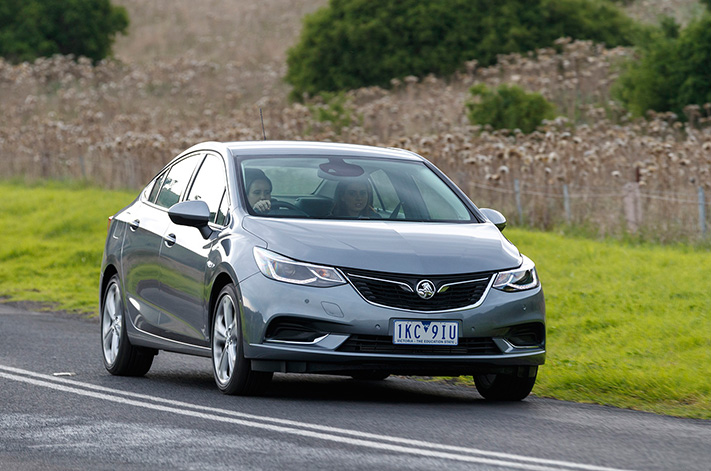
All that extra metal goes into improving rear-seat space and endowing a sizable boot capacity, and therein lies the Astra sedan’s greatest virtue – it excels at carrying people and their luggage. Fancy a bit of casual Uber driving in your spare time? This is the whip you want.
Front-seat accommodation is about on par with the hatch, but rear-seat legroom is positively limo-like in its generosity. The rear seat backrest is also tilted at a comfortable angle, giving two adults (it’s a bit squeezy for three) a relaxed and reclined posture. Folding the centre armrest down makes better use of that narrow centre seat, but it’s a shame there are no face-level vents for back-seaters.
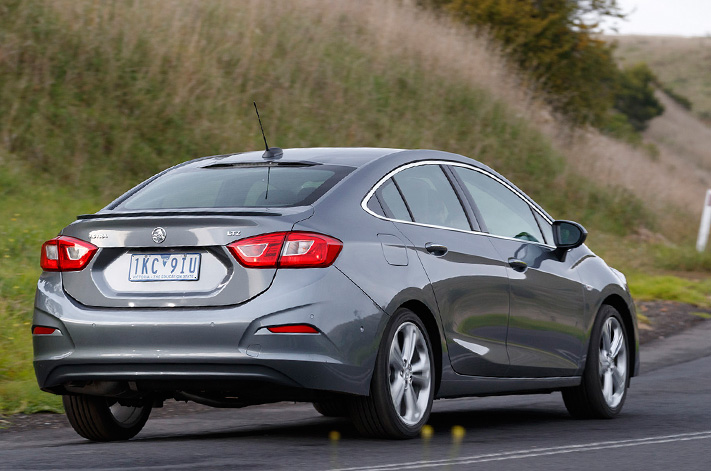
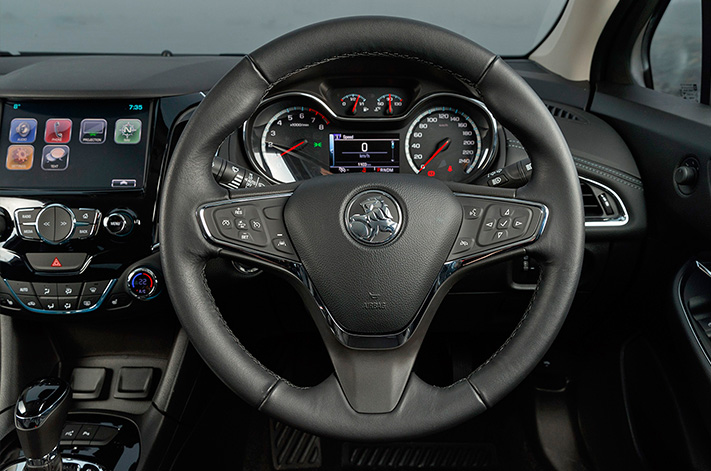
But while the Astra hatch’s interior flaunts a clean and smart European design, the sedan, designed to appeal to US and Asian tastes, is chintzy and lacks the same elegance. On the plus side, at least you can easily tell which grade you’re in by whether the dash trim wears cloth or pleather – the hatch only gives you gloss-black plastic trim no matter how much you shell out, though the hatch’s satin-finish silver highlights are classier than the sedan’s plasti-chrome embellishments.
Cabin quality was also variable, with some cars having tighter dashboard panel gaps than others. More crucially for the safety-conscious, AEB isn’t offered at all in the Astra sedan range despite being standard on the hatch from R+ grade and up.
The Astra sedan’s locally honed suspension is another key point of difference between it and the hatch, with Holden deliberately tuning its dampers to move it closer to the comfort side of the ride/handling spectrum. On craggy Queensland tarmac it does a superb job of ironing out lumps in the road and practically floats over some truly nasty surfaces, but there are a couple of caveats.
The other catch is that the sedan simply doesn’t have the dynamic crispness of the hatch. Though equipped with a torsion-beam rear axle like the Astra hatch, the sedan is missing the stability-enhancing rear Watts linkage flaunted by the hatchback. Soft spring rates may be great for dispatching pockmarked roads, but it’s clear that the sedan isn’t as confident in a corner as its five-door sibling.
The sedan’s electrically assisted steering also has a higher rack ratio than the hatchback, though it shares the same on-centre precision and progressive weighting. It requires a few more degrees of lock, but that’s in keeping with the car’s generally softer nature.
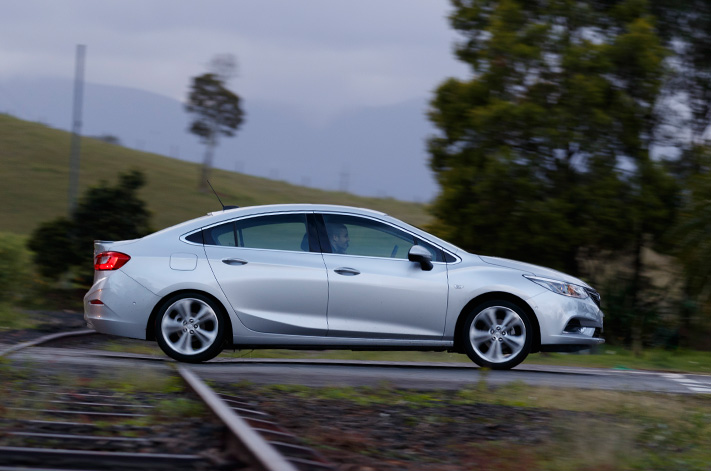
With a keen starting price of $20,490, value, space and comfort are the Astra sedan’s greatest virtues. Don’t expect the same European panache as the hatchback, and you won’t be disappointed.
SPECS
Model: Holden Astra LT sedan Engine: 1399cc 4cyl, dohc, 16v, turbo Max power: 110kW @ 6500rpm Max torque: 240Nm @2000-4000rpm Transmission: 6-speed automatic Weight: 1294kg Economy: 6.1L/100km (claimed) Price: $25,790 On sale: Now
NO, it’s not the AU.
Come the end of 2017, the last ever Australian ute will have rolled down a Clayton production line. The final HSV Gen F2 Maloo GTSR will hold the title of most powerful Aussie ute, but it won’t be the greatest according to you, our readers.
That title goes to the FPV FG II F6 ute. And you know what? It’s not a bad choice at all.
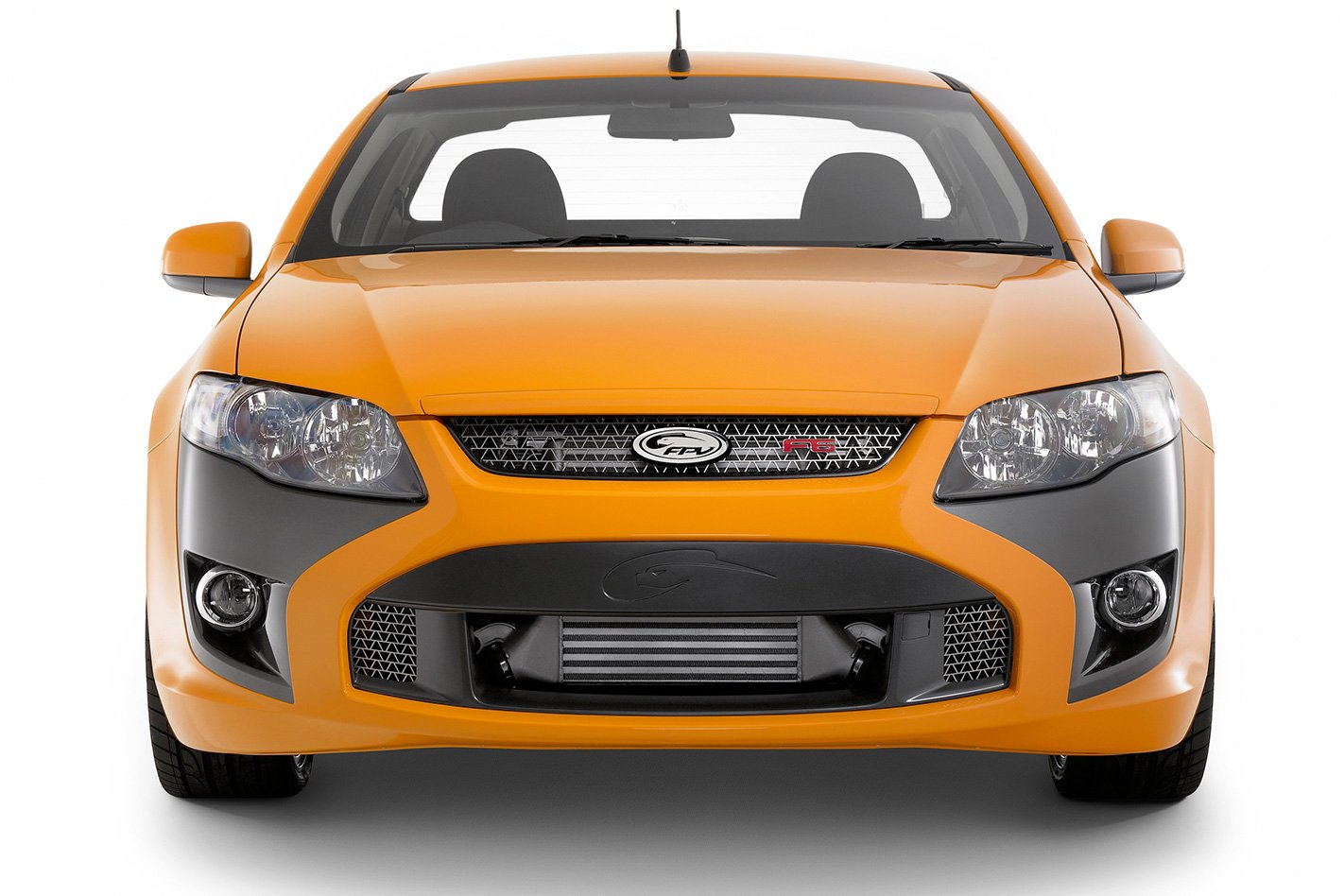
While the FPV wasn’t the last ute to have Ford’s venerable 4.0-litre turbo straight-six ‘Barra’ engine under its hood, it will forever be the most powerful boosted Ford ute.
The good folks at Ford Performance Vehicles turned the wick up on the iconic Aussie-designed and built Barra engine, pushing the F6 ute’s power output to 310kW at 5500rpm, and torque to 565Nm from just 1950rpm through to 5200rpm.
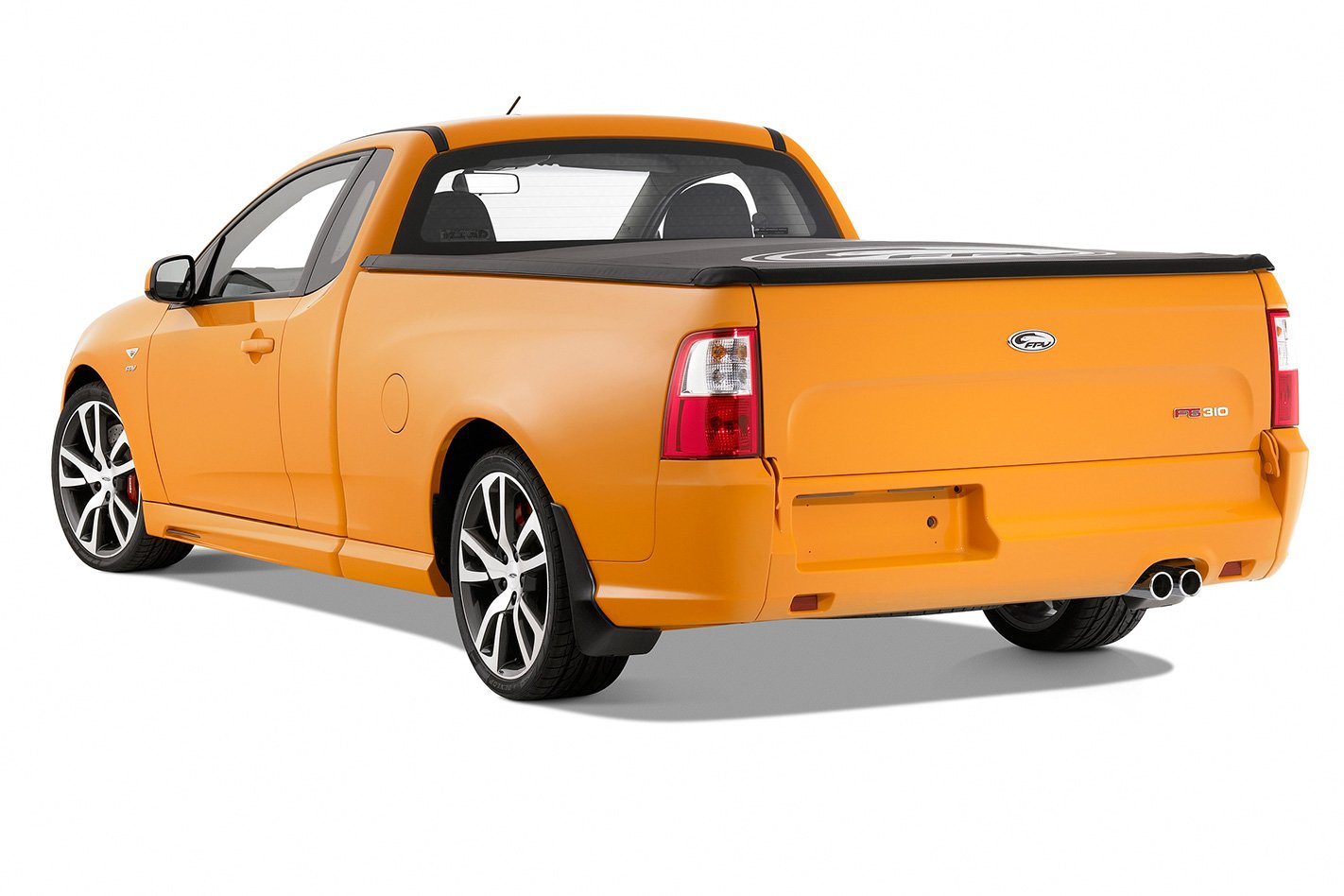
The FPV FG F6 came with an option of two transmissions, a Tremec six-speed manual, or ZF six-speed automatic. Brembo brakes were also available.
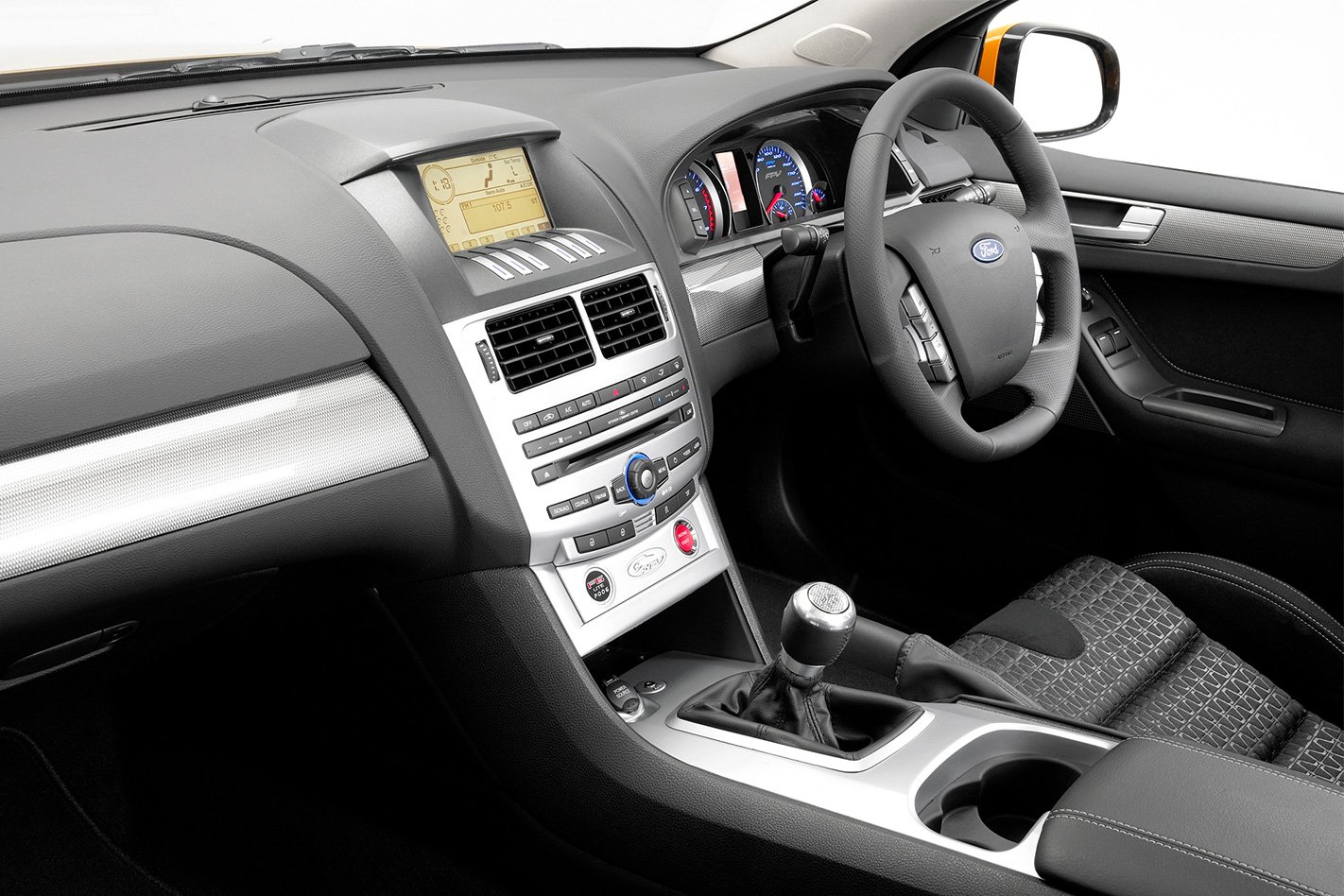
Of the votes cast in our greatest ute poll, the FPV FG F6 received an impressive 37 percent, with the GTSR Maloo the best of the rest with 21 percent. In third was genesis, the Ford ’34 Coupe Utility that started it all, with 12 percent of the votes.
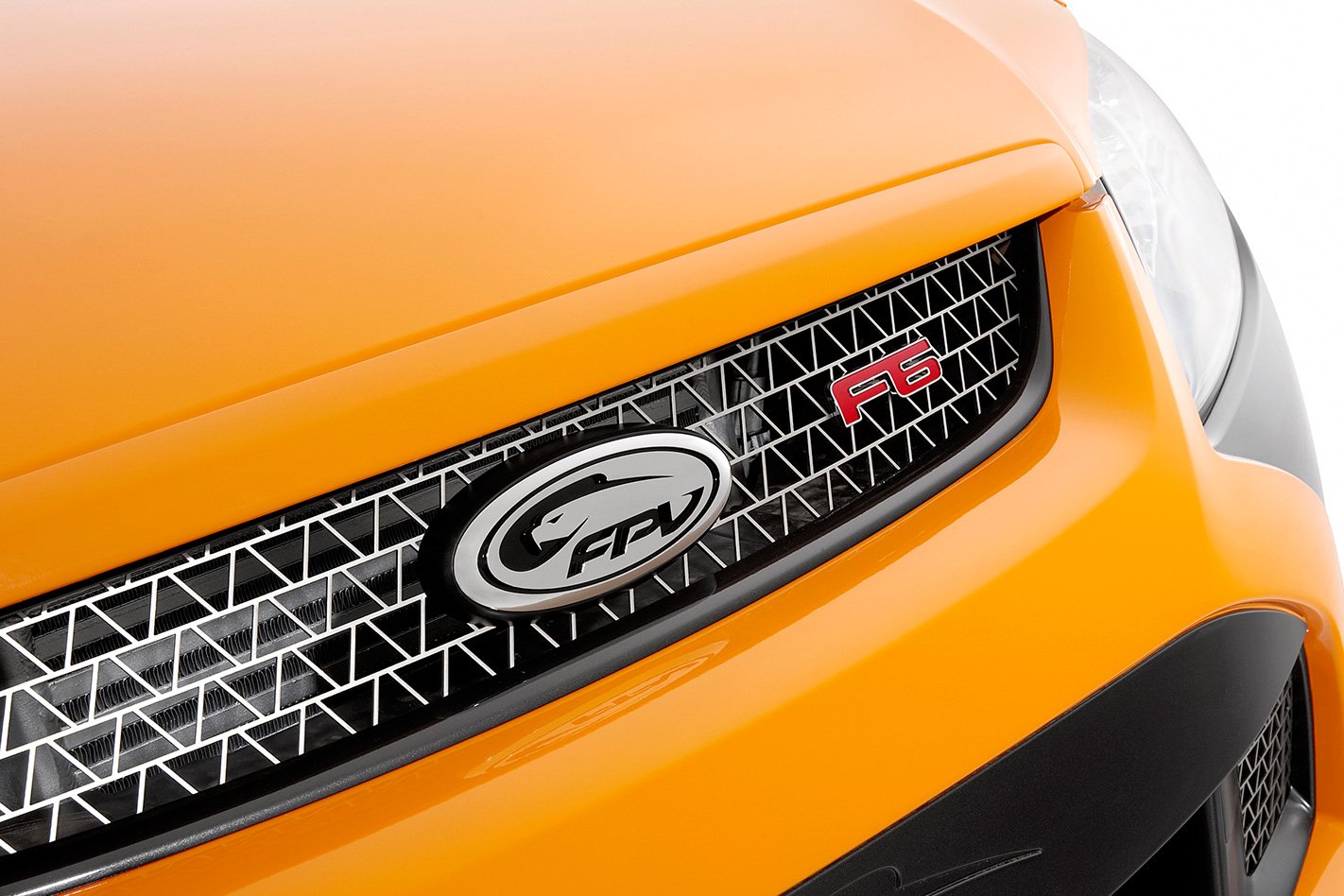
While FPV was owned by UK-company Prodrive, the FG F6 ute was still quintessentially Australian, engineered by locals, for locals, with a True Blue engine under the hood, and in the most fair dinkum bodystyle.
A worthy winner, if we do say so ourselves.
TOYOTA Australia made an average of $373 in profit for every car it built in its last full financial year, the company has revealed.
The company revealed today it had earned $99 million in profit for the year ending on March 31, 2017 – it pegs its financial performance on the Japanese financial calendar – based on a combined 265,440 cars sold as part of its retail, Lexus luxury sub-brand and export businesses.
The carmaker will end more than 55 years of local assembly on October 6.
Toyota said the big slide in profit, well down on the previous year’s $236 million result – the second best set of numbers in the car maker’s history – was in part because of $131 million in restructuring costs associated with the Altona assembly line and engine casting facility closure.
It was also hurt by what it called “adverse foreign exchange” from its Middle East export program that shipped 55,445 locally made Camrys, well down on the previous year’s 66,605, to places such as the United Arab Emirates and Saudi Arabia.
“The company is well progressed in its transition to a sales and distribution company and will continue to be a strong force in the Australian marketplace,” Toyota Australia president Dave Buttner said in a statement.
Toyota’s result is in contrast to the $152.8 million result that Holden recently reported for its last full year as a manufacturer. Ford Australia is yet to report its result in the wake of shuttering its car making business in October last year.
Toyota was working towards the production of the last locally built Camry with the company goal of “last car = best global car”, it said.
“Our manufacturing team members have worked diligently to ensure that our last Camry will be our best one yet,” Buttner said.
Toyota is expected to launch the fully imported version of the Camry late this year. The shift from the locally made “Big Little Change” Camry is expected to usher in a new range of active and passive safety features, important for a car that has often featured in the monthly list of Australia’s best-selling vehicles.
Toyota posted a $437 million loss for 2014 in the wake of the 2013 announcement that it would follow Ford and Holden and shutter its australian manufacturing base in the wake of growing costs and the lack of viability of many of the parts makers supplying the company’s, and rivals’, production lines.
That included almost $900 million in restructuring costs as it severely wrote down the value of its manufacturing and engine casting facilities, and set aside the money it needed to pay for its employee redundancy program.
Toyota said it would have otherwise made a $266 million profit for the year.
FACTORY Toyota driver Kamui Kobayashi has obliterated the Circuit de la Sarthe lap record – home of the 24 Hours of Le Mans, and you may need to recalibrate your senses after strapping in for this one.
Piloting the TS050 LMP1 hybrid, Kobayashi lapped the iconic French track, made up of part permanent racing circuit and part closed public roads, in a staggering 3:14.791 – slashing two seconds from the previous record set by Neel Jani in 2015.
Kobayashi’s lap time was so bonkers fast, it not only reset the bar for the current circuit layout, but crushed a pole record set in 1985, when the circuit had four fewer corners!
Assisting Kobayashi’s massive cojones on his high-speed jaunt were near perfect conditions, with tailwinds on the long Mulsanne straight, and a headwind through the twisting Porsche Curves.
Last year’s 24 Hours of Le Mans ended in heart wrenching fashion for the Japanese manufacturer, leading at the end of the race, before the number-five car crawled to a stop in sight of the team’s mechanics with just three minutes remaining. The ensuing scenes are some of the most evocative and emotional in the history of the race.
Kobayashi’s lap sets up a fierce battle between Porsche and Toyota for this year’s 24 Hour race. Toyota has locked out the front row, and appears to be the outright pace setters in their search for redemption. Meanwhile, Porsche, the defending race victors, are searching to extend their all-time win tally.
An interesting note for this year’s Le Mans race, while the LMP1 cars remain several seconds a lap quicker than the lighter LMP2 cars, the smaller prototypes are actually faster on the Mulsanne straight.
It’s not just Kobayashi resetting records during qualifying either. With the entire 60-car field qualifying in under four minutes for the first time in the event’s history.
TAKATA, the company behind the world’s largest car-related recall, is believed to be on the edge of collapse, reports say.
Bloomberg has reported that the 84-year-old Japanese airbag maker is expected to file for bankruptcy protection in Japan as early as next week as it struggles to replace faulty airbags in about 100 million cars globally.
In Australia, about two million cars are affected by the recall that covers brands as low-end as the Nissan Tiida and high-end as the Ferrari FF grand tourer, while the faulty airbags – which can either split or shoot shrapnel at the people they are supposed to save – are linked to at least 17 deaths in the US. One Australian woman was severely injured in April in the first Takata-related case recorded here.
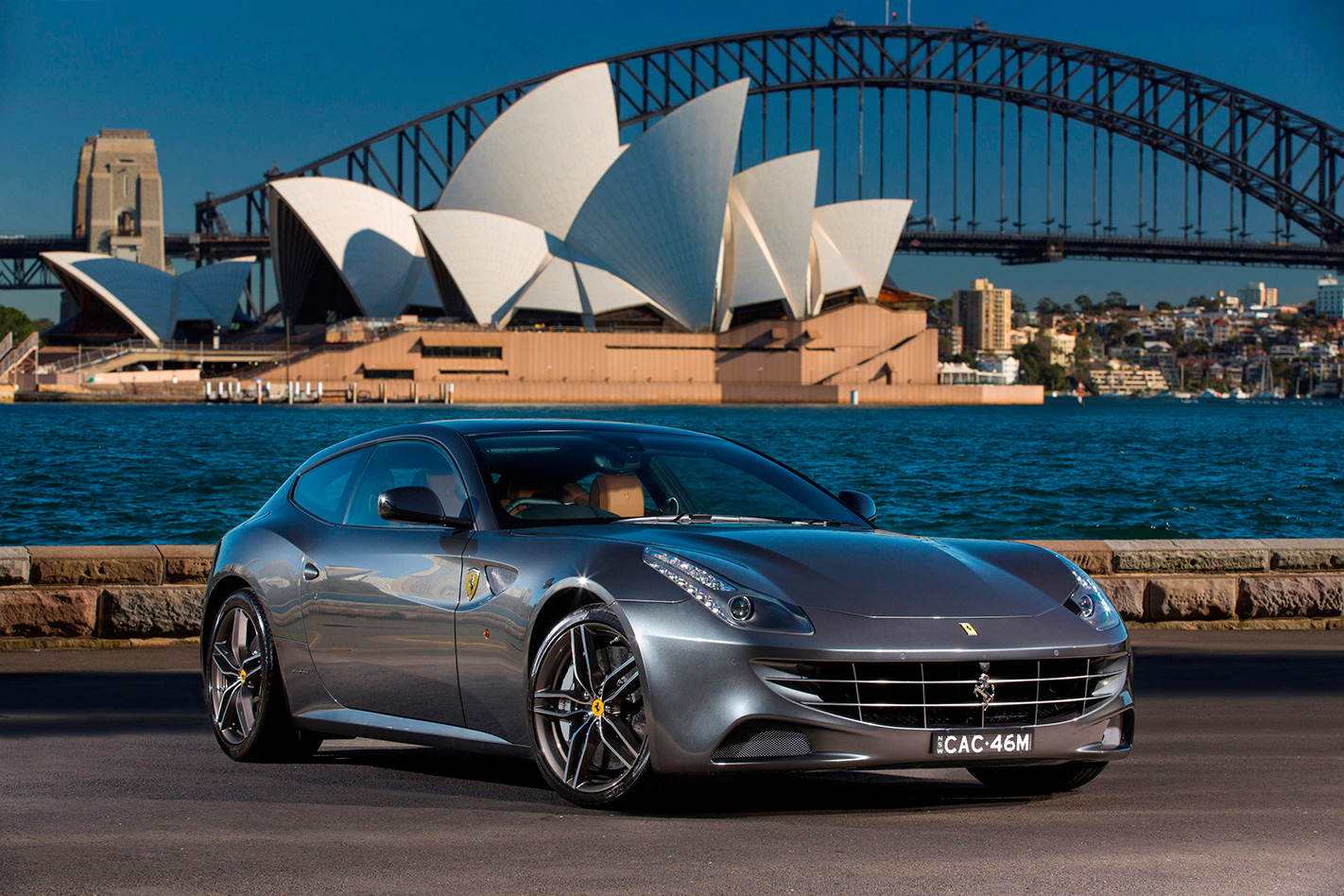
Takata has already agreed to pay a $US1 billion ($A1.3 billion) fine in the US as part of a settlement with road safety authorities.
The Australian Government has listed more than 60 separate recalls for cars affected by the Takata recall here, some of which were sold almost two decades ago, although some recalls were reissued after it was found that other airbags in the vehicle other than just the one in front of the driver could also be affected.
The most recent recalls relate to cars sold last year, despite the first signs of the defective airbags surfacing in 2008, and a wider recall rolling out in 2013.
Takata has struggled financially since the scandal broke, posting a string of heavy losses since 2013. It is believed to be carrying more than $US9 billion in debt.
Bloomberg reported the troubled Japanese airbag maker could possibly be taken over by a Chinese-owned US rival, which would then help to pay for a restructure of the company.
HSV had always tweaked the V8 engines in its cars to eke out a little more performance and a lot more bragging rights. But the Series 2 VS GTS-R of 1996 changed all that.
See, instead of just fitting headers and a bigger exhaust or throwing a bigger throttle-body at it, HSV went for the doctor for the GTS-R, and that meant producing a higher output engine.
With the five-litre kind of at the end of its development road at 195kW, the decision was taken to go for extra cubes. And the best way to do that? A stroker crank. Local engineering gurus, Harrop Engineering, was contacted partly because it had the means to produce such a thing, but also because company boss Ron Harrop had built a 5.7-litre stroker Commodore for his personal use a handful of years earlier.
And given the time frame HSV was operating within, a Harrop crank kit was perfect.
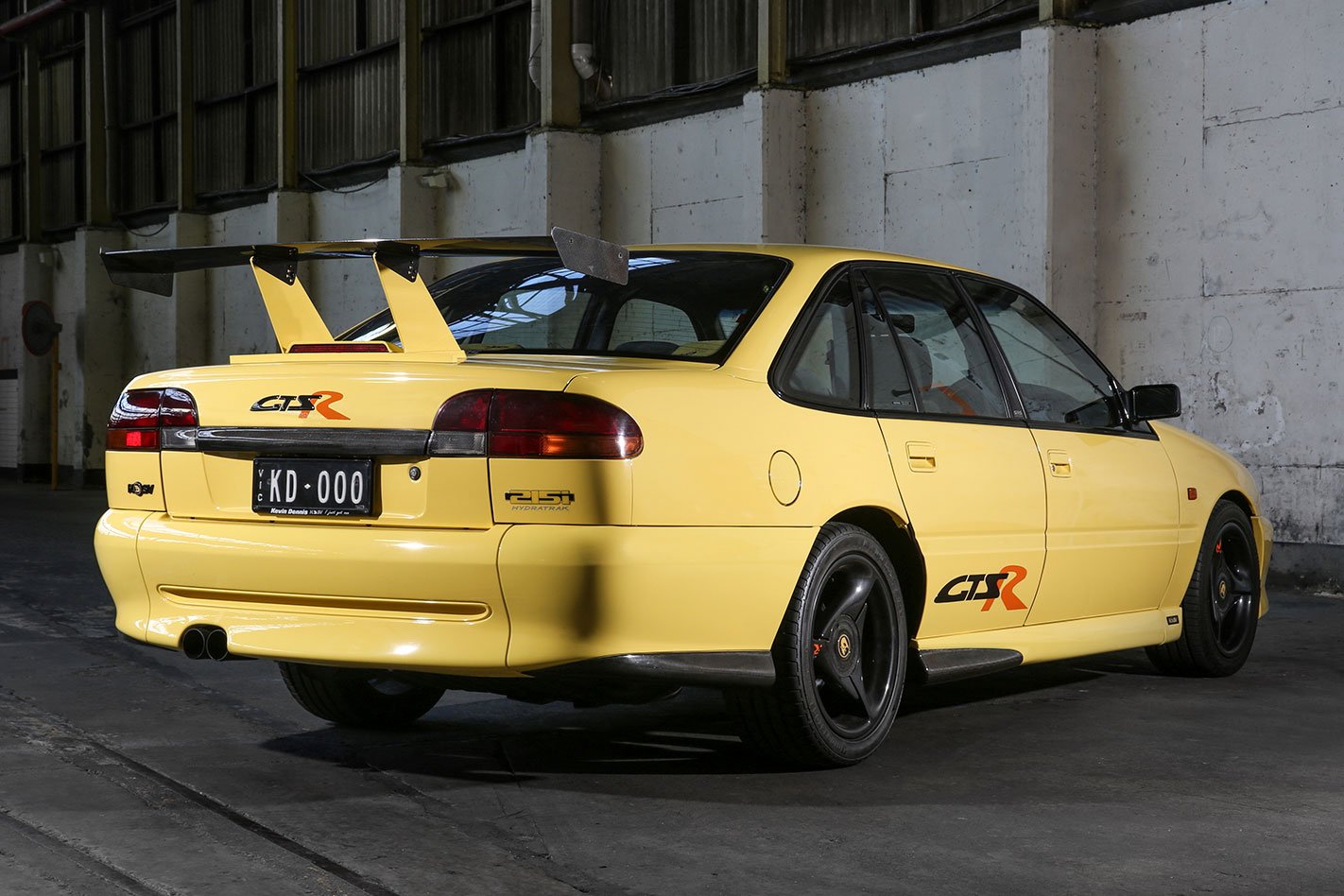
Other changes included thinner exhaust valve stems, some polishing of the ports and a smoothed inlet tract even though the 5.7 used a standard five-litre manifold. All up, power jumped to 215kW at 4800rpm while torque maxxed out at a very handy 475Nm at 3600rpm.
Compare those figures with the bread-and-butter 185kW HSV engine of the time and you can see that the peaks are the same but torque had grown by a full 75Nm. And if that wasn’t special enough, you could also tick the $10,000 box for the engine optimisation package. That amounted to a blueprint job which smoothed the engine and, depending on who you talked to, netted another 10 or 15kW.
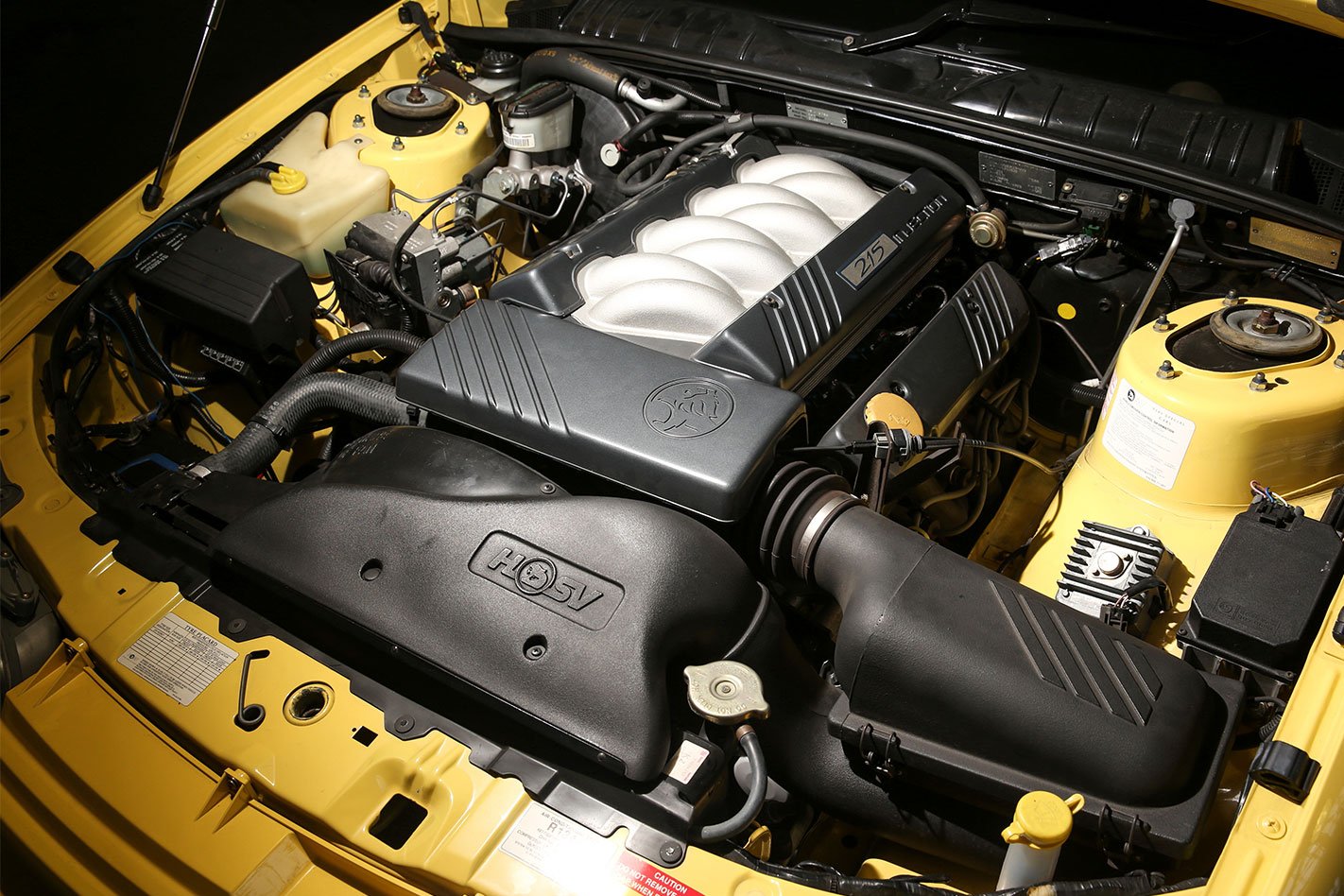
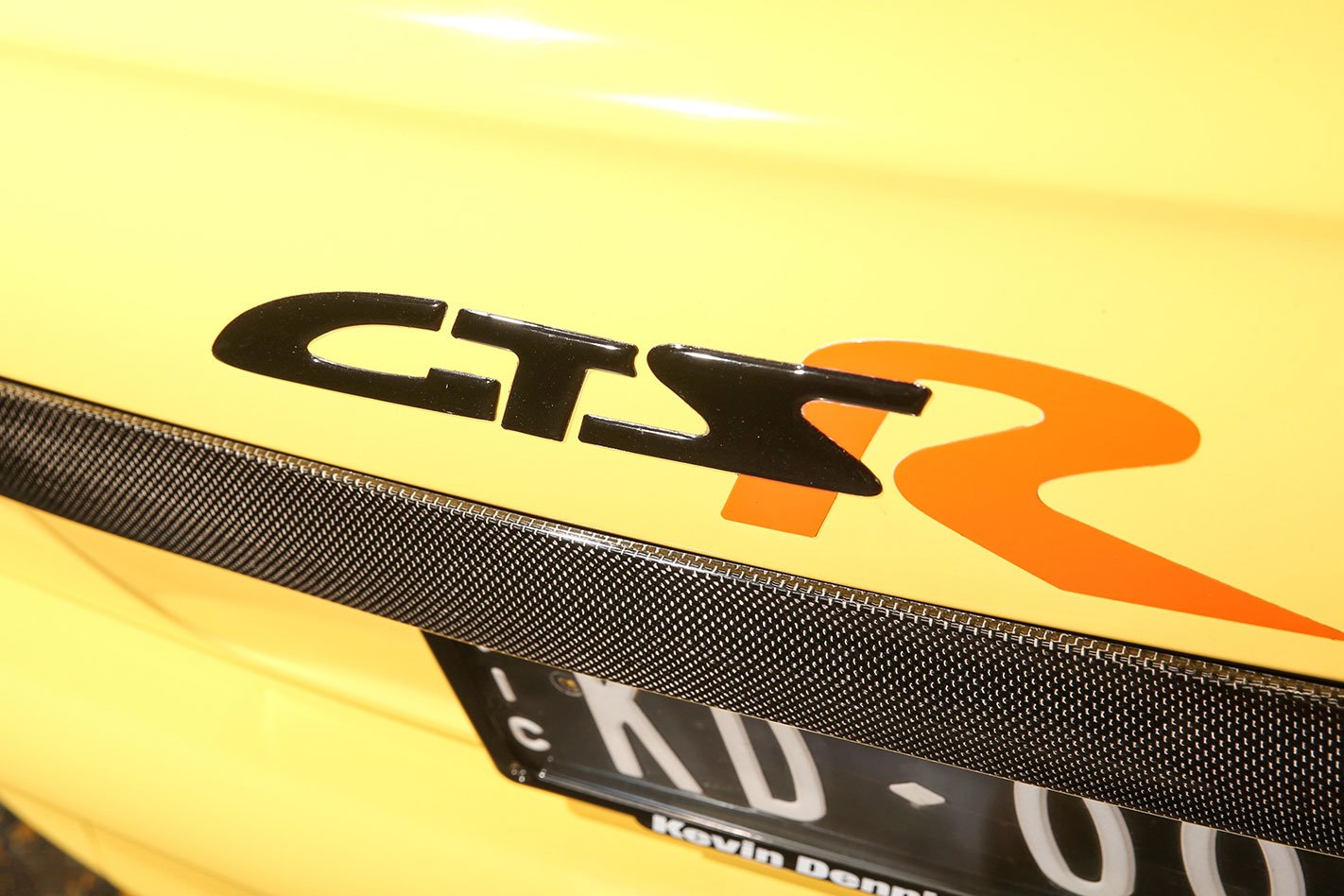
Visually, the GTS-R hasn’t really aged too gracefully. The three –spoke wheels in charcoal seem kind of geeky now and the body kit, even back then, was considered a bit OTT with the rear wing that looked like it came off a V8 Supercar. But the use of external carbon-fibre panels on the GTS-R was an Aussie first and the interior with its yellow cloth inserts and baseball-stitching certainly made a statement.
Then there was the colour: XU-3 Yellah, which was about a subtle as a Trump tweet.
So, yeah, the GTS-R definitely felt perky.
2016 HSV GTS: the fastest car ever
It wasn’t the smoothest engine you’ll ever sit behind (although HSV did engineer out a lot of the rough edges of Ron Harrop’s original version) but it got going and it felt fast. It was also at least a couple of hundred kilos lighter than an LS1-powered HSV. And being the last of the bodyshell pioneered by the VN, the VS was a lot more refined and better put together generally.
It mightn’t quite look like it, but the GTS-R represents possibly HSV’s deepest engineering dive in the company’s history.
Specs: Engine: 5737cc V8 OHV, 16-valve Power: 215kW at 4800rpm Torque: 475Nm at 3600rpm 0-100km/h time: 5.0sec (as-tested OR claimed) Weight: 1619kg Price when new: $76,000 Years on sale: 1995
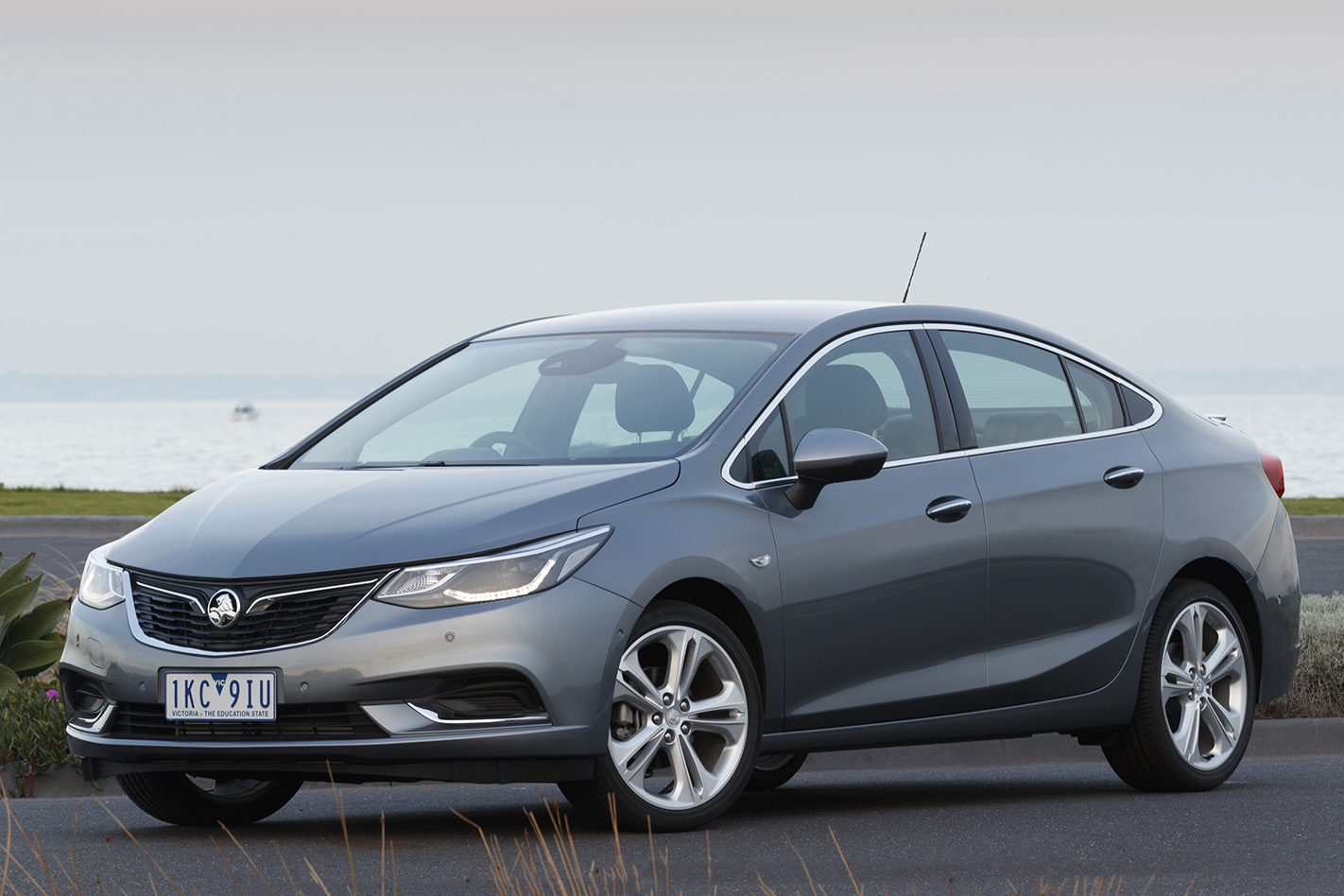
The Holden Cruze sedan is well and truly in the ground, and the Astra sedan is now in showrooms to replace it. However, rather than being a booted version of the Euro-built hatch, the new Holden Astra sedan actually differs markedly. In fact, the only common feature between hatch and sedan is the engine that powers them.
Truth be told, the Astra sedan isn’t really an Astra at all – rather, it’s a rebadged new-generation Chevrolet Cruze, designed in the USA for American and Asian tastes and built in Korea for the Australian market.
So given the hatch has already scored quite highly, does its sedan counterpart measure up to the same standard?
STRENGTHS
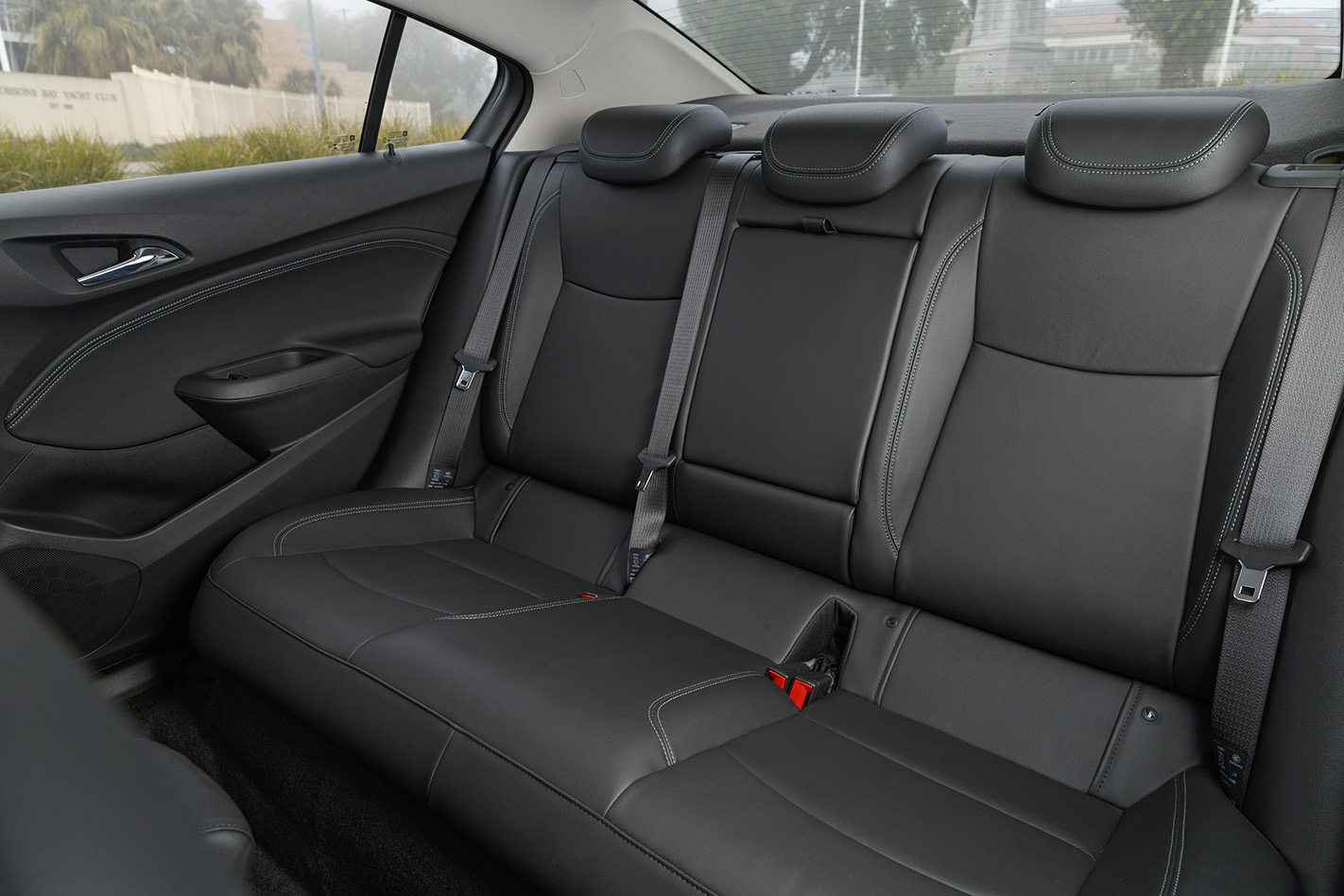
- Space is an Astra sedan strong suit. With a 38mm longer wheelbase than the Astra hatch, the sedan boasts a huge 1000mm of rear seat legroom. Backseat headroom is also generous, and if you’re looking for a small car that can comfortably carry four adults, the Astra sedan will do exactly that.
- The boot is especially huge for the segment, allowing a total of 445 litres of cargo to be carried with the rear seats up.
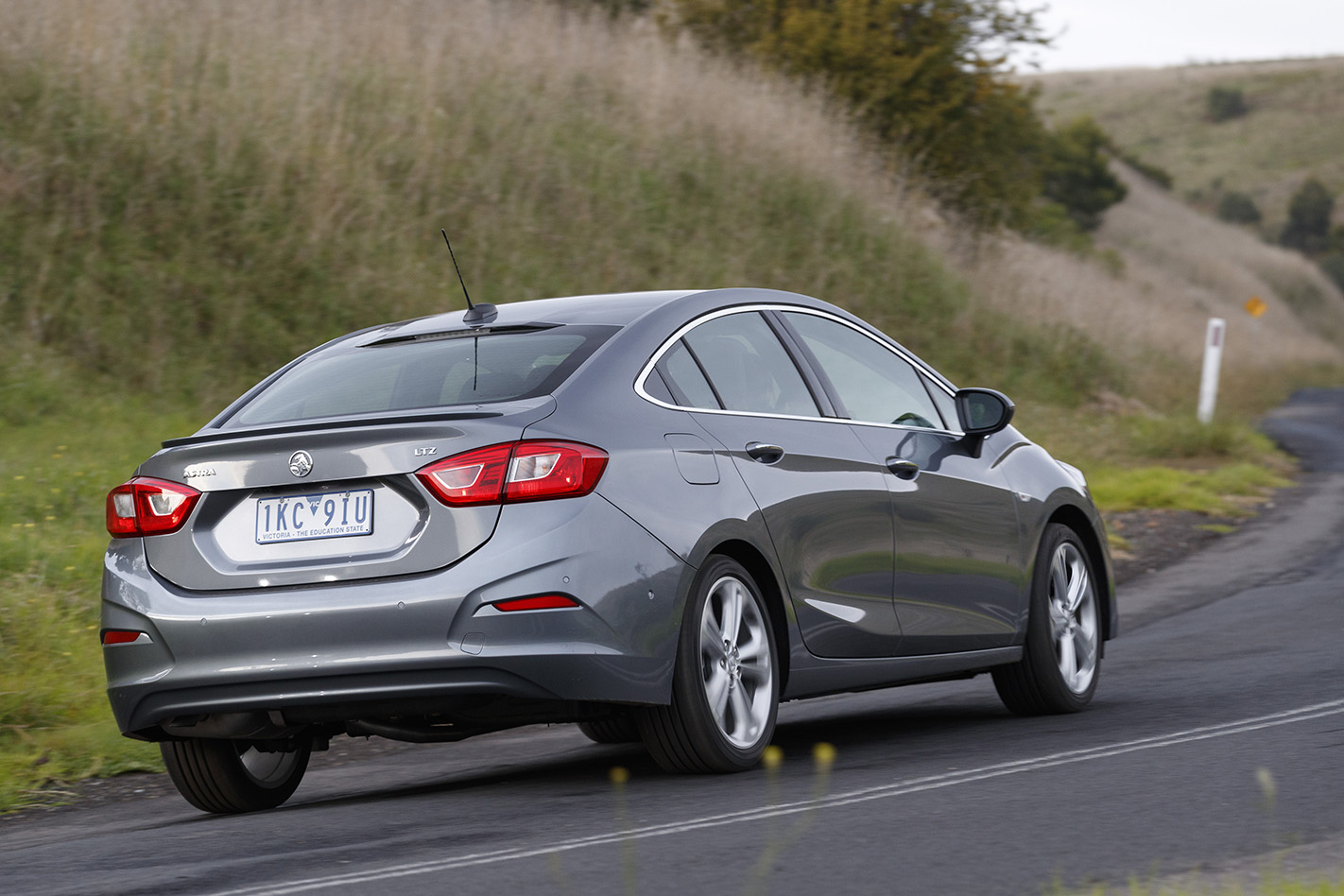
- The Astra sedan’s suspension has been tuned to preference comfort, with Holden’s local chassis engineers deliberately giving the four-door Astra a bit more cushion in its front suspension to deal with lumpy roads. Compared to the hatch, the sedan is definitely plusher – especially on the base LS grade’s 16-inch alloy wheels with chunkier tyres.
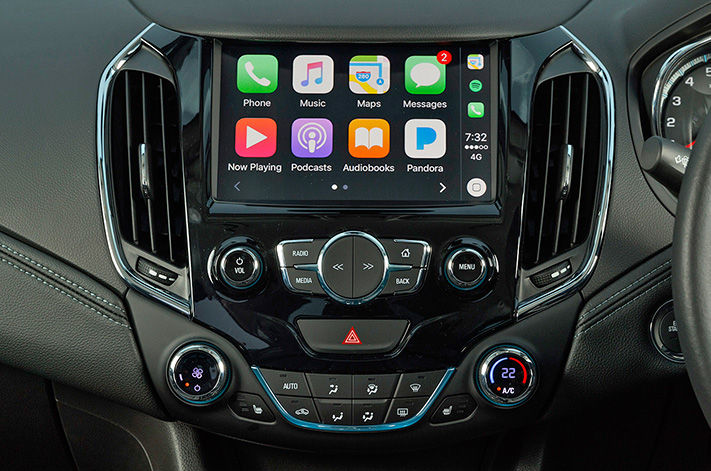
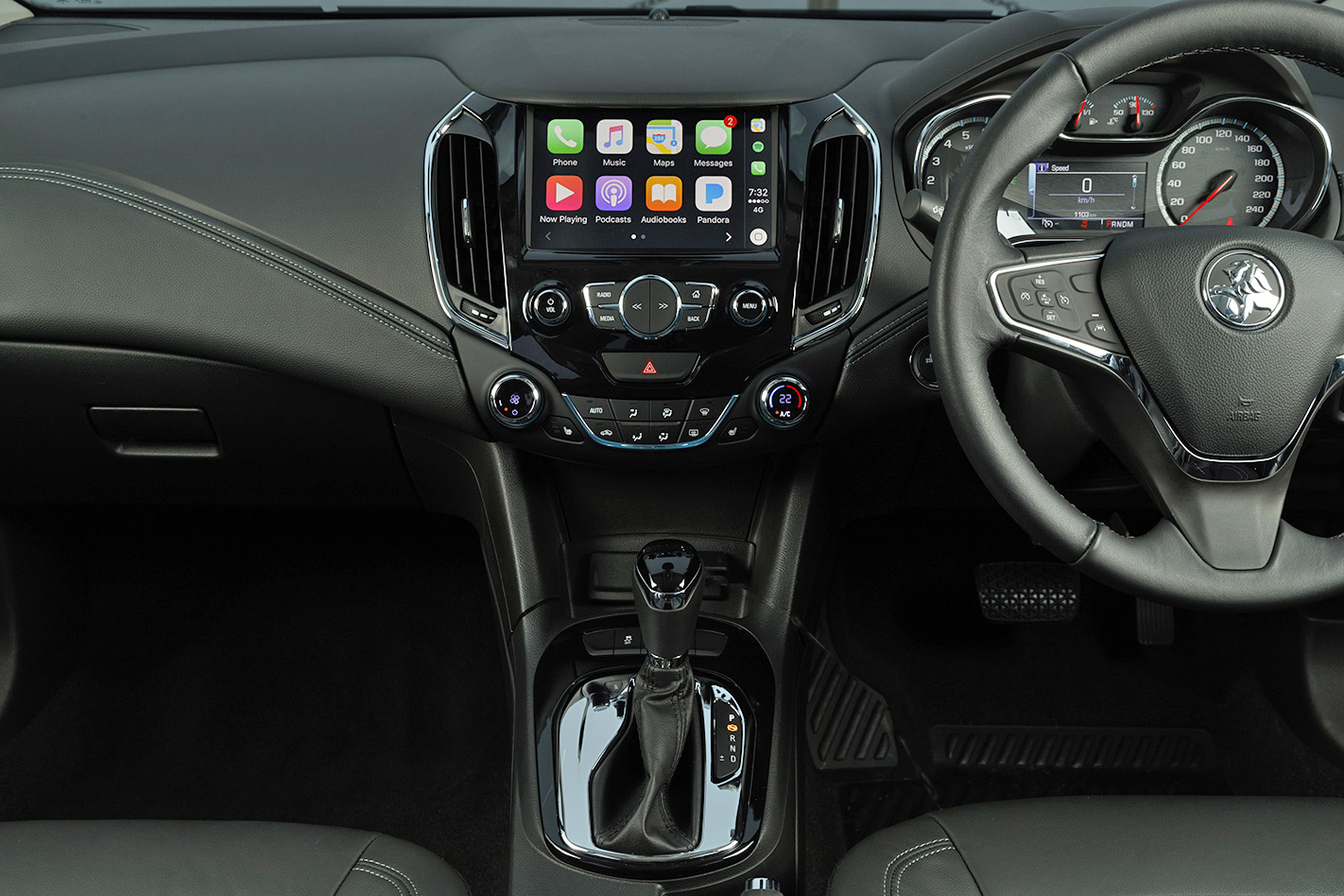
- The price vs equipment equation is quite strong. Gear like smartphone mirroring (via Apple CarPlay and Android Auto), auto headlamps and reversing sensors/camera are standard from the base model up, and safety aids like lane keep assist, forward collision alert and blind spot monitoring are offered further up the range. Considering the keen $20,490 starting price, it’s a fair amount of car for the money.
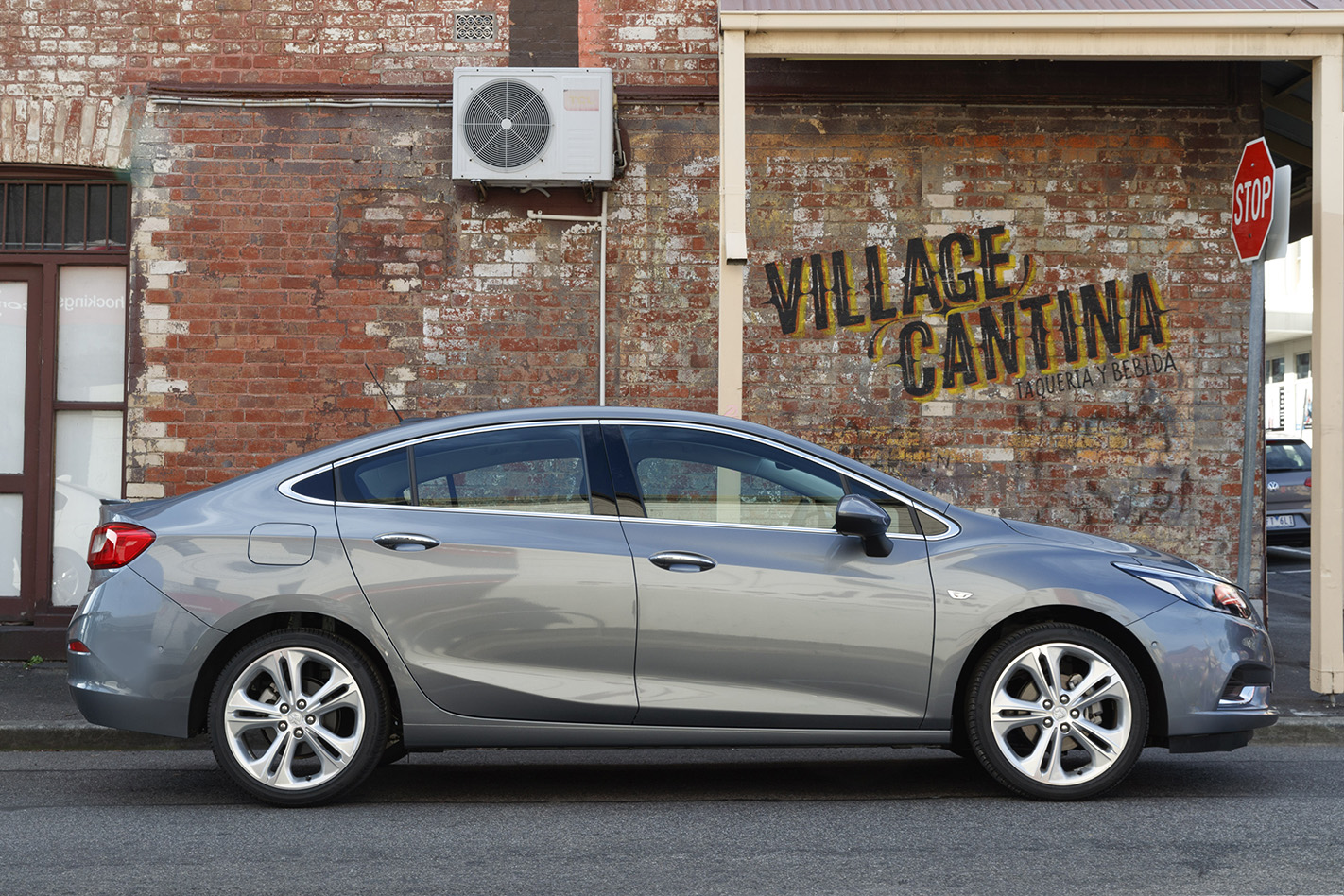
- The 1.4 litre engine that’s the Astra sedan’s sole powerplant is virtually the same as that used by the Astra hatch, with 110kW of power and 240Nm of torque (245Nm if you opt for the manual transmission). It’s a surprisingly tractable engine, and easily pulls a car-load of people up reasonably steep inclines without much fuss – or many revs.
- The six-speed auto that’s standard on the LT and LTZ and optional on the base LS is tuned well, shifting decisively and without any kind of hunting behaviour to spoil the driving experience.
- It’s tremendously quiet. From the smoothness and hushed nature of its 1.4 turbo to the excellent suppression of road noise – especially on smaller-wheeled variants – the Astra sedan feels borderline premium in how refined it is.
WEAKNESSES
- The Astra sedan’s interior doesn’t match the quality of the Astra hatch, with few soft-touch surfaces to break up the hard plastics that make up the dashboard, door cards and centre console. The base model’s bare urethane steering wheel isn’t quite as nice to hold as the pleather-wrapped one in the LT and LTZ either, and there were fitment issues with some of the centre console plastics in a few of the cars we drove at launch.
- There are no rear air vents, which is a shame given the Astra sedan otherwise excels as a passenger-carrier.
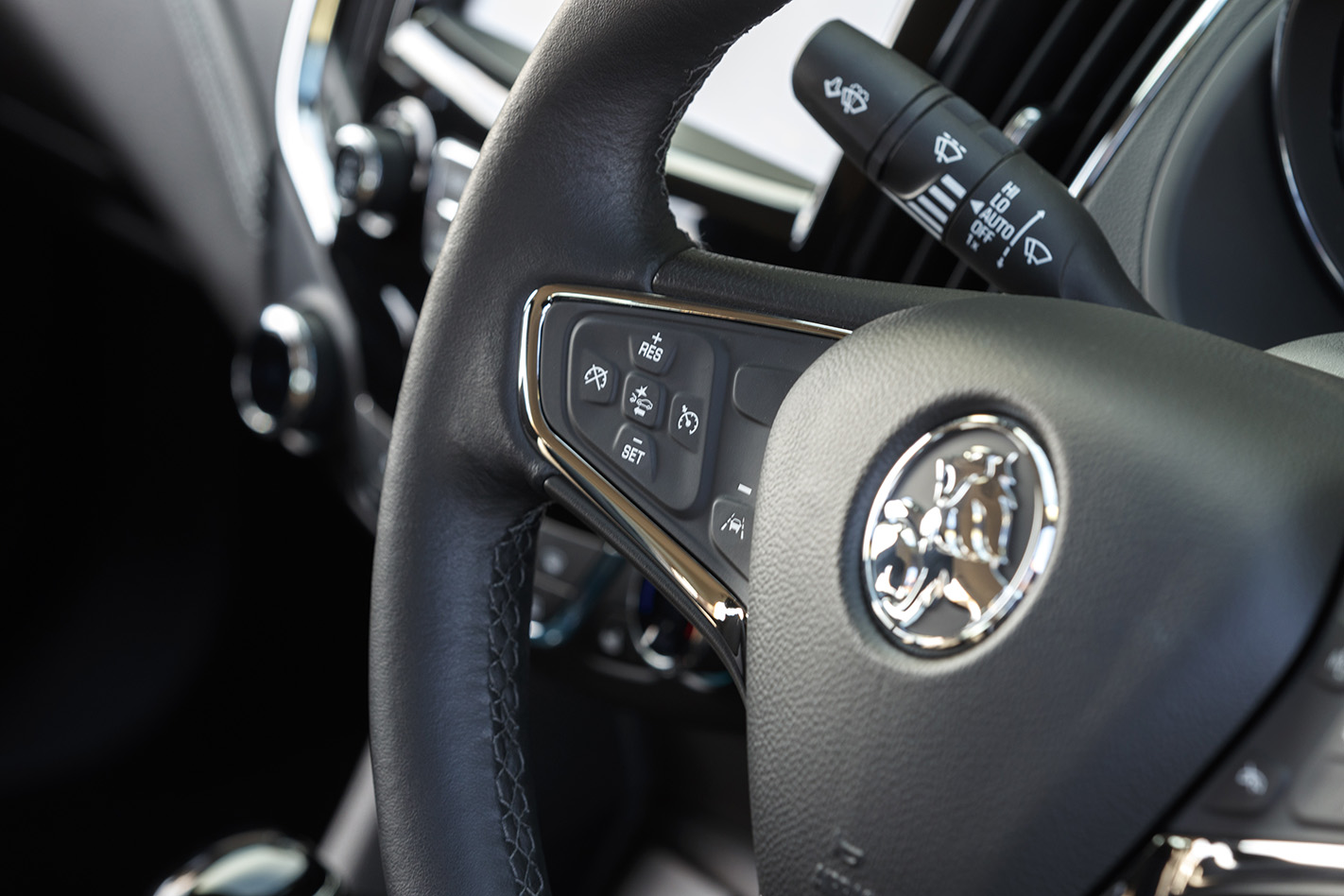
- The Astra sedan’s steering wheel controls put the audio buttons behind the spokes – an unconventional arrangement that can see your fingers inadvertently change radio stations or the volume as you turn the wheel. Irritating.
- It doesn’t feel as dynamic as the hatch. With a rear torsion beam axle that lacks the hatch’s Watts link there’s a little less lateral stability in corners, and the sedan’s comfort-biased suspension is more benign than the five-door Astra.
- A soft suspension tune may be great for soaking up big bumps, but after long stints on undulating country roads there were times where we started to feel a bit queasy from all of the vertical movement.
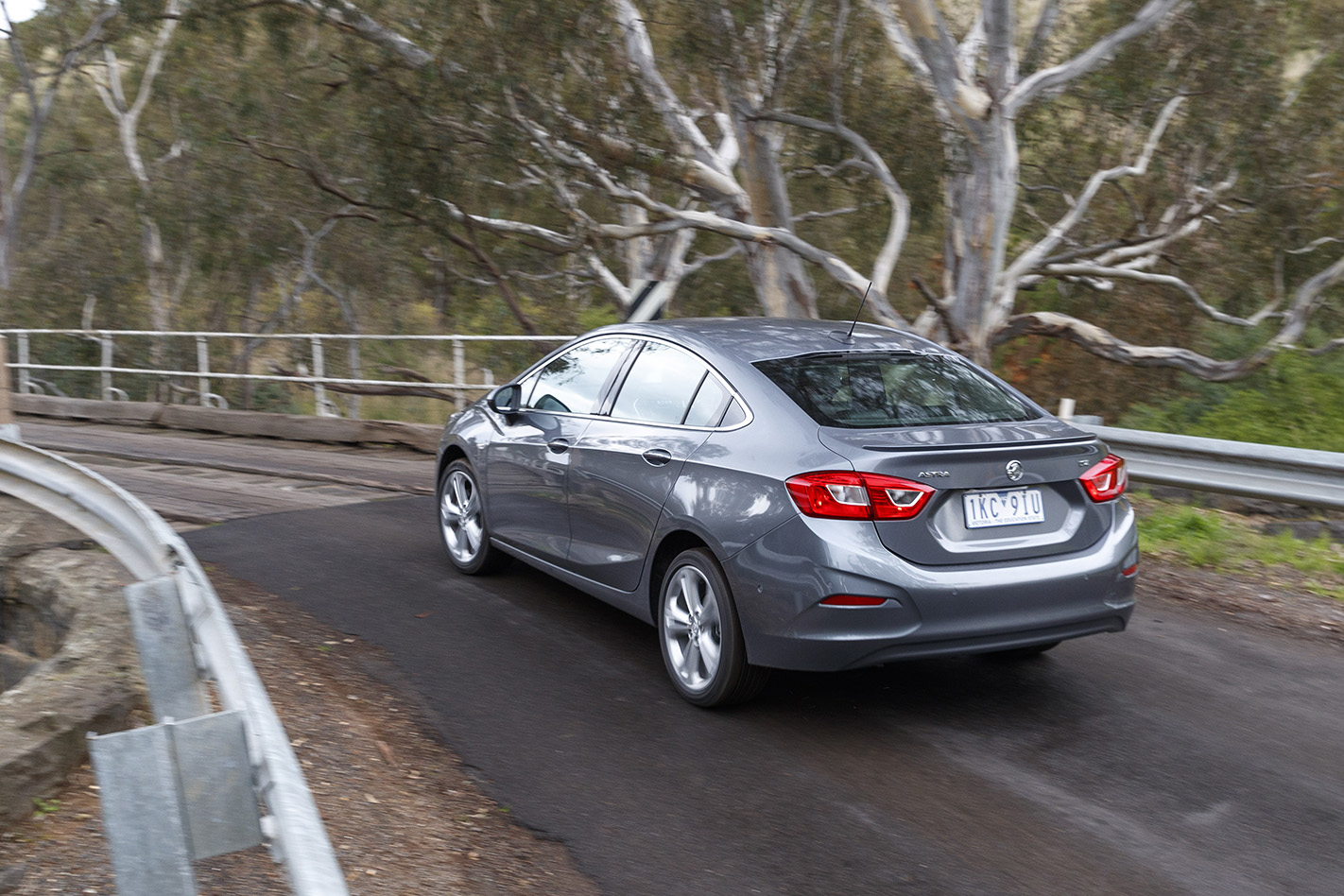
- However, if you opt for the top-grade LTZ you get 18-inch alloy wheels that induce some initial sharpness to the Astra sedan’s ride. It’s a weird mix, with a brittle response to small bumps combined with suppleness over larger undulations.
- No automatic engine start-stop on any variant. It’s a feature that most people probably won’t miss, but when the Astra hatch boasts a fuel-saving feature like start-stop and the sedan doesn’t it raises eyebrows.
- Unlike the Astra hatch, There’s no AEB available on any Astra sedan variant. Blame differing priorities between the European market where the hatch hails from, and the American market that spawned the sedan.
- You can’t get the lovely 1.6-litre turbo that powers the Astra RS and RS-V hatches in the sedan at all, and that’s a shame considering its huge torque output and exceptional driveability.
ANY OTHER CARS I SHOULD CONSIDER?
Plenty. The Mazda 3 sedan and Honda Civic sedan are top choice, and the Hyundai Elantra, Toyota Corolla Mitsubishi Lancer all are popular choices in the small sedan market currently.
