
THE box-fresh Mercedes-Benz E400 Coupe reforges the coupe cause with comfort, stunning looks and practicality
WHAT IS IT? The sexier two-door sibling of the Mercedes’ new E-Class sedan paired with a turbo six-cylinder petrol engine, nine-speed auto and all-paw traction.
WHY ARE WE DRIVING IT? In the previous iteration, the E-Class Coupe was actually underpinned by the platform of its smaller C-Class stable-mate, but the new version is true to its boot badge with the DNA of the larger Benz.
Until a more potent E43 AMG-lite version is confirmed, the E400 4Matic carries the banner as the performance flagship of the range with a 3.0-litre turbocharged V6 under the bonnet and all-wheel drive.
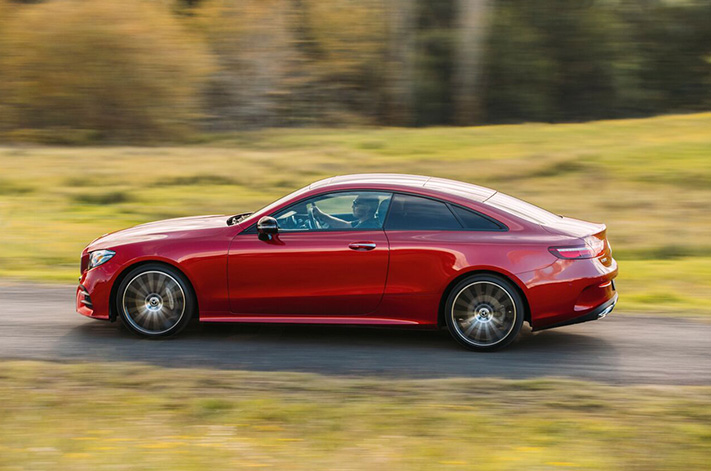
THE WHEELS VERDICT With an engine and transmission combination that carefully surfs the fine line between performance and practicality, the E400 Coupe has supermodel looks and day-to-day practicality.
Add to that, a genuinely feasible second row of seating and the newest coupe has an extra appeal.
The new arrival also sits in the market at a safe distance from obvious rivals such as the BMW 4 Series and Audi A5, which are smaller and more affordable, but below expensive and larger super coupes.
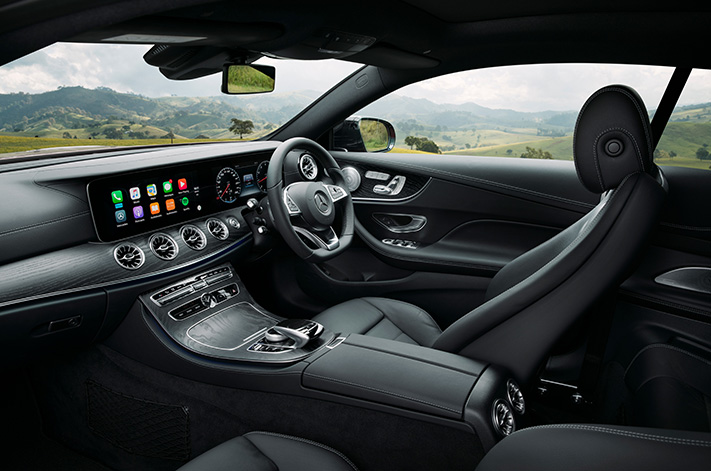
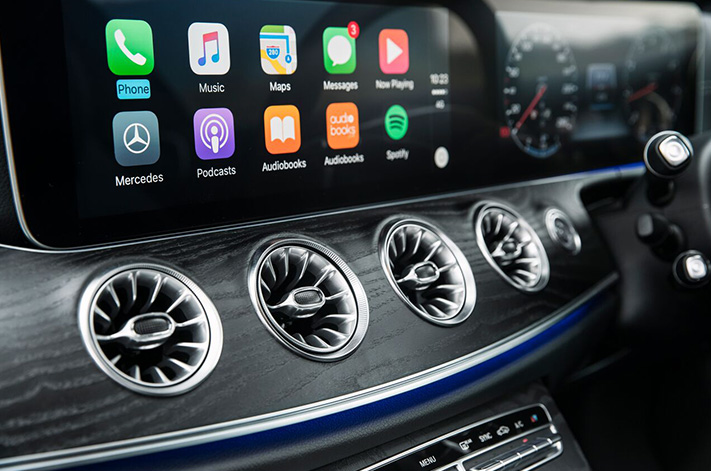
PLUS: Silken ride; standout looks without resorting to cheap tricks; feasible second row seating; commendable balance of performance and economy MINUS: Letterbox rear view; irritating information and entertainment system operation; muted exhaust note even in sportier settings; we’re not convinced of 4Matic relevance
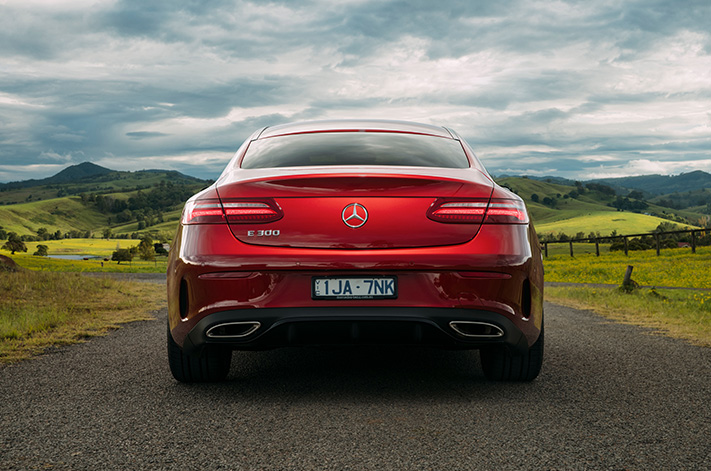
Try and squeeze four people into an Audi TT, Subaru BRZ or Ford Mustang and you’ll receive complaints from the second row before you reach the end of the street, yet the latest two-door from Mercedes-Benz is a refreshing antithesis to coupe compromise.
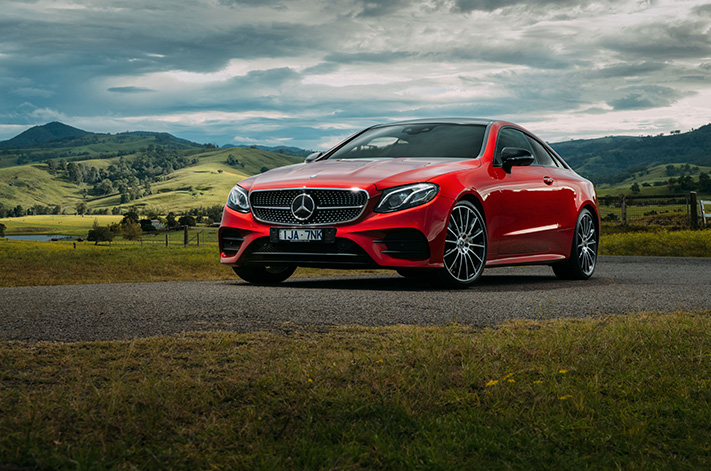
You’ll be thinking about its $327,000 price tag every time you try to slot it into a standard-size parking space. Then there is the C-Class Coupe which has more manageable proportions but looks like someone has ice-sculpted a smaller version of an S-Class and then removed all the character creases with a blowtorch.
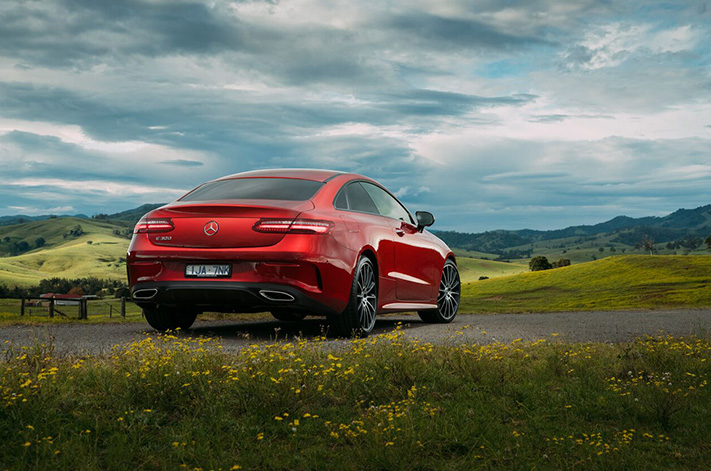
The front seats are snug and supportive and offer a true coupe seating position with lengthy legroom and purposefully reclined posture while access to the back seats is no drama thanks to large apertures and electrically sliding front seats.
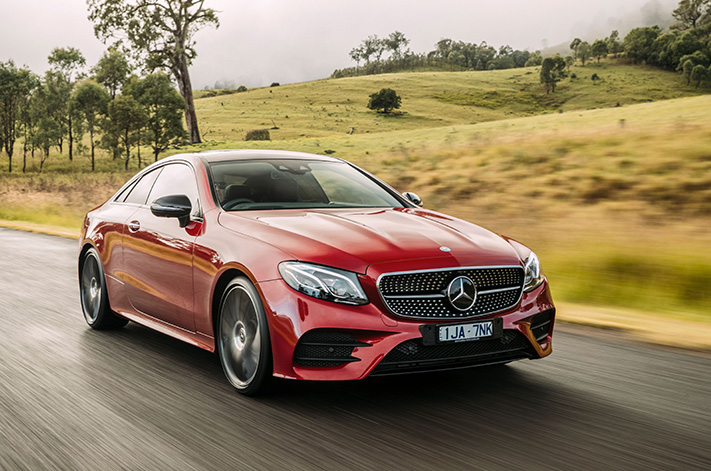
Ride comfort is the compelling final ingredient in the E400 package. The cosseting air suspension tune insulates occupants from almost all noise and interjections from the road and results in a silky motoring experience. Only the muted exhaust note, restricted view through the slot-like rear window and fiddly infotainment system left us feeling slightly unenthused.
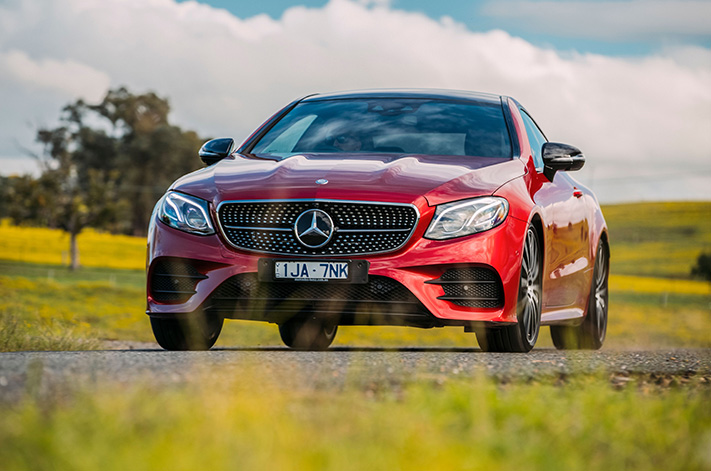
SPECS Model: Mercedes-Benz E400 4Matic Coupe Engine: 2996 V6 Bi-turbo Max power: 245kW Max torque: 480Nm Transmission: nine-speed automatic Weight: N/A Fuel economy: 8.5L/100km 0-100km/h: 5.3s Price: $145,900 On sale: June 2017
What stands out?
The 718 Boxster is Porsche’s purest and most involving model, and it’s among the least costly of Porsche sports cars. It is a two-seat convertible, with a soft roof you can lower for some wind in your hair. You get a choice of two flat-four turbocharged engines, both providing more grunt than the sixes they replaced while using less fuel. The Boxster is a very quick and rewarding car, but it is also easy to drive, very well built, and quite comfortable.
What might bug me?
Possibly the noise it makes. If you’re coming from an earlier Boxster, you might find today’s turbocharged flat-four-cylinder engine sounds less satisfying than the howling non-turbo flat six it replaced.Dealing with a flat tyre. If you puncture a tyre on a Boxster, you must get to grips with the tyre-repair kit – or walk. There’s no spare.How much you paid for your Boxster, after selecting all the options you needed. Many features that are standard on cars much less expensive are optional at extra cost on a Boxster.
What body styles are there?
Two-door, two-seat, soft-top convertible only. (The Porsche 718 Cayman is the fixed-roof coupe equivalent).The Porsche 718 Boxster has its engine in the middle behind the seats, and drives its rear wheels.The Boxster is classed as a sports car, higher priced.
What features do all 718 Boxsters have?
Cruise control. Dual-zone climate-control (which lets you set different temperatures for each side of the cabin). A reversing camera, and front and rear parking sensors. Windscreen wipers that operate automatically when it rains.A multimedia system with a high-resolution touchscreen, a CD/DVD player, and a hard-disk jukebox. Bluetooth connectivity for phone calls and audio streaming. Auxiliary and USB input sockets, and two SD card readers. A digital radio, and satellite navigation.Controls for the multimedia system on a leather-trimmed steering wheel that is power-adjustable for height and reach. Power-adjustable leather and Alcantara trimmed seats with heaters, and a driver’s seat that can remember your setting (making it easy to restore after a companion has driven the car).Very bright bi-xenon headlights, and long-lasting LED daytime running lights and taillights.Wheels made from aluminium alloy, which are usually lighter and better looking than the steel wheels with plastic covers found on some lower priced cars. A tyre repair and inflator kit.Six airbags. Electronic stability control, which can help you control a skidding car. (For more on Porsche safety systems, please open the Safety section below.)Every Porsche Boxster carries a three-year, unlimited kilometre warranty.
Which engine uses least fuel, and why wouldn’t I choose it?
There are two engines available in a Porsche Boxster, both four cylinder turbo-petrols, and neither uses much fuel – especially when you look at how much power they produce. The 2.0-litre in the Boxster consumes 6.9 litres/100km on the official test (city and country combined) with an automatic gearbox, and the 2.5-litre in the Boxster S drinks about five per cent more.In real-world highway driving the Boxster and Boxster S don’t use much more fuel than they do on the test, consuming about 7.5L/100km. However if you drive hard on a twisty road, or when negotiating city traffic, a Boxster can become significantly thirstier – and more so than, say, a small hatchback with a similar official test figure.The only reason you might prefer the 2.5-litre Boxster S is that you want the extra thrust it brings. The 2.5 will feel about 10 per cent stronger under most driving conditions – and 15 per cent stronger when you ask for all that it has. Which, at 257kW, will be plenty. The bigger engine is a bit more forgiving to drive at low speeds, but there is not much in it and it is arguable the 2.0-litre sounds sweeter.Unlike most car engines, where the cylinders stand vertically in the engine bay (either side by side, or in two banks making an upright vee shape), in a Boxster the cylinders lie flat and oppose one another – two on each side. This flat layout – also known as a boxer layout – helps keep the car’s centre of mass low, which improves handling.Both Boxster engines use an automatic stop-start system to save fuel in the city. It shuts down the engine as you roll to a stop, and starts it again when you take your foot off the clutch pedal (or press the accelerator) to drive away.You can order either Boxster with a six-speed manual gearbox, or with a seven-speed dual-clutch automatic that Porsche calls PDK.A dual-clutch auto works much like a manual gearbox with robotic control. It saves fuel and produces very fast, smooth gearchanges once you are rolling. But it cannot quite match the fluid, elastic feel of a conventional or CVT automatic when starting from rest or parking.
What key features do I get if I spend more?
Walk past the Boxster and spend more for a Boxster S and the main thing you get is the bigger and more powerful engine. The other distinguishing feature of the S is its wheels – the rims are an inch bigger, at 19 inches in diameter, and they are wrapped in wider, lower profile tyres, which bring you a bit more grip on dry roads.You can enhance either Boxster with a host of options at extra cost. Some of these bring you the sorts of feature that come standard on many cars at well under half the Boxster’s price – such as support for smartphone mirroring on the touchscreen via Apple CarPlay, Porsche entry and drive (which allows you to unlock the car and drive away without handling a key), and active cruise control (which will slow the car automatically to the speed of a vehicle ahead).Also standard on some less costly cars but an extra-cost option on a Boxster is suspension that adjusts automatically to the road conditions. Porsche calls this Porsche Active Suspension Management, and it also allows the driver to choose from Normal or Sport modes – the latter stiffening the car’s ride so that it responds more immediately to the steering wheel and leans less in corners. PASM lowers the Boxster’s body, and therefore its centre of mass, by 10mm. It improves handling and ride comfort, and sometimes both at the same time.Another nice option for serious Boxster drivers is Sport Chrono, especially if you will take to the racetrack in your Boxster. This brings a Sport calibration for the electronic stability control that lets you have more fun subtly sliding the rear tyres in corners – while retaining a safety net. It also brings launch control, which adjusts engine revs to optimise quick take-offs. In PDK auto Boxsters, shift times are reduced. And you can boost power and responsiveness for 20-second bursts with a system that winds up the turbocharger early. Sport Chrono is signposted by a dashtop stopwatch, which lets you view, store and analyse lap times.Also optional is Porsche Torque Vectoring, which includes a mechanical rear differential lock. Torque vectoring brakes the inside rear wheel slightly as you turn into slow and medium speed corners. This sends more drive to the outside rear wheel, which helps rotate the car into the turn. The diff lock prevents the inside wheel from spinning as you accelerate out. The system works brilliantly, and contributes subtly to the satisfaction you get from driving a Boxster well.Porsche also invites you to select from a host of extra-cost cosmetic changes.
Does any upgrade have a down side?
The 19-inch wheels on a Boxster S ride a bit less smoothly than the 18-inch wheels and tyres worn by a Boxster. That’s because the lower-profile tyres on the bigger wheels have less rubber and air cushioning you from the road.Of 16 colours available on a Porsche 718 Boxster, four – black, white, yellow and red – are non-metallic and come without extra cost. Metallic colours cost about $1850 extra, special colours cost about $5400 extra, and custom colours in addition to the 16 on the options list cost about $9500 extra.
How comfortable is the 718 Boxster?
The Boxster’s cabin cocoons its occupants and feels understated and classy. The design of the dashboard, instruments, door trims and centre console is elegant rather than avant-garde, and the quality of the materials and finish is high.Seat comfort and your relation to the steering wheel, pedals and gear lever are excellent, as is the placement of the infotainment unit and other switchgear.You sit low in a Boxster, with your legs stretching out in front – rather than out and down, as they would in a sedan or SUV. You certainly don’t have an SUV driver’s commanding view. However, the low seating position adds to the feeling of sportiness and connection with the road.All versions of the Boxster ride very comfortably, considering this is a highly capable sports car. On suburban streets you will hear – and to some extent feel – more thumps from the tyres than you would in, say, a typical family sedan or hatchback. The bigger wheels worn by the Boxster S make the low-speed ride comfort a bit less cushy again, especially over sharp-edged urban bumps.While the optional adaptive dampers improve comfort, they are not a must: unlike some performance cars, a Boxster can be relaxing to drive on its non-adjustable standard suspension.With the roof down, the driver and passenger in a Boxster are well protected from the airstream. You are not buffeted: there is just enough airflow and engine noise to add enjoyment.Some convertibles feel soggy on bumpy roads – and many are. Sometimes when a convertible is developed from a fixed-roof design, so much rigidity is lost that over rough patches you can see the convertible’s windscreen wobbling as the car’s body twists. There is very little of this in a Boxster: its body feels strong.To lower or raise the power operated soft roof, you press a button in the cabin or another on the key. It takes about 10 seconds and can be done while driving, as long as you’re moving at less than 50km/h.With its roof up, the Boxster – as you would expect – is noisier to ride in than most cars with fixed metal roofs. By comparison with other small soft-tops however, it feels quiet and refined.
What about safety in a Porsche 718 Boxster?
The Boxster’s safety fundamentals are quite strong. They include a reversing camera, front and rear parking sensors, six airbags, and the mandatory electronic stability control.The driver and passenger each get a frontal airbag, which Porsche says inflates in two stages that seek to match the severity of the crash. Each occupant also is protected by two airbags from side impacts. One of those inflates from the outer edge of the seat and protects the chest. The other inflates upwards from the door panel and protects the head.Radar-based Adaptive cruise control is offered as an option on auto-gearbox Boxsters. It adjusts your speed automatically to maintain a safe gap to the car in front. It comes with Porsche Active Safe, which uses the radar to trigger audible and visual warnings, and then a jolt of the brakes, if you’re coming up to an obstacle too fast. It will provide braking assistance, but it won’t stop the car by itself.Porsche Active Safe is not available on manual gearbox Boxsters, and Porsche Australia says it does not amount to autonomous emergency braking. (AEB systems, which are standard on many much less costly cars, can initiate a full emergency stop automatically if the driver does not respond to a collision warning.)Also available at extra cost is Lane Change Assist. When you indicate to change lanes, the system triggers a warning light in the side mirror if a vehicle is approaching rapidly from behind, or is in a blind spot at your rear corner.The Australasian New Car Assessment Program (ANCAP) has not rated the Porsche Boxster.
I like driving – will I enjoy this car?
The Porsche Boxster is one of the ultimate cars – of any price or style – in which to indulge a love of driving. You get the fundamental balance and unique handling of a mid-engine layout, engineered with Porsche’s knack for making a sports car feel just right.The Boxster feels like it is well worth its price premium over lesser performance cars – while making stark the diminishing returns available from spending more on a supercar.It sets itself apart first with uncommonly feel-rich steering, which allows millimetrically precise adjustments and delivers a stream of feedback to your hands.There is a lot of tyre grip, which makes you feel like a hero and puts a big smile on your face. Subtle caressing of the accelerator or brake has an equally subtle and immediate effect on the attitude of the car – perhaps determining whether it is tending slightly to understeer (the front tyres running wide), or to oversteer (the rear tyres sliding out).Even when the suspension is loaded under hard cornering the Boxster has the capacity to absorb bumps, which makes it a fine drive on bumpy rural coarse-chip – and not just on smooth urban tar or a racing circuit, like some high-performance cars.There’s easily modulated braking power, from aluminium four-piston calipers at the front and rear.The turbocharged four-cylinder engines don’t seem to have as much character as the non-turbo six-cylinders – with their trademark Porsche flat-six howl – that powered the previous generation of Boxsters. But the turbo fours deliver plenty of upside, such as extra grunt with lower fuel consumption.And the new fours are still terrific sounding engines. They produce a low-speed burble that’s part Subaru WRX and part VW Beetle (overlaid by typically Porsche clatter), alongside an urgent mid-range rasp and a cacophony of cracks and pops during deceleration.The PDK auto is a polished, rapid-fire ally for either engine, and allows quick manually triggered shifts via steering-column paddles. The six-speed manual gearbox, a dying breed, is oiled in action and the pick for old-schoolers and purists.
How is life in the rear seats?
Two dimensional. The Boxster does not have rear seats.
How is it for carrying stuff?
Not great. Having the engine in the middle of the car, behind the seats, might help handling but it does not leave much room for luggage. And there is a soft roof, and a tiny cabin with no rear seat.On the plus side, there are two luggage compartments: a deep, 150-litre bay beneath the snout, and a smaller, 125-litre boot at the back. The compact dimensions of these spaces – each is much smaller than the boot of a light sedan or hatchback, for example – means you can’t carry big or long items. But there is enough room for soft bags containing the essentials for a few nights away.In the cabin, there’s no throwing stuff onto the back seat like you might in a 2+2 or four seater. And that peculiar Euro knack of supplying interior storage bins and gloveboxes that are too small to comfortably swallow phones and wallets carries into the Porsche.
Where does Porsche make the 718 Boxster?
The Porsche Boxster is built in Germany.
What might I miss that similar cars have?
Possibly the security and comfort of a hard roof. You can get that in the Boxster’s sister, the very similar Porsche 718 Cayman, for example.Perhaps a less refined but in some ways more involving sports-car experience, from a lighter vehicle. You could get this from an Alfa Romeo 4C Spider, or a Lotus Elise or Exige.Perhaps some more luggage space and the ability to carry more passengers in a sporty convertible. The Audi TT S quattro cabriolet and the BMW M4 convertible offer this, for example.Maybe the greater all-weather security of all-wheel drive. The Audi TT S quattro and Mercedes-Benz C43 AMG convertibles both drive all four wheels.
I like this car, but I can’t choose which version. Can you help?
Our reviewers like the 2.0-litre Boxster’s engine note and value. But it’s difficult to overlook the more costly Boxster S and its extra performance, which doesn’t unduly affect comfort, practicality or efficiency.
Are there plans to update the 718 Boxster soon?
The current Boxster arrived in 2016, bringing with it a new way of naming Porsche’s smallest sports car. Officially, the Boxster is the convertible version of the Porsche 718 – now designated primarily with a number like the Porsche 911. The 718 Boxster is a thorough revision of the Boxster 981 series, which arrived in 2012. The chassis and suspension were heavily reworked, and the 718’s two four-cylinder turbocharged engines are new.A new-generation Boxster is expected to arrive about 2019.
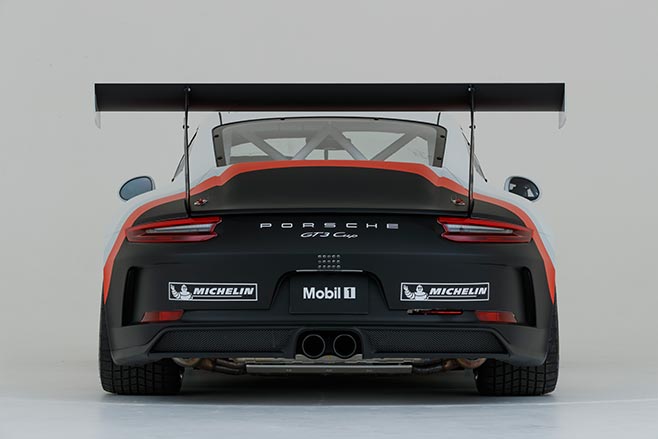
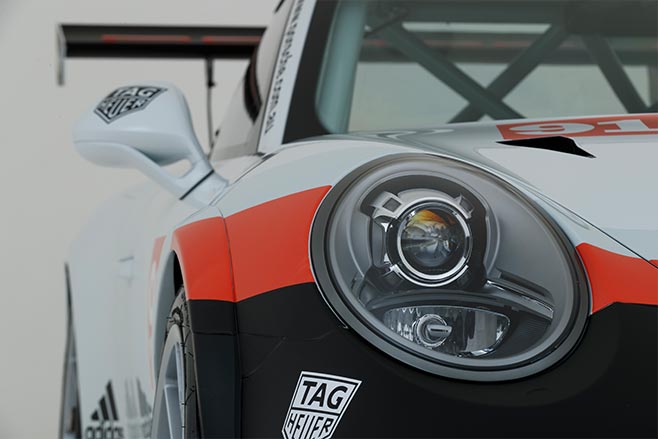
Based on the new Porsche 911 GT3, the next Carrera cup cars will be 4.0-litre, 357kW/480Nm beasts.
With new engines and only 1200kg to pull, the Cup should prove as riveting as ever when the next generation of cars are introduced.
The new car will be raced throughout the 2018, 2019, and up to the 2020 Carrera Cup seasons.
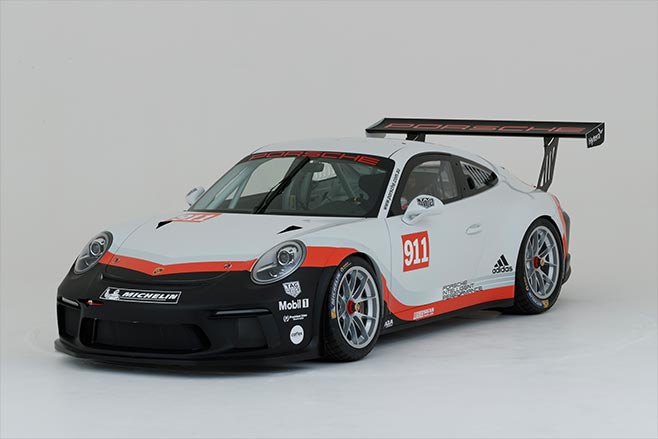
Once it’s open to ‘other interested parties’, people will need to fork out $295,000 for the car, then about $9K each for the two parts packs.
The Elite Class is now divided into Pro-Am and Am, though the existing ‘Outright’ class for professional drivers stays.
“As well as providing a level playing field for the best professional drivers to showcase their talent we also need to make the series appealing for the semi-pros which form the backbone of Carrera Cup in Australia.”
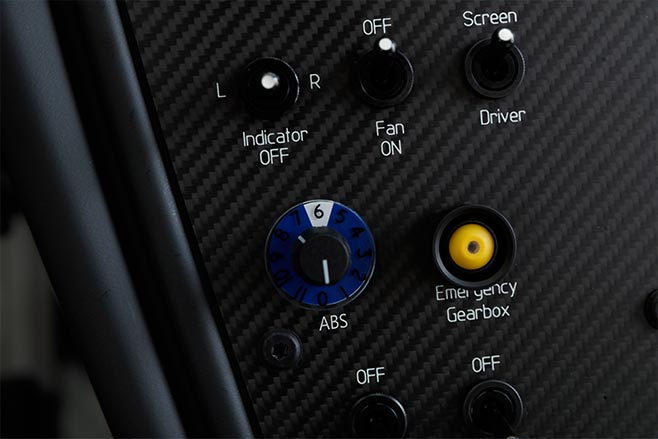
ABS will be used exclusively for Pro-Am and Am competitors.
Porsche Carrera Cup Australia will hold two one-hour, two-driver races across the Shannons Nationals event at Phillip Island.
The all-new Honda CR-V will arrive in showrooms in mid-July with a 140kW four-cylinder VTEC turbo engine as standard across the range, which will be priced from $30,690.
As with the current CR-V family there will be four main model grades though the diesel-powered DTi-L departs, replaced by a new range-topping VTi-LX petrol.
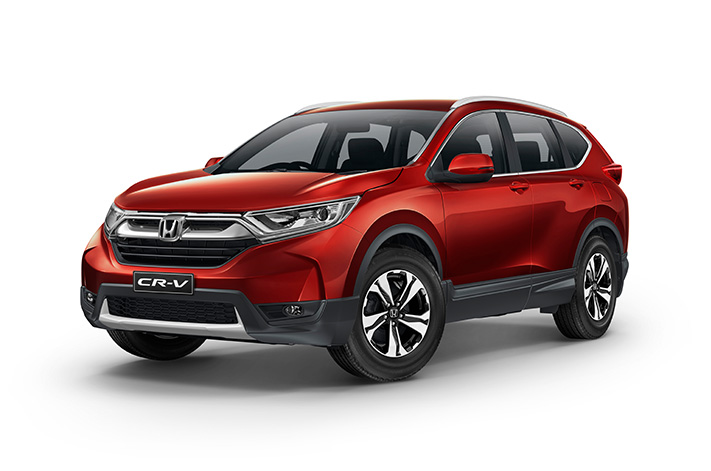
Also gone will be the six-speed manual transmission in the entry-level VTi, making this one of the few SUV ranges to have the same engine and transmission (a CVT auto in the CR-V’s case) across all variants.
There will still be a choice between two- and all-wheel drive, though this will mostly depend on which variant you select with only the second-tier VTi-S variant being available with either.
No manual means the $30,690 entry-level price is $3200 more expensive than the current model. However, the gap is reduced to $900 when comparing the CVT-equipped version of the base model CR-V VTi. Honda says the price bump is more than compensated by $3500 worth of additions including the turbo engine, with similar “added value” across the range.
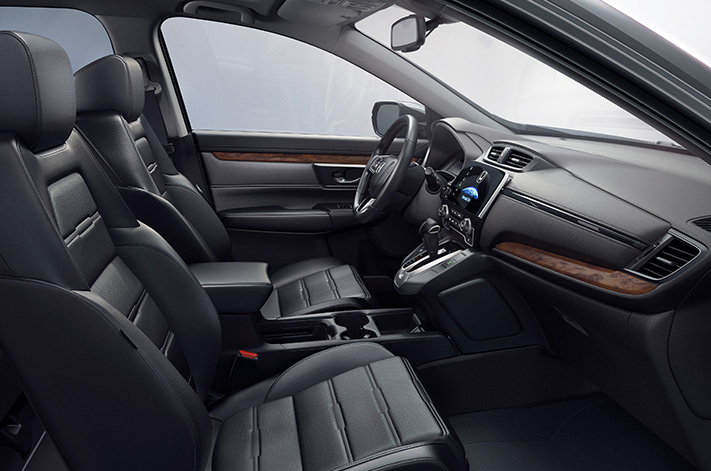
This will be the first CR-V to accommodate a third row, though this will only available in the second-from-top VTi-L variant, and only in 2WD configuration.
The fifth-generation CR-V has bolder styling than the current model and features a more spacious, “premium interior” featuring upgraded materials with a soft-touch instrument panel and a high-resolution 7-inch TFT touch screen, the latter of which includes Apple CarPlay and Android Auto smartphone mirroring
The infotainment system is included as standard in the entry-level VTi along with:
- Smart keyless entry with Push Button Start
- Active Noise Control (ANC)
- Dual-zone climate control
- Reverse camera
- 8-speaker audio
- Electric parking brake
- LED Daytime Running Lights (DRLs)
- Front fog lights
- 17-inch alloy wheels
- Driver Attention Monitor (DAM)
- Tyre Pressure Monitoring System (TPMS)
- Trailer Stability Assist (TSA).
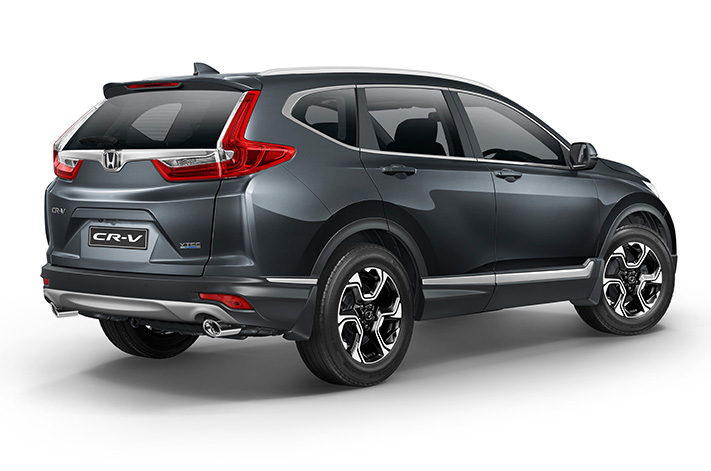
Upgrading to the VTi-L brings seven seats with split-fold 3rd row, a panoramic sunroof, leather-appointed seat trim, heated front seats with eight-way power adjustment and auto rain-sensing wipers.
The range-topping VTi-LX AWD has everything, minus the third row, plus Honda Sensing suite of driver-assist technologies, LED headlights with active cornering, LED front fog lights, Digital Radio (DAB+), privacy glass and auto-dimming rear view mirror.
2017 Honda CR-V manufacturer list pricing
- VTi, 2WD – $30,690
- VTi-S, 2WD – $33,290
- VTi-S, AWD – $35,490
- VTi-L, 2WD [7 seats] – $38,990
- VTi-LX, AWD – $44,290
The next generation of Renault’s Mégane RS has been teased at this year’s Monaco Grand Prix ahead of its official launch later this year.
With Nico Hülkenberg at the wheel, a black and yellow camouflaged Mégane RS made its way around the track (in above video at 12m 14s) as a preview of what the car will be capable of.
It’s not the first time Hülkenberg has been behind the wheel of the new RS, as he was actually a test driver during the car’s development.
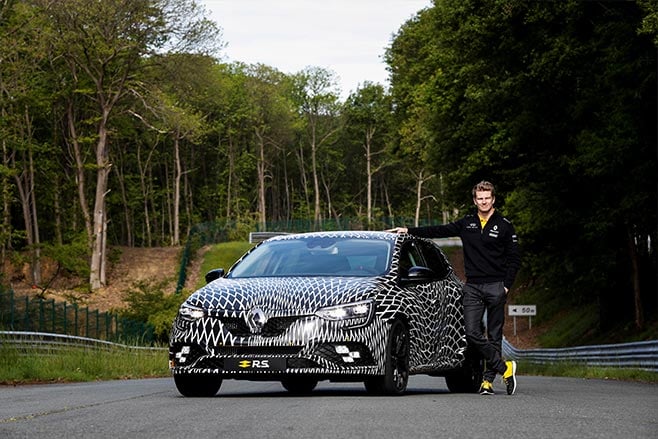
“Renault Sport has done a tremendous job on its performance credentials. It was a huge pleasure to drive it around the legendary street track at Monaco today!”
Patrice Ratti, managing director Renault Sport echoes Hülkenberg’s sentiment.
“I don’t think we could have chosen a more appropriate or more impactful moment than the 40th anniversary of Renault’s involvement in F1 to launch a new model.”
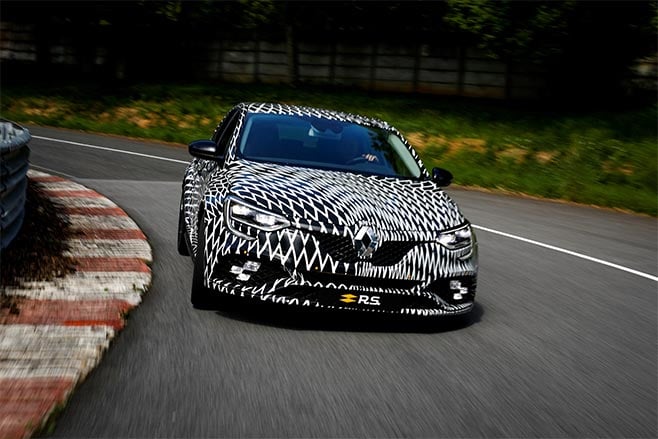
RS owners will also have a choice of manual and EDC dual-clutch transmission.
The new Mégane RS will be unveiled at the 2017 Frankfurt Motor Show in Germany on September 12, before going on sale in the first quarter of 2018.
South Australian company Willall is developing the world’s ultimate Subaru WRX STI and, best of all, you can buy one.
Dubbed the ‘25BB’, it’s conceived as a modern-day successor to the iconic WRX STI 22B and uses Willall’s extensive machining knowledge, proven at drag strips and racetracks around the world, in a coachbuilt widebody shell.
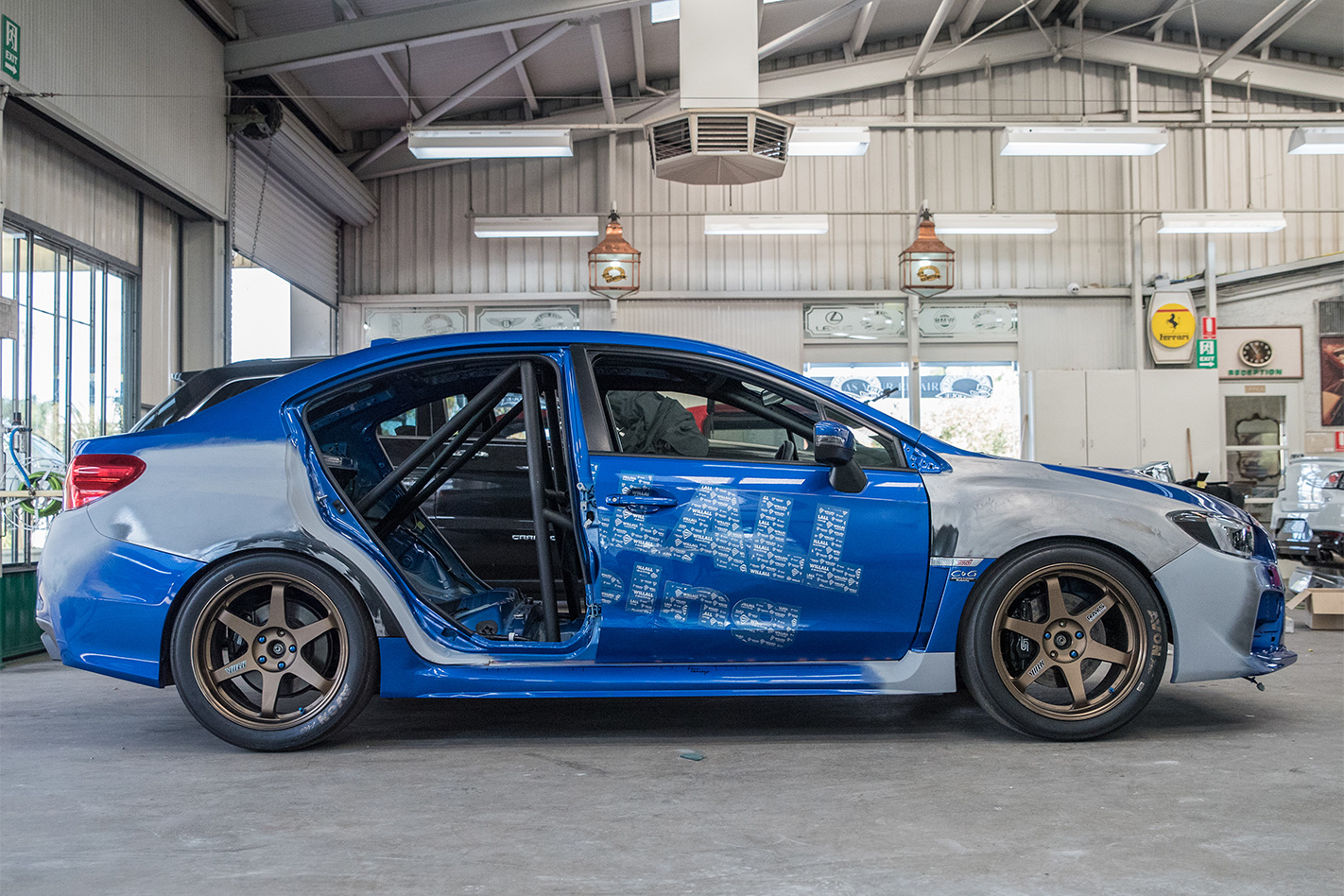
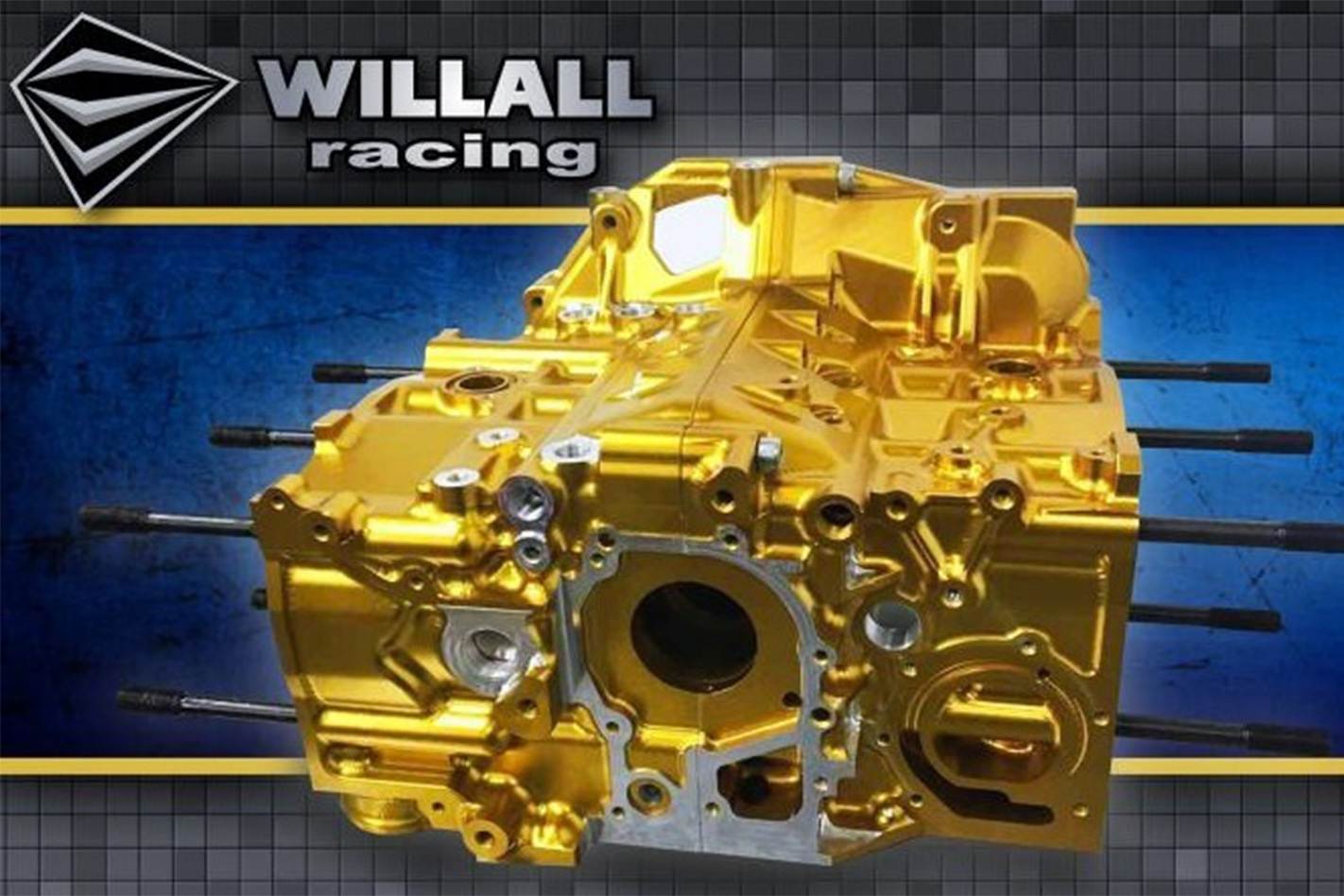
“We got involved in the high end of racing them with Willall designing a billet crankcase so people can run 800-1000hp without having recurring problems.”
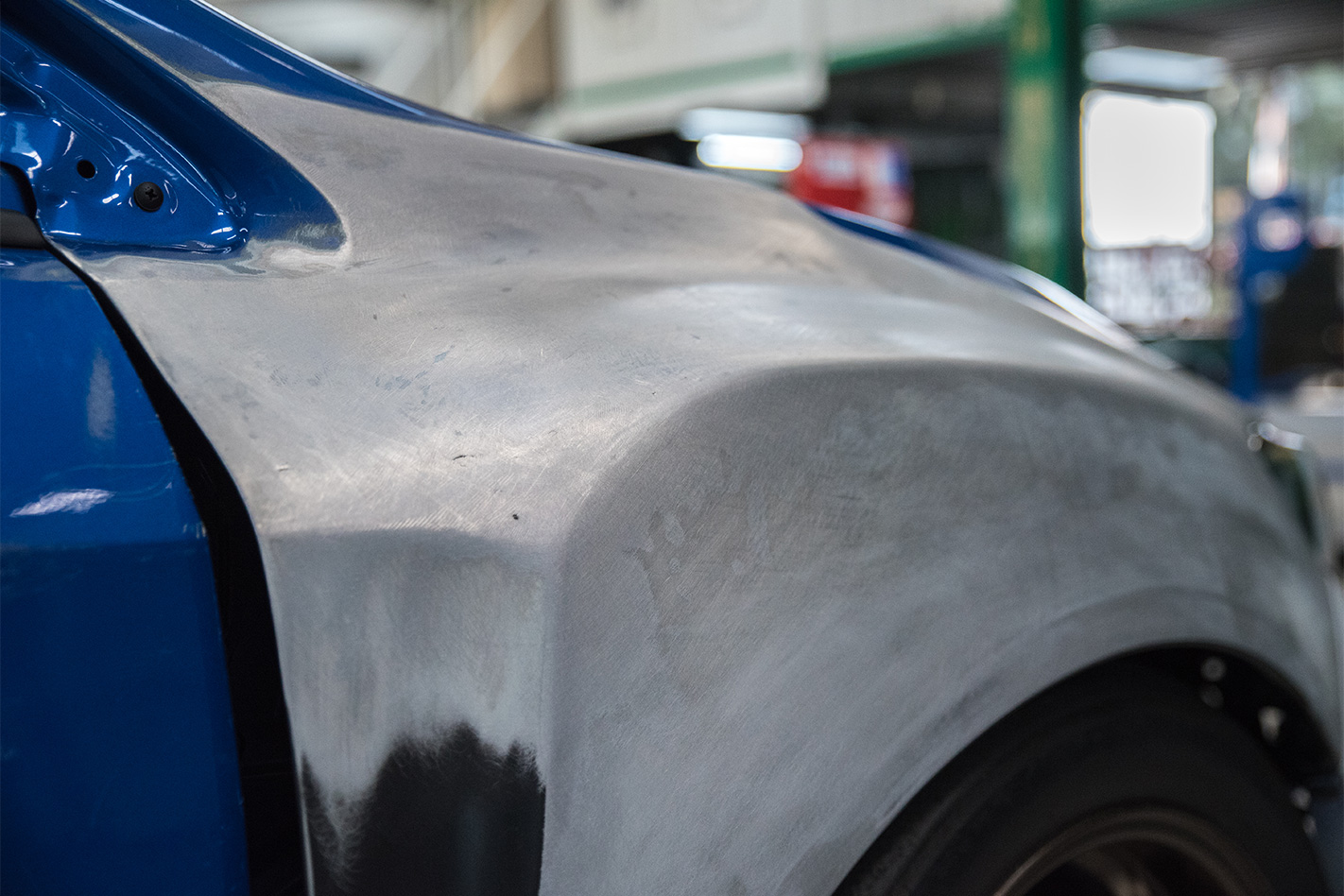
“So we thought ‘let’s make our own widebody for it!’. You can’t get anything wide for these cars other than the front fenders, so we thought we’d metal finish an entire car. It’s WRC blue so we’re going to make it faithful to the whole 22B concept.”
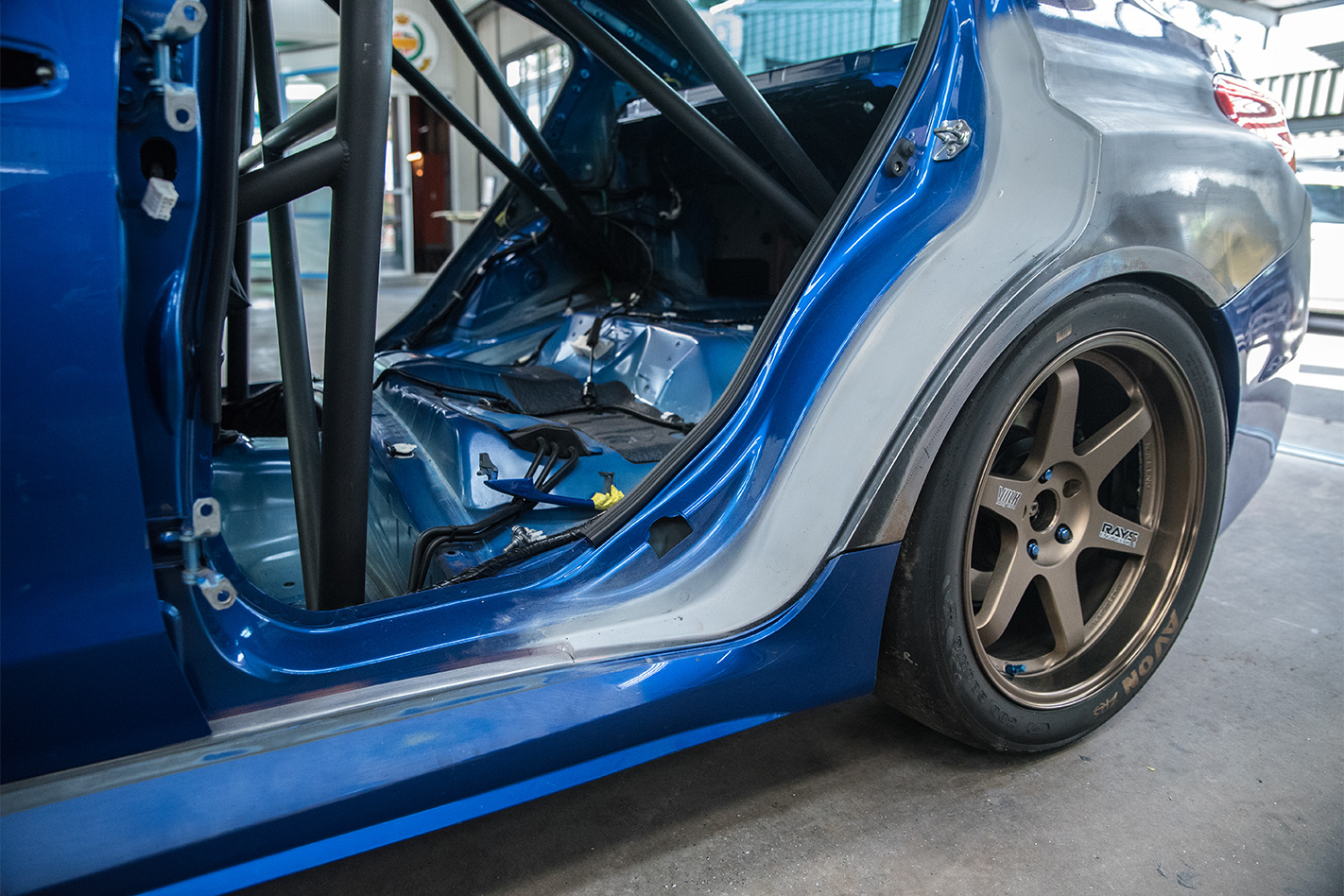
Under the bonnet is a WREJBB capable of 800kW, with Donnon explaining “We have a magic set of cylinder heads and camshafts to make that sort of power, we have a special rotating assembly, which is pistons, crank and rods that take it out of 2.63 litres [and] a specially-made turbocharger system.”
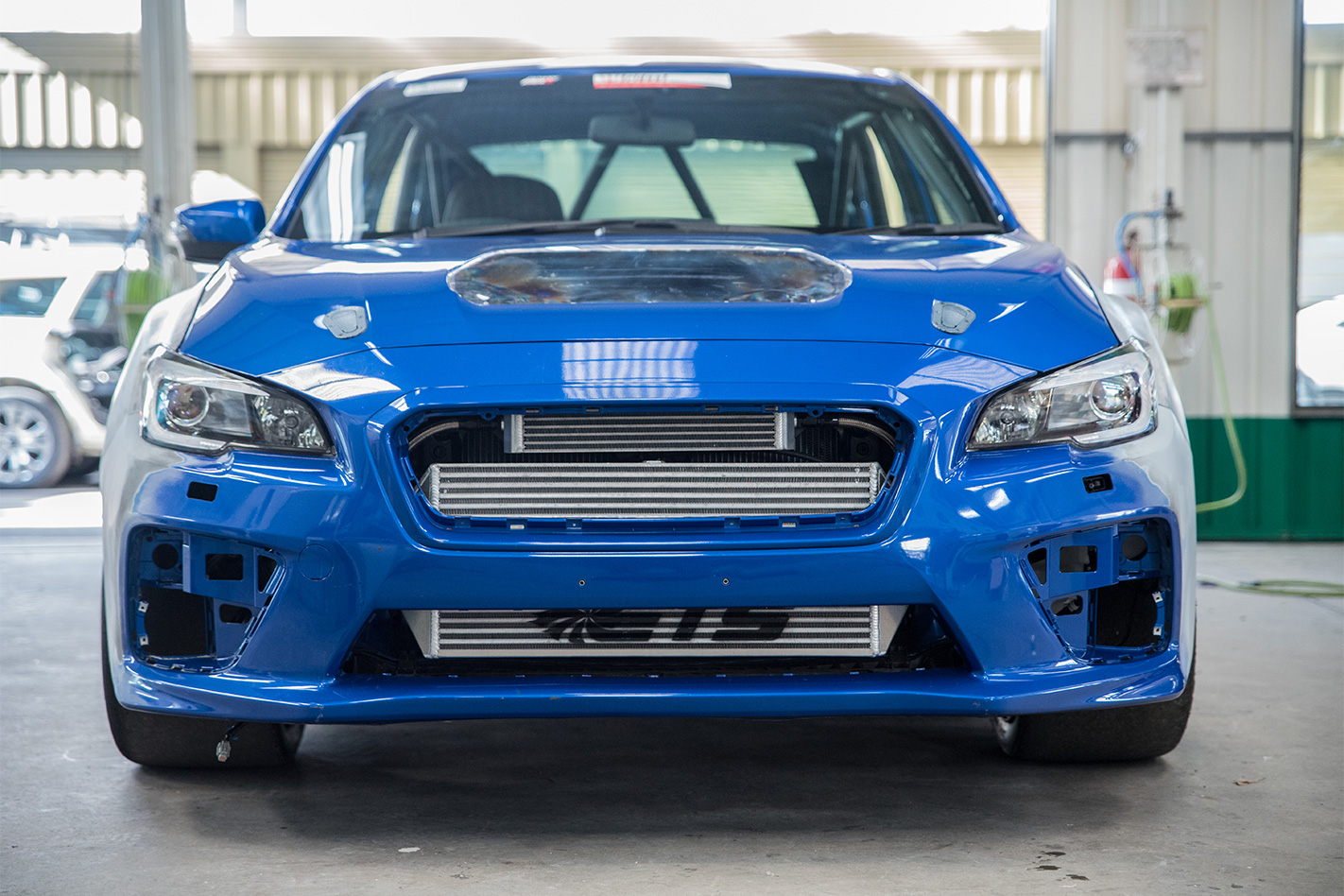
Though Willall’s development car runs a PPG sequential gearbox, Donnon maintains the standard H-pattern manual is deemed strong enough for the road: “The six-speed’s a beautiful thing – it’s a very, very strong gearbox.”
Prior to the widebody mods that are currently being applied, Willall’s development car ran a 9.8sec quarter mile at the Snowy Mountains 1000 (see video below) while its sister car ran a 10.1sec quarter at 233km/h at Adelaide International Raceway. Donnon estimates the 25BB will be good for 0-100km/h in around 2.7sec and 0-200km/h in 6.2sec.
Currently, Willall is building a handful of cars for export, however Donnon says, “we would entertain building one for a local client.” Cost is to be confirmed and would depend on the exact specification of the car, however according to Donnon: “We’re talking GT-R money.”
With the bodywork currently being finalized, the finished 25BB will appear at the Subinats at Phillip Island on July 2, after which MOTOR is promised its own turn at the wheel. Stay tuned for images of the finished car and a full review.
ON REFLECTION, it’s been a lot like Star Trek.
Mazda began building its rotary engine 55 years ago, and for the past 40 of those the relatively small Japanese maker has gone boldly where no one has gone before.
Its reward has been a screechingly powerful and jet-smooth little rotor-motor with a character unlike any other, and a galaxy of loyal enthusiasts.
The recent news that Mazda continued to develop the rotary, even beyond the expiration of the RX-8 in 2012, gives hope that this adventure is far from over.
On a glorious day at Mine, a racing circuit turned test track folded in the mountains near Hiroshima, Mazda gathered many of its rotary heroes. Only a few were off-limits.
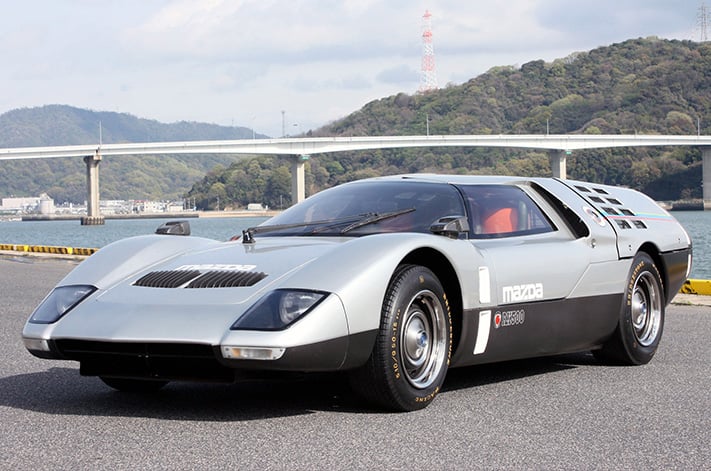
IT WAS real Captain Kirk stuff when, in 1960, Mazda president Tsuneji Matsuda flew to Germany to meet with car and motorcycle maker NSU.
There, backyard inventor Felix Wankel was developing a revolutionary engine he had first patented in 1929.
Rotary-piston pumps and compressors had been around since the 16th century, but Wankel was the first to apply the principle to an internal-combustion engine.
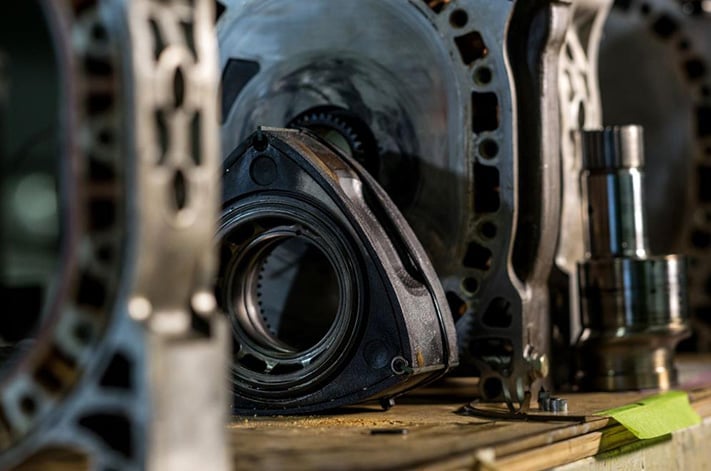
Mazda was the first but far from the only carmaker interested in this technology. Ultimately, no fewer than 11, ranging from Alfa Romeo to Rolls-Royce, would sign licence agreements with NSU-Wankel.
On Matsuda’s mind was his company’s survival.
Mazda, a small maker of three-wheeled trucks, had launched its first four-wheeled car (the R360) that same year. It had big ambitions, but Japan’s Ministry of Trade and Industry had plans to consolidate the country’s 10 automotive manufacturers into three groups. Mazda would be merged with Nissan and Toyota.
Matsuda believed the rotary would give his company a unique technology, a case for keeping Mazda independent. The strategy worked, and MITI’s approval in early 1961 to develop the rotary also freed Mazda to develop future passenger models.
In 1957, Mazda had 4500 employees, producing 41,500 three-wheel trucks. By 1967, it had 21,000 employees producing more than 400,000 vehicles, including five passenger cars.
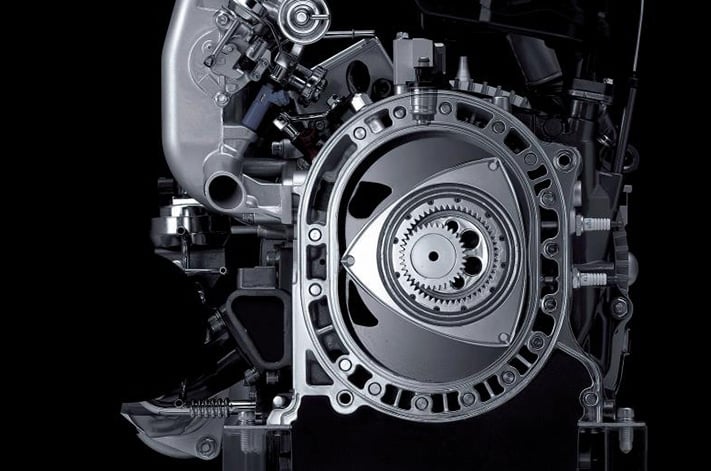
Disturbingly, they saw 250cc single-rotor engines seizing on the test bed. They observed combustion chambers scored with ‘chatter marks’.
The problem lay in the apex seals, the metal scraper-blades at each tip of the triangular piston. Softer metals provided good sealing, but wore out in less than 200 hours. Harder materials created the ruinous chatter marks. That was as far as NSU had progressed.
Mazda held some unexpected aces in having a highly advanced toolmaking and measuring-equipment division, and wide-ranging skills in casting, materials and chemical technology, dating from its days as a wine-cork producer.
Then there was engineer Kenichi Yamamoto, later to become company president and forever known as the foster-father of the rotary.
In April 1963, the already 18-year Mazda veteran was appointed manager of a dedicated rotary research division. It’s said Yamamoto wasn’t entirely convinced of the rotary’s viability, but was quick to acknowledge it had enjoyed only a fraction of the attention devoted to piston engines.
Yamamoto and his ‘47 samurai’ found that the chatter problem emanated from resonance within the seal itself.
They tried internal cross-drilling, a sliding corner-piece, new materials in aluminium and carbon, a tensioning-spring system. They hard-chrome-plated the inner rotor housing.
Equipped in 1964 with a new lab of 30 test cells, new-fangled computers and a new proving ground at Miyoshi, Yamamoto’s team also figured a fix for the rotary’s moving-target ignition puzzle, by fitting twin spark plugs.
Later that year, Mazda built a pair of dramatically styled prototype coupes. Company boss Matsuda personally drove one from Hiroshima to the Tokyo Motor Show 850km away. The production version of this low-slung, dart-shaped Cosmo Sports coupe would take another three years – after comprehensive testing of 80 prototypes, 60 of them in customer hands.
AMONG the cars on hand at Mine are half a dozen privately owned Cosmo Sports 110Ss.
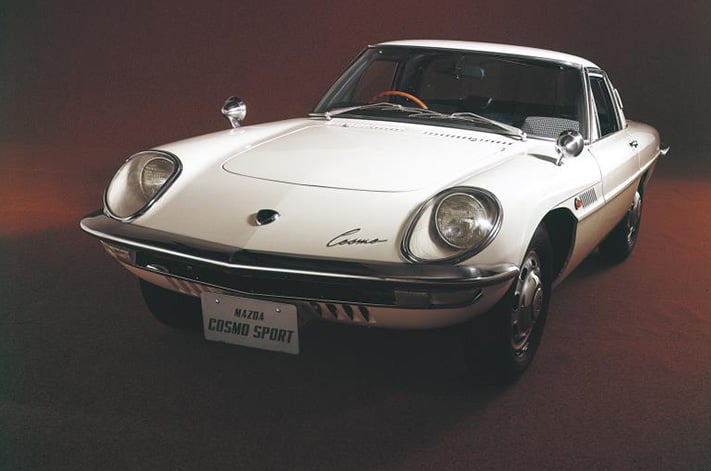
But the Cosmos’ owners, from a local car club, have a different style about them. It’s a feeling of confidence, simplicity and celebration that’s noticeable in everyone mingling here in the crisp, mountain air.
The Cosmo’s compact but adequately roomy cockpit sings of the 1960s, with a wood-rimmed Nardi steering wheel framing a central tacho redlined at 7000rpm. The little 10A engine is so light, crisp and linear in its delivery that it feels more like a spring-wound or turbine-driven device. I can only imagine how far-out this car must have seemed in the ’60s.
With my butt planted on the low-backed buckets, visually perfect in black vinyl with houndstooth inserts, I have just a finger-width of headroom. The steering wheel almost rests on my thighs and, despite a narrow transmission tunnel, the pedals are inexplicably offset to the right. And yet, magically, one is neither stooped nor cooped in the Cosmo; it fits and feels like a Hawaiian shirt.
To prove the revolutionary coupe’s durability, in 1968 Mazda entered a pair of Cosmo Sports in the brutal Nurburgring 84-Hour endurance race – that’s right, three and a half days. One retired with a broken axle, but the other finished fourth outright, 12 laps down on the winning works Porsche 911E.
The 10A was a twin-rotor unit of 982cc. It initially developed 81kW at 7000rpm and was upgraded to 94kW at the Cosmo’s first facelift. A detuned 10A, with 74kW, was fitted to Mazda’s first mainstream rotary model, the R100 coupe in 1968.
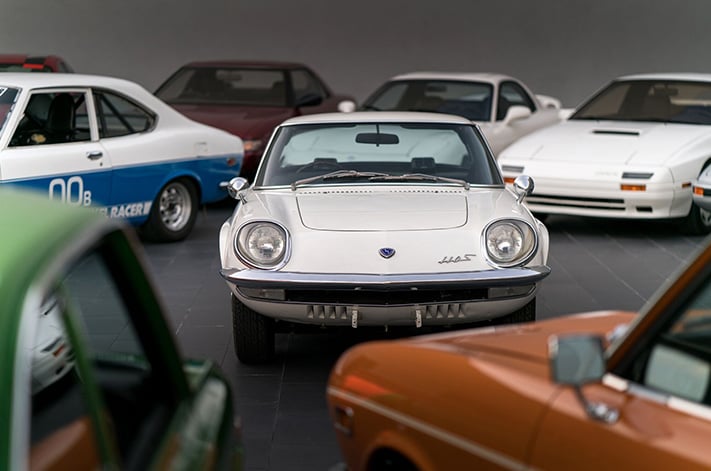
My adolescent exposure to rotaries was exploding right about then, too, as RX-2 Capella sedans and coupes began infesting my parents’ car club events. Launched in 1970, the RX-2’s 12A engine had been created by widening the housings by 10mm each (making 1146cc).
On track, Capellas were a match for Torana GTR XU-1s.
I found it odd that the pretty little RX-3 coupe of 1972 didn’t displace the more restrained-looking RX-2 from car club competitors’ affections. Fact was, Aussie RX-3s initially arrived with the 10A, and even the 12A-equipped facelift in ’74 was still slower than an RX-2.
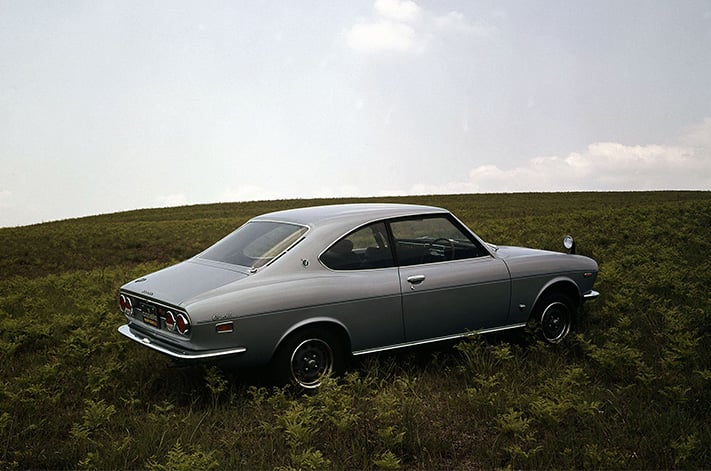
Pretty much everything had come together with the RX-4 – aggressive styling, performance, handling, comfort and reliability – which explains why so many are still alive and loved.
Sadly, not for me at Mine, where the RX-2, 3 and 4 are infuriatingly offered only on static display.
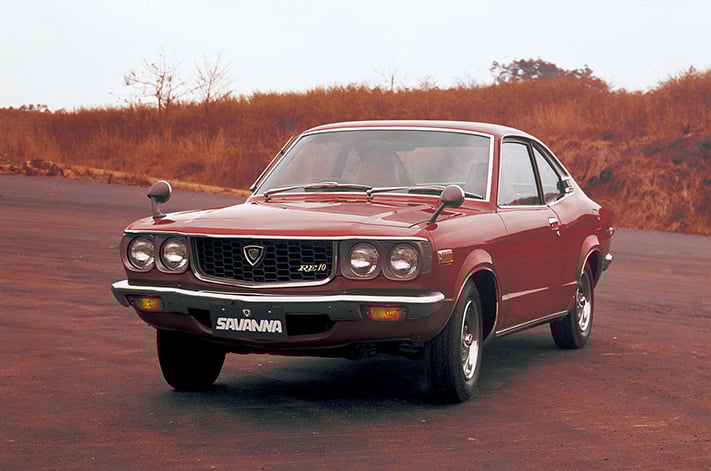
By 1973, 80 percent of Mazda’s US sales were of RX rotary models. But the oil crisis in October put a spotlight on the rotary’s fuel consumption. Relatively thirsty against similar-sized (but less powerful) four-cylinder models, the Mazdas were labelled as ‘gas guzzlers’. Within months, sales tanked by 40 percent – while dull, four-pot Japanese rivals made hay.
Everyone but Mazda abandoned the rotary. With the death of the perennially troubled NSU Ro80 in 1977, Mazda was left to go it alone. And that’s the thing I can sense here at Mine. It’s as though everyone here has that feeling of lightness and gratitude that comes from having fought through near-death and come out the other side.
Mazda had done so by developing some conventional models, the smash-hit 323 and 626 of 1977-78. More importantly, it initiated the Phoenix Plan, with a target of reducing the rotary’s fuel consumption by 40 percent within two years.
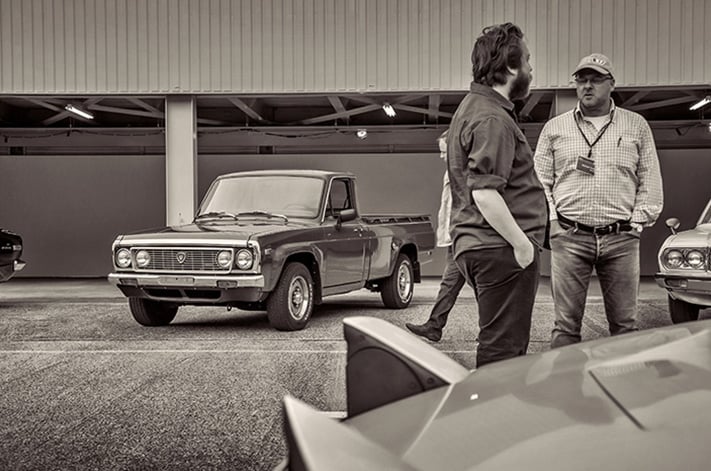
The Roadpacer was meant to provide American-sized luxury within Japan’s strict engine-tax structure. It has more memorably provided decades of derision and automotive-trivia entertainment. Mazda has one in its factory museum, but declined to bust it out for Mine.
THE full fruit of Mazda’s Phoenix Plan appeared in March 1978, in the unforgettable shape of SA22C – the RX-7. It was a worthy successor to the lightweight performance coupe that had introduced the rotary engine 11 years earlier.
The relationship is surprisingly obvious as I slip behind the thin steering wheel – vinyl-rimmed this time, framing an 8000rpm-redline tacho – of a Series 3 RX-7. The absence of power steering is a brisk wake-up into Turn One, as are the possibly original tyres, but very evident is the same combination of linear power delivery and light chassis.
Everyone raves about rotary revs. In practice, the atmo rotaries are so smooth and audibly unfazed there’s barely any impression of approaching redline until the (very necessary) warning buzzer goes off.
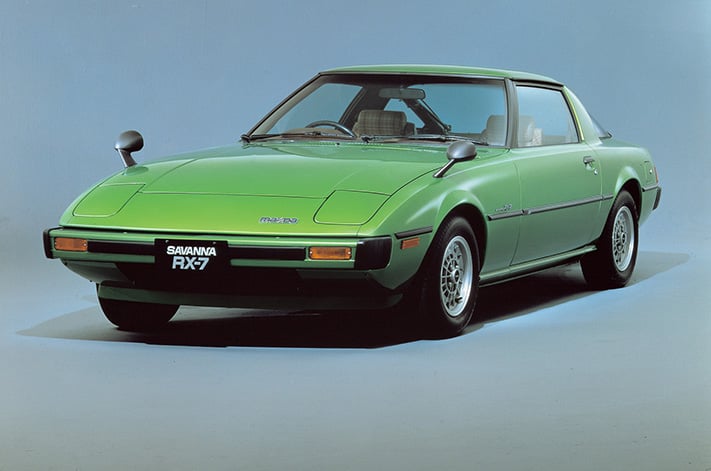
The RX-7 had a similar profile in Australia through Allan Moffat’s campaigns from 1981-84. The car was always controversial, sparking fear and wonder around the emerging technology of its peripheral-ported 12A (and later 13B) engine.
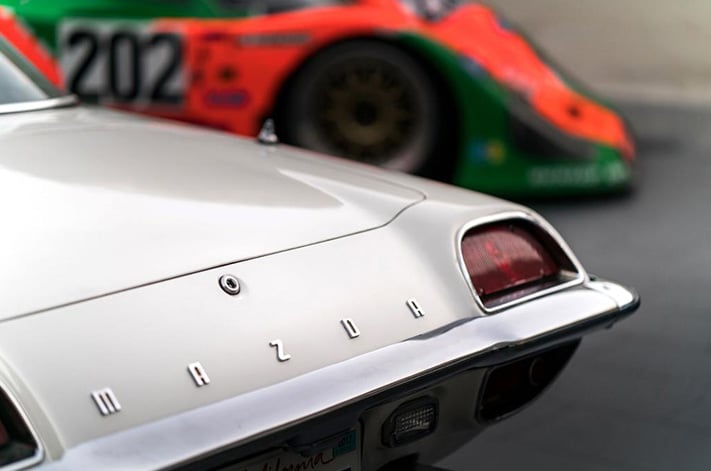
These were all stepping stones towards Le Mans. A Tokyo dealer-entered long-tail RX-7 252i failed to qualify in 1979, but that was merely the first step on a 12-year path to the rotary’s red-letter year at the French classic.
If the second-generation RX-7 of 1985-91 looked like a Porsche 944, it went even harder – especially when optioned with the 146kW twin-scroll turbo 13B. The chassis was more sophisticated than the live-axled Series 1, with an independent rear-end featuring passive toe-control.
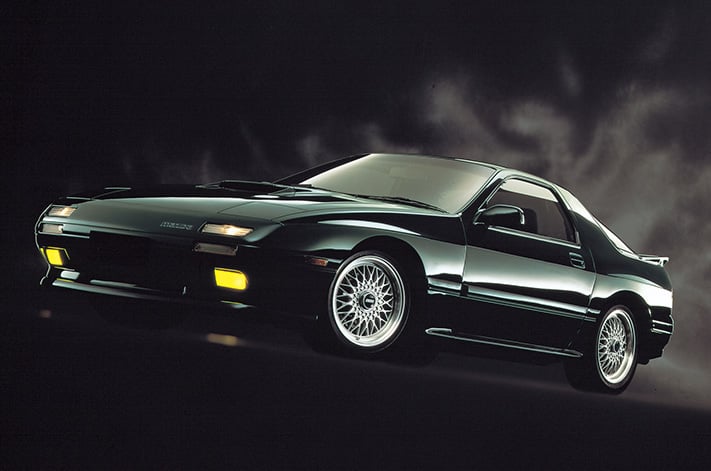
The RX-7 Series 6 (1991-2002) eclipsed its predecessor even more easily. These cars are still justifiably sought-after today with their smooth styling and sizzling twin-turbo performance. The early versions were a handful, with on/off boost, flighty steering and a nervous, over-sprung chassis. As I’m happily reminded at Mine, the later facelift smoothed those rough edges.
The funny thing is how the car’s increasing weight and sophistication was countered by the addition of twin turbos – leaving the distinctive rotary stamp of compactness, lightness and agility. The biggest thematic difference between this and the early Cosmo is the RX-7’s very black and quite claustrophobic cockpit.
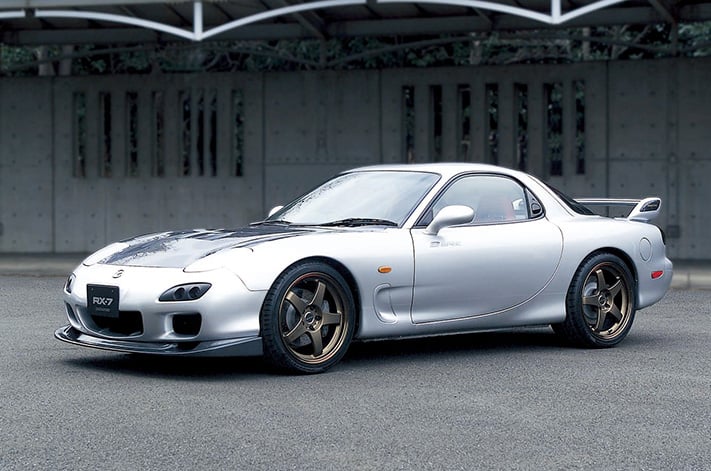
An example I drove at Mine shouted at the still-untapped potential of the rotary.
The rotary’s supposed swansong was the RX-8 of 2003-12. Quite aside from the refinement of its Renesis 13B MSP (multi side-port) atmo engine, which met US emissions regs and boasted a 9000rpm redline, the COTY-winning four-seat coupe brought real innovation in the form of rear-hinged half-doors and lightweight, mixed-material construction.
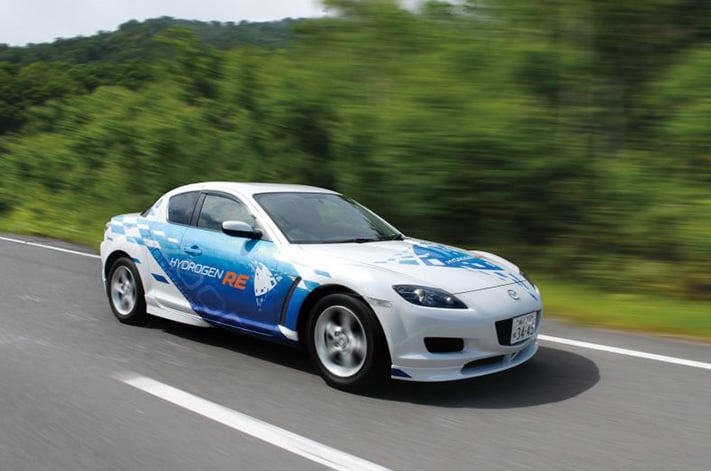
Mazda had a pretty good idea of the Hydrogen RE’s performance; an engineer is installed for my test lap. “You see? You can switch from hydrogen to petrol power on the move, like this,” he explains as we drive out of the pitlane. And back again? “Unfortunately, you can only do that when stopped…”
WE ALL feared that the rotary engine went down with the RX-8. But as one Mazda man at Mine reveals: “It has never really been a successful business case. We haven’t had scale economy, even in the past. We have no textbooks, no teachers, nobody to compare with. But it has a value well beyond a business value.”
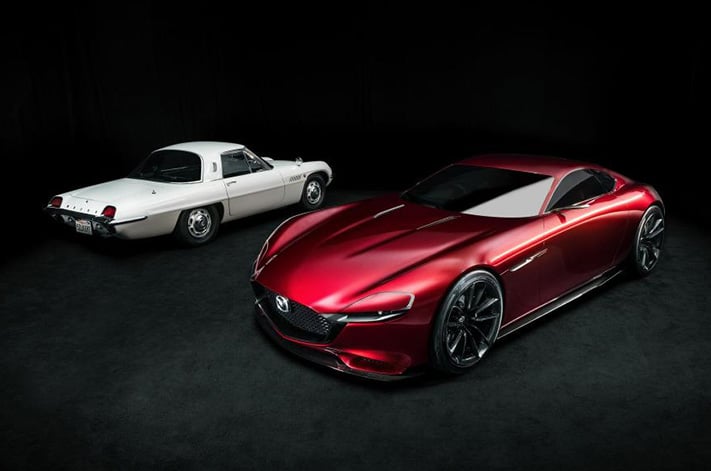
In the pantheon of automotive genius, only Mazda knows how to give the rotary life.
Australian buyers will be spoilt for choice over the next eight weeks with a diverse mix of new cars arriving in local showrooms in June, ranging from new-generation performance models to the latest in SUVs.
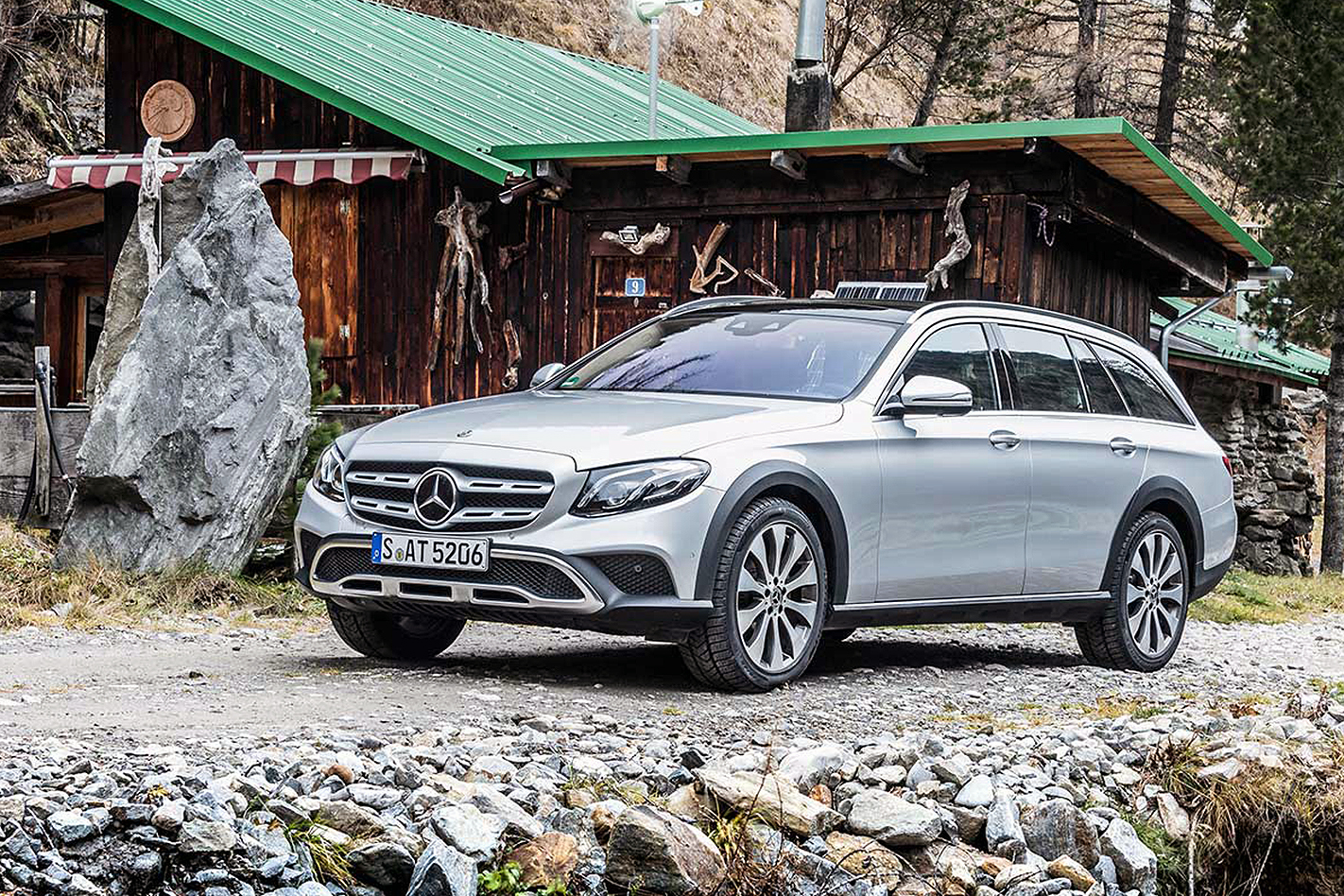
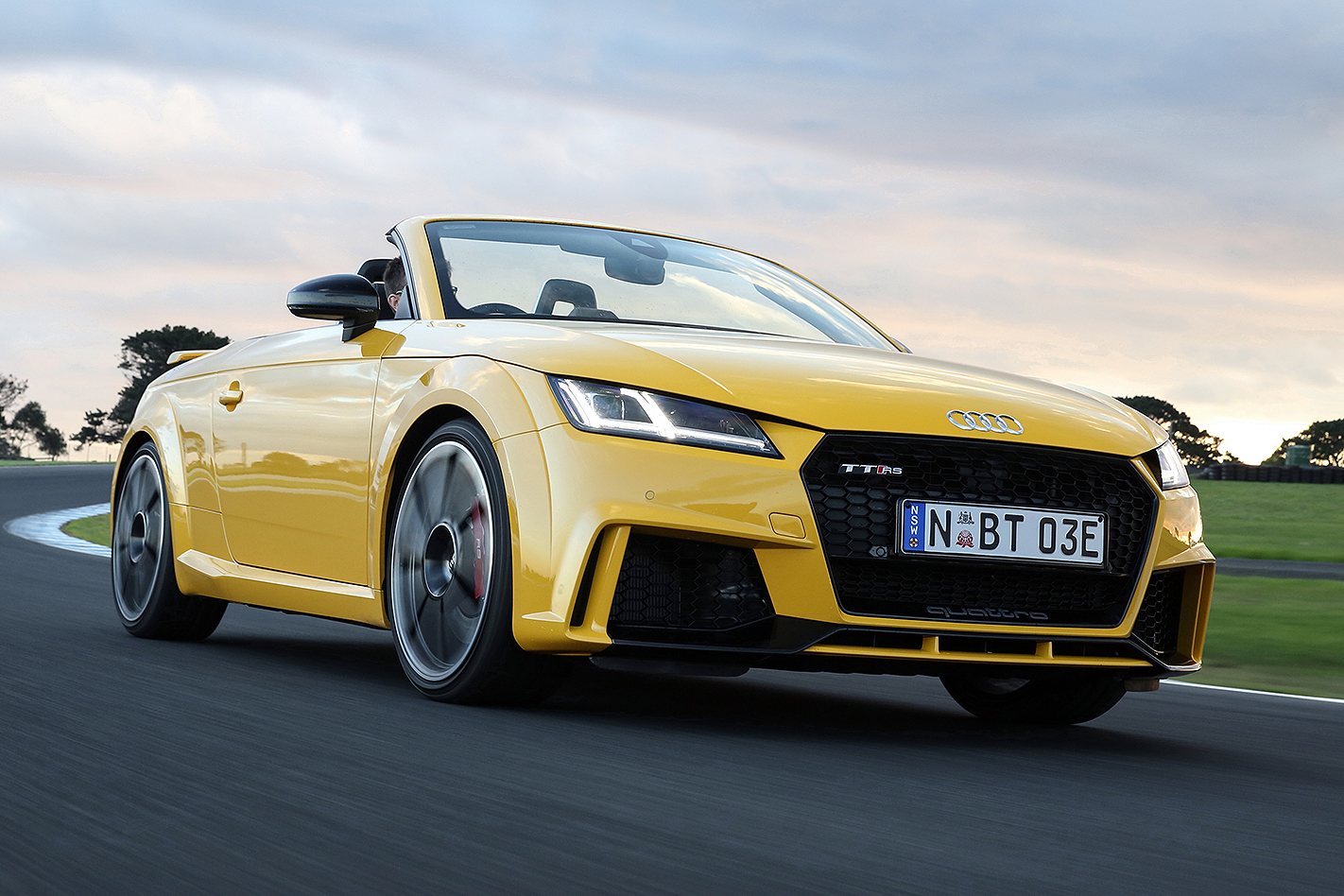
Heading the European arrivals is the second-generation Audi TT RS coupe and roadster and Audi RS3 sedan, which will be joined on the long boat trip by the brutish Mercedes-AMG E63 S and its more sedate stablemates the E-Class Coupe and E-Class All Terrain wagon.
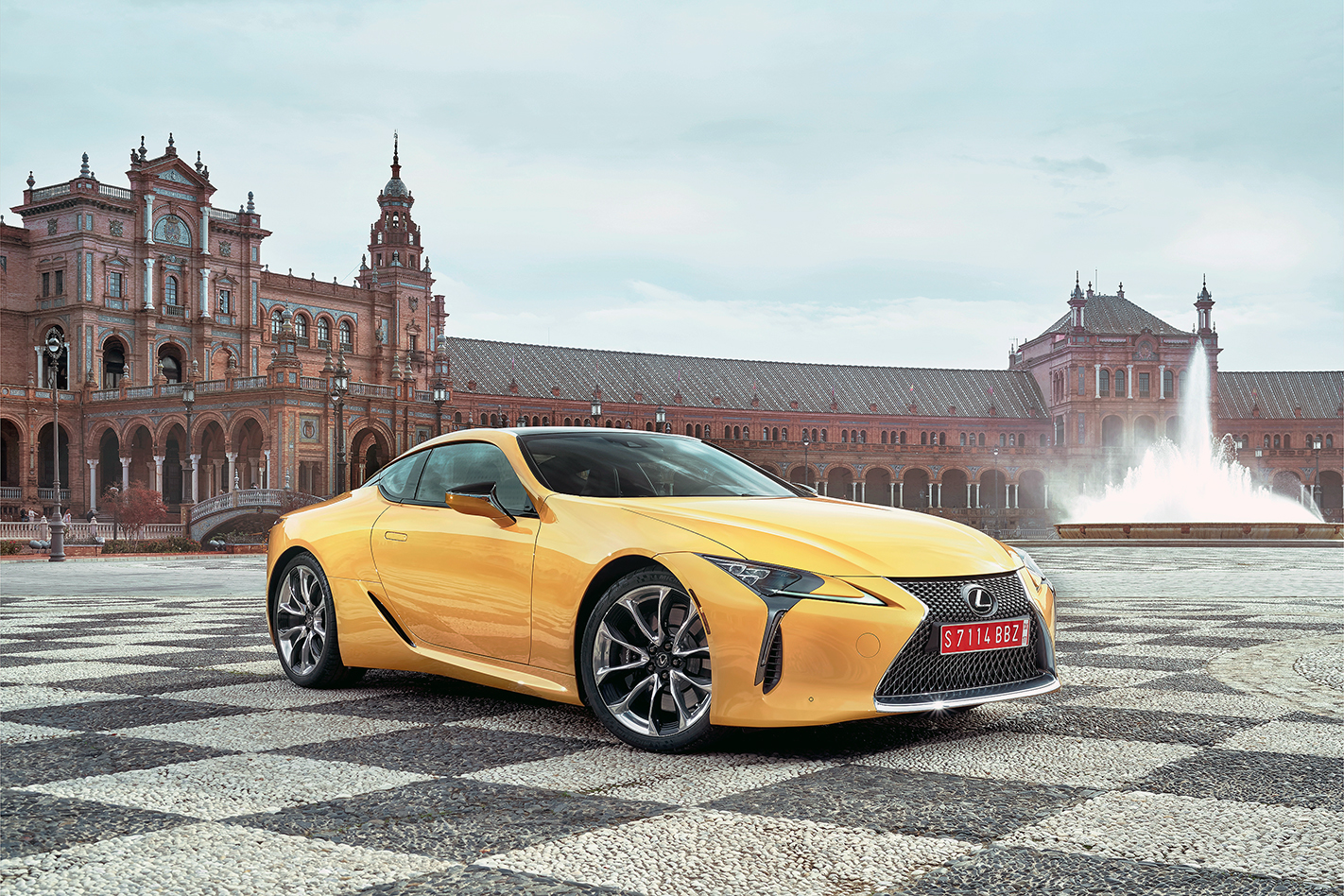
Not so far to travel but equally as exciting is the Lexus LC, the Japanese luxury brand’s rear drive coupe which will be offered with a 5.0-litre V8 or 3.5-litre V6/electric hybrid.
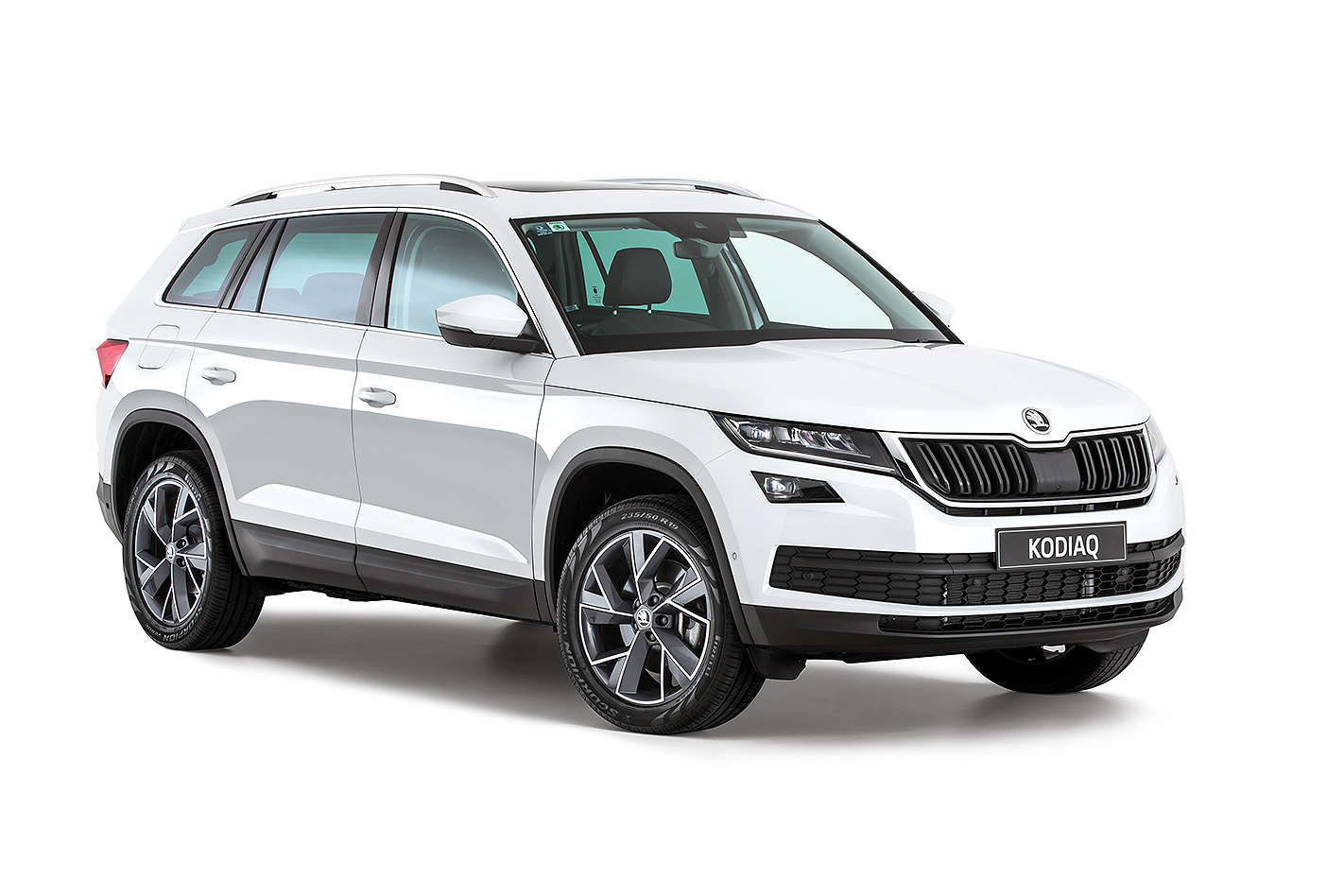
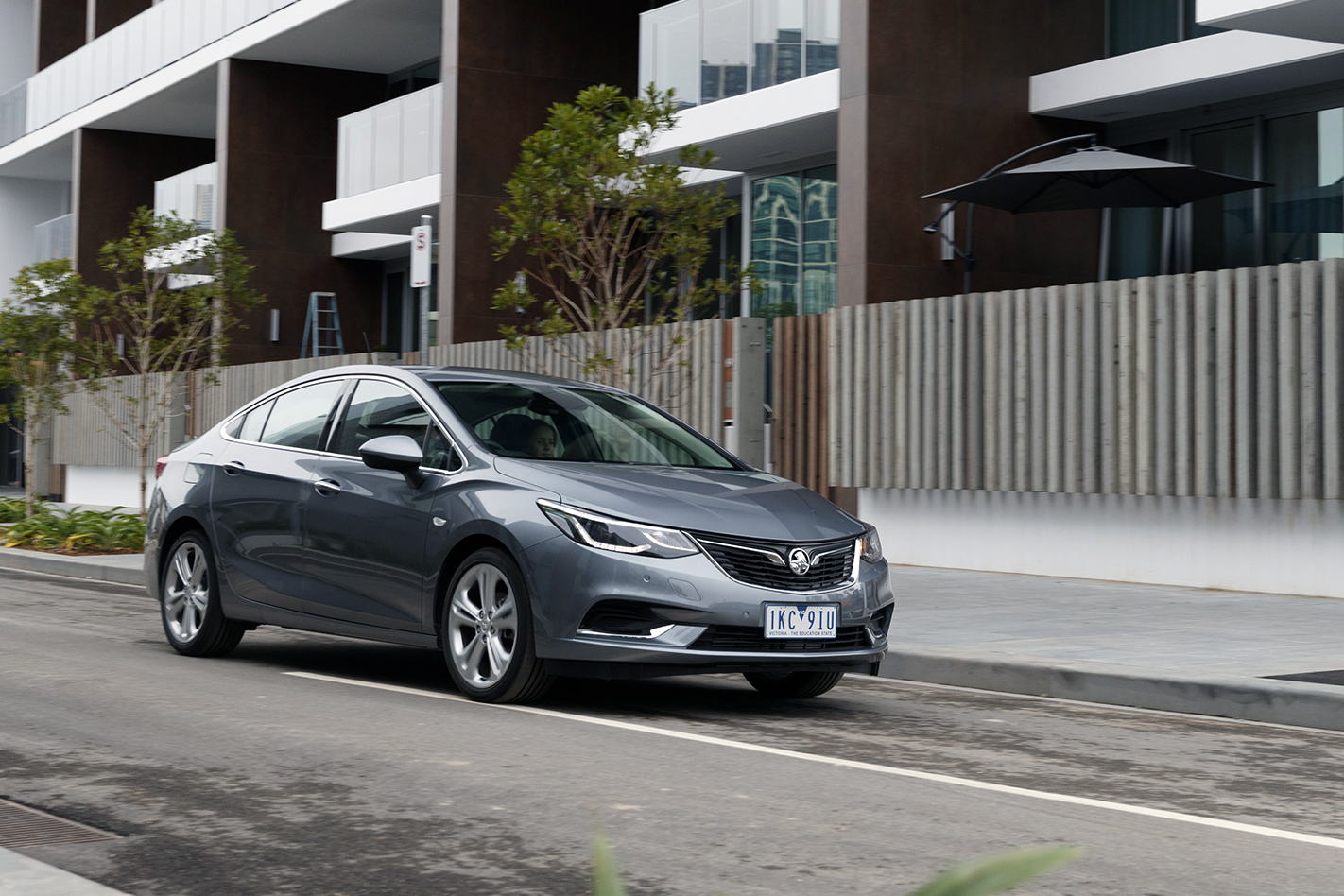
Among the more conventional cars there are few facelifts and some all-new offerings including the newly minted Skoda Kodiaq seven-seat SUV, fifth-generation Honda CR-V, Holden Astra sedan, Subaru XV and Suzuki Swift.
New models on sale June-July, 2017:
- Audi RS3
- Audi TT RS
- Ford Everest five-seat
- Holden Astra sedan
- Honda CR-V
- Jeep Grand Cherokee Trailhawk
- Lexus LC
- Mercedes-AMG E63 S 4Matic
- Mercedes-Benz E-Class Coupe
- Mercedes-Benz E-Class All-Terrain
- Mercedes-Benz GLA Class facelift
- Subaru XV
- Suzuki Swift
- Volkswagen Golf 7.5
A WET Winton and a Mazda MX-5 ought to spell big slides, bigger grins and blithely ignoring calls to return to pitlane.
Thing is, when you’re desperately slithering about on a set of slicks in front of the unforgiving lens of a camera crew and the car in question is one of only two MX5 Cup racers in Australia, worth about $70k, it tends to focus the mind somewhat. Focus it onto one key question. Have they dialled out all of the fun?
That’s the situation that faced editor Alex Inwood as he got the chance to pedal the stripped-out racer on circuit. With the same base powerplant as the 2.0-litre road car but a whole lot of budget thrown at suspension, brakes, tyres and other ancillaries, the Cup is a car that looks set to provide some incredibly close one-make racing.
Later in the day the sun emerged, the track dried and Inwood got the chance to really lean on the MX-5 Cup and compare its laptimes with the standard car. Did the car live up to its promise? You’ll have to check the latest issue of Wheels to read the full story, but let’s just say the boss was spotted hanging around the pit garage with a grin big enough to post a wok into.
The June issue of Wheels is due on shelves on the first of the month, and in the meantime here’s a sneak preview of what to expect.
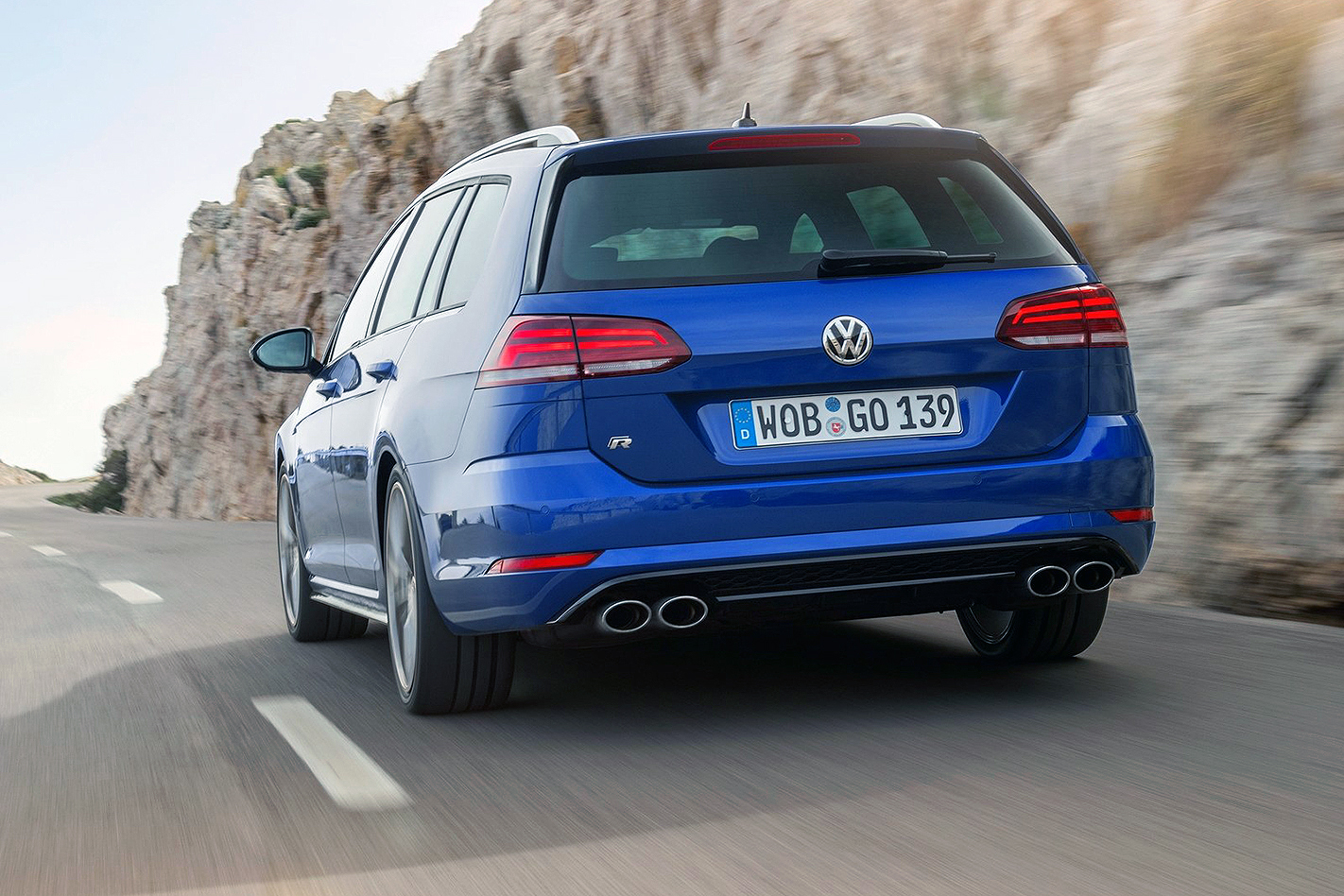
Volkswagen Australia is adding three new hot Golfs to its new ‘7.5’ range, including a couple of Golf R performance wagons.
The new Golf R Wagon will arrive as a full-volume import in January next year, but if you don’t want to wait that long a limited-edition Golf R Wagon Wolfsburg Edition will be available from late August.

Following on from the successful 2015 Wolfsburg Editions, the Golf 7.5 R Wagon Wolfsburg Edition will be released alongside a hatchback version, with just 300 of each to be made available here.
Should you miss out, you’ll be heartened to know when the ‘standard’ Golf R Wagon does arrive it will, for the first time, be a permanent addition to the Golf range here.
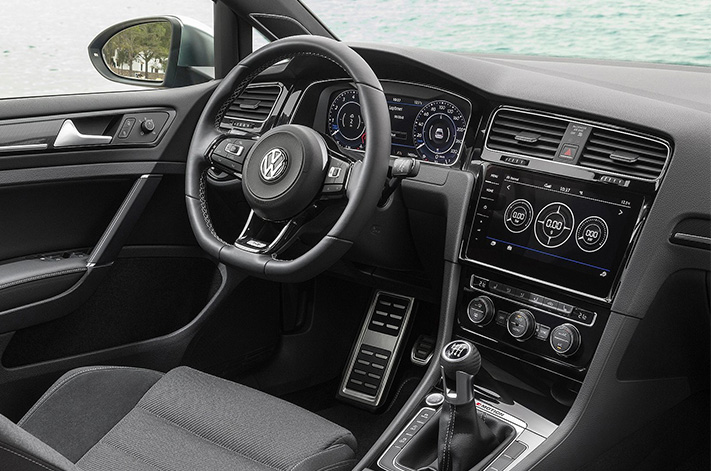
That decision is interesting considering how SUVs continue to cannibalise the station wagon market and are now spawning performance versions. However, Volkswagen Australia’s General Manager of Marketing and Product Ben Wilks says there’s a lot to love about the best-of-both-worlds Golf R Wagon.
“In hatch form the Golf R is by some distance the best-selling and -equipped car of its type. In Wagon form, it is that rarest of beasts – a fun, fast and fully functional family car.”
The only downside, for some, is the Golf R Wagon only comes with an automatic transmission unlike the hatch which has an optional six-speed manual gearbox.
That said the 7-speed dual clutch automatic, which sends power from the 213kW/380Nm 2.0-litre four-cylinder petrol turbo engine to all four wheels, will hardly have you looking for somewhere to pull over for a snooze.
The Golf R Wagon will retail at $57,490, which is $2000 more than the automatic Golf R hatchback, and comes packed with premium equipment that includes:
- Discover Pro 9.2″ navigation system with App-Connect
- Gesture control
- Active Info Display
- Vienna leather appointed upholstery
- Heated front seats
- Electrically adjustable driver’s seat with memory
- Driver’s electric lumbar adjustment
- Power folding door mirrors with memory function
- 19-inch (Spielberg) alloy wheels
- Premium LED tail lights with dynamic indicators
- LED headlights with dynamic cornering lights
- Air Care dual zone climate control air conditioning
- Keyless Access, keyless entry and starting system
- Leather multi-function steering wheel with cruise control
- LED interior ambient lighting
- Rear View Camera (RVC)
- Multi-collision brake and XDL
- Adaptive chassis control with driving profile selection
- Front Assist with City Emergency Brake (City EB)
- Front fog lights
- Automatic headlights
- Rain sensing windscreen wipers
- Automatically dimming rear-view mirror
- Parking distance sensors, front and rear
- Chrome roof rails (R Wagon)
- Adaptive Cruise Control
- Lane Assist
- Blind Spot Monitor
- Rear Traffic Alert
- Proactive occupant protection system
- Dynamic Light Assist
- Grey Metallic 19-inch Pretoria alloy wheels
- Genuine carbon fibre exterior mirror housings
- Oryx White Pearl, Lapiz Blue Metallic & Deep Black Pearl Effect paint finishes
- ‘Carbon’ Nappa leather appointed upholstery
- Dynaudio 400W premium audio system
- Adaptive Cruise Control (ACC)
- Lane Assist
- Blind Spot Monitor with Rear Traffic Alert
- Dynamic Light Assist
Volkswagen Golf R 7.5 manufacturer’s list pricing
- Golf R hatchback, manual – $52,990
- Golf R hatchback, auto – $55,490
- Golf R Wolfsburg Edition hatchback, auto – $57,990
- Golf R Wagon, auto – $57,490
- Golf R Wagon Wolfsburg Edition, auto – $59,990
