
If Porsche’s 911 GT3 tells us one thing it’s people love ‘racecars for the road’.
But if there’s anyone who can truly deliver on that trope, it’s not so much a car company as it is one person. And his name is Junya Matsushita.
The Japan-native’s gained small fame on his social media channels within the Subaru community and for good reason. His daily driven Impreza once terrorised stages in the WRC.
https://www.instagram.com/p/BTG59BWF7B6/
That’s right. In his garage lies a Prodrive-built rally weapon complete with a competition roll-cage, huge brakes, and tricky suspension. And he wheels it out onto public roads with regular cars.
Sensibly, it doesn’t feature ear-splitting anti-lag and a choofing wastegate. It instead harbours the 2.0-litre four-cylinder turbo drivetrain stolen from Subaru’s limited edition WRX STI S204.
From everywhere else, however, it looks real as the time it raced Rally New Zealand in 1998. Minus a few stickers, those pumped guards, smoothed-off side-mirrors, and tarmac-spec wheels hint this is the 22B’s genetic forefather.
https://www.instagram.com/p/BTWb6sAldT5/
Colin McRae may not have been its original pilot, teammate Juha Kangas drove it at New Zealand, but the car shares the same specification. It even has the original pedal box.
Of course, it took more effort to register than find. Junya wanted to upgrade from his WRX STI 22B. After selling his own 22B he bought this WRC Impreza, registration R30/chassis #31, which dabbled in European rallying until 2010.
https://www.instagram.com/p/BUJz8B7lYqC/
Building and registering it for local Japanese roads took over four years. And while it might not wield the rally car’s 222kW and 480Nm boxer, its road-refined 235kW and 432Nm in a stripped-out racer should feel ample enough.
Plus, Junya can trundle down to the shops without worry of stalling it, which he does on a regular basis, with the option of tearing up his local touge.
https://www.instagram.com/p/BRnnuSLl-J-/
Check out Junya’s Instagram page, or Facebook for more.
https://www.instagram.com/p/BSJHVnfFHLT/
New cars come with a great many benefits – a factory warranty, unspoiled interior and completely fresh mechanicals among them – but that’s balanced out by cost. If you want something that’s factory-fresh, it’s a five-figure sum or nothing.
But let’s say you’re set on making your next car a brand-new one – what are your options for something good that won’t put you in financial strife? Assuming you’re able to shop for cars up to $20,000, here are three of your best options:
The Mazda 2 may be middle-aged by now, but it’s still a great choice for keen drivers. In base model Neo manual form, you get to enjoy one of the best H-pattern manual shifts on the market (and not just in the light car segment either) and an engaging chassis that’s as enjoyable to push hard as it is comfortable out on the road.
Accident-avoiding Autonomous Emergency Braking is now standard on 2017 Mazda 2s, as is Mazda’s handling-enhancing G-Vectoring Control system. Engine outputs are modest at 79kW of power and 139Nm of torque, but the Mazda 2’s 1.5-litre petrol loves to rev and has a perky personality that encourages those with a few drops of petrol in their veins.
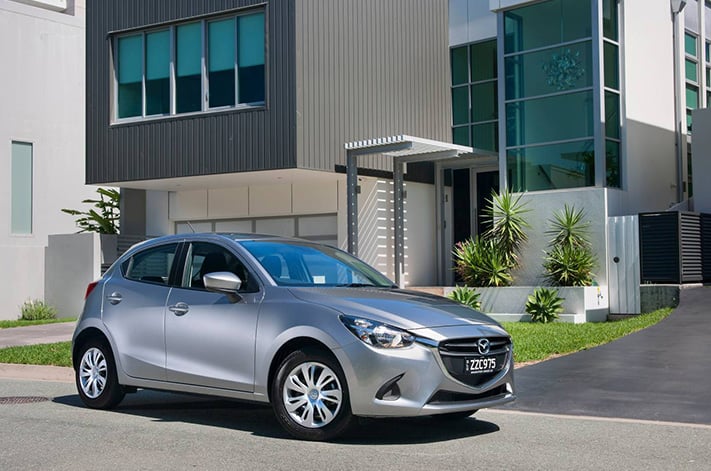
Its interior is also one of the smartest-looking at this end of the price spectrum, with the Japanese-built Mazda 2 boasting great build quality. The only downside of the base model Neo is that you miss out on a full-featured infotainment system and reversing camera – the latter of which would be helpful, considering the Mazda 2’s small rear windows.
But considering the Mazda 2 Neo’s retail price of $14,990, it’s an incredibly fun little hatchback for not a whole lot of money.
Peak power is 79kW, peak torque is 139Nm and claimed average fuel economy is 5.4L/100km
Kia Picanto S automatic – $15,690
The Picanto is a new nameplate to this country, having only popped up in local showrooms in the second quarter of 2016. Since then Kia has moved fast with the Picanto micro car, speeding a new-generation model to market that makes a convincing value-for-money proposition.
Priced at $15,690 drive-away, the Picanto comes with a strong standard equipment list for a micro car. A high-set touchscreen infotainment screen is a highlight, with smartphone mirroring allowing sat-nav maps to be displayed and music to be streamed to the car’s speakers from your phone.
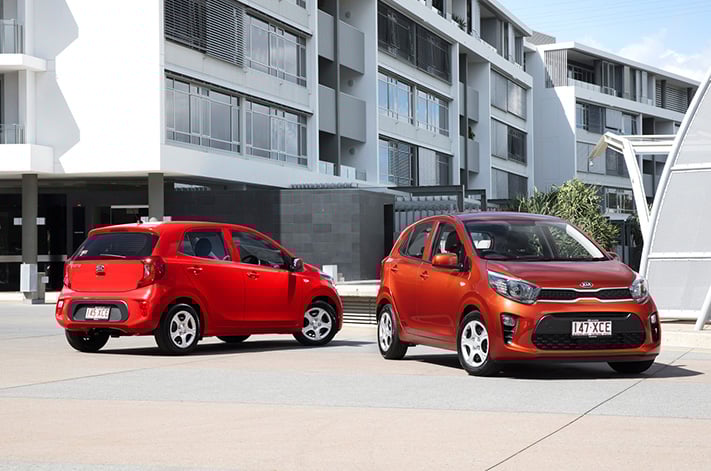
Mod-cons like rear parking sensors, a reversing camera, power windows on all doors and cruise control are standard-issue as well, features that aren’t common in the micro car segment. It also happens to drive well too, with excellent ride comfort and roadholding considering its small stature.
The best part, though, is the price tag. The Picanto S automatic wears a national drive-away price of $15,690, which is very sharp value considering the equipment on offer. It’s the smallest of this trio, but it’s got the most features-per-dollar.
Peak power is 62kW, peak torque is 122Nm and claimed average fuel economy is 5.8L/100km
Suzuki’s Baleno straddles the light and small car segments, and though it may have a slightly shorter wheelbase than the Mazda 2 it absolutely dominates it for interior volume. The boot is sizable, there’s plenty of leg, knee and foot room in the back seat, and the Baleno’s wide body means there’s less elbow-rubbing between occupants, too.
In other words, it’s the best option for those who need to carry more than one passenger on a regular basis.
And at $16,990 drive-away for the standard five-speed manual or an extra $1000 for a four-speed automatic, it’s cracking value. Your back seat passengers will likely assume you’ve spent a lot more.
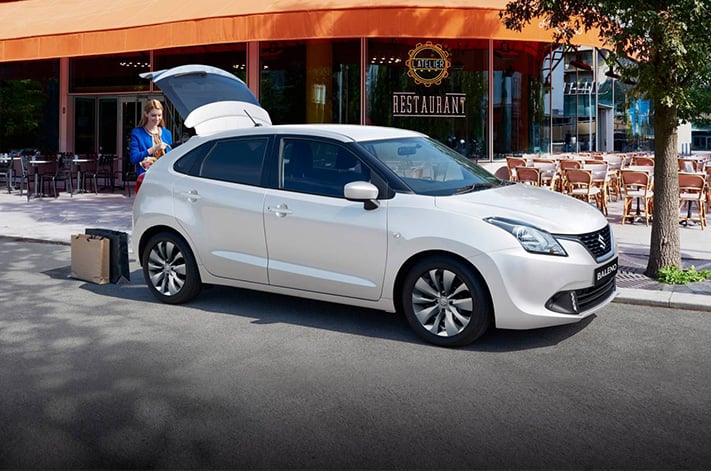
Cabin plastics are hard and shiny and performance is modest, but the Suzuki’s light weight gives it exceptional fuel consumption performance. The base GL’s equipment list is healthy, with a rear camera, 7.0-inch colour touchscreen infotainment display, cruise control and power mirrors being standard.
Smartphone mirroring is offered too, but with the Baleno scoring integrated satellite navigation as standard – the only one in this group to enjoy that feature – many may find they won’t need it.
Peak power is 68kW, peak torque is 130Nm and claimed average fuel economy is 5.1L/100km
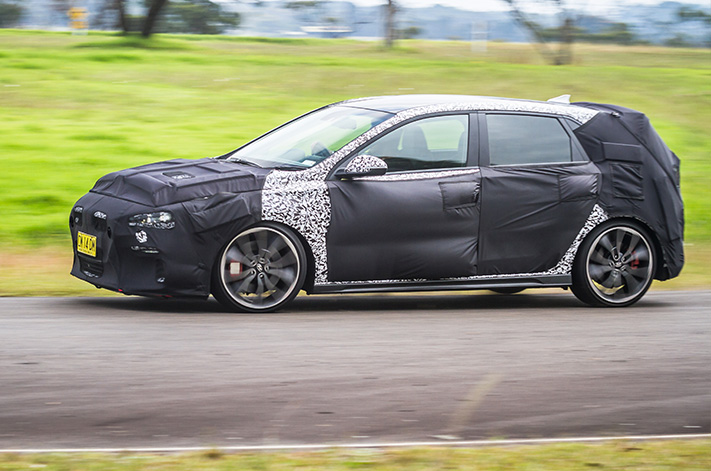
POISED to belatedly join the hot-hatch set with the forthcoming Hyundai i30 N, if these prototypes are anything to go by, it’ll be good!
WHAT IS IT A heavily re-engineered version of the new PD-generation Hyundai i30, featuring an all-new front suspension and steering set-up, a broader front track, a larger 2.0-litre turbo-petrol four, and significantly enhanced seating and driver appeal.
MAIN RIVALS Besides the bleeding obvious (Volkswagen Golf GTI), just about every hot hatch you care to name, especially the manual-only offerings from Ford (Focus ST), Renault (Megane RS) and Peugeot (308 GTi).
THE WHEELS VERDICT A positive first taste of the forthcoming i30 N, demonstrating that it has the sporting DNA to create a polished, poised and powerful hot-hatch alternative to the Golf GTI. All it really needs is a bit more mongrel in the induction growl plumbed in via its sound symposer, and a more pivot from its chassis if it really wants to deliver Focus ST and Renaultsport Megane levels of handling adjustability and involvement.
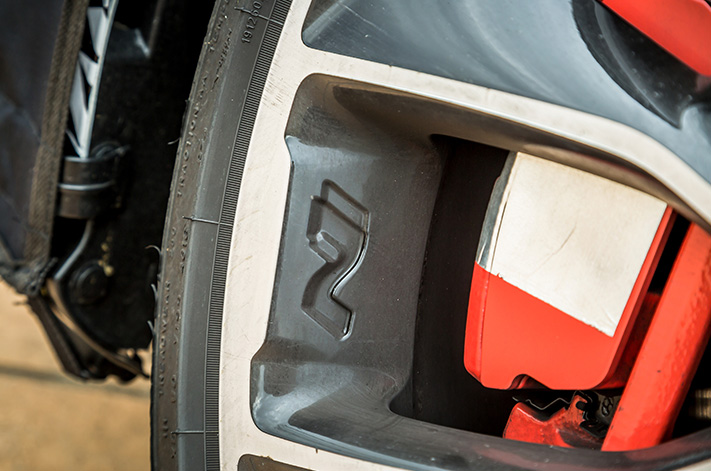
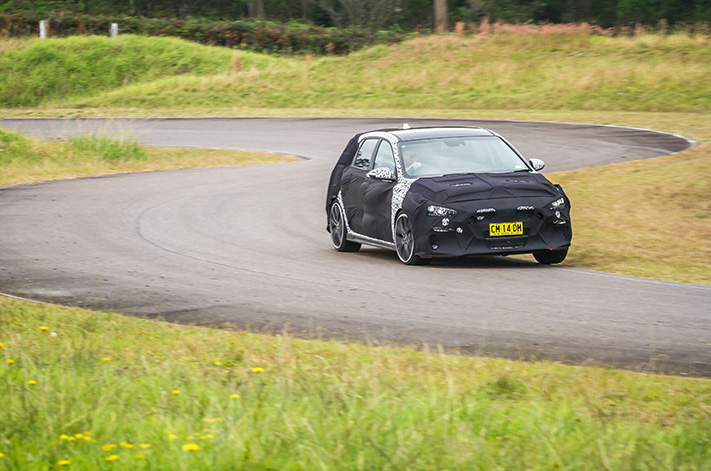
THE WHEELS REVIEW If you started at ‘A’ and consecutively worked your way down the alphabet listing the manufacturers who’ve graced the global hot-hatch stage, Hyundai would appropriately fall somewhere around ‘N’, decades behind even Proton. The odd dabble in turbocharging and a likeable (but long-dead) coupe have barely registered in bolstering the 50-year-old South Korean firm’s brand image, so Hyundai has belatedly decided that a proper performance line is in order, starting with the camouflaged hot hatch you see here, the i30 N.
Hyundai’s performance ambition is no secret, seeing its WRC cars have been wearing light-blue ‘N’ logos for several years now, but this is our first taste of what ‘N’ will mean to its road-going fleet. This is just a spoonful, though, because we’re driving a pair of not-quite-ready i30 N prototypes on a private test track. Many engineering details are yet to be signed off, including suspension tune, engine outputs, and drive-mode calibration, yet even in an unfinished state, Hyundai’s hot-hatch shows real promise. The production versions won’t launch until late this year, closely followed by the i30’s new-generation coupe twin, the Veloster N.
In a similar vein to the multiple grades of Renaultsport Megane, and Golf GTI and R models, Hyundai plans to lure buyers in with a sharply priced i30 N starter. While its headline power output may not be quite as heroic as the Performance Pack model’s (achieved via a slightly different overboost strategy), the base i30 N shares almost everything with its bigger brother. And that means not a whole lot with a bread-and-butter i30.
Beneath the inevitable car bras and camo colouring, the N versions disguise a completely new front suspension set-up, with flared front guards to house a broader track. Up front, nothing is shared with the regular i30, or even the warm SR. A new front crossmember, front knuckles, lower control arms, and a new dual-pinion steering rack with rack-mounted electric assistance (instead of column-mounted) combine with completely different kinematics (lower roll centre, different king-pin offset) to achieve faster steering response and a higher level of traction, while still providing good feedback.
Yet there are some differences between N models. The base car relies on torque vectoring and wheel braking to enhance its traction, whereas the Performance Pack version scores an electronically controlled LSD, as well as larger front brake rotors and 19-inch alloys wearing HN-stamped Pirelli P Zero 235/35R19 tyres (instead of Michelin Pilot Super Sport 225/40R18s).
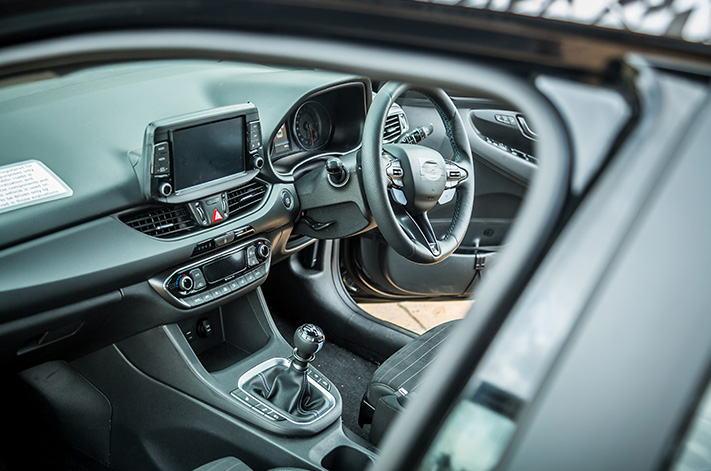
One final feather in the i30 N’s dynamic cap is its damping system – fully adaptive with five modes: Eco, Normal, Sport, N, and Custom. They are adjusted via two light-blue-coloured flaps mounted beneath each horizontal spoke on the N’s nifty steering wheel. The left scrolls between Eco, Normal and Sport – the damping and steering calibrations of which are yet to be determined by Hyundai’s Aussie engineers for our market – whereas the right activates ‘N’ mode (which ramps everything to its max setting, mainly for racetracks) or Custom, which allows individual configuration of suspension, steering, throttle response, ESC control, LSD control, exhaust sound and rev-matching. A unique feature in the hot-hatch class, this synchronised rev-matching function ramps up its flamboyance as you scale through the drive modes, or you can turn it off via a button on the wheel.
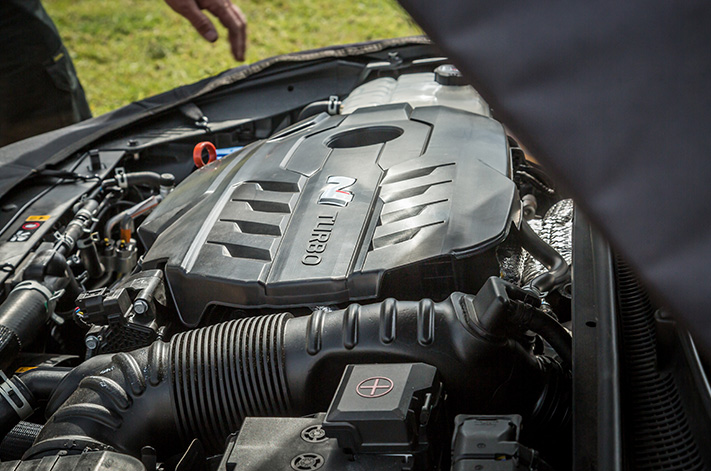
Unexpectedly, there’s a smooth and sweet cohesion to the 202kW N’s demeanour that is almost at odds with its power figure. Its engine – a development of the all-aluminium 2.0-litre ‘Theta II’ turbo donk from the Sonata – cops a new turbo, a barky new exhaust system, new sensors, and a revised induction system to give it much more high-performance character.
2018 Hyundai i30 N makes track debut in near-production form
“We worked a lot on the intake system to have a more free airflow in and out; that’s the magic of a good turbo engine”, says Biermann. “We tried to keep it up revving way above 6000rpm … some of the turbo engines die too early and run out of talent, and we tried to avoid that as much as we could because for good driving, you need linearity also from the engine.”
The reality proves it’s a vastly different beast to the Sonata’s smooth but rather characterless unit. In the top i30 N, an active exhaust flap (unique to this model) combines with a sound generator that plumbs induction noise to the firewall to give the i30 a fruity and crackly, yet sweetly refined personality. You can hear the turbo spooling up quickly from 1700rpm, yet this engine will happily stretch to the 6800rpm cut-out if you so desire. That said, 3000-6000rpm is its pleasure zone, supported by a subtle growl from the engine bay under load – perhaps a bit too subtle for a hot hatch with this level of performance – and a deliciously barky dual exhaust on overrun or between gearchanges.
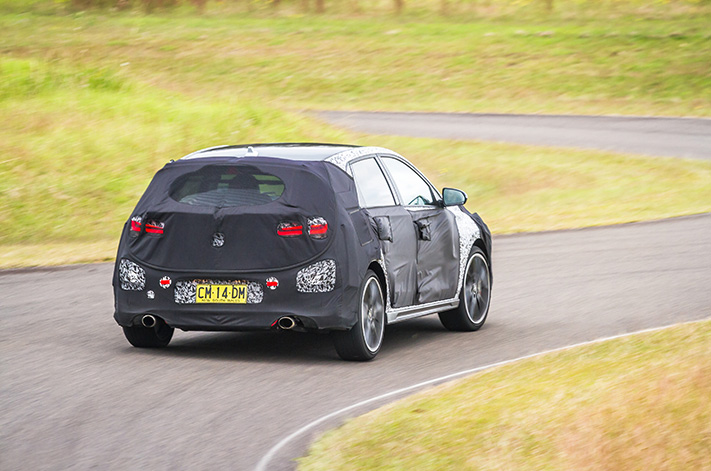
The 184kW car comes off surprisingly well in the face of its beefier, more feature-laden sibling. Not quite the same level of exhaust bark takes little away from its drivetrain sportiness, while the lack of a dedicated LSD only makes itself felt in really hard driving. At six or seven tenths, even in the rain, the 184kW i30 N has no difficulty feeling quick and effortless. In order to enhance the i30 N’s entry point, I think the starter model makes complete sense – if you don’t mind shifting gears yourself.
What such a closed environment doesn’t tell you is what the i30 N’s road refinement is like, or any dynamic aspect of its Normal and Sport modes considering both are yet to be tuned for Australia. But the bones are definitely there. The i30 N package feels holistic in its cohesiveness, and that’s with more tuning still to come.
A track-honed car that’s also comfortable and involving on the road is what hot-hatch dreams are made of. Hyundai has never produced a true performance car, let alone a sporting model able to challenge class benchmarks, but a lot of energy has been invested in the i30 N program. And given our brief taste of this surprisingly sophisticated hot hatch, there’s every chance the finished product may finally show the Golf GTI what a true all-rounder can be. If you want a manual, that is.
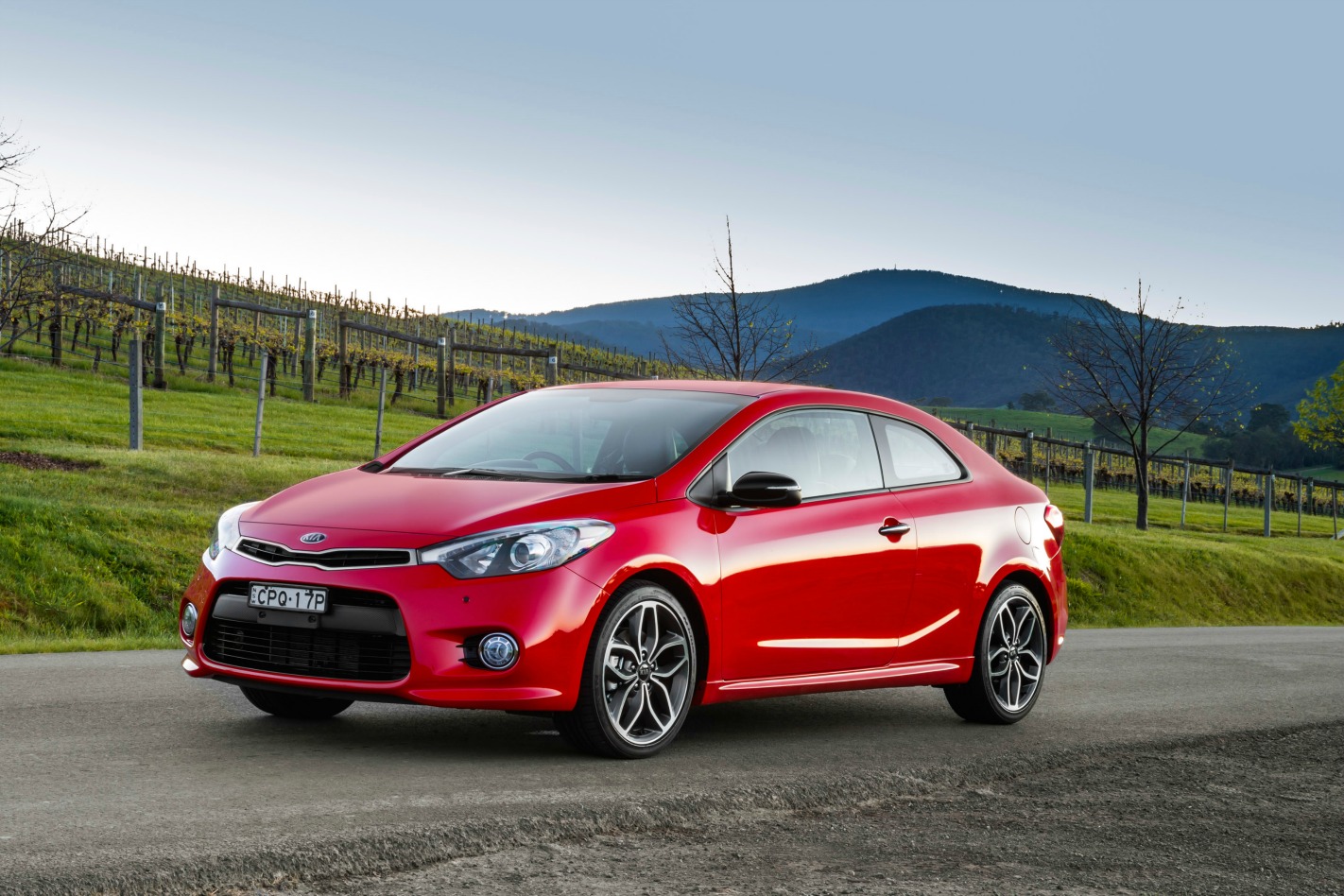
If you accused MOTOR of only being interested in fast or fun cars, you’d be pretty close to the mark.
If you said we only want the newest and most high-rolling cars to test, you’d be very, very wrong.
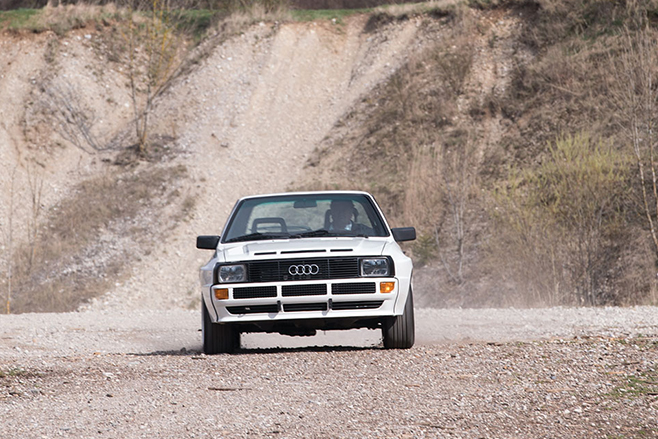
It’s about to find its next owner, thanks to RM Sotheby’s, and even the auction photos show it getting a glimpse of its potential.
Though we wouldn’t want to see it crash, there were only about 200 built, and 164 sold.
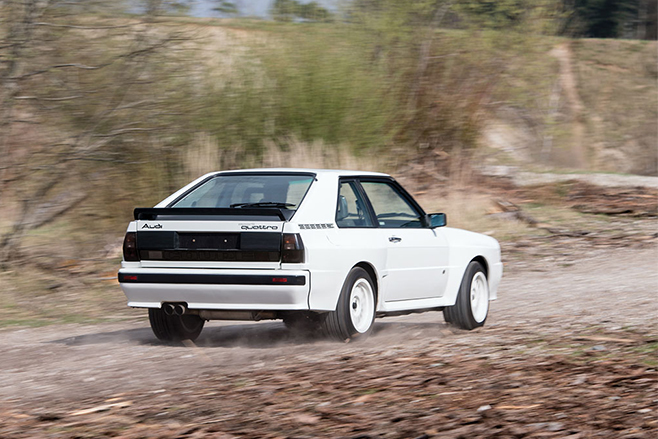
The original factory Sport quattro only put out about 30kW less.
While that’s not a lot by today’s standards, the lack of driving assistance makes for a more involved experience. It’s part of the reason the hot hatch craze was born in the ‘70s, but didn’t thrive until the ‘80s.
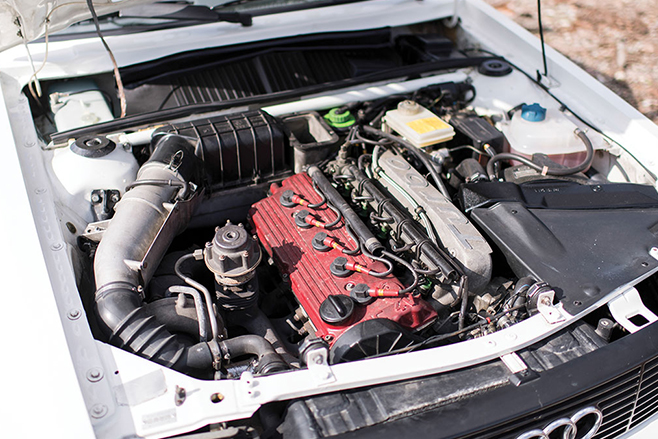
“Since 2012, this Sport quattro has been stored in a warehouse, having been moved regularly, and is thought to have travelled less than 10,000 kilometres in the last 10 years,” the auctioneer says.
“Prior to the sale, this car will be subject to a full Audi inspection, with all necessary work taken care of, including new belts.”
They’re expecting it to pick up between 300,000 and 350,000 euros, or up to 522,000 of our own dollars.
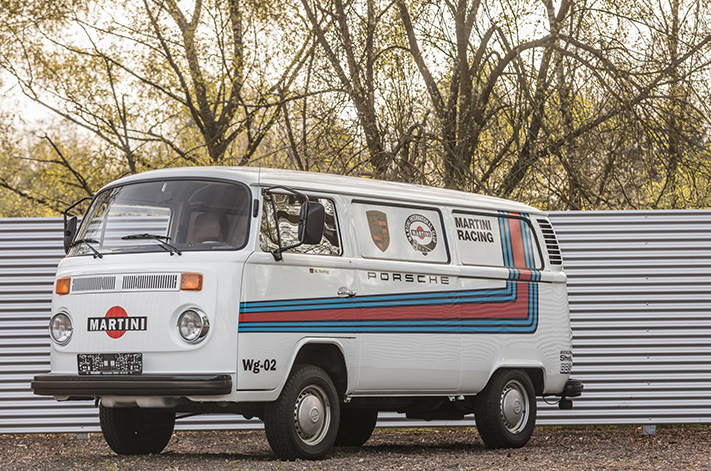
BEFORE we rush into things such as facts, background and provenance, take a moment to appreciate the timeless beauty of this German duo and their striking Martini livery.
Owning a classic racing Porsche in the iconic red, blue, and white paint scheme is to realise automotive nirvana, but for the car to come with its own matching transporter, that’s something truly special.
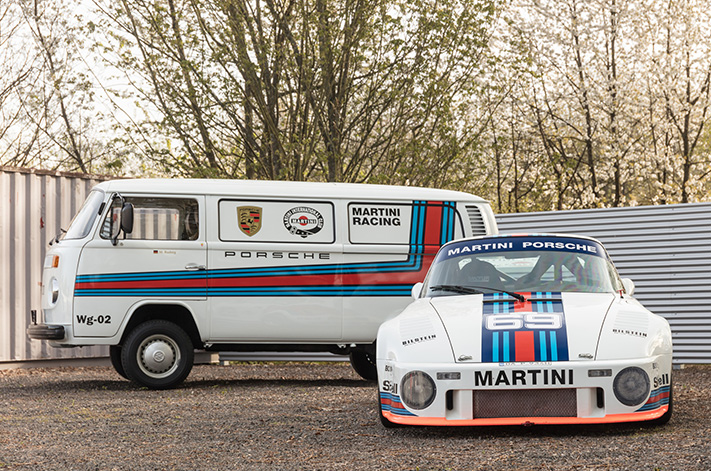
The cars, a 1976 Porsche 934/5 Kremer Group 4, and 1977 Volkswagen T2 Transporter, are being offered in separate lots, but we can’t imagine any discerning bidder landing one fine example without wanting to nab the other.
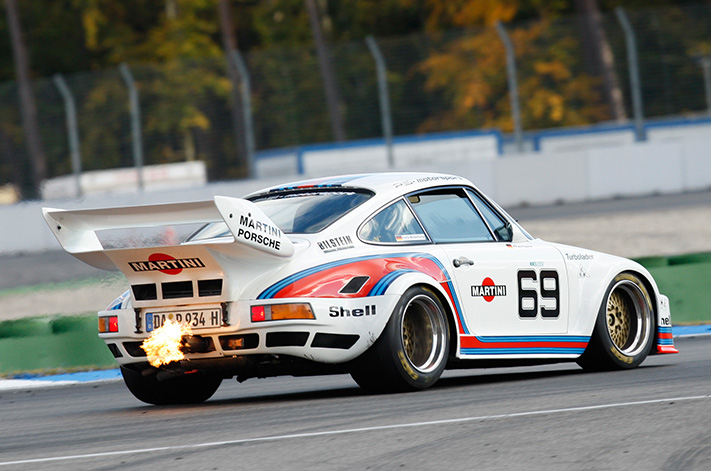
For sale: Unused Porsche 911 Carrera RSR 3.8
While the pretty pair has been suggestively promoted by the auction house as a match made in heaven, neither car can boast original Martini provenance or a significant relationship to one another.
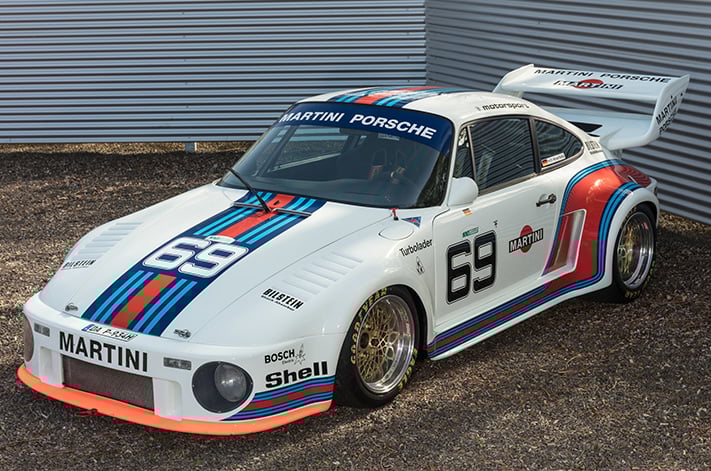
In the case of the T2 Transporter, the new owner has the option of removing the stickers and returning the car to its original form if they so desired.
It’s not just the stickers that aren’t original, with the addition of a tow bar, sunroof, and 2.1-litre flat-four from a Porsche 914.
If you don’t have a cool half a million waiting to be invested, join us as we drool over this beautiful pair a little longer.
Honda is making just one change to its HR-V small-SUV line-up as part of a running update, adding satellite navigation as standard equipment across the range while holding prices steady.
In-built sat-nav was missing from the HR-V range when it was introduced in 2015, with Honda instead offering an app that could only be used with an Apple iPhone synced to the entertainment system.
The company is hoping the addition will help the HR-V maintain its competitive advantage, particularly at the cheaper end of the market.
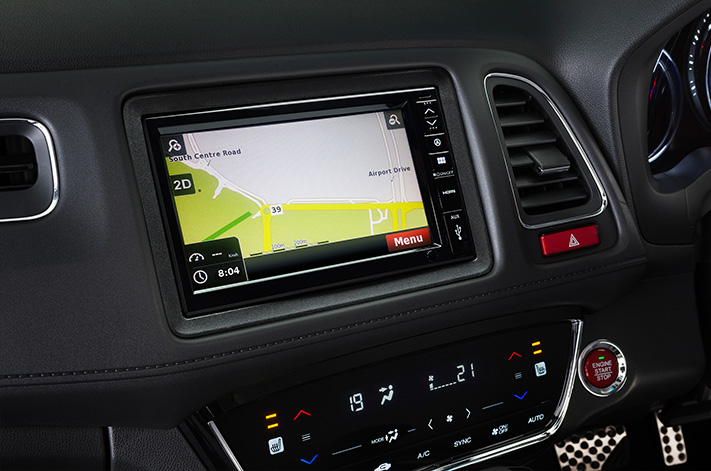
While this would give the base-model VTi further appeal it is still without automatic emergency braking, a big safety feature now standard in entry-level competitors such as the Mazda CX-3 and Toyota C-HR.
That said, the Honda HR-V still comes with an impressive list of other standard features including cruise control, reversing camera with normal, wide and top-down view modes, climate control, an infotainment system with a 7.0-inch touchscreen and Apple CarPlay/ Android Auto and Bluetooth connectivity, a graphic trip computer, hill-start assist and alloy wheels.
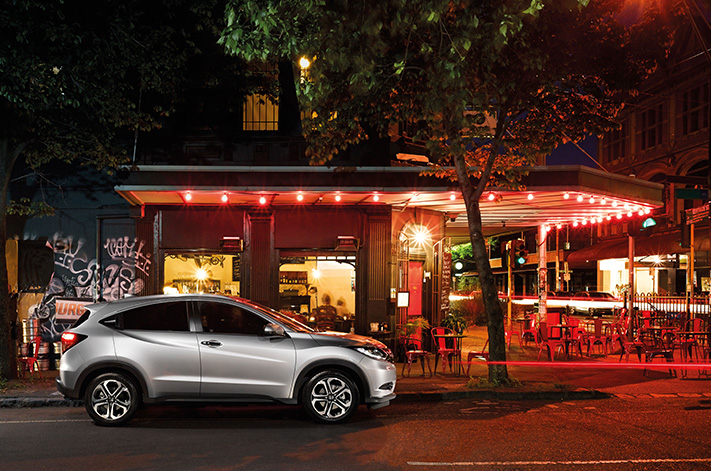
You have to go up one grade to the VTi-S for auto-emergency city braking, while the range-topping VTi-L has a $1000 Advanced Driver Assist System (ADAS) option that adds a forward collision warning system that works at highway speeds, lane-departure warning, and auto-dipping headlights.
All HR-V models are front-wheel drive and powered by a 1.8-litre petrol four-cylinder mated to CVT.
The sat-nav savvy Honda HR-V is now on sale around Australia.
2017 Honda HR-V pricing
- VTi – $24,990
- VTi-S – $27,990
- VTi-L – $33,340
- VTi-L – $34,340
Medium SUVs are Australia’s fastest-growing vehicle segment, and now the second most popular overall.
If you’re looking to buy into the trend, it’s worth noting that May and June are two of the best months of the year to make your new-car purchase. It’s a period during which almost all manufacturers/dealers advertise special offers to help reach end-of-financial-year targets.
Great value means more than just a great price, of course, and to help you get the best of both worlds, WhichCar’s sister brand Wheels has calculated the key ownership factors and costs to establish which medium-sized, front-wheel-drive SUVs priced under $45,000 offer the best value in their class.
Wheels’ Gold Star Car awards scored cars out of 100. Real costs comprising three-year depreciation and a year’s insurance and fuel expenses accounted for 80 percent of the score, with 10 percent each for servicing costs and warranty.
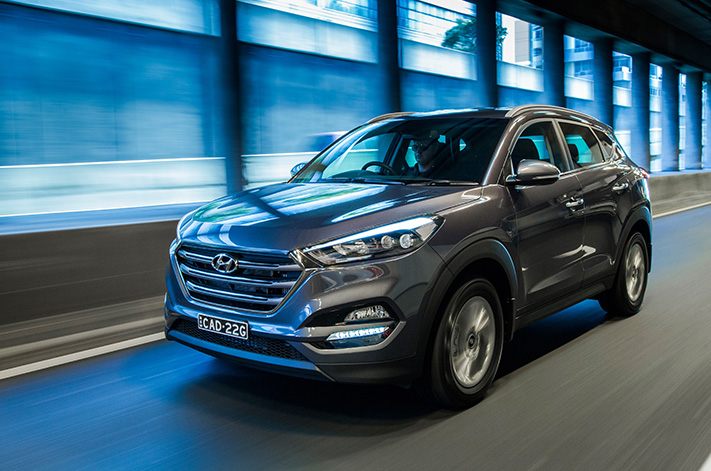
The days are gone when Kias were simply focused on being the cheapest vehicles in their class, and indeed the $28,990 Sportage Si starts $1000 above the sister Hyundai Tucson. It was even $1800 above the base model of Australia’s biggest-selling SUV, the Mazda CX-5, though the just-launched second-generation model now offers the Maxx FWD from $28,690.
However, Kia’s service intervals remain longer than the Mazda’s – up to 105,000km over seven years compared with up to 50,000km across five years – and the Sportage’s industry-leading seven-year warranty remains more than double the CX-5’s three years.
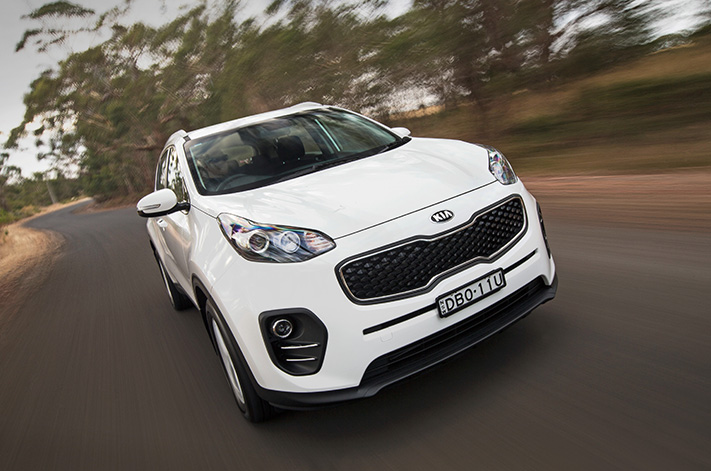
Add a three-year resale prediction that’s still the right side of 50 per cent (52%), and the Sportage Si sits on the top step of the podium for the Gold Star award.
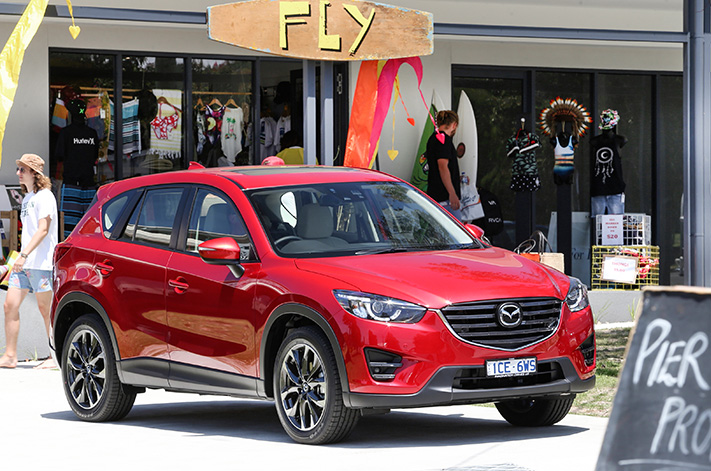
If you can live with the CX-5 Maxx’s reduced peace-of-mind period, the silver-placed Mazda CX-5 Maxx offers the lowest running costs across three years thanks to the thriftiest fuel consumption (despite a slight increase from 6.4 to 6.9L/100km), strongest resale* (56%), and most affordable annual insurance* ($733).
Hyundai’s Tucson Active, perhaps expectedly, is similar to the Sportage in most respects, with the close contest between this top three meaning a slightly weaker resale (50%) and two years’ less warranty were enough to push it down to the bronze position.
Among the EOFY deals, Kia is offering the Sportage Si (and other trim grades, until 30th June) with a $1000 factory bonus that’s simply deducted from the RRP. Mazda is offering run-out deals on the just-replaced CX-5, though invites buyers to contact dealers for more details. Hyundai’s $27,990 driveaway deal for the Tucson Active is for a manual variant and limited to May.
*Figures based on 2016 Mazda CX-5 Maxx FWD.
The Mazda 2 is one of those rare light cars that provide a mix of good value and driver enjoyment. It looks good and has a premium feel inside while delivering plenty of power, and it is equipped with smart city braking as standard. Prices start at $14,990 and it’s available in four variants with five-door hatch and sedan body styles all powered by a 1.5-litre engine coupled with either six-speed manual or six-speed automatic transmissions.
Variants
The Mazda 2 comes in four model grades; the Neo, Maxx, GT and Genki (compare these specs here). The entry-level Neo provides excellent value and while it’s missing a few features, including a display screen and reversing camera, it does come with automatic city braking.
The Maxx introduces a more powerful 87kW/141Nm version of the 1.5-litre engine, DAB+ digital radio and infotainment apps displayed on a 7.0-inch floating screen with reverse camera and 15-inch alloy wheels. The steering wheel and gear-lever handle are trimmed in leather, and your music comes from six speakers rather than four.
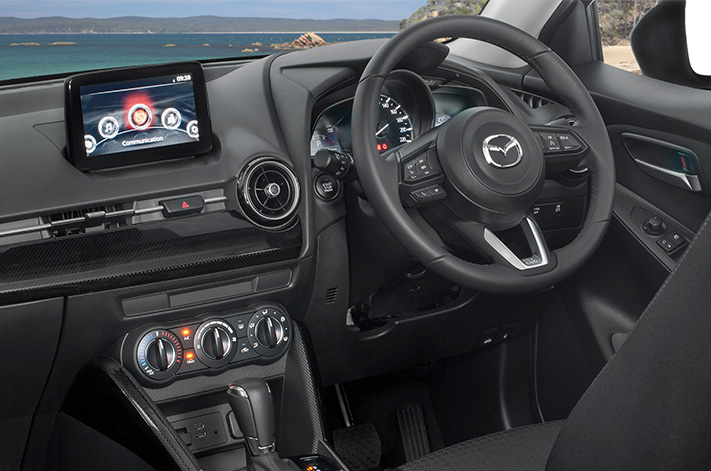
The Genki adds leather interior, satellite navigation, dusk-sensing LED headlamps, daytime running lights, auto windscreen wipers, climate-control air conditioning, 16-inch alloys inches, blind-spot monitoring and a rear cross-traffic alert.
The range-topping GT is essentially a Genki with white seat and cabin trim. It comes in hatch and sedan body styles with just the six-speed manual gearbox.
- Neo hatch/sedan, manual – $14,990
- Neo hatch/sedan, auto – $16,990
- Maxx hatch/sedan, manual – $17,690
- Maxx hatch/sedan, auto – $19,690
- Genki hatch, manual – $20,690
- Genki hatch, auto – $22,690
- GT hatch/sedan, manual – $21,680
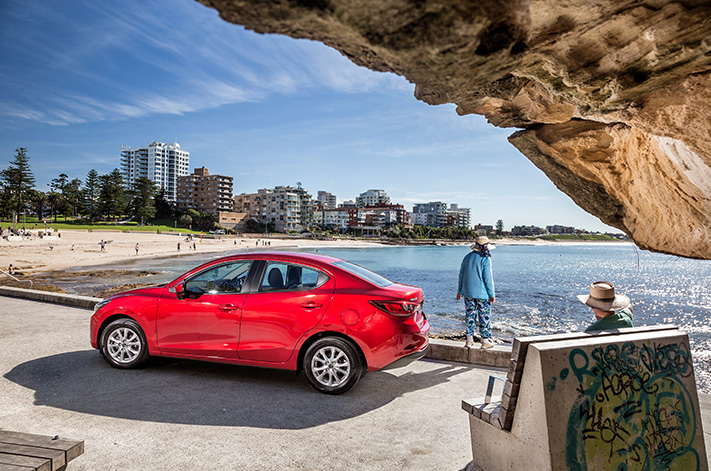
The Maxx is an excellent choice with plenty of features for the sub-$20,000 price. The perky manual transmission feels sporty and makes the 2 one of the most enjoyable cars to drive for its size and price. That said, if you are clutch adverse, the six-speed automatic transmission is pretty good too if not as fun. The interior has a premium feel with quality fabric seats that don’t make you yearn for the leather in the upper-spec models. The sedan’s boot holds 440-litres compared to the hatchback’s 250-litres and is arguably the better looking of the two.
Available options
Equipment you may want to add to up-spec the Maxx include:
- Metallic paint – $300
- Front parking sensors – $635
- Satellite navigation – $701.84
- Welcome illumination in the foot well – $259.06
- Alloy pedal covers – $306.38 (auto)/$337.72 (manual)
The Maxx is well-appointed enough to not require further bling. One thing all Mazdas lack is Apple CarPlay/Android Auto connectivity, which makes the satellite navigation pack a worthy addition while still keeping your purchase price around $3200 less than the GT sedan.
THE next BMW M5 won’t go into production until November 2017 and won’t reach Australia until the following year. But the Bavarian brand’s engineers believe they’ve almost finished creating something really special…
WHAT IS IT? A high-performance version of the new G30 5 Series. Its engine is an update of the twin-turbo 4.4-litre V8 in the previous F10 5 Series-based M5, but a complete rethink of the super-sedan’s drivetrain makes it a much more capable and charismatic car.
WHY WE’RE TESTING IT When BMW’s M Division invites you to try the next version of the M5 six months before its international launch you don’t say no…
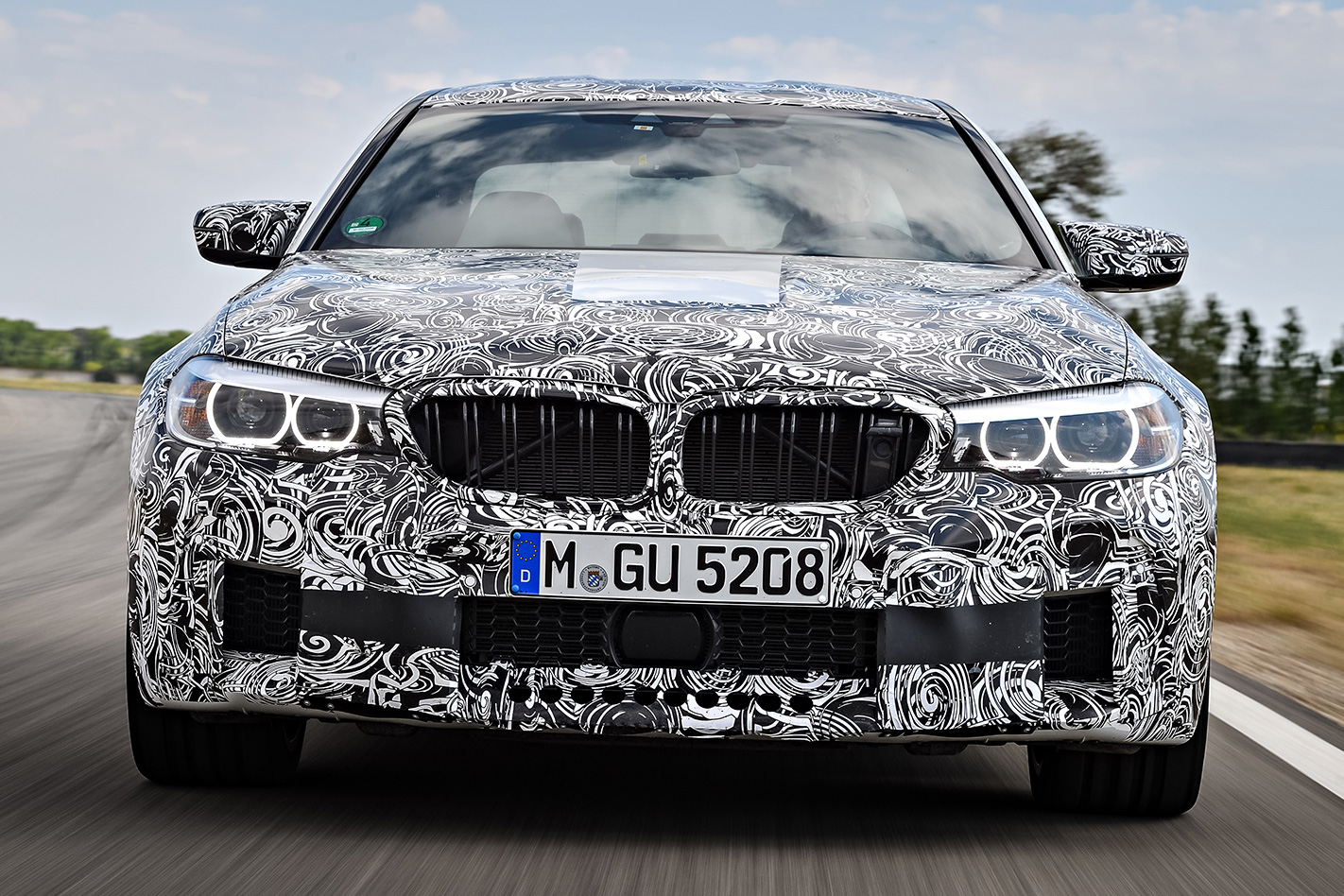
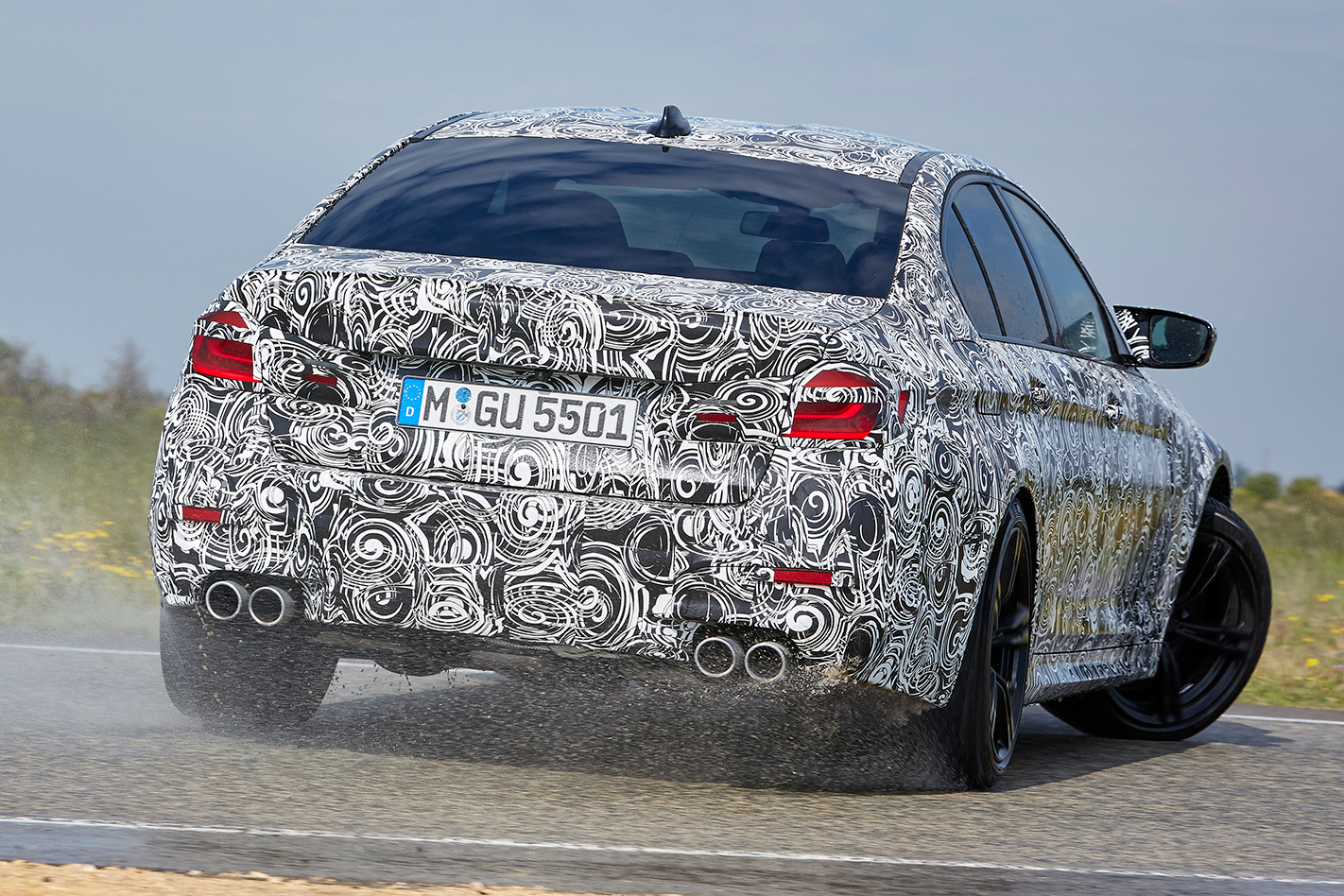
POWER PLAY
Ask M Division engineers about the new M5’s maximum outputs and the answer will be the same every time. “We have about 600 horsepower and 700 Newton metres.” The reluctance to disclose is understandable. The men from Munich don’t want to provide the guys at Affalterbach, home of Mercedes-AMG, with a firm target to trump.
That 600 horsepower figure translates to 450kW, exactly the output of the twin-turbo 4.0-litre V8 in the E63 S. It’s also an increase over the 423kW produced by the current M5’s twin-turbo 4.4-litre V8.
The new M5’s engine is an update of the current V8, with new turbochargers and fuel injectors, plus a redesigned exhaust system. More than this, the M engineers aren’t telling…
