
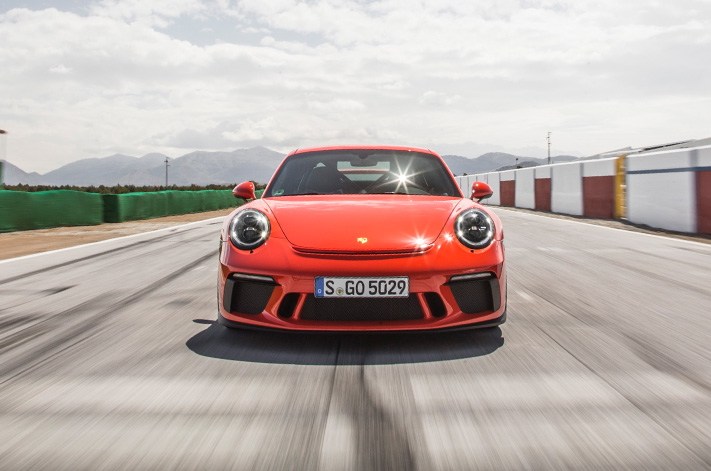
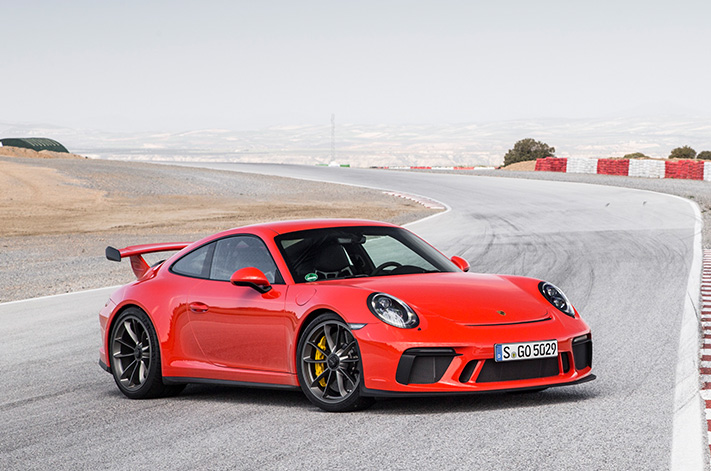
SINCE the Porsche GT3 badge first saw the light of day gracing the engine cover of the 996 in 1999, the more driver-focused 911 variant has been winning hearts of Porsche purists the world over.
Now in its third-generation, the 991 GT3 is poised to roll out in Australian showrooms and early reports suggest the newest version is set to continue the perfect balance of on-road usability and track-destroying pace.
Here are some of the 911 GT3’s vital statistics:
327,100 The cheque you will have to write in Australian dollars to secure a third-gen 911 GT3 – $33,900 more than the second-generation 997 version.
9000 The GT3’s maximum engine revolutions per minute, which earns it the title of highest-revving production car on the market today. Peak power of 368kW is produced at 8250rpm.
6000 The rpm at which the GT3 produces its maximum torque of 460Nm, and also the maximum speed of many regular engines. For comparison, the 911 Carrera produces its 450Nm peak torque at 1700rpm.
3996 The number of cubic centimetres displaced by the new 4.0-litre engine. According to Porsche, the naturally-aspirated flat-six is virtually identical to the unit that powers its full-fat factory GT3 race car.
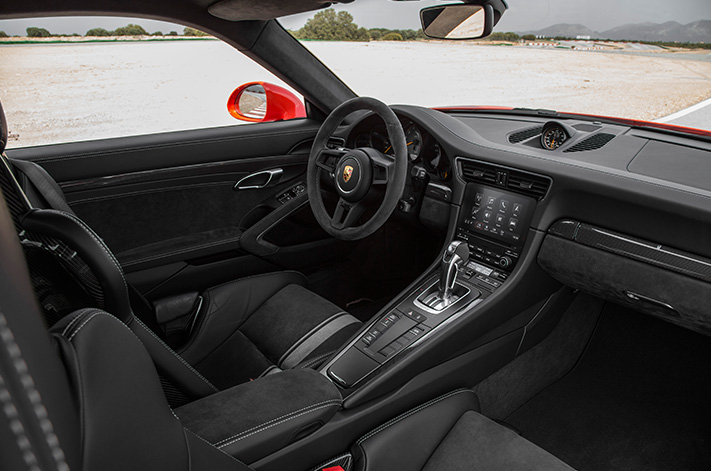
360 The diameter of the GT3’s steering wheel in millimetres. Looks familiar? It’s the same wheel as the one fitted to the mighty 918 Spider.
70 Litres of engine oil circulated by the GT3’s dry-sump lubrication system each minute. The previous version managed 120 litres per minute but lacked the new motorsport-grade centrifugal de-foamer.
33 The difference in kilograms between the original 996 GT3 and the new version. In 18 years, the GT3 has only increased in weight by 33kg to 1413kg (manual).
6 The number of ratios to choose from in the no-cost optional manual gearbox. Unlike the earlier 991 GT3, which was an auto-only proposition, this update once again offers a self-serve gearbox. The standard dual clutch PDK transmission has seven gears.
3.4 The time you need in seconds to get from static to 100km/h when flicking through the PDK dual-clutch transmission. Opt for the manual and you’ll need an extra six tenths to make the benchmark.
2 The number of places in the cabin occupants can sit. Like the GT3 RS, the GT3 deletes the second row of seating in the name of weight saving and to make room for a roll-over bar.
0 The gear selected if you pull both PDK paddles at the same time. Porsche says this neutral position allows you to “destabilise” the rear end.
It’s not going to appeal to V8-loving muscle car fans, but when it comes to learning the art of pure driving there’s no better car than the latest Mazda ND MX-5.
Either engine is fine, but if you really want to take it to extremes, the softer, less grippy 1.5-litre car is the one to go for.
Copious body roll and weight transfer, and the need to keep the sweet 96kW/150Nm four-pot on the boil, means it demands to be driven with real precision to get the best out of it, recalling a driving style from another era. But if you want an old-school driving experience, why not just go retro in the first place?
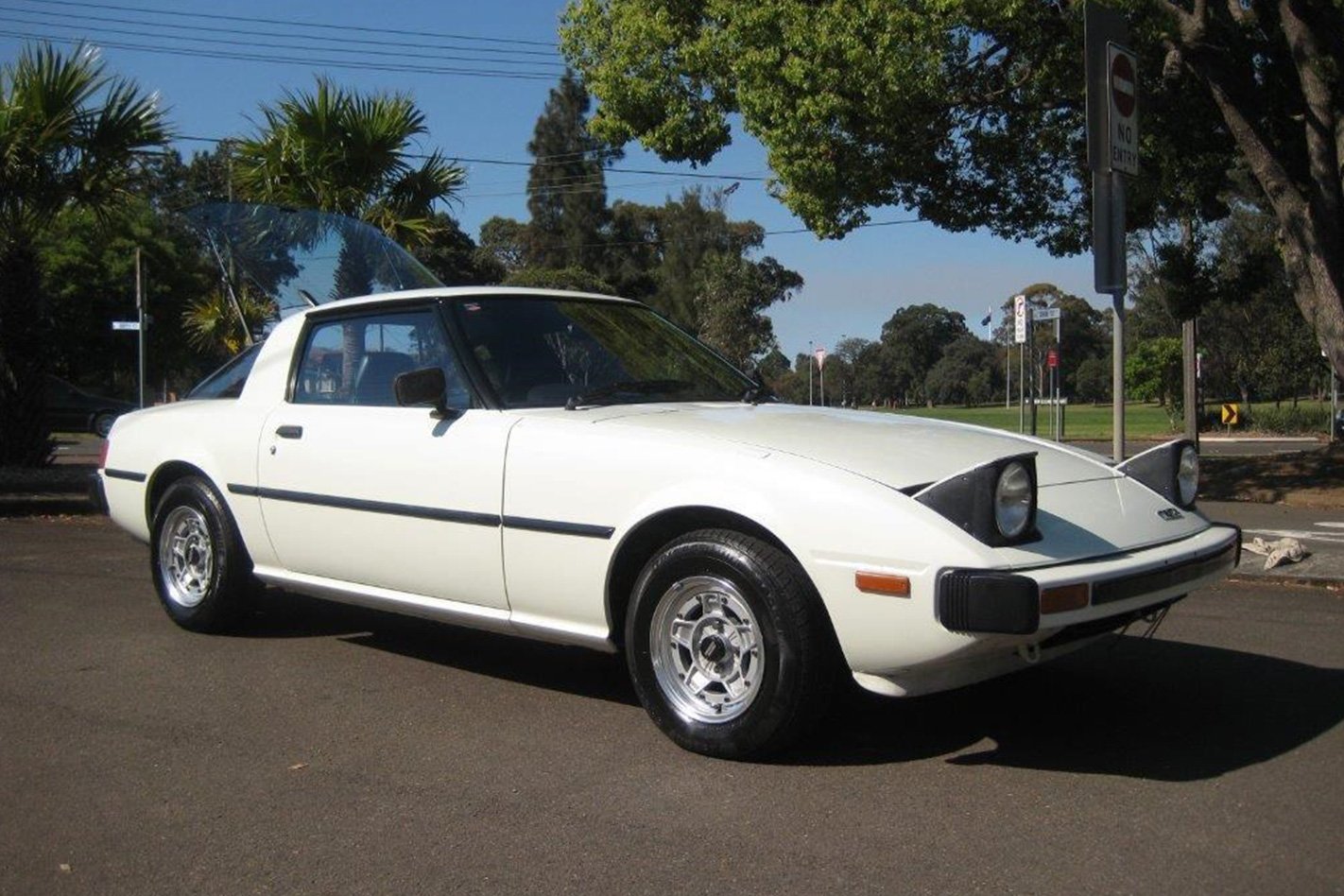
The first-generation Mazda RX-7 also benefitted from a rev-happy, small displacement engine feeding the rear wheels through a manual gearbox, while the near-perfectly distributed (51:49 front:rear) 1070kg kerb weight ensured razor-sharp handling by the standards of the day.
Of course, the RX-7’s USP was Mazda’s signature rotary engine, the tiny 1146cc displacement belying its on-road flexibility. A 0-100km/h time of slightly less than 10 seconds isn’t going to knock anyone’s socks off these days – the MX-5 is around two seconds quicker to the tonne – but period road tests were full of praise for the fizzy 12A, stating that its uncanny smoothness and thirst for revs had the 7000rpm change-up buzzer chiming at every opportunity.
Allan Moffat proved the RX-7’s effectiveness on track by securing the 1983 Australian Touring Car Championship and early RX-7s are still competitive racers to this day.
The rotary engine’s shortcomings are well-known, but buy the right car (see below) and there’s no reason why a well-cared-for RX-7 won’t provide a relatively painless classic car ownership experience.
| SPECS | 1979 Mazda RX-7 | Mazda MX-5 1.5 GT |
| Engine | 1146cc twin-rotor | 1496cc inline-4, DOHC, 16v |
| Power | 77kW @ 6000rpm | 96kW @ 7000rpm |
| Torque | 147Nm @ 4000rpm | 150Nm @ 4800rpm |
| Weight | 1070kg | 1009kg |
| 0-100km/h | 9.50sec (est) | 7.50sec (tested) |
| Price | $14,850 (new) | $37,990 |
Here’s one we found on Trade Unique Cars
1979 Mazda RX-7
Rumour has it that the Ferrari FF was the brainchild of former company CEO Luca di Montezemolo, born of his desire to source a suitable grand tourer for his younger wife and child.
Despite its excellence at achieving the brief, its niche status meant it was the only model in the range not to sell like hot cakes. Ultimately it still is a bit of an oddball concoction for the Prancing Horse; aside from the brawny 6.3-litre naturally aspirated V12, ingredients like a four-seat, shooting brake body and all-wheel drive are alien to Maranello.
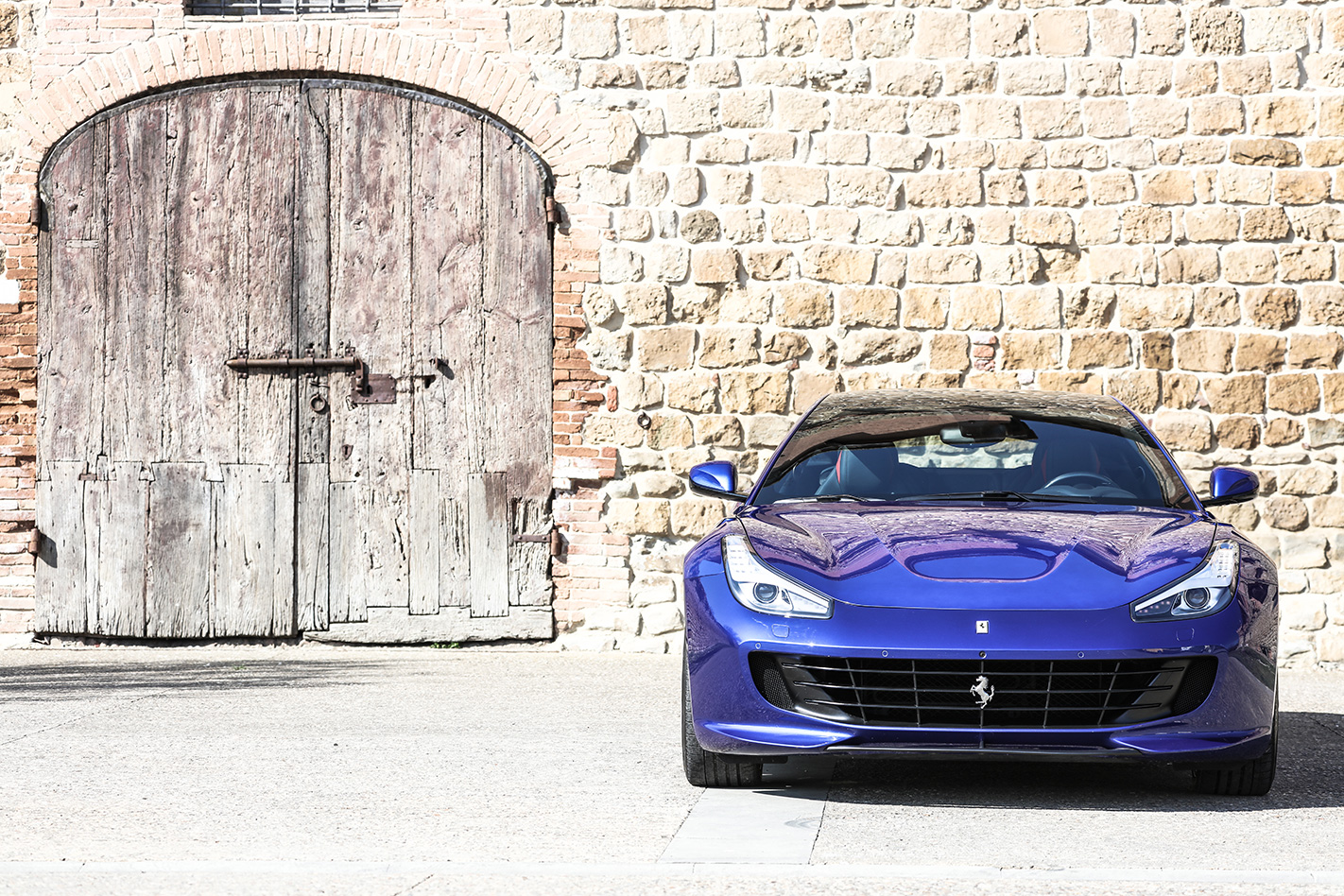
But while the price of the GTC4 Lusso ‘T’ has been cut by $75K to $503,888, it’s barely slower against the clock (0-100km/h in 3.5 seconds and a top speed of 320km/h) and, as you’re about to find out, offers a very different experience to its big brother.
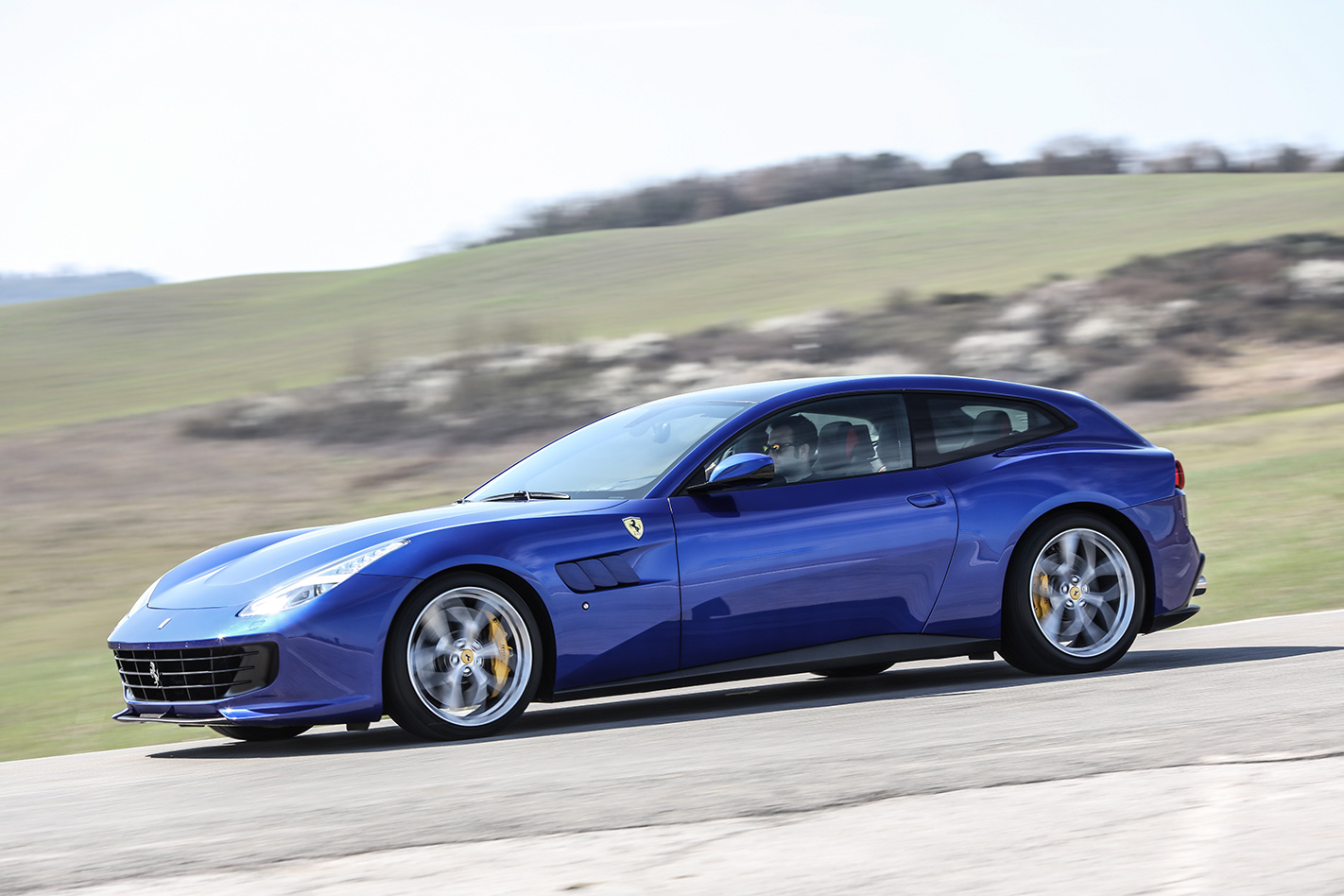
What happens when the torque wave hits the rear wheels, I hear you ask? All hell breaks loose, that’s what. You have to brace yourself for sudden weight transfers as the rear end squats like a frog about to leap. There is no doubt about it, in rear-wheel guise, the GTC4 Lusso is a different animal. Even with ESC on deck, the rear axle must cope with latent forces that can send minor shockwaves all the way to the driver’s palms. A mix of uneven surfaces and an erratic torque feed will, even on straight roads, induce a fair amount of shadow boxing. As soon as any kind of radius enters the equation, things can get interesting along the car’s vertical axis.
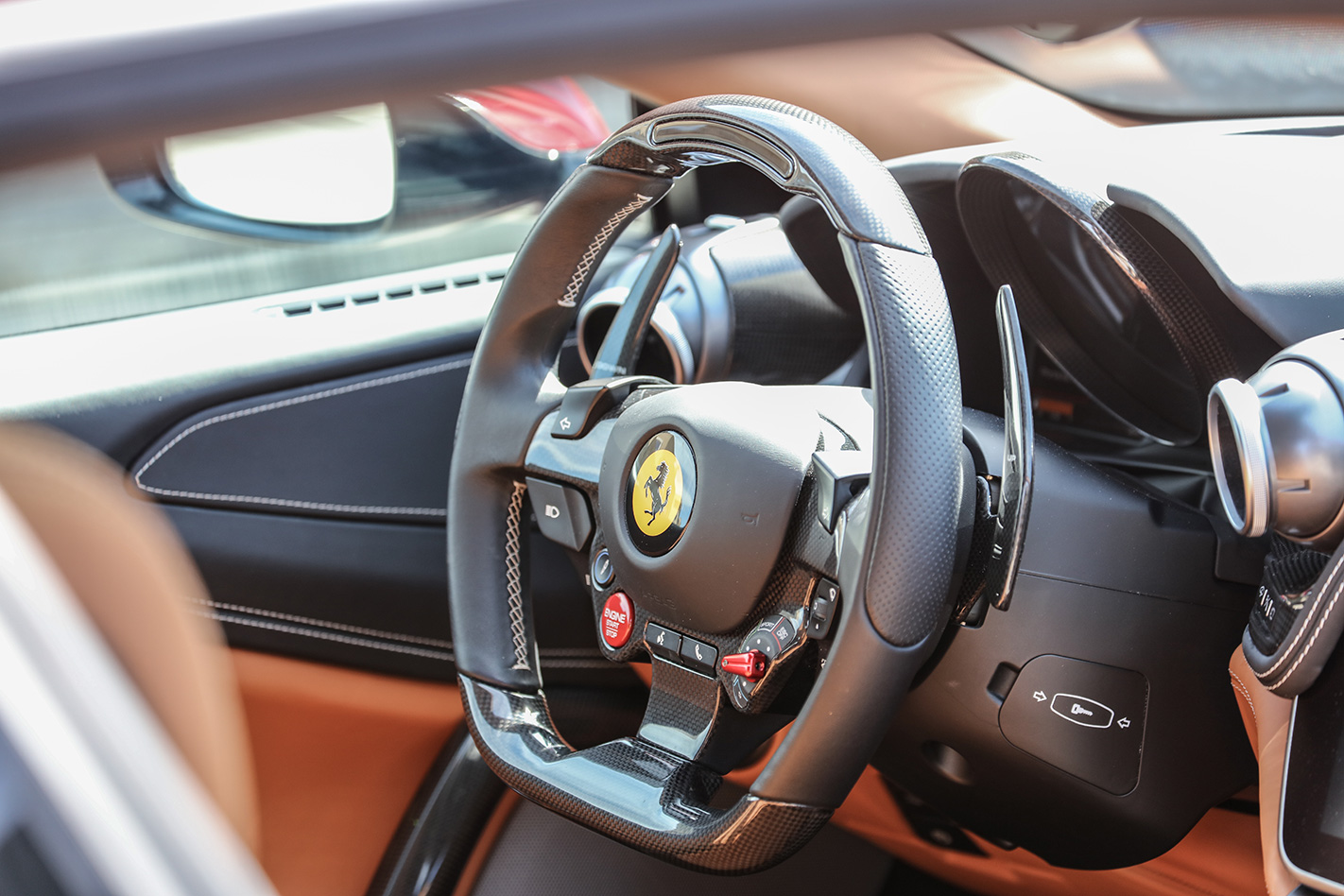
On the credit side, praise goes to the ‘Bumpy Road’ button, which summons a softer setting for the shock absorbers, and the trademark LED rev counter. The multi-function tiller also features the must-have Manettino drive-mode selector and at long last indicator switches that snap in securely and feel somewhat normal.
Switch off ESC and it’s likely nothing will change immediately. After all, the grip in RWD-guise is still phenomenal, and the armada of acronyms (E-Diff/SSC3/CST/F1 TRAC/ESP 9.0/SCM-E) does a fine job of supporting balance and composure. But as soon as the red mist descends, power oversteer is the name of the game, as this Ferrari also prefers sliding over carving, too.
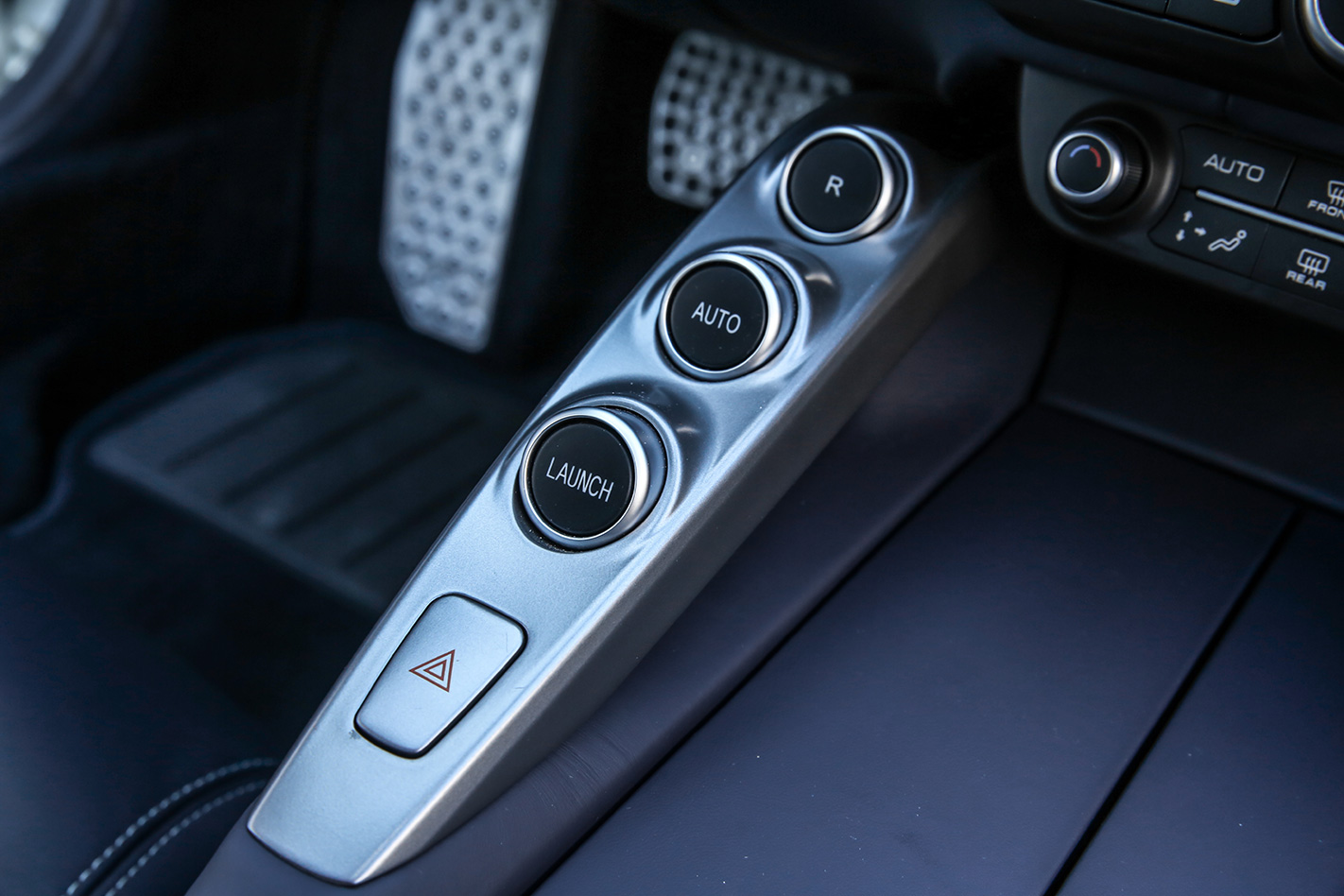
One look at the data sheet is all it takes to confirm that the Lusso T is not a brand-new car. It contains a detailed description of the engine and chassis, plus a list of impressive performance figures, however there is no mention of such absent mod-cons like advanced assistance systems, partial electrification and adjustable sway bars.
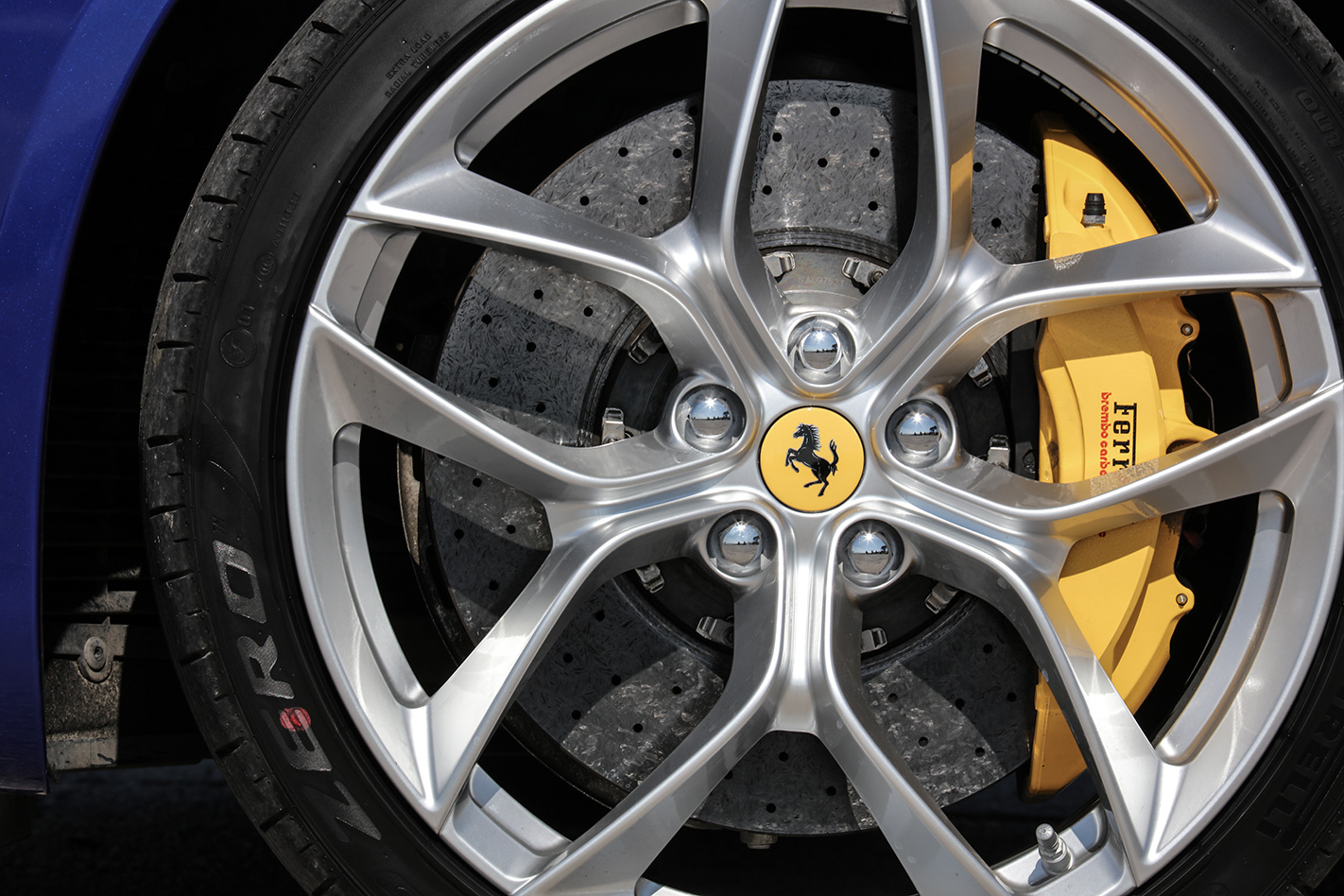
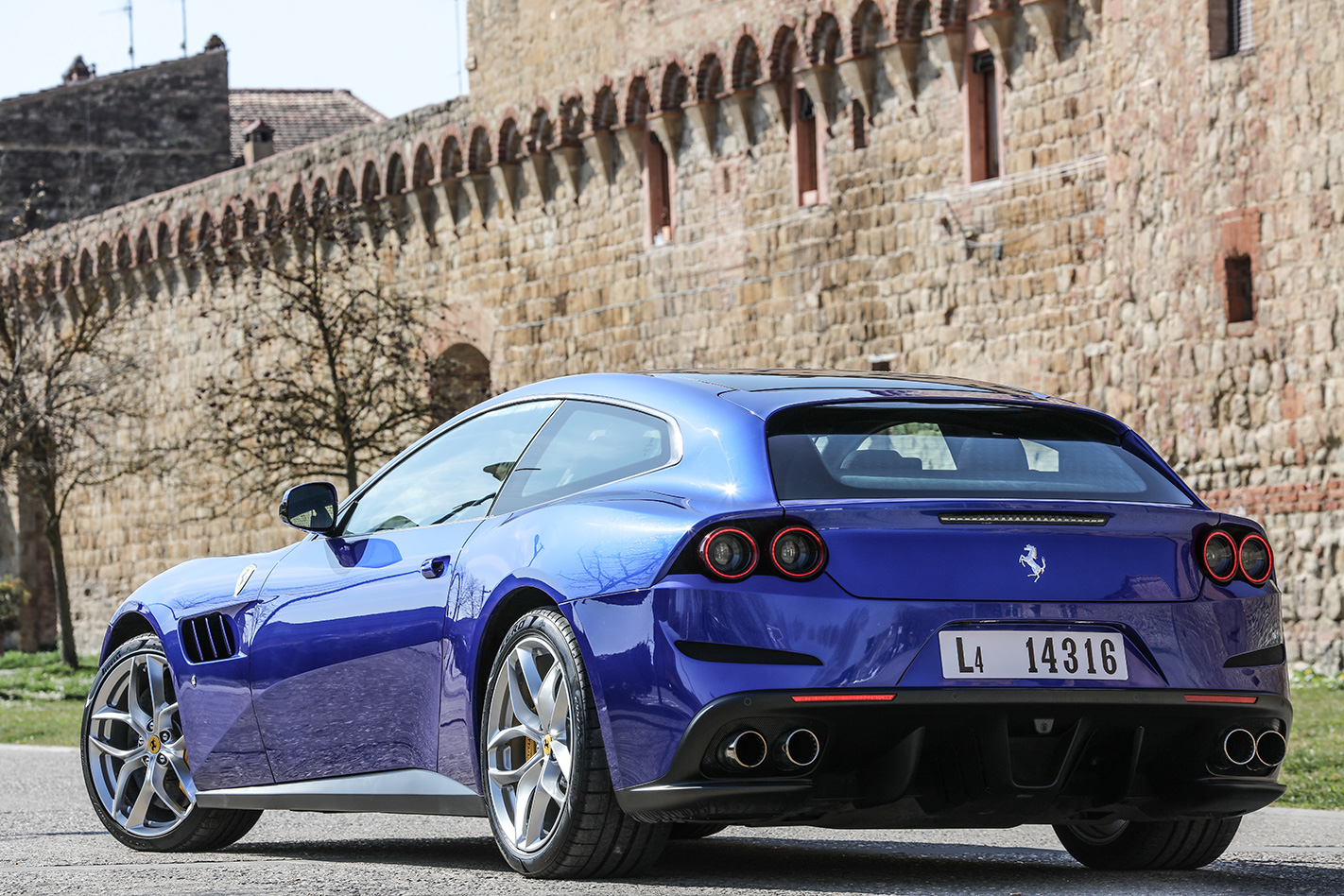
At the end of the day, I am exhausted and intrigued by the latest Prancing Horse. You see, this Ferrari is a loose cannon in more ways than one. The GTC4 T fuses emphatic body motions with obvious traction issues, despite the lighter front end resulting in a wheelspin-quelling 46:54 rearward weight bias. While there is now less mass resting on the correspondingly lighter steering, front-drive assistance has vanished – and with it, torque vectoring. And yet, this combination makes the Lusso T a more dynamic, defiant and razor-edged drive.
Aesthetically the somewhat Marmite design has received a significant overhaul by chief designer Flavio Manzoni. As well as the new styling now being less polarising, the ancient infotainment system has also been modernised.
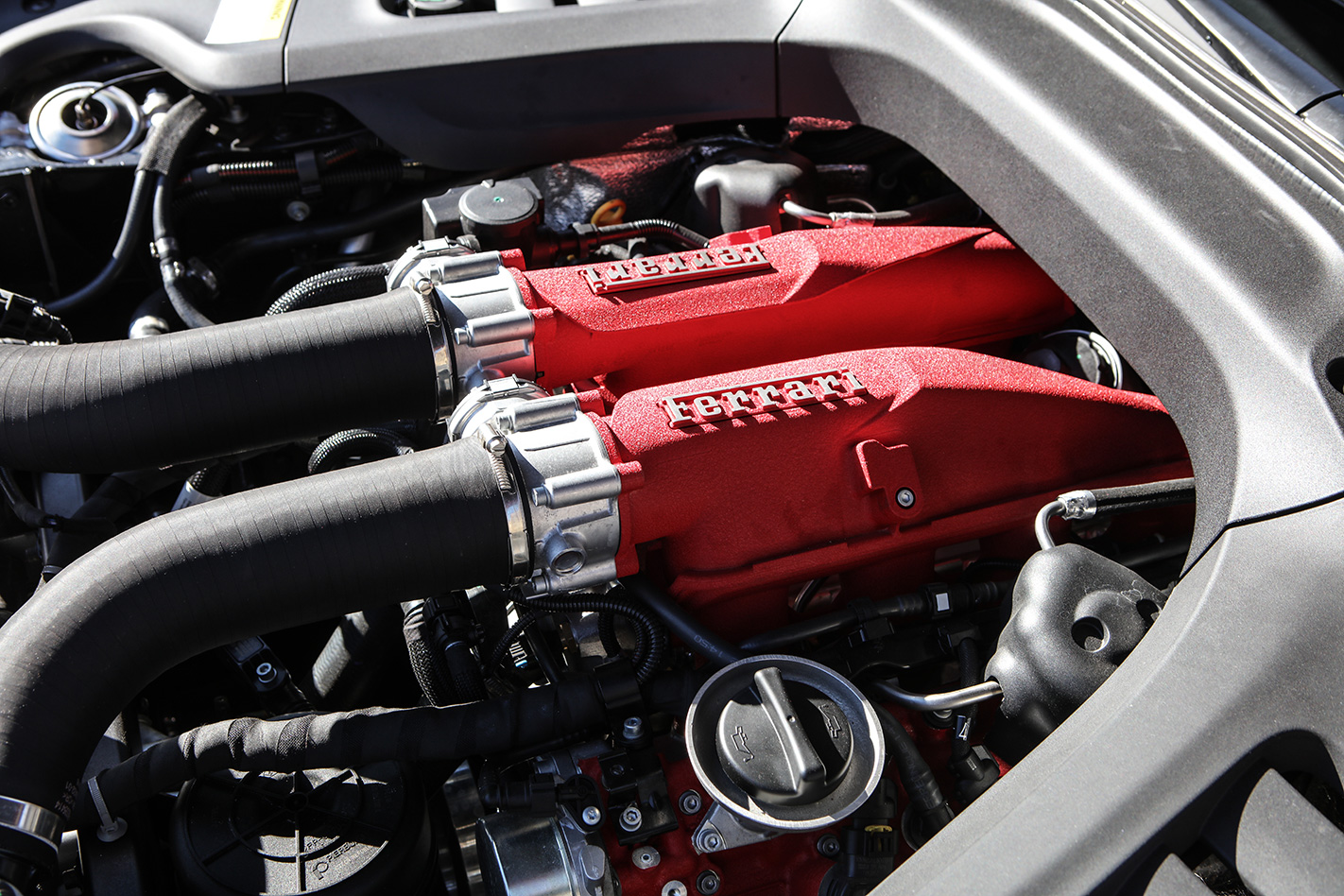
Engine: 3855cc V8, DOHV, 32v, twin-turbo Power: 449kW @ 7500rpm Torque: 760Nm @ 3000rpm Weight: 1840kg 0-100km/h: 3.5sec (claimed) Price: $503,888 Star Rating: 4.5/5 LIKE: More entertaining chassis; lower entry price DISLIKE: No V12 soundtrack; on-limit handling can be tricky
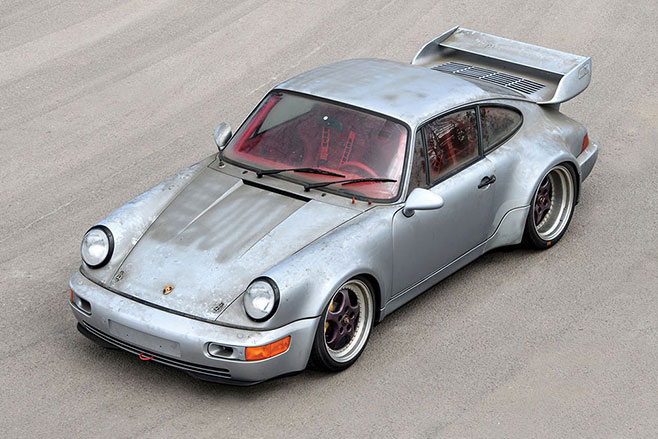
PORSCHE fanatics, it’s time to sell everything you own. One of the rarest and most collectable air-cooled 911s is going to auction next month with just 10km on the clock.
This Porsche 911 (964) Carrera RSR 3.8 was special ordered new in 1993 and is one of 51 ever made, and one of just two to be fitted with a fully trimmed interior.
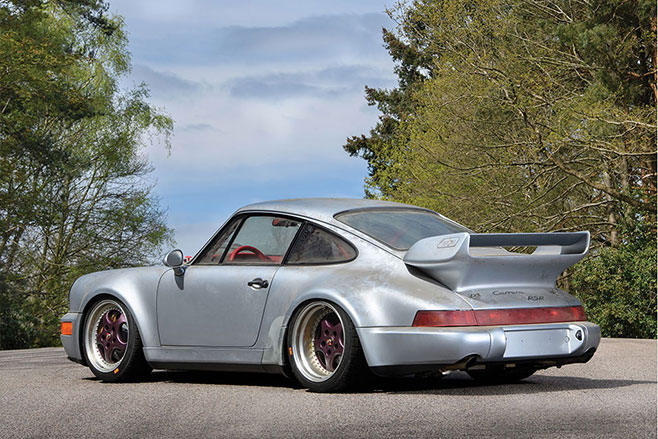
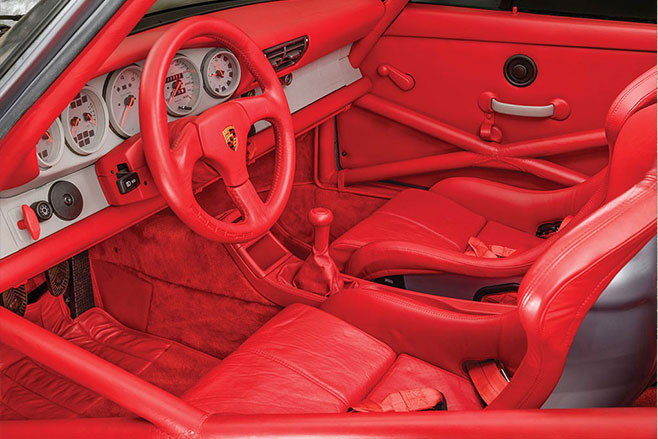
Sitting in its rump is a race-ready, dry-sumped, naturally aspirated flat six with outputs conservatively listed at 260kW and 360Nm. The truth is considered to be somewhat higher than that.
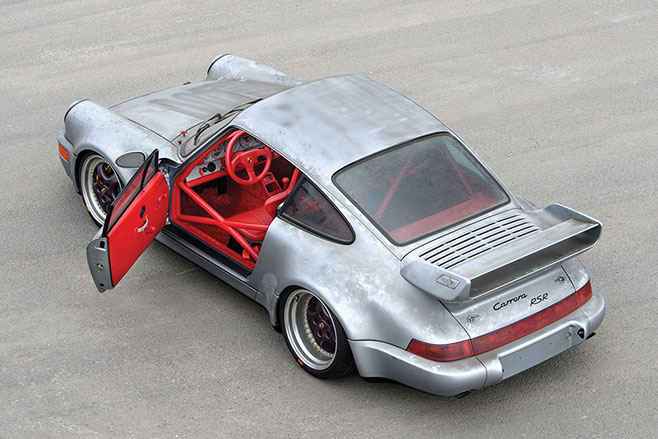
How any Porsche obsessive could allow a car like this to sit dormant for 24 years is hard to imagine, but it has the potential to set auction records when it goes under the hammer on May 27.
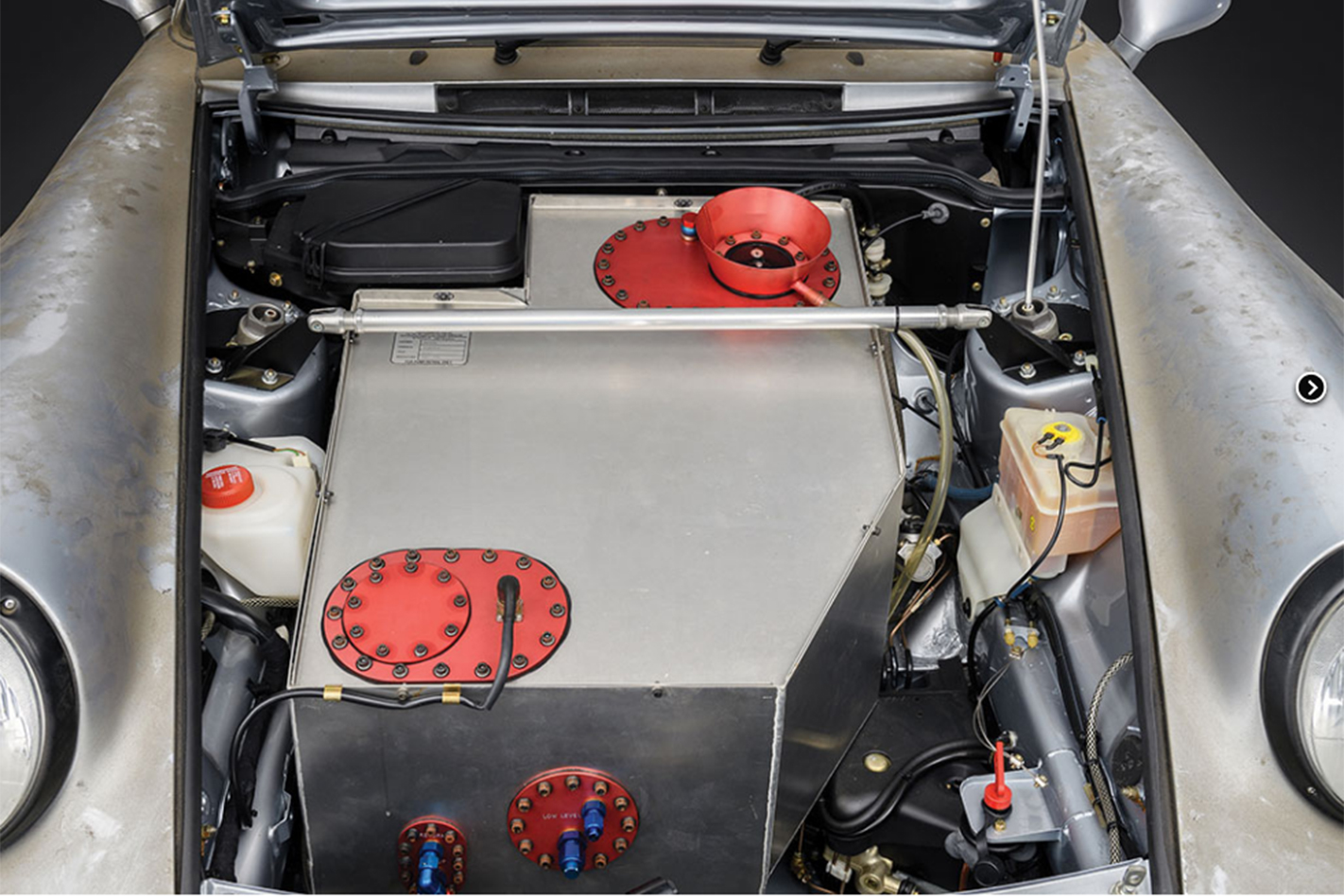
Examples of these RSRs that did make it to starting grids won races all over the world, including 24 hour enduros at Spa, Daytona and Interlagos, and the Suzuka 1000km.
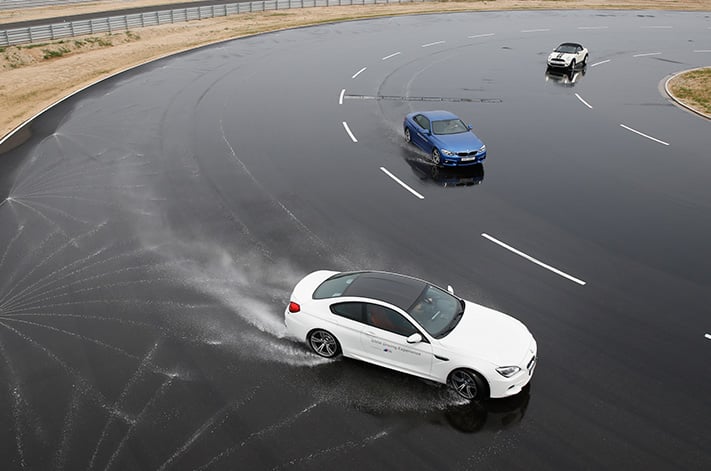
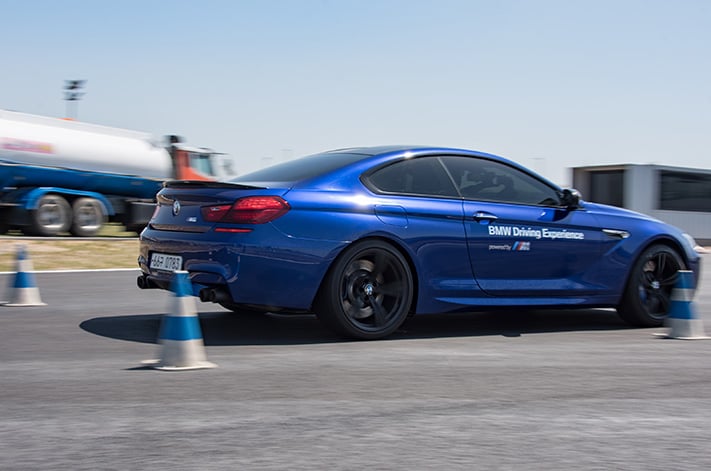
PERCHED on an island of partially reclaimed land that forms a sliver of South Korea’s Incheon district is, perhaps, not where you might expect BMW to build its newest and most comprehensive automotive playground. But it did.
With the rise of the Chinese luxury car market and a Korean sales figures that may surprise you, the German car maker needed a high-quality facility to showcase its flourishing range of vehicles that didn’t require its customers to hop on a long haul flight to Europe.
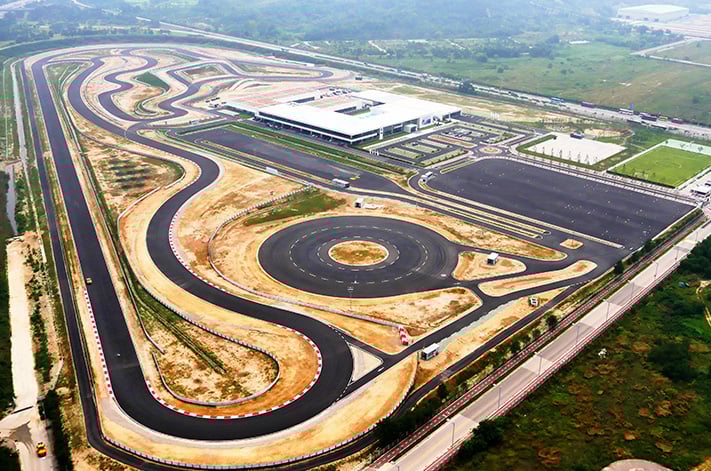
It’s hard to imagine that less than five years ago, the monument to BMW’s vehicle range and brand philosophies was just a scrap of unoccupied dirt and, before that, wasn’t even land at all.
But as of August 2014, BMW employees, selected customers and even underprivileged Korean kids have been flocking to the site for a taste of the German brand without having to head to Europe.
The centre truly is a home away from home for the propeller badge, and although the biting Korean spring air and fog that would descend without warning was a constant reminder that we were a long way from Munich, the German influence is everywhere.
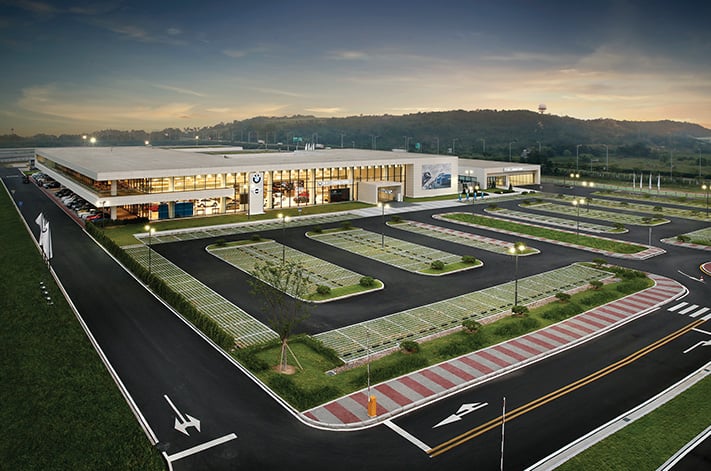
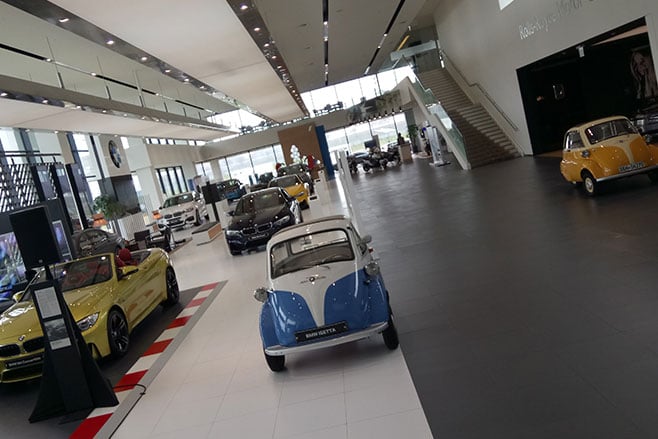
Wander upstairs and you’ll find the Isetta Bar and restaurant area where you can enjoy a full table service meal catered for by the Walkerhi II Hotel team, or even a cold German beer on tap. It’s more than just a racetrack out in the boonies.
It may be more than 60 years old but, thanks to a loving restoration by Jang, the pristine Isetta (one of two on display) starts on the first turn of the key.
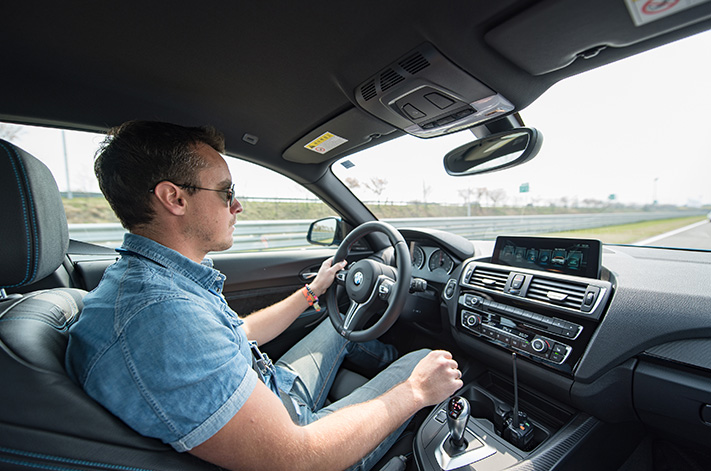
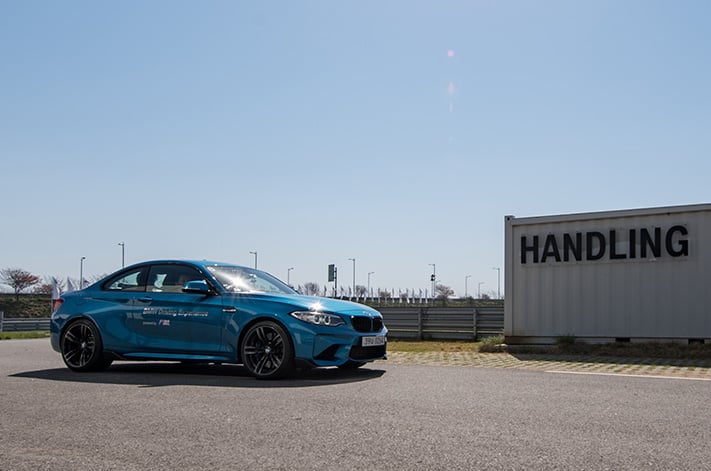
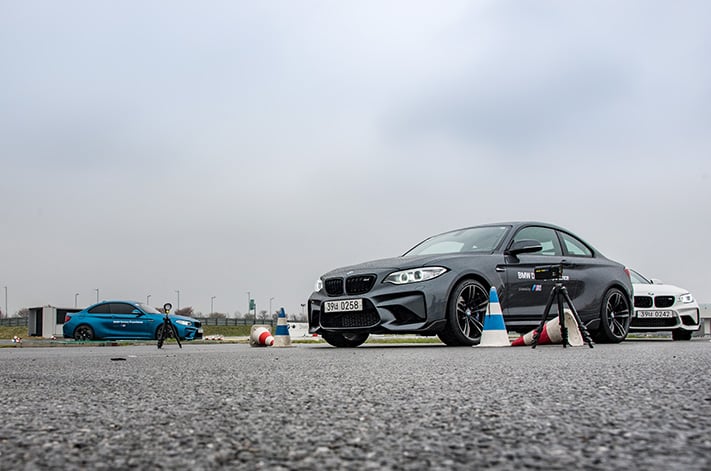
And the approachable course also allowed us to conduct a direct comparison of the M2 and its M4 bigger sister, which share a 3.0-litre turbo six-pot formula, but differ greatly in technical detail.
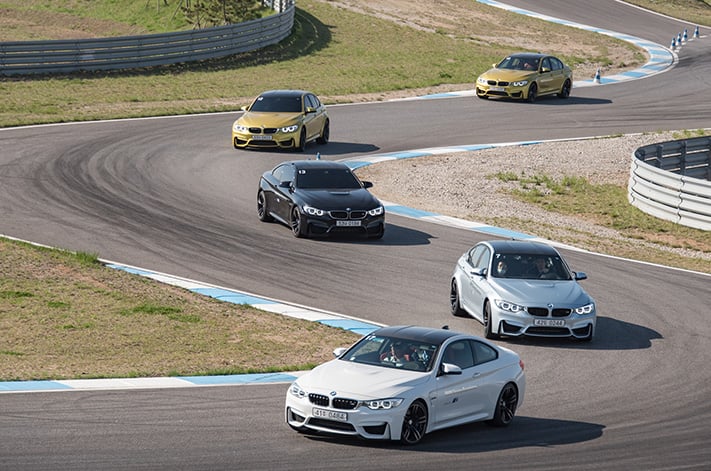
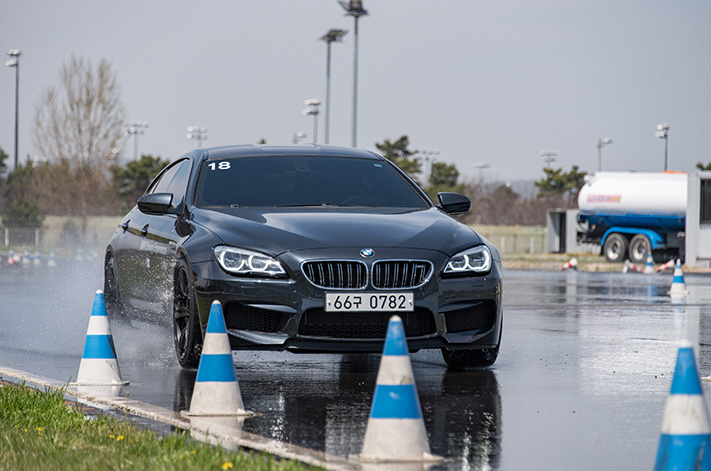
The team of driving instructors had laid out a tight and technical motorkhana course for us to negotiate using a variety of the M2’s driving modes.
Officially, we were trying to beat our own performance after each lap, but if you publically announce the times following each attempt then I’m afraid you are going to indirectly create a competition between motoring writers. They all think they could have been racing drivers, you know?
We don’t want to gloat, but let’s just say that the two fastest times of the day were posted by the only two Australian drivers present. Aussie, Aussie…
DRAG races are the ultimate dispute-settlers. Putting two cars of differing merits on the same stretch of tarmac, side-by-side, at the same time is the easiest way of determining which one is king of the hill – at least as far as straight-line performance goes.
We set out to answer a few questions with our HSV head-to-head. How much of a lead does the mighty W1’s LS9 have over the more prosaic LSA? Both displace 6.2 litres, but does The General’s 474kW/815Nm big-boost bent-eight back up its on-paper dominance of the 410kW/691Nm LSA out on the drag strip?
Plus, what does spending an extra $74,000 actually net you? If you were lucky enough to be one of the few to snare a W1, is the hefty premium you paid justified in pure performance terms?
And then there’s another intriguing question: which would be faster, a powerful automatic, or an even more powerful manual?
Power often reigns supreme on the dragstrip, but manuals can be tricky to launch. Too many revs and not enough clutch slip and you’ll waste energy by frying the tires. Too few revs and the engine will bog down when you dump the clutch. Both scenarios will result in a crap elapsed time.
And then there’s also the brief pause in power delivery when rowing through a H-pattern manual gate.
So are you better off in an auto? Even one with substantially less poke than a manual? For this experiment we’ve lined up the LSA-powered HSV Senator Signature 30 Years with its muscle-bound sibling, the mighty GTS-R W1.
Both have six-speed transmissions, but the W1 has a traditional three-pedal manual while the Senator has a more user-friendly automatic. Does the W1 monster the Senator down the strip, or do slick auto shifts give the less-powerful car something of an edge? Watch our video to find out.
Cayman is utterly brilliant. Apologies for killing the suspense, but I suspect that’s not going to be a particularly surprising verdict for anyone familiar with Porsche’s engineering expertise.
No, the truly vexing question is, is this new Cayman a more desirable car than its predecessor? A highly subjective criterion, but an important one, as desirability is a key attribute when deciding on a sports car – no one buys one because they need one.
Let’s start with the case for the defence. The 718 Cayman may have lost two cylinders, but it’s gained a turbocharger and in ‘S’ guise that means 257kW/420Nm from the 2.5-litre flat-four. This is 18kW/50Nm more than previous Cayman S’s 3.4-litre flat-six, but were you to overlay the dyno graphs of the two engines you’d see the force-fed four-pot has masses more urge everywhere bar at the very top of the rev range.
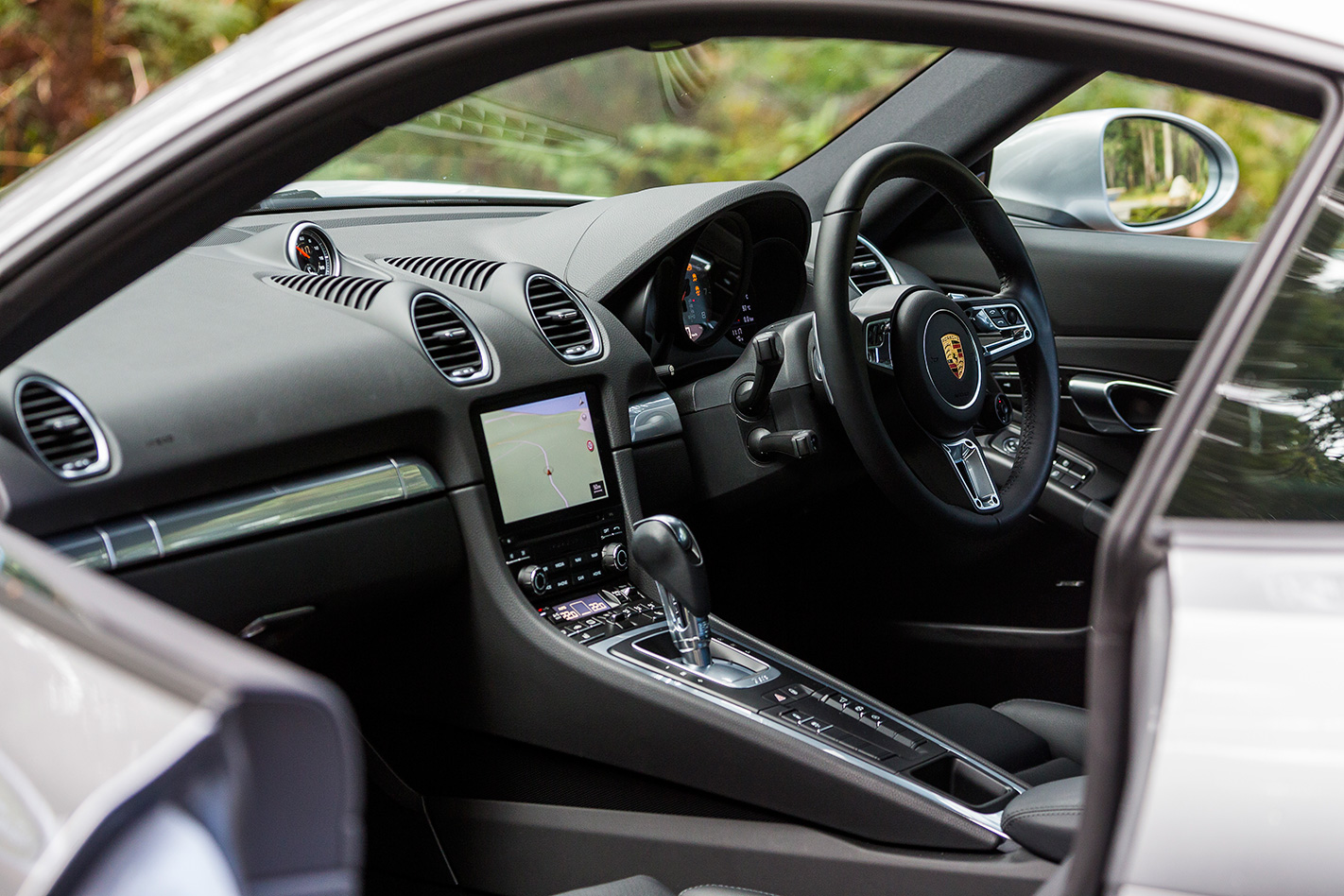
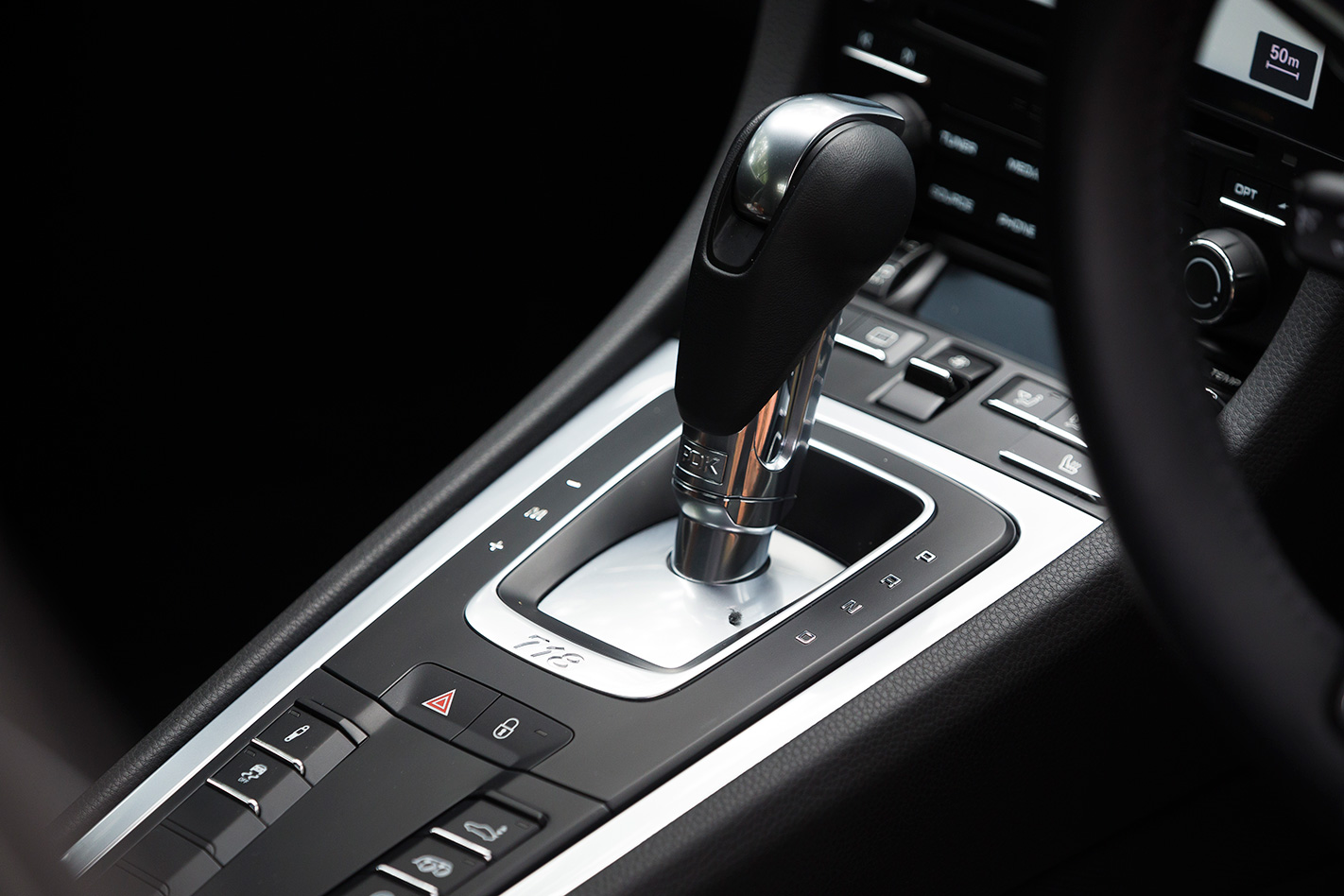
The very long gearing of the previous car remains, but is much less of an issue as there is now neither the need nor the inclination to chase a 7500rpm redline. The huge increase in mid-range torque means you’re changing gears more frequently, which is no chore thanks to the lightning-quick responses of the PDK ’box or the slick action of the six-speed manual, which also features rev-matching if you’re feeling lazy.
In terms of chassis dynamics, the Cayman is one of the finest cars around. The steering is pin-sharp accurate and beautifully weighted, there’s masses of grip yet the chassis can still be subtly manipulated and despite rubber-band tyres, 20-inch rims and next to no travel, the ride is firm, yet rarely troubling. The 718 is a car you could cover long distances in very easily, especially as the smaller engine has improved cruising economy to a claimed 6.3L/100km for PDK-equipped cars.
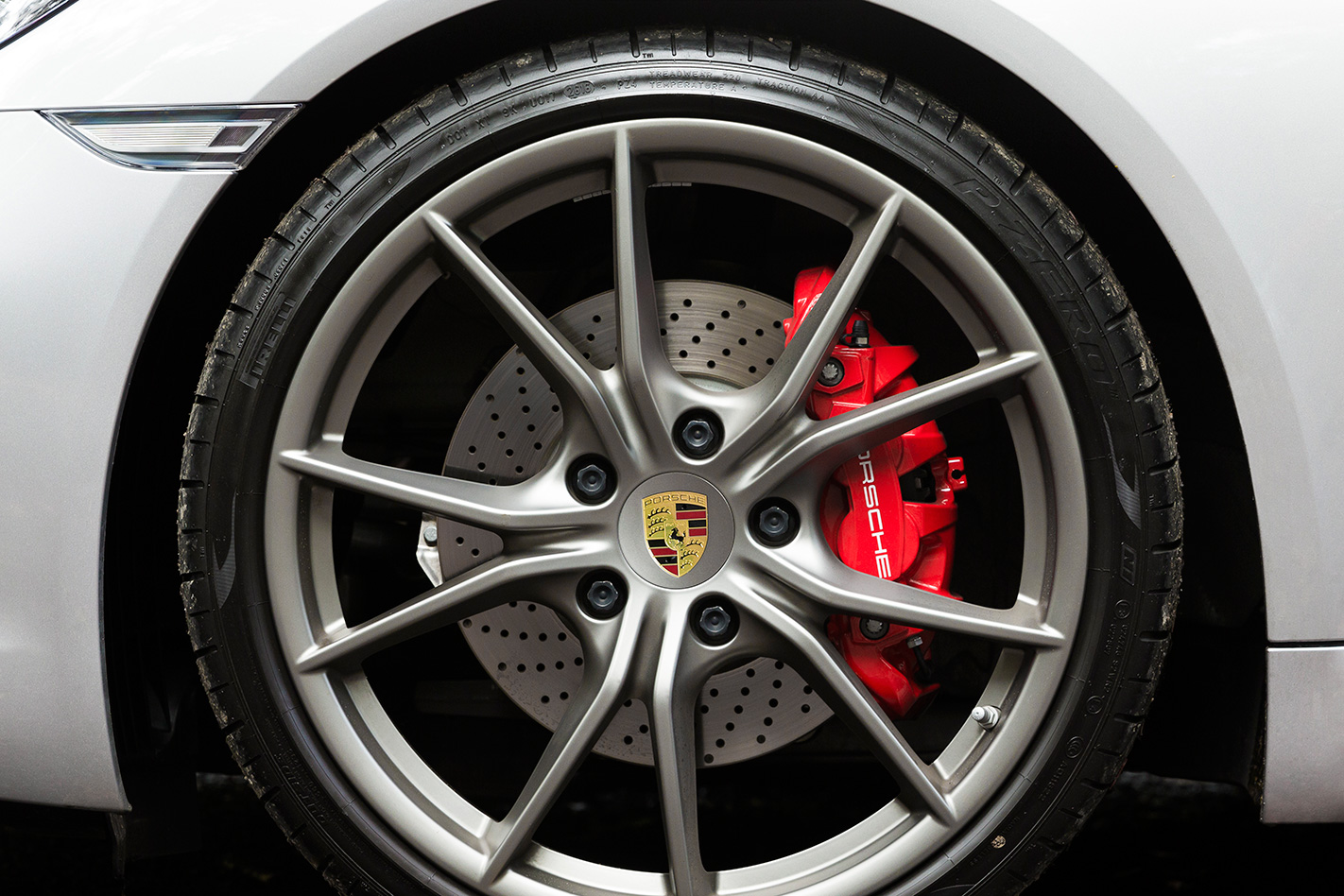
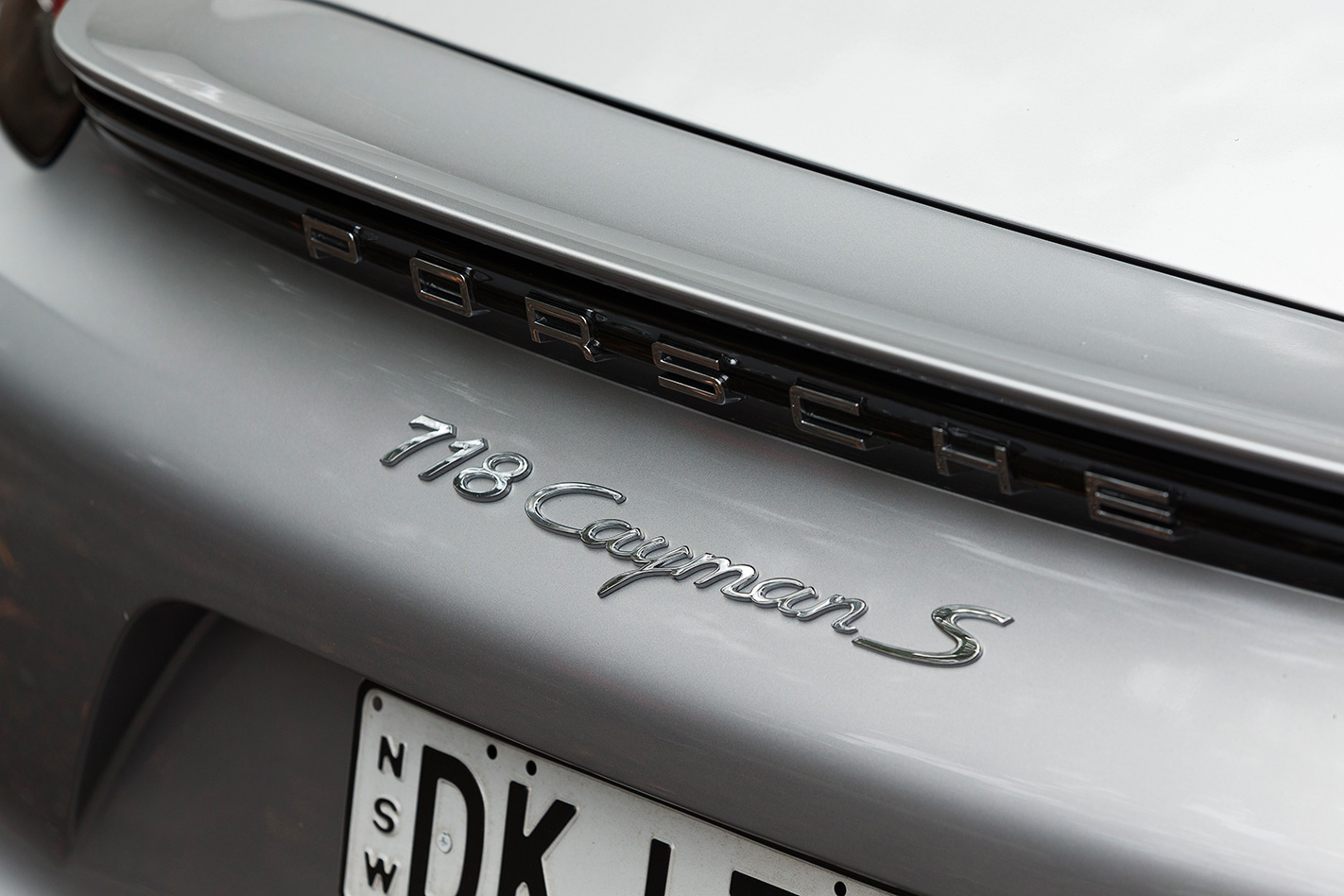
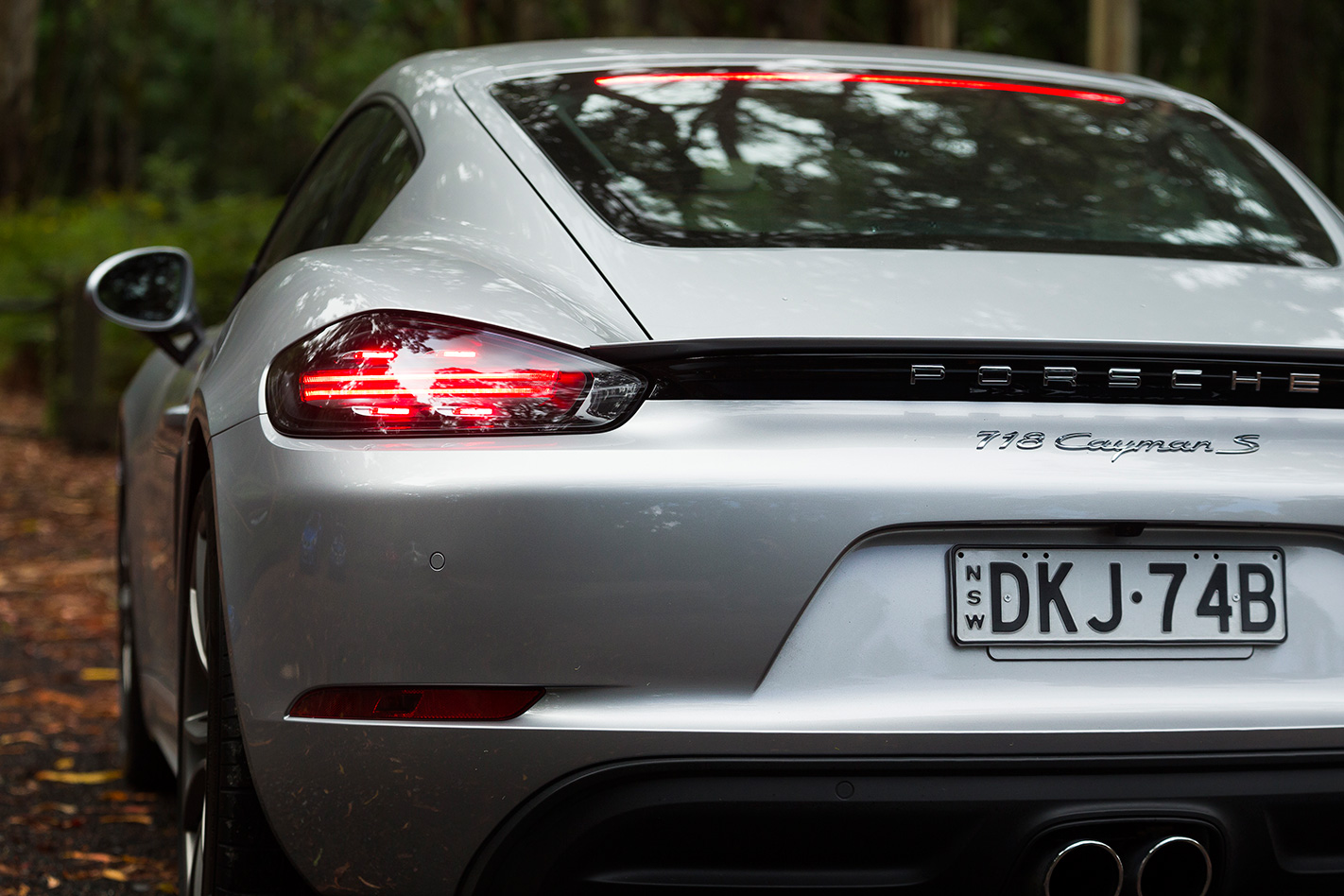
Make no mistake, the 718 Cayman is an amazing car, bordering on driving nirvana, but more desirable than its brilliant predecessor? We’d be driving a 981 Cayman GTS back-to-back prior to purchase just to make sure.
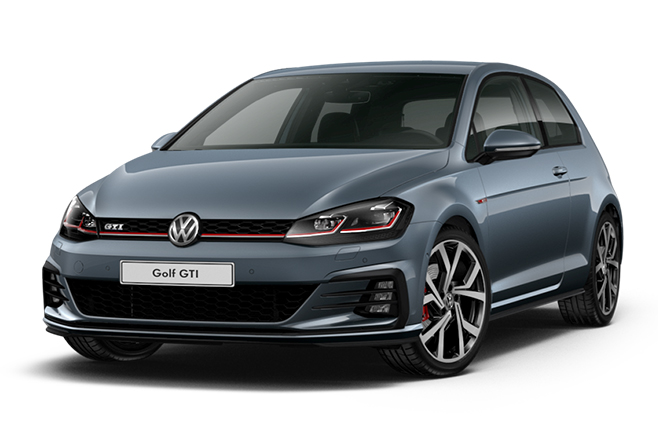
It is tagged as “one for the purists” by the brand – the Volkswagen Golf GTI three-door will return to the range in Mark 7.5 guise in August in strictly limited-edition specification.
Officially called the Golf GTI Performance Edition 1 and available in 150 units for an as-yet undisclosed price, the three-door gets the full electrically actuated mechanical limited-slip differential (LSD) of the outgoing five-door Golf GTI Performance, but with higher outputs.
Power from the 2.0-litre turbocharged four-cylinder petrol engine moves from 169kW to 180kW, while torque shifts from 350Nm to 370Nm.
In the latter case, though, the R doesn’t get the full-fat 228kW/400Nm available overseas because it is again restricted apparently due to our hot climate. The 0-100km/h claim is 4.6 seconds overseas and 4.8sec here, which is still two-tenths faster than before.
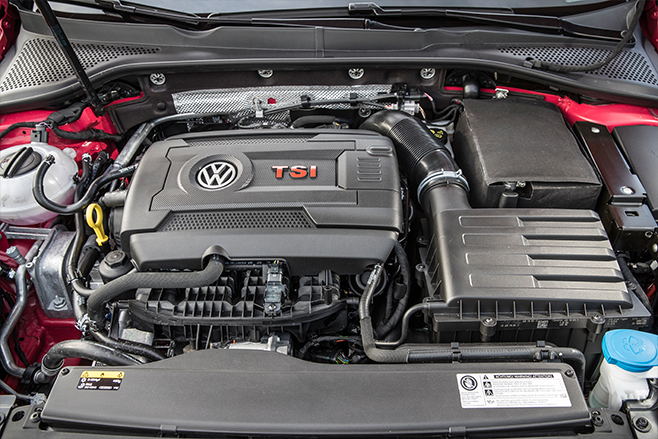
The GTI Performance Edition 1 three-door will also see the end of the GTI Performance five-door, while the exclusively Australia-only limited edition will be offered in either White Silver or Dark Iron Blue metallic paint only.
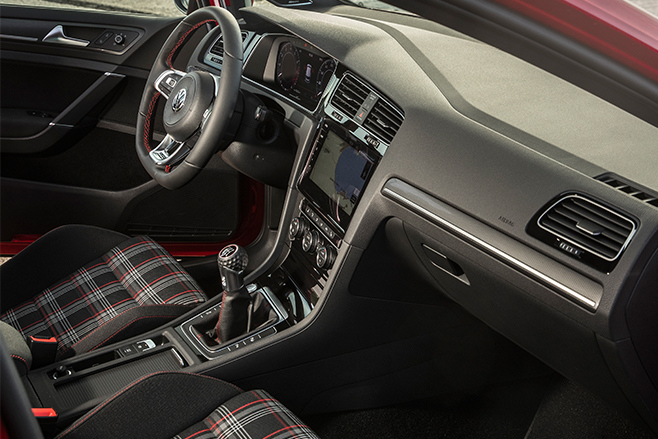
A $340 Merchandise Pack will also be thrown in for free, complete with a GTI-branded sports bag, umbrella, cup, folding box and beach towel.
The facelifted Golf GTI will go on-sale in June, with the Golf R to follow one month later.
Hyundai’s upcoming Kona small SUV looks set to boast a broad model range with multiple engine options, the choice of two- and four-wheel drive and a range of trims – all wrapped in a boldly styled five-door wagon body.
As the latest front-on teaser image shows, the Kona will usher in a new look that separates it from other cars in the Hyundai range, potentially flagging a new design language for SUV models.
Key to its design DNA is a new split headlight treatment similar to that used on the Jeep Cherokee. It positions the slim LED daytime running lights in the usual headlight position and the regular headlights below them in separate units.
According to Hyundai, “the separated lights at the front deliver a confident, progressive appearance with sleek and sharp shapes”.
A short press release also claims Kona “offers customers a true SUV experience”, presumably referencing its dimensions, which are expected to be among the more generous in the small SUV segment.
| 2017 Hyundai Kona spy images
Based on the all-new i30, codenamed PD, the Kona will be larger than the Mazda CX-3, instead targeting the likes of the Toyota C-HR, Honda HR-V, Suzuki Vitara and Holden Trax.
Hyundai says “its elevated seating position ensures better visibility for drivers and increases driving comfort”.
But it’s beneath the skin where the most interesting developments could take place.
While most rivals drive only the front wheels – Trax and HR-V being prime examples – Hyundai has confirmed it will offer two- and four-wheel drive variants.
Being based on the i30, the Kona should also have some interesting engine options, including the possibility of the 150kW 1.6-litre direct injection four-cylinder turbo that graces the i30 SR.
Also expect a naturally-aspirated four-cylinder as the price leader to ensure it comes it at a competitive price, with $25K a logical starting point.
The Kona is due in Australia around September, 2017.
Expect more information and pictures within the next couple of months.
Mazda has dropped the first official information of its CX-8 large SUV today, with news of the three-row high-riding wagon arriving as something of a surprise.
Mazda has made little mention of a ‘tweener model to straddle the gap between the CX-5 and the CX-9, but that’s precisely what the CX-8 is pitched as.
With overall dimensions slightly smaller than the CX-9 (the CX-8 is 115mm shorter in length and 129mm narrower, while the CX-9 is 17mm taller) but a three-row seating config that can accommodate six or seven passengers, the CX-8 is intended to be the company’s flagship in its home market of Japan, where the CX-9 is deemed too massive for local tastes.
Its wheelbase of 2930mm is identical to the CX-9’s, however, which hints that the platform underneath will be heavily based on that of its bigger brother. The mechanical package will differ, though, with Mazda Japan opting for a 2.2-litre turbo diesel rather than the CX-9’s 2.5-litre turbo petrol.
Specific power outputs aren’t mentioned by Mazda, but with the same engine already offered in the Mazda 6 with 129kW and 420Nm, bank on similar figures for the CX-8.
Curiously, the CX-8 will be offered in Japan with two interior configurations. A conventional three-row seven seater will offer maximum passenger-carrying capability, but a six-seat variant with a high centre console bisecting the second row will offer a posher alternative to buyers who have fewer people to transport.
Like the CX-9, Mazda claims even adults will be comfortable in the CX-8’s third row. With the same wheelbase as the ‘9, it’s a believable claim.
Exterior styling has yet to be revealed, but the single interior image that’s been revealed thus far indicates its glasshouse will be narrower and sportier than the CX-9’s. We should see more in coming weeks.
But for now, it appears the CX-8 will be restricted to the Japanese market. Mazda Australia indicated to Wheels that it will closely examine the business case for the CX-8 locally should it become available, but with the CX-9 already sitting in showrooms in the USA and Australia – two principal markets for the Japanese brand – that day may take a while to arrive.
