
Mondeo’s range-topper, the Titanium, trades its former 18-inch multi-spoke alloy wheels for 19s in a five-twin-spoke design. They’re also encased in sportier, lower-profile tyres.
The mid-range Trend also adopts lower-profile rubber, which envelop 18-inch, five-spoke alloy wheels. This trim grade previously featured multi-spoke 17-inch wheels.
The base model Ambiente sedan ditches 16-inch wheels for the same 17-inch, five-twin-spoke alloys already used by the wagon variant. Tyre width is also increased by 20mm.
There are now nine exterior colour choices with the addition of the optional ‘Metalicious’ – which Ford describes as a “warm-tinted, clear-coat silver”.
The new, larger wheels and sportier tyres increase the value of the Mondeo range, which starts from $33,190 for the Ambiente trim grade, from $37,290 for the Trend, or from $44,290 for the flagship Titanium.
The Mondeo continues to be offered in either five-door hatch or wagon guises, with power supplied by either a 2.0-litre four-cylinder turbocharged petrol or 2.0-litre four-cylinder turbo diesel.
It’s the latest update for the fourth-generation Ford Mondeo, which was released locally in early 2015. In 2016, Ford added the latest evolution of its Sync infotainment system to its mid-size car.
Mondeo sales increased 47 per cent in 2016, placing it fourth in the mainstream medium car segment behind the dominant Camry, Mazda 6 and Subaru Liberty.
After the first quarter of 2017, a six per cent year on year increase has helped the Mondeo move into third ahead of the Liberty – increasing market share from six to nine per cent.
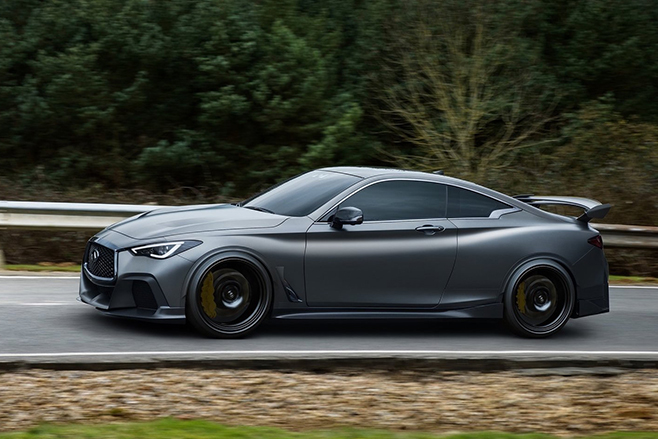
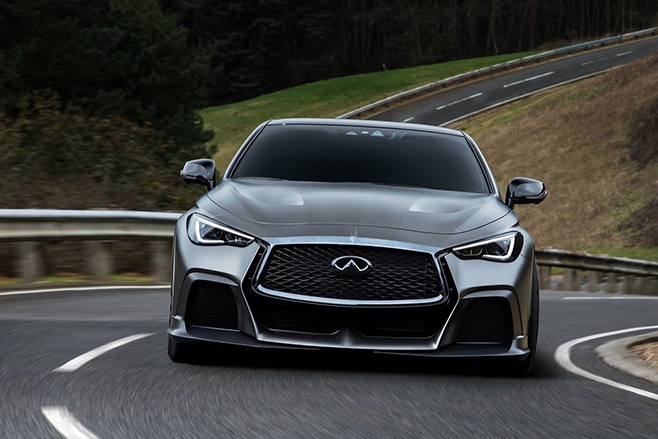
Infiniti has finally secured a rival to the BMW M4 and AMG C63, with a production version of its Q60 Project Black S Concept set to arrive boasting “one-for-one” F1 hybrid tech.
Nissan’s premium offshoot has been at the super sportscar crossroads before, with 2014’s Q50 Eau Rouge concept revealed as a medium sedan with a Nissan GT-R drivetrain and initially slated for production, only to then be killed off.
Apparently things are different this time, according to Infiniti Cars Australia product planning manager Bernard Michel who explained that a new management set, driven by a former BMW executive, has given this year’s Project Black S Concept the go-ahead.
“Let’s just say under the new regime of management I doubt that [it will be killed],” Michel told MOTOR at the national media launch of the Infiniti Q60 Red Sport in rural Victoria.
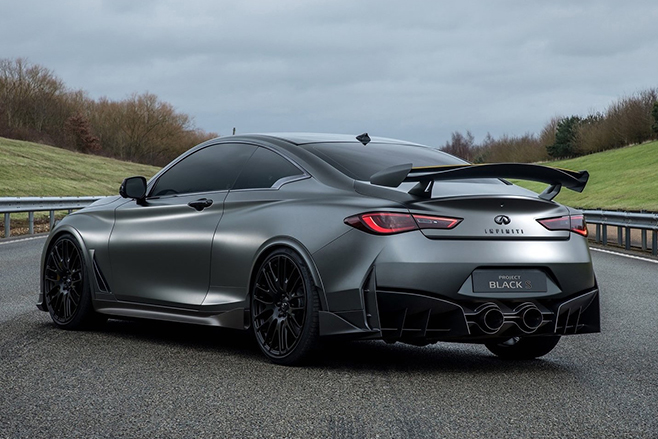
The Project Black S uses a 3.0-litre twin-turbo V6 engine combined with a kinetic energy recovery system (KERS) from the Renault Sport F1 team, of which Infiniti is a technical partner. It is touted as being able to boost power by 25 per cent, which on the brand’s 298kW V6 would mean 373kW – just 2kW shy of an AMG C63.
“He [Krueger] is pushing this agenda and he wants to have a fast flagship for the company,” Michel insisted.
“CO2 emissions targets are everywhere around the globe, so electric cars, hybrids, that’s the way of the future. If they have got specialised know-how about it, why not use it?”
Asked whether the production version was in an embryonic stage, the product planning manager instead replied: “It is pretty advanced.”
“You always remember that the biggest market for Infiniti is the US,” he added.
“Ultimately that [a production rival to BMW M4] is what’s on their radar as well, and it is a huge opportunity. They like their performance cars as well.”
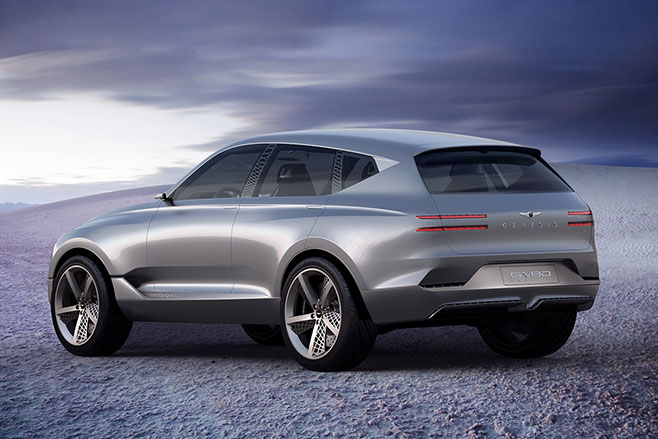
FLEDGLING luxury brand Genesis has no plans for a V8 engine, despite prime German rivals still relying heavily on the engine layout that has been loved by enthusiasts for more than half a century.
Months before it even goes on sale in Australia, the design chief for the soon-to arrive Hyundai-owned brand has all but ruled out a V8 engine option for the six-model range that will roll out by 2021.
Citing tightening emissions regulations he said V8 engines were not necessary in chasing performance.
“As much as I like V8 … the electrification is going to be a main element [for performance],” said former Lamborghini and Bentley designer Luc Donckerwolke, hinting that diesel engines were also unlikely for Genesis, at least in the short term.
And, indeed, performance generally is not a priority for overall Genesis boss Manfred Fitzgerald.
“Alternative propulsion systems are at the core of this brand,” said Fitzgerald, suggesting electric motors would be a better bet for boosting performance of future models.
“The ICE’s [internal combustion engine] dominance of performance, that’s going to go away.”
Fitzgerald says pure acceleration will not be a differentiator for luxury brands in future.
“Performance will not have a dominant role any more.”
Shanghai Motor Show: Audi e-tron Sportback Concept previews all-electric fastback SUV
Instead, Genesis will rely on turbocharged four-cylinder and V6 performance, the latter able to rely on twin turbos to boost power to V8-like levels.
Fitzgerald also said there were no plans for a halo Genesis model, with the brand instead focusing on appealing luxury cars that appeal to a broad audience.
“I might not be your typical marketing guy, I don’t believe in focus groups. I believe in doing great models. A halo vehicle … that’s not our speed.”
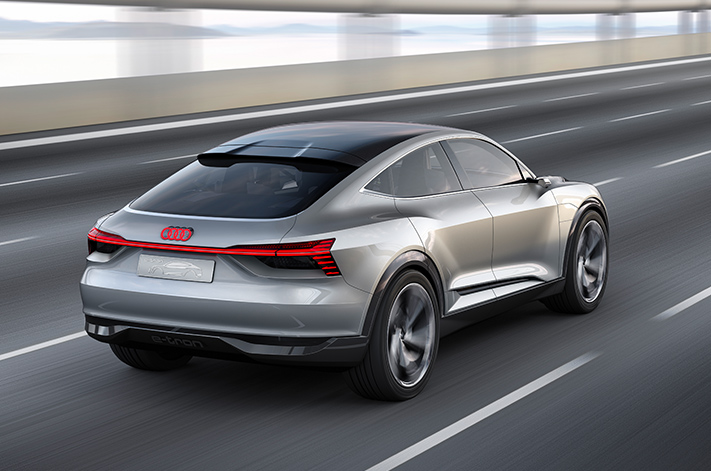
Audi’s e-tron Sportback concept has been revealed at the Shanghai motor show, and while there’s plenty about the fast-backed SUV’s design that’s wild and fanciful, the German carmaker is adamant that it is destined for the showroom. Audi says it’ll be on sale in 2019.
A sportier, swoopier companion to the already-revealed e-tron Quattro concept (which is itself due to morph into a production car in 2018), the e-tron Sportback features a lower roofline with a pronounced taper. Audi’s forthcoming Q8 has already been touted as the brand’s answer to the BMW X6, but the e-Tron Sportback is even closer in form factor to the Bavarian SUV.
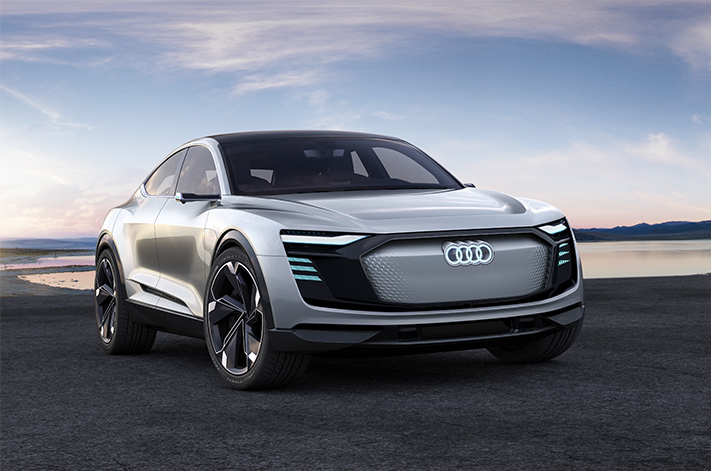
Combined system output is a stout 320kW and 800Nm – rising to 370kW for short bursts – which is enough to launch the e-tron Sportback to 100km/h in 4.5 seconds. It won’t shame a Model X P100D in a straight line, but sub-five zero-to-hundred numbers are still admirable for an SUV.
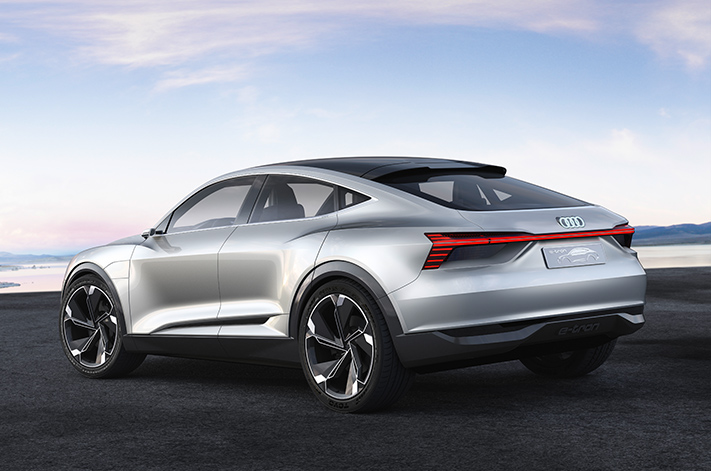
A near-neutral 52:48 weight distribution also aids dynamics, as does adaptive air suspension that actively reduces ride height as speed increases.
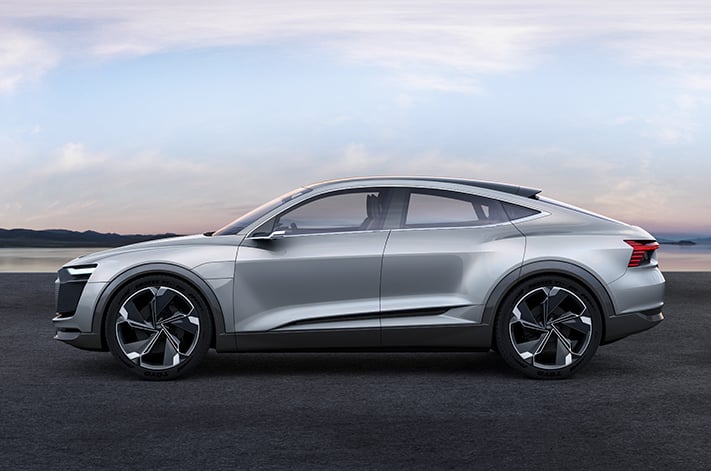
Charging can be accomplished by a regular cable or via a built-in inductive loop on the underside of the car. At full capacity, the e-tron Sportback’s battery can supply enough electrons for 500km of driving, and when hooked up to a 150kW fast charger, it can be charged up with 400km worth of energy in just 30 minutes.
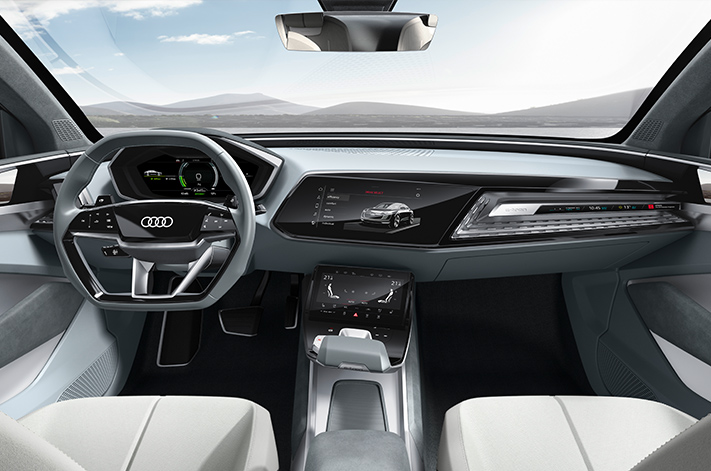
Beneath it is another digital display for ventilation controls and a futuristic interpretation of Audi’s MMI touchpad interface, while a wide LED strip spans the passenger side of the dashboard and displays clock and climate info.
Four individual seats are separated by a tall centre console with open storage cubbies, but expect a more conventional interior in 2019 when the e-tron Sportback concept will hit showrooms as Audi’s second EV-only offering.
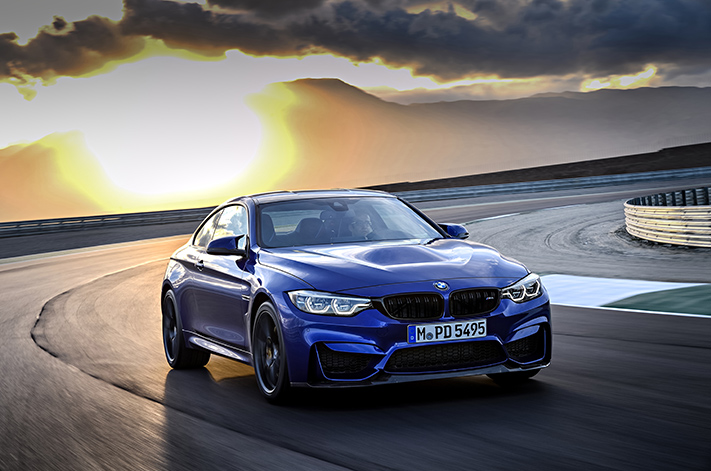
Revealed at the Shanghai Motor Show, the new 2018 BMW M4 CS will fill the gap between the ‘regular’ M4 and the brasher GTS.
The CS cops a power increase of 22kW over its M4 sibling, giving its twin-turbo straight-six 339kW to couple with its 600Nm of torque, which is 50Nm more than the standard M4.
With this extra bit of ‘oomph’, BMW claims the M4 CS will make it to the ton in 3.9 seconds, only a tenth slower than its claim for the GTS.
Oddly, however, BMW claims that despite carbon fibre body panels, the CS weighs 1580kg, which is 70kg more than the GTS and 43kg more than the regular M4.

BMW says the new lightweight alloys were developed especially for the CS, and are based on the wheel design found on its M4 DTM racers.
Behind that, standard compound brakes can be replaced with larger carbon ceramics with six-piston (front) and four-piston (rear) calipers.
Further in, BMW’s active M Differential is found, which “factors in the accelerator position, the rotational wheel speeds, and the yaw rate of the M4 CS, and adapts to the changing driving situation” to “produce a locking effect between zero and 100 per cent”.
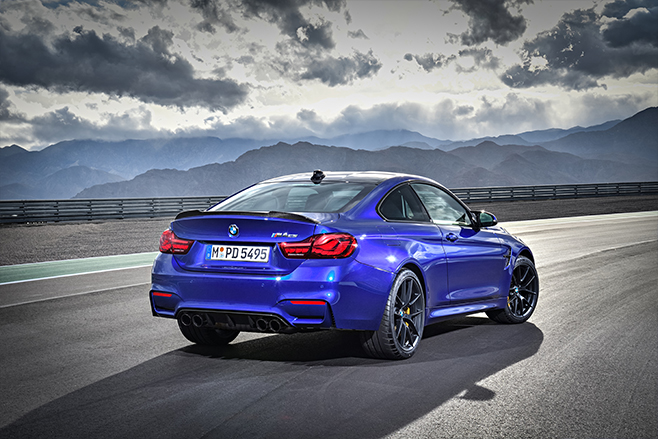
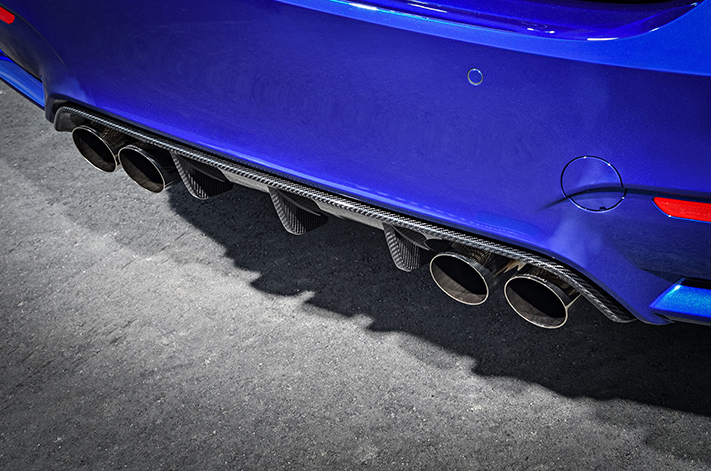
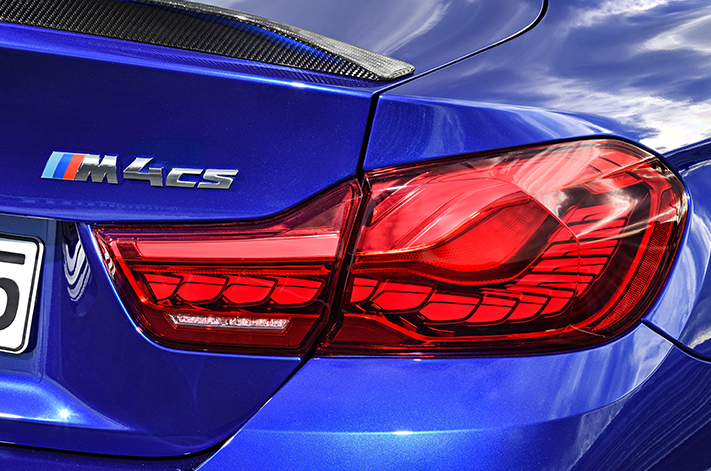
A carbon fibre lip spoiler and diffuser will be the most obvious differences for most, though keen eyes will notice a new set of rear lights – the same as are seen on the GTS.

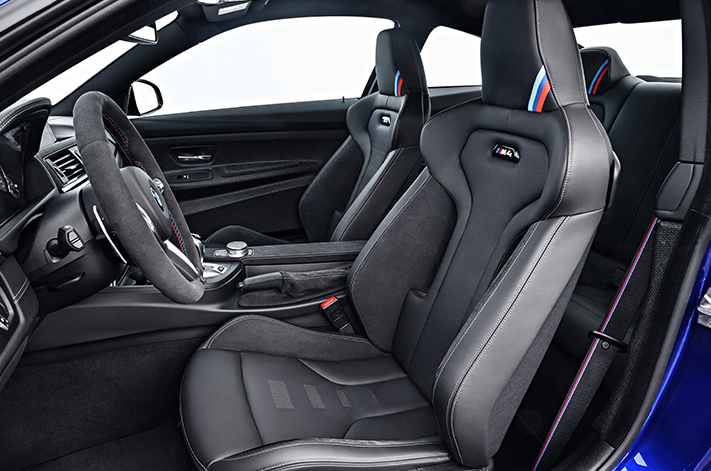
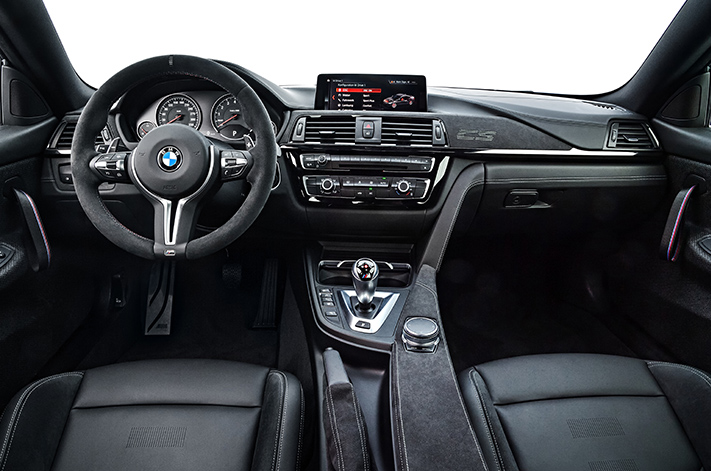
Inside, the CS is treated to a slathering of Alcantara, including on its M-Sport wheel. The suede-like covering is paired with merino leather (fancy!), which both make up the materials of the seats.
Also on the front seats are M stripes and an illuminated M logo.

MISSED out on an example of BMW’s vicious M4 GTS and even more exclusive M4 DTM Champion Edition? Well, the German car maker is giving fans of its high-performance super coupe a chance to get hold of a new M4 CS limited edition.
BMW’s latest hardcore M4 special is chalked to make its global debut at the Shanghai motor show this week, but Wheels was given an opportunity to meet the rare breed at a quiet pre-show event in South Korea.
The new limited edition slots into the M4 range above the current M4 Competition but below the sold out M4 GTS and DTM twins with a version that chamfers some of the track focussed edges and adds a little more on-road potential.
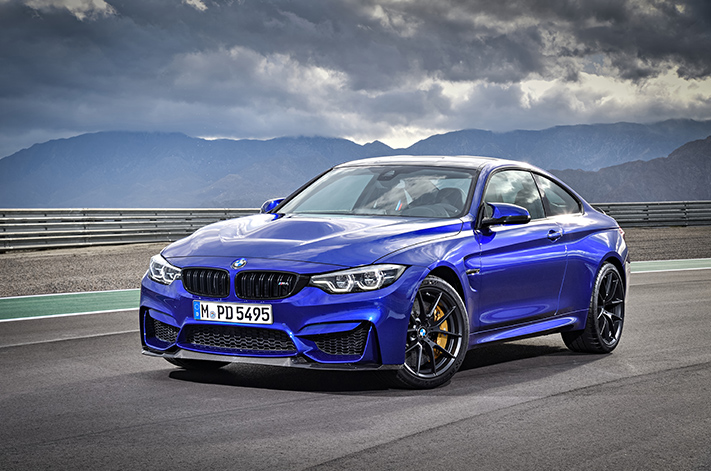
Picking up from the most powerful regular production M4 variant, the CS takes the Performance Pack as its basis but adds a number of performance enhancing features and a scattering of aesthetic tweaks to let everyone know you have one of between 2000 and 3000 CS examples that will be made available globally. For comparison, the M4 GTS was limited to 700 examples worldwide.
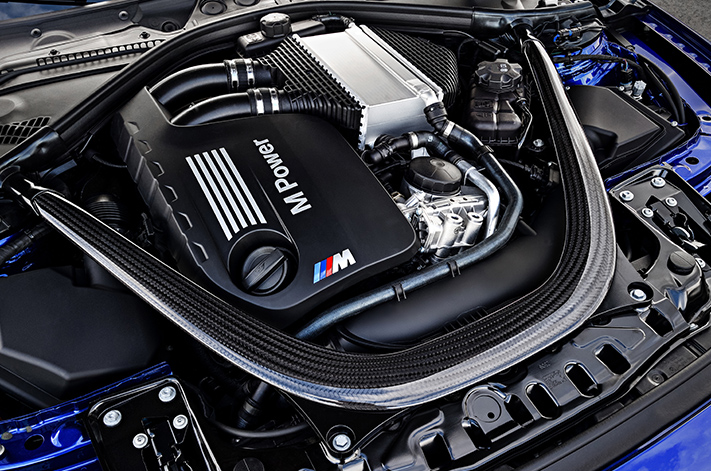
Think detuned GTS rather than warmed up M4 Performance, because the CS has exactly the same lump under its bonnet, minus the GTS and DTM’s water injection that allowed it to find another 30kW with more boost pressure.
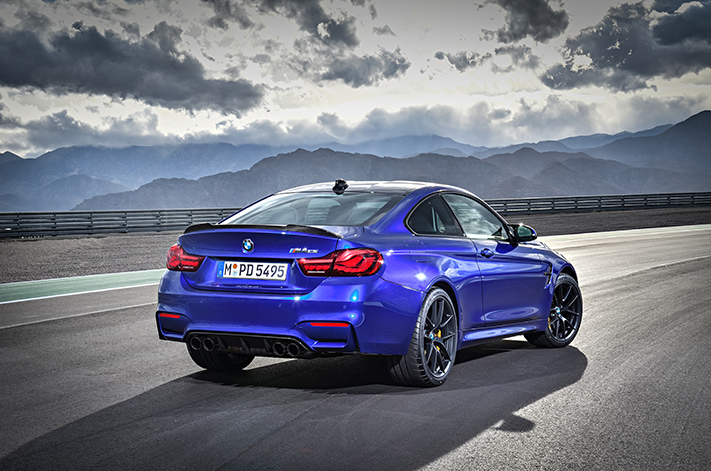
With an extra 7kW and 50Nm over the Performance Pack M4, the CS has a muscular 338kW and 600Nm at its disposal thanks to the more capable version of the 3.0-litre turbocharged straight six that hides under the bonnet of every M4 variant.
While it can’t quite match the 368kW of the most serious M4 GTS and DTM, the CS engine does equal the torque figure for a zero to 100km/h dash of 3.9 seconds – just one tenth slower than the flagship pair.
Grumbling purists may be silenced when they are told the six-speed manual can’t handle the massive torque of the fettled six-pot turbo.
Suspension is also a carryover from the M4 Competition but the series of special modifications were tested against the Nurburgring high-performance road-car benchmark, where the CS put in a respectable time of 7 minutes and 38 seconds.
The brisk performance at one of the world’s most revered, feared and respected circuits is also partly thanks to the extensive use of carbonfibre.
At the front end, a new splitter is unique to the M4 CS, while the roof, rear diffuser, boot lid, spoiler and even propshaft are all crafted from the exotic material, resulting in a kerb weight of 1580kg. Its combination of GTS hardware without the same weight saving measures means the CS is heaviest of the M4 range.
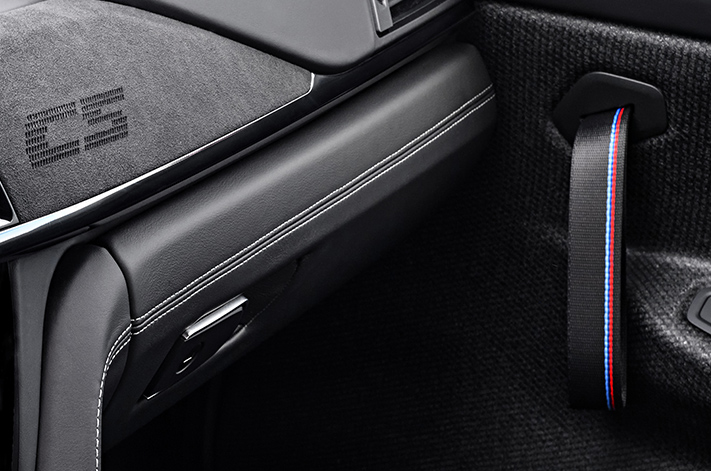
Further weight was stripped out with the installation of lighter interior door trims, which use a natural fibre composite, while regular door handles have gone in the bin in favour of more racing-inspired pull loops.
BMW M4 Magny-Cours comes with a free bike and watch
Like the GTS, the CS also gains the company’s new organic LED tail lights that will eventually spread to the entire M4 range when it is treated to its mid-life update at a date yet to be confirmed.
Exclusive Alcantara has been liberally applied to a multitude of surfaces throughout the cabin, including an M steering wheel when optioned, while the special lighter sports seats are finished in a combination of Merino leather and the synthetic suede.
Drivers who forget they are driving one of the most exclusive M4 editions are reminded by the letters CS embossed into the dashboard Alcantara.
Irrespective of brake configuration, the set up is housed inside a specially developed, ten-spoke, Orbit Grey alloy wheel set, which measures 19 inches at the front and a beefy 20 inches at the rear. Tyres are courtesy of Michelin and the Pilot Sport Cup 2 rubber was specially developed for the car.
For those that really want to flaunt the exclusivity of their special edition, the M4 CS is available in a choice of two colours that are unique to the variant – San Marino Blue and Lime Rock Grey – as well as the choice of four other hues that are not limited to the CS.
Pricing is not yet finalised for the Australian market, but using European prices as a guide expect the M4 CS to cost around $200,000, filling the sizeable gap between the $154,900 M4 Competition and the massively pricey GTS which was snapped up at just less than $300,000. Production starts in July this year.
It is not the first time a Munich model has worn the CS moniker, with the 1960s E9 coupe taking those honours, while other models have been slapped with a CS variant in small numbers since.
WEST Australia has introduced an Australian first in a bid to combat texting and driving by adding five designated ‘texting bays’ along regional highways.
The WA Road Safety Commission has designated five bays along Forest Highway and South Western Highway to encourage drivers to pull over to check their phones.
| How to drive around cyclists
An initial trial, which ran over the Easter weekend, will run until April 28, and will then be reviewed by the Road Safety Commission to see if it improved road safety.
Texting while driving causes drivers to take their eyes off the roads to look down at their phones, a massive safety risk.
Cars travel 22 metres in just two seconds when travelling at 40km/h, or a frightening 55 metres when travelling at 100km/h.
| How to tell if a car has rust
According to a Deloitte mobile consumer survey conducted in 2015, 42 percent of drivers aged between 18 and 75 had used their mobiles while driving.
Road Safety Commissioner, Kim Papalia, told the ABC that the texting bays were “a siding on the side of the road that gives people the opportunity to get out of the traffic flow, get off the road, to park lawfully and then enable them to respond to what is a compulsion that people often feel in regard to checking their text messages.”
| How to predict model updates and avoid new-car remorse
“There is a clear message that the text can wait until it is safe to check it… we do recognise that texting is an issue in this state and we’re taking active steps to see how we can mitigate that.
“This is recognition of behaviour and how you can positively influence better outcomes in terms of behaviour.”
The initiative comes after 2016 saw WA reach a six-year high road toll. One death was recorded on the state’s roads over the Easter long weekend.
WHEN Rubens Barrichello first heard that Fernando Alonso would pass up the Monaco Grand Prix to drive in next month’s Indianapolis 500 he thought it was a hoax. So did many others.
Barrichello, who tried IndyCar racing in 2012 after his own F1 career ran out of steam, is surprised (like other past and present drivers) that Alonso would forsake the plum Monaco race for the perils of Indy, which is just six weeks away.
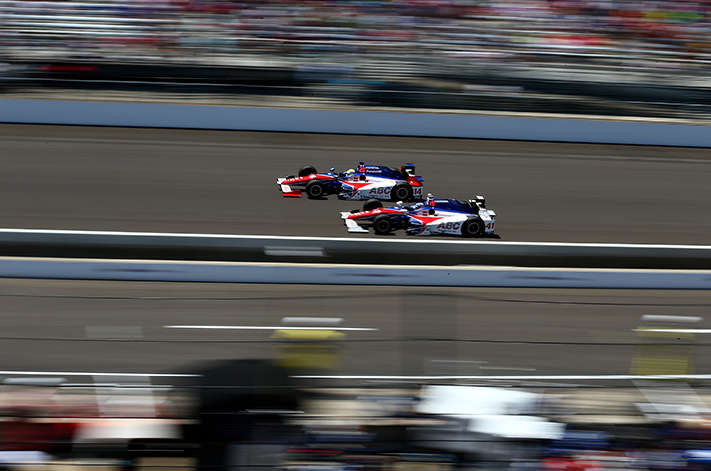
Brown said he and Alonso spoke more about the idea at a photo shoot in the US after the opening race of the season. Then over the GP weekend in Shanghai, the half joke firmed up with specific detail.
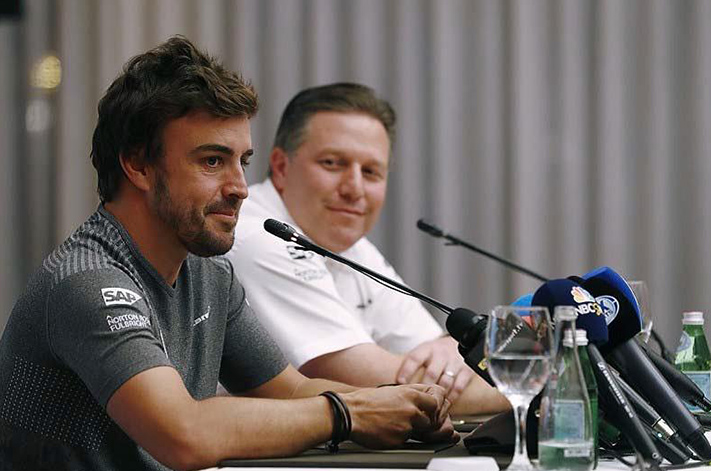
Alonso’s frustration with McLaren has been very real – sometimes raw. He was forced to retire in three consecutive races whilst remarkably dragging the sluggish Honda-powered MCL32 into points positions in two of those GPs.
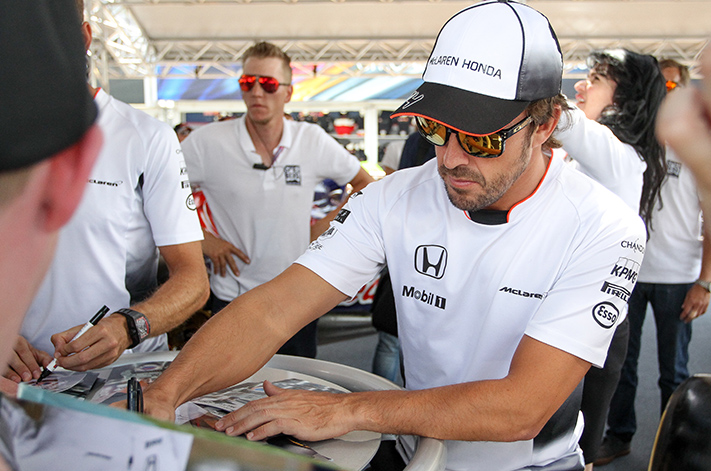
Alonso can’t win another world championship this year, and will struggle to get a podium result in F1. But he is a racer and Indy looms as a gettable target in his mind.
Drivers stump up ideas to improve Formula One
Nigel Mansell made an excellent transition to IndyCar racing, departing F1 after winning his 1992 world title and then capturing the US series crown at his first attempt the following year.
Talking to Autosport, Barrichello said that based on his own experiences, Alonso should expect the unexpected in his new race experience at the Brickyard. He warned of the traffic and the turbulence.
The 2012 Indy 500 was Barrichello’s first oval race and he acquitted himself well, despite his lack of familiarity with the nuances of constantly turning left. He qualified 10th and finished 11th.
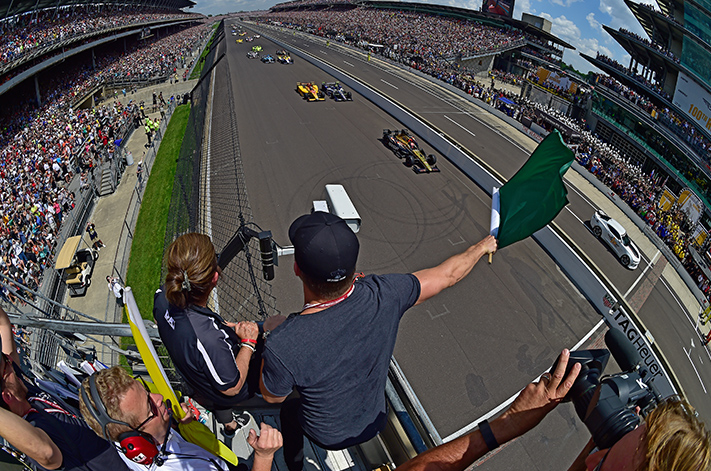
Reaction among drivers has been mixed. Daniel Ricciardo commented: “I would not want to miss Monaco. I think Fernando is missing a good one, but then again if you are not fighting at the front it probably would be a long race around there. So Indy…? I’d take Daytona 500 over Indy.
Jeep Grand Cherokee Trackhawk – The Jeep that can’t go off-road
“Indy kind of scares me actually!”
Alonso has just over six weeks until he lines up at the Indianapolis Motor Speedway, during which time he will compete in three more races – including the just passed Bahrain Grand Prix. The Spaniard will fly from the third and final one of those races, the Spanish Grand Prix, straight to Indianapolis for two weeks of practice ahead of the race.
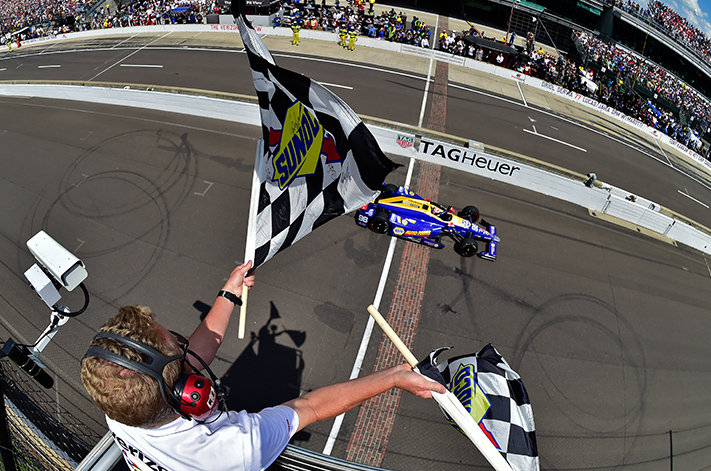
Alonso will be jamming in some IndyCar familiarisation between his F1 commitments. He will meet the team, have a seat fitting, do some time on the simulator and, between races in Russia and Spain, he’s hoping to include a private test. Then two week of practice and qualifying at the Brickyard.
Alonso says he’ll spend his waking hours of the flights look at old Indy 500 race videos.
Reserve driver Jenson Button will replace Alonso for the Monaco race but in an indictment of modern F1 will miss any chance of testing the 2017 McLaren before the race. McLaren team boss Eric Boullier says that Button spent 17 years in F1 and would be better instead to spend time driving a simulator than the actual 2017 car.
DESPITE being designed for driving pleasure, supercars tend to get much less use than pretty much anything else.
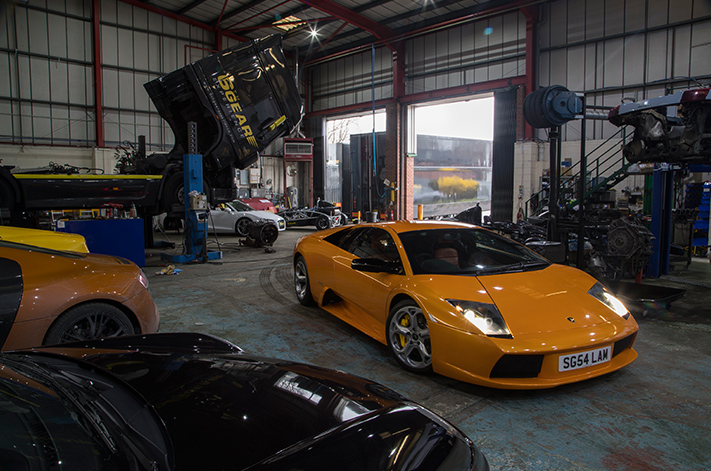
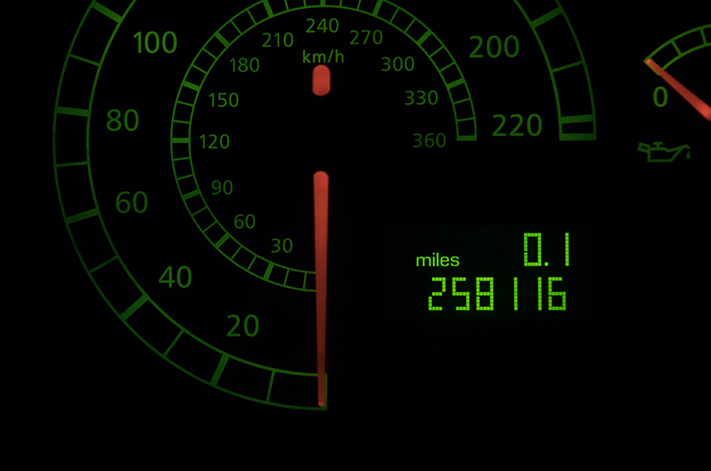
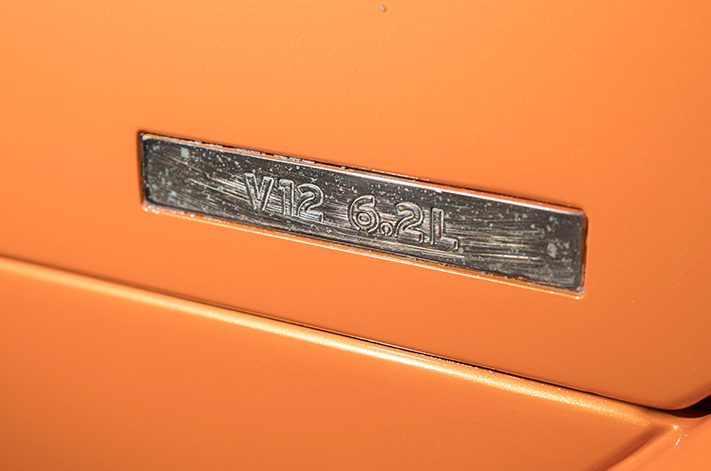
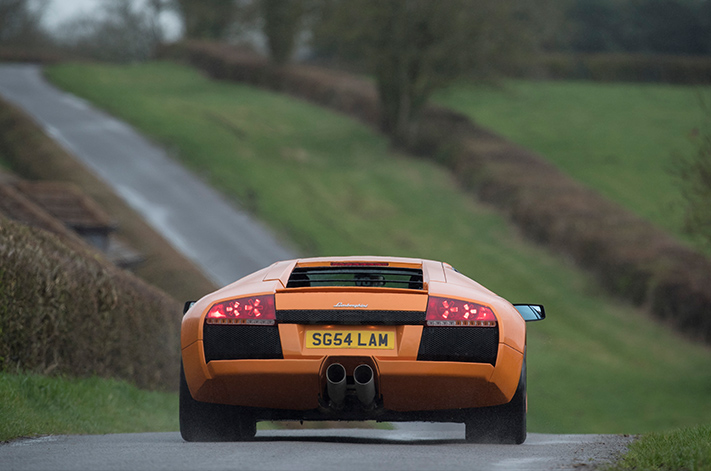
With that in mind, meet the antidote to the cherished low-mileage garage queen – this British-registered 2004 Lamborghini Murcielago’s odometer owned up to 258,000 miles, 415,000km, when we drove it two weeks ago. And that total is still rising at a rate that puts many hard-working taxis to shame. Owner Simon George says he wants to take it to at least 300,000 miles before he’s done with the car.
2017 Lamborghini Aventador S review
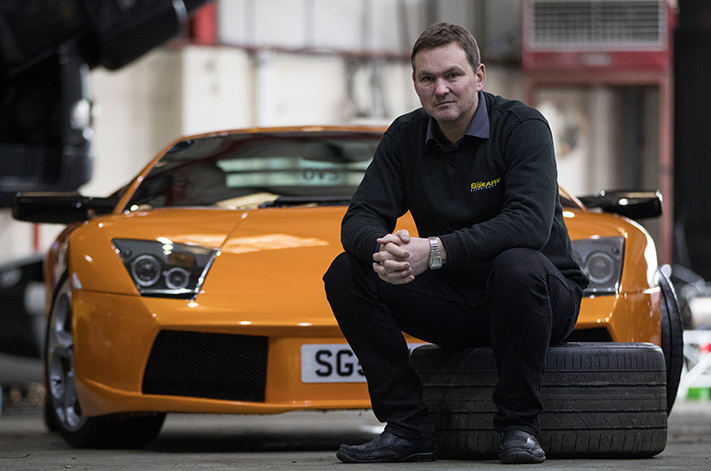
George originally bought the car with a hefty loan while working as a domestic gas engineer, but quickly realised that he wouldn’t be able to afford it without putting it to work. After a period renting it to a supercar experience company, and serving as instructor as paying drivers hooned his pride and joy, George co-founded his own, 6th Gear Experience, with the Murcielago serving as the pride of the fleet.
Reliving the ultimate Lamborghini roadtrip
Things got much more expensive in late 2012. A customer lost control of the Murcielago in wet conditions at the Longcross test track – also used by McLaren to shake down its new cars – and the car hit a tree pretty much head-on. “Nobody was hurt, thankfully,” George says, “but the car was a proper mess, the roof was bent and the chassis was warped.”
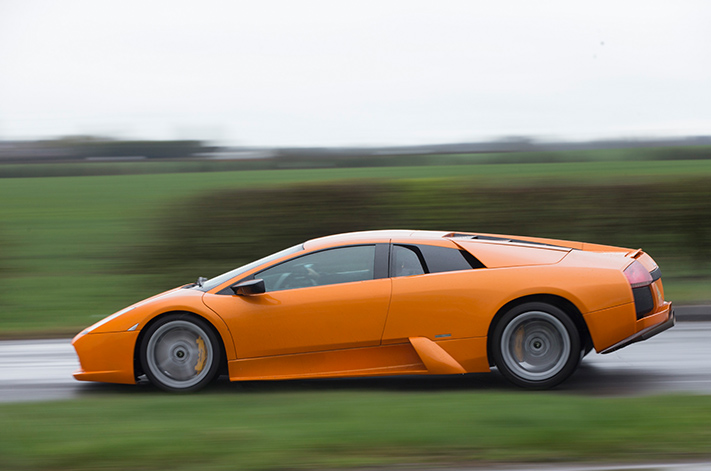
The Murcielago’s mileage is made even more impressive by the fact it stood still for four years. But now freshly rebuilt, it’s back in regular use, retired from front-line duties and turned into George’s personal plaything, most often used for his 300km daily commute from his home in Yorkshire to 6th Gear’s office near Birmingham. He’s also planning journeys to both Scotland and the Lamborghini factory at Sant’ Agata later this year, the latter representing a round trip of 4000km from the UK.
2016 Lamborghini Huracan Spyder review
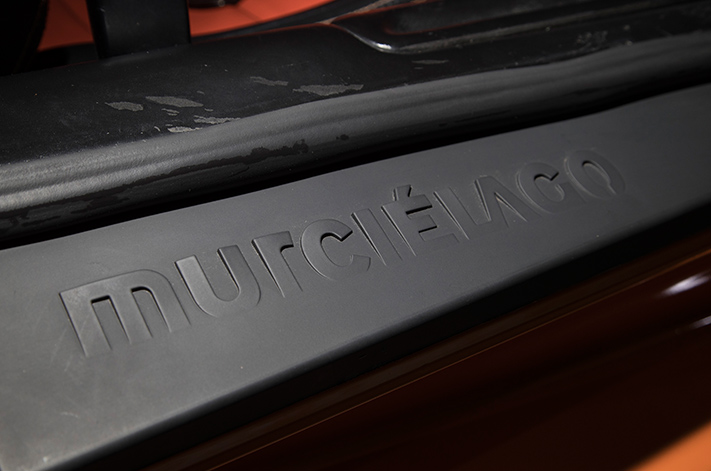
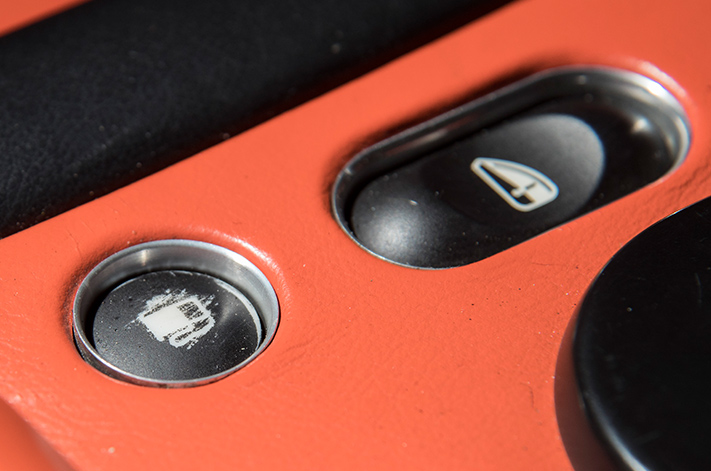
But it’s the cabin that gives the game away – the ‘MURCIELAGO’ legend embossed in the plastic sill protector worn down by the thousands of backsides that have slid across it, and the logo on the fuel filler release button scratched by the thousands of times it has been pressed.
The external clues may be subtle, but the revised Mercedes-Benz S-Class has undergone a massive transformation under the skin.
Headline news is a range of new engines, starting with a 4.0-litre twin-turbo V8, which produces 345kW/700Nm as 345kW/700Nm as an S560 and a whopping 450kW/900Nm in S63 AMG guise.
For the fuel economy conscious, the only initial offerings will be a pair of diesels, the 210kW/600Nm S350d and 250kW/700Nm S400d, however these will soon be joined by Mercedes-Benz’s cutting-edge inline six-cylinder petrol engines.

Mercedes is remaining quiet on technical details for the moment, however promises two different output levels and claims its new high-tech six-pot will offer the power of a V8 but with vastly better fuel economy.

Inside, the new S-Class’s dash is dominated by twin 12.3-inch, fully configurable, high definition display screens. All infotainment system functions can now be controlled via touch-sensitive controls on the steering wheel, which can be swiped smartphone-style. Speaking of smartphones, the new S-Class also supports wireless inductive charging.

Such toys are guaranteed to keep the driver entertained, as less of their focus than ever needs to be directed to the road thanks to the S-Class’s assistance systems, which allow the car the operate more or less autonomously for extended periods.

Another neat trick is Remote Parking Assist, which allows the driver to park the car in tight spaces – parallel or end-on in either the forward or reverse direction – using a smartphone.
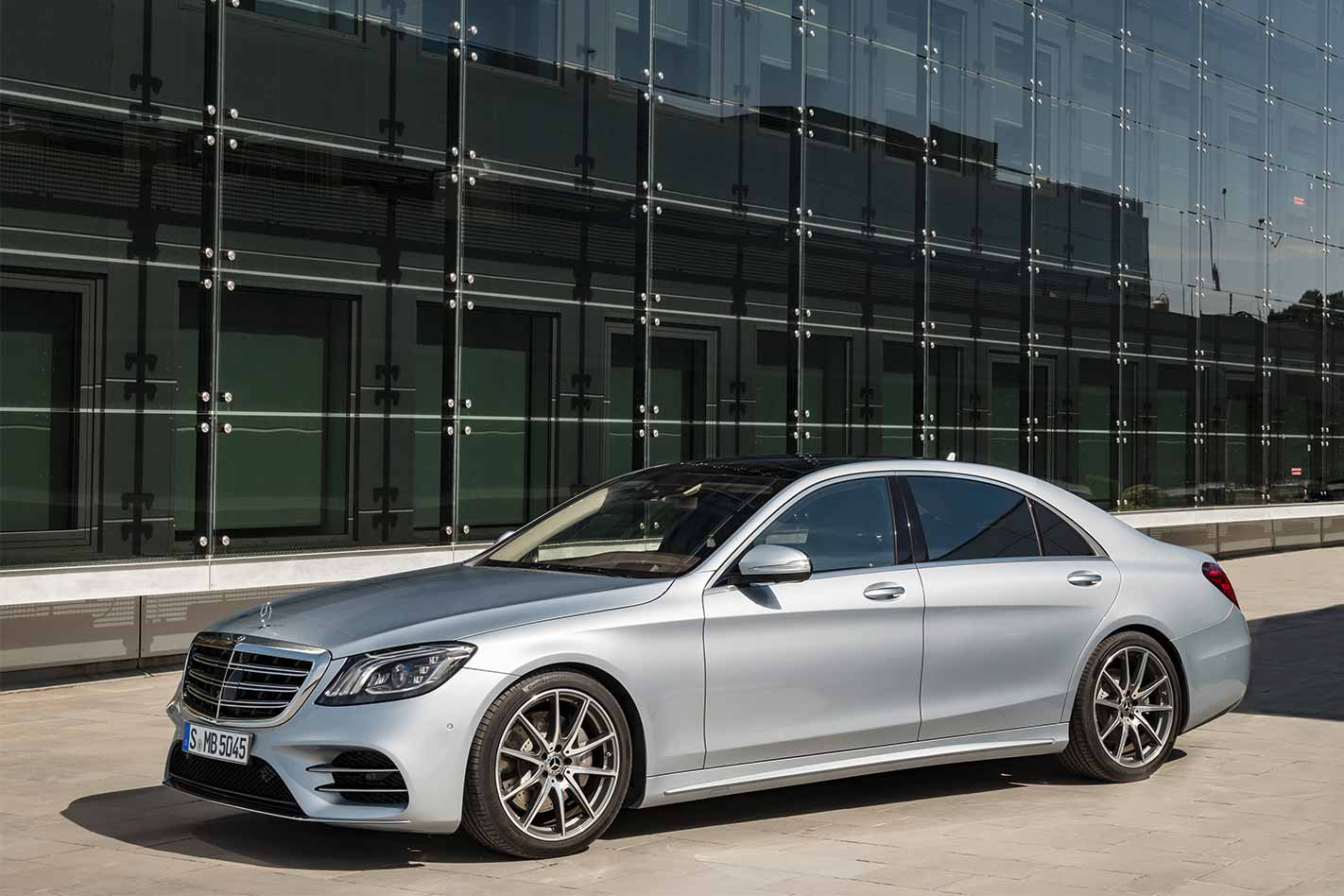
The 2018 Mercedes-Benz S-Class range will arrive on Australian shores in December 2017.
