
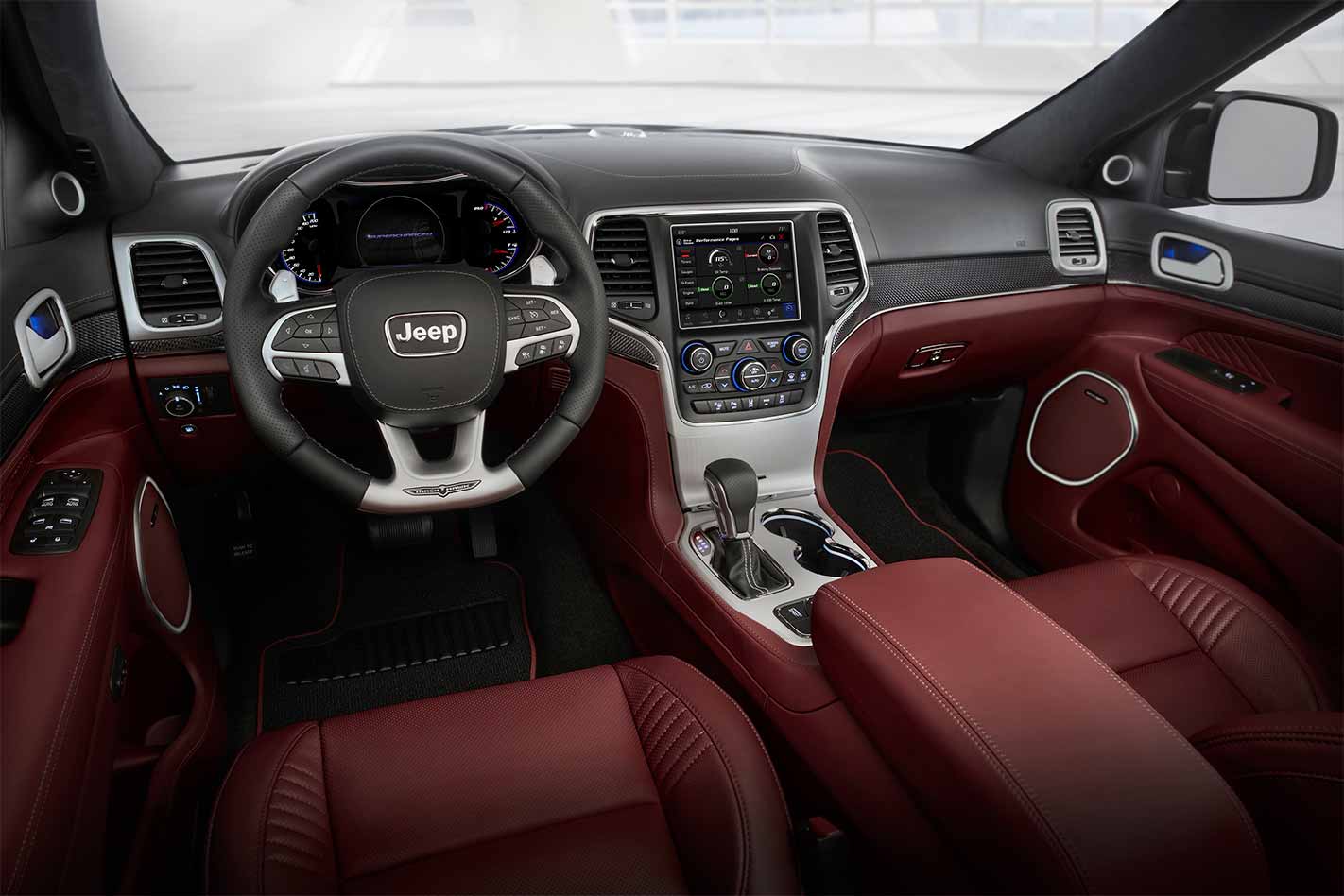
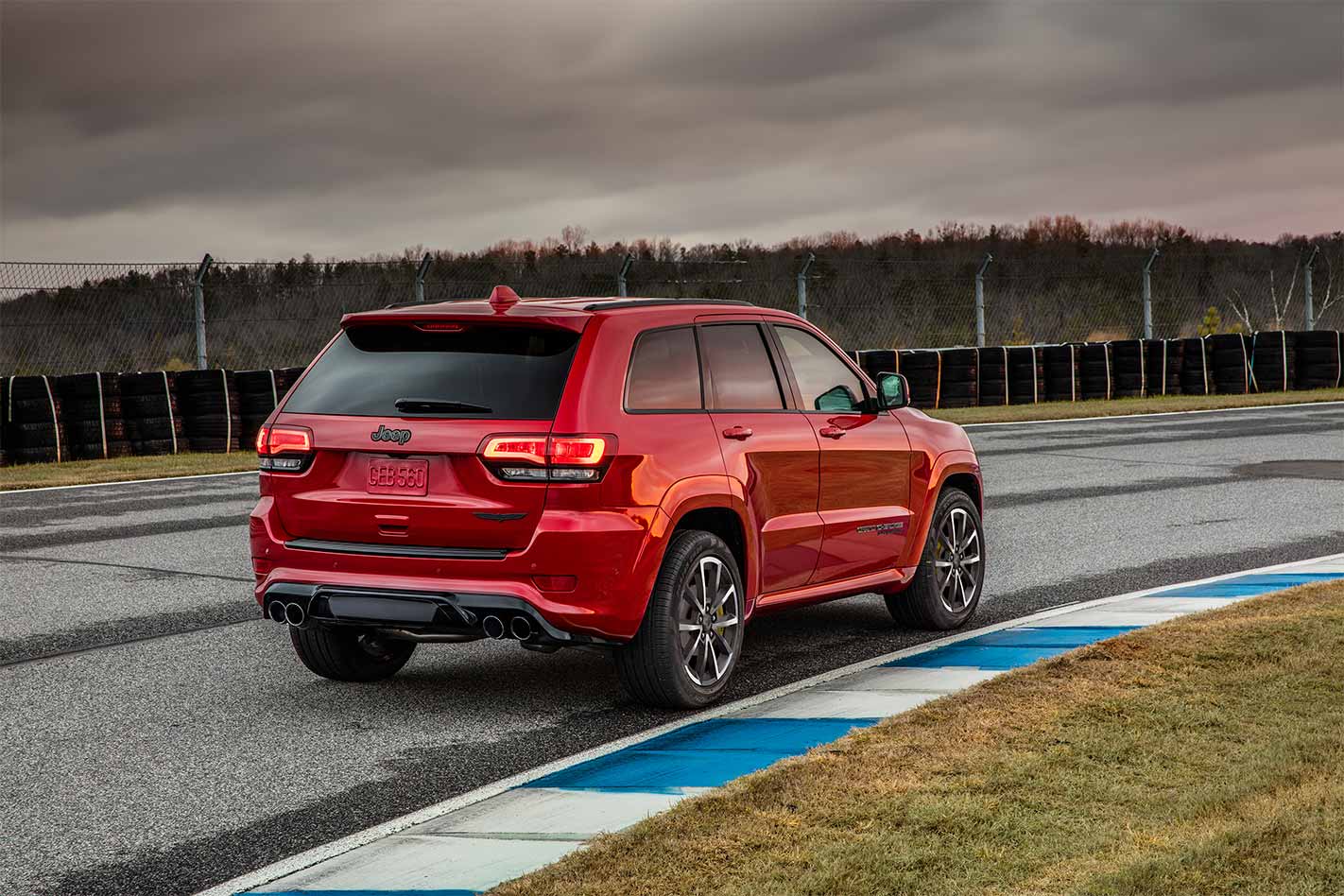
It’s a crazy world we live in. Jeep has revealed the Grand Cherokee Trackhawk, the world’s most powerful factory SUV, ahead of its public debut at the New York Motor Show.
Powered by the 6.2-litre supercharged Hemi V8 from the Dodge Challenger and Charger Hellcat, the Trackhawk produces 527kW at 6000rpm and 874Nm at 4800rpm.
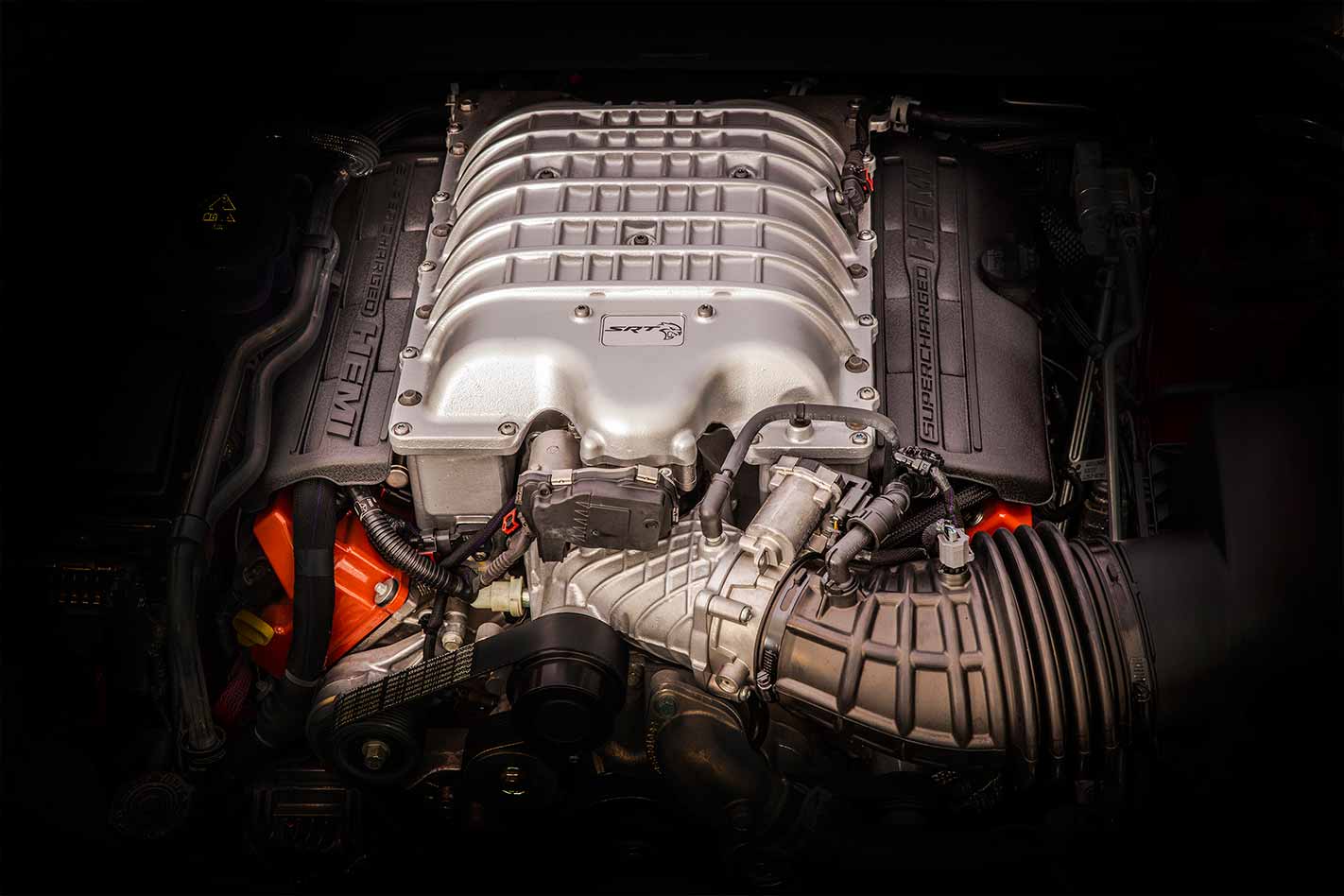
This speed is partly down to the new Torque Reserve launch control system, which allows the engine to build boost while stationary and bolt off the line on its way to an 11.6sec standing quarter mile time and a 290km/h top speed.
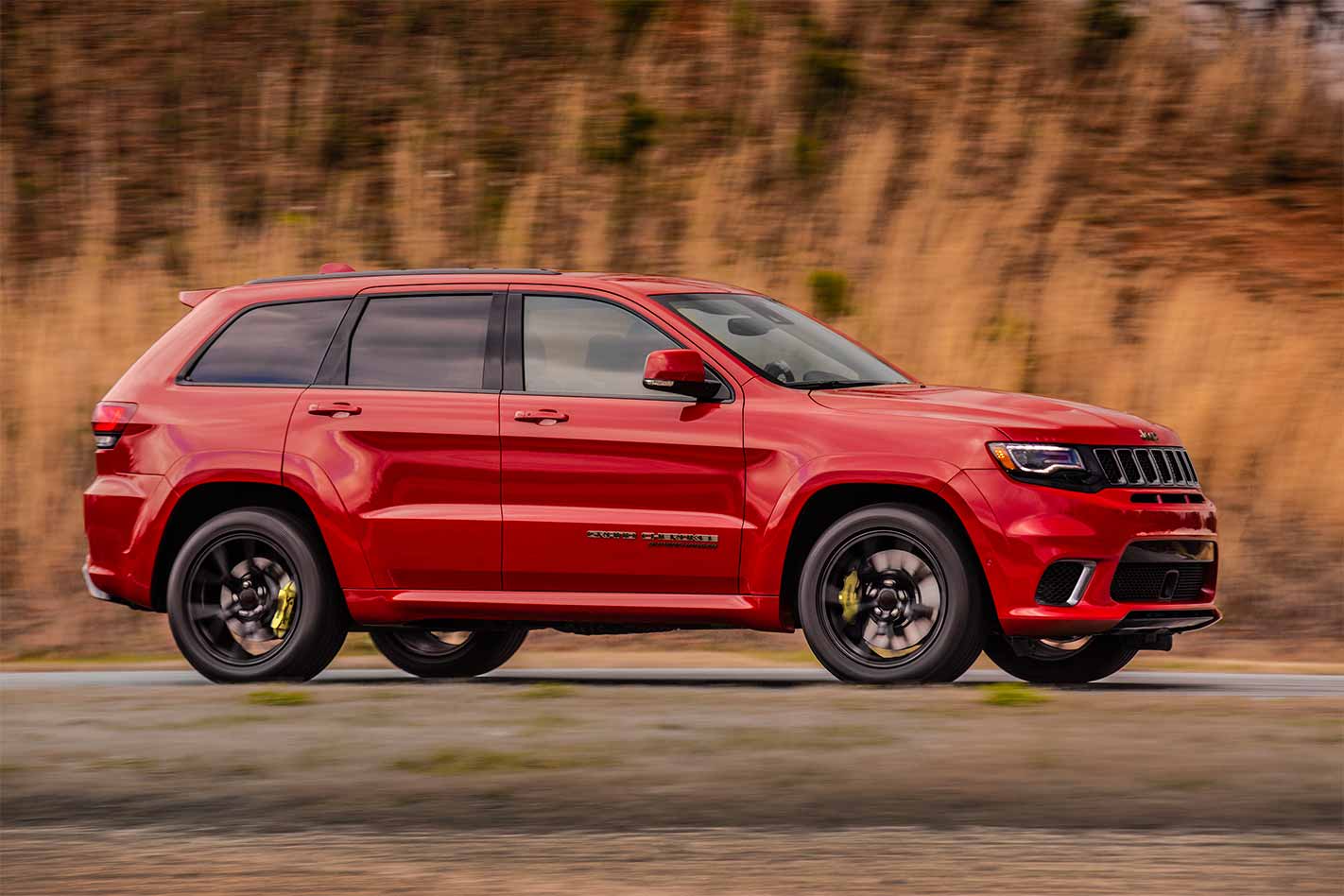
As standard the Trackhawk wears 20 x 10-inch wheels wrapped in 295/45 ZR20 rubber, while lightweight rims of the same size and Pirelli P Zero tyres are an option. Suspension is A-arm front and multi-link rear with Bilstein adaptive dampers at both ends.
Frustratingly, Jeep is keeping tight-lipped about the prospect, but we can take encouragement from the words of Fiat-Chrysler Australia CEO Steve Zanlunghi, who told MOTOR he’d be “jumping up and down” with “two hands up” for the Trackhawk, and this was before it was officially confirmed.
I had one of the worst commutes of my life recently, and it had nothing to do with the long day in the office or biting post-dusk temperatures.
Instead, it had everything to do with three gormless meat sacks who had seemingly been handed driver’s licences from a cereal packet, and the associated “OH FUU…” panic stops they each caused me to execute.
For context, I have the smallest commute of anyone here at Wheels HQ – mercifully short at just 3.4-kilometres. Now, those of you with a calculator handy will be able to crunch the numbers and see that on the aforementioned day I averaged one full force, unplanned braking manoeuvre each kilometre; not exactly desirable. Adding to my displeasure was the fact I was on my motorbike, and if things turned out for the worse, I was the one who was going to end up badly broken.
Why scrapping unrestricted speed limits in the Northern Territory is a stupid decision
Thankfully, I got home safely. In need of a stiff drink, but safe. This is thanks to two factors, the stringent testing system for obtaining a bike licence in my home state of Queensland, and the three defensive driver training courses I have completed (two of which occurred during my high school years). Without this training I am adamant I would have found myself under the bus which ran a stop sign and didn’t see me.
Because of this horror commute, here’s a steaming hot take on how to help tackle Australia’s road safety debate: Everyone that wants a licence (or wants to renew their old one) should be required to complete a defensive driving course.
This really shouldn’t be a controversial opinion – to have every driver on our roads adequately trained and versed in safe driving techniques – but outside of automotive circles it remains a fringe idea falling on deaf ears.
Australians need to learn to keep left
My defensive training has instilled in me habits which prevented my bones being crushed that day. Namely looking ahead with vigilance, knowing how to identify threats early, and the skill of stopping a bike (and car) swiftly.
To obtain a motorcycle licence in Queensland you have to complete a course called QRide, which takes an entire day. In it, you are put through a series of lessons where you are taught techniques to demonstrate your ability on a bike including panic stops. The importance of scanning the road, looking ahead, identifying blind spots and how to avoid them, and why you should cover the brake is also drilled into participants. Surely we would want our car drivers learning these same techniques to help improve road safety?
Instead, we hand out licences like meat trays at an RSL for vehicles that can kill and maim others far more efficiently than a motorcycle. ‘Congratulations, you can three-point turn and reverse parallel park, here’s your license good sir. What’s that? How well can you control your car in a rapid braking situation? Pfft! You won’t need that.’
So, how do we help fund what would be the largest education program outside the public school system I hear you say. While I don’t have the complete answer, considering there is a single safety camera in Victoria that racked up over $10million in revenue last financial year, that might be a good place to start.
It’s critical that we train the population to drive properly in the first instance, instead of trying to change their habits after we have given them a licence.
If you haven’t completed a defensive driving course, change that. If you think you are good driver already, go ahead and do it all the same. The course will either reinforce your good habits and show you new techniques, or help you identify areas in your driving you need to improve.
The course fee is a small price to pay for skills which could help you avoid three crashes in a single short commute.
While the rest of the WhichCar team sets their sights on the New York Motor Show, which starts next week, I’ve turned my attention to the 2017 Salone del Mobile.
The Milanese expo is a design fair which primarily focuses on furniture, but occasionally throws in a few little automotive gems.
Last year, MINI used its involvement in design week to reveal the ultra-cute MINI micro-apartments. This year, BMW adds a new special edition to its BMW i8 and i3 series with the MemphisStyle Edition.
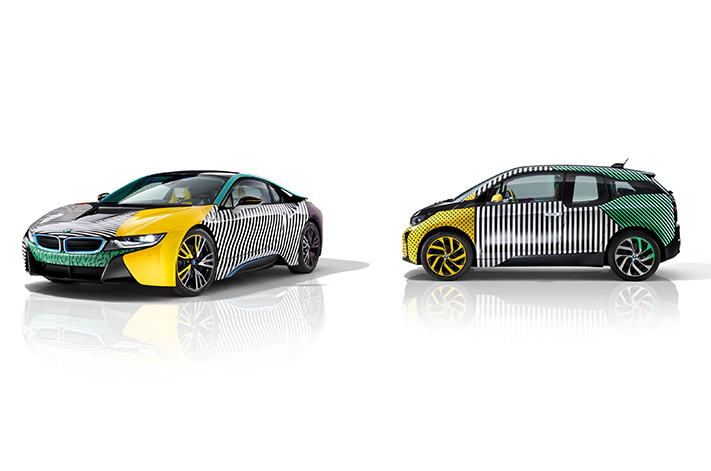
The i3 and i8 special editions are a collaboration between BMW i and Garage Italia Customs, celebrating the 1980s Memphis Design Group – an Italian design and architecture group founded by Italian architect Ettoire Sottsass, which designed Postmodern furniture and textiles.
“During the 1980s, the Memphis Group questioned the formal severity and classic functionality of design artefacts both in a somewhat provocative and humorous manner… the Group challenged existing dogmas, aroused emotions and created designs with high recognition value,” said Senior Vice President of BMW Group Design, Adrian van Hooydonk.
“The BMW Group pursued a similar approach when designing the BMW i vehicles, questioning typical car design language, breaking new ground and redesigning vehicles from scratch.”
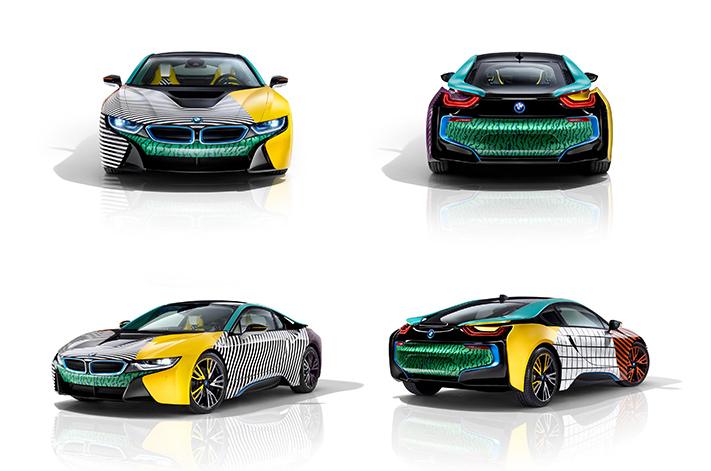
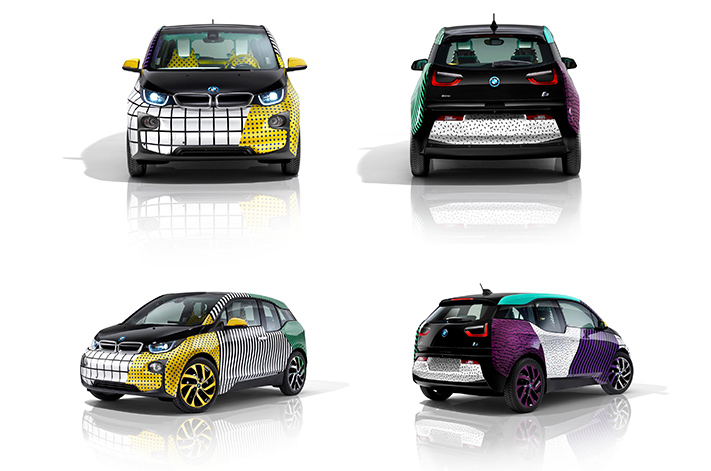
The cars feature a range of colours, lines, patterns and characteristics throughout the car’s interior and exterior.
At first glance, the i MemphisStyle made the WhichCar team grimace. Yellow, green, blue, turquoise, purple and black and white patterns merged into a dizzy incongruous design that reminded us more of books from our childhood that put a giraffe’s head on a donkey’s behind. And yet, we couldn’t look away.
On closer inspection, the “eight layers of colour” were perfectly aligned and we admired what would have been a complex and intricate process. The meticulous alignment may be jaw-droppingly accurate, but that’ll only last until the wheels rotate, however.
“Renewing the bond with BMW i is a great pleasure. I fully share their vision of looking at the future and technological innovation as the leading elements in any project.” said Lapo Elkann, Chairman and Creative Director of Garage Italia Customs.
“Creativity, style and innovation have always been the key features of all the work carried out by my team in the field of planning and the study of design.
“I can’t help but be proud of the result achieved by my creative hub. Once again, my designers have beaten every expectation; they managed to transfer the real essence of the Memphis Design onto these futuristic one-offs.”
An art concept is not totally alien for BMW, which has previously releases a series of ‘art cars’, starting with an Alexander Calder design on the BMW 3.0 CSL in 1975.
But the BMW i MemphisStyle is not officially part of the Art Car series, although, with its hypnotic mish-mash of kaleidoscopic colours and patterns, you could have fooled us.
The colourful design certainly provokes passion, one way or the other, and we can confidently say that the design is eye-catching. Beauty is in the eye of the beholder, after all… right?
BMW’s i division has got off to a bit of a slow start.
The investment in launching this eco-friendly sub-brand was huge, but despite critical acclaim – we’re big fans of the BMW i8 supercar and the i3 won sister mag Wheels’ Car of the Year – punters haven’t been so enthusiastic.
BMW Australia CEO Marc Werner recently demanded the Australian government do more to encourage electric car ownership, but Tesla has shown there are plenty of electric-car fans out there, you just need to engage with them. And the best way to do that? Performance.
BMW i3 drifted by Rauno Aaltonen
BMW has been keen to keep its i and M divisions separate, but why can’t the two work hand-in-hand? After all, BMW announced last year that it would be working closely with the Andretti Formula E team.
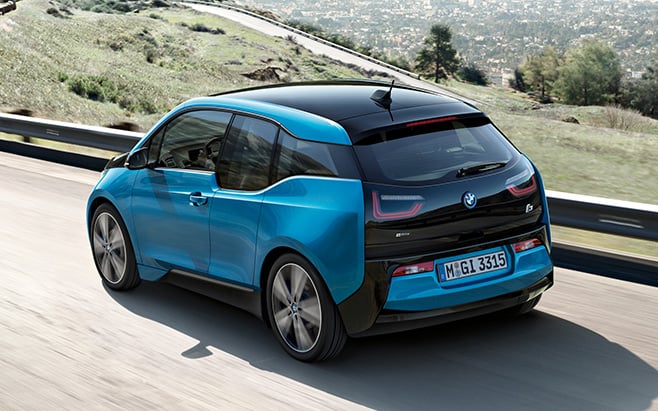
The opportunity exists for BMW to truly marry its ‘efficient dynamics’ and ‘ultimate driving machine’ and create the world’s first all-electric hot hatchback.
Here’s how we’d do it
1. AA-GRADE BATTERIES The current i3’s 125kW/250Nm from its synchronous electric motor really isn’t going to cut it here. But what if we used two of them? Yep, in a similar move to Tesla’s dual-motor Model S, adding another motor to the i3 instantly turns it into a 250kW/500Nm all-wheel drive weapon. Now that’s interesting.
2. ON A CHARGE The beauty of instantly available electric torque is apparent in benchmark acceleration times and the i3 M is nipping at the heels of its German hot hatch rivals with a 4.4sec 0-100km/h sprint, though top speed is limited to 200km/h. Range is a claimed 350km, or much less if you use the performance.
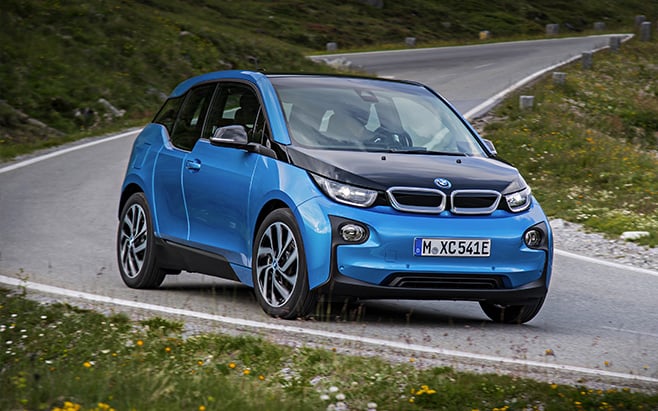
4. GET A GRIP The standard i3’s bicycle-like wheels and tyres aren’t going to cut it for a electric M, so new 20-inch lightweight wheels fill the guards wearing Pirelli P Zeros measuring 205/30 ZR20 front and 225/30 ZR20 rear. Brakes are uprated front and rear, but big stoppers aren’t needed thanks to powerful regenerative braking.
5. STICKER SHOCK The i3 M’s biggest hurdle is its price. Cutting-edge technology doesn’t come cheap, and at $89,990 BMW’s battery-powered baby is costlier than hot hatch rivals from Audi Sport and Mercedes-AMG. Still, that means it shares the honour of BMW’s cheapest M car with the M2 Pure.
Porsche is keeping the flow of mouth-watering mini-movies coming with five more top-5 films that delve into the inner workings of its machines and some of the finer moments of Stuttgart’s stars.
Following on from the first three short films that looked at the best sounding Porsche engines, rarest production cars and wildest wings, the next set offers an insight into some fresh footage, with something for all the family.
The most recent production takes you over the barbed-wire fence and into the Weissach development ground for a look at the top-five most gruelling tests the German car maker throws at all of its vehicles.
High-performance models are pushed to the limit in a series of road simulations, while the off-road models are subjected to similar torture in a series of all-terrain tests.
Next up – the car maker looks at the most exclusive versions of the various models created by the special operations department.
Drool at the extravagant materials, craftsmanship and love that goes into the top-five special Porsches that were conceived to celebrate various major milestones in the company’s history.
Want more? Take five minutes to explore some of the gorgeous concepts that Porsche’s designers have penned throughout the years. Look back in time and see the origin of the models that you can now see on the road every day. And some you don’t.
And Porsche motorsport fans will be transfixed by the top-five best racing moments on both sealed surfaces and unforgiving off-road events, demonstrating the connection between the extreme world of competition cars and showroom models.
See if you can spot and decipher the hidden message under the 918’s spoiler.
Speaking of which, in the final vid, racing legend Walter Röhrl presents the five most impressive technologies that cascaded down from the racetrack to the road.
Happy weekend watching.
Wider, longer, lower, faster. That’s Formula 1’s new 2017 cars in four words. The question is whether ‘better’ can be the fifth.
The pinnacle of motorsport has reached almost as many nadirs as zeniths when it comes to rule changes in its sporadically desperate bid to improve the ‘show’.
Yet following the recent farces of 2015’s double-points final race and 2016’s knock-out qualifying that was floored after just two races, there’s more optimism surrounding the latest regulations.
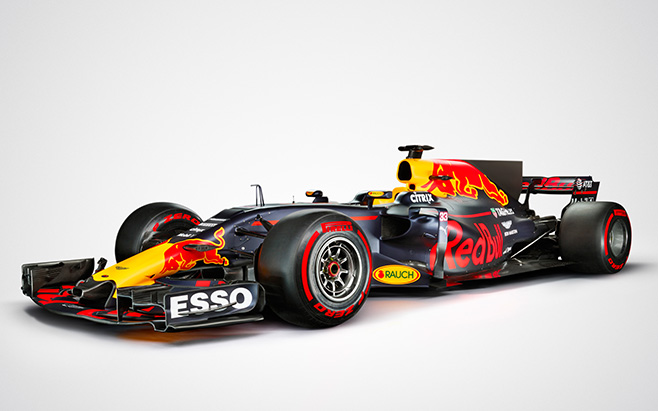
The racing cars haven’t looked this racy in years – sleeker yet also more aggressive. Bodies return to a two-metre width and are matched to rubber that’s 25 per cent wider.
There will also be all-round relief that the new Pirellis have been developed to be less prone to degradation and overheating, allowing the drivers to charge flat-out more consistently.
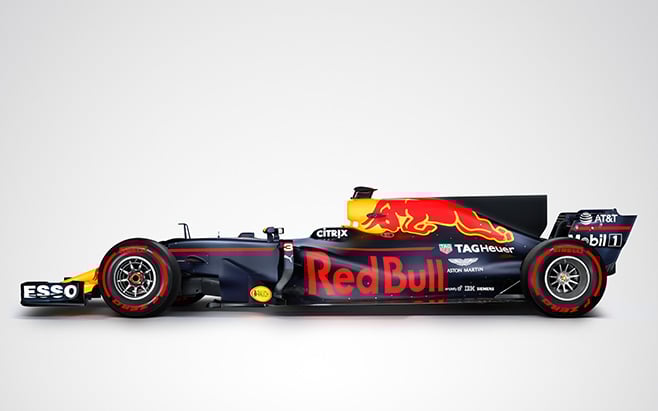
Racetracks such as Melbourne’s Albert Park have beefed up their barrier protection in response to predicted lap times and speed.
Yet Formula 1’s perennial issue has never been the speed of the cars, but their ability to overtake.
There are already mutterings from people in the know that the 2017 cars will make passing harder, given that the increased aero will create greater amounts of disturbed airflow – or ‘dirty air’ – in their wake. The Drag Reduction System (DRS) remains in place, though, as do the 1.6-litre hybrid V6 powertrains.
Australia, on pole again for a new season of F1, will provide the first evidence of whether the new rules will provide a better spectacle.
Formula E: The future of motorsport?
Revised Plan
2017’s big changes
1. BIGGER CARS The cars are extended by noses that lengthen by 20cm and by rear wings that are positioned further back. The height of those rear wings has also been lowered by 15cm and given a more swept-back design. Maximum body width increases from 180cm to two metres.
2. WIDER TYRES New Pirellis that don’t need to be nursed as dramatically as their 2016 predecessors is key. The Italian rubber specialist has responded to the FIA’s request for tyres that allow drivers to push to the limit for longer periods. Intermediate and Extreme Wet tread patterns are also revised.
3. EXTRA WEIGHT, FUEL Extra bodywork and bigger tyres add mass, so minimum car weight has been increased to 722kg. To compensate, the minimum fuel allowance rises to 105kg (fuel flow limit remains at 100kg/hour).
5. TOKENS IDEA SPENT The complex engine development token system introduced in 2014 has been abolished. Where teams had been restricted to ‘spending’ up to a specified maximum number of tokens to improve their power units, it’s now a free-for-all. Theoretically, it’s particularly good news for the likes of Honda and Renault who are desperately playing catch-up to Mercedes-AMG’s level of engine performance in the recent past.
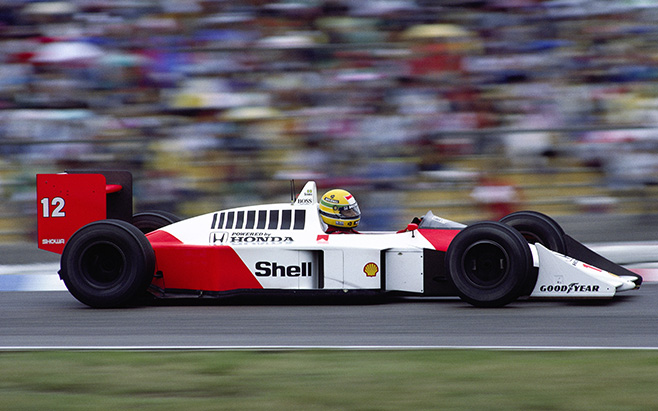
Mixing it up: A history of rule changes in F1
If 2014 kick-started a new era of F1 powertrains, 2017 introduces the biggest car and tyre changes since the 1998 contenders were switched to a narrow-track format with grooved rubber.
While the new rules are designed to produce cars that look good and lap faster, a desirable side effect is hoped to bunch competitors after three successive years of Mercedes-AMG domination.
F1’s timeline of tinkering has many milestones designed to end this, often spearheaded by Bernie Ecclestone – paranoid about losing the claim to being the world’s most watched annual sport.
Turbo engines were banned for 1989, the season after McLaren won all but one race. Active suspension and other driver aids were barred from 1994 after Williams-Renault romped to unhindered glory in 1992 and 1993. And, more recently, the championship points system was switched from the long-established 10 points for victory to 25 in 2003 after a 2002 season in which Ferrari’s Michael Schumacher wrapped up the title with six races to spare.
Fortunately, many of Bernie’s craziest concepts for spicing up the sport never gained approval.
Expect plenty of changes from Liberty Media as it plans its shake-up of F1 both on and off the track.
Here’s a question for you to ponder: if you could have M3-ish levels of performance in a package that costs significantly less than the F80 M3 sedan’s asking price – but had none of the badge cachet – would you do it?
It’s a quandary. After all, the M3 is a highly-accomplished and incredibly focused sports sedan, but that’s perhaps its greatest issue. To some, it may be too focused. Henceforth, could a roided-up 340i step in as a more street-friendly (and budget-friendly) package? BMW’s M Performance catalogue may provide the answer.
WHAT IS IT? A regular ol’ BMW 340i sedan, except enhanced with a range of dealer-fit go-fast products from BMW’s M Performance line of accessories.
WHY WE’RE TESTING IT Because not everyone can stretch their budget to the M3’s $139,900 asking price, but nevertheless crave some RWD, turbo-six, Bavarian-flavoured thrills.
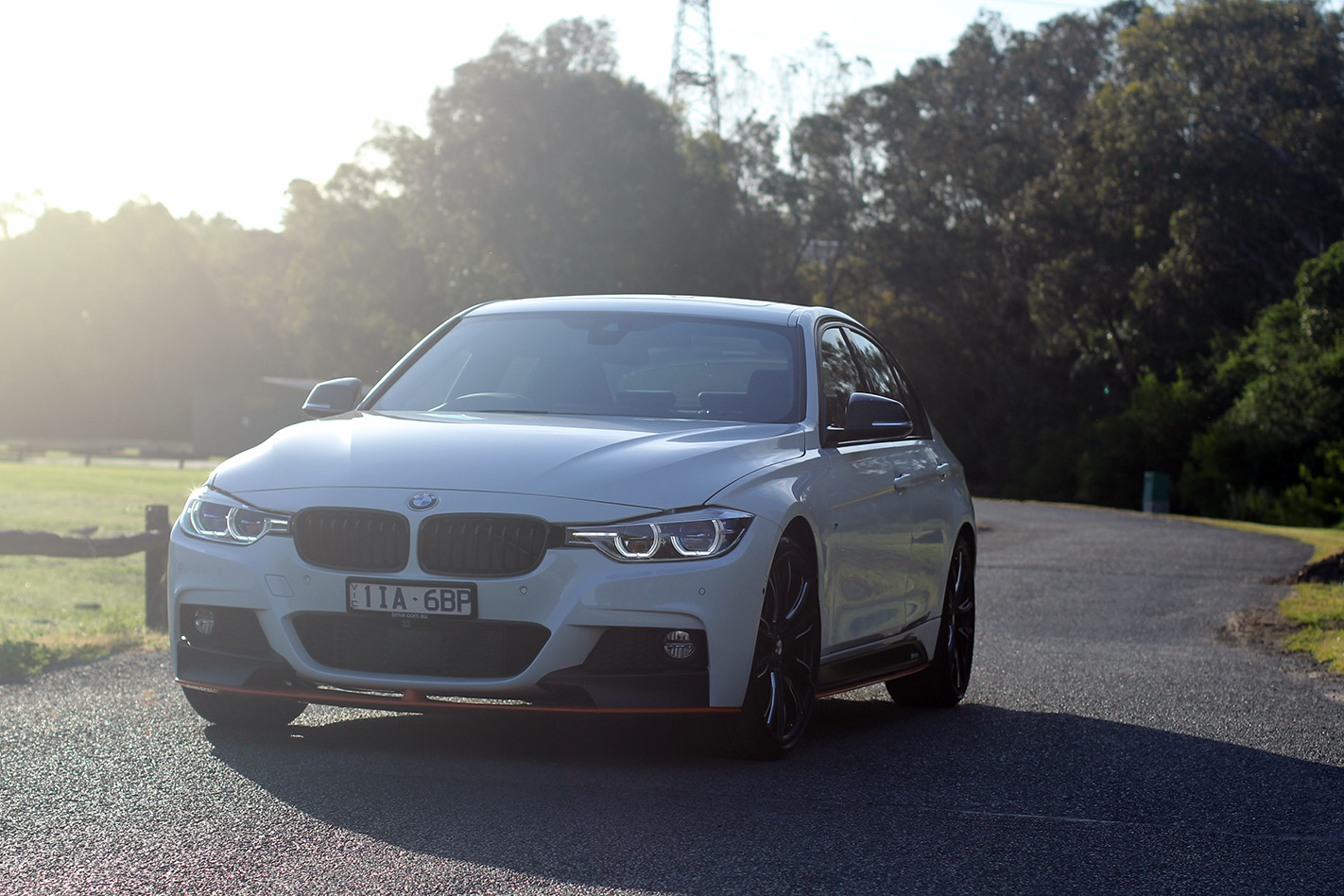
THE WHEELS VERDICT Be selective with the parts you pick, and the M Performance catalogue can help transform an otherwise unassuming BMW 340i into a much hotter sports sedan that’s surprisingly close to a full-fat M3 in terms of point-to-point speed. It’ll also be easier to live with, too.
PLUS: M Performance gear transforms the 340i into an animal; sounds better than an M3; more liveable than an M3
MINUS: Restraint is required to keep costs down
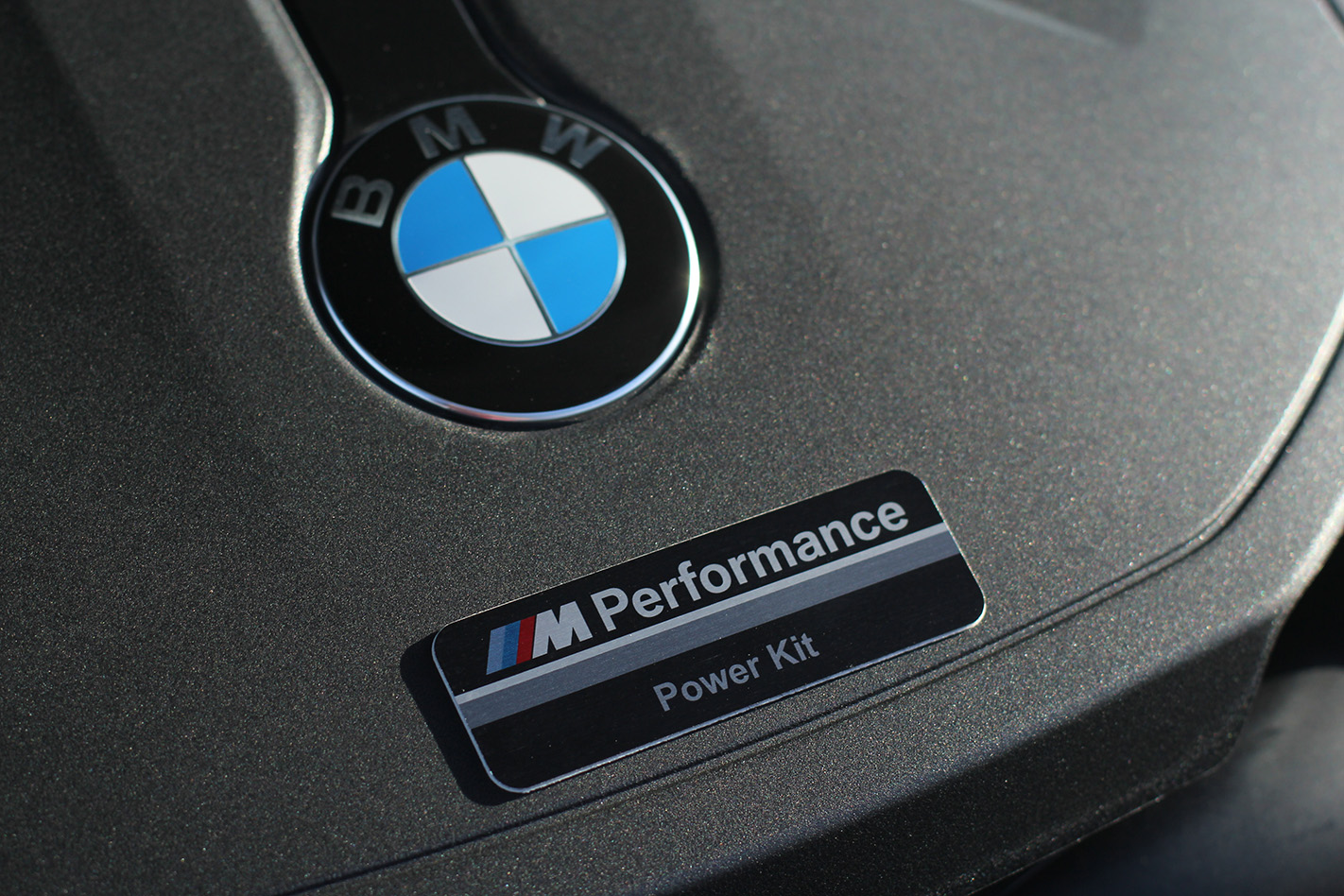
The M Performance menu is extensive and caters to all appetites. Just want to juice up your Bimmer’s visual aggression with a bodykit and some stickers? M Performance has your back, but more serious customers can bypass the cosmetics for real-deal mechanical upgrades that deliver tangible performance benefits. Or they can go down both paths if they wish, wallet permitting.
Is there enough benefit to have punters questioning whether they should spend big on BMW’s pukka performance machines like the M3? In the case of the 340i M Performance we’re testing here, we’d argue the end result even eclipses the mighty M3 in some key areas.
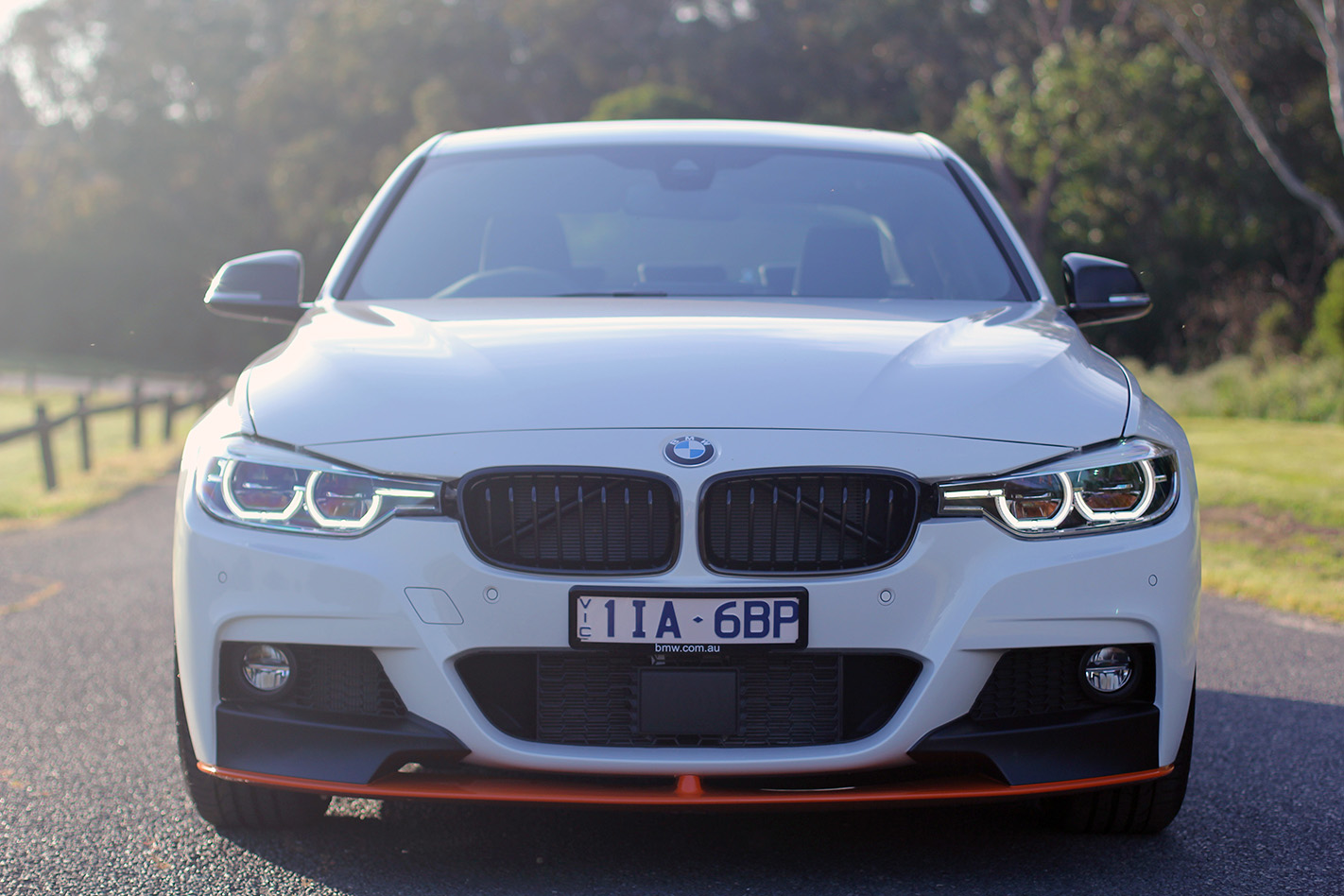
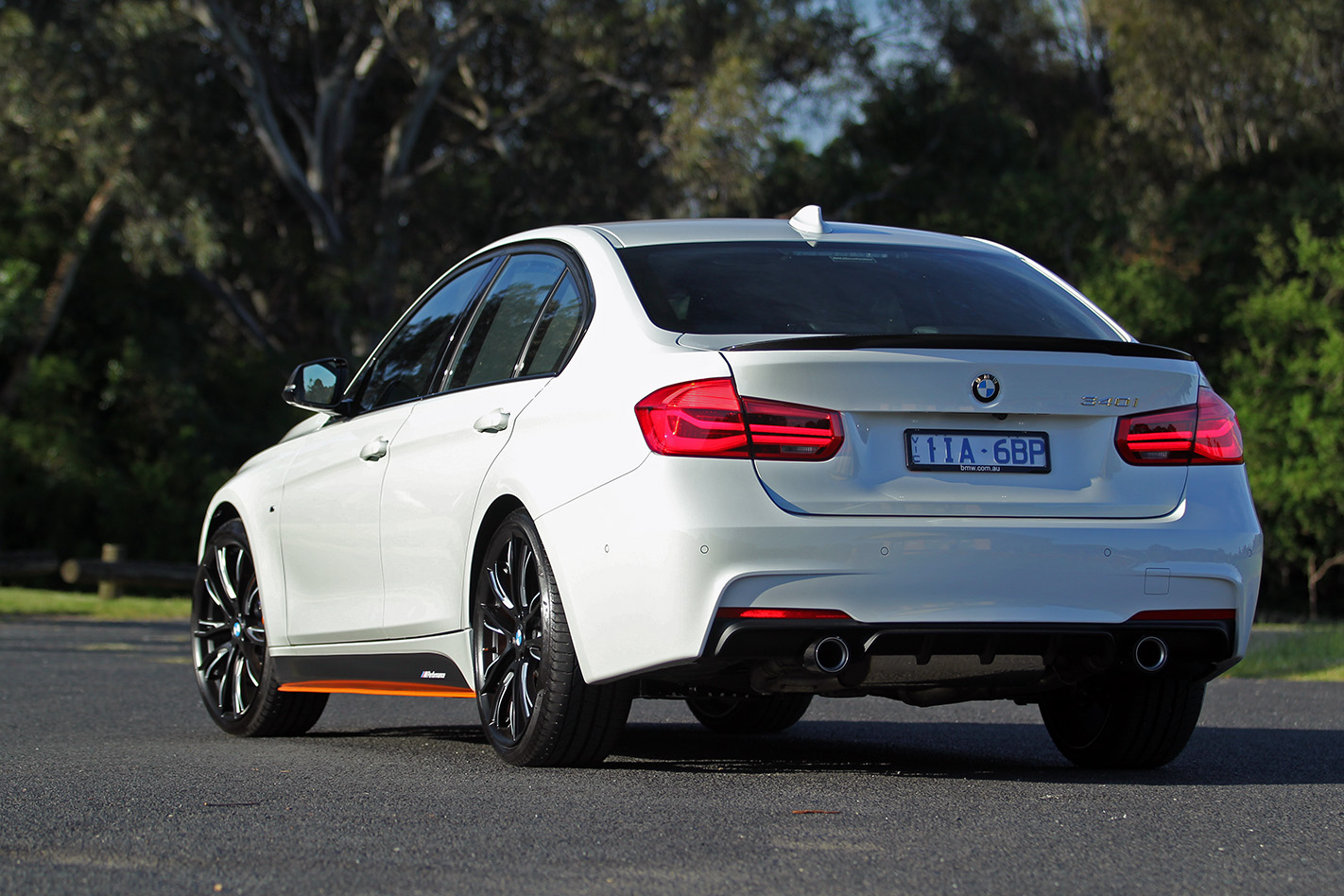
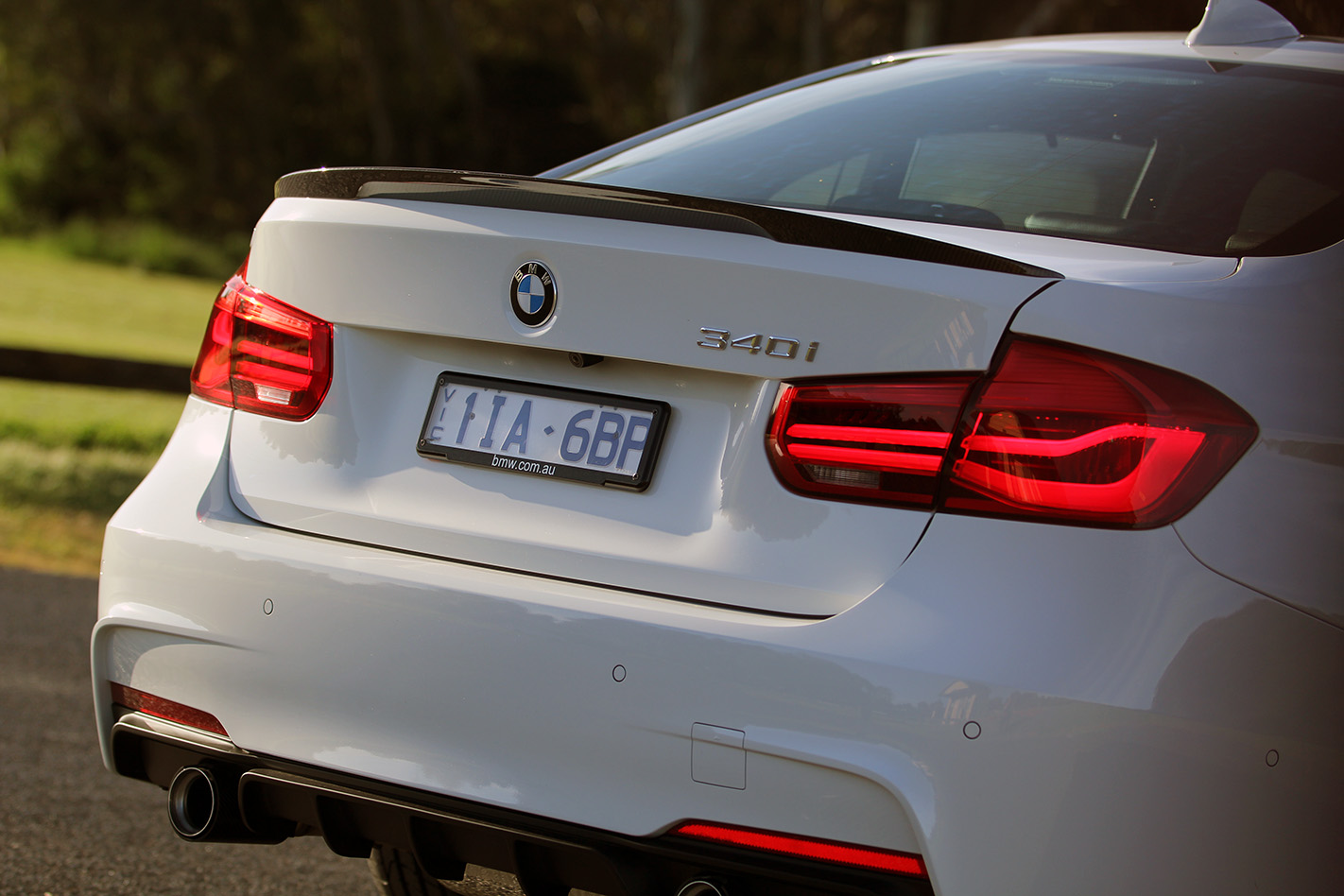
But first, a rundown of what we have here. The bodykit is the most obvious piece of M Performance gear, with bold orange accents to offset the satin black additions to the front bumper and side skirts. Personally I’m not crazy about the orange (especially against gloss bodywork), but the whole thing can be had in body-colour if you wish.
But fret not, for there’s plenty of ‘go’ to match the ‘show’ on this demonstrator.
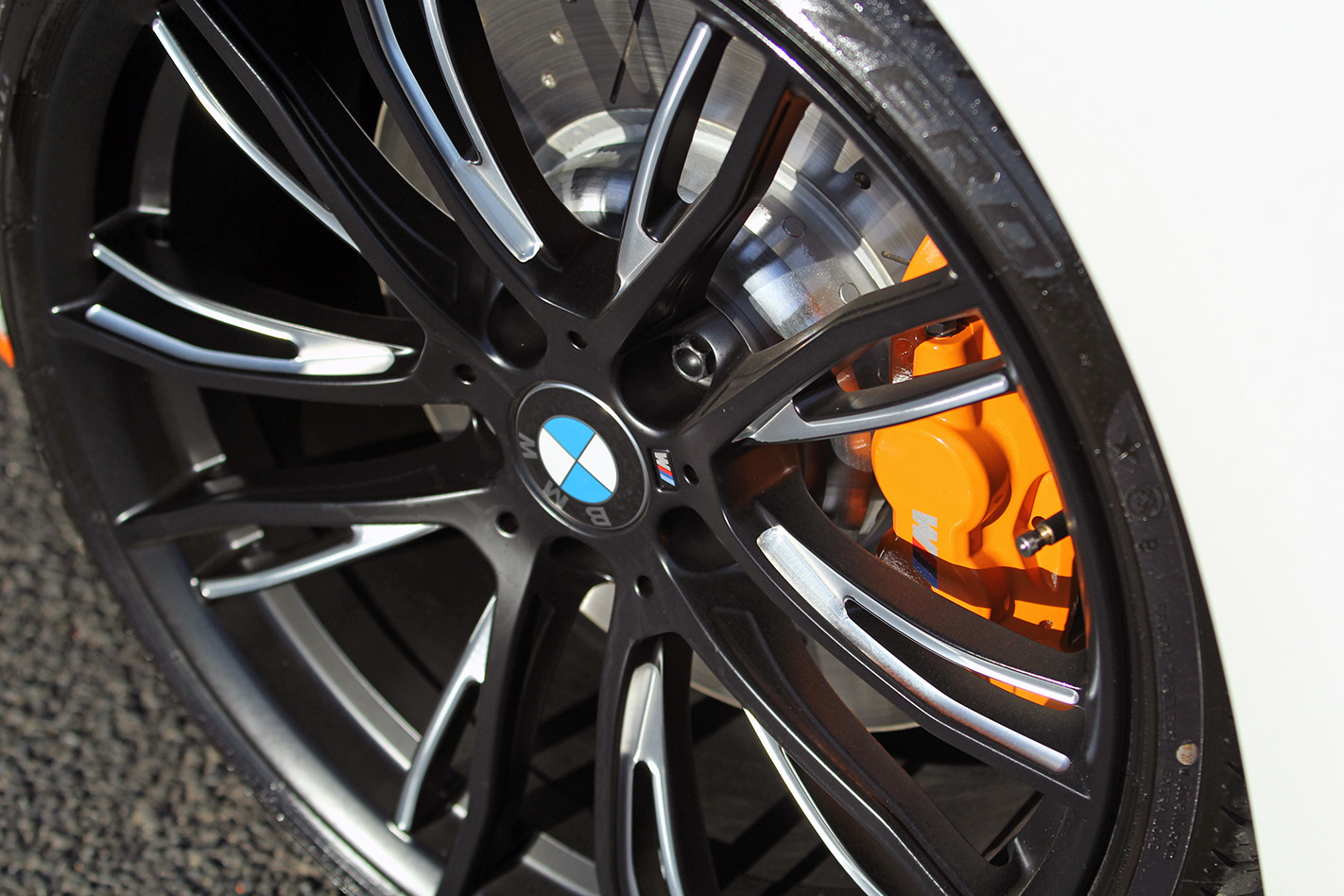
Lightweight M Performance alloy wheels cleave kilos from each corner thanks to forged (rather than heavier cast) construction, and they also benefit from extra milling to further trim weight. On this car they measure 20 inches across the face and 8 inches wide at the front, 8.5 inches wide at the rear. Shod with Pirelli P-Zeros, these wheels may look like party girl stilettos, but are more akin to a sprinter’s spikes.
On the inside is an Alcantara-clad steering wheel with an integrated LED display that can display a lap timer, 0-100km/h data, quarter-mile times, G-forces or, somewhat incongruously, fuel efficiency.
But the single M Performance option that makes the most profound difference is what BMW calls the “Power and Sound kit”. Thanks to an aggressive ECU tune and a freer-breathing set of exhaust pipes, it takes the 340i’s power to 265kW and bumps torque up to 500Nm in auto-equipped cars. Manual models achieve the same power increase, but only make 480Nm with the kit.
It may cost $4830, but it’s a box worth ticking.
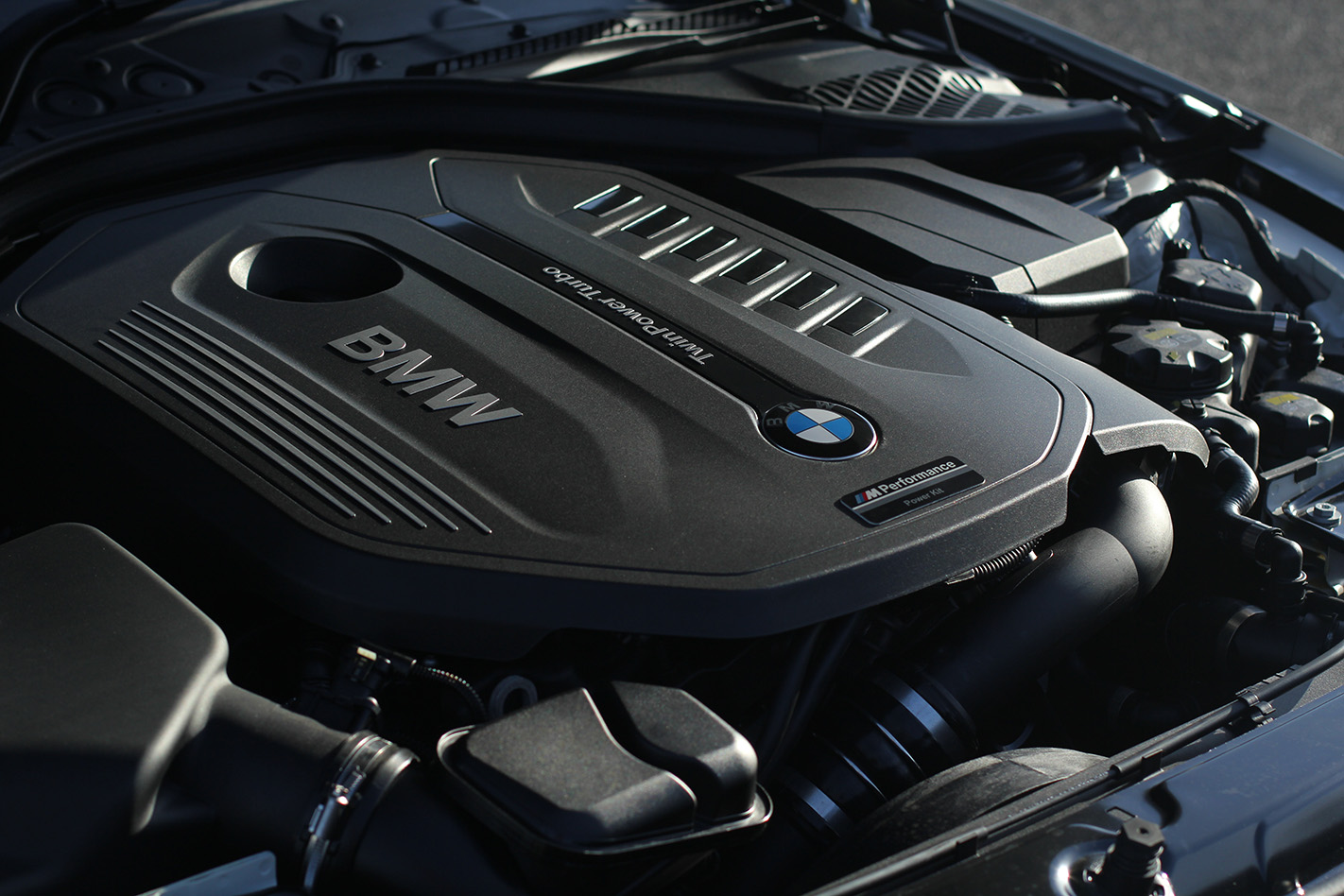
On a night time drive through the hills that skirt the Mornington Peninsula south of Melbourne, the 340i, with this combination of M Performance gear, justifies every aftermarket dollar spent. The extra power is easily felt, but it’s the extra 50Nm of twist that makes the most profound difference to the car’s behaviour. After a brief pause as the turbo fills its lungs, the car lunges forth with greater urgency than a vanilla 340i, and will easily lay a pair of black lines if you deactivate traction control entirely.
And it’s not like the 3 Series chassis can’t handle a few extra herbs. Having more kilowatts and Newtons at your beck and call enables that well-balanced platform to be exercised more completely. It’s not as sophisticated as an M3, but work it right and it’ll serve up classic RWD thrills all day – or night, as the case was.
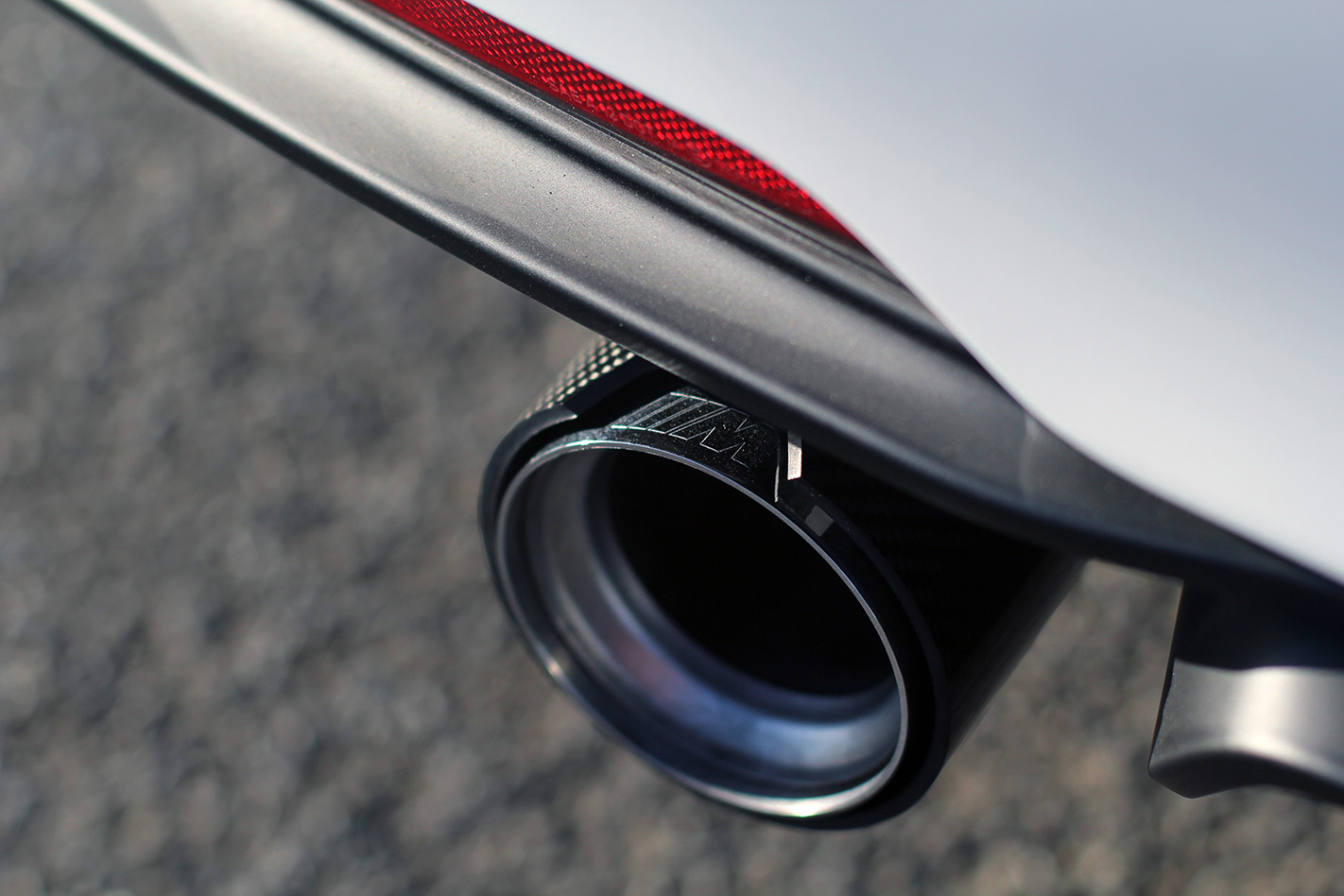
And to be honest, the resulting sound is far more natural and appealing than the artificially-enhanced M3’s engine note. That car sounds like a beast from outside, but oddly robotic from within. The 340i with the Power and Sound kit may be quieter than we’d wish, but it’s only the volume that’s the problem – the straight-six melody itself is blissful.
It’s not just that aspect that the M Performance-enhanced 340i has over an M3. Drivetrain refinement is another positive, with the 340i’s eight-speed torque-converter auto being adept at both stop-start city driving and flicking up and down through the ratios on a snaking mountain pass.
That racecar-style steering wheel is also cool. Once you memorise the correct sequence of button-taps to make the alcantara-clad steering wheel’s computer do your bidding, it comes alive. A string of bright LEDs light up as you rise up through the rev range, converging on the 12-o’clock position before flashing to tell you to pull the right paddle. Short-shifting is a thing of the past with this tiller.
But what of the cost? This car had $25,570 worth of options applied and that’s just the M Performance equipment. On top of the 340i sedan’s retail price of $89,900, that brings the total tally to $115,470 – and that’s not accounting for any non-performance options you may want.
When the more powerful Mercedes-AMG C43 has more power and torque for $101,900, that’s a problem.
But really, all you need is the Power and Sound Kit. For $94,730 you could have a rip-snorting RWD luxury sports sedan that makes all the right moves and all the right noises, yet flies completely under the radar. It’s the perfect kind of sleeper, and a more than acceptable consolation to those who can’t spring for an M3.
- The Ignis’s $15,990 starting price is the same as its predecessor cost in 2005.
- At 3.7 metres long, Suzuki’s compact SUV is smaller than key competitors though it stands and rides tall to ensure it offers both elevating seating and good headroom.
- All-wheel drive is available as an option in some other markets but, for now at least, the Ignis powers its front wheels only in Australia.
- Mini-style customisation is possible both inside and out – and via dealers rather than the factory. An Exterior Highlights Pack adds a colourful dash of red, orange or blue to the grille, foglight surrounds, side mirrors and wheels. The same colours plus a Titanium hue are available to brighten up the interior in the areas of vent surrounds, centre console, and door handles.
- Satellite navigation is standard even on the base GL variant – a rare feature at this Suzuki’s price point. Other inclusive equipment includes a 7-inch touchscreen, rear-view camera, and Apple CarPlay and Android Auto smartphone integration. The pricier GLX adds features such as daytime running lights, keyless entry and engine start, and 16-inch alloy wheels instead of 15-inch steel wheels.
- Seating layouts vary between the GL and GLX variants. The GL is a five-seater with 60:40 split-fold rear seats. The GLX trades the centre rear seat for a more versatile sliding rear bench with 50:50 folding seatbacks.
- The Ignis uses a 1.2-litre four-cylinder engine, which is teamed with either a standard five-speed manual gearbox or optional CVT auto in the GL. The GLX is auto only.
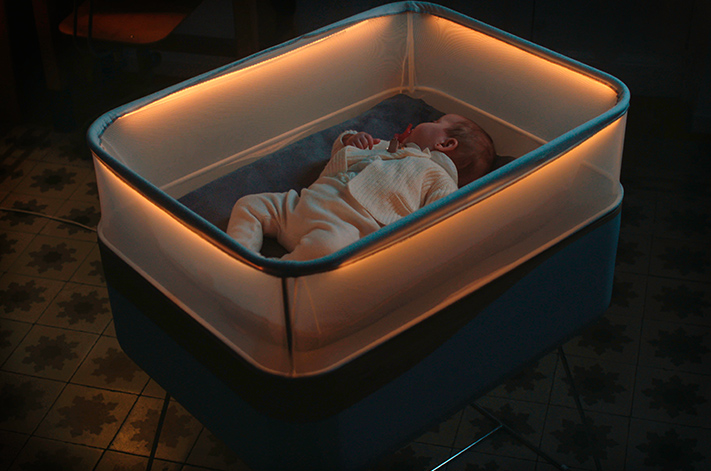
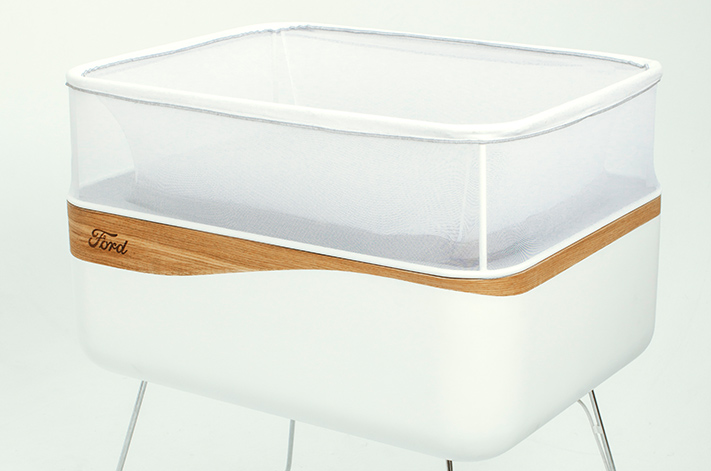
It’s not uncommon for automakers to take their expertise and apply them to a world outside of cars. We’ve seen yachts, robots, speakers, perfume, watches, chairs and even a bobsled. Now, we can add a cot to the list, thanks to Ford.
This is not just any cot. This cot will have new parents rejoicing and those who want to become a mum and dad but have a fear of sleep deprivation throwing away the birth-control.
| Car accessories every new parent should have
Ford believes the MAX Motor Dreams cot is the ultimate solution and eliminating the need to disrupt your night by loading up the car and doing midnight blockies to get your underling to sleep.
| Aston Martin creates leather Vanquish in true Art Attack style
“After many years of talking to mums and dads, we know that parents of newborns are often desperate for just one good night’s sleep. But while a quick drive in the family car can work wonders in getting baby off to sleep, the poor old parents still have to be awake and alert at the wheel,” said Max Motor Dreams designer Alejandro López Bravo, of Spanish creative studio Espada y Santa Cruz, which produced the award-winning design.

But don’t celebrate too early, mums and dads of the present and the future, the cot is yet to go in to production. Ford has said it remains a one-off pilot at this stage, but due to numerous enquiries, plans to make this dream a reality could happen sooner than we think.
For now, keep the coffee pot brewing.
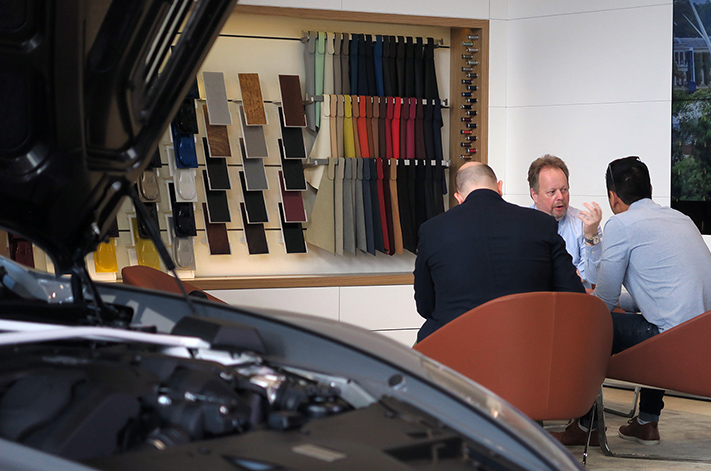
Over the past 38 years, Dr Andy Palmer’s career has taken him from the very bottom of the automotive industry right to the very top. From humble beginnings as an apprentice, Palmer has worked his way up and across several manufacturers and now calls the shots at one of Britain’s most esteemed carmakers – Aston Martin.
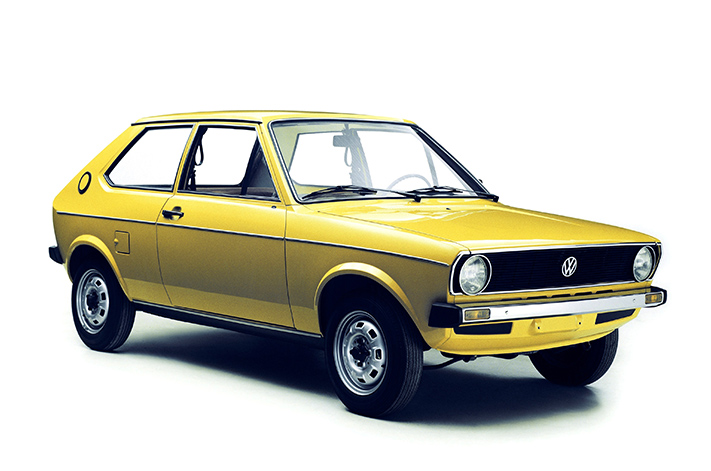
Palmer: My first car was a 900cc Mk1 Volkswagen Polo. It was crap! It kept breaking down, but that was actually quite good. I mean, I left school when I was sixteen, and my first vehicle was actually a Yamaha RD50 motorcycle, which I used to get to work and back, but as soon as I could I got my driver’s licence in 1980 and I was earning 34 pounds a week, so a pretty modest set of wheels is what I had.
I was an apprentice, and when you can’t afford to go to a garage you repair your own car don’t you? You learn the basics, for sure. I rebuilt the engine in that thing several times.
Wheels: And how about your worst car?
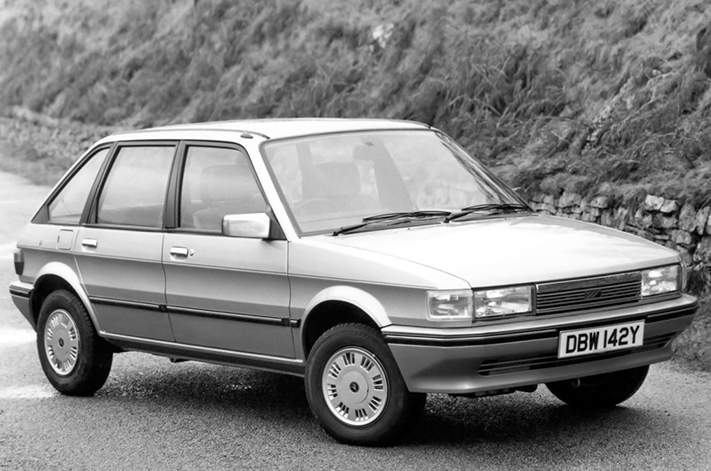
The idea was to join for five years and come back, but I joined for five years and the British car company collapsed behind me. You could maybe argue there wasn’t much to come back to, but I actually enjoyed working for a Japanese car company, and so 23 years went and now I’m back.
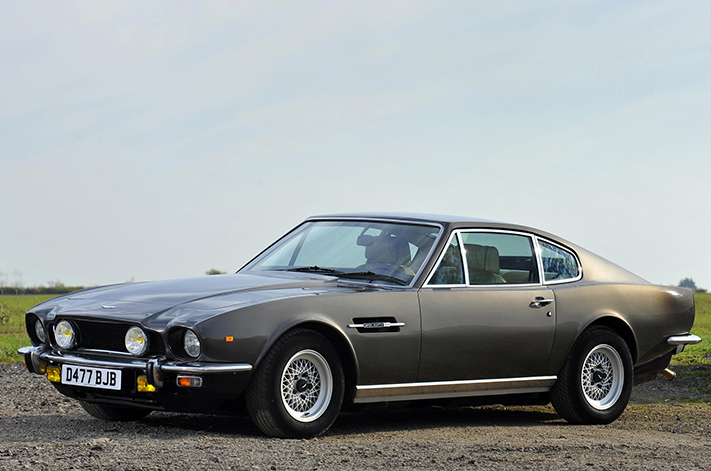
Interestingly, one of my personal cars now is a 1980 Vantage V8, which is the year I passed my driving test.
Wheels: You’re a keen driver, what’s your favourite racetrack?
Palmer: Honestly, I’d have to say Silverstone. I love racing at Silverstone, partly because I’m familiar with it and I can always get my best performance out of it. A close second would be Le Mans, and just because it’s so quick. Perhaps one day, they’ll have to let me do Bathurst.
Wheels: I know you should never ask a parent which one is their favourite child, but if you could only ever drive one car for the rest of your life and it had to be an Aston Martin, which one would you choose?
Palmer: Goodness… [long pause]…I’m going to have to go for a V12 Vantage manual. It’s perhaps in some ways the most flawed of our cars but it’s also the most characteristic of Aston, and that combination of the naturally-aspirated V12 and manual transmission and a really well-tuned chassis probably compensates for its weaknesses, just by delivering big smiles.
Aston Martin boss details future product plan: mid-engined supercars, EVs and SUVs
Wheels: And what do you consider to be your greatest accomplishment to date?
Palmer: Parent, four times over. I never intended to have children, but bringing up your child is always a big accomplishment. Beyond that, three years ago I was awarded what is called a CMG, or Companion of the Order of St Michael and St George, for contributions to British business.
