
The Suzuki Ignis name has returned to Australian roads for the first time since 2005. This new model is officially classed as a compact SUV though it’s probably best to think of it as a high-riding city car. Let’s check it out…
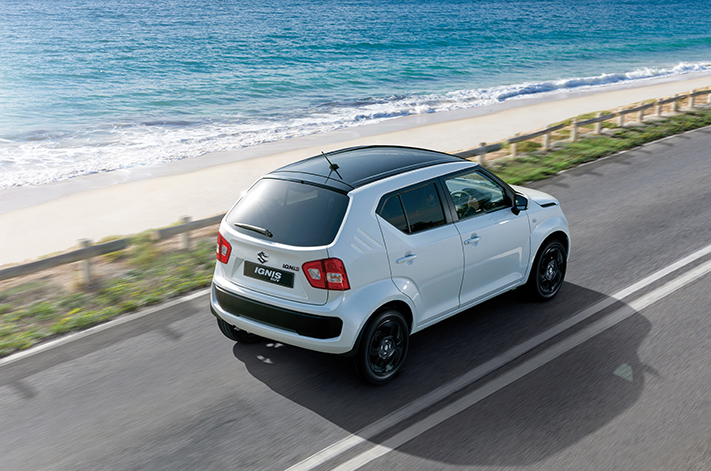
WHAT STANDS OUT Fashionable styling helps to sell cars at any point in the pricing spectrum, and there’s no doubt this Suzuki will stand out on city streets with its charmingly funky exterior.
You can have a contrasting black roof if you opt for white or red body colour, and more Mini-style personalisation is possible both inside and out. Dealer-fitted packs can add splashes of orange, red or blue for the exterior trim, while the cabin’s black and white dash can be offset with different coloured inserts for the door handles, vent surrounds and centre console.
The 3.7-metre-long Ignis is smaller than class rivals such as the Honda HR-V and Mazda CX-3, making it easy to park even though the steering is on the slow side.
It’s also priced notably lower – costing the same as the last Ignis offered in 2005. But that doesn’t mean scrimping on standard equipment.
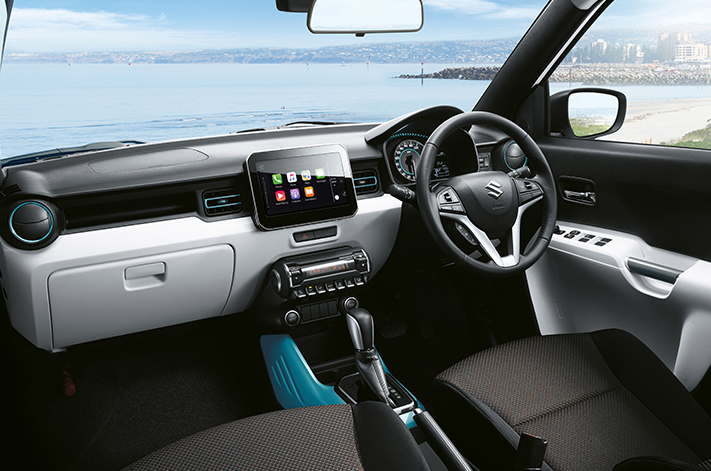
Satellite navigation is a surprising inclusion on the base model, with a 7-inch touchscreen display, rear camera, cruise control, Apple CarPlay and Android Auto smartphone integration all featuring on the GL and GLX trim grades as standard.
WHAT’S INSIDE Ignis lives up to its SUV billing with seating that’s higher than found in Suzuki’s compact hatchbacks, the Swift and Baleno.
Cabin plastics are a bit unsophisticated, but the design does a good job of extending the exterior’s youthfulness, and elements like this modern infotainment touchscreen provide a smart touch, and the interface works well.
Despite its small dimensions, there’s good space inside the Ignis. Two adults will find enough headroom and legroom in the rear seats, which vary depending on variant.
The base GL features five seats in total and a 60:40 split rear bench, where the higher-spec GLX is just a four-seater, but the rear bench slides backwards and forwards and has a 50:50 split seatback.
The GLX’s set-up gives it a slightly larger and more flexible boot though the Ignis generally offers less luggage space than its bigger rivals. Cabin storage could also be more generous.
A manual gearbox is available only on the entry-level GL with the option of a CVT auto available for less than the average cost of an automatic transmission selection.
The CVT gearbox is relatively quiet though it doesn’t provide the smoothest or sharpest acceleration.
The auto-only GLX adds features such as daytime running lights, keyless entry and engine start, and 16-inch alloy wheels instead of the 15-inch steel wheels fitted to the GL. The bigger wheels look better, but they do introduce a firmer ride.
We’d buy the Ignis GL. It hits the sweet spot of cost versus equipment by including all of the must-haves, and offering the choice of a manual gearbox if you want it, which does make the Ignis better to drive.
SUMMING UP The Ignis isn’t the perfect city car, but it’s easy to appreciate and enjoy its fun approach to design, as well as internal space and standard features that surprise considering the model’s size and price.
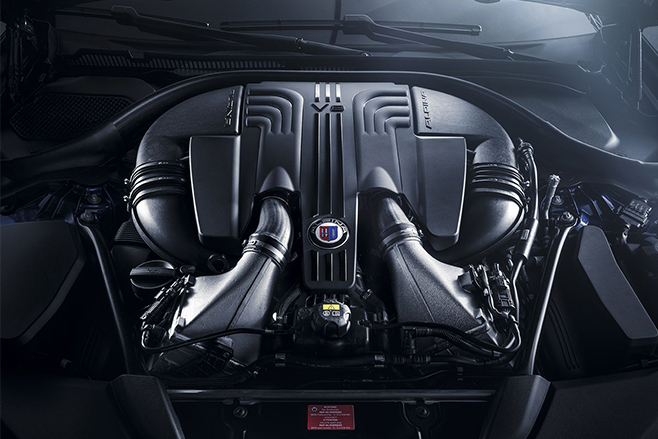
Alpina’s latest addition has a new bi-turbo 4.4-litre V8 which is good for 447kW/800Nm, and that’s not even the most impressive thing about it.
The company claims to have given its new car’s bent-eight (which also stars in the B7) the astonishing ability to pull 2015kg of German metal to 100km/h in just 3.5 seconds.
In touring guise, the B5 bi-turbo is said to be able to hit the ton in 3.6 seconds, even with an extra 105kgs attached.
This all comes with an asterisk and some doubt from us, but the B5’s all-wheel-drive lends some credibility to the optimistic figure.
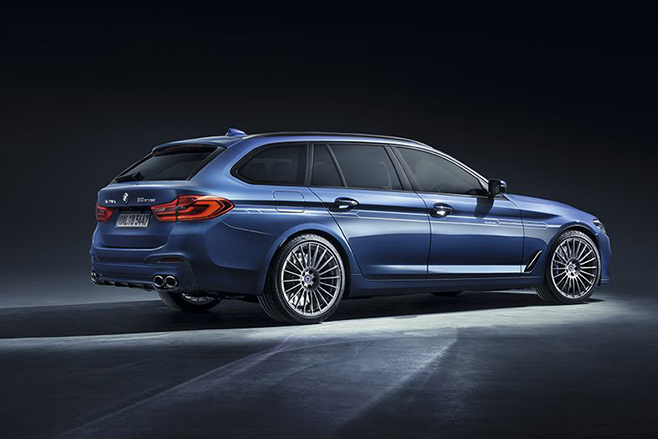
A bit of maths and a few confused MOTOR staffers later, we’ve come to the conclusion there’s really no point knowing how much a B5 will cost if you can’t actually buy one yet.
With a base-price around €94,000 (about AU$132K) before imports, LCT, etc. we don’t expect the B5 to be any cheaper than its $230,000 M5 brethren. Alpinas rarely are.
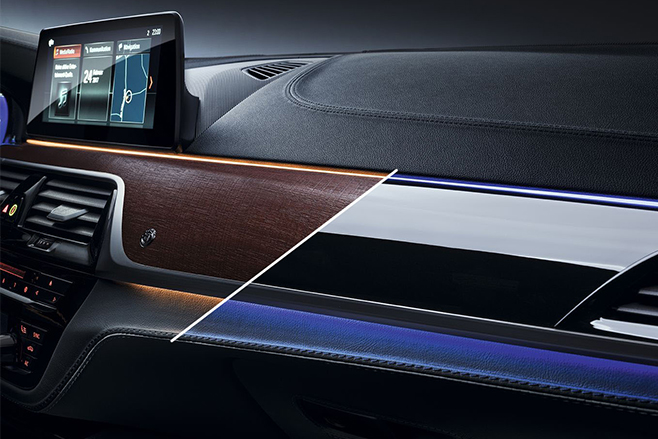
There aren’t many walnut trees that have travelled at 330km/h.
Strengthening ute and SUV sales are resetting fortunes in the Australian market, but there are definite winners in the prestige market as well. Diesel, meanwhile, is falling from favour and the passenger car market continues to slump.
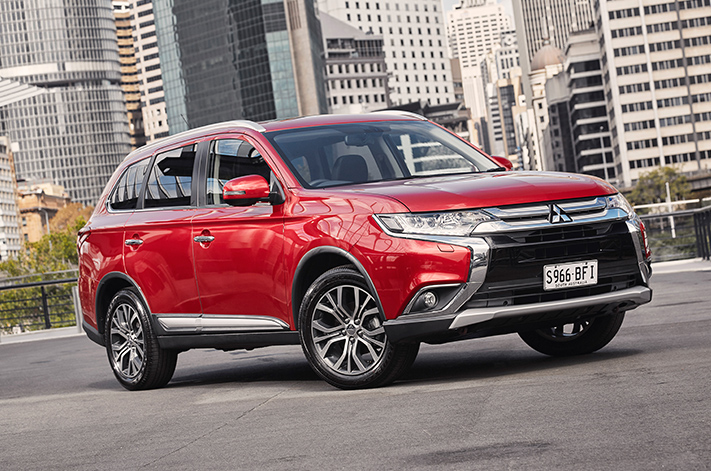
WINNER: MITSUBISHI The Japanese brand typically sits in about sixth place in the Top 10 Car Brands table, though a strong performance last month saw it leapfrog Ford and Holden for fourth spot. A total of 7583 sales for March – which pipped fifth-placed Holden’s 7211 units – were driven chiefly by the Pajero and Pajero Sport, and the Triton ute that was the month’s fifth most popular vehicle. In the year-to-date table, Mitsubishi trails Ford by just 17 units: 18,433 v 18,416.
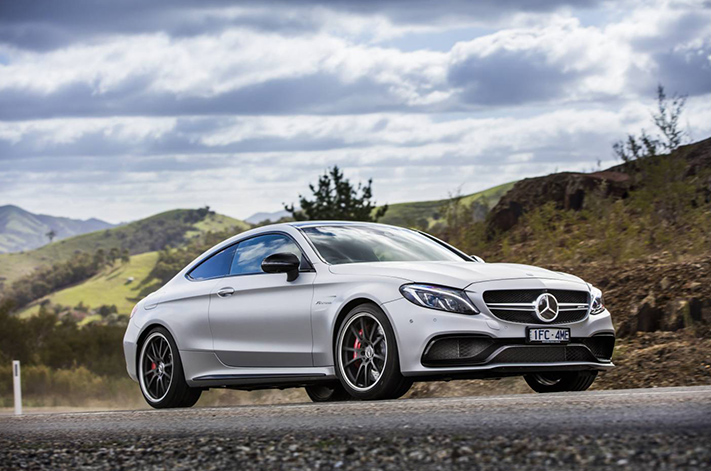
WINNER: MERCEDES-BENZ MID-SIZE CARS The C-Class and CLA-Class sedans accounted for more than half of the Mid-sized Luxury Car segment in March, selling 750 and 356 units, respectively. There was an even bigger result for the C-Class Coupe, with 350 sales equating to a 224% increase on March 2016 – and contributing to a 737% year-to-date leap compared with the same period last year.
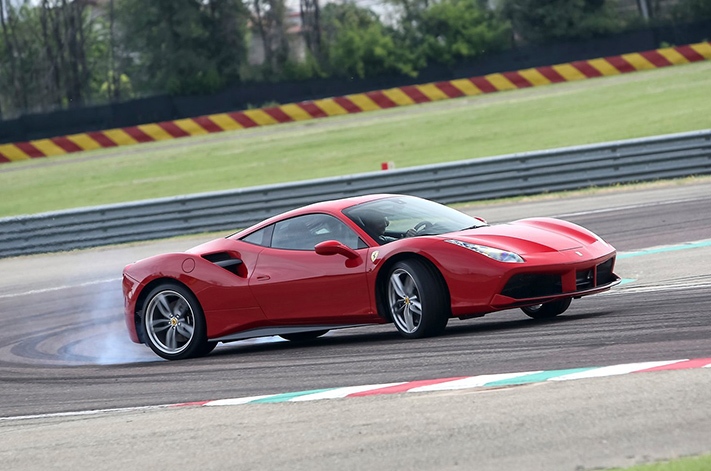
WINNER: FERRARI The Prancing Horse brand sold 26 supercars – an 86% increase on March 2016. To put the result into context, rival Lamborghini sold 5 vehicles and McLaren 8. It was also only 10 shy of Porsche’s 36 911 sales.
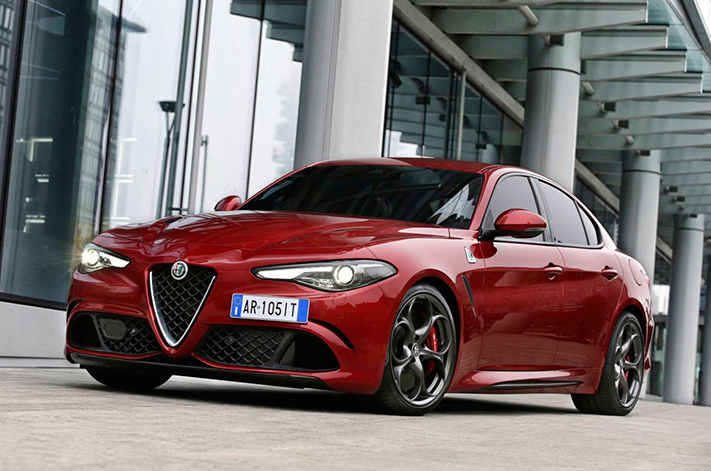
WINNER: ALFA ROMEO There was nothing spectacular about Alfa’s 8 per cent growth when comparing March 2016 and 2017, but it is a rare positive result within the FiatChrysler Australia group of brands. The hero for the month was the new Giulia, with 63 units shifted.
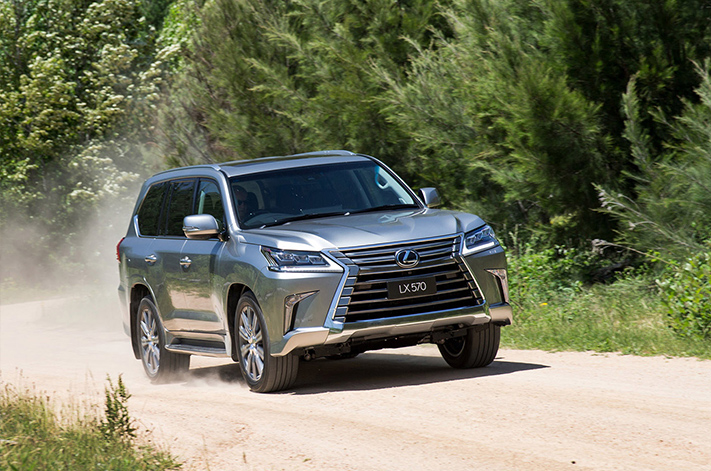
WINNER: LEXUS A record March – and first quarter – for Toyota’s luxury brand. Only two Lexus models failed to register growth in March as Lexus jumped 27 per cent for the month with 931 sales. The LandCruiser-based LX starred with a 255% increase (39 units versus March 2016’s 11 sales), supported by the CT200h hatch (+137%), IS mid-sizer (+61%), and GS large car (+40%). Lexus’s year-to-date growth moves to three per cent, at 2255 sales.
LOSER: DIESEL FUEL Diesel is losing popularity among private new-car buyers, according to industry figures. Passenger cars powered by compression-ignition engines dropped by a third in March compared with the same month in 2016, with SUVs falling by 15 per cent. Both segments are also down year to date – by 20 and nine per cent, respectively. The story is better for commercial, fleet and government vehicles, where SUVs (+17%) and light-commercials (+21%) were both up for March. Year-to-date growth remains small for both, however.
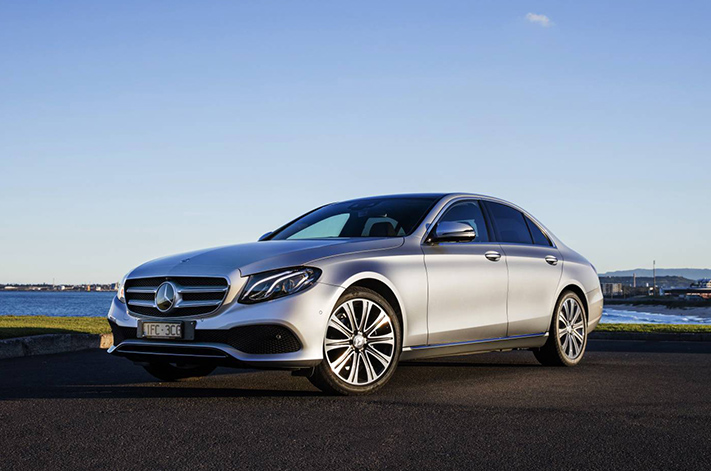
LOSER: LARGE EXECUTIVE CARS NOT BADGED E-CLASS OR 5-SERIES The still-fresh, latest-generation Mercedes-Benz E-Class was recently joined by a brand new BMW 5 Series, and both models are dominating the large luxury passenger car class. The combination of classic nameplates and newness saw the two models account for three-quarters of segment sales in March, shrinking the pie for the likes of the Audi A6, Jaguar XF, Lexus GS and Volvo S90. The E-Class leads, though the 5’s 178 units for March was a 256% increase and the BMW will be looking to chase down its rival during 2017.
LOSER: PASSENGER CARS The traditional car took a bigger beating from high-riding SUVs and crossovers last month after being outsold for the first time in February. Passenger car sales fell by 4680 vehicles compared with March 2016, while SUVs grew by 3047 vehicles – resulting in a 41,484 v 38,972 units victory for SUVs. Key offenders for passenger cars were the segments comprising micro cars (-37%), city cars (-26%), upper large cars (-36%), and large cars (-20%). People-movers and sports cars were the only passenger car segments to register growth.
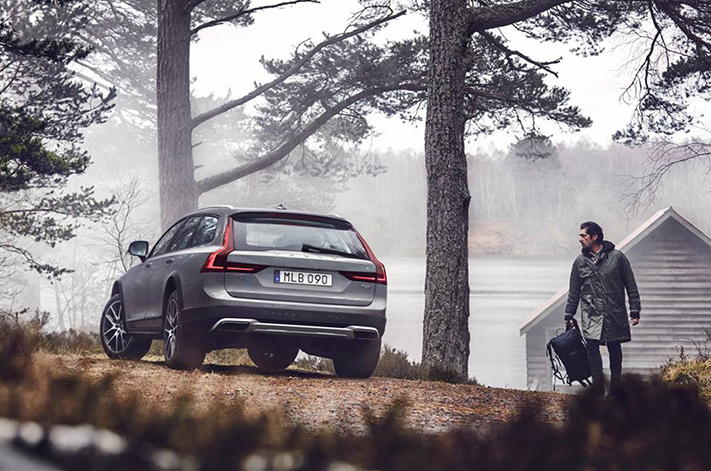
LOSER: VOLVO The Swedish brand’s sales stumbled 30 per cent compared with March 2016, with year-to-date results down 21 per cent. Its S60 mid-size sedan struggled the most, with an 80 per cent drop, while the XC60 – unveiled in March in second-generation form – decreased 35 per cent. There was more positive news in the new V90 Cross Country – the circa-$100,000 high-riding wagon that found 21 buyers on debut.
LOSER: BABY SUVS It’s perhaps harsh to list compact SUVs as a loser when nearly 10,000 of them were sold in March, though the 9771-unit result meant it was the only SUV segment not to post growth in March – albeit with a decrease of just three per cent. Toyota’s newly launched C-HR has made a solid if unspectacular start but could eventually help to turn the tide if supply can be boosted.
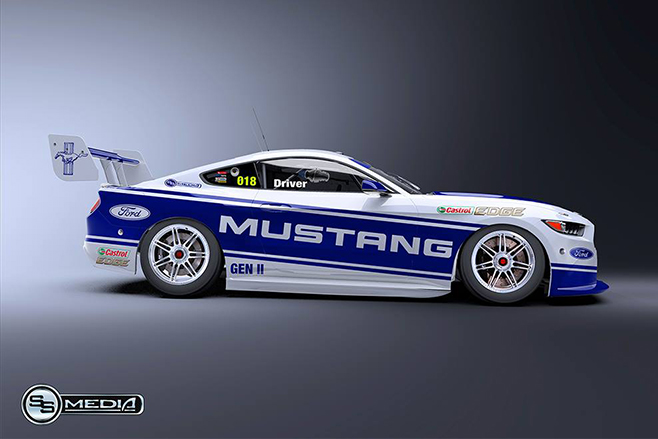
Prodrive Racing Australia is currently evaluating the Mustang as a replacement for its Falcon Supercar, according to lead driver Mark Winterbottom.
Winterbottom is quoted in today’s Herald Sun as saying: “It is a way off being approved, but it is being worked on right now. We are planning on being in a Mustang next year.”
Just such a creation was recently previewed by these computer-generated images from SS Media.
PRA’s statement went on to say “Prodrive Racing appreciates the significant level of interest in this process from members, fans and media, but confirmation of its future plans will be made at the appropriate time.”
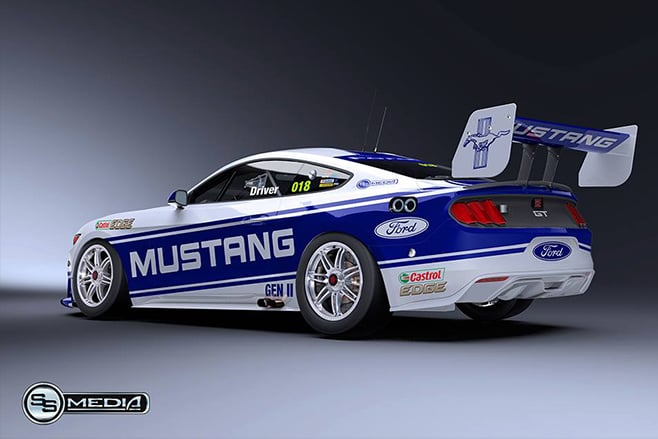
Current Supercars rules dictate a four-door sedan bodyshell, however the arrival of the Gen2 regulations for 2018 opens the door for two-door coupes like the Mustang, as well as alternative engine configurations, with Holden switching to a 3.6-litre turbocharged V6.

The 2017 Supercars championship season continues this weekend at Tasmania’s Symmons Plains Raceway.
Australia’s love affair with one-tonners is showing no signs of slowing with Mitsubishi’s Triton overtaking the Hyundai i30 in the top five best-selling models for March this year after clocking up 2670 registrations.
The move takes the total number of utes in Australia’s favourite five to three, alongside the runaway success Toyota Hilux in first position overall with 4025 March registrations and the Ford Ranger which found 3845 homes and in second position.
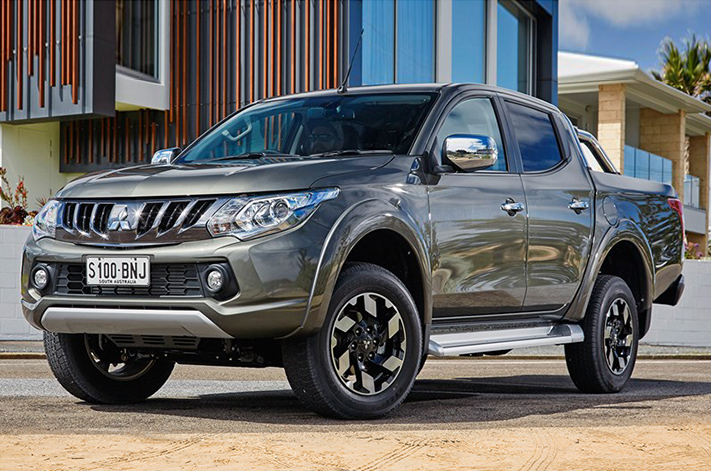
Utes represented the majority of vehicles in the top five leaving the Toyota Corolla and Mazda3 to carry the passenger car flag with 3574 and 3039 sales and ranking third and fourth respectively.
Toyota’s unstoppable Hilux alone is representative of Australia’s demand for one-tonne utes with 10,333 examples rolling out to driveways around the country since the start of the year, easily establishing itself as the nation’s favourite car to date in 2017.
It is chased, albeit by a substantial margin, by the Ford Ranger, which has 9398 registrations to its name this year, while the Triton has so far managed 5815.
The ute result for March mirrors the continued increasing demand for SUVs which overtook passenger cars for the first time in February and extended the margin again in March.
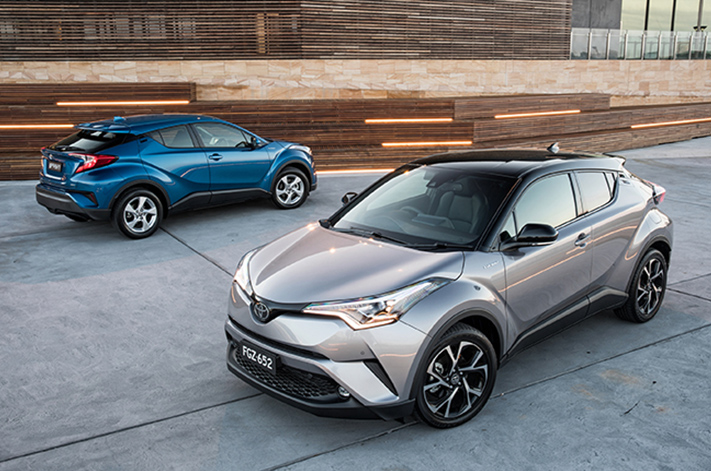
With an increase of 6000 SUV registrations overall, high-riders now lead passenger car sales by 3457 compared with the gap of 559 sales at the start of the year.
It is not doom and gloom for the passenger segment however, with the entire market up a significant 18.4 percent in March to 105,410, with a notable good news story form Holden which increased sales from 5724 in February to 7211 last month.
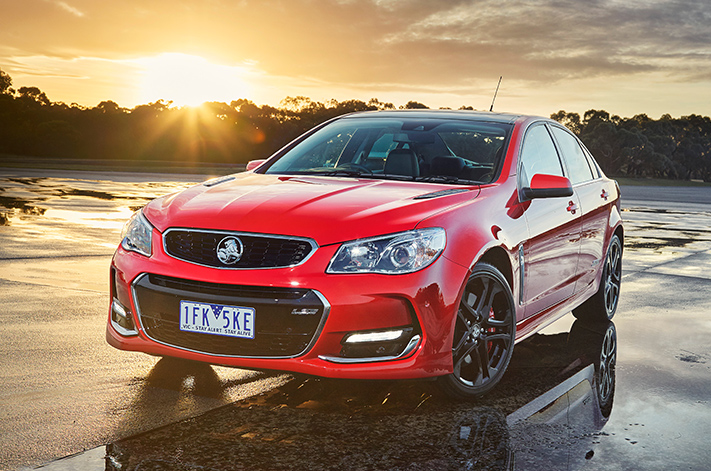
Surprisingly, a majority of that improvement came from the Commodore which has previously been trending a downward turn ahead of the Australian-made model’s discontinuation in October this year.
Unlike February, when the Commodore found 1566 homes, 2081 examples were registered in March, which Holden Communications Director Sean Poppitt explained was due to continued demand for the model following a less than satisfactory February result.
“It’s no secret that demand for Commodore is high, with plenty of cars already pre-sold to customers which means registration rates will fluctuate,” he said. “After a soft February, March is headed back in the right direction. Overall are we happy with our sales? No, we’re focussed on doing better.
Poppitt said that there were other models in the line-up that would be contributing to a reversed sales trend.
“We’re seeing great momentum with Colorado – up year on year and with a much richer model mix – and Astra is growing with sales doubling each month since launch. We’re still not satisfied with Astra given what a cracking car it is, but with the sedan launching soon, we’re on the right path. Trax also recorded its best ever first quarter result this year so while we’ve got a lot of work to do, plenty of positive trends”.
Other positive results were posted by another locally-made but soon to be discontinued model the Toyota Camry, which found its way back into the top ten best-selling monthly models and 2336 sales.
Sales of alternative energy vehicles were indicative of either public perception, lack of government incentives or a combination of both, with electric vehicle private registrations down 50 percent compared with March 2016 and 86.8 percent in the non-private segment for the same period.
It’s a more positive story in the hybrid private segment with March registrations up 51.9 percent in March to 243 compared with the 160 tally in March 2016, while non-private hybrid sales remain steady at 812 sales compared with the 834 score of the following year’s March result.
Despite the overall rise in the complete market there were a number of downward spikes including typical strong contenders such as Audi which is down 14.9 per cent year to date and fellow German luxury brand BMW which as dipped by 15.4 percent. Rival Mercedes-Benz continues to enjoy growth YTD with up 3.3 percent.
Other ordinarily strong contenders are also showing reductions including Volkswagen, which is down 5.8 percent, Hyundai – 8.2 percent, and Isuzu Ute which is showing nearly 20 percent lower sales YTD.
Top ten models in March 2017
- Toyota Hilux 4245
- Ford Ranger 3845
- Toyota Corolla 3574
- Mazda3 3039
- Mitsubishi Triton 2670
- Hyundai i30 2383
- Toyota Camry 2336
- Hyundai Tucson 2156
- Mazda CX-5 2116
- Holden Commodore 2081
Australia’s love affair with utes intensified last month, with three of the top-five vehicles sold here equipped with trays on the back.
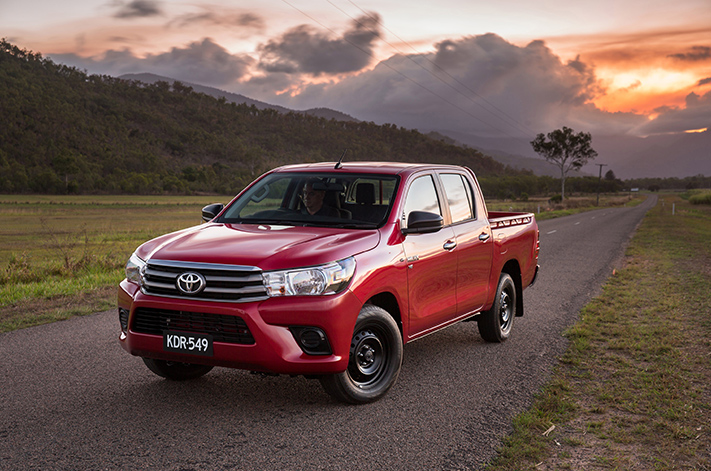
The return of fleet buyers from their Christmas hiatus helped the Toyota Hilux and Ford Ranger regain the top-two positions, with 4245 and 3845 registrations respectively, with the Mitsubishi Triton (2670) overtaking the outgoing Hyundai i30 (2383) to claim fifth spot.
The sales spike was also due to the continued dominance of SUVs, which extended their lead over passenger cars and accounted for 39.4 percent of the total market.
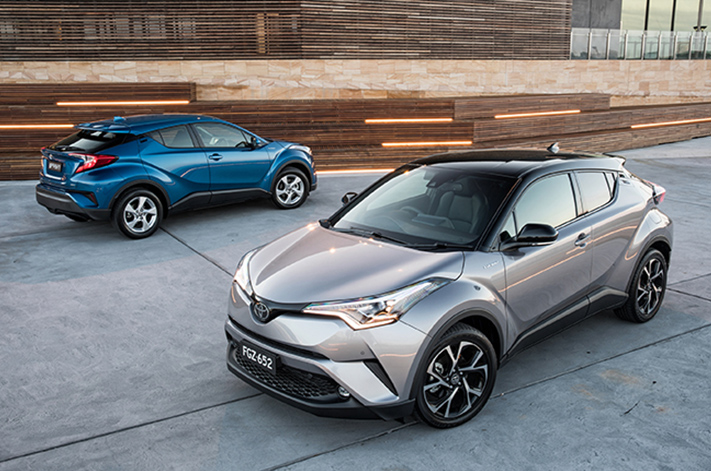
FCAI CEO Tony Weber said the ratio between SUV and passenger vehicles appear to be becoming the new ‘norm’.
“Two months in succession of SUV sales leading the market is further confirmation of a trend we’ve been observing for some time,” said Weber.
“The SUV segment is now the dominant sector, whereas this time last year passenger cars led the market by around 10,000 sales. Clearly, the shift in market dynamics is accelerating.”
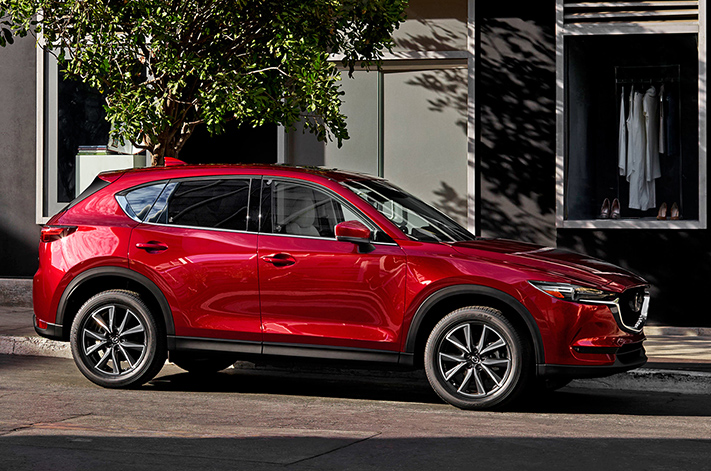
The Mazda CX-5 continued its reign as the top-selling SUV with 2116 sales, despite the all-new model being weeks away, with the Hyundai Tucson (2156) not far behind.
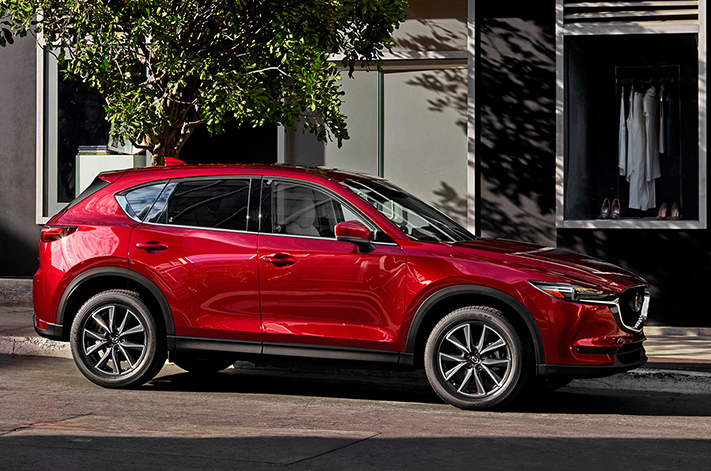
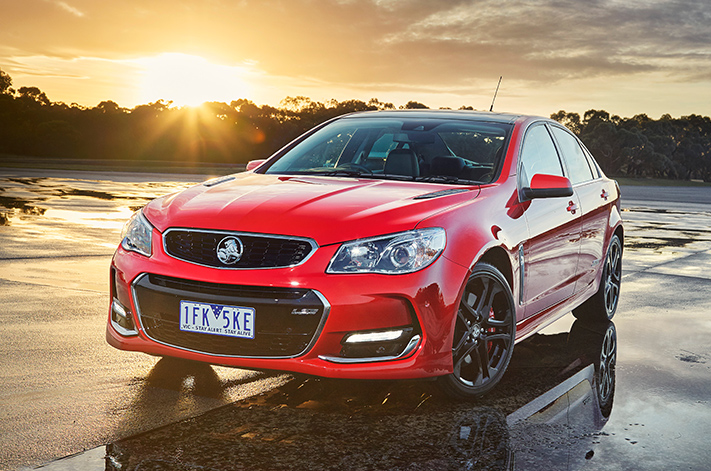
One car that did manage to hang in there was the Holden Commodore, which remained the 10th biggest selling car thanks to a boost in sales, up from 1566 in February to 2081.
While the monthly bump is good news for Holden, it’s worth putting into perspective with year to date sales (5607) which are 8.6 percent down on last year.
Holden’s communications director Sean Poppitt told Wheels the demand for Commodore remained high but continued to fluctuate, adding that the company was heading in the right direction after a “soft February” but was “focused on doing better”.
Trax also recorded its best ever first quarter result this year so while we’ve got a lot of work to do, plenty of positive trends,” said Poppitt.
Holden remained the fifth most popular brand in March behind Mitsubishi, whose recent success may well give the suits at Fisherman’s Bend further hope that there is indeed life after local production ends.
Top 10 brands, March 2017
1. Toyota – 19,652 2. Mazda – 10,472 3. Hyundai – 8700 4. Mitsubishi – 7583 5. Holden – 7211 6. Ford – 6852 7. Nissan – 5620 8. Volkswagen – 5122 9. Subaru – 5006 10. Kia – 4684
Top 10 selling cars, March 2017
1. Toyota Hilux – 4245 2. Ford Ranger – 3845 3. Toyota Corolla – 3574 4. Mazda3 – 3039 5. Mitsubishi Triton – 2670 6. Hyundai i30 – 2383 7. Toyota Camry – 2336 8. Hyundai Tucson – 2156 9. Mazda CX-5 – 2116 10. Holden Commodore – 2081
It’s no secret that Mercedes-Benz’s AMG division was planning to wave their magic wand over the unassuming GLC crossover, but the numbers are out and, well, if you’ve ever worried about getting your family to church on time, worry no more.
The GLC63 has completed its incubation period at AMG’s Affalterbach headquarters, and the result is a twin-turbo, V8 toting super-SUV that’s faster to 100km/h than what Porsche claims for the Cayenne Turbo S. It’ll make its first public appearance at this month’s New York Auto Show before going on sale globally, in both traditional wagon form and fastback GLC63 Coupe format.
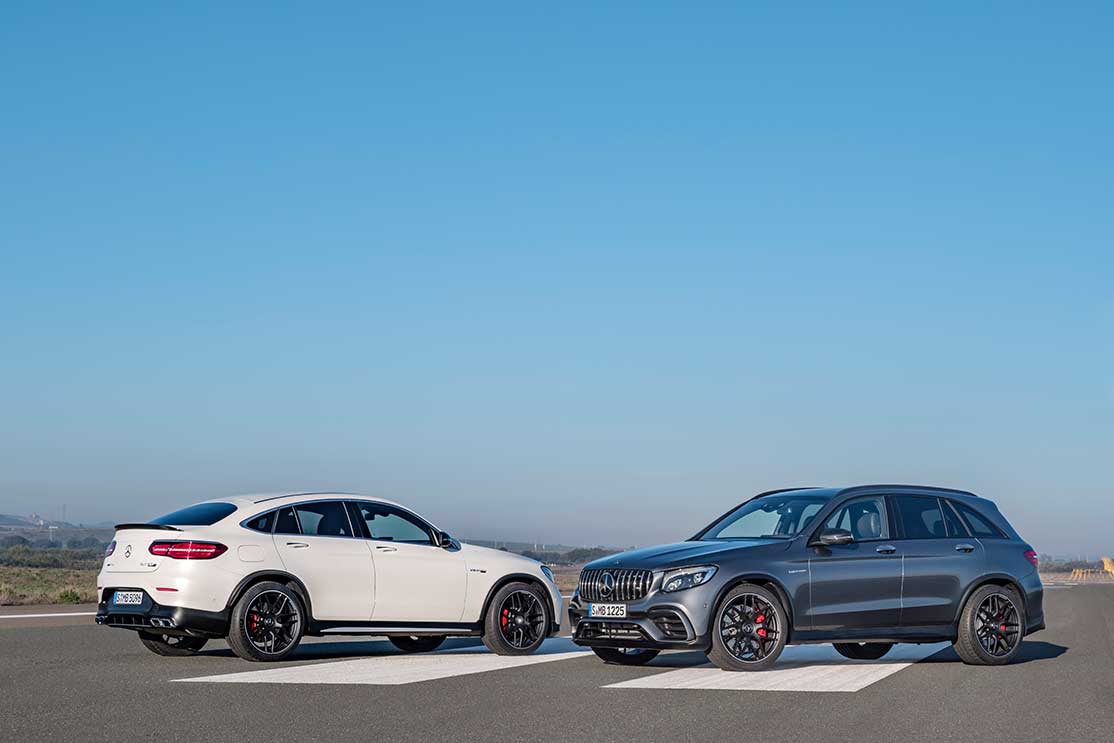
We’ll have to wait until December this year before we can get our hands on it locally. But for now here are some numbers.
Two variants will be offered overseas – a base GLC63, and the more potent GLC63 S. The former will pack 350kW and 650Nm from its twin-turbo 4.0-litre petrol V8, while the latter scores a more aggressive tune that nets 375kW and 700Nm – the same figures as what a Mercedes-AMG C63 S makes.
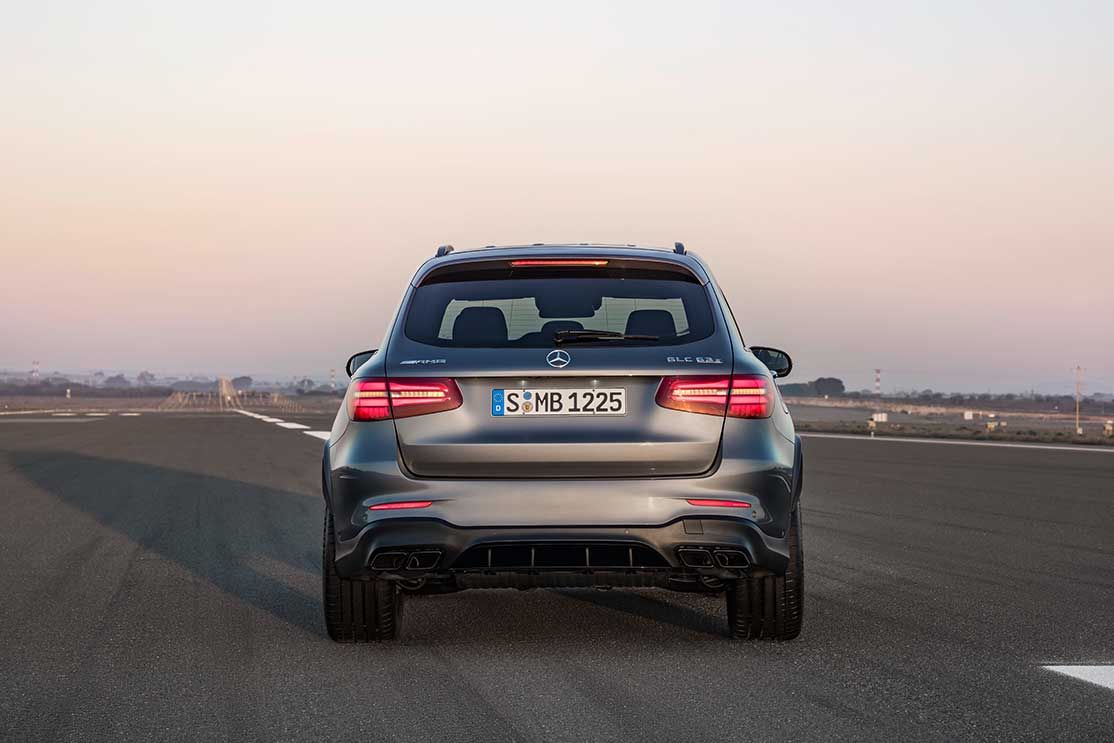
Yet the top-dog GLC63 S will sprint to 100km/h in just 3.8 seconds, which is 0.3-seconds faster than what the closely-related C63 Estate will achieve. How does it do that? With the benefit of all-wheel drive traction. Not too shabby for a mid-size SUV that tips the scales at 1900kg empty, and is still quicker than any Maserati currently on offer, and only two-tenths slower than a Ferrari California.
Both the GLC63 Coupe and GLC63 Wagon achieve the same performance metrics, with the Coupe being just 10kg heavier. All GLC63 models record a combined fuel consumption of 10.7L/100km
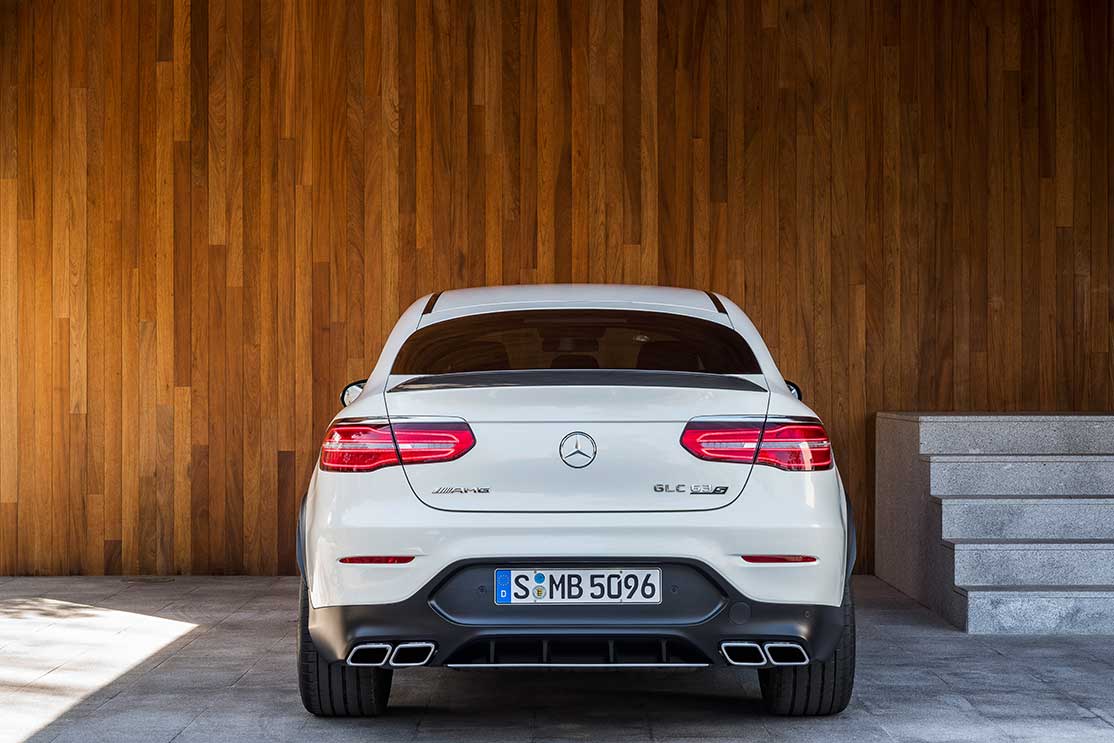
Unlike many similarly-sized SUVs, the GLC63 is equipped with an all-wheel drive system that, by default, sends the bulk of engine power to the rear wheels. Dubbed 4Matic+ by Benz, its torque split is constantly variable and its tune has also been finessed by AMG’s boffins to preference sportier dynamics. It’s this piece of kit that gives the GLC63 its phenomenal standing-start performance.
Standard air suspension and electronically-adjustable dampers also allow the ride to be tailored for comfort or performance, and a limited-slip rear differential helps the GLC63 put its prodigious power down to the ground. Interestingly, the GLC63 uses a nine-speed automatic instead of the C63’s seven-speed, though like the C63 the GLC63 also utilises a wet clutch instead of a torque converter.
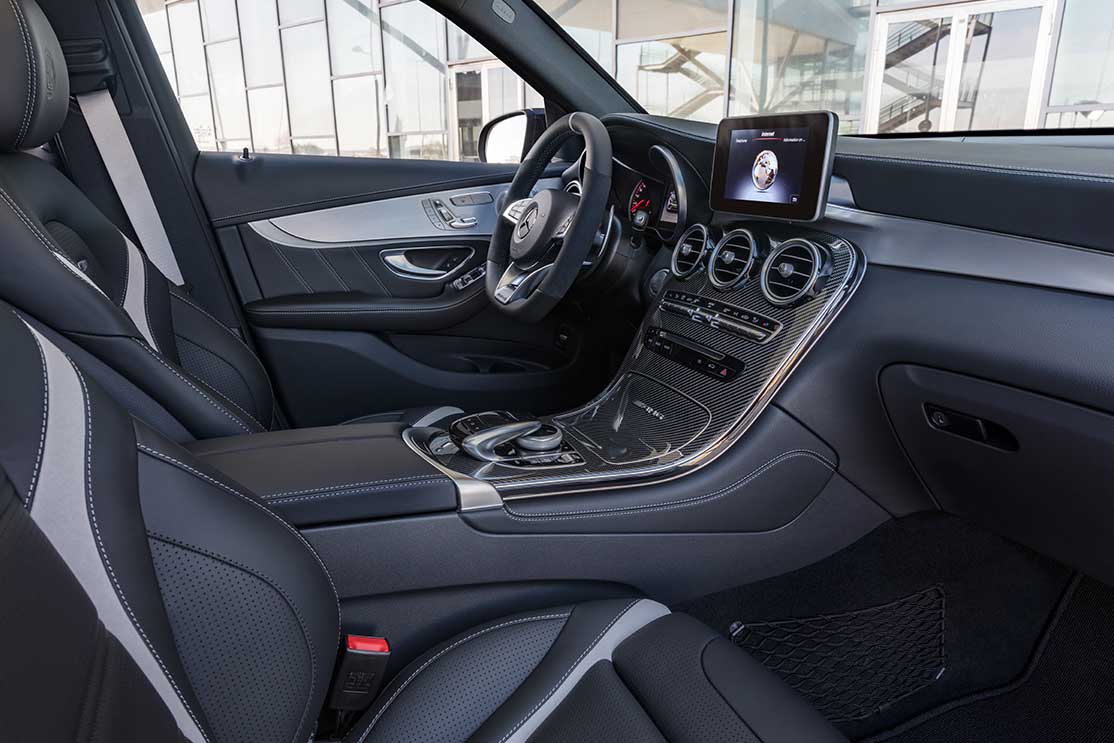
Exhaust flaps give the GLC63 an angrier bark when the drive mode is flipped over to Sport or Race, while an optional AMG Performance exhaust unlocks extra decibels via different plumbing with more valves. On the outside, visual aggression is added by the GLC63’s aero-enhanced bodykit, standard-issue 19-inch alloys and AMG GT-style Panamericana grille.
An Edition 1 special edition will be available at launch, with gloss black trimmings, yellow or grey stripes on the side, matte black 21-inch alloys and extra aerodynamic elements for a sportier edge.
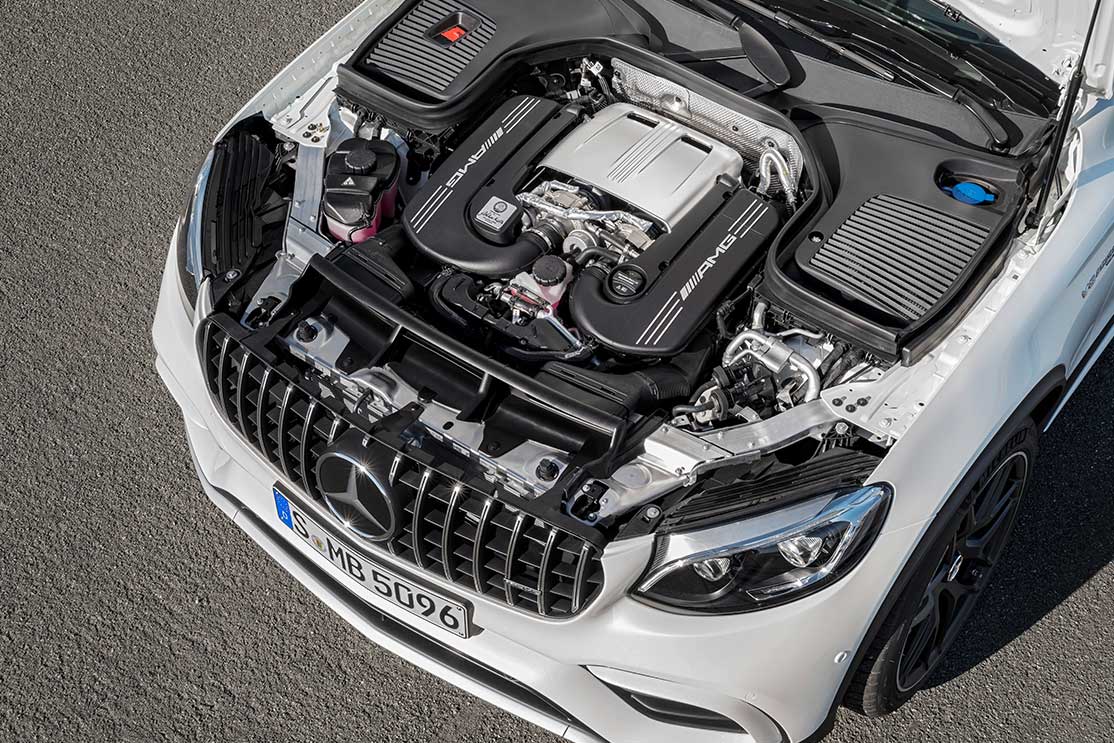
Local pricing has yet to be announced for the GLC63, but with the GLC-class generally costing slightly less than similarly-equipped C-Class variants, expect it to come in around the early $150k region when it launches here at the end of the year.
SUVs outsold passenger cars for the second consecutive month after their historic first win in February, though sales figures also showed March being a successful month for utes.
The Toyota HiLux was the best-selling vehicle last month, with its 4245 units moving the commercial vehicle family into the year-to-date lead over the stablemate Corolla.
Corolla was third in March, with the Toyotas split by another ute – the Ford Ranger (3845 sales). Mitsubishi sold 2670 Tritons to place three utes in March’s top 5 performers.
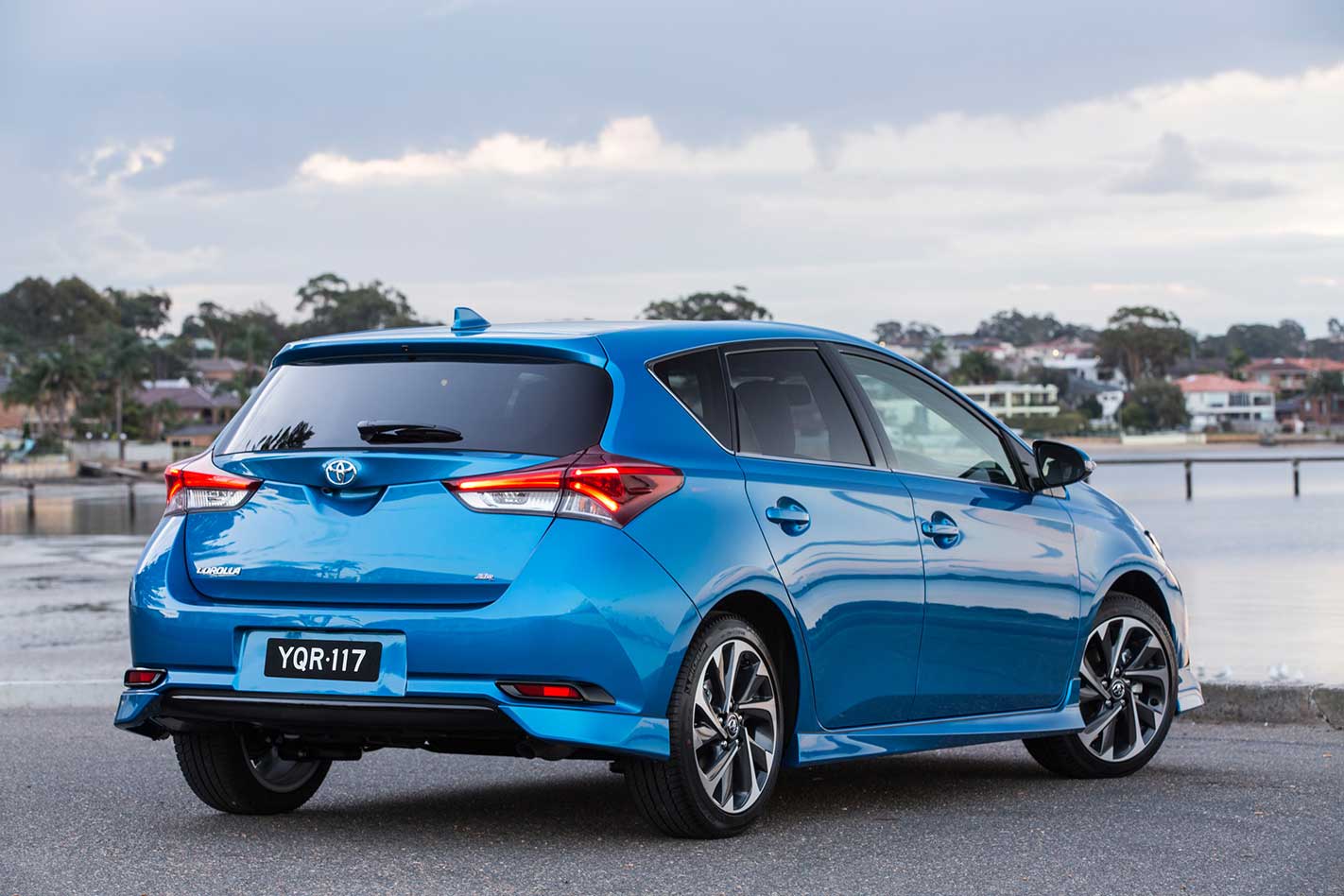
The Mazda 3 was the only other vehicle to surpass 3000 units in March, allowing it to cling onto the coat-tails of what is looking like another battle between the HiLux and Corolla for honour of 2017’s most popular vehicle.
Australia’s usual favourite SUV, the Mazda CX-5, suffered a rare defeat in March, pipped by the Hyundai Tucson (2156 v 2116) – though the Japanese model has only just launched the second-generation model.
The CX-5 already leads the Tucson in overall sales so far for 2017 – 5973 versus 5039 units.
They contributed to an even wider margin between SUV and passenger car sales compared with February. SUVs accounted for 41,484 sales in March thanks to an eight per cent year on year increase, while passenger cars slid 11 per cent to 38,972 compared to this time last year.
A total of 105,410 units for the industry established a new March record, albeit only one per cent higher than March 2016’s figure.
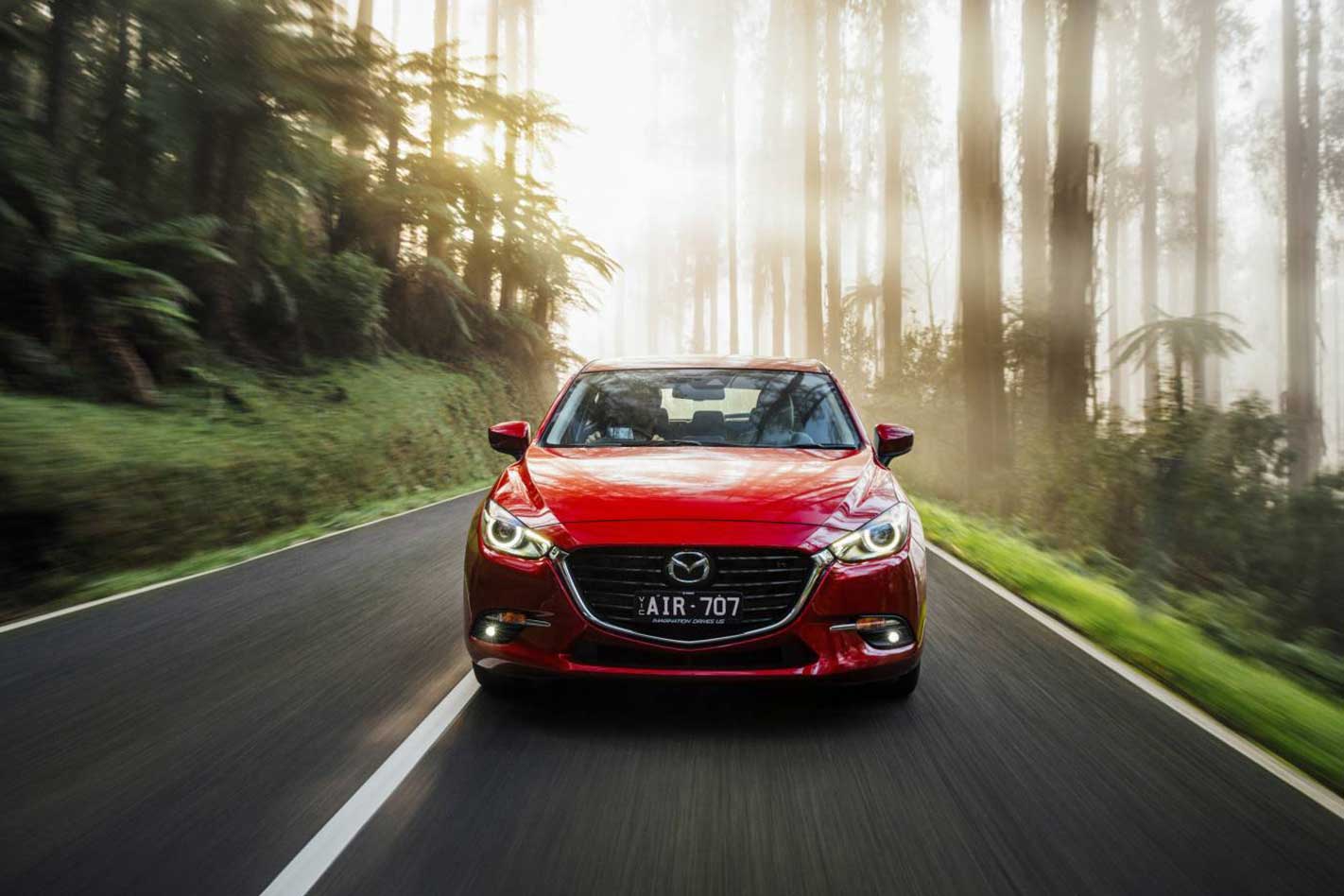
Toyota continues to dominate the brand battles, selling 19,652 models last month. Mazda impressed yet again, however, with another five-figure result – 10,472 – to keep second.
Mitsubishi had a great month, with 7583 units allowing it to leapfrog both Holden and Ford despite placing sixth in the year-to-date table.
Top 10 Cars – March 2017
- Toyota HiLux 4245
- Ford Ranger 3845
- Toyota Corolla 3574
- Mazda 3 3039
- Mitsubishi Triton 2670
- Hyundai i30 2383
- Toyota Camry 2336
- Hyundai Tucson 2156
- Mazda CX-5 2116
- Holden Commodore 2081
- Toyota HiLux 10,333
- Toyota Corolla 9909
- Mazda 3 9655
- Ford Ranger 9398
- Hyundai i30 6404
Welcome to the little village known as Boom Town – the Mercedes-AMG GLC 63 has been revealed and it has all the right ingredients to sell its toothy slats off Down Under.
Medium SUV bodystyle that Aussies love? Check. Aggressive ‘Panamericana’ grille, quad exhausts and 20-inch alloy wheels tucked under fattened guards, fulfilling the sports styling Aussies also adore? Check. What about a mighty 4.0-litre twin-turbo V8 driving through a nine-speed dual-clutch to all wheels perfect for an Aussie family holiday? Oh yes, yes, yes.
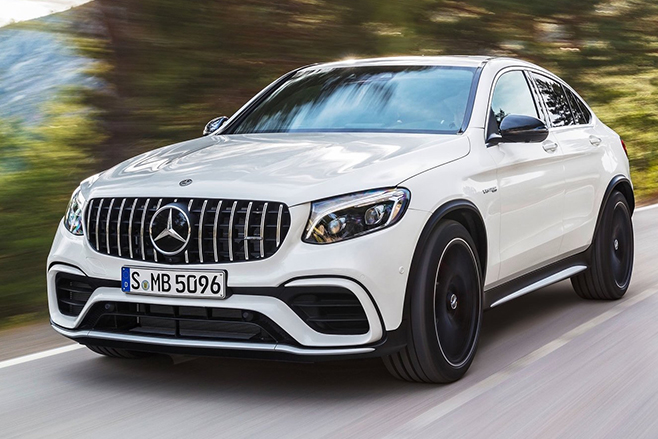
As with most other AMG models, two versions of the wagon and coupe are available overseas: 350kW/650Nm GLC 63 and 375kW/700Nm GLC 63 S. Only the latter might make it here, though. AMG quotes a 250km/h top speed and a stunning 3.8sec 0-100km/h.
While these outputs match the rear-drive C63, its accleration is enhanced by traction and two extra gears but dragged back by a heftier kerb weight. A Porsche Macan Turbo claims 4.8sec and costs $130K.
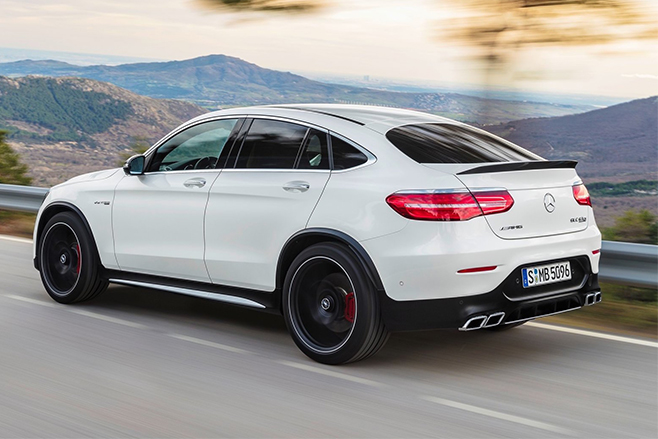
Also borrowed from the E63 are several AMG-specific suspension components, with wider tracks over the GLC adding to bespoke wheel carriers, stiffer elastokinematics and increased negative camber, all aimed at hunting down the dynamics-leading Macan.
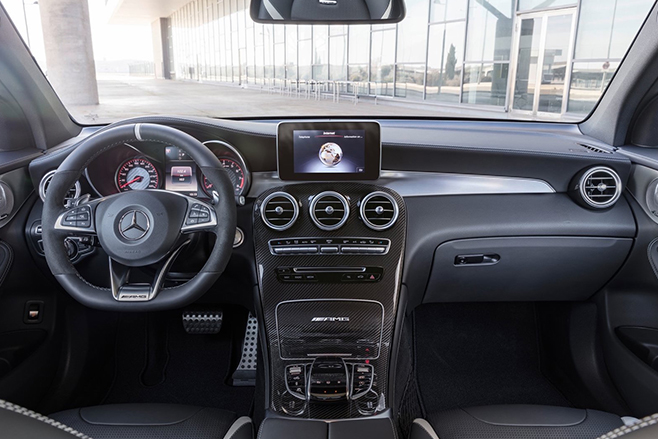
Thanks to vehicles like the GLC 63 and GLC 63 Coupe, AMG sales now tally 20 per cent of Benz volume, the highest of anywhere in the world. Mercedes-Benz Australia Pacific sold about 5000 units of the Affalterbach performance models last year. This year executives reckon 6000-plus can be ticked-off without a problem.
Alfa Romeo QV punches above, and below, its weight!
Holden’s French-accent Commodore; Formula One’s new bosses; automotive obsessives; the race to protect your car from hackers; and a tantalising tease of Volkswagen Golf Mk7.5
ALSO INSIDE THIS EDITION:
- Mustang, Commodore ute go head-to-head
- Bentley’s fastest GT yet punished on track
- Variable compression explained
- Exclusive US preview of Mk2 Mazda CX-5
- Why the Hyundai i30 could be your next car
- Gravel master Ari Vatanen and the BMW M4 GTS
- Toyota C-HR: the most un-Toyota Toyota
- First drives of Land Rover Discovery, BMW 5 Series, Audi Q2, Astra sedan
- And much, much more!
Join us for the ride in this April edition. To subscribe, go to magshop.com.au/wheels, the iPad via the iTunes Store or on Android devices via Google Play.
