
FORD decided it needed to change Australia’s mindset from manufacturing to innovation in the wake of the 2008-09 global credit crunch, the company has revealed.
Speaking at a Future with Ford seminar in Melbourne yesterday, Ford Australia president Graeme Whickman told the audience the realisation it could not make money building cars here forced the global company to change its focus in the region.
“The key turning point [for Ford] came when Bill Ford recruited Alan Mulally and he became our CEO in 2006,” Whickman said.
“Now at the time, Bill and Allan confronted a reality and we knew we had to prepare for an economic downturn, which turned out to be … the great recession, the GFC (Global Financial Crisis). It was far worse than anybody had imagined.
“At the time it fell on Alan to rekindle our innovation mindset after letting ourselves become as a company fast followers. Here in Australia, we confronted the reality that auto manufacturing was no longer viable locally, and we knew we had to invest in innovation,” he said.
“So in 2014 we charted a completely new course to transform into an innovation-led company with research and development and a customer focus right at our core.”
The 2008-09 global credit crunch forced fellow US carmakers General Motors and Chrysler into bankruptcy, and the pair were only saved after the US government stepped in to bail them out and wipe the slate clean of billions of dollars in debt.
However, Ford survived the GFC after Mulally, a car industry outsider, mortgaged the carmaker’s most valuable assets to raise the billions of dollars in cash needed to carry through the recession at the same time as its rivals went begging for taxpayer support.
Ford’s decision to quit Australian manufacturing, though, appears to have its roots in the depths of the GFC. A leaked diplomatic cable sent to the US State Department in late 2006 and obtained by Wikileaks says the Australian carmaker had refused Federal Government money to kick-start a left-hand-drive program for the locally made Falcon sedan and Territory SUV.
”[Former federal Labor industry minister Senator Kim] Carr is very worried about Ford’s future in Australia,” the cable reads.
“He [Carr] told [the Consul-General’s office] Melbourne he fears Ford will not succeed in attracting the necessary investment to update its aging product lines.”
According to the cable, the carmaker’s Australian outpost was “very much as part of Ford’s global business and would be willing to make sacrifices for the good of the greater company” – such as quitting Australian manufacturing.
According to Whickman, after making the call to quit manufacturing and become a full-line importer, Ford’s Australia-based design and development team started to reinvent itself as an innovation hub.
“As we look to the future Australia will play an important role in innovation across total Ford, aided by investment of nearly $2 billion in local research and development since 2009,” Whickman said.
“And the Aussie team have already led global innovation in popular vehicles like the Ranger or the Everest.”
Australia has become the development homeroom for Ford’s global T7 architecture which underpins the Ranger trade ute, Everest SUV, and upcoming Ford Bronco.
The next-gen Ranger will launch in North America in 2018, while the Everest/Bronco is due on sale in the US in about 2020.
In an homage to the classic anime series Initial D, Papadakis Racing has revealed its new Toyota Corolla iM drift car to be driven by Aasbo.
In the snout is a 2.7-litre Toyota 2AR four-cylinder drinking on E85, with a Borg Warner turbo and some delicious nitrous helping it shred its Motegi Technomesh Drift tyres.
The result is a 745kW/1152Nm beast which Aasbo plans on backing into corners for the foreseeable future.
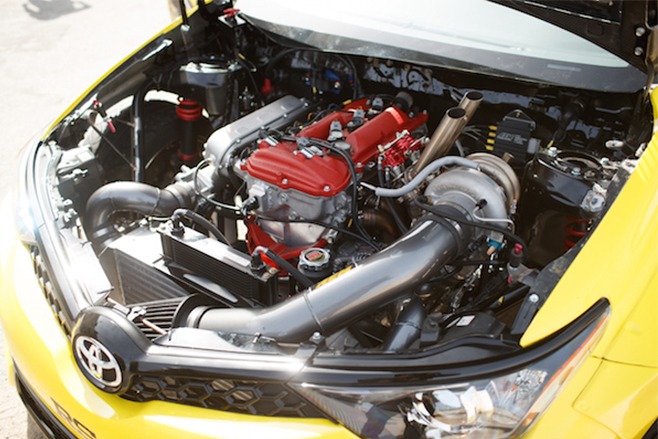
“We know we kept people guessing in the off-season as we built our 2017 car, and we couldn’t be happier to finally have a chance to show it off,” Papadakis says.
“Corolla is an iconic nameplate in drifting and we’re proud to bring it back to the championship.”
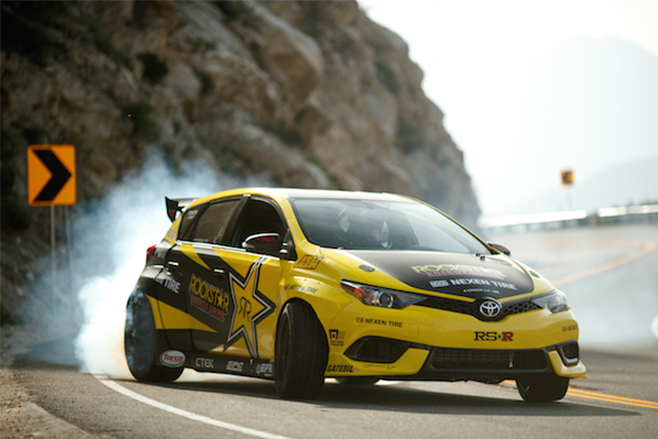
In tribute to the car that started it all, Rockstar Energy Drinks released a video announcement of the car in the style of the Initial D opening sequence. It’s quite close to the original, as seen in the below comparison.
Aasbo says the series had a strong influence on him, as it would have with many other drifters.
“So many of us who love drifting grew up watching Initial D and it was fantastic to take the car out into the mountains and pay tribute to drifting history,” the 2015 Formula Drift champ says.
The car will get its first taste of competition on March 31 at the Formula Drift opener in long Beach, California.
Audi Sport development chief Stephan Reil has called Drift Mode technology senseless and needless, entirely ruling out for future RS models an all-wheel drive system that can help a driver slide like that used in the Ford Focus RS and Mercedes-AMG E63 S.
Speaking in an interview with Autoblog, the bloke who makes the big decisions at Ingolstadt’s performance division didn’t mince his words about the seeping introduction of all-paw systems deliberately tampered by the electronic stability control (ESC) into a drift.
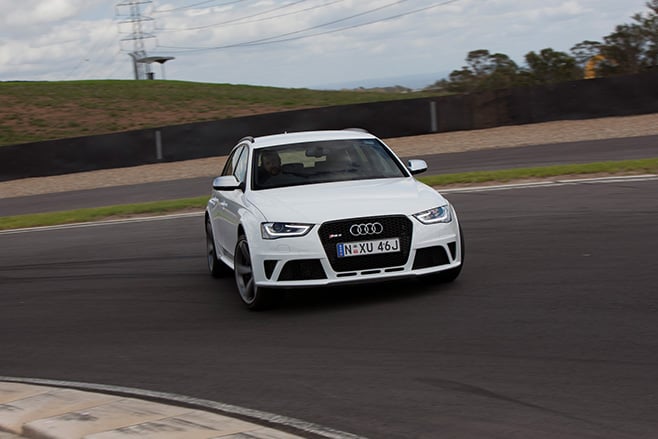
“[For Audi there will be] no drift mode. Not in the R8, not in the RS3, not in the RS6, not in the RS4.
“We do not see the sense in sitting there burning the back tyres. It’s not fast.”
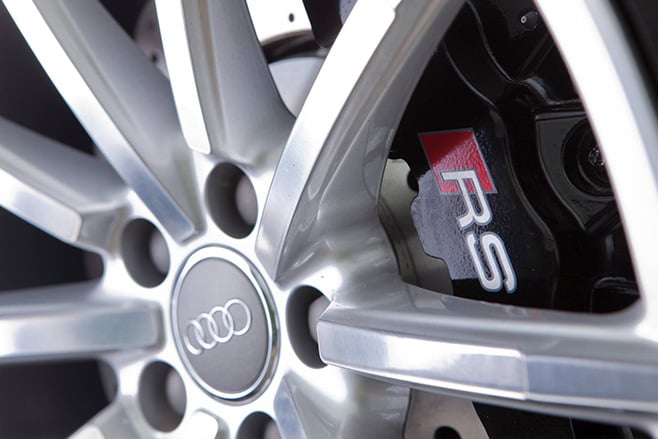
“You can do it [drifting] yourself with the ESP off, if you hold it [the button] for three seconds,” he stammered.
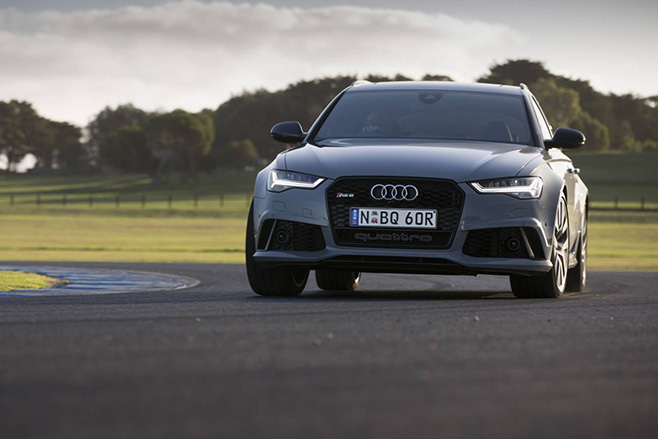
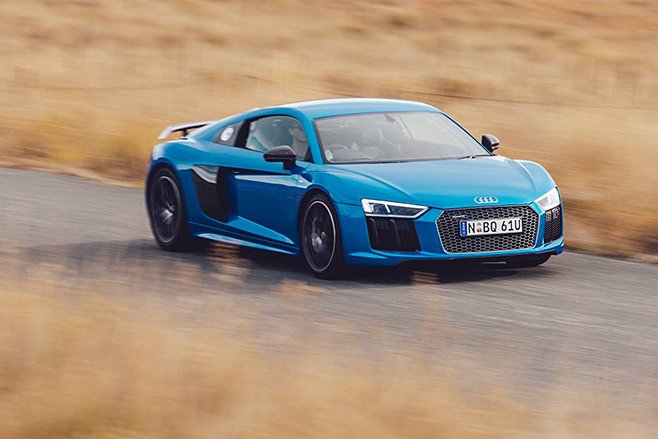
For a company once infamous for dynamics that tended towards determined understeer, however, Audi has in the past decade come a long way. While the likes of the S3 and TT S still use a front-wheel-biased on-demand all-wheel drive system, models such as the S4 (optionally) and RS3 score a ‘crown’ centre differential that will allow oversteer in ESC Sport.
REMEMBER the Dualis? Well, Nissan didn’t think that car’s name was hard enough to pronounce, so for the Dualis’ second-generation replacement they’ve hurled some Scrabble tiles onto the desk to create this, the Qashqai!
Three years on from its arrival in Australia, the current-generation Qashqai is now entering middle age. The segment it plays in is a tremendously crowded one, but despite the stiff competition and the fact it’s no longer a spring chicken, there are still more than a few reasons to consider the Qashqai.
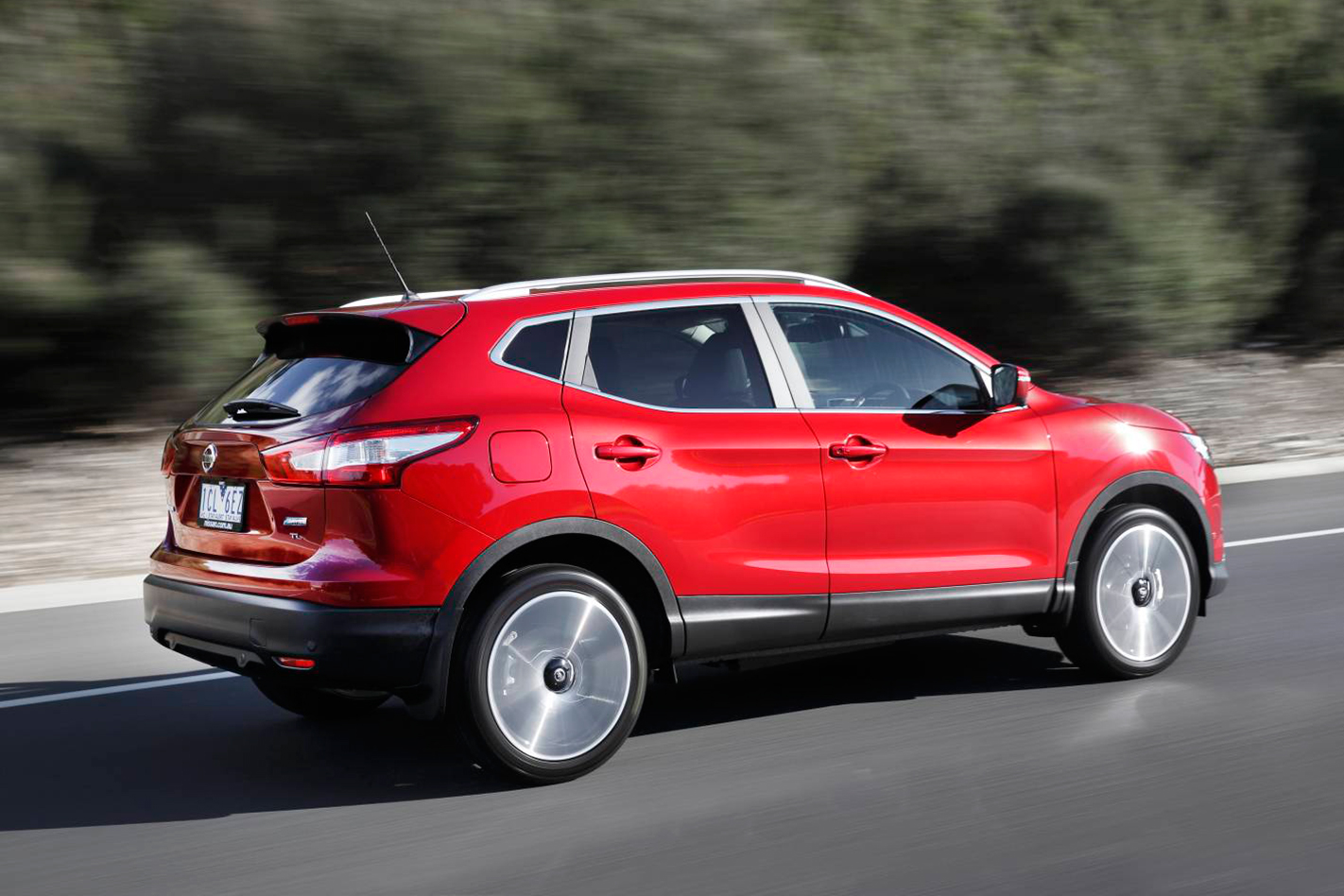
ON PAPER The Qashqai comes with your choice of two engines, a 2.0-litre petrol engine with 106kW, or a more efficient 96kW turbodiesel 1.6.
Power goes to the front wheels exclusively, so don’t be fooled by the SUV styling. This one is better off sticking to the blacktop. Petrol models come with the choice of a manual or auto, but the diesel we’re driving today is strictly and auto-only proposition.
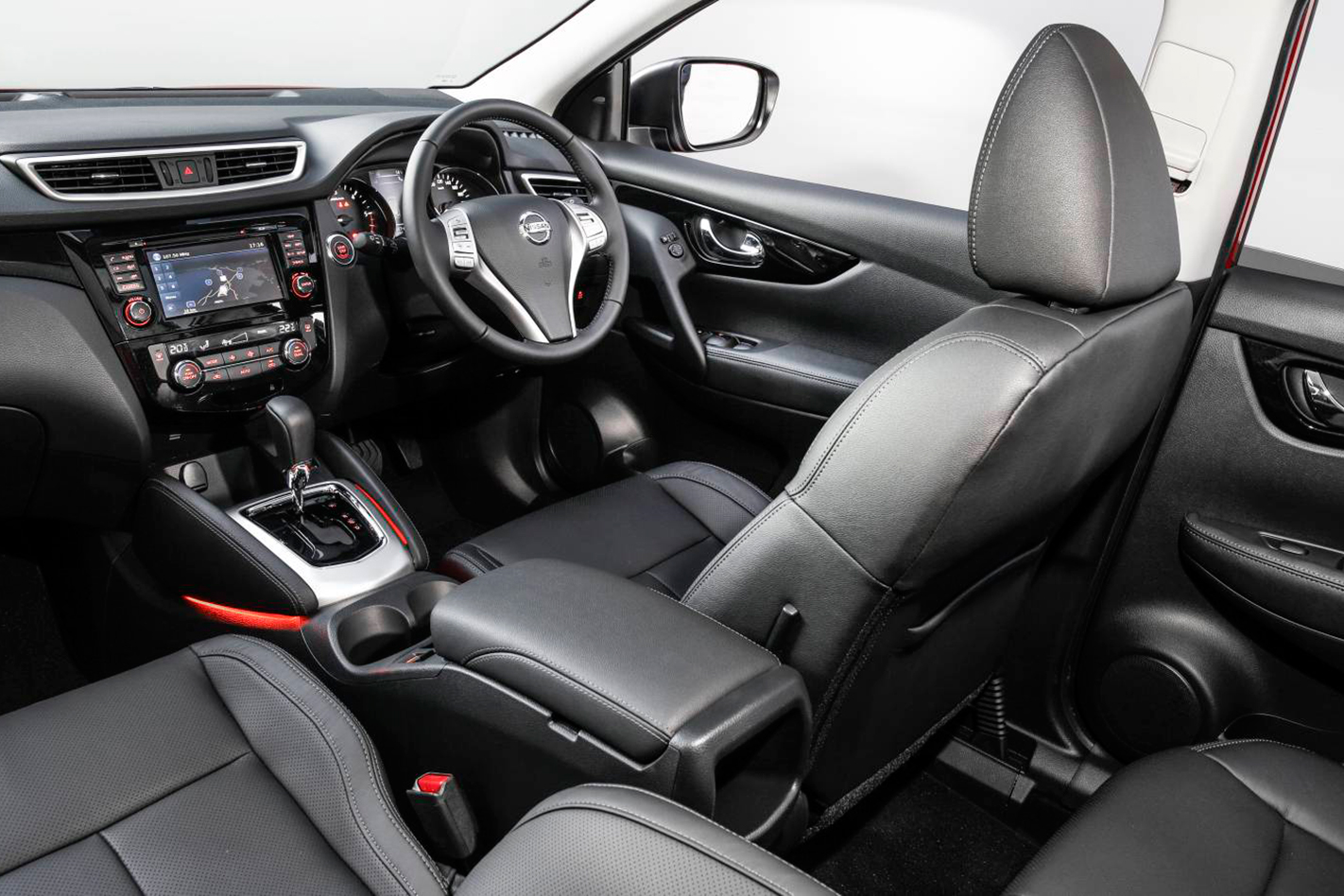
Our tester is also the most highly-specced model in the range, and boasts features like this enormous glass roof, heated seats, faux-leather upholstery, satellite navigation and a big 7-inch colour display rather than the 5-inch display you get in the entry-level variants.
There’s also dual-zone climate control, keyless entry and ignition, a power-adjustable driver’s seat, LED headlamps and a top-down camera view.
Front and rear parking sensors are also standard, as is blind spot monitoring and lane departure warning. Autonomous emergency braking is not, however, offered, and neither is smartphone mirroring via Android Auto or Apple CarPlay.
WHY IS IT IMPORTANT? The Qashqai is one of Nissan’s top-sellers, and last year was third most popular car. It also performs quite respectably within its segment, though with plenty of competition from the likes of the Mazda CX-3, Honda HR-V and even the ancient Mitsubishi ASX, the Qashqai still needs to maintain a sharp offering.
An updated model is expected to arrive in early 2018, though Australian specifications and pricing are still to be announced
FIRST THINGS YOU NOTICE From behind the wheel, the Qashqai presents well. The cabin is pretty monochromatic with all this black plastic and silver trim, but it’s certainly far from offensive thanks to the liberal use of soft-touch plastics.
That said, the décor is starting to age. The updated model will provide a bit of a spruce-up, but much of the interior furniture will carry over.
There are plenty of buttons to play with in this high-grade TL model, and the glass roof makes a big impression – and lets in loads of light. On the whole, it’s a fairly pleasant place to be even though there’s not a lot of visual wow factor.
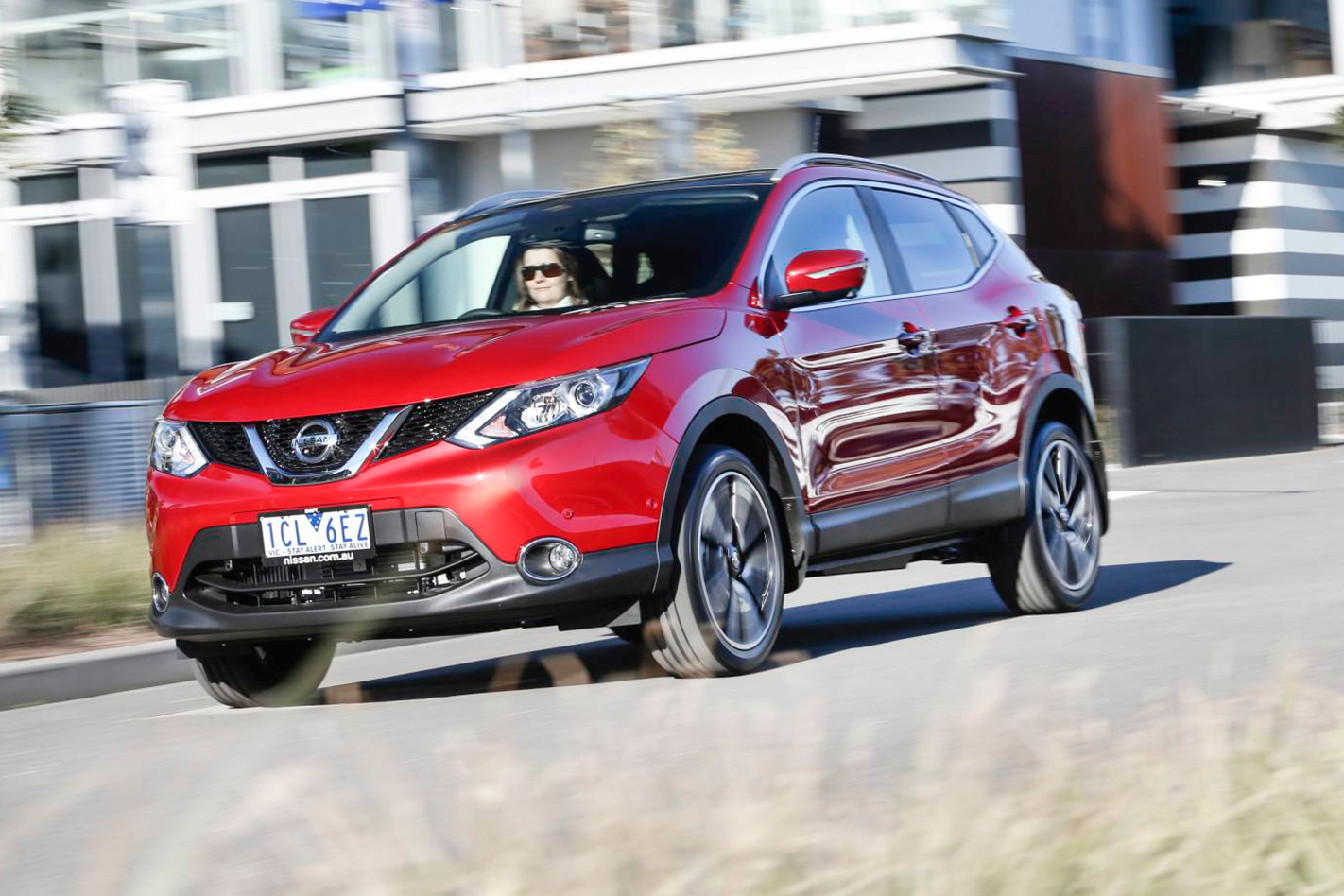
PLUS AND MINUS The Qashqai’s diesel is quite refined considering it exists at the lower end of the SUV spectrum, and it marries well with this CVT automatic. For ease of driving as well as ride comfort, the Qashqai scores highly.
But on the flipside, it’s not the most urgent powertrain. It’s sluggish to respond to sudden demands for power. No all-wheel drive means it feels lighter on its feet than some other small SUVs, however that comes at the sacrifice of grip in slippery conditions.
The back seat is also flat and uncomfortable, with no rear air vents. That said, Nissan would argue that the slightly bigger X-Trail is a better choice for those who need to cart around passengers on a regular basis.
VERDICT The biggest problem for the Nissan Qashqai is the price. The car we’re driving, the TL diesel, retails at $39,990 – which is, I’ll be honest, a pretty steep price for a small SUV and the most expensive against its direct rivals. If you simply must have the extra features of a high-grade Qashqai, you’re better off going for the $34,490 Qashqai Ti petrol and pocketing the change.
That said, the Qashqai does a decent job of pretty much anything the average motorist might ask of it, short of going off road.
Trading a fancy folding roof and a pair of front driveshafts for no more than a third pedal in the footwell, this standard, rear-drive, manual 911 GTS coupe will always be the first choice of those who’ve always believed that, when it comes to 911s, simplest is best.
This is the lightest GTS you can buy, weighing just 10kg more than a Carrera S and that’s only thanks to its Carrera 4 wide body. And regardless of what figures enhanced by four-wheel drive traction or super-swift PDK shifts might claim for other GTSs, it’s the fastest, too. How fast? Well, it has a better power-to-weight ratio than that of a well known rival, the Mercedes-AMG GT.
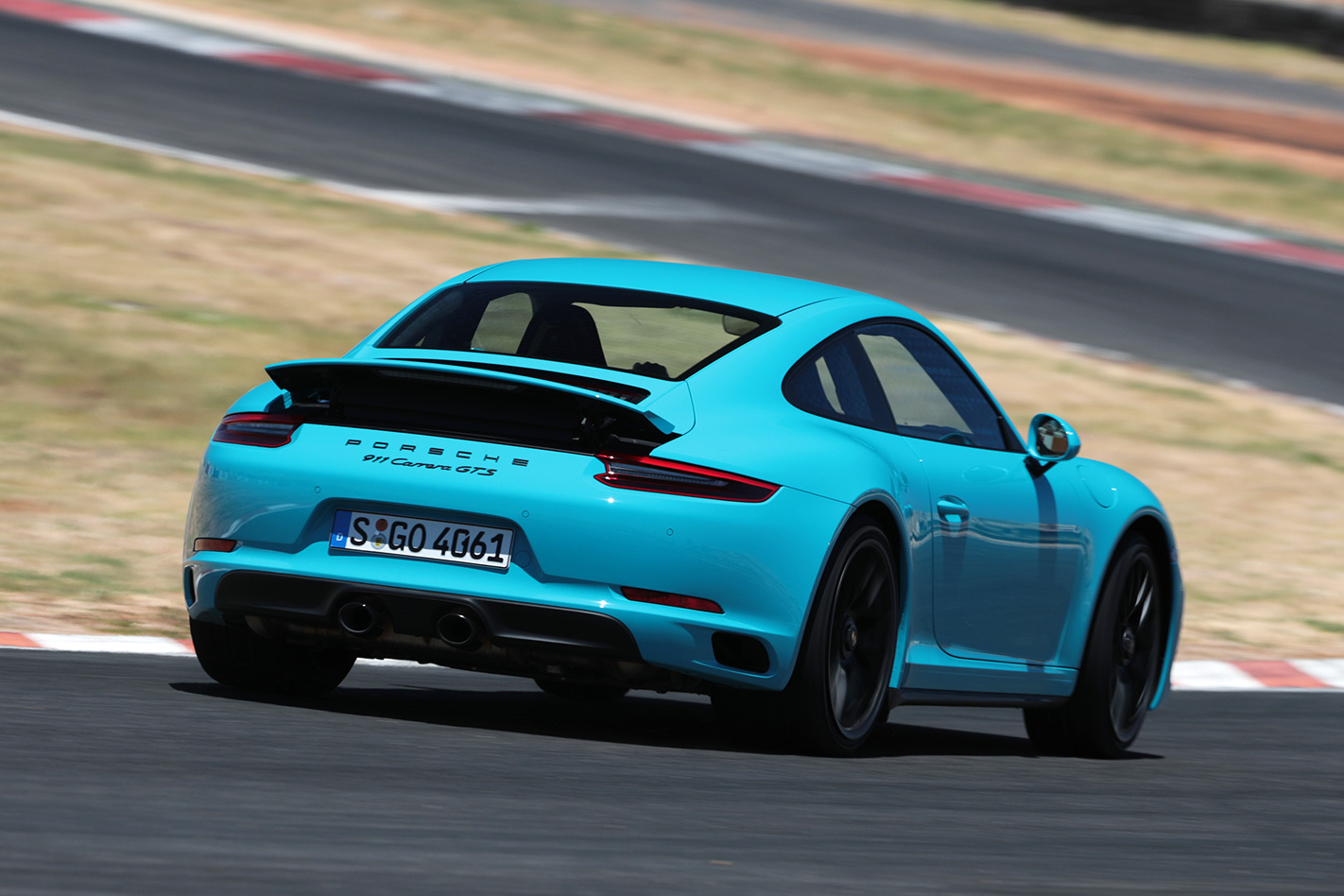
Outside there’s a minor aero tweak to front and rear spoilers and true to GTS form, the car’s gone all moody with black wheels, black exhausts, smoked tail lights and black GTS badges. Inside the familiar Alcantara theme returns on the steering wheel, gear lever, and seat centres.
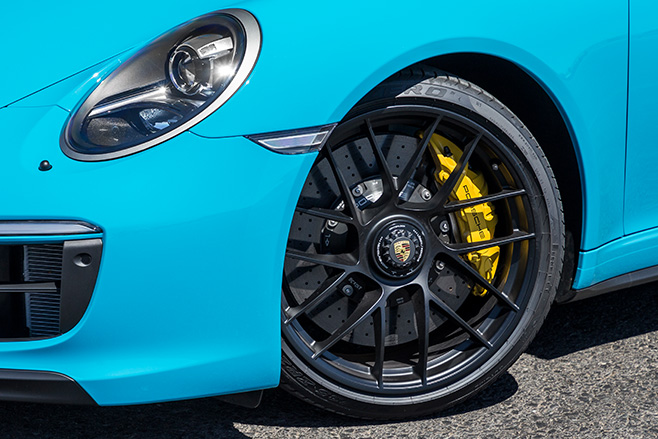
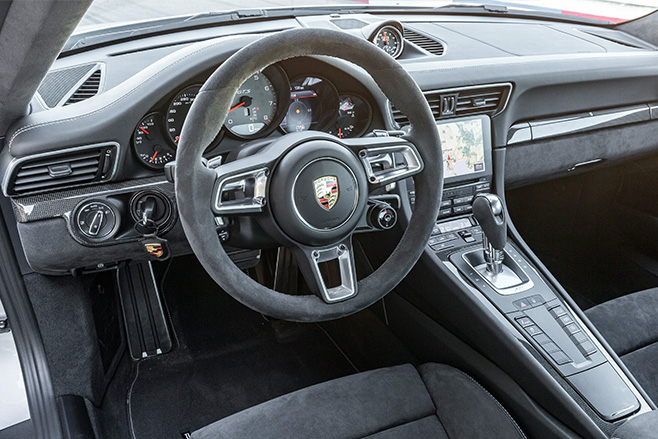
What’s it like to drive? You’d think it would be easy to tell. It’s like a Carrera S, only more so, surely? In fact it’s not nearly as simple as that. The cleverest thing Porsche has always done with what is now three generations of 911 GTS, is while appearing to do little more than a spot of choice plundering of the options list, produce a car with a character all of its own. And of the three of them, I’d say this one feels the most evolved.
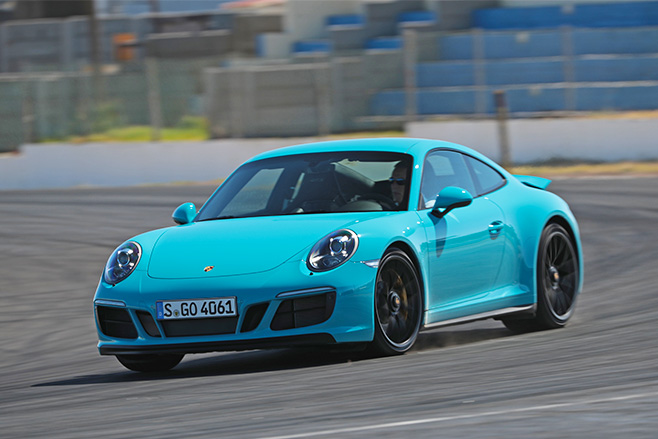
Finally, here is a 911 whose abilities in both straight lines and through corners feels perfectly matched, not fractionally favouring the chassis like a Carrera S, nor substantially the engine, as in the performance-focused Turbo.

Should you buy one? Put simply, of course you should. It’s as if this were the 911 that Porsche’s engineers designed first in this series, the one from which all others would be derived, only then to realise it was better even than they’d hoped, and must, therefore, be kept up their sleeves for a while. Only once all the Carreras and Turbos were safely launched could it be unleashed.
All nonsense of course, cars aren’t designed that way, but that’s how it feels. The GTS is the best ‘normal’ 911 on sale, and the best of the best rear-drive coupes. And it is every bit as good as that sounds.
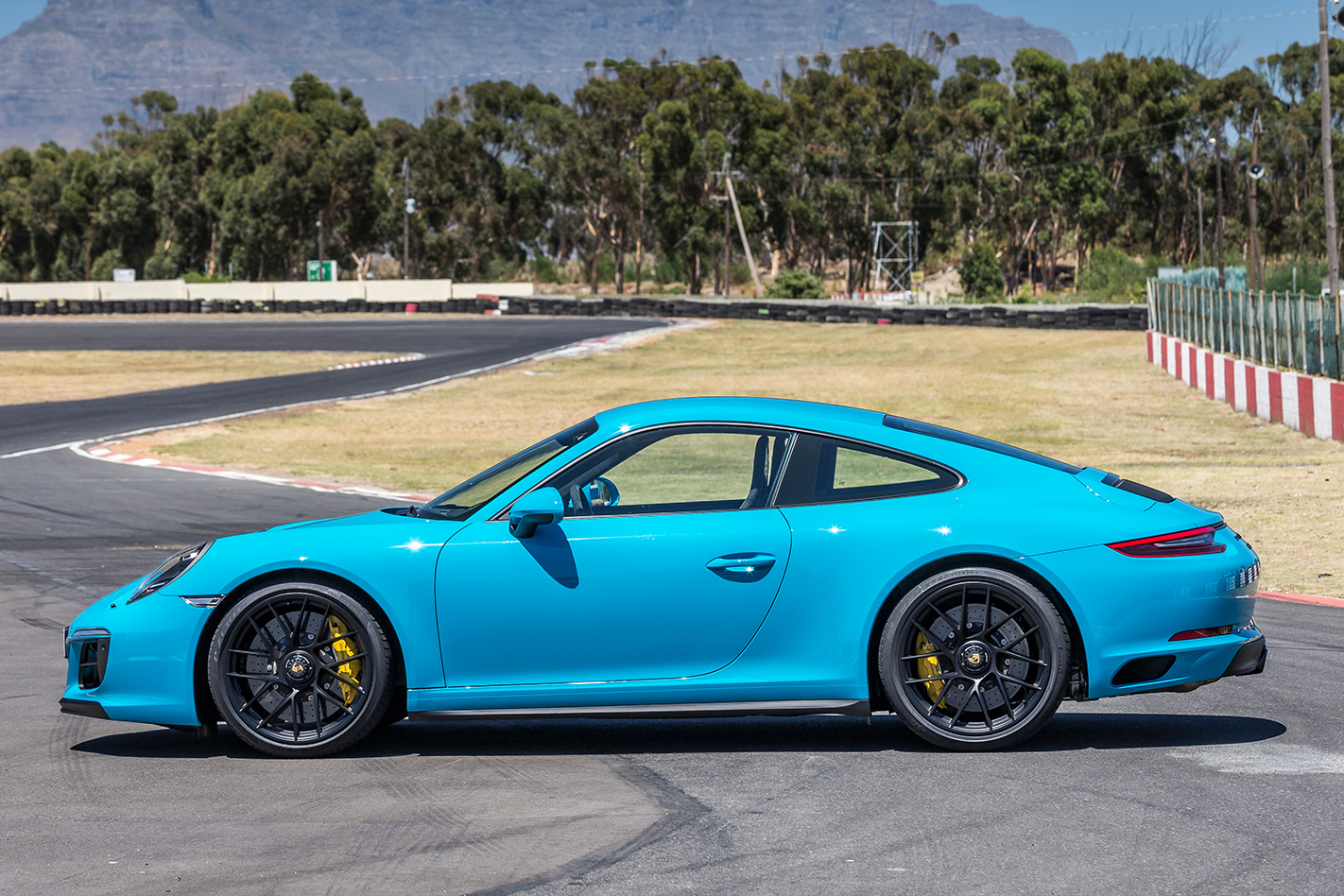
Like Devastatingly fast, sorted-rear drive dynamics
Dislike Finding fault with the GTS is merely nitpicking
Specs Engine: 2981cc flat-six, DOHC, 24v, twin-turbo Power: 331kW @ 6500rpm Torque: 550Nm @ 2150rpm Weight: 1450kg 0-100km/h: 4.1sec (claimed) Price: $279,000 (manual)
THREE years ago I packed up my life in Adelaide for an opportunity to take on the big smoke in Melbourne as a journalist at 4X4 Australia.There was so much to love about that job: like Captain Jack Sparrow on the hunt for Davy Jones’ Locker, it brought the opportunity to breathe in the fresher air of Australia’s most far-flung locations and hunt for the ultimate hidden treasure of solitude.
There was one thing I just couldn’t get used to, though. Coming from wide-laned, traffic-rare Adelaide to congested, poorly urban-planned Melbourne was a daunting experience. Throw in oversized 4×4 press cars and endless bottleneck traffic and I felt like a rat in a sewer pipe.
You can therefore imagine my excitement when Fiat Chrysler Australia announced they’d be bringing a baby Jeep to Australia.
So when 4X4 Australia editor Matt Raudonikis showed me photos of the new pint-sized Renegade, I begged for a long-termer. Trailhawk model only, of course – a Jeep that can’t go off-road is no Jeep at all.
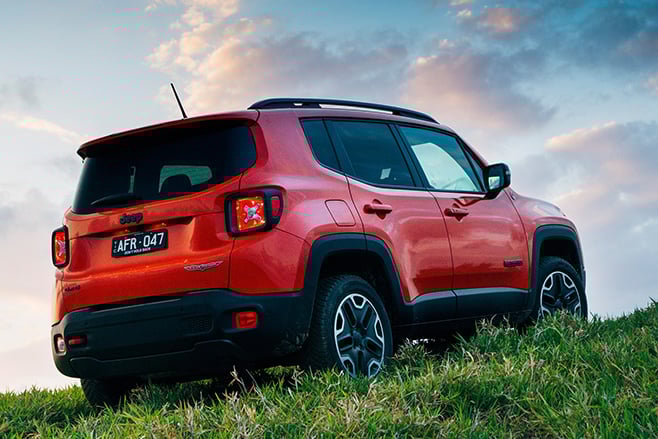
Fast-forward three years and I’m now the proud holder of the keys to a bright orange Jeep Renegade Trailhawk, which thanks to new Wheels staffer Cameron has already been dubbed Donald because it’s orange, obnoxious and American.
On first impressions, there’s a lot to like about the Renegade. I like its boxy design and rainbow colour palette, off-road ability in a segment that otherwise sticks to bitumen, and its stature – it’s compact enough for city streets, but tall enough to still feel like you’re sitting above other cars.
It’s as if Jeep designers took the Patriot, procreated it with a Cherokee and threw in a bit of Wrangler DNA for fun.
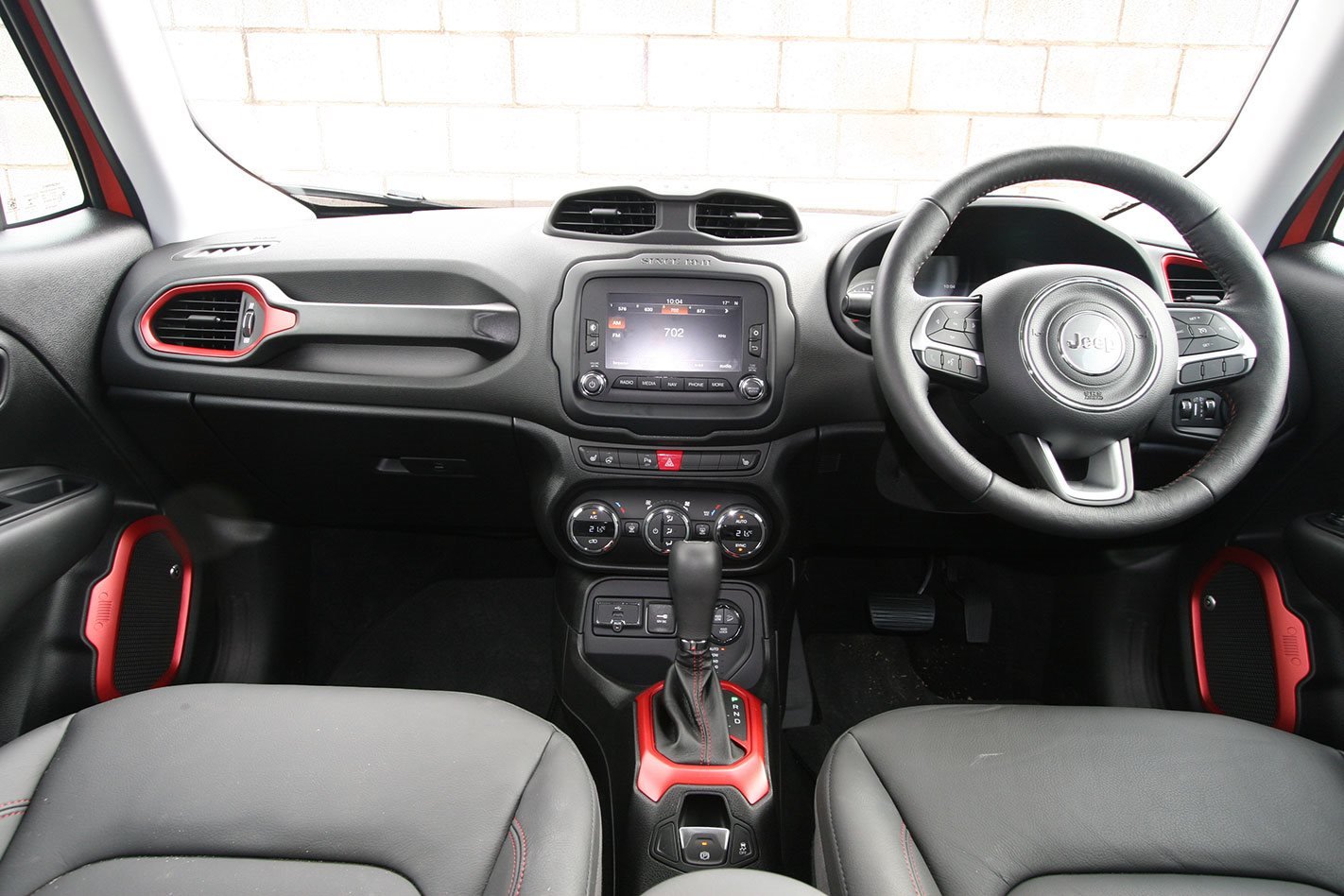
But it’s the design story of the Jeep Renegade that really caught my attention.
Styled in America and built in Italy, the Renegade is based on a similar body to the Fiat 500X, only cooler and less conceited. The designers at Jeep HQ in the US took the Renegade’s core values of freedom, authenticity, adventure and passion, instilled them in their day-to-day life through snowboarding, paintballing and, of course, off-roading, then used that adrenaline-fuelled lifestyle to shape the Jeep. And it has certainly rubbed off.
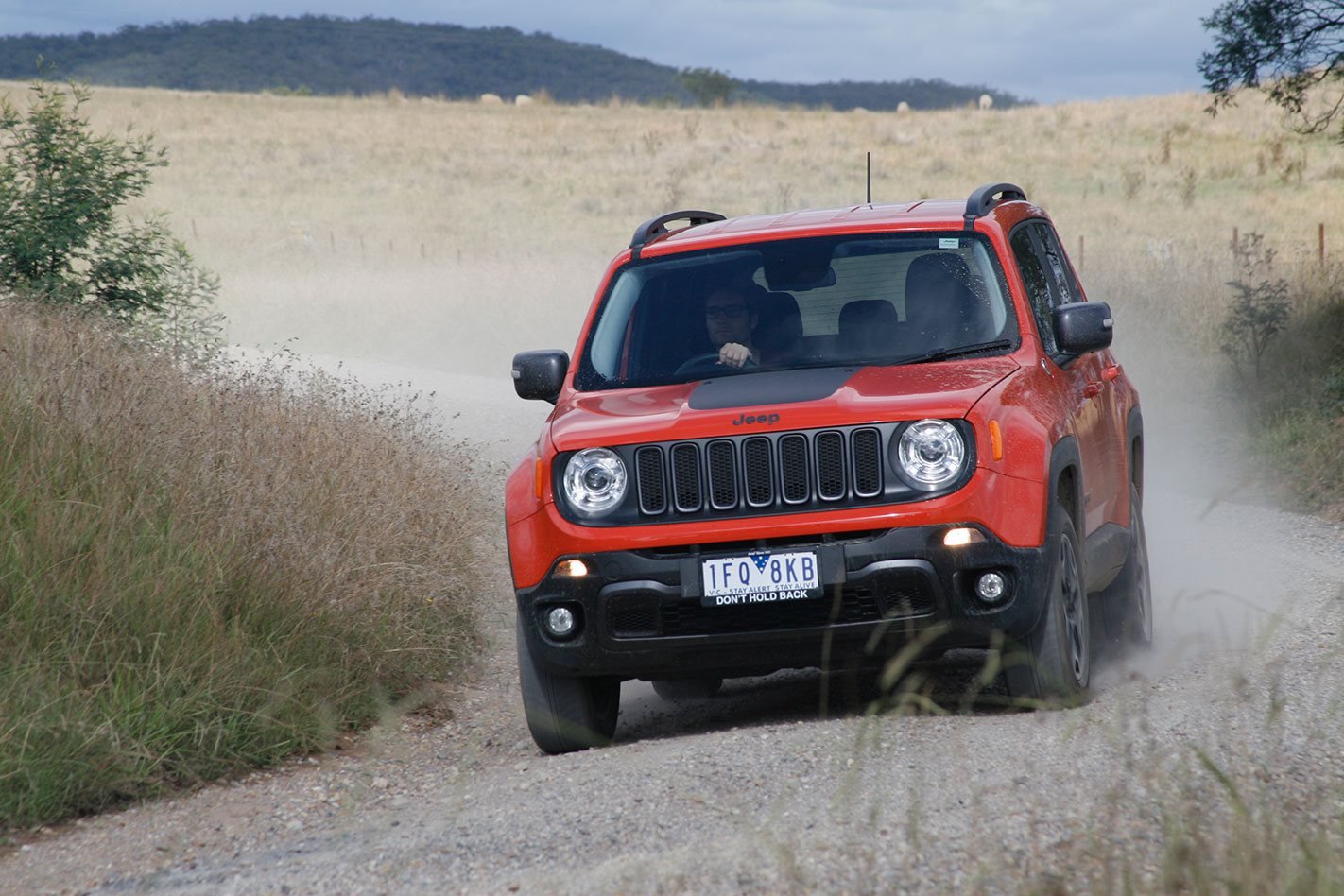
On the local launch of the new car, Jeep designer Vince Galante told us that the team had hidden a bunch of ‘Easter eggs’ in the Renegade’s design. There are said to be multiple hidden design cues drawn from the adventurous lifestyle of the designers, and more that hark back to Jeep’s heritage.
No one has yet put an exact number on how many of these hidden motifs are to be found, but I love as Easter egg hunt so I’ve made it my mission to find them.
I’ve only found 11 so far, but given that I’ve only had the keys to The Donald for a week, I don’t yet consider this a defeat.
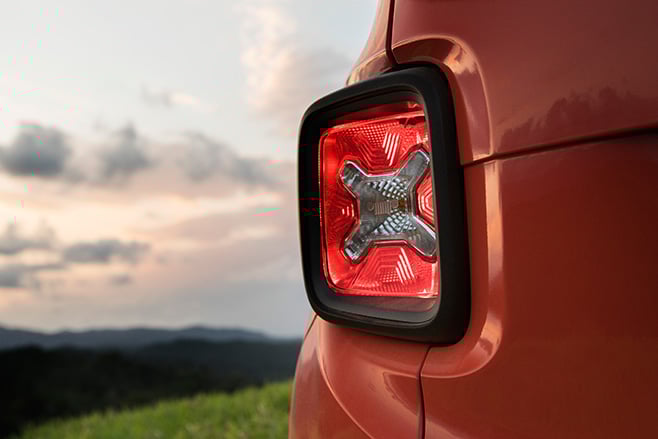
Here’s what I’ve found so far:
- The Jeep brand’s iconic seven-slat grille is featured throughout the Renegade. First up, on the headlights and tail-lights.
- The oversize rear-view mirror has a grille motif on either side.
- Then there’s the grille on the speakers.
- And under the tailgate.
- The unusual X-shape on the tail-lights is a throwback to the X formed on US Army fuel cans during World War II.
- The X also features inside the cupholders.
- A silhouette of an old Willys Jeep on the lower edge of the windscreen, homage to the original Jeep used during the war.
- Don’t jump when you go to refuel… that’s not a real spider behind the fuel cap.
- There’s a map of Moab, Utah in the storage compartment below the 4WD system controls; this is homage to the spot where Jeep holds its annual Easter Jeep Safari.
- The redline area of the tacho is a splash-of-paint-like graphic. Apparently this pays homage to the design team’s favourite team-bonding exercise, paintballing.
- Above the infotainment screen is etched ‘Since 1941’, which is Jeep’s way of reminding you how long it has been around.
Update #1
By Anna Kantilaftas
CHAMELEONS can change to almost any colour in as little as 20 seconds. That’s not the case with our Jeep, which took three months. But this had less to do with skin pigmentation and everything to do with user error. For the record, I wasn’t to blame.
Donald, our flashy orange Jeep, was damaged while not in our care, so we welcome a replacement Renegade. This one wears a beige power suit (Mojave Sands), a slight rattle in her chest, and a few technological glitches. So of course we’ve called her Hillary.
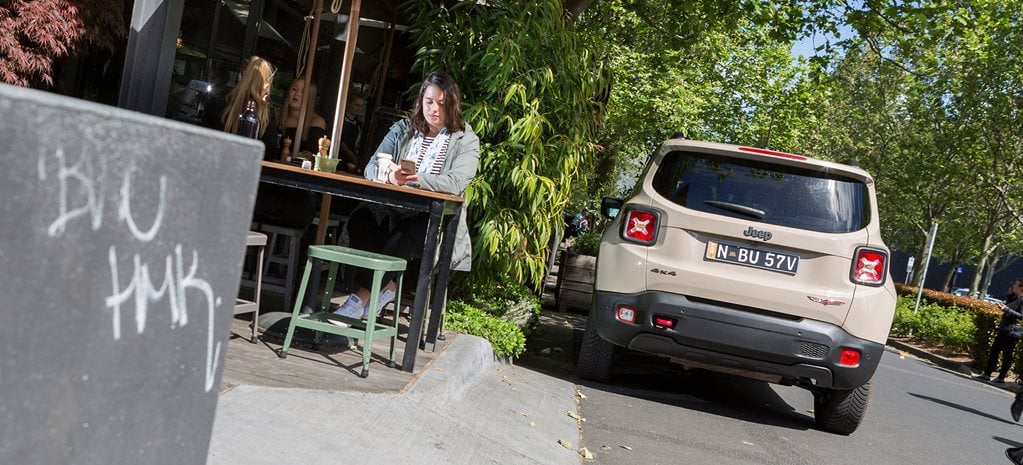
We’ve spent the month bonding, as she arrived just in time for a country run. We’re pleased to report it’s been mostly positive.
The Renegade drives better than you’d expect. Where most Jeeps take to corners like cats to water, Hillary is more than willing to lock on to an apex and have a crack without scraping its side mirrors on the bitumen. Its Italian underpinnings – it’s a mechanical twin to the Fiat 500X – may have something to do with that.
It seems Jeep’s stylists have taken a course in optical illusions because the Renegade looks like it’s taken a spin through a dryer, but once you get inside, it’s more plentiful than a magical dinner in the Great Hall (one for all you Harry Potter fans).
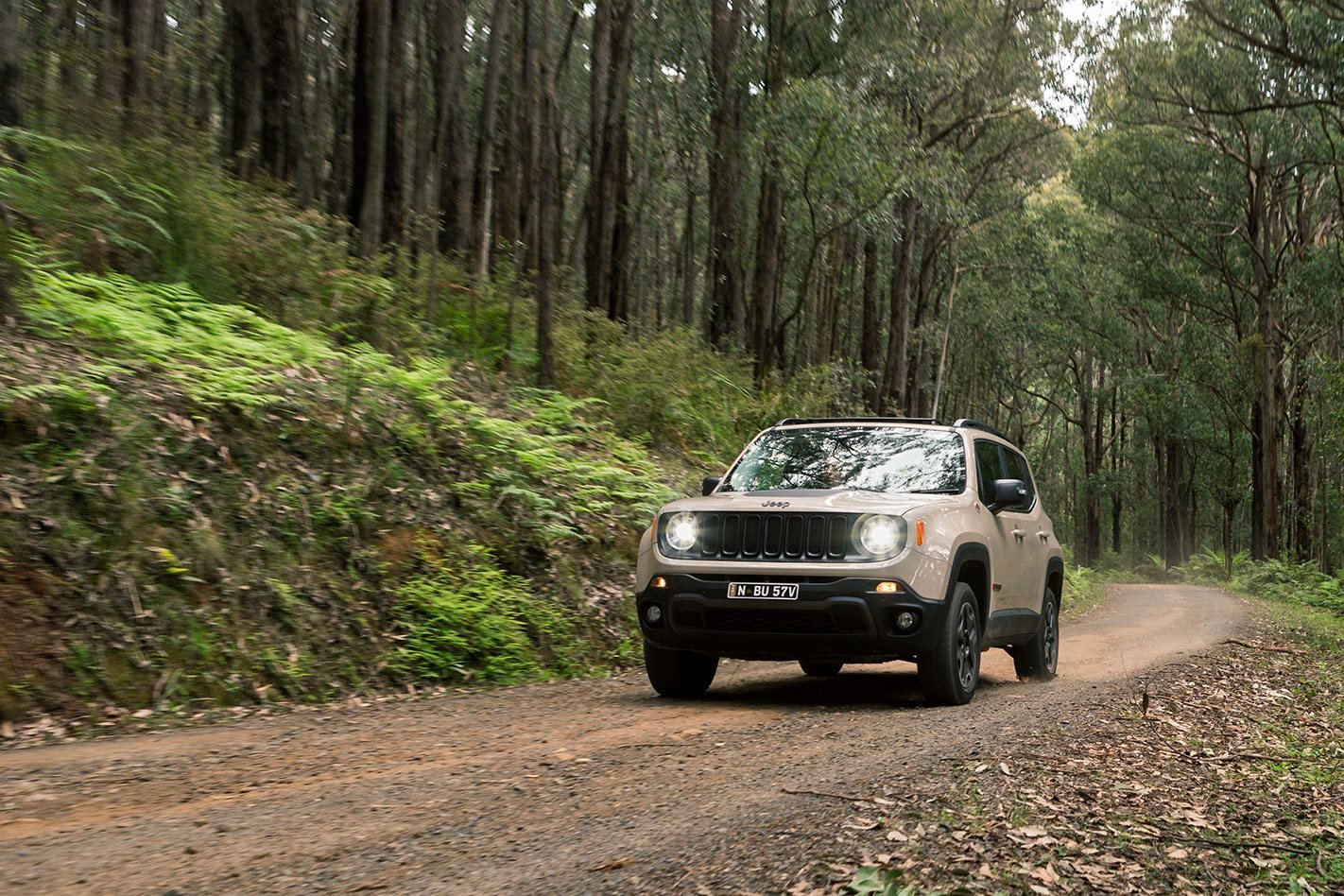
I’ve also been appreciative of the heated seats and steering wheel through a chilly Melbourne spring. The fact this got more of a workout than the optional sunroof doesn’t sit well with me.
Technology doesn’t seem to be Hillary’s strongest campaign weapon. The infotainment system suffers from irregular blackouts; it’s only for a moment, and very occasionally, but enough to put you off-balance mid-staccato. And the parking sensors are a worry, the merest provocation making them beep like Geiger counters in the Chernobyl exclusion zone.
But the thing that has me baffled most is that, although it’s pint-sized, the Renegade loves a drink. Jeep claims 7.5L/100km combined, but we’ve racked up 12.8. Gulp. Granted, aside from a trip to spa country and a few stints on gravel roads in the Dandenongs, it has spent most of its time driving around South Yarra. And that’s enough to drive anyone to drink.
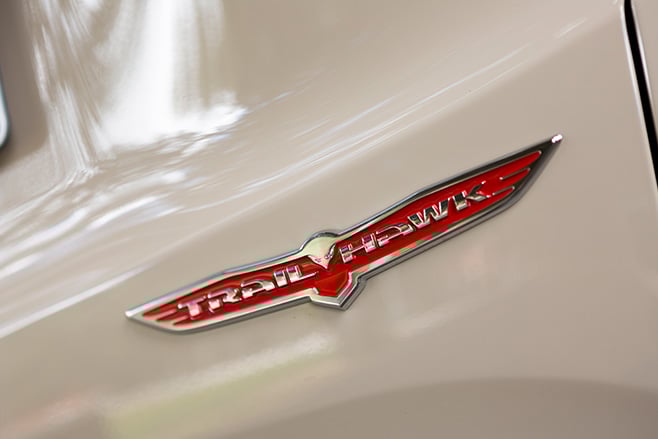
This Renegade is the top-of-the-line Trailhawk edition and we’re champing at the bit to hit some fire trails. After all, it has a world-class all-wheel-drive system and something tells us the little Jeep is hungry for mud. It might be twinned with a Fiat, but it has a Jeep badge – it might be able to change its colour, but not its stripes.
Update #2
By Anna Kantilaftas
THERE are a few things that make my life whole. One of them is yoga; another is a sense of adventure. So with the Jeep Renegade’s return date looming and the key firmly grasped in my hand, it was time to test the Trailhawk-branded Jeep on rougher roads.
But not without a quick visit back to its maker. From the moment I collected ‘Hillary’, I noticed an occasional out-of-sorts noise from the engine bay. For a while, I hoped it would disappear, but when it became more prominent after a drive to Daylesford, I thought I should get it checked.
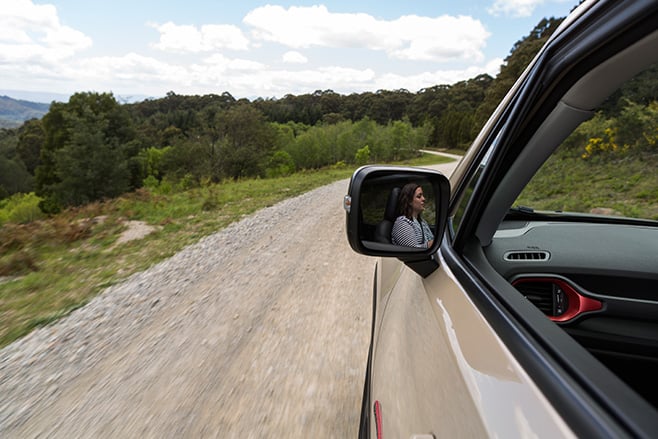
According to Fiat-Chrysler Australia, the noise was “an airflow resonance from the induction system”, mainly noticeable under part-throttle. Any unsavoury noises in a car are cause for alarm, but this was an NVH issue more than anything. Something for Jeep to look into at update time perhaps.
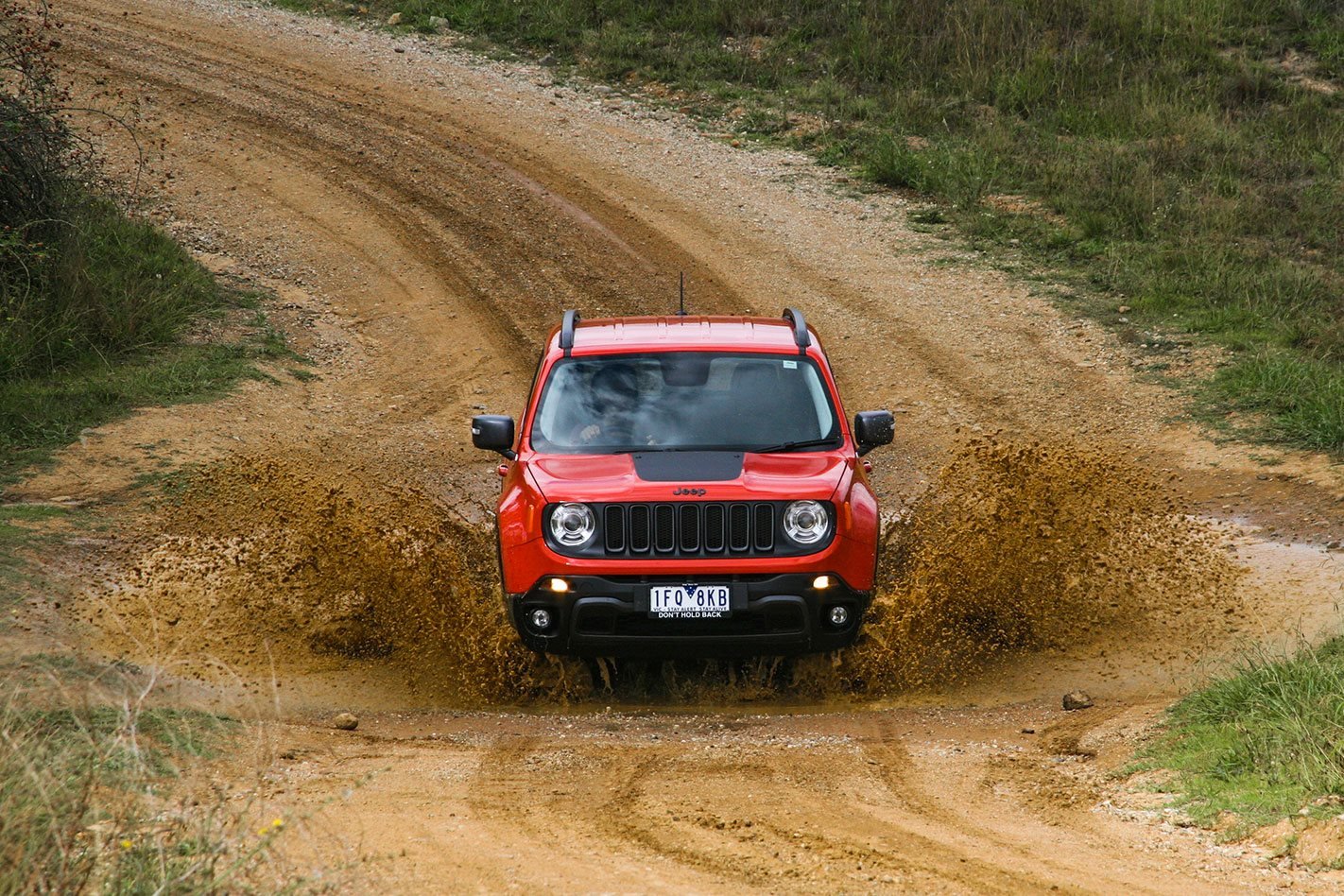
Post-analysis, I went in search of some tracks not too far from Melbourne. I couldn’t farewell the Renegade without giving it a chance to kick up some dirt, so it was off to the Dandenong Ranges to test out the Trailhawk’s 4×4 Active Drive Low system.
Once you work out how the system works, it rewards with decent off-road ability, which you don’t get from any of the Renegade’s rivals. It features various terrain programs (Auto, Sport, Snow, Sand, Mud and Rock) and, while it doesn’t have low-range, there is a ‘4WD Low’ switch that turns off the ESC. And the nine-speed auto has a super-low first.
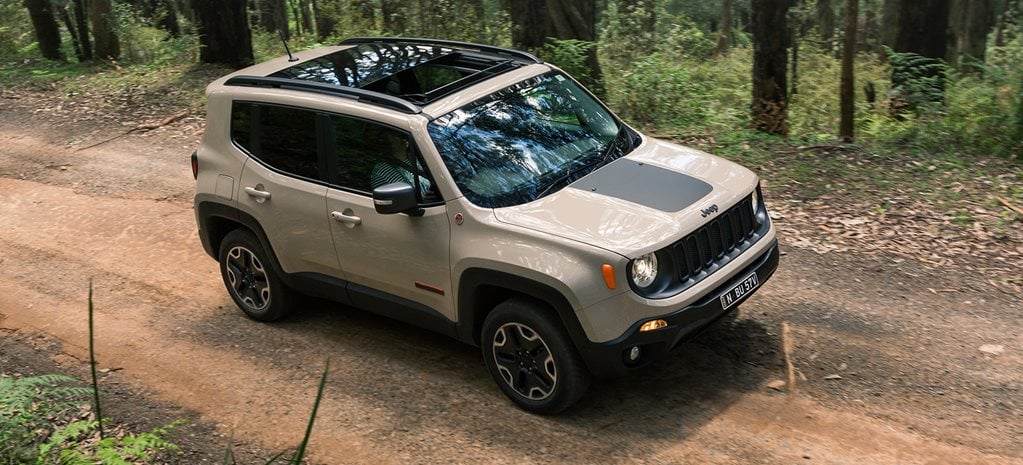
The Renegade soaked up the uneven, rocky terrain of the Dandenongs with an ease I didn’t expect. We didn’t push too far into the tree-lined greenery of the mountains, so we were playing a beginner’s game. But had we tackled the steep (dry) slopes of the Victorian High Country or the soft, marshmallow sands of Fraser Island, the Trailhawk would’ve been equally at home.
The baby Jeep offers something none of its competitors do – a capable off-road system – so I’d be up for the challenge. It not only looks tough, but it walks the walk with appropriate tyres, decent underbody protection and workable ground clearance.
Around the city, its boxy design and chunky 1555kg kerb weight mean it doesn’t feel quite as nippy as its best rivals. The enthusiastic ‘Tigershark’ 2.4-litre engine is hardly quiet, and in traffic it drinks like an Aussie at the races. But for the most part, the Renegade has been an enjoyable, reliable, stylish urban SUV, with more space than I knew what to do with, and it gave me no reason to question its competence … except for that occasional induction resonance.
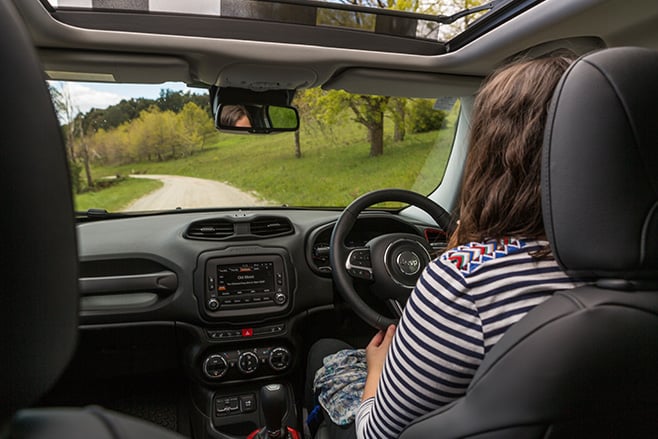
It’s a fun, effective medium-duty 4×4, and if FCA can improve the build quality and throw in a mightier, less-thirsty engine, then this Hillary may stand a chance.
Where to next?
There’s so much potential in the likeable Renegade, but not all of it has been realised. Recalibrated steering is definitely in order, seeing the Jeep’s electric assistance often feels sticky, and a more supple ride would be welcome. The nine-speed transmission isn’t faultless, either – it suffers the odd jolt, thump or pause as it juggles ratios – and why have a ninth gear that will only automatically select beyond 120km/h?
The Nissan Qashqai is an accomplished upper-small SUV that comes in petrol and diesel varieties priced across a wide spread from $25,990 to $39,990. It’s a popular choice for Aussies, but here are seven things you may not have heard about it before.
- Qashqai’s quirky name comes from a nomadic tribe found in far flung Iranian provinces, and as you can hear is pronounced ‘kash-kye’
- The Qashqai’s 430-litre boot is bigger than that of the Mitsubishi ASX, Mazda CX-5 and Subaru Forester. It also has divided storage under its floor, which is good for security and for stopping small items moving around too much
- The Qashqai’s boot lid now opens 230mm higher than in previous models, making it easier to access the cargo area and to load large items.
- All Qashqai models are front-wheel drive only. This is a small SUV best suited to urban environments. Its small turning circle is great for tight manoeuvres
- Every Qashqai has a five star safety rating, and includes six airbags and a reversing camera
- A parking assistance feature in higher spec TI and TL models can automatically steer the Qashqai into a parking space for you
- Though Nissan is a brand with proud Japanese heritage, the Qashqai is actually made in the United Kingdom
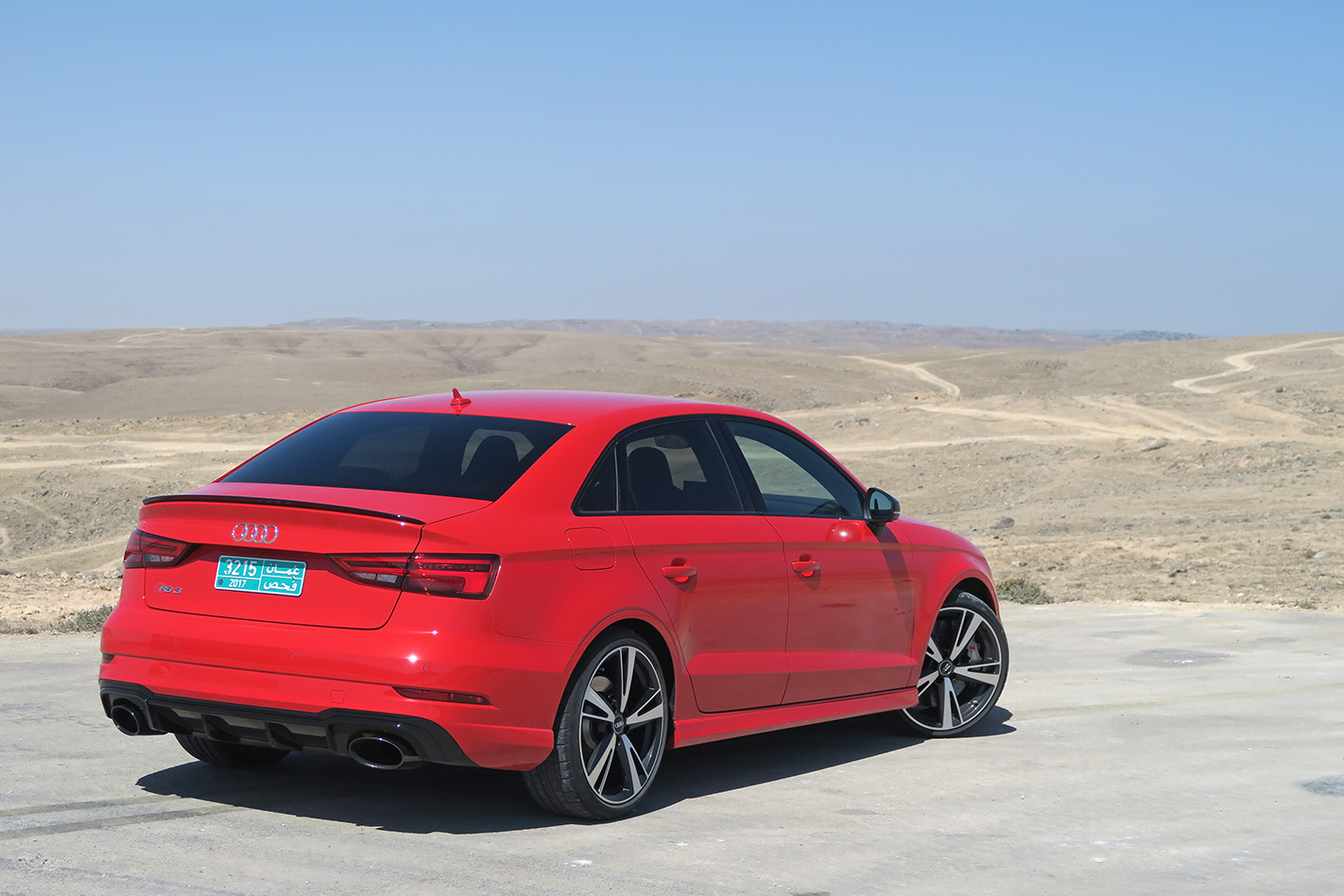
Audi’s five-cylinder hot hatch hero now has a sedan-bodied sibling – but that’s not all that’s new about the 2017 Audi RS3.
There has been a range of mechanical and equipment updates applied to the A3-based performance car, encompassing everything from a slick new infotainment system to an all-new – and lighter – engine.
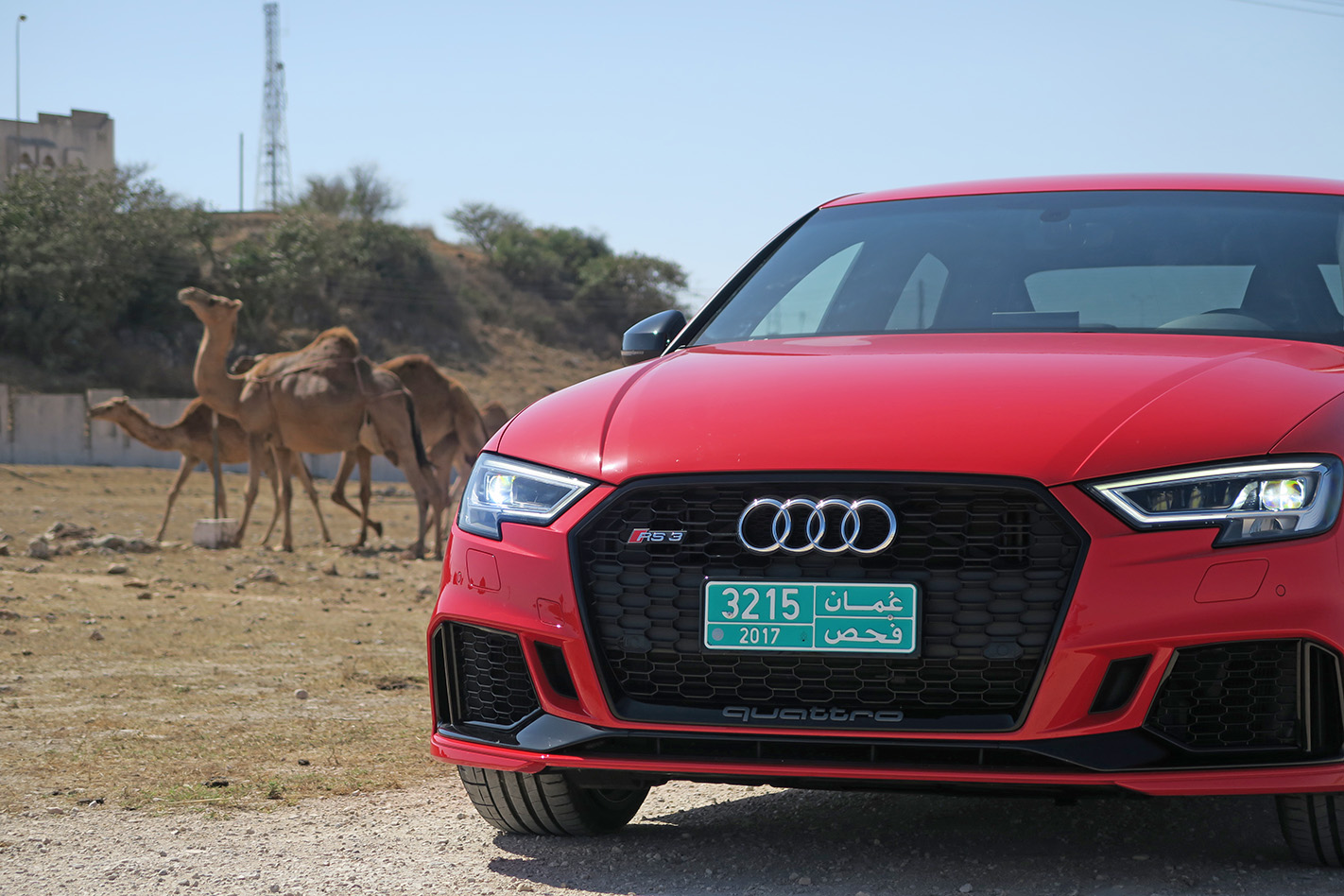
Due to launch in Australia in June, we travelled to the Arabian Sultanate of Oman to get an early taste of the updated RS3 – and we liked what we found.
STRENGTHS
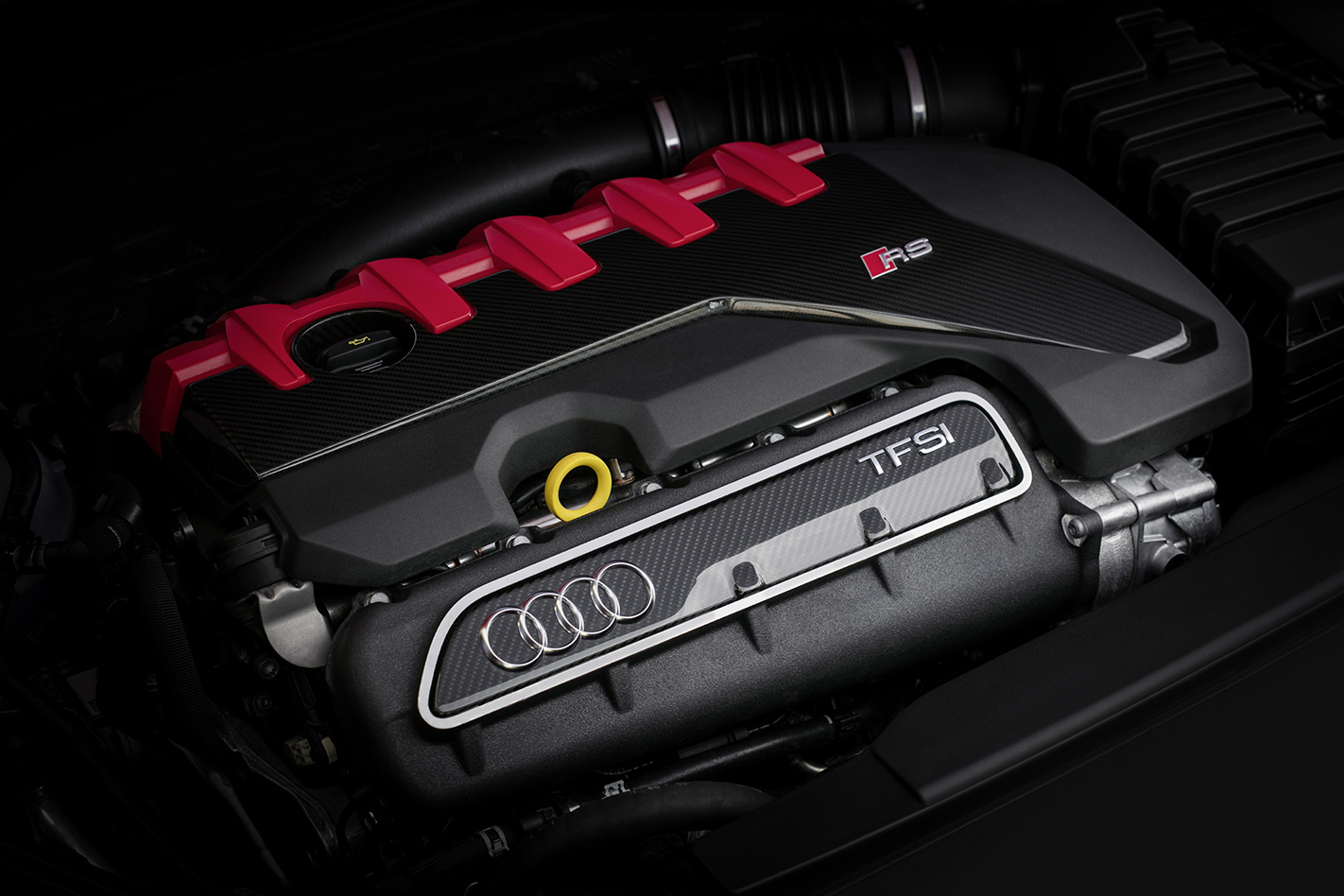
- The 2017 RS3 is still powered by a 2.5-litre turbocharged petrol inline five, but it’s been comprehensively reworked with a lightweight aluminium block replacing the old and heavy cast iron unit. Other enhancements further drop the RS3’s weight, with the end result being an engine that’s 26kg lighter than before. Less weight equals less power wasted in getting the car moving, and better performance overall.
- And not only is it lighter, but the RS3’s new engine also has 24kW more power and 15Nm more torque than before. It does its best work about 2600rpm, but give the turbo enough time to spool and it’ll generate its maximum torque output from as low as 1700rpm. It’s stupendously tractable and fires the RS3 to 100km/h in just 4.1 seconds
- The engine may be a radical redesign of the outgoing Audi inline-five, but one thing that hasn’t been changed is the classic and unmistakeable five-cylinder thrum. By implementing a unique 1-2-4-5-3 firing order, the RS3’s exhaust note is its signature.
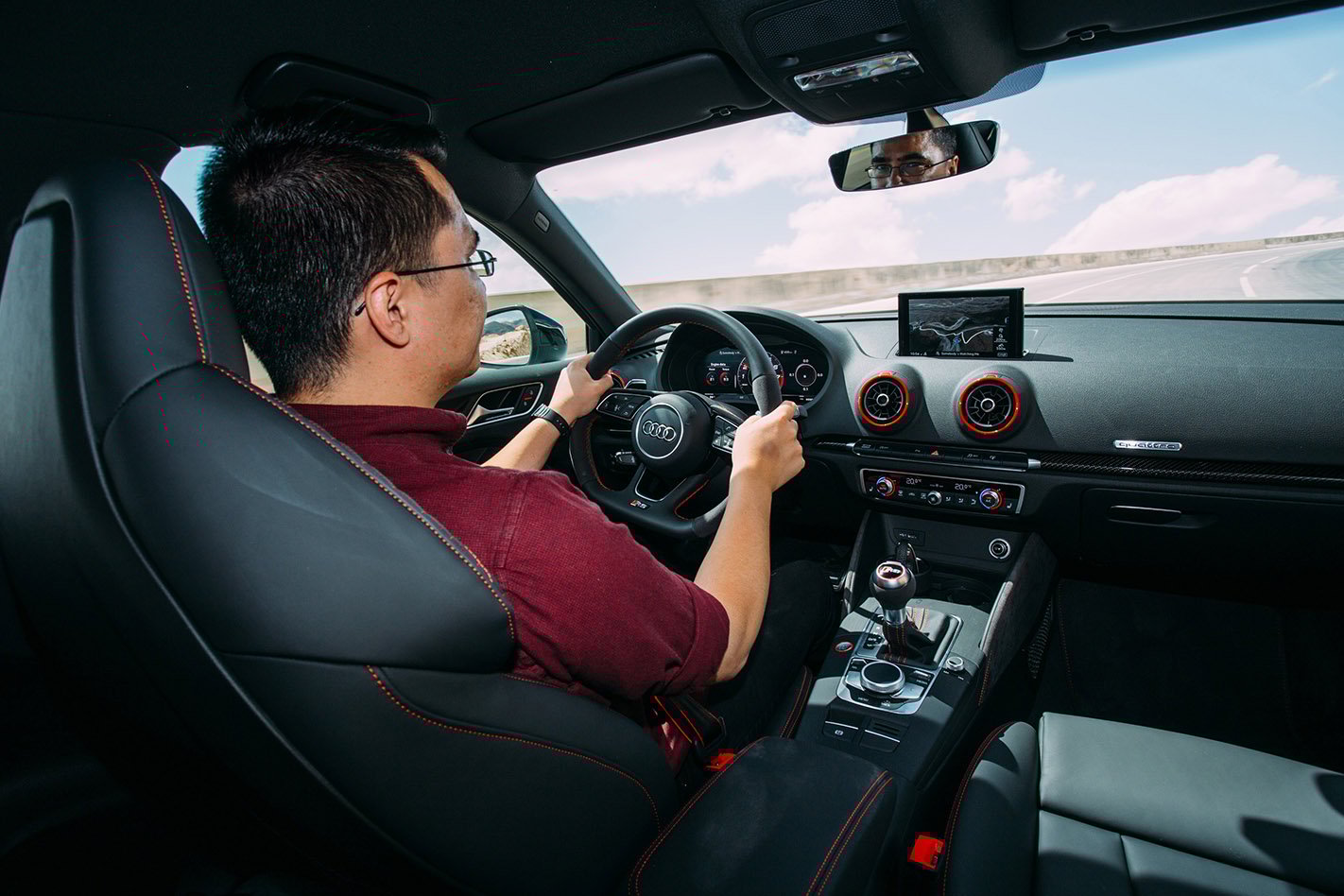
- Much of the interior is carry-over from the pre-update RS3, but the most notable exception is the presence of Audi’s latest-generation reconfigurable electronic instrument panel. Dubbed “Virtual Cockpit” by the brand, it can display a huge array of information right in front of the driver, including sat-nav maps, phone and media, as well as a performance-oriented screen with a large central tachometer flanked by other engine readouts.
- Though the interior will be largely familiar territory to anyone who’s been in the outgoing RS3, the 2017 model still has one of the better cabins in its segment when it comes to design and quality.
- Handling has been enhanced by the RS3’s lighter nose, and when specced with the wider front tyre package (255-section rubber instead of 235-section), direction changes are pretty snappy. With the optional lightweight carbon-ceramic brake package, turn-in response is even sharper.
- It’s finally a fun choice. Rather than merely being fast, the updated RS3 can now do flamboyant sportscar things like powerslides and drifting, provided you have the skill to exploit its new abilities. The outgoing model on the other hand was a bit of a lead-tipped arrow.
- The sedan bodystyle is an absolute winner from an aesthetic point of view, with beautiful proportions and a more mature posture than the RS3 Sportback. The best part is opting for it won’t cost you anything in performance – its 0-100km/h and fuel consumption numbers are identical to the hatch.
WEAKNESSES
- Though it has half a litre more displacement than its key rival the Mercedes-AMG CLA45, the RS3’s engine doesn’t feel a great deal more responsive than that car. If you’re caught below 2600rpm it can feel like the turbo takes a while to spool up.
- To experience the RS3 at its best, you’ll need to spend a bit of money on some optional extras. The wider front wheel package is a worthy box to tick, as it gives the front end more grip and enhances the car’s handling. The ultra-lightweight carbon brakes also help, but will cost you a five-figure sum.
- No manual. Keen drivers may lament the loss of a three-pedal manual option, but to be fair to Audi the RS3’s performance is extreme enough to render a traditional manual transmission a liability if you’re trying to drive fast.
ANY RIVALS I SHOULD CONSIDER?
The chief competition for the Audi RS3 sedan is the Mercedes-AMG CLA45. With 280kW, 475Nm, AWD underpinnings, four doors and a dual-clutch gearbox, it’s the closest match by far. It’s a tenth of a second slower to 100km/h, however, and with a starting price of $88,798 it’s a more expensive option. The RS3 sedan is expected to cost in the low $80k region.
A left-field rival is the Infiniti Q50 Red Sport, which comes from a size category above the RS3 yet lines up well with a 3.0-litre twin turbo V6 that generates 298kW and 475Nm. Performance isn’t as sharp thanks to the Infiniti’s bulk, but it has the practical advantages of being a bigger car.
MERCEDES-AMG is reportedly planning to slap its performance flagship R badge on the rump of the recently introduced C63, creating an even more track-focused version of the C-Class and following the evolution of the GT halo sports car.
US publication Car and Driver is reporting that the German car maker will introduce the C63 R in 2019, effectively interrupting the previous line of AMG Black variants, with the R moniker living on as the most potent representative for now.
Pundits are predicting that the new R will borrow the mighty 450kW/850Nm drivetrain and four-wheel drive of its larger AMG E 63 S sibling, but Wheels understands that, in the name of weight-saving and track dynamics, the C63 R will stick with rear-drive only.
That decision almost certainly rules out the use of the E63 S engine which would turn tyres into smoke in the blink of an eye without the beast-taming all-paw traction.
More likely will be a strict weight-loss diet for the C63 S that could see as much as 100kg dropped through modifications such as the deletion of rear seats and extensive carbonfibre panel and component use.
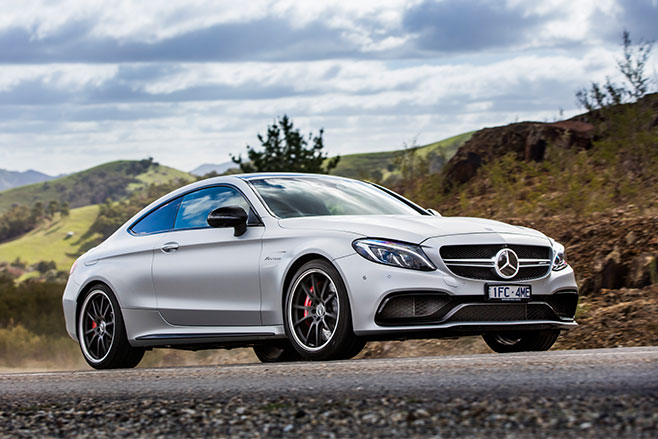
The car-maker may squeeze a little more grunt from the ‘standard’ 4.0-litre turbocharged V8 as a gesture, but a majority of the added performance will most likely be thanks to weight-reduction and a sharpened chassis.
Mercedes-AMG is remaining tight-lipped regarding the legitimacy of the report’s claims, but Mercedes-Benz Australia Public Relations and Communications Manager Jerry Stamoulis told Wheels that if the R is chalked for production, it was likely to be offered locally.
“The R formula for the AMG GT works and to see that in other AMG models is something we would welcome,” he said. “Any variant outside the 63 S, we know Australians love. C63 Black Series are still holding their current values”.
If other morsels in the report are to be believed, the new variant will bring a more aerodynamic body for increased downforce, larger wheels and carbonfibre wings and roof.
If it follows the lead of the AMG GT R in every way then expect to see a fatter exhaust, tricked-up interior and a lurid paint scheme.
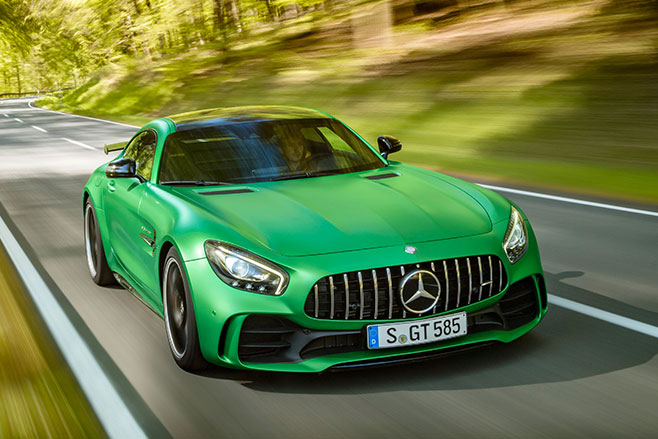
Exact rivals to the C63 R will remain unclear until more information regarding body styles surfaces. If the badge is applied to Mercedes’ coupe then BMW’s M4 GTS will be firmly in the rifle sights, where as a sedan version would go after the most potent versions of the M3.
An Estate wagon version seems unlikely at this stage, but it would bump gloves with Audi’s yet-to-be-made-official RS4 Avant and the BMW Alpina B3 Touring.
Local pricing would certainly exceed the current C63 S sedan and coupe pair which currently retail in Australia for $158,115 and $162,115 respectively before on-road costs, but let’s not get too excited until the C63 R is officially confirmed.
FORD GT drivers will have the benefit of five distinct drive modes, including a “V-Max’ setting for maximum straight line speed.
The V-Max mode is the fifth option after Normal, Wet, Sport and Track which adjust the GT’s aerodynamic, engine, chassis and transmission settings to suit the selected driving conditions.
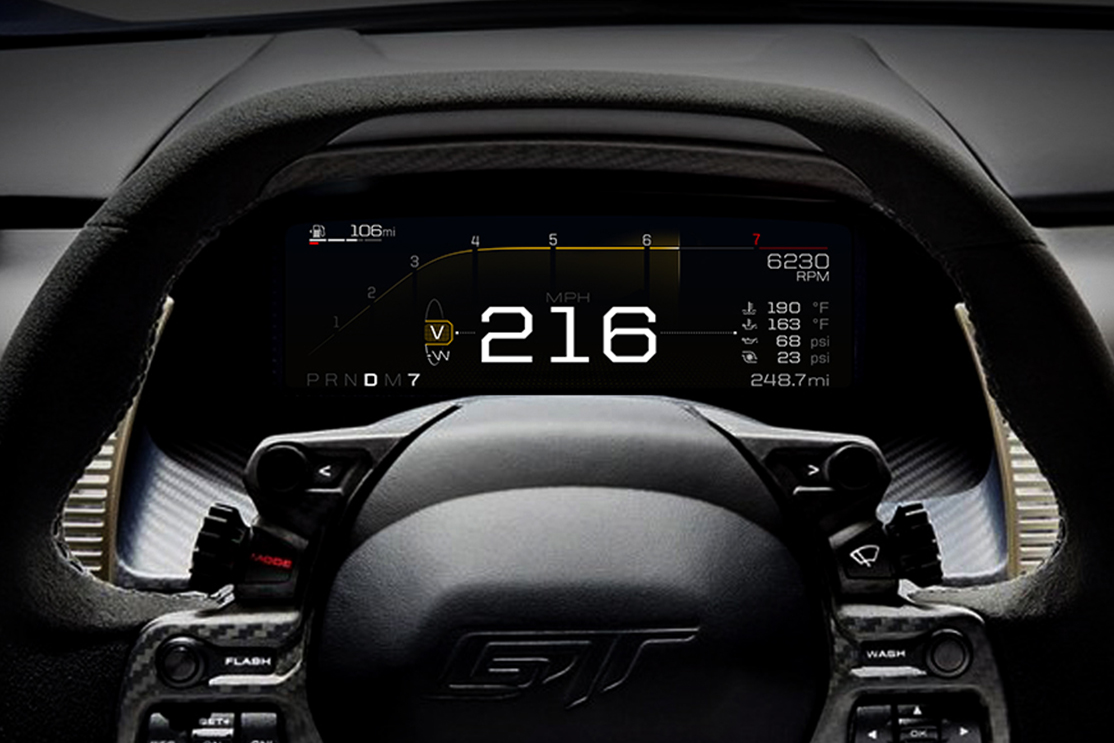
It has the same low suspension tune as Track mode, but with all aero elements retracted to minimise drag and stability control activated to reach the GT’s 348km/h top speed.
The system was derived from Ford’s GT racing program but has been further developed to suit all conditions likely to face a car designed to potentially be both a daily driver and track-day terror.
Ford insists the drive modes, selected via a Porsche-style steering wheel dial, are more than just simple set-up tweaks and are designed to enable drivers to easily make the most its performance characteristics depending on the style of driving they desire.
In Normal mode the GT’s ground clearance is set to 120mm to comfortably clear speed humps, potholes or driveway inclines. Throttle and transmission calibrations are configured for standard driving, and traction and stability control systems cannot be adjusted.
The rear wing deploys automatically in Normal mode for better aerodynamic stability at 145 km/h, returning to its stowed position at 130 km/h. The wing still deploys as an airbrake if sensors detect aggressive braking.
Wet mode is similar to Normal mode but adjusts throttle sensitivity to help drivers manage the reduced grip offered by rain-affected surfaces for greater traction.
Normal and Wet modes also have a Comfort option to soften the car’s ride on bumpy roads by adjusting compression and rebound in the dampers.
Meanwhile Sport mode adjusts throttle settings to sharpen response from the GT’s 470kW twin-turbocharged 3.5-litre EcoBoost V6 engine, also activating the anti-lag system that keeps the turbochargers spinning when the throttle isn’t open.
Stability and traction control settings become driver-adjustable using the AdvanceTrac system, allowing three additional settings. Slacker slip, yaw and oversteer parameters enable drivers to further explore the Ford GT’s handling and driving dynamics. Ground clearance remains 120 millimetres, and the Comfort option is deactivated.
Crave a more hardcore experience? Track mode is only recommended to use on smooth racetracks that allow for a lower ride height, and it puts the GT in the most focused posture possible. It can only be selected with the transmission in park and almost halves the ride height to a catseye-scraping 70mm. It also adjusts the suspension to its firmest setting.
The rear wing – complete with gurney flap – deploys permanently, and the aerodynamic openings in the front close for maximum downforce. All of this happens in less than two seconds.
In V-Max (maximum velocity) mode, every setting is tuned to make the Ford GT go as fast as possible. Ride height is 70mm as in Track mode to keep air from spilling under the car and generating lift, but all aero elements are stowed to minimise drag. Stability controls remain active to help ensure the car moves forward in a straight line.
The Ford GT also features an advanced, yet easy-to-use launch control system that provides optimal traction for the perfect launch every time. Designed for track use, it’s available in all modes except Wet.
The bad news? Us Australians will never get to sample the GT’s delights on these shores.
