For the revered, decade-old GT-R’s recent refresh, Nissan focused on making its much-loved, supercar-scaring coupe easier to live with – rather than just a more potent performance car.
Both the interior and exterior have been revamped and the once cantankerous dual-clutch transmission has never been so behaved. In trying to give Godzilla more manners, Nissan has been successful, creating the most comfortable, daily-driveable R35 yet.
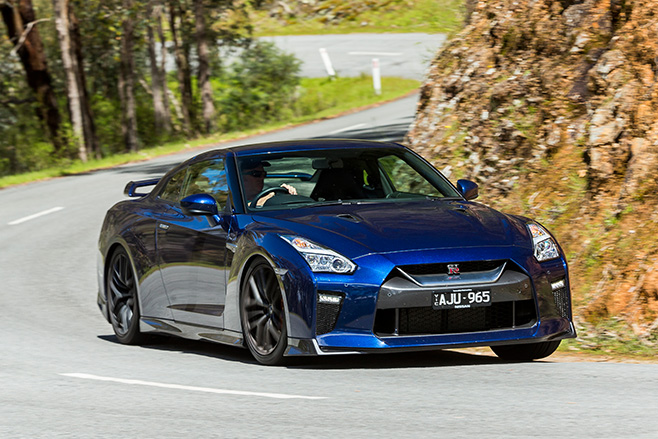
Well, it’s certainly not wanting for speed. Though power and torque are up ‘just’ 15kW/4Nm – the mighty VR38DETT now belting out 419kW and 632Nm – Nissan really didn’t need to give the base GT-R a million extra kilowatts when plainly it was already fast enough for most customers. Its as-tested 0-100km/h time of 3.2sec is utterly mental, the GT-R’s all-wheel drive traction and launch control helping it best the 488 and Huracan – keeping in mind, for the cost of one LP580-2 you could have exactly two new GT-Rs.
As ever, launch control in an R35 remains a compulsory bucket list item – it is simply brutal, and all the more impressive remembering this is a car that weighs 1765kg – more than a base SS Commodore.
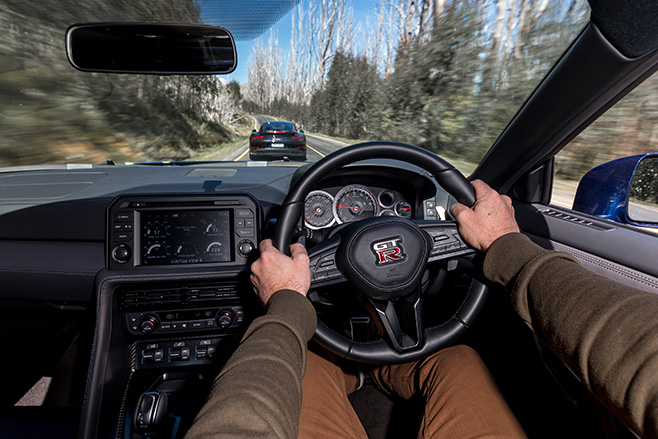
In the dry, the GT-R also still demands a lot of concentration. Tyre temperature is a variable but again there’s the fact this is a big car you don’t want to get away from you. On a really tight, twisty road it can feel a bit cramped, but on the more open stuff it covers ground ridiculously fast, even if sometimes in a more brutally-efficient than laugh-out-loud fun manner.
There really isn’t one reason why the GT-R didn’t finish higher up other than the fact it’s just not the establishment-disrupting sports car it was when launched 10 years ago – and despite the updates, it’s starting to show. While the GT-R is still crazy fast, terrific value (even with a recent $17K price hike) and now more comfortable than ever, relying on sheer brute speed alone will only get you so far. Ultimately the GT-R needs to learn some new talents if it wants to continue playing with cutting-edge performance cars like those it’s up against here.
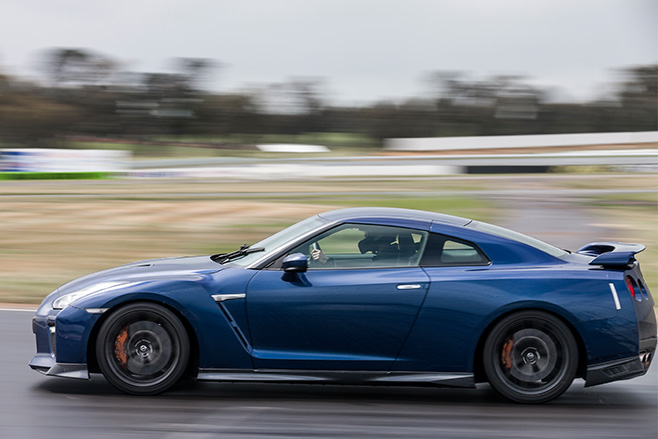
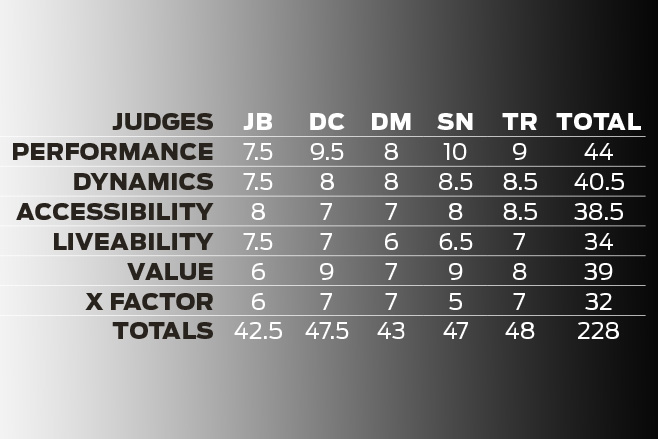
JUDGES’ RANK DAVID MORLEY: =6th Concept ain’t new but little tweaks over the years have kept it current. And quick.
DYLAN CAMPBELL: 5th Bulls**t fast but you get the feeling if it could replace you with more computer, it would.
SCOTT NEWMAN: =4th You judge it against the supercars then realise it’s a third the price.
TIM ROBSON: 8th Still a savage disguised with electronics, but starting to show its age.
JOHN BOWE: 11th Very underwhelming, I expected it to shine, it didn’t.
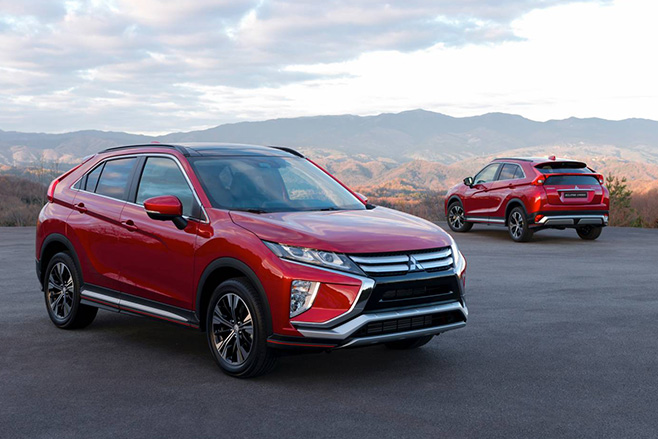
THE Mitsubishi Eclipse Cross, the Japanese carmaker’s all-new compact SUV, has been revealed ahead of its Geneva Motor Show debut – and late 2017 arrival in Australia – but without a plug-in hybrid (PHEV) version.
Based on the audacious 2015 XR-PHEV II Concept, the Eclipse Cross features subtle takes on its front-end treatment shoulder line and stepped tailgate but with just petrol and diesel powertrains under the bonnet, and only one battery.
Both powertrains are linked to an electronically controlled AWD system – it’s unclear if a FWD-only version will be available.
With a name taken from the now defunct Eclipse compact sports car sold in the US between 1989 and 2012, the Eclipse Cross joins the Mitsubishi SUV line-up that includes the ASX and Outlander soft roaders, and the 4WD Pajero Sport. Mitsubishi will also soon add an updated version of its Outlander PHEV to local showrooms.
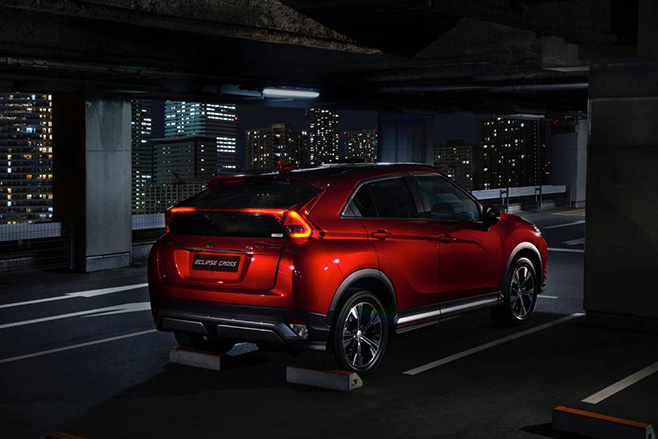
Its wheelbase and track are the same as for the Mitsubishi ASX. However, exterior dimensions are stretched by several centimetres, which should result in more leg- and head-room despite the sloping roofline.
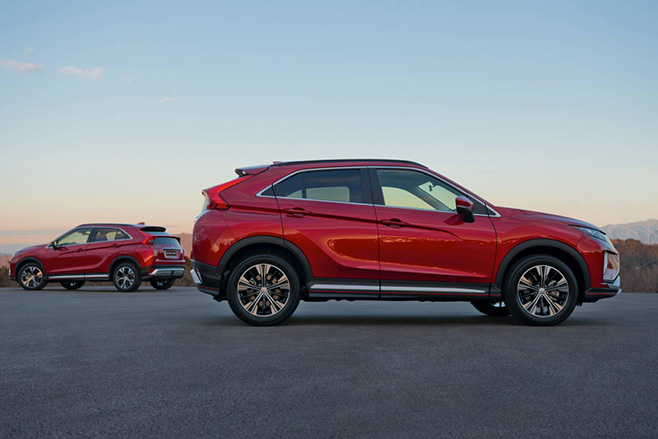
The sharp coupe like design is a departure from the dated ASX aesthetic, and is distinguished by its distinctive beltline, sharply angled tailgate and a short overhang.
Mitsubishi claims the Eclipse Cross will have exceptional handling characteristics thanks to a rigid body and an active yaw control system that manages torque feed and brake force to individual rear wheels as required.
THE stirring sound of ferocious, fire-breathing V12 engines will ring around the hills of Sant’Agata for a lot longer, the head of Lamborghini has confirmed.
Stefano Domenicali, the chief executive of the sports car brand, confirmed to Wheels at the launch of the V12-powered Lamborghini Aventador S in Valencia that the engine would remain a staple of its flagship supercars for the foreseeable future.
“The V12 still has a longer life than what people are expecting. V12 is still alive, and to be extended. That is part of our tradition and heritage. We see the future of the V12 as still important,” Domenicali said.
Lamborghini has become synonymous with high-revving, free-breathing V12 powerplants, having had at least one in its line-up since the 1966 launch of the 3.9-litre Miura. Domenicali’s resolute commitment to the aurally superlative engine bucks the supercar trend of downsized turbocharged drivetrains.
“We want to be different. We are Lamborghini. If we follow the route of the others, we would never be different,” he said.
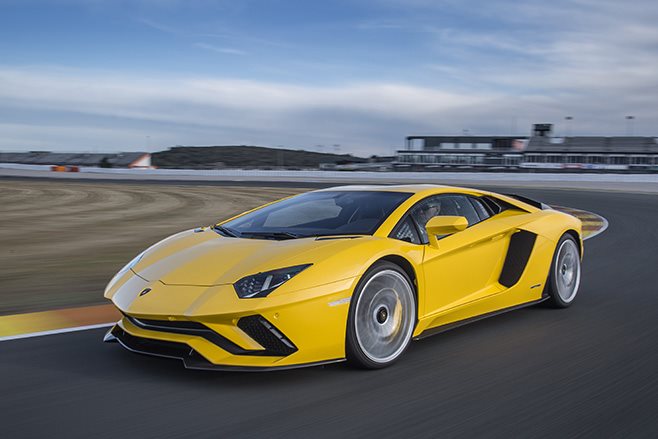
“As a mindset we are already working on what could be the future of it.”
Lamborghini’s position within the Volkswagen family works to its advantage when it comes to European emissions regulations that could otherwise put an end to the current fuel-guzzling 6.5-litre V12 and its 16.9L/100km economy figure.
“We are part of the group so we can be considered within the allocation of CO2. With our numbers we don’t see a realistic issue in the short term,” he said. “We will work on our V12 to be part of the future.”
Lamborghini’s short-term strategy to mix hydrocarbons and electrons for its more accessible models may pave the way for a hybrid system in its halo car, which could help the V12’s survival.
However, Domenicali’s open mind about the use of electrons in Lamborghini products stops short of an all-electric vehicle, for now.
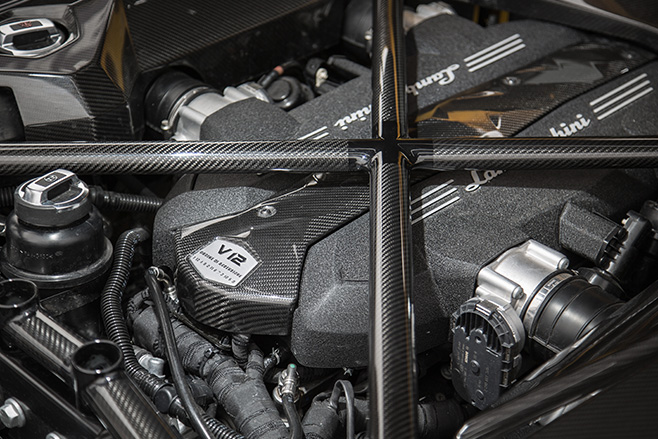
“With the V12, we do believe that electrification can be complimentary to the V12. Can you see a total battery electric vehicle with Lamborghini? Not now,” he said.
“We want to make sure that the characteristic of performance that is in [Aventador] will be confirmed with new technology. So far I don’t see that possible, at least in the next eight to 10 years.
“With the [Urus] that’s a different story. The second engine of the new SUV will be hybrid. This is the right way to go, no doubt about it.
“[Lamborghini] is not against the technological revolution, it has an attention to this revolution. As soon as it matches the characteristics needed to be a Lamborghini, then we are ready to discuss.”
The first engine in Urus will be a Lamborghini-developed version of the 4.0-litre twin-turbo V8 rolling out to the wider VW Group.
The Lamborghini Aventador S is the only V12-powered product in its current line-up. It produces 544kW and 690Nm, and costs $789,425.
It doesn’t seem to make much sense on the face of it.
Why would HSV go to all the trouble of sourcing a completely different engine for the GTSR W1, merely for the sake of an extra 39kW/74Nm?
The decision makes even less sense when you consider the production process requires the LSA engine be fitted in Holden’s Elizabeth plant only to be removed and replaced with the new LS9 engine when it reaches HSV’s Clayton headquarters.
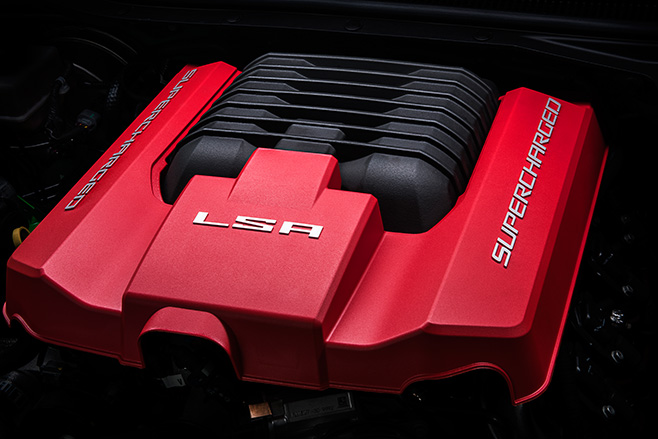
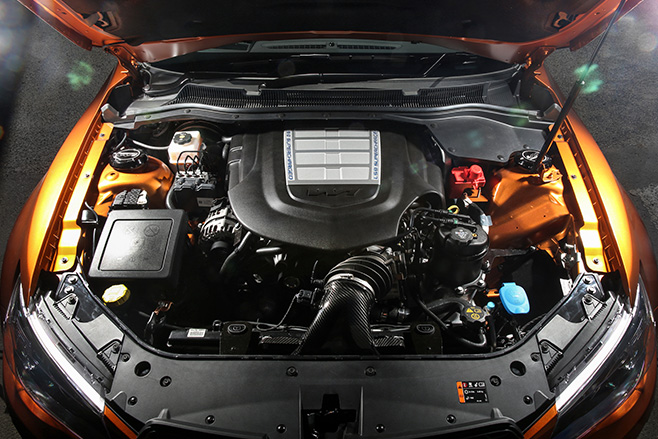
While the LSA and LS9 engines look similar on paper, dig a bit deeper and you’ll find that the 474kW/815Nm LS9 is a very different beast, with plenty of modifications which make it clear why HSV went to the effort of scouring the US for enough units to fulfil the W1’s expected 300-unit build run.
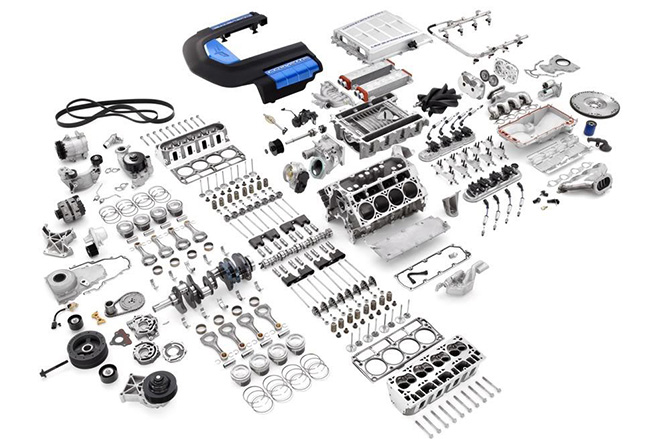
Now for the differences. The two were built in separate plants (the LS9 now having ceased production), with the LSA built in Silao, Mexico, while the LS9 came from Wixom, Michigan.
The LS9 uses a bigger 2.3L supercharger (LSA 1.9L), which allows for more boost. This means the LS9 requires stronger internals, making it safer at higher outputs than the LSA.
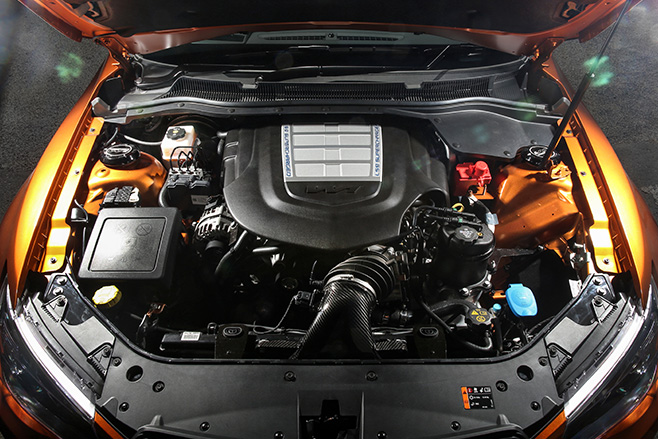
There’s also a more aggressive camshaft and dry-sump lubrication system, which allows the LS9 to rev to a maximum of 6600rpm compared to the LSA’s 6200rpm. Finally, a larger dual-brick intercooler cools intake charge much more effectively than the LSA’s single-brick unit.
While changing engines is an enormous amount of effort to go to, the LS9 can run more power more reliably for longer, which made it the appropriate choice for the GTSR W1.
Now that MOTOR March has hit stands online and in store, do you fancy a sneak peek of Australia’s favourite fast car magazine’s latest issue? Well, step this way…
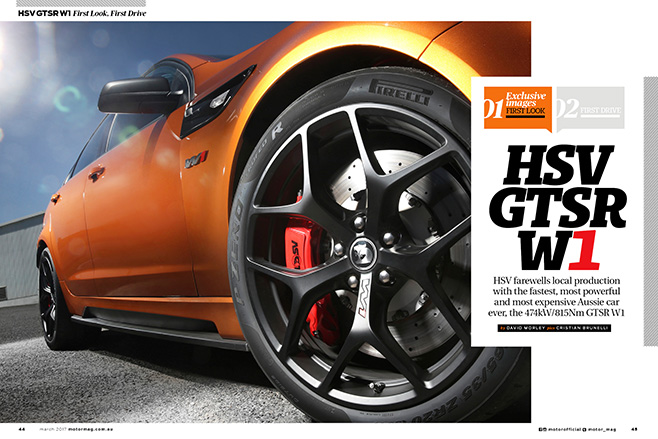
As the cover reveals, this month we crawl over HSV’s GTSR W1 – the fastest, most powerful and expensive Australian car – and unleash its 474kW/815Nm at Phillip Island.

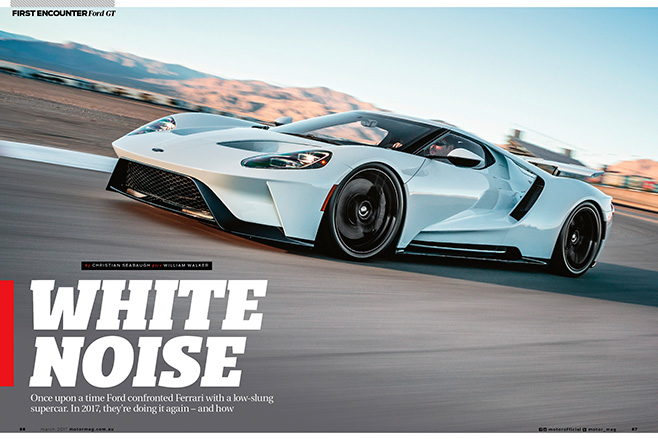
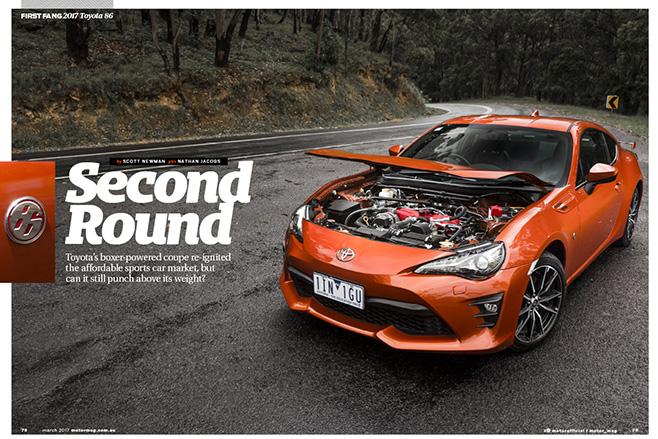
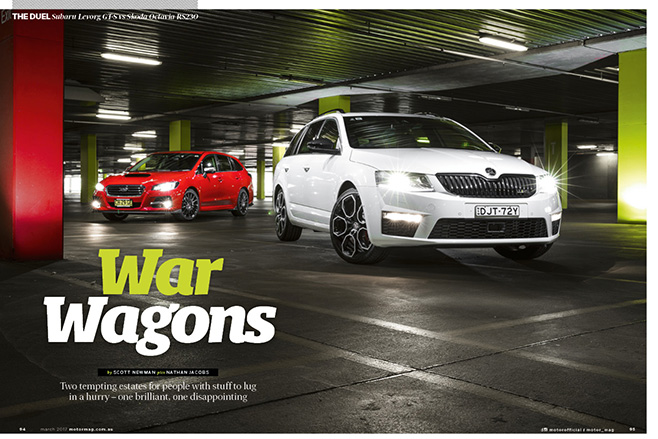

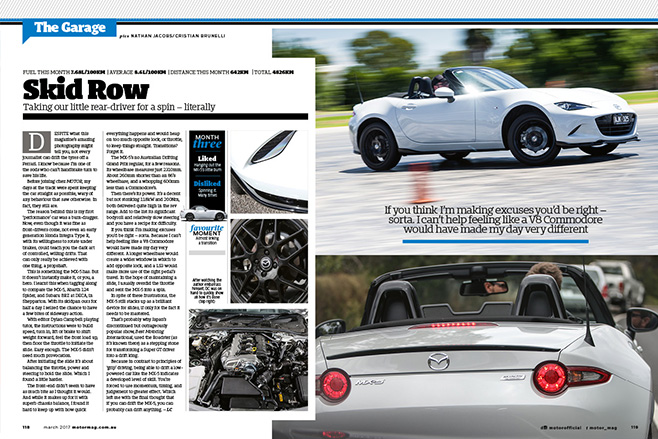
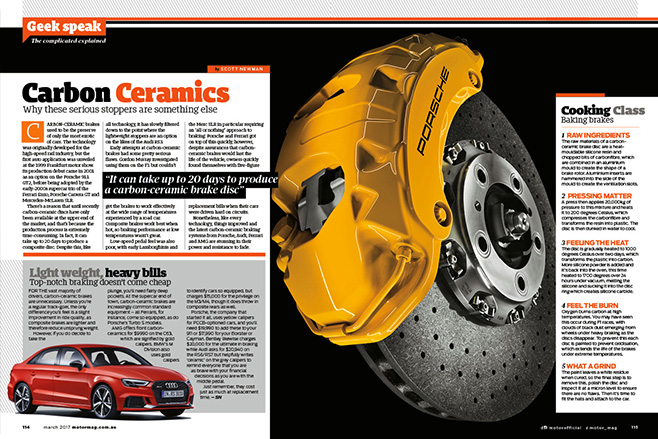
Anyone can wield a camera, but there’s a definite art to photographing cars well. But you don’t necessarily have to be a pro to take great shots, nor need all the expensive camera gear – good technique is the key. Here are some tips on snapping your car to sell, frame or show off on social media, whether you’re using a megadollar digital SLR or the camera in your smartphone.
Background
Photographer Nathan Jacobs, who shoots cars for magazines such as Wheels, Motor and Street Machine, says location is just as important as the car. He prefers a “nice clean and interesting location without too much clutter or distracting features”.
Rather than shoot your car in your driveway or a shopping centre car park, take it somewhere a little more visually interesting. The seaside can work if the crowds aren’t too thick, while industrial areas are quiet and traffic-free on weekends.
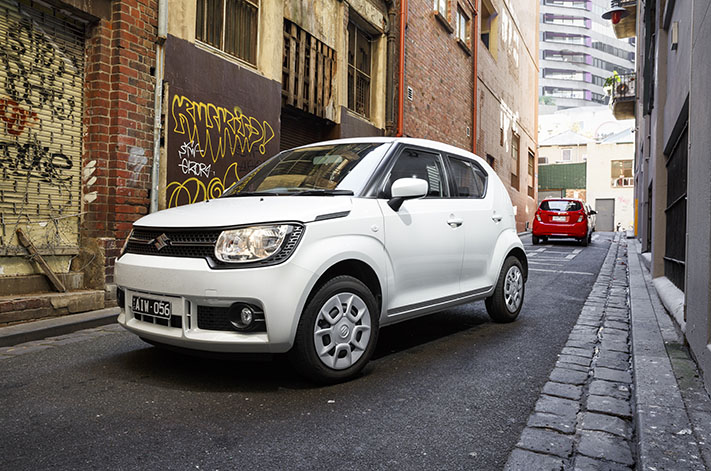
Go for a quick drive out of town where the wide open spaces of regional Australia also make for a photogenic setting. Think of how the background suits the car’s colour and character too – your compact hatch might look a bit out of place on a twisty mountain road.And watch for things such as awkward objects sticking out from behind the car. Nothing ruins a shot quite like a telephone pole jutting out above the roof of your vehicle.
Light
“If the sun is out, make sure it’s behind you for even lighting,” says Jacobs. “Overcast days provide even light, which can make it easier to get a nicely exposed photo.”
The time of day is also important with cars tending to look best in the early morning and late afternoon, when the light is more diffused and shadows are longer. Photographers don’t call the hour around sunrise and sunset the “Golden Hour” for nothing.
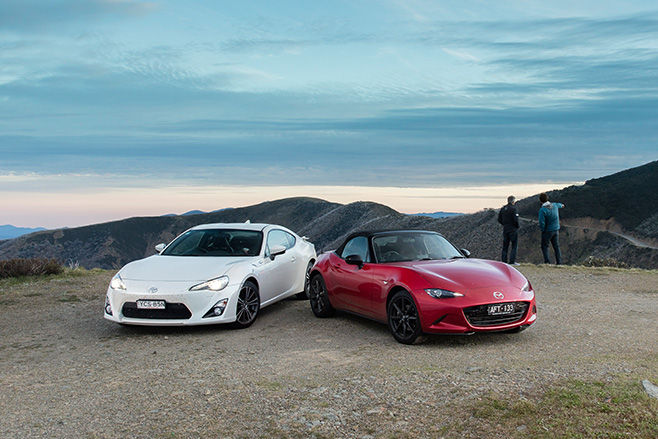
Watch out for unsightly reflections on the car, too. Positioning your car under trees on a sunny day will only result in dappled light ruining your photo.
A lens hood can help when shooting on a bright day – your hand can do the trick if using a smart phone. It helps prevent lens flare, which blows out parts of the frame as stray sunlight refracts through the lens’ glass elements.
Move the car back and forward in the available light until you see it pop and sparkle from where you’re taking the photo; that’s your best angle.
Angle
Choose a different viewpoint to make your photos more dynamic. Holding the camera at eye height is a big no-no. “Everybody knows what a car looks like from standing height.”
Instead, Jacobs recommends getting down low or up high to get different vantage points to add interest. Drop down to one knee – that point of view is more flattering to a car’s form.
Bring the car alive
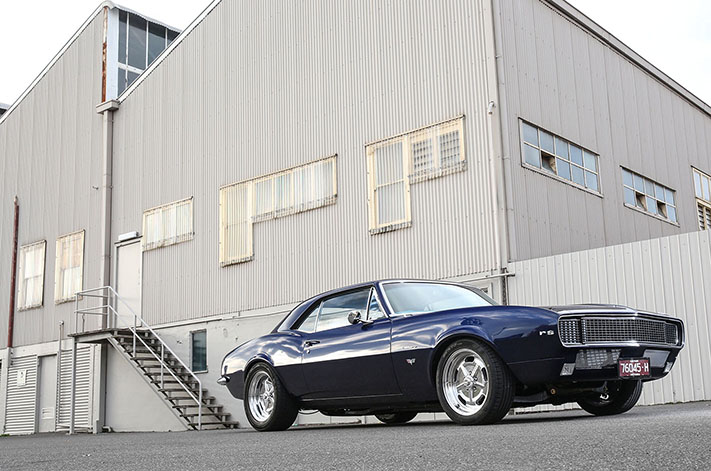
Even if a car is stationary you can make it look a little more dynamic by turning the front wheels a little so it looks as though it’s turning away from the camera. Turn on the parking lights, fog lamps or daytime running lights if fitted – though keep in mind that bright lights shining directly into the lens can cause lens flare.
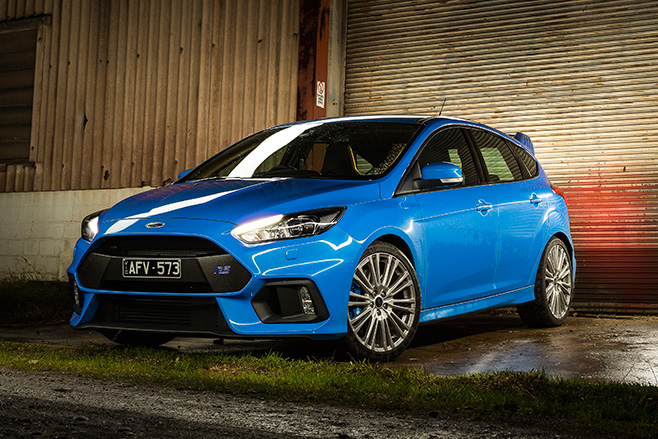
Give the car some room
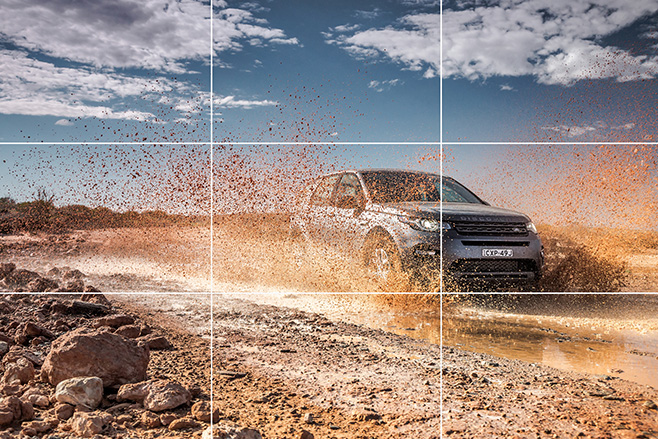
If shooting a wide shot of the entire car, give it some space in front. A great idea is to use the rule of thirds, which divides the frame into nine squares with two horizontal and two vertical lines (like noughts and crosses). Centre the picture in the middle of a line or where the lines intersect. This works especially well with shots of moving cars to make the car look as though it’s moving in or out of the edge.
Another good thing about shooting this way is it allows a shot to be cropped for different social media situations such as landscape for Facebook and square for Instagram.
Interior shots
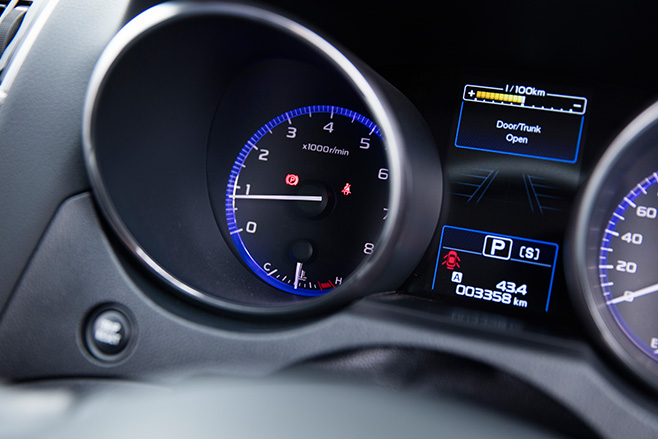
The above lighting rules are important here. Make sure the car is in even light, preferably in the shade to highlight all the illuminated gauges and switches. Avoid using a flash – that’s a pro technique that requires the right (read: expensive) equipment. Want to make your life easier? Shoot your interior on an overcast day – the light is perfect.
Light is also a great revealer of dirt so ensure you dust out all nooks and crannies. It kinda goes without saying, but make sure you clean out all of those old chocolate wrappers and drink bottles, too.
Align the car seats so they are evenly positioned, and lower all the headrests to be consistent.
Clean car
Unless you want the car to be dirty – 4×4 owners, we’re talking about you – ensure the car’s paint work, wheels and glass are sparkling clean and free of obvious blemishes. Also ensure there are no distractions on or in the car itself – keep the dashboard and parcel shelf clear, roll up windows and fold up the sun visors.
Motorsport lost a legend in 1982. Twenty years on, Gilles Villeneuve is remembered at the track where he achieved immortality.
First published in the August 2002 issue of Wheels magazine, Australia’s most experienced and most trusted car magazine since 1953.
May 9 is Ascension Day. Christians hold that, on this day, the crucified Jesus was carried in Elijah’s chariot, pulled by horses of fire, in a whirlwind to the Throne of God. Ascension Day symbolises Jesus’ departure from his human limitations, and his arrival in the eternal life of the gospels.
On May 8, 2002, I stood in a Belgian forest, alone but for the tall trees, looking across 11 metres of lonely asphalt. Exactly 20 years earlier, in the final 10 minutes of qualifying for the Belgian Grand Prix, Gilles Villeneuve’s Ferrari 126C2 had howled past the pits about half a kilometre behind me, passing the ‘In’ board held out by Ferrari F1 team manager, Mauro Forghieri.
At 1:52pm, travelling at some 225 km/h down the hill to my left, the Ferrari clipped the rear wheel of Jochen Mass’s cruising March. In the ensuing whirlwind that took place right in front of where I now stood, the great French-Canadian – the last true Ferrari driver, the last racer’s racer, a 32-year-old bloke with two young kids – began his eternal journey.
Twenty years ago, I heard the silence, felt the blackness in my gut, across a space as wide as the world.
It was a big year for me, too: In February of that year, aged almost- 19-and-a-half, I had started a career in journalism on Racing Car News magazine. One of my jobs was to write grand prix reports (though it was another three years before I went to a GP), by taking notes from the television broadcast, then filching details from the European magazines that arrived two Tuesdays later.
Having only a black and white TV myself, I was compelled to regularly ask a tall, fair-skinned girl named Virginia, with black hair and dark eyes, if I could watch GPs late at night in her apartment in Coogee. No trouble, she said: she had no interest in Formula One, and even less in me.
I honestly can’t remember if I heard about Villeneuve’s crash during Sunday, or whether I saw the footage a few hours before the Belgian GP telecast, on the six o’clock news. Certainly, it was on Virginia’s television, in her ground-floor flat, with the yellow lounge chairs and the brown bean bag and a cat whose name I forget.
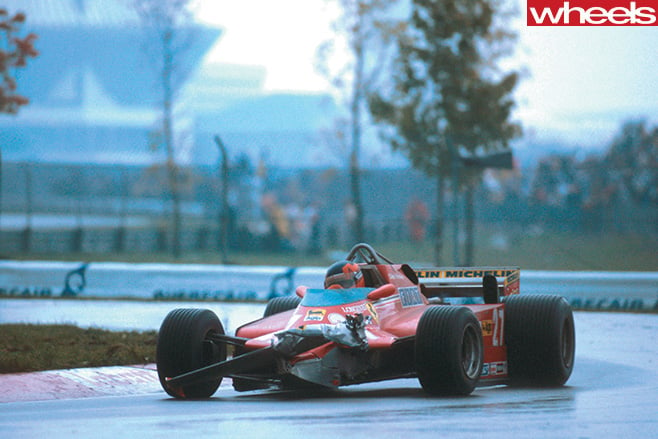
Zolder is about 70km east of Brussels, in the Limburg province, at exit 27 on the E314. The circuit is set amid stands of pine trees, whose slender, tan trunks and yellow-green foliage have an almost luminous quality under the Euro-grey sky. The pretty, rural 4.0km circuit hosted its last F1 grand prix in 1984. That race, somehow fittingly now, was won in Ferrari number 27, by Michele Alboreto.
Driving out from Brussels, you pass the turnoff to the town of Leuven. It was to a hospital in Leuven that Villeneuve was taken by helicopter, just 11 minutes after the crash. He was artificially kept alive until his wife, Joann, could be brought from Monaco, where she and their two children – Jacques (11) and Melanie (8) – had remained for Melanie’s holy communion that day.
Eerily, this was the first grand prix that the Villeneuves hadn’t attended together as a family.
I had stopped the previous day in Leuven, at the giant UZ Gasthuisberg hospital on the hill, to ask if that’s where Gilles Villeneuve had been brought. It’s one of three hospitals in Leuven, all within two kilometres of each other. None of the reception staff had heard of Gilles Villeneuve; well, they weren’t working here 20 years ago. In any case, it was explained to me at each hospital, they’re not allowed to divulge patients’ records.
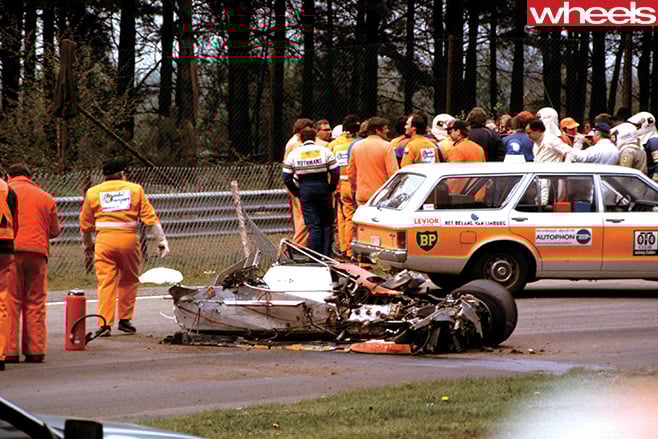
stayed.”‘ At which, she stifled a laugh: “Madonna? In Leuven?”
“My past is scarred with grief … father, mother, brother, sister, wife … my life is full of sad memories. I look back and I see my loved ones … and among my loved ones I see the face of this great man: Gilles Villeneuve.” – Enzo Ferrari
Only one Ferrari, a gunmetal-grey 500 Maranello on Belgian plates, passed me on the long, sooty motorway to Zolder. When I arrived at 11 o’clock, the circuit was clearing up the clutter from the previous weekend’s DTM German Touring Car round, but my eye was caught by a yellow poster that read: ‘Ceremony – Memorial Gilles Villeneuve 1982-2002.’
“Who will show up, we will see at 12 o’clock,” shrugged Walter Goossens, Zolder’s friendly and enthusiastic marketing manager, who explained that the circuit and two Belgian Ferrari clubs had organised a small commemorative service. It would include the unveiling of a new memorial plaque at the site of the crash, long since named the Gilles Villeneuve chicane. (Canada’s GP circuit in Montreal, and a corner at lmola where Villeneuve totalled his Ferrari in 1981 without suffering a scratch, are also named after him).
Along with the 50-odd car club people who did turn up, we just had to wait until midday, when the driver training classes paused for lunch, before we could walk over there. I found the guy in the reddest-looking Ferrari jacket and introduced myself. He was Giulio Giulietti, secretary of the Ferrari Club Genk. He was here. Not just now. Back then.
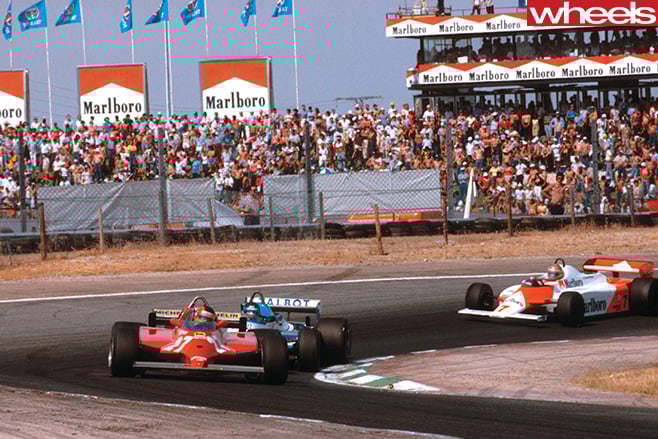
“After some minutes, the security gave us more information, and we knew very quickly that it was very bad … We knew by 3.00pm that Gilles was dead, but you can’t make the announcement of these things.”
The clubs, and Zolder circuit, had invited Jacques Villeneuve today. Nobody had expected him to come, but he had at least replied. “He isn’t involved because he has his way of life,” Giulietti said. “He doesn’t want too be remembered as the son of Gilles, he has his own life to go.”
Zolder had, in 1984, erected a monument to Villeneuve in the pit lane – a monolith of marble, with Gilles’ helmet and a small statue encased in glass. It was, however, removed by the previous circuit management in 1995. lts major elements are now in the private museum of long-time Belgian Ferrari distributor Jacques Swatters.
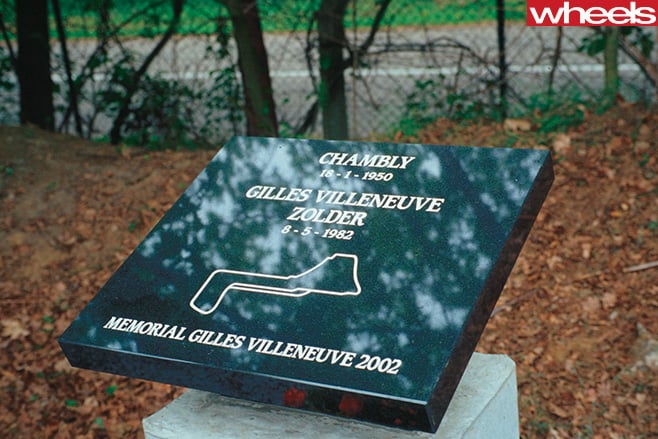
‘The new management missed the statue of Villeneuve,” Goossens said. “So we have decided, 20 years after, to install a new monument, a new memorial plate. This will be kept in honour, together with a new monument we will unveil at a Gilles Villeneuve Memorial race meeting in June (22-23). It will be a life-sized artwork, based on the characteristics of Gilles Villeneuve, that will be placed in the paddock area so that all the people can see it there.”
Trevor and Jacquie Green had left Milton Keynes (“it’s near Silverstone!”) at sparrow’s this morning, and were driving back this afternoon. That made it three visitors who weren’t members of the Genk or Charleroi Ferrari Clubs. Mind you, both clubs seem to suffer a paucity of actual Ferraris; the only exotica in the otherwise unremarkable car park were a new 360 Modena, a weathered 328 GTS and an Alfa Romeo SZ ‘Mostro’.
Jacquie wore a T-shirt bearing the image of Gilles’ helmet. The Greens, late-30ish, had hearts that were pure. “We came here just to pay our respects to the guy,” Trevor said. “He meant a lot to us when we first started watching F1, basically he brought us both into F1 … he’s a long time gone, but everyone still remembers him.
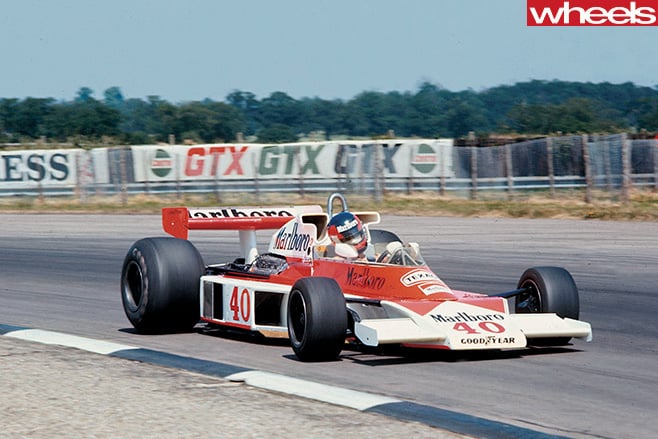
“I mean, Gilles made F1 for five seasons. You look at those years – when he started in 1978, he blew people away in a McLaren that was three years old… He sat in a car that James Hunt couldn’t drive, and he drove it around Silverstone and blew ’em away… The guy never gave up.”
What were you two expecting to find here today? Jacquie: “I wasn’t sure whether there’d be thousands here or maybe, 10. One or the other.”
Trevor: “When we got hold of Walter, and he said there’d be a small press conference, then we walk over and dedicate the new memorial, I thought, ‘Great.’ That’s all you really want. Some recognition of what the guy really was, and what he held up.”
Just after midday, we tailed Goossens and the group of car club people to the back of the pits, entering the circuit at the back chicane. We walked up a gentle rise, the pedestrian bridge spanning its crest, and suddenly the line of the trees and the land gently falling away just-so and the stupidly thin-looking ribbon of track spilling fast and down and away to my left … immediately I knew it, and now I saw it as he had seen it.
My stomach sank, standing there, as I understood that all the algorithms in the world probably would not have delivered a different outcome from the one we got on May 8, 1982. Thirty metres before or after – half-a-second at 225 km/h – there would have been a right and a wrong. But the two cars’ trajectories coincided precisely where, for both drivers, the choices of moving left or right are equally valid.
Both moved right.
I watched them unveil the memorial plaque, a subdued affair in dark, polished granite, and saw the accountants and salesmen and lawyers and tyre retailers pose for photos and give three cheers for a man, a brave and gifted man, they were claiming as a lost brother.
But then , what was I doing there , if not to own some of his glory?
By 1.00pm, all the Michael Marlboro merchandise had wandered off to the catered lunch organised in the conference centre. I had no place special to be; on May 8, certainly no place more special than here. Disturbed by nothing but the sound of wind, and the dark vision of a Ferrari climbing into the air, I crossed the track before the driving school cars came out, and I waited.
At 1.52pm on May 8, 2002, at the site of the crash that claimed one of the most gifted and loved drivers in Formula One history, there was just one person. I suppose I’d hoped it would be like this. I had leaned against the Armco fence by the woods, pondering the 32-year-old man’s death, honestly hoping to feel something special other than respectful sadness – hoping to be touched by a spirit.
Instead, I heard a noise behind me and turned around to face … me. Taller, fairer-skinned, but the man who had appeared through the trees and had paused there, looking back at me, was of a similar age, similar build, similarly balding – and similarly, here at this place and time.
Armand, an IT technician, had taken the day off work to drive down from his home in northern Holland. In 1982, when he was 17, he lived in Maastricht, just half an hour away. And on May 7 that year, he was here.
“I saw him on the Friday, for the last time … Saturday, we couldn’t go because my father was ill, but I saw it on TV. I was quite shocked, I tried to come here as quickly as possible, but it was too late.”
Armand has come back on every fifth anniversary since, always at 1.52pm. He thanked me for being there. “The last time I was here, I hung up a Canadian flag, but there was no-one else. I have been a few times, and I was always alone. That’s Formula One – they forget the whole thing…
“I have a lso been in Berthierville (Quebec), especially to the Gilles
Villeneuve museum, and to visit his grave. I think it’s an empty grave,
in Berthierville. I think he was cremated and Joann has the ashes, but they still have a grave for him. But you have to search for it, and the grave of him is next to a factory, so it’s very sad.”
Armand was happy to hear that, at Zolder, Gilles had a new monument, one that was promised to last for years and be cared for and respected. He said he thought there were now two generations of Formula One fans. I said there were probably about 10, each united by a driver – Fangio, Clark, Lauda, Senna – who dominated and defined their era.
For two strangers from opposite sides of the planet, Gilles Villeneuve had captured a time, a place, a mood. Coming to Zolder, we realised, had been about celebrating a life that is unique and irreplaceable: One’s own.
Laps of a racing god
Five races that made Gilles Villeneuve a legend
TROIS RIVIERES FORMULA ATLANTIC 1976
As far as the few in Fl who had even heard of him were concerned, Gilles Villeneuve was a hick in an outback championship. Then, at the tail end of 1976, world champion elect James Hunt guested in the North American Atlantic Series’ big event- as team-mate to the Crazy Canuk who had won virtually every race that year. Hunt tested and practised hard, and was second quickest. But still 0.5 seconds off Villeneuve. Hunt requested that they might swap cars for the next session. They did. This time Gilles was 0.8 seconds quicker. He won the race, too, start to finish. Hunt went back to Mclaren and told ’em he’d just found the fastest guy he’d ever seen.
ZANDVOORT 1979
A three-wheeled wrecker, shredding rubber, then sparks, then whole chunks of wheel rim as Gilles’ flat-refusal to concede defeat ever overruns ‘game-over’ reality.
His crazy ride back to the pits has become a freeze-frame moment encapsulating the man’s spirit. Some have also sought to use it to tag him a rock ape. But that’s to misunderstand the image. The Ferrari became damaged not through driver error, but from a tyre blow-out that spun him out of the lead. A lead, what’s more, that he’d taken from Alan Jones’ Williams – a more modern car with heaps more downforce – by passing him round the outside of Tarzan corner!
WATKINS GLEN 1979
A drizzly Autumn day in New York state was the backdrop as Gilles again engaged Alan Jones’ faster Williams in unlikely battle. Their duel took them a whole lap clear of the field. As the track then dried, Gilles stopped for slicks and caught Jones so fast that Williams called their man in for a tyre change, too – then forgot to bolt up one of his rear wheels, leaving Jones ditched at the end of the pit lane. With more than 30 laps still to go, Villeneuve’s oil pressure began to drop alarmingly. He eased back, allowed others to unlap themselves, and sweetly nursed that baby home to victory. He could be velvet as well as brimstone.
MONACO 1981
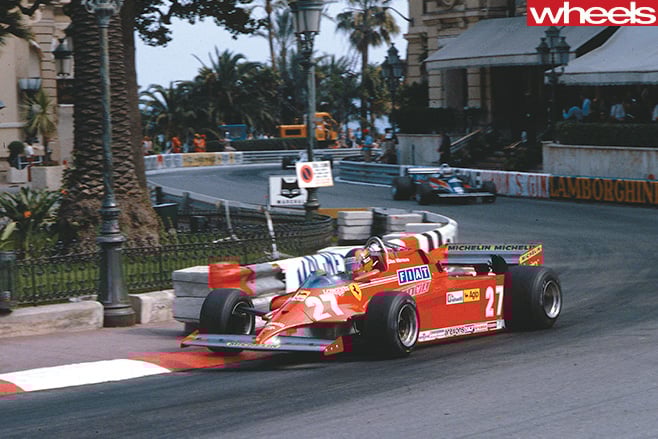
lt was still early days for the turbos – they had only around 100 horsepower (75kW) advantage over a normally aspirated Cosworth DFV, but with the penalty of throttle lag – very bad news round the tight twists of Monte Carlo. Besides, the Ferrari chassis was woeful. Subsequent designer Harvey Postlethwaite later reckoned it had literally a quarter of the downforce of a Williams or Brabham. Didier Pironi, then one of the world’s very fastest drivers, qualified his 18th. So what was Villeneuve doing on the front row, outqualified by mere hundredths of a second by Nelson Piquet in an illegally light Brabham? Forget that Gilles then won the race. The miracle happened on Saturday.
JARAMA 1981
From seventh on the grid in a dog of a Ferrari he used to call his big red Cadillac, Gilles was second into the first corner.
Then Alan Jones spun out. All Gilles had to do now was hold five faster cars behind him for the full distance in a bucking bronco of a machine that was just aching to spit him into the gravel. Remarkably, he did just that. Not one single mistake, not a missed apex or locked wheel to allow in the tiniest bit of daylight. Victory in a car that should have struggled to make the top 10.
MARK HUGHES
IMAGES of the Range Rover Velar have leaked onto a Spanish website, revealing a more traditional SUV form than expected.
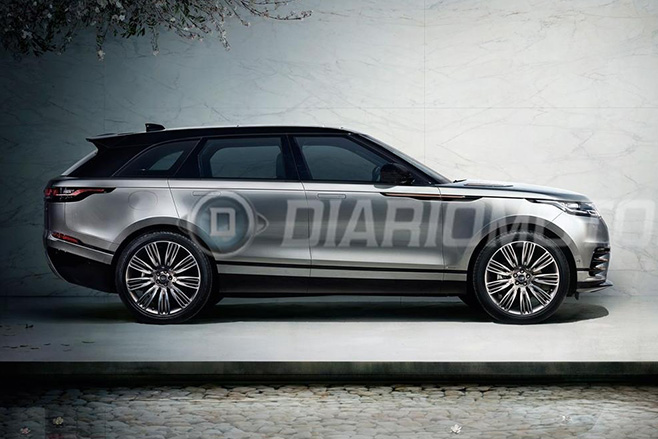
Positioned against existing ‘sporty’ SUVs such as the Porsche Macan and Mercedes-Benz GLC Coupe, the Velar’s bodywork appears more conventional with a traditional six-window side glass configuration rather than a fastback roofline.
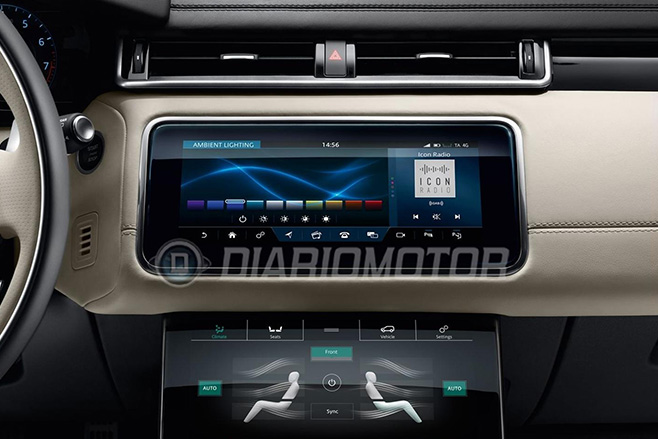
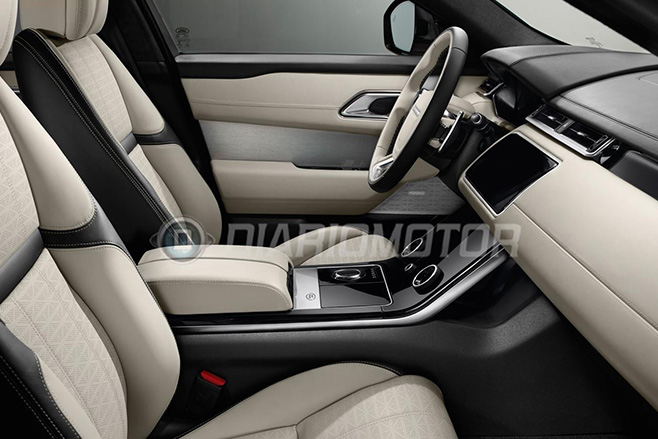
The leaked images give us our first good look at the interior as well. Traditional Range Rover design traits remain, but it’s the two centre console displays that have our attention. The top screen takes the form of a conventional infotainment panel, while the screen below it appears to be a touchscreen for the climate control system.
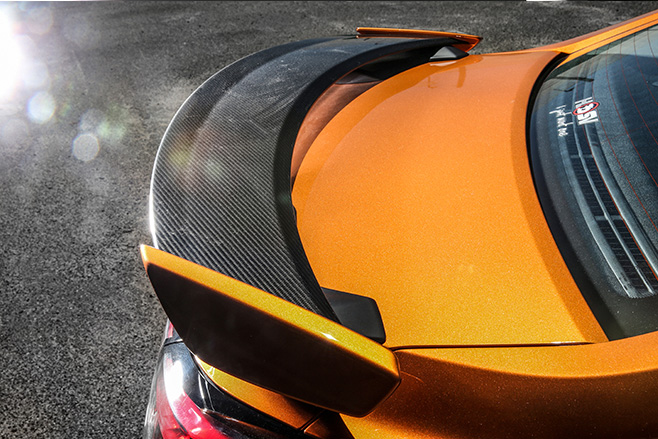
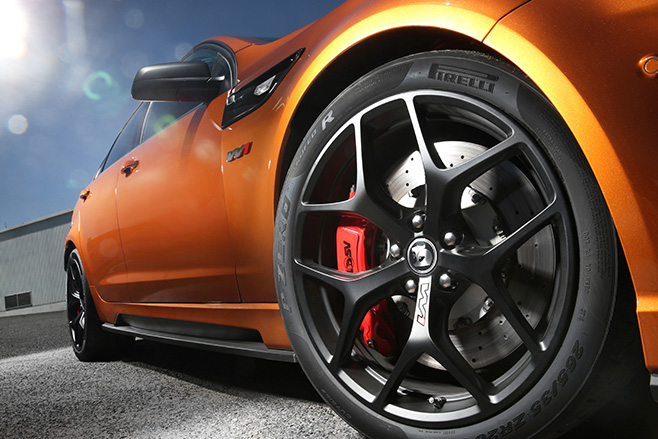
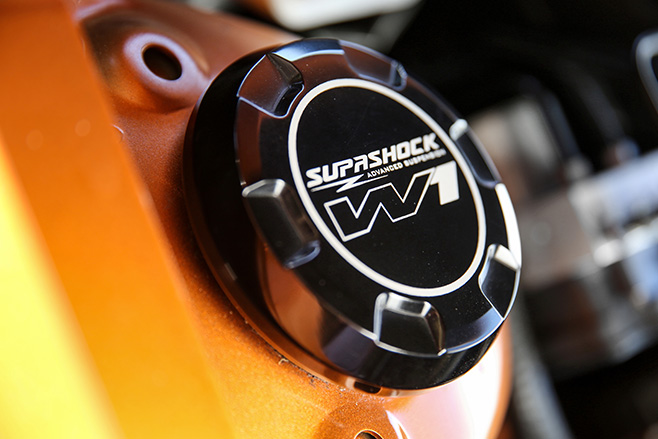
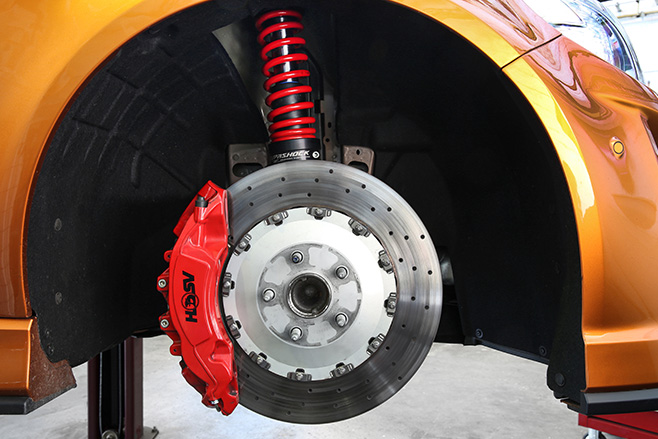
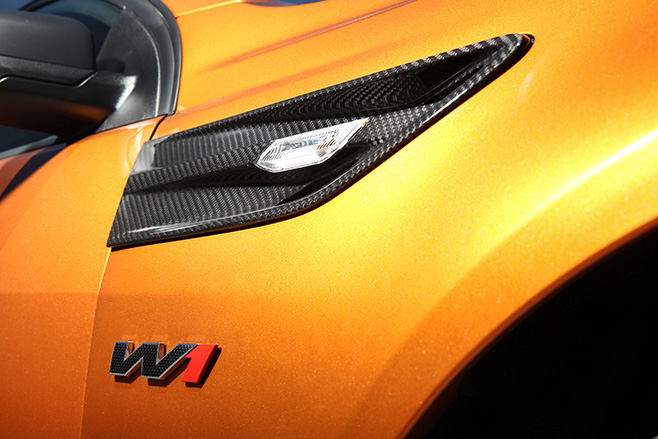
The new W1 might look almost identical to the regular HSV GTSR, but the level of engineering change under the skin is extensive.
Below are eight little details you might not have realised about HSV’s greatest locally-built model.
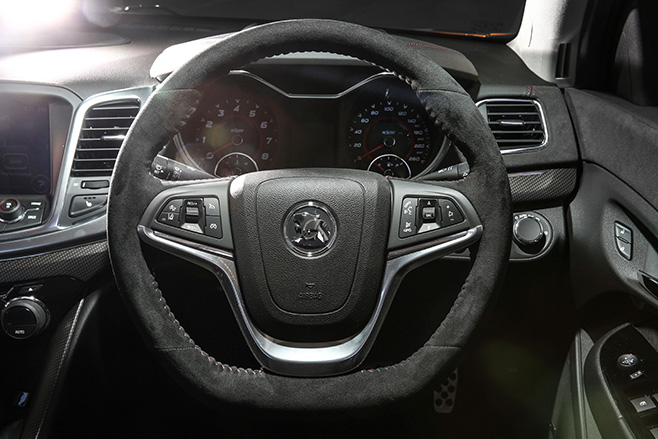
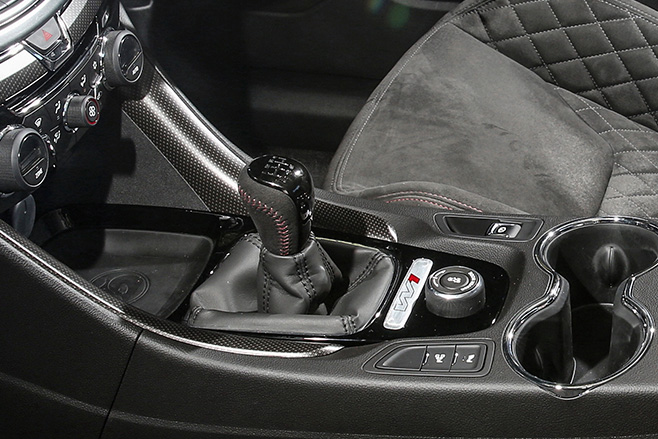
For reference the maximum in-gear speeds for the W1 are 1st: 100km/h 2nd: 142km/h 3rd: 189km/h 4th: 228km/h 5th: 279km/h 6th: 336km/h, though as with all HSVs top speed is limited to 250km/h.
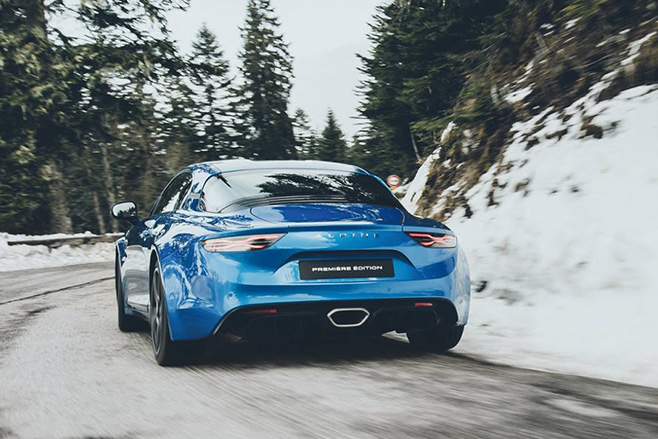
ALPINE, the boutique French sportscar brand, is just a week away from the Geneva Motor show debut of its first production car since the 1990s.
However, rather than wait, the now Renault-owned company has elected to whip the covers off early. Ladies and gents, say hello to the shapely Alpine A110.
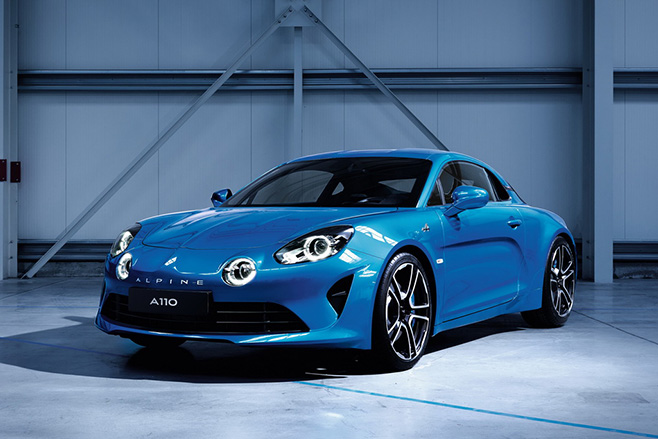
And it’s a fairly faithful homage to the original A110, a fibreglass-bodied two-door that was sold across the 1960s and ‘70s and achieved plenty of success on the rally car stage. Scope the scalloping on the side sheetmetal and you’ll see the resemblance – in case the silhouette and quad-headlamp arrangement didn’t first tip you off.
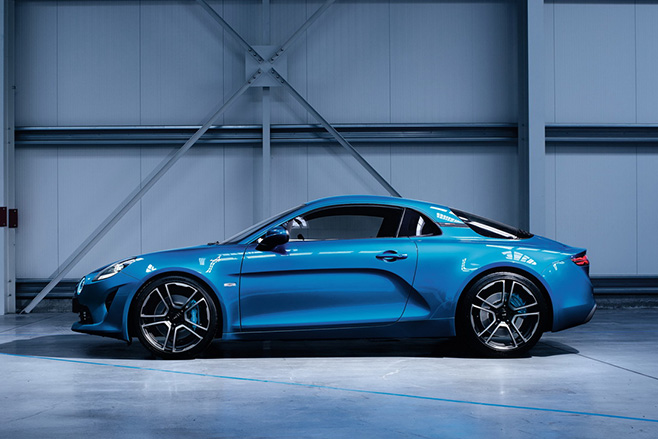
We do know that there’s an all-aluminium platform and bodyshell beneath that blue paint, and a sizable brake package with fixed four-piston calipers up front is obvious. Lightweight engineering will be a key part of the A110’s performance equation (with fixed-back seats weighing just 13kg apiece), but the all-important power and weight figures won’t be announced until next week.