
Step inside the Australian Motoring Awards as Wheels crowns its 2017 Car of the Year alongside MOTOR Performance Car of the Year (Porsche 911 Turbo S), 4×4 Of The Year (Toyota LandCruiser 79 Series) and the WhichCar Style Award (Audi A4).
This year Australia’s most prestigious automotive prize was presented by Wheels to Mazda, making it back to back victories for the Japanese brand with the all-new Mazda CX-9 seven-seater following in the footsteps of last year’s winner, the Mazda MX-5.
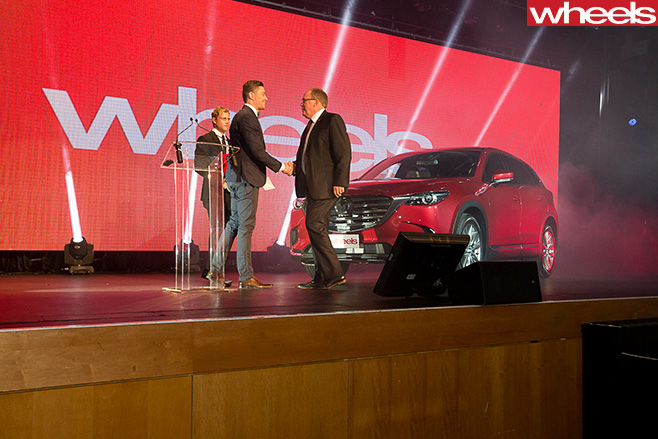
More than 200 industry guests were surrounded by the COTY finalists inside the Crown Palladium in Melbourne. The announcement of the winner wrapped up months of planning, testing, examination, voting, and secrecy for the 54th running of COTY.
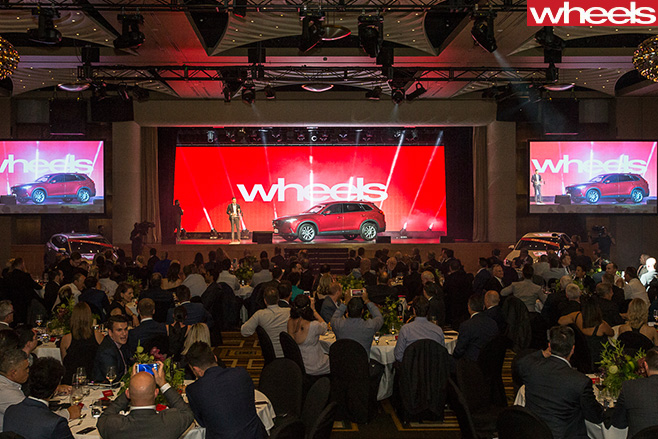
Check out the video above for your seat at the table.
SUVs are within firing range of traditional passenger cars, according to official vehicle sales figures obtained by Wheels ahead of their official release today.
The high-riding wagons grew 3.2 percent and accounted for 40.2 percent of the 84,910 new vehicles sold in January, 2017, while sedans, hatchbacks and wagons made up for 41.1 percent of sales.
Despite the continued growth in SUV sales the small SUVs that now account for 24 percent of the soft-roaders went backwards, down 4.1 percent on January, 2016.
While the overall figure was up 0.6 percent on January 2016, it fell short of the January record of 85,430 cars sold in 2013.
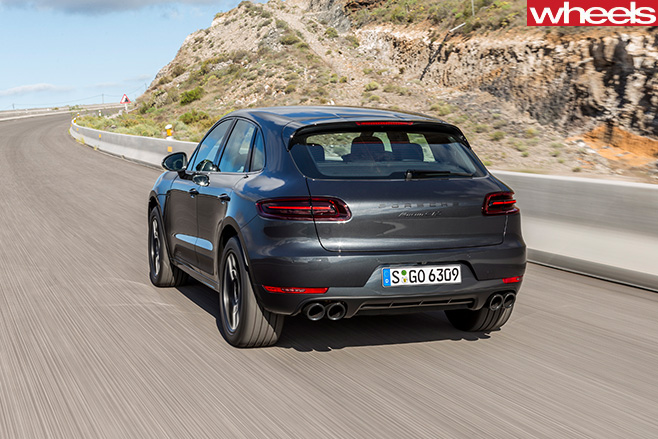
With 581 sales – 79 percent of them for the Porsche Macan and Cayenne SUVs – the sports car specialist outsold more mainstream brands including Volvo, Jeep, Lexus, Peugeot, Citroen, Alfa Romeo, Jaguar, Mini and Skoda.
In gearing up to launch its inaugural SUV, Porsche rival Maserati registered 52 of the Levante soft-roaders, surging its sales 89 percent, albeit to a tiny overall tally of 68 cars.
Other luxury brands – including Mercedes-Benz, Audi, Lexus, Lamborghini and Land Rover – experienced sales drops off the back of a record year for luxury vehicles.
Much of the heavy lifting for the new car sales market was done by Toyota (12,554) and Mazda (10,067) each of which incrementally grew sales over the same time last year.
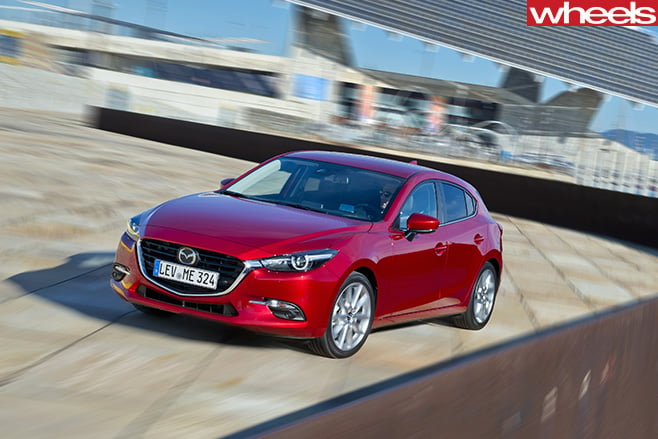
The Mazda 3 was the top selling vehicle with 3473 registrations, ahead of the Toyota Corolla (2943).
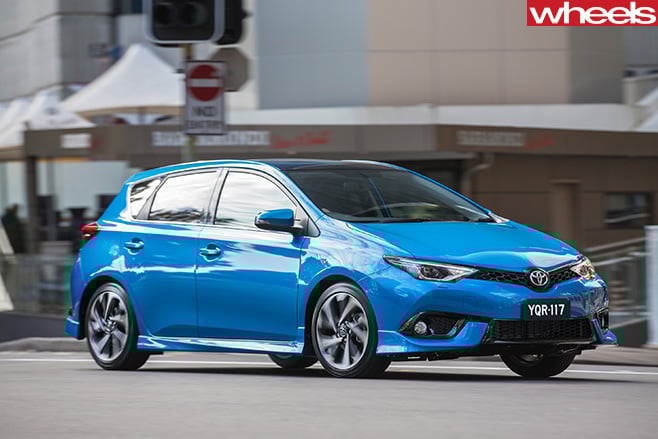
The tally was just enough to maintain a slender lead over the hard charging Ford Ranger (2622), the fourth best seller for January.
Hyundai’s swinging sales started on a low with the brand dropping 4.2 percent and falling behind Holden, which had a rare good month to grow 5.3 percent and slot back into third place on the sales charts.
Key to Hyundai’s sales slide was a drop in interest in the Hyundai Tucson SUV.
With 1678 sales it was one of the few SUVs to experience a slide, although the figure was enough to make it the third most popular soft-roader in the country, behind the Mazda CX-5 (1924) and Nissan X-Trail (1759).
Hyundai’s sister brand Kia continued its sales surge, increasing its January tally 29 percent on last year, enough to make it the eighth most popular brand.
Of the luxury brands it was Mercedes-Benz that once again led the way with 2972 sales (2709 once vans and trucks are taken out of the figures).
While the figure was down 4.1 percent on January last year it was clearly ahead of German rivals BMW (2104) and Audi (2025).
The Mercedes-Benz C-Class mid-sized sedan remained Benz’s top seller, with 651 sales.
The C was also the top selling mid-sized vehicle in the country, outselling the Toyota Camry with 580 sales (Toyota typically pulls Camry registrations into January to pump the end-of-year figures, in turn sacrificing the official January figures as it clears ‘demonstrator’ stock).
Official VFACTS data is released at noon today.
TOP 10 PASSENGER CARS FOR JANUARY 2017*
| RANK | MODEL | JAN 2017 | JAN 2016 |
| 1. | Mazda 3 | 3473 | 3722 |
| 2. | Toyota Corolla | 2943 | 2758 |
| 3. | Hyundai i30 | 2018 | 1852 |
| 4. | Holden Commodore | 1960 | 1242 |
| 5. | Kia Cerato | 1372 | 720 |
| 6. | Volkswagen Golf | 1253 | 1606 |
| 7. | Mazda 2 | 1123 | 1381 |
| 8. | Mitsubishi Lancer | 1083 | 756 |
| 9. | Hyundai Accent | 1075 | 664 |
| 10. | Toyota Yaris | 987 | 989 |
*Preliminary VFACTS sales figures
TOP 20 MANUFACTURERS FOR JANUARY 2017*
| RANK | MODEL | JAN 2017 | JAN 2016 |
| 1. | Toyota | 12,554 | 12,453 |
| 2. | Mazda | 10,067 | 10,016 |
| 3. | Holden | 7184 | 6824 |
| 4. | Hyundai | 6705 | 7001 |
| 5. | Ford | 5912 | 5504 |
| 6. | Mitsubishi | 5075 | 5007 |
| 7. | Nissan | 5012 | 5563 |
| 8. | Kia | 4015 | 3116 |
| 9. | Subaru | 4009 | 3405 |
| 10. | Volkswagen | 3995 | 4341 |
| 11. | Honda | 3470 | 2898 |
| 12. | Mercedes-Benz | 2973 | 3099u00a0 |
| 13. | BMW | 2104 | 2075 |
| 14. | Audi | 2025 | 2142 |
| 15 | Suzuki | 1481 | 1642 |
| 16. | Isuzu Ute | 1095 | 1384 |
| 17. | Land Rover | 1091 | 1173 |
| 18. | Renault | 864 | 718 |
| 19. | Porsche | 581 | 490u00a0 |
| 20. | Lexus | 566 | 635 |
*Preliminary VFACTS sales figures
Godzilla, once the kick-ass king of Australian touring car racing, is back… back to haunt the memories of all who remember the way it chewed up and spat out our Aussie V8s until the rule makers shot it dead.
This article was originally published in the April 1996 issue of MOTOR.
ln its prime the all-wheel drive, twin-turbocharged Nissan GT-R gobbled two Australian Touring Car Championships and Bathurst trophies as it ripped the heart out of our premier motor sport category with its techno gee-whizery.
While its new-age sophistication and unparalleled speed impressed the minority purists, the majority of fans despised the way the Japanese monster brushed rivals aside with utter contempt. The arrival of the latest incarnation of Godzilla – only this time in road-going and not racing form, and a whole lot meaner by the way – serves as a poignant reminder of the touring car holocaust.
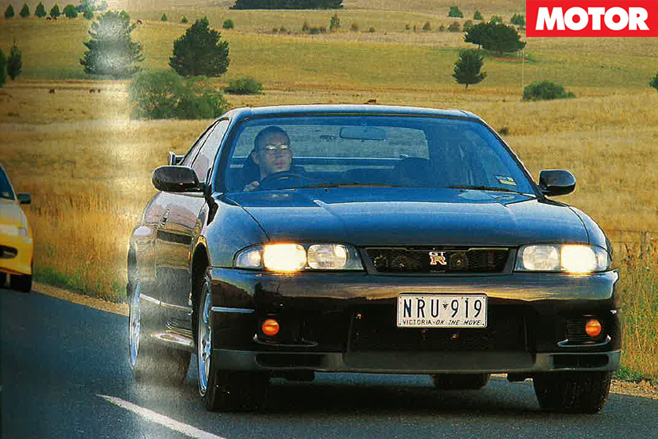
The Japanese rocket wasn’t the only piece of race-inspired road-going machinery prompting salivation. On the other side of the building was the street-legal emulation of the HRT Group A racer in the form of the HSV GTS-R, the first such Holden racer-for-the-road since the bulky Group A VN back in 1990.
There they were: the beast of brawn and tyrant of technology. Radically different in design yet dedicated to the same objective – blistering performance. The ideologies of their creators are so opposed that the fact we’re even able to consider them worthy rivals is staggering.
Yes, it may be five years since the last Holden/Nissan tango, but the song remains the same. Today, the two-step seems unfair. The Commodore’s still a porky ol’ pushrod V8 while the new Nissan has enough ingratiating computer power to fly the space shuttle. Six Million Dollar Man beating up on Aussie Joe Bugner.
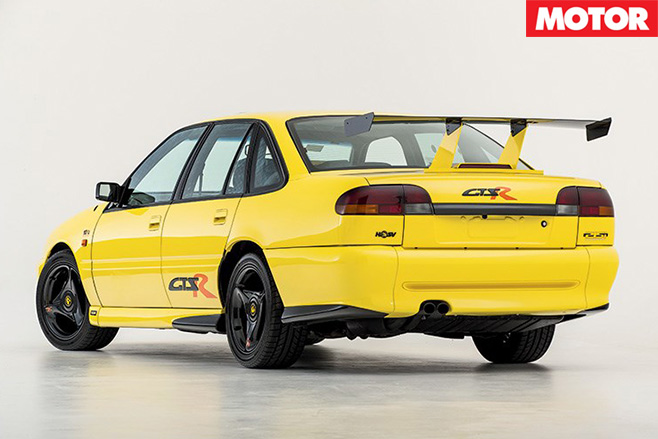
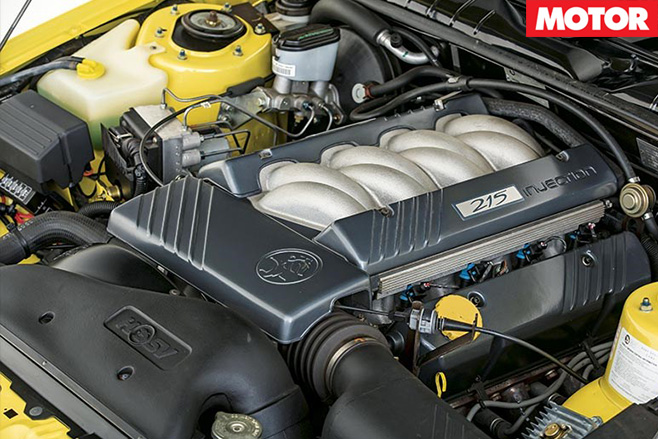
While the visual difference between it and the gutsy GTSi on which it’s based are vast, the mechanical modifications are few: it has the same HRT 215ci stroker engine, optimised (read blueprinted), and with a better breathing exhaust for improved airflow and reduced back pressure. That’s it. Brakes, suspension and gearbox are straight from the GTS bin.
The optimised engine produces an official 226kW at 5000rpm. That’s 303 horsepower in the old money. Perhaps more significantly, it makes 507 of Sir Isaac’s metres of torque at 3500rpm, holding on to 502 of those until 4000rpm. The exhaust also liberates more oomph though exactly how much HSV won’t say. So if you think it goes like buggery, you’re right.
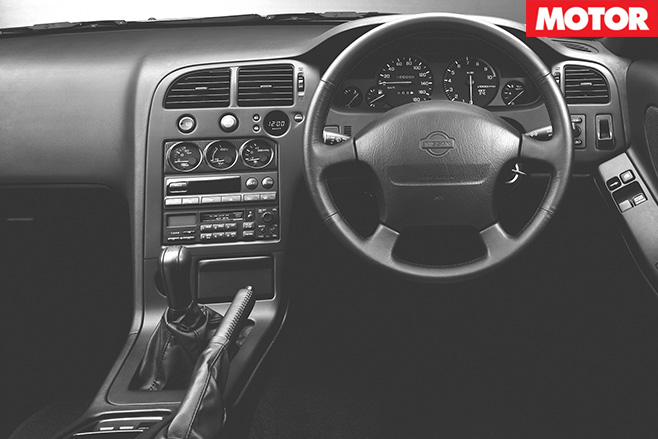
And if Nissan wasn’t so deadly serious with the GT-R you’d dismiss it as a toy, so overwhelming is its intricate design. The techno tour de force shows in the price – while the limited-edition GTS-R (only 75 will be built) costs $76,000 in standard trim and an extra $10,500 with the gun engine, Godzilla II won’t leave you much change out of $190,000. That’s nearly double the price of Godzilla I, but is it twice the car?
A glance down the spec sheet, which looks like a physics professor’s lecture notes, suggests it may well be. The all-new GT-R makes its predecessor’s Buck Rogers technology seem obsolete. The twin-turbocharged in-line six-cylinder engine, four-wheel steer and four-wheel drive set-up have been further perfected by Nissan’s men in white coats to make this car arguably the world’s most cultivated piece of mainstream sports machinery.
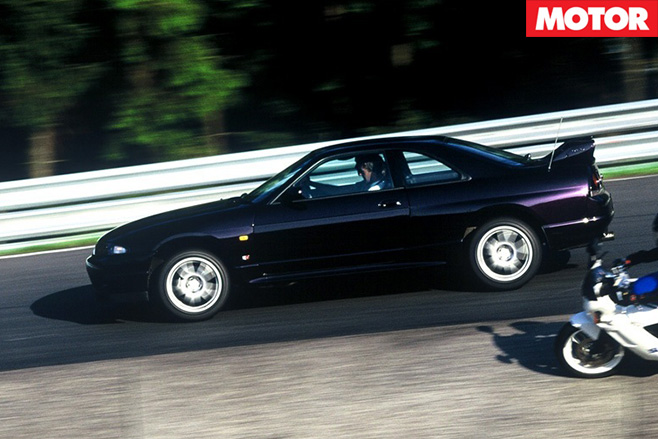
The torque-split 4wd system uses an independent wheel sensor on each corner to measure speed, slippage, braking and sideways force, with the computer acting on that info to vary the amount of drive to each wheel. Left to right, front to rear. Maximum traction. Maximum performance.
The degree of torque split can range from zero to 50 per cent to the front wheels. Nissan calls the black-art 4wd control system ATESSA E-TS PRO, Jap-lish for you need a team off NASA technicians to fix it if it falters.
The four-wheel steer operation is less complex but still daunting, measuring the yaw feedback against pre-set values and making any necessary wheel angle changes in a nanosecond.
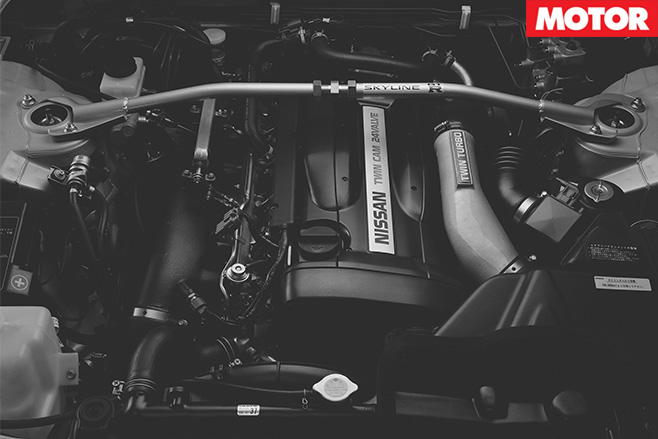
The geometry of the multi-link suspension combined with the tuned-for-racing springs and dampers, not to mention a horizontal strut bracing bar at each end, allegedly enables the GT-R to handle like a train on rails. We would soon find out if that was hype or honesty.
The amount of hardware and plumbing in every nook and cranny of the Nissan will keep technophiles occupied for hours. Every cubic centimetre of space beneath its understated body is chocka with shiny fabrications, little black boxes, hoses and rails. The body shell is a cavity for the world’s most detailed Meccano project.
To look at the GT-R you wouldn’t think it was such a tangled beast. The body, although appearing less slippery and venomous than Godzilla I, is actually more aerodynamic but lacks the killer shimmer. The high and wide front flanks scream muscle; five-spoke alloys whisper cool. That’s where the horn stops.
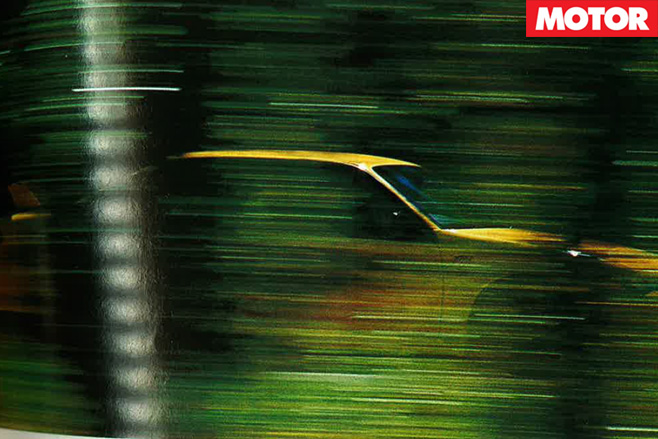
The HSV, on the other hand, is a lesson in how to be ostentatious to the max. The mustardy-yellow duco, rear wing, mass of carbon fibre and gaudy yellow and grey trim make it impossible to slink home quietly. The GTS-R has the show, but importantly, it has the go to match.
It hits home what a gutsy, trusty, refined, world-class fighter the HSV is as we blast down the twisty road etched into Mount Buller on the first day of our two-day gallop with the beasts. Godzilla throws the first punch as the early morning sun filters through the tall bushy gum trees. The patches of bright light and long shadows thrown on to the road create a mesmerising strobe effect. The GTS-R and I aren’t ready for the GT-R’s act of aggression when it pounces on to the Holden’s tail.

The V8 responds instantly to the mashing of the accelerator into the carpet, filling its lungs and releasing a mighty roar as it slingshots forward in second gear. Tacho needle pointing perilously close to the 5550rpm redline we brake hard for a tight left-bander, coming in too quick in the heat of the initial flurry and calling on the ABS.
The Holden’s nose pitches forward as the apex approaches, the tyre-scrubbing understeer doing much to arrest the yella terror’s velocity.
Corner survived, war now at full-scale and Nissan closer than before, another bootful, the Holden’s rear squatting nicely as it bites the tarmac with its 235/45ZR17 licorice thin rubber. The Japanese monster’s caught out, sitting too low in its rev range, enabling the local with its massive torque to creep away.
Whap! Third gear and the scenery’s moving fast, but there’s no time to look at the speedo. There’s purple V8-eater all over our tail again. Damn that turbo and damn the way the GT-R surges once the second hairdryer kicks in at around 4000rpm.
I’m waiting for the brakes to fade. They don’t. I’m waiting for the middle pedal to go like marshmallow. It doesn’t. I’m waiting for the rear to break away, but the surprising ease with which oversteer can be controlled means it stays on line.
Equally unexpected is the way the blueprinted stroker doesn’t wane near the redline. The new exhaust enables it to breathe much better, so now there’s huff to go with the puff. Pity the GTS we featured in PCOTY didn’t feel this tight and vigorous because, aside from the exhaust, it’s mechanically identical to the Winged Thing.
At the bottom of the hill I wait for the pilot at the controls of Godzilla to tell me he had the measure of the Holden. “I was going as hard as I felt I could,” says a stunned Barry Lake. “The HSV just looked so fluid through the turns and pulled away on exits quicker than I imagined it could.”
One stretch of loopy road and one hard run doesn’t categorically make the Holden a better car, but its torque advantage is mammoth. Simply, there’s no substitute for cubes and what’s why the HSV kick the Nissan’s butt every time low down. The HSV has so much grunt it gives adequate acceleration in sixth gear at 100km/h on the highway with the tacho needle struggling to flicker past 1500rpm.
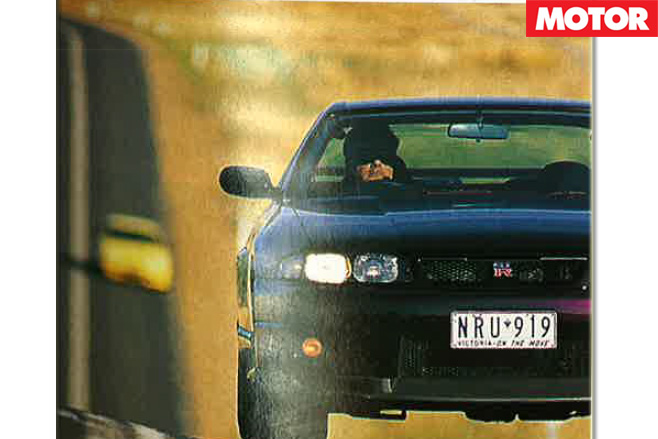
Power is another matter. The Holden’s slight edge in weight/power ratio is purely academic, as we discover heading up the mountain minutes later. Godzilla is just awesome on the climb. The steepness of the ascent means engines work harder, so consequently rev higher and put Godzilla in its preferred territory. It revels in it, having no peer as it scorches up the 14km mountain run.
The first corner is a tight but sweeping right-hander. Concerned by your entry speed, you back off, the wastegate lightly fluttering. Still too quick, perhaps, but too late to do anything about it. Godzilla eats the corner without so much as a squeal from the tyres or even a minute change in body attitude. Encouraged, the next corner is taken ever harder and again the brain is left scrambled by the lack of fuss from the chassis. It is like a train on rails.
The next arc is a hairpin. A slow, busy, clumsy first gear affair. Bury the right foot and feel the sophisticated, unintelligible torque split software do its things as it feeds power to the front wheels and cannons the GT-R out of there. The propulsion happens with the quickness and efficiency on an assasin’s blow. See you at the top – on my second cigarette – GTS-R.
The growl on the in-line six in anger combined with the gush of the swirling turbo rotors creates a goose-bump staccato. The flexing of the aluminium bonnet in your bottom line of vision as the stiff front skips over bumps convinces you, just for a moment, that this is a race car.
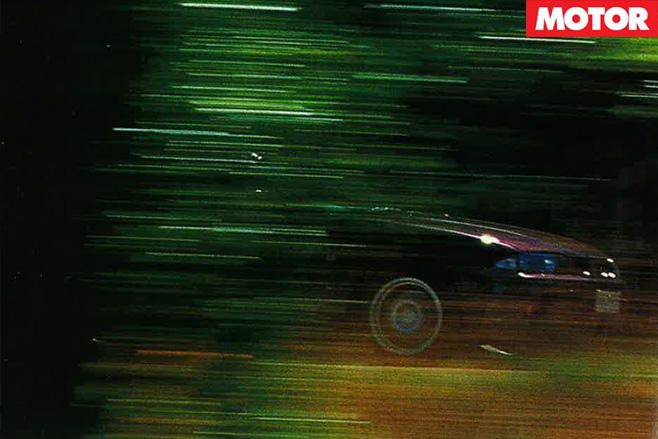
The short-throw gear changes are precise and almost impossible to screw-up – unlike the HSV’s trademark long and notchy throws. The GT-R encourages a degree of driver confidence like no other car we’ve driven.
So faithful, so communicative and so hugely capable is the handling that the Bridgestone Expedia 245/45 ZR17 rubber at each post seems magnetised to the tarmac. Power oversteer makes you think it’s rear-drive. Fantastic. Gimme more. Please.
All of a sudden $190,000 doesn’t sound like a hefty price to pay for something that makes a Porsche 911 Turbo feel spiteful by comparison.
Straight-line acceleration from a standstill may fall short of the 911 Turbo, but it’s still mighty impressive. As fate would have it, we strap the Correvit to both the GT-R and GTS-R while they’re on full tanks, yet both manage excellent runs.
Four-wheel drive cars are the hardest to launch off the line because if the clutch isn’t dropped at near maximum revs they boy, losing precious tenths. The trade-off is clutches may burn-out after such brutal treatment.

The hefty HSV, made more hefty with 75 litres of PULP on board, is beaten but not disgraced with 6.24sec and 14.33sec at 152.4km/h. A high-13 isn’t out of reach.
The variance in performance is generally reflective of the difference between these two great muscle cars. Both are quick, both point well, handle sensationally, grip tenaciously…it’s just that Godzilla does all those things with a higher degree of punch and polish. With its lightweight aluminium body panels, brick-like body, sharp steering and lightning quick gearshifts, it’s more dedicated to delivering the ultimate in performance.
Five years on little has changed with this pair. The Nissan still holds the edge, but Australia’s most potent production Commodore has closed the gap. They’re two very special cars, arguably the best value-for-money sports machines in their respective classes, in the world.
We shall remember them.
SPECS
| u00a0 | NISSAN SKYLINE GT-R | HSV GTS-Ru00a0 |
| Engine | Six in-line with twin turbochargers | Eight, in vee |
| Compression | 8.5:1 | 8.5:1 |
| Power | 206kW @ 6800rpm | 226kW @ 4800rpm |
| Torque | 368Nm @ 4400rpm | 507Nm @ 3500rpm |
| Transmission type | Five-speed manual | Six-speed manualu00a0 |
| Kerb Weight | 1540kg | 1619kgu00a0 |
| L/W/H | 4675/1780/1360mm | 4855/1782/1418mmu00a0 |
| Steering | Power-assisted rack and pinion | Power-assisted rack and pinion |
| Suspension | Independent by multiple links with coil springs, dampers and anti-roll bar(f/r) | Independent by Macpherson struts with coil springs and anti-roll bar(f), Independent by by semi-trailing arms with coil springs and anti-roll bar |
| Brakes | Ventillated 324mm discs(f), 300mm discs(r) (brembo) | Ventillated 330mm discs(f/r) |
| Wheels | Alloy 17 x 9 JJ80 | Alloy 17 x 8 |
| Tyres | Bridgestone Expedia S-07 245/45ZR17 | Bridgestone Expedia S-01 235/45ZR17 |
| List price/price as tested | Approx $190,000 | $76,000/$86,500 |
| Options | None | HSV optimised Engine package |
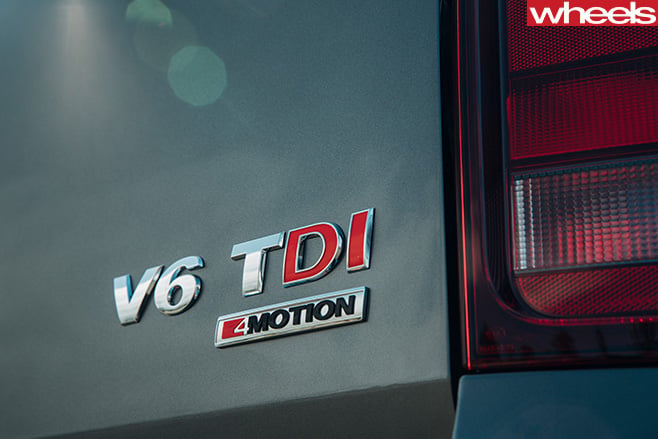
American owners of Volkswagen-group vehicles with 3.0-litre v6 TDI engines affected by the diesel’s emissions scandal will now be eligible for compensation.
The world’s biggest car manufacturer has reached a settlement in California federal court, in which it has agreed to pay out $US1.2 billion ($A1.6 billion) to the owners of 78,000 VW, Porsche and Audi vehicles.
This comes after a similar, $US14.7 billion settlement involving 475,000 2.0-liter four-cylinder turbo-diesel cars was settled in October.
Under that settlement VW had to give out cash payments and offer to buy back all affected vehicles, terminate leases or make necessary repairs for them to comply with US emissions standards.
The settlement for 3.0-litre TDIs is divided into Generation 1 and Generation 2 vehicles. Generation 1 includes 2009–2012 Volkswagen Touaregs and Audi Q7s, while Generation 2 includes 2013–2016 Touaregs; 2013–2015 Q7s; 2014–2016 Audi A6, A7, A8, A8L and Q5s; and 2013–2016 Porsche Cayenne diesels.
The Generation 2 vehicles will have the option to be repaired so they’re fully compliant with regulations without having to be bought back.
Not having to buy back all affected vehicles will save Volkswagen around US$2.8 billion (A$3.7 billion).
A court hearing is set for February 14, which is expected to approve the deal which will allow the company to begin compensation and repairs in May.
So far Australian owners of more than 70,000 affected cars are yet to see a cent in compensation with the company given the go-ahead to just fix the cars via a recall.
However, Volkswagen Australia is facing court action from the Australian Competition and Consumer Commission over claims it misrepresented vehicle emissions in advertising, as well as separate class action claims filed on behalf of disgruntled owners. Volkswagen Australia has denied all the claims against it.
While this could result in the company facing millions of dollars in fines here, the company is disputing the claims saying a software fix is immediately available for more than 35,000 vehicles and pending for the rest.
It also insists the cars engines didn’t breach Australian emission regulations.
Meanwhile, VW supplier Bosch has also agreed to a separate $US325.7 million compensation package for affected owners of both 3.0-litre and 2.0-litre TDI vehicles.
The company supplied the devices that tricked emissions tests and will pay between $US350 and $US1500 to owners of all affected vehicles.
At Performance Car of the Year there’s often a Surprise Packet that shows up the more fancied rivals. You’re looking at it.
Stop for a moment and consider that Ford’s absolutely brilliant new Focus RS has beaten not just the adored BMW M2 – the car heralded as the M brand’s return to form – but the rear-drive Lamborghini Huracan that some judges needed to be forcibly removed from; and the scintillating Audi R8 V10 Plus.
In fact, with not a single vanilla contestant at PCOTY 2017, pipping any of the cars you’ve so far read about would be remarkable, let alone nine of them. A $51K hot hatch.
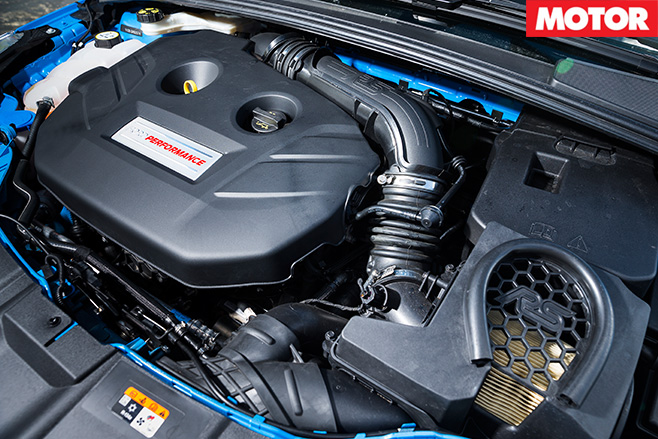
But in truth it’s even better to drive, a car clearly engineered by people who not only love driving and understand what makes a proper performance car, but how to innovate to move the game forward.
And in that sense the Focus RS is an annoying car for any manufacturer that makes a hot hatch because it is category redefining. Previously, a hot hatch would have one of two handling configurations: security and stability, pushing into understeer at the limit – like a VW Golf R or Mercedes-AMG A45 – or I-wish-to-kill-you startling oversteer, like a Renault Sport Megane or Ford Focus ST. Provided your driving style is versatile enough to tap into each, the Focus RS can provide both these handling personalities – with a bonus party trick.
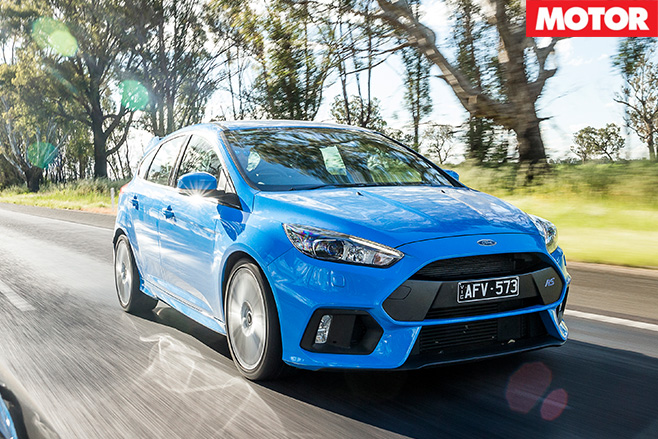
There are very few cars that can provide such a multi-dimensional driving experience all in one – and certainly no others under $100K. Yep, we are confident in declaring the Ford Focus RS has the most talented chassis of any new performance car under $100,000.
Big call, and perhaps worth verifying in a separate test, but from the outset, it’s a statement we’re reasonably confident making. Part of its sorcery is, again, in its all-wheel drive system which overspeeds the rear axle by two per cent for spookily eager handling.
Of course, the Focus RS is not perfect. Far from it, unfortunately. For that utterly sublime chassis you give up comfort, making the Focus RS almost more of a weekend than weekday car. On this basis alone many would-be customers might gun for the Focus RS’s arch-nemesis, the Golf R, for a more comfortable daily driver.
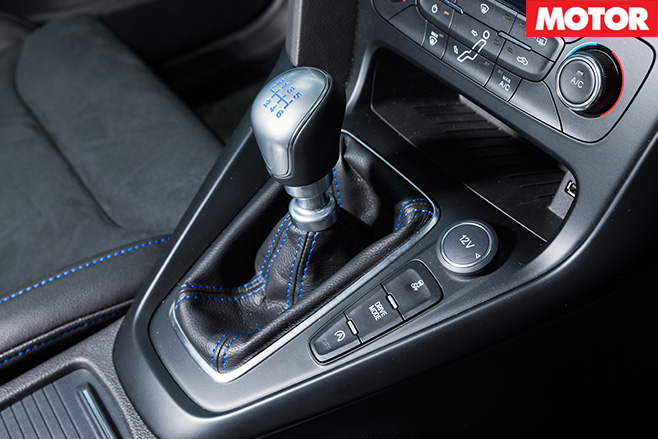
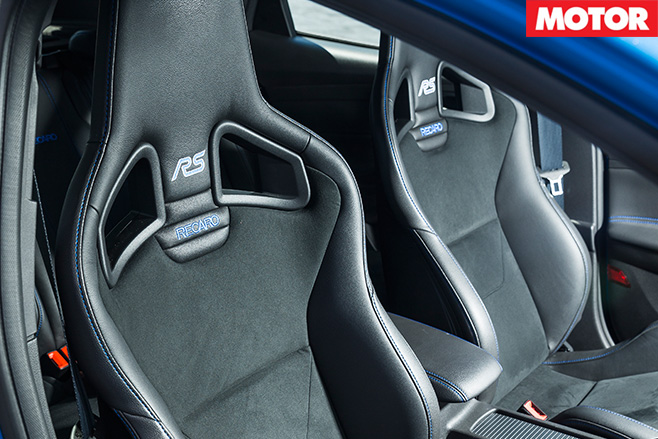
To continue on the Focus RS gripes, you also sit oddly high in it. Under full throttle it sounds merely okay with a lot of synthesised engine noise. There are nicer interiors at this price point like the 308 GTi or, again, Golf R. The much-spoken-about Drift Mode is a bit silly. And its backwards-cap styling is not for everyone, not to mention that the lack of a twin-clutch option will be an instant deal-breaker for many people. (Let’s be grown-ups and admit that not everyone wants a manual.)
But trust us, all of these ills are but minor misgivings to own a performance car as stimulating as this one. From purely a performance perspective, the Focus RS moves the game on. And to think it’s just $51K… that’s it, this year’s Bang For Your Bucks is cancelled. Here’s the winner.
THE NUMBERS 0-100km/h: 5.04sec (10th) 0-400m: 13.08sec @ 173.82km/h (9th)
JUDGES’ RANK DAVID MORLEY: =2nd If you love hot hatches, you will need a Focus RS. That is all. DYLAN CAMPBELL: 2nd I’m not sure I would ever get bored of driving this car. SCOTT NEWMAN: 3rd A cut-price World Rally Car. Crap ride, brilliant everything else. TIM ROBSON: =3rd A wild, wild ride, and an absolutely amazing car for the cash. JOHN BOWE: 9th I love it in many ways but the damping is appalling.
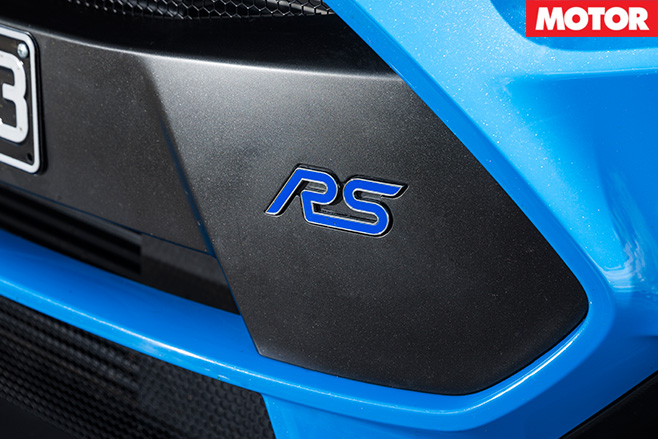
Nope. The Ferrari 488 GTB didn’t win. Surprised?
We don’t blame you. It came close, and it looked the goods at various times during the course of PCOTY week, but when all was said and done, the much-vaunted Fezza didn’t quite get the job done.
It’s fair to say the weight of expectation sat heavily on the oddly petite, yet unbelievably contemporary silhouette of the inexplicably grey haunches of the 488. However, in some ways, the Grigio Medio hue perfectly suits the new-school ethos of the 488 GTB. It would be too easy to paint it in Scuderia Rosso – but one gets the sense that’s becoming clichéd. Yes, even for Ferrari.
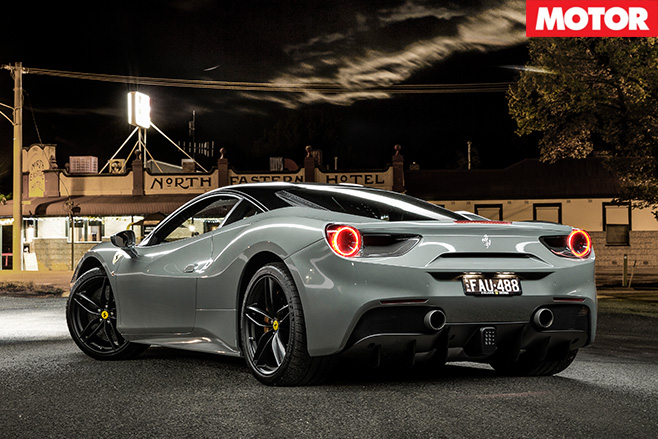
It has a blown rear diffuser and underbody wings that change with road speed – even the dampers operate faster than thought, and are linked to the electronic diff and drivetrain.
So what happened? It might sound like a broken record, but the sheer depth of this year’s field saw some line-ball scoring across the top cars – and the line fell on the wrong side for the Ferrari. It was outpointed by a whisker in both Dynamics and Performance, and lost out when it came to more esoteric areas like Liveability.
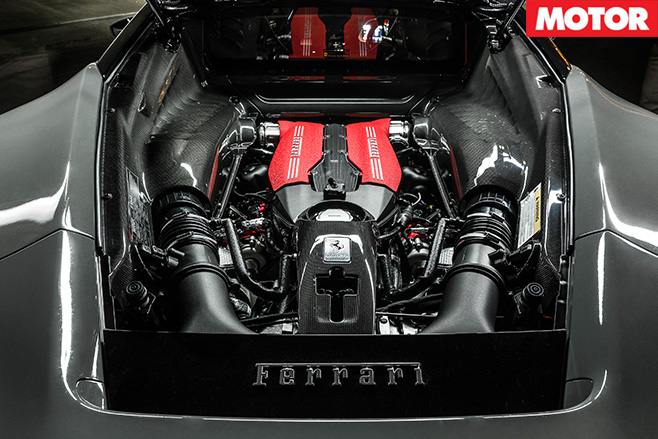
A perceived lack of value for money, too, went against the 488. It’s a tough one to quantify, but ultimately the cost of admission in this like-for-like comparison is too high. Sure, its base price of $469,988 is within $15,000 of our winner, but this example comes in at $625K… ouch.
At DECA, everyone approached the Fezza with a healthy dose of respect for its 492kW and 760Nm, but at sixth-tenths, it’s engaging and exciting in equal measure. Even for jaded old hacks, there’s a childlike delight in sliding behind the wheel of such a unique rig.
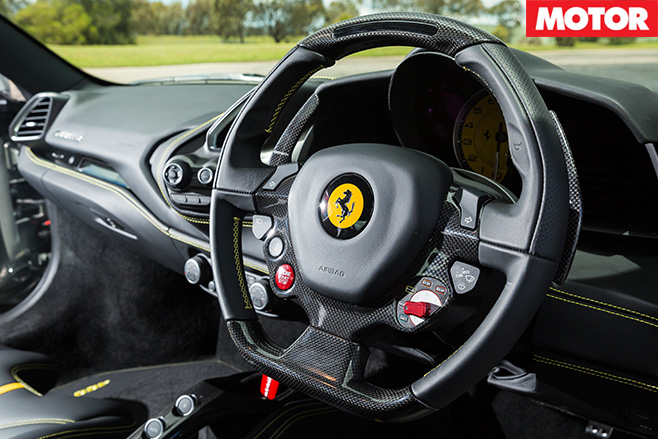
Those same tyres, though, meant the Fezza was at a distinct disadvantage on a wet track – and Winton was very wet. Screwing up the courage to get to full throttle anywhere around the circuit was a real ‘meet-your-maker’ deal, and everyone was mindful of the car’s cost and the proximity of the walls.
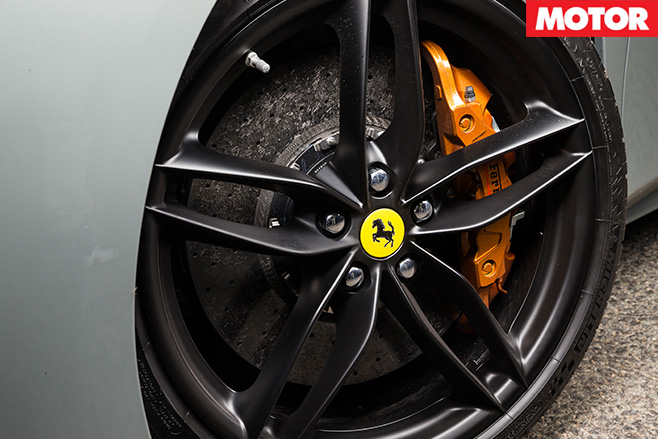
And yet, when it comes to the crunch, the Ferrari is perhaps hamstrung by its own absurdly high standards. The skin-prickling bass thump of the twin-turbo never quite reaches the emotional highs of the Ferrari 458’s screaming V8, the massively grippy rubber doesn’t give much feedback when the screws are wound up, and more front purchase wouldn’t hurt, either. It’s a special, special car. In isolation, it’s a thing of automotive beauty.
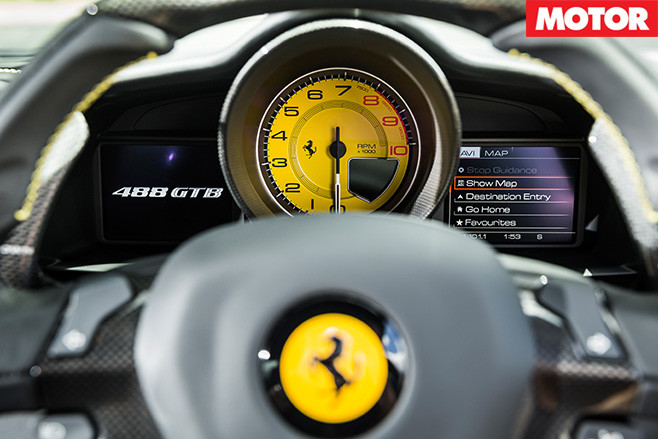
THE NUMBERS 0-100km/h: 3.30sec (4th) 0-400m: 11.00sec @ 214.10km/h (3rd)
JUDGES’ RANK DAVID MORLEY: 2nd What’s the fuss all about? This. This is what. DYLAN CAMPBELL: 1st My Performance Car of the Year. So. Expletive. Fast. SCOTT NEWMAN: 1st My winner. For pure driving thrills it’s unmatched. TIM ROBSON: 6th An absolute experience, but ultimately too edgy and expensive. JOHN BOWE: 3rd Super fast, too fast in fact. Good sound for a turbo car, and such presence!
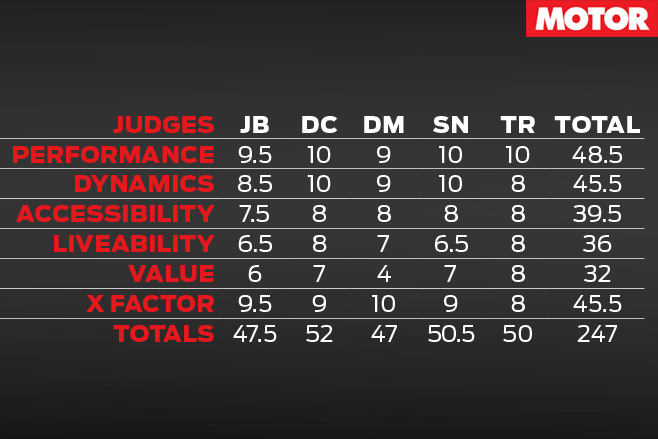

Fast, but not fast enough The 911’s all-wheel drive allowed it to produce better numbers, but in terms of pure speed the 488 was king. It’s not, however, anywhere near as quick as Ferrari says it is. Maranello claims 0-100km/h in 3.0sec and 0-200km/h in 8.3sec, but while the former is feasible on a perfect surface (though forget about using the launch control, it’s slow) the latter is pure fiction, the 488 hitting 200km/h in 9.6sec on its best run in our hands. Short of losing 200kg, there’s no way the 488 would match its claim.
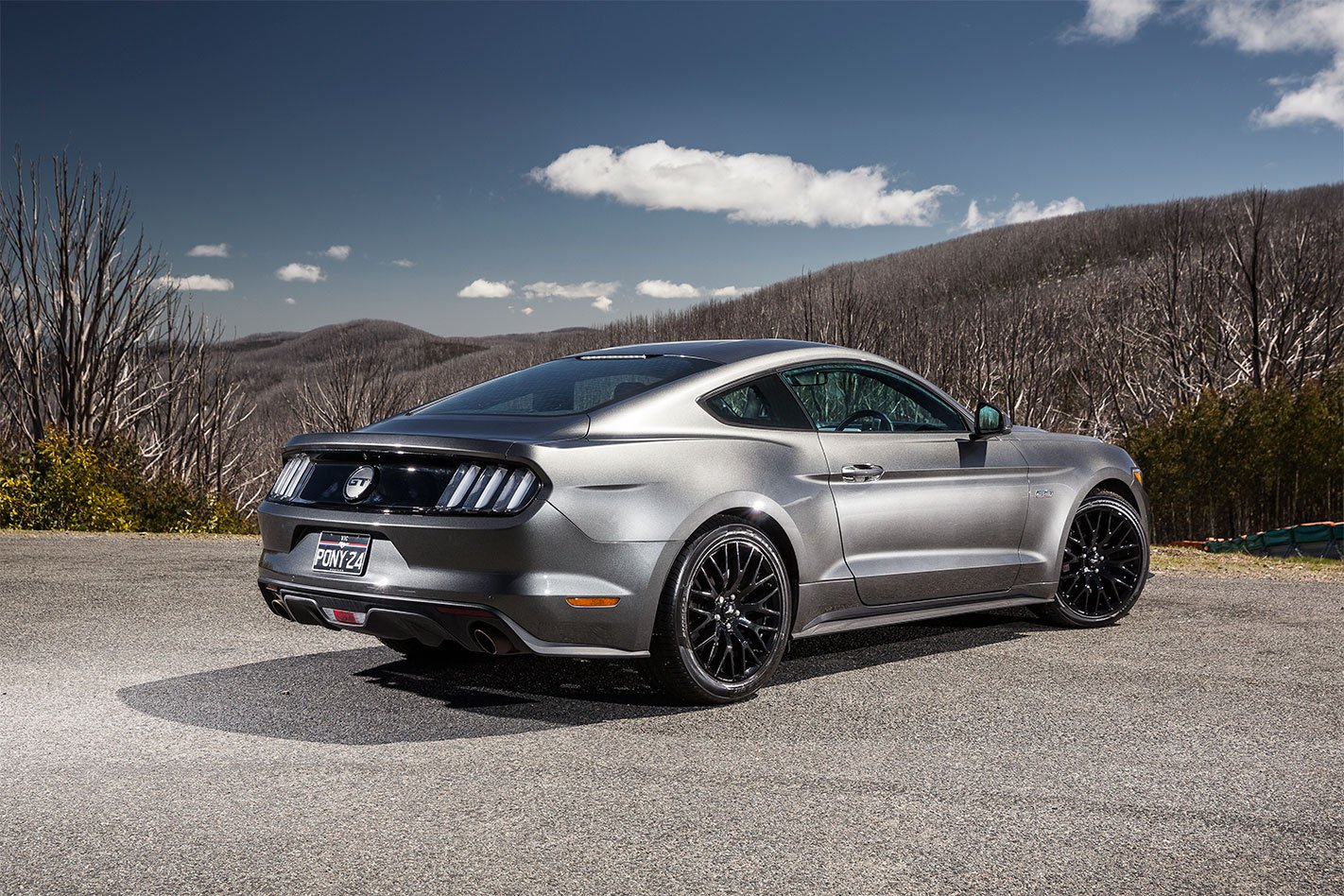
Performance Car of the Year is not a popularity contest, but if it was, then your winner for 2017 would be the Ford Mustang.
This is based on the results of our reader’s poll, where Ford’s Pony Car garnered 111 votes, or 17.7 per cent of the total vote. Clearly the Mustang’s recent safety scandal hasn’t dented fans’ fondness too drastically.
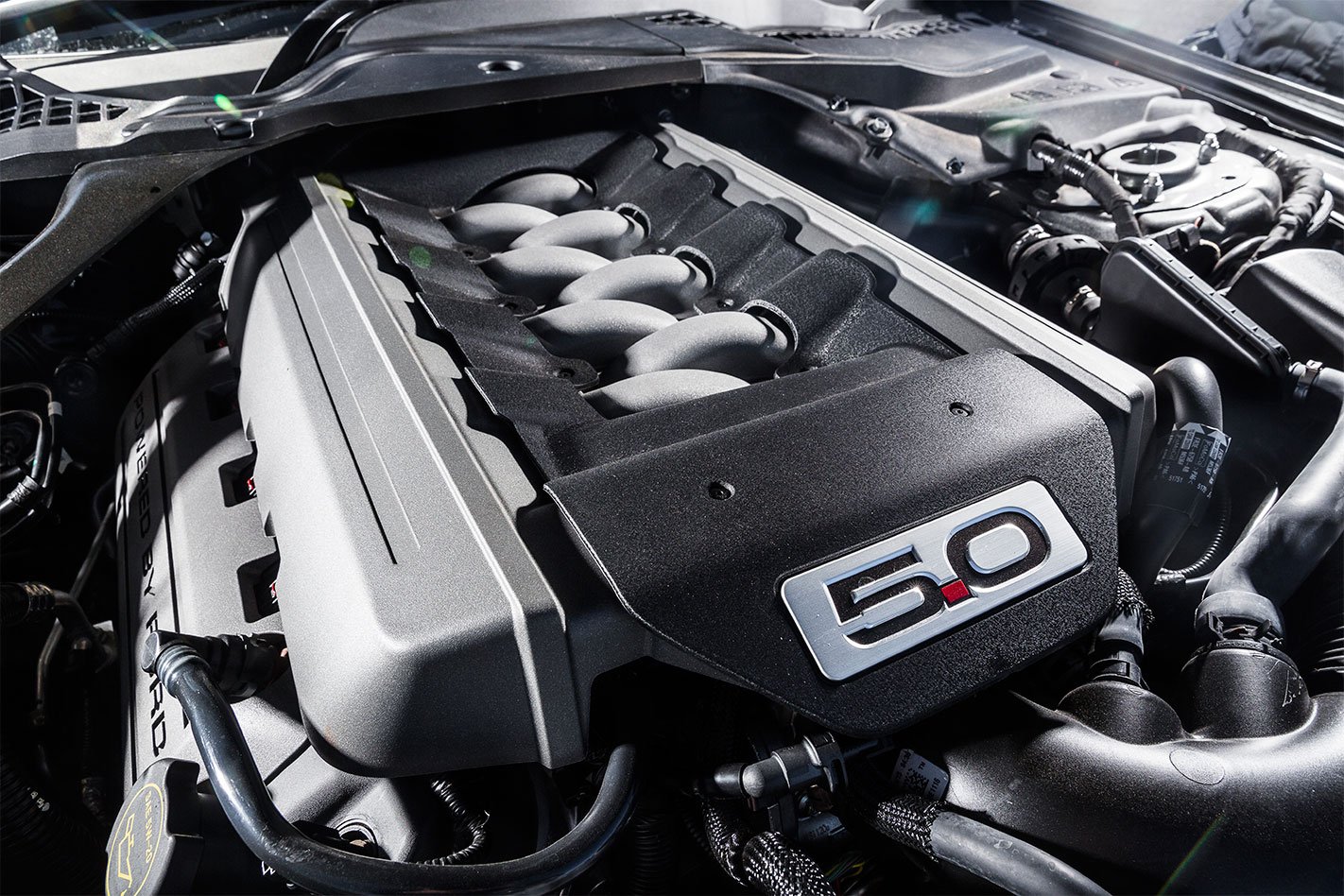
We’re not going to give away the winner here – though if you’re curious you can find out at this link – but suffice to say the PCOTY judging panel’s verdict differs from that of the fans’. Quite markedly in some cases.
You can read the full Performance Car of the Year story in our latest issue, on-sale now, or stay glued to www.motormag.com.au over the coming days and weeks as we reveal more coverage of the event.
Here at MOTOR we’re clearly better journalists than we are businesspeople.
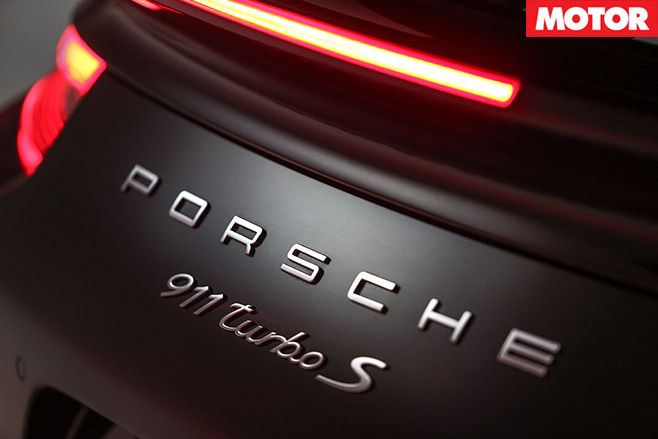
Nothing sells magazines like “SHOCK UPSET” or “SURPRISE WINNER” emblazoned across the cover, but while the Porsche 991.2 911 Turbo S might be a predictable choice as victor, it’s also the right one.
Except, it wasn’t predictable. The 991 Turbo was a unanimous choice two years ago and the 991 GT3 was clearly the pick of the bunch last year, but Porsche’s third-consecutive PCOTY win (and 13th in total) only became clear once every score was tallied. It was close.
Nonetheless, as the quickest, most powerful and most expensive 911 available (until the new GT2 RS arrives at least) the Jet Black Turbo S was always going to feature at the pointy end. It only took a cursory glance of this year’s criteria to realise the Porsche was going to score strongly across the board. Yet, to simply say “it’s hard to fault” is to sell short the staggering quality of engineering contained in this car.
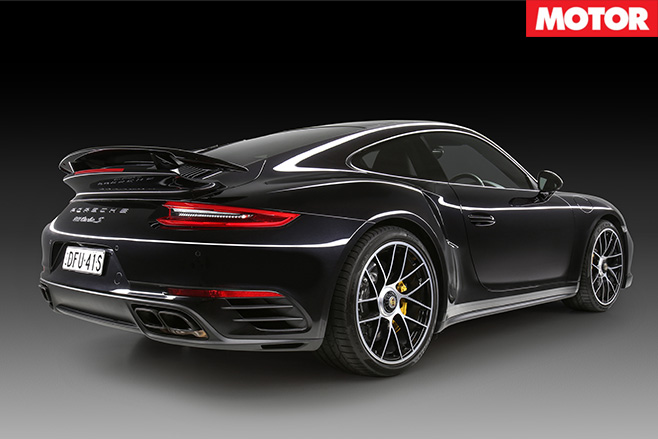
It felt fast, but nothing had prepared me for the numbers displayed on the DriftBox screen: 0-100km/h in 2.9sec, 0-400m in 10.7sec at 212.4km/h and 80-120km/h in 1.6sec. The Turbo S is the fastest car MOTOR has ever tested. That’s 10 out of 10 for Performance, then.
On track the speed feels brutal, but on the road it literally leaves you breathless. On dry tarmac the all-wheel drive system and flawless dual-clutch gearbox ensure none of the 427kW/750Nm is wasted. The punch out of corners is such that it seems as soon as you hit the throttle, you automatically need the brakes.
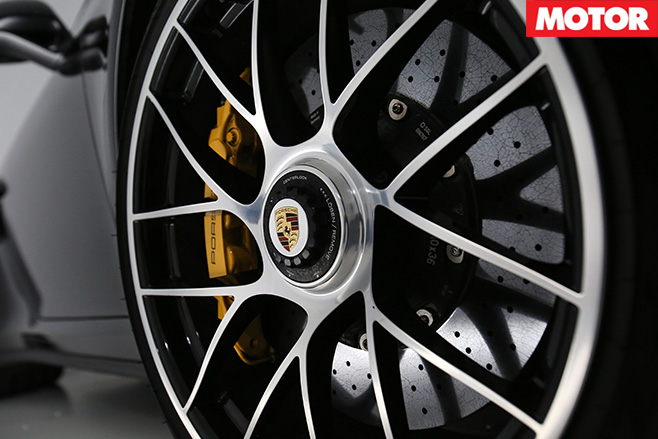
Combine its phenomenal stop-and-go capabilities with limpet-like cornering grip and you have a driving experience that, at full tilt, borders on physically and mentally exhausting.
Without fail, every judge exited the Turbo S on the road loop speechless, mouth agape, left dumbstruck by its awesome capabilities. It actually makes you feel quite inadequate as a driver. Try hard and you might get a hint of understeer or the odd flash of the ESP light, but in general this ultimate 911 feels to be barely raising a sweat.
Crucially, however, it doesn’t lack involvement. The brake pedal has beautiful feel and the steering is possibly the best of any PCOTY contender. It’s a cliché, but you can drive the Porsche 500 metres and already know it’s brilliant. It’s a trick very, very few manufacturers are able to pull off.
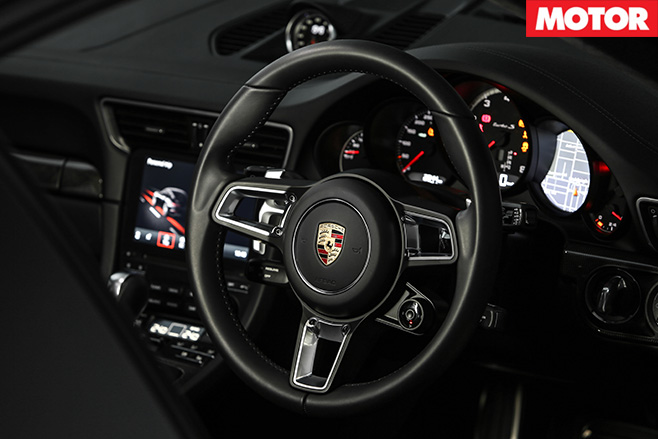
Equally, all-wheel drive 911s are more readily associated with grip than slip, but if there was one positive to take out of Winton being effectively underwater, it’s that it made it much easier to access each car’s ultimate limits. With stability control engaged the Porsche was a model of composure, its road-biased Pirellis slicing through standing water and electronics eradicating any oversteer – as long as you didn’t get too greedy in the braking zones you could drive very quickly very safely.
Banish the PSM, though, and the Turbo happily swung its rear wide under brakes, where it could be held thanks to the rear-biased all-wheel drive system until a steady application of throttle gradually pulled the front straight. Care was needed when gathering up the slide, but it’s the Turbo’s value rather than its behaviour that makes drifting it a daunting prospect.
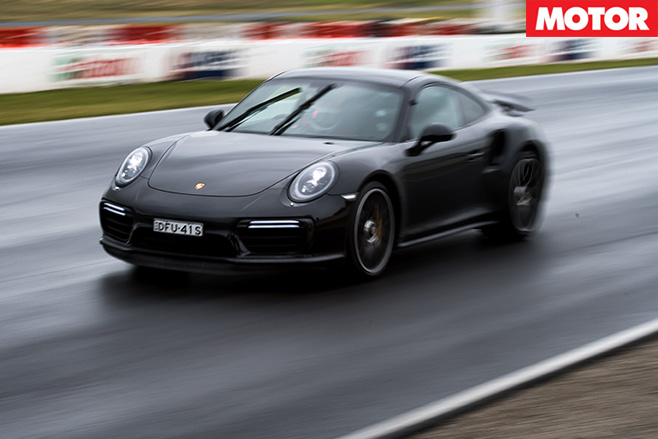
For all its mind-bending speed, the Turbo S has a decent boot in the nose and is the only one of the supercar quartet with back seats. You’re only going to fit small children back there, but it’s better than putting them in the engine bay of the Ferrari, Lamborghini or Audi. The ride is firm, but fair – certainly better than the R8 or the Focus – and while road noise is probably the 911’s biggest failing, it’s still quieter than the Italian duo.
Its value is questionable when the regular Turbo is 98 per cent as good for $80K less, but on the other side of the coin, in pure performance terms the ‘S’ would give the likes of the Lamborghini Aventador and Ferrari F12 a run for their money – and they’re another quarter of a million dollars. Then there’s the fact that by the end of the week a couple of cars felt like they needed a good service, whereas the Turbo S felt like it could’ve done another PCOTY. Or three.
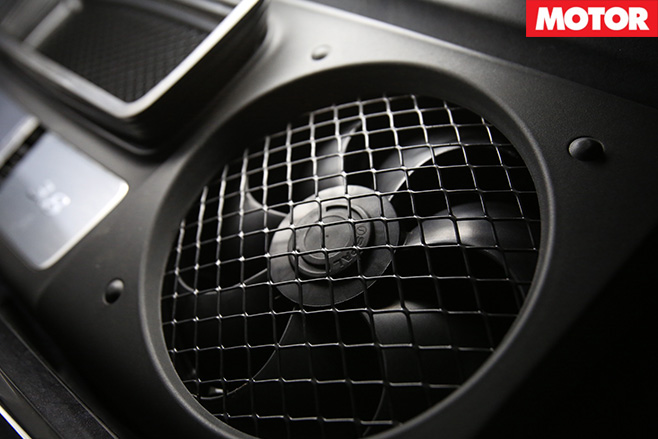
Nonetheless, the Turbo S is a worthy winner, because it is the best car. We threw every possible contender we could find at it, and still it came out on top – Porsche simply has a deep understanding of what makes a performance car great, and thus how to make a great performance car.
In sales terms at least, Porsche may now be an SUV company that makes sports cars, but as long as the profits from those SUVs continue to be funnelled into the world’s best driving machines, it can start making electric convertible Cayennes for all we care. As for all the other manufacturers, better luck next year.
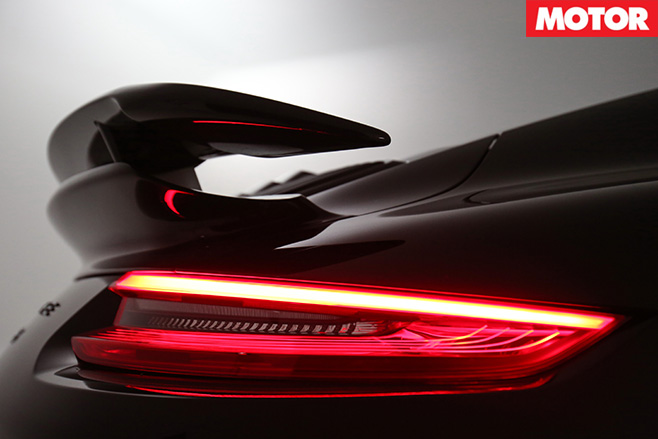
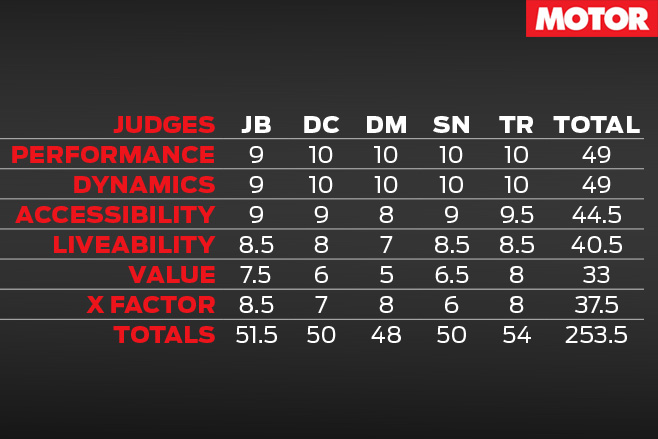
JUDGES’ RANK DAVID MORLEY: 1st Ten-seven! Outta the box. Fuggeddaboutit DYLAN CAMPBELL: 3rd After the first fast drive, I just got out and sighed SCOTT NEWMAN: 2nd Almost terrifying in its competence, but regular Turbo is plenty TIM ROBSON: 1st Not as emotional as a non-turbo car, but an utterly astonishing achievement JOHN BOWE: 1st If you could only have one car, this is it. Simply outstanding
Audi has released pricing for its the new Audi Q2 compact SUV range including a special edition launch variant.
The all-new Audi Q2 will be offered initially in two model lines: the 1.4 TFSI design for $41,100 and the 2.0 TDI quattro sport for $47,900.
The entry level 1.4 TFSI design features a fuel-saving Cylinder-on-Demand technology that shuts down two of the four cylinders under light throttle loads. Its 1.4-litre turbo petrol engine develops 110kW/250Nm and sips of 5.3 litres per 100km.
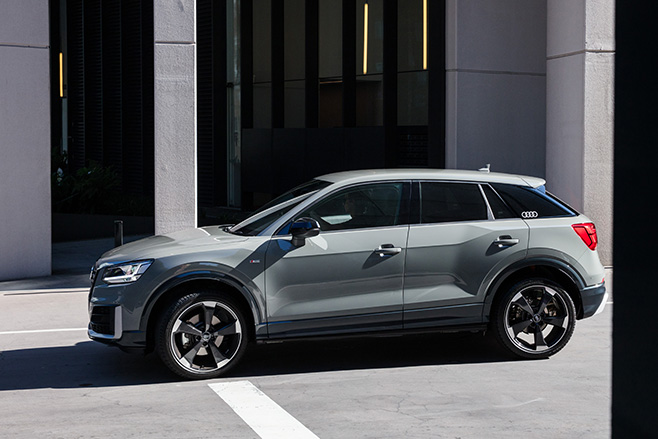
The 2.0 TDI engine in the quattro delivers 110kW/340Nm driving AWD system with a miserly fuel economy of 5.0 litres per 100km. The 2.0 TDI is offered
A 2.0 TFSI quattro model with 140kW/320Nm will be offered in the second half of 2017.
Each model shares a seven-speed S tronic dual-clutch automatic transmission as standard as well as Autonomous Emergency Braking (AEB), MMI Navigation, 7-inch floating infotainment screen, parking system plus with rear view camera, dual-zone climate control, leather-appointed seats, auto-dimming interior mirror and 17-inch alloy wheels.
The 2.0 TDI quattro also gains an electric tailgate, sport seats, Audi side assist and 18-inch alloys as standard equipment.
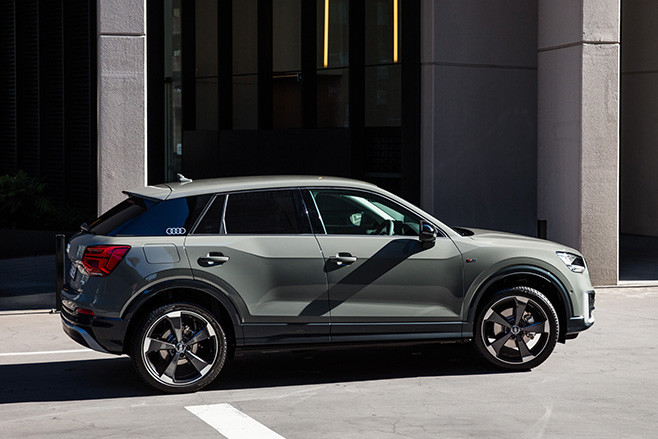
The special Q2 Launch Edition comes equipped with the 1.4 TFSI engine, for $49,900.
Based on the entry-level design variant, it comes with the same standard equipment as well a suite of driver assistance systems including adaptive cruise control with stop-and-go, and active lane and side assist.
The exterior will feature elements of the Q2 Edition #1 shown in Europe last August, including exclusive quantum grey paint, black and Manhattan grey exterior details and 19-inch alloys.
The 2017 Audi Q2 goes on sale from February 24.
Now discover 8 things you didn’t know about the Audi Q2 here.
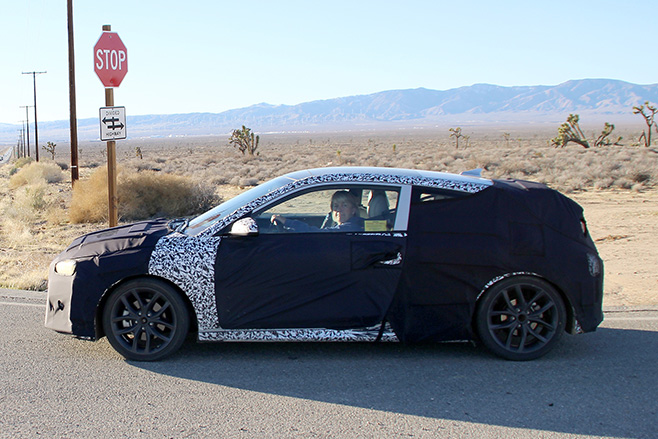
The 2019 Hyundai Veloster has been caught on a test run near Death Valley in California.
Despite the cloaking it looks as though Hyundai is sticking with a distinctive look for its compact sporty coupe, albeit with sleeker lines, though the overall profile remains true to the current generation which first appeared in 2011.
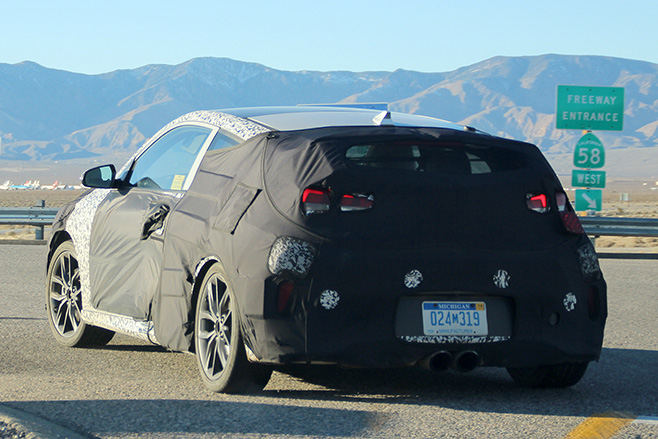
The front will be updated, though it will still be dominated by a broad grille. If new Hyundai models are anything to go by it will have a sharper shaped headlights than those currently fitted.
The A-pillar looks different to previous models with a gradual sweep into the roofline and the rear appears to have a wider stance thanks to its new chassis that also underpins the new Hyundai i30.
The Veloster looks set to remain a three door, judging by the obvious rear door handle on the right side of this prototype (flipped for right-hand drive models) and a covered-up rear quarter on the driver’s side.
Hyundai will probably stick with the 103kW 1.6-litre four-cylinder naturally aspirated petrol engine and the 150kW turbocharged version in the Hyundai Veloster SR models.
However, there’s also likely to be an N performance model from Hyundai’s new sub-brand – which will get a special exterior design package and handling and power upgrades probably via a new 2.0-litre four-cylinder turbo capable of delivering nearly 200kW.
The new Veloster is expected to make a motor show debut sometime towards the end of this year.
