
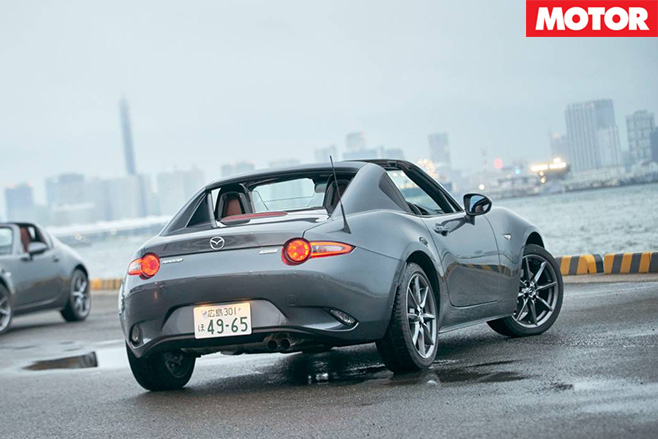
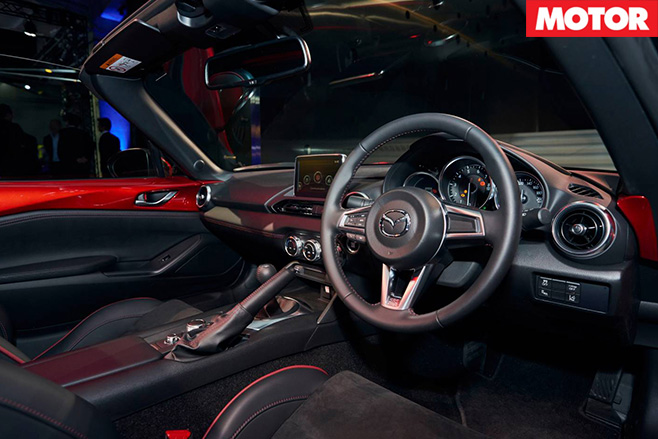
Mazda MX-5 buyers will need more dough to buy the Retractable Fastback (RF) flagship version which lands locally in February for $38,550 before on-roads.
The Mazda MX-5 RF is available only with a 2.0-litre engine, although it joins its soft-top sibling by being offered in base manual ($38,550) or automatic ($40,550), and GT manual ($43,890) or automatic ($45,890) model grades.
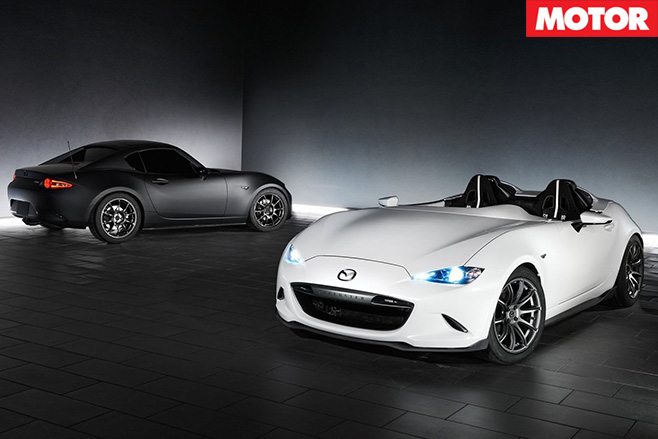
If Mazda builds production versions, expect to see them later in the MX-5’s lifecycle.
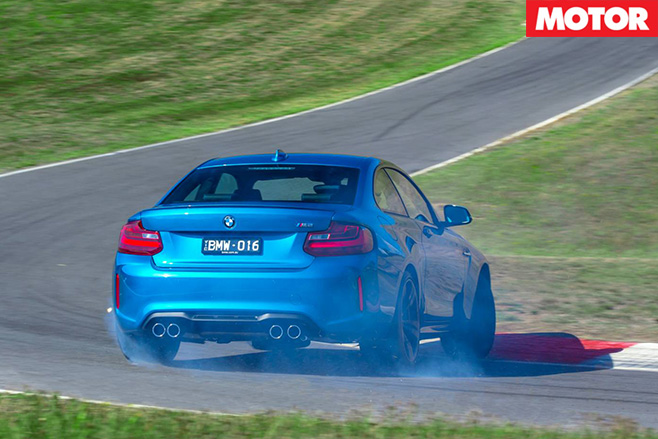
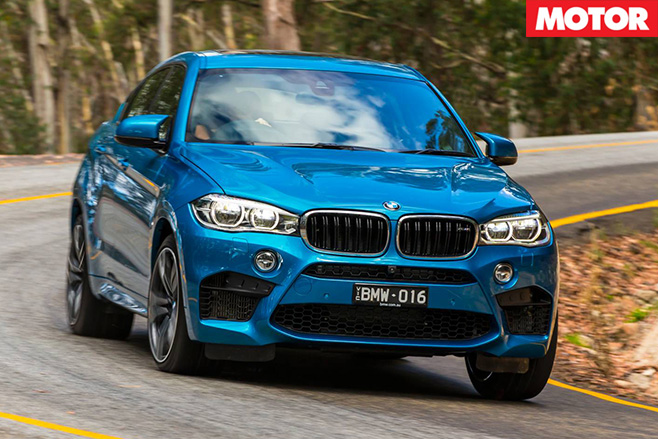
BMW’s M Division is on track for a record year in Australia thanks largely to huge demand for the M2 and booming growth for the M3 sedan and M4 coupe models.
For the first three quarters of this year – from January to September – the brand managed to sell 1113 M cars, or 4.9 per cent of total BMW Australia sales. That’s one of the highest portions in the world and a staggering 47 per cent growth over last year’s 757-unit figure.
M Performance models are only up 7.0 per cent over the same period with 673 sales in 2016 versus 629 units in 2015.
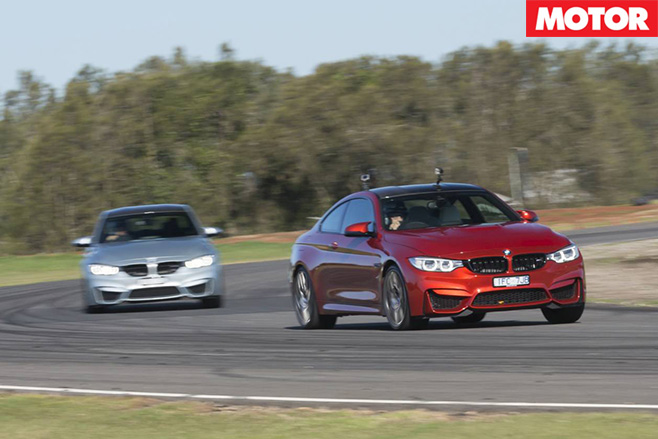
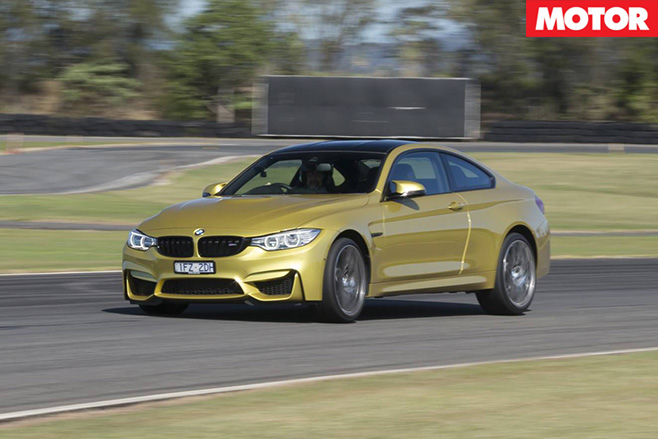
Last year it took the M3 sedan a full year to reach 279 sales. With a quarter of the year still to go it hit 370 sales including 43 in September. That’s in addition to 242 sales for the M4 coupe and 50 for the M4 Convertible. In total, an average of 63 per month – but more is expected with the Competition Package models coming on stream.
A legendary Ferrari is set to become the world’s most expensive car after being offered for sale by a UK-based Ferrari specialist for £45 million (A$75 million).
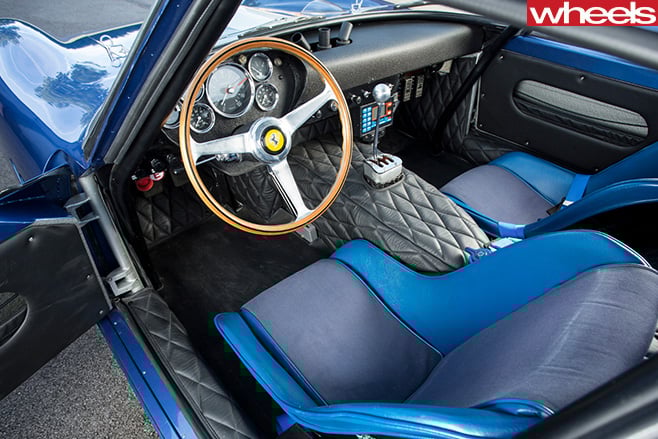
High-end classic Ferrari broker Talacrest has listed the 1962 Ferrari 250 GTO, which was the second of just 36 to roll off the production line.
It was used by Ferrari for testing and developing the 250 GTO series before being sold to the North American Racing Team.

In 1969 it was sold for US$5400 and flipped for $11,000 and again changed hands in 1975 when it was bought by a Mr Steve Griswold for $13,000 who restored it and later sold it $125,000 in 1978.
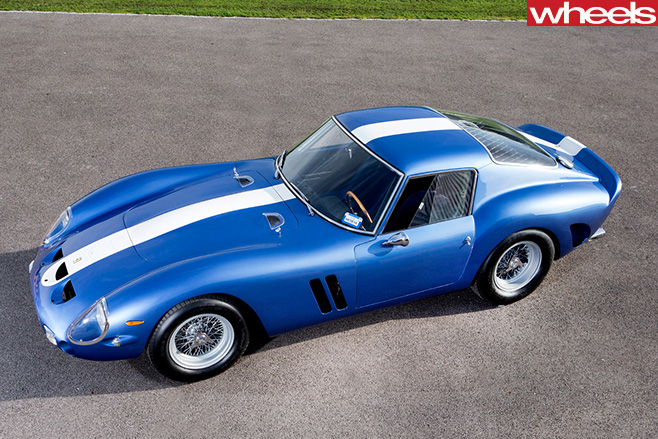
Since then it has been an international Concours star and was recently on display in a museum.
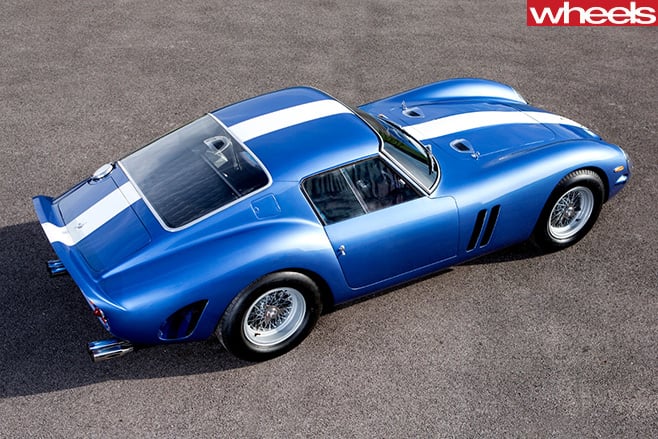
“I’ve been looking for a 250 GTO for a while and the opportunity came up with this one, which is the second GTO built,” said Collins.

“After the US election, people are going to be looking at investing in assets and this is a lot better than a painting on the wall,” Collins added.

In 2013 a 250, known as ‘chassis 5111’ and once owned by Stirling Moss sold for around A$55 million in a private deal, while a 1963 250 GTO was sold by Bonhams during 2014 Monterey Car Week for around A$50 million.
MAZDA reckons the world needs more sports coupes, and what better way to kick things along than with the Mazda MX-5 RF, a rear-drive targa based on its 2016 Wheels Car of the Year-winning two-seat roadster? But is the “Retractable Fastback” as great as the convertible?
WHAT IS IT The MX-5 RF is little more than a regular 2.0-litre ND Roadster with fixed side sheetmetal behind the doors, retractable glass and roof panels, extra sound deadening, and minor suspension and steering retuning. But despite an extra 45kg and a higher centre of gravity, it still drives like an MX-5.
WHY WE’RE TESTING IT We love the Mazda MX-5, because it’s perhaps the most pure proper sports car priced at less than $50,000, certainly the truly affordable only two-seater roadster, and just so life-affirming to drive. Before driving it, we were unsure whether the world actually needed a tin-topped version, especially after the pointless RC Roadster Coupe from the previous-gen NC, but this is everything that car wasn’t, starting with the drop-dead gorgeous silhouette.
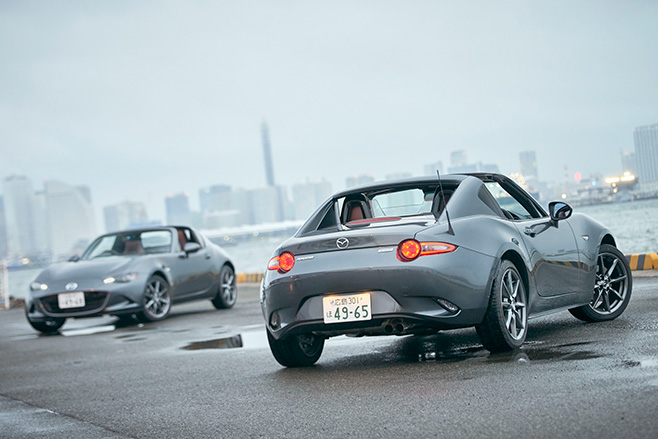
THE WHEELS VERDICT The previous Mazda MX-5 with a folding hardtop (NC RC Roadster Coupe) looked less appealing than the convertible on which it was based. And it was expensive. This time around, though, the company has devised an evocative targa design that gives the icon a true sleek coupe styling, but with the added security and refinement advantages that a retractable hardtop bring. Weight jumps 45kg, and the centre of gravity rises a bit, but nothing short of a back-to-back drive would reveal these, meaning that pretty much all of the convertible’s fun dynamics carry though. So does the road noise, but that’s all part and parcel of MX-5 motoring, right? It’s a welcome addition to the range, then.
PLUS: Evocative design; MX-5 dynamics remain; slightly quieter than Roadster MINUS: Poor side vision; not as quiet as Mazda claims; even smaller luggage capacity
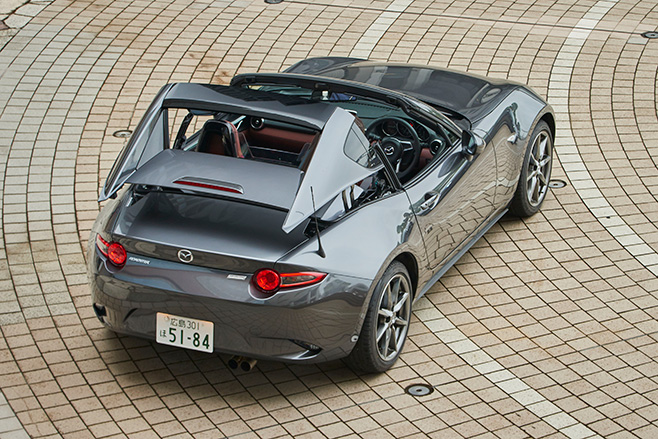
Design chief Masashi Nakayama says the latest-gen convertible’s shorter wheelbase doesn’t have the space to package the roof system from the previous RC Roadster Coupe without both uglifying the line of beauty and severely curtailing an already tiny luggage capacity.
The answer was probably staring at his teenage self, because the 1977 Ferrari 308 GTS (star of the 1980s-era TV show Magnum PI and a pin-up car for many bedroom walls) provided the inspiration. The RF’s flying buttresses – those flowing rear pillars – were born after exterior designer Masanori Minamisawa sketched a sleek silhouette over an MX-5 convertible during a hardtop styling proposal meeting in June 2013. It was an elegant solution, since the buttresses allowed for a near-vertical rear window and two-piece roof to concertina neatly into a tight package. Housing the motors used to stow the roof proved painstakingly complex.
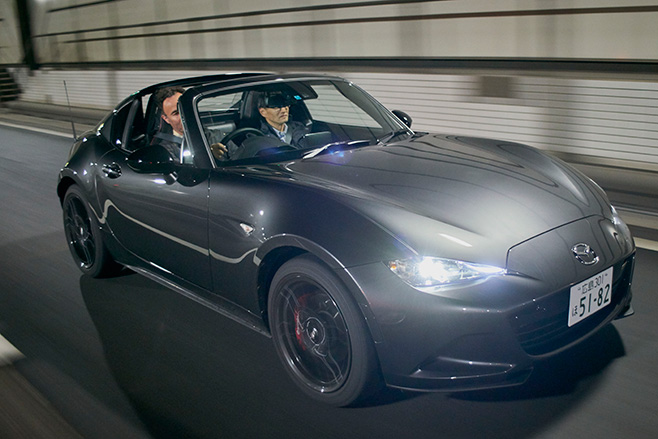
Mazda predicts that more than 50 percent of MX-5 buyers will fall for the Maranello apperanza, and that’s despite an assortment of minor compromises – an extra 45kg, a higher centre of gravity, a slightly smaller circa 130-litre boot, and a considerable $4K price hike compared with the 2.0-litre ragtop equivalent (unlike the Roadster, there’s no 1.5L RF for now).
The RF does usher in new-to-series driver-assist systems including blind spot monitoring, rear cross-traffic alert, and lane departure warning (all should make their way into the Roadster soon), as well as appreciably more sound deadening and improved tin-top security.
The latter benefits are crucial, since Hiroshima hopes they will lure coupe buyers who’d never otherwise consider an MX-5 (something at which the RC failed miserably).
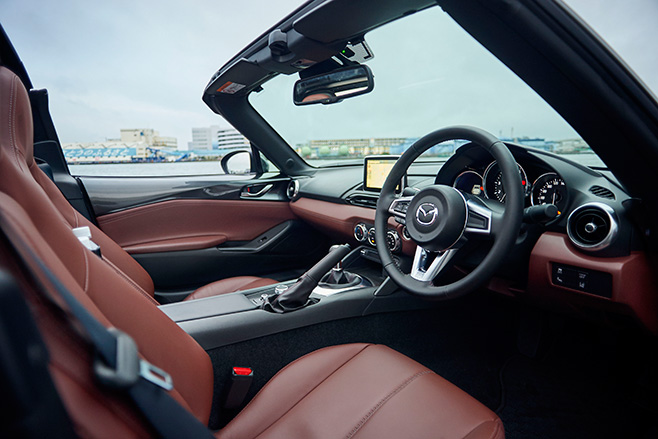
More importantly, however, in an all-too-brief 70km round trip to the Japanese capital’s docklands over roads that are smoother than Justin Trudeau, the drive at least confirmed some things were not lost in translation – the regular ragtop’s intimate steering, taut agility, eager mid-range oomph, and alluring lightness are all there. All, thankfully, are core to this tin-top’s appeal. The donor car’s near-50/50 weight distribution carries through too, by the way.
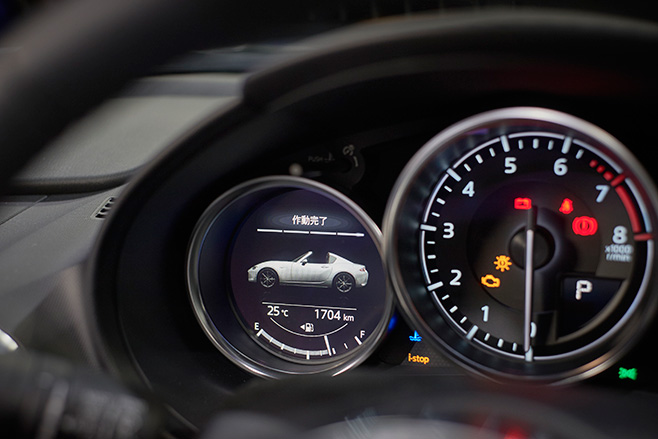
The biggest surprise is the slickness of the six-speed manual gear shift’s action, making this one of the sweetest versions yet.
Still, it is the RF’s beguiling looks, with those audacious flying buttresses, wide-hipped proportions and lovely detailing that leaves a lasting longing, similar to the allure of the late 1960s-era Datsun Silvia, the Toyota 2000GT, and the first RX-7.
In the case of the MX-5 RF, necessity became the mother of beauty. Isn’t that the point of a coupe?
Manufacturers clearly haven’t dozed off from creating performance sedans that limbo beneath the radar – and hopefully fly under a highway patrol’s speed radar in the process.
These five brand new ‘sleeper’ sedans have within the last few months packaged startling performance with a chrome-trimmed exterior and luxury-laden interior, leaving no other driver on the road apparent to the traffic light drag-race potential that lies within.
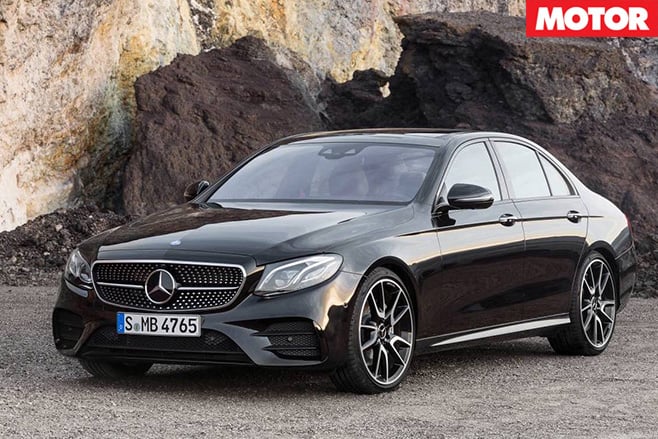
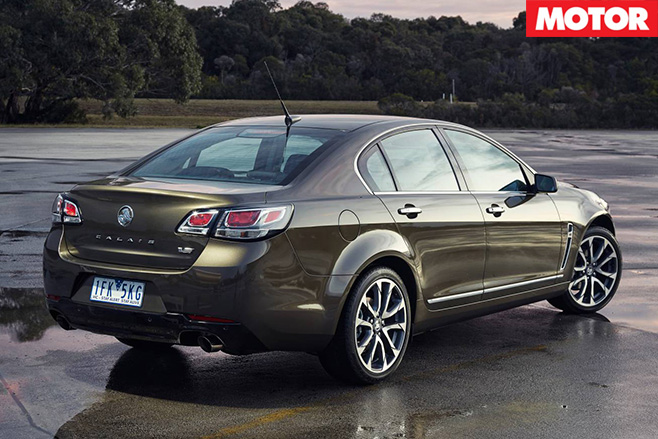
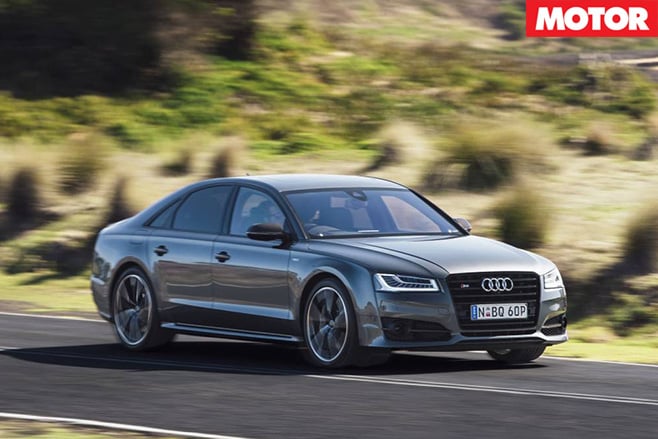


More than 2000 cars were evaluated for the 2016 Wheels Gold Star Value Awards, evaluating the key selection criteria of depreciation, insurance, fuel, purchase price, real cost, service and warranty
BEST VALUE CITY CARS
The Suzuki Celerio is one of the cheapest cars available in Australia. Itu2019s got plenty more going for it: a roomy cabin (for a micro car, anyway), and itu2019s surprisingly fun and smooth to drive. It may have a tiny 1.0-litre three-cylinder engine, but itu2019s one of the most fuel efficiency cars in this segment (4.7L/200km). According to Wheels u201cCelerio is the second least-expensive car to insure of the whole field, while a 46 percent three-year retained value forecast means it sheds just over $7000 in three years, which is less than any other Gold Star contenderu201d. Its downsides, however, include no cruise control, a flimsy cargo cover and a three-year, 100,000km warranty.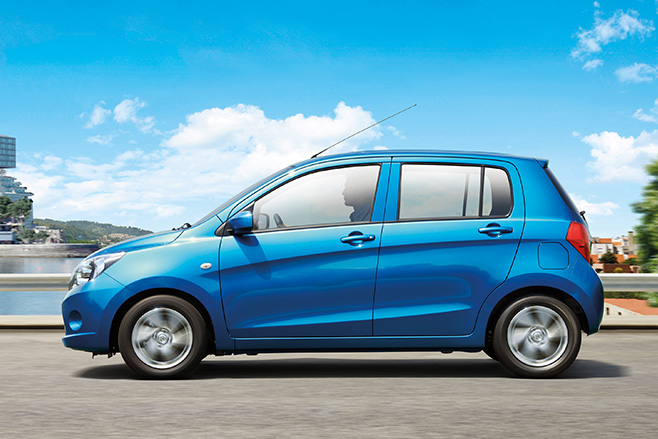
- Kia Picanto Si
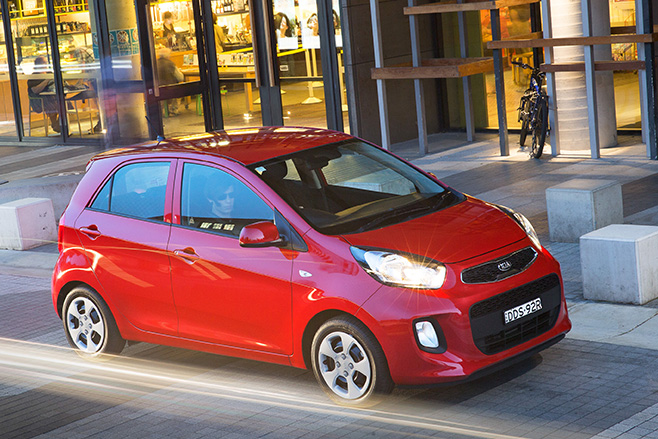
- Holden Spark LS
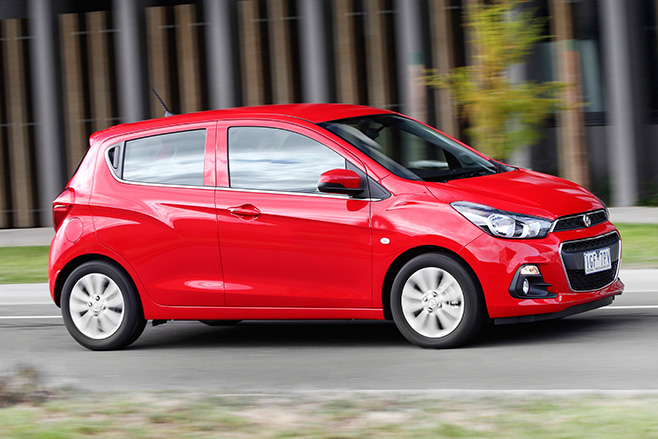
BEST VALUE LIGHT CARS UNDER $17,000
u201cAs well as being easier on the back pocket than a big, powerful car, the Mazda2 Neo will save a few bucks compared to its classmates by being a bit more economical and having longer service intervals,u201d was the wrap of the Mazda2 from Wheels. Costing just $14,990 to $11,583 over three years, the Mazda2 epitomises value. The Mazda is fun to drive and easy on fuel using just 5.4L/100km (compared to the micro Holden Spark which uses 5.8L/100km).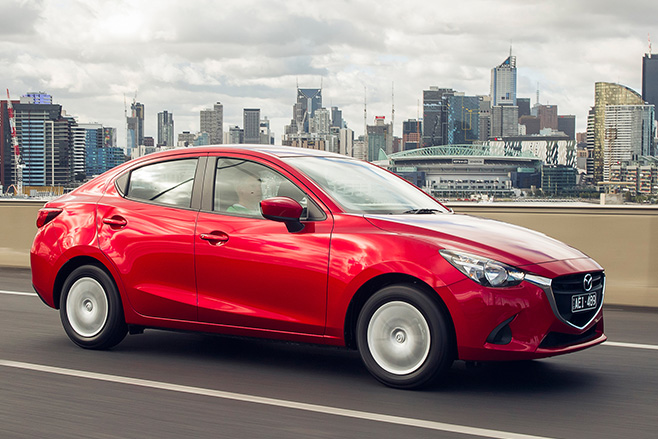
- Hyundai Accent Active
- Toyota Yaris Ascent
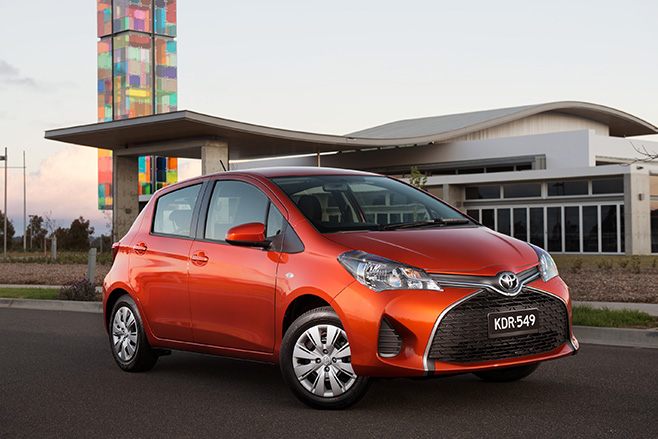
BEST VALUE LIGHT CARS UNDER $25,000
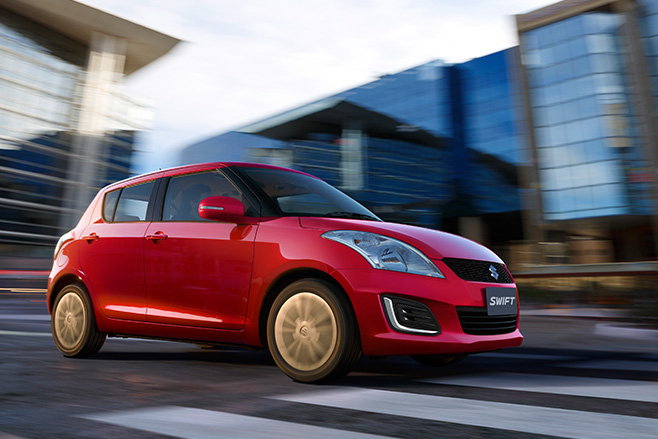
In this segment, the result is similar to the under $17k category, only this time your extra spend nets you a few more bells and whistles. The extra $2700 of the MAXX makes it $17,690 which gets you a more powerful engine (1.5-litre four-cylinder), improved fuel efficiency (5.3L/100km), better resale and more driving enjoyment.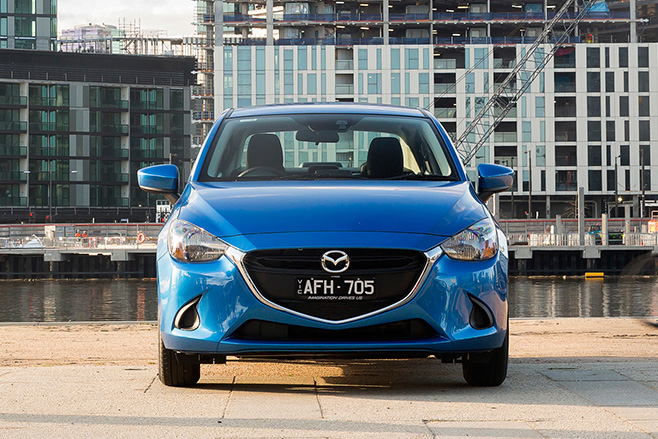
- Suzuki Swift GL Navigator
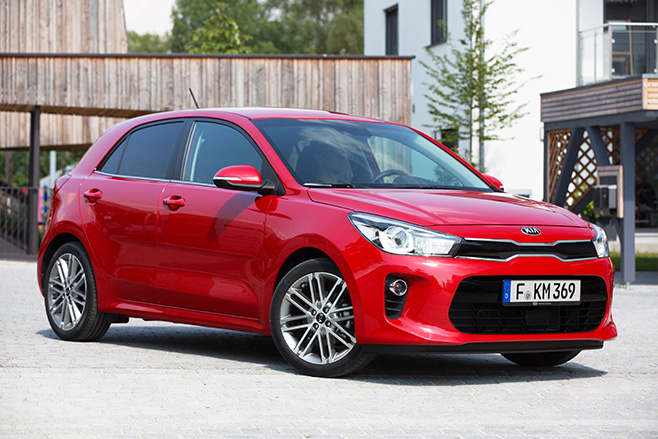
- Kia Rio Premium
BEST VALUE SMALL CAR UNDER $25,000
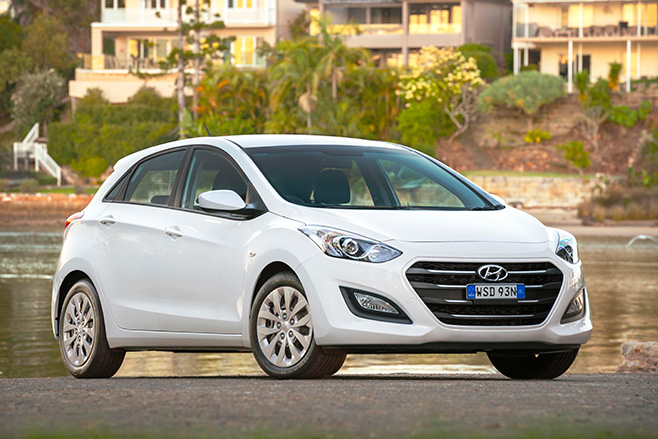
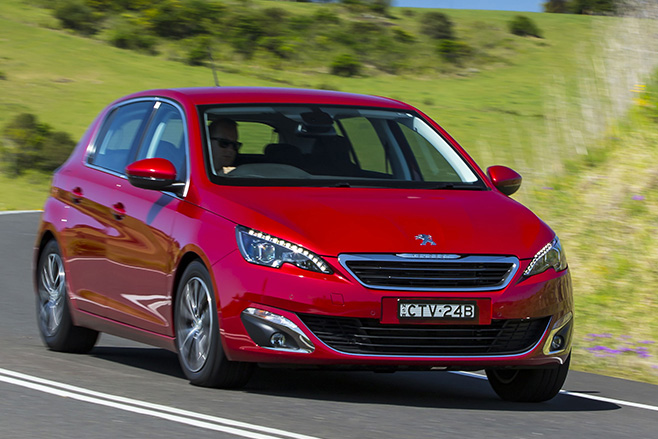
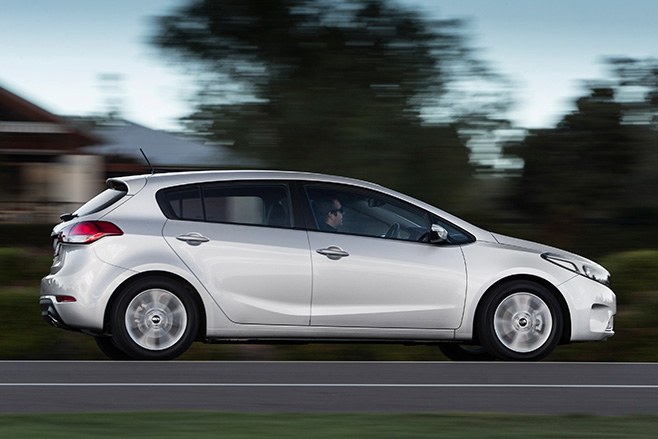
The Kia isnu2019t the cheapest of these three, nor is it the most economical compared to the third-placed Peugeot 308 Access. But the Cerato S has several things going for it, not least of which is that itu2019s the least costly to insure ($570 per year) and Kiau2019s seven-year, unlimited-kilometre warranty. Itu2019s for these reasons that the $19,990 Kia Cerato S finishes on the top of the podium for this group.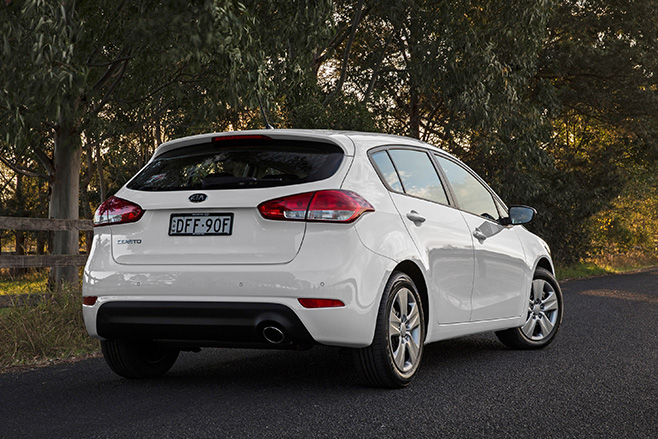
- Hyundai i30 Active
- Peugeot 308 Access
BEST VALUE SMALL CARS UNDER $35,000
The Hyundai i30 is one of Australiau2019s best-selling small cars, and it has that title for good reason. While the Cerato may have topped the previous podium, the i30 Active CRDi takes on the under $35,000 segment thanks to its thrifty 1.6-litre turbo-diesel engine which uses just 4.9L/100km (compared to the Cerato S Premiumu2019s 7.1L/100km). In saying that, this is the base model i30, while the Cerato is top spec, so your choice sits between frugality or gadget count. It comes with a five-year warranty, a decent 12-month service interval and a low insurance bill – albeit not the cheapest.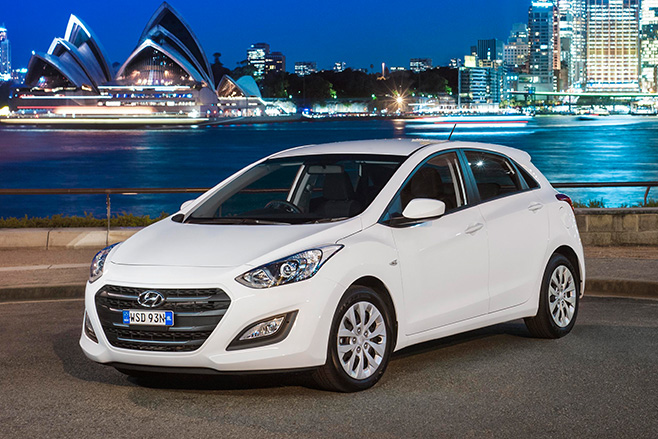
- Kia Cerato S Premium
- Honda Civic VTi-S
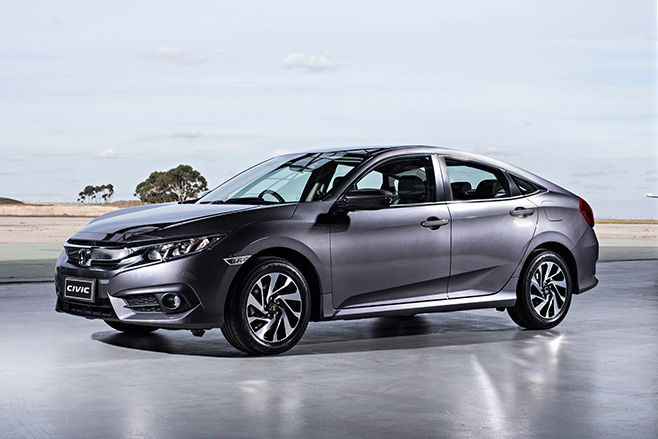
BEST VALUE PREMIUM SMALL CARS UNDER $50,000
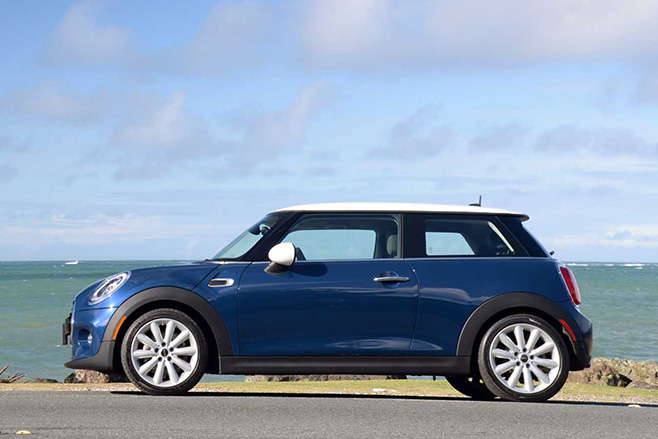
If youu2019re one for creature comforts and a touch of class, while stilling driving something nimble enough to traverse the city, then this segment will probably interest you. Sure, there are small cars out there that cost less, but just because youu2019re willing to spend more doesnu2019t mean youu2019re not chasing value. The Audi A1 Sportback has an attractive interior, uses just 4.2L/100km in fuel from its three-cylinder turbo engine, and low-cost insurance of $871, just $54 behind the Mini Cooper.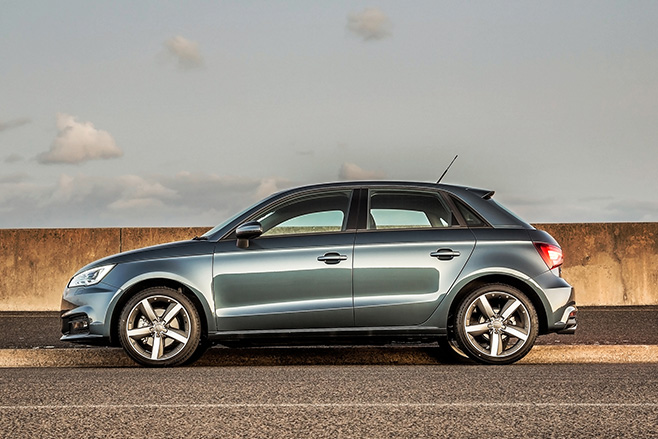
- Mini Cooper
- BMW 118i
It’s the kind of car that motoring journos love to hate, but even we find the GLC Coupe to have more than a few redeeming facets.
WHAT IS IT? The swoopier looking, marginally less practical version of Mercedes-Benz’s GLC wagon, for those who find the the regular five-door wagon just a little ‘inside’ the box.
WHY WE’RE DRIVING IT It made a good first impression when we first drove it on European roads, but that was without full knowledge of local spec or pricing. Now we have that info, we can get a better idea of how it stacks up against rivals, and how it deals with Aussie roads.
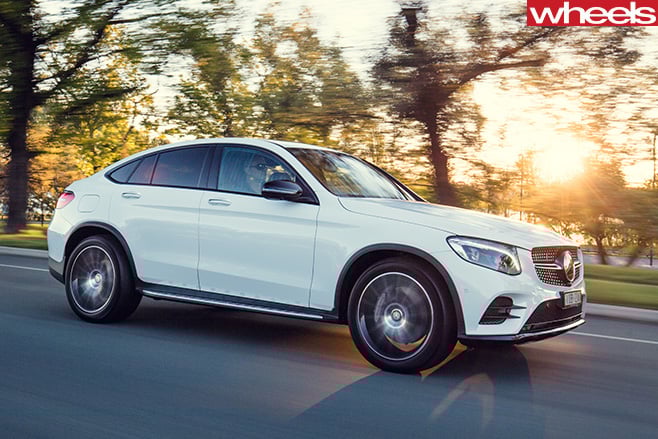
VERDICT Opting for swoopy SUV styling, in this instance, doesn’t mean the rear seats become useless or luggage room evaporates. And the price premium over the wagon is not daylight robbery, when the extra equipment included as standard is factored in.
PLUS: Striking profile view; composed dynamics; cabin quality; equipment levels up over wagon MINUS: Performance adequate, rather than scintillating; some tyre noise; reduced rear vision
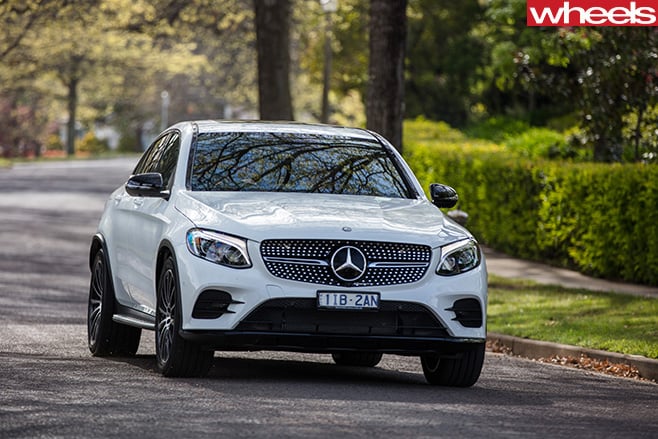
In the case of the new Mercedes-Benz GLC Coupe, Mercedes-Benz has made it even harder for haters to point and sneer at compromised packaging. Yes, the dimension chart shows there is less headroom in the back compared to the GLC wagon. And yes, anyone around 6ft or over does have to duck like they are avoiding a fast bowler’s bouncer to avoid clonking their head as they enter under the arch of the sloping roofline. But that’s about where the negatives end. Once seated in the rear, there’s ample room. I’m an imperial 6 foot and my oversize bonce does not brush the roof lining. And with the front seat set to my driving position, I have no complaints about rear leg or foot room. As for the centre seat, a compact adult could cope just fine for a short hop. Rear shoulder and elbow room, for the record, are the same as in the wagon.
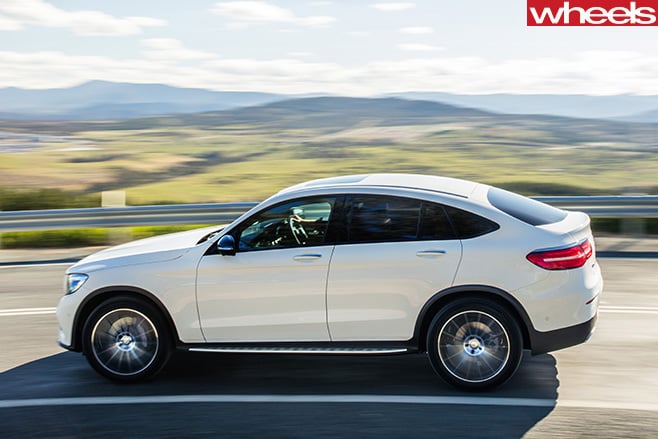
The Coupe’s initial three-model line-up spans a tight price bracket, opening at $77,100 for the Mercedes-Benz GLC 220d, stepping to $80,100 for the petrol GLC 250, and topping out at $82,100 for the GLC 250d. Later, we’ll see the GLC 43, with its potent twin-turbo V6, priced at $108,900. For our first local drive, only the full-strength GLC 250d and petrol GLC 250 were available, with the latter expected to take over half of all Australian GLC Coupe sales. So let’s touch on value, to address the “gouging you for less headroom” criticism which often gets directed at this category. At first glance, it does look that way, with prices around $11,000 higher than the same-engined wagons. Ah, “but” counters your friendly Merc salesperson, the Coupes get, as standard, AMG Line Bodystyling, 20-inch AMG wheels, and, importantly, Dynamic Body Control sports suspension, among other additional standard inclusions. Suddenly the adjusted price premium is more like $6000.
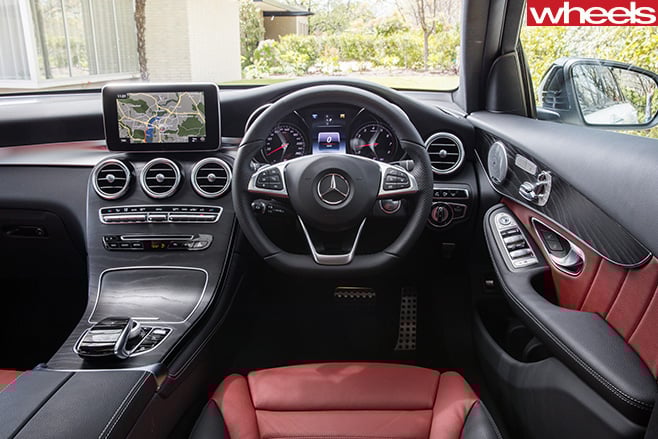
As for powertrain choice, the predictable outcomes apply. The petrol engine idles more quietly, feels zingier and more eager, but needs to be worked harder and drinks more. The 250d diesel has the muscle, and decent refinement levels, but is still a bit of a slogger compared to the best four-pot oil burners out there. Bottom line: teamed with the standard nine-speed auto, both are agreeable, efficient powertrains, if a little uninspiring when viewed in context of the sporty, AMG-clad exterior of the GLC Coupe.
Will owners notice or care? No, but for any who do want a more full-fruit experience to go with the fast lines, wait for the GLC 43 that’s coming February 2017.
SPECS Model: Mercedes Benz GLC 250 Coupe Engine: 19991cc 4cyl, dohc, 16v, turbo Max power: 155kW @ 5500rpm Max torque: 350Nm @ 1200-4000rpm Transmission: 9-speed automatic Weight: 1735kg 0-100km/h: 7.3sec (claimed) Fuel consumption: 7.4L/100km Price: $80,100 On sale: now
Ferrari’s again let Sebastian Vettel loose in a highly prized supercar in the name of glorious noise and smoke.
The Italian marque turns 70 this year and to mark the occasion released a film that’s part history tribute, and part advertisement for its incoming LaFerrari Aperta.
And what better way to show off a rear-drive Ferrari with 708kW/700Nm than unleashing it at Barcelona Catalunya Raceway with a four-time F1 world champ at hand?
Vettel’s daily drive might have half the cylinders and even less capacity than the 6.3-litre V12 hiding behinds the LaFerrari’s rear seats, but he’s more than qualified to display its, erm, qualities.
Ferrari reckons the roofless car loses nothing to its hardtop counterpart for aerodynamics or body strength, and there’s no reason to doubt them once Vettel flicks the Manettinno to ‘ESC OFF’.
Mind you, there’s a fair bit of fancy camerawork distracting from Vettel’s actual driving, and as far as Ferrari F1 drivers drifting Ferraris go, it’s not as educational as others we’ve seen.
However this new video exists to serve marketing purposes, so you have to wade through a bit of fluff and relatively slow driving before ‘the good part’.
It’s not all bad during, watch closely and you’ll spot various Ferrari classic racing cars that have been artfully, and sneakily, woven into the video.
And just like those racing cars the actual car being advertised, the LaFerrari Aperta, isn’t for sale. Well, not anymore, anyway.
All 209 units announced have sold out, with prices whispered to have fetched more than $3m.
Customers still keen to celebrate the birthday can still opt to have their Ferraris finished in a range special 70th anniversary hues for which it will build 350 units.
If we include the V10-powered Audi R8 flagship and the just-launched TT RS, Audi Sport, the performance vehicle arm of German automaker Audi, has a grand total of seven RS-badged models in its portfolio.
Apparently that’s not enough for the newly-minted CEO of quattro GmbH – the company that oversees Audi Sport – Stephan Winkelmann. The former head of Lamborghini has declared that “there is more to come” for the RS sub-brand, with a whopping eight new hi-po models due by early 2018.
Right now, Audi sells the RS3 Sportback, RS Q3, Audi TT RS, RS6 Avant and RS7 Sportback. Add to that the coupe and Spyder versions of the R8 supercar, and there are seven Audi Sport vehicles already on the books.
The RS4 Avant is a virtual certainty to make a comeback as Audi rolls out more models for its new-generation medium car, but adding seven more vehicles to the RS family in 18 months will constitute the biggest model expansion in quattro GmbH’s 33-year history.
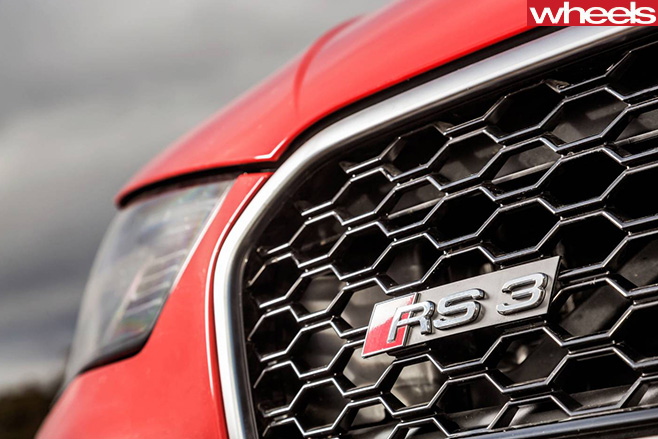
The RS3 sedan is already locked into Audi’s product pipeline, and is scheduled to arrive in Australia in the first half of 2017 as a companion to the already-established RS3 Sportback.
Beyond those variants, the growing popularity of SUVs suggests an Audi RS Q5 and RS Q7 could be around the corner. An RS1 hot hatch could also lob as a gateway model to RS ownership, while a high-tune R8 flagship could also be added at the other end of the RS spectrum.
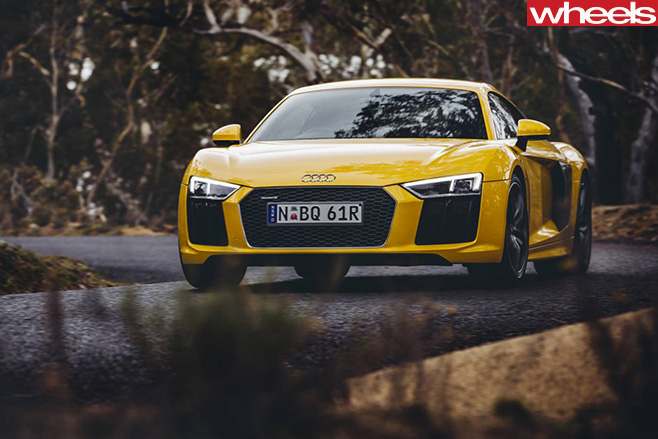
And with Australia being a particularly hot market for those kinds of vehicles, there’s a solid chance they’ll be making their way to our shores too.
Right now Australia ranks fourth in the world for sales of Audi performance models – behind Germany, the UK and the USA – with S, RS and R8 cars accounting for a sizable 17 percent of local volume.
Exclude the softer S models and the RS/R8 lineup accounts for a still-significant 5 percent of Audi Australia’s total sales ledger this year – roughly 1000 cars – with much of that volume coming from the RS3 Sportback. That model alone accounts for a whopping 25 percent of all A3 sales.
TELL ME ABOUT THIS CAR
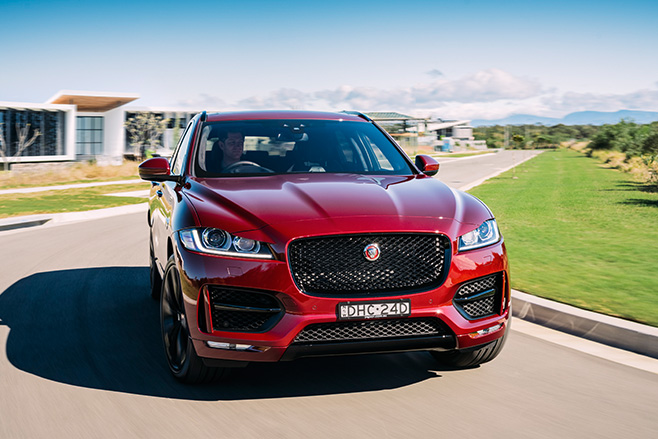
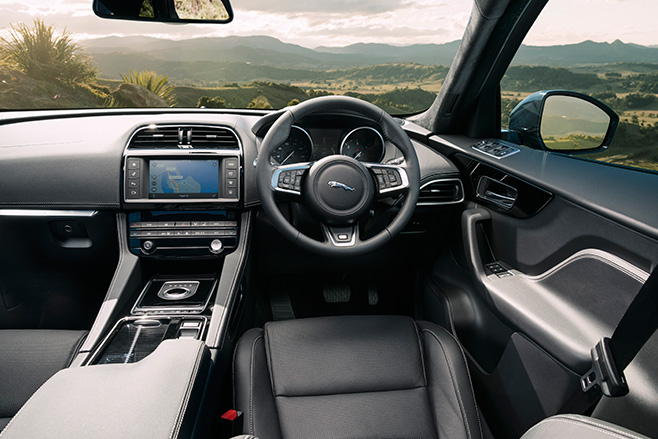
One-time executive saloon specialist Jaguar is changing, adding its first-ever SUV – the mid-size F-Pace – to showrooms in the hope of doubling its sales reach. The most sensible pick of the F-Pace line-up is the entry-level diesel 20d. The R-Sport version is priced from $81,565 before on-road costs, and wears a slightly sharper-looking face than the $5000-plus cheaper entry-level Prestige.
STRENGTHS
- Diesel engine. This part of the market – mid-size SUVs – benefits most from the lazy torque that’s typical of a turbo-diesel powerplant. Economical and able to lope along lazily, the 2.0-litre “Ingenium” powerplant’s only weakness is step-off acceleration, or that tendency to lack decent power when the revs are around idle, such as moving away from a traffic light.
- It’s economical. The official combined fuel use is 5.3 litres per 100 kilometres. In the real world it hovers around 8.0L/100km, which is still pretty good considering it weighs at least 100kg more than a Holden Commodore sedan.
- SUVs are more renowned for their roly-poly, elephant-on-roller skates feel because their centre of gravity is a lot higher off the ground than a conventional passenger car. The big Jag will still lean out of corners, but noticeably less so than you’d expect.
- It also rides well. Our test car was rolling on low-profile 22-inch alloys (a $4300 option) yet inside it was calm and quiet, with very little of the lumps and bumps of the road’s surface making their way inside.
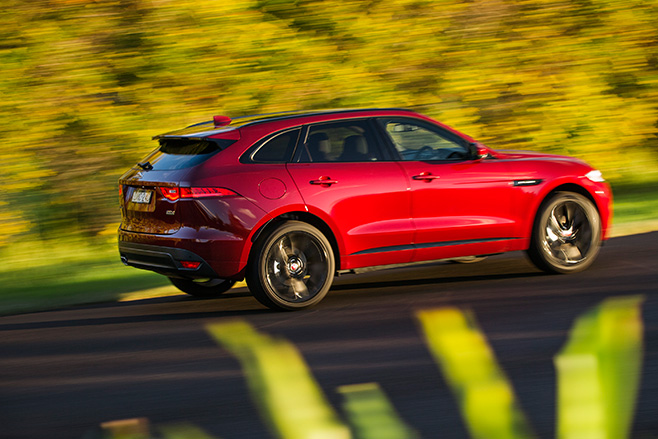
- It grips tenaciously. Chuck the F-Pace at a corner with a bit of vigour, and it hangs on tight. There’s some sports car DNA in there somewhere.
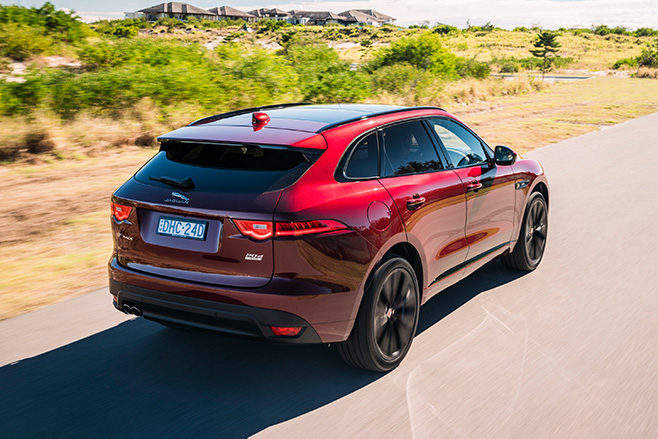
- It looks spectacular. That wide, squared-off stance combined with slit-like headlamps and tail-lights, and a fastback roofline falling to that chopped, coupe-style rear makes it look like nothing else on the market.
- It’s comfortable inside. Out tester had the optional $1400 sports seats that shape so well to the driver’s body that they even have a function that adjusts how tightly the side bolsters grip your torso, so our opinion may be a bit skewed. They replace default leather sports seats.
- Rear-seat accommodation is very good, easily fitting three adults across the bench.
- The boot is a good size. An electrically opening and closing bootlid, operated via either the key fob or a door-mounted button, means shorter owners don’t need to reach up to push a tailgate-mounted button to close it.
WEAKNESSES
- The engine’s lag from idle needs a bit of management. If you’re turning at an intersection, timing is everything.
- The F-Pace’s body is made out of lightweight aluminium, yet it still weighs almost 2.0- tonnes.
- The Jaguar’s dynamic mode that alters how the throttle and steering feel via a centre console-mounted button are a bit lost on the entry-level diesel model. The gearbox’s “S” for sport mode, which is meant to improve performance by hanging onto revs for longer before shifting up, will probably be of better use when towing.
- A full-size spare wheel is a $1000 option. Because it’s an option, we get less boot space than European buyers who stick with the speed- and distance-limited space saver spare tyre.
- There’s strange little storage cubbies built into either side of the transmission tunnel in between the front seats. They don’t quite take a mobile phone, or a purse or wallet, so what are they for?
- The trailing edge of the front door forms a pretty nasty point. If you’re a bit lax getting out of the way when closing it, it can bite.
ANY RIVALS I SHOULD ALSO CONSIDER?
This is a fast-growing and lucrative corner of Australia’s new-car market – sales in the latter part of 2016 were up more than 50 percent compared with 2015. There’s the technically brilliant, and polished-looking Porsche Macan; the classy Mercedes-Benz GLC and its fast-backed cousin the GLC Coupe; the soon-to-be-replaced Audi Q5, the dumpy-looking BMW X3 and its fastbacked cousin the X4; and the technology-laden, seven-seat Land Rover Discovery Sport. All have unique appeal, so it comes down to a matter of taste – and budget.
